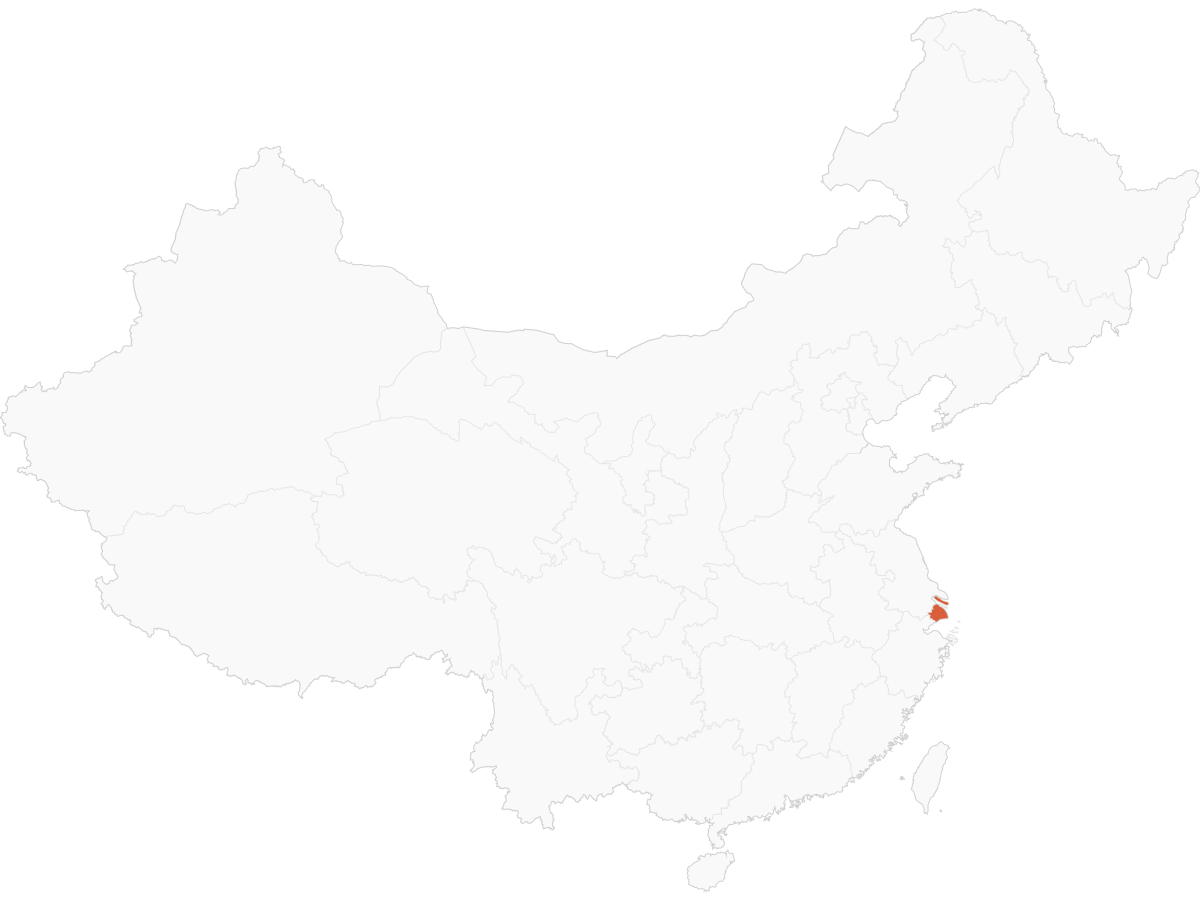
Tibet
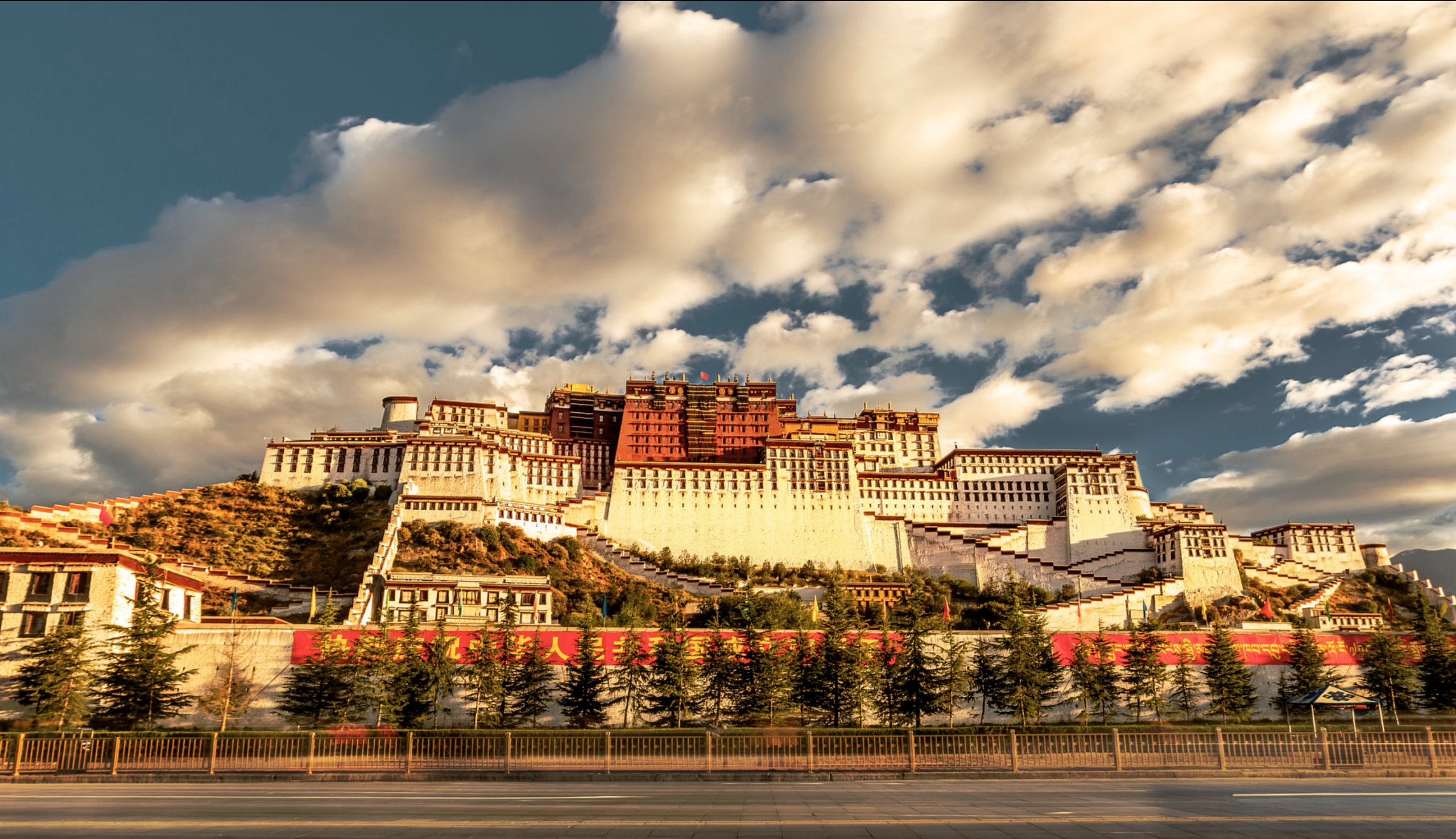
Tibet is one of the world’s most spiritually significant regions, where vast high-altitude plateaus, snow-capped mountains and sacred lakes shape a landscape of silence and scale. Here, nature and belief remain deeply intertwined. From Potala Palace to Ngari, a journey to Tibet is more than a trip, it may become a once in a lifetime experience.
Explore Tibet
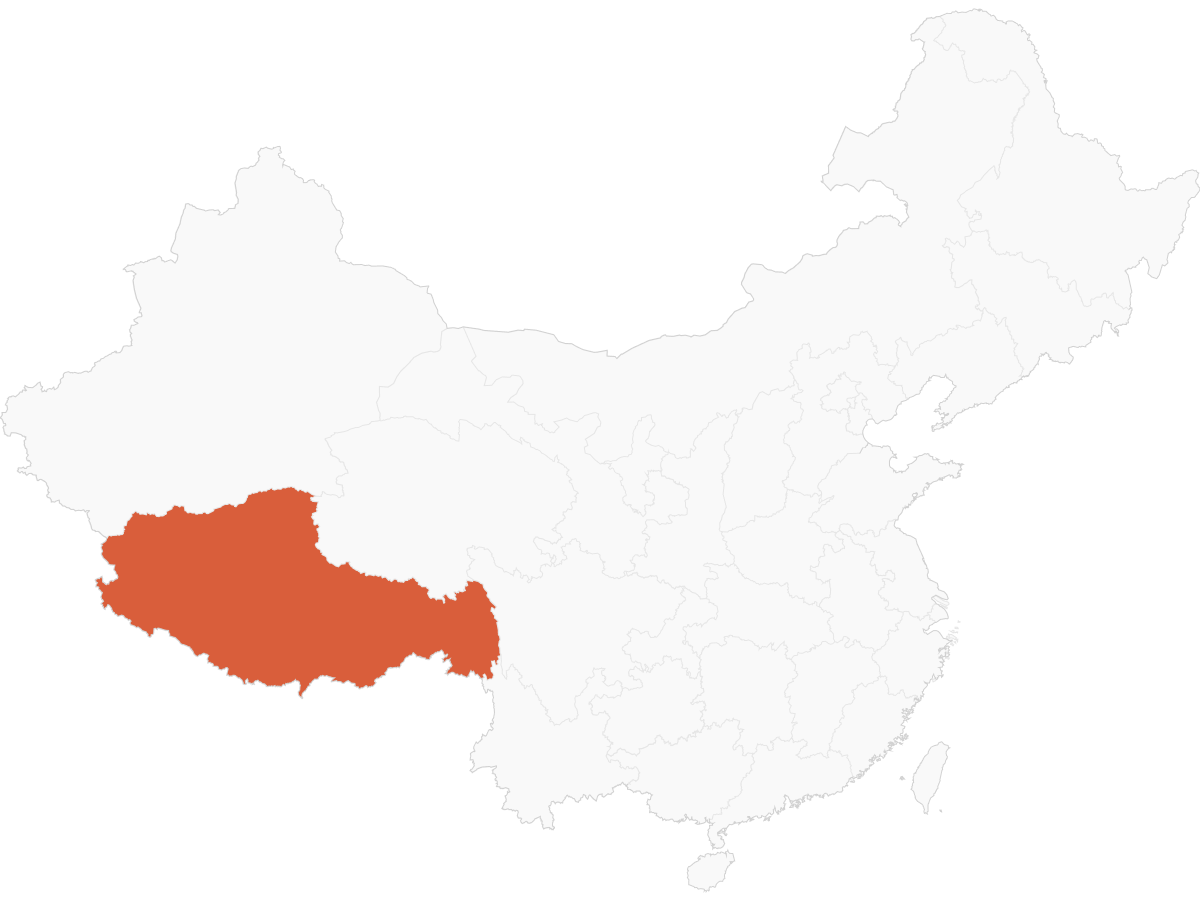
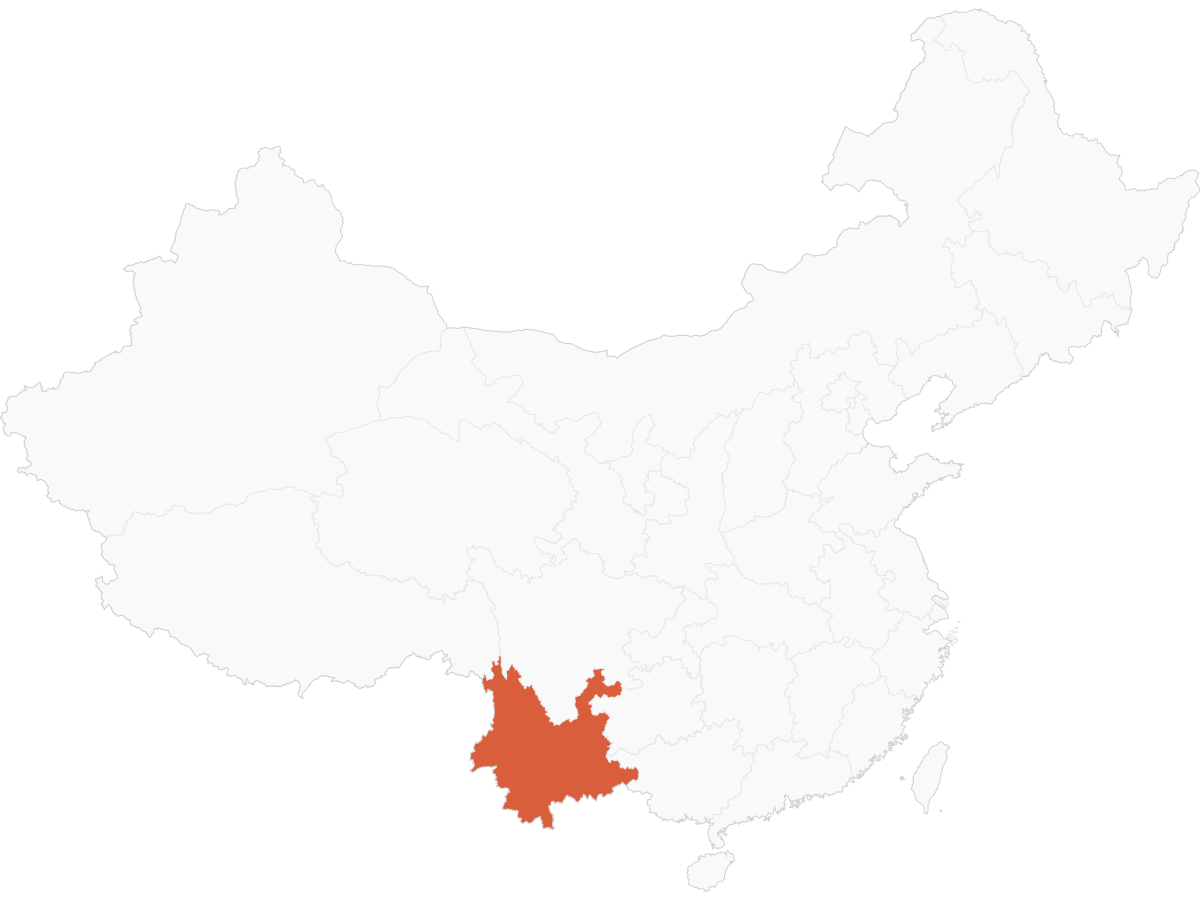
Yunnan
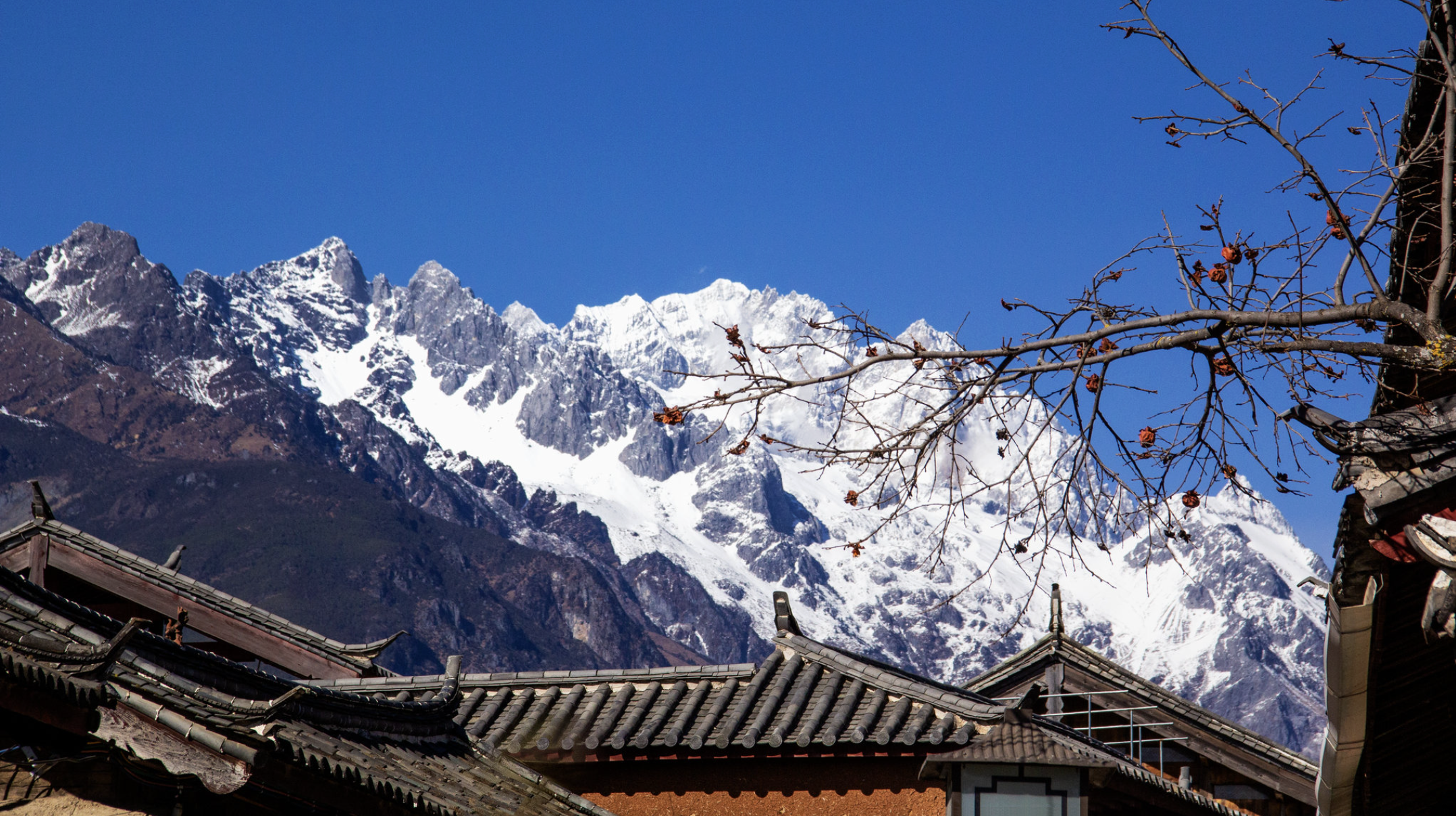
Yunnan is China’s most culturally diverse province, where snow-capped mountains, ancient towns, rainforest valleys, and minority traditions still shape everyday life. Home to a remarkable concentration of ethnic communities, the province offers a rare blend of living culture, dramatic landscapes, trekking, and wildlife.
Explore Yunnan
Western Sichuan
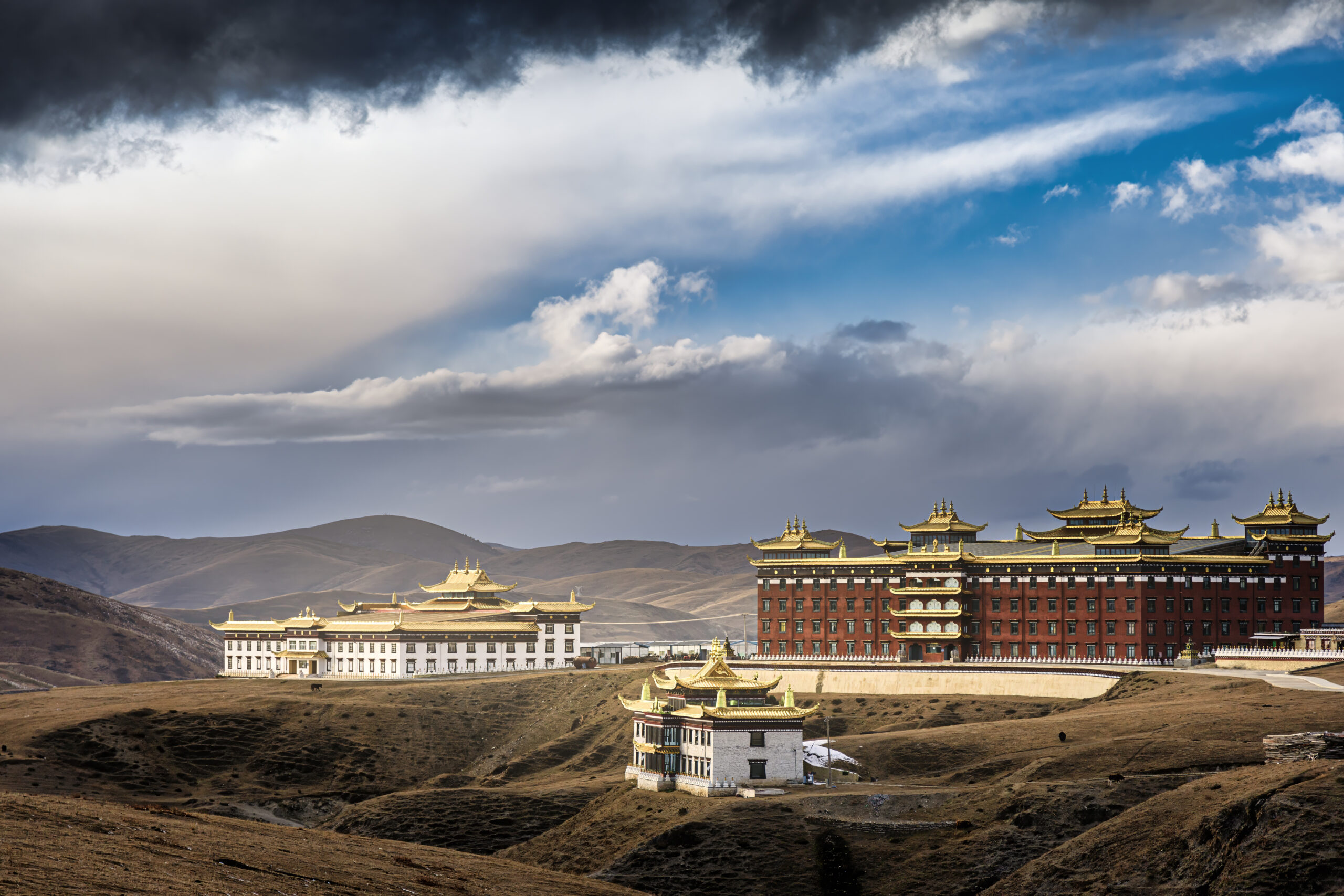
Western Sichuan has some of China’s most compact natural landscapes, bringing you into snow mountains, alpine lakes, grasslands, Kham Tibetan culture, and rich wildlife habitats through meditation, herder visits, Dege Printing House, highland hikes, and Tibetan areas beyond the usual Tibet route.
Explore Western Sichuan
Guizhou
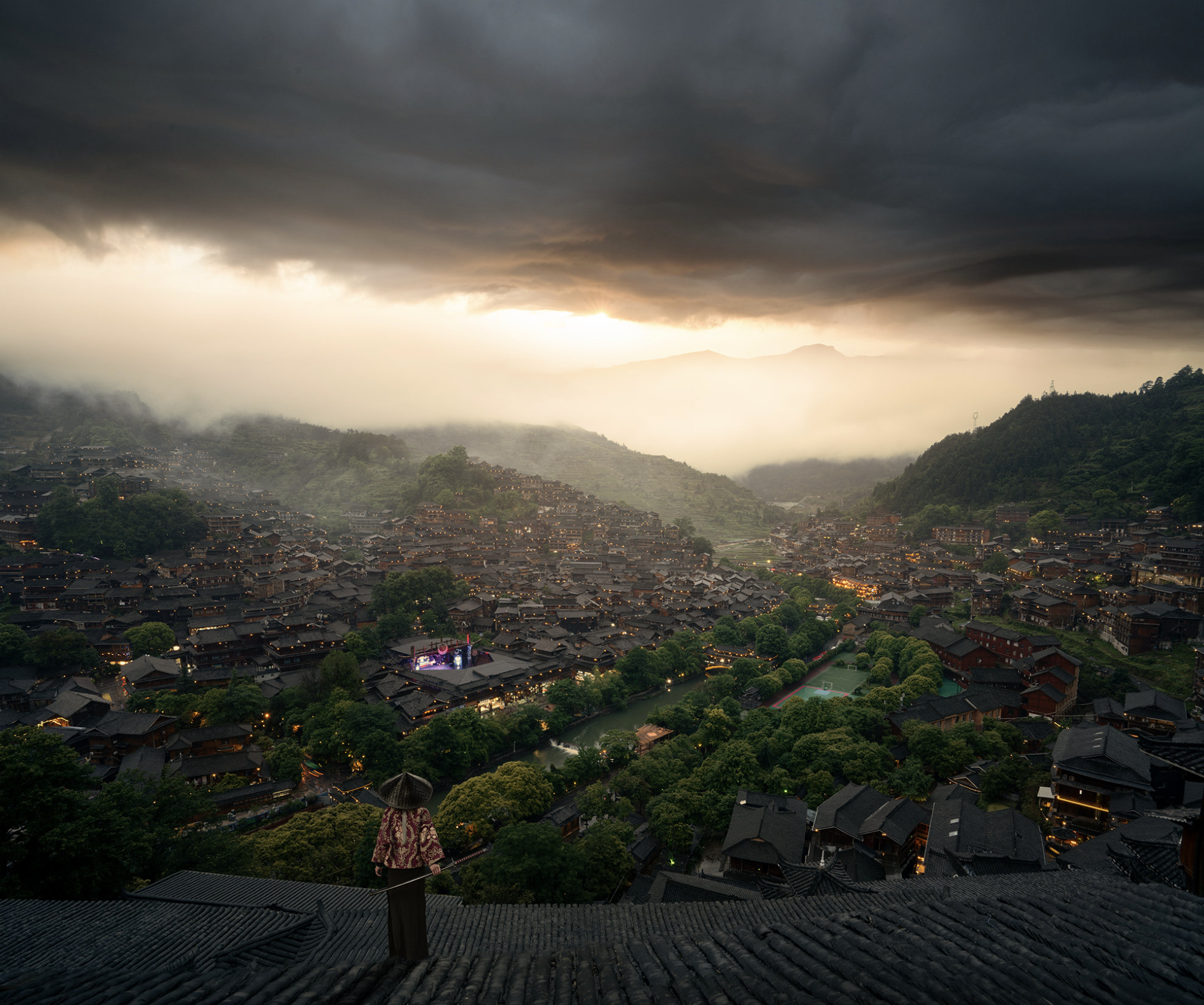
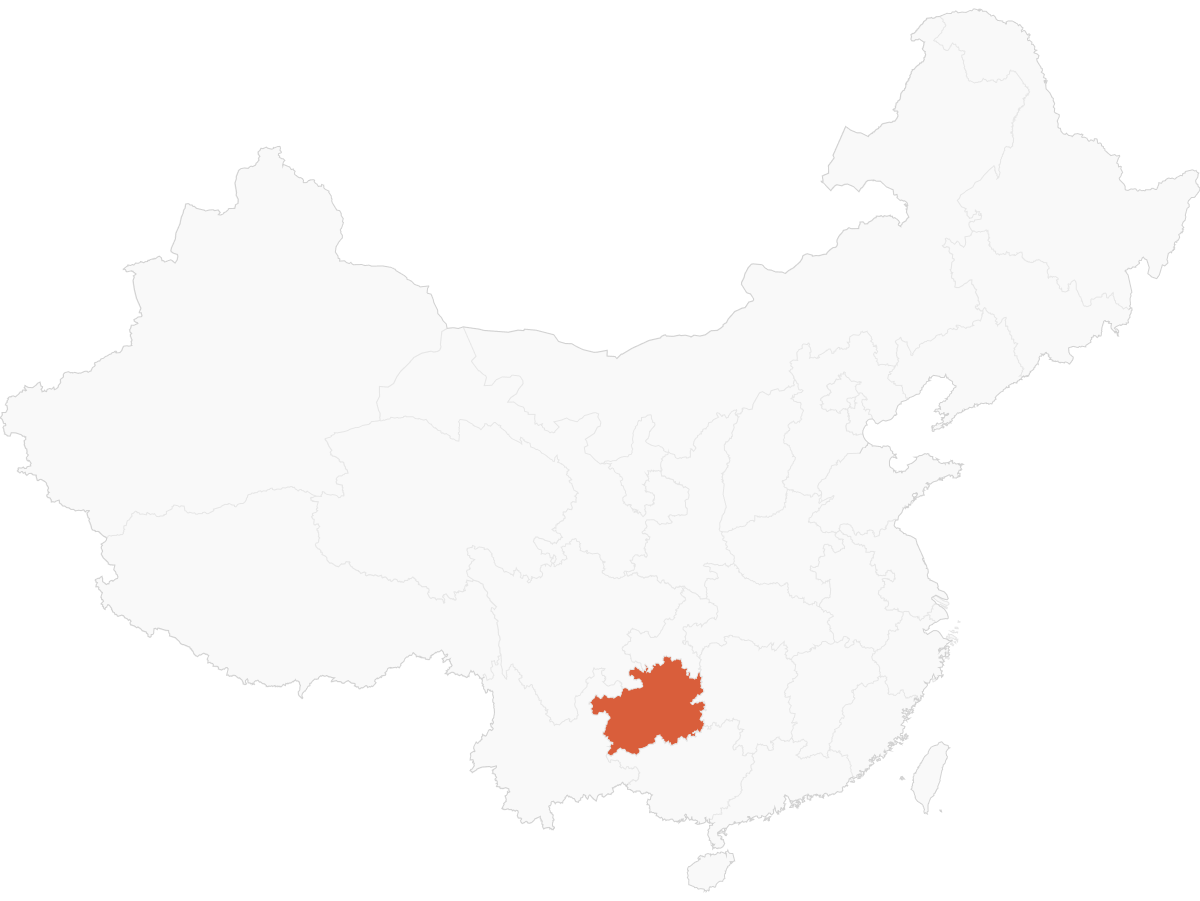
Guizhou is home to some of China’s best-preserved ethnic minority cultures. While many parts of the country have changed rapidly, traditional festivals, music, crafts, and ways of life remain deeply rooted in the villages of the Miao, Dong, Shui, and Buyi peoples.
Explore Guizhou
Zhangjiajie
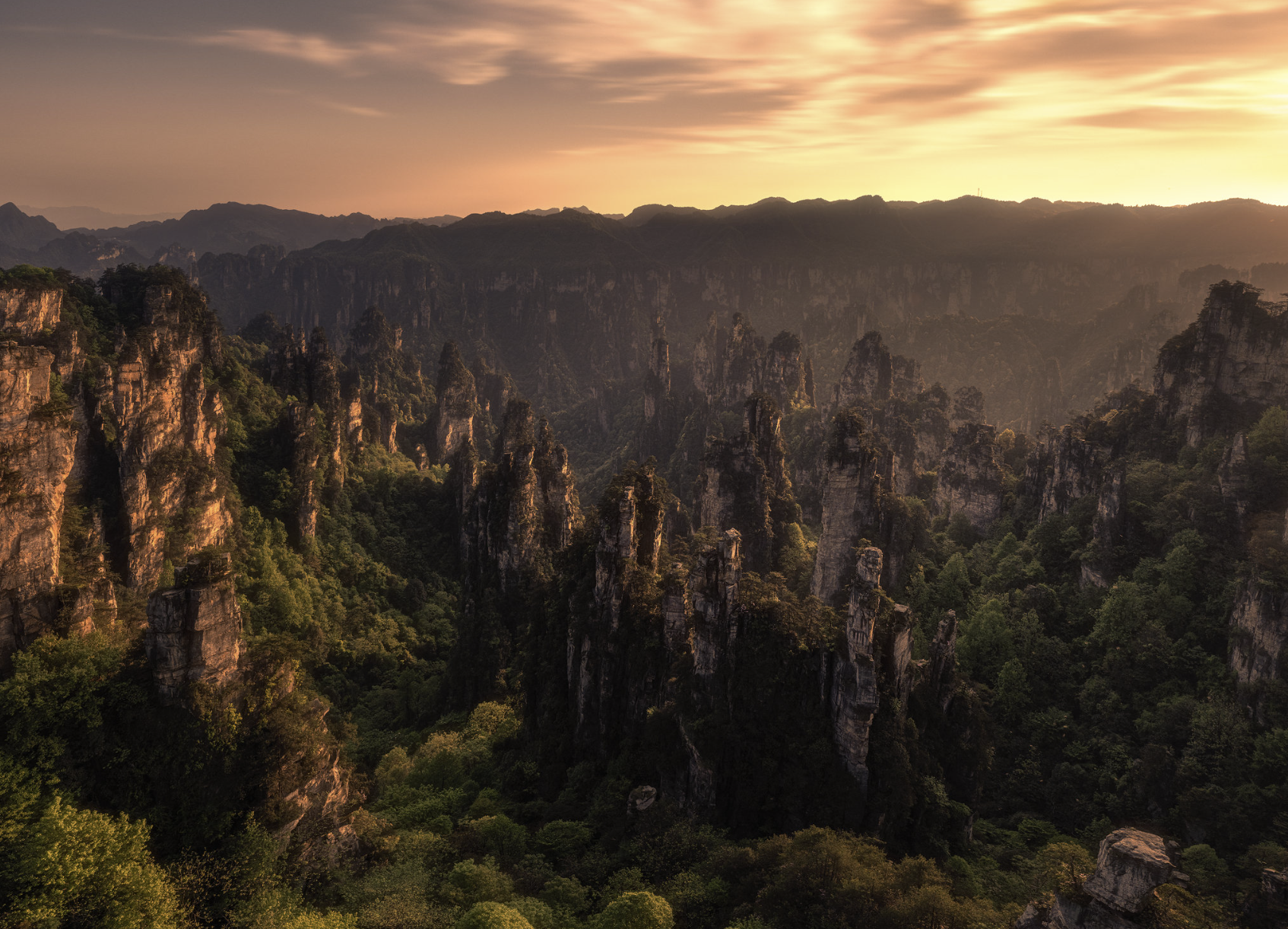
Zhangjiajie is home to the world’s only large-scale quartz sandstone pillar landscape. Over 380 million years of tectonic activity, water erosion, and gravity-driven collapse have sculpted more than 3,100 towering stone pillars, creating a geological wonder found nowhere else on Earth. This is a landscape that truly belongs to Zhangjiajie alone.
Explore Zhangjiajie
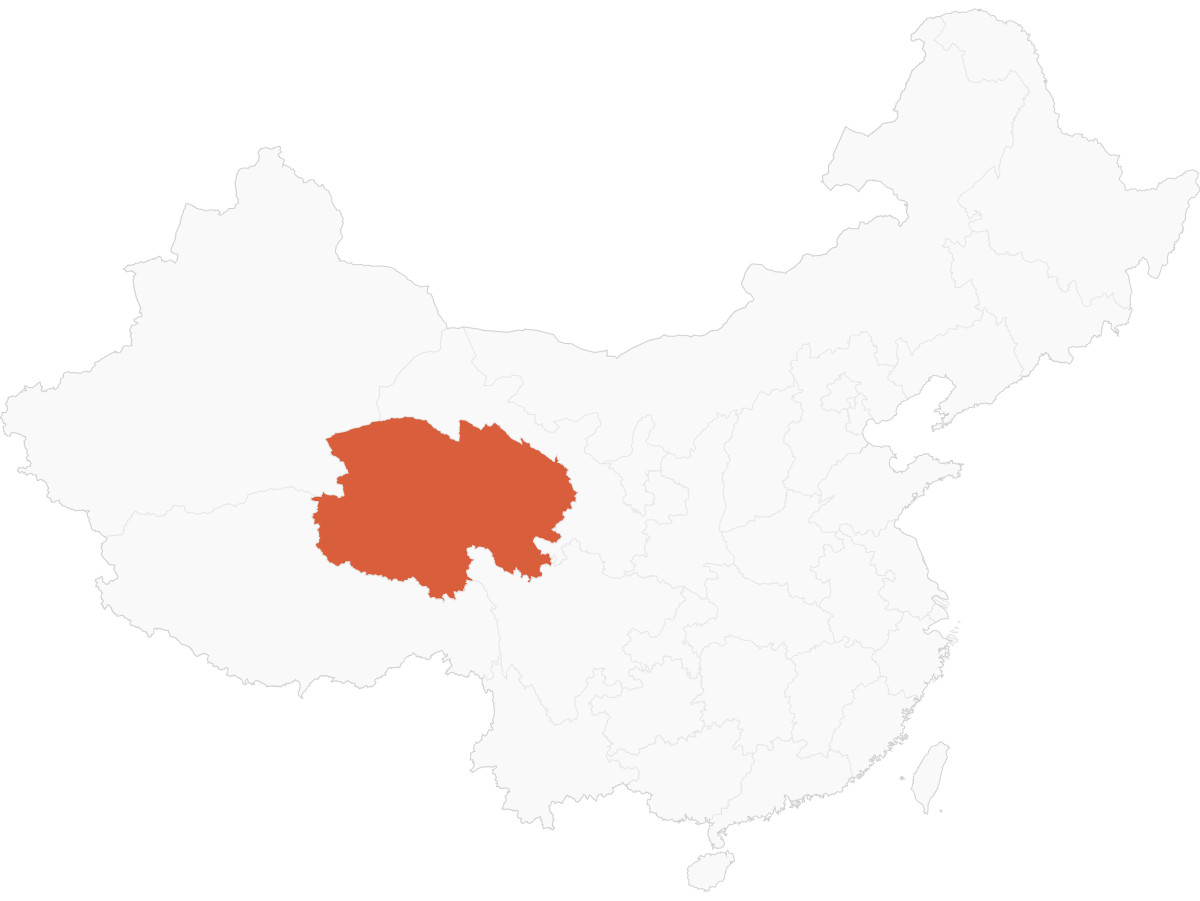
Qinghai
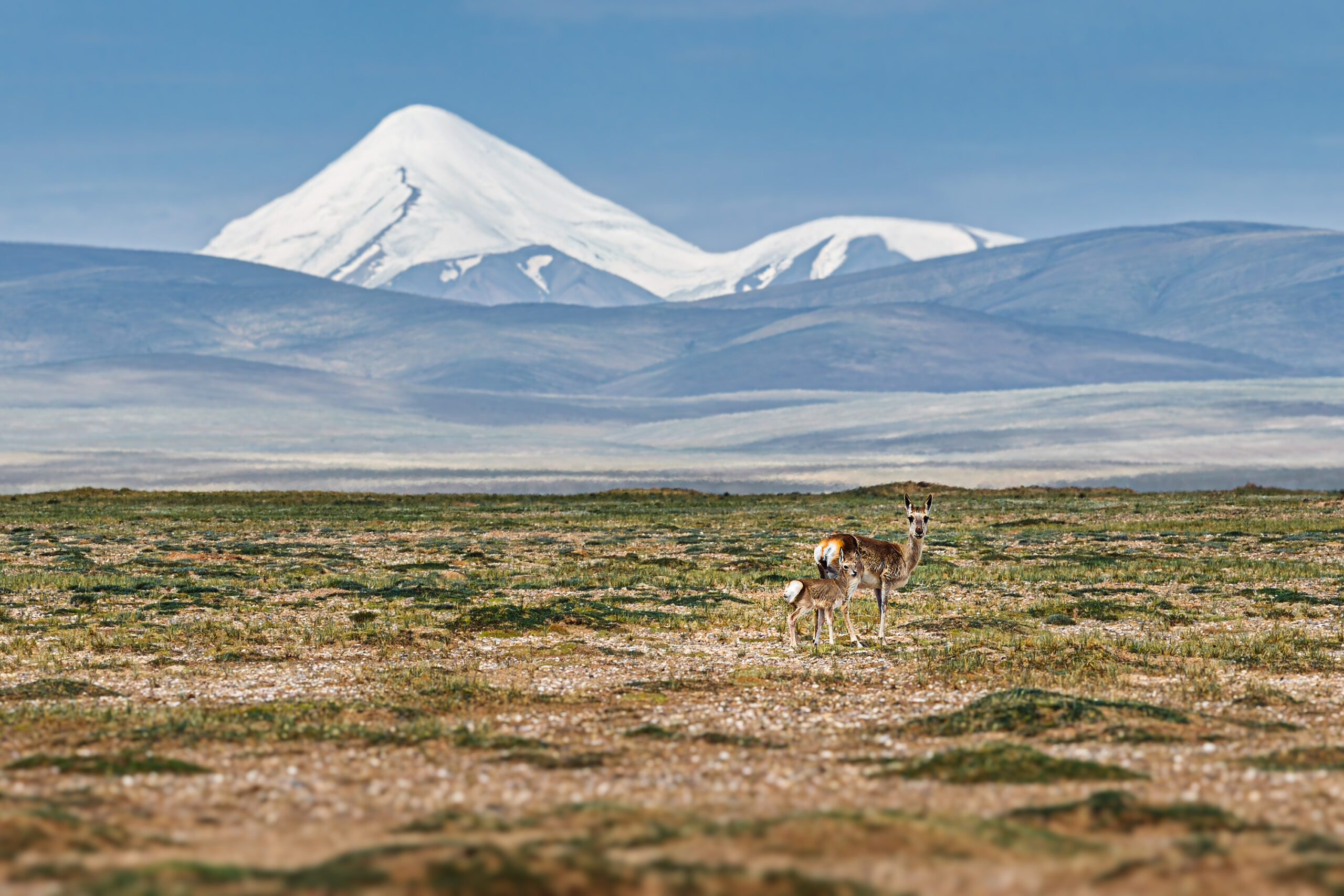
Qinghai is one of China’s most underrated travel regions. Search for wildlife in the region with the world’s largest snow leopard population, carve your own mani stone in the heart of Kham Tibetan culture, and visit colorful salt lakes. This high plateau brings you close to a true sense of remoteness.
Explore Qinghai
Guilin
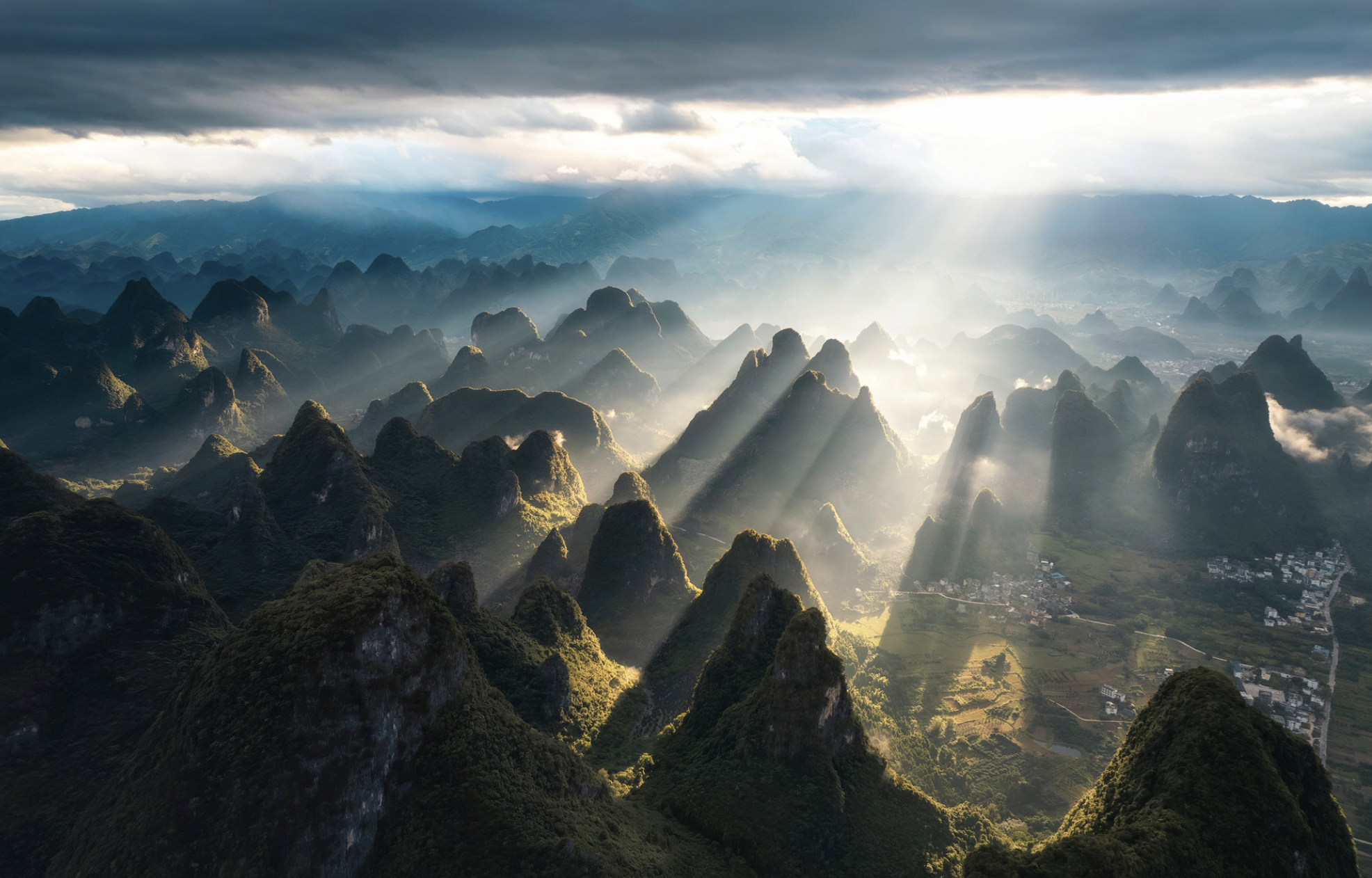
Guilin is one of China’s most iconic river-and-mountain landscapes, where limestone peaks, rivers, mist, villages, and rice fields often feel close to a traditional ink painting. Centered on the Li River and nearby Yangshuo, it is a place to slow down, settle into the scenery, and let mountains, rivers, and village rhythms shape the journey.
Explore Guilin
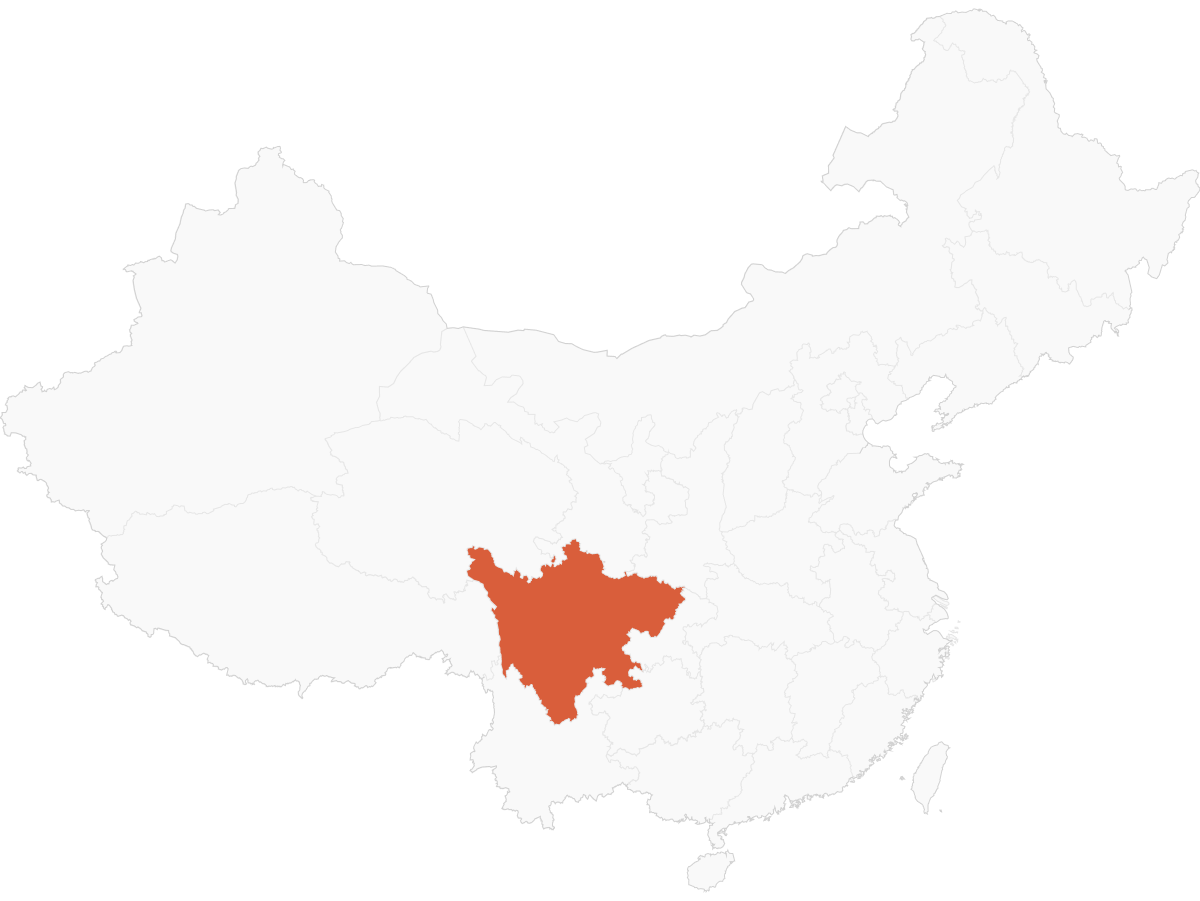
Sichuan
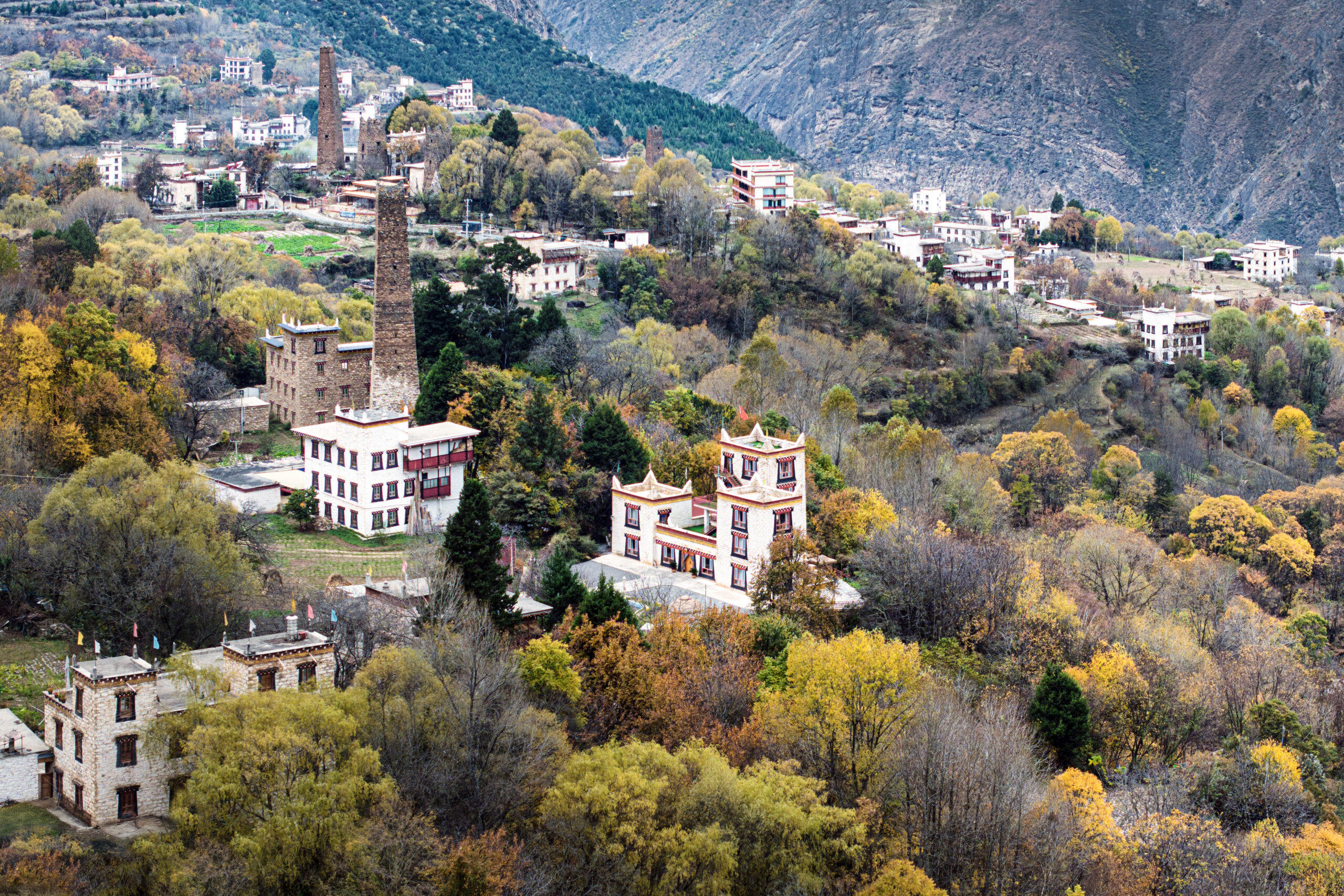
Sichuan is the homeland of giant pandas, where Tibetan Buddhism, Chinese Buddhism, and Taoism meet. Explore Chengdu’s daily life, cruise past the Leshan Giant Buddha, enter Western Sichuan for snow mountains, make tsampa with herders, and learn meditation with monks.
Explore Sichuan
Hunan
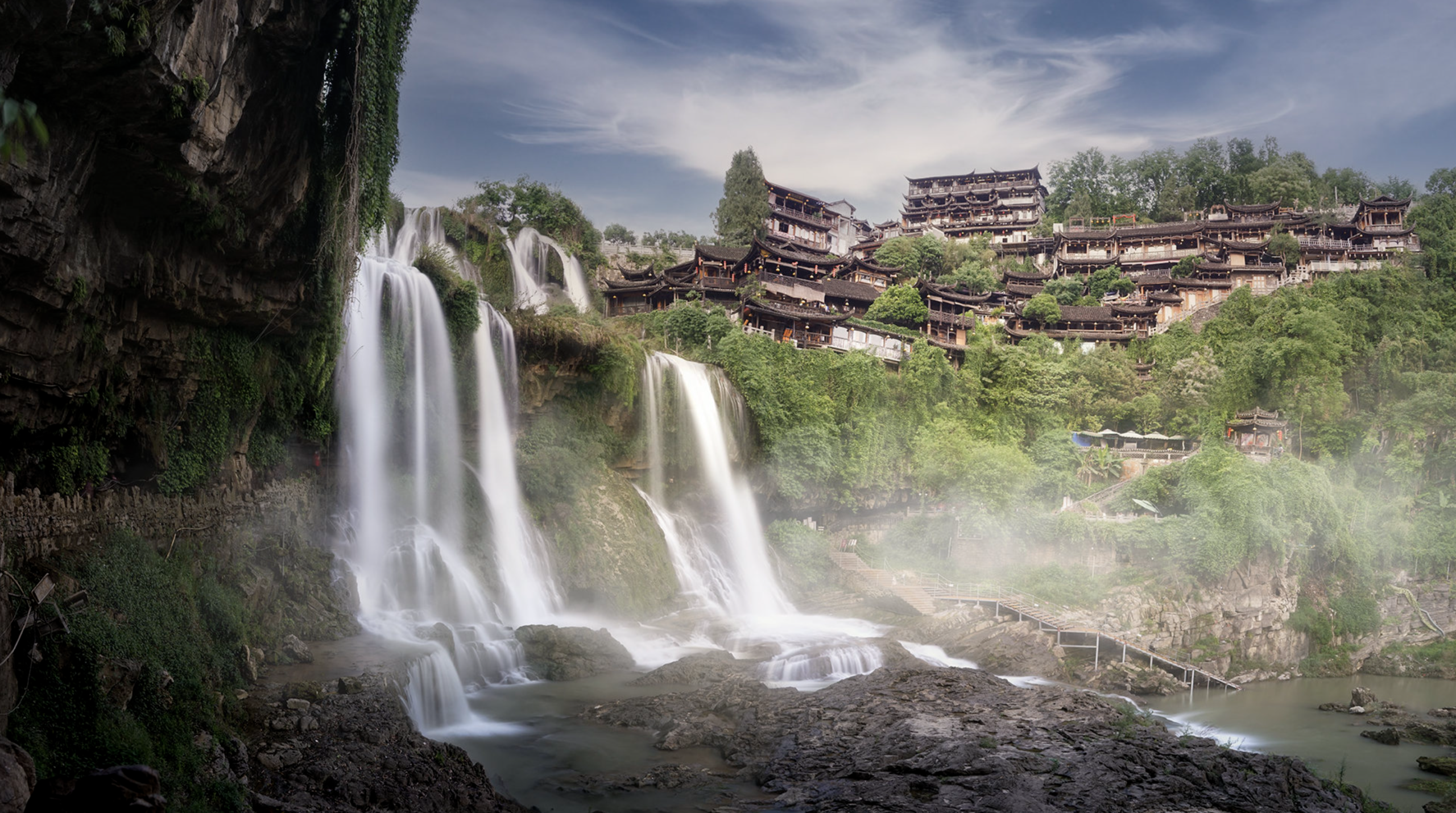
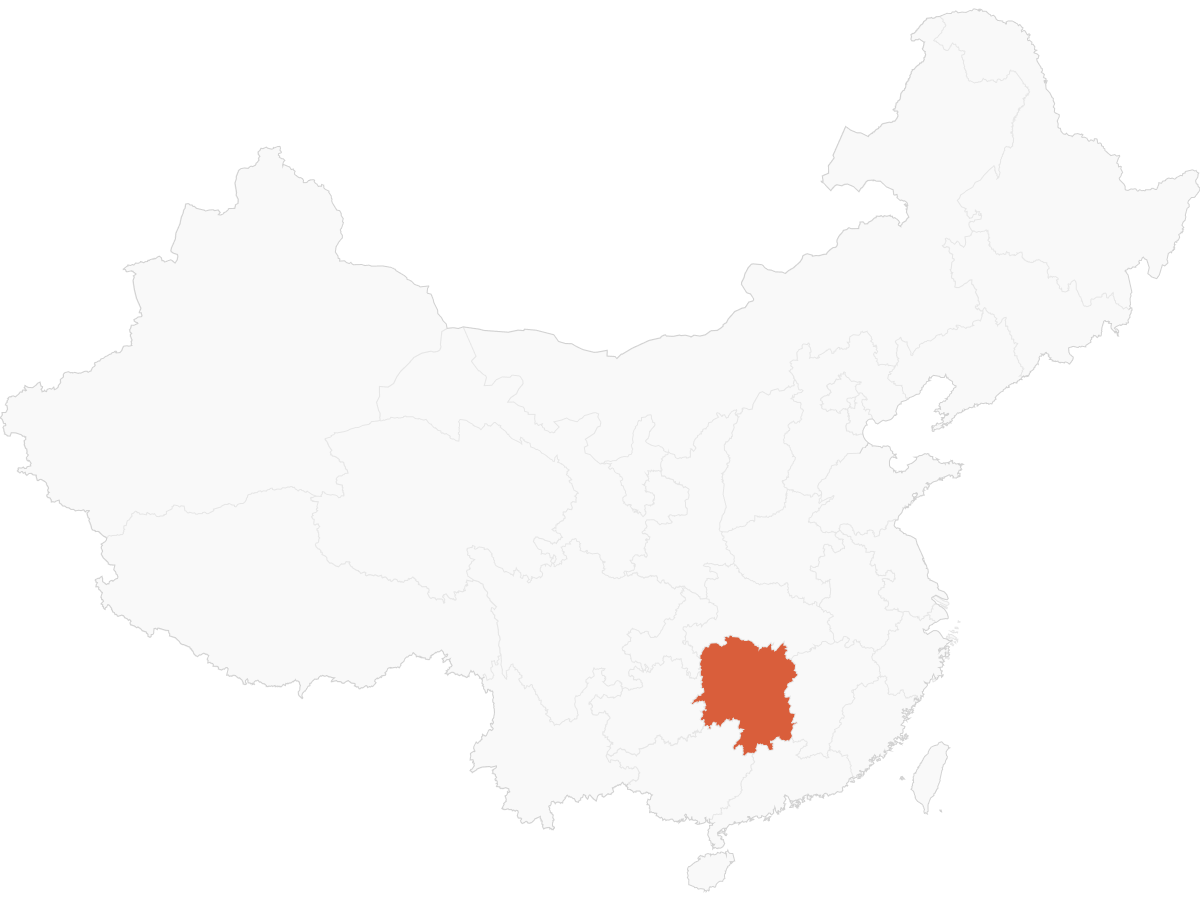
Hunan is one of China’s most underrated destinations. Beyond Zhangjiajie’s landscapes, it is a land of deep culture and living traditions. Western Hunan is its soul, where Miao and Tujia embroidery, Nuo opera, and festivals continue in daily village life. It is also Mao Zedong’s birthplace, while Changsha stands as a vibrant, ever-moving city.
Explore Hunan
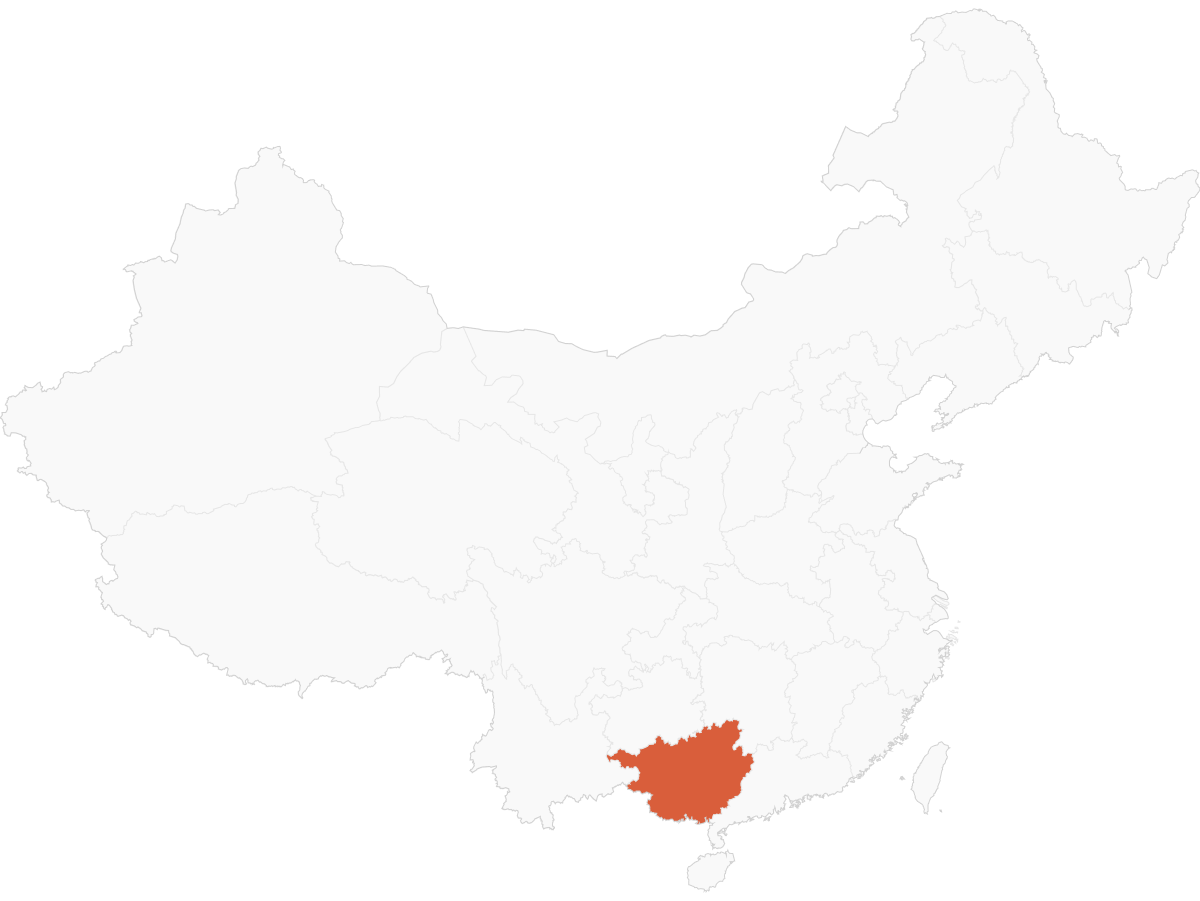
Guangxi
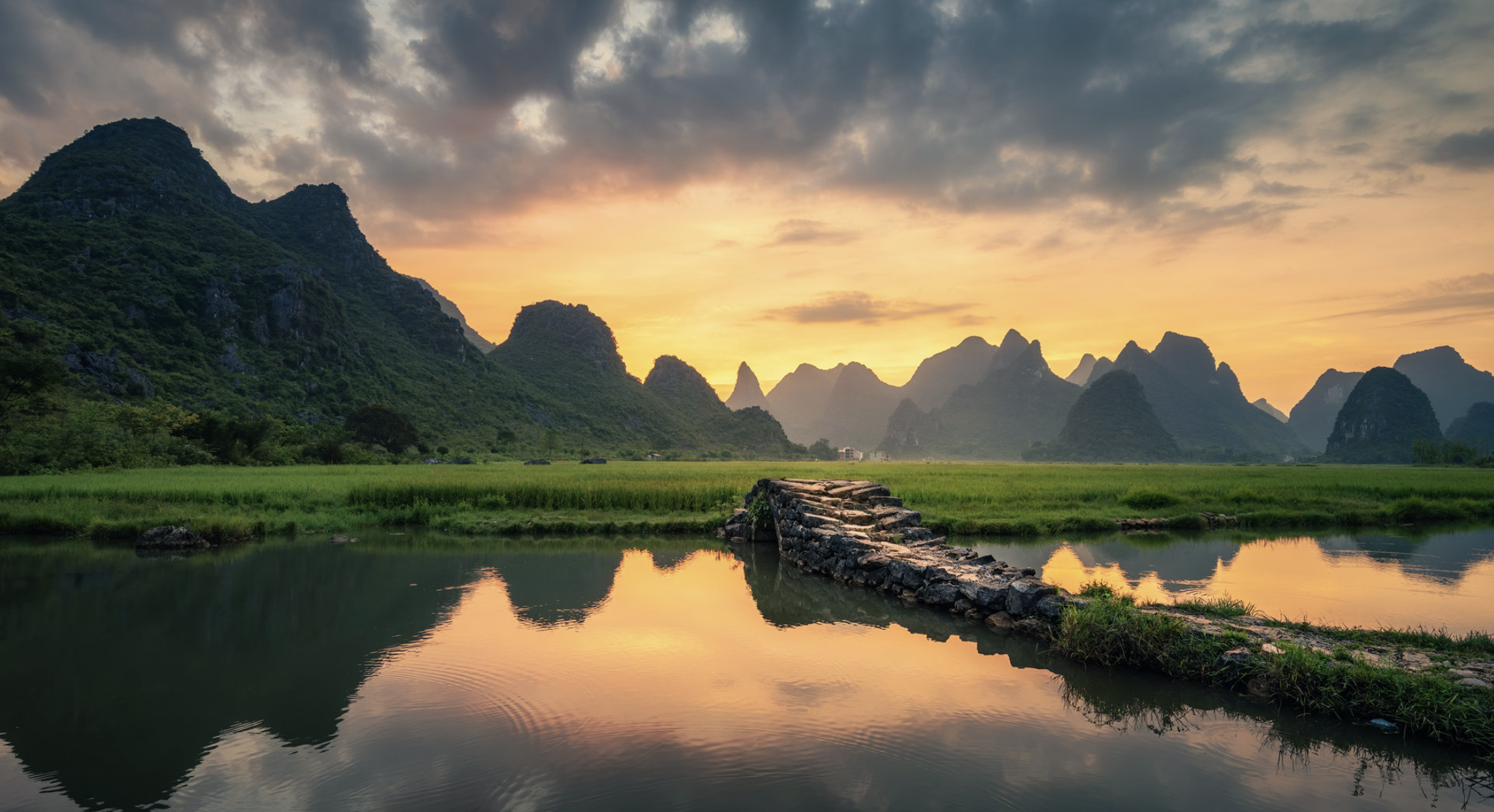
Guangxi is the kingdom of karst landscapes, where mountains and water, land and sea, come together in a single continuous geography. It is a region where diverse ethnic cultures have been preserved over generations, and where rich ecosystems sustain a remarkable sense of wildness and life.
Explore Guangxi
Chengdu
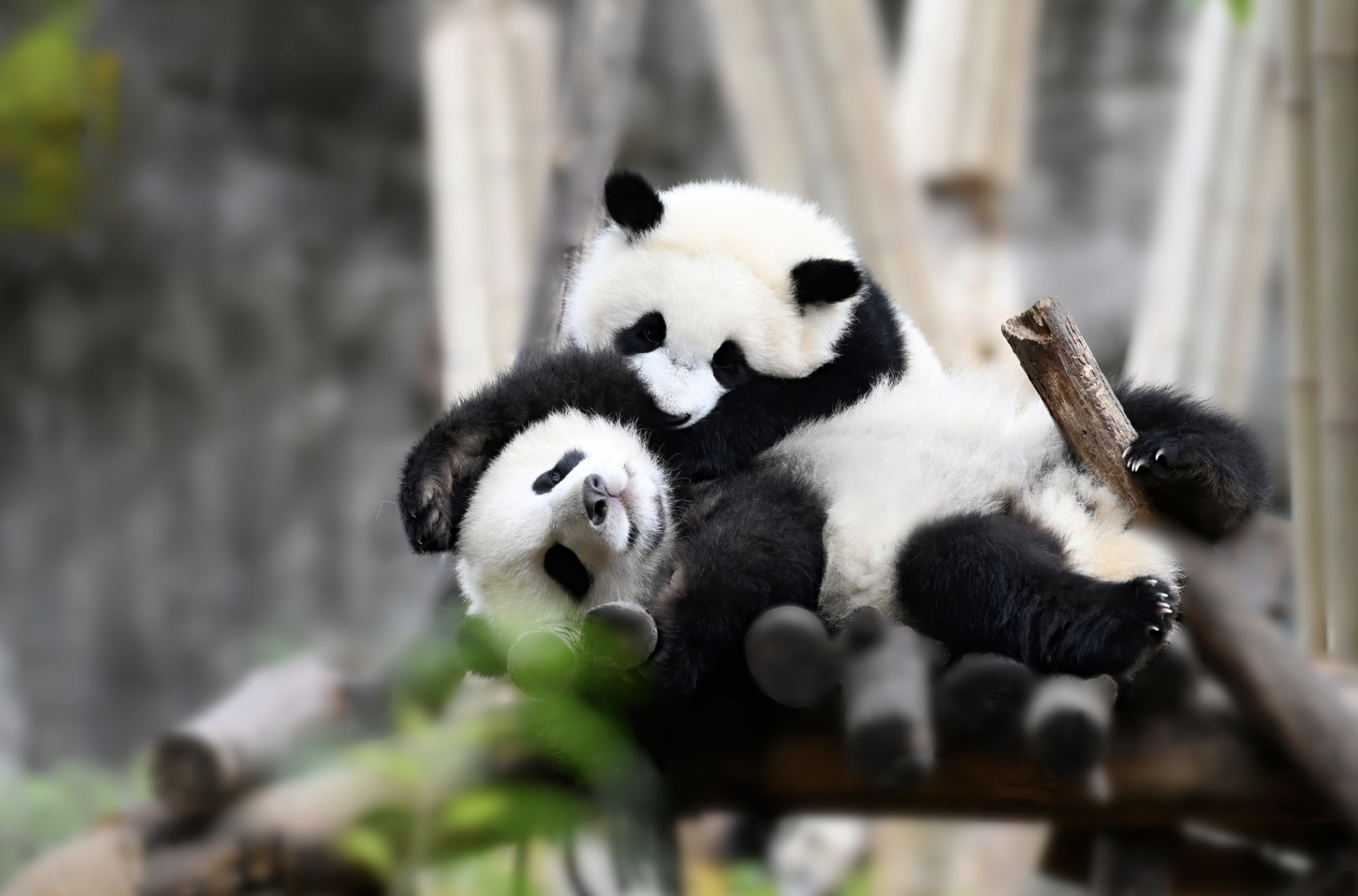
Chengdu is a city full of life and local character. Known for its openness, Sichuan cuisine, giant pandas, diverse ethnic cultures and LGBTQ-friendly vibe, it has been repeatedly ranked among China’s “Happiest Cities” and is often called the “City Beneath the Snow Mountains”, as the gateway to Western Sichuan and the Tibetan Plateau.
Explore Chengdu
Beijing
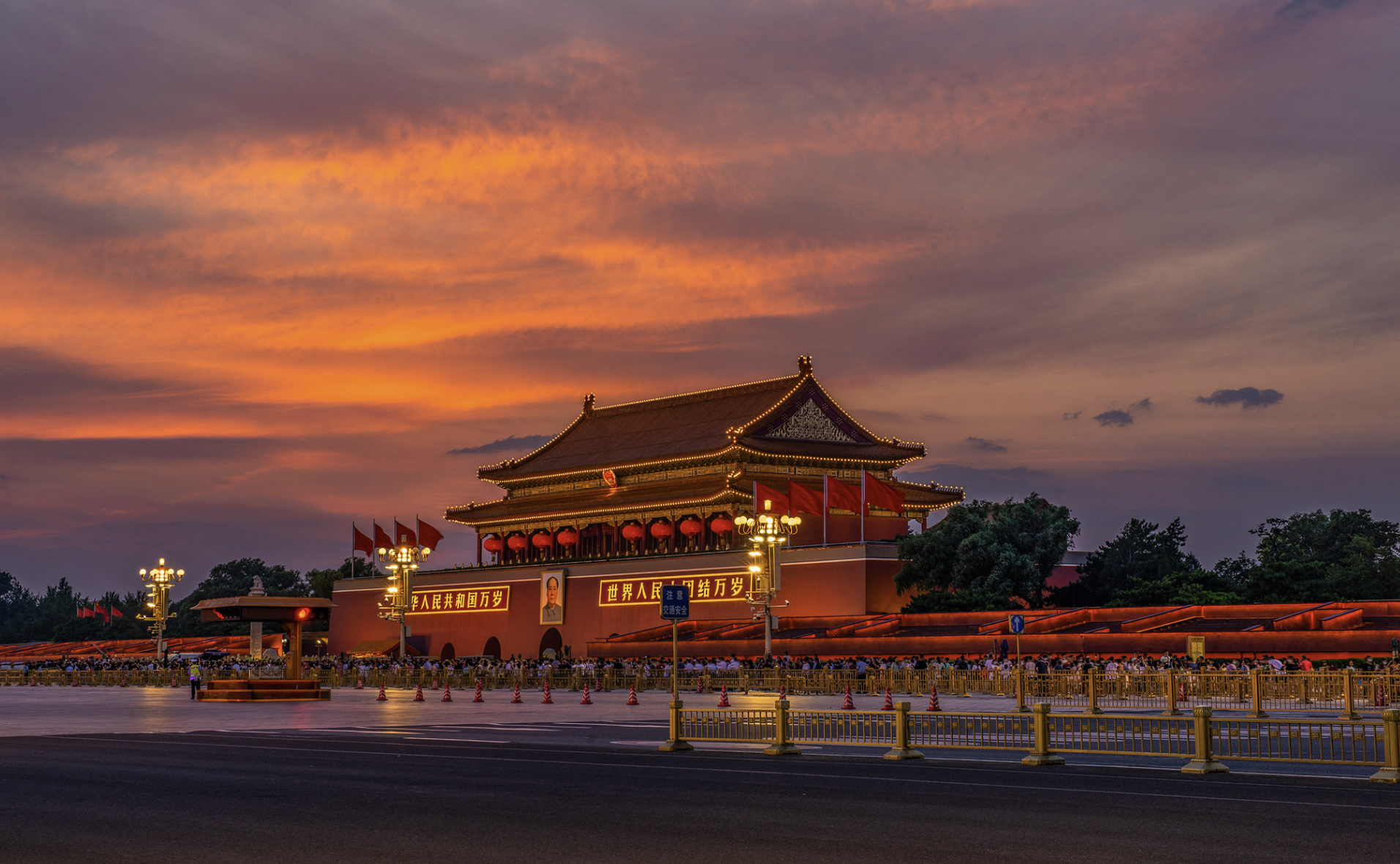
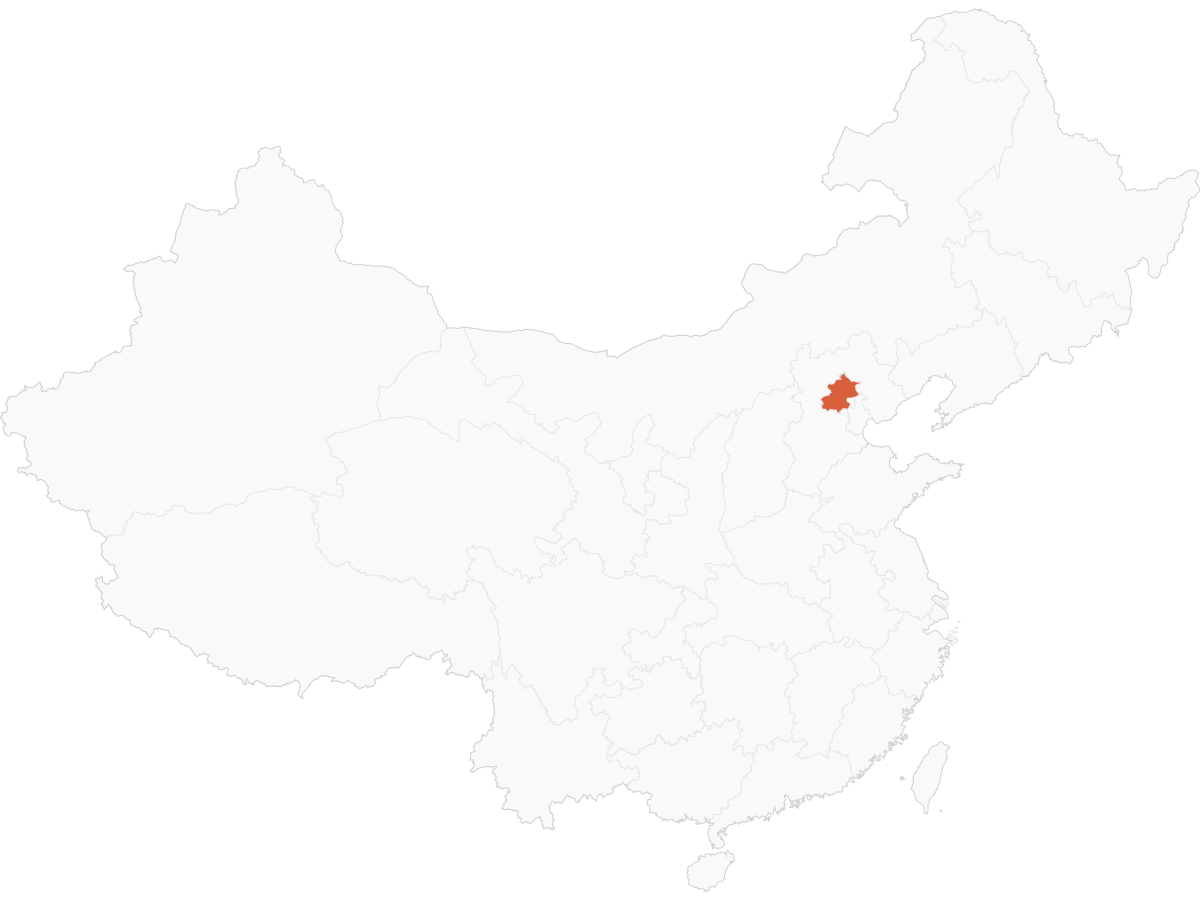
As China’s capital for centuries, Beijing brings together imperial history, national landmarks, the Great Wall, and the everyday charm of its hutong neighborhoods. For visitors, it is one of the best places to see how Beijing’s history and everyday life have grown closely together.
Explore Beijing
Shanghai
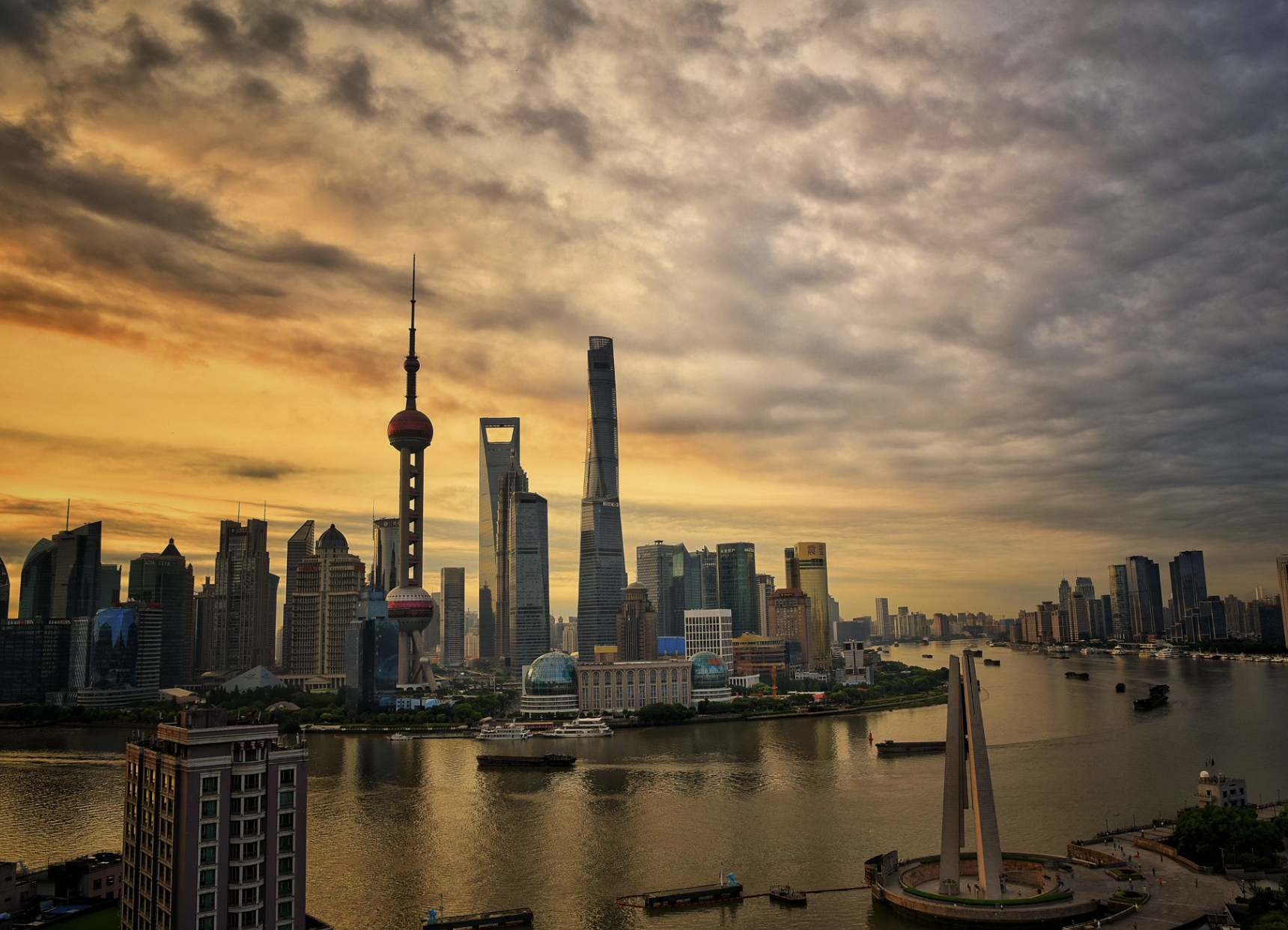
Shanghai is one of China’s main international gateway cities, where modern finance, historic architecture, local neighborhoods, and Jiangnan culture meet in one dense urban landscape. From the Bund and Pudong skyline to shikumen lanes, art districts, and nearby water towns, the city offers a clear first look at contemporary China.
Explore Shanghai