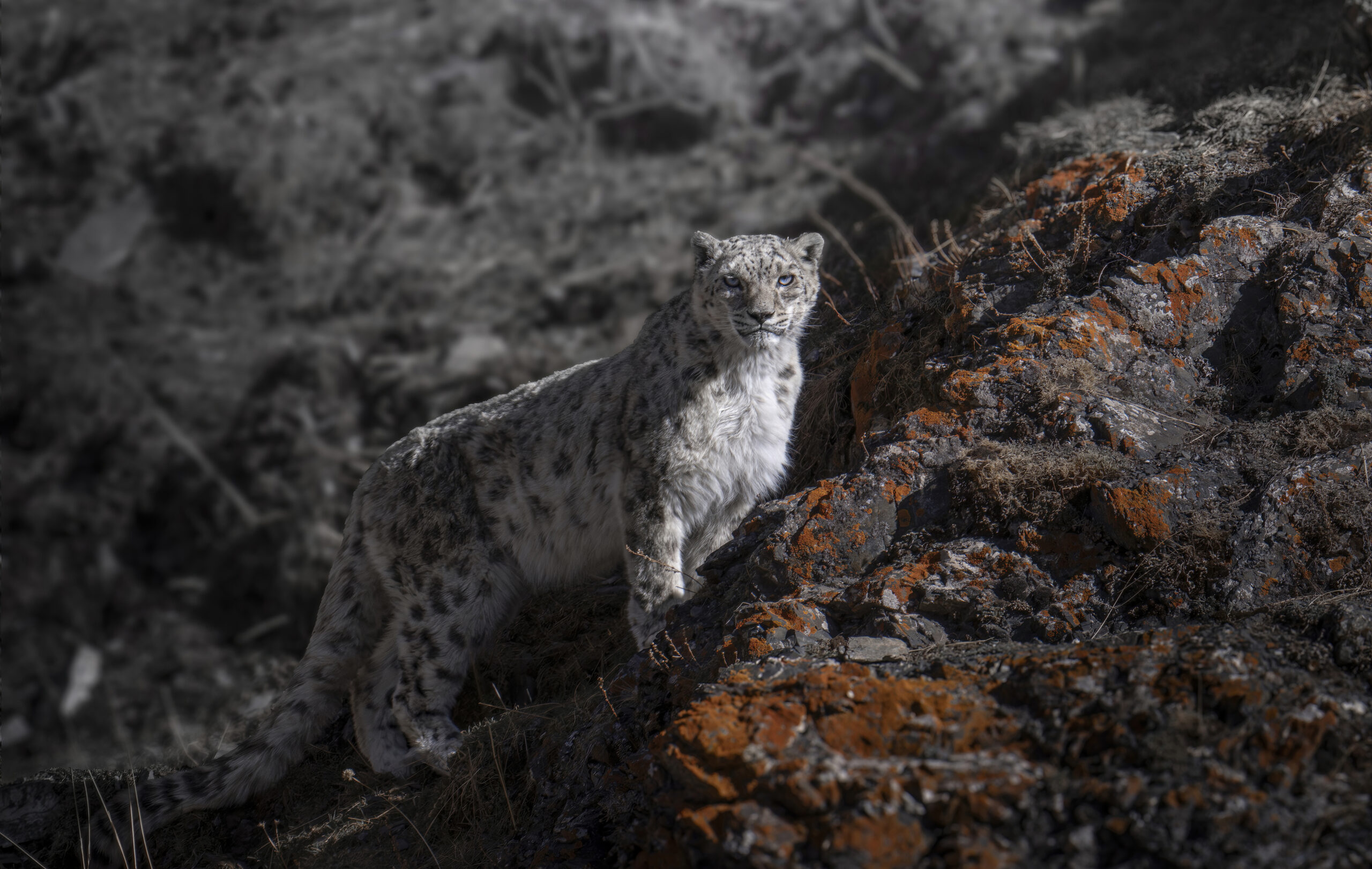
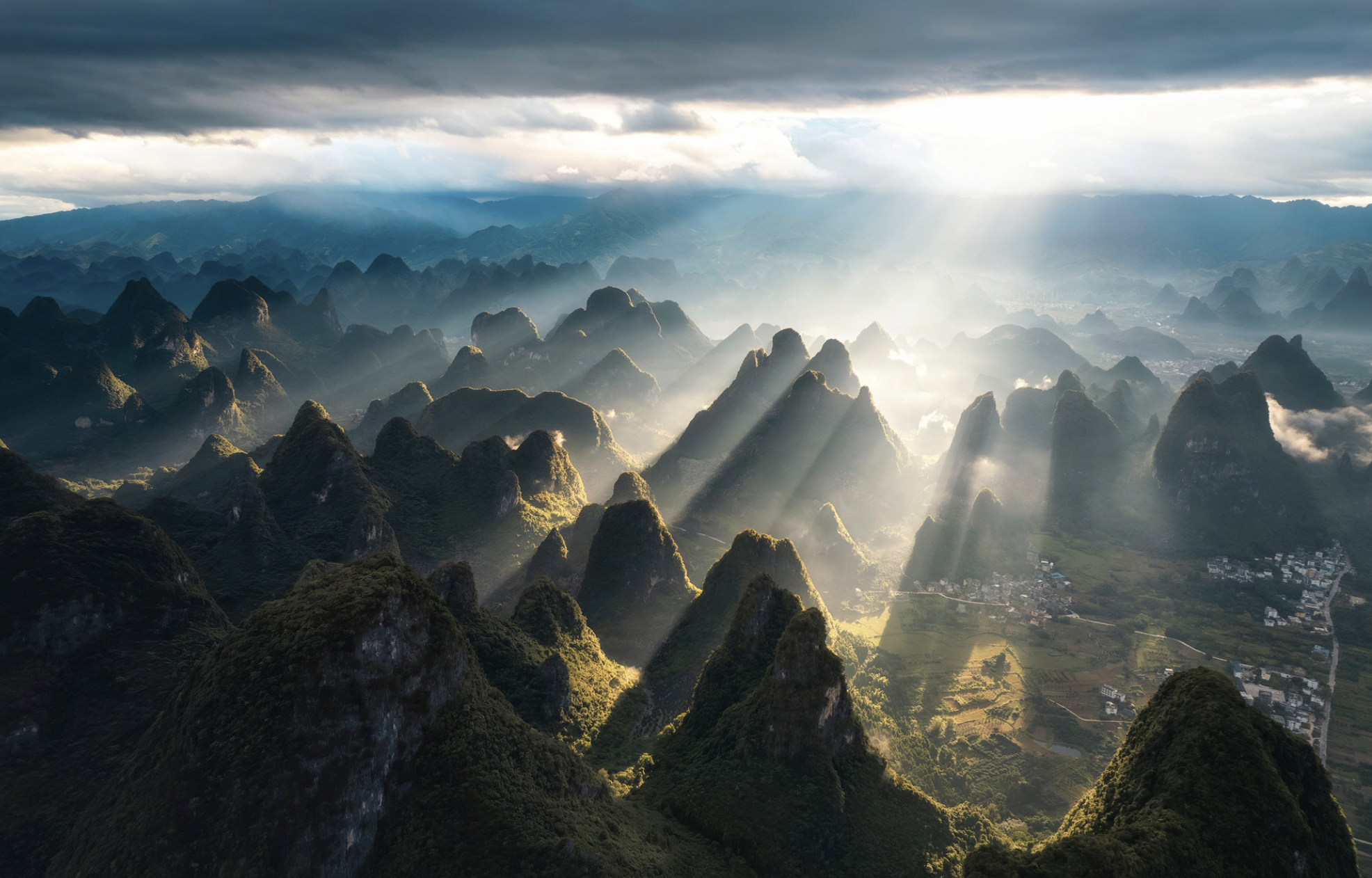
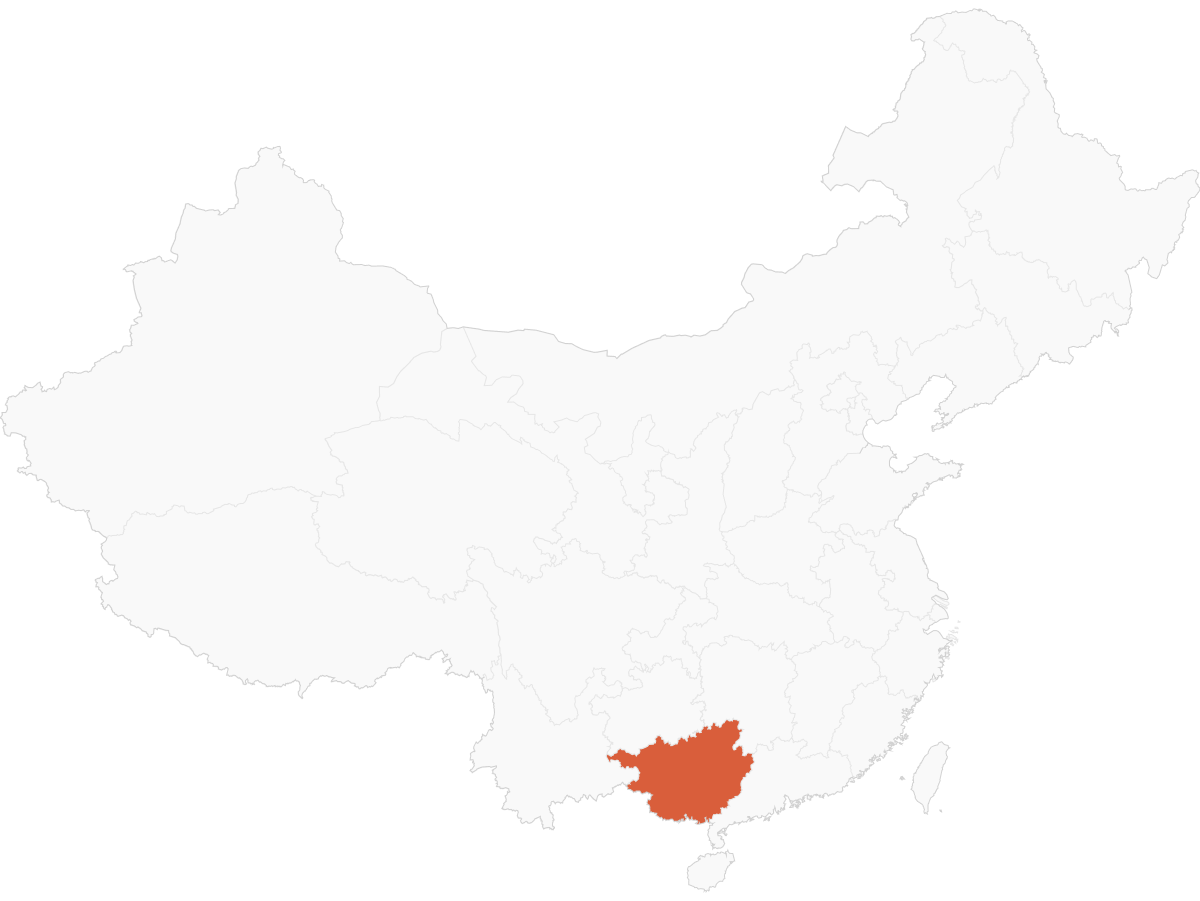
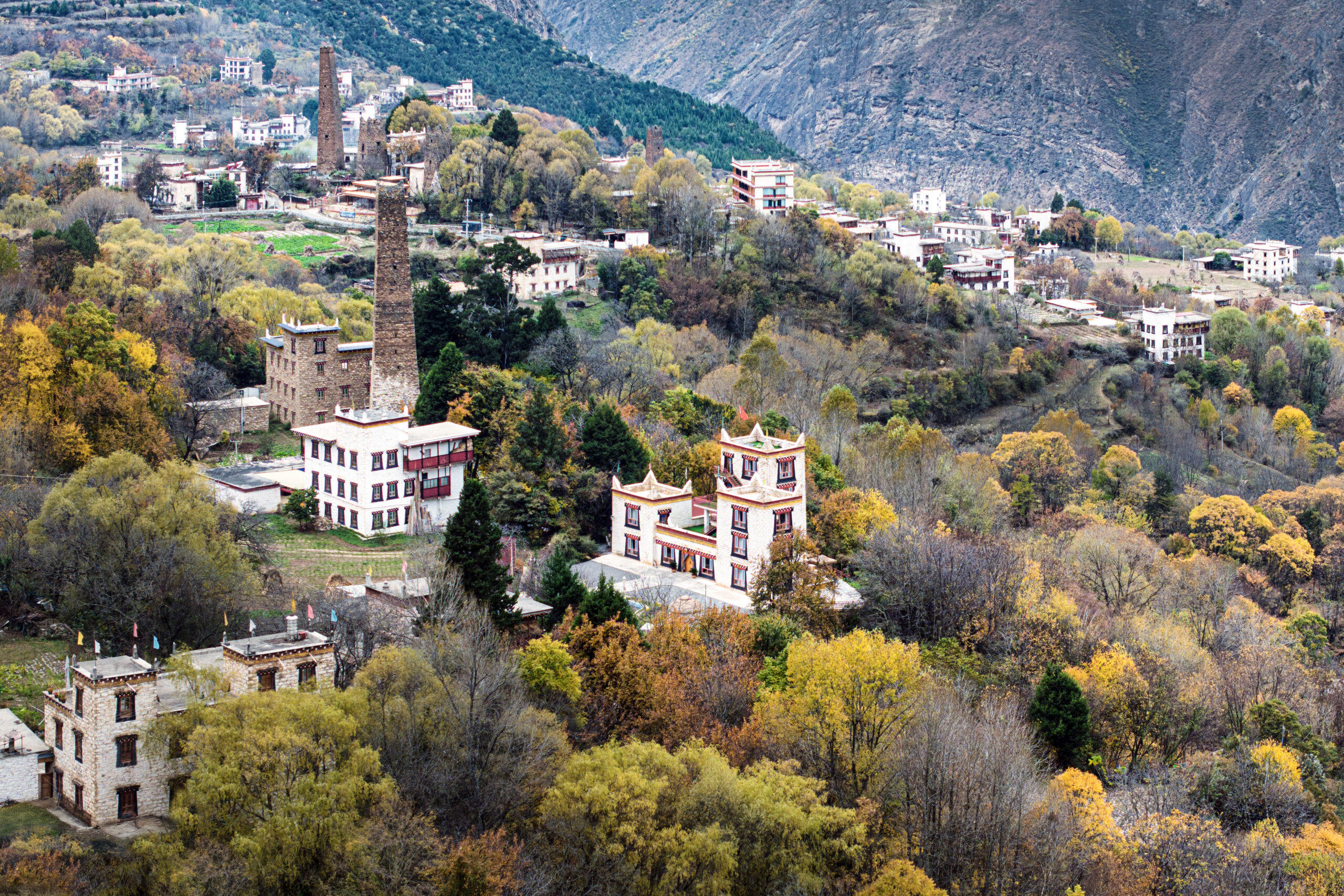
Deep in the Tibetan Plateau of China, searching for snow leopards often begins before first light. This Qinghai Yunta Village wildlife tour report brings together four observation reports from seven expeditions conducted between September 2025 and April 2026, with detailed notes on snow leopard sightings, other plateau wildlife, field conditions, and the practical realities of wildlife watching in this remote part of Qinghai.
Four-wheel-drive vehicles driven by Tibetan herders navigate high-altitude valleys above 4,000 meters. Local wildlife monitors share updates on animal movements from the mountains, while wildlife guides carefully scan every rock face and ridgeline, sometimes with the help of spotting scopes. For international travellers, wildlife enthusiasts, photographers, and nature lovers considering a small-group or private expedition, this introduction to Yunta Village shows what can realistically be seen, how the search works, and how responsible wildlife tourism connects rare animal encounters with local knowledge and conservation in one of the world’s most important snow leopard habitats.
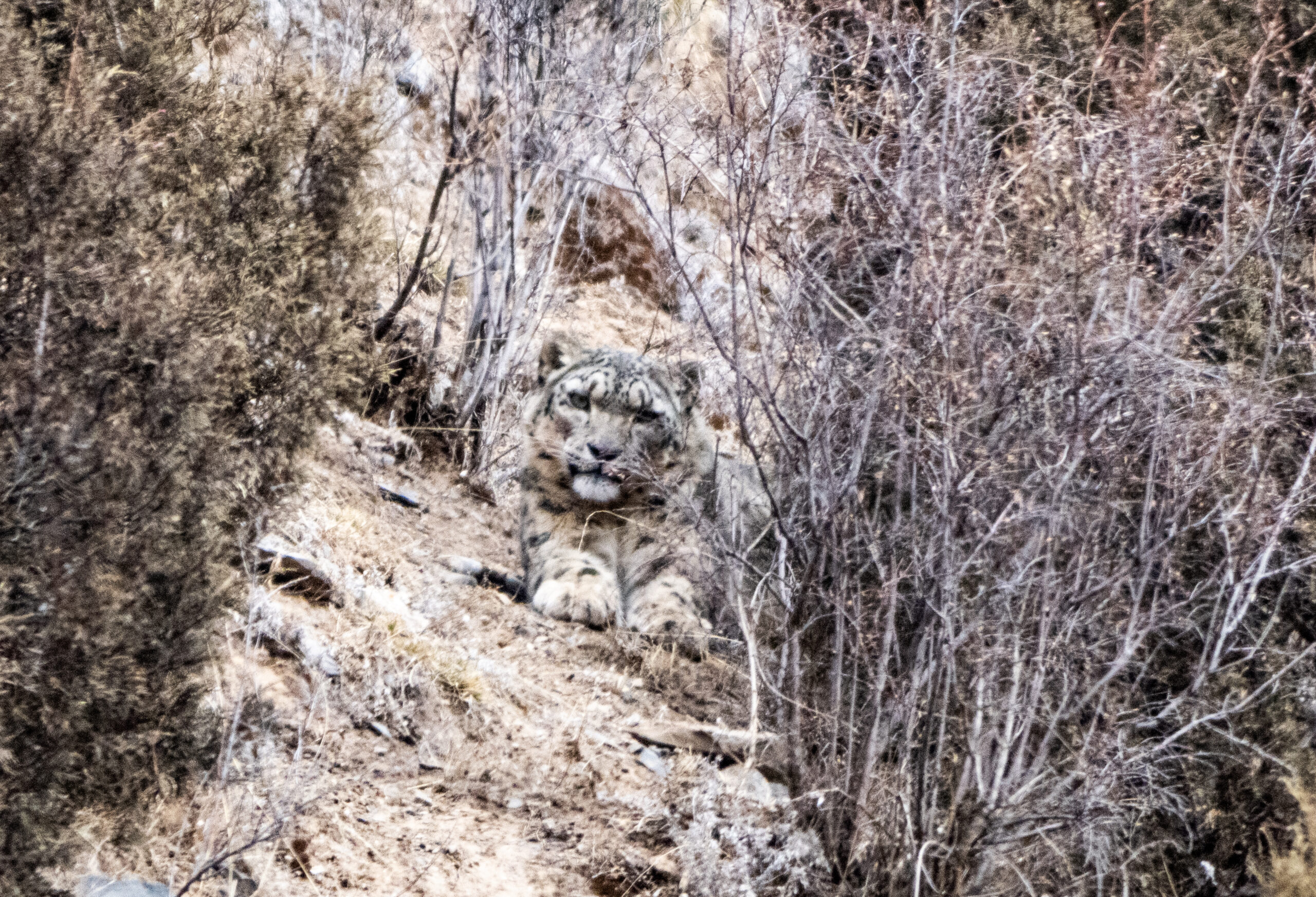
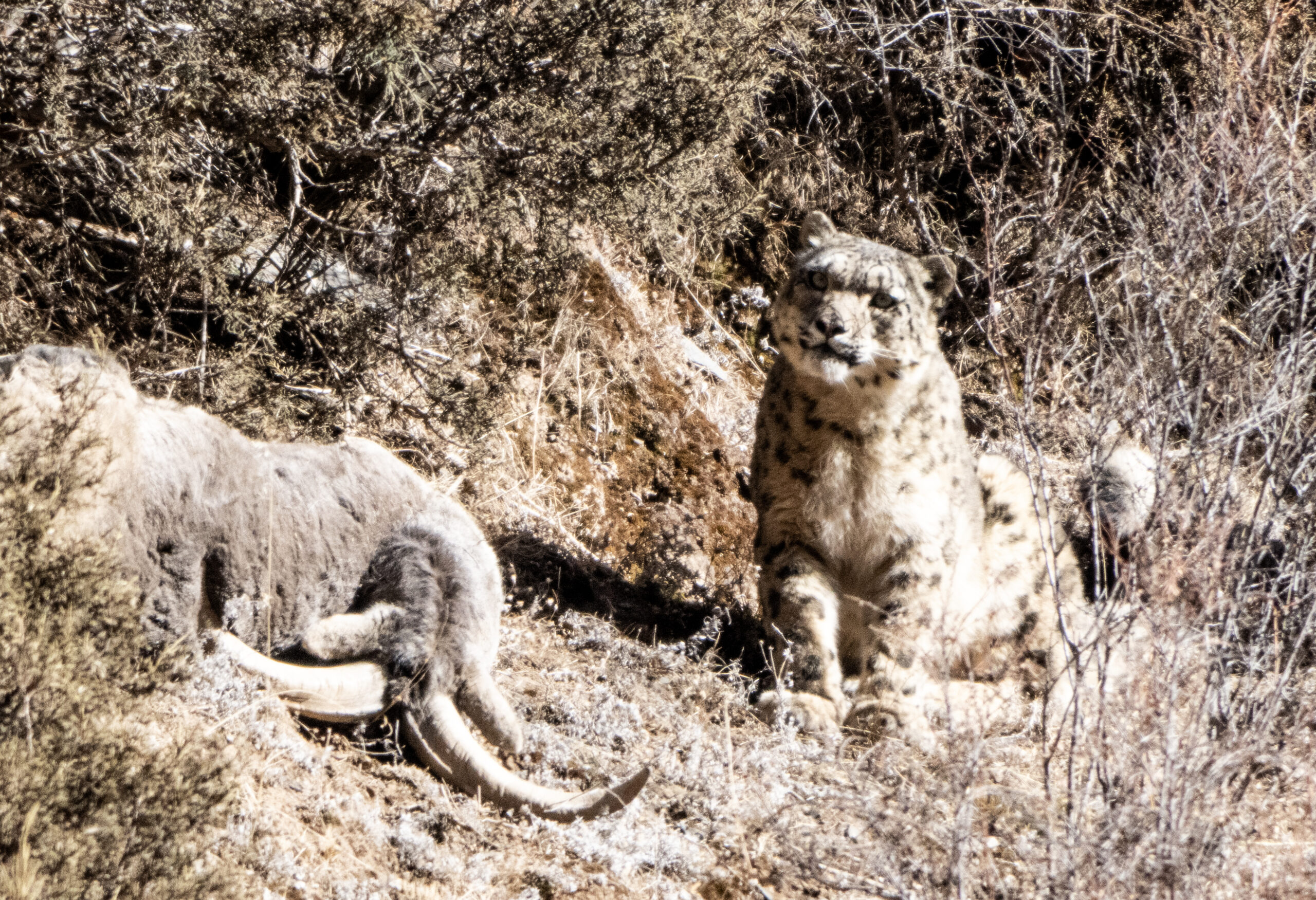
A snow leopard may appear only a few hundred meters away, or it may be nothing more than a small shape on a distant mountain slope more than a kilometer away — requiring patience, experience, and careful identification to confirm.
Alongside snow leopard behavior, the article follows the wider Qinghai plateau ecosystem through mammal and bird sightings, seasonal and weather-related changes in wildlife activity, tour logistics, preparation for high-altitude travel, ethical observation guidelines, and related wildlife experiences in China. Welcome to the wild world of Qinghai, China.
Wildlife activity is always influenced by weather, season, terrain, and individual animal behavior. All records mentioned in this article reflect observations made on specific dates only and do not represent guaranteed sightings, distances, behaviors, or photographic conditions for future expeditions.
Yunta Village Wildlife Tour at a Glance
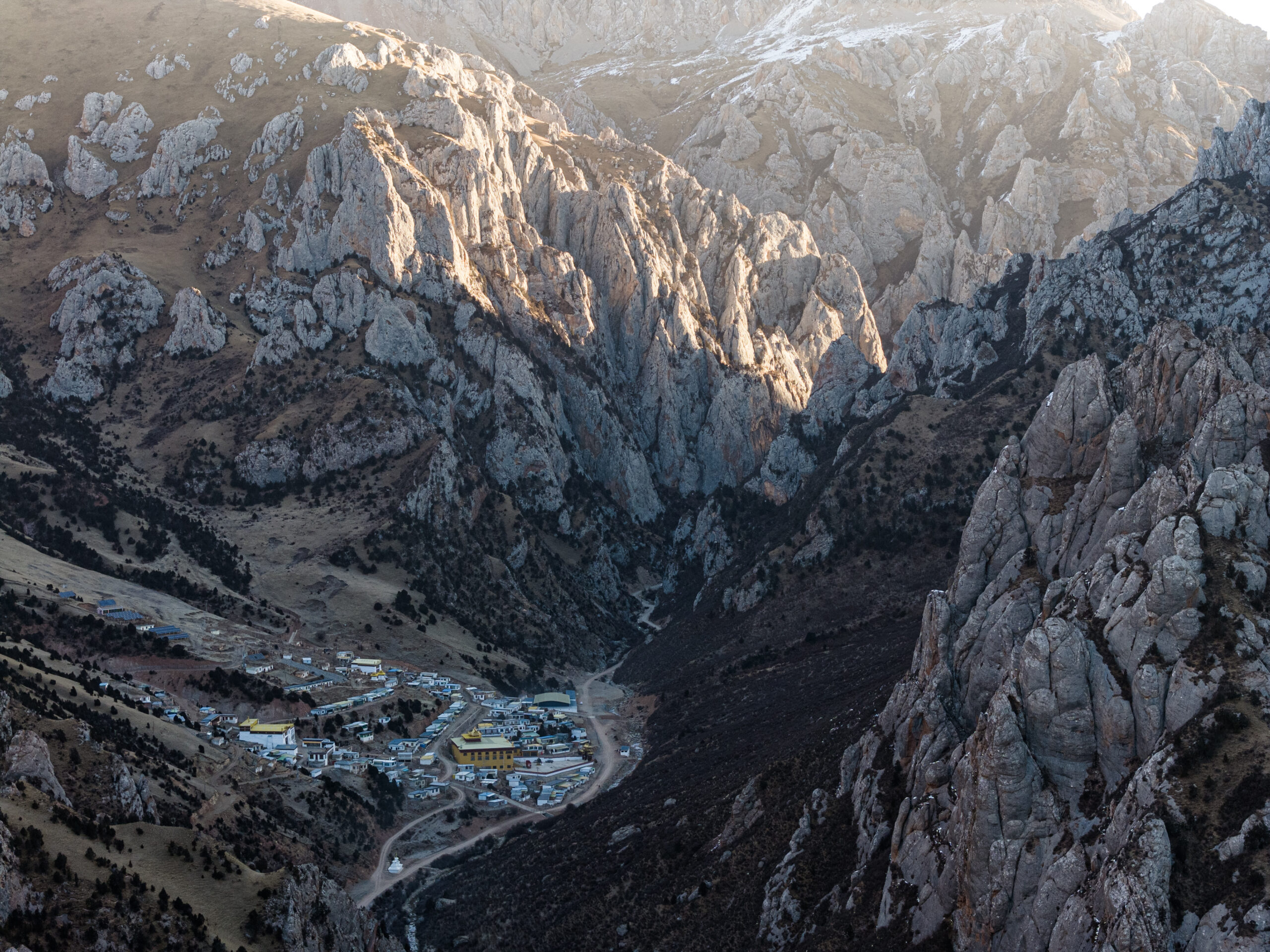
- China is home to the world’s largest snow leopard population. In the remote highlands of the Tibetan Plateau, near the border of Tibet, lies the Sanjiangyuan region — one of the world’s most important snow leopard habitats. Yunta is located within this extraordinary ecosystem, a true wildlife wonderland.
- Guided by local wildlife specialists behind snow leopard expeditions and filming projects for Disney, National Geographic, and Frozen Planet, search for snow leopards, Pallas’s cats, blue sheep, wild yaks, Tibetan gazelles, wolves, and bearded vultures across the remote Tibetan Plateau. Beyond wildlife, experience the deep connection between nature and Tibetan culture — from peaceful plateau towns and monasteries to sharing butter tea with local herder families. Through responsible wildlife tourism, ecological observation creates sustainable income for local communities, helping reduce human–wildlife conflict and support long-term snow leopard conservation.
- Available as 7-day, 8-day, and 12-day expeditions, with both small-group departures and private tailor-made journeys, limited to a maximum of 8 travellers.
Wildlife of Qinghai, Sangjiangyuan and the Tibetan Plateau
Qinghai: An Ecological Wonderland
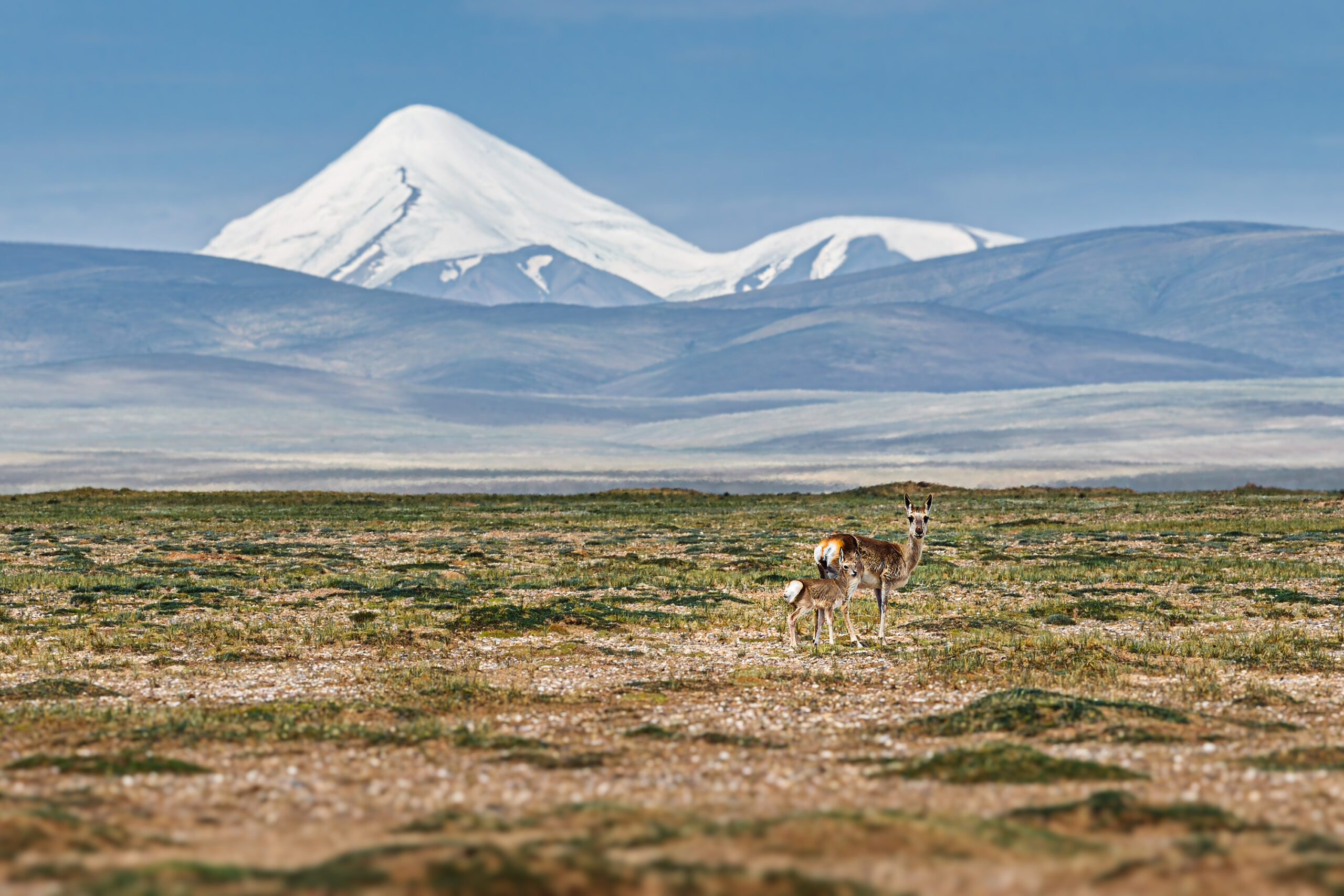
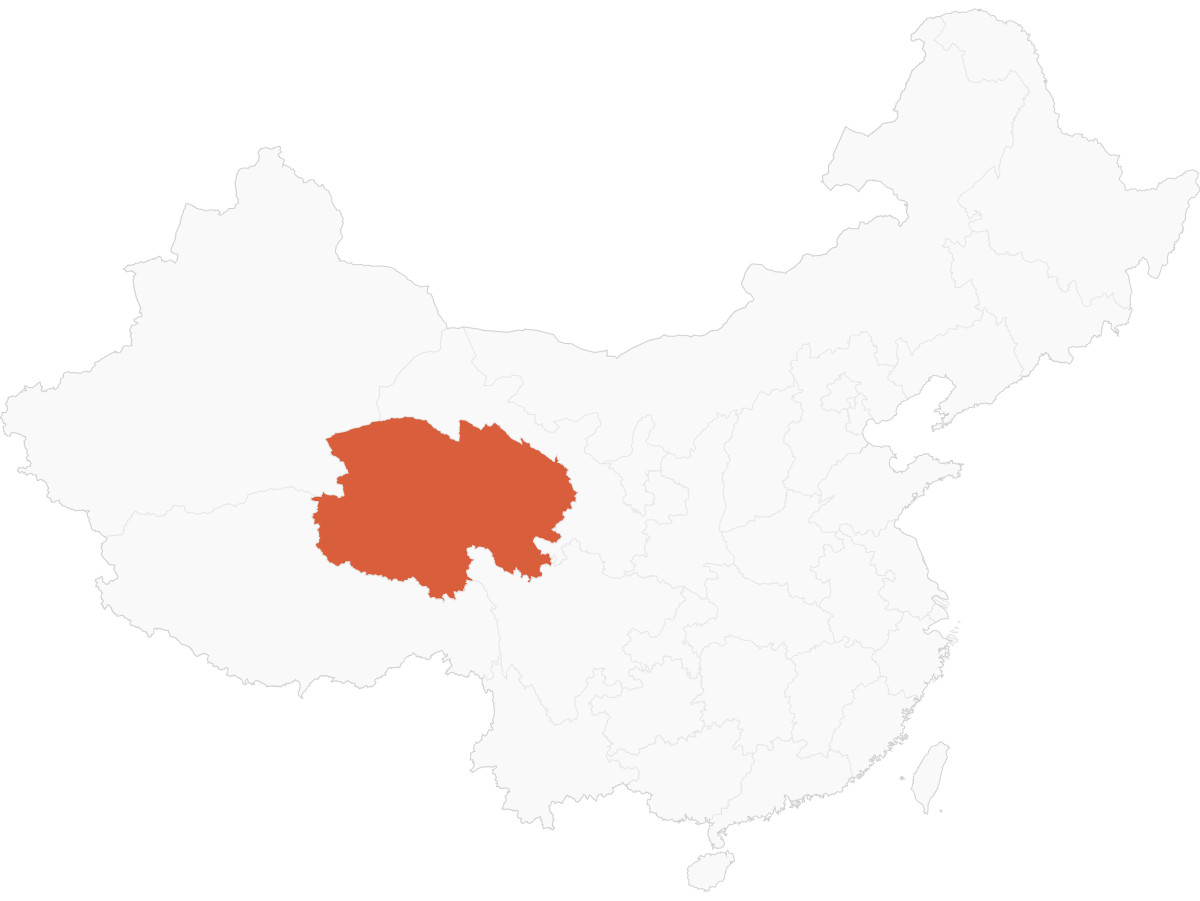
Located in the northeastern Tibetan Plateau, Qinghai covers 720,000 km², making it China’s largest province, a land of alpine meadows, grasslands, glaciers, and snow-covered mountains with stunning scenery, with an average elevation of over 4,000 meters. It is the source of the Yangtze, Yellow River, and Lancang-Mekong rivers, supplying more than 60 billion cubic meters of freshwater downstream every year and earning the title of the “Water Tower of China.”
The province is home to 674 recorded terrestrial wildlife species, including 541 bird species and 111 mammal species. Across different climatic zones, with a mean annual temperature of −5 to 8 °C, snow leopards, black-necked cranes, Tibetan antelopes, and wild yaks inhabit this vast plateau wilderness alongside beautiful natural features that sustain exceptional biodiversity. With more than 1,200 snow leopards, Qinghai supports one of China’s most important snow leopard populations and reflects the plateau’s remarkable natural wealth.
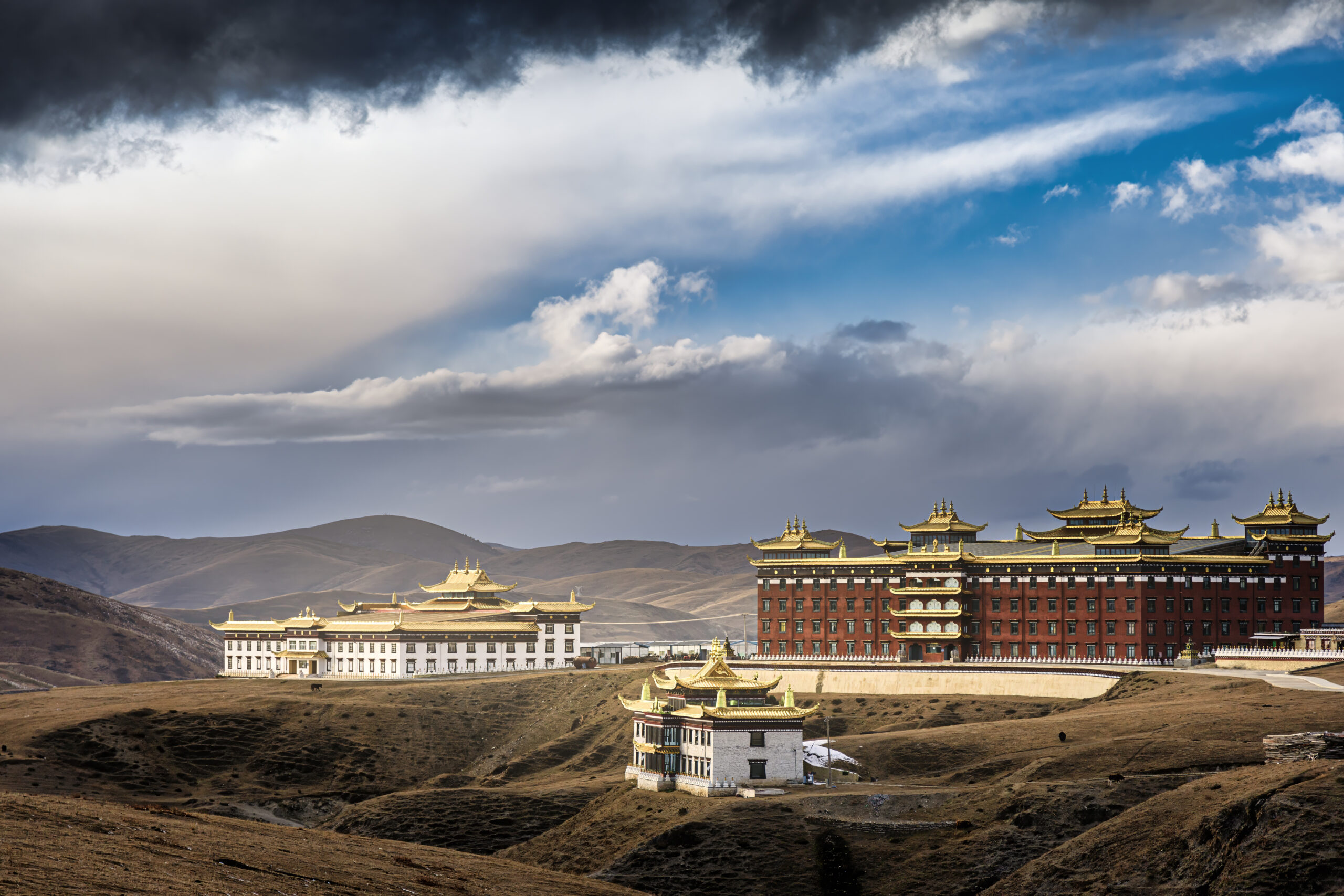
With ecological protection as a priority, much of Qinghai remains remarkably untouched, preserving both its natural landscapes and traditional cultures; roughly a quarter of Qinghai’s population practices Tibetan Buddhism. Here, travelers can experience the true spirit of wilderness on the Tibetan Plateau.
Qinghai Lake: A Haven for Migratory Birds
Connecting the Sanjiangyuan region and the Qilian Mountains, Qinghai Lake is the largest inland saltwater lake in China and one of the most important ecosystems on the Tibetan Plateau. It is also a key stopover along the Central Asian–Indian and East Asian–Australasian migratory bird routes. Qinghai Lake Nature Reserve was established in 1975.
More than 292 bird species have been recorded around the lake, including 105 waterbird species. The lake also draws bird watching visitors and avid birders for its rare birds and broad waterbird diversity, with species such as northern pintail and red crested pochard regularly noted alongside more familiar plateau waterfowl. Each year, black-necked cranes — the only crane species that breeds on the high plateau — along with bar-headed geese, ruddy shelducks, great black-headed gulls, and other migratory birds return to Qinghai Lake.
Its vast waters and abundant food resources provide these remarkable birds with a vital habitat and a peaceful refuge.
Sanjiangyuan: A Wildlife Sanctuary at the Source of Three Great Rivers
Sanjiangyuan is the source region of the Yangtze, Yellow River, and Lancang-Mekong rivers, and one of the world’s biodiversity hotspots. This high-altitude ecosystem is home to apex predators such as snow leopards, Eurasian lynxes, wolves, and brown bears, as well as herbivores including blue sheep, white-lipped deer, Tibetan gazelles, and Tibetan wild asses.
It is also a vast ecosystem supporting diverse wildlife species across the source region of the three rivers.
The fragile yet resilient alpine ecosystem has been shaped by extreme temperatures and dry conditions. Sanjiangyuan National Nature Reserve was established in 2000, and the Sanjiangyuan National Park was later created here to protect this unique landscape and its wildlife.
In this region, traditional pastoral areas overlap with wildlife habitats. Working with local communities to reduce human–wildlife conflict and promote coexistence between people and wildlife has become an important part of conservation efforts.
Yunta Village: Landscape, Habitat, and Local Community
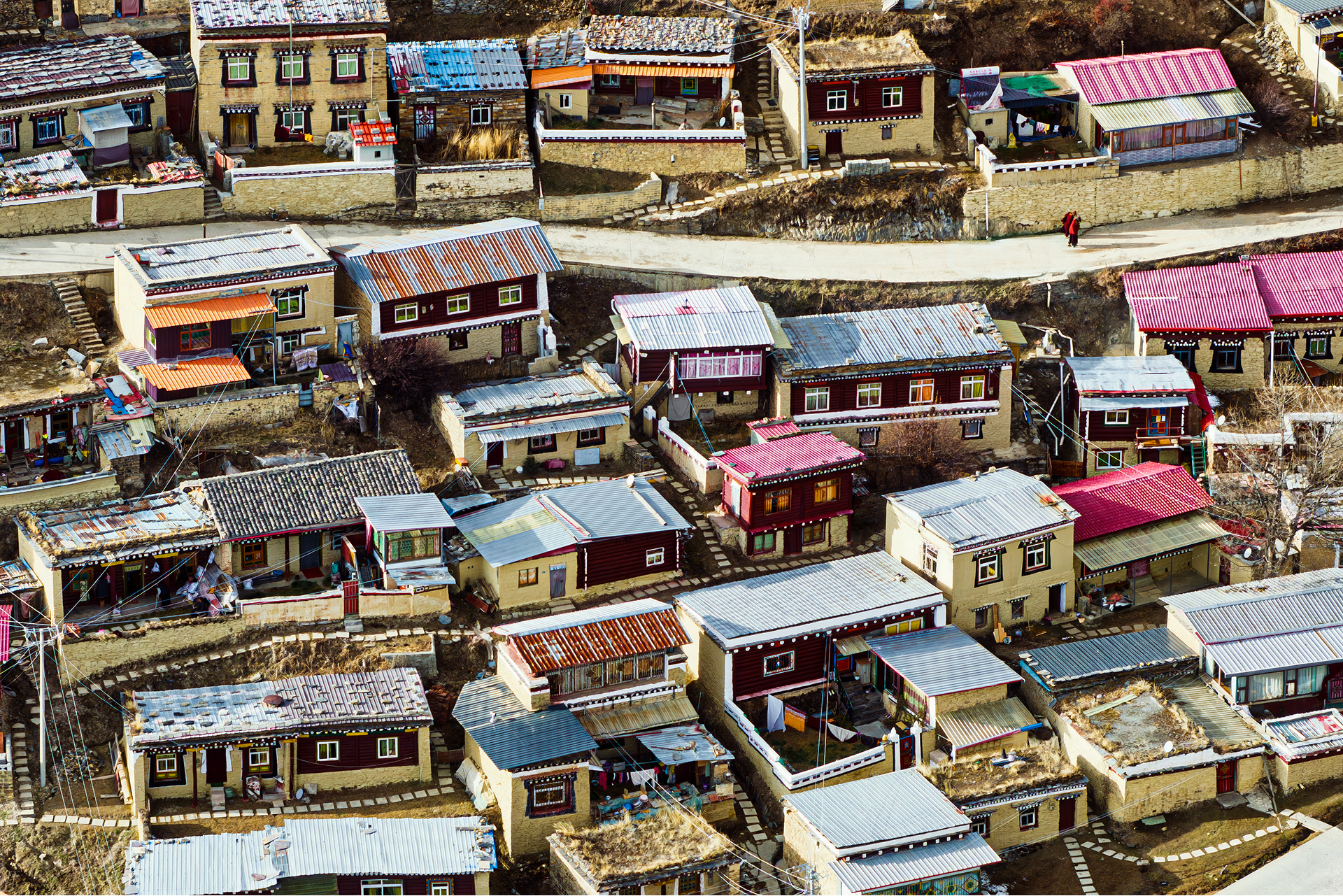
Location and Access Yunta Village is located in Haxiu Township, Yushu City, Qinghai Province, within the core area of the Tongtian River Conservation Zone of Sanjiangyuan National Nature Reserve. Situated at an average elevation of around 4,200 meters, the village is approximately a two-hour drive from Yushu City. Qumalai County’s population is 97.6% Tibetan, reflecting the cultural character of this sparsely inhabited region.
Landscape and Wildlife Habitat The area contains three main habitat types: juniper forests and shrublands, alpine meadows, and high-altitude rocky terrain. Juniper and shrub habitats support species such as Chinese serow, alpine musk deer, and white-lipped deer. The alpine meadows open into vast pastures, with snow-covered ground stretching toward the Kunlun Mountains and surrounding icy peaks, and provide important space for wildlife including blue sheep, wolves, and brown bears, while the rocky cliffs and slopes serve as the most important habitat for snow leopards.
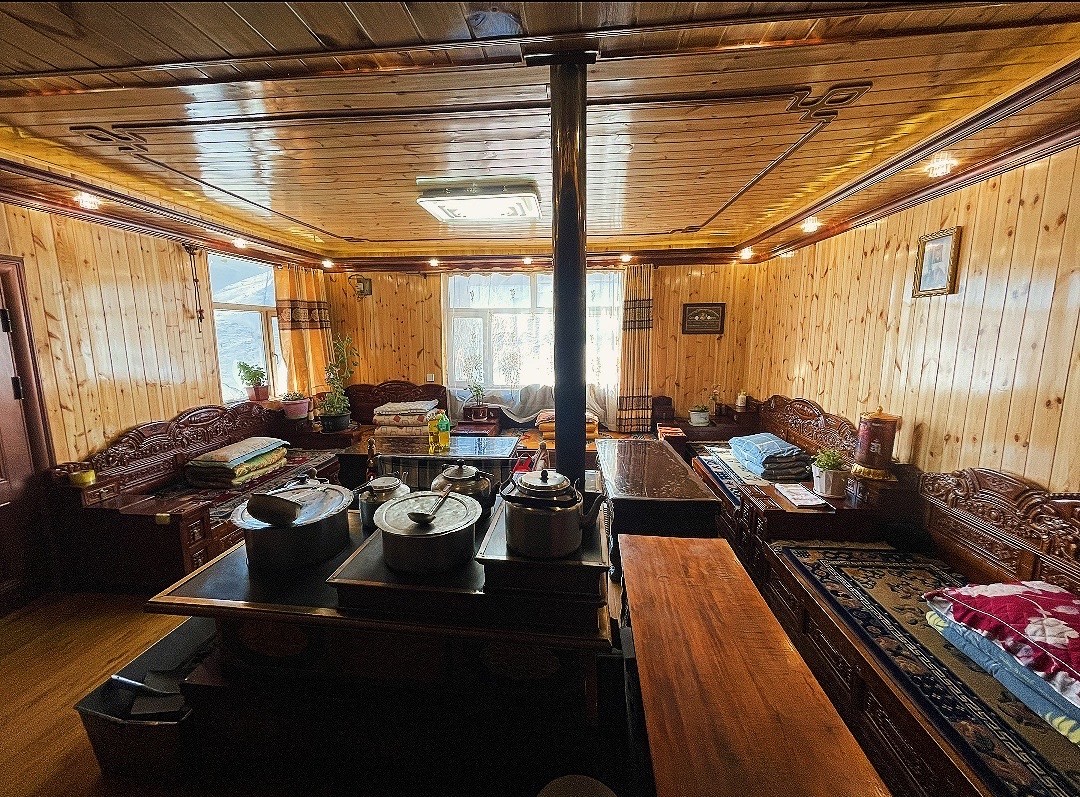
Local Accommodation and Food Yunta remains primarily a pastoral area with limited commercial facilities, and local people here mainly engage in husbandry and agriculture. Travelers will share meals with local herder families for a more authentic experience and stay in clean local guesthouses. Shared meals may include Zanba, a staple Tibetan food, and private rooms cannot be guaranteed, while toilet facilities are simple pit toilets. Qinghai Tibetans also celebrate annual events such as horse racing and archery.
Yunta’s community members maintain infrared camera networks for wildlife monitoring, and this community-based model has inspired neighboring villages to adopt similar practices.
Snow Leopard Sightings and Field Records
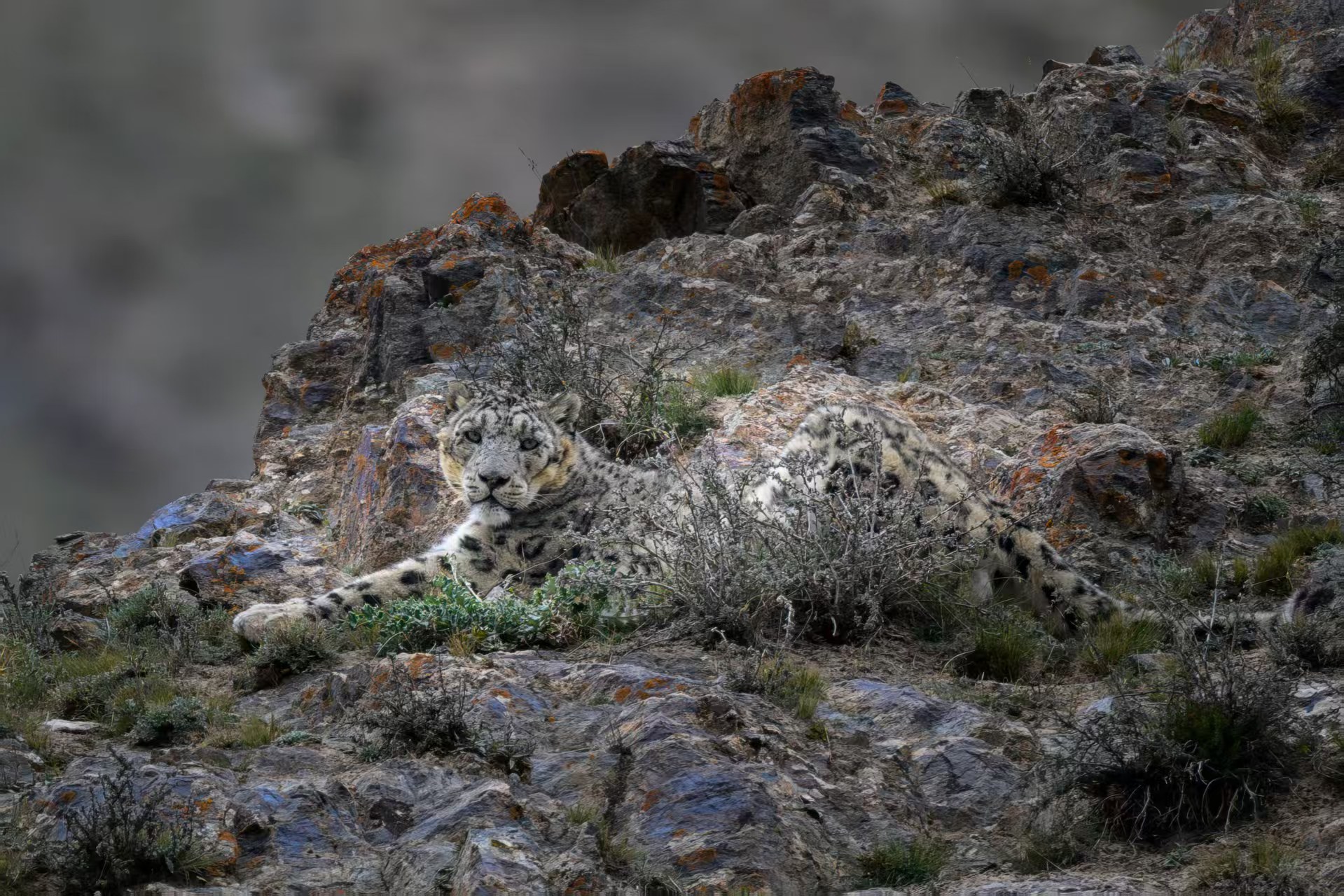
The snow leopard is the primary target species of this wildlife observation journey. Between September 2025 and April 2026, we conducted seven wildlife observation expeditions. The following data is based on observation reports from four of these expeditions.
Overview of Four Snow Leopard Observation Records
| Expedition Dates | Group Size | Documented Observation Days | Days with Snow Leopard Records | Main Snow Leopard Observations |
|---|---|---|---|---|
| November 6–12, 2025 | 7 guests | 5 days | 1 day | A snow leopard was recorded on November 10. Specific behavior was not documented. |
| January 11–17, 2026 | 5 guests | 4 days | 2 days | Snow leopards were recorded on January 14 and 15, with observations on two consecutive days. |
| February 2–8, 2026 | 4 guests | 4 days | 2 days | Snow leopards were recorded on February 5 and 6, with observations on two consecutive days. A wolf was also recorded in the same area on the second day. |
| February 12–March 1, 2026 | 1 guest | 17 recorded days | 5 days | Recorded three consecutive days of snow leopard hunting and feeding behavior, followed by observations of vocalizations, paired activity, and another individual. |
The “observation days” in the table refer only to dates with clearly documented wildlife observations. Some departures included transportation, cultural experiences, rest days, or periods without wildlife observation activities. Therefore, these records should not be considered standardized scientific surveys and should not be used to calculate or guarantee snow leopard sighting rates.
Notable Snow Leopard Behavior Records
On January 14, 2026, the team located a snow leopard within the observation area. The following day, the team recorded snow leopard activity again in the same area.
On February 5 and 6, 2026, another expedition team also observed a snow leopard on two consecutive days.
The private expedition from February 18 to March 1, 2026, coincided with the snow leopard mating season and recorded the richest range of snow leopard behaviors among these observations.
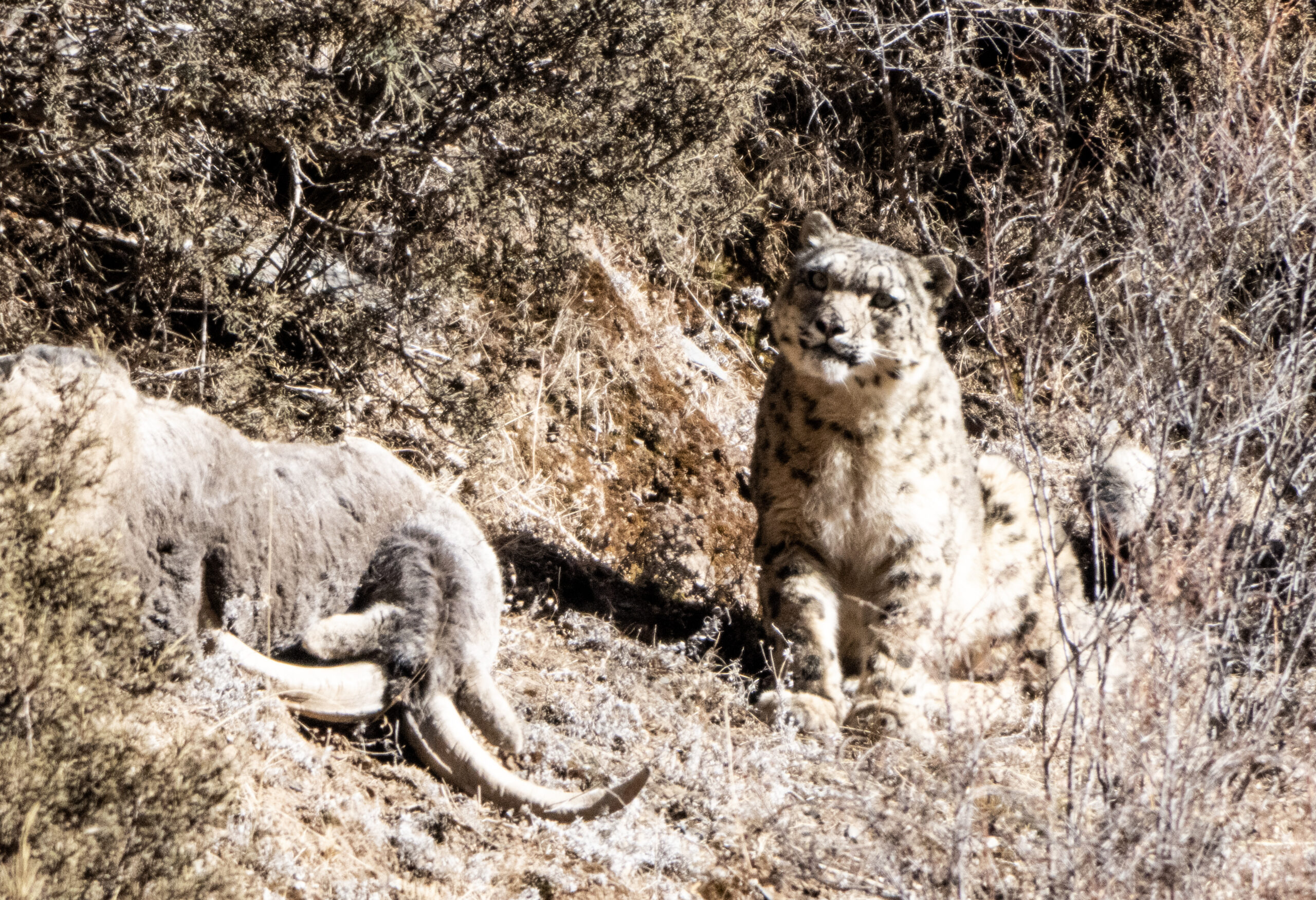
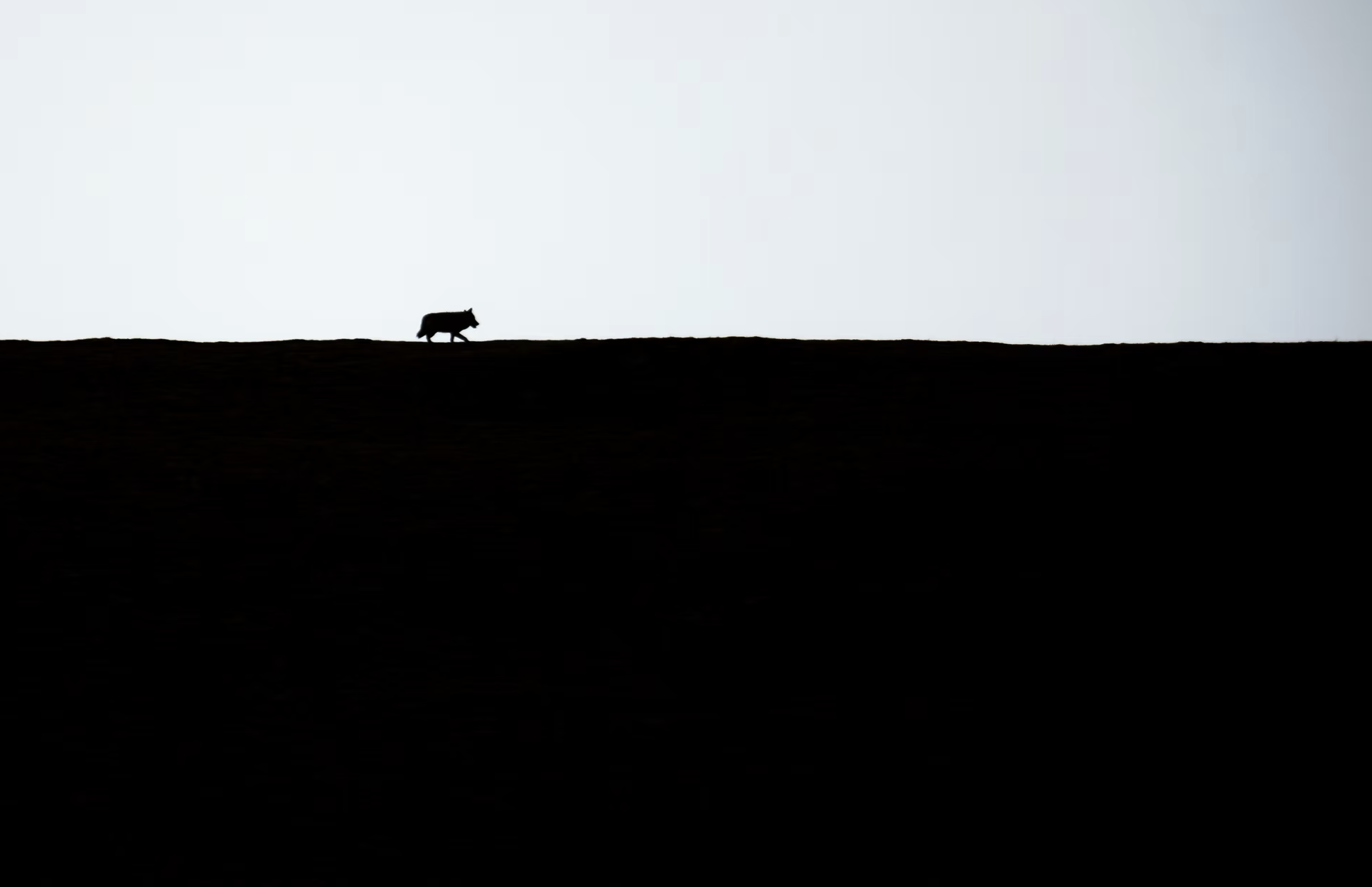
On the morning of February 19, observers located a snow leopard approximately 3 kilometers away while it was feeding on a blue sheep kill. Due to the distance, the animal appeared only as a small point on the mountainside to the naked eye and required a high-powered spotting scope for confirmation and continued observation.
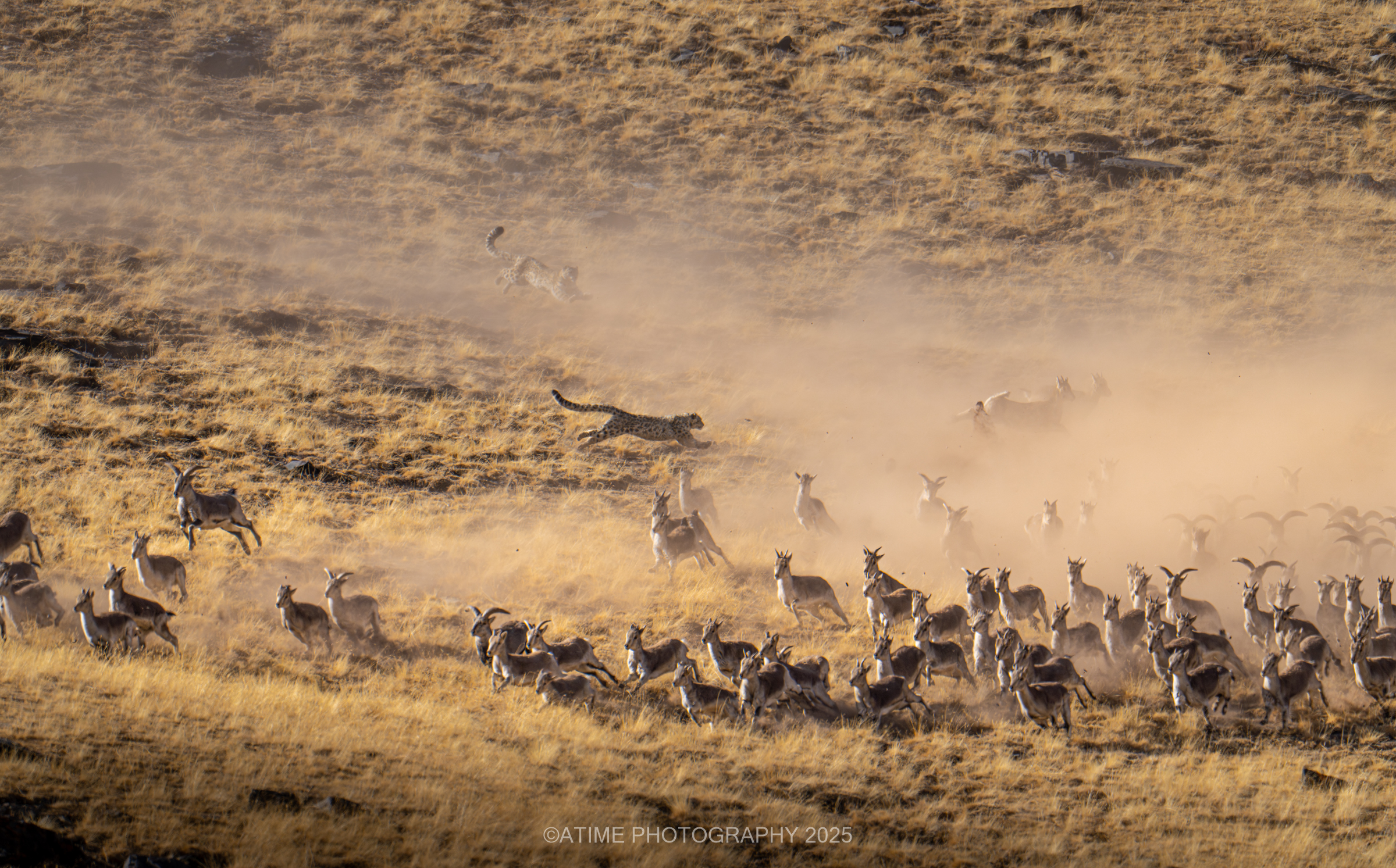
The following day, the snow leopard remained near the kill and continued feeding. By the morning of February 21, three snow leopards were recorded in the same area, while the blue sheep had been largely consumed. This three-day observation allowed the team to document the process of a snow leopard remaining near a successful kill, returning to feed repeatedly, and multiple individuals gathering around the same food source.
On February 26, observers heard snow leopard vocalizations and recorded two individuals active in the same area. On the same day, another individual was observed on a separate ridge and was considered by field observers to possibly be an older animal. Vocalizations and paired activity are consistent with behaviors associated with the mating season, although field observations alone cannot confirm the relationship between these individuals.
The following day, the team located another snow leopard feeding on a kill, although the species of prey could not be confirmed. Observation continued throughout the morning before the team left the area, allowing the snow leopard to continue its natural behavior undisturbed.
It is important to note that locating a snow leopard does not always result in ideal photographic opportunities. Animals may remain several kilometers away or be partially hidden by rocks, terrain, or intense high-altitude sunlight. Wind, cold temperatures, and atmospheric distortion over long distances can also affect image quality. Some encounters are suitable for photography, while others can only be confirmed through spotting scopes.
Other High-Altitude Mammal Sightings
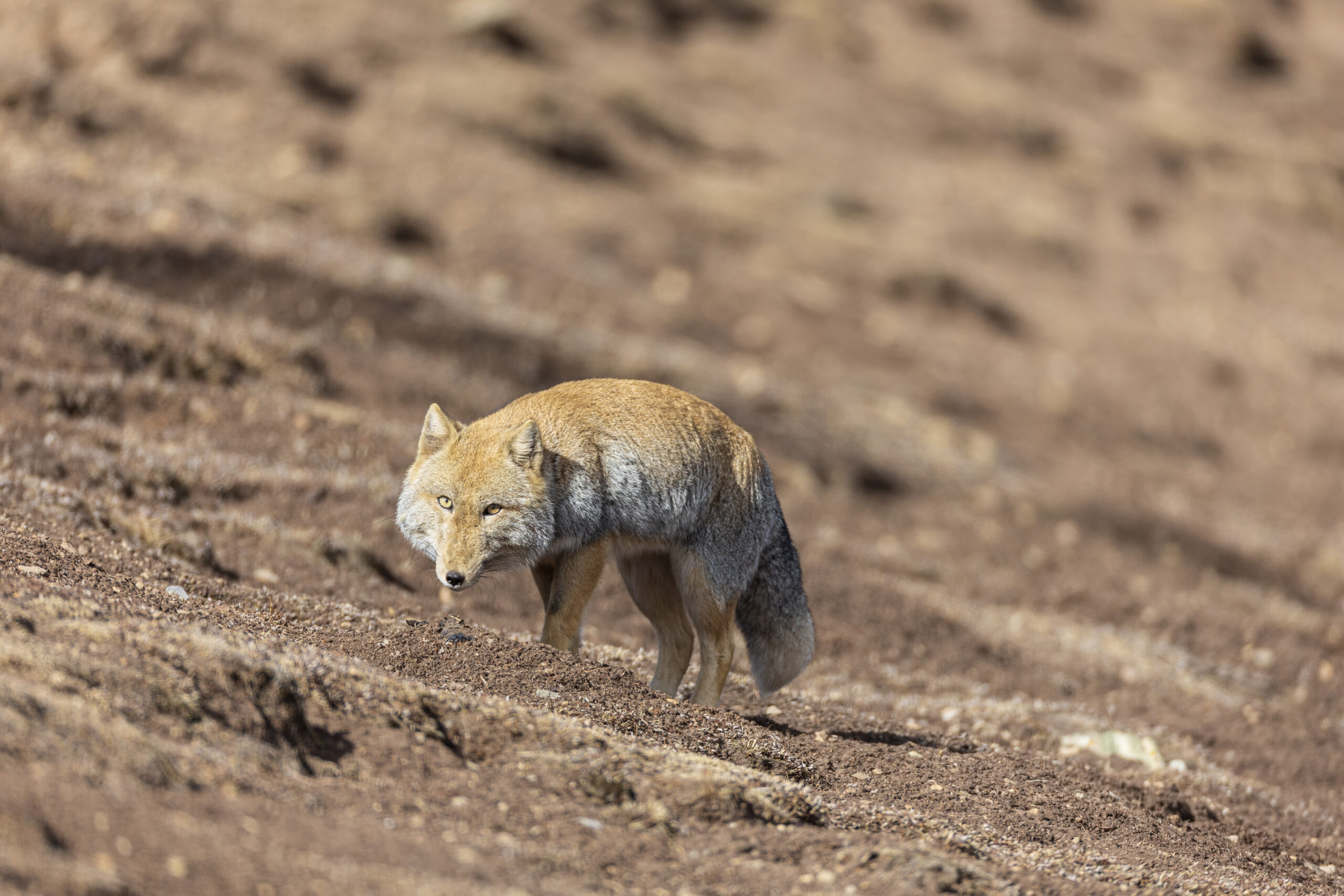
Searching for snow leopards is also a journey into the wider high-altitude ecosystem of the Tibetan Plateau. Beyond snow leopards, the four observation expeditions recorded other mammals including Eurasian lynx, Tibetan foxes, wolves, brown bears, blue sheep, white-lipped deer, and alpine musk deer.
Among them, the Eurasian lynx and Tibetan fox are two particularly fascinating predators of the plateau ecosystem. The elusive Eurasian lynx is rarely encountered in high-altitude shrublands, while Tibetan foxes prefer open alpine grasslands. Known for their distinctive broad faces and curious expressions, Tibetan foxes are generally easier to observe than most wild cats.
Other Mammal Records from Four Field Expeditions
| Species | Nov 6–12, 2025 | Jan 11–17, 2026 | Feb 2–8, 2026 | Feb 12–Mar 1, 2026 | Total Recorded Days | Main Records |
|---|---|---|---|---|---|---|
| Eurasian Lynx | — | — | 1 day | — | 1 day | Recorded on February 3, the only Eurasian lynx record among the four expeditions. |
| Tibetan Fox | 1 day | — | 2 days | 2 days | 5 days | Recorded on November 9, February 3, 4, 13, and 26. |
| Wolf | 1 day | — | 2 days | — | 3 days | Recorded on February 6 on the same day as a snow leopard, but no direct interaction was observed. |
| Red Fox | 1 day | — | — | 2 days | 3 days | Recorded near the snow leopard feeding area on February 20 and 21 for two consecutive days. |
| Brown Bear | — | — | — | 1 day | 1 day | Recorded in the Yushu region on February 25. |
| Blue Sheep | 5 days | 4 days | 3 days | 9 days | 21 days | The most consistently recorded mammal across all four expeditions and one of the snow leopard’s most important prey species. |
| White-lipped Deer | 5 days | 4 days | 3 days | 4 days | 16 days | Recorded during all four expeditions. |
| Alpine Musk Deer | 3 days | 4 days | 2 days | 7 days | 16 days | Frequently observed in high-altitude mountain habitats shared with blue sheep and white-lipped deer. |
| Plateau Pika | 1 day | 2 days | 2 days | 1 day | 6 days | Recorded during all three winter expeditions. |
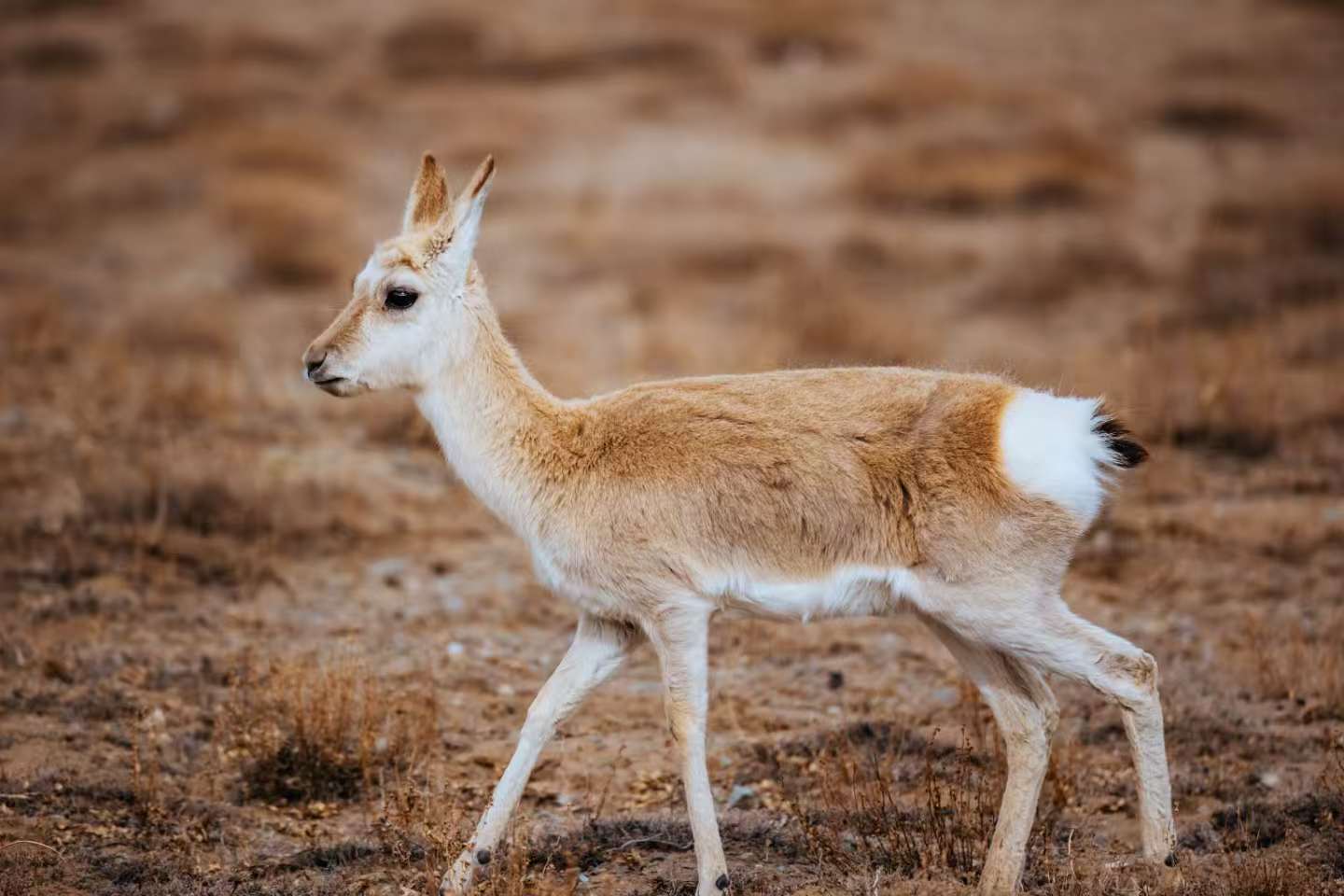
| Tibetan Gazelle | — | — | 2 days | — | 2 days | Recorded on February 3 and 4 for two consecutive days. |
| Red Deer | — | — | 1 day | — | 1 day | Recorded once on February 3. |
| Macaque Species | — | — | — | 1 day | 1 day | Recorded on February 28 in the area between Yushu and Nangqian; the exact species requires further confirmation. |
The numbers in the table represent the number of dates on which each species was recorded in the existing expedition reports. They do not represent the number of individual animals or standardized survey data. Some expedition days were used for transportation, cultural experiences, or rest, so the figures should not be directly compared as species encounter probabilities. Other notable plateau mammals in the wider Qinghai-Tibet ecosystem include wild yak, and Tibetan Antelope, also known as Chiru, is endangered.
Bird Sightings and Species List
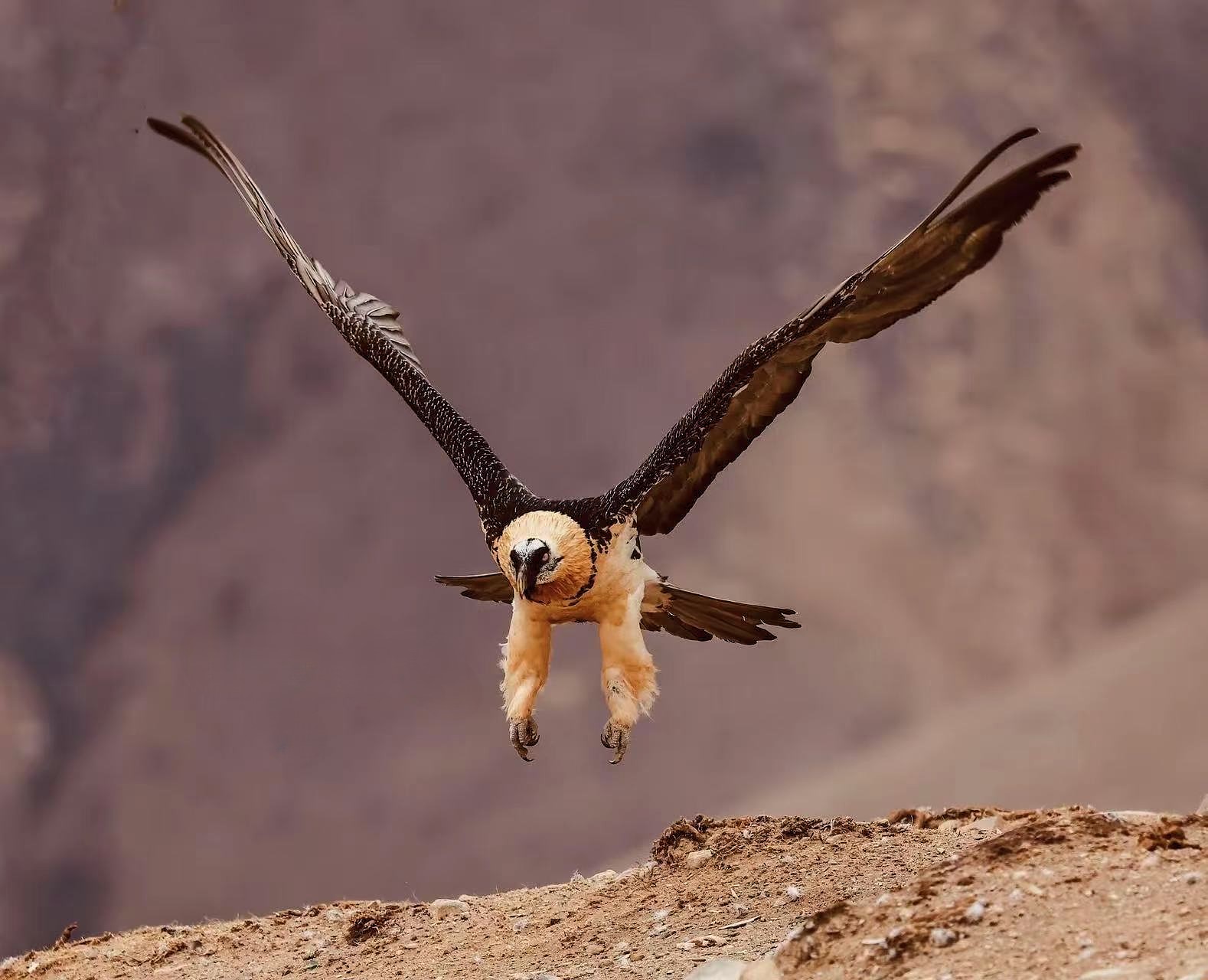
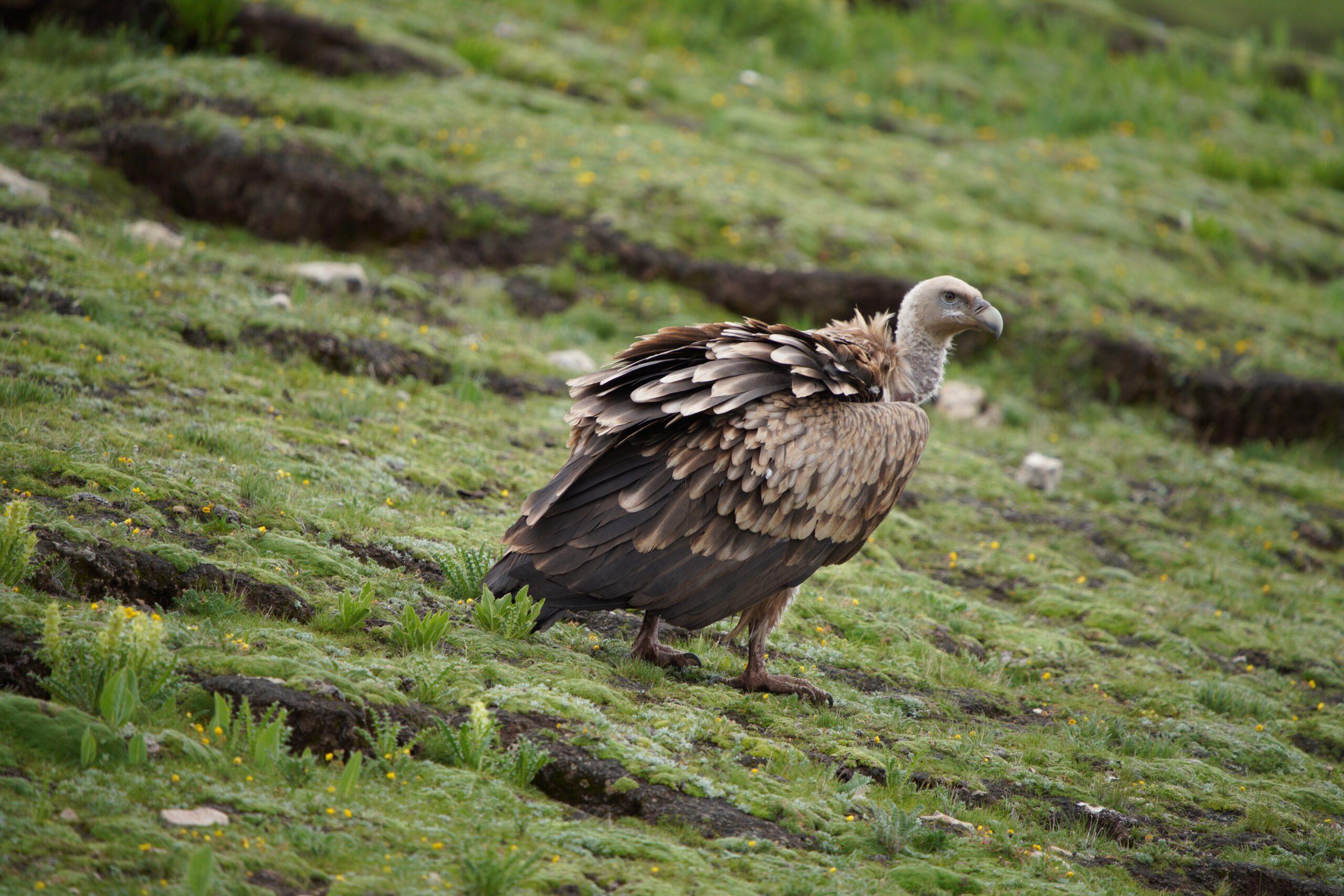
While searching for snow leopards and other high-altitude mammals, the team also continuously recorded bird species encountered along the route. Large raptors such as bearded vultures, Himalayan griffon vultures, and golden eagles are among the most impressive birds soaring above the Sanjiangyuan landscape. The first two species often act as signals of predator activity, as groups of vultures may circle high above when a potential kill is present.
Tibetan eared pheasants, blood pheasants, Tibetan snowcocks, and various partridges inhabit different environments across the region, from alpine shrublands and river valleys to high-altitude meadows.
Bird Records from Four Field Expeditions
| Species | Nov 6–12, 2025 | Jan 11–17, 2026 | Feb 2–8, 2026 | Feb 12–Mar 1, 2026 | Total Recorded Days | Main Records |
|---|---|---|---|---|---|---|
| Bearded Vulture | 5 days | 4 days | 4 days | 11 days | 24 days | Recorded during all four expeditions and one of the most consistently observed high-altitude raptors. |
| Himalayan Griffon | 5 days | 4 days | 4 days | 10 days | 23 days | Recorded during all four expeditions, often circling above valleys and plateau landscapes. |
| Golden Eagle | 5 days | — | 4 days | 3 days | 12 days | Recorded during three of the four expeditions. |
| Upland Buzzard | 1 day | — | 4 days | 1 day | 6 days | Recorded for four consecutive days during the February 2–8, 2026 expedition. |
| Saker Falcon | — | — | 4 days | — | 4 days | Recorded consecutively from February 3–6, 2026. Species identification requires final confirmation from the original report. |
| Unidentified Falcon | — | — | — | 3 days | 3 days | Recorded consecutively from February 13–15, 2026. The existing report did not specify the exact species. |
| Little Owl | — | — | 1 day | — | 1 day | Recorded once on February 4, 2026. |
| Tibetan Partridge | — | 3 days | 4 days | 9 days | 16 days | Recorded during all three winter expeditions and one of the more consistently observed plateau pheasants. |
| Buff-throated Partridge | — | 1 day | — | — | 1 day | Recorded once on January 12, 2026. |
| White-eared Pheasant | 1 day | 1 day | 1 day | 2 days | 5 days | Recorded during all four expeditions; additional sightings on February 17 and 28, 2026. |
| Blood Pheasant | — | — | — | 2 days | 2 days | Recorded during the Lagou Valley pheasant observation on February 17 and again on February 28, 2026. |
| Tibetan Snowcock | — | — | — | 1 day | 1 day | Recorded once on February 21, 2026. |
| Red-billed Chough | 5 days | — | — | — | 5 days | Recorded consecutively for five days during the November 2025 expedition. |
| Snowfinch | 5 days | — | — | — | 5 days | Recorded consecutively for five days during the November 2025 expedition. The original report did not specify the exact species. |
| Magpie | 5 days | — | — | 1 day | 6 days | Recorded consecutively during the November expedition and again on February 27, 2026. |
| White-throated Dipper | 3 days | — | — | — | 3 days | Recorded consecutively in river habitats from November 9–11, 2025. |
| Brown Dipper | 3 days | — | — | — | 3 days | Recorded on the same dates as White-throated Dipper. |
The table above is calculated based on the number of dates on which each species was recorded. Multiple observations of the same bird species on the same day are counted as one record day. The figures represent species occurrence dates recorded in existing expedition reports, not individual counts or standardized bird surveys. Some records use broader classifications, such as “snow finch” or “falcon.” These species are not further identified without photographic evidence or additional confirmation.
Season, Weather, and Terrain Conditions
In many regions, snow leopards show clear seasonal patterns of vertical movement.
Snow leopards are highly adapted to cold environments, with thick fur evolved for life in extreme alpine conditions. During summer, they often move to higher elevations where temperatures are cooler and activity decreases. In winter, as temperatures drop, prey species move to lower elevations in search of limited food resources. Snow leopards follow these movements, bringing them closer to human activity and making them easier to observe.
At Yunta, however, snow leopard observation opportunities exist throughout the year. Different seasons reveal different behaviors from snow leopards and other wildlife.
Autumn (September–December)
Temperatures begin to fall across the Tibetan Plateau, and snow leopards follow their main prey, blue sheep, toward lower elevations while becoming more active. White-lipped deer enter their rutting season, and their calls echo through the mountain valleys.
Winter (January–March)
The climate is dry and extremely cold, with daytime temperatures ranging from -5°C to 5°C and nighttime temperatures dropping as low as -25°C. Snow leopards enter their mating season and become more active. With luck, observers may hear their calls as they search for mates or encounter adult males and females moving together. Snow cover pushes ungulates toward sunny slopes where food remains available.
Spring (April–May)
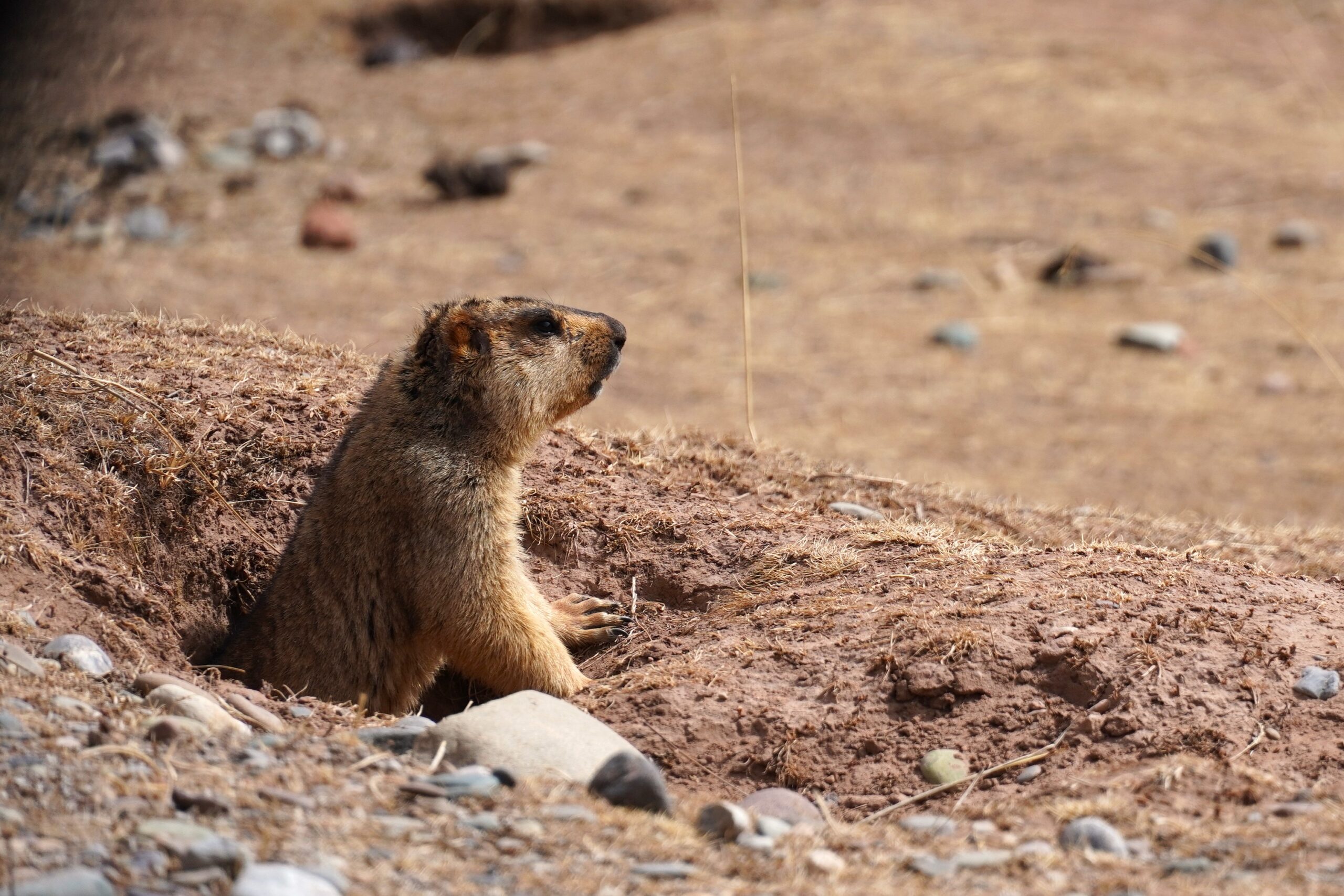
Temperatures gradually rise. Male white-lipped deer begin shedding their antlers, while male and female blue sheep start separating into different groups. By late May, Himalayan marmots and brown bears emerge from hibernation and resume activity. Snow leopards gradually replace their thick winter coats with lighter summer fur, and the return of Himalayan marmots is one reason summer observation periods here can feel closer to a wildlife safari among these high-altitude species.
Summer (June–August)
Summer brings the most comfortable weather on the plateau. At Yunta, snow leopards may prey on Himalayan marmots during this season, creating opportunities for closer observations than are often possible in winter.
Wildlife Observation Methods and Field Equipment
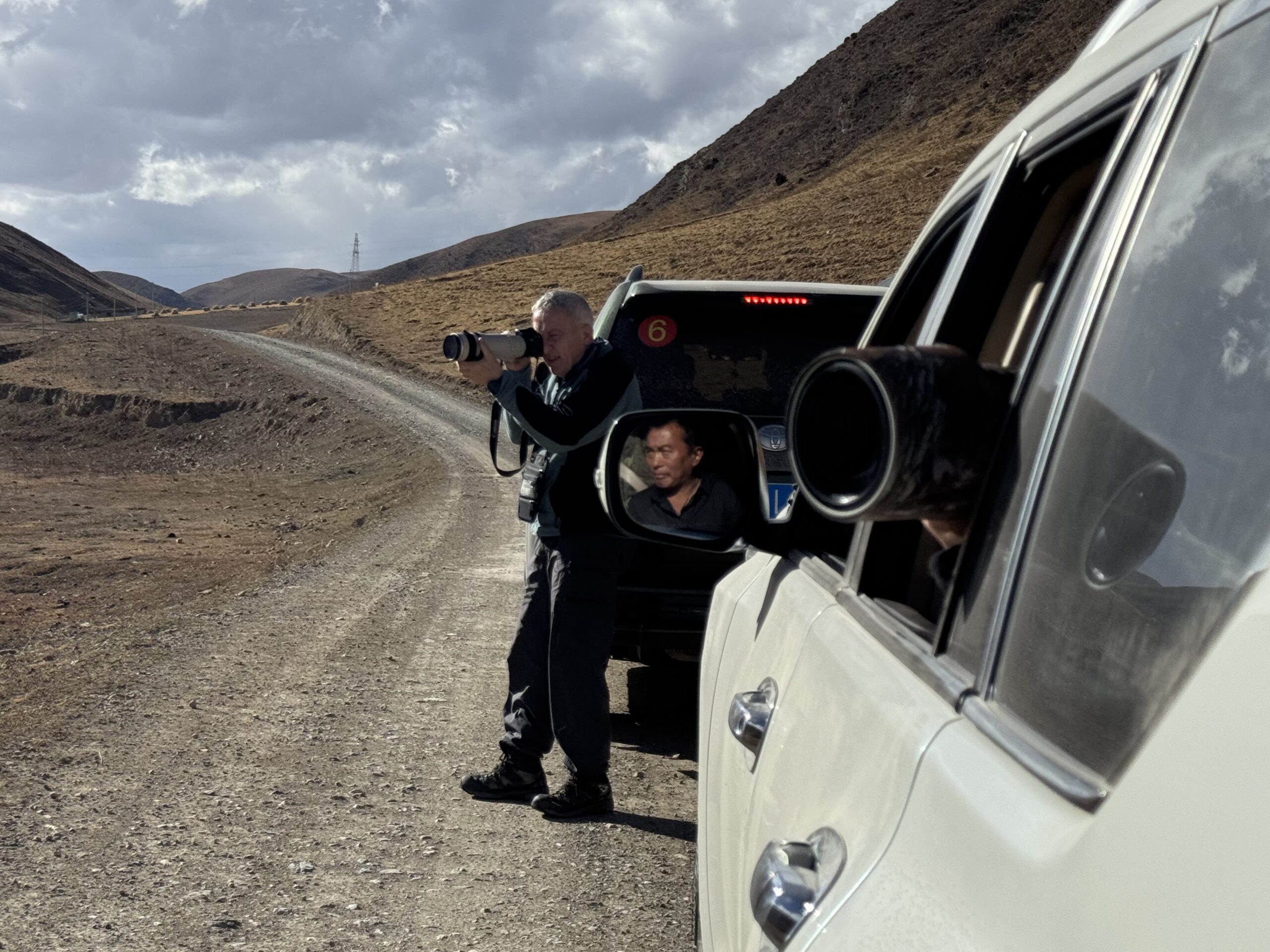
The expedition is led by experienced wildlife guides and supported by our locally established network of herder-based wildlife monitors. Following the natural behaviour patterns of snow leopards, which are often more active around dawn and dusk, we depart before sunrise each day and travel by four-wheel-drive vehicles to carefully selected observation sites.
Local wildlife monitors begin searching for animal tracks and recent activity signs early each morning, helping identify the most promising areas for observation.
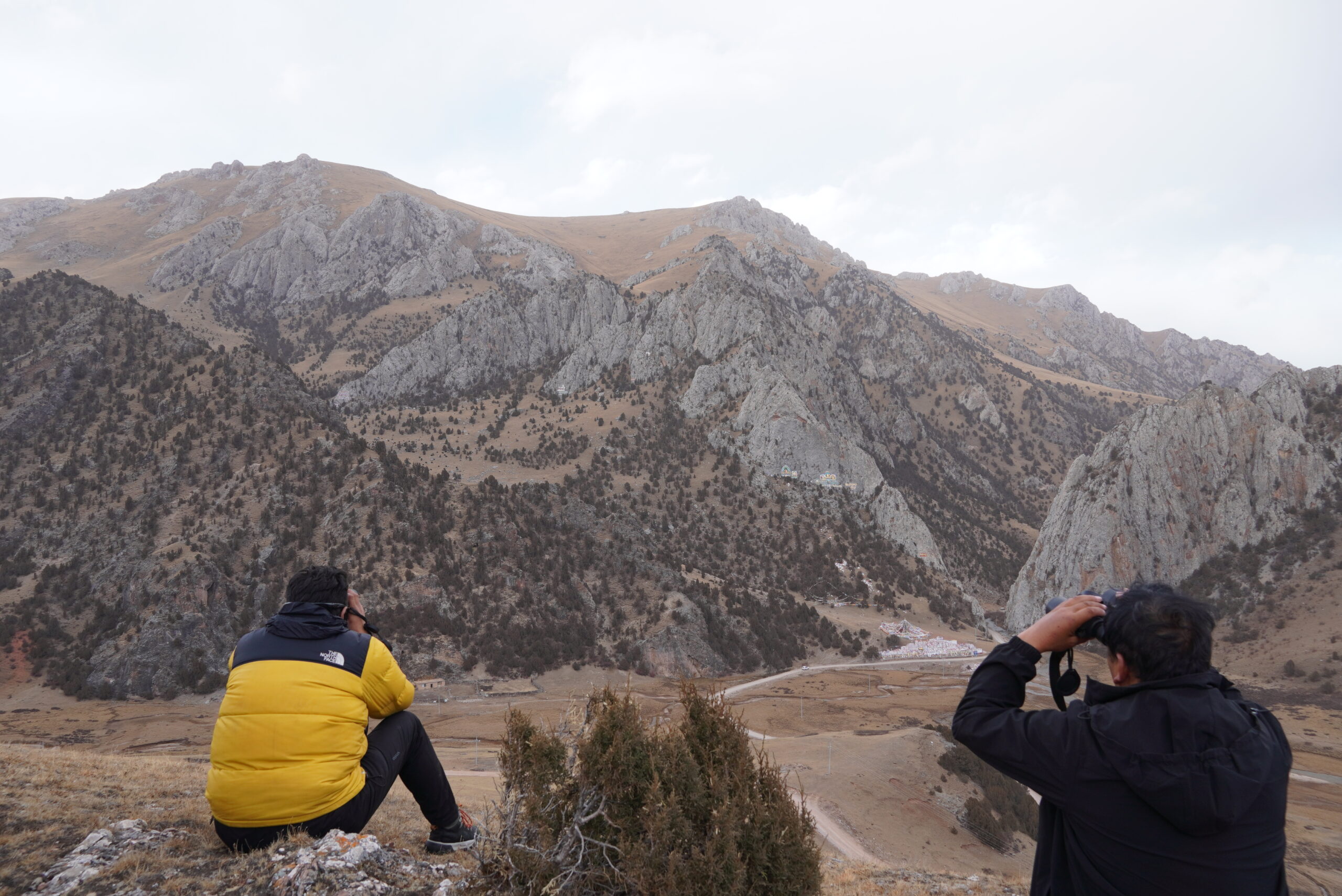
Upon arrival, the team settles into a fixed observation position, sets up equipment, and scans the opposite ridgelines and rocky slopes, patiently waiting and observing.
We focus on tracking recent movement patterns and activity of wild animals. Observation equipment and field materials provided include binoculars, spotting scopes, walkie-talkies, and wildlife identification guides. Guests are welcome to bring their own cameras and photography equipment.
Wildlife Photography from the Field
Preparing for a Wildlife Tour in Qinghai
Wildlife observation journeys are different from regular cultural or sightseeing trips. There is no completely fixed daily schedule. The itinerary may be adjusted based on the latest updates from local wildlife monitors and recent animal activity signs.
How a Typical Day Works
Wildlife observation usually follows the natural activity patterns of animals, which are often more active around dawn and dusk. Each day begins before sunrise. Based on tracks and activity signs identified by local monitors in advance, the team selects suitable observation locations and spends time waiting and observing.
During midday, when wildlife activity is usually lower, the team may have a packed lunch in the field or return to a local herder’s home for lunch. In the afternoon, as the sun begins to descend, observation continues until sunset.
How Long Do We Wait?
Waiting is one of the most important parts of wildlife observation. In many ways, searching and waiting make up most of the experience.
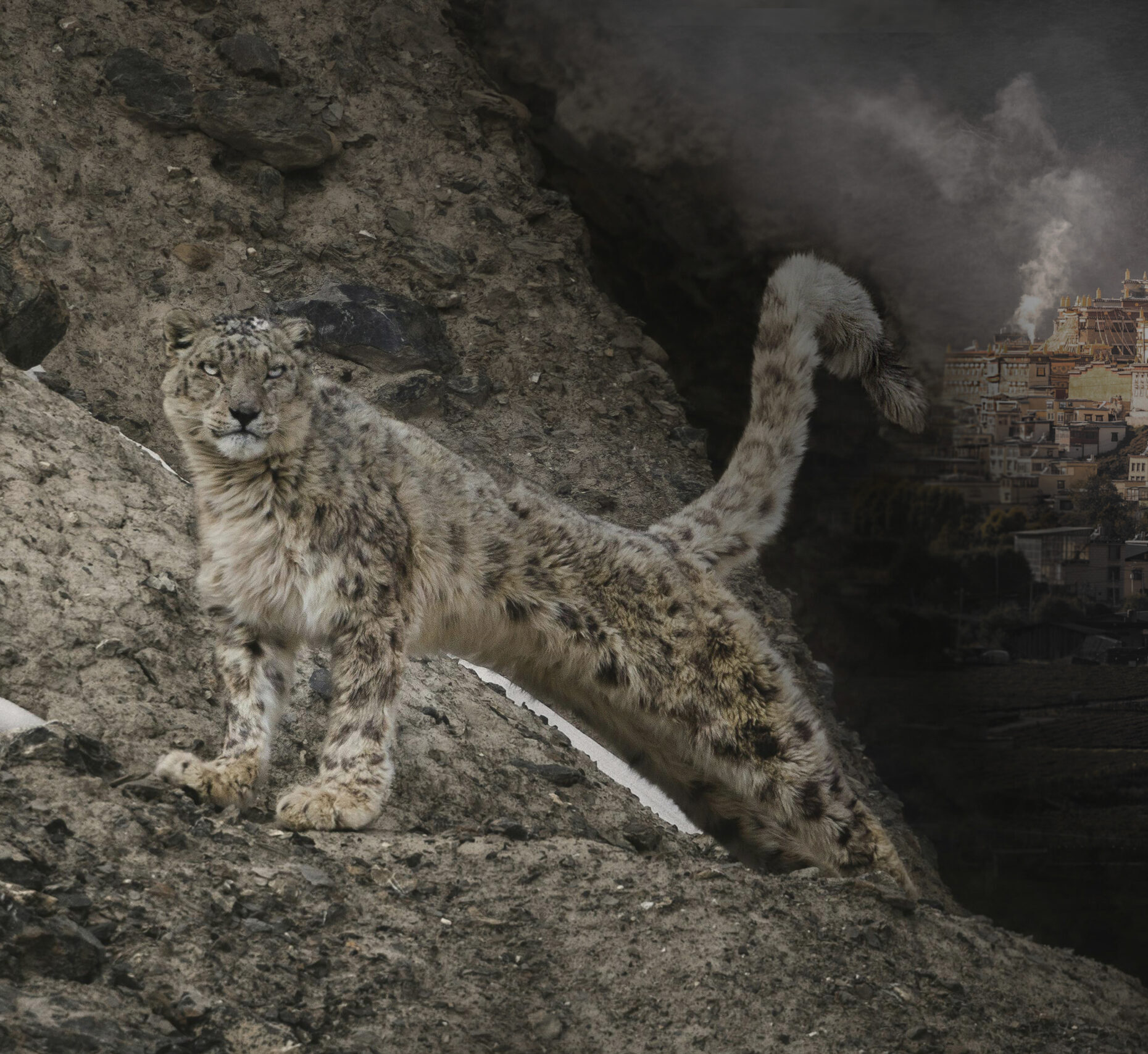
Snow leopards are masters of camouflage, blending into rocky slopes, ridgelines, and shadows. Even when recent activity has been confirmed in an area, it may still take hours of careful scanning to locate an individual resting or moving slowly across the landscape.
Once a snow leopard is found, the team may remain at the same observation point for several hours, documenting its behavior, including resting, moving, or feeding.
Is Long-Distance Hiking Required?
Most daily activities take place using four-wheel-drive vehicles. Walking is usually limited to short distances, with daily hiking generally less than 1 kilometer.
Typical Observation Distance
There is no fixed viewing distance for snow leopards. Encounters may range from several hundred meters to several kilometers away.
In open mountain landscapes, many snow leopards are first located through high-powered spotting scopes. At times, they may appear only as a small grey-white shape on a rocky slope, requiring experienced local guides to confirm their identity through body shape, tail movement, and behavior.
Accommodation
Snow leopard habitats are located in remote areas of the Tibetan Plateau, where accommodation conditions cannot be compared with those in major cities.
When staying in towns such as Yushu, travelers can usually expect local hotels with heating, hot water, and private bathrooms. In more remote observation areas, accommodation is generally provided through local guesthouses, family-run lodges, or basic hotels. Private rooms cannot always be guaranteed, and toilet facilities may be simple pit toilets.
During winter, heating, water pressure, internet access, and electricity can sometimes be unstable due to the conditions of remote high-altitude areas. Travelers should have realistic expectations of the environment.
Meals
Breakfast is usually prepared early to match the wildlife observation schedule. On field observation days, lunch is generally a simple packed meal that is easy to carry and eat quickly, often enjoyed inside the vehicle or at a sheltered location.
Dinner is served after returning to the accommodation and usually includes local Chinese dishes, Tibetan-style meals, noodles, rice, meat, and vegetables.
If you have vegetarian requirements, food allergies, or other dietary needs, please inform us before departure. Due to the limited availability of ingredients and dining options in remote areas, the team will do its best to accommodate requests but cannot guarantee the same variety available in cities.
How Does High Altitude Affect the Journey?
The journey takes place at elevations ranging from 3,700 to 4,500 meters above sea level. We arrange two days of acclimatization in Yushu (3,700m) before entering higher-altitude areas. If time allows, travelers may also consider spending 1–2 days acclimatizing at around 2,500 meters, such as in Xining, before arrival.
When first arriving on the plateau, some travelers may experience symptoms of altitude adaptation, including headaches, fatigue, poor sleep, reduced appetite, or mild shortness of breath. Individual responses to altitude are not always related to age or physical fitness — even people who exercise regularly may still need time to adjust.
During the first one or two days at altitude, we recommend slowing down, avoiding strenuous activity, resting sufficiently, and staying well hydrated. If symptoms continue to worsen, travelers should not continue ascending to higher elevations. Symptoms such as difficulty breathing while resting, confusion, difficulty walking, or extreme drowsiness require immediate medical attention and descent to a lower altitude.
Our team has experience managing altitude-related challenges. Please inform your guide of any discomfort during the journey — safety is always our top priority. In cases of serious symptoms, we may adjust the itinerary or shorten the trip if necessary.
Travelers with heart conditions, severe hypertension, respiratory diseases, asthma, or other medical conditions that may be affected by high altitude should consult a doctor before booking and inform our travel advisors of any relevant health conditions.
Can We Guarantee Snow Leopard Sightings?
There is never a 100% guarantee when observing wildlife. Snow leopards are wild animals that move freely through their high-altitude environment and cannot be controlled or predicted.
However, we have selected multiple high-probability observation areas, scheduled multiple opportunities for searching, and work closely with local wildlife monitors who track animal activity in advance to maximize the chances of encountering a snow leopard.
Who Is This Wildlife Tour Suitable For?
Snow leopard expeditions are best suited for travelers who genuinely enjoy the process of wildlife observation and want a wildlife safari rather than a conventional sightseeing itinerary. This journey also suits travelers who want to experience wild places on a broader route that can include Xining, Qinghai Lake, and Hoh Xil. You should be comfortable waking up early, waiting patiently in cold high-altitude environments, and accepting that animals may appear several kilometers away — or that the main target species may not be found on a particular day.
No professional mountaineering or trekking experience is required. Most wildlife searches are conducted by four-wheel-drive vehicle and from fixed observation points. Daily walking is usually less than one hour and generally no more than 3 kilometers.
However, as the observation areas are located above 3,500 meters on average, participants should have a good basic level of health and be comfortable with short walks at high altitude.
This journey is especially suitable for:
- Wildlife enthusiasts with a deep interest in snow leopards and the Tibetan Plateau ecosystem;
- Photographers who respect animal behavior and natural processes, rather than focusing only on close-up images;
- Travelers who enjoy small groups, slower-paced journeys, and extended time in the field;
- Guests who respect observation distances and never chase, feed, or disturb wildlife.
Essential High-Altitude Gear List
Clothing
- Moisture-wicking thermal base layers;
- Fleece or lightweight down mid-layer;
- Thick down jacket or warm outer layer suitable for low temperatures;
- Windproof and waterproof outer shell;
- Warm trousers and windproof outer pants;
- Warm hat that covers the ears;
- Scarf or neck warmer;
- Inner gloves and thick insulated gloves;
- Sufficient warm socks.
Footwear
- Waterproof, non-slip hiking boots or winter outdoor shoes with good support;
- Footwear suitable for rocky terrain, frozen ground, and light snow conditions;
- Break in your shoes before departure. Avoid bringing brand-new footwear directly to the plateau;
- Snow gaiters or insulated insoles may be useful in winter depending on conditions.
High-Altitude and Daily Essentials
- High SPF sunscreen;
- UV-protection sunglasses;
- Lip balm and moisturizing products;
- Insulated water bottle;
- Personal medication;
- Small personal first-aid supplies;
- Hand warmers or reusable heating devices;
- Headlamp;
- Power bank;
- Wet wipes and basic personal hygiene supplies.
Wildlife Observation and Photography Equipment
- Binoculars (8–10x magnification, 42mm objective lens recommended, preferably waterproof and fog-resistant);
- Camera and telephoto lens;
- Stable tripod or gimbal head;
- Spare batteries and memory cards;
- Camera protection against dust and snow;
- Lens cleaning tools;
- Waterproof camera bag.
Cold temperatures can significantly reduce the battery life of cameras and phones. Spare batteries should be kept close to your body in a warmer location.
The team usually provides spotting scopes and basic wildlife observation equipment for locating animals. Personal photography equipment should be brought by each traveler.
Seasonal Clothing and Footwear Advice
November to February: The Coldest Period
November to February is usually the coldest period on the Tibetan Plateau. During the day, temperatures under direct sunlight can feel relatively comfortable, but temperatures can drop quickly in the early morning, evening, and shaded areas. Nighttime temperatures may fall to around -25°C.
During this season, a complete layering system is essential. Travelers should prepare a thick down jacket, windproof outer layers, insulated gloves, and warm winter footwear and socks.
March to April: Warmer but Still Unpredictable
From March to April, temperatures gradually rise, but plateau weather remains highly changeable. Sunlight can be intense during the day, while mornings and evenings remain cold, and strong winds can significantly lower the perceived temperature.
Even during spring departures, we do not recommend leaving behind essential cold-weather gear such as a down jacket, windproof outer layer, warm hat, and gloves.
The Importance of Layering
The key to dressing for the plateau is not simply bringing one extremely warm jacket, but using multiple layers that can be adjusted according to conditions.
The feeling of temperature can vary greatly between activities. A short uphill walk may cause you to sweat, while sitting still at an observation point for half an hour can quickly become cold. Layered clothing allows you to adapt comfortably to different situations during the journey.
Safety, Ethics, Permits, and Field Conduct
- Maintain a respectful distance: Never approach wildlife. A distance of 200 meters is the minimum observation boundary. Snow leopards are wild predators, and keeping distance protects both the animal and the safety of observers.
- Do not attract or disturb wildlife: We never use food, sounds, or any other methods to attract snow leopards. Artificially influencing animal behavior can harm the species and negatively affect future wildlife observation.
- Never approach dens or cubs: If signs of snow leopard cubs, calling sounds, or possible den sites are discovered, the team will immediately leave the area.
- Leave no trace: All items brought into the mountains must be taken away. We do not leave behind waste, human scent, or any other signs of our presence.
- Follow your guide’s decisions: Local herder guides have lived alongside snow leopards for generations. Their Tibetan cultural understanding of coexistence between humans and wildlife supports the careful balance between the two. In the field, guides decide when to move, when to wait, and when to leave — their judgment always comes first.
Observing snow leopards is not about capturing a single moment. The relationship between humans and these elusive animals is built over time through patience and respect. Without mutual trust, a snow leopard will simply choose another path and disappear into the mountains.
Explore Eastogo’s Snow Leopard Expeditions
Explore More Wildlife Experiences in China
China is one of the world’s most biodiverse countries, with ecosystems ranging from tropical rainforests and coastal wetlands to alpine grasslands across the Tibetan Plateau. Home to the world’s largest snow leopard population, the largest red panda population, and the greatest pheasant diversity on Earth, China offers some of Asia’s most rewarding wildlife experiences for photographers, birdwatchers, and nature enthusiasts.
China Endemic Pheasant Tracking & Photography
China holds the richest pheasant diversity in the world, including more than twenty species found nowhere else on Earth. From the legendary Himalayan monal, with an estimated 6,000–10,000 individuals remaining in the wild, to other spectacular alpine pheasants, these birds inhabit some of China’s most remote mountain landscapes. Guided by Eastogo’s birding experts, you will venture into their habitats in search of these rare and dazzling high-altitude species.
Rare Primate Tracking & Photography
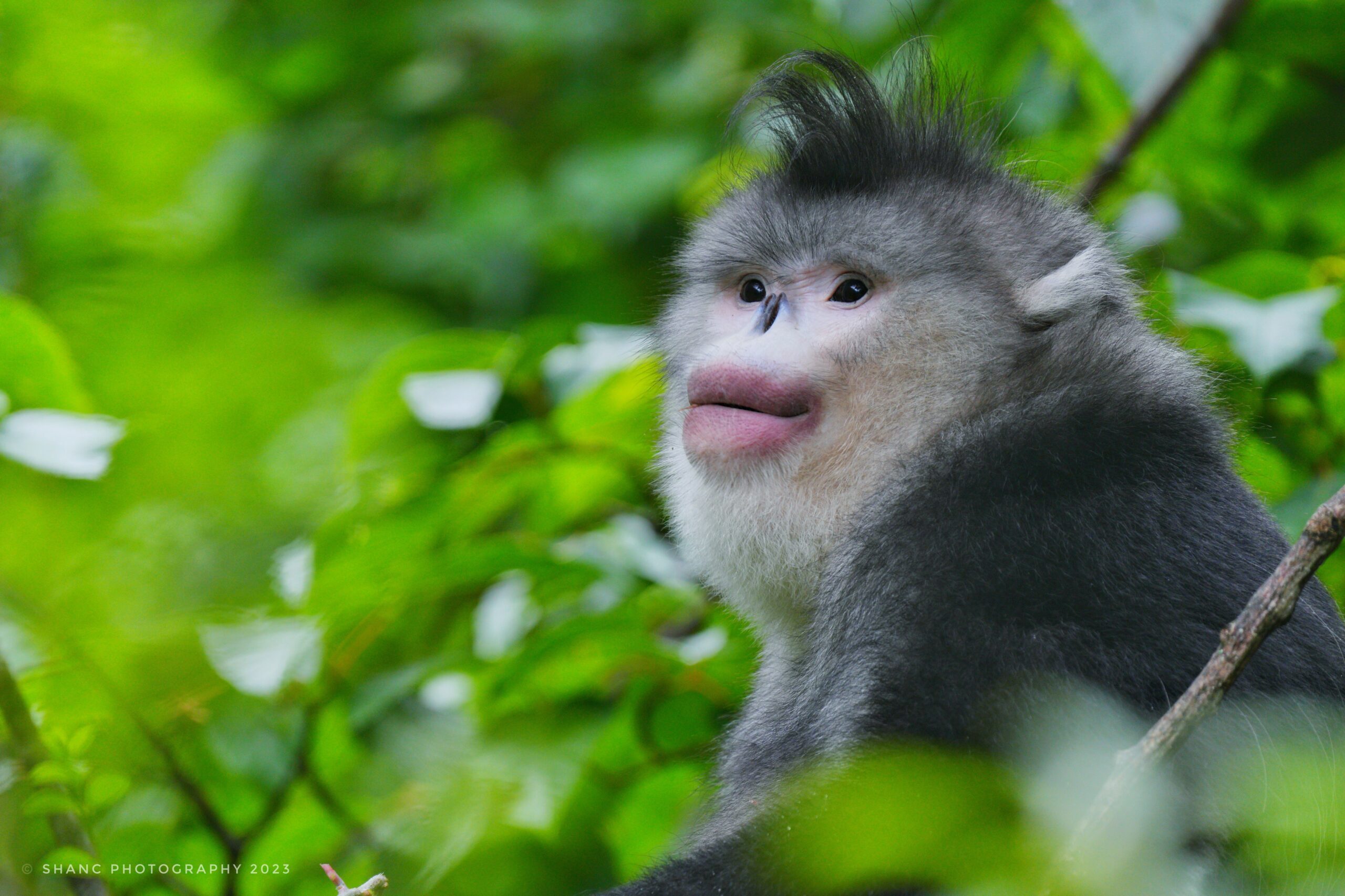
China is home to 28 primate species, around 80% of which are currently declining. The white-headed langur has only around 1,300 individuals remaining in the wild, while the western black crested gibbon has an estimated global population of around 1,500, with more than 1,400 found in China.
Guided by Eastogo’s local trackers and wildlife experts, explore remote mountain forests in search of these elusive primates — some of China’s rarest mammals, and species whose voices may one day disappear from the wild.
Spoon-billed Sandpiper Tracking & Photography
China is one of the key wintering grounds for the spoon-billed sandpiper, offering an opportunity to observe one of the world’s rarest shorebirds, with only around 443 adults remaining globally.
Together with Eastogo’s birding experts, travel through coastal wetlands in Guangdong to search for and photograph this critically endangered species.
Indo-Pacific Humpback Dolphin Tracking & Photography
The Indo-Pacific humpback dolphin is a remarkable marine species that gradually develops a soft pink color as its body temperature rises during movement, creating one of the ocean’s most distinctive wildlife encounters.
With around 6,000 individuals remaining worldwide, including approximately 5,000 along China’s coast, this rare dolphin can be observed in the coastal waters of Guangdong with guidance from Eastogo’s marine wildlife experts.
Birdwatching at Asia’s Largest Wintering Ground for Migratory Birds
Each winter, 600,000–800,000 migratory birds gather at Poyang Lake, creating one of Asia’s most spectacular birdwatching scenes. Iconic species such as the Siberian crane and Oriental stork — symbols of Eastern elegance — can be observed here in remarkable numbers.