
Western Sichuan: The Essence of Kham Tibet (5 days Self-guided)
This journey leads you into Western Sichuan in Kham Tibet, one of the three ancient Tibetan cultural regions and the historic homeland of the legendary Khampa people, where timeless traditions, deep spirituality, and wild mountain landscapes come alive.
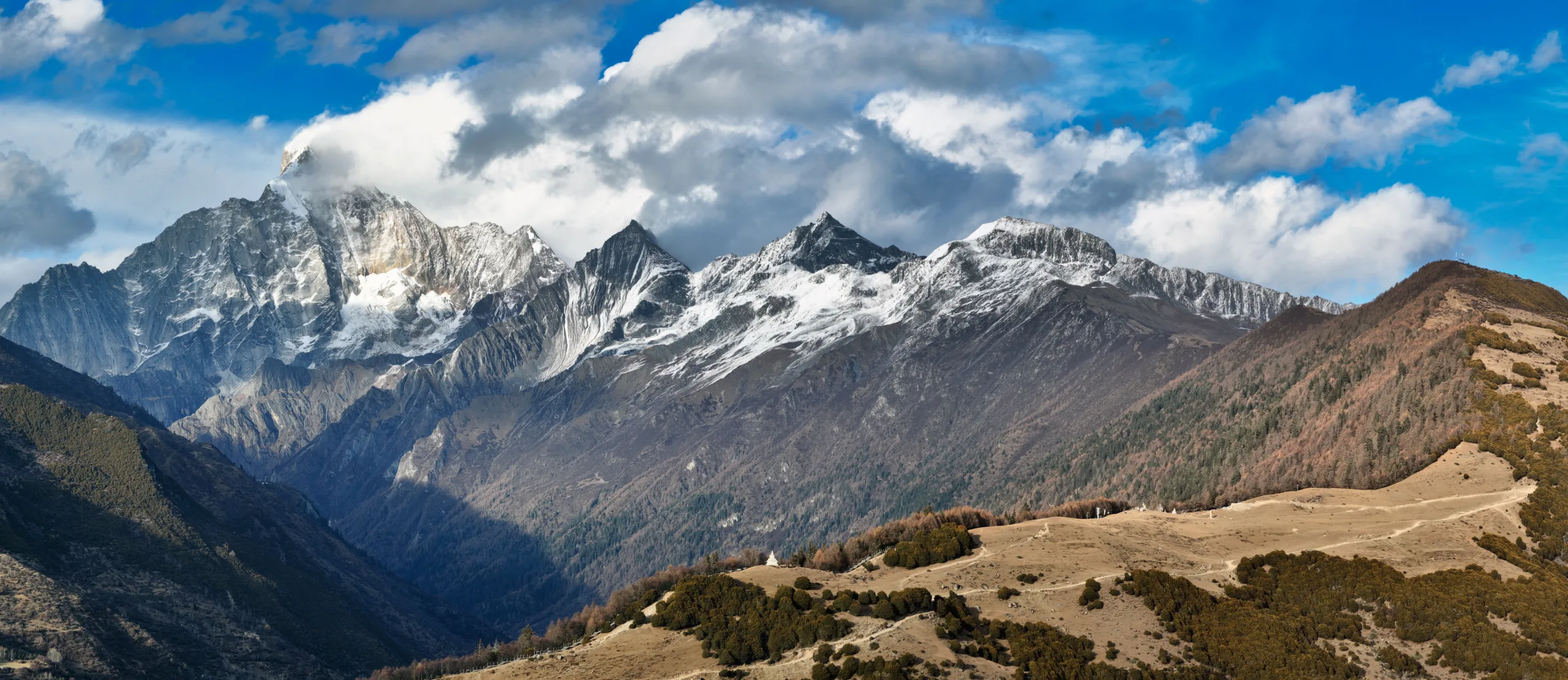
Hike in Siguniang Mountain, known as the “Queen of Sichuan Peaks”, enjoy an intimate encounter with giant pandas in their natural environment, and immerse yourself in the living culture of the Tibetan region. You’ll step into Muya Monastery under the Yala snow mountain, gently touch the sacred deer, visit a hidden nunnery to feel the dynamic energy of Buddhist debate, and learn the oldest meditation practices from a master.
Let this journey awaken your spirit and leave you with memories shaped by mountains, culture, and the quiet power of Kham Tibet.
This is a self-guided tour, which means there will not be a full-time guide accompanying you throughout the trip. Instead, local guides will join at selected destinations, while your driver will also assist with some guiding and support along the way.
Journey Highlights
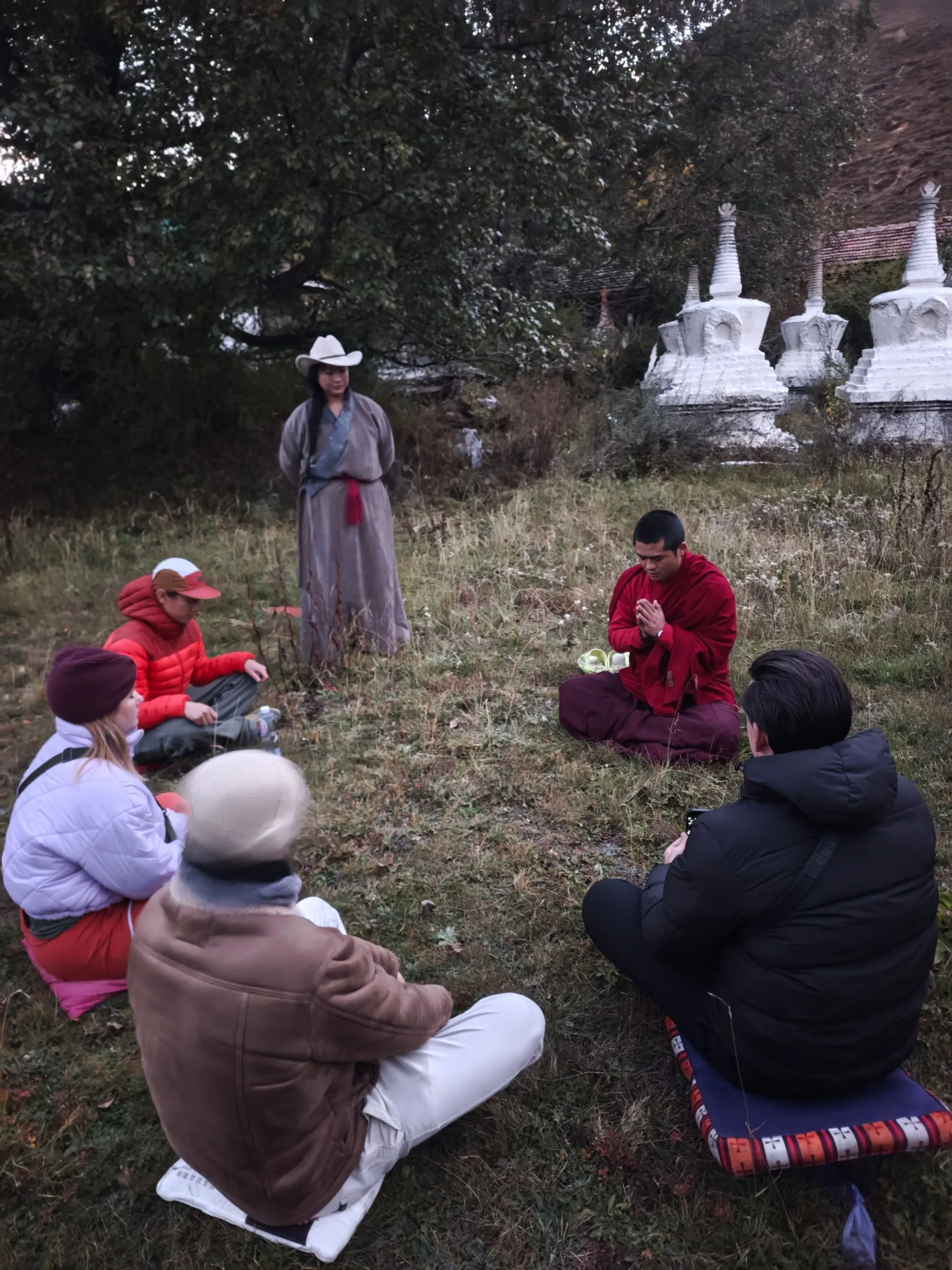
Practise traditional Tibetan Buddhist meditation with a monk from Tagong Monastery, learning authentic techniques in the thousand-year-old stupa forest.
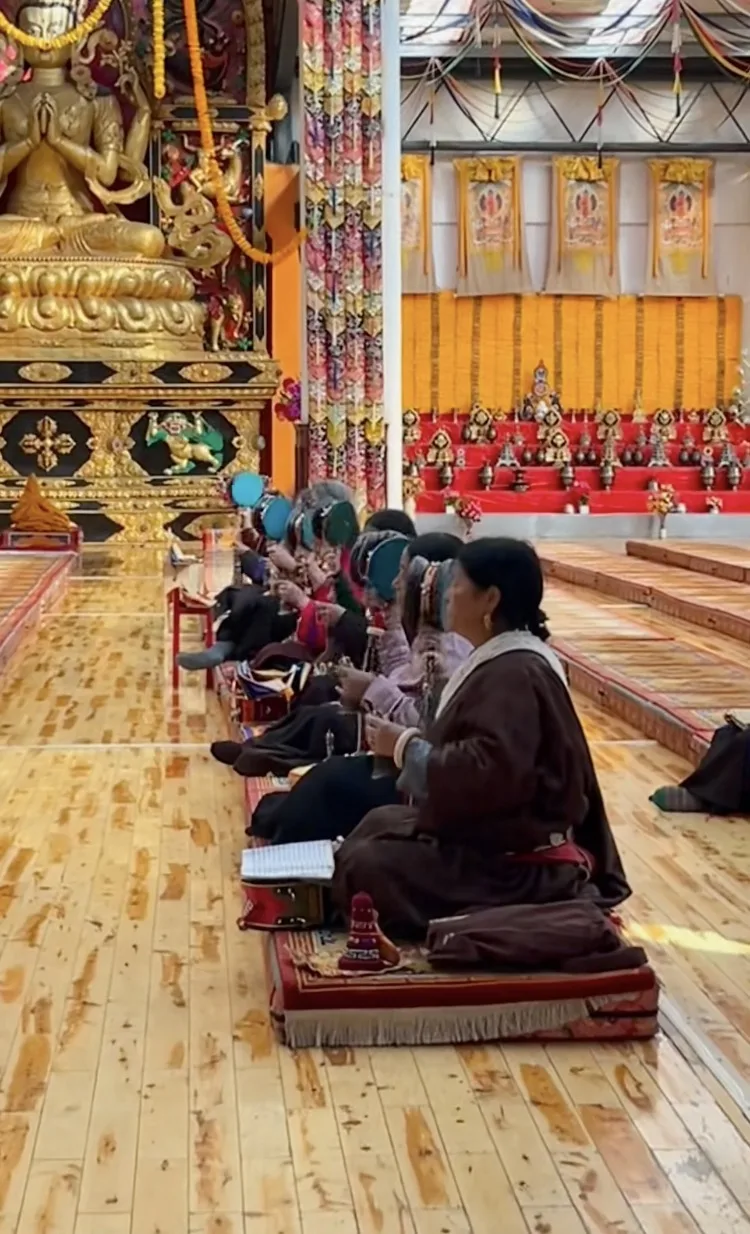
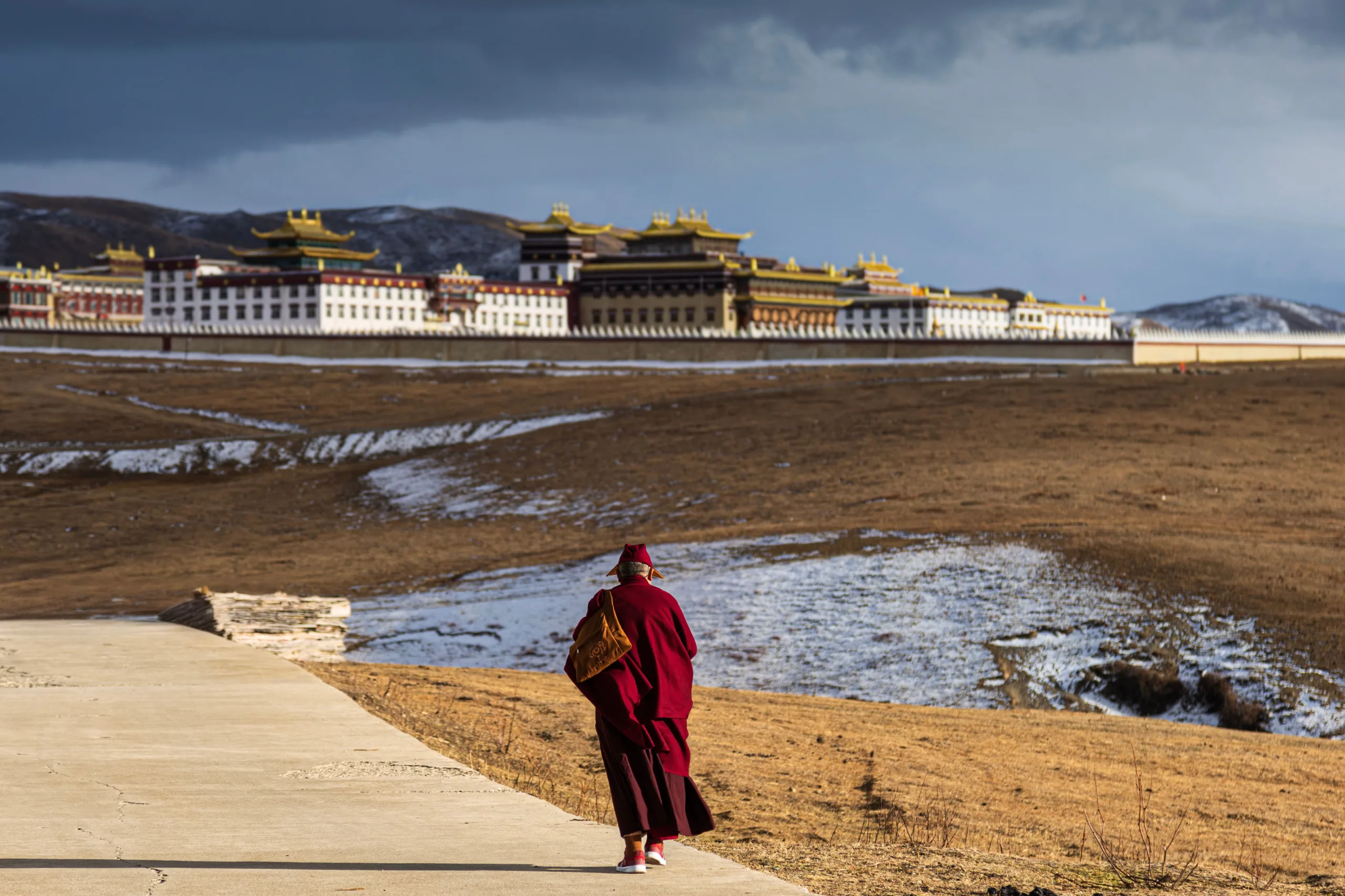
Explore Muya Monastery and Anigongma Nunnery with our local English-speaking guide, gaining access to monastic spaces rarely visited by travellers.
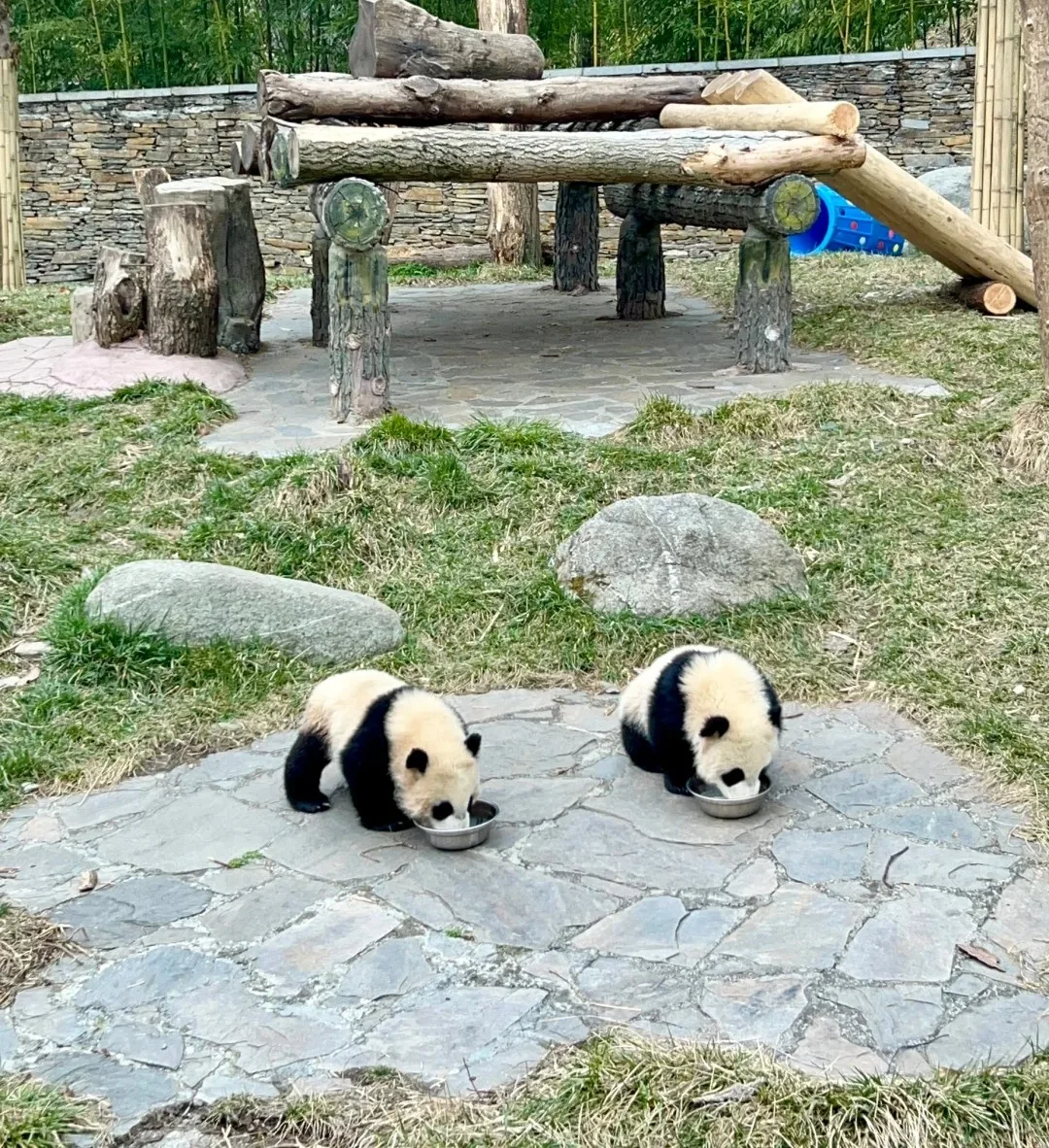
Observe giant pandas up close, with unobstructed views and no glass barriers, in a carefully designed panda base that reflects how pandas live in the wild. Panda will be as close as 5m.
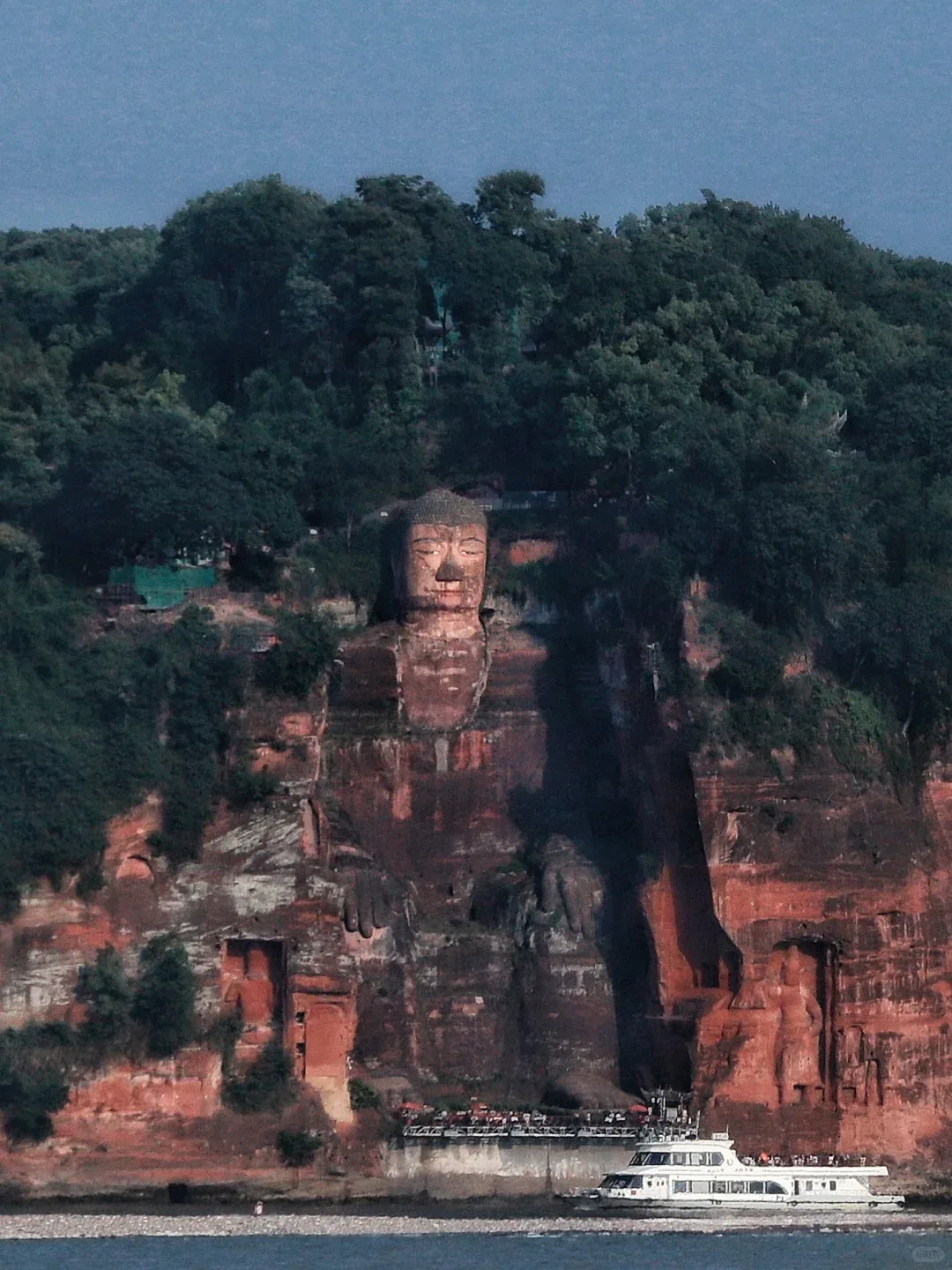
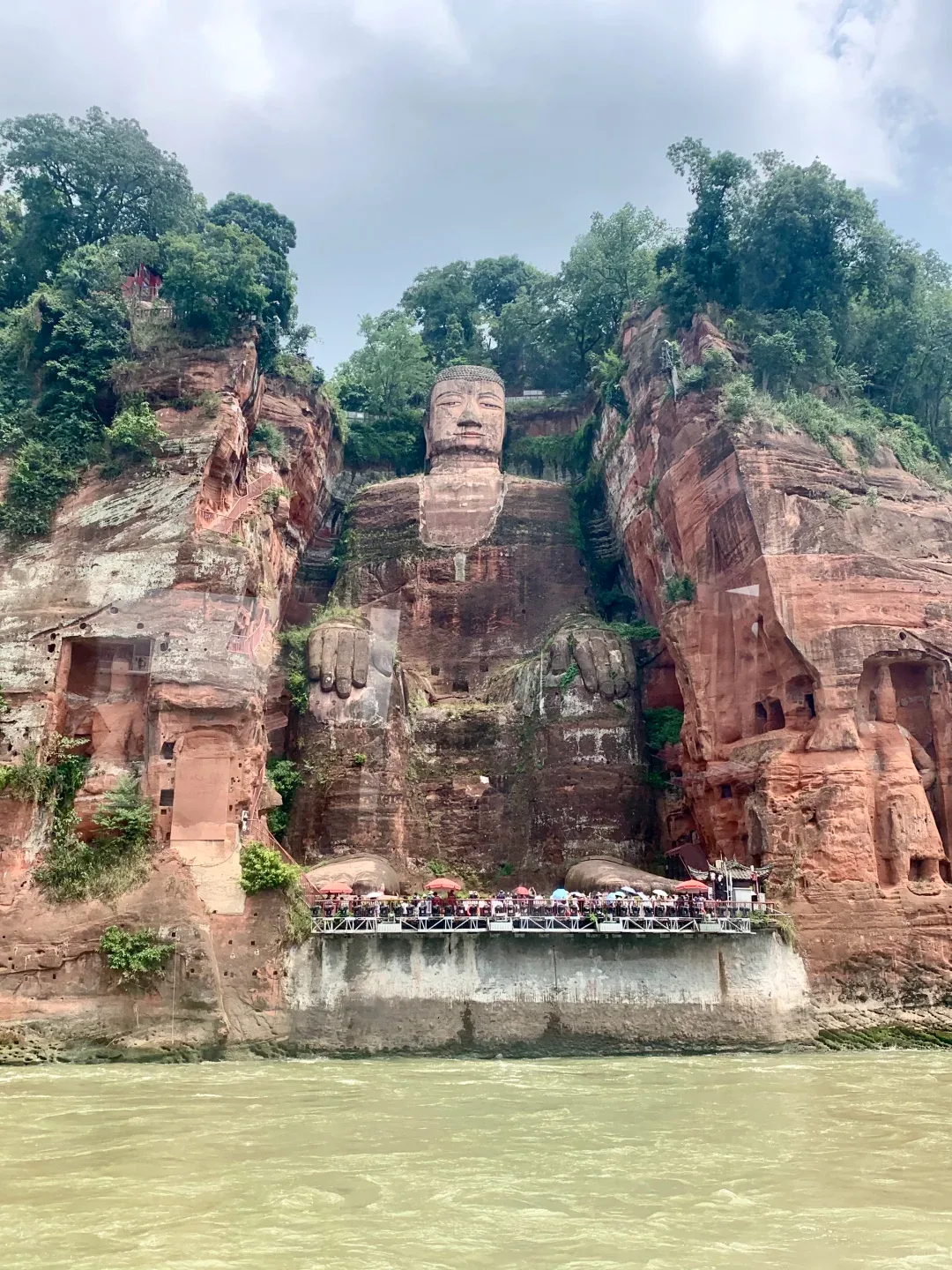
Enjoy a VIP boat experience at the Leshan Giant Buddha, viewing the world’s largest stone-carved seated Buddha from a unique perspective on the river.
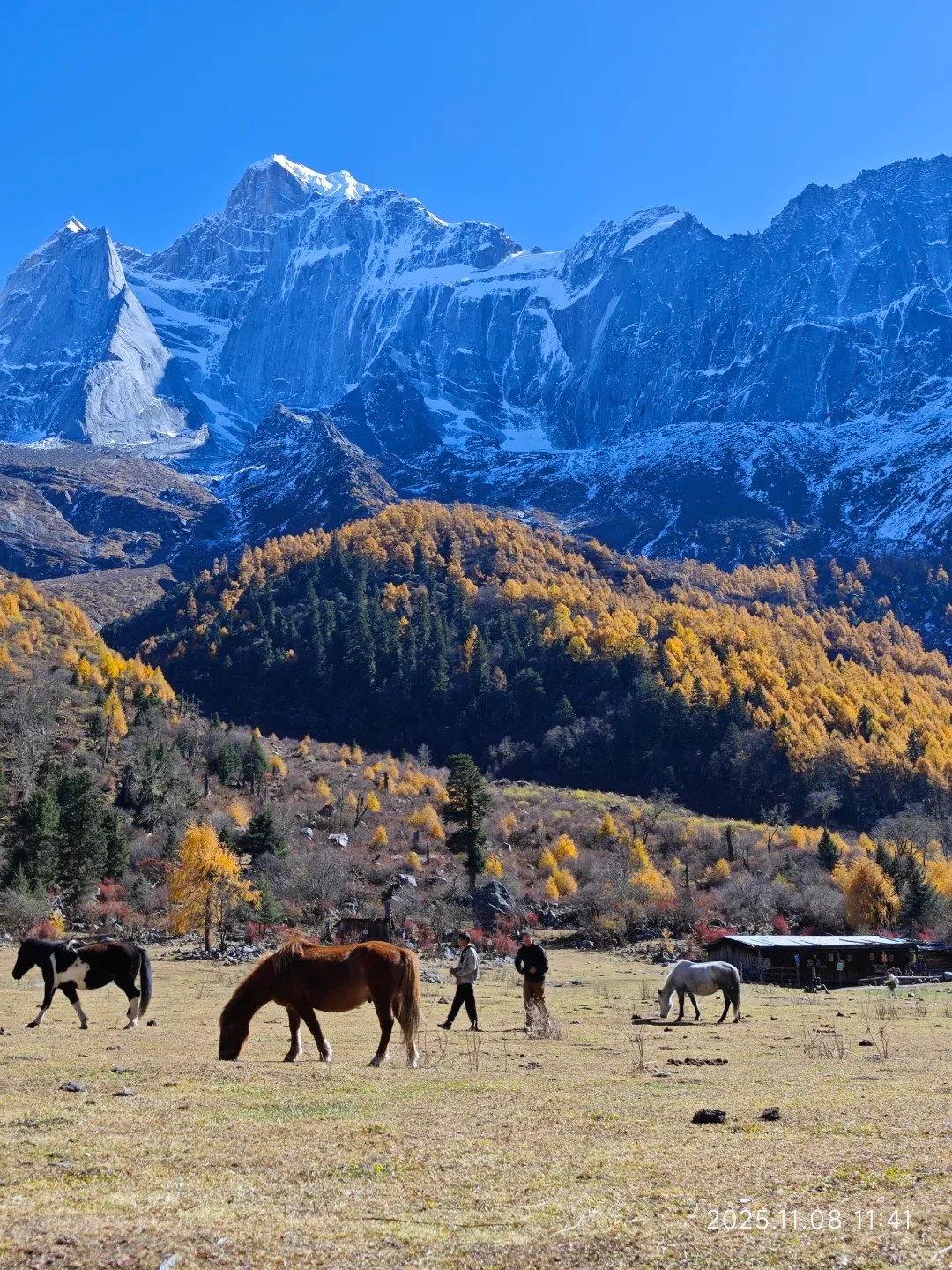
Enjoy a 6-hour hike in Mount Siguniang, walking alongside mountain streams toward the snow peaks, and finishing at Mule Horse Meadow with a 360-degree view of the surrounding mountains.
Day-by-day Itinerary
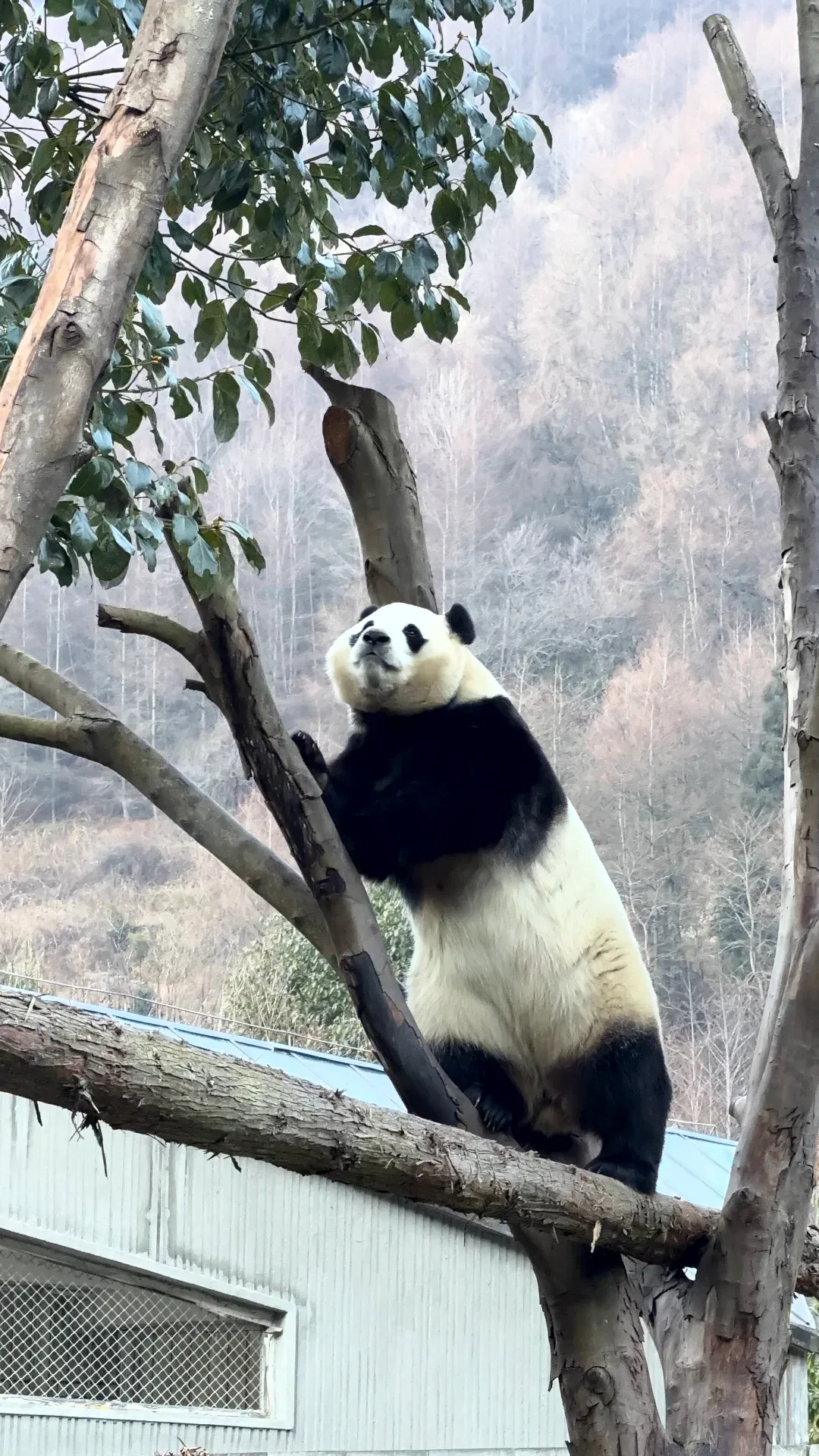
Chengdu – Wolong Panda Base – Maobiliang Viewing Platform – Rilong Town
We begin at Wolong Panda Base, the world’s largest natural-habitat sanctuary, where you can quietly watch giant pandas and their adorable cubs roaming just steps away—no glass, no crowds. After that, Maobiliang Viewpoint offers your first enchanting look at the four sacred peaks of Siguniang, often glowing gold under the afternoon sun. As evening settles in, you’ll relax in a peaceful highland retreat surrounded by snow mountains, a gentle and immersive way to breathe in the crisp alpine air, slow your pace, and ease into the Tibetan world that awaits you.
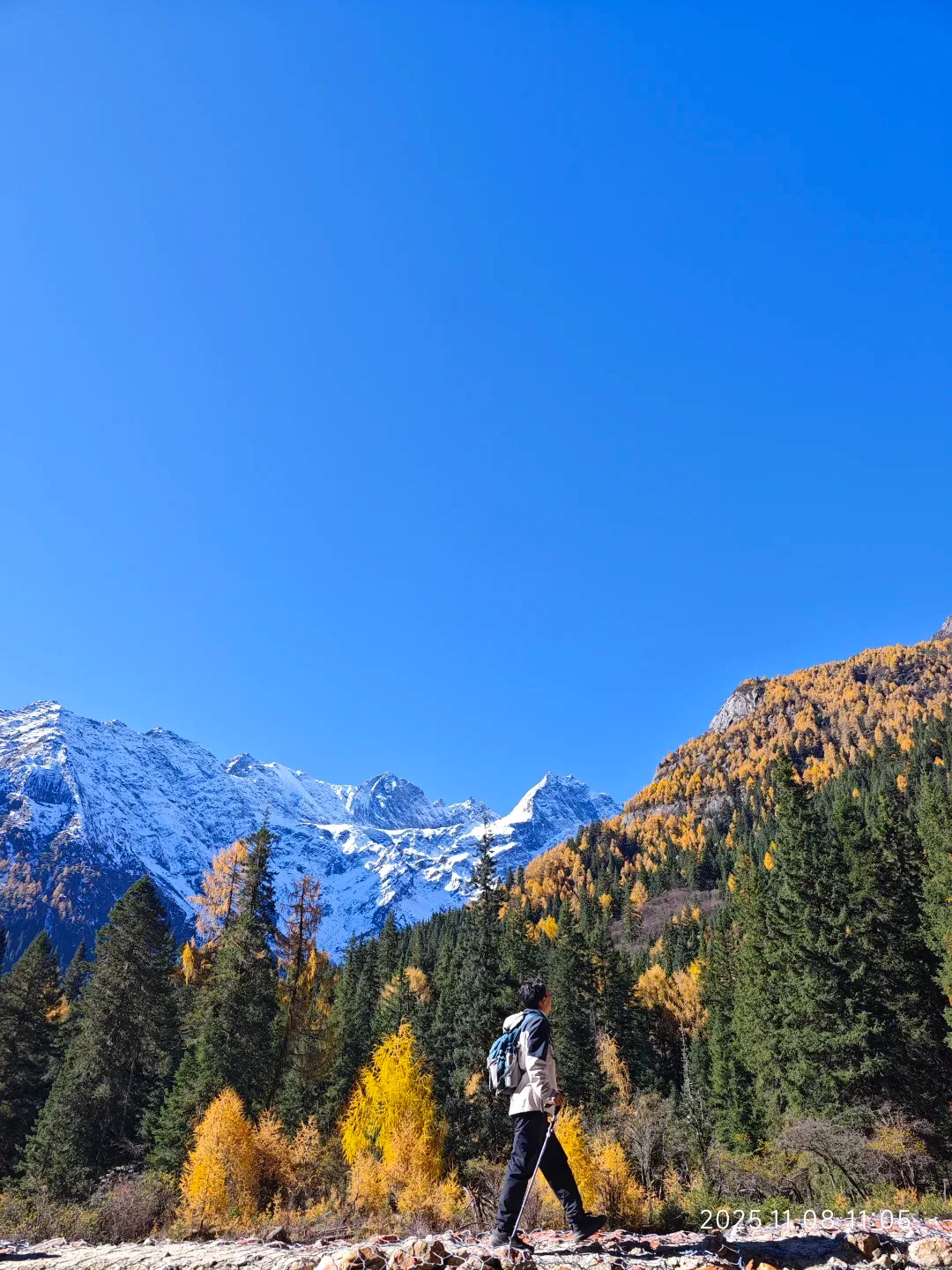
Changping Valley trekking – Zhonglu Tibetan Village
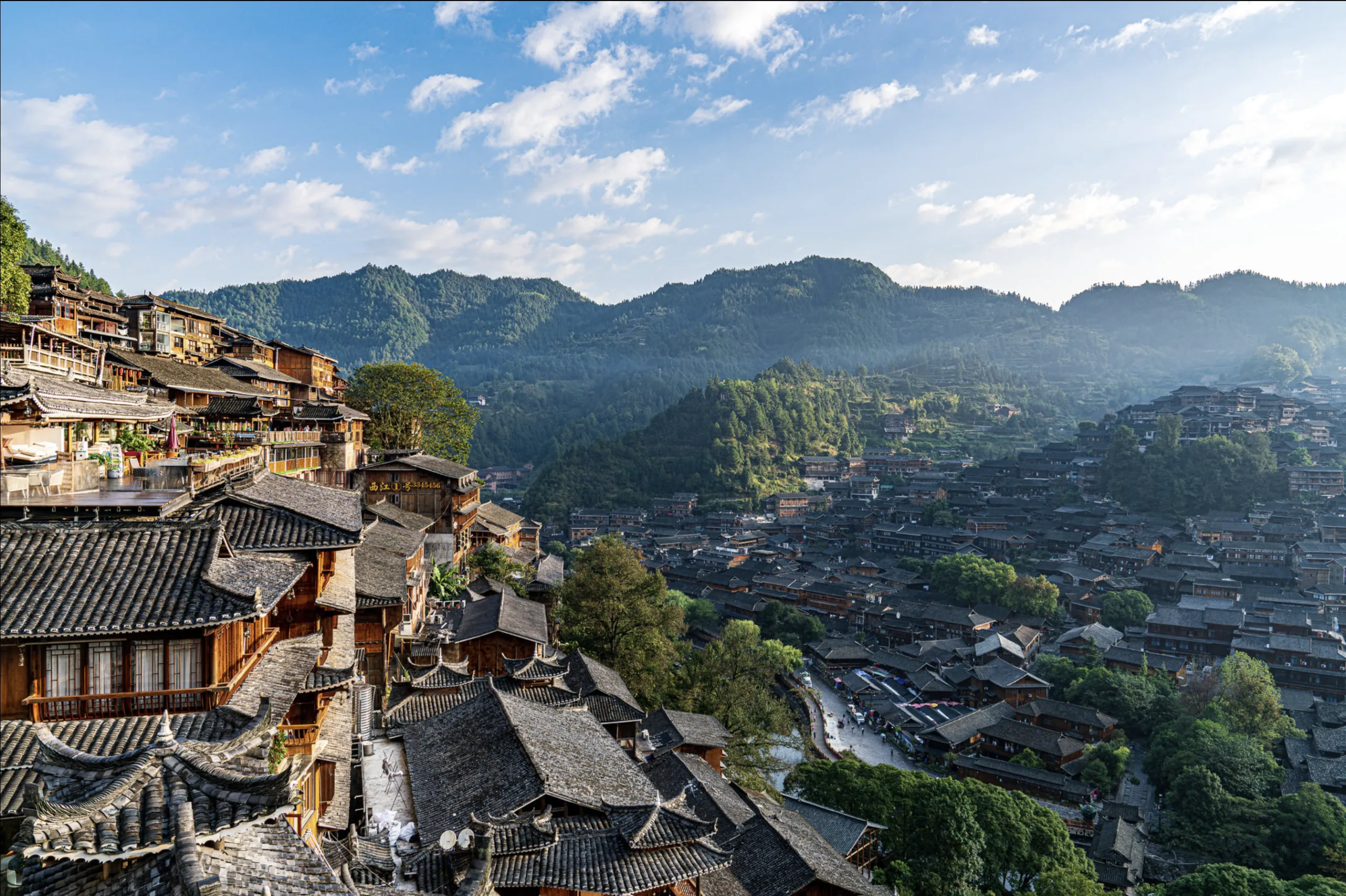
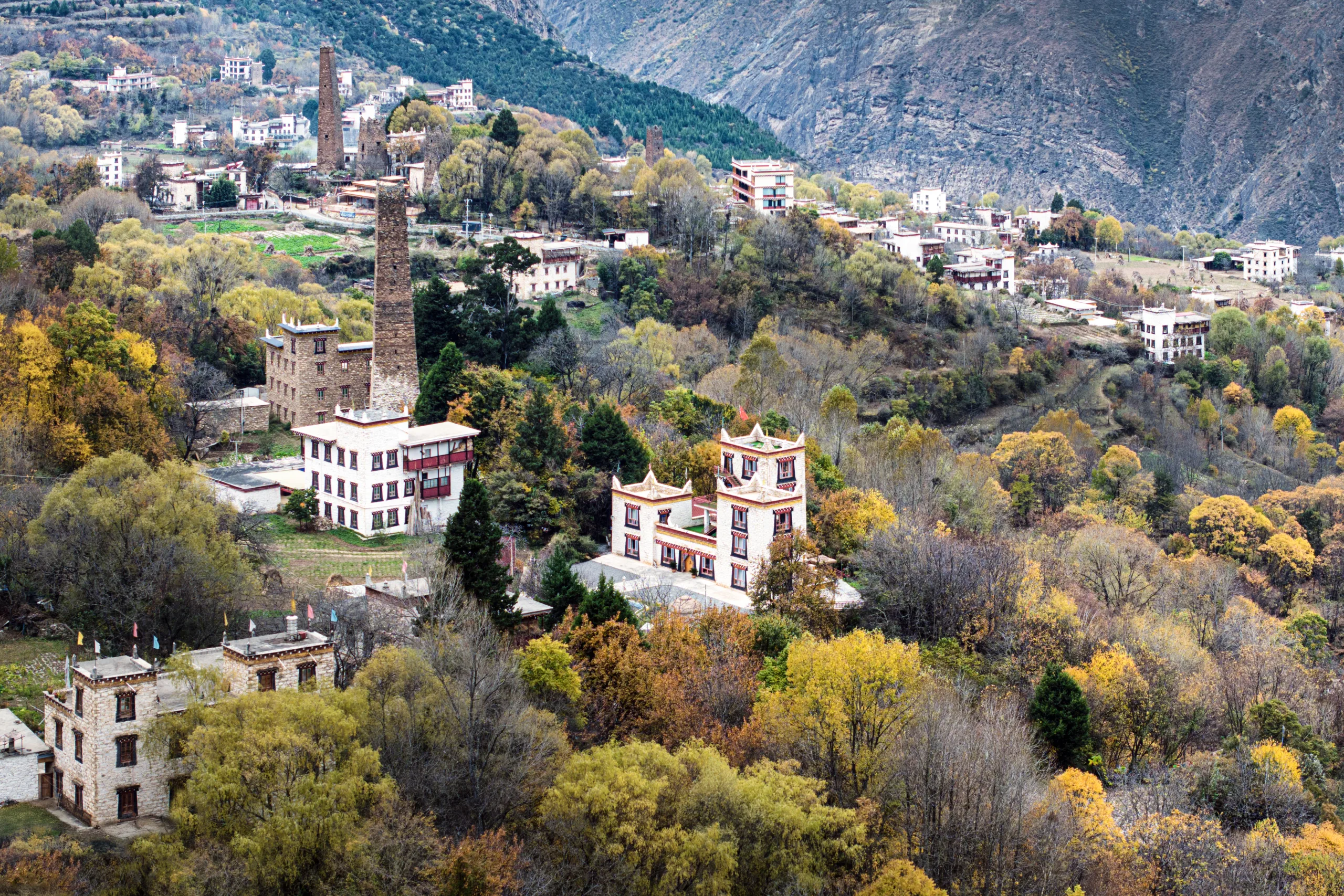
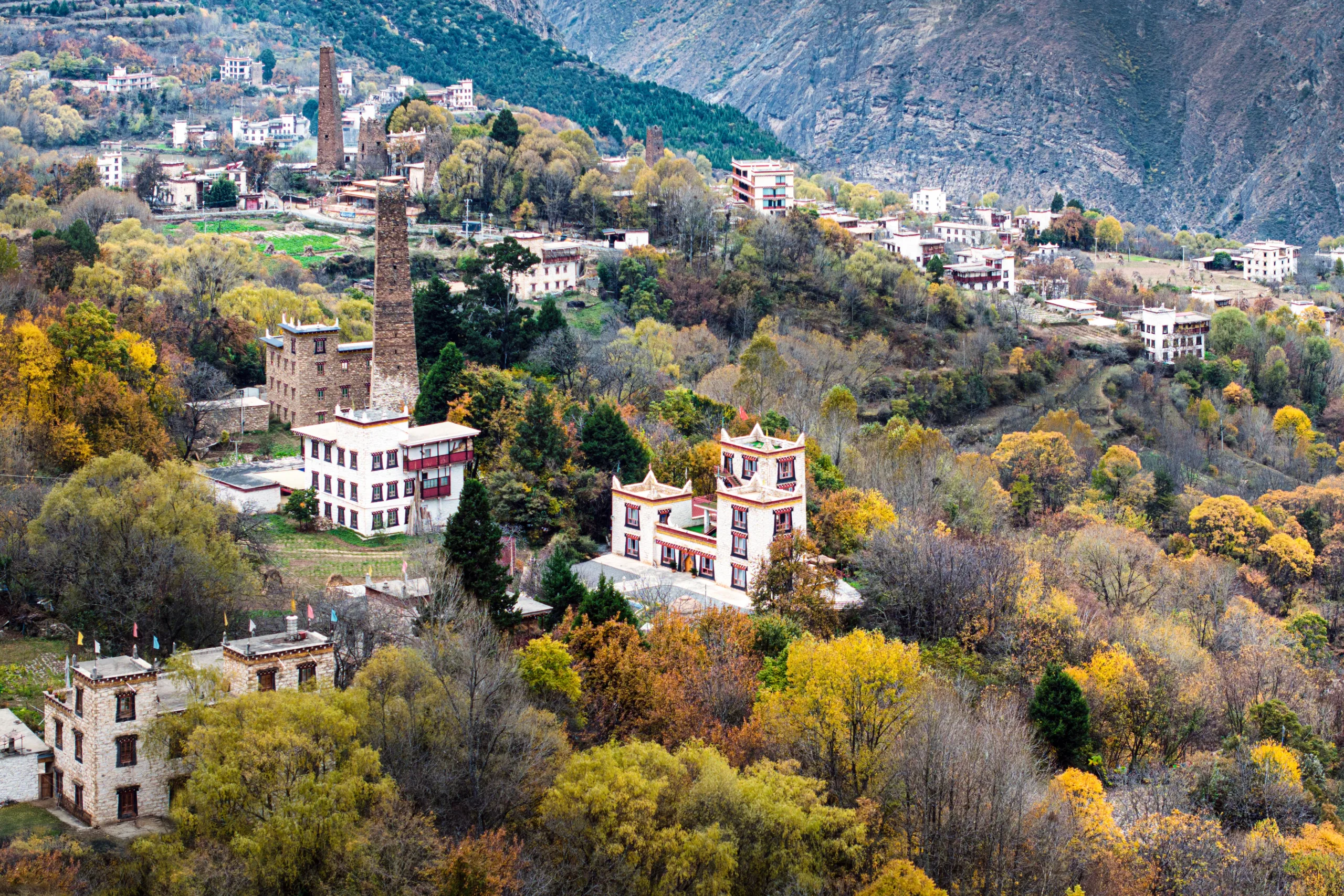
Enjoy a gentle six-hour hike along the valleys of Siguniang Mountain, following a trail that winds through quiet forests and mountain streams. If you prefer, you can ride a horse up the valley, taking in open views of snow peaks, grazing yaks, and the shifting colours of the highland landscape as you move deeper into the mountains. After the hike, you’ll arrive at Zhonglu Tibetan Village, called the most beautiful Tibetan villages in China. As the sun sets over the old village, warm light spills across the rooftops and fields, offering a peaceful and timeless moment.
Zhonglu Tibetan Village – Tagong Town – Tagong Monastery – Muya Monastery – Gerima Village
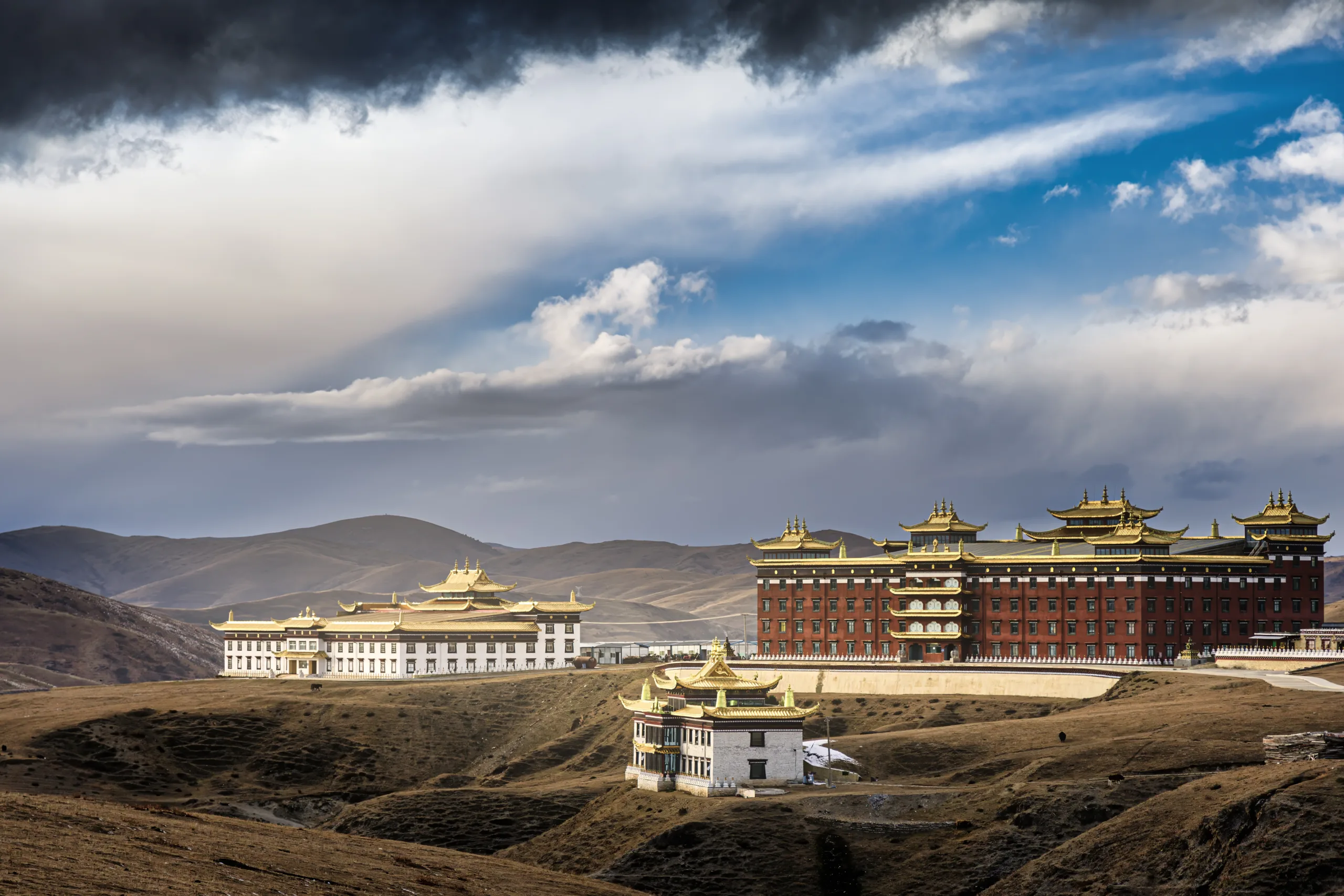
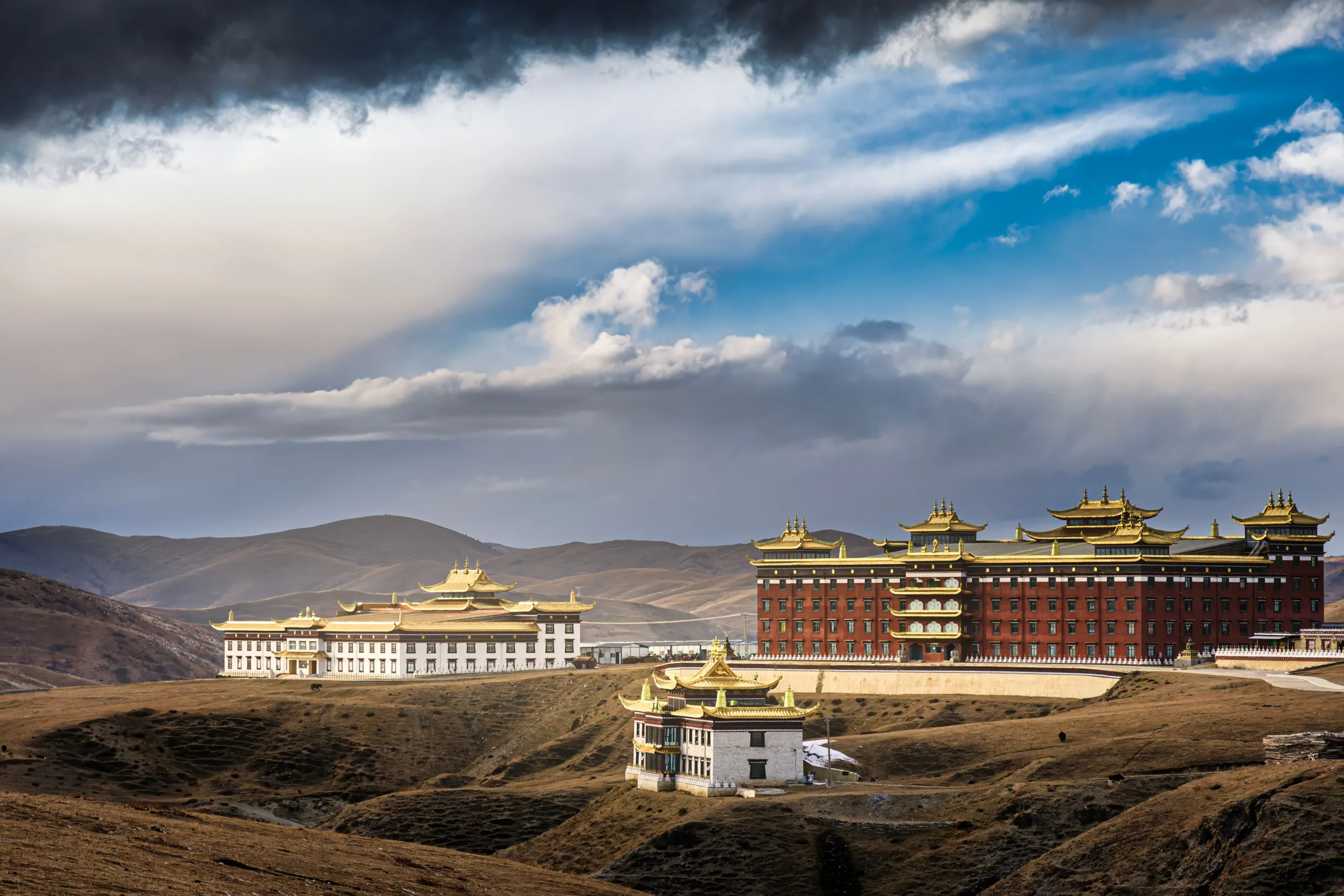
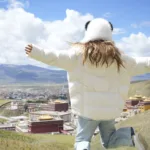
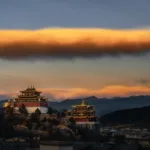
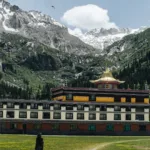
After the sunrise, continue your journey to the Tagong Grassland, a sacred place said to be beloved by Bodhisattvas. Guided by our local English-speaking guide, you’ll touch the sacred deer at Muya Monastery, which is under the snow mountains. At Tagong Monastery, listen to a teaching from the monks and offer a touch of light to a butter lamp. In a secluded nunnery, learn the art of Tibetan debate and feel the dynamic exchange of Buddhist philosophy. Then we will take you to Gerima Village, where devotees from across the plateau live and practice their faith.
Tagong Grassland – Zhonggu Village – Shangli Ancient Town
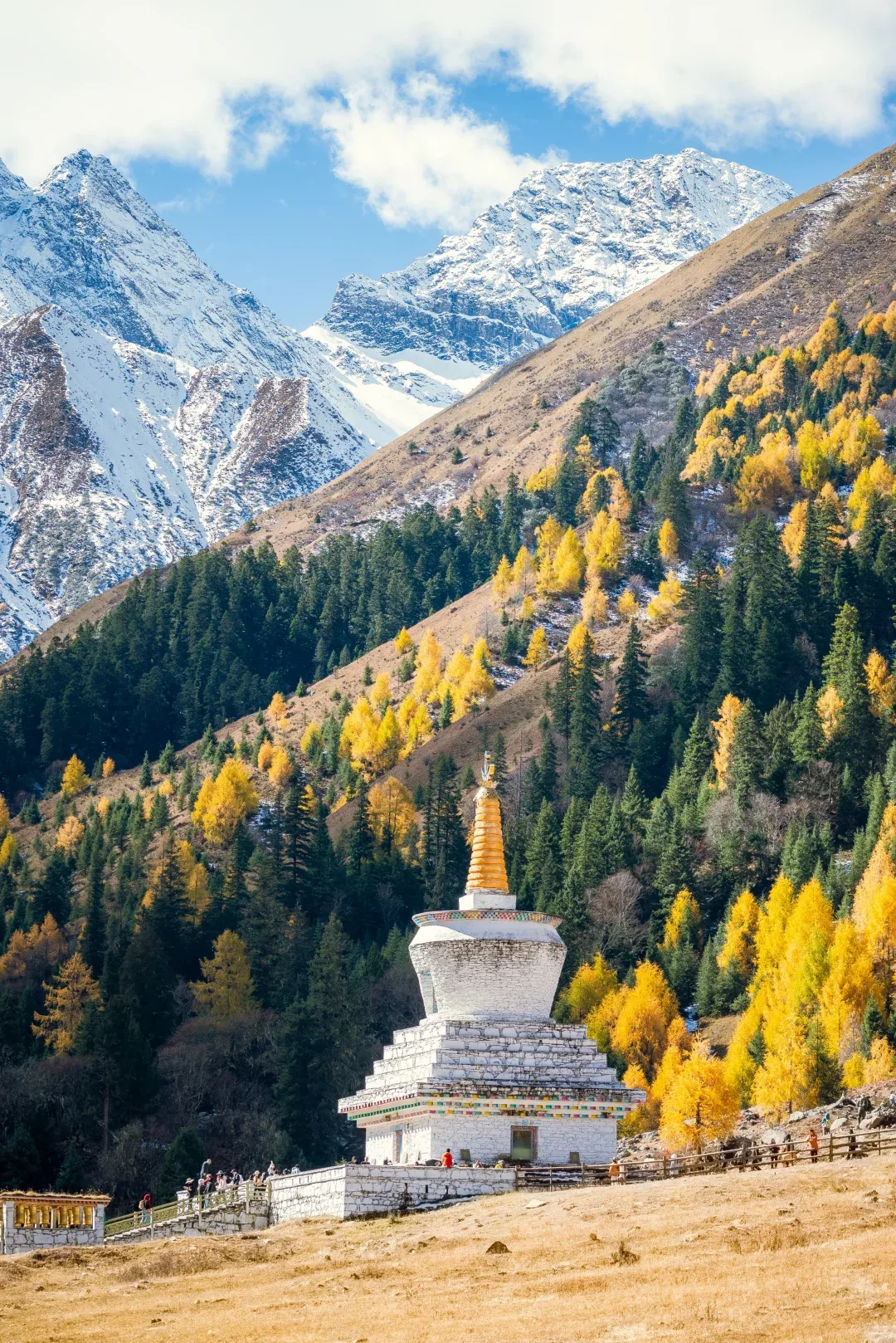
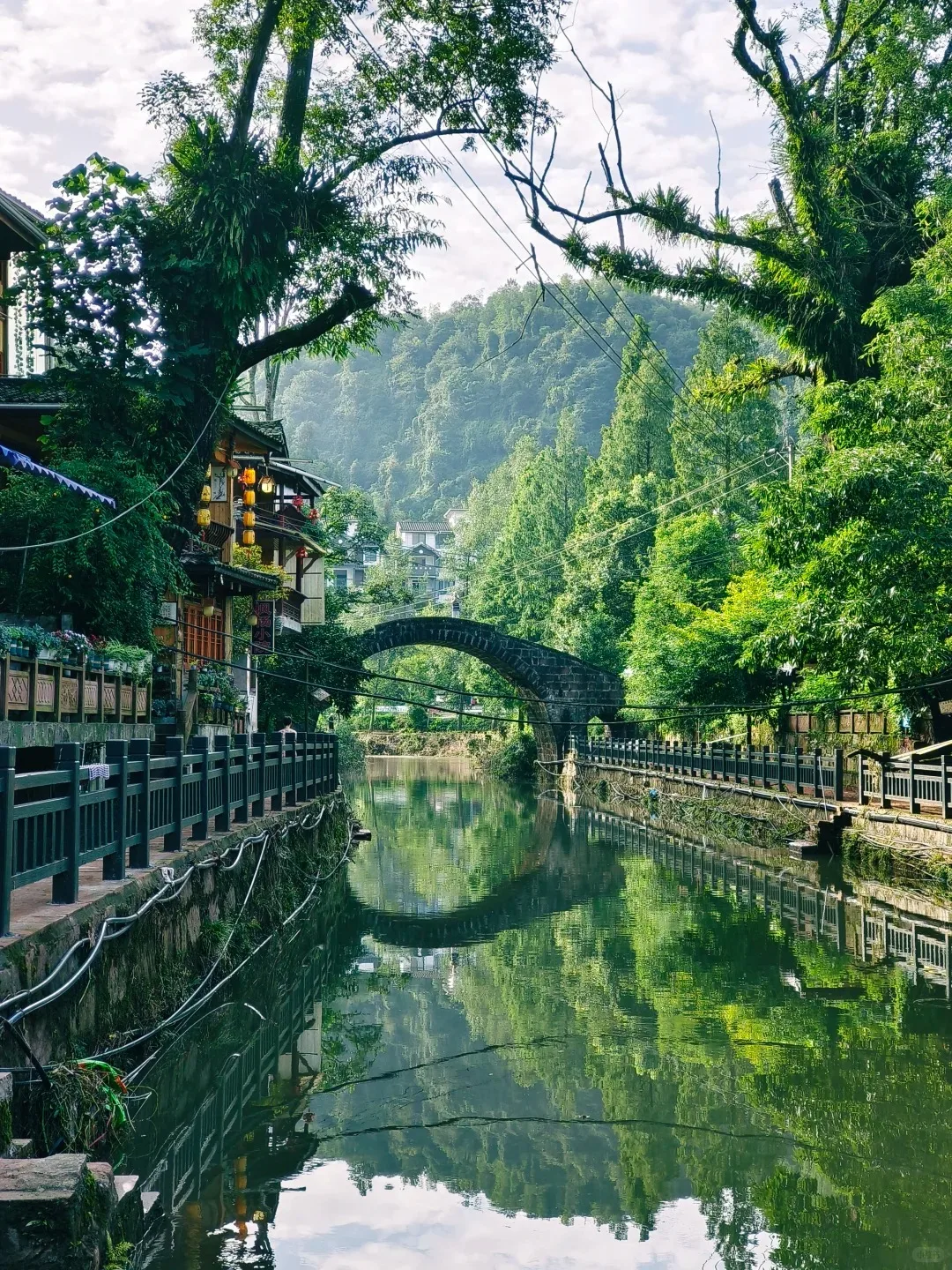
Guided by a master from Tagong Monastery, you’ll learn the Nyingma Dzogchen tradition, one of the oldest meditation practices in Tibetan Buddhism. Afterwards, continue to Zhonggu Village to unwind in a natural outdoor hot spring beneath snow-capped mountains, letting the warm mineral waters ease away the fatigue. Later, we will bid a warm farewell to the Tibetan highlands and make our way to Shangli Ancient Water Town, a tranquil thousand-year-old riverside settlement. Unlike other ancient towns, it has preserved its most authentic and untouched beauty.
Shangli Ancient Town – Leshan Giant Buddha – Chengdu
Starting your day with an early-morning stroll through the quiet, crowd-free streets of Shangli Ancient Town, where historic wooden houses stand peacefully in the dawn light. Afterward, we will drive to the Leshan Giant Buddha for a VIP boat experience, offering the best panoramic view of the world’s largest cliff-carved Buddha and allowing you to admire this remarkable UNESCO World Heritage Site up close.

Interested in a similar itinerary but want to Travel Privately?
Our Travel Experts are here to craft your perfect tailormade holiday.
Featured Stays
We’ve hand-selected a range of accommodations to suit different preferences, each offering a distinctive experience deeply connected to the local land and culture. We work with these or similar hotels to ensure a stylish and comfortable stay every time.
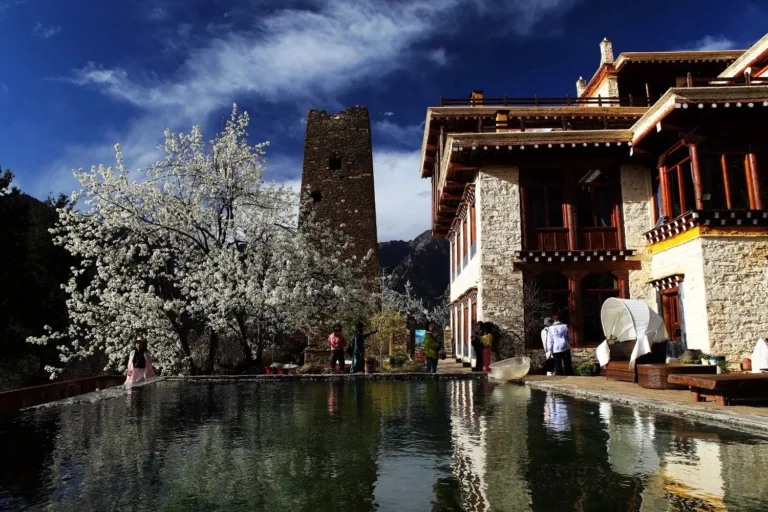
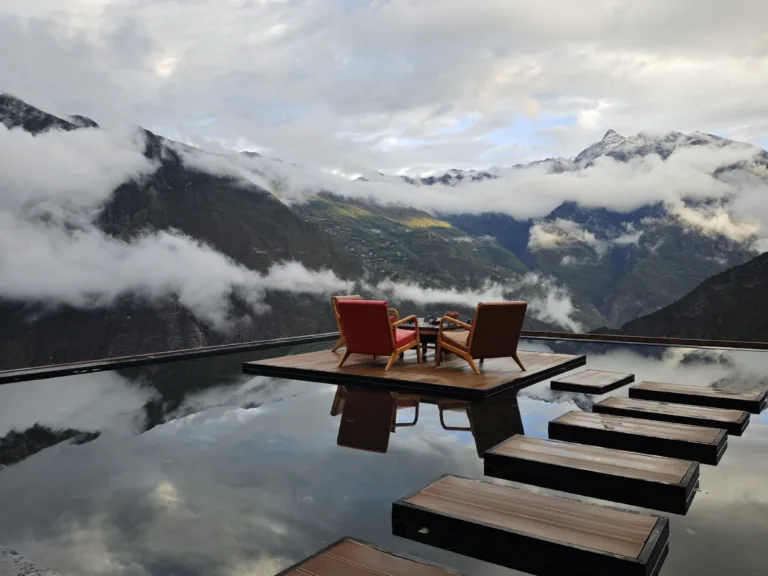
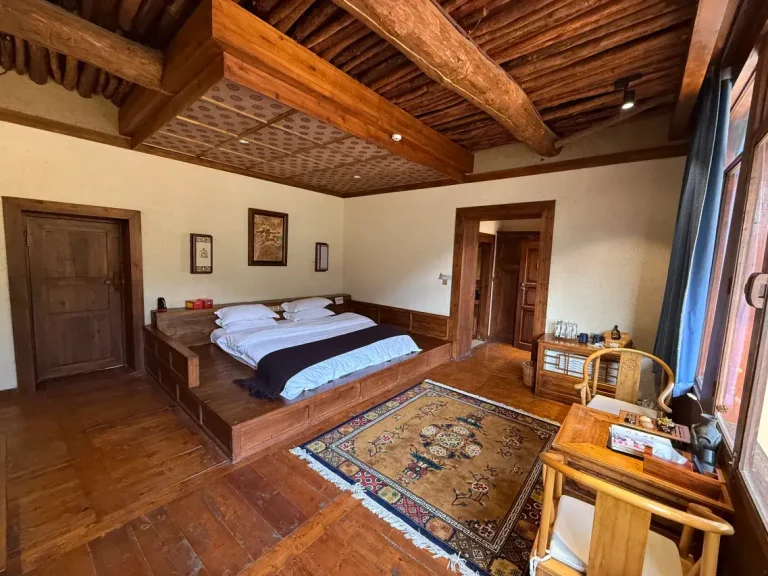
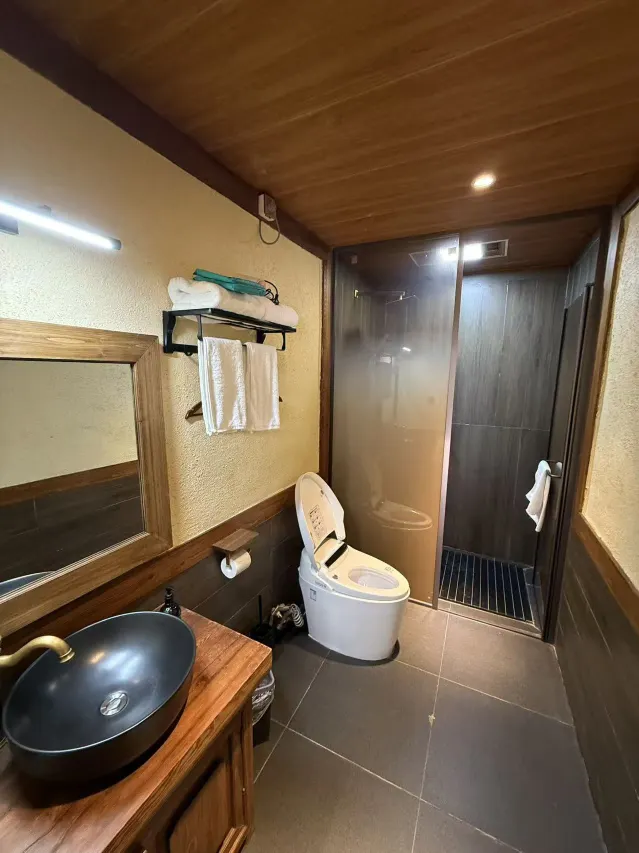
Han’e Manor
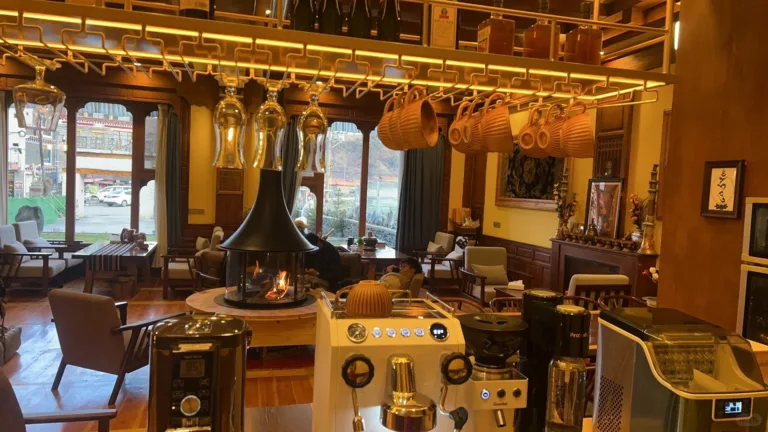
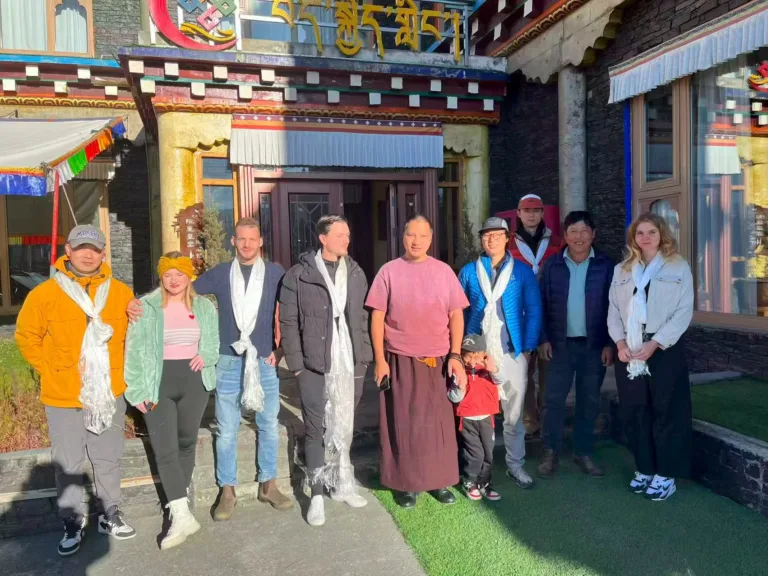
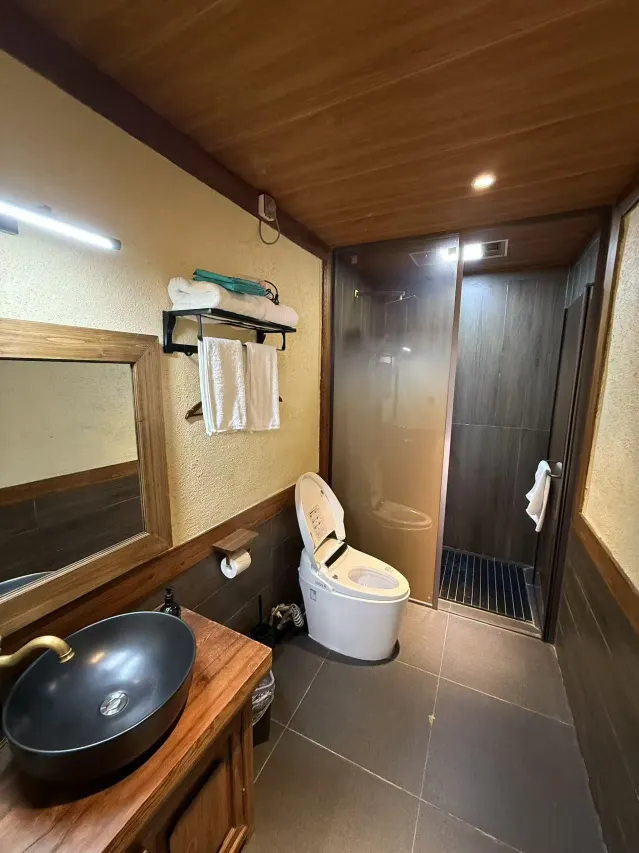
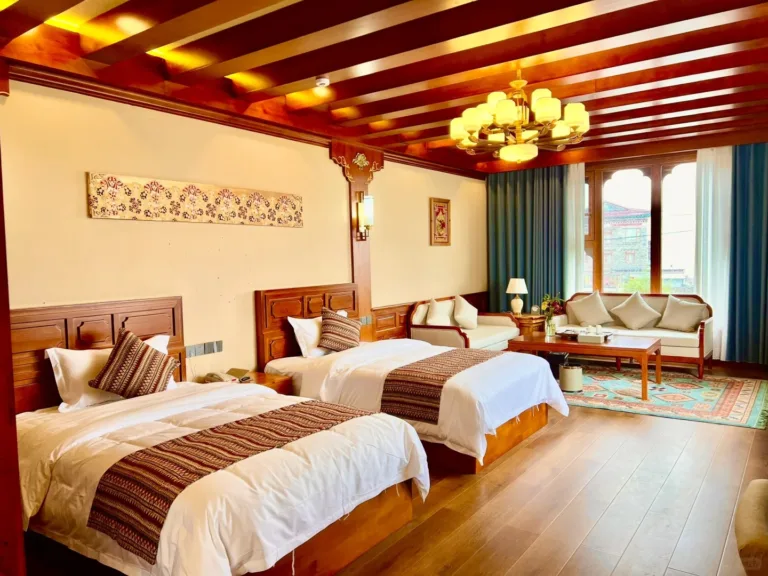
Dejieling Manor
Inclusions & Offers
Designed Around Your Journey
Rather than fixed departures, this experience is arranged privately and shaped around your preferred dates, interests, and travel style.
Our specialists will design the journey based on your pace, accommodation preferences, and seasonal conditions.
Best time to visit
The price is based on 2 travellers.
Traveler Reviews







FAQs
What makes Western Sichuan special compared to other regions in China?
Western Sichuan offers a rare combination of snow-capped mountains, vast grasslands, Tibetan monasteries, nomadic life, and deep spiritual traditions. It feels remote, raw, and profoundly authentic — a place where nature and belief are deeply intertwined.
What is a self-guided tour, and how is it different from a private tour?
A self-guided tour offers a more flexible and independent way to travel. Unlike a private tour with a full-time guide accompanying you throughout the journey, a self-guided tour does not include a dedicated guide at every destination.
Instead, we arrange local guides and immersive experiences at selected locations, while your driver also assists with basic translation, coordination, and local support during the trip. In most cases, guides will not accompany guests inside every attraction or scenic area.
This style of travel allows for a more flexible pace, a deeper sense of exploration, and often a more authentic connection with local life, while also keeping the overall cost lower than a fully guided private tour.
What is the meeting destination, and what are the airport codes?
The meeting and ending point of the journey is Chengdu. Chengdu has two major airports:
Chengdu Shuangliu International Airport (CTU) — located closer to the city center and generally more convenient for domestic flights.
Chengdu Tianfu International Airport (TFU) — where most international flights arrive and depart, though it is located farther from downtown Chengdu.
Airport pick-up and drop-off can be arranged from both airports.
Is Western Sichuan part of the Tibetan region? What is Kham?
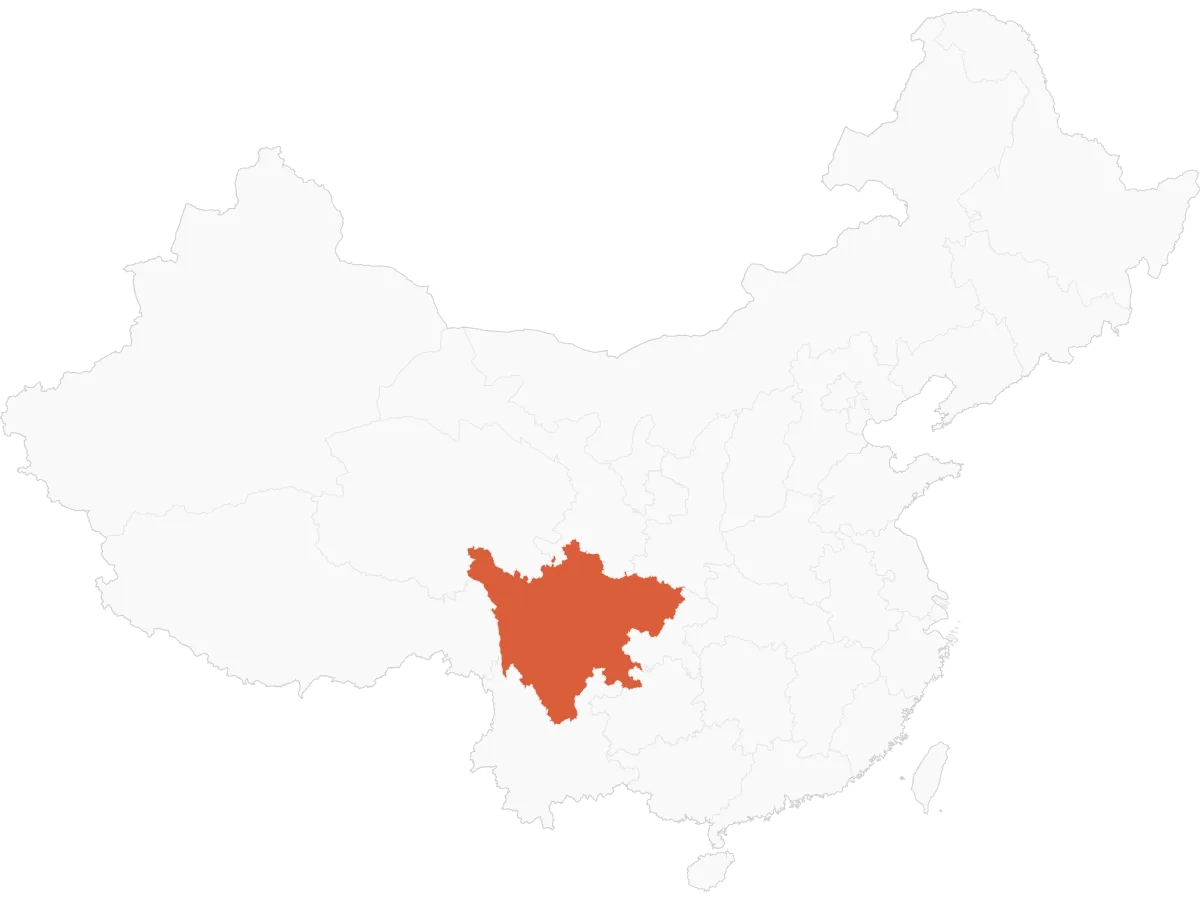
Yes. Much of Western Sichuan lies within the Kham Tibetan region, one of the three main traditional Tibetan areas (along with Ü-Tsang and Amdo).
Kham is known for its open landscapes, independent spirit, warrior heritage, and rich monastic culture. Tibetan life here feels especially vibrant and deeply rooted in daily practice rather than tourism.
Is Western Sichuan suitable for first-time visitors to China?
Yes. With experienced drivers, knowledgeable guides, and a well-paced itinerary, Western Sichuan is suitable for first-time visitors seeking culture and nature beyond the cities.
What is the altitude like? Will I experience altitude sickness?
Most areas range between 2,000–4,000 meters. Some travelers may feel mild altitude effects. We design the route with gradual elevation gain, rest time, and provide daily oxygen support.
When is the best time to visit Western Sichuan?
The best seasons are April–June and September–October for clear skies and layered scenery.n- Winter (November–March) is quieter and ideal for snow mountain views, but comes with colder weather and simpler living conditions.
How physically demanding is the trip?
The journey focuses on leisurely walks and light hikes. Longer hikes are optional, and in scenic areas, shuttle vehicles are often available for a more relaxed experience.
What should I pack for this trip?
Layered clothing, a warm jacket, comfortable walking shoes, sunscreen, sunglasses, and personal medications are essential. Temperatures can change quickly at high altitude.
Are accommodations comfortable in high-altitude areas?
We select the best available hotels and Tibetan-style guesthouses in each region. In remote areas, facilities may be simpler, but comfort and cleanliness are always prioritized.
What kind of food can I expect?
You’ll enjoy a mix of local Tibetan cuisine and Chinese dishes. In larger towns, dining options are more varied, while in remote regions meals are simple and locally prepared.
Can I make digital payments, and is a mobile signal available everywhere?
Mobile payments such as Alipay and WeChat Pay are widely accepted in towns and cities. Mobile signal is generally available in populated areas, though it may be limited or unavailable in some remote valleys and high-mountain regions.