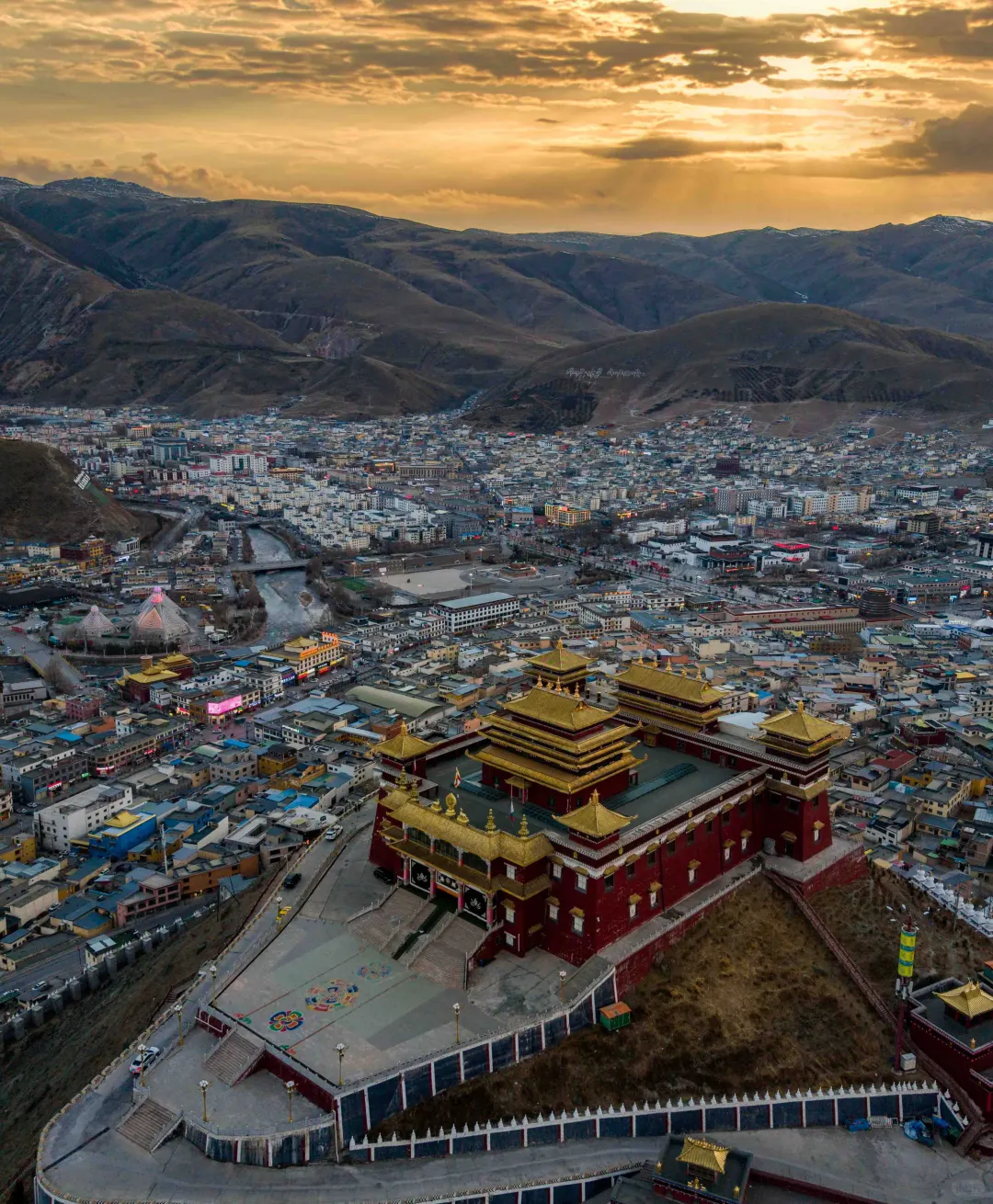
Kham Tibet Encompassed: Across Sichuan and Qinghai
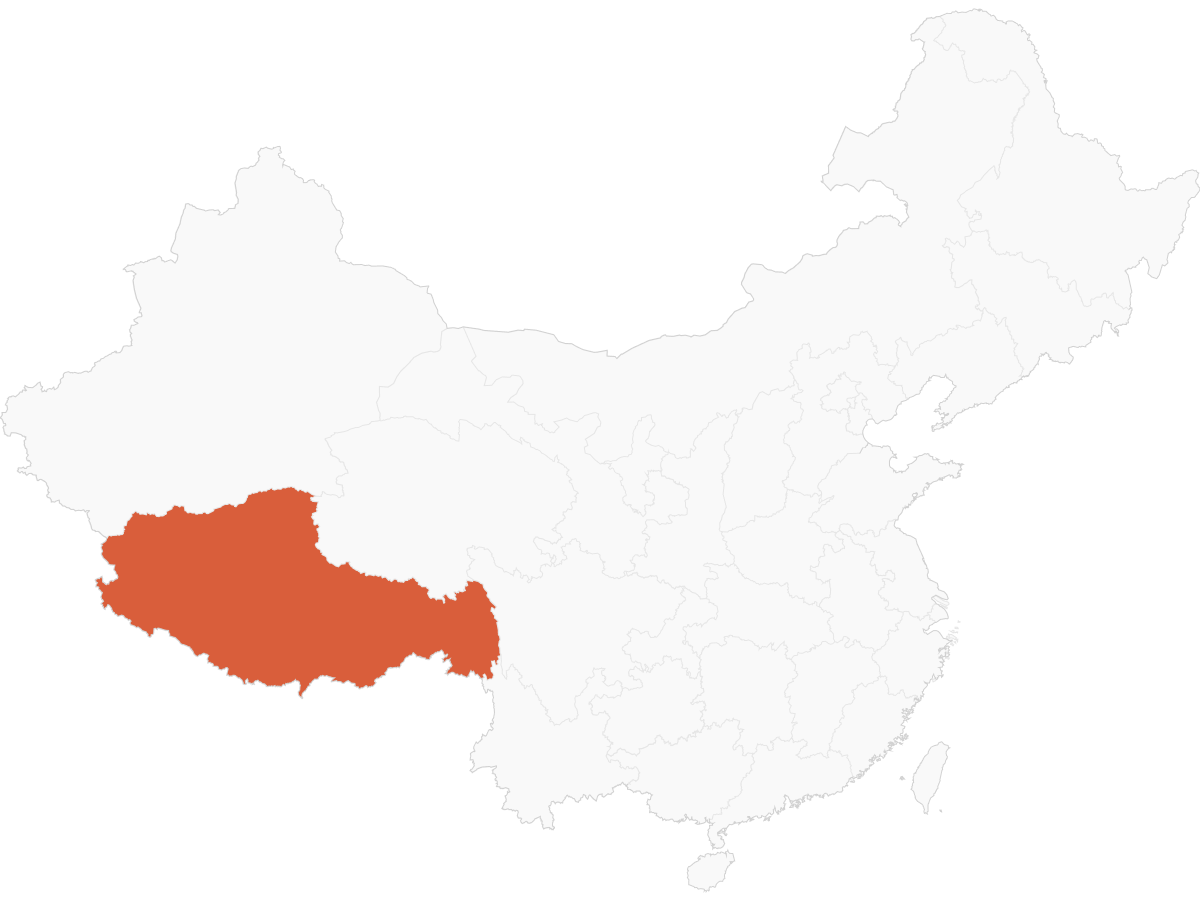
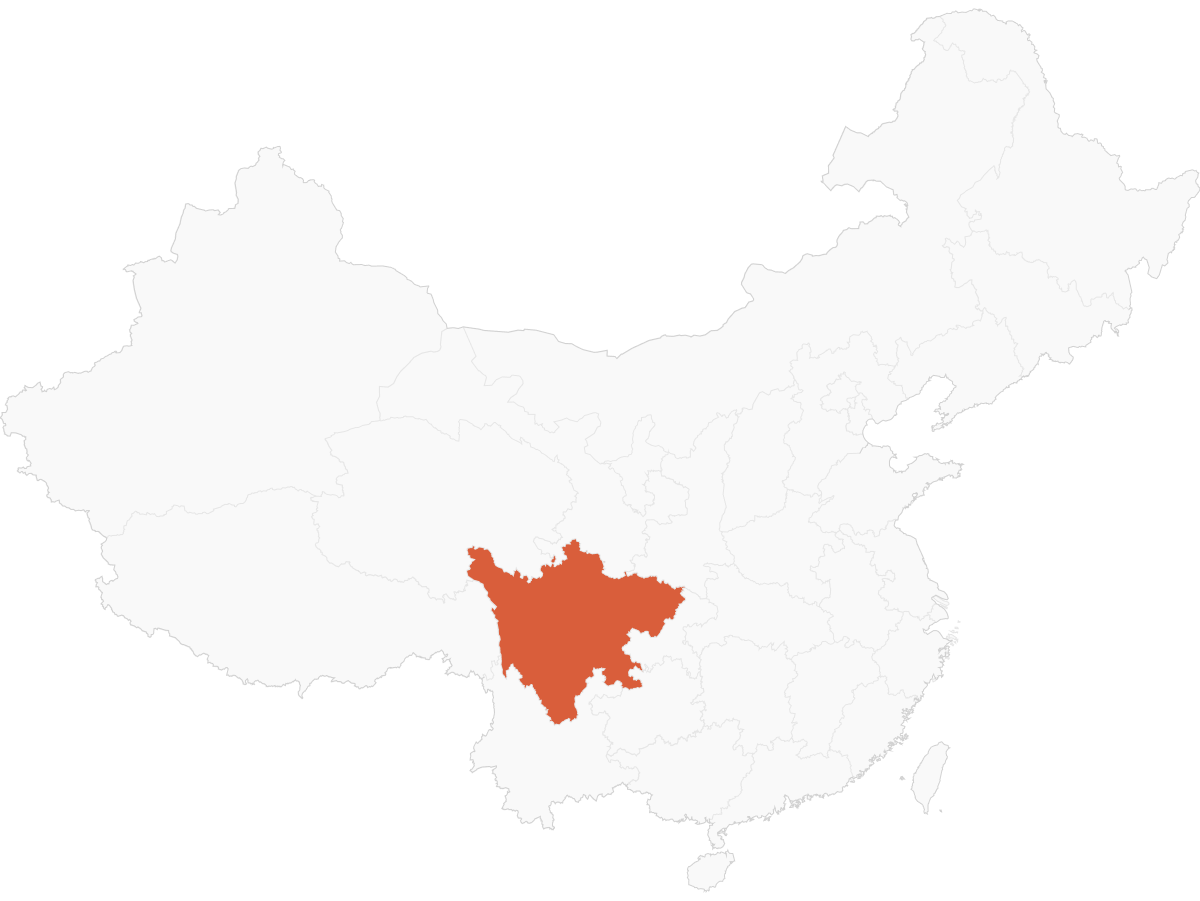
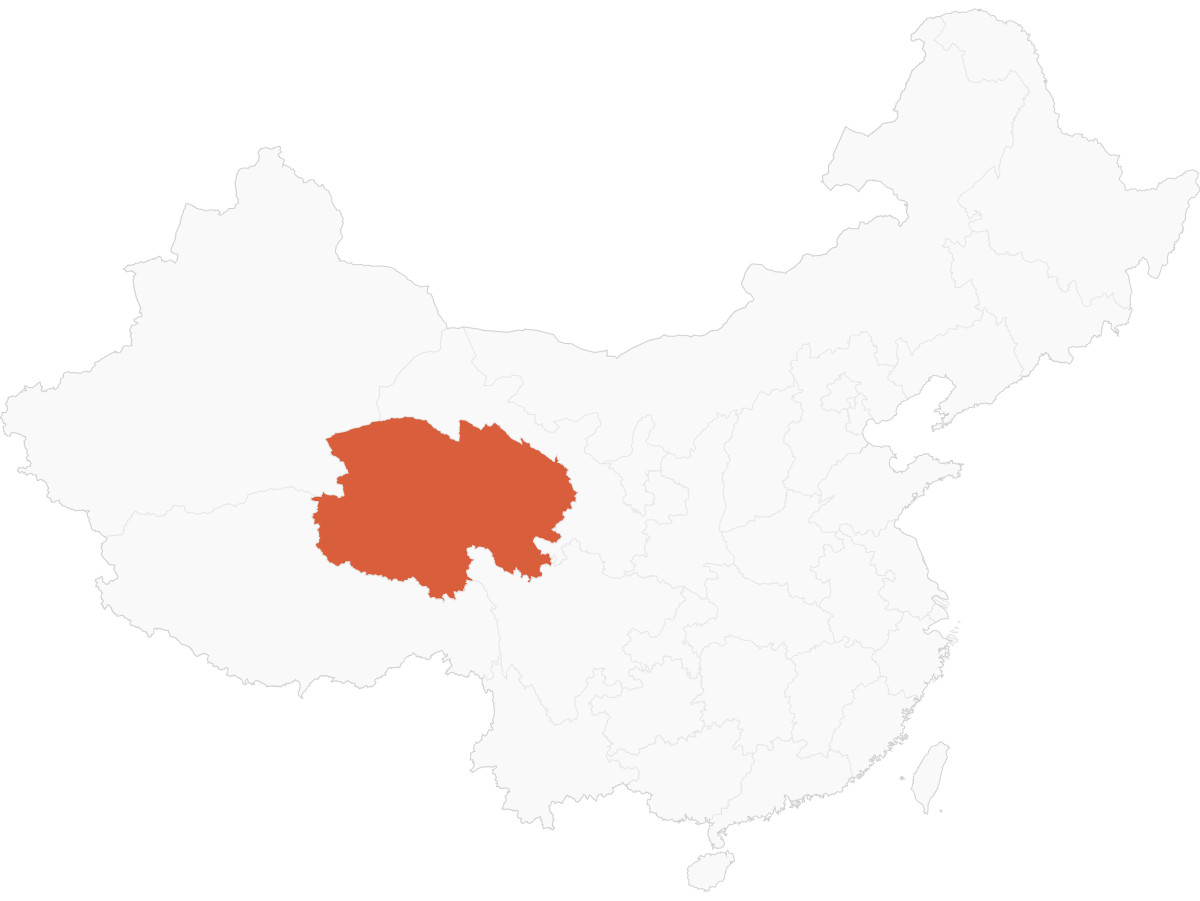
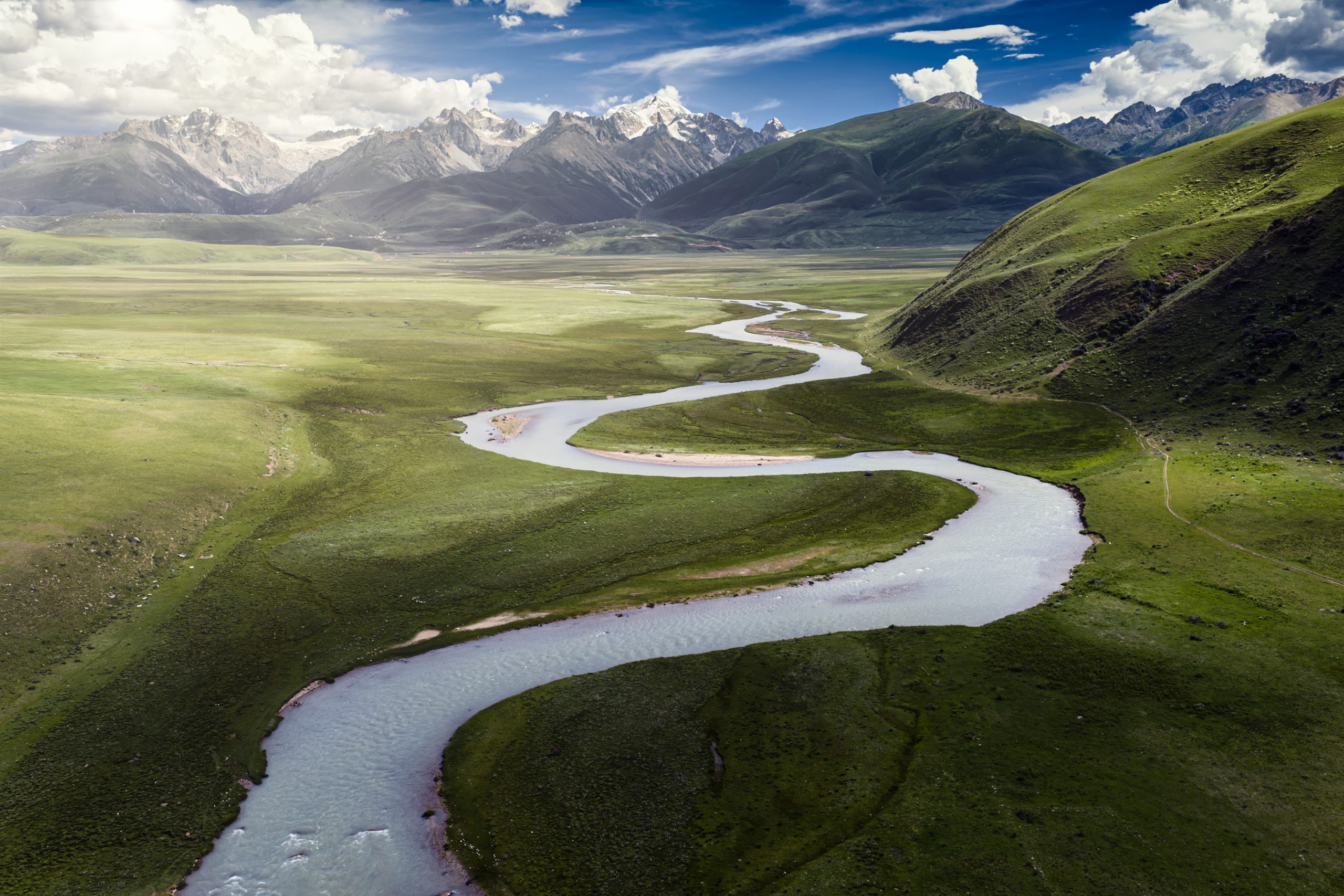
Sichuan and Qinghai together form the heart of the Kham Tibetan region, home to China’s most magnificent snow mountains and high-altitude landscapes. The remote valleys define a land where Tibetan culture remains raw, expressive, and deeply alive.
On this journey, we travel across both provinces, watching snow-capped giants such as Mount Yala, Mount Gongga, and Mount Genyen rise along the horizon. Spend a day living alongside grassland nomads, learn the oldest Tibetan meditation practices from monastic masters, and step into the “Harvard of Tibetan Buddhism,” where centuries of spiritual scholarship continue to thrive.
Continues to Derge Printing House, the world’s only living repository still practicing traditional woodblock printing. In Yushu, you will carve your own Mani stone and place it at the world’s largest Mani stone mound, offering prayers for peace. Along the way, wetlands reveal hundreds of bird species and encounters with Tibetan gazelle, before the journey concludes in Xining, a city where Tibetan and Muslim communities coexist in a remarkable harmony of faith.
Together, these experiences form a rare journey through the heart of the Tibetan Culture.
Journey Highlights
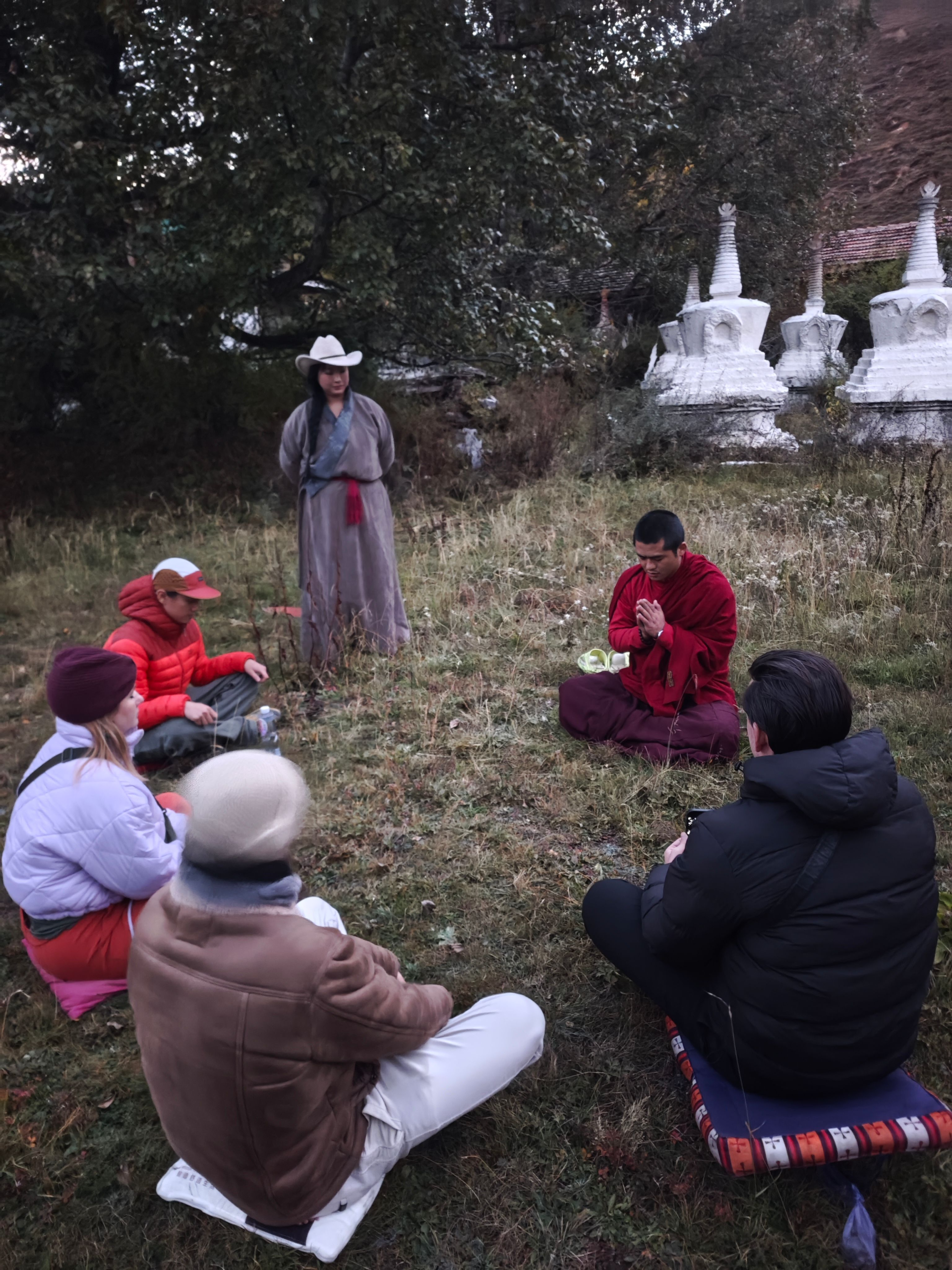
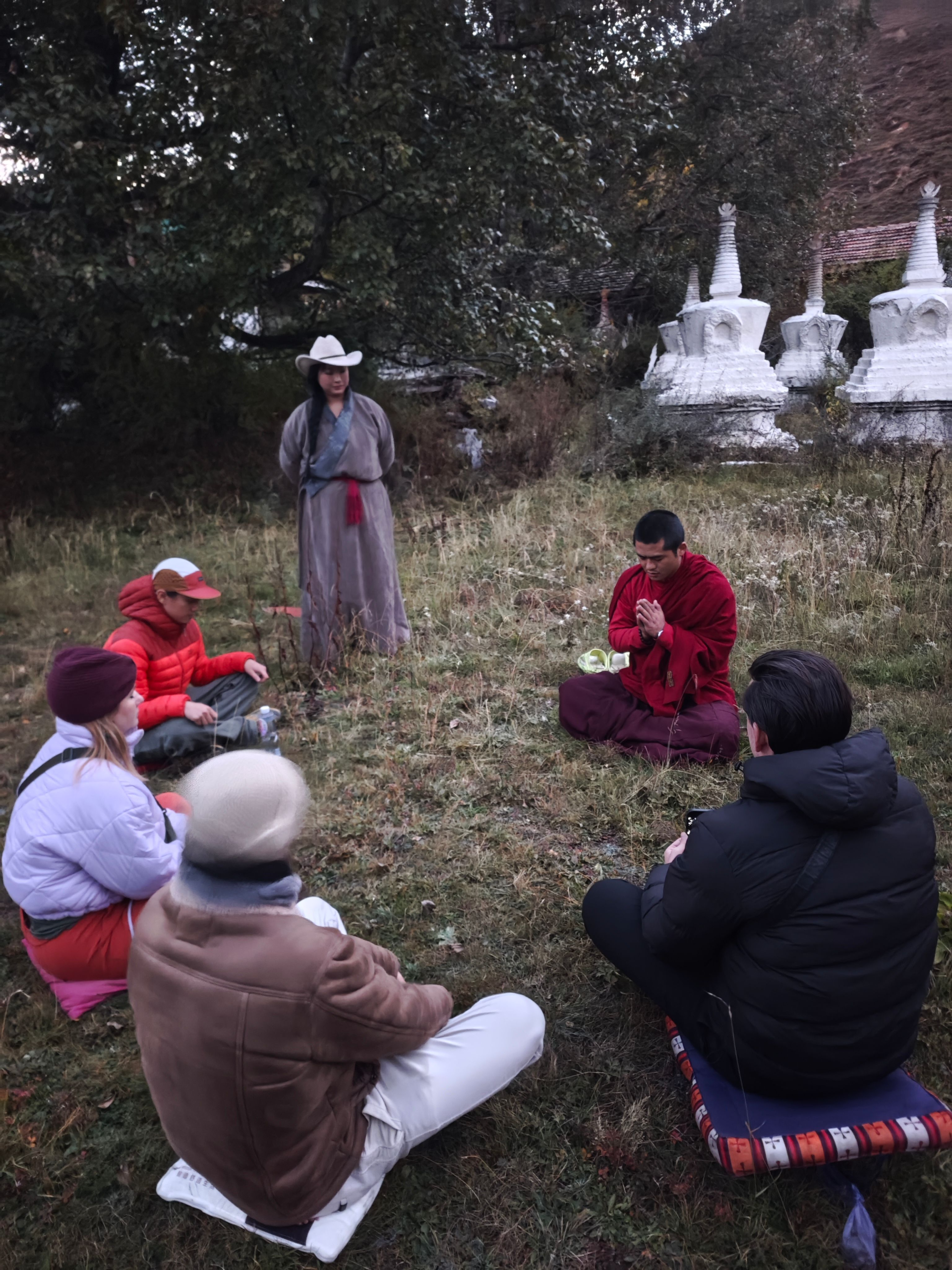
Practise traditional Tibetan Buddhist meditation with a monk, learning authentic techniques in the thousand-year-old stupa forest.
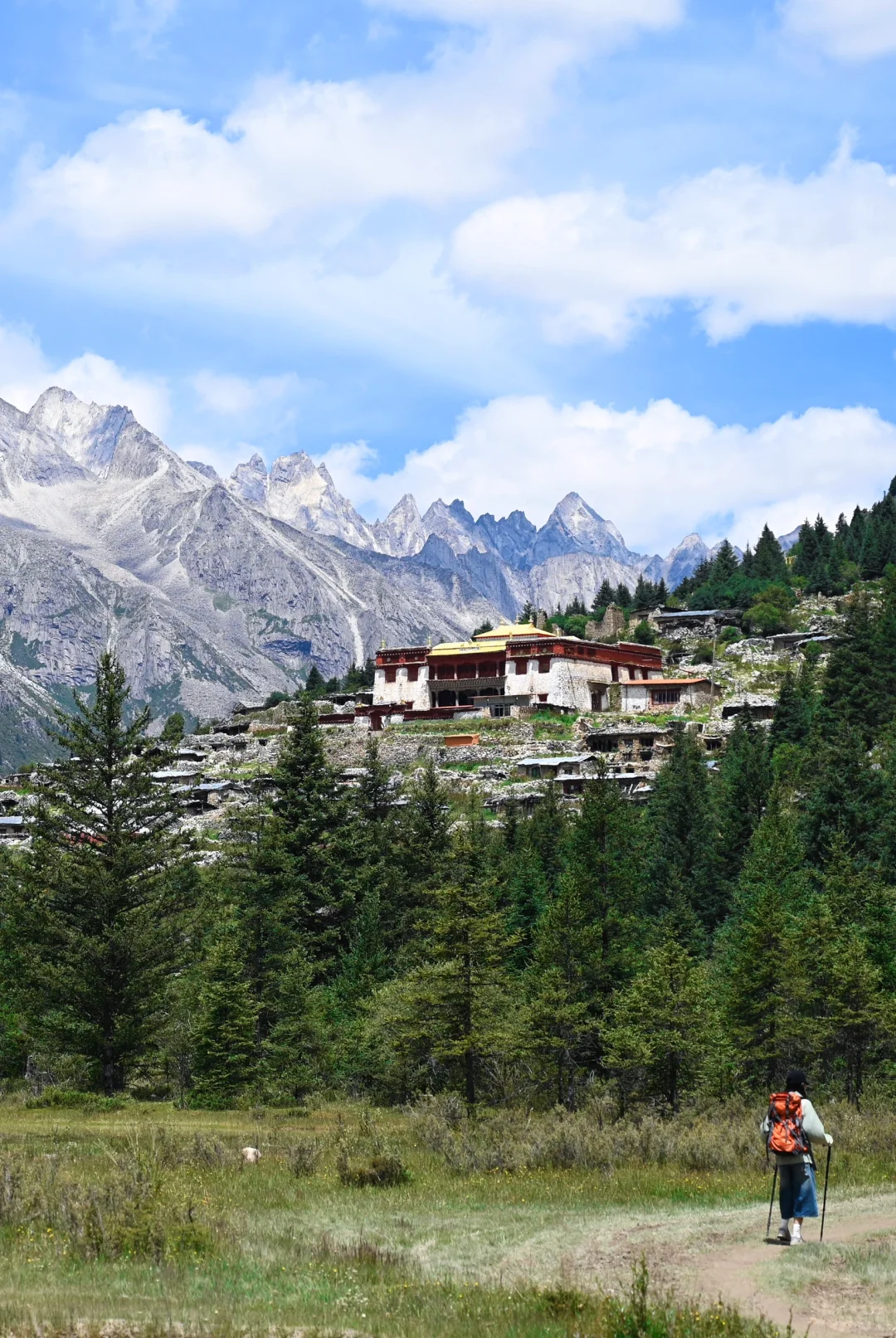
Hike beneath Mount Genyen to reach Old Lenggu Monastery, a secluded hermitage beneath the snow mountains.
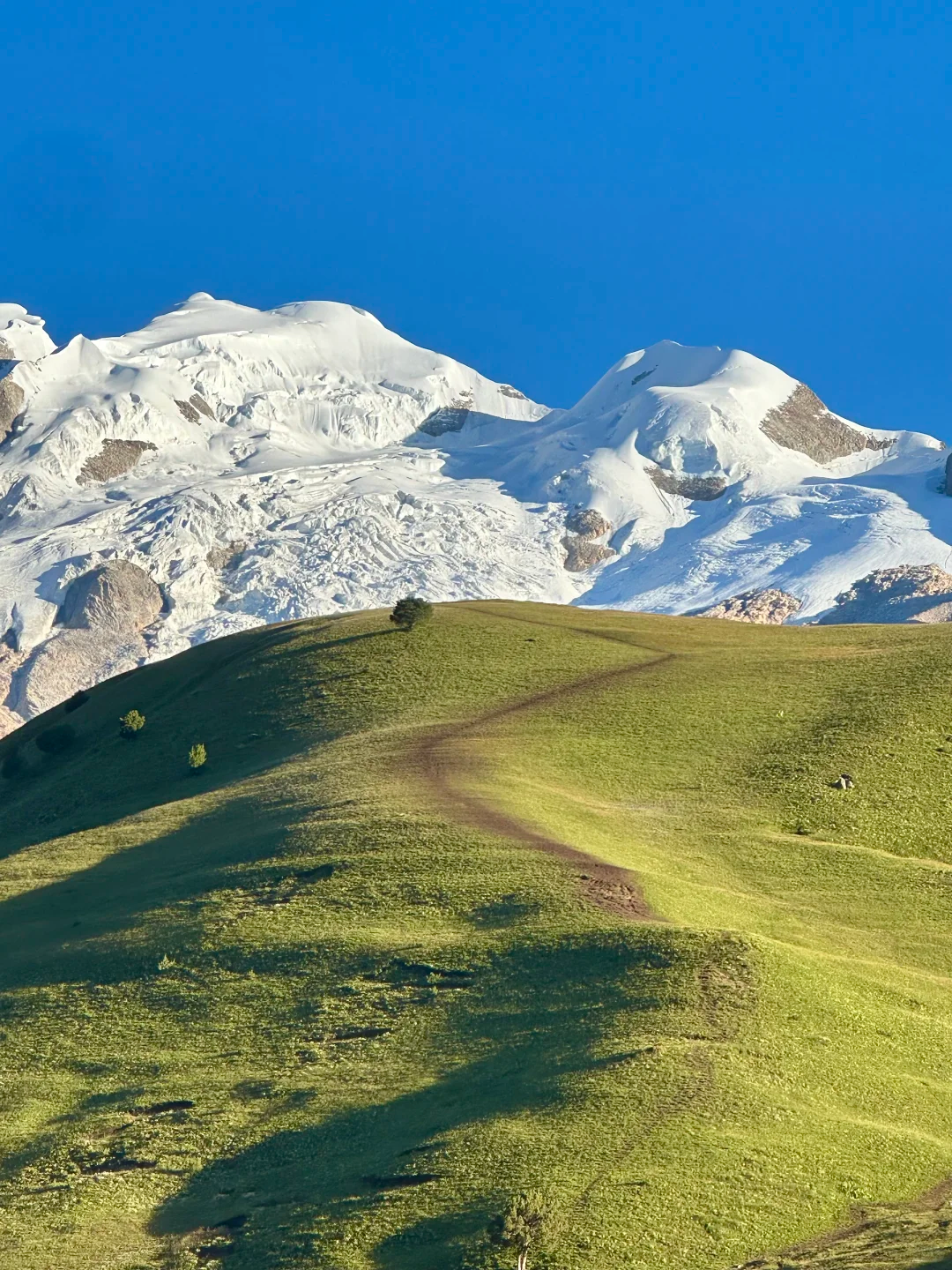
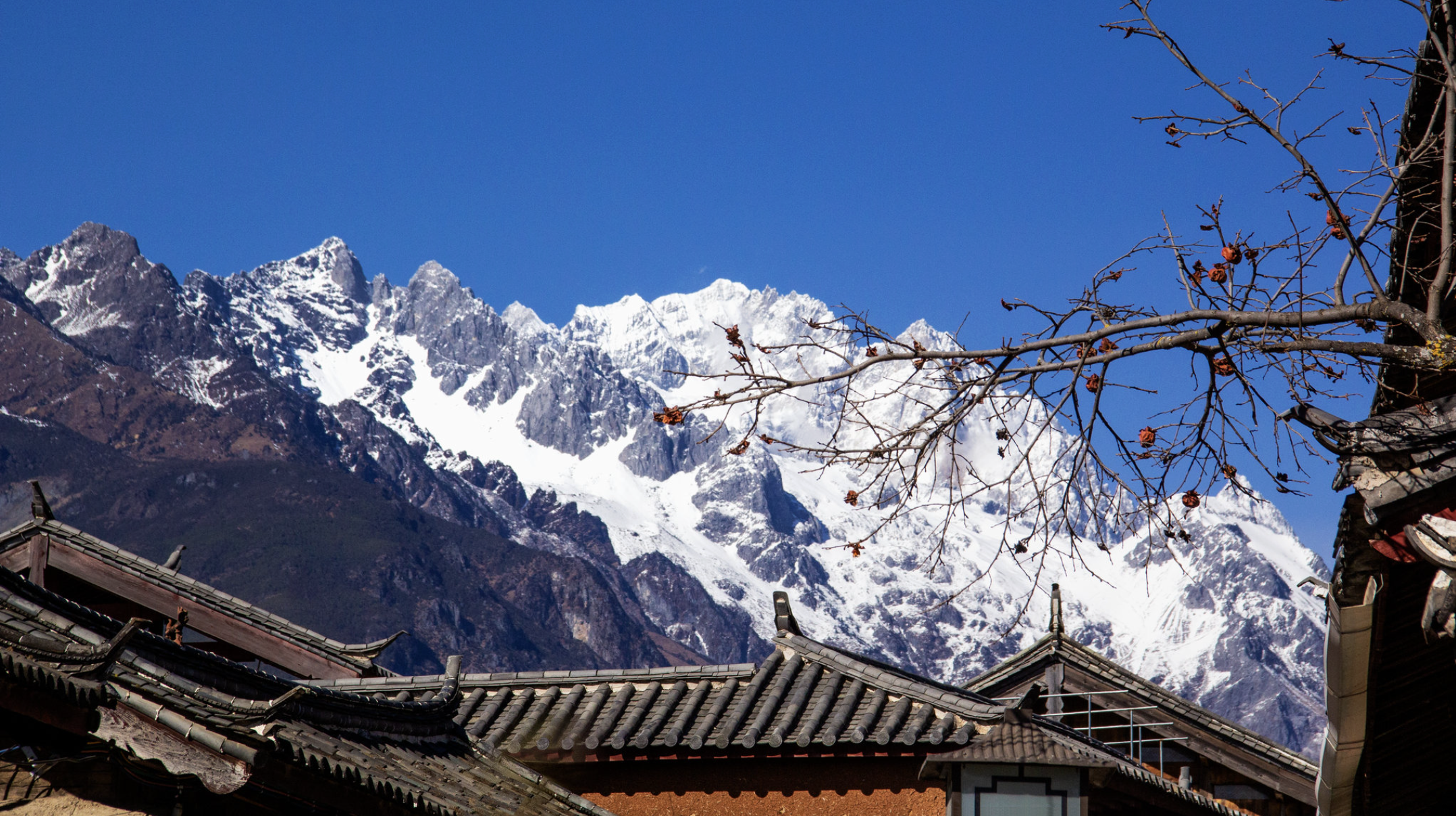
Encounter China's most magnificent snow mountains, rising to around 6,000 metres, their summits remaining snow-covered year-round, standing as powerful symbols of the high plateau.
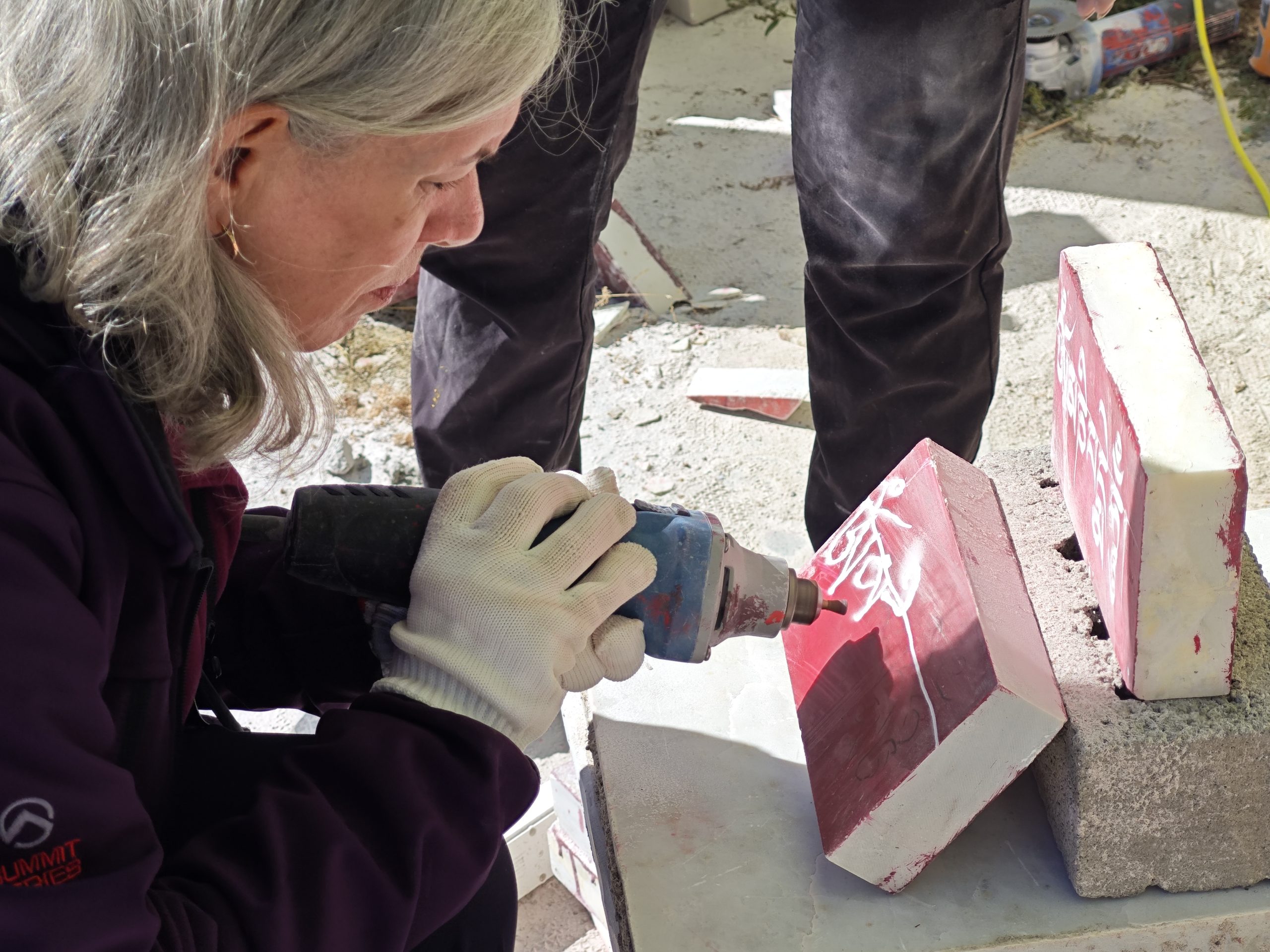
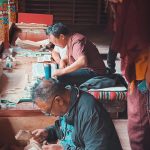
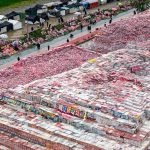
Carve your own mani stone using traditional tools to inscribe blessings onto red stones, then place your creation within the world’s largest mani stone pile, offering prayers and blessings for the world.
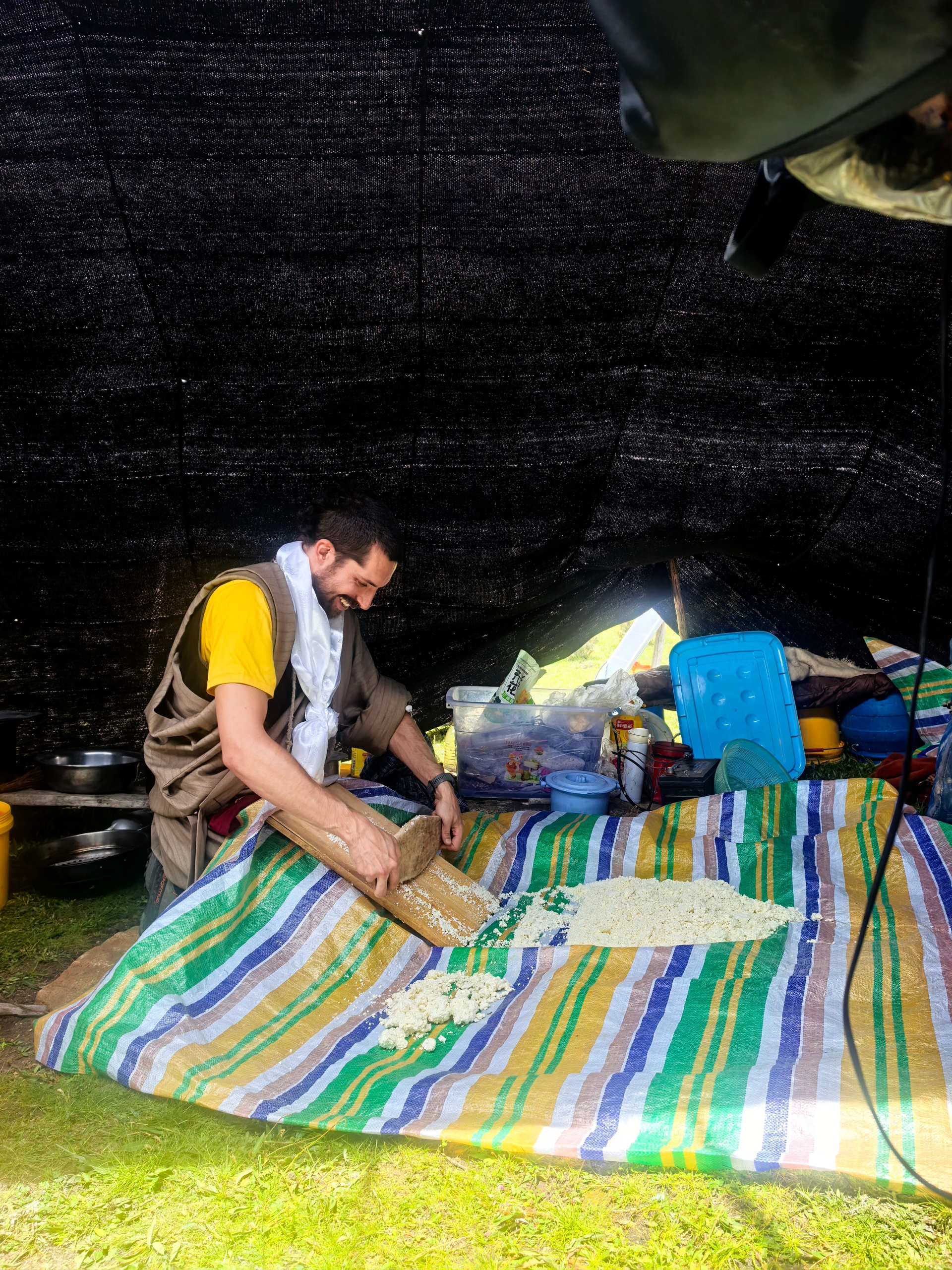
Spend a day in the mountains with Tibetan herders—sharing laughter, guiding yaks across the pastures, milking, making tsampa, and exchanging stories of life on the plateau.
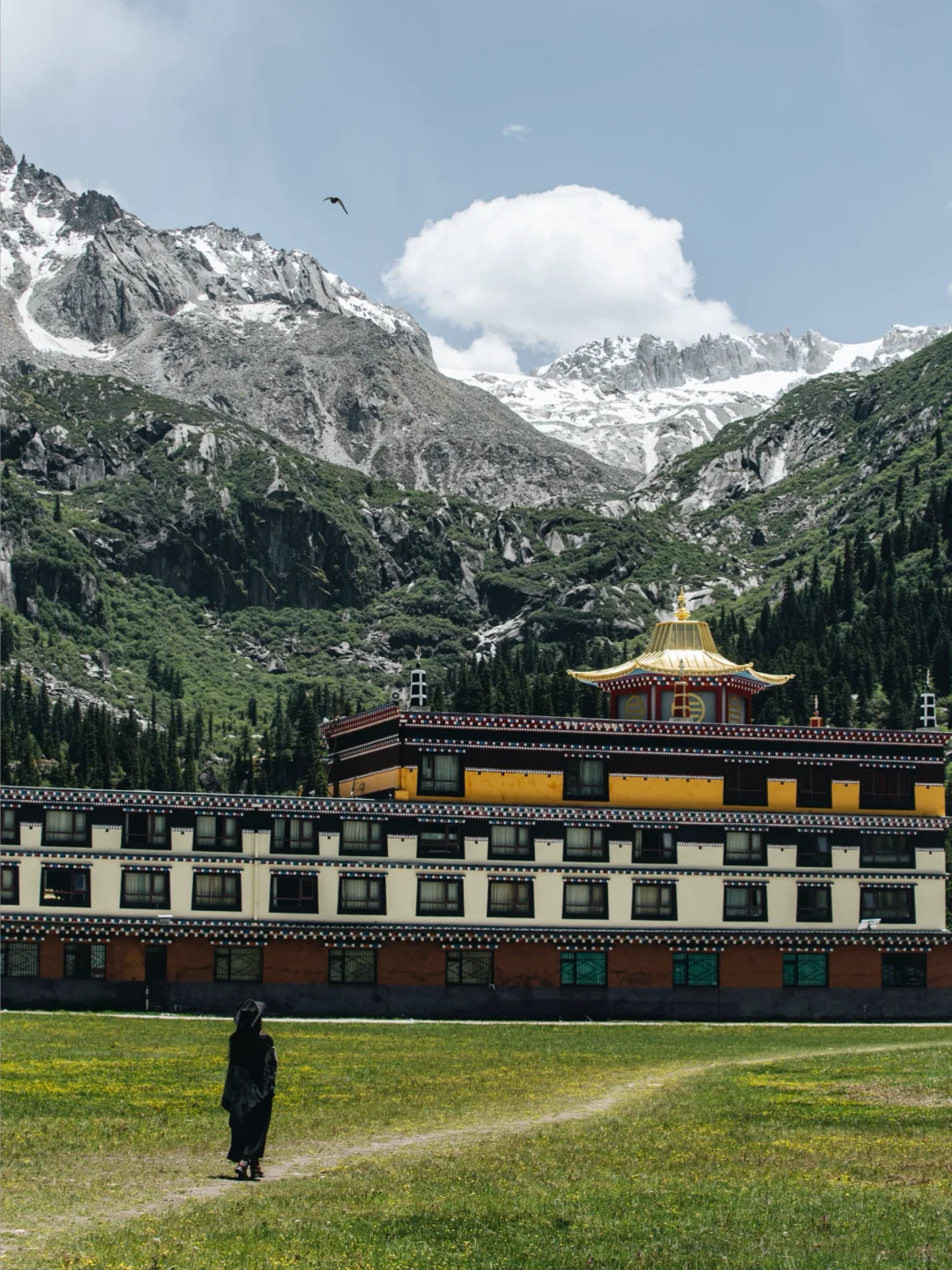
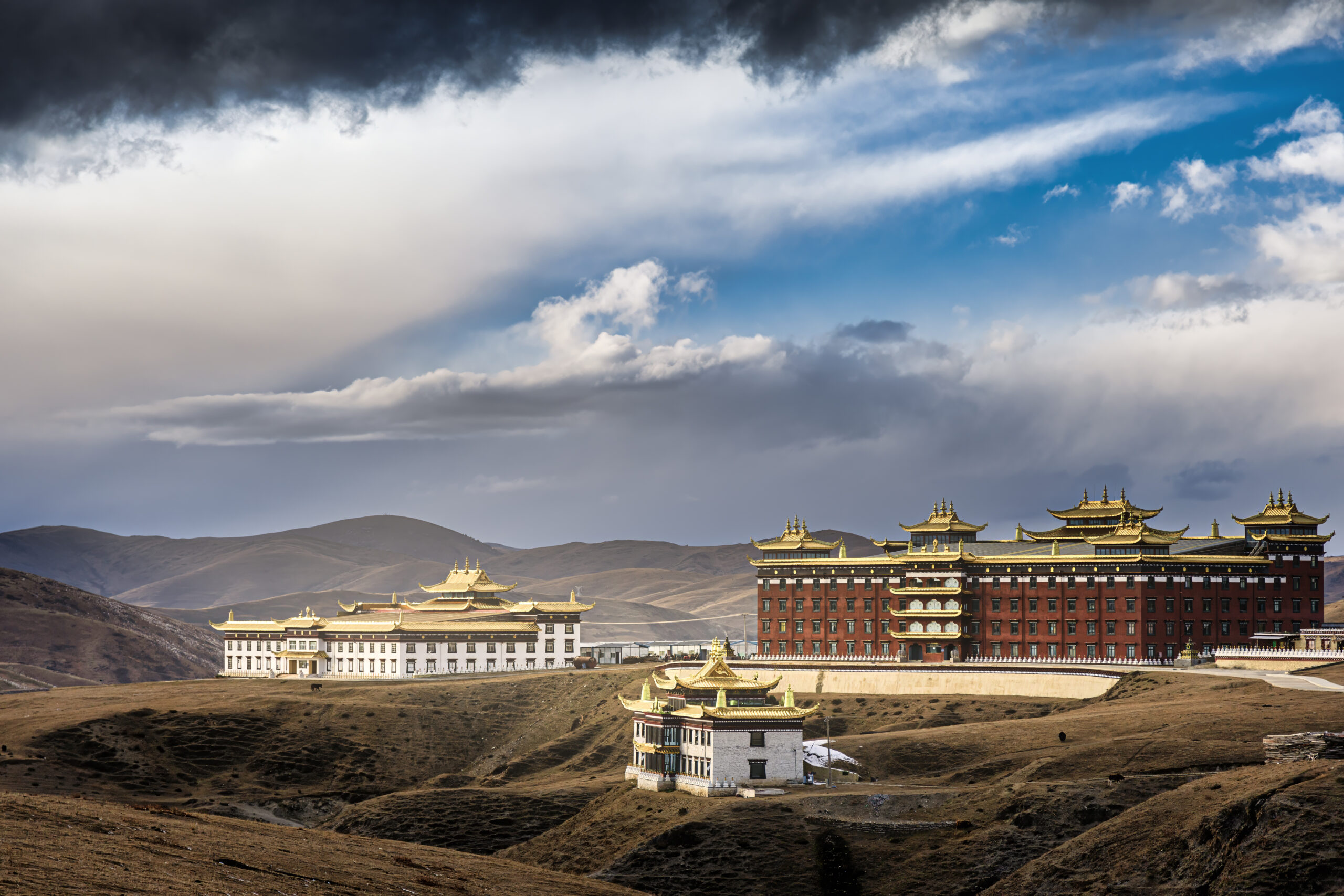
Visit the most original, surreal and influential monasteries in Tibetan Buddhism, nestled beneath sacred snow mountains.
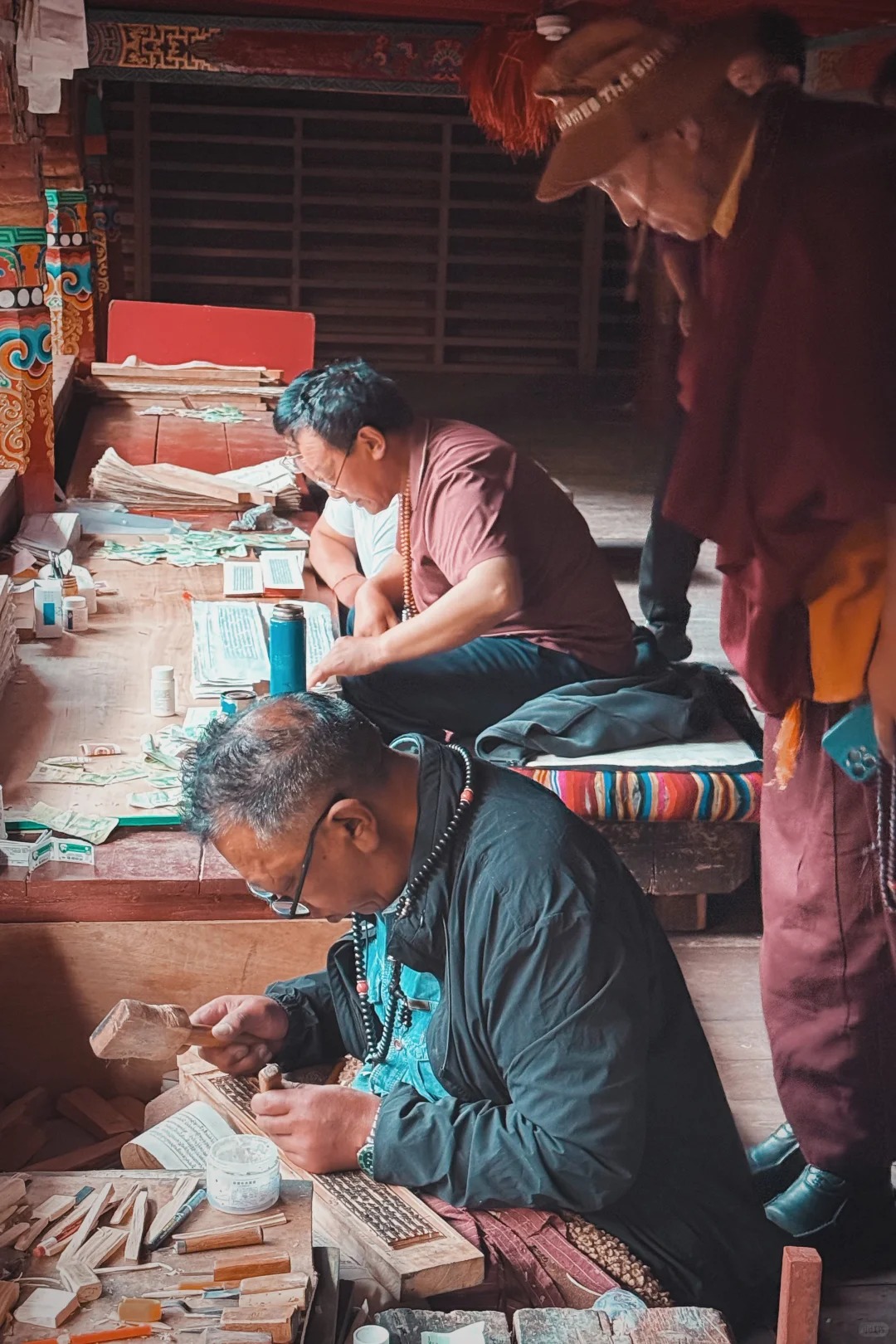
Visit the world’s largest woodblock printing house, where skilled artisans carve and print scriptures entirely by hand, supplying monasteries and devotees across the Tibetan region.
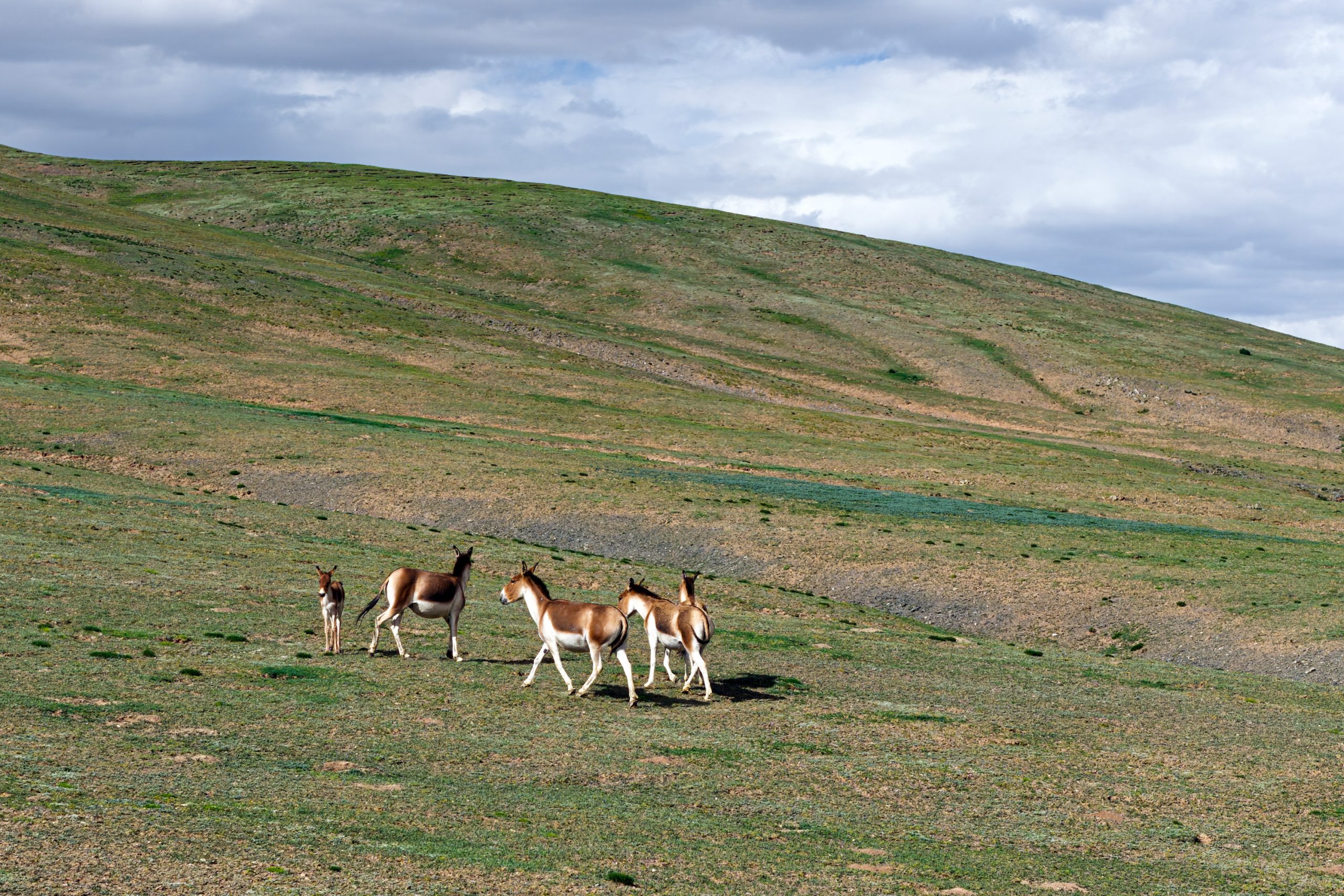
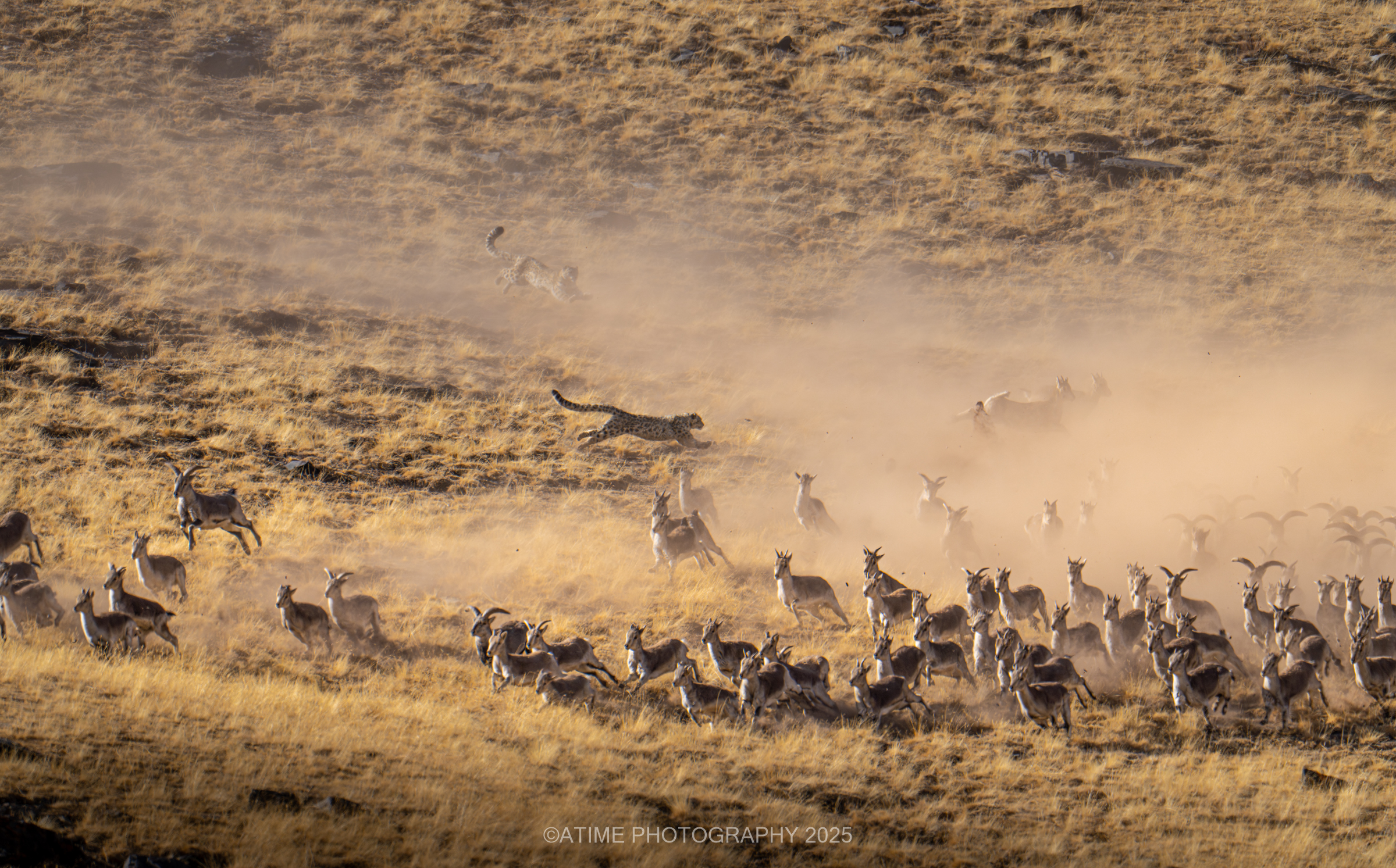
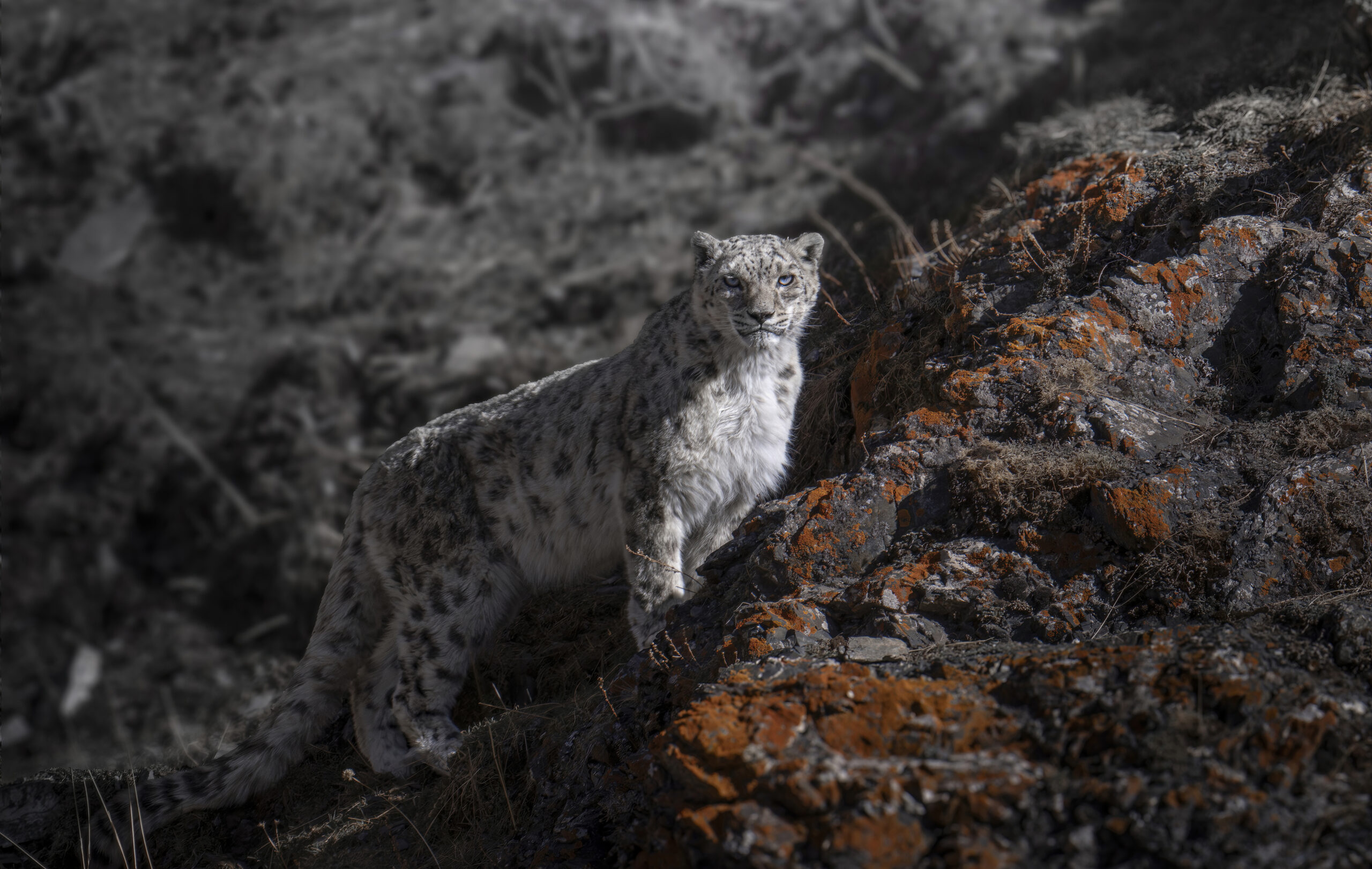
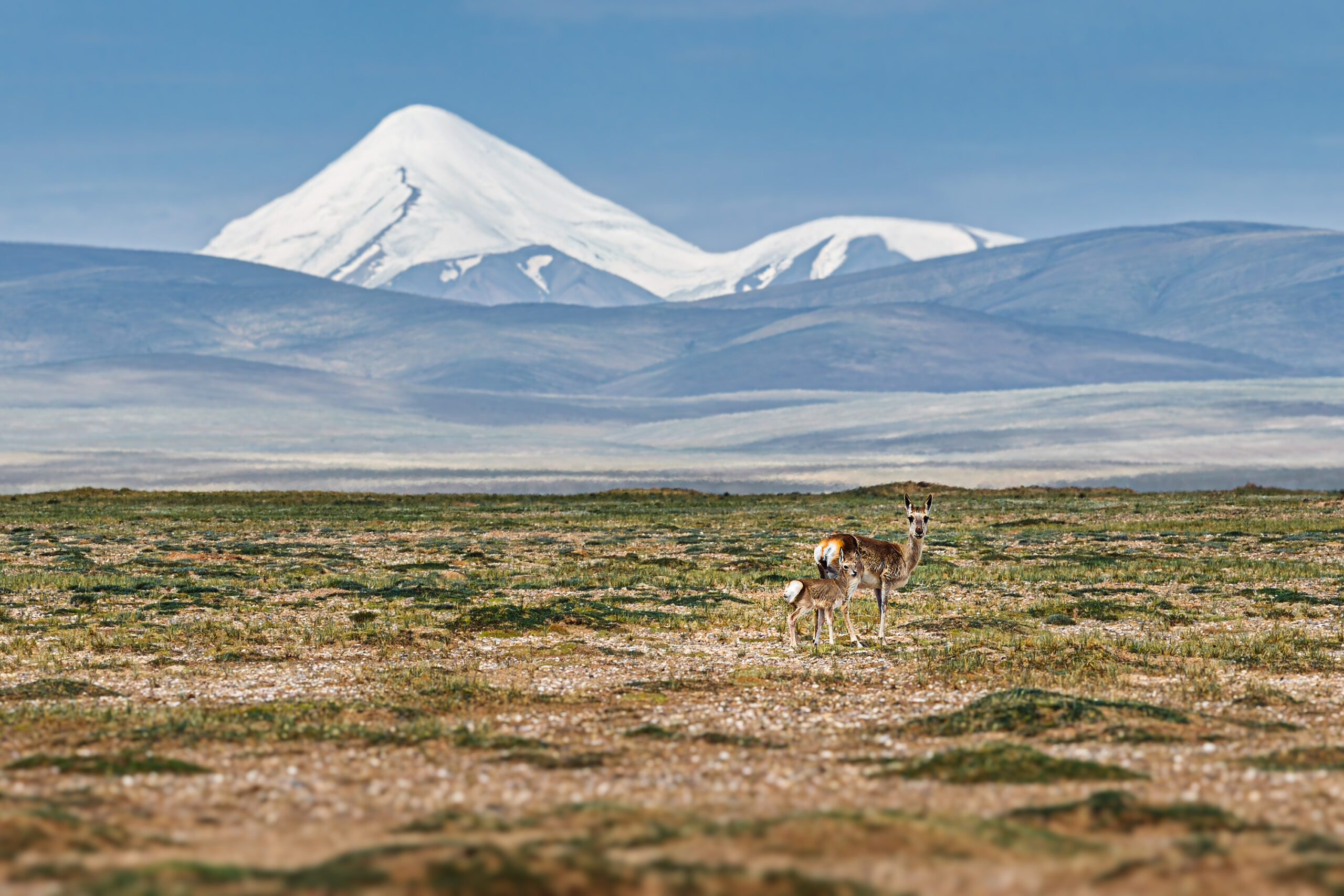
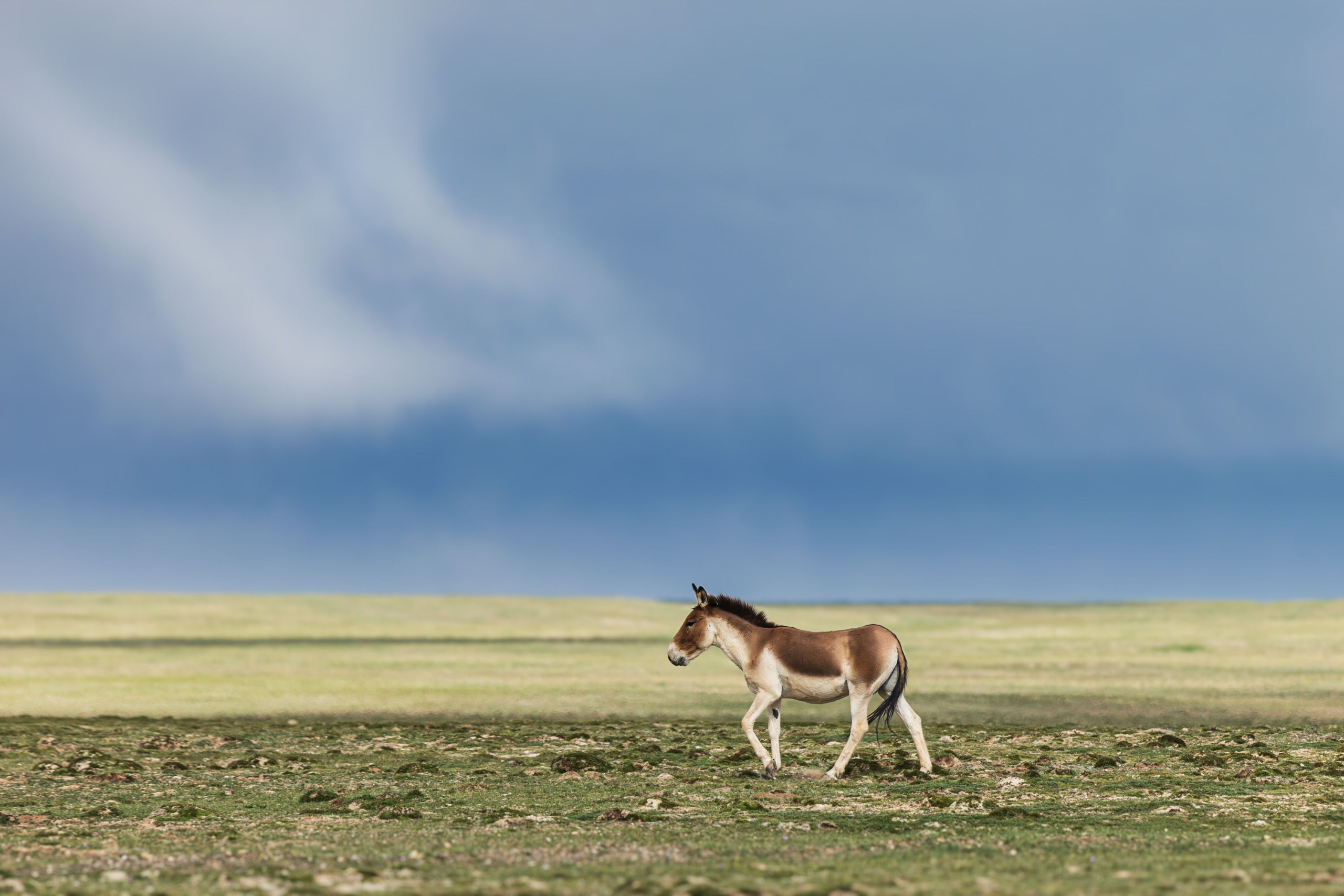
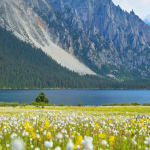
Witness migratory birds gathering across the wetlands, Tibetan gazelles grazing with heads lowered, and wild asses moving freely across the plains.
Day-by-day Itinerary
Arrival in Chengdu
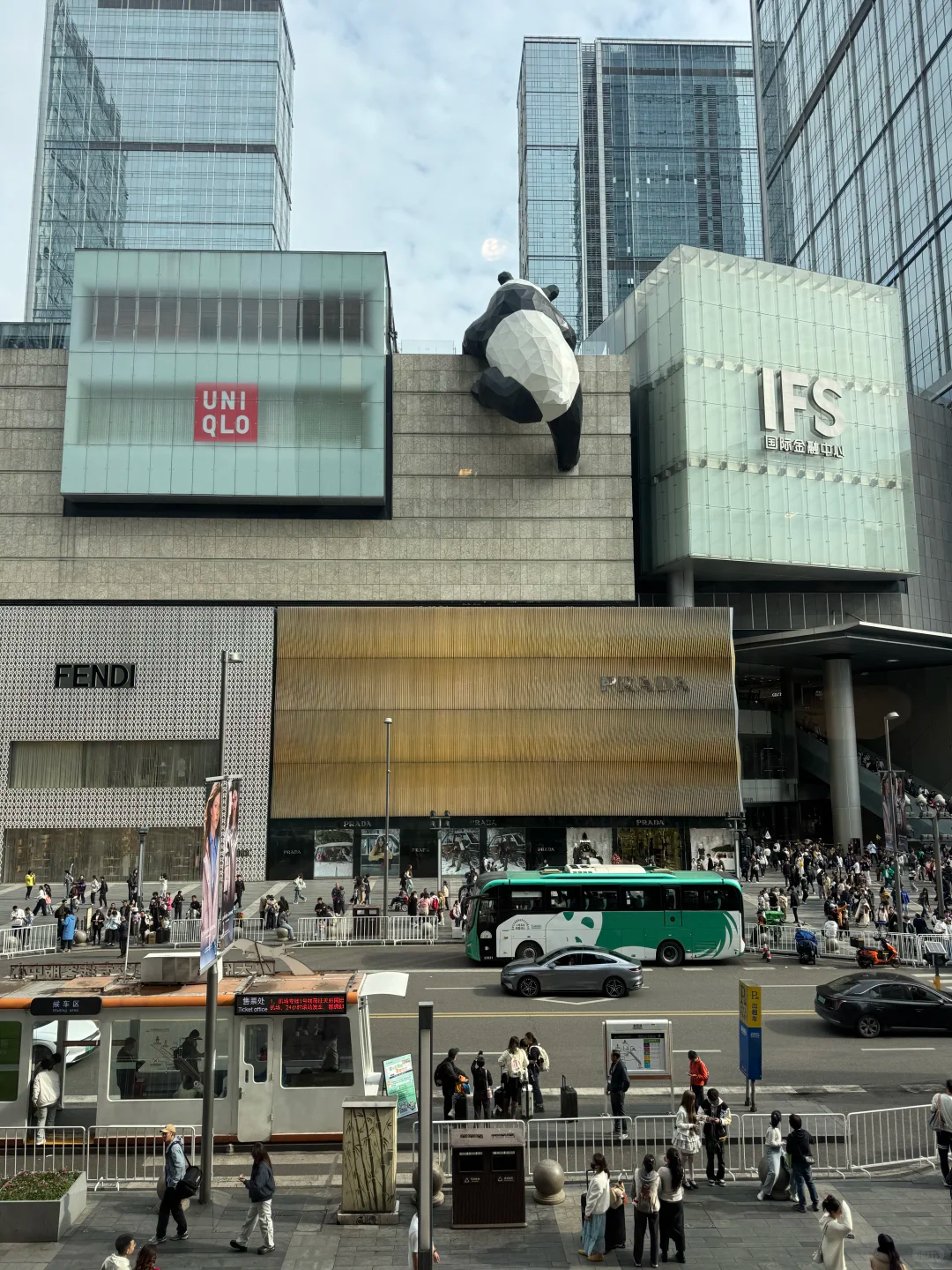
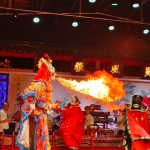
Arrive in Chengdu and enjoy a smooth private airport transfer to your hotel. If time allows, dive straight into the city’s vibrant rhythm, sip tea while watching a face-changing Sichuan Opera performance, explore the lively streets of Chunxi Road, pose with the IFS rooftop panda, wander through Jinli Ancient Street, or experience Chengdu’s nightlife energy. Settle in and prepare for the journey ahead.
Chengdu – Wolong Panda Base – Maobiliang Viewing Platform – Zhonglu Tibetan Village
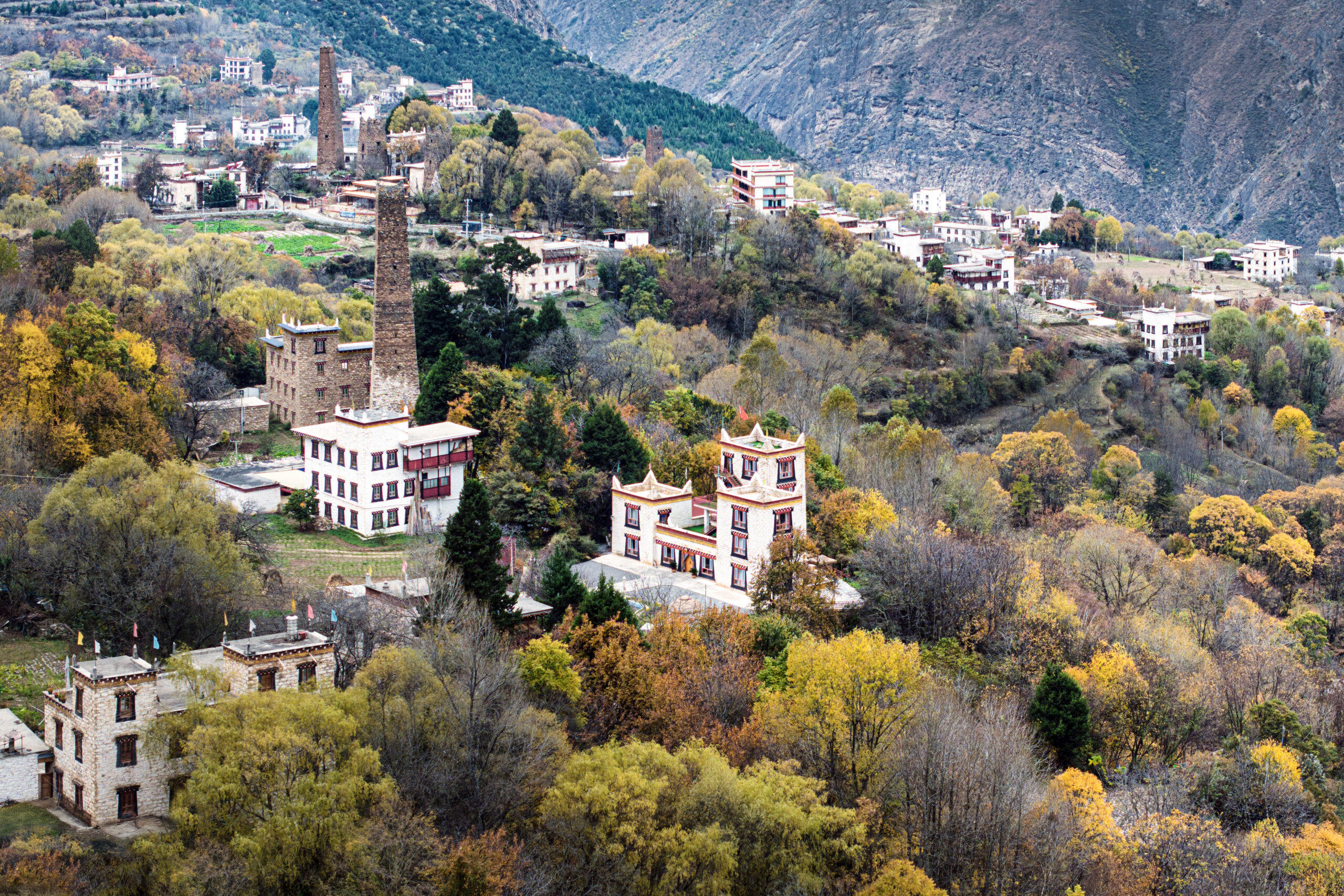
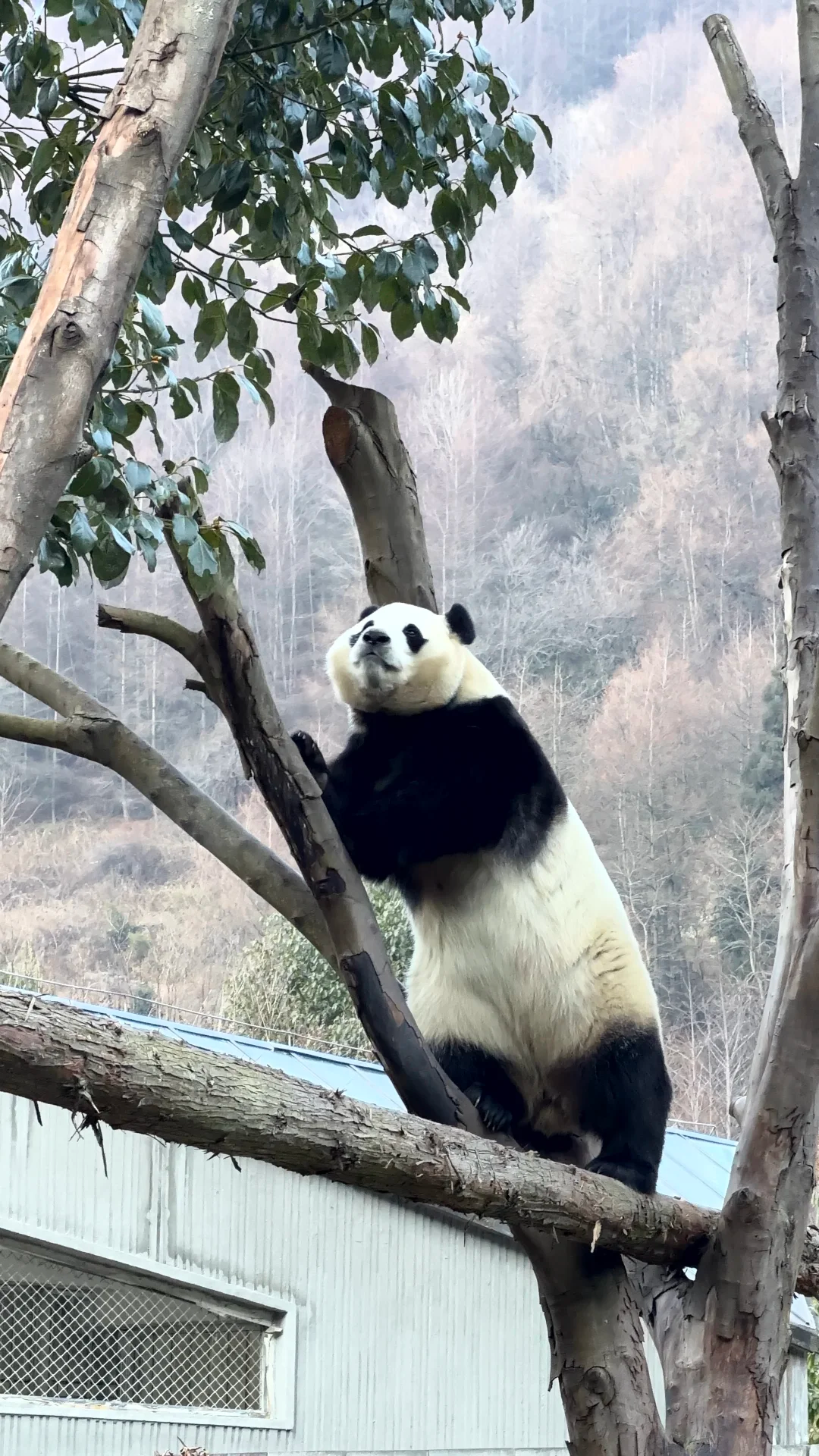
We begin at Wolong Panda Base, the world’s largest natural-habitat sanctuary, where you can quietly watch giant pandas and their adorable cubs roaming just steps away—no glass, no crowds. After that, Maobiliang Viewpoint offers your first enchanting look at the four sacred peaks of Siguniang, often glowing gold under the afternoon sun. Afterwards, you’ll arrive at Zhonglu Tibetan Village, called the most beautiful Tibetan villages in China. As the sun sets over the old village, warm light spills across the rooftops and fields, offering a peaceful and timeless moment.
Zhonglu Tibetan Village – Tagong Town -Tagong Monastery – Muya Monastery – Gerima Village – Anigongma Nunnery
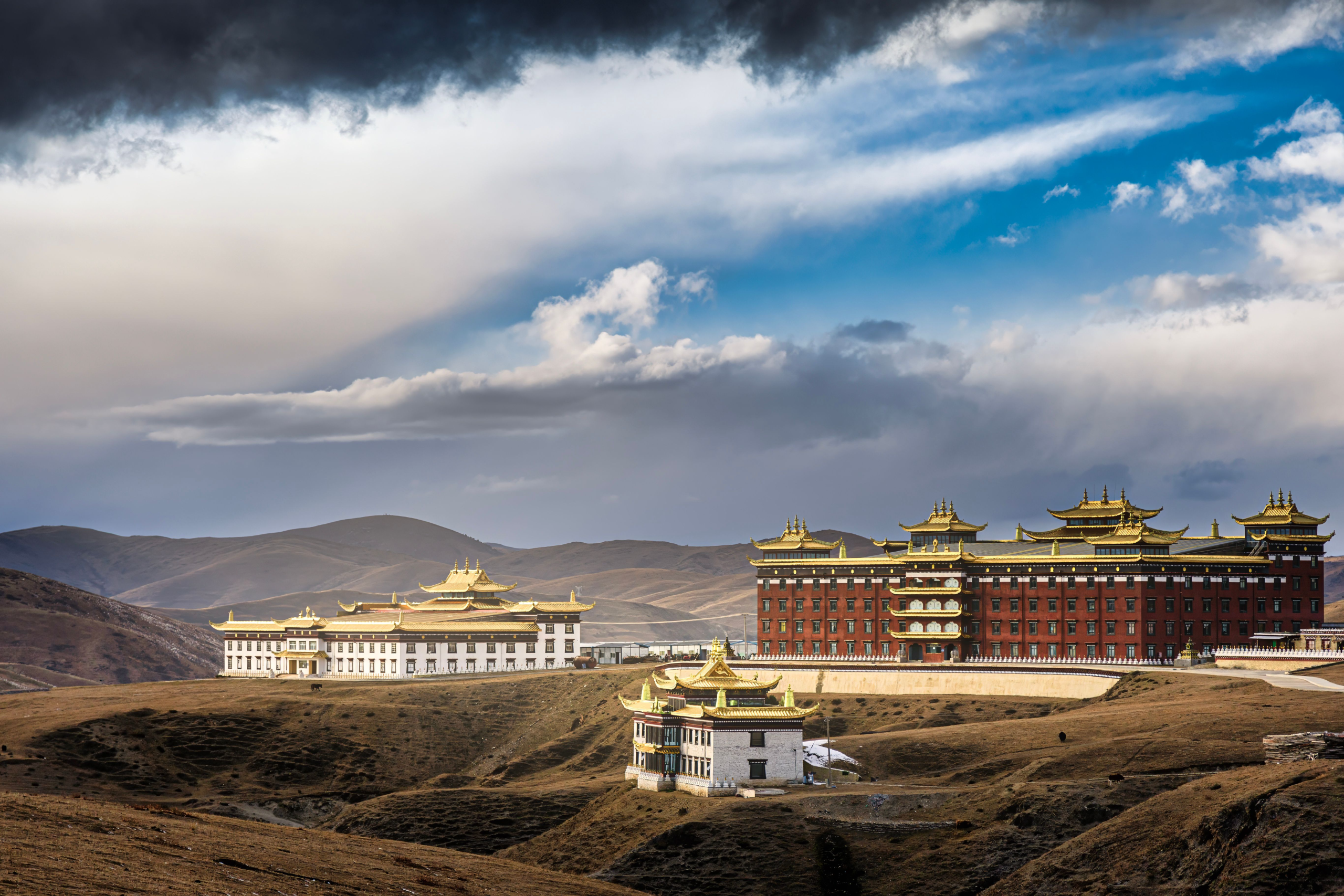
After the sunrise, continue your journey to the Tagong Grassland, a sacred place said to be beloved by Bodhisattvas. Guided by our local English-speaking guide, you’ll touch the rescued deer at Muya Monastery, which is under the snow mountains. At Tagong Monastery, listen to a teaching from the monks and offer a touch of light to a butter lamp. In a secluded nunnery, learn the art of Tibetan debate and feel the dynamic exchange of Buddhist philosophy. Then we will take you to Gerima Village, where devotees from across the plateau live and practice their faith.
Tagong Grassland – A Day in the Life of a Tibetan Nomad
Today, we journey into the heart of Tibetan life and spirituality. Meditate at dawn with a monk from Tagong Monastery, breathing in mountain air beside ancient white stupas and retreat caves once used by hermits. In the afternoon, visit a Tibetan herder’s camp on the open grassland, guide yaks across the pasture, and step into a black yak-hair tent to make tsampa and butter tea. End the day sharing a simple, heartfelt dinner beneath the vast plateau sky.
Tagong – Litang – Changqingchunkeer Monastery – Letong Ancient Town
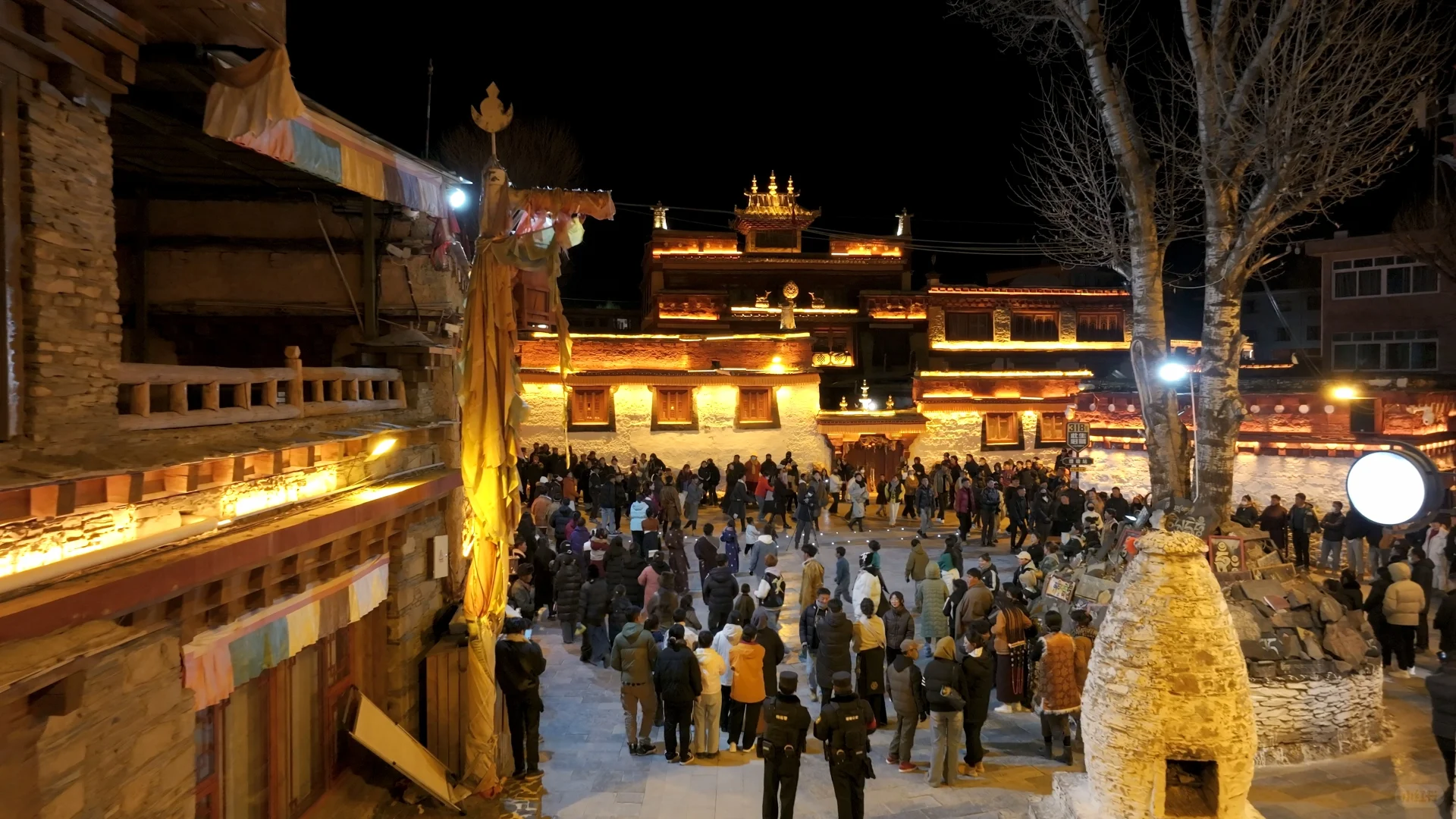
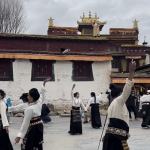
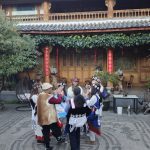
Journey across the high plateau to Litang’s sacred heart, Changqingchunkeer Monastery, where monks chant beneath wide Himalayan skies. Climb the hillside for sweeping views over the “Sky City,” prayer flags and whitewashed homes stretching toward distant peaks. Wander through Letong Ancient Town, stay in a Tibetan-style guesthouse, and join locals in an evening Guozhuang circle dance, turning faith and joy into shared movement.
Litang – Xiazetong Village – The Eye of Genie Mountain – Zeba Village
Today, we journey through some of China’s most breathtaking alpine landscapes. Wander across quiet mountain meadows, spot marmots darting through the grasslands beneath snow-capped peaks, and hike gently toward the Eye of Genie Mountain, where a crystal-clear lake reflects sky and glacier alike. Continuing to Zeba Village at 4,000 meters, we venture deeper into the highlands beneath sacred snow mountains before witnessing Mount Genyen glow gold at sunset — a truly unforgettable finale to the day.
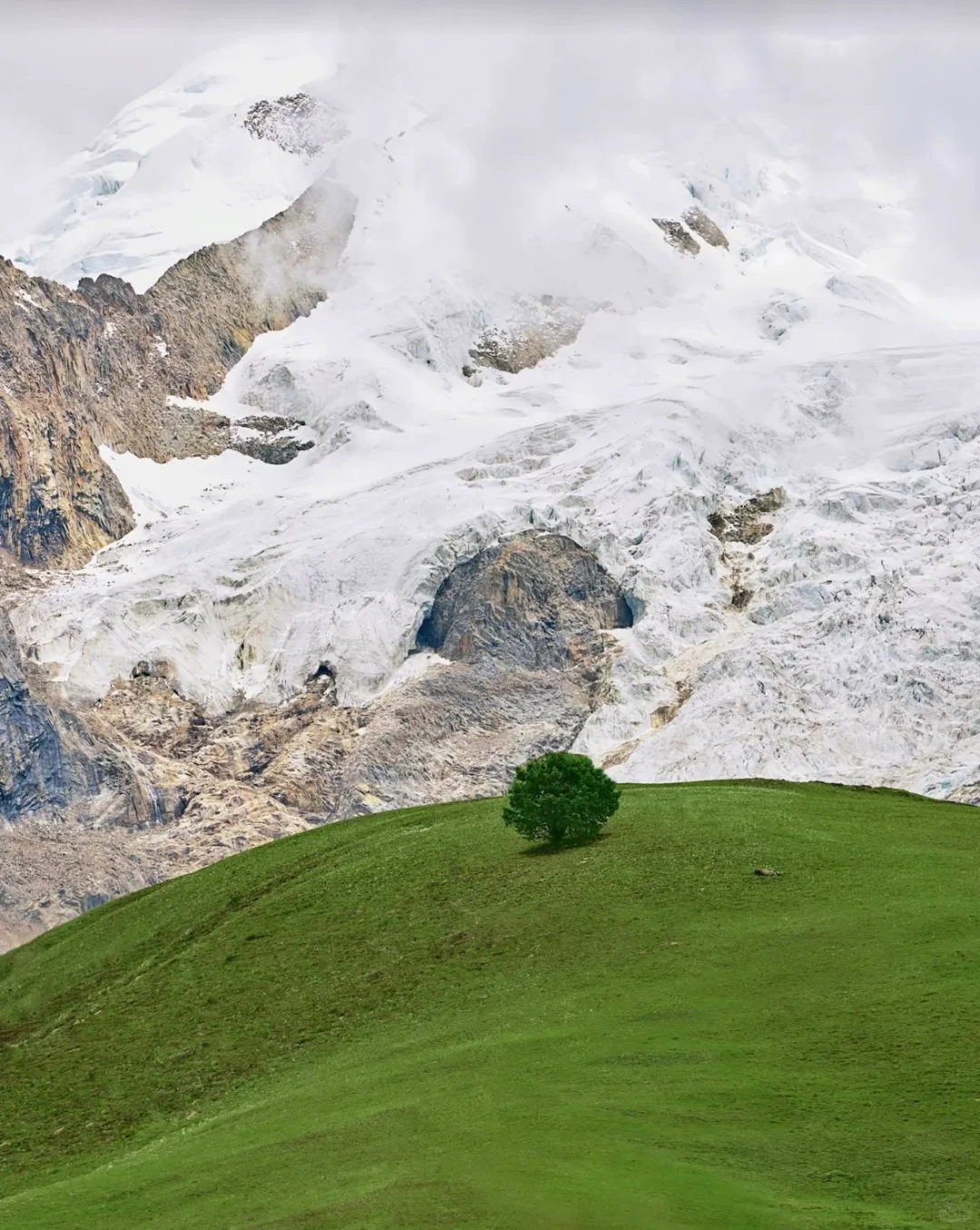
Zeba Village – New Lenggu Monastery – Old Lenggu Monastery – Batang
Journey on a sacred hike from New Lenggu Monastery to the Old Lenggu Monastery, following quiet forest trails through a remote mountain valley beneath towering snow peaks. Along the way, keep watch for wildlife moving across the highlands, from marmots to birds hidden among the alpine forests. Arrive at the centuries-old Old Lengu Monastery, a secluded retreat site where a handful of monks still continue their spiritual practice in isolation today. After offering incense and quiet wishes, continue onward to Batang, a vibrant frontier town filled with local life and energy.
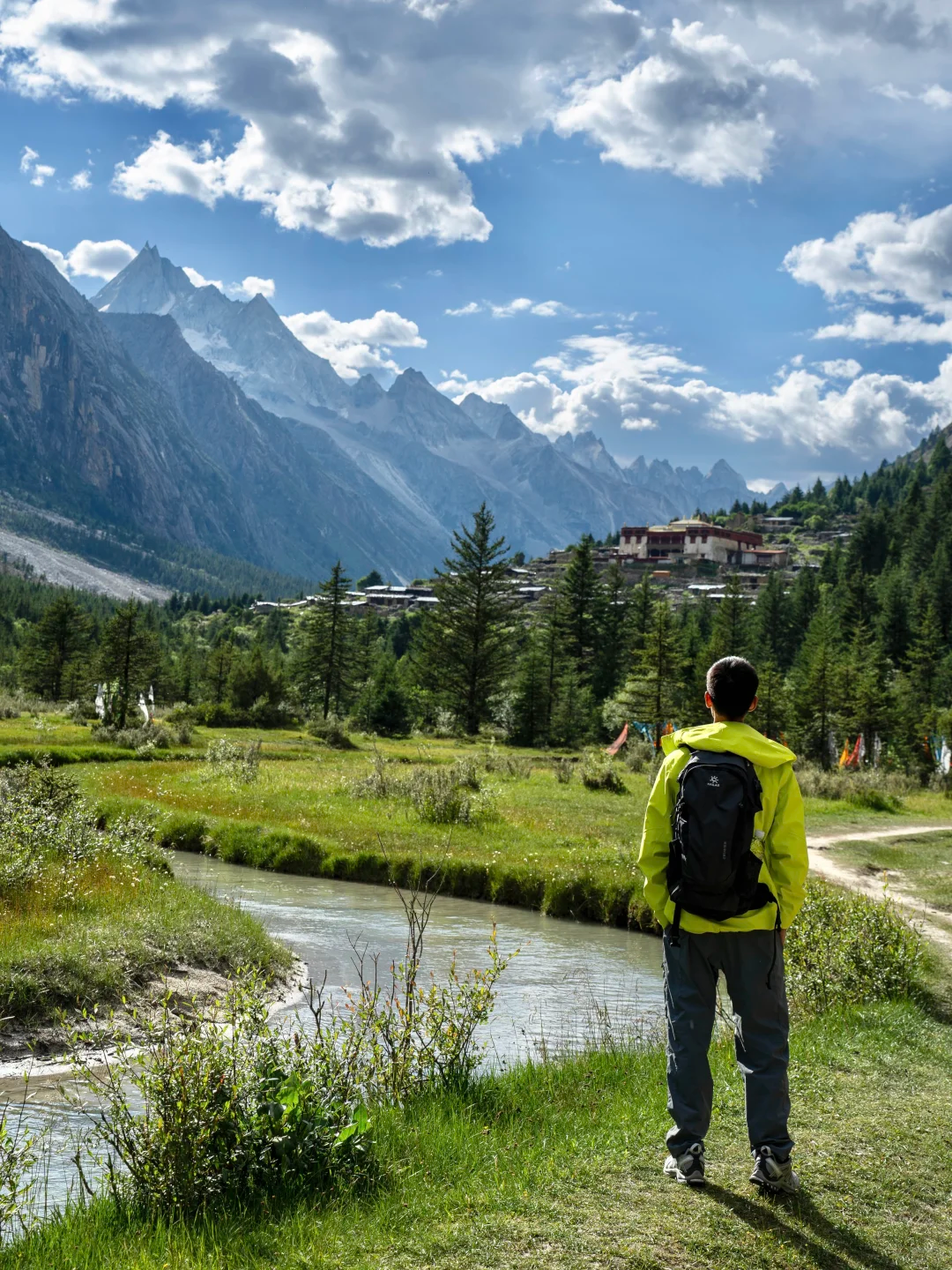
Batang – Baiyu Monastery – Katok Monastery
From today, we journey into the hidden and surreal world of Tibetan monasteries, far from the paths of mass tourism. Crossing high mountain ridges, we arrive at Katok Monastery, one of the oldest monasteries of the Nyingma tradition, home to the world’s third-largest Vajra Mandala. Surrounded by silence and devoted practitioners living in retreat, the monastery feels untouched by time. Red wooden houses cascade across the mountainside, while the intricate architecture and sacred artistry here reach a truly breathtaking level.
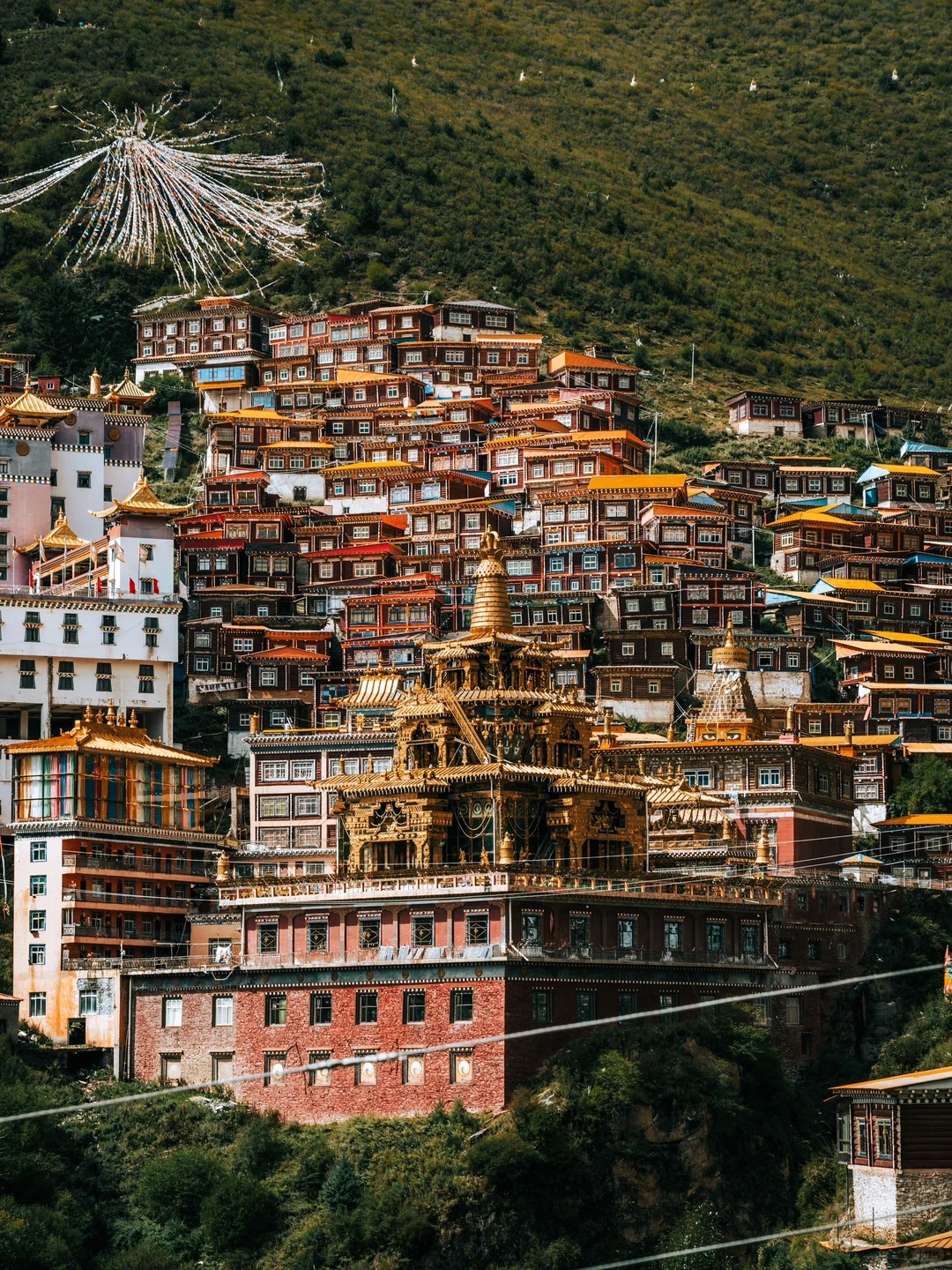
Katok Monastery – Zhuqing (Dzogchen) Monastery – Dege County
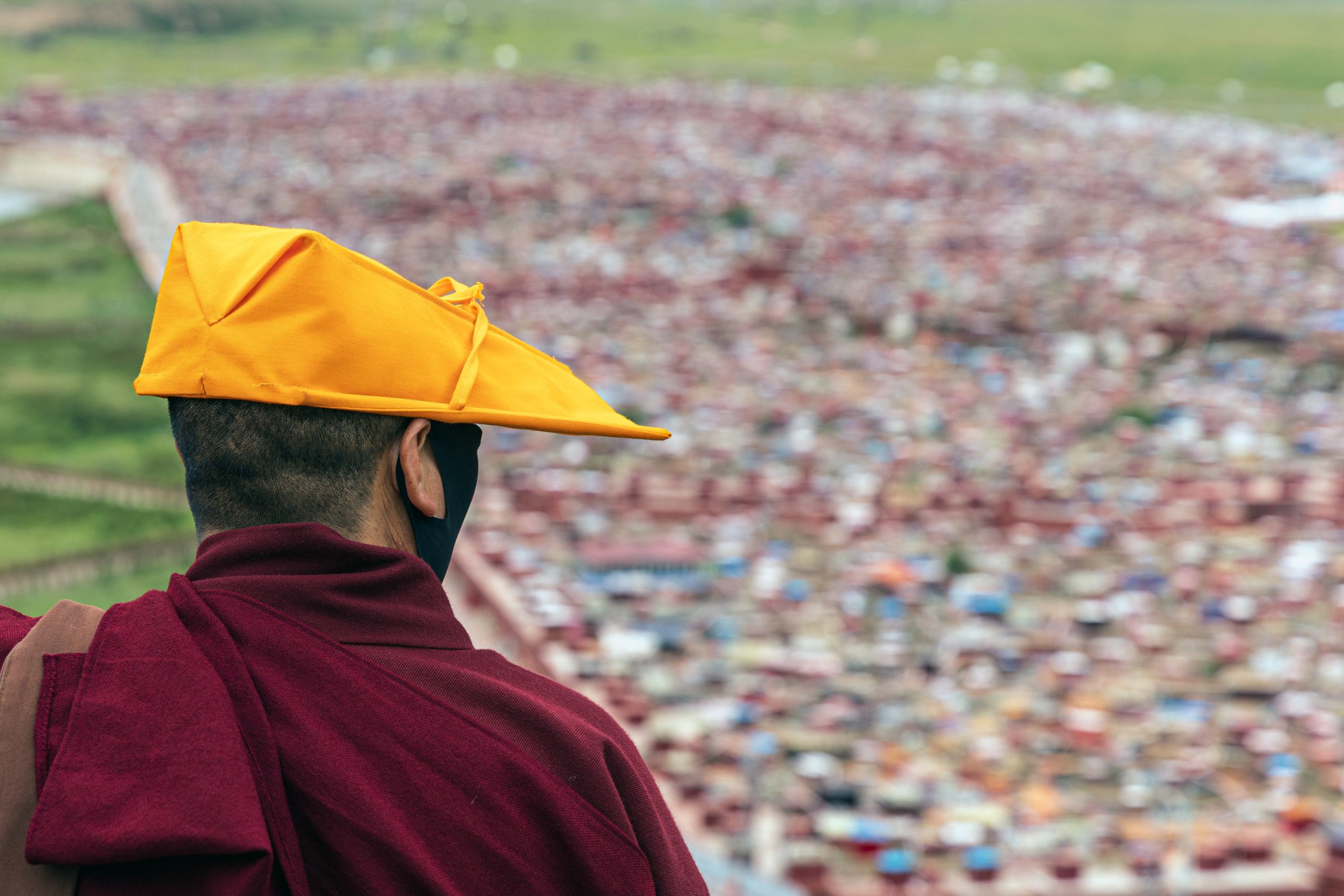
Journey to Dzogchen Monastery, often known as the “Harvard of Tibetan Buddhism,” where crimson-robed monks debate beneath vast alpine skies and young monks from across the Tibetan regions come here to study. Share a simple vegetarian meal within the monastery and experience a glimpse of daily monastic life at nearly 4,000 meters above sea level. Continuing onward to Dege County, a historic crossroads of faith and culture where five major Tibetan Buddhist traditions converge, we encounter the enduring spirit of Kham Tibet woven deeply into everyday life.
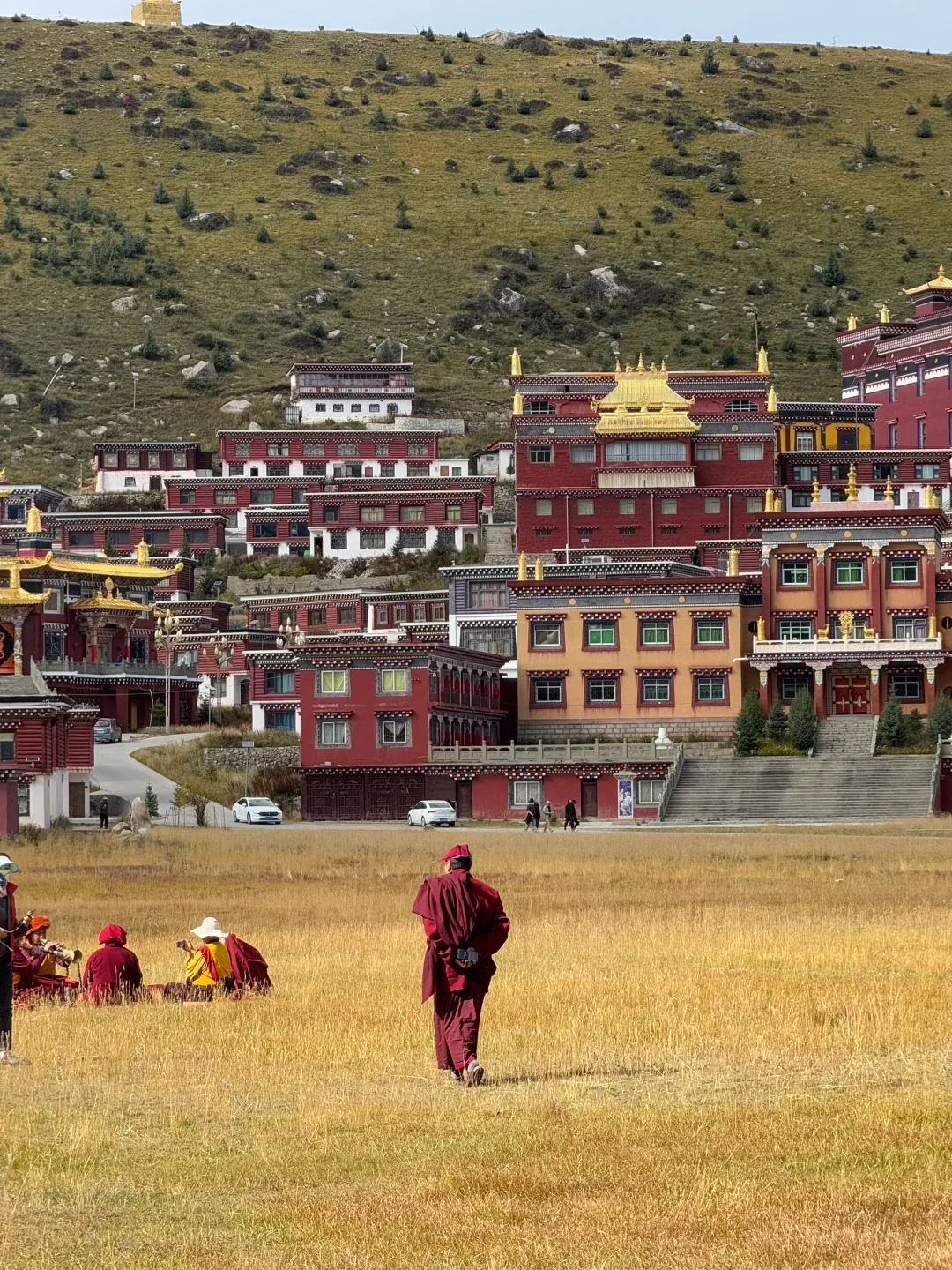
Dege Printing House – Princess Wencheng Temple – Yushu
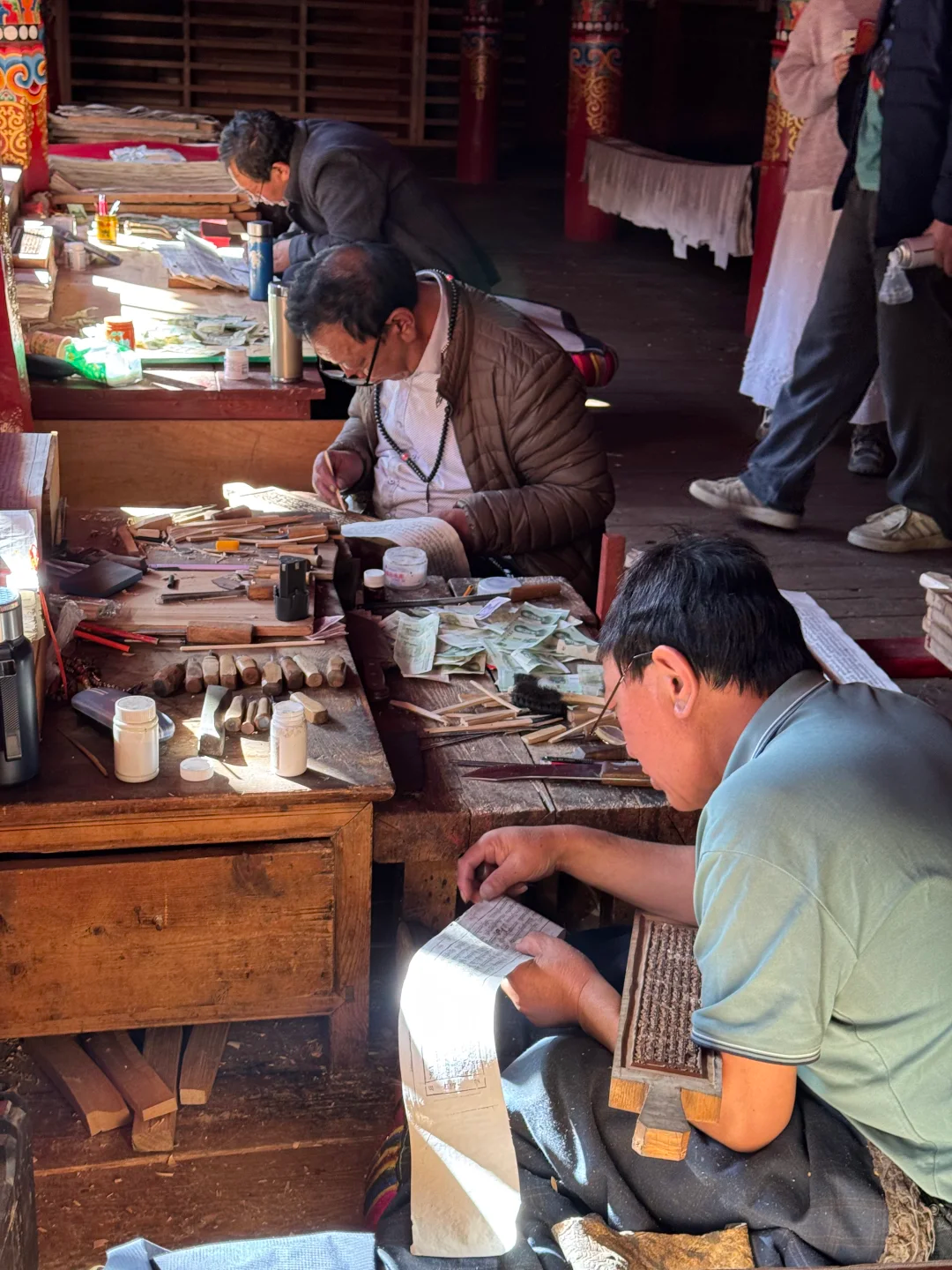
Step into the Dege Printing House, where artisans still carve and print sacred texts by hand using centuries-old woodblocks, preserving more than 70% of Tibetan cultural and literary classics. Crossing into Qinghai, we pause at Princess Wencheng Temple, a quiet symbol of the historic exchange between Tibetan and Han cultures. By evening, we arrive in Yushu, settling into the vast atmosphere of the high plateau as the journey enters its next chapter.
Jiegu Monastery – Xinzhai Jiana Mani Stone City – Yushu
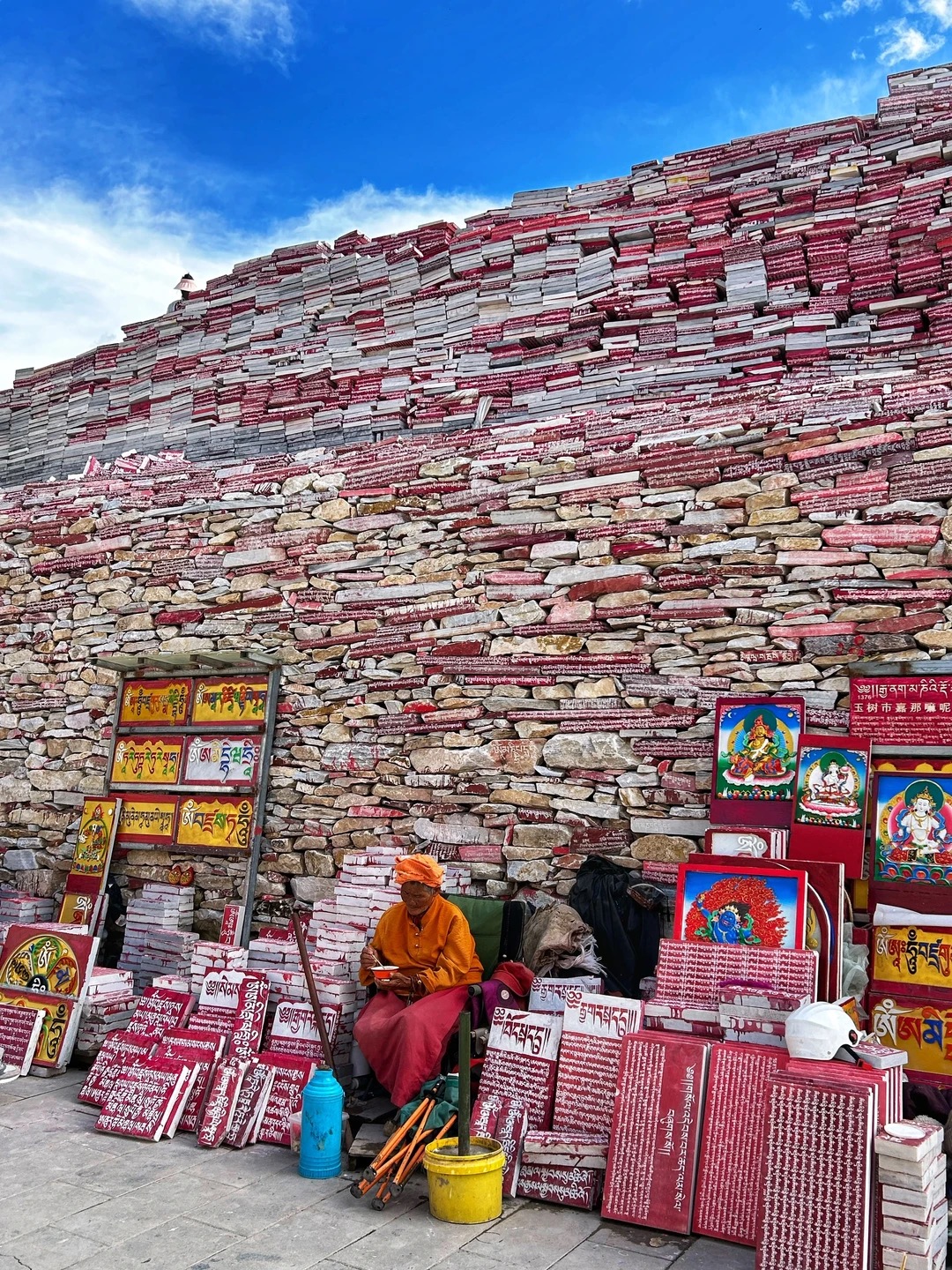
Climb the hillside to Jiegu Monastery for sweeping views over the entire Yushu valley, where monks chant within vast assembly halls high above the plateau town. Here, you may also encounter animal specimens offered in devotion to protector deities, reflecting the region’s unique spiritual traditions. At Jiana Mani Stone City, home to the world’s largest Mani stone pile, carve your own Mani stone and offer prayers and blessings for the world among countless stones shaped by centuries of faith. Return to Yushu with a quiet sense of reflection and connection to the spiritual heart of the plateau.
Yushu – Maduo(Guoluo – Maduo)
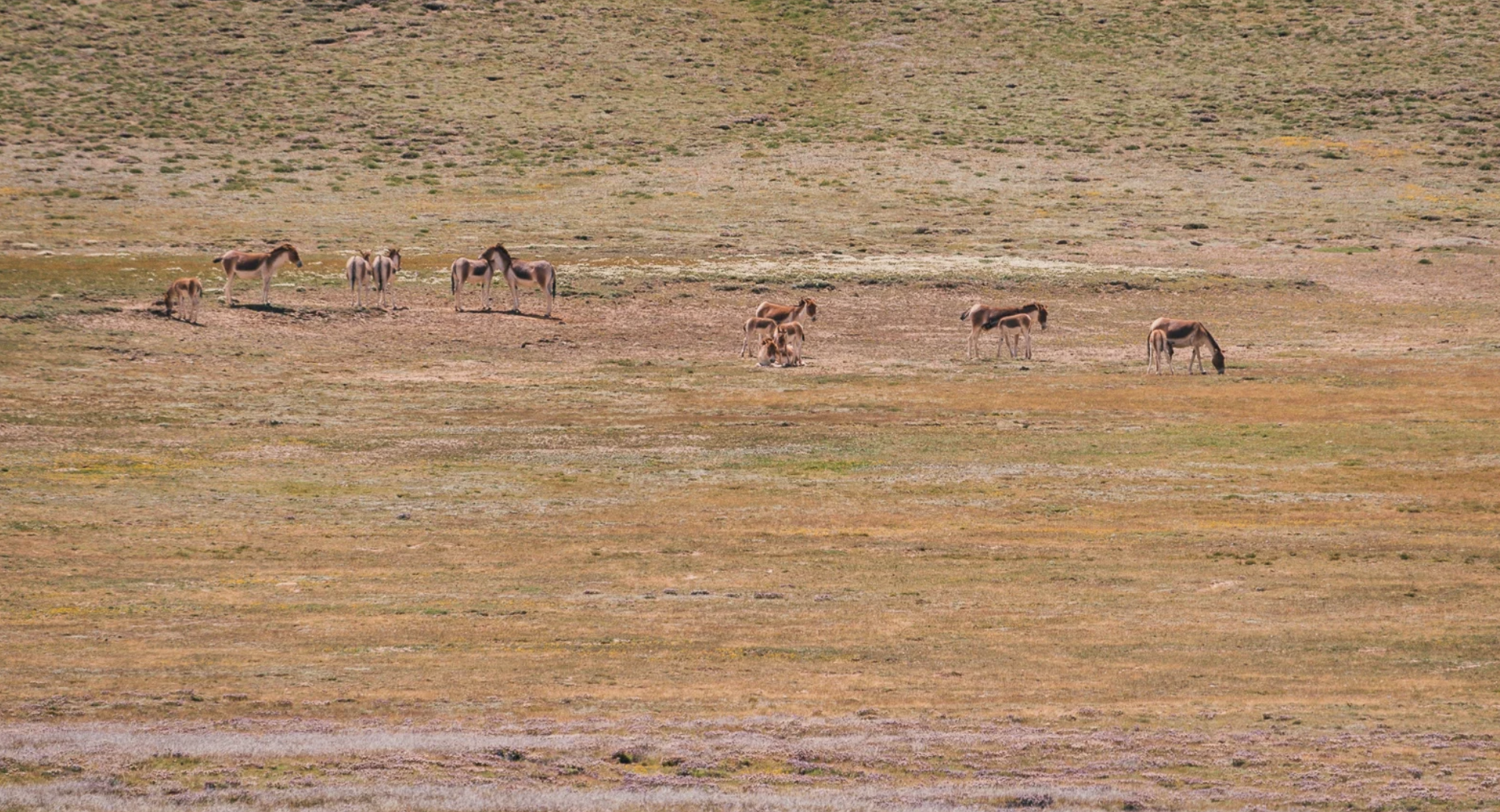
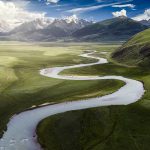
Journey to the headwaters of the Yellow River and explore the wild expanse around Zhaling and Eling Lakes at over 4,000m. Scan the plateau for Tibetan wild ass (kiang), Tibetan gazelle, Himalayan marmots, black-necked cranes, bar-headed geese, and flocks of migratory waterbirds. Walk through the shimmering wetlands of Xingxing Sea, where wildlife moves freely across open grasslands. End the day immersed in one of the Qinghai-Tibetan Plateau’s richest ecosystems.n
Maduo – Ta'er Monastery – Xining
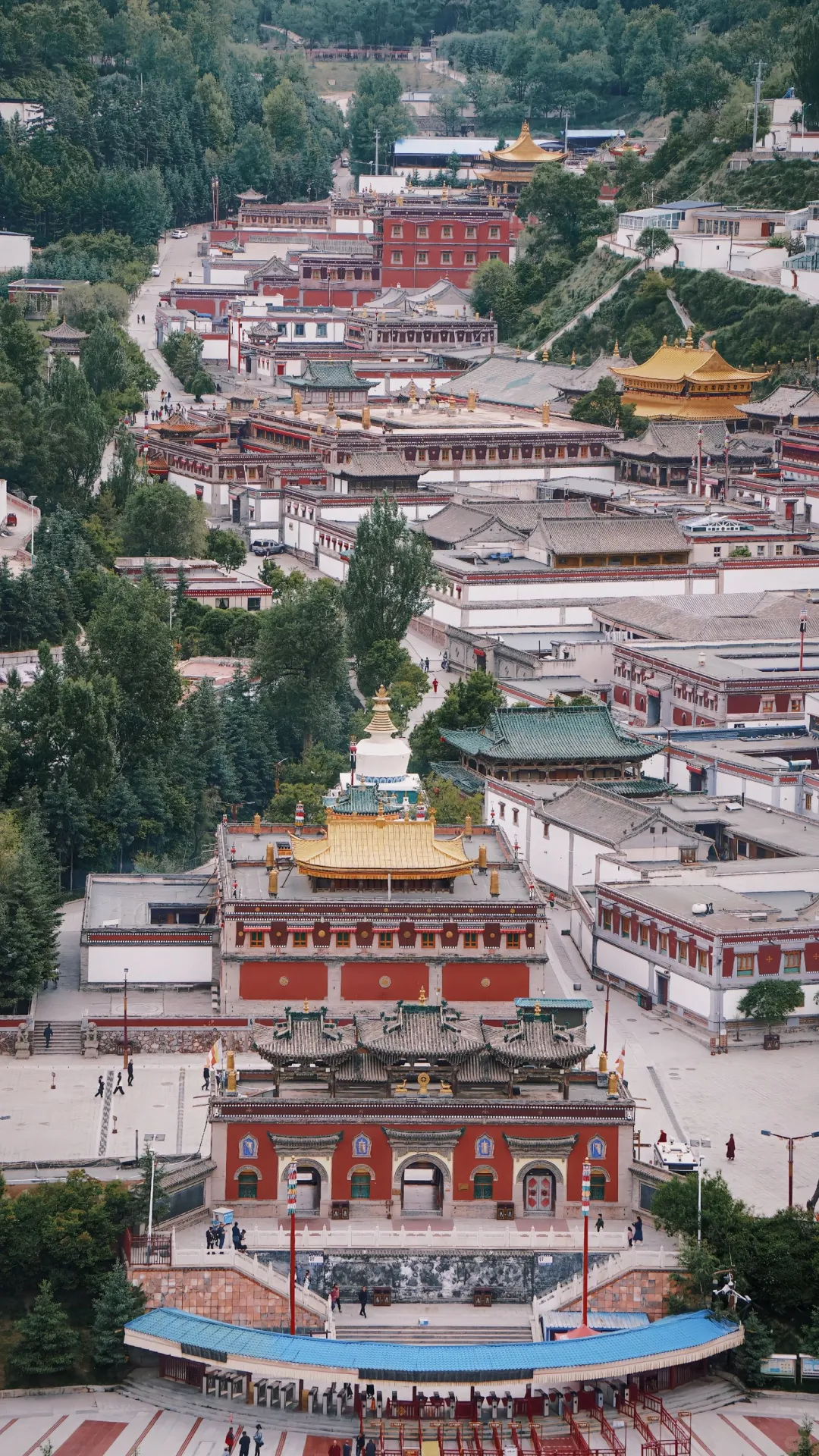
Return to the frontier crossroads of Xining and step into the sacred halls of Ta’er Monastery, one of the great monasteries of the Gelug tradition and the birthplace of Tsongkhapa. Wander through incense-filled courtyards, admiring intricate butter sculptures and vivid murals that reflect centuries of Tibetan Buddhist artistry. By evening, explore Xining’s lively night market and sample local flavors shaped by Hui Muslim and Han culinary traditions.
Departure
An airport drop-off will be arranged according to your flight time, bringing your memorable journey to a smooth and pleasant close.
Interested in a similar itinerary but want to Travel Privately?
Our Travel Experts are here to craft your perfect tailormade holiday.
Interested in a similar itinerary but want to do a Self-Guided Tour?
From €140 per person per day, enjoy a seamless, worry-free self-guided journey, supported by our trusted local guides, professional drivers, and access to unique local experiences.
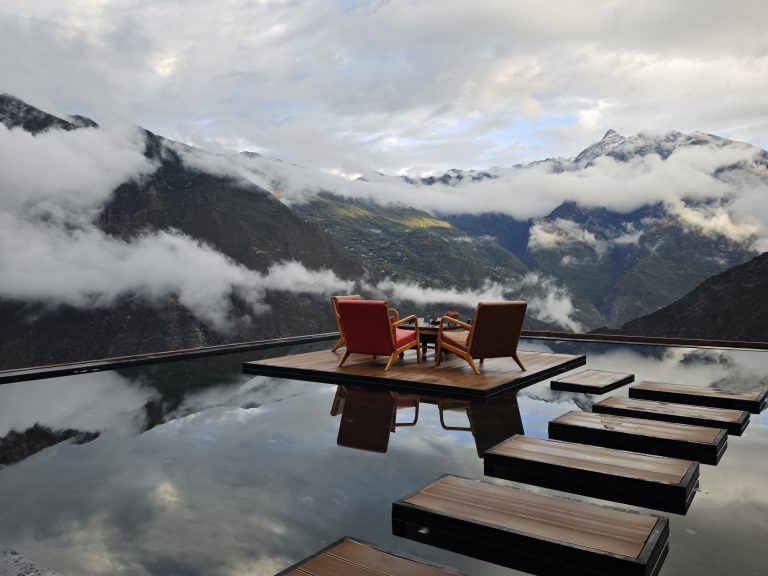
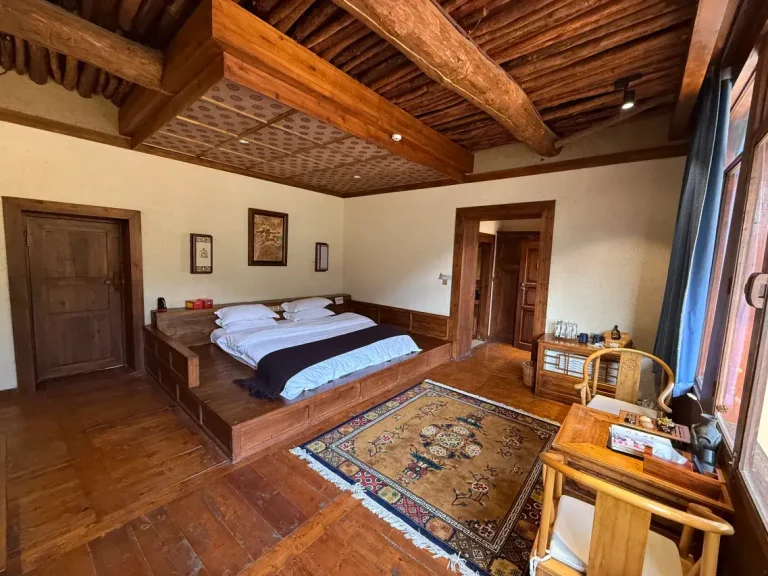
Featured Stays
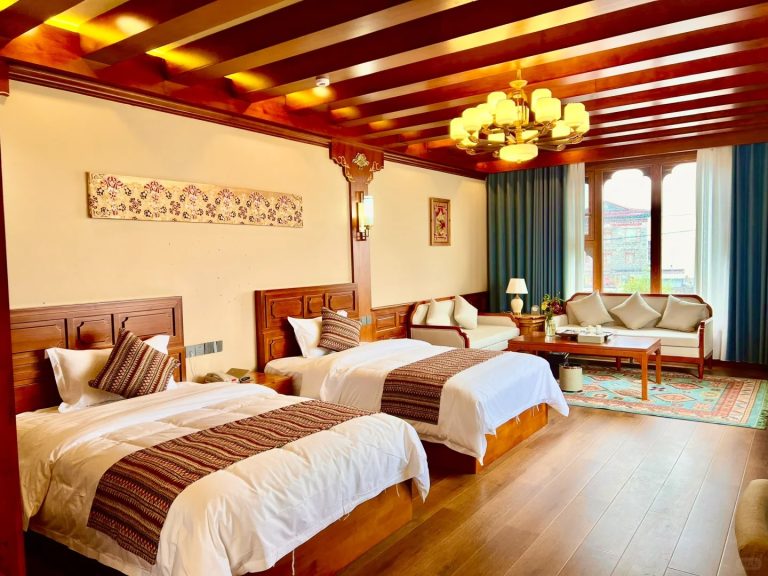
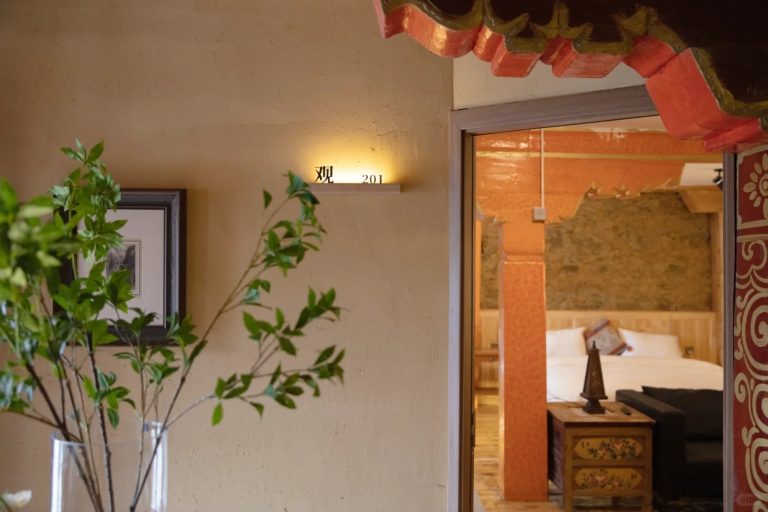
We’ve hand-selected a range of accommodations to suit different preferences, each offering a distinctive experience deeply connected to the local land and culture. We work with these or similar hotels to ensure a stylish and comfortable stay every time.
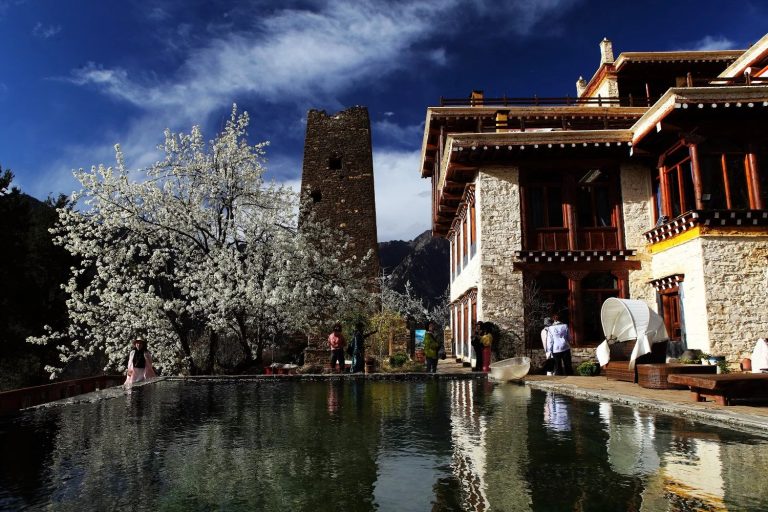
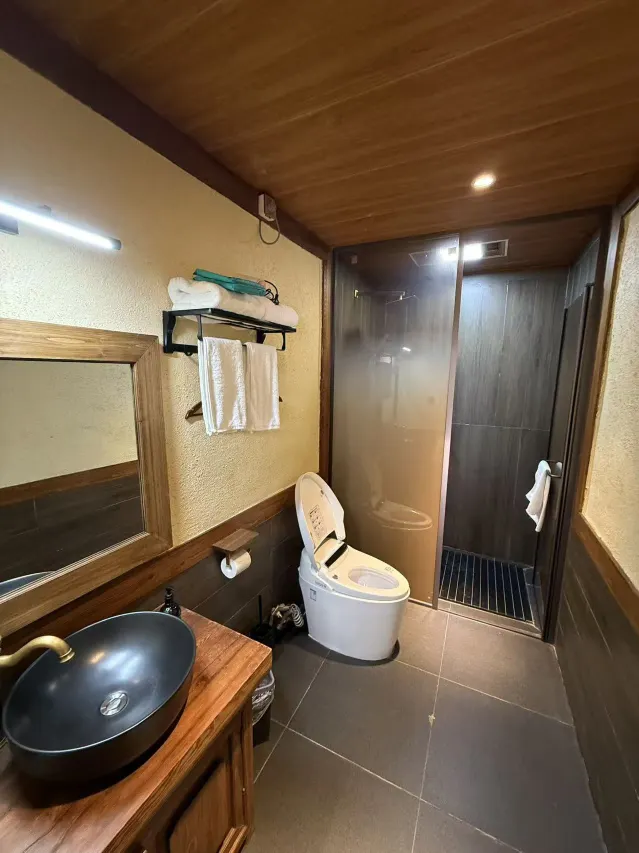
Hane Mansion
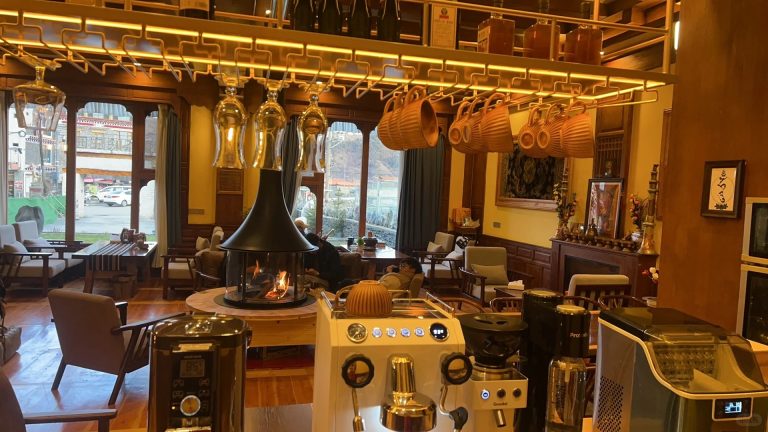
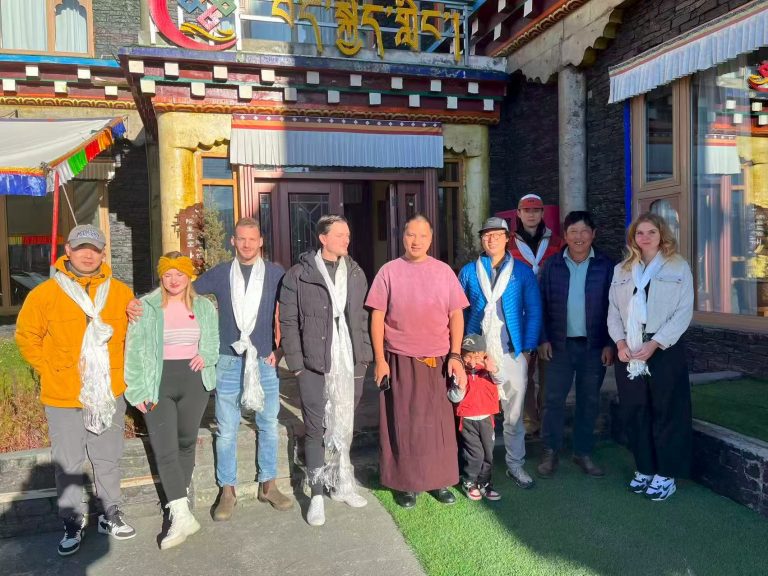
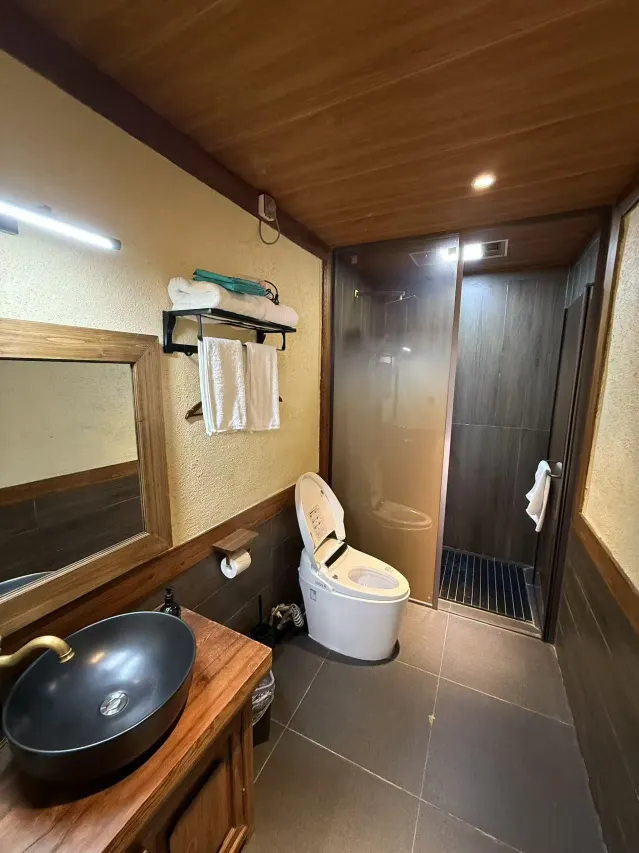
Dejieling Mansion
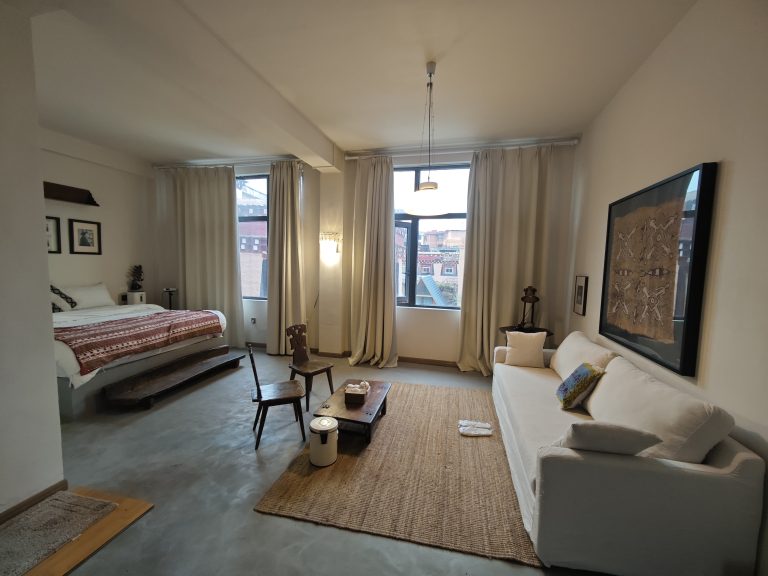
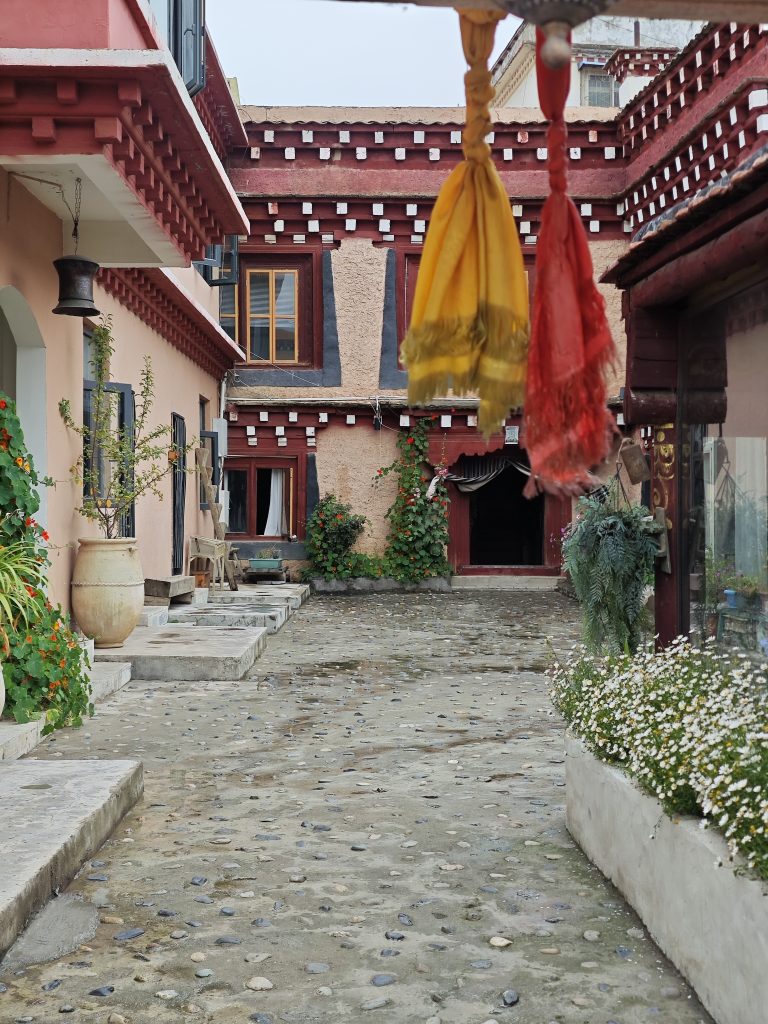
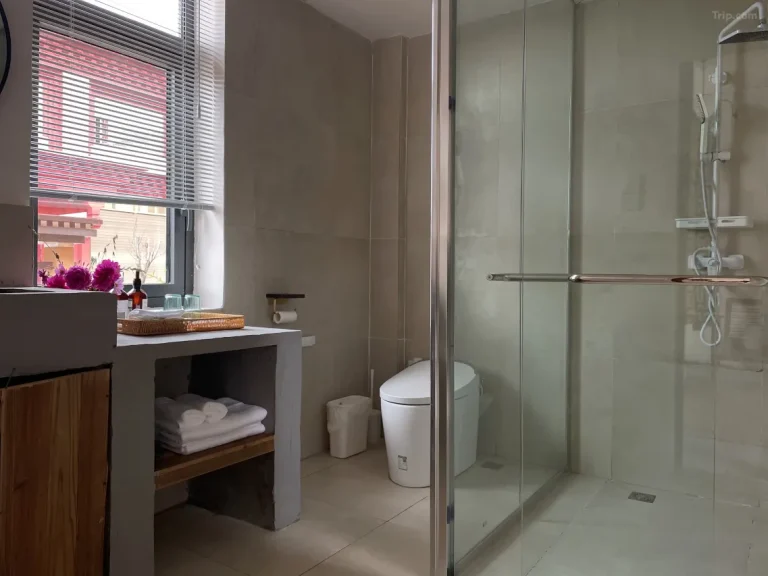
Muzhe Herder Litang
Inclusions & Offers
Designed Around Your Journey
Rather than fixed departures, this experience is arranged privately and shaped around your preferred dates, interests, and travel style.
Our specialists will design the journey based on your pace, accommodation preferences, and seasonal conditions.
Best time to visit
Traveler Reviews




FAQs
What makes this Western Sichuan & Qinghai journey unique?
This journey goes beyond scenery, combining sacred snow mountains, living Tibetan Buddhism, nomadic grasslands, ancient monasteries, and wildlife. You travel through both Kham and Amdo Tibetan regions, experiencing faith, nature, and daily life as they truly exist, not as staged attractions.
What is the difference between Kham and Amdo Tibetan regions?
Kham (Western Sichuan) is known for dramatic landscapes, strong personalities, warrior heritage, and expressive monastic life.
Amdo (Qinghai) is defined by vast grasslands, nomadic traditions, strong horses, and a quieter, deeply rooted spiritual atmosphere. Experiencing both offers a rare, complete view of the Tibetan world.
Is this trip suitable for first-time visitors to China?
Yes. With experienced local drivers, English-speaking guides, carefully paced routes, and quality accommodations, this journey is suitable for first-time visitors who want to experience China beyond major cities.
What altitudes will we reach, and how do you manage acclimatization?
Most of the journey ranges between 3,200–4,100 meters, with occasional higher viewpoints. The itinerary is designed with gradual altitude gain, rest days, and flexible pacing, and oxygen support is available when needed.
How physically demanding is the trip?
The trip focuses on light walks and easy hikes. Optional hikes are clearly marked, and alternatives such as horseback riding, shuttle vehicles, or rest time are available.
Will I need trekking experience or strong fitness?
No trekking experience is required. Anyone in normal good health who is comfortable with walking at a relaxed pace can enjoy this journey.
What kind of accommodations can I expect?
We select the best available hotels, boutique lodges, and Tibetan-style guesthouses in each location. In remote areas, facilities may be simpler, but cleanliness, warmth, and comfort are always prioritized.
What kind of food will be available during the trip?
You’ll enjoy a mix of Tibetan cuisine, Chinese dishes, and monastery vegetarian meals. In larger towns like Chengdu, Xining, and Yushu, dining options are more varied; in remote areas, meals are simple and locally prepared.
Will we have mobile signal and internet access?
Mobile signal is generally available in towns and cities. In remote valleys, grasslands, and mountain areas, signal may be limited or unavailable. This is a chance to disconnect and fully immerse yourself in the landscape.
When is the best time to take this journey?
The best seasons are May–June and September–October, offering clear skies, vivid landscapes, and stable weather. Summer brings lush grasslands, while autumn offers golden light and excellent visibility of snow mountains.