Photographing Snow Leopards, Pallas’s Cats, and Eurasian Lynx in China (12days)
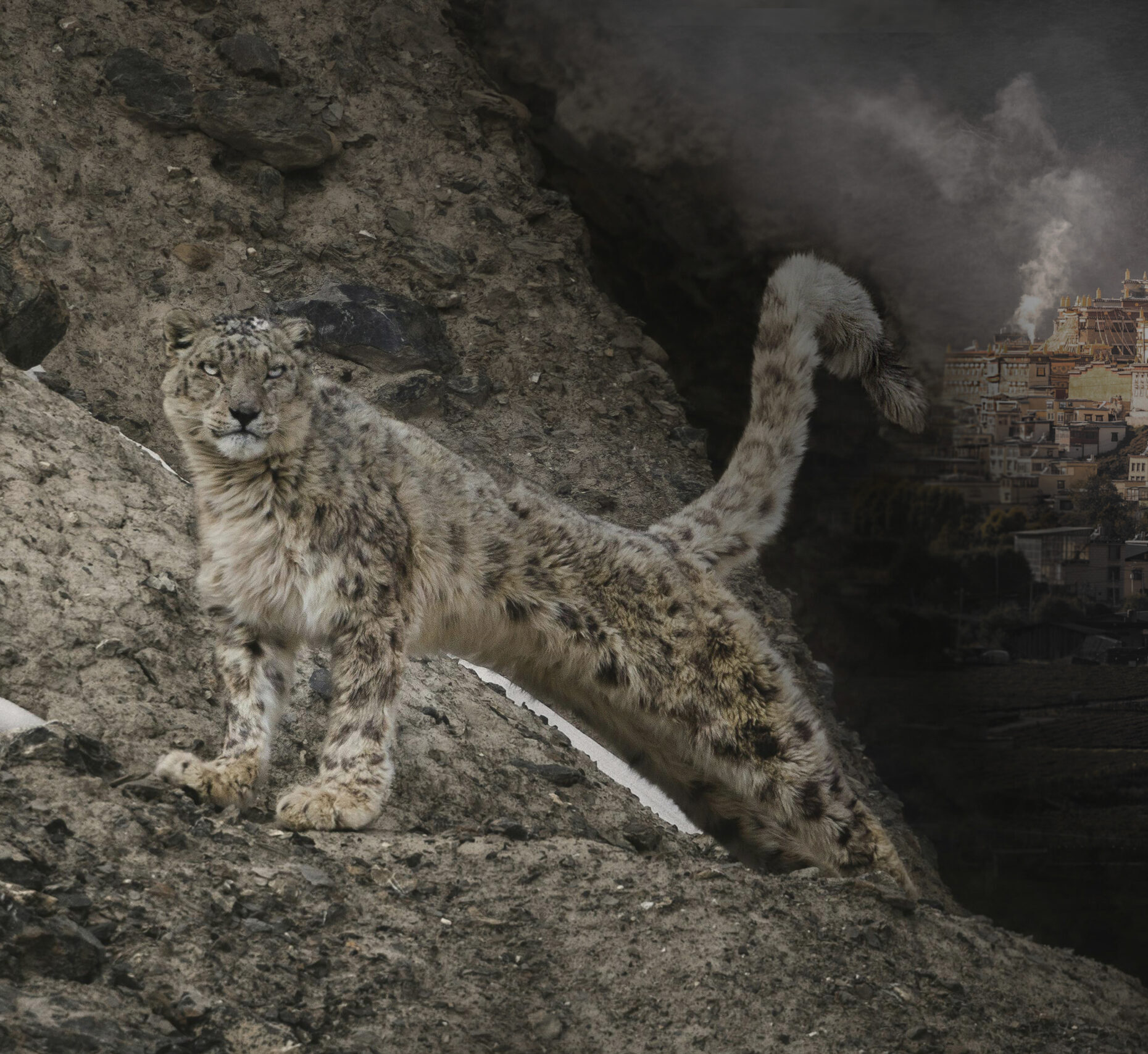
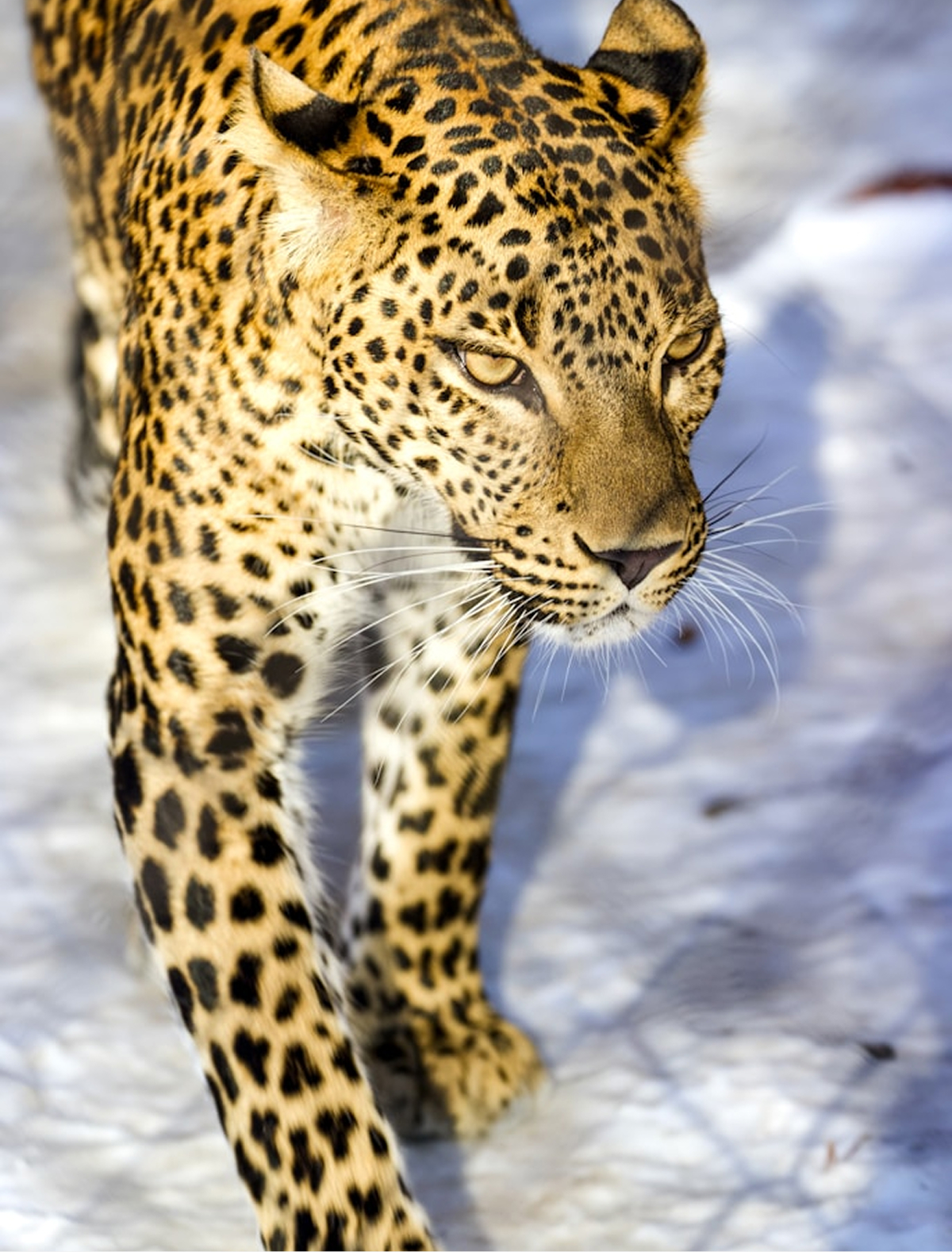
China is home to the world’s largest population of snow leopards.
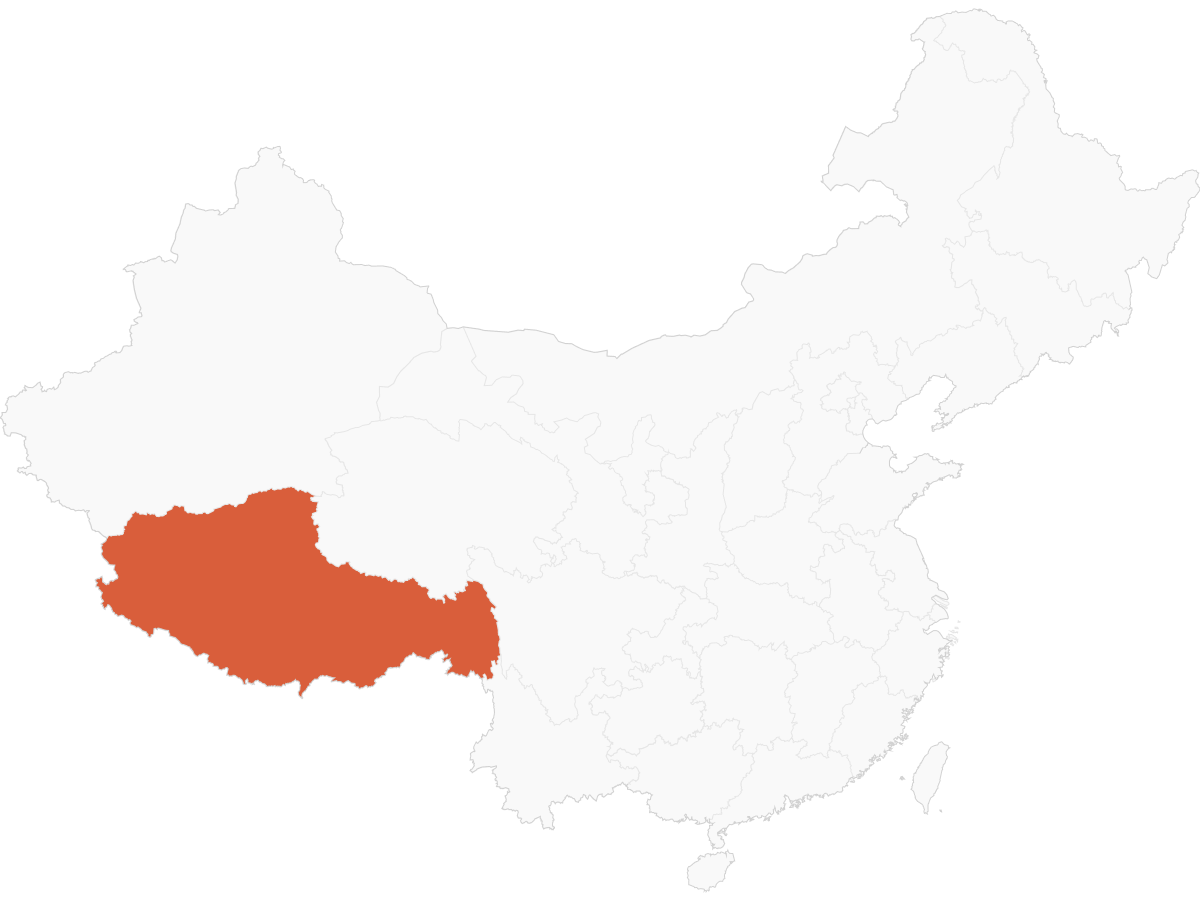
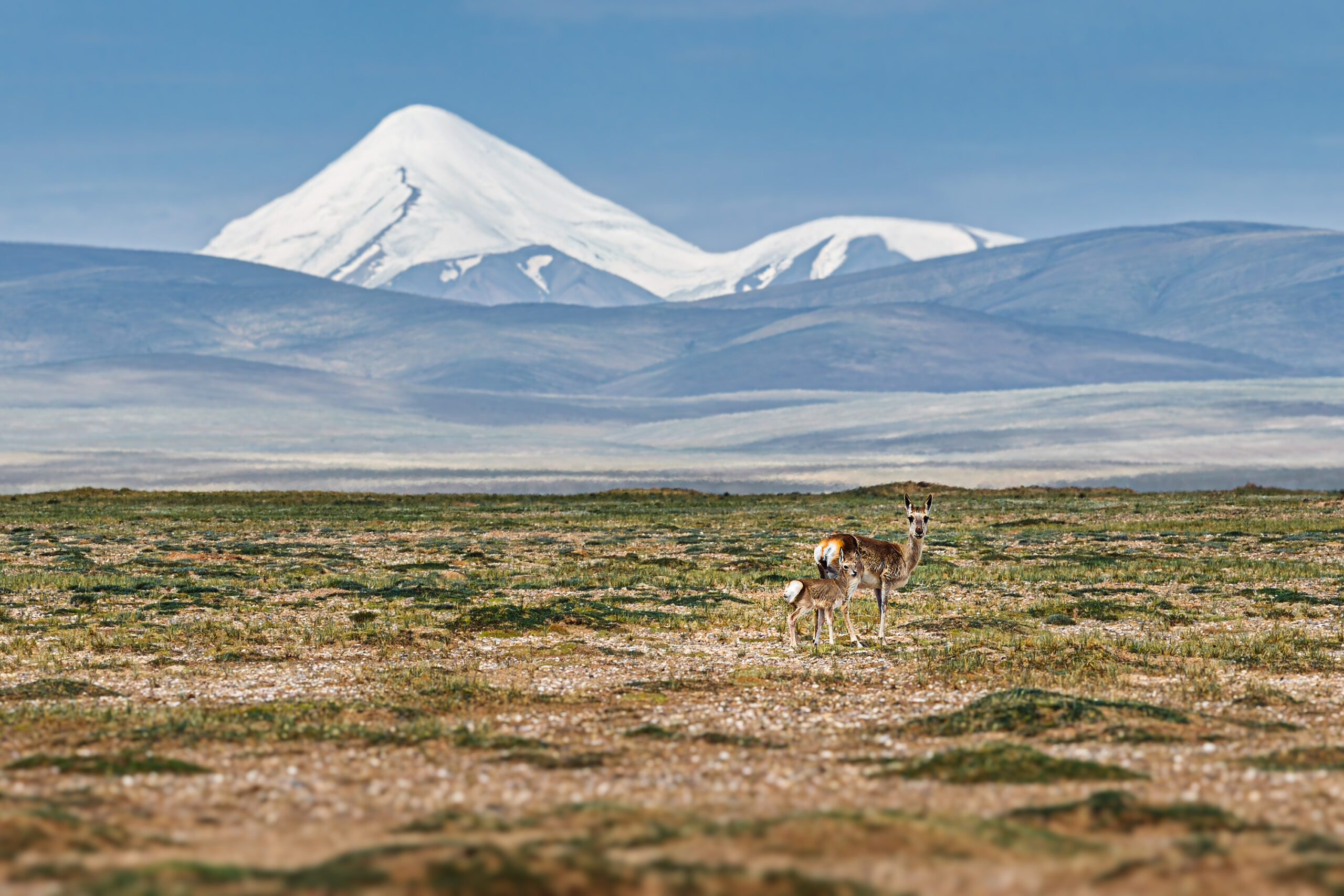
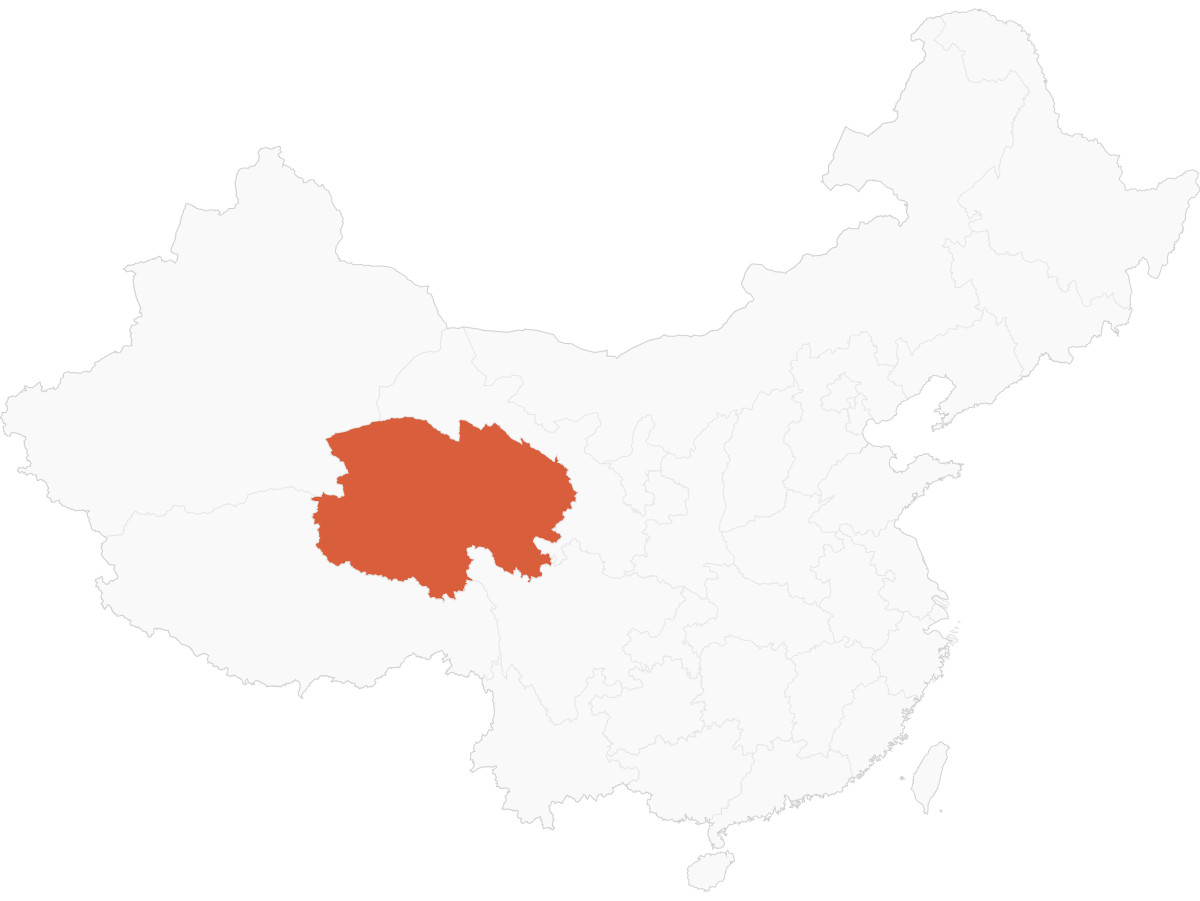
Our destination, Dulan, lies deep within the heart of the Tibetan Plateau, a remote highland ecosystem rich in wildlife. It is one of the very few places in China where snow leopards, Pallas’s cats, and Eurasian lynxes can all be found in the same landscape. For photographers, this is a place where miracles can happen, a spot that has given rise to many award-winning wildlife photographs.
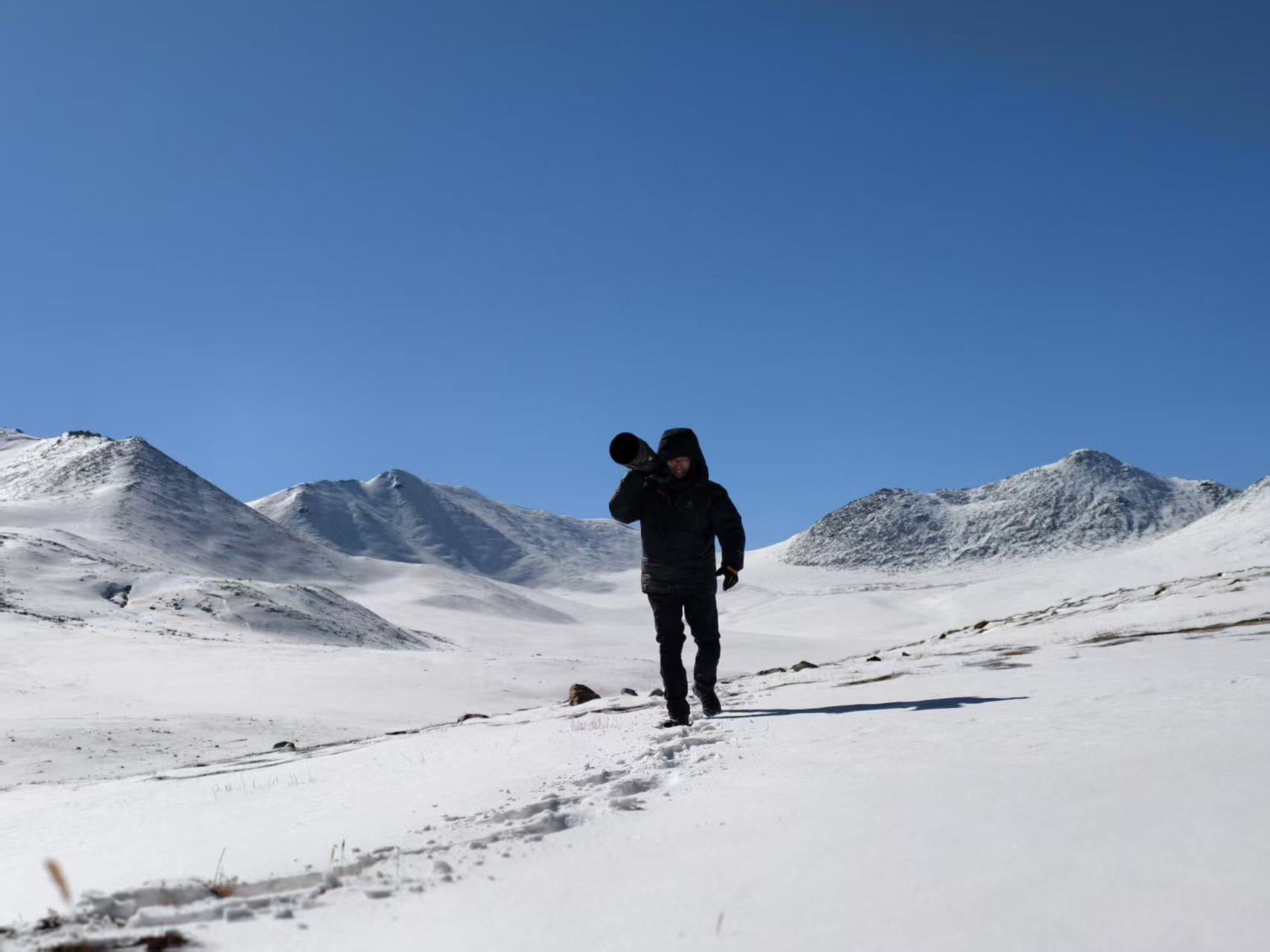
Guided by Eastogo’s expert team, combining a professional wildlife photographer who has captured snow leopards over 100 times at close range, and a locally based conservation guide who has monitored snow leopards, Pallas’s cats, and lynxes here for nearly ten years.
This 12-day journey is purpose-built for photographers and big-cat enthusiasts. The focus is not just on sightings, but on maximizing your chances of creating exceptional images. Beyond the three iconic cats, the pristine wilderness may also reveal wolves, Tibetan gazelles, blue sheep, plateau pikas, Himalayan vultures, upland buzzards, and little owls.
Journey Highlights
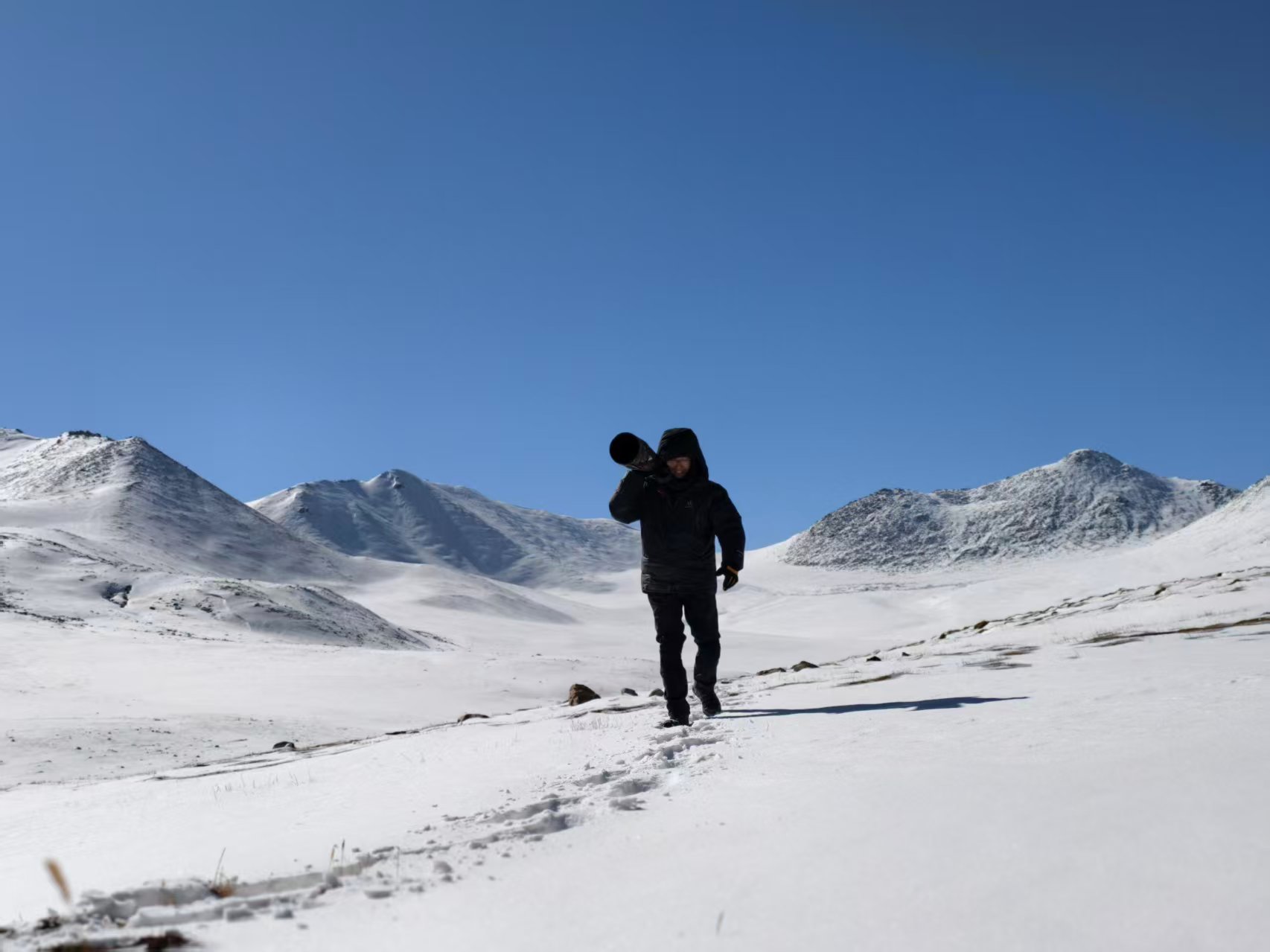
A journey built for wildlife photographers: Led by an award-winning professional wildlife photographer and a local conservation guide with nearly a decade of experience monitoring big cats, maximizing your chances of photographing snow leopards and other high-altitude wildlife.
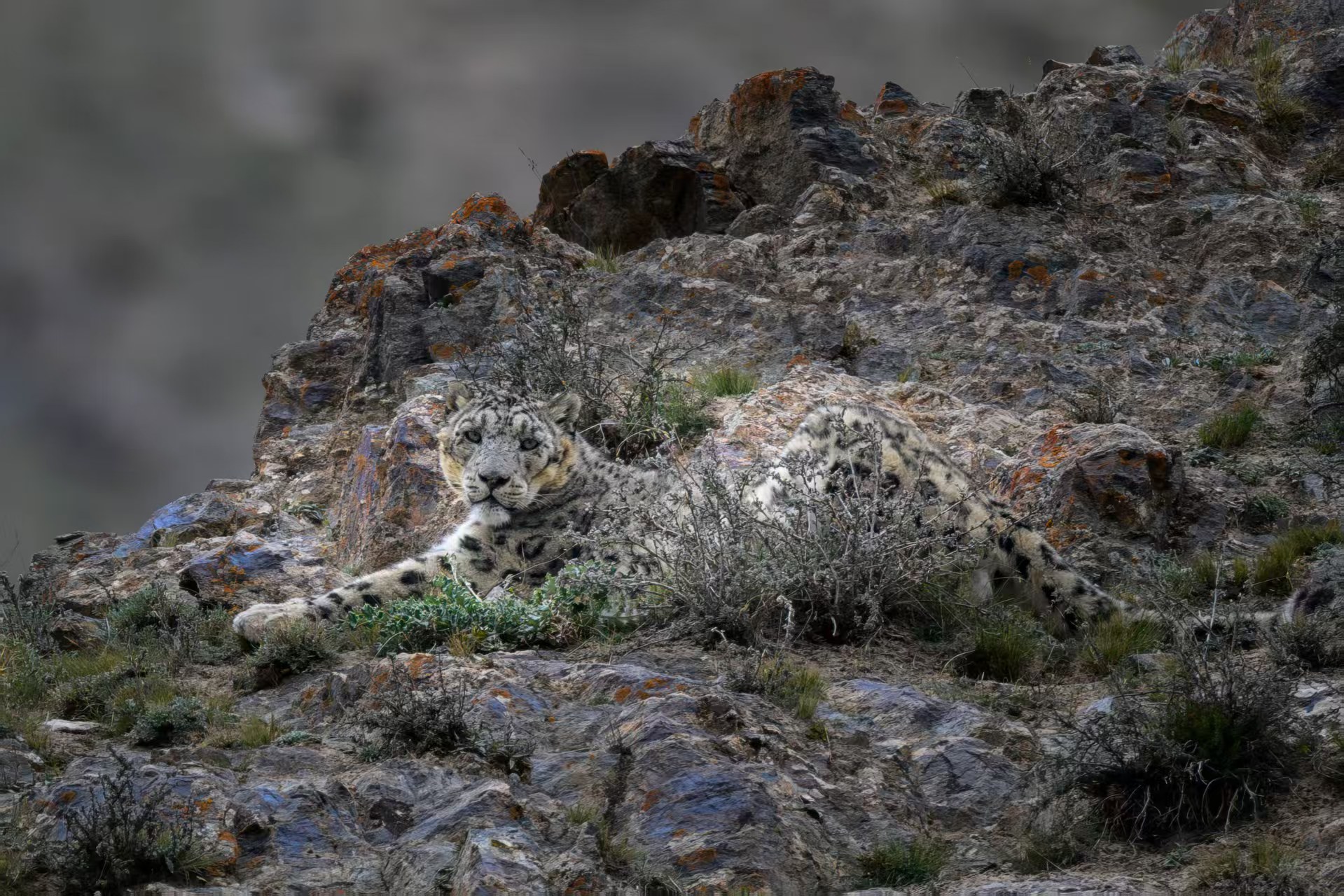
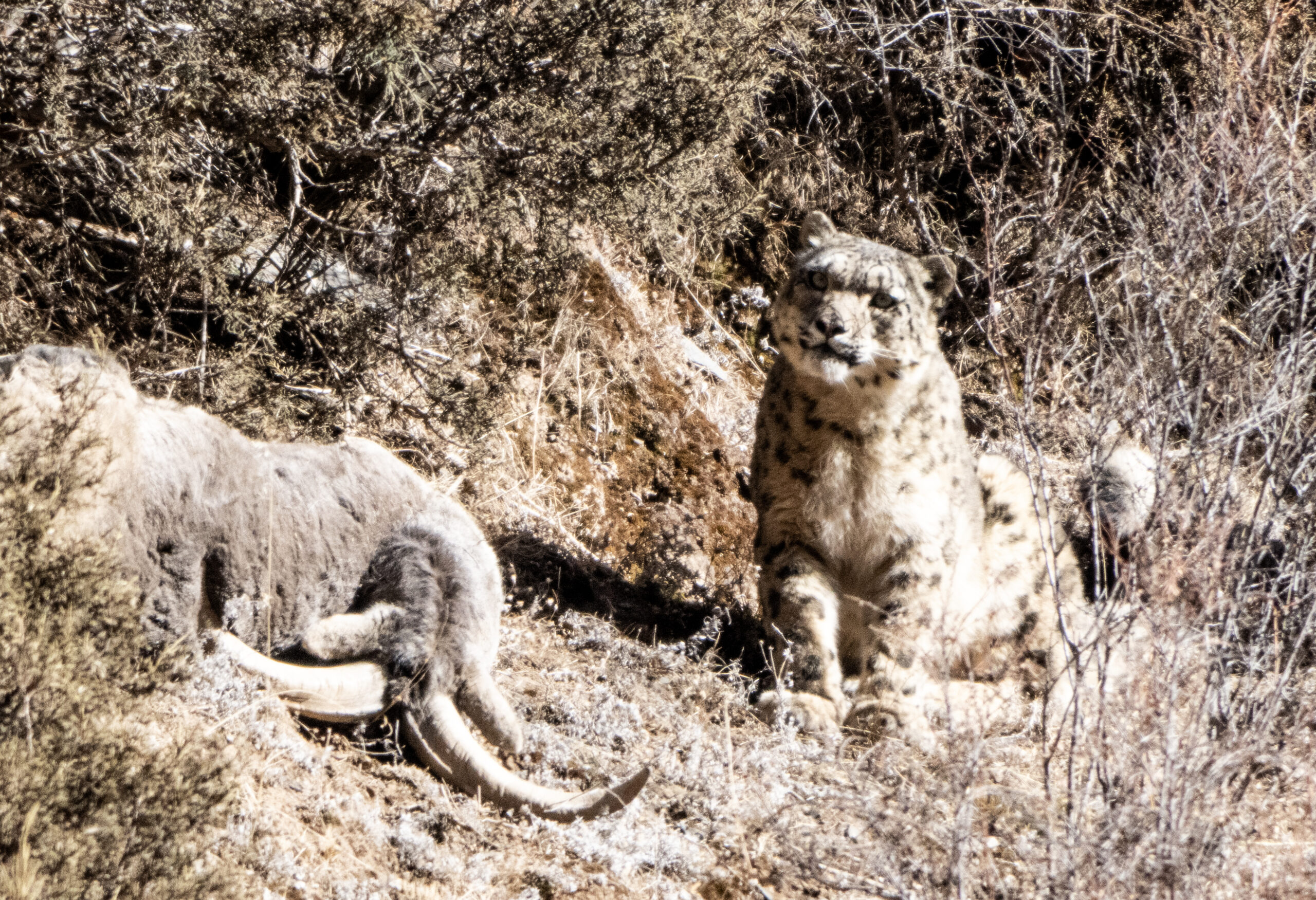
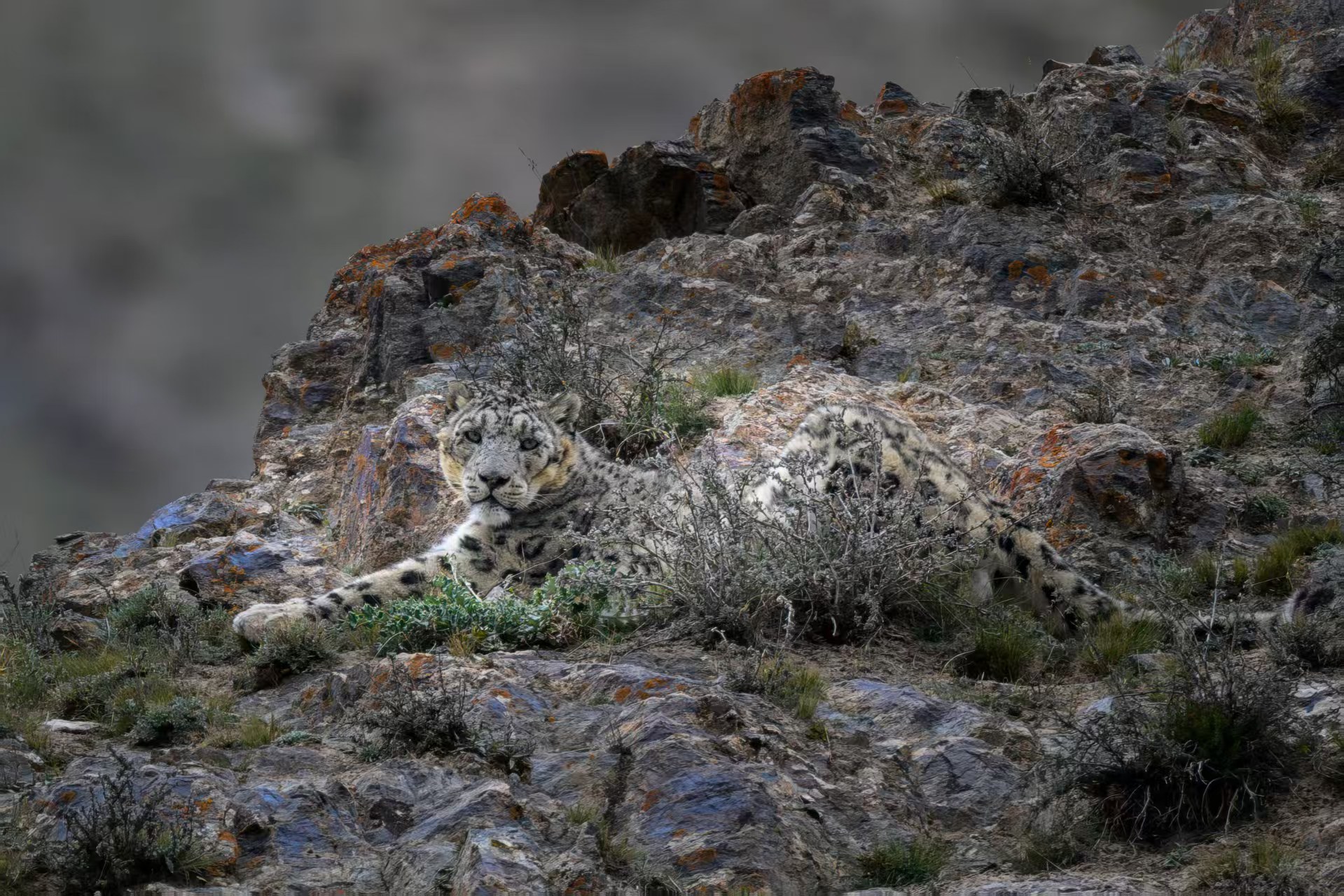
Snow Leopard up close: Our local guide closely monitors resident snow leopard families in the observation area, with deep knowledge of their behavior, significantly increasing the likelihood of encounters while maintaining a responsible photography distance of 200–500 meters.
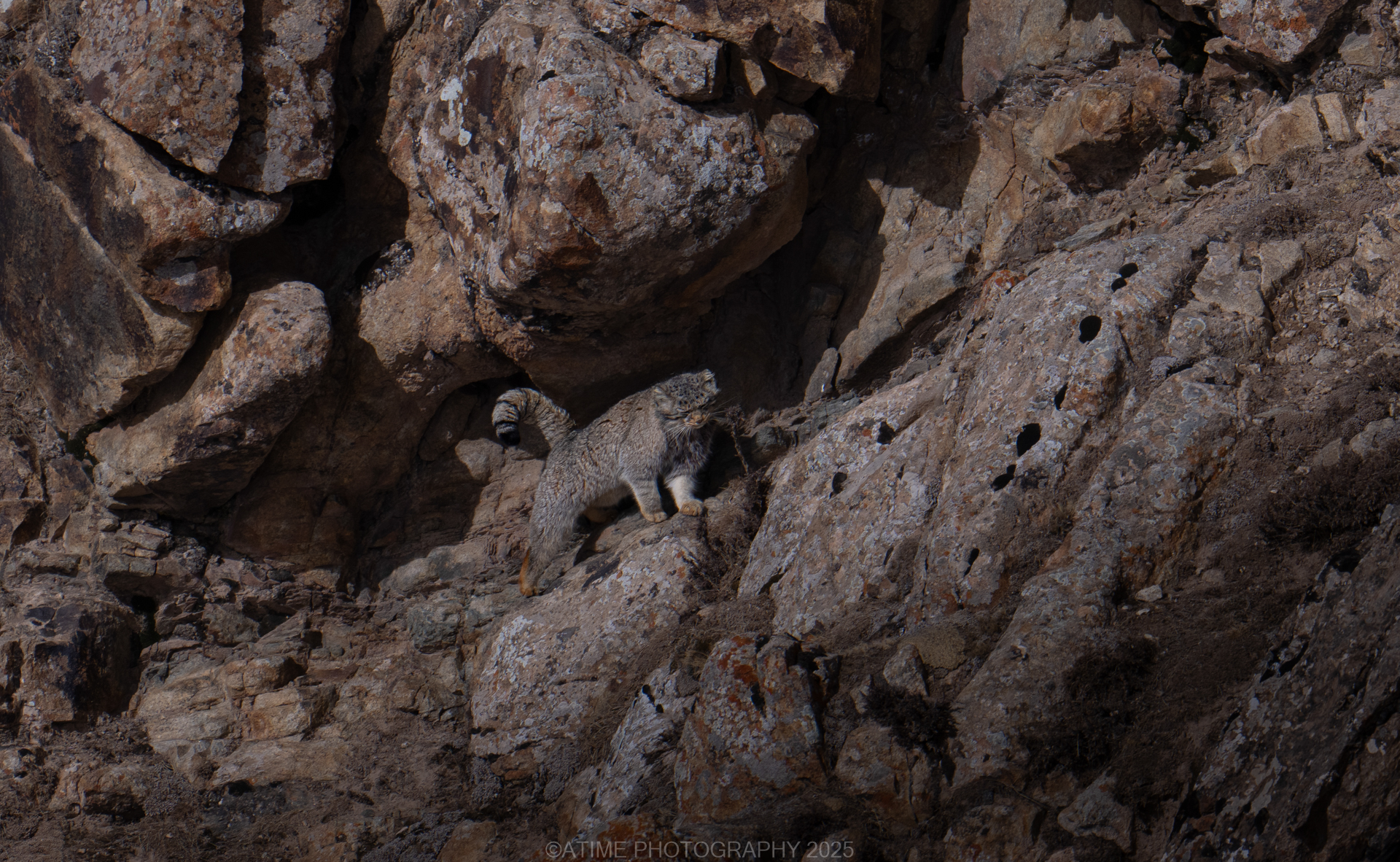
Snow Leopard, Palla’s Cat and Lynx: We venture deep into the core habitats of Eurasian lynx and Palla’s cat, maximizing your chances of photographing all three iconic high-altitude cats within a single journey.
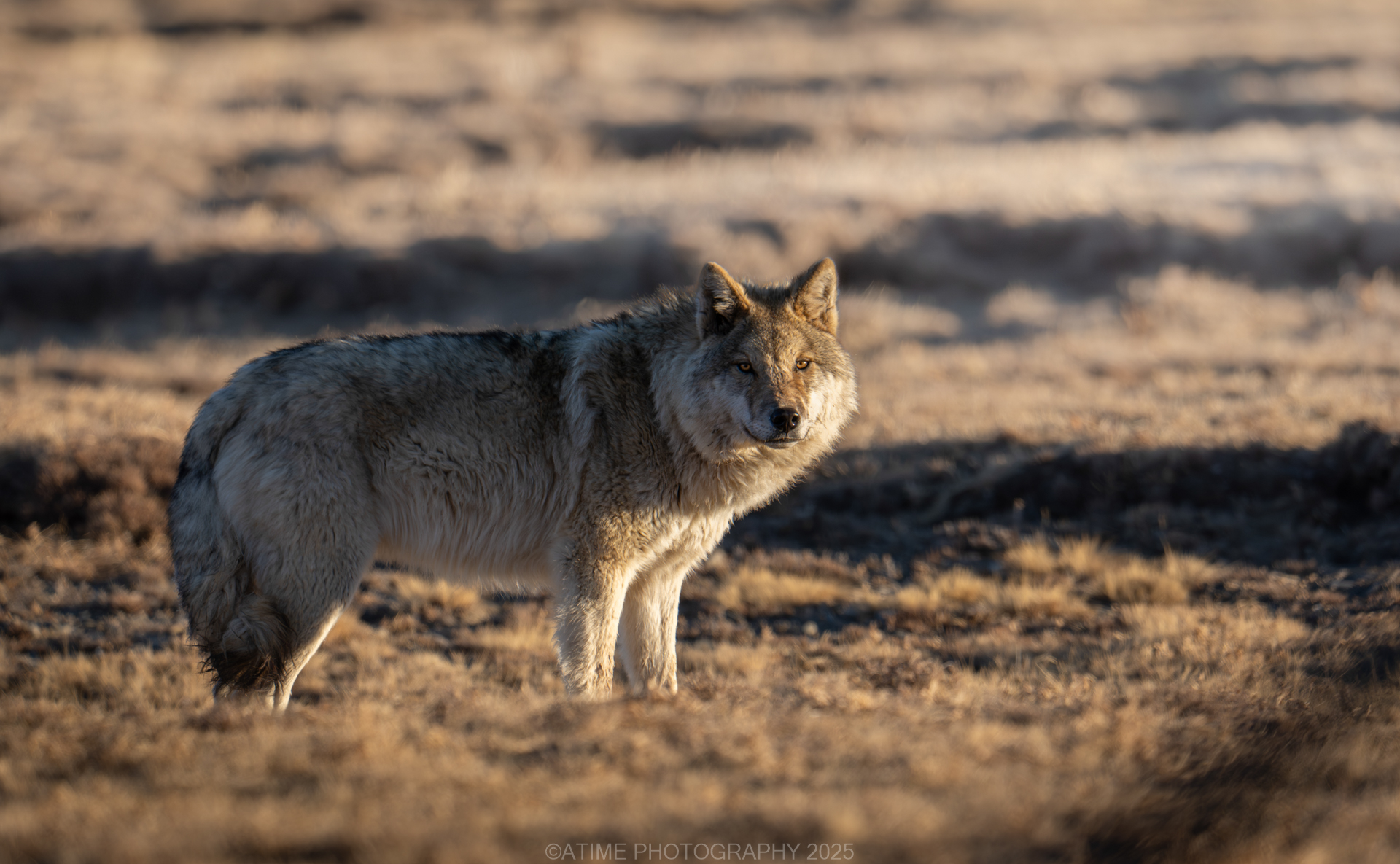
Country with the world’s largest snow leopard population: China is home to an estimated 2,000–2,500 snow leopards. This 12-day expedition also offers outstanding opportunities to observe Tibetan foxes, blue sheep, wolves, and other iconic high-altitude wildlife.
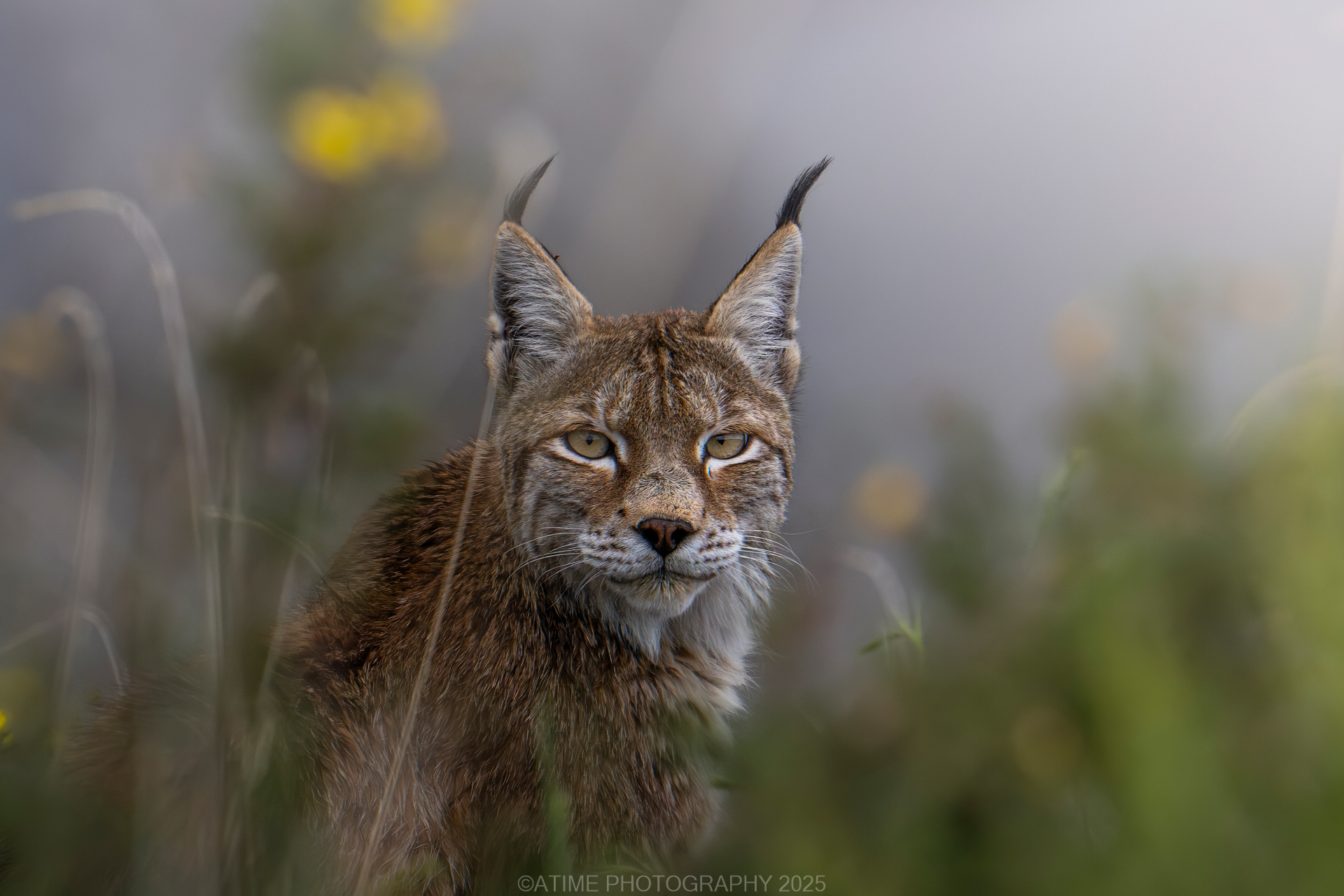
Expert Post-Processing Included: Each guest receives five professionally edited images, personally retouched by our award-winning photographer-guide.
Day-by-day Itinerary
Arrival in Xining
The guide will be waiting for you at the hotel to welcome you. To minimise your waiting time, each guest will have a dedicated airport pick-up service. The driver at the airport is our designated transfer driver and is responsible solely for the airport pick-up.
In the evening, a welcome dinner will be arranged, followed by a comprehensive expedition briefing covering the shooting plan, target species, daily workflow, and field photography considerations.
Xining – Xiangride Town
Around 09:00, depart from the hotel in Xining and head to Xiangride. Arrive at hotel at about 17:00.
Xiangride Town – Dulan
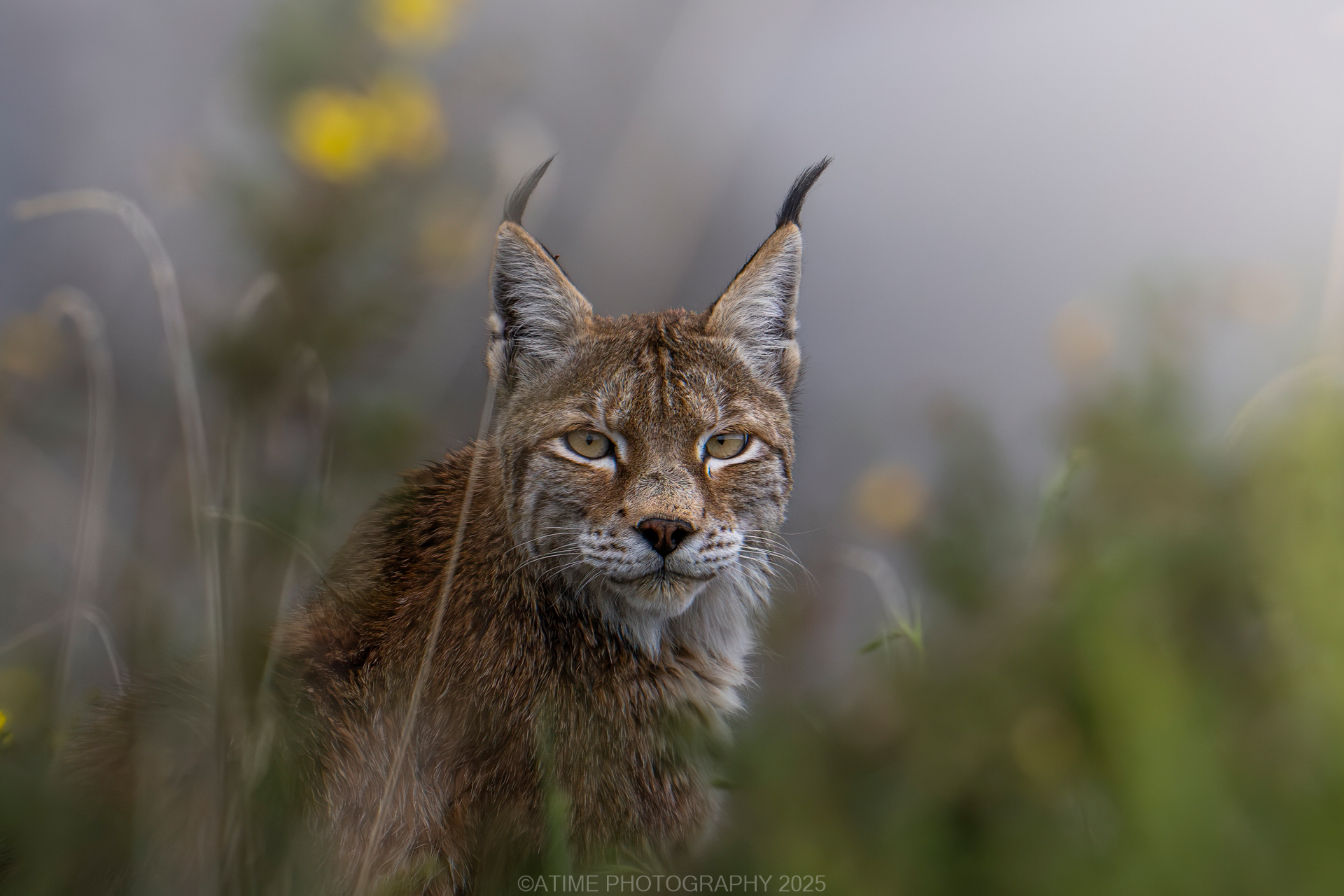
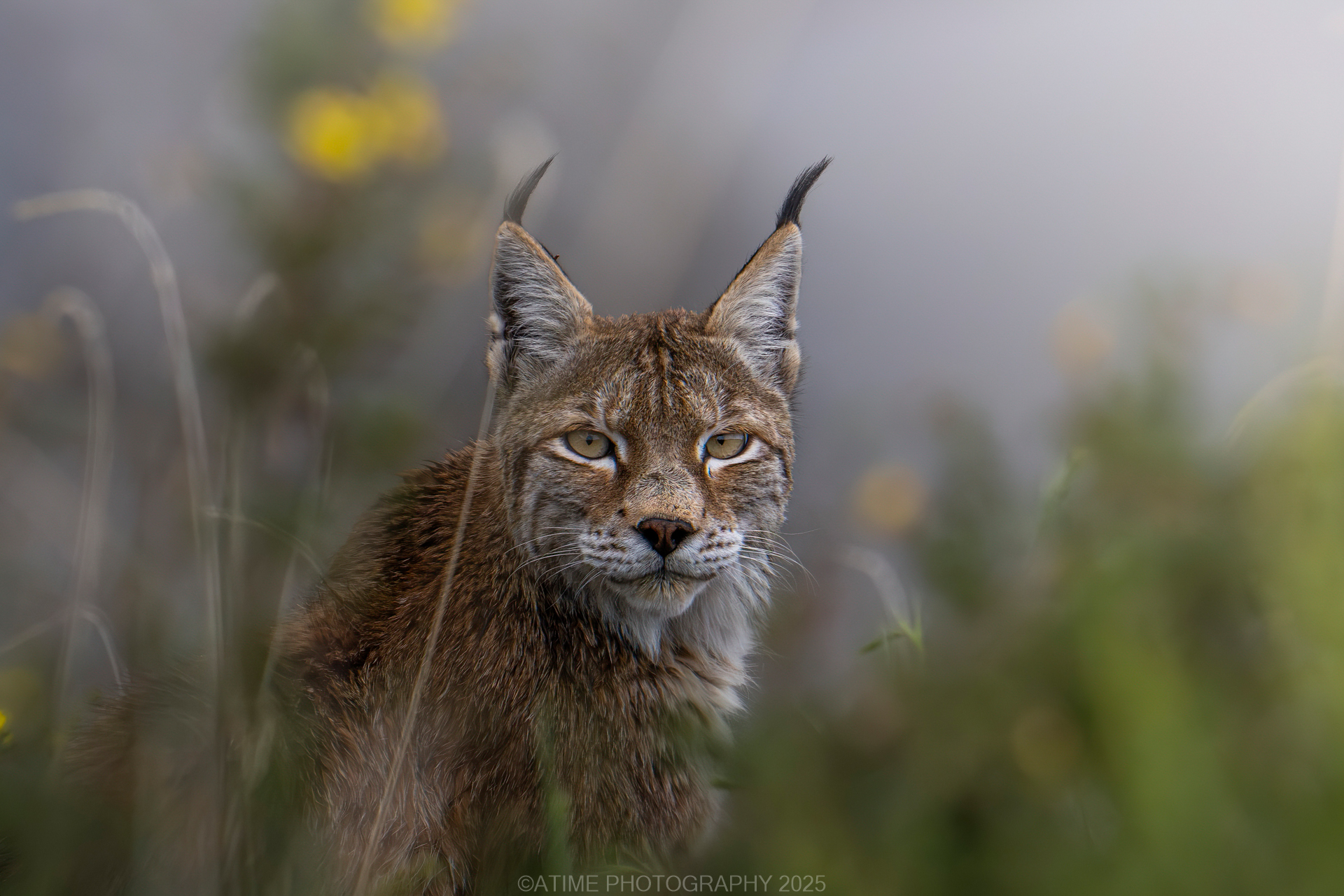
Early in the morning, we depart from Xiangride and enter the Dulan Nature Reserve to begin a full day of wildlife observation. This period is particularly active for Eurasian lynx, and roadside encounters are possible as they move through their hunting grounds.
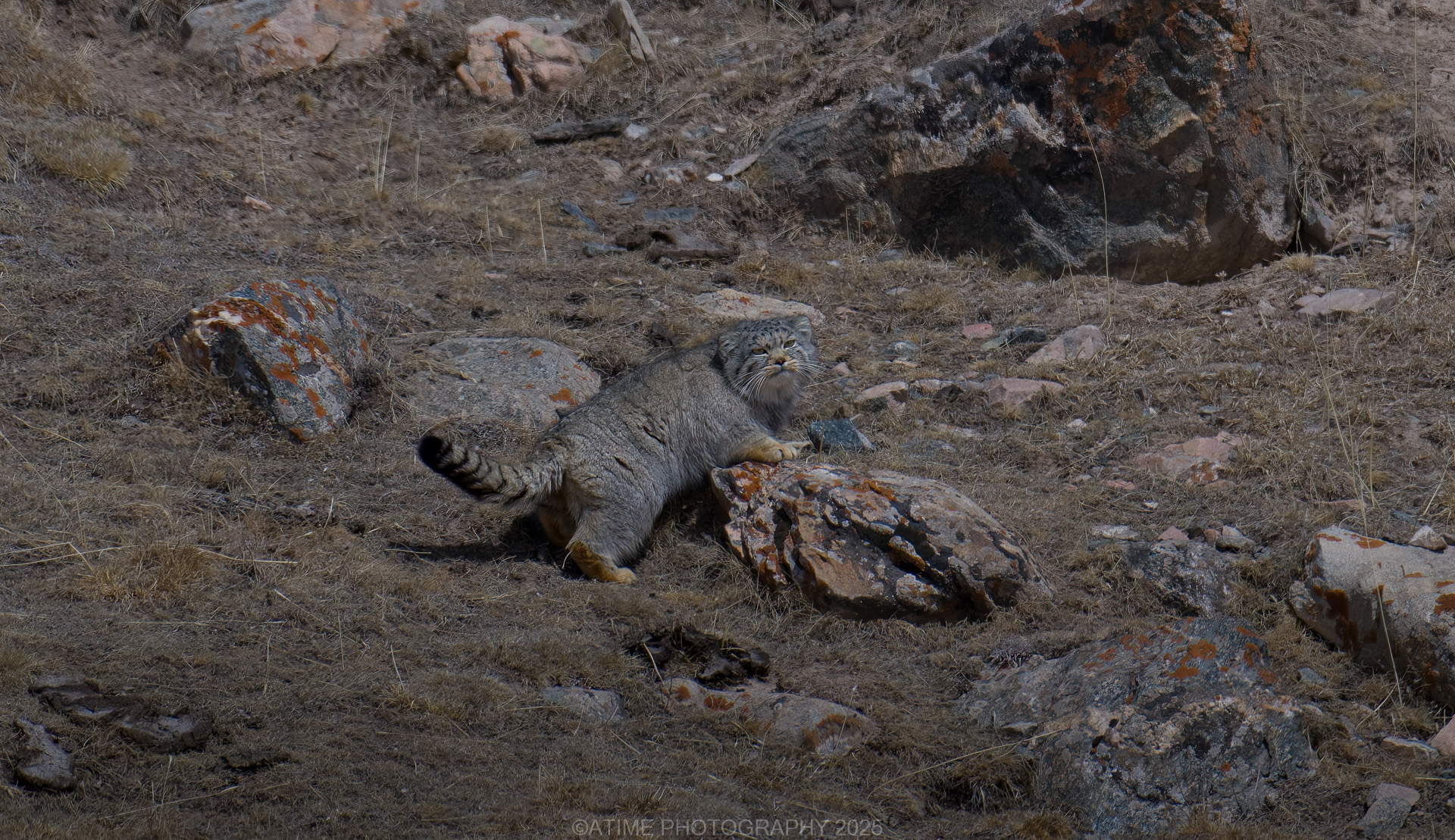
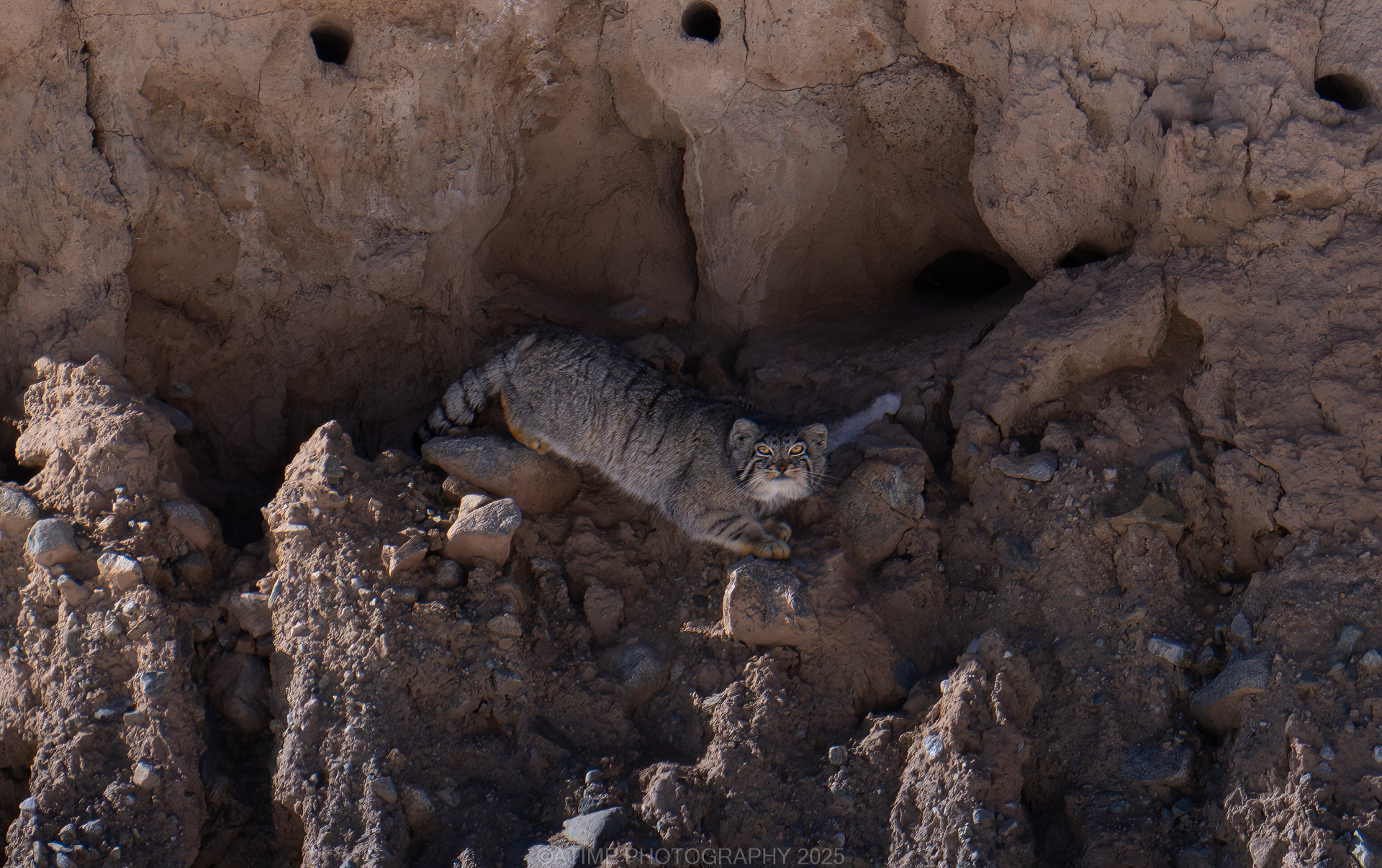
As daylight increases, we continue along mountain roads, stopping at several known Pallas’s cat burrow areas. These observations require patience and discretion, as Pallas’s cats are extremely alert and cautious. When conditions allow, fresh snowfall also enables us to track animal movements through footprints, offering valuable insight into recent activity.
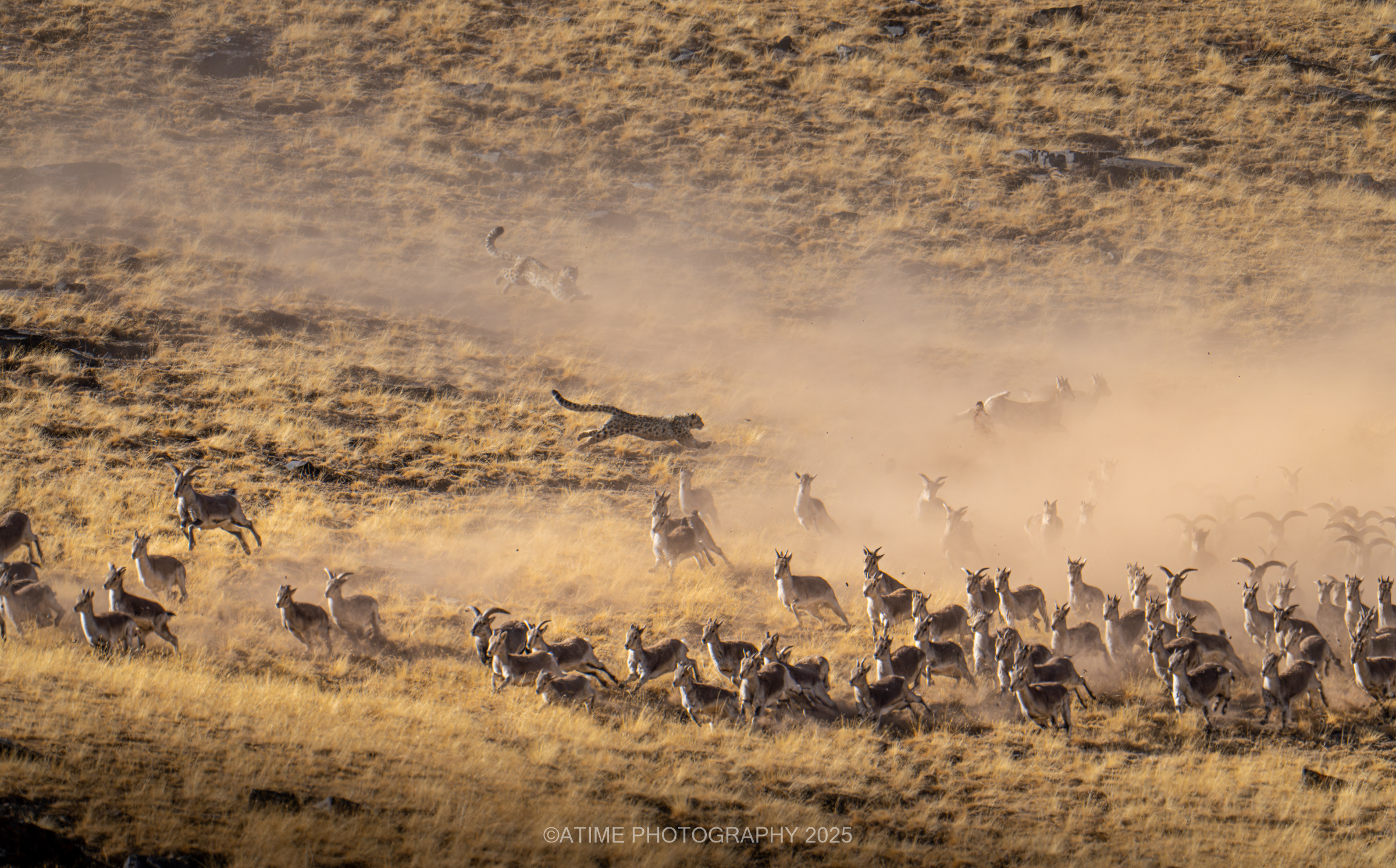
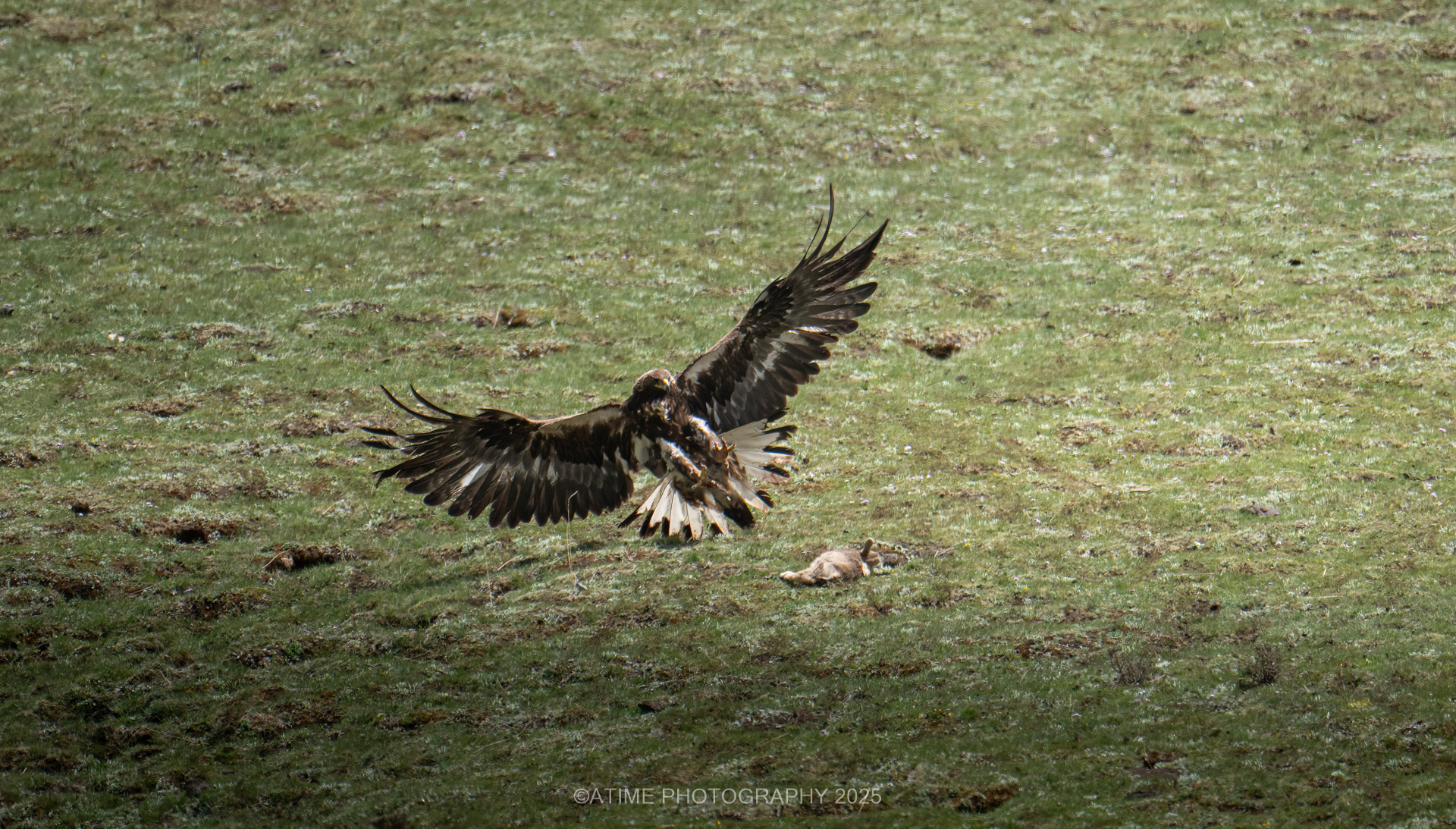
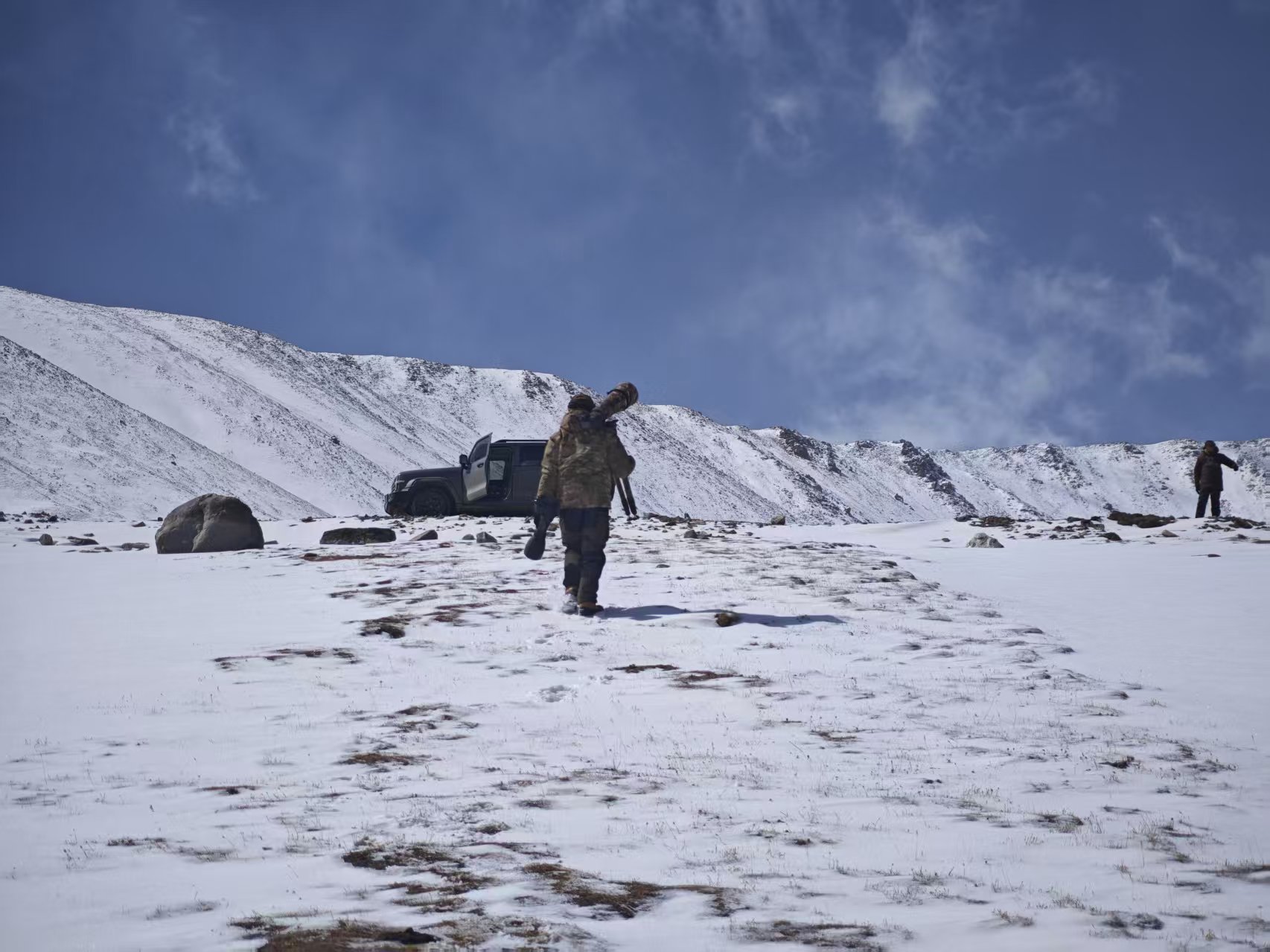
Throughout the day, our primary focus remains on locating the snow leopard, the apex predator of the plateau. Indicator species such as Himalayan vultures, upland buzzards, crows, and black-rumped magpies, along with herds of blue sheep, often signal snow leopard presence. If a snow leopard is located, we may leave the vehicle and walk to a more suitable photographic position. On rare occasions, sightings may include a female accompanied by cubs.
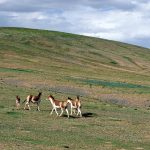
Along the route, we may also encounter other key plateau species, including wolves and Tibetan gazelles, which frequently move across the open landscape.
Midday, we return to the conservation station for lunch before heading back into the field. In the late afternoon, Eurasian lynx become active again, and we revisit their habitat before returning to Xiangride in the evening.
Target Species: Snow Leopard(雪豹)、Pallas’s Cat(兔狲)、Eurasian Lynx(猞猁)、Tibetan Gazelle(藏原羚)、Tibetan Fox(藏狐)、Wolf(狼)、Plateau Pika(鼠兔)、Little Owl(纵纹腹小鸮)、Upland Buzzard(大鵟)、Himalayan Vulture(高山兀鹫)、Golden Eagle(金雕)
Xiangride Town – Xining
Today we return to Xining after breakfast. We will arrive at the hotel at around 17:00.
Xining Departure
Your guide will see you off in the hotel lobby. Guests departing on flights or trains around the same time will share a transfer to the airport or railway station.

Interested in a similar itinerary but want to Travel Privately?
Our Travel Experts are here to craft your perfect tailormade holiday.
Featured Stays
Accommodation is widely available in cities, while options near the observation areas are limited and carefully selected. As the sites are located in remote mountain terrain, there are no hotels or guesthouses nearby, and daily field access requires approximately 2 hours of round-trip driving.




Hampton Hotel




Jinxiang Hotel
Inclusions & Offers
Dates & Prices
Best time to visit
Traveler Reviews












FAQs
Can we definitely see snow leopards?
There’s never a 100% guarantee when observing wildlife. Snow leopards are wild animals, and are used to traversing freely in the highland environment. However, we’ve selected multiple high-probability locations, scheduled multiple attempts, and coordinated with local villagers who scout in advance to maximise your chances of seeing a snow leopard.
Which airport should I fly to? What is the airport code?
Xining has only one international airport: Xining Caojiabao International Airport (IATA: XNN).
How far will we be from the wildlife?
Snow Leopard: Typically observed at distances of 200–500 m. In very lucky situations, an individual may appear as close as 10 m by the roadside. In other cases, sightings may occur on distant ridgelines at around 500 m.
Other Animals: Pallas’s cats are usually observed at distances of 100–200 m. In rare and fortunate cases, sightings may be as close as 60–80 m. As they are extremely shy, all approaches must be made with great caution.
Each group is provided with two spare binoculars. We strongly recommend bringing your own binoculars suggested 8×42 or 10×42.
Recommended Equipment for Photographing Snow Leopards
Use a camera system you are familiar with and carry sufficient spare batteries.
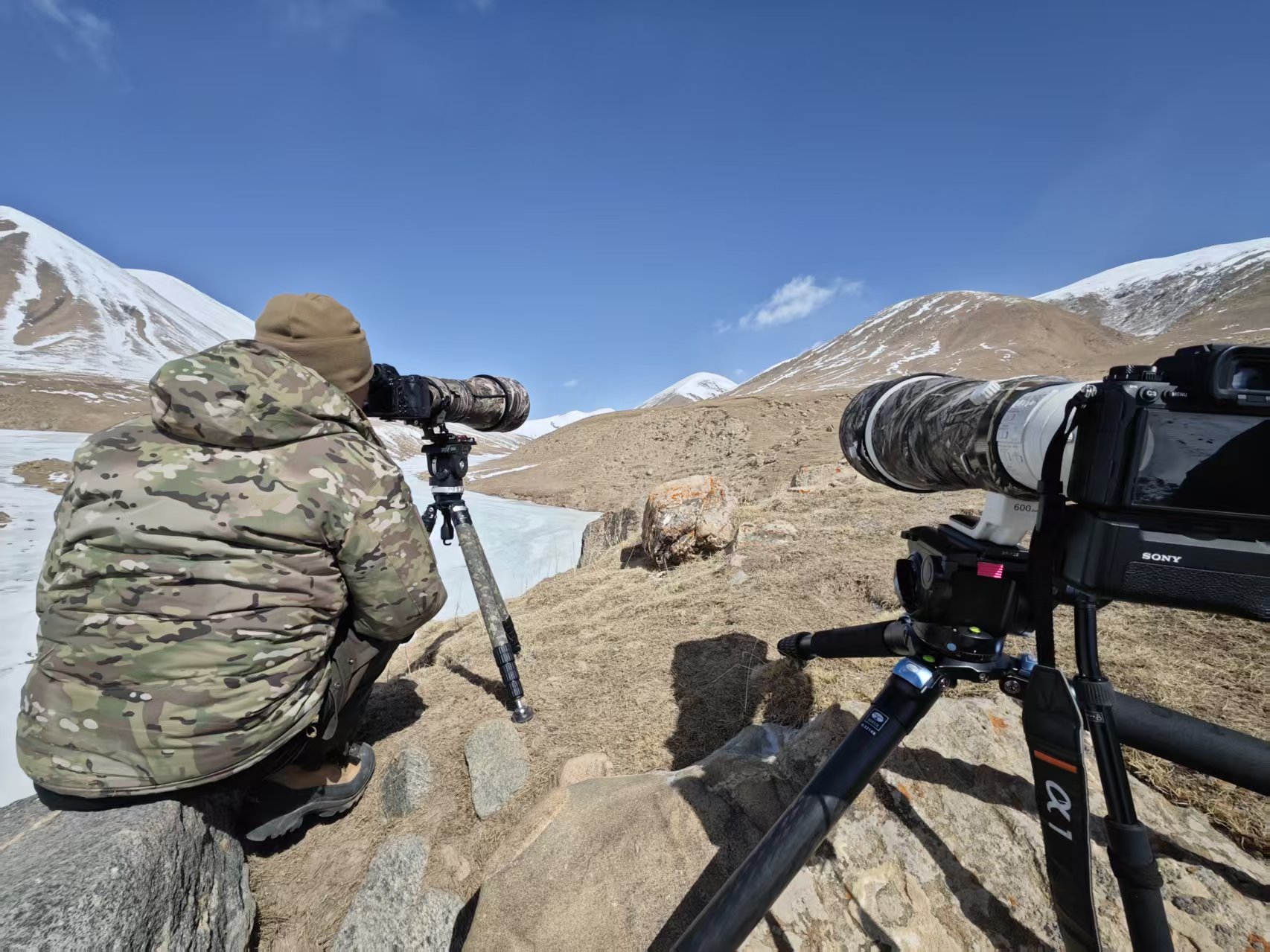
Primary setup: A 600mm prime lens, or an 800mm prime lens with a 1.4× teleconverter.
Recommended: Dual camera bodies. For backup lenses, a 70–200mm or 100–400mm zoom works well.
Please also bring a stable tripod with a gimbal head.
Guests with specialised or professional shooting plans are encouraged to contact our customer service team in advance. We will coordinate with the guide to provide tailored equipment advice.
When is the best season to observe snow leopards?
Snow leopards are highly sensitive to heat. During colder months, they descend to lower elevations, making sightings more likely. In warmer seasons, they retreat to higher altitudes, which makes observation much more difficult. The highest probability of sightings occurs in late January and February, during their mating season.
However, this also coincides with the harshest conditions—temperatures can drop below -30°C, and oxygen levels are significantly lower, which increases the risk of altitude sickness.
As an alternative, we recommend November or as early as April, when the probability of sightings still ranges from 60–80%. For most travelers and wildlife photographers, we suggest October and November as the ideal months. The climate is more stable, snow leopards are active at more accessible altitudes, and conditions are generally more comfortable for travel and observation.
How far will we need to hike?
Hiking Made Easy Don’t worry if you’re new to hiking — our journey is designed to be comfortable and beginner-friendly. Each day’s walk is no more than 4 hours, along a mix of roads, trails, and gentle mountain paths. With just basic outdoor gear, you’ll be ready to go. And rest assured, our experienced guides are by your side the whole way, ensuring a safe and enjoyable adventure at high altitude.
What altitudes should I expect?
The journey ranges from 2,261 to 4,700 meters above sea level. We will arrange one night in Xining (2,661m) for acclimatization. If time allows, you may adapt at this city for 1–2 days before arriving. Our team is experienced in managing altitude sickness, and our local guides hold Emergency First Response first aid certification. Please inform your guide immediately of any discomfort during the journey, as safety is our top priority. In the case of serious symptoms, the route may be adjusted or the trip shortened accordingly.
Wildlife Highlights by Season
Snow leopard – Best observed in late January – February during mating season.
Palla’s cat and Erusian Lynx – Best observed in February –April during mating season.
Marmot & Tibetan blue bear – Hibernate in winter, visible again in warmer months about May-September.
Bearded & Himalayan vultures – Widely distributed, easy to spot year-round.
Wolf – Harder to see in summer (often hidden in valleys), more visible in spring, autumn, and winter on grasslands or roadsides.
Blue sheep & Tibetan gazelle – High probability of sightings in every season.
White-lipped deer – Little to no distribution in this area.
Can drones be used?
Drones are not allowed inside the reserves. Please follow your guide’s instructions.
What kit do I need?
Please bring shoes that are comfortable for walking outdoors and also waterproof. We’re always happy to provide further advice and recommendations. Each group is provided with two spare binoculars. We strongly recommend bringing your own binoculars, suggested 8×42 or 10×42.
What is the age limit for joining the Snow Leopard expedition?
For safety and comfort considerations at high altitude, the recommended age range is 10 to 70 years old. Participants outside this range may still join, but a doctor’s certificate of good health and prior approval from the organizer are required.
What are the visa requirements?
Please check your country’s visa requirements for travelling to China. If you are from a visa-exempt country, you will have a 15/30-day visa-free stay. Our trip lasts no more than 13 days, leaving plenty of time for departure. If you wish to stay longer than 15 days, please apply for a visa in advance.