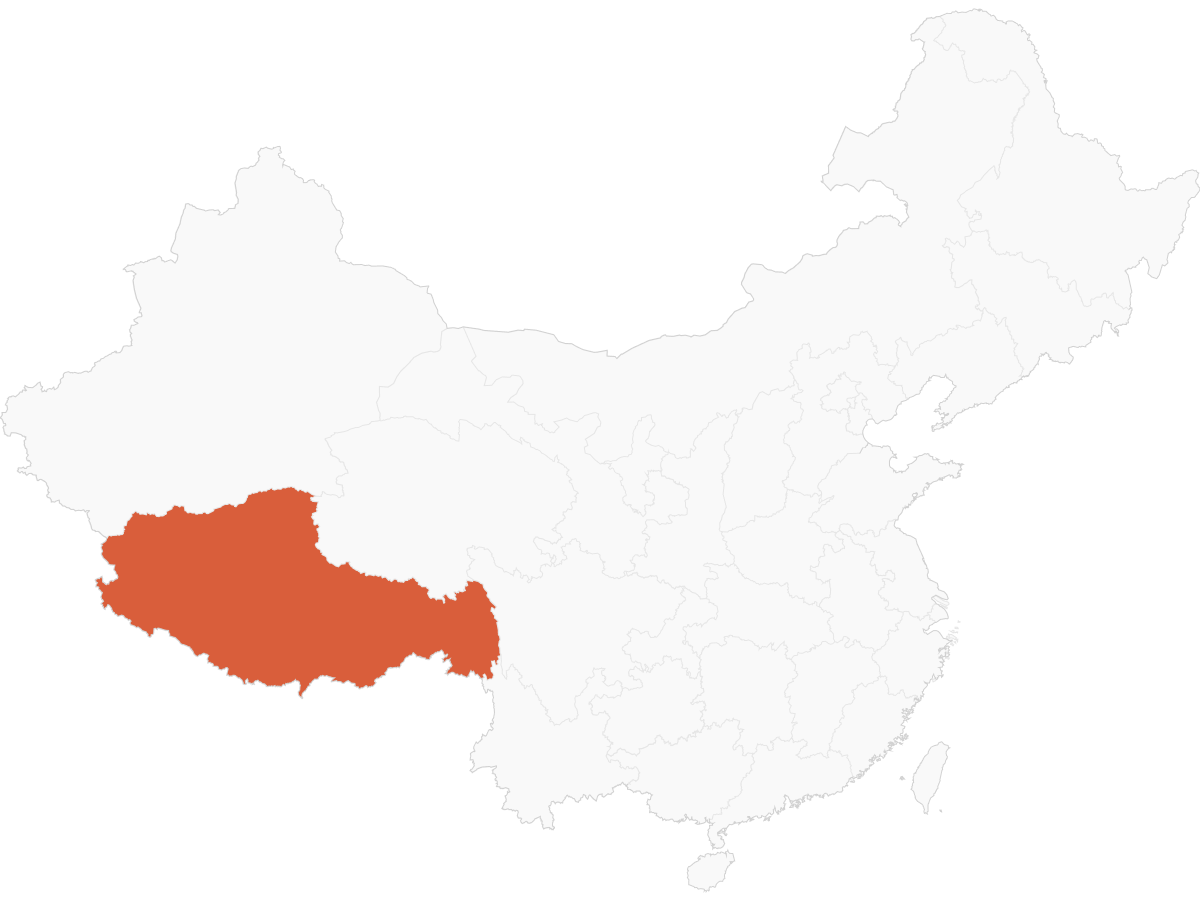
Tibet: Life & Faith on the Plateau
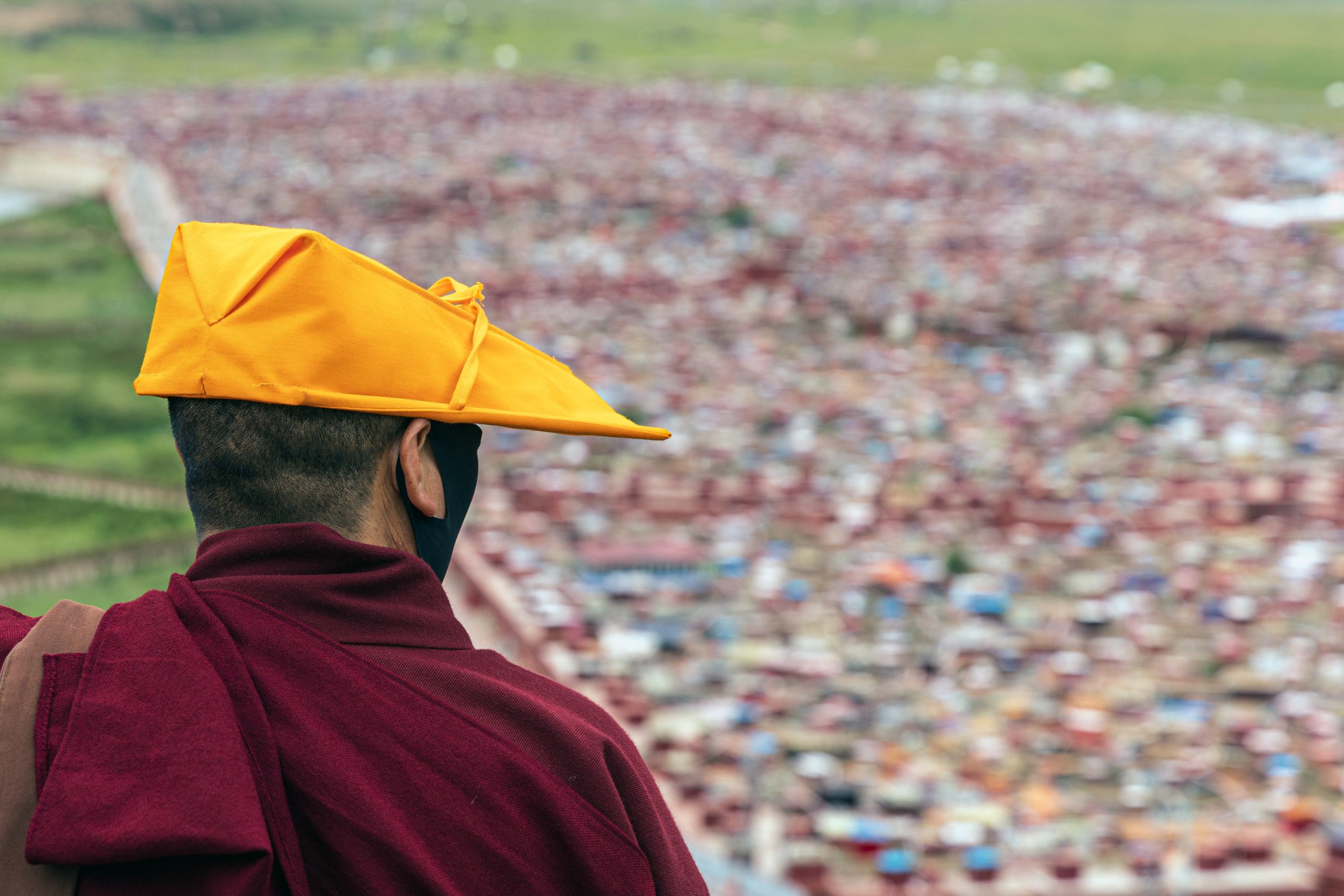
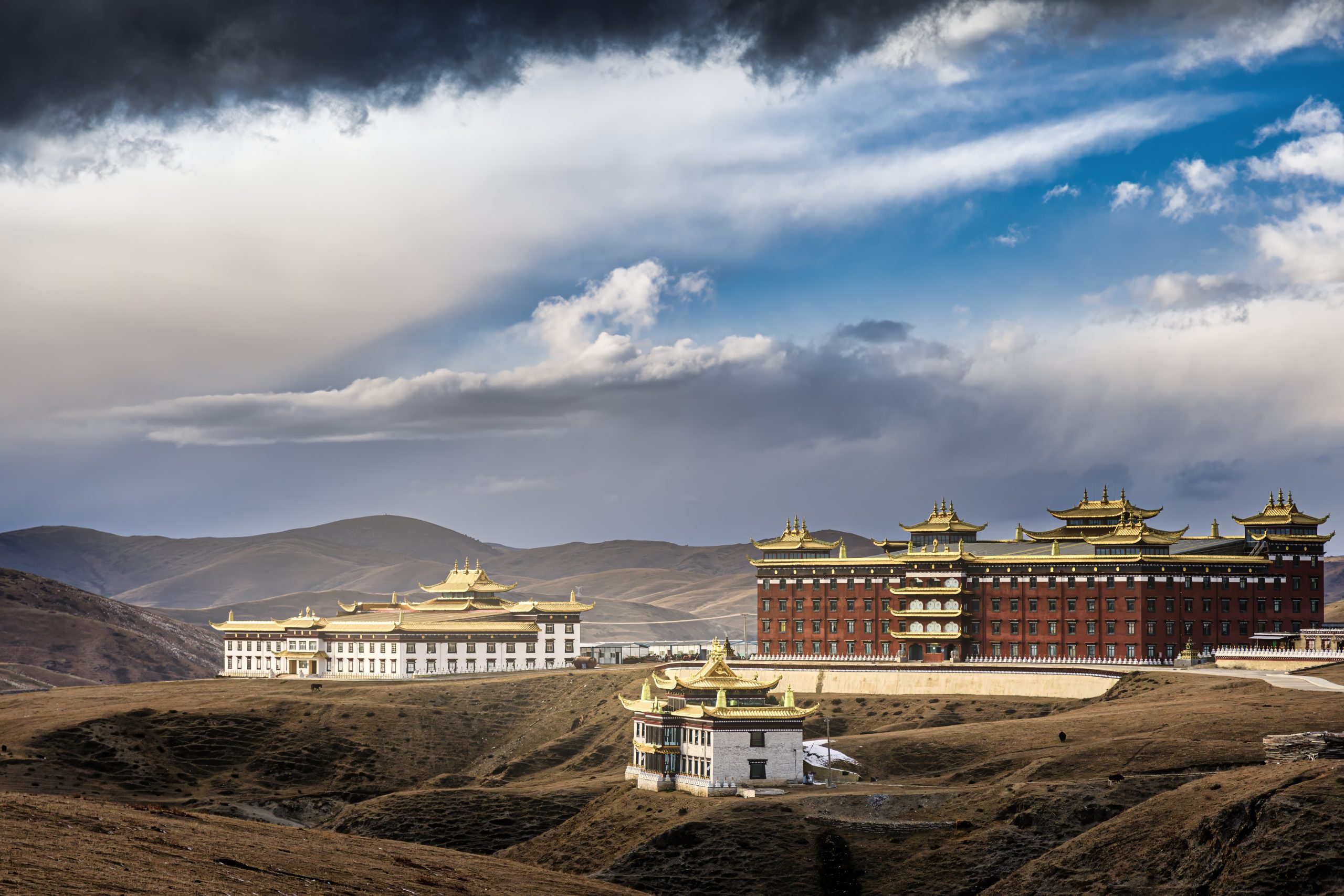
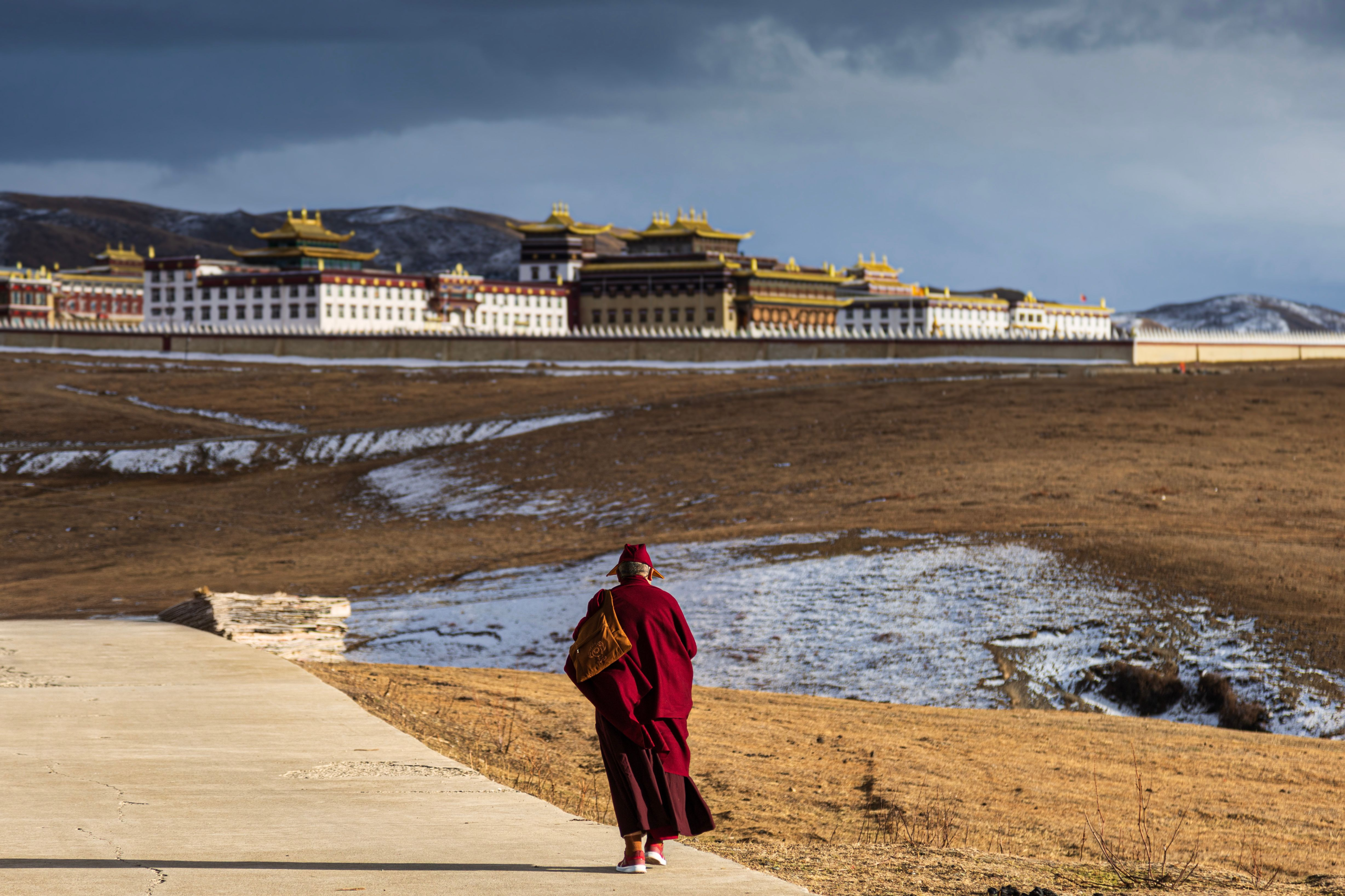
Tibet, one of the most spiritual places on Earth, is where faith shapes daily life and landscapes are inseparable from belief itself. Buddhism here is not something observed from a distance — it is lived, woven into every pilgrimage, whispered prayer, and turn of a prayer wheel.
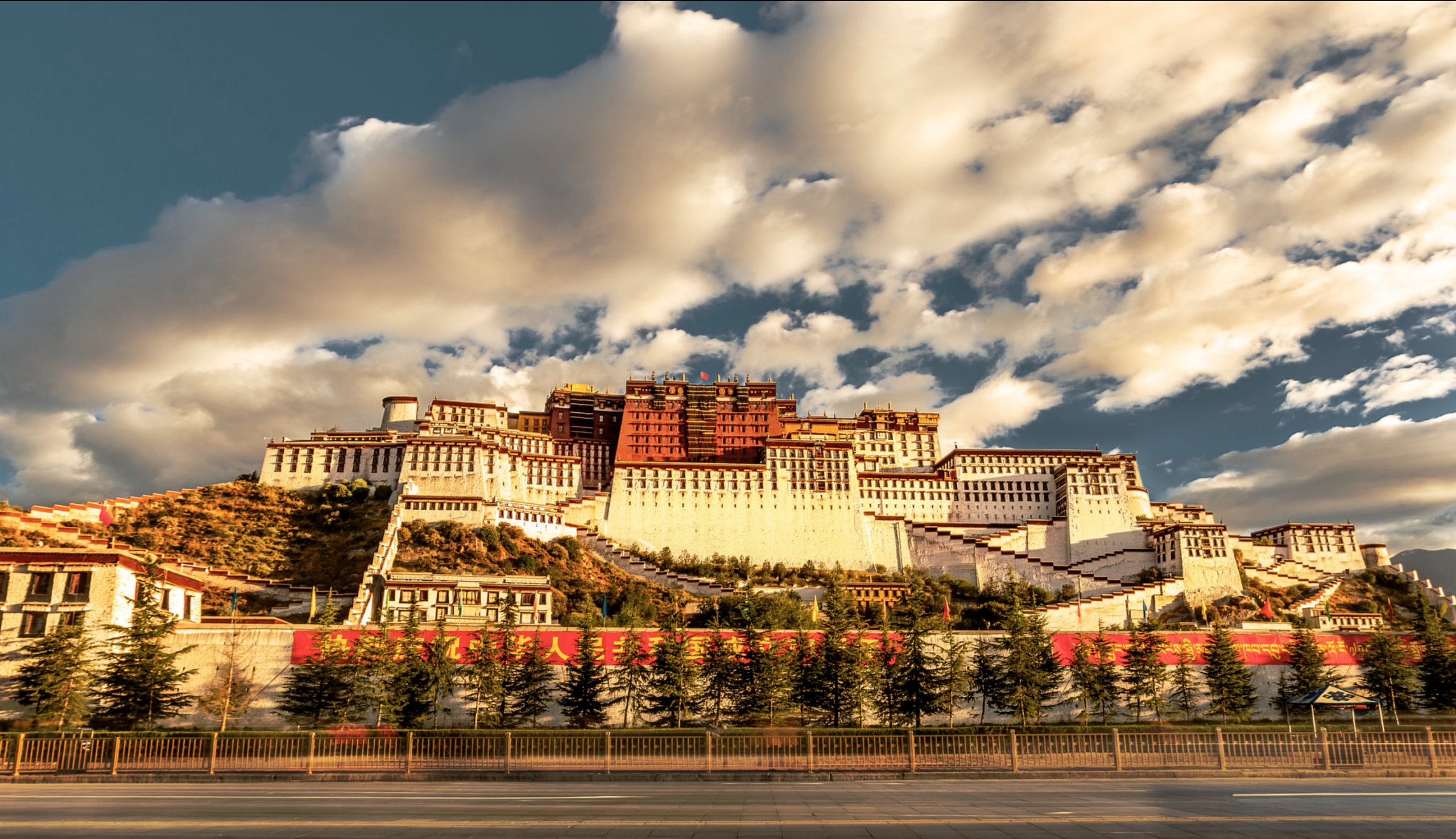
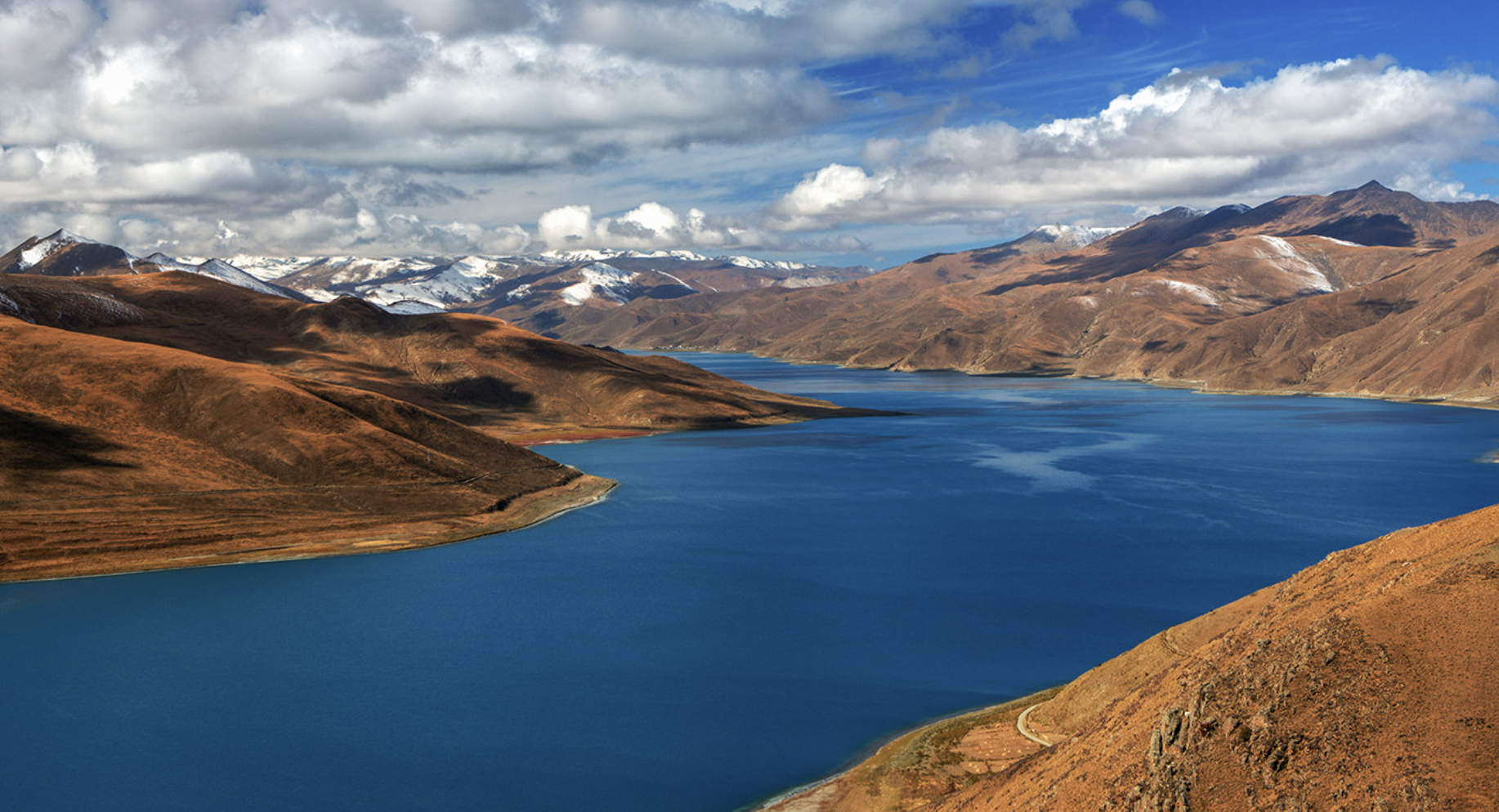
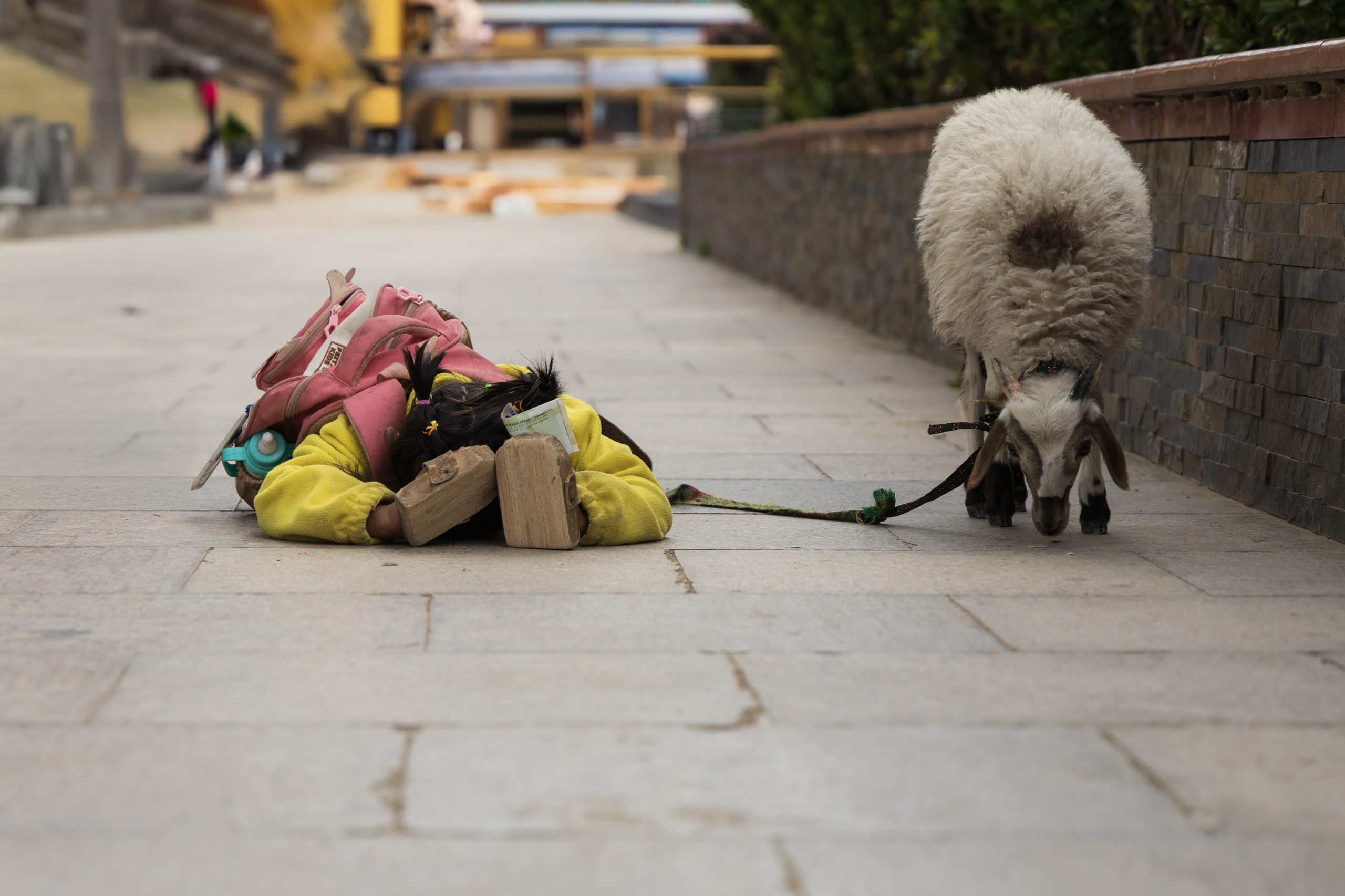
Over five unforgettable days, we will journey through the essence of Tibet. Visit a traditional Tibetan family and learn how to make Tibetan momos while experiencing the warmth of Tibetan hospitality. Witness monk debates at Sera Monastery, watch pilgrims prostrate around Barkhor Street and Jokhang Temple in devotion, step into the majestic Potala Palace, and admire the sapphire waters of Yamdrok Lake framed by distant snow-capped peaks.
Come to Tibet for a journey that goes beyond sightseeing, a journey to reconnect with your spirit.
Journey Highlights
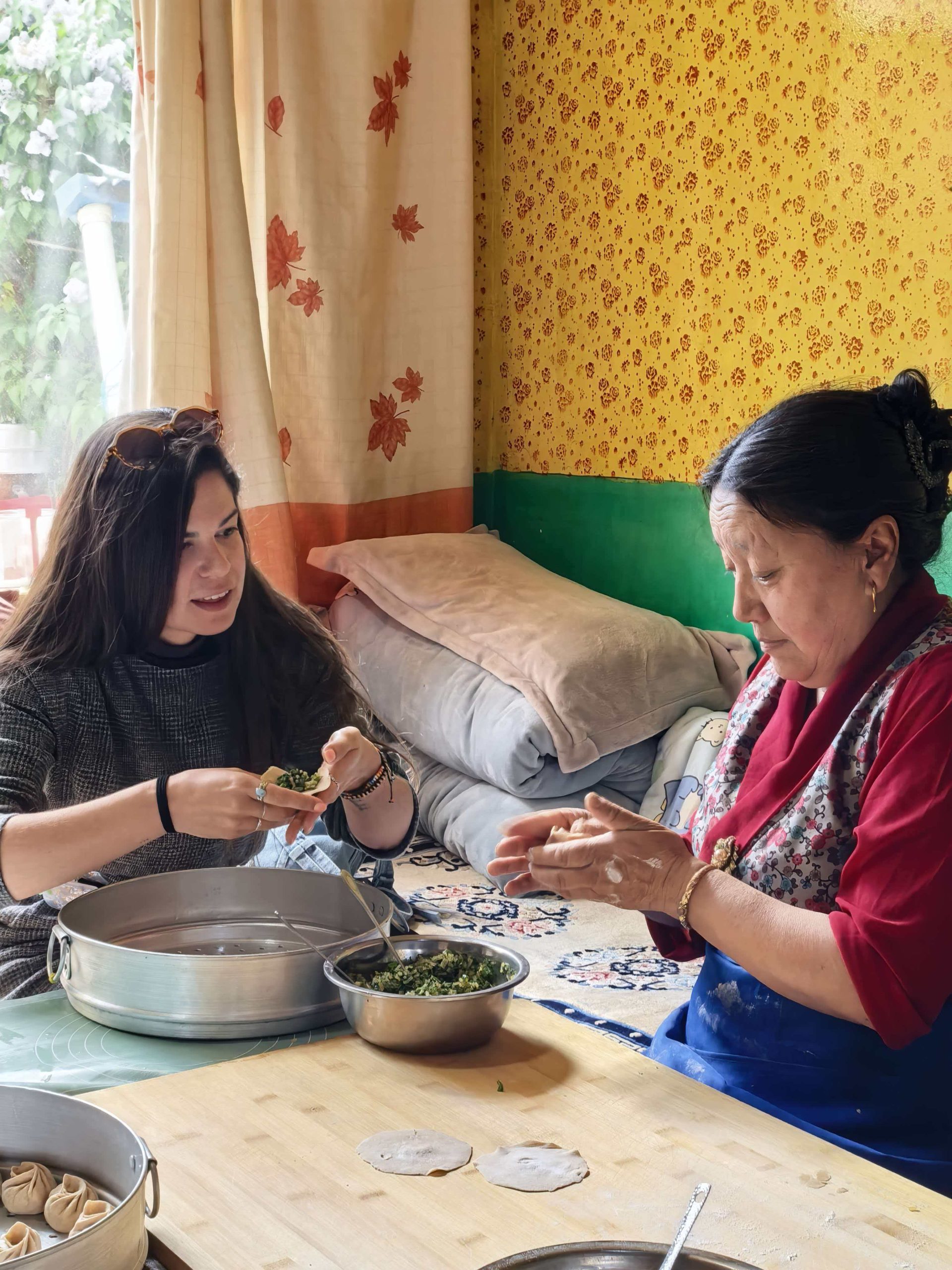
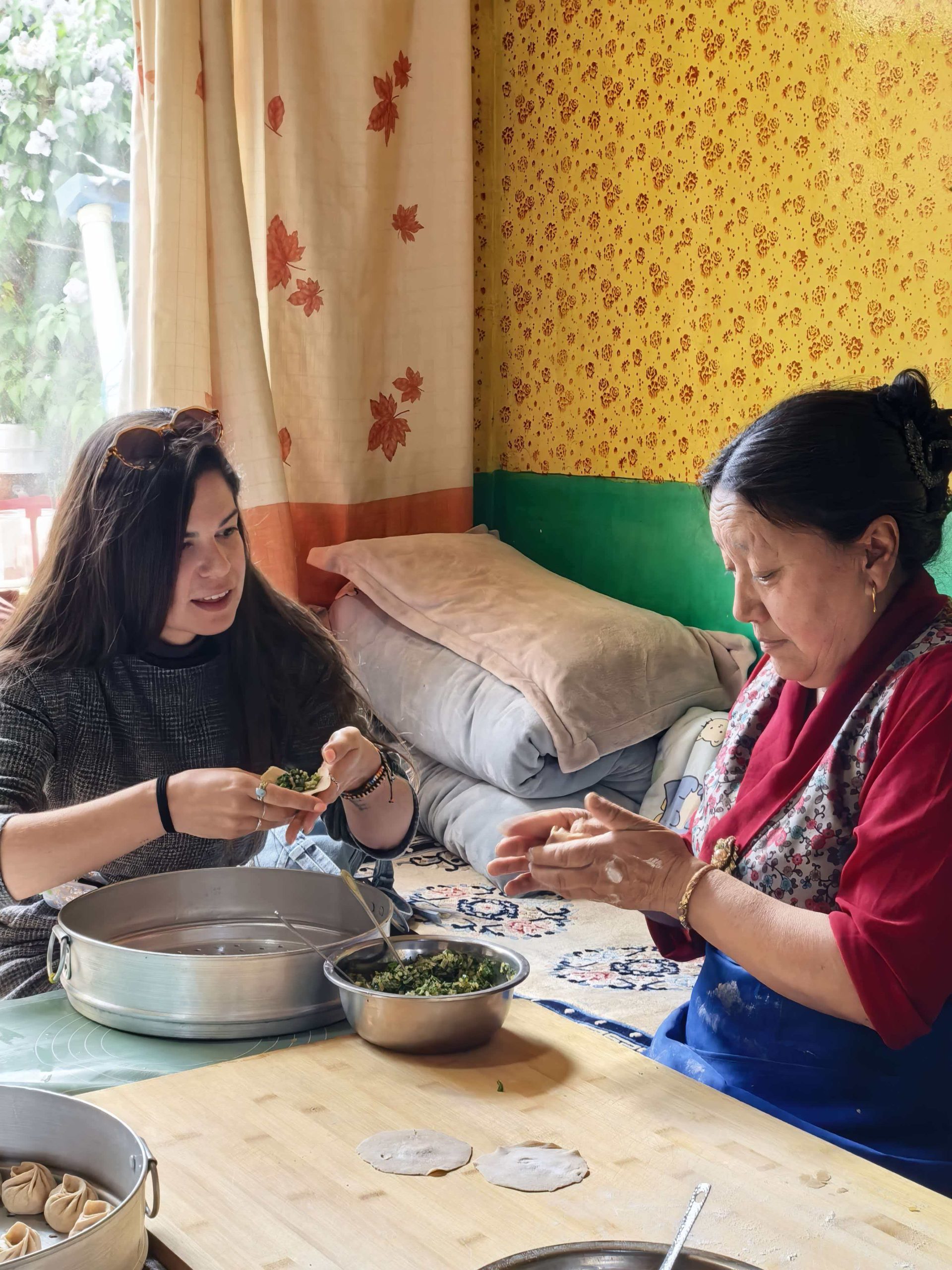
Visit a Tibetan family, taste homemade snacks, share butter tea and sweet tea, make Tibetan steamed buns by hand, and enjoy a warm home-style meal together.
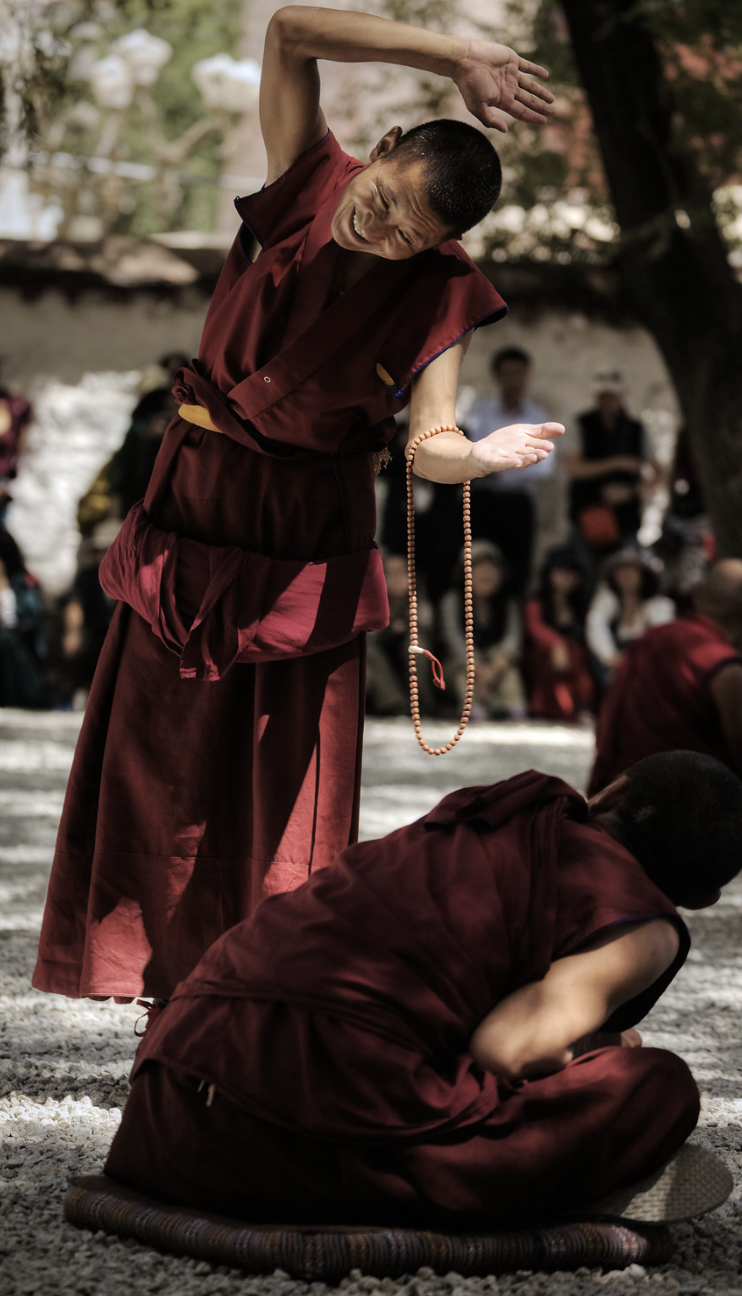
Witness the monks’ debating tradition and discover how this ancient practice keeps Tibetan Buddhist wisdom alive in Sera monastery.
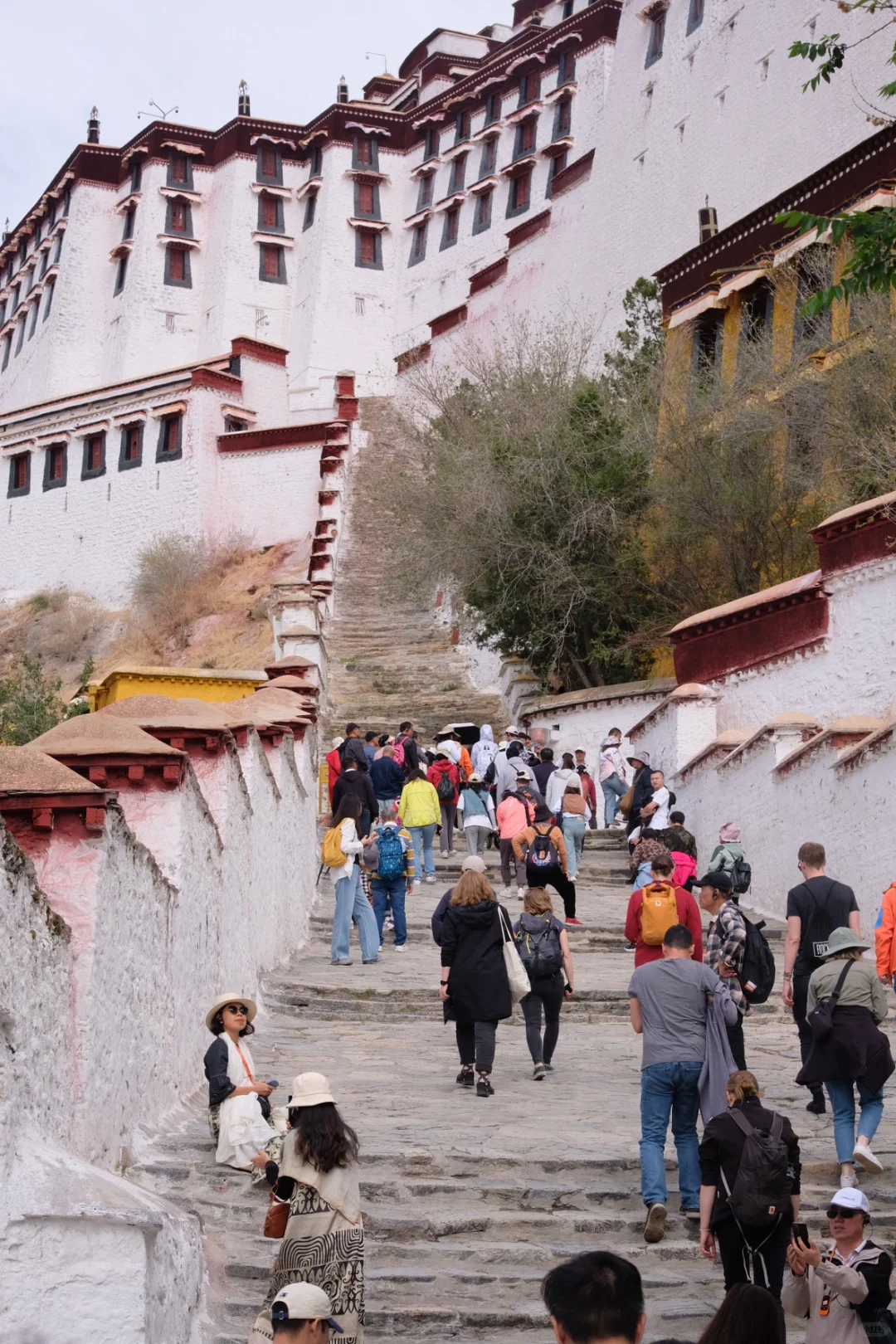
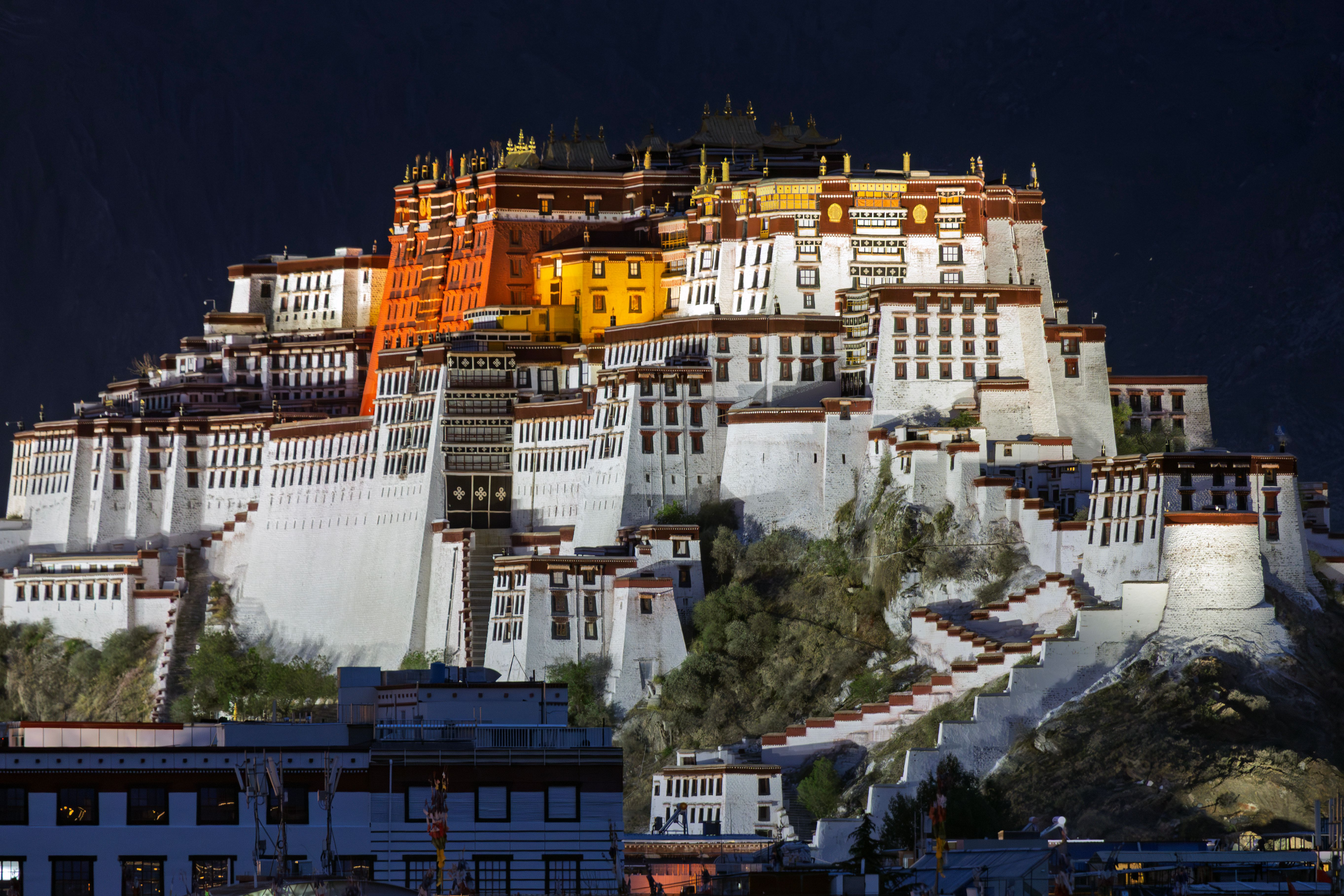
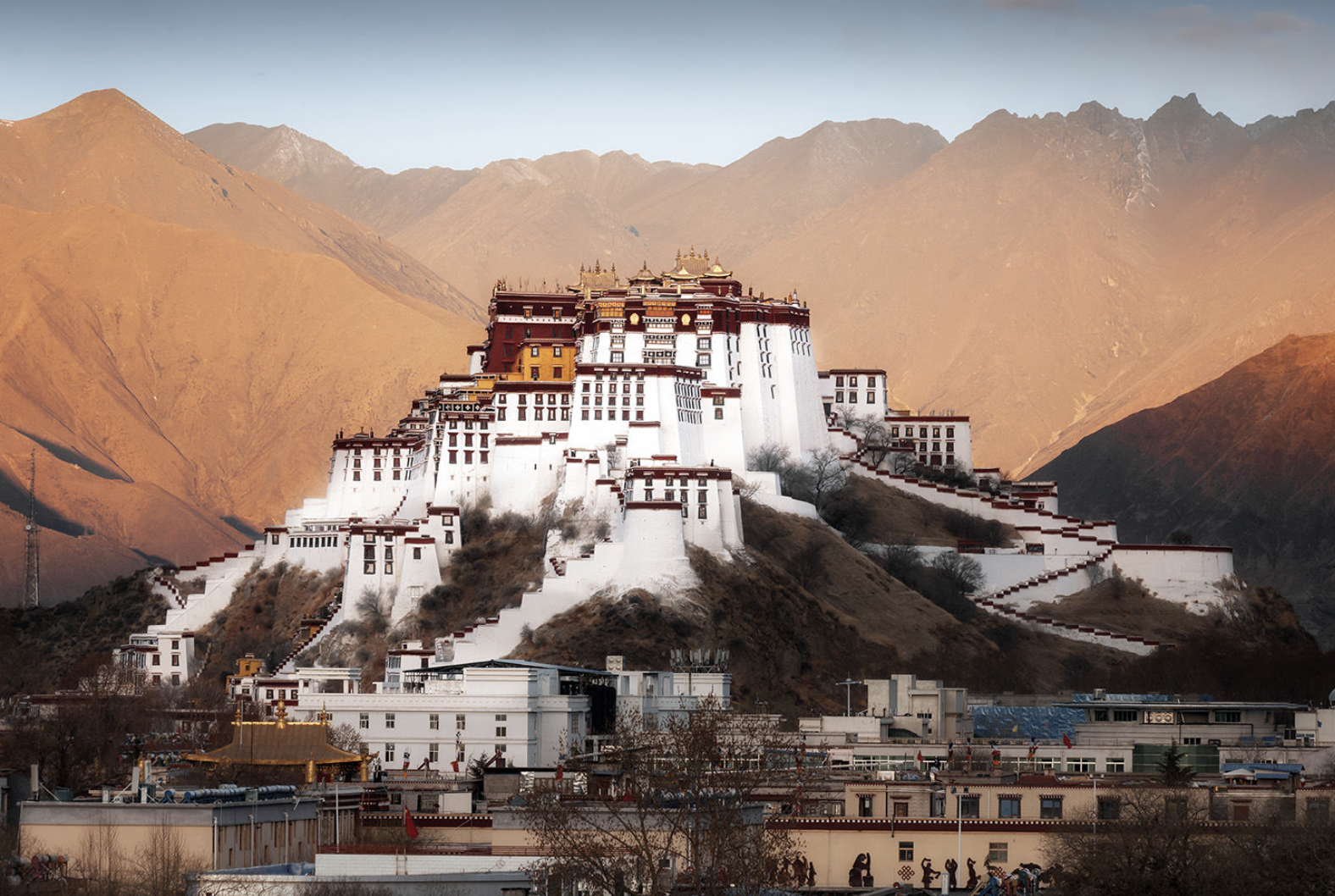
Climb the 1,080-step Pilgrim Stairway into the main halls of the Potala Palace and explore a living spiritual center for Tibetans.
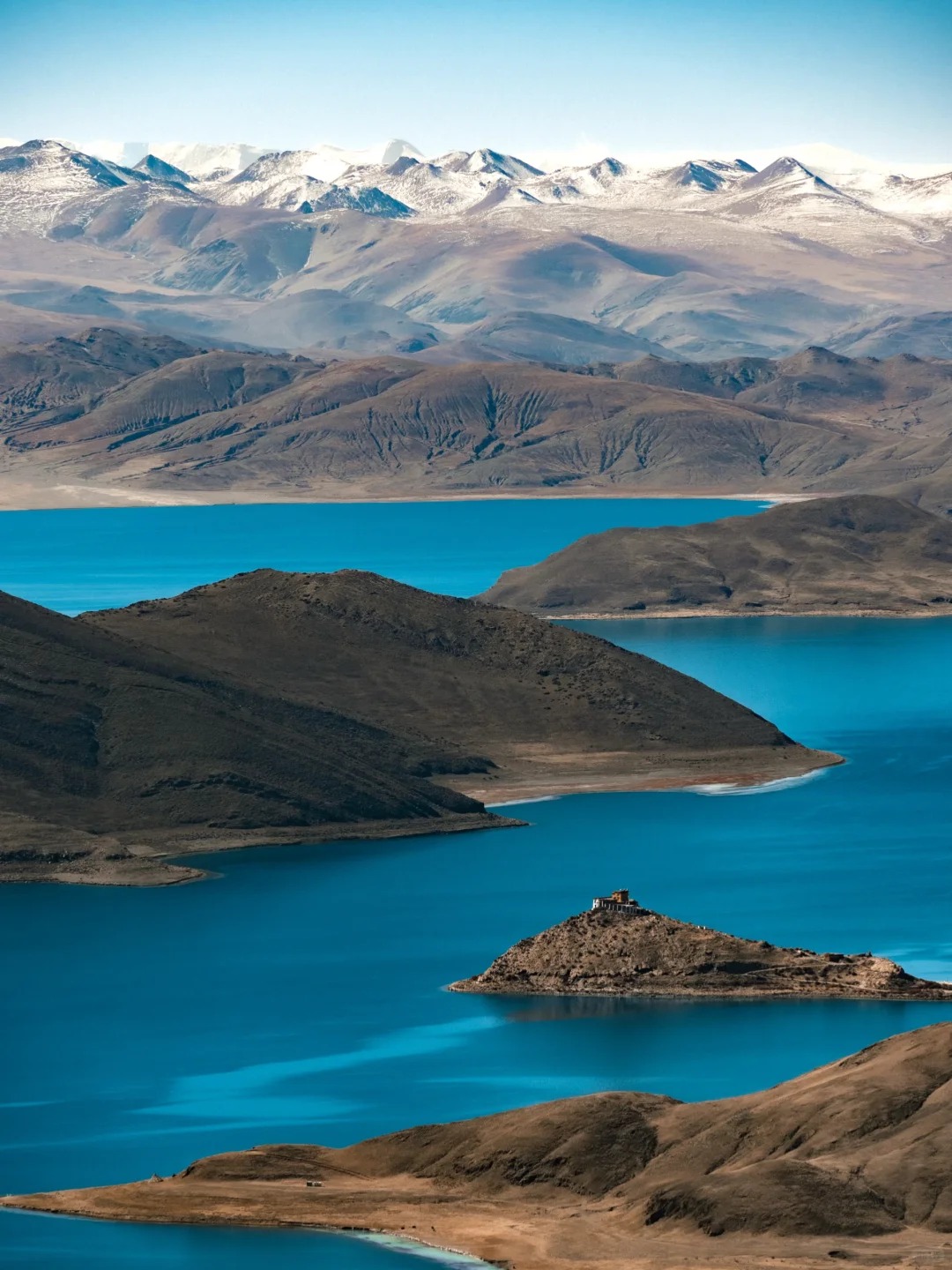
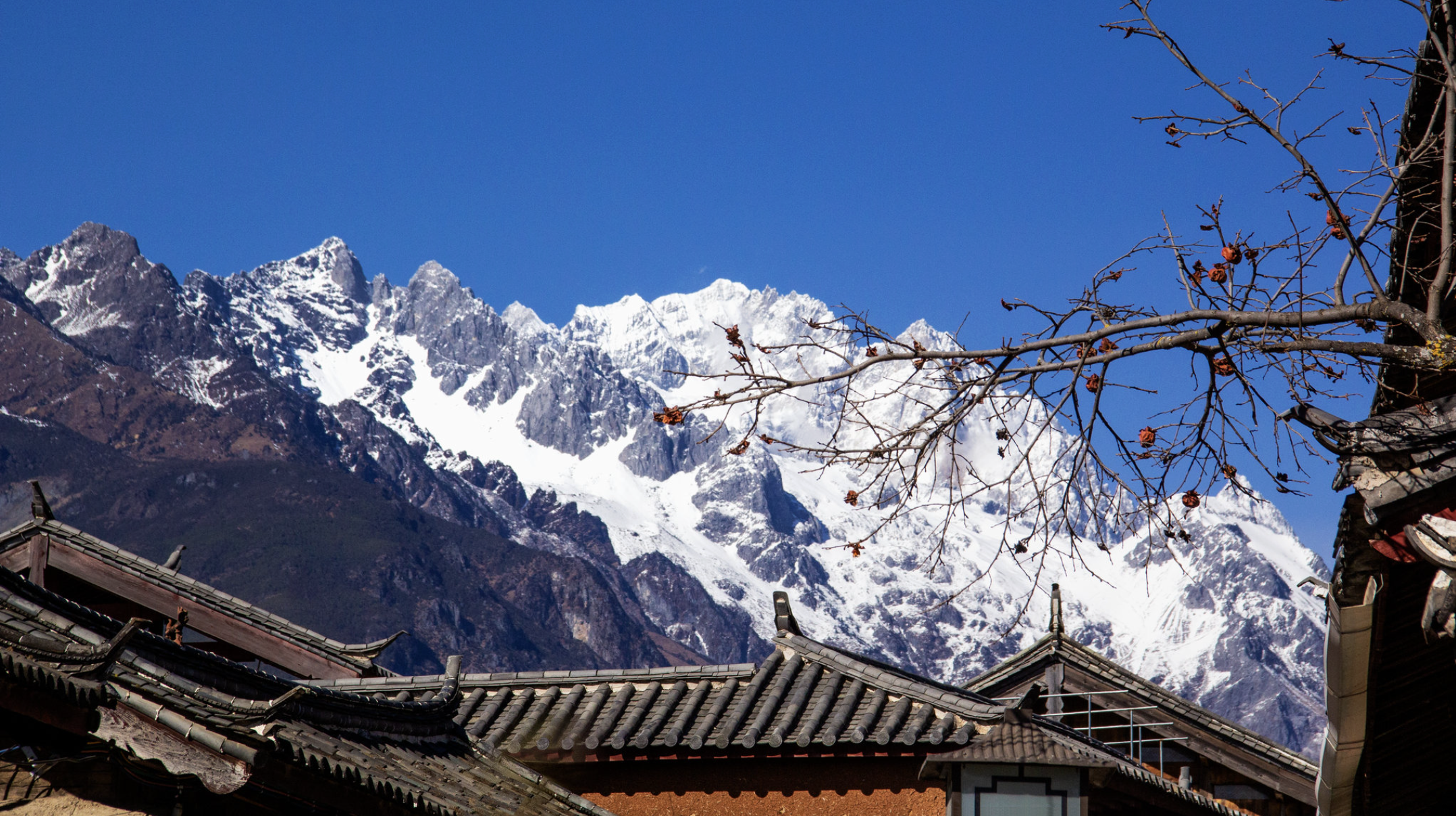
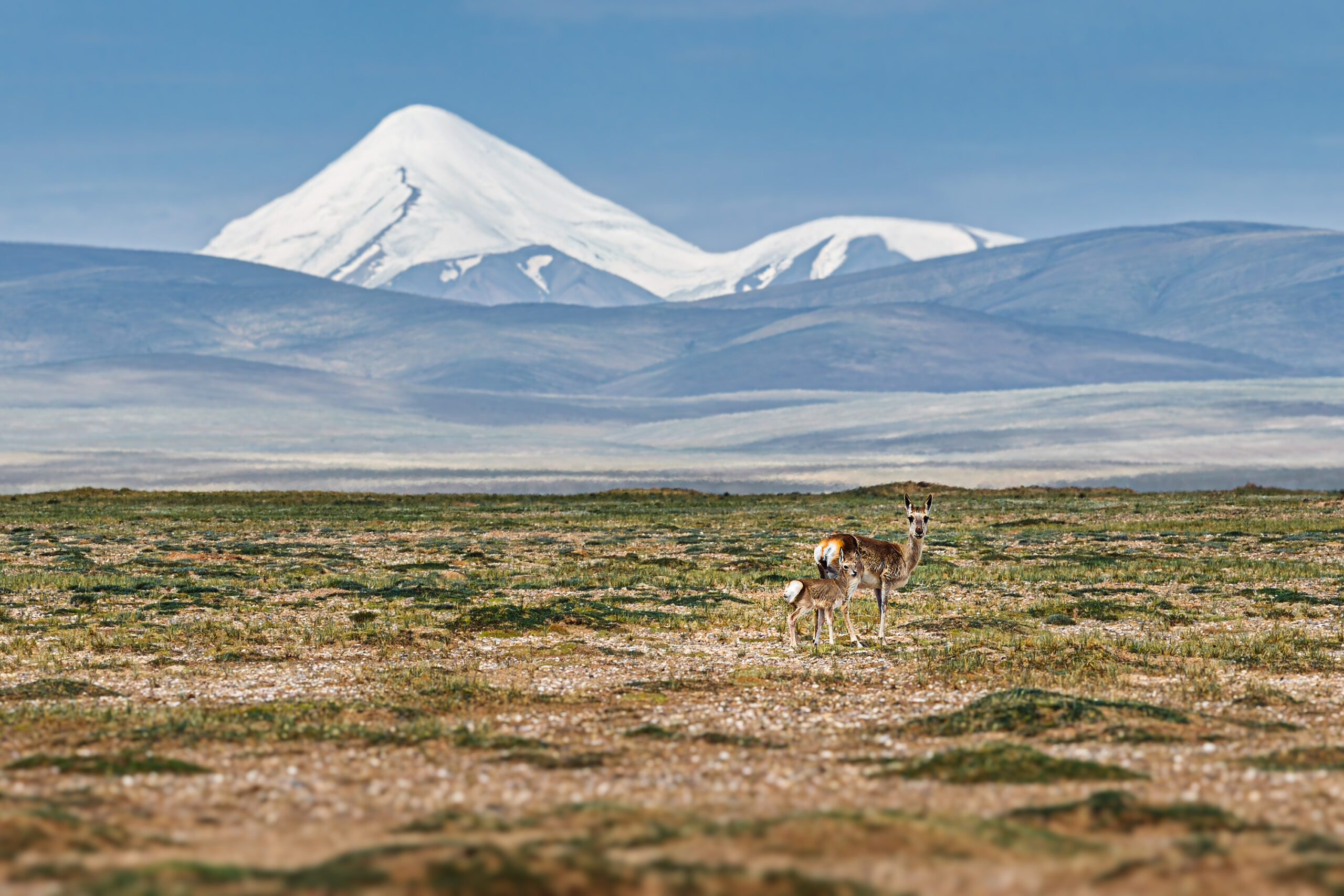
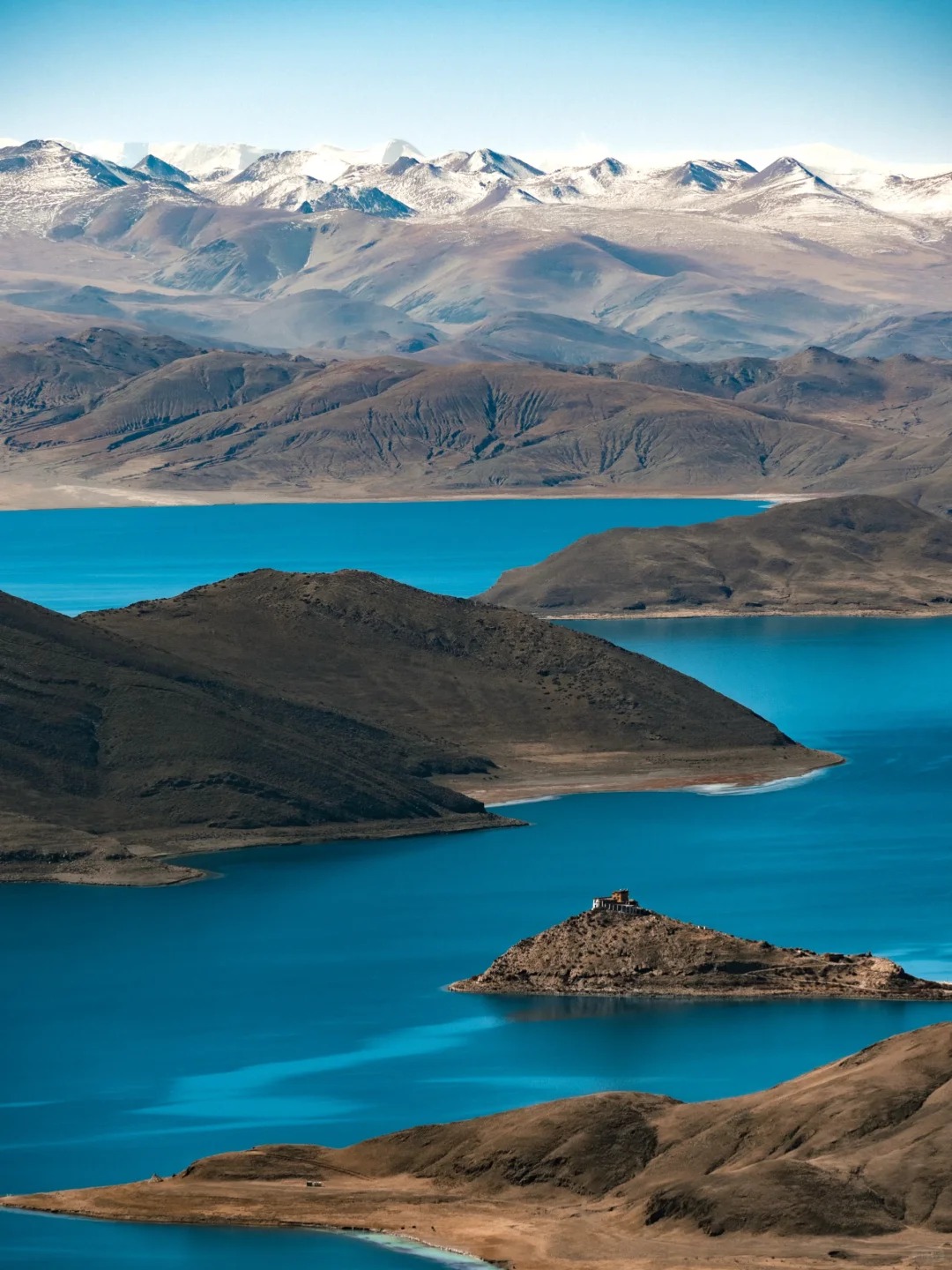
Step into Tibet’s most sacred lakes, Yamdrok Lake, where centuries of devotion gather into crystal-clear waters. Snow mountains rise in the distance, their reflections shimmering along the lake shores, creating a scene of purity, faith, and quiet grandeur.
Day-by-day Itinerary
Arrival in Lhasa
Upon Arriving in Lhasa, our staff will greet you with the brightest, warmest smiles of the plateau. At a high altitude, your body deserves a gentle star, slow down, breathe deeply, and let the excitement settle in. We’ll escort you to your hotel for a comforting rest, helping you ease beautifully into the rhythm of Tibet. Tashi Delek!
Lhasa – Tibetan Family Visit – Sera Monastery
Visit a local Tibetan family, learn about their daily life, taste homemade snacks, share butter tea and sweet tea, make Tibetan steamed buns by hand, and enjoy a warm home-style meal together.nAfterwards, head to Sera Monastery, one of the great monasteries of the Gelug school of Tibetan Buddhism which preserved the thousands of sacred Vajra statues. Pause at the debating courtyard, where monks passionately discuss Buddhist philosophy. Even if you cannot understand their words, you can deeply feel the devotion and spiritual strength of Tibetan Buddhism.
Potala Palace – Jokhang Temple – Barkhor Street
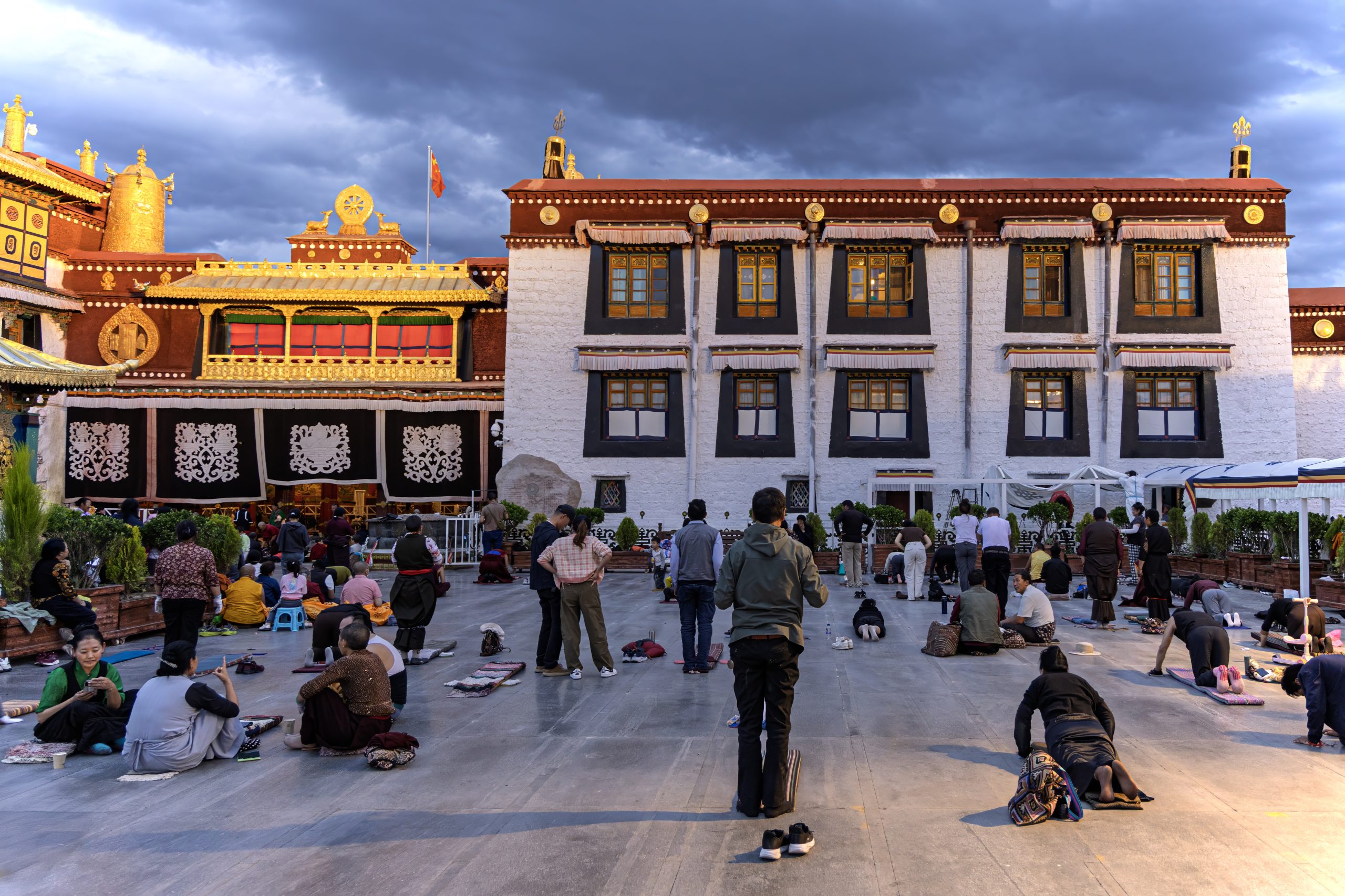
Today marks the cultural highlight of your journey. You will visit the Potala Palace, the spiritual heart of Tibetan Buddhism and a masterpiece of Tibetan architecture. Inside are resplendent chapels, stupas, living quarters, all filled with the lingering scent of butter lamps. Continue to Jokhang Temple, where devotion never sleeps. Here, pilgrims prostrate day and night, their repeated bows leaving deep marks on the stone slabs. End the day at Barkhor Street, the historic old town where Tibetan life unfolds. For generations, locals have gathered here to trade, worship, and walk the sacred kora route that circles the temple.
Lhasa – Yamdrok Lake – Xiazhulin Monastery – Lhasa
Travel along the Yarlung Tsangpo River to reach Yamdrok Lake, one of Tibet’s three sacred lakes. Legend says its turquoise waters are the tears of a goddess. Continue to Xiazhulin Monastery, home to Tibet’s only preserved mummified Bodhisattva, a rare and revered embodiment of spiritual devotion.
Departure Lhasa
Start your morning with one last cup of coffee bathed in sunshine beside the Potala Palace, a perfect farewell moment to Lhasa. As you sip and take in the golden glow over this sacred landmark, let the memory of Tibet’s warmth and beauty travel home with you.
Interested in a similar itinerary but want to Travel Privately?
Our Travel Experts are here to craft your perfect tailormade holiday.
Featured Stays
We’ve hand-selected a range of accommodations to suit different preferences, each offering a distinctive experience deeply connected to the local land and culture. We work with these or similar hotels to ensure a stylish and comfortable stay every time.
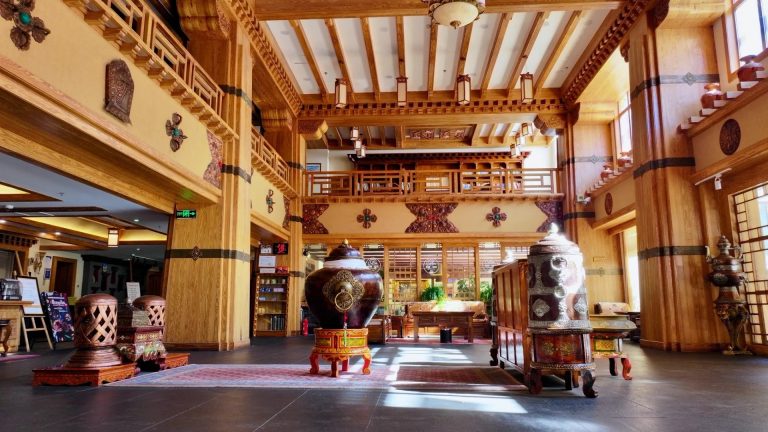
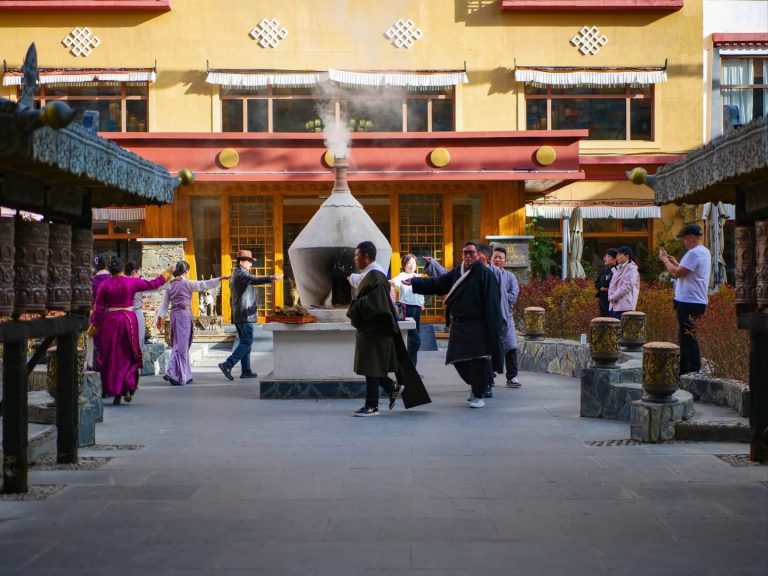
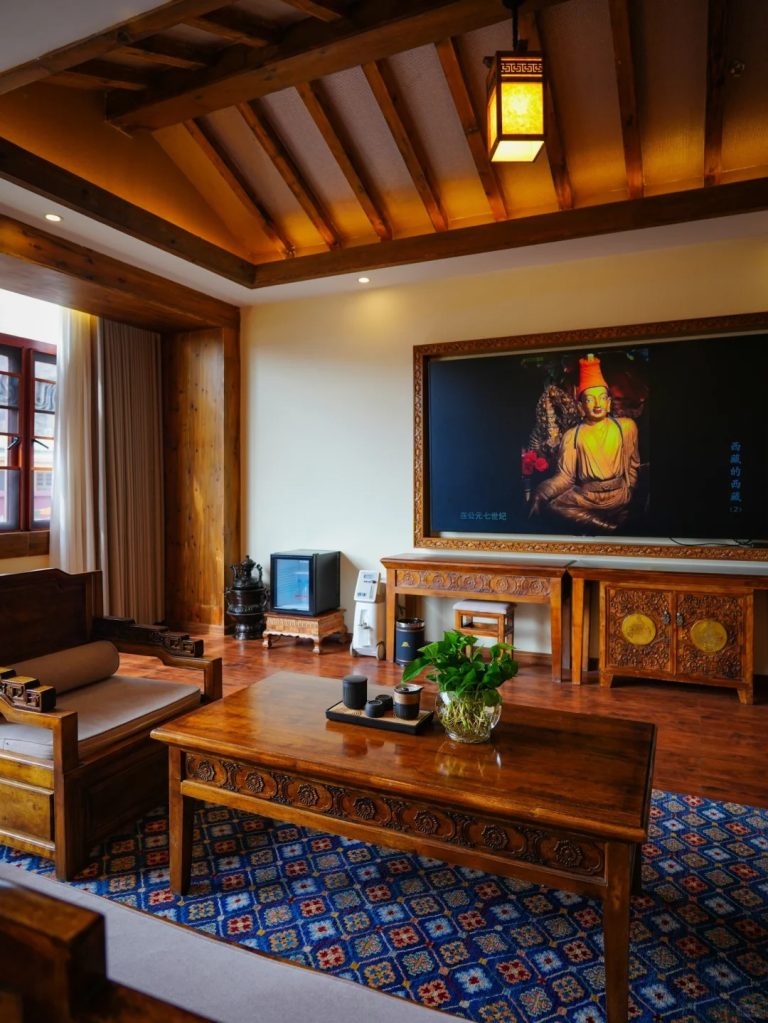
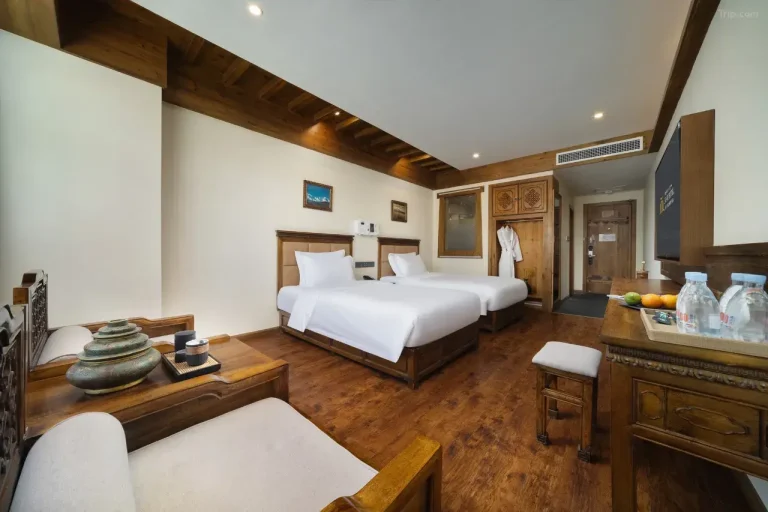
Lagri Xuelong Estate Lhasa
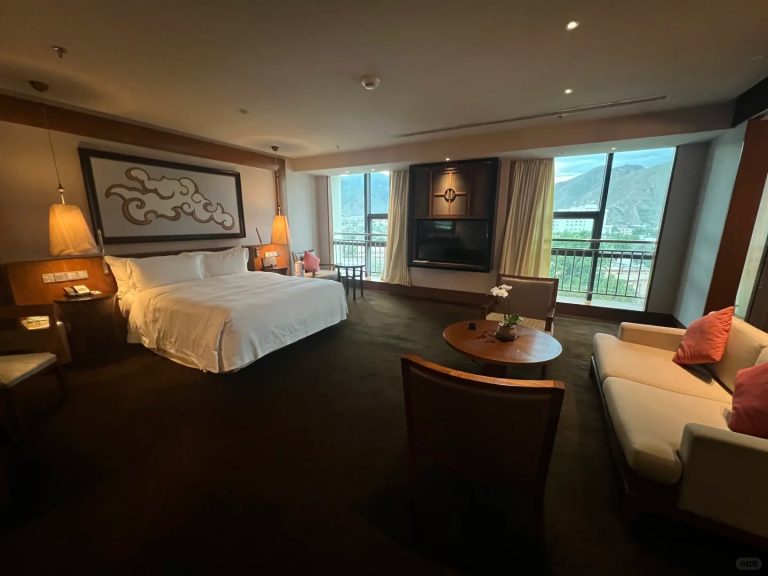
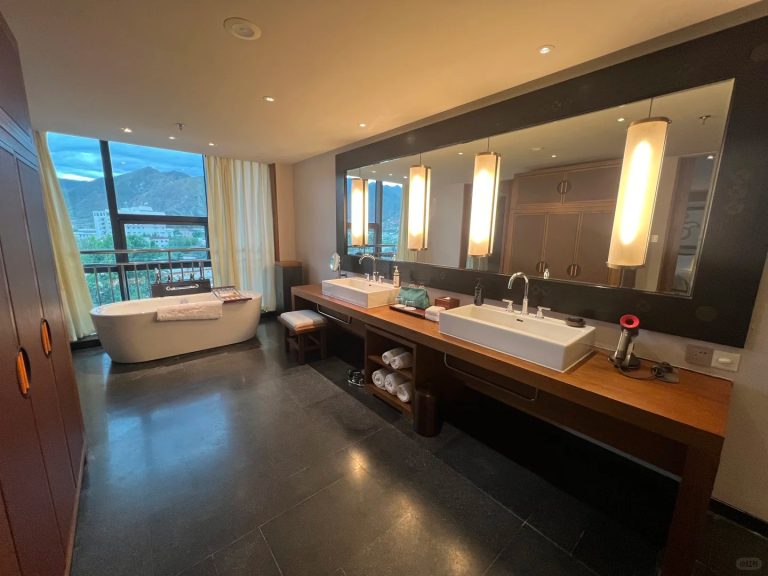
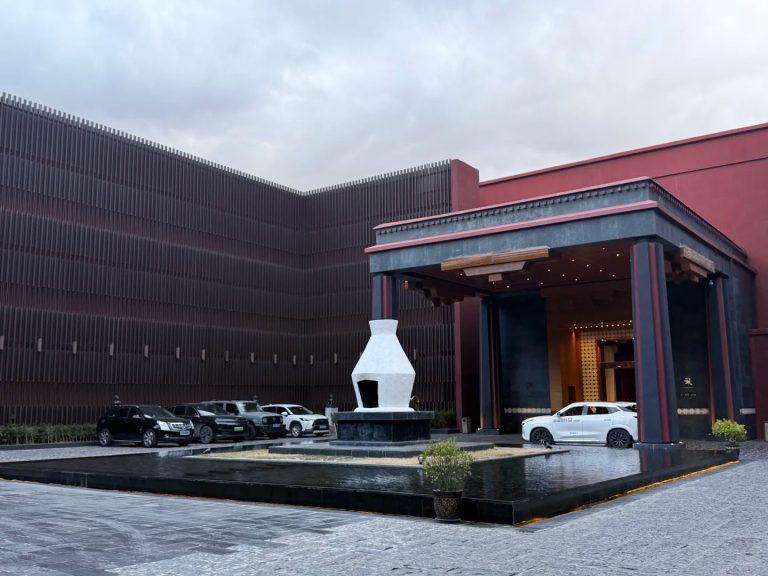
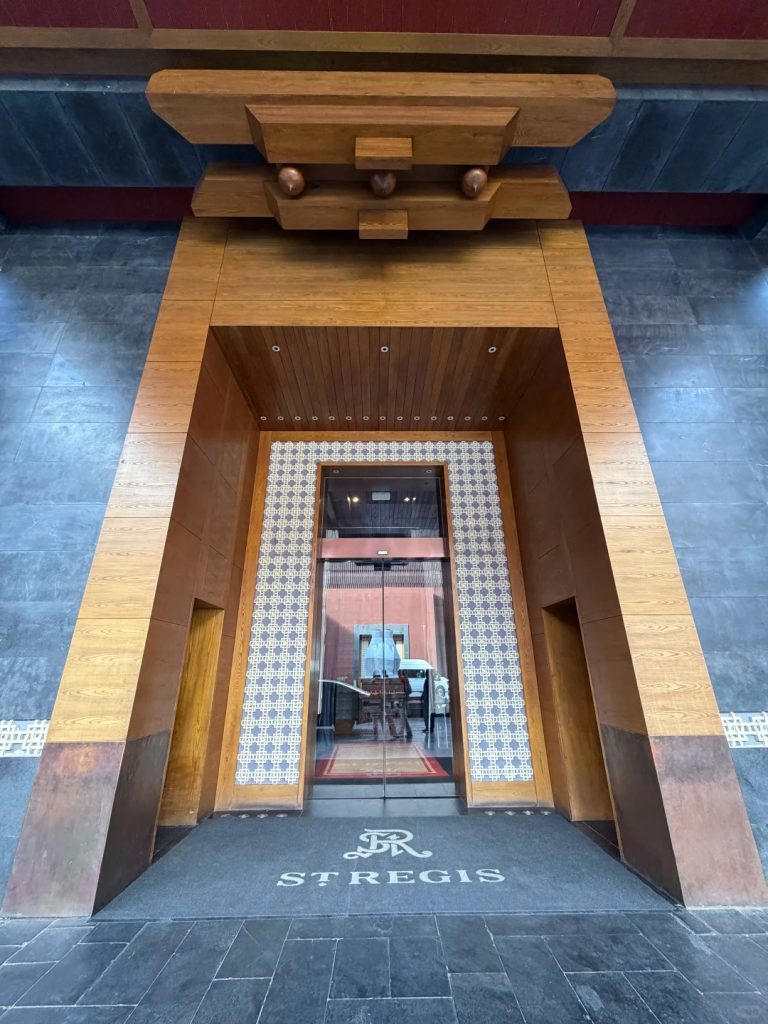
St.Regis Lhasa
Inclusions & Offers
Dates & Prices
Best time to visit
Traveler Reviews


FAQs
What documents do I need to travel to Tibet?
To travel to Tibet, you will need a valid Chinese visa and a Tibet Travel Permit. If you plan to visit border regions such as Everest Base Camp, an additional Border Permit is also required.
Please book your trip at least 20 days in advance so we have enough time to arrange the necessary permits for you. Please note that you must hold a valid Chinese visa before applying for the Tibet Travel Permit (except for travelers from visa-free countries).
Which airport should I fly to? What is the airport code?
Lhasa has only one international airport: Lhasa Konggar International Airport (IATA: LXA).
Will I get altitude sickness in Tibet?
Tibet is a high-altitude region, and mild symptoms such as headache or dizziness are common. Most travelers adapt within 1–2 days. Rest, hydration, and a relaxed pace are key, and we design itineraries with acclimatization in mind.
What is the best time to visit Tibet?
The best seasons are April to October. Summer offers greener landscapes, while winter is quieter with fewer travelers, though temperatures are colder.In winter, you have a higher chance of witnessing the golden sunrise over Mount Everest, as well as enjoying clearer, more pristine lake waters.
Is Tibet suitable for first-time travellers to China?
Yes. With proper permits, experienced guides, and a well-planned itinerary, Tibet is suitable for first-time visitors seeking culture, spirituality, and dramatic landscapes.nIn addition, Tibet is well connected by direct flights with most major cities in China, making it easy to link with your other China itineraries.
What should I pack for a Tibet trip?
Layered clothing, warm jackets, comfortable walking shoes, sunscreen, sunglasses, lip balm, and personal medications are essential. Temperatures can vary greatly between day and night.
Can I use mobile payment and the internet in Tibet?
Mobile payments such as Alipay and WeChat Pay are widely used in cities and towns. Internet and mobile signal may be limited or unavailable in remote areas. Please prepare some cash in case online payment methods are unavailable in remote areas.
Is it safe to travel in Tibet?
Yes. Tibet is very safe for travelers. Roads are well maintained, and you will be accompanied by experienced drivers and licensed guides throughout the journey.
Are there cultural rules I should respect?
Yes. Please walk clockwise around temples, do not take photos inside monasteries, dress modestly, and respect local customs and religious practices. Your guide will explain etiquette during the trip.