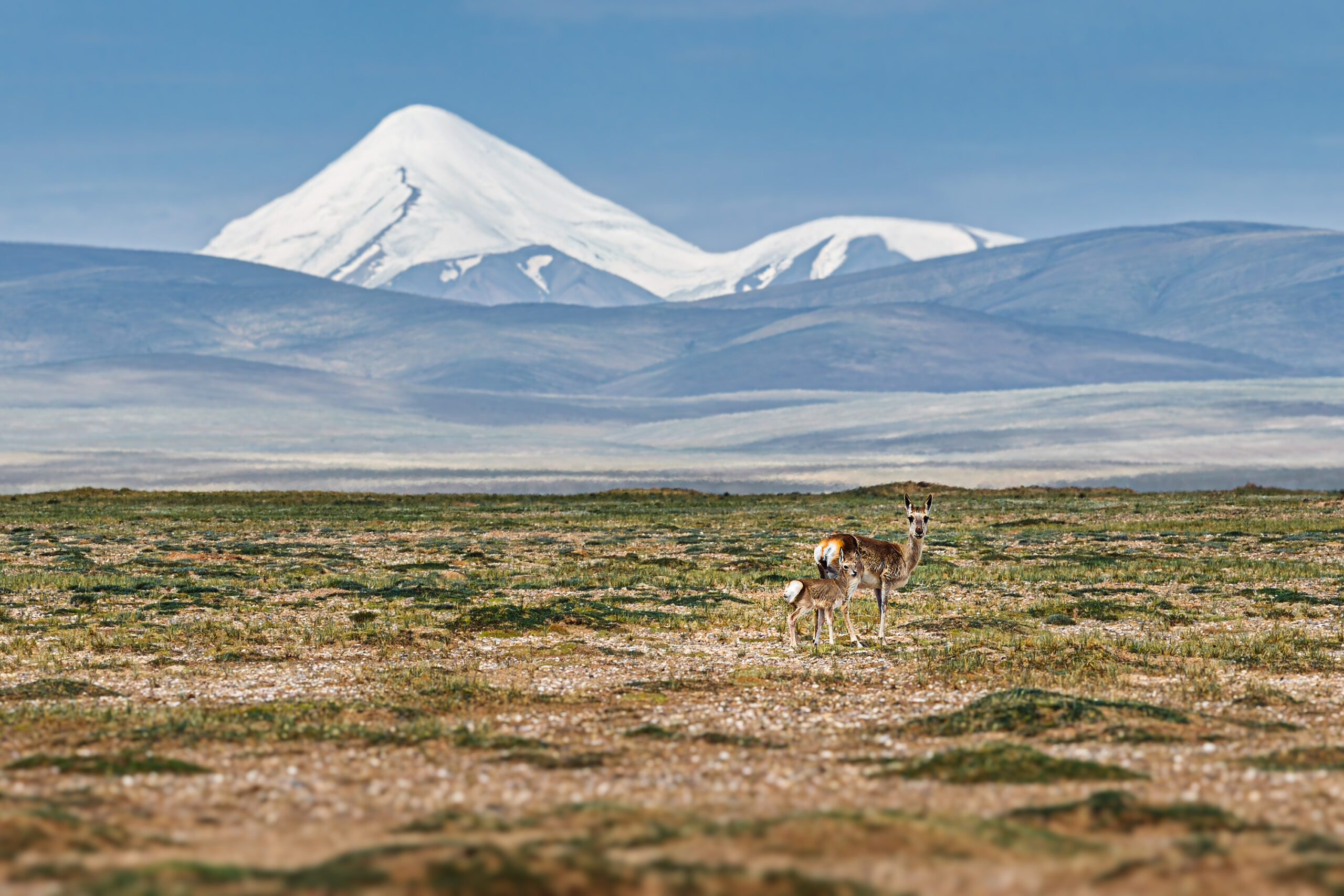
The best time to see snow leopards is generally from October to April, with the highest chances often occurring in winter, especially between January and March. During this period, snow leopards may follow prey such as blue sheep to lower elevations, while mating activity can also increase movement and visibility.
For wildlife enthusiasts, photographers, and travellers seeking a deeper connection with remote mountain ecosystems, choosing the right destination, season, and expedition style is essential. This guide explains where and when to search for snow leopards, how conditions differ across regions, what behaviours you may encounter throughout the year, how long to plan your expedition, how to prepare, and how to travel responsibly with realistic expectations.
When Is the Best Time to See Snow Leopards?
In many regions, snow leopards show clear patterns of seasonal altitudinal movement.
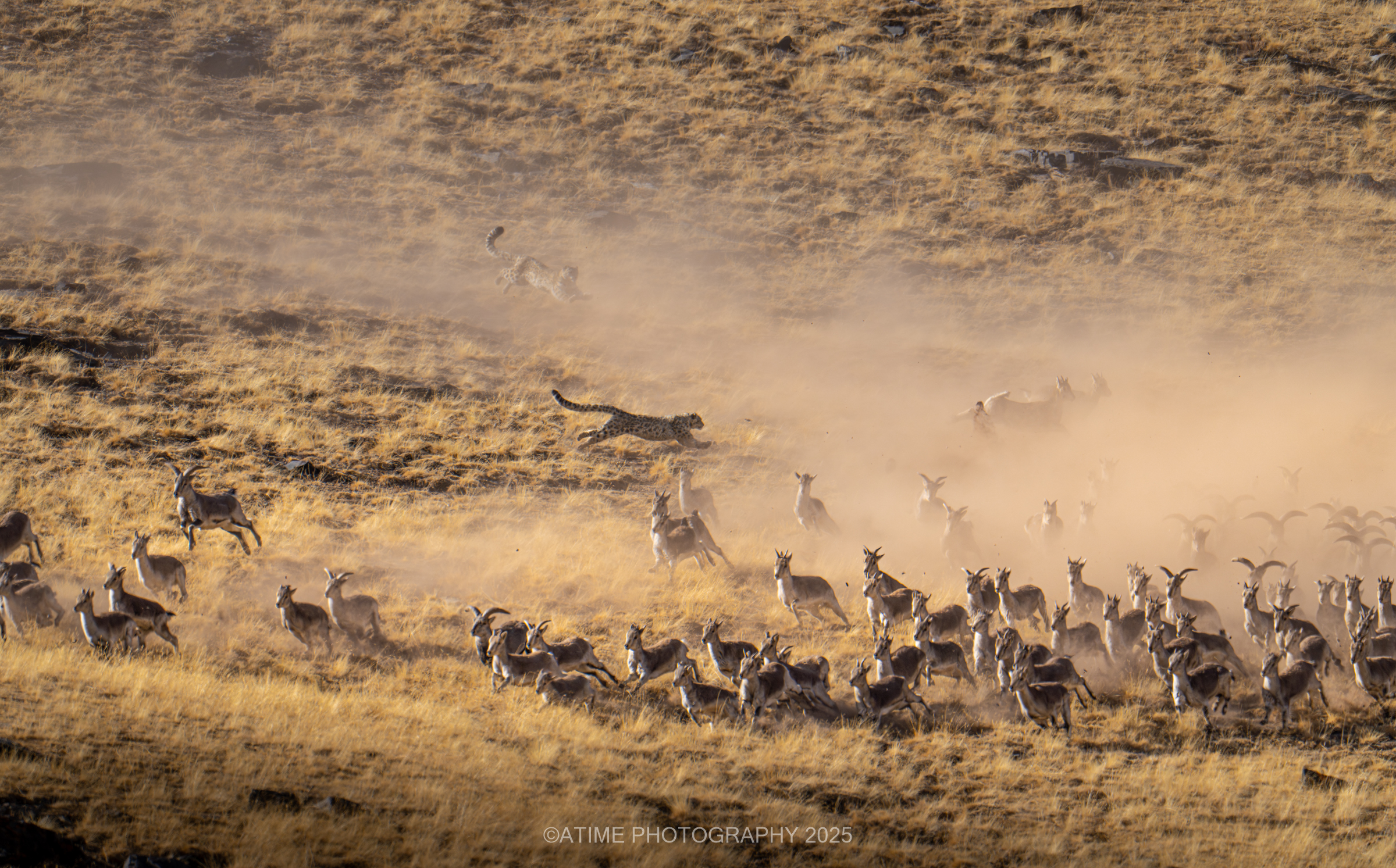
Snow leopards are highly adapted to cold environments, with thick fur suited to extreme alpine conditions. In summer, they often move to higher elevations and may become less visible. In winter, as temperatures fall, wild prey move to lower elevations in search of food, and snow leopards follow. This can bring them closer to areas accessible to observers and make them easier to locate. For this reason, October to April is generally the preferred season for snow leopard watching in most destinations.
- Autumn (September–December): Temperatures begin to fall across the Tibetan Plateau. Snow leopards follow one of their main prey species, blue sheep or ibex, toward lower elevations and become more active. As vegetation dries and becomes sparser, visibility also improves, creating better opportunities to spot them.
- Winter (January–March): Conditions are dry and extremely cold, with daytime temperatures typically ranging from -5°C to 5°C and nighttime temperatures dropping as low as -25°C. Snow leopards enter their mating season and become more active. Observers may hear their mating calls or, with luck, see adult males and females moving together.
- Spring (April–May): Temperatures gradually rise, and snow leopards begin shedding their dense winter coats for lighter summer fur.
- Summer (June–August): This is the most comfortable season on the plateau in terms of weather. In some areas, snow leopards prey on Himalayan marmots during summer, which can occasionally allow for closer observations than in winter. Blue sheep also give birth during this period, and their young may become important prey. However, summer generally requires more experienced observers, and these hunting patterns do not apply equally to every snow leopard habitat. It is therefore not usually considered the primary season for snow leopard watching.
Why Winter Is the Best Season for Snow Leopard Watching
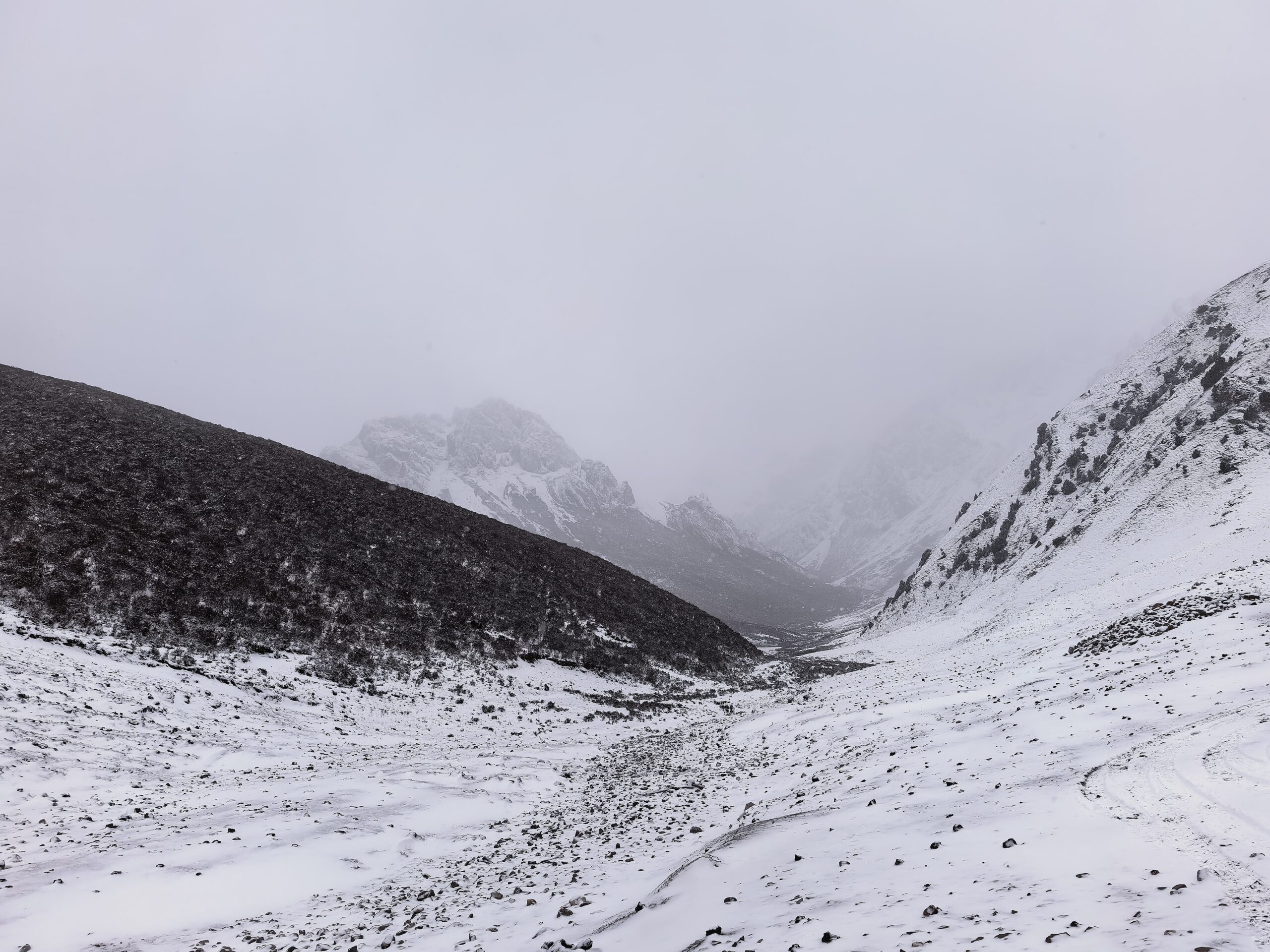
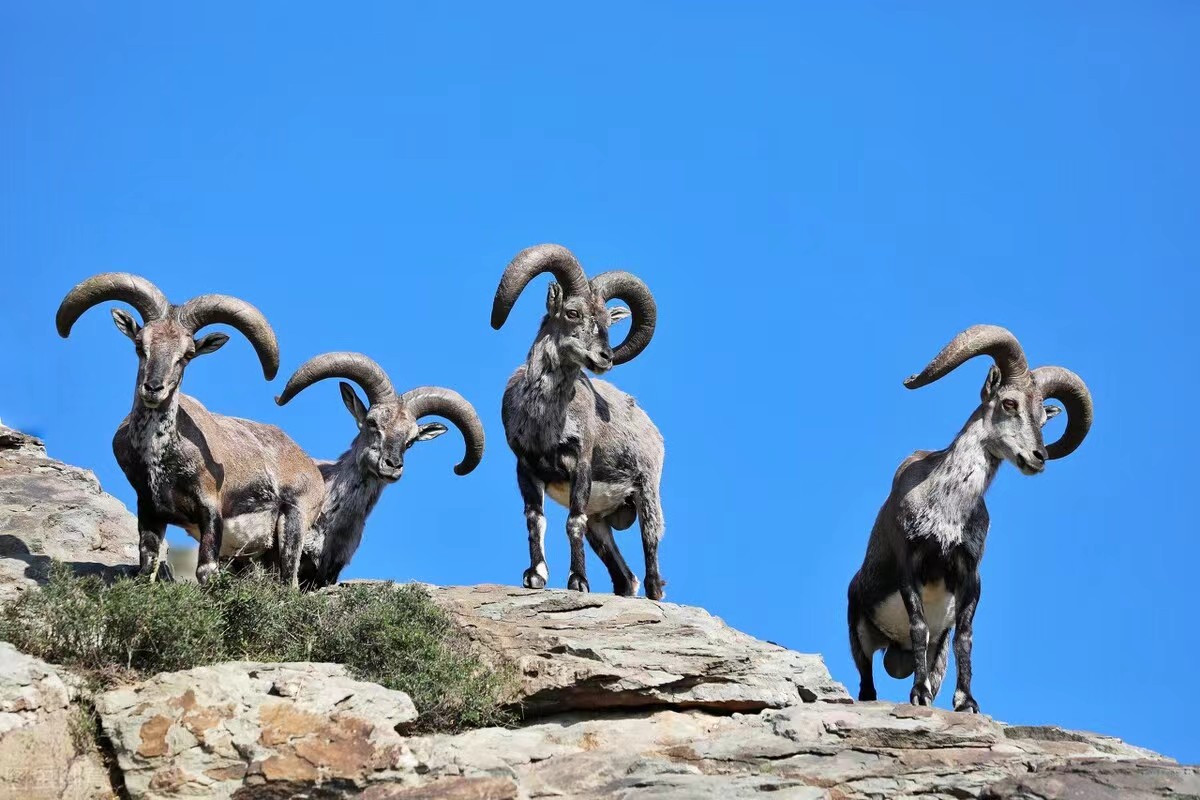
Winter brings frequent snowfall to the Tibetan Plateau, especially in high-altitude mountain areas. As snow covers the grasslands that blue sheep depend on, they are forced to move to lower elevations in search of food. Snow leopards follow their main prey, bringing them into areas that are more accessible to human observers.
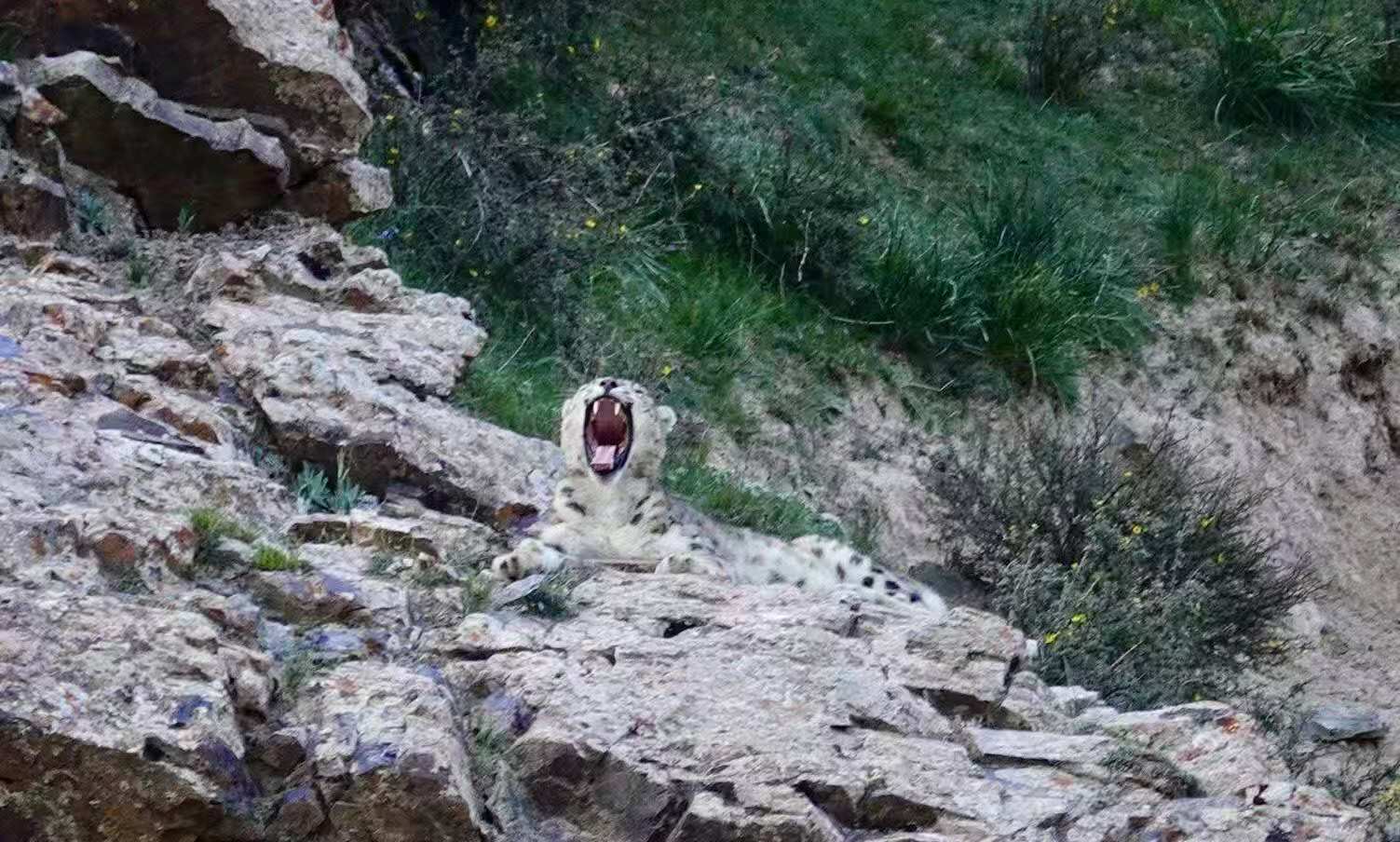
Snow leopards are perfectly camouflaged for the harsh plateau environment. After snowfall, observers can expect better contrast against the white landscape, although when they remain motionless beside bare rock or are partly hidden by vegetation, they can still be almost impossible to detect with the naked eye.
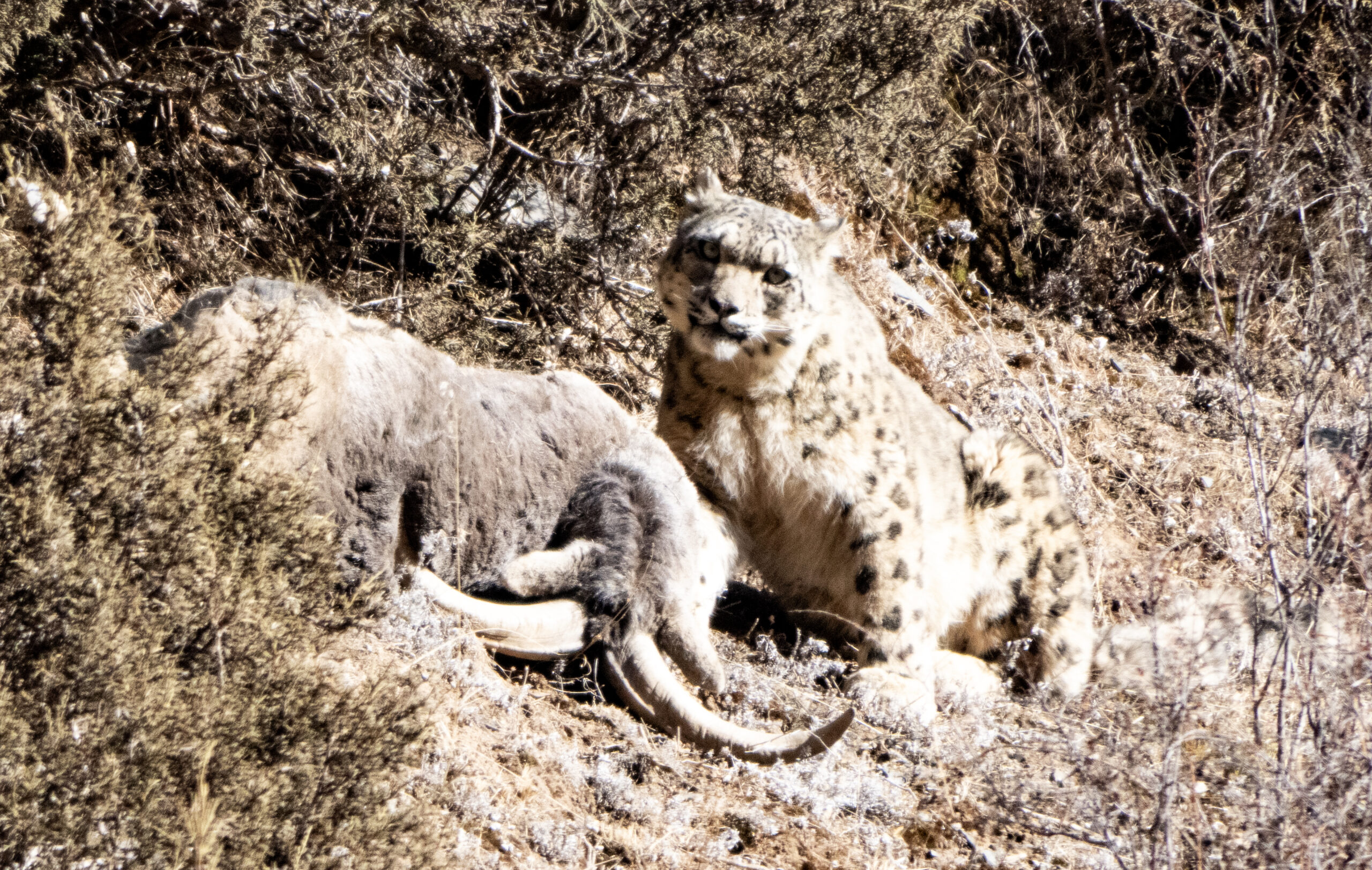
From January to March, snow leopards enter their mating season. In search of partners, they may move into the territories of other individuals, leaving scent marks and calling more frequently. Their increased activity can improve observation opportunities. Exceptionally lucky travelers may even see a male and female remaining together for a period of time, or witness the extremely rare behavior of mating.
Winter is, without question, the prime season for snow leopard watching.
But winter on the plateau also means falling temperatures, dry conditions, and severe cold, especially in January and February. Roads may become icy, while villages used as snow leopard observation bases may have limited access to running water during freezing conditions. To reduce daily driving time, many snow leopard expeditions stay in local herders’ homes, where conditions are basic and winter nights can be intensely cold. Even daily searches by four-wheel-drive vehicle can be affected by ice and snow on mountain roads.
Still, for the chance to encounter one of the world’s most elusive big cats in the wild, we believe these challenges are worth it. It may be an encounter you remember for a lifetime.
Snow Leopard Seasons Explained
Snow leopard behavior changes throughout the year, following its own seasonal rhythms.
Autumn to Early Winter: Easier Access and Gathering Prey
September–November. Temperatures begin to fall but remain relatively mild, making this a suitable period for travelers visiting the plateau for the first time. Prey species such as blue sheep begin gathering in larger groups and gradually move toward lower and mid-elevation areas where snow cover is lighter. Snow leopards follow their prey downhill.
This period offers a relatively balanced combination of travel comfort and snow leopard observation opportunities.
Midwinter: Snow Cover and Increased Visibility
December. Temperatures drop further as full winter approaches, and snowfall becomes more frequent. Snow leopard tracks are easier to detect in the snow, and the cats themselves can be more visible when crossing open snow-covered slopes. Prey species such as blue sheep continue moving toward lower elevations.
As winter sets in, daylight hours become shorter, limiting the time available for field observation. Icy roads and low temperatures may also affect transportation and accommodation conditions.
Late Winter: Mating Activity and Longer Days
January–March. Snow leopards enter their mating season, expanding their movements and increasing scent-marking behavior. Their mating calls may sometimes be heard echoing through the valleys. With exceptional luck, observers may see adult males and females moving together or even witness mating behavior.
January and February are often the coldest months, but they are also among the periods when snow leopards are most active, offering a great chance of observation.
Spring
April–May. Temperatures begin to rise, although the seasonal transition can bring unstable weather. Snow may fall overnight and melt again during the day. As bare rock and mountain vegetation become more exposed, snow leopards once again blend into the landscape, making them more difficult to detect than in deep winter.
This season may suit travelers who place greater value on comfort and are willing to accept lower snow leopard observation opportunities.
Birdlife also becomes more active, with migratory species returning that may not be present during other seasons.
Female snow leopards begin giving birth during this period.
Summer: Prey Young, Marmots and Harder Sightings
June–August. During the summer months, snow leopards tend to stay higher on the plateau, while the landscape enters its most pleasant season, with flowers covering mountain slopes and grasslands. Himalayan marmots emerge from hibernation, while blue sheep give birth to their young. In some areas, snow leopards may be observed hunting marmots or young blue sheep.
At the same time, denser vegetation provides more cover and makes snow leopards harder to locate. Summer is also the rainy season, when muddy roads and morning mist can reduce observation efficiency.
Summer is generally better suited to experienced observers who are prepared to spend longer searching, or to travelers particularly interested in the plateau’s summer landscapes. It is usually not the first choice for a first-time snow leopard expedition.
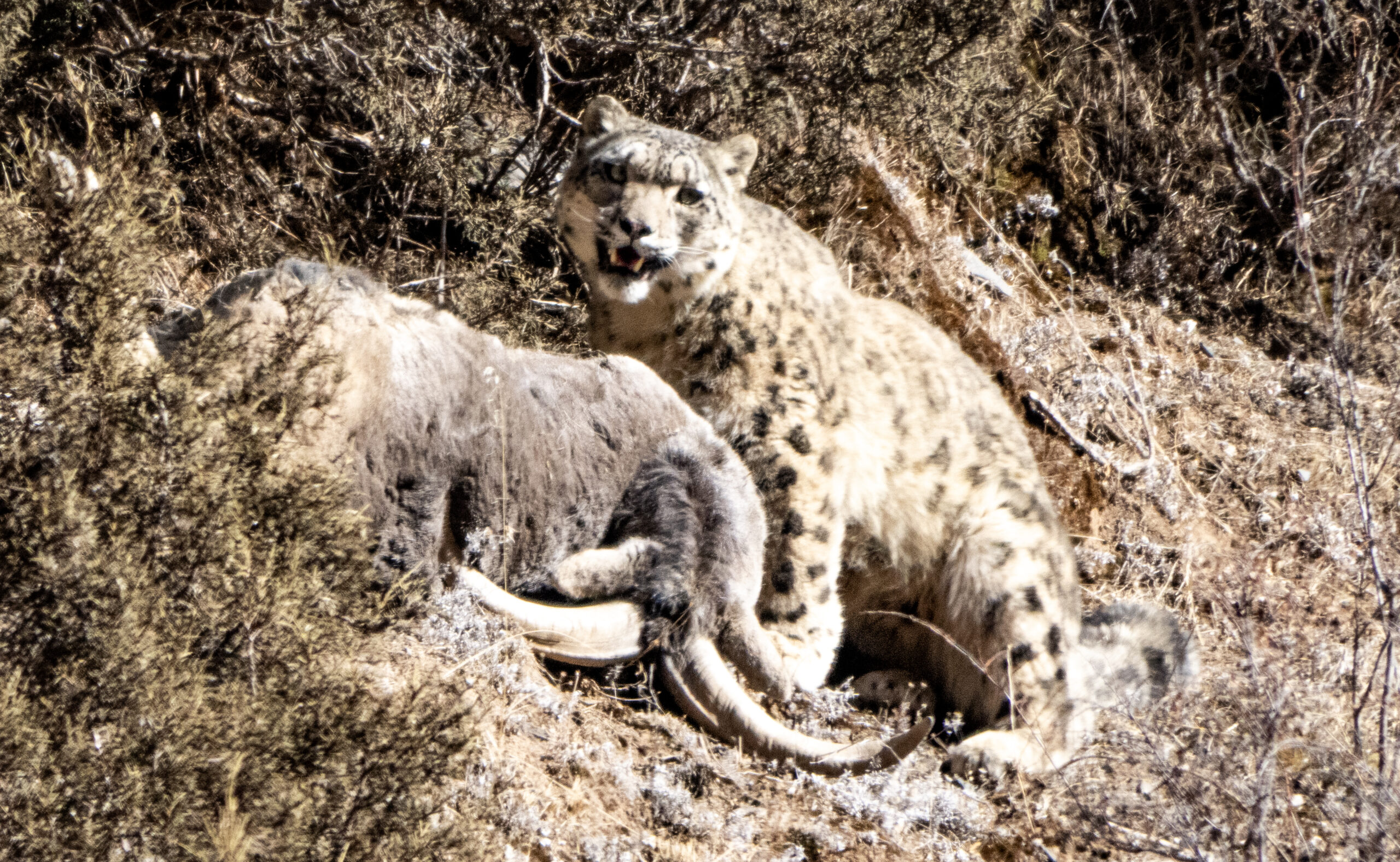
Best Time to See Snow Leopards by Destination
Snow leopards are found across 12 Asian countries, including China, Mongolia, India, Nepal, Kyrgyzstan, and Tajikistan. Most established snow leopard watching trips are concentrated in China, India, Nepal, and Mongolia.
Ladakh and Spiti, Northern India
Best season: November–March, especially January–March.
Ladakh trips usually begin in Leh at around 3,500 meters, followed by acclimatization before continuing to Hemis National Park, Rumbak, Ulley, and other observation areas. Most trips involve trekking and fixed-point scanning, requiring moderate fitness.
Accommodation ranges from homestays and winter camps to wildlife lodges. Temperatures can fall below -10°C, while snow increases trekking difficulty.
Spiti, at around 3,600–4,400 meters, allows both 4WD searches and trekking. Village homestays are the main accommodation, and winter conditions can bring frozen pipes, strong winds, and difficult road access.
For many India itineraries, around one-third to half of the total trip may be spent traveling to and from the observation areas.
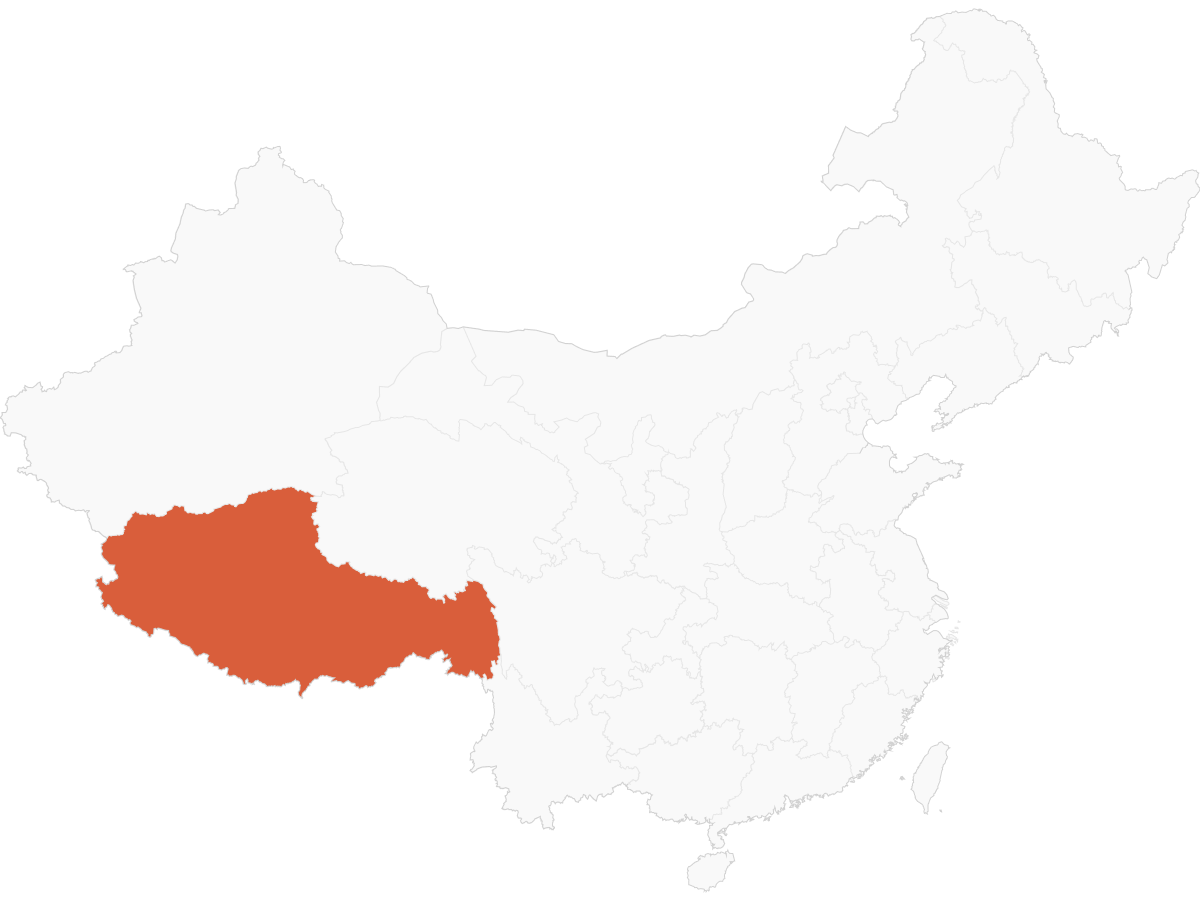
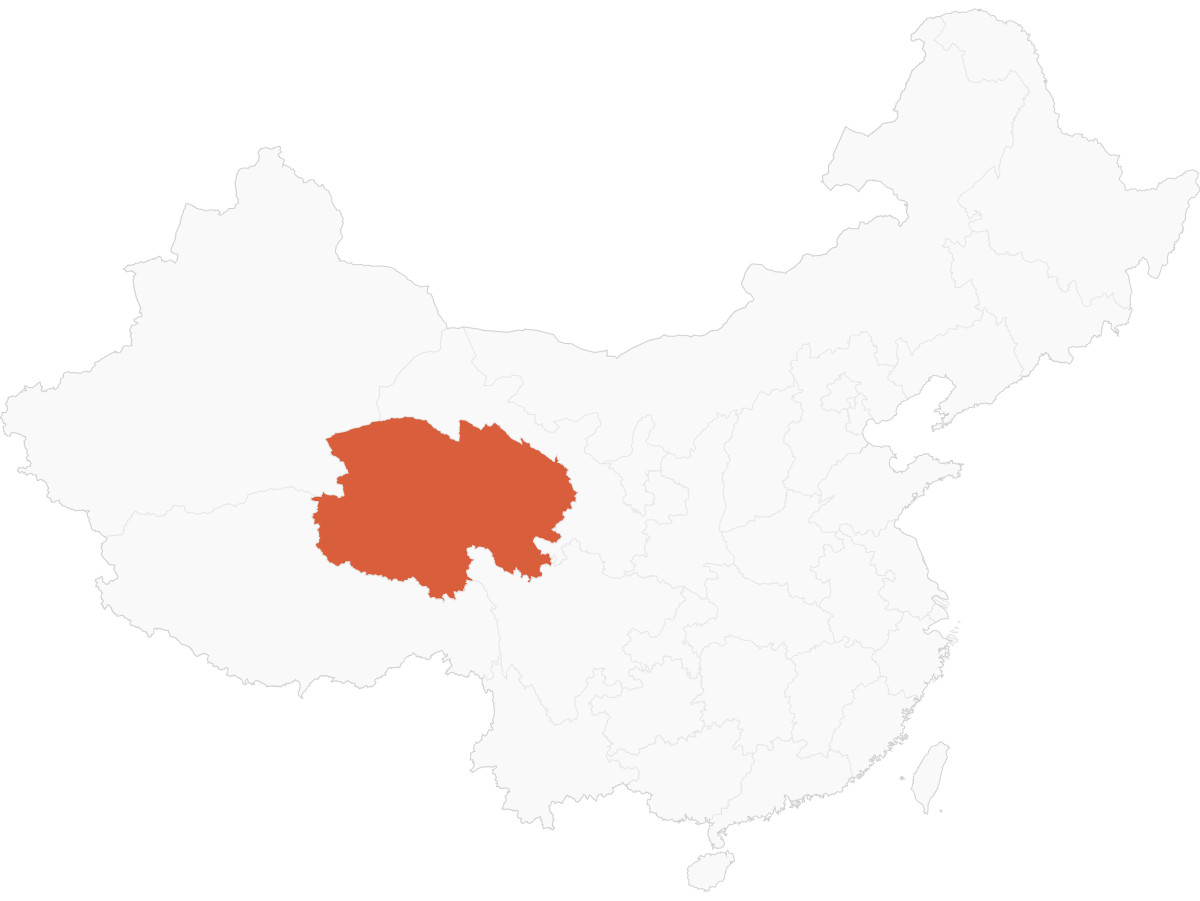
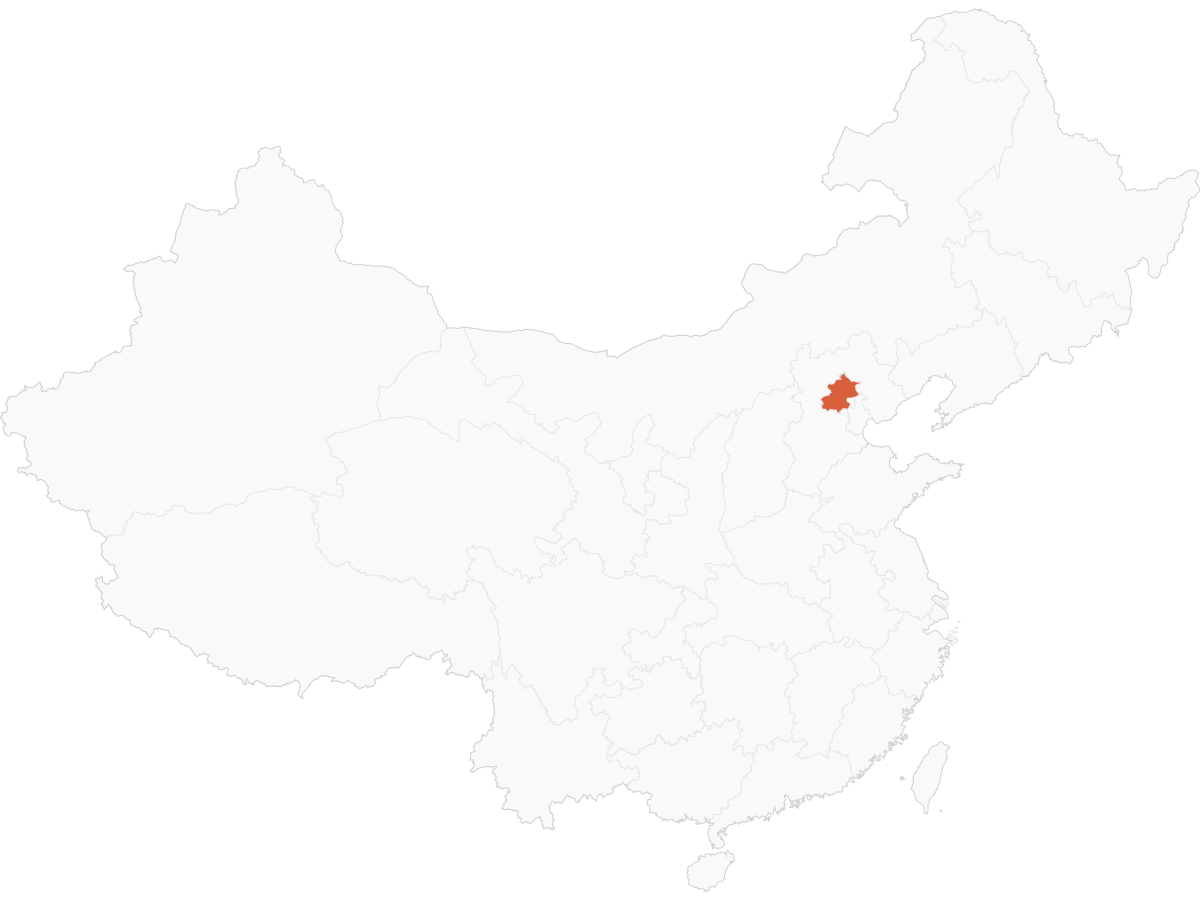
Qinghai & the Tibetan Plateau, China
Best season: October–April, especially January–March during the mating season.
China has the world’s largest snow leopard population and habitat range. More than 1,000 snow leopards have been recorded in Qinghai’s Sanjiangyuan region, making it an underestimated destination for snow leopard watching.
Most observation areas lie in remote pastoral villages around Yushu and Sanjiangyuan. International travelers usually fly to Yushu via a major Chinese city, then continue by 4WD into the mountains.
Snow leopard searches rely on experienced local guides and wildlife information shared by local herders. From January to March, mating activity increases observation opportunities. In July and August, snow leopards may descend to hunt Himalayan marmots, although denser vegetation can make them harder to locate.
In cities, accommodation is generally in comfortable hotels. In observation areas, travelers stay with local herder families, where facilities are basic. Private rooms cannot be guaranteed, and showers may not be available.
Despite the remote setting, Yushu is relatively accessible. Once inside the observation area, most days can be spent on 4WD searches, fixed-point scanning, and waiting for snow leopards to appear.
Mongolia
Best season: September–October. Mongolia has the second-largest snow leopard population globally.
Most snow leopard trips take place in the western Altai Mountains. Elevations are generally lower than on the Tibetan Plateau, reducing the impact of altitude.
Trips often combine snow leopard tracking with Mongolian nomadic culture, and may also include Pallas’s cats or traditional eagle-hunting culture. Within Central Asia, Mongolia is also one of the more established destinations for these journeys.
Accommodation is mainly in ger camps or herder homes, with beds, hot meals, and stove heating, but limited toilets, electricity, and internet.
Snow leopards here mainly prey on Siberian ibex and argali. Other possible wildlife includes Mongolian wolves, while some extended trips also search for Przewalski’s horses.
Most itineraries last 10–14 days, with around half the trip devoted to snow leopard observation. September and October offer a good balance of temperature, road conditions, and accessibility. As with any snow leopard tours, choose operators carefully: some have faced criticism, and Voygr’s operations in Mongolia were paused due to unethical practices.
Kyrgyzstan & Tajikistan
Kyrgyzstan — Best season: August–October.
Kyrgyzstan’s snow leopard habitat lies mainly in the Tien Shan Mountains, with an estimated population of around 189 individuals.
Some expeditions use horseback travel, typically spending several days riding into remote mountain areas with local guides. Once signs of wildlife are found, observers stop and scan with binoculars or spotting scopes. Accommodation is usually simple camping or yurts.
Commercial snow leopard tourism here is still developing.
Tajikistan — Best season: August–October.
Tajikistan’s snow leopard habitat is concentrated in the Pamir Mountains, with an estimated population of around 285 individuals.
Observation involves remote high-altitude terrain, strong winds, limited infrastructure, and difficult access. Wildlife monitoring and anti-poaching programs operate in the region, but commercial snow leopard trips remain rare.
| Destination | Recommended Months | Main Observation Style | Physical Demand | Accommodation | Main Characteristics |
| Ladakh, India | Nov–Mar; best Jan–Mar | Trekking + fixed-point scanning | Moderate | Homestays, camps, wildlife lodges | Mature winter tracking system |
| Spiti, India | Nov–Mar; best Jan–Mar | 4WD + short hikes | Moderate | Village homestays | Less trekking, long access journey |
| Qinghai, China | Oct–Apr; best Jan–Mar | 4WD + fixed-point scanning | Low–moderate | Hotels + herder homes | More observation days and Tibetan cultural context |
| Mongolia | Sep–Oct | 4WD + scanning + short hikes | Moderate | Ger camps or herder homes | Nomadic culture and remote wilderness |
| Kyrgyzstan | Aug–Oct | 4WD + horseback + hiking | High | Yurts, homestays, camping | Mountain expeditions and community conservation |
| Tajikistan | Aug–Oct | 4WD + hiking + scanning | High | Simple homestays or camping | Remote Pamir wilderness, few commercial trips |
Having snow leopards does not automatically make a destination suitable for snow leopard watching. Good observation trips also depend on snow leopard density, reliable observation sites, experienced guides, accommodation, and safe access.
If your priority is seeing or photographing snow leopards, Qinghai in China, Spiti or Ladakh in India, and Mongolia are among the strongest choices.
Why Snow Leopards Are Harder to See Than Other Big Cats
Unlike more accessible safaris, finding a snow leopard usually takes much longer. Most expeditions require at least four consecutive days of searching valleys, scanning mountainsides, and waiting at observation points — and even then, a sighting is never guaranteed.
The first reason is their habitat.
Snow leopards are an endangered wild cat that lives at higher average elevations than any other wild cat. In the Himalayas, they inhabit mountains roughly 3,000–5,400 meters above sea level, where the air is thin, winters are severe, and the terrain is dominated by bare rock, scree slopes, deep valleys, and cliffs. Few travelers ever reach such environments. By comparison, lions and cheetahs in Africa can often be searched for across open grasslands, while some well-established tiger and leopard reserves have mature observation networks based on tracking, monitoring, and known water sources.
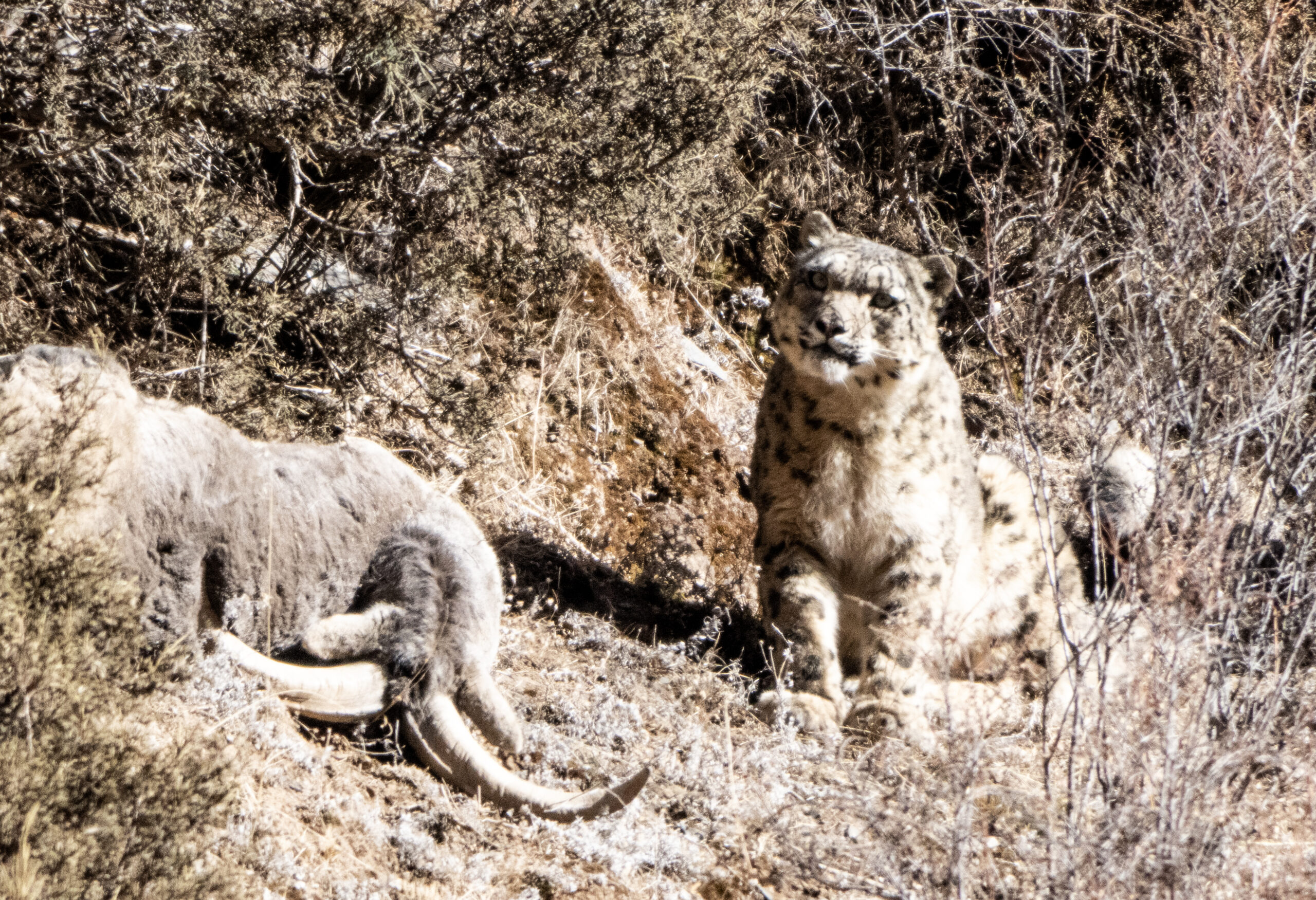
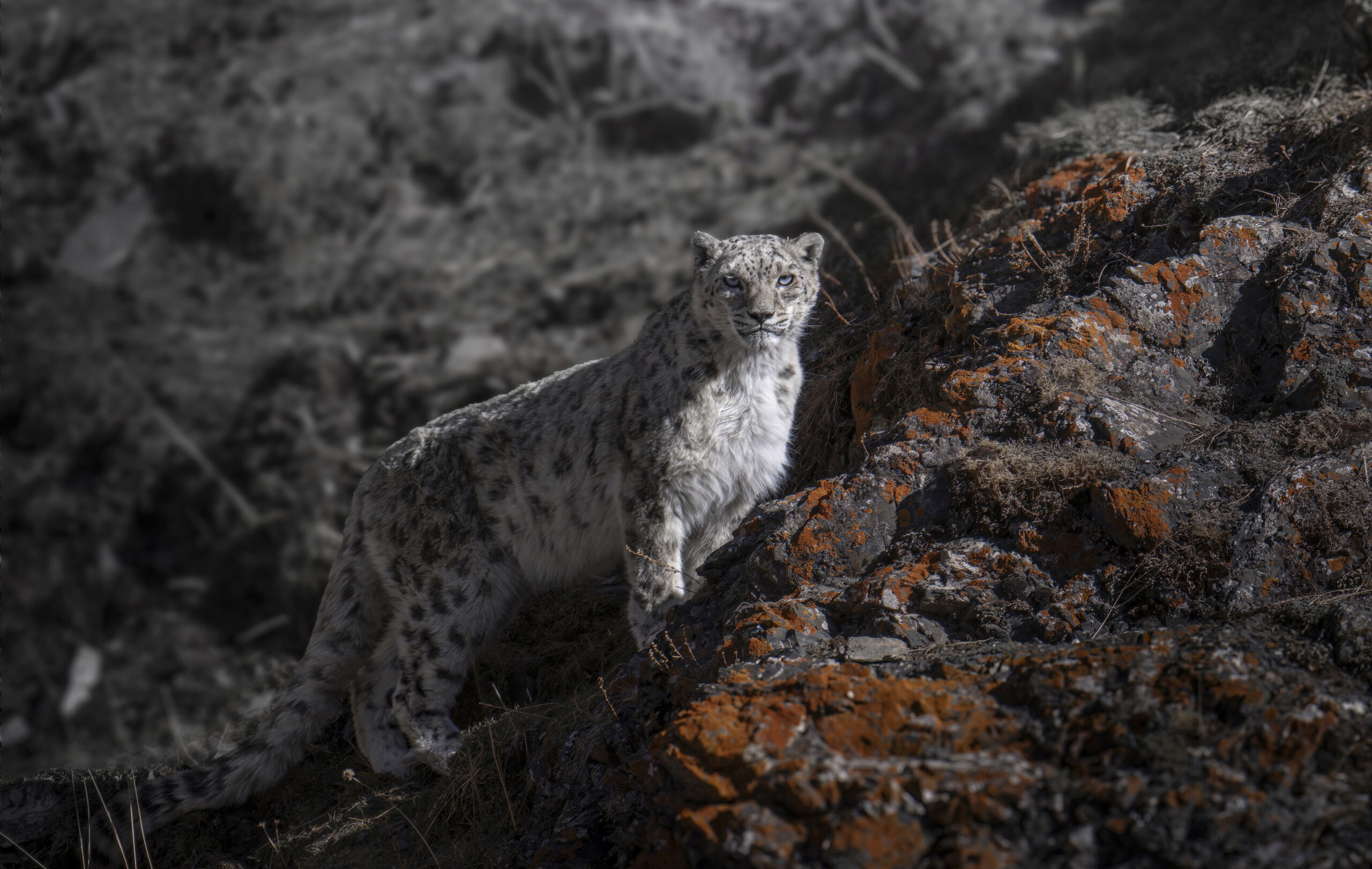
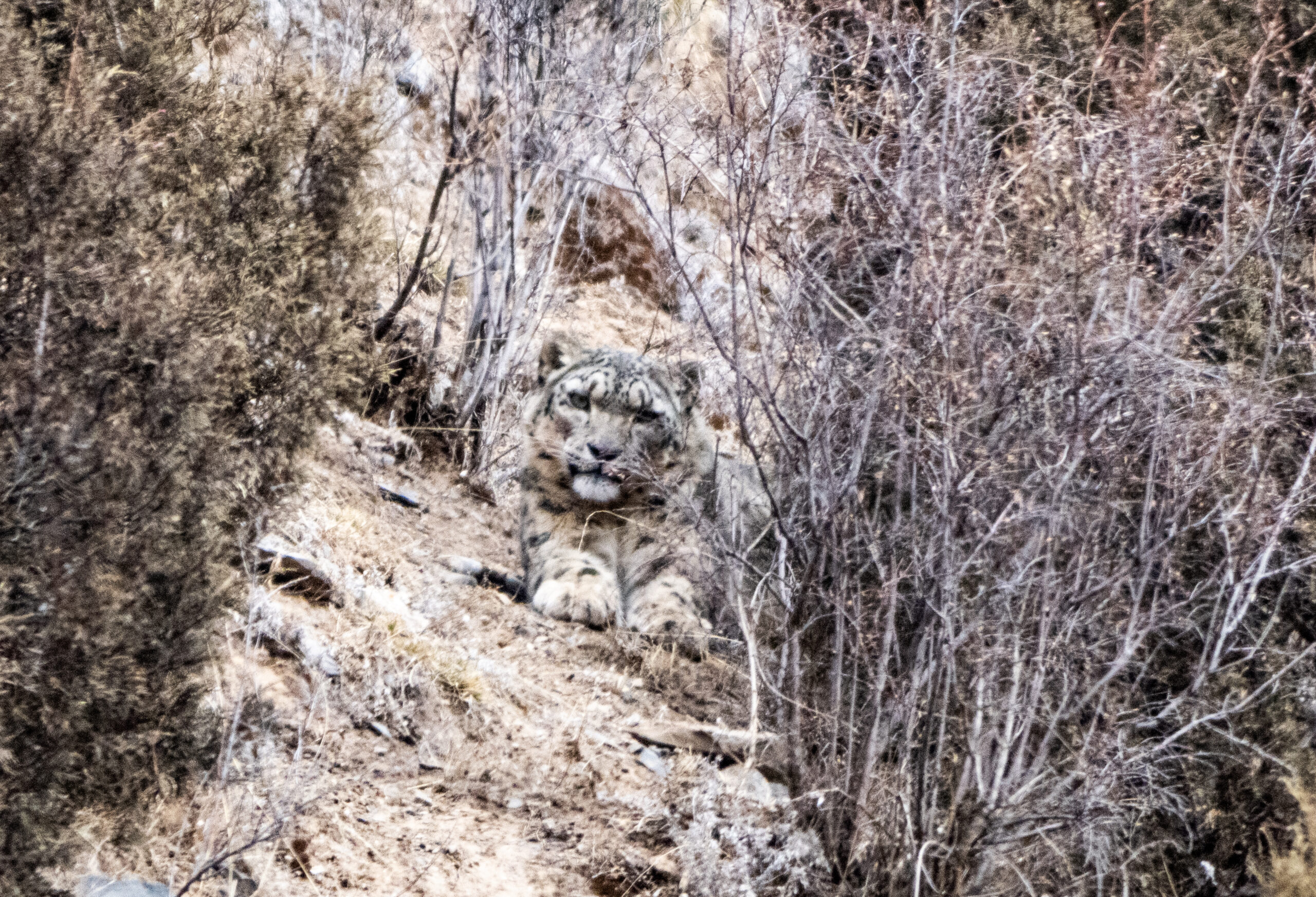
Their extraordinary camouflage makes the search even harder. Photographers sometimes capture a snow leopard in an image only to struggle to find it in the photograph afterwards. Snow leopard fur is not pure white, but generally creamy white to grey, patterned with pale grey or black rosettes and spots. When a snow leopard sits completely still beside bare rock, it can be extremely difficult for prey such as blue sheep to detect — an important advantage when ambushing prey. For human observers scanning from hundreds of meters away, the challenge is even greater.
Their behavior adds another layer of difficulty. Outside the breeding season, snow leopards are generally solitary, and an individual may range across tens or even more than a hundred square kilometers. One day, a snow leopard may be waiting for its preferred prey on a slope near a herder’s home, while trackers may also watch for signs around a recent kill; the next, it may be tens of kilometers away patrolling its territory. They are also most active around dawn and dusk, while during the day they may rest quietly among rocks or inside sheltered areas, producing almost no movement that observers can detect.
Finding an animal so well adapted to disappearing into the wilderness is never easy.
And that is exactly what makes an encounter with a wild snow leopard so precious — and why so many people become dedicated to searching for them. It is not a wildlife sighting that can be promised or planned in advance, but an encounter shaped by field experience, patience, and luck.
How Many Days Do You Need for a Snow Leopard Trip?
Snow leopards are exceptionally elusive, so while some trips last only a few days, more remote itineraries can run to two weeks or more, and we generally recommend at least four full days for searching, waiting, and observing.
Trip designs vary by destination, but most snow leopard expeditions include around 4–6 dedicated observation days.
In Ladakh or Spiti, India, itineraries usually include another 2–3 days for transfers, acclimatization, and cultural visits in places such as Delhi and Leh. Some trips also include additional wildlife areas, bringing the total journey to around 12 days.
In Qinghai, China, itineraries generally include around two days for arrival and departure, and can also incorporate Tibetan cultural experiences. Most trips last 8–15 days. Snow leopard habitats here are relatively accessible, making Qinghai a good option for travelers with limited time.
In Mongolia, the long journey from Ulaanbaatar to snow leopard habitat means itineraries often combine wildlife observation with birdwatching and traditional eagle-hunting culture, and some longer access routes may also involve a trek into more remote areas. Most trips last around 12–15 days.
Overall, allow at least four days of dedicated snow leopard observation. Spending more days focused on tracking increases your opportunities not only to spot snow leopards, but also to observe a wider range of behaviors and other high-altitude mammals. The right trip length ultimately depends on your available time and travel interests.
What to Pack for a Winter Snow Leopard Expedition
Clothing
- Moisture-wicking thermal base layers
- Fleece or lightweight down mid-layer
- Heavy down jacket or insulated coat suitable for sub-zero temperatures
- Windproof and waterproof outer shell
- Insulated trousers and windproof outer pants
- Warm hat that fully covers the ears
- Scarf or neck gaiter
- Liner gloves and thick insulated gloves
- Several pairs of warm socks
Footwear
- Waterproof, slip-resistant hiking boots or winter outdoor boots with good ankle support
- Soles suitable for scree, frozen ground, and light snow
- Break in your boots before departure; do not bring brand-new footwear directly onto the plateau
- Depending on winter temperatures, consider gaiters or insulated insoles
High-Altitude and Daily Essentials
- High-SPF sunscreen
- UV-protective sunglasses
- Lip balm and moisturizer
- Insulated water bottle
- Personal medications
- Small personal first-aid kit
- Disposable heat packs or reusable hand warmers
- Headlamp
- Power bank
- Wet wipes and basic personal hygiene items
Wildlife Watching and Photography Equipment
- Binoculars — ideally 8× or 10× magnification with 42 mm objective lenses, waterproof and fog-proof
- Camera and telephoto lens
- Sturdy tripod or support head
- Spare batteries and memory cards
- Dust and snow protection for camera equipment
- Lens-cleaning kit
- Waterproof camera bag
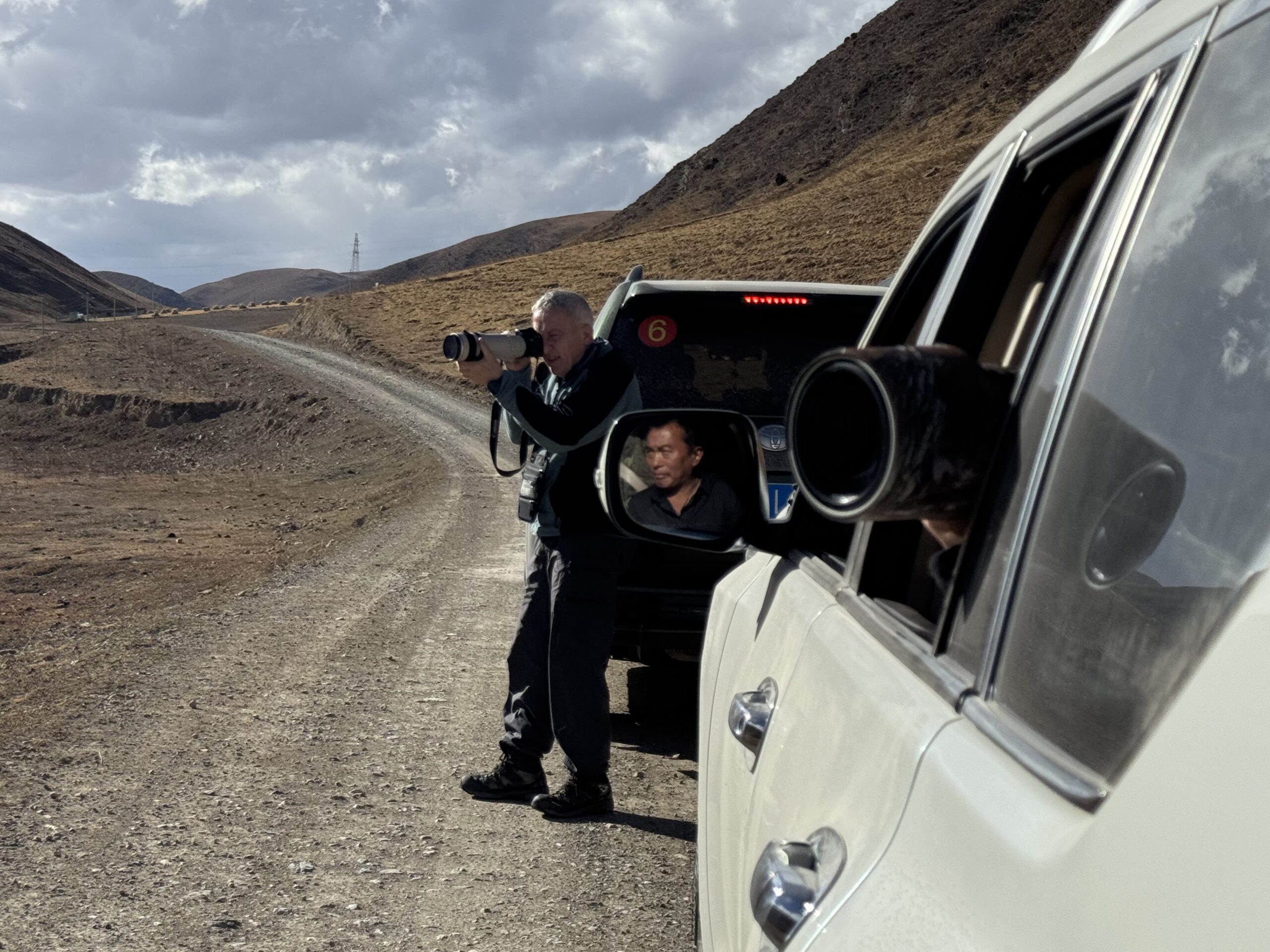
Cold temperatures can significantly reduce the battery life of cameras and phones. Keep spare batteries close to your body where they remain relatively warm. The expedition team will usually provide spotting scopes and basic equipment for locating wildlife, but travelers should bring their own personal photography equipment.
Seasonal Clothing and Footwear Advice
November to February is usually the coldest period. Daytime temperatures can feel relatively comfortable in direct sunlight, but temperatures drop quickly in the early morning, evening, and shade. At night, temperatures may fall to around −25°C. A complete layering system is essential, together with a heavy down jacket, windproof outer layer, insulated gloves, and footwear suitable for extreme cold.
March to April brings gradually warmer temperatures, but plateau weather remains highly changeable. Strong sunshine during the day can contrast sharply with cold mornings and evenings, while wind can significantly lower the perceived temperature. Even in spring, a down jacket, windproof shell, hat, and gloves are still recommended.
The key to dressing on the plateau is not simply bringing one very heavy coat, but using multiple adjustable layers. Conditions can feel very different while driving, walking, and sitting still for long periods. You may sweat during a short uphill walk, then become cold quickly after sitting for half an hour scanning the mountains. Layering allows you to adjust more easily to these changing levels of activity. If your itinerary includes camping, confirm what shelter is provided for overnight stays in very cold conditions.
Speak to An Expert
Starting Your Wildlife Adventure to China
Start designing your China wildlife adventure with our destination experts.
Make An InquiryResponsible Snow Leopard Tourism
- Keep your distance: Do not approach snow leopards. A minimum distance of 200 meters should be maintained. Snow leopards are wild predators, and keeping a safe distance protects both the animal and the observer.
- Do not bait or disturb: Never use food, sounds, or other methods to attract a snow leopard. Baiting can alter natural behavior and cause long-term harm to both the animals and future wildlife observation.
- Do not approach den sites: If signs of a den or snow leopard cubs are detected, leave the area immediately.
- Leave no trace: Take everything you bring into the valley back out with you. Do not leave rubbish, food, strong scents, or other signs of human activity behind.
- Follow your guide’s instructions: Local herder guides have lived alongside snow leopards for generations. Their Tibetan cultural traditions emphasize coexistence between people, wildlife, and the wider landscape. They decide when to move closer, when to wait, and when to retreat. In the field, their judgment should always take priority.
- Travel responsibly: Well-managed tourism can help protect snow leopards through community income and practical conservation support; in Ladakh, trip revenue also helps fund predator-proof corrals for livestock.
Responsible snow leopard observation is about more than a single encounter. Trust between people and wildlife takes time to build, and good field practice should also protect the communities and habitats that make these sightings possible.
When Should You Book a Snow Leopard Trip?
The peak season for snow leopard trips is generally November to December, and popular departures are best booked 6–12 months in advance.
Small photography groups and departures led by highly experienced trackers may fill even earlier, so planning ahead gives you more choice. That said, many snow leopard expeditions can also be arranged as private tailor-made trips, offering greater flexibility with dates.
Before departure,it also allow enough time to arrange any required visas, travel permits, and personal equipment.
Explore Eastogo’s Snow Leopard Expeditions
China has the world’s largest area of snow leopard habitat and is home to the largest snow leopard population, making it one of the most important destinations for anyone hoping to see this elusive big cat in the wild. You can check out our complete guide for snow leopard’s in China.
China also holds different kinds of endemic specice over the land, making it possible to exlore magnificent wildlife. Eastogo’s wildlife experts bring different strengths to the field. Some have worked on snow leopard expeditions and filming projects for Disney, National Geographic, and Frozen Planet. Some grew up and still live within snow leopard habitat, knowing these wild neighbors and the mountains they inhabit intimately. Others turned a lifelong passion for wildlife into careers as award-winning professional wildlife photographers. Based on these different areas of expertise, we have 8-day China snow leopard tour designed for adventure travelers and a destination lives snow leopard, palla’s cat and Eurasian lynx that suitable for wildlife photographers.
Snow leopards roam remote mountains rarely visited by people, and those who live there year-round often know their movements best. By working with local communities, we have built a wildlife information network that helps us understand recent animal activity and search more effectively. We hope these journeys allow you to experience both the landscape and the remarkable wildlife that lives within it.
At the same time, we hope long-term snow leopard tourism can create an additional, sustainable source of income for local communities that traditionally depend heavily on livestock. For us, responsible wildlife travel is ultimately about coexistence — people, wildlife, and the land supporting one another.