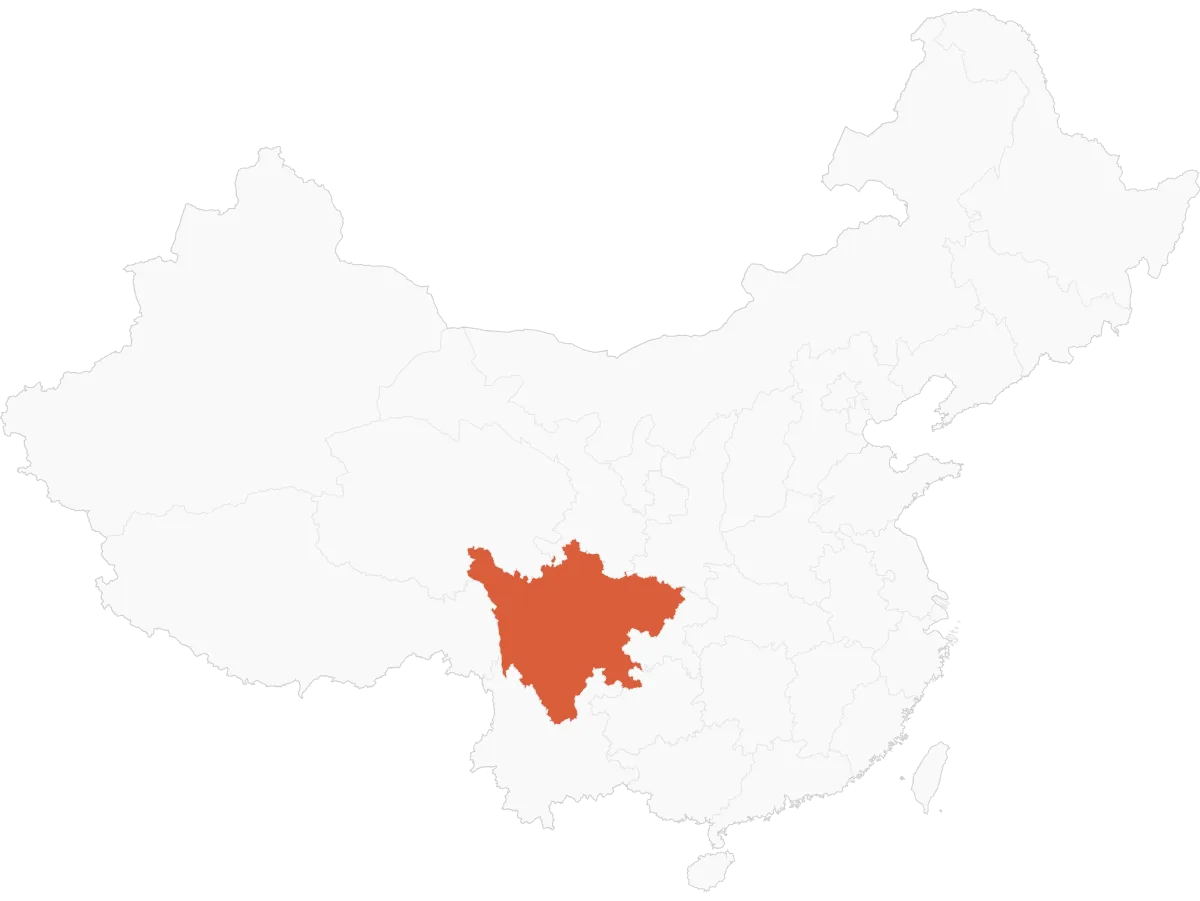
If there is one time of year to visit western Sichuan for the first time, September and October generally offer the best all-round conditions. Rainfall eases, mountain views are often clearer, grasslands turn golden, and forests begin to take on their autumn colours. But western Sichuan is too vast and varied for a single “best month”. Wildflowers and green meadows, clear views of snow peaks, hiking, Tibetan festivals and journeys into remote mountain regions such as Genyen and Gongga all have their own ideal seasons.
This guide helps international travellers plan a trip around their interests, whether that means sightseeing, photography, hiking, experiencing Tibetan culture or tackling a multi-day mountain traverse. The best time depends on altitude, destination, weather and the kind of journey planned. There is no single answer for everyone.
Best Time to Visit Western Sichuan
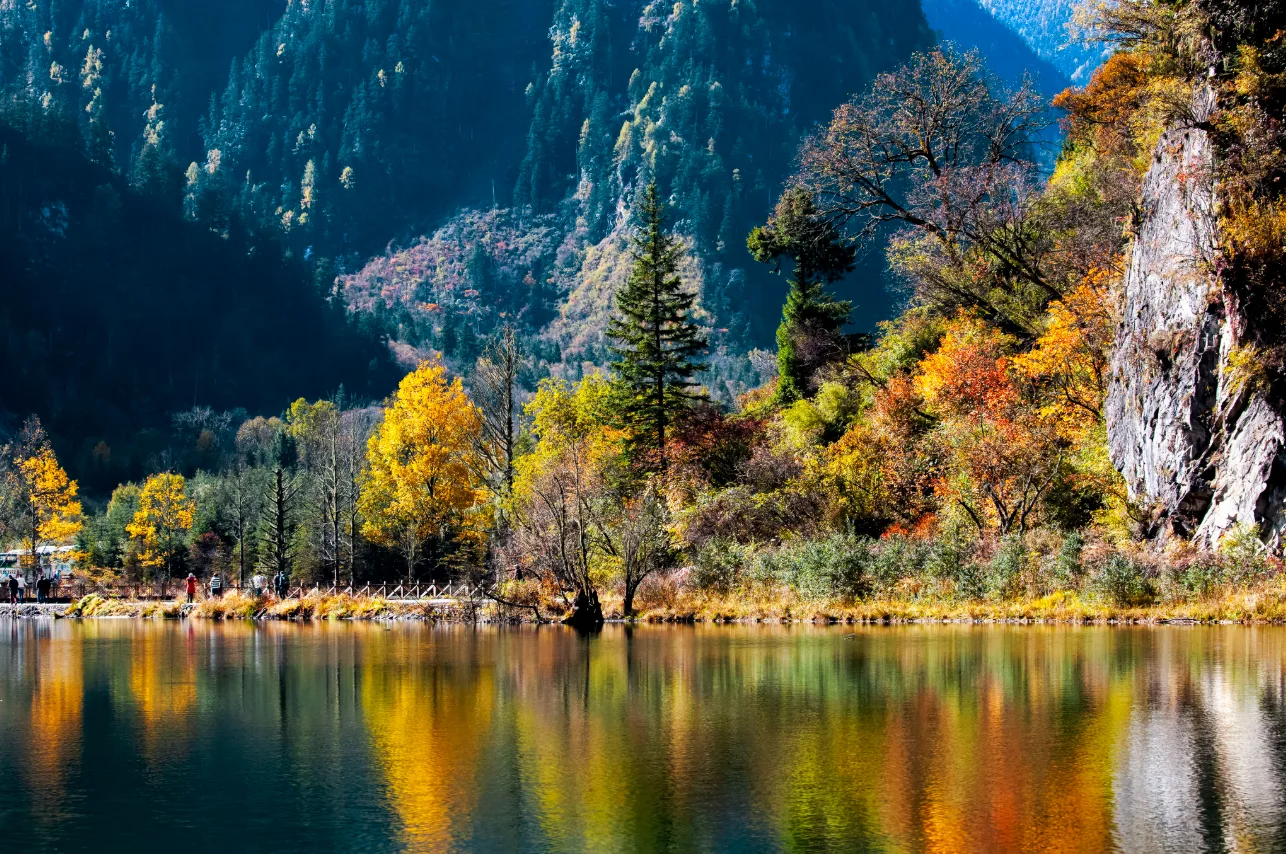
September and October are generally the best all-round months to visit western Sichuan. As the rainy season draws to a close, skies tend to clear, bringing better views of the snow peaks. Golden grasslands and autumn foliage add to the scenery, making this an excellent period for photography and many high-altitude treks.
For wildflowers and green alpine meadows, late May to July is a better choice. Alpine rhododendrons and other wildflowers begin blooming in May, while June and July bring lush grasslands to Tagong, Litang and the Maoya Grassland.
For hiking, May–June and September–October are often the preferred windows, although the best timing depends on the specific route and its altitude.
July and August bring the greenest landscapes, but also the main rainy season. Low cloud can obscure mountain views, while heavy rain may affect road conditions and trekking routes. From October into winter, drier air often brings better conditions for photography focused on snow peaks.
Bear in mind that the best weather does not always mean the best overall travel experience. The May Day holiday, summer holidays in July and August, and China’s National Day holiday all bring heavier crowds to popular scenic areas, along with greater pressure on accommodation and mountain roads.
Why Seasons Vary Across Western Sichuan
Western Sichuan’s seasons are shaped as much by altitude as by the calendar, making a simple spring-to-winter guide misleading.
In April, pear blossoms may already be in full bloom in the Danba valleys, while grasslands above 3,000 metres remain brown and higher mountain passes are still covered in snow. Summer brings hot, humid weather to Chengdu, yet a warm jacket is still essential in Siguniang Mountain, Tagong and Litang. Even within a single day, sunshine can give way to low cloud, rain or a brief snowfall.
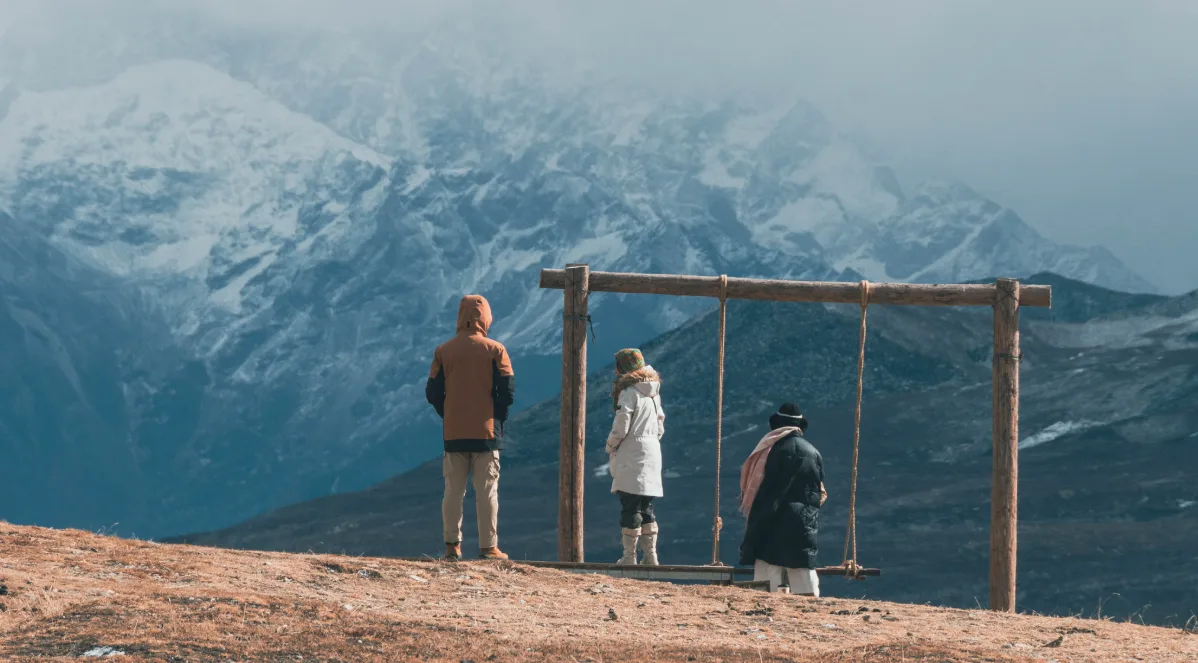
Planning a trip to western Sichuan means considering the month, altitude, destination and planned activities together, while allowing for changing weather and road conditions. A sightseeing trip, a snow-mountain photography expedition and a multi-day trek above 4,000 metres each call for a different approach to seasonal planning. For international travellers visiting the region for the first time, guidance from professionals familiar with the local terrain and mountain weather can make the journey easier to plan and navigate.
Choose Your Season by Travel Style
Best Time for Snow Mountains and Photography
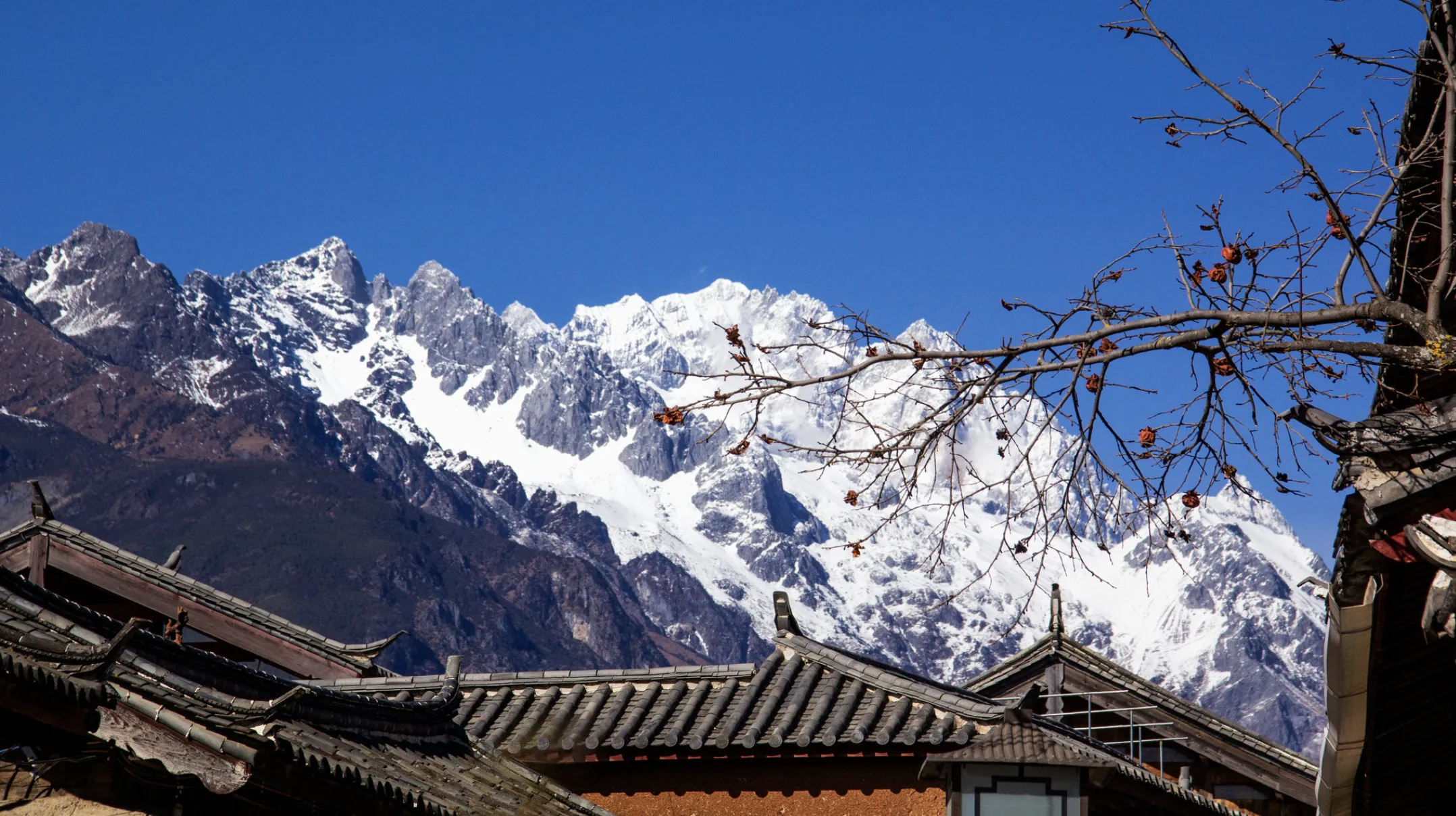
September to December is generally the best time for snow-mountain photography in western Sichuan. Once the rainy season has passed, the air tends to be clearer, mountain contours stand out more sharply, and cloud cover is often less persistent. It is a good time to photograph peaks such as Gongga, Yala, Siguniang Mountain and Genyen.
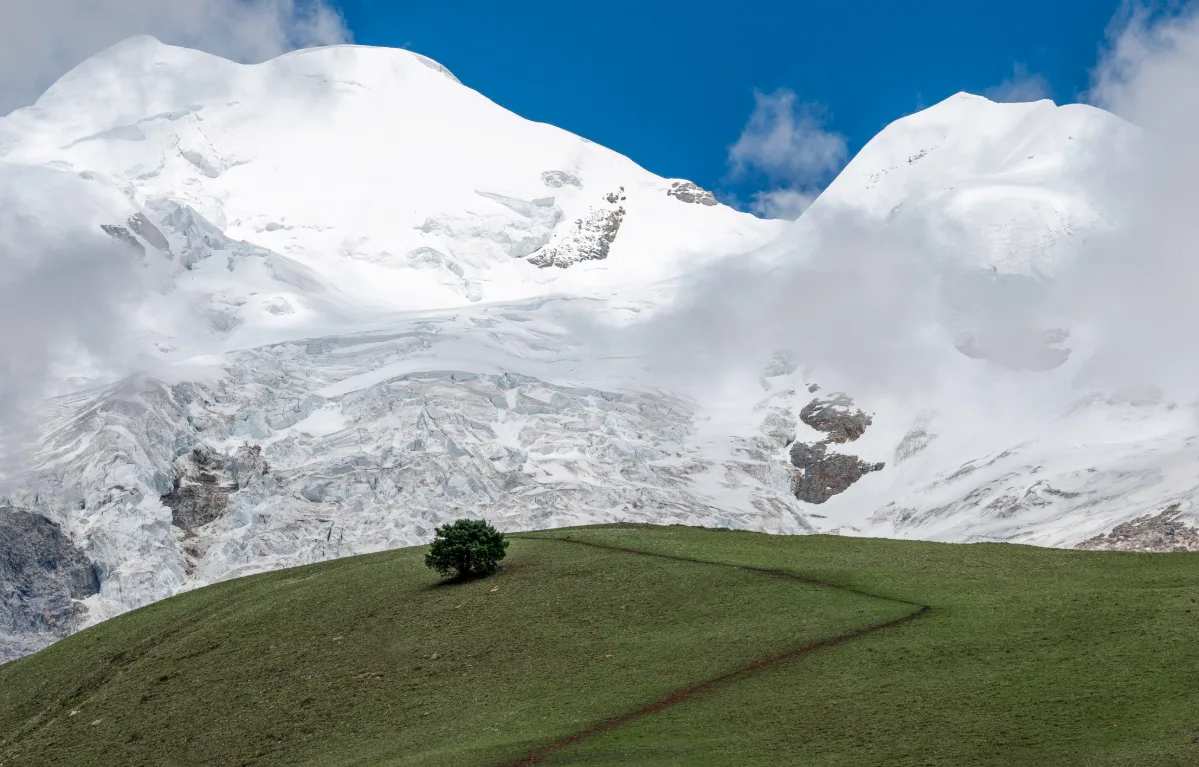
An early start is worthwhile. The light is soft and clear, winds are often calmer, and there is a better chance of seeing the first sunlight turn the snow peaks golden.
Best Time for Wildflowers and Green Grasslands
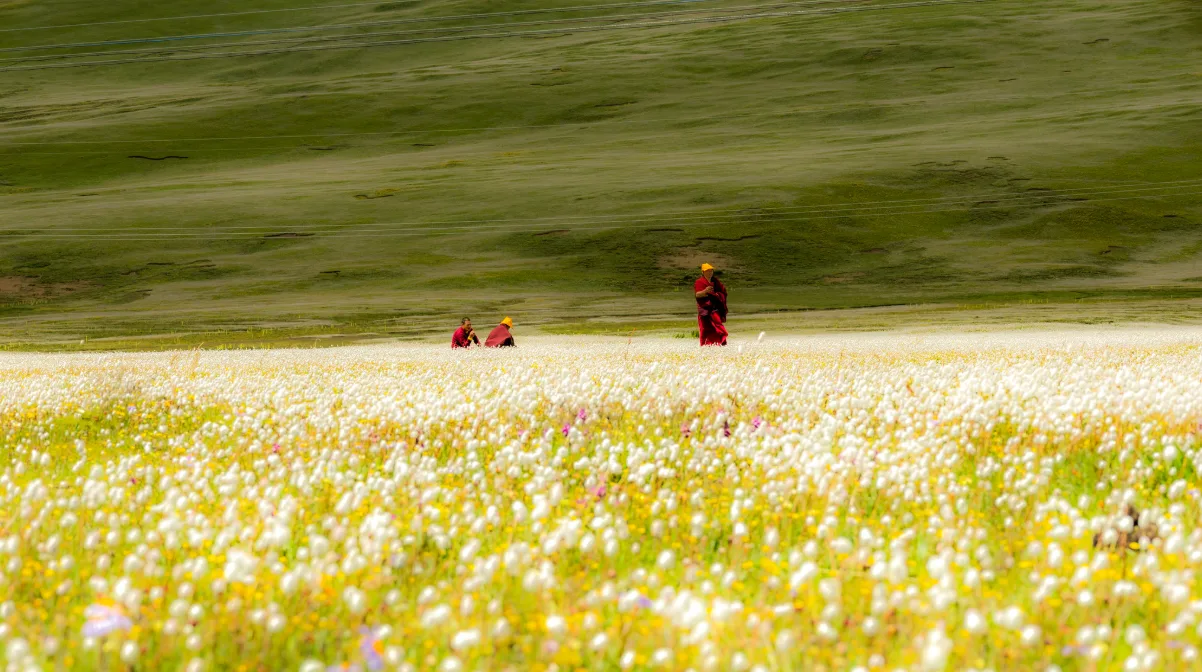
For wildflowers and green alpine meadows, late May to July is the best window. The grasslands around Tagong, Litang and Maoya gradually turn green, with wildflowers scattered across the summer pastures and yaks, horses and herders’ tents dotting the landscape. This is when western Sichuan feels most alive.
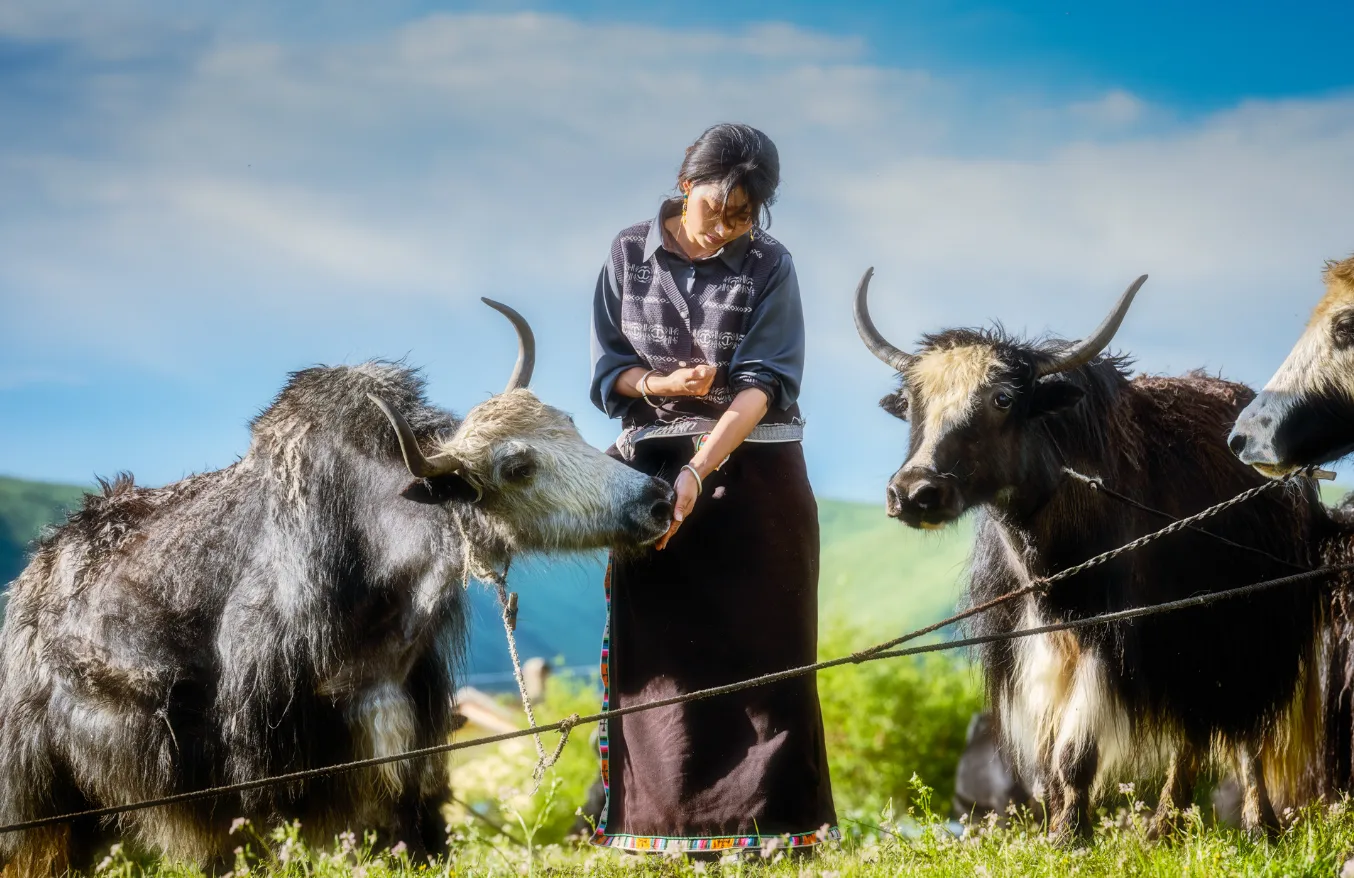
The grasslands are usually at their greenest in July and August, but heavier rainfall can disrupt road conditions and travel plans. For those hoping to see the meadows in bloom while avoiding some of the uncertainty of the rainy season, June is often an excellent compromise.
Best Time for Hiking and Trekking
There is no single best month for trekking in western Sichuan, but many classic routes are most suitable in May–June and September–October.
Conditions vary considerably between areas such as Siguniang Mountain, Gongga and Genyen. Altitude, snow cover and route access all affect when a trek is feasible. The classic Changping–Bipenggou traverse at Siguniang, for example, crosses a 4,641-metre mountain pass. Whether it is open depends on that year’s snow conditions, weather and safety assessments, rather than a fixed calendar.
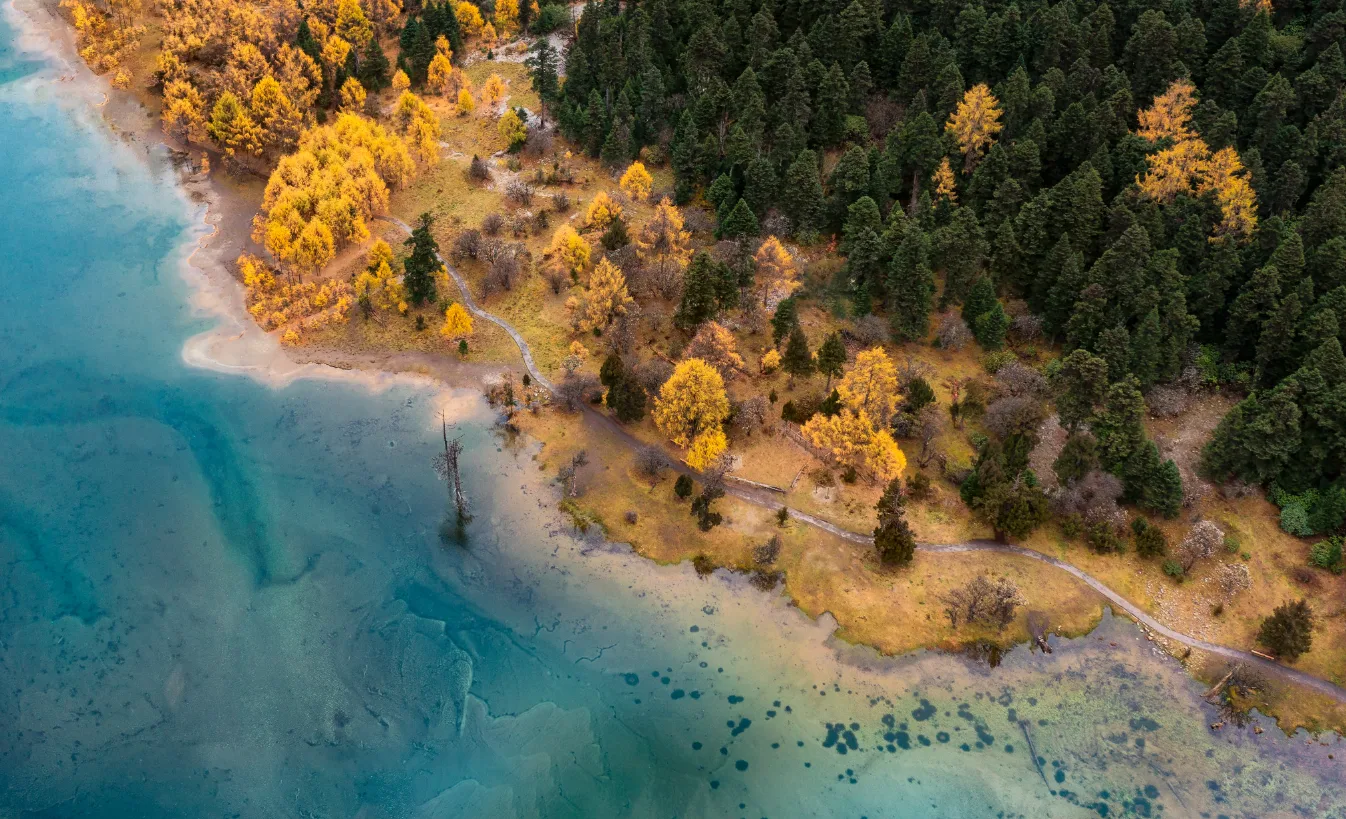
If trekking is the main purpose of the trip, check route access, recent snowfall and road conditions again shortly before departure. Long-range weather forecasts alone are not enough to determine whether a high-altitude route is safe or open.
Best Time for Snow and Winter Landscapes
November to February is ideal for travellers drawn to snowy mountain scenery and quieter conditions.
As the grasslands lose their green and the snowline drops, the mountains around Siguniang and Gongga take on a more distinctly wintry character. With far fewer visitors than in summer and autumn, winter can be particularly rewarding for photography.
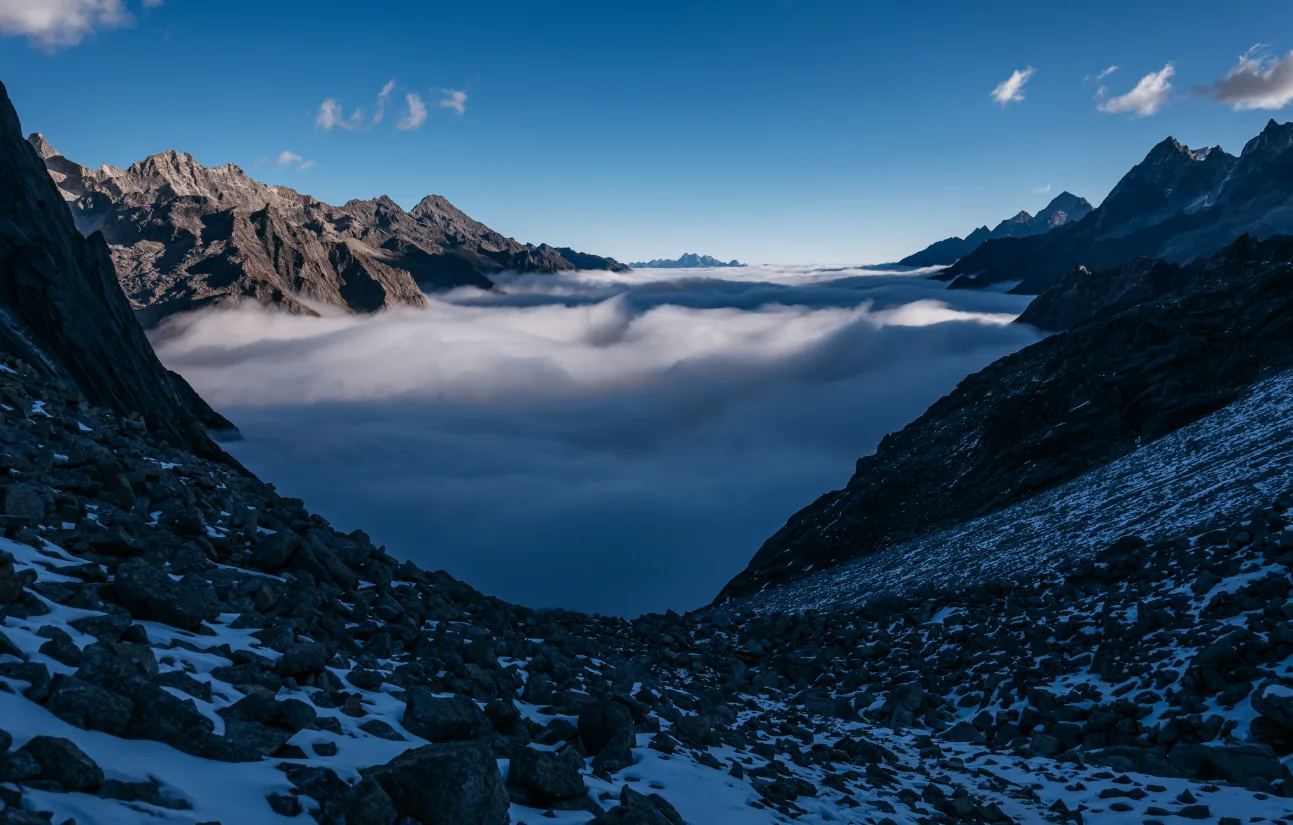
The trade-offs are colder temperatures, shorter days and possible snow or ice on mountain roads. Some multi-day trekking routes also close for the winter season.
Best Time for Tibetan Festivals and Cultural Experiences
For travellers interested in Tibetan culture, two quite different periods are worth considering.
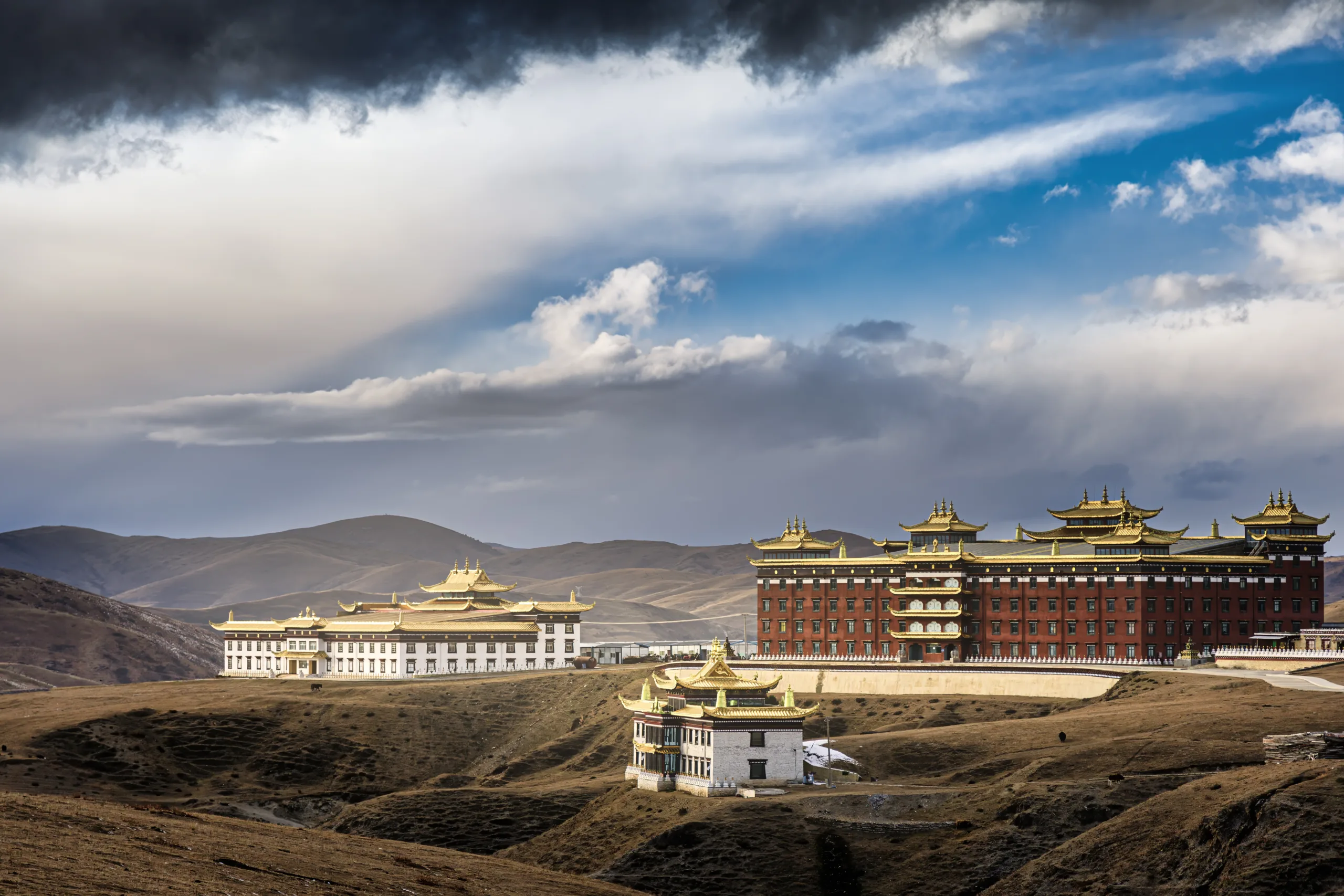
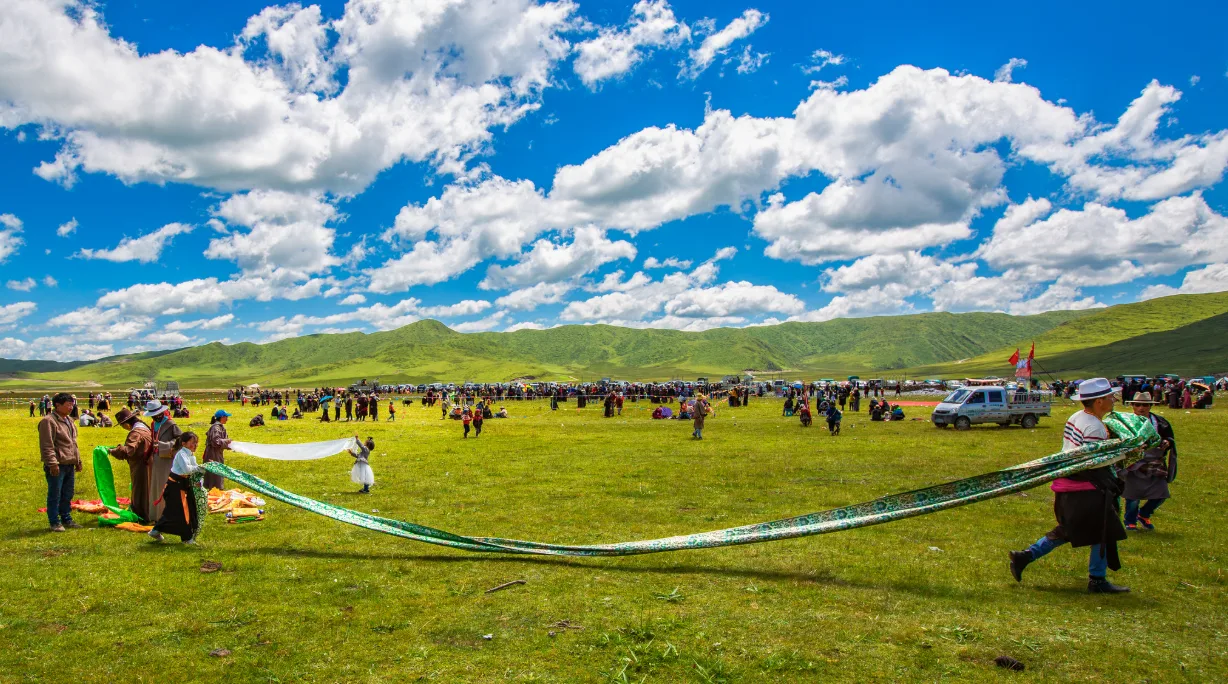
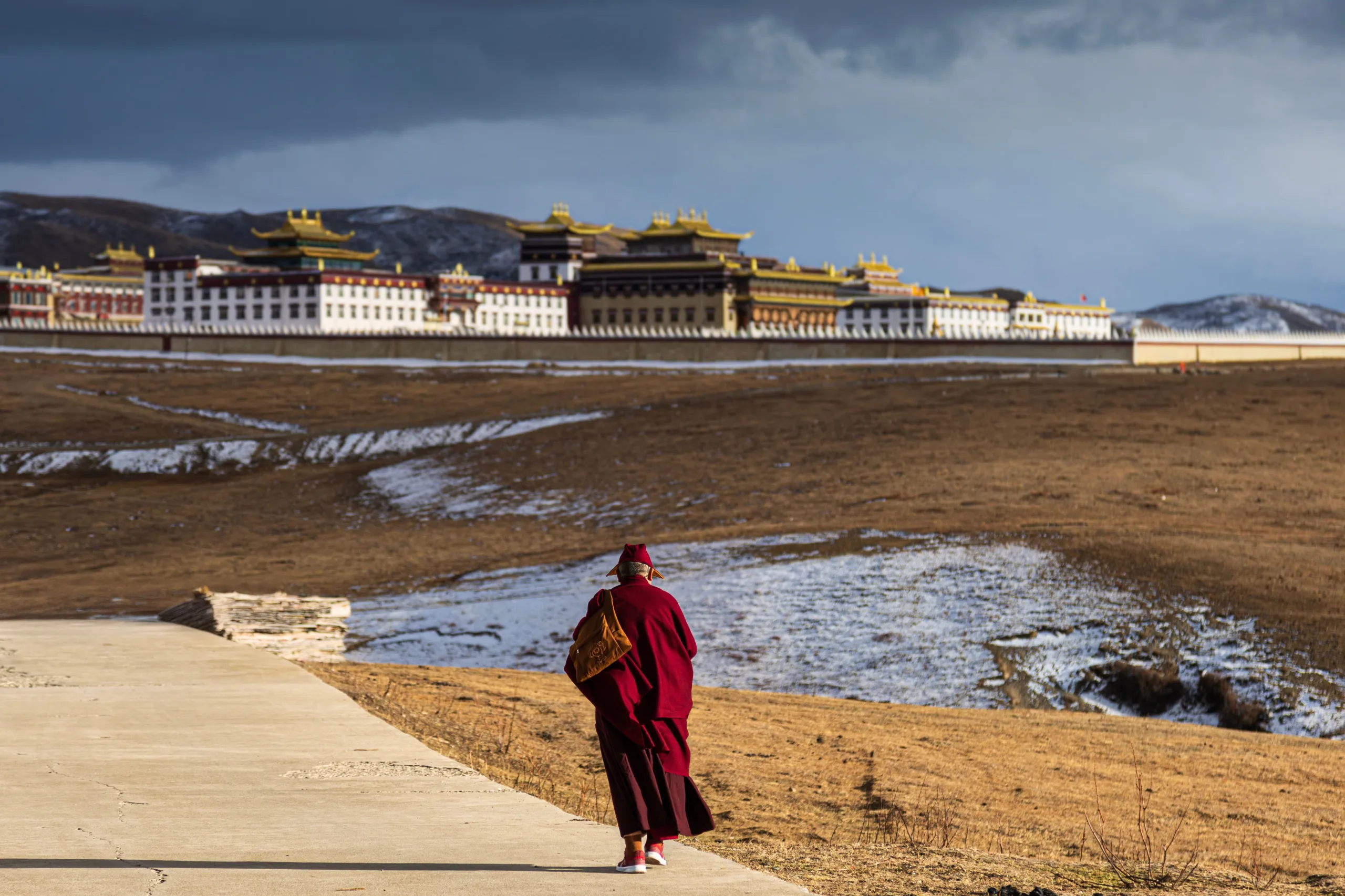
July–August is the main season for many traditional Tibetan festivals and horse-racing events across western Sichuan. The Litang Horse Racing Festival is among the best known, bringing horse racing, Guozhuang dancing and the energy of summer life on the grasslands together in a lively celebration. Visits to places such as Tagong Monastery, built during the Qing Dynasty and still an important centre of Tibetan Buddhism, can also help travellers better understand local traditions and Tibetan customs, though popular festival destinations become much busier.
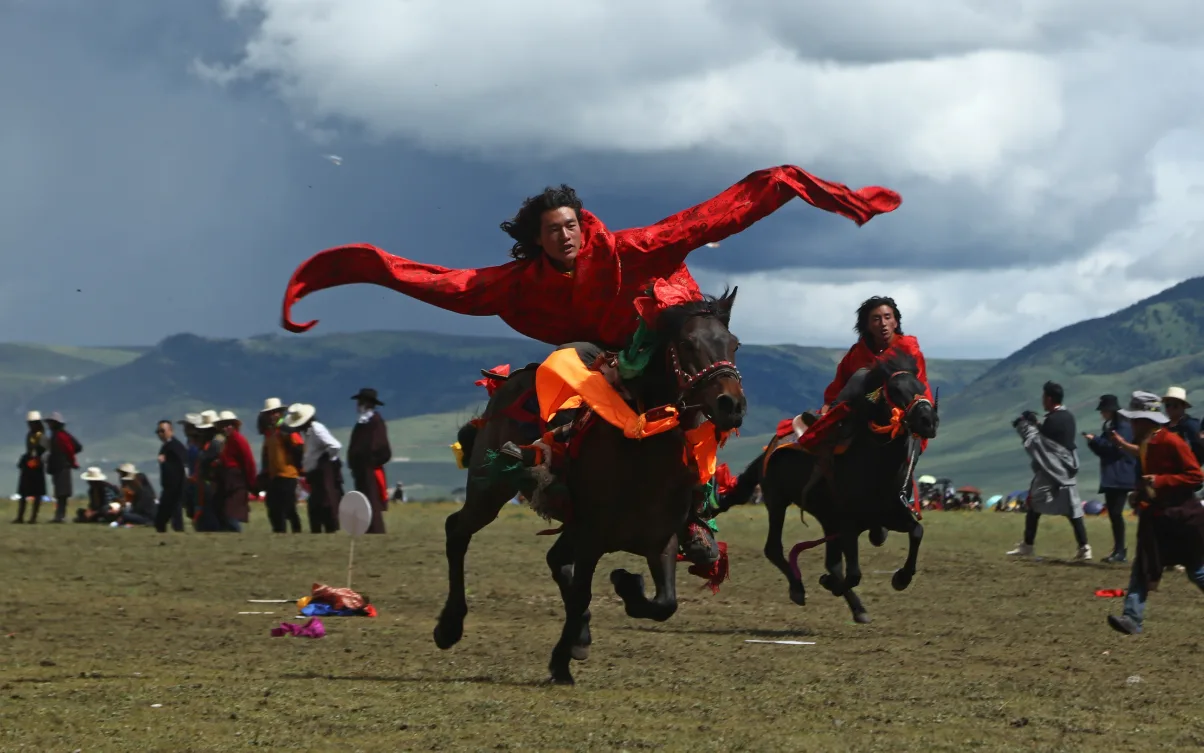
A quieter cultural experience can be found after the main tourist season. In late autumn and winter, many villages and monasteries return to a more everyday rhythm, offering a chance to observe local life beyond activities arranged for visitors. Some areas also hold religious and community celebrations around Chinese New Year and Tibetan New Year, although dates vary from year to year and should be confirmed in advance.
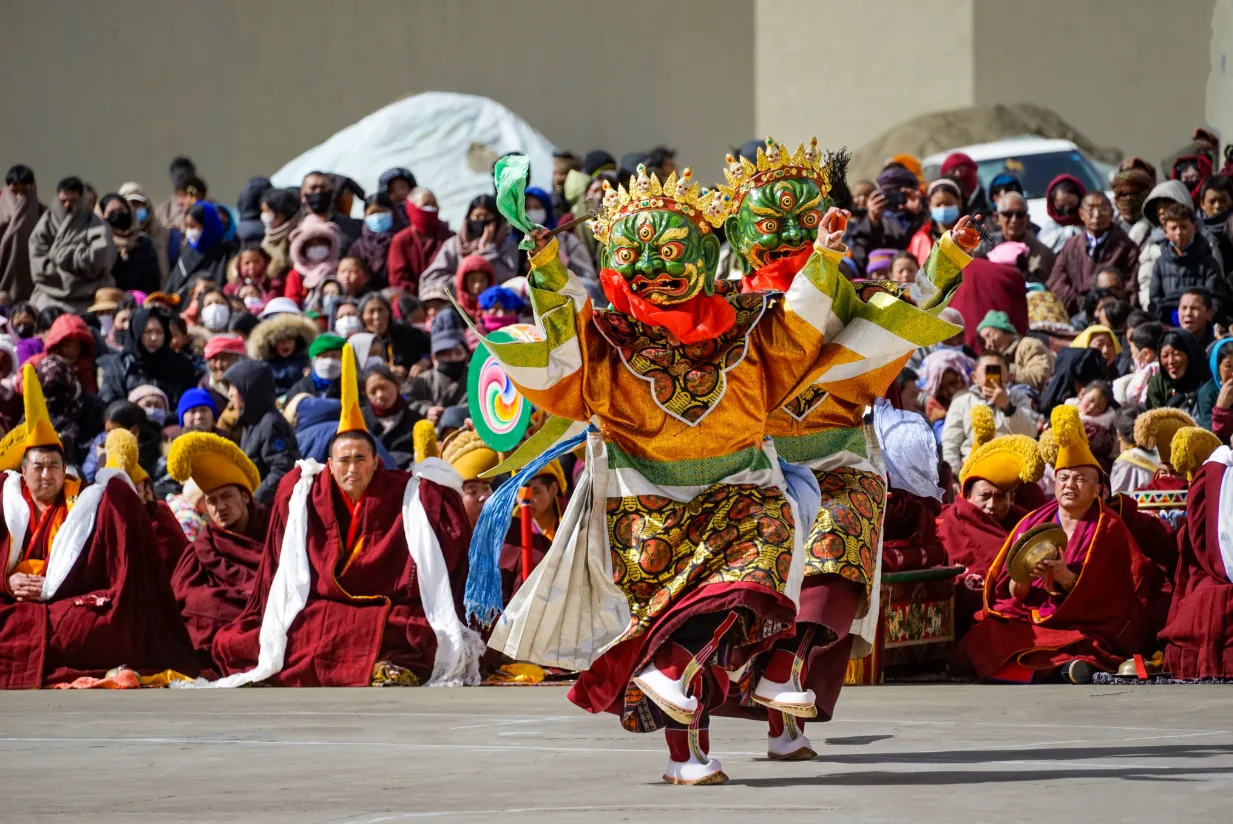
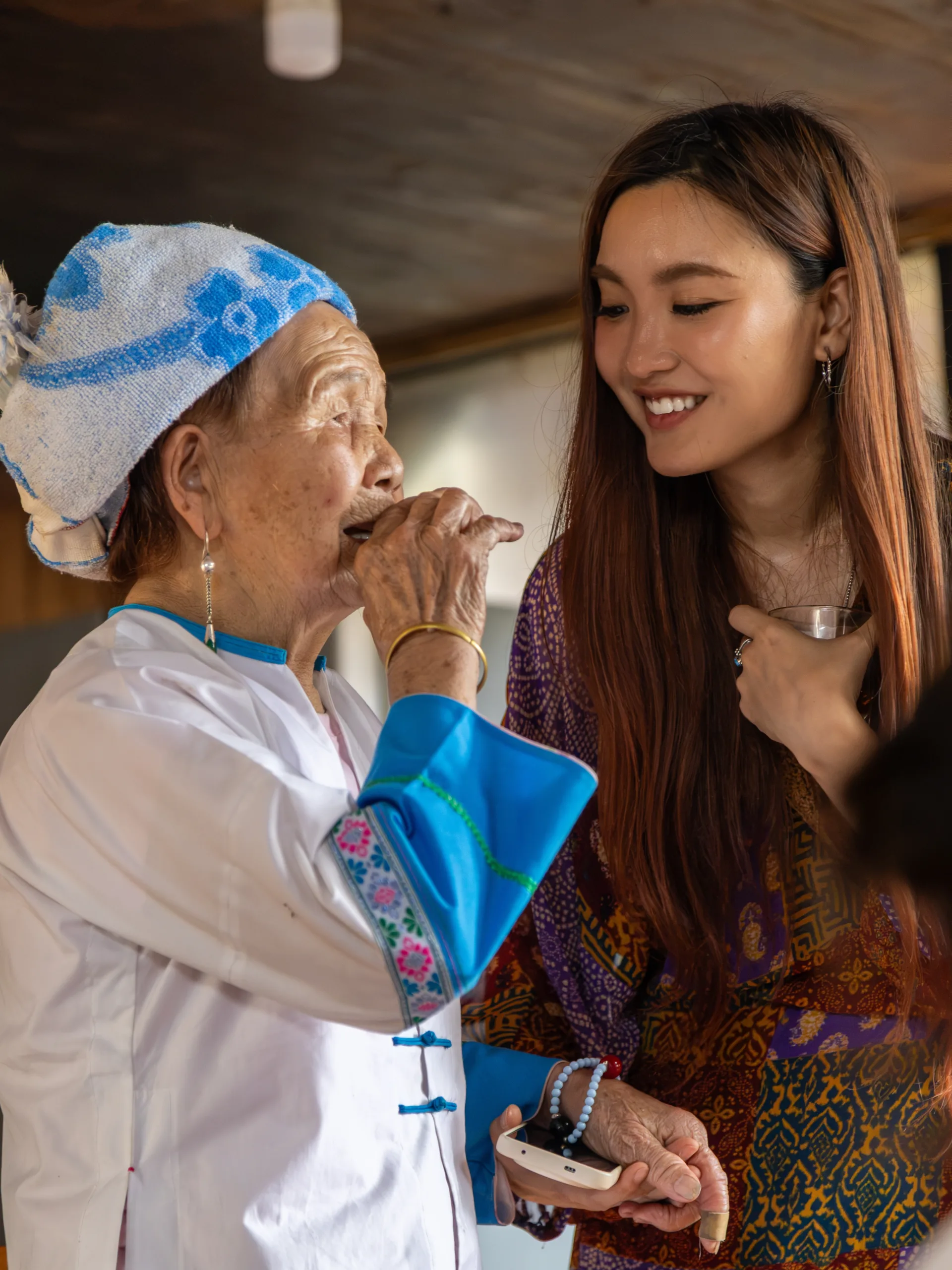
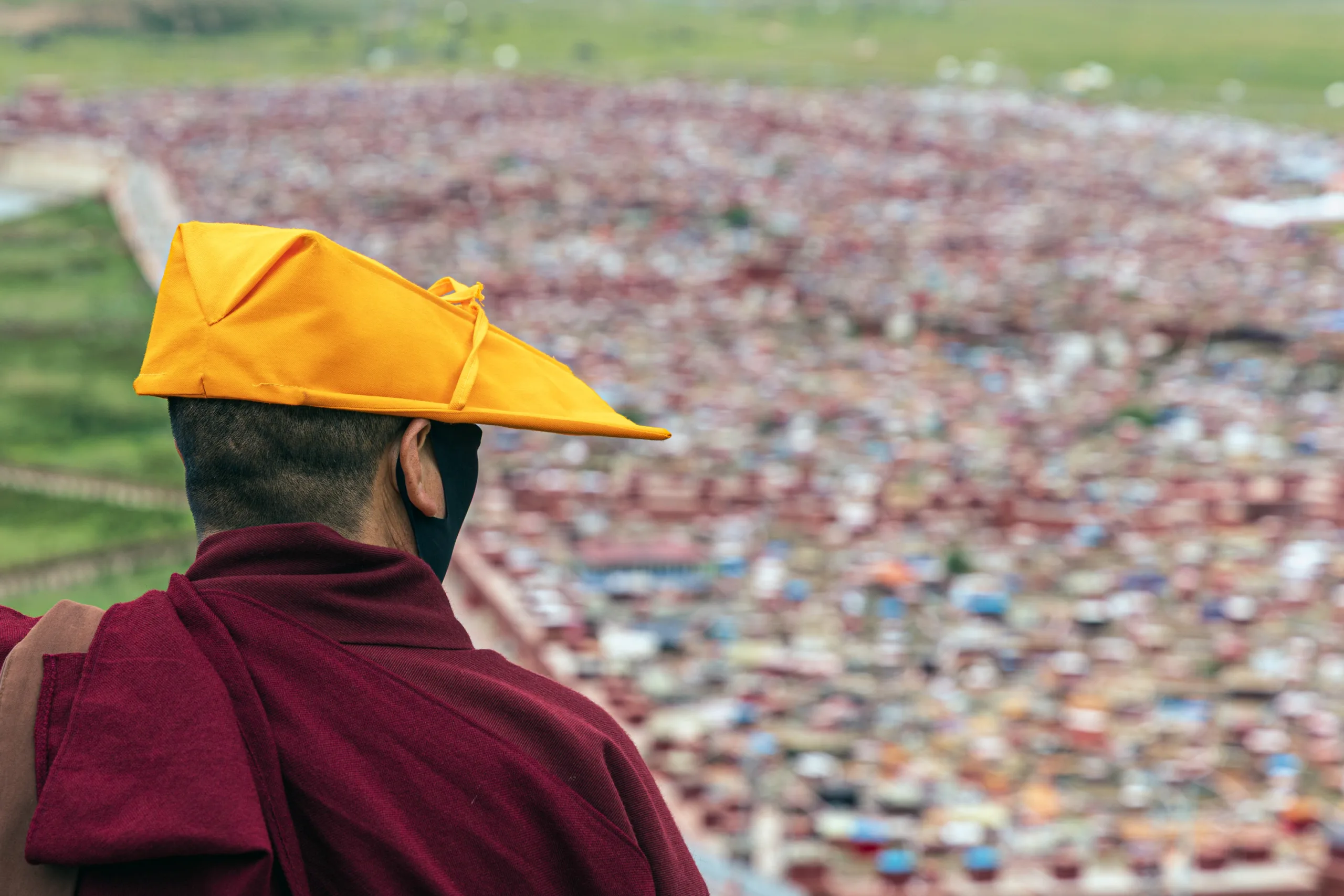
For travellers hoping to gain a deeper understanding of Tibetan culture, Eastogo can arrange visits to herder families, meditation experiences and village visits accompanied by local guides. These encounters offer a chance to move beyond admiring the landscape and build a closer connection with the people and traditions of the region. You can also take a look at our 9-day Western Sichuan itinerary for reference.
Speak to An Expert
Explore Western Sichuan with Eastogo
Start designing your China journey with our destination experts.
Make An InquiryChoose Your Season by Destination
Siguniang Mountain
Siguniang Mountain, also known as Four Sisters Mountain, is a year-round destination, but each season offers a different experience.
May–June brings a striking combination of snow peaks, alpine rhododendrons and wildflowers. September–October generally offers more settled weather, making it an excellent time for hiking in Changping Valley, photography and high-altitude outdoor activities. Most visitors explore the valleys for hiking and sightseeing, while climbing the main peaks is for experienced mountaineers. Summer brings lush vegetation to the valleys, and the surrounding high mountains keep temperatures cooler than in Chengdu, while winter offers snowy landscapes and opportunities for seasonal activities such as ice climbing.
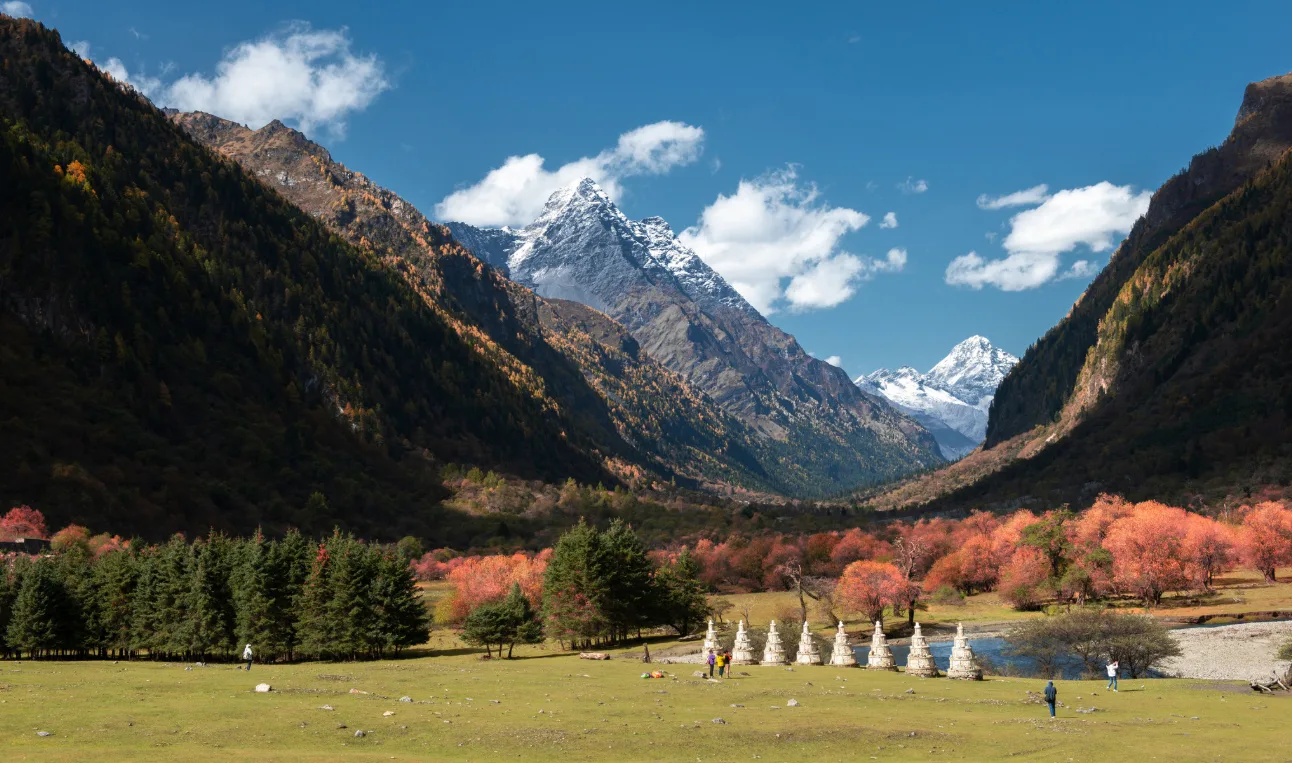
For experienced multi-day hikers, the classic Changping–Bipenggou traverse crosses a high mountain pass from Changping Valley at Siguniang Mountain into Bipenggou. One of western Sichuan’s best-known trekking routes, it covers approximately 35.7 km and usually takes three days, according to official route information.
Bipenggou is particularly beautiful in autumn, when snow peaks and colourful forests are reflected in the river valleys. Its quieter winter landscapes are also well worth experiencing, especially for those drawn to snow-covered scenery.
For more details, see Siguniang Mountain Guide: Valleys, Hiking, Peaks and Practical Planning
Danba
Danba is particularly beautiful in spring and autumn. Spring brings hillsides covered in pear blossoms, while autumn transforms the surrounding forests into shades of gold and red.
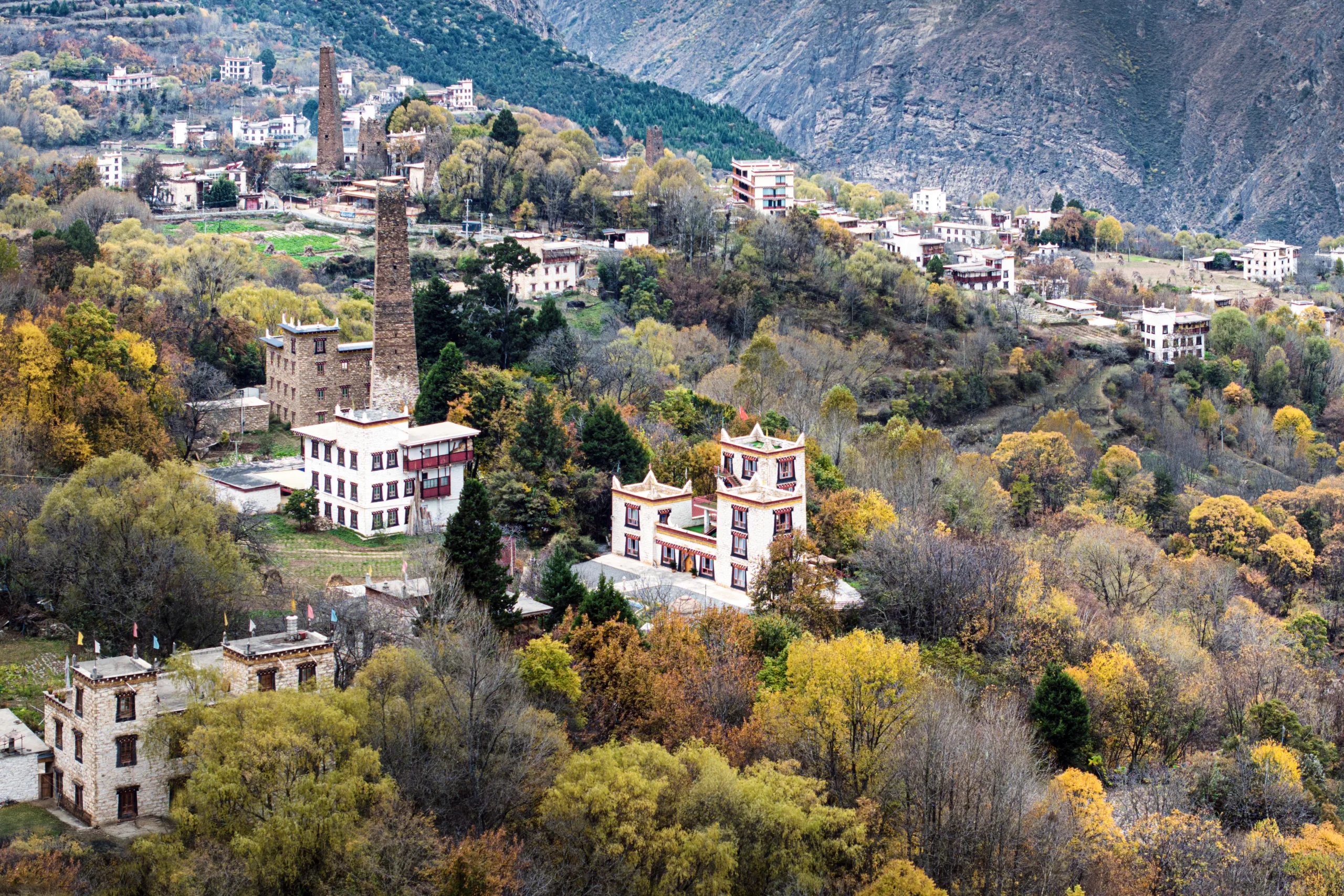
From March to April, white pear blossoms spread across the hillsides and valleys, creating a beautiful contrast with traditional stone houses, mountain slopes and distant snow peaks. The Jinchuan River Valley is particularly picturesque at this time, as are Jiaju Tibetan Village and Zhonglu Tibetan Village. Jiaju is widely regarded as one of the most beautiful rural destinations in China, known for its spectacular hillside setting, while Zhonglu offers a quieter village atmosphere, with stone houses and ancient watchtowers scattered across the slopes.
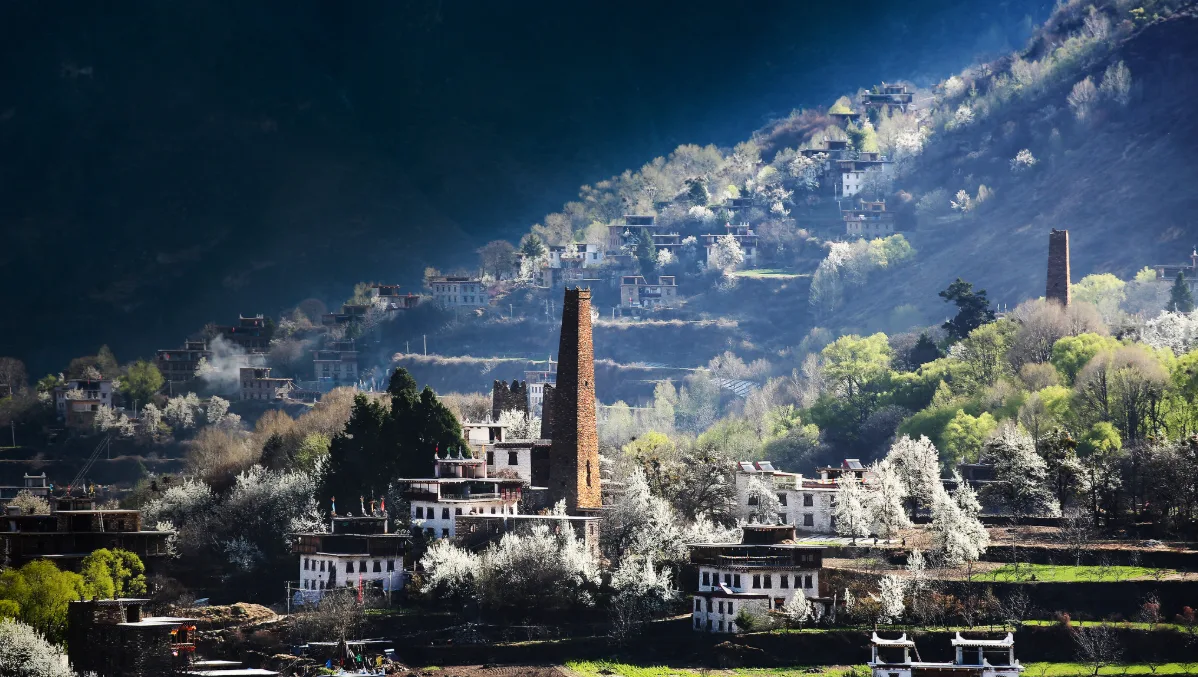
Autumn brings a completely different landscape. The forests surrounding the villages turn golden and deep red, while clear skies reveal the mountain ridges and river valleys in sharper detail. The colourful hillsides, traditional settlements and changing light make this another rewarding season for photography and village walks.
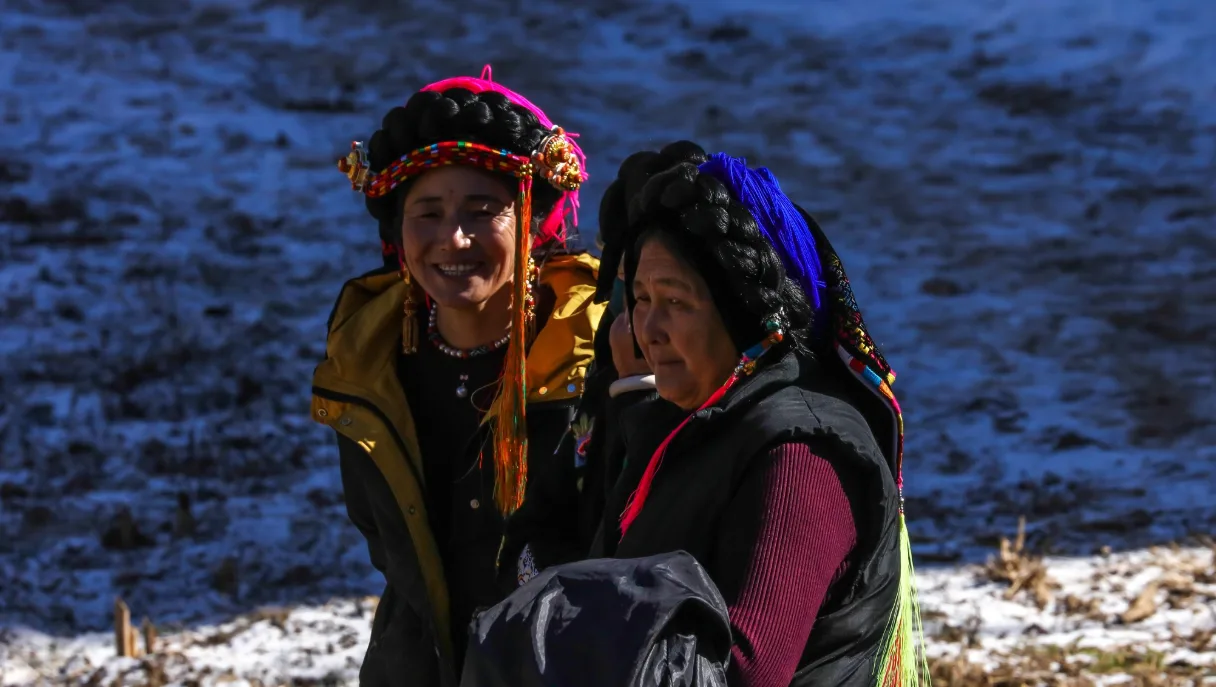
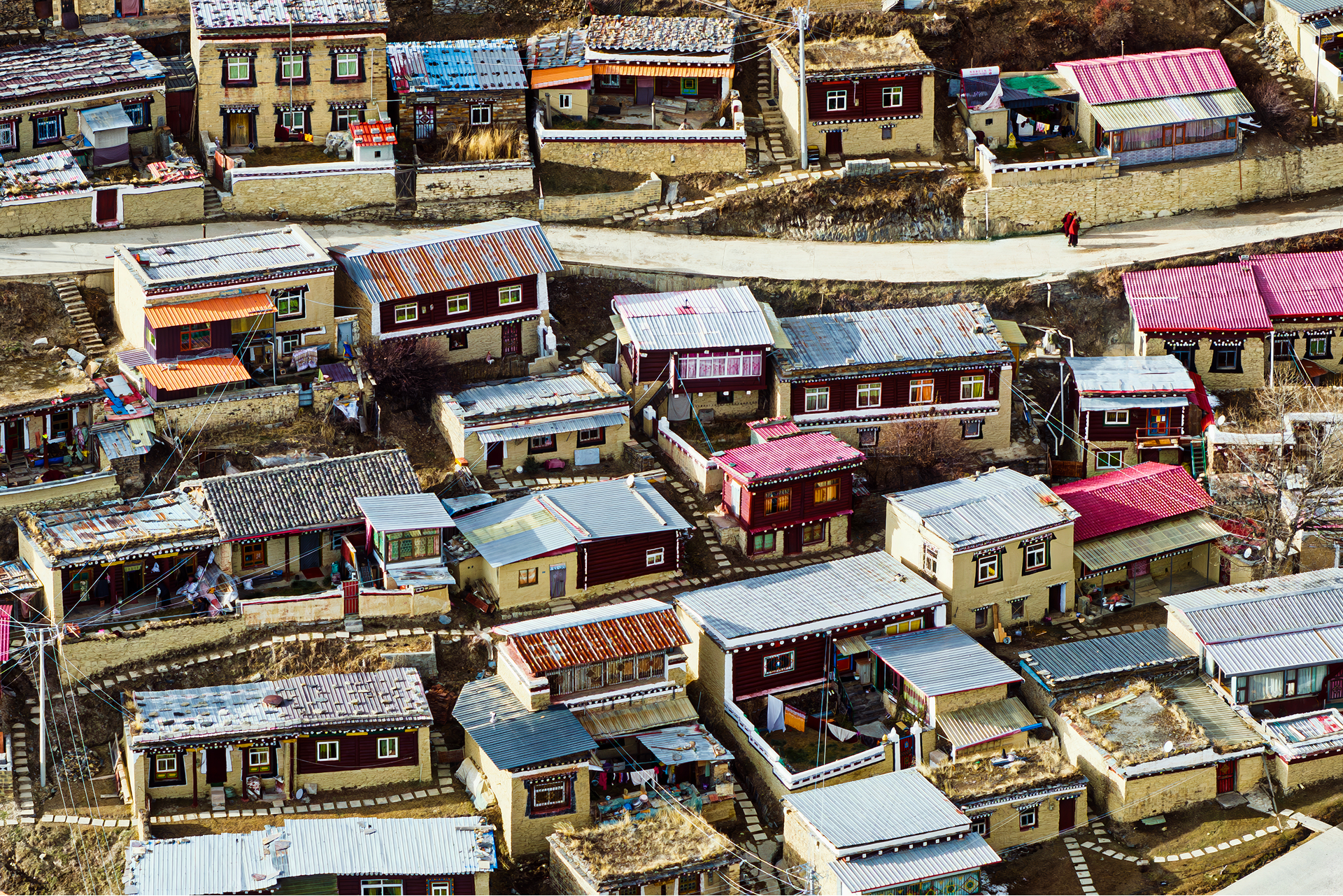
Beyond its seasonal scenery, Danba is the heartland of the Jiarong Tibetans, whose distinctive architecture, clothing and way of life set them apart from other Tibetan communities in western Sichuan. Exploring the villages offers a glimpse of everyday life, from traditional stone watchtowers and old settlements to local customs that continue to shape the community today. Zhonglu Tibetan Village is particularly worth exploring for its traditional stone houses and impressive collection of ancient watchtowers.
Kangding, Tagong and Xinduqiao
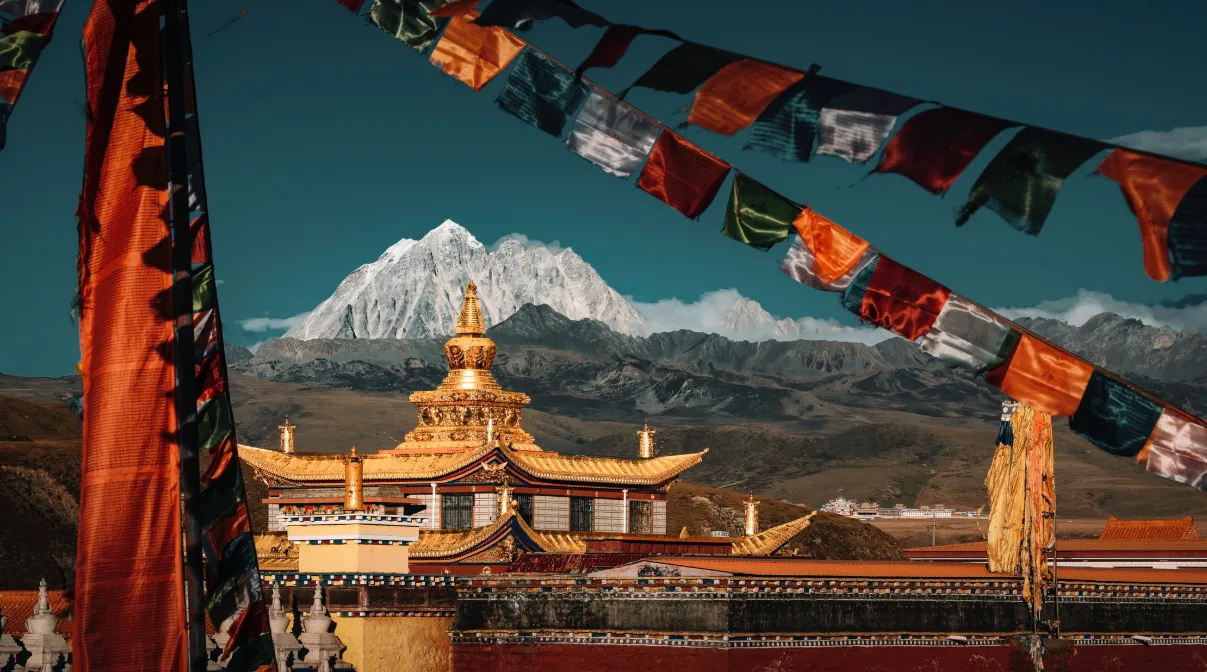
June to August is when Tagong Grassland is at its greenest and most vibrant. Set beneath Yala Snow Mountain on the Tibetan Plateau, the open grassland spreads across the foothills, dotted with grazing yaks and horses. Nearby, Tagong Monastery is an important centre of Tibetan Buddhism, adding a distinctive spiritual and cultural dimension to the area. Horse riding is also a popular summer activity, offering a relaxed way to explore the grasslands and take in the surrounding mountain views. Near Bamei, Huiyuan Monastery is also a worthwhile stop on the wider Kangding–Tagong route.
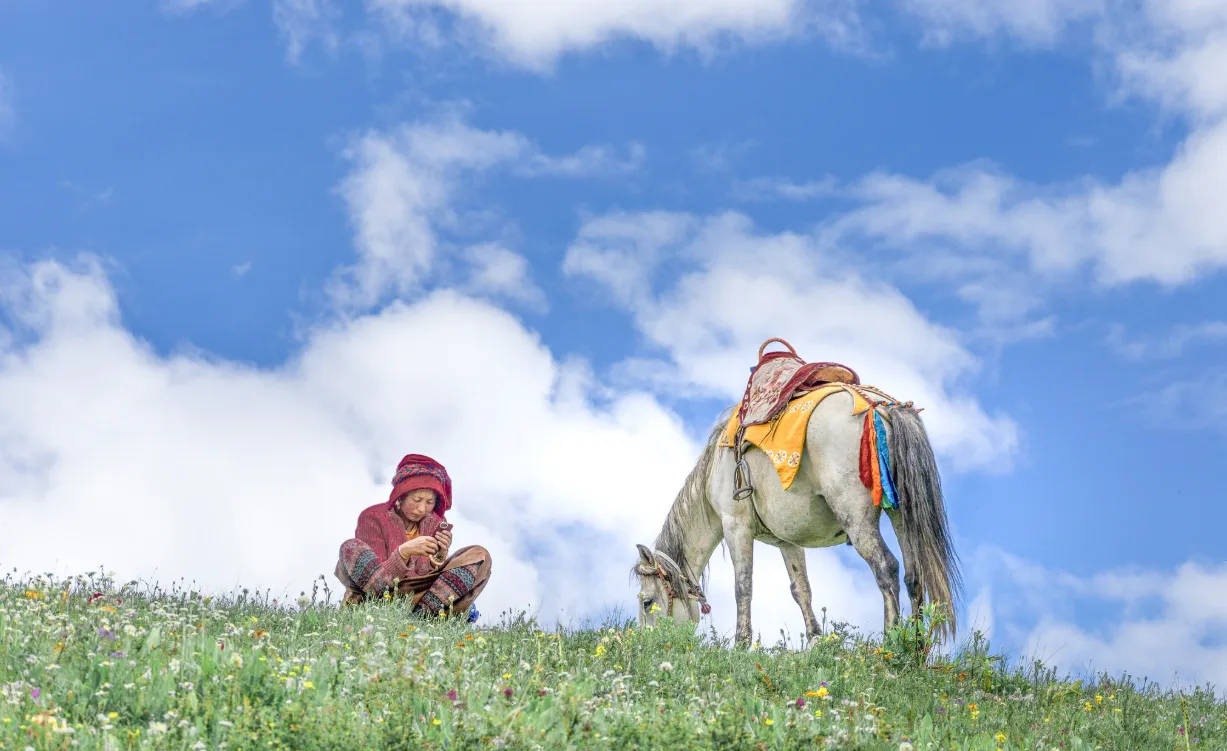
September and October are better for photography. The skies are often clearer, while the forests around Xinduqiao turn autumnal, adding colour to the river valleys, Tibetan villages and monasteries, with clear streams flowing through the landscape. Snow peaks are also generally more visible than in summer.
Winter brings fewer visitors and clearer, more austere landscapes, but temperatures drop and winds can be strong. Some restaurants and guesthouses may close or reduce their services, while snow and ice can affect road conditions.
Litang and Genyen
Litang and Genyen are best visited between June and October.
In summer, the Maoya Grassland and surrounding pastures are at their greenest, with vast grasslands stretching towards the foot of snow-capped mountains. Yaks, horses and herding families bring the landscape to life. Litang Monastery and Letong Ancient Town are also worth exploring, offering insight into local culture through their religious heritage, traditional architecture and everyday life. Summer is also the season of Litang’s lively horse-racing festival, allowing visitors to join in the celebrations, experience the festive atmosphere and see another side of life on the plateau.
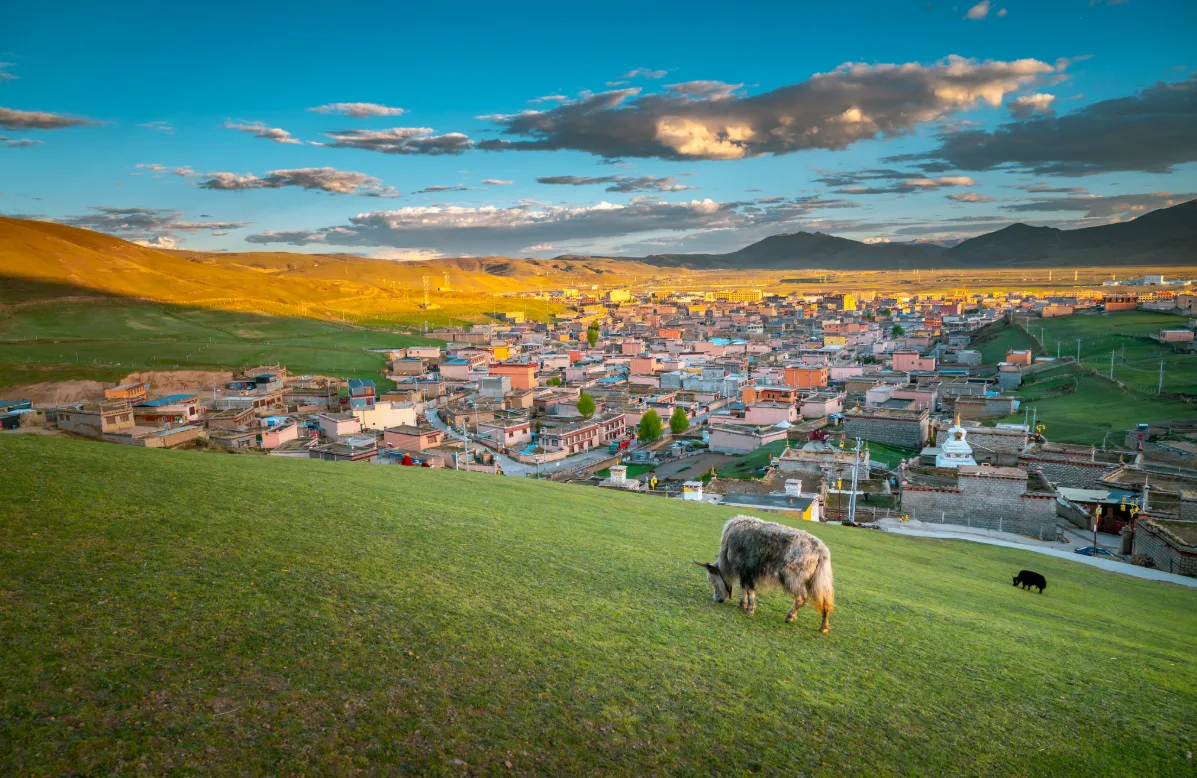
For journeys deeper into the Genyen region, road conditions and weather matter more than the calendar alone. Much of Genyen’s appeal lies in its remote mountain landscapes, where snow peaks, open grasslands, deep valleys and Tibetan monasteries form a distinctive highland setting. Lengu Monastery and Muya Monastery are both worth visiting, offering opportunities to experience the region’s religious heritage alongside its natural scenery. Parts of the southern route are remote, with limited accommodation and supplies, so actual road conditions should be checked again before departure, even during the main travel season.
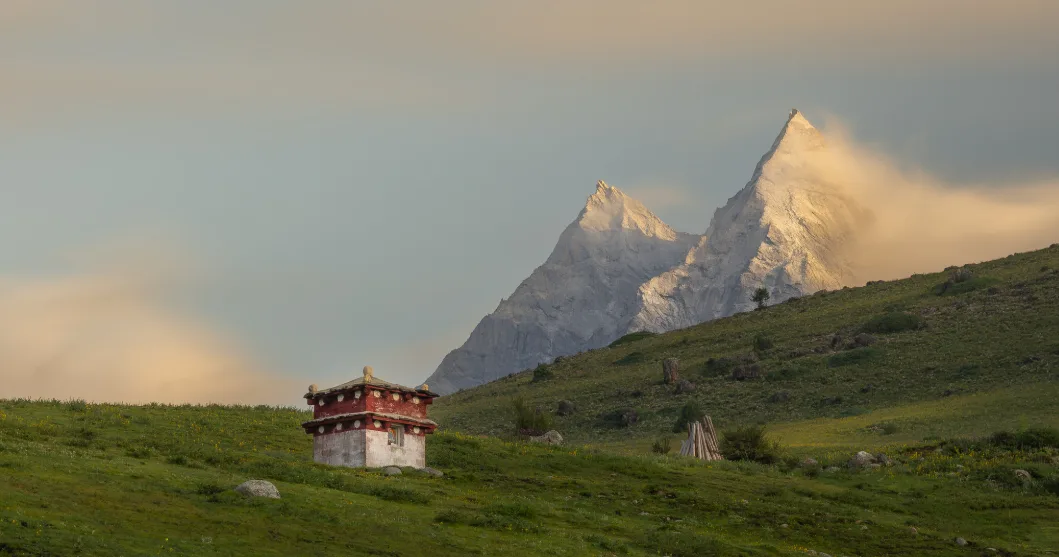
Based on our experience, winter is best avoided in this area. With fewer visitors around, many guesthouses close for the season, and basic facilities can become unreliable. Water pipes, for example, may freeze in the cold.
Daocheng Yading
May–June and September–October are generally the best times to visit Daocheng Yading.
Late spring and early summer bring fresh green growth to the alpine forests and meadows, while autumn turns the grasslands and forests golden, often lasting into early November. In clear weather, the three sacred peaks of Chenresig, Jampelyang and Chanadorje stand out against the sky above forests, meadows, and alpine lakes. The scenic area’s official guidance also identifies September and October as a particularly representative period for its autumn scenery.
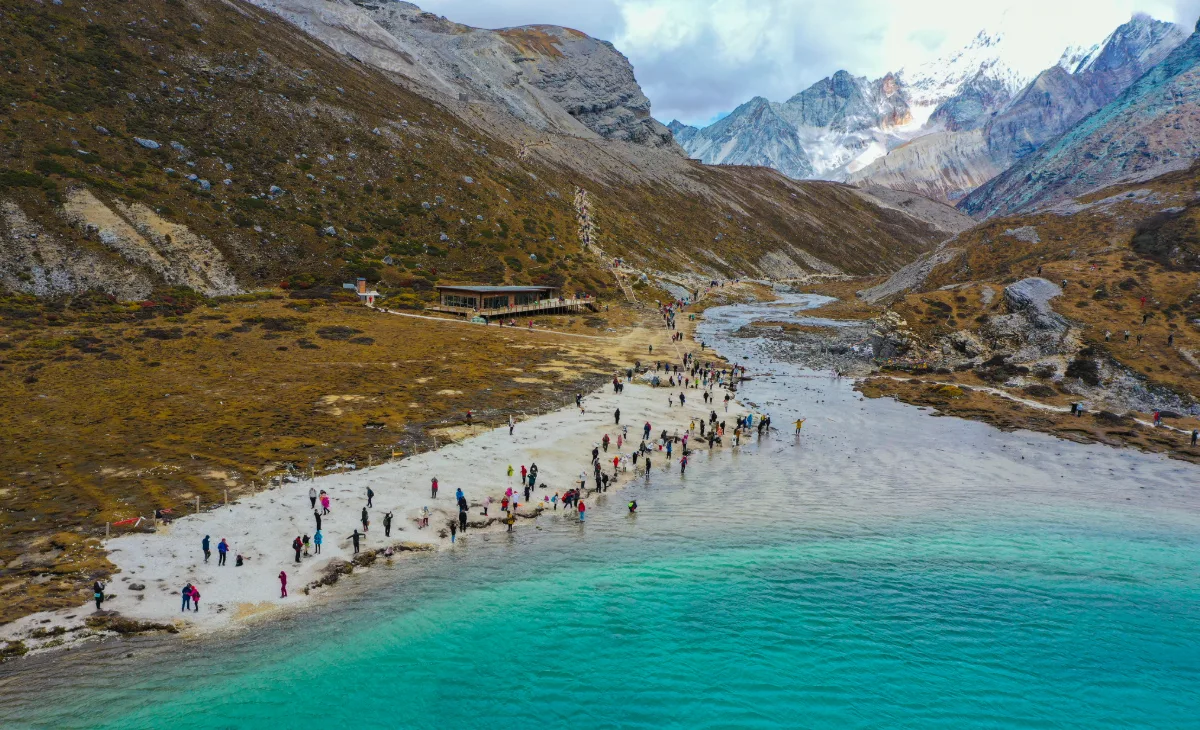
Daocheng Yading has a well-developed visitor transport system and designated walking routes, making it more straightforward to explore than mountain regions such as Gongga and Genyen. During peak periods, especially the summer holidays and China’s National Day holiday, it is best to book tickets and accommodation well in advance.
Gongga and Hailuogou
Mount Gongga, rising to 7,556 metres, is the highest peak in Sichuan and is often known as the “King of the Sichuan Mountains”. It dominates the surrounding landscape and is a major destination for snow-mountain photography. Viewpoints such as Lenggacuo and the western slopes offer impressive views of its towering summit.
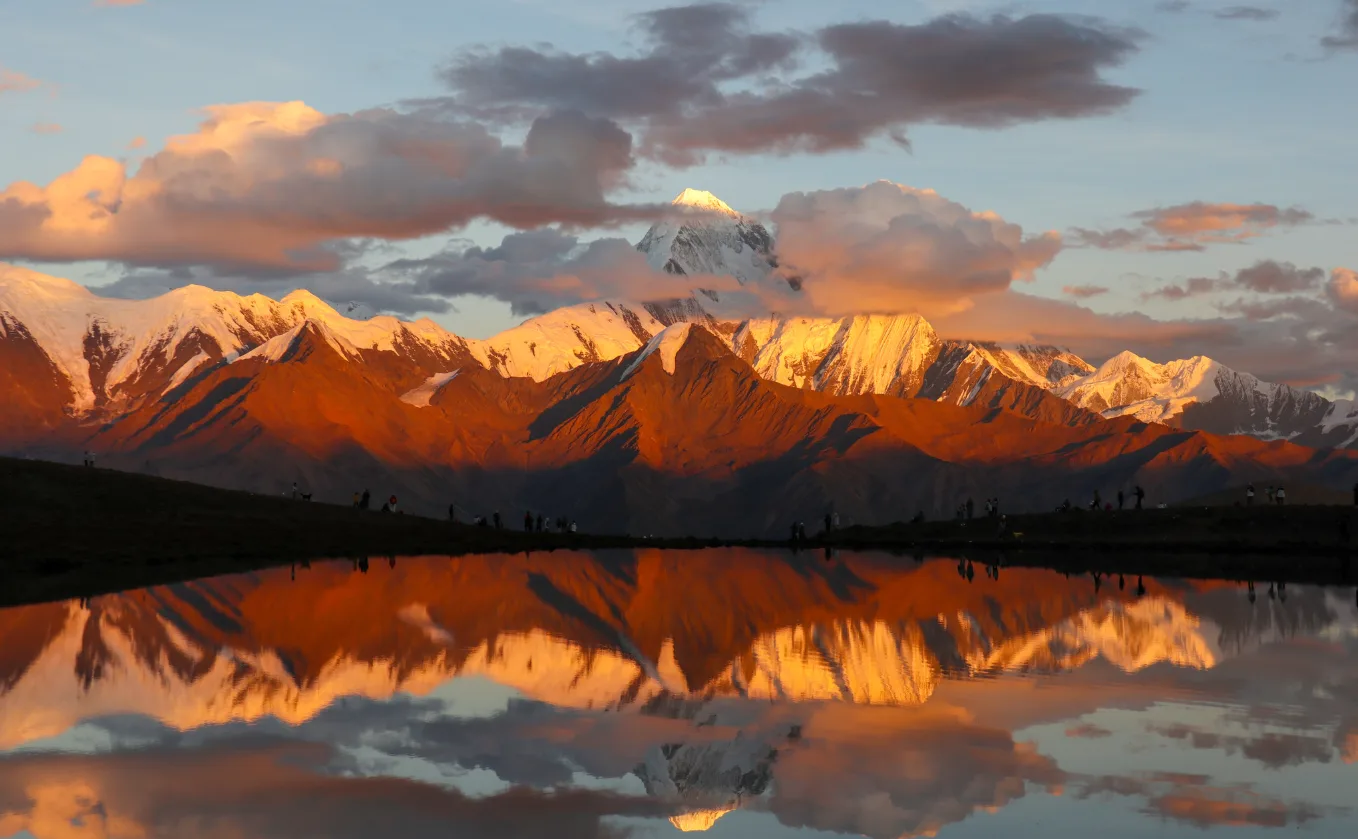
The best time to visit the Gongga region depends on the experience you are looking for. Autumn is generally a good season for snow-mountain photography, when clearer skies improve the chances of seeing the main peak. High-altitude trekking requires more careful timing, as snow cover, rainfall and conditions at mountain passes all affect whether individual routes are feasible. The region also has options for travellers interested in outdoor activities without committing to demanding multi-day treks.
For a more accessible introduction to the Gongga region, Hailuogou is one of the easiest places to visit. Located on the eastern slopes of Mount Gongga, the Hailuogou Scenic Area is known for its glaciers, forests and views of snow-capped mountains. At its heart, Hailuogou Glacier Park brings together glacier scenery and dense mountain forests, creating a striking contrast between ice and greenery. A sightseeing bus connects the main visitor areas, allowing visitors to enjoy the fresh air, explore the scenery and experience the mountain environment without extensive hiking.
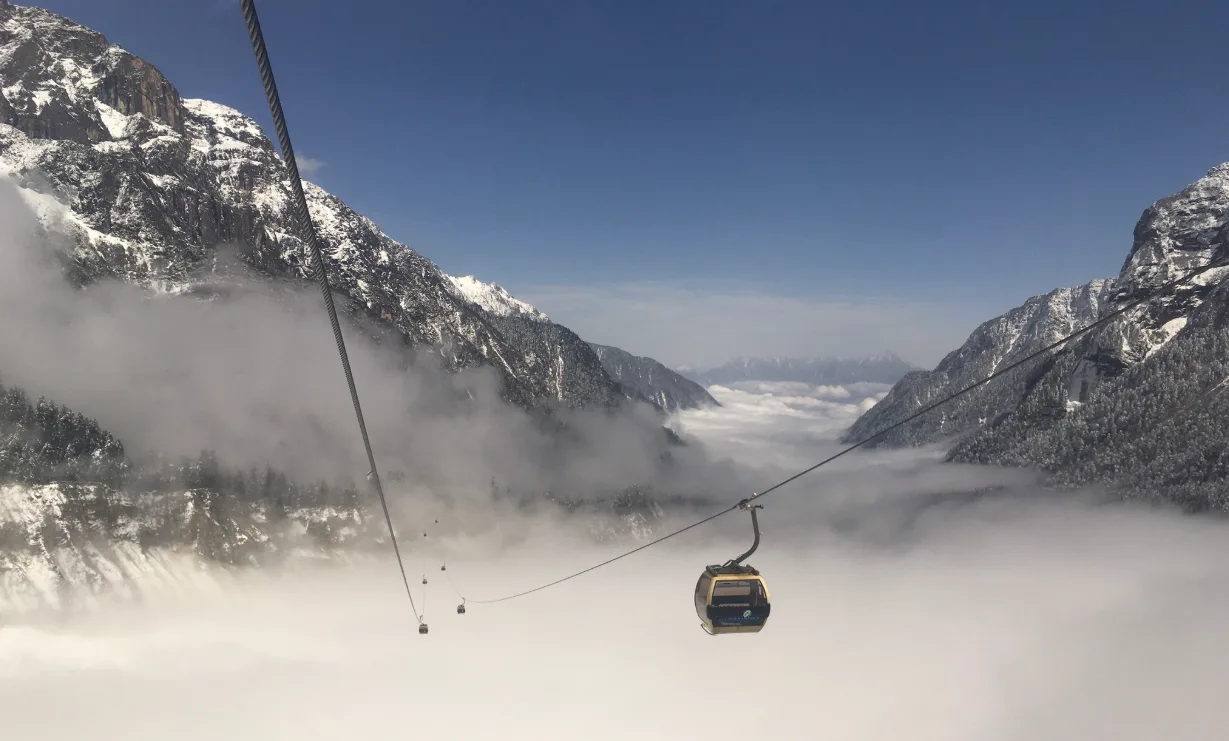
Hailuogou is also known for its natural hot springs, where visitors can relax after a day of sightseeing. While the established scenic area provides a relatively accessible way to enjoy the mountains, more demanding outdoor activities such as trekking and mountaineering require separate planning. Access to undeveloped areas is restricted, so check the latest official notices before setting out.
Jiuzhaigou and Northern Aba
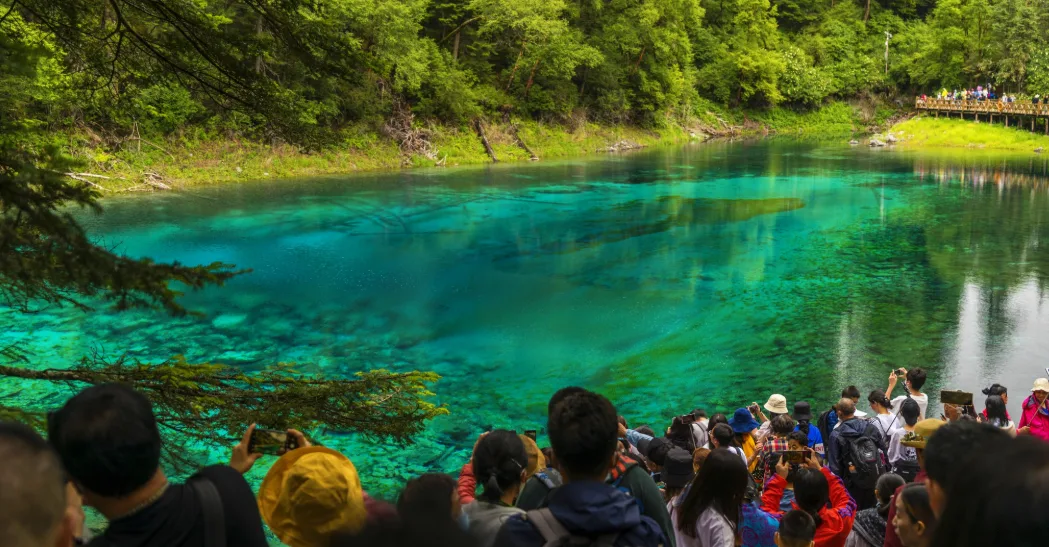
Autumn is one of the most popular times to visit Jiuzhaigou. From around mid-October, colourful leaves turn the forests into shades of red, gold and orange, creating a striking contrast with the turquoise lakes and snow-capped peaks. These colourful forests are among the region’s most memorable autumn sights. Summer offers a completely different experience, with greener landscapes, fuller waterfalls and abundant water, making it a good choice for escaping the heat and enjoying nature.

Northern Aba is characterised by forests, lakes and mountain valleys, rather than the vast open grasslands and plateau landscapes more typical of Ganzi. Seasonal changes are particularly pronounced here, with forests and valleys taking on different colours and moods throughout the year.
Speak to An Expert
Starting Your Jounrney to Western Sichuan
Start designing your China journey with our destination experts.
Make An InquiryWestern Sichuan Through the Seasons
Spring in Western Sichuan: March–May
Spring is a transitional season in western Sichuan, as the landscape gradually emerges from winter. By March, the lower valleys begin to enjoy a warm and humid climate, and flowers are already blooming, with Danba’s peach blossoms and pear blossoms among the highlights. In some areas, the blossoms spread across the whole valley, creating breathtaking scenery against the traditional villages and surrounding mountains. Higher grasslands and mountain passes, however, may still feel very much like winter.
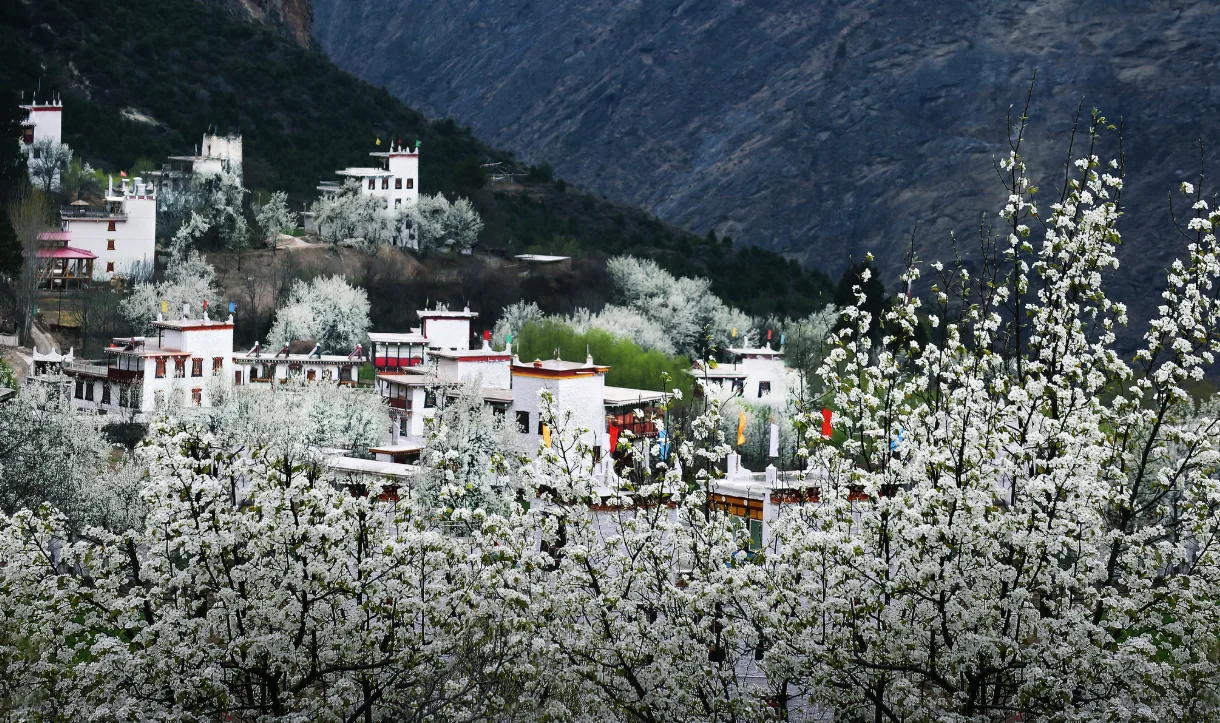
By May, alpine rhododendrons and wildflowers begin to bloom around areas such as Siguniang Mountain, creating a striking combination of snow peaks, forests and spring flowers. Spring is a good time to visit Danba, Siguniang Mountain, Kangding and other lower-altitude areas, though snowmelt and lingering snow should be checked carefully before planning high-altitude treks.
Summer in Western Sichuan: June–August
Summer is when western Sichuan’s grasslands are at their greenest and alpine wildflowers are in full bloom. For travellers who visit Chengdu in summer, heading west into the mountains is a convenient way to escape the summer heat of the Sichuan Basin. As the altitude rises, temperatures become cooler, and the vast grasslands around Tagong, Litang and the Maoya Grassland are filled with wildflowers, grazing yaks and horses. It is a particularly beautiful time to experience the highland scenery.
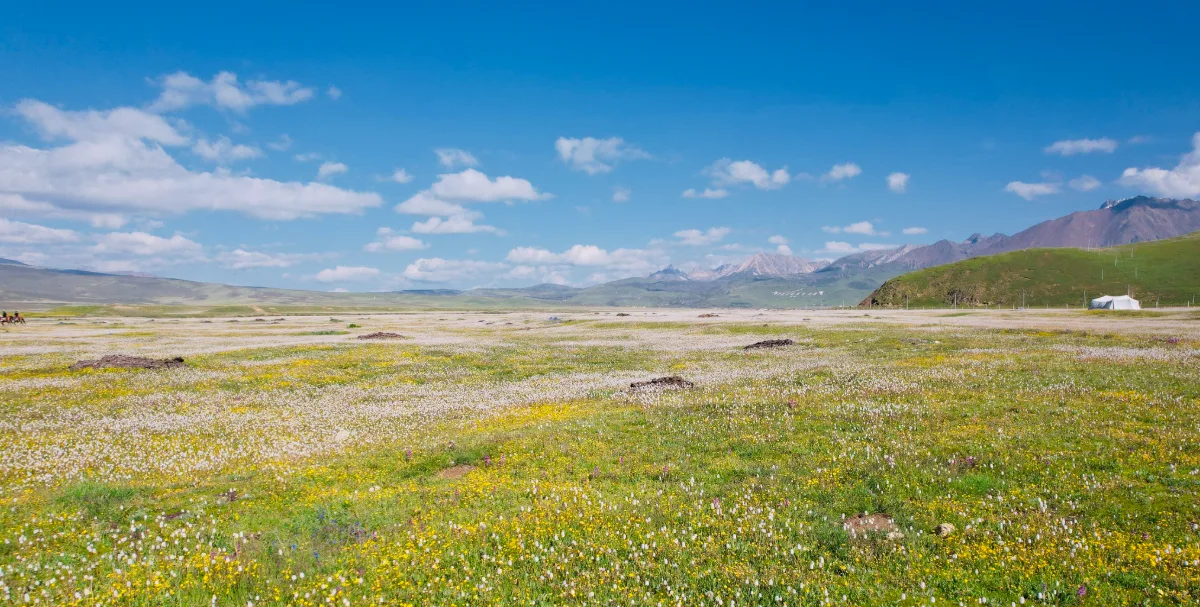
July and August coincide with China’s school summer vacation, making this one of the busiest travel periods of the year. Popular scenic areas and mountain roads can become crowded, while accommodation can be harder to secure, so travelling outside the main holiday period is preferable if your schedule allows. This is also the main rainy season, particularly in July and early August. Heavy rain can trigger rockfalls, landslides and mudslides, sometimes leading to temporary road closures. Local authorities issue geological hazard warnings during the annual flood season, so keep itineraries flexible, especially when travelling into remote mountain areas.
Autumn in Western Sichuan: September–November
Autumn generally offers the most reliable all-round conditions for travelling in western Sichuan, particularly in September and October.
As rainfall eases, mountain views become clearer, grasslands turn from green to gold, and forests at different elevations take on autumn colours. Many lower and mid-altitude areas also enjoy moderate temperatures during this period, making it a comfortable time for sightseeing and outdoor activities. Siguniang Mountain, Danba, Xinduqiao, Daocheng Yading, Gongga and Jiuzhaigou all become rewarding destinations for photography, with clear skies, colourful forests and snow peaks creating beautiful scenery across the region.
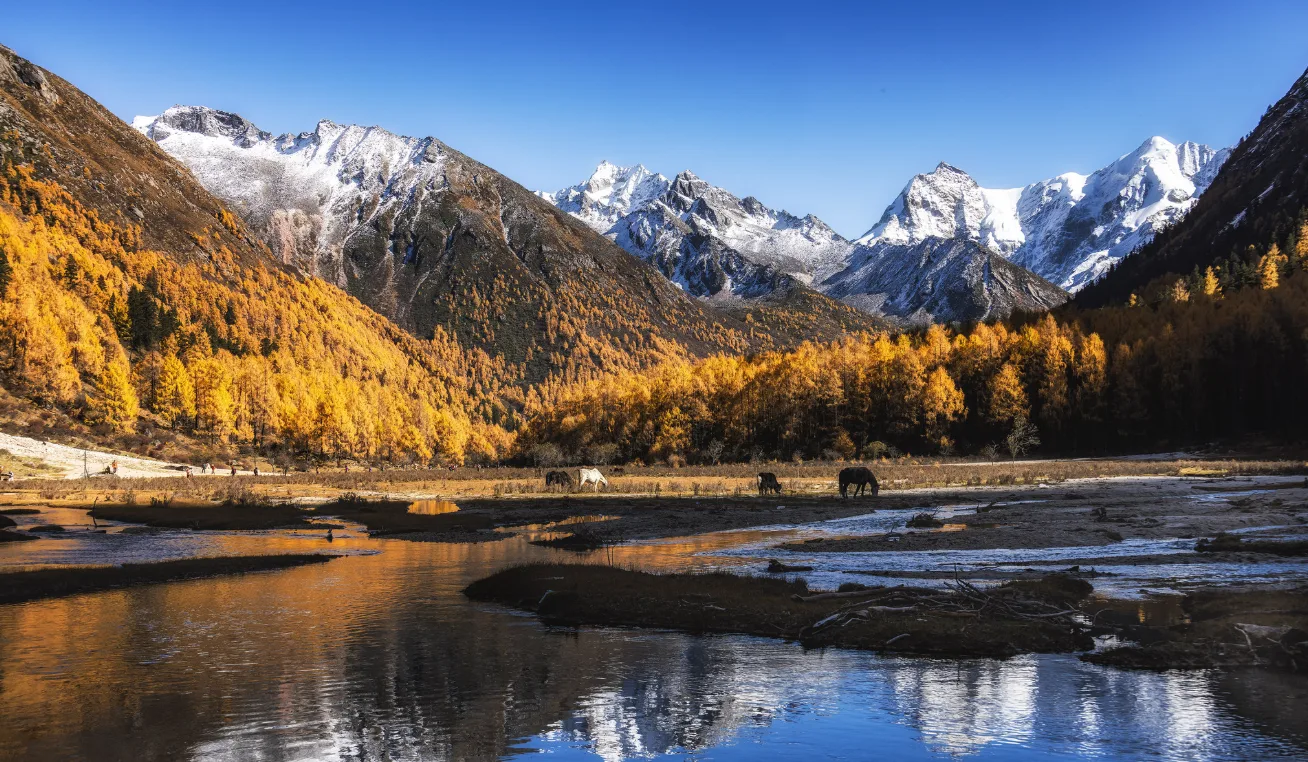
By November, temperatures have dropped considerably across the plateau, and some areas are already entering winter. Autumn conditions vary with altitude, so September, October and November should not be treated as one uniform season.
Winter in Western Sichuan: December–February
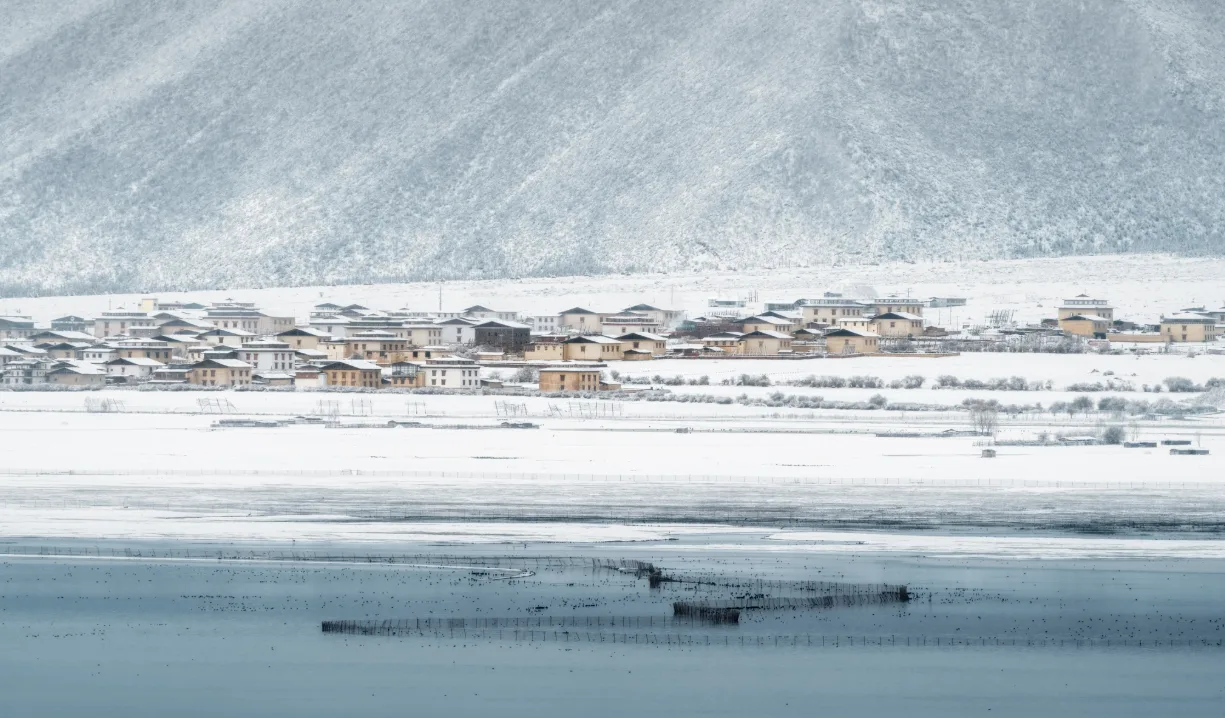
Winter is great for photography but very cold at night.
Siguniang Mountain, viewpoints around Gongga, Hailuogou and some plateau routes remain accessible in winter, although low temperatures, icy roads and seasonal closures of outdoor routes all need to be taken into account. Winter’s appeal lies not in being able to reach every destination, but in the smaller crowds, more prominent snow-covered peaks and slower pace of travel.
Booking Timing and Decision Guide
The busiest travel periods are the May Day holiday (1–10 May), summer holidays in July and August, and the National Day holiday (1–7 October). Tickets for popular scenic areas, boutique hotels and private vehicles can sell out well in advance, while road congestion increases significantly. Where possible, avoid these periods or start arranging accommodation, transport and key scenic-area visits at least two to three months ahead. If travelling during a national holiday is unavoidable, consider less-visited areas rather than highly popular destinations such as Daocheng Yading and Jiuzhaigou.
The Chinese New Year period requires additional planning. Many scenic areas and local businesses may close temporarily or operate with reduced services as local communities return home for the holiday.
For international travellers with flexible dates, we generally recommend avoiding China’s major national holidays. Mid to late May, mid to late September, and mid to late October often offer a good balance of seasonal scenery, more manageable crowds and a more comfortable travel experience.
Recommended Trip Lengths
Western Sichuan is not a region to rush through with a different stop every day. Two towns that look close on a map may be separated by several high mountain passes, and allowing enough time makes it easier to acclimatise gradually and avoid spending every day on the road. The Western Sichuan small tourist loop is about 1,800 kilometres long, and most Western Sichuan routes take about 3–9 days to complete.
For travellers setting out from downtown Chengdu, some routes into western Sichuan pass through Dujiangyan. If you are interested in pandas, you can set aside a morning to visit the Dujiangyan Panda Base before continuing west into the mountains.
Short Trips: 3–4 Days
With just three to four days, Siguniang Mountain is one of the most practical choices.
Travel from Chengdu via Wolong to Siguniangshan Town, spend a day exploring Shuangqiao Valley and another hiking in Changping Valley. Depending on the available time and route conditions, Wolong or Danba could also be included, but extending the trip to higher-altitude destinations such as Litang or Daocheng Yading would make the itinerary too rushed.
Medium Trips: 5–7 Days
With five to seven days, it is better to focus on one part of western Sichuan rather than trying to cover the entire region.
Good options include Siguniang Mountain–Danba–Tagong or Kangding–Tagong–Xinduqiao. For a trip centred on Daocheng Yading, the time can instead be devoted to the Kangding–Litang–Yading route. Gongga and Hailuogou are also worth planning as a separate journey focused on snow peaks and glaciers.
Keeping to one area makes it easier to gain altitude gradually rather than travelling straight from Chengdu to elevations of around 4,000 metres in a single day.
Long Trips: 8–14 Days
Eight to fourteen days is better for photography and exploration. This allows for a deeper journey through Ganzi or a combination of Aba and Ganzi.
One option is to travel from Siguniang Mountain and Danba towards Tagong; another is to continue west from Kangding and Xinduqiao through Litang to Daocheng Yading. With more time, remote destinations such as Genyen and Cuopu Valley can also be added.
Rather than changing hotels every night, it is often more rewarding to spend two nights in places worth exploring in depth. This leaves room for changing weather, gradual acclimatisation and a more relaxed pace beyond the road.
Speak to An Expert
Starting Your Jounrney to Western Sichuan
Start designing your China journey with our destination experts.
Make An InquiryAccommodation and Food
Accommodation is generally comfortable in the main towns and established tourist destinations of western Sichuan. Siguniang Mountain, Kangding, Danba and Litang all have boutique guesthouses and comfortable hotels. Further into remote areas such as Genyen, outlying Tibetan villages and multi-day trekking routes, options become much more limited.
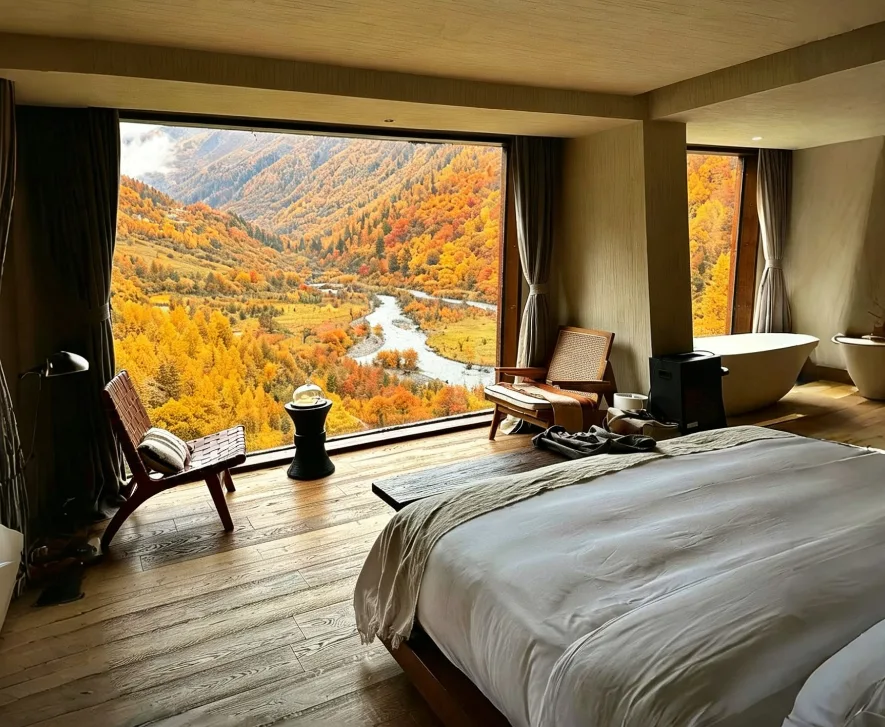
For high-altitude stays, look beyond the room itself and check the heating, hot water, oxygen facilities and distance to the nearest medical services. Prices rise considerably during the summer holidays and National Day period, and the better-equipped hotels in remote areas can sell out quickly, so booking ahead is advisable.
Food in western Sichuan ranges from Sichuan cuisine and noodle dishes to Tibetan staples. Yak meat, Tibetan hotpot, barley, tsampa, yoghurt and butter tea are widely available. Larger towns offer plenty of choice, but menus become much simpler in remote mountain areas.
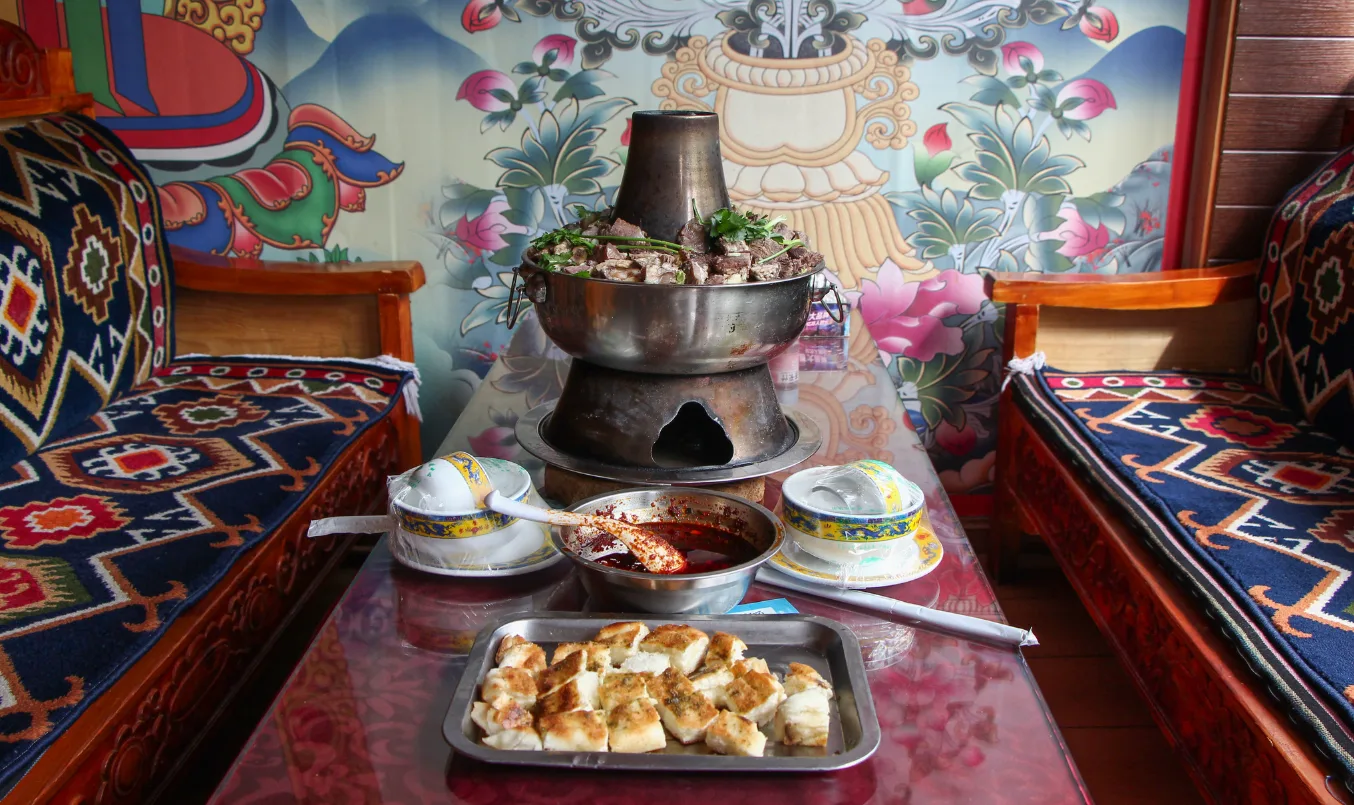
Travellers with vegetarian or vegan diets, food allergies or other dietary requirements should prepare a clear way to communicate their needs in advance. Small local restaurants may not have English menus, and the distinction between vegetarian and vegan food may not always be well understood. For long drives and hikes, it is also worth carrying drinking water and familiar snacks.
How to Manage Altitude Sickness
Many destinations in western Sichuan lie at 3,000–4,000 metres, so allowing time to acclimatise is essential. Headaches, fatigue, dizziness and disturbed sleep are common after arrival. Take the first day slowly, avoid strenuous exercise and limit alcohol. If symptoms become severe or worsen, stop ascending, seek medical help and descend to a lower altitude as soon as possible. Travellers with existing medical conditions should consult a doctor before departure.
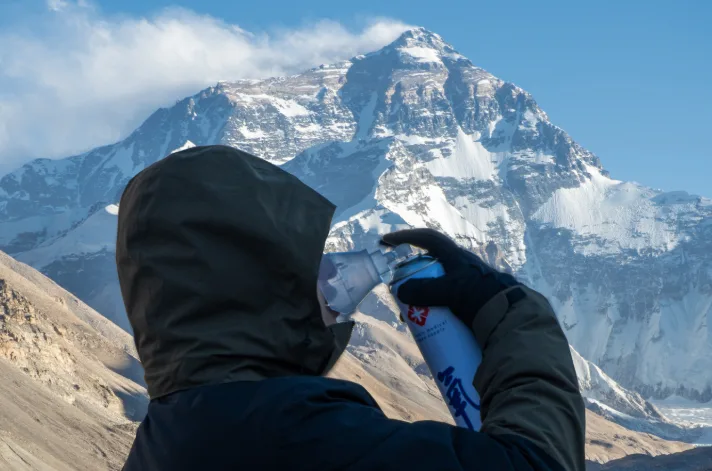
When planning trips across the western Sichuan plateau, Eastogo takes changes in altitude into account when designing routes and pacing. Portable oxygen is also carried in our vehicles for emergency support. For stays in Litang and more remote surrounding areas, we consider the distance between accommodation and local medical facilities to help improve travel safety.
Packing Essentials & Other Practical Tips
Western Sichuan’s temperatures vary considerably, so dress in layers even in summer. Chengdu has four distinct seasons and a generally mild climate, so what you need there can differ noticeably from higher-altitude routes further west. Bring a moisture-wicking base layer, a fleece or lightweight down jacket, a waterproof shell, sun protection and well-broken-in hiking shoes. Personal medication, basic first-aid supplies, a power bank and offline maps are also essential.
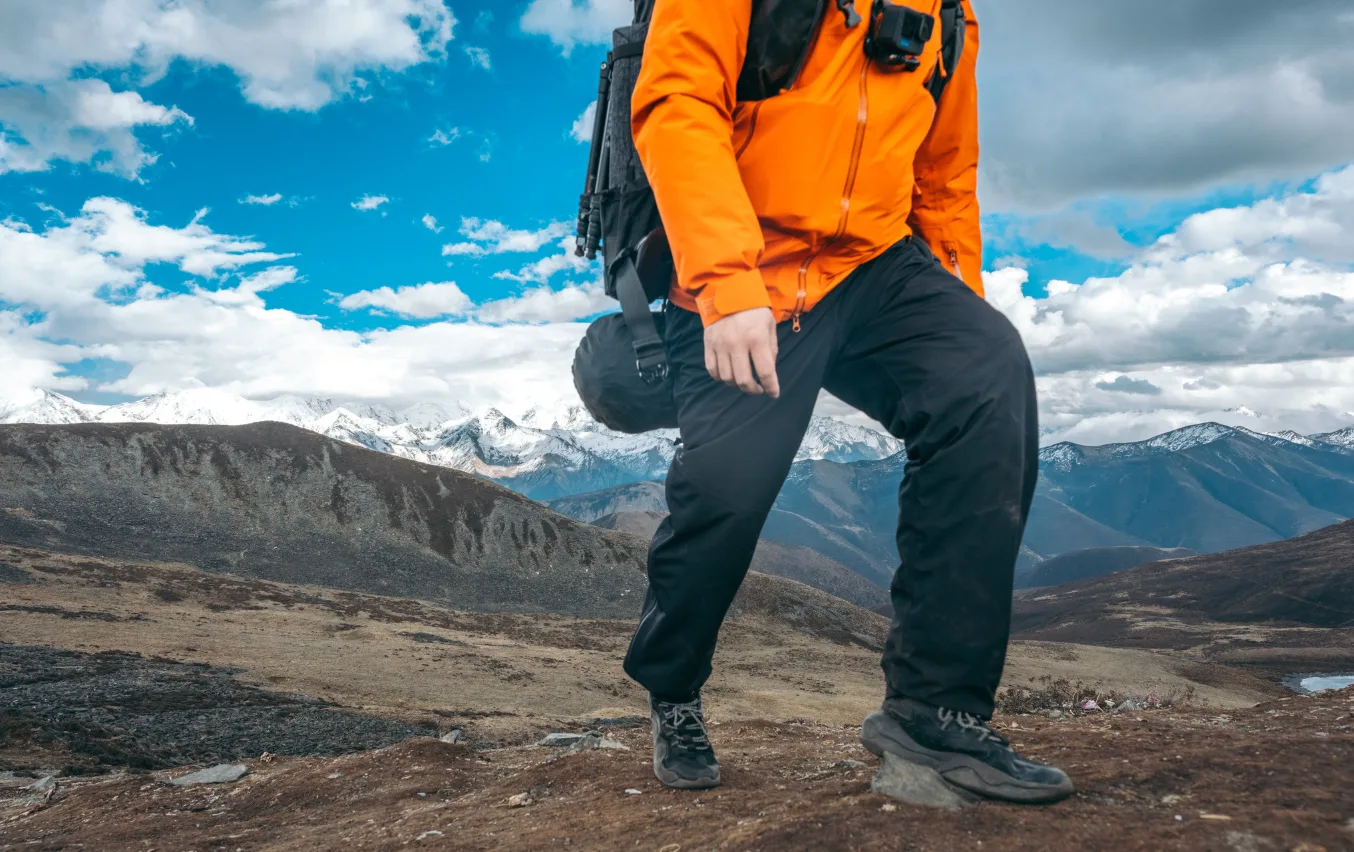
Alipay and WeChat Pay are widely accepted in towns, but international credit cards are unreliable in smaller towns and remote areas. Set up mobile payments in advance and carry some RMB cash. Winter trips, camping and multi-day treks require additional route-specific equipment.
Mountain weather and road conditions can change quickly. Summer brings risks of heavy rain, landslides and mudslides, while late autumn and winter can bring snow and icy roads. Mountain journeys often take longer than the distance suggests, so avoid long night drives, allow extra time and check current weather forecasts and hazard warnings.
For independent international travellers, unexpected changes can be particularly difficult to manage. Road closures, transport changes, accommodation arrangements and access rules are often communicated through Chinese-language platforms, and English is not widely spoken locally. Having local support can make it much easier to adapt when plans change.
Why Choose Eastogo for Western Sichuan Travel?
There is no single best time to visit western Sichuan. Spring brings pear blossoms and alpine flowers, summer turns the pastures green, autumn colours the valleys and forests, and winter reveals snow-covered peaks in their starkest beauty. Each season offers a different way to experience the region.
Exploring beyond the main tourist routes, however, takes an understanding of local conditions. Seasonal road conditions, rapidly changing mountain weather, high altitudes and remote, scattered villages and natural attractions all make local knowledge an important part of planning a successful journey.
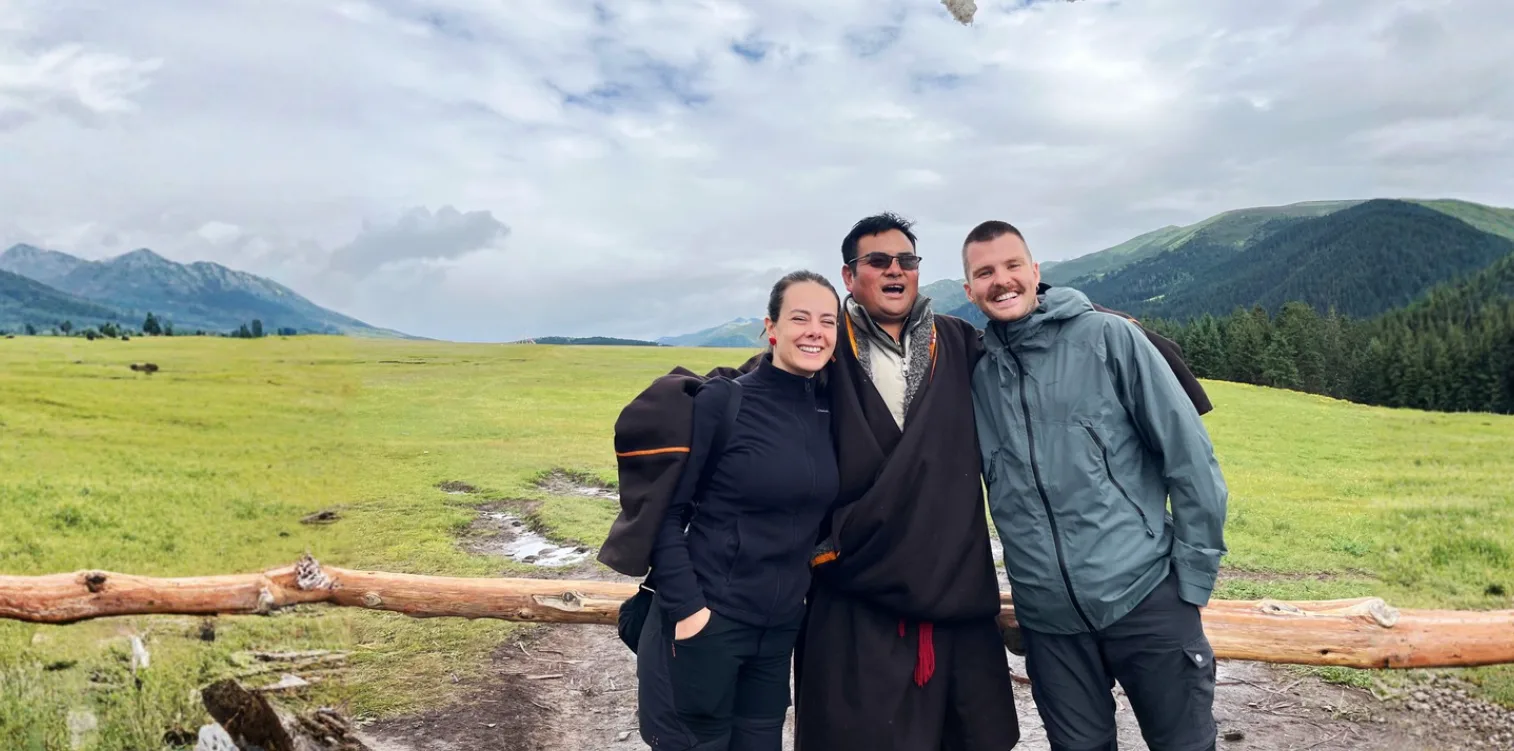
Eastogo specialises in private journeys across southwest China, including western Sichuan, Guizhou, Yunnan, Guangxi and Hunan. We help travellers discover the culture and natural landscapes beyond the main tourist routes. Through our long-standing relationships with local drivers, guides and communities, we arrange village visits, traditional cultural activities and opportunities for genuine local encounters. These experiences offer a closer look at everyday life: understanding local traditions in Tibetan villages, learning about the relationship between faith and community in monasteries, and discovering the quieter rhythms of life across the plateau.
Each itinerary is tailored to your interests, pace and available time, with careful attention to transport, weather and safety in mountain regions. Whether you prefer the flexibility of self-guided tours or the support of private & custom China tours,we help you explore the highlands in greater comfort and with confidence. You can also take a look at our 9-day Western Sichuan itinerary for reference.
For more inspiration, read our Complete Guide to Western Sichuan. If this landscape speaks to you, we would be happy to help you create a journey that reflects your interests and the way you want to experience this remarkable region.