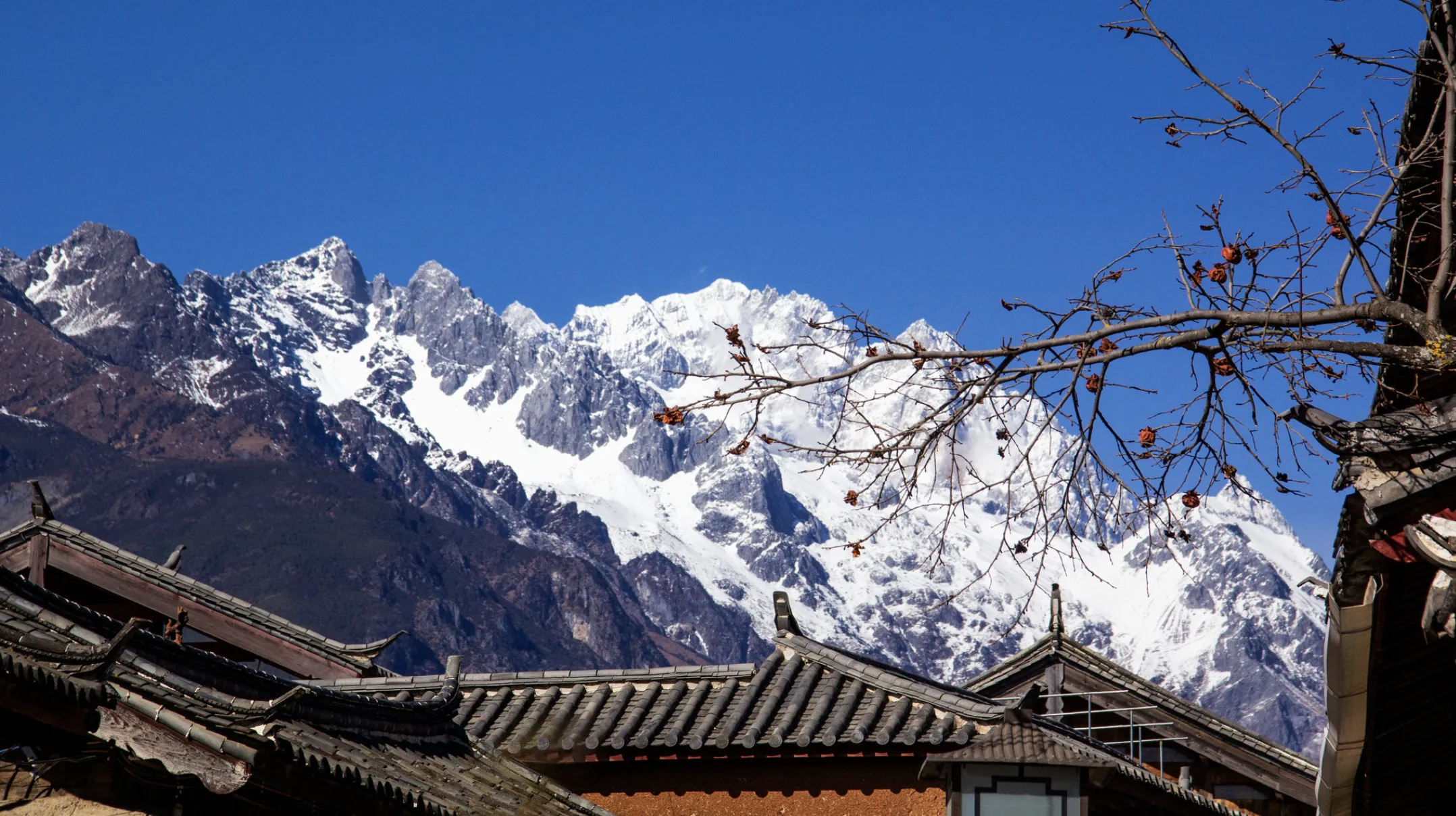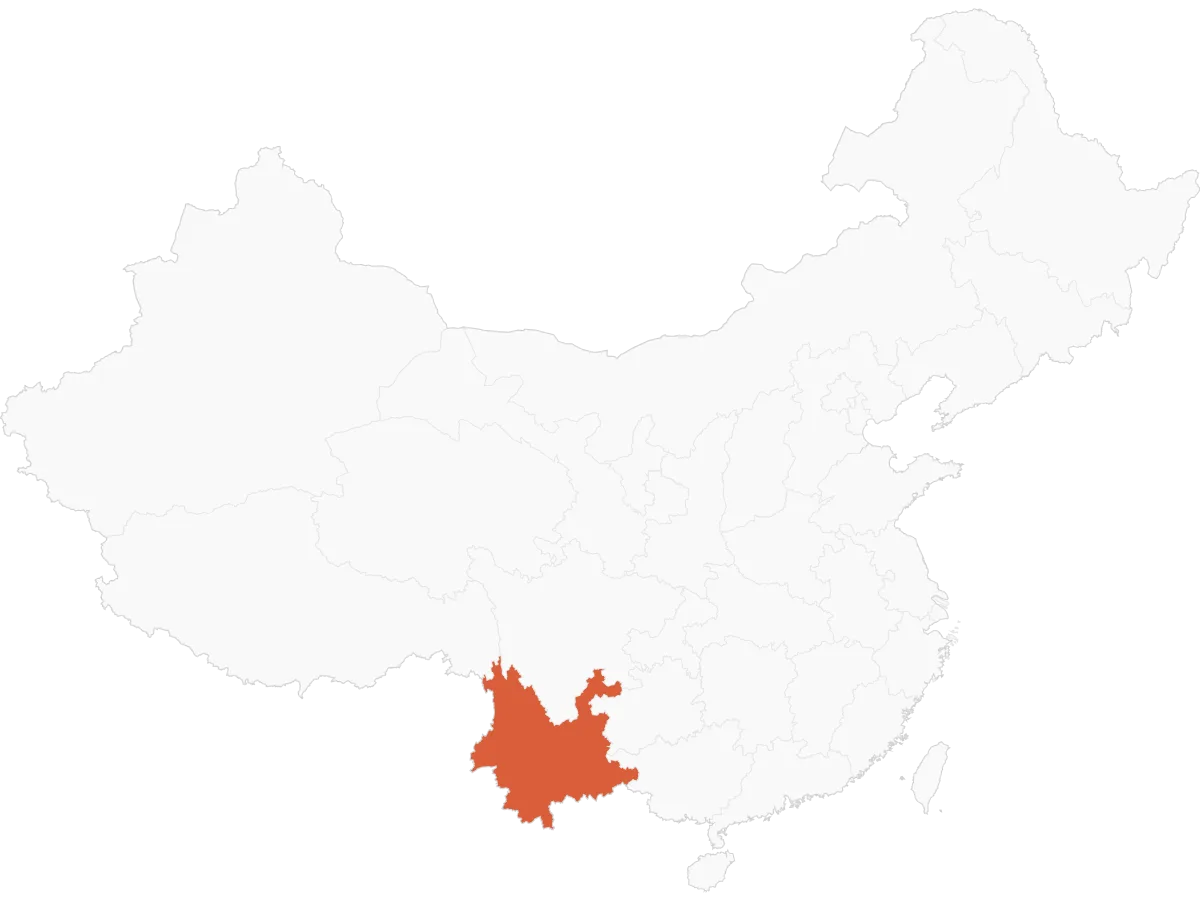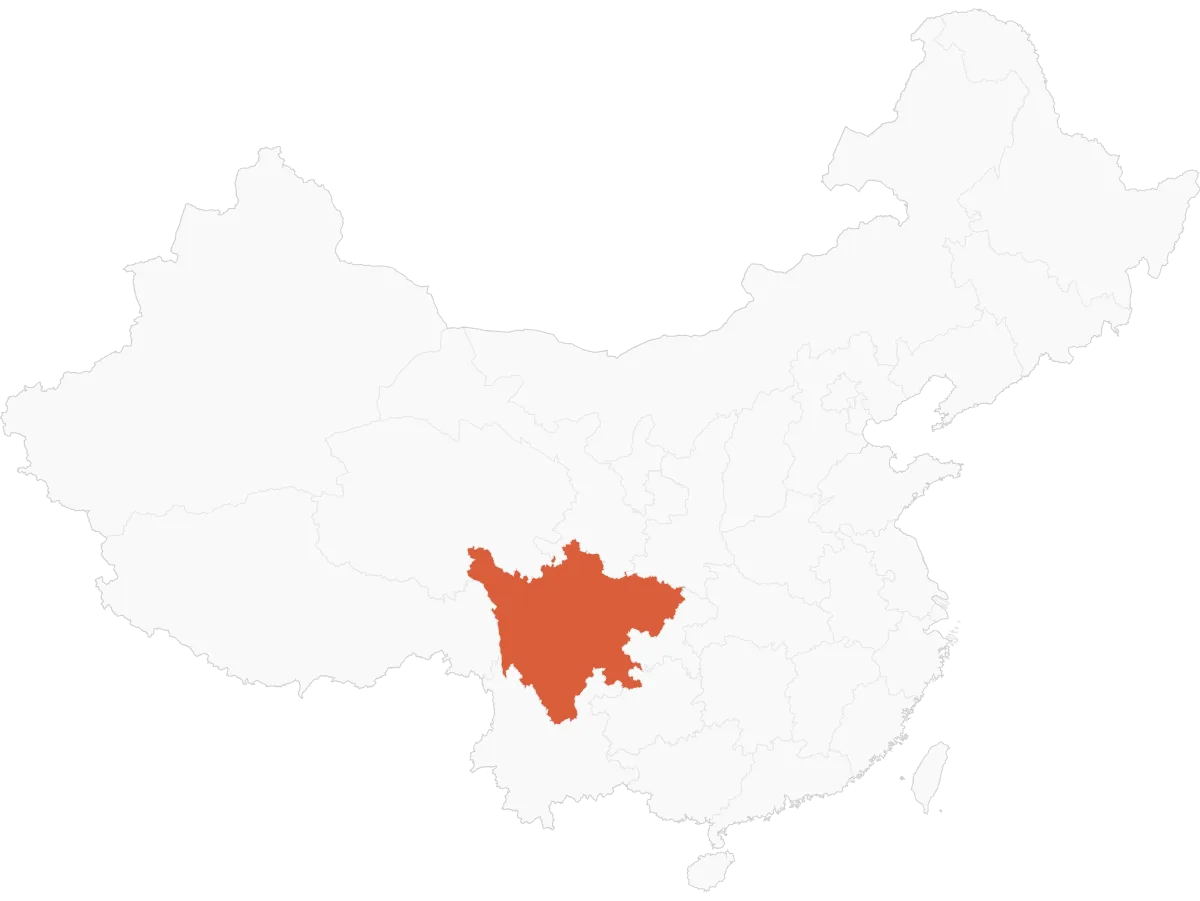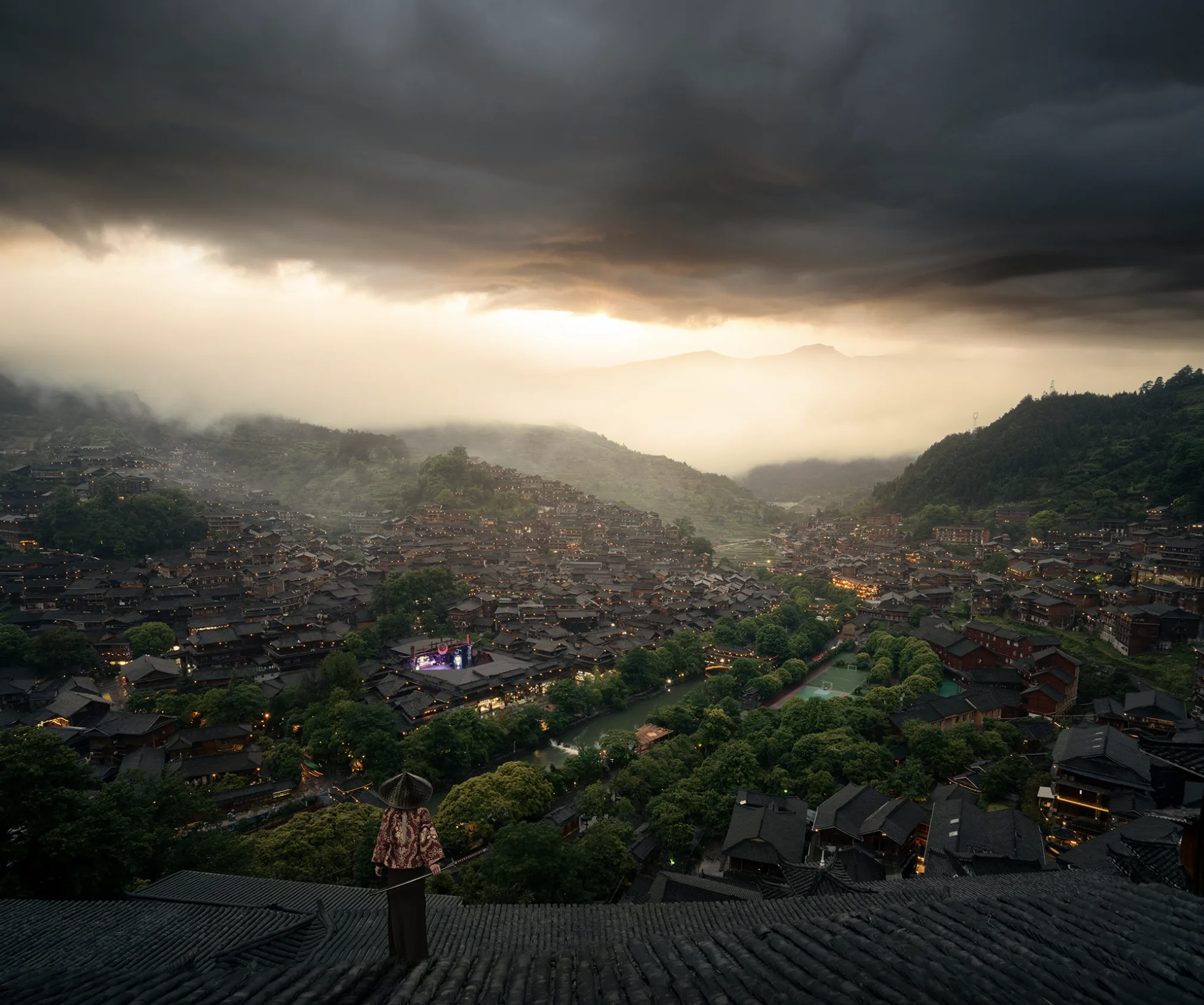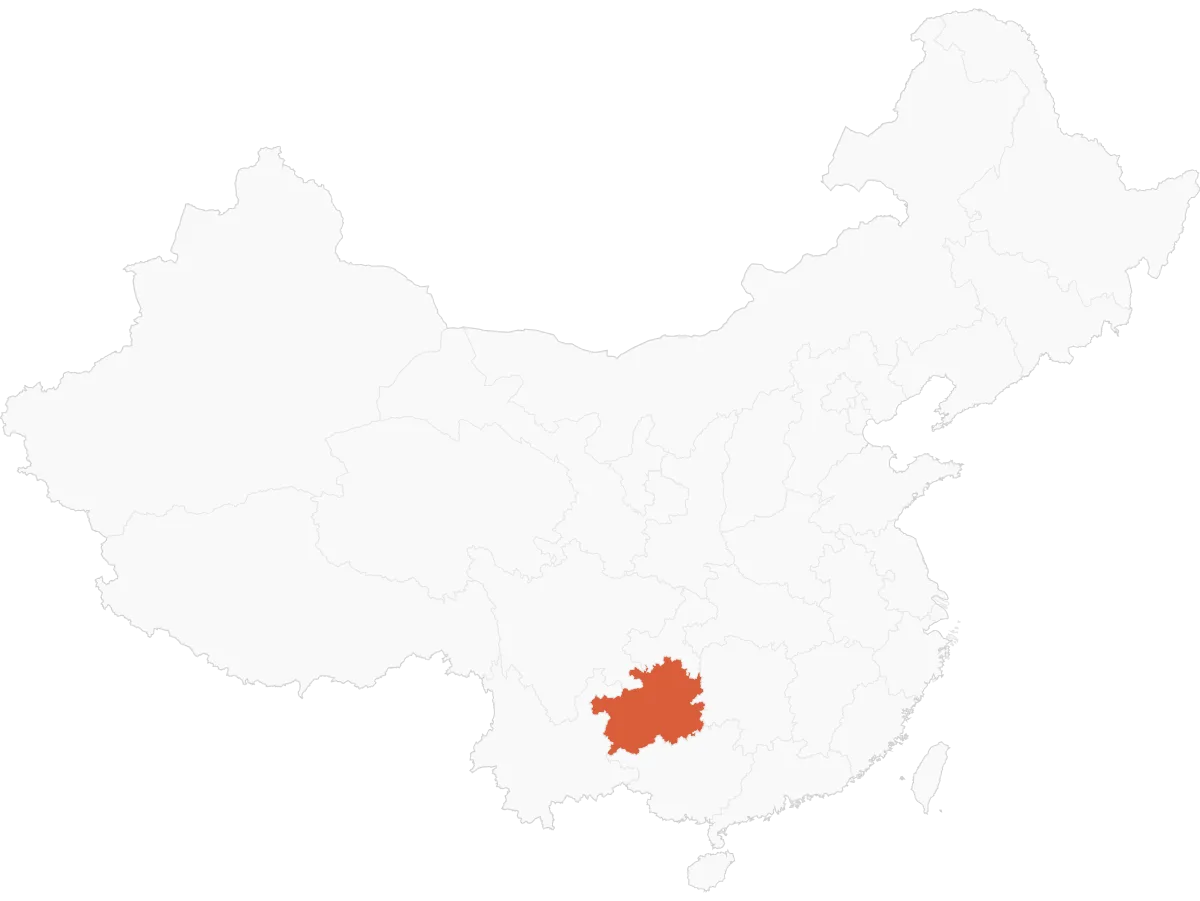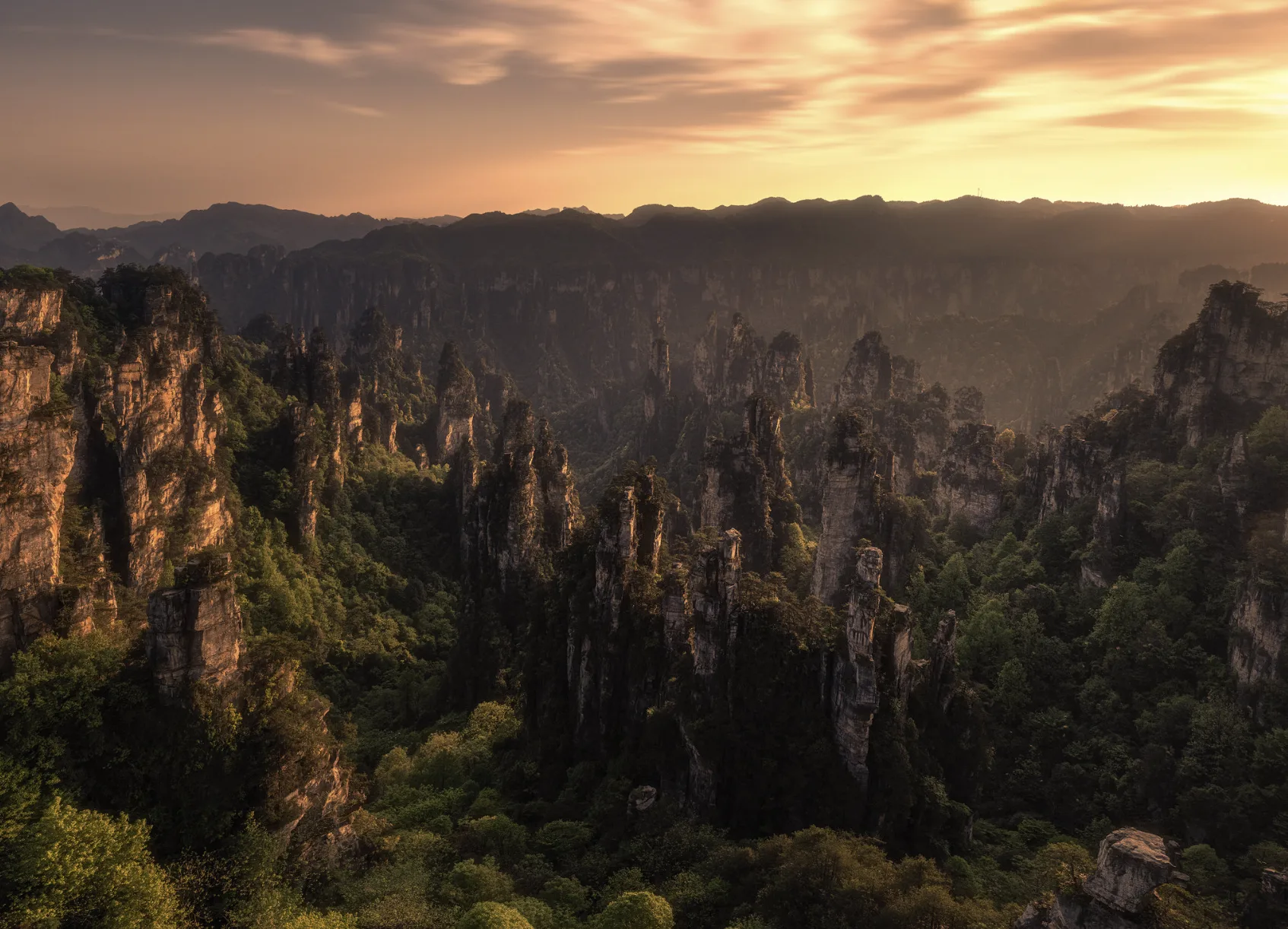
Western Sichuan is one of the few places in China where a single trip can combine snow-capped mountains, alpine meadows, forests and lakes with an in-depth experience of Tibetan culture. Just a few hours from Chengdu, the landscape opens into a high-altitude world of snow peaks, monasteries, grazing pastures and deep valleys.
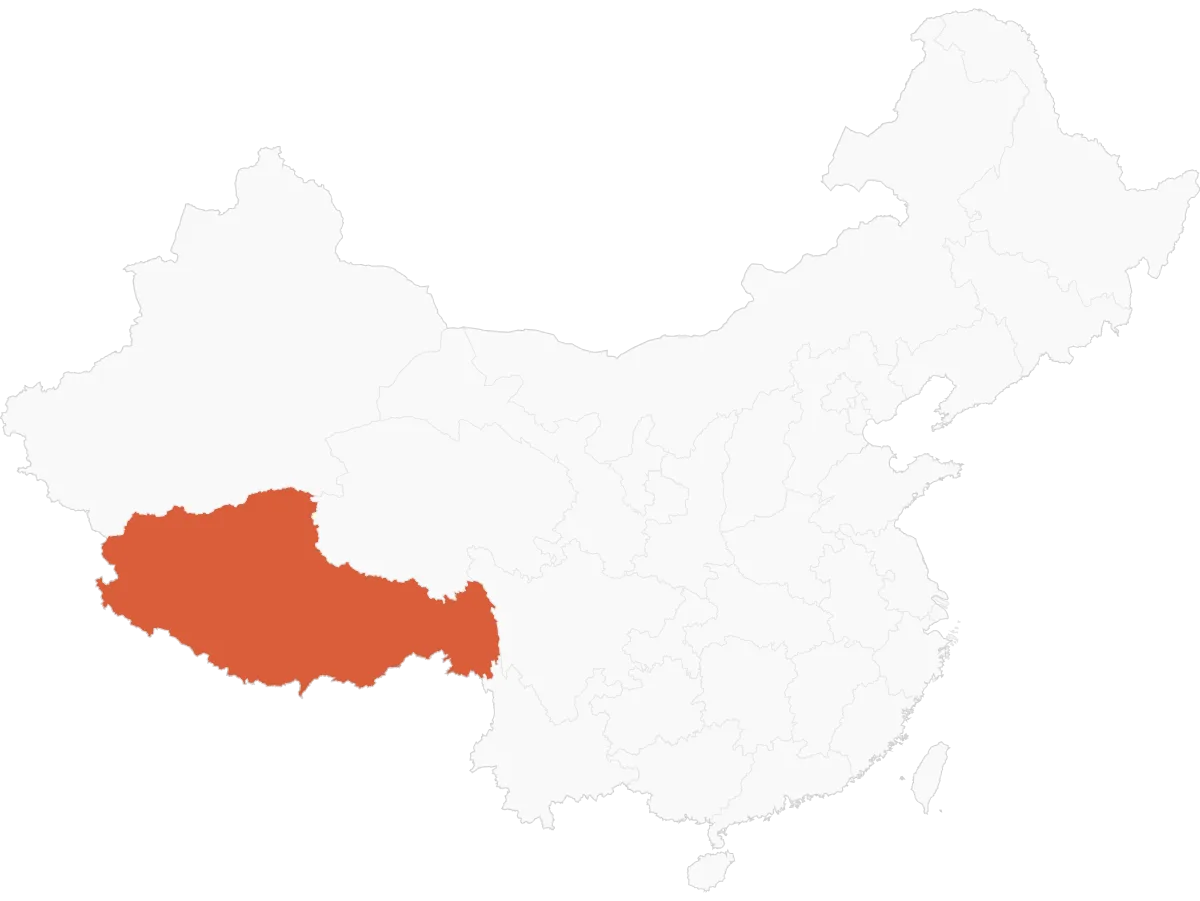
Compared with Tibet, western Sichuan is more accessible and does not require the additional Tibet Travel Permit (TTP) arrangements. Its landscapes are also more concentrated, while Tibetan traditions and everyday cultural life remain deeply rooted in the region. Together, these make western Sichuan a rewarding choice for travellers who want the freedom to explore both its natural scenery and Tibetan heritage.
Western Sichuan is too vast and varied to experience in a single trip. The right itinerary depends on the time available, travellers’ ability to acclimatise, the season, and their main interests, whether nature, hiking, photography or culture. This guide explores the region’s key destinations, travel styles and itinerary lengths to help first-time international visitors choose a route that suits them.
Understanding Western Sichuan: Regions, Landscapes and Travel Style
Western Sichuan is broadly divided into two regions: Aba and Ganzi.
Closer to Chengdu and generally easier to reach, Aba is home to Jiuzhaigou, Huanglong, Siguniang Mountain, Bipenggou and the Ruoergai Grassland. Its landscapes range from forests and alpine lakes to snow-capped peaks, making it a good choice for first-time visitors, families and travellers looking to combine scenic sightseeing with easier hikes.
Ganzi lies further into the Tibetan Plateau, with longer journeys between destinations. Kangding, Tagong, Litang, Daocheng, Dege and Baiyu are all part of this region. Farther west, the landscape opens into vast grasslands, snow mountains and monasteries, while Kham Tibetan culture becomes an increasingly prominent part of everyday life. Ganzi offers a particularly rewarding combination of cultural encounters and remote mountain landscapes. Eastogo’s western Sichuan itineraries are built largely around these two distinct travel experiences.
One important thing to understand about western Sichuan is that distances on a map rarely tell the whole story. Many destinations sit at elevations of 3,000 metres or more, with mountain passes, changing weather and road conditions all affecting journey times. A slower pace generally makes for a better trip, with fewer stops each day and enough time for acclimatisation, scenic detours and unexpected changes along the way.
Best Time to Visit Western Sichuan
Spring features blooming wildflowers and greener valleys. May to July is one of the most beautiful times to visit western Sichuan. As the snow melts, the plateau emerges from late spring into summer, and the meadows around Tagong and Litang gradually turn green as wildflowers begin to bloom.
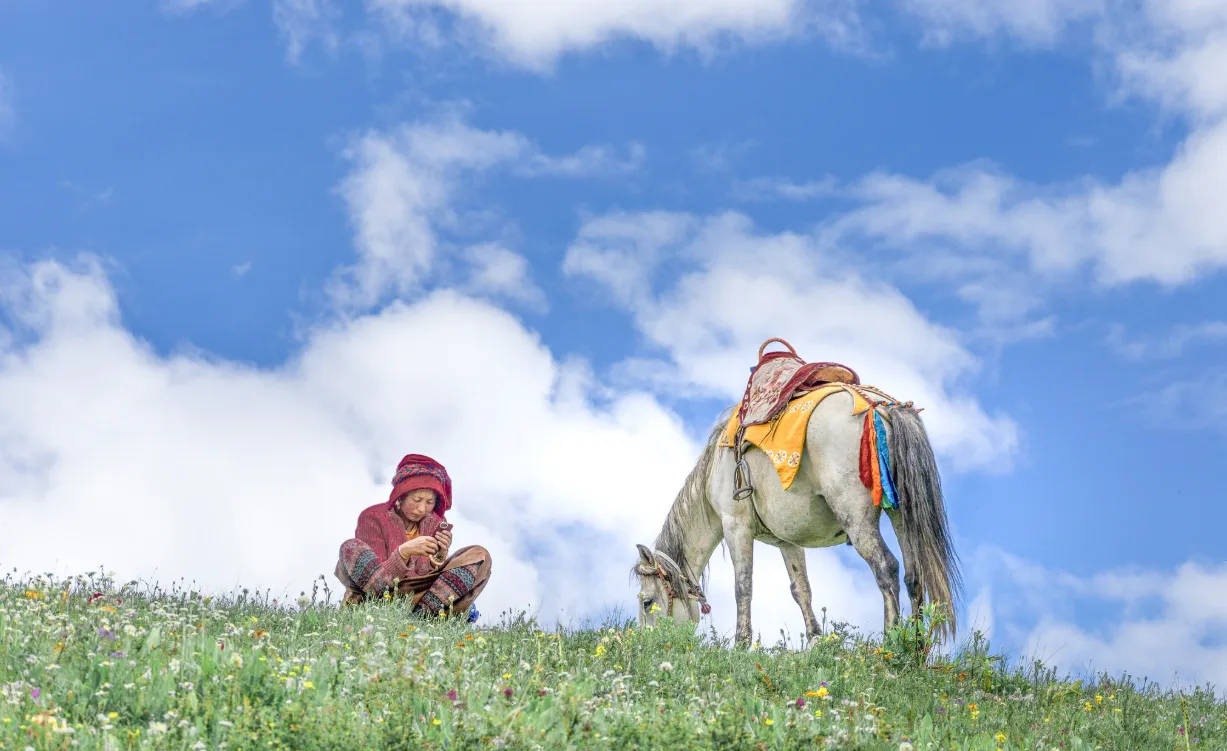
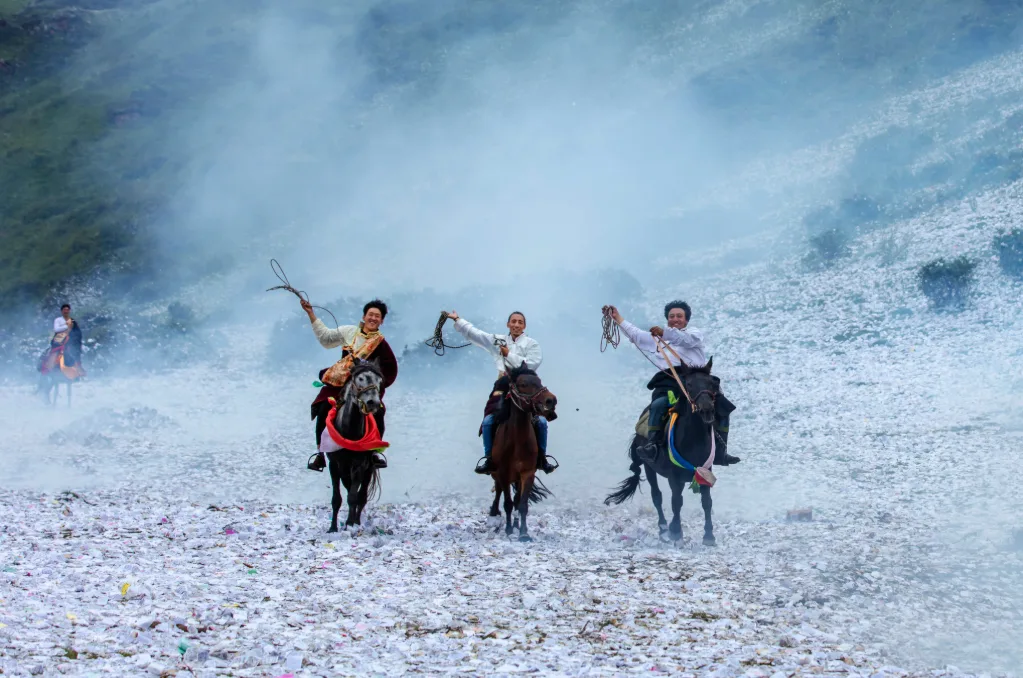
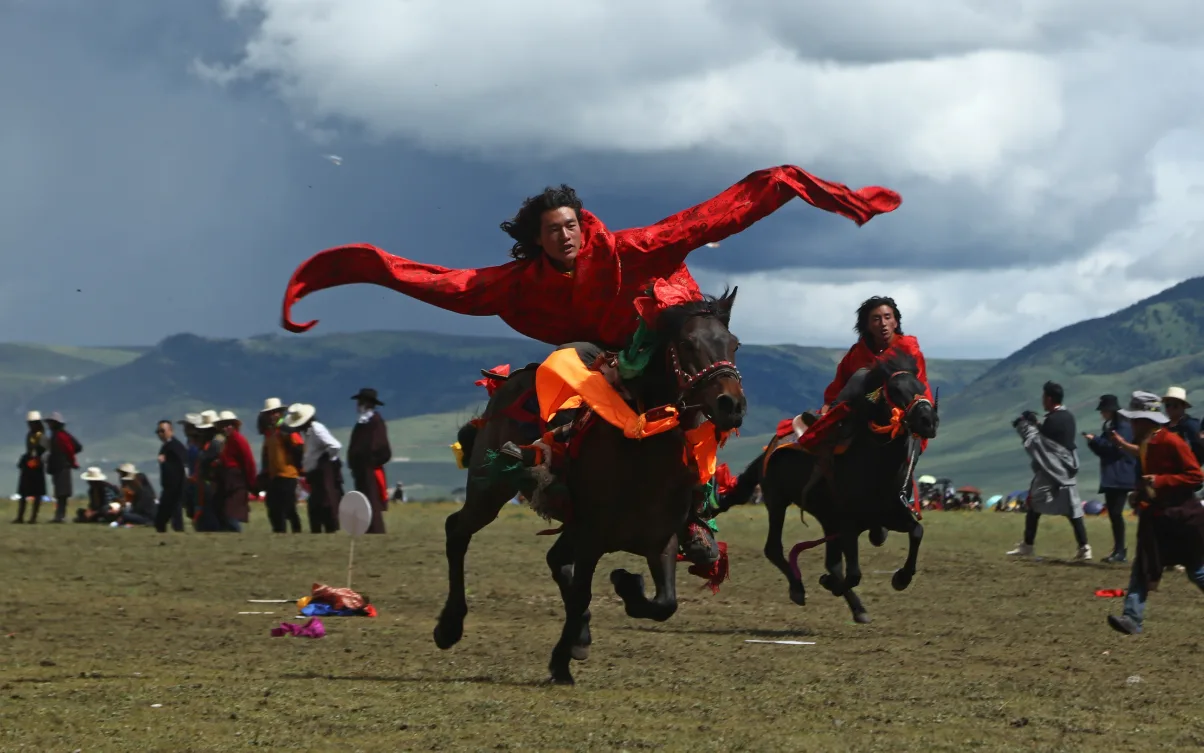
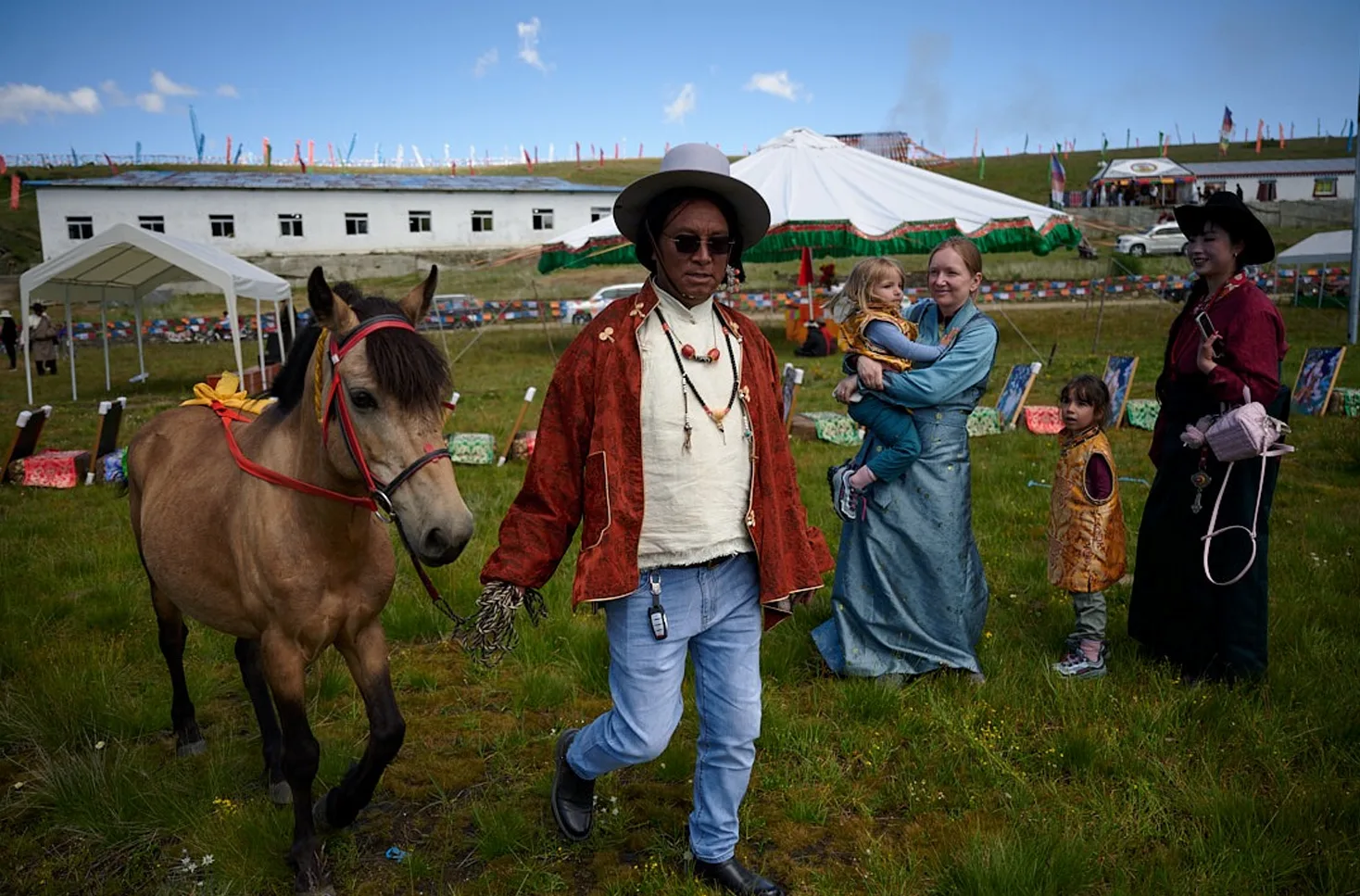
Summer is also a lively season for traditional Tibetan festivals. Horse-racing events and local celebrations take place across the region, offering a chance to see communities come together. Festival dates vary each year, so check local announcements when planning a trip around a particular event.
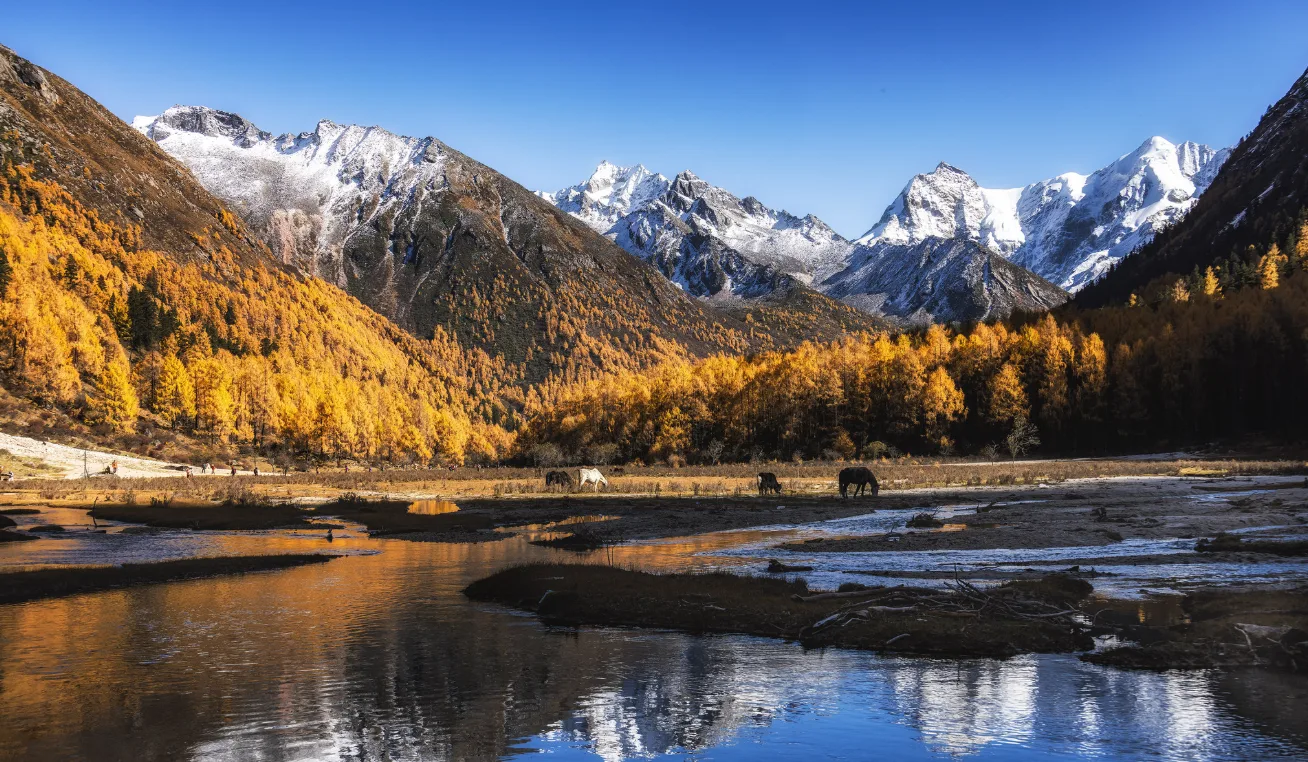
If only one season can be chosen, September and October generally offer the best all-round conditions. As the rainy season draws to a close, skies tend to become clearer, improving the chances of seeing the snow peaks. Forests, alpine shrubs and grasslands begin to take on autumn colours, with golden and deep red foliage creating striking contrasts against the mountains. By late October, some valleys and forests are at their most colourful, making this an excellent time for photography, hiking and road trips. Eastogo generally recommends spring to early summer and September to October as two of the most rewarding periods to visit.

Winter conditions begin to set in from November, bringing much colder temperatures but fewer visitors. The air is often clearer, making this a good time for snow-mountain photography and winter landscapes across the plateau.
For a more detailed seasonal comparison, see our Best Time To Visit Western Sichuan — Seasonal Guide And Practical Planning.
Weather and access conditions still need to be considered. Prolonged summer rain can trigger rockfalls and landslides or lead to temporary road closures, while winter snow may affect mountain passes, trekking routes and even access to some scenic areas. On 15 July 2026, Hailuogou suspended ticket sales from noon after prolonged heavy rain raised concerns about flash floods, landslides and rockfalls, highlighting why flexibility is essential when travelling in western Sichuan.
Speak to An Expert
Starting Your Jounrney to Western Sichuan
Start designing your China journey with our destination experts.
Make An InquiryWestern Sichuan Highlights and How to Choose Them
Snow Mountains and Alpine Landscapes
Snow-capped peaks are among the defining landscapes of the Sichuan Mountains, but each mountain offers a different way to experience them.
Siguniang Mountain, also known as Four Sisters Mountain, is a good introduction to the high mountains, with sightseeing buses in Shuangqiao Valley and half- or full-day hikes in its surrounding valleys. Hailuogou offers an easier way to explore the forests and glacial scenery of the Gongga region. Around Mount Gongga, visitors can choose from numerous viewpoints, while more demanding trekking routes lead deeper into the mountains. Genyen is more remote, requiring greater preparation for road conditions, accommodation and outdoor activities.
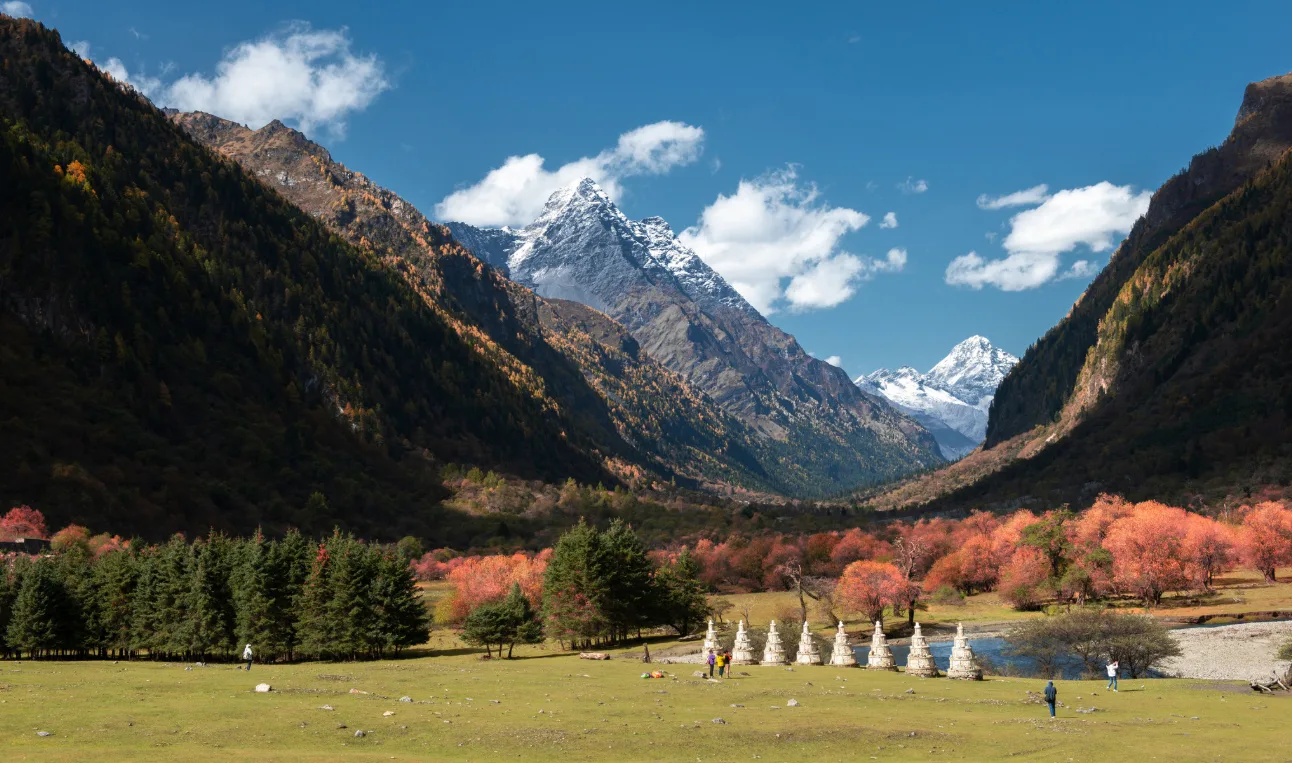
A snow-mountain trip in western Sichuan can involve almost no hiking, or several days of high-altitude trekking. Rather than choosing a destination based on photographs alone, consider your fitness, outdoor experience and comfort with basic accommodation before deciding which route to take.
Tibetan Culture, Monasteries and Traditional Villages
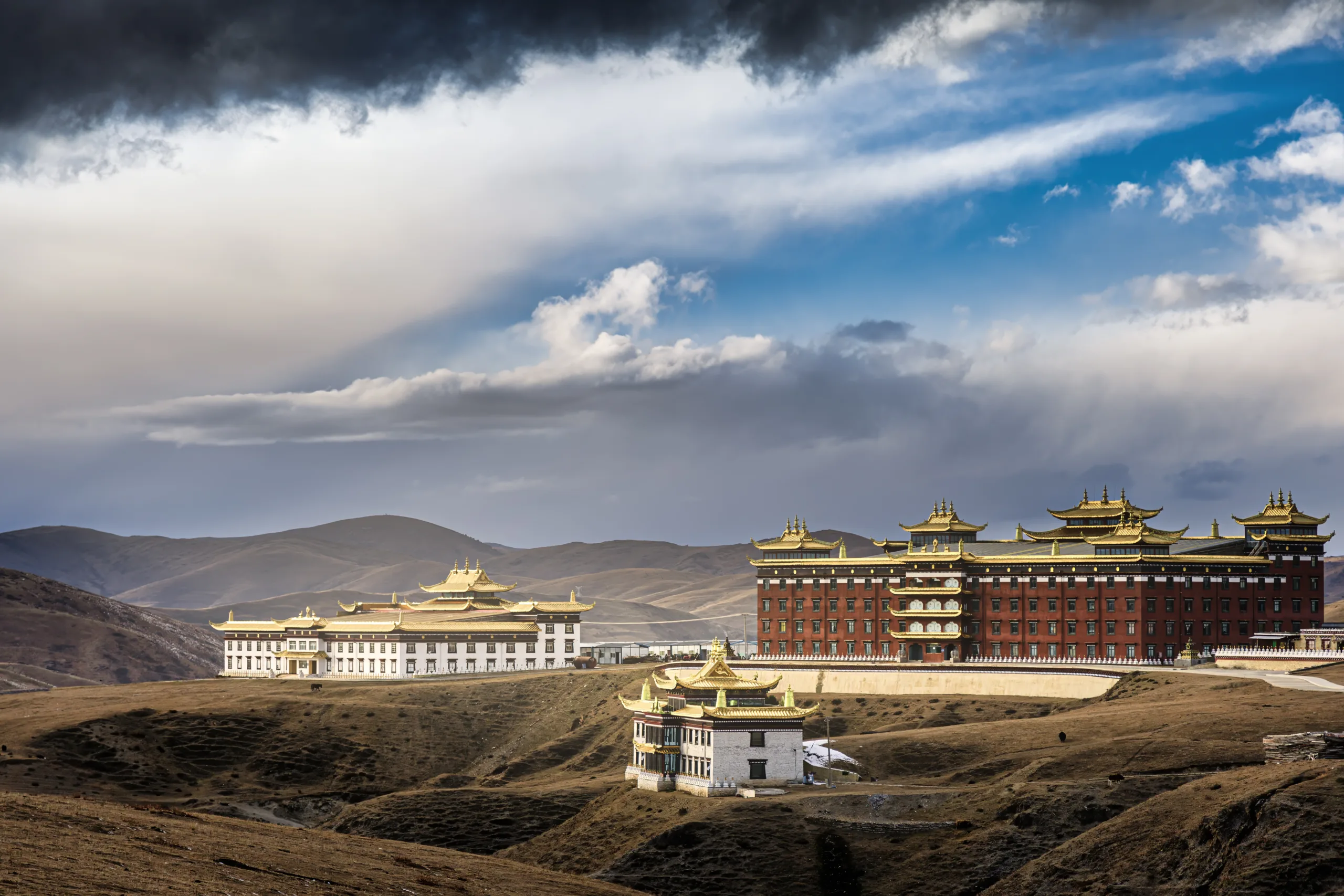
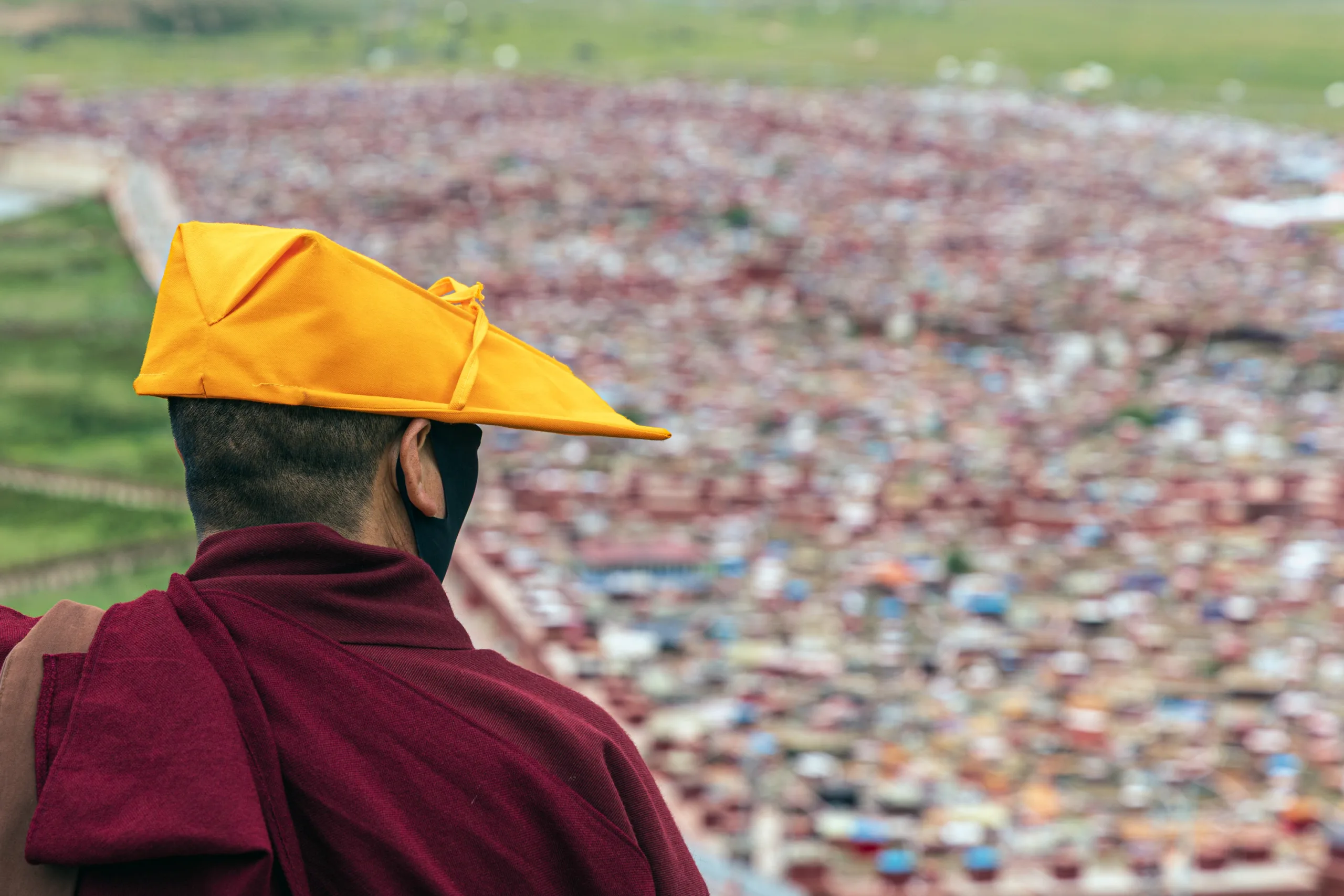
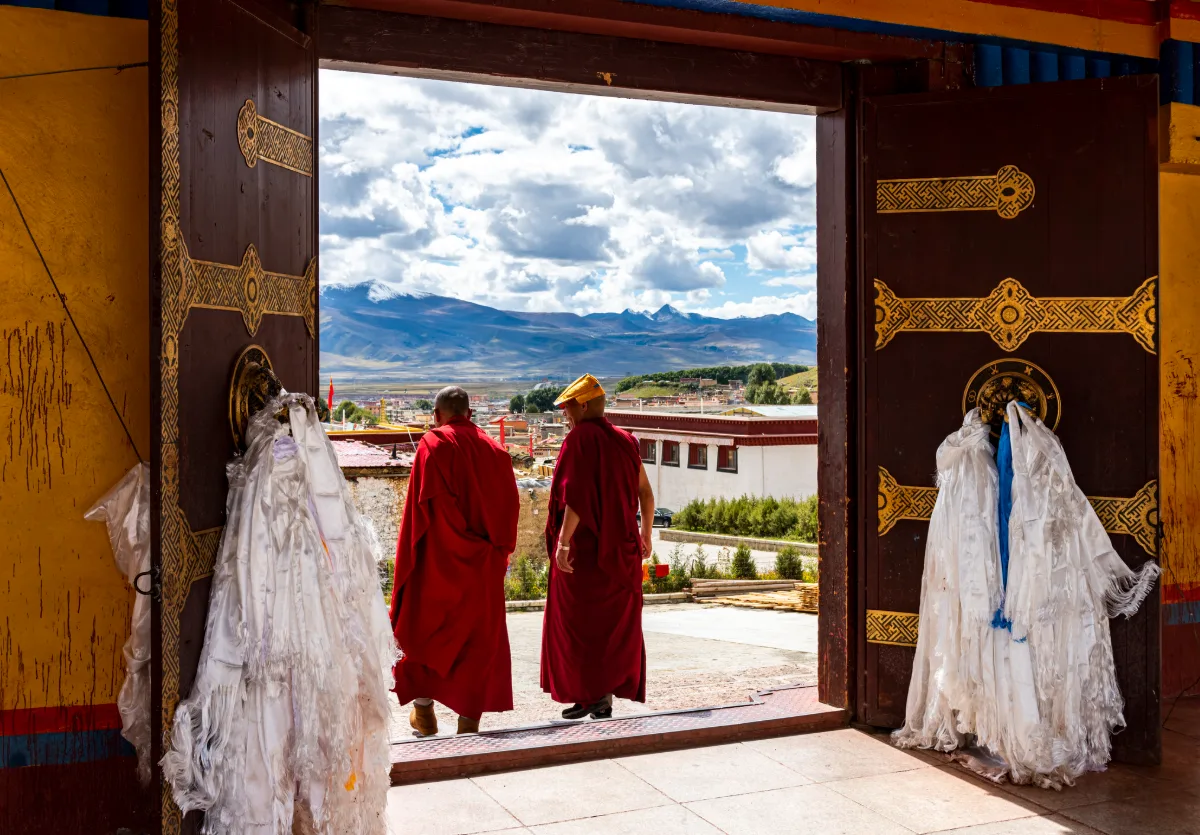
Across western Sichuan Province, Tibetan culture is especially prominent around Kangding, Tagong, Litang, Danba, Ganzi, Dege and Baiyu. Important sites include Tagong Monastery, Changchun Ke’er Monastery in Litang, the Dege Printing House, Dzogchen Monastery and Katok Monastery, each offering insight into Tibetan monasteries, traditional architecture, religious practices and elements of local folklore. In these areas, visitors often encounter prayer wheels beside paths and temple entrances, as well as mani stones placed along walls or near shrines. In some remote monasteries and villages, religious life remains part of the everyday rhythm, with relatively few tourists and local worshippers far outnumbering tour groups, offering visitors a closer look at religious practices and everyday community life.
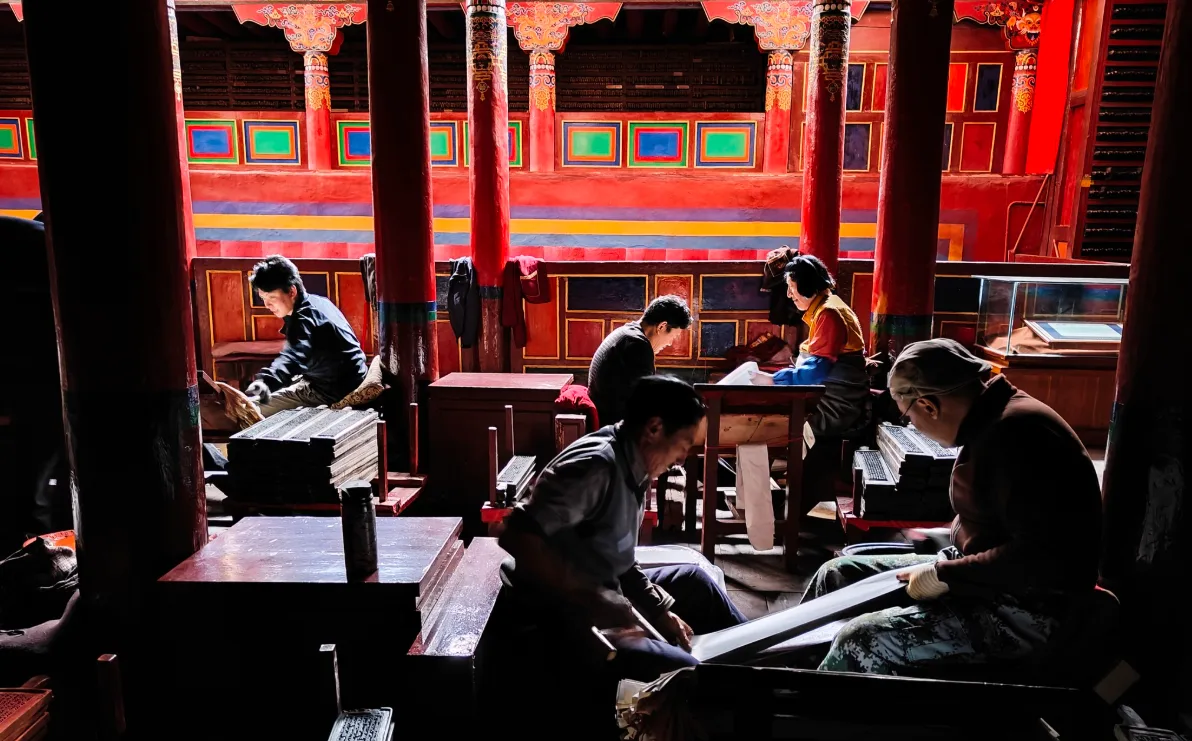
When visiting monasteries, avoid disturbing religious activities in progress. Always ask before photographing monks, local residents, Buddhist statues or monastery interiors, as photography is prohibited in some prayer halls and during certain religious ceremonies.
Grasslands, Lakes and Plateau Landscapes
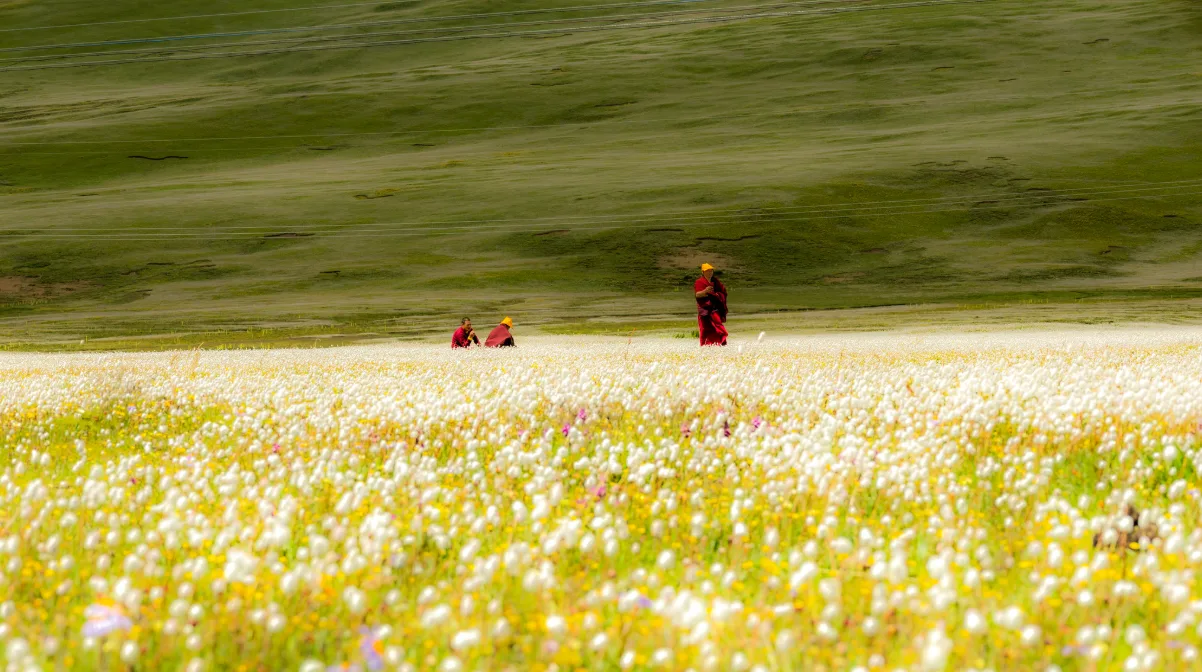
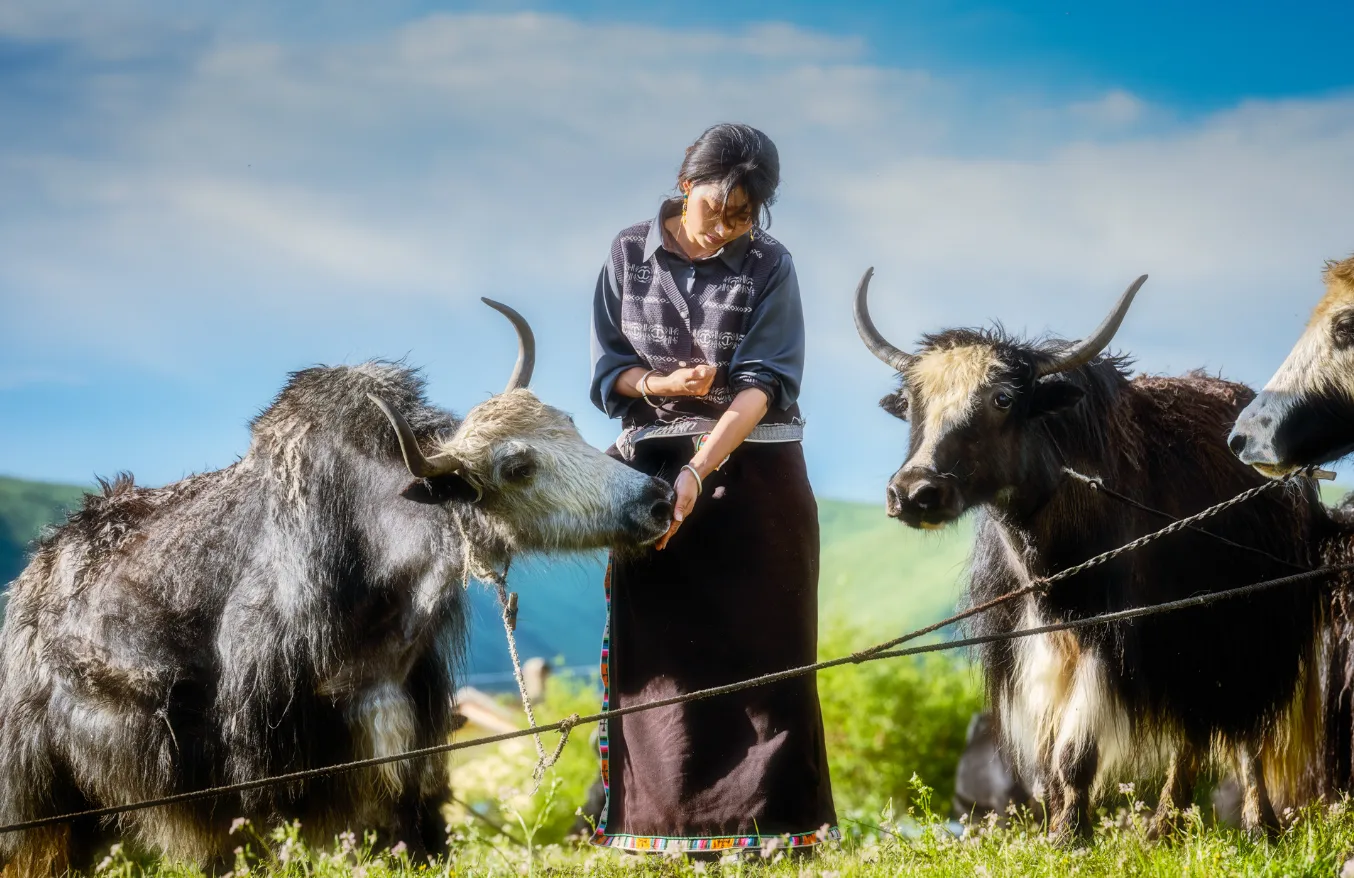
Tagong Grassland, Maoya Grassland, Ruoergai Grassland and the alpine meadows around Litang are among western Sichuan’s most distinctive plateau landscapes. In summer, the broad open grassland of Maoya stretches from Litang towards the foot of Haizi Mountain, dotted with wildflowers and grazing yaks. Beyond its pastoral scenery, western Sichuan is also known for its wildlife, including snow leopards and other rare mammals that inhabit its wider mountain landscapes. Together, the vast meadows, distant snow peaks and changing light create some of western China’s most breathtaking scenery.

The same landscapes can look completely different from one month to the next. Summer is ideal for green meadows and a glimpse of life on the pastures, while September and October are generally better for snow-mountain photography and autumn colours.
Hiking and Outdoor Experiences
Western Sichuan offers hiking routes for a wide range of abilities, from short walks to demanding multi-day treks. At Siguniang Mountain, Changping Valley and Haizi Valley are suitable for day hikes, while the Changping–Bipenggou traverse crosses a high mountain pass and is one of the region’s classic multi-day treks, usually taking three days and two nights. Farther west, multi-day routes in the Genyen and Gongga regions are more demanding and require greater experience and preparation.
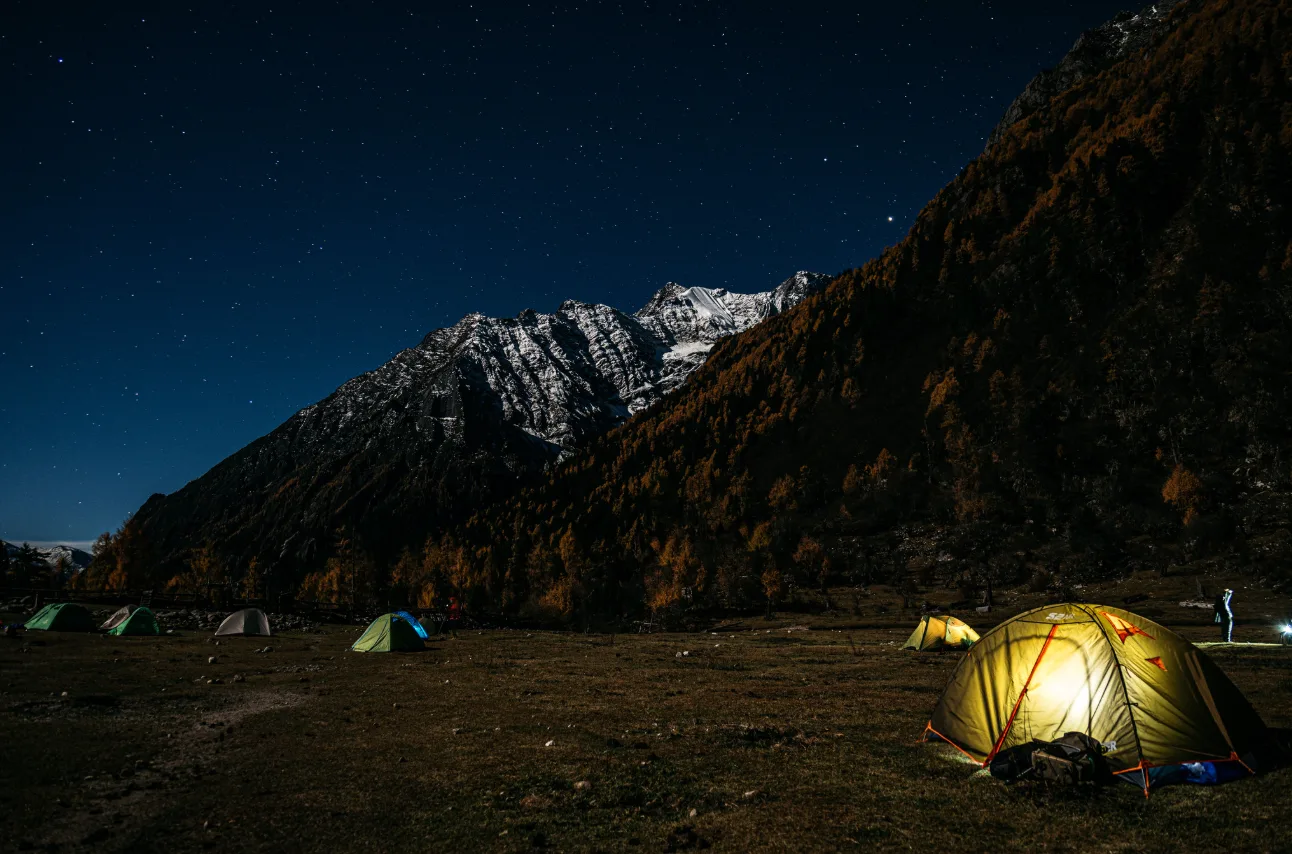
Route difficulty varies considerably, and some areas are subject to nature reserve rules or outdoor activity regulations. Choose a route according to the season, current access conditions and personal experience rather than relying on old GPS tracks found online.
For detailed information on hiking and mountaineering at Siguniang Mountain, see our Siguniang Mountain Guide: Valleys, Hiking, Peaks and Practical Planning.
Speak to An Expert
Starting Your Jounrney to Western Sichuan
Start designing your China journey with our destination experts.
Make An InquiryClassic Western Sichuan Destinations
Siguniang Mountain
Siguniang Mountain is one of the most accessible introductions to western Sichuan’s high-altitude landscapes. The mountain has four main peaks, the highest of which reaches around 6,250 metres. Its three valleys — Shuangqiao, Changping and Haizi — offer distinctly different experiences. Shuangqiao Valley has a well-developed sightseeing bus system and requires the least physical effort. Changping Valley is better suited to hiking, with boardwalks and trails leading through forests and river valleys towards the snow peaks. Haizi Valley is more rugged and undeveloped, and serves as the traditional approach for climbs of Dafeng and Erfeng, making it a better choice for experienced hikers and climbers.
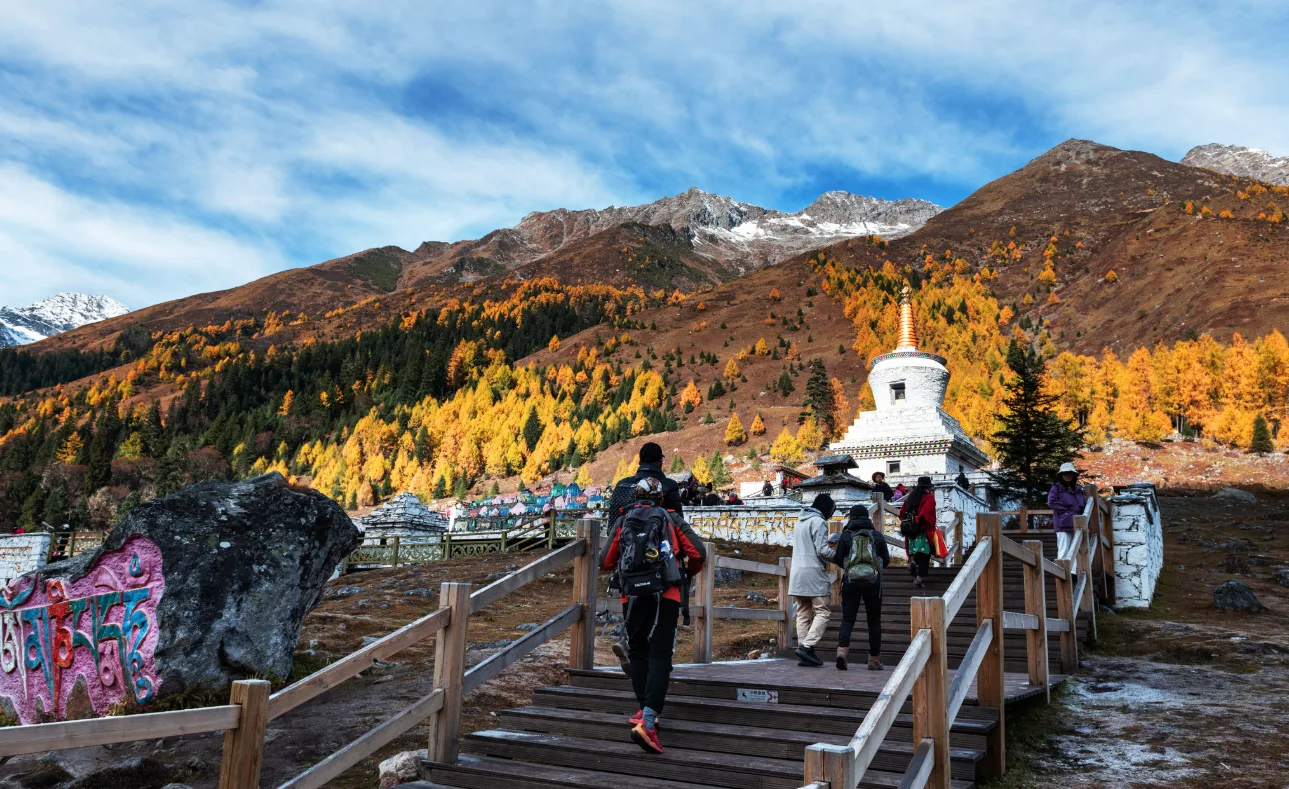
For those with more trekking experience, the Changping–Bipenggou traverse is another option. Often regarded as one of western Sichuan’s classic mountain treks, it leads deep into the valleys and crosses a high mountain pass. The route is considerably more demanding than ordinary scenic-area walks, so current access arrangements, weather conditions and outdoor activity regulations must be checked in advance.
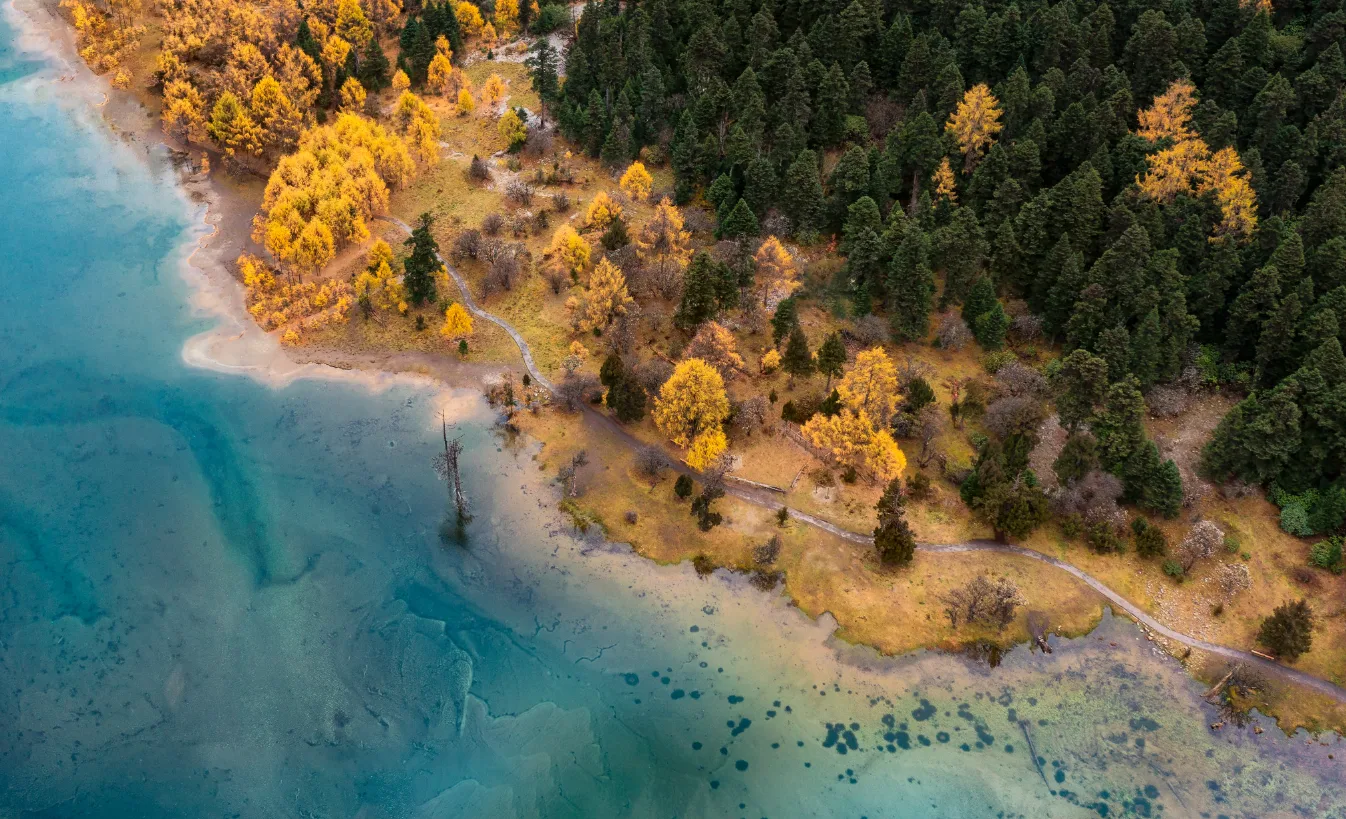
Close to Chengdu and offering options from easy sightseeing to serious trekking, Siguniang Mountain is an excellent choice for a first trip to western Sichuan. For more details, see our Siguniang Mountain guide.
Daocheng Yading
Daocheng Yading is known for its three sacred peaks, alpine lakes, forests and meadows. Often described as a pure land in the heart of western Sichuan, it is a destination of remarkable natural beauty. The scenery is spectacular, but getting there takes longer, and both physical fitness and acclimatisation matter.
The region also has rewarding multi-day trekking routes for outdoor enthusiasts. With only one or two days, however, most visits are limited to the main scenic area, where designated boardwalks and visitor facilities make sightseeing relatively straightforward. These routes can become crowded in peak season. For travellers with limited time who want a more authentic experience of western Sichuan, other destinations may be a better fit.
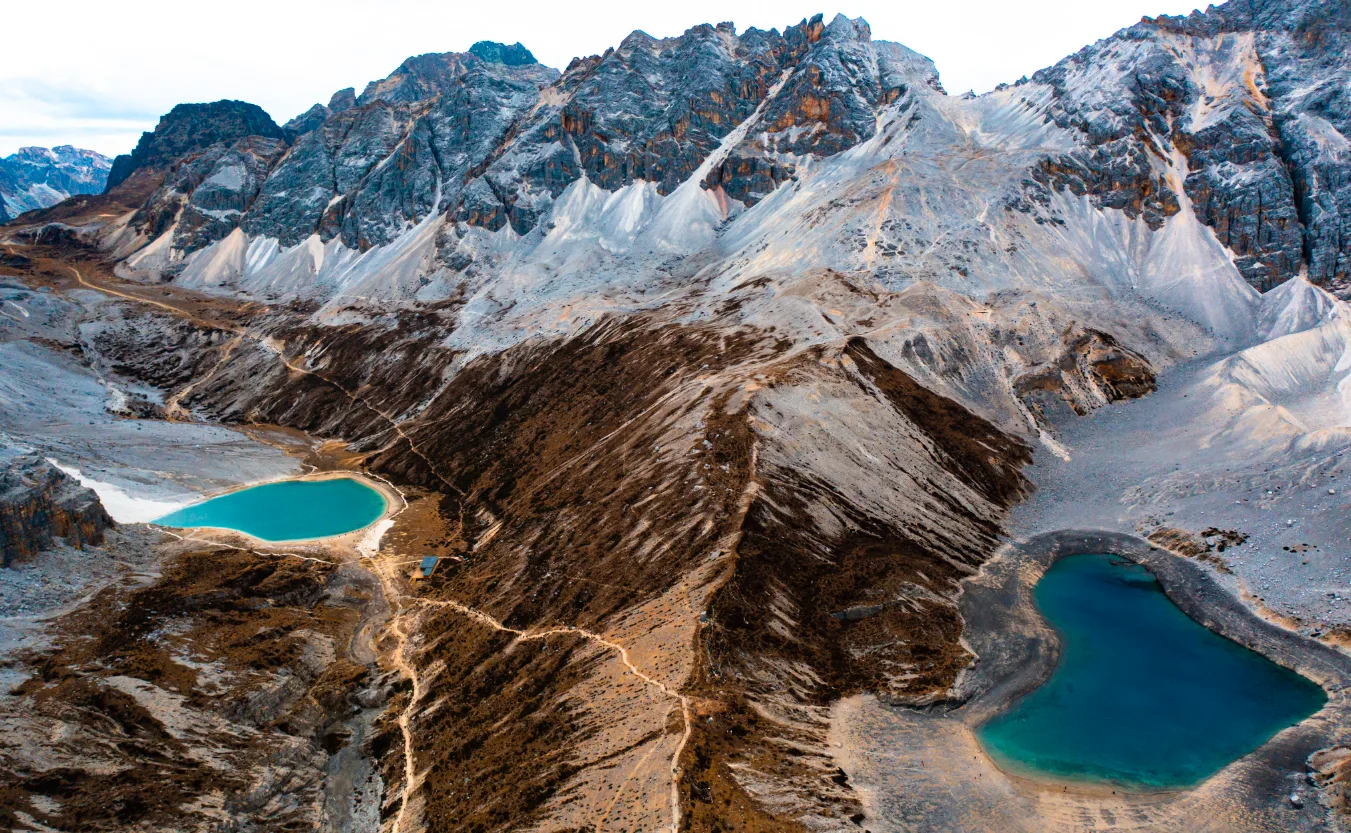
Flights to Daocheng Yading Airport offer a quicker way to reach the region, but arriving at high altitude so rapidly leaves little time for acclimatisation. Travelling overland from Chengdu via Kangding, Xinduqiao and Litang takes longer, but allows travellers to gain altitude more gradually while offering opportunities to explore Kham Tibetan landscapes and culture along the way. There is no guaranteed way to avoid altitude sickness, so those planning the longer Yading trek should allow sufficient time to acclimatise before setting out.
Danba Tibetan Villages
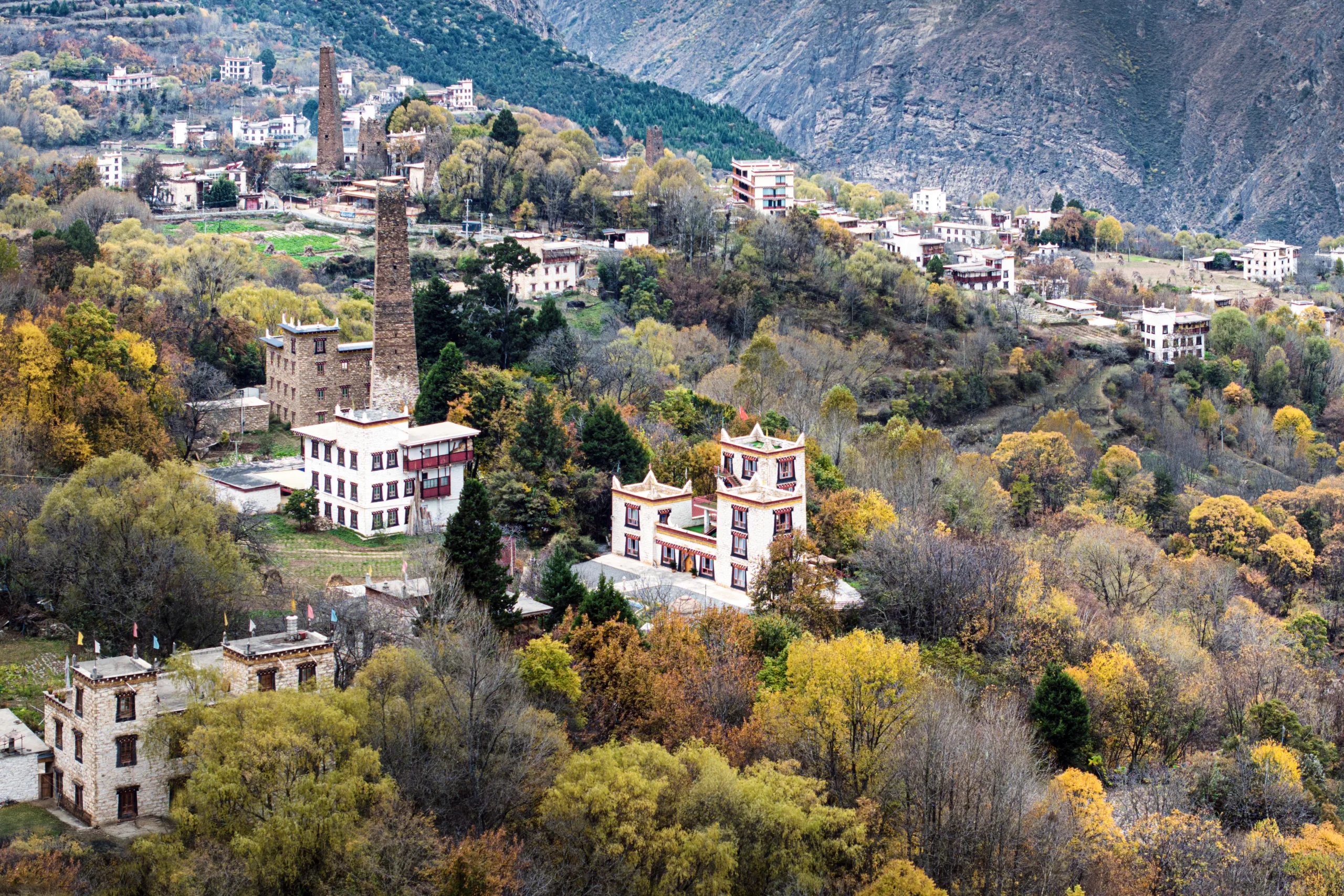
Set among steep mountains and deep river valleys, Danba offers a different side of Tibetan life in western Sichuan. Unlike the open plateau around Litang and Tagong, its villages cling to hillsides and follow the valleys, where traditional Tibetan houses, farmland and ancient stone watchtowers form a distinctive cultural landscape. The local Jiarong Tibetans have their own recognisable architectural style, embroidered clothing and jewellery, setting them apart from other Tibetan communities.
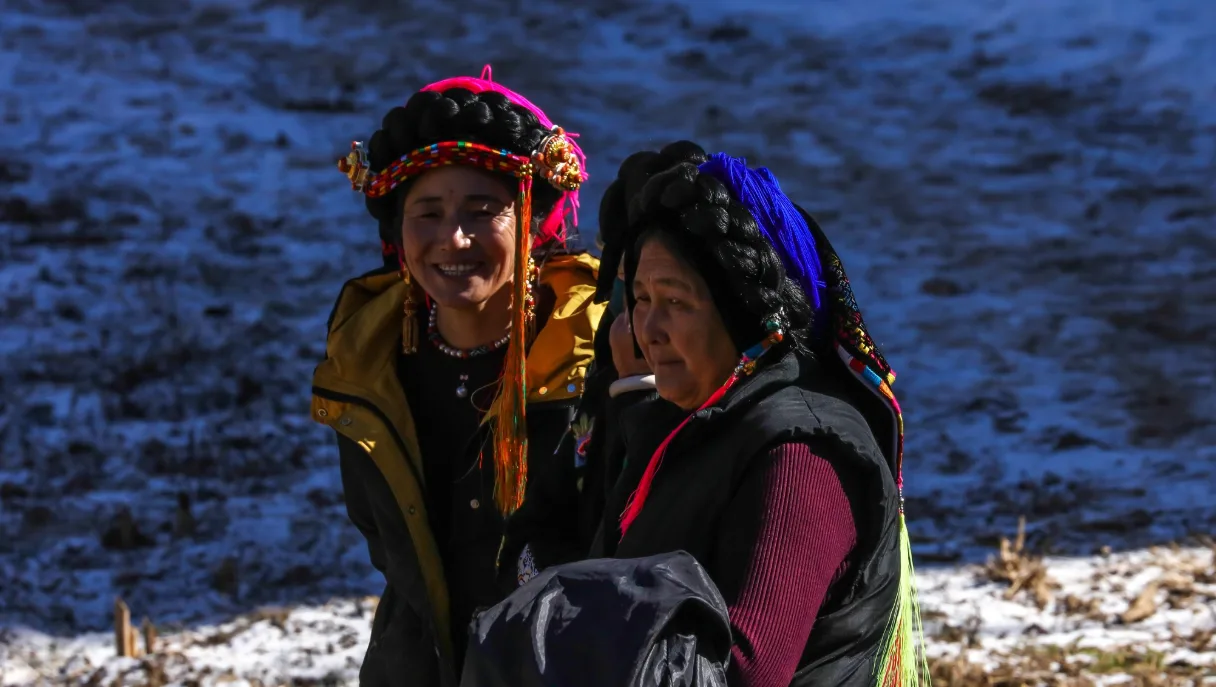
Jiaju Tibetan Village is the best known, but it has become a well-established tourist attraction, with entrance fees and larger crowds. Zhonglu Tibetan Village is quieter, making it a better choice for walking through the village, staying overnight and observing everyday life. Suopo Tibetan Village is particularly known for its clusters of ancient stone watchtowers. In spring, pear blossoms blanket the hillsides, creating a striking contrast with the traditional stone houses and distant snow peaks. In autumn, the surrounding forests turn gold and red, bringing another layer of colour to the landscape.
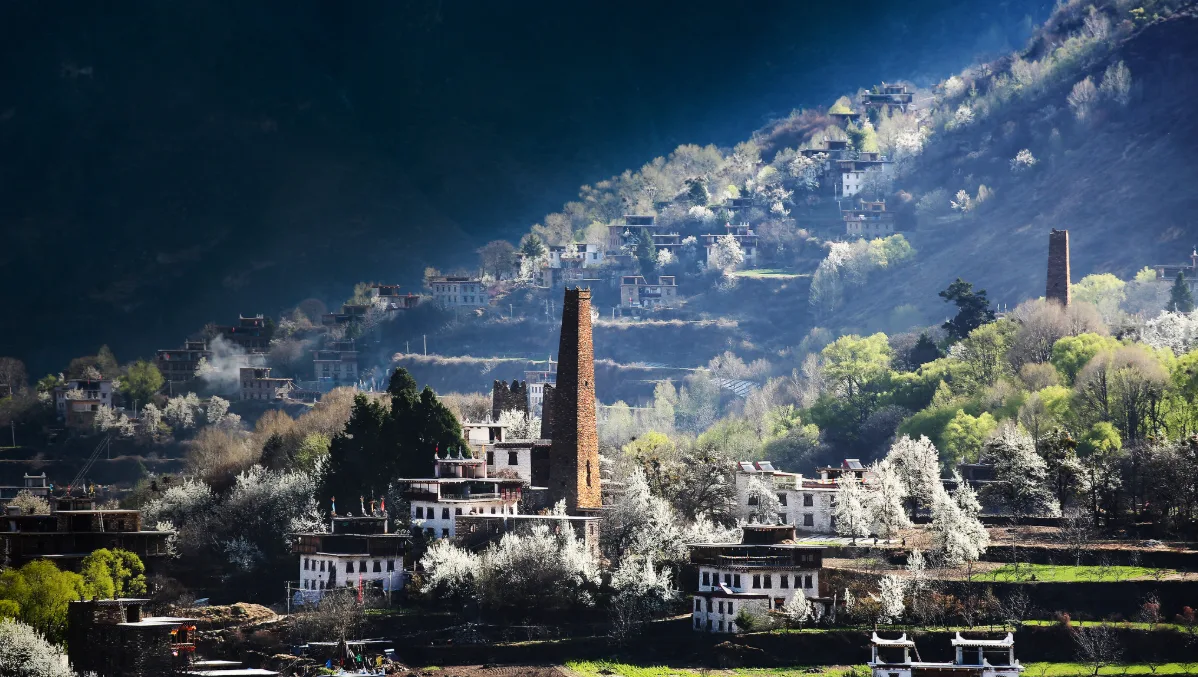
Danba fits naturally into an itinerary between Siguniang Mountain and Tagong, creating a gradual transition from snow peaks to Tibetan villages and the cultural landscapes of the plateau.
Kangding, Tagong and Xinduqiao
Kangding is an important gateway from the Sichuan Basin to the Tibetan Plateau. More urbanised than many other destinations in western Sichuan, it has a larger Han Chinese population and a less distinctly Tibetan character.
With well-developed transport links, accommodation and other facilities, Kangding is a convenient stop before travelling to higher elevations. It is often included in five- to seven-day western Sichuan loop itineraries.
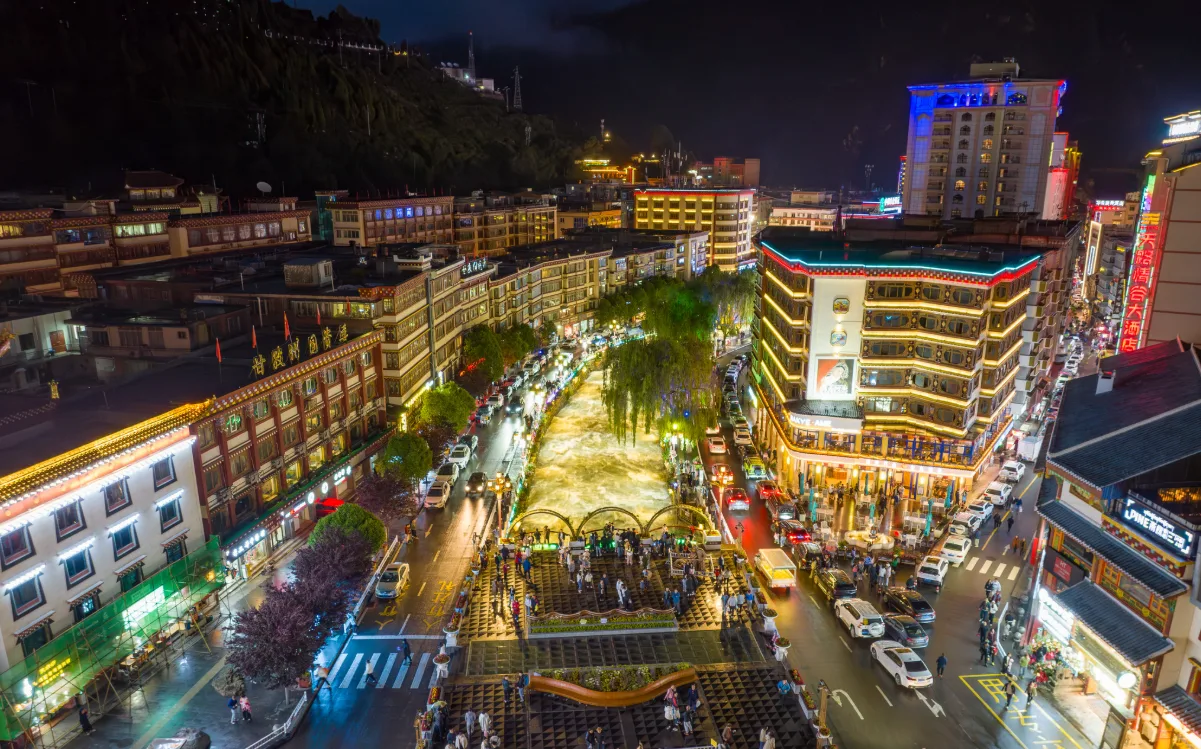
Xinduqiao is popular online for its mountain views and village scenery, but it is often more of a pleasant stop along the way than a destination worth an extended stay. Further into western Sichuan, there are many more distinctive landscapes and cultural experiences to discover.
Tagong Grassland is worth spending more time exploring. With Eastogo, you can spend time with local herding families, join them in tending their animals, and learn how to make traditional yak butter and tsampa.
Litang and Genyen
At nearly 4,000 metres, Litang feels a world away from the cities on the Sichuan Plain, both in its landscape and its pace of life. The Maoya Grassland, Litang Monastery (Changchun Ke’er Monastery) and Letong Ancient Town reveal how closely the surrounding landscape and Tibetan life are intertwined. Rolling hills, open grasslands and distant snow peaks create an expansive highland setting. Litang is also an important stop on the way to Daocheng Yading or the Genyen region.
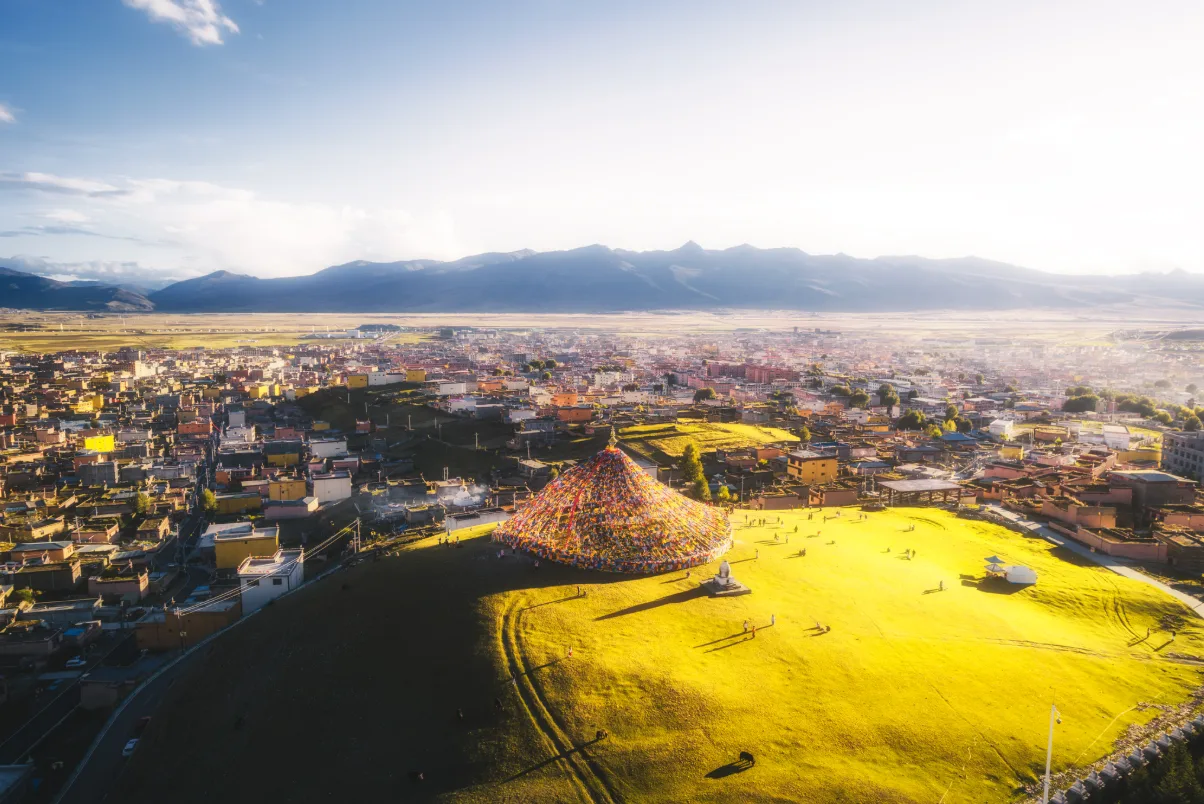
Beyond Litang, the journey into the Genyen region becomes more remote. Dominated by Mount Genyen, a sacred mountain in Kham, the area is known for its awe-inspiring snow peaks, open grasslands and surrounding valleys. The southern route passes through remote settlements and small village communities, offering a closer look at life in the mountains. If your wider western Sichuan journey also includes Tagong, Yala Snow Mountain is another memorable mountain destination worth considering. Travel into Genyen takes longer, accommodation is limited and weather can have a greater impact on plans. It is best suited to travellers who have already explored the main western Sichuan routes and want to venture further into quieter mountain country, rather than those trying to fit as many sights as possible into a short trip.
For more details, see our Litang Travel Guide: Things To Do, Travel Tips And Itineraries.
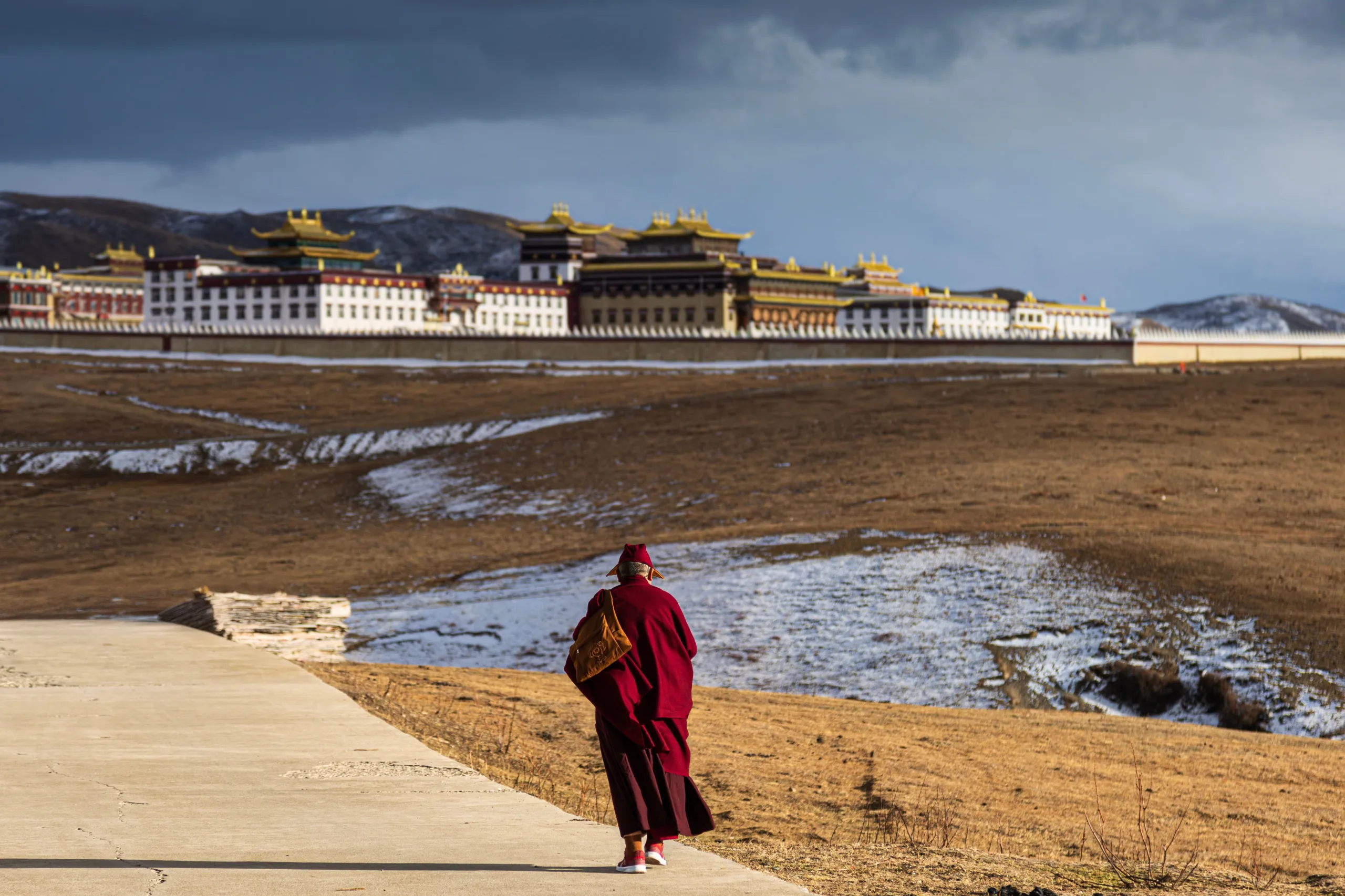
Gongga Mountain and Hailuogou
Mount Gongga, the highest peak in Sichuan, stands at 7,556 metres, and the surrounding region offers everything from snow-mountain photography and glacier scenery to serious trekking and mountaineering. The experience can vary greatly depending on where you go and how you travel.
Hailuogou is one of the easiest ways to enter the Gongga region. Within the Hailuogou Scenic Area, Hailuogou Glacier is the main attraction. A well-developed visitor system, including sightseeing buses and a cable car, allows travellers to enjoy the forests, glacier scenery and views of the snow peaks without strenuous outdoor activity. Elsewhere around Gongga, there are many mountain viewpoints and outdoor routes, some of which fall firmly into the category of technical trekking or mountaineering and are better suited to experienced hikers and climbers.
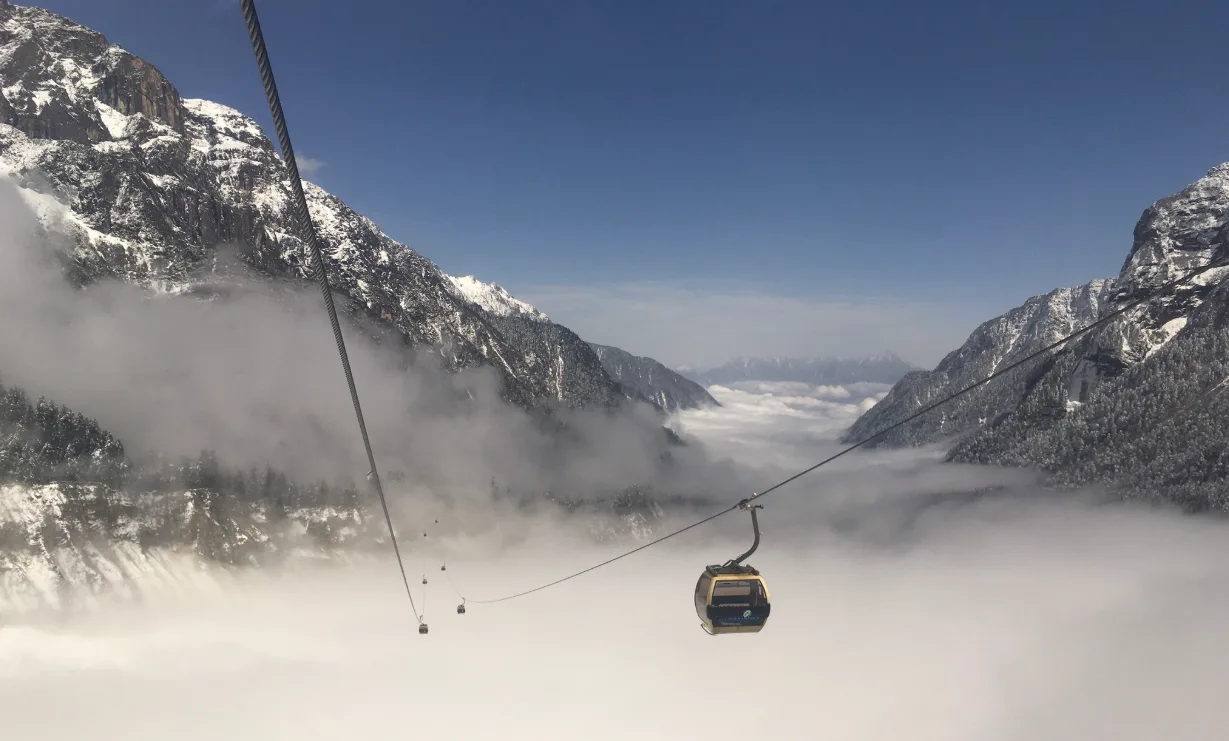
Lenggacuo and Zimei Pass are two of the best places to see Mount Gongga. Lenggacuo is widely regarded as the finest spot for photographing the reflection of Gongga’s main peak. When the water is still, the mountain is mirrored clearly in the lake, creating a perfectly symmetrical scene. Around sunrise or sunset, when both the peak and its reflection glow with golden light, the view is especially striking. Getting to the viewpoint takes some effort: vehicles cannot go all the way, so the final approach usually requires a two- to three-hour hike or a ride on horseback.

For travellers who want to feel the full force of the “King of the Sichuan Mountains” with the least physical effort, Zimei Pass is an excellent choice. It is the closest of Gongga’s major viewpoints, only around 5 km away in a straight line. From the pass, at roughly 4,500–4,560 metres, the enormous vertical relief makes Gongga feel almost within reach. The wide-open view also makes it one of the best places to see the whole range and catch sunrise light on the peaks. It can be reached by vehicle, though the final section of road is rough and requires careful driving.
Jiuzhaigou and Huanglong
Located in northern Aba, Jiuzhaigou and Huanglong are among the region’s most developed and accessible nature destinations.
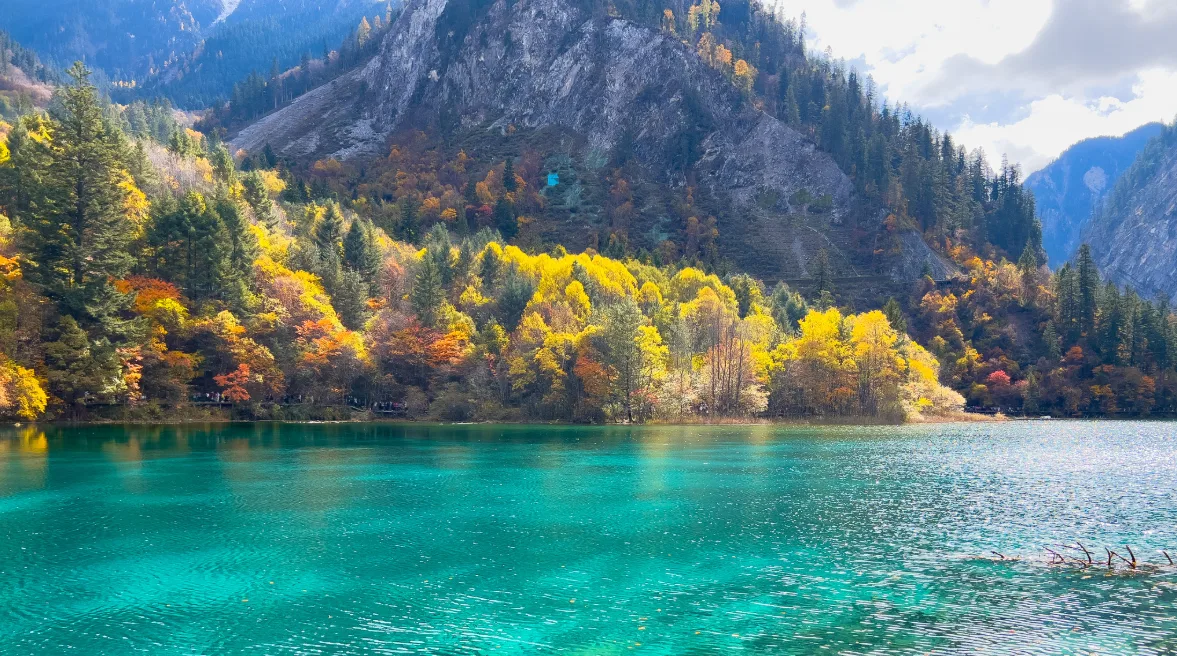
Jiuzhaigou is known for its forests, alpine lakes, waterfalls and intensely coloured waters, with autumn being particularly popular. Huanglong is famous for its colourful travertine pools, forests and mountain scenery. Both offer a very different experience from the grasslands and Kham Tibetan areas of Ganzi, and are well suited to travellers who prefer established scenic areas, striking natural landscapes and a more comfortable, less demanding style of travel.
Explore Deeper: Ganzi County, Baiyu and Remote Monasteries
For travellers who have already explored Siguniang Mountain, Tagong and Litang, the journey can continue deeper into Ganzi County, Dege and Baiyu.
This region is home to quiet villages and monasteries that see relatively few visitors. Dzogchen Monastery and Katok Monastery are both important Nyingma institutions, with active religious life and well-preserved architecture and murals. Dege is also home to the renowned Dege Printing House, where traditional woodblock printing continues today.
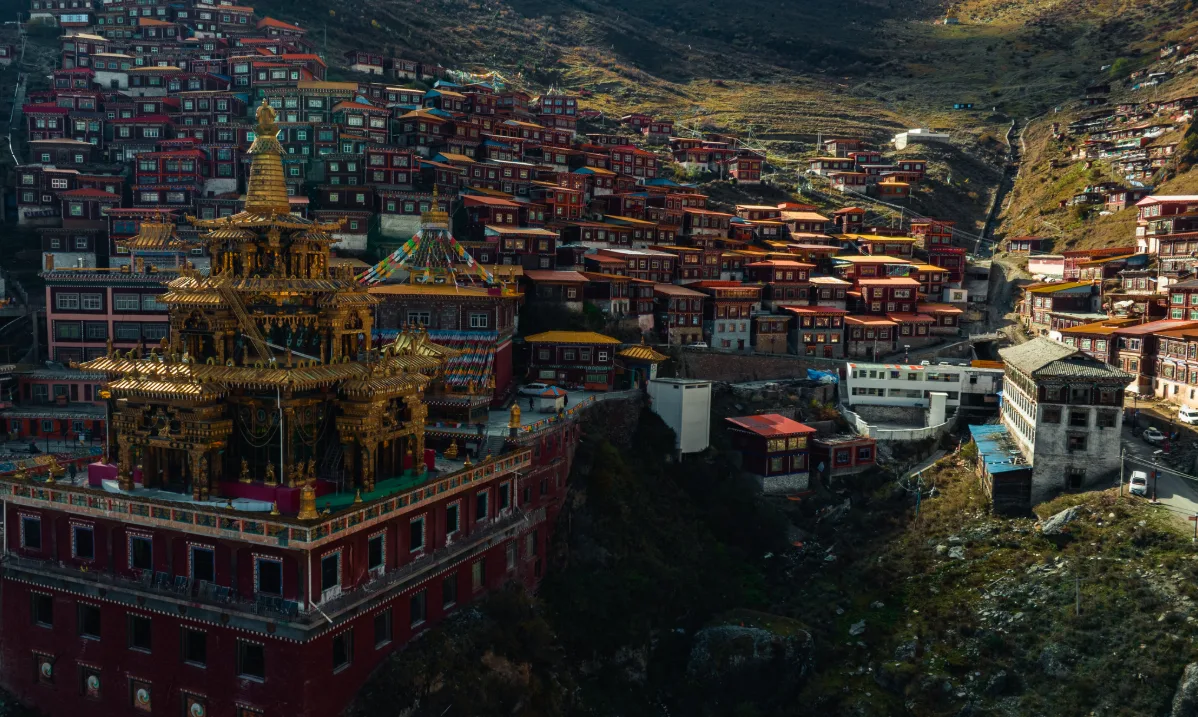
Journeys through this part of western Sichuan often involve longer drives and more limited accommodation. But for travellers drawn to Tibetan culture and the experience of travelling through remote mountain country, this can be one of the region’s most rewarding areas to explore. Eastogo’s deeper western Sichuan itineraries already extend to places such as Genyen, Baiyu and Katok Monastery. For more details, see our Western Sichuan: The Essence of Kham Tibet (5 days Self-guided) or The Whispering Winds of the Tibetan Plateau (9 days).
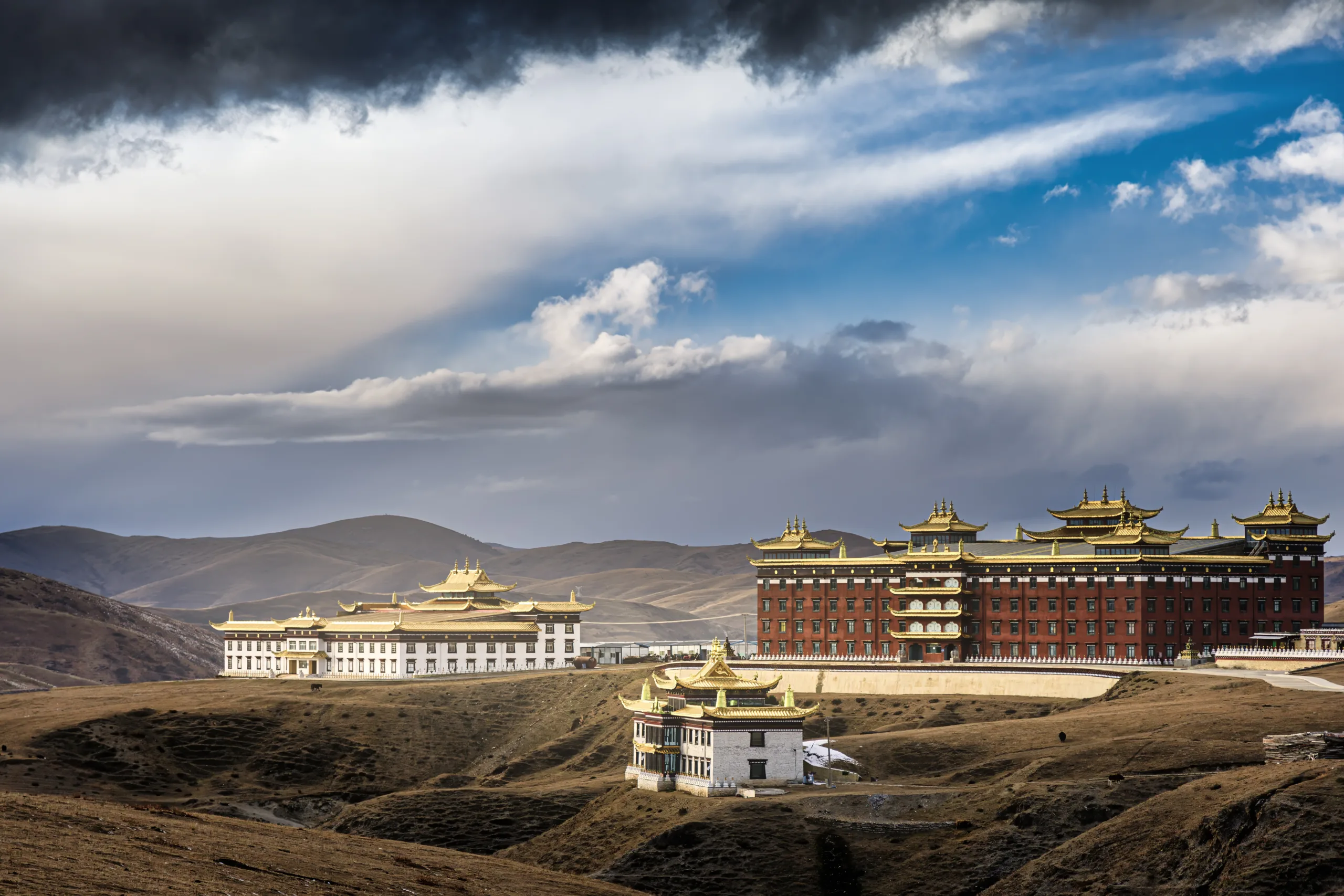
Western Sichuan Itinerary Ideas by Travel Style
Western Sichuan can be explored through easy sightseeing trips, multi-day high-altitude treks or cultural journeys centred on monasteries and Tibetan communities. Rather than starting with a list of must-see places, it is more useful to decide what kind of experience matters most.
Available time, fitness, season and previous experience at altitude should shape the itinerary far more than a ranking of popular attractions.
Classic Western Sichuan Route for First-Time Visitors
For a first trip to western Sichuan, the route through Kangding, Tagong, Xinduqiao and Litang is a good place to start. It combines alpine grasslands, snow peaks, Tibetan Buddhist monasteries and traditional villages, with the landscape changing as the road climbs further onto the plateau.
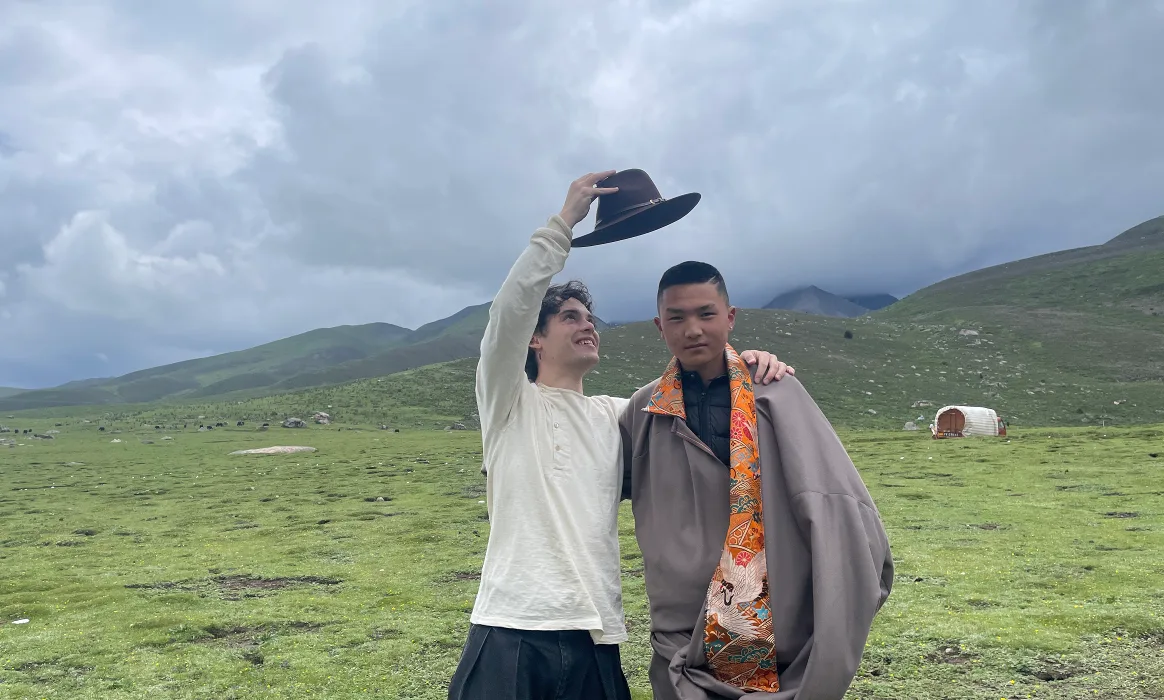
Travelling overland also gives the body more time to adjust to the altitude than flying directly into a high-altitude destination. With enough time, the journey can continue from Litang to Daocheng Yading. But on a trip of around five days, adding Yading can mean too many long drives in quick succession. A more rewarding itinerary leaves time to stop along the way, rather than treating the journey between destinations as time to get through.
Western Sichuan Hiking and Trekking Routes
Western Sichuan offers hiking routes at different levels. Beginners can start with the easier walks in Shuangqiao Valley and Changping Valley at Siguniang Mountain. The classic Changping–Bipenggou traverse is a more demanding three-day, two-night trek, while multi-day routes around Genyen and Gongga require greater experience and preparation.
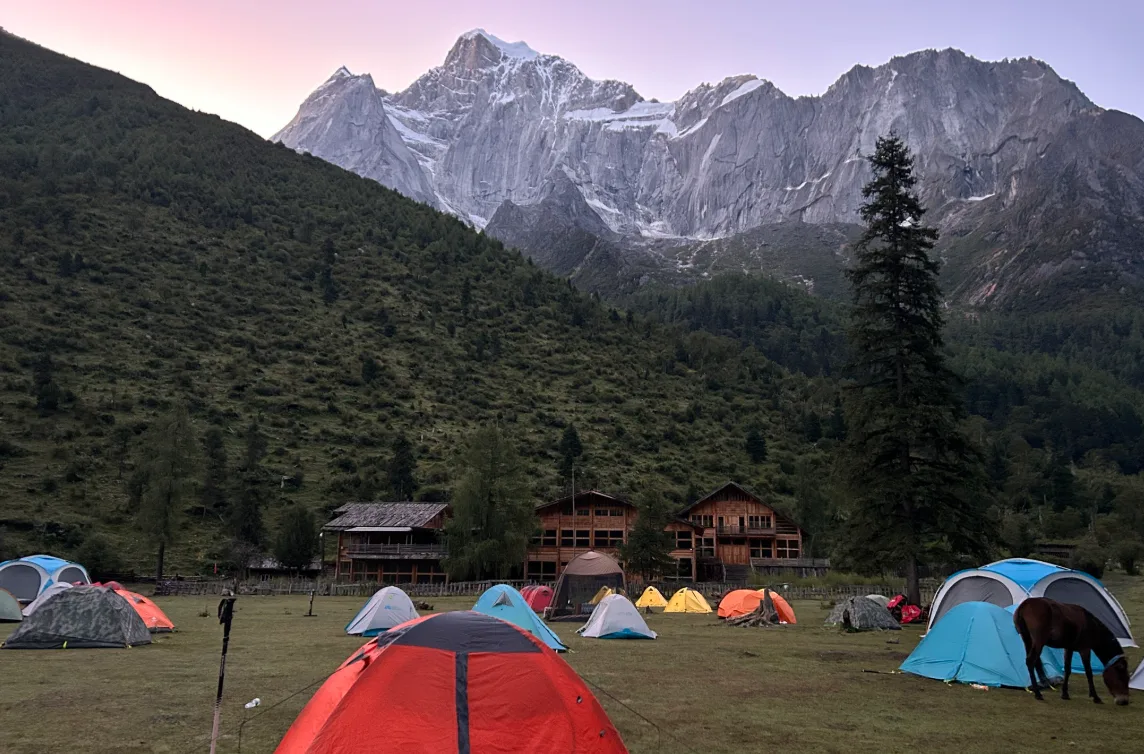
Routes vary considerably in distance, altitude and technical difficulty. For high-altitude treks lasting several days, consider previous outdoor experience, the season, weather conditions and physical fitness. Access rules can also change, so check the latest requirements before departure.
For more details, see our Siguniang Mountain Guide: Valleys, Hiking, Peaks and Practical Planning.
Western Sichuan Photography Routes
For a photography-focused trip, Siguniang Mountain, Danba, Xinduqiao, Tagong and the Gongga region make a rewarding route. With more time, the journey can continue to Litang and Daocheng Yading.
Autumn offers the best chance of combining snow peaks, colourful forests and golden alpine meadows in one trip. Summer is better for green grasslands, wildflowers and pastoral scenes, while winter brings fewer visitors, more snow and often clearer skies. For snow-mountain photography, early morning generally offers better visibility than the afternoon, so accommodation should be chosen with key viewpoints and sunrise locations in mind, not just the day’s driving distance.
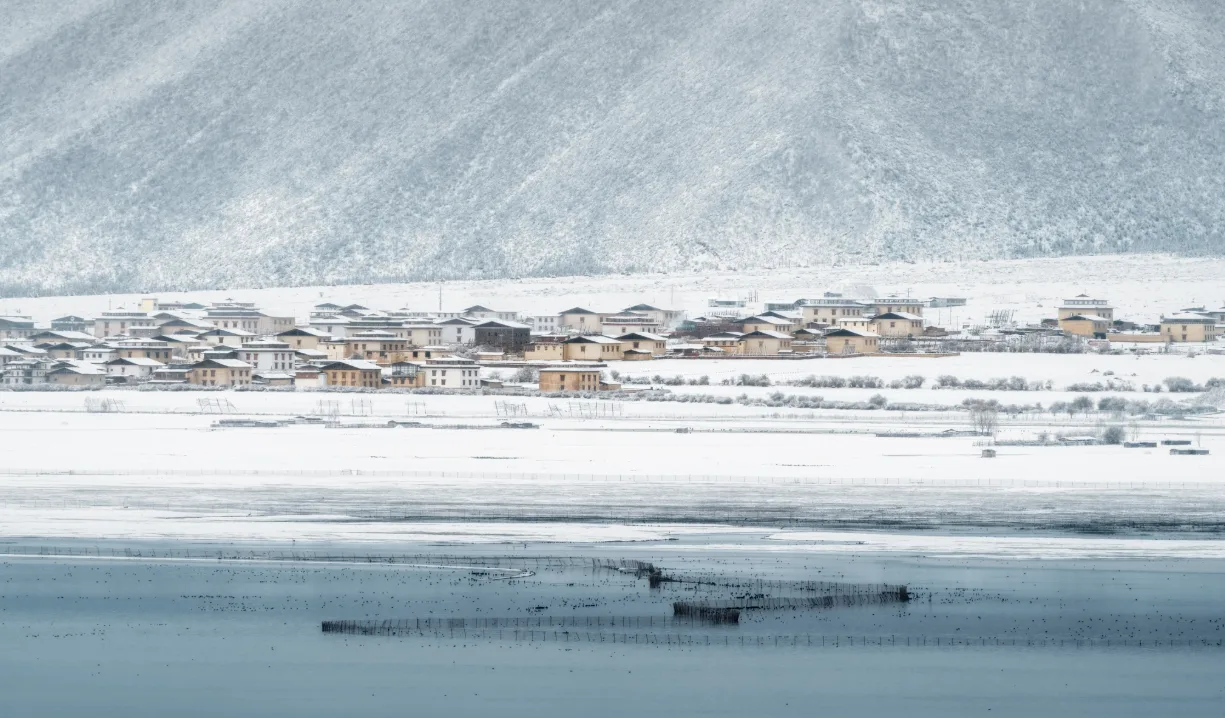
Winter can also be rewarding for cultural and architectural photography, with fewer visitors around. Dege and Baiyu are particularly worth considering for their distinctive Tibetan Buddhist monasteries and striking religious architecture.
Tibetan Culture and Pilgrimage Routes
For a journey centred on Tibetan culture, travel from Kangding through Tagong and Litang, then continue west towards Ganzi, Dege and Baiyu, exploring some of the most distinctive Tibetan regions of western Sichuan. If your visit coincides with Litang’s annual horse-racing festival, you can also experience one of the region’s most lively traditional celebrations.
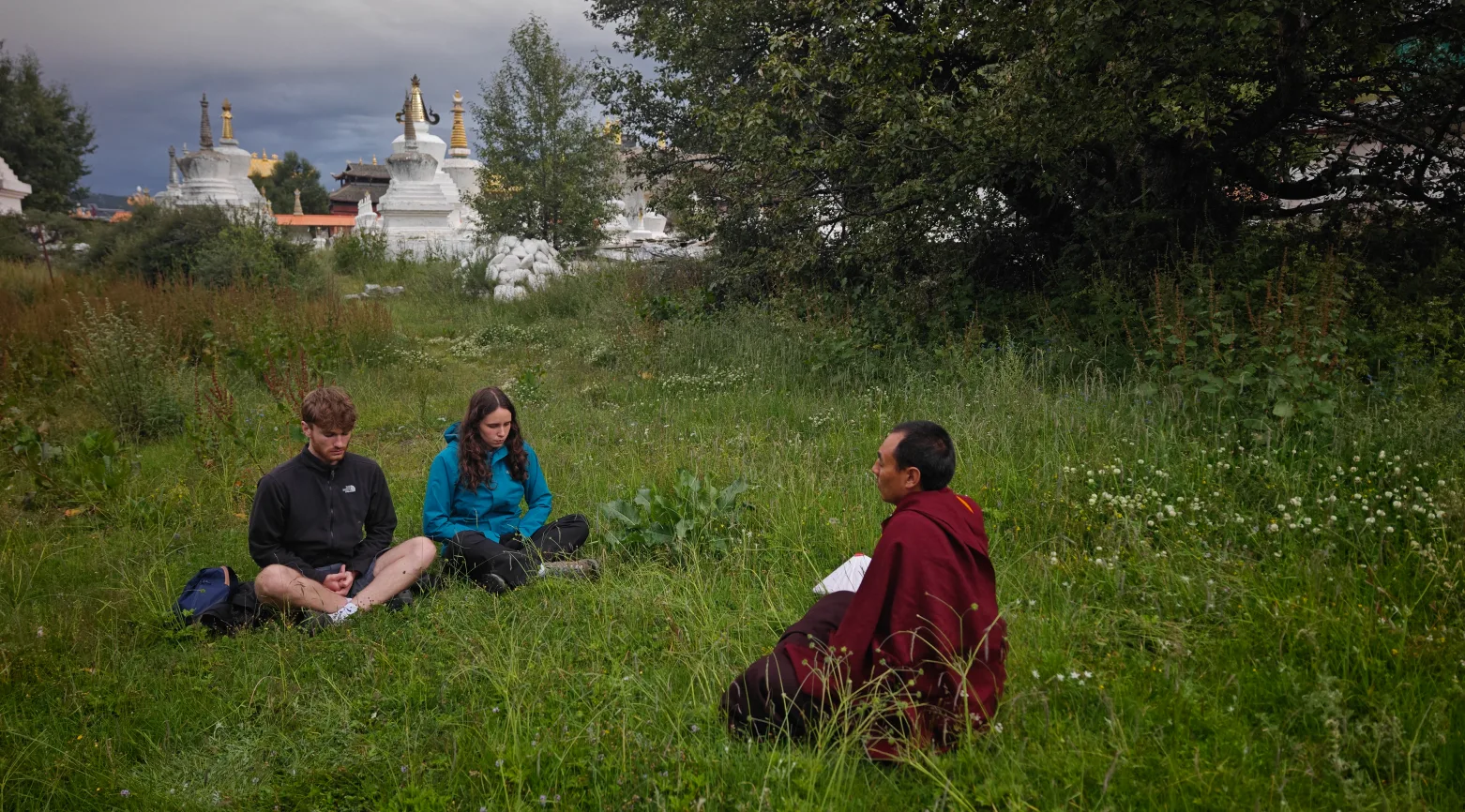
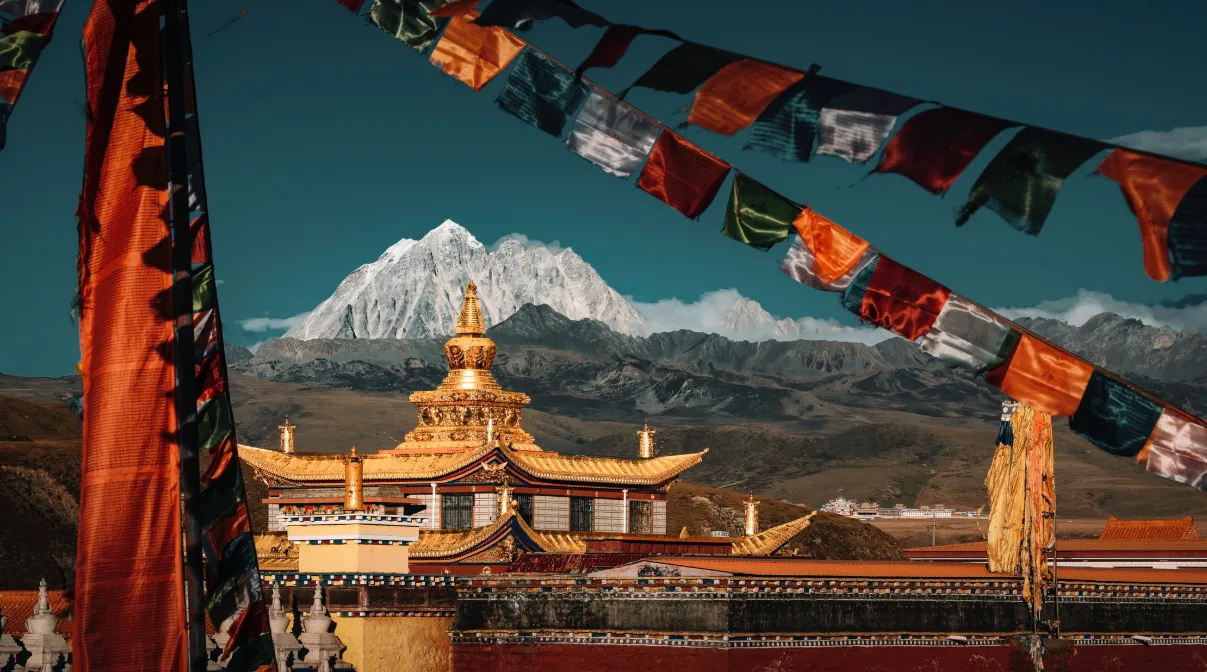
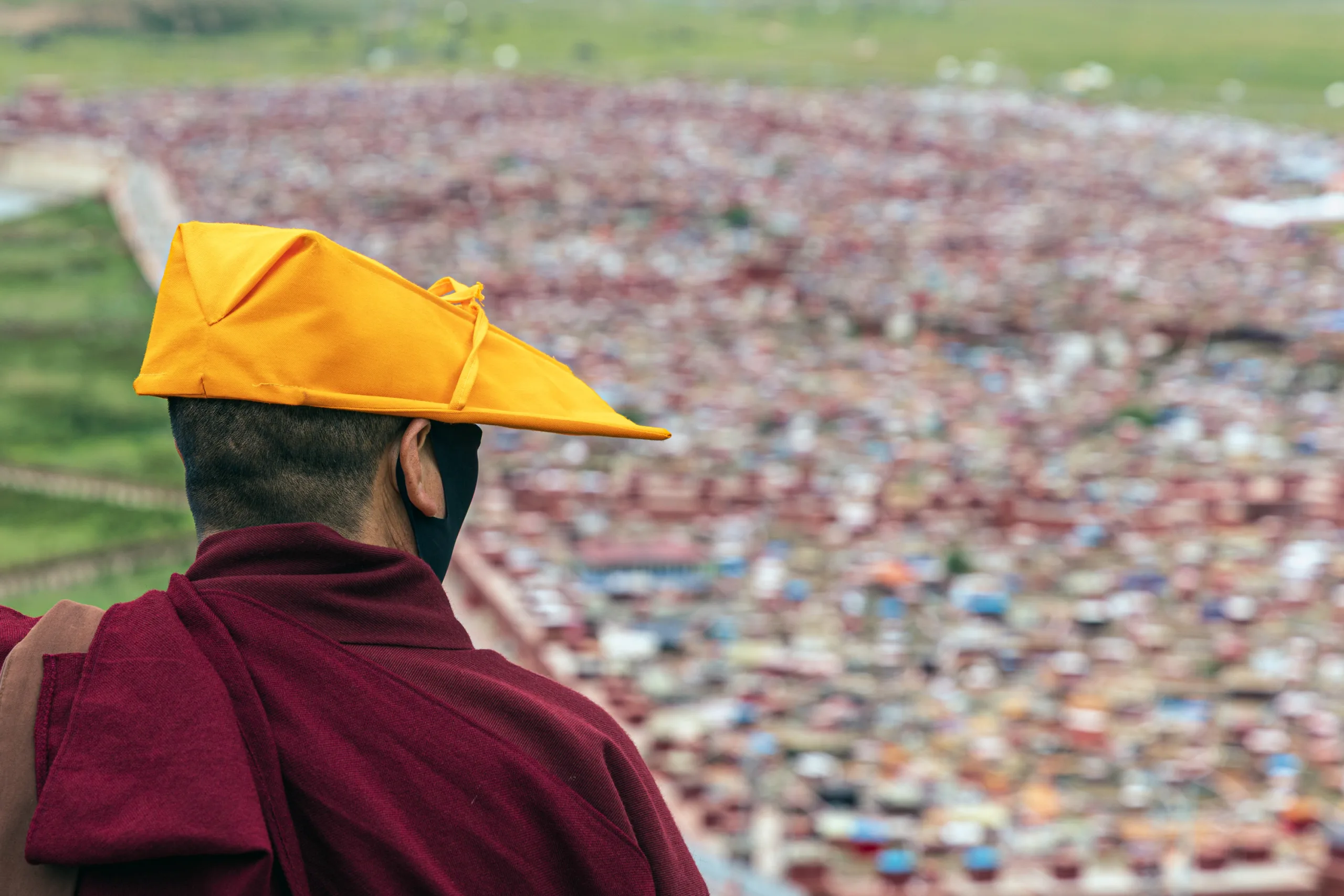
Farther along this route, the focus shifts from major scenic areas to monasteries, villages and everyday community life. Tagong Monastery, Changchun Ke’er Monastery, Dzogchen Monastery and Katok Monastery offer different perspectives on Tibetan Buddhism and the religious traditions of the Kham region. The Dege Printing House preserves thousands of Tibetan scripture printing blocks, providing a glimpse into the region’s long-standing tradition of Tibetan Buddhist printing. Prayer flags are a familiar sight around monasteries and mountain passes, reflecting the deep spiritual significance of these places in local religious life.
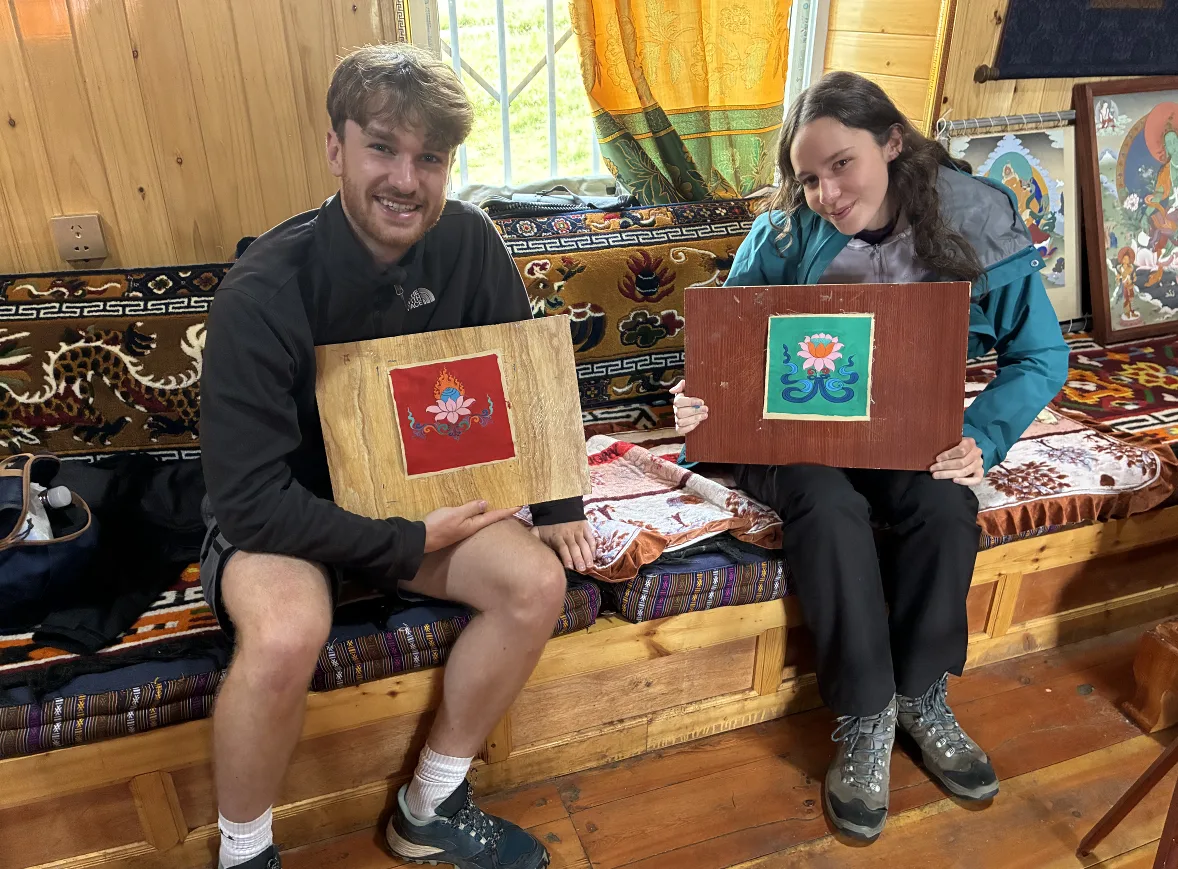
These places are best explored without rushing. Time spent observing the surroundings offers a deeper sense of their character. At religious sites, a knowledgeable local guide can explain the rituals, architecture and Tibetan customs, helping visitors understand what they see while respecting worshippers and avoiding disruption to religious life.
Family-Friendly Western Sichuan Routes
For families, older travellers and those visiting the plateau for the first time, Siguniang Mountain, Danba, Kangding and Tagong are good places to start.
These destinations have relatively well-developed roads and accommodation, with plenty of viewpoints accessible without long hikes. Shuangqiao Valley at Siguniang Mountain is particularly suitable for a more relaxed visit, while Danba offers opportunities to explore local culture through village walks and shorter outings.
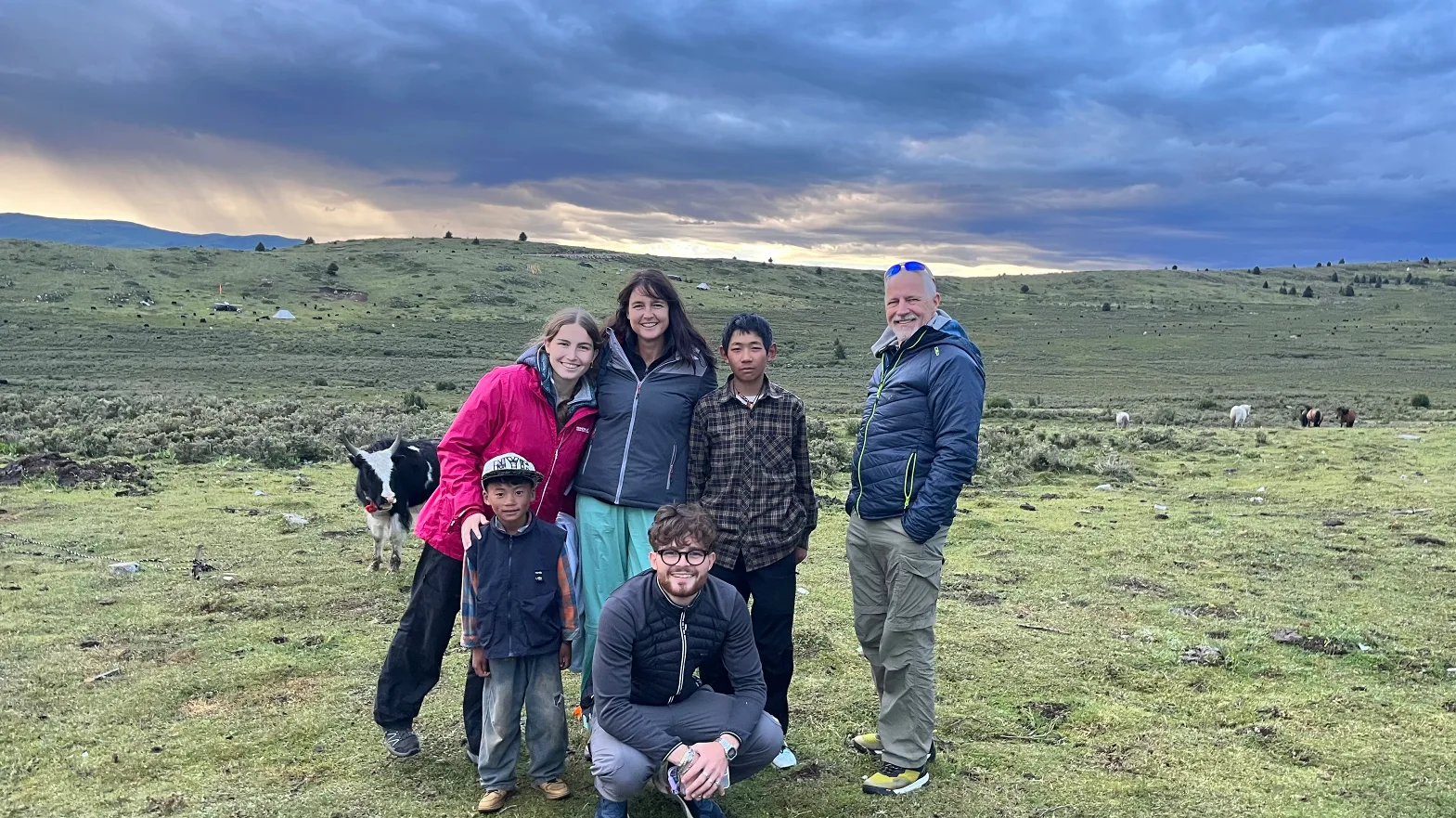
Even an easy itinerary needs to account for altitude. Avoid increasing overnight altitudes too quickly, allow time to rest, and adjust each day’s activities to how everyone is feeling.
Speak to An Expert
Plan Your Family Trip to Western Sichuan
Start designing your China journey with our destination experts.
Make An InquiryAutumn Colour Routes
September and October are ideal for autumn trips combining Siguniang Mountain, Danba, Xinduqiao and Daocheng Yading, and in some areas the colours can remain attractive into early November, especially around Yading, depending on elevation and weather.
Autumn colours arrive at different times across western Sichuan because of the region’s wide range of elevations. Higher mountain areas often turn first, with the colours gradually appearing at lower elevations as the season progresses. A single trip may bring golden grasslands, forests in shades of red and yellow, green river valleys and snow-covered peaks.
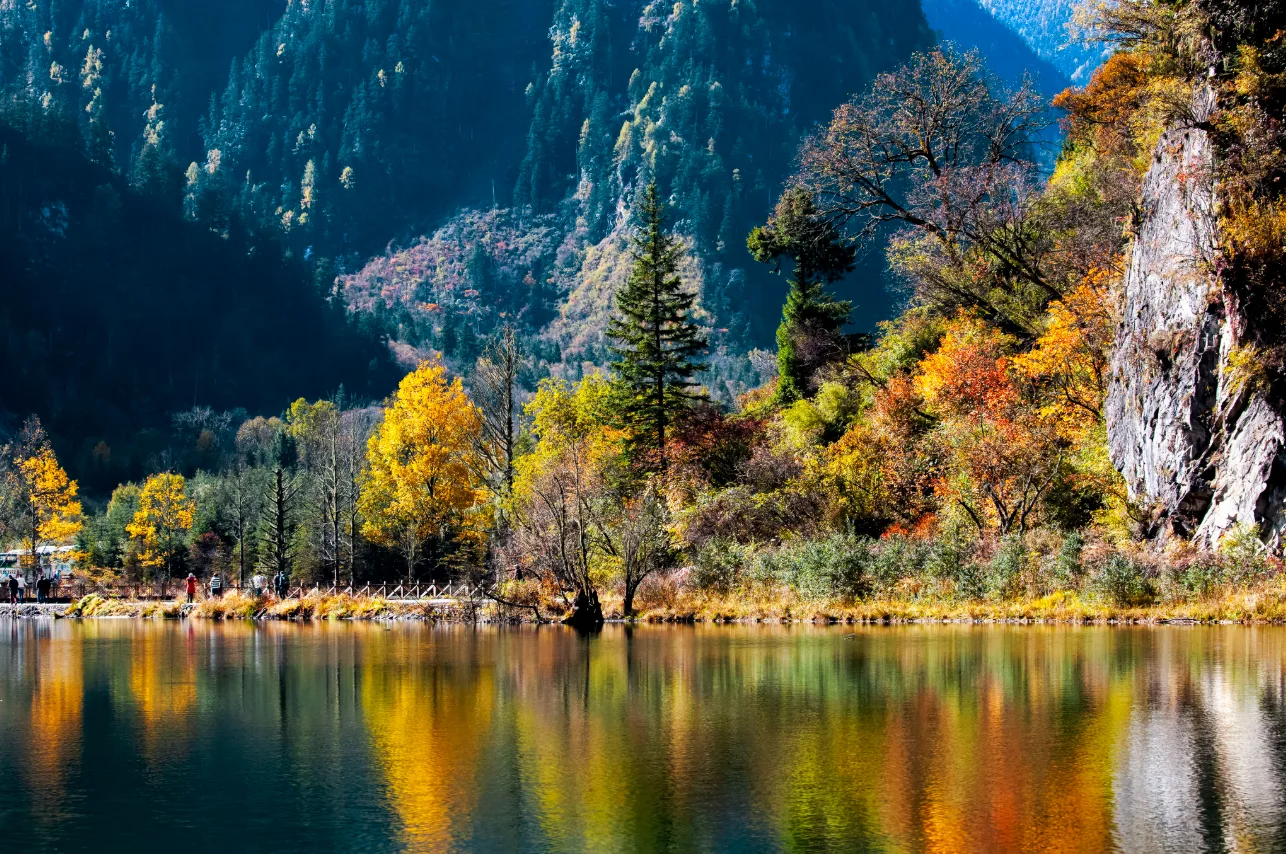
For photography-focused trips, avoid packing the itinerary too tightly. Allow room to adjust the route as weather conditions change and autumn colours develop at different elevations.
Eastogo plans and operates a range of trips across western Sichuan, with first-hand knowledge of driving distances, accommodation, altitude changes and seasonal road conditions. We understand which areas suit a relaxed journey and where high-altitude travel or outdoor activities require more preparation. If you are looking for a route shaped around your available time, interests and fitness, Eastogo can help bring these considerations together into a smoother, more comfortable journey.
Western Sichuan Itinerary Ideas by Duration
Short Trips: 3–4 Days
With just three to four days, Siguniangshan Town is one of the best places to start. Spend a full day exploring Shuangqiao Valley or Changping Valley, with time for another valley if the schedule allows. The journey from Chengdu is relatively straightforward, the scenery is varied, and visitor facilities are well established.
Danba or Bipenggou could also be added, but trying to fit in too many destinations means spending more time on the road. For a short trip, it is better to leave at least one full day to enjoy the mountains without rushing.
Medium Trips: 5–7 Days
With five to seven days, the journey can venture further into the Kham Tibetan plateau.
Around five days works well for Kangding, Tagong and Xinduqiao, combining monasteries, grasslands, easy hikes and opportunities to experience Tibetan culture. With six or seven days, the route can extend to Litang. Daocheng Yading is worth adding if time allows, but squeezing it into a short itinerary can mean consecutive long drives and too much activity at high altitude.
This length of trip offers a good balance of scenery, cultural experiences and comfort, allowing time to experience the plateau rather than simply pass through it.
Long Trips: 8–14 Days
With eight to fourteen days, there is time to explore western Sichuan in greater depth.
A nature-focused itinerary could combine Siguniang Mountain, Danba, Tagong, Litang, Genyen, Daocheng Yading and the Gongga region. For a stronger focus on Tibetan culture, the journey could continue north and west towards Ganzi, Dege, Baiyu and destinations along the G317 route.
The main advantage of a longer trip is not simply the number of places visited. It allows for a more gradual increase in altitude, with extra time to accommodate changing weather and road conditions, making the journey more comfortable overall.
Eastogo can tailor the route to the available time, season, fitness level and interests, whether the priority is nature, hiking or Tibetan culture, rather than fitting everyone into the same classic circuit.
How to Manage Altitude Sickness
Many destinations in western Sichuan lie at high altitude, and altitude sickness can affect anyone travelling to these areas, regardless of fitness level. Common symptoms include headache, fatigue, dizziness, loss of appetite, nausea and disturbed sleep.

The best approach is to gain altitude gradually and allow time to acclimatise. Keep physical activity light during the first day or two at altitude, stay hydrated, and carry appropriate medication for altitude sickness. If symptoms develop, monitor them carefully, seek medical advice promptly and descend if necessary.
Accommodation and Food
Accommodation varies considerably across western Sichuan. Major towns such as Kangding, Siguniangshan Town and Litang offer a range of options, from family-run guesthouses to more comfortable boutique hotels. In remote Tibetan villages or near monasteries, accommodation is often limited to simple guesthouses and local inns. Staying in a local homestay can also provide a closer insight into everyday life and a more personal cultural experience. Hotels and other accommodation providers are required to register foreign guests with local authorities, so check in advance that your chosen property can accept international visitors.
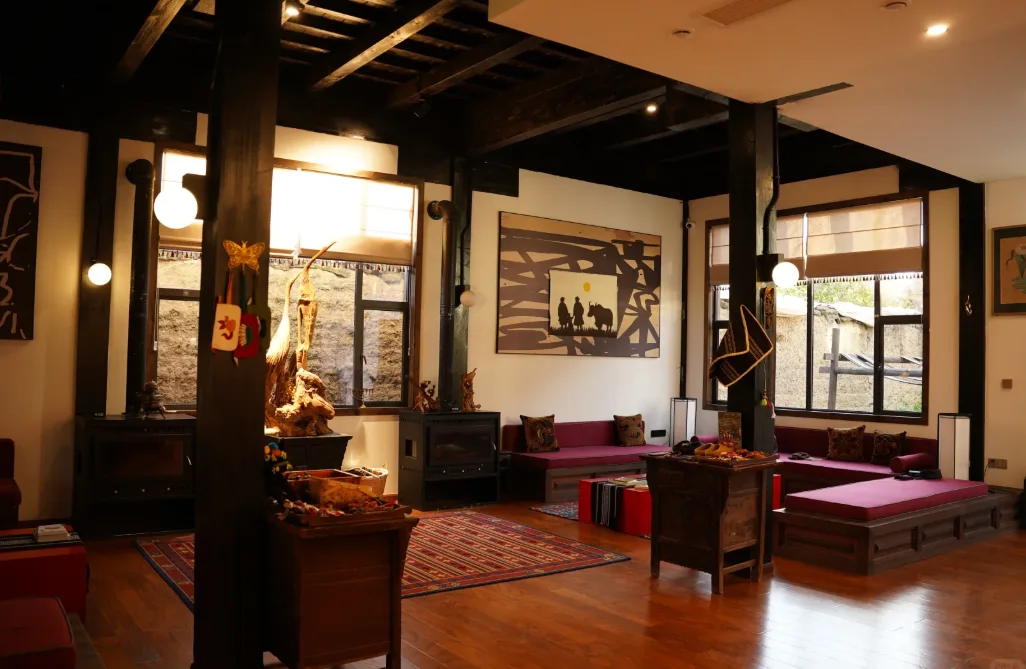
When booking, heating, hot water, room insulation and oxygen facilities matter more than star ratings, particularly in winter, when temperatures can drop sharply overnight. When planning high-altitude trips, Eastogo aims to manage overnight altitudes sensibly and, where available, prioritise vehicles and hotels with oxygen support.
In the main towns, dining options include Sichuan cuisine, Tibetan food and familiar Chinese dishes. Choices become more limited in remote areas. Yak meat, yak butter tea, tsampa and Tibetan dumplings are among the local staples. Sichuan dishes can also be quite spicy, so travellers who prefer milder food may want to mention this when ordering. For long road journeys, it is worth carrying drinking water, snacks and familiar foods.
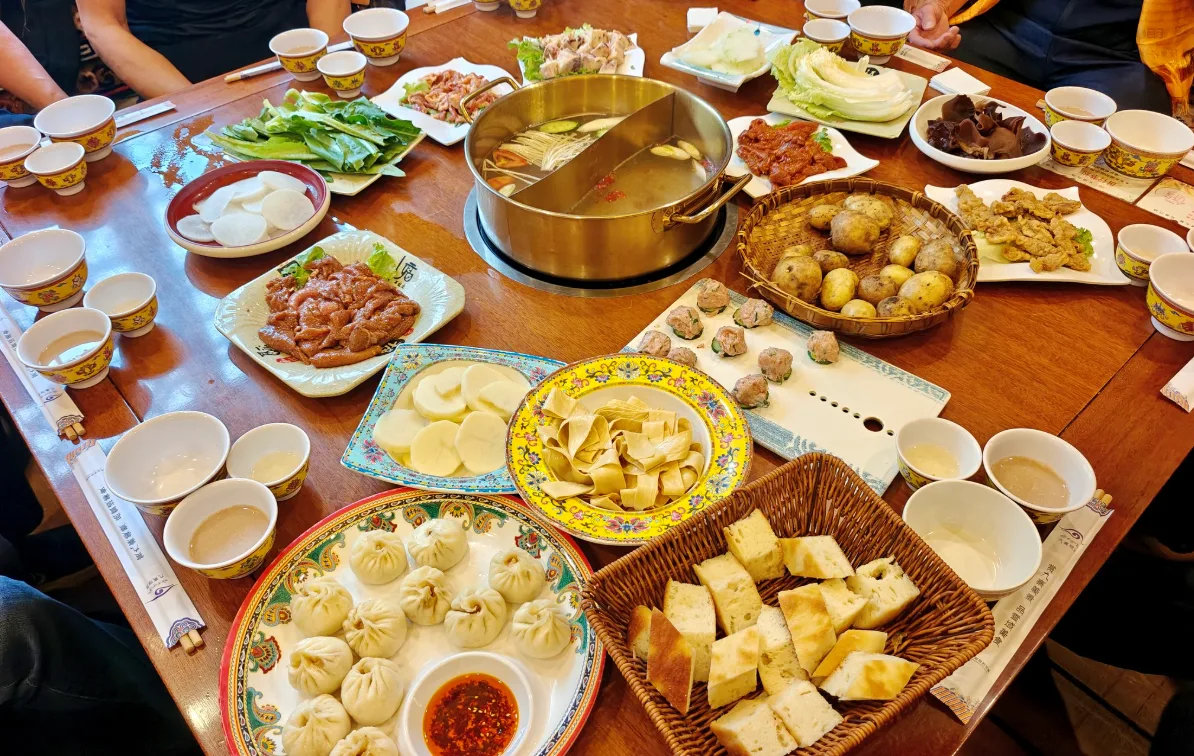
Vegetarian and vegan meals can be arranged with advance notice, allowing restaurants time to prepare. Fresh vegetables are harder to source in some high-altitude areas, so options may be more limited than in the cities. Foreign visitors with specific dietary requirements should let Eastogo know before departure.
Packing Essentials & Other Practical Tips
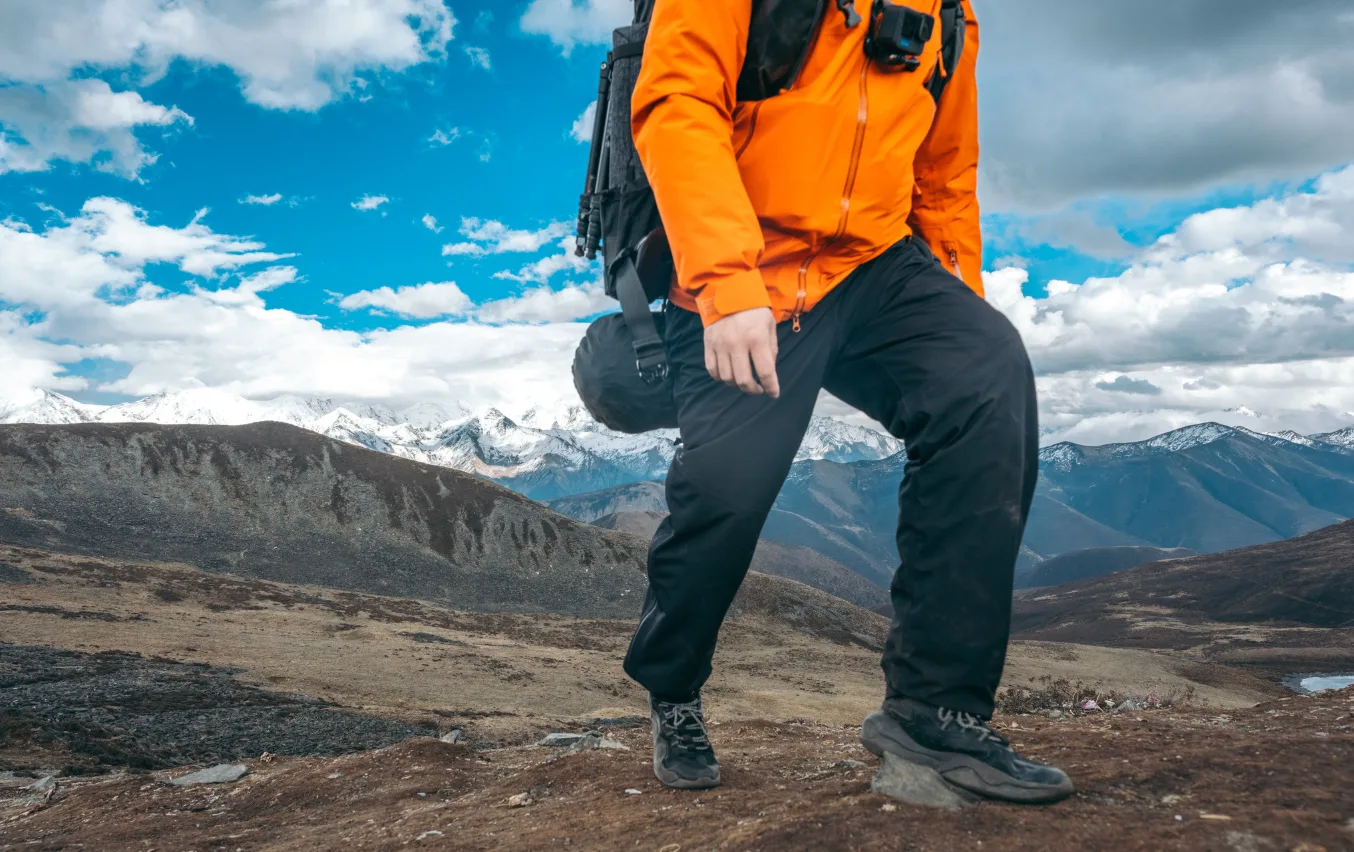
Weather in western Sichuan can change quickly, even in summer, so travellers including the region in their China travel plans should be prepared for changing conditions. Pack layers, a waterproof jacket, comfortable hiking shoes, sunglasses, sun protection and personal medication. Camping, multi-day trekking and winter trips require additional specialist equipment, such as sleeping bags and gear suited to snow and ice.
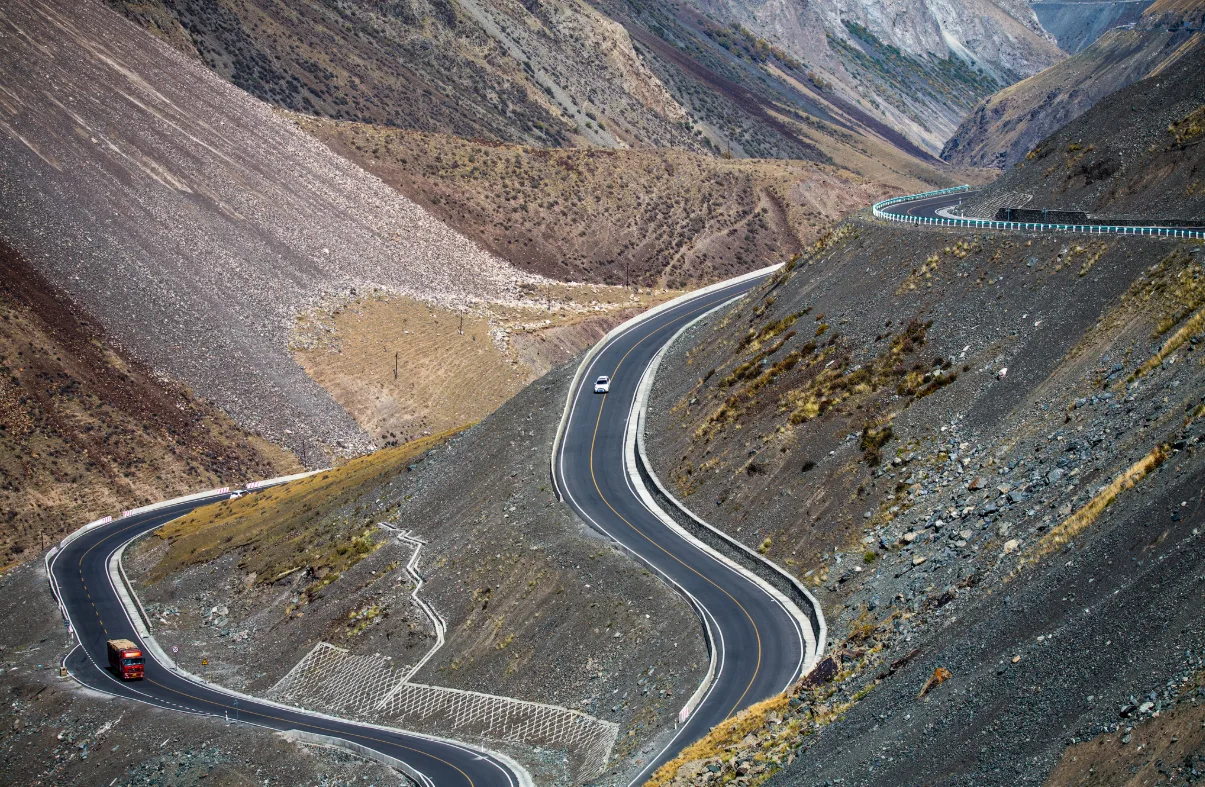
A road trip is the main way to explore the region. The route covers long stretches of mountain road, where weather, rockfalls and roadworks can cause delays. Travelling with an experienced local driver familiar with high-altitude conditions can make the entire trip easier to manage. Working with a knowledgeable local travel agency can also help coordinate transport and deal with unexpected changes along the way.
Mobile payments are essential for transactions in China. For international travellers, language can also be a challenge. Scenic-area notices, road updates and booking platforms are often available only in Chinese, and access requirements for some remote areas may change. Most standard routes in western Sichuan do not require a Tibet Travel Permit, but entry requirements for individual monasteries, nature reserves and undeveloped outdoor areas should be checked before departure.
Responsible Travel in Western Sichuan
Many of western Sichuan’s most appealing places are also home to local communities, active religious sites and wildlife.
At monasteries, follow local rules and ask permission before photographing monks or worshippers at close range. In natural areas, stay out of restricted zones, take all rubbish with you and avoid chasing or disturbing wildlife.
Choosing local drivers and guides, arranging visits with local families, and using community-run services also helps ensure that more of the benefits of tourism remain within the communities that make these journeys possible.
Why Choose Eastogo for Western Sichuan Travel?
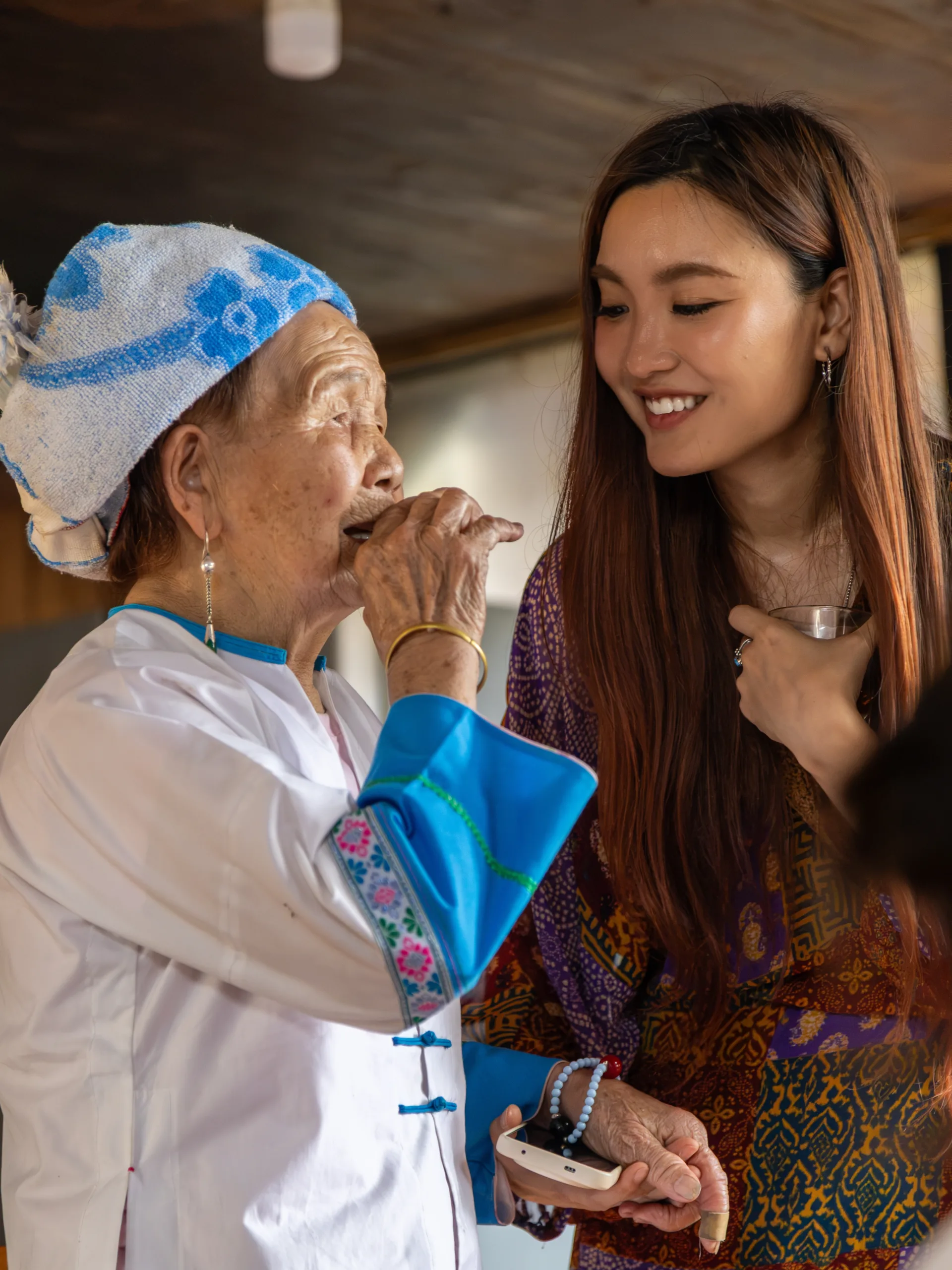
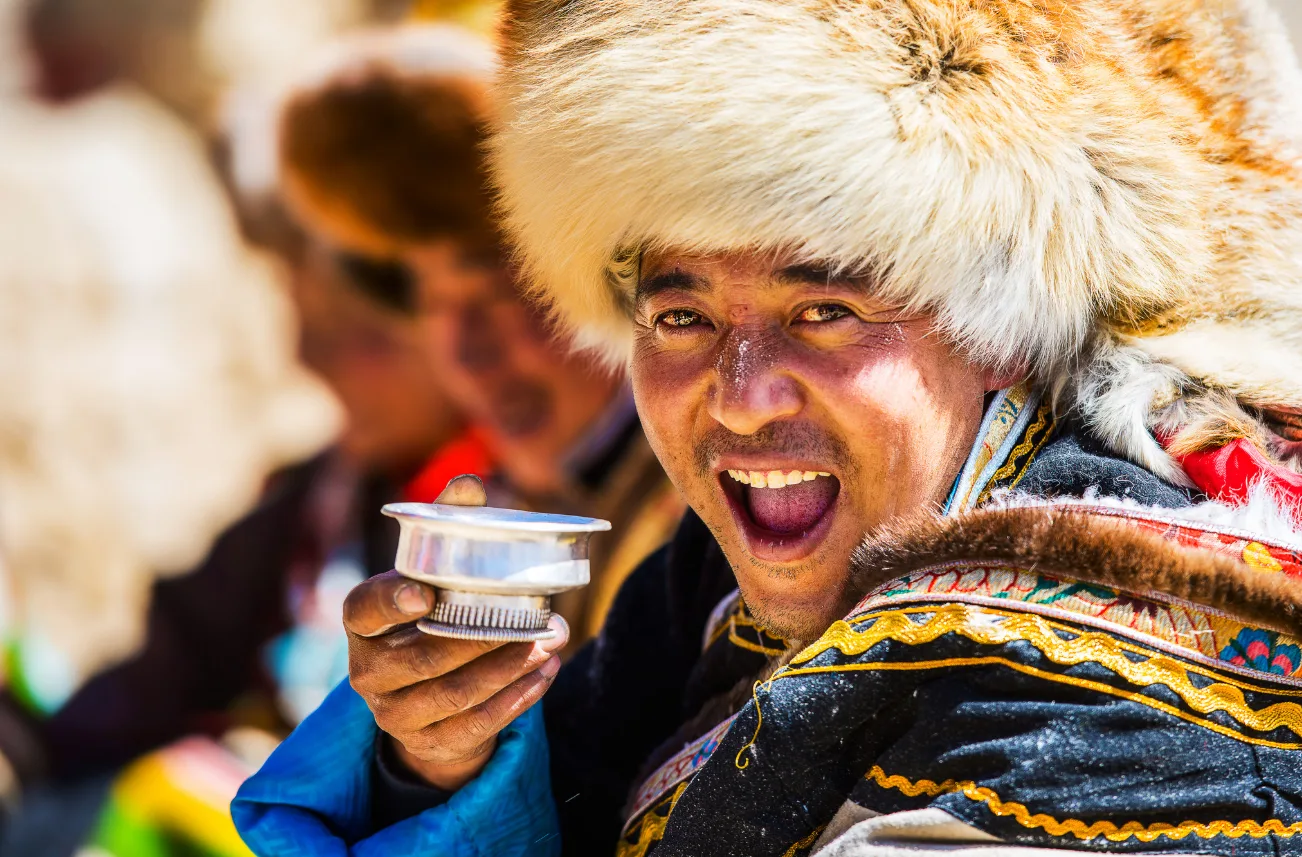
What stays with travellers long after a journey through western Sichuan is often not a spectacular vista, but the things that can only be appreciated by slowing down: the low chanting of monks in a monastery at dawn, yaks moving unhurriedly across alpine meadows, or the warmth of a cup of butter tea offered in a Tibetan village.
The appeal of this highland region lies in more than its snow peaks and altitude. It is also found in a way of life shaped by the natural environment, where everyday rhythms continue beyond the pace of tourism.
With so much to see across western Sichuan, the key is to choose the places that best suit the time available and the kind of experience sought, then bring them together into a well-planned route. With the right balance of scenery, cultural encounters and travel pace, the journey can be both more rewarding and more comfortable.
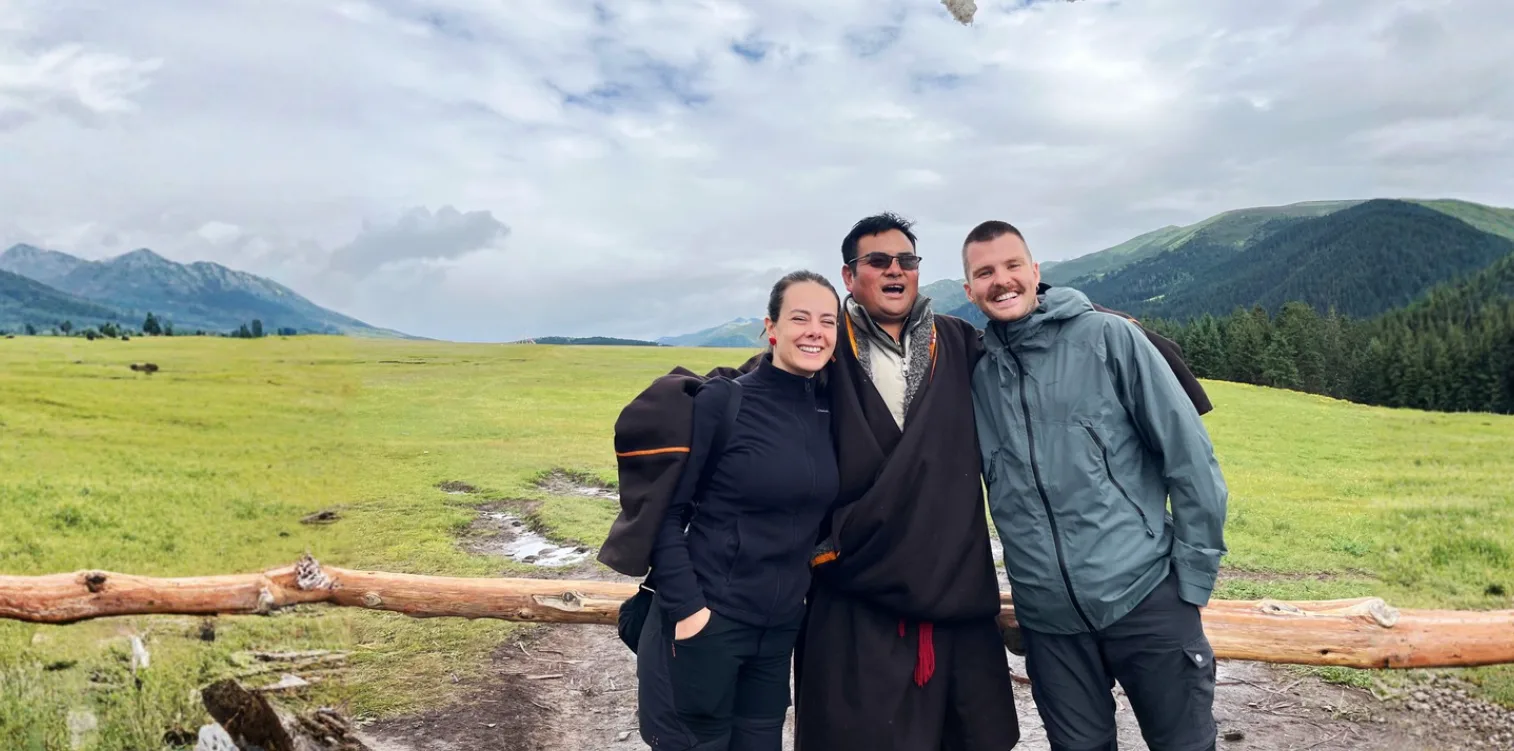
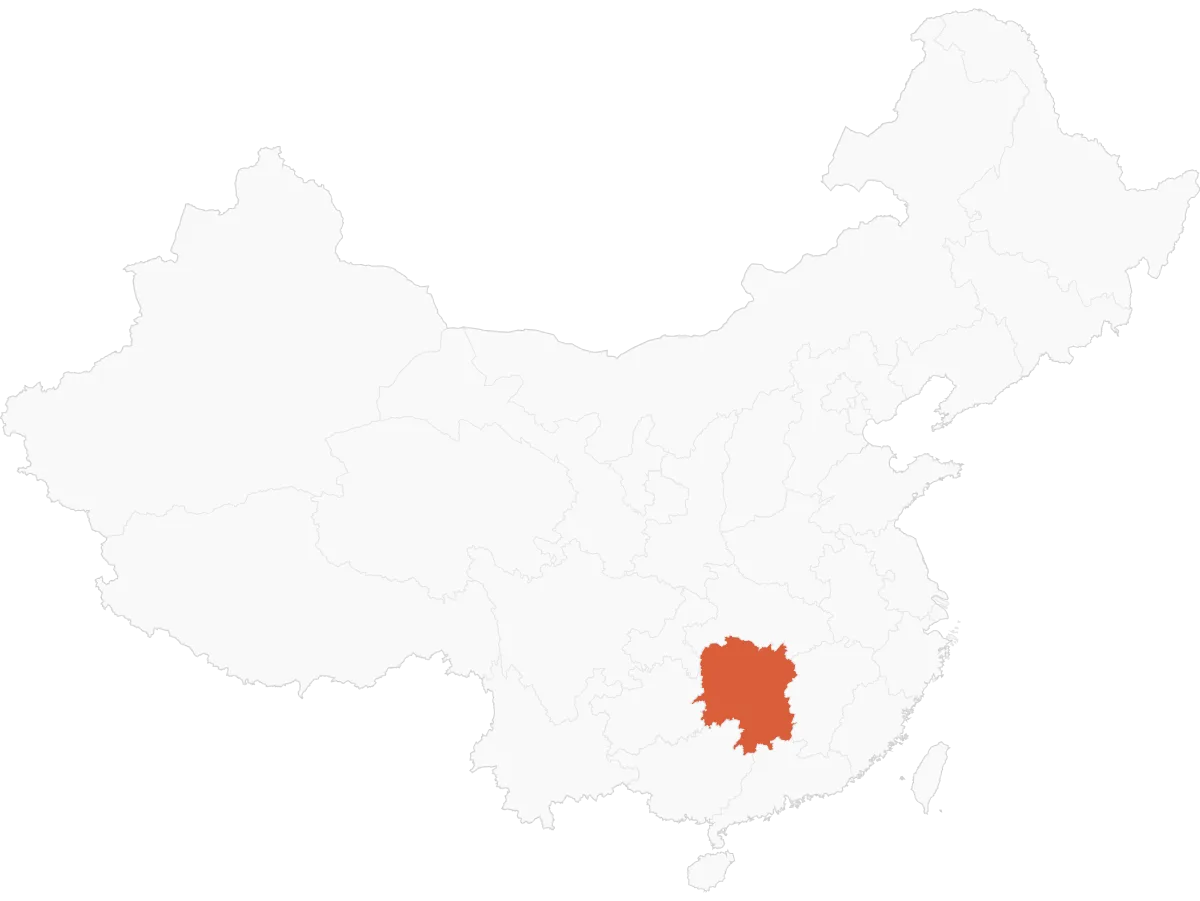
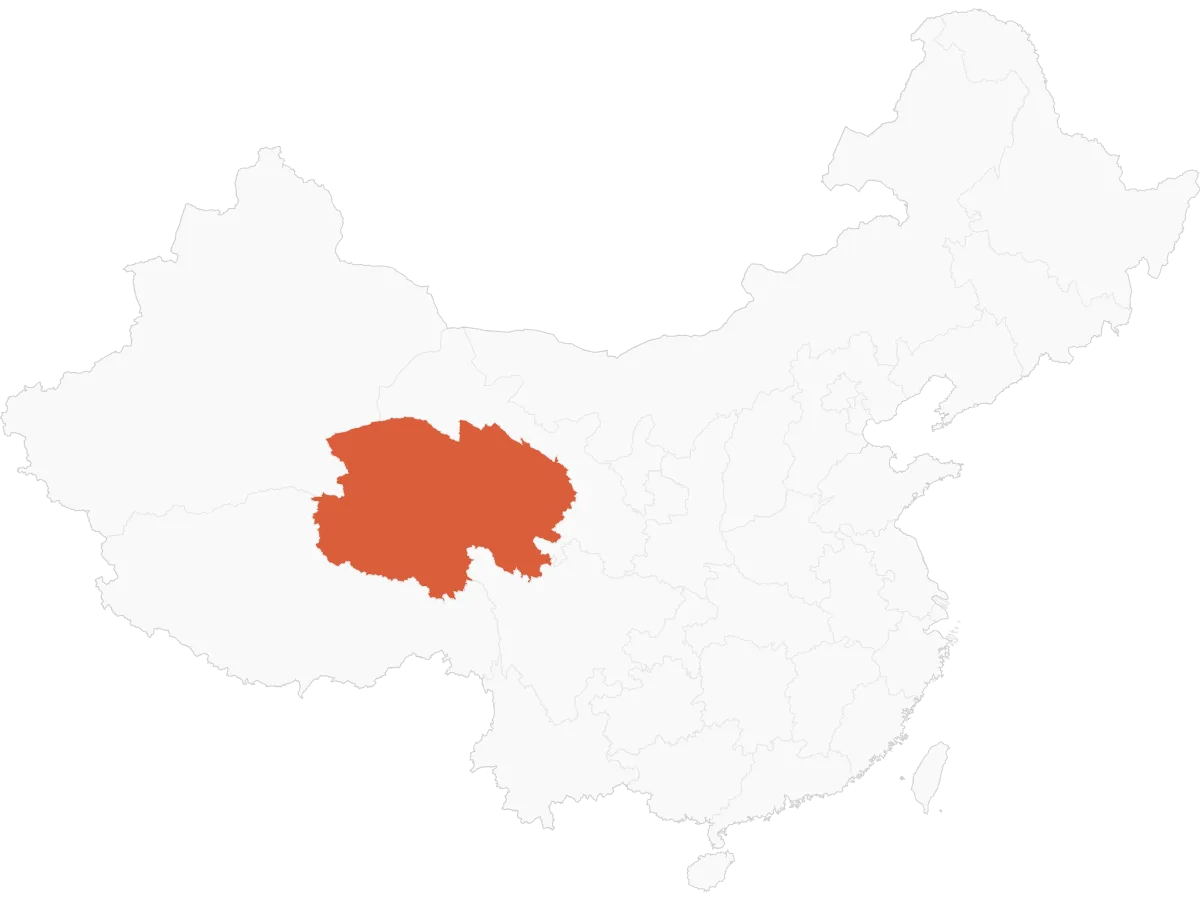
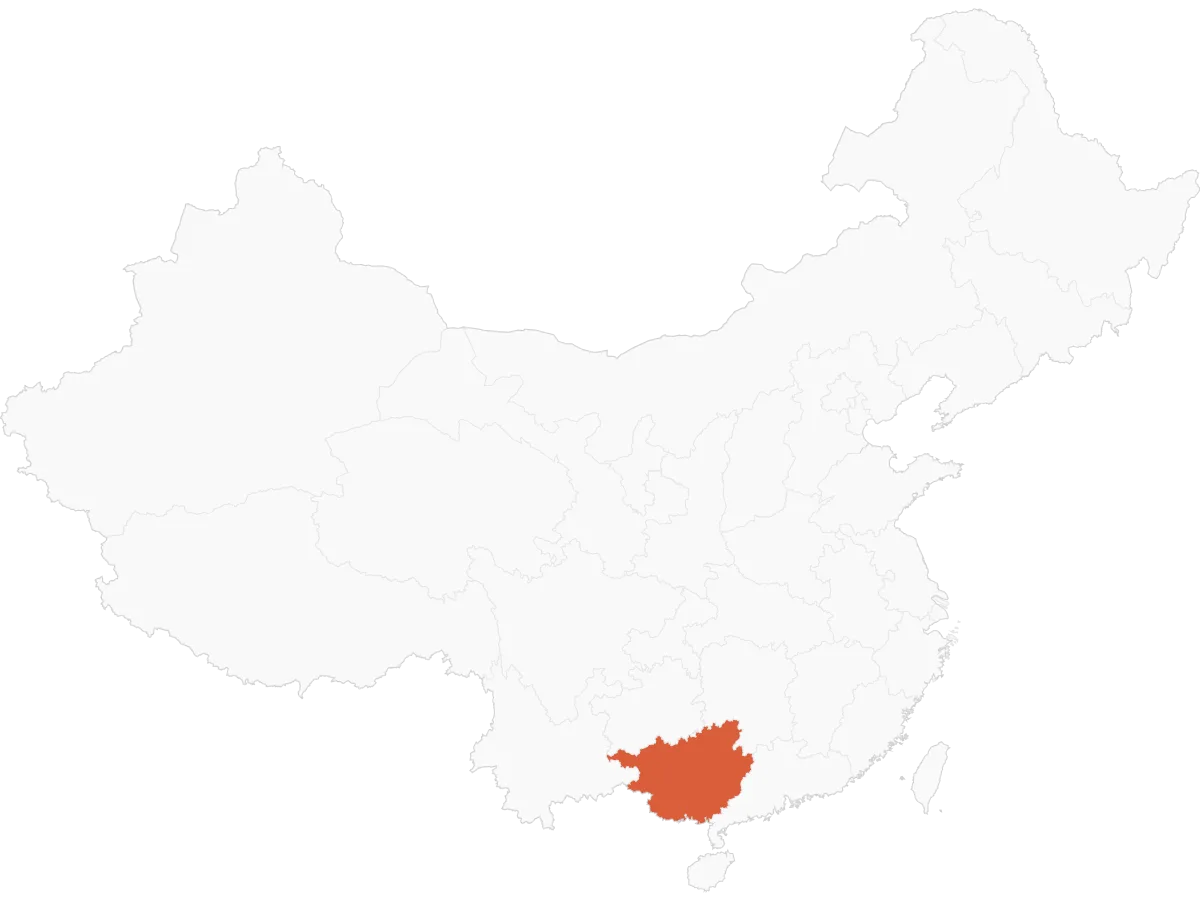
Eastogo specialises in private journeys across southwest China, including western Sichuan, Guizhou, Yunnan, Guangxi and Hunan. We help travellers discover the culture and natural landscapes beyond the main tourist routes. Through our long-standing relationships with local drivers, guides and communities, we arrange village visits, traditional cultural activities and opportunities for genuine local encounters. These experiences offer a closer look at everyday life: understanding local traditions in Tibetan villages, learning about the relationship between faith and community in monasteries, and discovering the quieter rhythms of life across the plateau.
Each itinerary is tailored to your interests, pace and available time, with careful attention to transport, weather and safety in mountain regions. Whether you prefer the flexibility of self-guided tours or the support of private & custom China tours,we help you explore the highlands in greater comfort and with confidence. You can also take a look at our 9-day Western Sichuan itinerary for reference.
For more inspiration, read our Complete Guide to Western Sichuan. If this landscape speaks to you, we would be happy to help you create a journey that reflects your interests and the way you want to experience this remarkable region.
Speak to An Expert
Explore Western Sichuan with Eastogo
Start designing your China journey with our destination experts.
Make An Inquiry