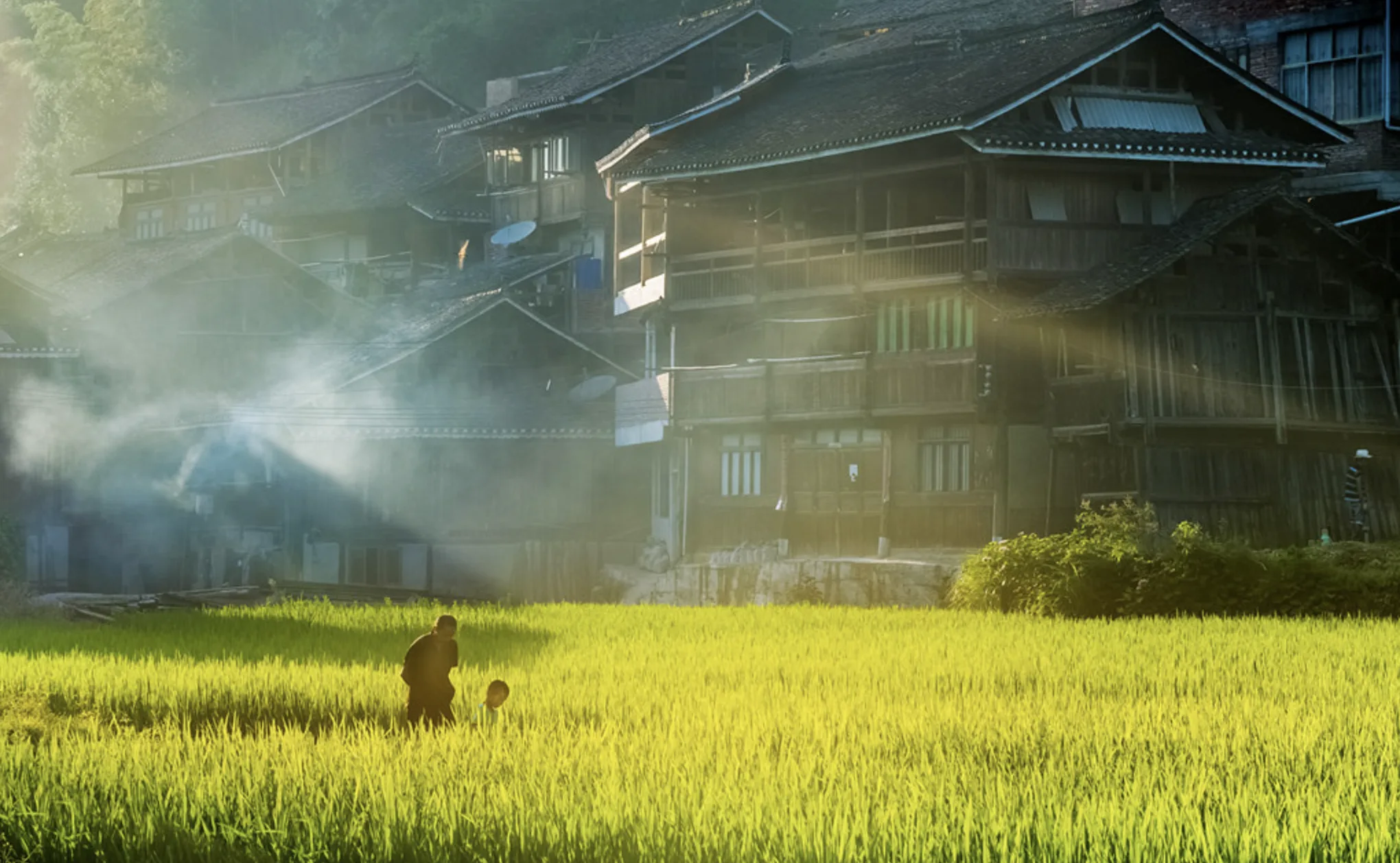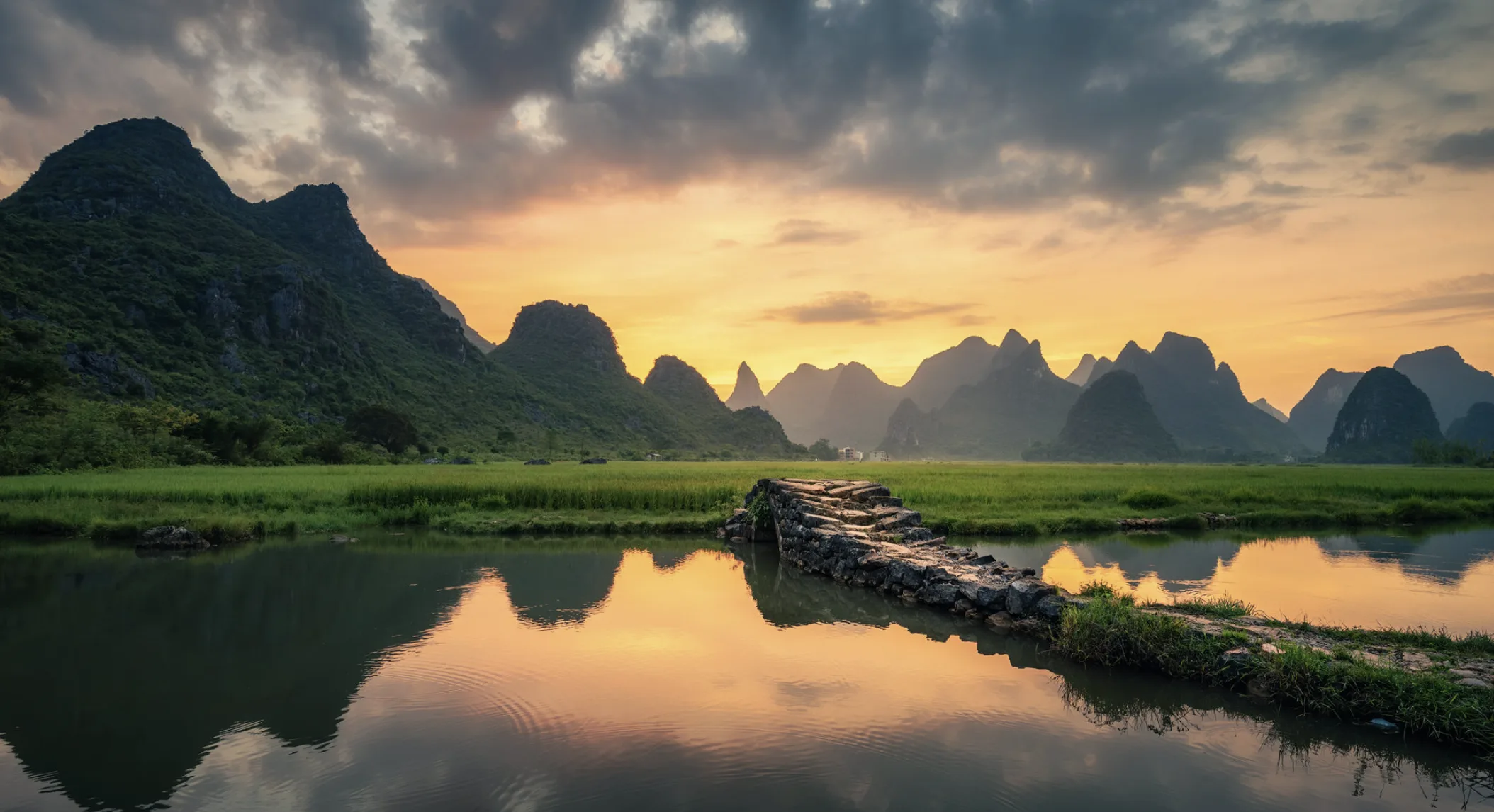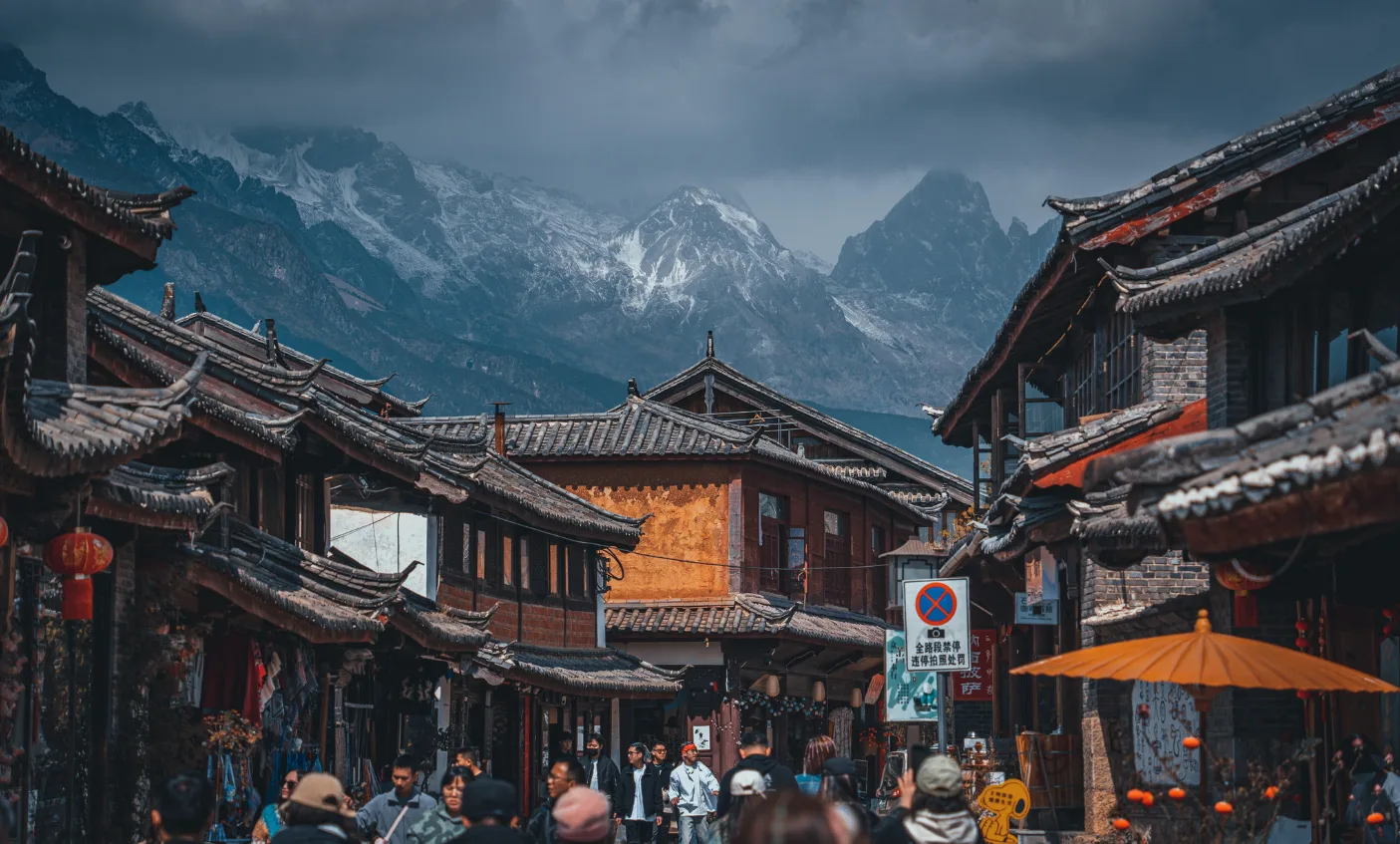
Yunnan brings together an extraordinary variety of landscapes and cultures. In the northwest, snow-capped peaks rise above deep gorges and high-altitude lakes. Farther south, Hani rice terraces shape the hillsides, ancient tea mountains give way to the tropical rainforests of Xishuangbanna, and the rhythm of life changes with the landscape.
You might cycle along Erhai Lake in Dali, explore Naxi culture in Lijiang, visit Tibetan Buddhist monasteries in Shangri-La, or venture into remote villages to see how local traditions remain part of everyday life.
Yunnan is particularly rewarding for travelers drawn to regional cultures, natural landscapes, and outdoor exploration. Its vast size, however, means that destinations can be far apart, with considerable differences in climate and altitude. Choosing the right route depends on the season, your interests, the time available, and how well you adapt to high elevations.
Why Visit Yunnan?
Landscapes From Snow Mountains To Tropical Rainforest
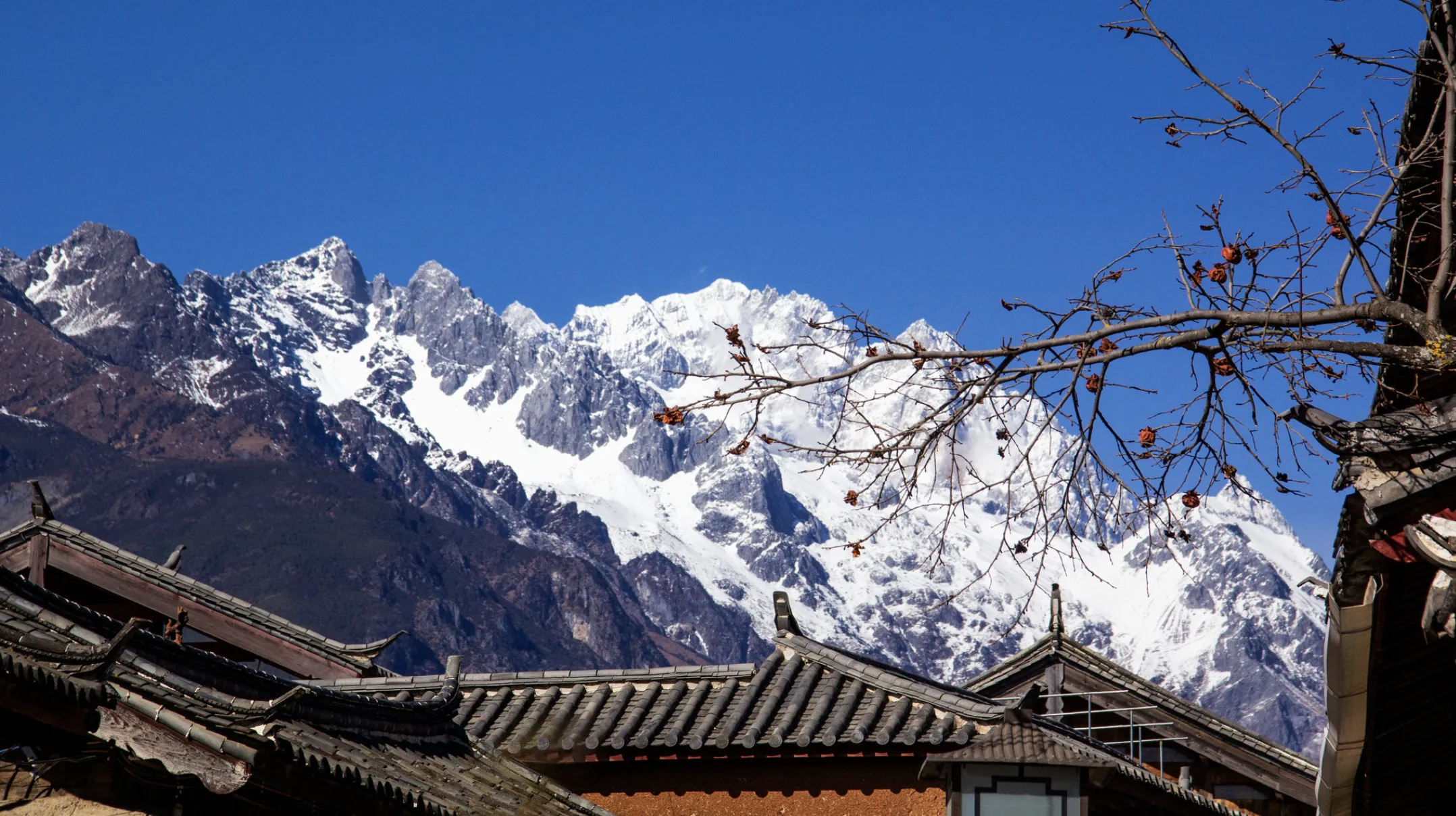
Yunnan’s appeal lies in how dramatically its landscapes change within a single province. In the northwest, Jade Dragon Snow Mountain, Meili Snow Mountain, Tiger Leaping Gorge, and vast alpine meadows define the scenery. Around Dali, Erhai Lake, the Cangshan Mountains, and traditional villages offer a different pace of travel. Lugu Lake is known for its clear waters and the distinctive matrilineal culture of the Mosuo people, while the Hani rice terraces of Yuanyang unfold in layers that shift with the seasons. Farther south, the tropical rainforests, river valleys, and tea mountains of Xishuangbanna feel worlds apart. Further west, in Nujiang, deep gorges lead into the homeland of the Dulong people, known for their distinctive facial tattooing tradition.

This diversity makes Yunnan suited to many different travel styles. You can take a cable car up a mountain, cycle beside Erhai Lake, spend two days hiking Tiger Leaping Gorge, or head into the mountains of Diqing to explore the trails around Yubeng beneath Meili Snow Mountain. Whether you prefer gentle sightseeing, photography, or multi-day outdoor adventures, the key is to choose routes that match your fitness level, available time, and the season.
Ethnic Cultures And Traditional Communities
Yunnan is one of China’s most culturally rich provinces, with many ethnic groups shaping its landscapes, traditions, and daily life. Communities including the Bai, Naxi, Tibetans, Mosuo, Hani, and Dai have developed their own architecture, clothing, cuisine, religious practices, and festivals in response to their surroundings. In Dali, whitewashed Bai houses, dark tiled roofs, and decorative screen walls define the villages. In Lijiang, Naxi Dongba culture preserves an ancient pictographic script and religious traditions. In Shangri-La, monasteries, prayer flags, and daily prayer rituals reflect the close relationship between Tibetan faith and everyday life. Farther south, the Hani rice terraces of Yuanyang embody generations of agricultural knowledge, while Dai villages in Xishuangbanna reflect a way of life shaped by the tropical climate.
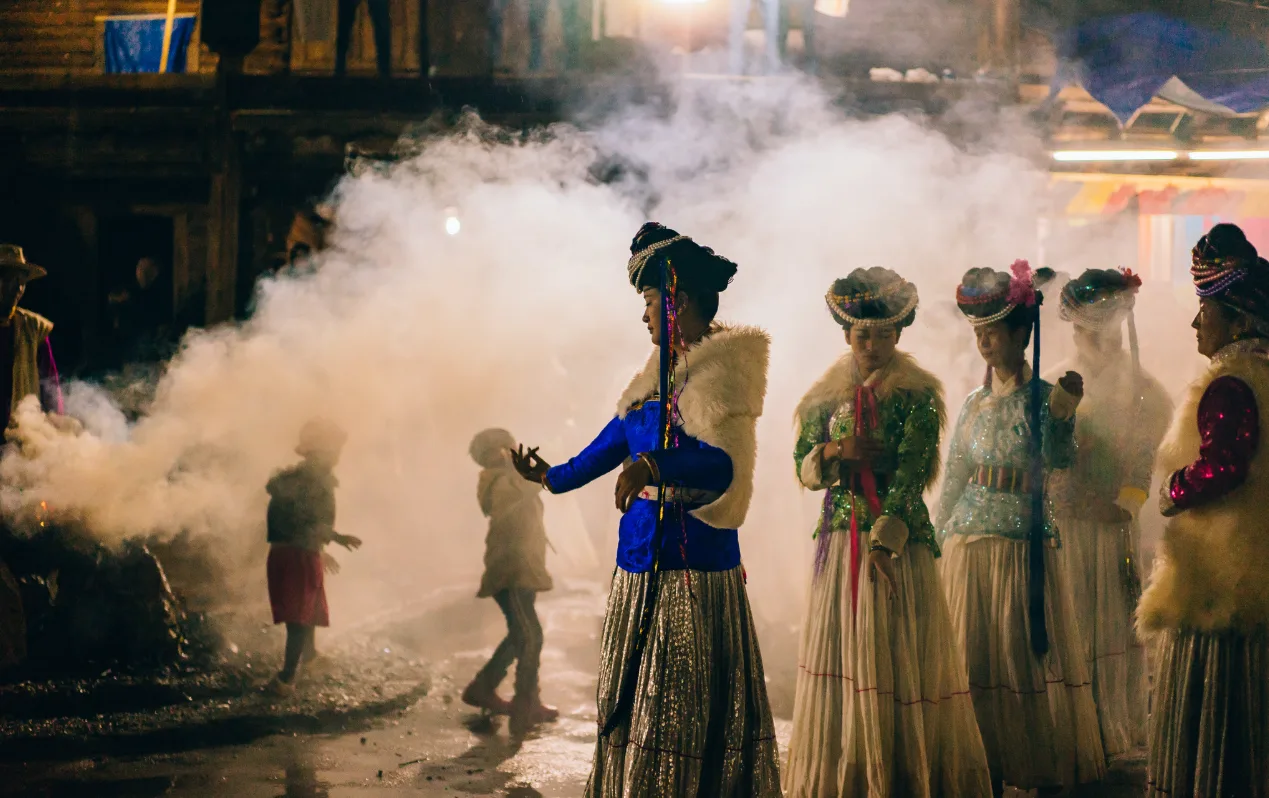
Through experiences arranged by Eastogo, you can encounter these cultures through the people who keep them alive. In Baisha, Lijiang, try painting traditional murals; in Yuhu Village at the foot of Jade Dragon Snow Mountain, visit a Naxi family, dress in traditional Naxi clothing, and learn to make tofu. In Xizhou, Dali, learn tie-dyeing alongside local women, or meet tea farmers in the mountains of Pu’er to discover the world of ancient tea trees and tea-making. For a more immersive journey, you can also trek between Diqing and Nujiang, passing through mountain landscapes and villages along the way.
Rather than simply visiting cultural sites, taking part in traditional crafts and spending time with local people offers a more personal understanding of how Yunnan’s cultural heritage continues to shape life today.

Nature, Wildlife And Outdoor Experiences
Yunnan offers a remarkable range of outdoor experiences, with different regions suited to different ways of exploring. In Dali, you can cycle along Erhai Lake; at Tiger Leaping Gorge, spend one or two days hiking through the canyon; or take on more demanding high-altitude adventure routes around Yubeng and Meili Snow Mountain. Farther south, Xishuangbanna offers a completely different environment, with tropical rainforests and a wealth of plant and animal life. If lakeside travel appeals to you, Lugu Lake and Erhai Lake are both well suited to slower journeys, with opportunities to cycle or hike between villages, lakeshores, and surrounding hills.
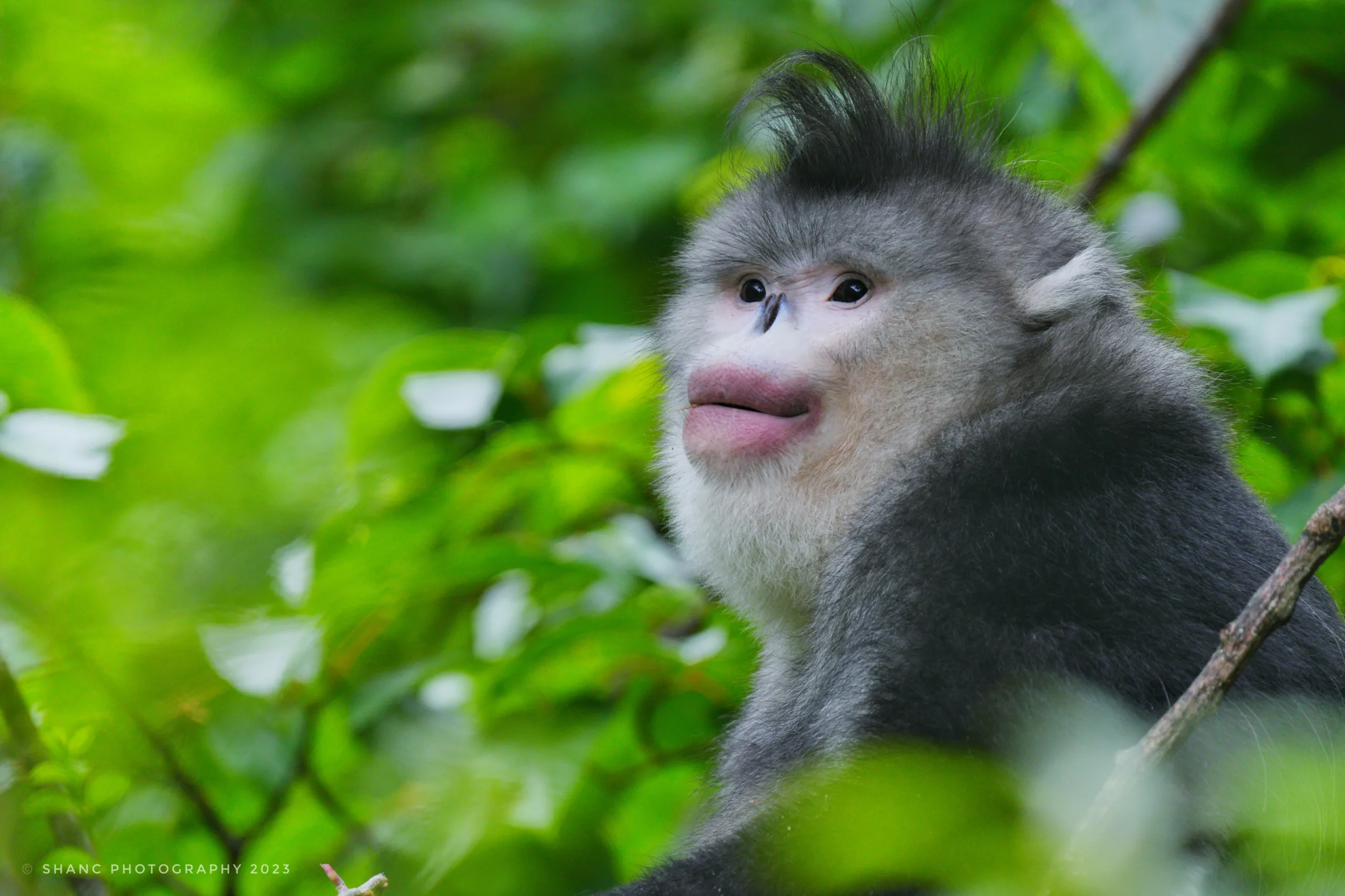
Yunnan’s varied elevations and climates also make it an great destination for birdwatching and wildlife observation in China. Northwestern Yunnan is known for its rare primates, while the tropical forests of Xishuangbanna provide habitat for Asian elephants. Parts of southern Yunnan are also home to a remarkable diversity of butterflies, and the Gaoligong Mountains are a major birdwatching area, with rare primates inhabiting the region as well.

If wildlife is a main focus of your trip, it is best to plan your route around specific species, seasons, and habitats rather than simply adding wildlife watching to a general sightseeing itinerary. Observation takes patience, and it is important to keep a respectful distance, avoid chasing or feeding animals, and allow them to move freely in their natural environment.
Best Time To Visit Yunnan
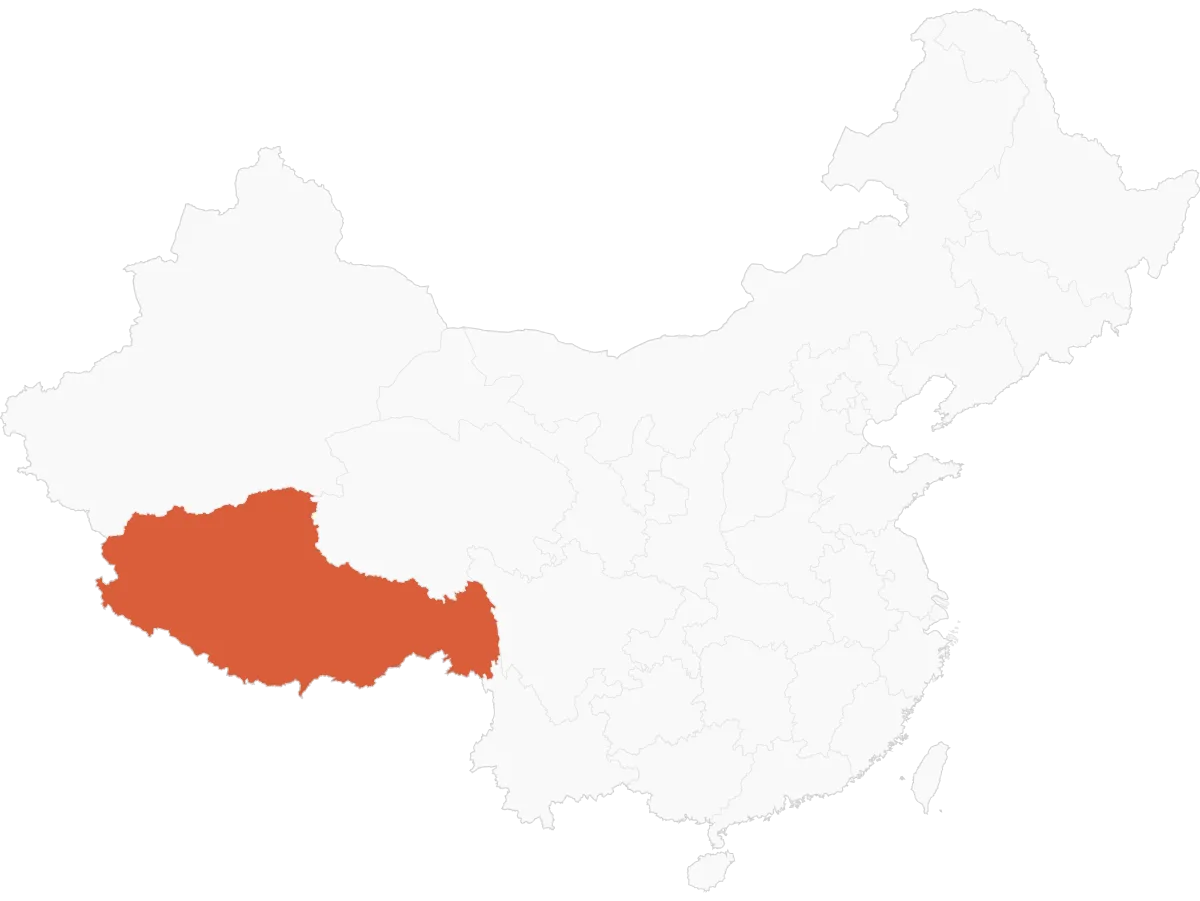
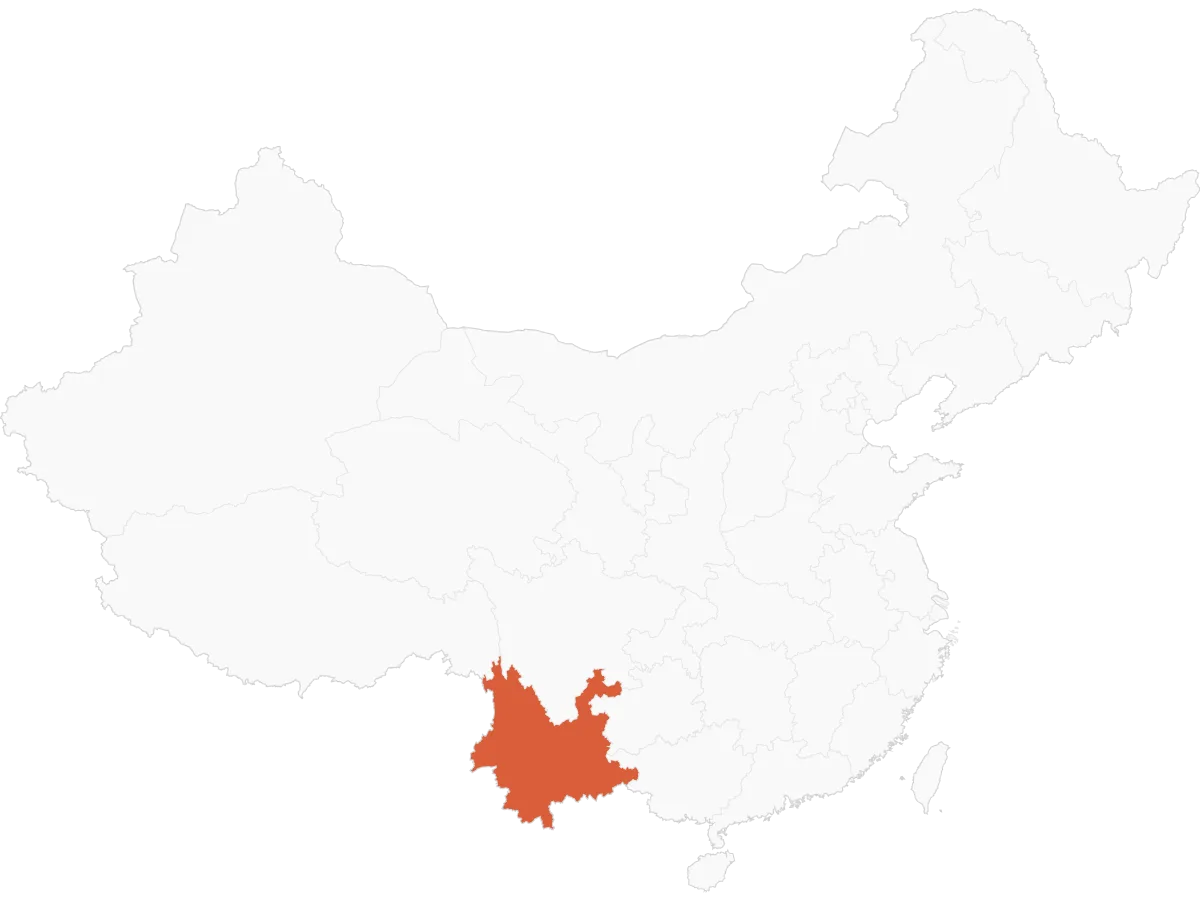
Yunnan has no single best season for every destination. Yunnan Province is located in southwestern China, bordering several Chinese provinces and neighboring countries, and its plateaus, mountains, river valleys, and tropical regions have very different climates, so the best time to visit depends on where you plan to go and what you want to experience.
Spring, from March to May, brings mild weather, making it a good time for exploring old towns, visiting villages, and hiking in some areas. Summer, with the rainy season from June to August, brings lush landscapes and lively festivals, but rain can affect mountain trails and road travel. Autumn, from September to November, is generally a good time for hiking, photography, and snow mountain views in northwestern Yunnan, when conditions are often drier and visibility better. Winter is also a rewarding season: Kunming, often called the ‘Spring City’ because of its mild climate, reflects the province’s generally mild winters, with average temperatures of 6–8°C, in clear contrast to the heavy snow seen in northern parts of China, while places such as Yuanyang and Xishuangbanna remain especially appealing.
If you already have a destination or travel theme in mind, Eastogo can help you choose the best time to visit based on seasonal conditions, local weather, and road access.
Speak to An Expert
Starting Your Jounrney to Yunnan
Start designing your journey with our destination experts.
Make An InquiryHow To Get To Yunnan
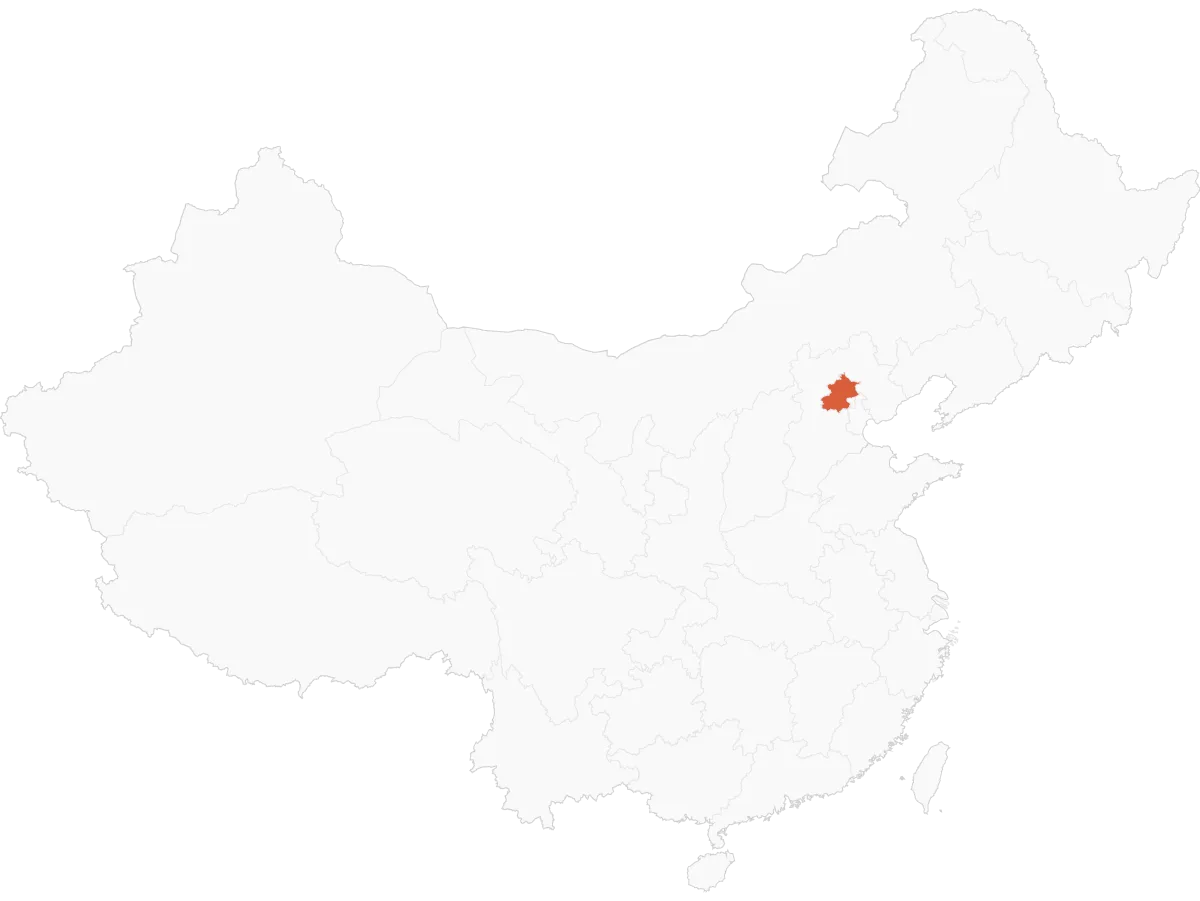
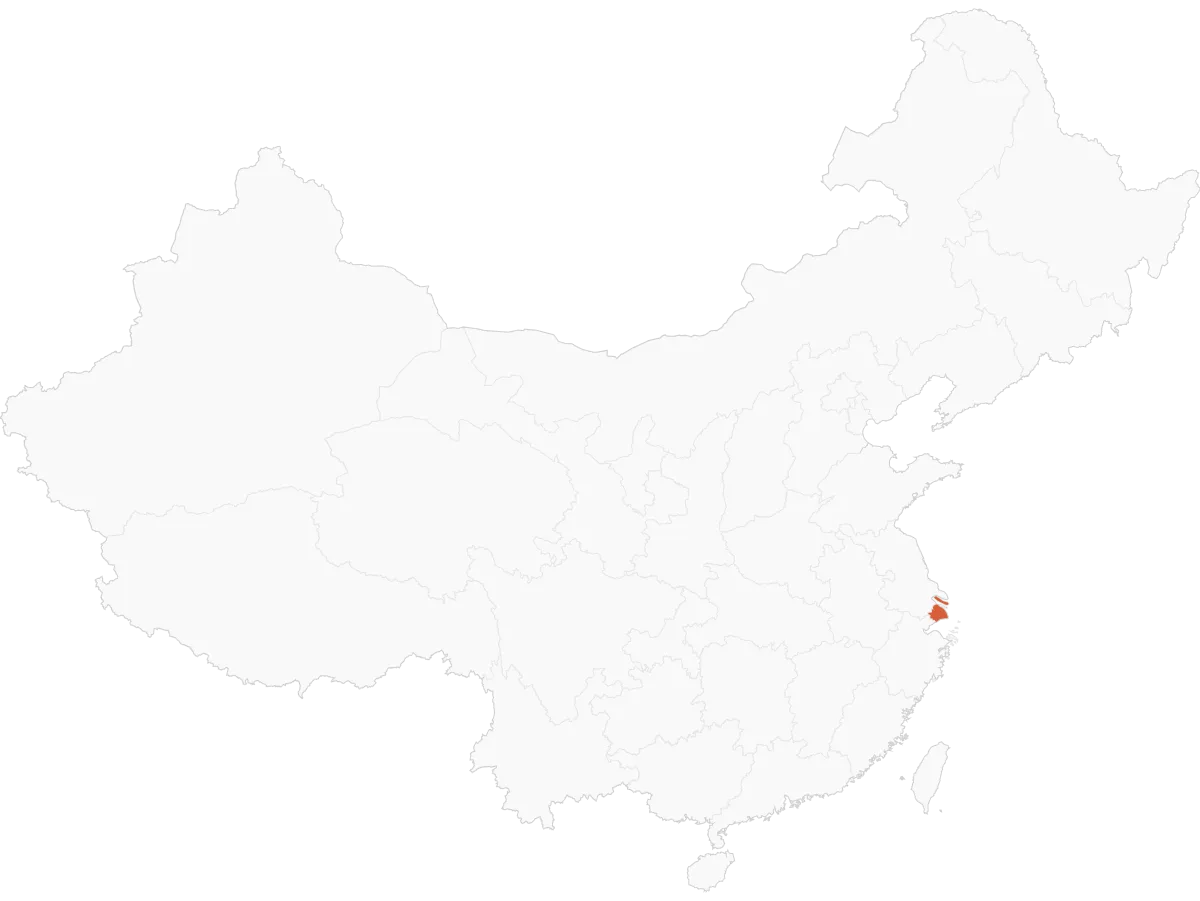
Kunming is the main gateway to Yunnan and the most convenient entry point for international travelers, with direct flights from major cities such as Beijing, Shanghai, Chengdu, and Xi’an. From here, you can continue to other parts of the province by high-speed train, domestic flight, or road, depending on your itinerary.
For trips to Dali, Lijiang, and Shangri-La, bullet trains from Kunming offer a convenient way to travel north without long hours on the road. Dali, Lijiang, Diqing (Shangri-La), and Xishuangbanna also have airports, making direct flights a useful option if time is limited.
Reaching places such as Yuanyang, Lugu Lake, Meili Snow Mountain, and Yubeng requires more careful planning, often combining rail or air travel with road transfers. Yuanyang and many remote villages rely heavily on road connections, so high-speed rail alone will not get you all the way there. Travelers from Southeast Asia can also explore connections between Kunming and neighboring countries such as Laos and Vietnam, depending on current rail or flight options, and Guilin is another possible China stop linked with Kunming.
During peak travel seasons and major Chinese holidays, it is best to book flights and train tickets in advance.
Best Places To Visit In Yunnan
Some of Yunnan’s popular destinations have become heavily commercialized, though quieter places can still be found nearby. Others take longer to reach but reward the journey with spectacular scenery. In some places, the best way to experience them is simply to stay a little longer and enjoy the local pace of life.
Kunming And The Stone Forest
Many travelers use Kunming mainly as a gateway to the rest of Yunnan. For most first-time visitors heading to Dali and Lijiang, one night in the city is usually enough.

kz-kant
But if you enjoy seeing how people live in Chinese cities, Kunming can be more interesting than some of the carefully restored old towns. Visit a local market or a small neighborhood eatery, try Yunnan specialties such as erkuai rice cakes, rushan cheese, and watch the city go about its daily life.
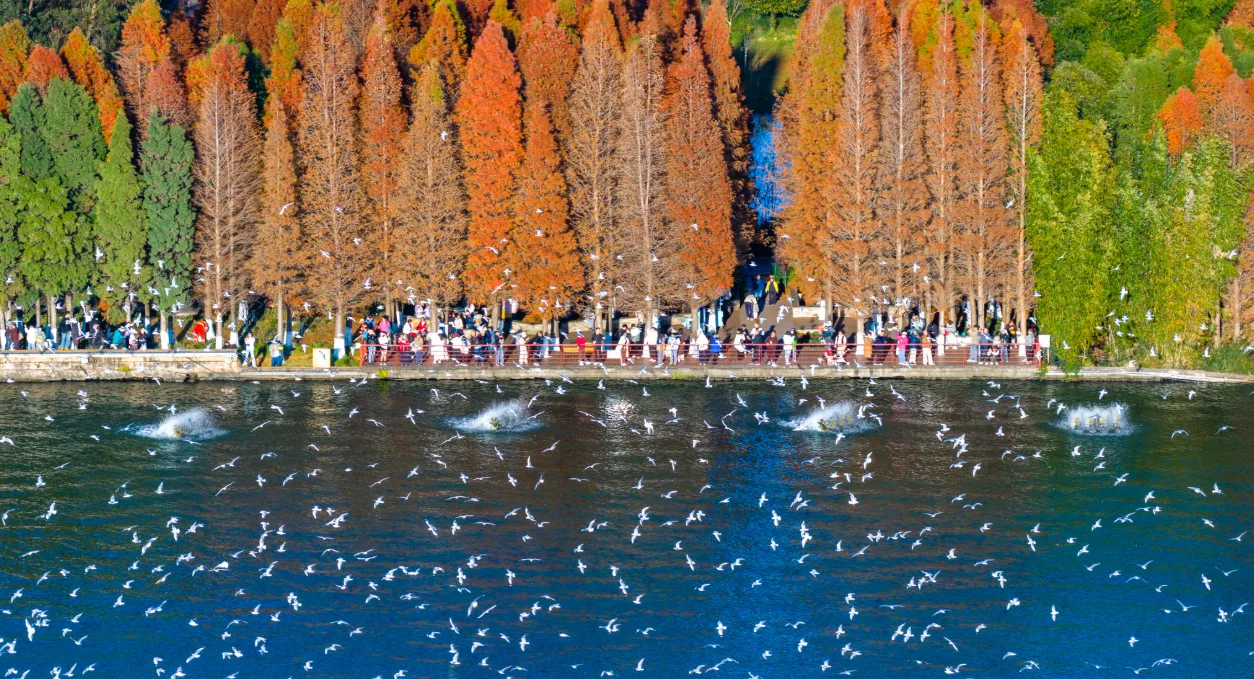
Dianchi Lake is also worth visiting in winter, especially when migratory gulls arrive. From late November, thousands of gulls gather over the lake, filling the sky in a remarkable display. Haihong Wetland Park is one of the best places to see them.
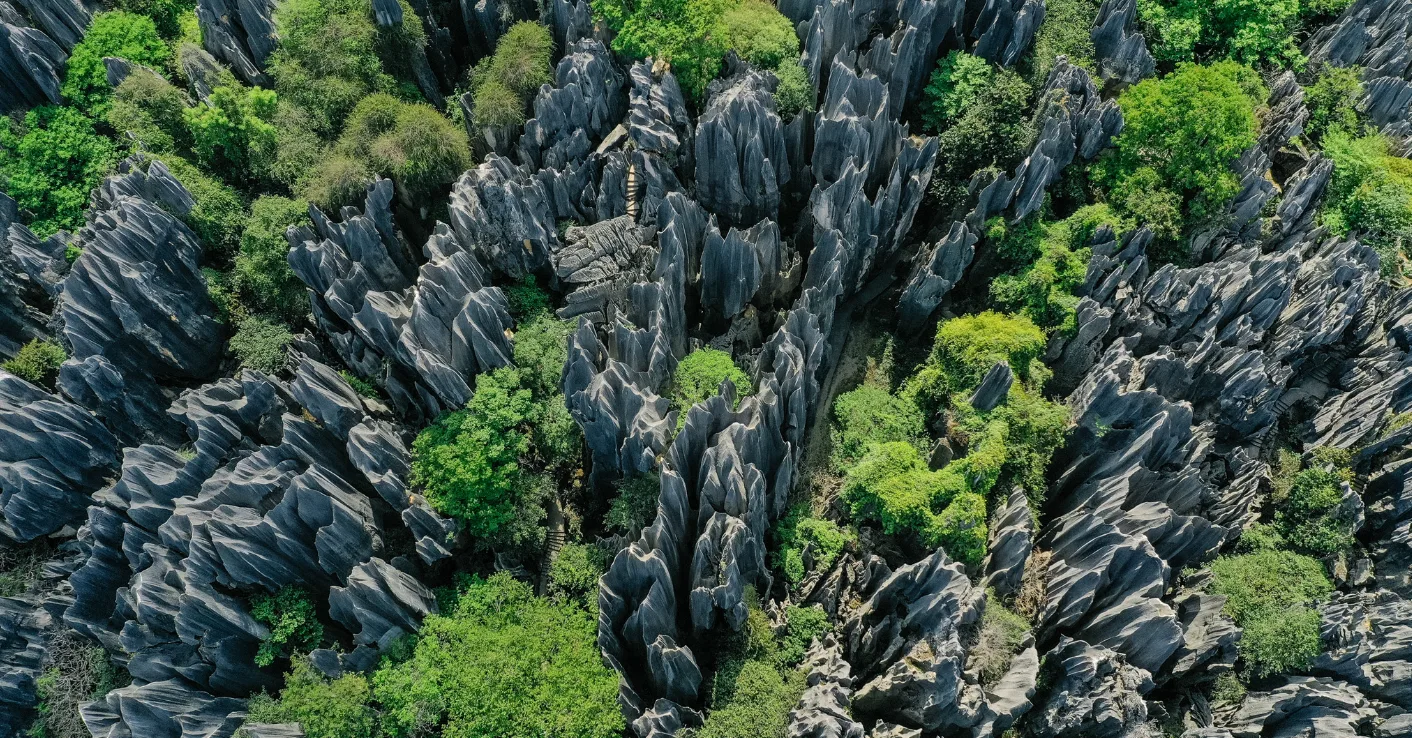
The Stone Forest offers a very different experience. Once part of the seabed around 270 million years ago, it is now a vast landscape of striking karst rock formations. However, it is also a well-established tourist attraction, with sightseeing buses, set routes, and the pace of organized tour groups. It is worth including if you are particularly interested in geological landscapes; if you simply want to enjoy Yunnan’s scenery, there are plenty of other options.
Dali And Erhai Lake
Dali draws travelers with Erhai Lake, the second largest highland lake in Yunnan, the Cangshan Mountains, Bai architecture, and an easygoing pace of life. Dali Old Town, or Dali Ancient City, has become heavily commercialized, with its main streets lined with cafés, bars, souvenir shops, and businesses catering to tourists, though it is still known for traditional Bai architecture and a relaxed café culture. But step away from the busiest streets, and there is still another side to Dali.
For years, Dali has attracted China’s creative crowd — people drawn to art, music, and a more independent way of life. They have shaped an atmosphere that feels distinctly different from that of many other tourist towns. During the day, the old town largely belongs to visitors; after dark, its creative community comes into its own. Wander into the smaller lanes branching off the main streets, and you’ll find independent shops, characterful cafés, market stalls, and spaces with their own distinct personalities.

If you prefer the atmosphere of traditional villages, head to Xizhou to admire Bai courtyard houses and try your hand at tie-dyeing, or cycle along Erhai Lake, stopping in villages for a meal or to enjoy the views. The Three Pagodas, first built in the 9th century during the Nanzhao and Dali Kingdom periods, are also one of the area’s major historic sights. Fengyangyi, Nuodeng, and Shaxi are also worth considering among Yunnan’s better-known ancient towns, each with its own history and village character. However, they require additional transport and are not places you can easily visit as a quick detour from Dali Old Town.
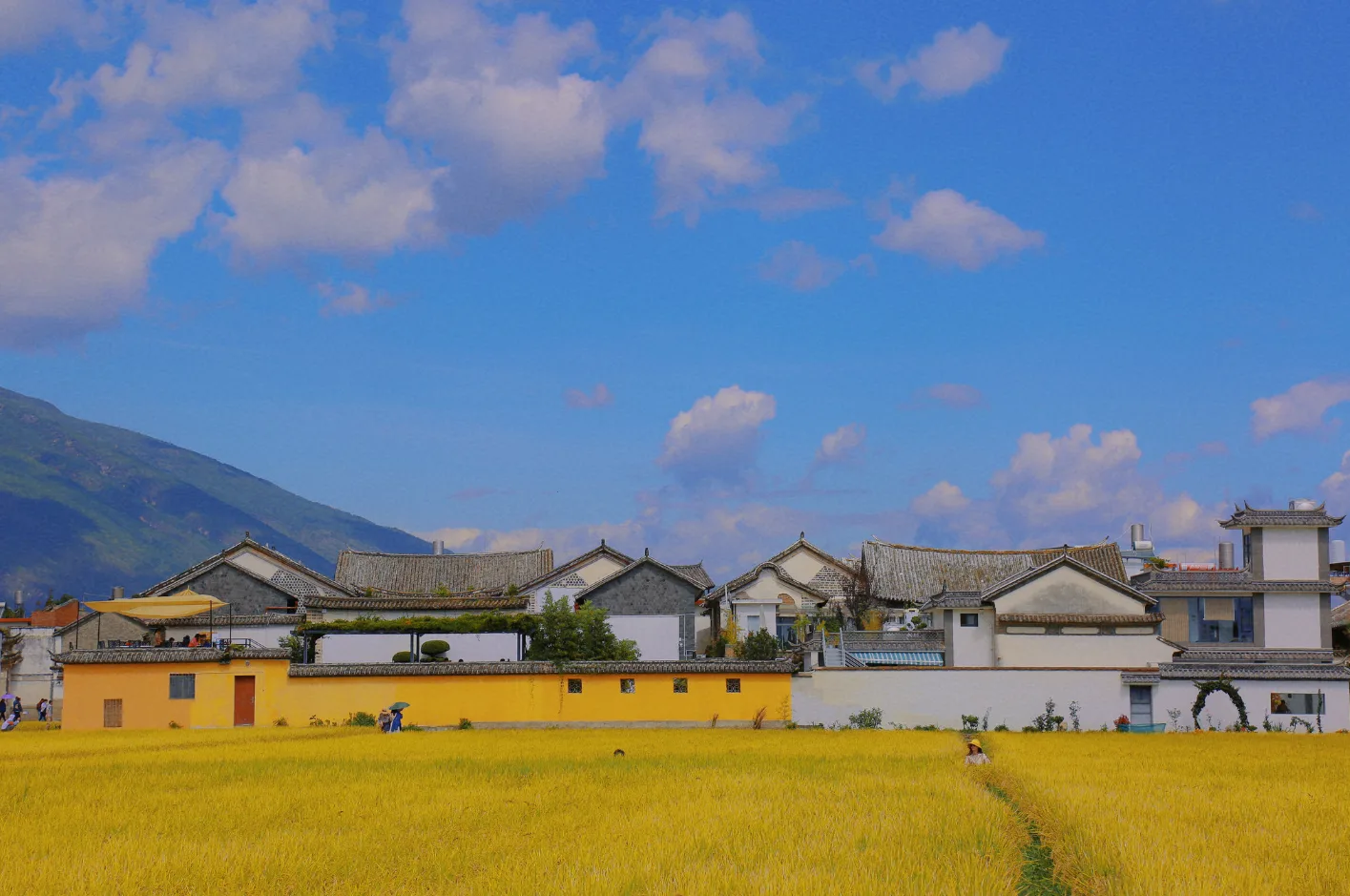
If you enjoy lakeside scenery, cycling, photography, and a slower pace of travel, Dali is worth a few nights. And if you prefer to avoid commercialized areas, you don’t need to skip Dali altogether. Spend less time in the old town and more exploring the surrounding villages to find a side of the region that better suits your interests.
Lijiang Old Town And Jade Dragon Snow Mountain
Lijiang Old Town is one of Yunnan’s best-known destinations, with cobbled lanes, flowing streams, and historic architecture. However, its central area is now heavily commercialized. By day, the streets are filled with visitors; after dark, restaurants, bars, and shops take over. If you want to understand Naxi culture and see a town where daily life still takes precedence over tourism, Lijiang’s commercial streets alone offer only a partial picture.
For architecture and old-town scenery, early morning is a much better time to explore. Baisha and Shuhe are also worth visiting, with a more relaxed atmosphere and less commercial development than central Lijiang.

Jade Dragon Snow Mountain is the natural highlight around Lijiang. The cable cars and transport infrastructure are well developed, but popular routes can still get crowded in peak season, and mountain views depend on the weather. The altitude also deserves attention: even if you take a cable car, altitude sickness is still possible, so check the elevation and opening conditions of your chosen route in advance.
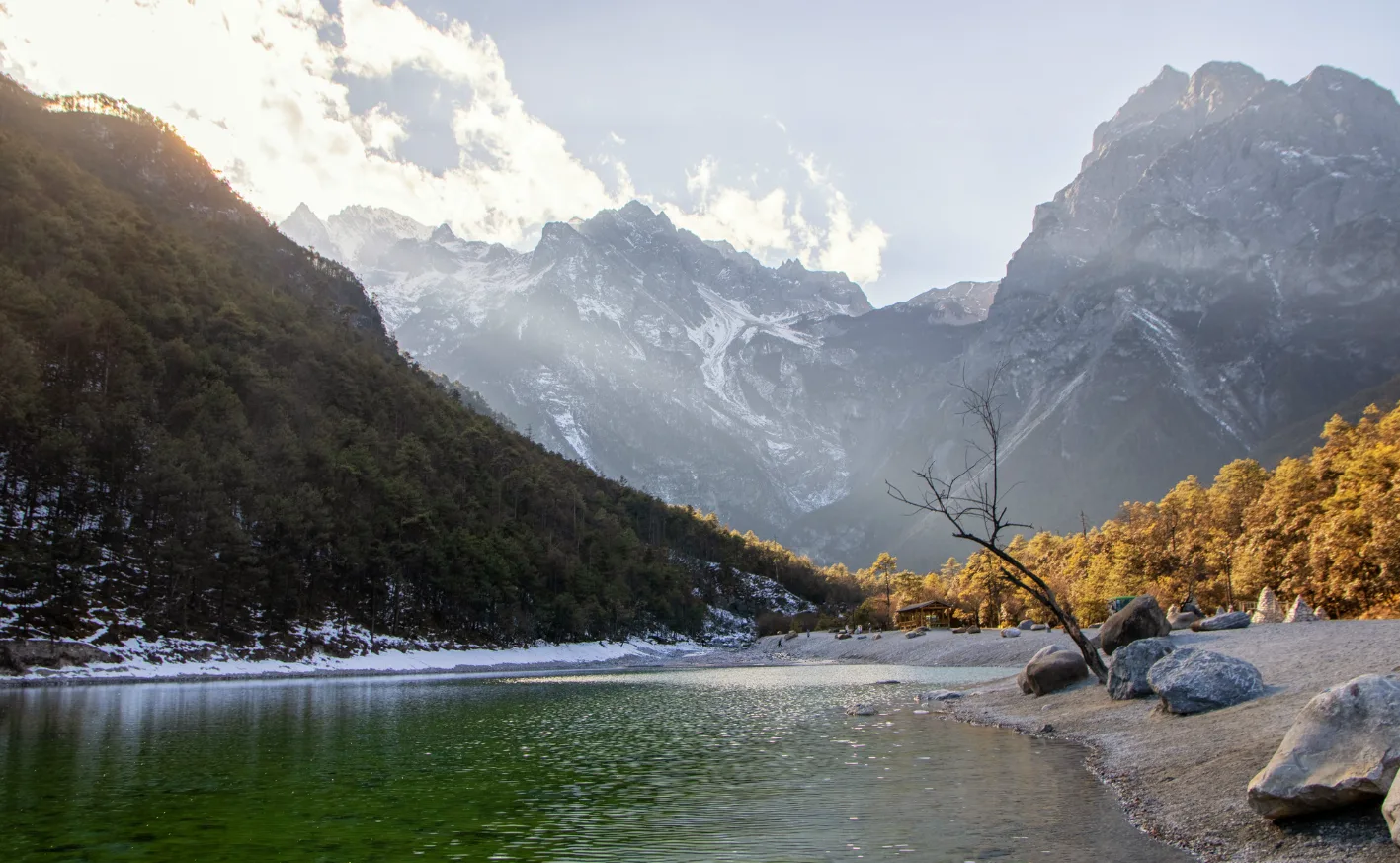
For a village setting with close-up views of Jade Dragon Snow Mountain, consider staying in Yuhu Village at the foot of the mountain. This small Naxi village retains much of its distinctive architectural character and offers a handful of appealing boutique hotels, making it a good base for combining mountain scenery with a slower rural stay. As its popularity grows, however, Yuhu is attracting more visitors. If you are drawn to village stays with a quieter, more intimate feel, it is worth considering now rather than waiting for tourism to develop further.
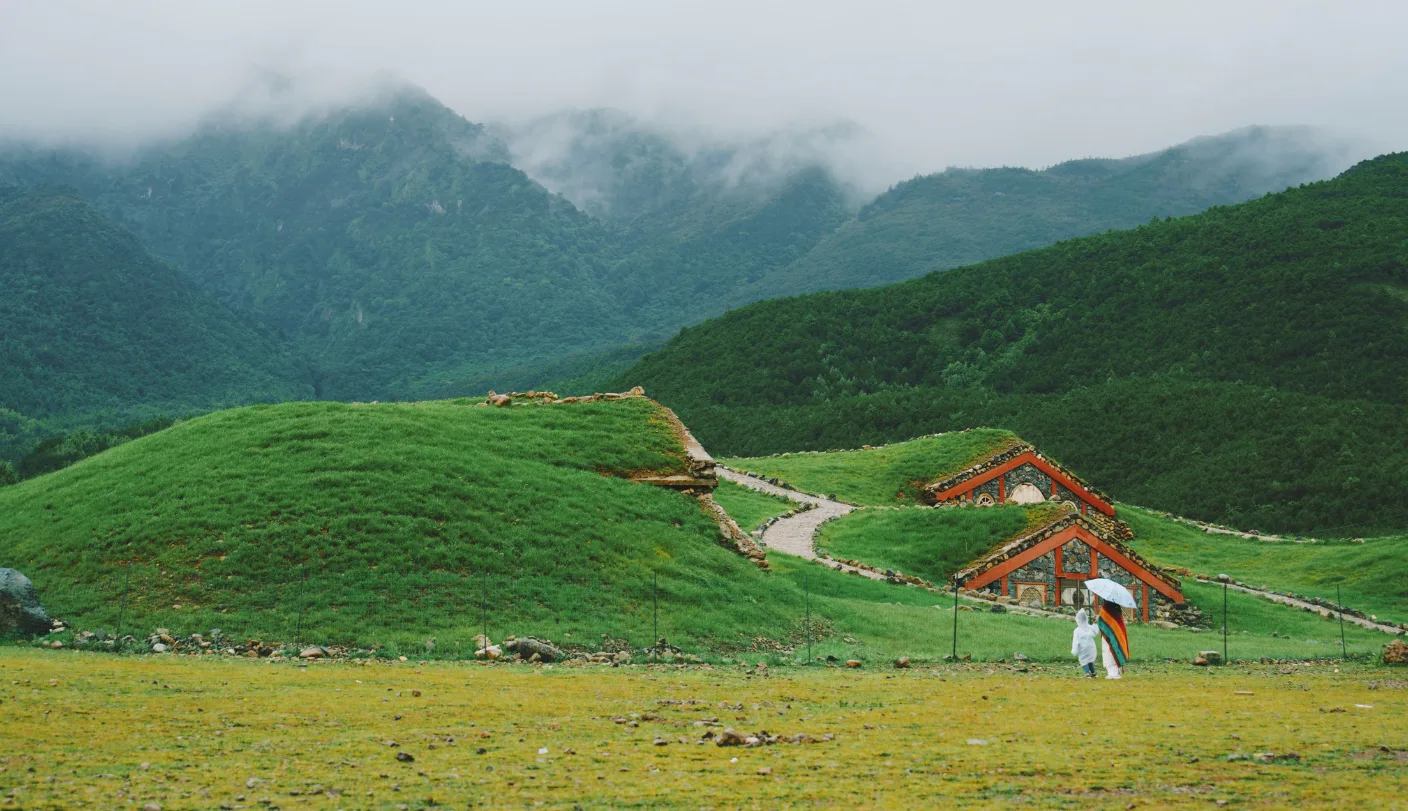
Lijiang suits travelers who enjoy classic sights, historic architecture, and mountain scenery, but it is not for everyone. If you have already visited many heavily commercialized old towns, consider spending less time shopping in Lijiang Old Town and more time around Jade Dragon Snow Mountain, Yuhu Village, and Baisha — or venture farther into northwestern Yunnan.
Shangri-La And Tibetan Culture
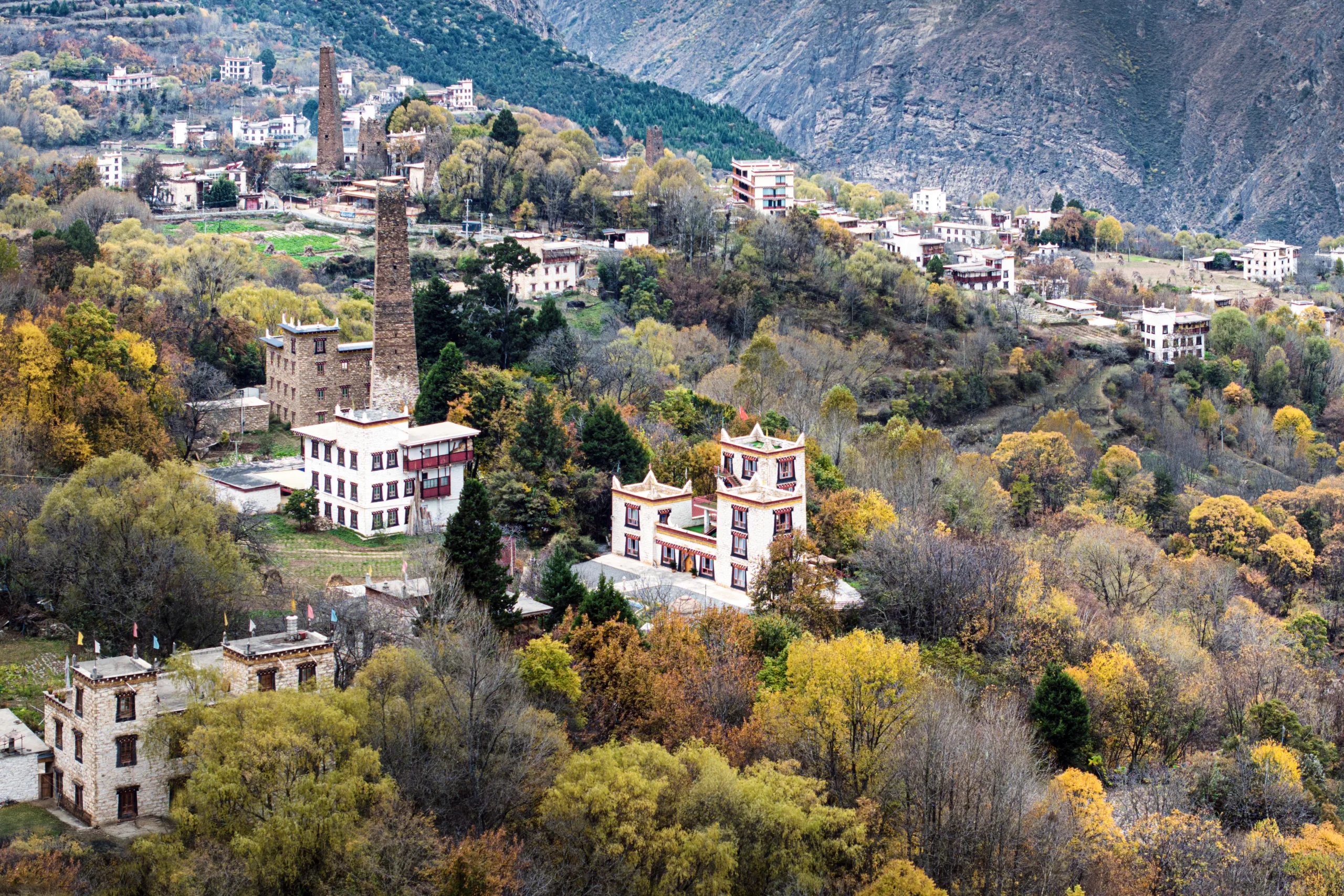
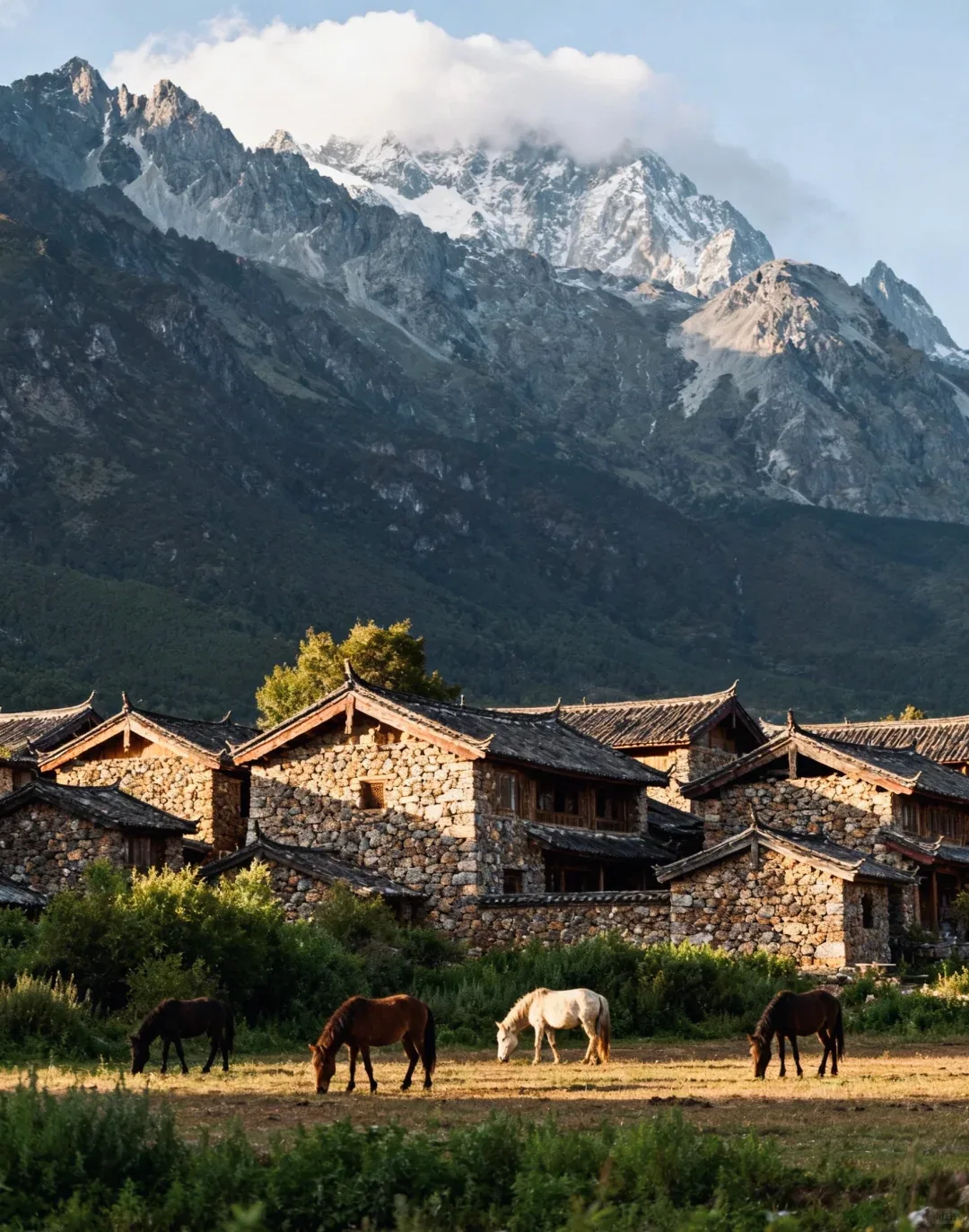
Shangri-La sits on the high plateau of northwestern Yunnan, where Tibetan Buddhist monasteries, alpine meadows, mountain villages, and Tibetan culture create a very different experience from Lijiang.
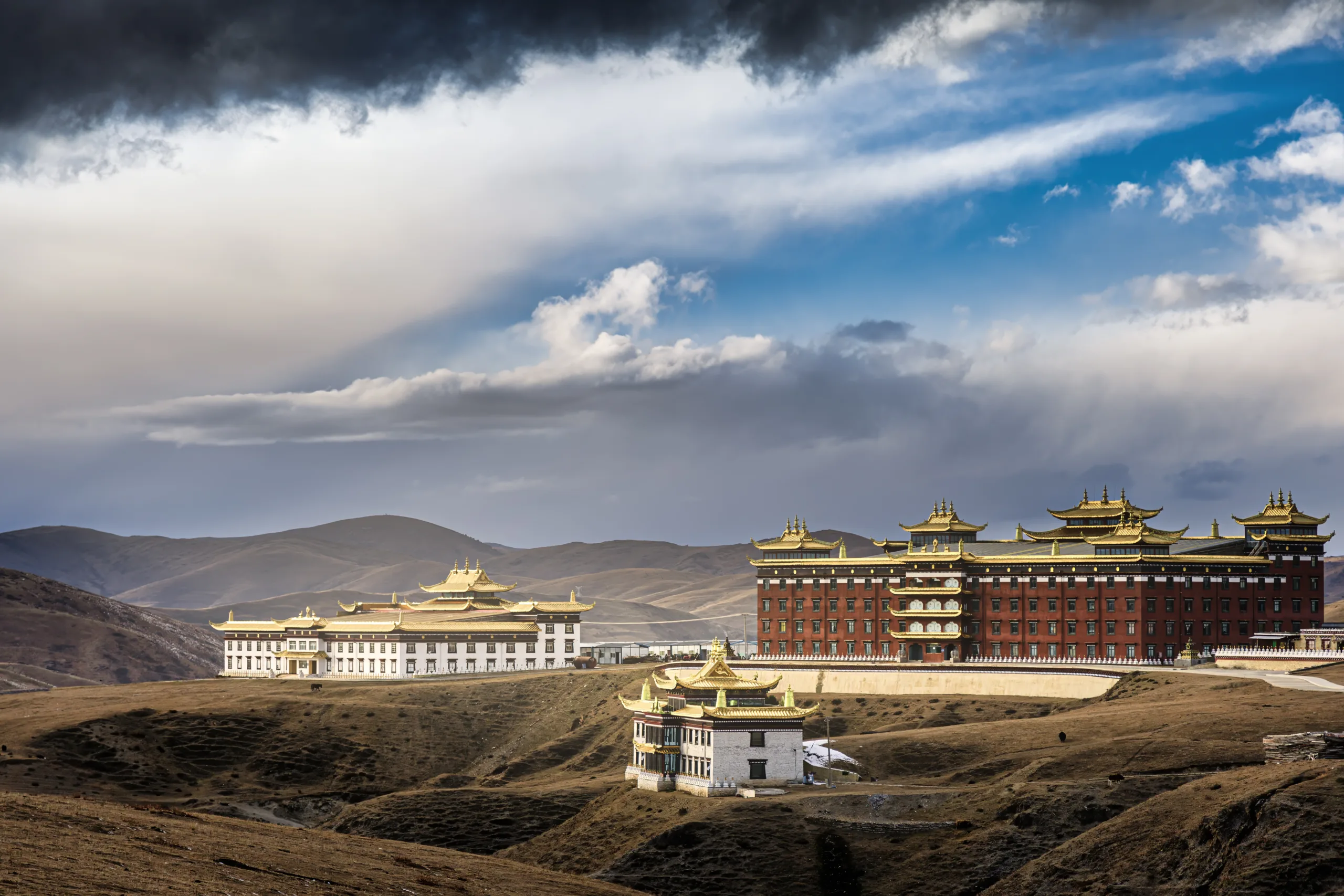
Songzanlin Monastery deserves time beyond a quick visit. Also known as sumtseling monastery, it is one of the largest Tibetan Buddhist monasteries in Yunnan and Yunnan’s largest Tibetan Buddhist site, rising along a hillside with golden roofs, red walls, white stupas, and prayer flags defining the skyline. Beyond its architecture, what makes the monastery worth exploring is that it remains an active place of worship, where people continue to come for prayer, pilgrimage, and daily religious practice.

One of the best ways to experience the surrounding landscape is at Napa Lake. Despite its name, this is a seasonal wetland rather than a lake with a constant water level. During the rainy season, water spreads across the basin, reflecting the surrounding mountains and sky. In drier months, parts of the wetland recede to reveal open grassland, where yaks and horses graze. Rather than stopping at a single viewpoint, take time to explore the area on foot, by bicycle, or on horseback, moving between wetlands, villages, and the foothills. Nearby Pudacuo National Park offers another wonderful landscape of alpine lakes, virgin forests, and meadows.
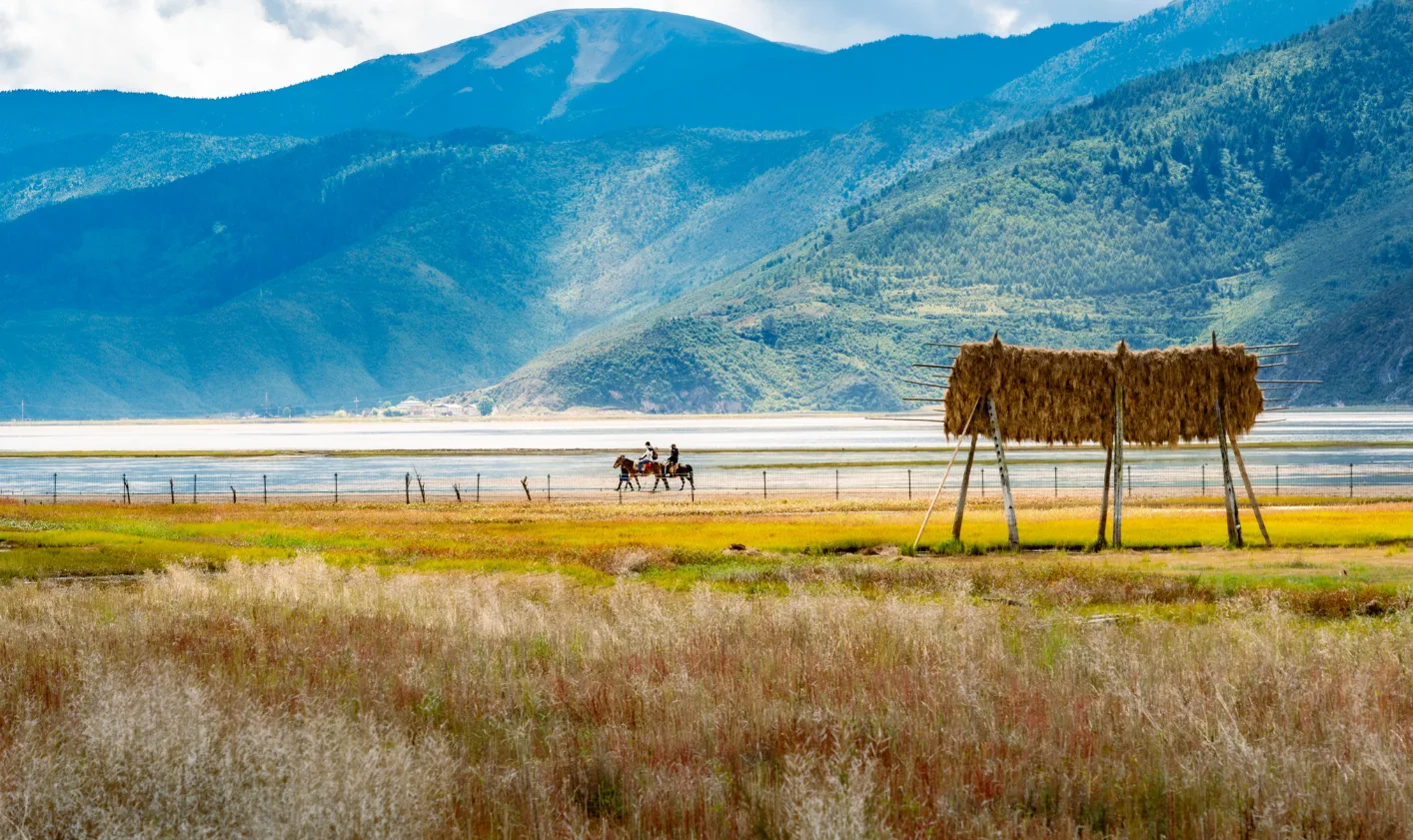
Shangri-La sits at a considerably higher elevation than Dali and Lijiang. Allow at least two days here to give your body time to adjust and to explore Songzanlin Monastery, Napa Lake, and the surrounding villages without rushing.
Tiger Leaping Gorge
Tiger Leaping Gorge is well worth considering if you want to hike in Yunnan, and it is widely regarded as one of the world’s deepest gorges. Its appeal lies in the landscape itself rather than a restored old town or purpose-built viewpoint: the Jinsha River cuts through towering mountains, and the changing elevations and views make the hike an experience in its own right.
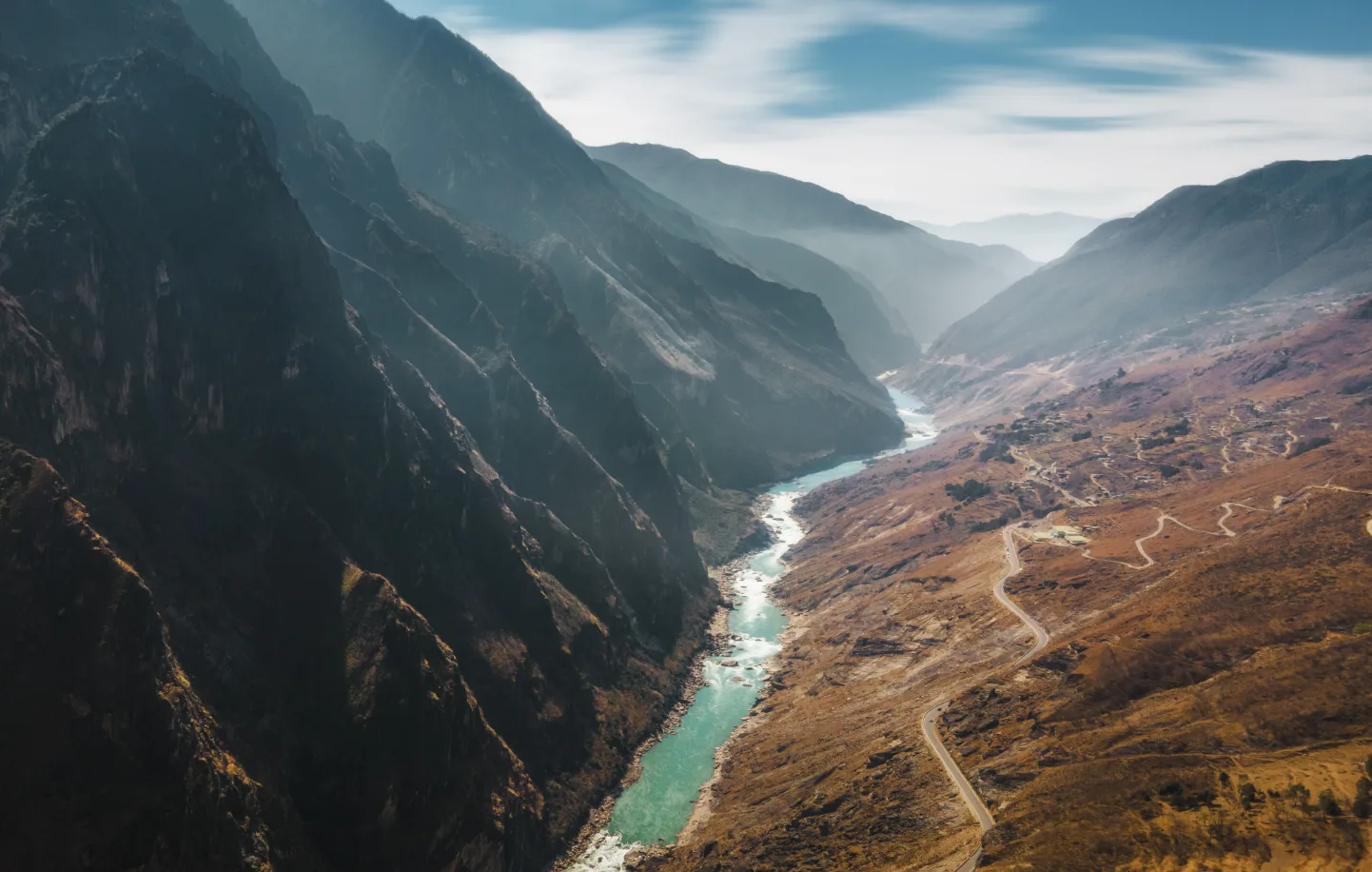
If you have a reasonable level of fitness, the classic High Trail can be explored over one or two days, with guesthouses along the way. Hiking into the mountains gives you a much closer sense of the gorge’s scale than a brief stop at the main scenic area. The route includes steep climbs and descents, however, so it is not an easy walk. Check the weather and trail conditions before setting out, wear proper hiking shoes, and choose a route that matches your fitness level.
If you prefer not to hike, Tiger Leaping Gorge can also be a worthwhile stop on the drive from Lijiang to Shangri-La.
Meili Snow Mountain And Yubeng Trek
Meili Snow Mountain is one of the most striking mountain ranges in northwestern Yunnan and a sacred mountain in local Tibetan culture. Feilaisi, near Deqin, is one of the best-known and most accessible viewpoints for seeing the peaks, and many travelers stay overnight to watch the first sunlight illuminate the mountains. On clear mornings, the entire range glows at sunrise. Visibility depends heavily on the weather, however, so photographers should allow more than one morning if possible.
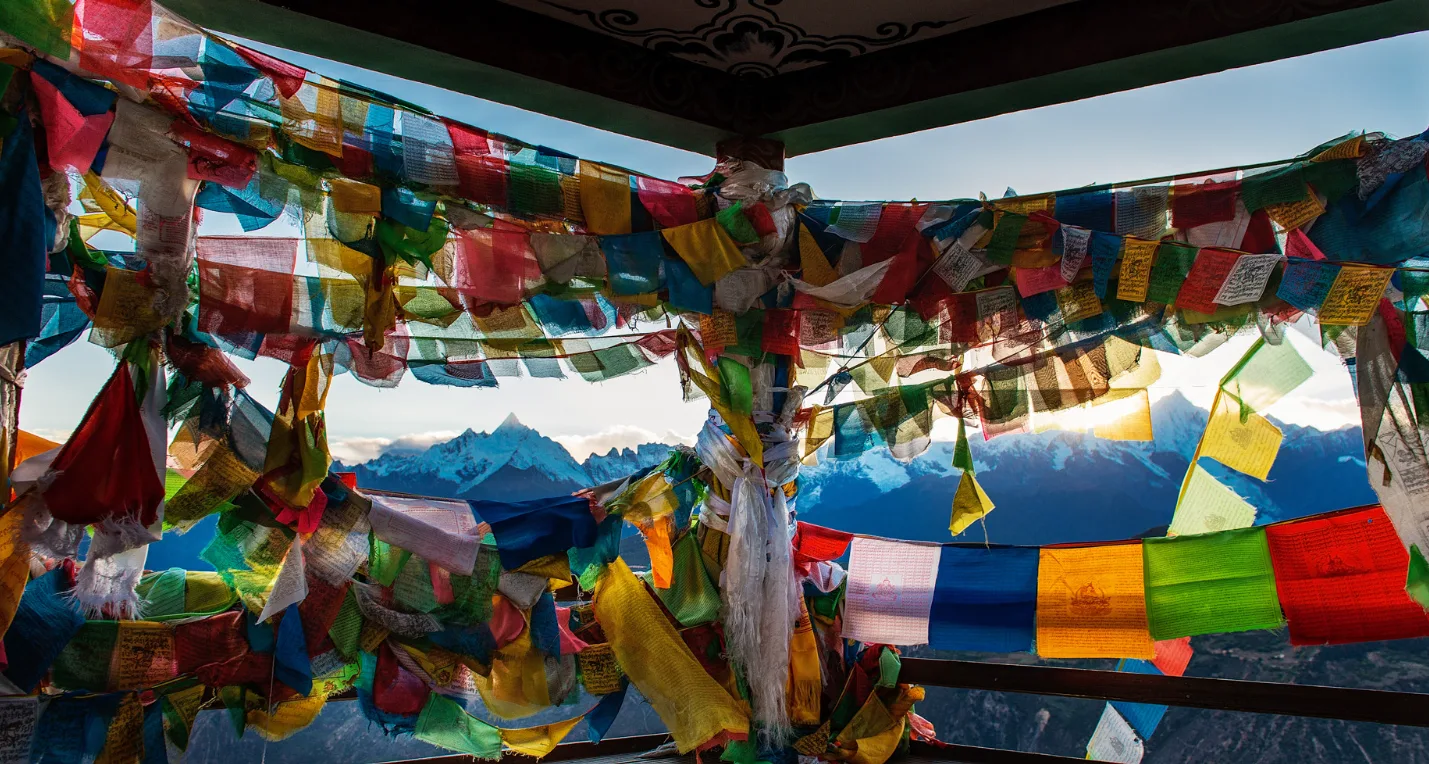
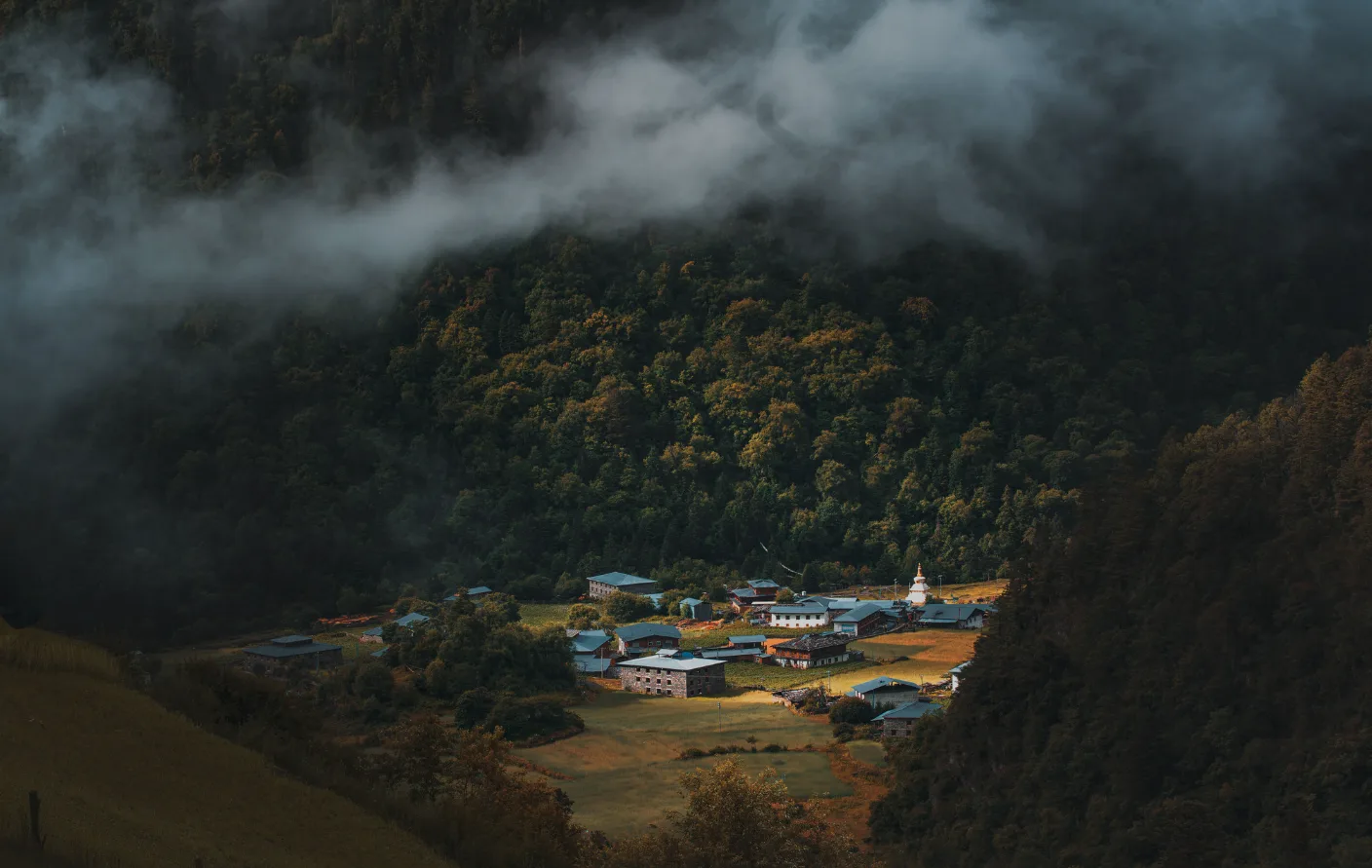
Yubeng is a Tibetan village nestled in the mountain valleys beneath Meili Snow Mountain. If Feilaisi offers a distant view of the peaks, Yubeng takes you into the mountain environment itself. Surrounded by snow-covered peaks, forests, gorges, and streams, the village is a destination in its own right and has long served as an important starting point for trekking in the Meili Snow Mountain area.
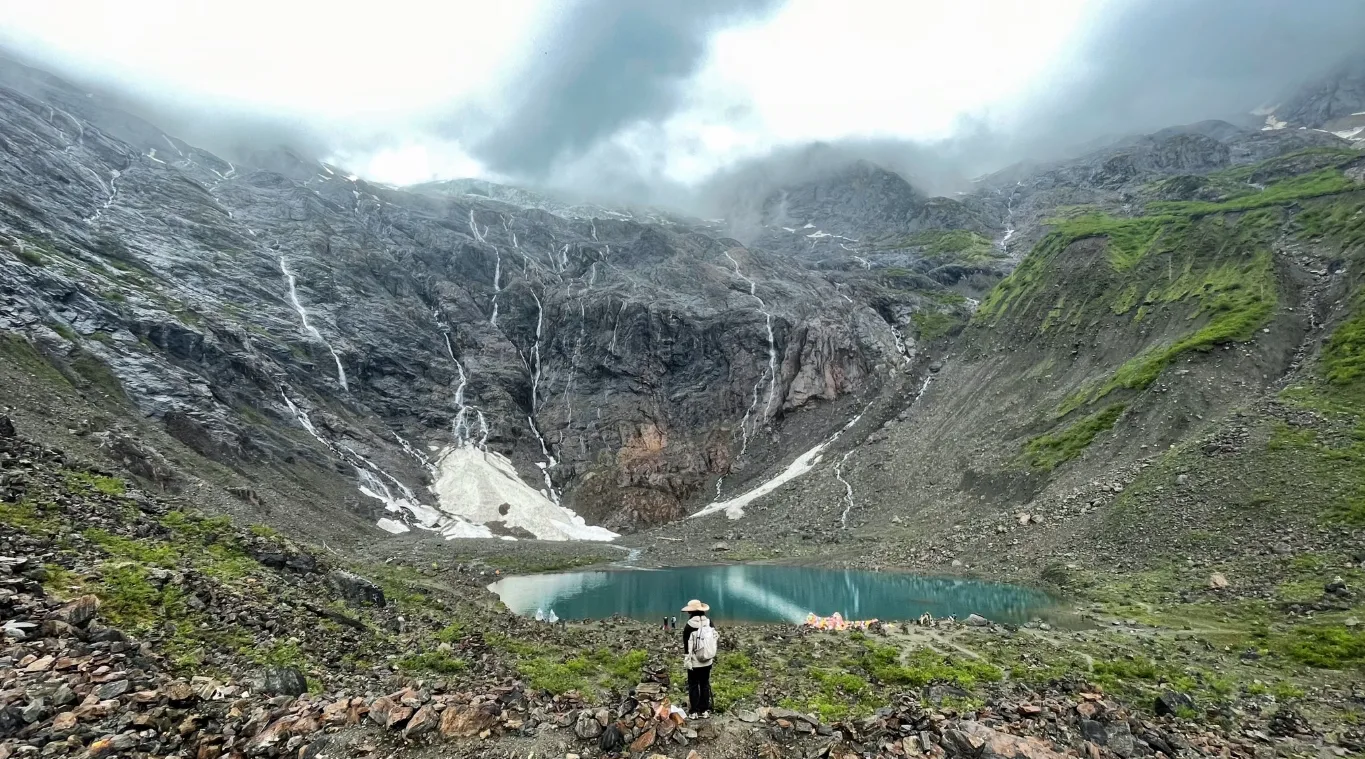
In the past, many travelers continued from Yubeng on treks to places such as Ice Lake and Sacred Lake. However, access rules have changed. As of 2026, local authorities in Deqin have designated the routes to Sacred Lake, Ice Lake, the Cordyceps route, and several other areas around Yubeng as undeveloped and closed to visitors. Unauthorized entry is prohibited. Do not rely on older travel guides when planning hikes here; check the latest official access restrictions before setting out.
If time is limited, focus on Feilaisi and the views of Meili Snow Mountain. If you want to spend more time in the mountain environment, continue to Yubeng and choose hiking activities according to the latest permitted routes.
Speak to An Expert
Explore Yunnan with Eastogo
Start designing your China journey with our destination experts.
Make An InquiryLugu Lake And Mosuo Culture
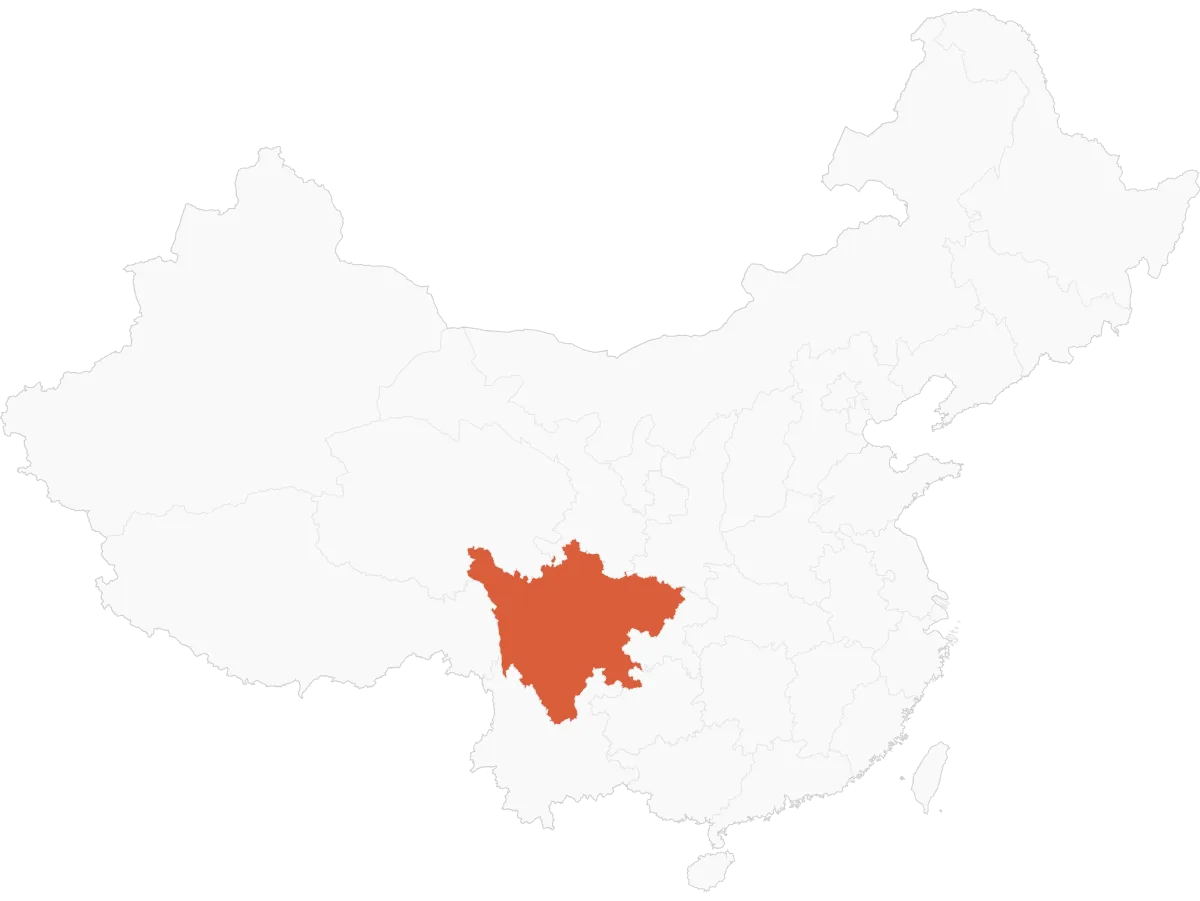
Lugu Lake’s appeal lies in its clear, quiet waters, located on the border between Yunnan Province and Sichuan and surrounded by layers of mountains. On sunny days, the lake takes on a rich turquoise hue. From June to August, delicate white aquatic flowers bloom across the water, best seen from a small wooden boat out on the lake. Mosuo people call them “stars fallen onto the water.” In autumn, morning mist settles over the lake as the surrounding forests turn shades of gold and red, their colors reflected in the blue water.

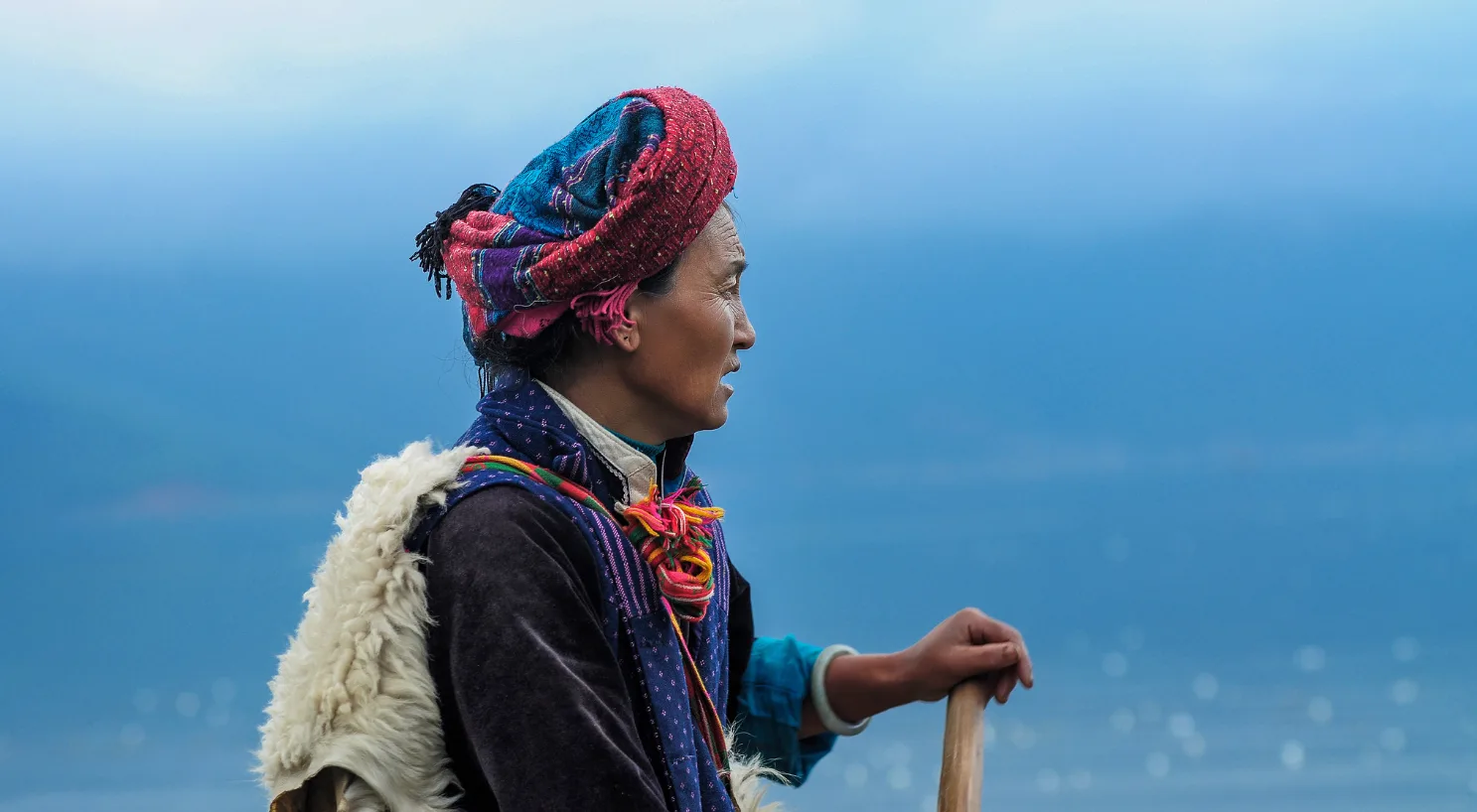
One of Lugu Lake’s most distinctive cultural features is the Mosuo people’s matrilineal family tradition, which continues to shape community life today. In traditional Mosuo households, family members live together through the maternal line, property is generally passed down through women, and senior women play an important role in family affairs. The well-known Mosuo practice often called “walking marriage” is closely connected to this family structure. Partners may form intimate relationships while continuing to live in their respective maternal households, with children raised by the mother’s family. This offers a different perspective on how family, partnership, and kinship can be organized across cultures.
The drive from Lijiang to Lugu Lake takes considerable time, so a day trip is not recommended. A more relaxed visit allows for two nights, with time for a traditional boat ride, a drive around the lake, or leisurely walks between villages. Leave the early mornings and evenings for the changing light on the water and surrounding mountains. For travelers drawn to lakeside scenery, photography, slower journeys, and distinctive cultural traditions, Lugu Lake is well worth setting aside time for in Yunnan.
Yuanyang Rice Terraces And Jianshui
Yuanyang Rice Terraces offer a very different experience from Dali or Lijiang. The focus here is not on old-town streets, but on the mountain terraces cultivated by the Hani people for some 1,300 years, and the villages whose lives remain closely tied to farming.
From November through April, during the winter irrigation season, the water-filled terraces reflect the sky and clouds like vast mirrors. Duoyishu is a favorite spot for sunrise, while Bada offers some of the best sunset views. In the nearby village of Azheke, traditional Hani mushroom houses stand beside the fields. Built with earthen walls and thatched roofs, these low, rounded houses resemble mushrooms growing out of the ground.
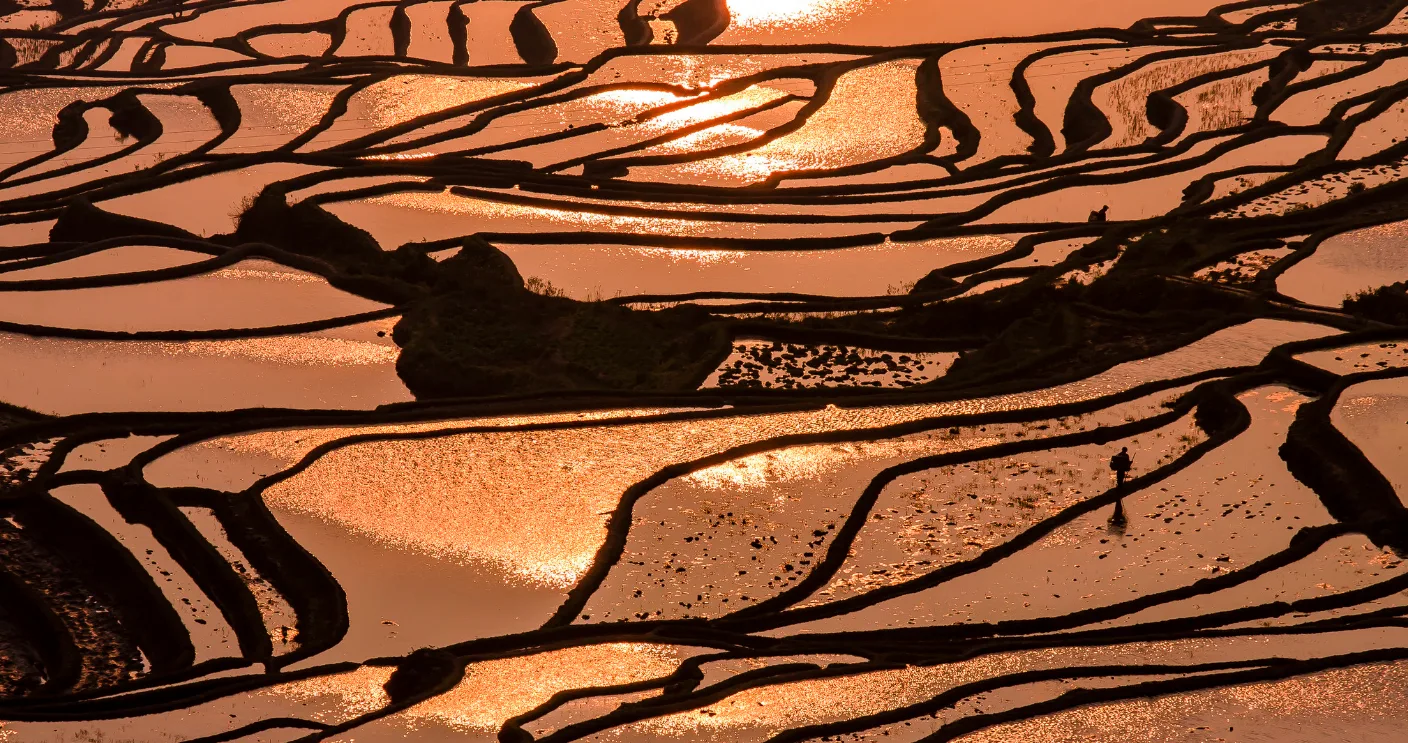
Yuanyang can be combined with Jianshui Ancient Town, known for its historic architecture, old streets, and distinctive local cuisine. With a good range of hotels and visitor facilities, Jianshui makes a comfortable stop along the way. If traveling south from Kunming, you can visit Jianshui first, then drive around three hours to the Yuanyang rice terrace area. It is a practical base for breaking up a journey through southern Yunnan.
Xishuangbanna And Tropical Yunnan
Xishuangbanna feels like a different world from northwestern Yunnan. Instead of snow peaks and high plateaus, the landscape is shaped by tropical forests, Dai culture, Buddhist temples, and tea traditions. If you have already spent a week exploring Dali, Lijiang, and Shangri-La and want a change of scenery, it is well worth considering.

Xishuangbanna’s rainforests, historic Dai villages, and tropical landscapes have plenty of appeal. But the region’s growing tourism industry also brings commercialized attractions, formulaic travel photography, and inflated prices at night markets. To get a better sense of local life, make time for village visits, tea gardens, or experiences led by people who know the region and its culture well.
Beyond The Highlights: Off The Beaten Path In Yunnan
If you’re drawn to traditional villages, local history, tea culture, or remote mountain landscapes, Yunnan has plenty more to explore beyond its best-known destinations.
Shaxi And The Tea Horse Road
Shaxi Ancient Town lies between Dali and Lijiang and is one of Yunnan’s most atmospheric historic towns, once serving as an important trading post along the Tea Horse Road. Its old theater stage, Sideng Street, and historic merchant buildings still reflect the days when caravan traders passed through. For travelers interested in historic architecture and the history of the ancient trade routes, Shaxi is worth a dedicated stop.
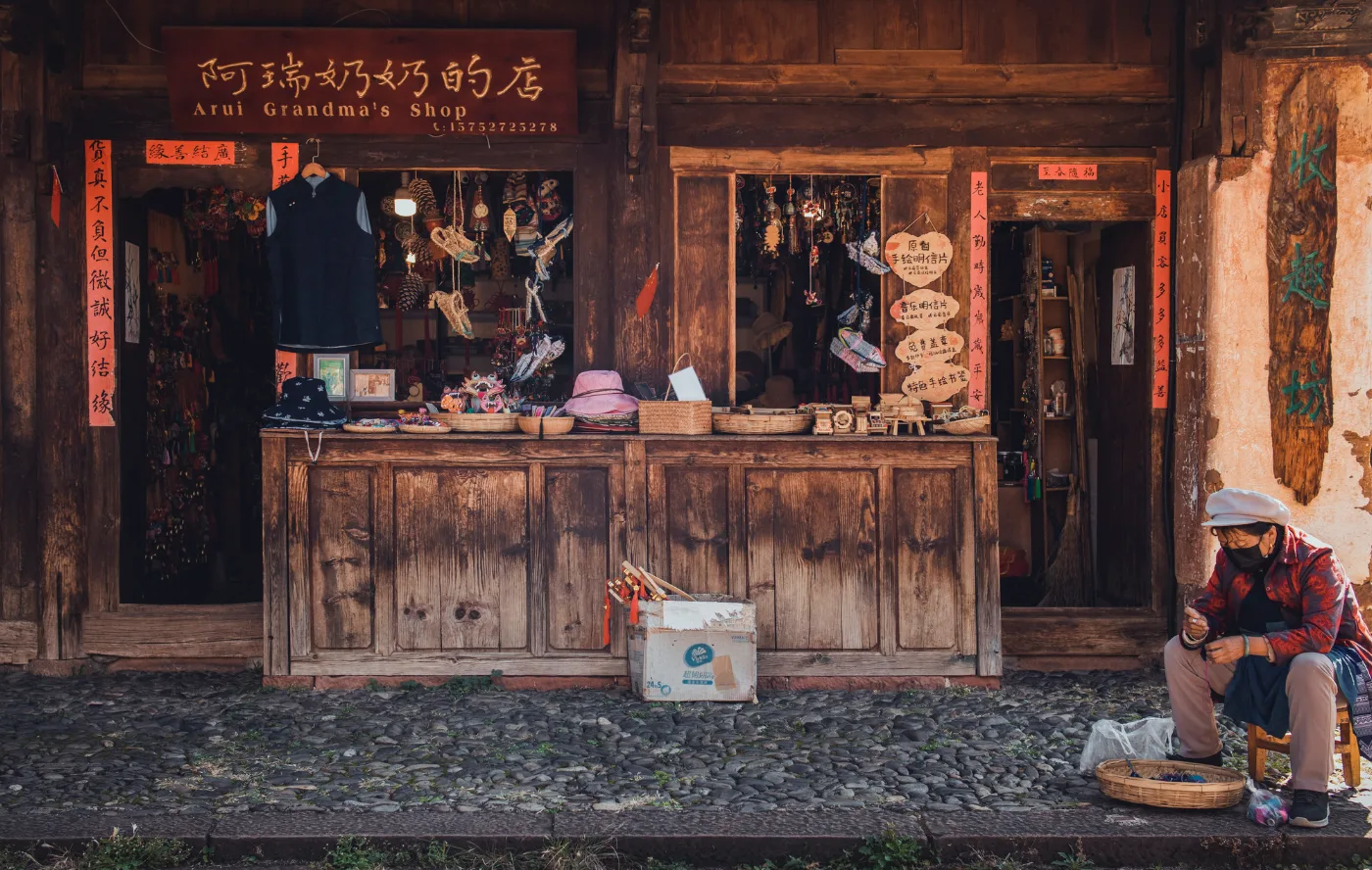
Shaxi has boutique guesthouses, cafés, and interesting shops, but commerce here feels more closely woven into everyday life than in many heavily commercialized old towns. You can browse a small shop along the old street, settle into a café, or simply watch locals gather for market day and chat with neighbors. The appeal lies less in the number of sights to visit than in the unhurried rhythm of the town,Shaxi is best appreciated when you have time to settle in rather than simply pass through.
Tengchong And Western Yunnan
Tengchong lies in western Yunnan, near the Myanmar border, away from the usual northwestern Yunnan route linking Dali, Lijiang, and Shangri-La. The region is known for its volcanic landscapes, hot springs, and history shaped by cross-border trade and cultural exchange.
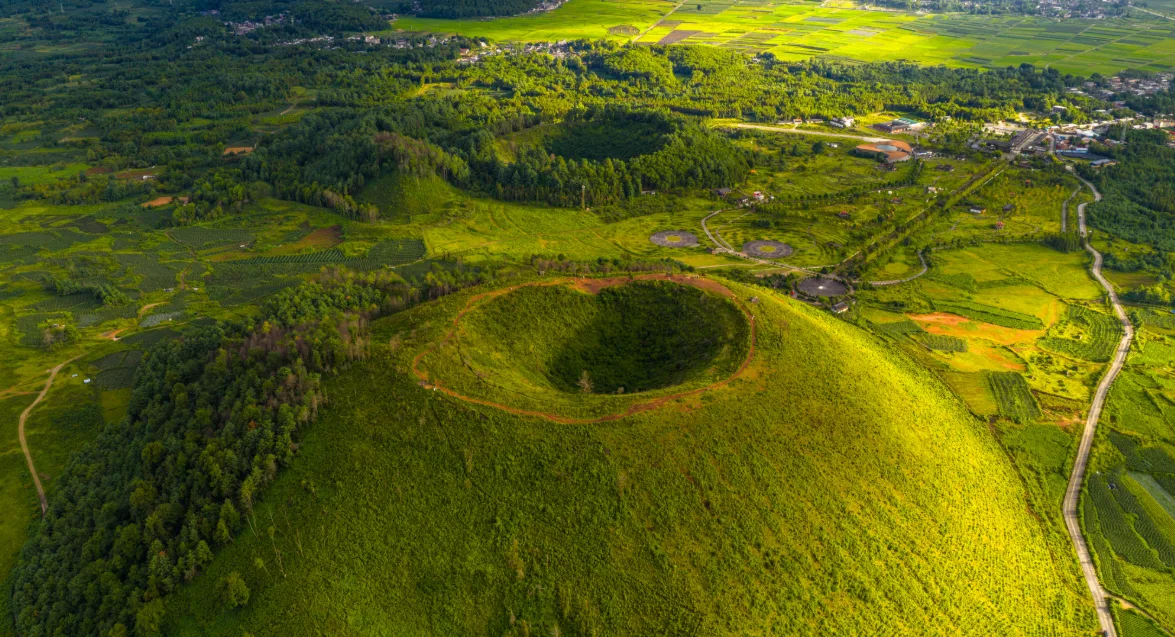
Heshun Ancient Town is one of Tengchong’s best-known destinations, with traditional residences, ancestral halls, and historic traces of overseas trade. It is also an established tourist destination, and its busiest streets have plenty of shops catering to visitors. If you are expecting a completely quiet, untouched village, it may not match that expectation.
Tengchong is better suited to travelers interested in geology, hot springs, and the history of western Yunnan. It works best as a separate trip combining volcanic landscapes, hot spring experiences, and Heshun Ancient Town. If you have only seven to ten days in Yunnan, however, it is usually not worth making a major detour just to include Tengchong.
Pu’er And Ancient Tea Mountains
If you’re interested in Yunnan’s tea culture, Pu’er is worth exploring beyond the city’s tea shops. The surrounding ancient tea forests, traditional villages, and communities that have cultivated tea for generations offer a closer look at how tea is woven into local life. Among them, Jingmai Mountain in Lancang County deserves a dedicated visit.
What sets Jingmai apart is the relationship between its forests, ancient tea trees, and villages. Tea grows beneath the forest canopy, and generations of local families have harvested and processed the leaves, with tea deeply rooted in their beliefs and daily lives.
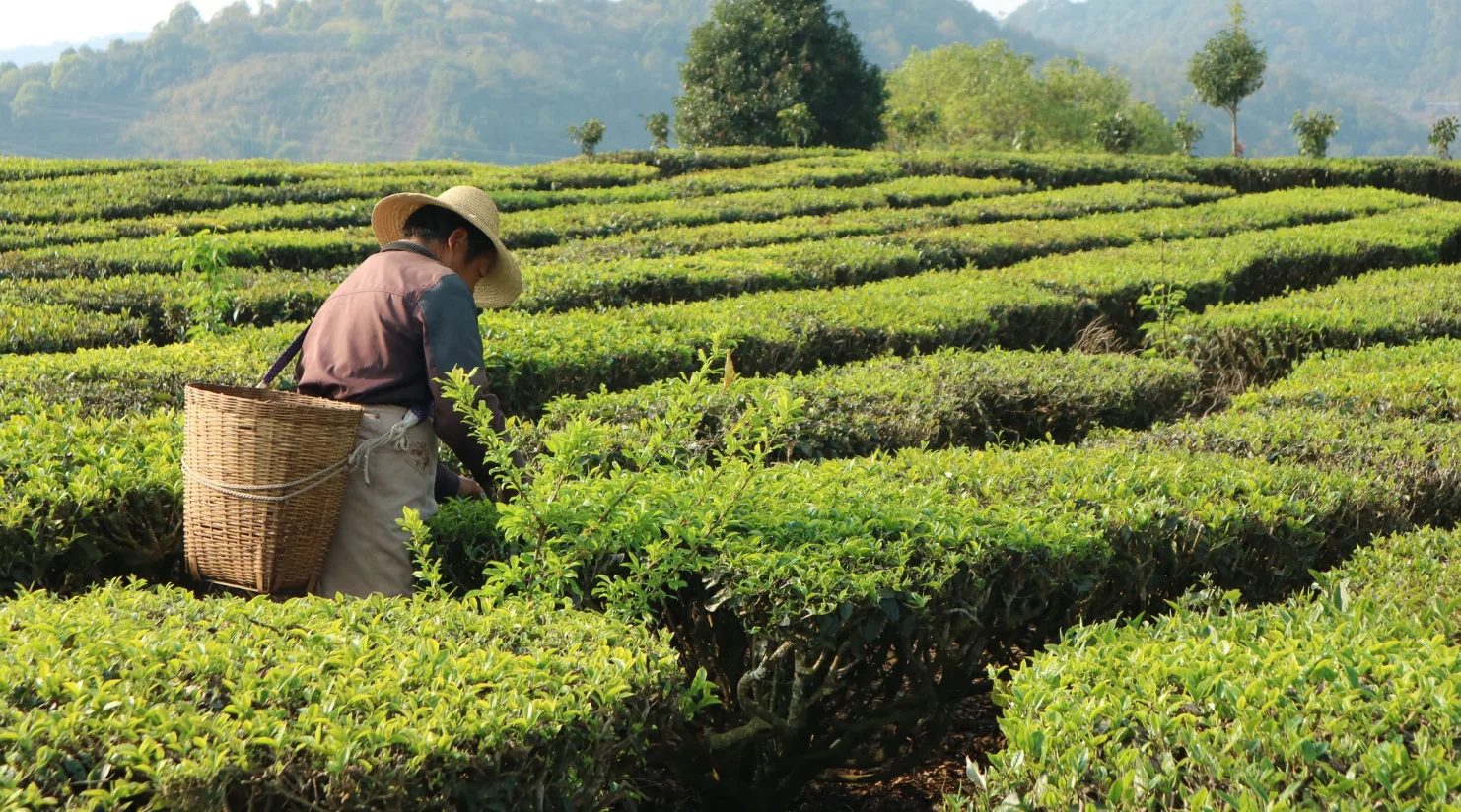
Each village has its own character. Wengji is a representative Blang village, known for its traditional houses, reverence for tea ancestors, and long-standing tea culture. Nuogan is known for its Dai architecture, with wooden houses nestled among the trees. Jingmai Dazhai is a larger Dai settlement and an important tea-producing village, while Mangjing Shangzhai, Mangjing Xiazhai, and Manghong offer further insight into Blang traditions and beliefs surrounding the origins of tea.
As Jingmai Mountain has grown in popularity, guesthouses, tea houses, cafés, and tourist shops have become increasingly common. Villages such as Wengji now have well-developed visitor facilities, so those expecting a completely undeveloped tea village with almost no tourists may be disappointed.
Allow time to walk through the ancient tea forests, learn how tea is cultivated beneath the forest canopy, and talk with local tea farmers about how harvesting and processing fit into everyday life. If you’re interested in tea culture, traditional villages, and mountain landscapes, Jingmai Mountain merits two to three days. You can also continue south to Xishuangbanna for a broader journey through southern Yunnan, combining tea-growing landscapes with tropical forests and Dai culture.
Nujiang And Remote Northwest Yunnan
Nujiang is one of Yunnan’s more rewarding regions for travelers who want to venture beyond the usual routes. The road follows a deep river valley, passing steep slopes, mountain forests, and villages scattered across the hillsides. Further north, around Gongshan and Bingzhongluo, you can learn more about the lives of the region’s different ethnic communities. With more time, continue from Gongshan to Dulongjiang Township to meet members of the Dulong community, including some of China’s last tattooed Dulong women.
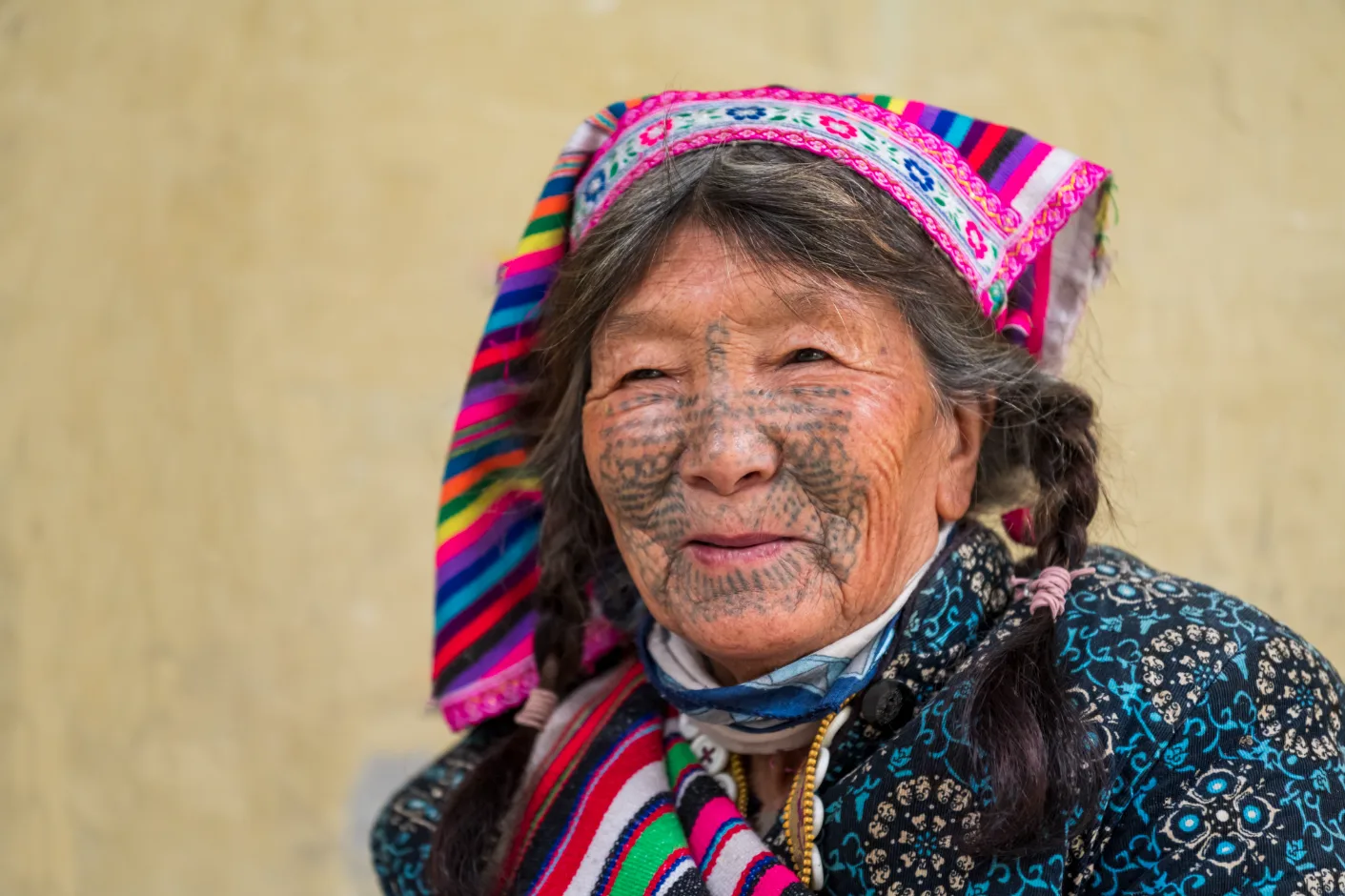
The tattooed Dulong women carry memories of a cultural practice that is gradually disappearing. In the past, Dulong girls were traditionally tattooed in their teens. The origins of the custom remain uncertain, with local explanations ranging from aesthetic ideals and spiritual beliefs to the historical need to protect women from being abducted by outsiders. There is no single, conclusive account. The practice is no longer passed down, and only a small number of tattooed women remain, most of them elderly.
With arrangements made through Eastogo, travelers may have the opportunity to visit a woman in her home, hear her personal account of the tattooing tradition, and learn how she understands it today. Such encounters offer a way to understand not only an old custom, but also the history and changing lives of the Dulong people.
Nujiang’s remoteness requires extra time for transport and accommodation. Mountain roads are winding, journeys between villages can be long, and reaching Dulongjiang means traveling further into the mountains from Gongshan. Avoid packing too much into each day.
The region is best suited to travelers interested in mountain road trips, ethnic cultures, and nature. Choose one stretch of the valley as the focus of your visit, leaving time for village visits, short hikes, and conversations with local people. Before setting out, confirm road conditions, weather, and arrangements for visiting communities.
Speak to An Expert
Starting Your Jounrney with Eastogo
Start designing your China journey with our destination experts.
Make An InquiryGetting Around Yunnan
Rail connections between Yunnan’s main destinations have improved considerably. Kunming, Dali, Lijiang, and Shangri-La can now be linked by bullet trains, while trains also connect Kunming with Pu’er and Xishuangbanna. This makes it possible to combine rail travel with many classic routes through northwestern and southern Yunnan, reducing time spent on long road journeys.
However, trains do not reach every place worth exploring. Meili Snow Mountain, Yubeng, Lugu Lake, Yuanyang, and many remote villages and nature reserves still require road transport, and dongchuan red land is usually reached by private car or coach rather than rail. For travelers visiting the main cities, trains and local public transport are often sufficient. If you want to reach remote villages, photograph sunrise, or visit several out-of-the-way places in one day, a private vehicle offers greater flexibility.
And if your plans go beyond sightseeing — visiting ethnic minority families, trying traditional crafts, or exploring remote landscapes and communities — local knowledge and connections matter just as much as transportation. Eastogo can arrange local experiences, drivers, and guides around your interests, bringing the journey together around what you actually want to discover.
Yunnan Tour Ideas By Travel Style
Yunnan itineraries can be tailored to different interests. Rather than trying to fit in as many destinations as possible, choose a pace that lets you enjoy each place, taking into account the season, your fitness level, altitude tolerance, and the time you have available.
Classic First-Time Yunnan Tour
A classic Yunnan route starts in Kunming, with kunming’s stone forest as an optional early stop, before continuing through Dali, Lijiang, and Shangri-La for first-time visitors. Over 7–10 days, you can combine old towns, lakes, snow mountains, and encounters with different ethnic cultures. If hiking is a priority, add Tiger Leaping Gorge between Lijiang and Shangri-La; for a more relaxed trip, spend a few extra days in Dali or Lijiang.
This route suits first-time visitors who want a balance of nature and culture. Traveling gradually toward higher elevations also allows more time to adjust before reaching the northwestern plateau.
Yunnan Trekking And Outdoor Tour
If hiking is your main priority, start with shorter walks around Lijiang before deciding whether to take on a multi-day trek at Tiger Leaping Gorge or Yubeng. Tiger Leaping Gorge suits travelers looking for a classic mountain canyon trek, while Yubeng is better for those with more time and the ability to handle high altitude and changing mountain weather.
Around Shangri-La, there are also outdoor routes of varying difficulty. When planning, consider trail difficulty, elevation, season, and travel time together rather than choosing a destination on scenery alone.
Culture And Ethnic Communities Route
A cultural journey through Yunnan can begin in Dali and Lijiang, then extend to other regions depending on your interests. In Dali and Xizhou, explore Bai architecture, tie-dyeing, and village life. In Baisha, near Lijiang, discover Naxi mural painting and family traditions. For a closer look at cultural practices that are gradually disappearing, consider a dedicated journey to Dulongjiang Township in Nujiang.
If Tibetan Buddhism is your main interest, Shangri-La is an accessible starting point, and Songzanlin Monastery is well worth visiting. However, its main attractions are now well established on the tourist circuit. For a deeper understanding of Tibetan communities, religious traditions, and monastic life, consider extending your journey into Garzê, Derge, and Baiyu in Western Sichuan, where there are more monasteries and communities to explore at a slower pace.
The Hani rice terraces of Yuanyang and the Dai communities of Xishuangbanna fit better into a separate route through southern Yunnan. Distances between these regions are considerable, so trying to combine everything in a short trip is rarely worthwhile.
Eastogo can shape a route around your interests, combining traditional craft workshops, visits with local families, village exploration, and insights from local guides. For those drawn to lesser-known cultural traditions, we can also arrange visits with tattooed Dulong women in Dulongjiang Township or combine Yunnan with a journey into Tibetan communities in Western Sichuan.
Speak to An Expert
Starting Your Jounrney to Yunnan
Start designing your China journey with our destination experts.
Make An InquiryYunnan Photography Tour
Yunnan offers varied opportunities for dedicated photography tours. Meili Snow Mountain and Shangri-La are ideal for snow peaks, highland landscapes, and sunrise shots. The Yuanyang Rice Terraces are especially rewarding for reflections, sunrise, and sunset. Dongchuan Red Land is another strong subject for spring and autumn photography, while Erhai Lake and Lugu Lake offer opportunities to photograph lakeside villages and everyday life.
A good photography itinerary needs to account for the season, light, and weather. Snow mountain views often depend on finding a clear window in the early morning, while conditions at Yuanyang change with the water levels and shifting mist. Flexible private transport and a guide familiar with local viewpoints can help you make the most of the available light and spend less time getting between locations.
Lakes And Slow Travel Route
If you prefer lakeside scenery, village walks, and a more relaxed pace, northwestern Yunnan is ideal for a slower journey.
Spend a few nights in Dali, cycling along Erhai Lake and exploring Bai villages such as Xizhou during the day, then returning to a boutique hotel by the lake or at the foot of the Cangshan Mountains. With plenty of thoughtfully designed guesthouses and resort hotels, Dali is well suited to a restful stay without a packed sightseeing schedule.
For a quieter setting away from the busier old towns, spend another night or two in Shaxi. Its old lanes, country roads, and unhurried daily life invite you to walk, linger over coffee, and explore nearby villages rather than rush between attractions.
Lugu Lake is another good choice for slow travel. The drive from Lijiang takes time, so staying two or three nights allows you to enjoy a traditional wooden boat ride, lakeside walks, and village visits without rushing. Scenic lakeside accommodation also makes it easy to combine sunrise views with time to simply relax.
This route suits couples, families, and anyone who wants a holiday rather than a checklist of sights. Instead of changing hotels every day, choose one or two places you love and let the lakes, villages, and rhythms of local life become part of the experience.
Wildlife And Nature Route
Yunnan offers several worthwhile opportunities for wildlife watching. Northwestern Yunnan is home to rare primates, Xishuangbanna’s tropical forests provide habitat for Asian elephants, and parts of southern Yunnan are known for their diversity of butterflies and birds.
For monkey watching, consider the Yunnan Golden Monkey National Park in Tacheng, Weixi County, Diqing, an important site for observing wild Yunnan snub-nosed monkeys. Under the supervision of reserve staff, visitors may see them foraging, grooming, and moving through the forest. To look for Asian elephants, head to Wild Elephant Valley in Xishuangbanna, where viewing platforms and elevated walkways offer opportunities to observe elephant activity in the rainforest.
Insect watching is another highlight. Butterfly Valley in Jinping County, Honghe Prefecture, is home to hundreds of butterfly species and, in some years, spectacular mass emergences. Birdwatchers should also consider the Gaoligong Mountains, where varied elevations and habitats support a rich diversity of mountain birds and primates. A guide familiar with local species can make wildlife observation more rewarding.
Wildlife watching requires knowledge, patience, and respect for the natural environment. Animals appear on their own terms, and sightings can never be guaranteed. Choosing a knowledgeable local guide and following reserve regulations helps make the experience both meaningful and responsible.
Yunnan Tour Itineraries By Duration
7-Day Yunnan Highlights
SeYunnan brings together an extraordinary variety of landscapes and cultures. In the northwest, snow-capped peaks rise above deep gorges and high-altitude lakes. Farther south, Hani rice terraces shape the hillsides, ancient tea mountains give way to the tropical rainforests of Xishuangbanna, and the rhythm of life changes with the landscape.
You might cycle along Erhai Lake in Dali, explore Naxi culture in Lijiang, visit Tibetan Buddhist monasteries in Shangri-La, or venture into remote villages to see how local traditions remain part of everyday life.
Yunnan is particularly rewarding for travelers drawn to regional cultures, natural landscapes, and outdoor exploration. Its vast size, however, means that destinations can be far apart, with considerable differences in climate and altitude. Choosing the right route depends on the season, your interests, the time available, and how well you adapt to high elevations.
10-Day Classic Yunnan Tour
Ten days allows you to combine Kunming, often with a short stop at kunming’s stone forest before continuing on the classic northwestern route, with a classic Dali-Lijiang-Shangri-La route, and bullet trains make the Kunming–Dali–Lijiang section convenient before continuing by road to Tiger Leaping Gorge or Shangri-La, balancing old towns, lakes, hiking, and Tibetan culture. Adjust the time spent in each place to suit your interests, such as adding an extra day in Dali for cycling or exploring villages around Lijiang.
If Meili Snow Mountain is a priority, consider focusing more of the itinerary on northwestern Yunnan, allowing enough time for Shangri-La, Deqin, and the mountain viewpoints. A multi-day trek in Yubeng usually requires additional days, so it is better not to squeeze it into an already full ten-day route.
12–14 Day In-Depth Yunnan Tour
Twelve to fourteen days allows for a more in-depth journey through Yunnan, but it is still best to focus on one main region rather than trying to cover the entire Yunnan Province.
- Northwestern Yunnan: Nature and Hiking — Dali → Lijiang → Tiger Leaping Gorge → Shangri-La → Meili Snow Mountain / Yubeng.
- Culture and Lakes — Dali → Shaxi → Lijiang → Lugu Lake, with further stops depending on transport and interests.
- Southern Yunnan: Culture and Nature — Kunming → Jianshui → Yuanyang → Pu’er → Xishuangbanna.
Private Tour Or Independent Travel In Yunnan?
Yunnan is well suited to independent travel. If you mainly want to explore old towns, enjoy natural scenery, and try local food, popular destinations such as Kunming, Dali, Lijiang, and Shangri-La have well-developed tourist facilities. With high-speed rail, local transport, and activities booked in advance, it is relatively easy to plan a rewarding trip.

But if you want to discover Yunnan beyond its main attractions and understand the cultures and daily lives of its different ethnic communities, how you travel becomes just as important as where you go. Visiting traditional villages, meeting local families, learning Bai tie-dyeing or Naxi crafts, and exploring remote mountain monasteries often require more than transport arrangements. They call for cultural understanding and genuine connections with local people.
This is where Eastogo brings a different perspective to travel in Yunnan. We design and organize journeys across the province, maintaining close relationships with local guides, artisans, village families, and communities. These connections allow us to arrange cultural experiences around your interests, giving you opportunities to take part in local life rather than simply observe it as a visitor.

If you want to discover more than Yunnan’s best-known sights, get in touch with Eastogo and tell us what interests you — from local cultures and natural landscapes to the way you prefer to travel.
Speak to An Expert
Starting Your Jounrney to Yunnan
Start designing your China journey with our destination experts.
Make An InquiryAccommodation And Food
Yunnan offers accommodation for every style of travel, from guesthouses in old towns and boutique hotels by the lake to highland inns and family-run stays in remote villages. Dali and Lijiang have plenty of options, while accommodation around Yubeng, Tiger Leaping Gorge, and more remote mountain areas is often more limited. Booking ahead is advisable during peak season.

Yunnan’s food reflects the cultural diversity of the province. In Dali, try Bai cuisine and rushan cheese; Lijiang offers Naxi specialties; Shangri-La’s Tibetan food features barley, butter, and yak meat; and Xishuangbanna is known for Dai dishes, aromatic herbs, and tropical ingredients.

Wild mushrooms are also an important part of Yunnan’s cuisine, but only eat them at reputable restaurants. Never pick or eat wild mushrooms from an uncertain source, as some can cause serious poisoning. If you develop symptoms of possible mushroom poisoning, seek medical attention immediately.
Vegetarian, vegan, and allergy-related dietary requirements should be communicated in advance. English may be limited in remote areas, so confirm meal arrangements before setting out. For a closer look at local life, consider a guesthouse or family experience that involves the surrounding community, while respecting the hosts’ routines and privacy.
Travel Tips for Yunnan
Health, Altitude And Safety Planning
Not all of Yunnan lies at high altitude. Kunming and Dali sit at around 1,900 meters, Lijiang at about 2,400 meters, and Shangri-La at roughly 3,300 meters. Routes around Jade Dragon Snow Mountain, Meili Snow Mountain, and Yubeng can reach much higher elevations, so the physical demands vary considerably from one itinerary to another.
If you plan to explore northwestern Yunnan, increase your overnight altitude gradually where possible, take it easy on your first day, and allow time to acclimatize. For high-altitude hikes, consider the weather, trail difficulty, and your own fitness. If symptoms persist or worsen, stop the activity and seek medical attention promptly.
Mountain roads in some parts of Yunnan are also vulnerable to heavy rain, so check the weather forecast and road conditions before setting out.
Packing Tips
Yunnan’s varied elevations and climates mean you may travel from warm river valleys to cold highlands on the same trip. Pack layers, including a warm mid-layer, a windproof and waterproof jacket, comfortable walking shoes, and sun protection.
If you plan to hike Tiger Leaping Gorge or Yubeng, also prepare suitable hiking boots, rain gear, personal medication, a power bank, and enough drinking water for your route.
Practical Tips For International Travellers
English-speaking services are more readily available in Yunnan’s main tourist cities, but communication can be difficult in remote villages and mountain areas. Save the Chinese names and addresses of your hotels and destinations in advance to make transport and check-ins easier.
Before your trip, arrange a SIM card or eSIM that works in China and download offline maps. Alipay and WeChat Pay are widely used in cities, and international visitors can set them up in advance by linking a bank card. Still, carry some cash when visiting remote areas, where mobile payments may be affected by poor connectivity.
Mountain weather can change quickly, affecting roads and outdoor activities, especially during the rainy season. Avoid packing too much into your itinerary or assuming that map estimates will always reflect actual driving times. For remote destinations, leaving room for delays and changes is often more practical than planning every minute.
Responsible Travel And Ethical Photography

Yunnan’s cultural diversity and natural landscapes are among the most rewarding parts of traveling here. Always ask permission before photographing residents, family life, or cultural activities. When visiting monasteries, follow local rules, respect ongoing religious practices, and never photograph areas where photography is prohibited.
When engaging with ethnic minority communities, avoid treating people’s lives as a spectacle. Choosing cultural experiences, guesthouses, and guides run by or developed in collaboration with local residents helps ensure that tourism income directly benefits the communities you visit.
In natural areas, never chase or feed wildlife for photographs, damage vegetation, leave litter, or disturb other visitors. Whether hiking across the plateau or observing wildlife in tropical forests, respecting local communities and the natural environment should be part of every journey.
Why Choose Eastogo For A Yunnan Tour?
Yunnan’s character lies in the striking differences between its landscapes and the ways people live across the province, making it a remarkably diverse province. From snow mountains and Tibetan villages in the northwest to Bai settlements around Dali, Hani rice terraces in Yuanyang, and the tropical forests and Dai communities of Xishuangbanna, each region has its own cultural roots. To experience Yunnan more deeply takes more than visiting old towns, photographing mountain peaks, or touring villages. It means understanding how local life, beliefs, and traditions are shaped by the land — something best discovered by spending time in communities and learning from people who know them well.
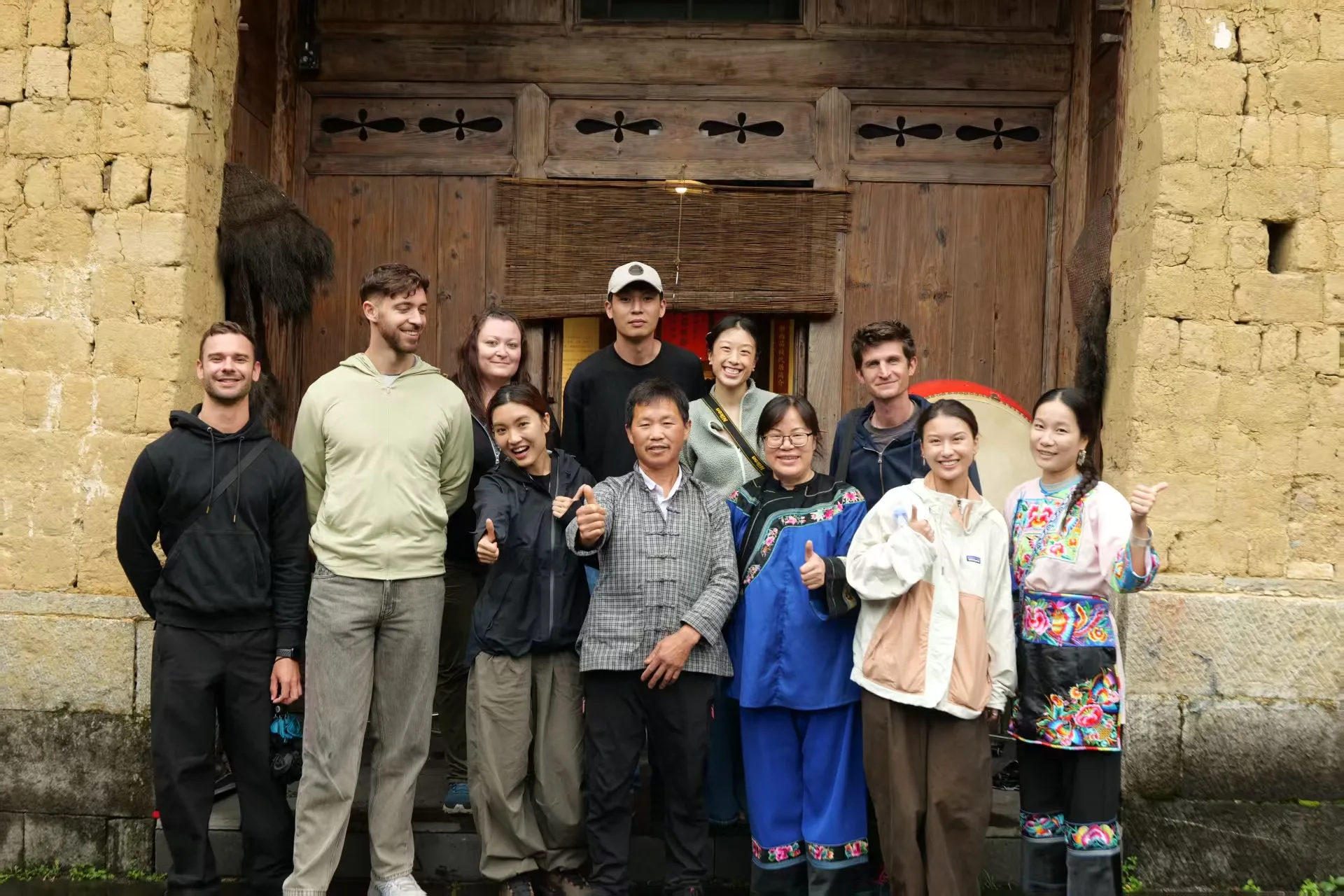
Eastogo specializes in in-depth private journeys across southwest China, including Western Sichuan, Guizhou, Yunnan, Guangxi, and Hunan. We help travelers discover the cultures and landscapes beyond the best-known sights.Through long-term relationships with local drivers, guides, and communities, we arrange village visits, cultural activities, and opportunities to connect with everyday life that many visitors miss — from learning about family life in traditional villages and understanding religious practices in monasteries to exploring the tea mountains, rice terraces, tropical forests, and snow capped mountains that shape the region.
Each journey is tailored to your interests, pace, and available time, with careful attention to transport, weather, and mountain travel safety. Whether you choose self-guided tours or private & custom tours, we help you explore Yunnan with greater comfort and confidence.
If Yunnan speaks to your curiosity, you our Yunnan Private Tour here, or take a look at our 7-Day Yunnan Tour: Ethnic Cultures & Snow Mountains. Also, we would be happy to help you create a journey that reflects your interests and the way you want to experience this remarkable region.
Speak to An Expert
Starting Your Jounrney to Yunnan
Start designing your China journey with our destination experts.
Make An Inquiry