Yunnan Private Tour
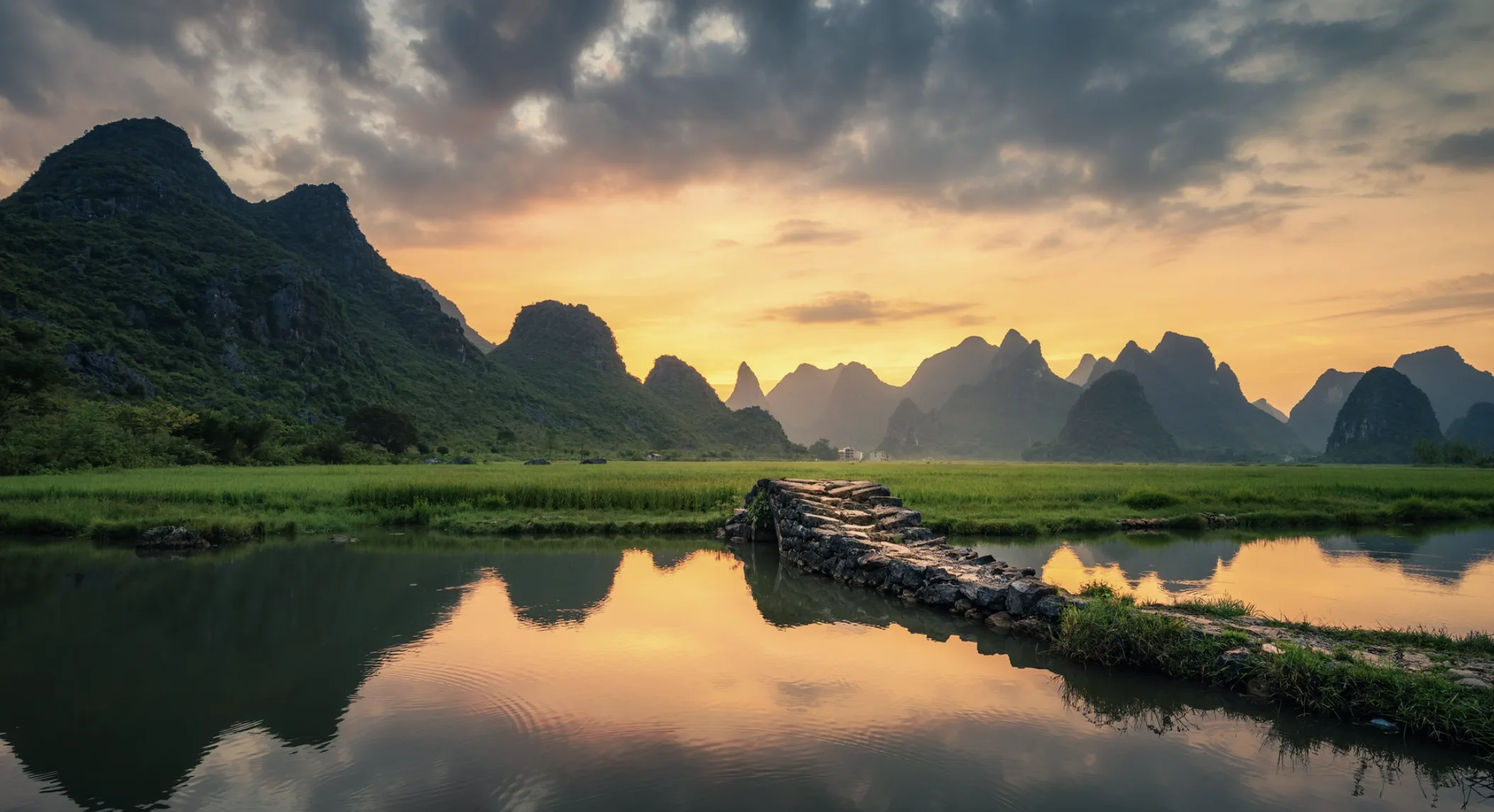
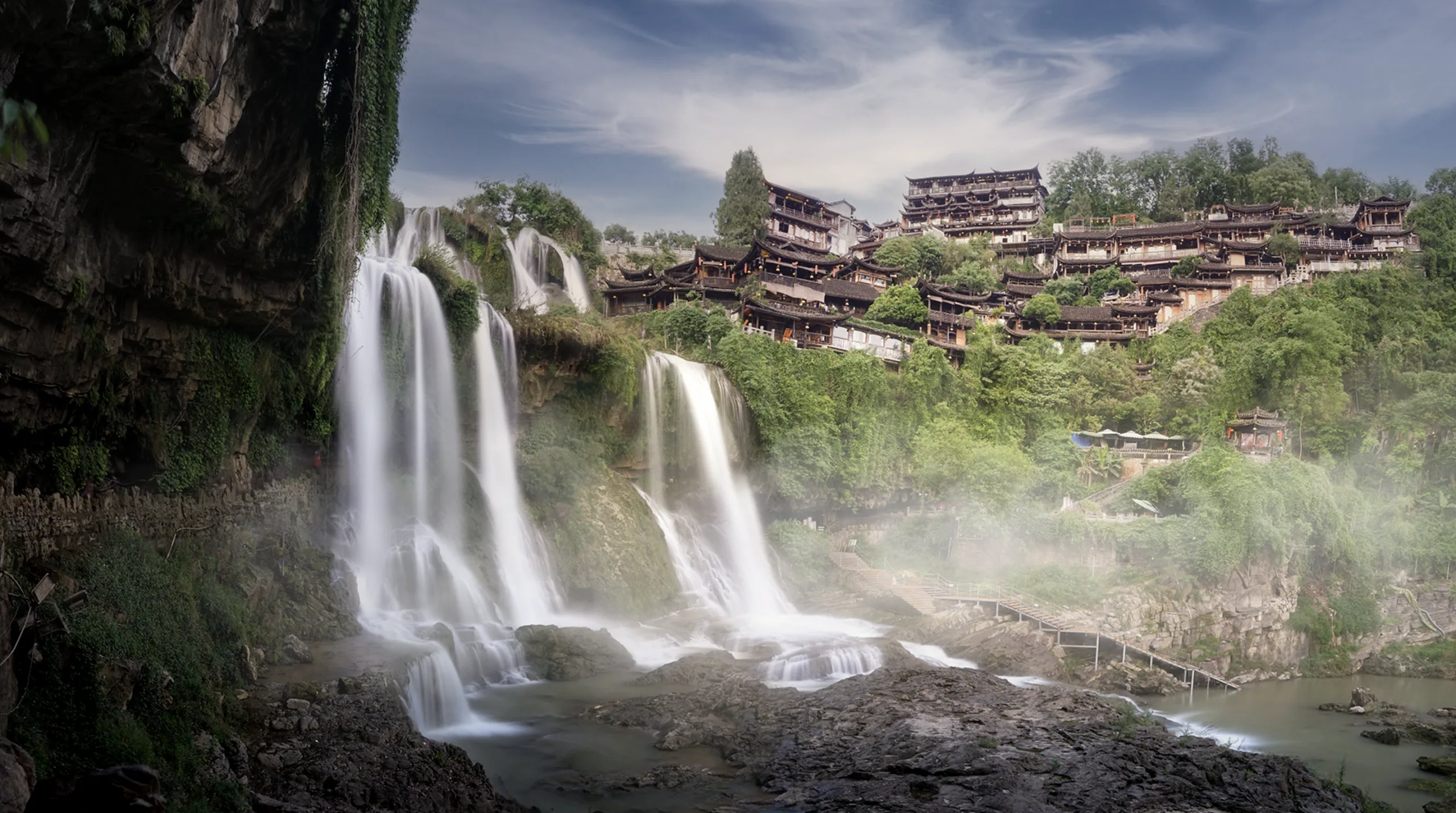
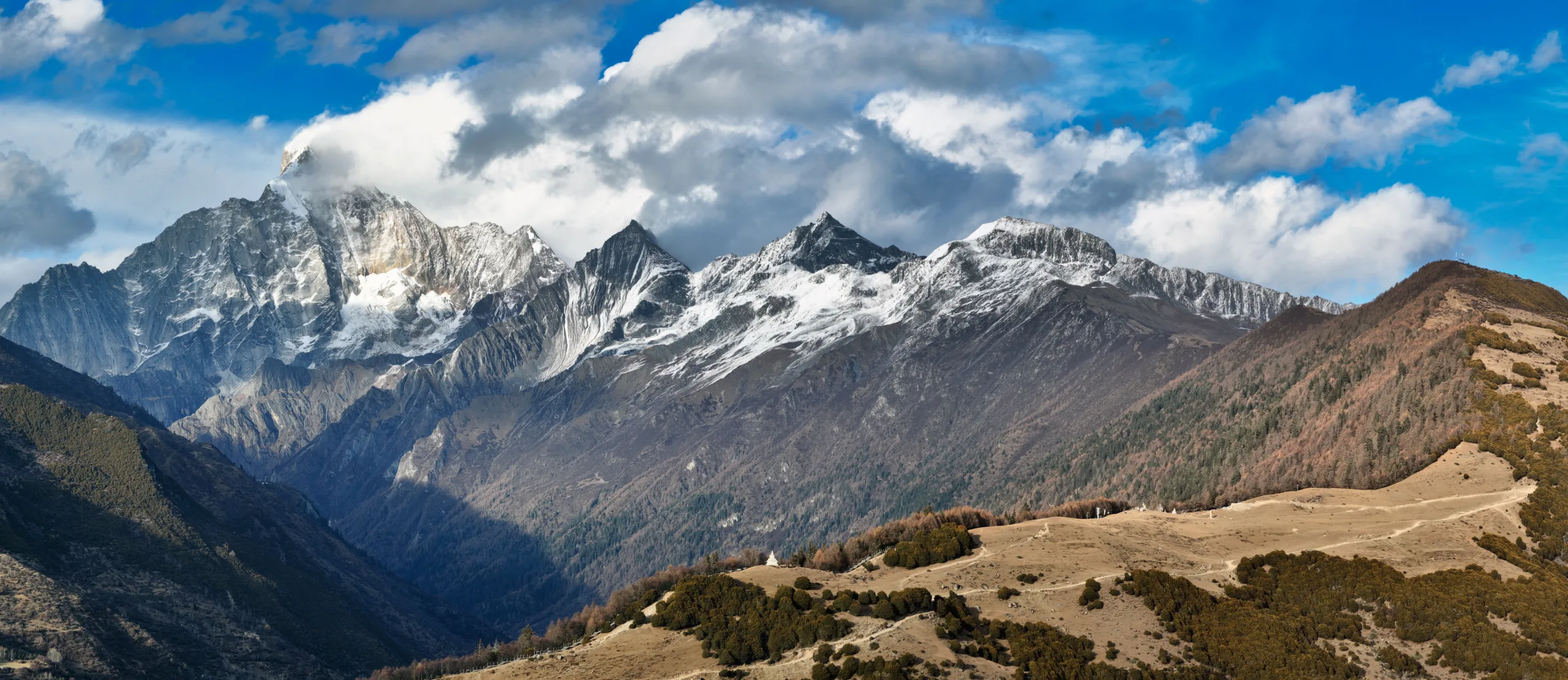
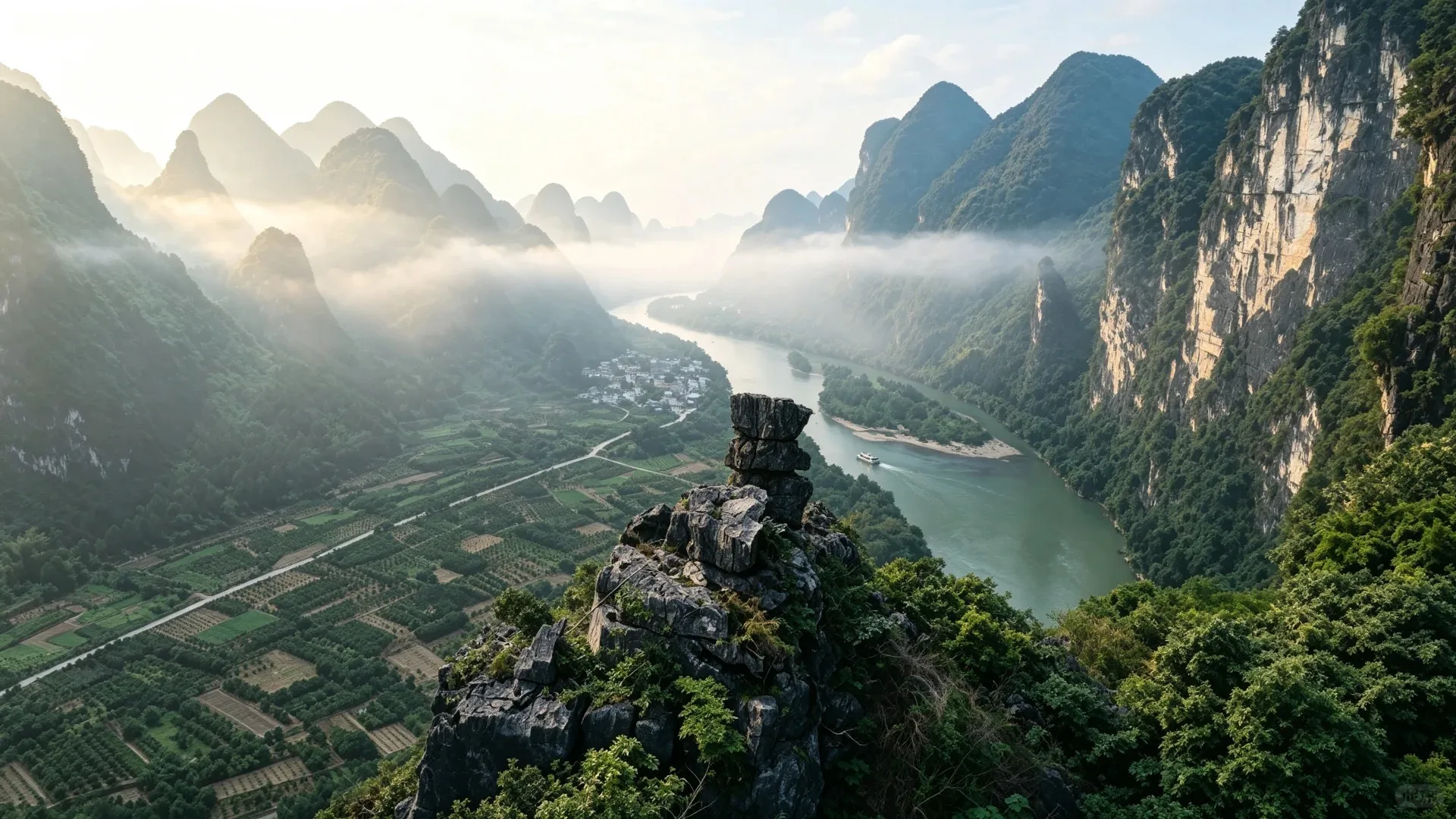
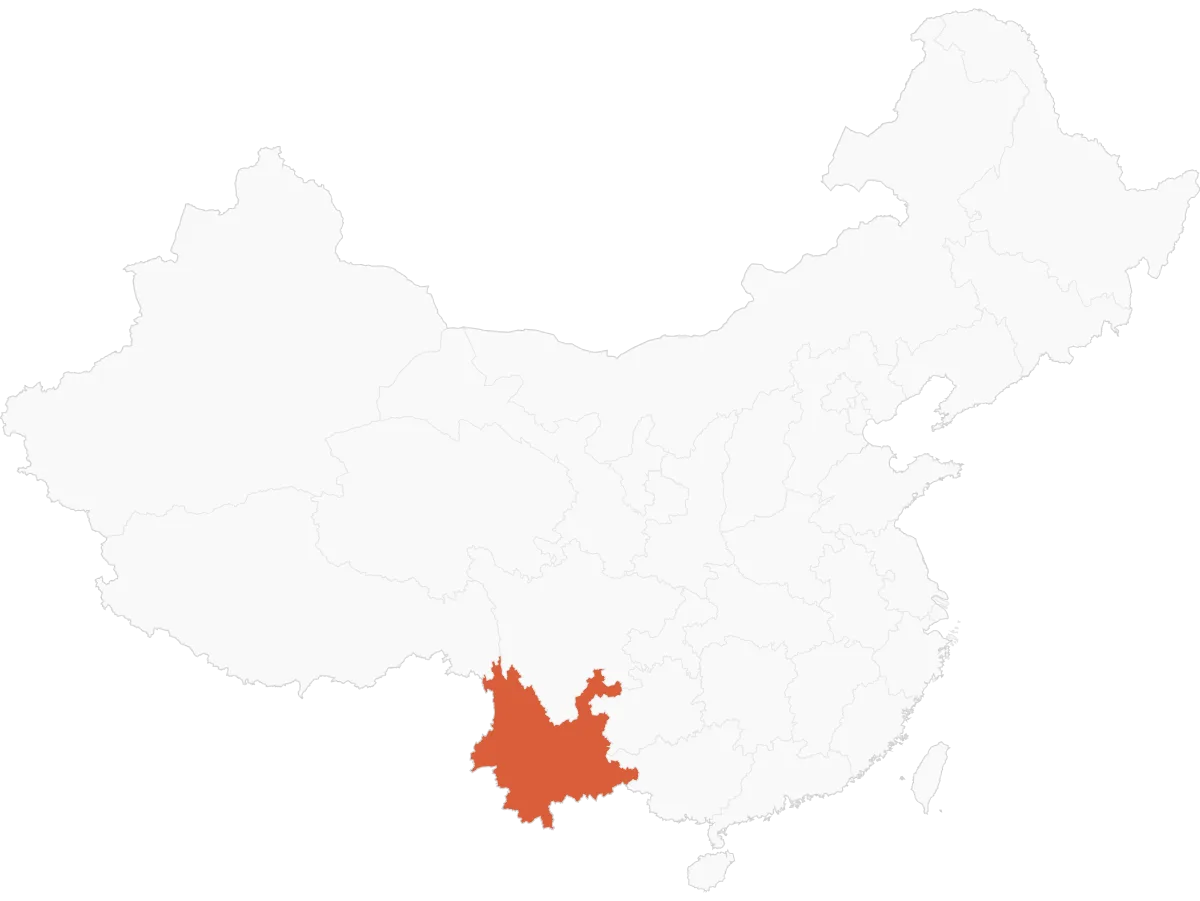
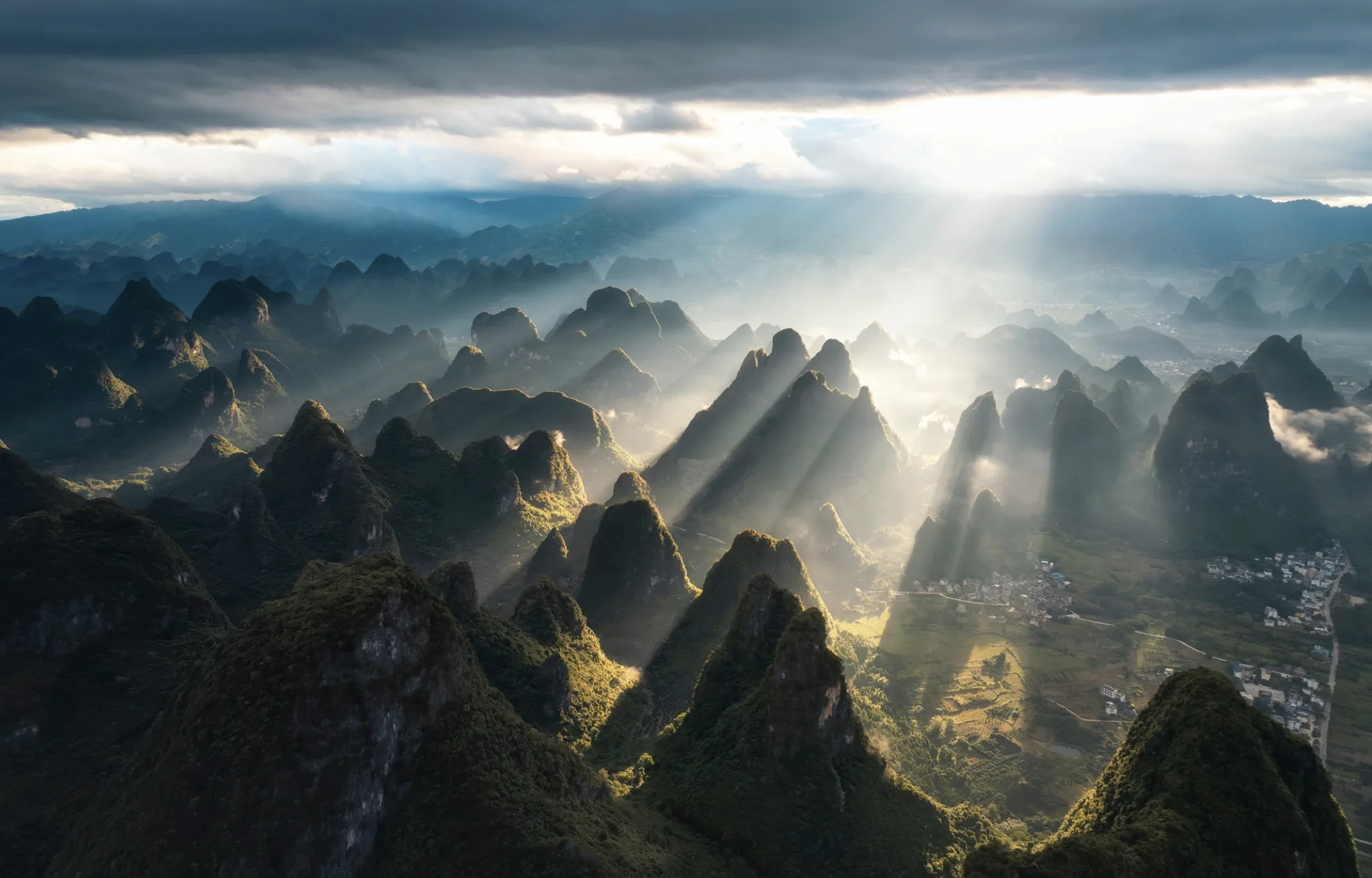
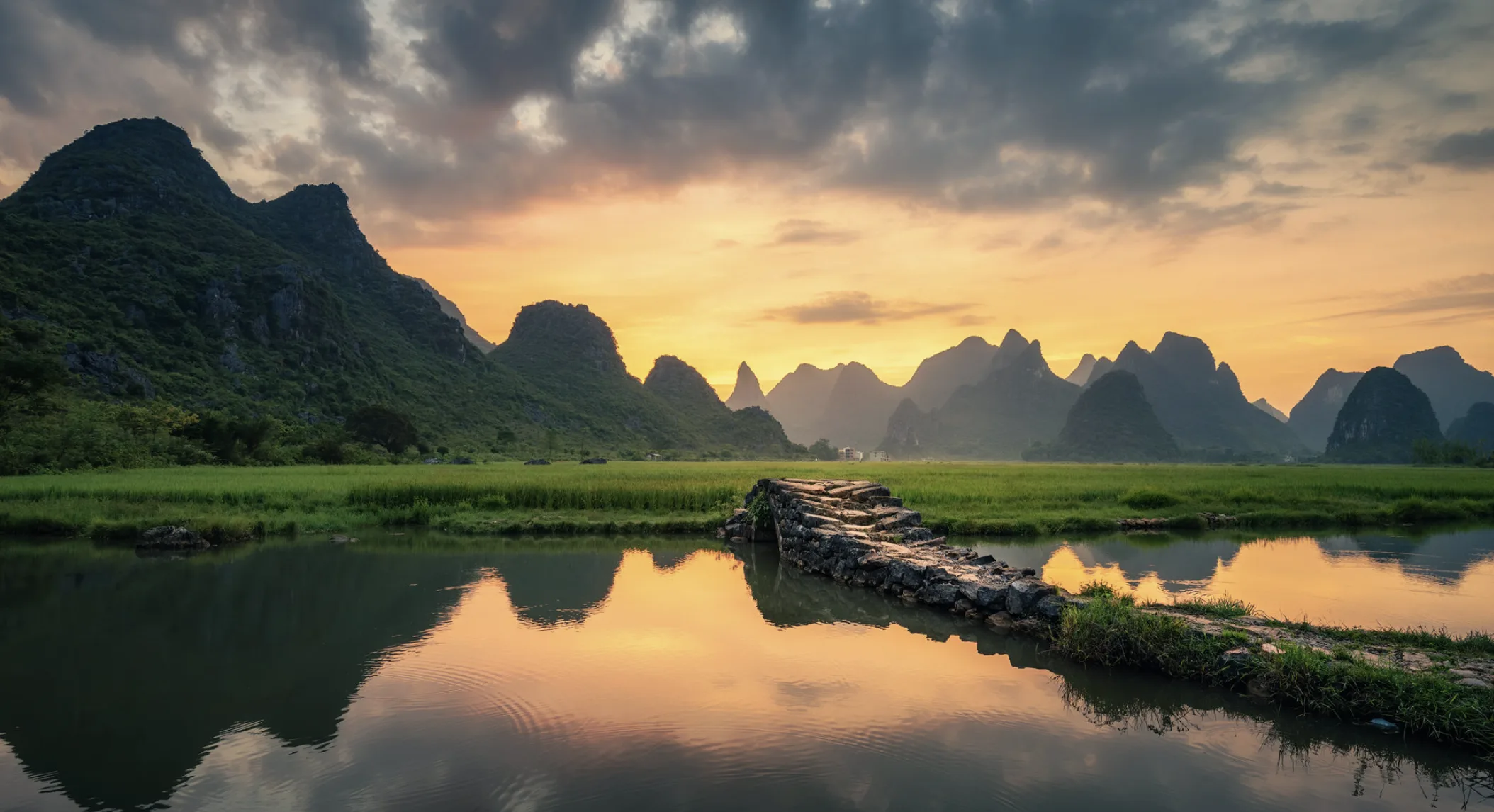
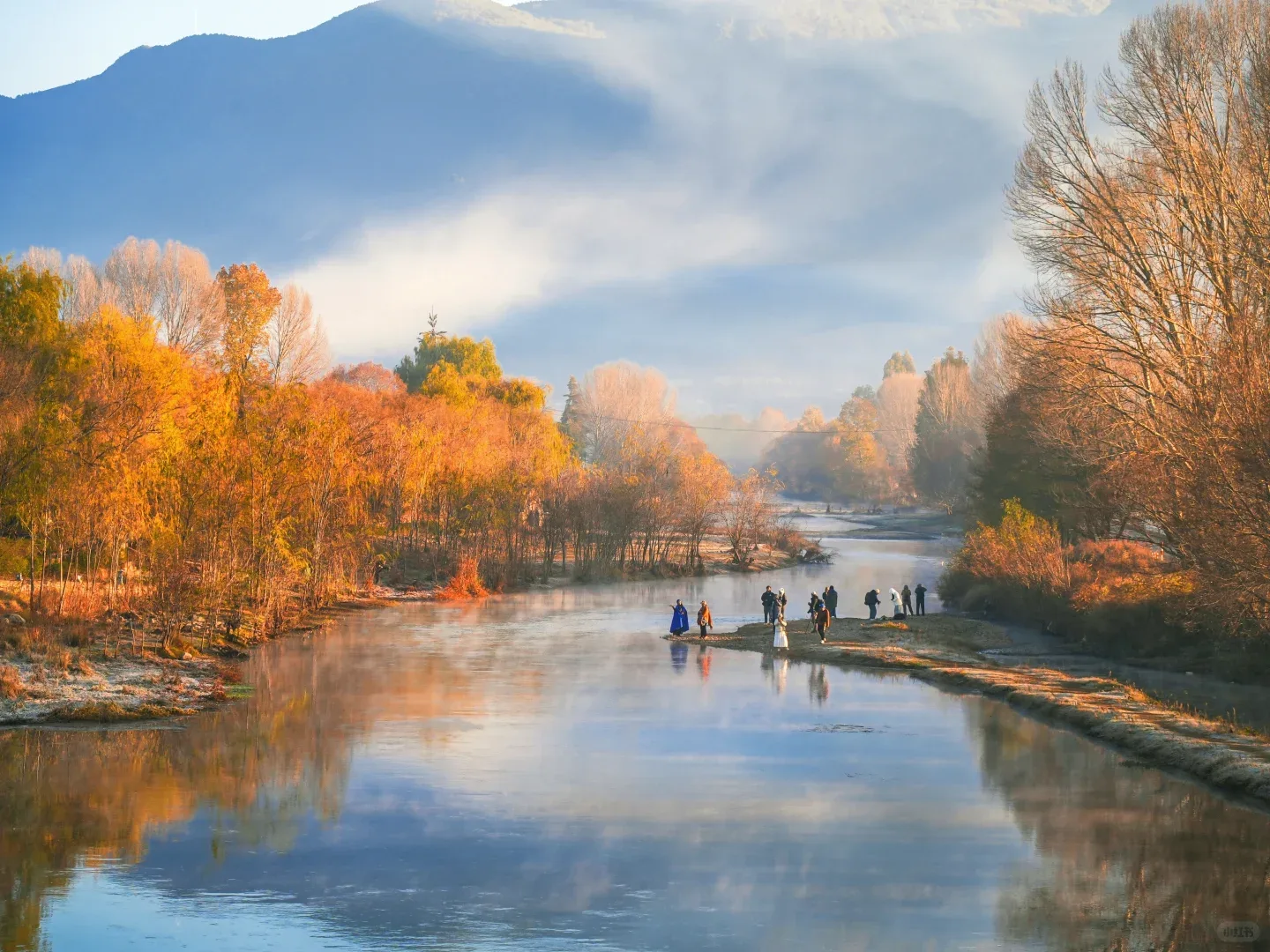
Yunnan is one of China’s most culturally and geographically diverse regions, where snow-capped mountains, ancient towns, rainforest valleys, tea forests, and distinct ethnic traditions shape a remarkable range of journeys.
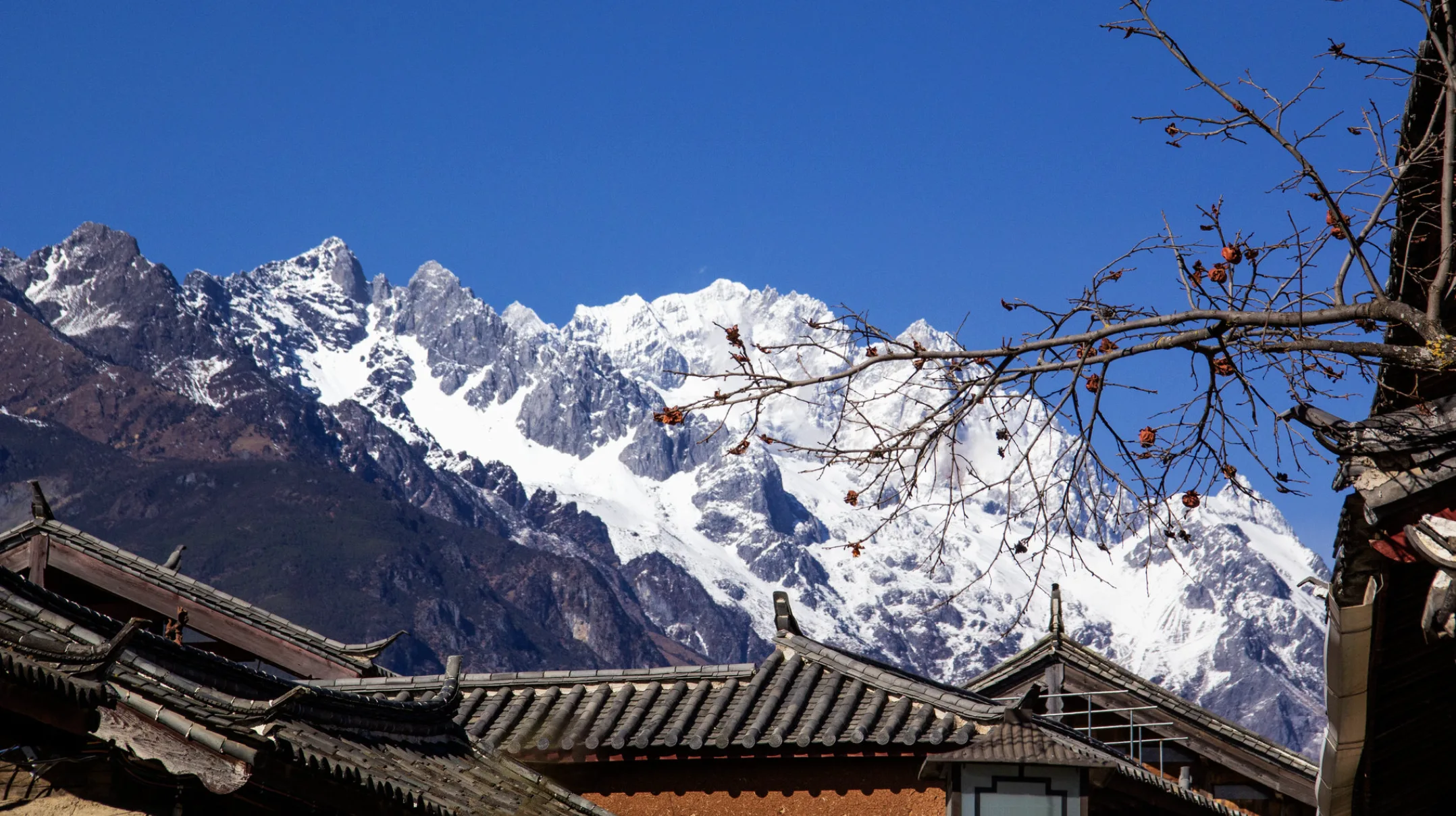
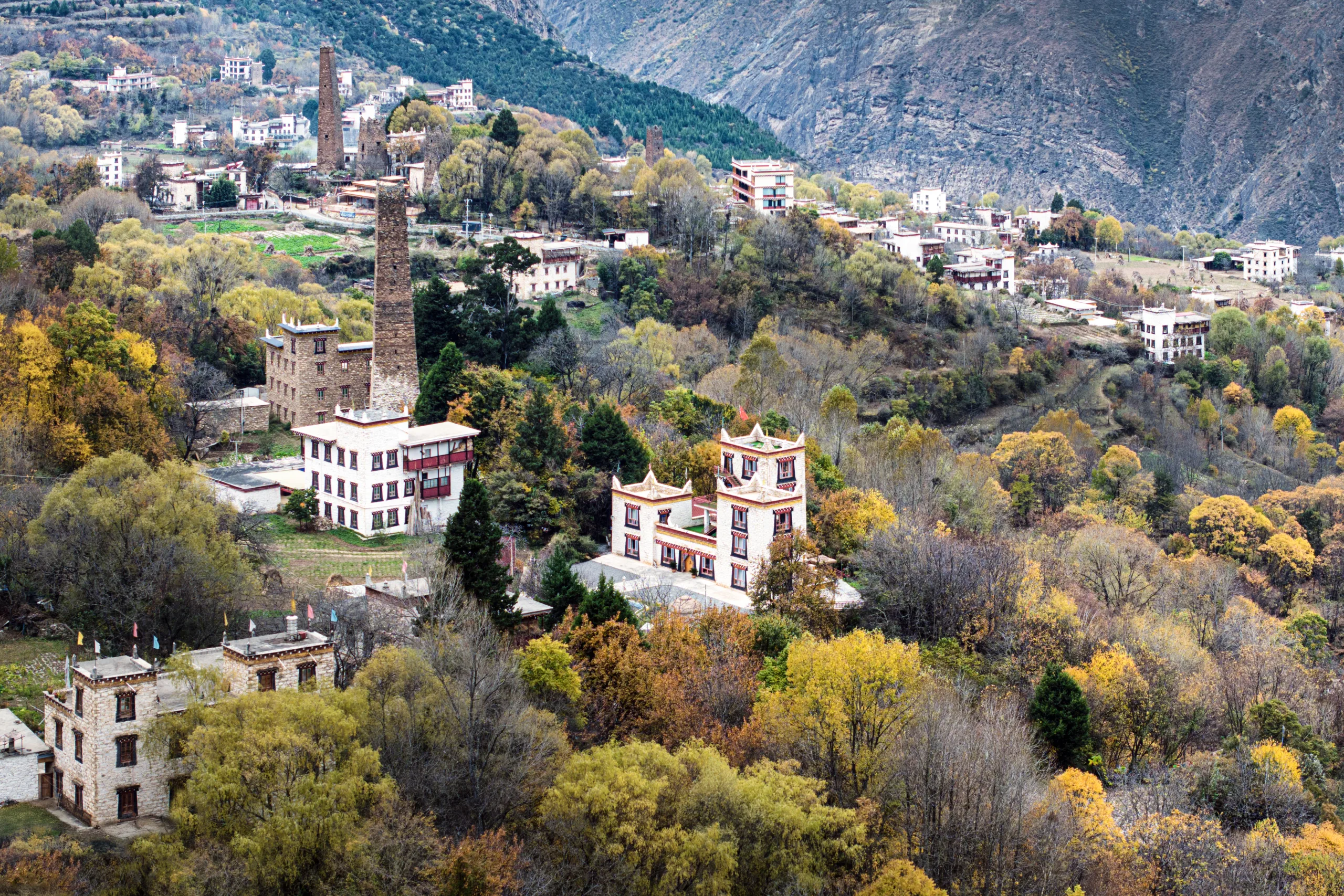
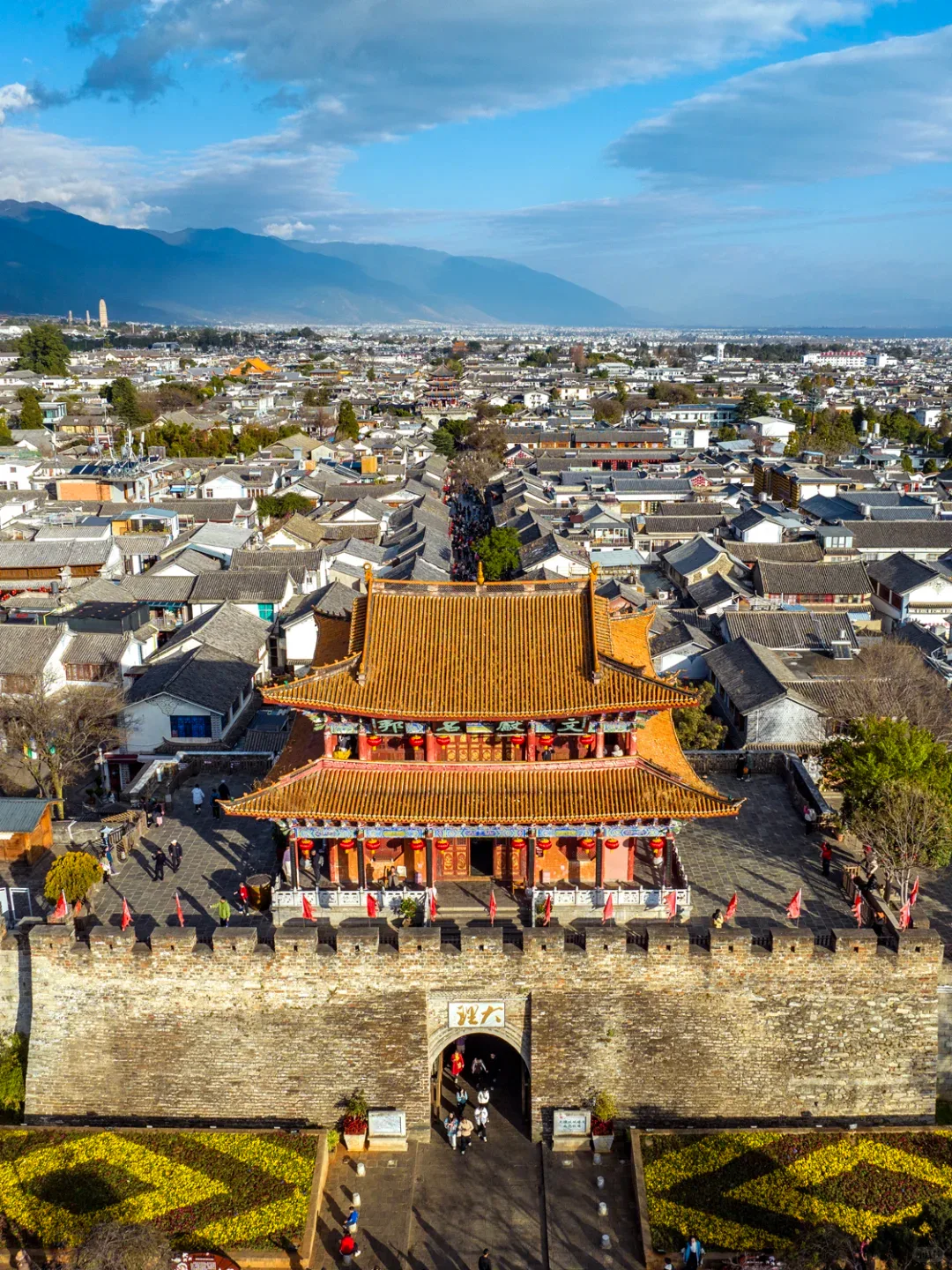
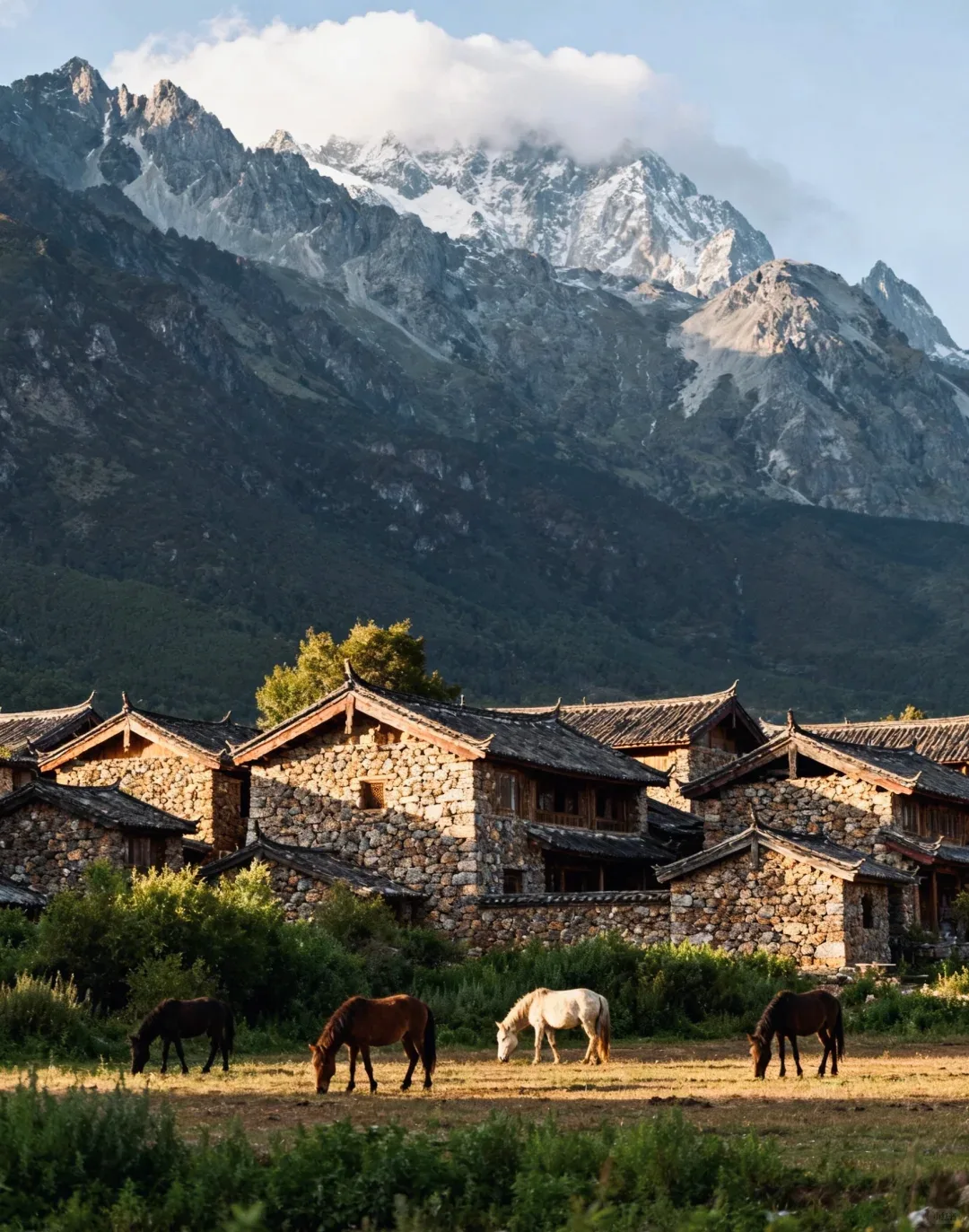
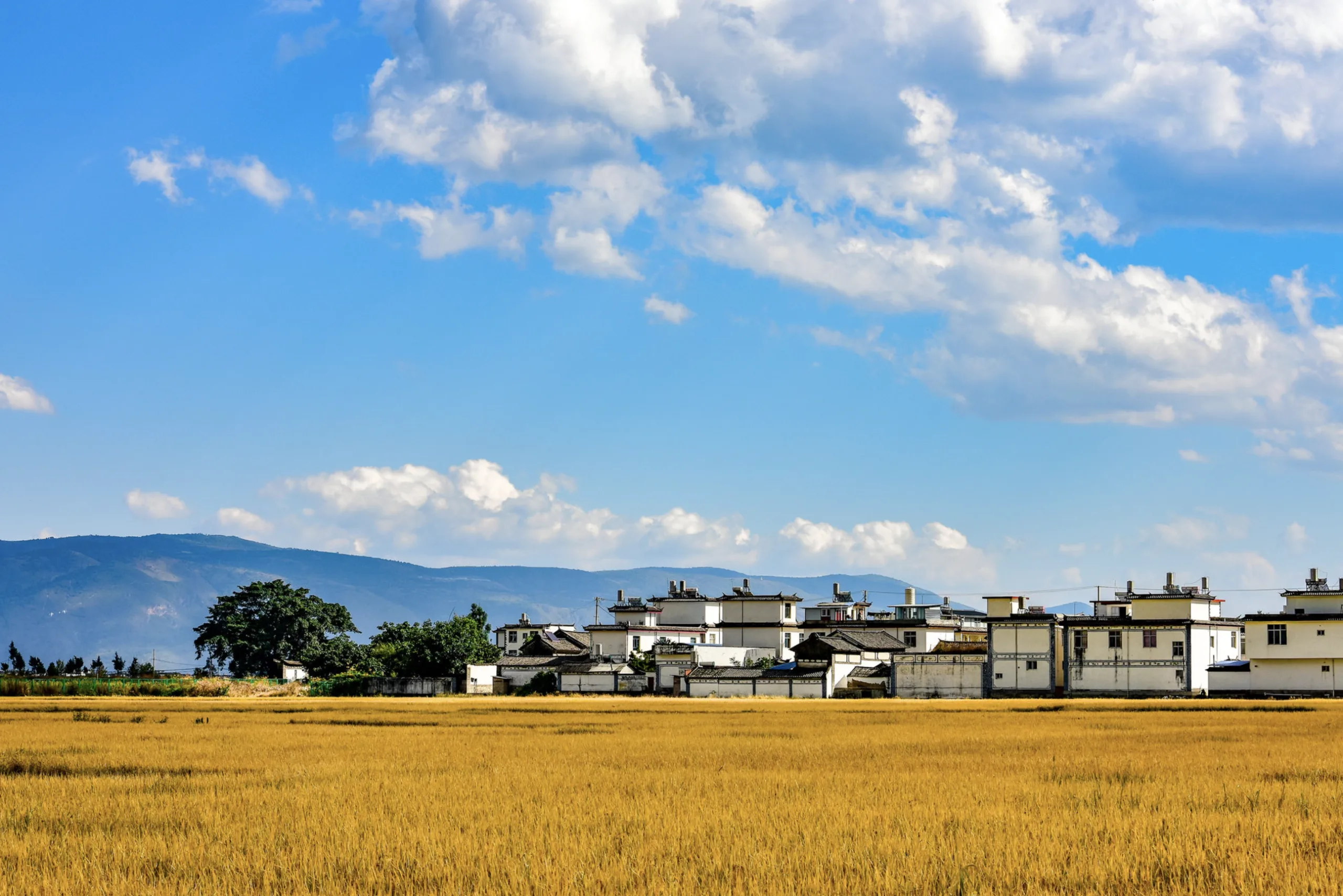
For Eastogo, exploring Yunnan privately means having the freedom to connect these worlds in a way that feels personal. In the northwest, travel between Dali, Lijiang, and Shangri-La at your own pace, spending time with Naxi, Bai, and Tibetan communities, learning traditional crafts, stepping inside local homes, or trekking routes such as Tiger Leaping Gorge and Haba Snow Mountain beneath the eastern Himalayas.
Further south, the landscape shifts into subtropical forest and ancient tea mountains. In Jingmai, walk through centuries-old tea forests, visit traditional villages, prepare bamboo-tube tea with local families, and experience a slower rhythm of life shaped by the land.
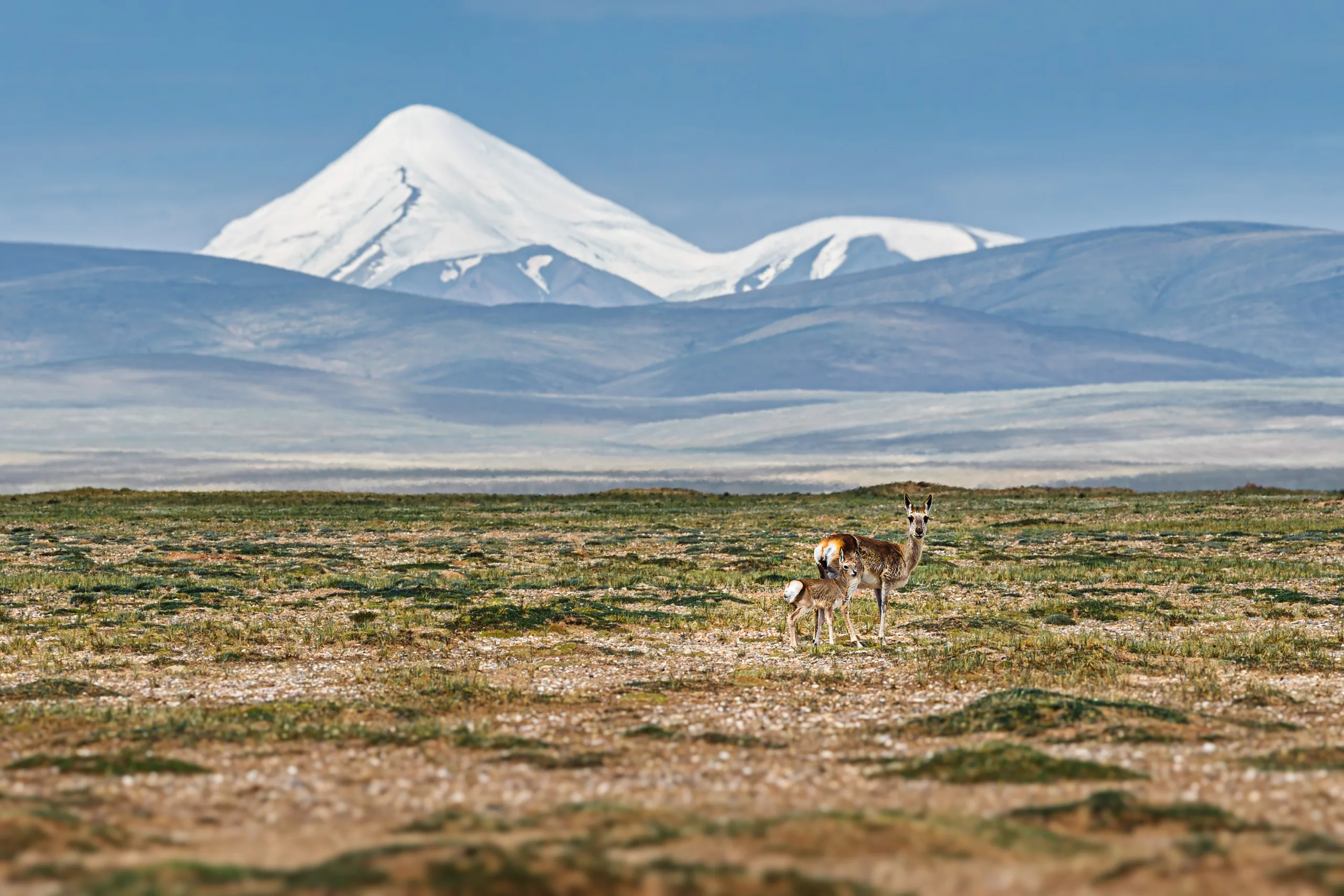
Yunnan is also one of China’s richest wildlife regions, home to rare species such as the Yunnan snub-nosed monkey and western black-crested gibbon, creating opportunities to combine culture, landscapes, trekking, and wildlife within a single journey.
Eastogo designs Yunnan private tour around your interests, with carefully chosen routes, trusted local guides, distinctive stays, private transport, and the flexibility to linger where a place captures your attention. The result is not simply a tour through Yunnan, but a more intimate way to experience its people, landscapes, and living traditions.
Journey Highlights

Guided by a local Bai grandmother, craft your own tie-dye using natural plant dyes. Stitch, bind, and dye your fabric, then reveal a unique pattern, an experience that brings you closer to a handmade tradition preserved for generations.
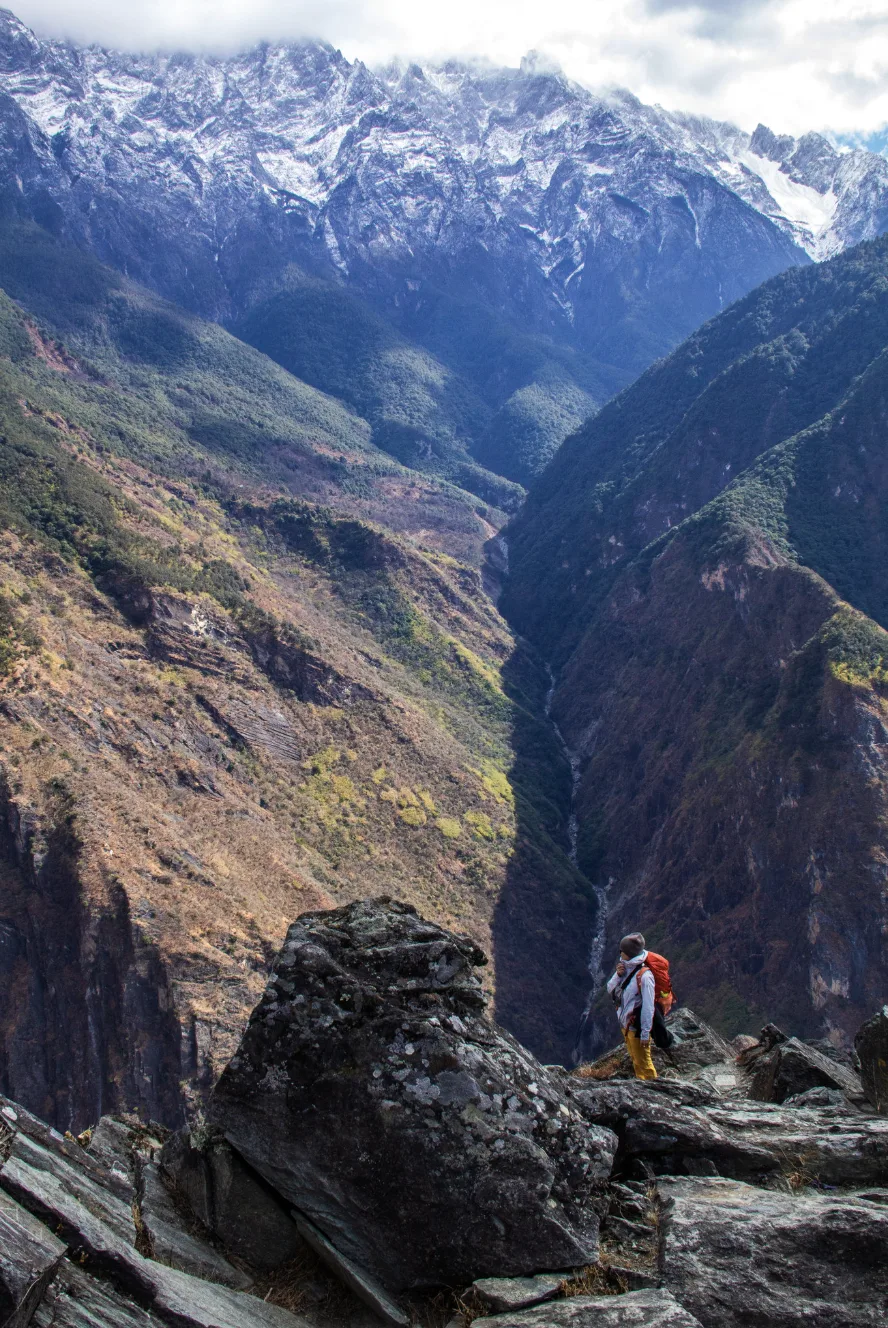
Hike one of the world’s most stunning trekking routes with our professional guide — the High Trail of Tiger Leaping Gorge. Snow mountains, deep gorges, roaring rivers, vertical cliffs, and waterfalls unfold along the way, showcasing nature’s grandeur at every turn.

Step inside a Naxi home beneath the snow-capped mountains to learn about their living traditions. Make Naxi-style bean curd, craft Dongba paper, try writing the twelve zodiac characters in Dongba script, then dress in traditional clothing and join in Naxi dance.
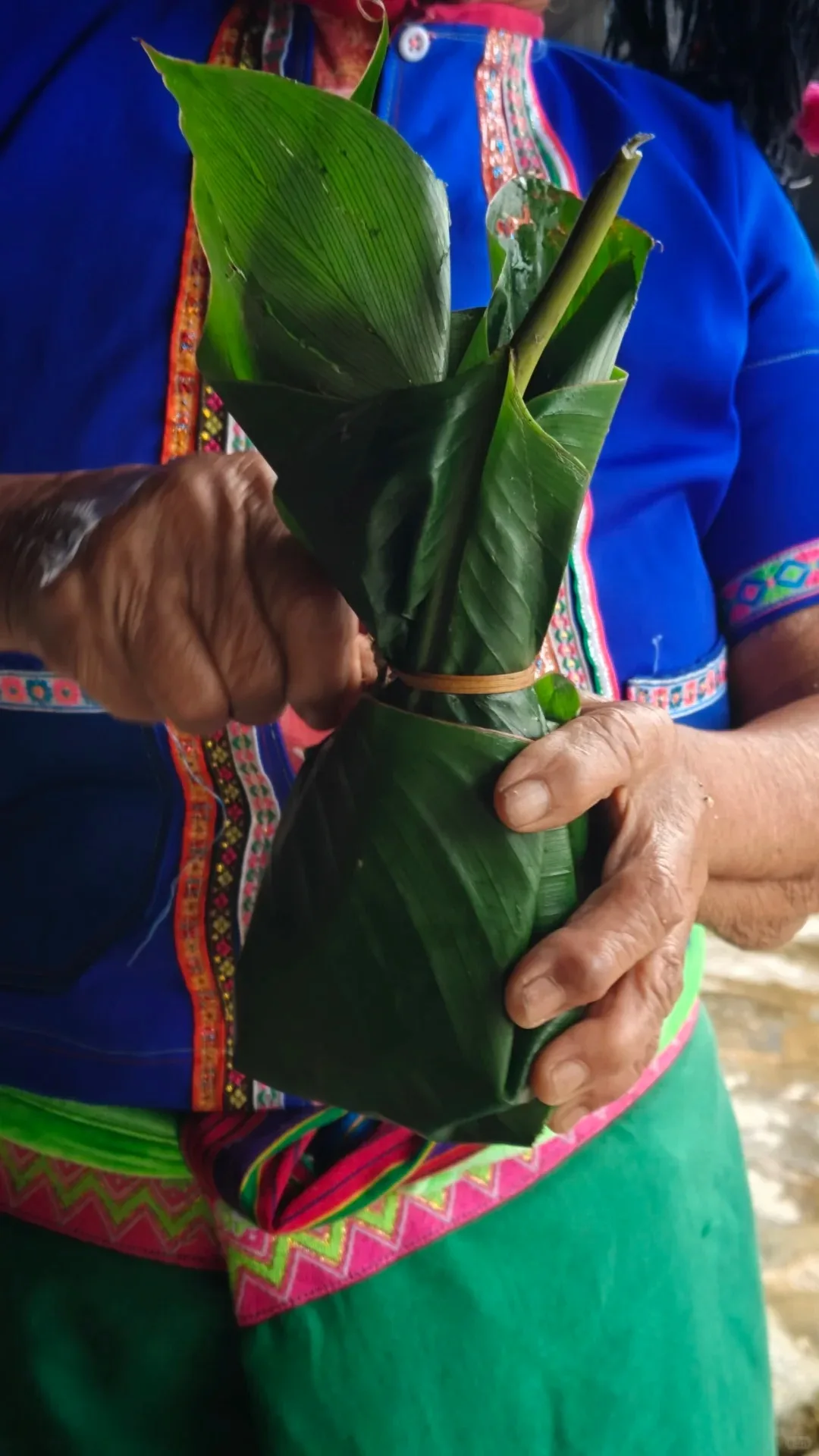
Join a Bulang grandmother in her kitchen to learn a traditional family recipe. Discover how forest ingredients shape Bulang's culinary heritage and gain an intimate look into daily life and food culture in the mountains.
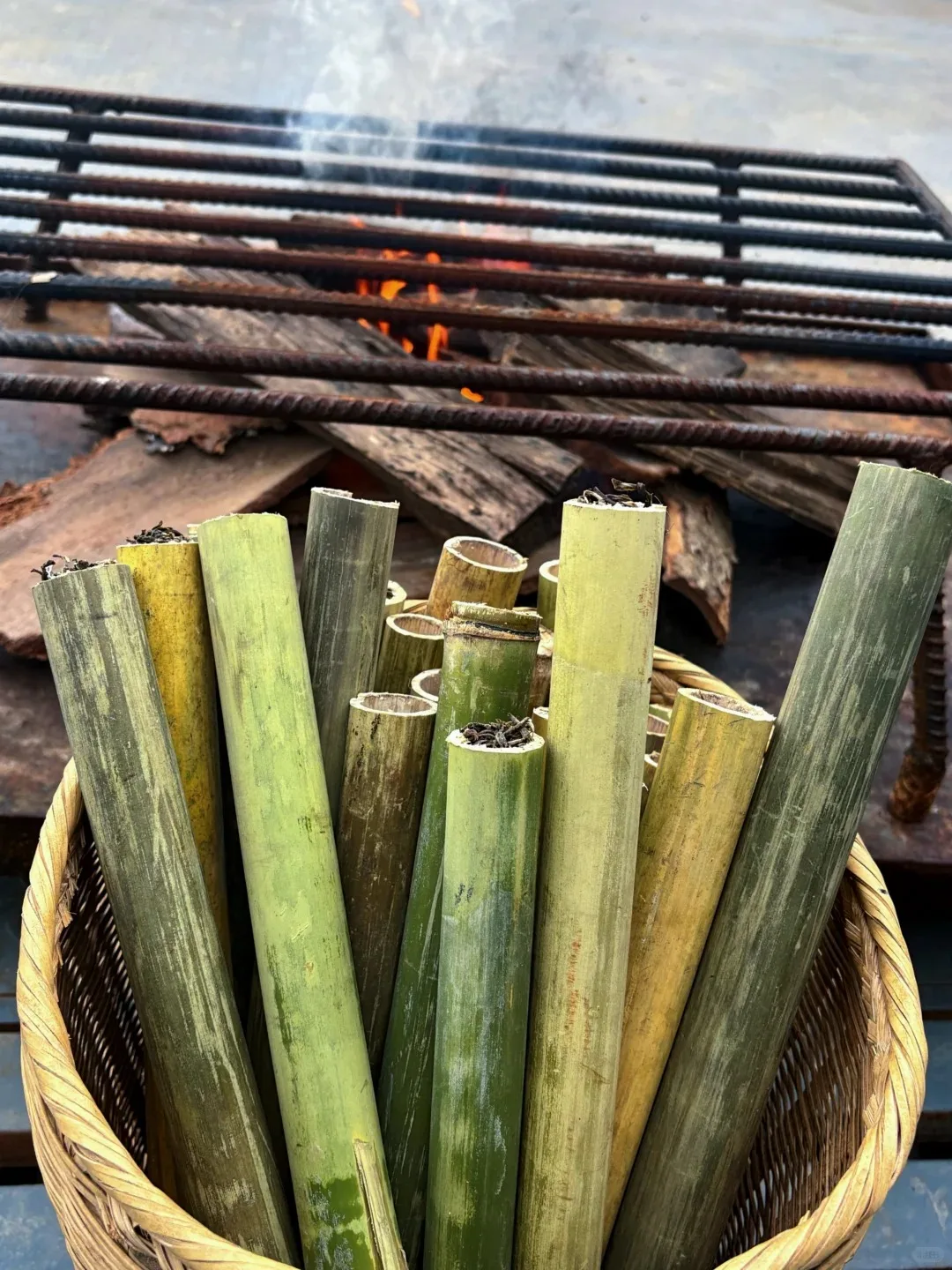
Venture into the tea mountains to pick fresh leaves and craft your own tea under the guidance of a local master. In winter, experience the unique process of making bamboo tube tea—from harvest to roasting—infused with the pure aroma of the forest.
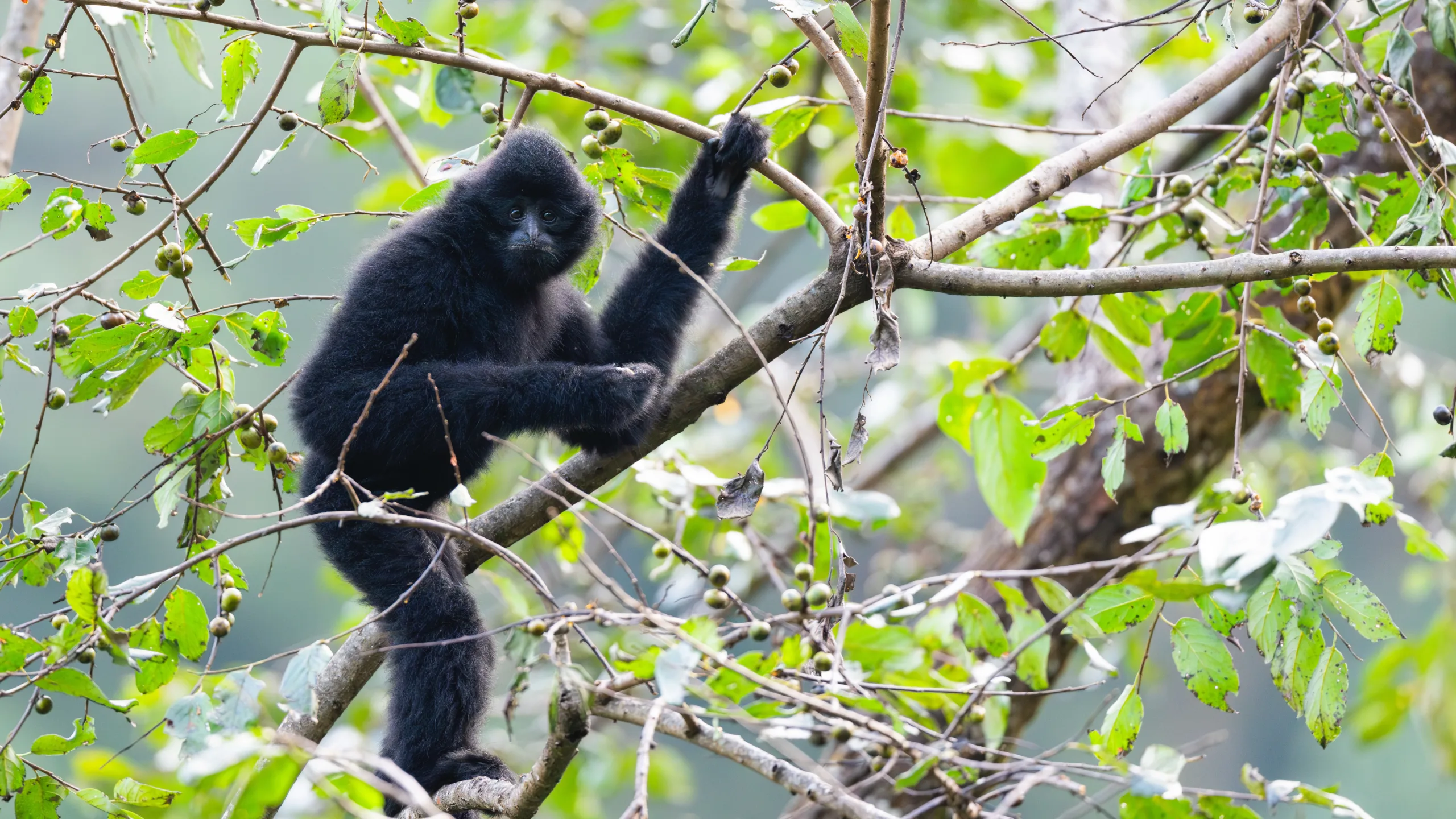
Enter the rainforest to seek some of China’s most iconic and endemic species — the Western Black-crested Gibbon, the Yunnan Snub-nosed Monkey, Temminck’s Tragopan, Lady Amherst’s Pheasant, and the Black-necked Crane, all observed ethically in their natural habitats across forests and alpine valleys.

Featured Stays
Stay in thoughtfully selected hotels that combine comfort, character, and a genuine sense of place, from distinctive local boutique stays to leading international brands. Through our long-standing hotel partnerships, guests may also enjoy preferred benefits such as complimentary room upgrades and special privileges.

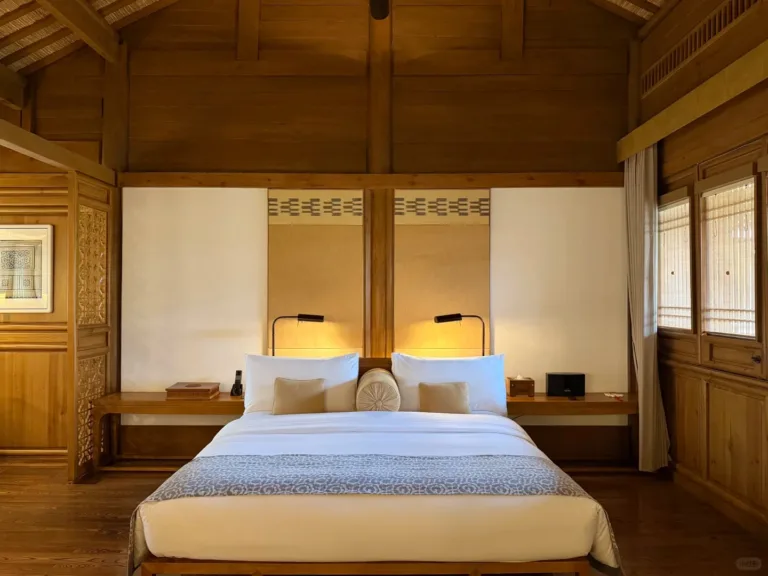
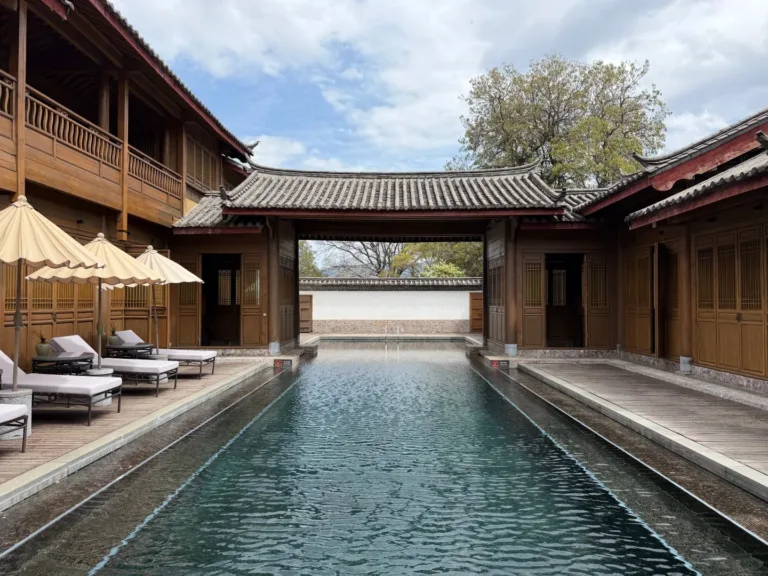

Amandayan, Lijiang

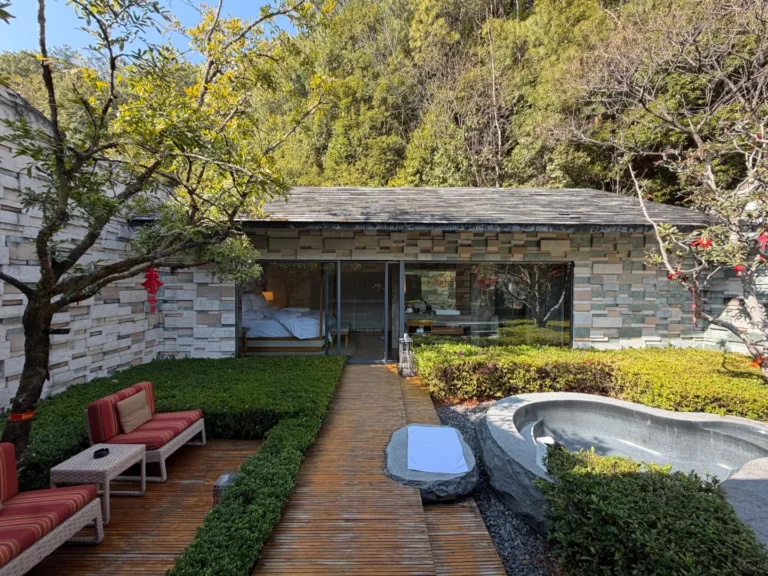


The Lost Stone Villas & Spa by Hyatt
Inclusions & Offers
Designed Around Your Journey
Rather than fixed departures, this experience is arranged privately and shaped around your preferred dates, interests, and travel style.
Our specialists will design the journey based on your pace, accommodation preferences, and seasonal conditions.
Best time to visit
Yunnan’s terrain is diverse, so travel seasons vary by region. In the northwest, avoid the June–October rainy season; winter and spring are the best times with fewer tourists. In the south, skip the hot and humid months from May–October; from November onward, the weather is pleasantly cool and ideal for travel.
Traveler Reviews










FAQs
How is a Yunnan private tour different from a group tour?
A Yunnan private tour offers far more freedom, privacy, and access than a standard group itinerary. Instead of following a fixed schedule, you can shape the journey around your interests — whether that means spending longer in a Naxi village, arranging a private craft experience with a Bai family, trekking a quieter section of the mountains, or adding wildlife, tea-country, or photography experiences.
With Eastogo, private travel also means carefully selected local guides, flexible transport, distinctive stays, and access to experiences that are difficult to arrange for larger groups. The result is a more personal, seamless, and immersive way to experience Yunnan.
How does the booking process work?
1. Submit Your Inquiry
Tell us where you’d like to go, when you’d like to travel, and what kind of experiences you’re looking for.
2. Meet Your Destination Specialist
Your regional expert will arrange a complimentary consultation to understand your interests, travel style, pace, and priorities. Together, we’ll begin shaping the journey around your curiosity.
3. Receive Your Personalized Proposal
Based on your preferences, we’ll create a personalized itinerary and quotation, including accommodations, transportation, experiences, and recommendations tailored specifically to you.
4. Refine & Confirm Your Journey
Review the itinerary with your destination specialist and make any adjustments you’d like. Once everything feels right, secure your booking with a deposit and we’ll begin preparing the trip.
5. Travel with Confidence
Before departure, you’ll receive your detailed travel documents, practical information, and pre-departure guidance. Then simply arrive and enjoy your journey while we take care of the rest.
What is Yunnan known for?
If I had to describe Yunnan in one word, it would be diversity.
Yunnan is home to more ethnic minority groups than any other province in China, making it one of the most culturally diverse regions in the country. It also has the highest level of biodiversity in China, with more plant and animal species than anywhere else in the country.
What makes Yunnan particularly interesting is the sheer variety packed into a single province. Huge differences in elevation create dramatically different climates and landscapes. Within one trip, you can find yourself among snow-capped mountains, hiking through deep river gorges, exploring tropical rainforests, and visiting villages where completely different cultures and traditions have developed over centuries.
Few places in China offer such a wide range of experiences in one destination.
Is Yunnan worth visiting?
Not necessarily. It depends on what you want to get out of your trip.
If you’re looking for variety, it’s hard to find another province in China that can compete with Yunnan. Within just a few days, you can move from snow-capped mountains to tropical rainforests, from charming old towns to world-class hiking trails. Few destinations offer such a dramatic range of landscapes, cultures, and experiences in a single journey.
That said, different parts of Yunnan appeal to different types of travelers.
Northwestern Yunnan (Dali, Lijiang, Shangri-La) is ideal for first-time visitors to Southwest China who want the classic combination of ancient towns, Tibetan culture, and spectacular mountain scenery. However, these destinations have become increasingly commercialized and can be crowded during peak seasons, so they may not appeal to travelers seeking solitude or untouched places.
Southwestern Yunnan (Xishuangbanna, Pu’er, Jingmai Mountain) feels much more off the beaten path. With its tropical climate, rich biodiversity, and deep tea culture, it is particularly appealing for winter travel, wildlife enthusiasts, and travelers interested in local traditions.
Southeastern Yunnan (Yuanyang Rice Terraces, Jianshui Ancient Town) is often overlooked by international visitors. It is one of the best regions in China for landscape photography and slower-paced travel. Visitor numbers are relatively low, but reaching many of the highlights requires more time and patience compared to the better-known destinations in the northwest.
In short, Yunnan isn’t a destination that everyone experiences in the same way. The best part of Yunnan depends entirely on the kind of traveler you are.
Is Yunnan suitable for first-time visitors to China?
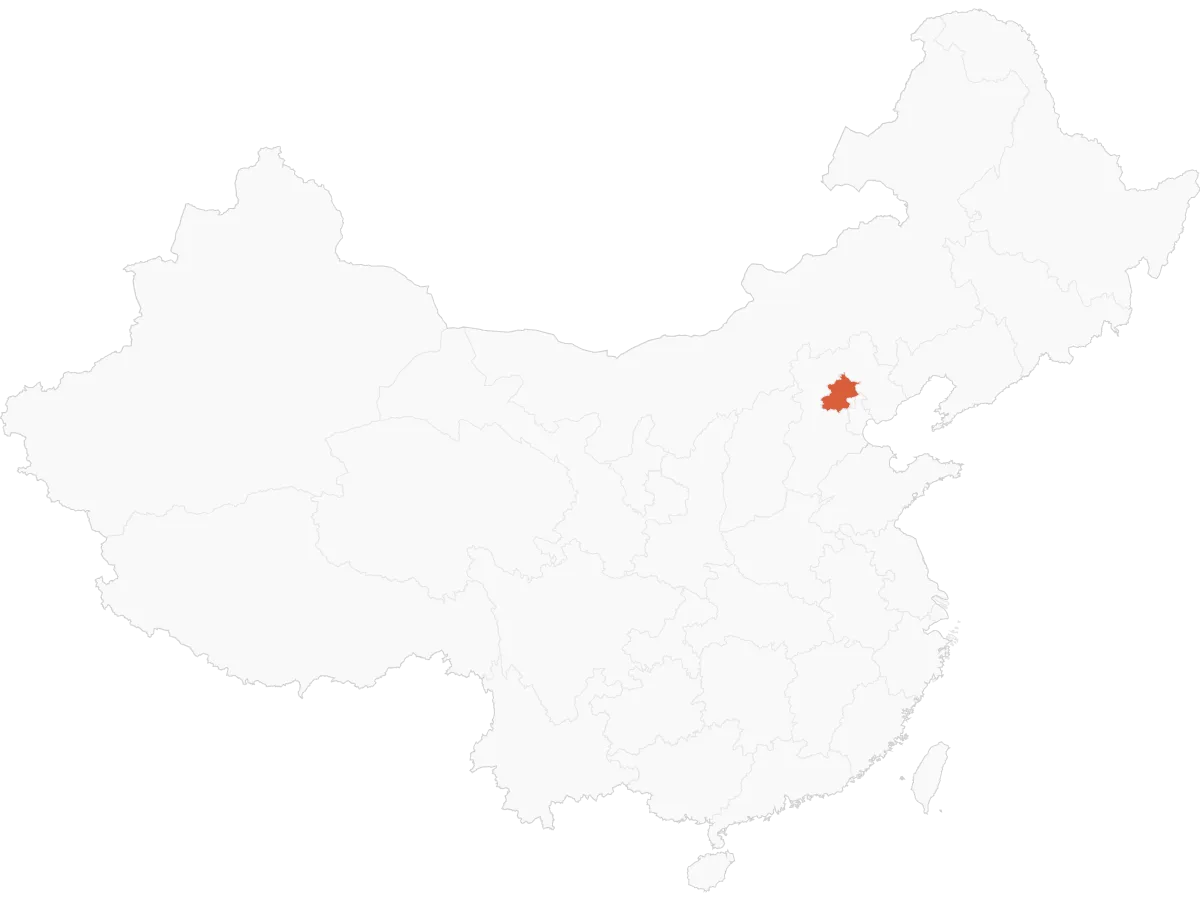
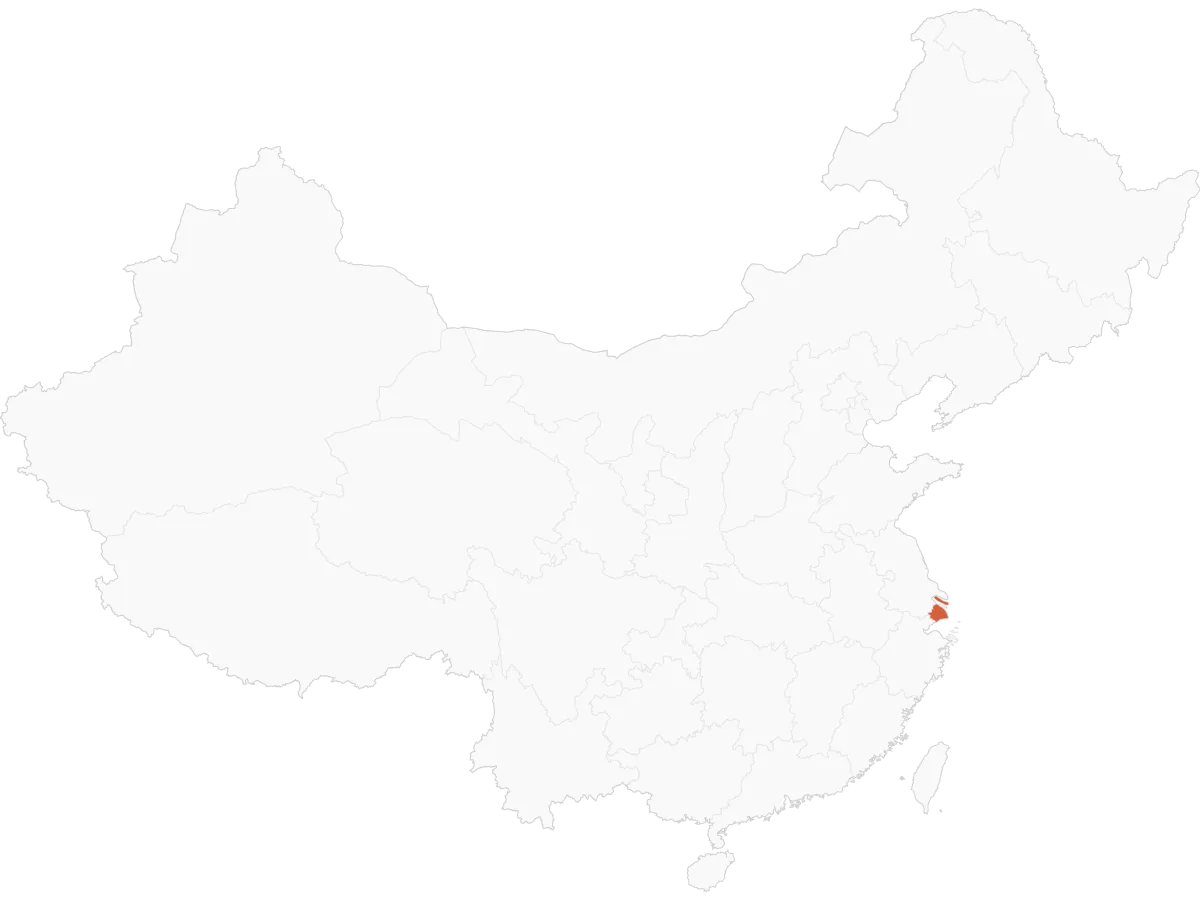
If you only have a week in China, I would generally recommend focusing on major cities such as Beijing, Shanghai, or Chengdu first.
If you have around two weeks, however, Yunnan pairs exceptionally well with China’s big cities because it shows you a completely different side of the country.
With 5–7 days, you can explore either Northwestern Yunnan (Dali, Lijiang, and Shangri-La) or Southwestern Yunnan (Xishuangbanna and Jingmai Mountain). Along the way, you may encounter Tibetan Buddhist monasteries, Naxi ancient music, Dai culture and festivals, snow-capped peaks rising above 4,000 meters, historic towns that once thrived along the Ancient Tea Horse Road, and some of the richest ethnic minority cultures in China.
For many travelers, Yunnan is where they realize how diverse China really is beyond its modern cities.
What are the must-see attractions in Yunnan?
I generally don’t recommend spending too much time in Dali and Lijiang themselves. While both are beautiful and historically important, they have become heavily commercialized over the years and can feel crowded, especially during peak seasons.
What I find more rewarding are the smaller towns and villages around them. Places like Shaxi Ancient Town, Weishan Ancient Town, Yuhu Village, and Fengyangyi offer a slower pace of life, more local character, and a stronger sense of place than the better-known tourist centers.
If you’re looking for truly off-the-beaten-path experiences, I would point you toward places such as the Yuanyang Rice Terraces, the Dulong Valley and its unique facial tattoo tradition, or the ancient tea villages of Nuogan and Wengji on Jingmai Mountain. These are the places where you can still experience a side of Yunnan that feels distinct, authentic, and largely untouched by mass tourism.
How many days should I spend in Yunnan?
I would recommend at least 3 days in Yunnan. With that amount of time, you can base yourself in Kunming and visit one nearby destination.
7 days is where Yunnan starts to make sense as a standalone trip. This gives you enough time to properly explore one region, whether that’s Northwestern Yunnan (Dali, Shangri-La, and the surrounding mountains) or Southwestern Yunnan (Xishuangbanna, Pu’er, and Jingmai Mountain).
If you have 14 days or more, you can combine two distinct regions and experience just how diverse Yunnan is. Popular combinations include Northwestern Yunnan and Southwestern Yunnan, or Northwestern Yunnan and Southeastern Yunnan, each offering completely different landscapes, cultures, and travel experiences.
Personally, I think 7–14 days is the sweet spot for most travelers. Yunnan is a large province, and the distances between regions are often greater than people expect. Rushing through too many places usually means missing what makes the province special.
What is the best time to visit Yunann?
The first thing I tell travelers is what to avoid: Chinese public holidays. If possible, stay away from the May Day holiday (around May 1st), National Day holiday (around October 1st), and Mid-Autumn Festival. July and August, when Chinese schools are on summer break, can also be very crowded.
For most travelers, March to May and September to November are the best times to visit. Temperatures are generally comfortable, usually between 15–25°C, rainfall is lower, and visibility is often excellent for mountain views and photography.
That said, the ideal season depends on which part of Yunnan you plan to visit.
Southeastern Yunnan (Yuanyang Rice Terraces, Puzhehei) is best from February to April, when the rice terraces are filled with water and create the famous mirror-like reflections that photographers come for.
Southwestern Yunnan (Xishuangbanna, Jingmai Mountain, Pu’er) is best during the dry season from November to April, when temperatures are pleasant and outdoor activities are more enjoyable.
Northwestern Yunnan (Dali, Lijiang, Shangri-La) is at its best in March to May and September to October, when the weather is stable, the skies are often clear, and conditions are ideal for hiking and exploring the mountains.
If you’re visiting Yunnan for the first time and have flexibility with your dates, I would generally choose either April–May or September–October. Those months offer the best balance of weather, scenery, and crowd levels across most of the province.
How do I get to Yunann?
Getting to Yunnan is relatively easy. The province has four major international airports: Kunming Changshui International Airport, Lijiang Sanyi International Airport, Xishuangbanna Gasa International Airport, and Dehong Mangshi International Airport.
For most international travelers, Kunming is the main gateway and offers the widest range of domestic and international connections.
If you are already traveling within China, you will have even more options. In addition to Kunming, cities such as Dali, Shangri-La, Baoshan, Tengchong, and Pu’er are all accessible by domestic flights. Many destinations, including Kunming and Dali, are also connected to China’s extensive high-speed rail network.
Because Yunnan is a large province, I usually recommend choosing your arrival airport based on your itinerary rather than automatically flying into Kunming. For example, travelers focusing on Northwestern Yunnan may find it more convenient to start in Lijiang or Shangri-La, while those exploring Southwestern Yunnan often fly directly into Xishuangbanna.
What ethnic groups live in Yunnan?
Yunnan is China’s most ethnically diverse province. Of China’s 55 officially recognized ethnic minority groups, 52 can be found in Yunnan, and 25 are considered indigenous to the province.
What makes Yunnan particularly unique is that many ethnic groups are concentrated here. In fact, 15 ethnic groups are largely unique to Yunnan, meaning more than 80% of their population lives within the province. These include the Bai, Hani, Dai, Lisu, Lahu, Wa, Naxi, Jingpo, Blang, Pumi, Achang, Nu, Jino, De’ang, and Dulong peoples.
Travelers are most likely to encounter Bai communities around Dali, Naxi culture in Lijiang, Tibetan communities in Shangri-La, Dai culture in Xishuangbanna, Hani villages around the Yuanyang Rice Terraces, and various tea-growing communities throughout Pu’er and Jingmai Mountain.
One of the most fascinating aspects of traveling in Yunnan is how quickly cultures can change. Within a single journey, you may encounter completely different languages, architectural styles, religious traditions, clothing, music, and cuisines.
What are the best hiking routes in Yunnan?
Yunnan is home to some of the finest hiking routes in China, ranging from accessible multi-day treks to remote wilderness expeditions.
The most famous hikes include the Tiger Leaping Gorge High Trail, one of China’s classic trekking routes, as well as the Yubeng Trek and Meili Snow Mountain North Slope Trek, both offering spectacular views of the sacred peaks of Meili Snow Mountain.
If you prefer quieter trails away from the crowds, there are some excellent alternatives. The Abujicuo Trek near Shangri-La passes dozens of alpine lakes and offers close-up views of Tianbao Snow Mountain. The Gaoligong Mountains are another favorite of mine, particularly for nature lovers. The region is one of China’s biodiversity hotspots, with ancient forests, remarkable plant life, and an extraordinary variety of wildlife.
What should I pack for a trip to Yunnan?
Yunnan’s huge geographic and elevation differences mean you’ll need to be prepared for a wide range of conditions, sometimes within the same trip.
I generally recommend dressing in layers. A moisture-wicking T-shirt works well as a base layer, with a fleece or lightweight down jacket for insulation, and a waterproof or windproof outer shell for changing weather conditions. This “layering” approach is much more practical than relying on a single heavy jacket.
A comfortable pair of walking shoes is essential, as you’ll likely spend a lot of time exploring towns, villages, and hiking trails. Sun protection is equally important. Even on cool days, Yunnan’s high altitude can make the sun surprisingly intense, so don’t forget sunscreen, sunglasses, and a hat.
If you’re traveling in Southern Yunnan, particularly around Xishuangbanna, it’s also a good idea to bring insect repellent, as mosquitoes can be common in tropical and rainforest areas.
The biggest mistake first-time visitors make is packing for a single climate. In Yunnan, it’s entirely possible to experience snow-capped mountains in the morning and subtropical heat a few days later, so pack with flexibility in mind.