
China Snow Leopard Tour(8 days)
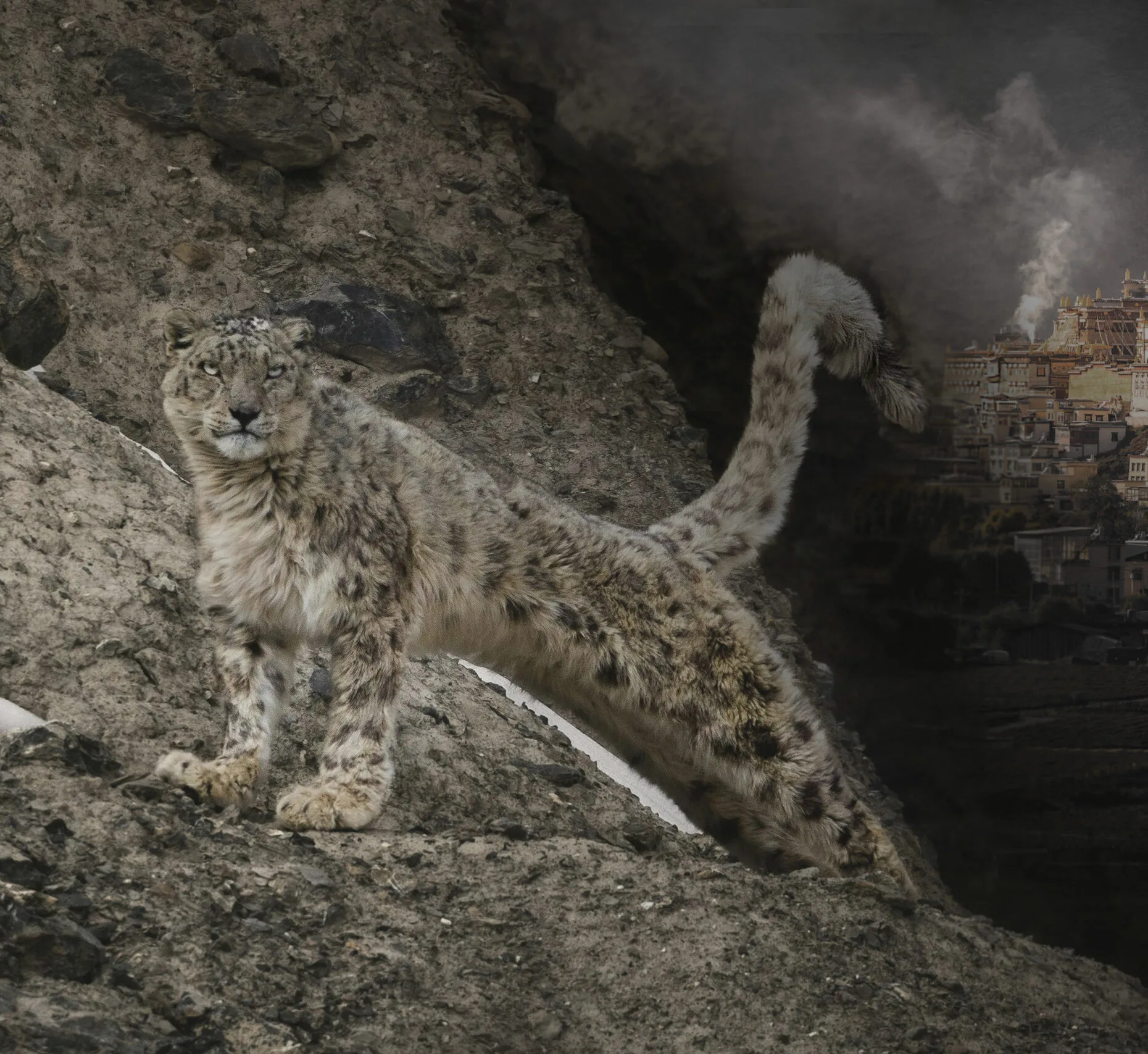
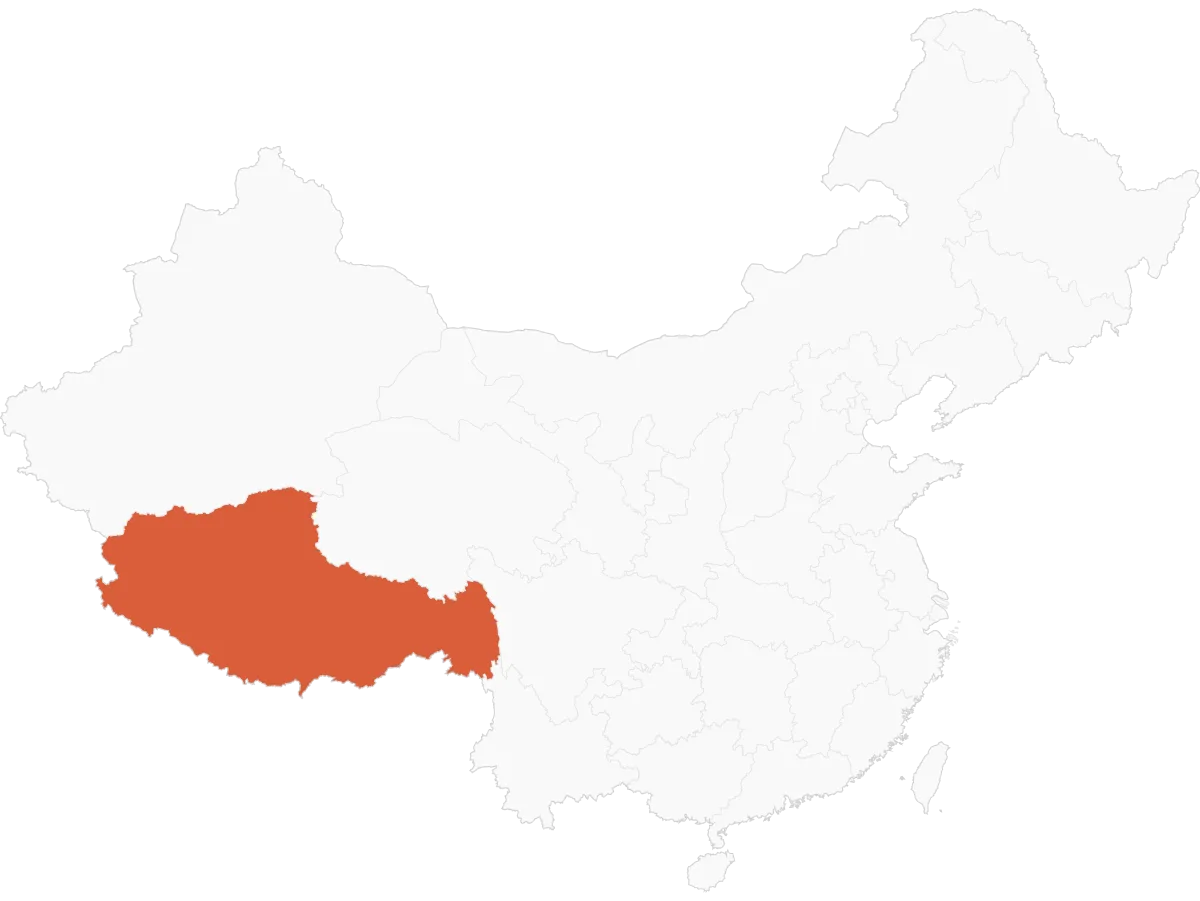
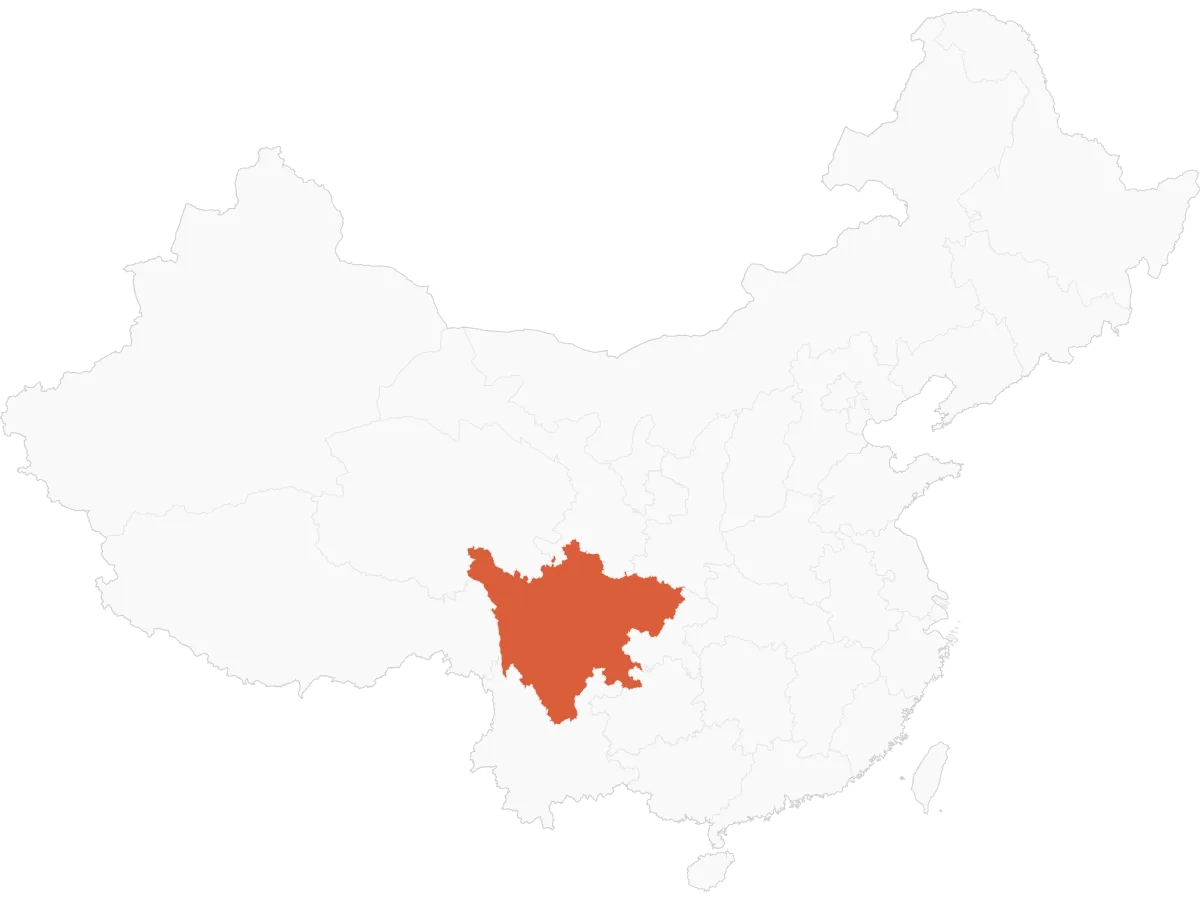
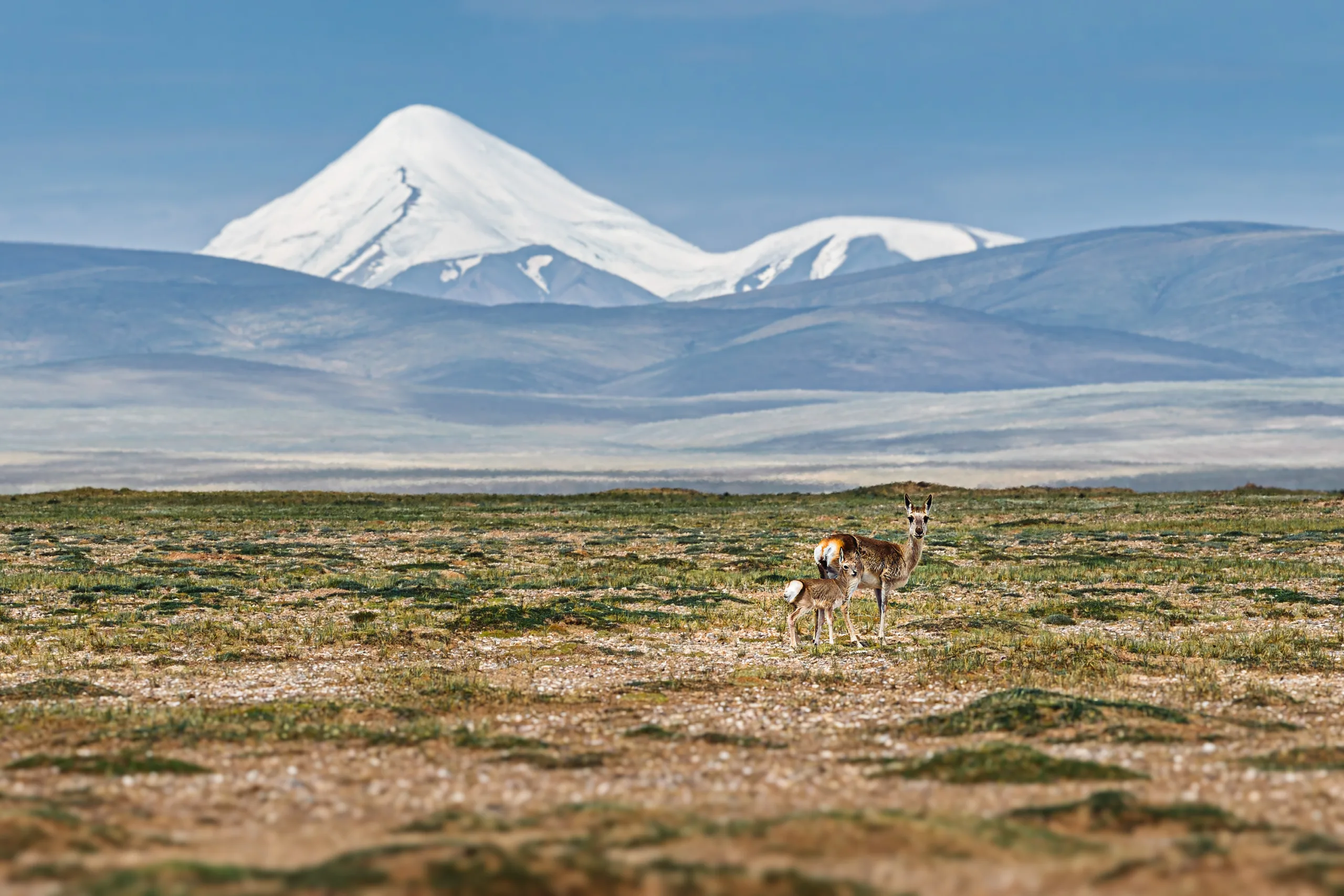
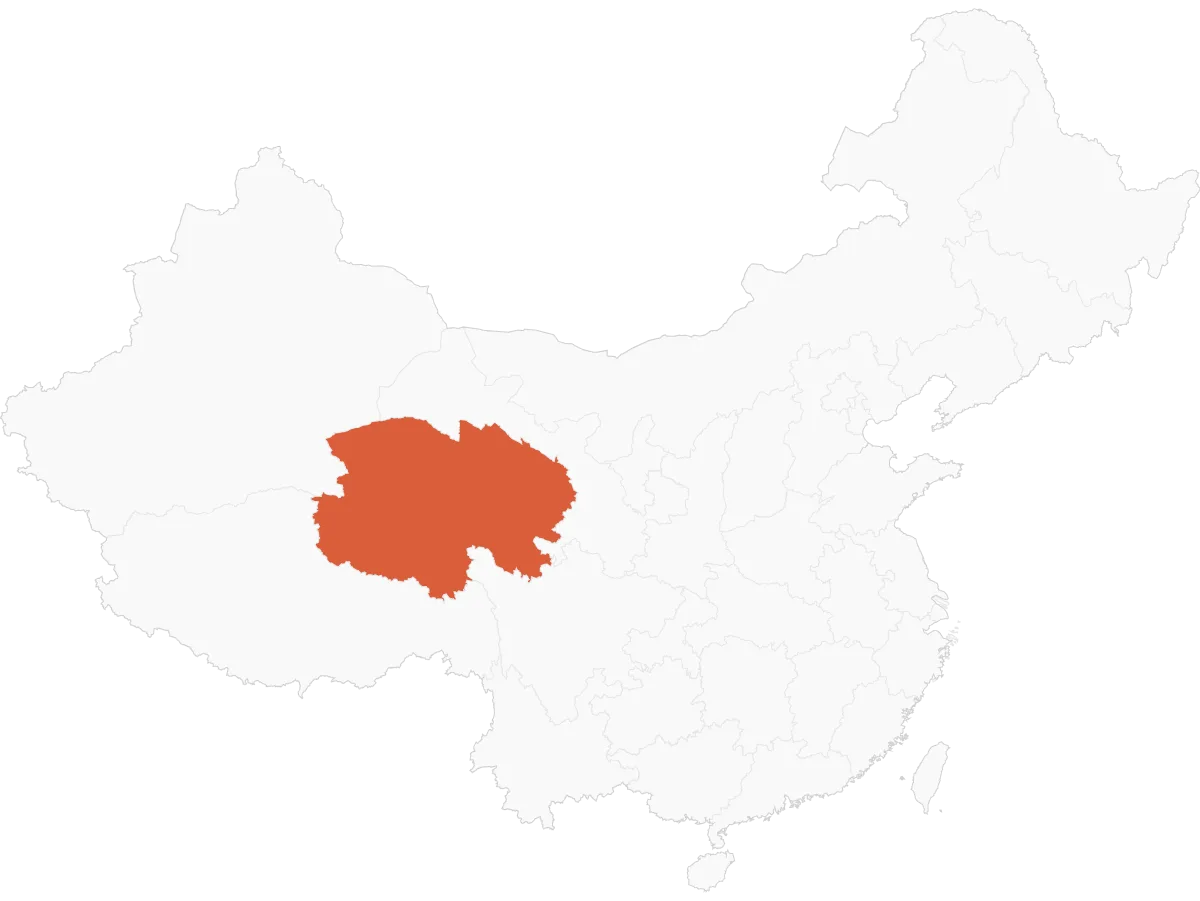
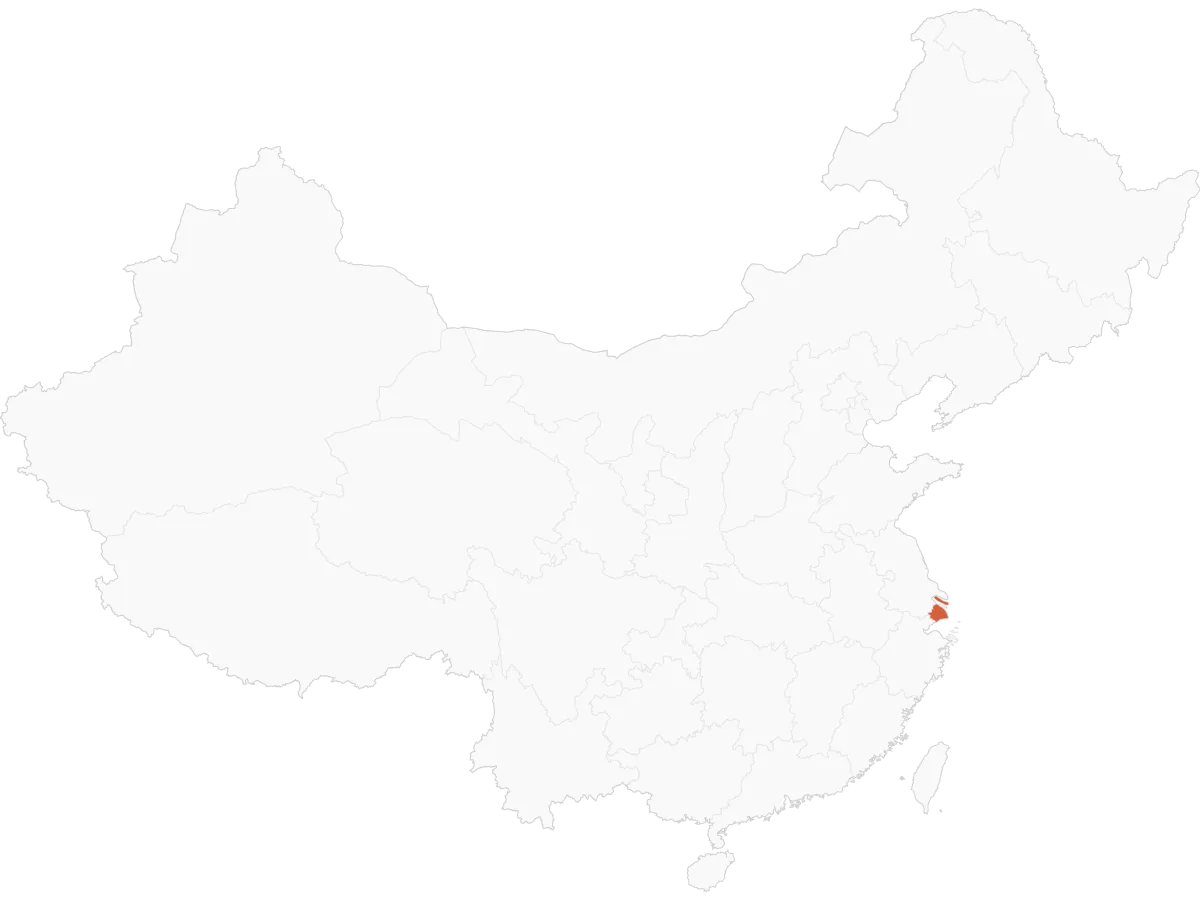
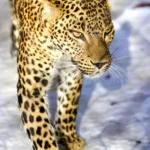
In the remote highlands of the Tibetan Plateau, near the border of Tibet, lies the Sanjiangyuan region, one of the world’s most important snow leopard habitats and a remarkable destination for a China snow leopard tour.
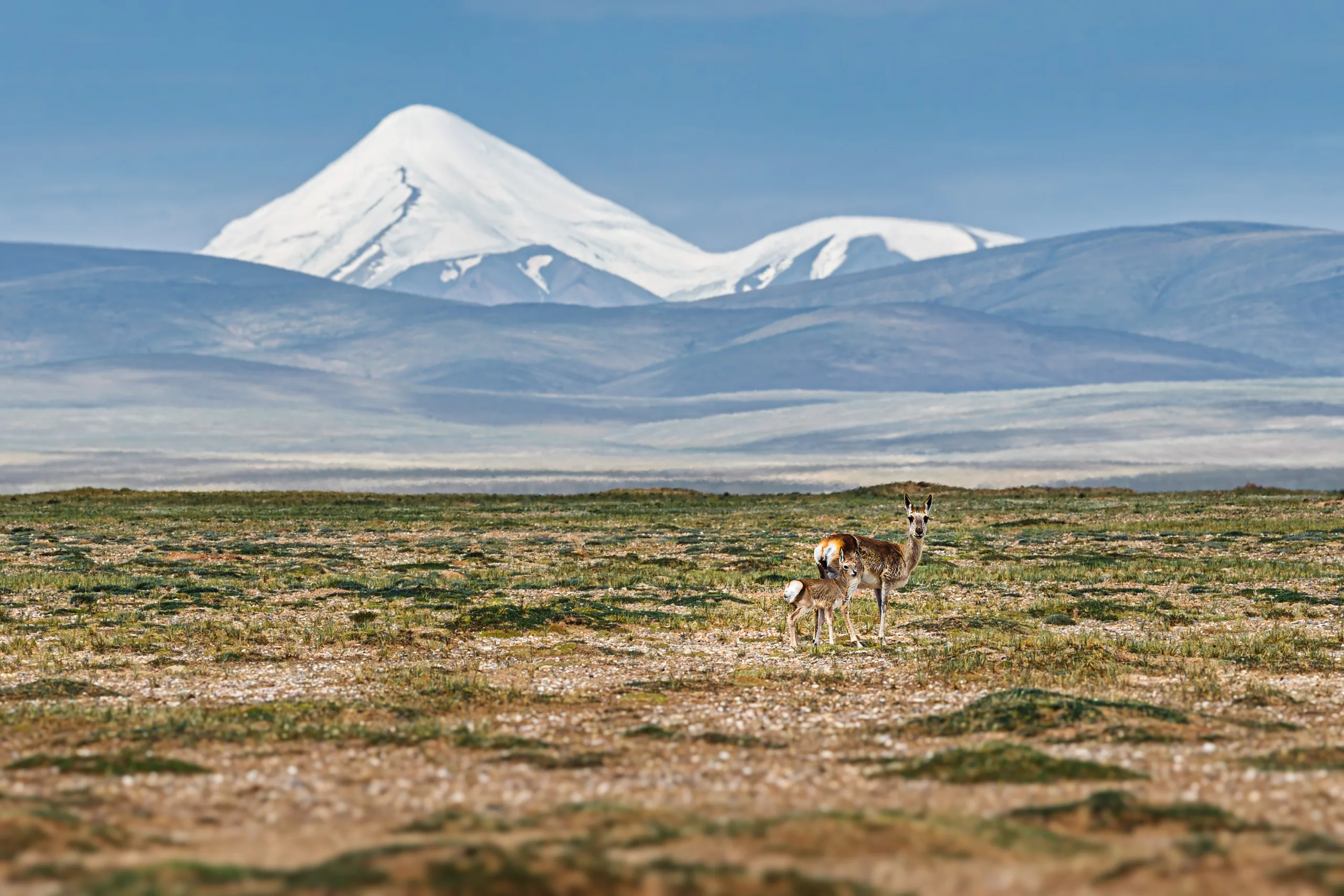
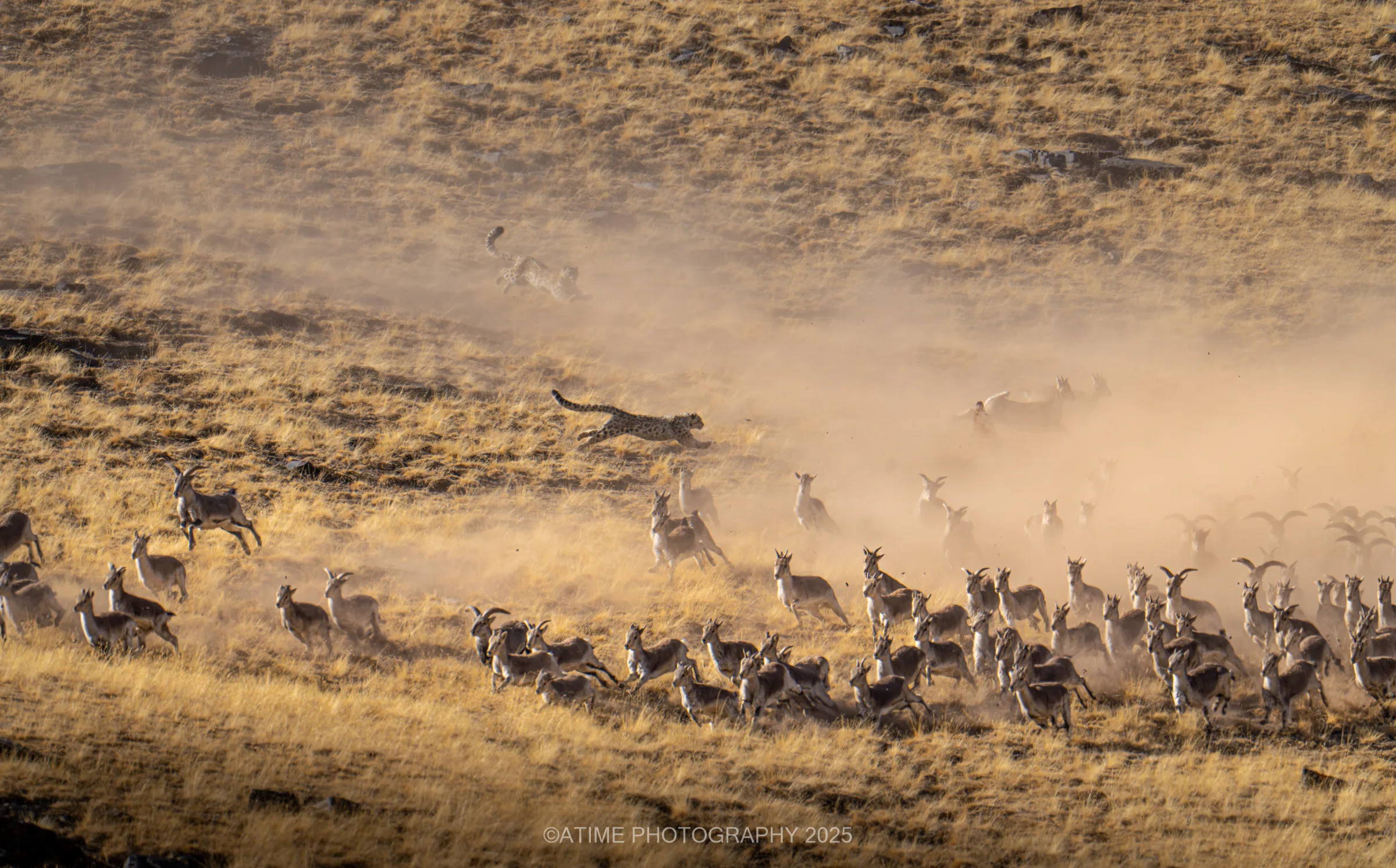
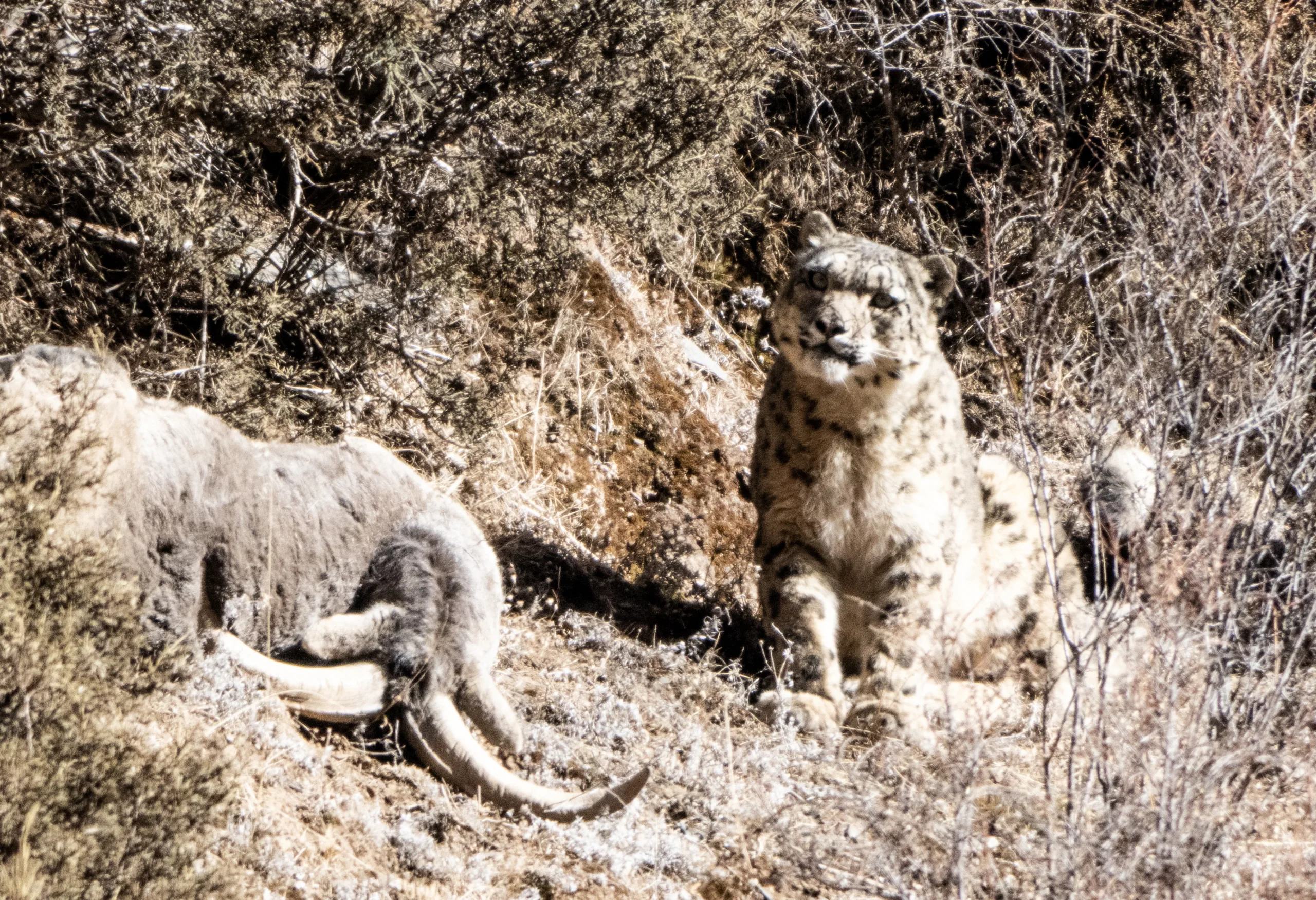
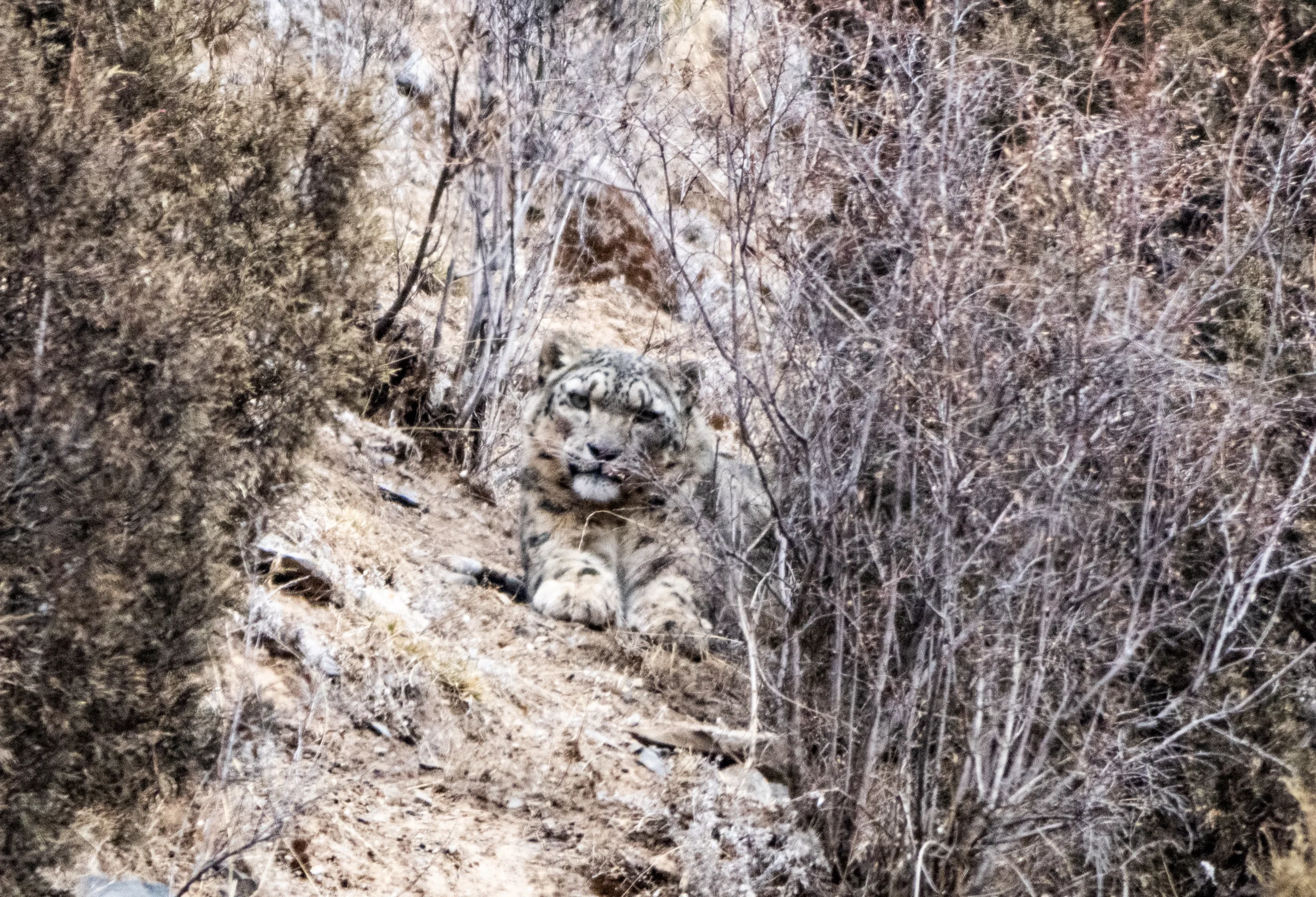
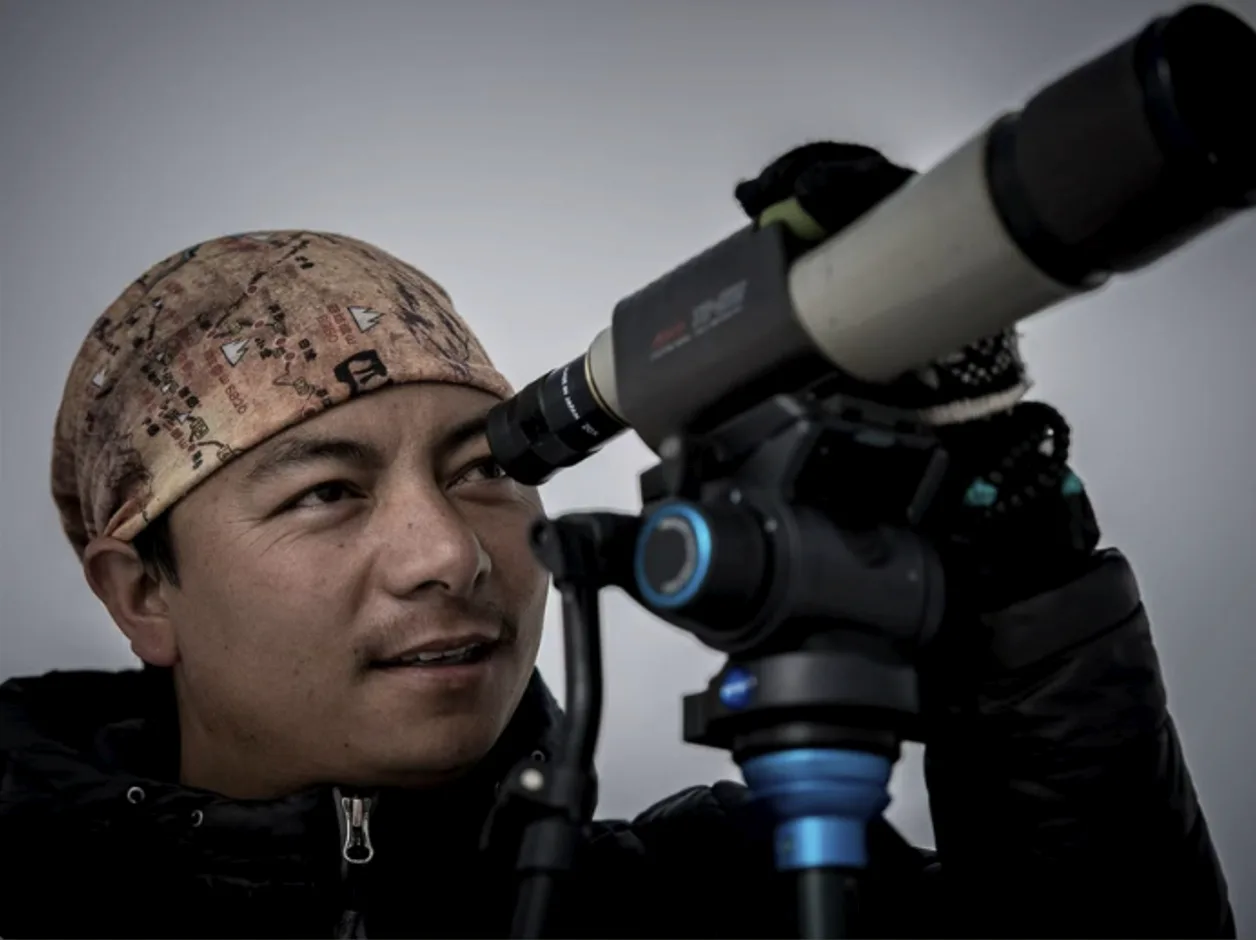
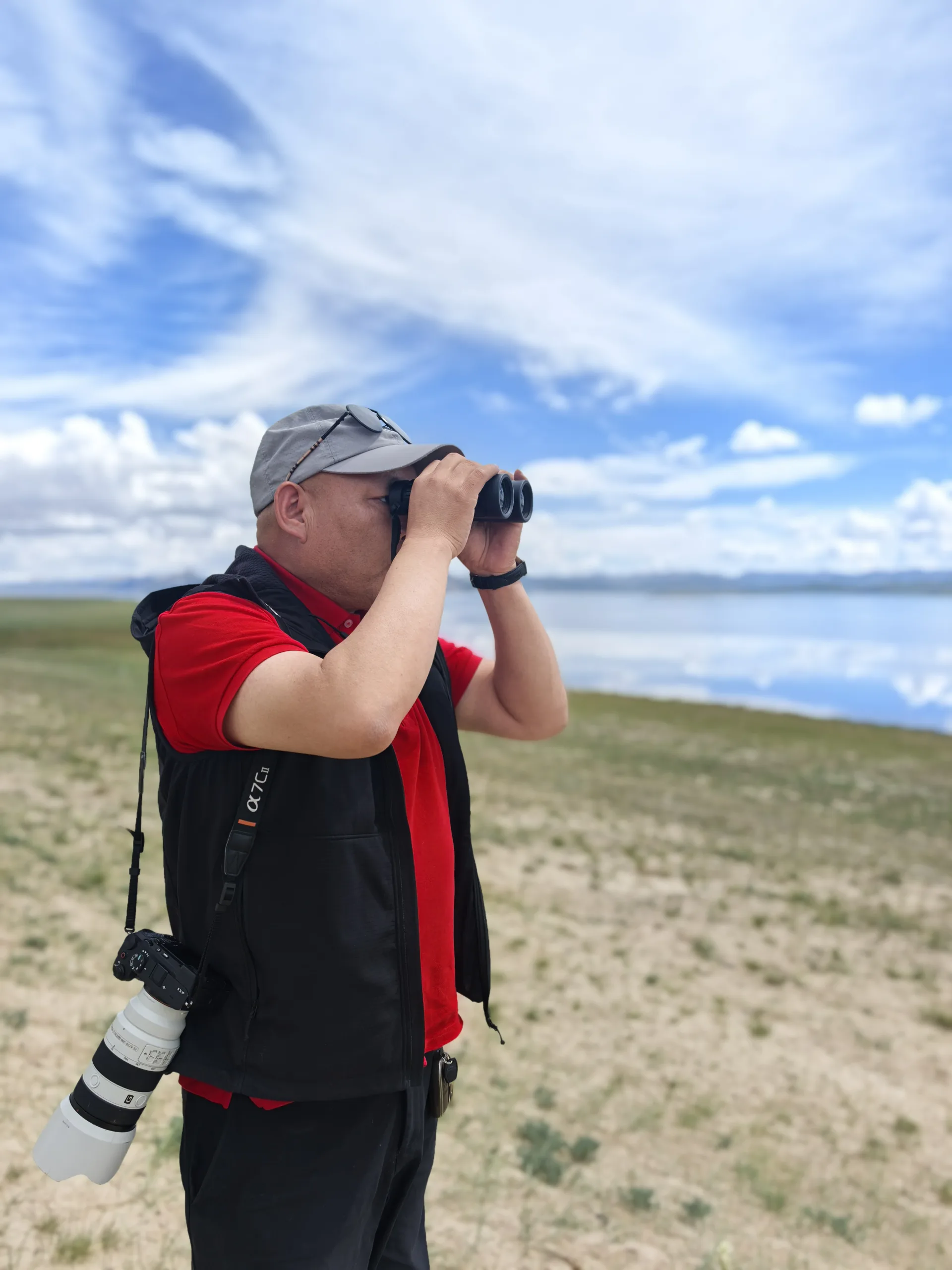
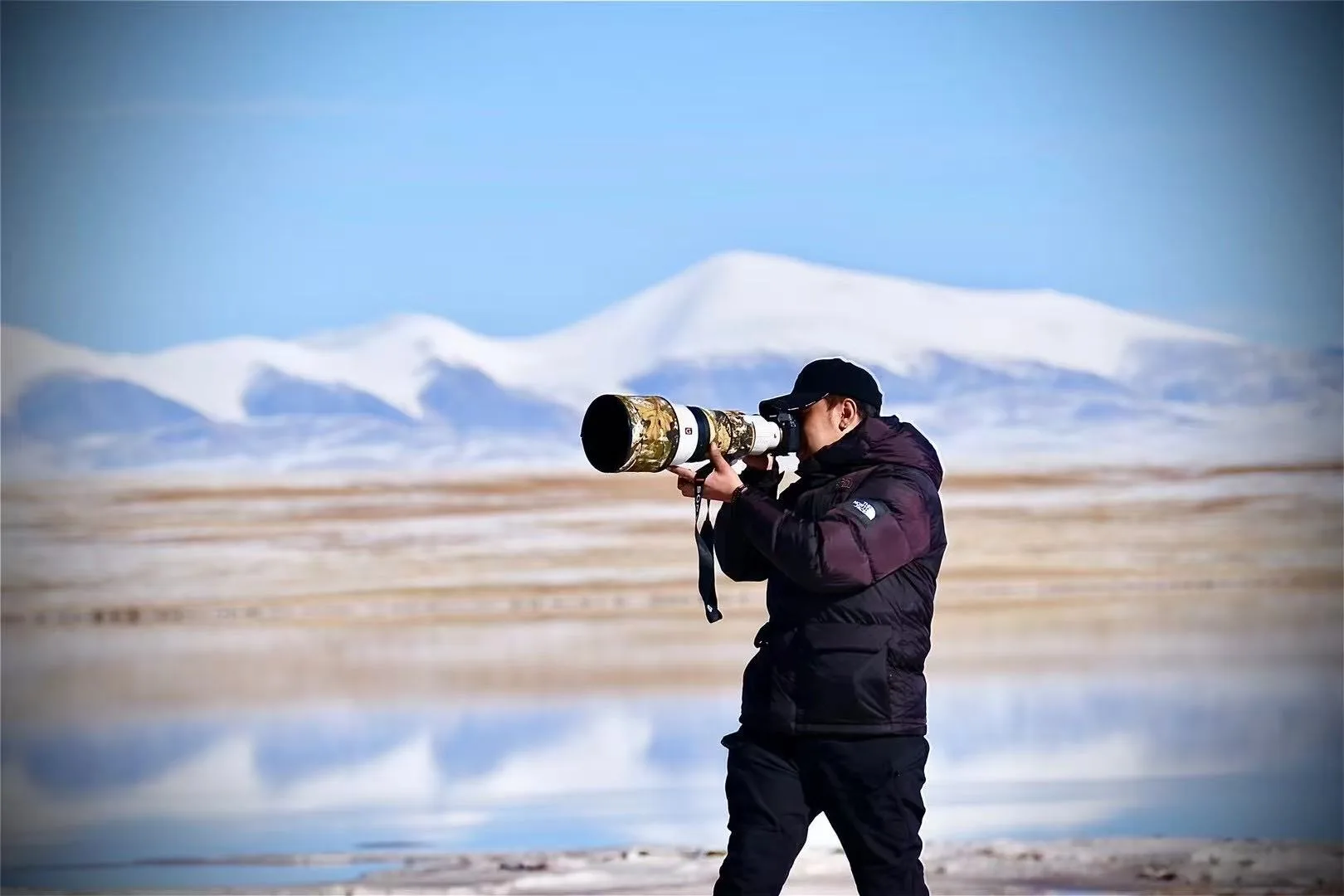
Guided by local wildlife specialists who have supported snow leopard expeditions and filming projects for Disney, National Geographic, and Frozen Planet, you will search for snow leopards, Pallas’s cats, blue sheep, wild yaks, Tibetan gazelles, wolves, and bearded vultures across the vast plateau. This China snow leopard tour combines patient wildlife tracking with deep local knowledge, taking you into landscapes where few travellers venture.
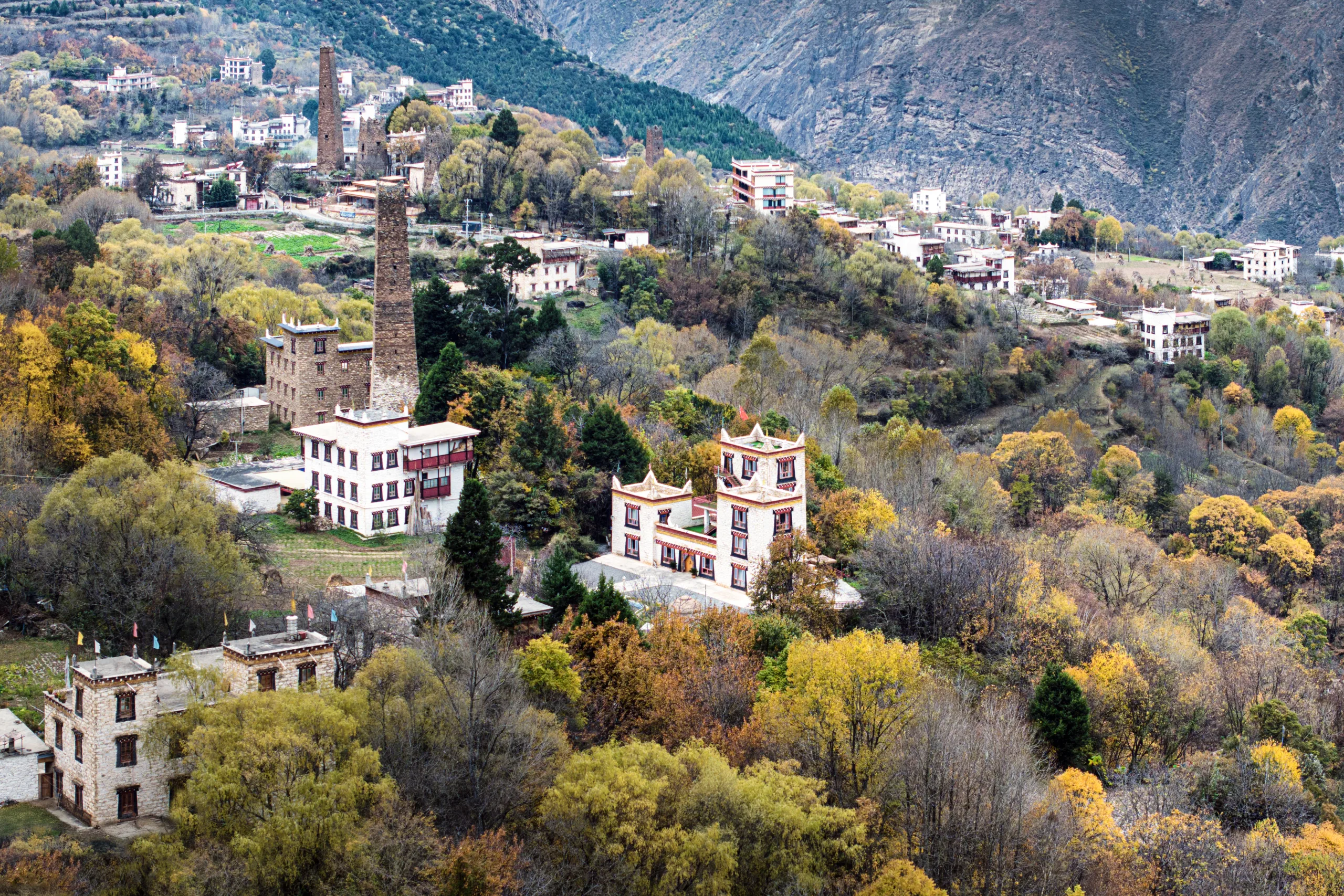
Beyond the wildlife, the region is also deeply rooted in Tibetan culture. Walk through quiet Tibetan towns, visit remote monasteries, and share a cup of butter tea in a local herder’s home.
Journey Highlights
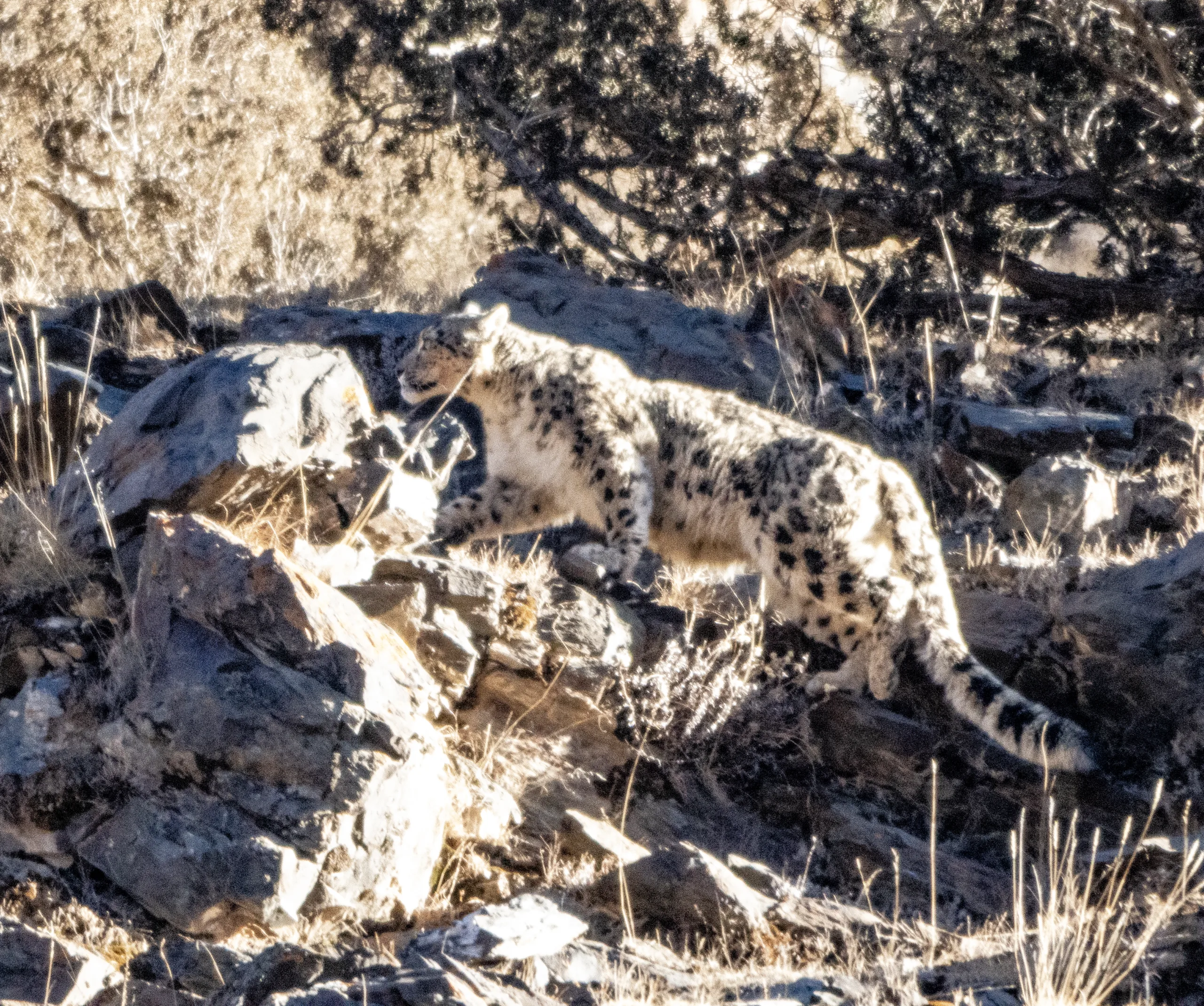
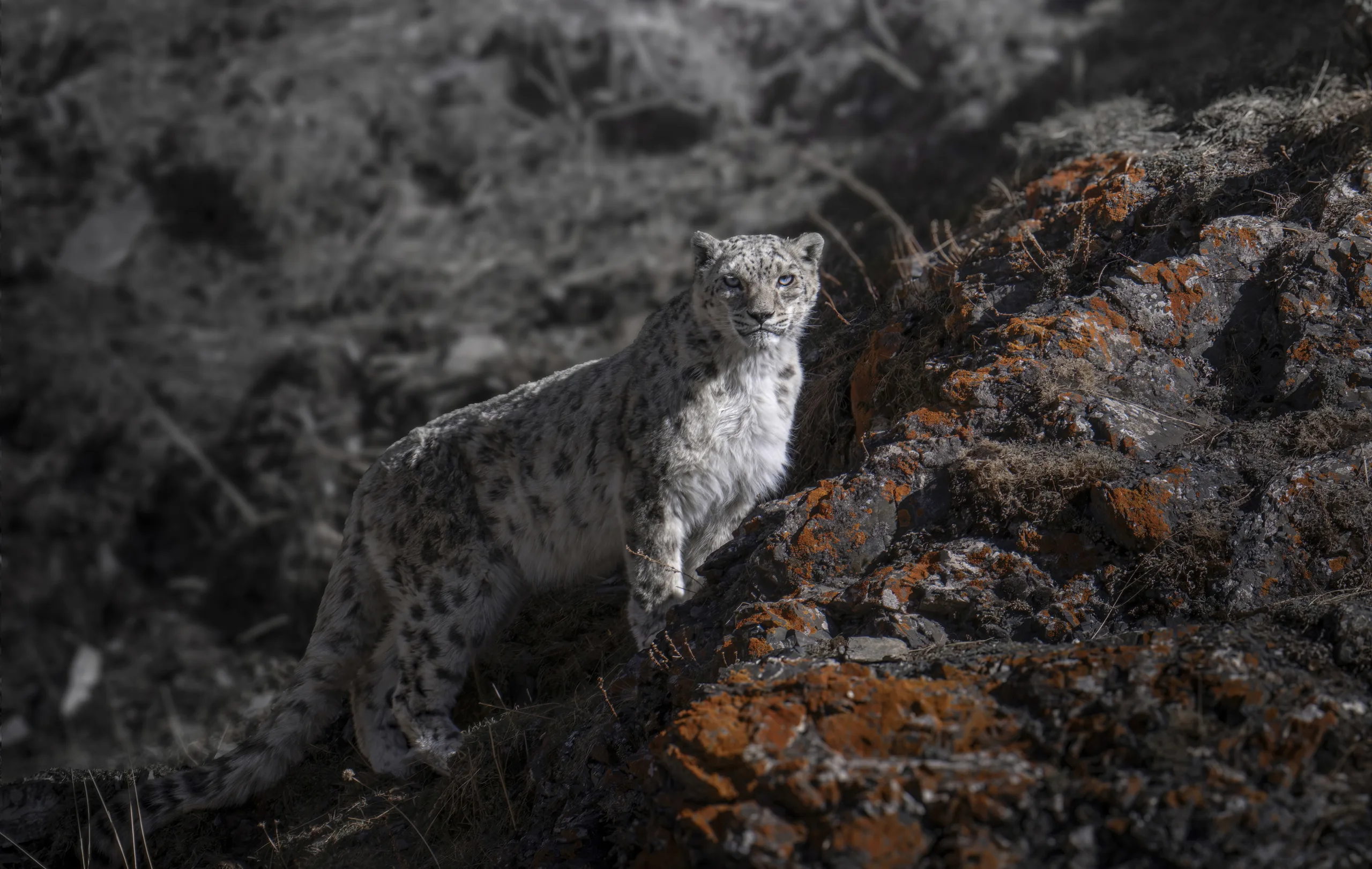
Enter the World’s Snow Leopard Capital, with an estimated global population of only 4,000–6,500 snow leopards, around 2,000–2,500 are believed to live in China. The Sanjiangyuan region we gonna explore has the highest number in China, with more than 1,000 snow leopards.
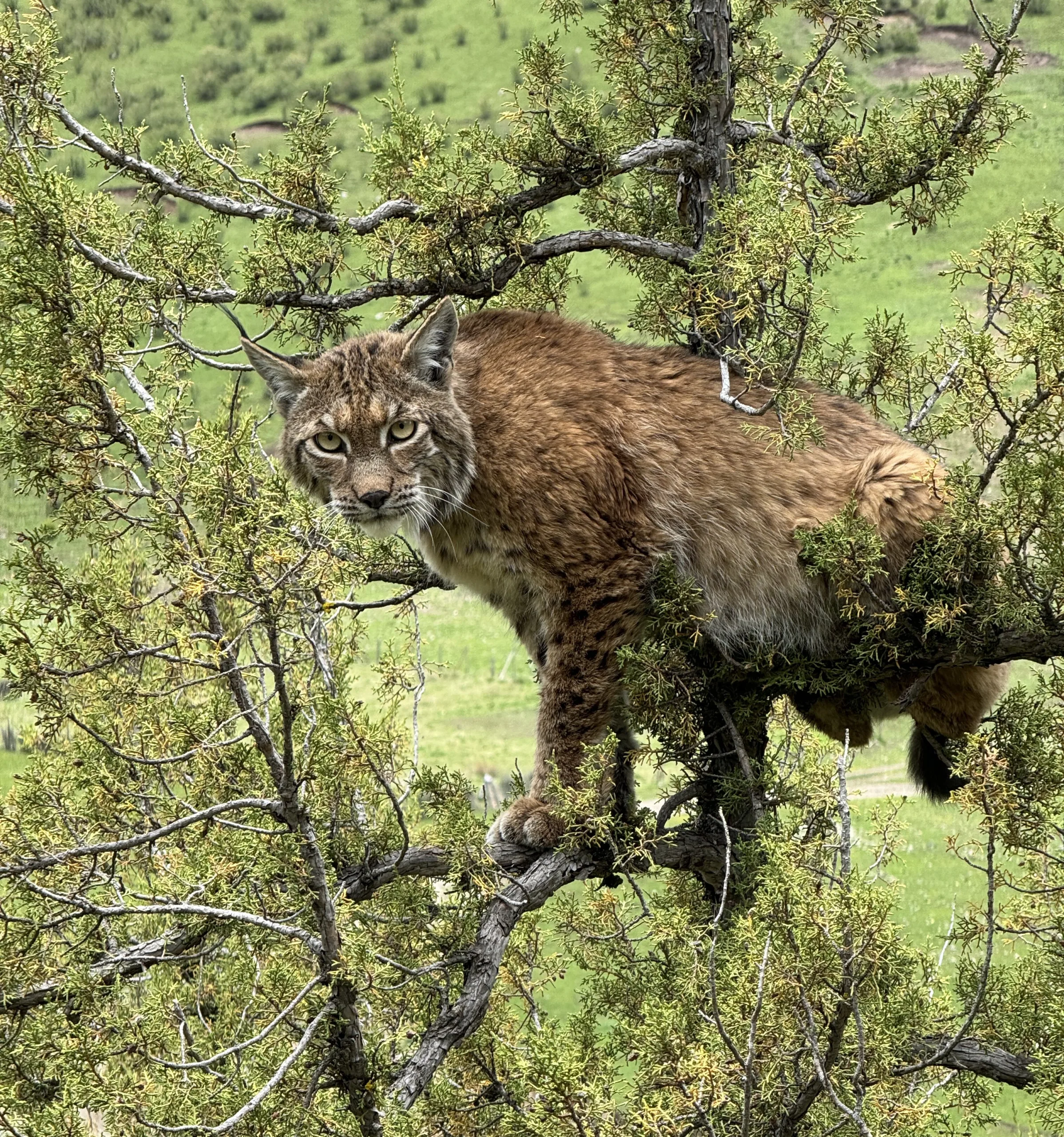
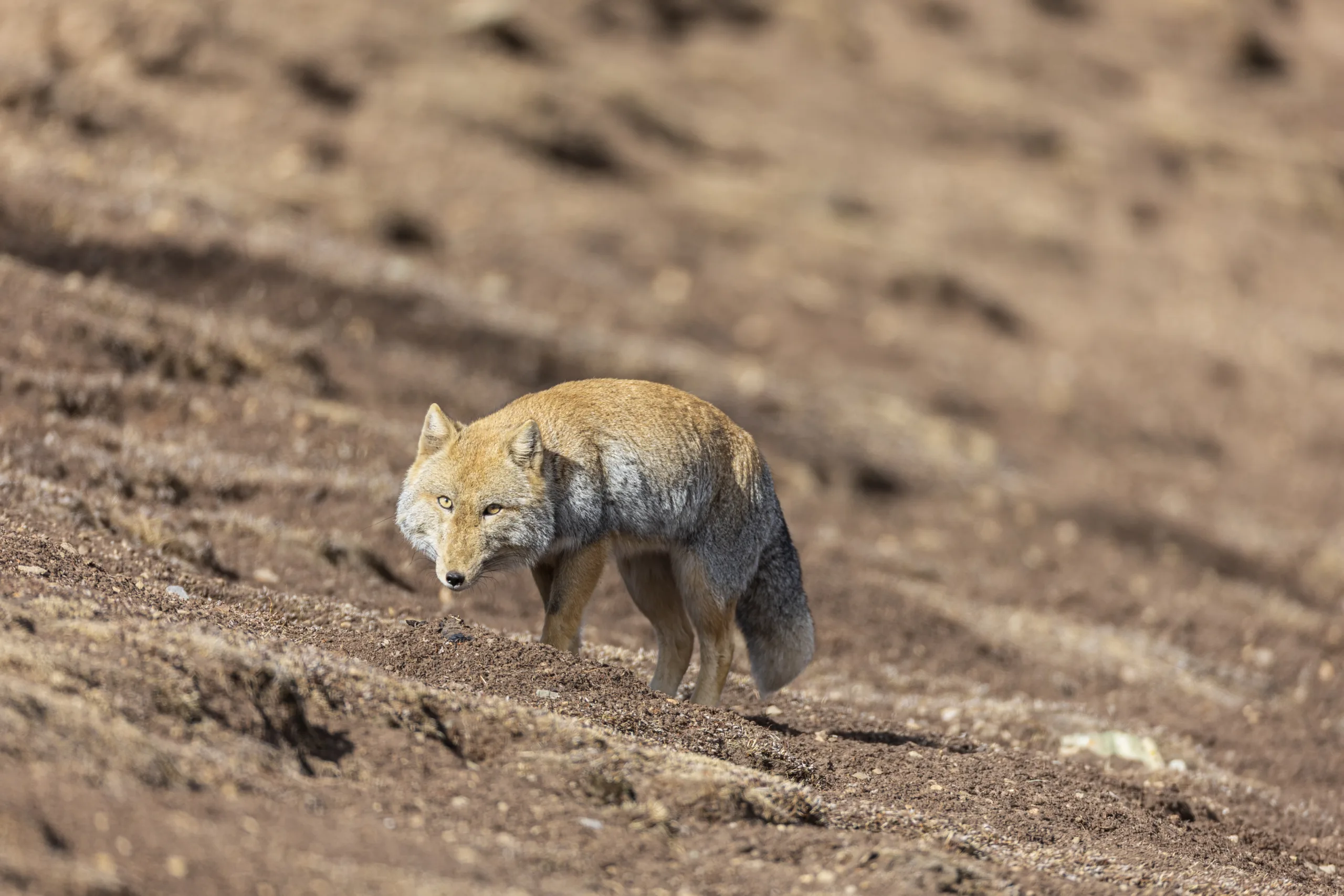
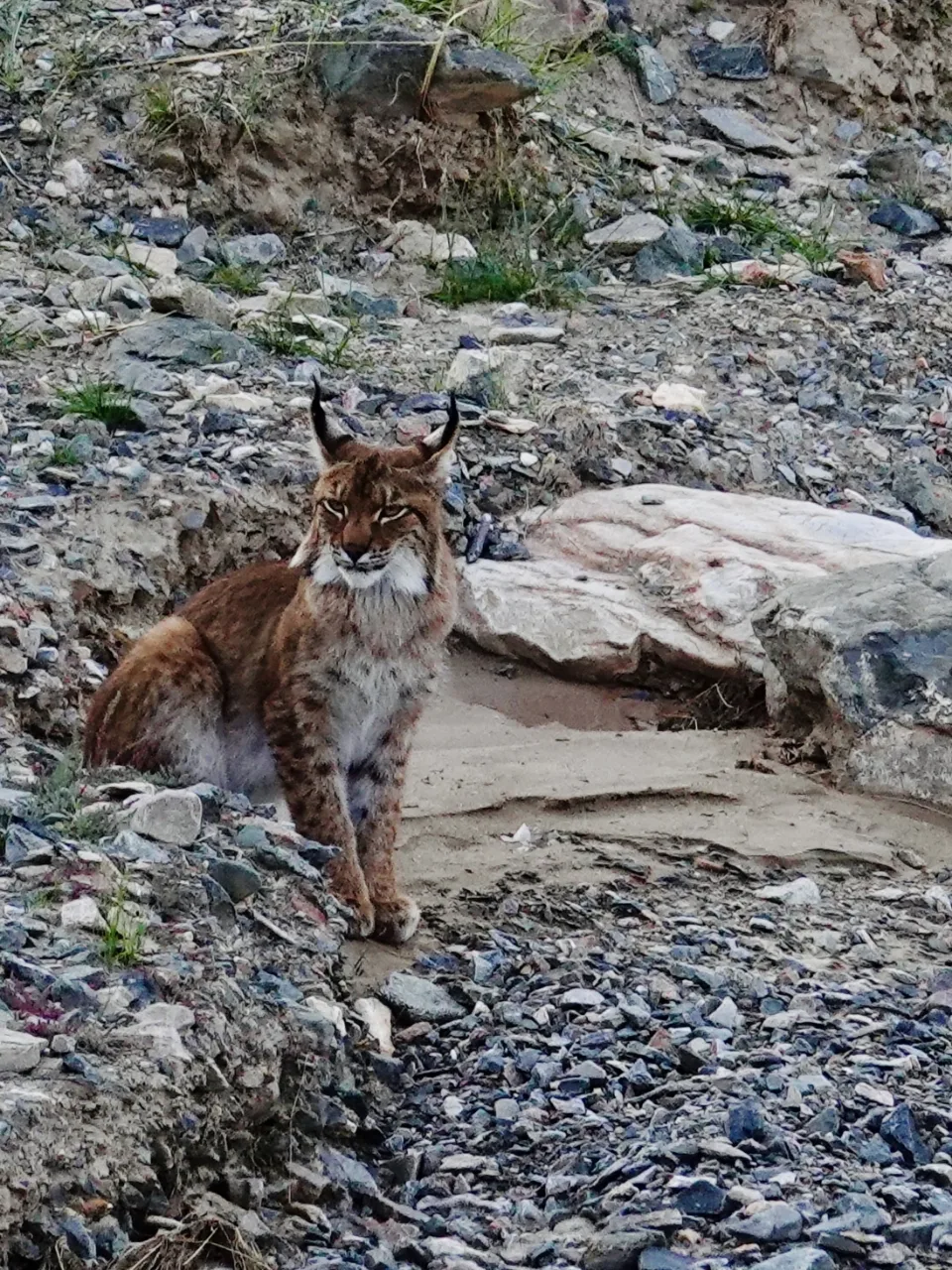
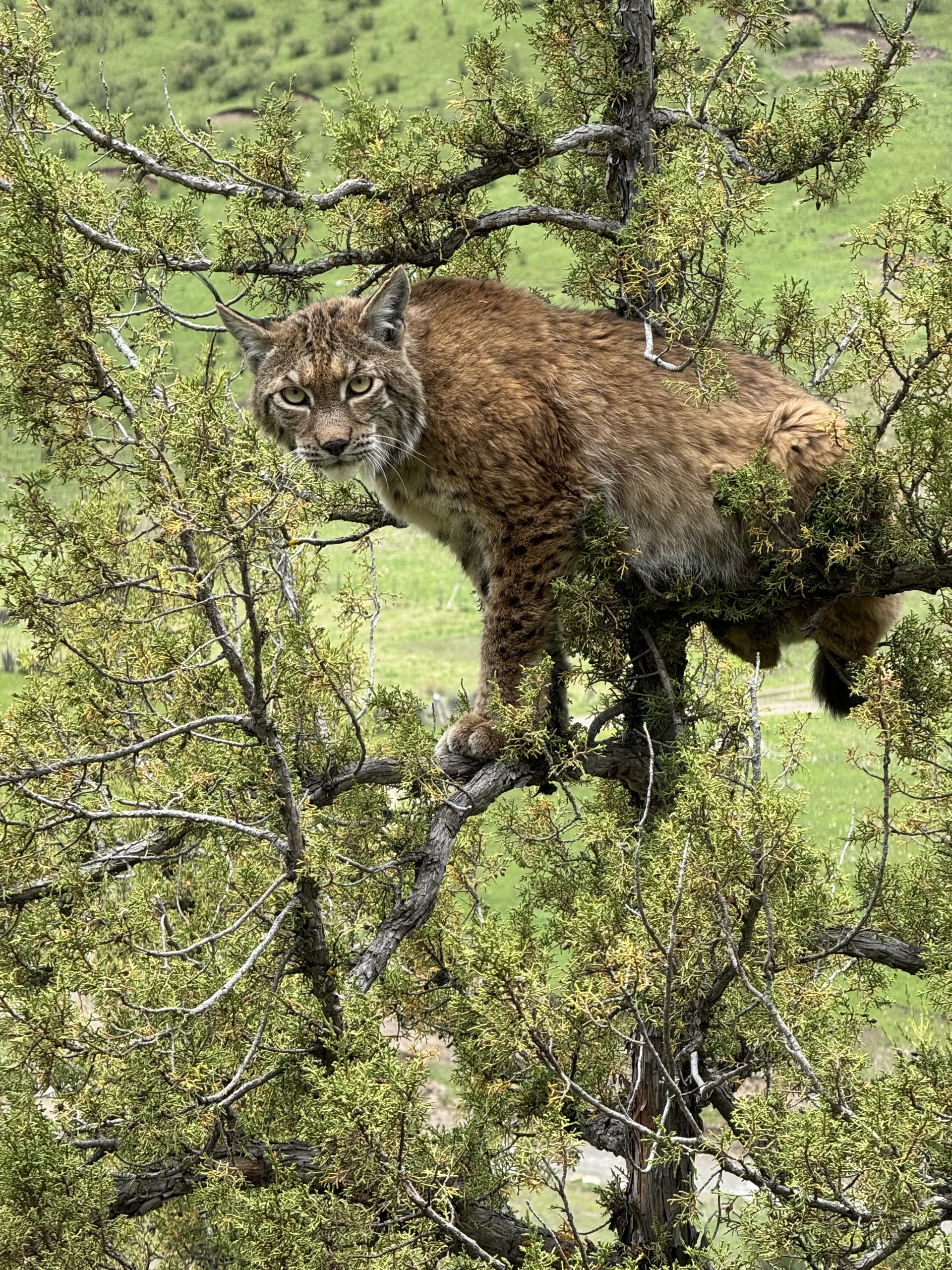
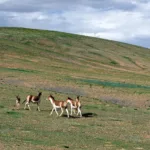
Maximise your chance of wildlife sightings. Beyond snow leopards, our expert guides may also help you spot other high-altitude species, including Eurasian lynxes, blue sheep, white-lipped deer, Tibetan foxes, and bearded vultures.
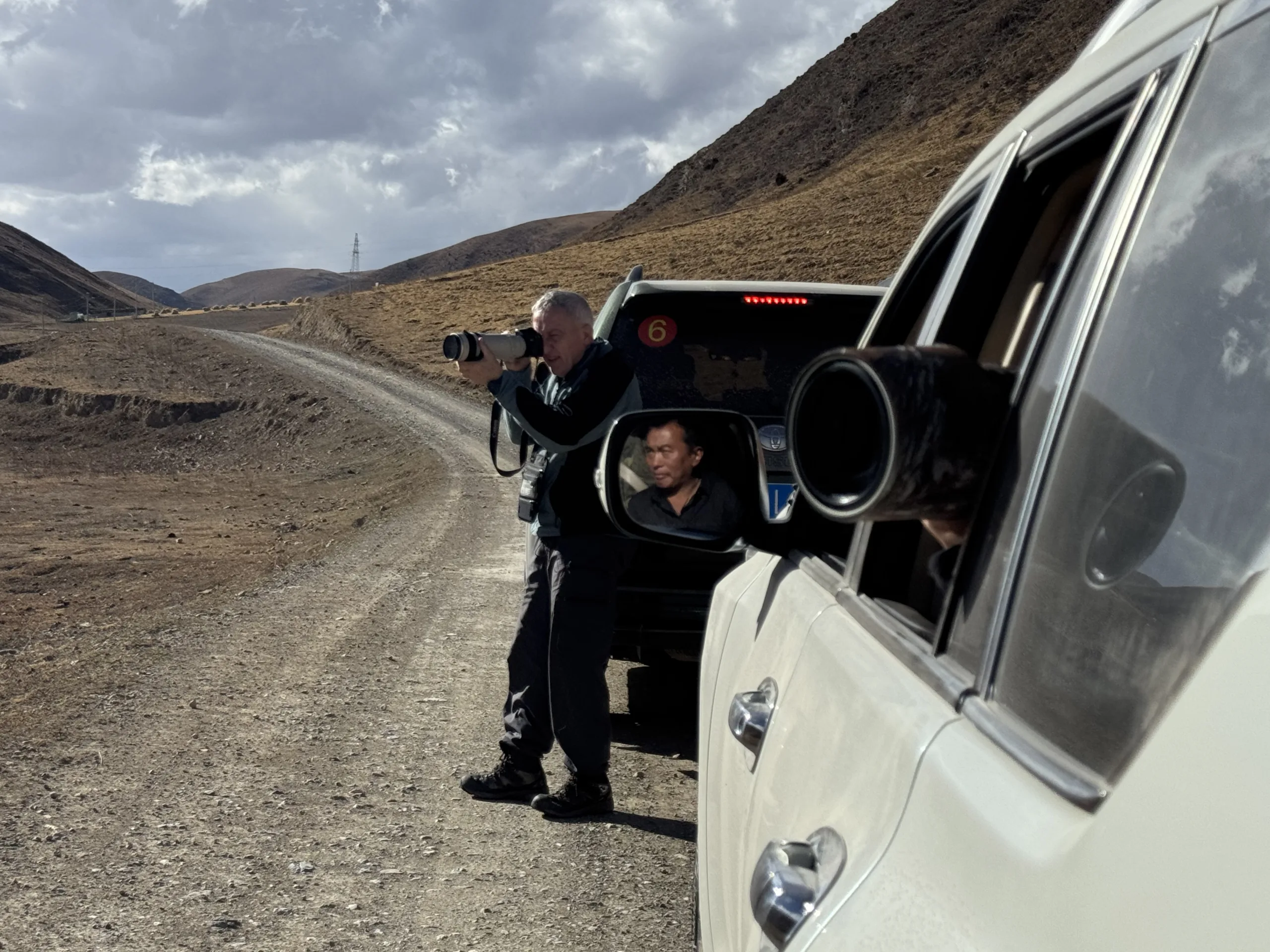
Maximum chance of seeing snow leopards: Using intel from three key observation zones, our wildlife experts and daily monitoring by local herders, the itinerary is flexibly adjusted based on the latest snow leopard movements.
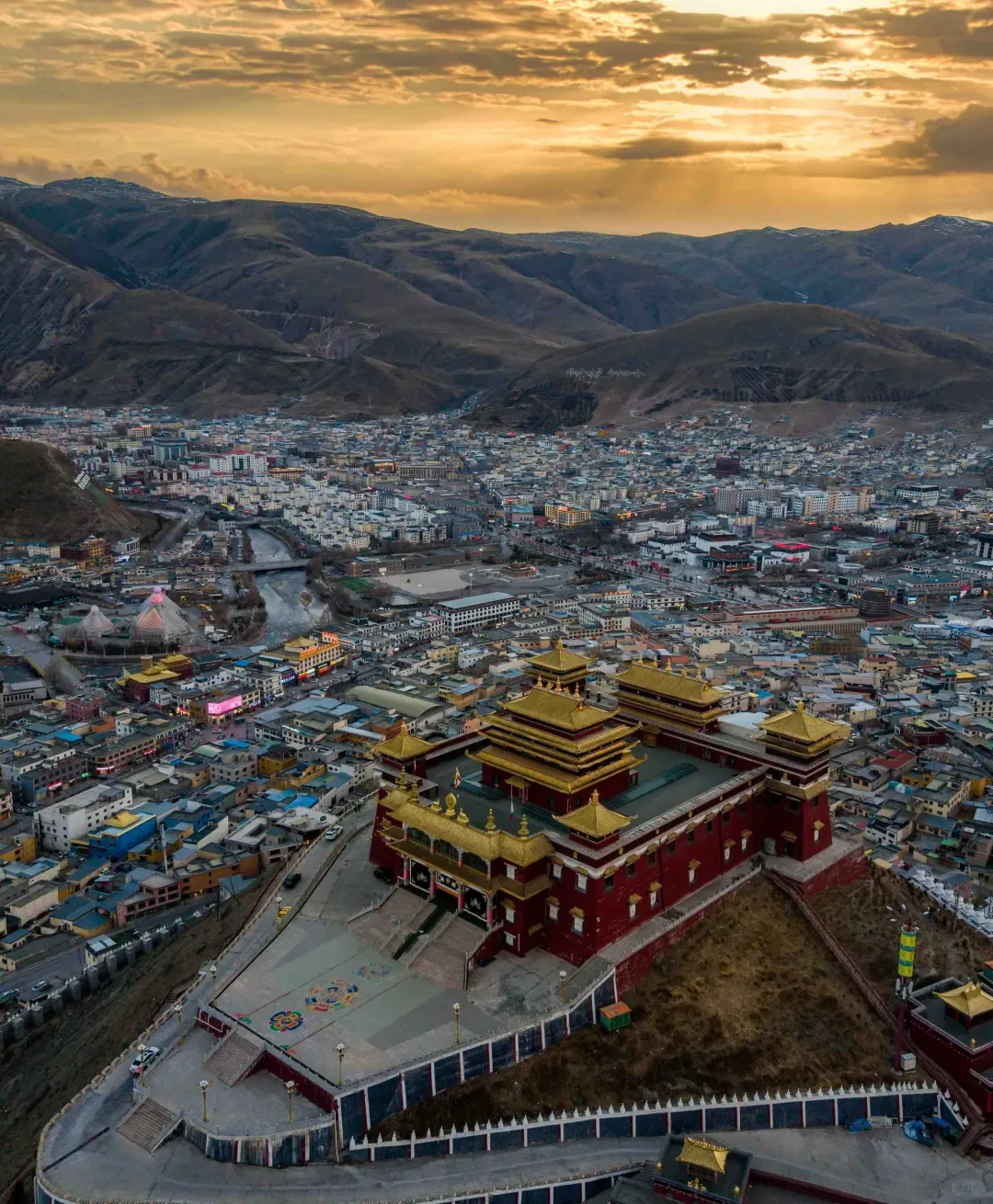
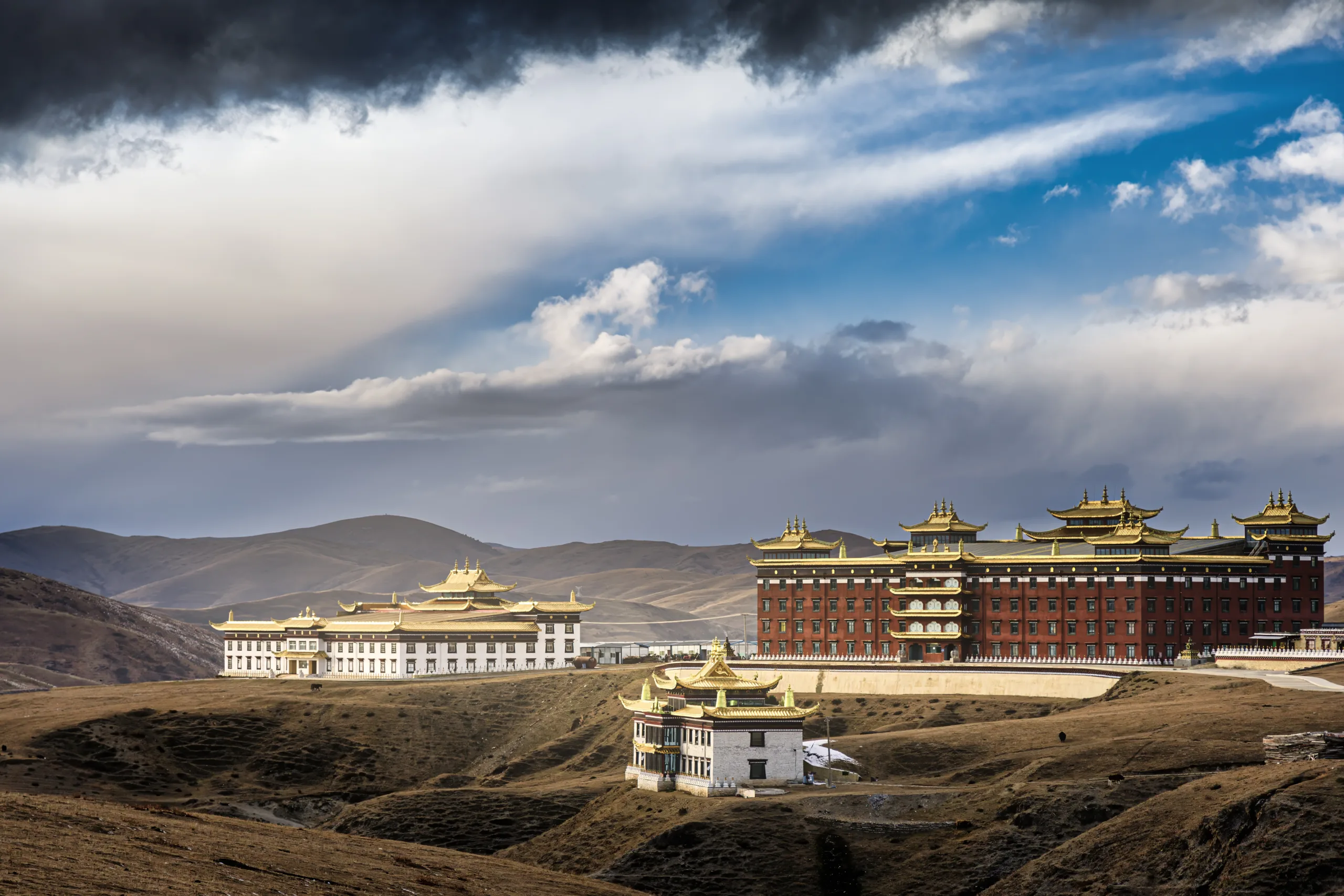
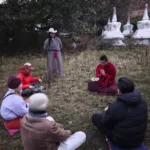
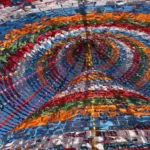
Experience the purest Tibetan Buddhist faith: On this Tibetan Plateau untouched by mass tourism, you will visit the world’s largest Mani stone pile and Jiegu Temple.
Day-by-day Itinerary
Arrival in Yushu City
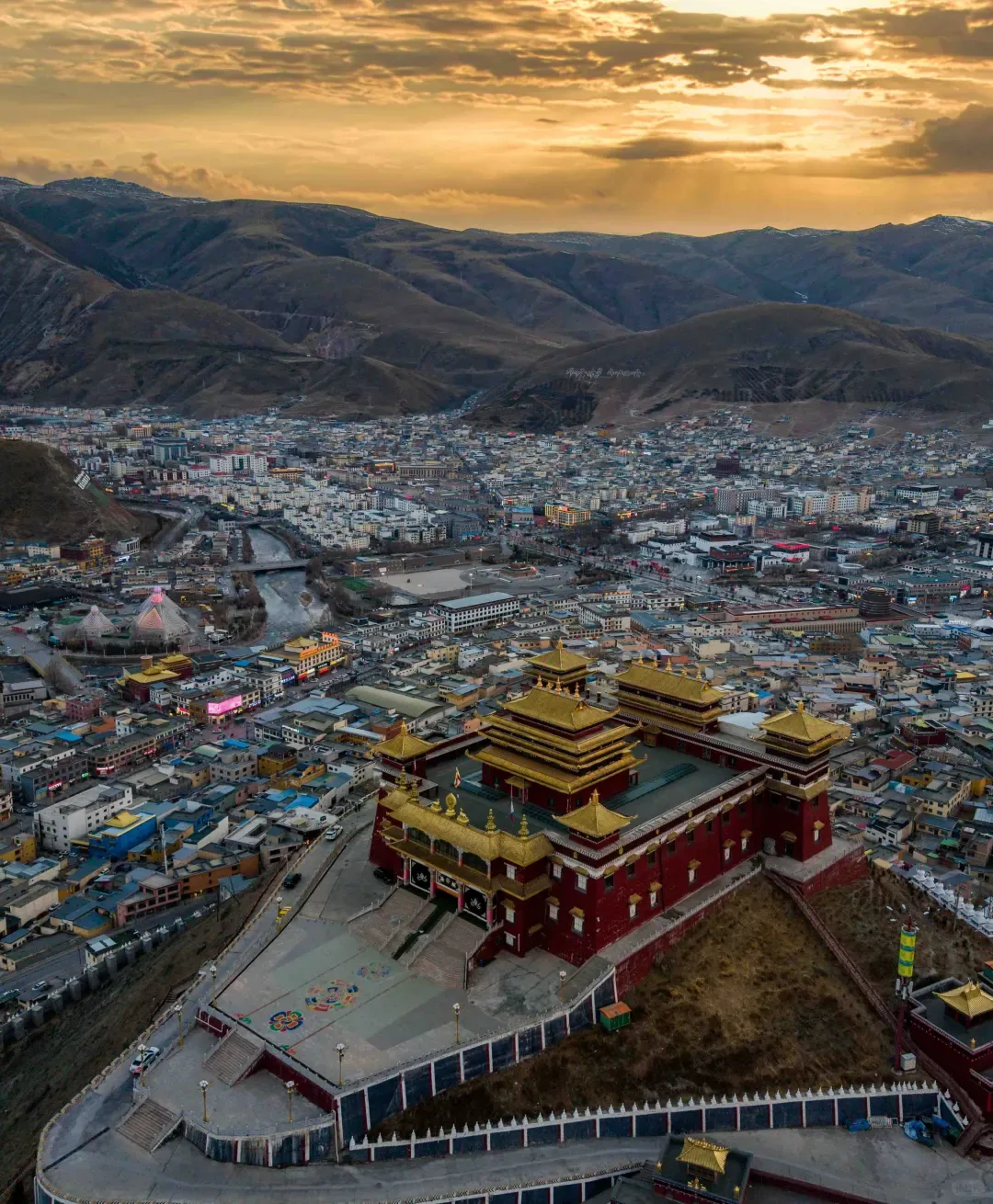
Begin in Yushu, the cultural heart of the Tibetan Plateau and gateway to Sanjiangyuan National Park. Meet your trip leader in the hotel lobby for a visit to the Jiegu Monastery, where you’ll be introduced to the Buddhist culture of Yushu, followed by a detailed introduction to the upcoming expedition before gathering for a welcome dinner with fellow travelers.
Yushu City – Nangqian – Juela
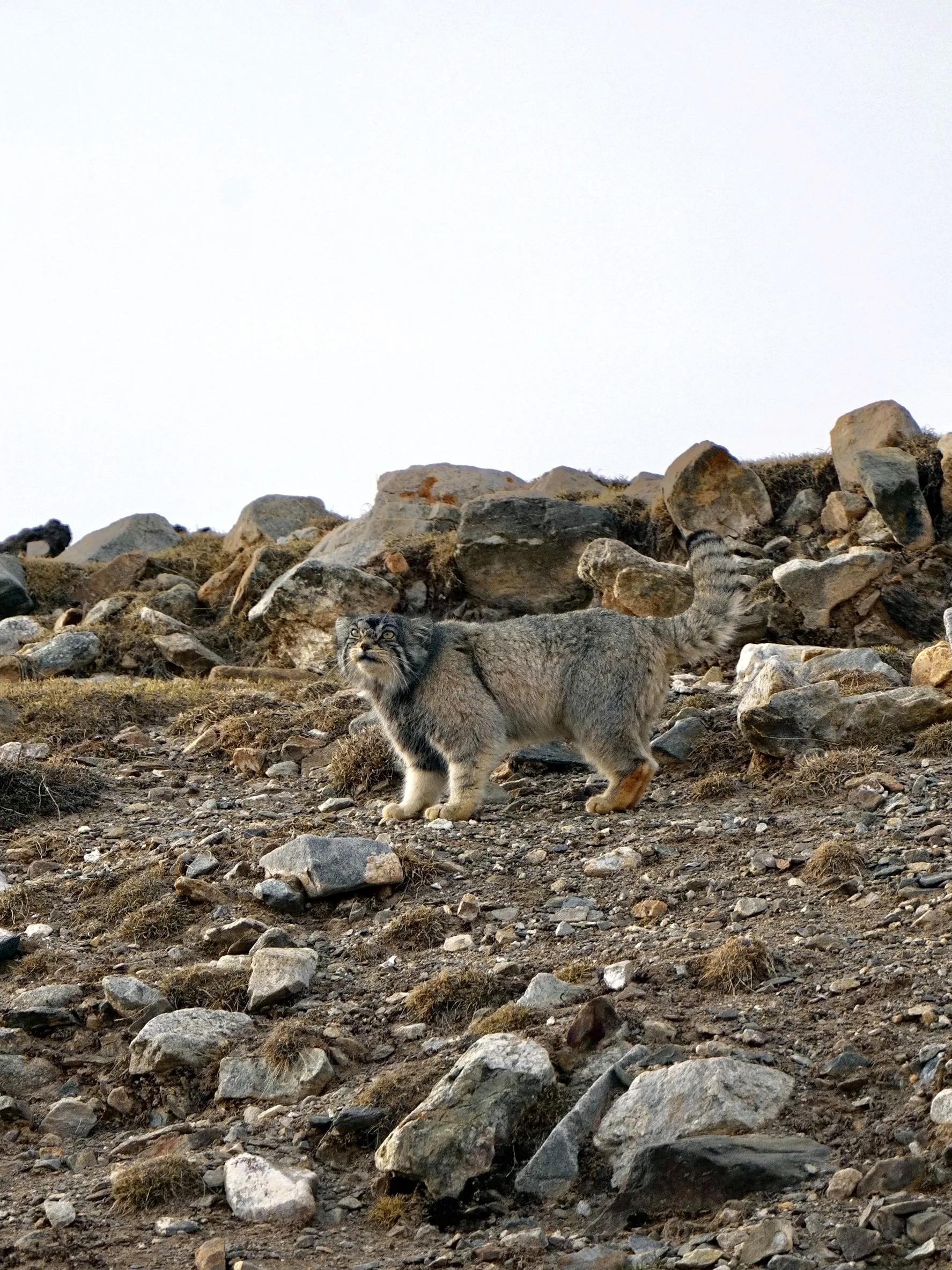
Begin your wildlife adventure in Juela, deep in Nangqian – the snow leopard heartland of Qinghai. Guided by real-time updates from our Snow Leopard Information Network, today’s route adapts to maximize wildlife encounters across high-altitude valleys. Expect sightings of Eurasian lynx, Pallas’s cat, blue sheep, and soaring Himalayan vultures. As dusk falls, continue tracking until night before settling into Juela Camp surrounded by the wild silence of the plateau.
Juela – Longbao Wetland – Haxiu Wildlife Viewing Area
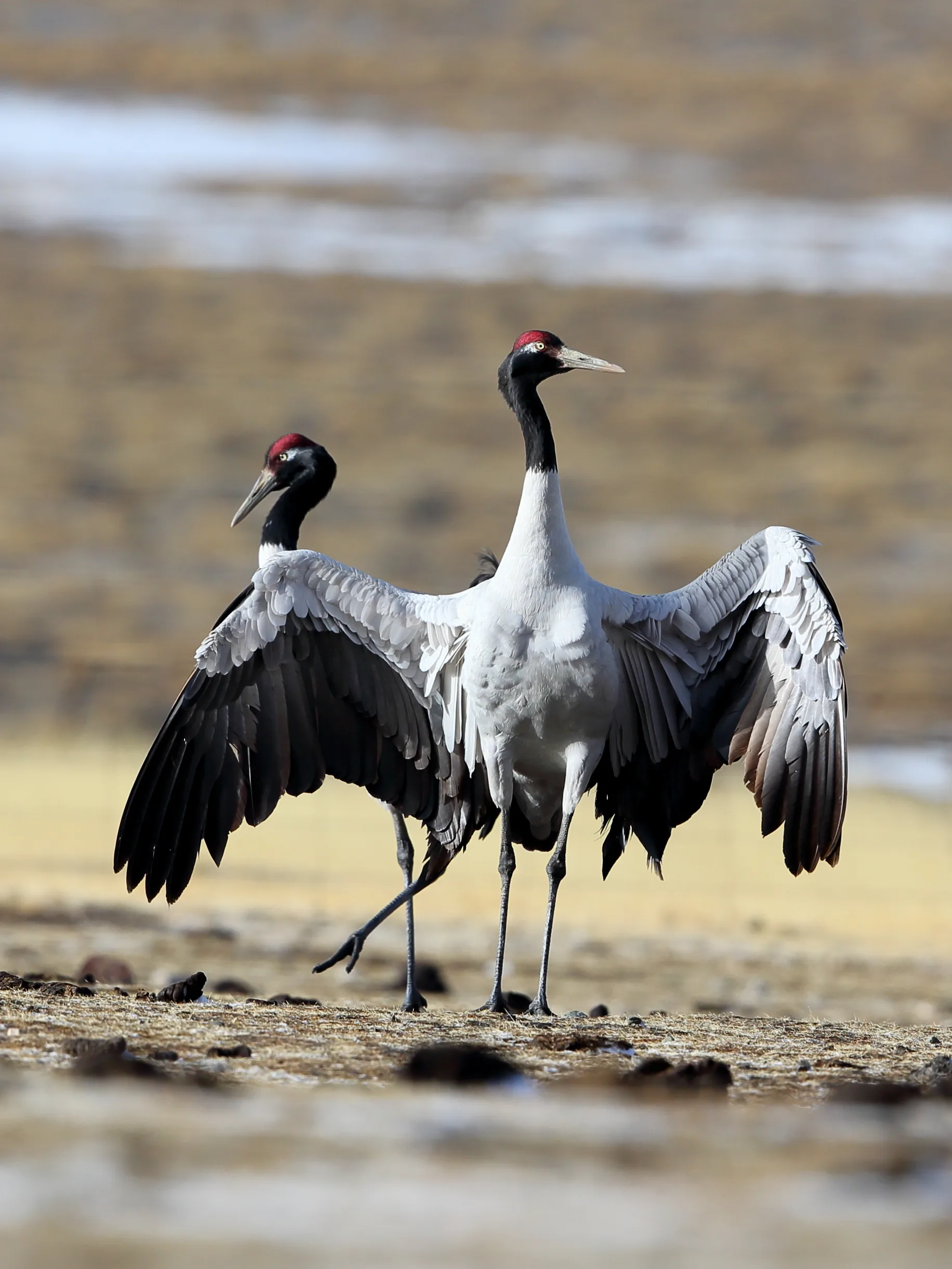
Begin before sunrise, heading deep into the mountains to search for snow leopards. By afternoon, arrive at Longbao Wetland, one of the most important bird sanctuaries on the plateau. Known as the “hometown of the black-necked crane,” it teems with life—bar-headed geese, ruddy shelducks, and countless migratory species thriving in its glittering wetlands. Continue onward to Haxiu, a renowned snow leopard observation site, where you’ll settle into Local herders’ home for the night and begin your multi-day watch for the elusive “spirit of the mountains.”
Haxiu Wildlife Viewing Area
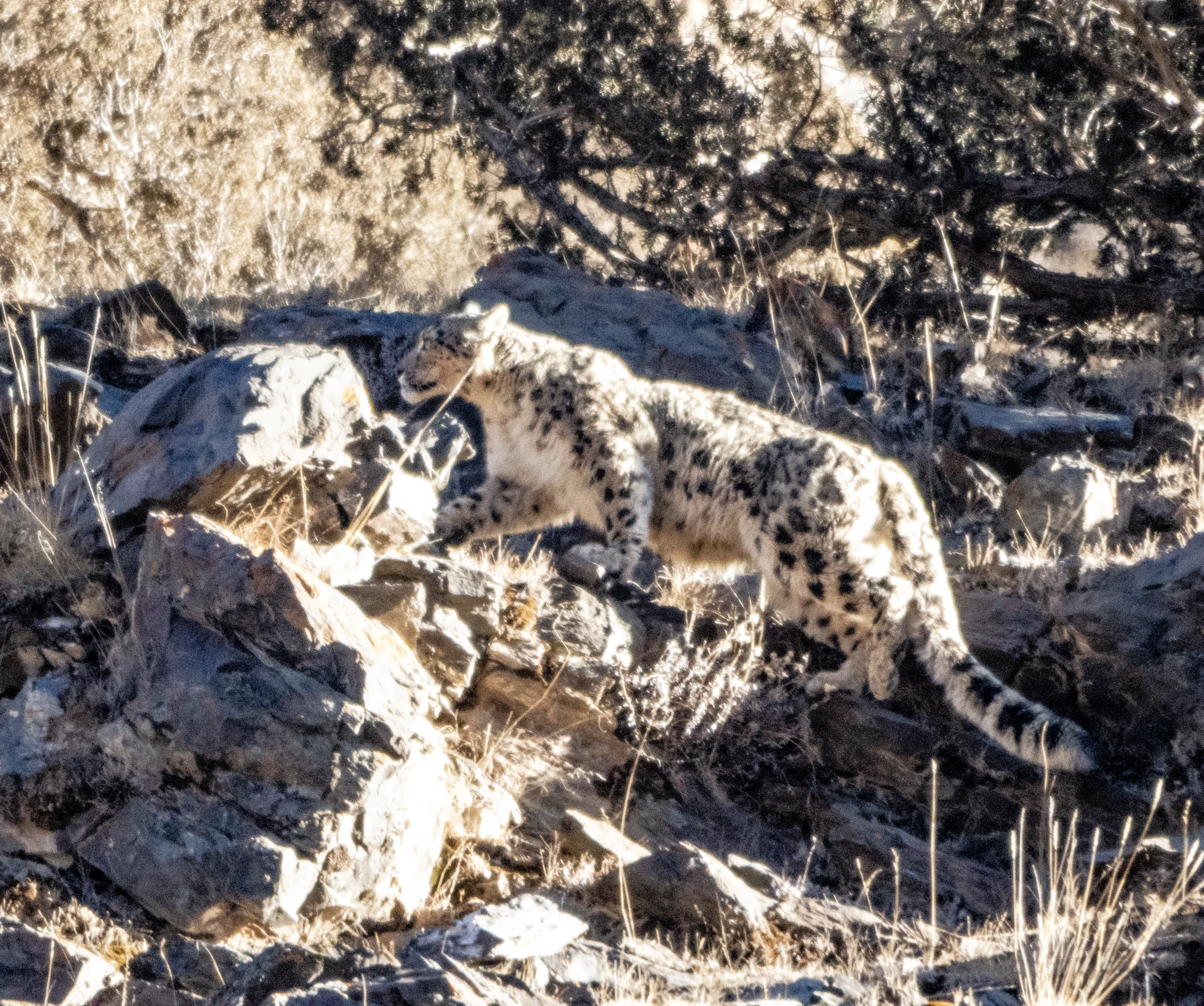
Our wildlife specialists will already be out scanning for wildlife from the deck of the lodge and will call you if and when anything of note appears on the mountainside surrounding the lodge. Depending on updates from our local herder observation network, we may spend the day quietly waiting near camp to watch for snow leopards until dusk, or drive to nearby valleys where vultures have been reported circling. Several snow leopard families live in this area, offering excellent chances for sightings. In the evening, enjoy dinner at a herder’s home and stay overnight with the family.
Haxiu Wildlife Viewing Area – Yushu City
After breakfast, following the guide’s information, we will seize the last opportunity to go out in search of the wild snow leopard until nightfall then we will drive back to Yushu city and stay in the hotel.
Yushu Departure
The guide will bid you farewell at the hotel and see you off to your vehicle for the transfer to the airport, marking the end of our unforgettable wildlife journey.

Interested in a similar itinerary but want to Travel Privately?
Our Travel Experts are here to craft your perfect tailormade holiday.
Featured Stays
Accommodation options in this area are limited, but we’ve selected the best local hotel for your comfort. Most hotels are equipped with oxygen machines to help you acclimate and reduce symptoms of altitude sickness. Please note that during the snow leopard observation at the herder’s home, the accommodation is quite basic. Private rooms cannot be guaranteed, and the toilet facilities are simple pit toilets.




Vienna International Hotel
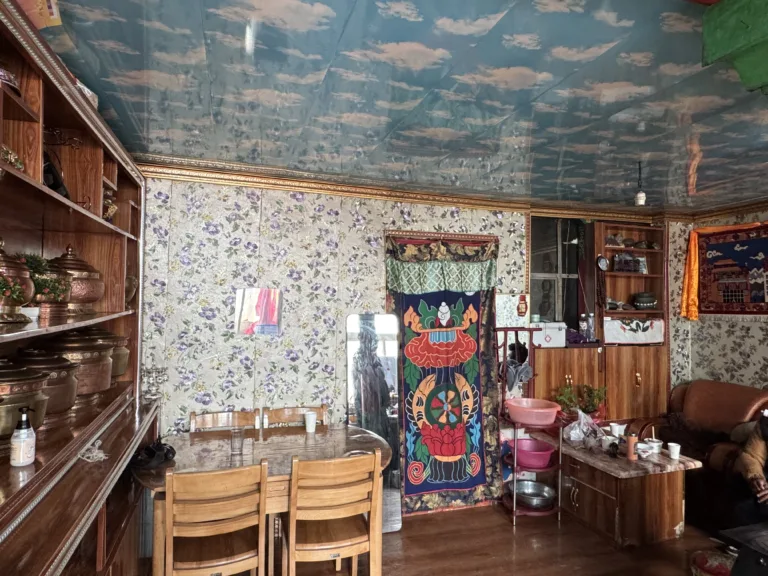

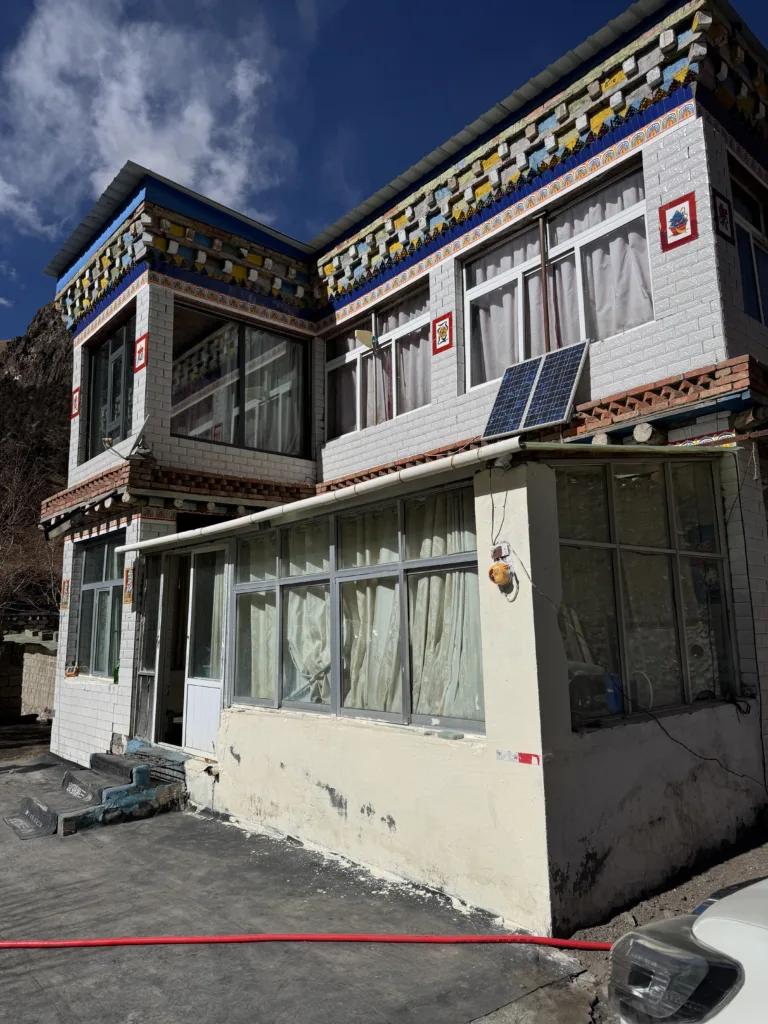
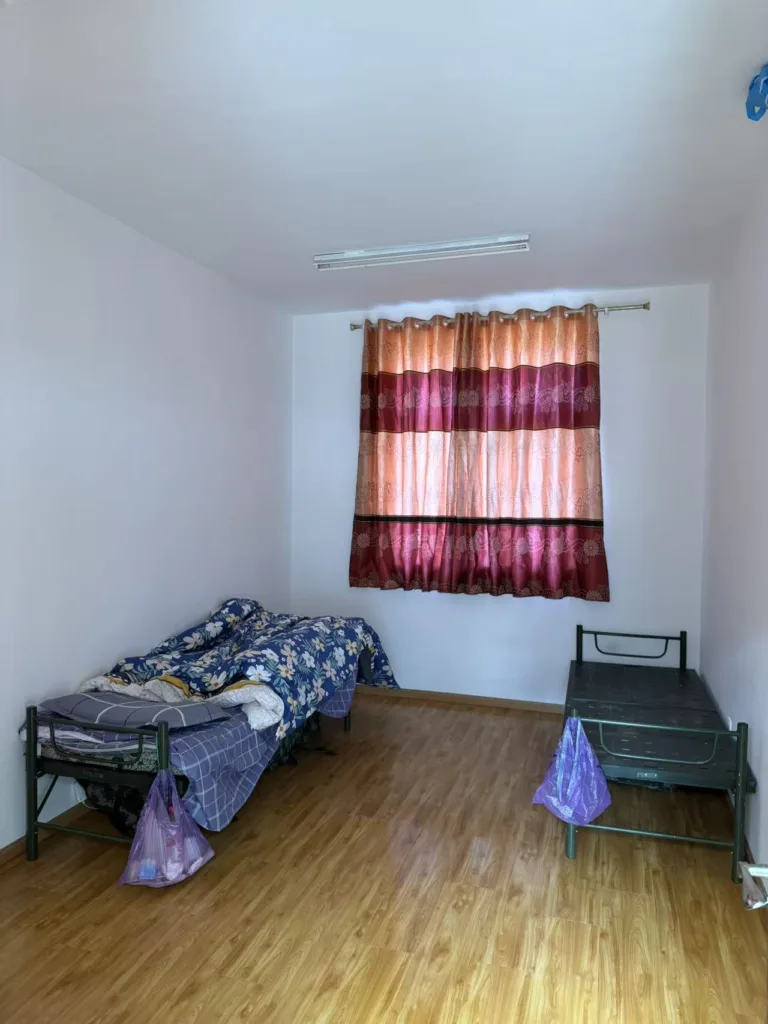
Herder's Home (Haxiu)
Inclusions & Offers
Dates & Prices
Best time to visit
Traveler Reviews









FAQs
Can we definitely see snow leopards?
There’s never a 100% guarantee when observing wildlife. Snow leopards are wild animals, and are used to traversing freely in the highland environment. However, we’ve selected multiple high-probability locations, scheduled multiple attempts, and coordinated with local villagers who scout in advance to maximise your chances of seeing a snow leopard.
See our Qinghai Yunta Village Wildlife Report for documented snow leopard sightings and field records.
Which airport should I fly to? What is the airport code?
Yushu does not have international flight connections. The most convenient route is to first fly to Chengdu or Xining, then take a domestic flight to Yushu Batang Airport (IATA: YUS).
How far will we be from the snow leopards?
Typically, the viewing distance ranges from 200 to 1000 meters. In very lucky situations, a snow leopard may appear just 10 meters away by the roadside. In other cases, they may be seen on a distant ridge, about 500 meters away. We will prepare binoculars for every person, adapting to the diverse observation ranges. If observing over a longer duration, you may consider purchasing your own pair of binoculars. Recommended dimensions are 10×42, 8×32.
Recommended Equipment for Photographing Snow Leopards
Use a camera system you are familiar with and carry sufficient spare batteries.
Primary setup: A 600mm prime lens, or an 800mm prime lens with a 1.4× teleconverter.
Recommended: Dual camera bodies. For backup lenses, a 70–200mm or 100–400mm zoom works well.
Please also bring a stable tripod with a gimbal head.
When is the best season to observe snow leopards?
Snow leopards are highly sensitive to heat. During colder months, they descend to lower elevations, making sightings more likely. In warmer seasons, they retreat to higher altitudes, which makes observation much more difficult. The highest probability of sightings occurs in late January and February, during their mating season.
However, this also coincides with the harshest conditions—temperatures can drop below -30°C, and oxygen levels are significantly lower, which increases the risk of altitude sickness. As an alternative, we recommend November or as early as April, when the probability of sightings still ranges from 60–80%.
For most travelers and wildlife photographers, we suggest October and November as the ideal months. The climate is more stable, snow leopards are active at more accessible altitudes, and conditions are generally more comfortable for travel and observation.
How far will we need to hike?
Hiking Made Easy. Don’t worry if you’re new to hiking — our journey is designed to be comfortable and beginner-friendly. Each day’s walk is no more than 4 hours, along a mix of roads, trails, and gentle mountain paths. With just basic outdoor gear, you’ll be ready to go. And rest assured, our experienced guides are by your side the whole way, ensuring a safe and enjoyable adventure at high altitude.
What altitudes should I expect?
The journey ranges from 3,700 to 4,500 meters above sea level. We will arrange two days in Yushu (3,700m) for acclimatization. If time allows, you may adapt at 2,500m (e.g. Xining) for 1–2 days before arriving. Our team is experienced in handling altitude sickness. Please inform your guide of any discomfort during the journey—safety is our top priority. In case of serious symptoms, we may adjust the route or cut short the trip.
Wildlife Highlights by Season
Snow leopard – Best observed in January–February during mating season.
Marmot & Tibetan blue bear – Hibernate in winter, visible again in warmer months about May-September.
Bearded & Himalayan vultures – Widely distributed, easy to spot year-round.
Wolf – Harder to see in summer (often hidden in valleys), more visible in spring, autumn, and winter on grasslands or roadsides.
Blue sheep, White-lipped deer & Tibetan gazelle – High probability of sightings in every season.
Can drones be used?
In the Yushu area, it is strictly forbidden to use drones to film animals. However, using drones to capture the natural landscapes of the Sanjiangyuan region from the roadside is allowed.
What kit do I need?
Please bring shoes that are comfortable for walking outdoors and also waterproof. While staying at the camp, the catering will provide bedsheet and blankets. We recommend you to bring personal sleeping bags as well. We’re always happy to provide further advice and recommendations.
What is the age limit for joining the Snow Leopard expedition?
For safety and comfort considerations at high altitude, the recommended age range is 10 to 70 years old. Participants outside this range may still join, but a doctor’s certificate of good health and prior approval from the organizer are required.
What are the visa requirements?
Please check your country’s visa requirements for travelling to China. If you are from a visa-exempt country, you will have a 15/30-day visa-free stay. Our trip lasts no more than 13 days, leaving plenty of time for departure. If you wish to stay longer than 15 days, please apply for a visa in advance.
Inspirations
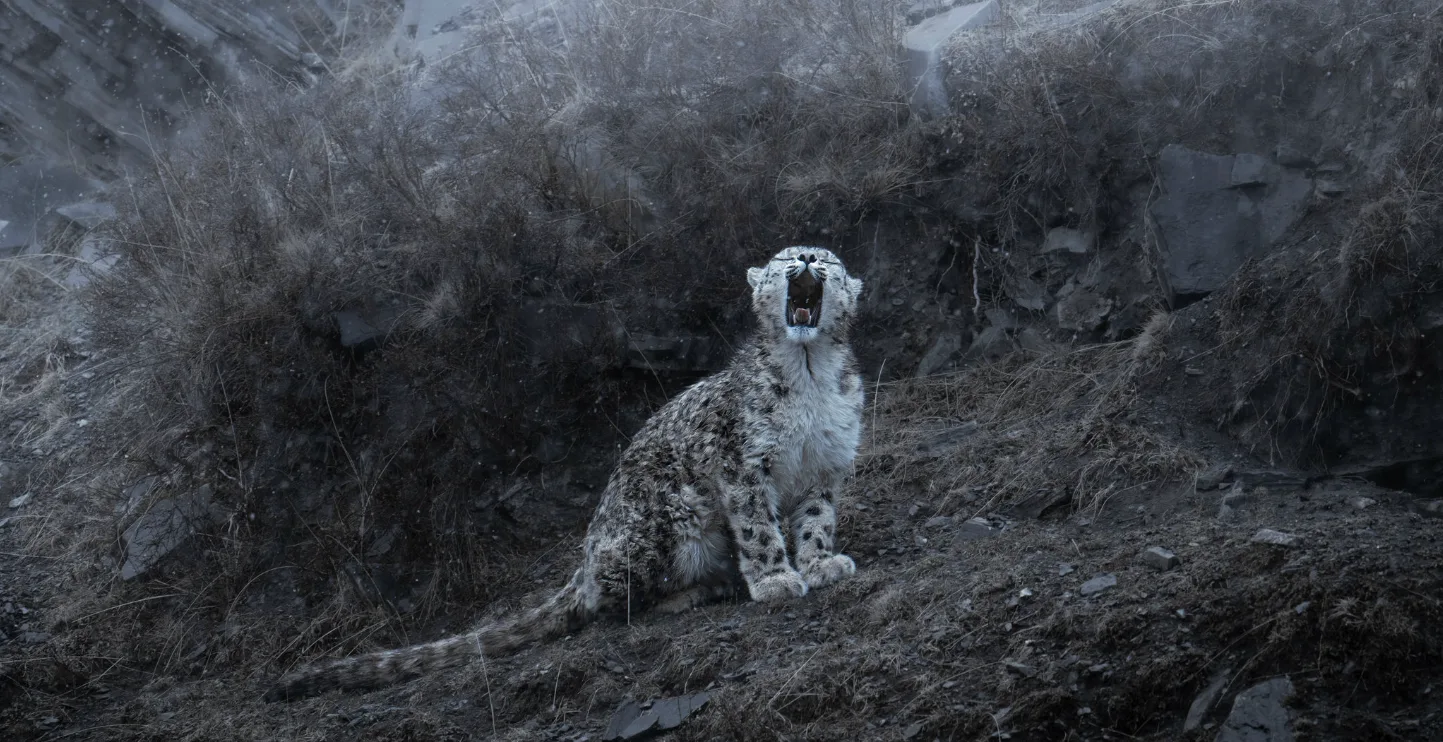
Snow Leopard Photography Field Guide: How To Photograph Snow Leopards In The Wild
Through this guide, we hope to help photographers who share a passion for snow leopards create meaningful images and inspire more people to appreciate this extraordinary species through photography.
View Detail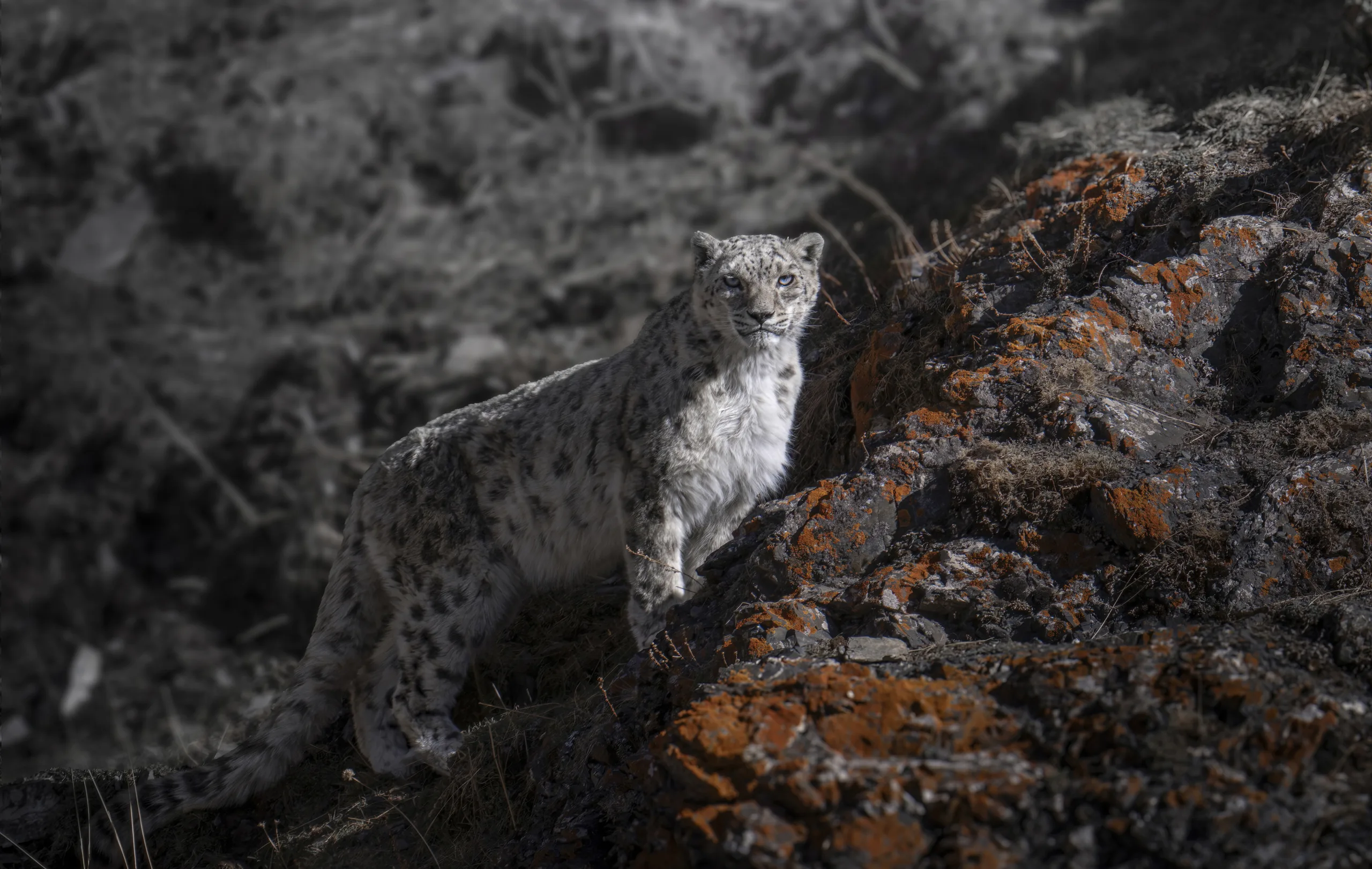
China Snow Leopard: A Complete Guide to Where, When and How to See Them
This guide explains where snow leopards live, the key areas for observation in places such as Qinghai and Tibet, the best seasons for sightings, what logistics and equipment to expect, how permits and access work, and how to choose an operator that approaches wildlife watching ethically.
View Detail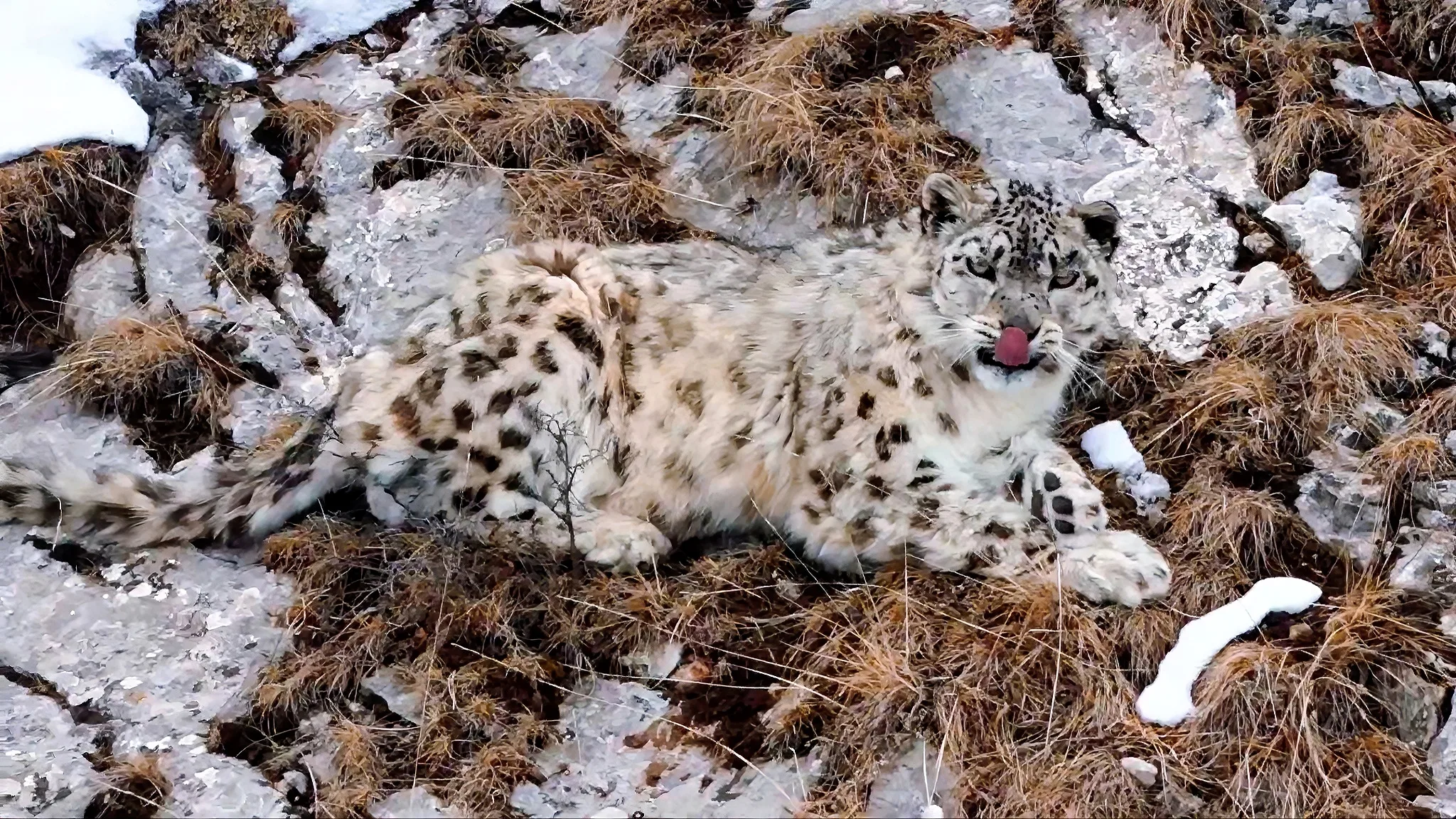
How Much Snow Leopards Are Left in the World? Population, Range, and Conservation Status
This guide explores the global snow leopard population, distribution, conservation status, and the challenges of protecting one of the world’s most elusive mountain predators.
View Detail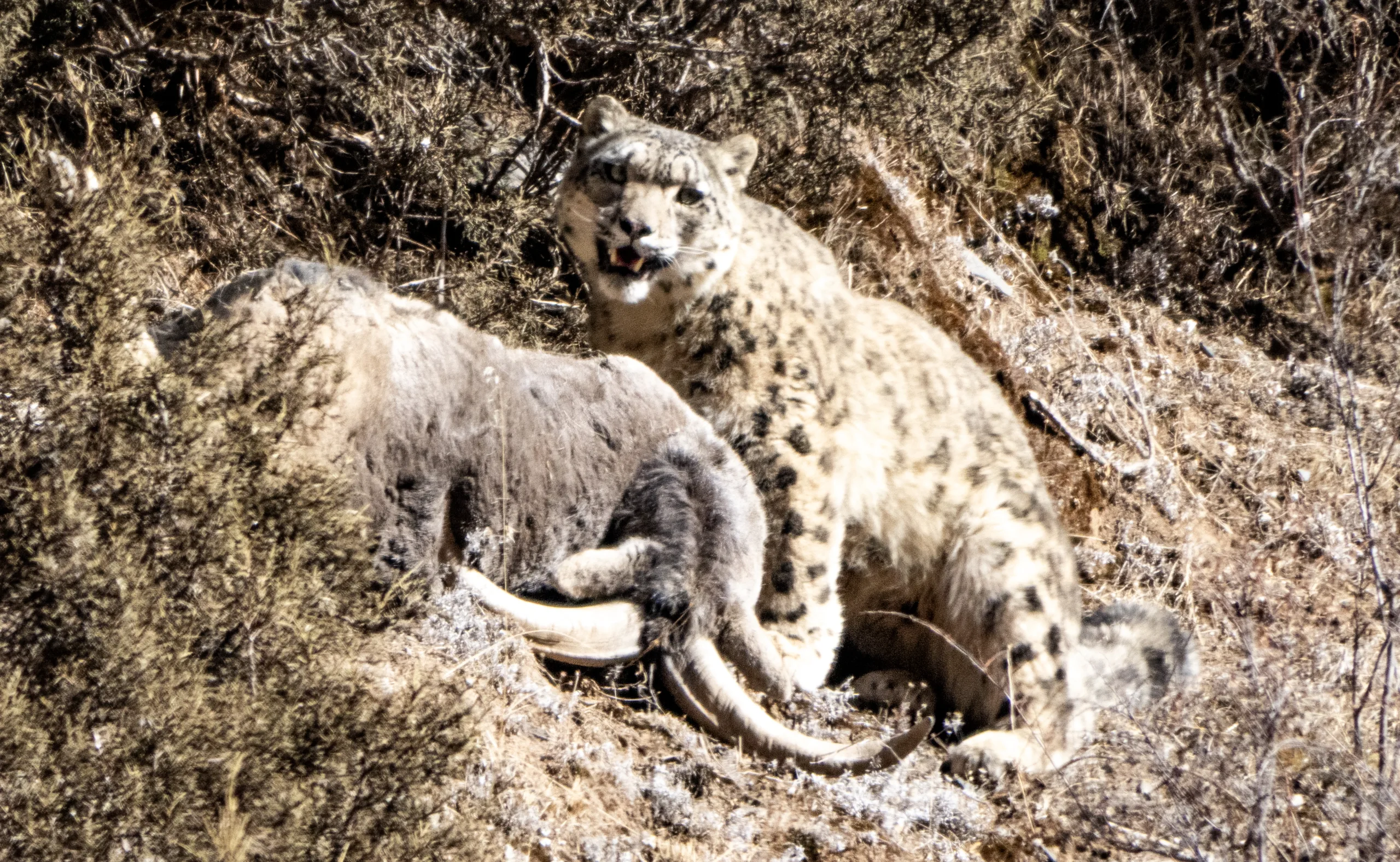
What Do Snow Leopards Eat? An Educational Guide
This guide explores the snow leopard’s diet, hunting strategies, and the food web linking this elusive big cat to the landscapes and communities around it.
View Detail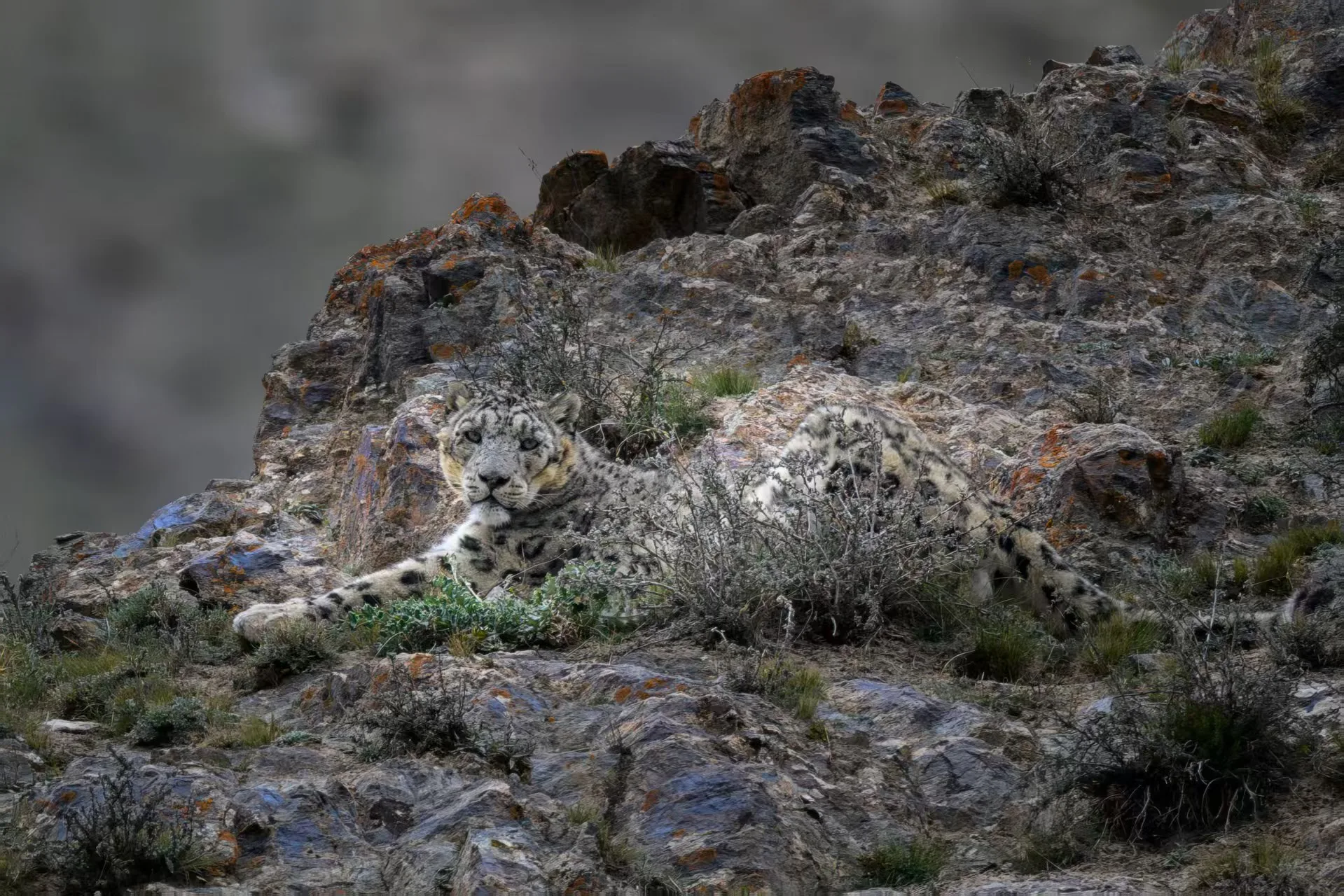
Dulan Wildlife Tour Report: Pallas’s Cats, Eurasian Lynx and Snow Leopards in Qinghai, China
A field report from Dulan, Qinghai, exploring snow leopards, Pallas’s cats, Eurasian lynxes, wildlife tracking, expeditions, and photography.
View Detail