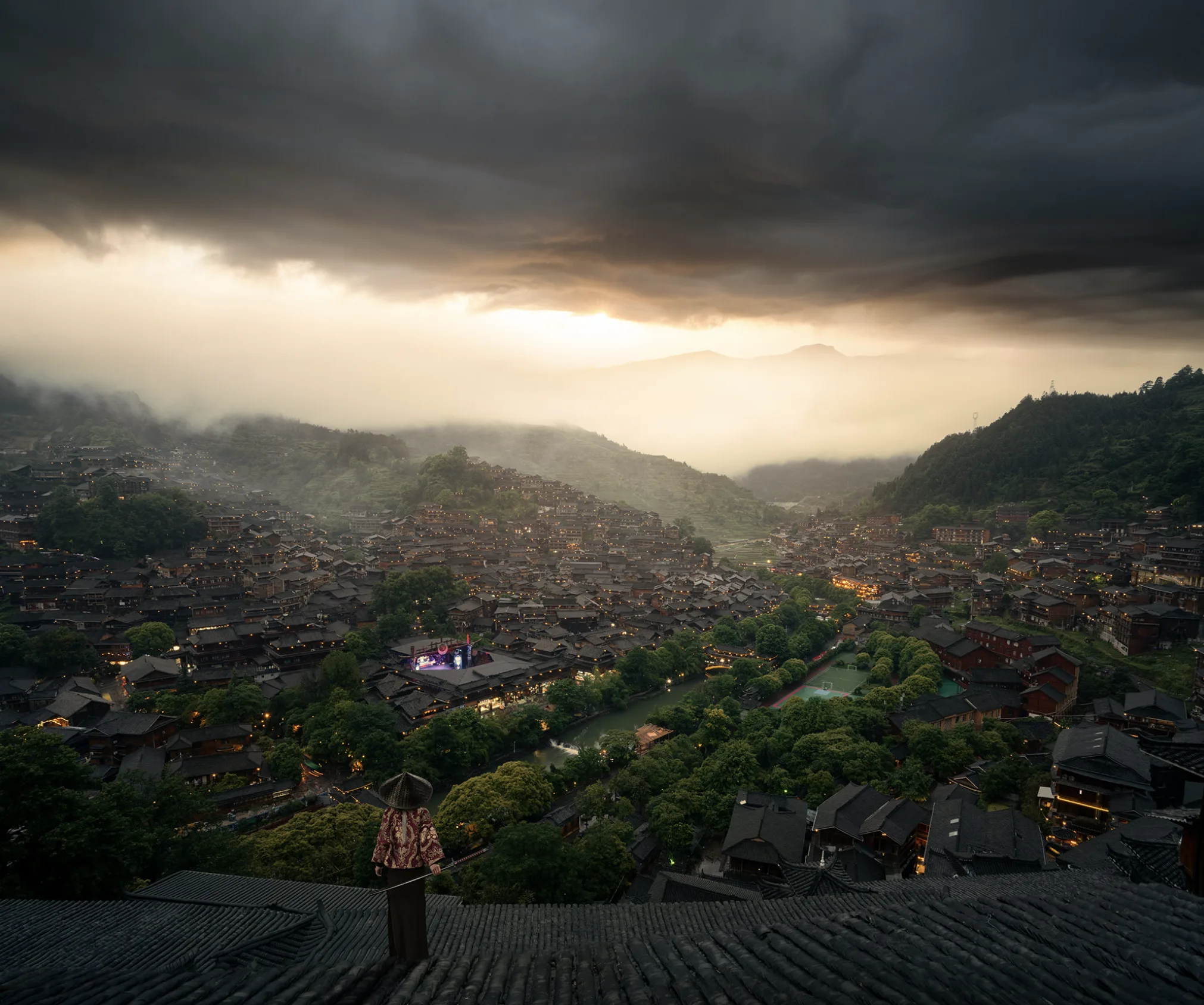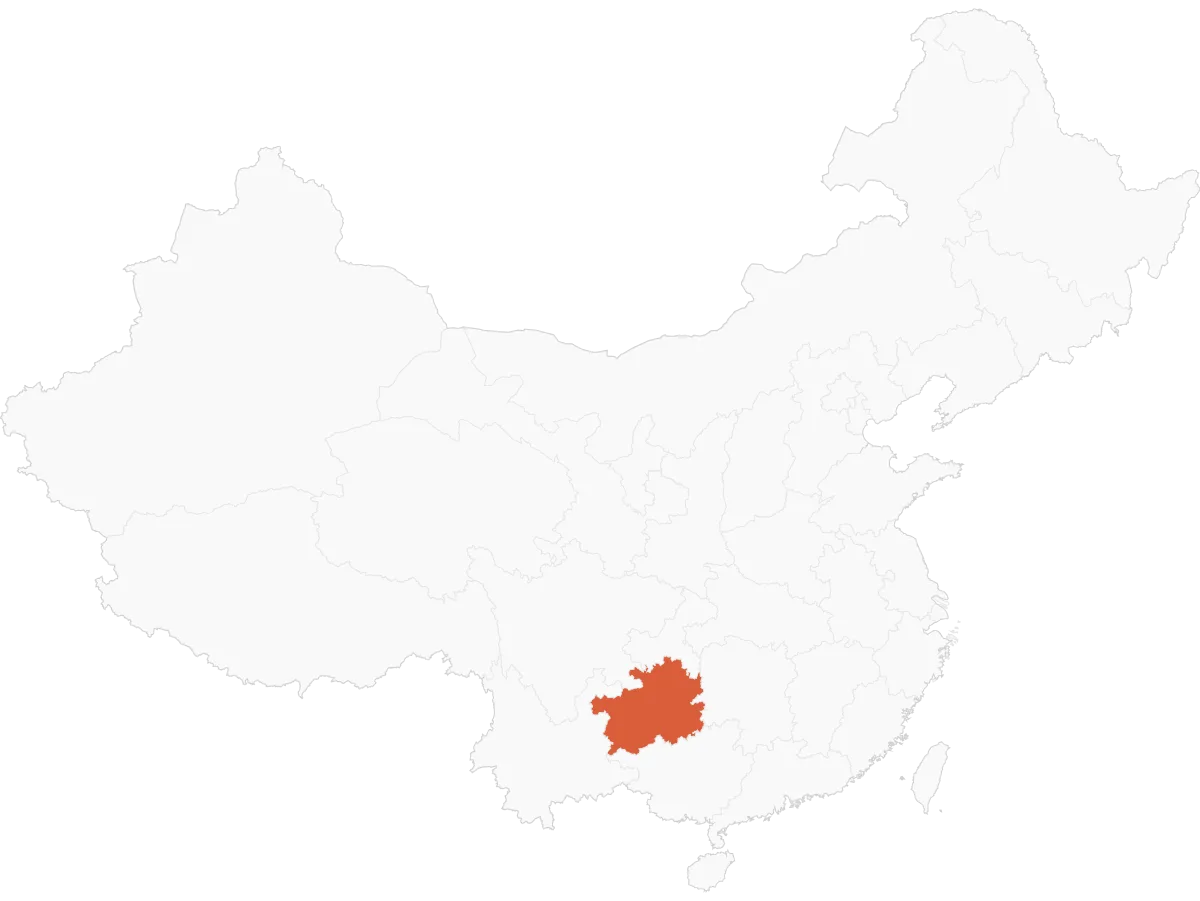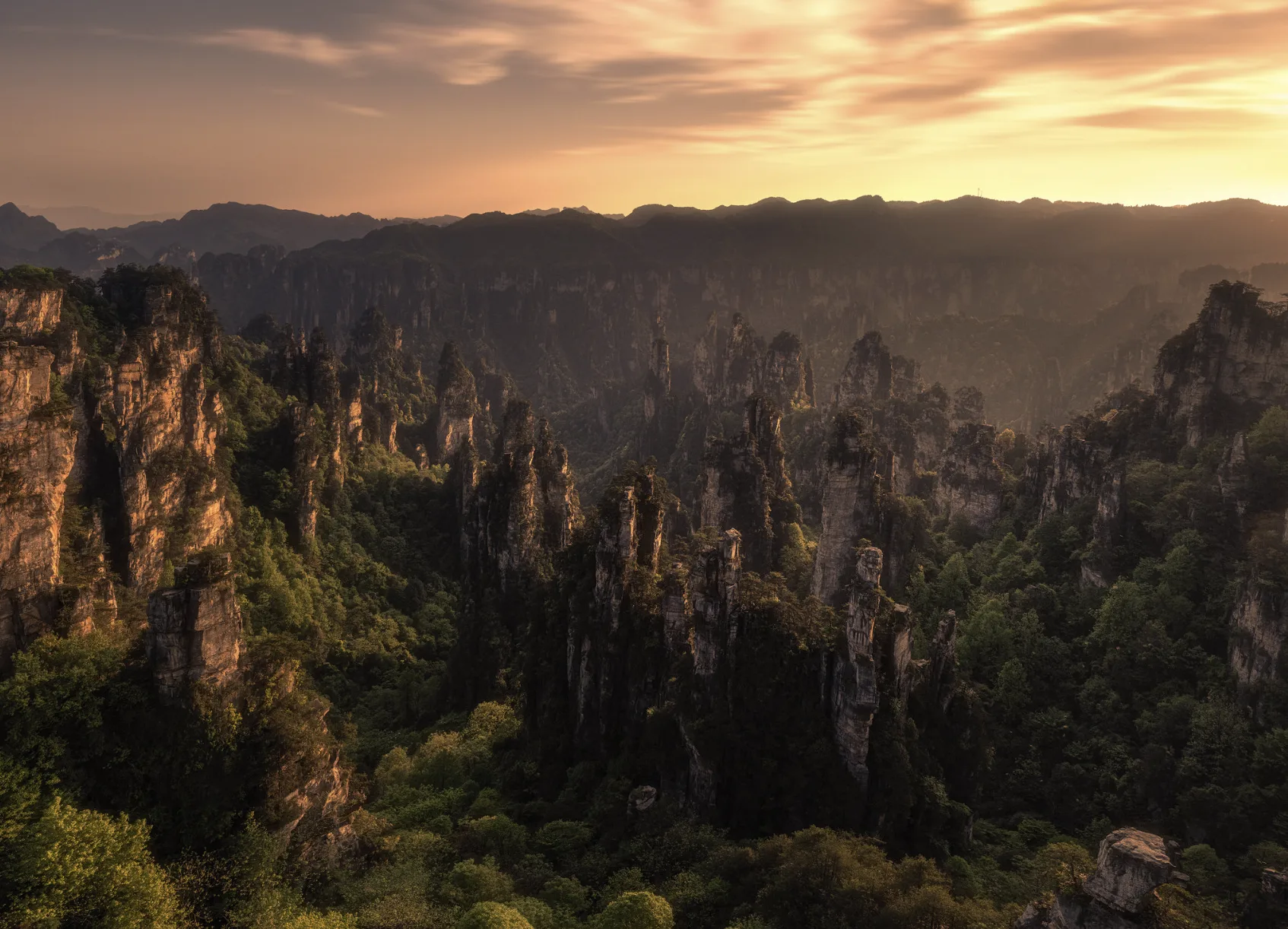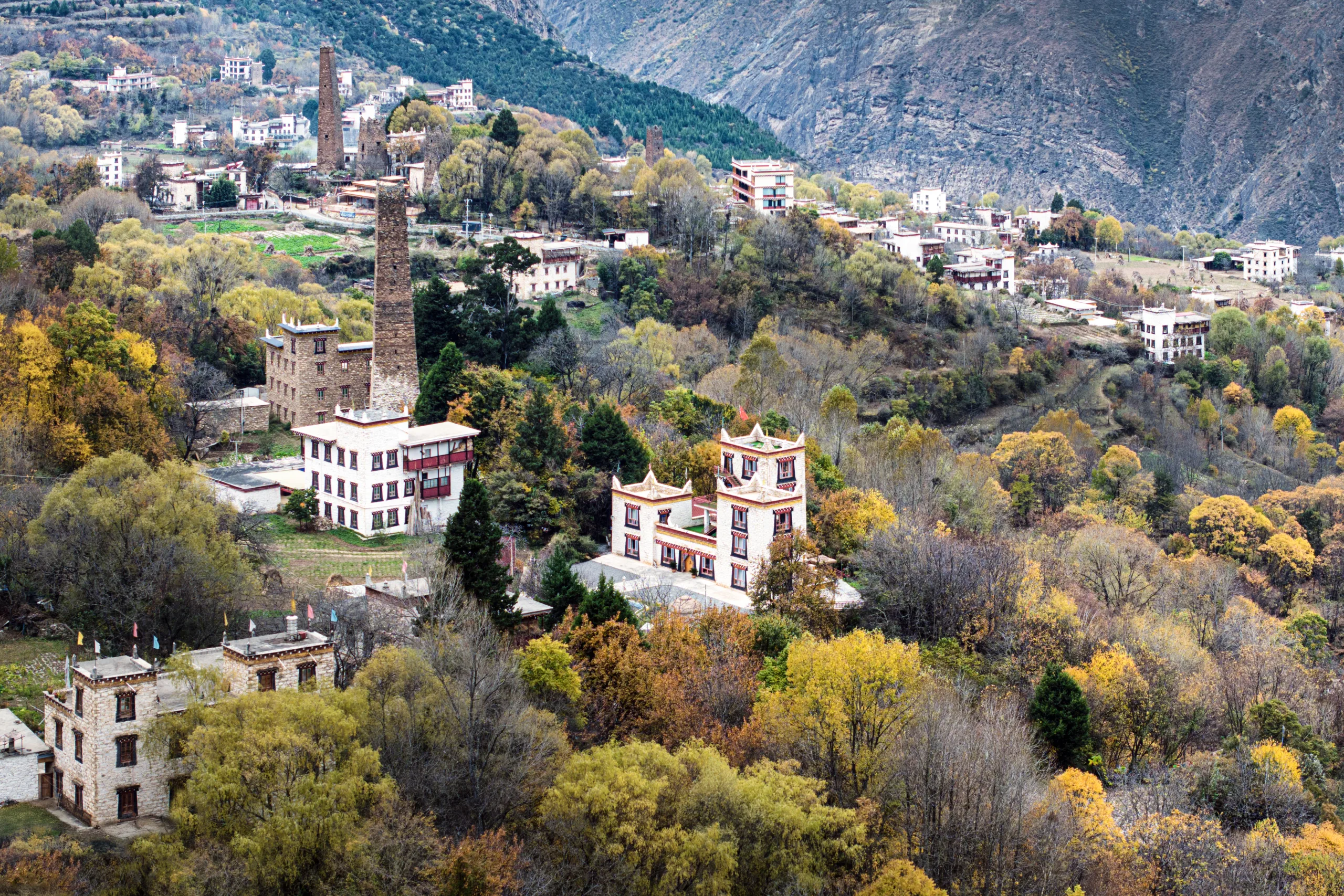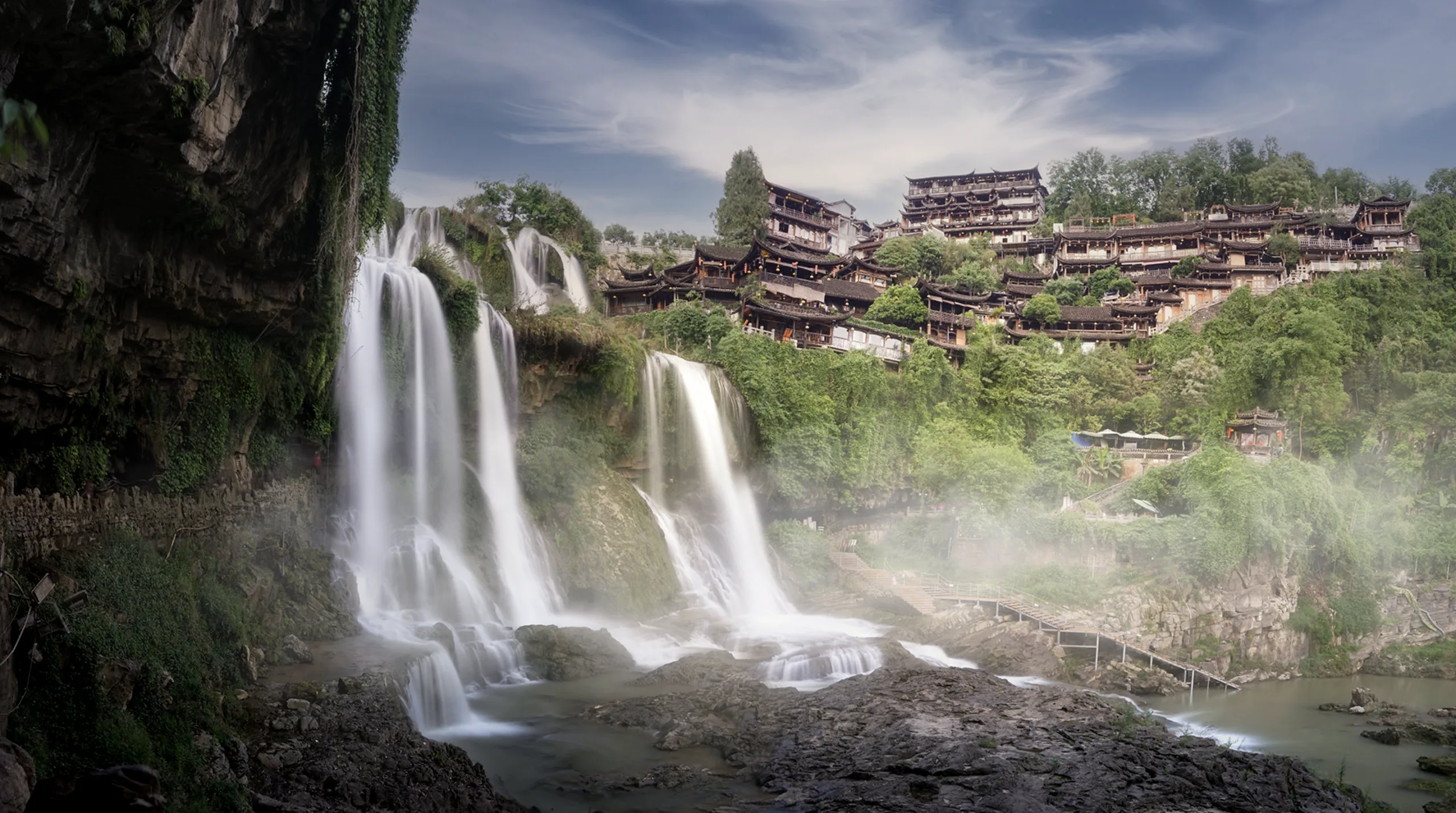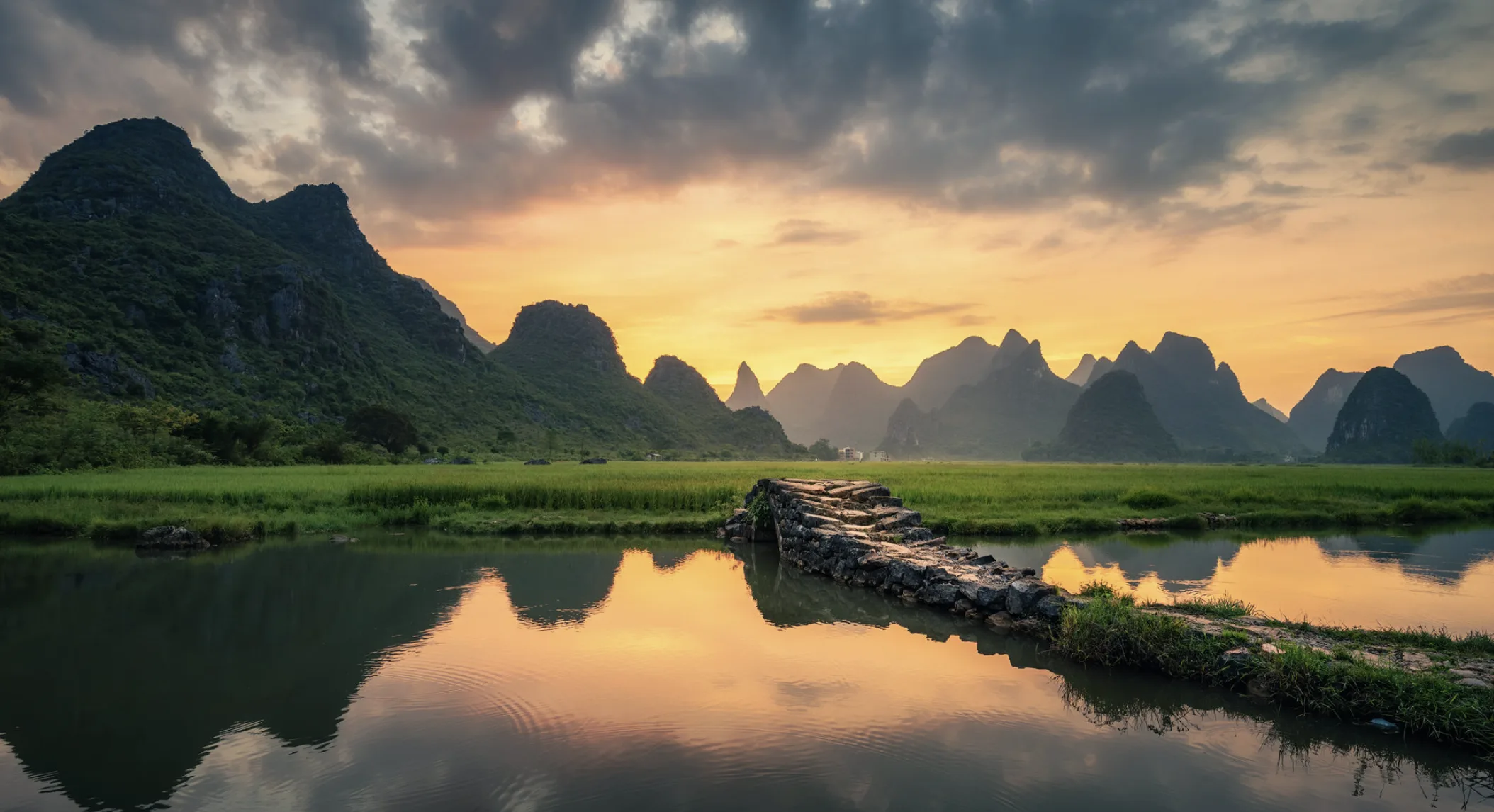
Guizhou is a land full of surprises in southwest China. It is home to dramatic karst landscapes, traditional villages hidden among the mountains, and ethnic cultures that continue to thrive today. Compared with some of China’s more popular destinations, Guizhou offers a slower pace of travel and closer connections with local traditions. Here, travelers can not only admire natural landscapes but also step into villages to learn about the cultures, crafts, and ways of life that continue to shape these communities.
This Guizhou travel guide covers the best time to visit and the most rewarding destinations to explore. We will also share practical travel tips, local food experiences, cultural traditions, and responsible travel advice. Whether you are visiting China for the first time or looking for experiences beyond the usual tourist routes, Guizhou offers a different way to experience southwest China.
Why Visit Guizhou? A Different Side of China
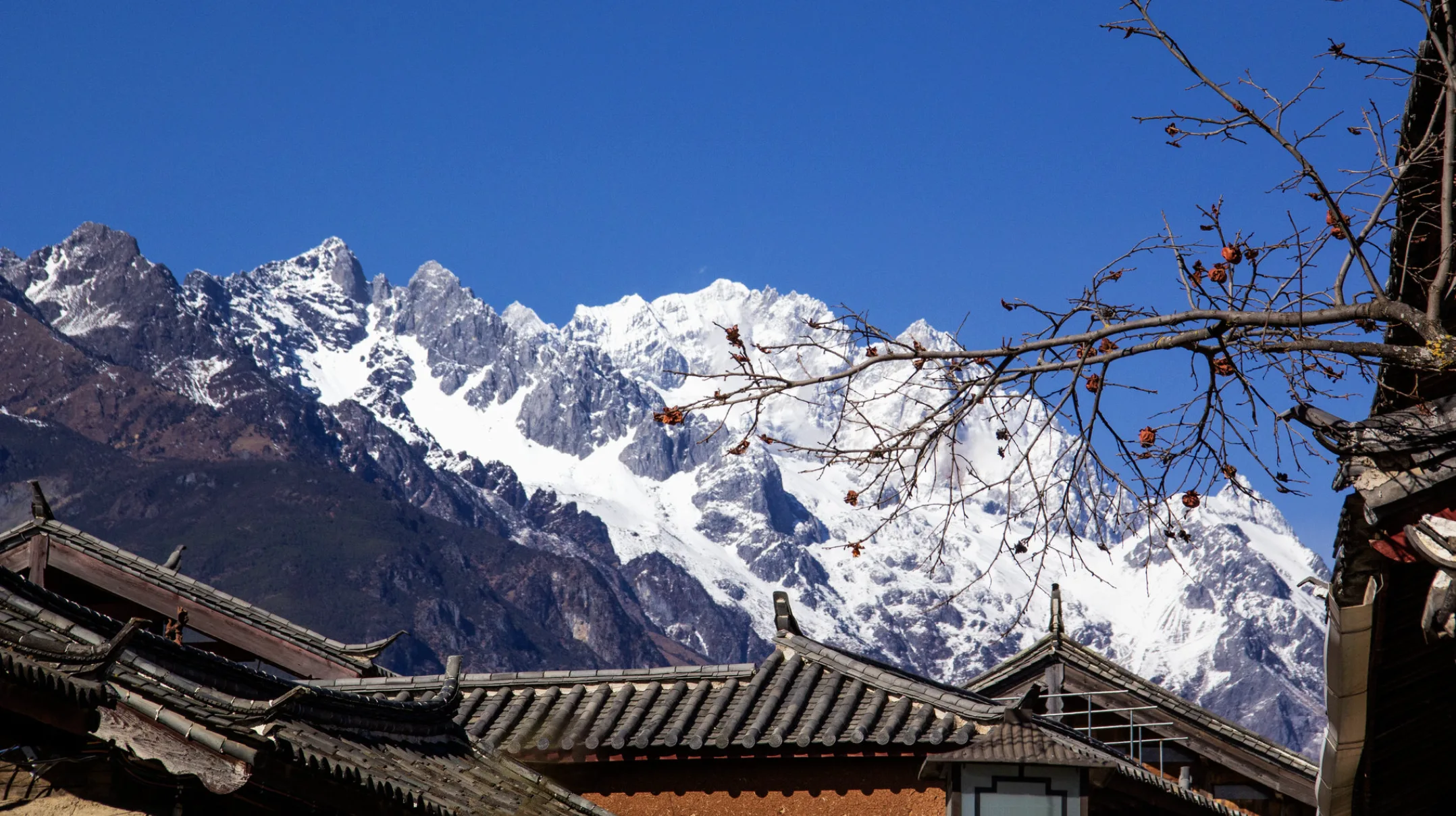
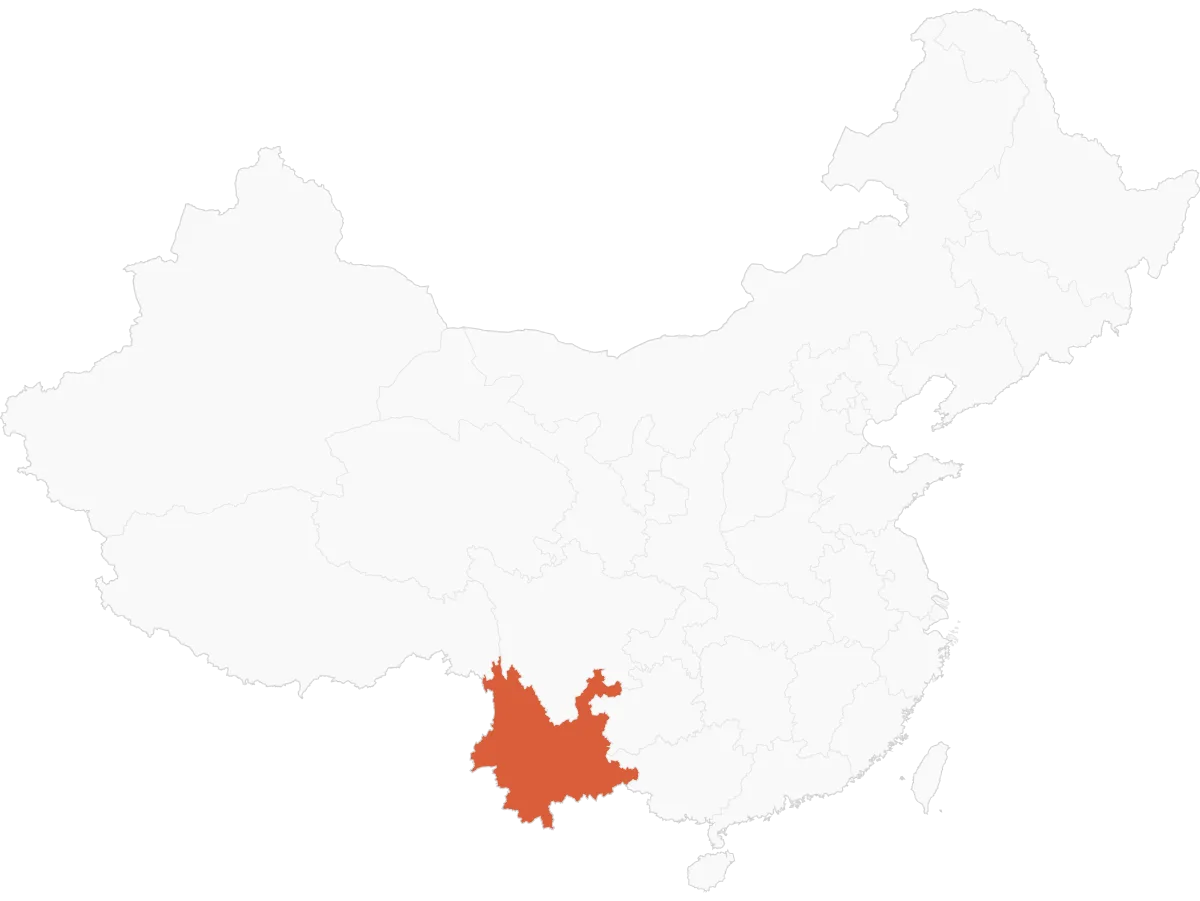
Guizhou is one of the most underrated regions on China’s travel map. While many travelers head to Yunnan’s ancient towns and snow-capped mountains, Guizhou remains quietly hidden among the mountains of southwest China, preserving some of the country’s most complete and vibrant ethnic cultures.
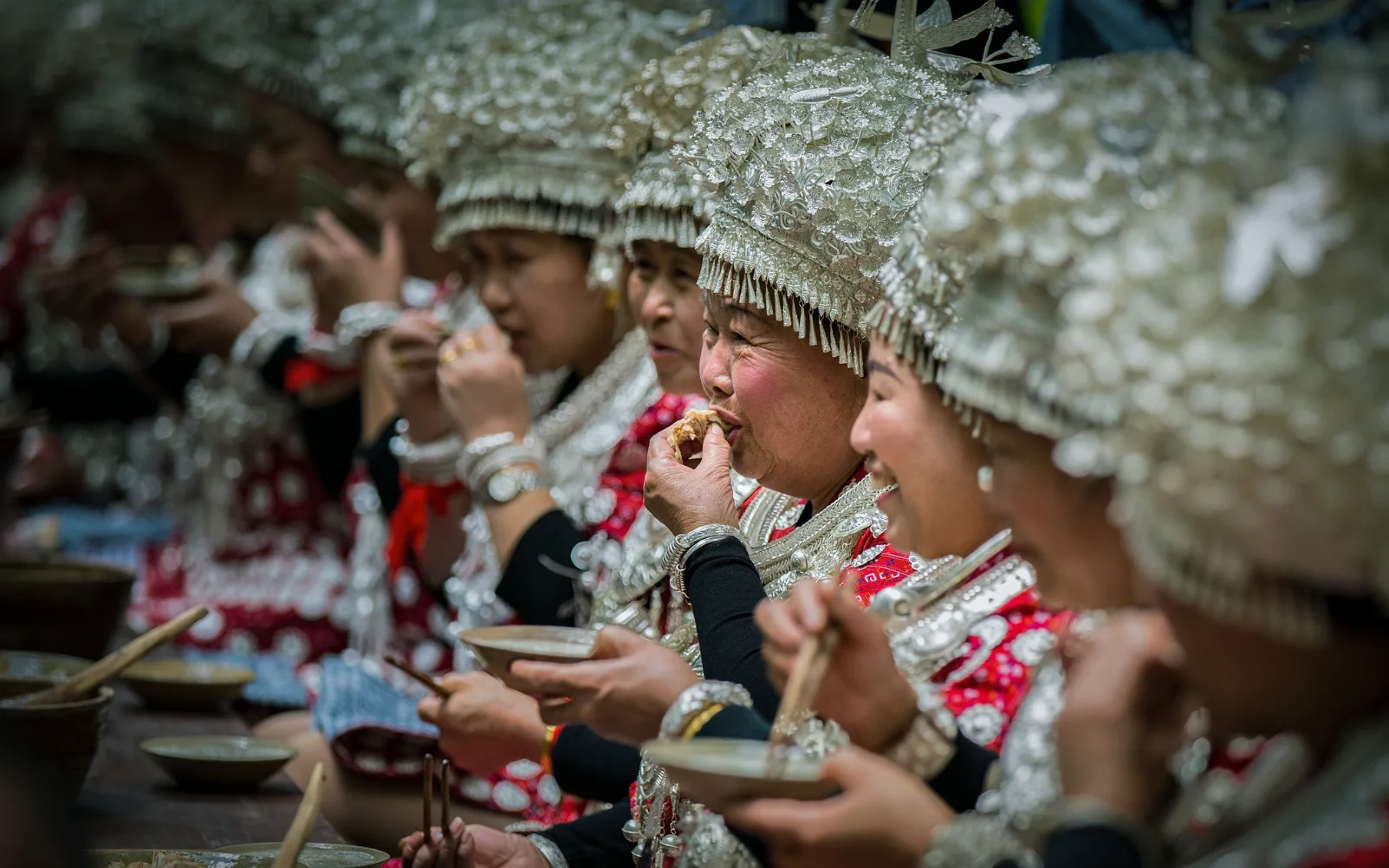
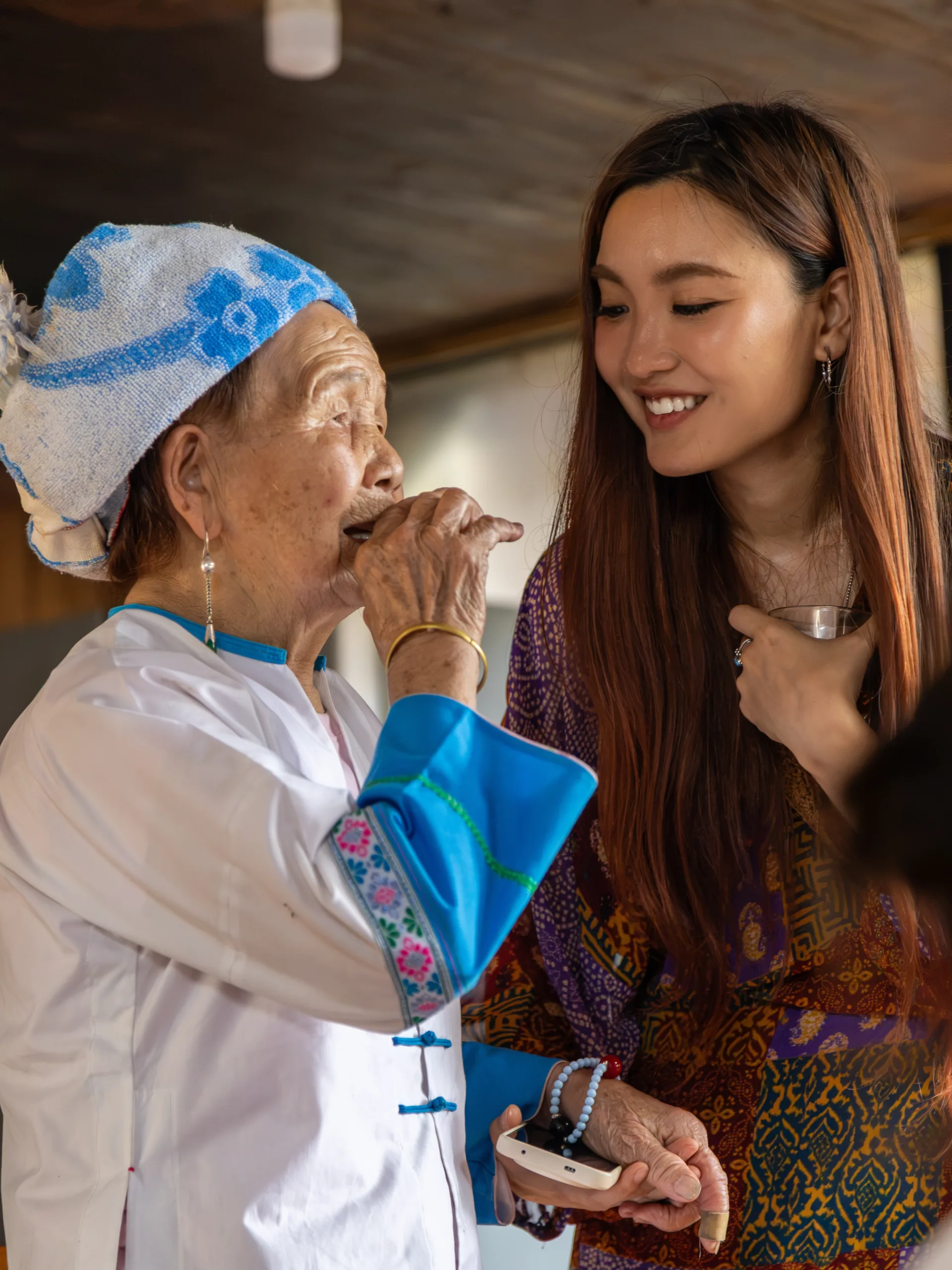
Here, Dong grand songs are still performed in front of village drum towers, Miao silver ornaments shine under the sunlight, and Buyi batik traditions continue to be passed down through generations. Guizhou is one of the provinces with the highest proportion of ethnic minority populations in China, with more than 36% of its population belonging to ethnic groups including the Miao, Dong, Buyi, Tujia, Yi, and Gelao peoples. Among them, the Miao and Dong cultures are the most distinctive, each with their own languages, festivals, architecture, and handicrafts.
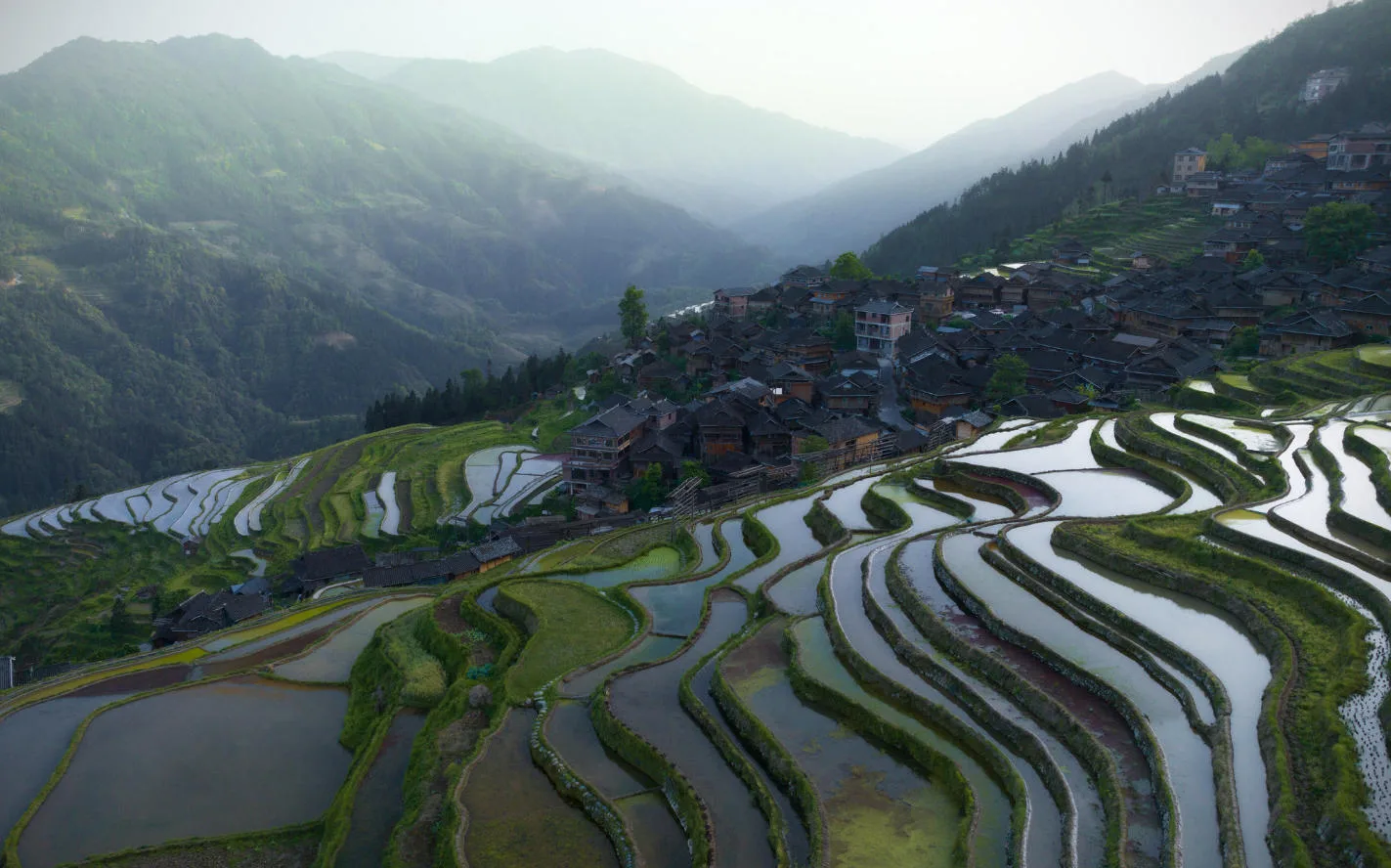
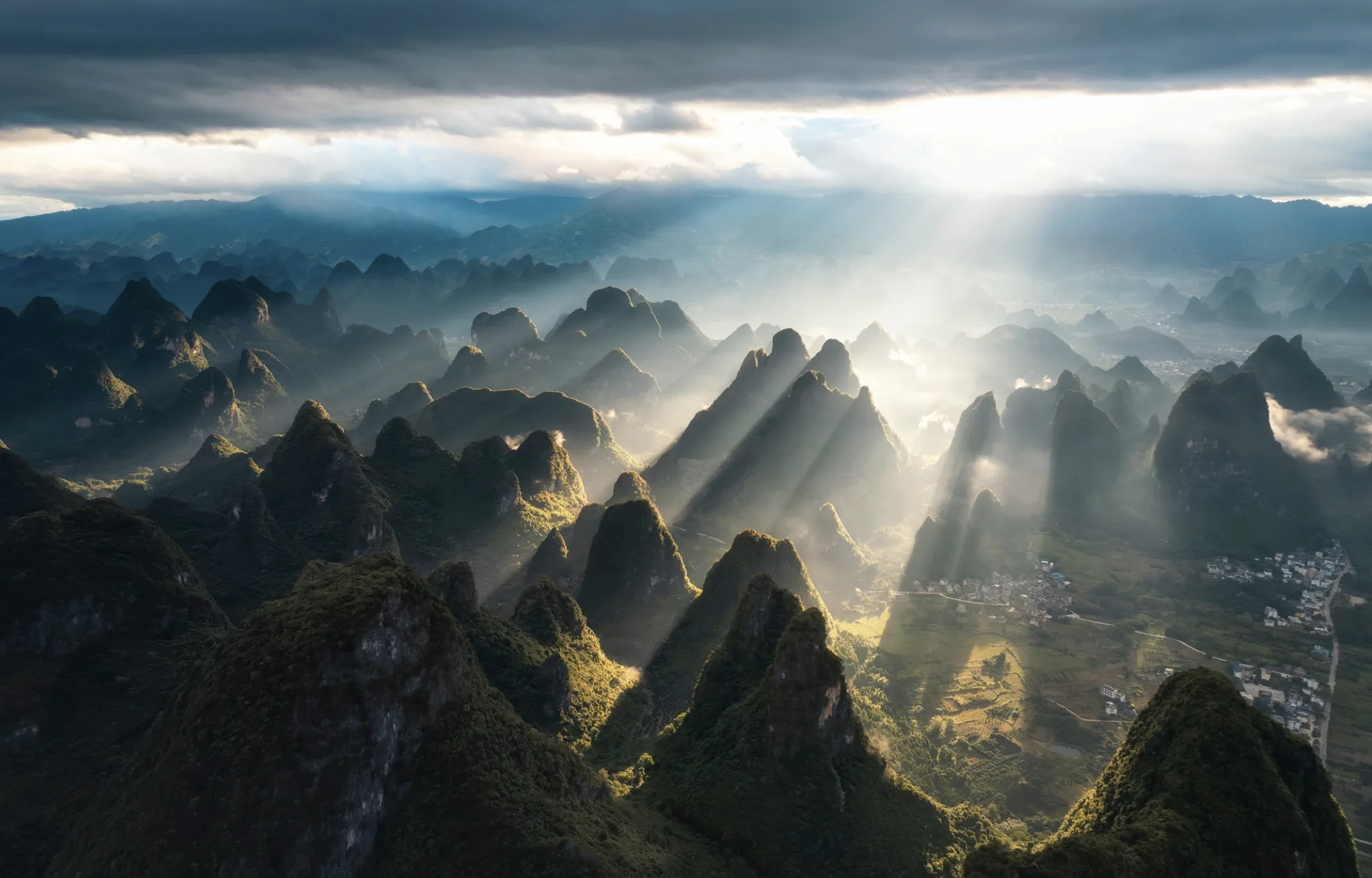
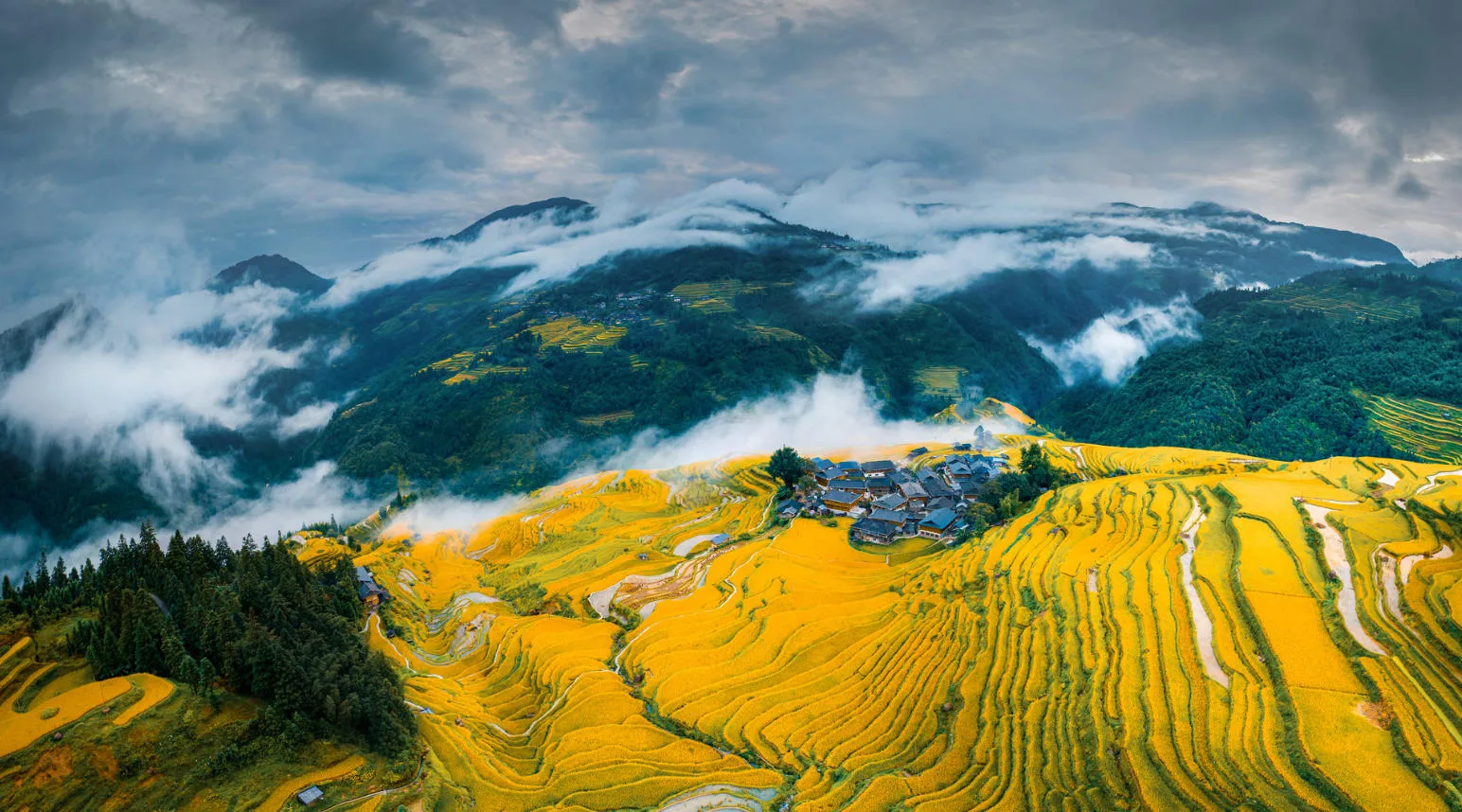
But Guizhou’s appeal goes far beyond its cultural diversity. It is also one of China’s most representative mountain destinations. Its karst landscapes have created dramatic peaks, valleys, waterfalls, and caves, while terraced fields spread across the hillsides, forming some of the region’s most iconic landscapes together with traditional Miao and Dong villages.
For travelers, Guizhou offers a more balanced southwest China experience. You can explore Guizhou mountains, hiking trails and sacred peaks, or discover Miao, Dong villages and authentic cultural experiences. You can also slowly follow mountain roads and rice terraces to explore the traditions and daily life of these communities. Guizhou does not require professional climbing equipment or outdoor skills, making it ideal for travelers who want to experience China’s natural landscapes and traditional cultures in a deeper way.
Best Time to Visit Guizhou: Seasons, Weather and Festivals
Guizhou has a mild climate with four distinct seasons. Due to its mountainous terrain and elevation differences, weather conditions vary between regions. Each season offers different landscapes and cultural experiences.
Spring (March–May)
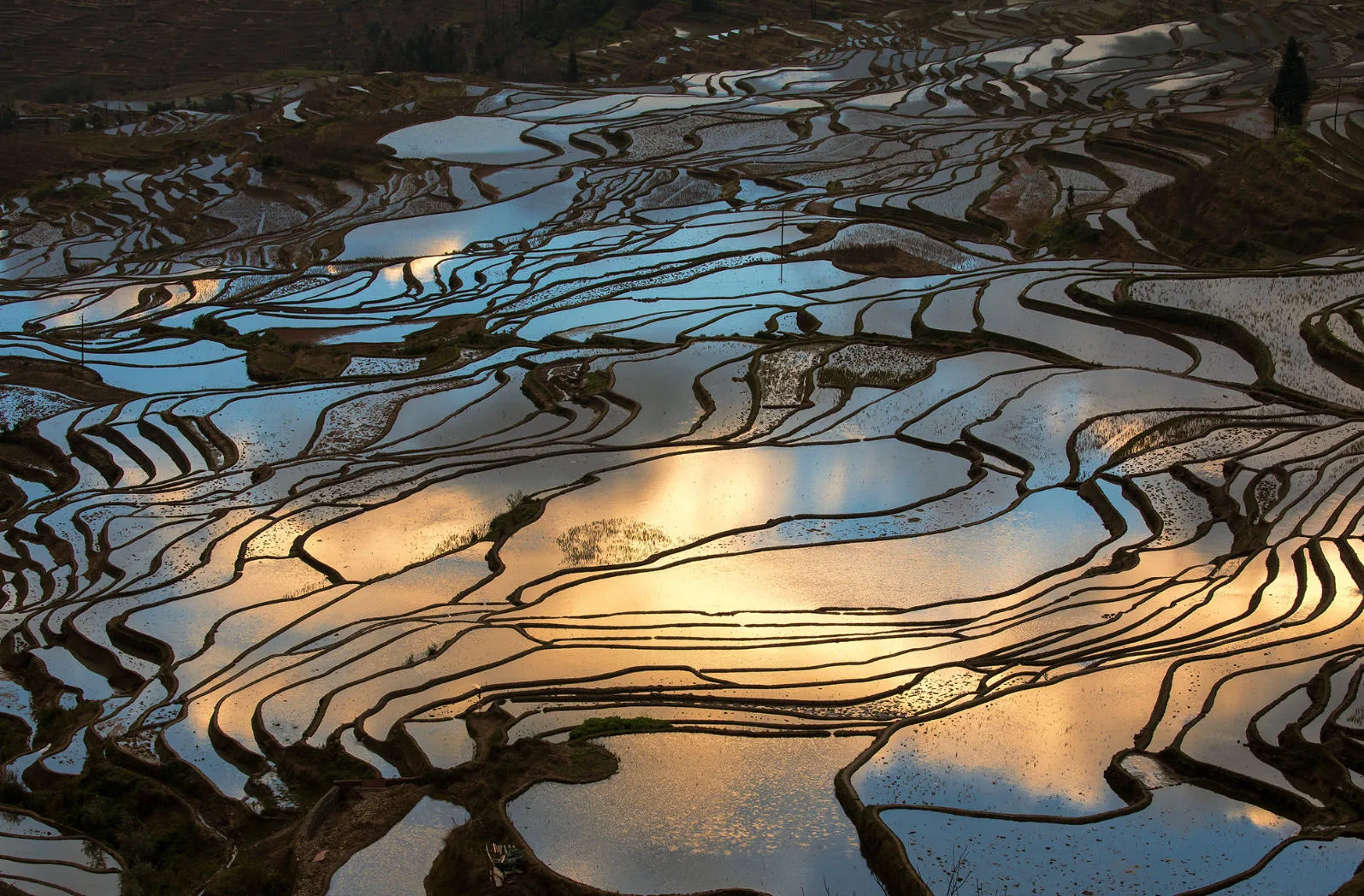
Spring is one of the best seasons to visit, with temperatures around 15–25°C. Mountain mist, water-filled rice terraces, and blooming landscapes create some of Guizhou’s most beautiful scenery. From April to May, visitors can also experience the Miao Sisters’ Festival, one of the most important traditional celebrations of the Miao people.
Summer (June–August)
Summer is the peak season for escaping the heat. While many parts of China experience high temperatures, Guizhou remains relatively cool. Waterfalls, rivers, and forests are at their best, and Dong villages often hold traditional singing activities. However, this is also the rainy season, so travelers should check weather and road conditions before visiting mountain areas.
Autumn (September–November)
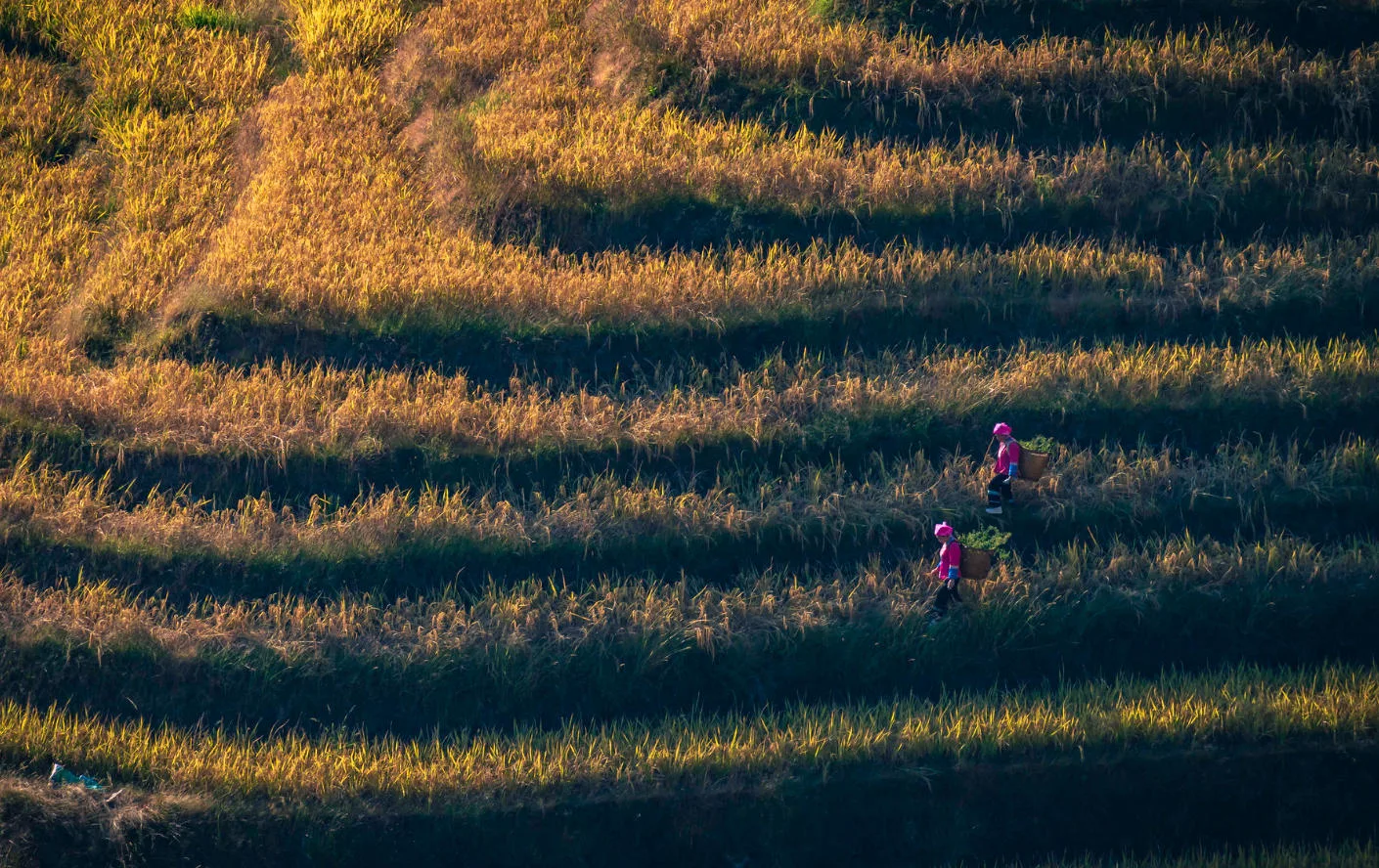
Autumn is the most colorful season in Guizhou. Rice terraces gradually turn from green to golden, and villages begin drying rice and chili peppers after the harvest, with courtyards and pathways covered in the colors of autumn. It is also a good time to experience Miao festivals, including Lusheng celebrations.
Winter (December–February)
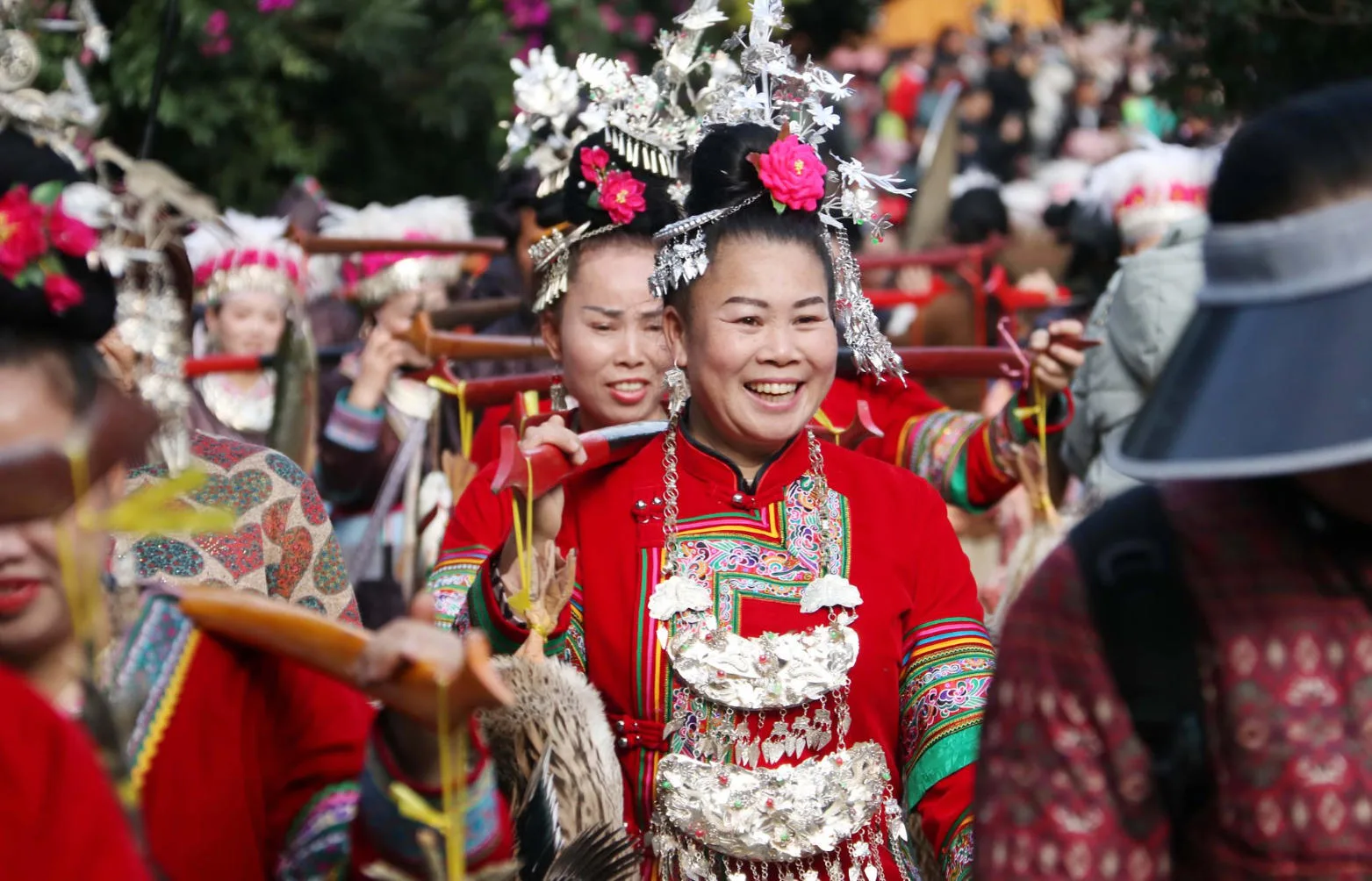
Winter is the quietest season, with cooler temperatures but fewer visitors. If your visit coincides with the Miao New Year or Dong New Year, you can experience some of the liveliest village celebrations of the year — including preparing New Year’s food, making glutinous rice cakes, singing folk songs, and traditional bullfighting events. The warmth and atmosphere of these mountain celebrations offer a completely different sense of New Year compared with city life.
How to Get to Guizhou: Flights, High-Speed Rail and Transfers
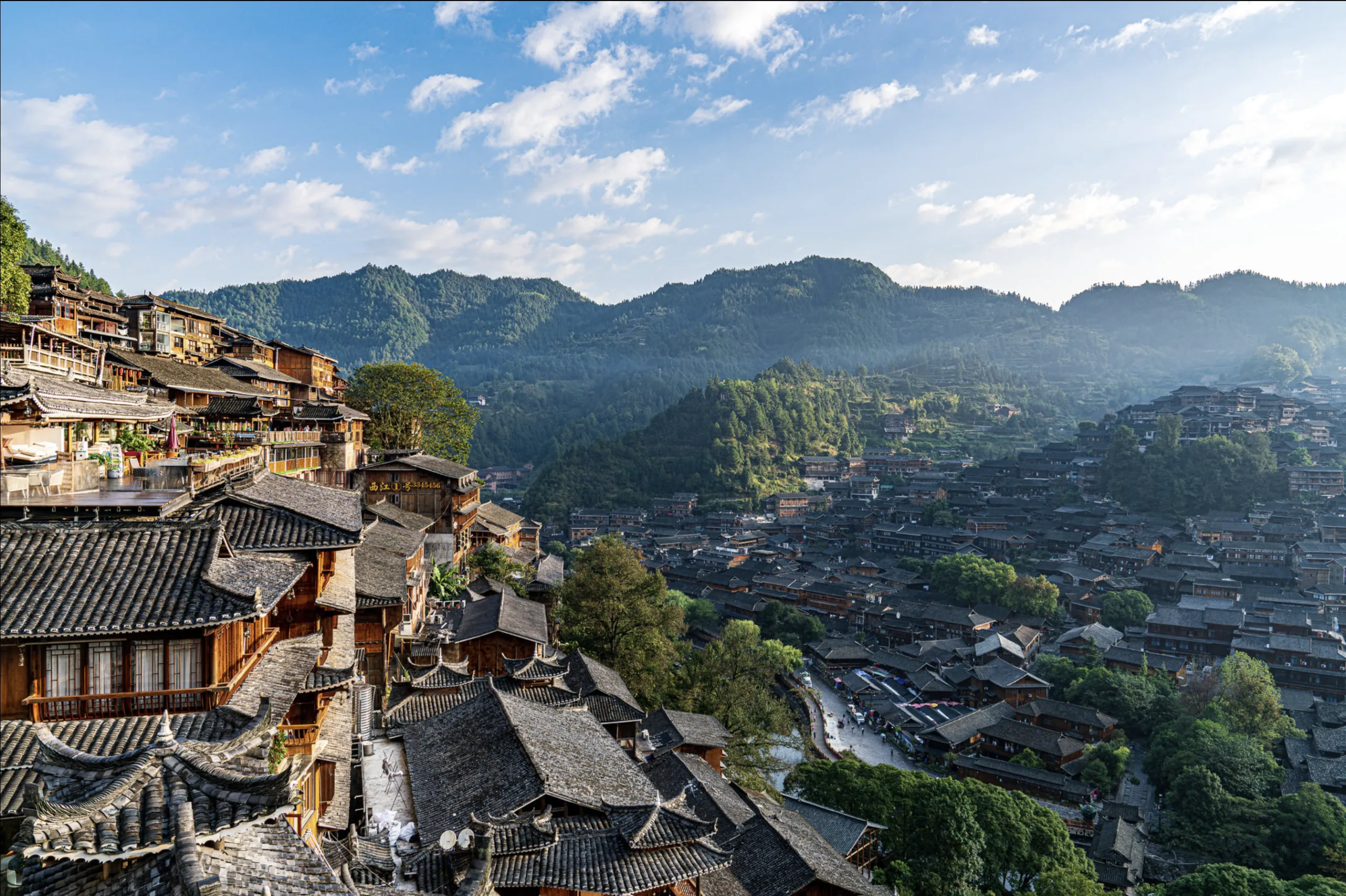
For most international visitors, Guiyang, the capital city, is the main gateway. As the provincial capital and largest transportation hub, it connects Guizhou with major cities across China and provides easy access to destinations such as Kaili, Anshun, and Tongren.
By Air
Guiyang Longdongbao International Airport is the main airport in Guizhou, with flights connecting major Chinese cities including Beijing, Shanghai, Guangzhou, Shenzhen, Chengdu, Xi’an, Kunming, and Hangzhou. Seasonal international and regional routes are also available. Tongren Fenghuang Airport mainly handles domestic flights and serves about 30 major cities in China.
By High-Speed Train
Guiyang North Railway Station is the main bullet train hub in Guizhou, connecting the province with major cities across China.
Useful stations for different destinations include:
- Kaili South Railway Station: For Xijiang, Langde, Zhaoxing, and other Miao and Dong villages.
- Tongren Railway Station: For Mount Fanjing.
- Anshun Railway Station: For Huangguoshu Waterfall and Longgong Cave.
- Congjiang Railway Station: For Jiabang Rice Terraces, Basha Miao Village, and deeper areas of Qiandongnan.
While trains make it easier to move between different cities, many mountain villages and natural attractions still require local transportation. Private vehicles and local drivers are often the most convenient way to explore deeper areas of Guizhou.
Speak to An Expert
Starting Your Jounrney to Guizhou
Start designing your Guizhou journey with our destination experts.
Make An InquiryBest Places to Visit in Guizhou
Xijiang Miao Village: The largest Miao village, known for its thousands of wooden stilt houses built along the hillsides, traditional clothing, silver craftsmanship, and spectacular night views.
Zhenyuan Ancient Town: A historic riverside town with the Wuyang River flowing through its center. Visitors can explore old streets, historic buildings such as Qinglong Cave, and enjoy the town’s evening atmosphere along the river.
Zhaoxing Dong Village: A classic Dong village in Guizhou, known for its five drum towers, wind and rain bridges, and Dong grand songs.
Libo Xiaoqikong: One of Guizhou’s most representative natural attractions in Libo County, famous for its turquoise rivers, waterfalls, forests, and karst scenery.
Huangguoshu Waterfall: Guizhou’s iconic waterfall, offering different viewpoints including the Water Curtain Cave, where visitors can walk close behind the falling water; its power and scenery continue to attracts visitors.
Mount Fanjing: A UNESCO World Natural Heritage Site in the Wuling Mountains known for its unique mountain peaks, sea of clouds, and the Red Cloud Golden Summit. It is also an important Buddhist mountain associated with Maitreya Buddha and a nature reserve.
Xijiang Qianhu Miao Village And Ancient Village Visits
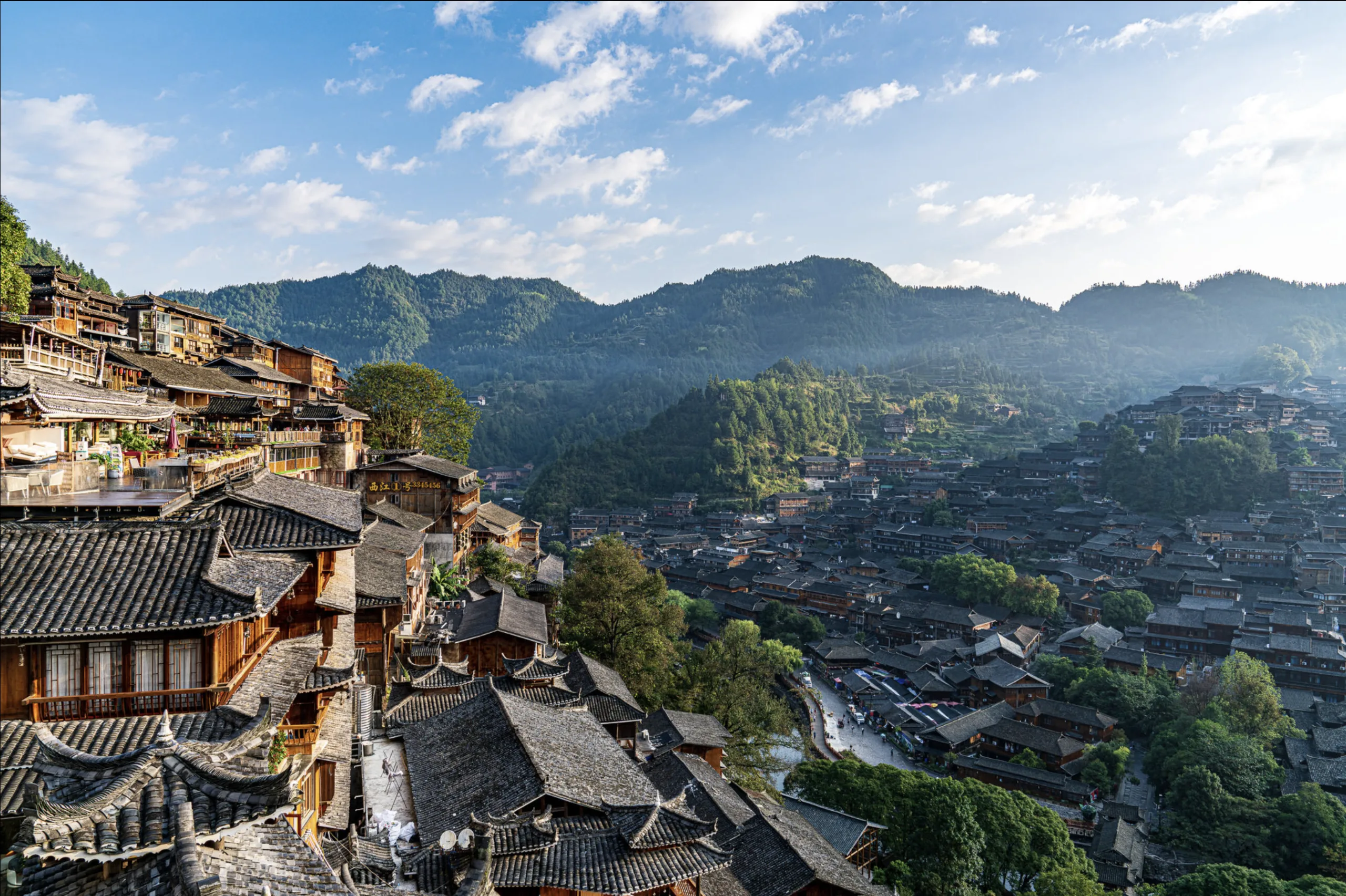
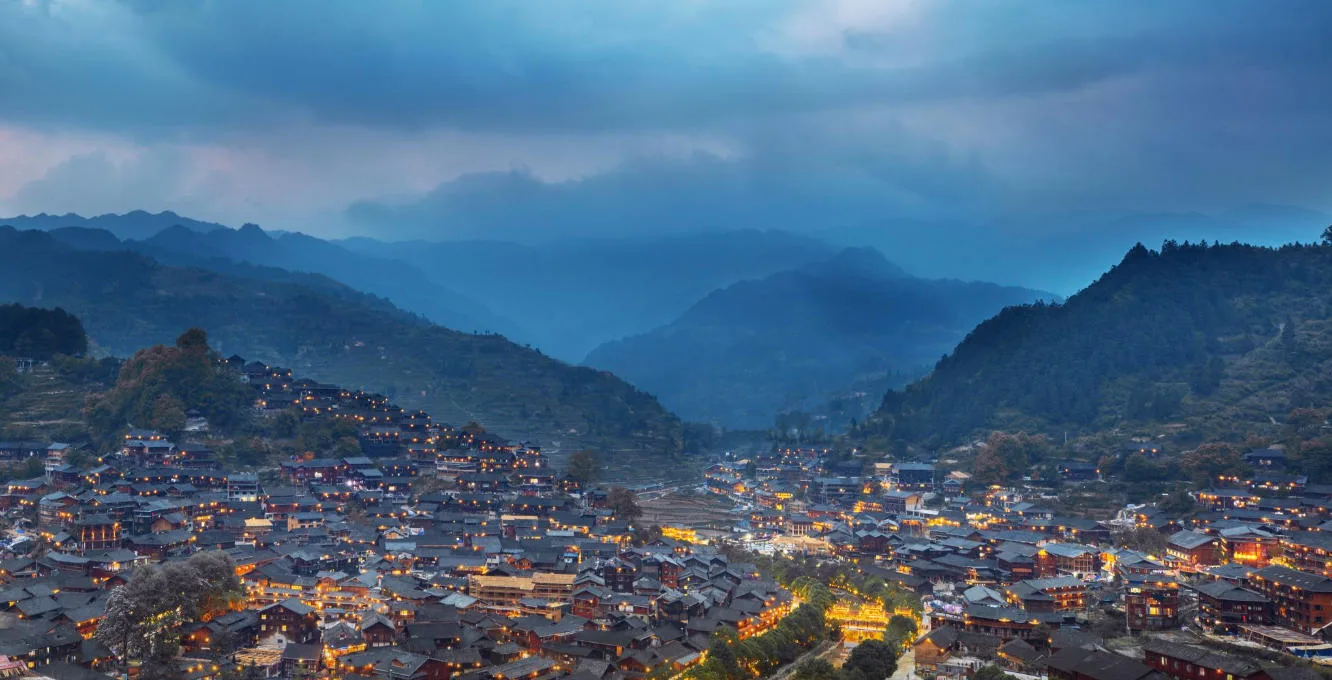
Xijiang Miao Village is located deep in the mountains of Qiandongnan and is the largest Miao village in the world. Built along the hillsides, thousands of wooden stilt houses stretch across the slopes, with the Baishui River flowing through the village. At night, the lights of the village spread across the hillsides like a galaxy resting in the valley.
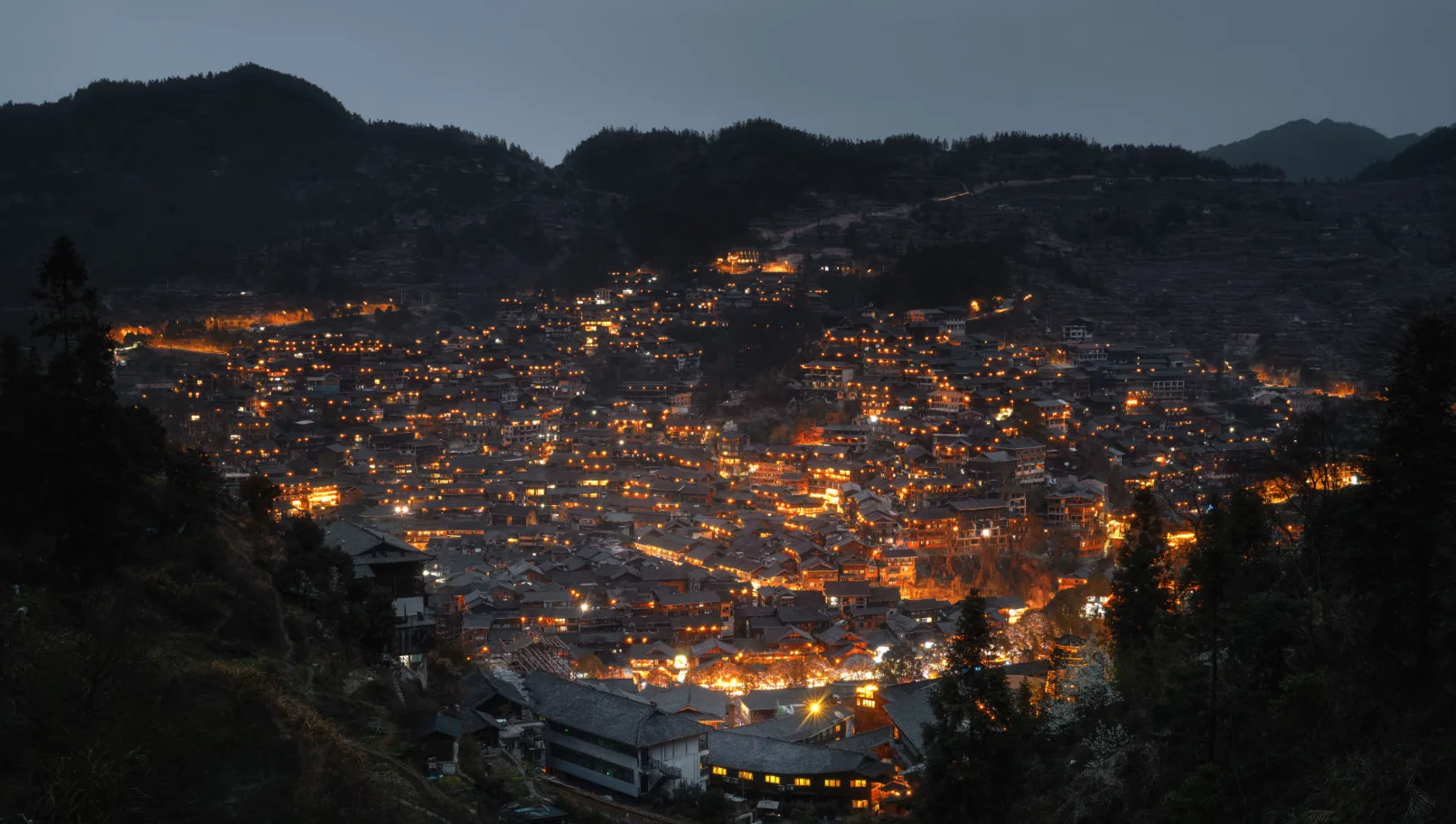
Xijiang is now Guizhou’s most popular destination, with more visitors and tourism facilities than nearby villages. Travelers looking for a quieter village experience may prefer places like Langde, Kongbai, or other smaller communities.
However, Xijiang offers something that other Miao villages cannot easily replace. Its enormous scale, complete mountain settlement layout, and the view of thousands of lights across the valley at night make it one of the best places to understand Miao architecture and village design. For first-time visitors to Guizhou who want to quickly experience the charm of Miao culture, Xijiang is still worth including in their itinerary, often as part of a stay in Kaili City, the region’s main hub with rich cultural heritage.
Zhenyuan Ancient Town And River Scenes
Zhenyuan is a historic riverside town with a history of more than 2,000 years. During the Ming Dynasty, it was an important transportation hub and military town in southeastern Guizhou. Walking through the old streets, visitors can still find historic guild halls, ancestral halls, and old wharf sites.
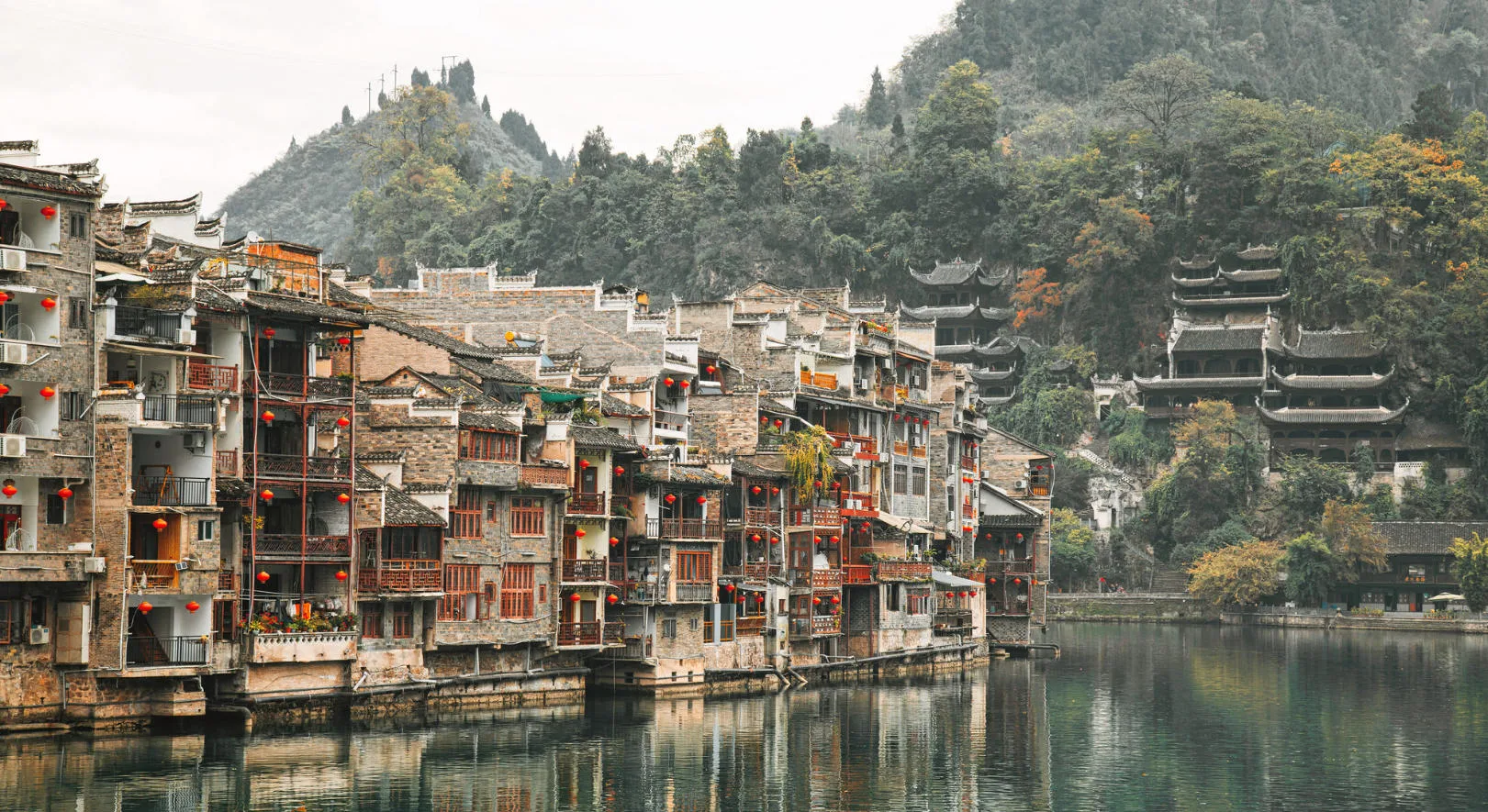
Some travelers add Zhenyuan Ancient Town to a wider eastern Guizhou route, but its location usually requires extra transport planning.
As a key connection between central China and southwest China, Zhenyuan developed a unique mix of cultural influences. Its architecture combines traditional Han Chinese styles with the mountain-building wisdom of Guizhou’s ethnic communities, adapting naturally to the surrounding hills and river landscape.
During the day, Zhenyuan is ideal for slow exploration along the river and old streets. At night, lanterns and lights reflect on the Wuyang River, creating a beautiful riverside scene where historic buildings, natural landscapes, and local life come together.
Zhaoxing And Other Dong Villages
If Miao villages represent the colorful side of Guizhou’s ethnic cultures, with traditional costumes, silver ornaments, and lively festivals, Dong villages offer a quieter and more elegant way of life shaped by wooden architecture, music, and community traditions.
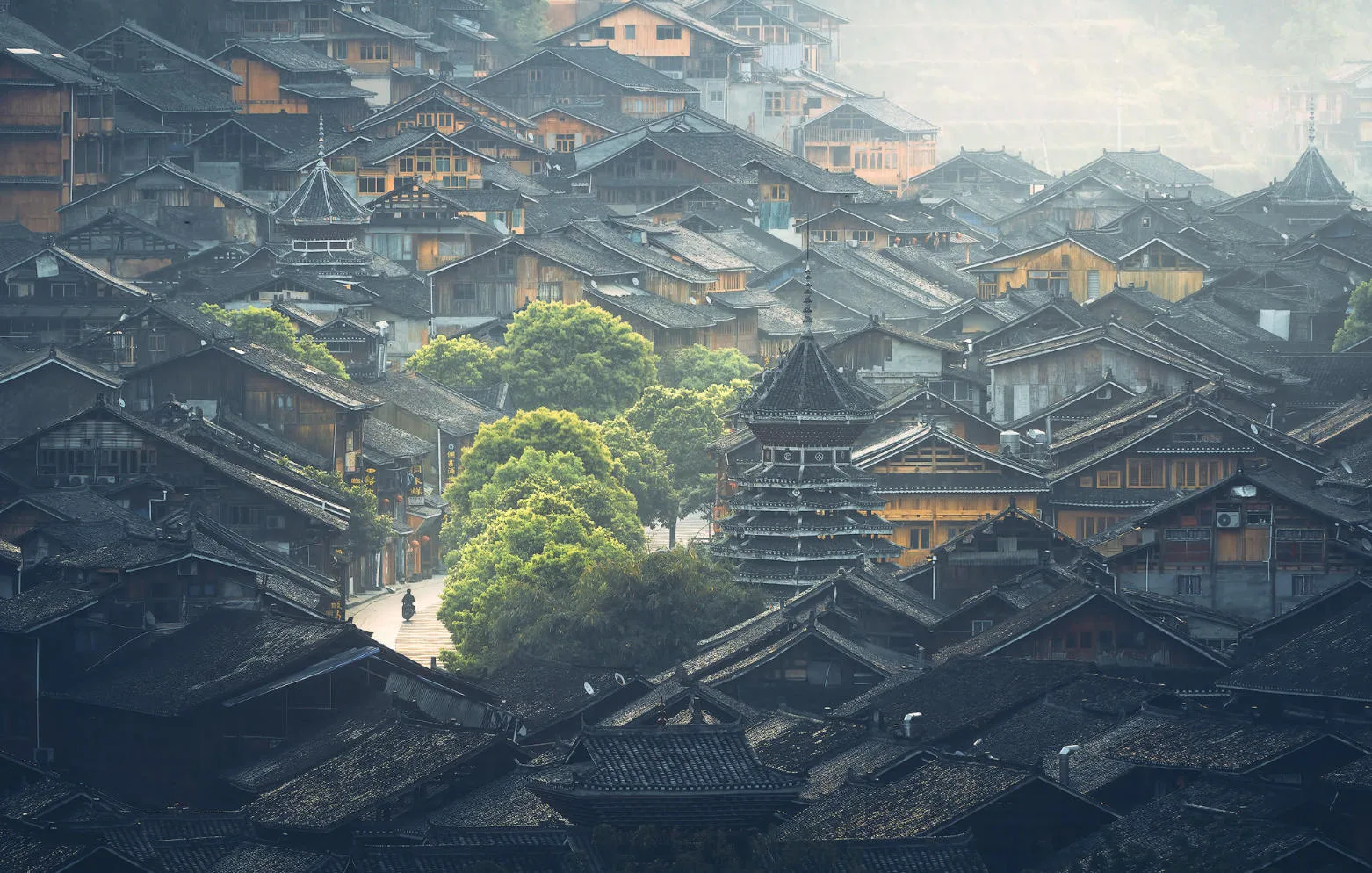
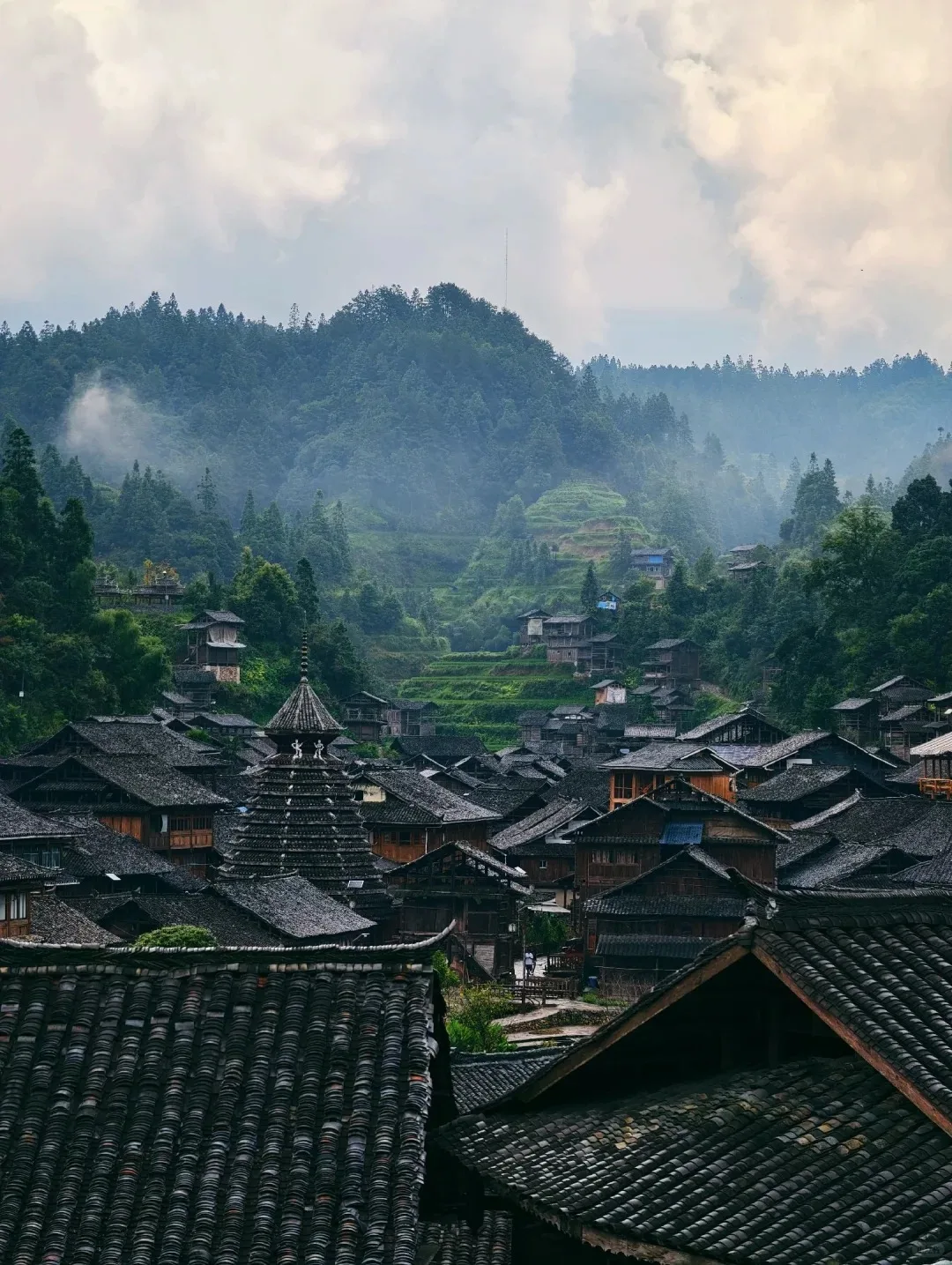
Located in Qiandongnan, Guizhou’s Dong villages are known for their distinctive wooden buildings, drum towers, wind and rain bridges, and the beautiful sound of Dong grand songs. The Dong ethnic group has about 1.6 million members in Guizhou. Zhaoxing Dong Village is one of the best places to start exploring Dong culture, with its well-preserved traditional architecture and famous drum tower complex.
Beyond Zhaoxing, smaller villages such as Tang’an Dong Village and Huanggang Dong Village offer a deeper look into Dong village life. Tang’an is known for its hillside location and traditional water channels running through the village, while Huanggang preserves a more traditional atmosphere and Dong singing traditions.
For travelers who want to experience Dong culture more deeply, visiting during local festivals can be a highlight of the journey, especially as Dong communities mark different points in the village year festival calendar.
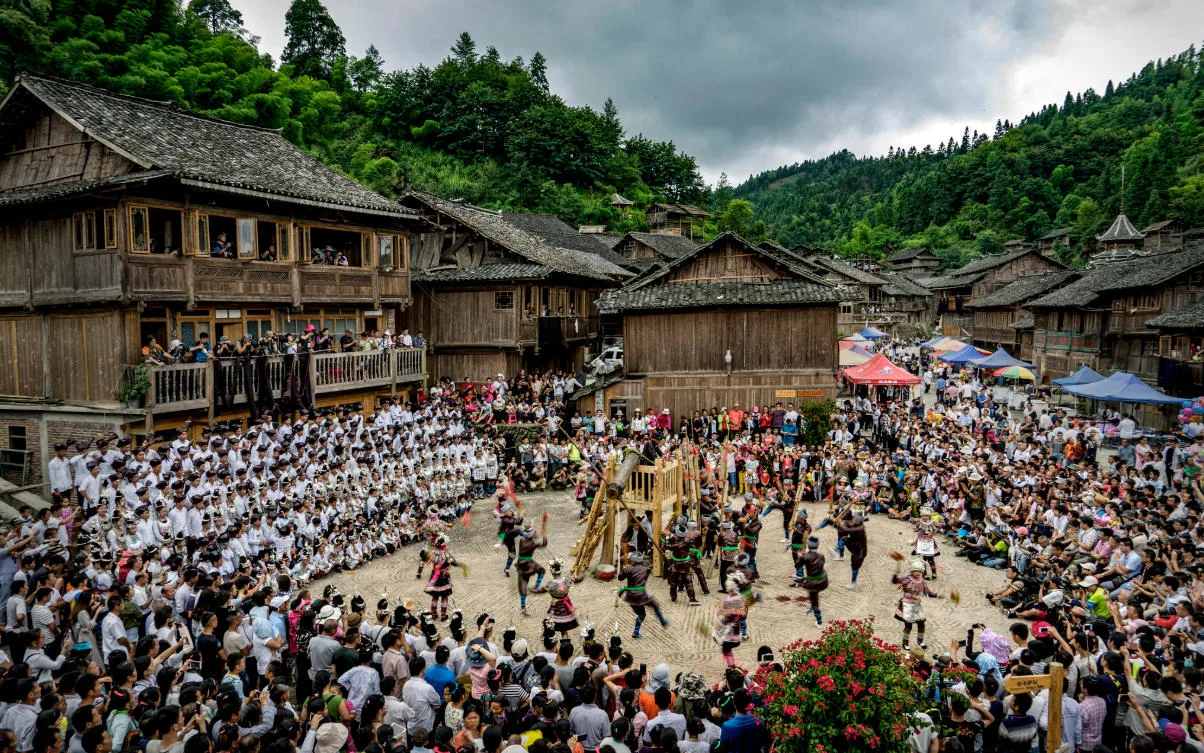
Dong New Year (late November to mid-December) is the most important celebration of the Dong people, featuring welcome ceremonies, long-table feasts, singing, and Dong opera. Rice wine is also commonly used in Dong and neighboring ethnic welcome rituals.
The Guyu Festival (around April 19–21), sometimes known as the Dong people’s Valentine’s Day, is a traditional festival celebrating love and connection.
The Niren Festival (Mud Festival), held from mid-August to early September in places such as Xiage Dong Village, is known for its unique mud wrestling tradition. Young people compete in muddy rice fields, where the mud represents harvest and good fortune.
Huangguoshu Waterfall And Dragon Palace Cave (Dragon Palace)
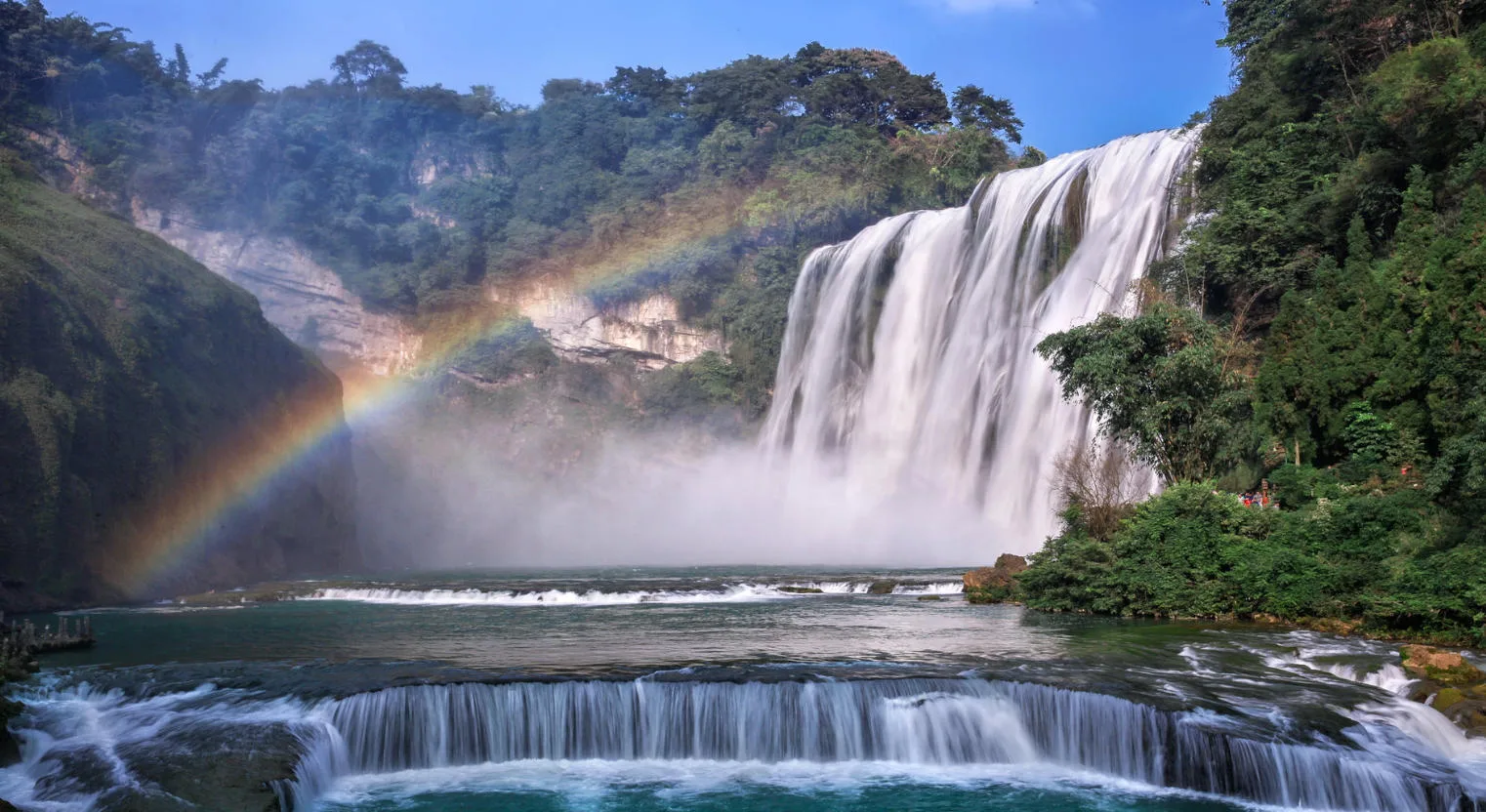
Huangguoshu Waterfall is the largest waterfall in Asia. This iconic site, near Anshun City, is one of Guizhou’s best-known natural wonders and attracts visitors with multiple viewing angles and the Water Curtain Cave, where you can get close to the falling water and feel the mist from behind the cascade.
Not far from Huangguoshu, Longgong Cave offers a different side of Guizhou landscape. This underground cave system was formed by karst processes, and visitors can take a boat through waterways to explore caves, stalactites, and underground waterfalls hidden inside the mountains.
Practical tips:
Huangguoshu tickets are valid for two days. The scenic area involves considerable walking and many steps, so comfortable shoes are recommended. Travelers coming from Guiyang should note the journey takes about 2 hours by direct bus to Huangguoshu or the Anshun/Huangguoshu area, while routes from Anshun vary. A private car is a more flexible option if you want to visit both Huangguoshu and Dragon Palace in one trip. The waterfall is at its most powerful during the rainy season (Jun–Aug), but Water Curtain Cave may occasionally close due to high water levels. Check the latest conditions before visiting. The waterfall creates a lot of mist, so bringing a raincoat and protecting your camera and phone from water is recommended.
Libo, Karst Forests And Cave Systems
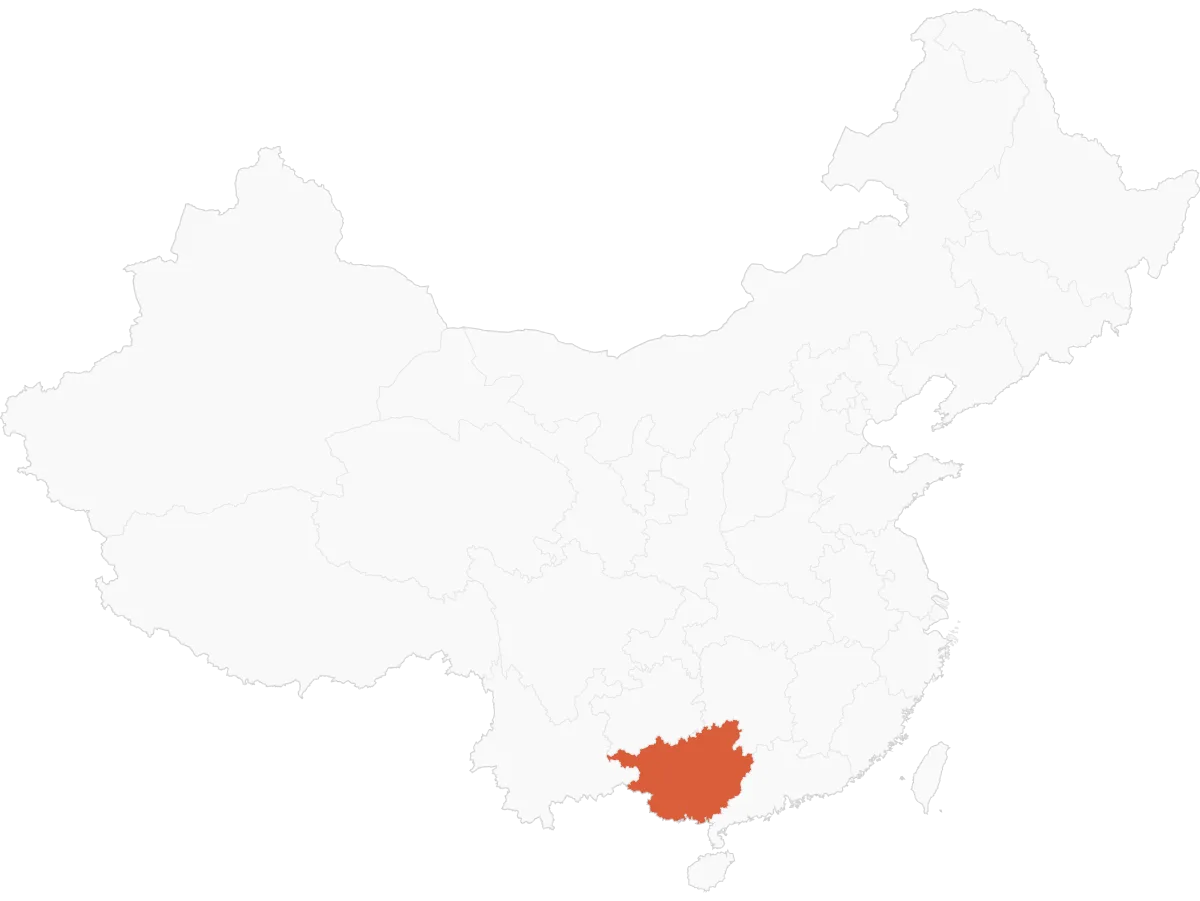
Libo, located in Libo County in southern Guizhou Province near the Guangxi border, is known for its clear rivers, dense forests, karst mountains and caves. It is a worthwhile stop for travelers exploring Guizhou’s natural landscapes.
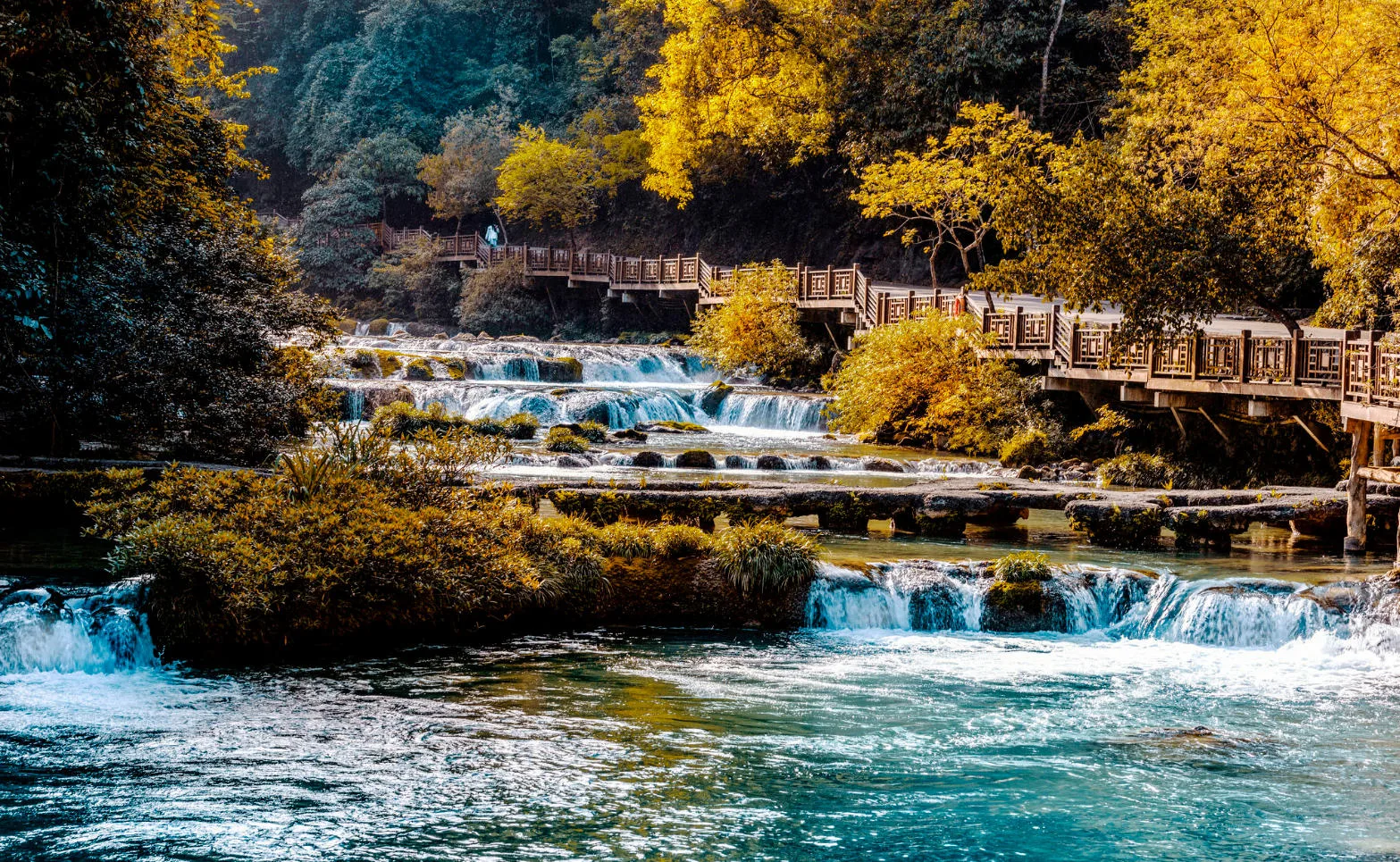
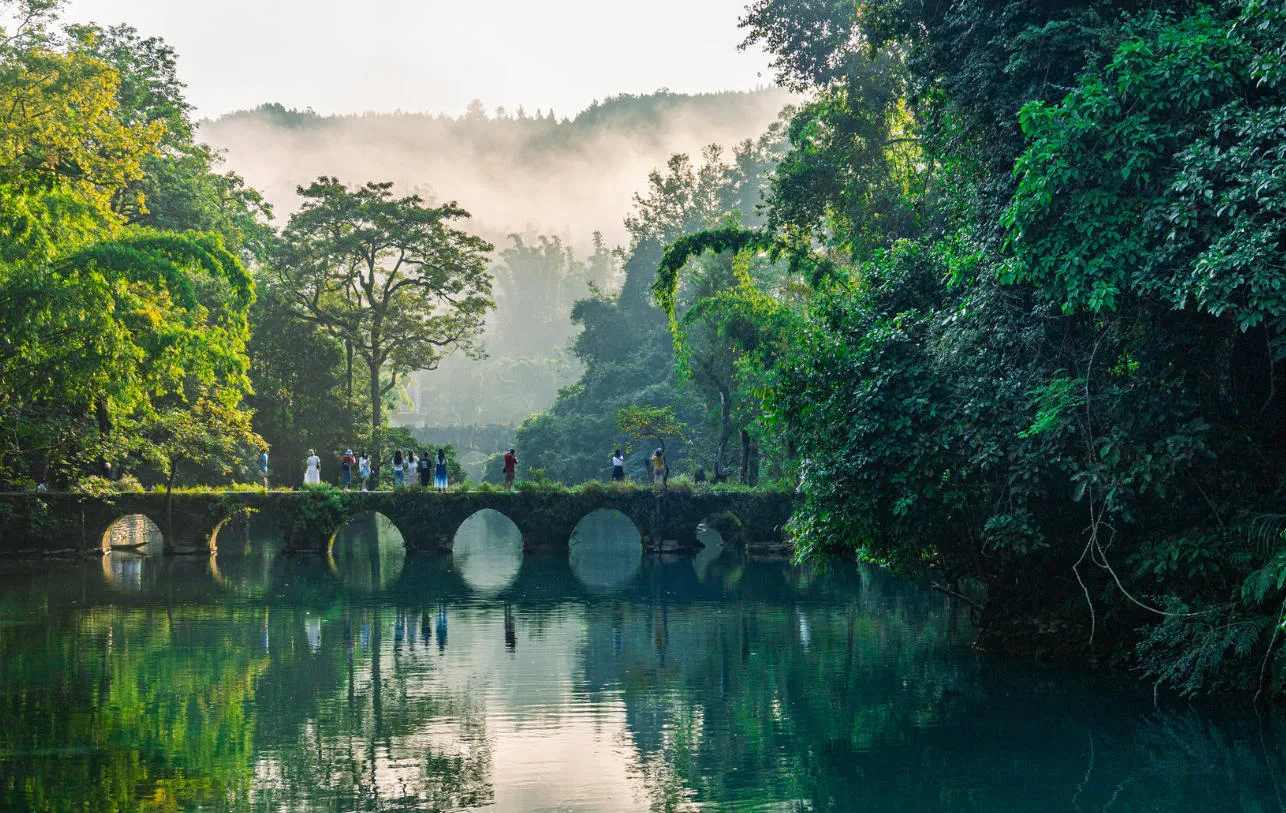
The highlight of Libo is Xiaoqikong, named after a seven-arch stone bridge built during the Qing Dynasty. Most attractions are connected by walking paths, but visitors can also take a boat ride at Yuanyang Lake. With forests and greenery all around, the quiet waterways offer a peaceful way to experience Libo’s karst landscape. Libo is about 3 hours’ drive from Guiyang.
Mount Fanjingshan And Nearby Ancient Towns
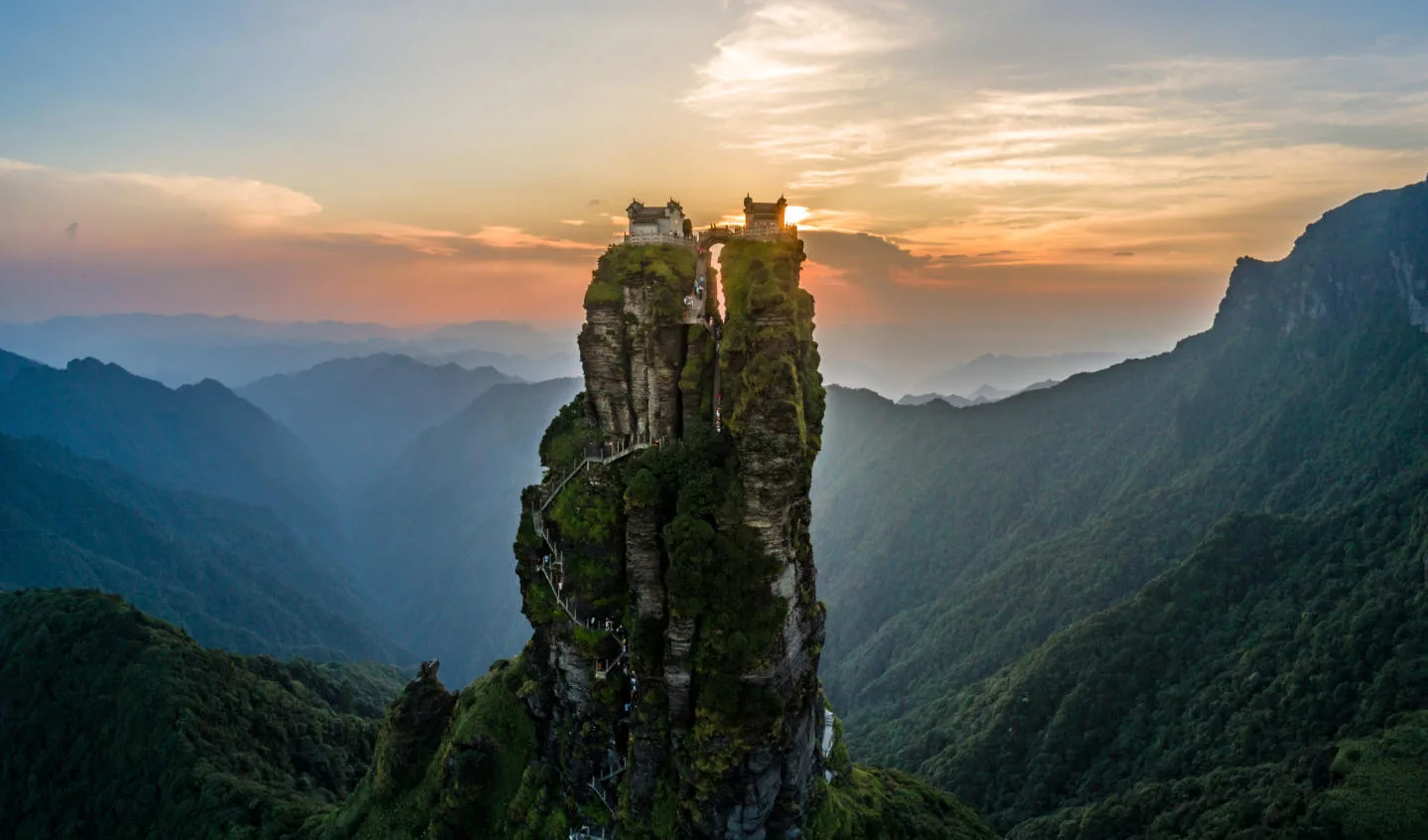
Mount Fanjing, located in Tongren City in northeastern Guizhou, is a renowned Buddhist mountain in China, associated with Maitreya Buddha. It became a UNESCO World Heritage site in 2018 and is the highest peak in the Wuling Mountains. Its main peak is a massive rock formation rising vertically from Fanjingshan Mountain. A natural split divides the upper section into two sides, with the two temples on the summit linked by a stone bridge across the gap between them. Viewed from a distance, the peak looks like a city floating above the clouds.
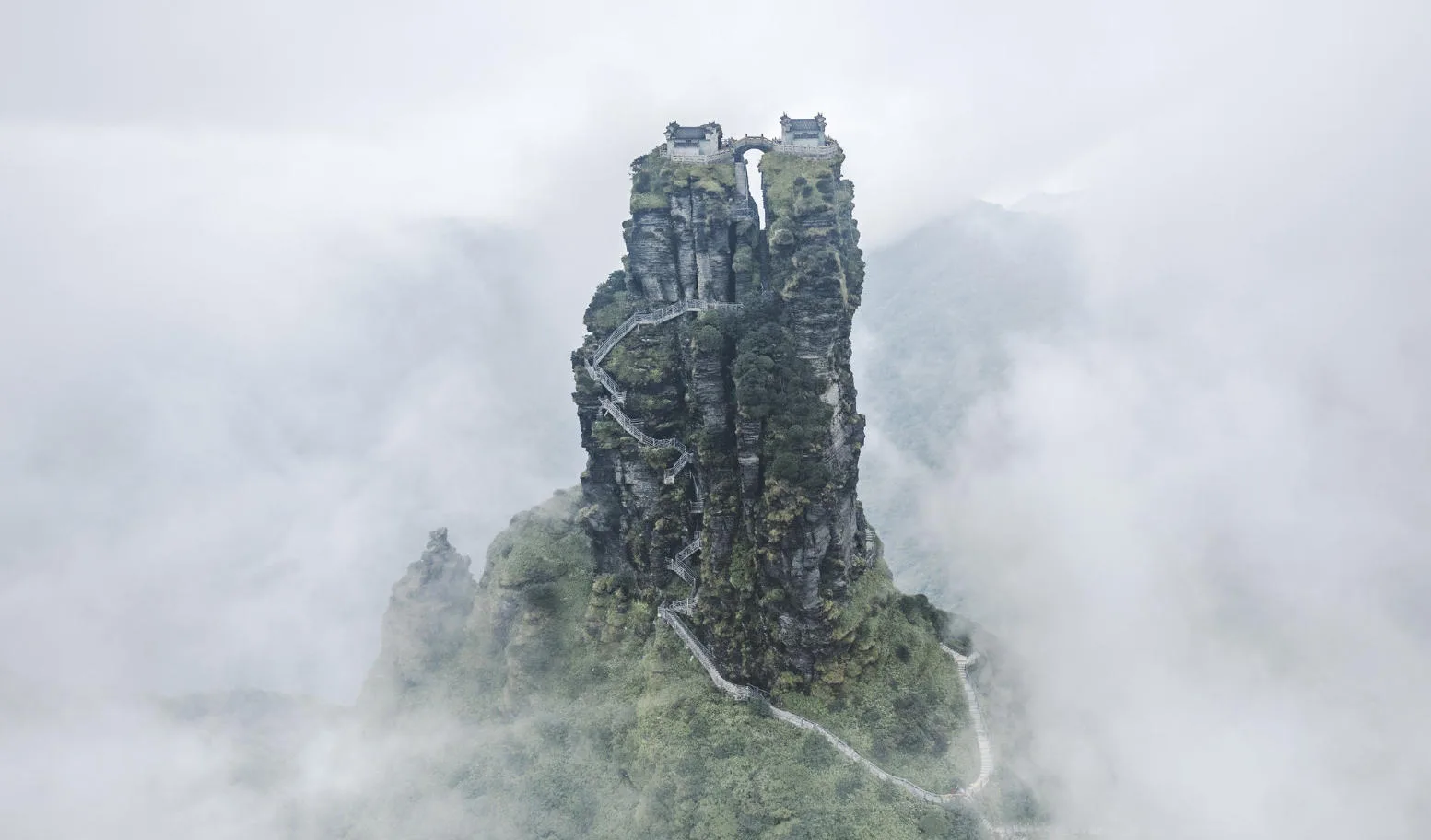
Mount Fanjing is also the only habitat of the Guizhou snub-nosed monkey. With only around 800 individuals remaining worldwide, this primate survives only in the mountain forests and is considered even even rarer than the giant panda.
Several historic towns are located around the foot of the mountain. Tongren Ancient Town is the closest to Mount Fanjing, located along the Jinjiang River and serving as an important historic area in eastern Guizhou. Unlike some of Guizhou’s more commercialized ancient towns, it is better suited for a relaxed walk and a slower exploration of local life. Tongren City also has hotels convenient for visiting Fanjingshan Mountain.
Speak to An Expert
Explore Guizhou with Eastogo
Start designing your China journey with our destination experts.
Make An InquiryBeyond the Highlights: Hidden Villages and Landscapes of Guizhou
Guizhou’s most fascinating places are often found beyond the well-known attractions. In addition to the classic destinations mentioned above, the mountains of Guizhou are home to many smaller villages and natural landscapes with fewer visitors and stronger local character.
These places may not have the same facilities as major tourist sites, but they offer a closer look at everyday life in Guizhou’s mountains.
More Dong Villages:
Huanggang Dong Village
Huanggang Dong Village is one of the best places in Guizhou to experience Dong culture in depth. Compared with the well-developed tourism facilities of Zhaoxing Dong Village, Huanggang is quieter, more secluded, and receives far fewer visitors.
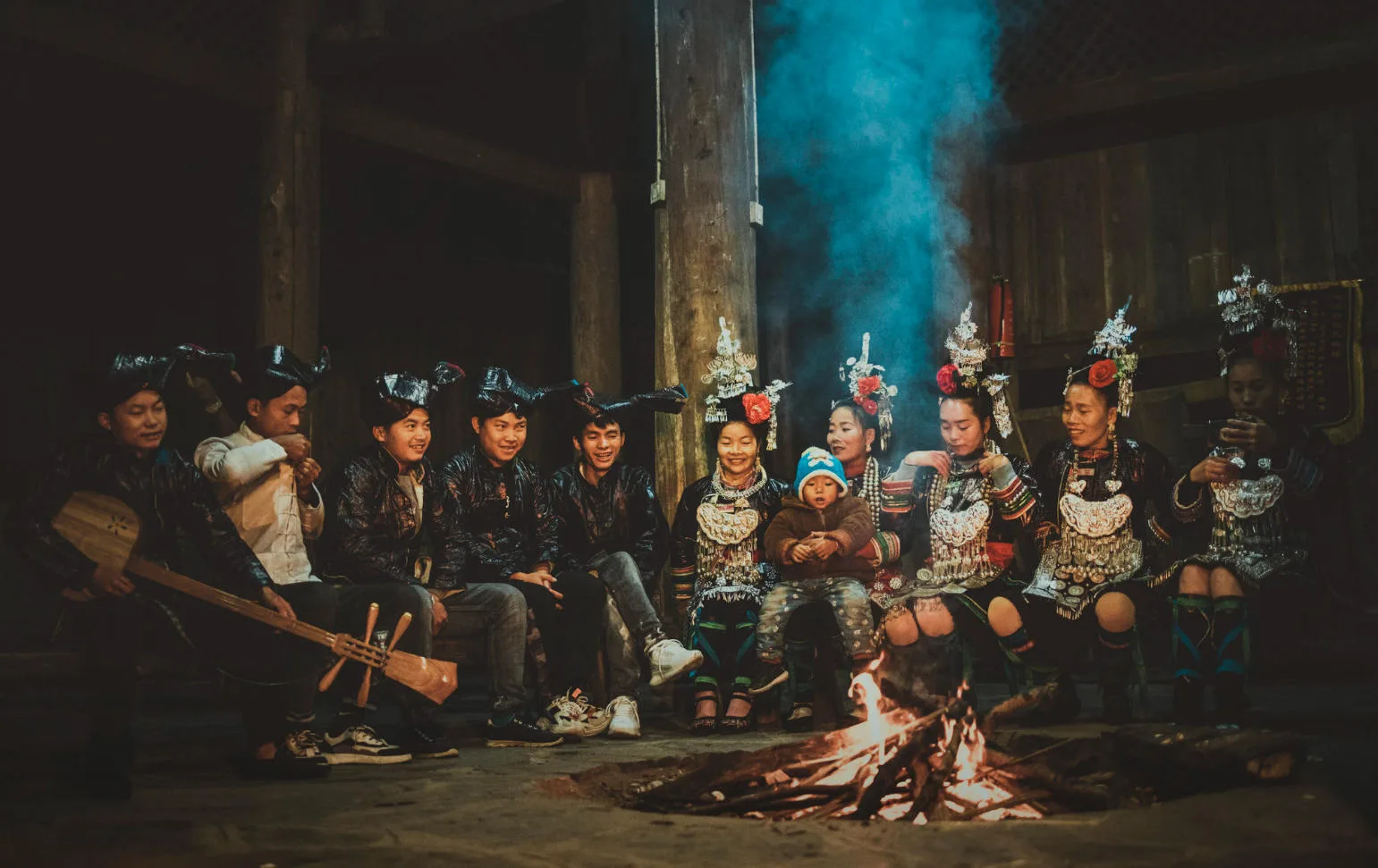
The village’s most distinctive feature is its Dong grand songs, which are still performed in a style closer to their original form. Its drum towers, wooden houses, and communal spaces remain well preserved and continue to be part of everyday village life.
Dali Dong Village
The most distinctive feature of Dali Dong Village is its skilled master builders, known as Zhangmoshi, who are considered the key figures in traditional Dong architecture.
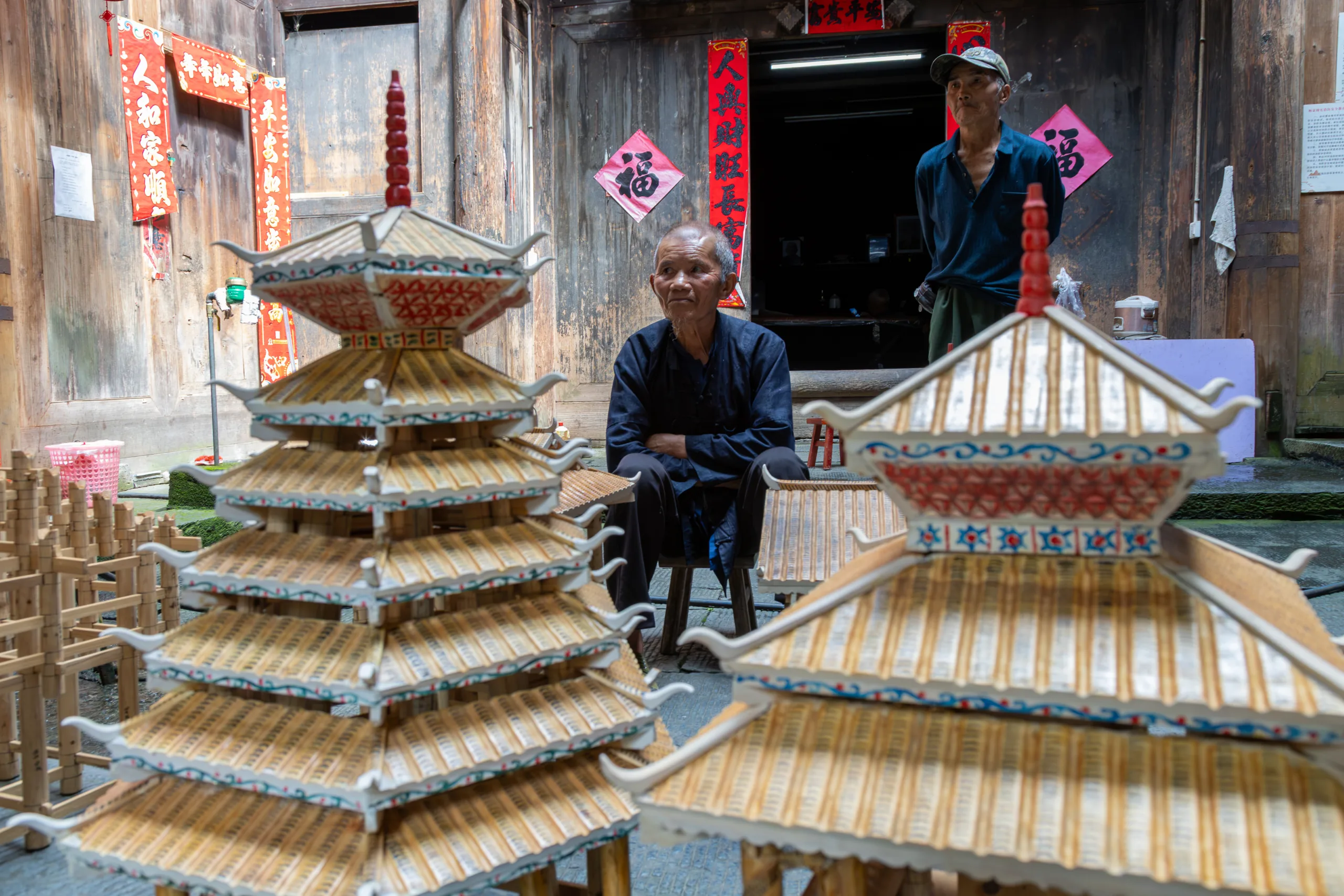
They build drum towers, wind and rain bridges, and wooden houses without nails or formal drawings, relying entirely on mortise-and-tenon craftsmanship. Visitors can visit the homes of these craftsmen and learn about the architectural knowledge passed down through generations.
Zaidang Dong Village
Zaidang Dong Village is known as the birthplace of Dong grand songs. Unlike villages that attract visitors through their size or architecture, Zaidang’s appeal lies in its living musical tradition.
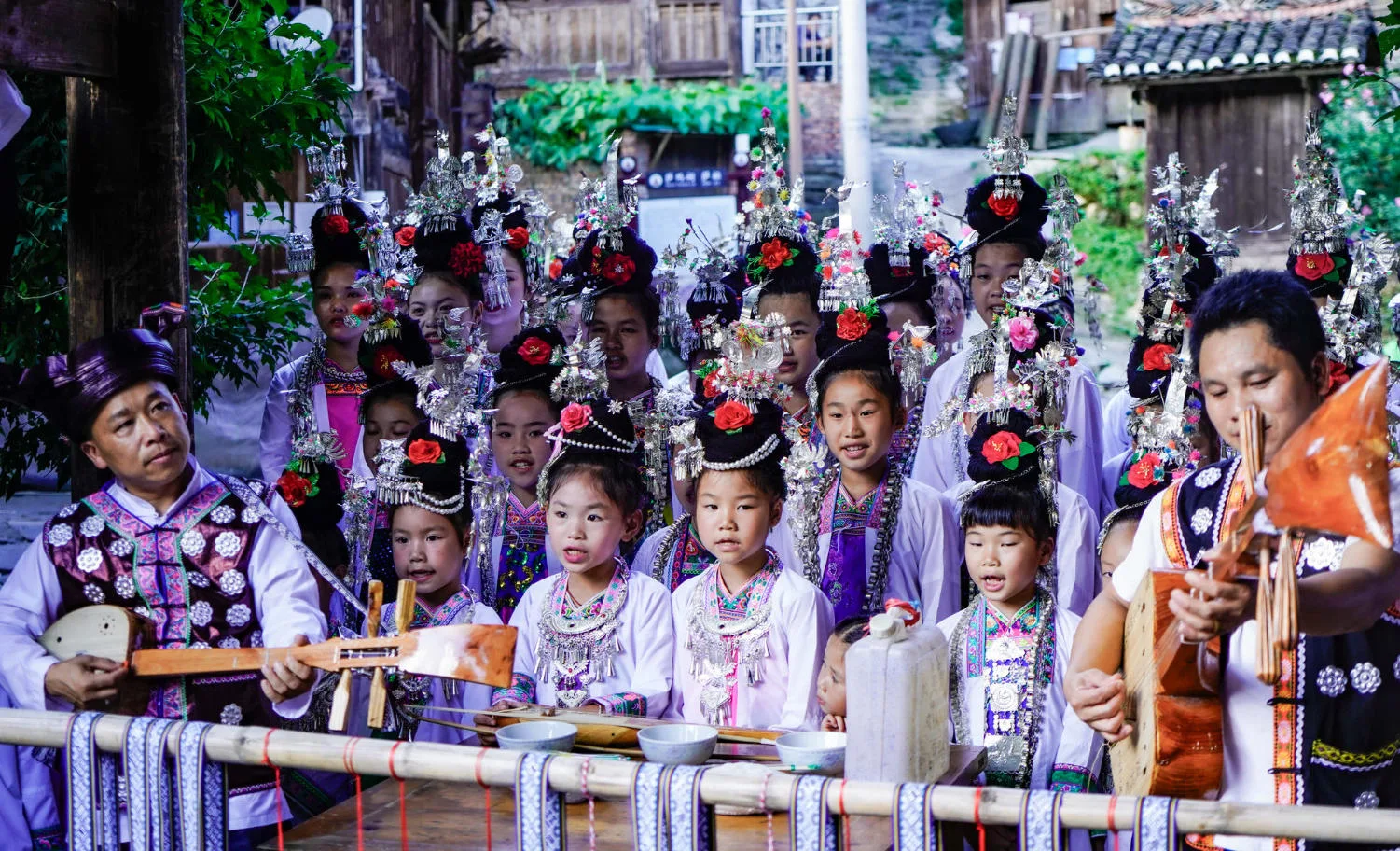
Local singers continue to pass down Dong grand songs through generations, and visitors may have the chance to hear traditional multi-part singing. For travelers interested in music, anthropology, and traditional cultures, Zaidang offers a unique cultural experience.
Zhanli Dong Village
Zhanli Dong Village is known for a unique tradition that has continued for centuries. The village has maintained a remarkably stable population.
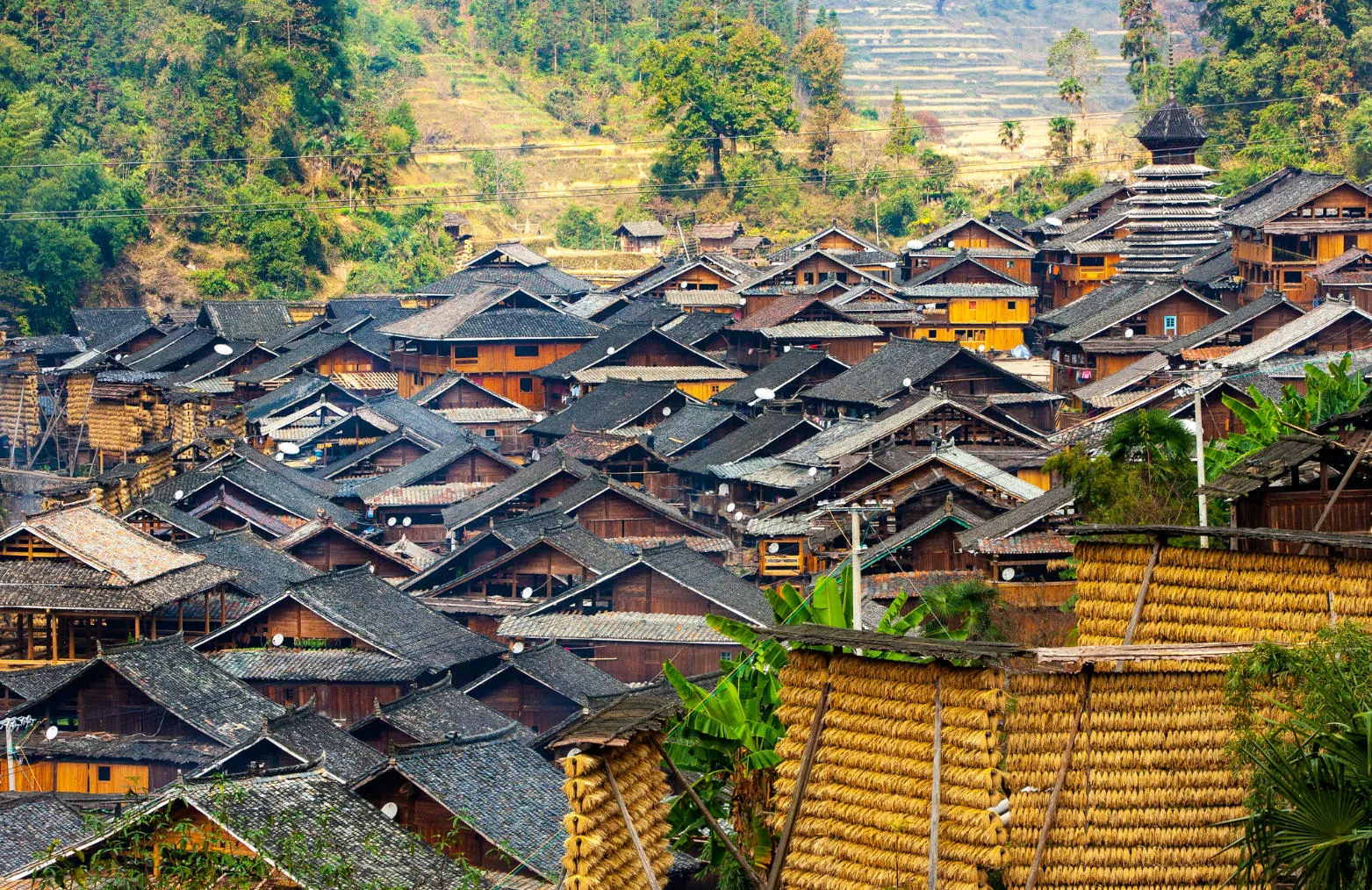
This balance is believed to come from generations of local knowledge passed down by village elders, including traditional practices and herbal knowledge. For the people of Zhanli, it reflects a simple yet deep understanding of the balance between humans and nature, a philosophy that continues in the village today.
More Miao Villages:
Langde Miao Village
Langde Miao Village is much smaller than Xijiang, but its village-organized welcome ceremonies and Miao performances are still carried out by local residents themselves.
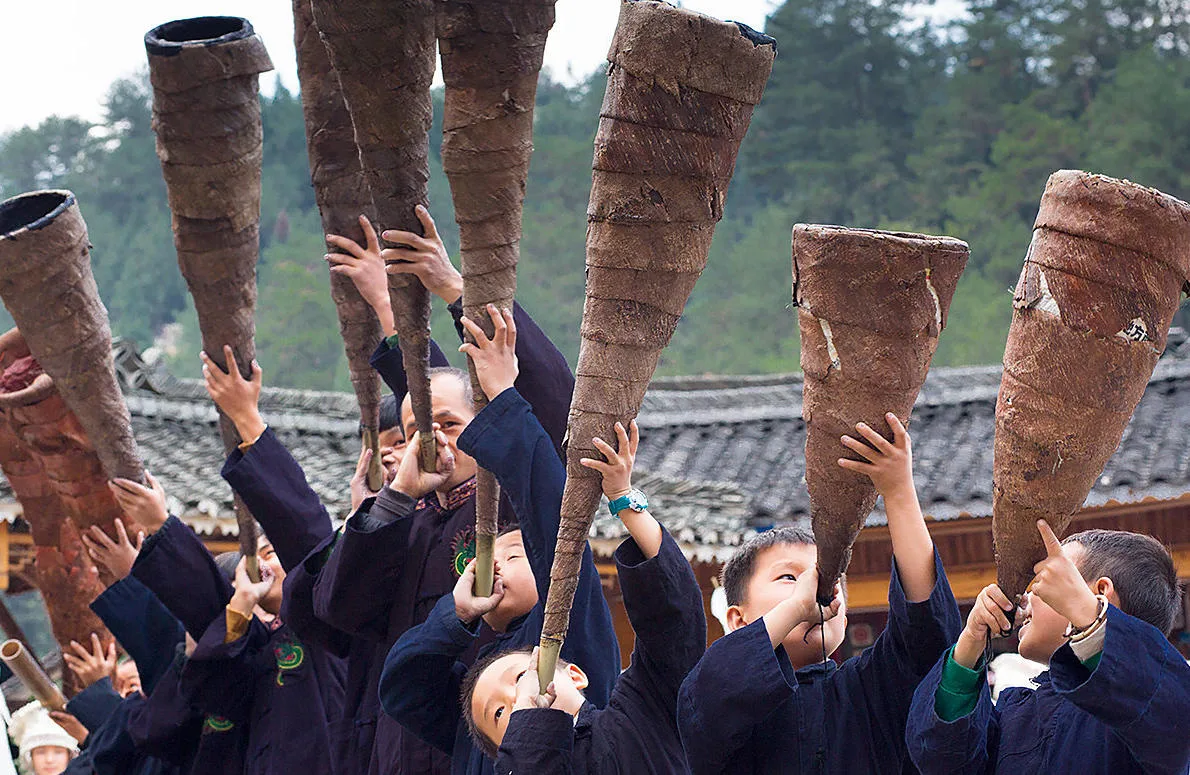
This community-based approach gives Langde a more authentic atmosphere than the scheduled performances in larger tourist villages. It is also quieter, making it a good choice for travelers who want to experience Miao culture away from the crowds of Xijiang.
Queniao Village
Hidden deep in the Leigong Mountain area, Queniao Village is one of the less commercialized Miao villages around Leishan. Surrounded by rice terraces and old maple trees, with streams flowing through the village, it offers a glimpse into a slower mountain way of life. Elderly villagers can still be seen wearing distinctive traditional clothing while working in the fields.
Basha Miao Village
Located in the forests of Congjiang, Basha Miao Village is known as China’s “last gunmen tribe.” Men in the village still wear their hair in a topknot, carry long knives and matchlock guns, and take part in the unique sickle haircut ceremony.
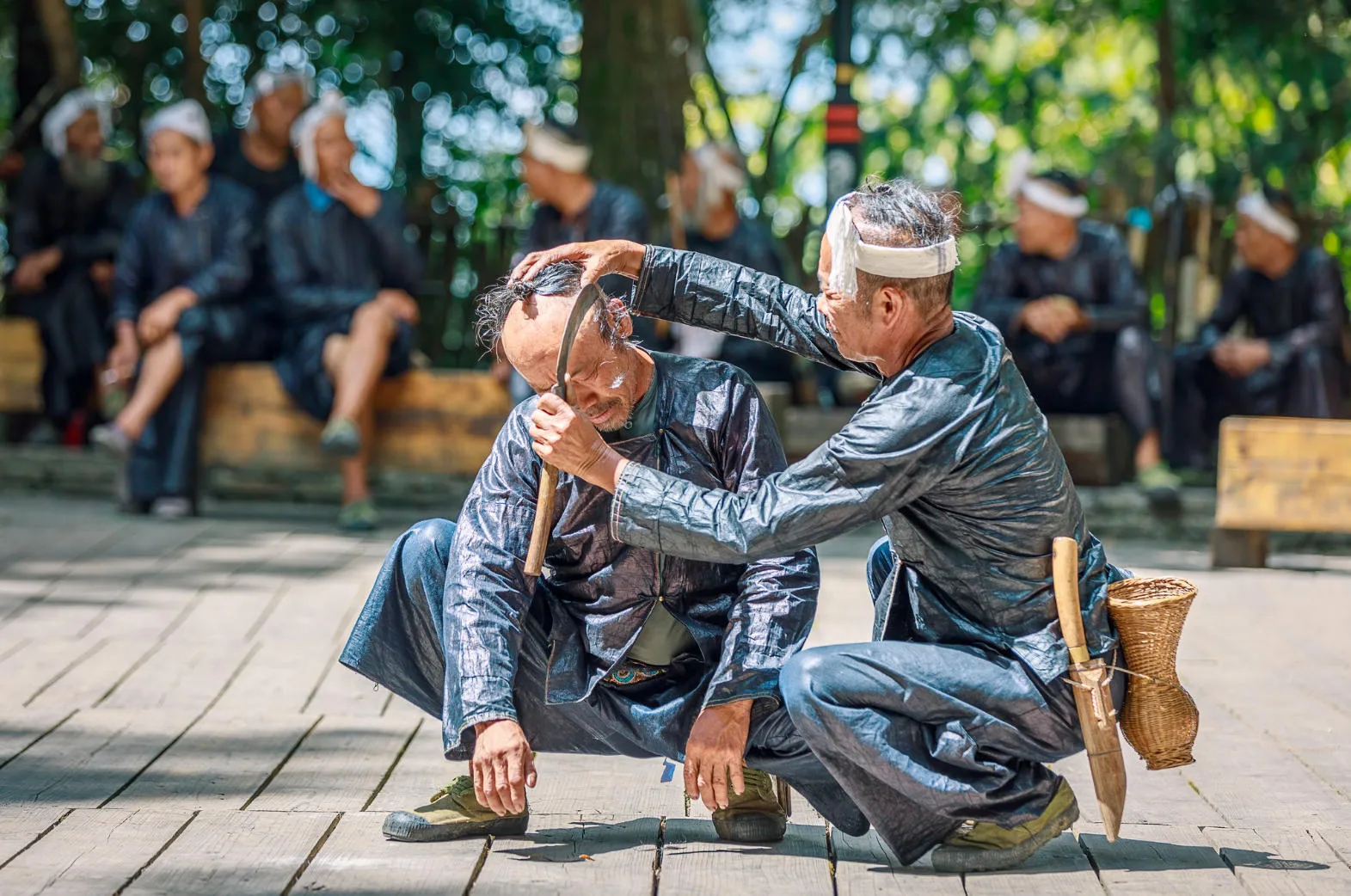
The Basha people consider themselves descendants of Chiyou and have a deep connection with trees. When a child is born, the family plants a tree for them. The tree is later used to make the coffin after the person passes away, and a new tree is planted at the burial site. This connection between human life and trees remains a defining part of Basha culture.
Other Towns and Villages:
Longli Ancient Town
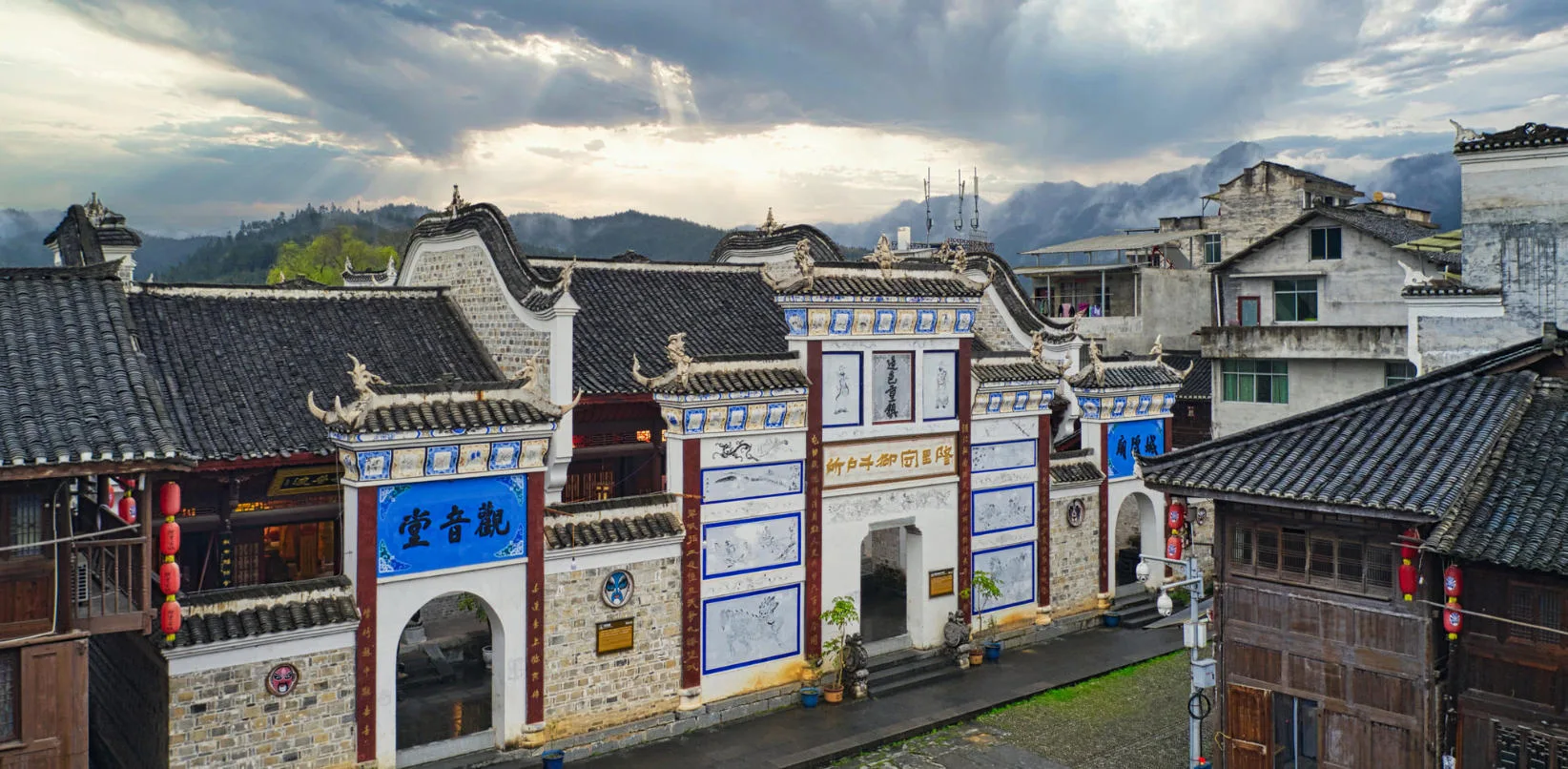
Longli Ancient Town is a well-preserved Ming Dynasty military settlement. Unlike the ethnic minority villages commonly found in Guizhou, Longli reflects the history of Han Chinese migration and the interaction between different cultures along Guizhou’s frontier. Its old streets, historic buildings, and everyday life reveal another side of Guizhou’s cultural landscape.
Matang Gejia Village
Matang Gejia Village is an important place to learn about Gejia culture. The Gejia people are a distinct ethnic group with their own clothing, language, and batik traditions. Their batik is known for geometric patterns, fine lines, and symmetrical designs, creating a style very different from the flowing patterns often seen in Miao batik.
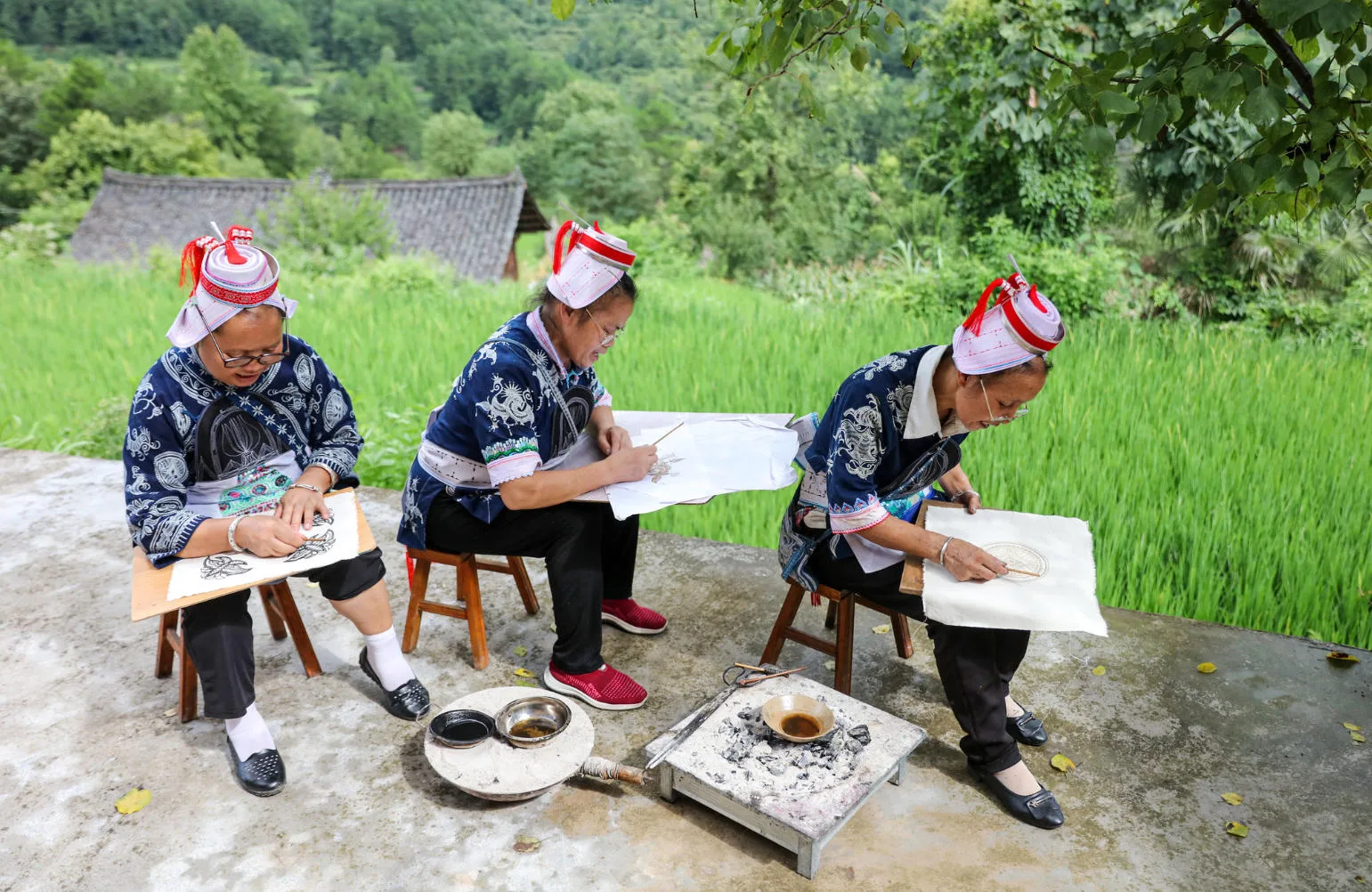
Women in the village often demonstrate batik making at home. Visitors can watch them draw patterns on fabric with a wax knife, or try making their own piece of batik cloth.
Kongbai Silver Artisan Village
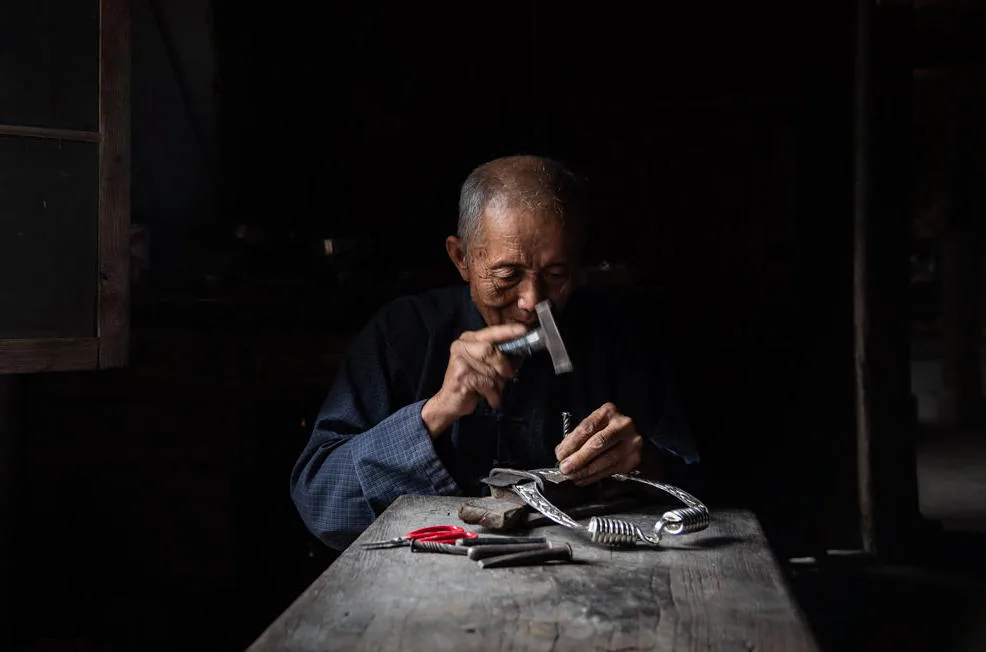
Kongbai is a well-known silver-making village in Guizhou, where many households still practice silver craftsmanship. The village’s main appeal is learning about the cultural meaning behind Miao silver ornaments. Local artisans pass down their skills through generations, from shaping silver sheets to creating intricate patterns that showcase the precision of Miao craftsmanship.
Rice Terraces:
Tang’an Rice Terraces
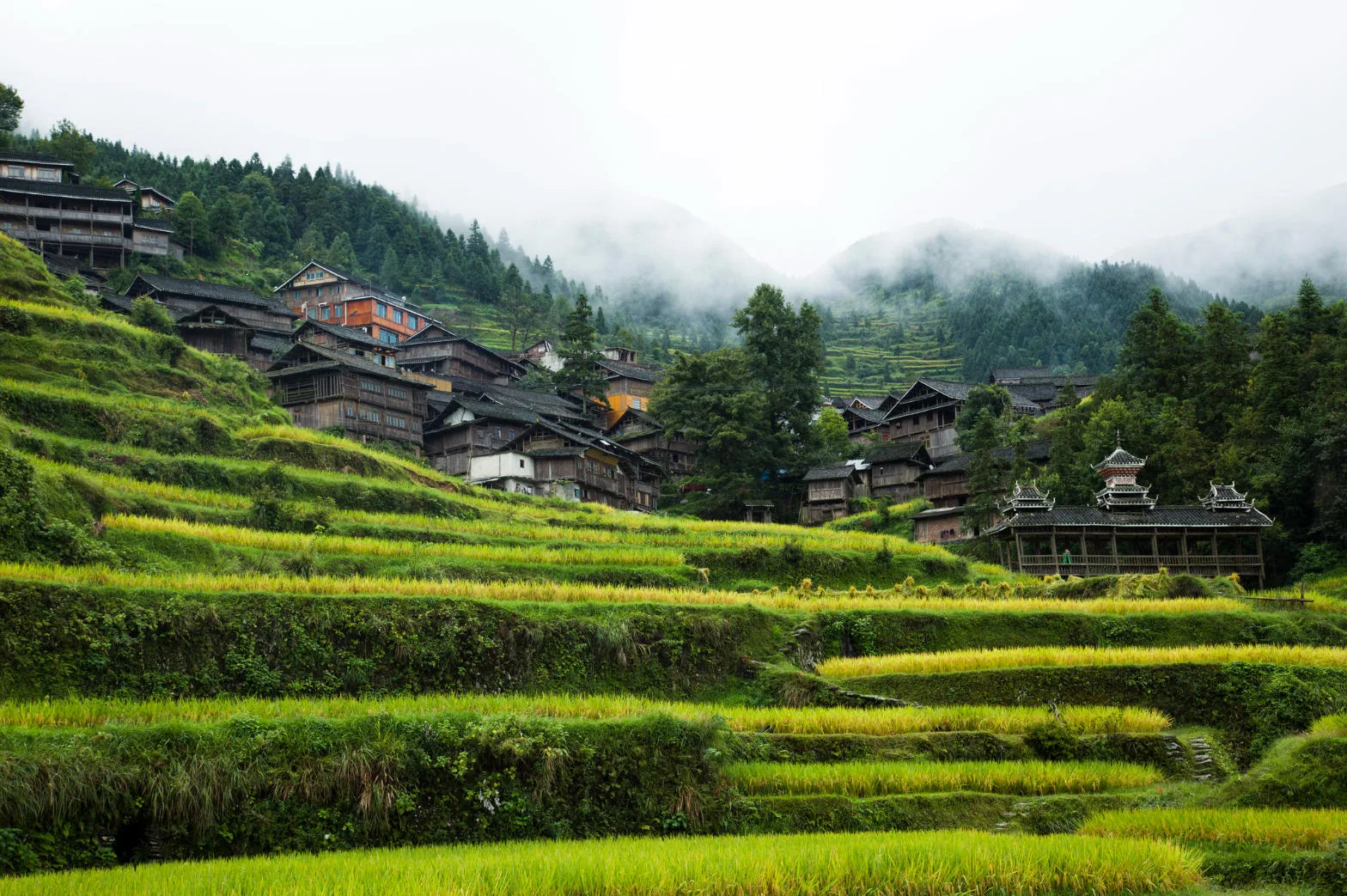
Located near Zhaoxing Dong Village, Tang’an Rice Terraces are one of the best places to combine a terrace landscape with a Dong village hiking experience. From Zhaoxing, visitors can hike along mountain paths to Tang’an Dong Village, passing through rice terraces, forests, and rural trails along the way.
Jiabang Rice Terraces
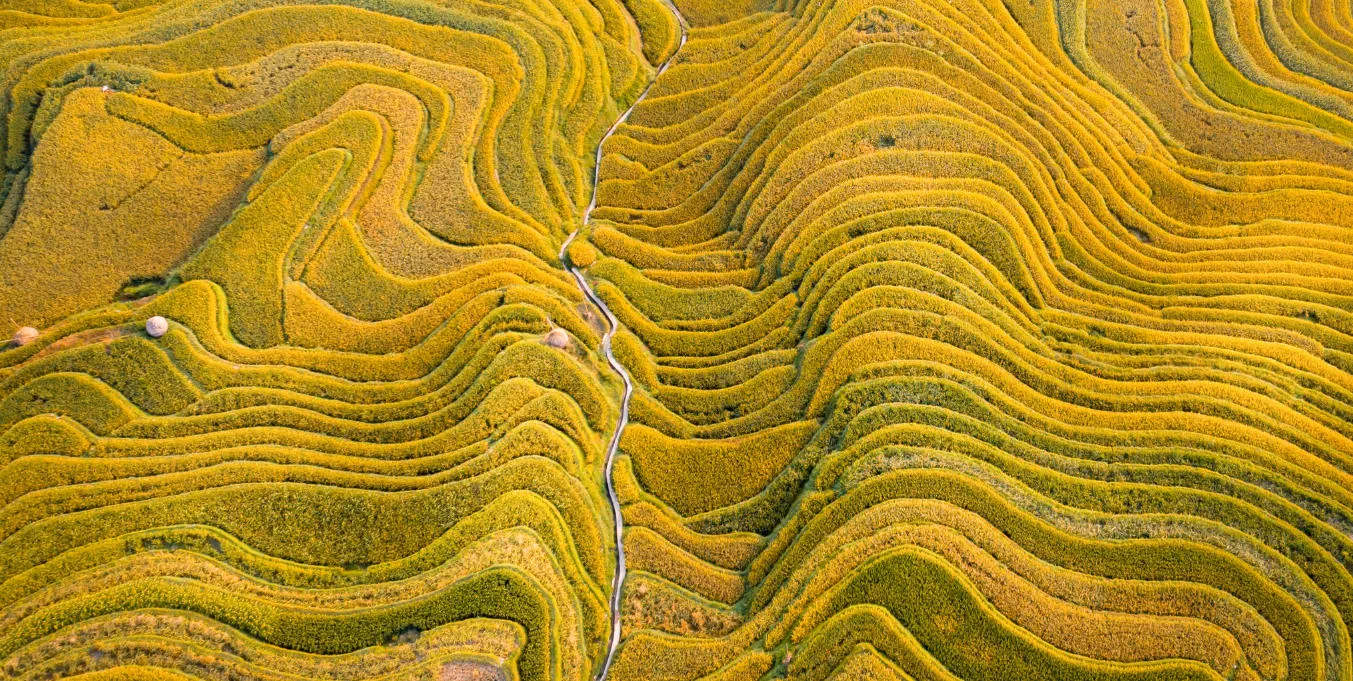
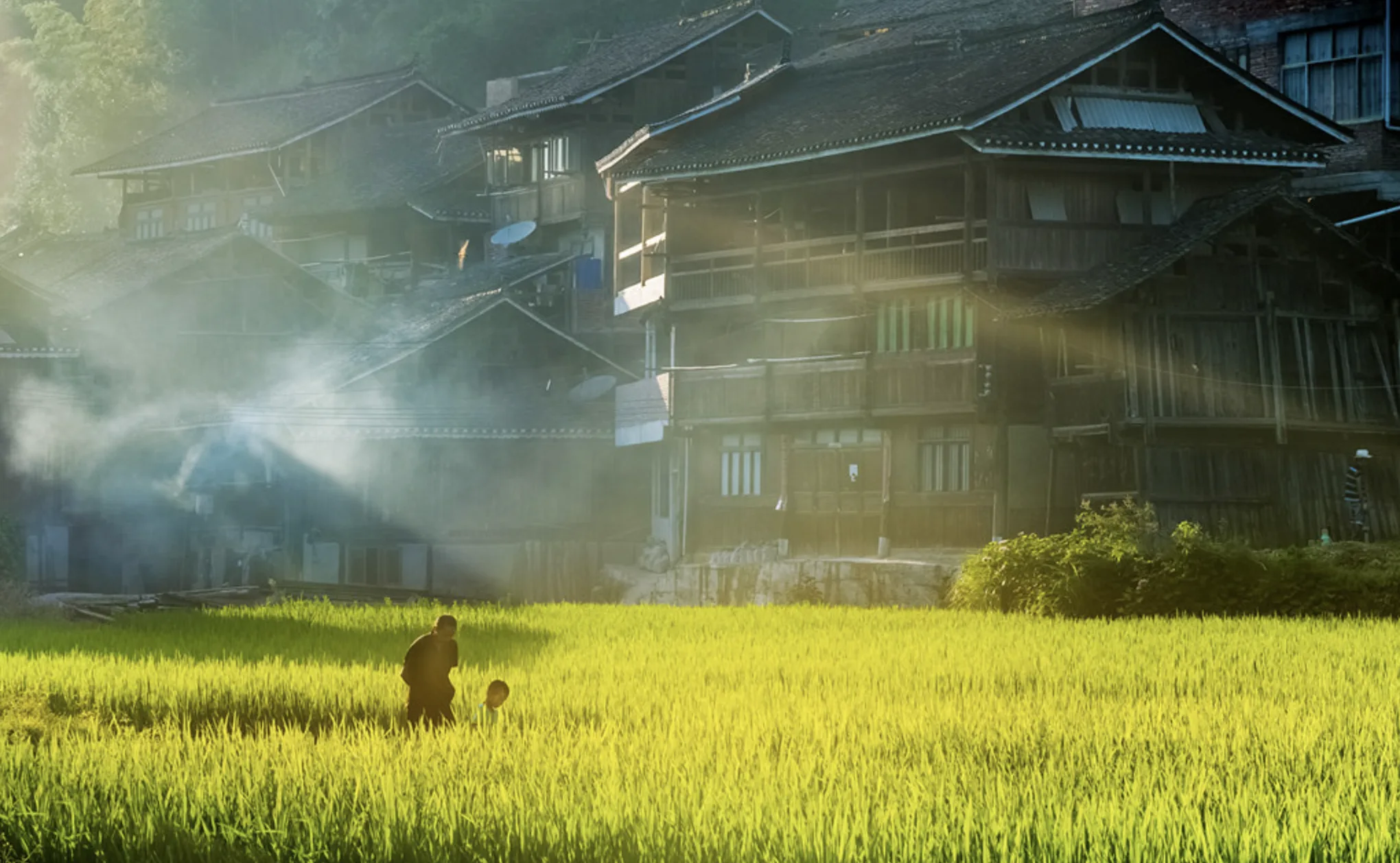
Located deep in the Moon Mountain area of Congjiang County, Jiabang Rice Terraces are known for their narrow, densely layered fields. The smooth lines of the terraces follow the slopes of the mountains, creating a unique rural landscape. Traditional Miao wooden houses are scattered among the fields, while villagers continue working in the terraces as they have done for generations.
Natural Landscapes:
Tongren Grand Canyon
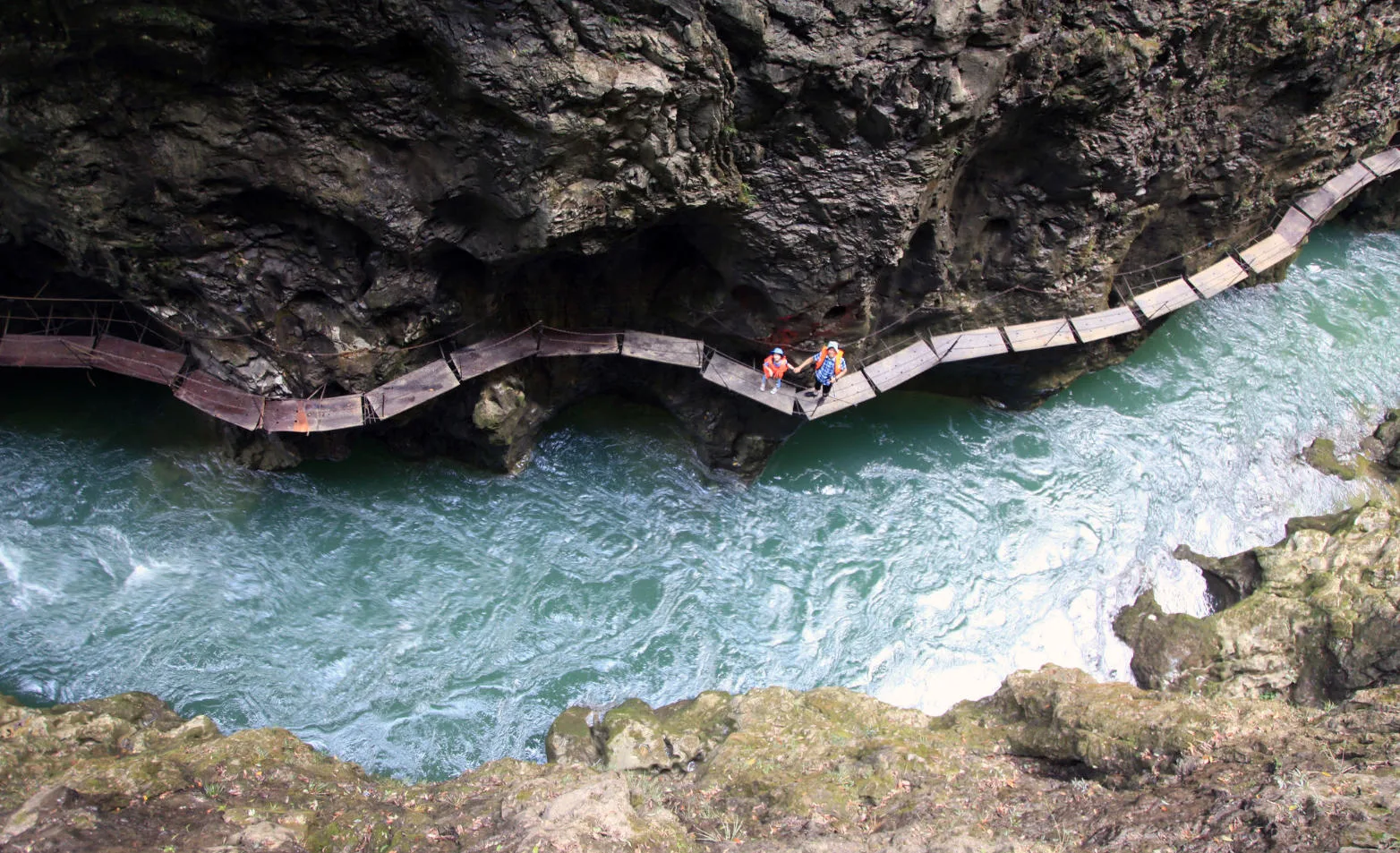
A scenic canyon where suspended walkways cling to green karst cliffs above a clear river winding through the valley. Visitors can walk through the canyon or try water activities such as paddleboarding. Compared with the mountain hiking experience at Mount Fanjing, Tongren Grand Canyon is more relaxed and suitable for families or travelers looking for an easy nature experience.
Zhijin Cave
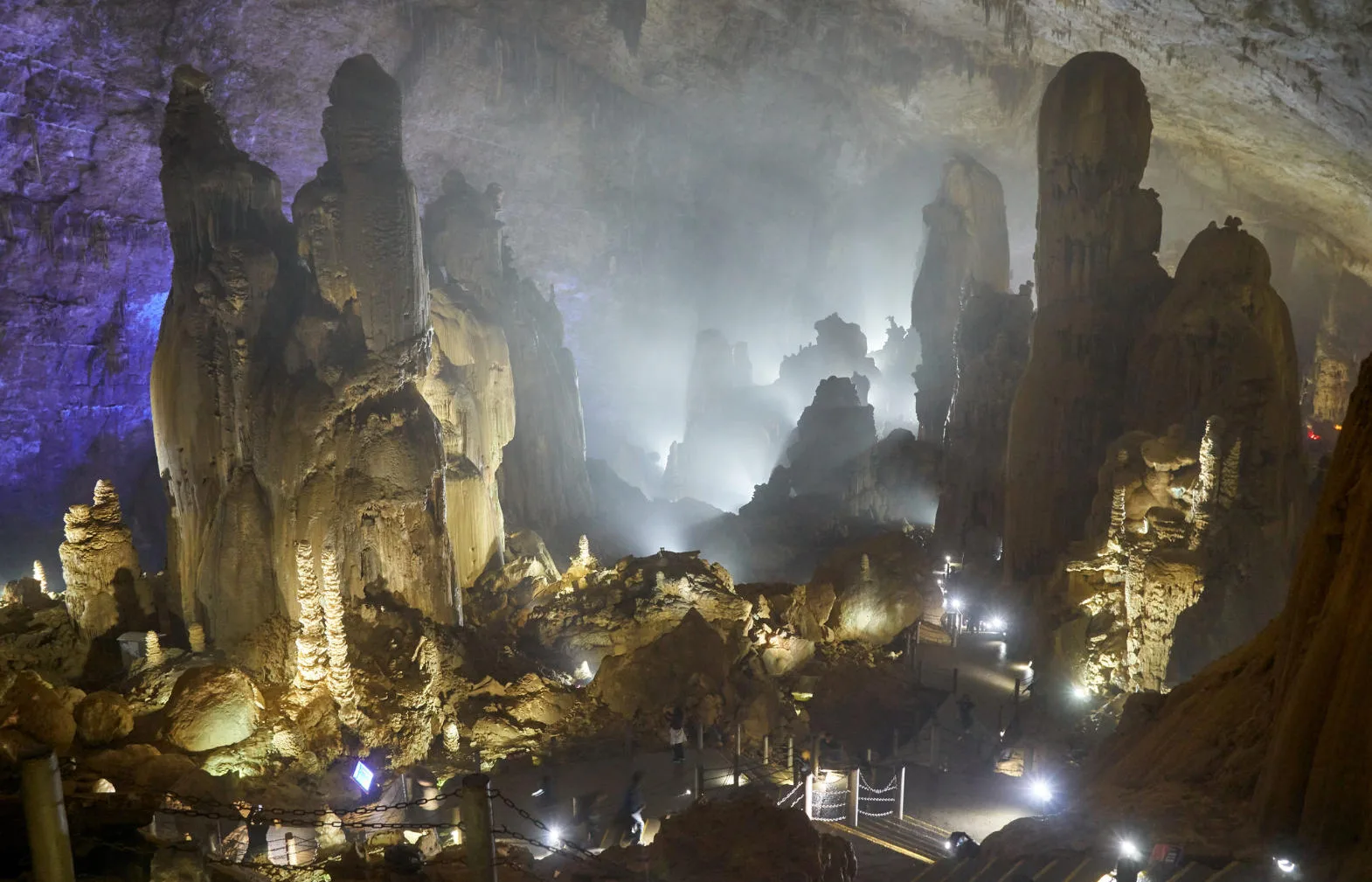
Located in western Guizhou, Zhijin Cave is a spectacular underground karst wonder formed over millions of years. The cave system contains impressive stalactites, stalagmites, stone columns, and underground landscapes, making it one of China’s most remarkable natural caves.
If you enjoy nature and hiking, you can also explore Guizhou mountains, hiking trails and sacred peaks.
Travel Tips for Guizhou: Culture, Food and Local Experiences
Guizhou is home to many ethnic communities, with the Miao and Dong people being the most representative.
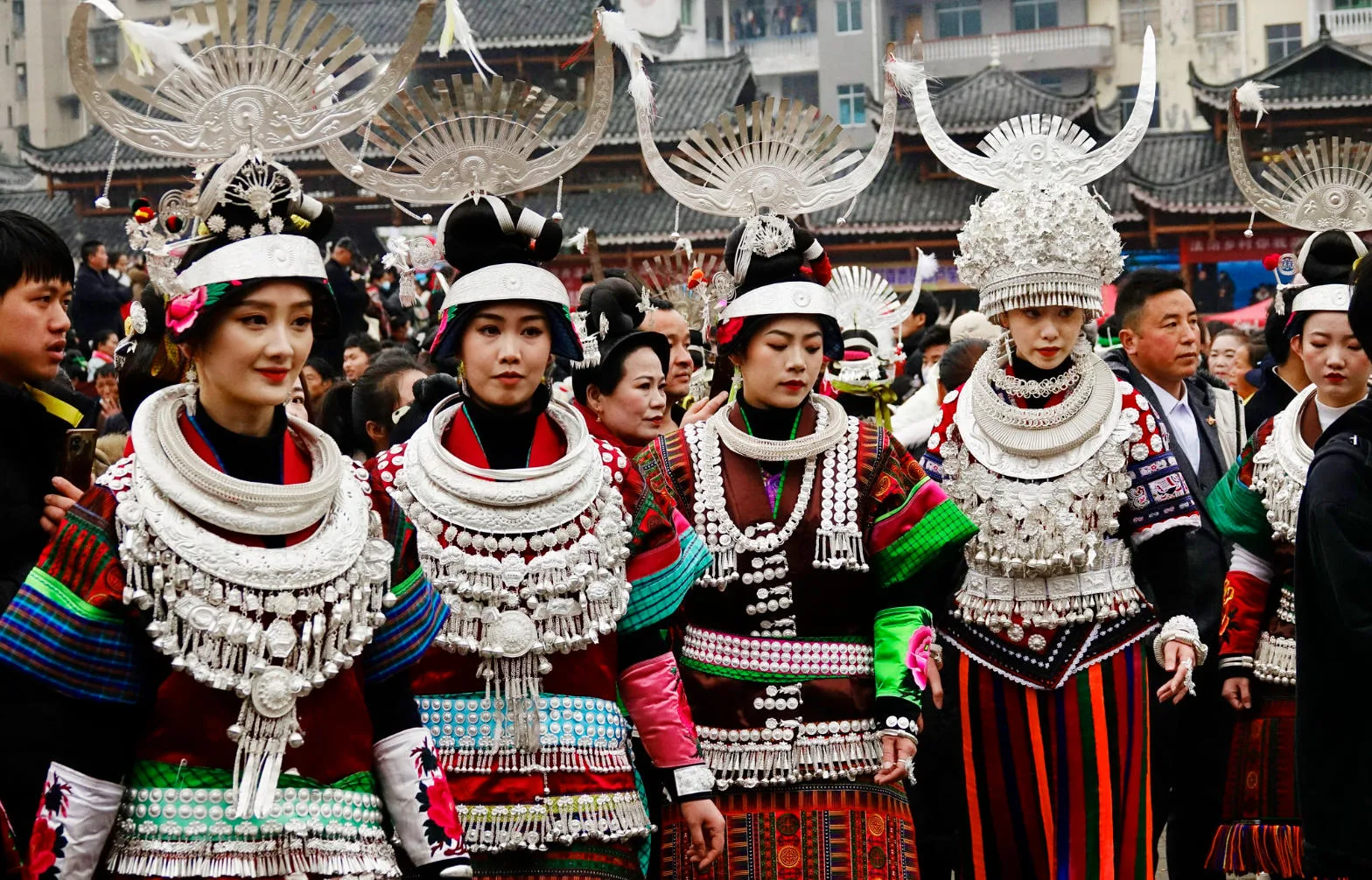
The Miao people are known for their silver jewelry, colorful clothing, and lively festivals. Miao silver ornaments are valued for their craftsmanship, with detailed patterns often reflecting the history and stories of the Miao people. Many Miao villages are built on mountain slopes, with wooden stilt houses adapted to the local landscape. Lusheng music is an important part of village life, especially during festivals and celebrations.
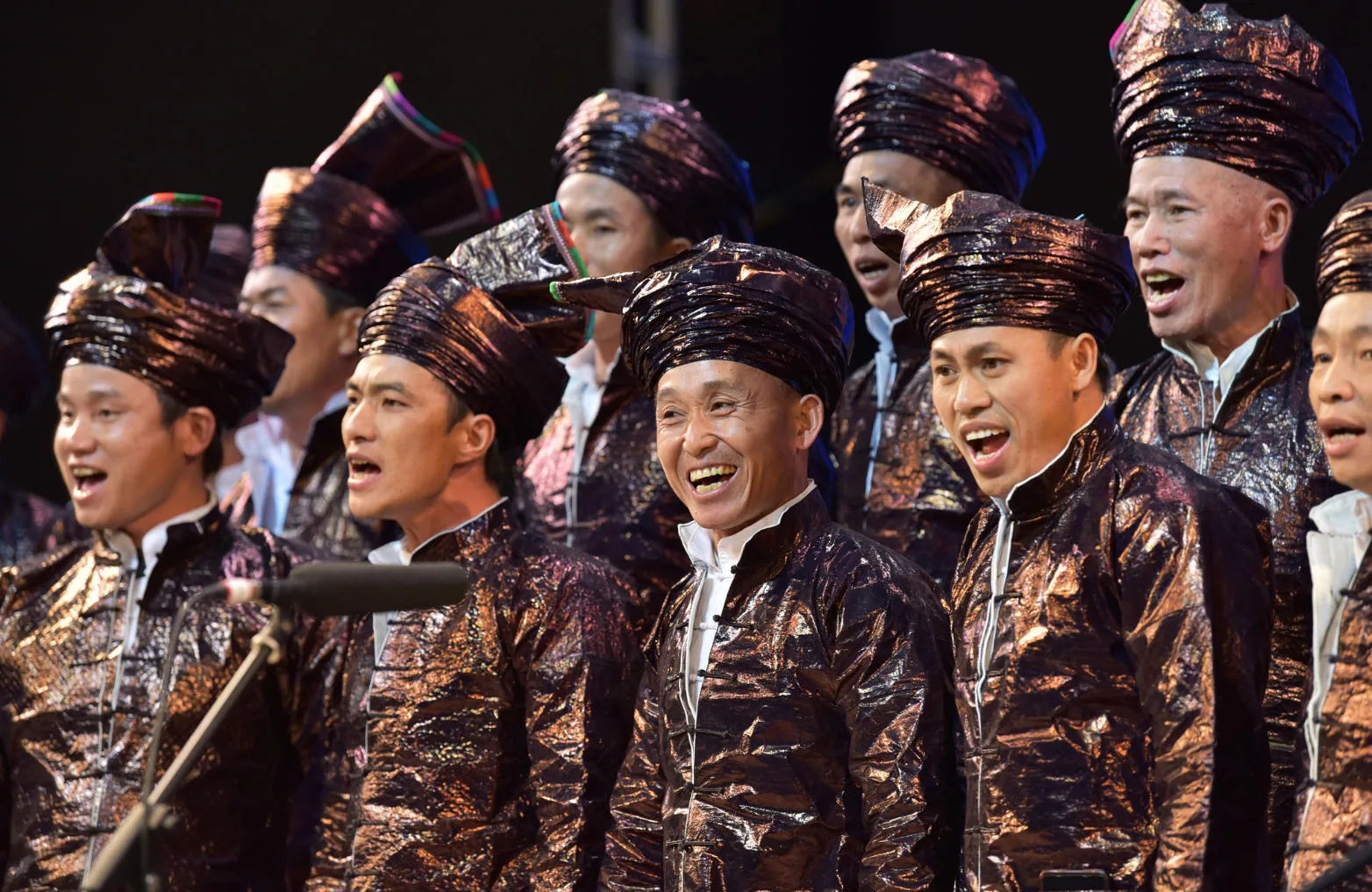
Dong villages are known for their drum towers, wind and rain bridges, and Dong grand songs. The drum tower is not only an architectural landmark but also a gathering place for the community. Dong grand songs are multi-part a cappella performances that often describe nature, daily life, and relationships between people. In many villages, singing remains an important part of celebrations and community life.
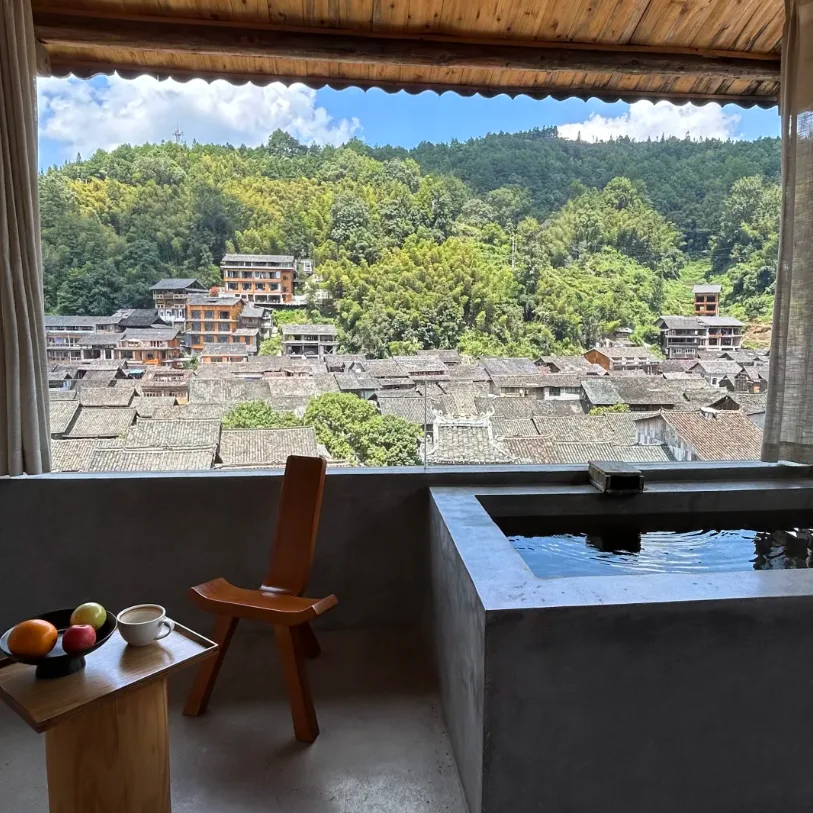
Accommodation can shape your travel experience in Guizhou.
In areas such as Kaili and Zhaoxing, staying in boutique guesthouses inside traditional villages offers a closer connection with local life. Kaili City also has many hotels suited to travelers focusing on Miao cultural experiences. Facilities are usually simpler than city hotels, with smaller rooms and fewer services, but this is part of the village experience.
Near natural attractions such as Libo and Anshun, comfortable hotels and resorts are more common, making it easier to explore places like Xiaoqikong, Huangguoshu Waterfall, and Longgong Cave. For travelers who want a more comfortable base, Guiyang City has 3- to 5-star hotels near downtown.
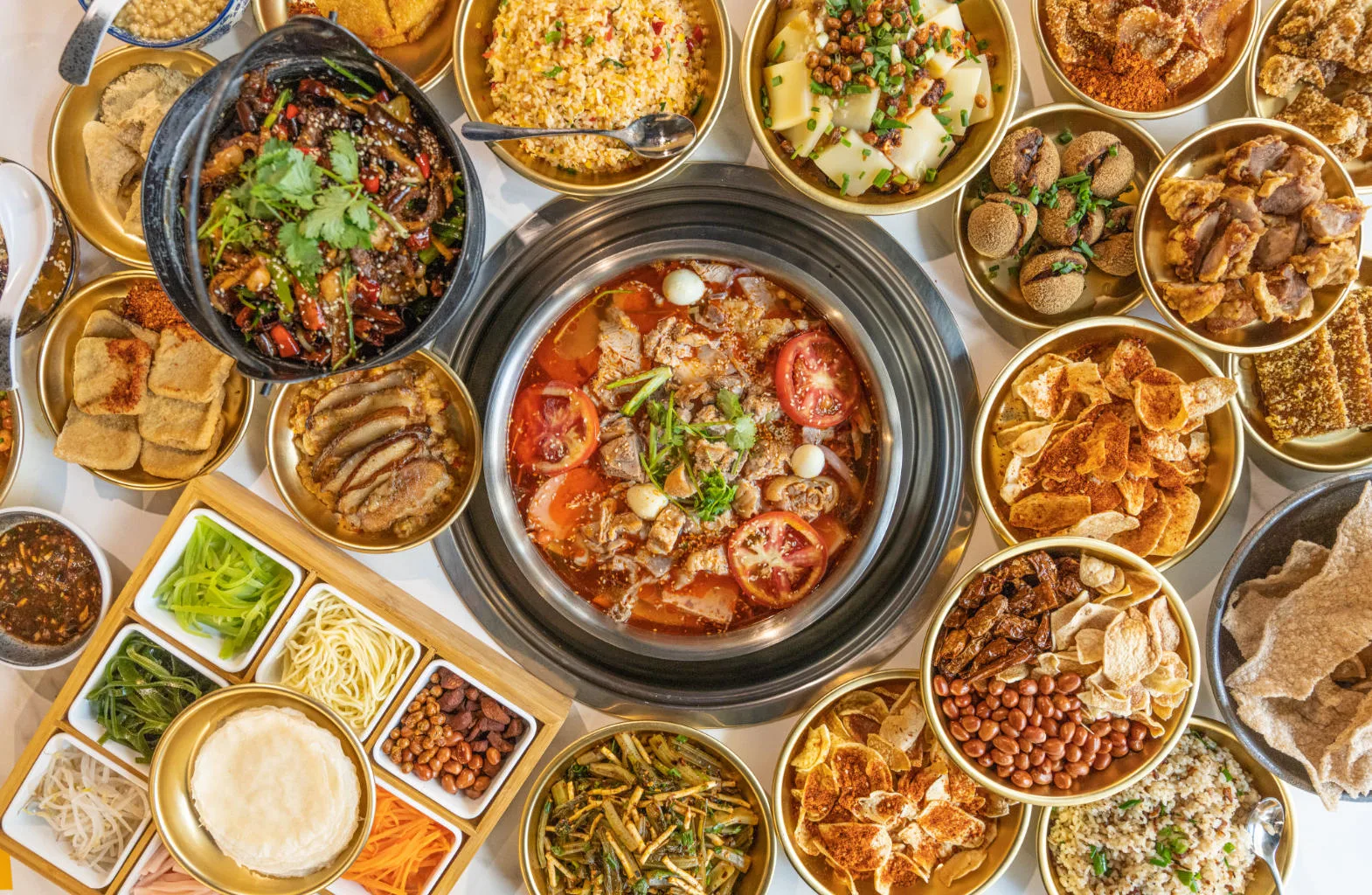
Food is an important part of any Guizhou journey, from street-food culture and local snacks to full meals. Influenced by the mountain environment and diverse ethnic cultures, Guizhou cuisine is known for its sour, spicy, and rich flavors.
Some local dishes worth trying include:
- Sour Soup Fish: One of Guizhou’s signature dishes, made with fermented tomato or chili-based soup and fresh fish.
- Huaxi Beef Rice Noodles: A popular Guiyang breakfast featuring flavorful beef broth, rice noodles, and local chili sauce.
- Sticky Rice Dishes: Common in Miao and Dong communities, often served with cured meat, pickles, and local ingredients.
- Cured Meat: A traditional mountain food, with many villages still making their own cured pork and sausages at home.
- Fried Tofu Balls: A popular Guiyang snack with a crispy outside and soft inside.
- Siwawa: A Guiyang street snack where shredded vegetables are wrapped in thin pancakes.
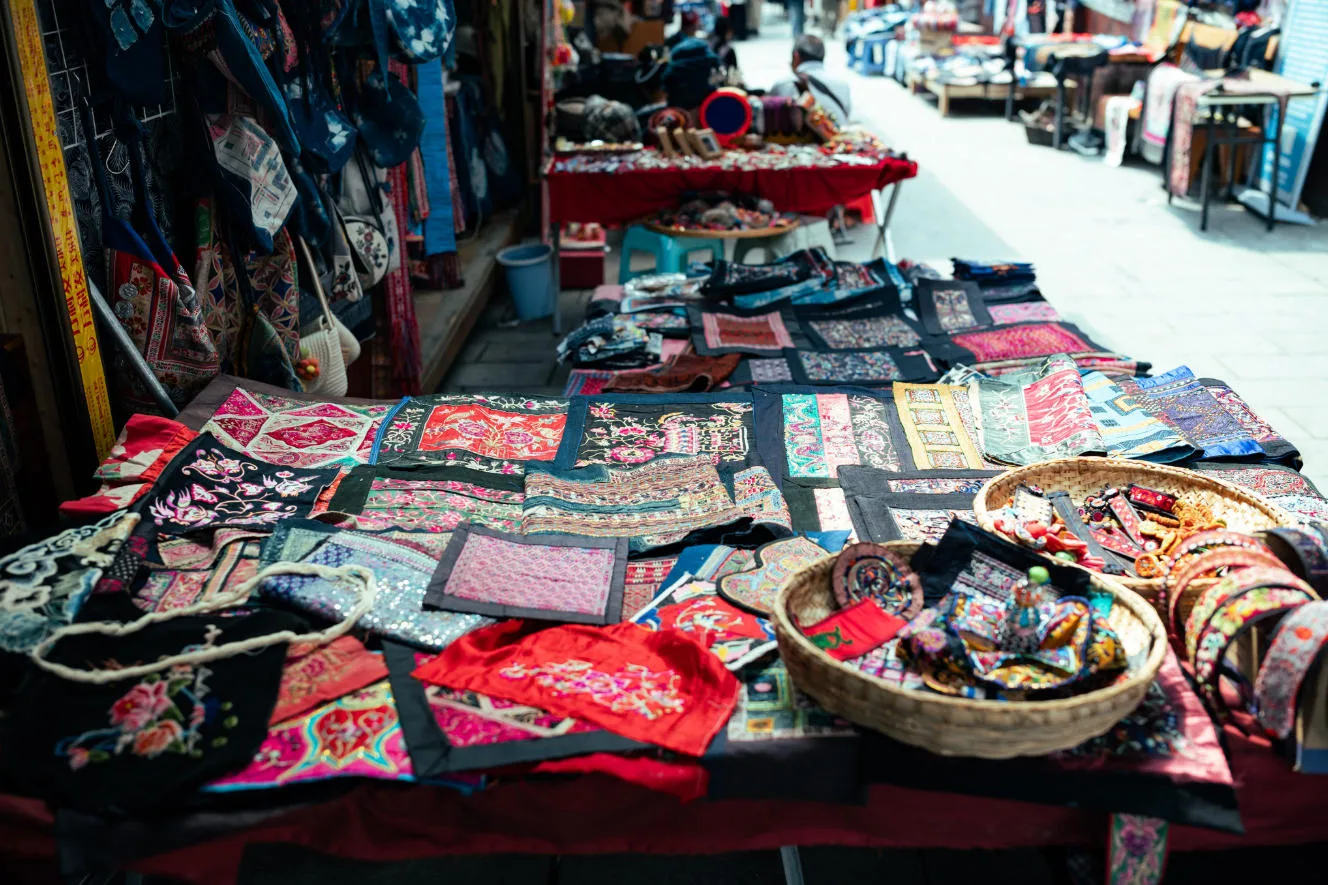
Guizhou is also a great place to find handmade souvenirs that reflect local cultures.
- Miao Silver Jewelry: Small silver pieces such as earrings, bracelets, and necklaces make meaningful souvenirs.
- Miao Embroidery and Batik: Many villages continue traditional textile crafts, creating handmade works with distinctive patterns.
- Dong Textiles and Handicrafts: Dong woven textiles often feature natural colors and local designs.
- Guizhou Tea: As an important tea-producing region in China, Guizhou offers a variety of local teas to take home.
- Chili Products and Sour Soup Seasoning: Chili sauces and sour soup ingredients are popular choices for bringing Guizhou flavors home.
Getting Around Guizhou: Private Drivers, Trains and Local Transport
Guizhou’s attractions are spread across mountainous areas, and travel between destinations often requires several hours by road. High-speed trains can quickly connect major cities, but many villages and scenic areas still require additional transportation, especially when combining places that are harder to link by public transport. Reaching remote villages can take much longer and involve uncertainty. For travelers with limited time or those who want a smoother journey, a private car is often the most practical option.
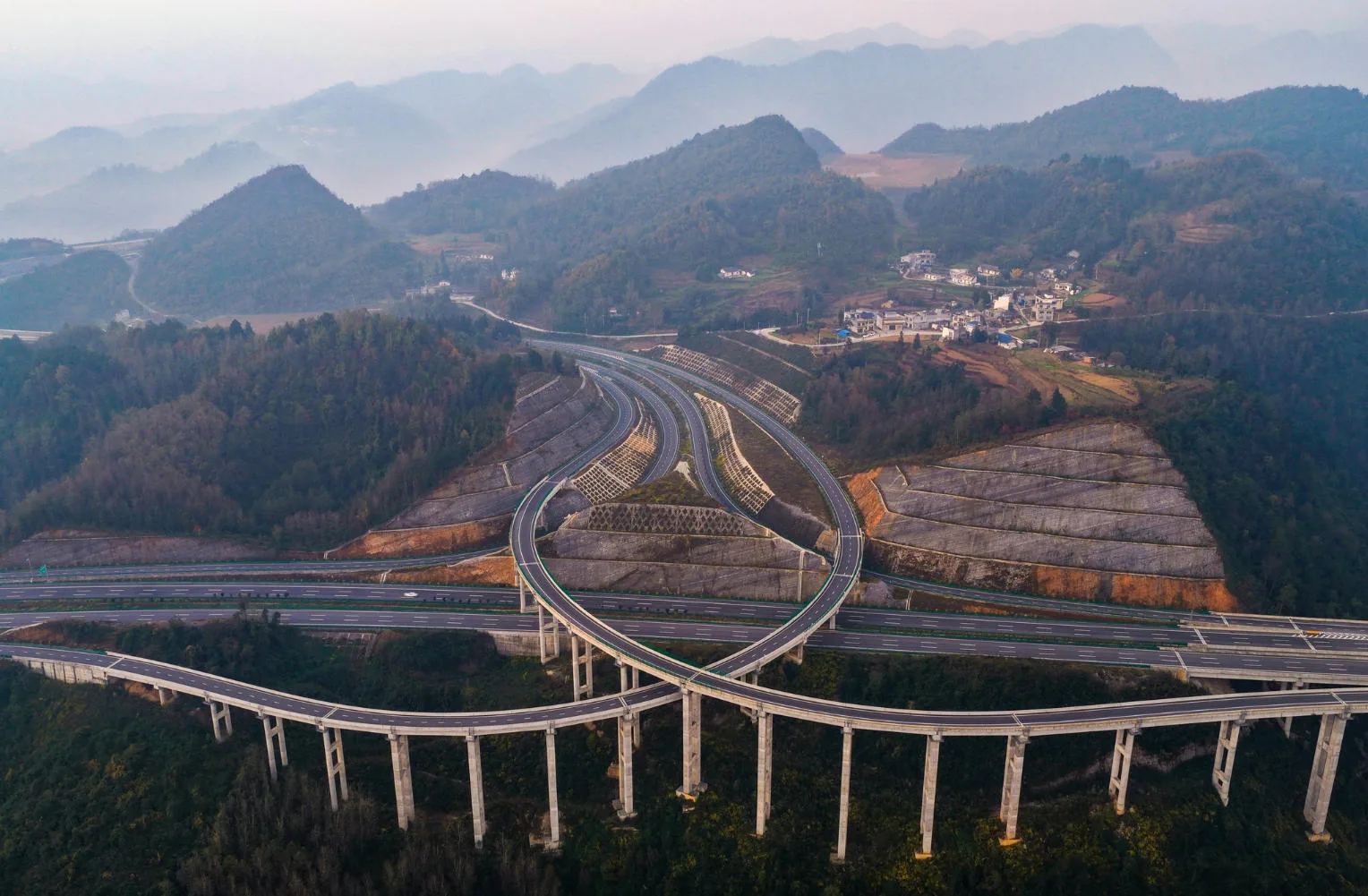
Eastogo supports the whole journey with private drivers and local guides, making it easier to move smoothly between places. Beyond transportation, local knowledge makes a big difference — from knowing which villages have markets on certain days, which mountain roads are difficult during the rainy season, to where to find the best sour soup fish. These details help travelers experience a deeper and more flexible journey through Guizhou.
Speak to An Expert
Explore Guizhou with Eastogo
Start designing your Guizhou journey with our destination experts.
Make An InquiryResponsible Travel in Guizhou: Communities, Culture and Local Experiences
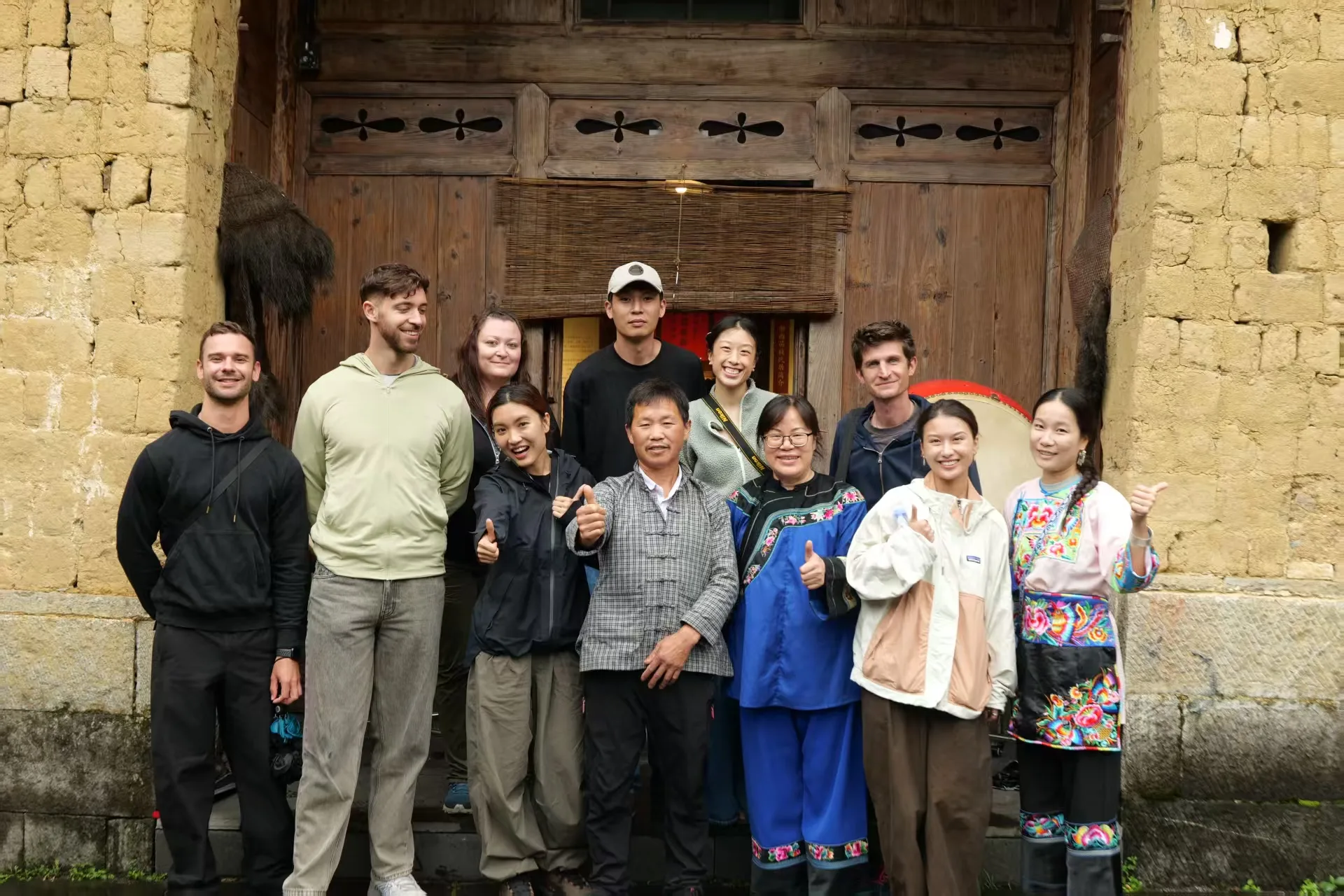
Guizhou is one of China’s less economically developed provinces. Many villages in the mountains were once isolated due to limited transportation and faced long-term economic challenges. For travelers, this means that everyday spending in Guizhou — staying at a local guesthouse, enjoying a home-cooked meal, or purchasing handmade silver jewelry and batik — can directly support local families.
Many women in rural communities earn income through handicrafts, while some younger residents have returned home to work as guides, run guesthouses, or develop local restaurants.
Eastogo’s guide team is made up entirely of local people who understand the region deeply. When arranging accommodations and experiences, we prioritize locally run guesthouses and family-owned restaurants. This not only helps travelers gain a deeper connection with local life, but also supports the continued vitality of these communities and helps preserve their cultural heritage for the future.
Planning Your Guizhou Trip: Maps, Packing and Useful Tips
Guizhou’s weather can change quickly, and mountain areas often have large temperature differences between morning and evening. It is possible to experience sunshine, rain, and fog within the same day. Check the local weather forecast before departure. Mosquitoes can also be common in mountain areas, so bringing insect repellent is recommended.
Packing checklist:
- Waterproof hiking shoes
- Lightweight jacket or waterproof outer layer
- Raincoat or foldable umbrella
- Sunscreen, sunglasses, and sun hat
- Insect repellent
- Waterproof phone pouch
- Power bank
- Personal medications
Seasonal tips:
Mount Fanjing has a daily visitor limit, and tickets can sell out quickly during holidays and summer. Booking at least one week in advance is recommended. During the rainy season (June–July), some mountain roads may temporarily close due to heavy rain. We will adjust the itinerary based on actual conditions to ensure a smoother journey.
Suggested Itineraries For A Guizhou Trip
Day 1 | Arrival in Guiyang · Discover Guizhou’s City LifeArrive in Guiyang and begin your Guizhou journey. Depending on your arrival time, explore local markets, taste Guizhou cuisine, visit Jiaxiu Tower, or experience the city’s evening atmosphere.
Day 2 | Guiyang – Forest Cave Adventure – Cliffside Coffee – Yaoshan Ancient VillageExplore Guizhou’s unique karst underground world with a cave adventure and enjoy coffee above the mountain valley. Continue to Yaoshan Ancient Village, a hidden gem, to discover the traditions of China’s only matriarchal community and experience a local herbal bath.
Day 3 | Maolan National Nature Reserve – Zhaoxing Dong VillageHike through Maolan’s ancient forests and karst cave landscapes. Continue to Zhaoxing Dong Village, wander through traditional lanes, enjoy a Dong-style fire-pit dinner, and experience local village culture.
Day 4 | Zhaoxing Dong Village – Longji Rice TerracesTravel to Longji Rice Terraces and stay in a scenic mountain guesthouse. Explore the terraces on foot and experience local farming activities, including rice-field fishing and a traditional farmhouse meal.
Day 5 | Longji Sunrise – Huanggang Dong Village – Longli Ancient Town – Zhenyuan Ancient TownWatch sunrise over Longji Rice Terraces, then visit Huanggang Dong Village for an authentic Dong cultural experience and Grand Song performance. Continue to Longli Ancient Town before arriving at Zhenyuan Ancient Town for an evening walk.
Day 6 | Zhenyuan Ancient Town – Yunshe VillageExplore Zhenyuan’s historic sites, including traditional courtyards and Qinglong Cave. Continue to Yunshe Village and enjoy the peaceful riverside atmosphere of this Tujia village.
Day 7 | Mount Fanjingshan – Xijiang Qianhu Miao VillageAscend Mount Fanjingshan, Guizhou’s sacred mountain, and discover its dramatic peaks and natural landscapes. Continue to Xijiang Qianhu Miao Village, enjoy the mountain night view, and experience a traditional Miao long-table banquet.
Day 8 | Xijiang Qianhu Miao Village – Guiyang Longdongbao International AirportExplore the quieter morning atmosphere of Xijiang, visit a local Miao family, and experience traditional batik making. Transfer to Guiyang airport and conclude your Guizhou cultural journey.
If you want a more detailed itinerary, we can tailor the route around either ethnic culture or natural wonders in Southeast Guizhou and nearby areas.
You can book our 8-Day Guizhou Journey here. If you have more time and would like to combine Guizhou with Yunnan Province, you can also explore our 14-Day Guizhou & Yunnan Journey.
Why Choose Eastogo For Guizhou Travel?
The most beautiful parts of Guizhou are often found beyond the famous sights — in mountain villages, local communities, and the everyday lives of the people who call this land home.
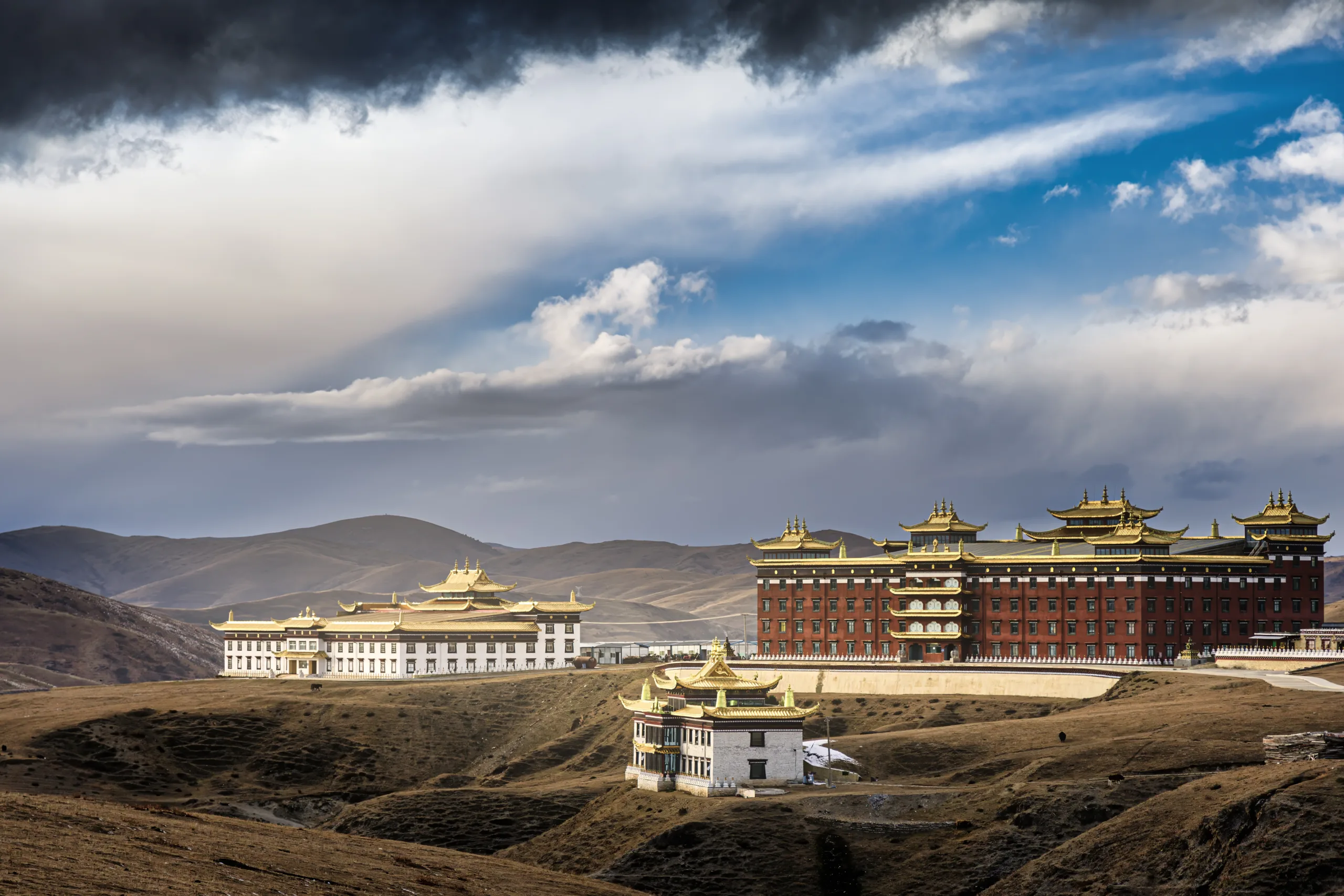
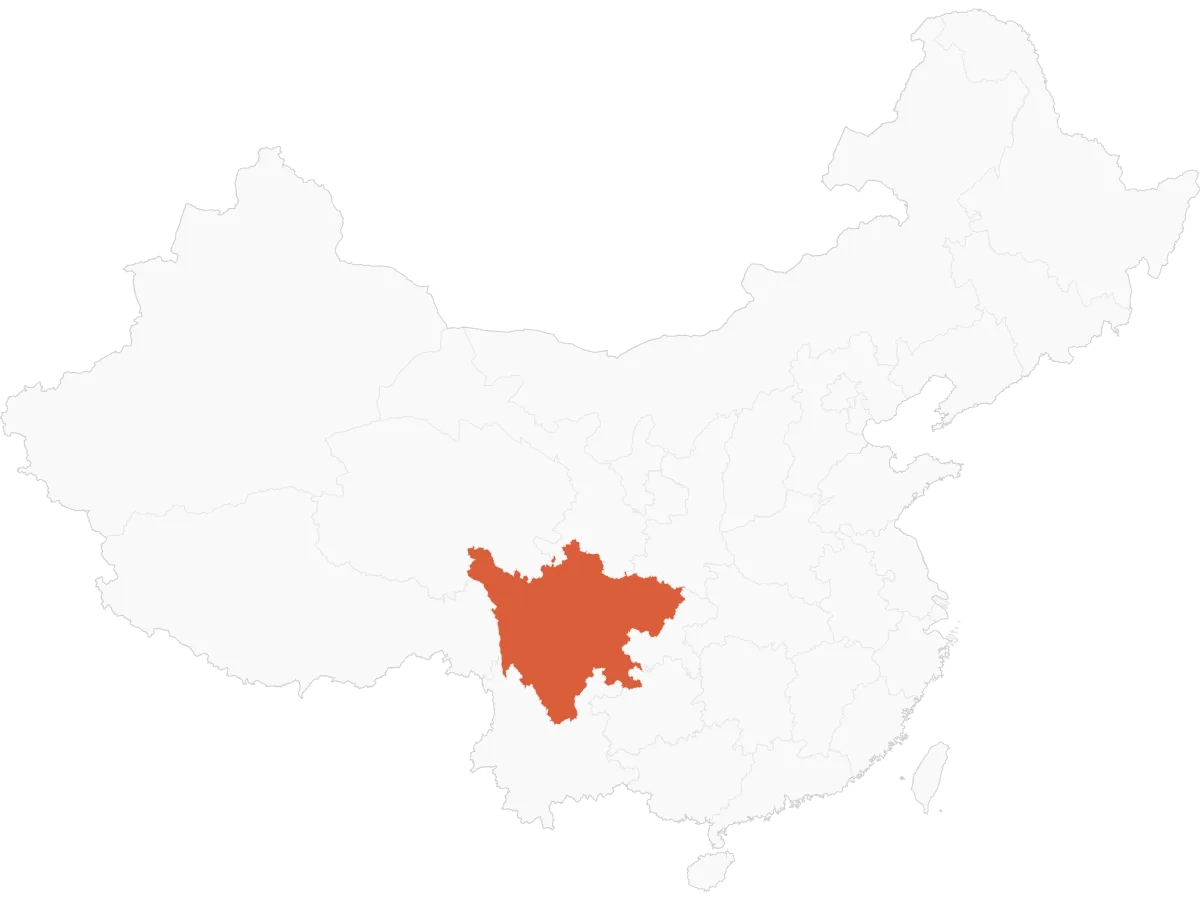
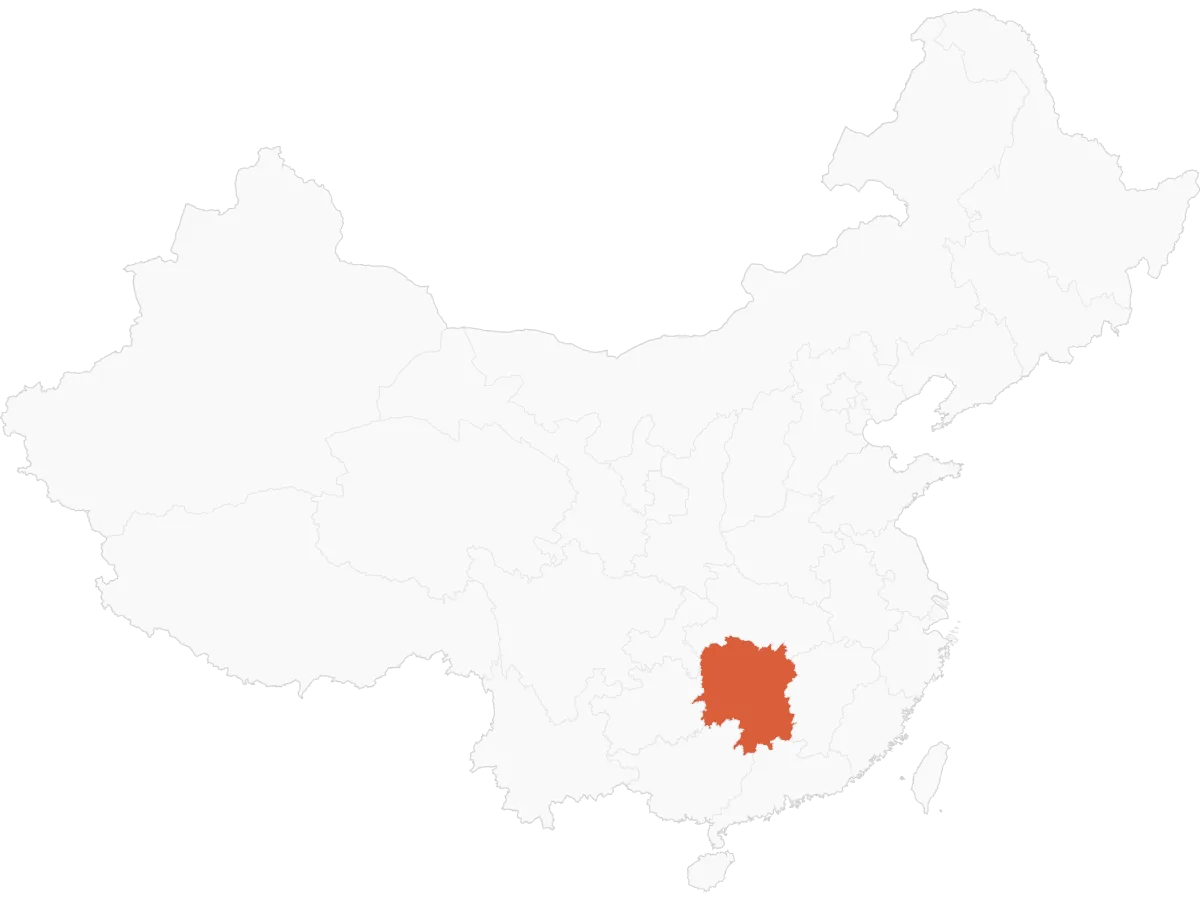
Eastogo specializes in creating in-depth private journeys across southwest China, including Guizhou, Yunnan, Guangxi, Hunan, and Western Sichuan. We focus on more personal journeys that reach cultures and landscapes often missed on standard routes, including guizhou attractions shaped by ethnic culture and natural wonders. We can also design a Private Guizhou Tour around what sparks your curiosity.
Through long-term relationships with local drivers, guides, and communities, we create opportunities for village visits, cultural experiences, and genuine connections with local people. For us, travel is not only about seeing beautiful places, but about understanding the stories, traditions, and ways of life that make each destination meaningful.
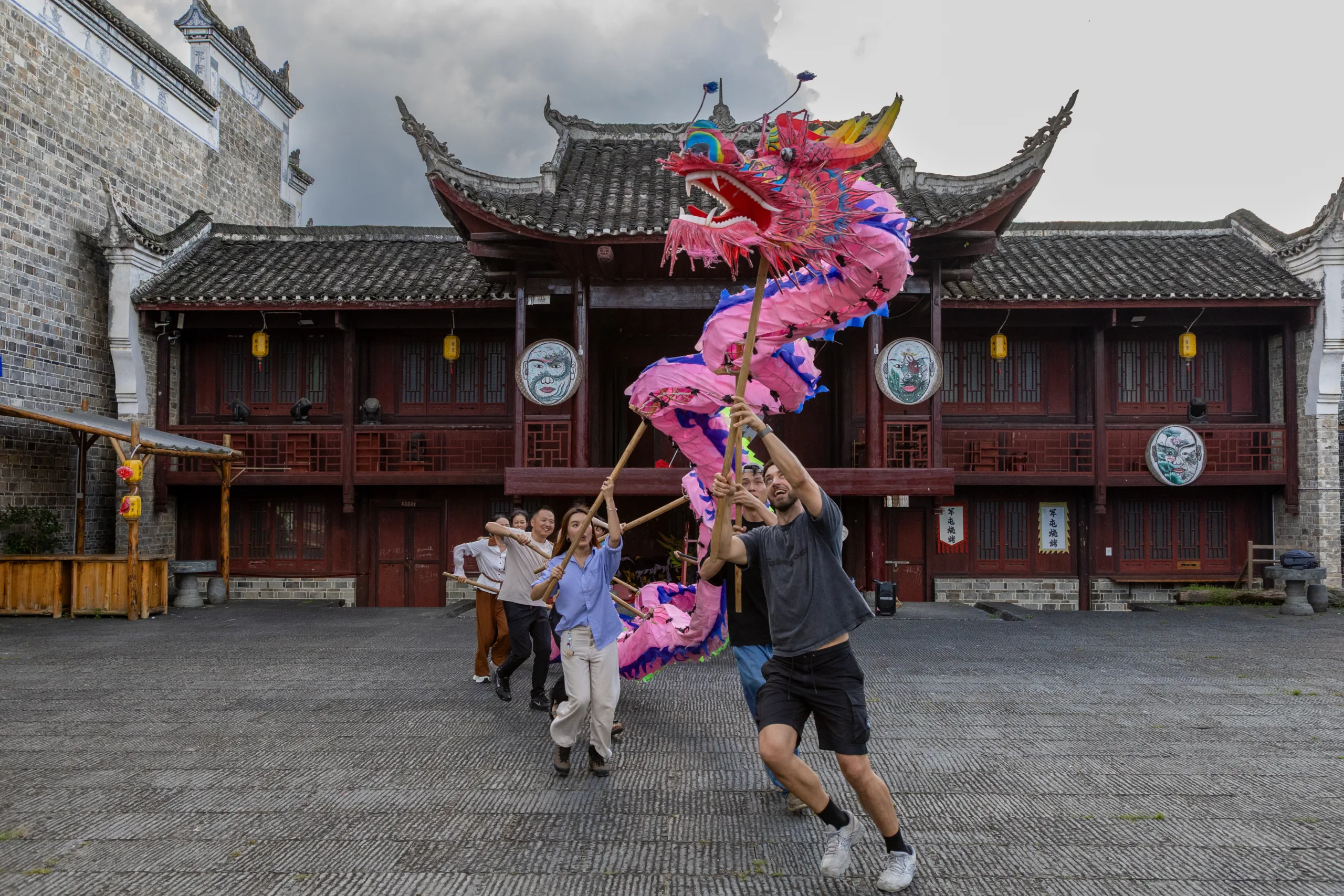
Each journey is thoughtfully designed according to your interests, pace, and travel style, with private car support and custom routing shaped around transportation, weather, and the realities of traveling through mountainous regions. Whether you choose self-guided China tours or private & custom China tours, we help you explore China with greater comfort, confidence, and depth.
If Guizhou speaks to your curiosity, we would be happy to help you create a journey that reflects your interests and the way you want to experience this remarkable region, for a smoother, unforgettable adventure tailored to you.