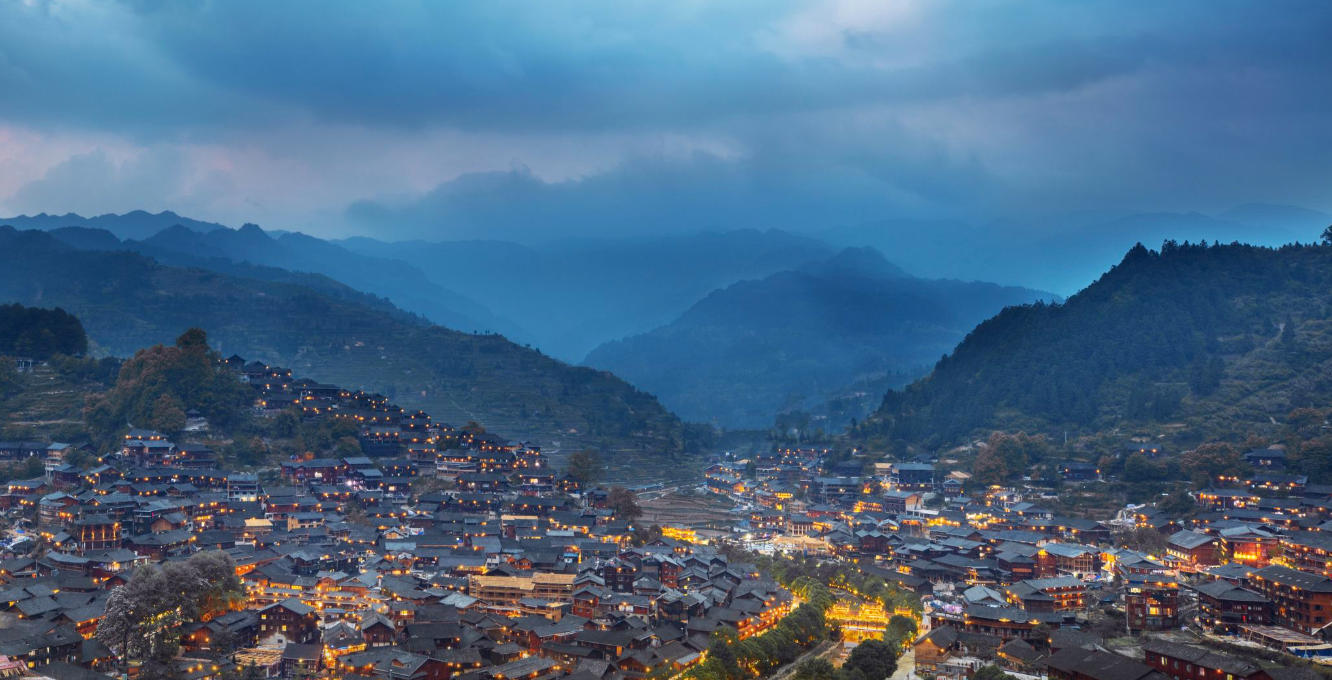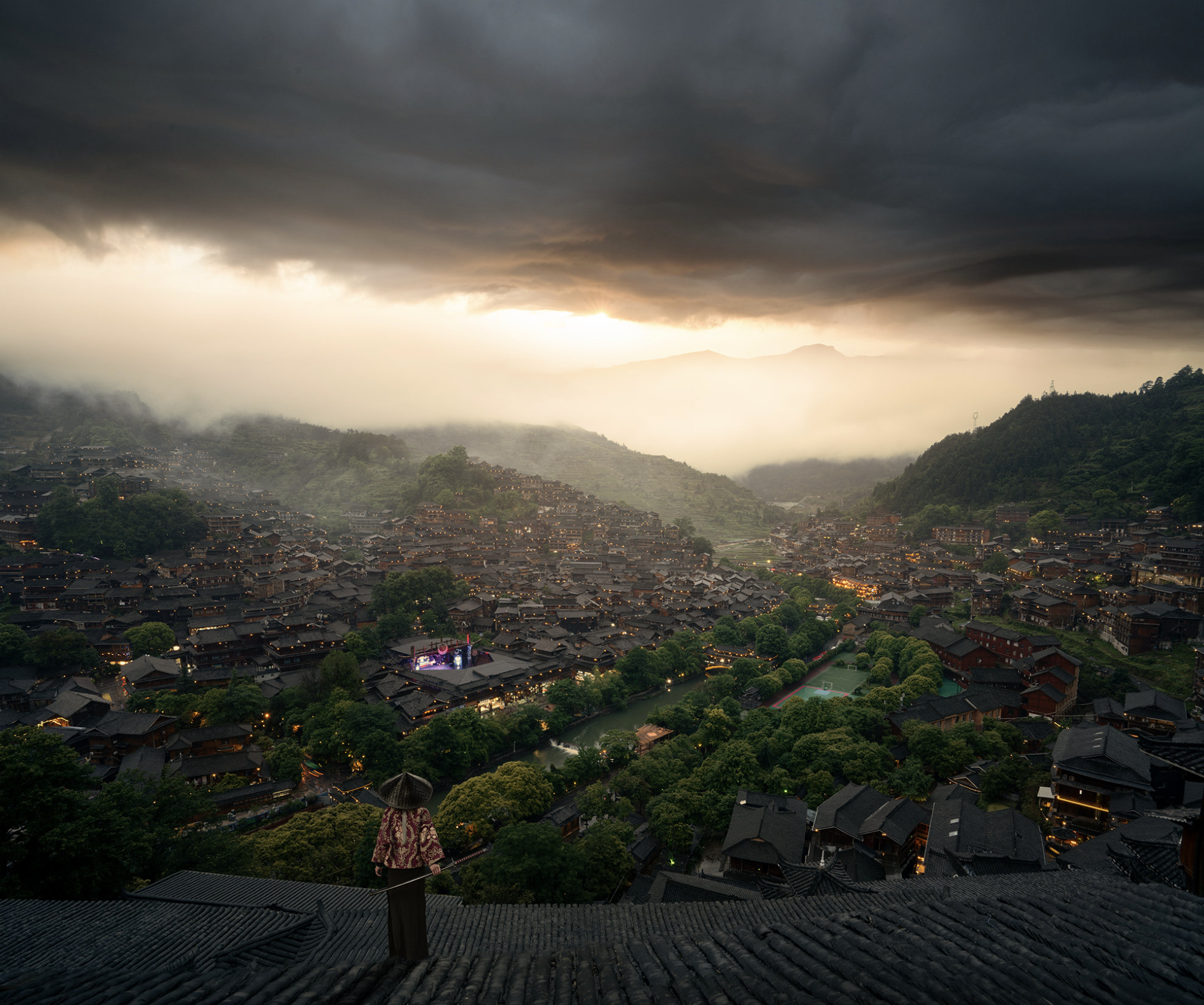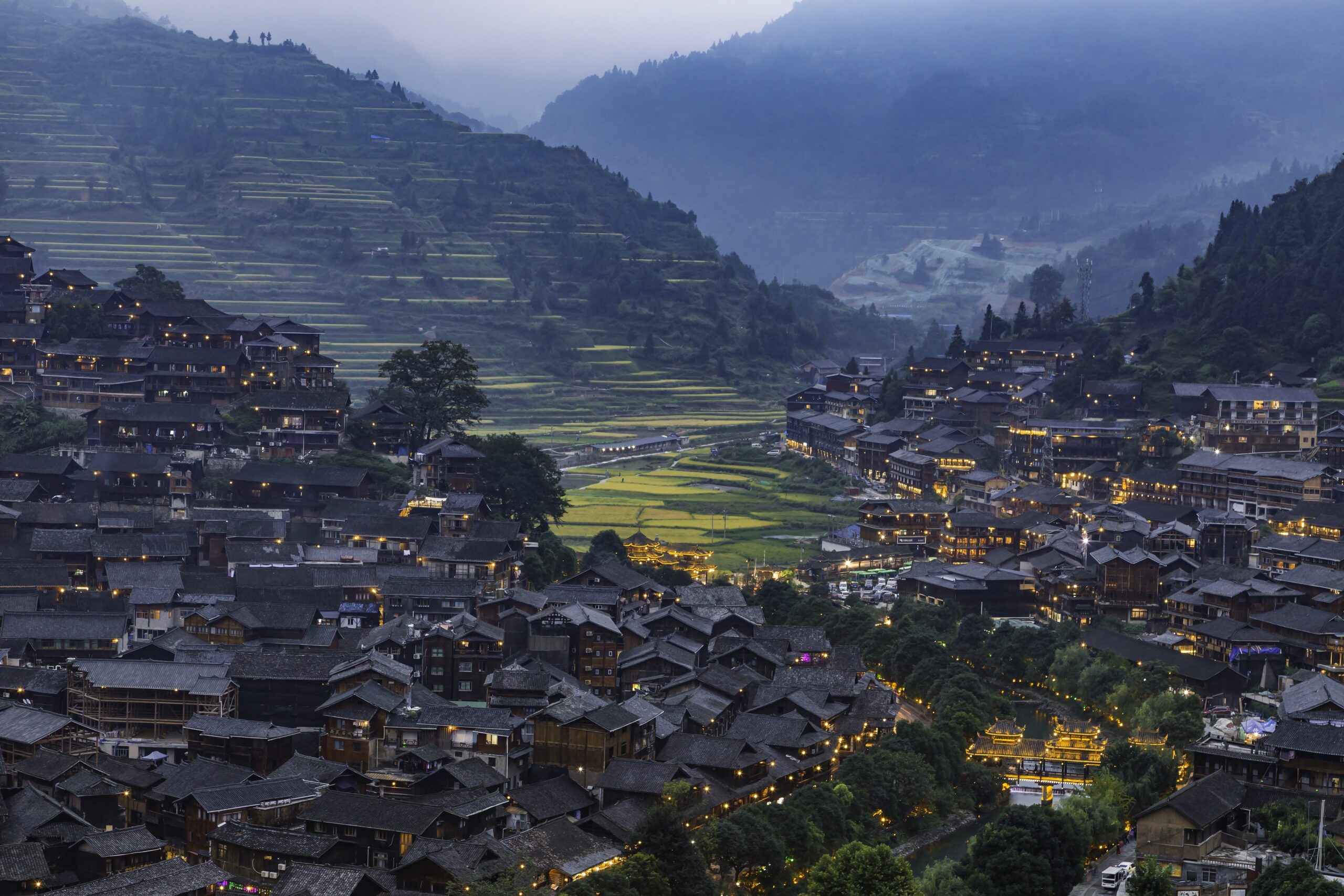
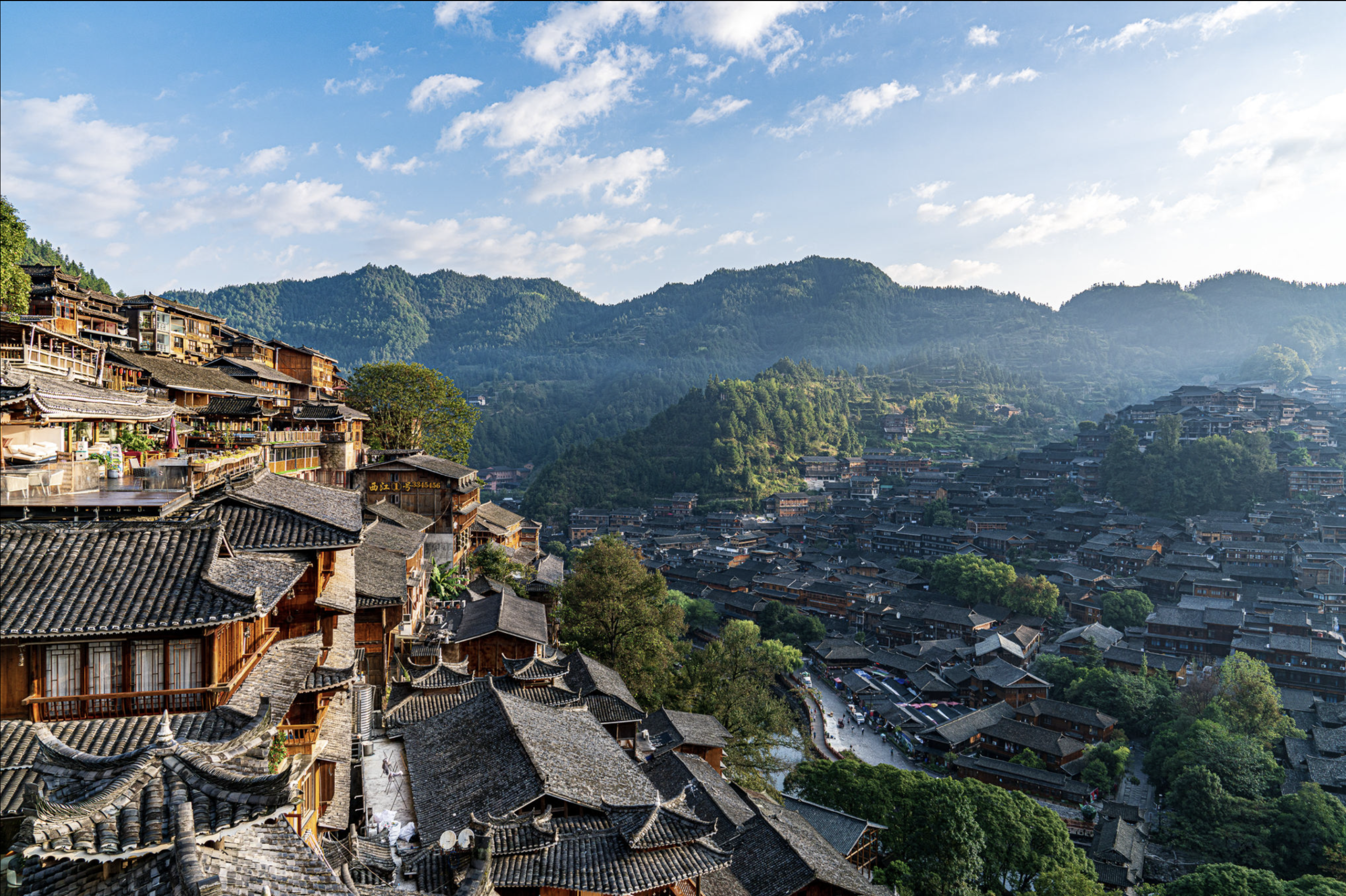
Xijiang Miao Village is the largest Miao settlement in Guizhou and one of the largest Miao villages in the world. Thousands of wooden stilt houses stretch from the foot of the mountain to the hillside, with the Baishui River flowing through the village. When the lights come on at night, the entire village looks like a galaxy spread across the mountains. This extraordinary mountain settlement landscape is something few places can replicate.
It is important to acknowledge that Xijiang has become one of Guizhou’s most popular destinations, with more tourism facilities and visitors than many surrounding villages. If you are looking for a quieter and deeper connection with Miao communities, Huanggang Dong Village, Langde Miao Village, and more authentic Miao & Dong villages in Rongjiang may be better choices.
However, if you are visiting Guizhou for the first time and hope to quickly experience Miao culture and see one of the most representative mountain villages in southwest China, Xijiang remains an essential stop.
This Xijiang Miao Village travel guide covers the best time to visit, transportation, accommodation, photography spots, and cultural experiences, helping travelers better understand the destination and plan their journey.
Why Visit This Largest Miao Village In Guizhou Province
The greatest appeal of Xijiang Miao Village lies in the way it showcases a unique mountain settlement shaped by Miao culture.
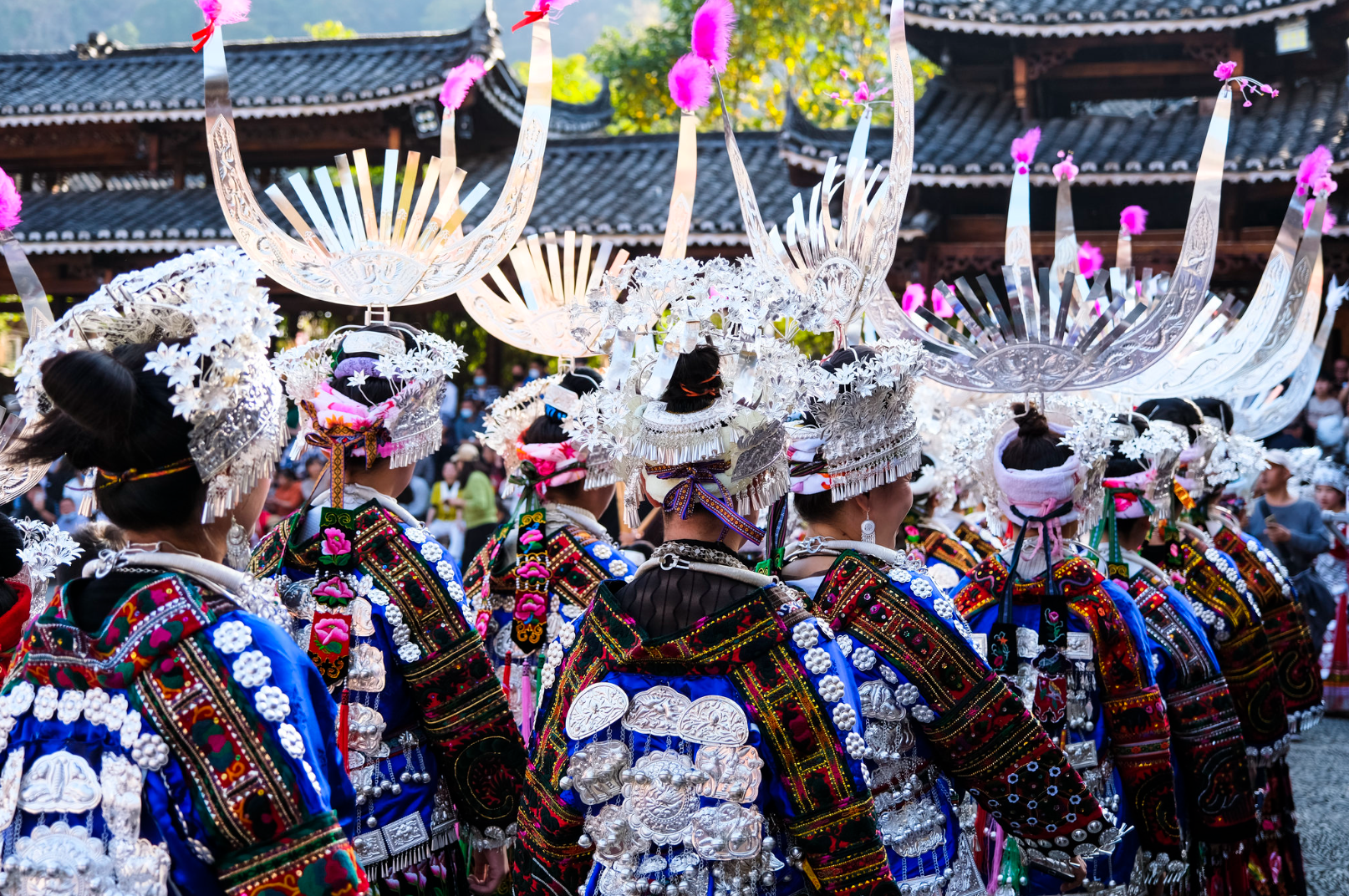
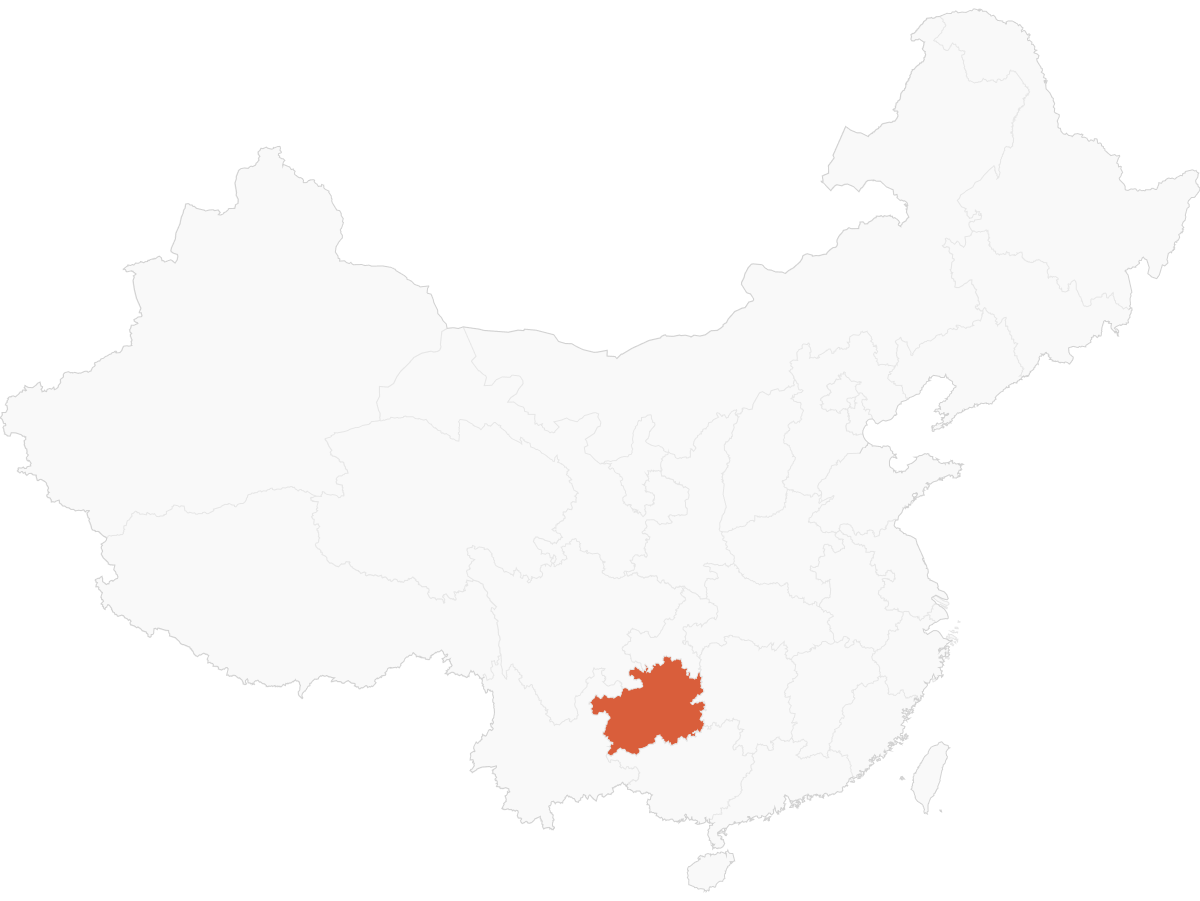
Located in the Qiandongnan Miao and Dong Autonomous Prefecture of Guizhou Province, Xijiang is one of the clearest places to see how the Miao people have developed distinctive architecture, clothing, festivals, and ways of life within a wider Chinese mountain setting, and it is widely recognised as the world’s largest Miao ethnic village; today, 99.5% of the village’s population belongs to the Miao ethnic group. Xijiang brings many parts of that traditional culture together in one valley, giving visitors a strong sense of the identity, continuity, and everyday beauty associated with the Miao ethnic group.
The way the village blends with the surrounding mountains is what makes Xijiang especially attractive to photographers and travelers. For first-time international visitors who want to experience Miao culture in China, Xijiang also offers well-developed facilities and is easier to arrange compared with smaller villages.
Best Time to Visit Xijiang Qianhu Miao Village
Xijiang can be visited throughout the year, but each season offers a different experience.
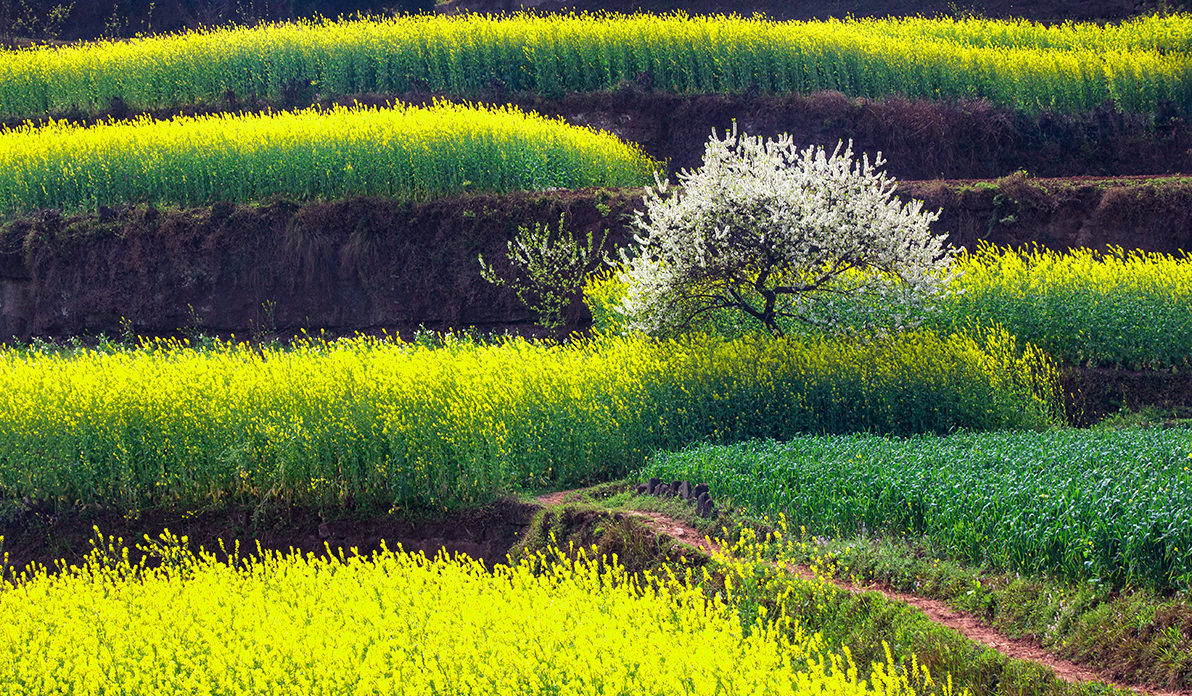
Spring brings comfortable weather, fresh greenery, and blooming rapeseed flowers across the hillsides, and April to July is generally the best time to visit. It is a great time for village walks and enjoying the surrounding landscape.
Summer is the peak travel season in Guizhou and also the busiest time in Xijiang. During the July and August school holidays, the main streets can become crowded, and accommodation prices often increase significantly.
Autumn is one of the best seasons to visit Xijiang. The weather is more stable, the mountains are filled with colors, and rice fields turn golden before harvest. Visitor numbers are also lower compared with summer.
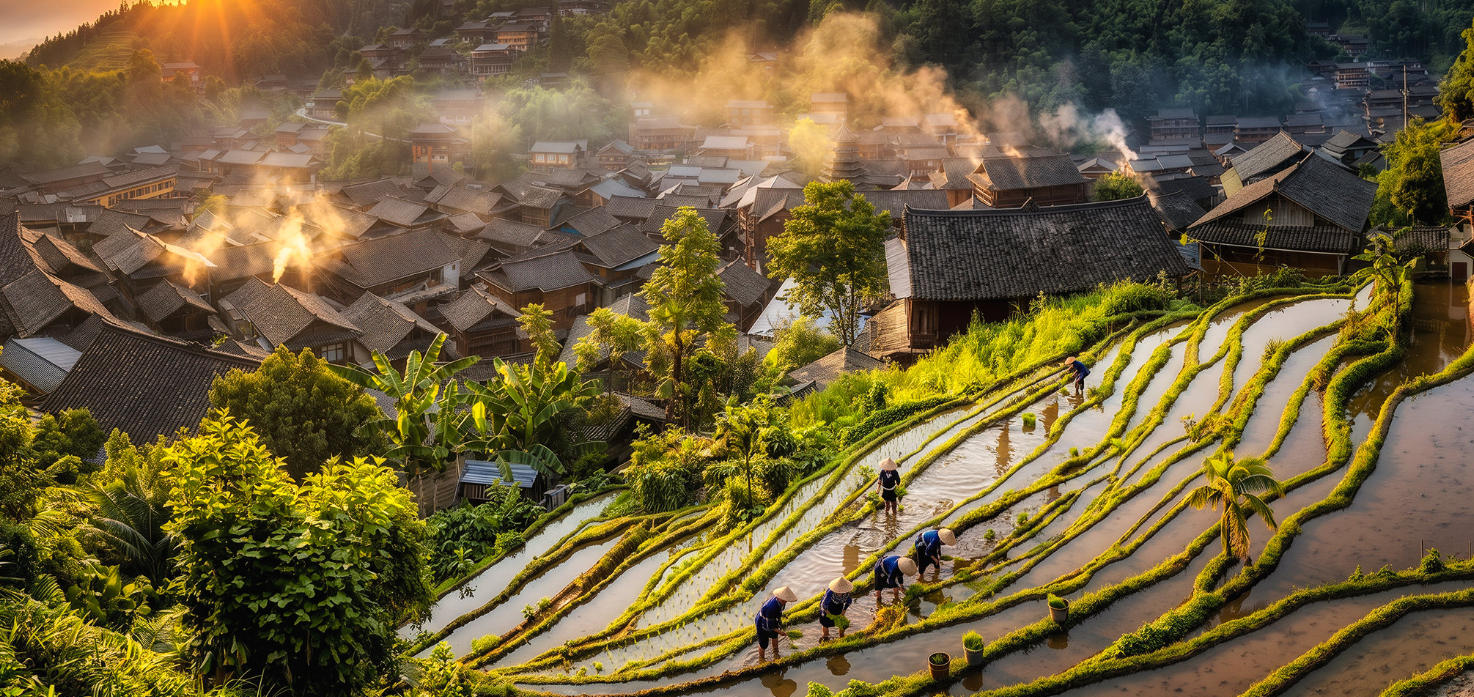
Winter is the quietest season, offering a slower and more peaceful village experience. Mist often covers the hills, while smoke from wooden houses rises through the cold air. The Miao New Year, usually held from late October to mid-November, is the village’s biggest celebration, and November and January are also especially good months for travelers who prefer festivals or quieter scenery.
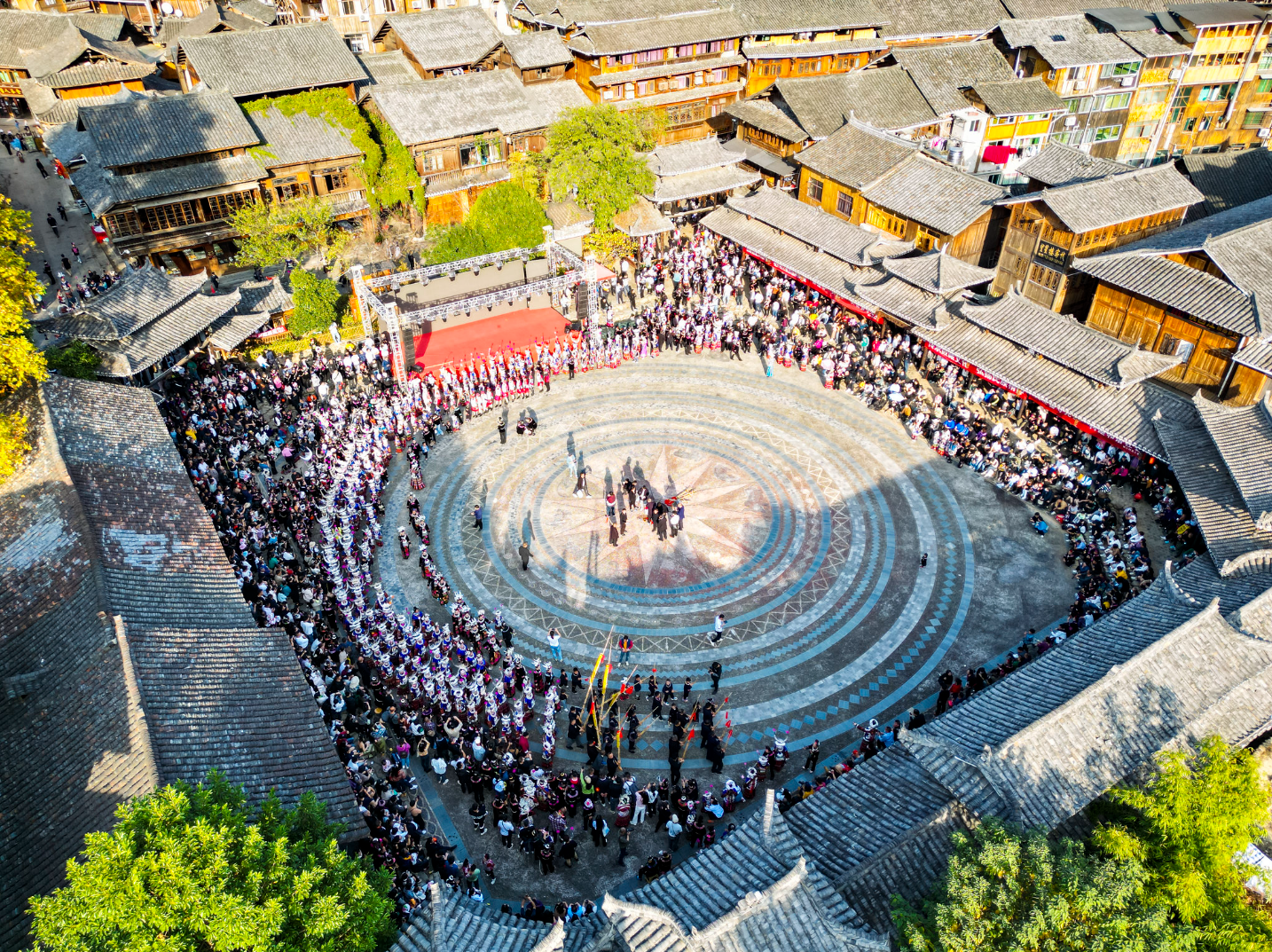
If you want to experience Miao history, traditional customs, and festivals, consider planning your visit around events such as the Miao New Year, Guzang Festival, the New Rice Festival in June and July by the lunar calendar, or the Lusheng Festival, celebrated from January to March. Festival dates vary between villages, so it is recommended to confirm the schedule in advance and learn which local customs will be observed.
How to Get to Xijiang Qianhu Miao Village
The most convenient way to reach Xijiang Miao Village is by high-speed train to Kaili South Railway Station in Kaili City, the main gateway to Xijiang Qianhu Miao Village after arriving by rail.
There are many private drivers waiting outside the railway station, but for safety and reliability, we do not recommend using unofficial vehicles. Alternatively, you can take the tourist shuttle bus, which departs from the right side after exiting the station; public buses from Kaili to Xijiang leave roughly every 40 minutes, and the drive takes about 1 hour.
Kaili is the gateway to Guizhou’s Miao and Dong villages in the east of the province and serves as an important transportation hub connecting many ethnic villages, mountain landscapes, and nearby town areas. High-speed trains from Guiyang to Kaili take about 30–45 minutes, so it is also a great destination to combine with a Xijiang trip.
A private car from Guiyang to Xijiang Miao Village covers about 195 km in around 2.5 hours. If traveling directly from Rongjiang or Congjiang, the journey usually takes around 3–4 hours.
Where to Stay in Xijiang Miao Village: Village Views and Local Guesthouses
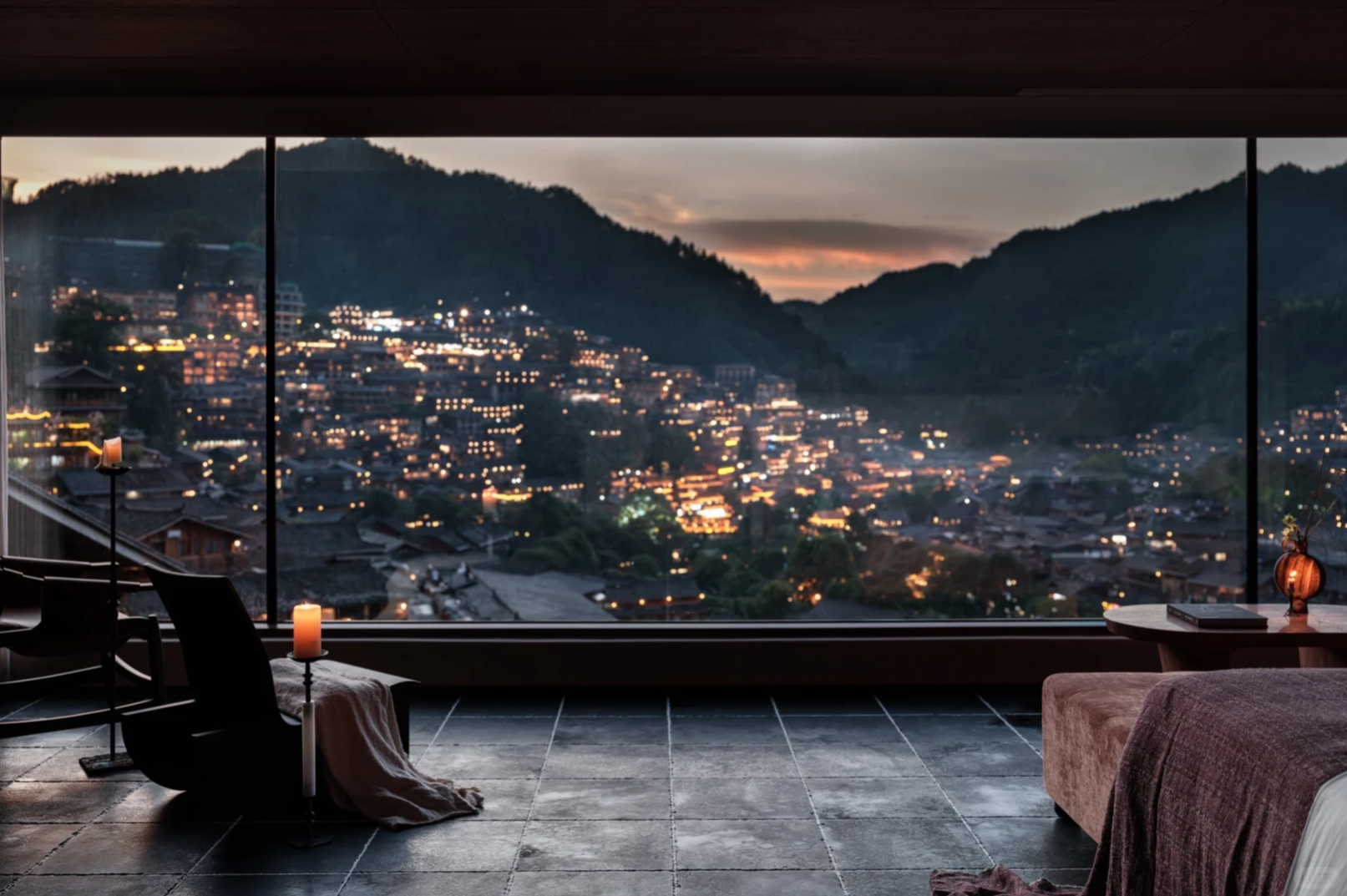
Xijiang mainly offers boutique guesthouses and homestays, ranging from simple rooms to accommodation with panoramic views. During peak seasons, especially July–August, holidays, and major Miao festivals, prices can increase significantly, and popular rooms with the best views often require advance booking.
For first-time visitors, staying higher up on the hillside is usually the best choice. Compared with guesthouses near the main street and Baishui River, hillside accommodation is quieter and offers wider views of the village and surrounding terraces. Many rooms with balconies or terraces are designed for enjoying sunset views and the famous night scene. In the early morning, you may also catch the village surrounded by mist.
Before arrival, be sure to contact your guesthouse and confirm which entrance is closest. Xijiang is built on steep terrain, with narrow stone paths, many steps, and frequent uphill walks. Choosing the wrong entrance can mean dragging luggage up and down the hills to find your accommodation.
Speak to An Expert
Starting Your Jounrney to Xijiang Miao Village
Start designing your China journey with our destination experts.
Make An InquiryTop Highlights and Things to Do in Xijiang Qianhu Miao Village
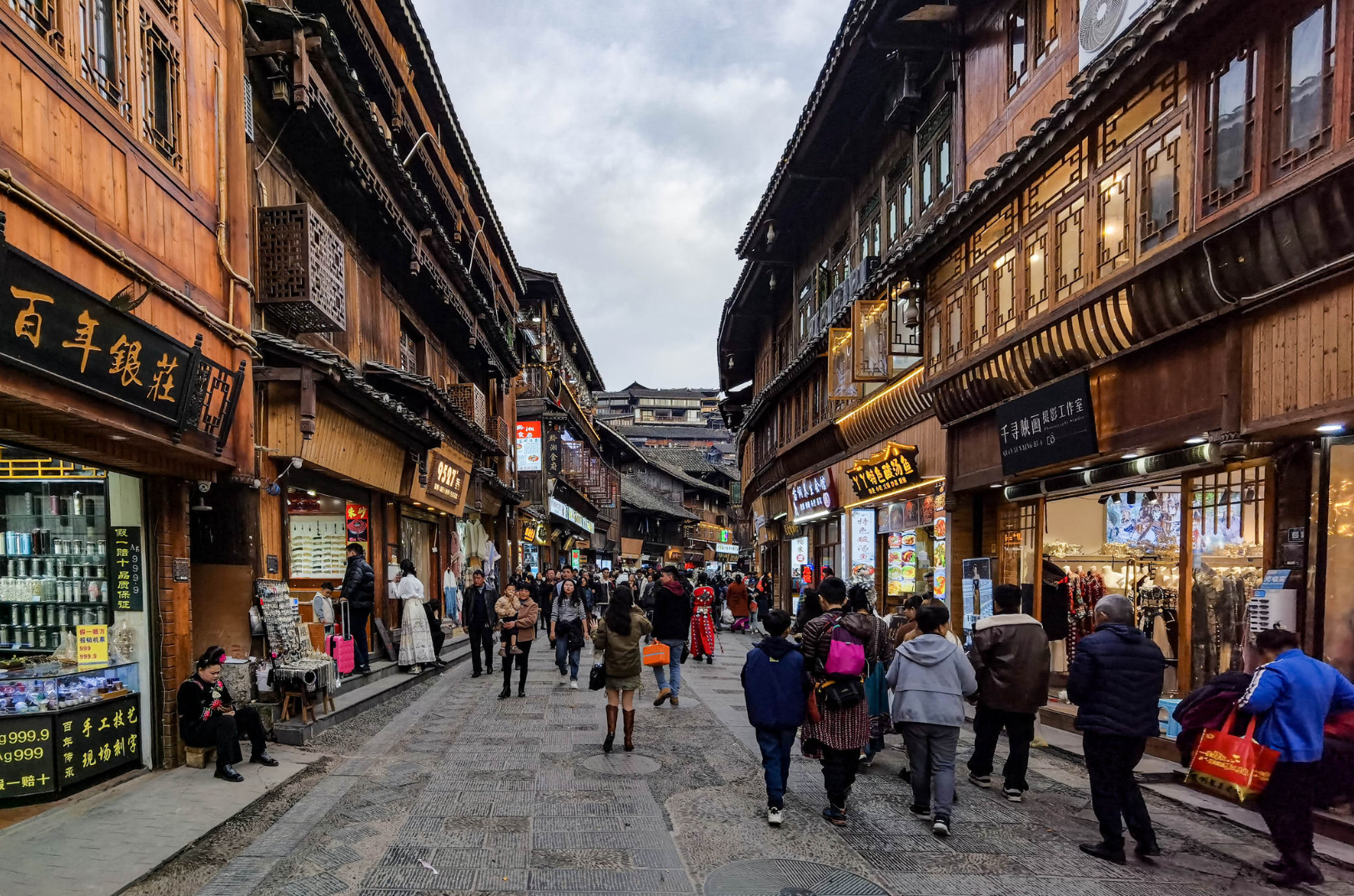
Xijiang Village is made up of over a dozen smaller villages spread along the mountains, with about 1,432 households and over 6,000 residents, making it large but still easy to explore on foot. Along the main streets, visitors can find local shops and cultural experience spaces introducing the Miao minority through activities such as Miao batik, silver jewelry making, an embroidery workshop, and making glutinous rice cakes, reflecting the vibrant silverwork and detailed embroidery seen in traditional Miao clothing.
However, as one of Guizhou’s most popular ethnic villages, many experiences here are designed for visitors. If you want to see more traditional craftsmanship, places like Kongbai Silver Artisan Village nearby offer a deeper look at the daily work of local artisans.
Beyond the village itself, it is worth spending time exploring the surrounding areas. Away from the main streets, you can discover mountain landscapes and rice terraces around Xijiang. From higher viewpoints in the early morning or evening, the hills, farmland, and thousands of wooden houses create one of Guizhou’s most iconic rural landscapes.
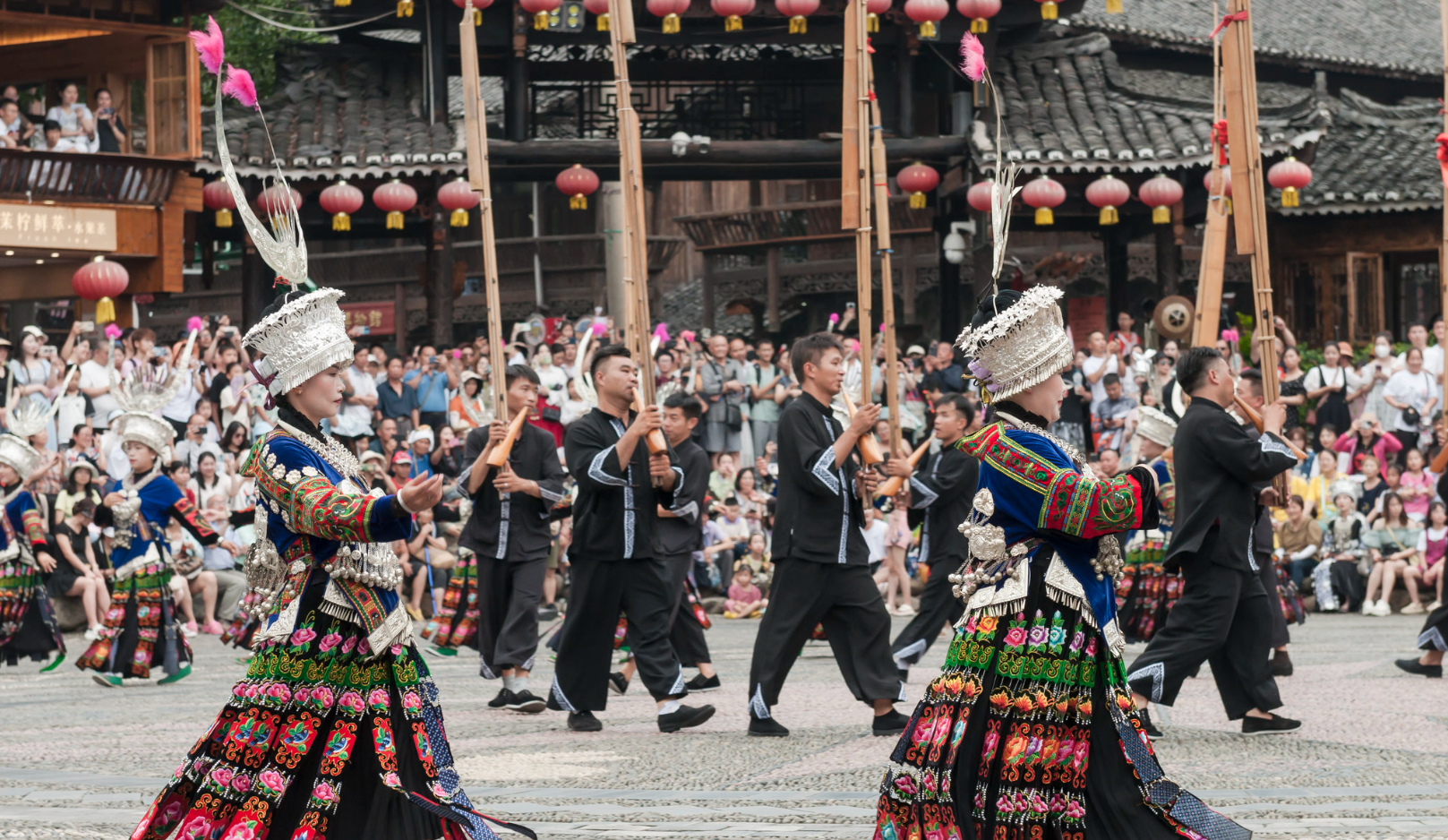
Xijiang also hosts scheduled performances and cultural activities, including welcome ceremonies, Miao folk dances, and traditional love songs between young men and women. Performance times may vary depending on the season, so it is best to check the latest schedule with your guesthouse or the visitor center after arrival.
Wooden Stilted Houses (Architecture Of The Miao Village)
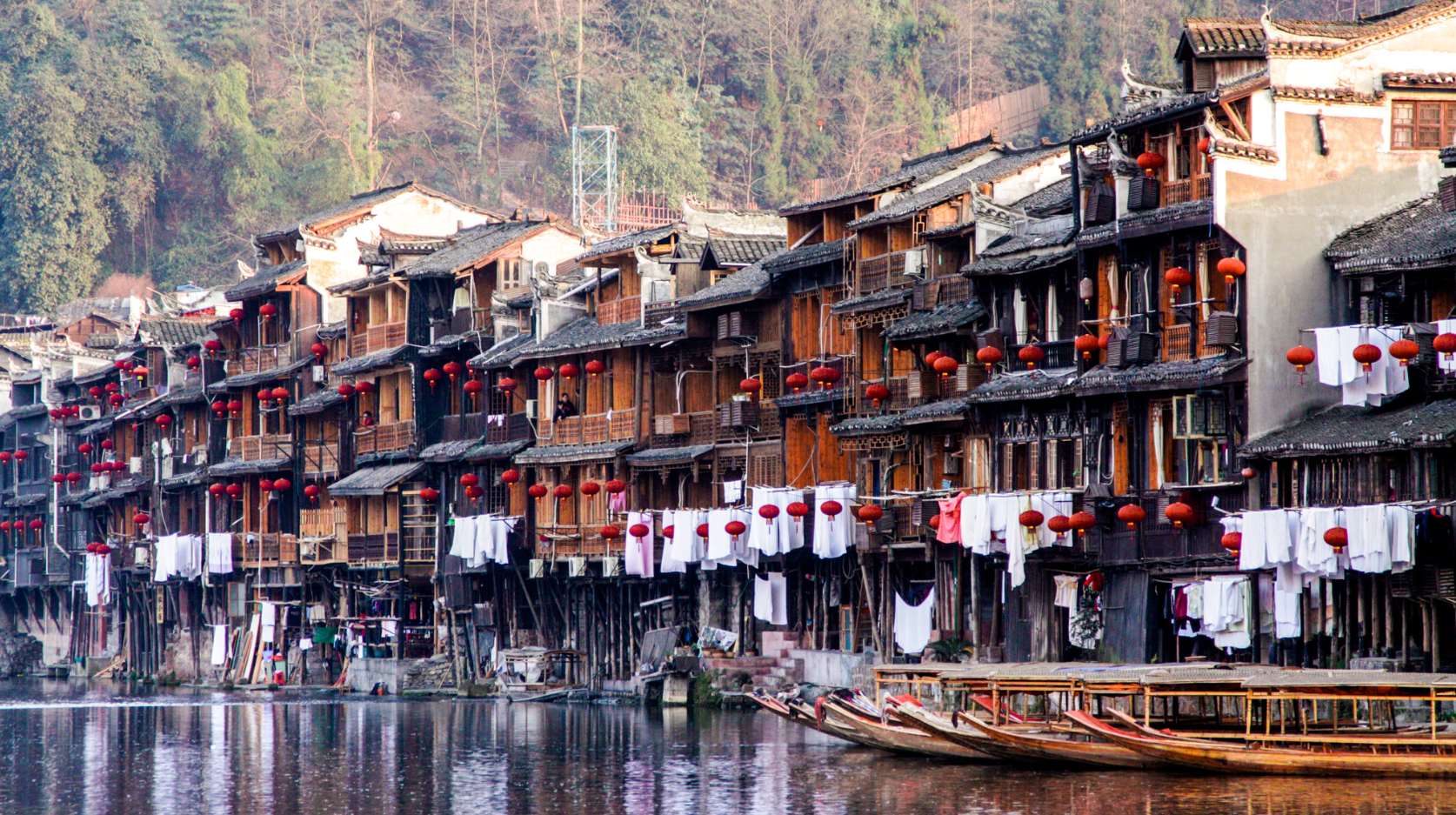
The wooden stilted buildings of Xijiang, known locally as Diao Jiao Lou, reflect the way the Miao people have adapted their architecture to life in the mountains over generations. With limited flat land in Guizhou’s mountainous landscape, Miao communities developed a building style that makes full use of the slopes. Wooden houses are supported by pillars, creating multi-level structures that fit naturally into the terrain.
A typical stilt house usually has three storeys: the ground floor is used for livestock and storage, the second floor is the living space, and the upper floor is used for storing grain. Built with traditional mortise-and-tenon techniques without nails, these wooden structures have stood through centuries of weather.
What makes Xijiang especially impressive is the scale. Viewed from a distance, thousands of wooden houses follow the shape of the mountains, creating the iconic landscape that defines the village and giving it the feel of an open air museum.
Night View & Panoramic Viewing Decks
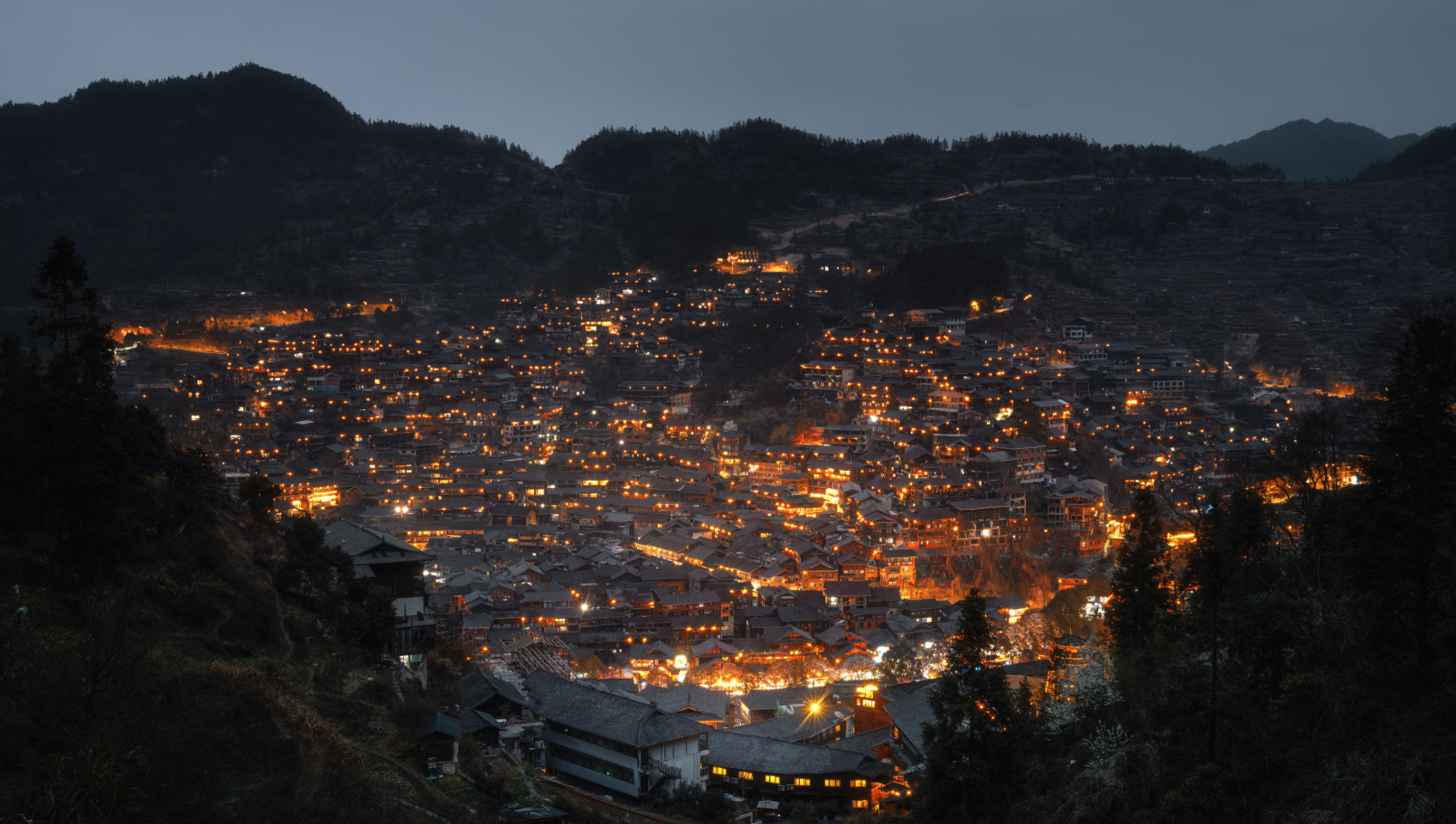
The most unforgettable experience in Xijiang is watching the village lights come on at night.
The viewing platform offers the classic panoramic view of Xijiang. From the mountaintop, you can look down over thousands of wooden stilt houses spreading across the hillsides and the beauty of the illuminated valley. When night falls, lights gradually appear throughout the village, creating the feeling of stars scattered across the mountains.
Beyond the main viewing platform, you can also look for quieter paths at higher points inside the village or choose accommodation with a direct view of the valley. These places offer a more relaxed way to enjoy Xijiang’s night scenery.
Long Table Banquet: Dining And Rituals
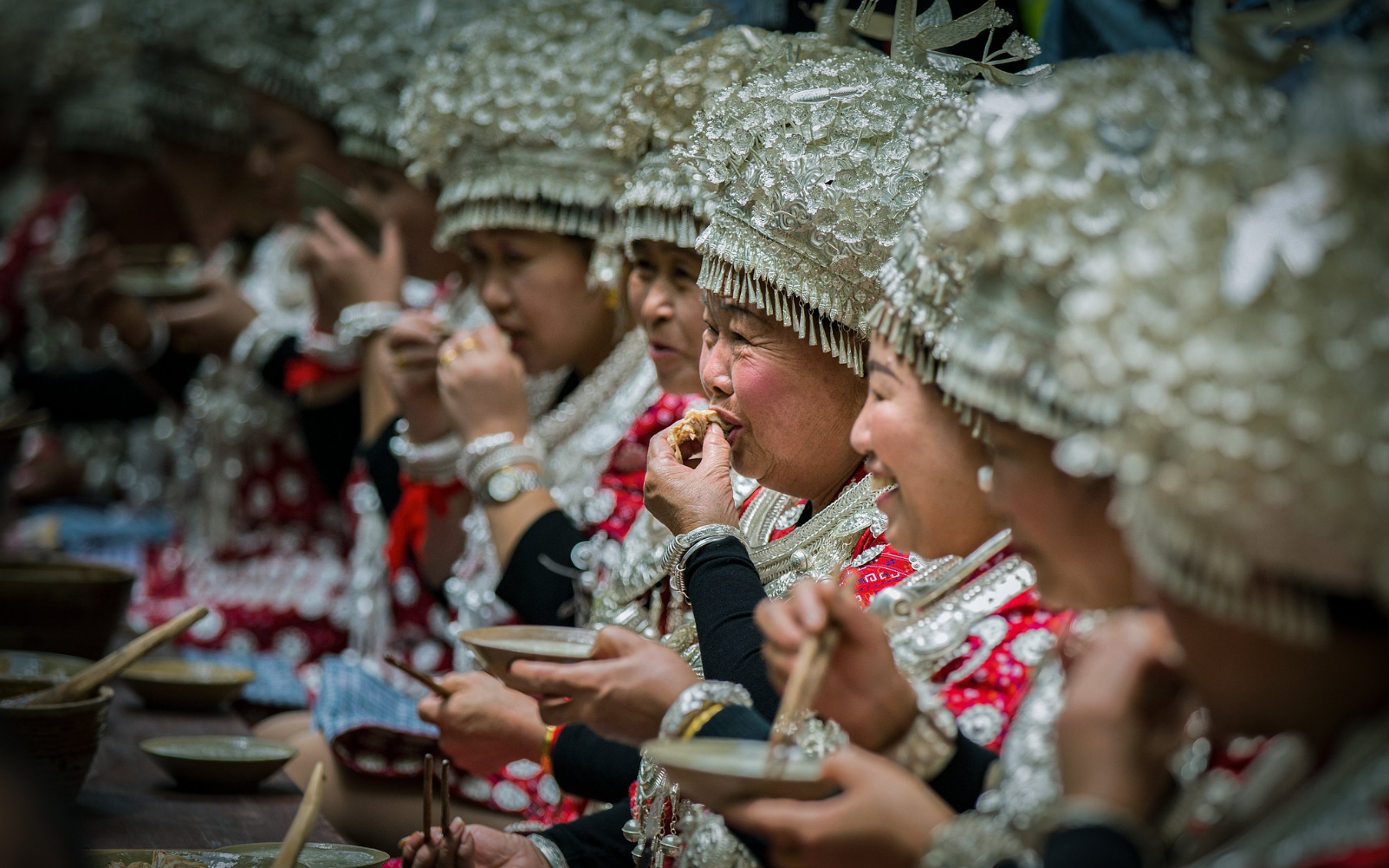
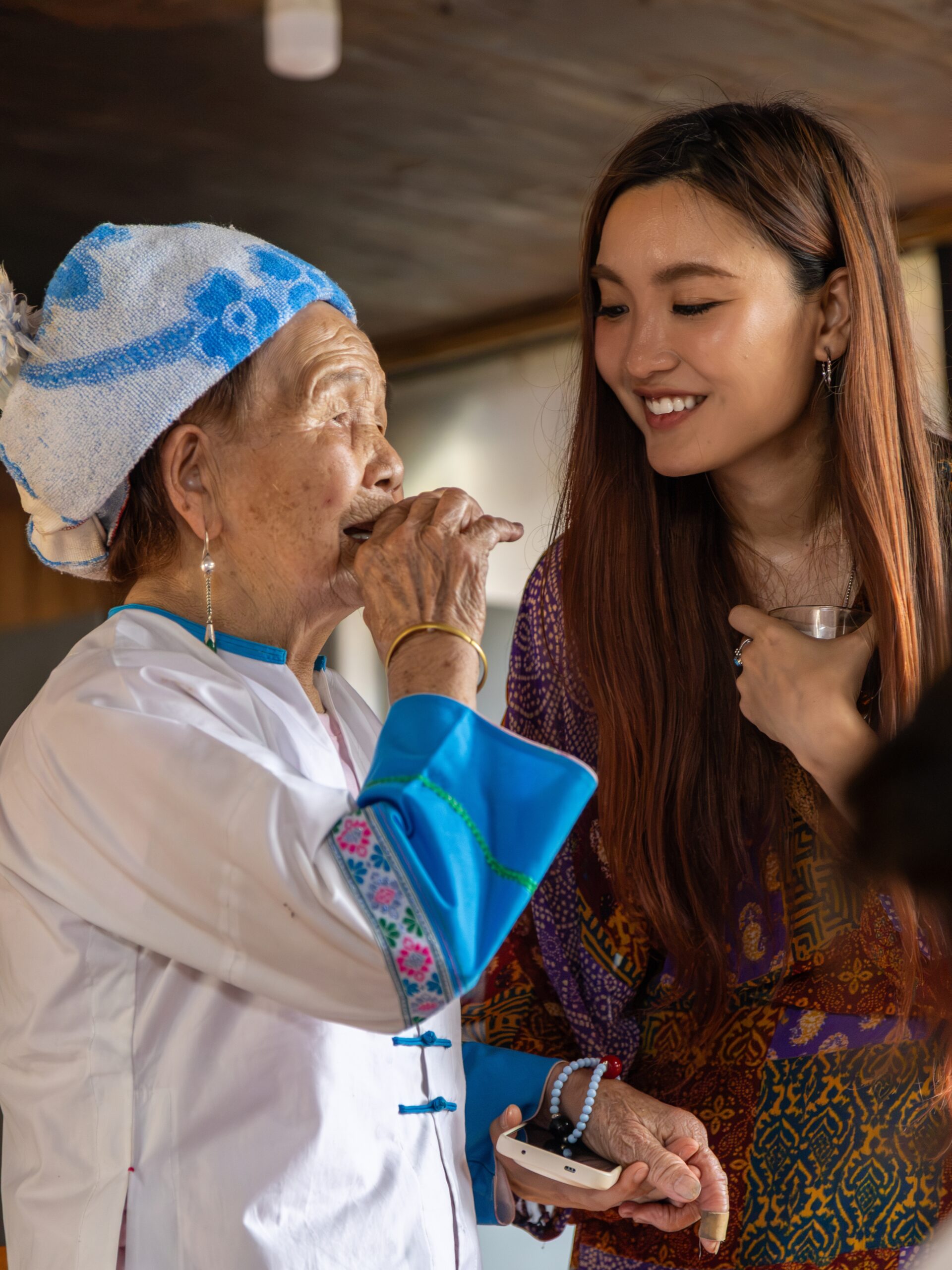
The long table feast is one of the most representative Miao hospitality traditions and a highlight of the Xijiang experience. Dozens of tables are arranged in a long line, filled with local dishes such as sour soup fish, cured meat, sticky rice, and rice wine, and visitors can also try local Guizhou snacks in village restaurants. During the meal, Miao women carry ox-horn cups, sing welcoming songs, and offer drinks to guests, creating one of the most direct and memorable ways to interact with local Chinese people.
Behind this feast is the food wisdom developed by the Miao people over generations. Living in remote mountain areas, Miao communities traditionally relied on fermentation to preserve food before modern refrigeration was available. This is why sour flavors are central to Miao cuisine — fermented rice soup, vegetables, and fish could be stored longer in Guizhou’s humid climate. Chili became another essential ingredient, helping bring warmth and flavor to meals in the cool mountain environment. Sticky rice is also an important part of Miao cuisine. It provides long-lasting energy for people working in the fields, and is often eaten by hand with cured meat, grilled pork, or sour soup.
Long table feasts usually require advance booking. Private arrangements can be organized for small groups or families, while public events are also held in the village. If you do not drink alcohol, you can politely inform the hosts in advance.
Miao Performances, Festivals And Living Traditions
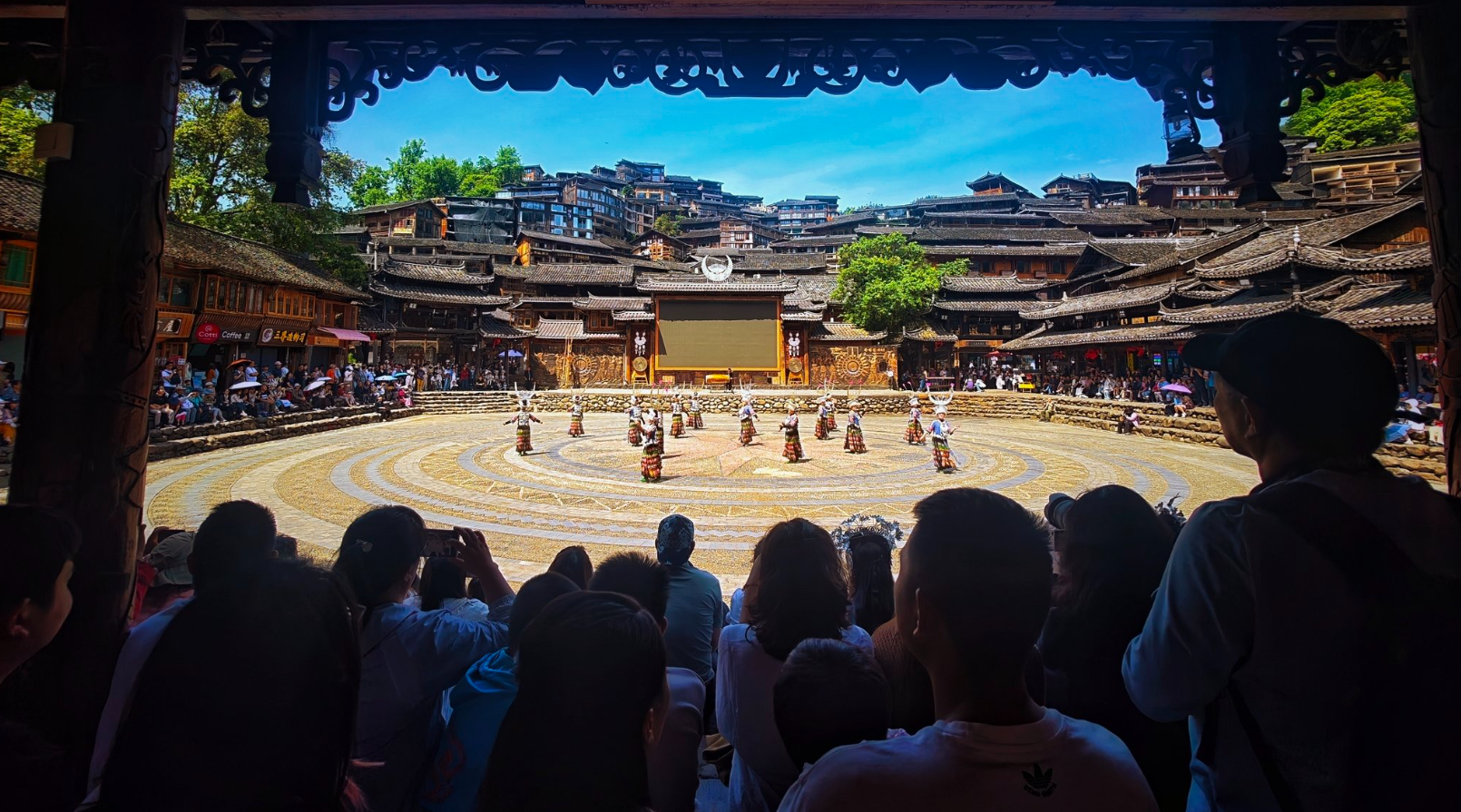
Xijiang offers daily Miao performances and activities that reflect local traditional culture, including both free and paid experiences. Schedules change between peak and low seasons, so it is recommended to check with your guesthouse or the visitor center after arrival.
Free activities include:
- Twelve Welcome Wine Ceremonies: A traditional Miao welcome ritual for honored guests. It is usually held from 9:00–10:00 and 15:30–17:00 at the North Gate or West Gate Square. The drink is sweet rice wine made from glutinous rice and has a very low alcohol content.
- Miao Song and Dance Performance: Usually held from 14:00–14:45 (and sometimes 16:00–16:40 depending on the season) at Lusheng Square. Accompanied by Lusheng music, Miao women in ceremonial clothing perform dances including Lusheng dance and bronze drum dance. Visitors may also be invited to join the performance.
- Miao Love Songs: Usually held from 20:30–21:30 near the third Wind and Rain Bridge. Young Miao men and women sing to each other as a traditional way of expressing feelings and connection, creating a beautiful evening atmosphere in the village.
For a deeper cultural experience, consider visiting during the Miao New Year, the most important festival of the year for the Miao people, typically held between October and November. Another major celebration is the Guzang Festival, which is celebrated every thirteen years, while the Grand Guzang Festival lasts about 5 to 9 days. The celebration includes preparing New Year’s food, making glutinous rice cakes, Lusheng performances, and long table feasts, with the entire village dressed in festive clothing.
Speak to An Expert
Explore Xijiang Qianhu Miao Village with Eastogo
Start designing your China journey with our destination experts.
Make An InquiryPrimitive Ecology And Rural Scenery Around Qianhu Miao Village
Xijiang sits in the rolling hills of Leishan County, within a typical Guizhou mountain landscape where villages, rice terraces, rivers, and forests are closely connected with everyday life. Although Xijiang is best known for its hillside stilt houses, the surrounding landscapes are equally worth exploring if you take the time to leave the main streets.
Visitors can walk along the mountain paths and rural trails to see a quieter side of the area. The surrounding terraced fields also offer a glimpse into local farming life. In spring, when the paddy fields are filled with water, they reflect the sky and mountains like mirrors; in autumn, golden rice creates layers of color across the hillsides.
While the viewing platforms offer the classic panoramic view of Xijiang, these quieter paths provide a closer look at the village as a living community.
Photography Guide: Best Views and Photo Spots in Xijiang
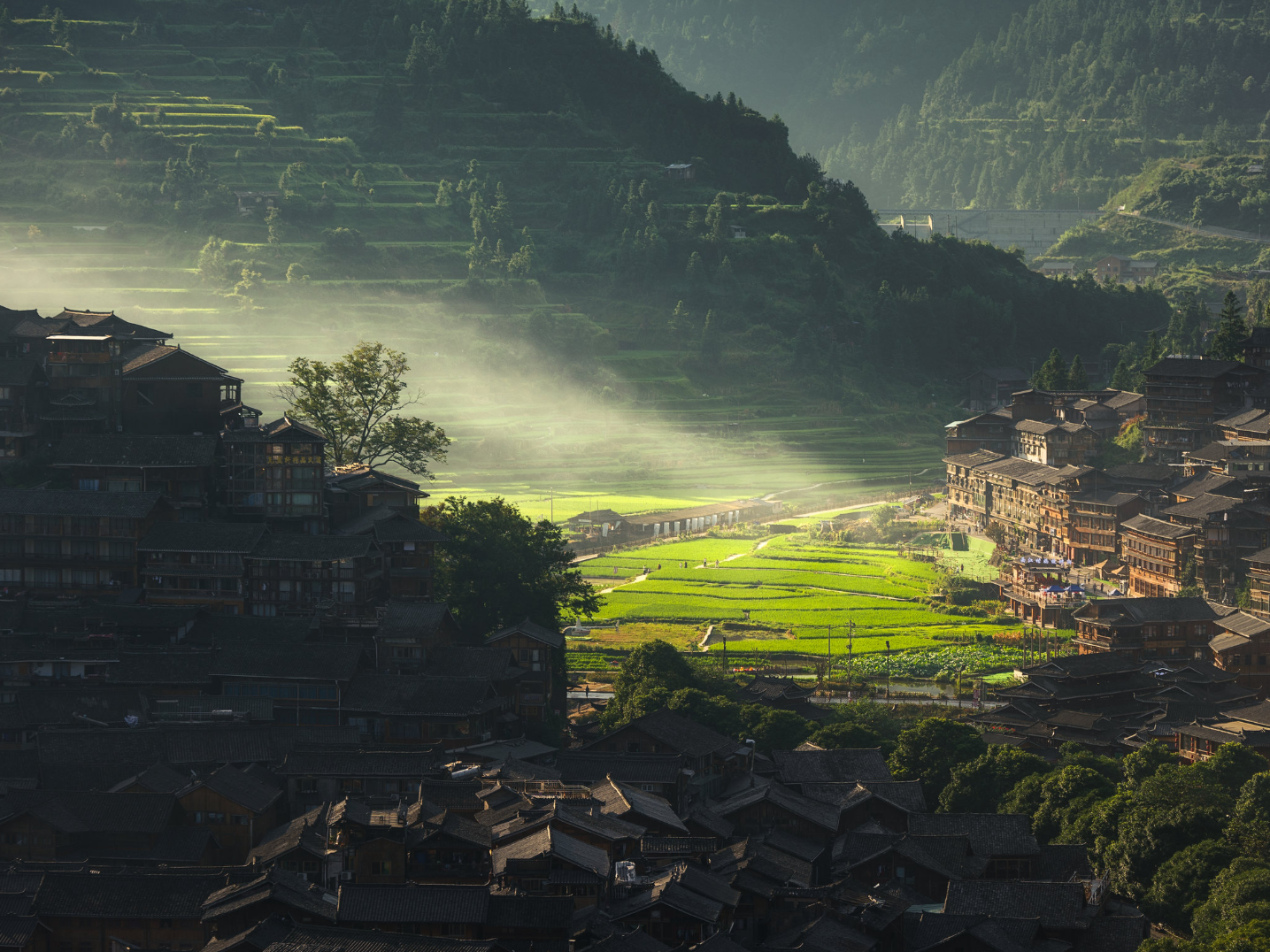
The viewing platform is the best place for a panoramic view of Xijiang. Early morning around 6:30–7:30, the village is often covered in mist, with wooden houses appearing through the fog. At blue hour after sunset, thousands of lights spread across the hillsides, creating Xijiang’s most iconic night view. Arriving about an hour before sunset is recommended to find a good viewing spot.
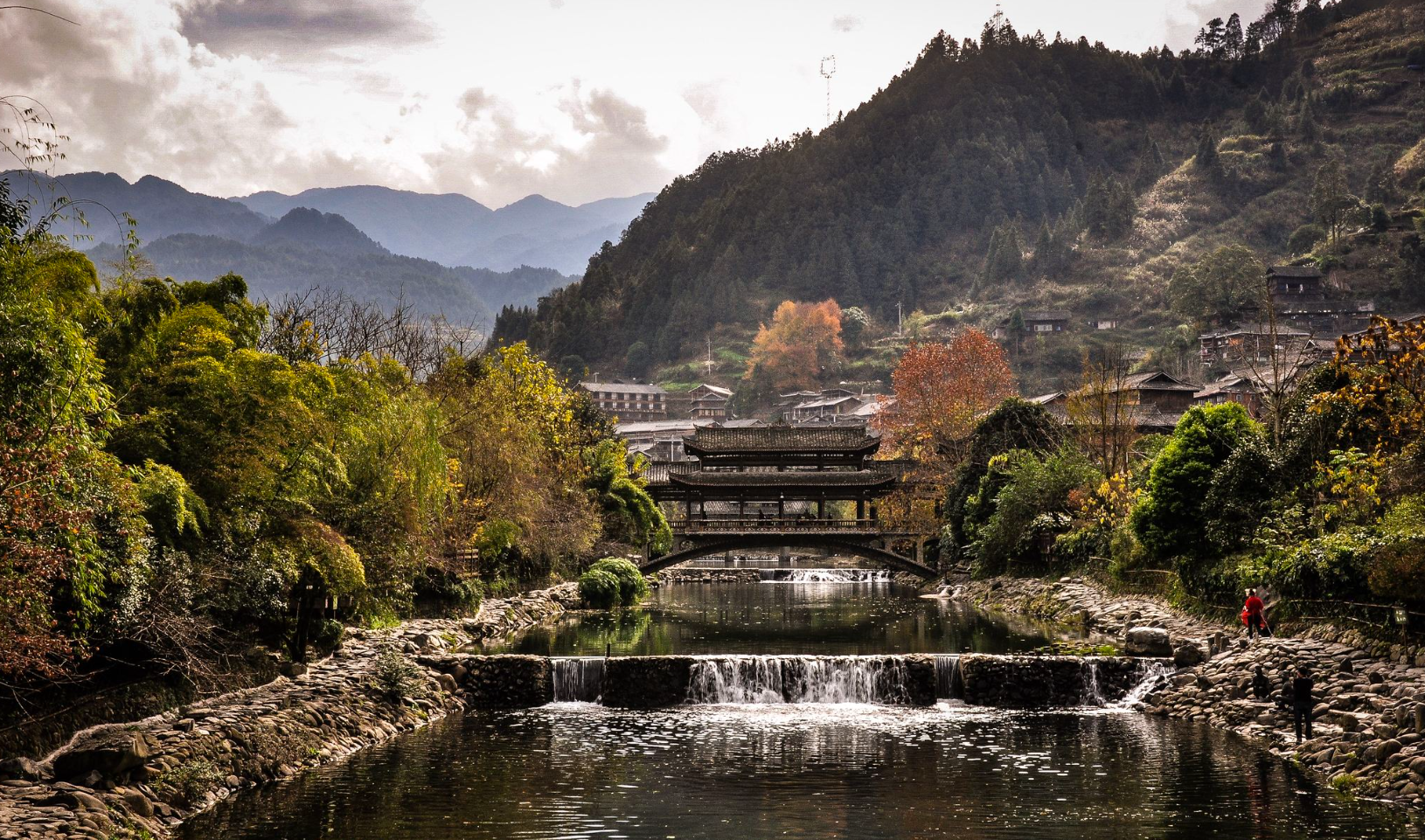
The five wind and rain bridges, the reflections of stilt houses along the Baishui River, and the xijiang miao museum, which showcases Miao history and culture, are also worthwhile photo stops.
Some elderly Miao villagers still hold traditional beliefs that a photograph can take away a part of a person’s spirit. Always ask for permission before taking portraits, and respect anyone who does not wish to be photographed.
Beyond Xijiang: Nearby Ethnic Villages And Alternatives
Xijiang Miao Village is Guizhou’s most representative Miao settlement, but for travelers who want to avoid crowds and experience Miao culture more deeply, the villages around Leishan offer a quieter alternative.
Located not far from Xijiang, these smaller villages are ideal for a half-day or full-day extension. Compared with Xijiang’s well-developed tourism facilities, they have fewer visitors and offer a closer look at Miao architecture, craftsmanship, and everyday village life.
Langde Miao Village:
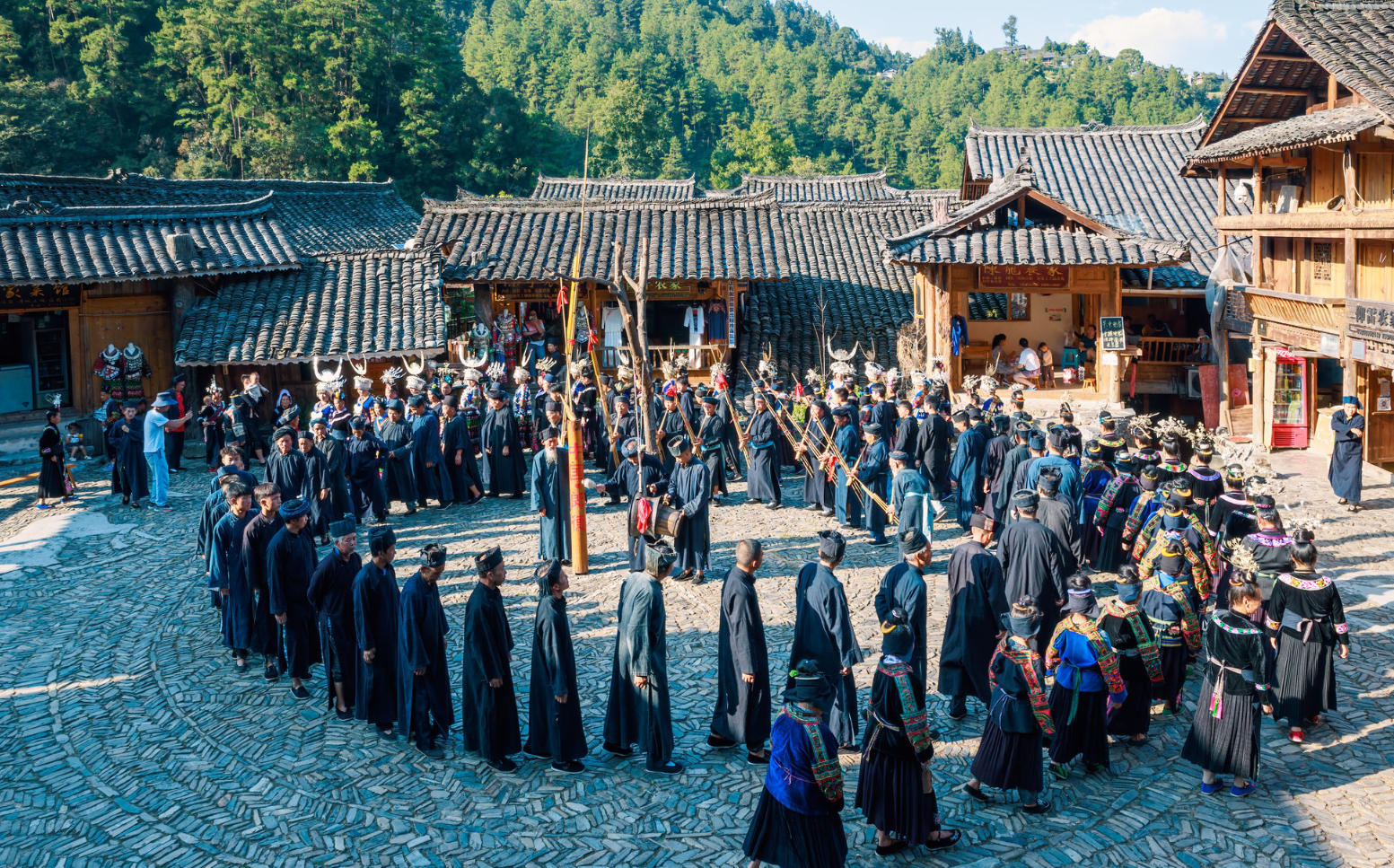
Langde Miao Village is about 40 minutes from Xijiang by car. With fewer visitors and a slower pace, it preserves a more relaxed village atmosphere. Built along the hillside, the village features narrow stone paths and a Lusheng square at its center, where local performances take place.
Unlike the scheduled shows in Xijiang, Langde’s welcome ceremonies and Miao performances are still organized by villagers themselves. The performers are local residents who return to their daily routines after the performances. During the Miao New Year, the entire village dresses in festive clothing, and Lusheng music fills the valley, creating a more intimate celebration.
Baiyan Village:
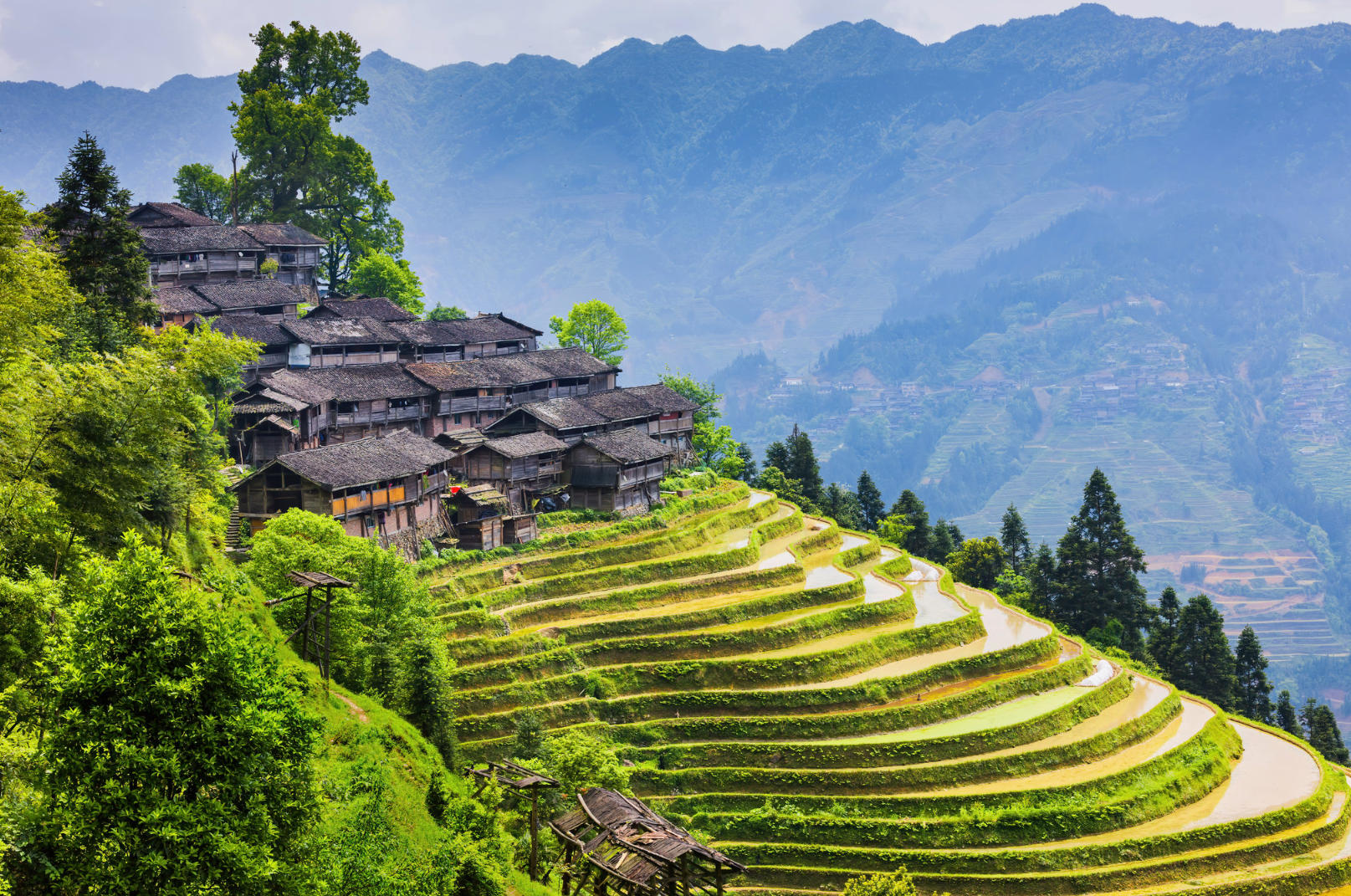
Baiyan Village is located halfway up Leigong Mountain, less than 40 minutes from Xijiang. Built above layers of rice terraces, the village offers wide views of valleys, mountains, and farmland.
Several boutique guesthouses have been converted from old stilt houses, preserving the wooden exteriors while adding modern comforts. From the windows, visitors can enjoy views of the terraces and surrounding mountains. Much quieter than Xijiang, Baiyan is ideal for travelers who want to slow down and experience daily life in a Miao village.
Kongbai Silver Artisan Village:
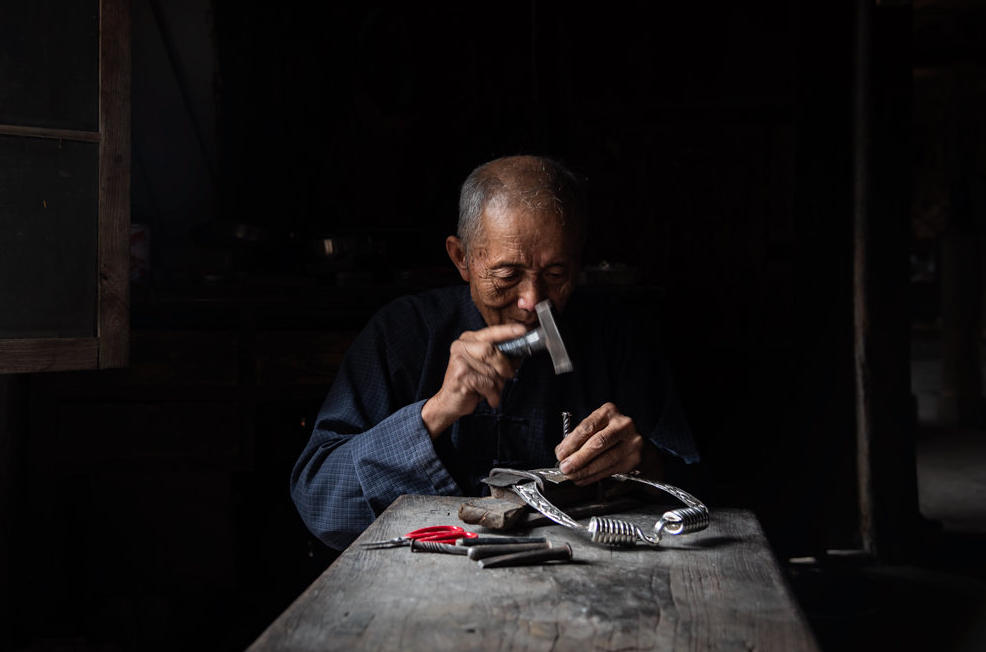
Kongbai Silver Artisan Village is less than an hour from Xijiang and is one of the best places in Qiandongnan to learn about Miao silver craftsmanship. Many households here still make silver jewelry by hand, from hammering silver sheets to engraving detailed patterns.
Unlike mass-produced pieces sold in tourist shops, each item in Kongbai is made by local artisans. Visitors can sit by the artisan’s fire pit and spend half a day creating their own silver piece. With few tourists and no souvenir shops, the sound of silver being shaped inside wooden houses is what defines the experience here.
Practical Tips for Visiting Xijiang Qianhu Miao Village: Tickets & Hours
Xijiang Miao Village tickets cost RMB 90 per adult and are valid for two days. The sightseeing shuttle bus requires an additional RMB 20 ticket, which includes four rides between the entrance, viewing platform, and main village areas. Four rides are usually enough for a complete visit, while extra rides require additional payment. During peak seasons, shuttle buses may have long queues. If you arrive by private car, you will usually start from the main parking lot before continuing into the village by shuttle or on foot.
The main streets are pedestrian areas, and the shuttle bus only stops at designated stations, walking is still required. Comfortable flat shoes are recommended.
Xijiang is built on steep hillsides, the village involves many slopes and steps. It is still manageable for foreigners, but if you are carrying luggage, contact your guesthouse in advance to ask about transfer services and which entrance is closest to your accommodation.
It is also worth exploring beyond the entrance area and commercial streets — the hillside stilt houses, the riverside area near the Fifth Wind and Rain Bridge, and the smaller lanes inside the village offer a more complete experience of Xijiang.
The village is open 24 hours, but ticket sales usually operate from around 8:00 to 20:00, with times varying by season. Ticket policies, shuttle schedules, and performance times may change, so check the latest information before your visit.
How Many Days Do You Need in Xijiang? Suggested Itineraries
Staying one night in Xijiang itself is usually the best way to experience it properly. Arrive in the afternoon, take a walk through the village, and head to the viewing platform at sunset for the night view. The following morning, explore the surrounding mountain paths and rice terraces while the village is still covered in mist, as this lets you enjoy both the evening lights and the early morning atmosphere without rushing.
If you would like to combine Xijiang with quieter Miao villages nearby, add one more day for Langde Miao Village and Kongbai Silver Artisan Village. In the morning, visit Langde to experience Miao songs and dances in a more community-based setting. In the afternoon, continue to Kongbai to see how Miao silver jewelry is crafted, or try making your own piece with guidance from local artisans. Return to Xijiang in the evening or continue to your next destination.
The Xijiang Miao Village experience is included in our 8-Day Guizhou Journey. If you have a longer travel schedule and would like to extend the trip into Yunnan, explore our 14-Day Guizhou & Yunnan Journey.
Explore Xijiang Qianhu Miao Village with Eastogo
Although Xijiang is easy to reach, truly experiencing Miao culture goes beyond simply visiting the village. It requires time, local understanding, and meaningful connections with the people who call this place home.
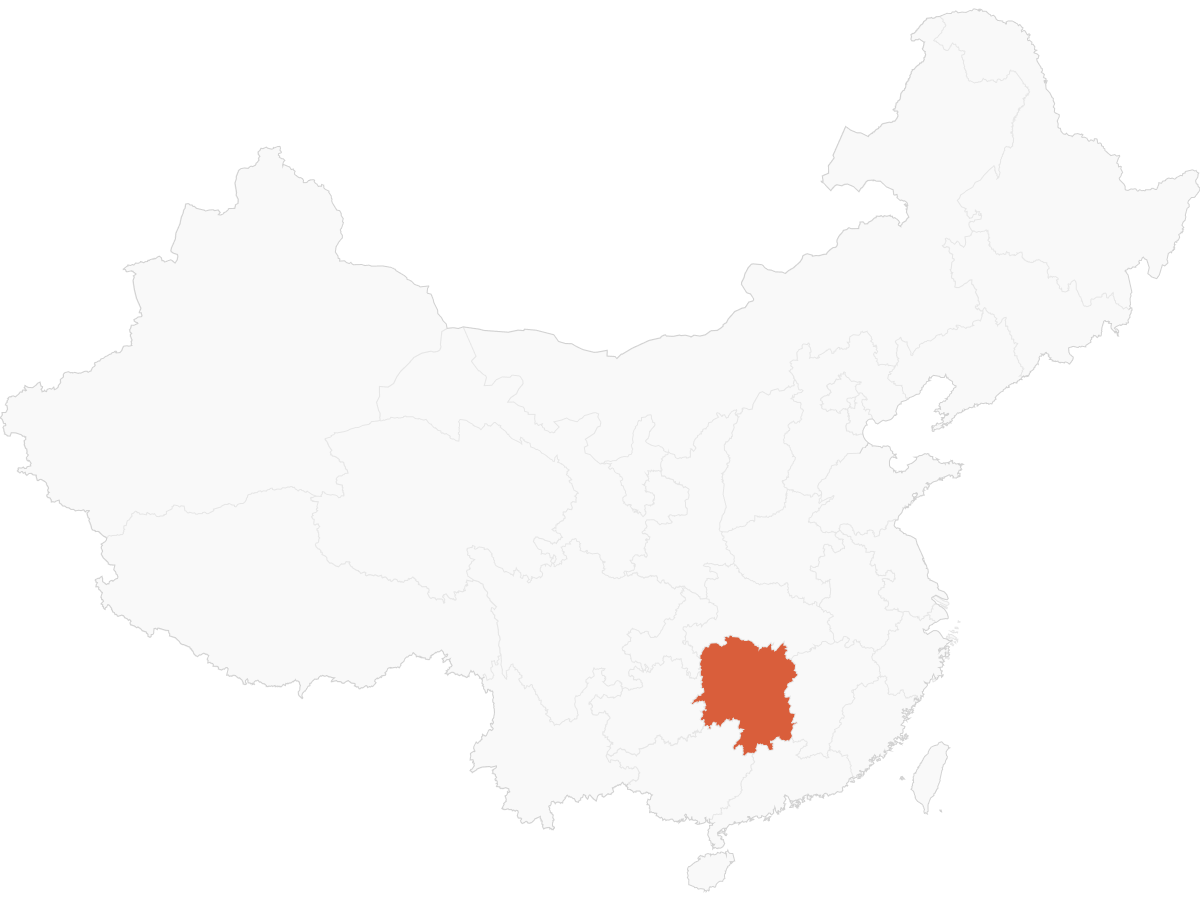
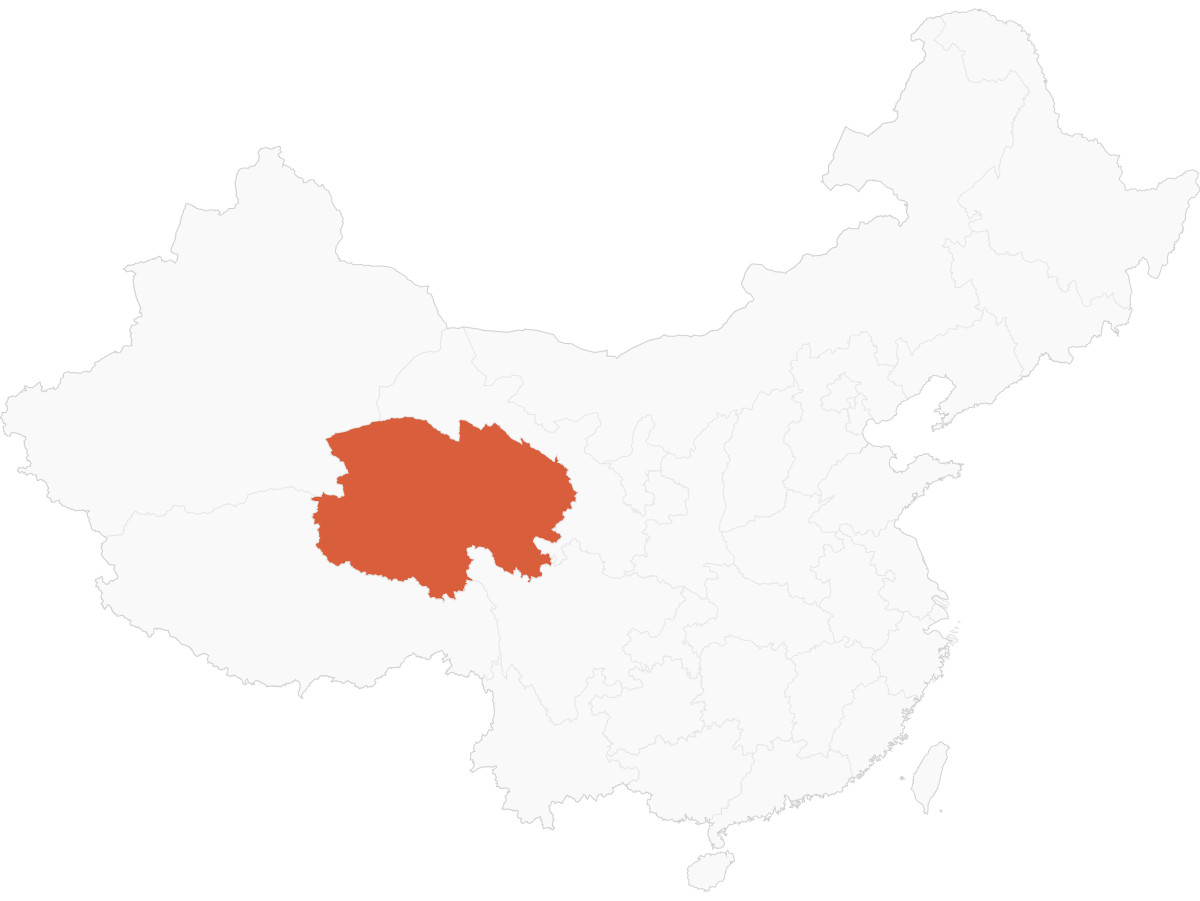
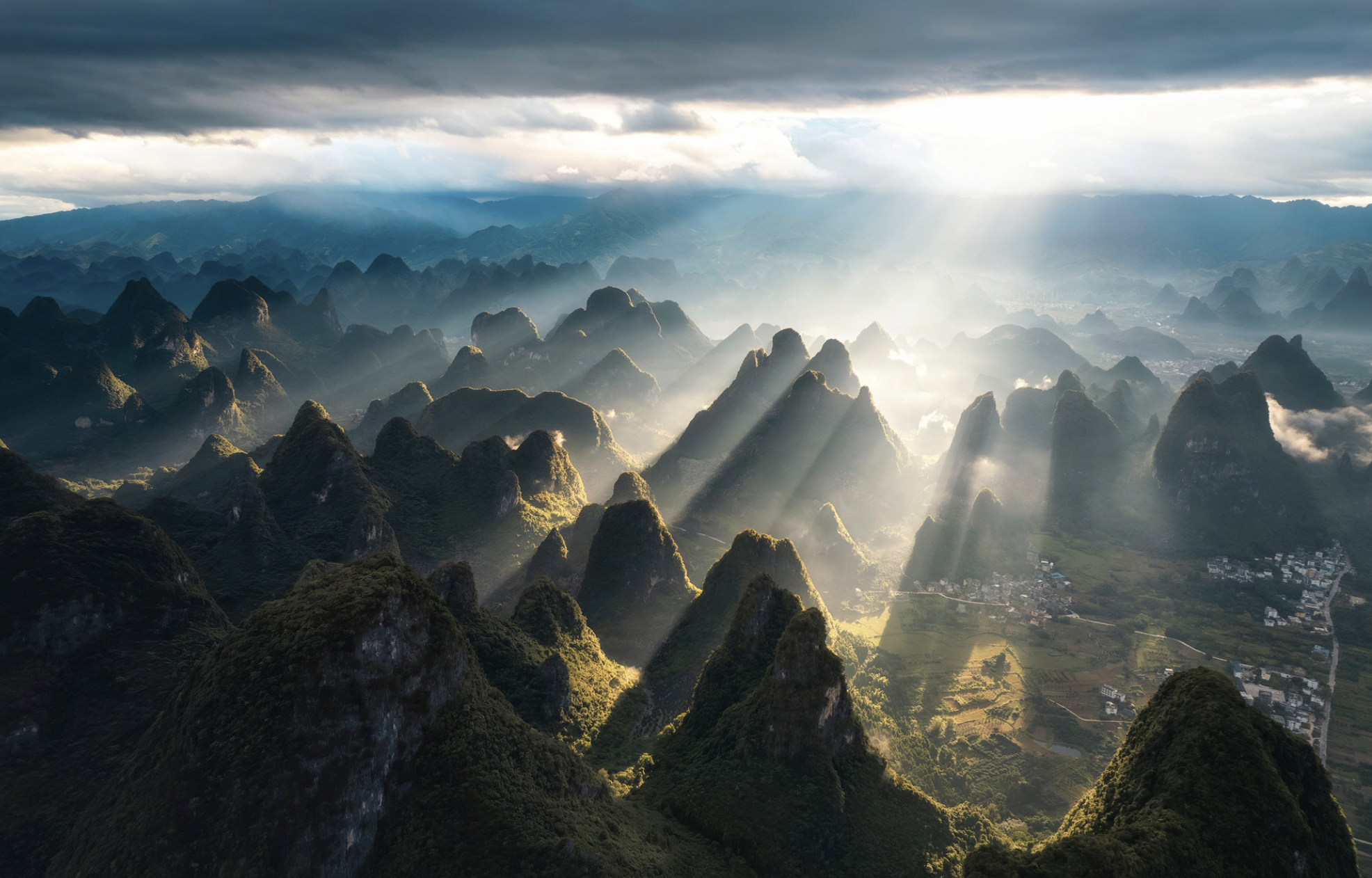
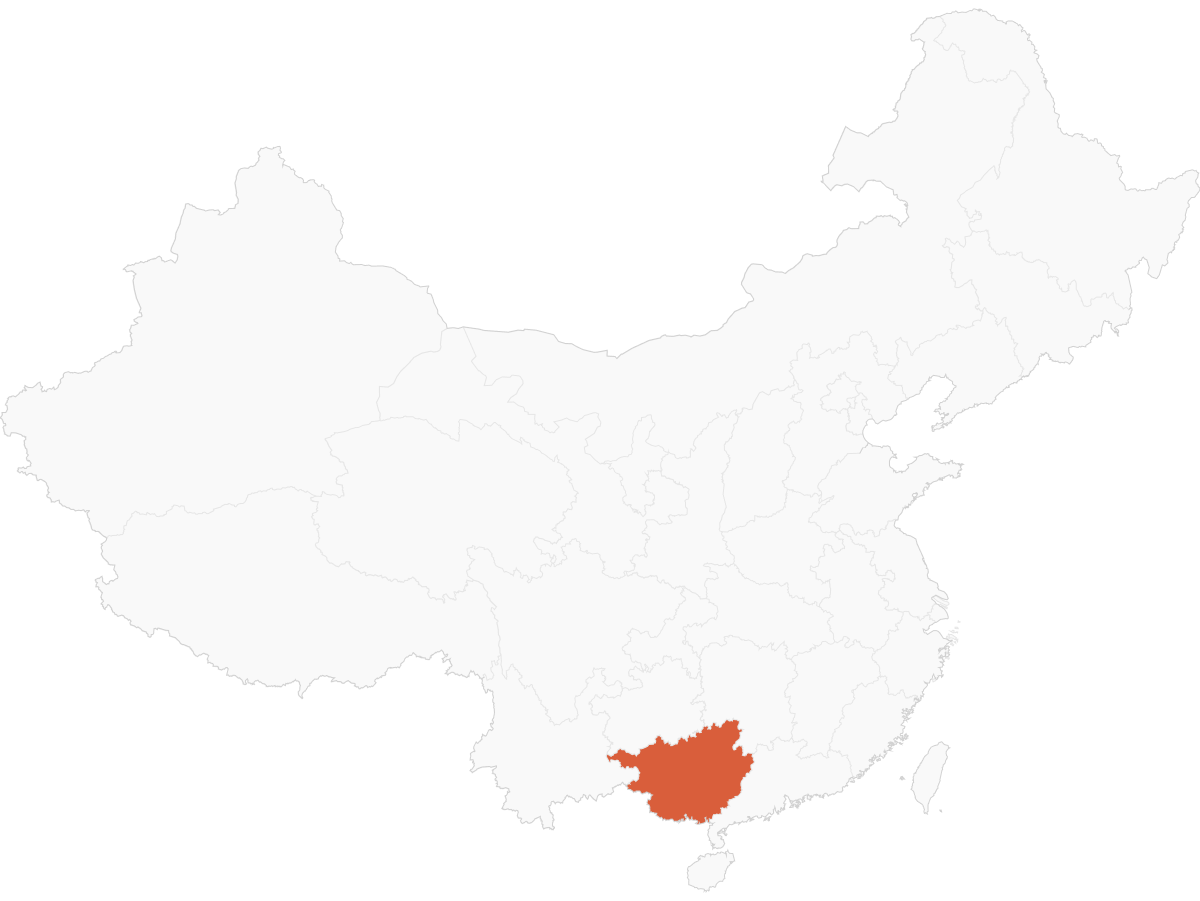
Eastogo specializes in creating in-depth private journeys across southwest China, including Guizhou, Yunnan, Guangxi, Hunan, and Western Sichuan. We help travelers discover the cultures and landscapes that are often missed on standard routes.
Through long-term relationships with local drivers, guides, and communities, we create opportunities for village visits, cultural experiences, and genuine connections with local people. For us, travel is not only about seeing beautiful places, but about understanding the stories, traditions, and ways of life that make each destination meaningful.
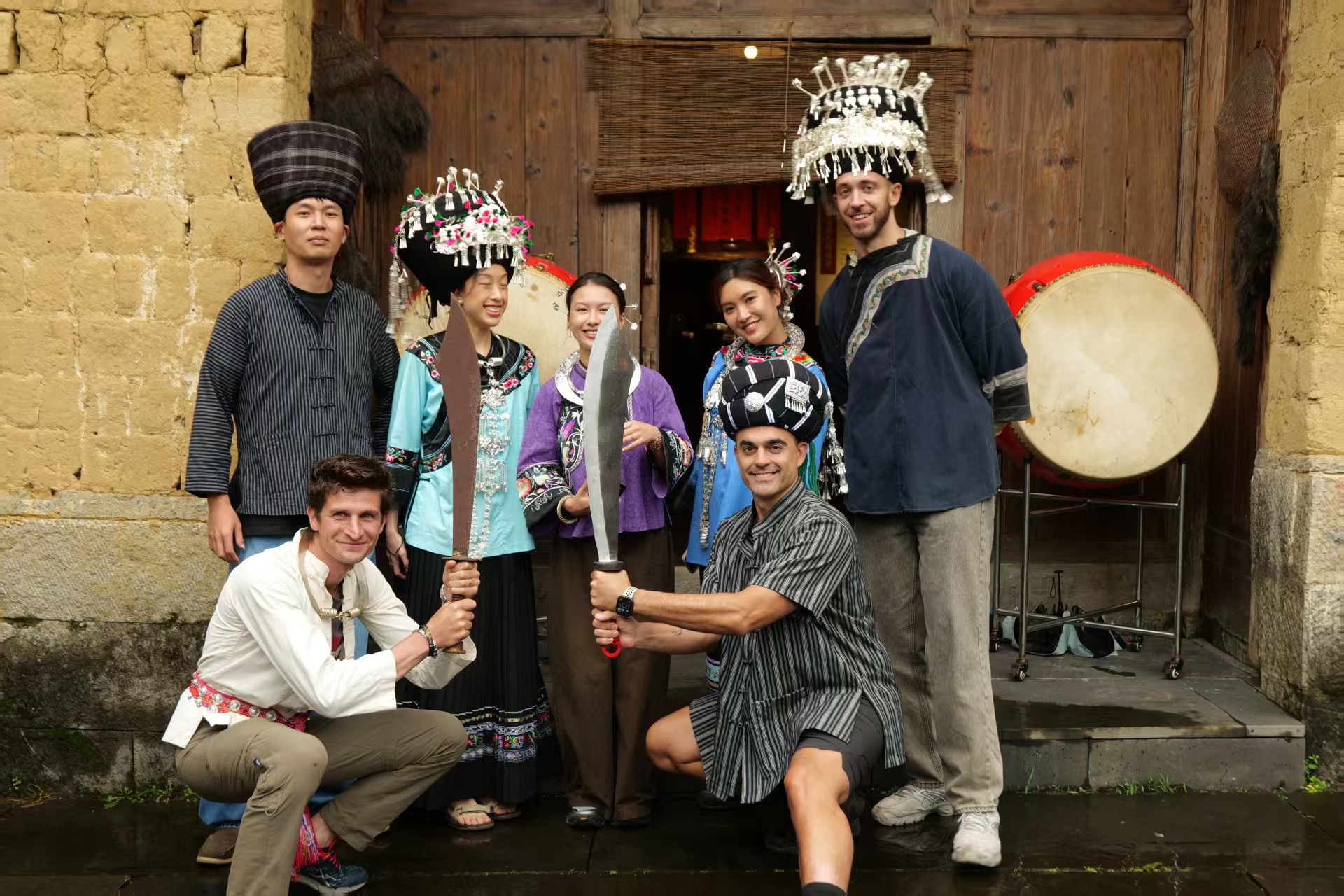
Each journey is thoughtfully designed according to your interests, pace, and travel style, while considering transportation, weather, and the realities of traveling through mountainous regions. Whether you choose self-guided China tours or private & custom China tours, we help you explore China with greater comfort, confidence, and depth.
For more information, read our Guizhou Travel Guide: A Complete Guide to Culture, Nature and Hidden Villages.
If Guizhou speaks to your curiosity, we would be happy to help you create a journey that reflects your interests and the way you want to experience this remarkable region.