Guizhou Private Tour
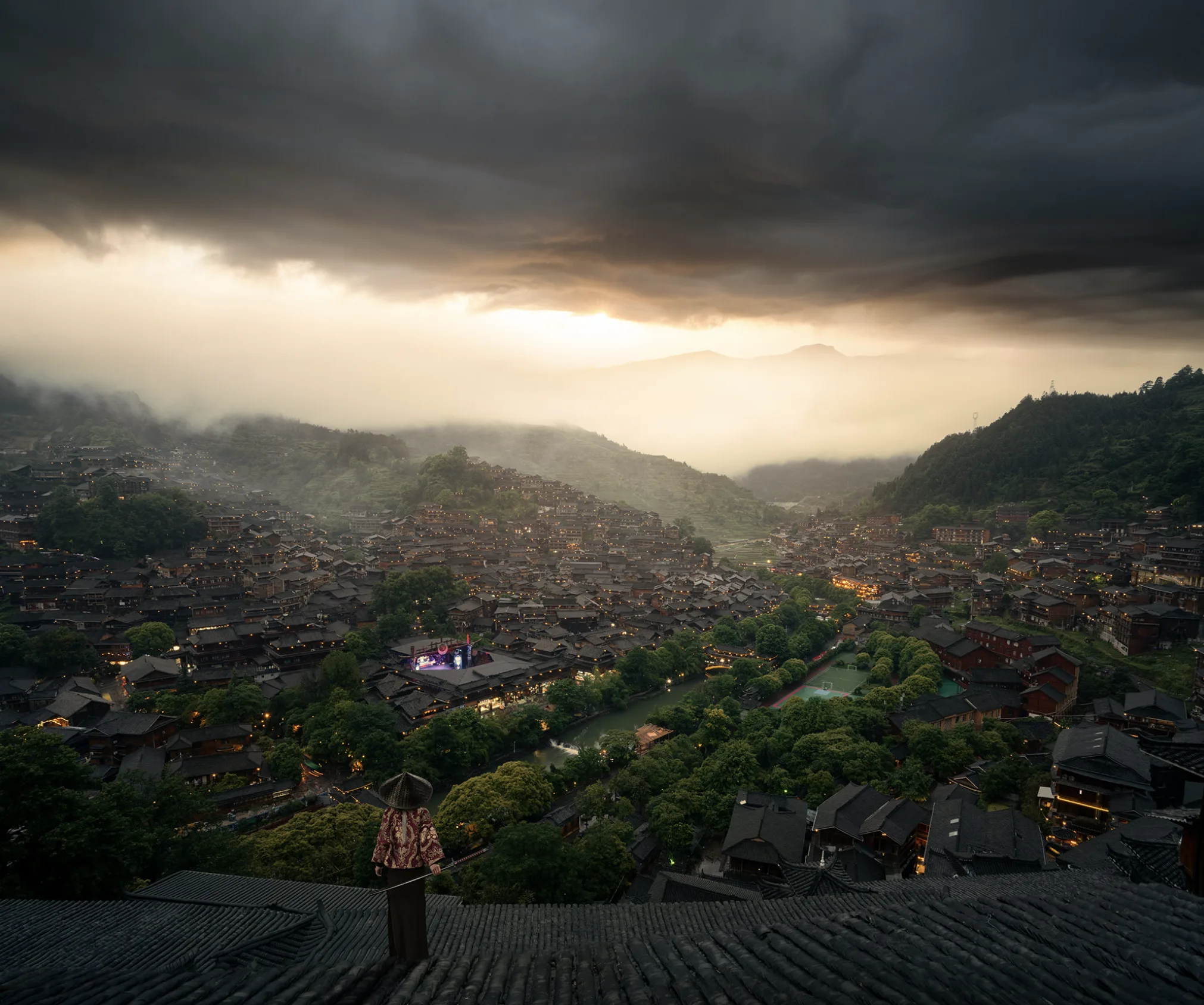
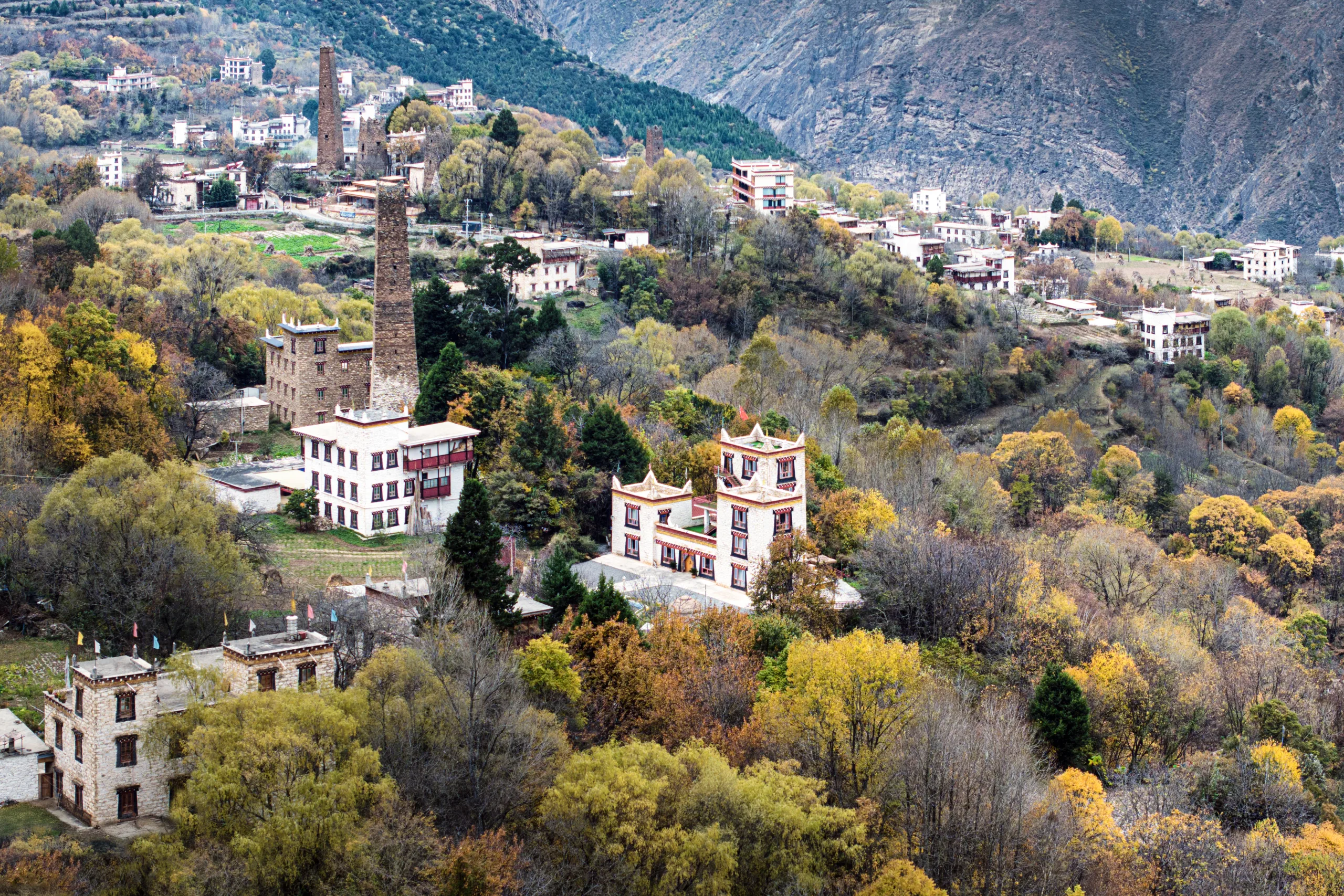
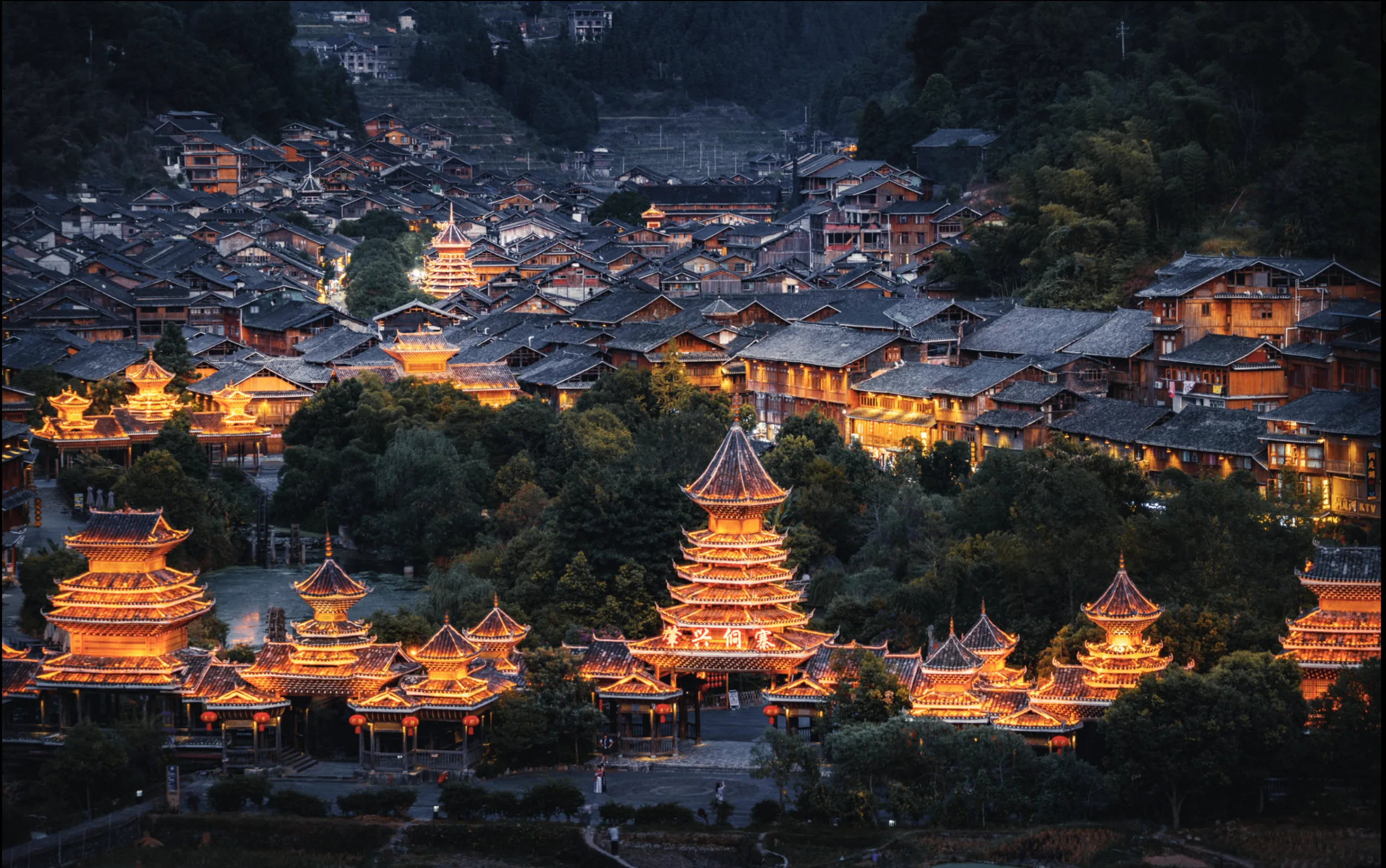
Guizhou is one of the few places in China where traditional cultures still shape everyday life in a remarkably visible way. Across the mountains of the southeast, Miao, Dong, Shui, and Buyi communities continue to celebrate local festivals, preserve distinctive music and crafts, and maintain ways of life deeply connected to the villages they call home.
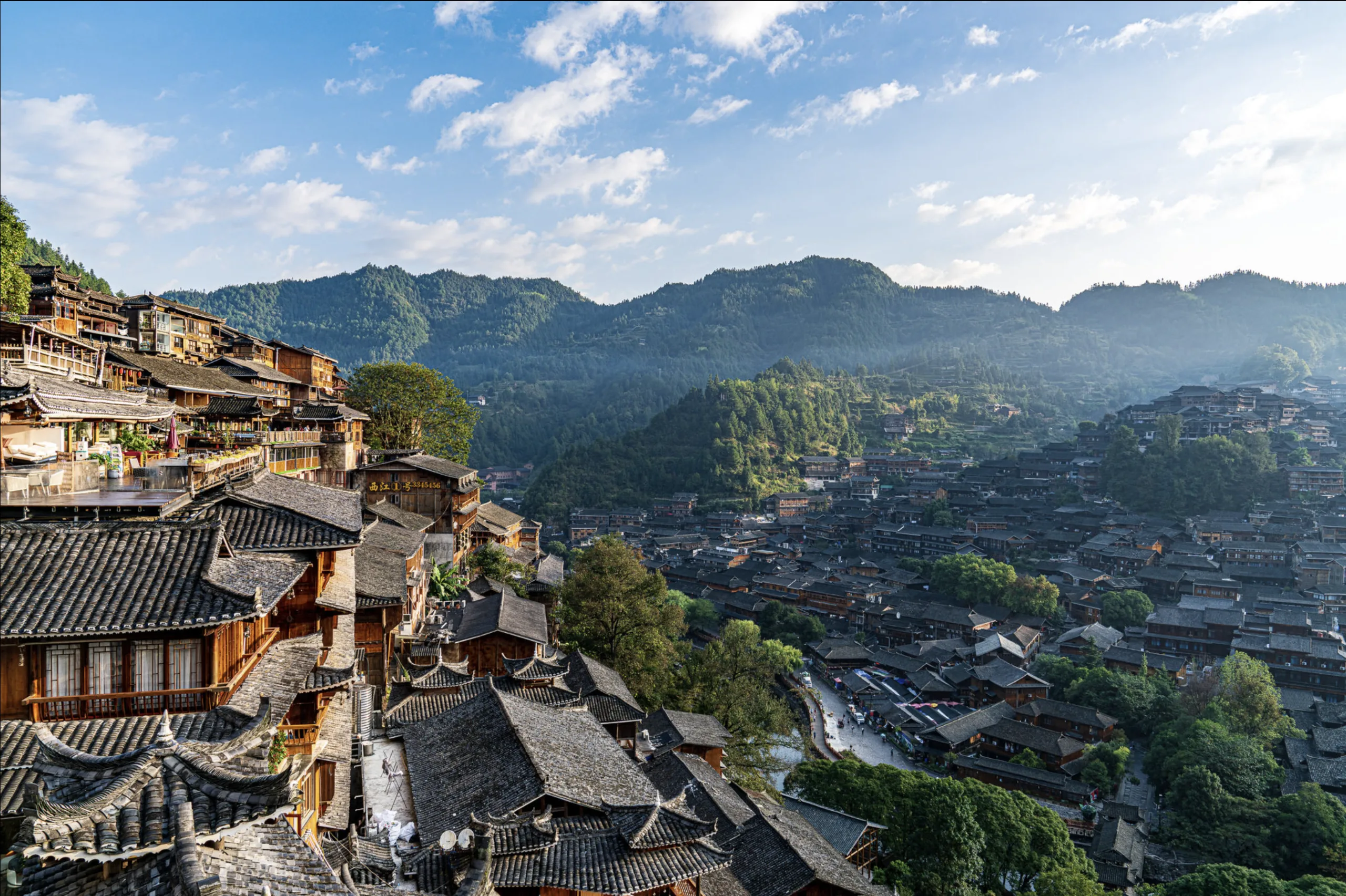
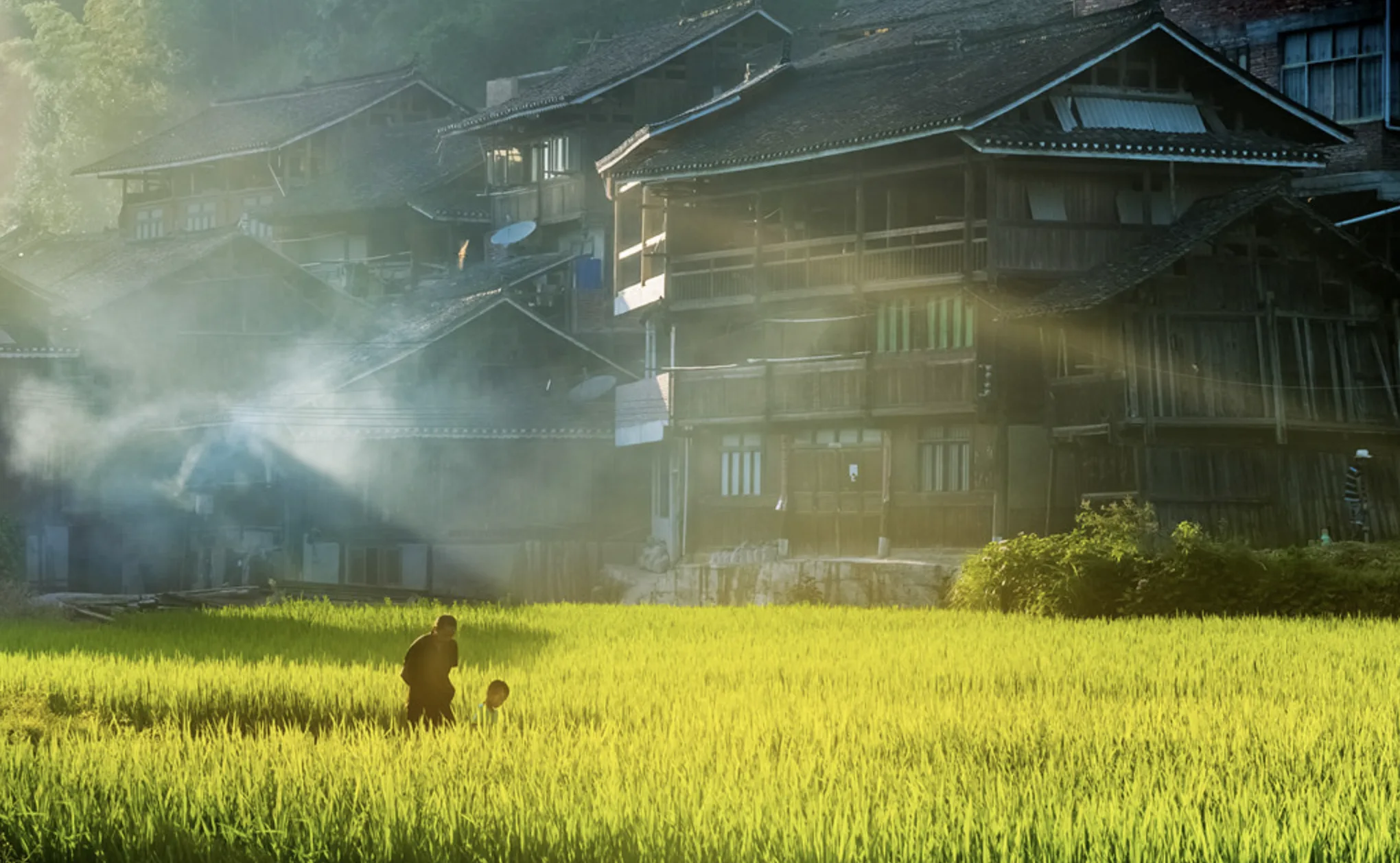
For Eastogo, exploring Guizhou privately is about creating the time and access to experience these communities with greater depth. Travel beyond better-known places such as Xijiang and Zhaoxing into quieter villages like Dadai and Zaidang, share meals with local families, listen to Dong Grand Songs in the places where they belong, learn batik from local artisans, or simply spend an unhurried afternoon with people whose traditions remain part of daily life.
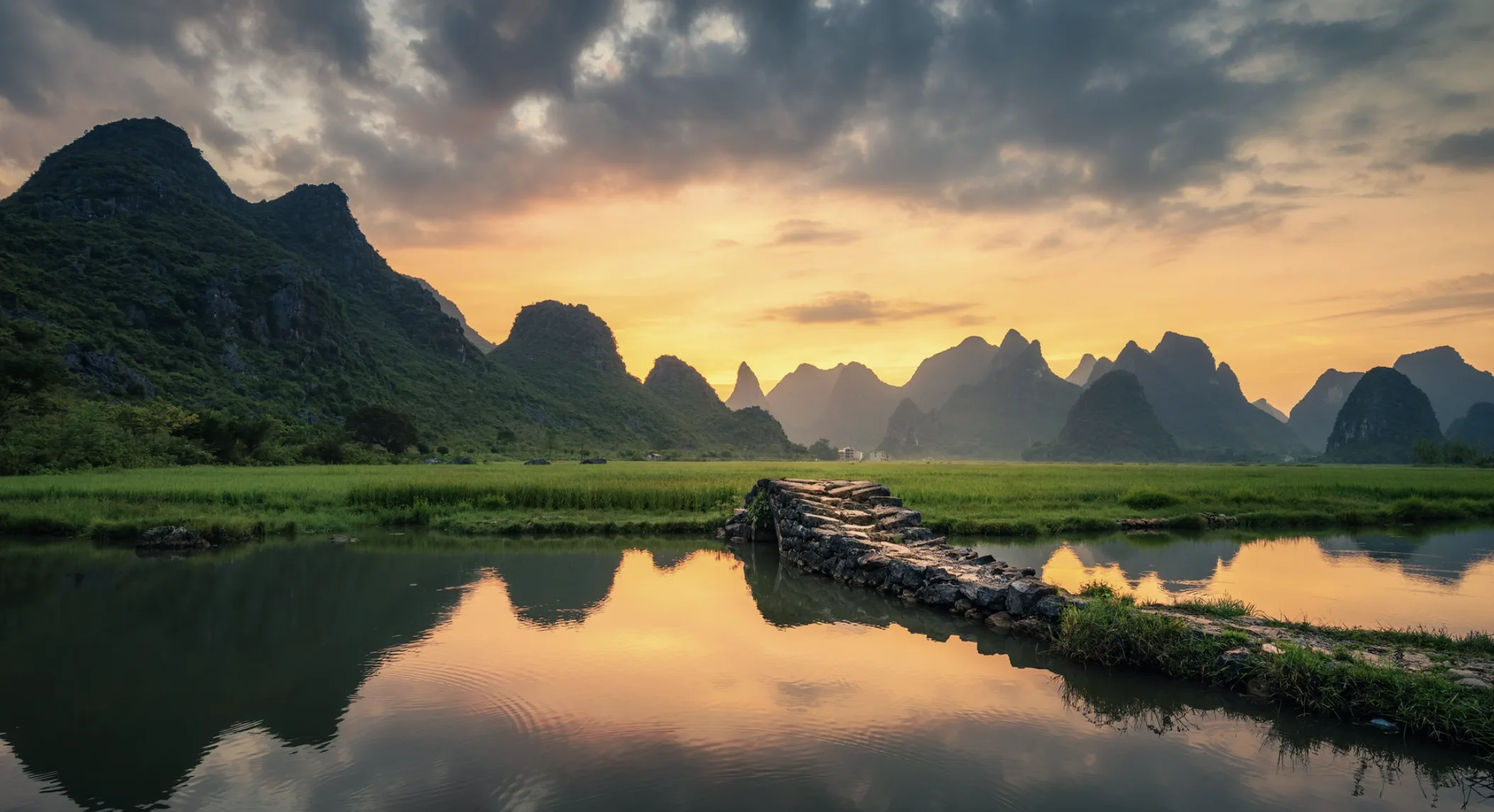
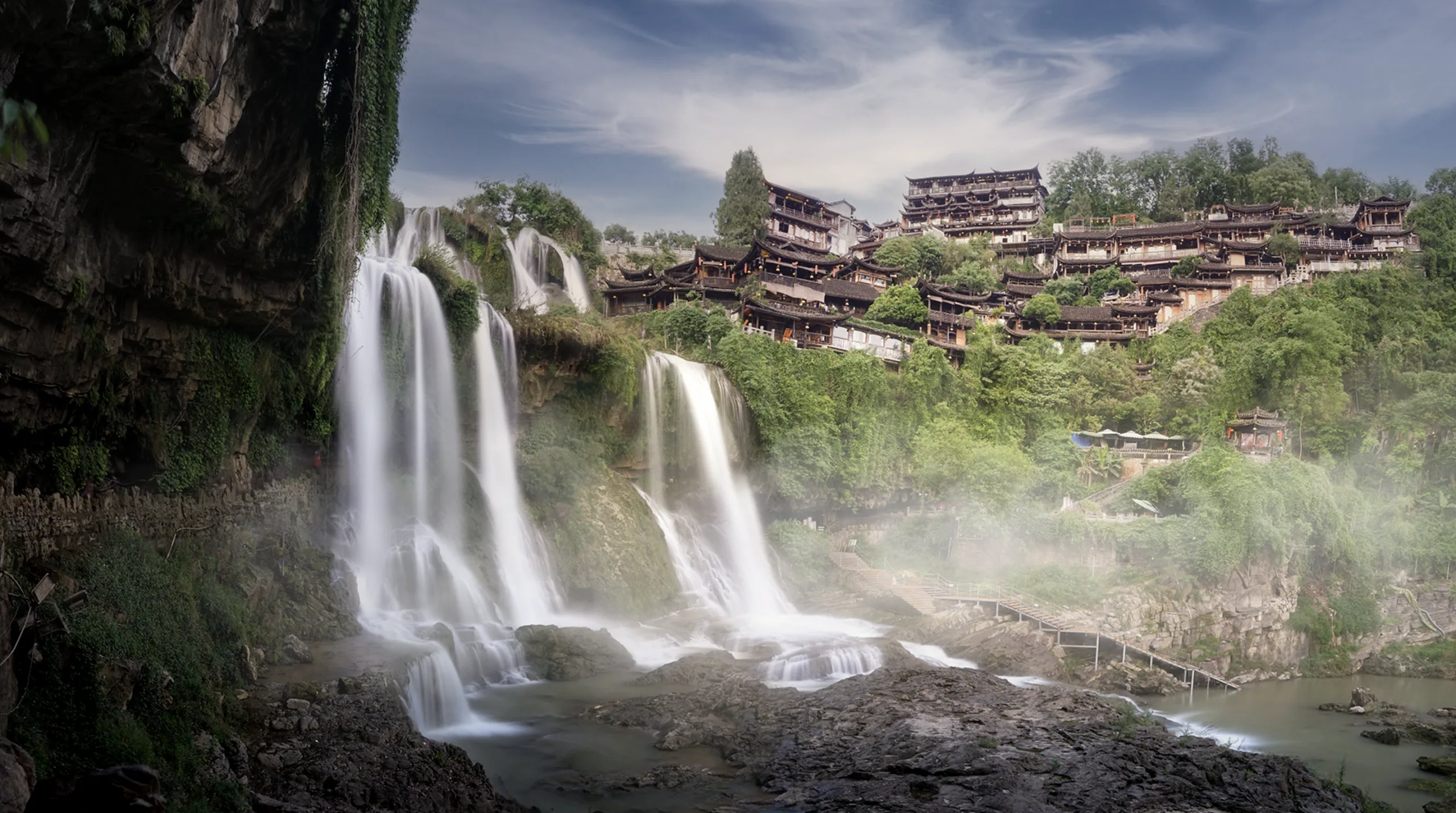
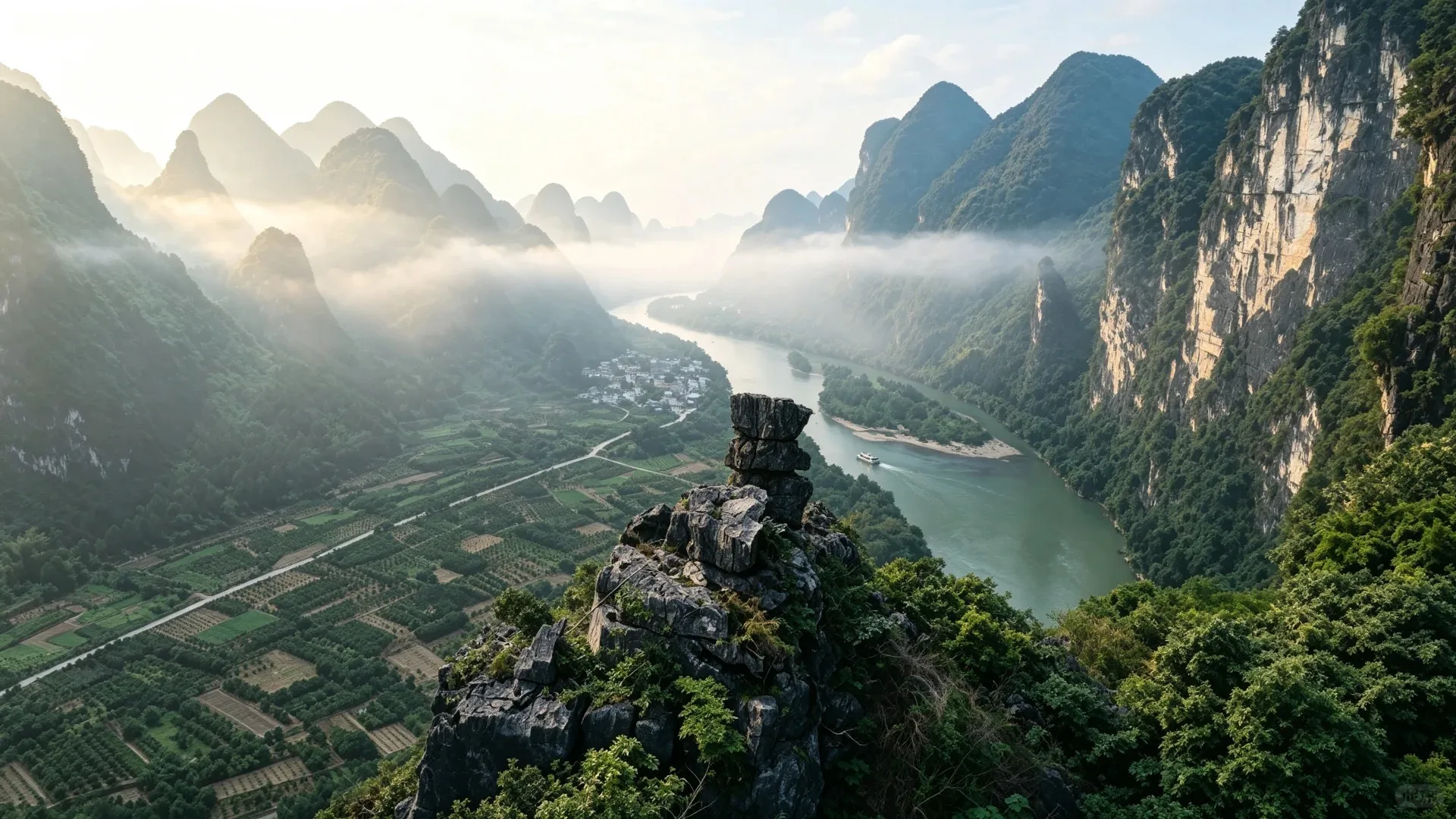
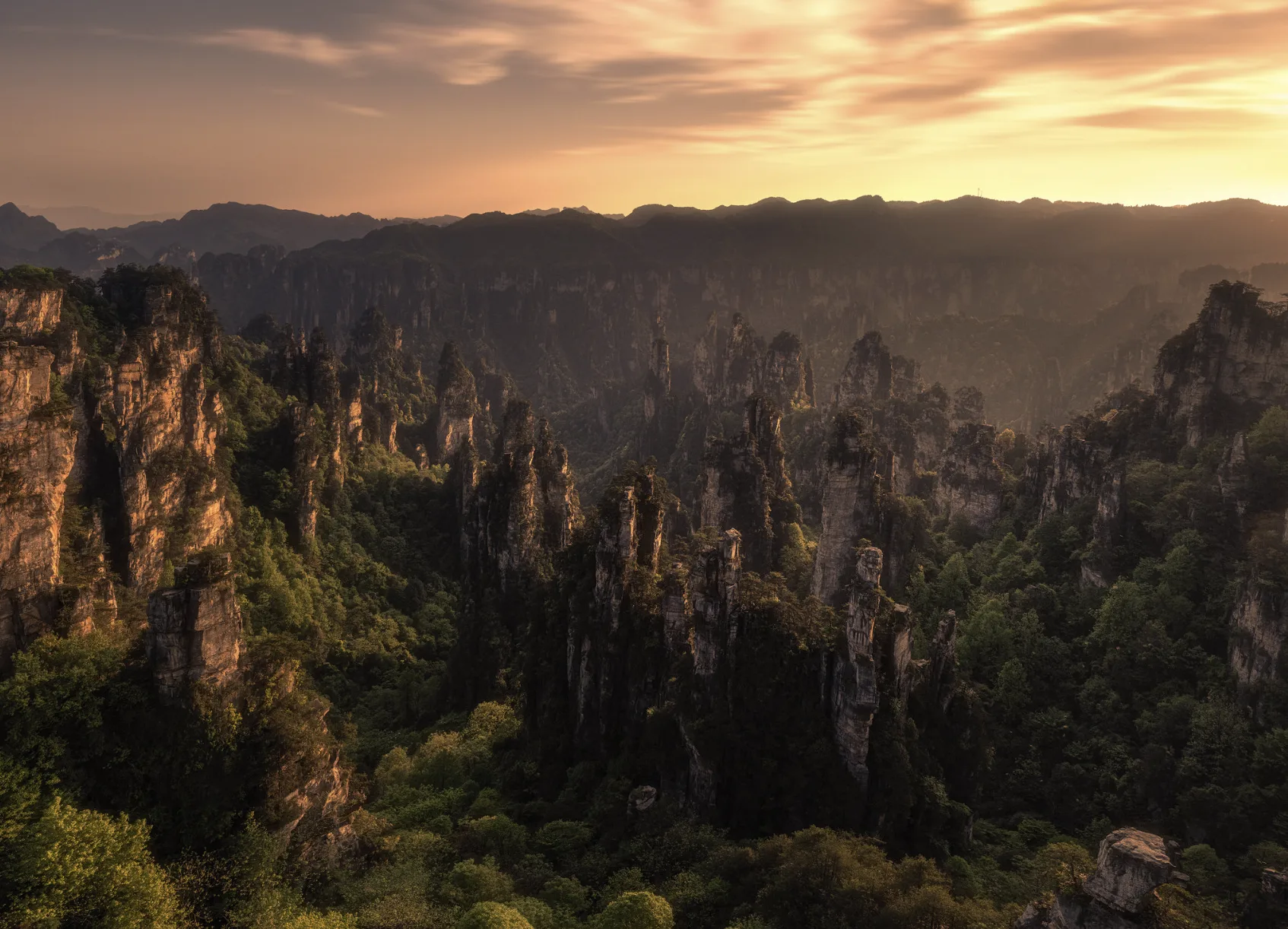
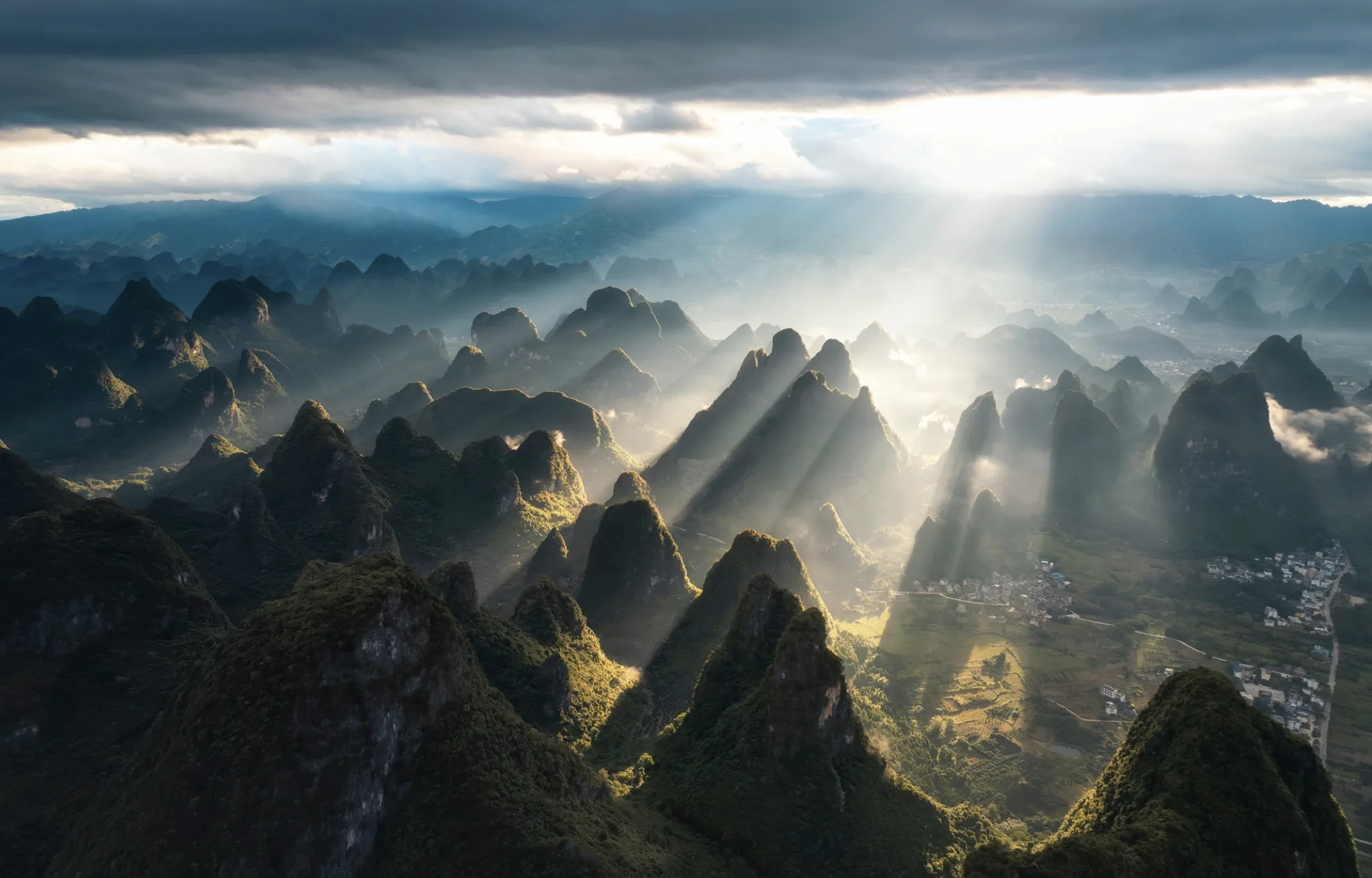
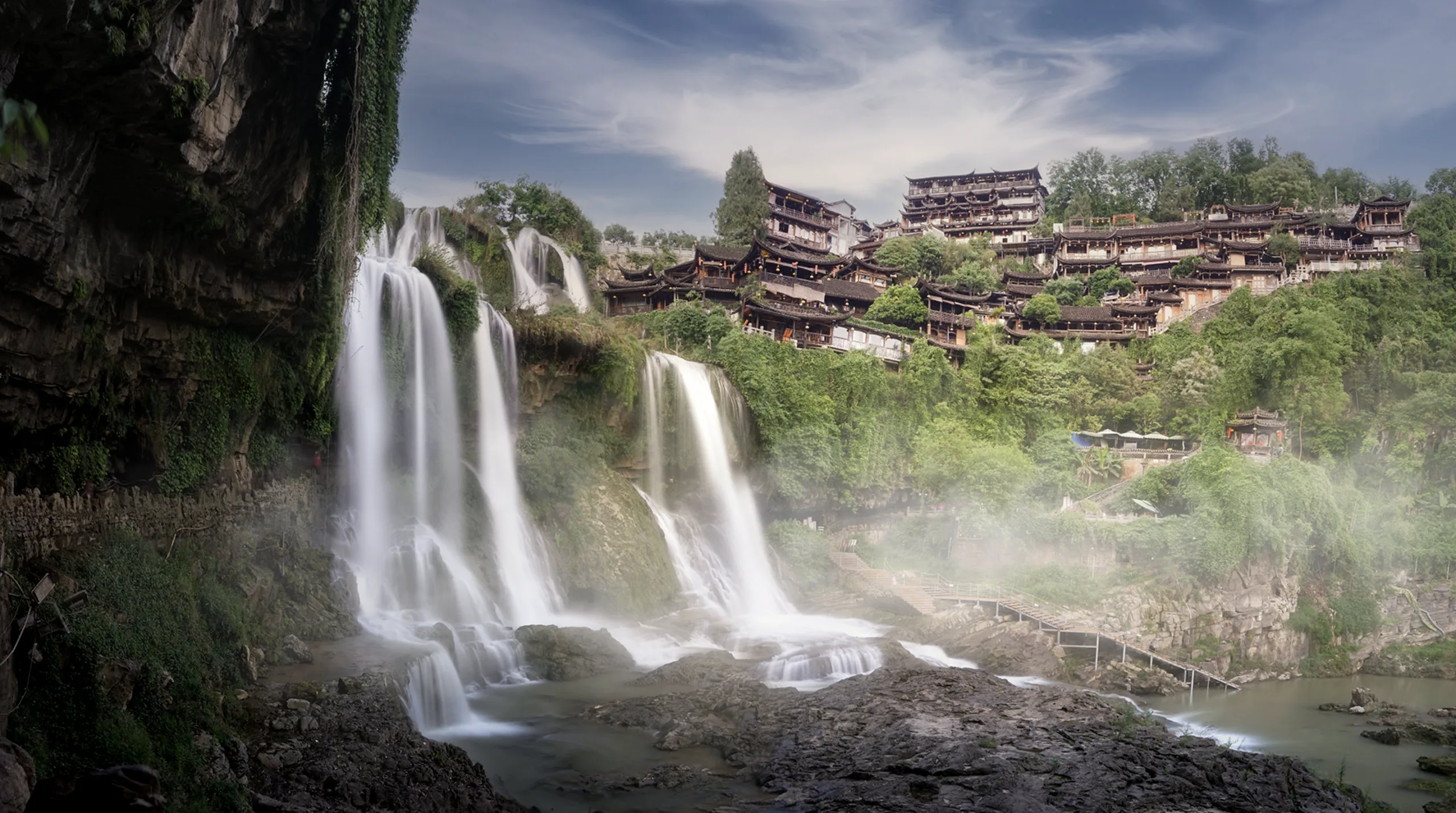
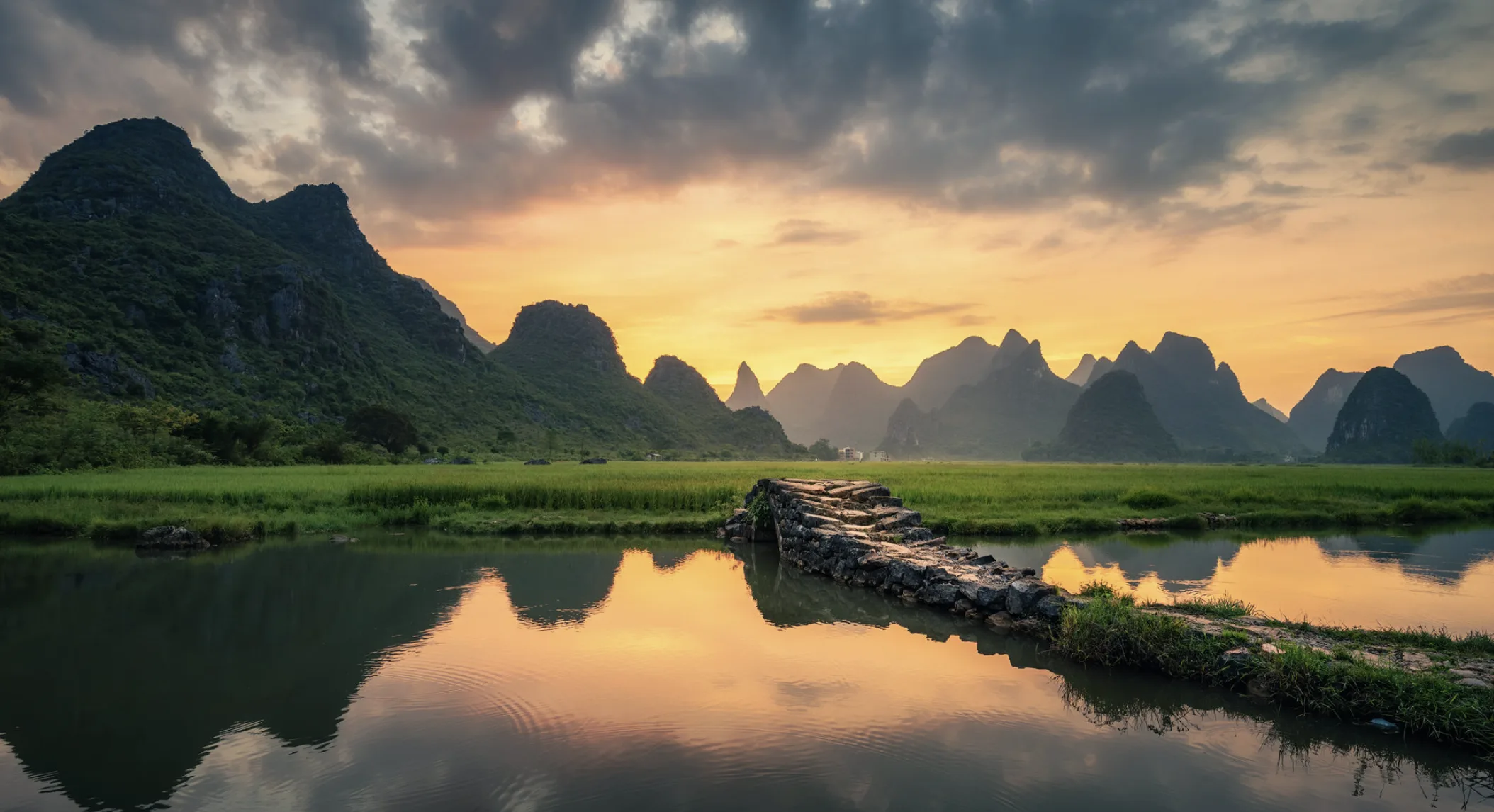
The landscapes are equally compelling. Karst mountains, forested valleys, vast cave systems, terraced fields, Mount Fanjing, and Huangguoshu Waterfall create a region made for slow exploration, photography, hiking, and journeys that move naturally between nature and culture.
Eastogo designs Guizhou Private Tour around your interests, with trusted local guides, carefully chosen routes, private transport, distinctive stays, and long-standing local connections that open doors difficult to access on a standard itinerary.
For many travelers, Guizhou is remembered not only for what they see, but for the people they meet along the way — and the rare feeling of being welcomed into a part of China that still moves at its own rhythm.
Journey Highlights
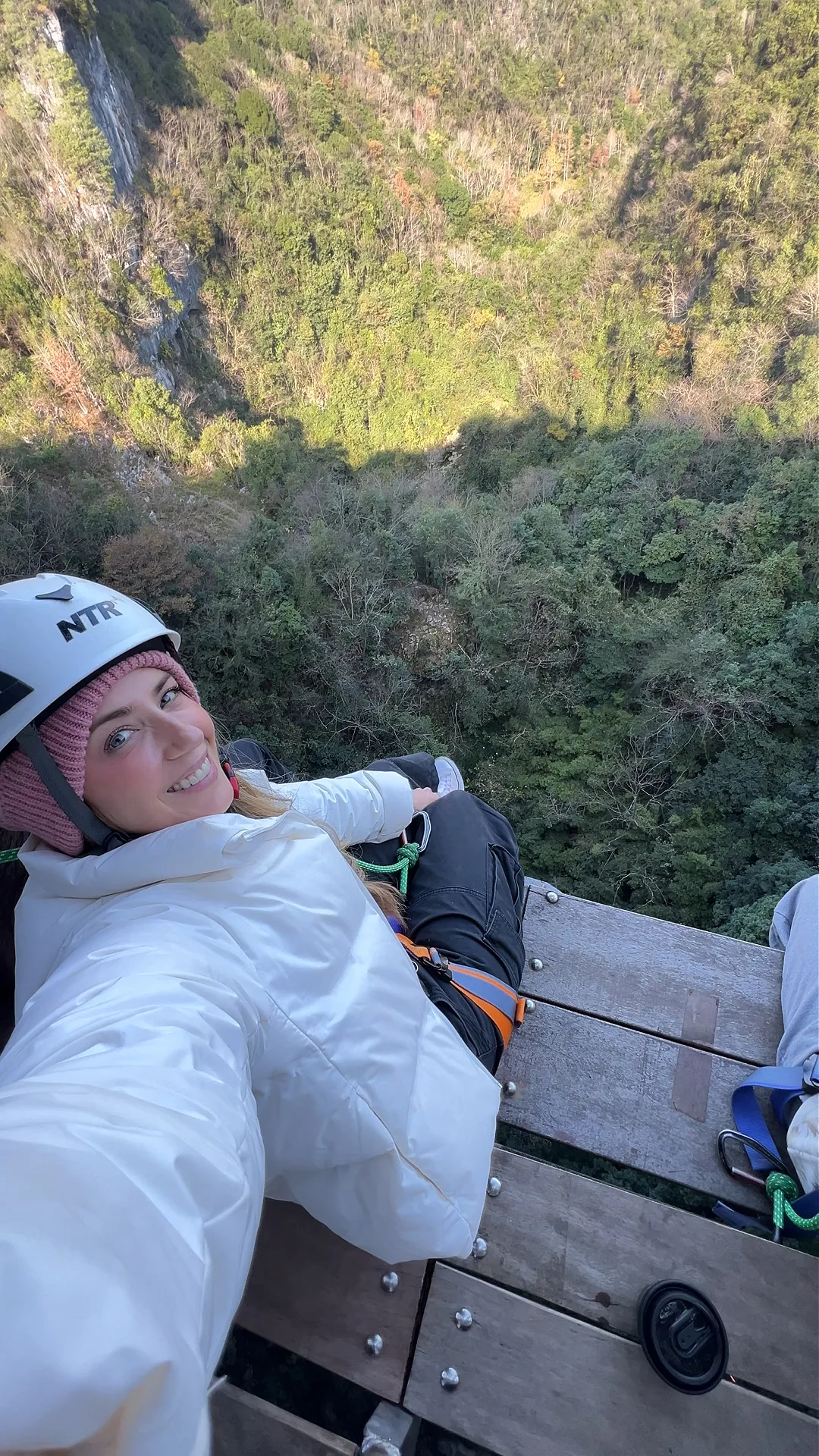
Embark on a six-hour trek through one of China’s last primaeval forests. Traverse ancient karst landscapes with stalactites, sinkholes, limestone groves, and giant trees rooted in bare rock. As you journey deeper, watch sunlight break through the canopy and form breathtaking “god rays” in the untouched wilderness.
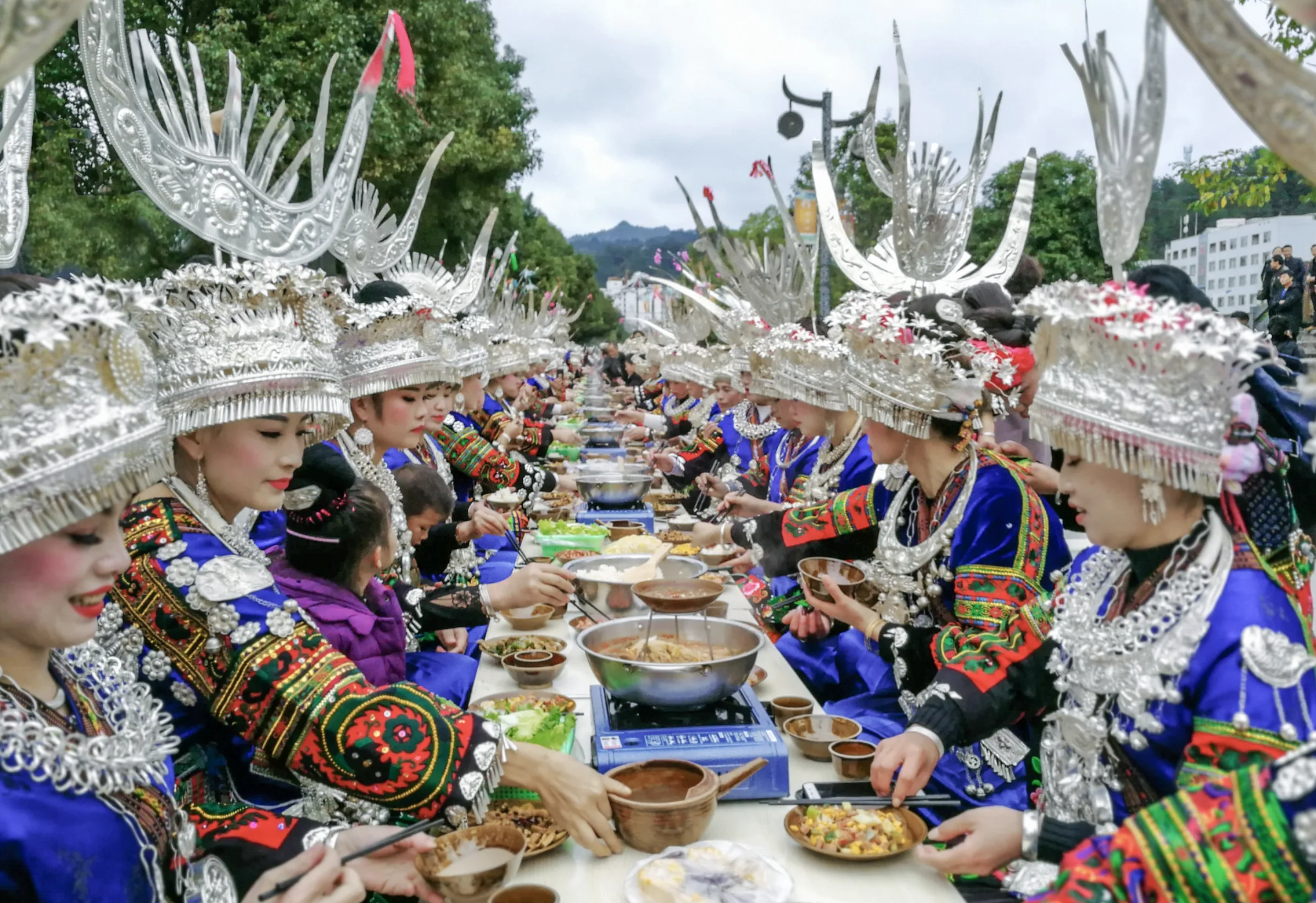
Share food, rice wine, and laughter, and feel the warmth of an entire community welcoming you. When respected guests arrive, the entire village gathers and combines dishes into a single long table, because time is too short to visit each home.
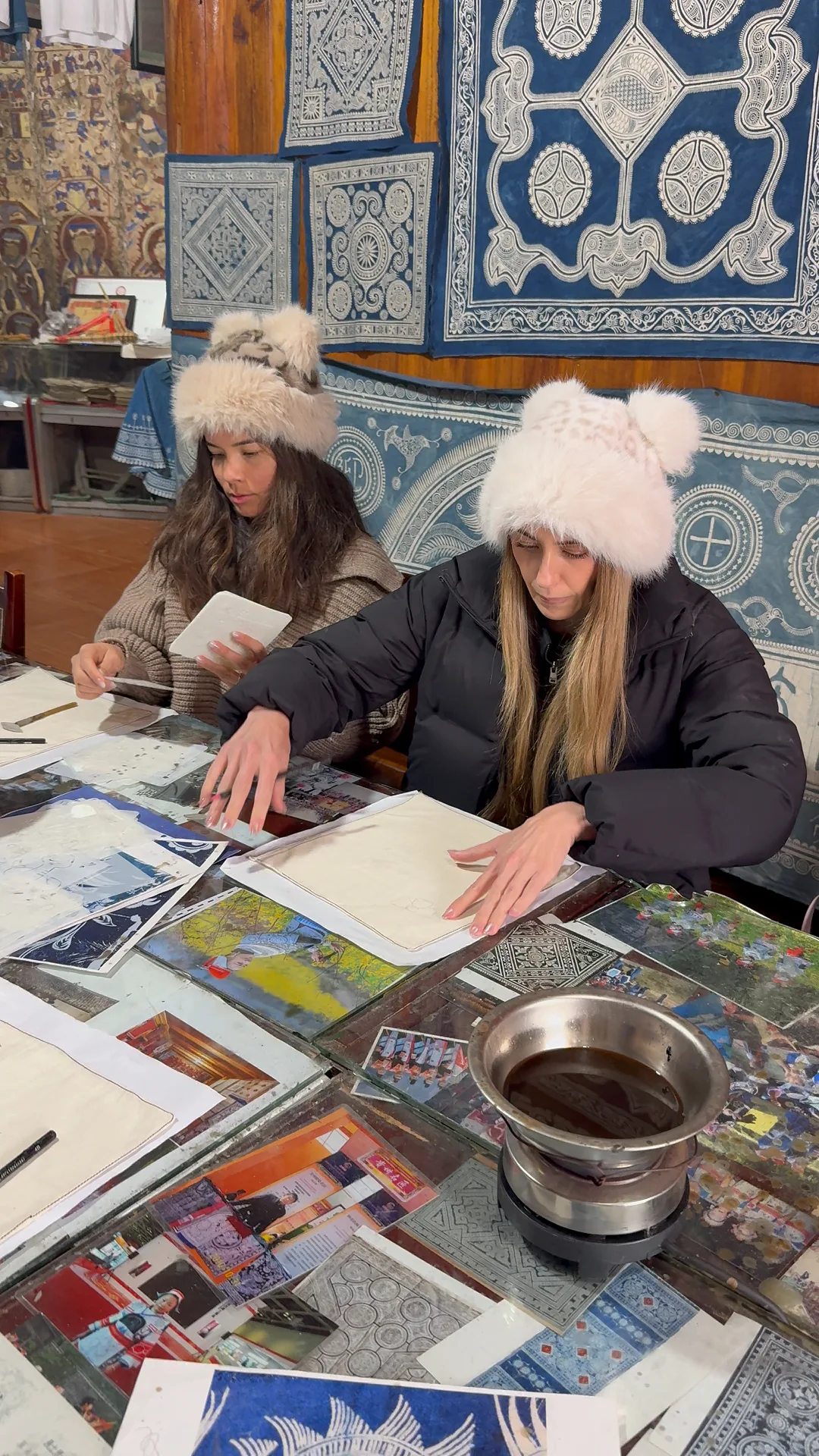
Follow village elders to learn the traditional Gejia batik technique. Patterns often center around the sun, blending natural motifs with nested geometric lines, create your own design and understanding the symbolism behind it.
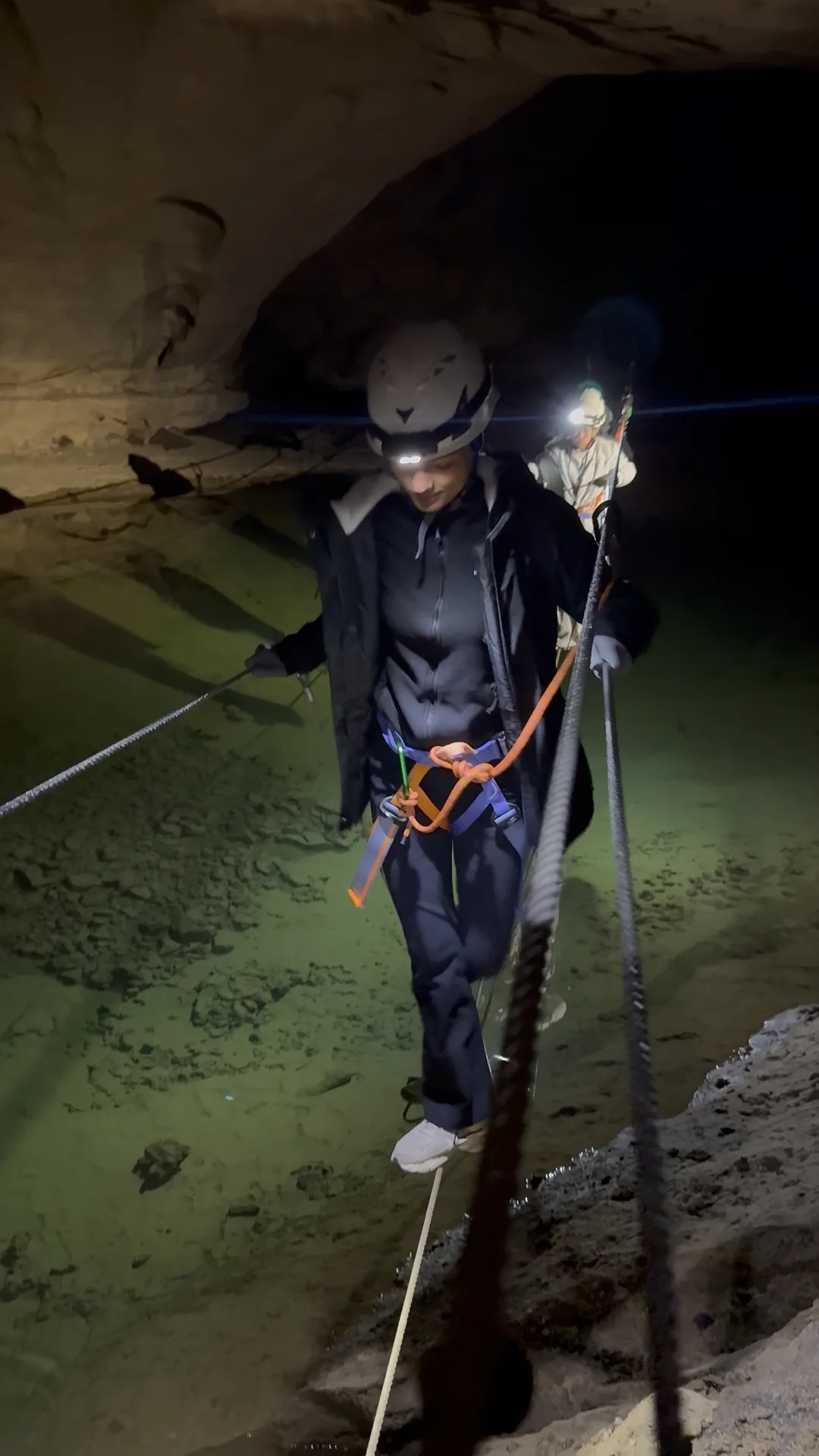
Venture into the heart of Guizhou’s karst world. Descend by rope into hidden caverns, glide over underground canyons on zip-lines, and cross dark rivers by boat as echoes of ancient silence surround you—a raw and thrilling journey into the earth.
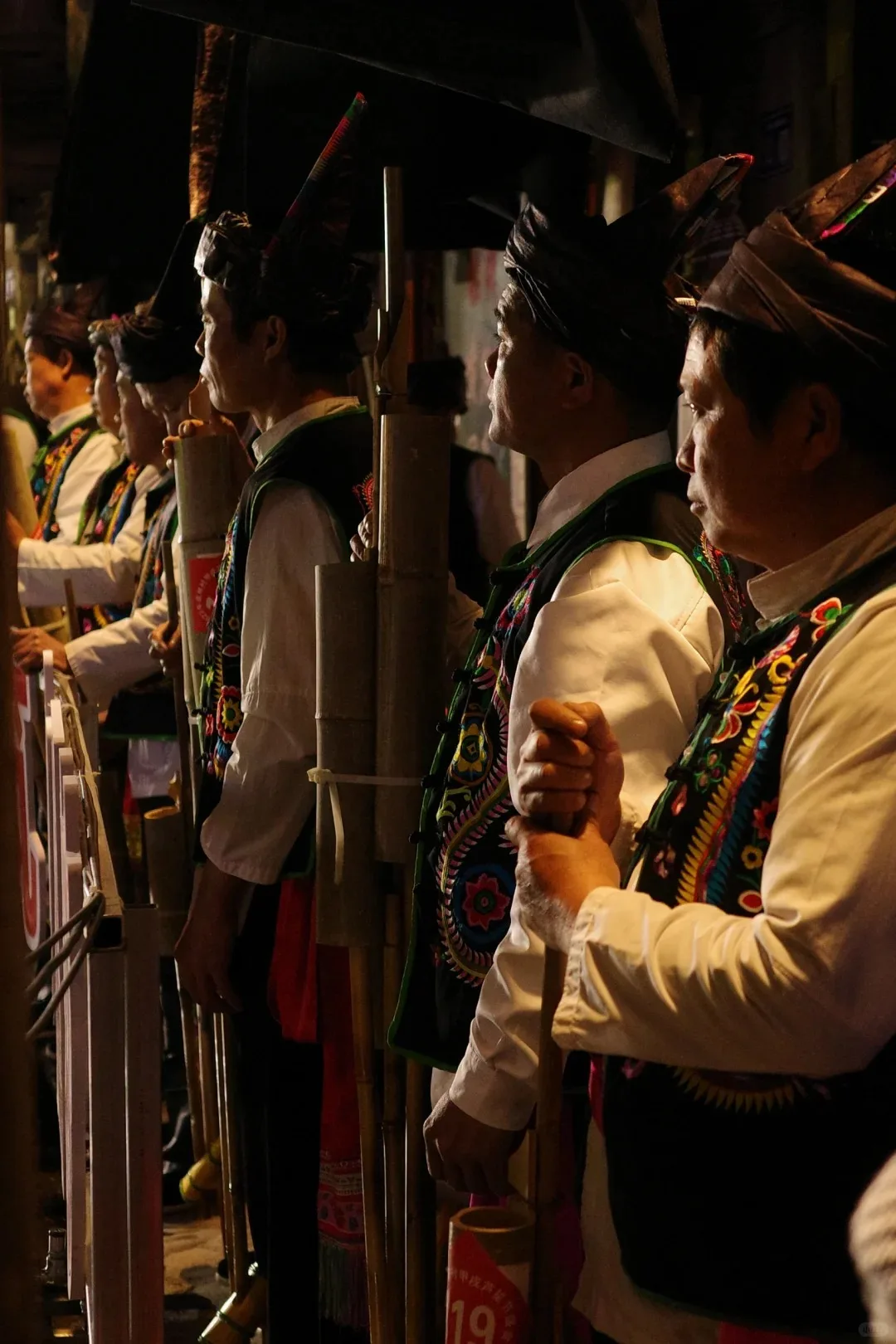
Experience a soul-stirring choral tradition without instruments, scores, or conductors. The Dong Grand Song echoes nature’s rhythm, and Eastogo arranges an exclusive performance in Huanggang Dong Village, presented by a local choir just for you. It’s an intimate cultural encounter few travellers ever witness.
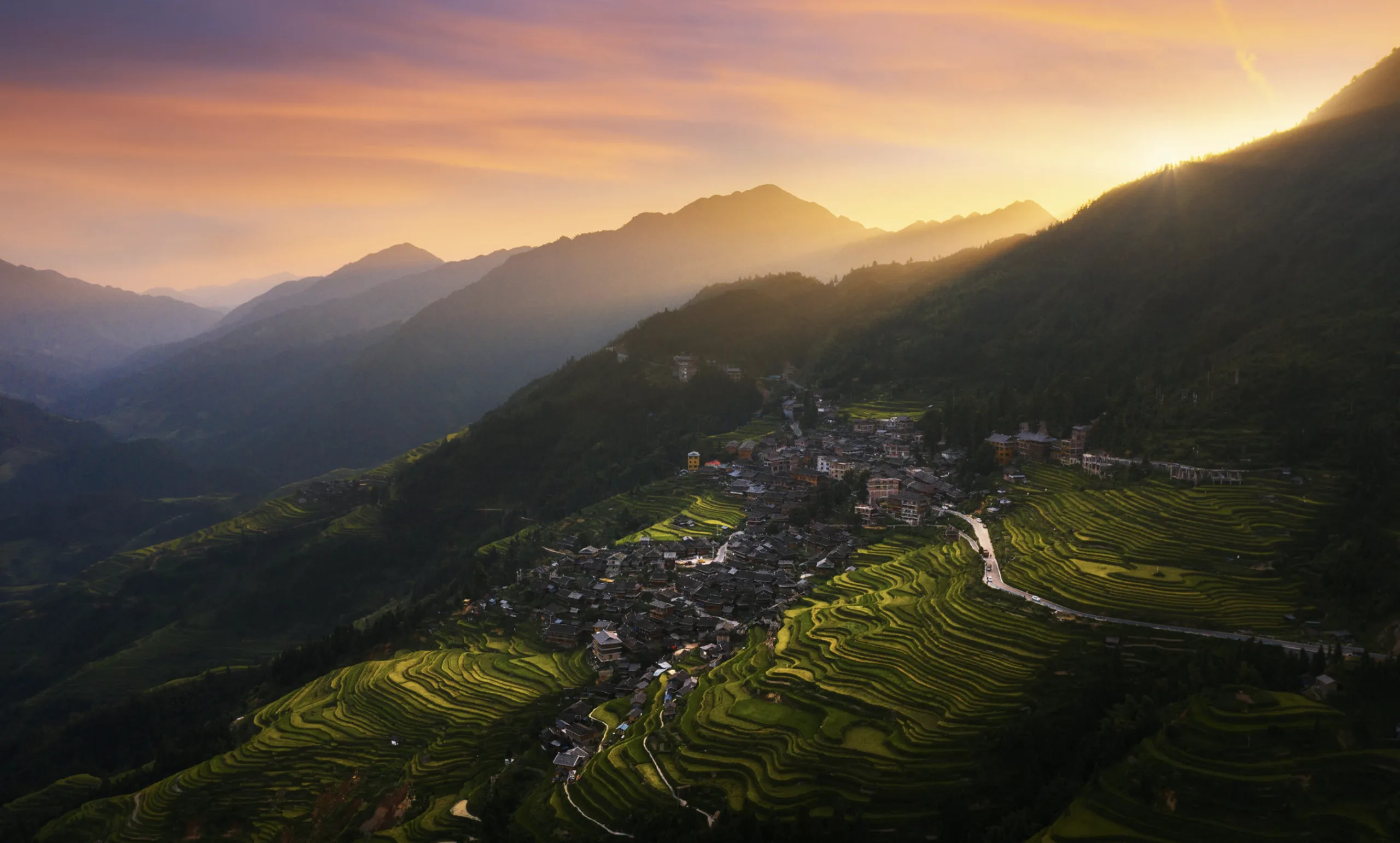
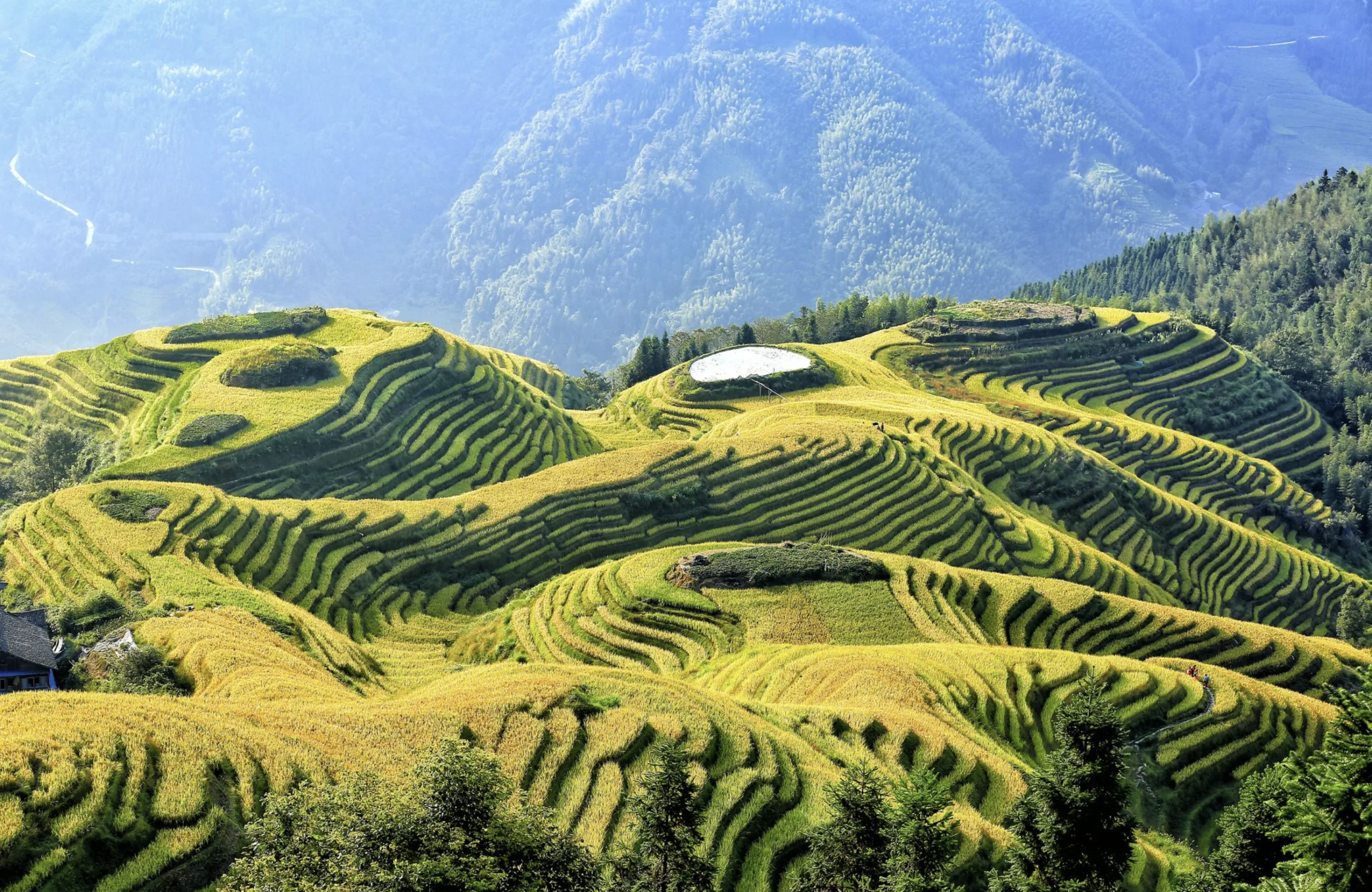
Jiabang Terrace, one of China’s three great terraced landscapes, remains largely untouched by mass tourism. Step barefoot into the paddy fields and catch fish with your hands just like the locals. In the evening, enjoy your own catch—fresh and satisfying.
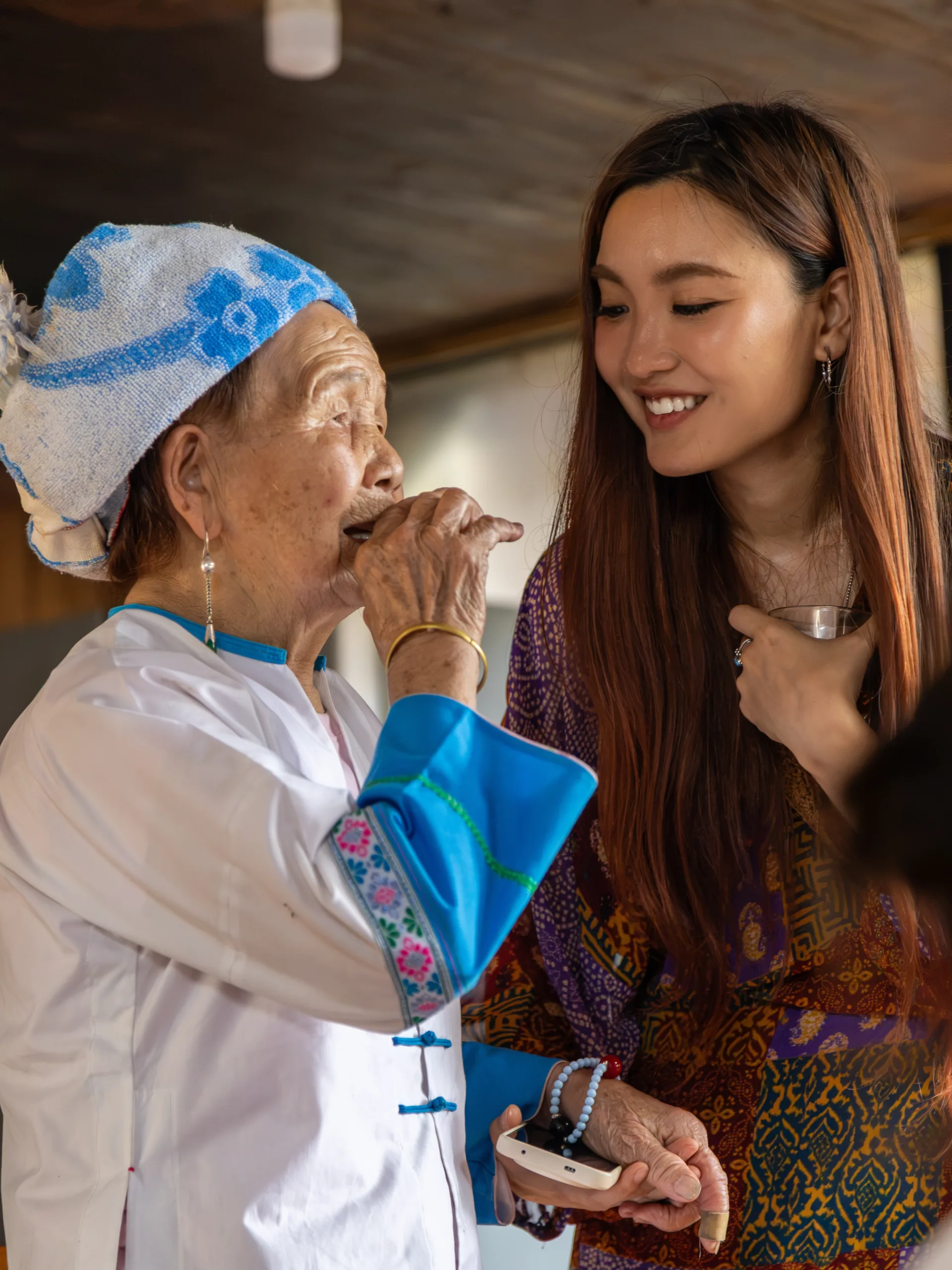
Featured Stays
Stay in thoughtfully selected hotels that combine comfort, character, and a genuine sense of place, from distinctive local boutique stays to leading international brands. Through our long-standing hotel partnerships, guests may also enjoy preferred benefits such as complimentary room upgrades and special privileges.
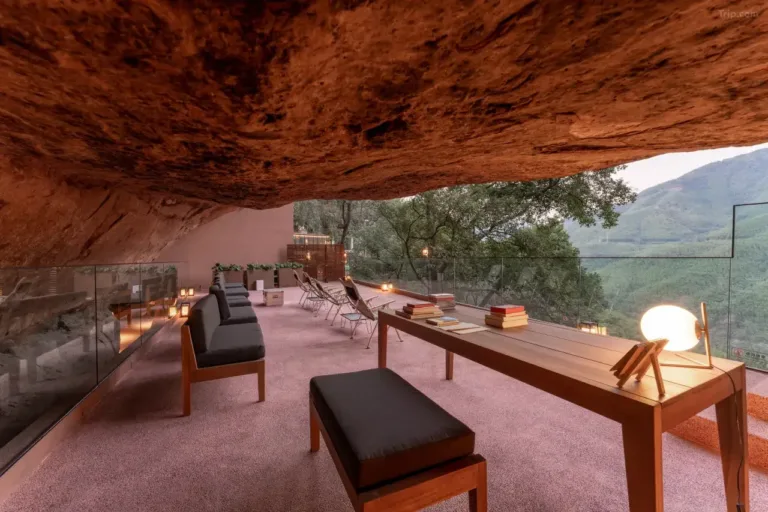

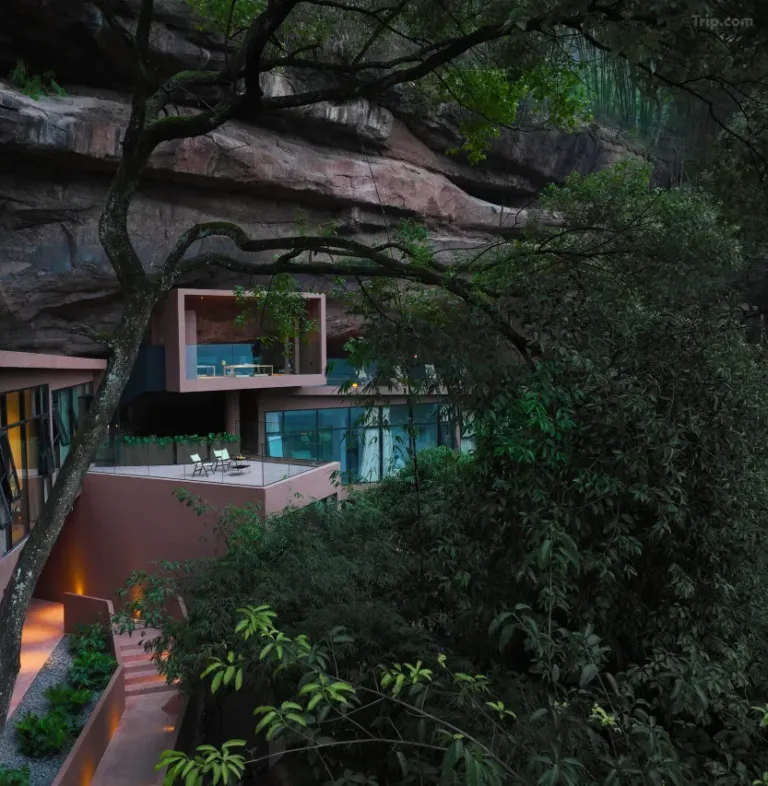

Jianglu Yalugu Hotel
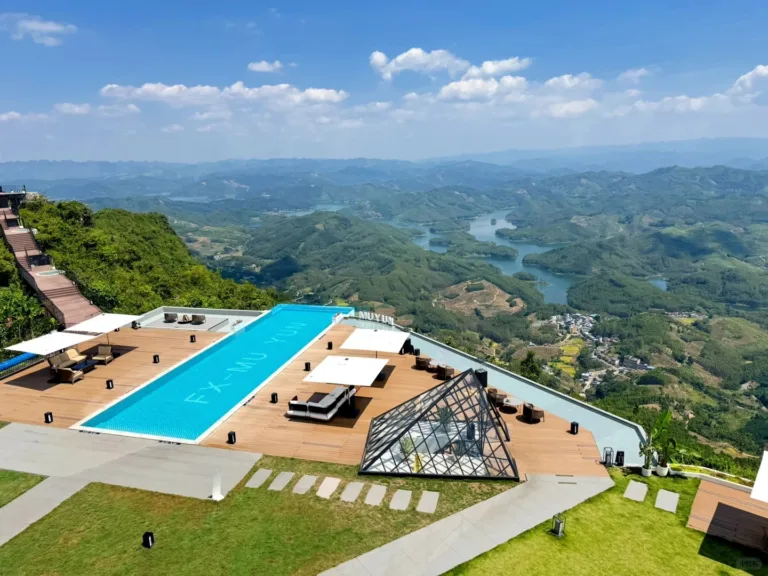
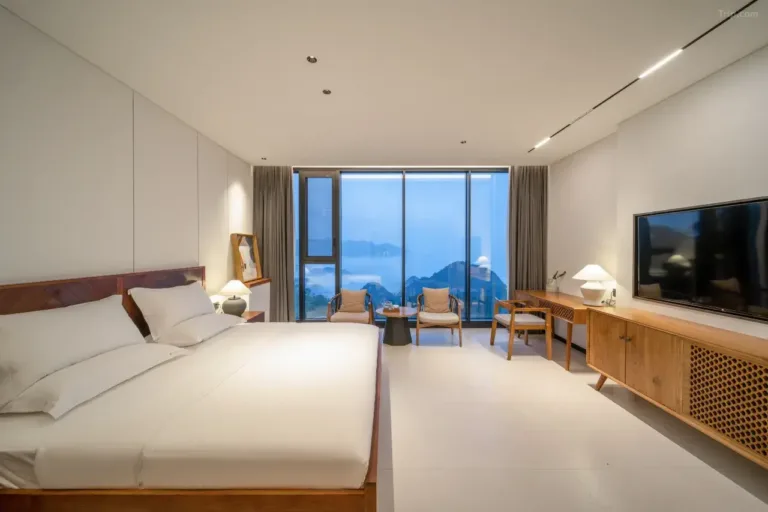
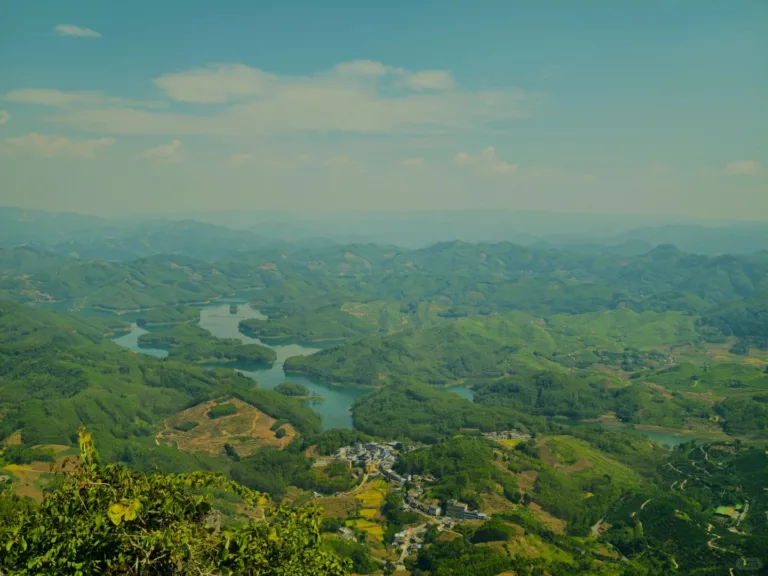

Guizhou Fengxi Muyun Hotel
Inclusions & Offers
Designed Around Your Journey
Rather than fixed departures, this experience is arranged privately and shaped around your preferred dates, interests, and travel style.
Our specialists will design the journey based on your pace, accommodation preferences, and seasonal conditions.
Best time to visit
Guizhou is mild year-round and often cloudy, with cool summers being its biggest advantage. Winters are damp but rarely severe, averaging 5–10°C. Carry an umbrella in summer, as showers can appear unexpectedly. Spring brings cherry blossoms and azaleas, summer is waterfall season, autumn offers golden rice terraces, and winter is ideal for experiencing village festivals and Lunar New Year traditions.
Traveler Reviews







FAQs
How is a Guizhou private tour different from a group tour?
A Guizhou private tour gives you far greater flexibility, privacy, and access than a standard group itinerary. Instead of moving between fixed attractions on a set schedule, you can spend more time in quieter Miao and Dong villages, arrange private cultural experiences, adapt around local festivals, or explore areas that are difficult for larger groups to reach.
With Eastogo, private travel also means trusted local guides, dedicated transport, distinctive stays, and long-standing community connections that allow for more personal encounters. The result is a slower, more immersive way to experience Guizhou — shaped around your interests rather than a fixed route.
How does the booking process work?
1. Submit Your Inquiry
Tell us where you’d like to go, when you’d like to travel, and what kind of experiences you’re looking for.
2. Meet Your Destination Specialist
Your regional expert will arrange a complimentary consultation to understand your interests, travel style, pace, and priorities. Together, we’ll begin shaping the journey around your curiosity.
3. Receive Your Personalized Proposal
Based on your preferences, we’ll create a personalized itinerary and quotation, including accommodations, transportation, experiences, and recommendations tailored specifically to you.
4. Refine & Confirm Your Journey
Review the itinerary with your destination specialist and make any adjustments you’d like. Once everything feels right, secure your booking with a deposit and we’ll begin preparing the trip.
5. Travel with Confidence
Before departure, you’ll receive your detailed travel documents, practical information, and pre-departure guidance. Then simply arrive and enjoy your journey while we take care of the rest.
What is Guizhou known for?
Guizhou is best known for its ethnic minority cultures. While Yunnan has a greater number of ethnic groups, many travelers find that traditional cultures are better preserved in Guizhou. Here, you can see how Miao, Dong, Shui, and other communities have lived for generations, and how their festivals, architecture, music, and daily traditions remain part of everyday life.
What makes Guizhou particularly special is that many experiences are still participatory rather than performative. You can learn Dong Grand Songs from local villagers, discover traditional wooden architecture with Dong master builders, or share a meal with a local family.
Beyond its cultures, Guizhou is also one of China’s most underrated outdoor destinations. The province is home to Mount Fanjing, Huangguoshu Waterfall, and some of the world’s most extensive karst landscapes. Caves, canyons, sinkholes, forests, and terraced fields create endless opportunities for hiking, caving, Via Ferrata, and other outdoor adventures.
Is Guizhou worth visiting?
Guizhou generally falls into two very different travel styles.
The first includes well-known destinations such as Mount Fanjing, Huangguoshu Waterfall, Xijiang Miao Village, and Zhaoxing Dong Village. These places are more developed for tourism and offer comfortable hotels, better dining options, and a more predictable travel experience. If you prefer convenience and high-quality services over adventure, these destinations are a good fit, although they can be busy during peak seasons.
The second is Guizhou’s off-the-beaten-path side. Remote villages and lesser-known communities offer a deeper look into the region’s ethnic minority cultures, many of which remain remarkably well preserved. These experiences are often more rewarding for culturally curious travelers, but accommodation and dining options can be simpler and more limited.
Guizhou is also an excellent addition to a broader China itinerary for outdoor enthusiasts. Its vast karst landscapes make it one of the country’s best destinations for caving, Via Ferrata, rock climbing, and other adventure activities.
Is Guizhou suitable for first-time visitors to China?
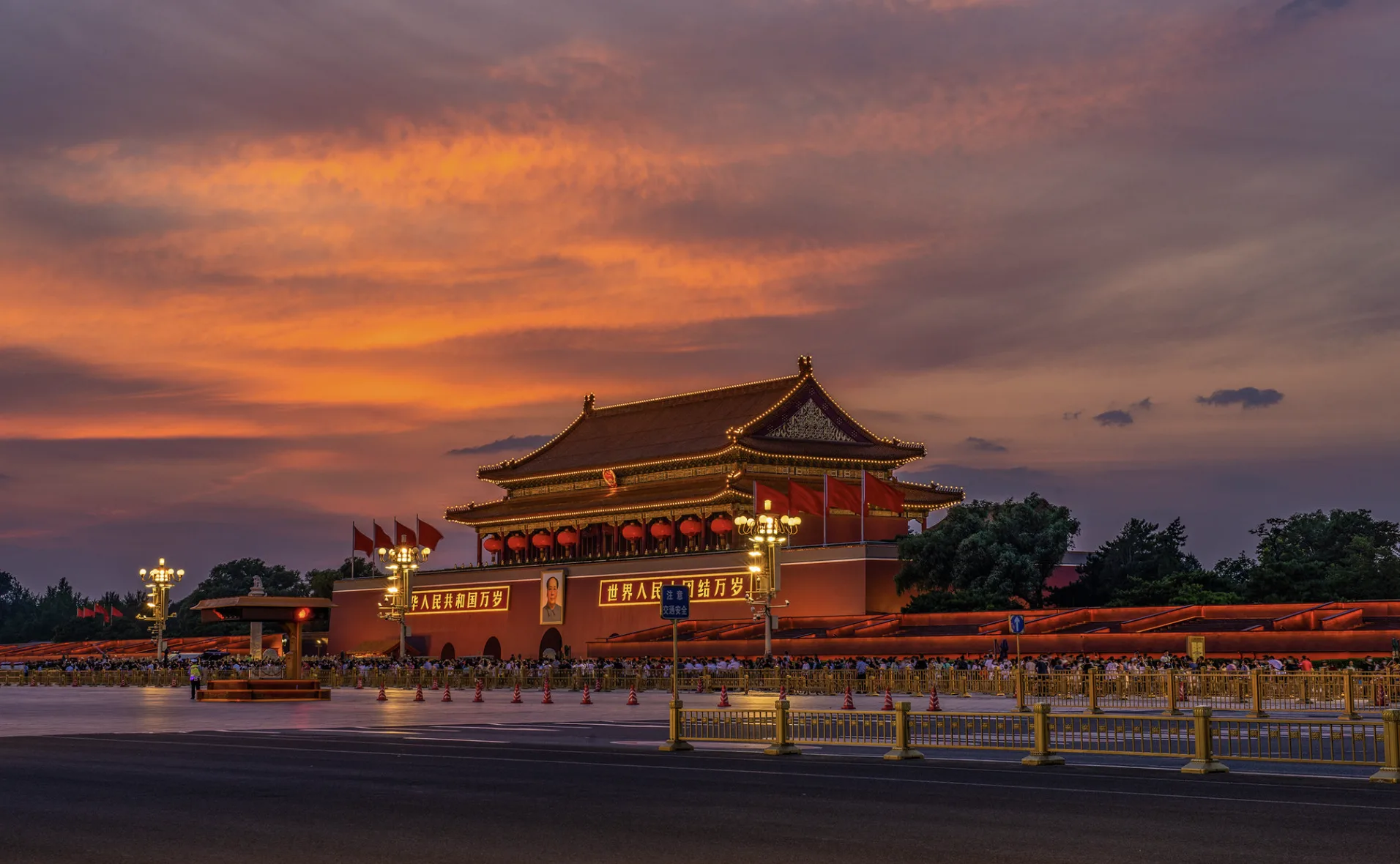
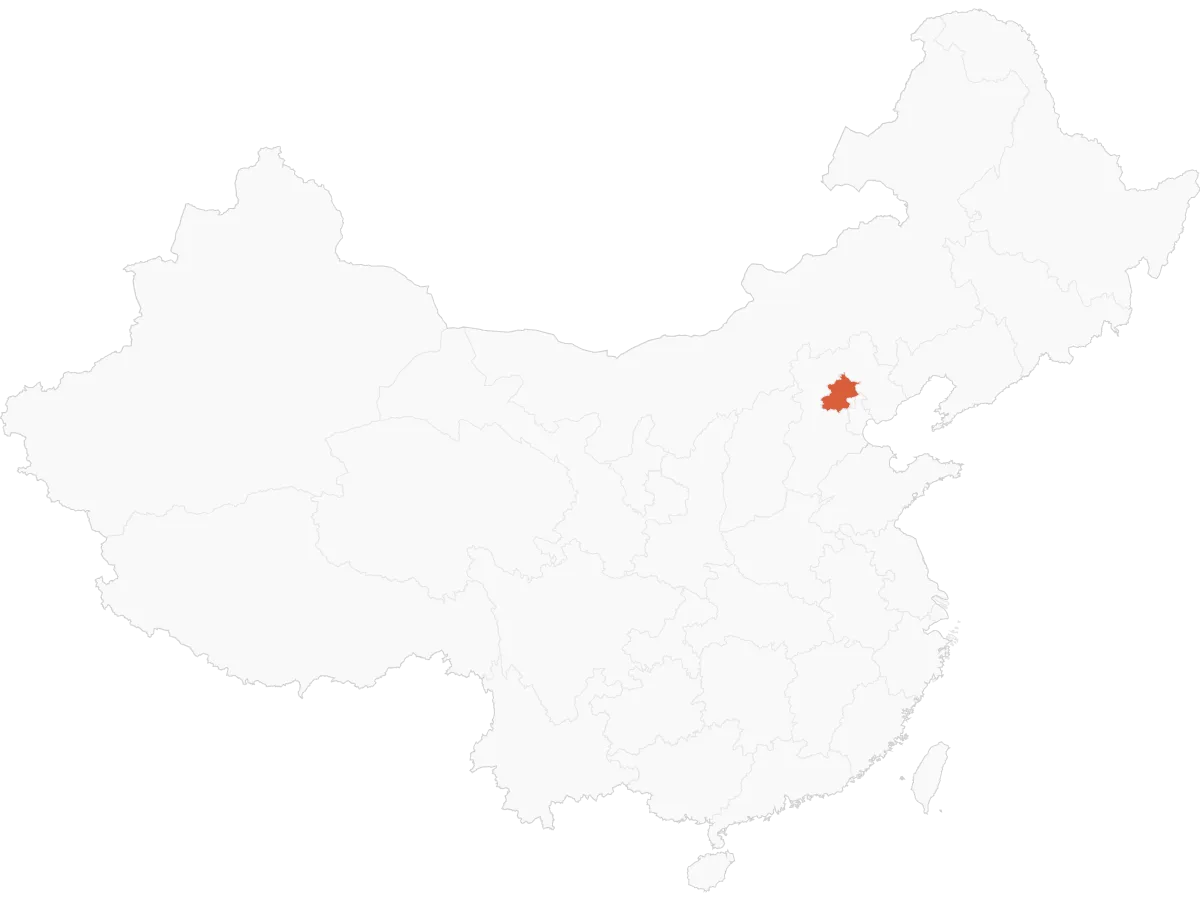
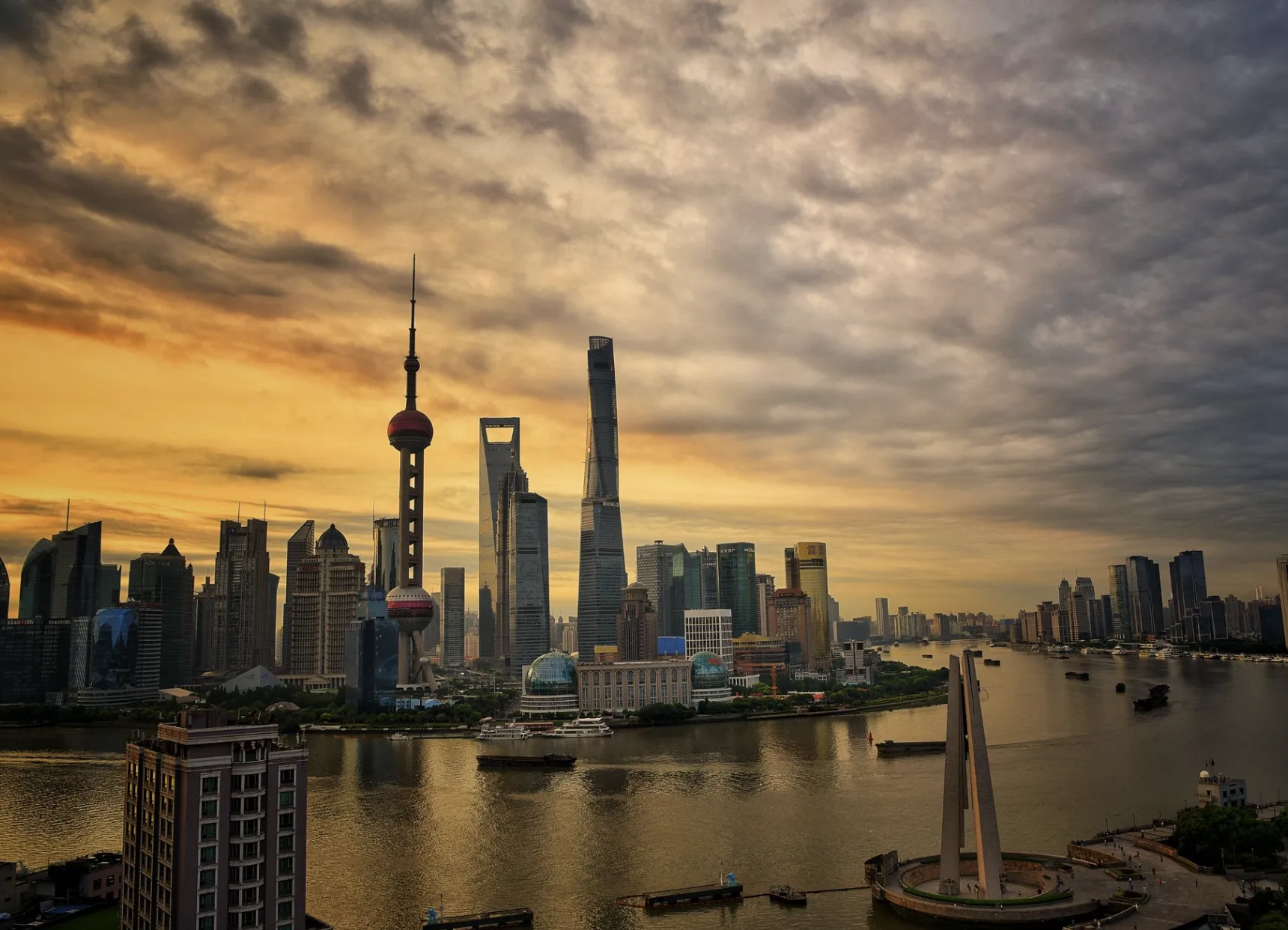
If you only have a week in China, I would generally recommend focusing on major cities such as Beijing, Shanghai, or Chengdu first.
If you have around two weeks, however, Guizhou pairs exceptionally well with China’s big cities because it shows you a completely different side of the country.
Guizhou is the kind of destination that stays with you because of its people. Years from now, you may not remember every mountain or every village you visited, but you will remember the conversations, the hospitality, and the cultures you encountered along the way.
What are the must-see attractions in Guizhou?
Guizhou offers everything from well-developed scenic areas to remote ethnic minority villages, and the best choice depends on the type of traveler you are.
For travelers seeking comfort, convenience, and a more predictable experience, Xijiang Miao Village, Langde Miao Village, and Zhaoxing Dong Village are excellent choices. These destinations are well-equipped for tourism, although I would strongly recommend avoiding Chinese public holidays, when visitor numbers can be very high.
If you’re looking for something more off the beaten path, I would recommend Huanggang Dong Village, famous for its Dong Grand Songs, as well as Xiaohuang, Dali, Zaidang, Dadai, Hongyang, and Zhanli villages. These places offer a deeper look into Guizhou’s living ethnic minority cultures and receive far fewer visitors.
For natural scenery, Guizhou’s rice terraces are among the most underrated in China. Jiabang and Xiage Terraces are particularly beautiful and far less crowded than many better-known destinations, making them ideal for travelers who enjoy slower, quieter experiences.
The province’s best-known natural attractions are Mount Fanjing and Huangguoshu Waterfall. Mount Fanjing is spectacular but highly weather-dependent, while Huangguoshu remains one of the most impressive waterfalls in Asia.
For adventure travelers, Zhijin Cave and the Maolan Forest Reserve are excellent choices. Guizhou is also one of the best places in China for caving, Via Ferrata, and other outdoor activities, with several professional operators offering guided experiences.
How many days should I spend in Guizhou?
I would recommend at least 4 days in Guizhou. With that amount of time, you can explore Guiyang and visit one or two nearby destinations, whether that’s a traditional village, Mount Fanjing, or Huangguoshu Waterfall.
To truly appreciate what makes Guizhou special, however, I would suggest spending 7 days or more. Guizhou is a destination best explored slowly. Many of its most rewarding villages are hidden deep in the mountains, where travel takes longer but cultural experiences are often far richer.
With a week or more, you’ll have time to go beyond the main attractions, stay longer in the villages that interest you most, and experience a side of China that many travelers never see. In my experience, Guizhou is not a destination to rush through—it’s a place to slow down and immerse yourself in local life.
What is the best time to visit Guizhou?
Guizhou can be visited year-round, but the best season depends on the kind of experience you’re looking for. One important tip: avoid major Chinese holidays whenever possible, especially Labour Day (May), National Day (October), and the summer school holidays (July and August), when popular attractions can become very crowded.
Spring (March–May) is my top recommendation for first-time visitors. Temperatures are pleasant (15–25°C), flowers are in bloom, and visitor numbers are generally lower.
Summer (June–August) is ideal for escaping the heat. Waterfalls are at their most impressive, particularly Huangguoshu Waterfall and Xiaoqikong in Libo, while caving, rafting, and other outdoor activities are at their best.
Autumn (September–November) brings golden rice terraces, fewer tourists, and many ethnic minority festivals, including Miao New Year and Dong New Year celebrations.
Winter (December–February) is perfect for travelers seeking quieter experiences. Villages are peaceful, prices are lower, and you may have the opportunity to experience traditional Lunar New Year celebrations with local communities.
How do I get to Guizhou?
Guizhou has only one international airport, Guiyang Longdongbao International Airport, which serves as the province’s main gateway. However, the high-speed rail network is extensive and often the most convenient way to travel within the region.
Major cities and destinations connected by high-speed rail include Guiyang, Zunyi, Anshun, Kaili (Qiandongnan), Duyun (Qiannan), Xingyi (Qianxinan), Tongren, Bijie, and Liupanshui. Many travelers choose to combine Guizhou with nearby destinations such as Chongqing, Chengdu, Guilin, or Yunnan, all of which are easily accessible by high-speed train.
For most visitors, flying into Guiyang and then exploring the province by road and high-speed rail is the easiest way to travel around Guizhou.
What ethnic groups live in Guizhou?
Guizhou is one of the most important centers of ethnic minority culture in China. The province is home to 17 indigenous ethnic groups, with ethnic minorities making up nearly 40% of the population.
What makes Guizhou particularly special is that many of these communities remain concentrated in their traditional homelands. Around 97% of China’s Buyi people, 93% of its Shui people, and 98% of its Gelao people live in Guizhou. The province is also home to roughly half of China’s Miao population and more than half of its Dong population.
As a result, Guizhou offers some of the most authentic and well-preserved ethnic minority cultures in the country. Traditional architecture, music, festivals, crafts, and ways of life are not confined to museums or performances—they remain a living part of everyday life in many villages across the province.
What cultural customs and etiquette should I be aware of in Guizhou?
Most travelers will not encounter major cultural restrictions in Guizhou, but understanding a few local customs can help you show respect and avoid awkward situations.
At village banquets, especially in Miao communities, food is often shared according to local traditions. For example, the chicken head is usually reserved for elders, so it is best to wait for the host before serving yourself.
If you are welcomed with rice wine, avoid clinking glasses unless invited to do so. In some villages, this may be interpreted as a sign that you would like to drink more. If you do not wish to drink, a small sip is usually appreciated.
When visiting local homes, never stick chopsticks upright into a bowl of rice, as this resembles incense used in ancestral rituals. If tea is offered, accepting it with both hands is considered polite.
Avoid touching traditional Miao headdresses, jewelry, or hair without permission, as these items often carry cultural significance. Likewise, religious spaces, ancestral shrines, drum towers, and ceremonial areas should be treated with respect. Keep noise to a minimum and always ask before photographing people or rituals.
What should I pack for a trip to Guizhou?
Mosquito repellent is highly recommended, especially when visiting villages and rural areas. Products containing DEET tend to be the most effective.
A compact umbrella is essential. Guizhou’s weather can change quickly, and sudden showers are common, particularly during the rainy season.
If you are prone to motion sickness, bring motion sickness medication. Many roads in Guizhou wind through mountainous terrain, and journeys can be longer than expected.
Basic stomach medication is also worth packing. Guizhou cuisine is known for its bold sour and spicy flavors, which some international travelers may find unfamiliar.
Comfortable, non-slip walking shoes are a must. Expect plenty of walking, often on stone paths, mountain trails, and damp cave surfaces. Avoid high heels or brand-new shoes.
Quick-drying clothing is particularly useful during summer. Humidity is high, and activities near waterfalls, caves, and rivers can leave you wet. Bringing one or two extra sets of clothes is a good idea.
If you plan to go caving, be prepared to get muddy and wet. Pack a complete change of clothes and shoes for after the activity.
Inspirations
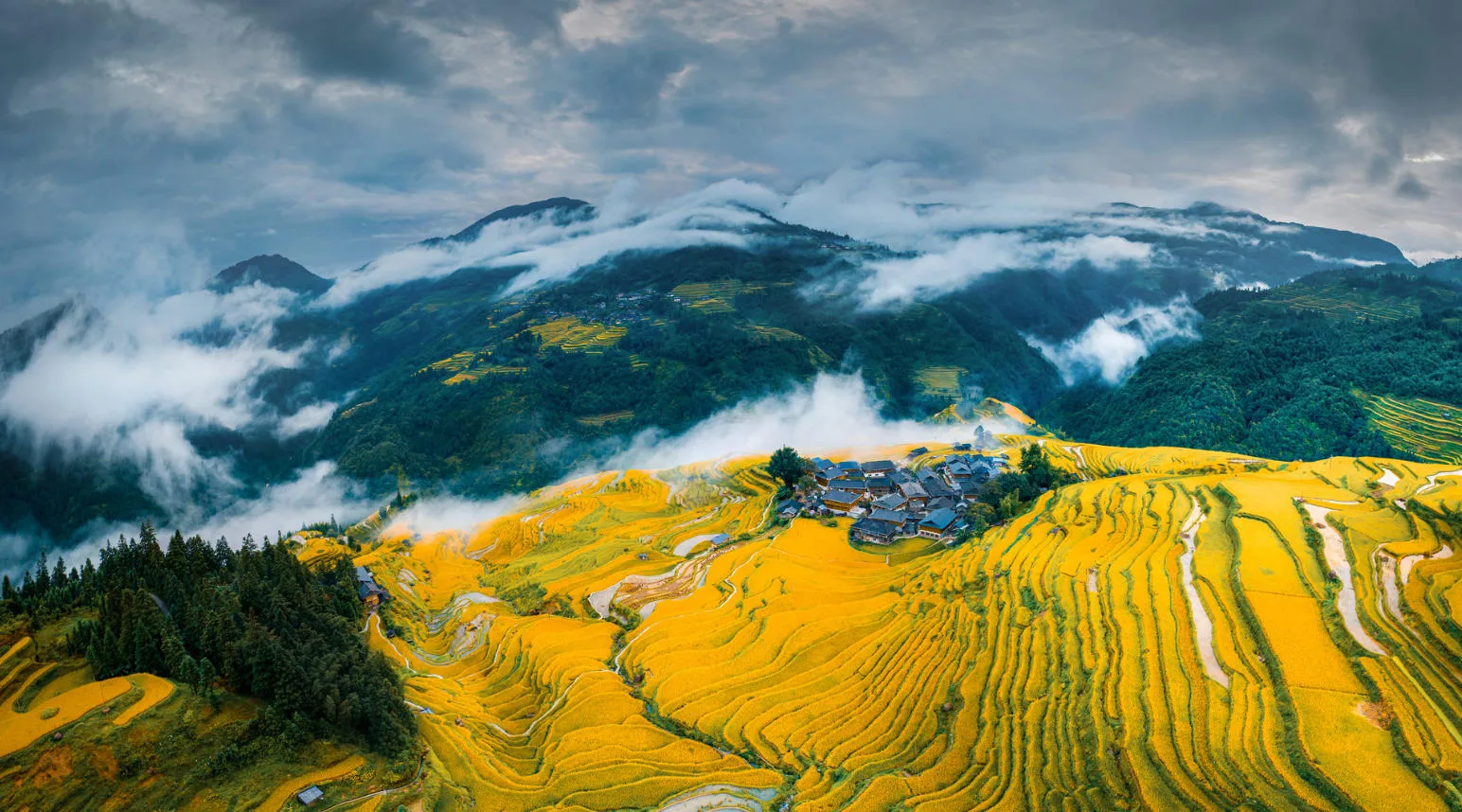
Guizhou Travel Guide: A Complete Guide to Culture, Nature and Hidden Villages
This Guizhou travel guide covers the best time to visit and the most rewarding destinations to explore. We will also share practical travel tips, local food experiences, cultural traditions, and responsible travel advice. Whether you are visiting China for the first time or looking for experiences beyond the usual tourist routes, Guizhou offers a different way to experience southwest China.
View Detail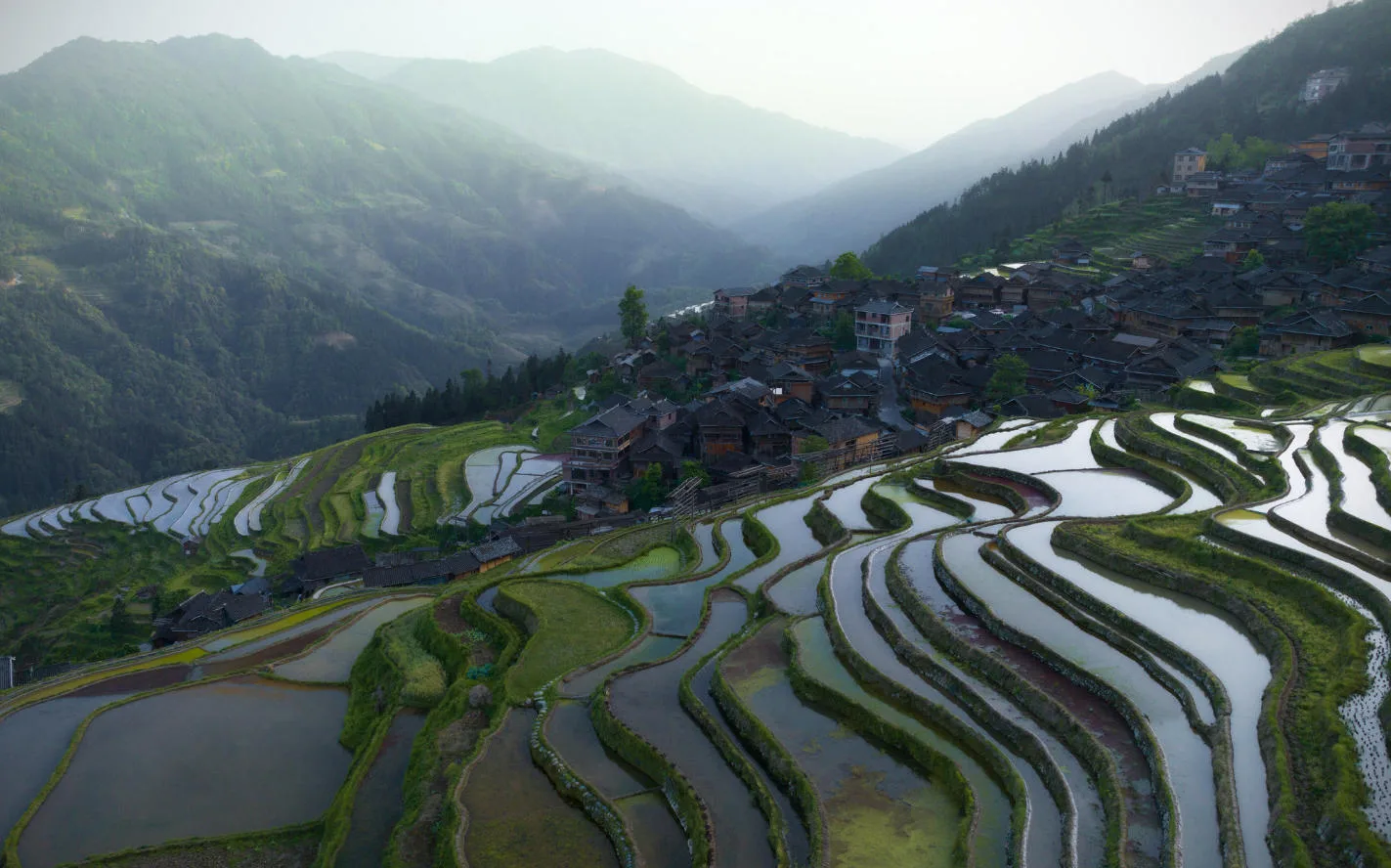
Exploring Guizhou Mountains: Hiking Trails and Sacred Peaks
A complete guide to Guizhou mountains, covering the best places to visit, hiking trails, seasons, transportation, and cultural villages across southwest China.
View Detail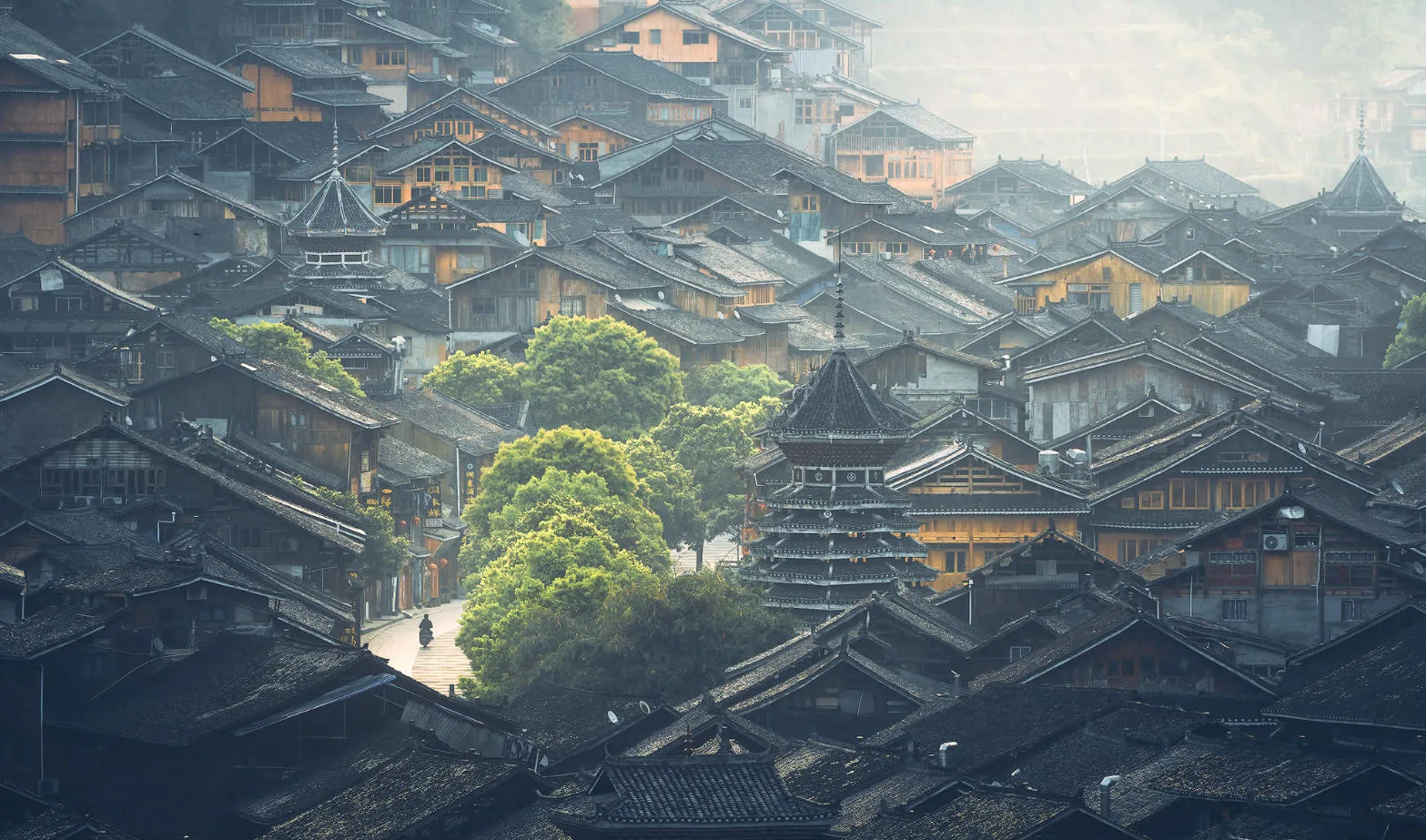
Zhaoxing Dong Village, Guizhou: Travel Guide, Things to Do and Cultural Experiences
Discover Zhaoxing Dong Village in Guizhou, one of China’s most beautiful Dong communities, known for its five drum towers, wind and rain bridges, traditional wooden houses, and unforgettable Dong grand songs. This travel guide covers the best things to do in Zhaoxing, including village walks, cultural experiences, batik workshops, nearby rice terraces, photography spots, festivals, food, and practical travel tips. Learn how to experience Zhaoxing beyond sightseeing and explore the living traditions, landscapes, and local communities of southeast Guizhou with Eastogo.
View Detail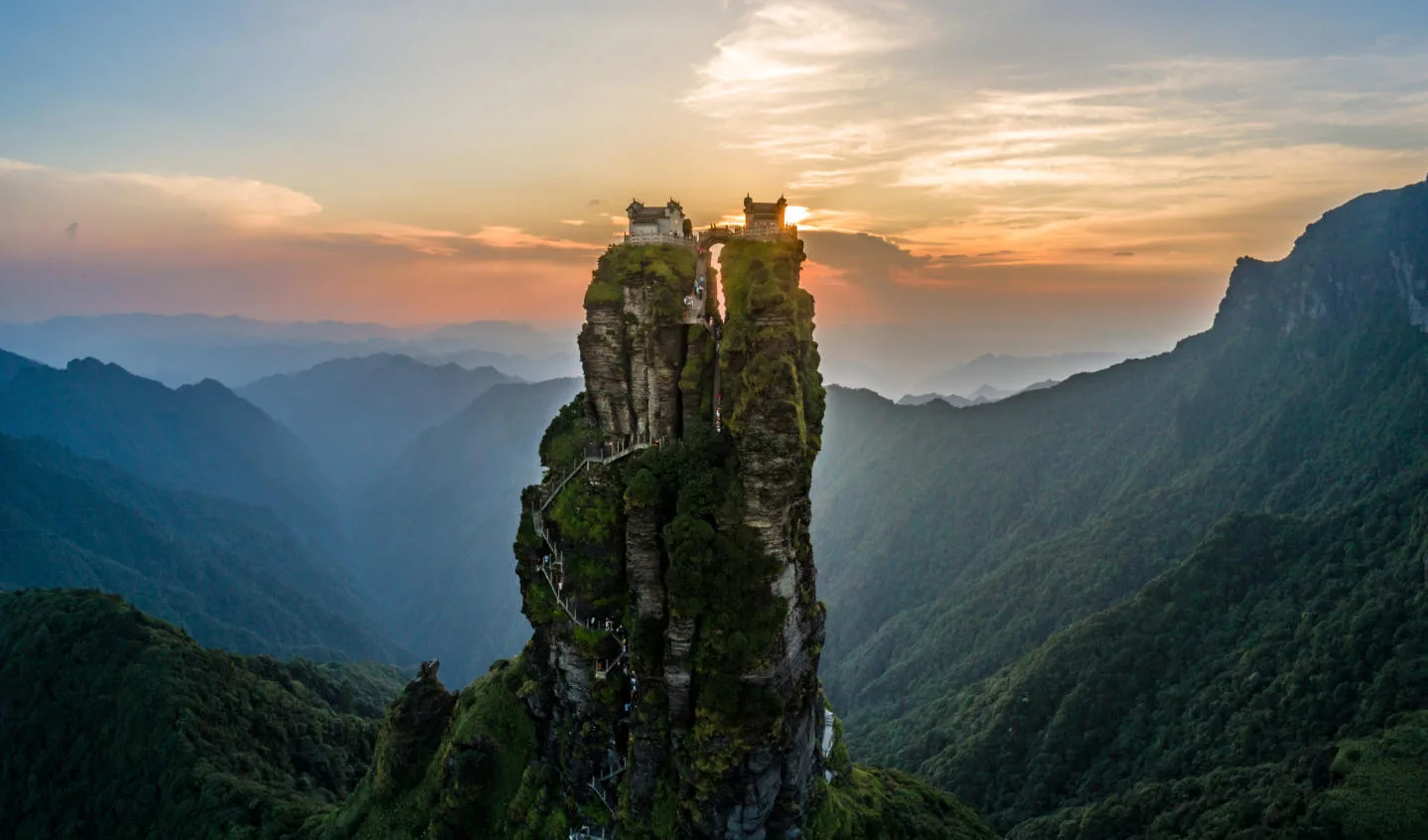
Tongren, Guizhou, China Travel Guide: How to Visit Mount Fanjingshan and Nearby Attractions
A practical Tongren travel guide covering how to get there, best time to visit, where to stay, and how to explore Fanjingshan and northeastern Guizhou.
View Detail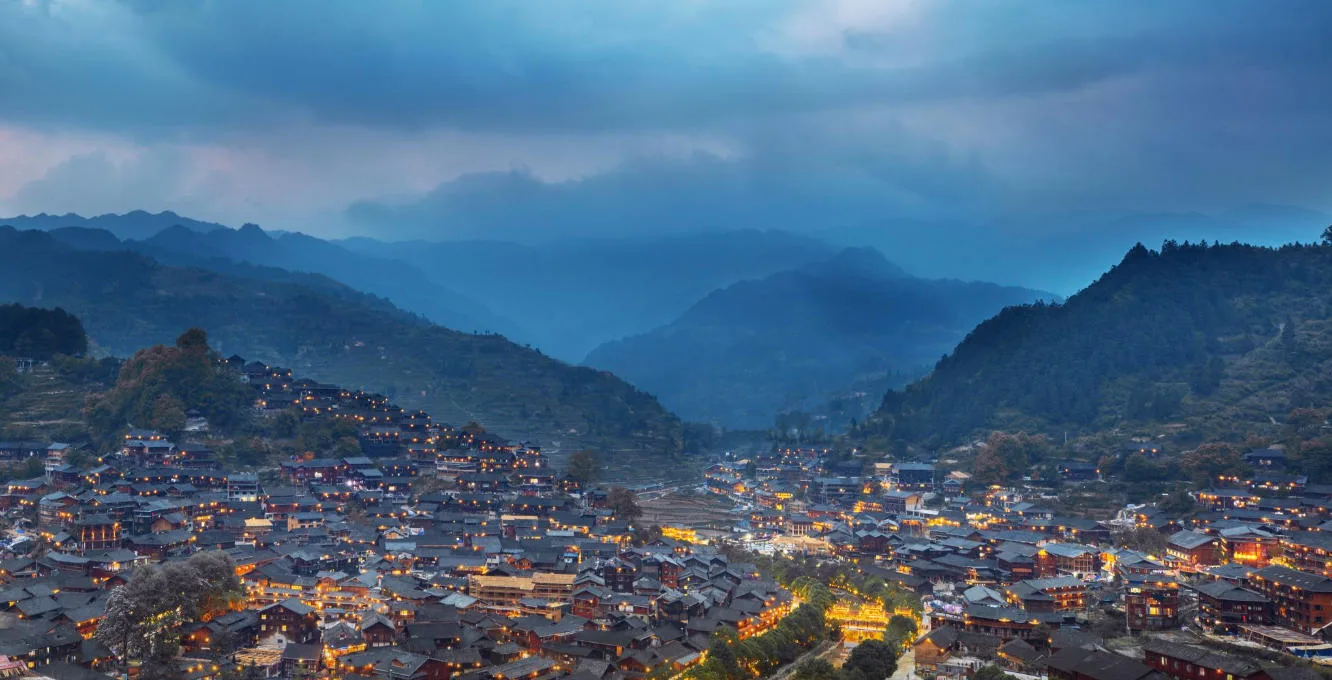
Kaili Guizhou Travel Guide: Gateway to Guizhou’s Miao and Dong Villages
Discover Kaili, the gateway to Guizhou’s Miao and Dong villages. This travel guide covers the region’s most rewarding cultural experiences, from Xijiang and Langde Miao villages to traditional silverwork, batik, papermaking, local markets, and ethnic festivals. Explore suggested itineraries, accommodation, transport, food, weather, and practical tips for planning a meaningful journey through southeastern Guizhou’s mountain communities and living traditions.
View Detail