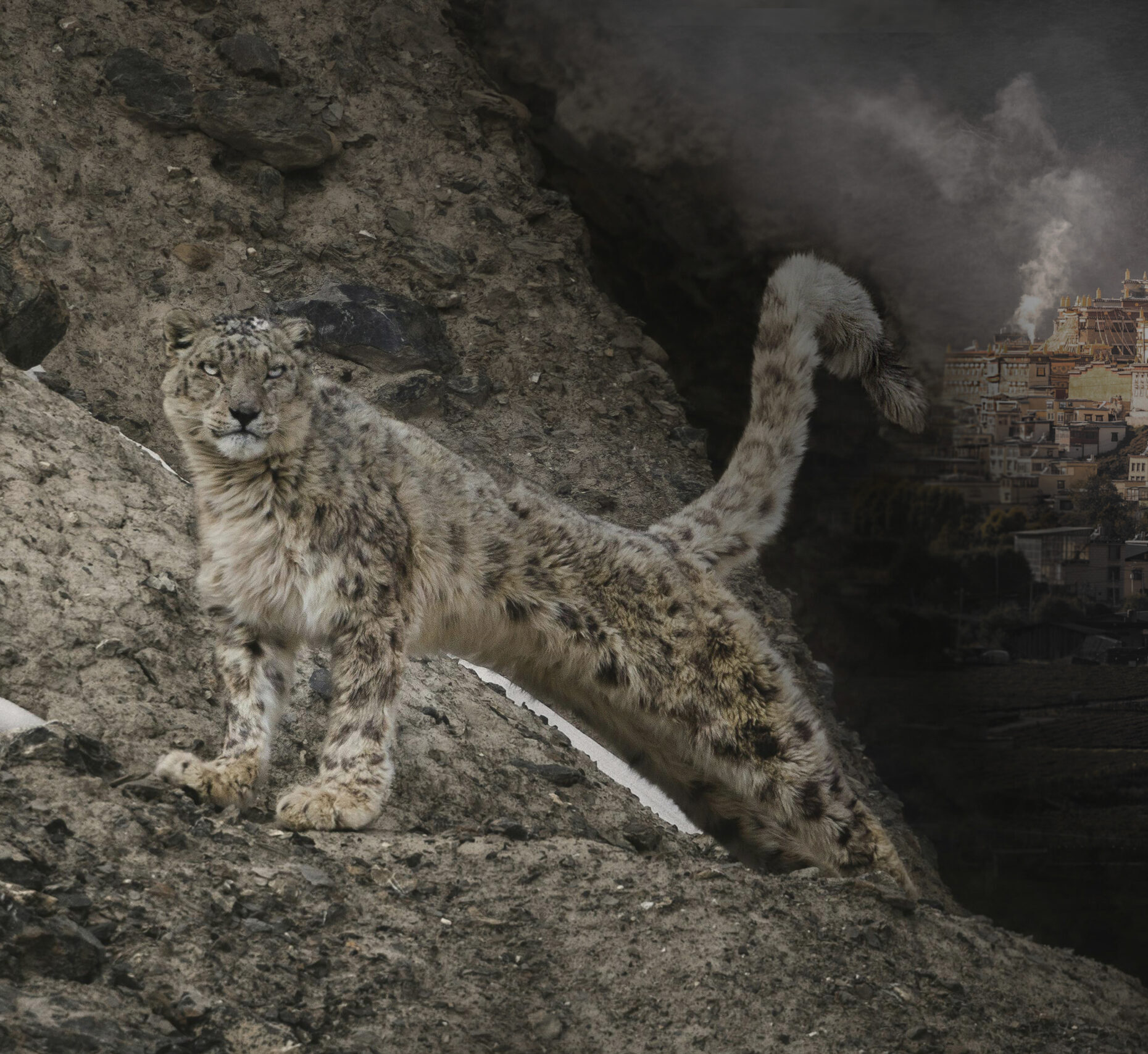
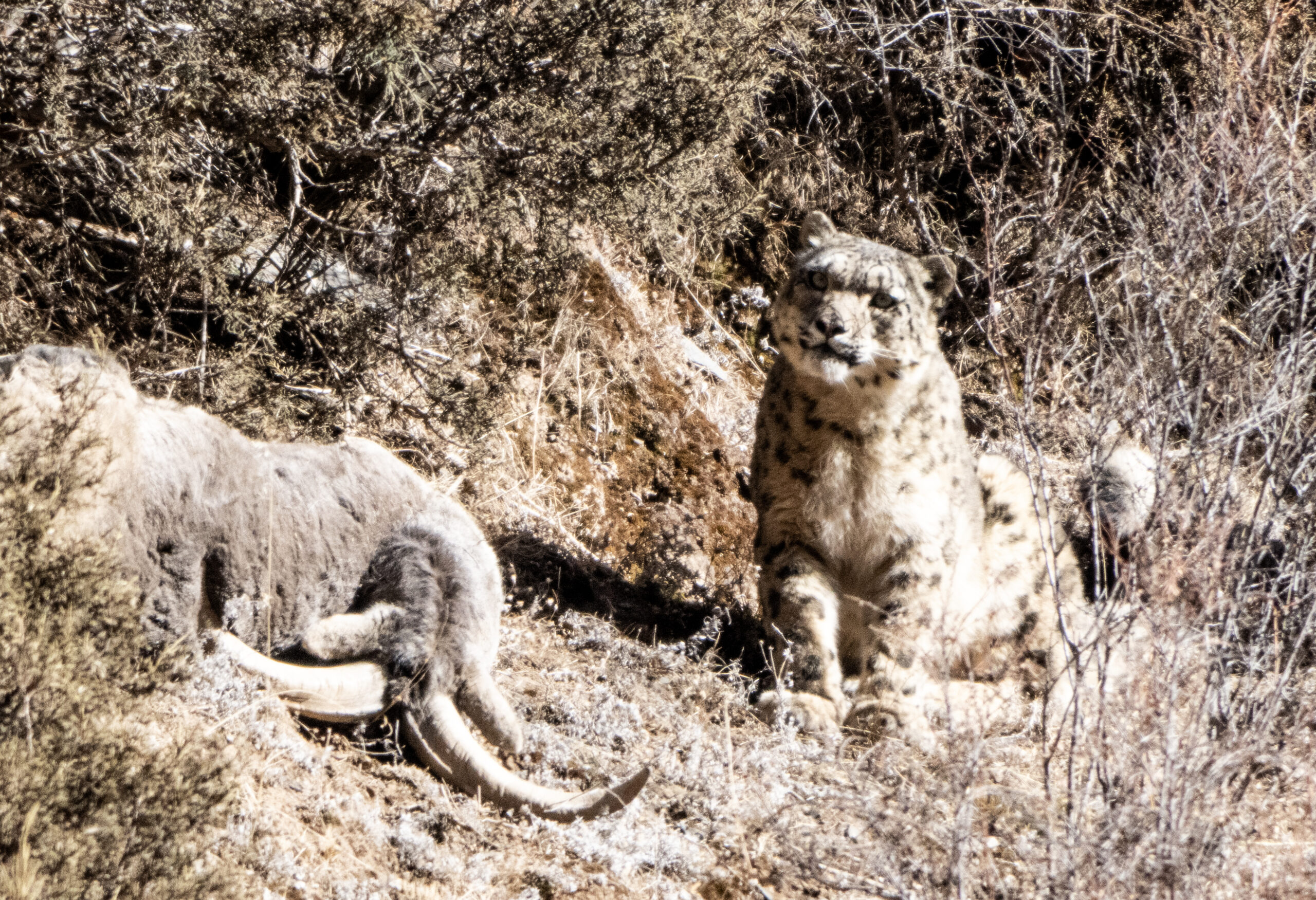
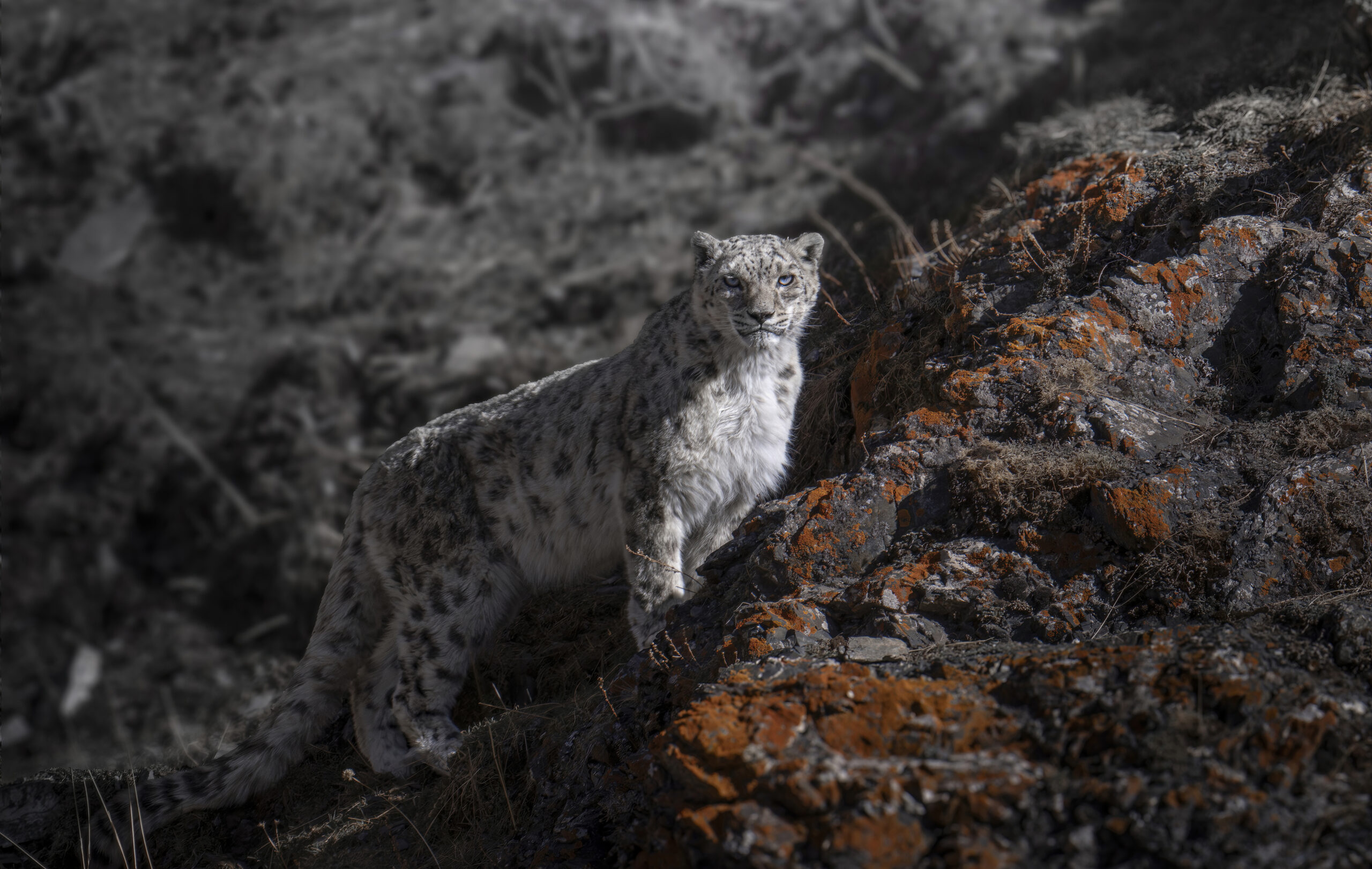
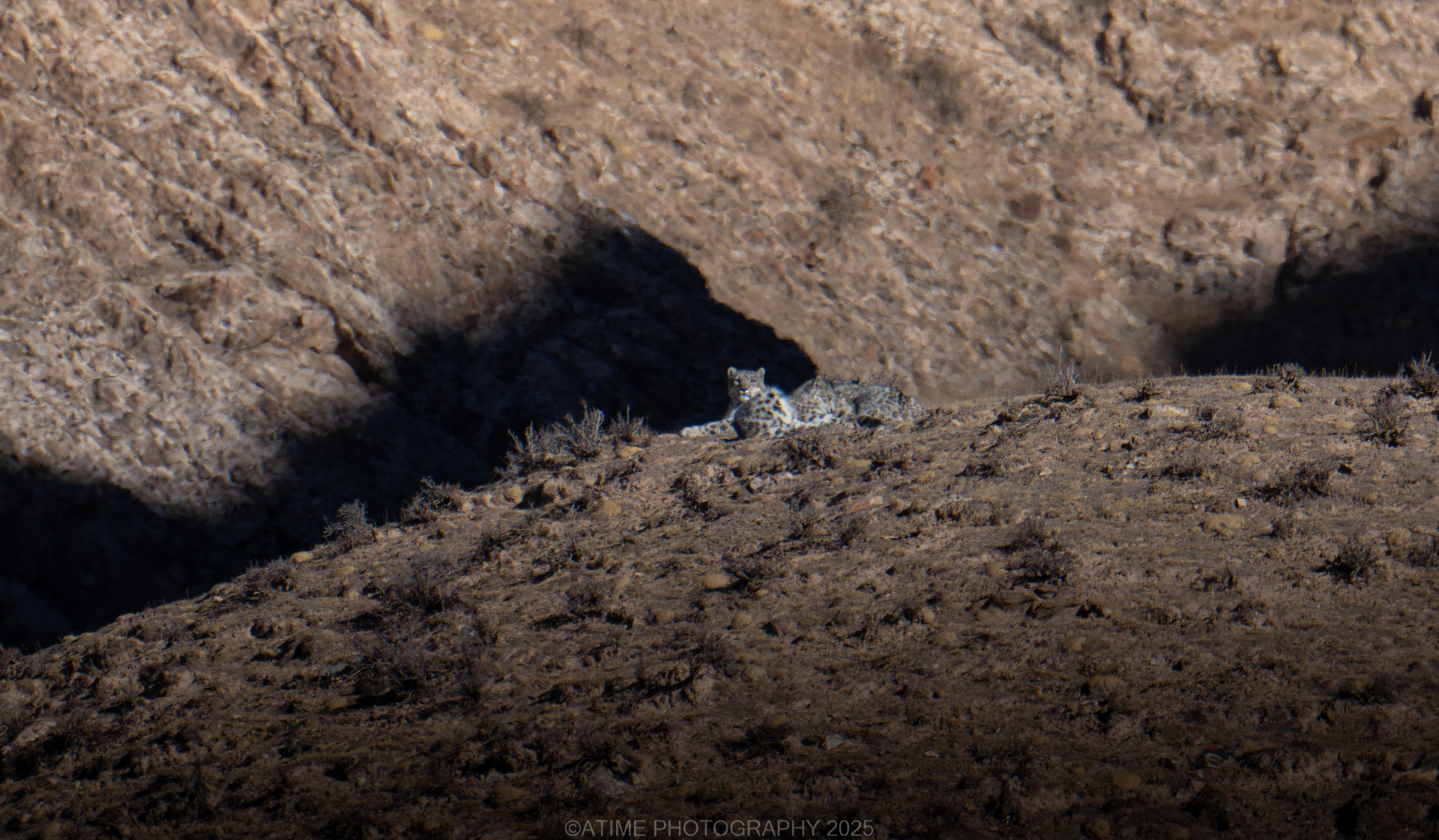
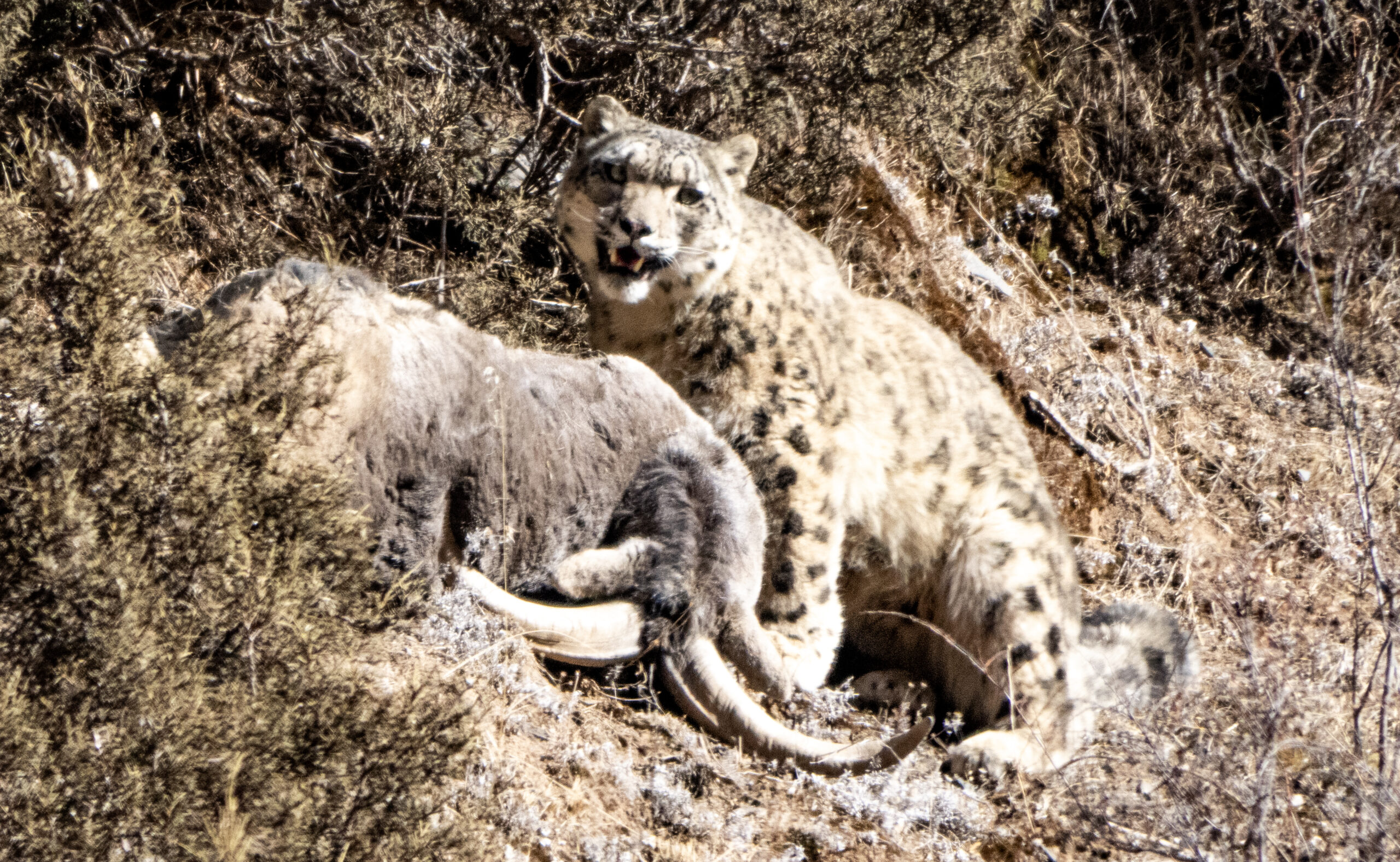
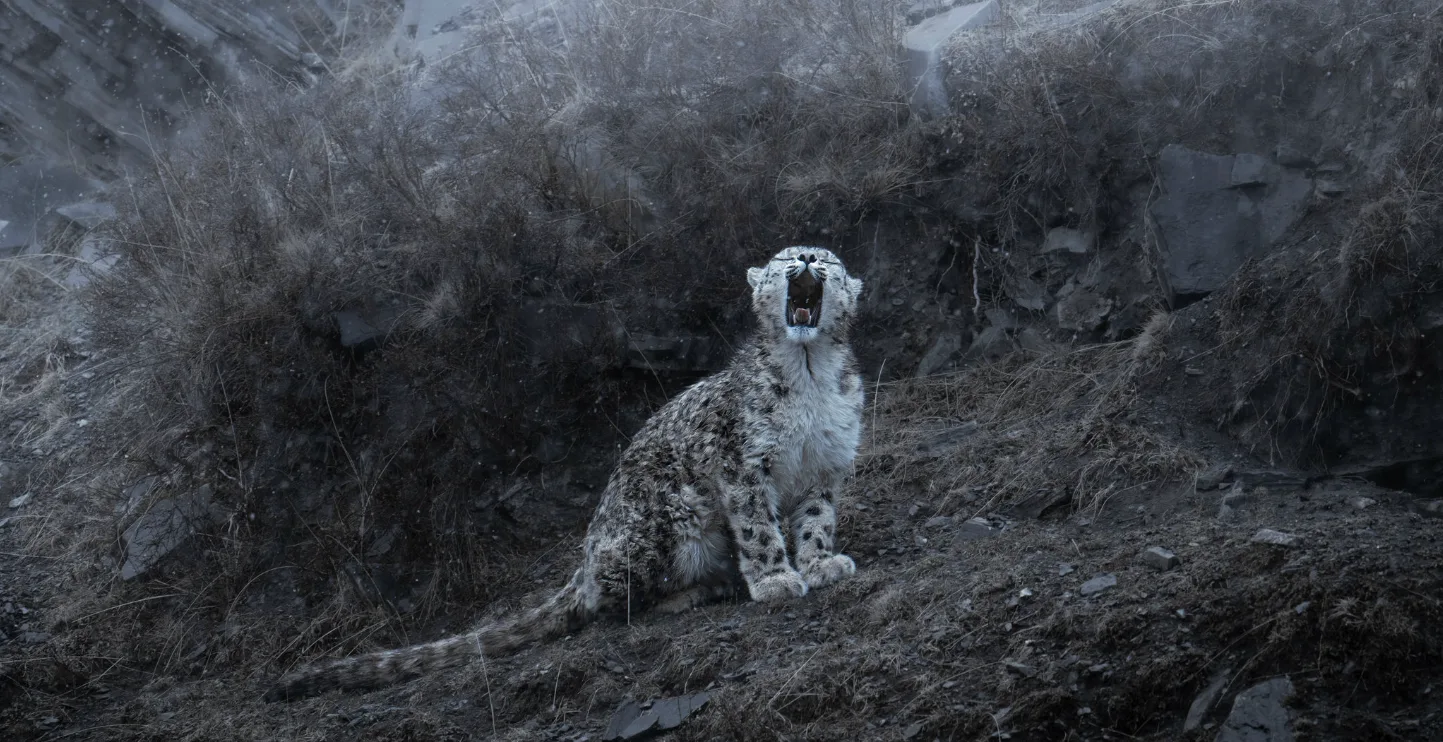
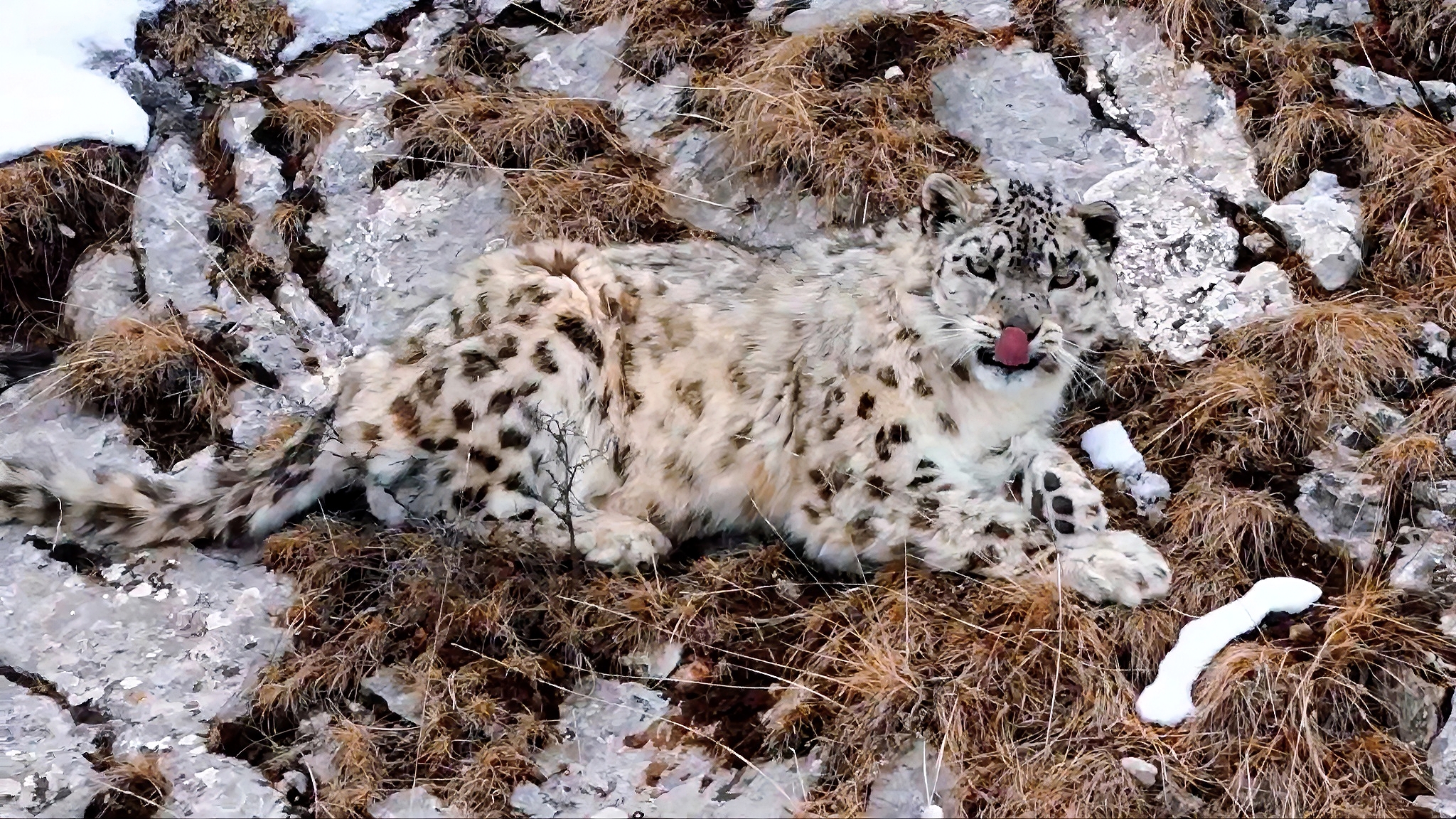
Snow leopards, often called the “spirits of the mountains,” are elusive cats whose elusive nature makes them one of the hardest big cats to count. An estimated 7,446–7,996 snow leopards remain in the wild today across 12 range countries, including roughly 2,710–3,386 mature individuals. Among them, China, India, and Mongolia stand out as some of the most important strongholds for the species, both in terms of population and habitat.
For culturally curious international travellers, wildlife enthusiasts, conservation supporters, and anyone interested in these high-altitude predators, this guide explains how many snow leopards are left in the world, where their remaining populations are found, and why estimating their numbers is so difficult. It also looks at their range and habitat, country-by-country population estimates, the main threats they face, how scientists monitor them, the conservation work under way, what responsible snow leopard tourism looks like, and practical ways to support protection efforts. Knowing how few snow leopards remain helps put their vulnerable status into perspective and shows why protecting mountain ecosystems zmatters not only for this predator, but also for local communities and wider biodiversity.
How Many Snow Leopards Are Left? Current Population Estimates
Snow leopards are classified as Vulnerable on the IUCN Red List. The latest estimate puts the global population at 7,446–7,996 individuals, including 2,710–3,386 mature individuals.[1]
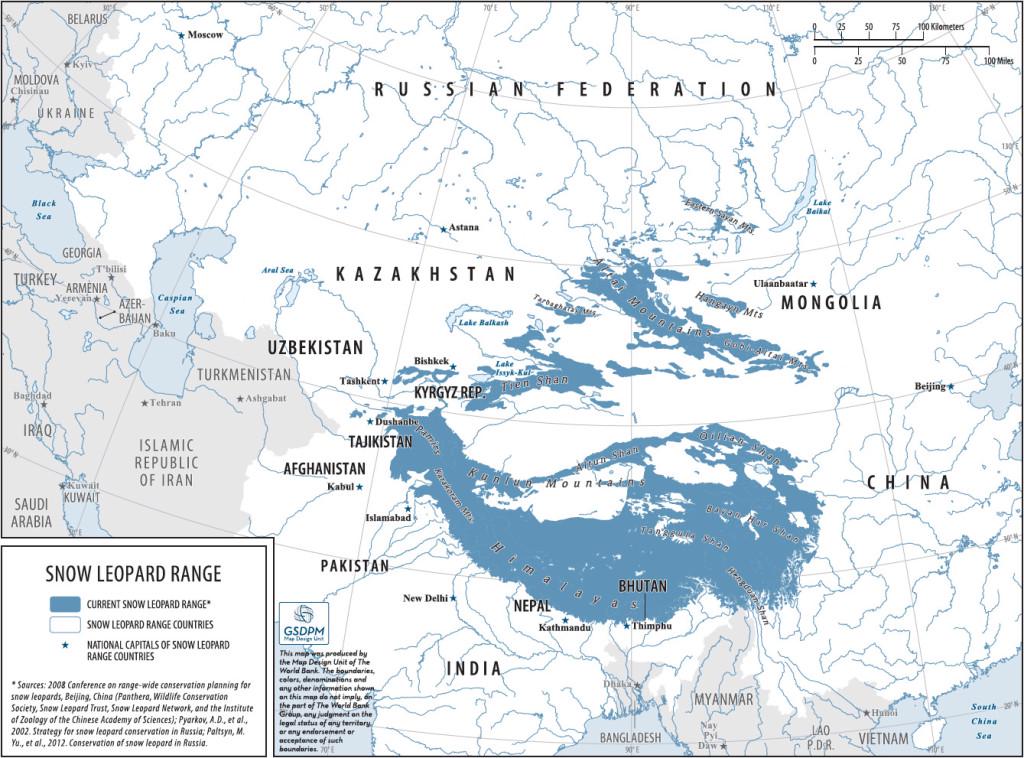
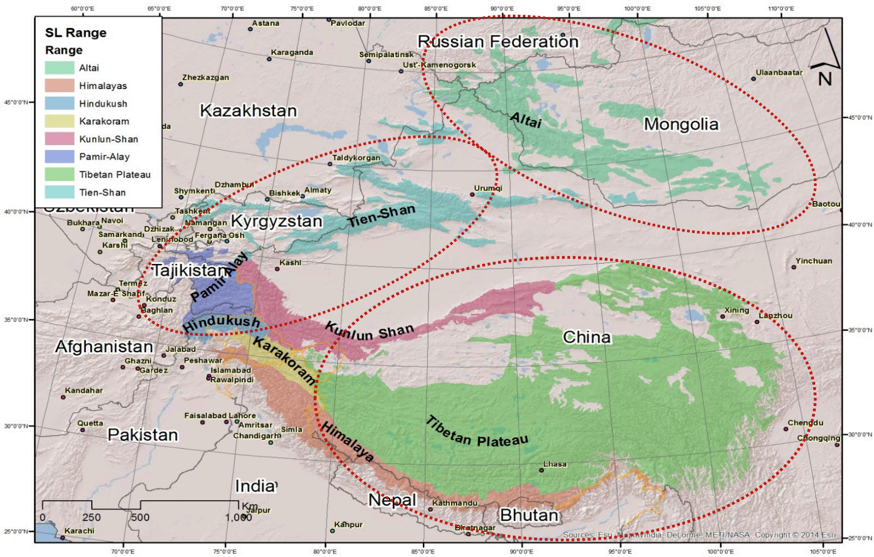
Their habitat range includes 12 countries in Asia: China, Afghanistan, Bhutan, India, Kazakhstan, Kyrgyzstan, Mongolia, Nepal, Pakistan, Russia, Tajikistan, and Uzbekistan.[1] Their range is concentrated in the great mountain systems of Central and South Asia, including the Altai, Tien Shan, Kunlun, Pamir, Hindu Kush, Karakoram, and Himalayas.
A range-wide mapping assessment in 2008 estimated the snow leopard’s range at 2,942,584 km². Of this, 1,208,257 km² was classified as confirmed or probable range, while a further 1,734,328 km² was considered possible habitat and required further investigation.[1]
Since 2017, snow leopard range countries have begun advancing national population assessments, providing a much clearer picture of how many snow leopards remain in each country and where their populations are concentrated.
Snow Leopard Populations by Country
Snow leopard population estimates can vary considerably depending on the survey design, geographic coverage, and statistical methods used. For this reason, figures from different countries or regions are not always directly comparable. The latest estimates are therefore best understood in the context of how each assessment was conducted.
By 2026, China, India, Mongolia, Bhutan, Nepal, and Kyrgyzstan had completed, or were close to completing, national-scale assessments under the Population Assessment of the World’s Snow Leopards (PAWS) framework. These assessments follow shared principles and guidance, although the exact survey and analytical methods are not identical across countries. The main approaches used to estimate snow leopard populations are discussed later in this article.
China: Home to the World’s Largest Snow Leopard Population
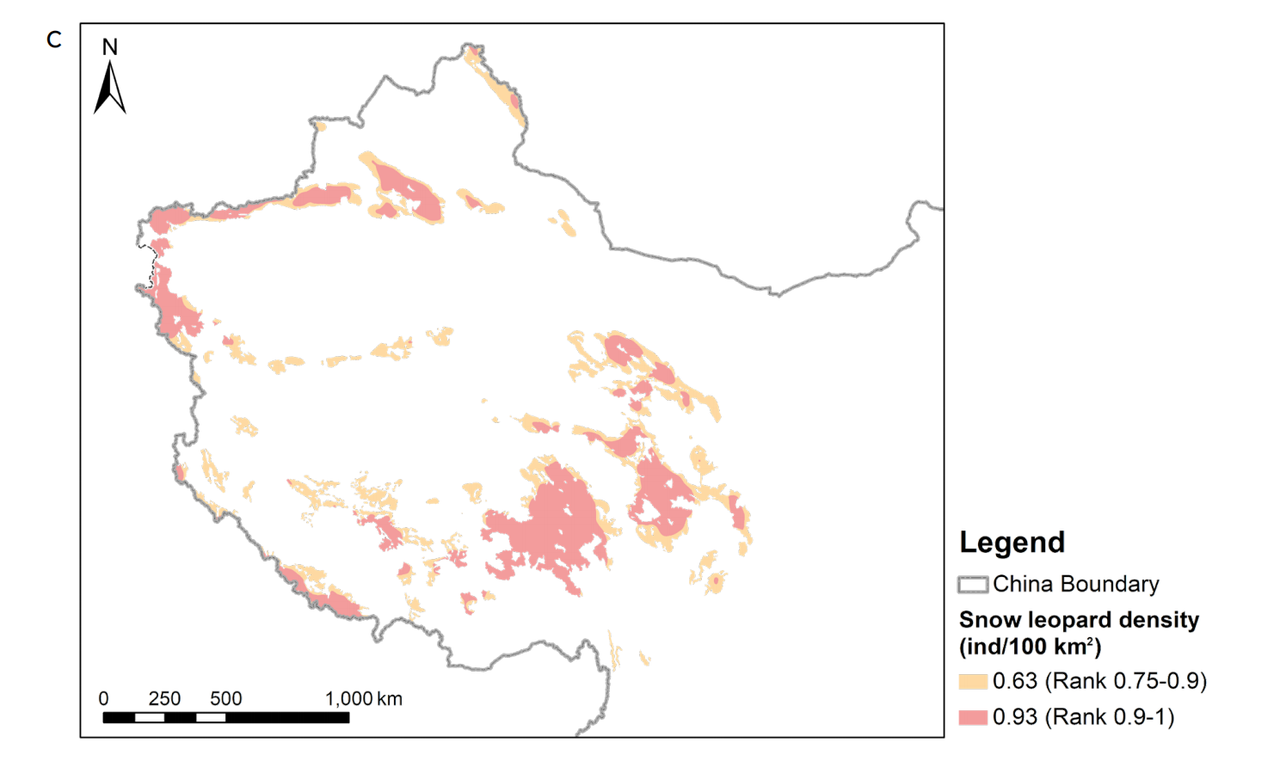
China is home to the world’s largest snow leopard population and contains more than 60% of the species’ global habitat.[2][3] Earlier estimates placed the country’s population at around 2,000–2,500 individuals, roughly one-third to one-half of the global total.[4]
A major assessment published by Chinese snow leopard researchers in 2026 revised that picture substantially, estimating approximately 5,232 adult snow leopards in China, with a 95% CI of 4,114–6,351.[5]
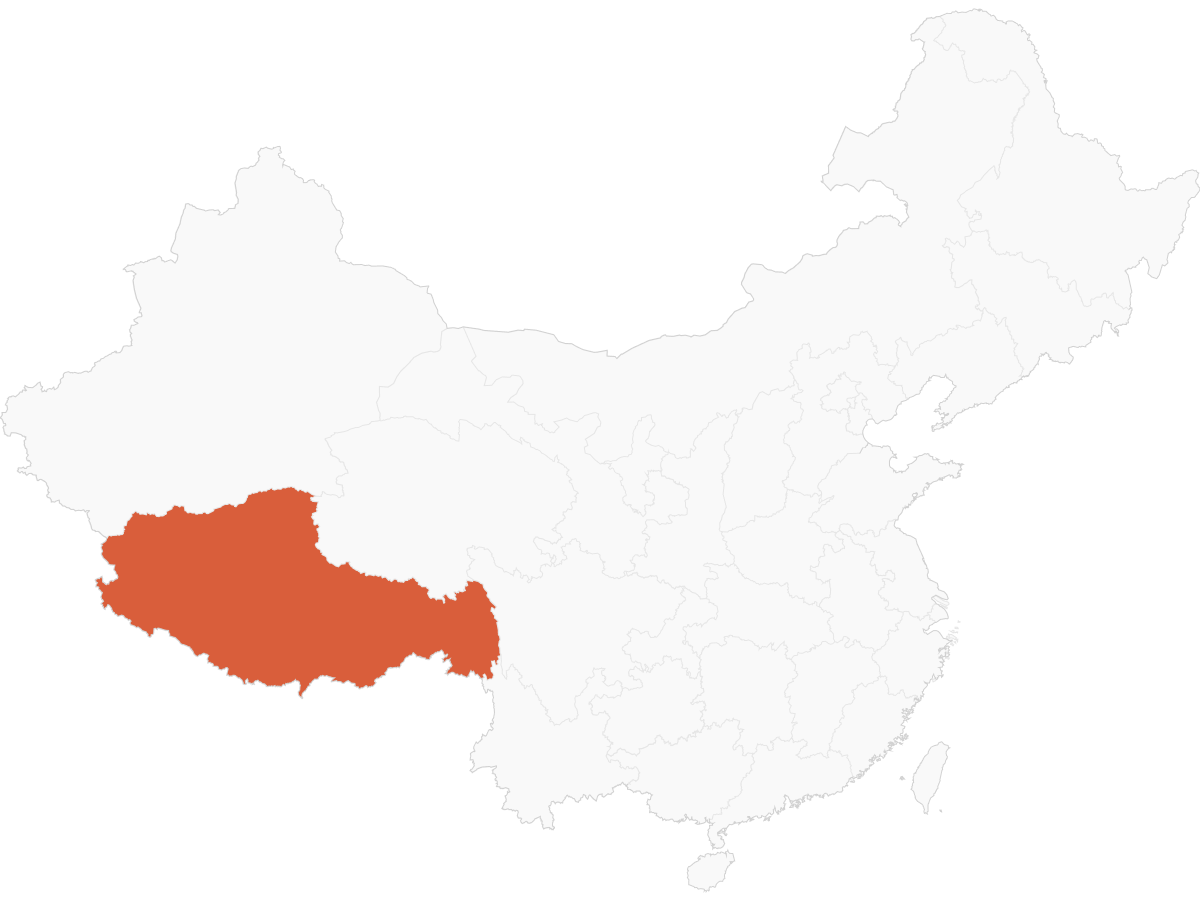
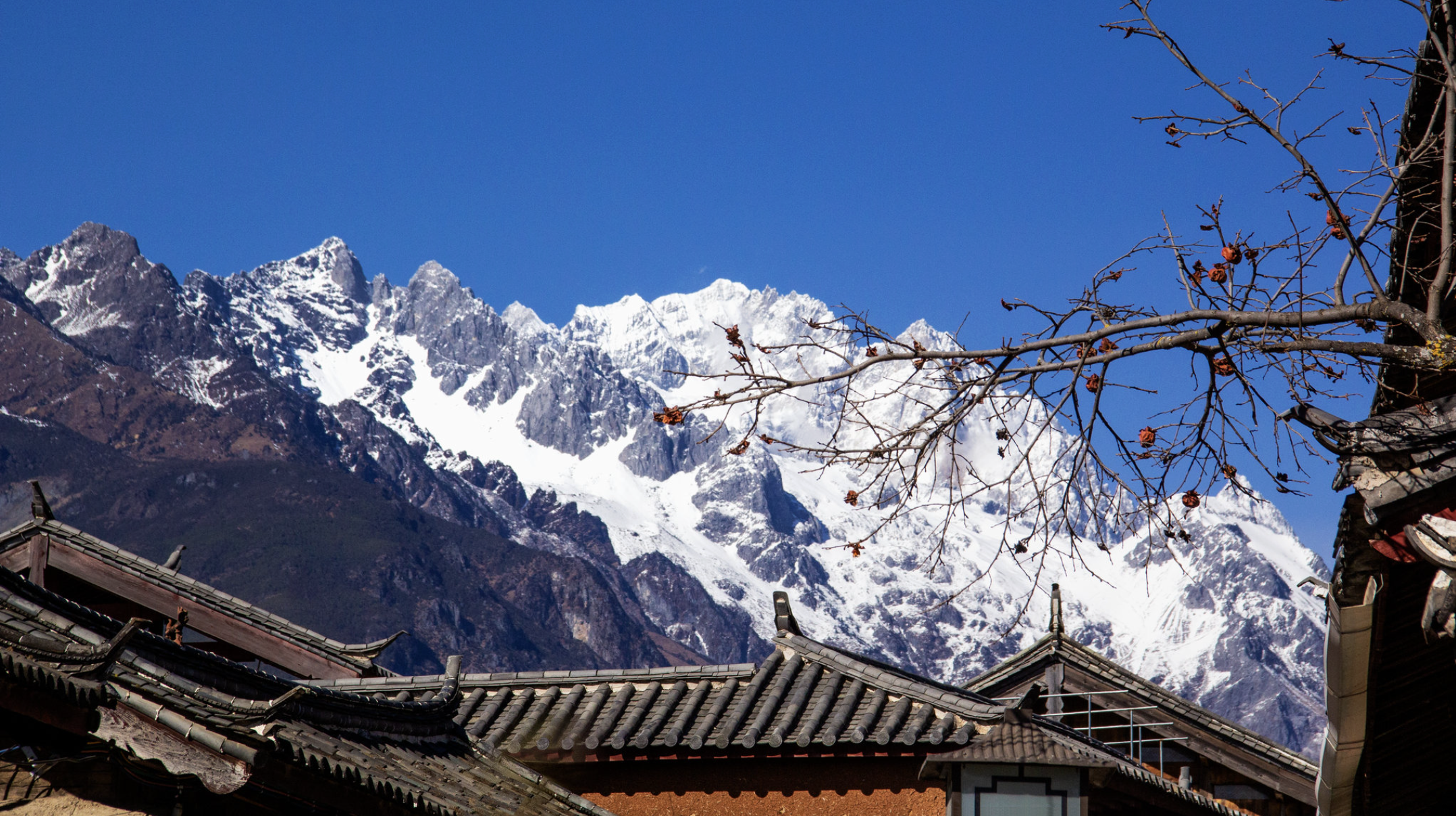
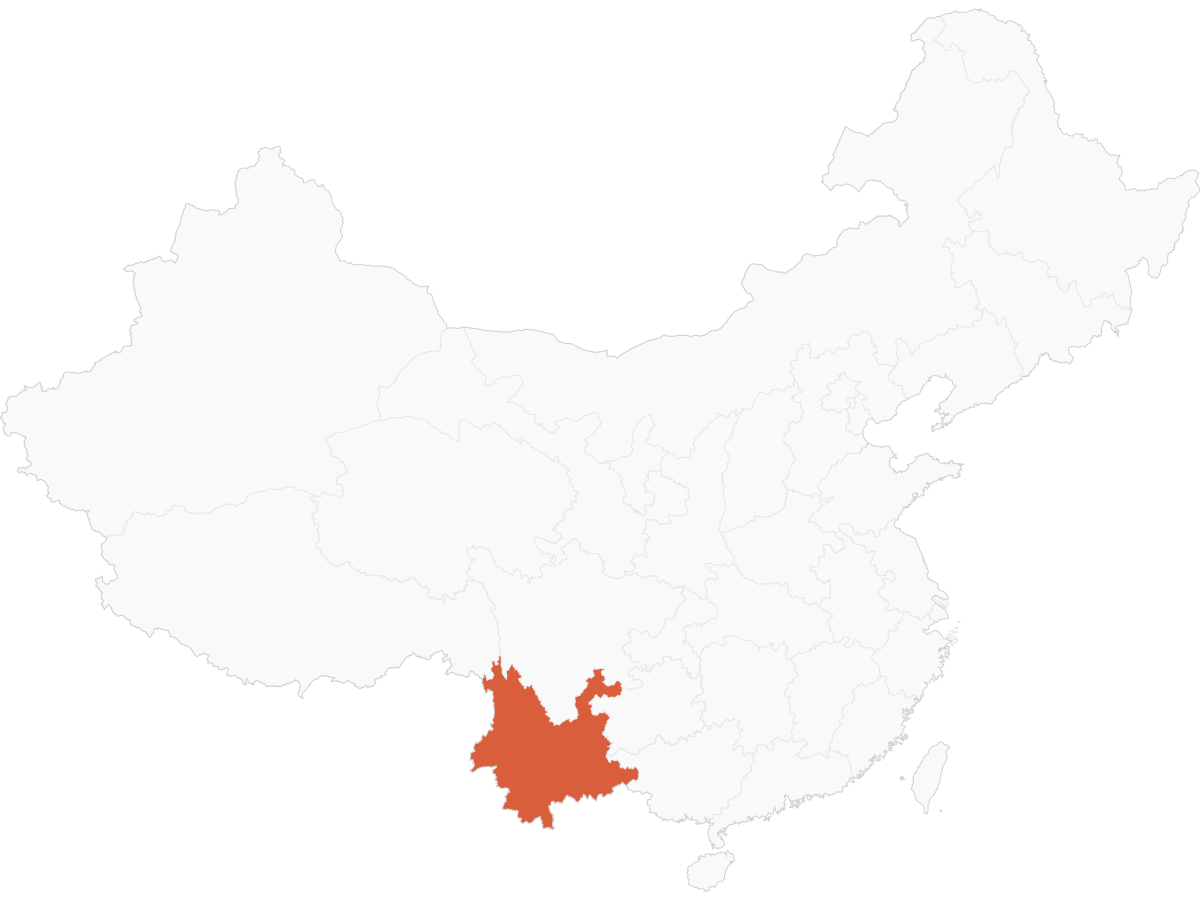
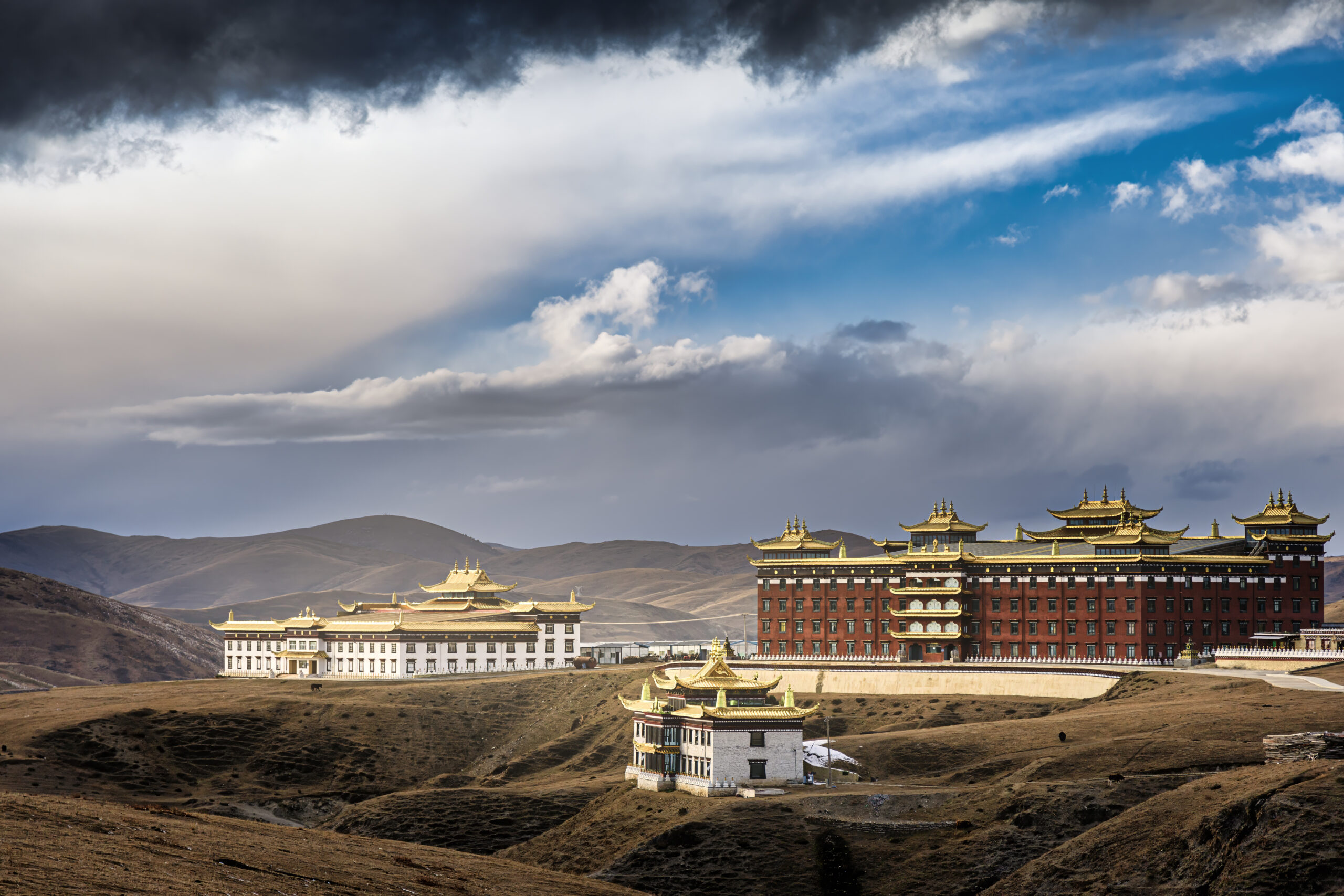
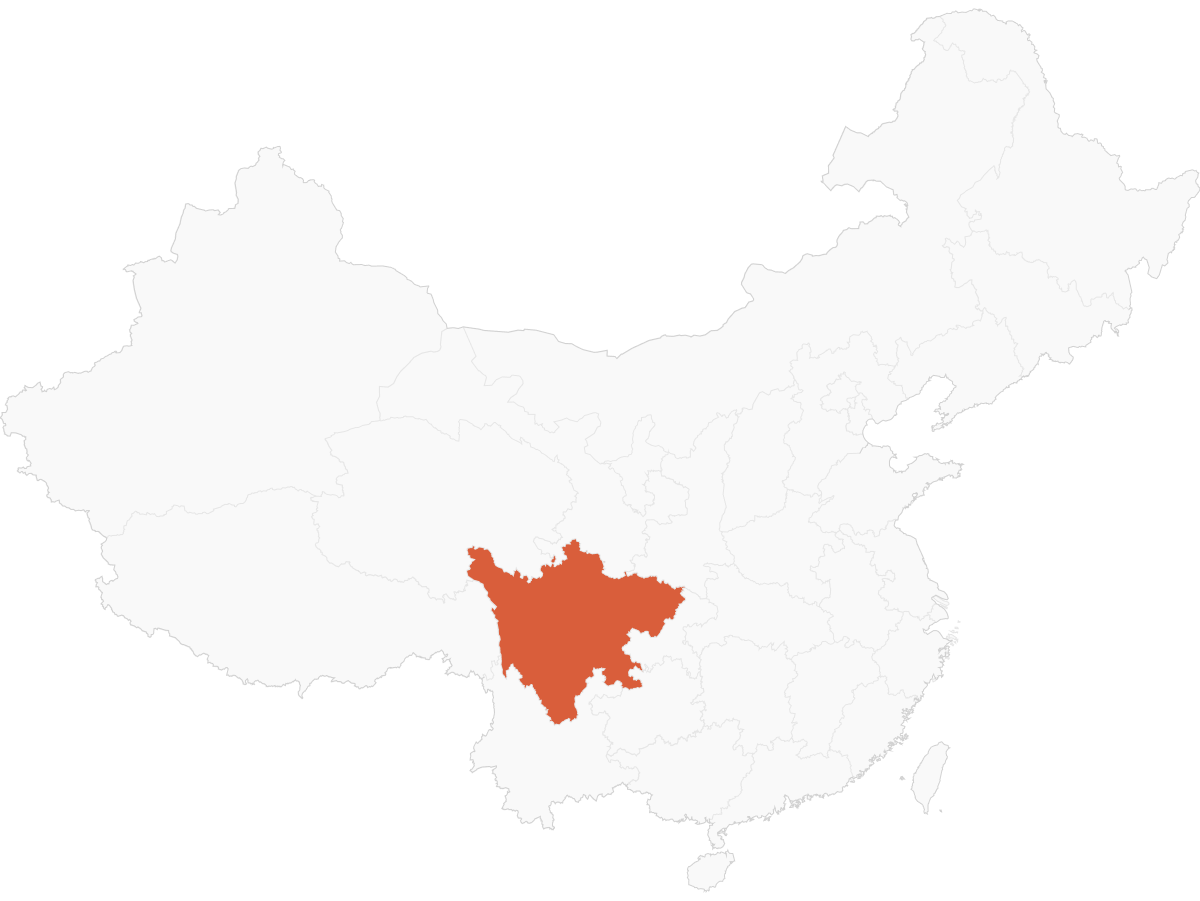
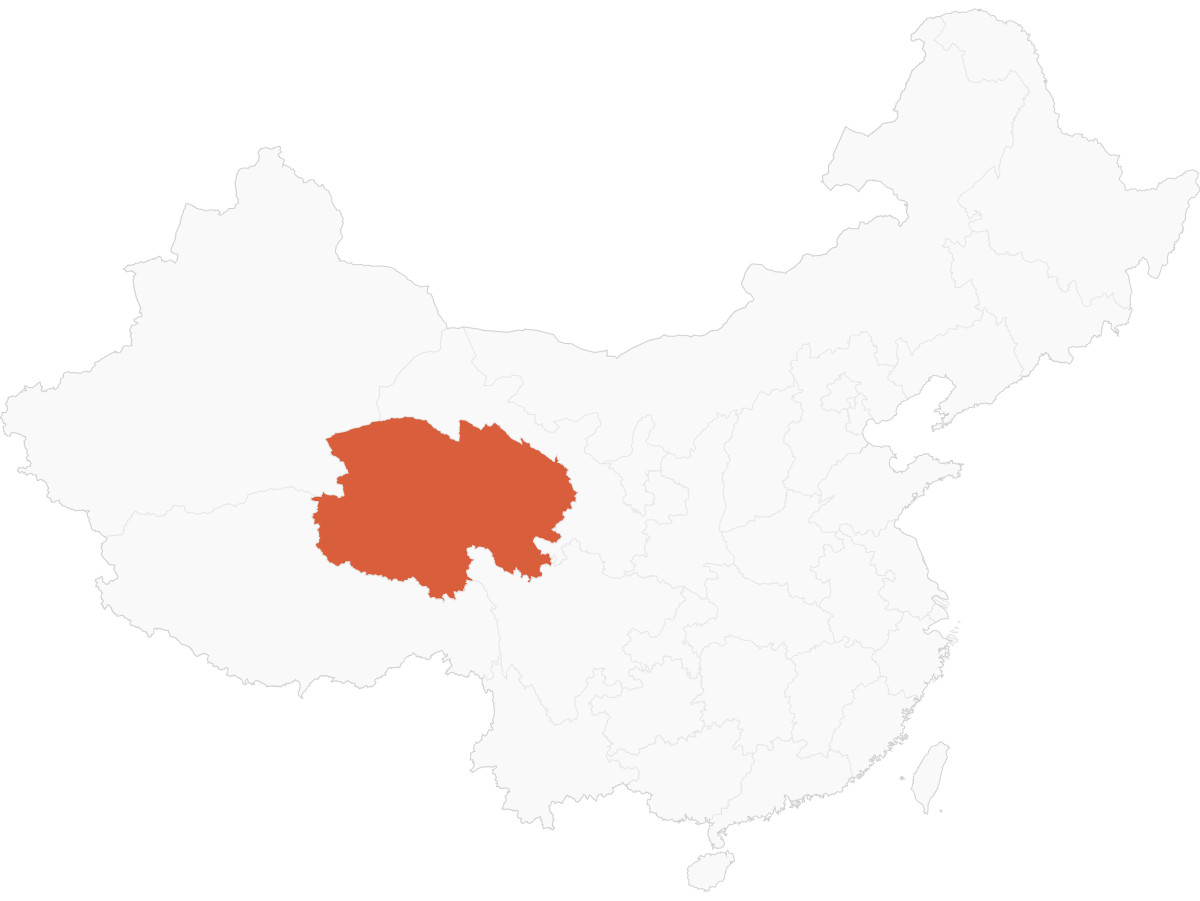
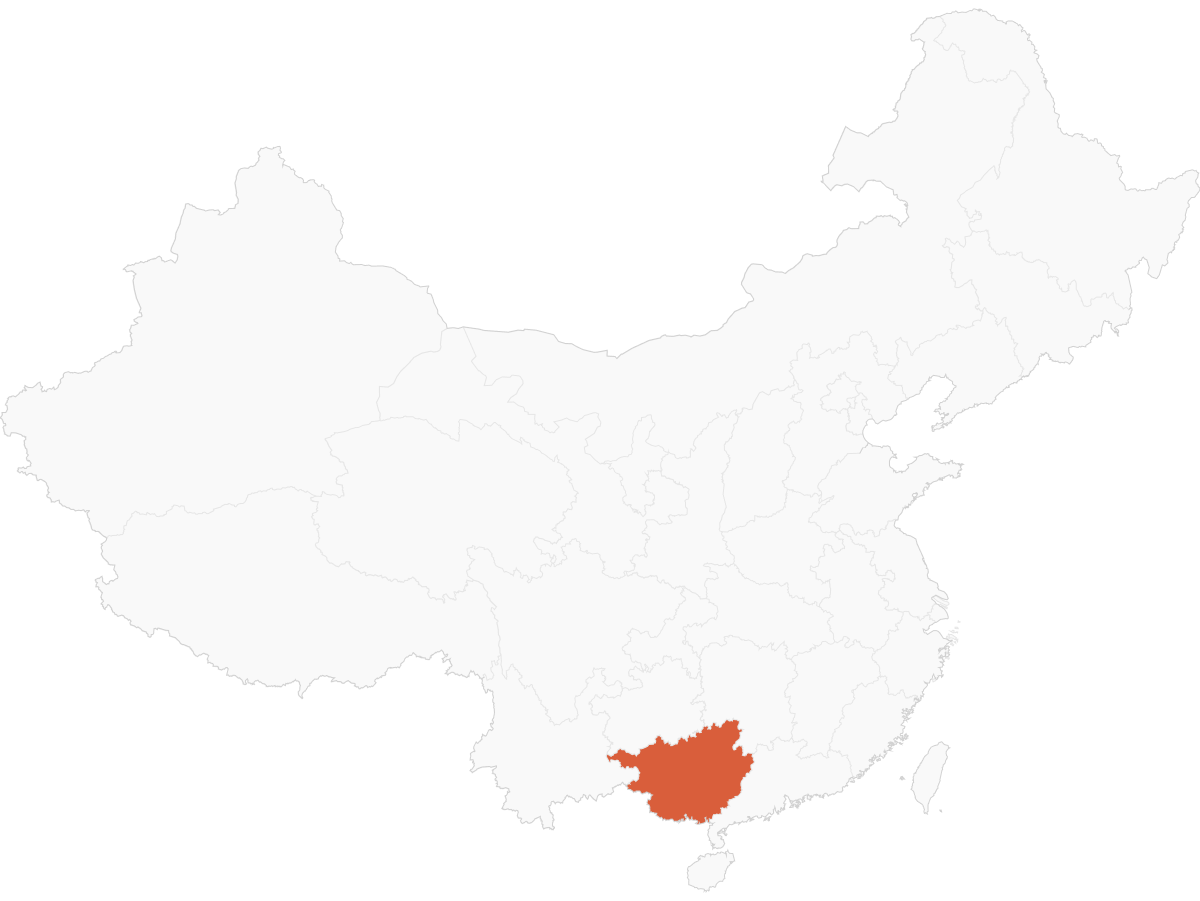
China’s snow leopard population is concentrated in Qinghai, Xinjiang, Tibet, Gansu, Sichuan, and Yunnan. Of the estimated national total, around 1,765 individuals are found in Qinghai, 1,552 in Xinjiang, 1,401 in Tibet, 280 in Gansu, 220 in Sichuan, and 14 in Yunnan.[5]
Population density also varies considerably across the country. Two representative surveys estimated densities of approximately 0.9 snow leopards per 100 km² in the Sanjiangyuan region of Qinghai and 1.4 per 100 km² on the central Tibetan Plateau.[5]
Speak to An Expert
Starting Your Snow Leopard Jounrney to China
Start designing your snow leopard journey with our destination experts.
Make An InquiryIndia: Protecting Snow Leopards Across the Himalayas
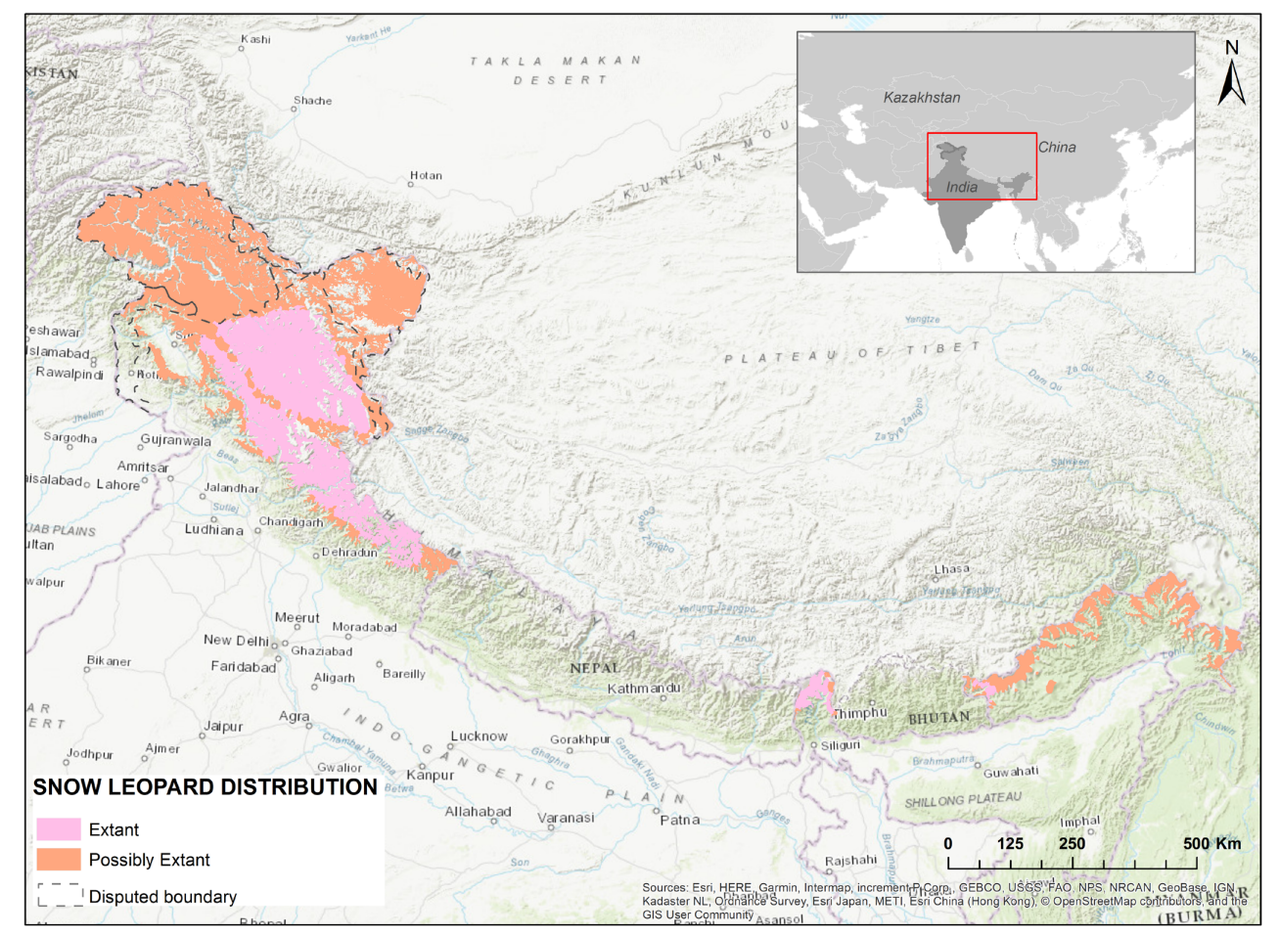
India completed its first nationwide snow leopard population assessment in 2023, estimating a total of 718 individuals across the country. Of these, 477 were estimated in Ladakh and 124 in Uttarakhand. Ladakh had an estimated population density of 0.34 snow leopards per 100 km².[6]
Mongolia: Snow Leopards of the Altai Mountains
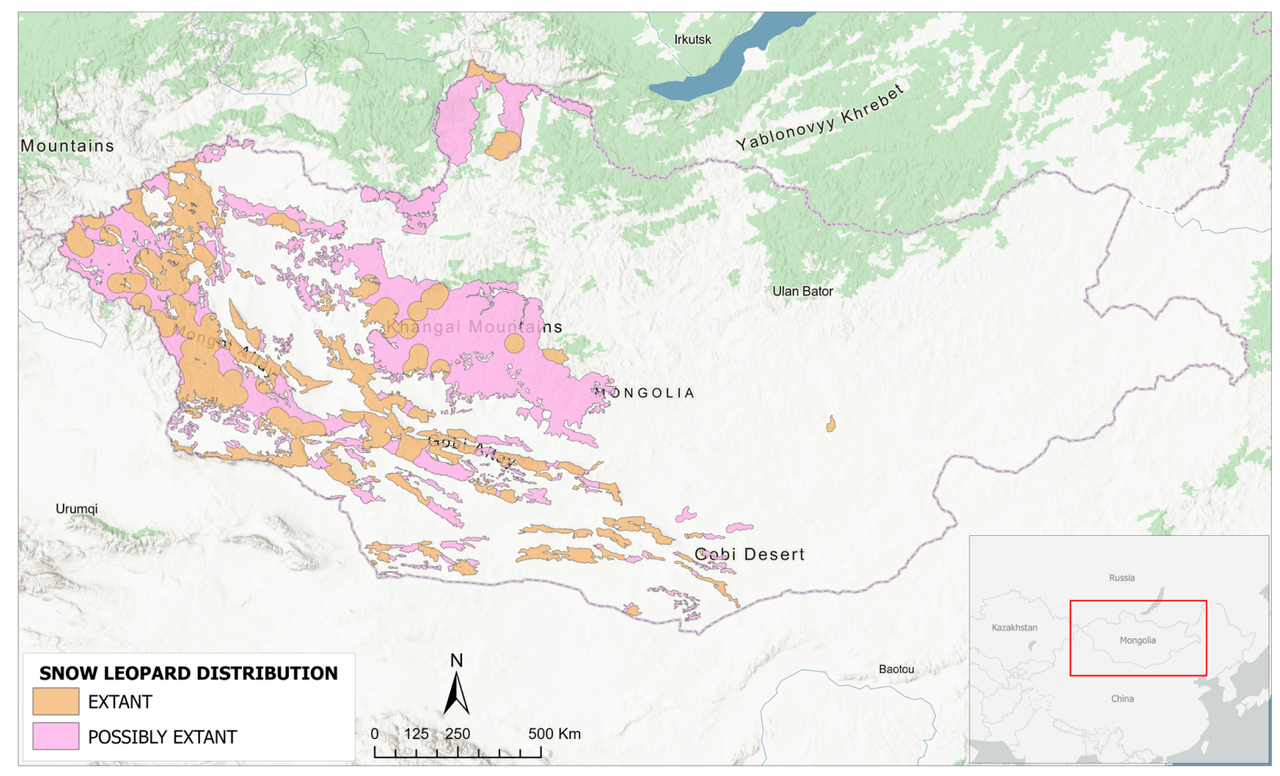
A national assessment conducted between 2017 and 2020 and published in 2026 estimated approximately 953 adult snow leopards in Mongolia, with a 95% CI of 806–1,127.[7] Mongolia is considered to have the world’s second-largest snow leopard population, after China.[8]
The national average population density was estimated at 0.31 snow leopards per 100 km². In the country’s highest-density region, covering approximately 48,290 km², density reached 0.61 snow leopards per 100 km².[7]
Bhutan: Remarkable Snow Leopard Densities in the Himalayas
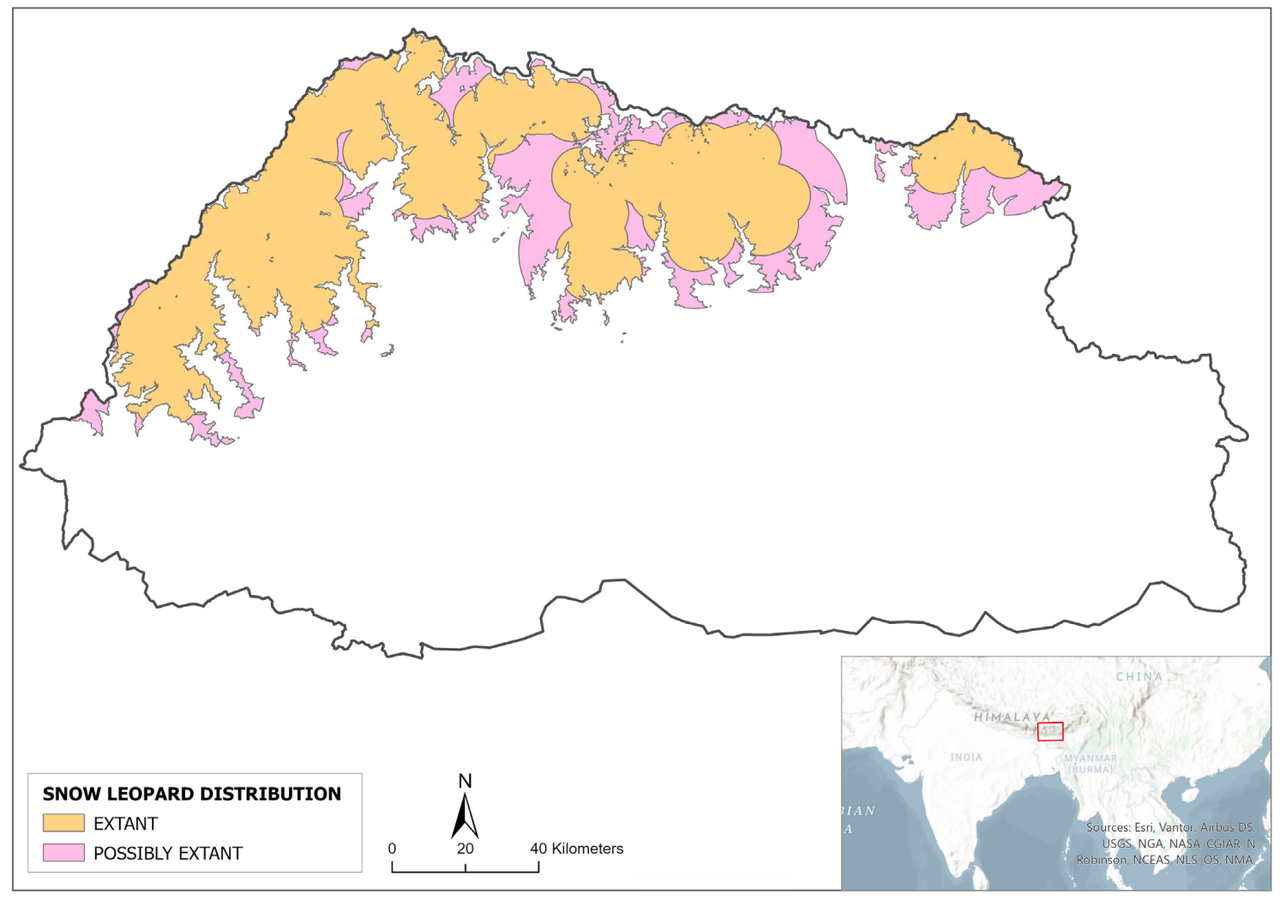
Bhutan’s nationwide snow leopard survey, conducted between 2022 and 2023, estimated approximately 134 adult snow leopards, with a 95% CI of 121–148. The average density of adult snow leopards was estimated at 1.34 per 100 km², with a 95% CI of 1.20–1.48.[9]
Jigme Dorji National Park recorded the highest snow leopard density in the country, at 6.2 individuals per 100 km², making it one of Bhutan’s most important habitats for the species.
Nepal: Snow Leopards in the Himalayas
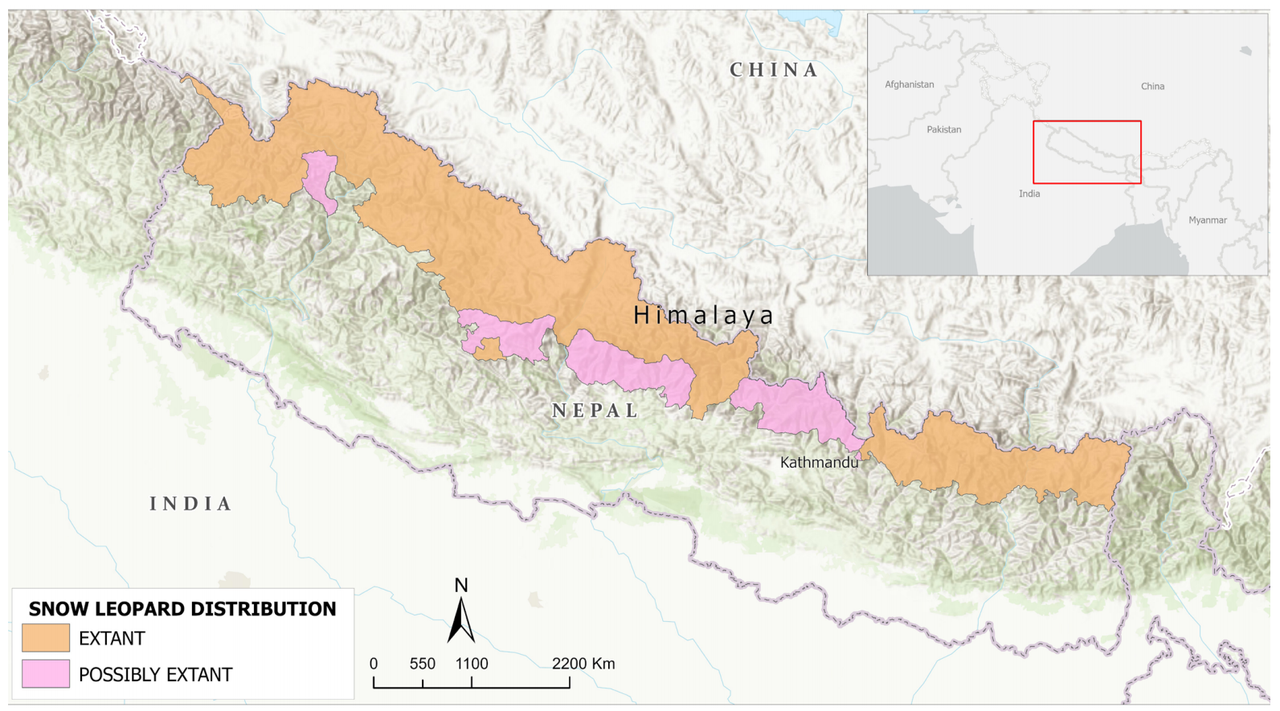
Nepal completed its first nationwide snow leopard population assessment in 2025, estimating approximately 397 individuals, with a 95% CI of 331–476. The national average population density was estimated at 1.56 snow leopards per 100 km², with a 95% CI of 1.30–1.87.[10]
Shey Phoksundo National Park held the country’s largest estimated snow leopard population, with around 90 individuals and a 95% CI of 78–109. Population density in the park was estimated at 2.21 snow leopards per 100 km².[11]
Kyrgyzstan: Snow Leopards of the Tien Shan
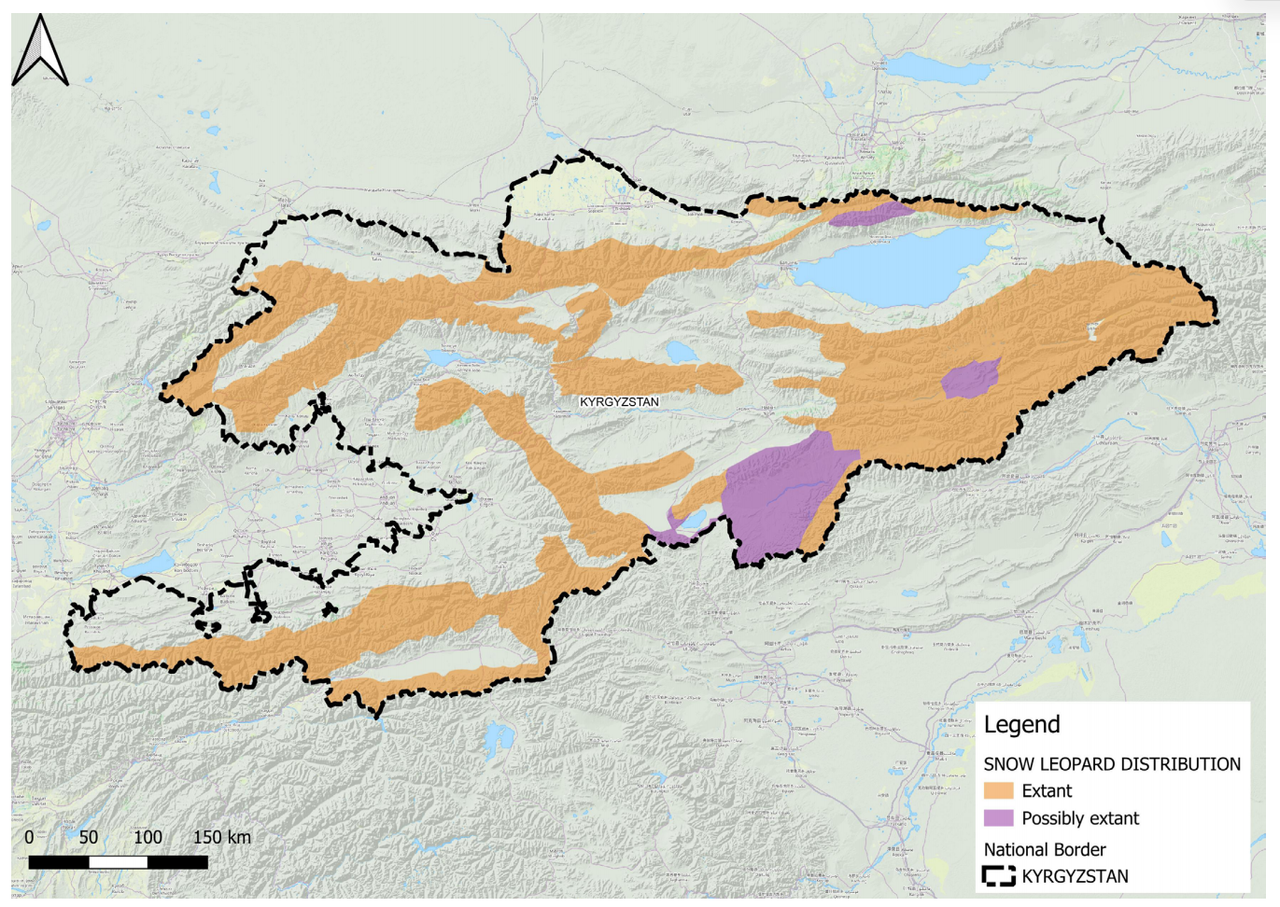
Nationwide camera-trap surveys conducted between 2020 and 2024 identified 150 adult snow leopards in Kyrgyzstan. An integrated spatial capture-recapture (SCR) model further estimated the national population at approximately 300 adults, with a 95% CI of 246–366.[12]
Using the PASK model, the average density of adult snow leopards nationwide was estimated at 0.24 per 100 km², with a 95% CI of 0.20–0.29 per 100 km².[12]
The following countries have used different population assessment approaches, so their estimates are not fully comparable with those presented above.
Kazakhstan: At the Northwestern Edge of the Snow Leopard’s Range
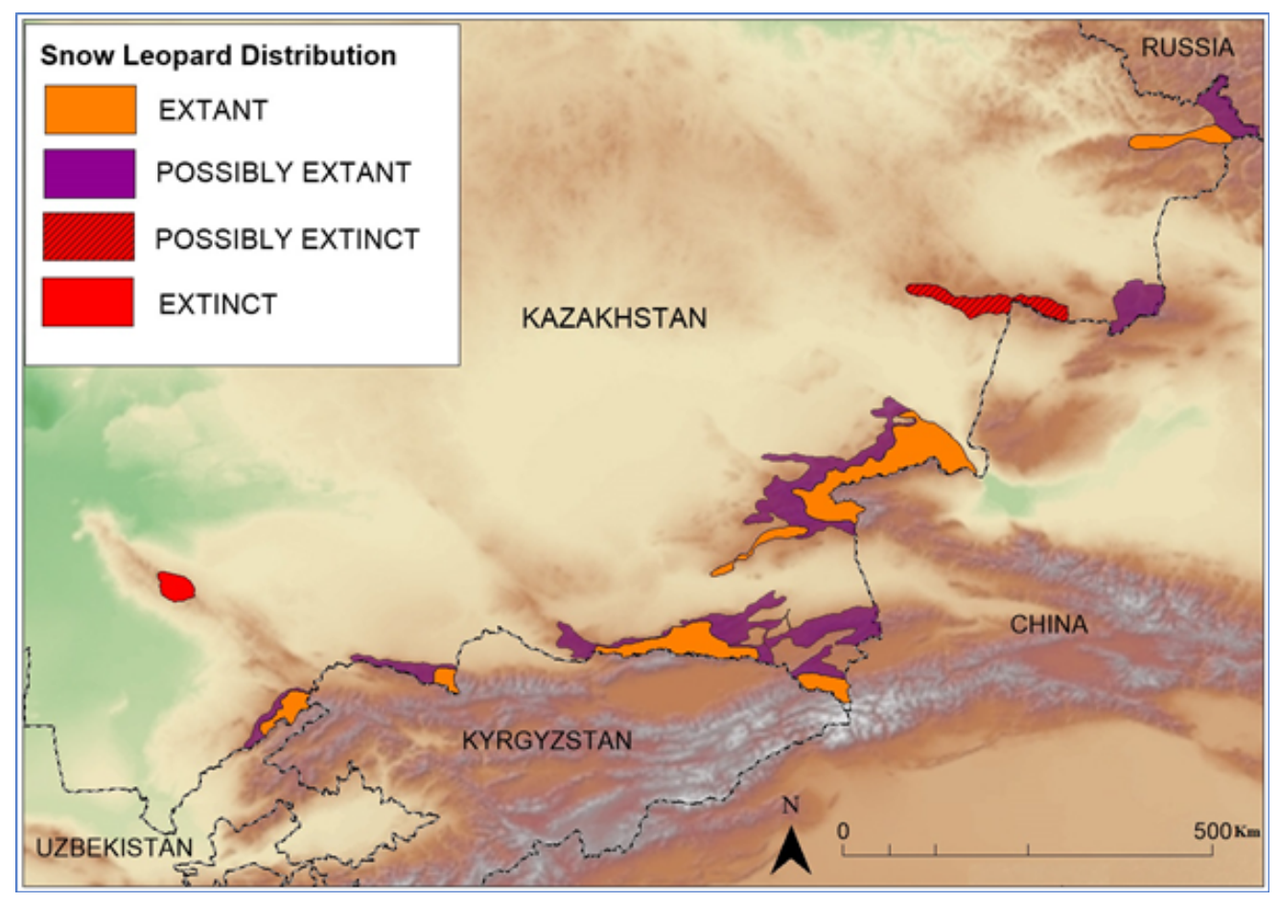
A national report published in 2026 brought together recent camera-trap records, snow-track surveys, and questionnaire data from the Tien Shan, Dzungarian Alatau, Altai, and Saur regions. Based on these combined sources, Kazakhstan’s snow leopard population was estimated at approximately 152–189 individuals. However, survey periods and methods were not consistent across all regions.[13]
Pakistan: Conservation in Southwest Asia
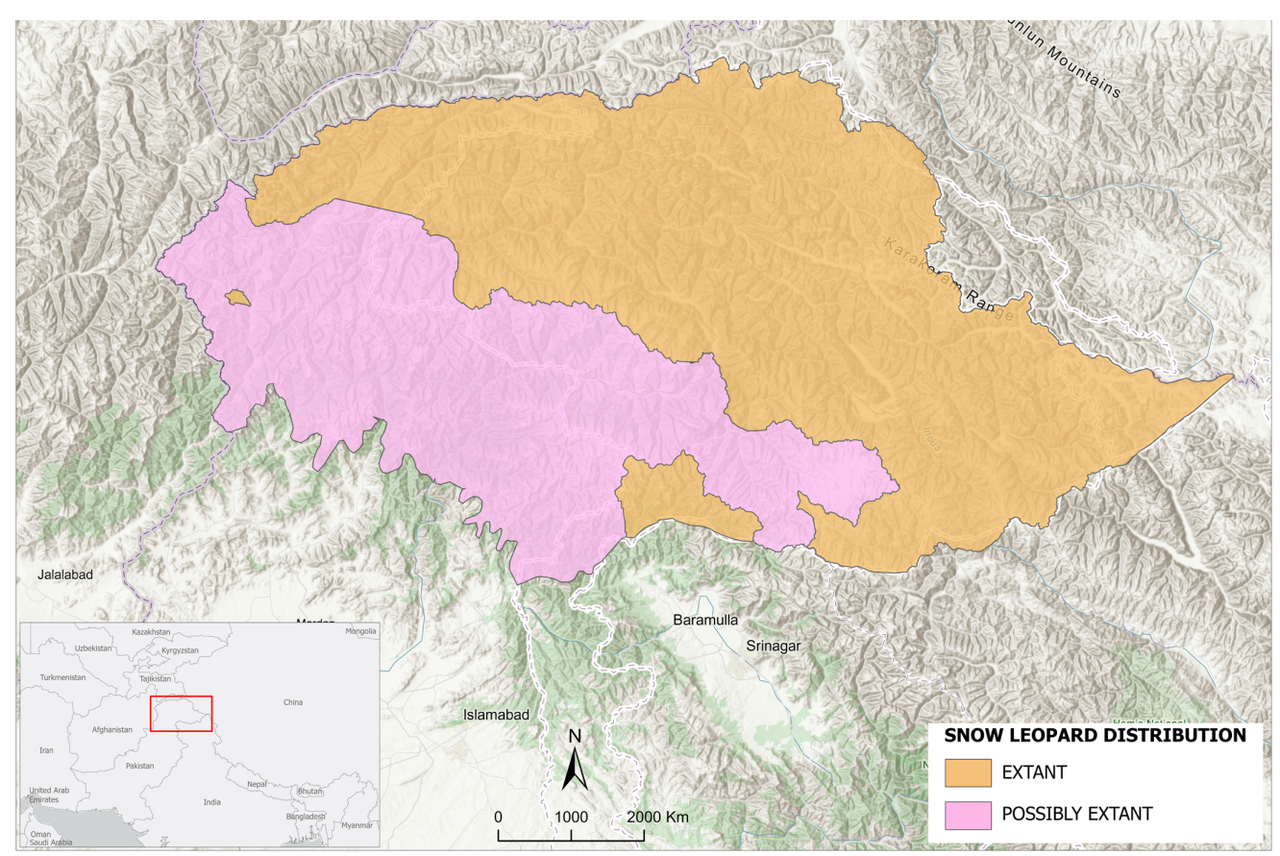
Pakistan lies near the southwestern edge of the snow leopard’s global range. A population assessment published in 2025, drawing on large-scale camera-trap surveys conducted between 2010 and 2019, estimated approximately 150–200 adult snow leopards nationwide, with an average population density of 0.13 snow leopards per 100 km². The report classified the snow leopard as Endangered at the national level in Pakistan.[14]
Tajikistan:
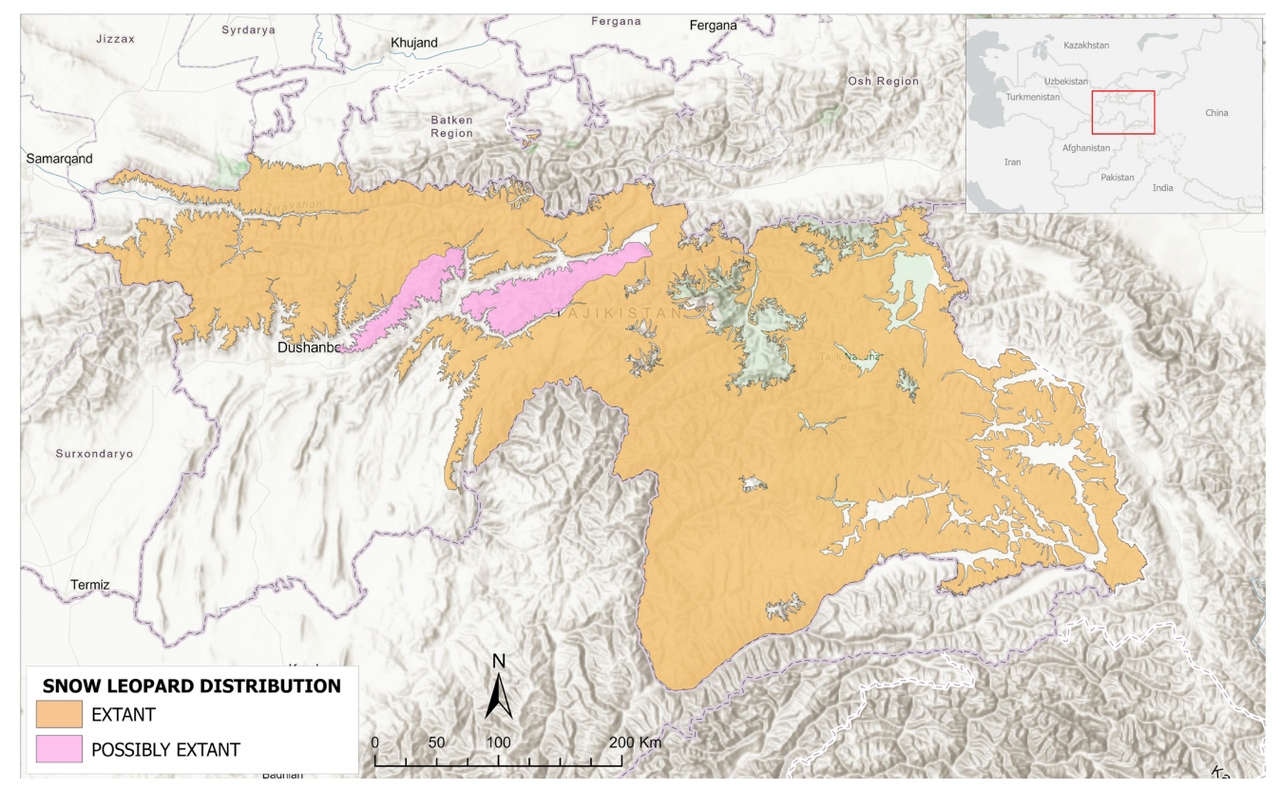
A 2024 estimate placed Tajikistan’s snow leopard population at approximately 250–280 individuals.[15] The third edition of the Red Book of the Republic of Tajikistan, published in 2025, revised the official estimate upward to approximately 500 individuals.[16]
Uzbekistan
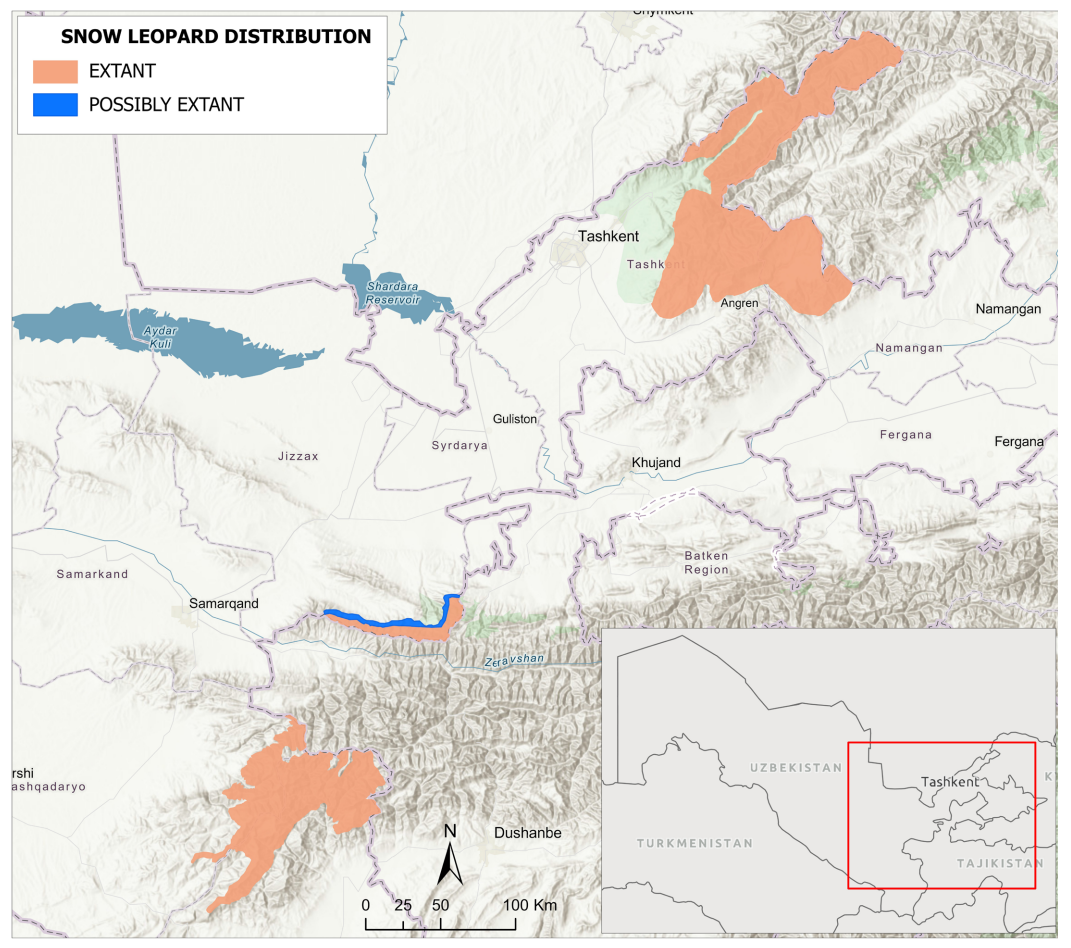
A 2026 national estimate suggested that Uzbekistan supports approximately 96–107 adult snow leopards, including 46–47 in the Western Tien Shan and 50–60 in the Western Pamir-Alay. These figures are not based on a single synchronized nationwide survey, and some regions still lack recent data.[17]
Afghanistan: Snow Leopards of the Wakhan
Afghanistan’s adult snow leopard population is broadly estimated at approximately 213–253 individuals. This figure is based largely on extrapolating local density estimates from Wakhan National Park across the species’ confirmed range, rather than on a synchronized nationwide survey.[18]
Russian Federation: Snow Leopards at the Northern Edge of the Range
Based on camera-trap surveys and field assessments conducted across Russia’s main snow leopard mountain ranges in 2022–2023, the country is estimated to support approximately 70–90 adult snow leopards. This figure is not derived from a single nationwide spatial capture-recapture model, and no formal confidence interval has been reported.[19]
| Country | Estimated Snow Leopard Population | Population Density |
| China | 5,232 adult individuals (95% CI: 4,114–6,351) | No single national estimate; 0.9/100 km² in Sanjiangyuan and 1.4/100 km² on the central Tibetan Plateau |
| India | 718 individuals | No single national estimate; 0.34/100 km² in Ladakh |
| Mongolia | 953 adult individuals (95% CI: 806–1,127) | National average: 0.31/100 km²; highest-density region: 0.61/100 km² |
| Bhutan | 134 adult individuals (95% CI: 121–148) | National average: 1.34/100 km² (95% CI: 1.20–1.48); Jigme Dorji National Park: 6.2/100 km² |
| Nepal | 397 individuals (95% CI: 331–476) | National average: 1.56/100 km² (95% CI: 1.30–1.87); Shey Phoksundo National Park: 2.21/100 km² |
| Kyrgyzstan | ~300 adult individuals (95% CI: 246–366) | National average: 0.24/100 km² (95% CI: 0.20–0.29) |
| Kazakhstan | 152–189 individuals | No national density estimate available |
| Pakistan | 150–200 adult individuals | National average: 0.13/100 km² |
| Tajikistan | ~500 individuals | No national density estimate available |
| Uzbekistan | 96–107 adult individuals | No national density estimate available |
| Afghanistan | 213–253 adult individuals | No national density estimate available |
| Russian Federation | 70–90 adult individuals | No national density estimate available |
Why Is It Difficult to Estimate Snow Leopard Populations?
Snow leopards occupy an estimated range of around 1.8 million km² across 12 countries in East, Central, and South Asia.[20] Much of this habitat lies in some of the world’s highest and coldest mountain systems, often in remote and difficult-to-access areas. For researchers, simply reaching snow leopard habitat can make large-scale population surveys extremely challenging.
Even where access is possible, high altitude, severe cold, and low oxygen make long-term fieldwork difficult. Population assessments therefore rely heavily on camera-trap images, genetic samples, tracks, and other field signs, combined with statistical models to estimate individuals that were not directly recorded. Snow leopard population figures are not simple headcounts, but estimates derived from sampled areas.
Results can also vary depending on camera placement, survey duration, sample quality, geographic coverage, and the statistical methods used. Different countries often work with data collected in different years and at very different scales: some assessments cover most of a country, while others are based on only a few regions. These differences make direct comparisons difficult and help explain why there is still no single, precise global population figure.
Funding is another major challenge, while politically sensitive international borders can further complicate long-term research and monitoring. This makes cooperation between researchers, conservation managers, governments, and funding organizations essential.[21]
The Population Assessment of the World’s Snow Leopards (PAWS) initiative marked an important step toward more standardized population assessments across the species’ range, helping improve the consistency and comparability of snow leopard population data.
Where Do Snow Leopards Live? Understanding Their Range and Habitat
Around 60% of the snow leopard’s global range lies within China. Across Central Asia and other parts of Asia, the species occupies a vast belt of high mountain habitat stretching from the Hindu Kush of eastern Afghanistan through the Pamir, Tien Shan, Karakoram, Kashmir, and Kunlun ranges, and across parts of the Himalayas and the Tibetan Plateau, all within remote mountainous regions. Farther north, its range extends into the Altai, Sayan, and Tannu-Ola mountains of Russia, as well as mountain systems west of Lake Baikal. Snow leopards are also found across the Mongolian and Gobi Altai, the Khangai Mountains, and north of the Altyn-Tagh in Tibet.[20]
Janecka et al. identified three primary genetic clusters across the global snow leopard range:[22]
- Northern cluster: the Altai region, including much of Mongolia and southern Russia.
- Central cluster: the core Himalaya and Tibetan Plateau, including Qinghai, Tibet, Bhutan, and Nepal.
- Western cluster: the Tien Shan, Pamir, and trans-Himalayan regions, including parts of Xinjiang, Kyrgyzstan, Uzbekistan, Kazakhstan, Tajikistan, Afghanistan, India, and Pakistan.[23]
Based on current population estimates, the Central cluster appears to support the largest share of the world’s snow leopard population.
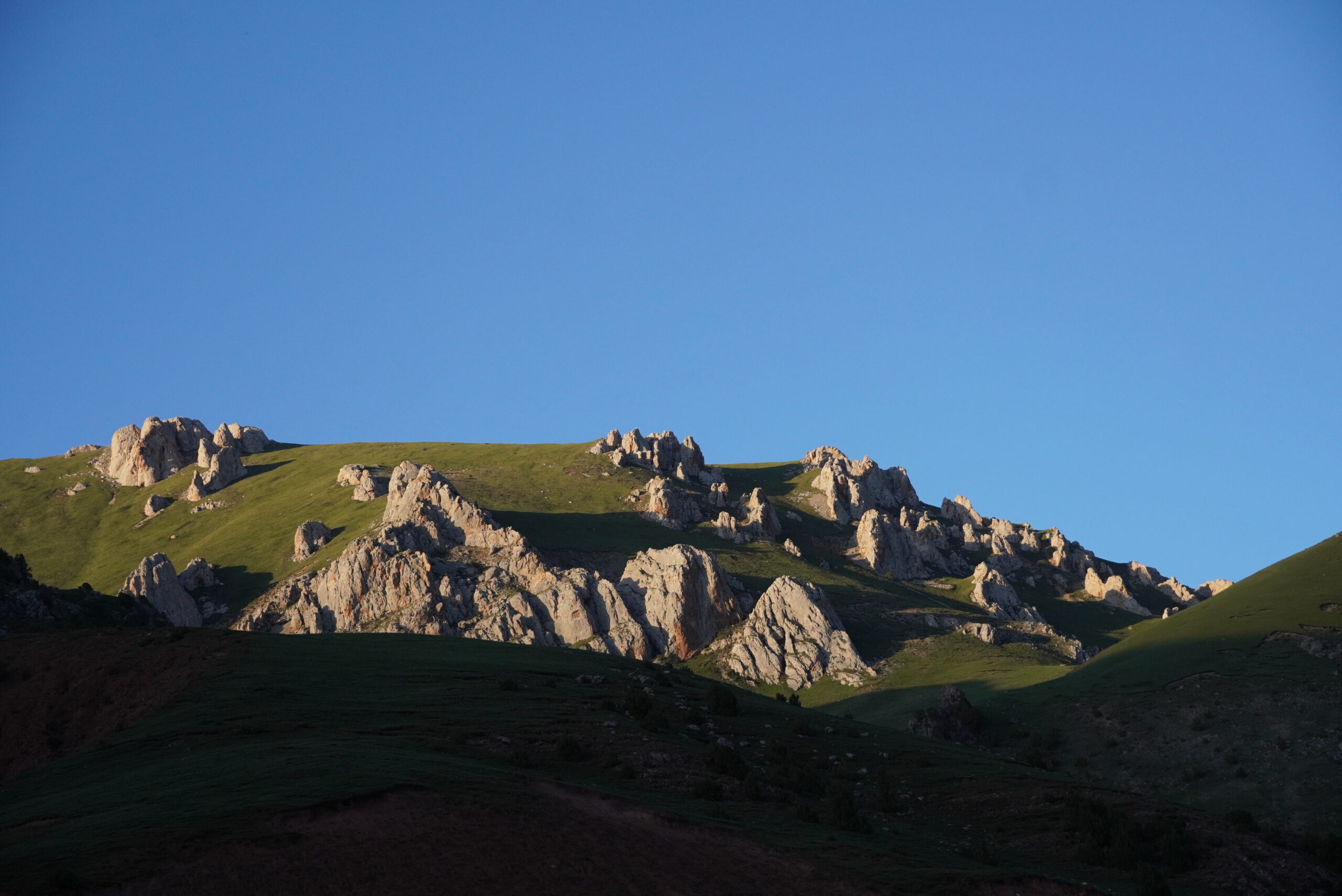
Snow leopards are most commonly associated with alpine and subalpine habitats above the tree line in the alpine zone, but their exact elevational range varies considerably across their distribution. In parts of Russia’s Sayan Mountains and the Tien Shan, for example, they may also occur in open conifer or birch woodland. Across much of their range, snow leopards are typically found between 3,000 and 4,500 meters, although they can occur much lower in the northern part of their range and in the Gobi, at around 900–1,500 meters. In the Himalayas and on the Tibetan Plateau, by contrast, they may range as high as 5,800 meters.[23]
Their use of elevation also changes with the seasons. In winter, snow leopards may move down to lower slopes, while in summer they often return to higher, steeper, and more remote mountain areas, including alpine meadows in some mountainous environments.[20] These seasonal shifts are closely tied to the movements of wild ungulate prey and, in some regions, to the distribution of deep snow.
Regardless of elevation, snow leopards consistently favor rugged, broken terrain in rocky outcrop habitats and across rocky terrain. Steep slopes, rocky ridgelines, cliffs, and narrow valleys are particularly important parts of their habitat, giving them cover and suitable ground for moving through the landscape.[20] Some of these habitats also overlap with areas of regular human activity, particularly in pastoral landscapes.[23]
Why Are Snow Leopard Populations So Small?
Snow leopards are naturally a low-density species, largely because of their role as apex predators in high-altitude ecosystems. As solitary creatures, they live and hunt alone across large mountain landscapes. They depend on wild ungulates that are often limited and unevenly distributed, and low prey availability helps explain why each adult requires a relatively large home range. Even under natural conditions, this means only a small number of snow leopards can be supported within a given landscape.
That naturally low density is further compounded by human activity and environmental change. Snow leopards face multiple overlapping pressures, and habitat fragmentation, declining wild prey populations, retaliatory killing, illegal wildlife trade, overgrazing, and climate change all place additional pressure on already small and widely dispersed populations.
Given their naturally low population densities and slow reproductive rate, snow leopards are particularly vulnerable to additional mortality and habitat loss, both of which can have outsized effects on local populations.
Snow Leopard Prey and the Ecosystems They Depend On
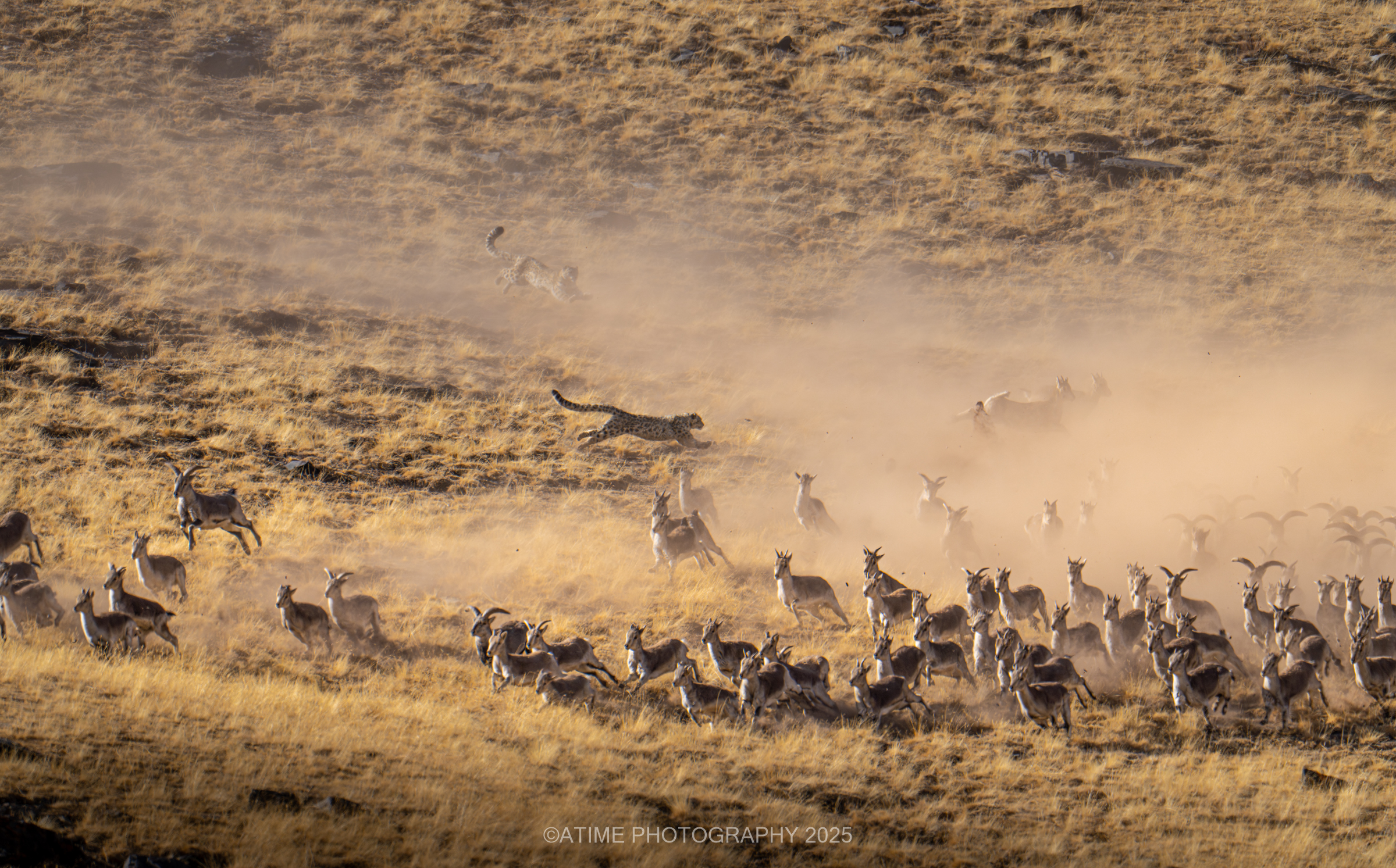
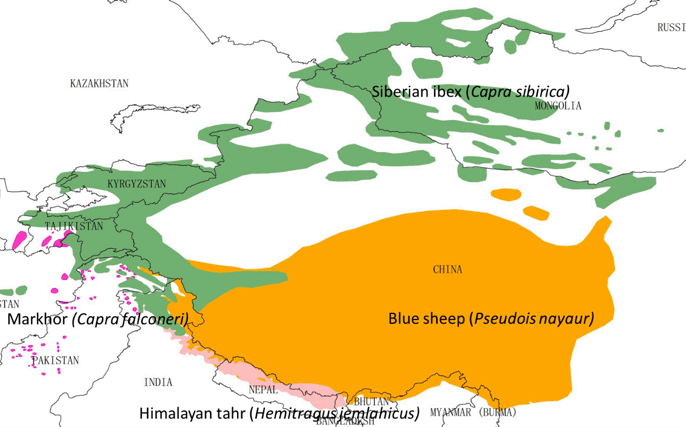
Siberian ibex and blue sheep are the main wild prey species for snow leopards. Their ranges are largely complementary, with relatively little overlap: Siberian ibex occur across much of the Northern and Western genetic clusters, while blue sheep dominate much of the Central cluster.
Other wild ungulates can also be important at a regional level, including wild sheep in some mountain systems. Markhor, for example, are significant prey in parts of Chitral and Gilgit in northern Pakistan, while Himalayan tahr are an important prey species in Nepal’s Sagarmatha National Park.[23]
Beyond wild goats and sheep, snow leopards eat a remarkably broad range of mammals, with natural prey including red deer, white-lipped deer, alpine musk deer, eastern roe deer, kiangs, wild boar, gorals, takins, serows, goitered gazelles, and wild camels. Their diet also includes smaller mammals such as marmots, hares, pikas, and voles, as well as birds and occasionally other wild animals.[23] Where wild prey is scarce, snow leopards may also kill domestic livestock, including yaks, sheep, and goats.
One unusual aspect of the snow leopard’s diet is the relatively frequent occurrence of plant material in its scat, compared with other large cats in the genus Panthera. In a 1976 study from Mongolia’s southern Gobi, 18% of 50 snow leopard scats contained Stipa grasses, with substantial consumption reported during autumn.[24] In Ladakh, snow leopards have also been observed selectively consuming plants of the genus Myricaria.
Why snow leopards consume plant material remains unclear. One possibility is that these plants contain secondary compounds with nutritional or physiological functions, potentially including vermifugal effects that may help expel intestinal parasites. Confirming such a function, however, would require further chemical analysis of the plants involved.
Other explanations have also been proposed: plant material may help stimulate defecation, bind material passing through the digestive tract, or otherwise support normal digestive function.[25]
As a flagship species across much of its range, the snow leopard has ecological significance that extends well beyond the species itself, influencing prey populations, ecosystem health, and, indirectly, the livelihoods of human communities.
The Sanjiangyuan region of Qinghai offers a good example. Research suggests that snow leopard predation on blue sheep is density-dependent, with predation rates increasing as prey density rises. This allows snow leopards to play a role in regulating and stabilizing prey populations.[26] Their killing prey can also leave carrion for mesocarnivores such as red foxes, creating a top-down resource subsidy that may become particularly important when other food is scarce.[27][28]
By helping regulate herbivore populations, snow leopards may also indirectly reduce grazing pressure on vegetation across Sanjiangyuan. This matters far beyond the immediate ecosystem: the region is often described as China’s “Water Tower” and forms the headwaters of the Yangtze, Yellow, and Lancang–Mekong rivers. Protecting the ecological processes that sustain these landscapes therefore also helps safeguard water resources that support communities and economies far downstream.[28]
Biggest Threats to Snow Leopards
The major threats facing snow leopards rarely occur in isolation. Instead, they often reinforce one another, creating a cycle of pressure on already vulnerable populations.
Human-Wildlife Conflict
Declines in key wild prey such as Siberian ibex, argali, and blue sheep can push snow leopards toward livestock. Illegal overhunting, overgrazing, grassland degradation, and disease transmission from domestic animals can all contribute to declining wild prey populations, reducing available natural prey and increasing the likelihood of conflict between snow leopards and pastoral communities and local farmers.
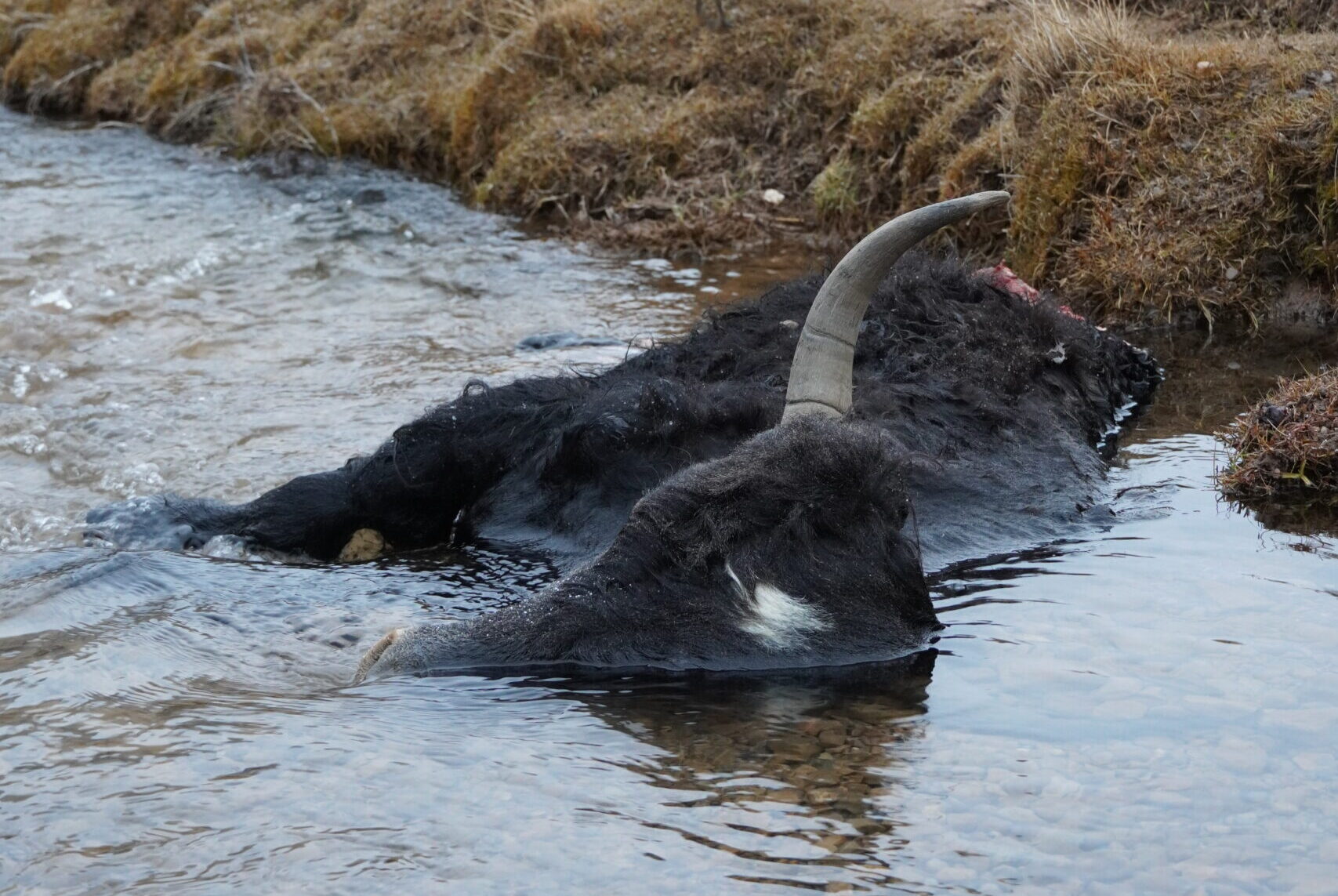
The economic consequences can be severe. Across 10 of the 12 snow leopard range countries, more than 40% of people live below national poverty levels, and in many remote pastoral areas, families have few alternatives to livestock-based livelihoods. In parts of China, for example, the loss of a single adult female yak can represent more than US$740, while per-capita GDP in these regions is around US$3,900.
Herders are often particularly angered by surplus killing events, in which a snow leopard enters a livestock enclosure and kills several animals in a single incident.[20] These attacks may become more likely after prey declines, when snow leopards turn to enclosures and repeated losses can ultimately lead to retaliatory killing.
Snow leopards also face direct pressure from illegal wildlife trade. Snow leopard skins may be sold for decorative or fashion purposes, while bones and other body parts have entered traditional medicine markets in parts of Asia. Weak enforcement, difficulties in gathering evidence, and inadequate livestock compensation can further intensify these pressures and make human-wildlife conflict more difficult to resolve.
Habitat Fragmentation and Loss
Snow leopards depend on vast, connected mountain landscapes, so even relatively localized development can have effects far beyond the immediate site. Roads, reservoirs, mining, tourism infrastructure, fencing, and expanding human settlement can break continuous habitat into smaller fragments, making it harder for animals to move between populations. In some areas, seasonal resource collection, pressure on grazing space, free-ranging dogs, and other human activity add further disturbance and competition.
Climate Change
Climate change adds another layer of pressure by reshaping the fragile environment snow leopards depend on. Climate-driven shifts in water availability and vegetation can shrink the alpine zone and reduce the habitat where snow leopards thrive, while also altering where wild prey and livestock move. As that overlap increases, so may competition for resources, disease transmission, and interactions among predators, prey, livestock, and people.
Gaps in Conservation Capacity and Policy
Protecting a species spread across some of Asia’s most remote mountain regions requires sustained funding, trained personnel, and effective policy. Yet all snow leopard range countries have reported shortages of qualified conservation staff, while direct annual funding from NGOs and multilateral organizations remains below US$8 million, according to the Snow Leopard Trust.
Policy gaps are another concern. Of the 12 range countries, six identified inadequate policy as a high-level threat to snow leopards, their prey, and the wider ecosystem, while only two considered it a low-level threat.[21]
These challenges become even more difficult across international borders. Although anti-poaching enforcement and community attitudes have improved in some regions, including parts of China, as much as one-third of global snow leopard habitat lies in politically sensitive border areas.[1] Long-term conservation therefore depends not only on protecting individual sites, but on keeping landscapes connected, rebuilding wild prey populations, reducing livestock losses, curbing illegal trade, and strengthening cooperation across borders.
Snow Leopard Conservation: Protecting Wildlife and Local Communities
Snow leopard conservation cannot s쳮d through isolated projects or the efforts of a few organizations. The species moves across national borders and depends on vast, connected mountain ecosystems, so its long-term survival requires cooperation at several levels: international coordination, scientific research, national conservation policy, and sustained involvement from the communities that share its habitat.
International Cooperation for Snow Leopard Conservation
International collaboration began to take shape more formally in 2002 with the establishment of the Snow Leopard Network (SLN). Created to support implementation of the Snow Leopard Survival Strategy (SLSS), the network gave researchers and conservation practitioners around the world a platform to share knowledge, stay connected, and coordinate conservation efforts.[31] Another organisation involved in international conservation and cross-border cooperation is the Snow Leopard Conservancy.
A broader government-led framework followed in 2013 with the launch of the Global Snow Leopard & Ecosystem Protection Program (GSLEP). Bringing together all range countries across the snow leopard’s range, GSLEP was designed to identify shared threats and coordinate conservation action both within and across national borders. Each country subsequently developed its own National Snow Leopard Ecosystem Priorities (NSLEP), setting out priority landscapes and conservation actions.[32]
The next major step came in 2017 with the Population Assessment of the World’s Snow Leopards (PAWS) initiative. PAWS was created to improve the reliability of global population estimates by promoting more consistent approaches to data collection, survey design, and population assessment across the species’ range.[33]
That effort is now beginning to produce a clearer picture of global snow leopard numbers. China, Mongolia, India, Nepal, Bhutan, and Kyrgyzstan have all published, or substantially advanced, national population assessments under the PAWS framework, providing an increasingly important scientific foundation for future conservation.
National Conservation Efforts
Across the snow leopard’s range, conservation has expanded well beyond legal protection alone. Most range countries now protect the species under national law, restrict hunting and illegal trade, and have strengthened enforcement in key habitats. Protected areas and national parks remain important, but the broader focus is increasingly shifting toward landscape-scale conservation, recognizing that snow leopards need large, connected territories rather than isolated pockets of habitat.
That shift has also brought local communities much closer to the center of conservation. Where snow leopard habitat overlaps with pastoral land, measures such as livestock insurance, compensation schemes, and predator-resistant corrals can reduce the financial impact of livestock losses and lower the risk of retaliatory killing. In countries including China, Mongolia, India, and Nepal, ecotourism and other alternative livelihoods are also being explored as ways to support household income while creating stronger incentives for wildlife conservation.
China has taken this further through its national park system and community ranger programs, creating conservation roles for local residents and linking wildlife protection more directly with rural livelihoods.
Looking ahead, snow leopard conservation will increasingly depend on how well countries respond to long-term pressures such as climate change, infrastructure development, and habitat fragmentation. Maintaining ecological corridors, strengthening cross-border cooperation, and keeping local communities meaningfully involved will be essential to preserving connected snow leopard populations across Asia.
How Scientists Monitor Snow Leopard Populations
No single survey method can capture the full picture of a snow leopard population. Living at low densities across vast, remote mountain landscapes, snow leopards are notoriously difficult to study. Researchers therefore combine several approaches to estimate abundance, distribution, and habitat use, including camera-trap surveys, genetic sampling, GPS telemetry, interview-based occupancy surveys, and occupancy surveys based on field signs or camera traps.[34]
Each method reveals a different part of the story. Camera traps and genetic sampling are especially useful for estimating how many snow leopards occur in an area and where they are distributed, while GPS telemetry offers a closer look at how individual animals move through and use their habitat.
- Camera-Trap Surveys
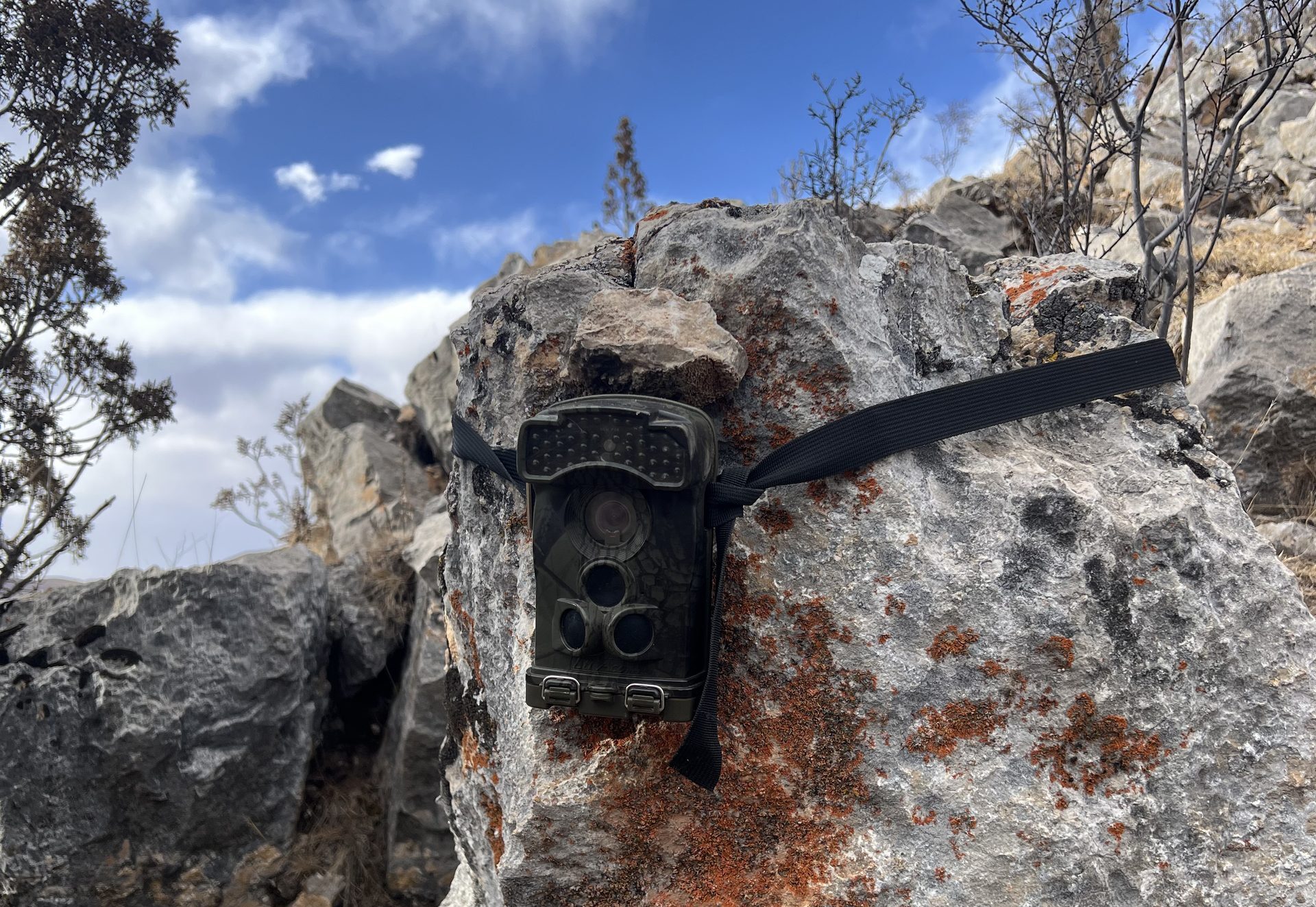
- Camera trapping is one of the most widely used and least intrusive ways to monitor snow leopards. Researchers usually place cameras at locations the cats are likely to visit or pass through, such as scrape sites, overhanging rocks, ridge saddles, cliff bases, and water sources.
- The distinctive rosette patterns on a snow leopard’s coat make it possible to identify individuals from clear photographs. Repeated detections of the same animal across different cameras or survey dates can then be analyzed using capture–recapture models. Once camera locations, spatial detection patterns, and animal movement are incorporated, spatially explicit capture–recapture (SECR) models can be used to estimate population density within the survey area.
- Genetic Sampling
- Genetic surveys rely on DNA recovered from non-invasive samples such as scat, hair, and urine. These samples can confirm species identity, determine sex, distinguish individuals, and reveal genetic relationships between populations.
- This approach is particularly valuable in landscapes where snow leopards are rarely photographed clearly, or where researchers are trying to understand population connectivity and gene flow across a broader region.
- GPS Telemetry
- GPS telemetry gives researchers a much more detailed view of how individual snow leopards use the landscape. Tracking data can reveal home ranges, travel routes, seasonal movements, hunting locations, and the ways animals move across roads, grazing areas, and different habitat types.
- These movement patterns are especially valuable for identifying ecological corridors, assessing the effects of human infrastructure and land use, and improving conservation planning across large, connected landscapes.
- Occupancy Surveys
- Occupancy surveys are used to determine whether snow leopards are present across a wider landscape, even when individual animals cannot be identified. Researchers may draw on interviews with local communities, field signs, and camera-trap records to build a broader picture of where the species occurs.
- By combining these sources across mapped survey areas, researchers can model patterns of occupancy and potential distribution, helping identify important habitat and regions that may require further survey or protection.
Responsible Snow Leopard Tourism: What Travelers Should Know
Snow leopard expeditions have become increasingly popular among wildlife enthusiasts, but they are very different from a typical African safari. This species live in remote and fragile mountain environments, and not every place where they occur is suitable for tourism or offers the same level of access and travel comfort.
For anyone considering a snow leopard expedition, it is important to understand what to look for in an itinerary, whether the experience suits you, and what responsibilities come with traveling in snow leopard habitat.
How to Choose a Snow Leopard Expedition
- Choosing a Destination
The most established destinations for snow leopard expeditions today include Yushu and Dulan in Qinghai, China; Ladakh and Spiti in India; and the Altai Mountains of Mongolia.
China is home to the world’s largest snow leopard population, but organized snow leopard tourism there has developed mainly within the past five years. Most expeditions rely on local herder observation networks and are led by experienced wildlife guides. Thanks to China’s relatively developed transport infrastructure, access is generally more efficient, and up to 75% of the total itinerary can be dedicated to snow leopard observation.
That said, these expeditions still take place in remote mountain areas. During observation days, accommodation and meals are often arranged in local herders’ homes, and facilities can be basic. China therefore tends to suit travelers who value more time in the field and are comfortable with a more adventurous, less polished travel experience.


India has a longer history of organized snow leopard tourism than China, with more established local teams and generally more comfortable accommodation and meal arrangements. This can make the overall experience easier for many travelers. The trade-off is access: most snow leopard destinations in India are far from major transport hubs and typically require one to three days of overland travel. As a result, snow leopard observation often accounts for only around half of the total itinerary.
Mongolia involves a similar level of remoteness and overall trip length, but snow leopard habitats there are generally at lower elevations than those in India and China. This reduces the risk of altitude-related discomfort and can make the journey less physically demanding.
All three countries can also be combined with wider cultural experiences, so the best choice depends on what matters most to you: time in the field, comfort, accessibility, altitude, or a broader cultural journey.
- Choosing a Responsible Local Guide
A responsible snow leopard expedition should always prioritize the animal’s natural behavior and the integrity of its habitat. Choosing the right guide or operator is therefore one of the most important decisions you can make.
When comparing options, consider the guide’s experience in the specific observation area, their relationships with local herders or wildlife observers, and the reliability of the information network they work with. Field practices matter just as much: responsible guides should never bait, chase, or crowd wildlife, and they should never promise a snow leopard sighting.
It is also worth considering how tourism revenue is shared. Expeditions that work closely with local communities and return part of the income to the people living alongside snow leopards can create a stronger connection between tourism and long-term conservation.
What to Consider During a Snow Leopard Expedition
- High-Altitude Preparation and Safety
Snow leopard expeditions in China and Mongolia are generally built around 4WD access and fixed observation points, with relatively little hiking and no mountaineering experience required. Some itineraries in India are more physically demanding, involving longer daily hikes at altitude. A month or so before departure, it is worth building basic endurance through activities such as jogging, brisk walking, or uphill training. In the final two weeks, ease back rather than pushing harder, so you arrive rested rather than fatigued.
Most snow leopard observation areas lie between 3,700 and 4,500 meters, so a gradual approach to altitude can make a significant difference. Spending 1-3 days at a lower elevation before moving higher is often a sensible strategy—for example, in Xining (2,261 m) or Yushu (3,710 m) in China, or Leh (3,514 m) in India.
As you acclimatize, keep activity light, avoid strenuous exertion, and limit alcohol. If you develop symptoms such as headache, fever, or diarrhea, inform your guide promptly; worsening symptoms should be assessed by a medical professional.
Travelers with heart or respiratory conditions should seek medical advice before planning a high-altitude snow leopard expedition.
- Responsible Watching, Ethics and Community Relations– Keep your distance. Do not approach a snow leopard. A minimum observation distance of 200 meters provides an important buffer for both the animal and the people watching it.
- Never bait or disturb wildlife. Food, calls, sounds, or any other method used to draw a snow leopard closer can alter natural behavior and compromise future observation.
- Stay away from den sites. If you hear cub vocalizations or notice signs of a den, leave the area immediately.
- Leave no trace. Everything brought into the valley should leave with you. Avoid leaving rubbish, food, strong scents, or other signs of human presence behind.
- Follow your guide’s lead. Local herder-guides have lived alongside snow leopards for decades, and their understanding of the landscape is shaped by both experience and Tibetan traditions of coexistence, so they know when to move forward, when to wait, and when to retreat. In the field, the guide’s decisions always take priority.
- Stay with the group. Do not wander off alone or enter private grazing land without permission. These are remote landscapes with real wildlife risks, and remaining with the group is the safest option.
A snow leopard encounter should never be reduced to a single moment or photograph. Trust between wildlife and people is built over time, and without that mutual respect, snow leopards can simply choose another route.
How You Can Help Snow Leopard Conservation
Snow leopard conservation is not solely the responsibility of scientists, rangers, or conservation organizations. Even without working directly in the field, individuals can support the people, landscapes, and conservation efforts that give snow leopards a better chance of surviving in the wild.
Support Transparent and Credible Conservation Organizations
Donations can help fund population monitoring, habitat protection, anti-poaching work, human-wildlife conflict mitigation, and community-based conservation. Before contributing, however, take time to understand where an organization works, how local communities are involved, and how its funding is used.
Credible organizations generally publish annual reports, explain their conservation methods, and provide evidence of their work and results. Partnerships with established research institutions, government agencies, or community organizations can also be useful indicators of whether a project is grounded in long-term conservation rather than short-term campaigns.
Choose Responsible Snow Leopard Travel
If you travel into snow leopard habitat, the operator you choose can influence far more than your own experience. The way an expedition is run can affect wildlife behavior, fragile mountain ecosystems, and the communities sharing those landscapes.
There is currently no single international standard governing snow leopard tourism, so it is worth understanding how an operator approaches wildlife in the field. A responsible expedition should never be built around getting as close to a snow leopard as possible. The priority should be to observe the animal without altering its natural behavior.
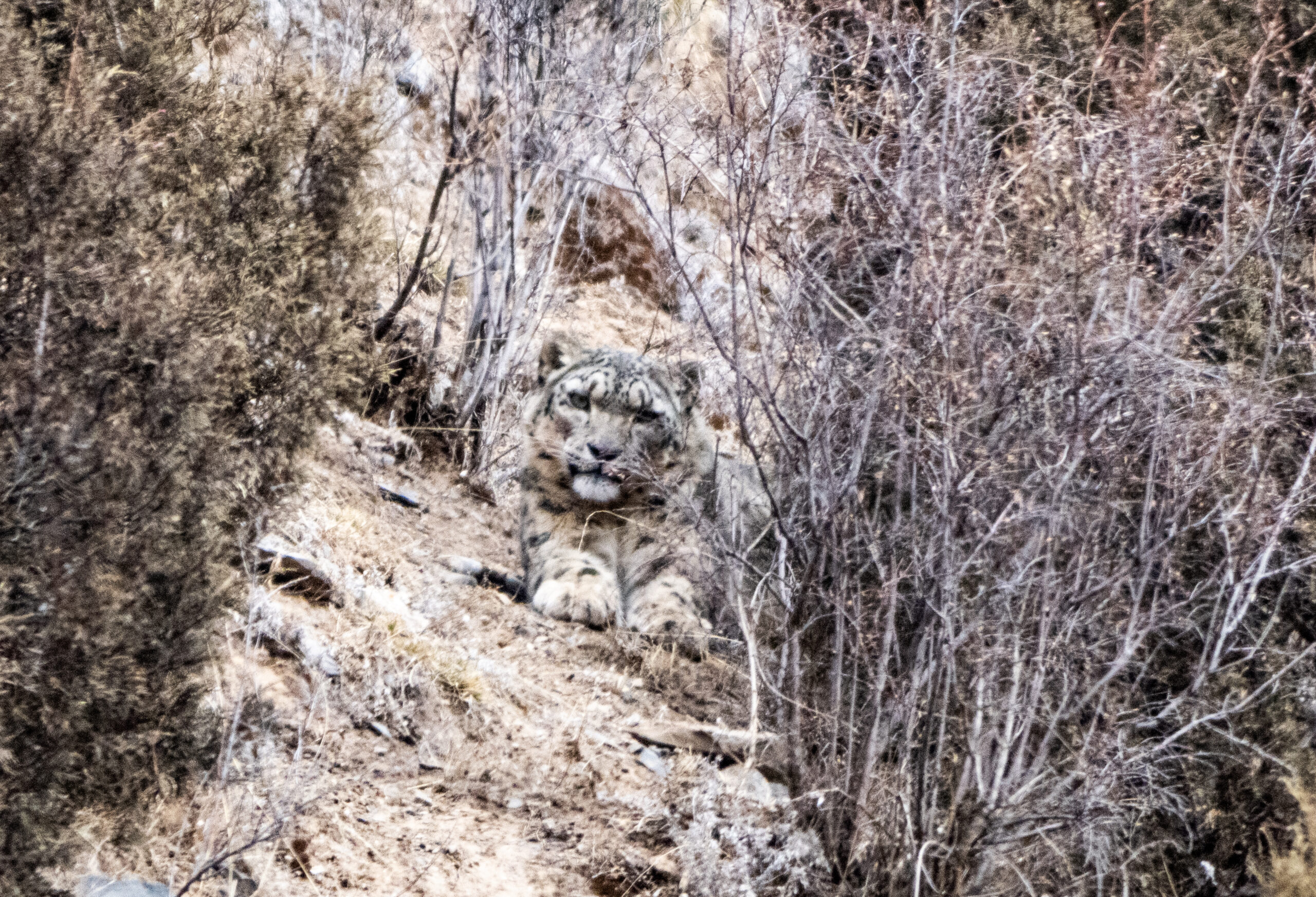
Support Local Communities and Sustainable Livelihoods
Much of the snow leopard’s habitat overlaps with pastoral landscapes, which means local families often bear the direct economic cost of living alongside a large predator. When livestock are lost, the impact can be significant, and in some regions repeated losses have contributed to retaliatory killing. Effective snow leopard conservation therefore has to support not only the species itself, but also the people who share its habitat.
Community-based conservation can take many forms, including predator-resistant livestock corrals, livestock insurance and compensation schemes, training local wildlife observers and rangers, supporting herder cooperatives and women’s handicraft initiatives, developing alternative livelihoods, providing conservation education, and restoring wild prey populations and habitat.
Share Conservation Information Responsibly
Before sharing information about snow leopard populations, distribution, or conservation status, make sure the source is reliable. AI-generated wildlife imagery and misleading stories can easily distort public understanding.
When posting field photographs or travel experiences, avoid revealing exact locations of dens, cubs, prey concentrations, or regularly used snow leopard sites. Even well-intentioned posts can attract excessive attention, disturb wildlife, or expose sensitive locations to poaching.
Responsible sharing should do more than draw attention to snow leopards. It should help people understand the relationship between the species, its habitat, and the communities that live alongside it.
Reject Illegal Wildlife Products and Trade
Reducing demand matters. Do not buy products made from snow leopards or their wild prey, and check the origin of souvenirs to ensure they do not contain protected wildlife materials.
If you encounter suspected illegal wildlife trade, report it through the appropriate authorities or official channels. Where it is safe to do so, record only information that is publicly visible.
Our planet is richer because life is interconnected. The snow leopard may live far from us, high in the mountains, but its future is tied to ours. Protecting this extraordinary cat means protecting the living landscapes we all depend on.
Sources and Further Reading
If you are interested in traveling to China to see snow leopards in the wild, you can explore our Complete Guide to Snow Leopard Expeditions in China. We also lead snow leopard expeditions in China.
China is not only home to the world’s largest snow leopard population, but also to an extraordinary diversity of wildlife. By working with trusted wildlife experts across different regions, we design journeys that go beyond simply seeing animals—helping travelers understand the landscapes, local communities, and ecosystems that make wildlife travel in China so rewarding.
References
[1] IUCN/SSC Cat Specialist Group. (n.d.). Snow Leopard (Panthera uncia). Living Species Programme. Global Species Programme. https://www.catsg.org/living-species-snowleopard
[2] McCarthy, T., Mallon, D. P., Jackson, R., Zahler, P., & McCarthy, K. (2017). Panthera uncia. The IUCN Red List of Threatened Species 2017: e.T22732A50664030. https://dx.doi.org/10.2305/IUCN.UK.2017-2.RLTS.T22732A50664030.en
[3] Shi, K., Xiao, L., Atzeni, L., Lyu, Z., Liu, Y., Wang, J., Liang, X., Liu, Y., Zhao, X., Alexander, J. S., Weckworth, B., Lu, Z., & Riordan, P. (2024). Snow leopard status and conservation in China. In D. Mallon & T. McCarthy (Eds.), Snow Leopards (2nd ed., pp. 577–601). Academic Press. https://doi.org/10.1016/B978-0-323-85775-8.00021-2
[4] McCarthy, T. M., & Chapron, G. (2003). Snow Leopard Survival Strategy. International Snow Leopard Trust.
[5] Wei, C., Liu, Y., Liang, M., Chang, M., Yu, Y., Gao, Y., Jikmed, A., Li, X., Li, J., Bian, X., Yu, C., Li, Y., Xue, Y., Xing, R., Xiong, X., Liang, B., Li, S., Wang, H., Zhao, X., … Xiao, L. (2026). Snow leopard (Panthera uncia) status in China. Snow Leopard Reports, 5(1), 81–95. https://doi.org/10.56510/slr.v5.65095
[6] Sharma, M., Pal, R., & Bhatnagar, Y. (2026). Snow leopard (Panthera uncia) status in India. Snow Leopard Reports, 5(1), 12–16. https://doi.org/10.56510/slr.v4.63866
[7] Alexander, J. S., Bayandonoi, G., Munkhtsog, B., Lkhagvajav, P., Mijiddorj, T. N., Byambasuren, C., & Munkhtsog, B. (2026). Snow leopard (Panthera uncia) status in Mongolia. Snow Leopard Reports, 5(1), 34–40. https://doi.org/10.56510/slr.v5.63868
[8] Munkhtsog, B., Purevjav, L., McCarthy, T. M., & Bayrakcismith, R. (2016). Northern range: Mongolia. In P. J. Nyhus, T. M. McCarthy, & D. Mallon (Eds.), Snow Leopards: Biodiversity of the World. Elsevier, pp. 493–500.
[9] Dhendup, T. (2026). Snow leopard (Panthera uncia) status in Bhutan. Snow Leopard Reports, 5(1), 7–11. https://doi.org/10.56510/slr.v5.63864
[10] Lama, R. P., Khanal, G., Acharya, H. B., Chetri, M., Koju, N., Thapa, K., Singh, P. B., Subba, S. A., Shrestha, S., Ghale, T. R., Kusi, N., Subedi, A., & Shrestha, B. (2026). Snow leopard (Panthera uncia) status in Nepal. Snow Leopard Reports, 5(1), 41–47. https://doi.org/10.56510/slr.v5.63869
[11] Shey Phoksundo National Park (SPNP). (2023). Population Assessment of Shey Phoksundo National Park’s Snow Leopard and Prey. Department of National Parks and Wildlife Conservation, Nepal. https://dnpwc.gov.np/media/publication/Snowleopard_-_Population_Assessment_SPNP-_2023.pdf
[12] Kubanychbekov, Z., Sharma, K., Zhumabai uulu, K., Wearn, O., Durbach, I., Raulerson, M., Kochorov, C., Asykulov, T., Koshkin, M., Zhumabay kyzy, G., & Eldiiar, K. (2026). Snow leopard (Panthera uncia) status in Kyrgyzstan. Snow Leopard Reports, 5, 26–33. https://doi.org/10.56510/slr.v5.63883
[13] Grachev, A. (2026). Snow leopard (Panthera uncia) status in Kazakhstan. Snow Leopard Reports, 5(1), 17–25. https://doi.org/10.56510/slr.v5.63867
[14] Abbas, S., Hussain, Z., Abbas, K., & Aisha, H. (2026). Snow leopard (Panthera uncia) status in Pakistan. Snow Leopard Reports, 5(1), 48–57. https://doi.org/10.56510/slr.v5.63872
[15] Saidov, A., Karimov, K., Kholmatov, I., & Novikova, T. (2024). The snow leopard in Tajikistan. In Snow Leopards (pp. 481–488). Elsevier. https://doi.org/10.1016/B978-0-323-85775-8.00024-8
[16] Kachel, S. M., Shokirov, Q., Kholmatov, I., Mirzoev, M., & Saidov, A. (2026). Snow leopard (Panthera uncia) status in Tajikistan. Snow Leopard Reports, 5, 67–72. https://doi.org/10.56510/slr.v5.63876
[17] Gritsina, M., Bykova, E., Paltsyn, M., Esipov, A., Abduraupov, T., Soldatov, V., Aromov, B., Rustamov, A., Aromov, T., Golovtsov, D., & Ten, A. (2026). Snow leopard (Panthera uncia) status in Uzbekistan. Snow Leopard Reports, 5, 73–80. https://doi.org/10.56510/slr.v5.63881
[18] Moheb, Z., & Zahler, P. (2026). Snow leopard (Panthera uncia) status in Afghanistan. Snow Leopard Reports, 5, 1–6. https://doi.org/10.56510/slr.v5.63863
[19] Karnaukhov, A. S. (2026). Snow leopard (Panthera uncia) status in Russian Federation. Snow Leopard Reports, 5, 58–66. https://doi.org/10.56510/slr.v5.63874
[20] Global Snow Leopard & Ecosystem Protection Program (GSLEP). (n.d.). The Snow Leopard: Facts About Snow Leopards. https://globalsnowleopard.org/the-snow-leopard/cat-facts/
[21] Sharma, R. K. (2021). Estimating population of world’s snow leopards. Mongabay-India. https://india.mongabay.com/2021/03/commentary-estimating-population-of-worlds-snow-leopards/
[22] Janecka, J. E., Zhang, Y., Li, D., Munkhtsog, B., Bayaraa, M., Galsandorj, N., … Uulu, K. Z. (2017). Range-wide snow leopard phylogeography supports three subspecies. Journal of Heredity, 108(6), 597–607.
[23] China Snow Leopard Conservation Network. (2018). Status of Snow Leopard Survey and Conservation, China 2018 (Draft for Comments). [In Chinese]. http://www.snowleopardchina.org/
[24] Bold, A., & Dorjzunduy, S. (1976). Report on snow leopards in the southern spurs of the Gobi Altai. Proceedings of the Institute of General and Experimental Biology – Ulaanbaatar, 11, 27–43.
[25] McCarthy, T. M., & Mallon, D. (2016). Snow Leopards. Elsevier.
[26] Xiao, L. Y. (2017). The Interaction Among Snow Leopards (Panthera uncia), Blue Sheep (Pseudois nayaur) and Livestock in Sanjiangyuan Region [Doctoral dissertation, Peking University]. [In Chinese with English abstract].
[27] Lu, Q., Cheng, C., Xiao, L., Li, J., Li, X., Zhao, X., Lu, Z., Zhao, J., & Yao, M. (2023). Food webs reveal coexistence mechanisms and community organization in carnivores. Current Biology, 33(4), 647–659.e5. https://doi.org/10.1016/j.cub.2022.12.049
[28] Sanjiangyuan National Park Administration & Qinghai Forestry and Grassland Bureau. (2025). Sanjiangyuan Snow Leopard Population Survey Report (Draft for Comments).
[29] Global Snow Leopard & Ecosystem Protection Program (GSLEP). (n.d.). Retaliation or Protective Killings. https://globalsnowleopard.org/the-snow-leopard/threats/retaliation-killings/
[30] Global Snow Leopard & Ecosystem Protection Program (GSLEP). (n.d.). Limited Capacity. https://globalsnowleopard.org/the-snow-leopard/threats/limited-capacity/
[31] Snow Leopard Network. (n.d.). Snow Leopard Network. https://globalsnowleopard.org/snow-leopard-network/
[32] Global Snow Leopard & Ecosystem Protection Program (GSLEP). (n.d.). Management Plans. https://globalsnowleopard.org/gslep-projects/management-plans/
[33] Global Snow Leopard & Ecosystem Protection Program (GSLEP). (n.d.). Population Assessment of the World’s Snow Leopards (PAWS). https://globalsnowleopard.org/gslep-projects/paws/
[34] Sharma, K., Borchers, D., Mackenzie, D., Durbach, I., Sutherland, C., Nichols, J., Lovari, S., Lu, Z., Ale, S., Khan, A. A., Modaqqiq, W., McCarthy, T., Alexander, J. S., & Mishra, C. C1-PAWS Guidelines: Population Assessment of the World’s Snow Leopards. Global Snow Leopard & Ecosystem Protection Program (GSLEP).