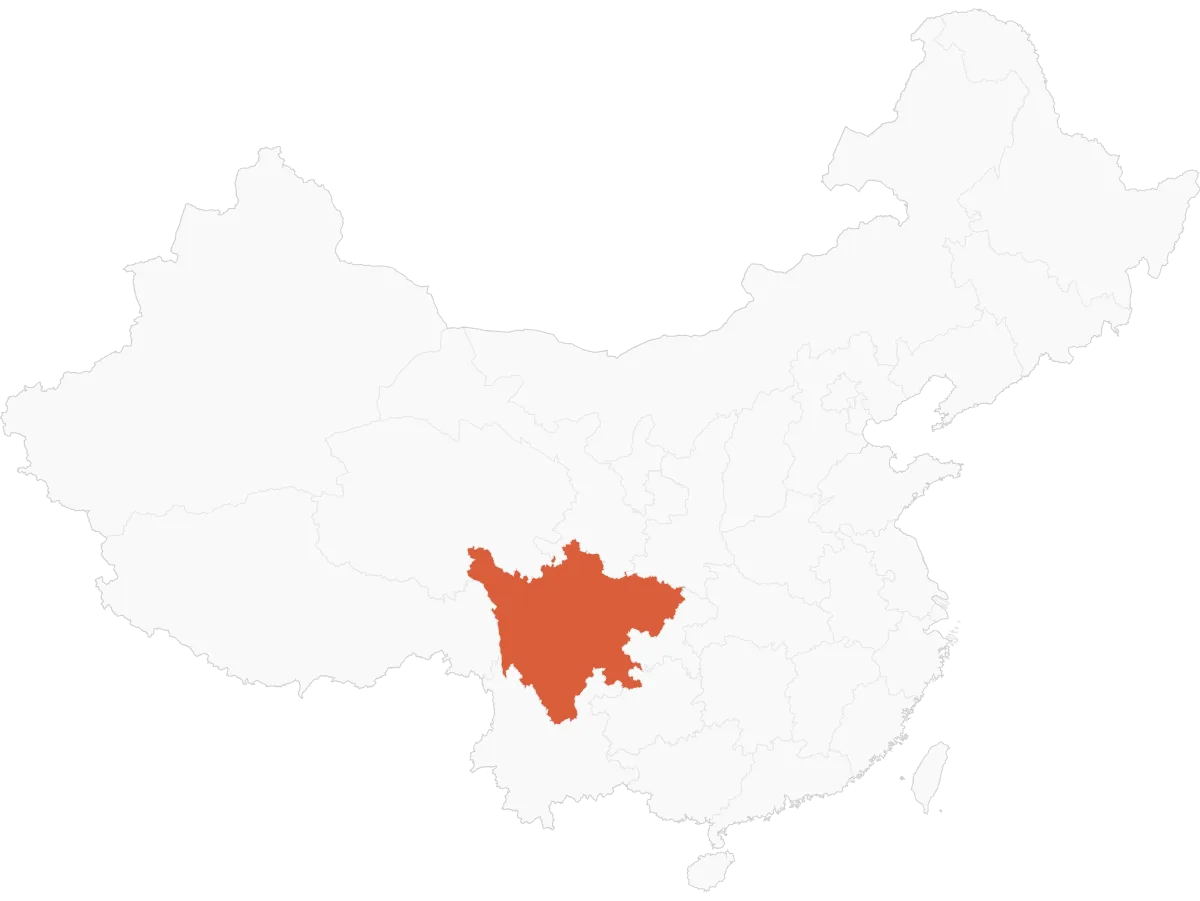
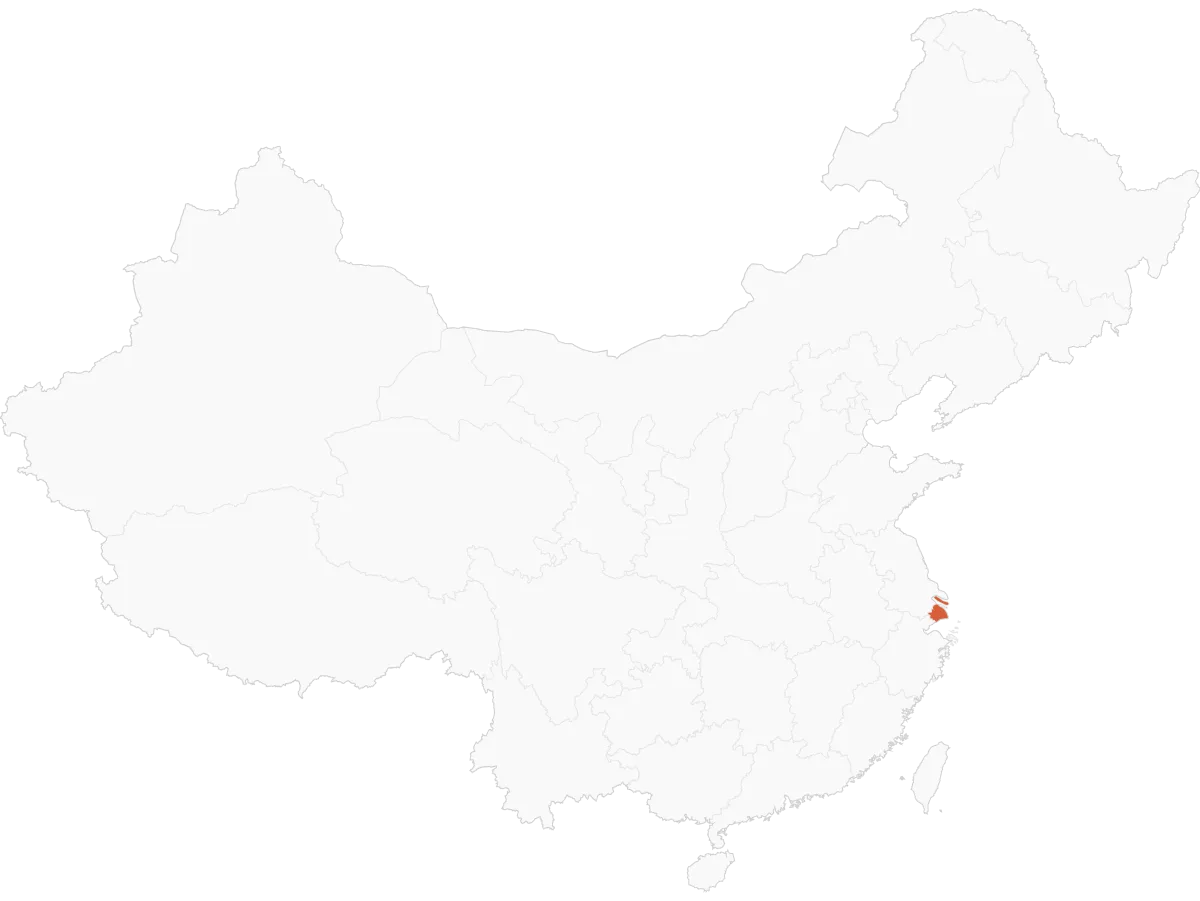
Sichuan’s dramatic elevational range creates an exceptional variety of habitats, supporting one of the richest bird communities in China. As of 2020, 757 bird species had been recorded in the province, including 46 species endemic to China. For birders visiting China, Sichuan is one of the first destinations we recommend, especially for anyone hoping to add a substantial number of new species to their life list.
In May 2026, we completed a field-based birding journey across Sichuan with professional wildlife guides and local birding experts. This report brings together what we actually observed along the way, while also looking at Sichuan from the perspectives of species, habitat, seasonality, and travel conditions. The aim is simple: to help birders understand where to go, what to look for, and what a genuinely bird-focused journey through Sichuan is really like.
Why Sichuan Is One of China’s Best Birding Destinations
Sichuan is one of China’s premier birding destinations and has recorded 757 bird species, including 46 species endemic to China. With more than 20 species of pheasants, it is particularly rewarding for anyone interested in this remarkable group of birds. The mountains of southwest China, which cover much of western Sichuan, are also recognized as one of the world’s 36 biodiversity hotspots.
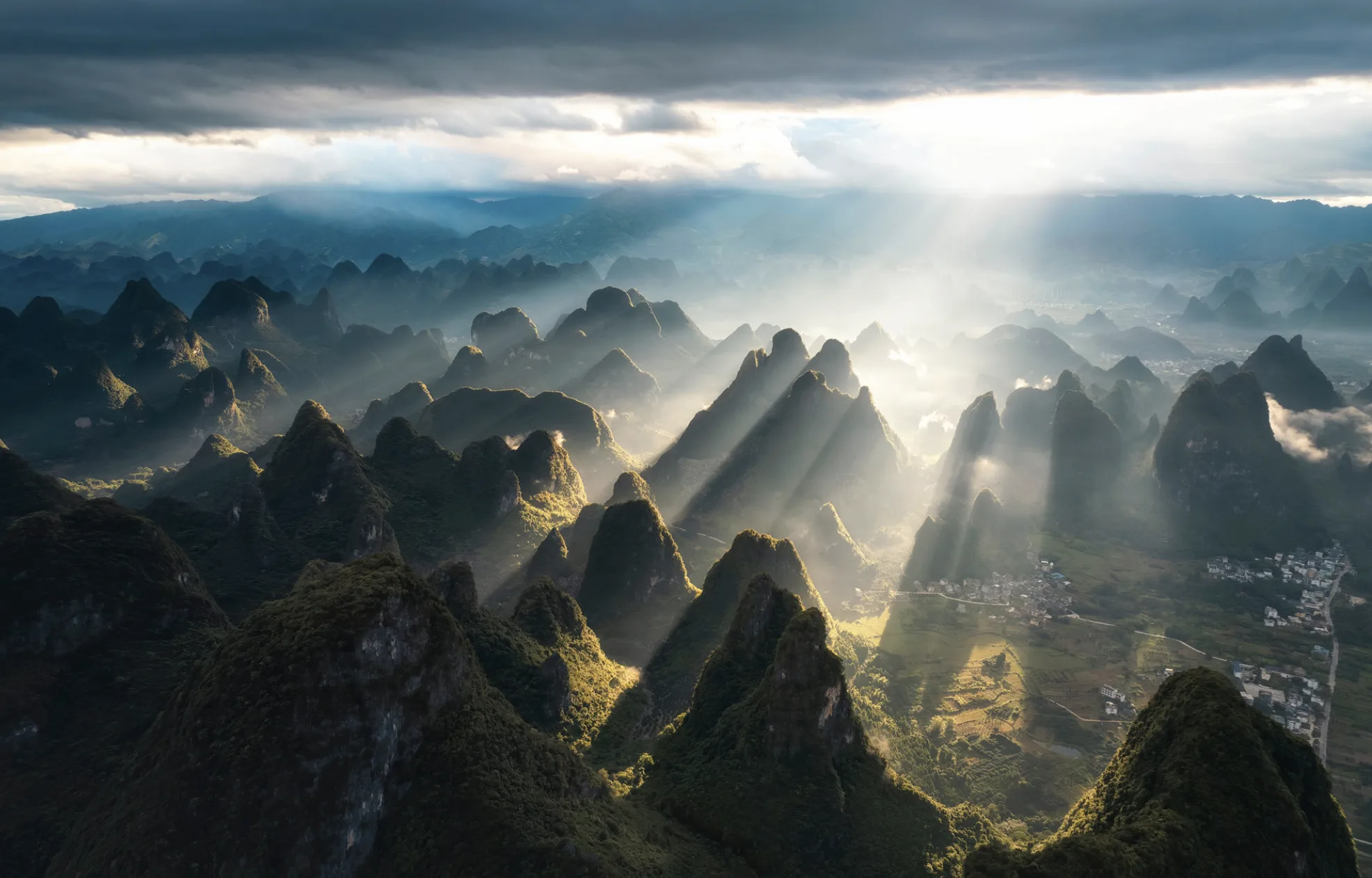
Much of this diversity comes from Sichuan’s extraordinary topography. The province spans five major geographical regions: the Tibetan Plateau, the Hengduan Mountains, the Yunnan-Guizhou Plateau, the Qinba Mountains, and the Sichuan Basin. Across these landscapes, the difference between the highest and lowest elevations exceeds 7,300 meters. The result is an exceptional range of ecosystems, with bird communities changing dramatically over distances of only a few hundred kilometers.
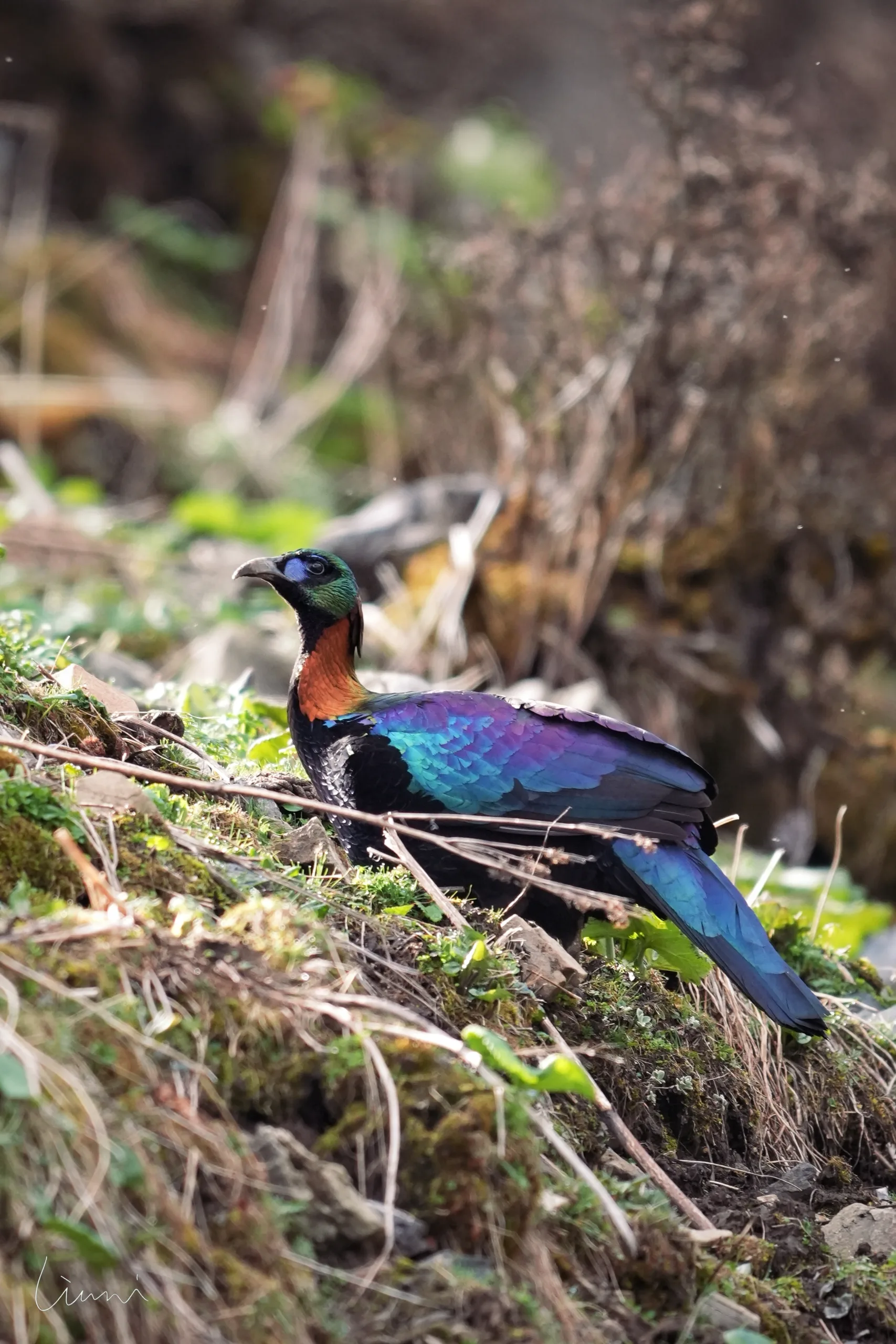
In practical terms, that means a day of birding can change quickly. In the morning, you might be walking through mid-elevation forest looking for Temminck’s Tragopan, Lady Amherst’s Pheasant, Golden-fronted Fulvetta, and Emei Shan Liocichla—just a small sample of the bird species found across the province. By the afternoon, you could be scanning alpine meadows for Chinese Monal, Himalayan Vulture, and White Eared Pheasant.
Sichuan also lies where two major global migration systems, the East Asian–Australasian Flyway and the Central Asian Flyway, come into close contact. During migration seasons, this adds another layer to the birding experience: some of the birds passing through Sichuan may be the same species you have watched thousands of kilometers away in your own country.
Another advantage is accessibility. Chengdu, the provincial capital, is one of western China’s major transport hubs, with extensive air, high-speed rail, and road connections. From the city, birders can reach a wide range of habitats and elevations without spending days simply getting into the field. Chengdu alone has recorded 599 bird species, the highest total reported for any provincial capital in China.
For birders, one of Sichuan’s greatest attractions is simply how often endemic species appear throughout the journey. It is one of those places where China’s unique birds are not isolated highlights, but a constant part of the birding experience.
Encounter China’s Endemic birds and Wild Red Pandas in Sichuan (13 days)
view detailRecent Birding Report in Sichuan and Field Observations
From May 19 to 31, 2026, we completed a 13-day birding journey across Sichuan, visiting Wawu Mountain, Longcanggou, Laba River, Tangjiahe, Kangding, and several other sites. Over the course of the trip, we recorded more than 150 bird species, including 12 species endemic to China, as well as 17 mammal species. Of the 9 parrotbill species known along this route, we successfully recorded eight.
The journey was led by professional birding and wildlife guides with extensive field experience in Sichuan. Starting from the low-elevation urban green spaces of Chengdu, we gradually moved into mid-elevation mountain forests and eventually the highlands of western Sichuan.
Among the highlights were several of China’s most distinctive endemic birds, including Chinese Monal, sometimes known locally as the “sacred bird of the Sichuan mountains,” Sichuan Partridge, White Eared Pheasant, and Three-toed Parrotbill. Along the way, we also encountered forest mammals such as Red Panda, Sichuan Takin, and Chinese Goral.
Below is a brief field record from this birding tour.
Daily Field Log
Day 1 | Chengdu · Huanhuaxi Park
By late May, Chengdu had already entered early summer, with daytime temperatures approaching 30°C. Rather than birding through the hottest part of the day, we entered Huanhuaxi Park after 4:30 pm, when the temperature had begun to fall and bird activity picked up again.
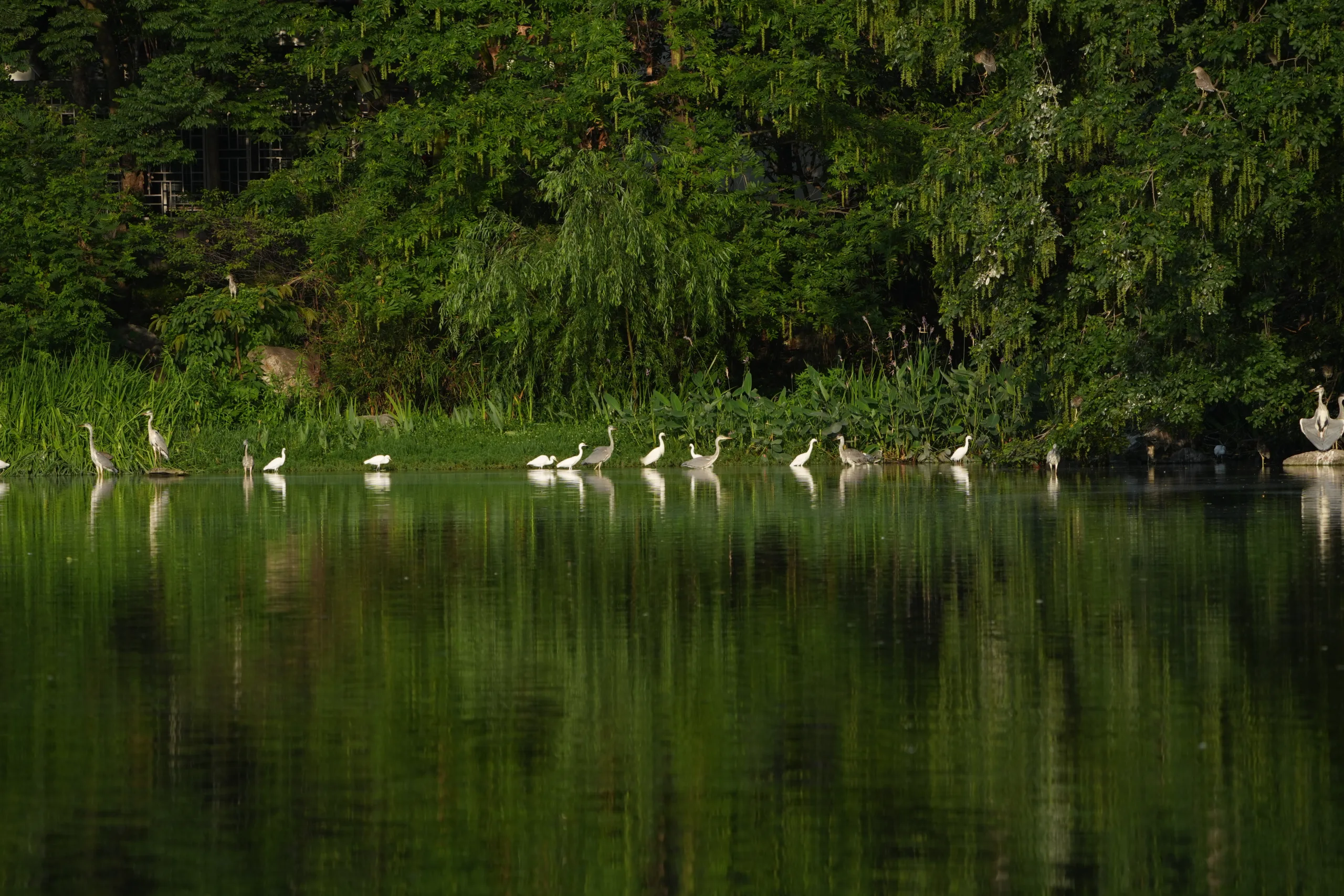
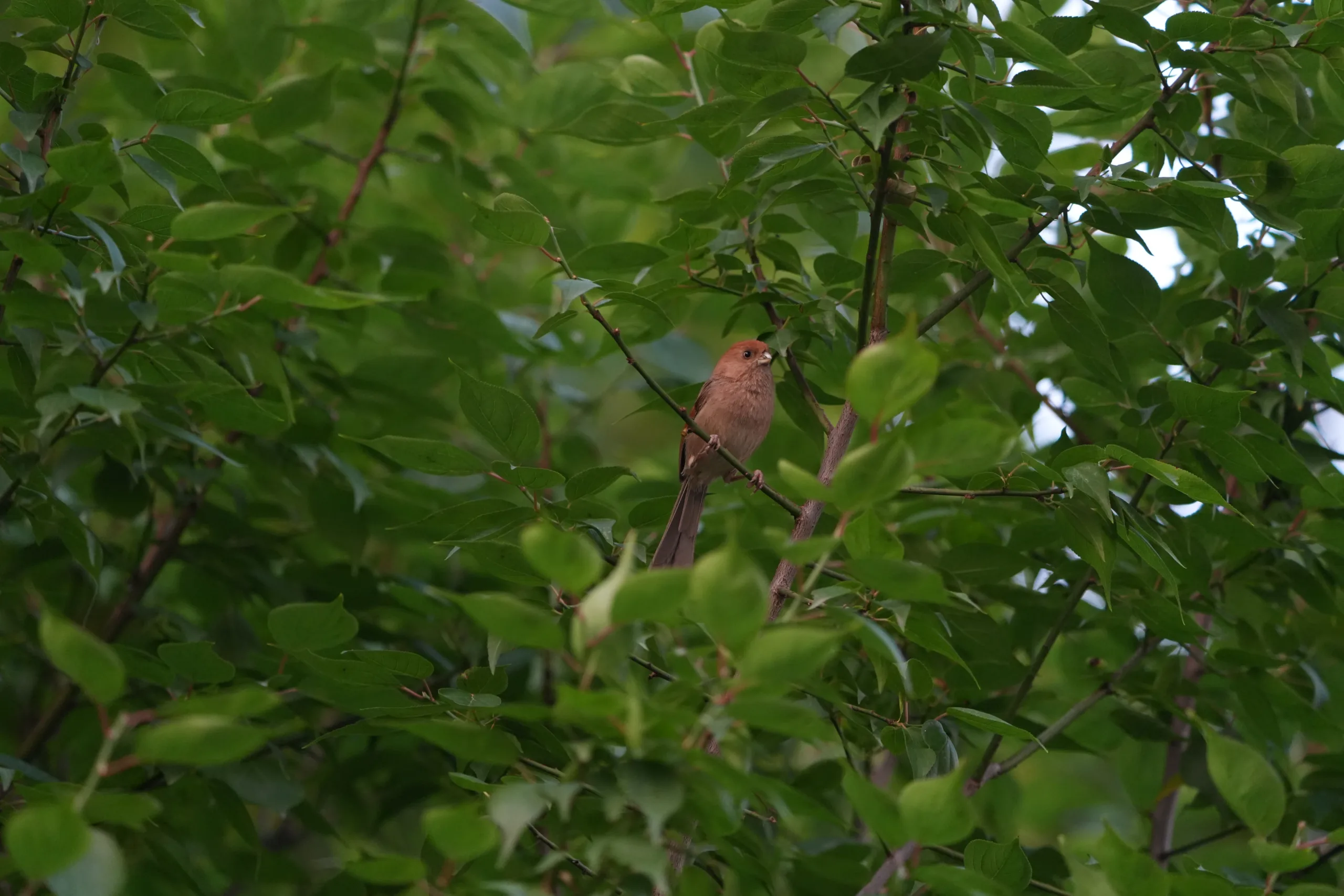
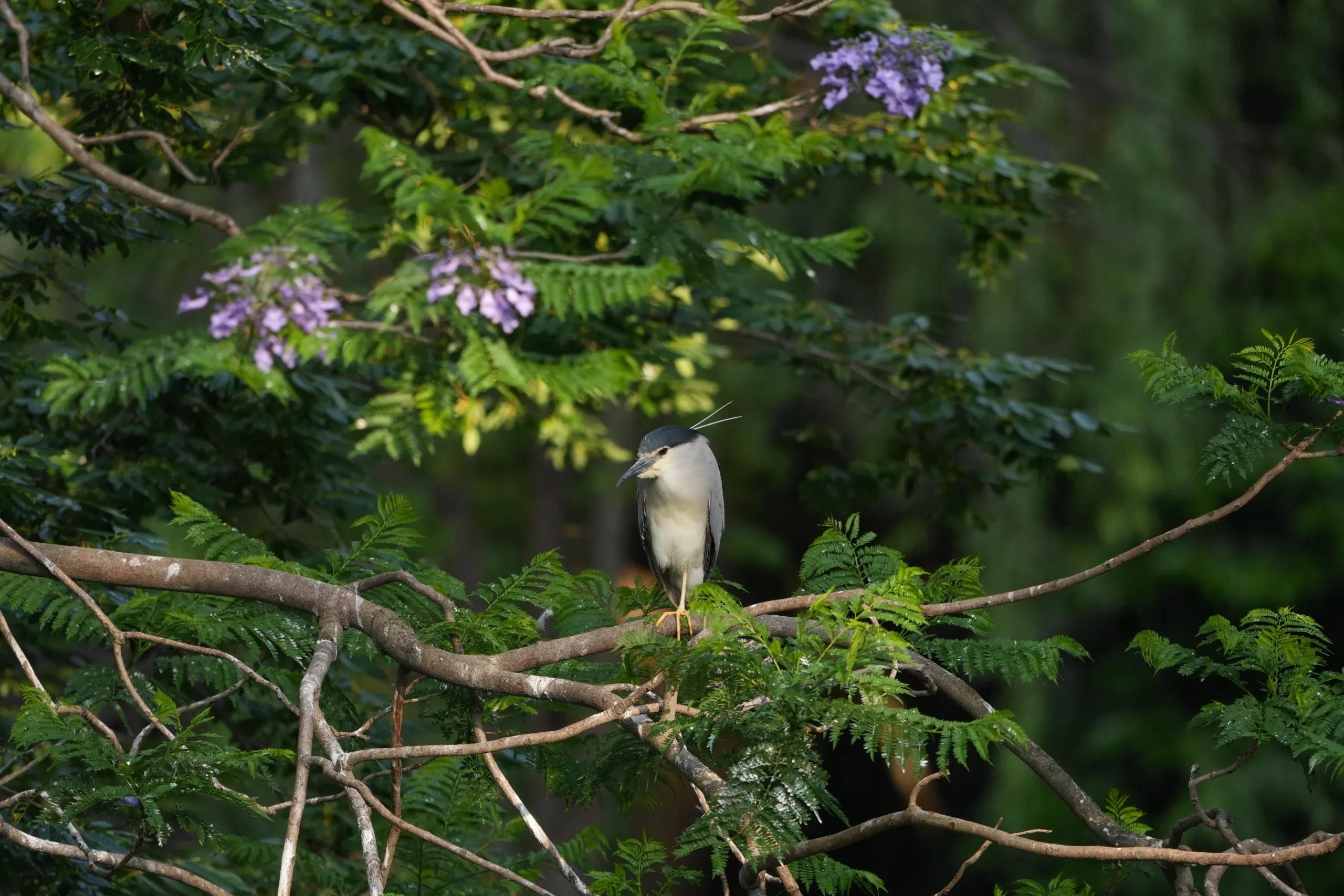
Common low-elevation species appeared quickly, including Light-vented Bulbul, Red-billed Starling, Black-throated Bushtit, and Oriental Greenfinch. Around the lakes, we recorded Little Egret, Great Egret, Grey Heron, Black-crowned Night Heron, and Common Moorhen. Another notable city-park species in Chengdu was Chinese Blackbird.
Day 2 | Dujiangyan Panda Valley – Tangjiahe
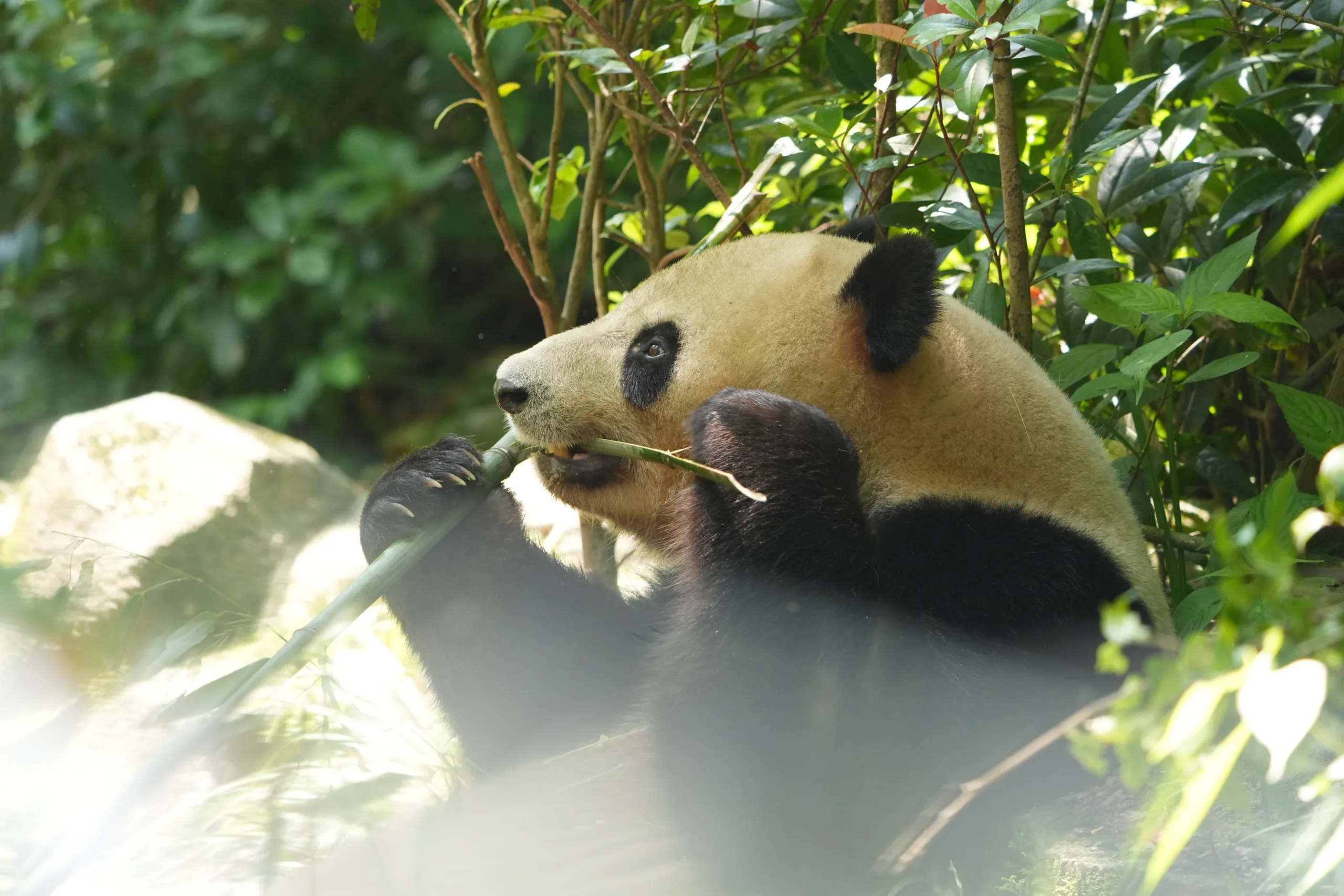
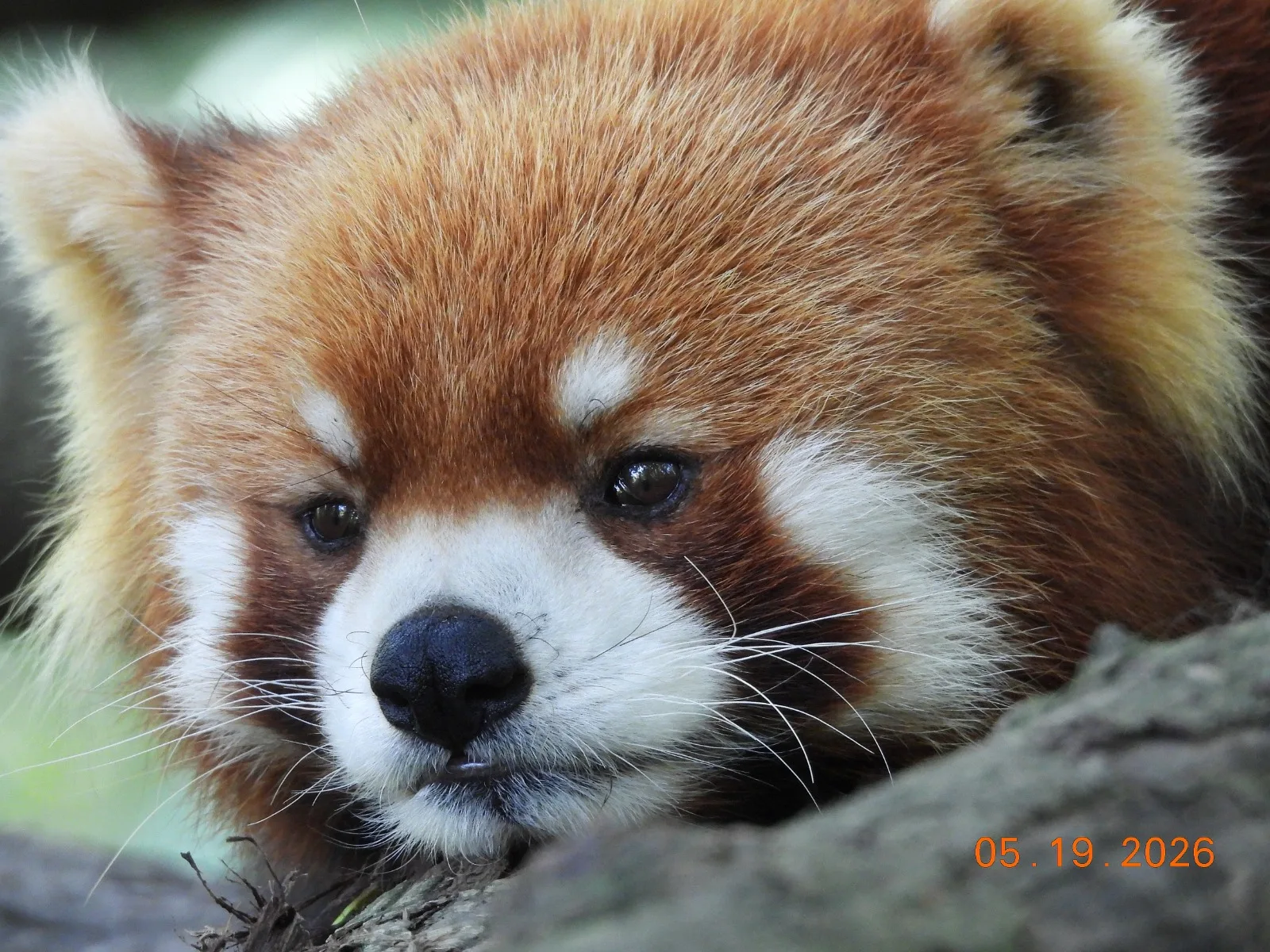
The morning at Panda Valley produced Rufous-faced Warbler, White-cheeked Laughingthrush, and Large Hawk-Cuckoo. We also had exceptionally close views of both Giant Panda and Red Panda.
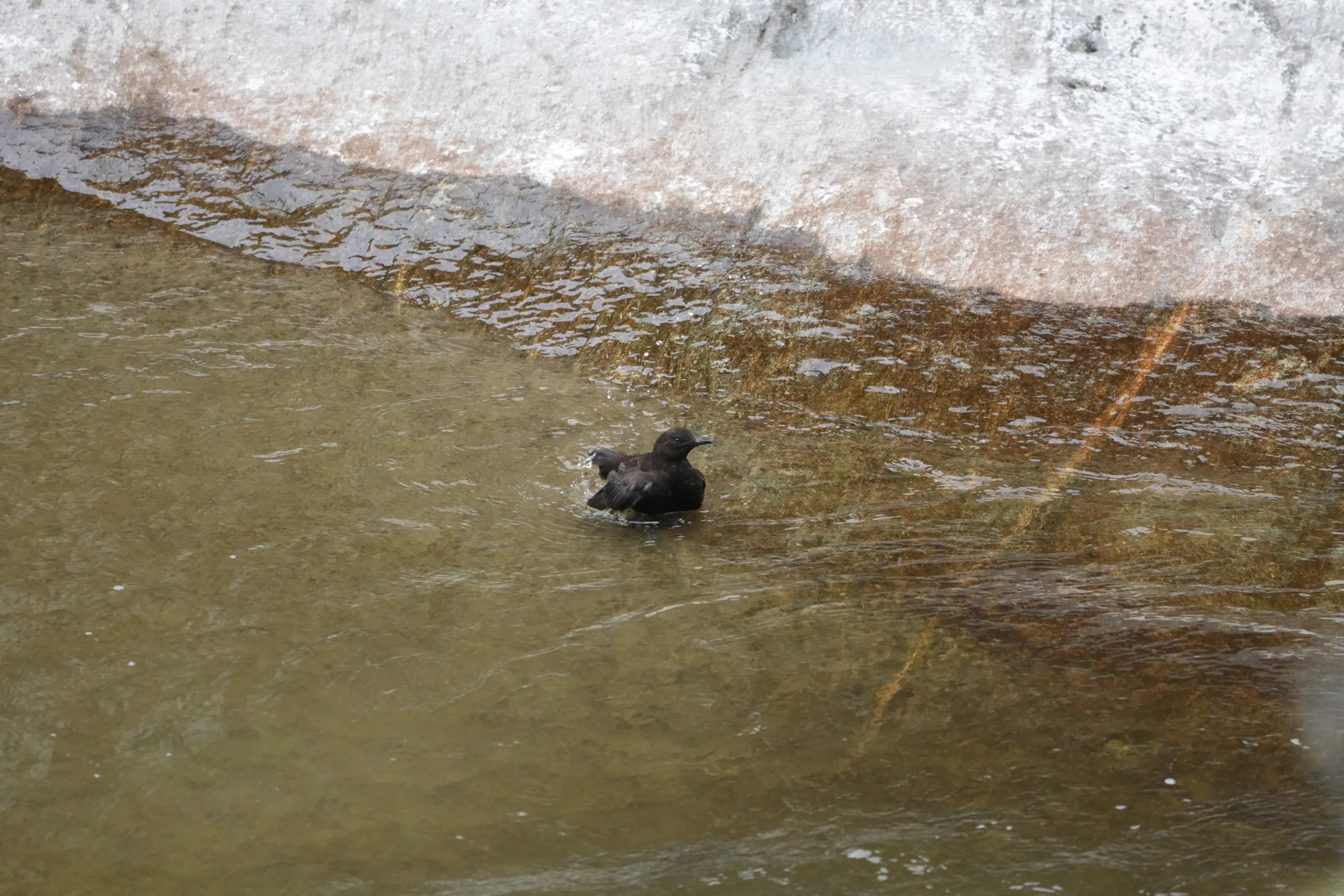
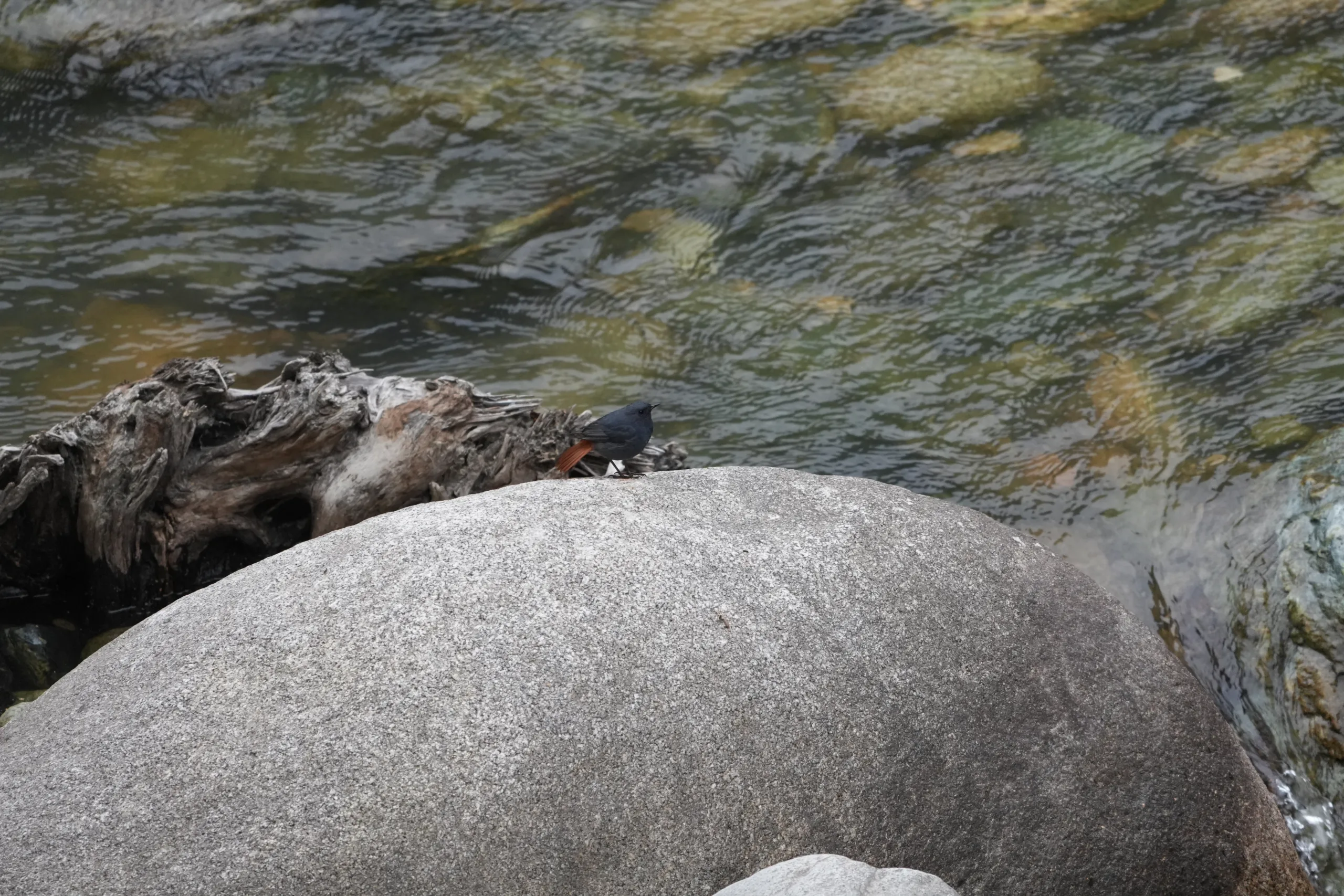
By evening, we had entered Tangjiahe, where the river-valley habitat quickly brought a different set of species. Among the first birds recorded were Brown Dipper and Plumbeous Water Redstart.
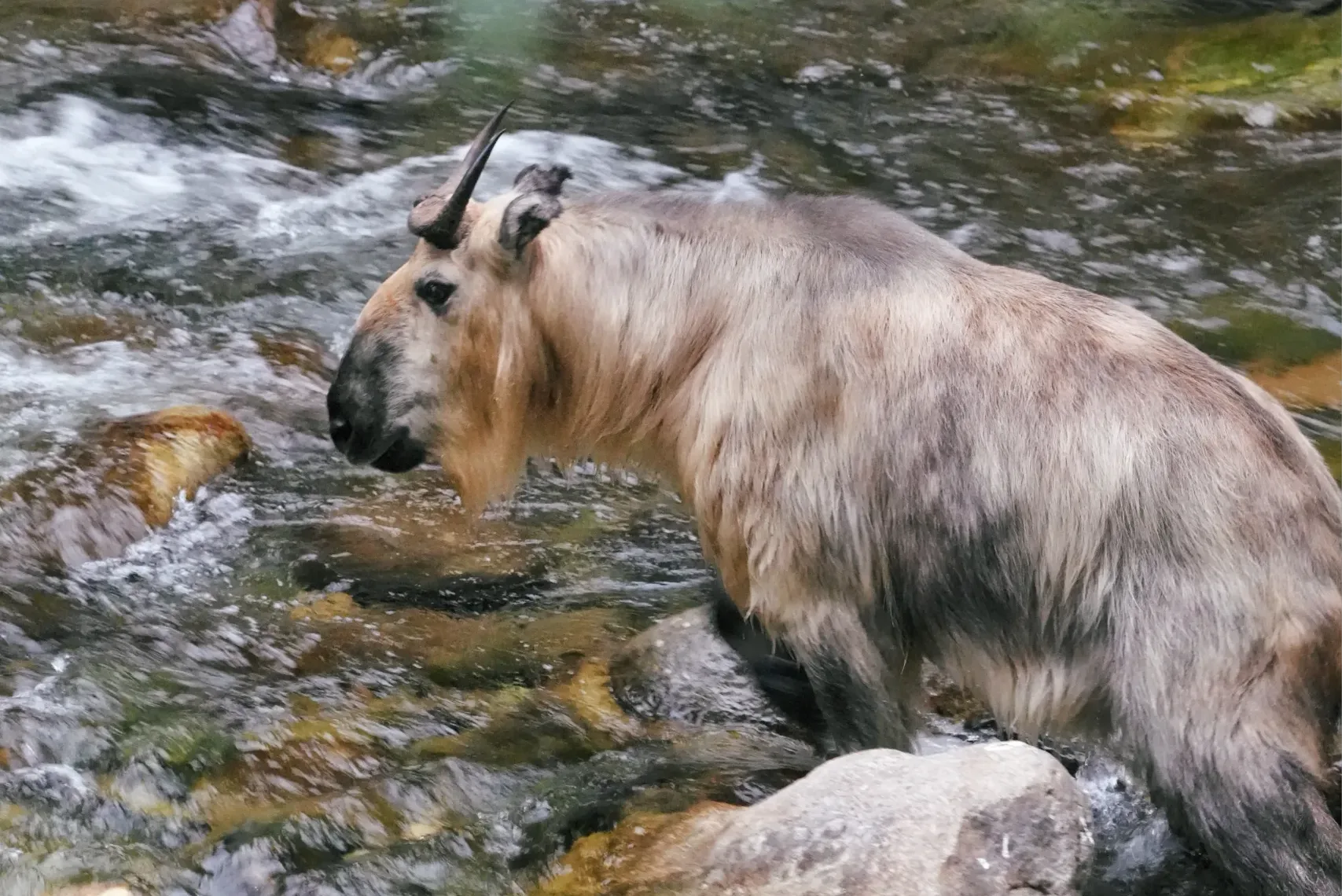
Day 3–4 | TangjiaheOur main target in Tangjiahe was the Sichuan Takin, a large mountain ungulate endemic to China. The reserve is dominated by montane forest and river valleys, and over these two days we recorded birds including Temminck’s Tragopan, Tawny Fish Owl, Verditer Flycatcher, Blue Whistling Thrush, White-crowned Forktail, and Asian Barred Owlet.
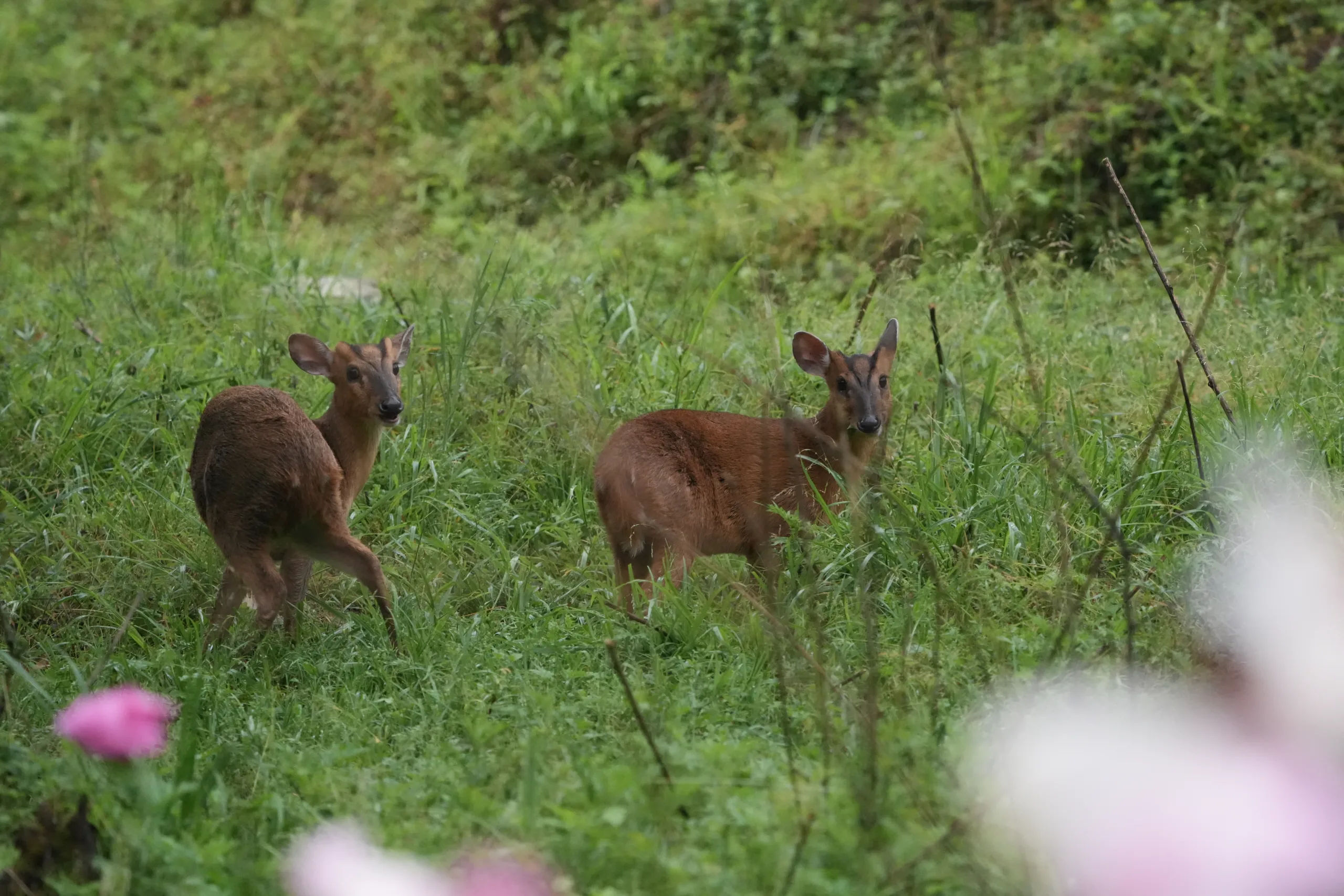
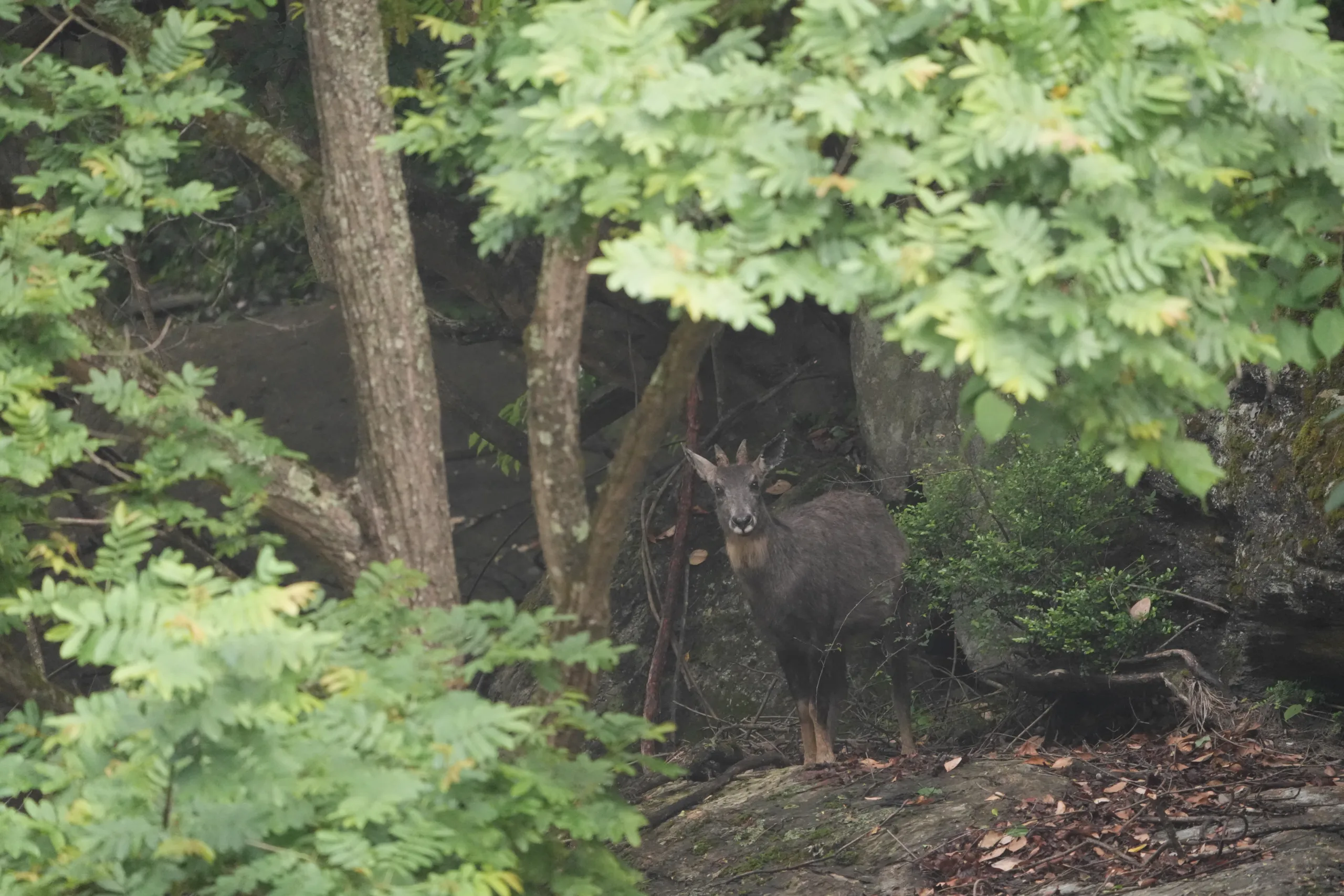
We also observed eight mammal species, including Reeves’s Muntjac, Chinese Goral, Masked Palm Civet, Wild Boar, and Tibetan Macaque. Most of these mammal encounters came in the early morning or after dark, making Tangjiahe one of the most consistently rewarding mammal-watching sites on the entire route.
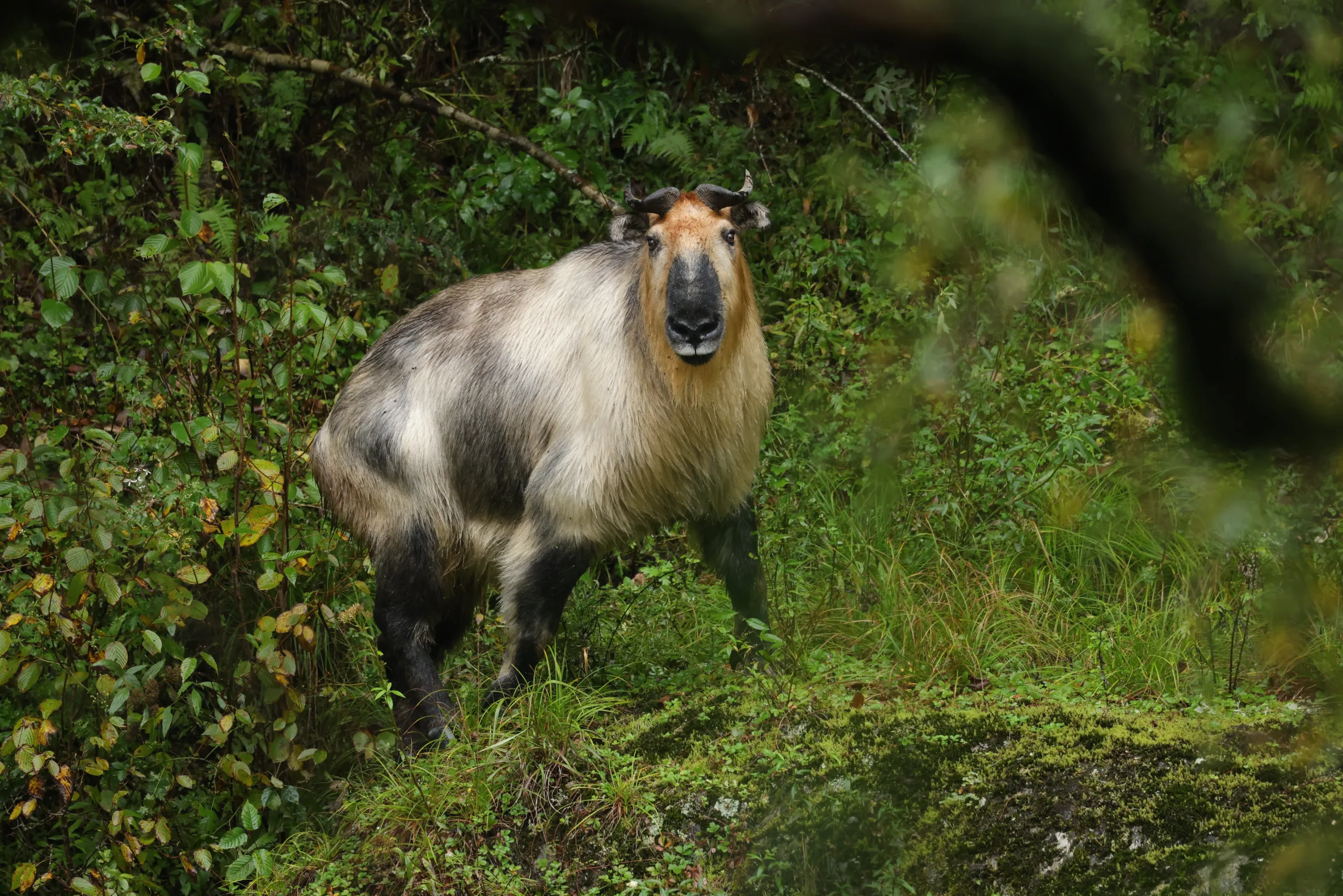
The most unexpected encounter was with a female Sichuan Takin and her calf. They emerged from the forest, crossed the road, and descended into the river valley before entering the water. At the closest point, they were only a few meters away. We remained inside the vehicle and did not approach, waiting until they had moved down into the valley before beginning to photograph them.
The whole encounter lasted only a few minutes, but seeing such a massive mountain animal at close range as it moved naturally through forest and fast-flowing water felt entirely different from knowing the species only through photographs.
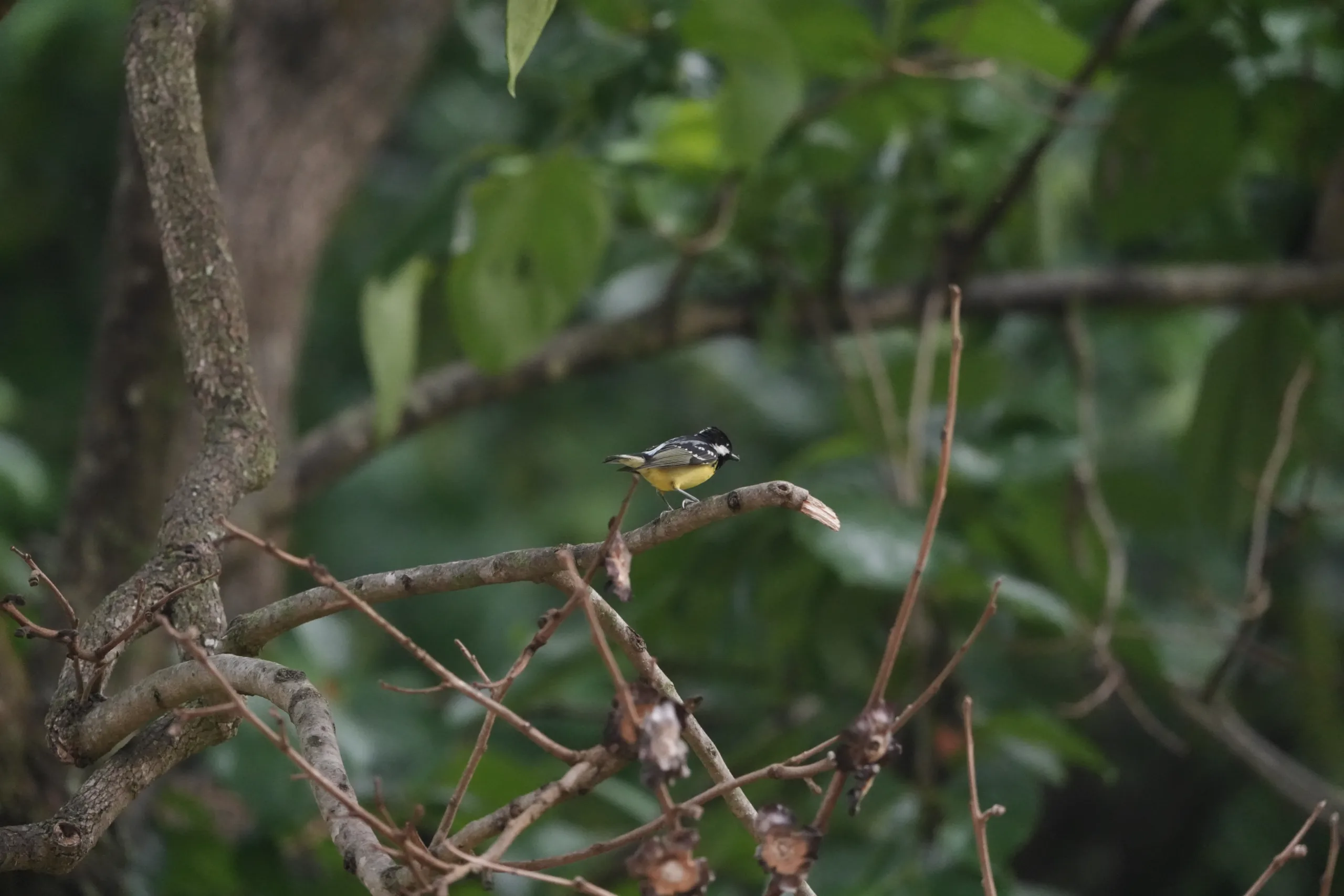
Day 4–6 | Laba River
Located within the Giant Panda National Park, Laba River sits within the natural range of the Giant Panda, in mountain forests where wild pandas still live today.
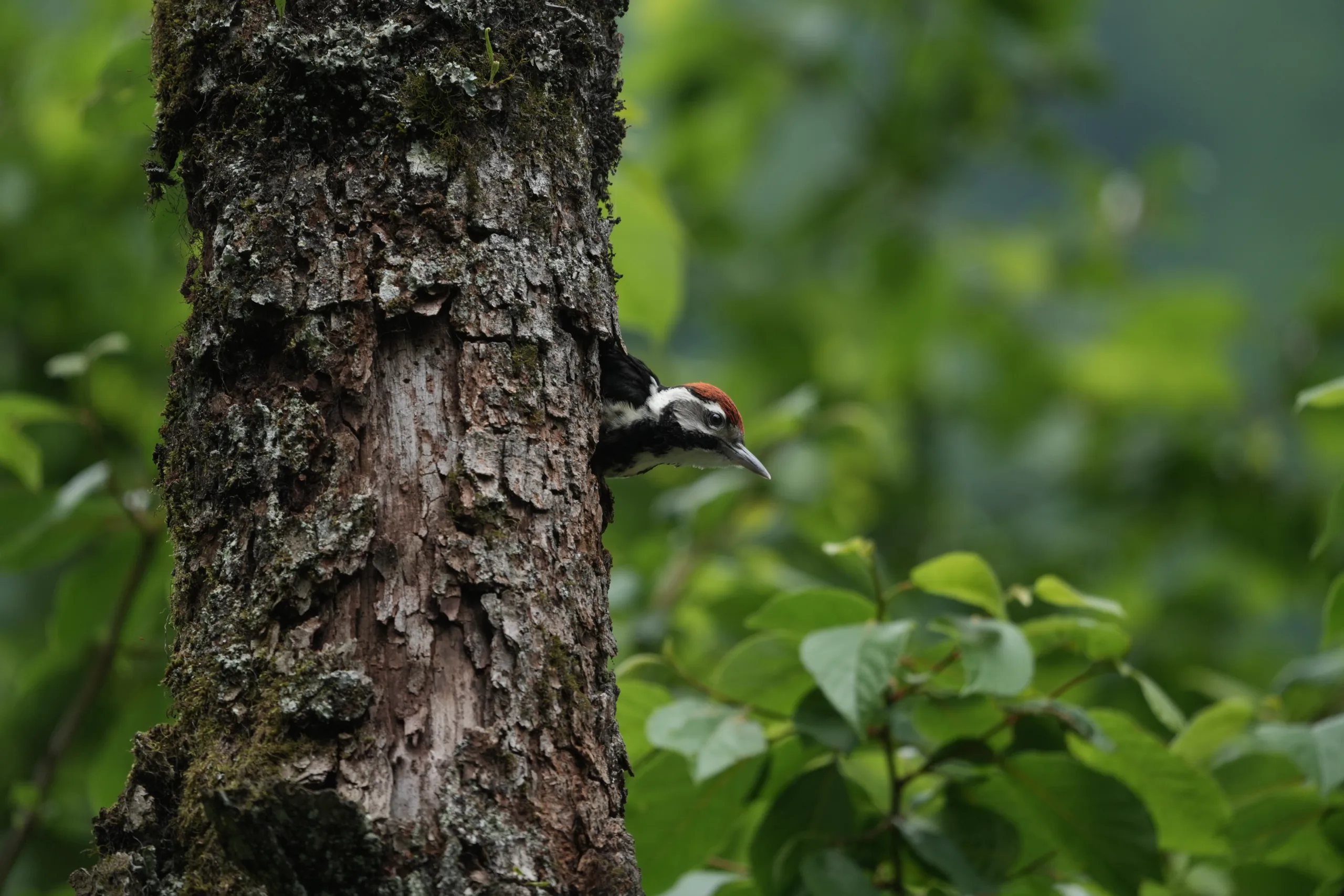
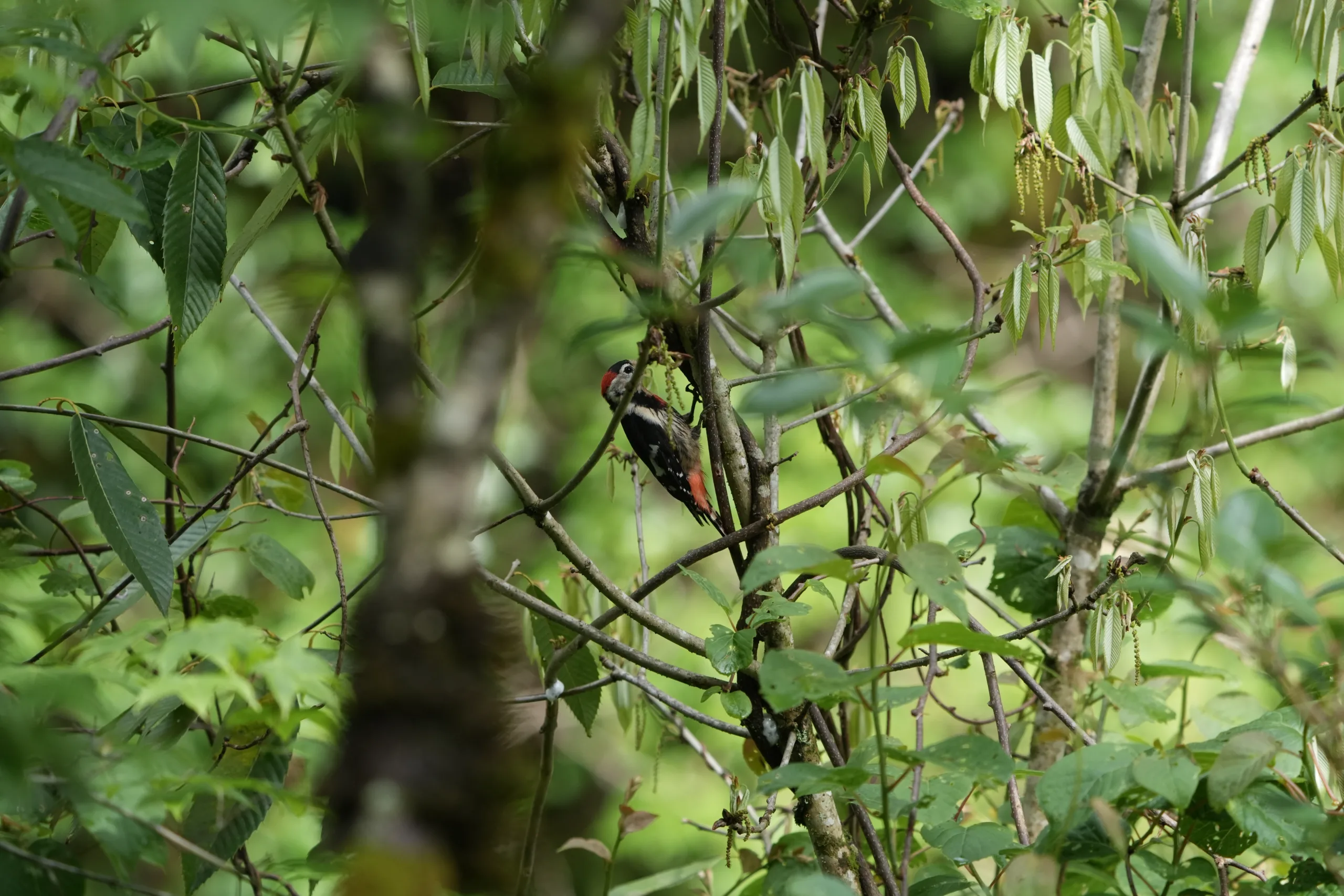
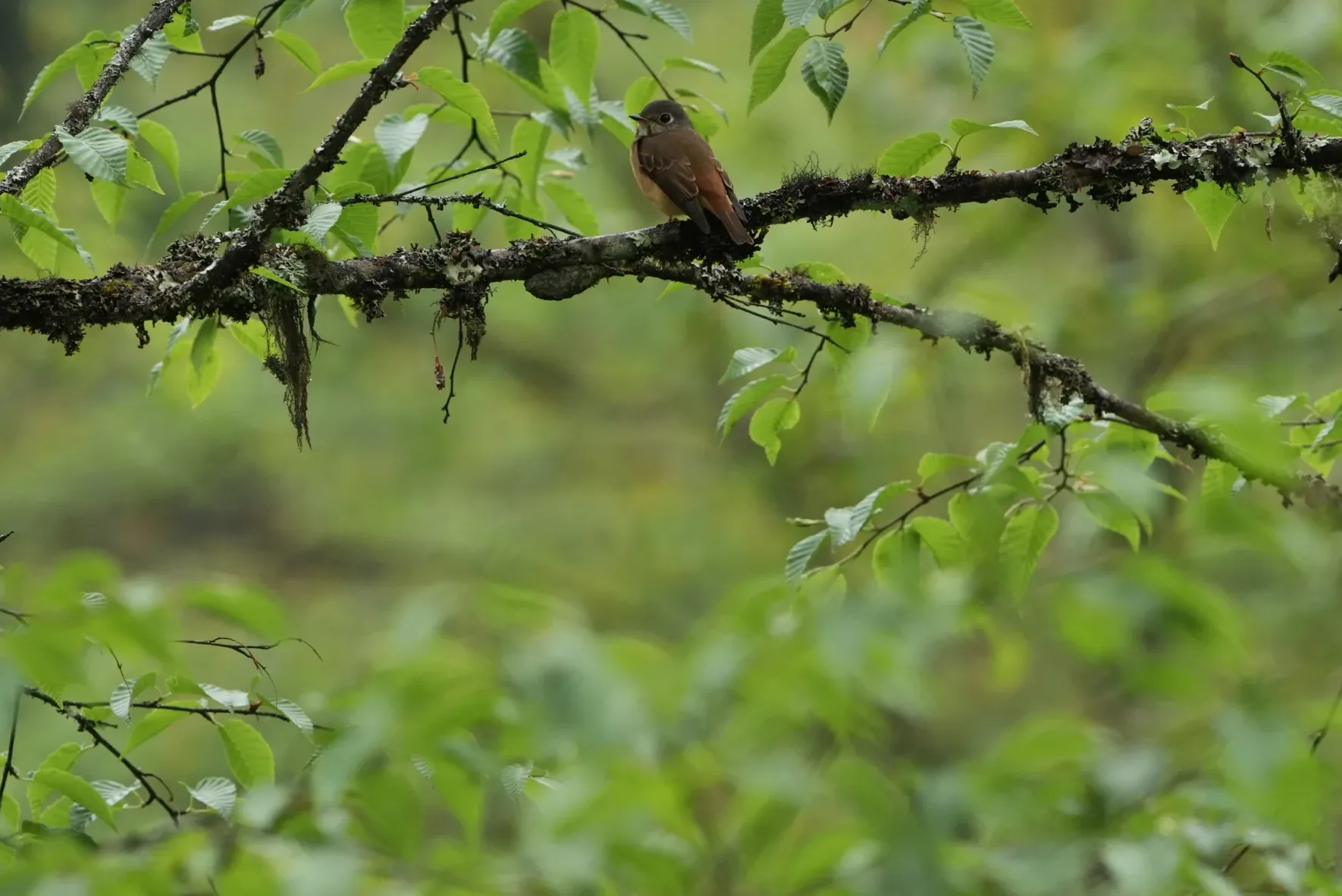
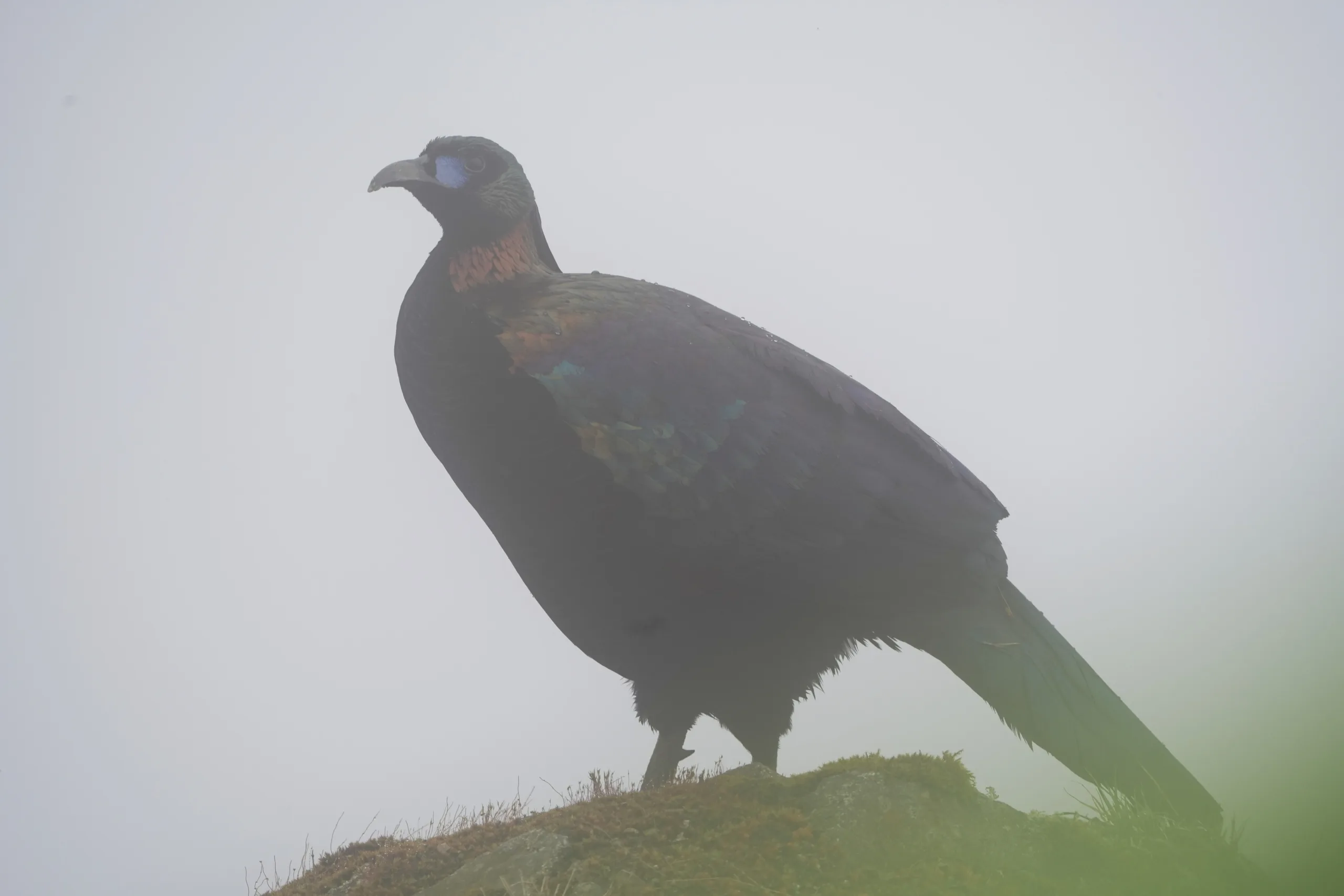
Here, our focus shifted toward Chinese Monal and other mid- to high-elevation forest birds. Over these days, we recorded more than 30 bird species, including Chinese Monal, Lady Amherst’s Pheasant, and several species of woodpeckers. One particularly memorable observation was a Long-tailed Minivet hovering beside a hanging nest while feeding its chicks.
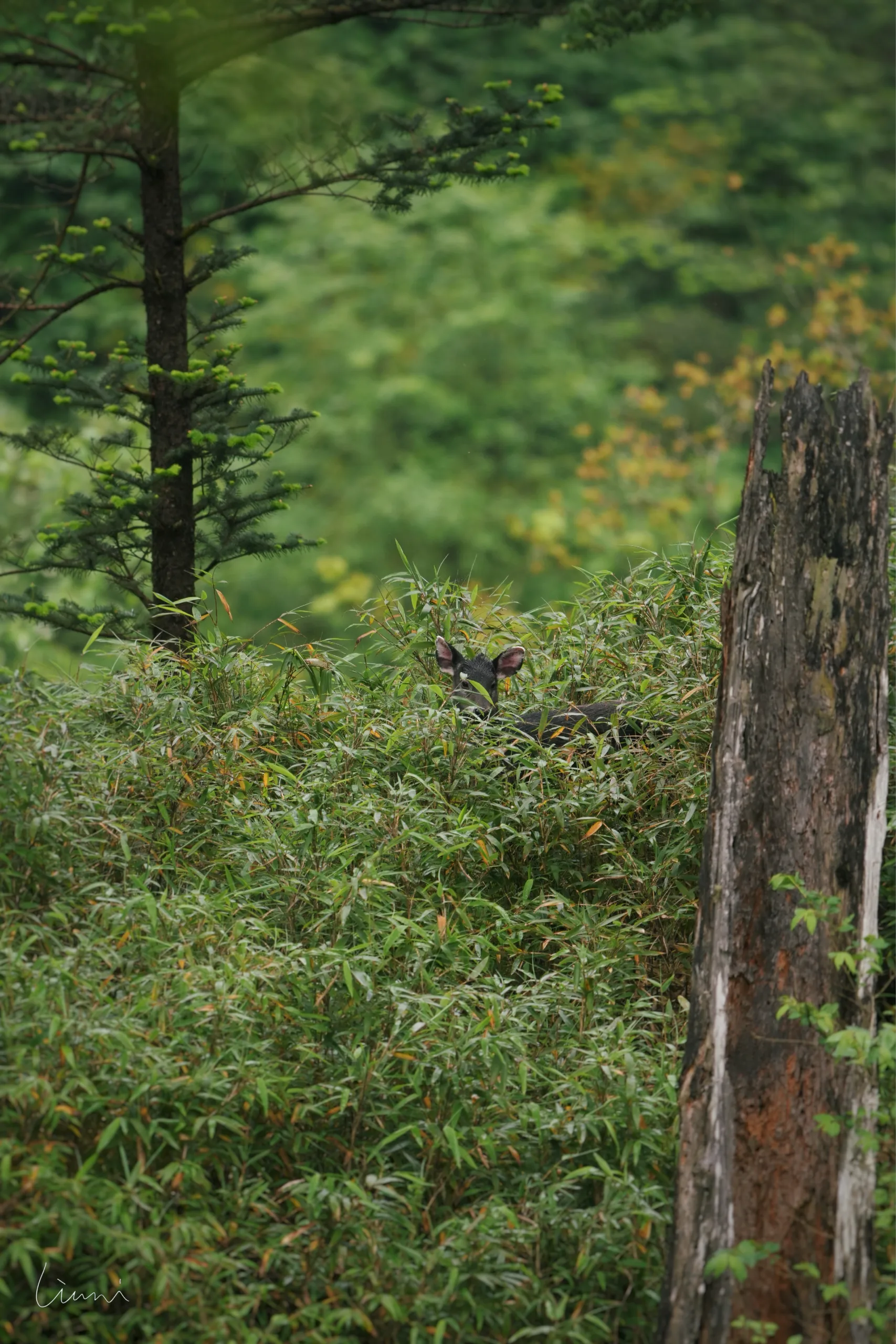
The forest also held plenty of mammal activity. Sambar were usually extremely alert, slipping back into the trees in the slightest disturbance. Around dusk, however, they sometimes appeared near the hotel, which meant that even after the day’s formal birding had ended, there was still a good reason to keep watching.
Day 6–7 | Kangding Highlands
Kangding was the highest section of the entire route, and the point where alpine birds truly began to take over.
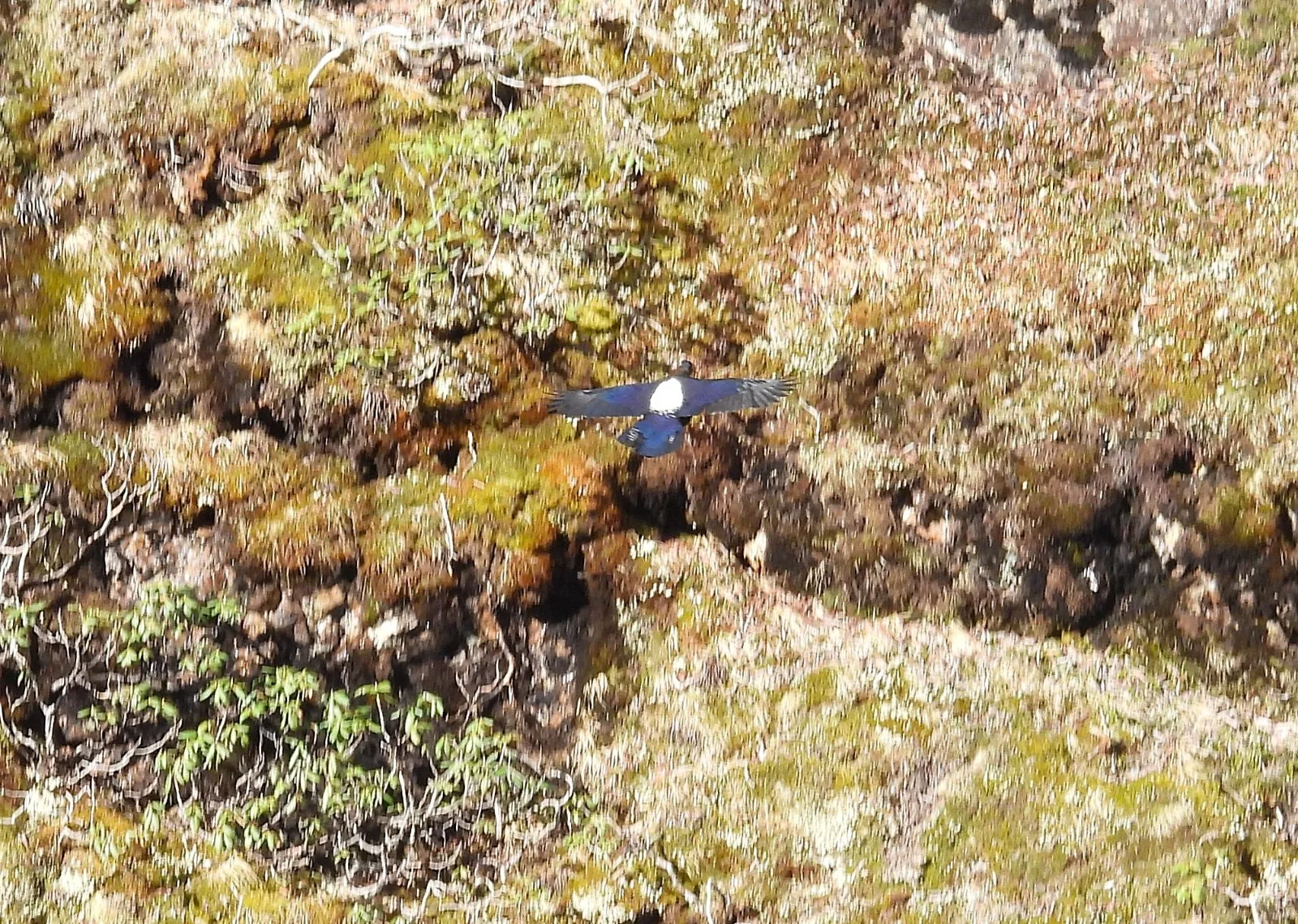
In a single morning, we observed around six Chinese Monals, including two females. Several times, we watched males fly down from higher slopes. In flight, the iridescent blue-green and copper-red plumage shifted with the angle of the light, creating the impression of a rainbow moving across the mountains. It was one of those moments that explained, far better than any still photograph, why the Chinese Monal is such a major target for birders visiting Sichuan.
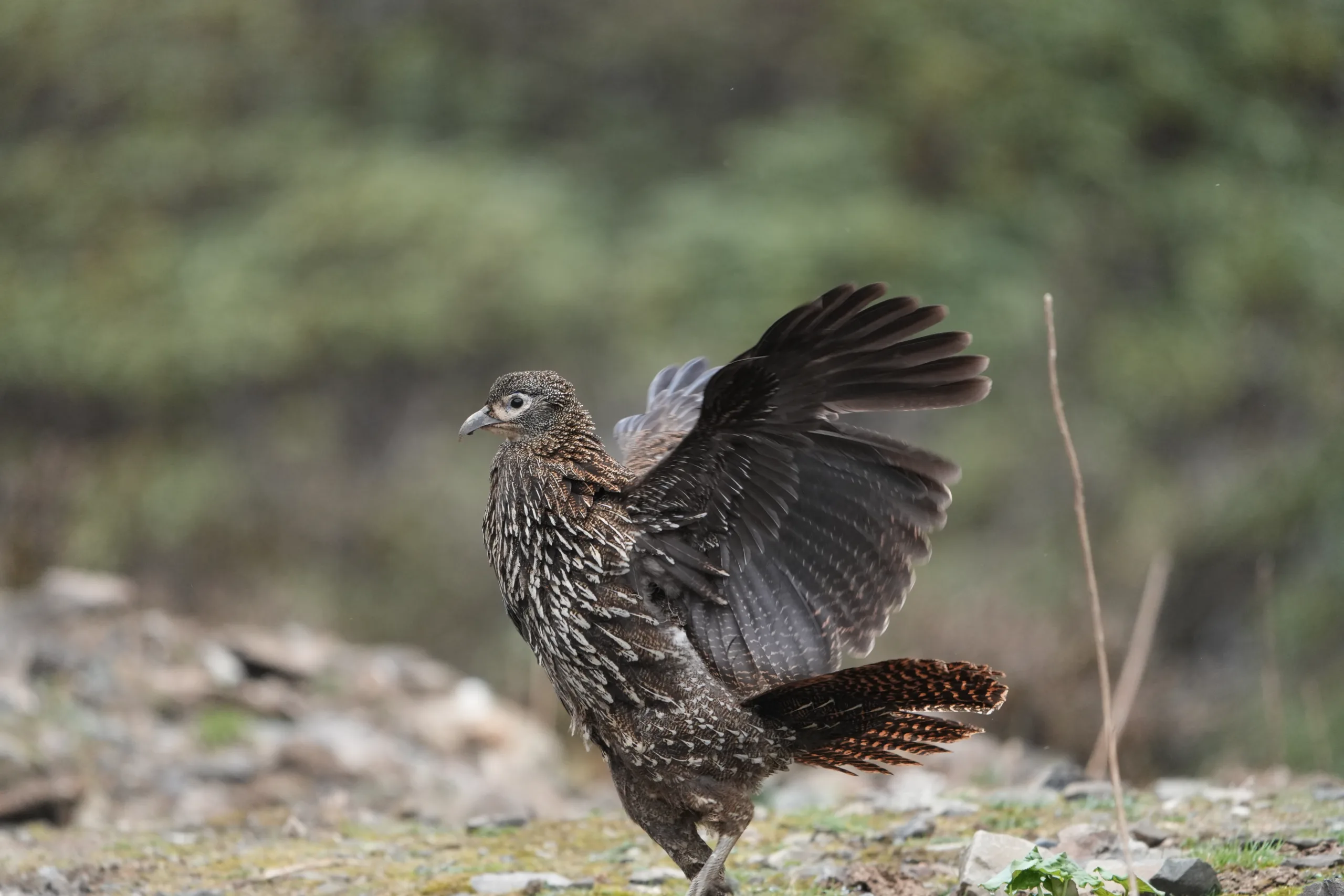
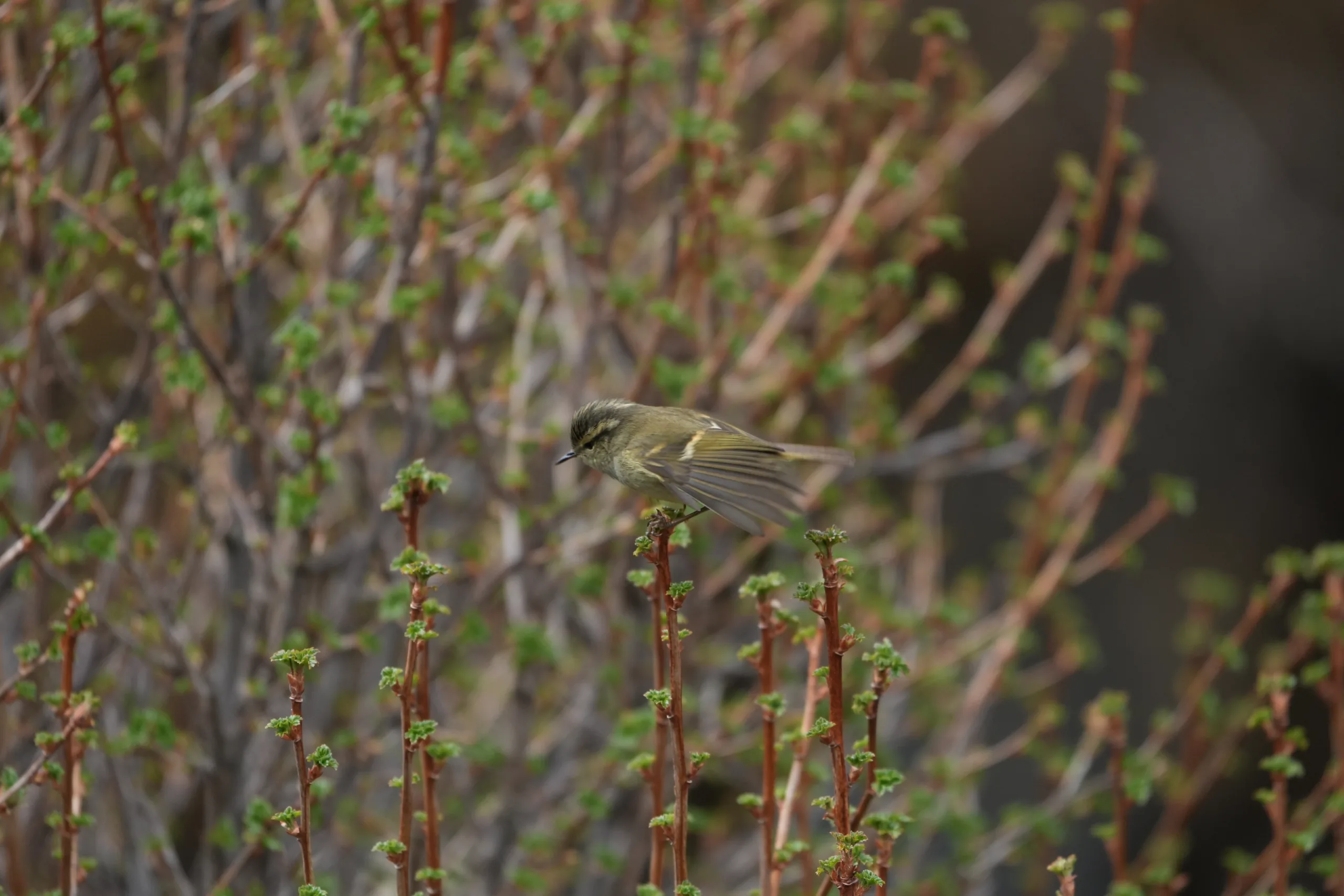
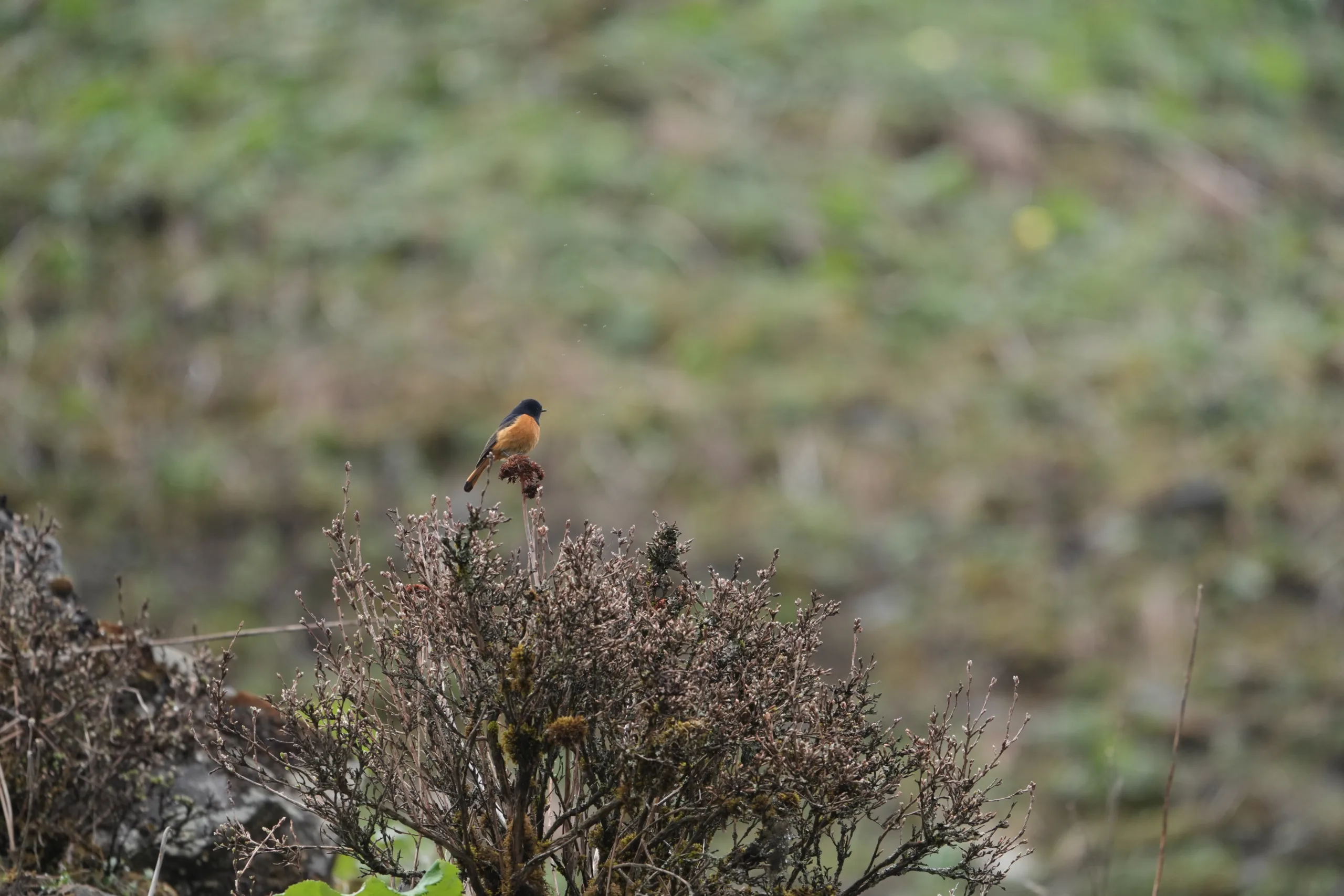
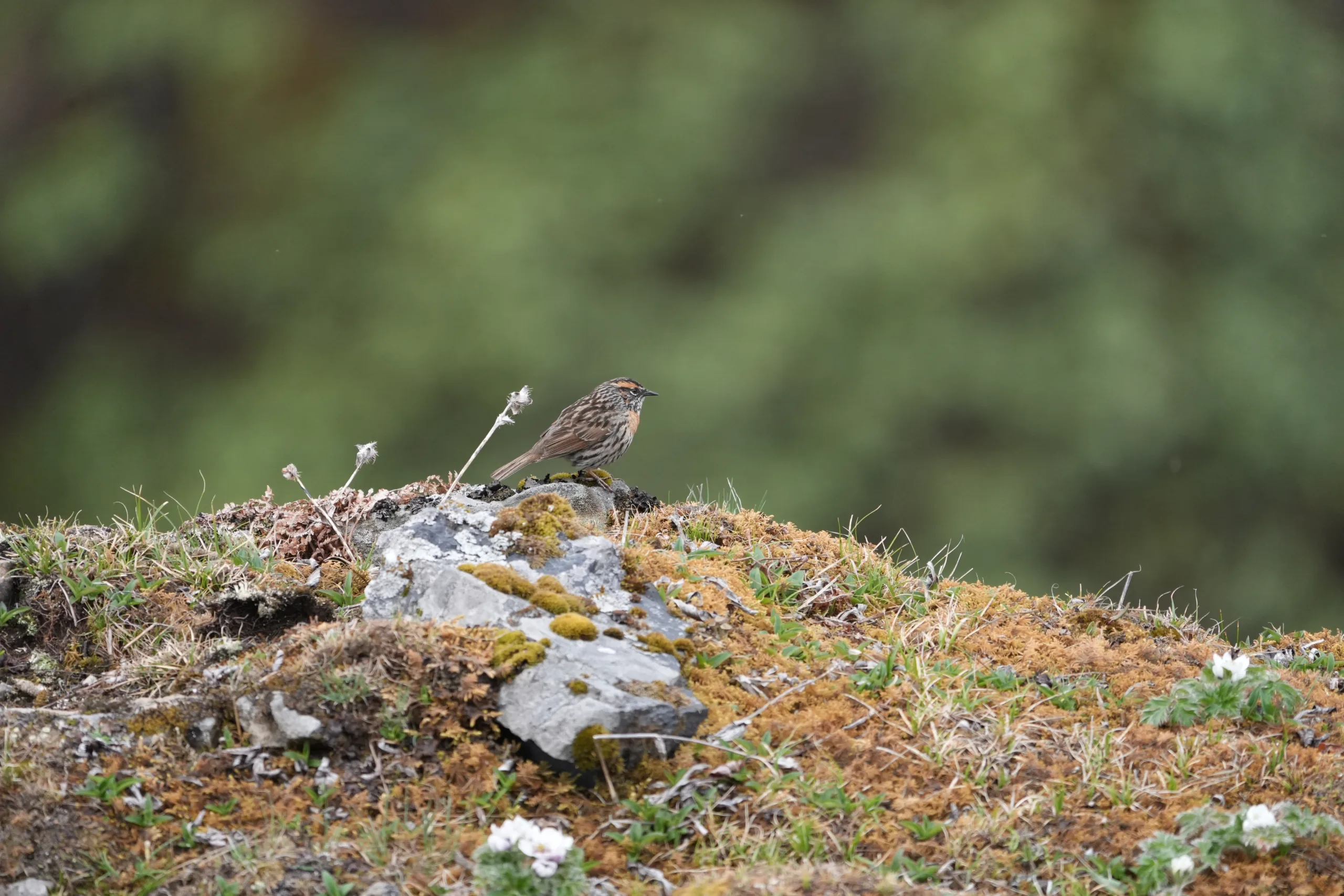
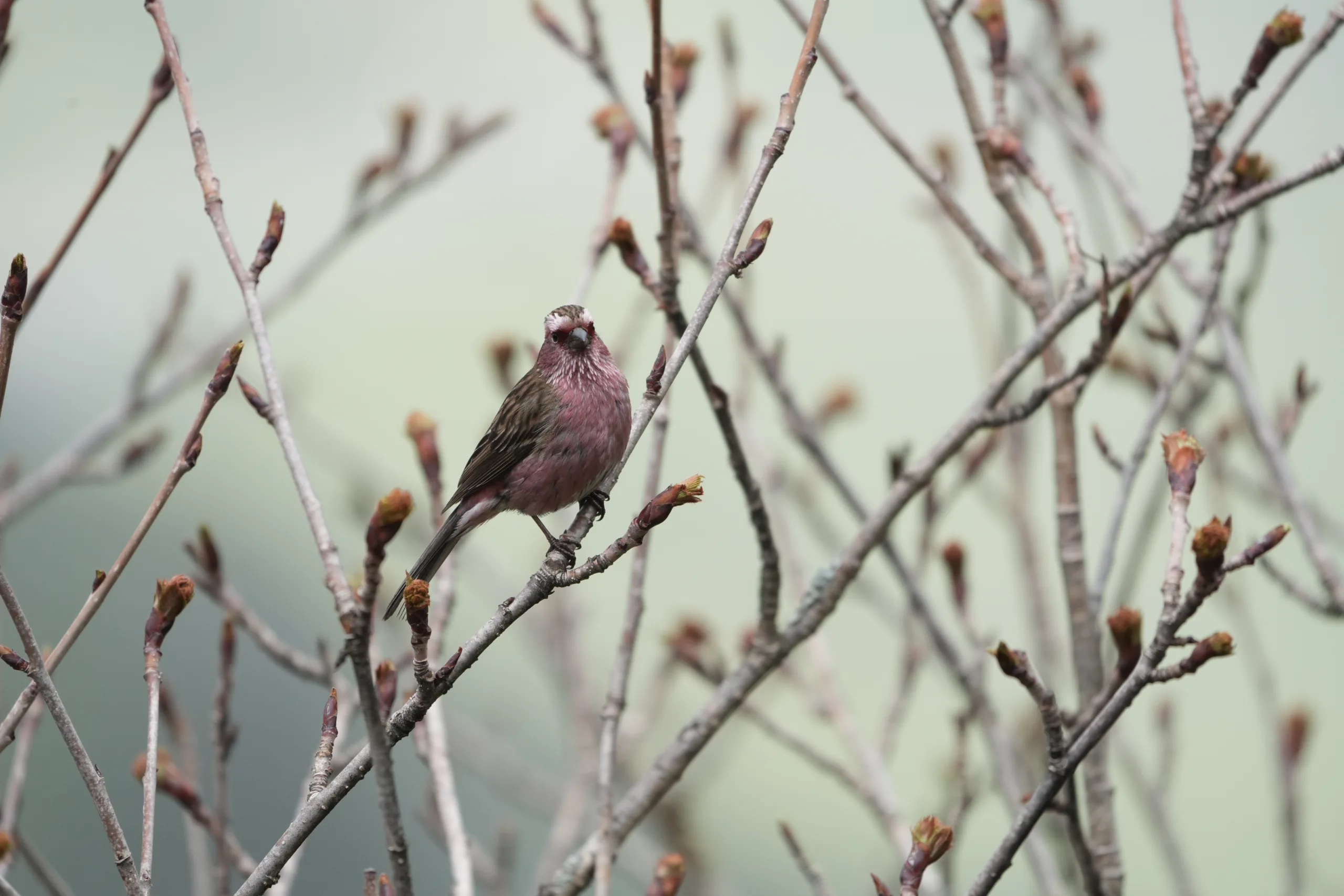
The same area also produced several typical high-altitude species, including White Eared Pheasant, Himalayan Vulture, Dark-breasted Rosefinch, Chinese White-browed Rosefinch, and Rufous-breasted Accentor. Higher up, from the exposed rocky slopes, we could hear the calls of Blood Pheasant and Snow Partridge.
Day 7–9 | Longcanggou
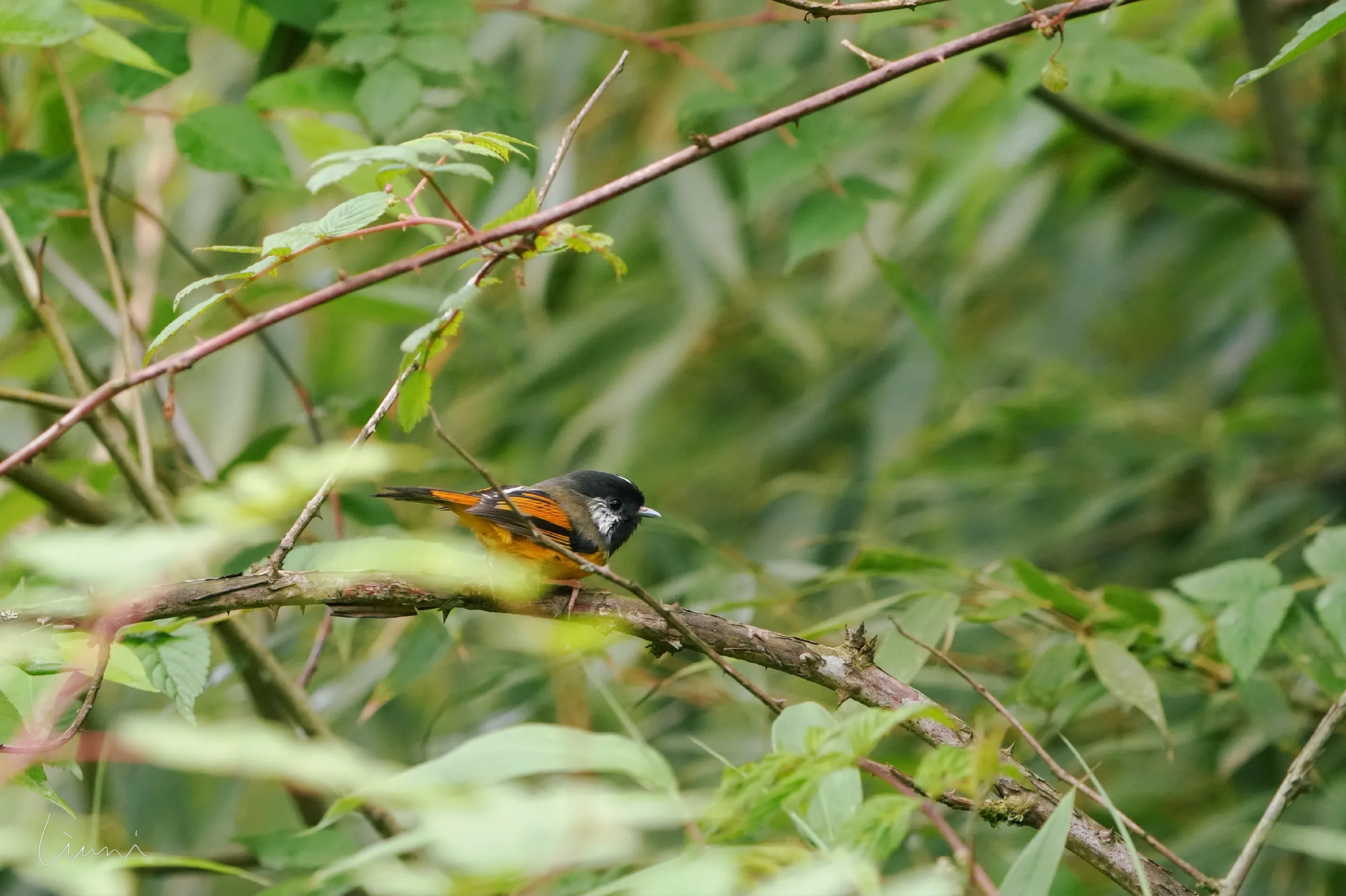
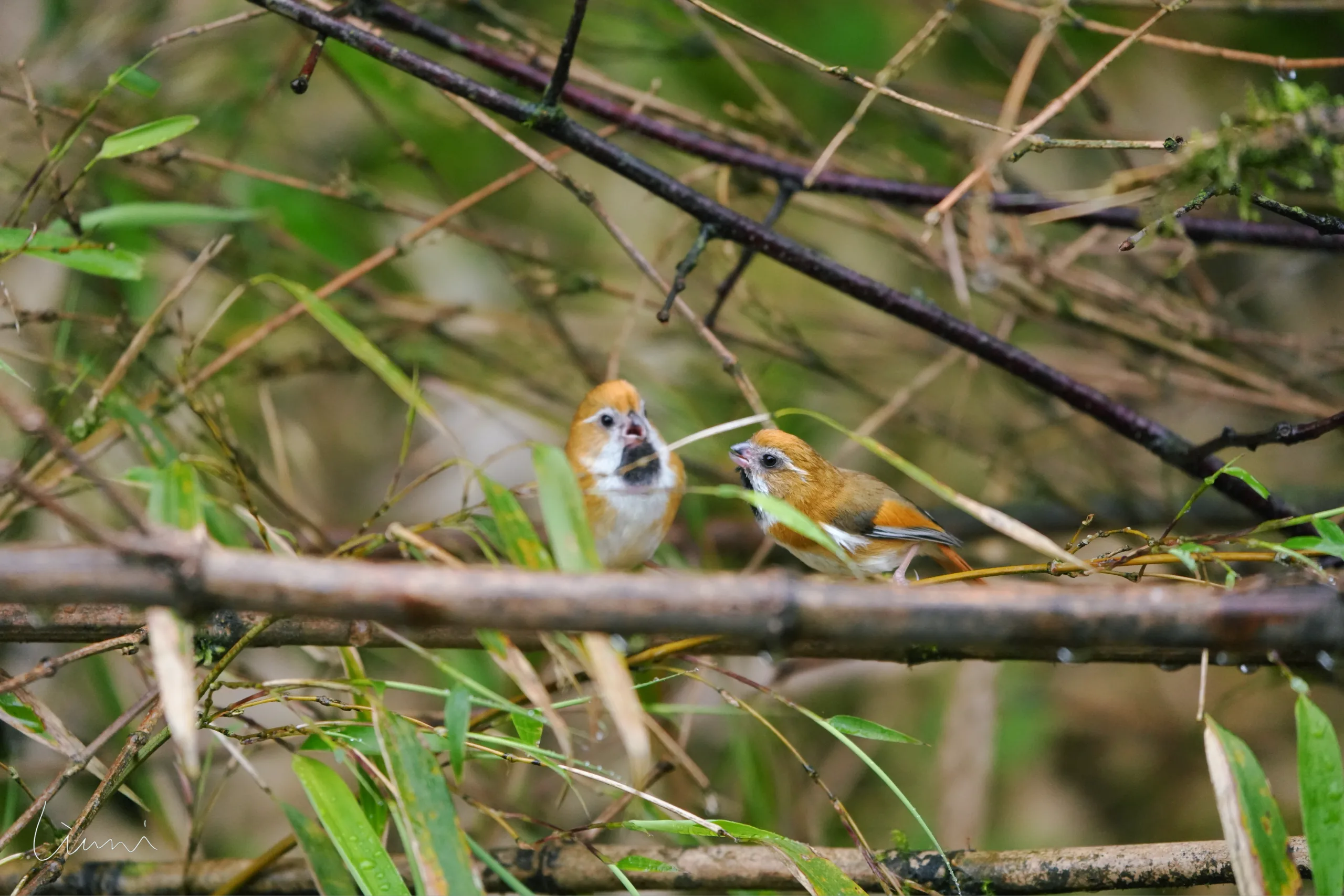
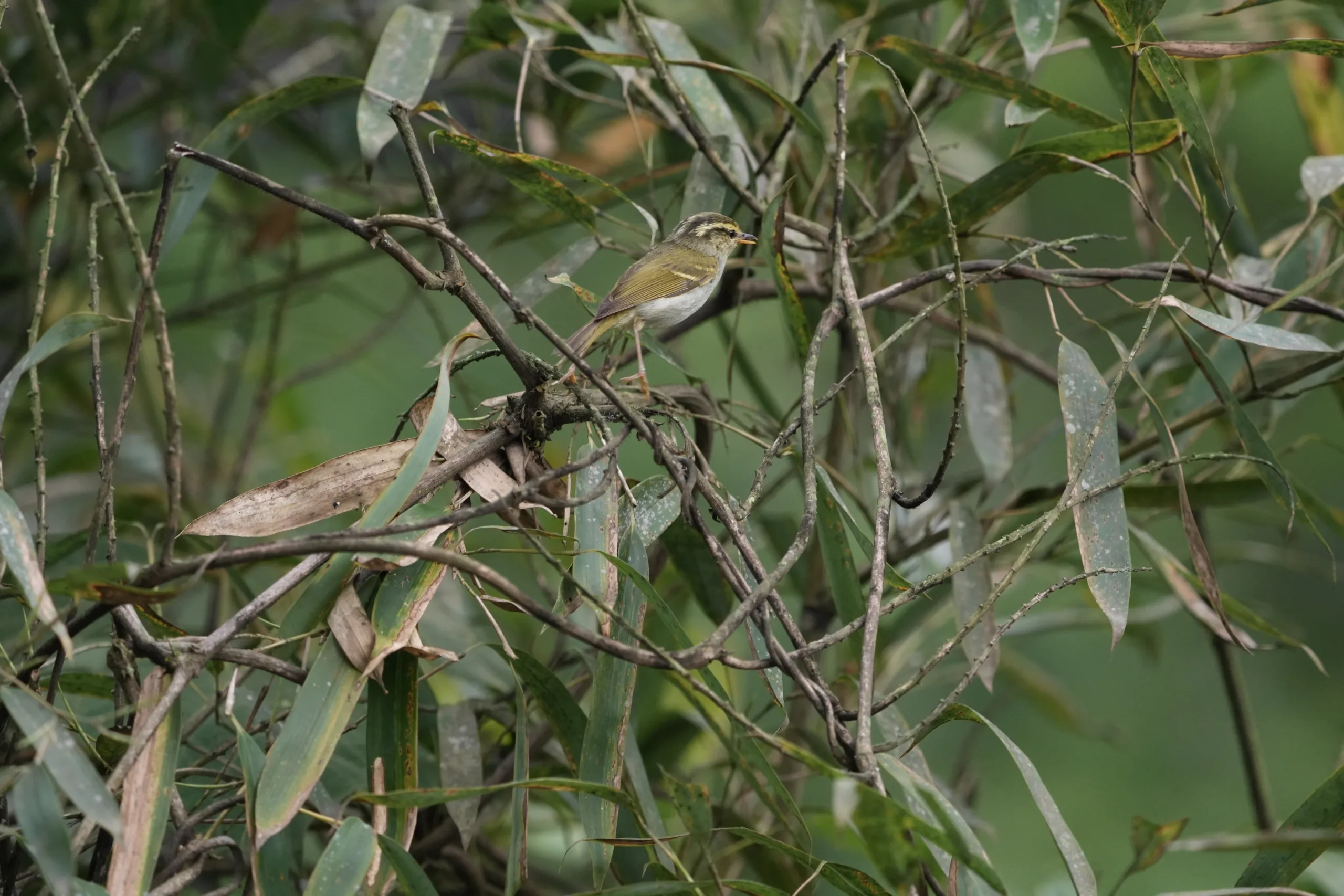
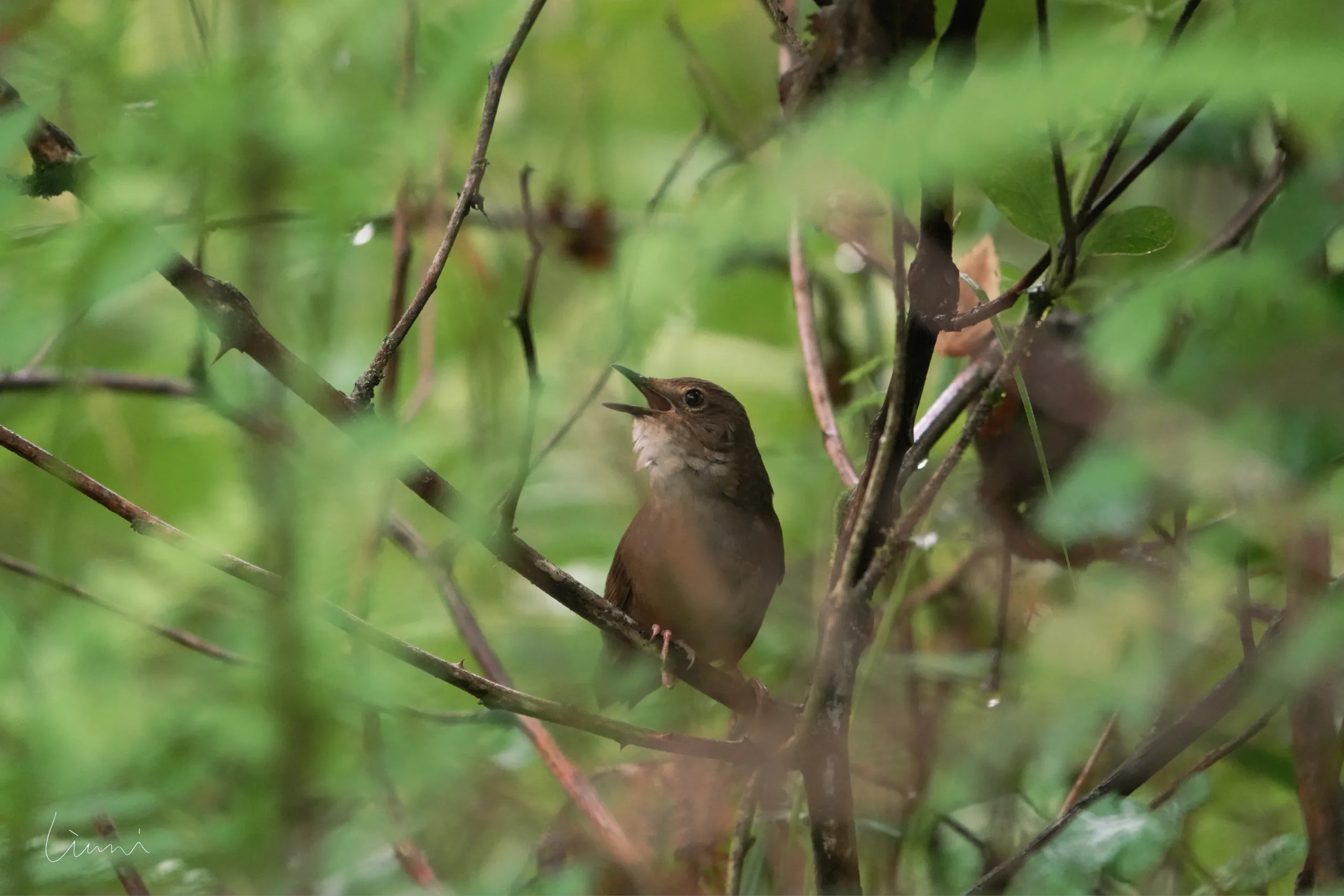
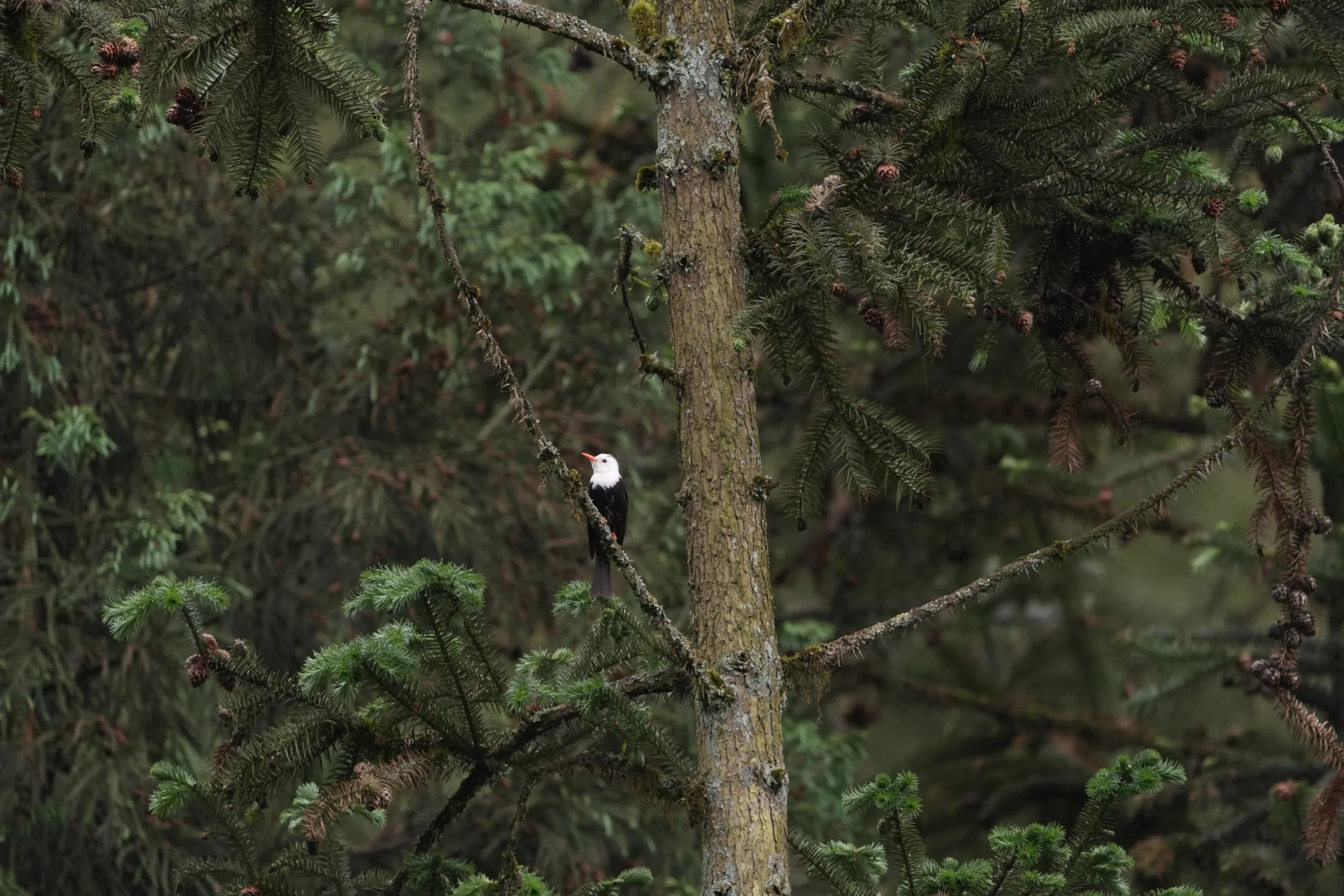
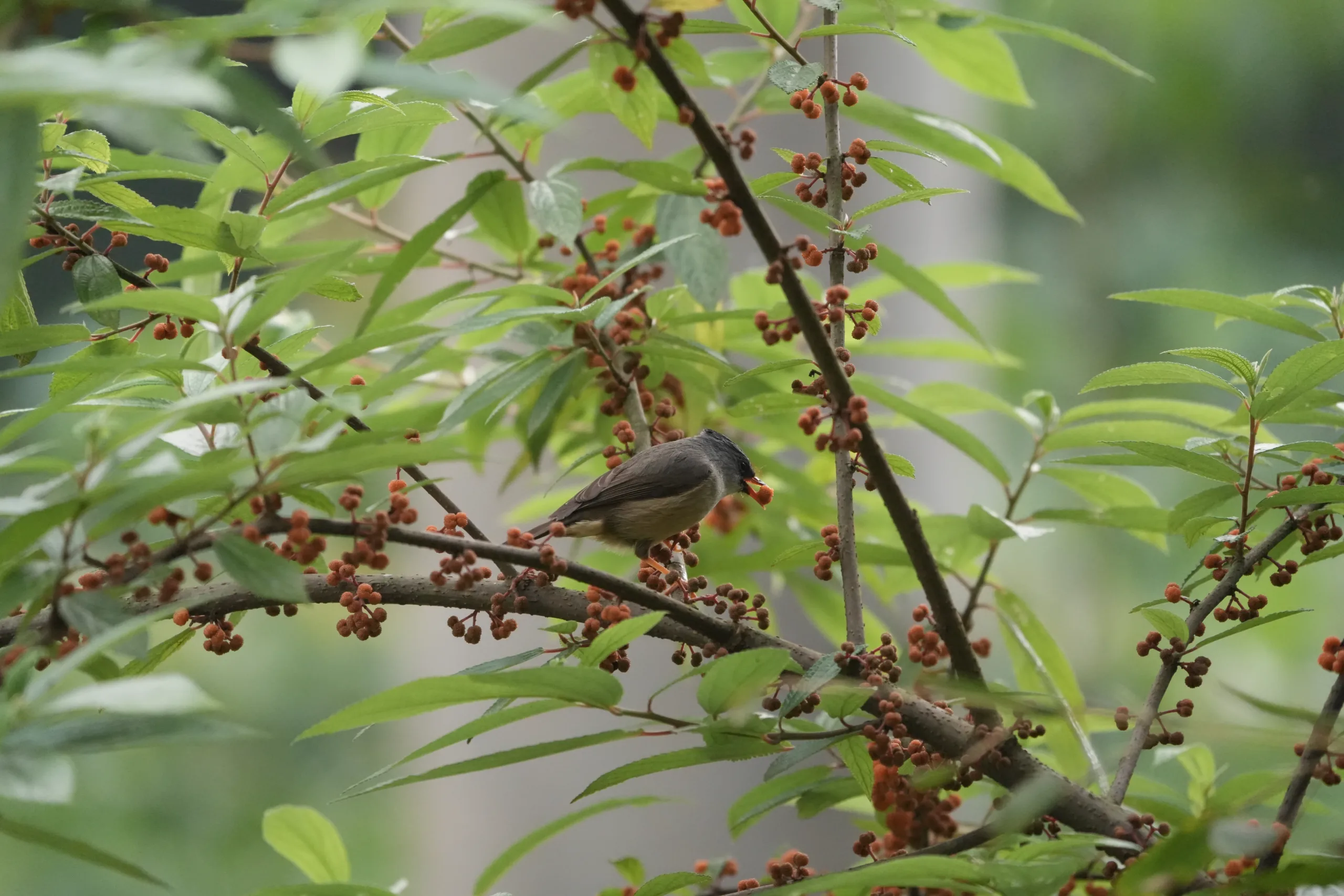
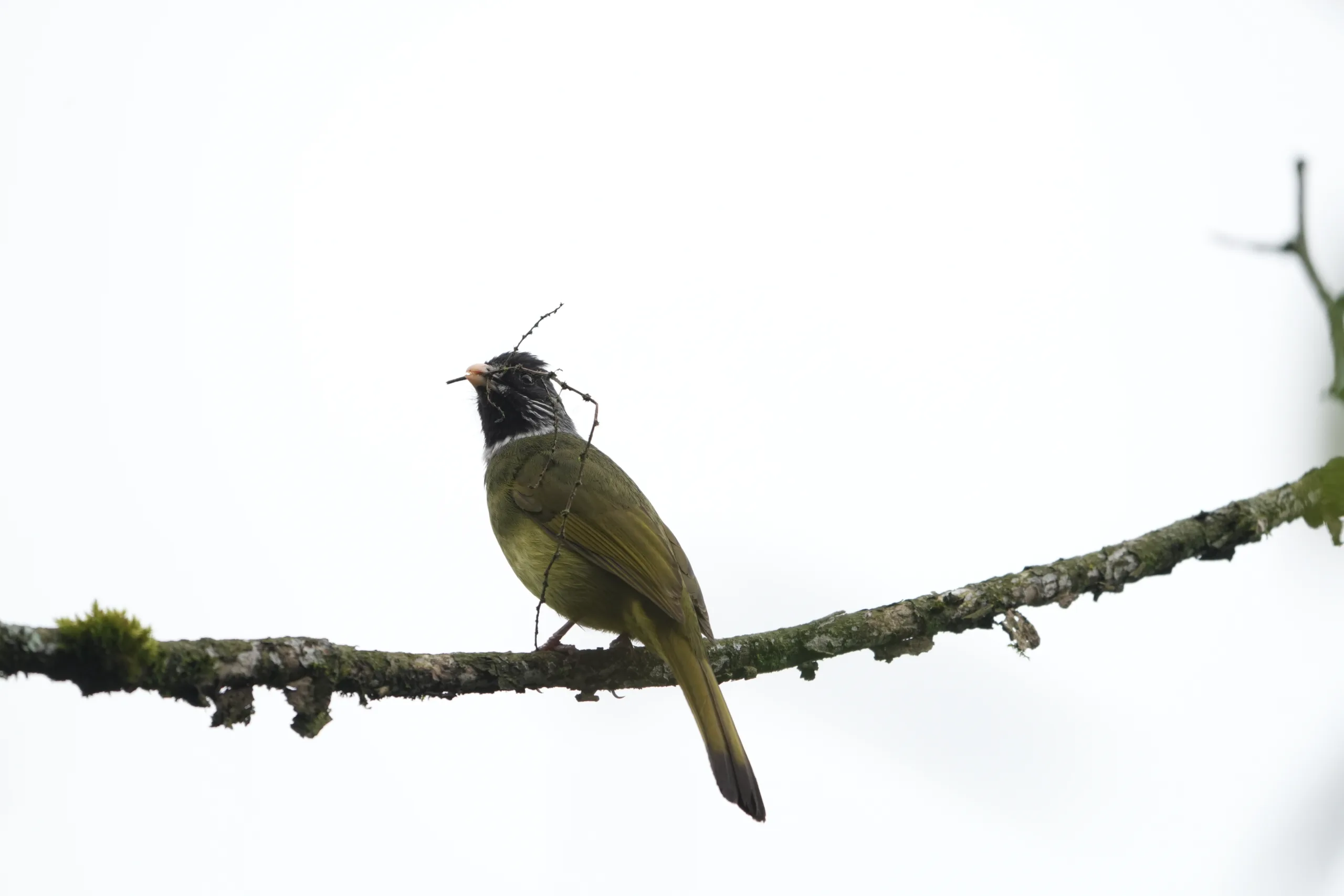
Longcanggou was one of the most bird-diverse sections of the entire trip, and also one of the places where an experienced local bird guide made the biggest difference. Forest species such as Golden Parrotbill, Three-toed Parrotbill, Golden-breasted Fulvetta, Great Parrotbill, Spotted Laughingthrush, Sichuan Bush Warbler, and Martens’s Warbler often required a strong familiarity with their calls, preferred habitat, and recent activity areas.
Longcanggou also gave us the most unexpected mammal sighting of the entire journey.
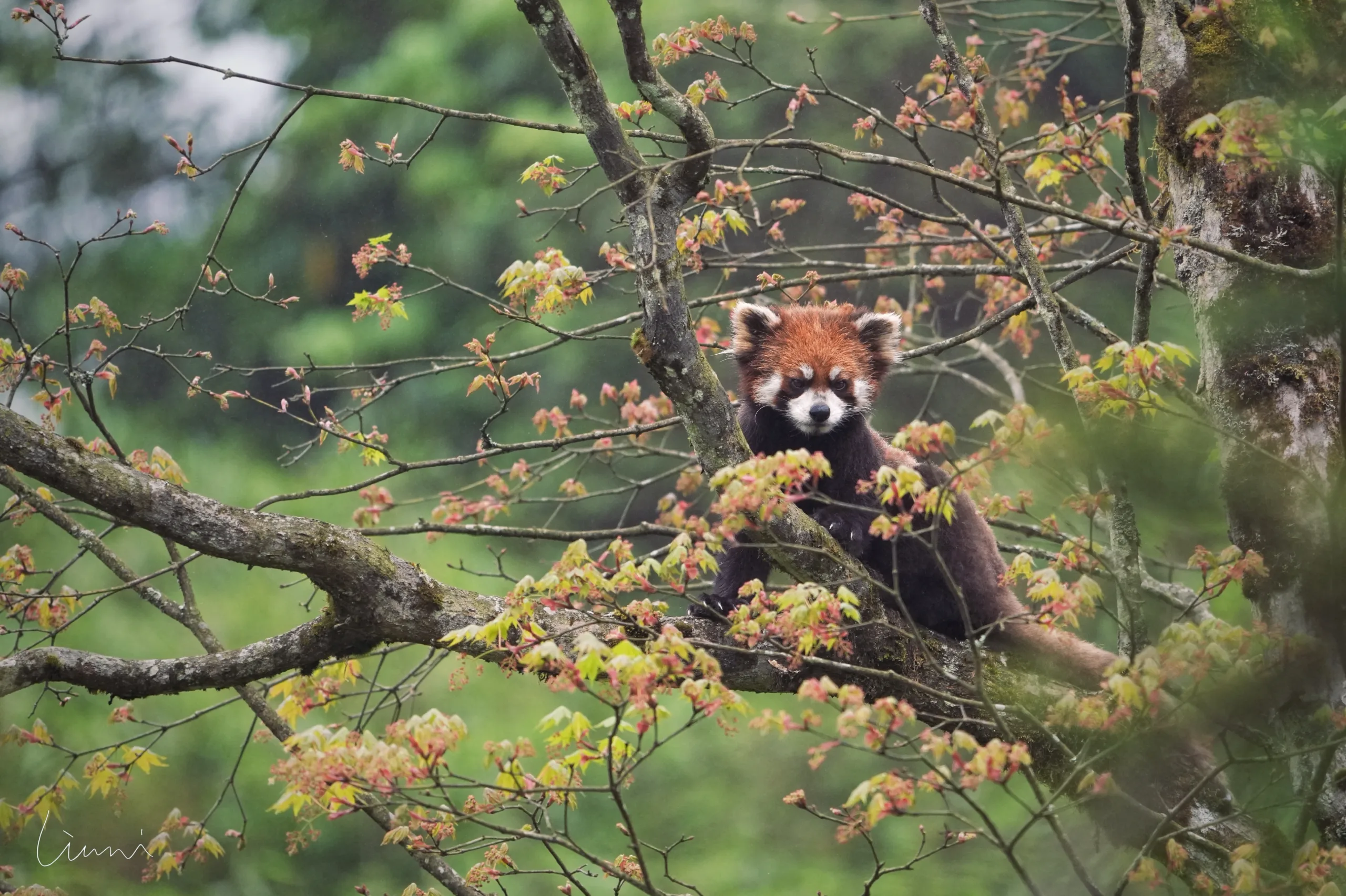
It had been raining for much of the day. Just as our vehicle entered an area where the local bird guide had regularly recorded Red Pandas, I suddenly caught sight of an orange-red face through a narrow gap between two bushes beside the road. We stopped immediately and got out to observe from a distance.
The wild Red Panda, apparently disturbed from its rest by the sudden activity, remained visible for only about two minutes before disappearing back into the forest. A few seconds to find it, two minutes to watch it. Encounters like this can never be guaranteed, but that unpredictability is exactly what makes searching for wildlife in the field so compelling.
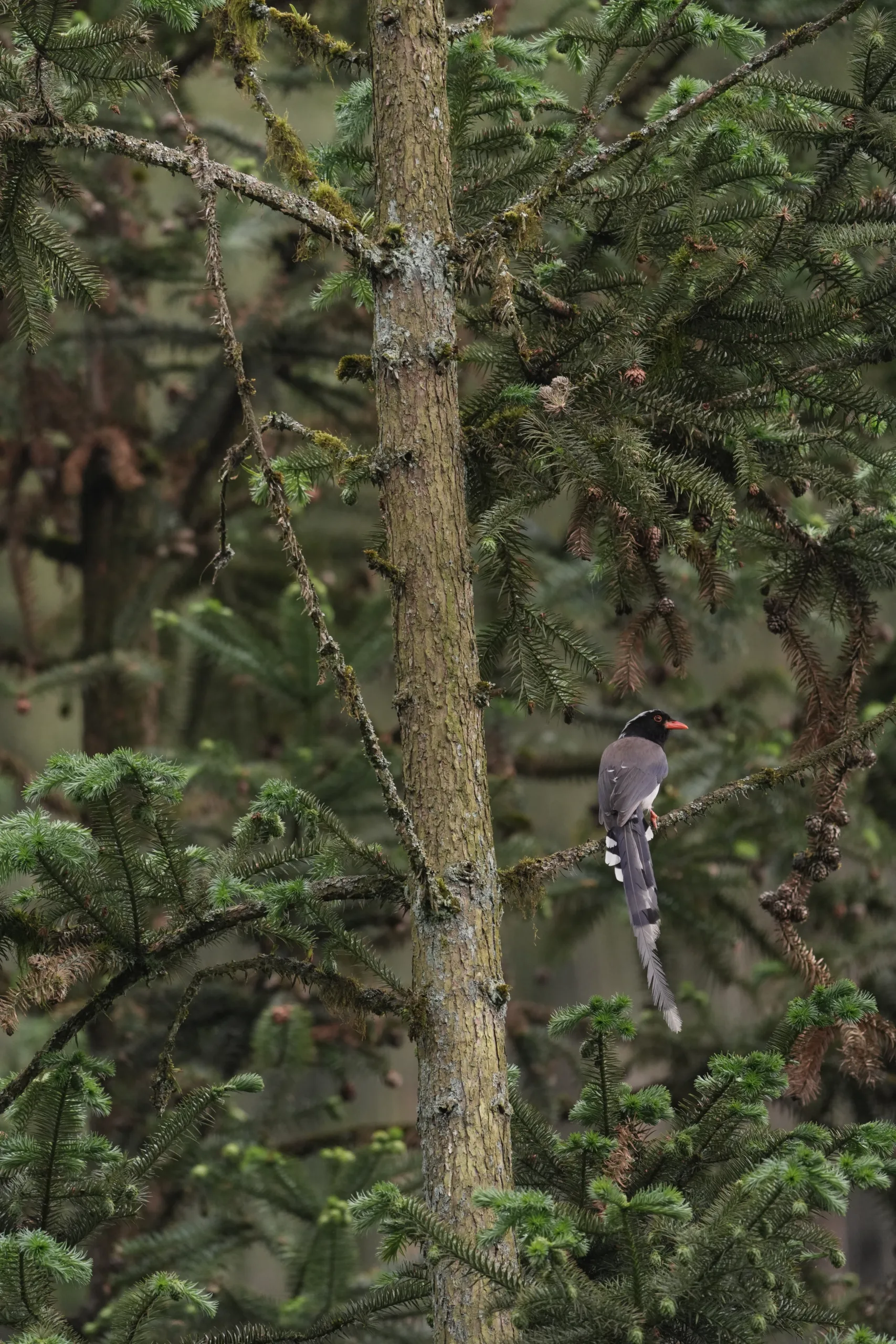
Day 9–11 | Wawu Mountain
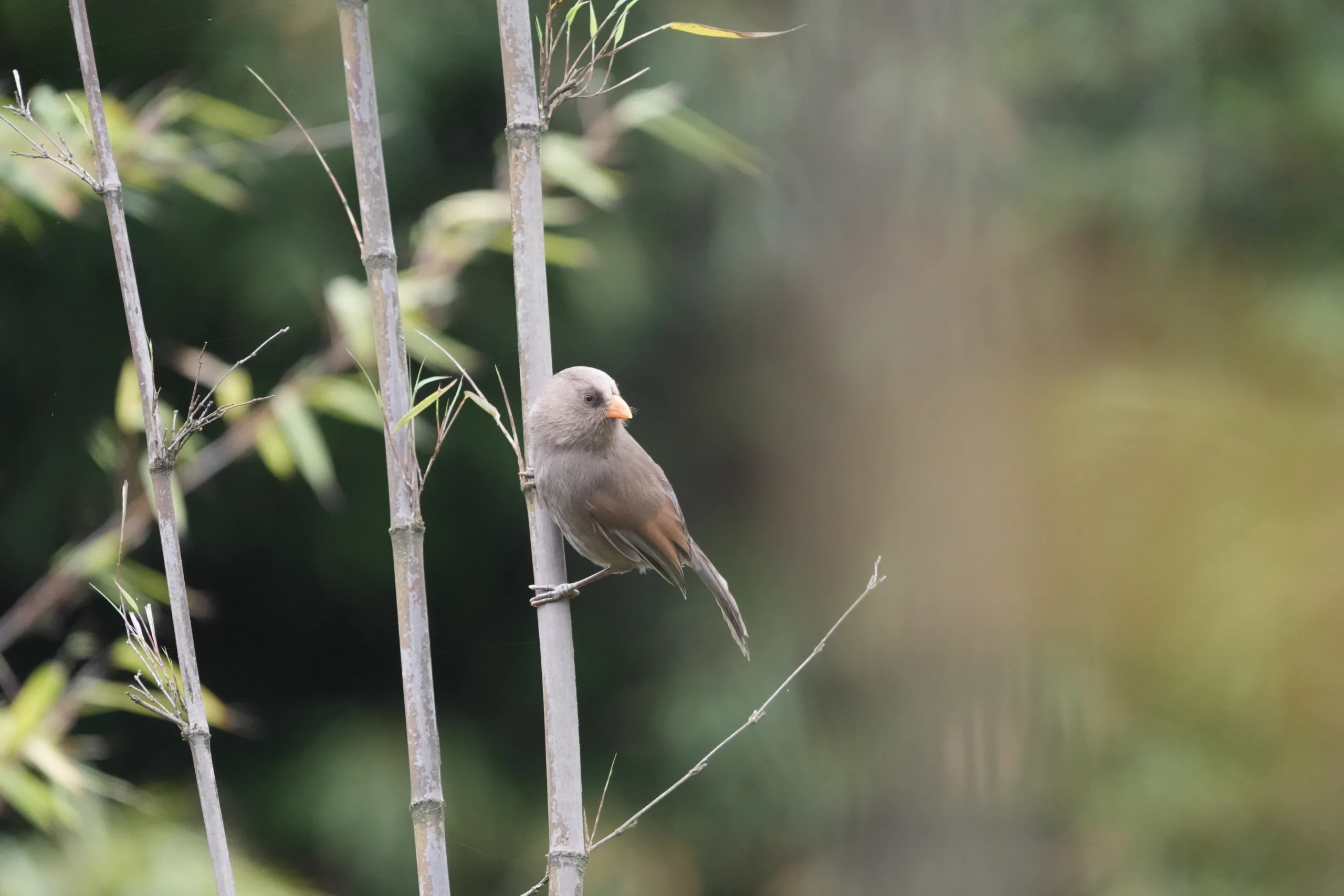
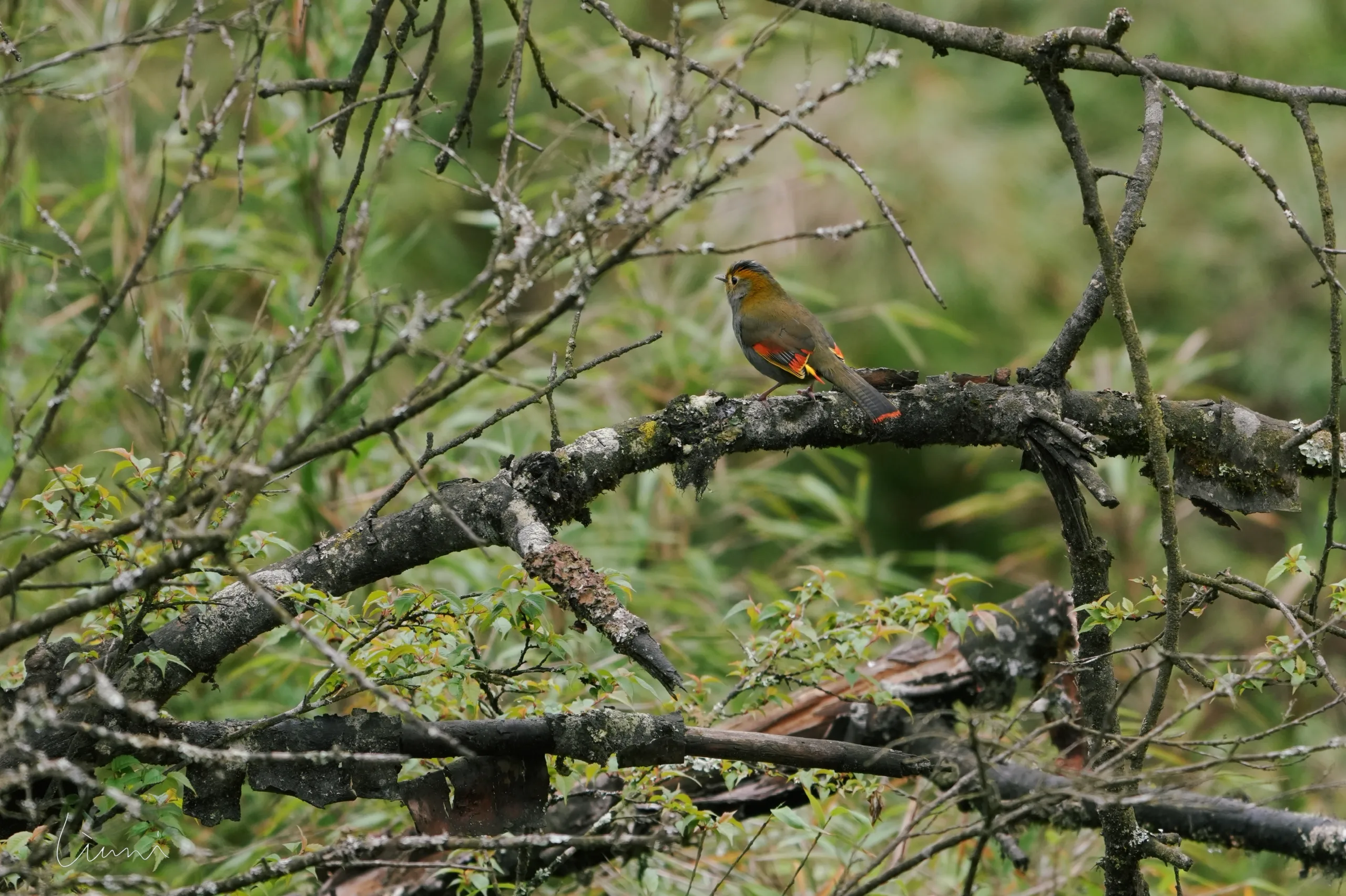
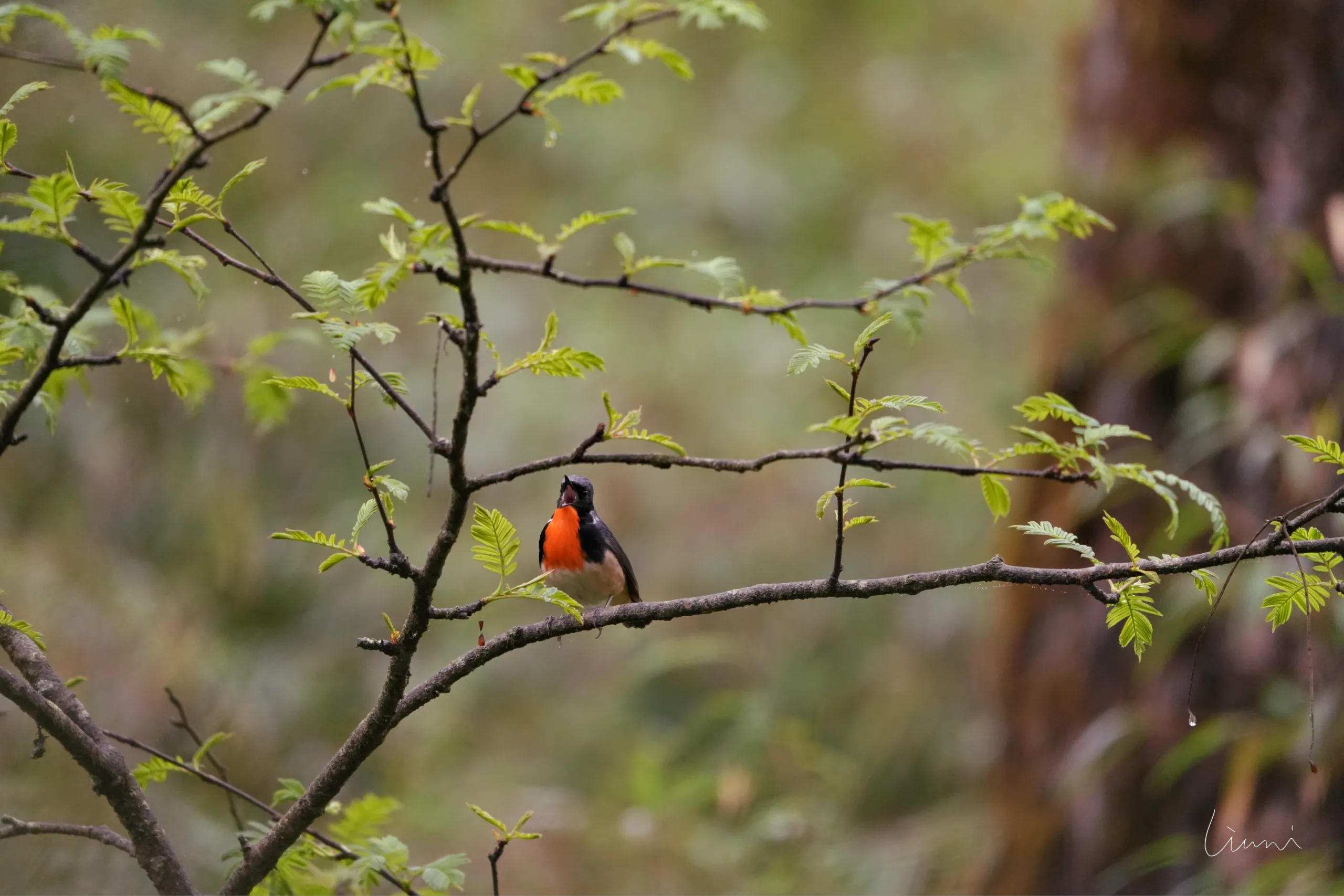
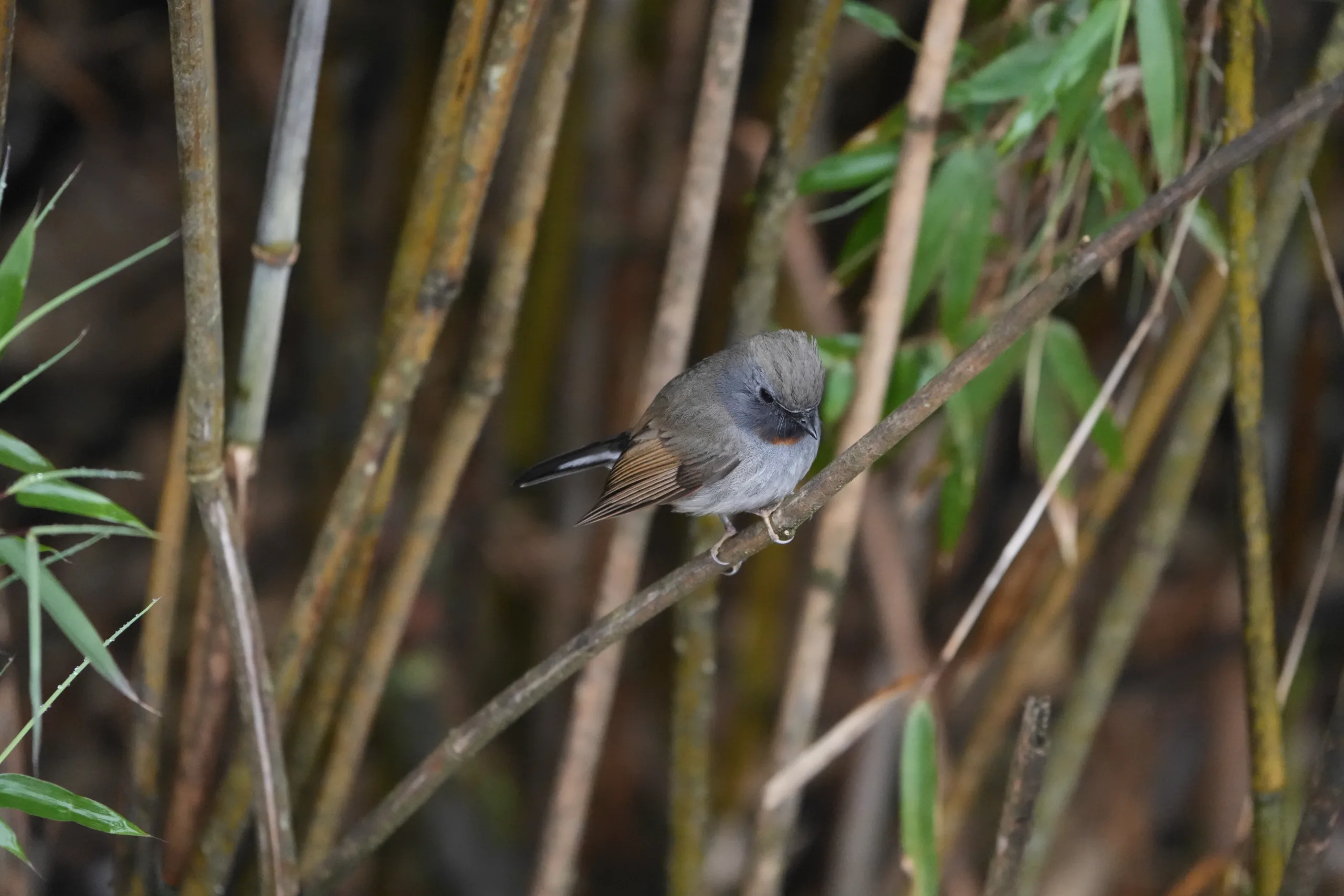
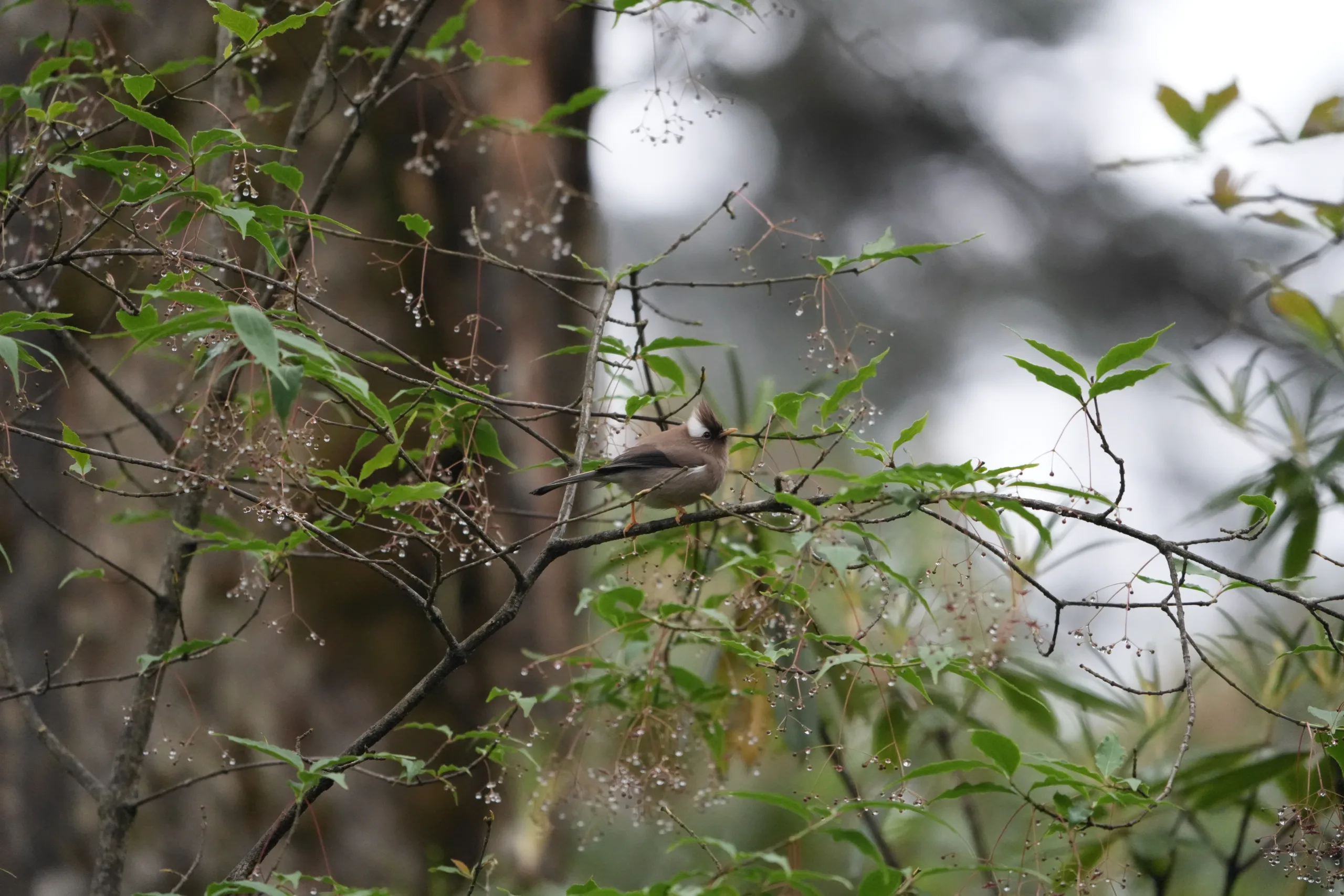
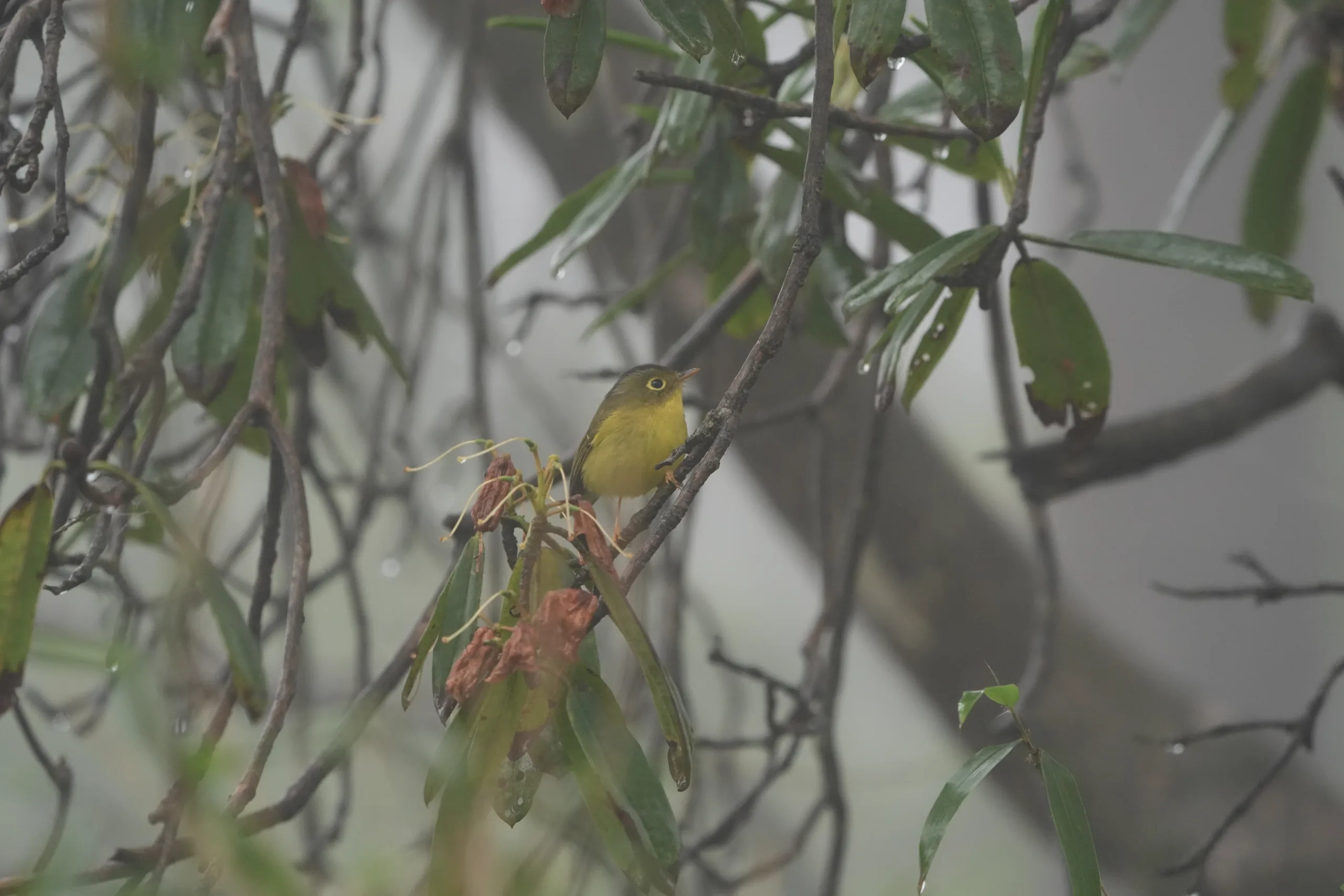
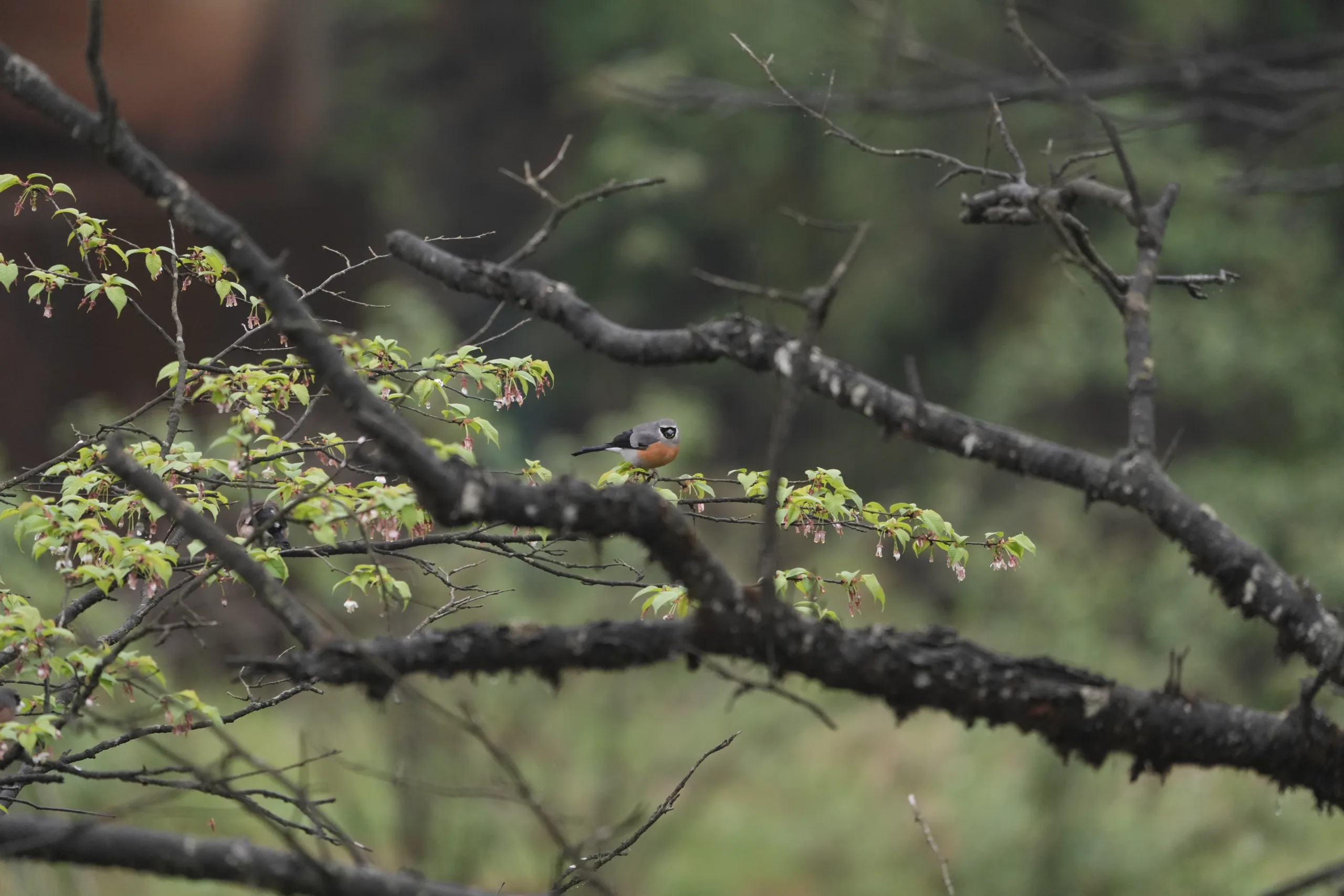
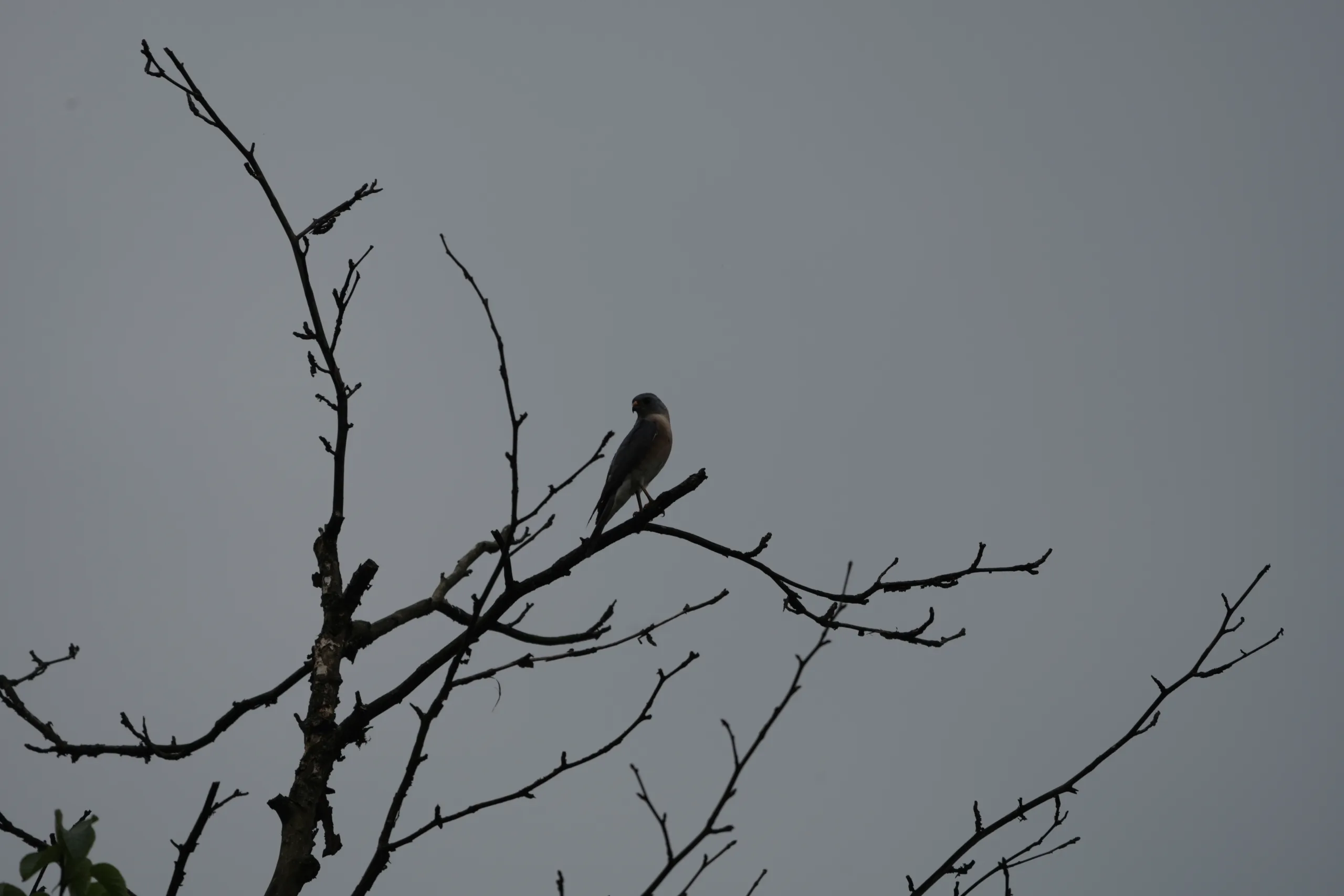
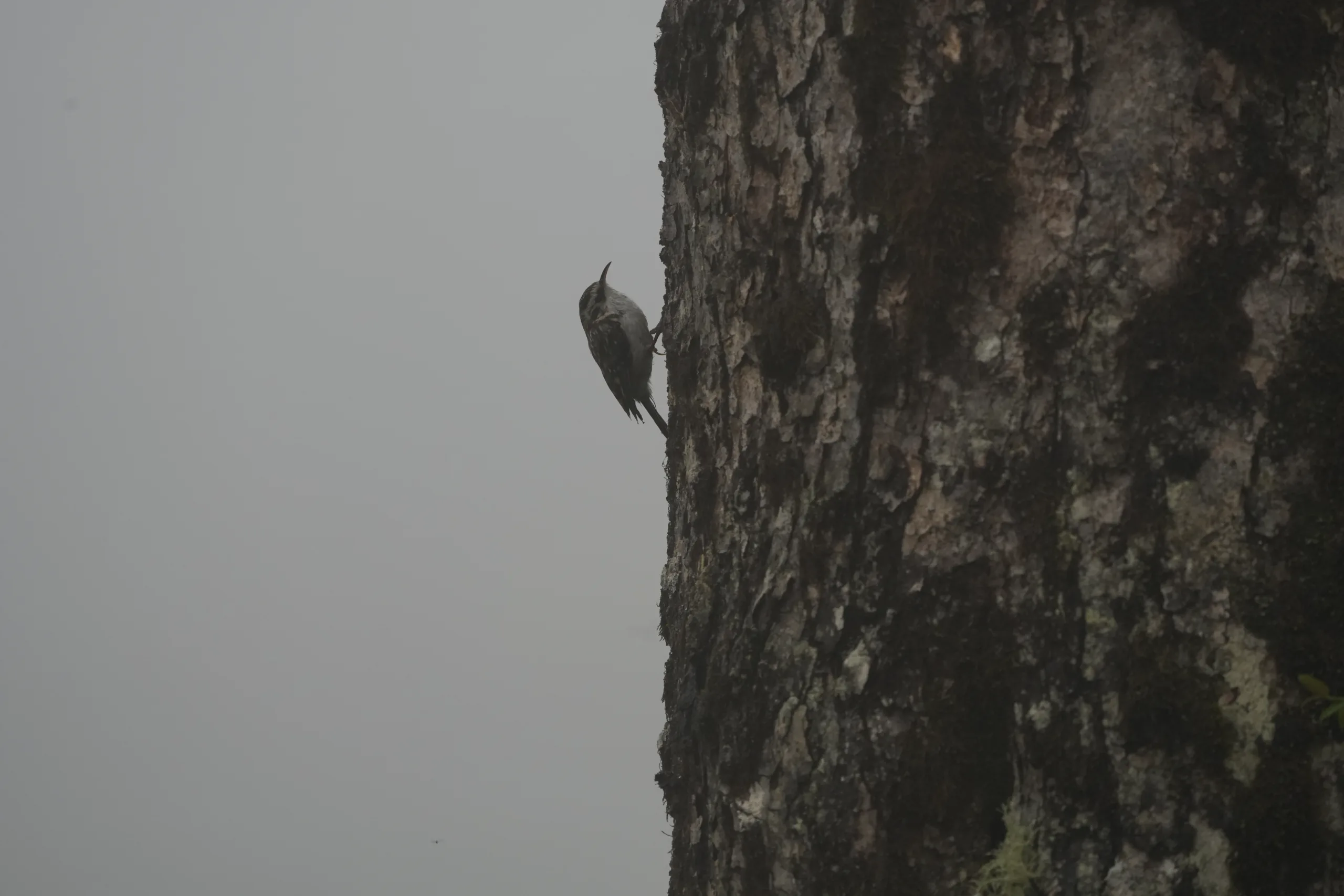
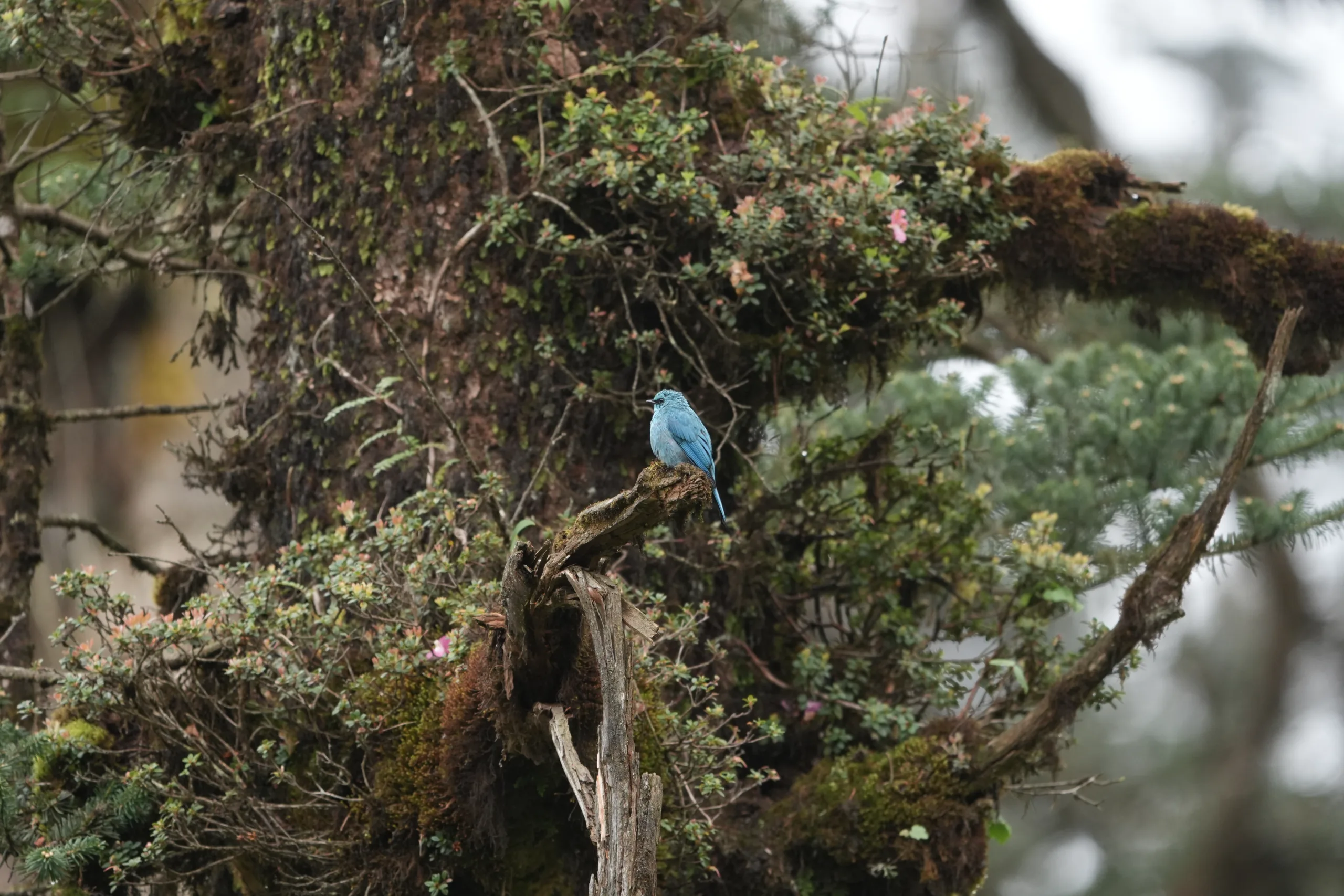
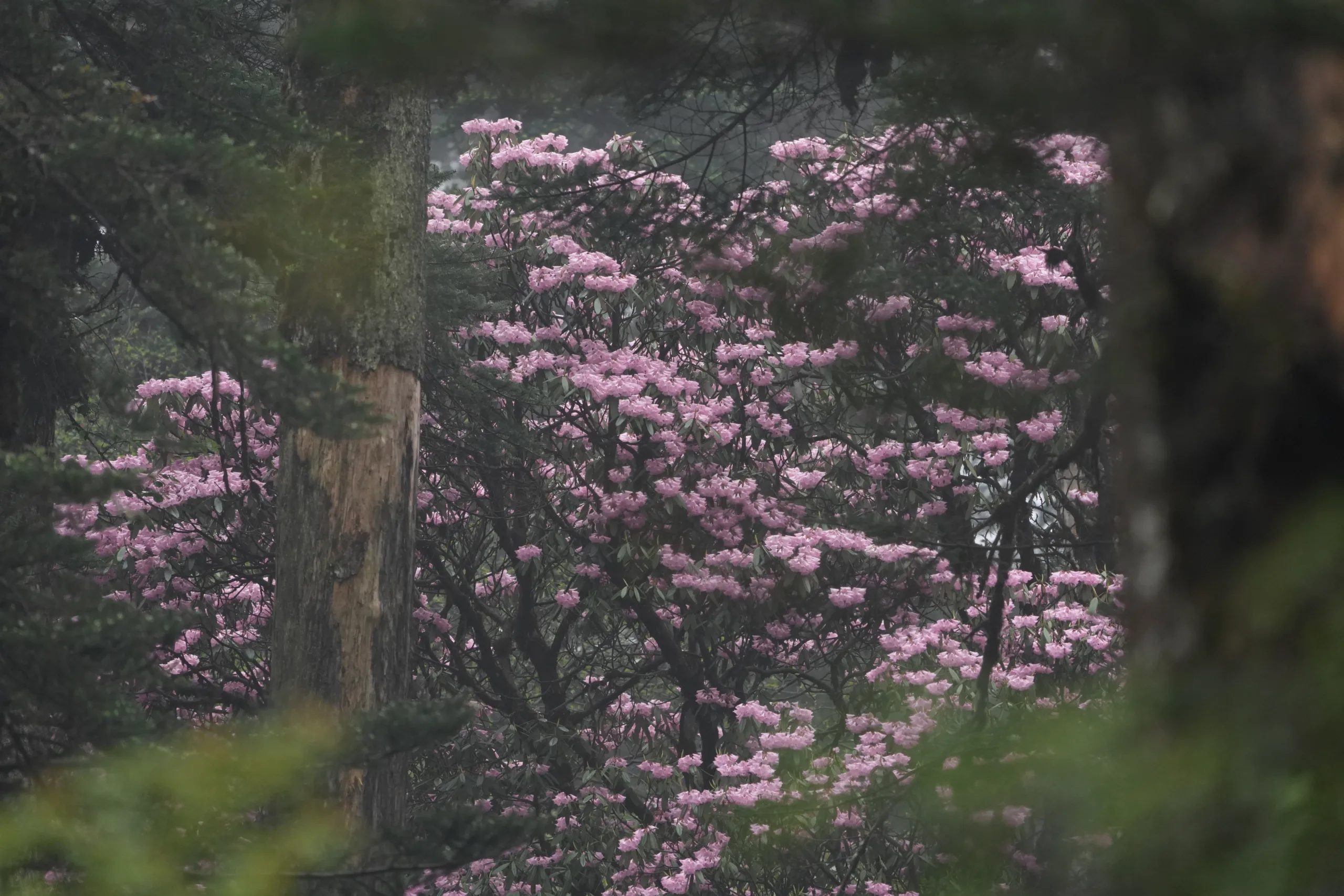
If Longcanggou showed us just how rich Sichuan’s forest birdlife can be, Wawu Mountain felt more like a concentrated search for parrotbills. We recorded Brown Parrotbill, Three-toed Parrotbill, Grey-hooded Parrotbill, and Fulvous Parrotbill, along with other montane species such as Emei Shan Liocichla, Hodgson’s Treecreeper, Firethroat, and Sharpe’s Rosefinch.
Wawu Mountain’s well-developed trail system does not seem to keep birds far from visitors. In many sections, mixed flocks and individual birds move surprisingly close to the boardwalks and paths, making the area one of the most rewarding birding stops on our Sichuan route. When several bird photographers carrying long telephoto lenses suddenly gather in one place, it often means something worth looking for has just appeared nearby. Sometimes it is a sought-after bird. Sometimes it is another Red Panda.
And this time, it really was a Red Panda. We recorded the species here once again before leaving Wawu Mountain.
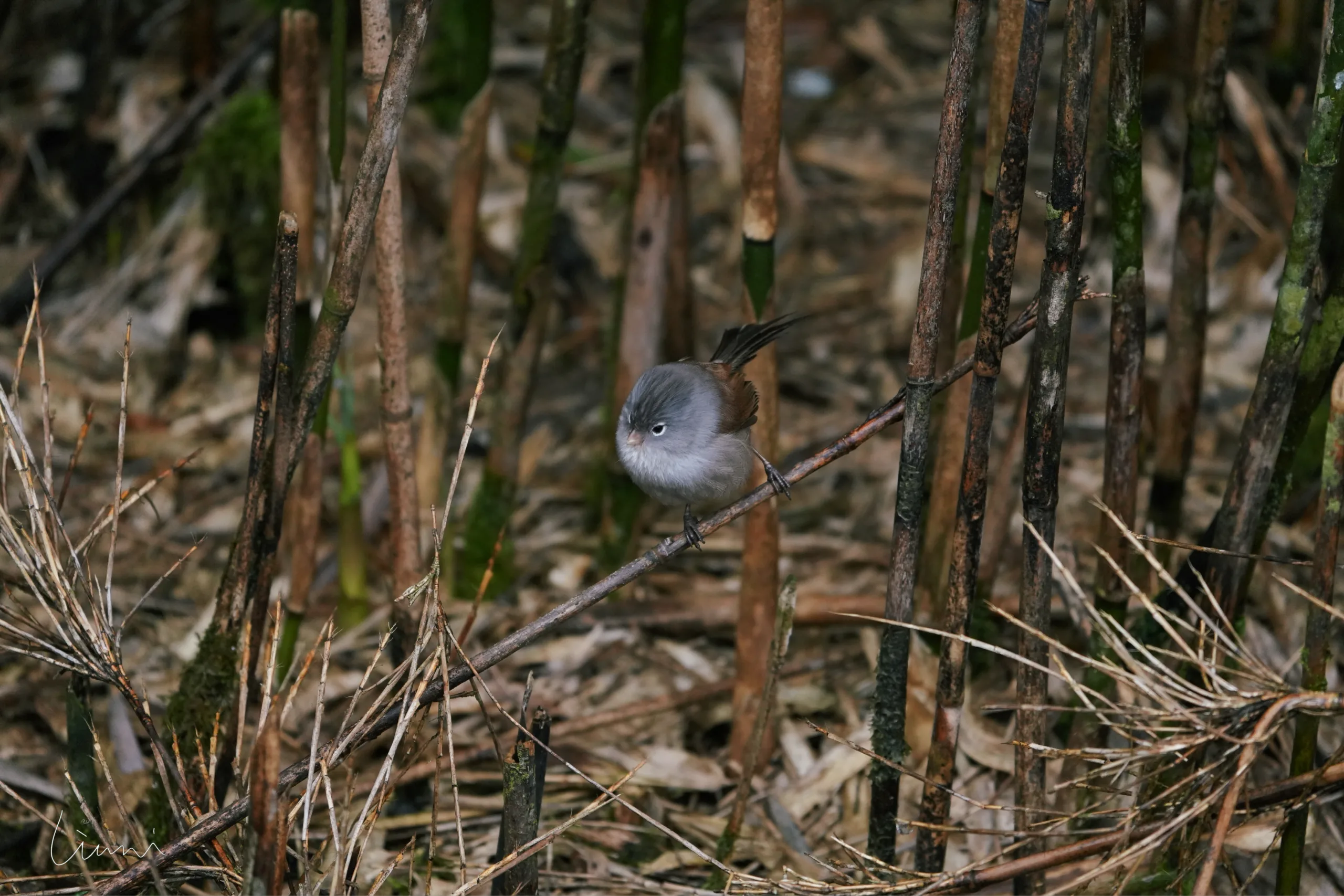
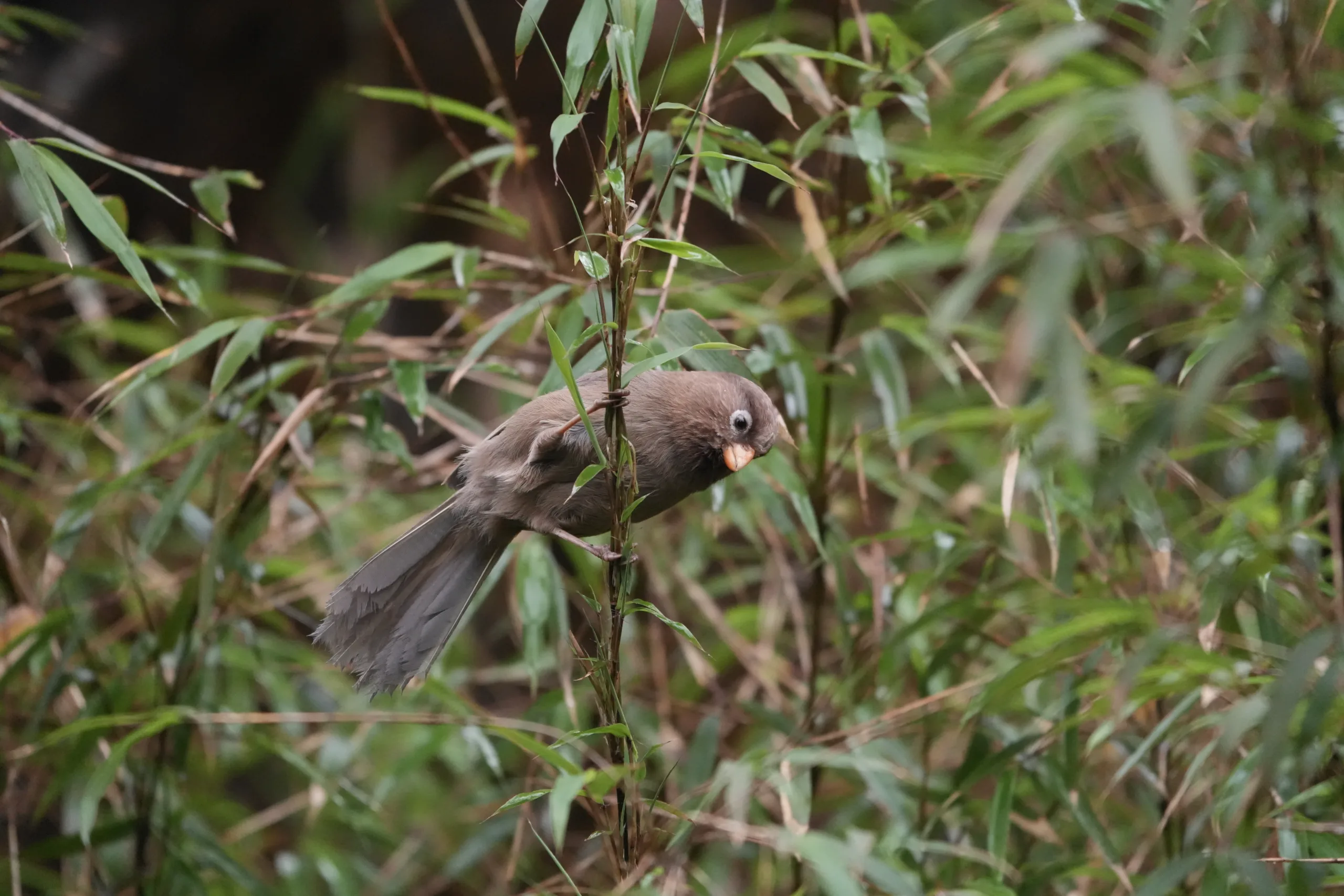
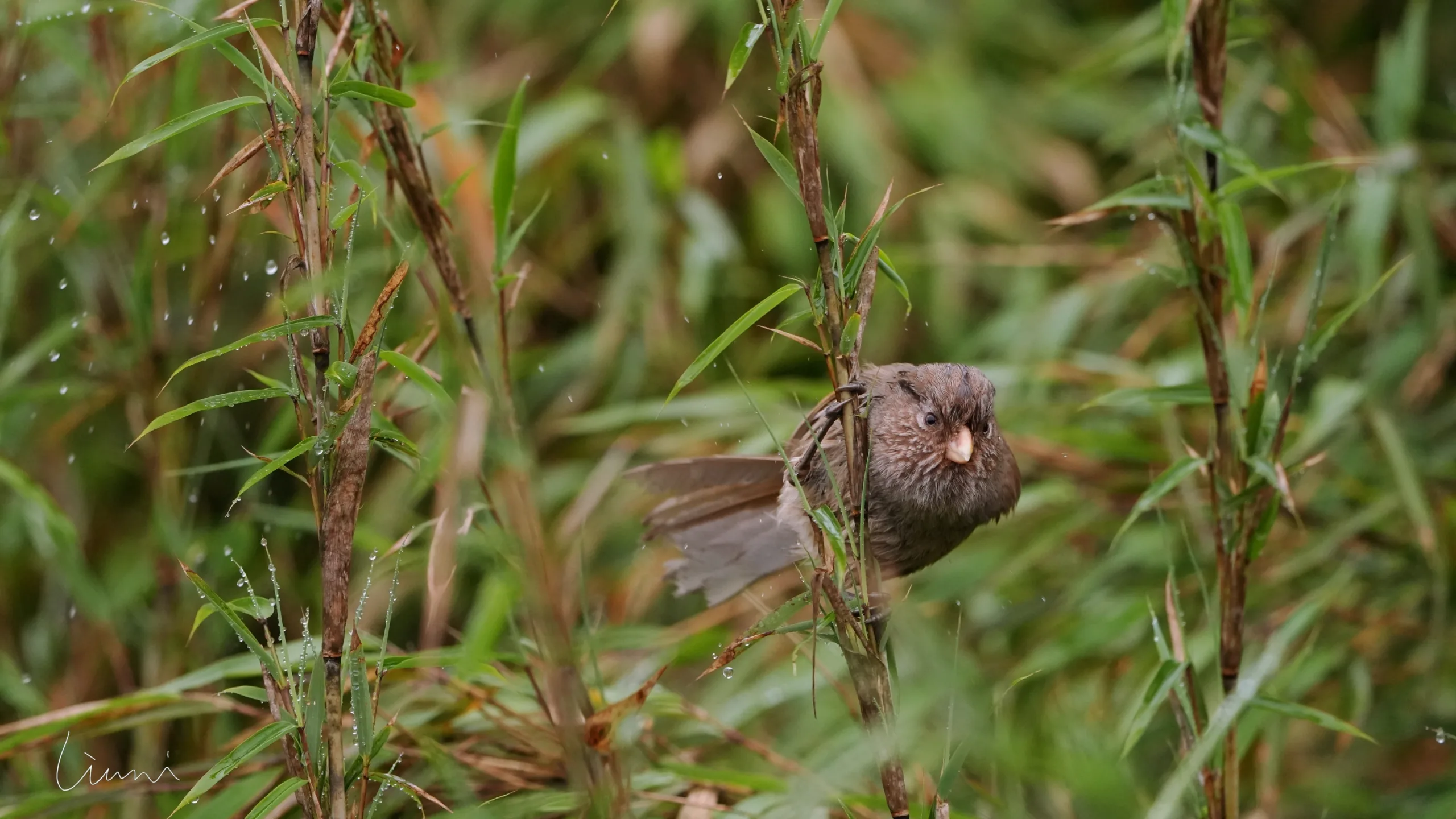
Day 12 | Pingshan, Yibin
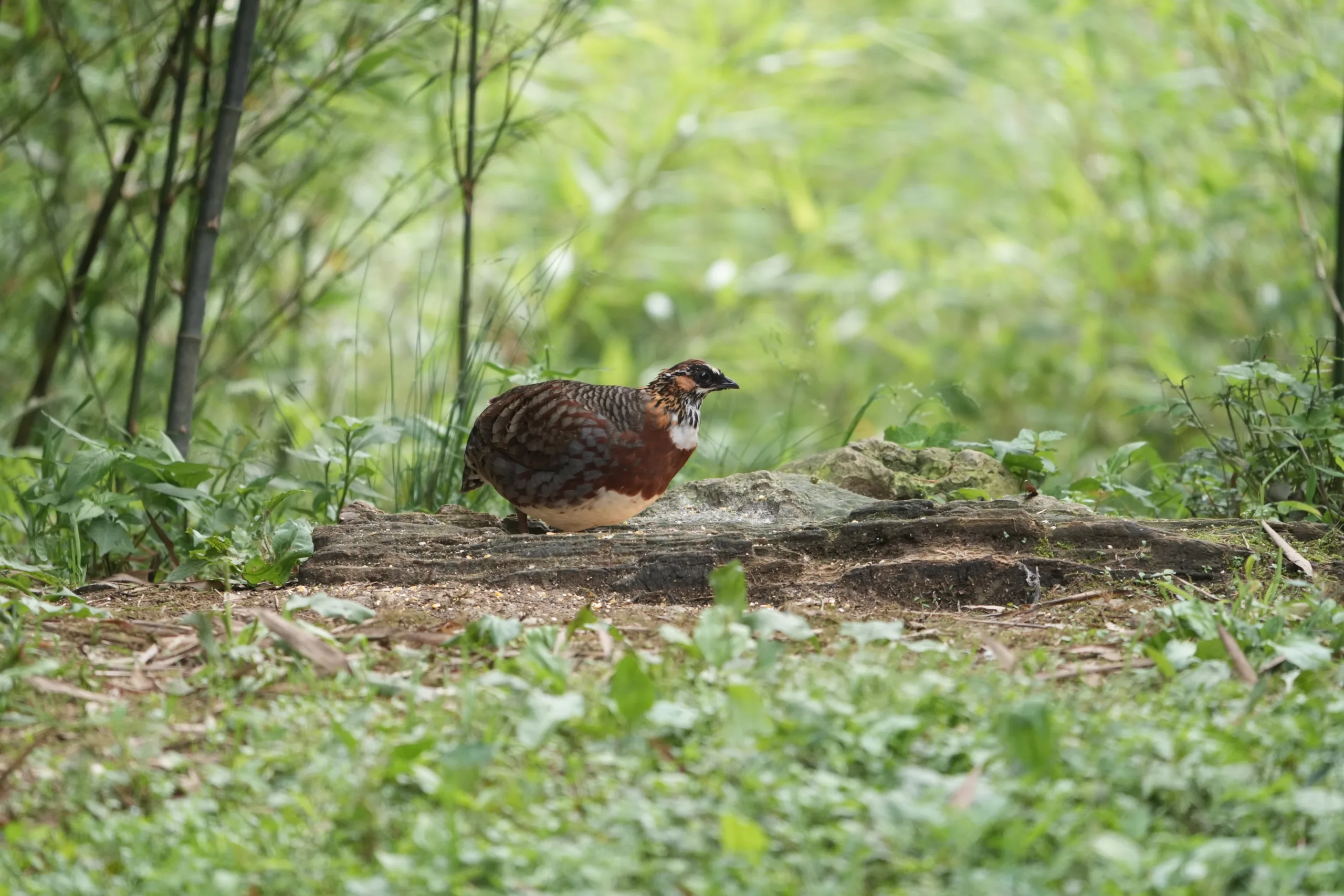
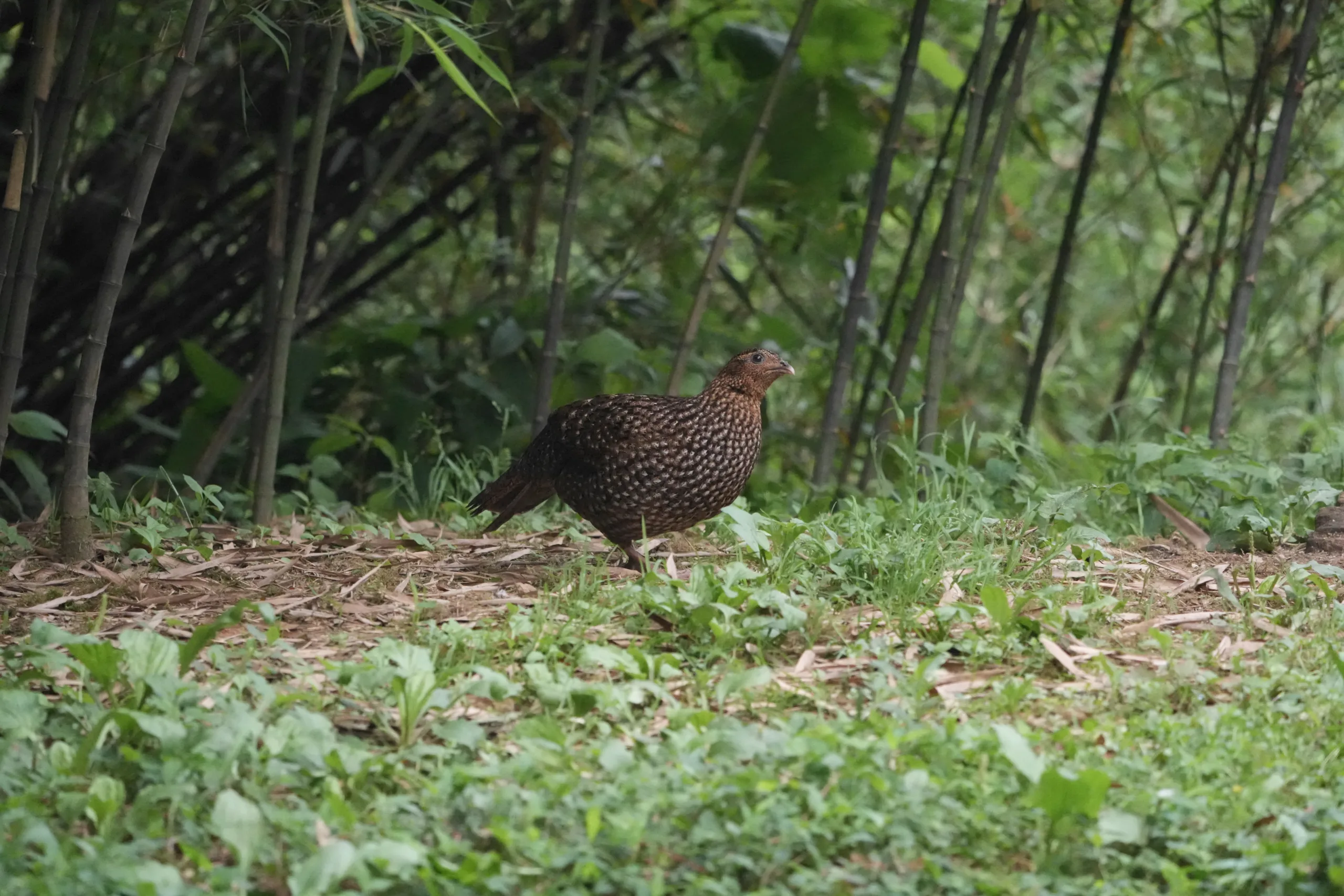
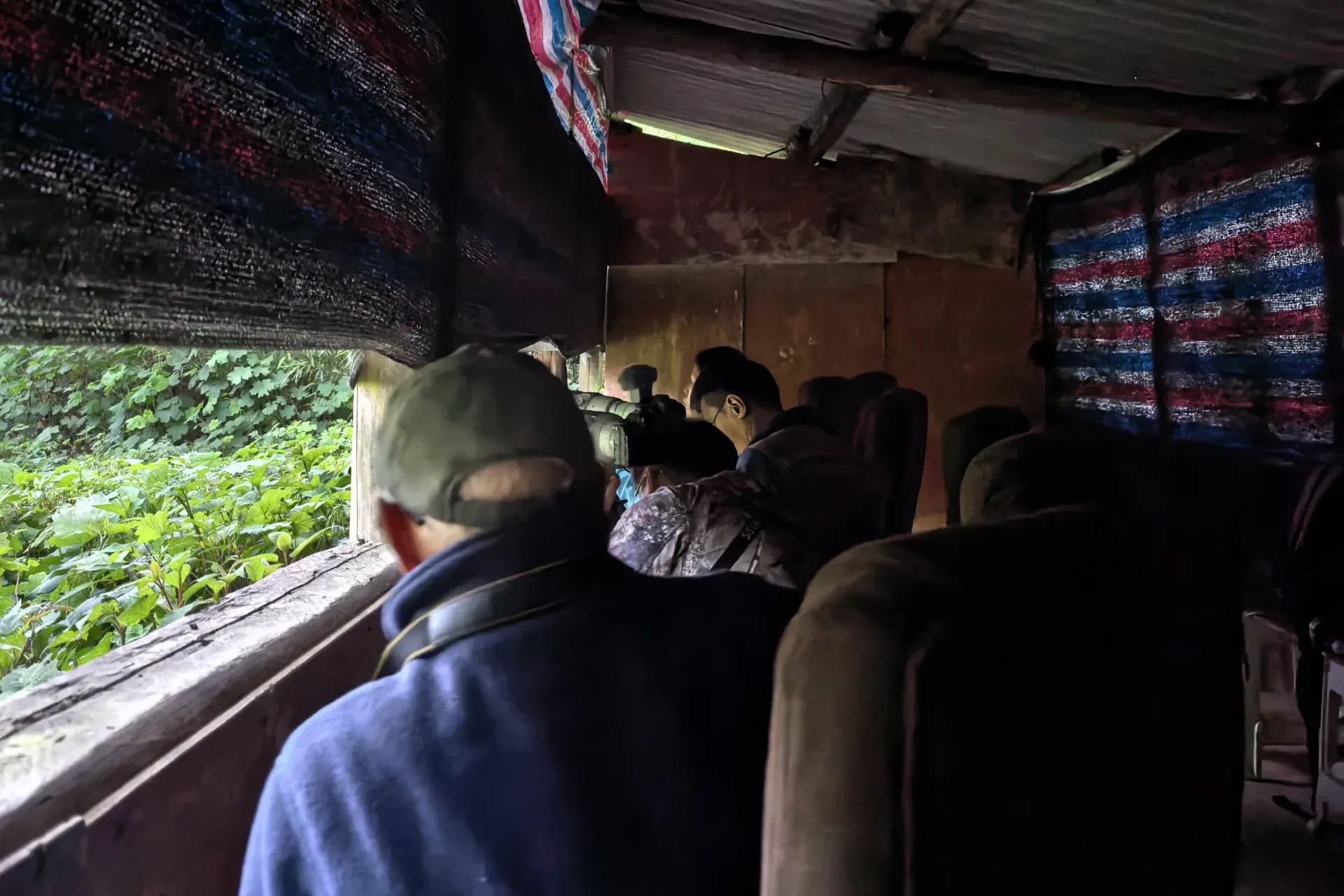
Our final major target was the Sichuan Partridge, a Vulnerable species endemic to China. To improve our chances, we entered a partially open birding hide before dawn and settled in to wait quietly.
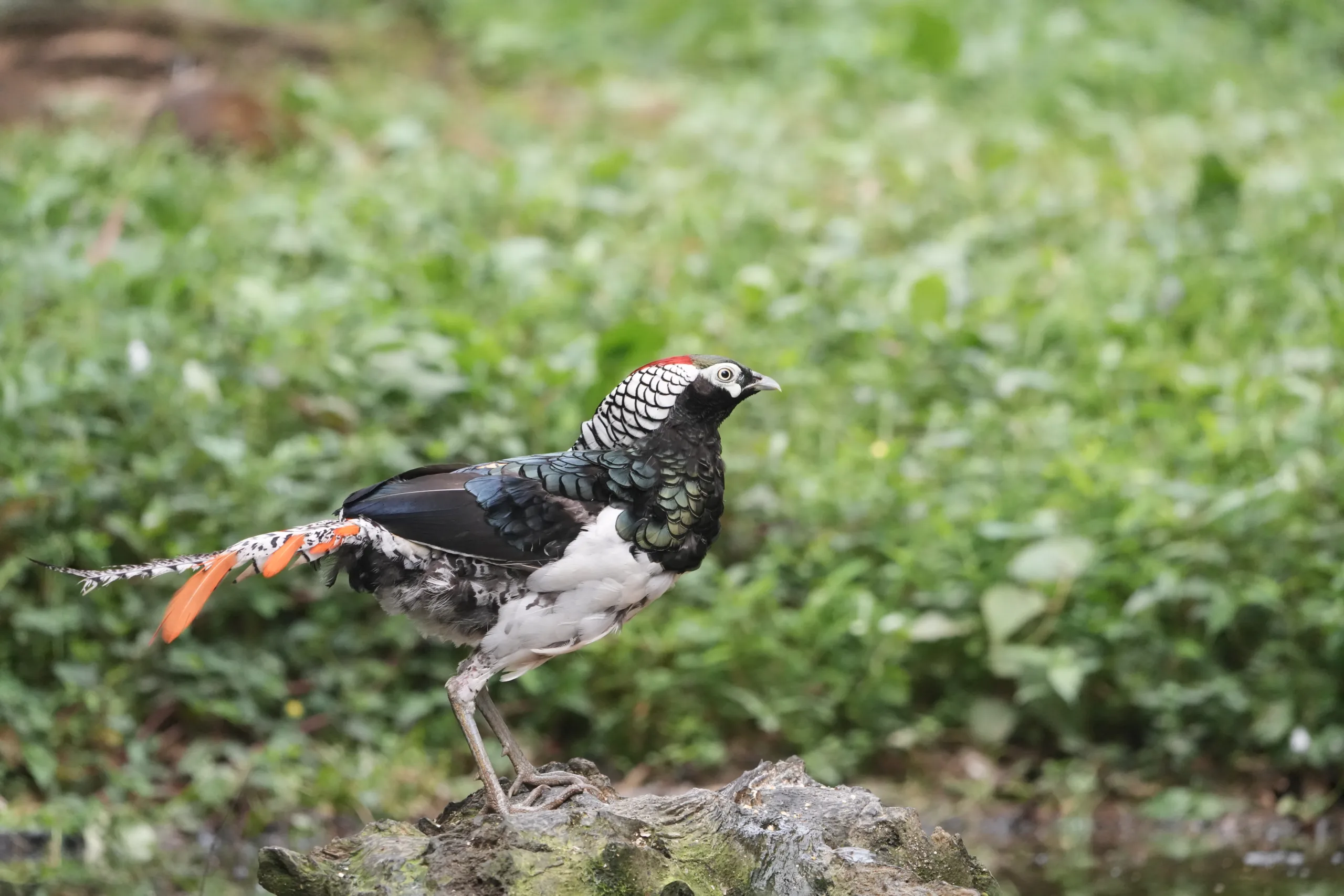
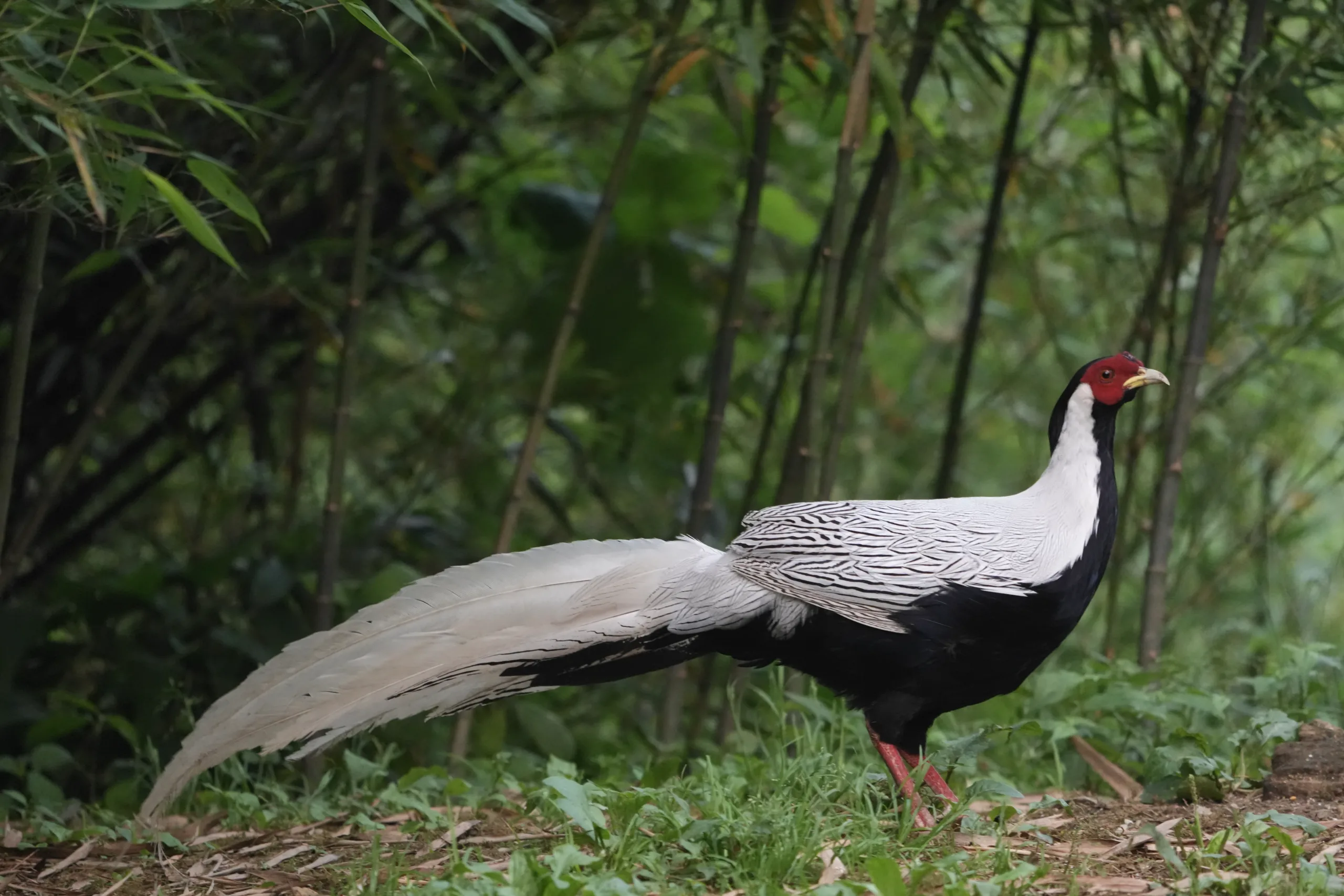
Patience paid off. We successfully recorded Sichuan Partridge, along with several other pheasants, including Temminck’s Tragopan, Lady Amherst’s Pheasant, and Silver Pheasant.
Unlike the previous days, when much of our birding relied on walking, driving, and tracking birds by sound, this morning demanded a different approach: sit still, stay quiet, and let the forest bring the birds into view.
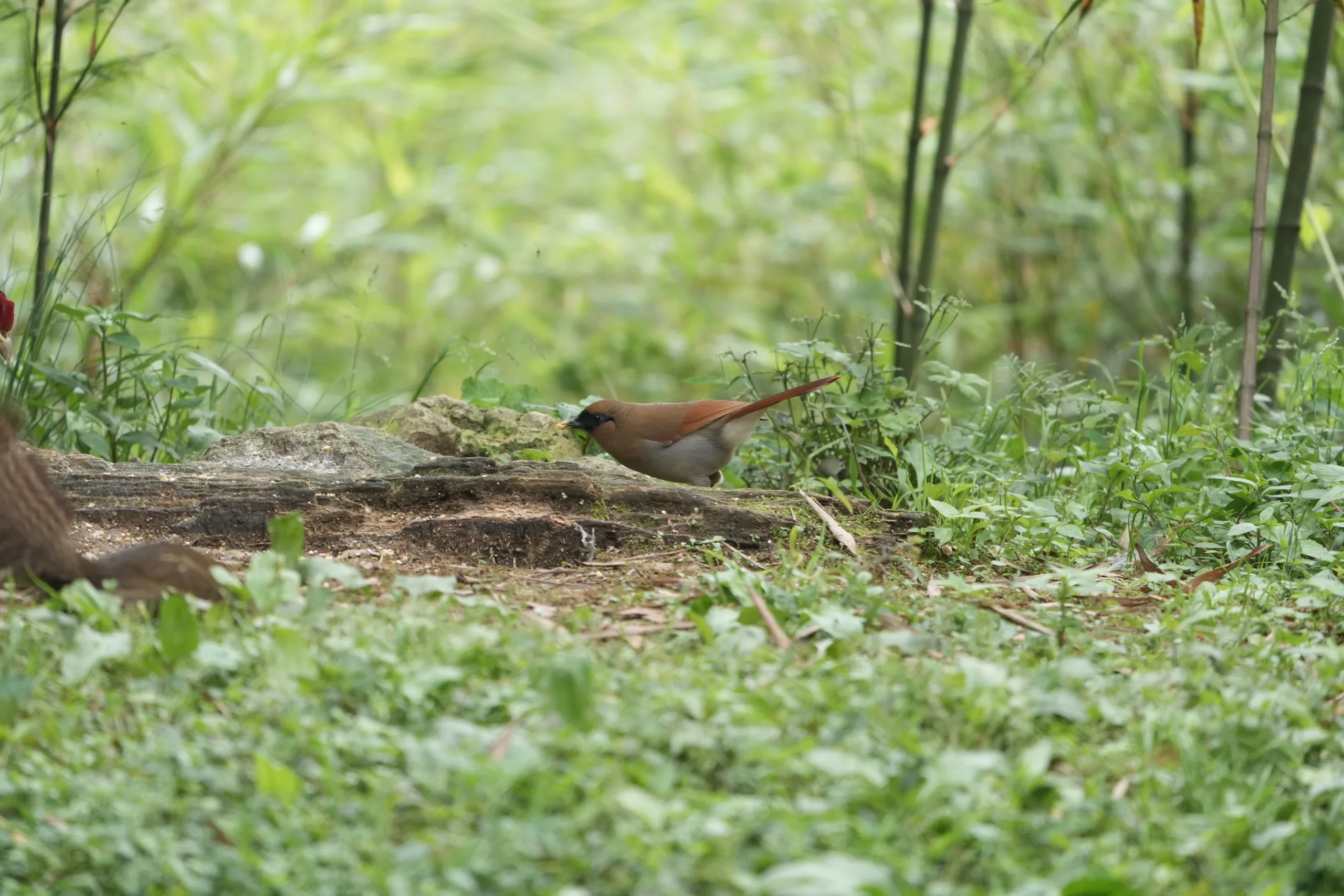
What stood out most on this journey was how quickly the birding changed with elevation. A few hours on the road could take us from river valleys and humid forest into bamboo-rich mountain slopes, alpine meadows, and the open plateau, with an almost entirely different set of target species at each stage.
That variety is where Sichuan really rewards careful planning. Knowing which birds are active, where they have been seen recently, and how to recognize their calls can save hours in the field. A guide with strong local knowledge does more than find birds; they help put you in the right habitat at the right time.
If you would like to follow the same route, explore our 13-day Sichuan Endemic Birding Tour.
For the complete day-by-day species record from this journey, expand the section below:
| Eastogo 2026 May Sichuan Birding Trip — Full Daily Species Log | |||||
| Day | Location | Weather / Habitat | Birds Recorded | Mammals Recorded | Field Notes |
| Day 1 | Chengdu · Huanhuaxi Park | Early summer; daytime temperatures close to 30°C. Bird activity increased after 16:30 as temperatures began to fall. | Vinous-throated Parrotbill, Black-throated Bushtit, White-cheeked Laughingthrush, Hair-crested Drongo, Oriental Greenfinch, Oriental Magpie-Robin, Red-billed Starling, Crested Myna, Light-vented Bulbul, Brown-breasted Bulbul, White Wagtail, Spotted Dove, Great Egret, Grey Heron, Little Egret, Black-crowned Night Heron, Common Moorhen, Little Grebe | — | An easy low-elevation warm-up after arriving in Chengdu. Adult and immature Black-crowned Night Herons were observed together. |
| Day 2 · Morning | Dujiangyan Panda Valley | Clear; landscaped park habitat; morning birding. | Large Hawk-Cuckoo, Rufous-faced Warbler, White-cheeked Laughingthrush | Giant Panda, Red Panda within the park | The main focus was visiting the pandas, with casual birding around the park. |
| Day 2 · Evening | Tangjiahe | Overcast; mountain river valley; entered the reserve toward dusk. | Brown Dipper, Plumbeous Water Redstart | Wild Boar | Typical stream specialists appeared almost immediately along the fast-flowing river. |
| Day 3–4 · Morning | Tangjiahe | Overcast; montane forest, river valleys, and streams; early-morning field sessions. | Temminck’s Tragopan, Tawny Fish Owl, Asian Barred Owlet, Elliot’s Laughingthrush, Kloss’s Leaf Warbler, Verditer Flycatcher, White-crowned Forktail, Blue Whistling Thrush, Brown Dipper, Plumbeous Water Redstart, Daurian Redstart, Great Spotted Woodpecker, Green-backed Tit, Red-billed Blue Magpie, Hair-crested Drongo, Grey Wagtail, White-throated Needletail, Large-billed Crow, Russet Sparrow | Sichuan Takin, Reeves’s Muntjac, Chinese Goral, Masked Palm Civet, Wild Boar, Pallas’s Squirrel, Père David’s Rock Squirrel, Tibetan Macaque | A female Sichuan Takin and calf crossed the road at close range before descending into the river valley. |
| Day 4 · Evening – Day 6 · Midday | Laba River | Foggy on the summit in the morning, turning cloudy later. Mid- to high-elevation forest; strongest activity in the morning. | Chinese Monal, Lady Amherst’s Pheasant, White-bellied Redstart, Himalayan Shortwing, Spotted Bush Warbler, Large-billed Leaf Warbler, Aberrant Bush Warbler, Darjeeling Woodpecker, Necklaced Woodpecker, White-backed Woodpecker, Long-tailed Minivet, Mountain Hawk-Eagle, Southern Nutcracker, Speckled Wood Pigeon, Grey-crested Tit, Rufous-vented Tit, Green-backed Tit, Ferruginous Flycatcher, Verditer Flycatcher, White-capped Redstart, Plumbeous Water Redstart, Brown Dipper, Blue Whistling Thrush, Grey-hooded Fulvetta, Rosy Pipit, Asian House Martin | Chinese Goral, Sambar, Red Deer, Swinhoe’s Striped Squirrel, Moupin Pika, Tibetan Macaque, Rhesus Macaque | Long-tailed Minivets were observed feeding chicks at the nest. Sambar occasionally approached the hotel area after dark to obtain salt. |
| Day 6 · Afternoon – Day 7 · Morning | Kangding Highlands | Cloudy with light morning mist. High-elevation alpine meadows and scrub. | Chinese Monal, White Eared Pheasant, Blood Pheasant, Snow Partridge, Himalayan Vulture, Dark-breasted Rosefinch, Chinese White-browed Rosefinch, Collared Grosbeak, Blue-fronted Redstart, Plumbeous Water Redstart, Black Redstart, Rufous-breasted Accentor, Buff-barred Warbler, Yellow-billed Chough, Rosy Pipit, Grey-backed Shrike, Russet Sparrow, White Wagtail | — | Around six Chinese Monals were observed in one morning, including two females. Males were repeatedly seen flying down from higher slopes. |
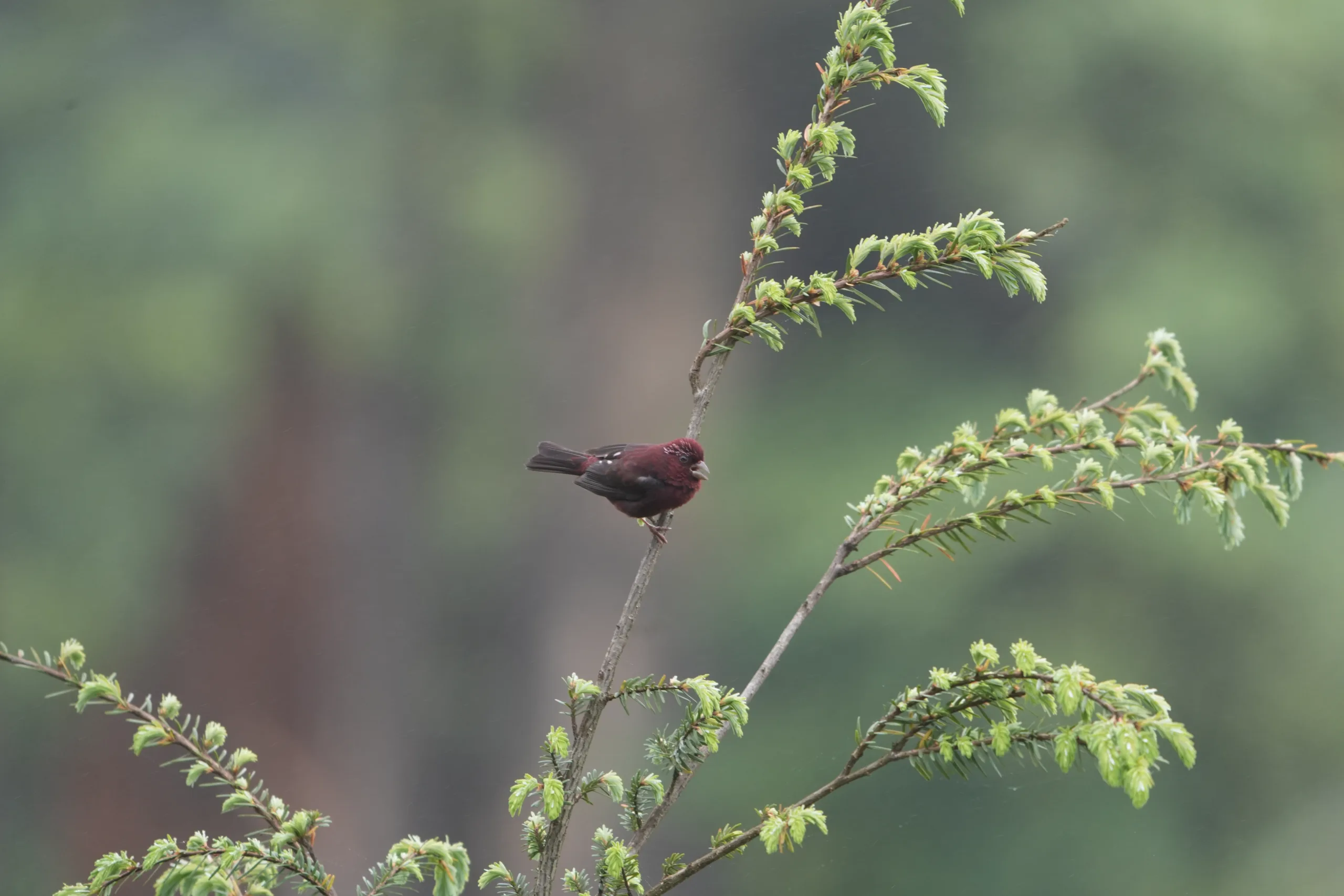
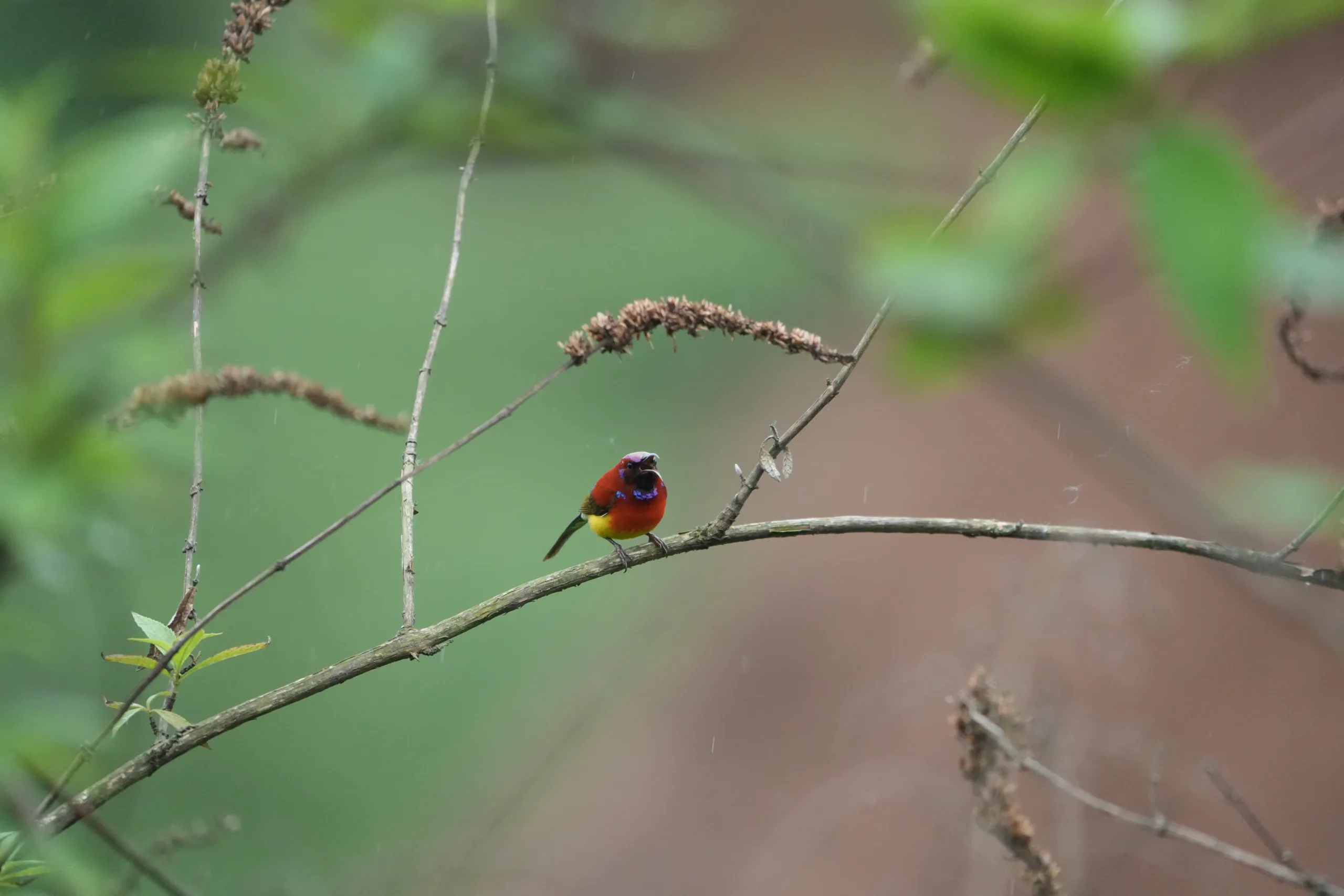
| Day 7 · Afternoon – Day 9 · Midday | Longcanggou | Cloudy with showers; humid montane forest and prolonged periods of rain. | Temminck’s Tragopan, Lady Amherst’s Pheasant, Golden Parrotbill, Three-toed Parrotbill, Great Parrotbill, Golden-breasted Fulvetta, Sichuan Bush Warbler, Martens’s Warbler, Red-winged Laughingthrush, Spotted Laughingthrush, White-collared Yuhina, Black-chinned Yuhina, Blue-winged Minla, Rufous-capped Babbler, Grey-hooded Fulvetta, Red-billed Leiothrix, Vinaceous Rosefinch, Brown Bullfinch, Red Crossbill, Mrs. Gould’s Sunbird, White-bellied Redstart, Chestnut-crowned Warbler, Dark-sided Flycatcher, Verditer Flycatcher, Bay Woodpecker, Darjeeling Woodpecker, White-backed Woodpecker, Himalayan Owl, Crested Honey Buzzard, Black Baza, Chinese Sparrowhawk, Lesser Cuckoo, Himalayan Cuckoo, Common Cuckoo, White-crowned Forktail, Spotted Forktail, Blue Whistling Thrush, Brown Dipper, Red-billed Blue Magpie, Eurasian Jay, Hair-crested Drongo, Collared Finchbill, Black Bulbul, Brown-breasted Bulbul, Little Bunting, Oriental Greenfinch, Grey Wagtail, Barn Swallow, Eastern Red-rumped Swallow | Red Panda, Tufted Deer, Swinhoe’s Striped Squirrel | Two of Longcang’s “Three Golds” were recorded: Golden Parrotbill and Golden-breasted Fulvetta. We also encountered wild Red Pandas twice; one remained visible for only about two minutes. |
| Day 9 · Evening – Day 11 · Morning | Wawu Mountain | Day 10: heavy fog clearing later. Day 11: clear. Humid montane forest and bamboo, with established boardwalks and trails. | Three-toed Parrotbill, Fulvous Parrotbill, Grey-hooded Parrotbill, Brown Parrotbill, Emei Shan Liocichla, Hodgson’s Treecreeper, Firethroat, Sharpe’s Rosefinch, Red-winged Laughingthrush, Elliot’s Laughingthrush, Stripe-throated Yuhina, White-collared Yuhina, Emei Leaf Warbler, Martens’s Warbler, Bianchi’s Warbler, Chestnut-crowned Warbler, Ashy-throated Warbler, Greenish Warbler, Tickell’s Leaf Warbler, Spotted Bush Warbler, Aberrant Bush Warbler, Yellow-bellied Bush Warbler, Rufous-gorgeted Flycatcher, Dark-sided Flycatcher, Verditer Flycatcher, Ferruginous Flycatcher, Himalayan Shortwing, Chestnut Thrush, Grey-headed Bullfinch, Mrs. Gould’s Sunbird, Rufous-vented Tit, Black-crested Tit, Yellow-bellied Tit, Coal Tit, Fork-tailed Swift, White-throated Needletail, Asian House Martin, White Wagtail, Grey Wagtail, Eurasian Wren, Large-billed Crow | Red Panda, Swinhoe’s Striped Squirrel, Tibetan Macaque | One of the richest sections of the trip for parrotbills. Across the full route, we recorded eight of the nine parrotbill species represented in the itinerary. |
| Day 12 · Morning | Pingshan, Yibin | Clear; entered a partially open birding hide before dawn. | Sichuan Partridge, Temminck’s Tragopan, Lady Amherst’s Pheasant, Silver Pheasant, Ashy-throated Parrotbill, Buffy Laughingthrush, Chinese Babax, Red-billed Leiothrix, Oriental Turtle Dove, Brown-breasted Bulbul | Pallas’s Squirrel, Perny’s Long-nosed Squirrel | The main target was Sichuan Partridge, which was successfully observed together with several other pheasant species. |
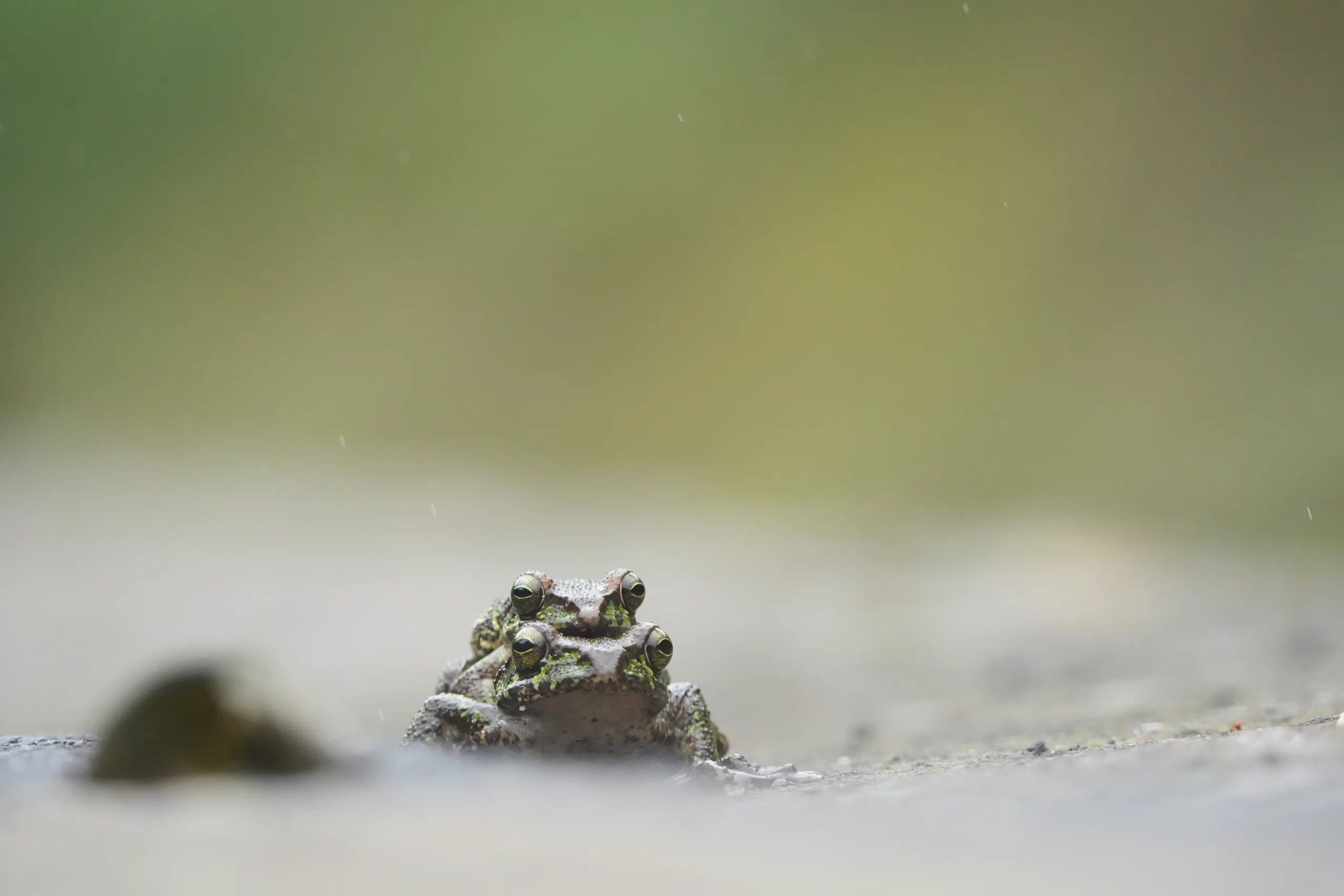
We also recorded a variety of reptiles and amphibians, including Olive Frog, Omei Treefrog, Mandarin Snake, and Asiatic Toad, as well as an extraordinary diversity of insects.
One particularly memorable sighting was a pair of Omei Treefrogs in amplexus, slowly making their way across the road together.
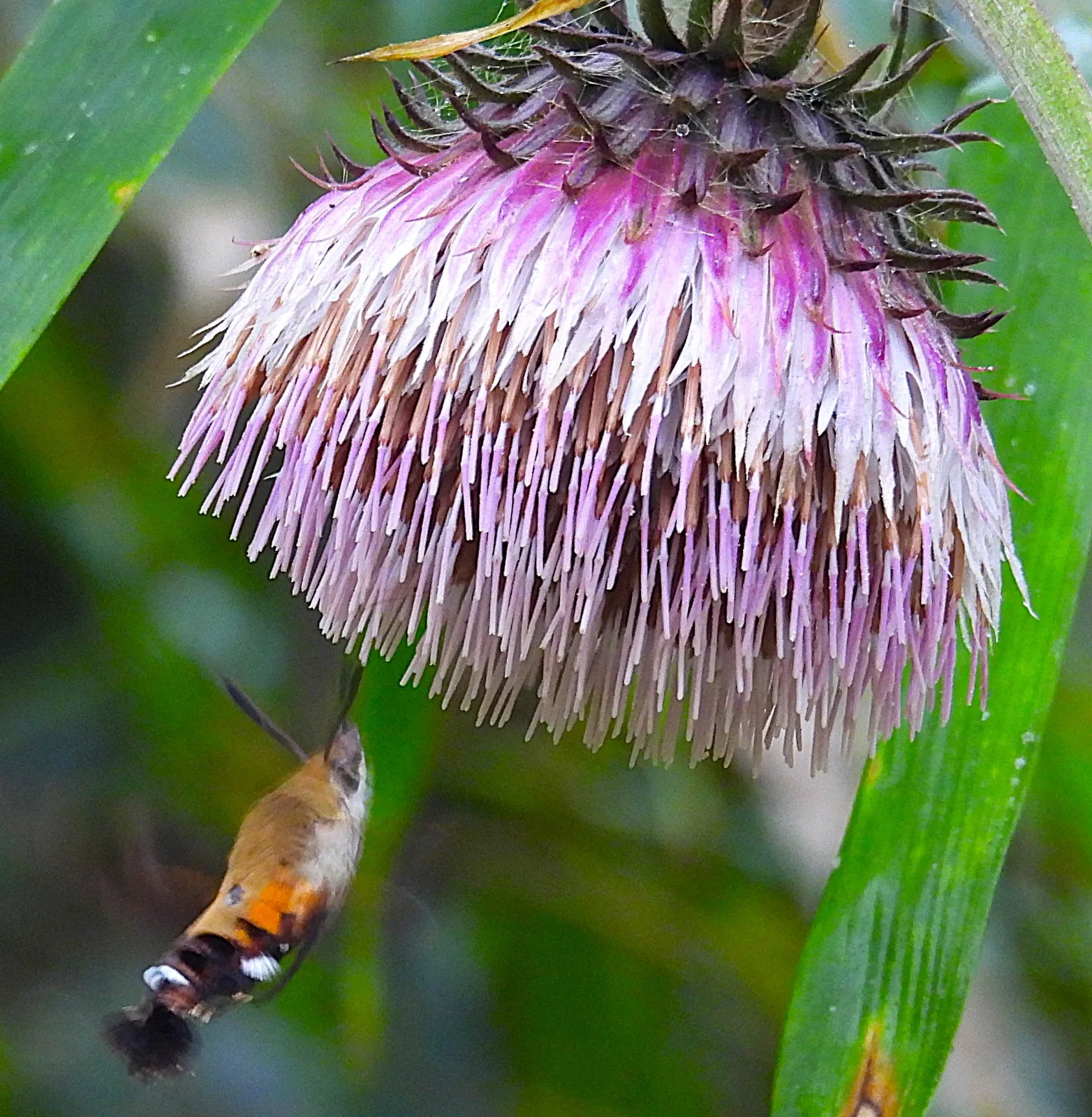
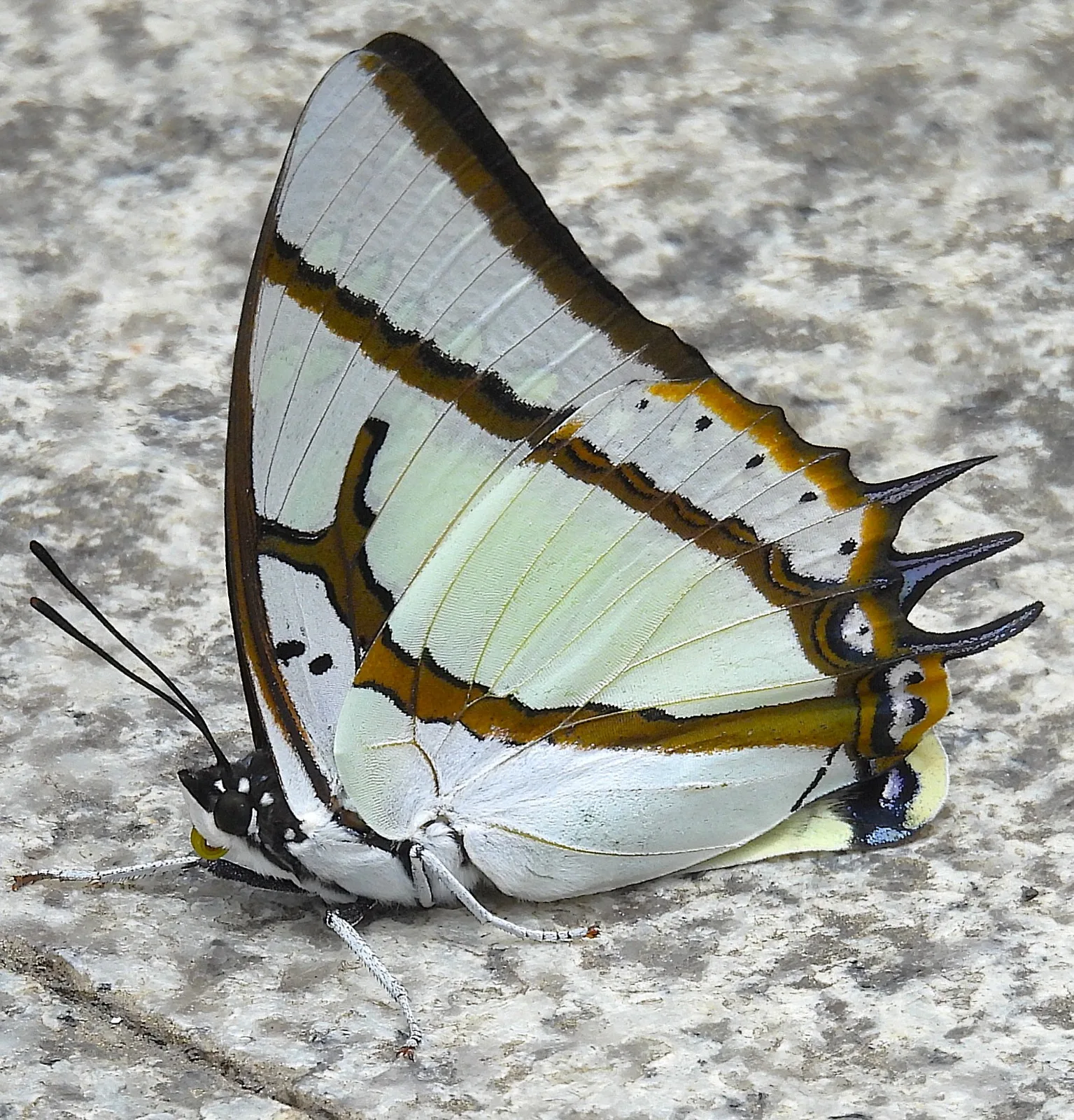
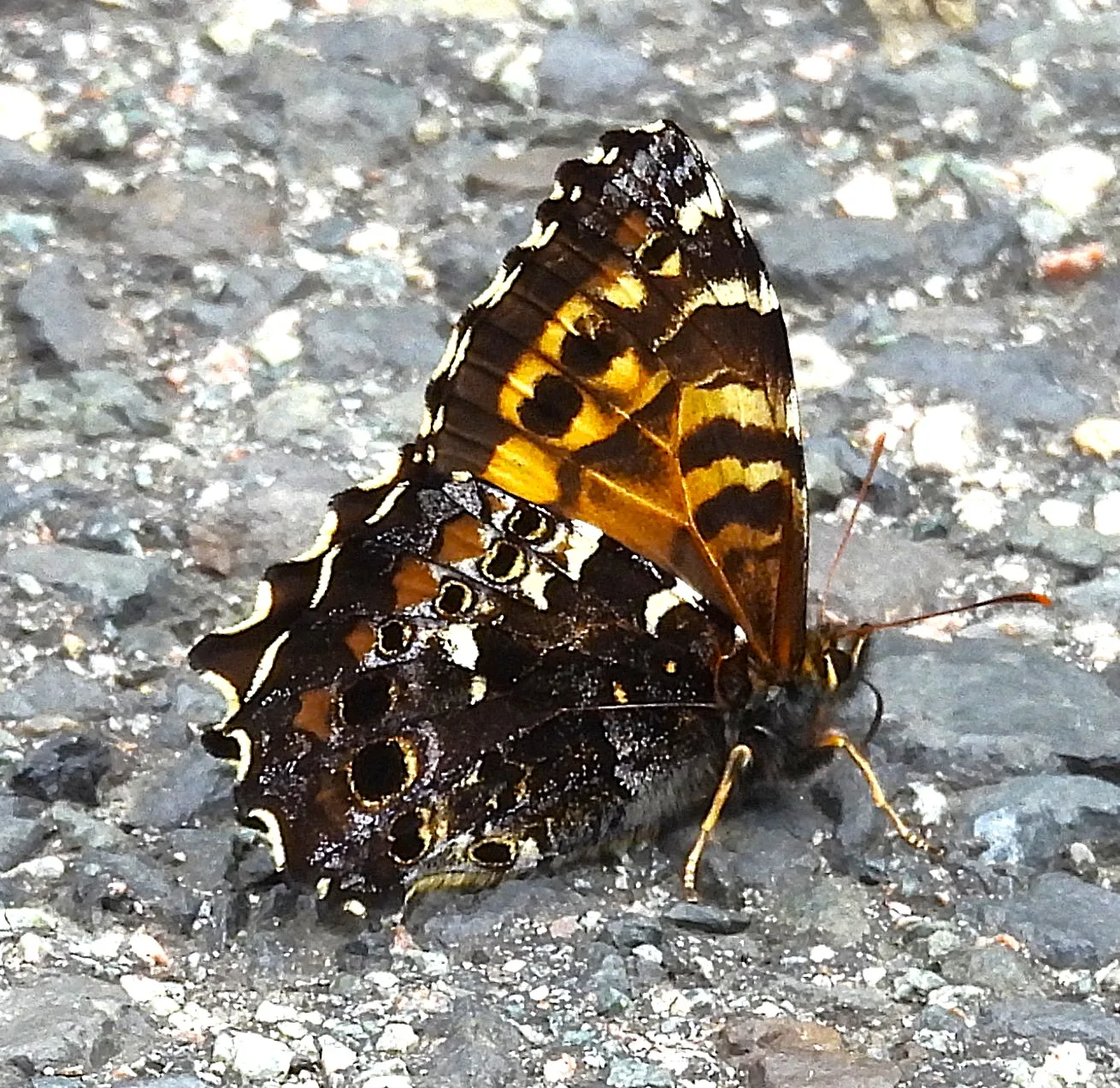
Our field report covers only a small part of what Sichuan has to offer. Across the province, there are many more remarkable bird species and birding destinations worth exploring in depth.
Encounter China’s Endemic birds and Wild Red Pandas in Sichuan (13 days)
view detailKey Bird Species to Look for in Sichuan
What draws international birders to Sichuan is not simply the length of its species list. The province holds an exceptional concentration of Chinese endemics and birds characteristic of the mountains of southwest China.
For many visiting birders, Chinese Monal, Sichuan Partridge, Golden-fronted Fulvetta, Emei Leaf Warbler, Emei Shan Liocichla, and Sichuan Jay are among the major targets worth travelling to Sichuan for.
And the target list keeps changing as you move through the mountains. From mid-elevation forests to the high country of western Sichuan, White Eared Pheasant, Buff-throated Monal-Partridge, numerous parrotbills and rosefinches, and a variety of high-altitude raptors add entirely different possibilities at each elevation.
Pheasants and Other Galliformes:Some of Sichuan’s Most Striking Birds
Pheasants and other galliformes are among the groups that make Sichuan especially attractive to international birders. More than 20 species occur in the province, with different birds taking over as you move from mid-elevation forest to alpine habitats above 4,000 meters, and bamboo-rich forest also adds sought-after birds such as the Chinese Bamboo Partridge.
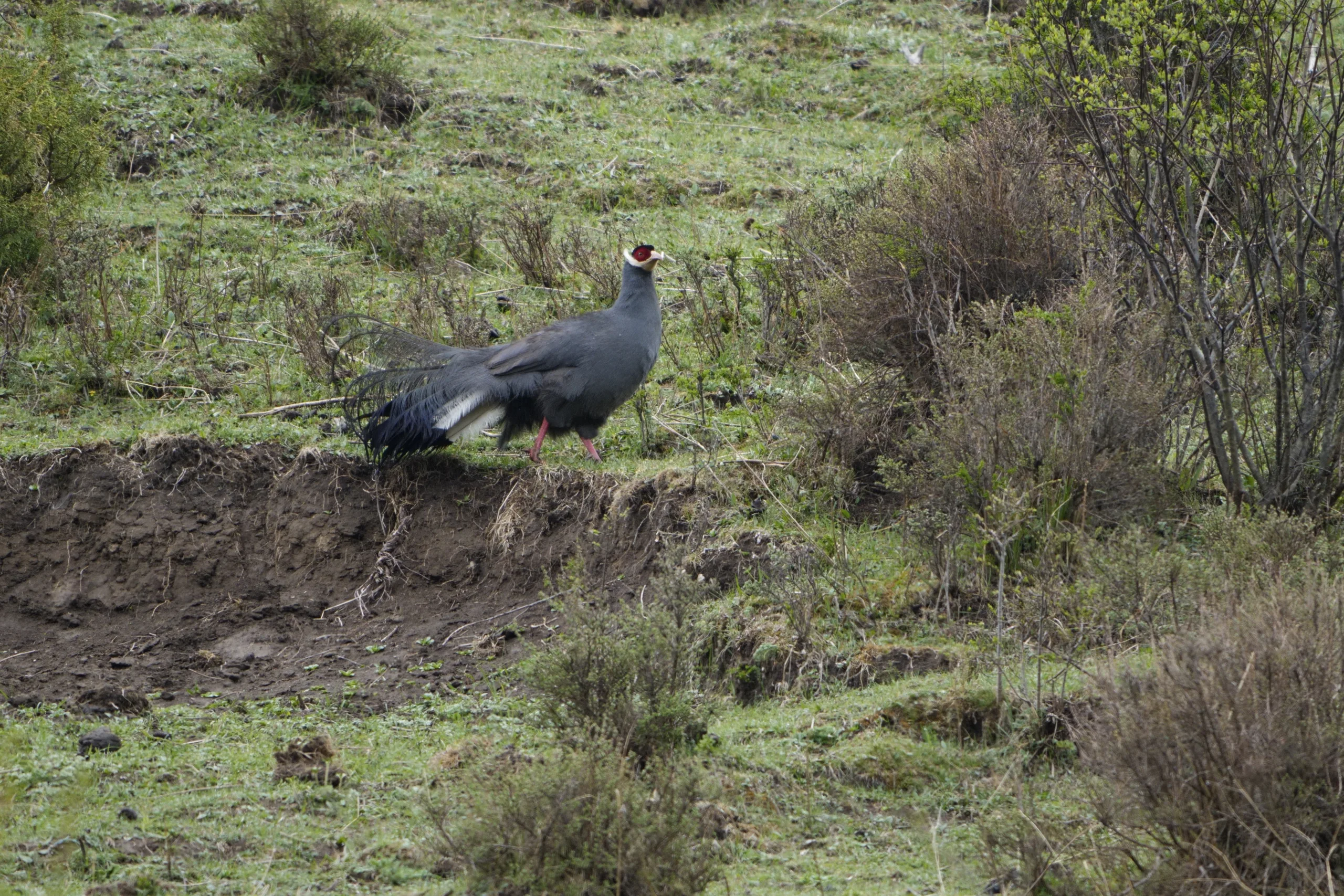
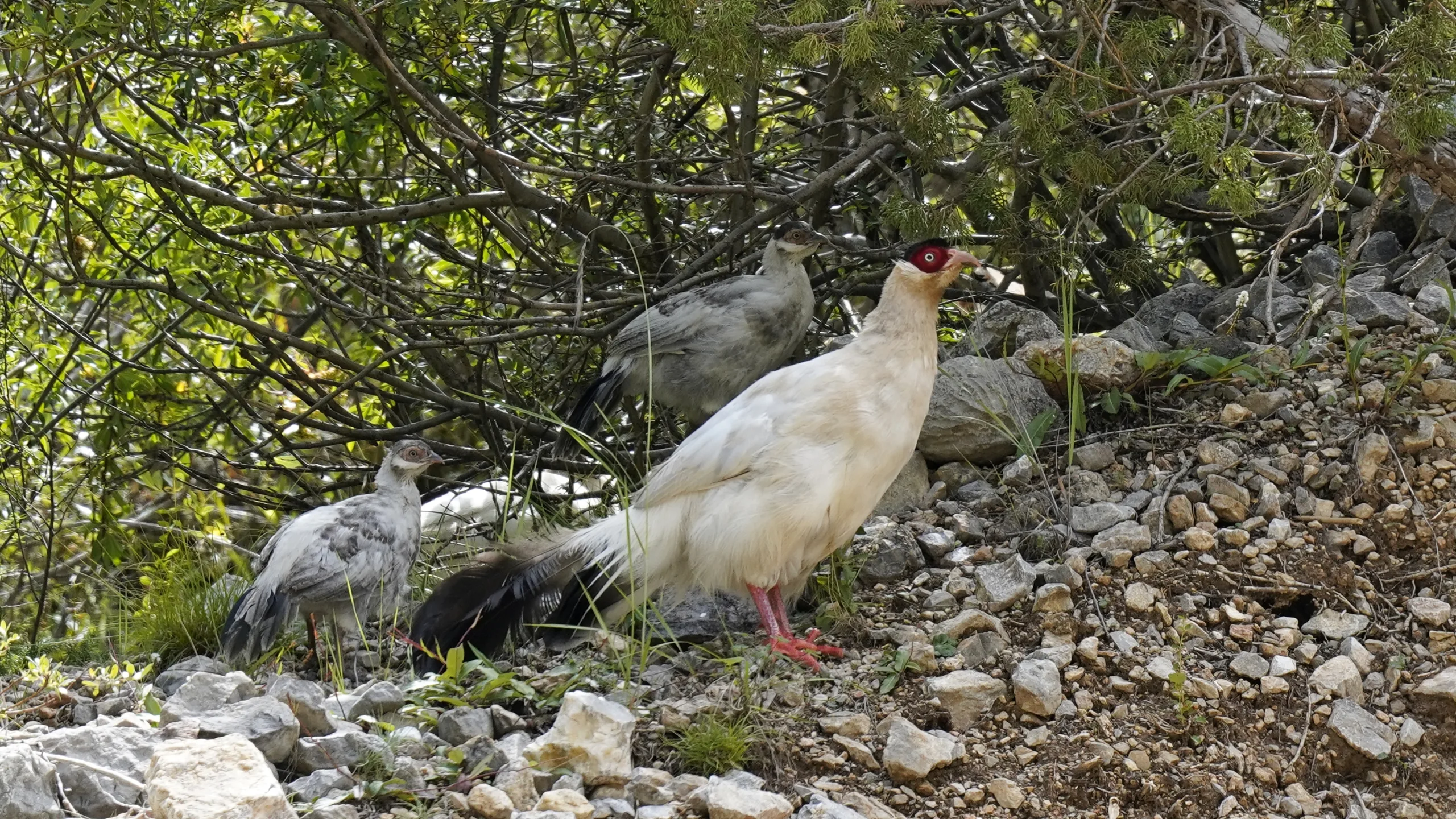
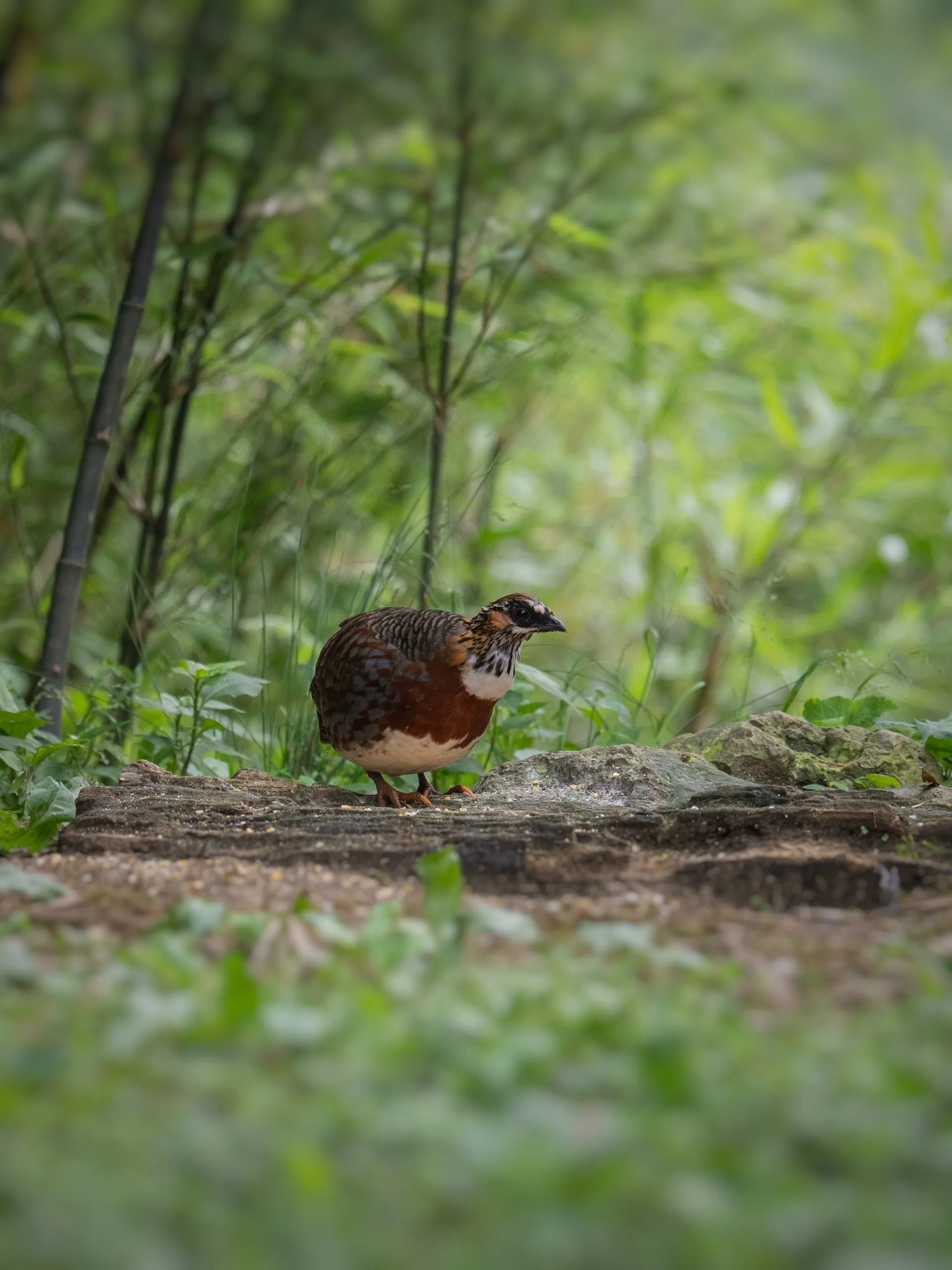
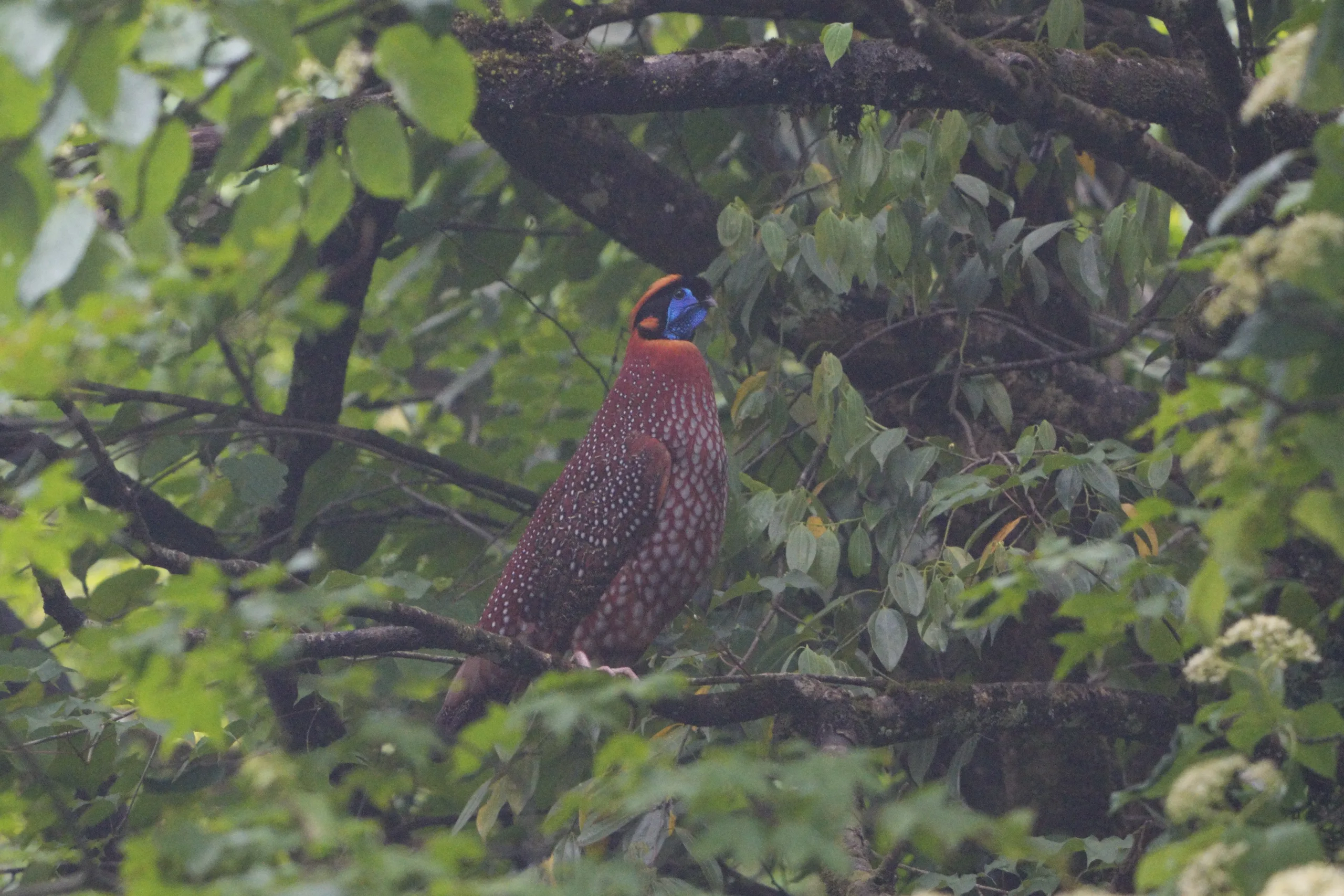
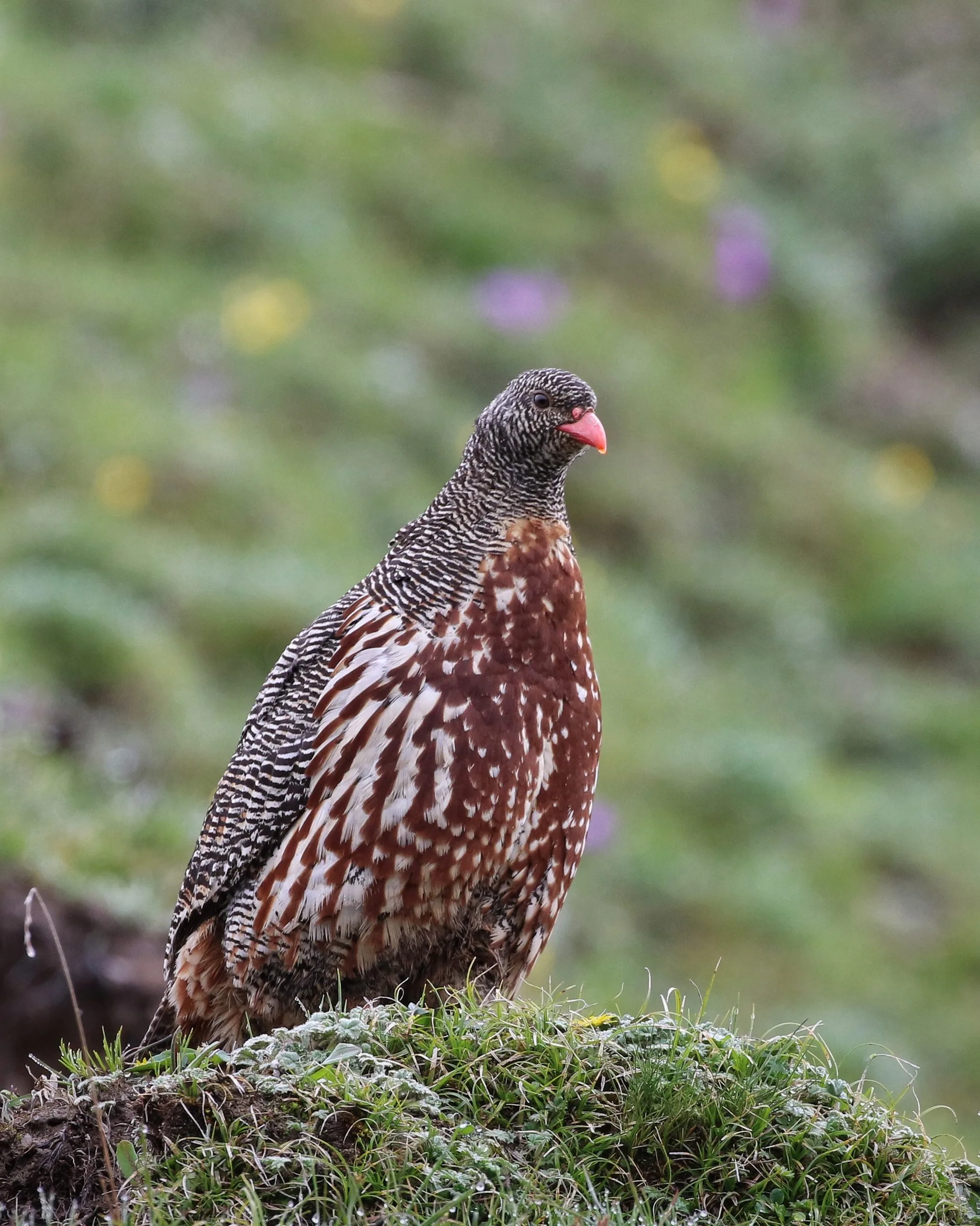
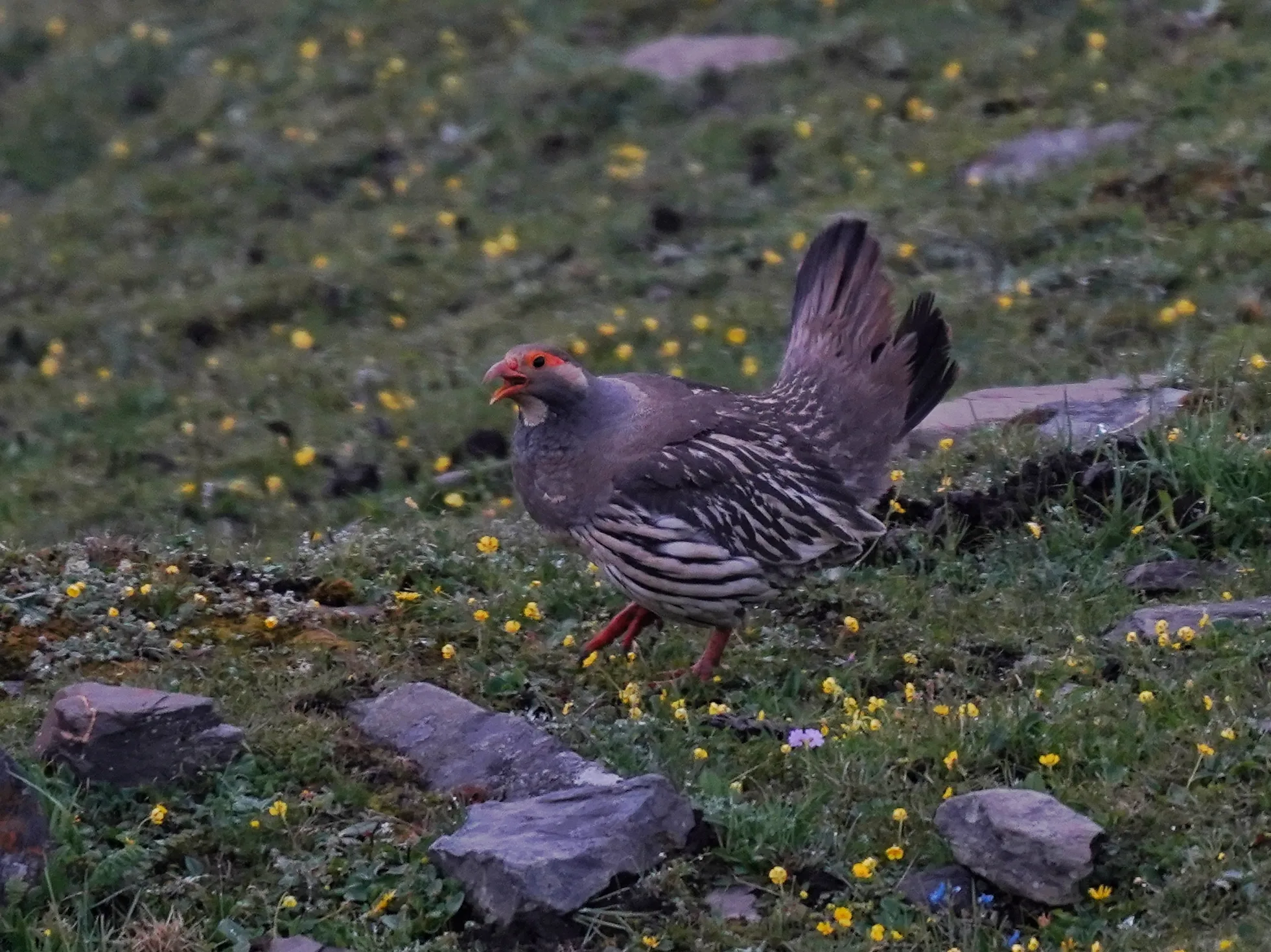
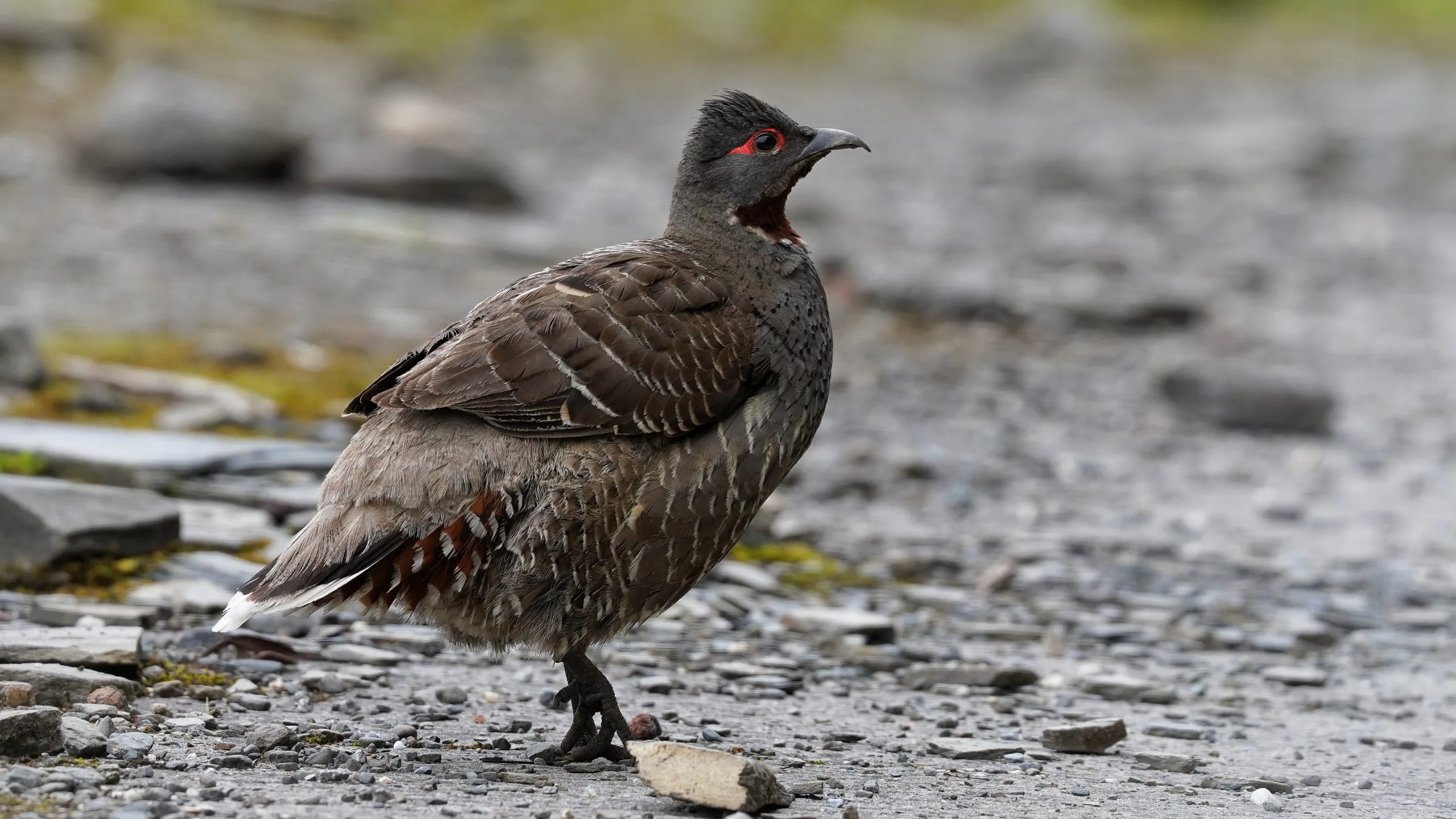
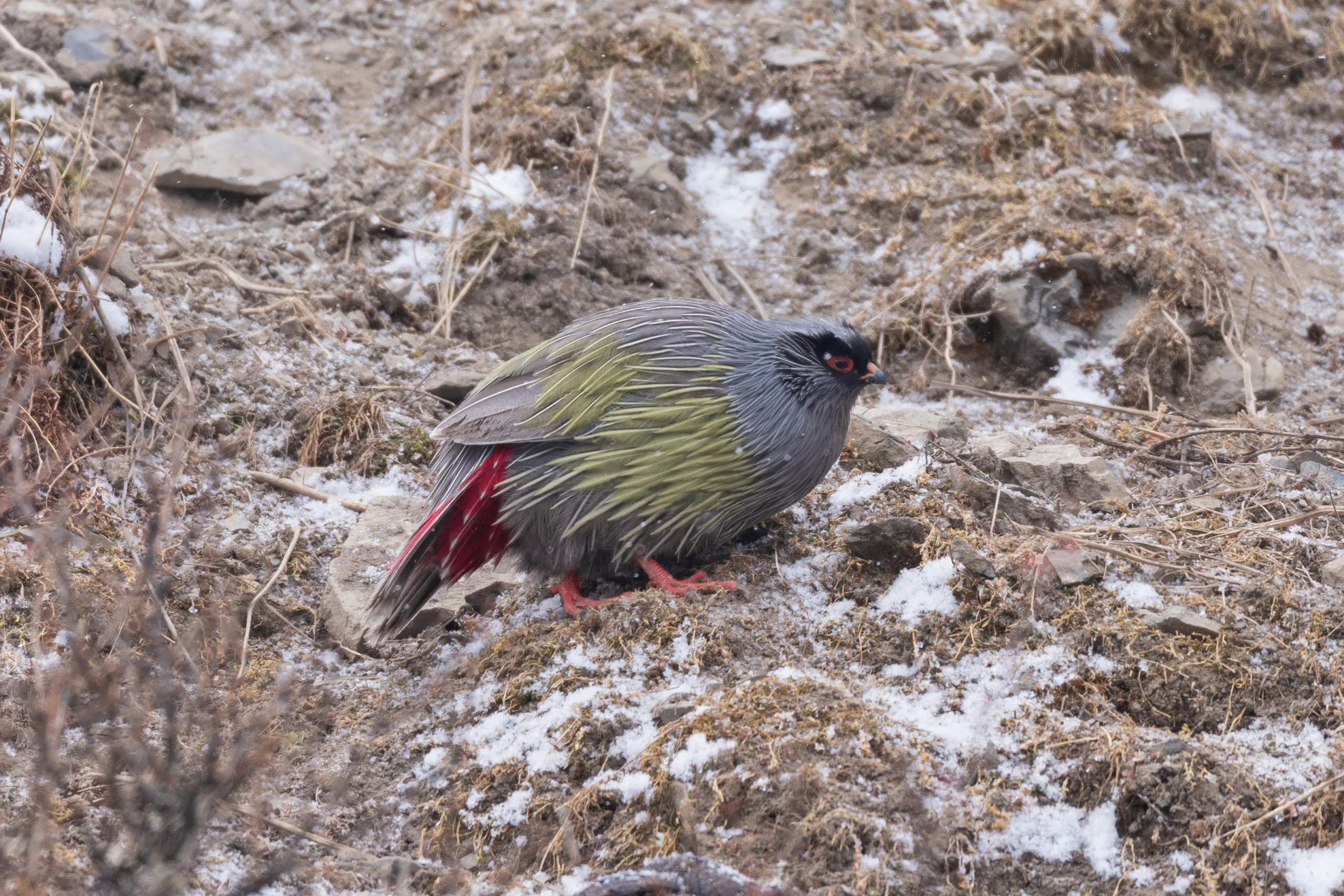
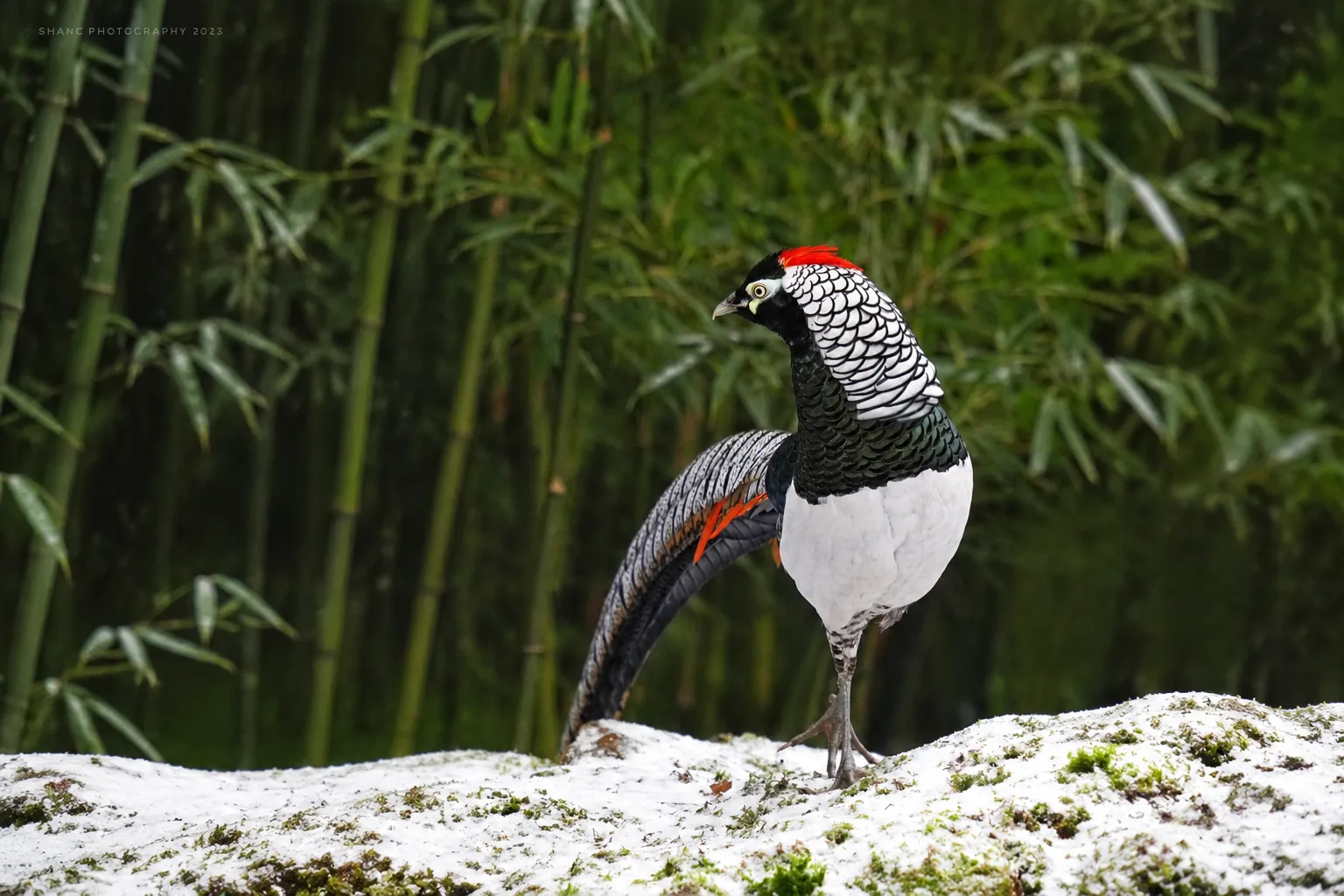
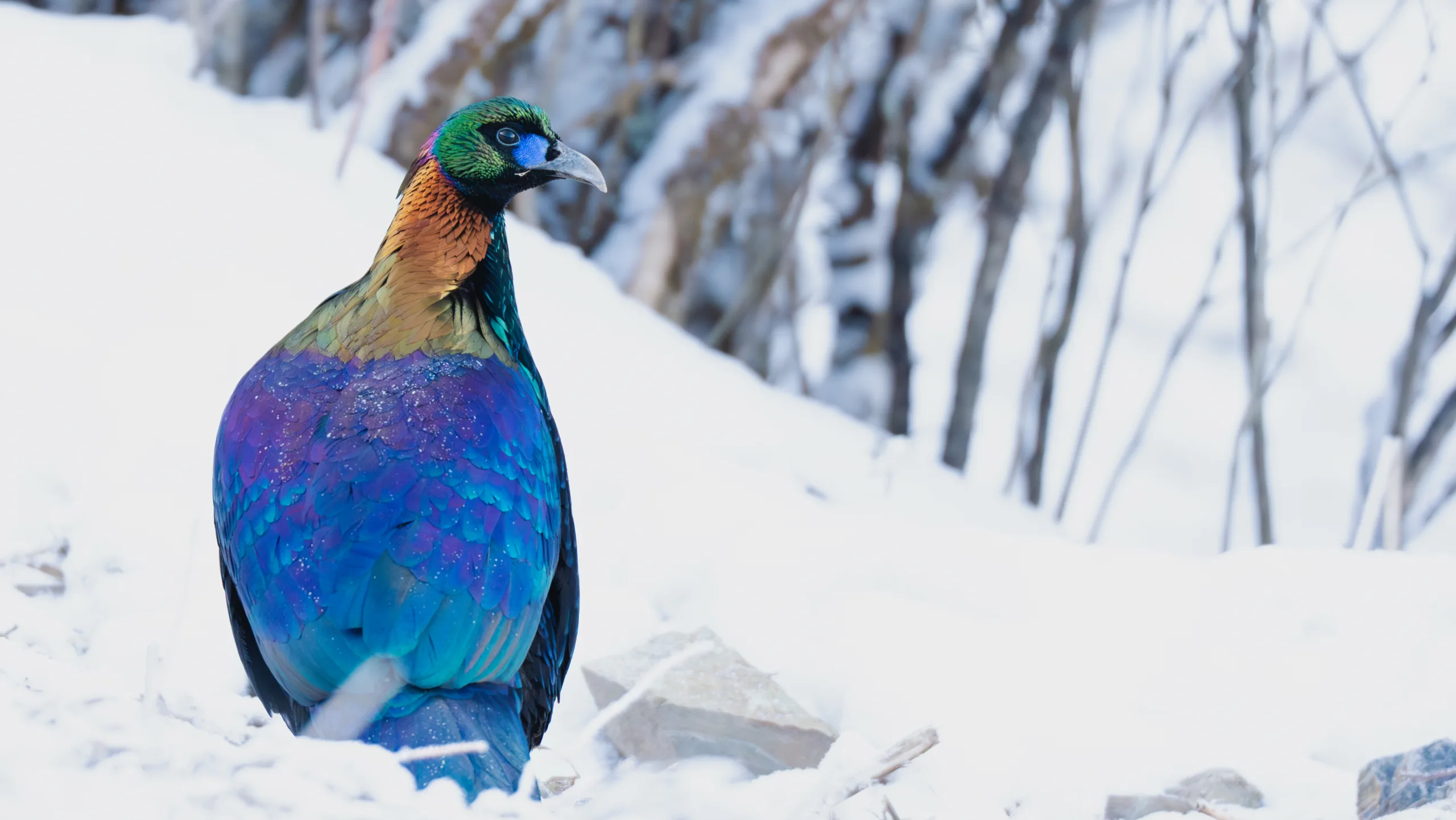
- Chinese Monal — Endemic to China and one of Sichuan’s most iconic birds, sometimes referred to locally as the “sacred bird of the Sichuan mountains.”
- Sichuan Partridge — A Chinese endemic with a restricted range, and one of the priority targets for many international birders visiting Sichuan.
- Lady Amherst’s Pheasant — A striking and much-wanted target in Sichuan forest birding, especially for visitors hoping to connect with the province’s most memorable pheasants.
- Snow Partridge — A bird of exposed high-altitude slopes. Since the summit section of the road at Balang Mountain was closed, seeing one now usually means putting in considerably more effort on foot.
- Buff-throated Monal-Partridge — Another Chinese endemic, often moving in groups through high-elevation rhododendron scrub. Their calls are frequently heard before the birds themselves are seen. Whether you actually get a clear look, or manage a photograph, often comes down to patience, sharp eyes, and a little cooperation from the birds.
Parrotbills and Forest Specialities
Sichuan, particularly Wawu Mountain and Longcanggou, is one of the best places in China to look for multiple species of parrotbills and other mountain-forest specialities. Wawu Mountain is especially well known for this group and is often referred to in China as the “Home of Parrotbills.”
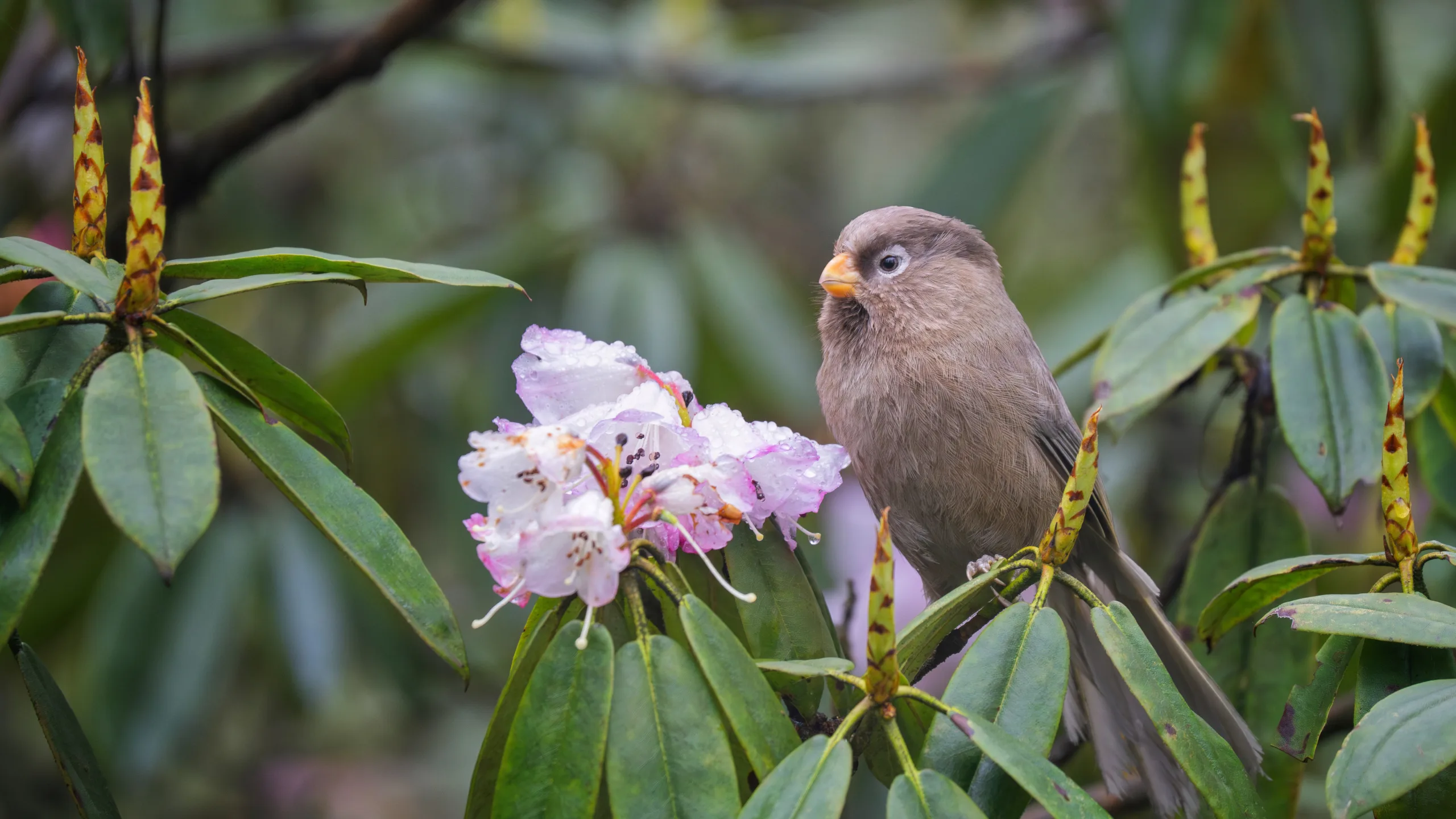
- Grey-hooded Parrotbill — Wawu Mountain is one of the places where finding this otherwise difficult bird becomes considerably more realistic.
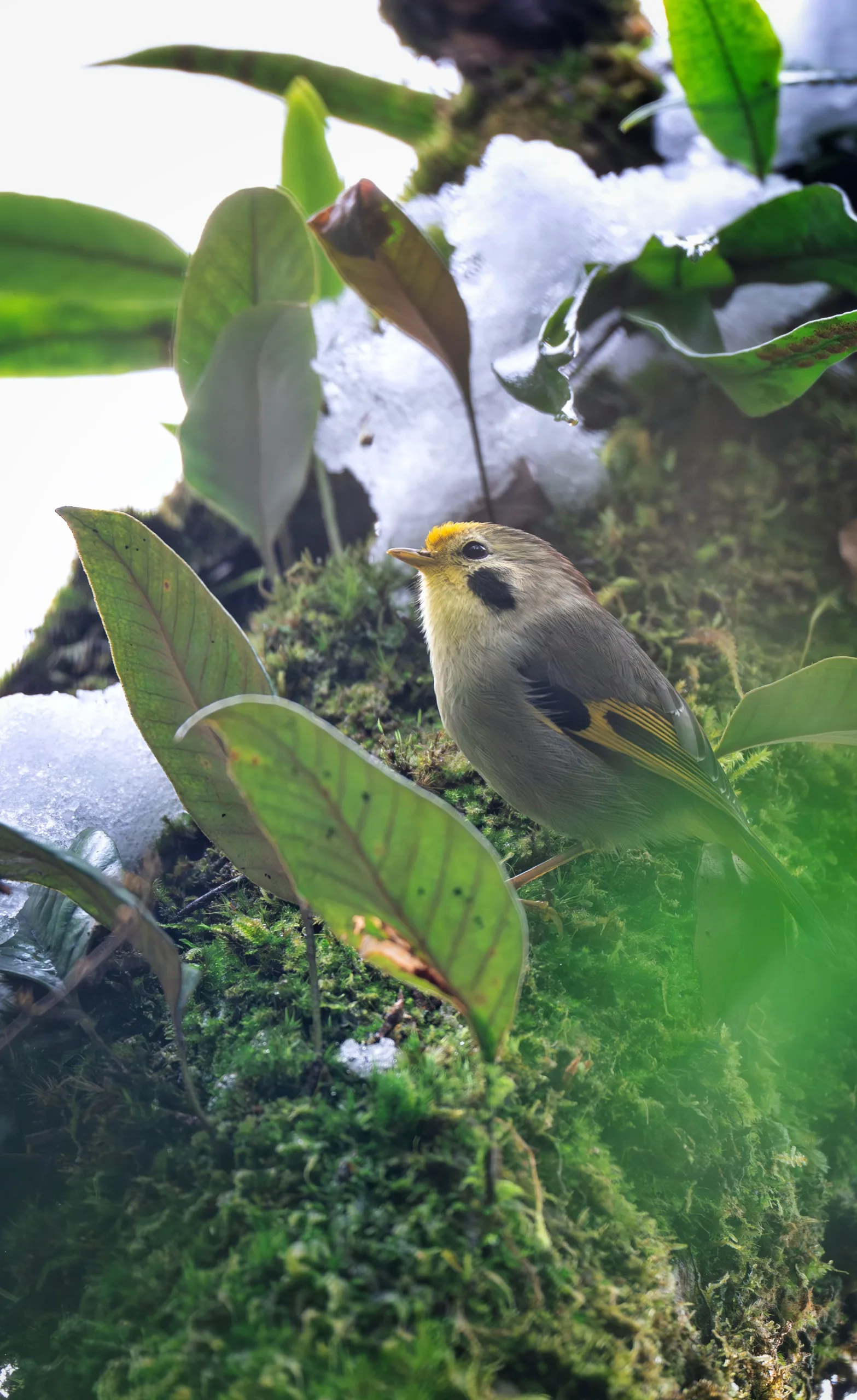
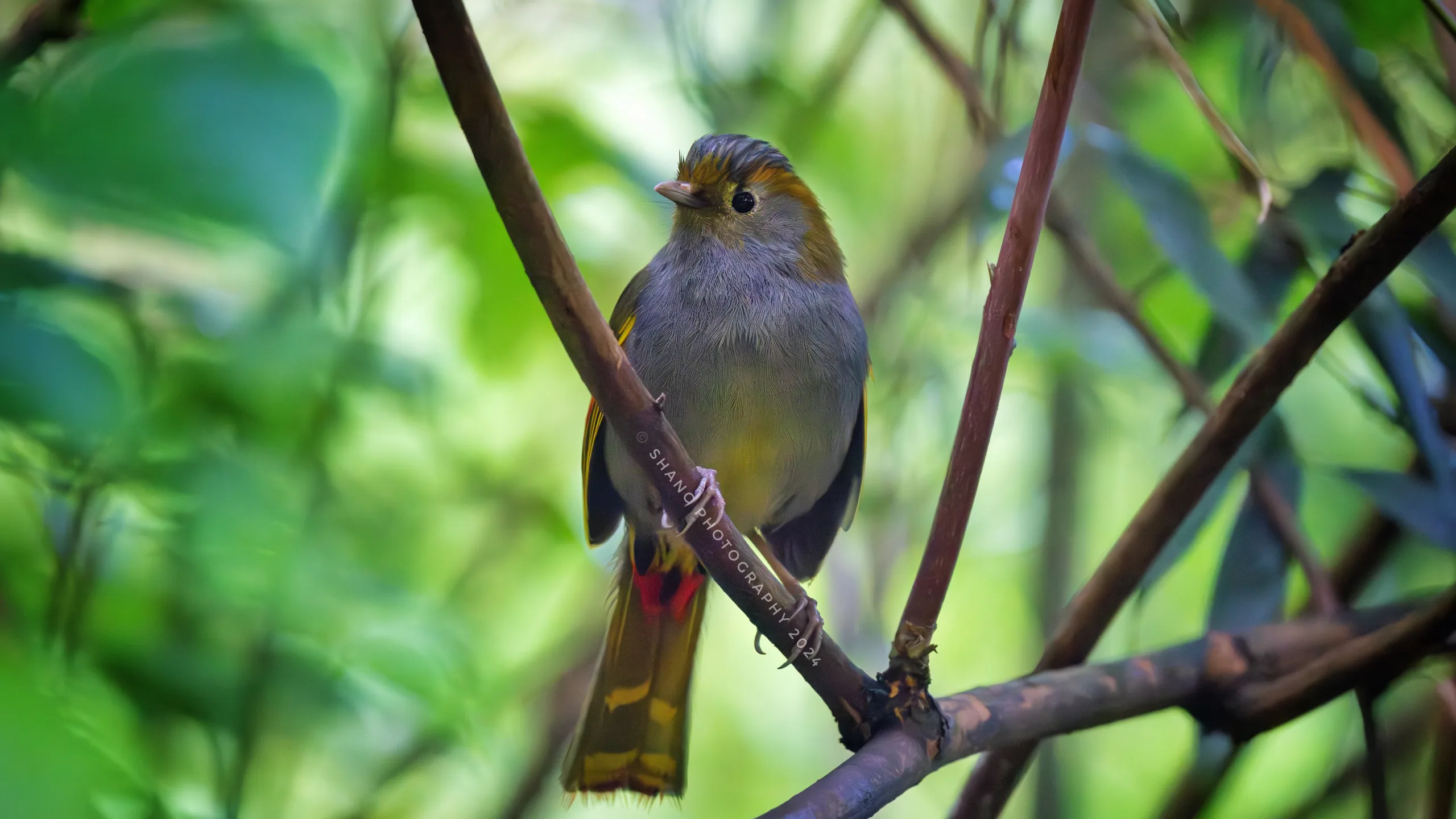
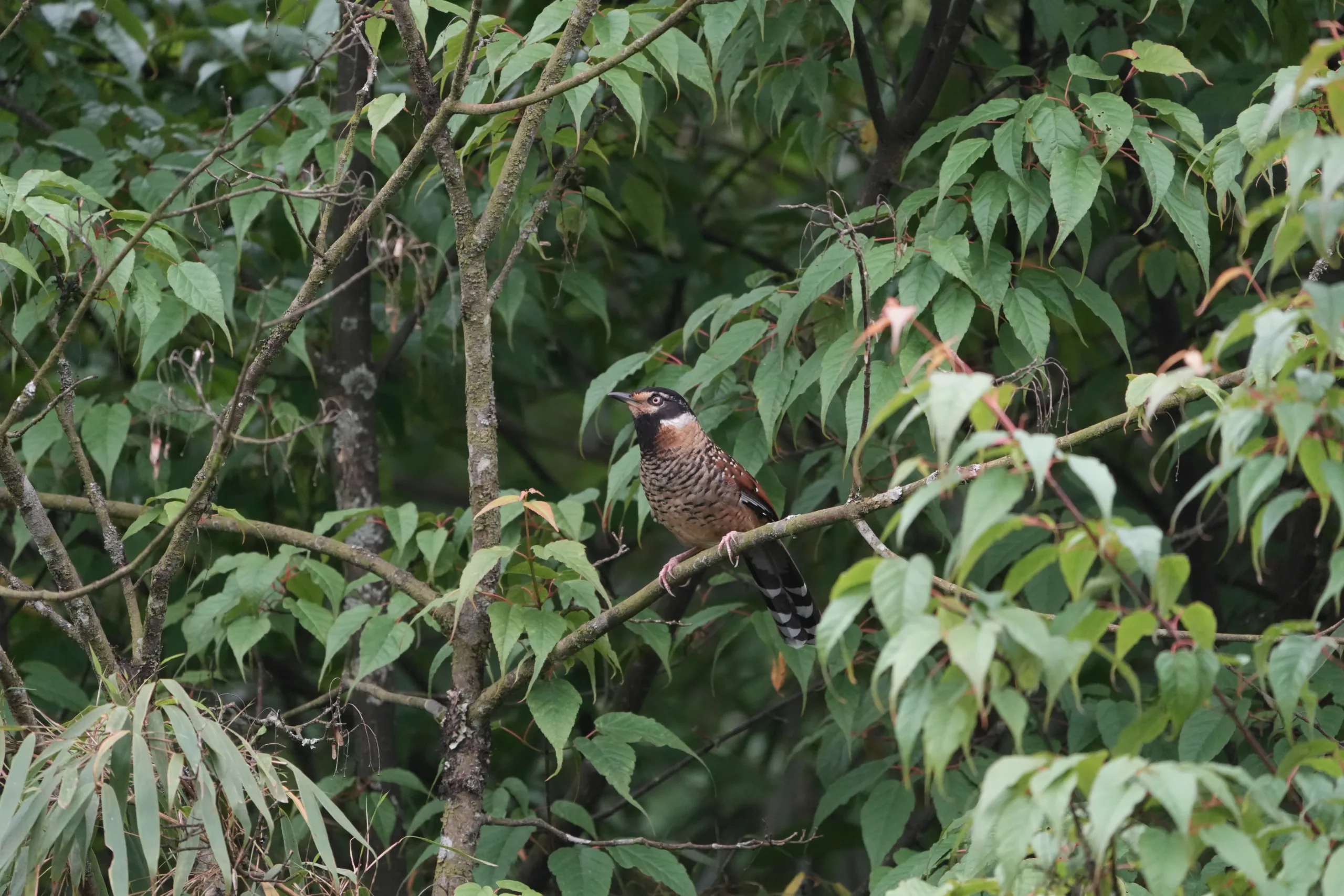
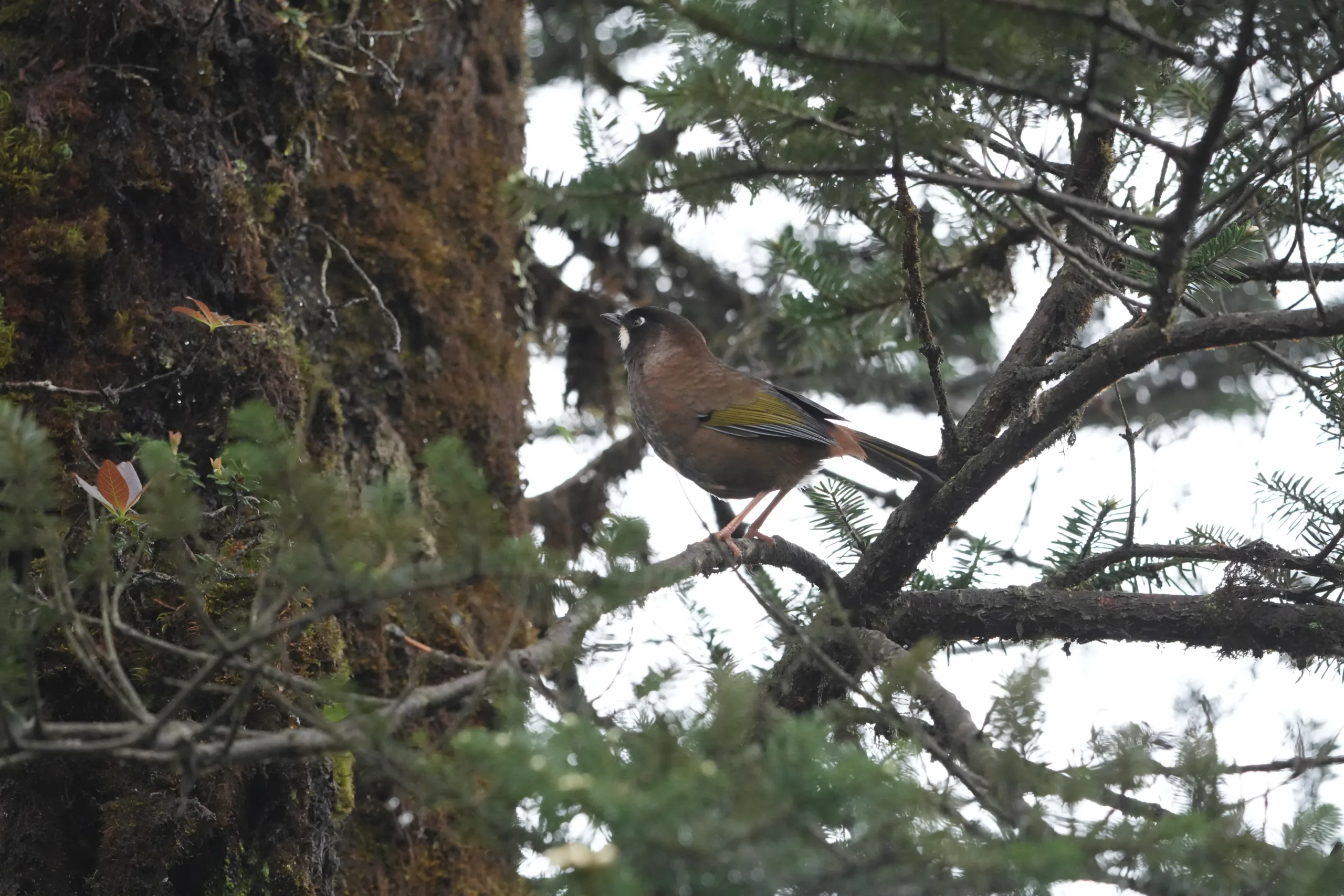
- Golden-fronted Fulvetta — A Chinese endemic with a special place in the history of Chinese ornithology. Described by Chinese ornithologist Yen Kwok-yung in 1932, it is widely recognized in Chinese sources as the first bird species formally named by a Chinese scientist.
- Golden-breasted Fulvetta — One of Longcanggou’s so-called “Three Golds,” together with Golden-fronted Fulvetta and Golden Parrotbill.
- Emei Shan Liocichla — A rare Chinese endemic and a Class I nationally protected species. It tends to remain deep inside dense undergrowth in dense bamboo understory, often alone and frustratingly difficult to see. Its loud song, however, can carry through the forest, so this is very much a bird you may hear long before you ever get a clear view.
- Emei Leaf Warbler — Another Chinese endemic and one of the characteristic forest birds birders look for in the mountains of Sichuan.
Rosefinches and High-Altitude Birds
Move high enough into western Sichuan and the birding begins to feel completely different. Forest specialists give way to rosefinches, accentors, and other birds of open alpine country, especially along the eastern edge of the Tibetan Plateau. For birders, this shift in species is one of the most noticeable changes as a Sichuan journey climbs into the high mountains, though upland forest birds such as yellow browed tit still remain part of the mix.
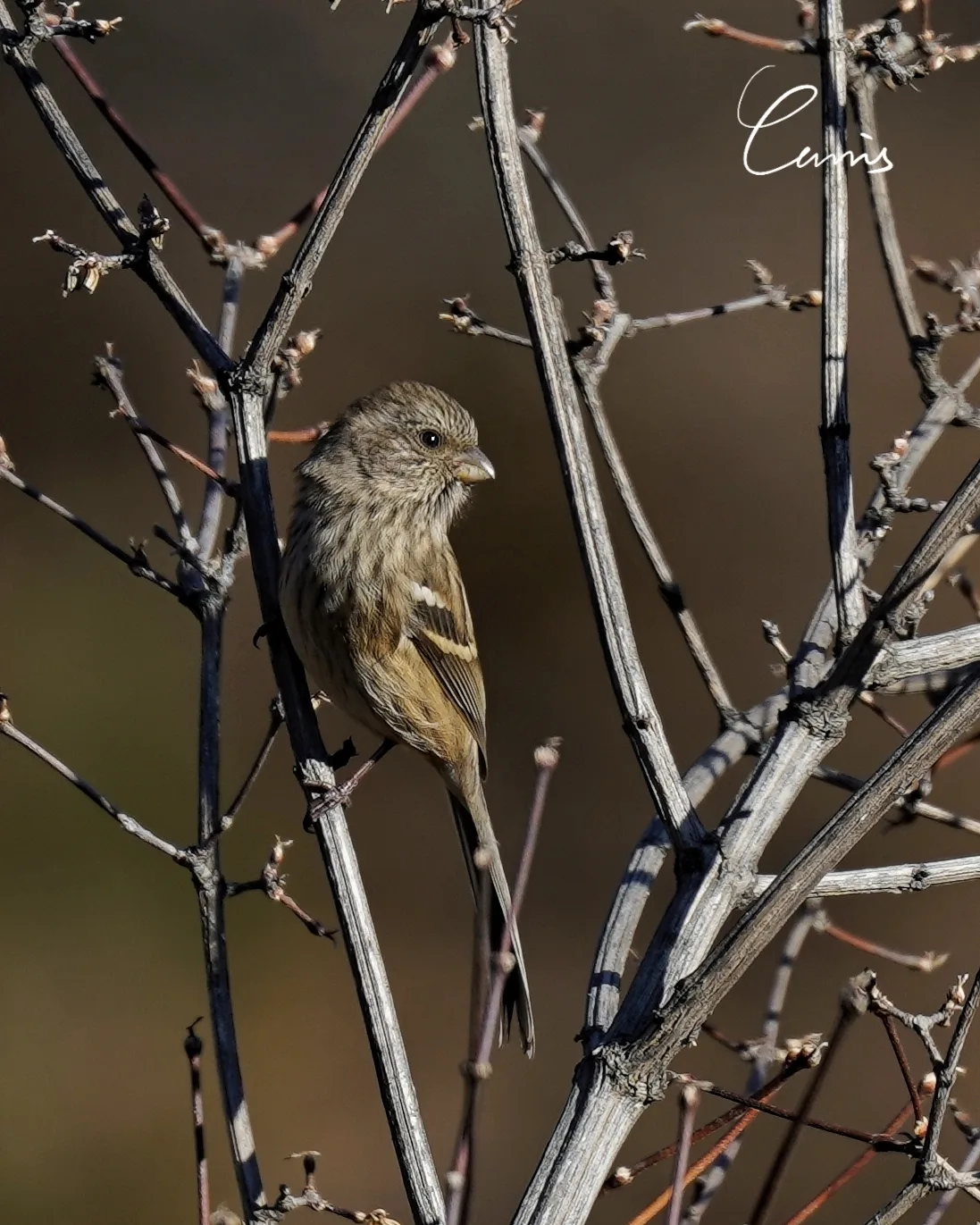
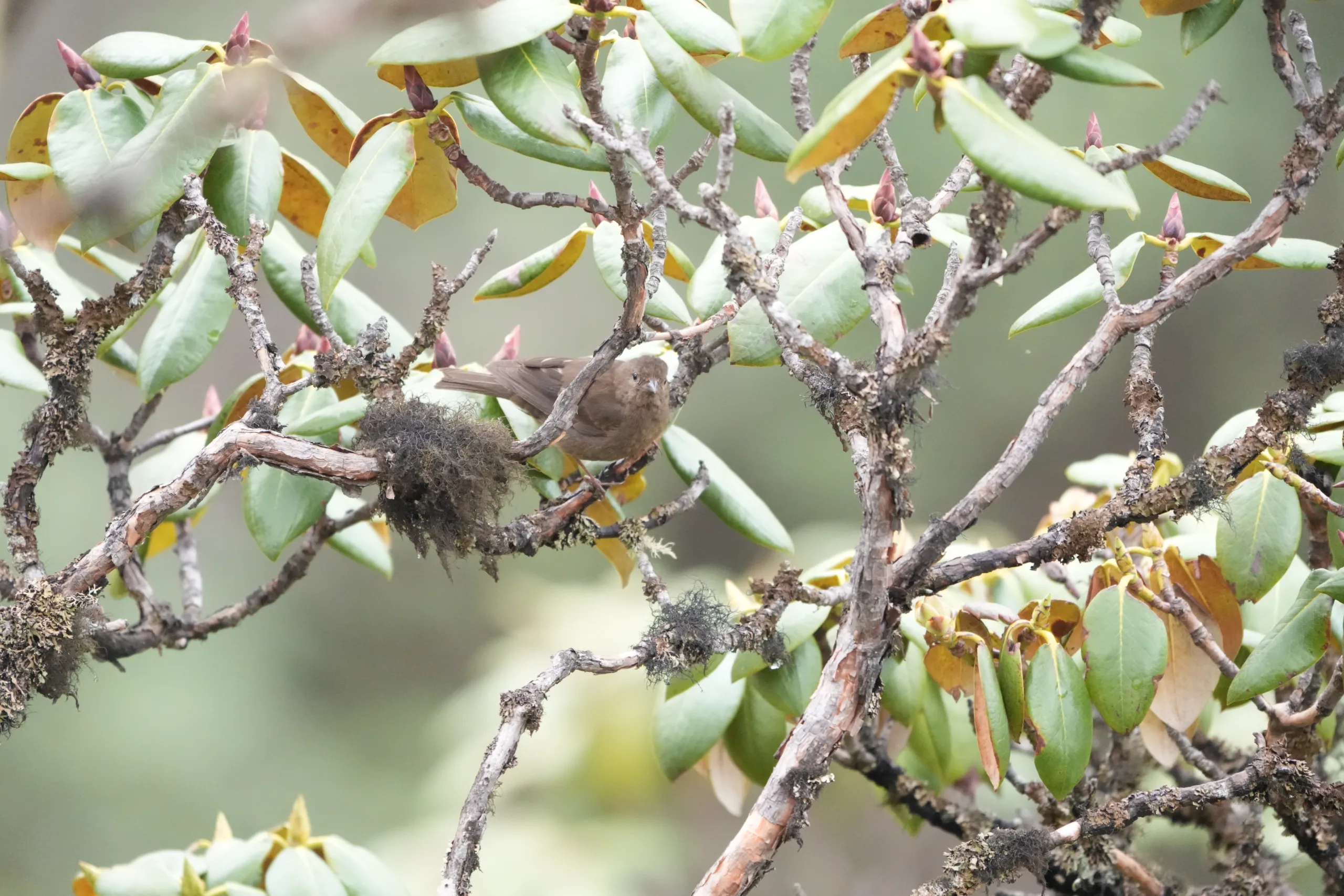
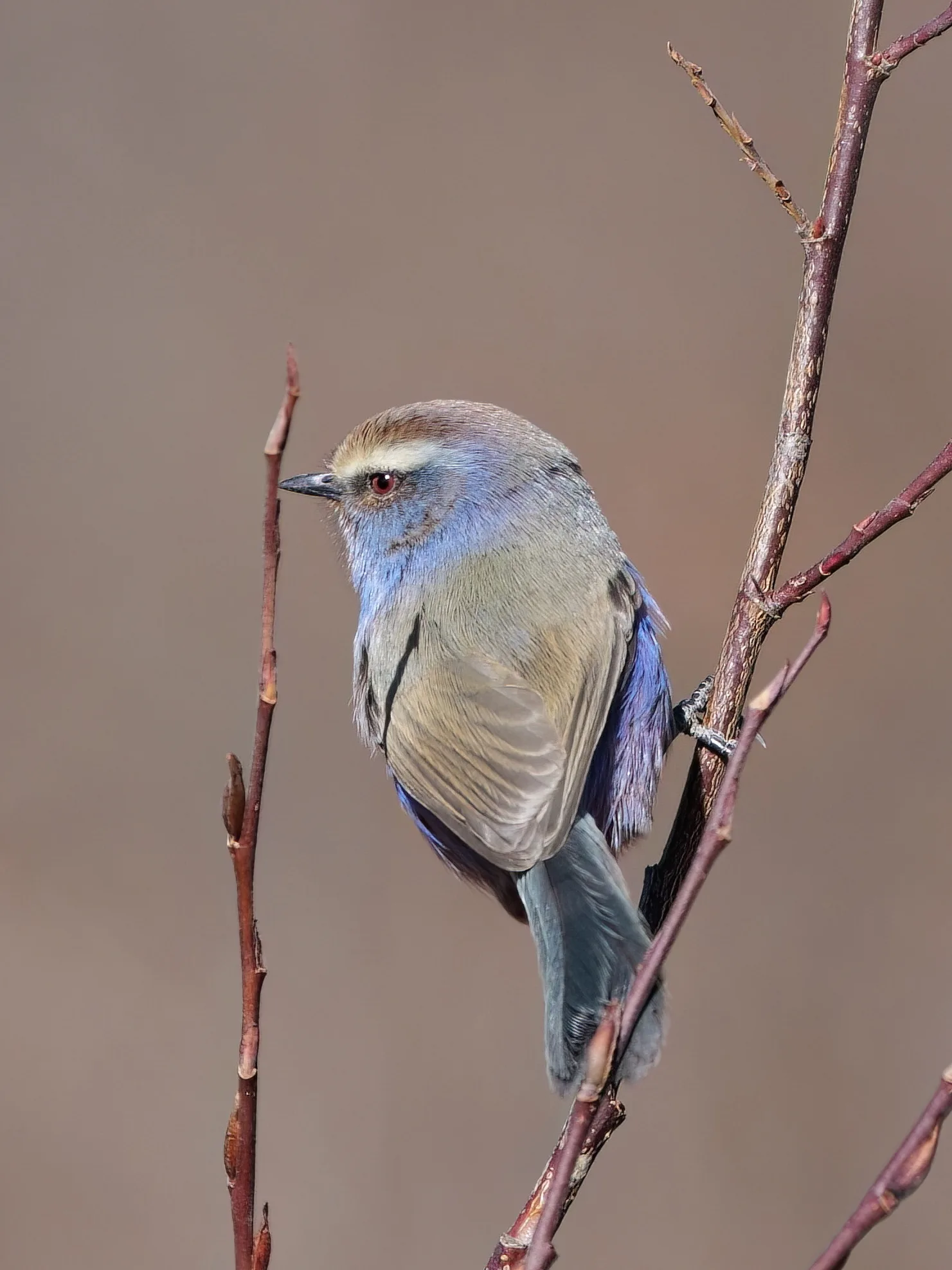
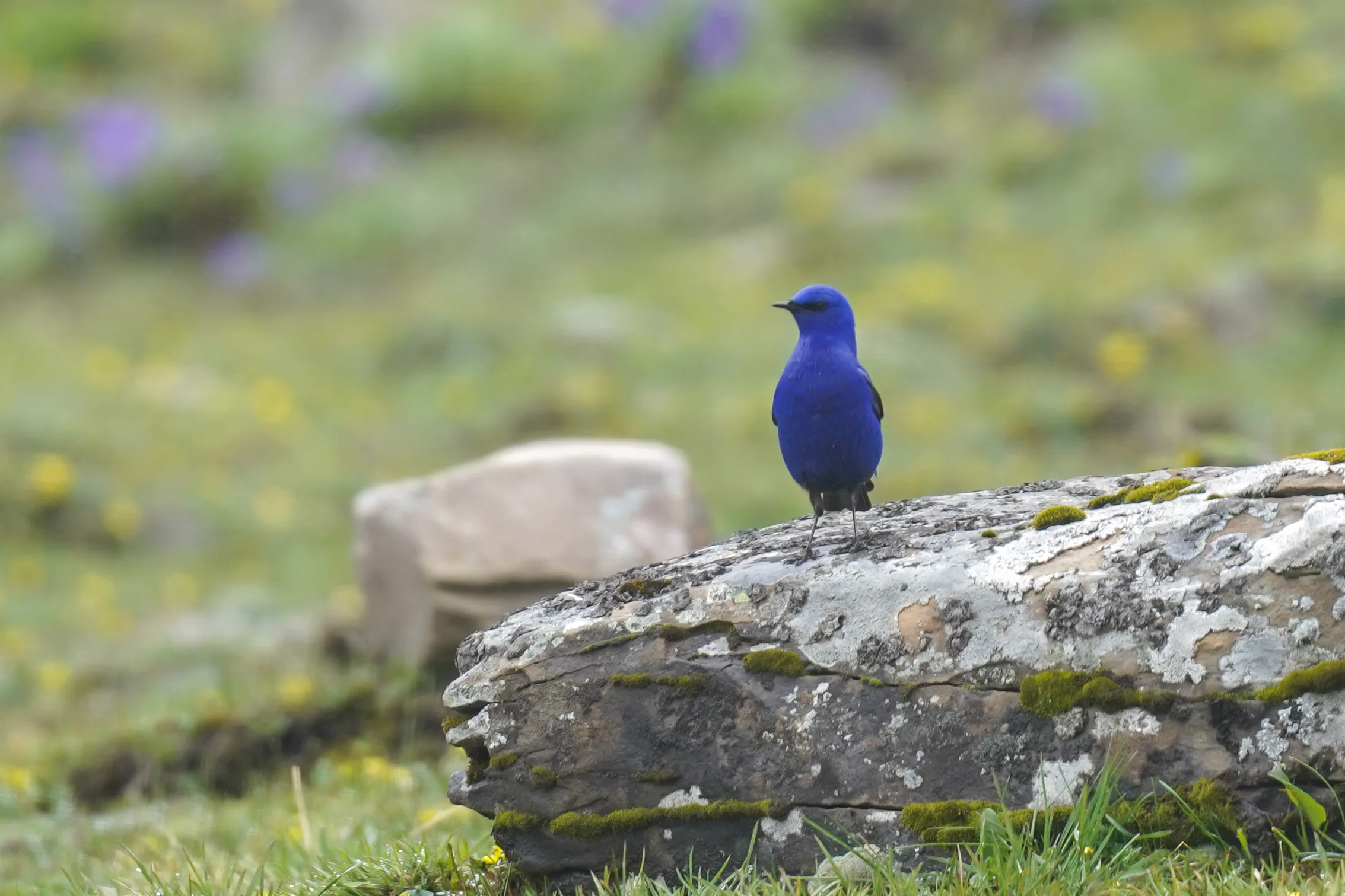
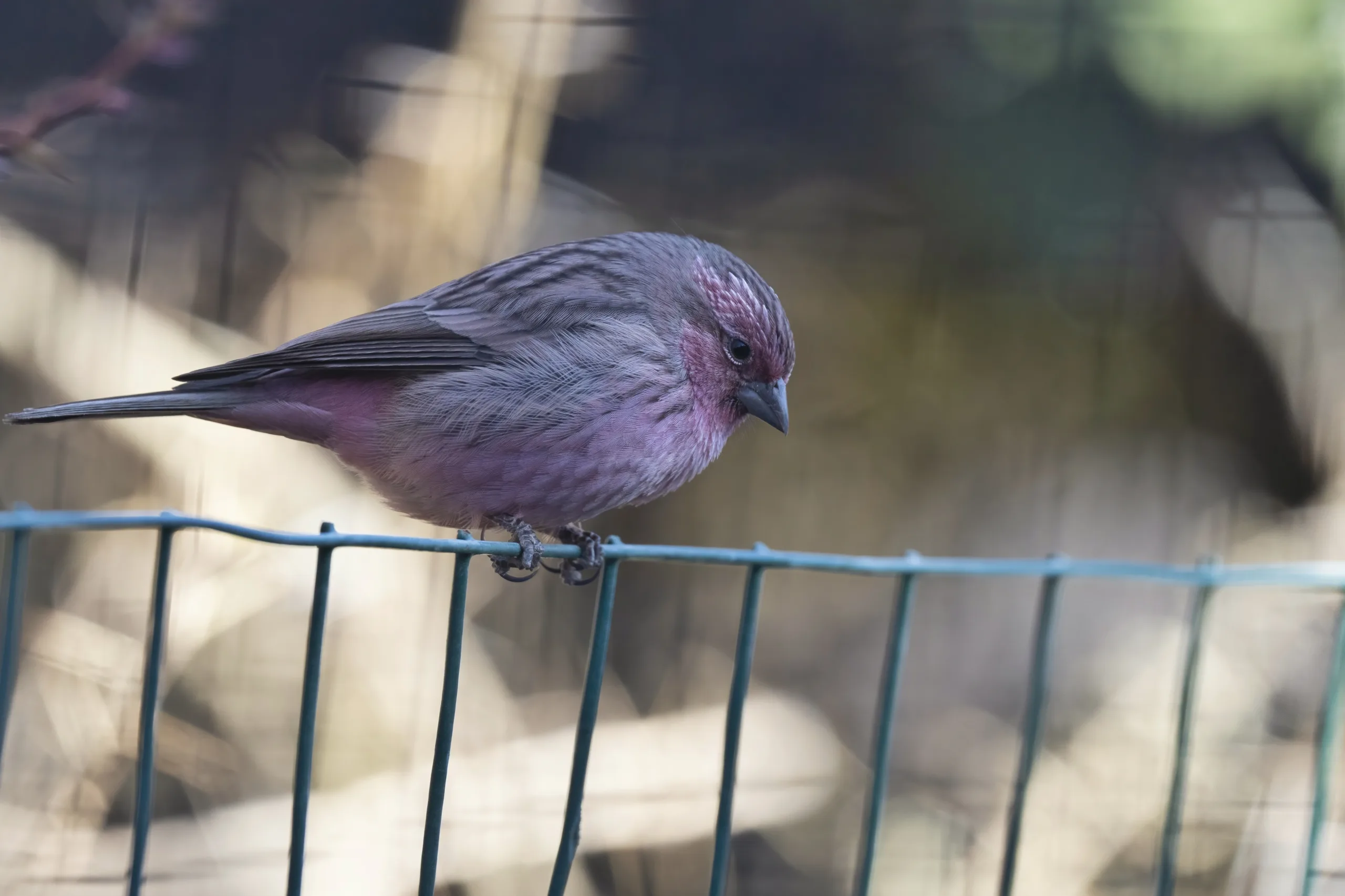
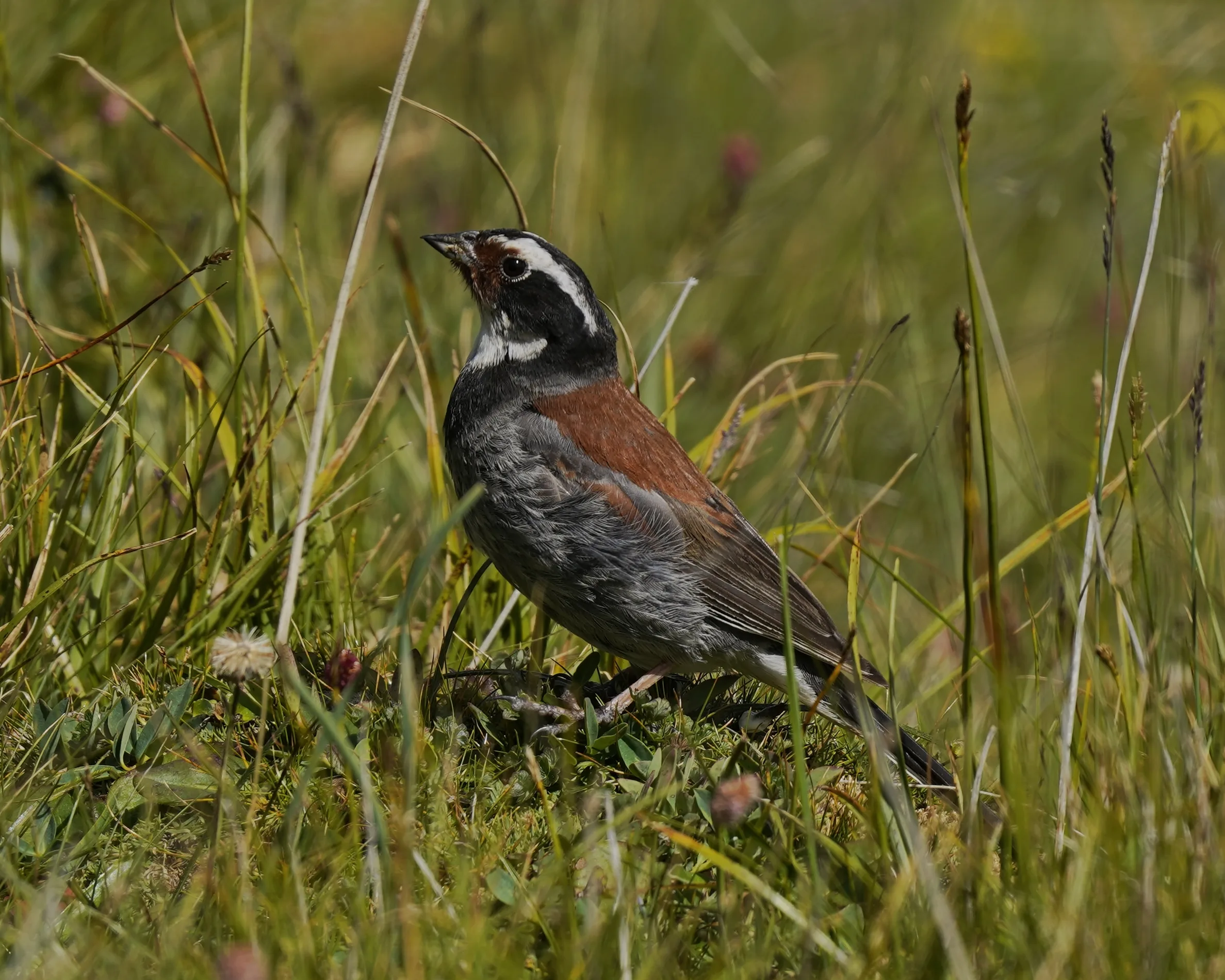
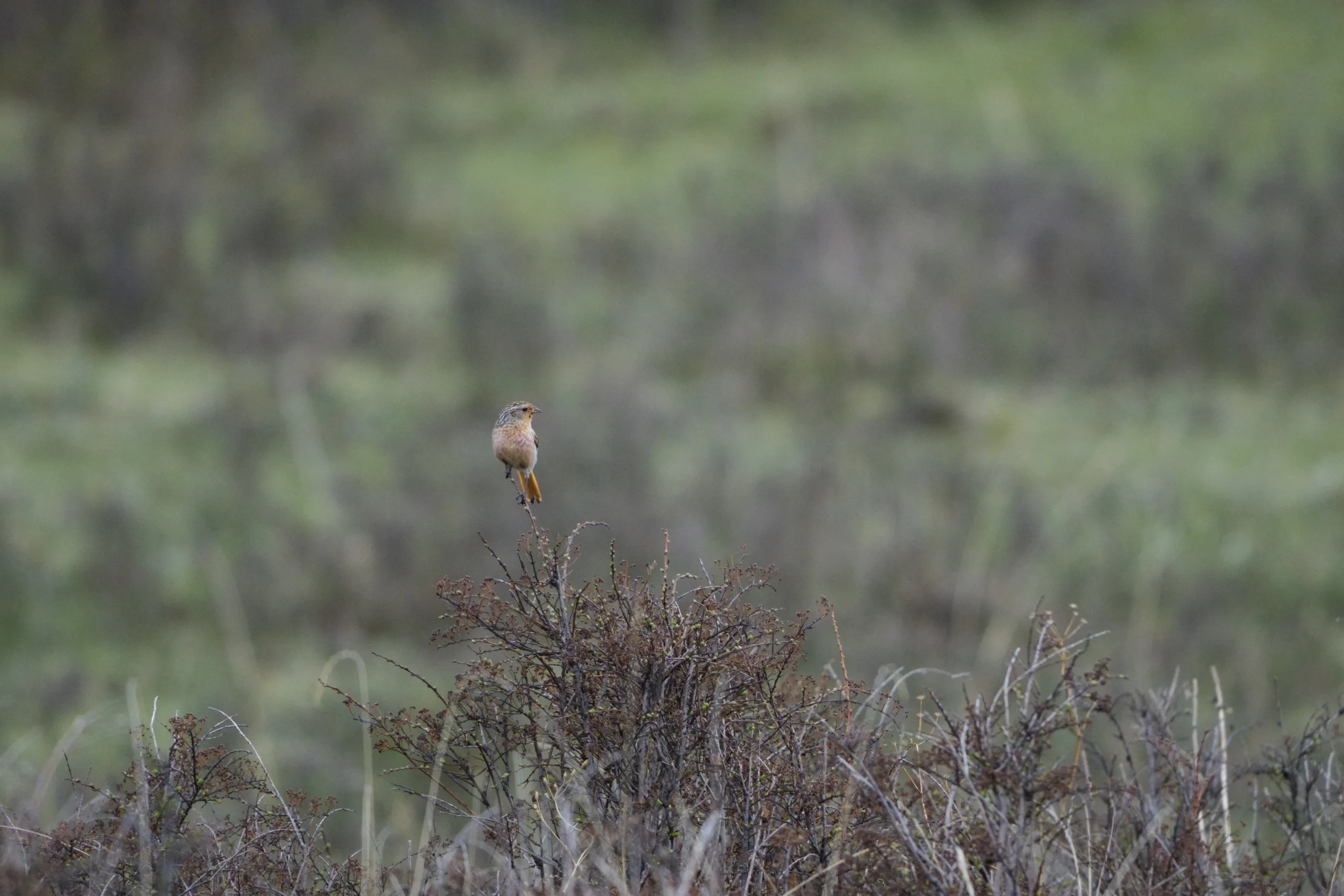
- Chinese Long-tailed Rosefinch — The type locality of this Chinese taxon lies in western Sichuan, around Batang and Kangding. [1]
- Pink-rumped Rosefinch — A high-elevation rosefinch found across western Sichuan and the eastern Tibetan Plateau, typically in alpine scrub, open woodland, and mountain grassland. Its type locality is also in Sichuan, at Songpan.
- Dark-breasted Rosefinch — Another characteristic rosefinch of Sichuan’s high country, often encountered around alpine scrub and open mountain slopes.
- Przevalski’s Finch — A monotypic species found in Sichuan, and one of the more distinctive finches of these upland areas.
- Snow Pigeon — A characteristic bird of rocky alpine slopes near the snowline.
- Sichuan Jay — A Chinese endemic closely associated with high-elevation conifer forest. It can appear and disappear with surprising speed, sometimes slipping silently through the trees before stopping to watch people from a distance. In northern Sichuan forests, its range overlaps with that of the Ural Owl. On rare occasions, groups of Sichuan Jays can even be seen mobbing an owl, turning an otherwise quiet forest encounter into something far more chaotic.
Raptors of Sichuan
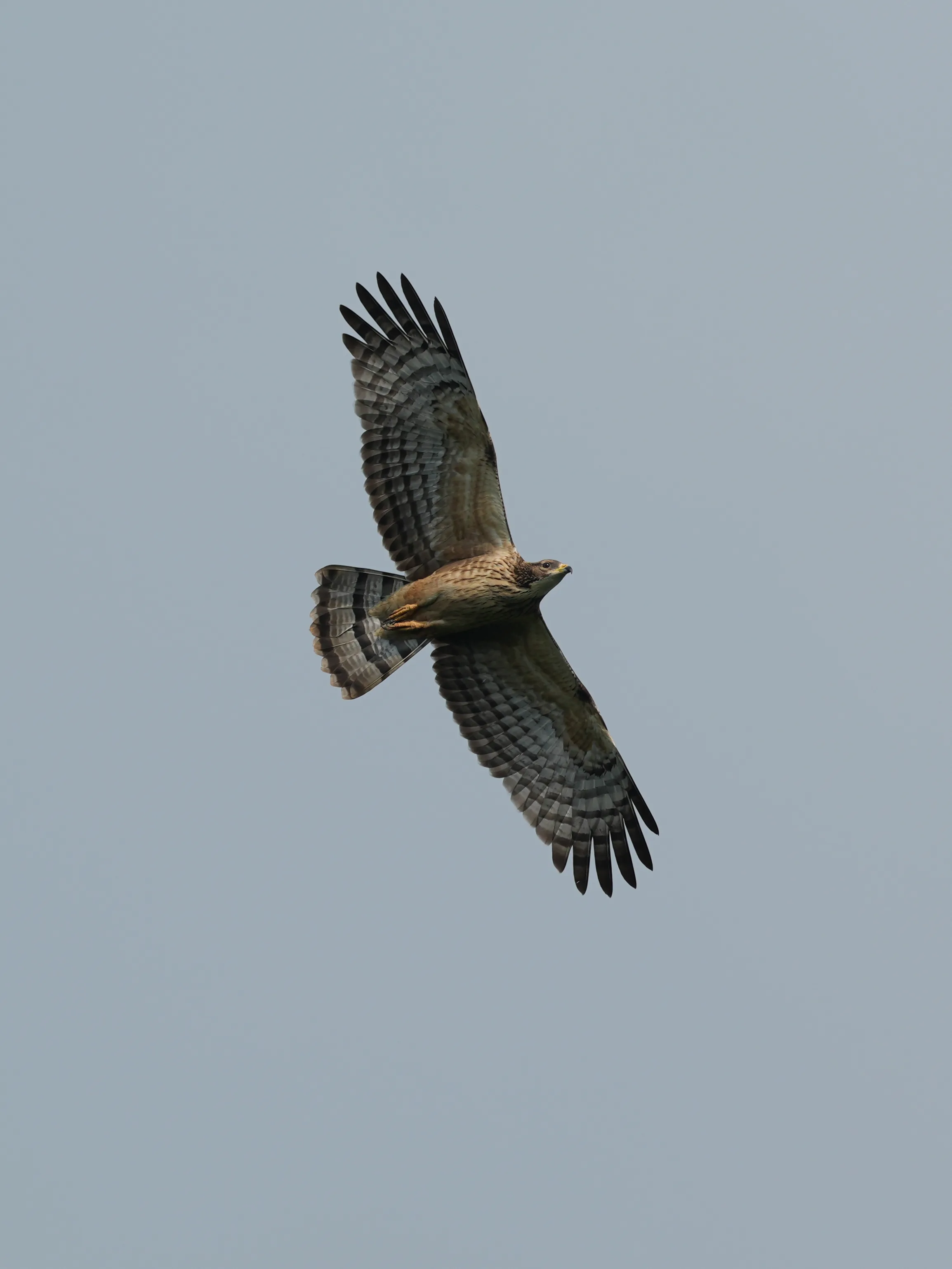
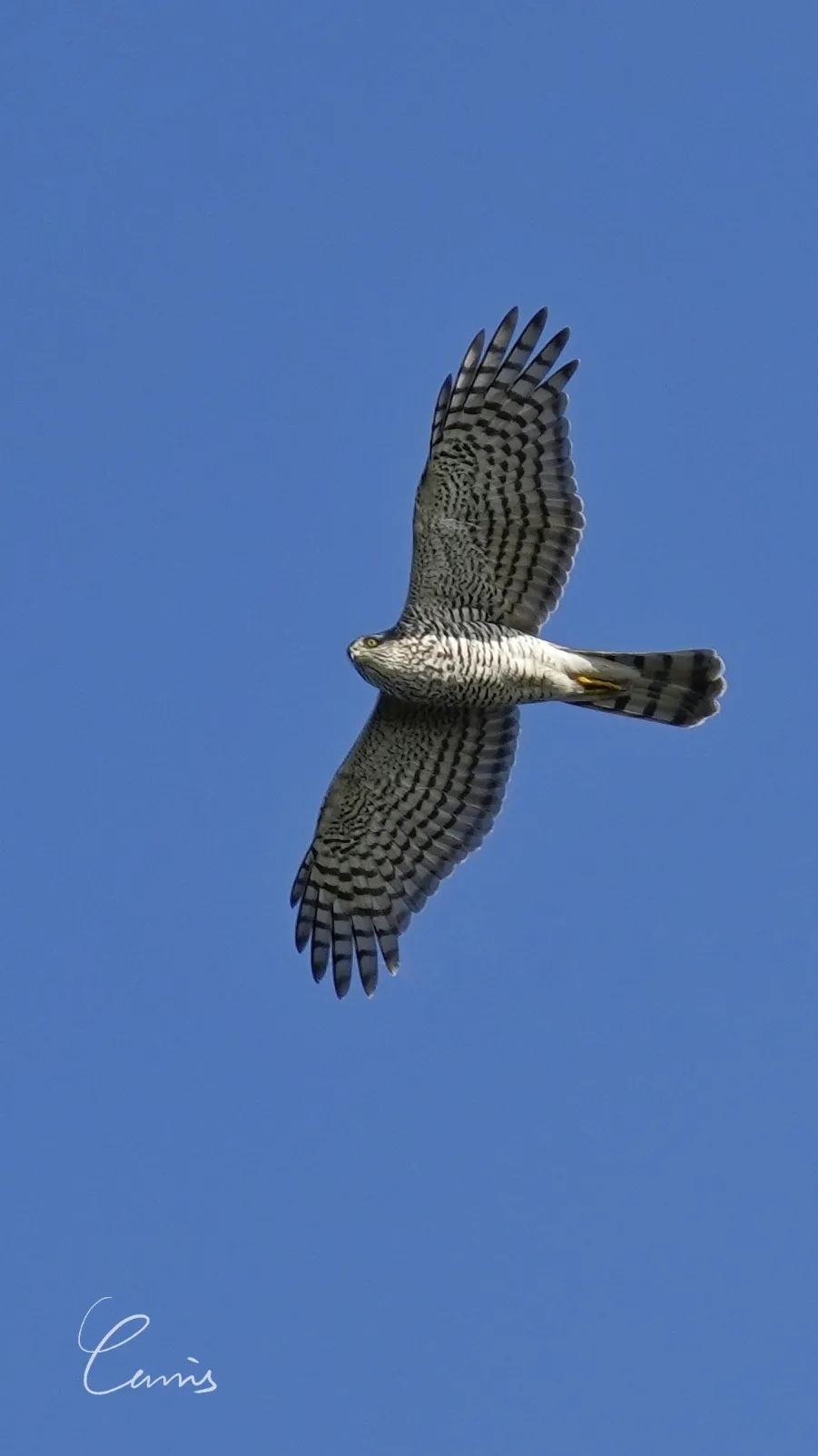
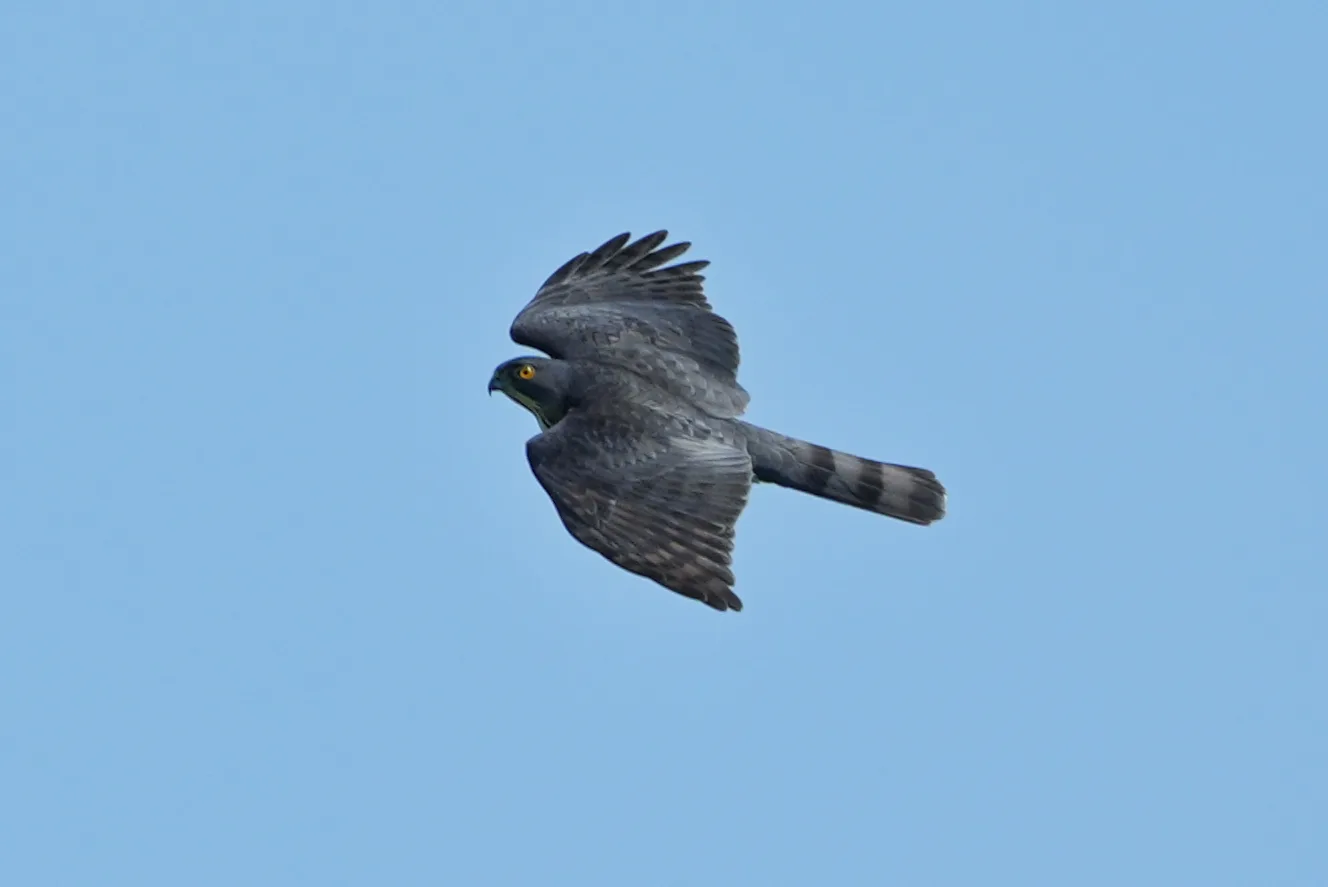
Western Sichuan is prime raptor country. Open plateau, deep valleys and rugged mountain terrain support abundant prey, from pikas and marmots to smaller mammals, creating excellent conditions for eagles, vultures and other birds of prey.
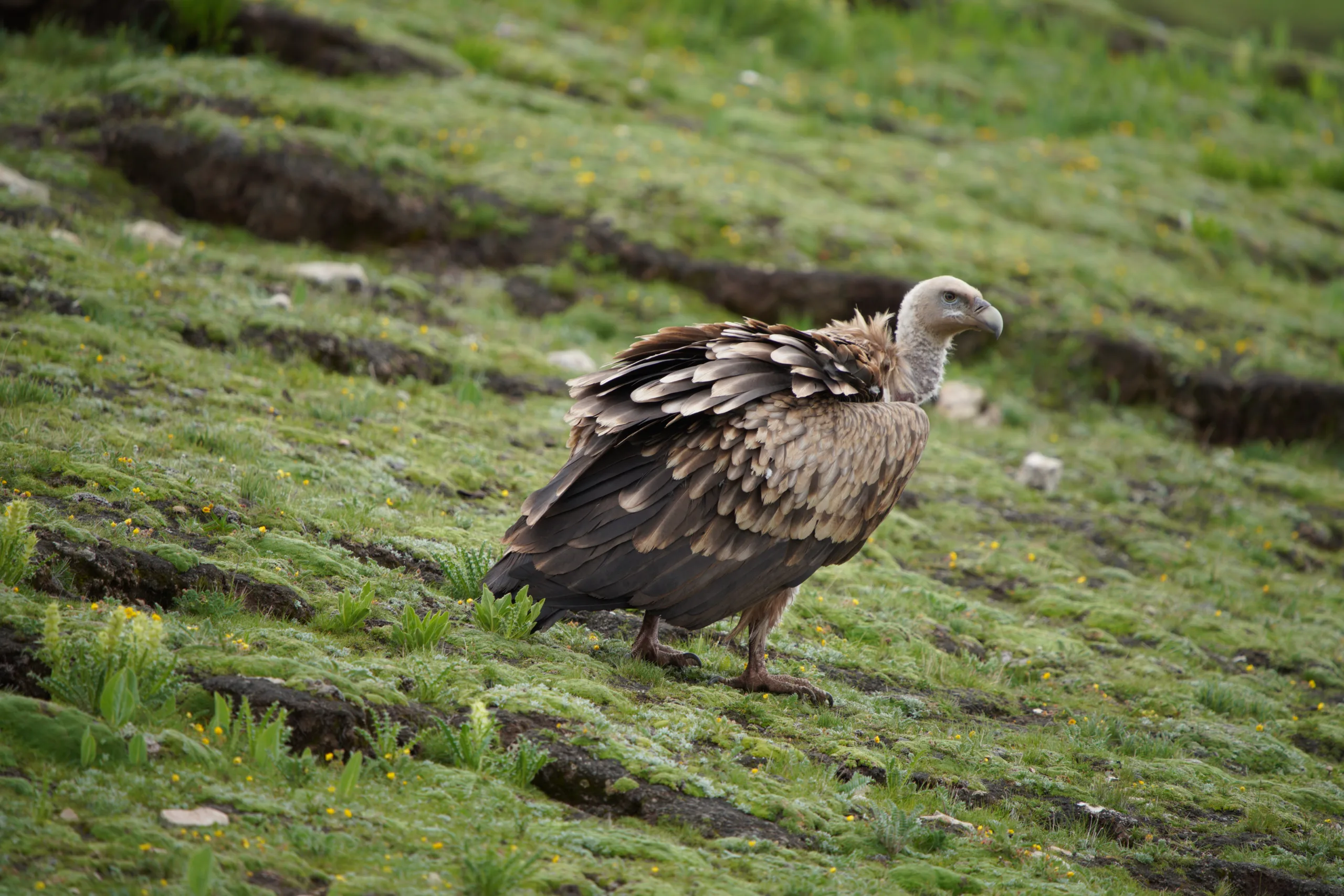
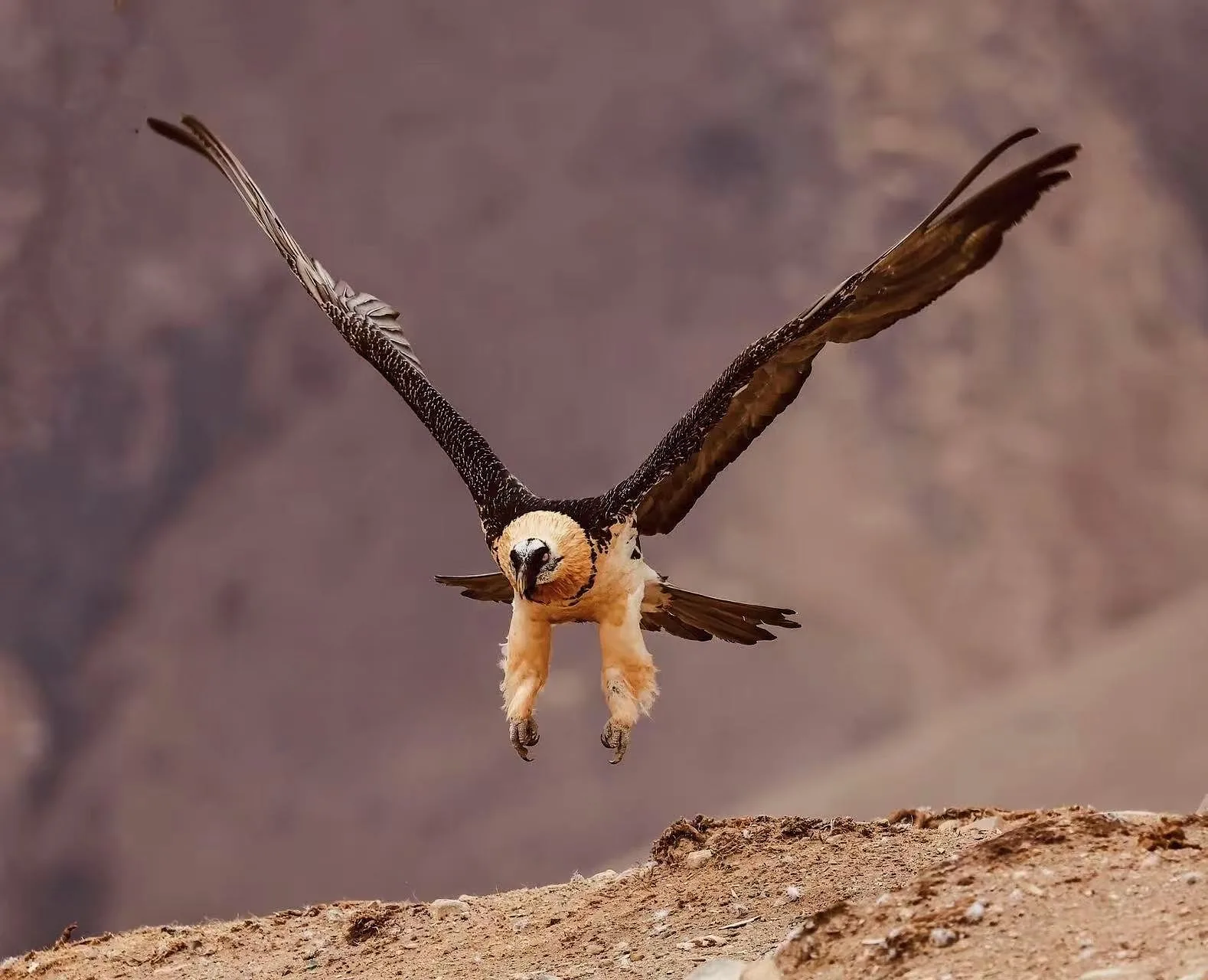
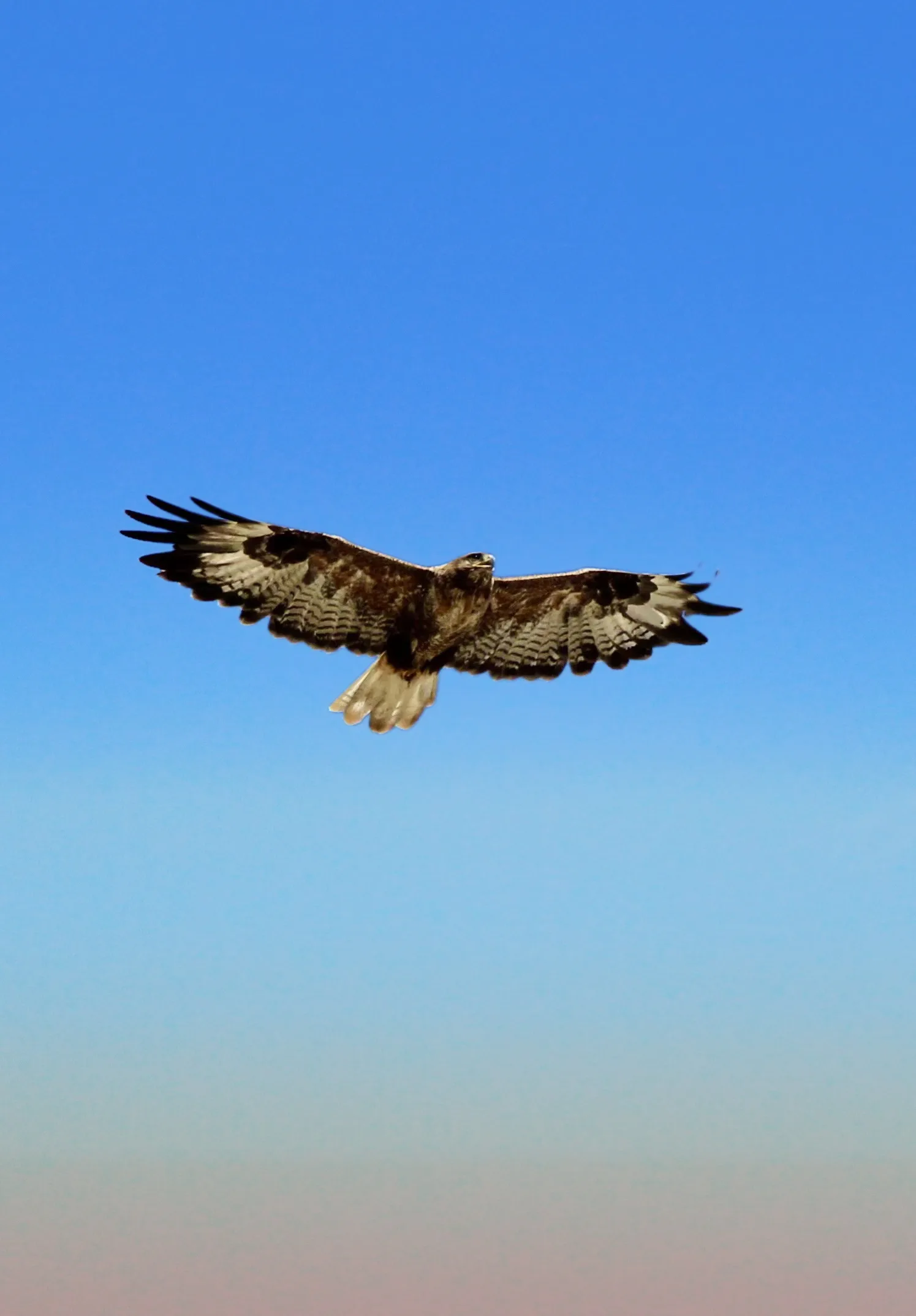
Closer to Chengdu, the story shifts from resident raptors to migration. The Longquan and Longmen Mountains lie along an important passage used by birds moving through this part of Asia, with tens of thousands of raptors recorded during the spring and autumn migration seasons.
Sichuan Province: Geography, Habitats and Best Birding Seasons
Few places in China offer such a rapid change in birding conditions as Sichuan. Within a few days, a route can move from lowland valleys and humid forest into subalpine woodland, alpine scrub, and the open plateau, with the bird community changing just as quickly, and Sichuan’s mountain systems also feeding into the broader Yangtze River basin.
For birders focused on Sichuan endemics and breeding mountain species, April to June is usually the key season, with May and June particularly well suited to a full Sichuan birding circuit. By then, many species are actively breeding. Plumage is often at its best, song is more frequent, and birds tend to be more detectable across a wide range of habitats.
Birding remains productive in July and August, although the summer rains bring more cloud, heavier vegetation, and less predictable mountain conditions, all of which can make both observation and photography more difficult.
By September and October, the emphasis begins to shift toward migration. Raptors and other passage migrants become increasingly important, while some mid-elevation forests can produce species that are less conspicuous in spring.
Winter opens a different set of possibilities, particularly for plateau birds and winter visitors, but snow, low temperatures, and road conditions in the mountains can make itineraries more vulnerable to disruption.
There is no single “best month” for Sichuan. The right season depends on the birds you most want to see.
Mid-Elevation Forests: Sichuan’s Richest Birding Zone
For sheer variety, Sichuan’s mid-elevation forests are hard to beat. Laba River, Longcanggou, Wawu Mountain, and Tangjiahe all combine humid forest, bamboo, and river-valley habitats, supporting a rich mix of parrotbills, fulvettas, leaf warblers, laughingthrushes, woodpeckers, and pheasants.
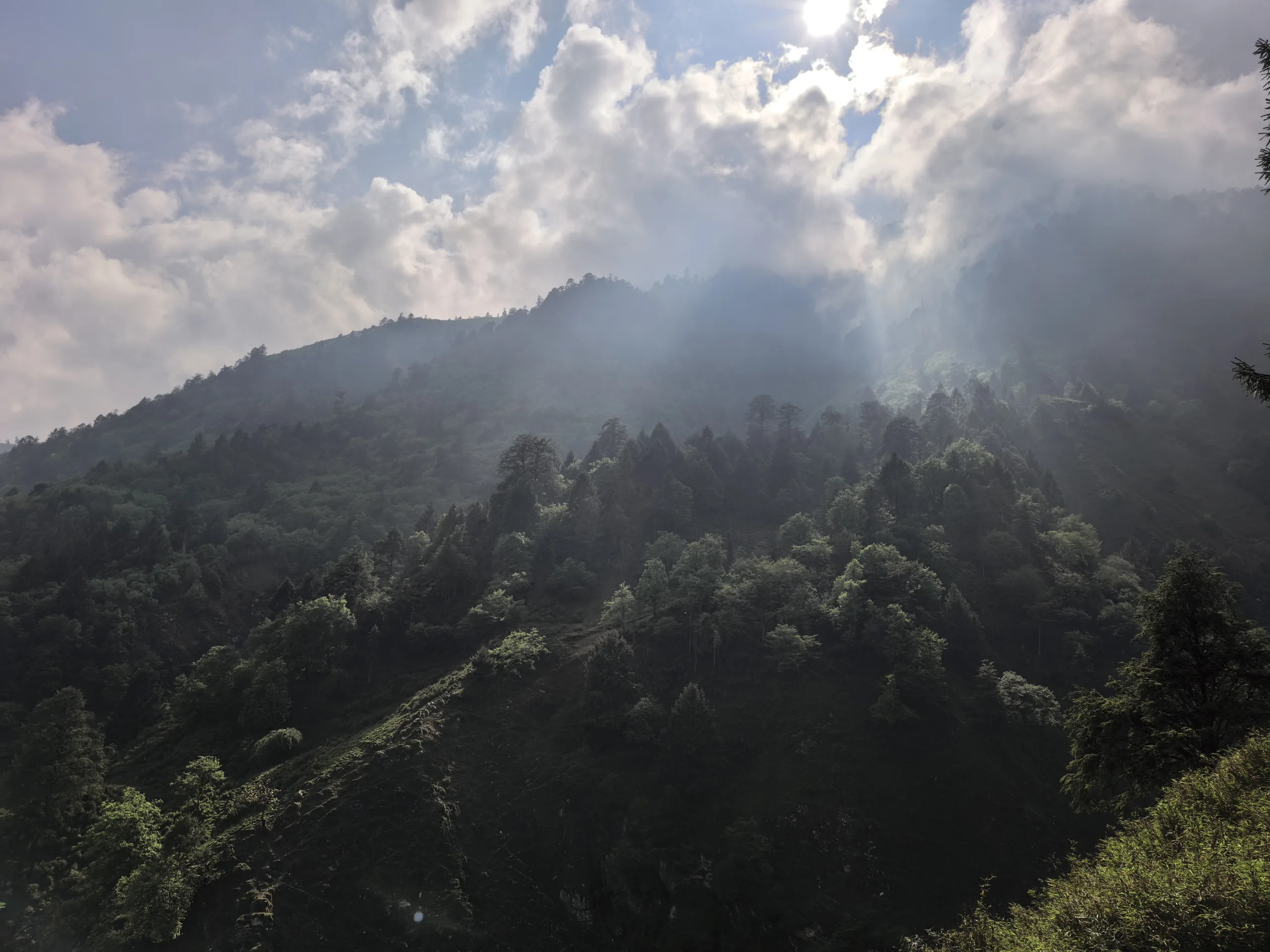
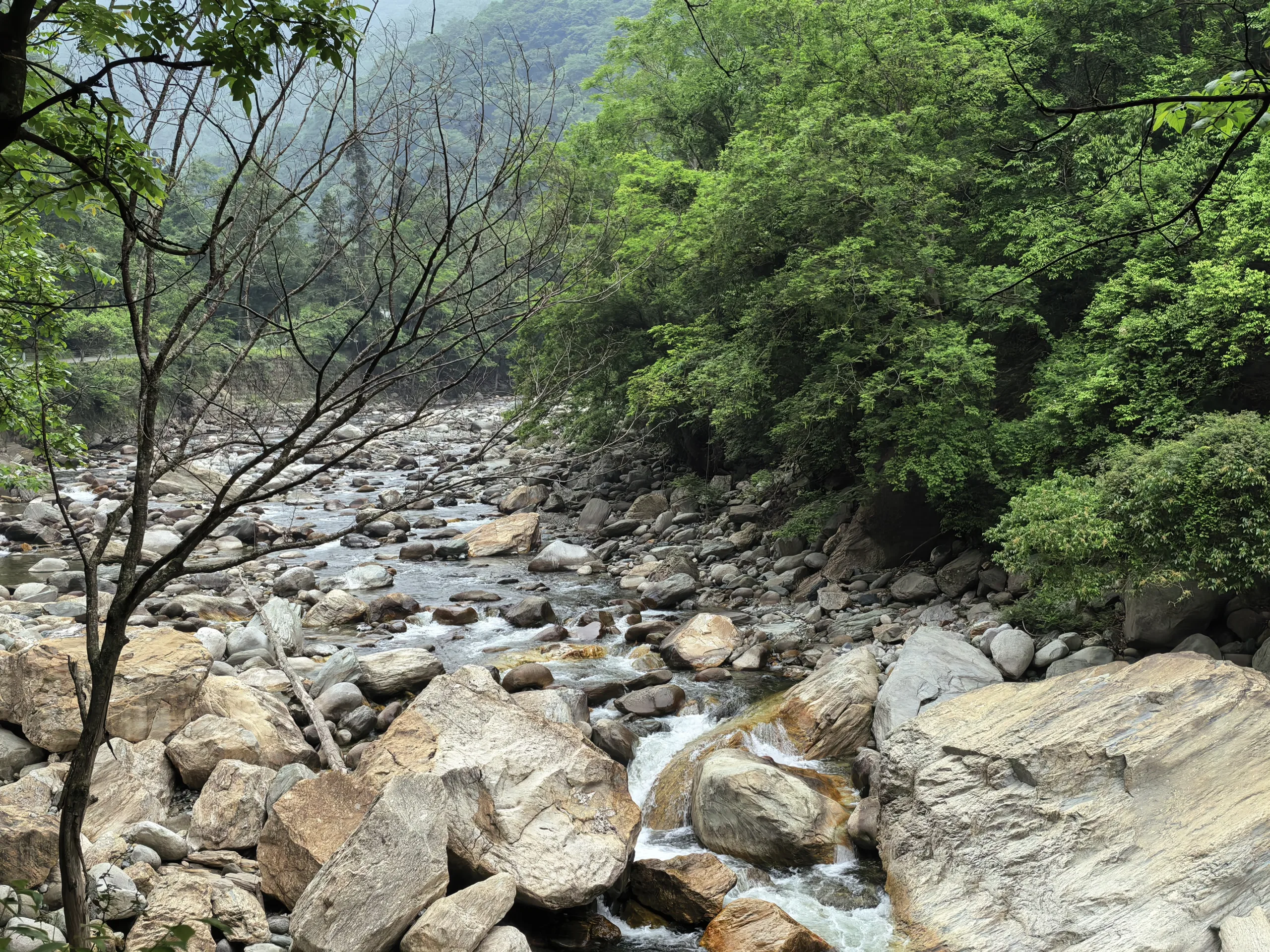
Wawu Mountain has recorded 309 bird species and is one of China’s strongest sites for parrotbill diversity; access to the upper trails depends on the cable car station. It is also among the more reliable places in the country to encounter wild Red Pandas.
Longcanggou is especially productive for parrotbills, Temminck’s Tragopan, Lady Amherst’s Pheasant, and other humid-forest specialities. It is also known for its “Three Golds.”
Laba River has relatively dependable sites for Chinese Monal and lies within Giant Panda National Park. In places, the forest includes a dense bamboo understory where birders search for shy forest species. Wild Giant Pandas are exceptionally difficult to see, but the possibility is there.
Tangjiahe adds another dimension to the birding. By contrast, Wolong National Nature Reserve hosts over 300 bird species and is another major mid-elevation forest site. Alongside its forest birds, it is one of the better places in Sichuan to combine birding with mammal watching, with Sichuan Takin, Tibetan Macaque, Reeves’s Muntjac, and other mammals all possible.
High Mountains and Plateau: A Completely Different Bird Community
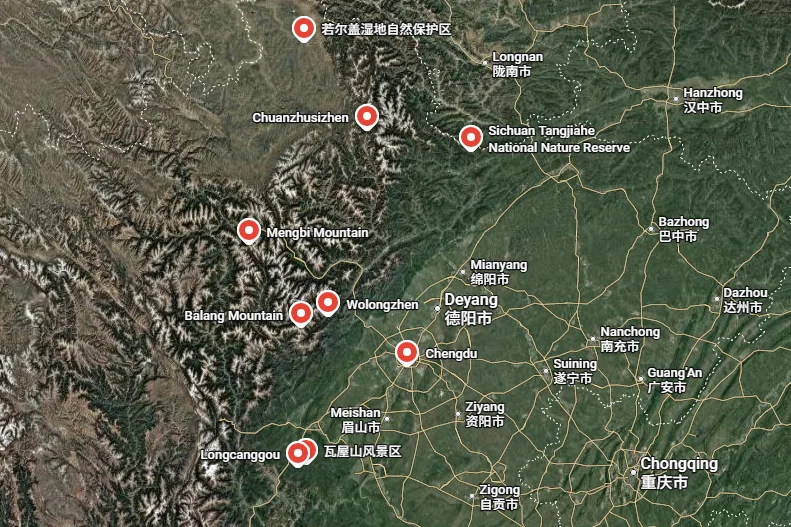
The character of Sichuan birding changes sharply once the route leaves the mid-elevation forests behind. Around Wolong–Balang Mountain, Mengbi Mountain, Jiuzhaigou–Chuanzhusi, and the Ruoergai Plateau, dense woodland begins to thin into conifer forest, rhododendron scrub, alpine meadow, and exposed mountain slopes, with some of the same high-mountain birding affinities continuing into Northern Yunnan.
With that transition comes an almost entirely new set of targets. Chinese Monal, White Eared Pheasant, Blood Pheasant, Snow Partridge, rosefinches, accentors, and high-altitude raptors become much more prominent, giving the high country a very different birding rhythm from the forests below.
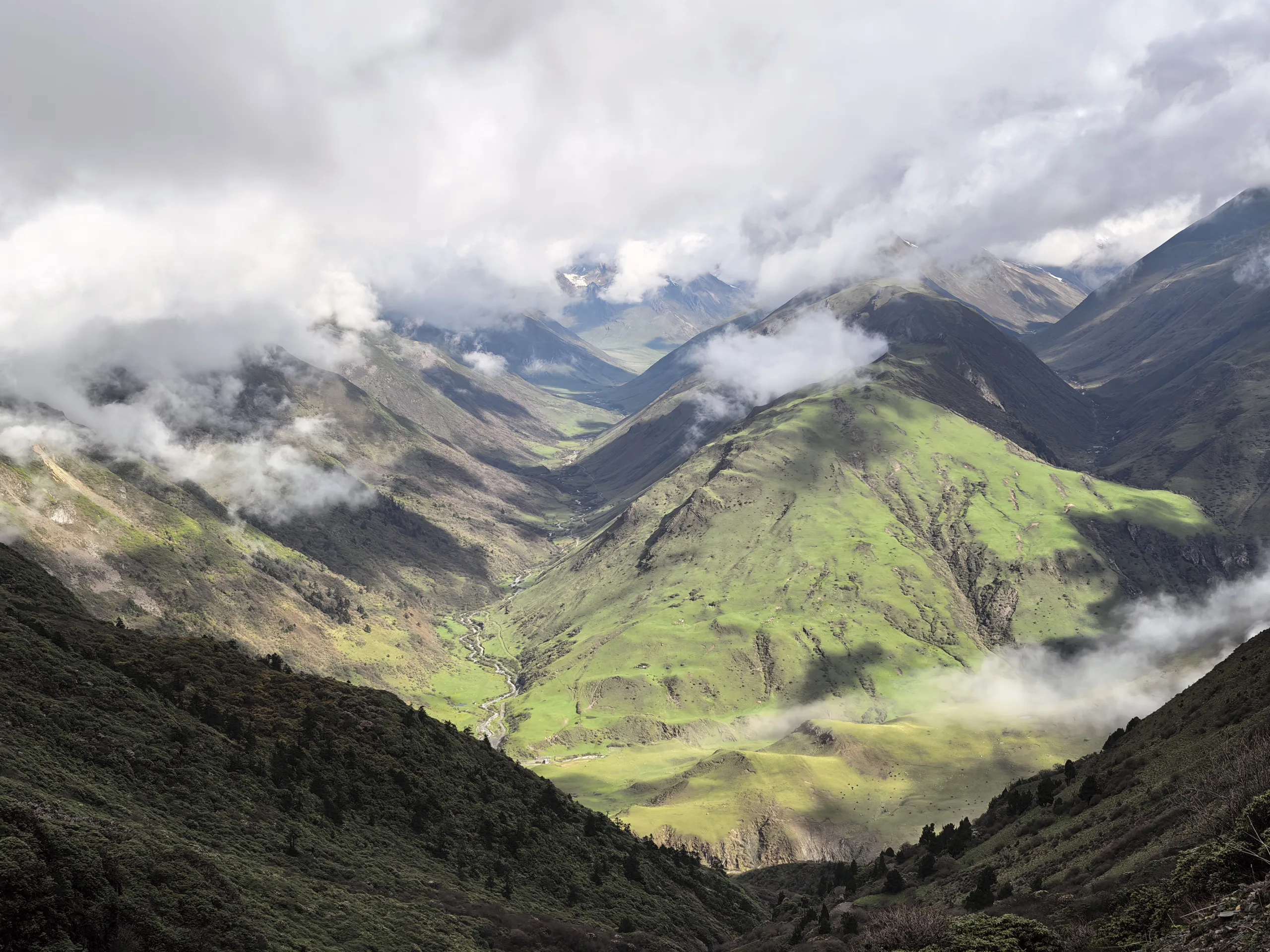
Ruoergai marks another clear shift. Here, the mountains open into broad plateau grasslands and peat wetlands, bringing Black-necked Crane, waterbirds, and grassland raptors into the foreground. The wetlands form an important breeding area for Black-necked Cranes, which return in spring, raise their young through summer, and begin moving south again in late autumn. The wider Ruoergai area also offers relatively reliable chances for Przevalski’s Finch.
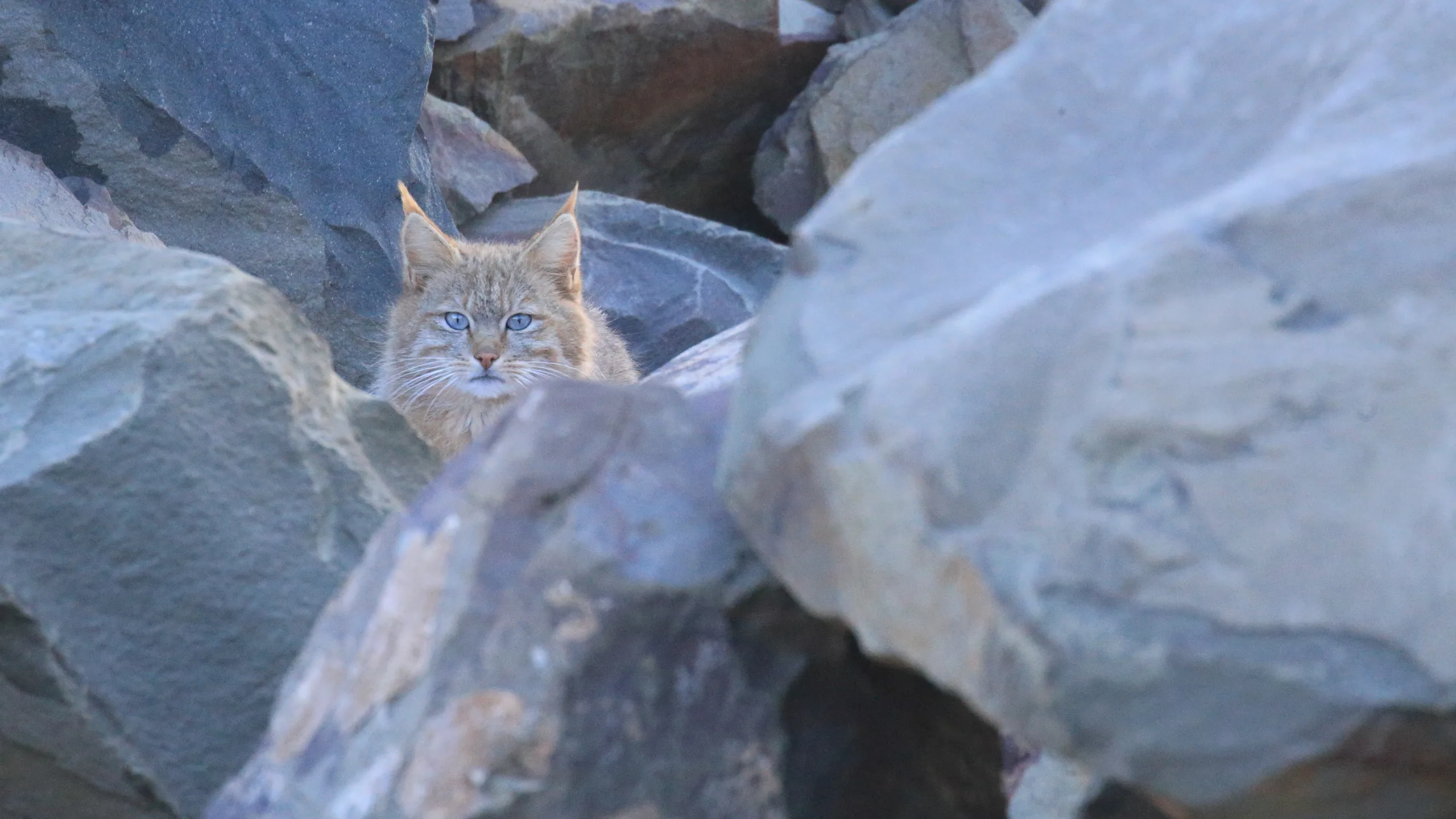
These open plateau landscapes are equally interesting for mammals. Chinese Mountain Cat occurs here, along with a range of other species of plateau birds and mammals, though sightings remain highly unpredictable and are best treated as a bonus rather than something an itinerary can promise.
For a serious birder visiting Sichuan for the first time, staying at a single site rarely gives the full picture. A stronger introduction usually comes from combining mid-elevation forest, high mountain habitat, and plateau wetlands within the same journey.
That contrast is part of what makes Sichuan so rewarding. Over a relatively compact route, you can watch the bird community change with elevation and habitat, and begin to understand why the province supports such exceptional diversity.
For bird photographers, the strategy can be almost the opposite. Rather than moving constantly between sites, spending several days in one area often gives you a better chance of working with the light, waiting for interesting behaviour, and getting the distance and angle you actually want. It may produce fewer locations on the itinerary, but often far stronger photographs.
Speak to A Wildlife Expert
Starting Your Birding Jounrney to China
Start designing your China Birding journey with our wildlife experts.
Make An InquiryBest Birding Areas in Sichuan
The strongest birding itineraries in Sichuan are built around contrast rather than a single destination. Starting from the Sichuan Basin, routes usually move west or north through the mountain forests of Giant Panda National Park and its surrounding ranges, into the higher country of the Hengduan Mountains, and eventually toward the grasslands and wetlands along the eastern edge of the Tibetan Plateau.
Each of these landscapes brings a different set of target species. Moving between them is what turns a collection of birding sites into a much more complete picture of Sichuan’s birdlife.
Wawushan & Longcanggou
Wawushan and Longcanggou form one of the most important humid montane birding areas in southern Sichuan, where the Sichuan Basin rises toward the Tibetan Plateau. Extensive bamboo, fir forest, evergreen broadleaf woodland, and a moss-rich understory support a particularly strong mix of parrotbills, fulvettas, leaf warblers, pheasants, and other Sichuan forest specialities.
At Wawushan, often known in China as the “Home of Parrotbills,” key targets include Golden Parrotbill, Three-toed Parrotbill, Brown Parrotbill, and Grey-hooded Parrotbill. Birding here typically involves using the cable car to move between different elevations, then working the trail network on foot.
Longcanggou has a slightly different character. The famous “Three Golds” — Golden Parrotbill, Golden-breasted Fulvetta, and Golden-fronted Fulvetta — are among the main targets, while Temminck’s Tragopan and Lady Amherst’s Pheasant are often associated with bamboo-rich sections of forest. Birding here relies more heavily on driving between productive stretches of habitat and stopping where recent activity has been reported.
Part of Longcanggou lies within Giant Panda National Park, so a wild Giant Panda is not impossible, though it would take exceptional luck. Both Longcanggou and Wawushan are also among the better places in Sichuan for a chance encounter with a wild Red Panda.
Tangjiahe Nature Reserve
Tangjiahe is one of the few places in Sichuan where birding and mammal watching carry almost equal weight. Also within Giant Panda National Park, the reserve is particularly rich in wild mammals, and encounters often come naturally while birding its forest roads and river valleys.
Well-preserved montane forest, fast-flowing streams, and wooded valleys create good habitat for Temminck’s Tragopan, Golden Pheasant, Tawny Fish Owl, dippers, forktails, and a broad range of other forest birds. Much of the birding can be done directly from the road or along the river, making it relatively easy to move between forest and stream habitats.
The mammals are every bit as compelling. Sichuan Takin, Chinese Goral, Reeves’s Muntjac, and Golden Snub-nosed Monkey are among the species that can turn up here, giving a birding trip a much wider wildlife dimension.
Tangjiahe also changes noticeably with the season. Sichuan Takins become more social during the summer rut, while Golden Snub-nosed Monkeys tend to move to lower elevations in winter, bringing them within easier reach of observers. Rather than having a single “best” season, Tangjiahe offers different wildlife opportunities at different times of year.
Wolong & Balangshan
Wolong and Balangshan are among Sichuan’s classic high-altitude birding areas. Wolong National Nature Reserve hosts over 300 bird species. A relatively short drive west can take you from montane forest at around 2,000 meters to alpine meadow and scree above 4,000 meters, with the target list changing almost continuously along the climb.
The pheasants alone make this route exceptional. Chinese Monal, White Eared Pheasant, Blood Pheasant, Golden Pheasant, Temminck’s Tragopan, Tibetan Snowcock, and Snow Partridge are all important targets, and birders in the Wolong–Balangshan area also watch for Slaty Bunting. Higher still, attention shifts toward birds such as Grandala, Chinese White-browed Rosefinch, Dark-breasted Rosefinch, accentors, Bearded Vulture, and Himalayan Vulture. Balangshan is also one of the best areas in Sichuan for seeing several rosefinch species and other alpine passerines within the same stretch of mountain, while some mid-elevation forest birds remain accessible lower down.
Access, however, is no longer quite as straightforward as many older birding reports suggest. Changes to road use and safety management have affected some of the traditional high-altitude sections, and species such as Snow Partridge and Tibetan Snowcock can now require considerably more walking and patience. Current road conditions are worth checking before the route is planned.
Chuanzhusi & Ruoergai Plateau
Chuanzhusi and the nearby Gonggangling area sit at an important ecological transition between mountain forest and the Tibetan Plateau. For birders heading toward Ruoergai, this is where the species mix begins to change. Conifer forest and montane scrub still hold birds such as Blue Eared Pheasant, Chinese Grouse, Blood Pheasant, Snowy-cheeked Laughingthrush, Crested Tit Warbler, and White-browed Tit Warbler, while more open-country species start to appear as the route climbs north.
That transition becomes complete on the Ruoergai Plateau. Forest gives way to expansive grassland, alpine wetland, and broad river valleys, bringing an entirely different set of targets into focus. Black-necked Crane is one of the defining birds here, with the Ruoergai wetlands forming an important breeding area. Other sought-after plateau species include Tibetan Bunting, White-browed Tit, Robin Accentor, White-rumped Snowfinch, and Rufous-necked Snowfinch.
Raptors are another major part of the plateau birding experience. Dense pika populations support species such as Upland Buzzard, Saker Falcon, Steppe Eagle, and Golden Eagle, often seen hunting or soaring over the open grasslands.
Chuanzhusi and Ruoergai work especially well as a pair on a longer Sichuan birding itinerary: one captures the transition out of montane forest, the other opens fully into the birdlife of the plateau.
Nearby Jiuzhaigou also supports a good range of high-elevation forest birds, and it can be worth adding if sightseeing there is already part of the trip. For a birding-first itinerary, however, it comes with limitations. Peak birding season overlaps with heavy tourist traffic, while fixed opening hours and reliance on park shuttle buses leave relatively little freedom to respond to bird activity. For that reason, we generally see Jiuzhaigou as a useful addition rather than an essential specialist birding stop.
Mengbishan
Mengbishan may not have the profile of Wawushan or Balangshan, but it can be very useful for a handful of western Sichuan high-altitude specialities. Many birding groups include it as a short, targeted stop rather than a destination in its own right.
The habitat is dominated by high-elevation conifer forest, scrub, and mountain-pass country. Key targets include Chinese Grouse, Sichuan Jay, Chestnut-throated Monal-Partridge, and Himalayan Beautiful Rosefinch. Sichuan Jay is often the main draw: a range-restricted Chinese endemic that can be surprisingly difficult to locate, and a priority species for many serious birders travelling through western Sichuan.
Mengbishan works best as part of a longer route. A day or even a few focused hours can be worthwhile if these high-elevation conifer-forest specialities are on your target list; otherwise, there is little reason to build an itinerary around the mountain alone.
Chengdu & the Sichuan Basin
The Sichuan Basin is rarely the main reason international birders come to the province, but Chengdu works extremely well at either end of a longer trip. It offers easy, low-altitude birding without demanding much time or complicated logistics.
Around Huanhuaxi Park, urban green spaces, rivers, and wetlands, common species such as Light-vented Bulbul, Red-billed Starling, Black-throated Bushtit, Vinous-throated Parrotbill, White-cheeked Laughingthrush, and Chinese Blackbird can all be found with relatively little effort, especially in parks and wooded urban green spaces, along with a variety of herons and other waterbirds. For anyone arriving from overseas, this makes a useful warm-up before the route moves into the mountains.
Spring and autumn bring a different opportunity, with raptor migration becoming more noticeable in the hills around Chengdu. The basin may not hold the highest concentration of rare targets on a Sichuan itinerary, but it gives the birding circuit something equally useful: an easy, well-connected starting point where there is still plenty to see.
Other Mammals You May Encounter While Birding in Sichuan
A birding trip through Sichuan rarely stays entirely about birds. In places such as Tangjiahe, Longcanggou, Wawushan, and Ruoergai, mammal encounters are often part of the experience rather than a separate activity.
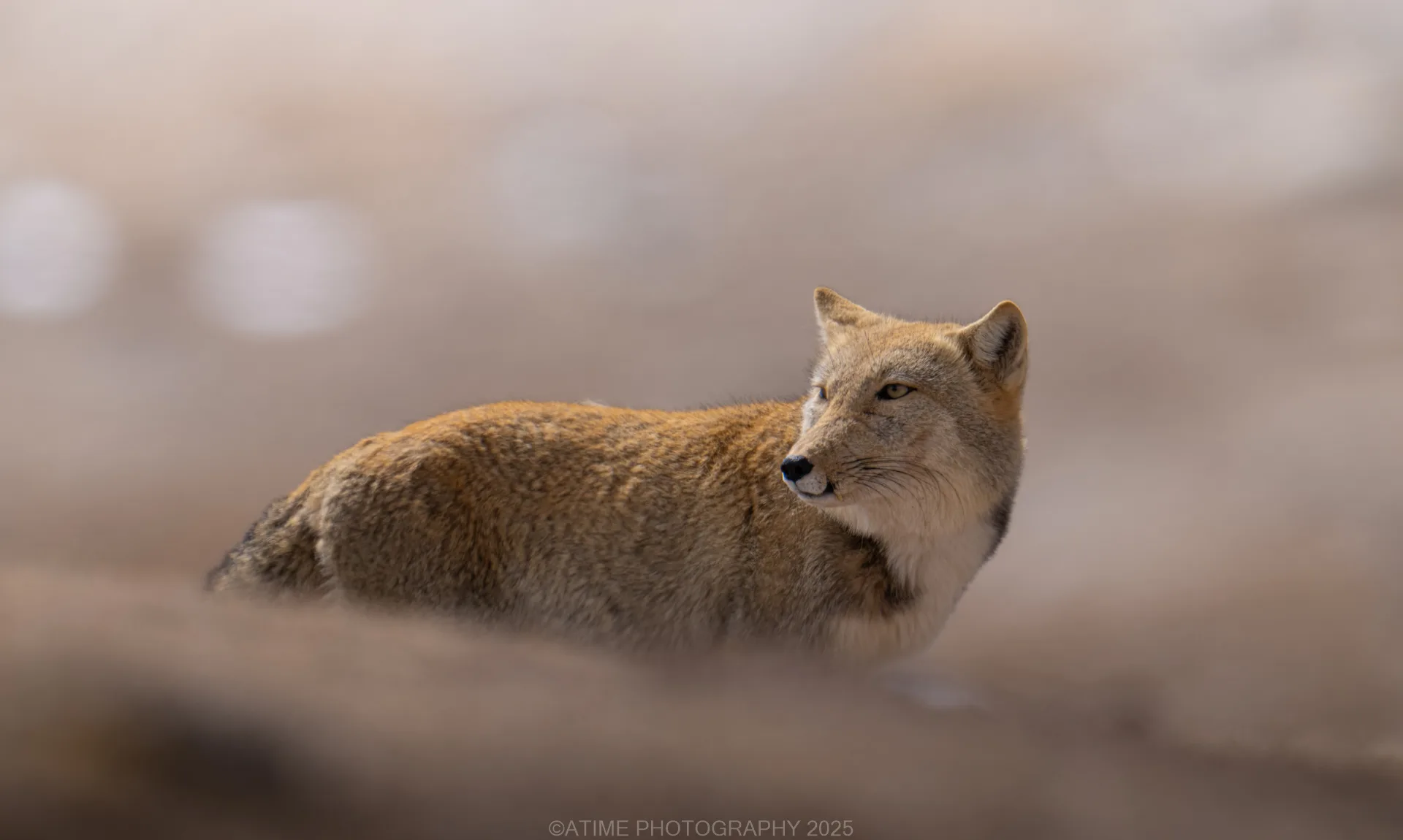
The humid mountain forests can produce Red Panda, Sichuan Takin, Leopard Cat, and Reeves’s Muntjac, with an exceptionally lucky sighting of a wild Giant Panda always somewhere in the realm of possibility. Higher up, the fauna changes with the landscape: Tibetan Fox, Chinese Mountain Cat, Blue Sheep, and White-lipped Deer belong to the scrub, grasslands, and open plateau country. These unscripted encounters are one of the great pleasures of wildlife travel in Sichuan.
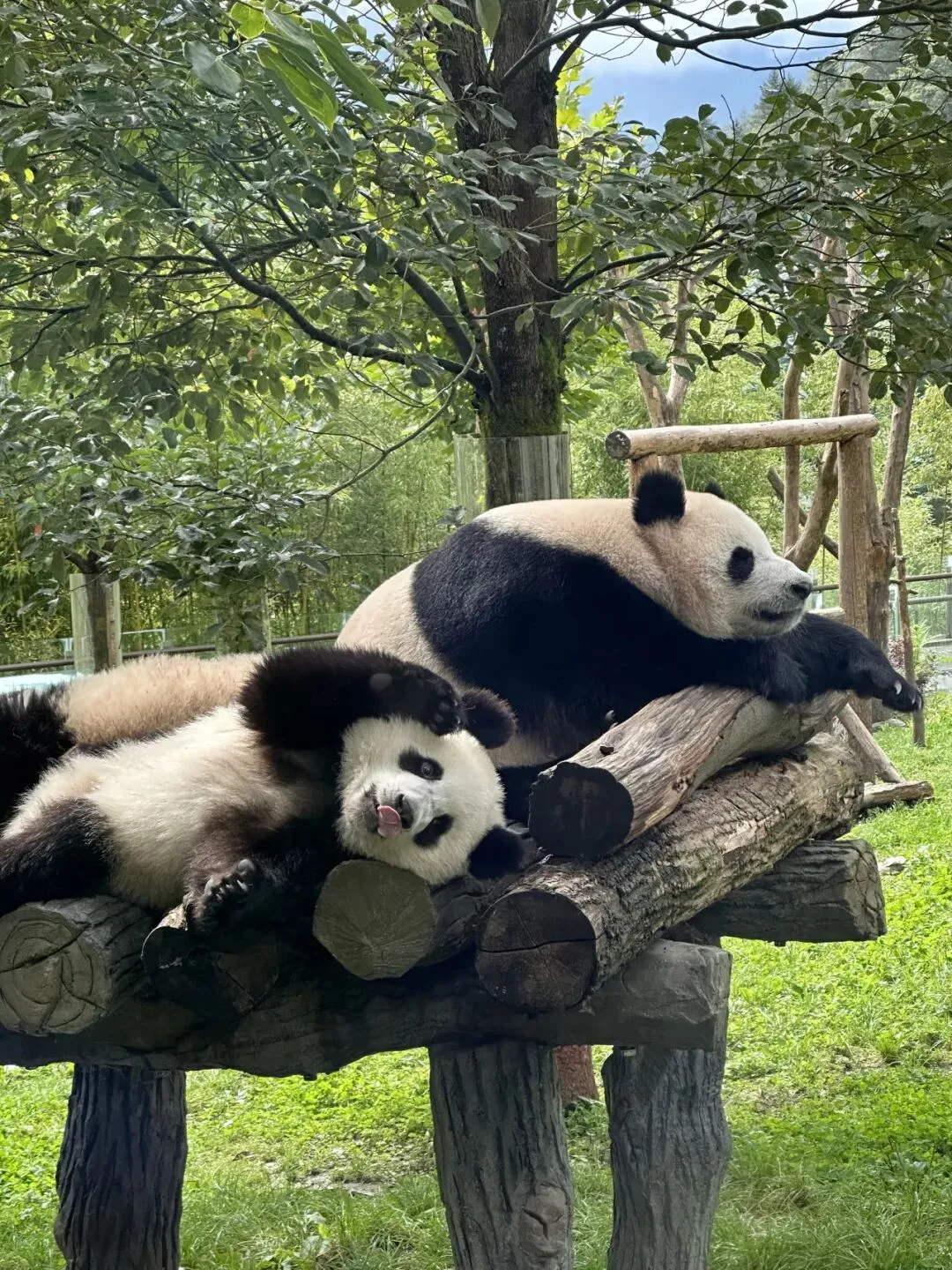
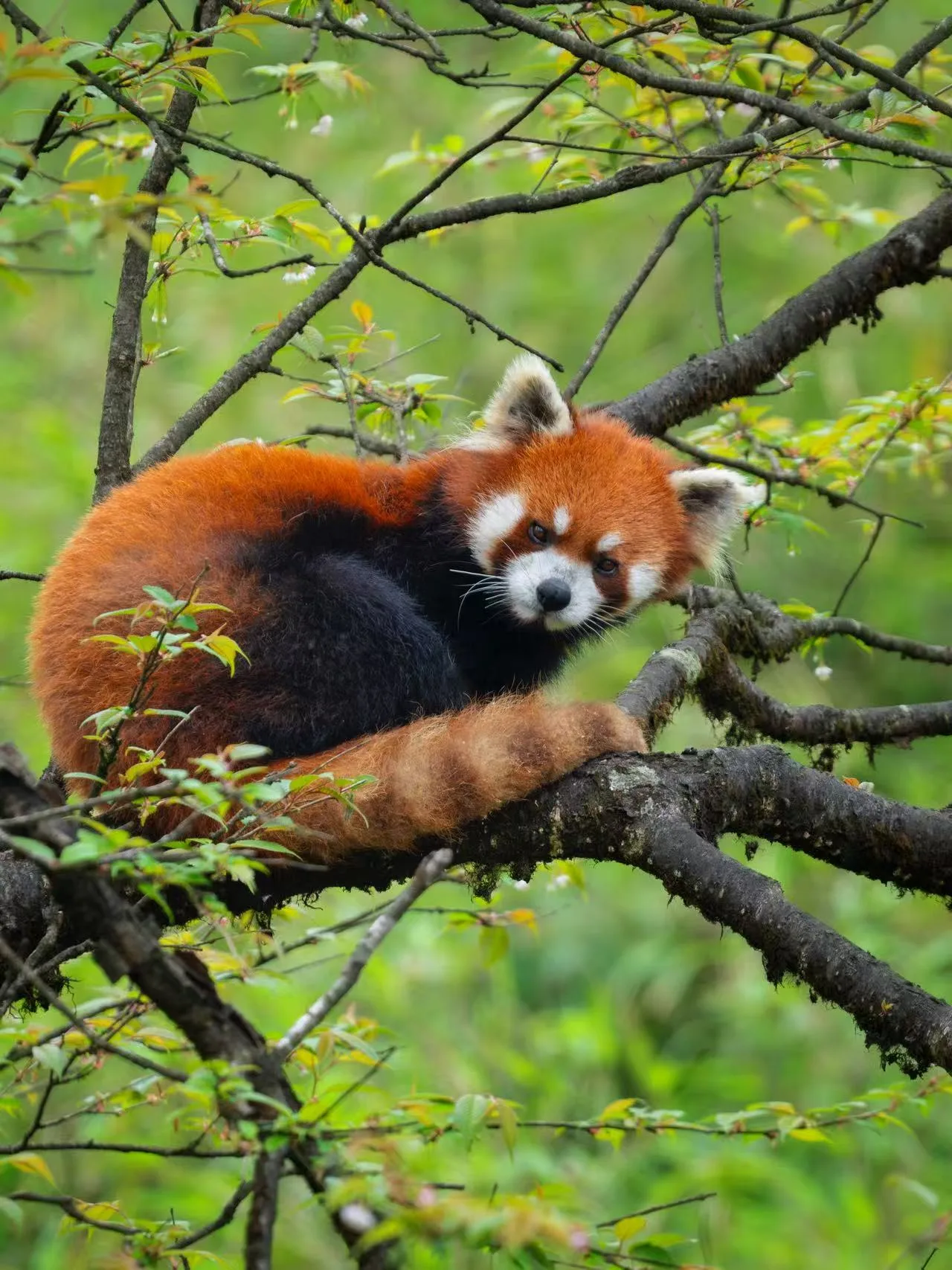
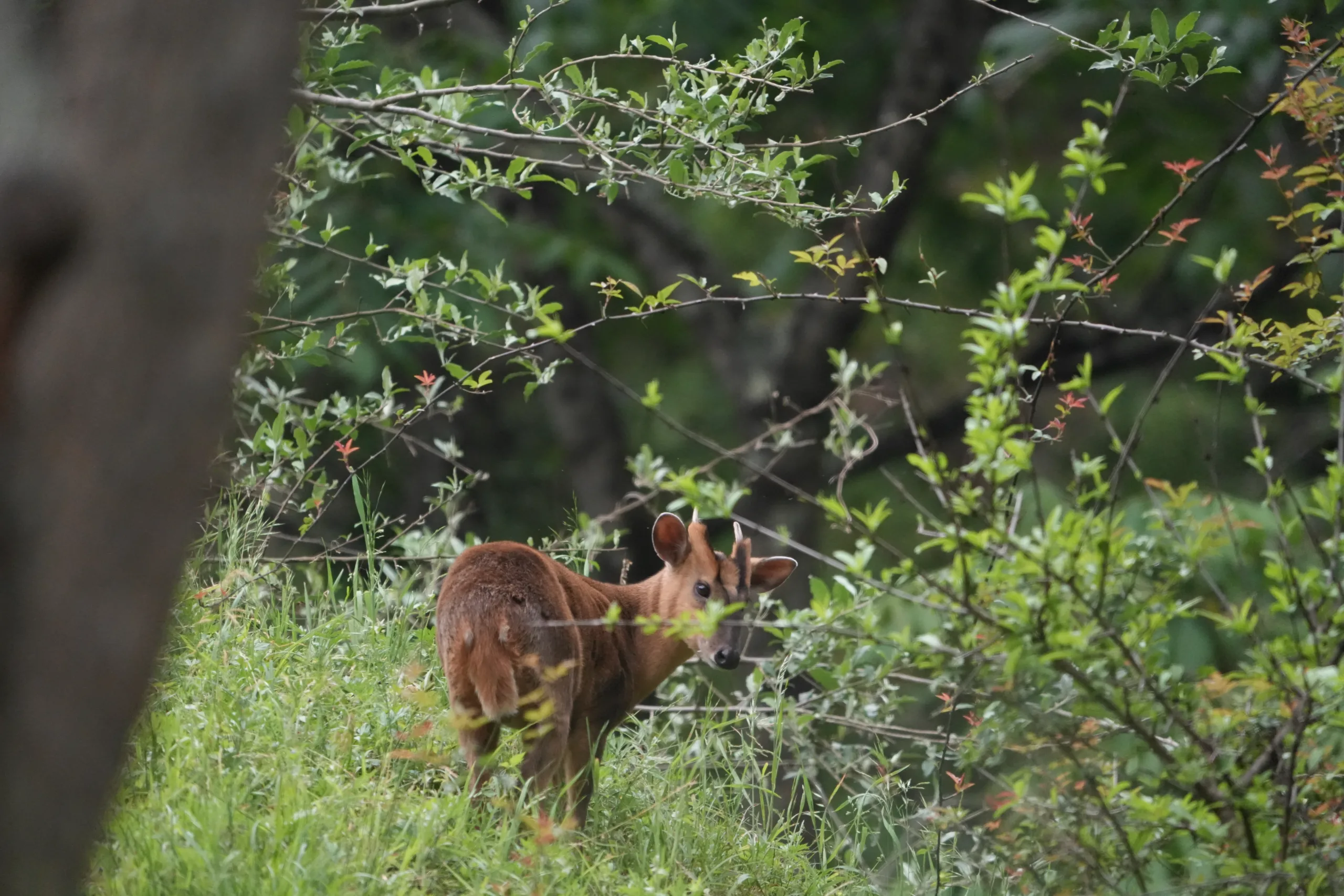
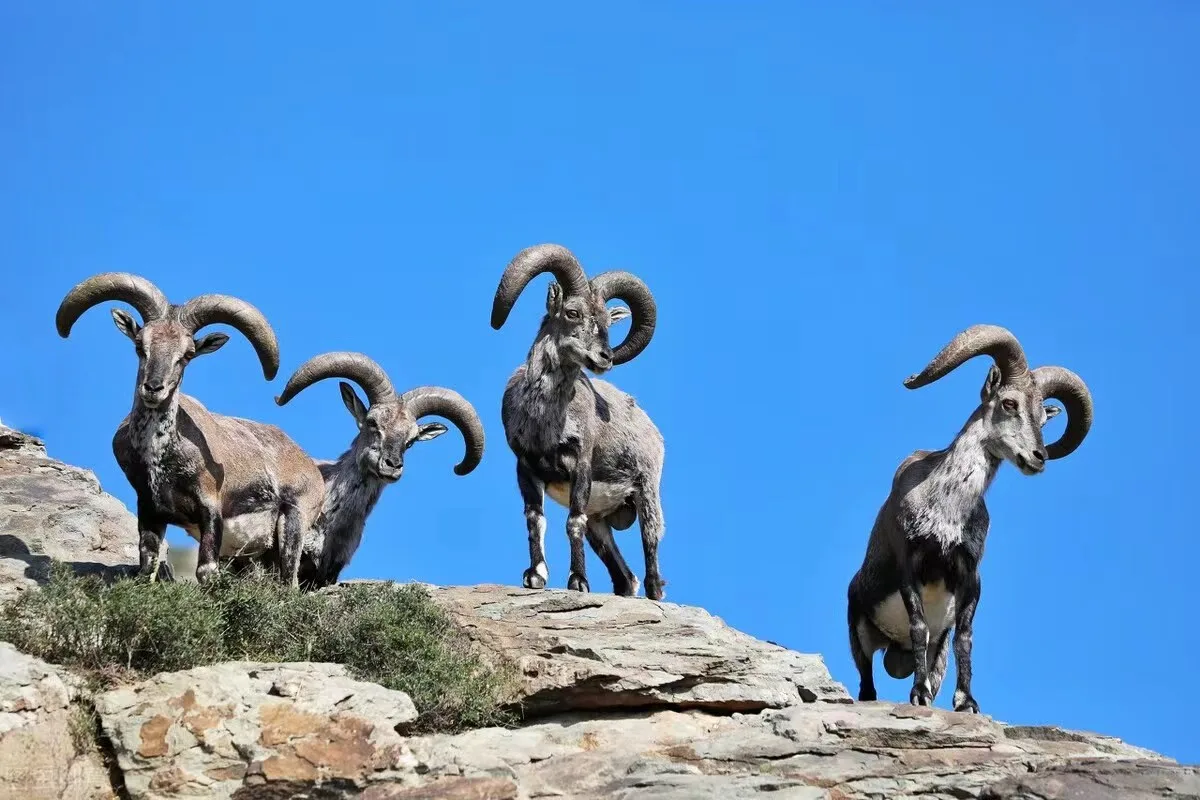
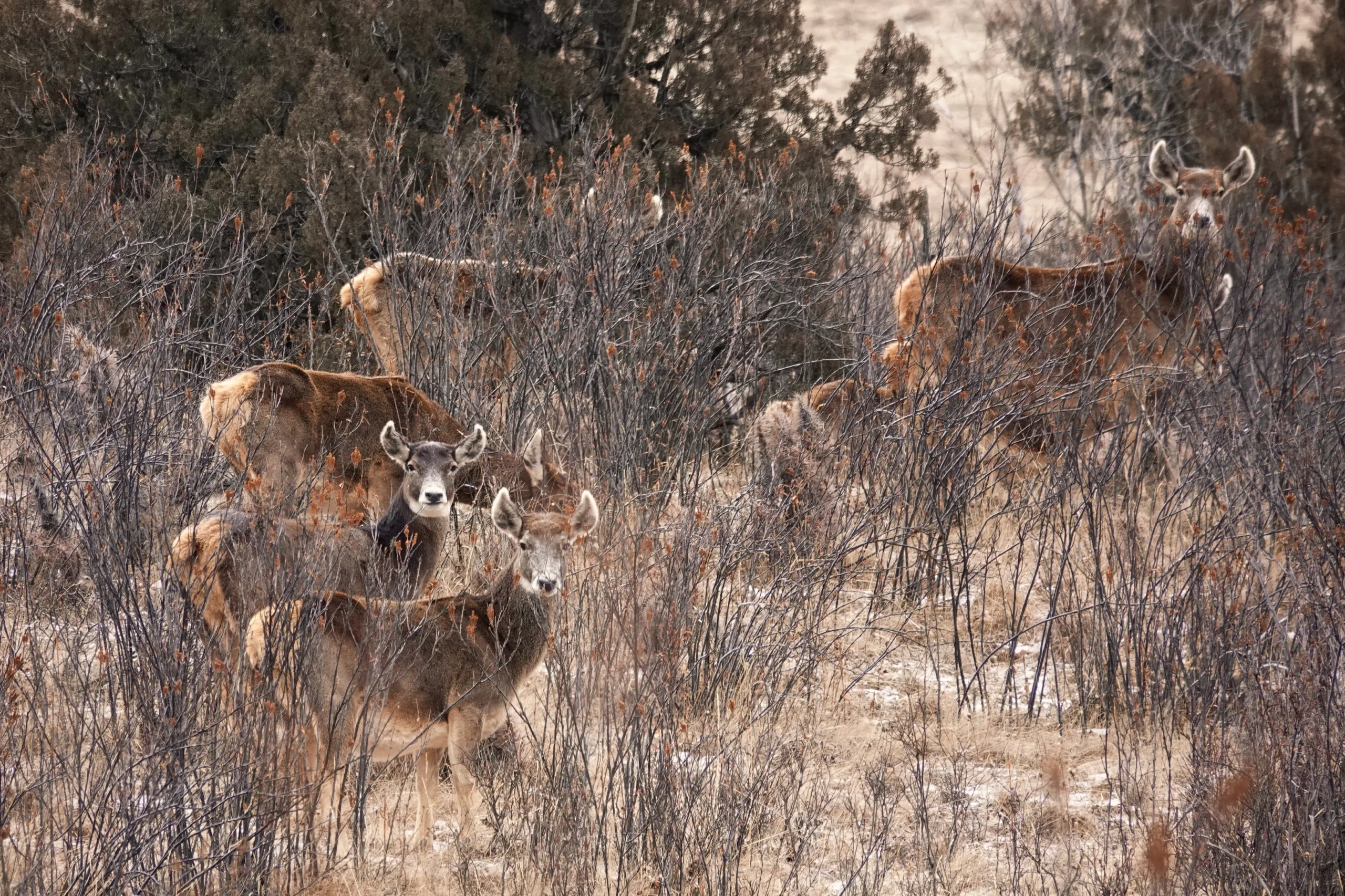
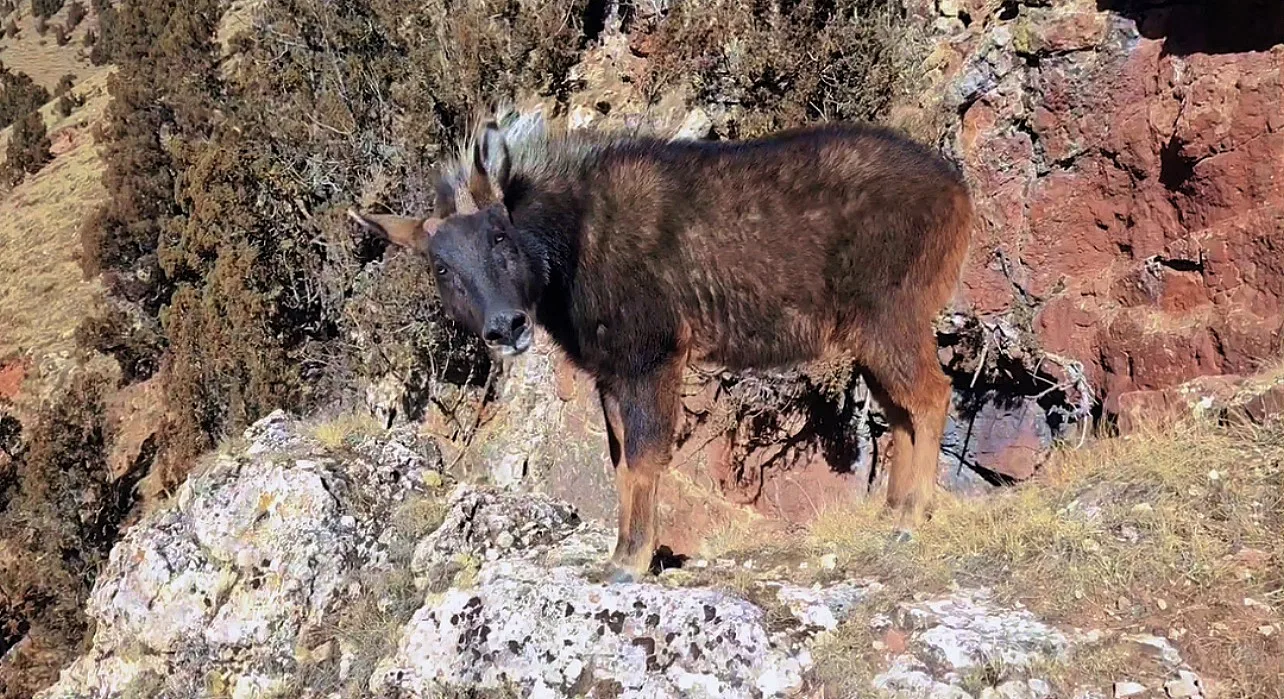
- Red Panda — One of the most sought-after mammals in Sichuan’s humid mountain forests. Sightings can never be guaranteed, but combining Wawushan, Longcanggou, and Laba River in the same itinerary gives you several of the province’s strongest opportunities. On our 13-day Sichuan birding trip, we encountered wild Red Pandas on three separate occasions.
- Sichuan Takin — One of Tangjiahe’s signature mammals. Massive, unmistakable, and far more formidable than its calm appearance might suggest, a Sichuan Takin immediately commands attention whether it appears alone or in a group. For many birders, it is the species that first reveals just how much big-mammal watching can be folded into a Sichuan birding trip.
- Chinese Mountain Cat — A cat endemic to China and one of the most exciting bonus mammals of the eastern Tibetan Plateau. It occurs around Ruoergai and neighbouring plateau areas, but at low densities. Any sighting should be regarded as a genuine stroke of luck rather than something an itinerary can reliably deliver.
- Tufted Deer — Not necessarily the rarest mammal on the route, but one of the most distinctive forest encounters. A brief glimpse of one slipping through dense woodland can feel almost as memorable as finding a much rarer species.
Speak to An Expert
Starting Your Wildlife Jounrney to China
Start designing your China journey with our wildlife experts.
Make An InquiryPhotography and Hide Use
Bird Photography in Sichuan
Bird photography in Sichuan changes dramatically with the habitat. In humid forests such as Longcanggou and Wawushan, the challenge is often working with low light, dense vegetation, and birds that may remain visible for only a few seconds. In the high mountains of western Sichuan, subjects are often farther away, while strong light, wind, and rapidly shifting weather bring a very different set of difficulties.
For that reason, a photography-focused itinerary is usually built differently from a pure birding trip. Rather than trying to maximize the species count each day, photographers may spend much longer on a smaller number of targets such as Chinese Monal, Sichuan Partridge, Golden Pheasant, or selected parrotbills, staying in productive habitat long enough to improve the chances of good light, useful distance, and meaningful behaviour. Well-run specialist tours will often separate birders from bird photographers for exactly this reason: the pace and priorities are simply different.
Local knowledge becomes especially valuable here. Many target species do not appear reliably at a single fixed “birding spot,” and their movements can shift with season, weather, and food availability. Experienced local guides tend to have a much better sense of recent sightings, favoured areas, calls, and the places where waiting is most likely to pay off. Just as importantly, they know when patience is still worthwhile and when it makes more sense to move on. Eastogo works with experienced birding guides across Sichuan, giving photographers a stronger chance of being in the right place at the right time.
For serious photographers, long lenses, rain protection, spare batteries, and ample storage are all worth preparing in advance. Some birding sites in Sichuan also use bird hides, which can be particularly useful for shy pheasants and forest birds, allowing photographers to wait with less movement and disturbance.
Hide Use, Playback and Ethical Photography
Hides can make close observation possible with very little disturbance, but their value depends entirely on how they are run. In Sichuan, some are placed where birds already move naturally through the habitat; others use limited feeding to create more consistent viewing opportunities. The method itself matters less than the management behind it: sensible distances, controlled numbers, and enough flexibility to change or stop the setup when the species, season, or breeding conditions call for it.
For us, the line is clear: no photograph is worth changing an animal’s behaviour. Playback should be used sparingly around breeding birds and sensitive species, and nest sites deserve even greater restraint. Once a bird stops feeding, becomes alert, or alters its route because of people nearby, the interaction has already gone too far. Clearing branches for a cleaner frame is never acceptable, and neither is staging raptors or owls with live prey or food.
We are equally cautious with location information. Nest sites and reliable spots for rare or breeding birds are not shared publicly. The best wildlife photography is not about getting closest. It is about reading the animal well enough to know when not to move any closer.
Practical Planning for Birding in Sichuan
Birding in Sichuan involves a fair amount of movement. The key sites are spread from the Chengdu Basin to the high mountains of western Sichuan and the Ruoergai Plateau, so several hours on the road between birding areas is often part of the trip.
The daily rhythm is also very different from a conventional sightseeing itinerary. Early starts are standard, plans may shift with recent sightings, roadside stops happen whenever something interesting appears, and a single target can easily justify several hours of waiting.
Photography adds another layer of logistics. Long lenses, spare batteries, storage, weather protection, and time each evening to back up files all need to be factored into the day. A well-planned Sichuan birding trip therefore depends as much on practical pacing, accommodation, and route design as it does on the birding sites themselves.
Clothing, Equipment and Photography Gear
A Sichuan birding trip can move through a surprisingly wide range of temperatures in the space of a single journey. In late spring and early summer, Chengdu may already be close to 30°C during the day, while mornings above 3,000–4,000 meters in western Sichuan can still sit around 10°C or lower, with snow still possible. Dressing in layers is far more useful than relying on one heavy jacket.
A practical setup usually means a quick-drying base layer, fleece or light down, and a windproof, waterproof shell, paired with walking shoes that have good grip. Once the route reaches higher elevations, thin gloves, a warm hat, and extra insulation become useful, while sun protection matters just as much. In wetter forest areas such as Wawushan and Longcanggou, mist and sudden showers are common enough that waterproof outerwear and footwear are worth treating as essential rather than optional. Exact clothing needs, of course, should still be adjusted to the season.
For birding, 8–10× binoculars are a good general choice. Photographers should plan around their own targets, but long lenses, stable support, rain protection, spare batteries, and plenty of memory cards are the usual essentials. Cold conditions at altitude can drain both camera and phone batteries much faster than expected, so keeping spares somewhere warm and close to the body is a simple but effective habit.
On photography-focused trips, file management becomes part of the routine. After several long days of early starts and late finishes, sorting and backing up images can take a surprising amount of time. A dual-drive system, or another reliable backup method, is worth setting up before the trip rather than improvising once the cards begin to fill.
Transport Between Birding Regions
Chengdu is the natural starting point for most Sichuan birding trips, but once the route leaves the basin, a private vehicle becomes close to essential. Sites such as Wawushan, Tangjiahe, Wolong–Balangshan, Chuanzhu Temple, and Ruoergai are widely separated, and public transport is rarely practical for moving efficiently between them.
For birders, the real advantage is flexibility. A change in recent sightings may justify a detour, while a raptor overhead or a mixed flock beside the road can turn an ordinary transfer into an unexpected birding stop. Mountain roads also bring their own variables, from heavy rain and rockfall to snow or temporary closures, so a good itinerary should leave room to adapt rather than running on a rigid schedule.
Accommodation and Early-Morning Logistics
Once the trip moves into the mountains, proximity to the birding site matters far more than the hotel category. Being able to leave early, return quickly after a long field session, and rely on basics such as hot water, heating, and charging facilities can make a bigger difference than extra comfort on paper.
Many of Sichuan’s best birding hours come around first light, so departures between 4:30 and 6:00 am are common, with breakfast often packed in advance; in smaller mountain birding areas, meals are often arranged at a nearby local restaurant or guesthouse. Photography trips can be even more demanding, particularly when several hours are spent waiting for a single target.
That pace adds up over a long itinerary. Accommodation therefore needs to support recovery as much as access, with enough rest built into the schedule to keep early starts and long field days sustainable from beginning to end.
Access, Permits and Reserve Rules
There is no single “birding permit” that applies across Sichuan, but access can still be surprisingly complicated. Scenic areas, nature reserves, protected landscapes, and mountain roads all operate under their own rules, and those rules can change with season, weather, or management policy.
Opening hours, ticket reservations, cable-car schedules, vehicle access, seasonal road closures, and drone restrictions are all worth checking again before departure rather than relying on an older trip report.
At Wawushan, for example, reaching the upper birding areas depends largely on park transport and the cable car, so weather and operating hours directly affect how much time you actually have in the field. For that reason, many birding itineraries favour staying inside the scenic area, avoiding an additional cable-car journey and gaining more useful time at altitude.
Balangshan presents a different issue. Some of the old high-altitude roads that feature heavily in earlier birding reports are no longer as straightforward to use, and current access needs to be planned around the latest road conditions and restrictions.
At Longcanggou, some particularly productive birding areas fall within the core planning zone of Giant Panda National Park and can only be accessed with local guiding arrangements. Protected wetland areas around Ruoergai may impose tighter ecological controls, including restrictions on drone use.
For photographers in particular, past access is never a guarantee of present access. A road that was open several years ago, or a location where drones were once permitted, may now be managed very differently.
The useful rule is simple: check everything again before the trip. For international birders, this is also where working with an experienced local operator becomes especially valuable. Current access, reserve regulations, transport, permits where required, and last-minute route changes are often far easier to manage locally than from overseas, allowing the trip itself to stay focused on the birds rather than the logistics.
Speak to An Expert
Starting Your Birding Tour to China
Start designing your China birding tour with our destination experts.
Make An InquiryHealth, Altitude and Safety
Most of Sichuan’s mid-elevation forest birding is not physically demanding. The greater challenge is usually the routine: early mornings, long field days, and occasional extended walks inside scenic areas. On many days, total walking stays under 5 km, although the pace can still feel tiring after several consecutive dawn starts.
The equation changes once the route reaches Kangding, Balangshan, Chuanzhu Temple, or Ruoergai, where birding often takes place above 3,000–4,000 meters. At that point, altitude matters more than distance.
The first days at elevation should be taken conservatively. Keep the pace easy, avoid hard exertion immediately after arrival, and pay attention to symptoms such as headache, nausea, unusual fatigue, loss of appetite, or poor sleep. If symptoms are getting worse, gaining more altitude for the sake of a target bird is never the right trade-off.
A sensible field kit should include personal medication, basic first-aid supplies, sunscreen, sunglasses, lip balm, and moisturiser. Travel insurance should explicitly cover high-altitude travel and emergency medical evacuation. Anyone with cardiovascular, cerebrovascular, respiratory, or other relevant medical conditions should speak with a doctor before the trip.
Weather adds another layer of uncertainty. Summer rain can bring prolonged downpours, rockfall, and landslides, while spring and autumn at higher elevations may still bring snow, icy roads, and sudden temperature drops. Strong UV, cold dawns, and long periods spent waiting outdoors can be just as wearing as the walking itself.
In wildlife travel, weather, road conditions, and your own physical state always outrank the target list. A good birding itinerary leaves enough room to change course when any of those factors change, rather than forcing the day to fit a checklist.

Community Engagement and Conservation Notes
Sichuan’s value as a birding destination depends on more than species diversity. Much of what makes the province exceptional has survived because its mountain forests, wetlands, and plateau habitats remain intact. Increasingly, the people living around these landscapes are also becoming part of the birding economy—as local guides, guesthouse owners, reserve staff, and community-based conservation workers.
For travellers, that gives a birding trip another dimension. The experience is not only about moving through habitat and building a species list, but also about spending time with people whose knowledge comes from living alongside these birds year after year.
Local Guides and Community Birding
At established birding sites such as Longcanggou, local guides often know the forest at a level that no map or trip report can reproduce. Many grew up nearby and have built on that familiarity through years of observation and professional training, learning not only bird calls and seasonal patterns, but also the small habitat preferences that often determine where a species is actually found.
For birders, that knowledge is immediately useful. These birds are part of their everyday landscape. Local guides often know what has been active recently, where a species has been moving, when it is most likely to show, and when it is better to stop waiting and try somewhere else.
The benefits also stay closer to the place itself. Guiding, accommodation, meals, and other birding-related services allow more of the value created by wildlife tourism to remain within the communities living alongside the habitat.
Bird Hides and Local Wildlife Tourism
Around Laojunshan in Pingshan, sought-after species such as Sichuan Partridge and Temminck’s Tragopan have drawn a growing number of birders and photographers. Local residents are increasingly part of that experience, working as guides, running accommodation, and managing bird hides. Some of the area’s most memorable photographs, including encounters between Lady Amherst’s Pheasants and Perny’s Long-nosed Squirrels around feeding sites, have come from these locally managed setups.
Hides and feeding stations can make wary pheasants far easier to observe, but the quality of the experience depends on how they are managed. Sensible viewing distances, limited group sizes, and the willingness to reduce or stop activity when breeding birds become sensitive matter far more than getting the closest possible photograph.
Protecting Sensitive Species and Habitats
In places such as the Ruoergai wetlands, much of the most important conservation work happens out of sight. Local rangers monitor Black-necked Crane breeding areas, wetland condition, and wildlife activity over long periods, while potentially disruptive equipment such as drones is tightly controlled.
We take the same approach to sensitive location data. Exact nest sites, breeding areas, and other reliable locations for rare birds are not shared publicly. Good birding is not only about what you manage to see today. It should also leave as little pressure as possible on the birds themselves, so that the same forests and wetlands remain places they can return to year after year.
Other Birding Destinations in China
China is one of the world’s 17 megadiverse countries, with the mountains of southwest China, including parts of Sichuan and Yunnan, as well as Guangdong, lying within globally important biodiversity hotspots.
Beyond Sichuan, western Yunnan and the Tibetan Plateau are natural priorities for many birders, while Guangxi, Fujian, Hainan, Poyang Lake, Wuyuan, northeast China, and central China all offer their own rare and highly localised species, making them especially rewarding for more targeted birding trips.
Western Yunnan and the Hengduan Mountains
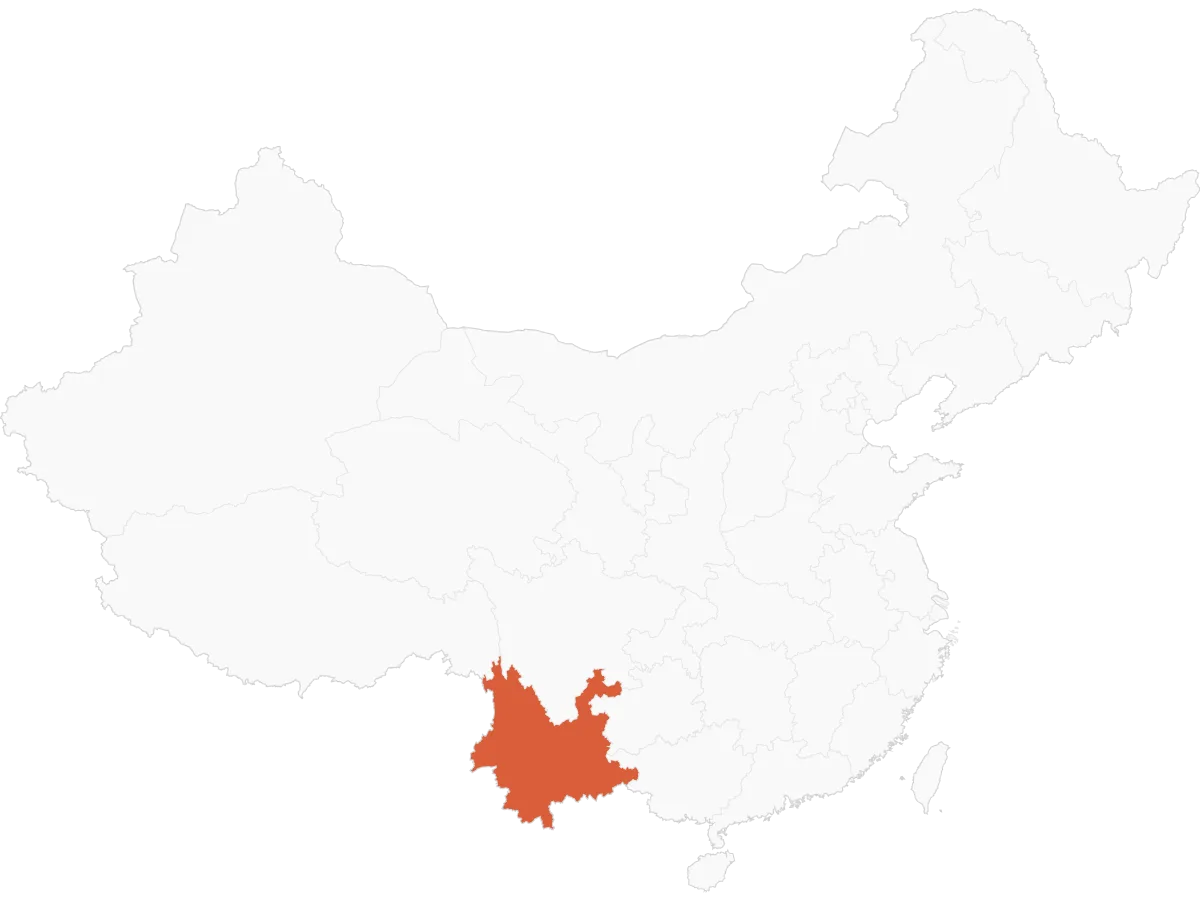
If Sichuan is especially strong for Chinese endemic pheasants and high-elevation forest birds, western Yunnan brings a much stronger Hengduan and Indo-Burmese influence into the mix. From the humid forests of Gaoligongshan and the rainforests along the China–Myanmar border to the montane forests around Lijiang and the plateau wetlands of Shangri-La, serious birders will usually combine several areas into a broader western Yunnan circuit.
- Gaoligongshan · Baihualing
Baihualing is one of western Yunnan’s best-established forest birding sites, centred on humid montane woodland. Key targets include Scarlet Finch, Slender-billed Scimitar Babbler, Wedge-billed Babbler, Mrs. Hume’s Pheasant, and Golden Bush Robin. The main birding season runs from October to May.- Baihualing is also one of the clearest examples of birding becoming part of the local economy. A well-developed network of hides, local bird guides, and guesthouses keeps more tourism income within the community, while giving residents a direct stake in the long-term protection of the surrounding forest and its birdlife.
- Yingjiang · Hornbill Valley
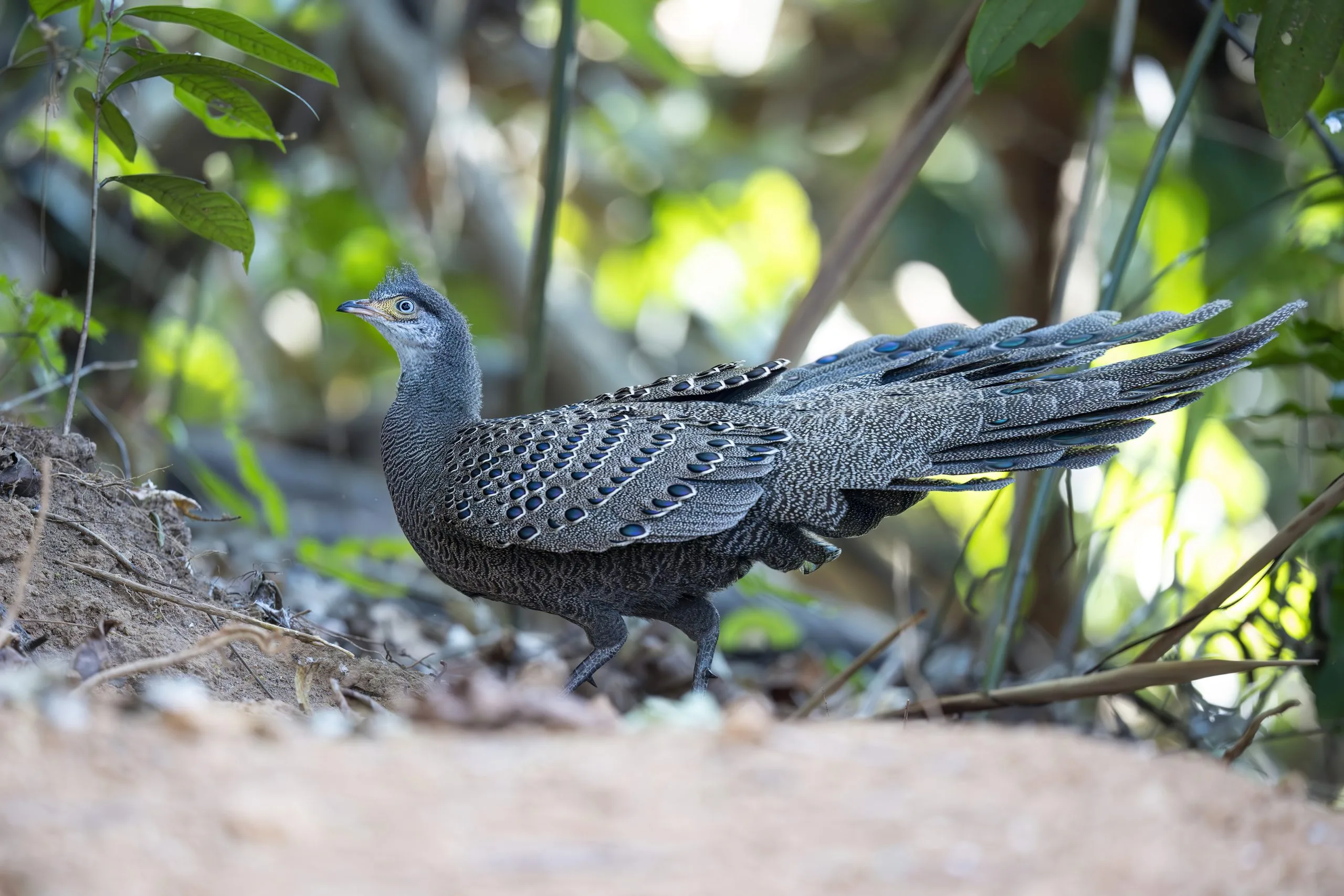
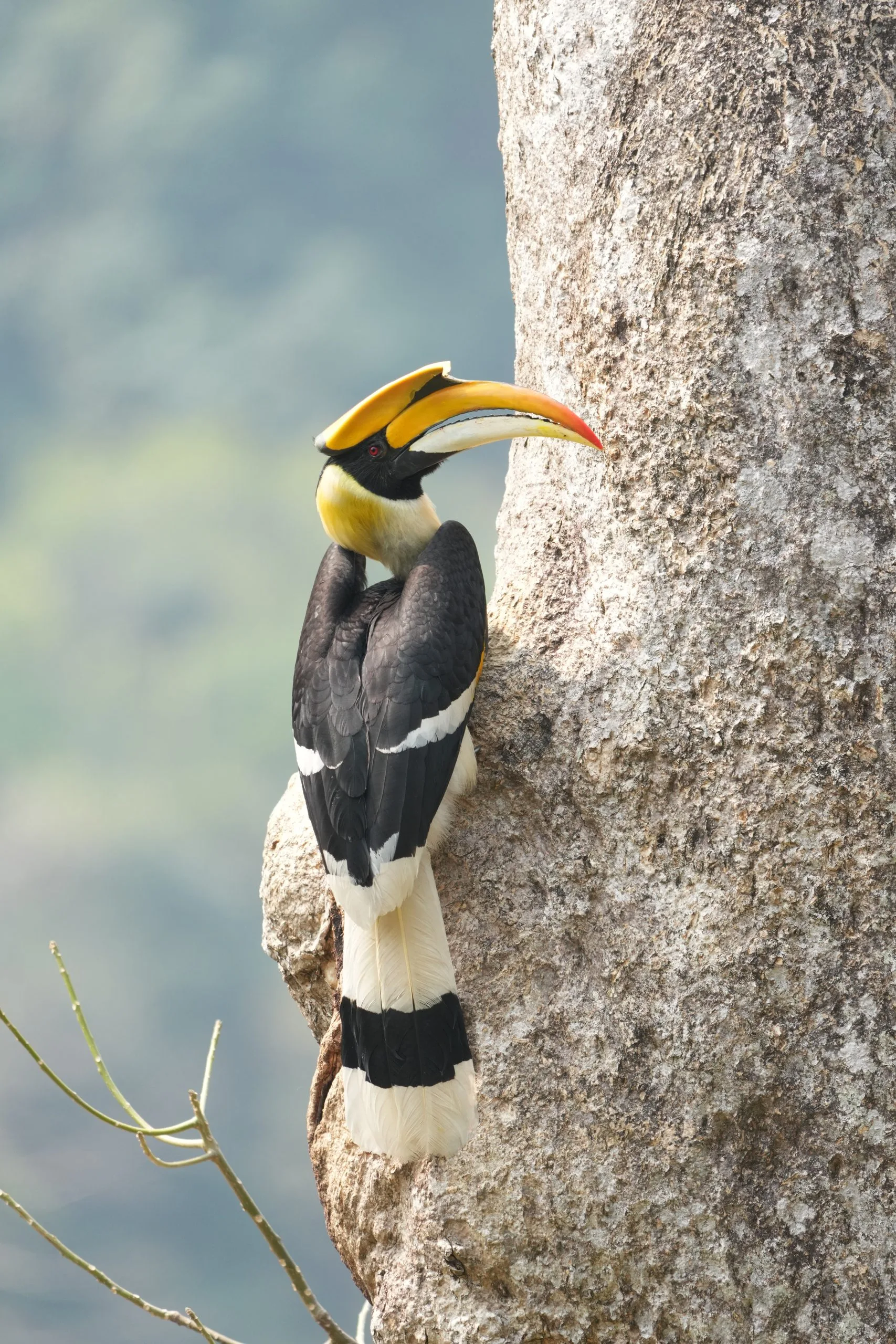
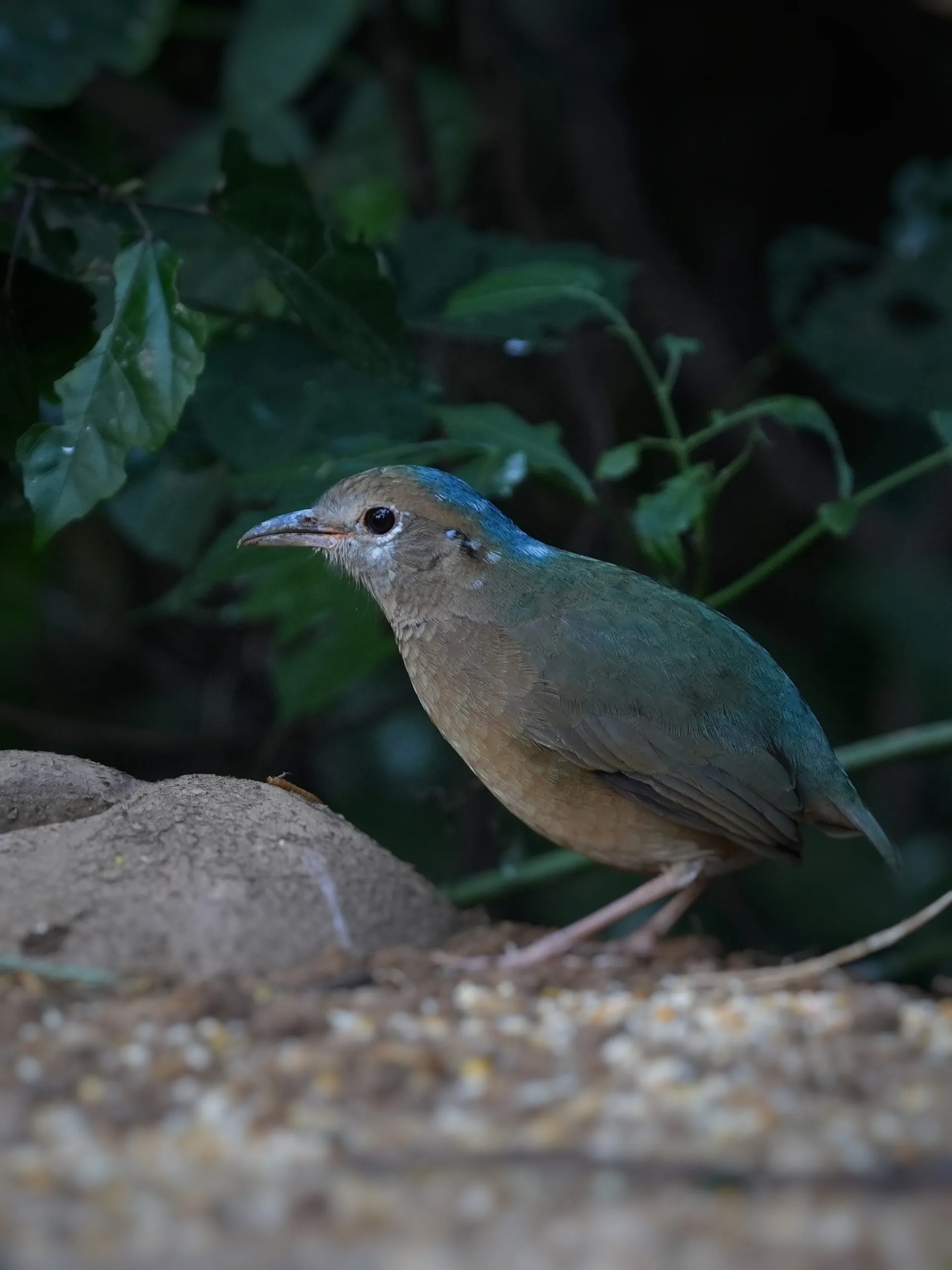
On the China–Myanmar border, Yingjiang feels distinctly different from the mountain birding farther north. Tropical and subtropical forest bring a strong Indo-Burmese element, with Grey Peacock-Pheasant, White-cheeked Partridge, Blue-naped Pitta, Great Hornbill, Wreathed Hornbill, and Oriental Pied Hornbill among the principal targets. The area is also one of China’s key places for observing breeding hornbills, with February to June particularly rewarding for hornbill-focused trips. Paired with Sichuan, it creates an unusually broad journey from alpine birds to tropical hornbills.
- Lijiang · Laojunshan
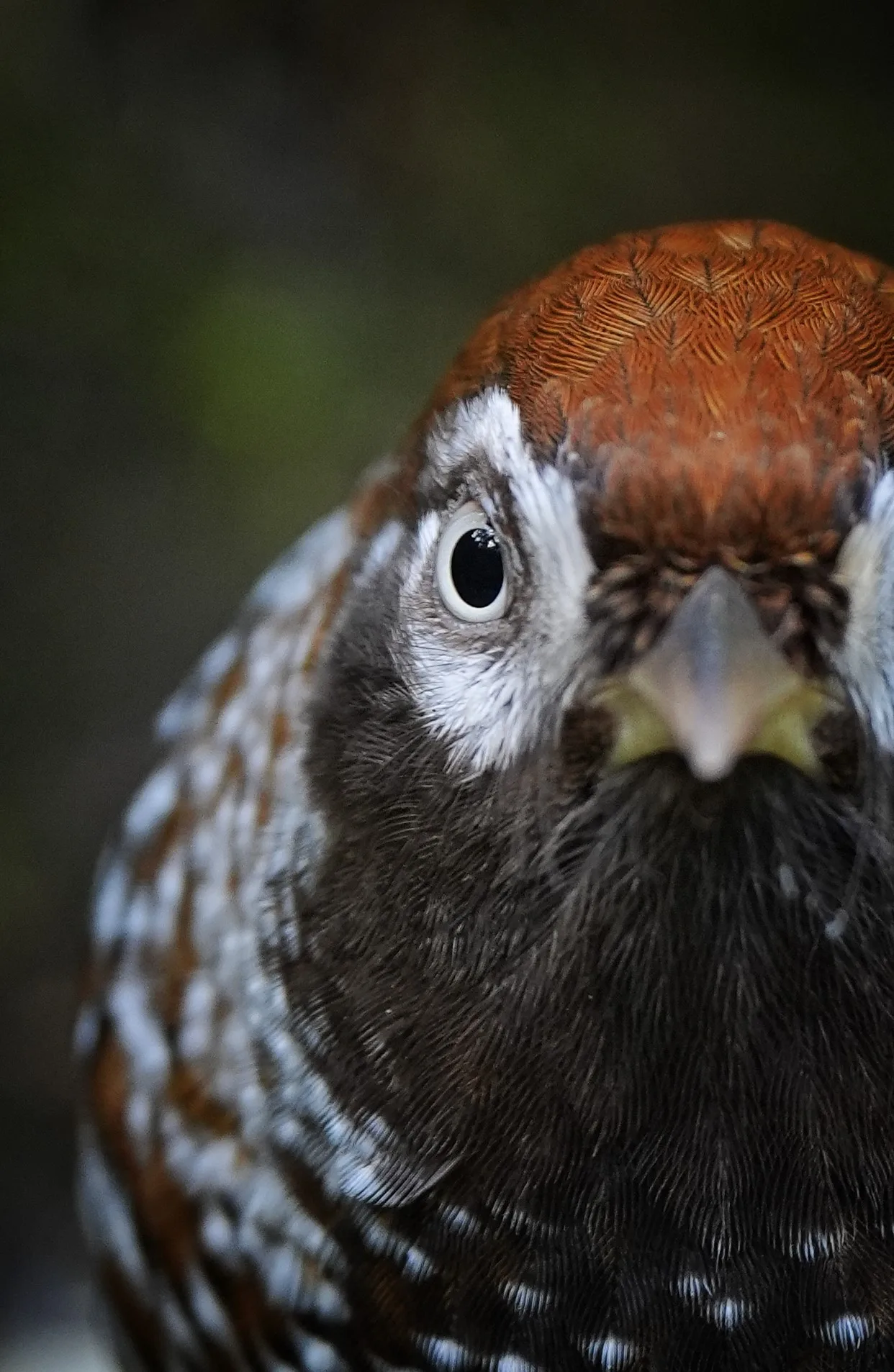
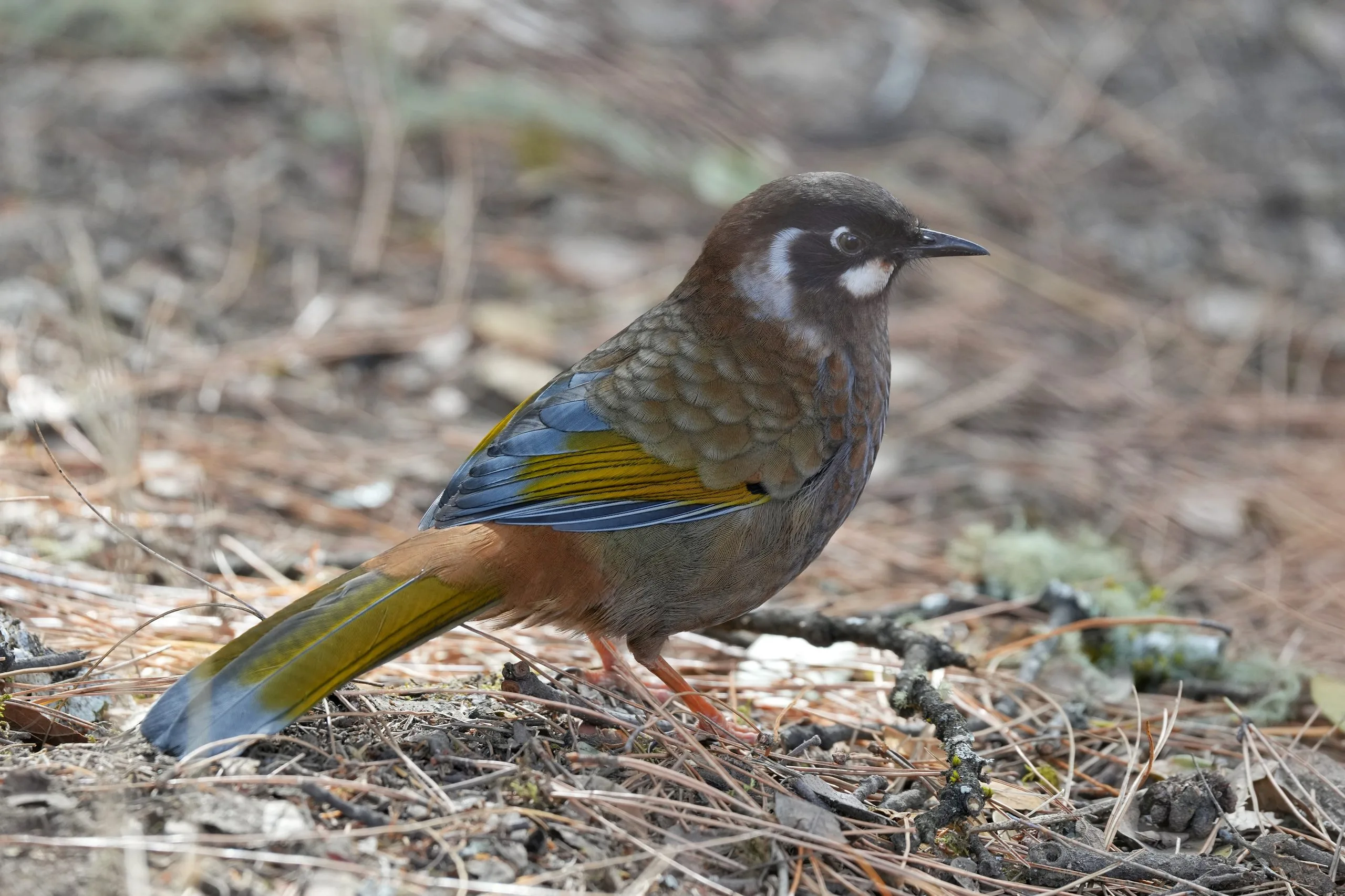
Laojunshan is strongest for high-elevation forest birds, with the scarce White-speckled Laughingthrush among its most sought-after species. It is an excellent area for laughingthrushes more broadly, with chances for White-speckled, Moustached, Spotted, Elliot’s, and Black-faced Laughingthrush within the same region. Pheasants such as Blood Pheasant, Temminck’s Tragopan, and Lady Amherst’s Pheasant add further interest.- Winter is often especially productive here, when forest birds gather into more concentrated mixed flocks and become easier to work through systematically.
- Shangri-La · Napahai
At around 3,260 metres, Napahai is a seasonal plateau wetland with a very different feel from Yunnan’s forest sites. Black-necked Crane, Black Stork, Bar-headed Goose, White-tailed Eagle, and Bearded Vulture are among the birds worth looking for here. From late October into spring, wintering birds gather in their greatest numbers, making this one of the better places in western Yunnan to combine plateau wetland birding with raptor watching. More than 270 bird species have been recorded at Napahai, which is also recognised as a wetland of international importance. - Dali · Cangshan
With easy access from Dali, Cangshan fits naturally into a longer Yunnan itinerary without demanding a major detour. Its habitats rise from evergreen broadleaf forest into high-elevation rhododendron scrub, bringing targets such as Fire-tailed Sunbird, Blood Pheasant, Lady Amherst’s Pheasant, Dark-breasted Rosefinch, and Golden Bush Robin within the same mountain system.- Season matters here. Winter is generally stronger in the lower and mid-elevation forests, while birders focused on breeding species higher on the mountain will find late May to June more productive.
For anyone linking Yunnan with a Sichuan trip in April–June, Baihualing, Yingjiang, and Cangshan can all work as natural extensions. A dedicated Yunnan trip, however, becomes especially attractive in winter, when western forest birding, Baihualing’s hides, and the wintering wetlands of Napahai can be combined to add a substantial number of southwest Chinese species that are far less likely to appear on a Sichuan route.
Qinghai / Tibetan Plateau
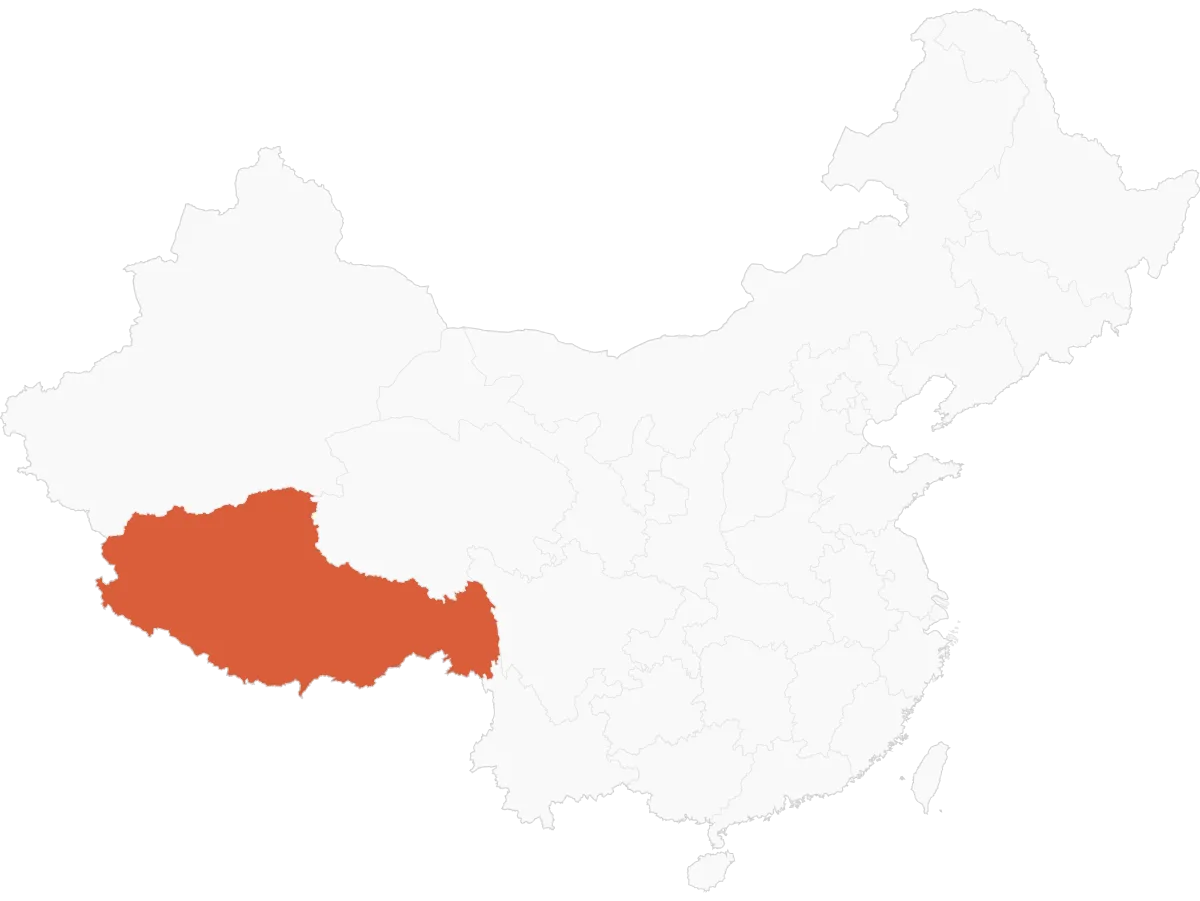
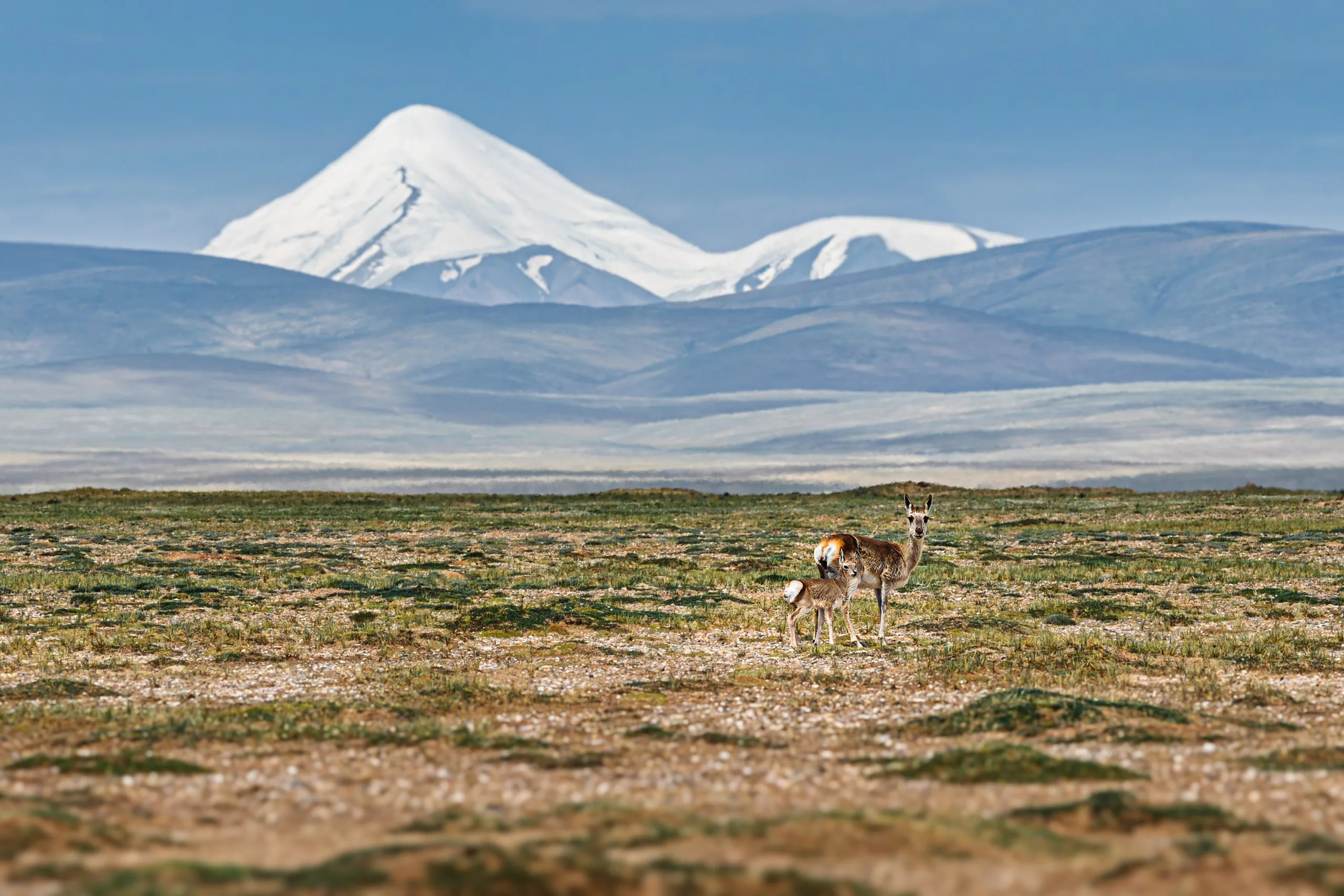
Across China, the Qinghai–Tibet Plateau lies primarily within Qinghai and Tibet, where alpine meadow, scree slopes, plateau wetlands, and broad river valleys support a bird community quite unlike anything found in the forests farther east. Buff-throated Monal-Partridge, White Eared Pheasant, Przevalski’s Finch, Tibetan Bunting, Giant Laughingthrush, and Tibetan Snowfinch are among the species that draw international birders to the plateau.
Qinghai and Tibet cover enormous areas, but they lend themselves to rather different styles of travel. Qinghai works particularly well as a dedicated birding circuit and can also follow naturally from a Sichuan trip in May or June. Tibet involves tighter travel arrangements for international visitors, with additional permits required for some areas. In practical terms, Lhasa, Nyingchi, and their surrounding regions are generally easier to incorporate into an international itinerary than more remote parts of the plateau.
Qinghai
- Datong · Yaozigou
Datong offers something that becomes increasingly scarce as a Qinghai route moves onto the open plateau: moist conifer forest and streamside habitat. Easily reached from Xining, Yaozigou makes a useful forest stop for species such as Qilian Bluetail, Crested Tit Warbler, Przevalski’s Nuthatch, Red Crossbill, and Chinese Thrush. In a longer Qinghai itinerary, it works almost as a transition point before the landscape opens out. Late spring through summer is the strongest period for breeding forest birds. - Gangshika Snow Peak
Gangshika is almost the opposite. Forest gives way to alpine meadow, scree, and exposed mountain slopes, so the overall species list may be shorter, but the high-altitude targets are far more concentrated. Tibetan Snowcock, Wallcreeper, Grandala, and Red-fronted Rosefinch are among the birds worth making a dedicated stop for. Summer is generally the best season, and some of the key species, especially Grandala, may require working around 4,000 metres or higher. - Qinghai Lake and Surrounding Wetlands
Qinghai Lake is one of the easiest places in the province to combine waterbirds, raptors, and plateau passerines in the same area. Lake shore, grassland, wetland, and farmland sit close together, bringing species such as Bar-headed Goose, Brown-headed Gull, and Pallas’s Gull into the same landscape, with snowfinches, raptors, and other plateau birds in the surrounding grasslands.- The character of the birding changes clearly with the season. Spring and summer are strongest for breeding waterbirds, while autumn and winter bring Whooper Swans and a broader mix of winter visitors.
- Nangqian · Baizha Forest & Kanda Mountain
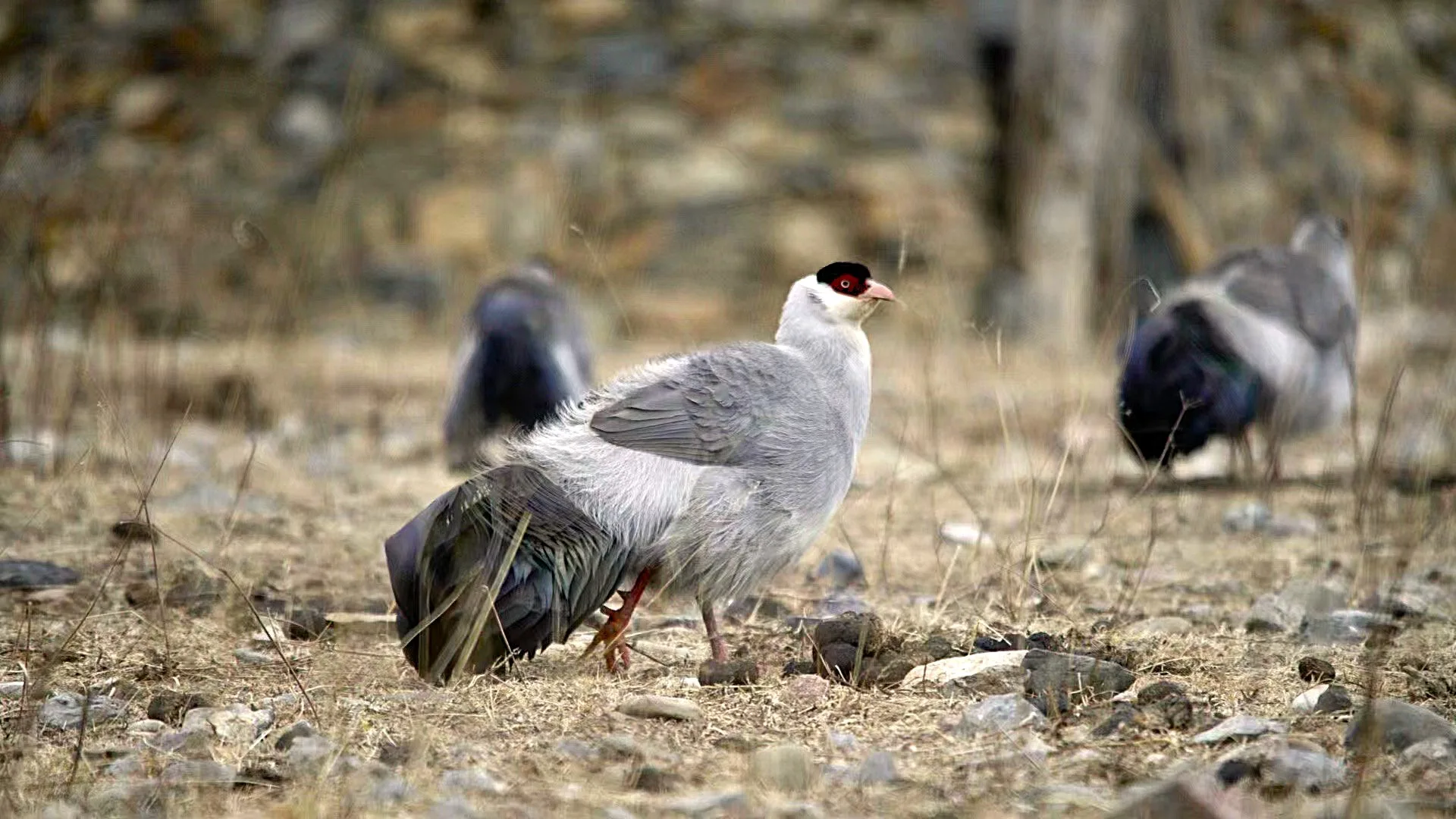
For birders looking beyond the more familiar plateau species, Nangqian is well worth the extra distance. Baizha Forest holds the kind of moist conifer forest and gorge habitat that is relatively scarce across much of the plateau, with White Eared Pheasant, Blood Pheasant, Buff-throated Monal-Partridge, and Giant Laughingthrush among the key targets.- Kanda Mountain shifts back into classic high-altitude country: scrub, meadow, and scree, with Tibetan Bunting often high on the list for serious birders. Tibetan Babax, Tibetan Snowcock, rosefinches, and accentors add further interest. May to July is generally the strongest window for breeding-season birding in the area.
- Longbao Wetland
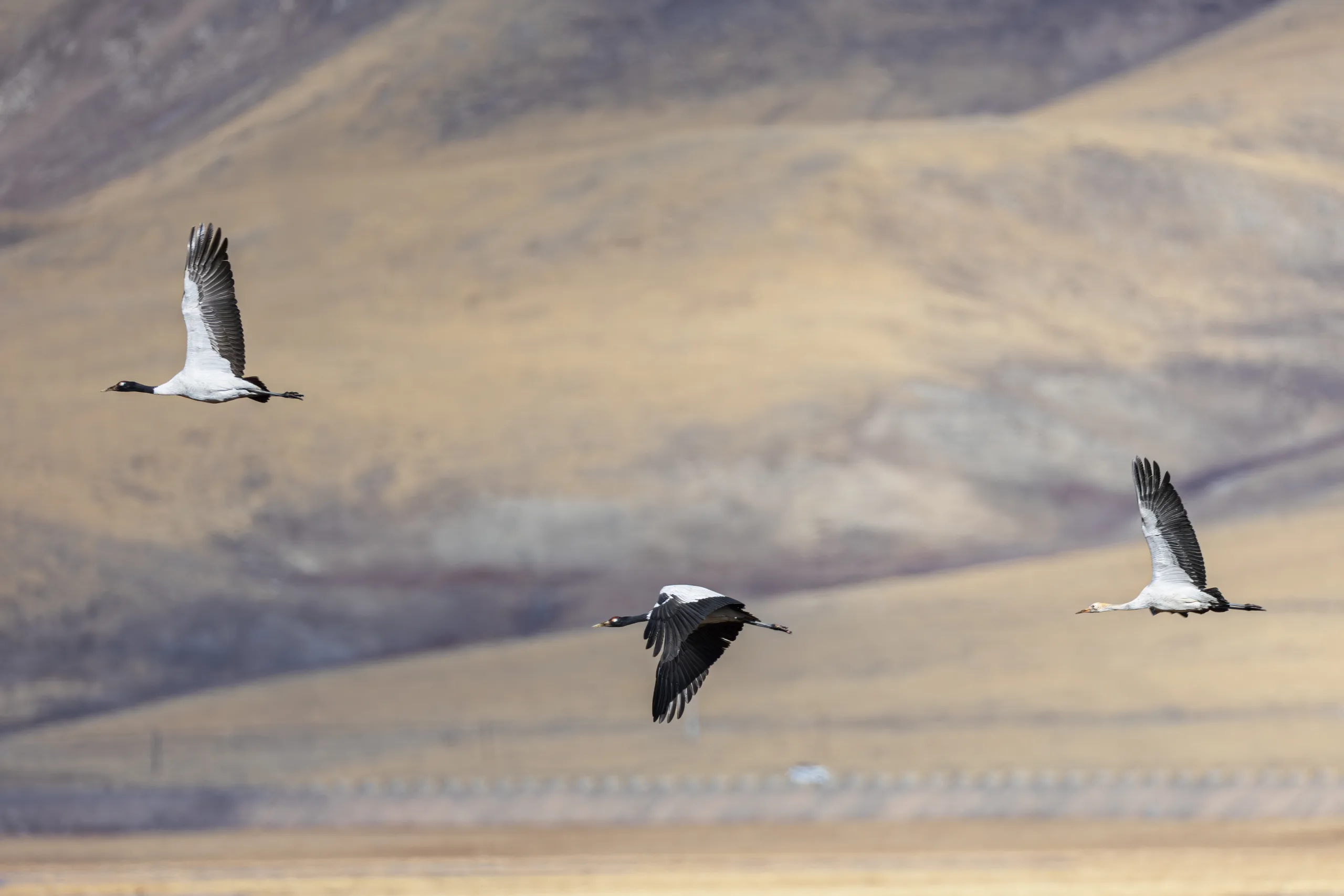
For birders with Black-necked Crane high on the list, Longbao Wetland near Yushu is one of Qinghai’s more compelling breeding-season stops. At around 4,200 metres, the cranes use its mosaic of shallow water, marsh, and alpine meadow for nesting and raising young, giving the site a very different feel from the broader plateau birding elsewhere in the province.- The wetland also supports species such as Black Stork, Relict Gull, Bearded Vulture, and Himalayan Vulture. Late spring and summer are the key months for cranes, but Longbao is very much a high-altitude site: weather can turn quickly, and visibility or road conditions may determine how productive the day actually is.
- Tibet · Lhasa & Nyingchi
In Tibet, birding slips naturally into a much broader journey. Around Lhasa, alpine scrub, farmland, wetlands, and river valleys support Tibetan Eared Pheasant, Tibetan Snowcock, Tibetan Partridge, Black-necked Crane, and a wide range of plateau passerines. Winter is particularly rewarding around the Lhasa River and Lhundrub, when Black-necked Cranes and other waterbirds gather in larger numbers.- Birdlife changes again around Nyingchi, where the climate is wetter and the forests richer. Lord Derby’s Parakeet, White-browed Tit-Warbler, rosefinches, and other woodland species become more prominent, while Sejila Pass brings the route back into high-altitude habitat for Buff-throated Monal-Partridge, Blood Pheasant, and Tibetan Eared Pheasant.
- Tibet is also one of those places where the birding never feels isolated from the landscape and culture around it. A morning in the field can sit naturally alongside Potala Palace, Norbulingka, the forests of Lulang, or views of Namcha Barwa from Sejila Pass.
- For travellers who want Tibetan culture to play a larger part in the journey, Eastogo’s 9-day Tibet: From Sacred Monasteries to Everest offers a more culture-led route through the region.
For serious birders, May and June are usually the strongest months for breeding birds across the Qinghai–Tibet Plateau. Mammal watching comes into its own later in the year, when Qinghai can be particularly rewarding for combining birding with species such as Tibetan Fox, Tibetan Gazelle, Blue Sheep, and Wolf.
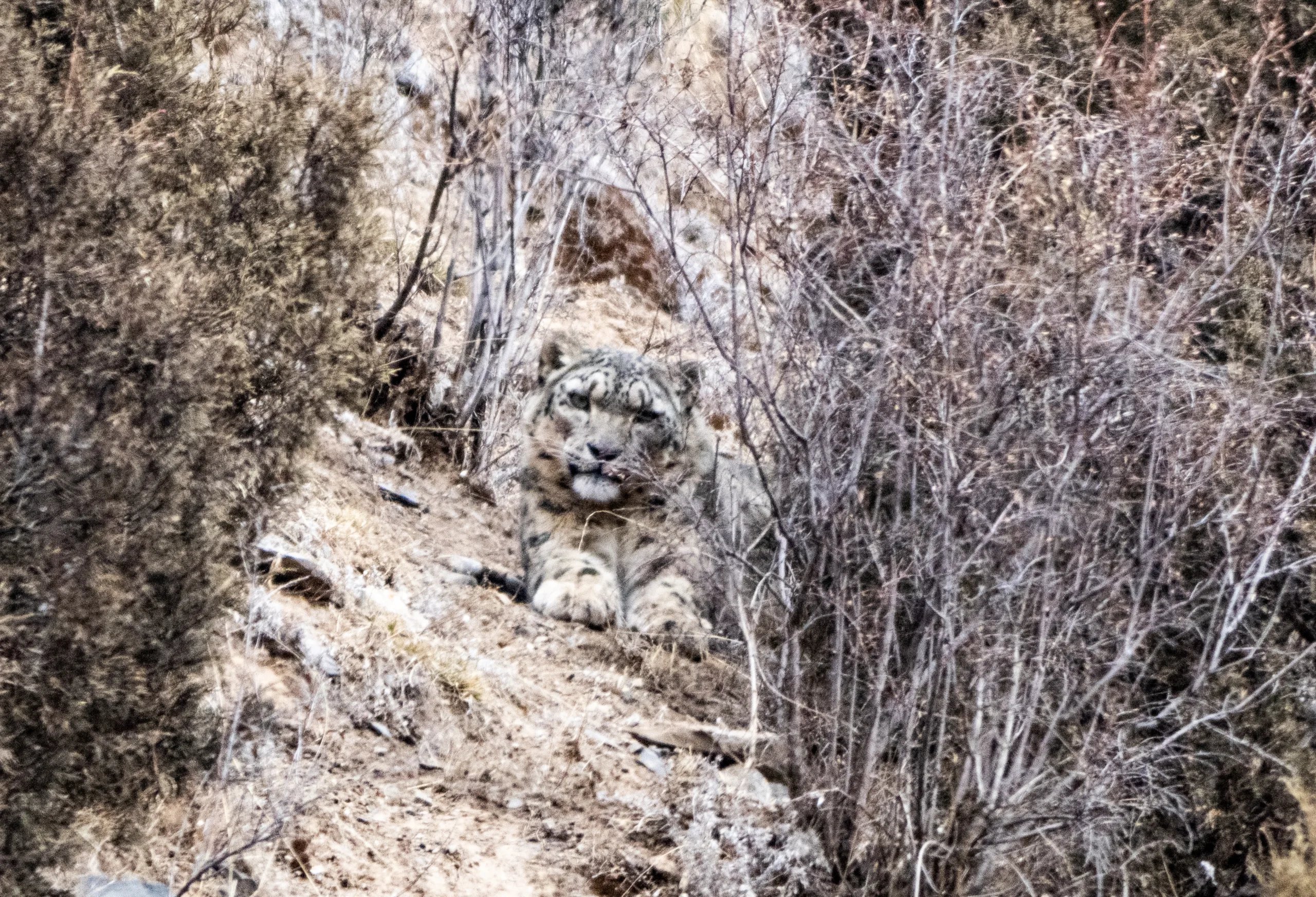
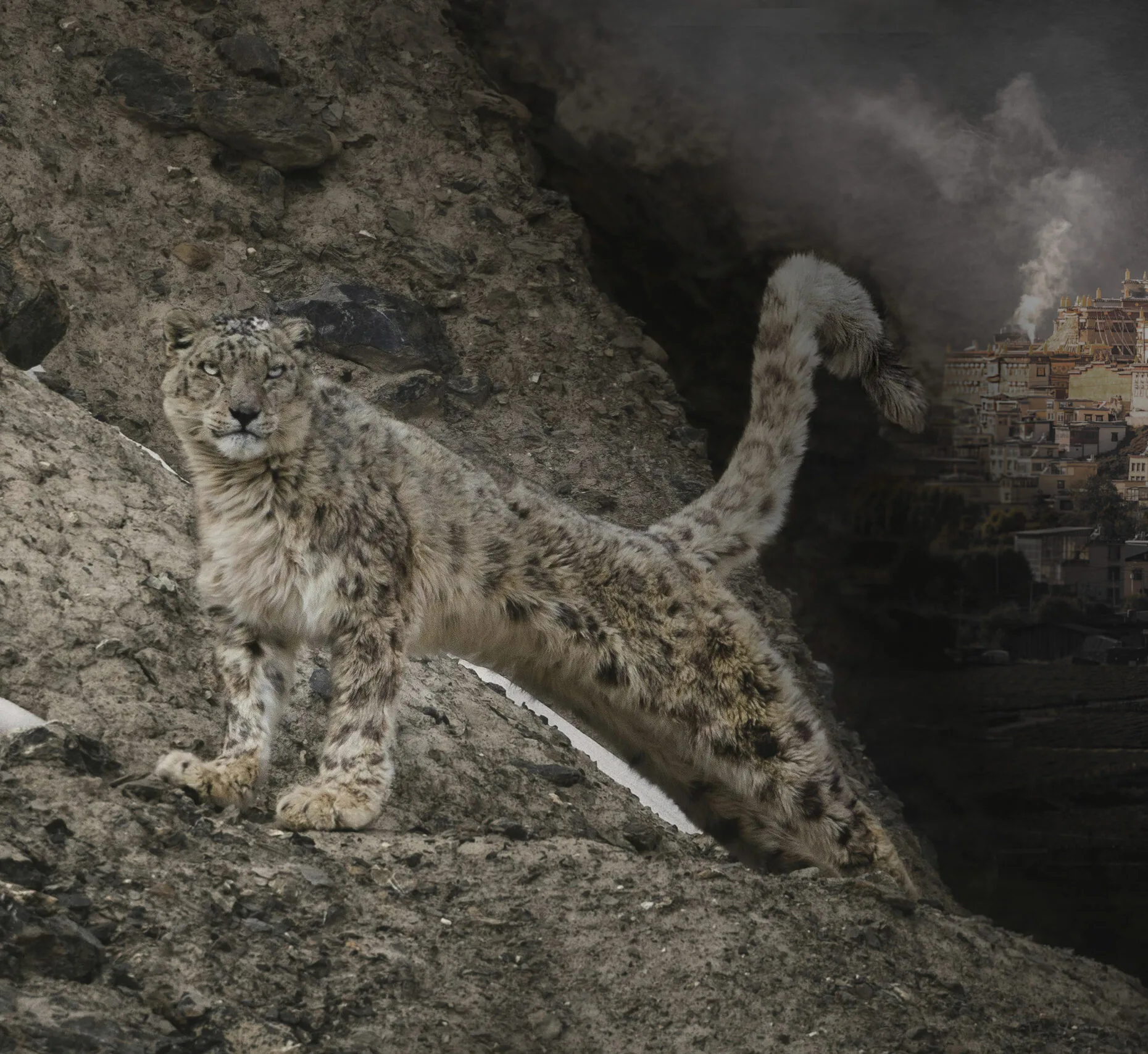
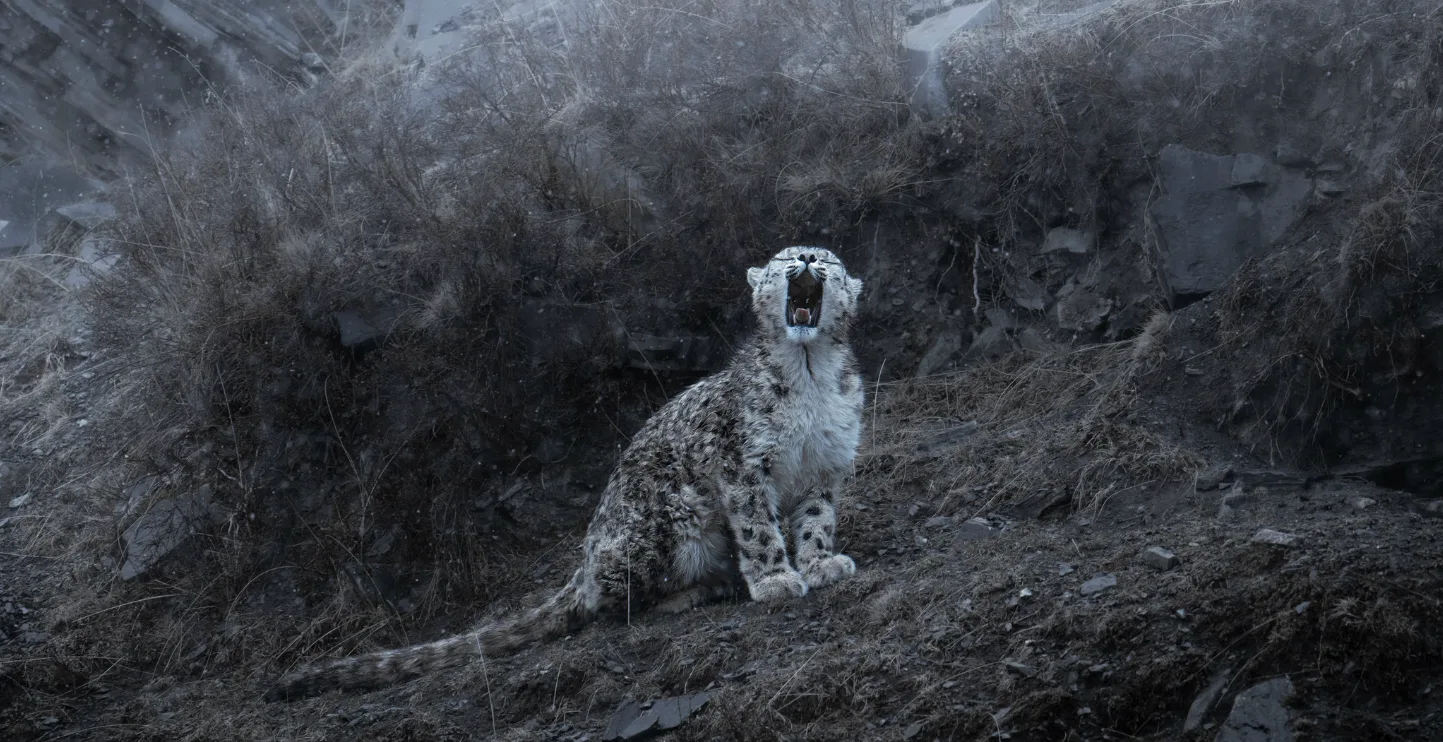
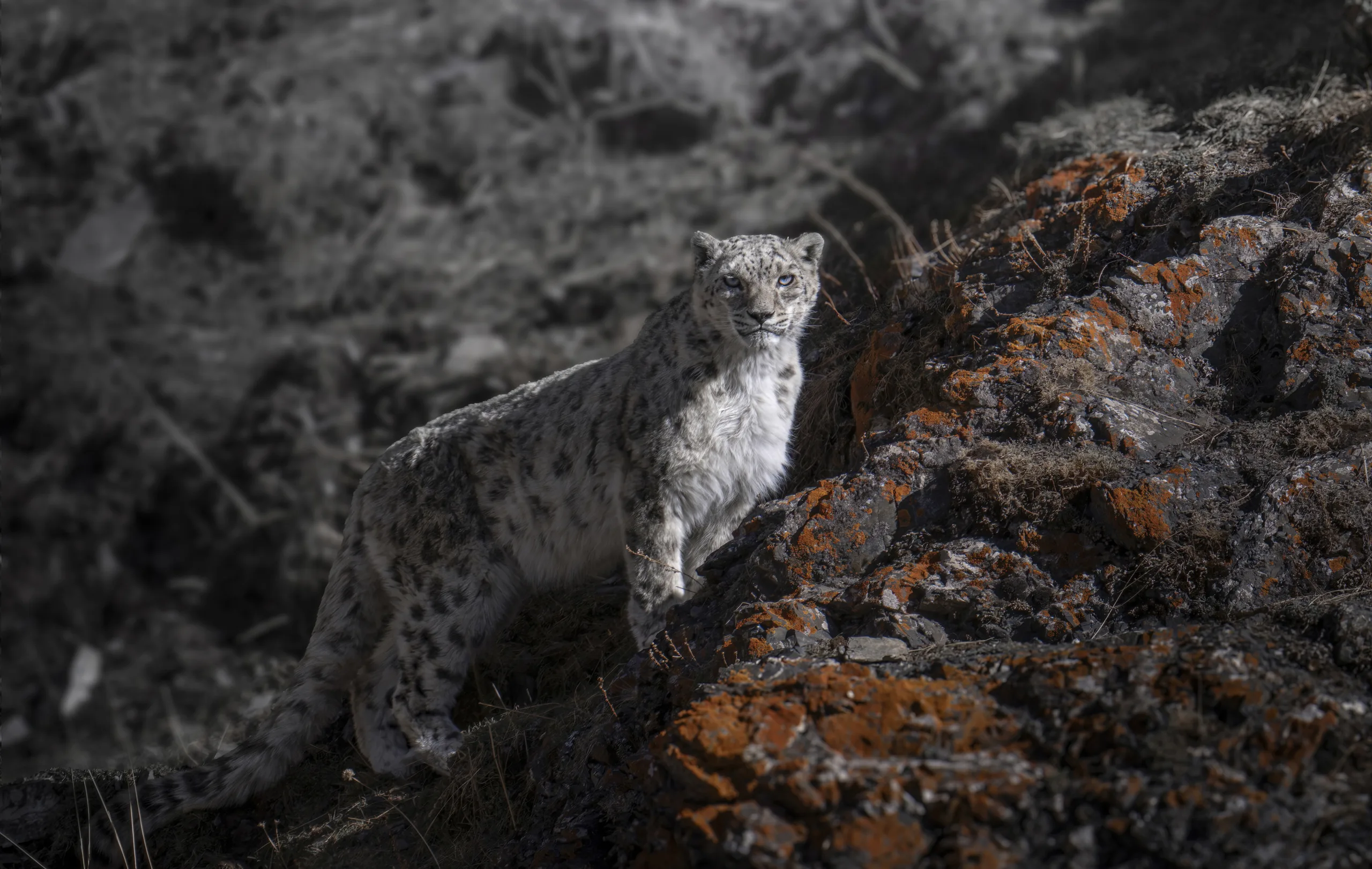
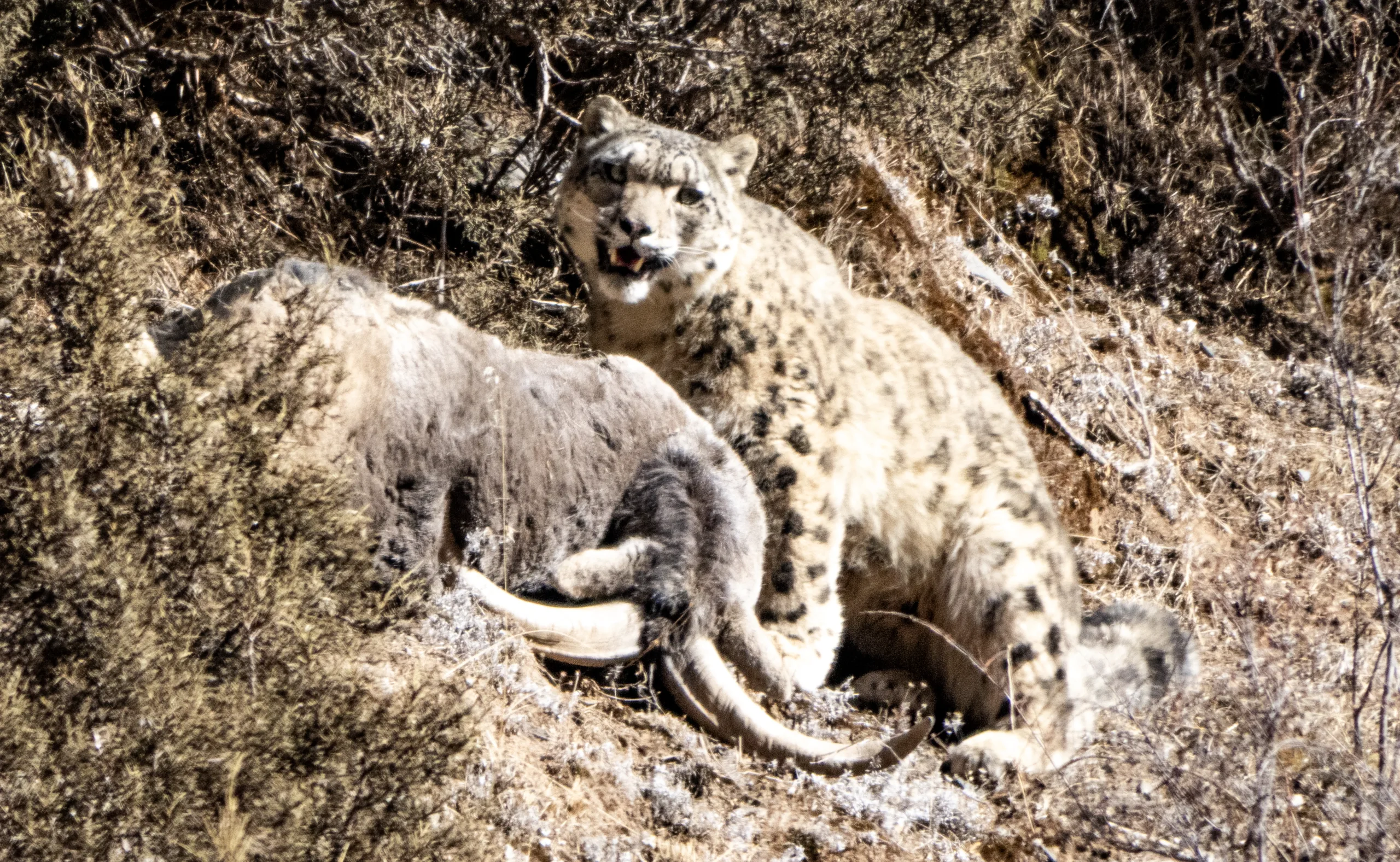
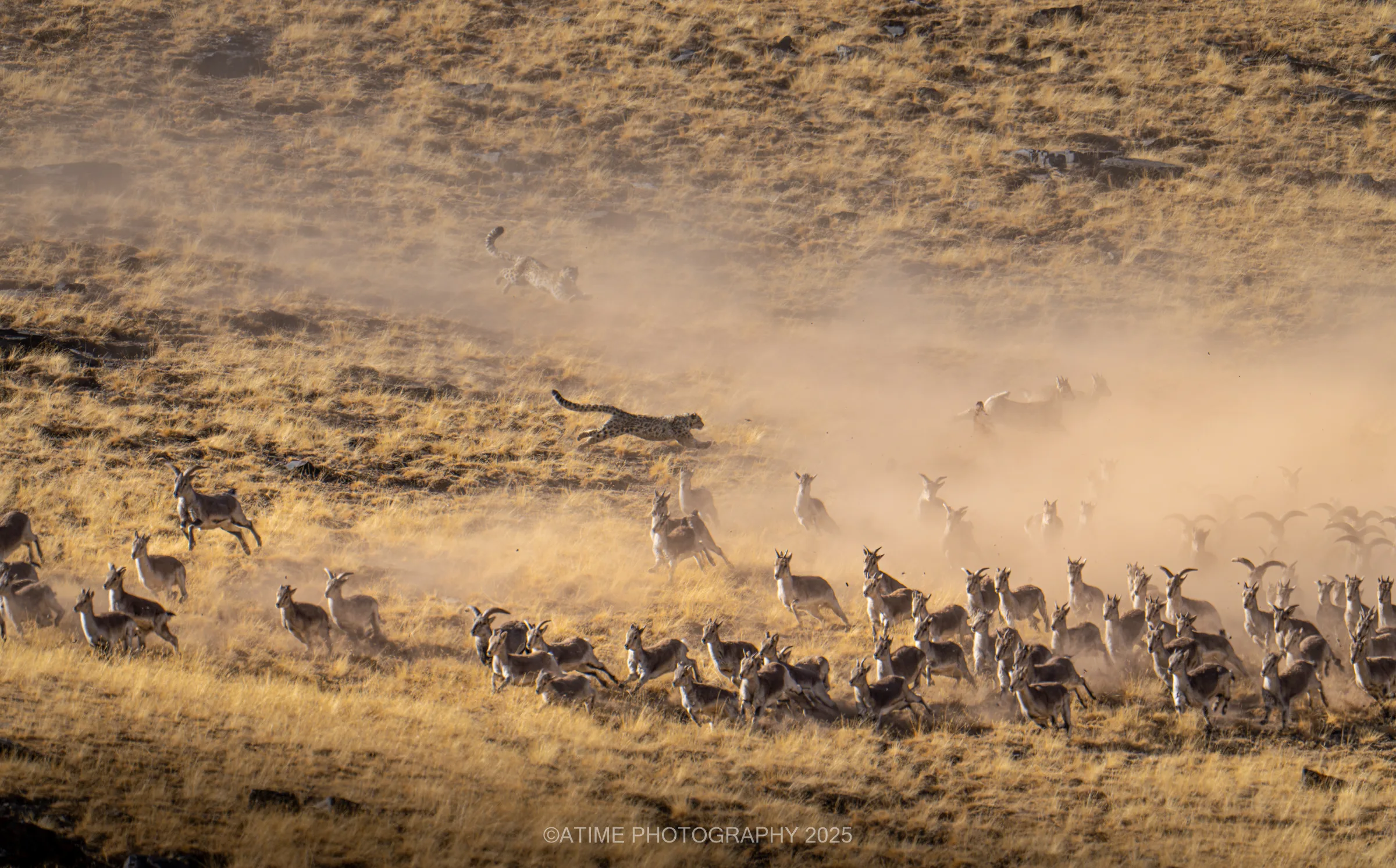
China also holds the world’s largest snow leopard population. From October into winter, a birding journey can be extended into Yushu with Eastogo’s 8-day Snow Leopard Expedition, turning a plateau birding trip into a broader Tibetan Plateau wildlife journey.
Photographing Snow Leopards, Pallas’s Cats, and Eurasian Lynx in China (12days)
view detailMore Birding Destinations Across China
| Region | Key Birding Sites | What Makes It Different | Signature Targets | Best Season | How to Approach It |
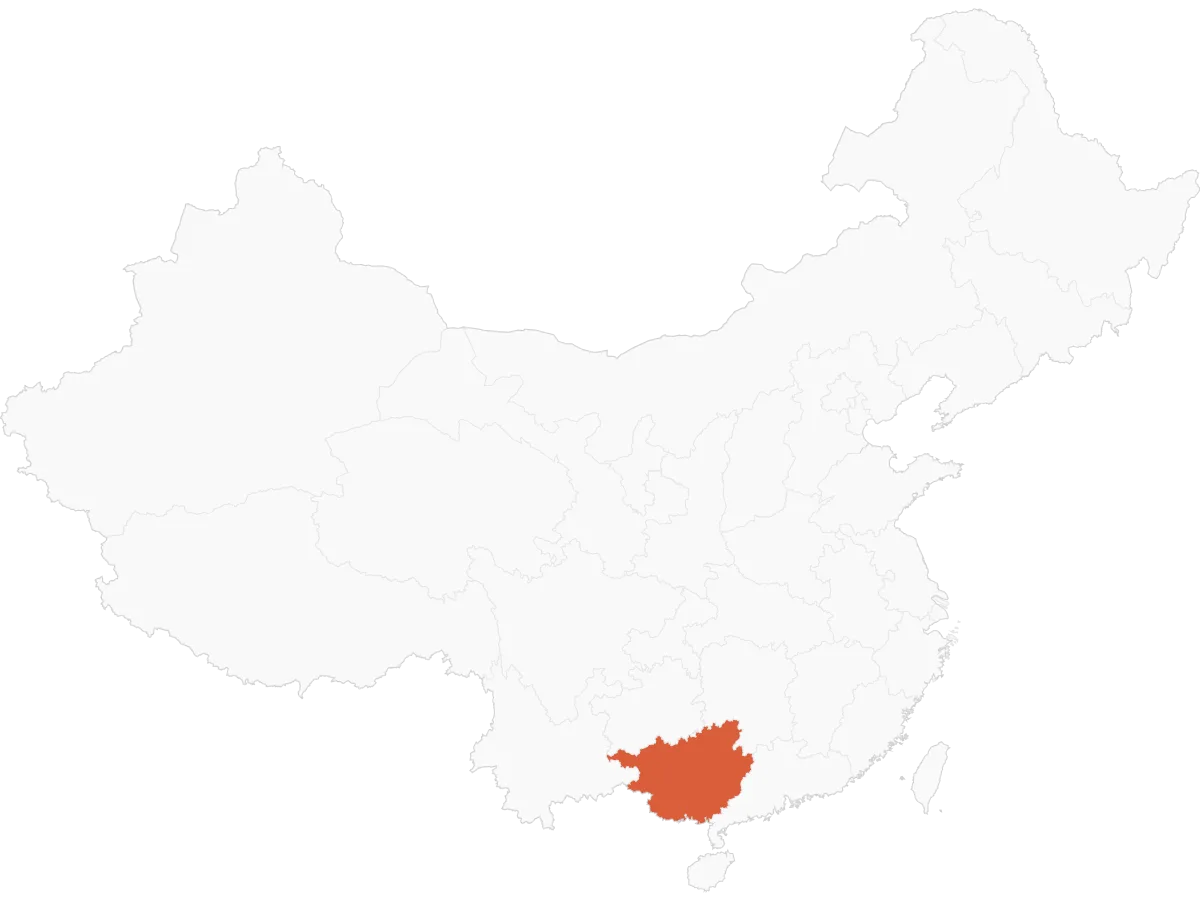
| Guangxi | Nonggang, Mao’ershan, Guantouling, Fangchenggang, Napo in Baise | One of southern China’s most varied birding regions, ranging from karst seasonal rainforest along the Vietnam border and high-elevation cloud forest to the migration coast of the Beibu Gulf. | Nonggang Babbler, Golden Parrotbill, Temminck’s Tragopan, Slaty-bellied Tesia, Oriental Honey-buzzard, Spoon-billed Sandpiper | Nonggang: Feb–mid Mar; Mao’ershan: Apr–Jun; coast: Aug–Oct; Napo: Nov–Mar | Nonggang is the home of the endemic Nonggang Babbler and works especially well with local guides and hides. Mao’ershan is known for its “Three Golds,” but weather can make or break the day. Guantouling and Fangchenggang combine well for autumn migration, while Napo makes most sense for birders with a specific warbler target. |
| Fujian | Wuyishan, Emeifeng, Minjiang Estuary, Xiamen, Fuzhou National Forest Park | Montane evergreen forest and southeast China’s coastal wetlands can be combined in one trip, making it possible to move from rare pheasants to migrant shorebirds and seabirds. | Cabot’s Tragopan, Elliot’s Pheasant, White-necklaced Partridge, Chinese Crested Tern, Black-faced Spoonbill, Blue-tailed Bee-eater | Forest birds: Apr–Jun; wintering waterbirds: Nov–Mar; migration: Apr–May & Sep–Oct | Wuyishan and Emeifeng are the stronger pheasant sites, while the Minjiang Estuary and Xiamen open up the coast. Fuzhou National Forest Park is an easy urban forest stop with very little logistical effort. |
| Jiangxi | Poyang Lake, Wuyuan | Two completely different birding experiences: one of the world’s great winter waterbird wetlands, and a landscape of villages, mature trees, and streams supporting highly localised forest birds. | Siberian Crane, Oriental Stork, Blue-crowned Laughingthrush, Pied Falconet, Scaly-sided Merganser | Poyang Lake: Nov–Mar; Blue-crowned Laughingthrush: Apr–Jul, especially May–Jun | Poyang is at its best for winter cranes and large waterbird concentrations. Wuyuan is much more target-driven: if Blue-crowned Laughingthrush is the priority, the trip should be built around its breeding season. |
| Middle Yangtze Wetlands | Fuhe, Zhangdu Lake and Liangzi Lake around Wuhan; Dongting Lake | A vast network of lakes, mudflats, and marshes where winter birding is about scale: large concentrations of ducks, geese, cranes, storks, and other waterbirds. | Baer’s Pochard, Siberian Crane, Oriental Stork, Tundra Swan, Scaly-sided Merganser | Nov–Mar, with the largest concentrations often from Dec–Feb | Wuhan’s wetlands are particularly important for globally threatened waterbirds such as Baer’s Pochard. Dongting Lake offers a broader large-wetland experience, with huge wintering flocks spread across an enormous landscape. |
| Central China Mountain Forests | Shennongjia in Hubei, Dongzhai in Henan | Forest birding replaces the wetland focus here, with old-growth mountain forest, bamboo, and agricultural edges supporting pheasants, parrotbills, pittas, and other woodland species. | Reeves’s Pheasant, Fairy Pitta, Three-toed Parrotbill, Great Parrotbill, Temminck’s Tragopan | Apr–Jul; Reeves’s Pheasant is especially active during the Mar–Apr courtship period | Shennongjia has recorded more than 480 bird species and is particularly strong for montane forest birds and parrotbills. Dongzhai stands out for Reeves’s Pheasant, Crested Ibis, Fairy Pitta, and a rich owl community. |
| Qinling Mountains & Yangxian | Yangxian, southern Qinling Mountains | Rice fields, rivers, villages, and mountain forest meet in one landscape. Crested Ibis can appear surprisingly close to everyday human life, feeding beside fields or perching near villages. | Crested Ibis, Golden Pheasant, Tawny Fish Owl, Three-toed Parrotbill, Asian Barred Owlet | Nov–Feb for ibis flocks and winter photography; Mar–May for breeding activity and spring forest birds | Yangxian is one of the classic places to see Crested Ibis, whose global population has recovered to around 11,000 birds. In spring, ibis watching can be combined naturally with Golden Pheasant and Qinling forest birding. |
| Hainan | Jianfengling, Bawangling, Danzhou Bay, Dongzhai Port | Tropical rainforest, mangrove, and coastal mudflat birding can all be covered in one trip, making Hainan the key Chinese destination for island endemics and tropical forest birds. | Hainan Peacock-Pheasant, Hainan Partridge, Hainan Leaf Warbler, Spoon-billed Sandpiper, Collared Kingfisher | Broadly Oct–Mar | Jianfengling and Bawangling are the main rainforest sites for Hainan endemics. Danzhou Bay is particularly important for Spoon-billed Sandpiper, while Dongzhai Port is stronger for Collared Kingfisher, Black-faced Spoonbill, and other wetland birds. |
| Hulunbuir / Greater Khingan Mountains | Wuerqihan | Winter birding where grassland meets boreal forest, with snow-covered landscapes and a strong focus on northern owls, grouse, and woodpeckers. | Snowy Owl, Great Grey Owl, Northern Hawk-Owl, Ural Owl, Black-billed Capercaillie | Nov–Feb; early February can be particularly good for Snowy Owl photography | Winter days are usually spent searching by vehicle along forest edges, open country, and snowy clearings. Wuerqihan can produce several owl species in the same trip and has relatively reliable Snowy Owl sites, alongside Three-toed Woodpecker, White-backed Woodpecker, Black Woodpecker, and Black Grouse. |
| Xinjiang · Northern Xinjiang | Xiaodonggou in Altai, Ulungur Lake, Moguhu Lake near Shihezi, Manas River Valley, Burqin “Magic Forest”, Fukang | This is where China’s birdlife takes on a distinctly Central Asian character, from Altai tundra and Tianshan forest to desert wetlands, riparian woodland, and farmland. | Rock Ptarmigan, Willow Ptarmigan, White-headed Duck, Collared Pratincole, Black Woodpecker, Rufous-tailed Scrub Robin | Broadly May–Jul; Xiaodonggou: Jun–Aug | These six sites can be linked into a wider northern Xinjiang circuit. Xiaodonggou generally requires a 4WD vehicle and local guide; access to Moguhu should be checked before departure, and long driving days are part of the route elsewhere as well. |
Recommendations for Travellers and Extensions
How Many Days Do You Need for Birding in Sichuan?
There is no single ideal length for a Sichuan birding trip. The province covers such a wide elevational range that subtropical forest, montane woodland, alpine meadow, and plateau wetland can all sit within the same broader route, each with a very different bird community.
A better way to plan is to start with the species and habitats you care about most, then build the itinerary around the sites that give you the strongest chances of finding them.
For most birders, April to June is the classic season, with September and October offering another strong window. Because Sichuan’s main birding areas complement one another so well, combining several habitats also spreads the risk: even if one site is quiet, the trip as a whole is rarely defined by a single unproductive day.
Under 7 days: focus on one or two main habitats. With limited time, it usually makes more sense to spend 2–3 days in each major birding area rather than trying to cover too much ground.
- Wolong & Balangshan — Best for high-altitude targets such as Chinese Monal, White Eared Pheasant, Blood Pheasant, and Tibetan Snowcock.
- Wawushan & Longcanggou — Strong for mid- to lower-elevation forest birds, particularly parrotbills, Temminck’s Tragopan, Lady Amherst’s Pheasant, and a range of Chinese endemics. These are also among the better areas in Sichuan for a chance encounter with Red Panda.
- Ruoergai — Best for plateau grassland, wetlands, and conifer forest along the plateau edge, with Black-necked Crane and a broad mix of Tibetan Plateau specialities among the main targets.
8–12 days: build a classic Sichuan birding circuit. This is enough time to combine three or four contrasting birding areas without turning the trip into a constant series of transfers.
Possible combinations include:
- Yibin for Sichuan Partridge + Wawushan + Balangshan
- Wawushan + Balangshan + Mengbishan
- Yibin + Wawushan + Balangshan + Mengbishan or Ruoergai
This length works especially well for first-time visitors who want a broad introduction to Sichuan, moving from forest endemics and pheasants into high-altitude and plateau birding within the same trip.
13–16 days: a more complete Sichuan birding circuit. This is close to the length used by many specialist Sichuan birding tours, and it gives enough time to cover a wider spread of habitats without rushing every stop.
A route might combine Yibin + Wawushan + Balangshan + Mengbishan + Ruoergai, or take the opposite approach and spend longer within one or two habitat systems for more patient observation and better chances to watch behaviour.
Our own 13-day Sichuan birding itinerary, for example, includes Tangjiahe, Wawushan, Longcanggou, Laba River, Kangding, and Yibin, allowing more time in both forest and high-altitude habitats rather than treating each site as a quick stop.
More than 16 days: build a full Sichuan birding itinerary. With this much time, you can go well beyond the core route and add places such as Laba River, Chuanzhu Temple, Tangjiahe, and Jiuzhaigou, opening up more habitat types and giving you better chances at regional specialities and harder-to-find targets.
Travel time between major birding areas is typically 2–5 hours, and public transport is rarely practical for reaching the key sites directly. For serious birders, working with a specialist birding operator can make a major difference to how efficiently the route is put together, reducing unnecessary transfers and giving you more time where it matters most: in the field.
Encounter China’s Endemic birds and Wild Red Pandas in Sichuan (13 days)
view detailContinue into Wildlife
If your interests extend beyond birds, a Sichuan trip in April or October can be followed by an 8-day Snow Leopard Expedition in Yushu, Qinghai.
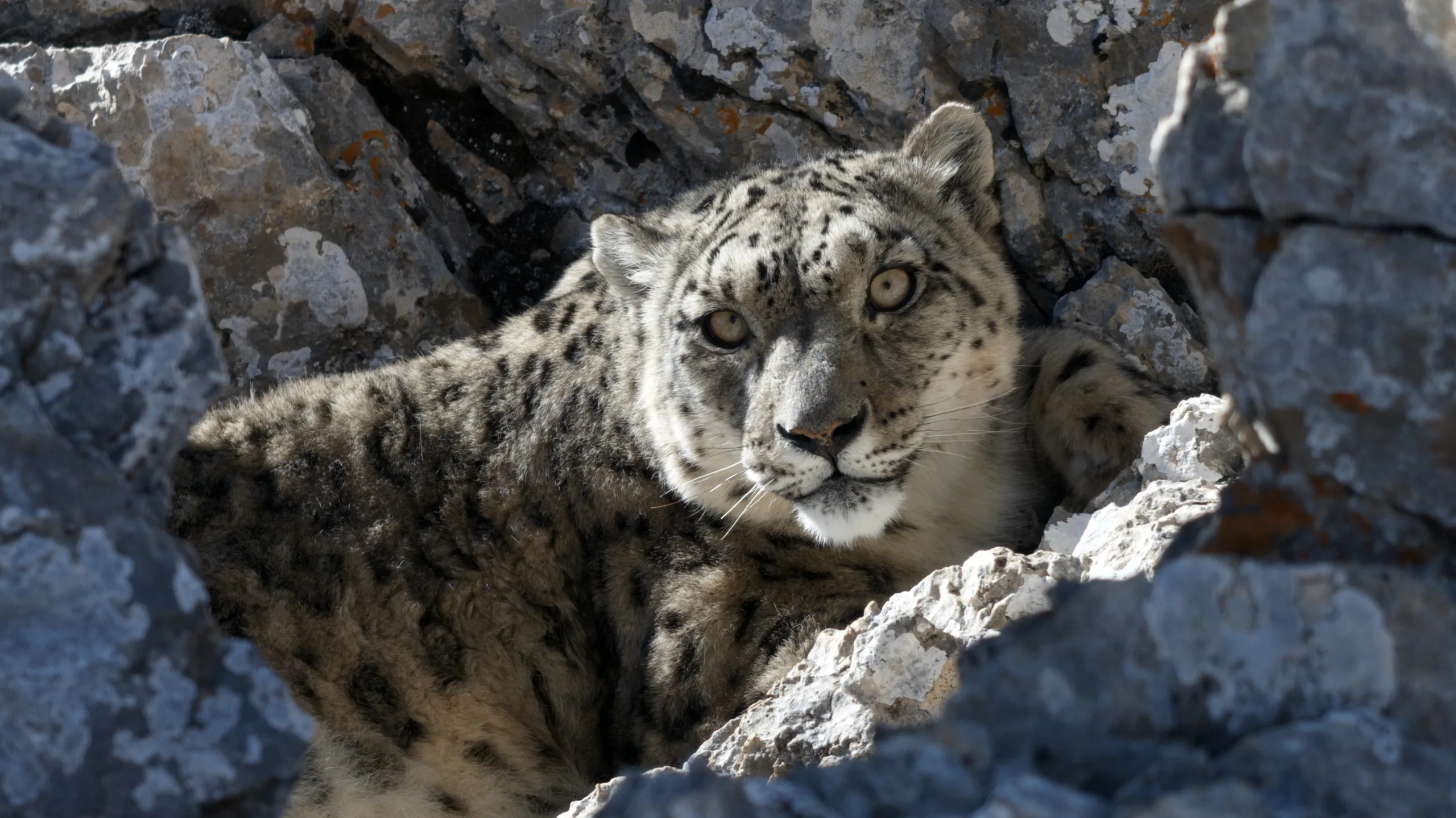
China supports the world’s largest snow leopard population, and Sanjiangyuan National Park, where Yushu is located, has recorded more than 1,000 individual snow leopards. The region also lies at the heart of Kham Tibetan culture, so time in the field can sit naturally alongside encounters with local communities, monasteries, and everyday life on the plateau.
For travellers interested in both wildlife and culture, it is a natural way to turn a Sichuan birding trip into a broader journey across the Tibetan Plateau.
Continue into Culture
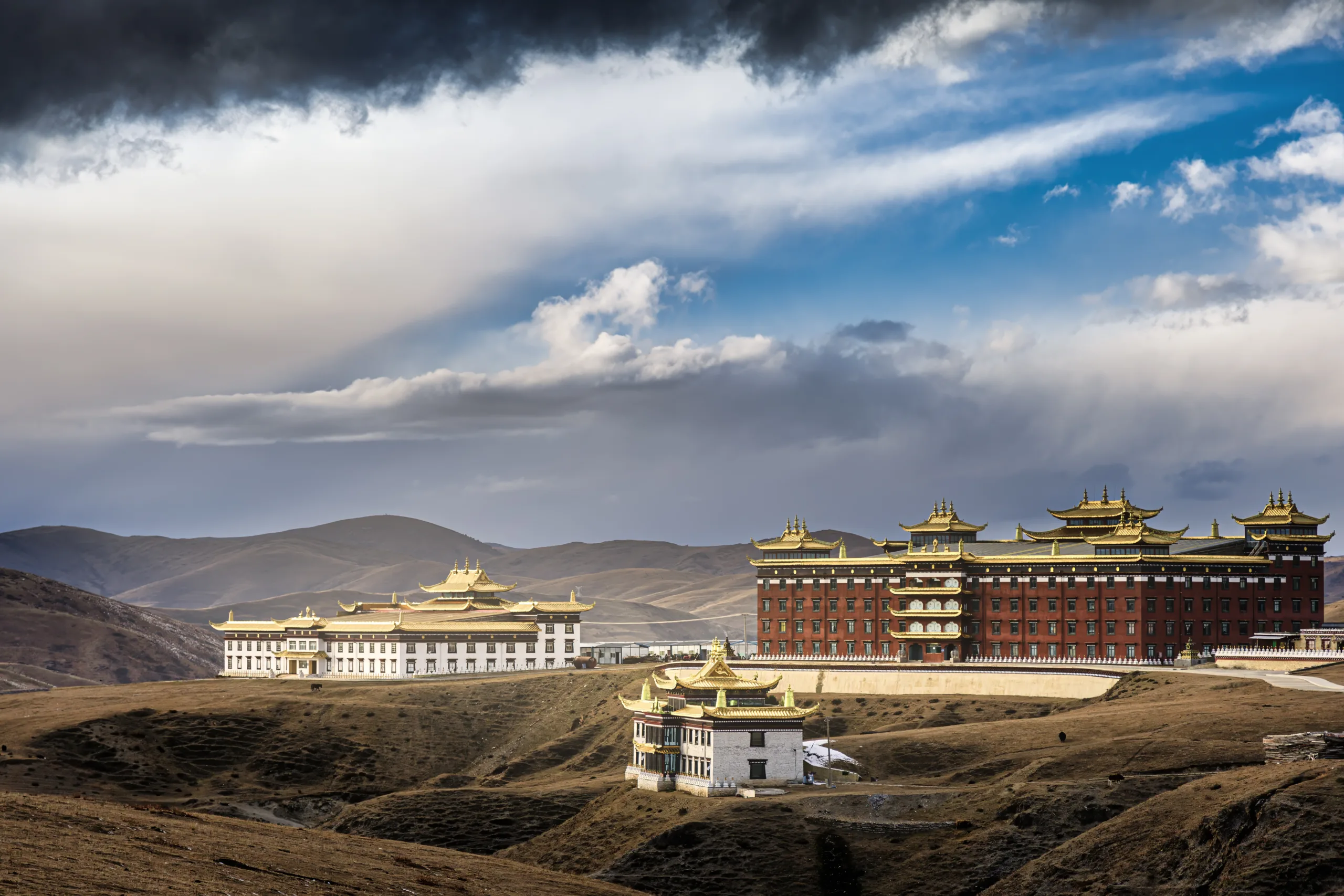
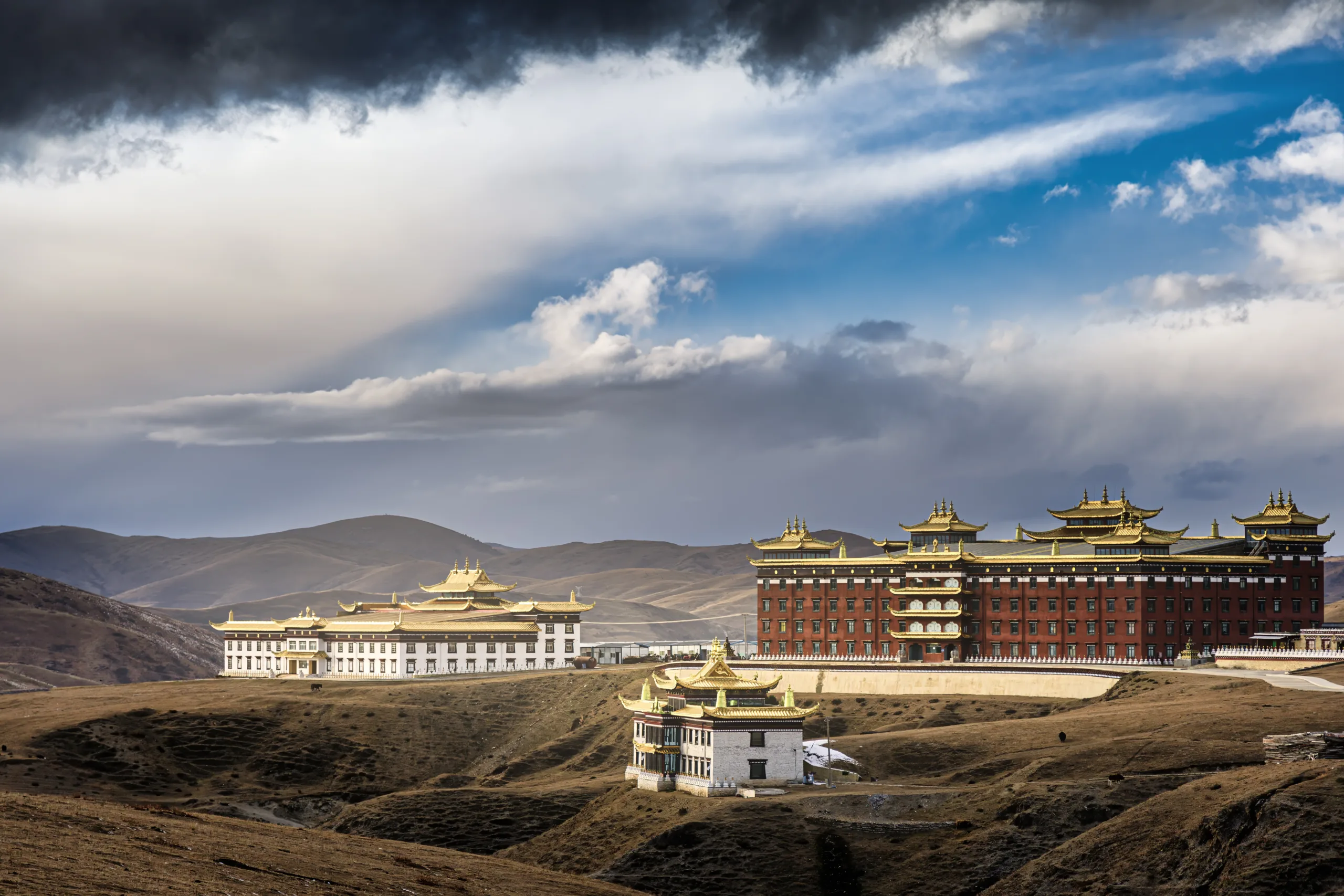
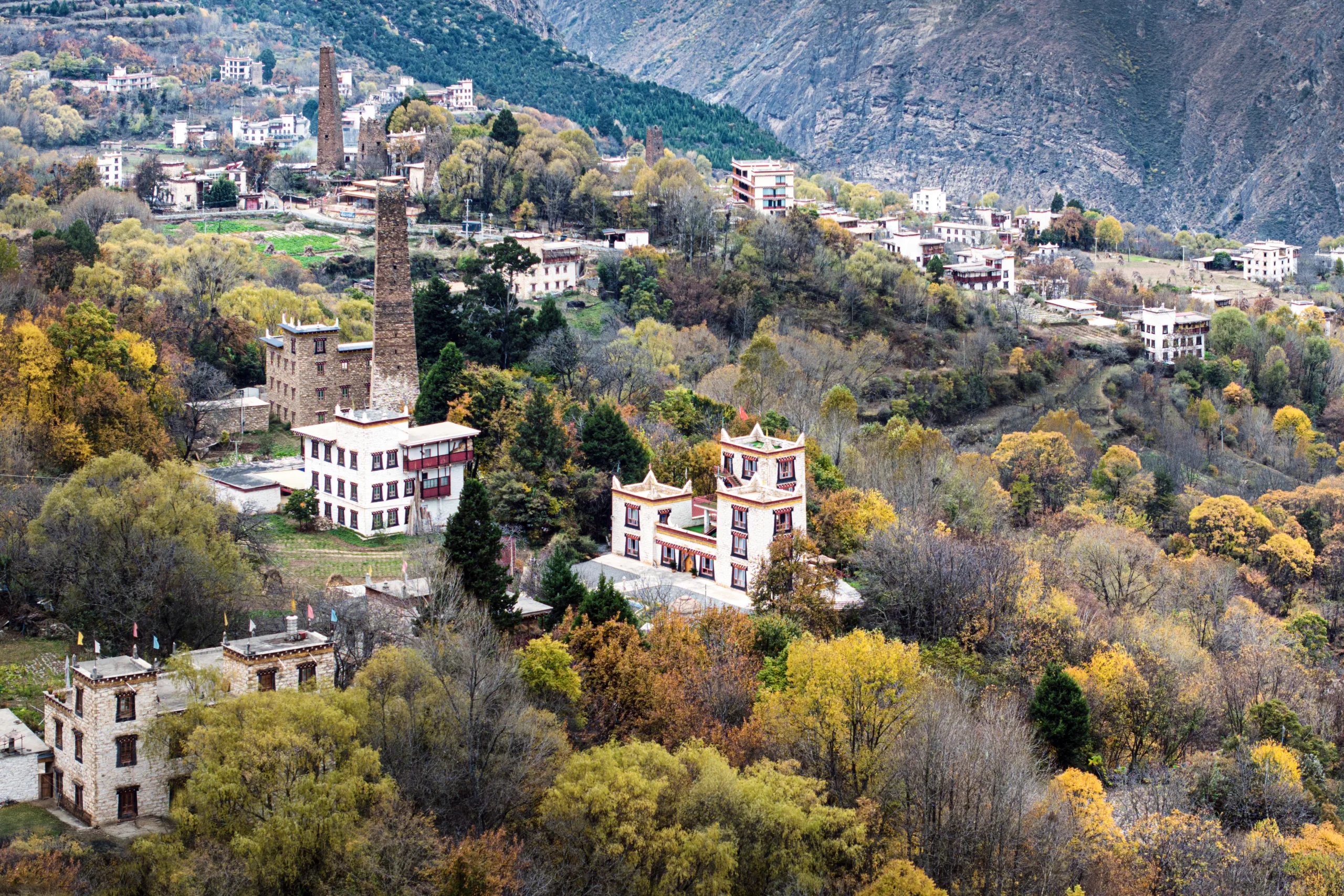
If local culture interests you as much as wildlife, western Sichuan offers a very different way to understand the region. This is the eastern edge of the Tibetan Plateau, where monasteries, pastoral communities, highland landscapes, and Khampa culture remain deeply woven into everyday life.
Compared with Tibet, access for international travellers is generally more flexible, which makes it easier to build a slower, more varied journey through the Tibetan areas of western Sichuan. Our 7-day Western Sichuan Tibetan Culture Journey is designed around that kind of experience, with more time for local communities, religious sites, and the landscapes that shape life on the plateau.
For travellers who want to go beyond Tibetan culture, Yunnan and Guizhou open up another side of southwest China. A 13-day cultural journey through Yunnan and Guizhou brings together a much wider range of ethnic communities, traditions, architecture, food, and village life, offering a broader introduction to the cultural diversity of the region.
Speak to An Expert
Starting Your Birding Tour to China
Start designing your China birding tour with our destination experts.
Make An InquiryWhy Choose Eastogo for Birding in China
Eastogo designs in-depth nature and wildlife journeys across China, with dedicated birding programmes in Sichuan, Yunnan, and other regions with exceptional bird diversity.
Our routes are built around habitats and target species rather than conventional sightseeing circuits. That may mean moving from the mountains of southwest China onto the Tibetan Plateau, from central China’s wetlands to the southeast coast, or combining several very different ecosystems in one journey to look for Chinese endemics, regional specialities, and seasonal migrants.
The quality of a birding trip often comes down to local knowledge. We work with experienced bird guides who understand not only identification, but also habitat, behaviour, calls, seasonal movement, and recent sightings. Across different regions, we also maintain long-term relationships with local guides, rangers, drivers, and communities. Their knowledge of forest tracks, productive areas, hides, and changing bird activity can make a substantial difference when searching for difficult targets.
We also believe that wildlife tourism should leave value behind in the places where the birds live. Using local guides, drivers, guesthouses, and community services allows more of the income generated by birding to remain within those communities, creating a more direct link between wildlife tourism, local livelihoods, and habitat conservation.
Logistics matter just as much as field knowledge. Many of China’s best birding sites lie in remote mountains, on the plateau, around wetlands, or close to protected areas. Public transport is rarely useful for reaching them efficiently, and road conditions, weather, altitude, and access rules can all reshape a route at short notice.
That is why we usually begin with your target species and the habitats they depend on, then build the itinerary around season, available time, transport, and field conditions. We do not start with a list of tourist attractions and try to fit birding around them.
Whether you are planning a short Sichuan birding trip or a longer journey across several regions of China, the route can be adjusted to your target list, preferred birding intensity, photography needs, and travel pace, with more time reserved for the places where waiting is genuinely worthwhile.
For a broader overview, see our China Birding Complete Guide and regional birding guides.
If you are planning a birding trip in China, send us your travel dates, priority species, previous birding destinations, and any existing bird list. We can use that information to build a route around the birds you are actually coming to see.