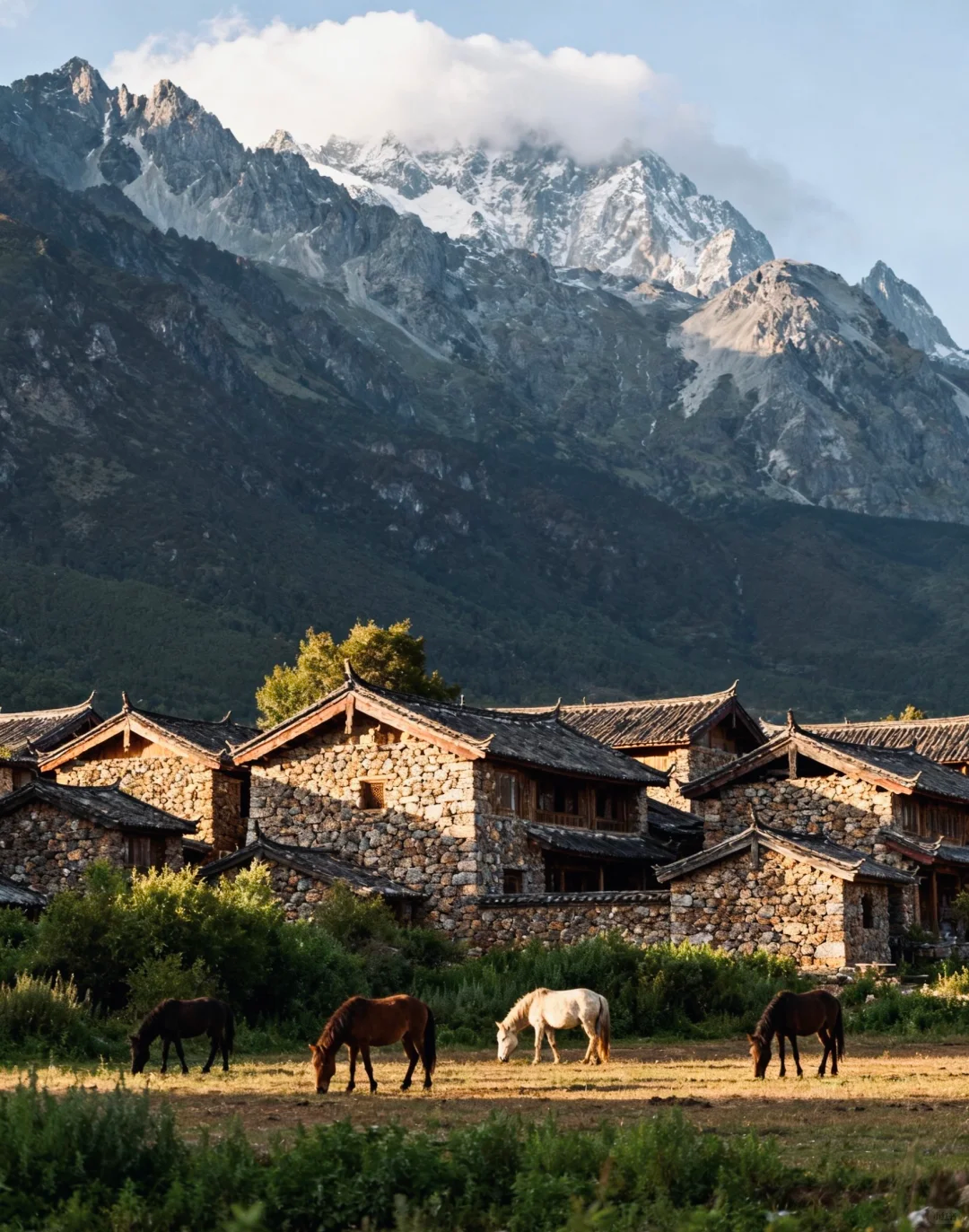
Yunnan: Ethnic Cultures & Snow Mountains
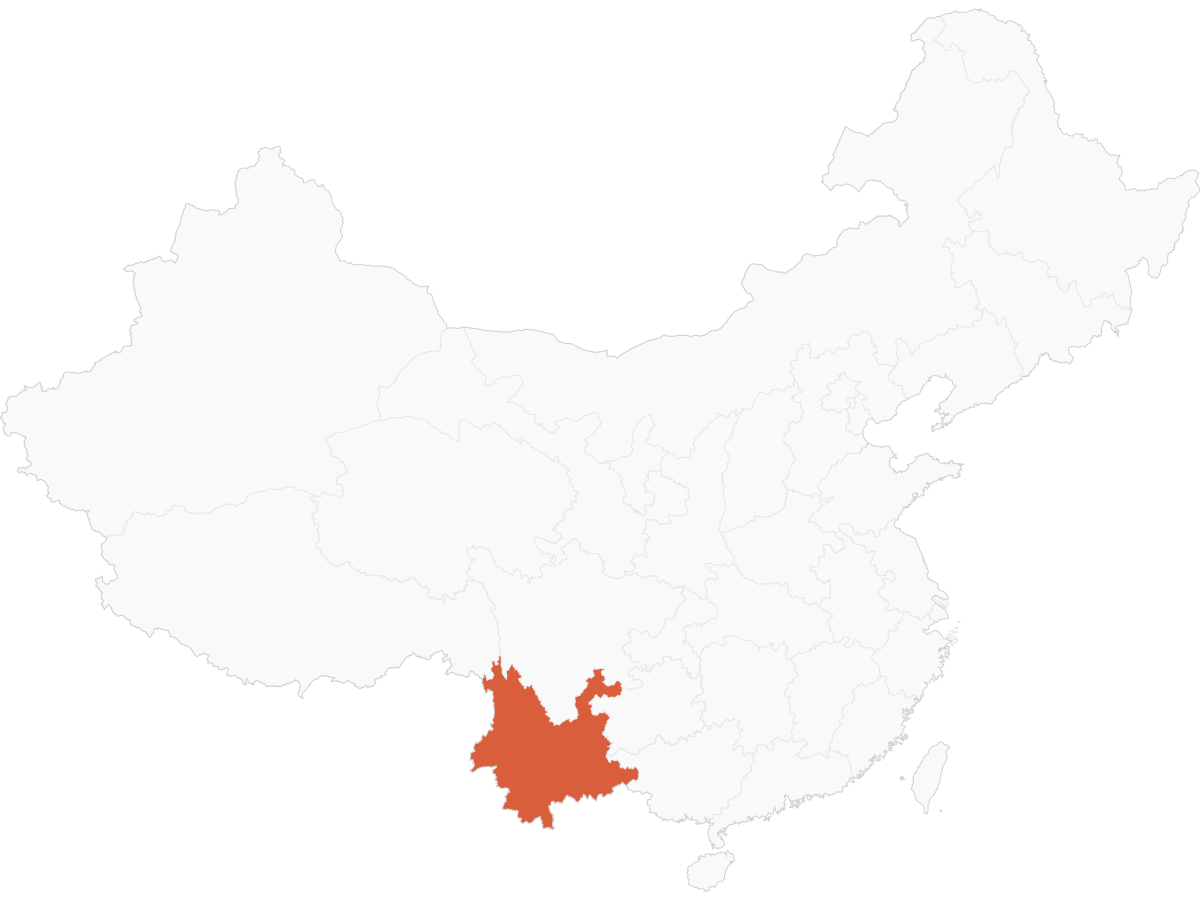
On this journey, we travel to Yunnan, the province with the greatest diversity of ethnic minorities and one of the most geographically varied regions in China.
From Dali to Shangri-La, end in Lijiang, blends iconic landscapes with intimate cultural moments. You’ll cycle beside Erhai Lake, learn traditional Bai tie-dye, and wander through Shaxi Ancient Town in misty mornings and star-filled nights.
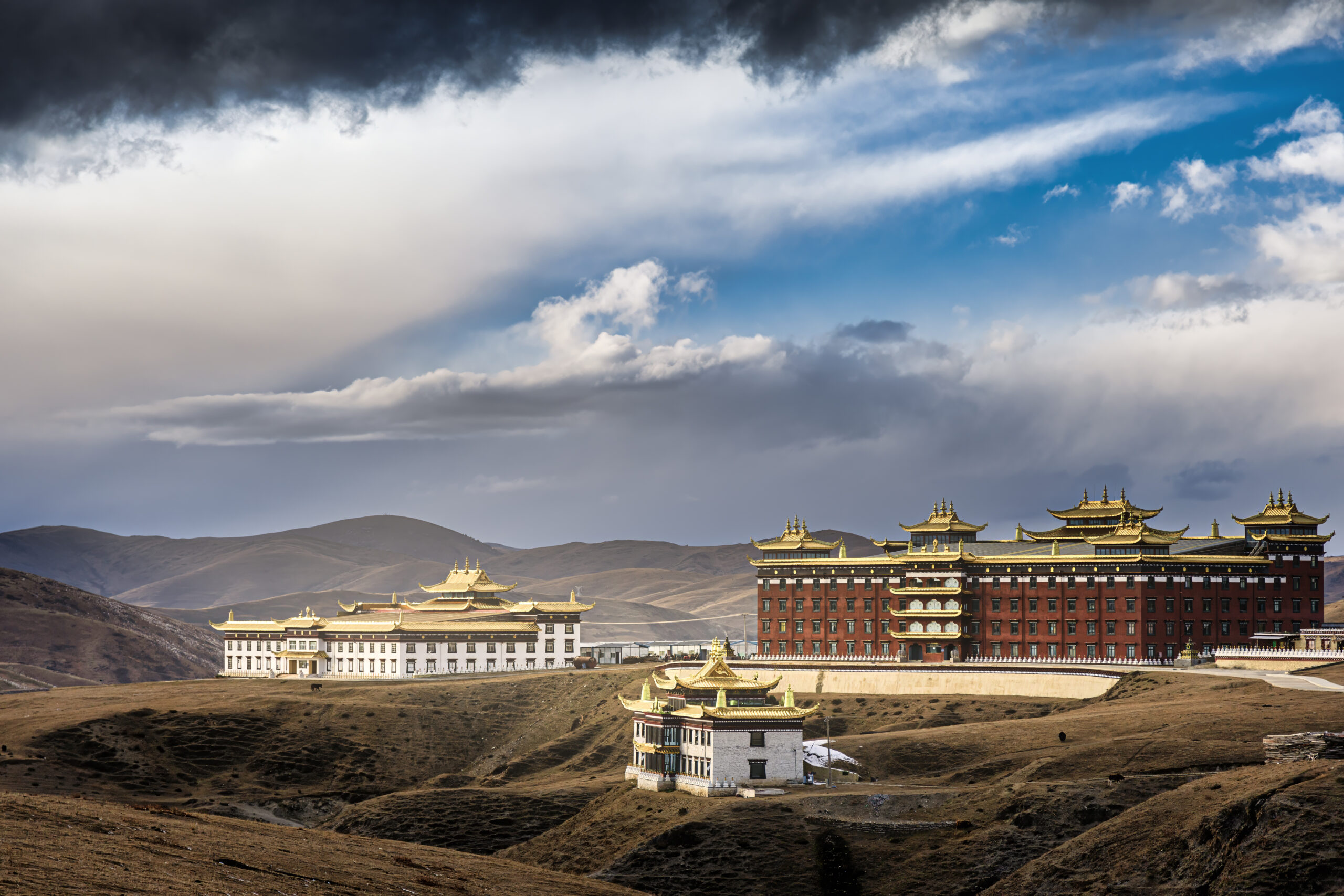
Stand before the raw power of Tiger Leaping Gorge, turn the biggest prayer wheels and climb through golden morning mist at Songzanlin Monastery. Witness alpenglow, hike or ride on horseback into the peaks, and paint your own Baisha mural.
Step into the lives of the Bai, Naxi, and Tibetan communities, sharing their everyday rhythms and truly experiencing life beneath the snow mountains.
This journey invites you into the utopia held in the hearts of the Chinese, living within the landscape itself, and embracing the romance of Yunnan’s timeless wind, flowers, snow, and moon.
Journey Highlights

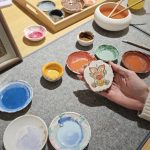
Experience traditional tie-dye with local Bai women in Xizhou, learning a Chinese intangible cultural heritage craft and taking home a piece of blue dyed by your own hands.
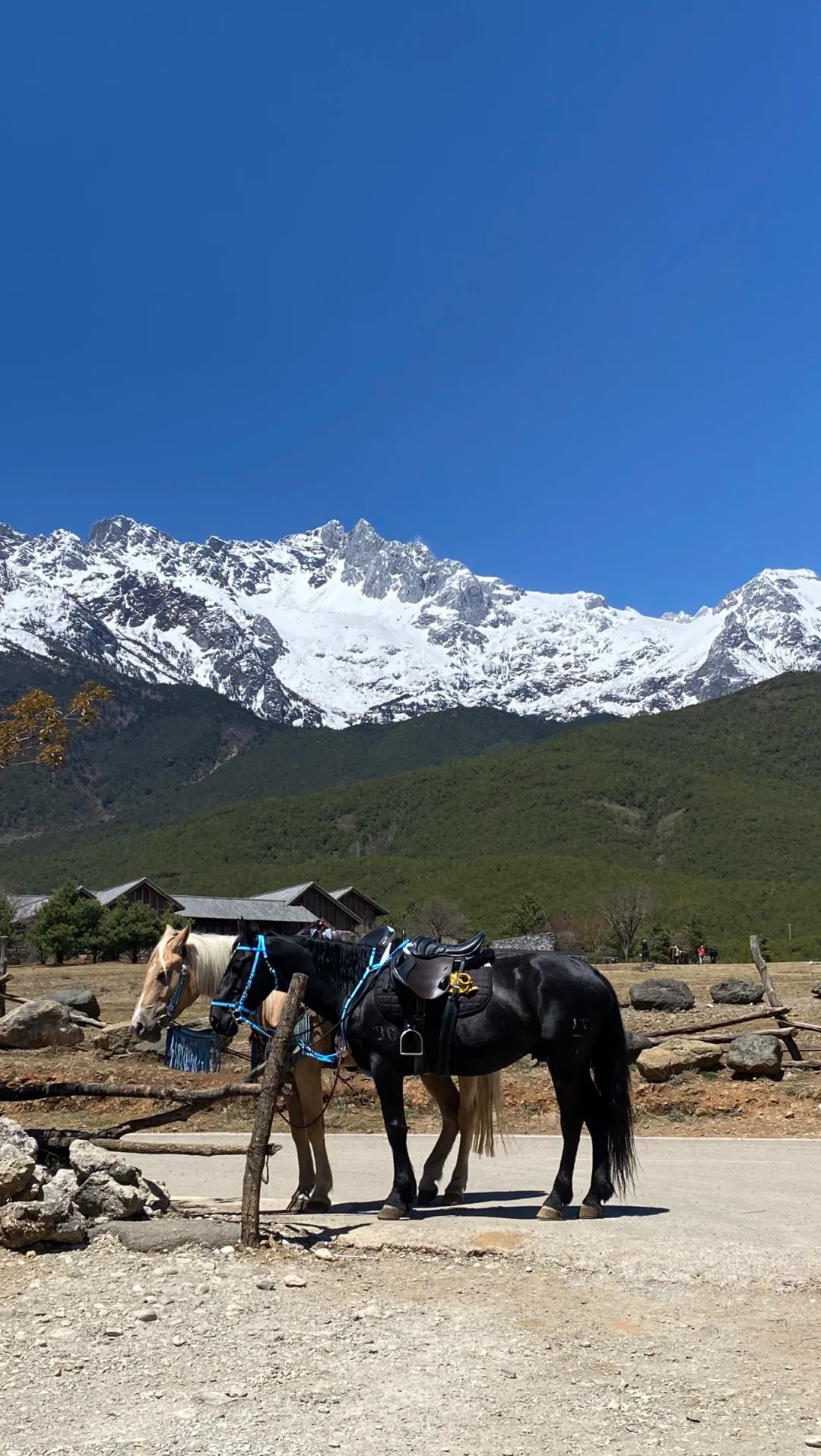
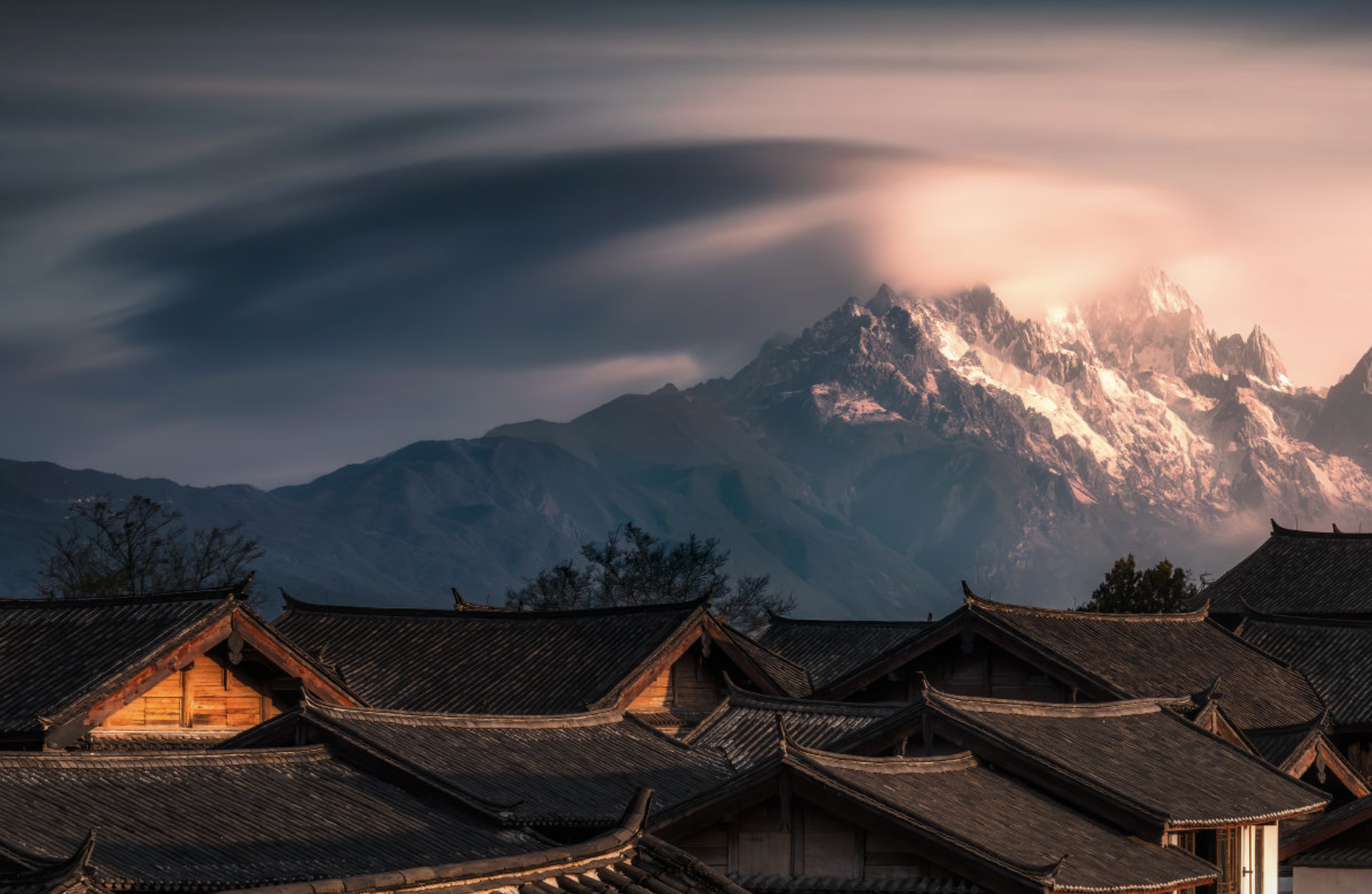
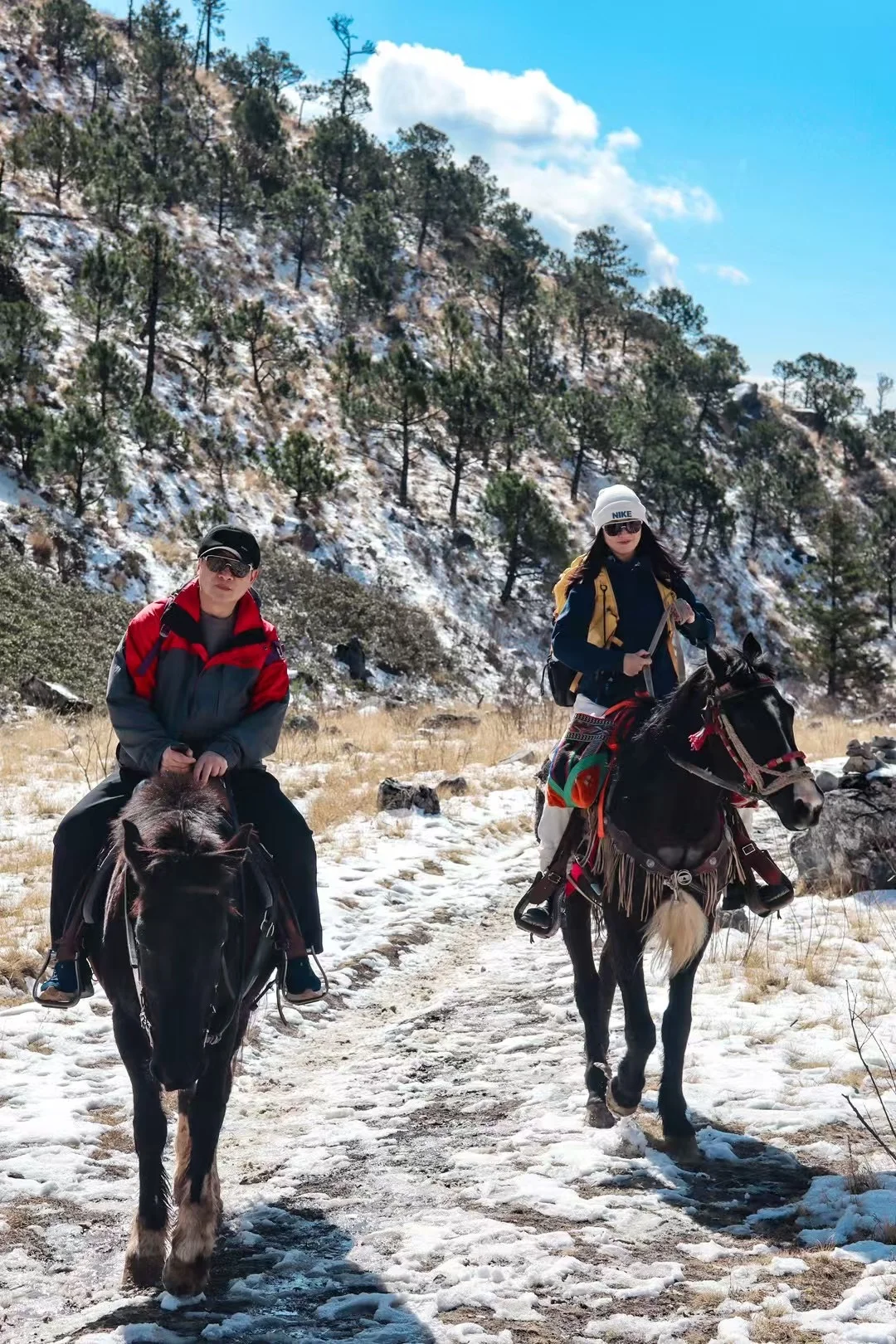
Ride a horse to the Jade Dragon Snow Mountain, take in the scenery along the way and experiencing the traditional life of the Tea Horse caravan.
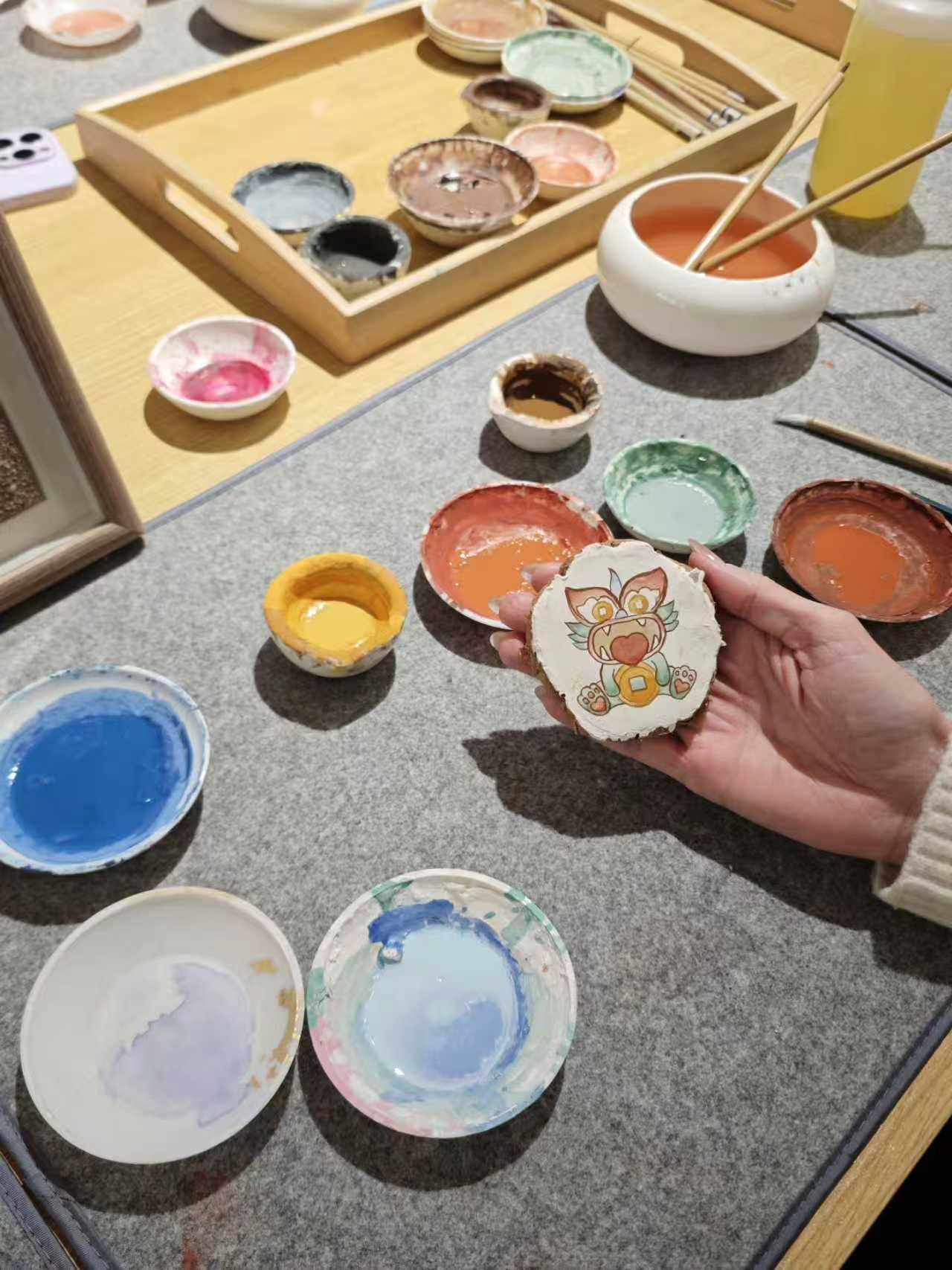
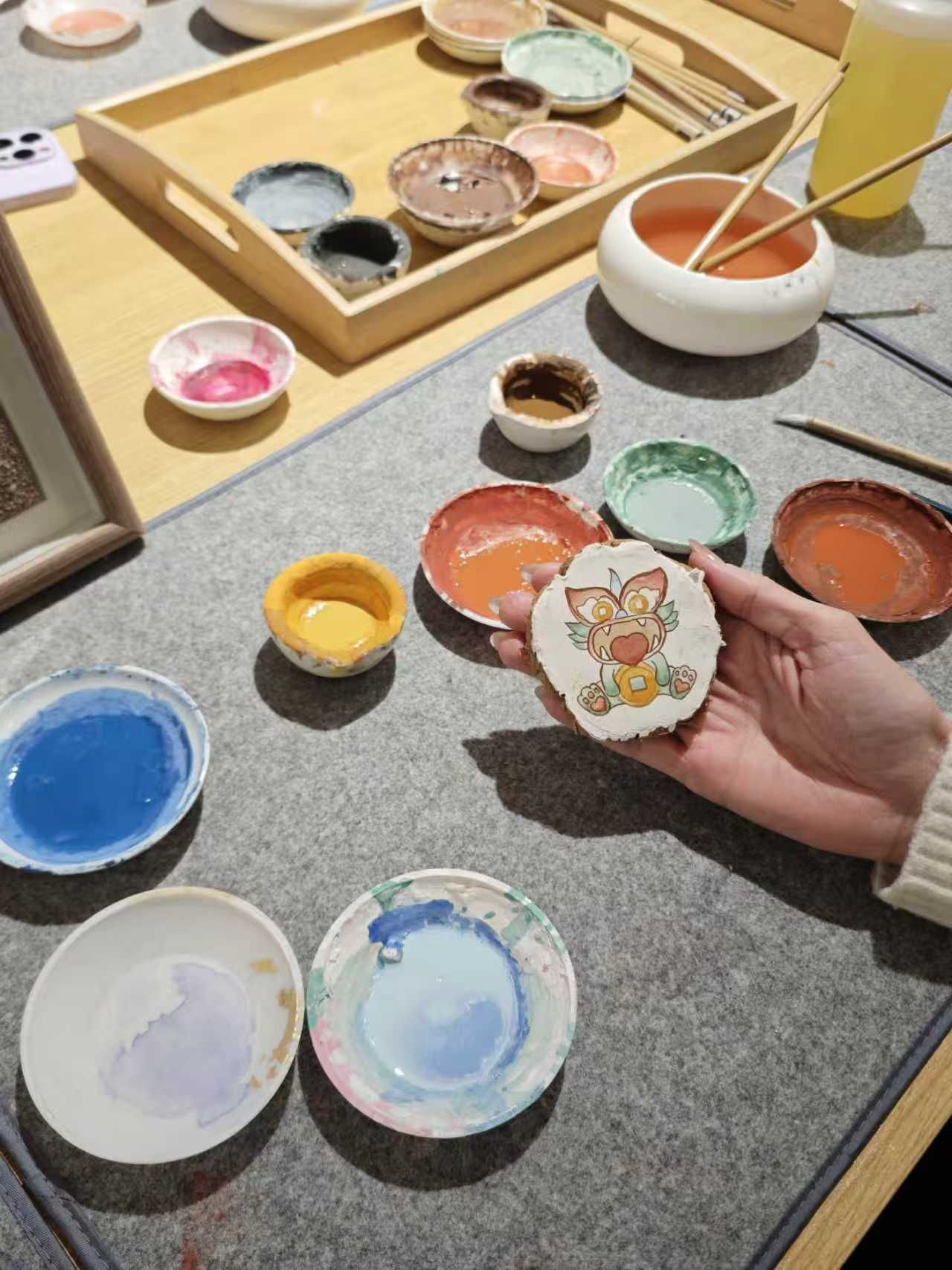
Create your own Baisha mural in an ancient town beneath the snow mountains, and learn about the history of Naxi murals, a tradition regarded as equally significant as the Dunhuang frescoes.
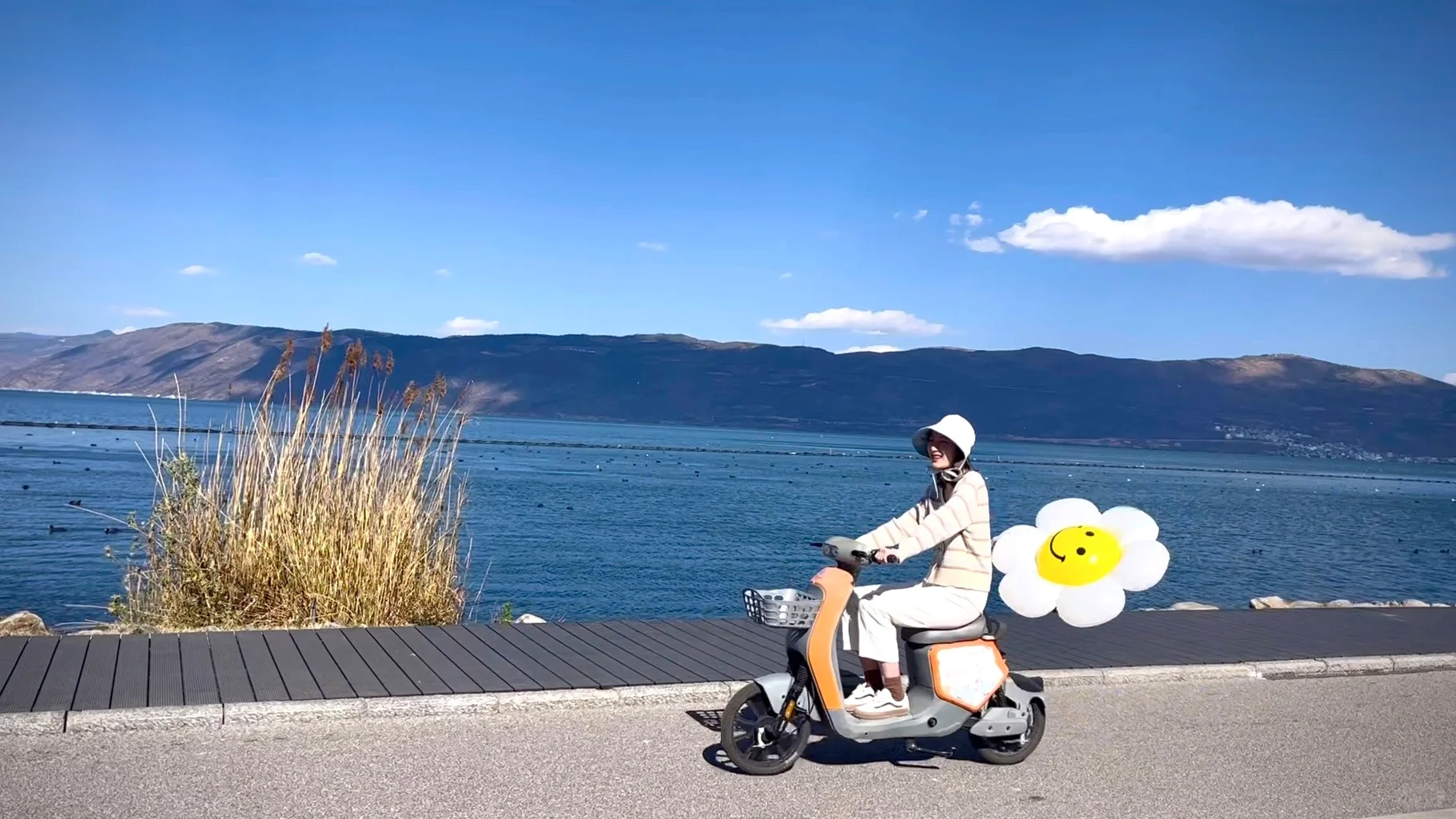
Cycle around Erhai Lake, feeling the gentle breeze and romance of the lake, then relax by the water with a coffee and sweeping lake views.
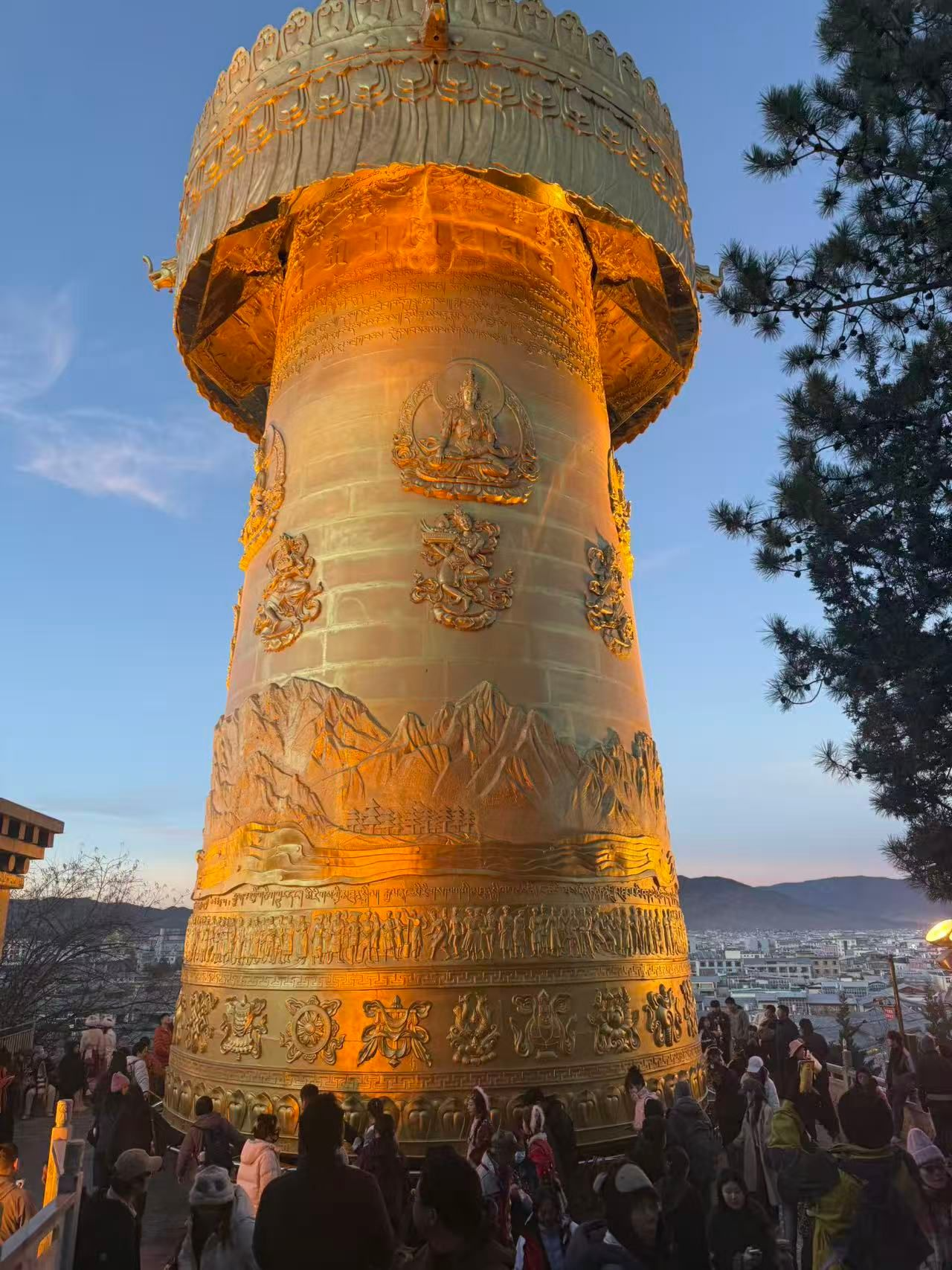
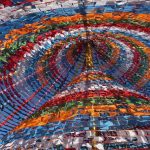
Join locals to turn the world’s largest prayer wheels, a massive cylinder that requires dozens of people to move together. Seek the shape of faith in Shangri-La, where belief is woven into everyday life.
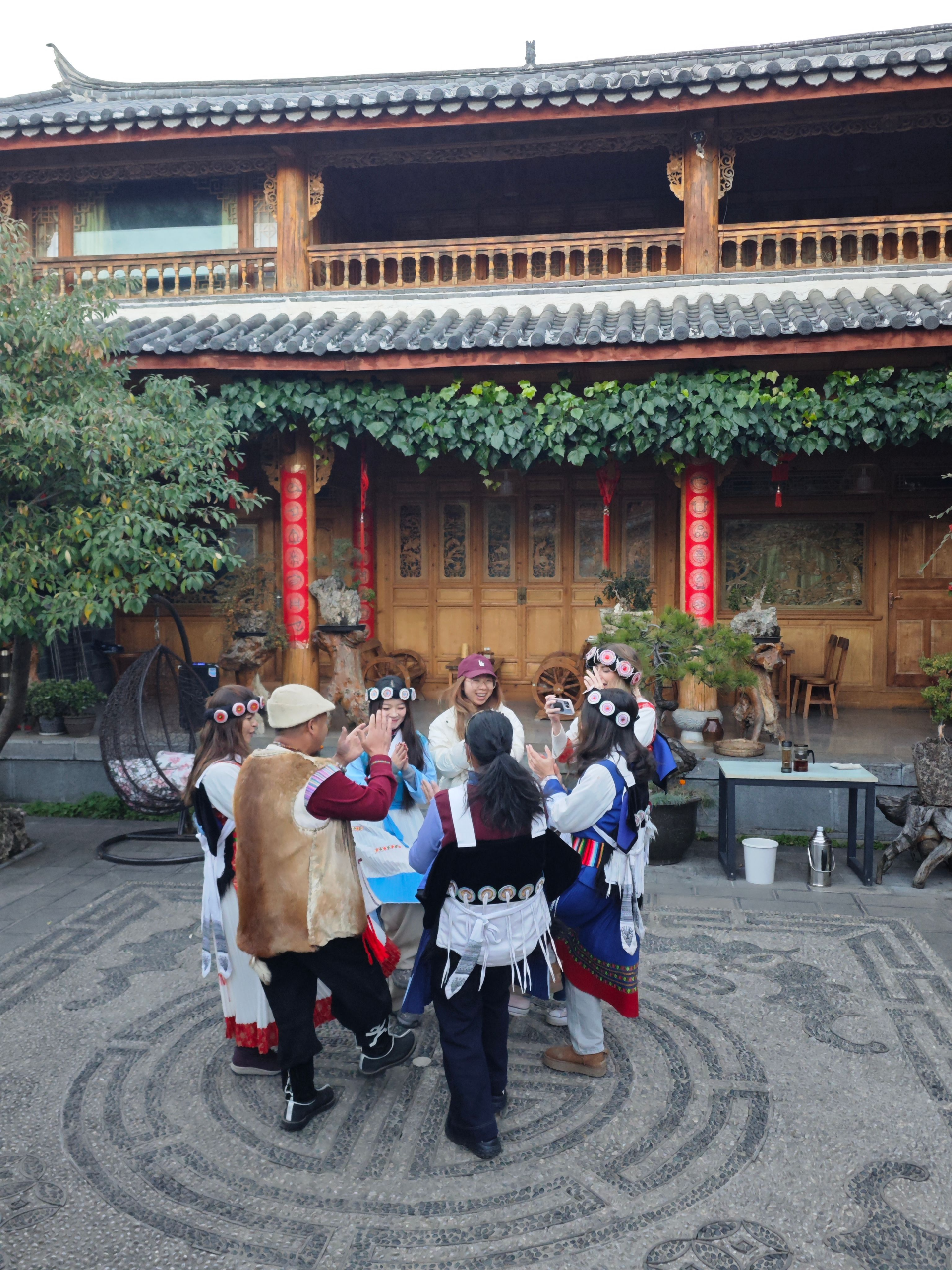
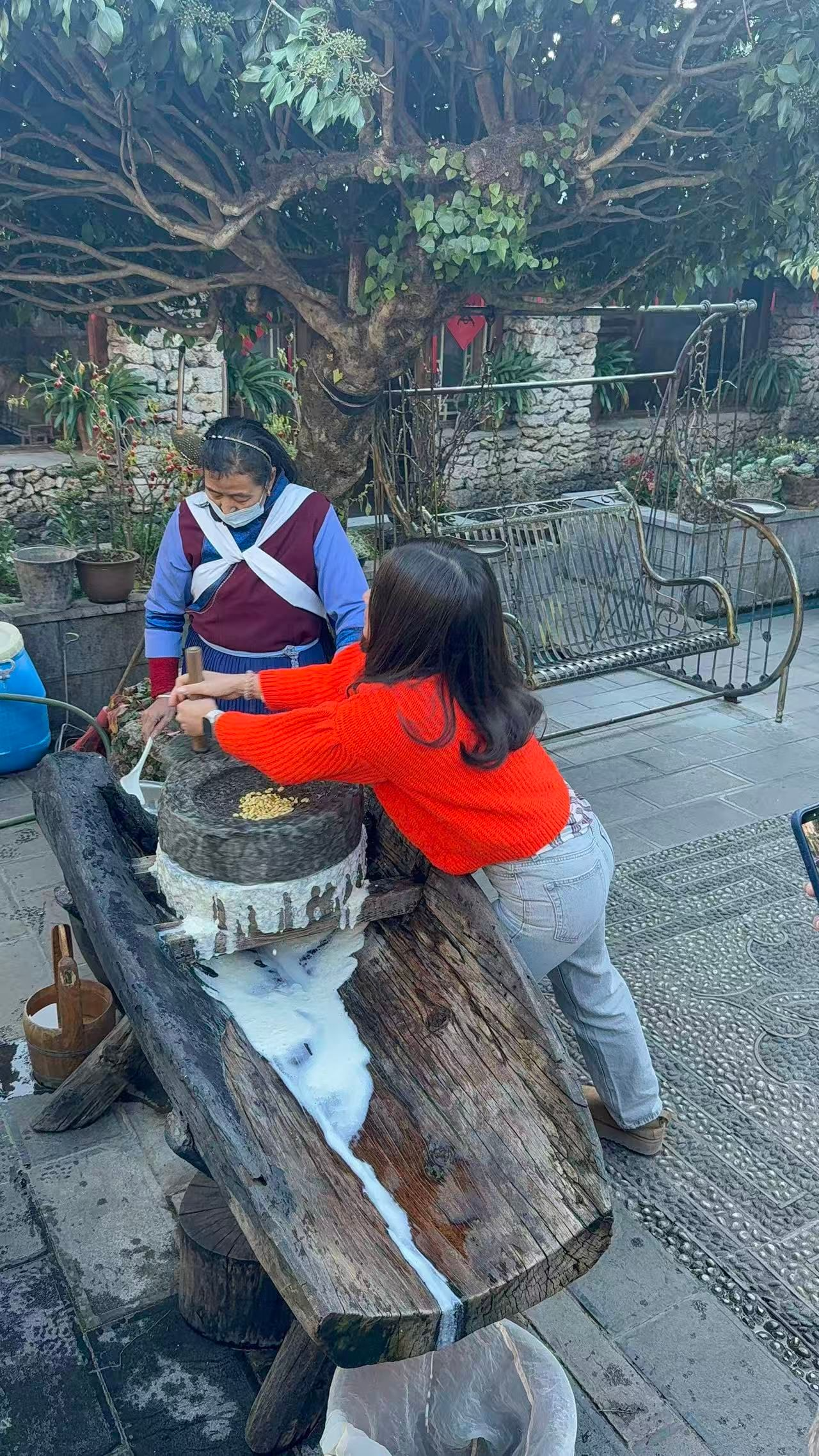
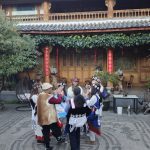
Visit a local Naxi family, make tofu, fire-pit gatherings, handmade papermaking, local language and dress, and dancing together in a mountain courtyard.
Day-by-day Itinerary
Arrival Day – Dali
Arrive in Dali and enjoy a smooth airport transfer to your hotel, where our guide will be waiting to welcome you. In the evening, gather for a warm welcome dinner to meet your travel companions and set the tone for the journey ahead. If time allows, wander through Dali Ancient Town, sampling local flower pastries and street snacks while observing the unhurried rhythms of Bai daily life.
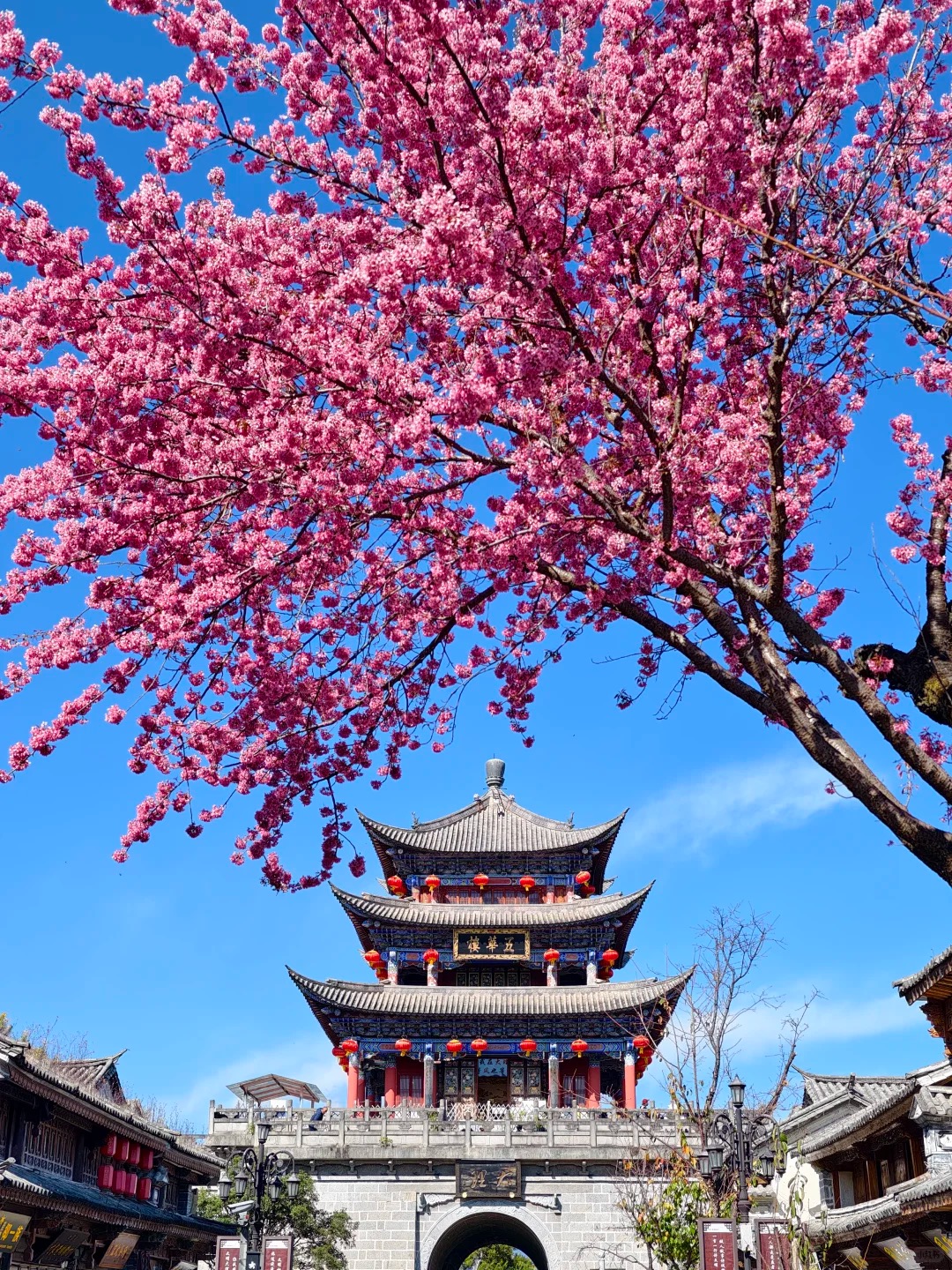
Dali – Erhai Lake – Xizhou – Shaxi Ancient Town
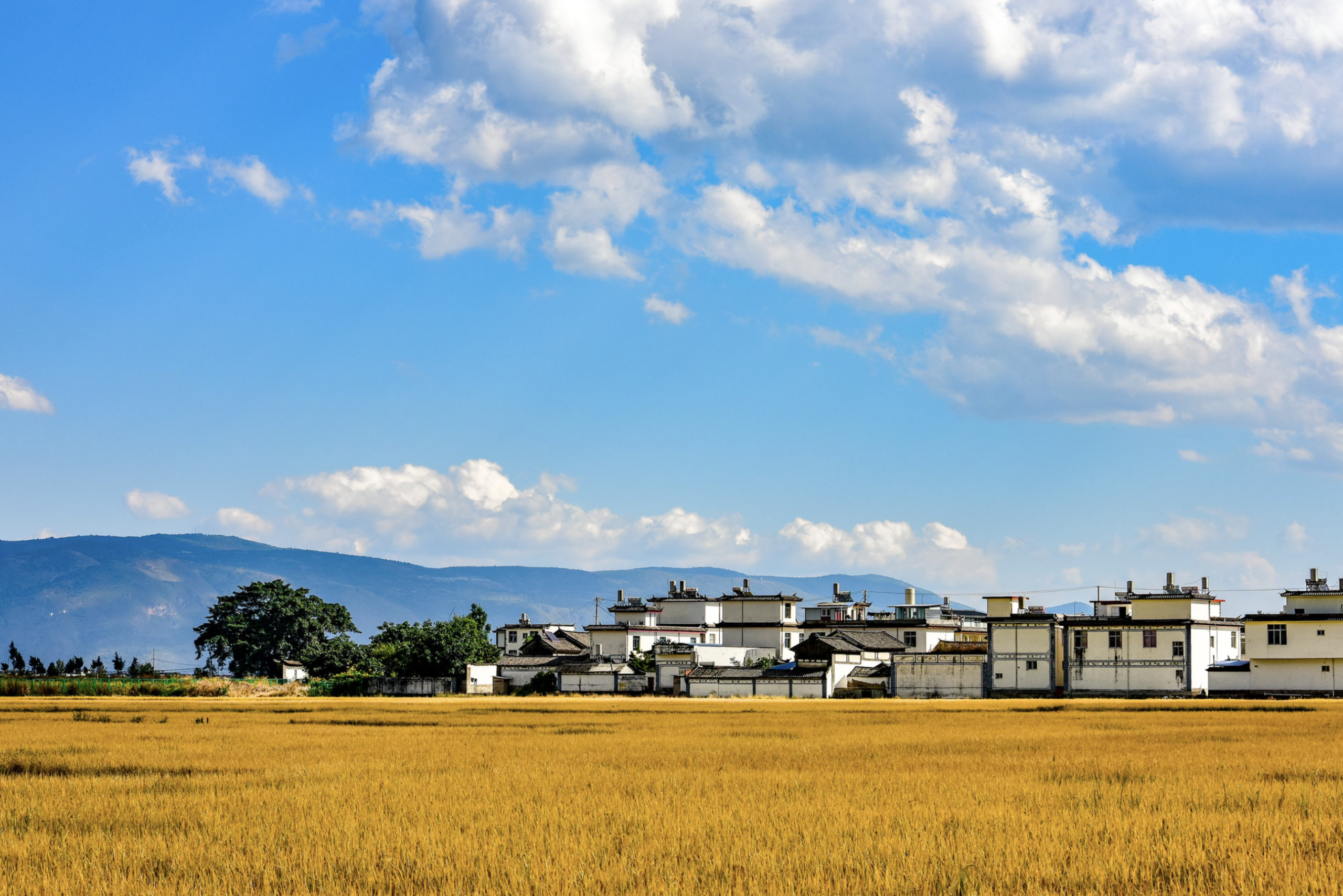
Today, we’ll dive deeper into Bai culture. Step into a women-run tie-dye studio to craft your own hand-dyed keepsake using natural pigments. Cycle along the shores of Erhai Lake, feeling the breeze and sunlight as the water stretches beside you. Explore Xizhou Ancient Town, admire classic Bai architecture, and enjoy a local Bai lunch. By evening, wander through the quiet lanes of Shaxi Ancient Town, once a Tea Horse Road hub, now steeped in calm history.

Shaxi Ancient Town – Tiger Leaping Gorge – Shangri-La – Dukezong Ancient Town
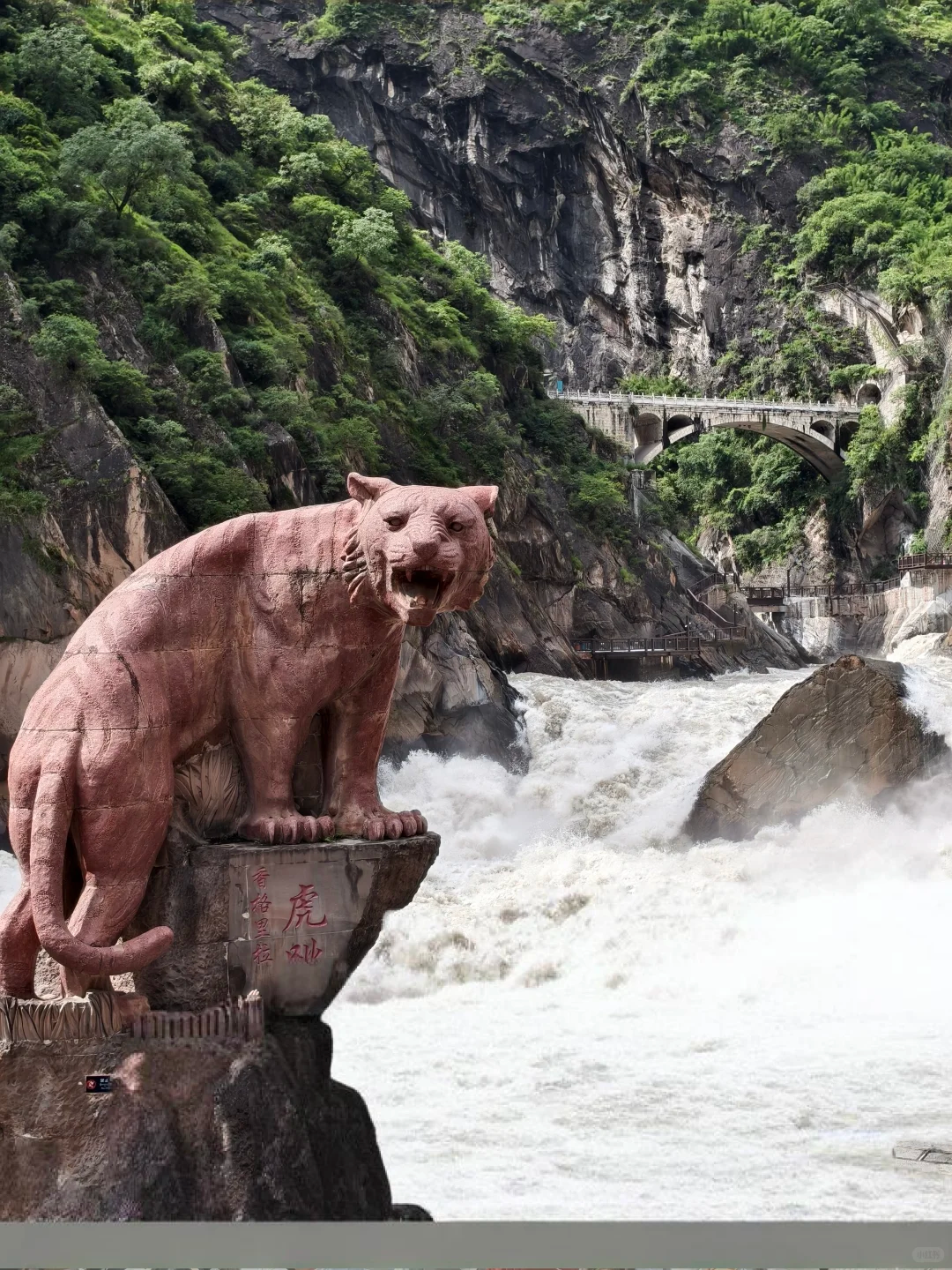
Today, the journey takes a dramatic shift as we head deep into the Himalayas and step into the heart of Tibetan culture. Wake early to watch mist drift across Shaxi Ancient Town, then wander its silent lanes before the crowds arrive. Stand beside the thunderous Jinsha River at Tiger Leaping Gorge, where sheer cliffs and roaring water reveal nature at its most raw. Continue to Shangri-La to encounter towering prayer wheels, and end the day in Dukezong Ancient Town, joining locals in evening Guozhuang dance beneath the highland sky.
Songzanlin Monastery – Dukezong Ancient Town – Yuhu Village
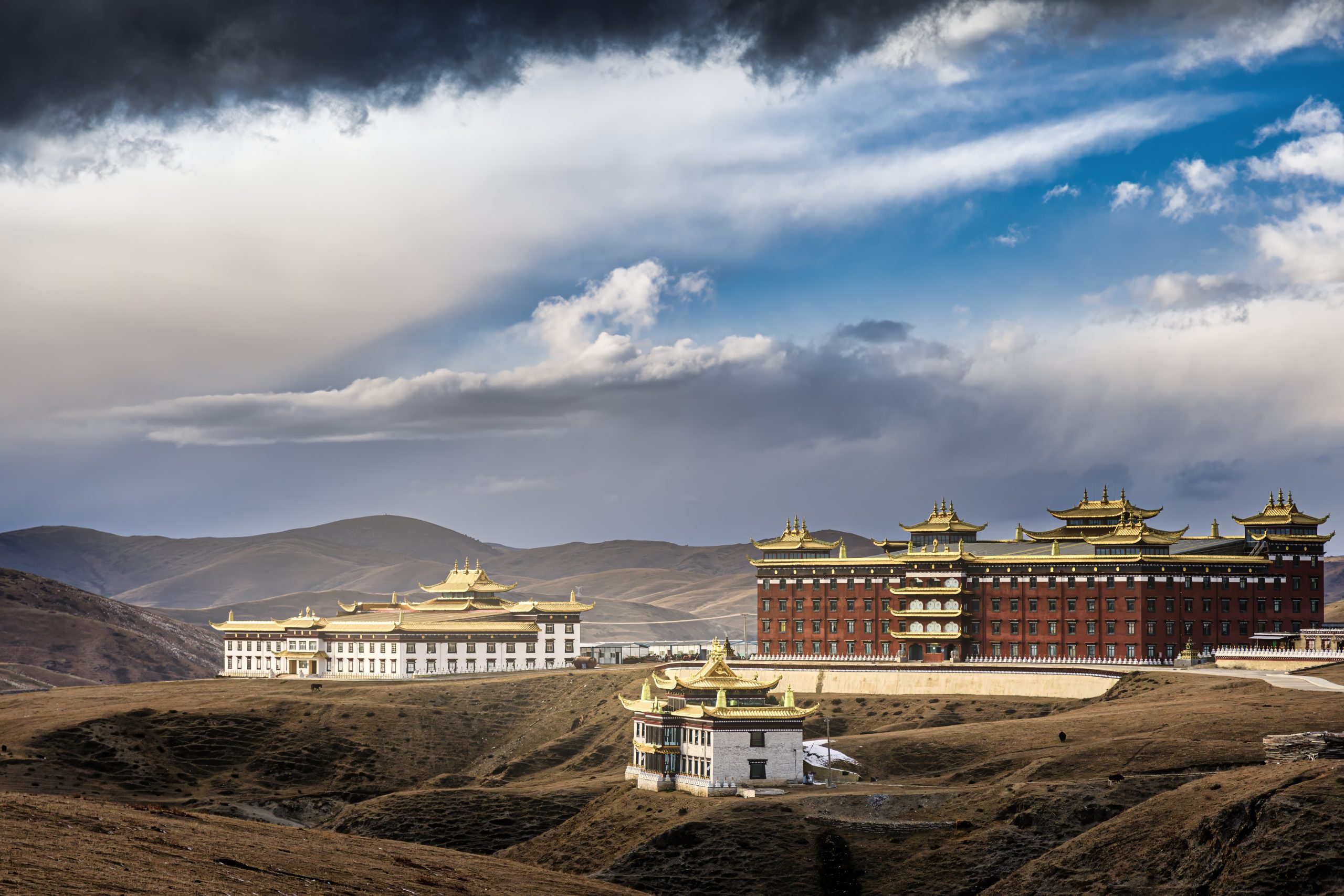
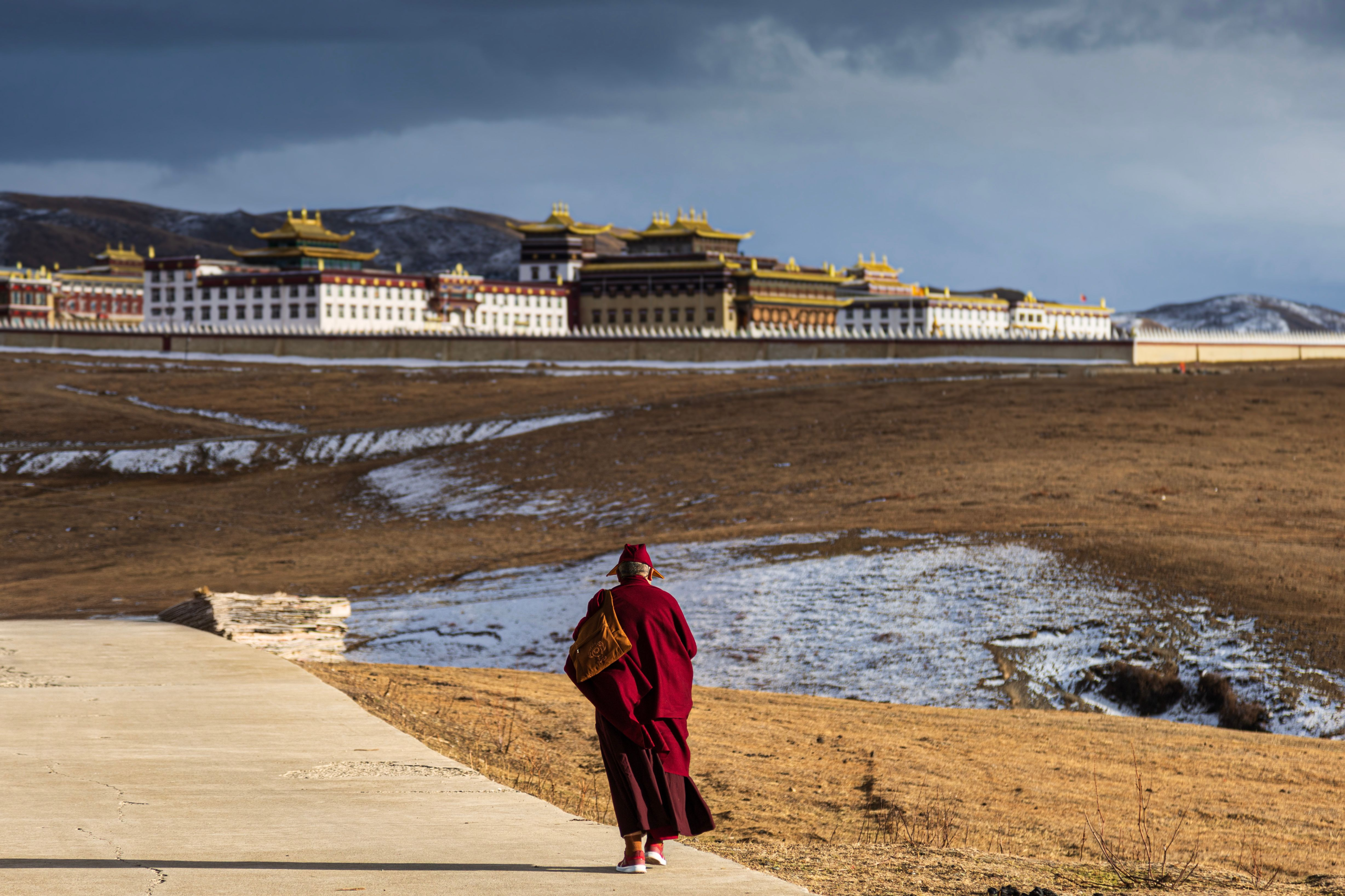
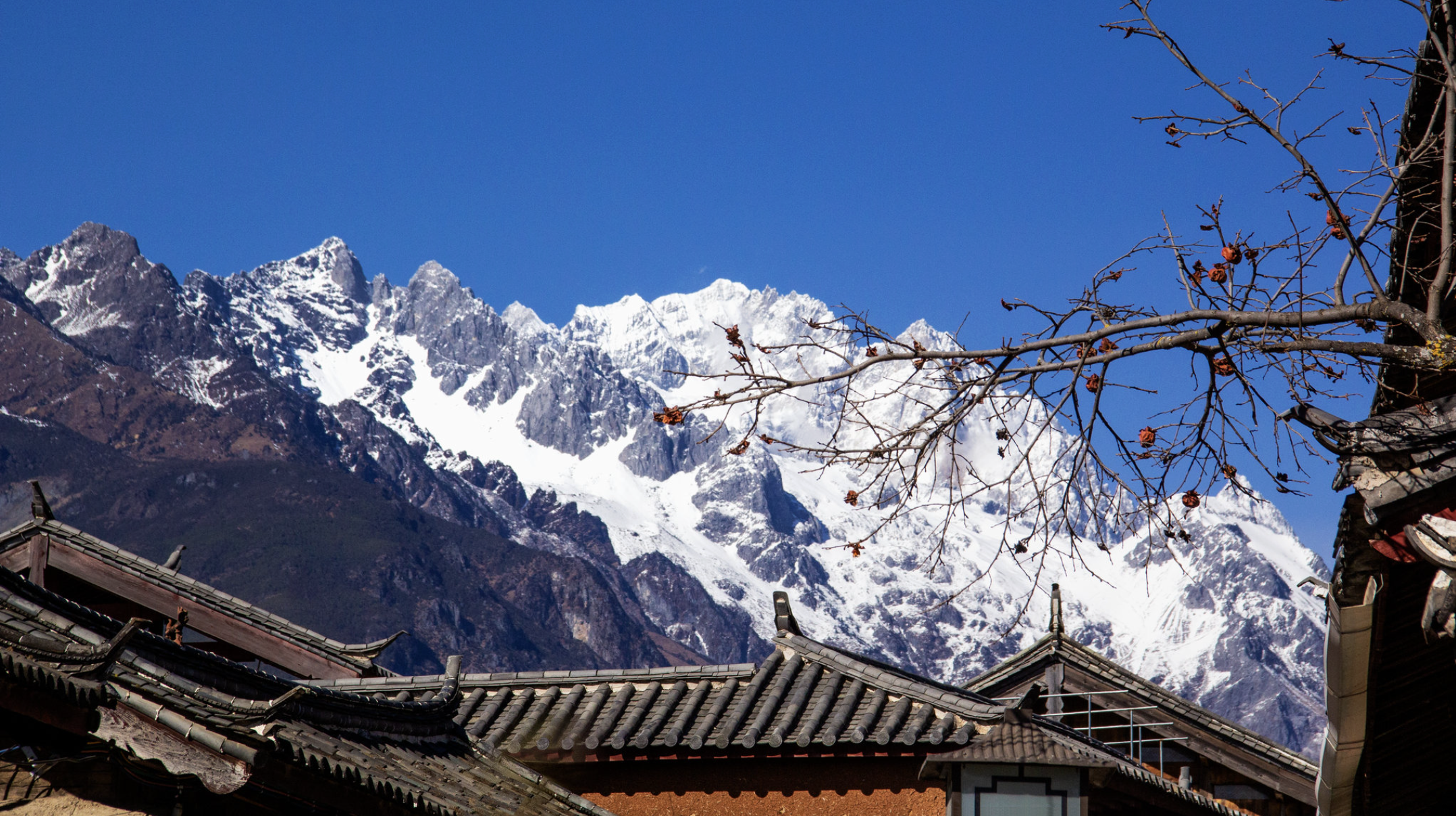
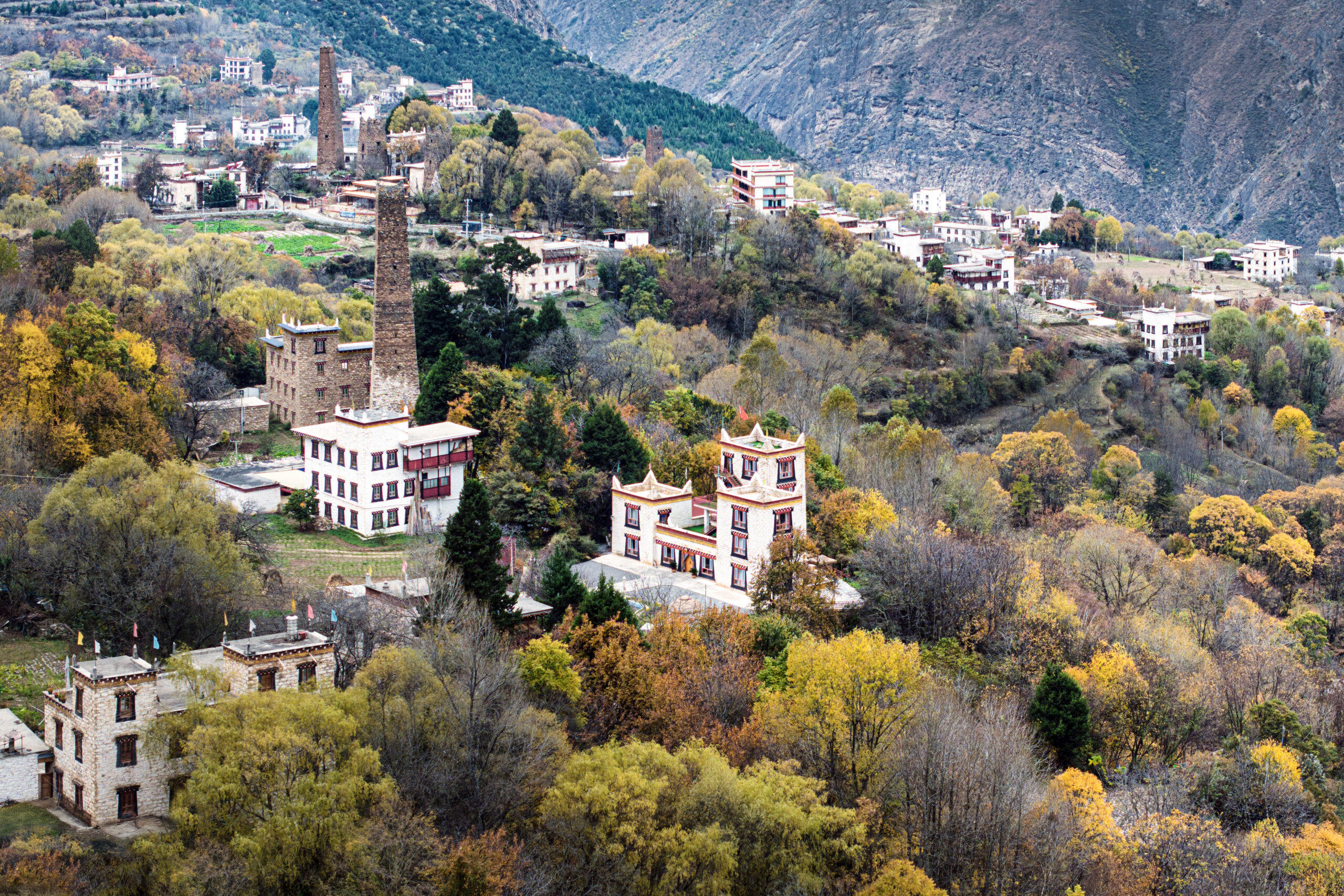
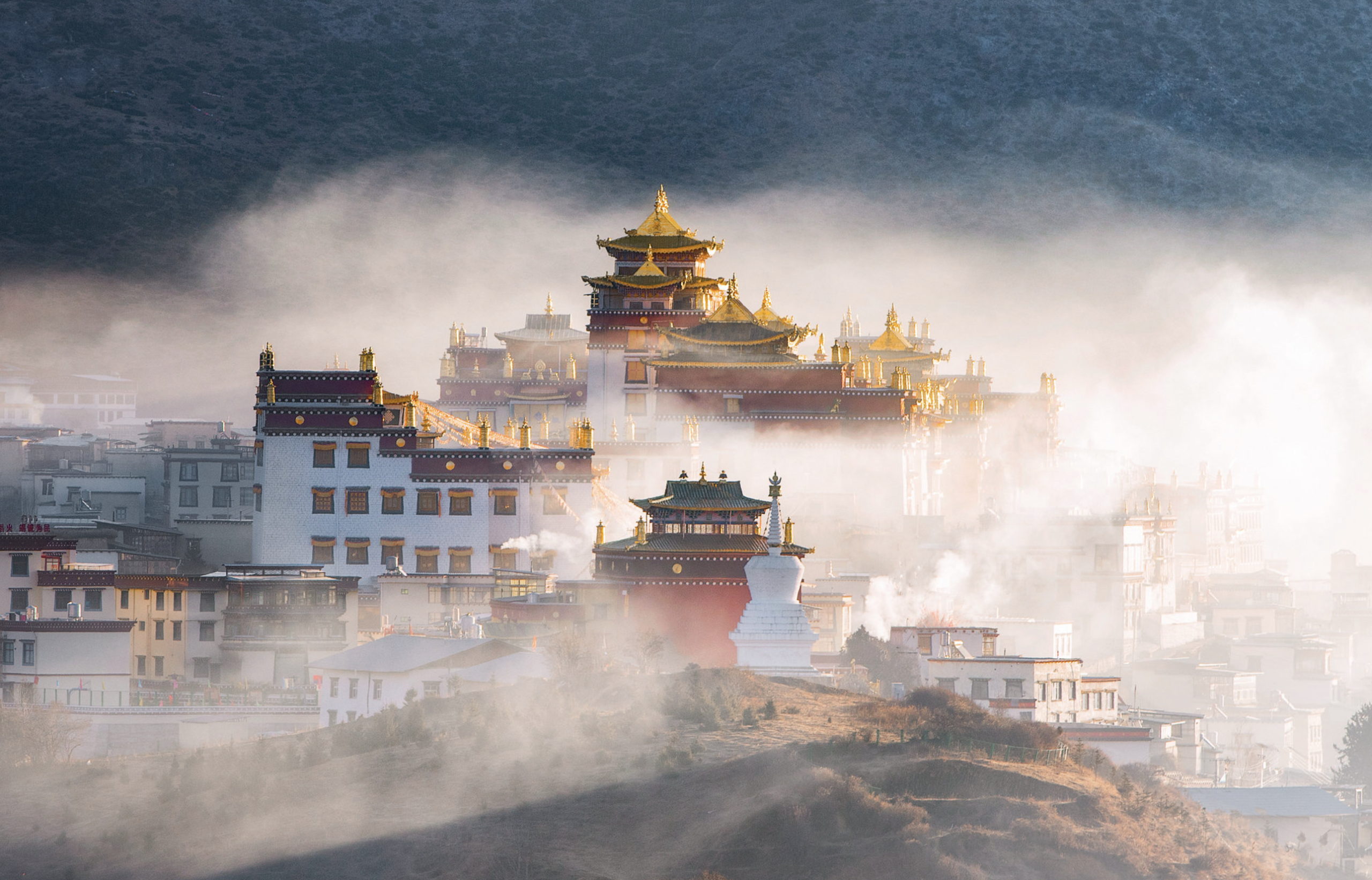
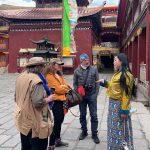
Gaze across drifting morning mist toward Songzanlin Monastery, then climb its stone steps to explore the grand halls of Yunnan’s largest Tibetan Buddhist monastery. Travel to Yuhu Village, a hidden stone village nestled beneath Jade Dragon Snow Mountain, known for its timeless beauty and close connection to the surrounding peaks.Visit a Naxi family, hand-make stone-ground tofu, try papermaking, learn Dongba pictographs, and share songs and dances before watching sunset glow on the snow peaks and stars fill the alpine night sky.
Jade Dragon Snow Mountain – Yuhu Village
Ride on horseback across the remote backside of Jade Dragon Snow Mountain, setting out after sunrise turns Longnv Lake gold. Following little-used caravan routes, you’ll experience the mountain from an exclusive perspective, far from tourist trails and crowds, moving through quiet alpine meadows and hidden valleys rarely seen by visitors.
Baisha Ancient Town – Black Dragon Pool Park – Lijiang Ancient Town
At the foot of the snow mountains, Baisha Ancient Town preserves its history in a uniquely quiet way, with murals that tell silent stories of the past. Here, you’ll paint your own mural by hand, turning your memories into something vivid and lasting.nLater, visit a park beneath the snow peaks to watch Yunnan sunset, then end the journey in Lijiang Old Town, listening to one last folk song and carrying home a heart full of unforgettable memories.
Lijiang Departure
Enjoy a final cup of tea in the soft Lijiang sunshine as the town slowly wakes. Watch locals practise morning exercises, chat beneath old trees, and begin their day at an unhurried pace, a quiet glimpse into everyday life. At the appropriate time, transfer to the airport for your onward flight, concluding the journey with calm memories and a gentle farewell to Yunnan.
Interested in a similar itinerary but want to Travel Privately?
Our Travel Experts are here to craft your perfect tailormade holiday.
Interested in a similar itinerary but want to do a Self-Guided Tour?
From €140 per person per day, enjoy a seamless, worry-free self-guided journey, supported by our trusted local guides, professional drivers, and access to unique local experiences.
Featured Stays
We’ve hand-selected a range of accommodations to suit different preferences, each offering a distinctive experience deeply connected to the local land and culture. We work with these or similar hotels to ensure a stylish and comfortable stay every time.
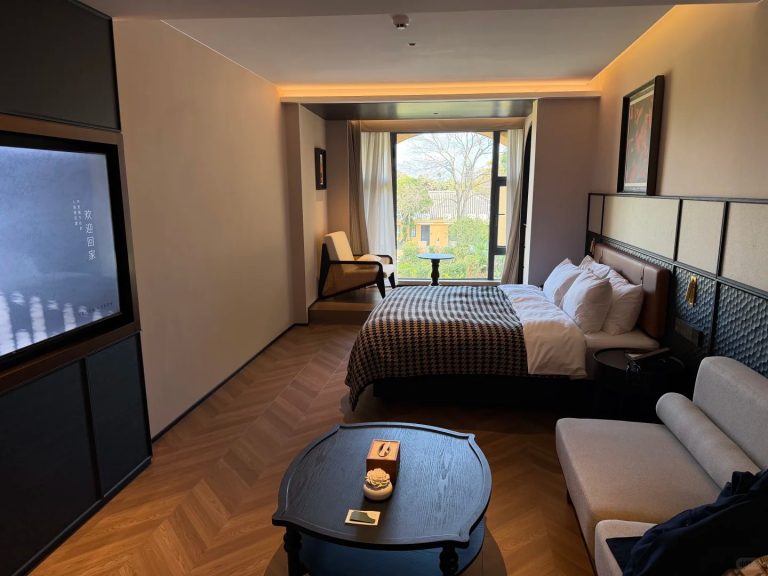
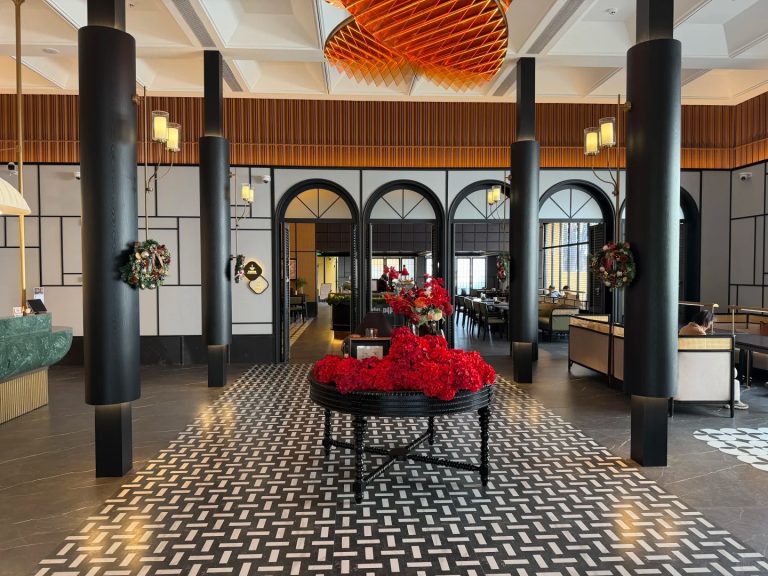
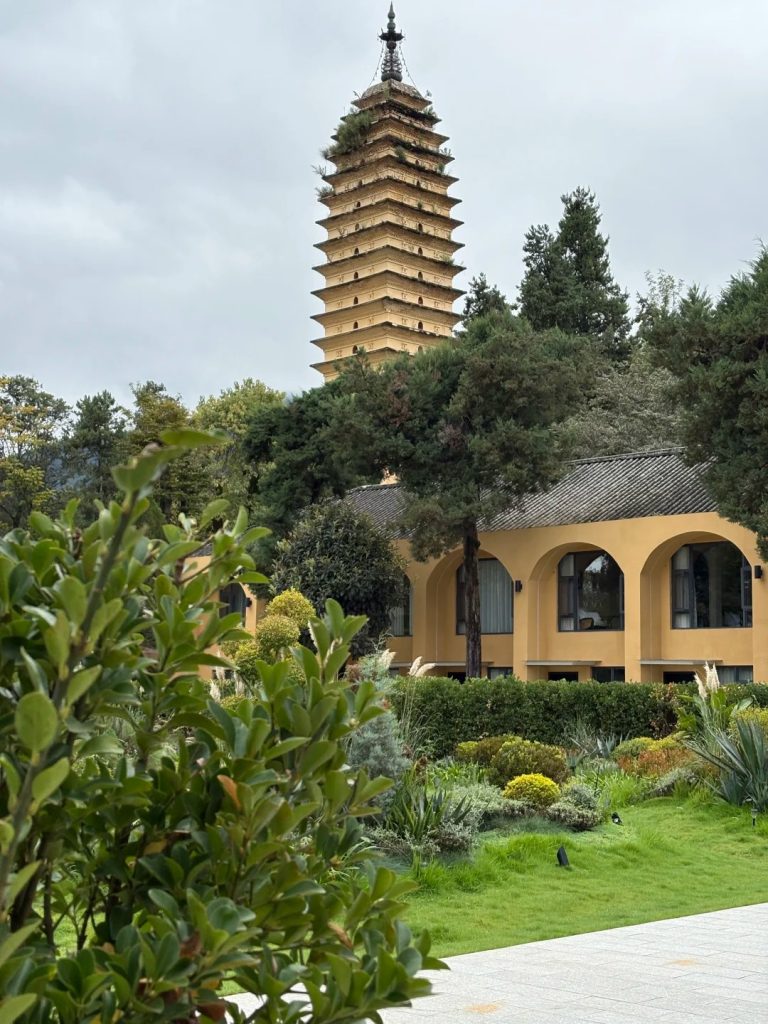
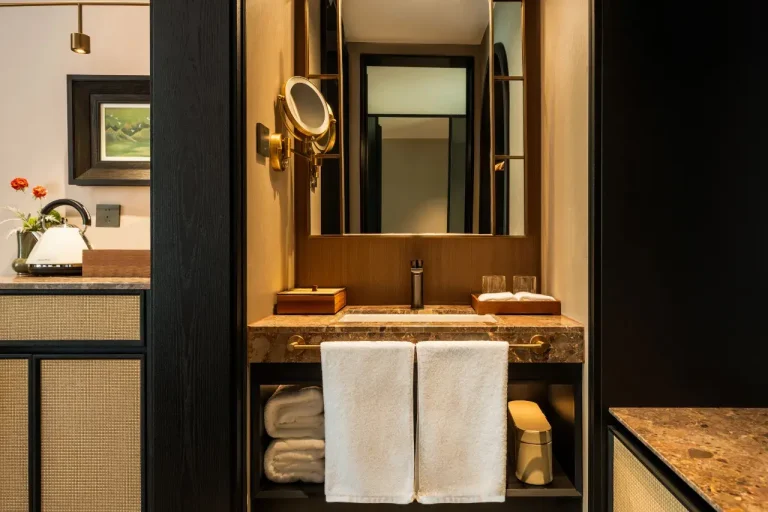
Dali Huajian Mansion
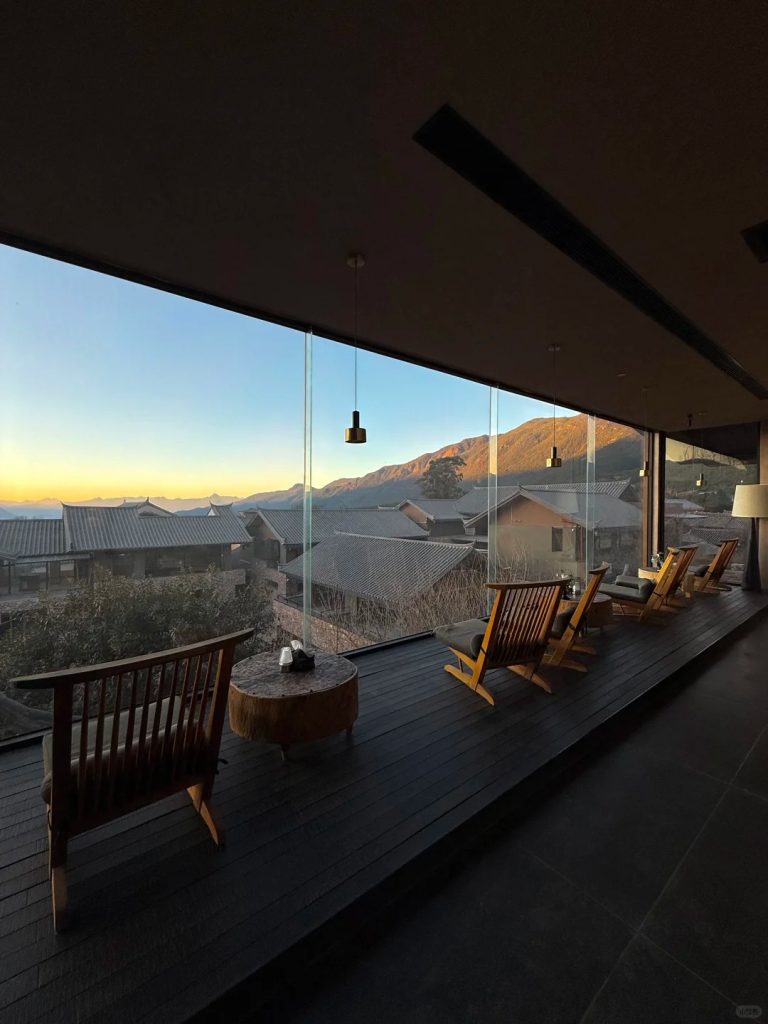
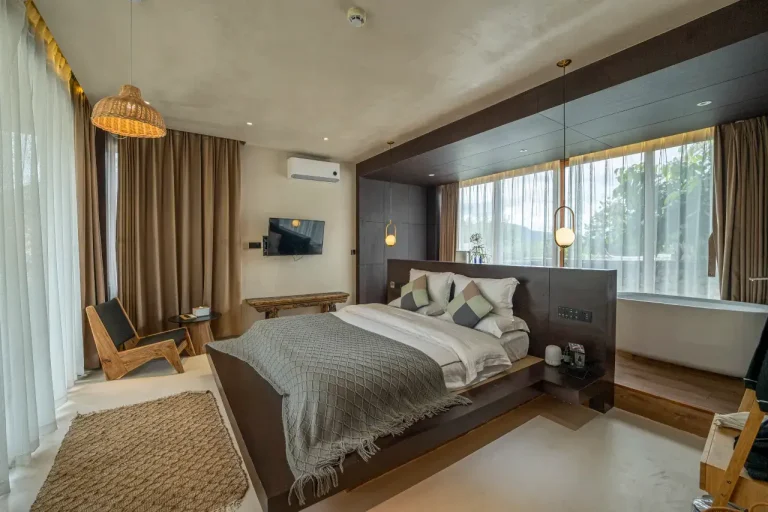
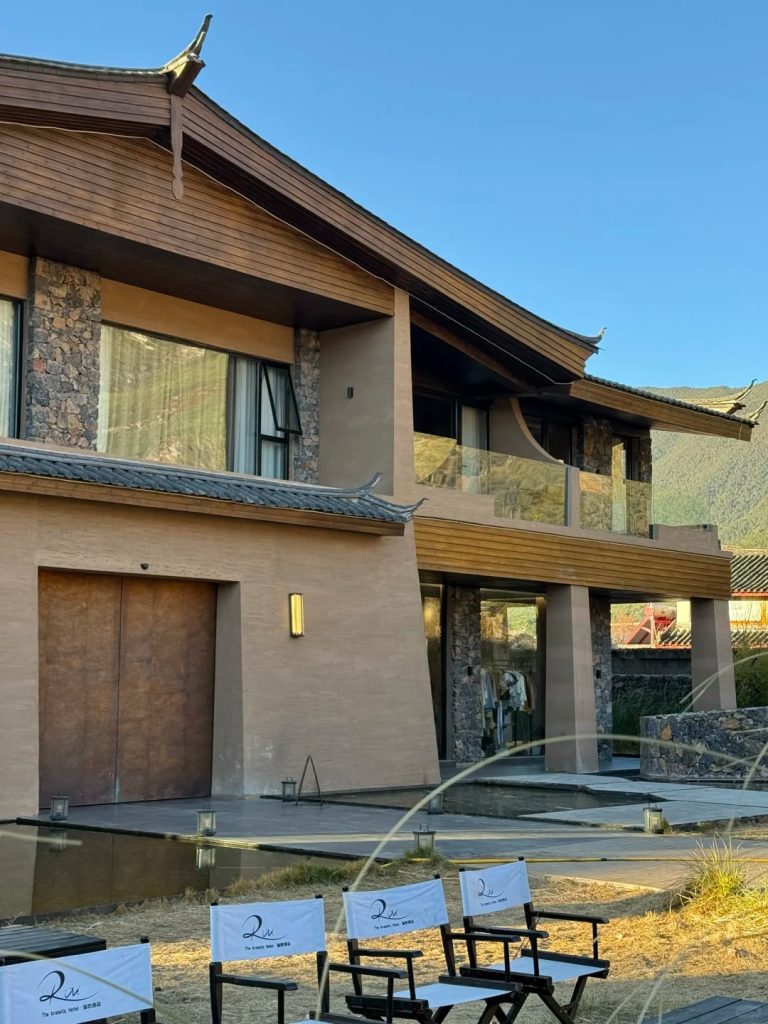
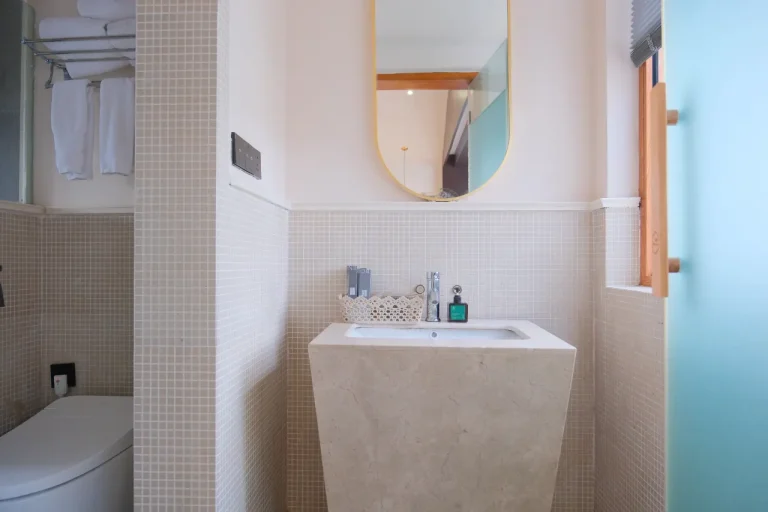
Yulong Village Ruixi Hotel
Inclusions & Offers
Dates & Prices
Best time to visit
Traveler Reviews



FAQs
What makes Yunnan special compared to other regions in China?
Yunnan is one of China’s most culturally and geographically diverse provinces. Here, snow mountains meet tropical forests, ancient caravan towns sit alongside rice terraces, and dozens of ethnic cultures continue to shape daily life. It feels relaxed, colourful, and deeply human — less monumental, more lived-in.
What regions of Yunnan are most popular for first-time visitors?
Classic routes include Dali, Lijiang, and Shangri-La, offering a balance of old towns, mountain scenery, and Tibetan-influenced culture.nSouthern Yunnan (such as Xishuangbanna) feels more tropical, while northwestern Yunnan is cooler, higher, and more alpine.
Is Yunnan suitable for first-time visitors to China?
Absolutely. Yunnan is often considered one of the easiest and most pleasant regions for first-time travellers thanks to its relaxed pace, friendly atmosphere, walkable old towns, and well-developed boutique accommodations.
What is the altitude like? Will altitude sickness be an issue?
Most of Yunnan sits between 1,500–3,300 meters. Dali and Lijiang are generally well tolerated. Shangri-La is higher, and some travellers may feel mild altitude effects. We design itineraries with gradual ascent and rest time to minimise discomfort.
When is the best time to visit Yunnan?
The best seasons are March–June and September–November, with mild temperatures and clear skies.nJuly–August is greener but rainier. Winter is dry and sunny, especially in Dali and Lijiang, with fewer crowds.
How physically demanding is a Yunnan trip?
Most experiences involve easy walks, old-town strolling, lakeside paths, and scenic viewpoints. Hiking is optional and always adjustable. Yunnan suits travellers who prefer a slower, more immersive rhythm.
What kind of accommodation can I expect?
Yunnan is famous for its boutique hotels, courtyard guesthouses, and design-led mountain lodges. Comfort is generally high, with strong emphasis on atmosphere, views, and local character rather than large chain hotels.
What kind of food will I experience in Yunnan?
Yunnan cuisine is fresh, diverse, and light, featuring wild mushrooms, rice noodles, herbs, flowers, and ethnic flavours. Meals are usually not spicy and very approachable for international travellers.
Is Yunnan good for culture lovers rather than “checklist sightseeing”?
Yes. Yunnan shines in everyday culture, morning markets, village life, tea drinking, local music, slow afternoons, and conversations with hosts. It’s less about ticking landmarks and more about atmosphere and connection.
What is the overall atmosphere of Yunnan like?
Yunnan has a gentle, unhurried, and deeply grounding atmosphere. Days unfold slowly here — mornings in old towns, afternoons by lakes or in mountain cafés, evenings filled with soft music and warm lights. It’s a place where travellers naturally slow down, breathe deeper, and feel more connected to both nature and everyday life.