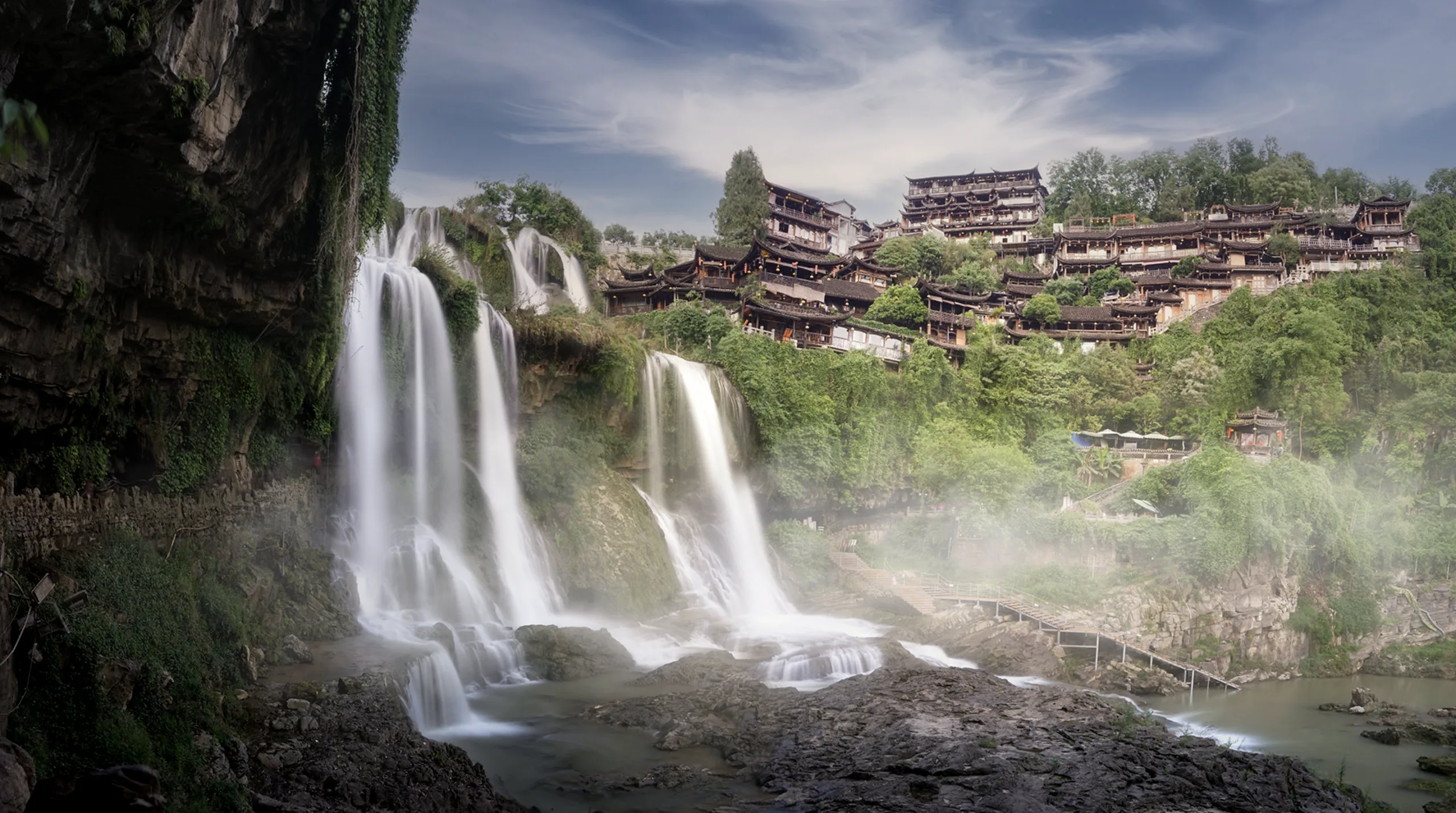
Kaili, in southeastern Guizhou, is one of the most important gateways for exploring the ethnic cultures of Qiandongnan. As the capital of the Qiandongnan Miao and Dong Autonomous Prefecture, it offers a practical base for reaching the region’s mountain landscapes and traditional Miao and Dong communities.
For culturally curious international travelers who want to experience Guizhou beyond standard city sightseeing, Kaili’s main advantages are its accessibility and the range of nearby cultural visits it makes possible. From here, travelers can reach Miao and Dong villages such as Xijiang Miao Village, Langde Miao Village, Kongbai Village, and Zhaoxing Dong Village, each offering a different view of local life through wooden architecture, traditional clothing, silverwork, music, festivals, handicrafts, and village markets.
This Kaili travel guide looks at the city’s cultural significance, the most rewarding villages to visit nearby, local markets and museums, traditional crafts and festivals, accommodation choices, transport logistics, suggested itineraries, and practical planning advice. For travelers interested in mountain communities and living traditions that are difficult to experience independently, Kaili is one of the most accessible places in Guizhou to begin.
Why Visit Kaili? The Gateway to Guizhou’s Ethnic Villages
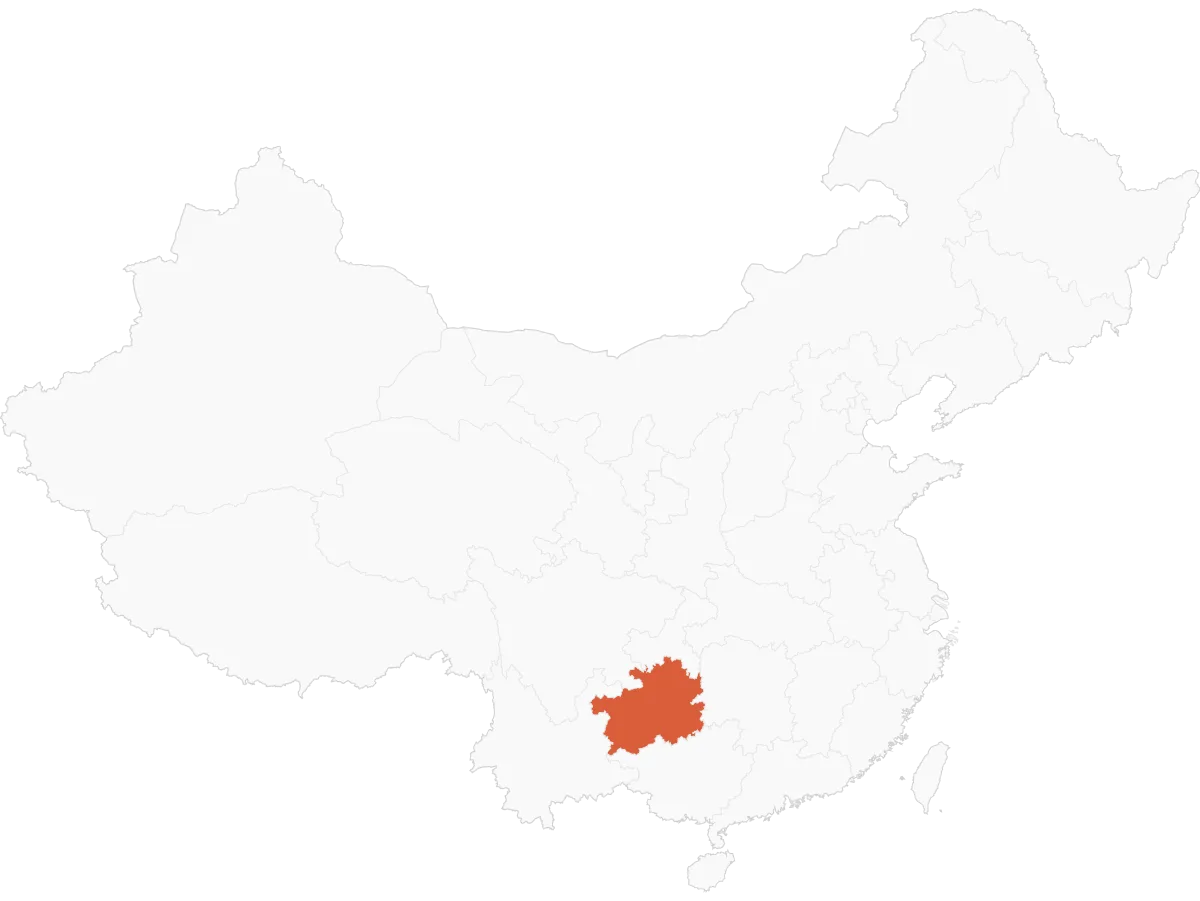
Kaili is located in southeastern Guizhou Province, around a 2-hour drive from Guiyang, and serves as the capital of Qiandongnan Miao and Dong Autonomous Prefecture, where local culture is shaped by several ethnic groups and the Miao population makes up 67% of residents.
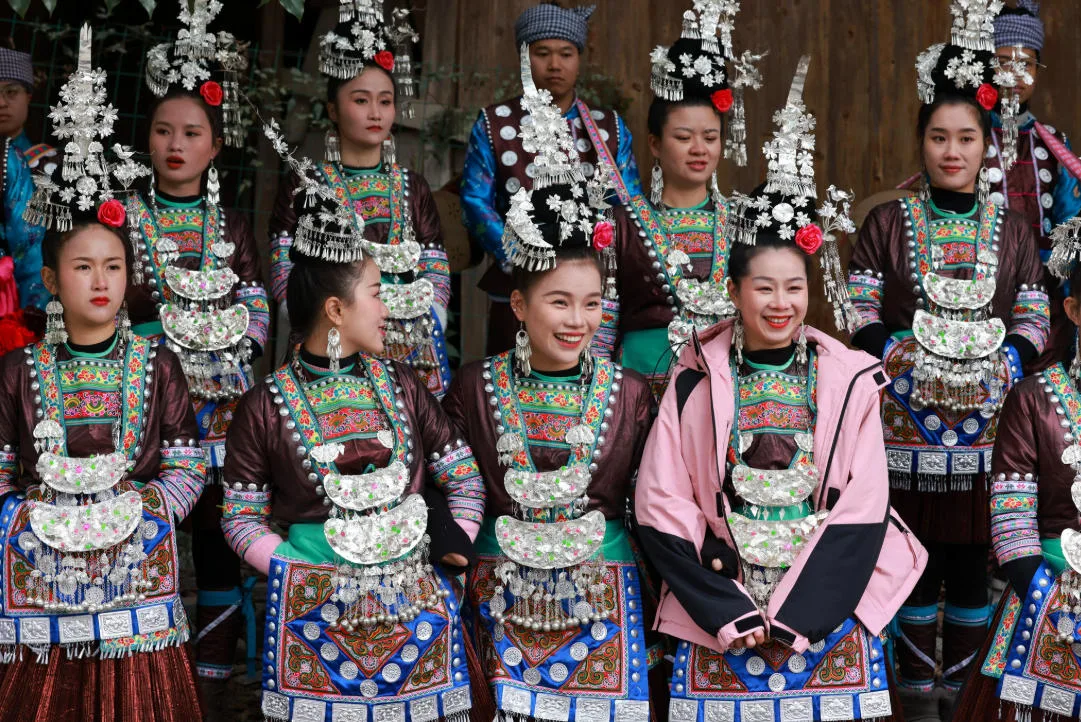
More than just a city, Kaili is an important gateway to the mountain communities and cultural landscapes of southeastern Guizhou. While destinations such as Xijiang, Rongjiang, and Zhaoxing offer more immersive village experiences, Kaili provides a convenient base for travelers to understand the region’s history, cuisine, and diverse ethnic traditions before exploring deeper into the mountains.
Surrounded by numerous Miao and Dong villages, Kaili offers access to communities with different cultural identities. Some villages are known for traditional wooden architecture, some for silver craftsmanship and handicrafts, while others preserve unique musical traditions, festivals, and local ways of life.
The best time to visit Kaili is generally spring and autumn. Set on the Yunnan-Guizhou Plateau, Kaili has a humid subtropical climate shaped by a subtropical monsoon climate pattern, with mild seasons that make travel possible year-round and festival visits especially rewarding. Spring brings fresh green mountains and comfortable temperatures, making it ideal for village walks and outdoor exploration. Autumn is especially beautiful as rice fields turn golden during the harvest season, while the Miao New Year, one of the most important celebrations of the Miao people, takes place in many communities from late October onward.
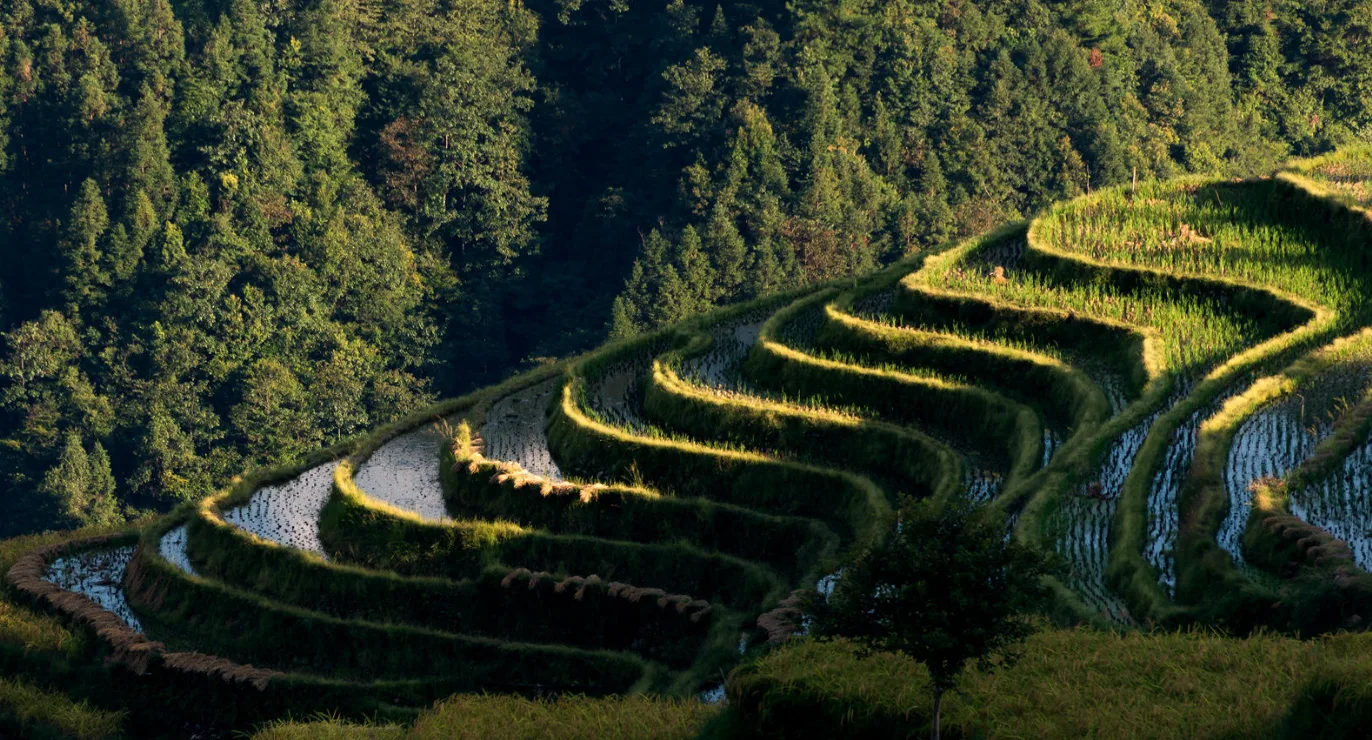
Average temperatures range from 14°C to 18°C over the year, with January averaging around 5°C and July, the hottest month, around 26°C.
Summer brings the rainy season in Guizhou, with the heaviest rainfall usually falling from May to June, but it is also when the mountains are at their greenest and many traditional events take place, including Dong Grand Song performances and Lusheng festivals. Travelers should keep their plans flexible, as mountain weather can change quickly.
Speak to An Expert
Starting Your Jounrney to Kaili
Start designing your China journey with our destination experts.
Make An InquiryTop Attractions: Discovering Miao and Dong Culture Around Kaili
Kaili Ethnic Minority Museum
If you want to learn about Guizhou’s ethnic cultures before entering the mountain villages, the Kaili Ethnic Museum in Kaili City, within Qiandongnan Prefecture, is a good place to begin. Located in the city center, the museum features exhibitions on the histories and material culture of various ethnic groups, including Miao clothing, silver ornaments, Dong architecture, and traditional handicrafts.
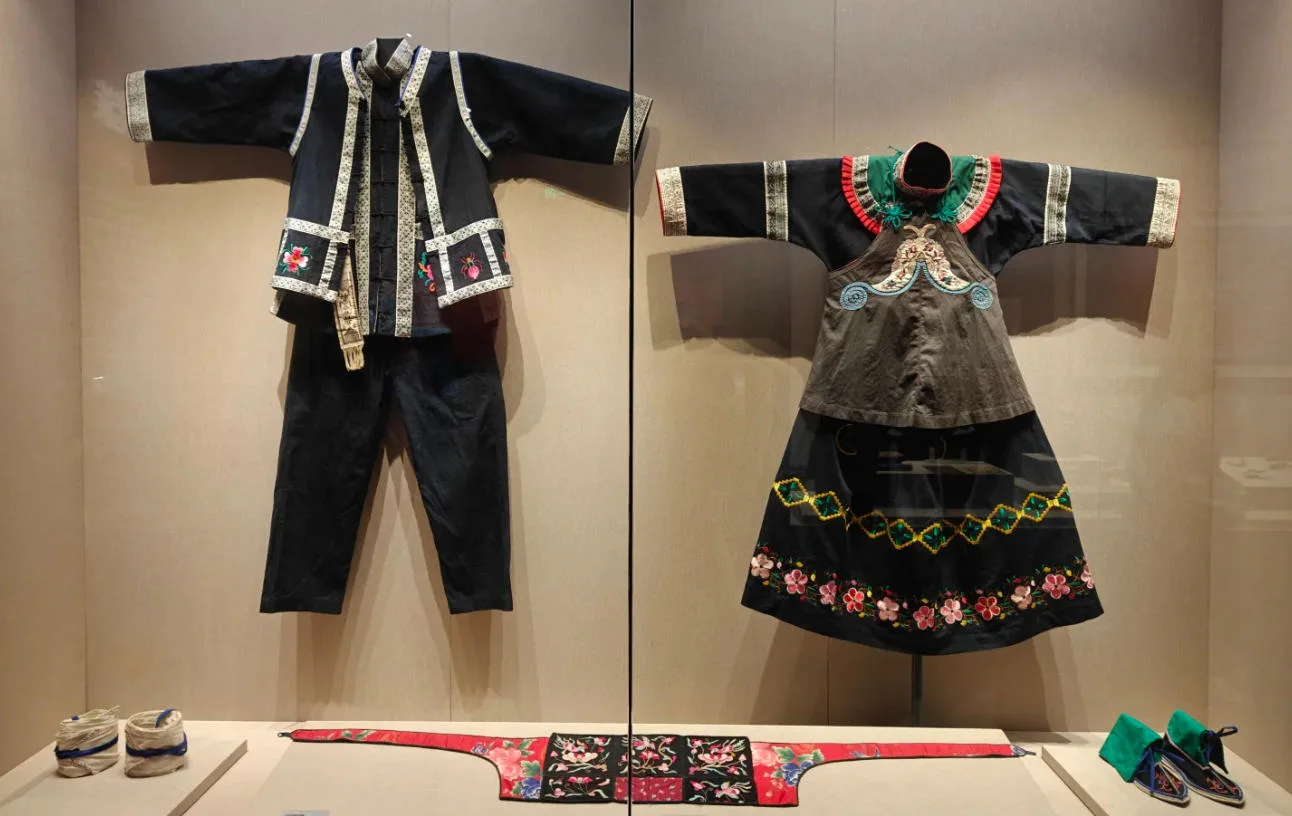
The collection includes embroidered costumes and silver jewelry from different Miao subgroups across Qiandongnan, allowing visitors to see the differences in styles, patterns, and craftsmanship between communities. It also helps visitors understand local ethnic customs before going into the villages, making the experience more meaningful, as many traditions that appear in daily life are connected to specific histories and identities.
The museum is closed on Mondays, so visitors should plan around this schedule. After the visit, take some time to explore Kaili’s old neighborhoods. Local markets, street food stalls, and everyday city life offer another perspective on the region’s ethnic cultures — not as a performance for visitors, but as a living part of the community.
Kaili Sunday Market
Kaili Sunday Market is one of the liveliest local markets in the city, and an important local market for surrounding communities. Every Sunday morning, several streets in central Kaili fill with vendors and residents from surrounding villages, creating a colorful gathering place for the region’s diverse communities.
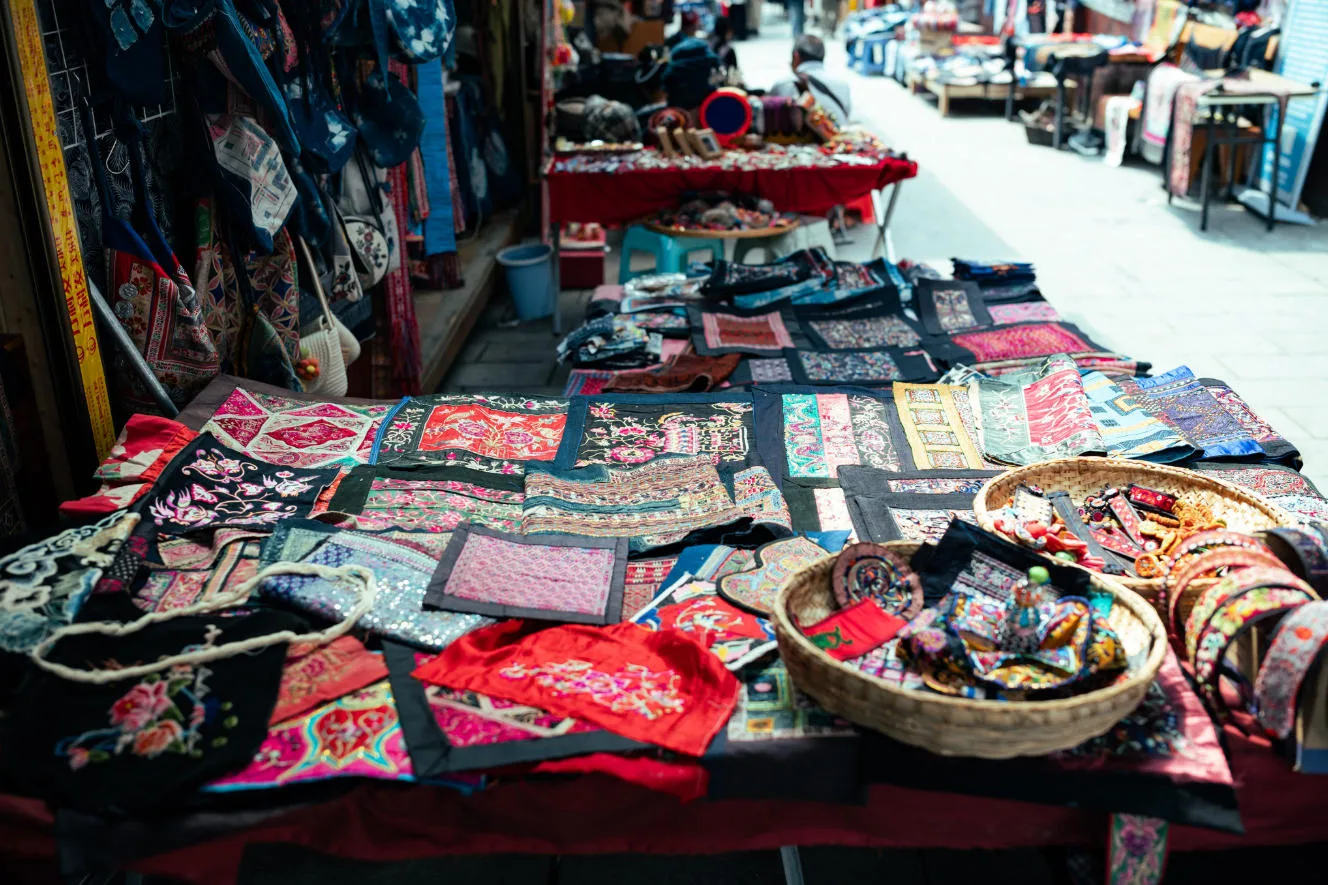
The market sells far more than fresh produce. Visitors can find Miao silver jewelry, embroidery, batik fabrics, traditional herbs, and local products. People also come in from ethnic minority villages around Kaili, often wearing traditional clothing and bringing together the colors and styles of the Miao, Dong, Gejia, and Shui cultures.
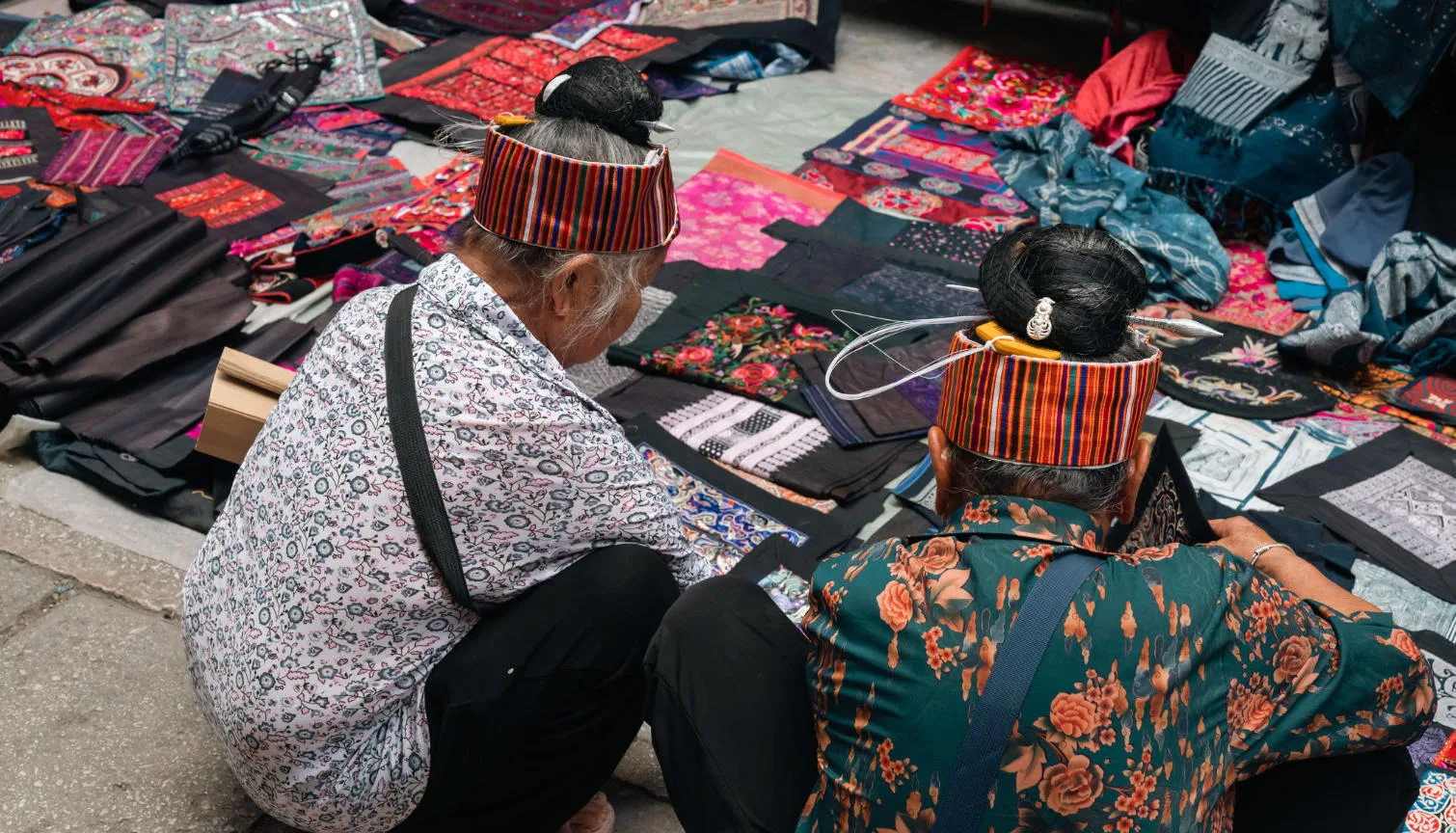
Rather than a cultural performance designed for visitors, the Sunday Market offers a chance to observe everyday life in southeastern Guizhou — from local food and handicrafts to the rhythms of a traditional mountain community. After visiting the market, travelers can continue to kaili old street for deeper cultural immersion. Dongmen Street is known for local food, while Zhongbo Street offers a variety of regional snacks.
Langde Miao Village
Langde Miao Village is about 29 km from Kaili City and is one of the many Miao villages around Kaili, offering a smaller and quieter experience. While Xijiang is famous for its large scale and dramatic hillside views, Langde retains a stronger connection to everyday village life.
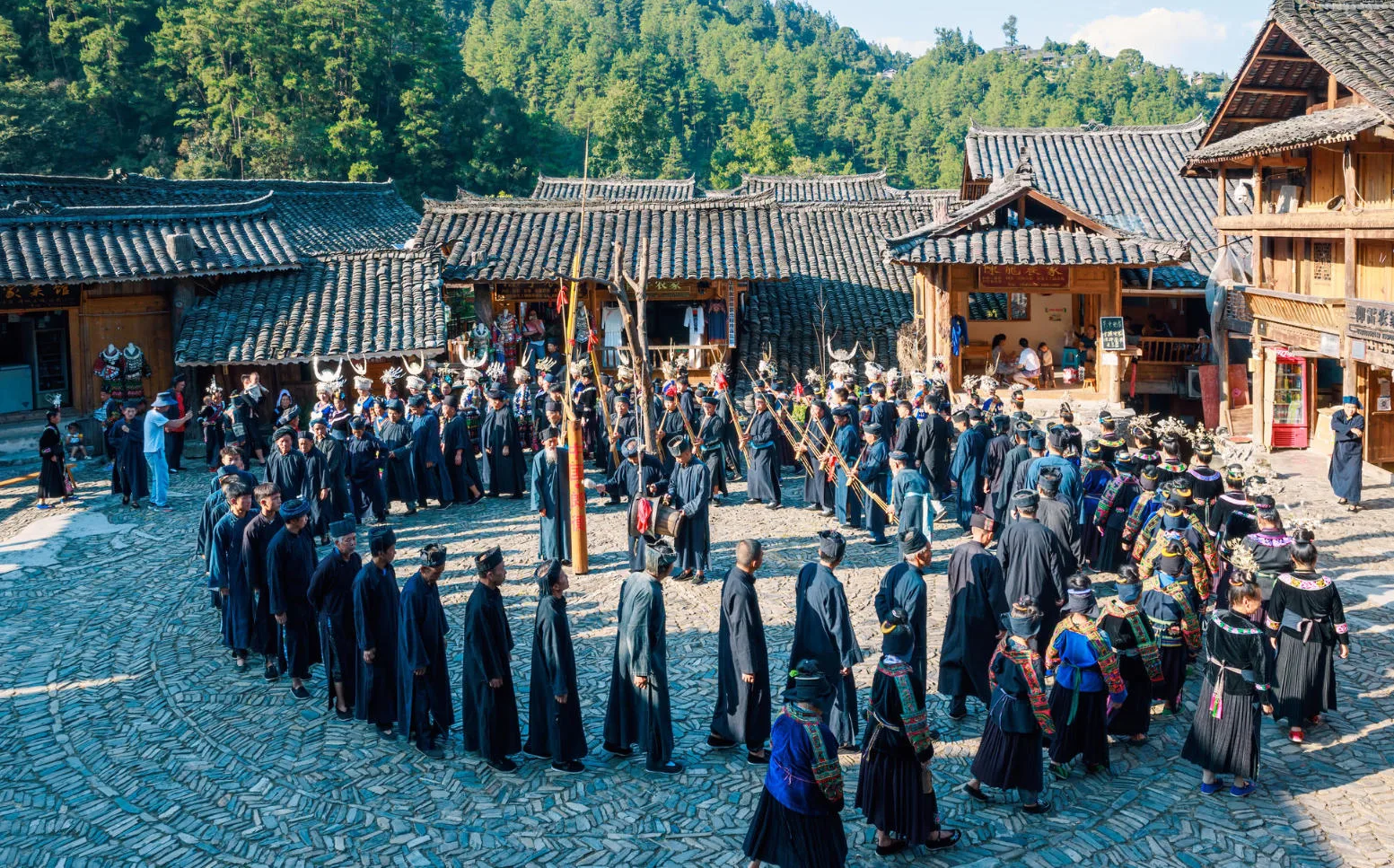
The village’s traditional welcome ceremony, known as “blocking the road with wine,” uses rice wine, and Miao singing and dancing are still organized by local residents themselves. The performers are villagers who continue these traditions as part of community life rather than professional entertainers.
With tourism remaining relatively community-led, Langde offers travelers a slower-paced experience focused on local interaction and traditional culture.
Matang Gejia Village
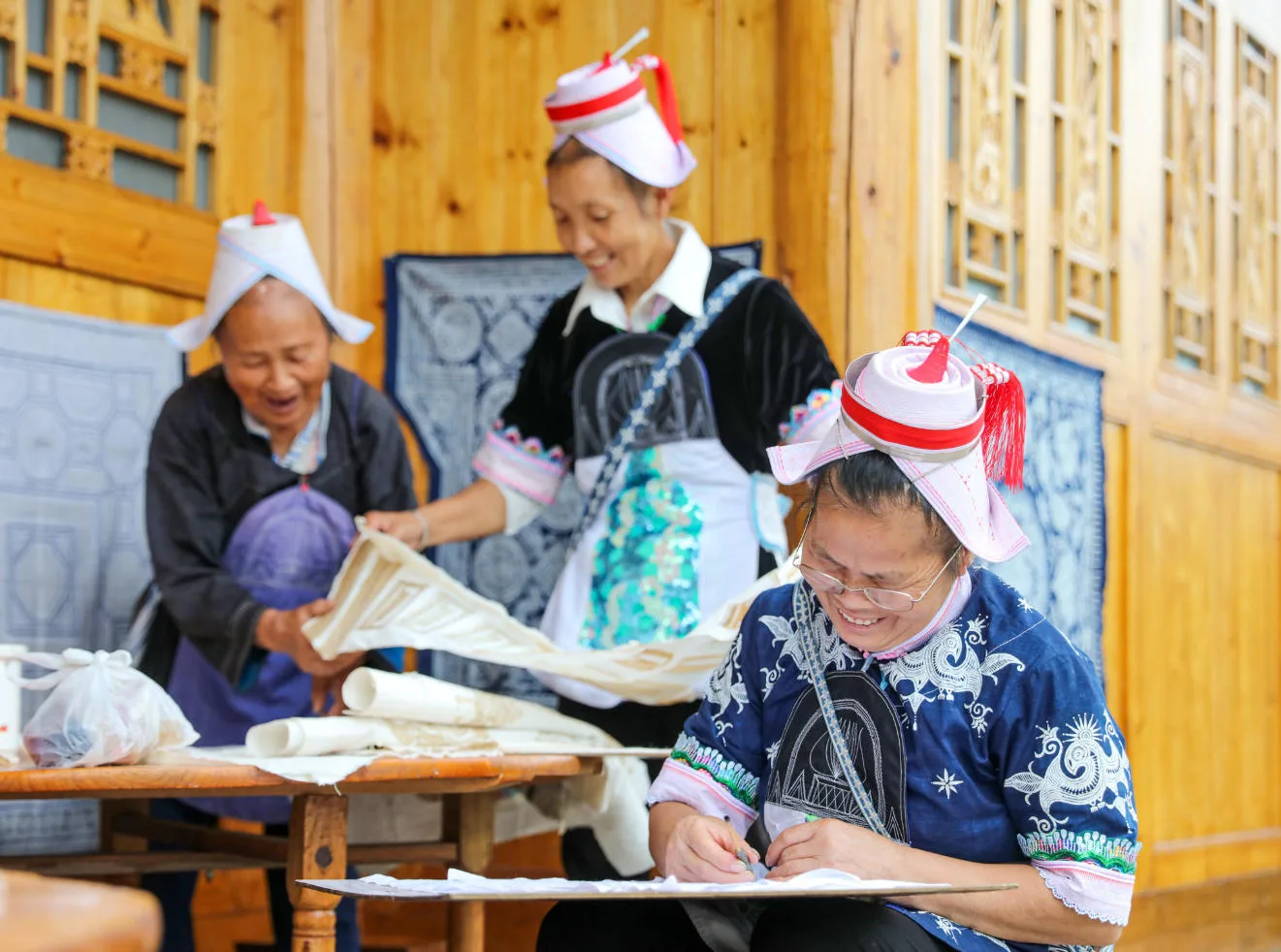
Matang Gejia Village in Longchang Town is known for its traditional batik and textile craftsmanship. The Gejia people have preserved a distinctive clothing culture and unique batik techniques passed down through generations. Visitors can learn about the traditional dyeing process and take part in a hands-on workshop to create their own batik piece.
Shiqiao Ancient Papermaking (Ancient Papermaking)
Shiqiao Miao Village is located about one hour from Kaili and is one of China’s few remaining villages where traditional handmade papermaking is still practiced.
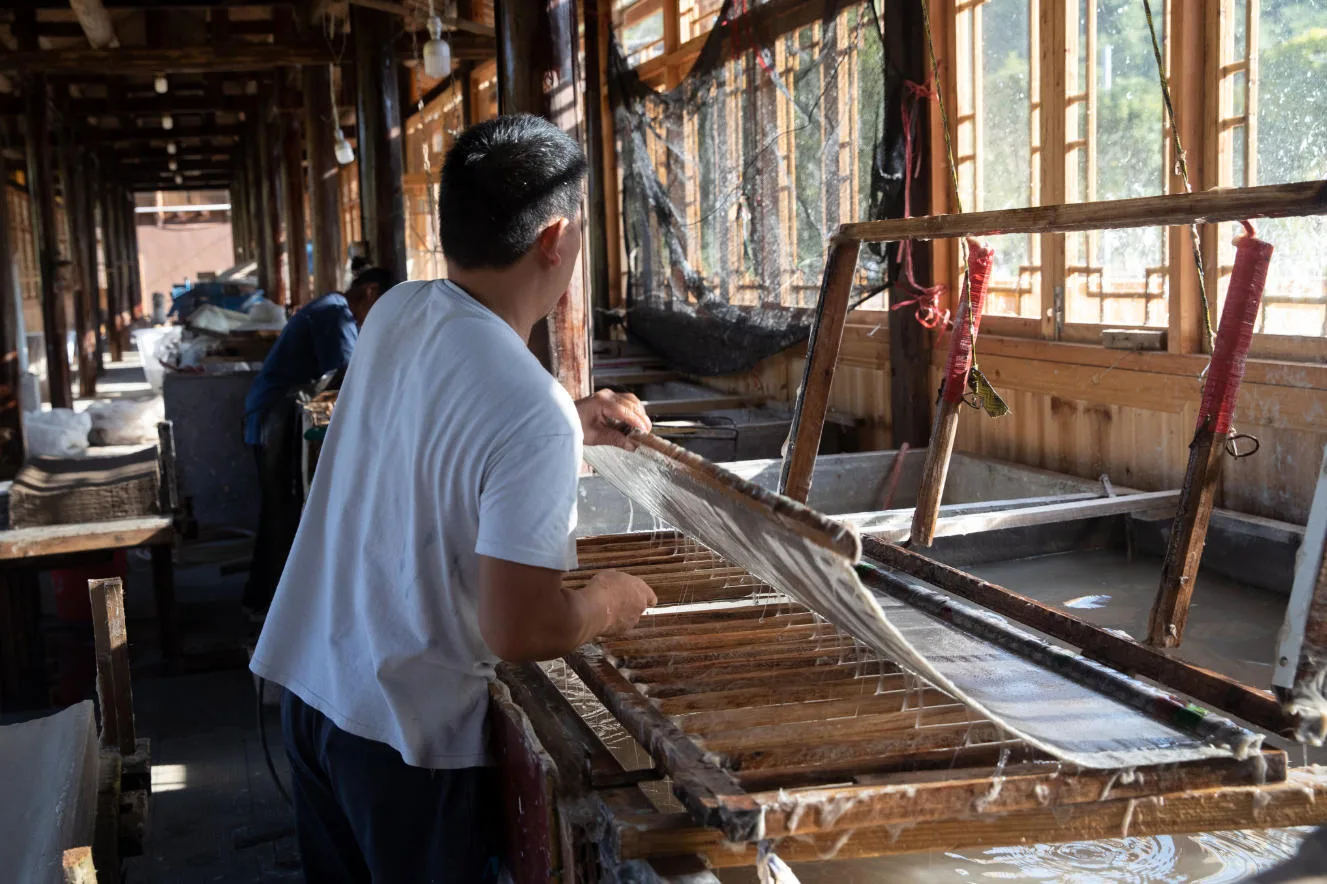
For generations, local artisans have made paper from tree bark using techniques, dating back to the Tang Dynasty, passed down through the community. Visitors can learn about this traditional craft and try making their own handmade paper through a hands-on experience.
Locally made paper products, such as paper lanterns, notebooks, and traditional paper artworks, also make meaningful souvenirs connected to the village’s living heritage.

Beyond Kaili: Extended Cultural Routes
If you have more time, you can build a broader kaili trip through southeast guizhou to explore the core areas of Xijiang, Leishan, Rongjiang, and Congjiang.
Xijiang Town:
Xijiang Miao Village
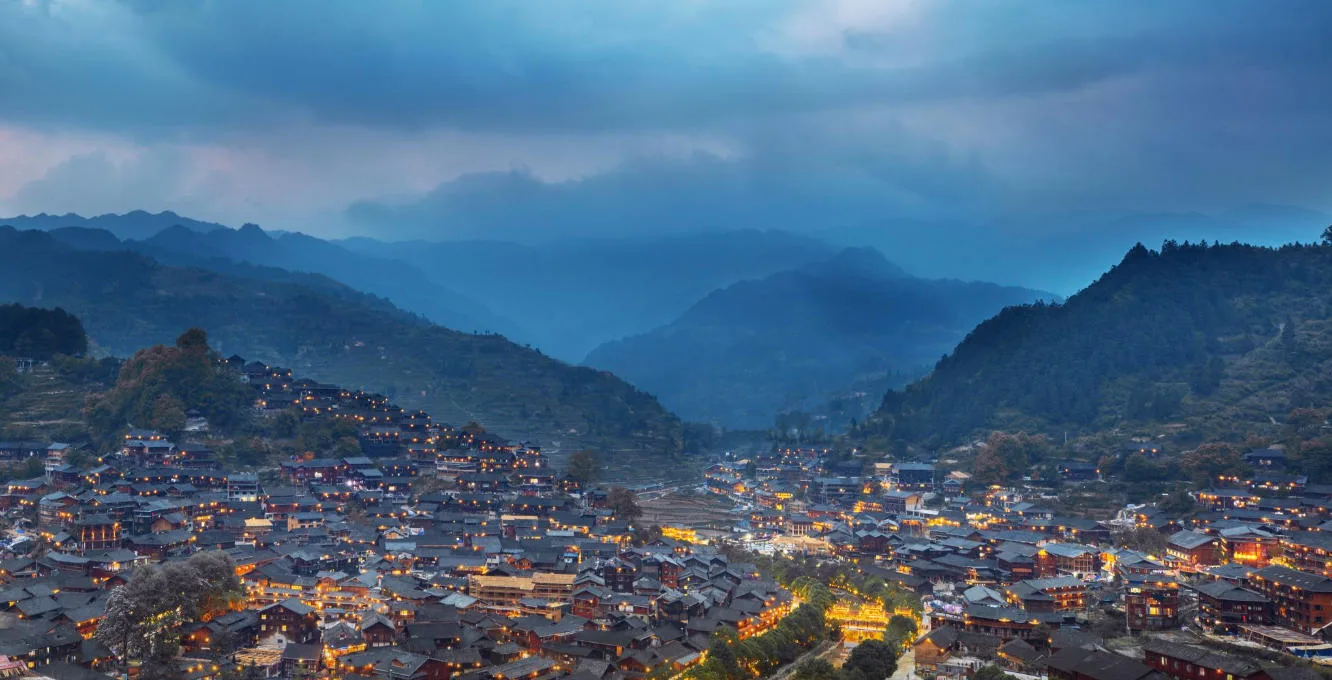
Xijiang Miao Village is the most famous Miao village in Guizhou and the largest Miao village in China, with more than 1,300 stilted houses spread across the hillsides. Located about one hour from Kaili, it is easily accessible and is often the first stop for travelers exploring Miao culture in Qiandongnan.

To truly experience the atmosphere of the village, staying overnight is highly recommended. During the day, visitors can explore the traditional wooden stilt houses, learn about Miao silver craftsmanship, and discover the village’s unique architectural style.
The most memorable time in Xijiang comes after sunset. As the lights gradually appear across the hillsides, thousands of wooden houses glow above the valley, creating one of Guizhou’s most iconic night views.
Wudong Miao Village
Wudong Miao Village is hidden deep in the Leigong Mountain area, with relatively few visitors and a slower pace of life. Surrounded by rice terraces, rice paddies, and old maple trees, the village is crossed by clear streams and still preserves many traditional aspects of Miao daily life.
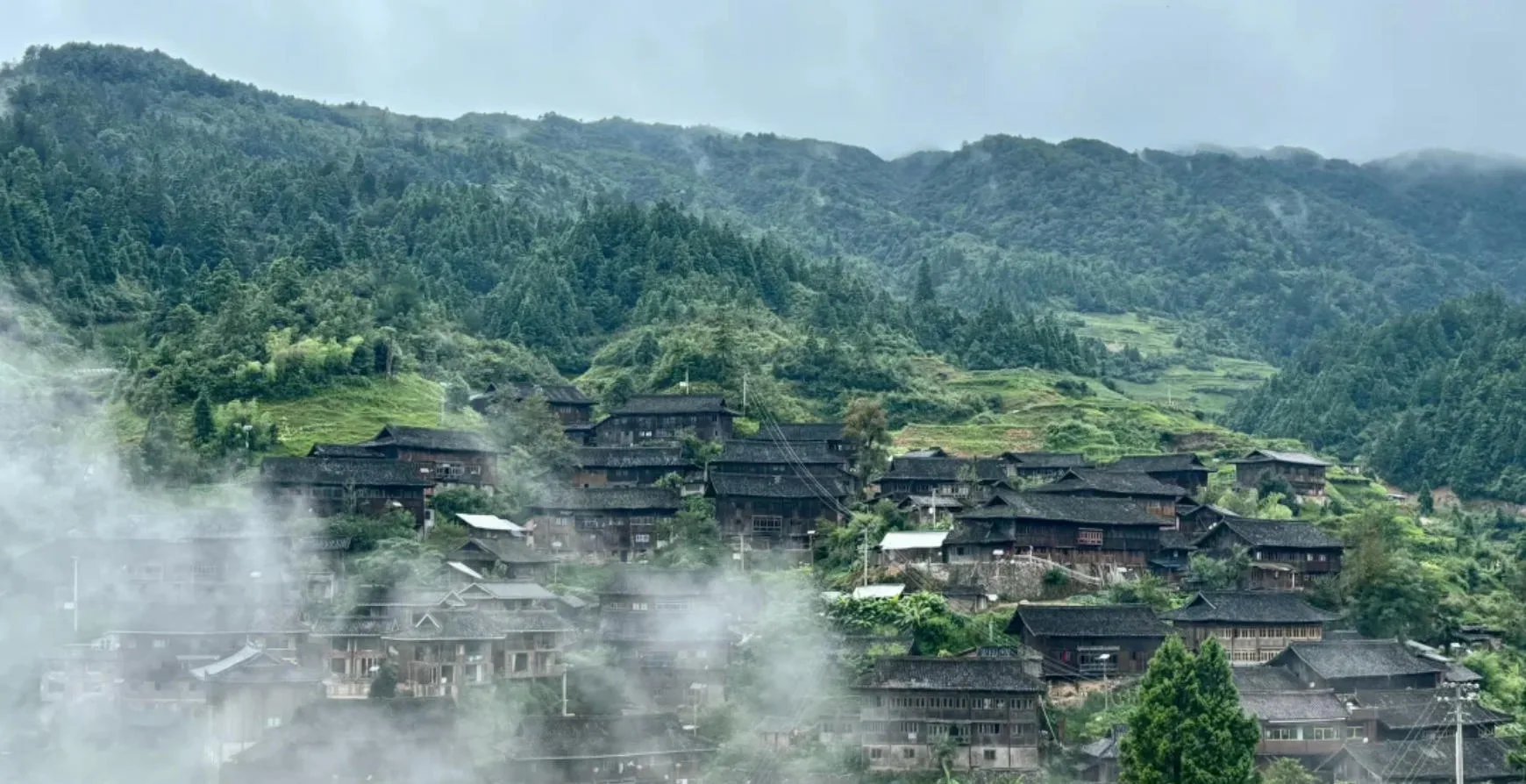
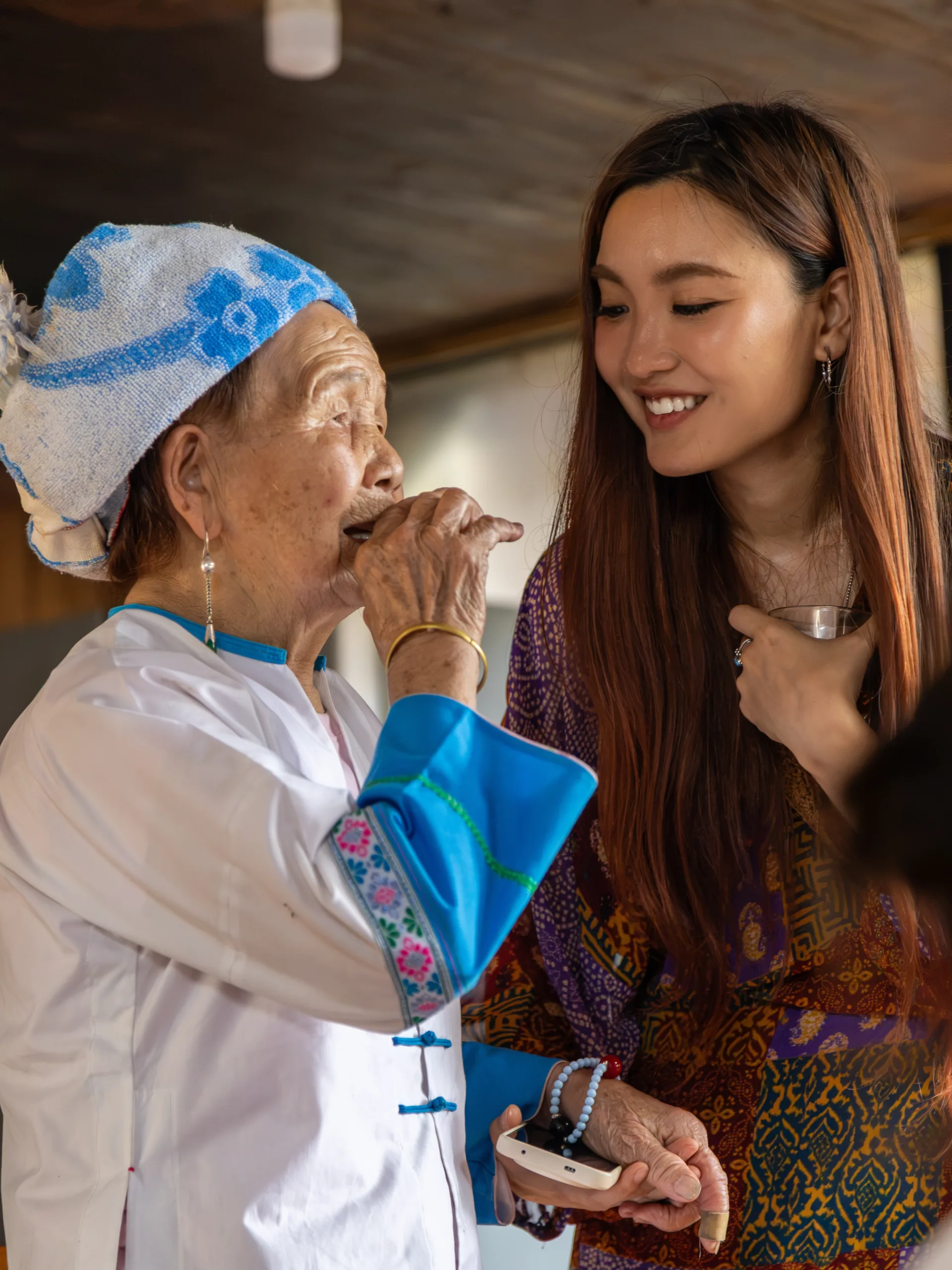
Elderly villagers can still be seen wearing traditional clothing while working in the fields, offering a glimpse of a mountain community that has remained largely away from mass tourism.
Leishan County:
Kongbai Silver Artisan Village
Kongbai Silver Artisan Village is one of the most famous silver-making villages in Qiandongnan. Almost every household here has experience crafting Miao silver ornaments.
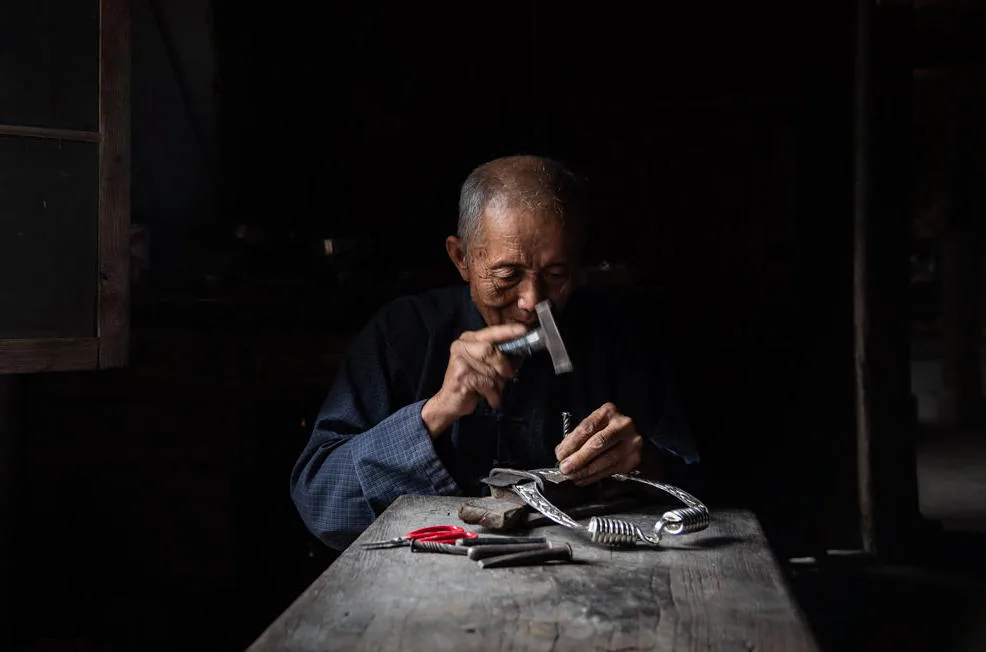
Unlike mass-produced silver products found in tourist shops, each piece is handmade by local artisans through traditional hammering and engraving techniques. Visitors can sit by a silversmith’s fire pit and spend half a day creating their own piece of silver jewelry.
Baiyan Village
Baiyan Village is located halfway up Leigong Mountain, one of the sacred mountains of the Miao people. The village is known for its layered rice terraces and boutique guesthouses converted from traditional Miao wooden stilt houses.
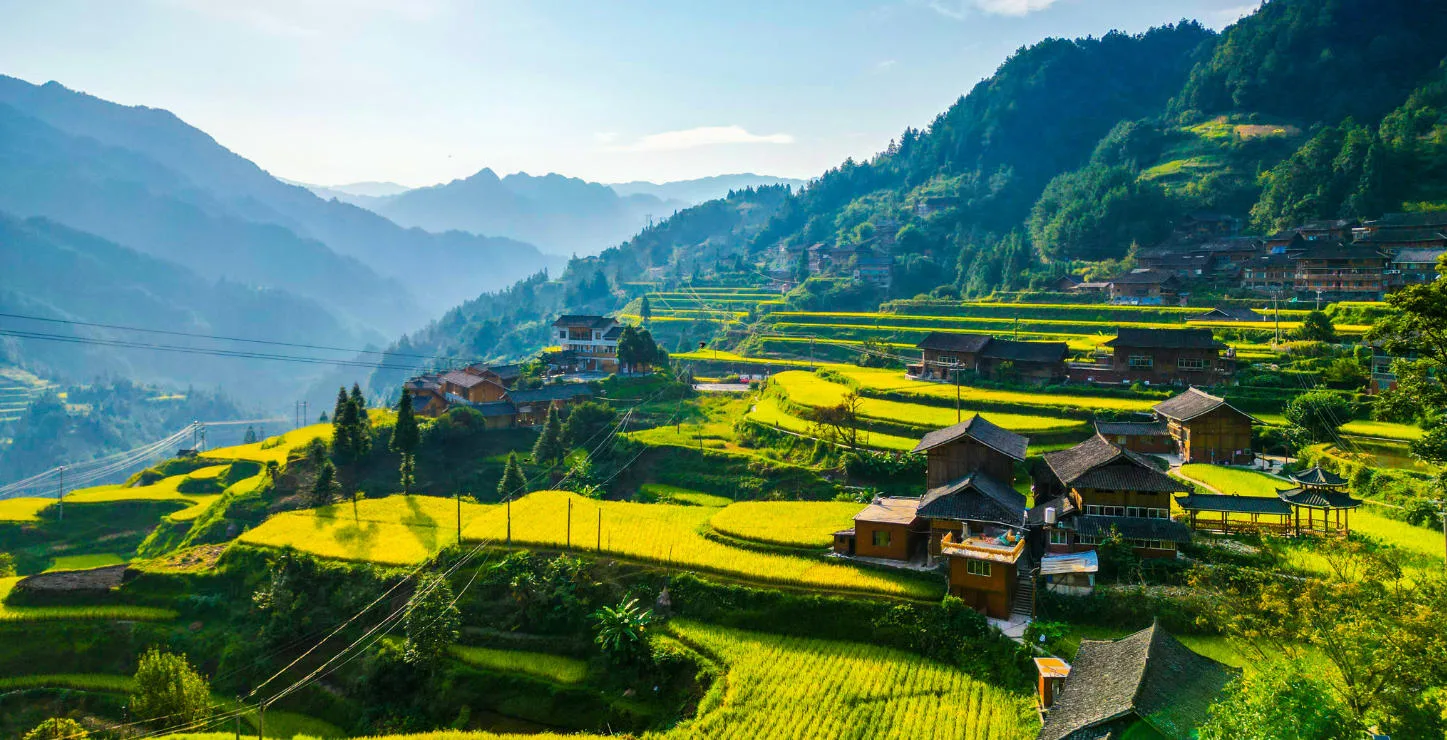
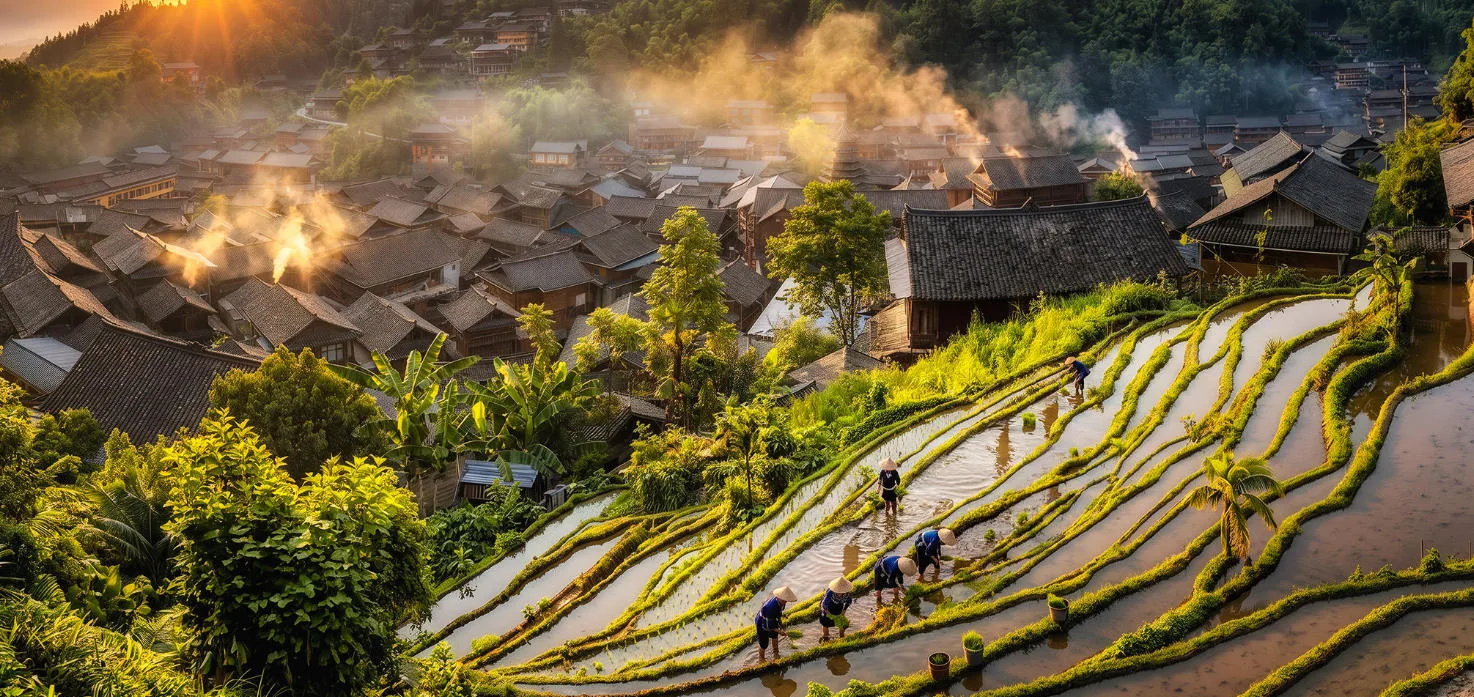
From the guesthouses, visitors can enjoy views across the terraces and surrounding mountains, part of Guizhou’s natural wonders. Nearby, Leigongshan Nature Reserve is a popular area for hiking and experiencing the mountain’s biodiversity, with chances to encounter local ethnic people while exploring. During the spring irrigation season, the terraces are filled with water, creating mirror-like reflections across the landscape. In autumn, the fields turn golden during the harvest season.
Compared with Xijiang Miao Village, Baiyan Village is a better choice for travelers looking for a quieter place to slow down and experience everyday Miao village life.
Rongjiang County:
Dali Dong Village
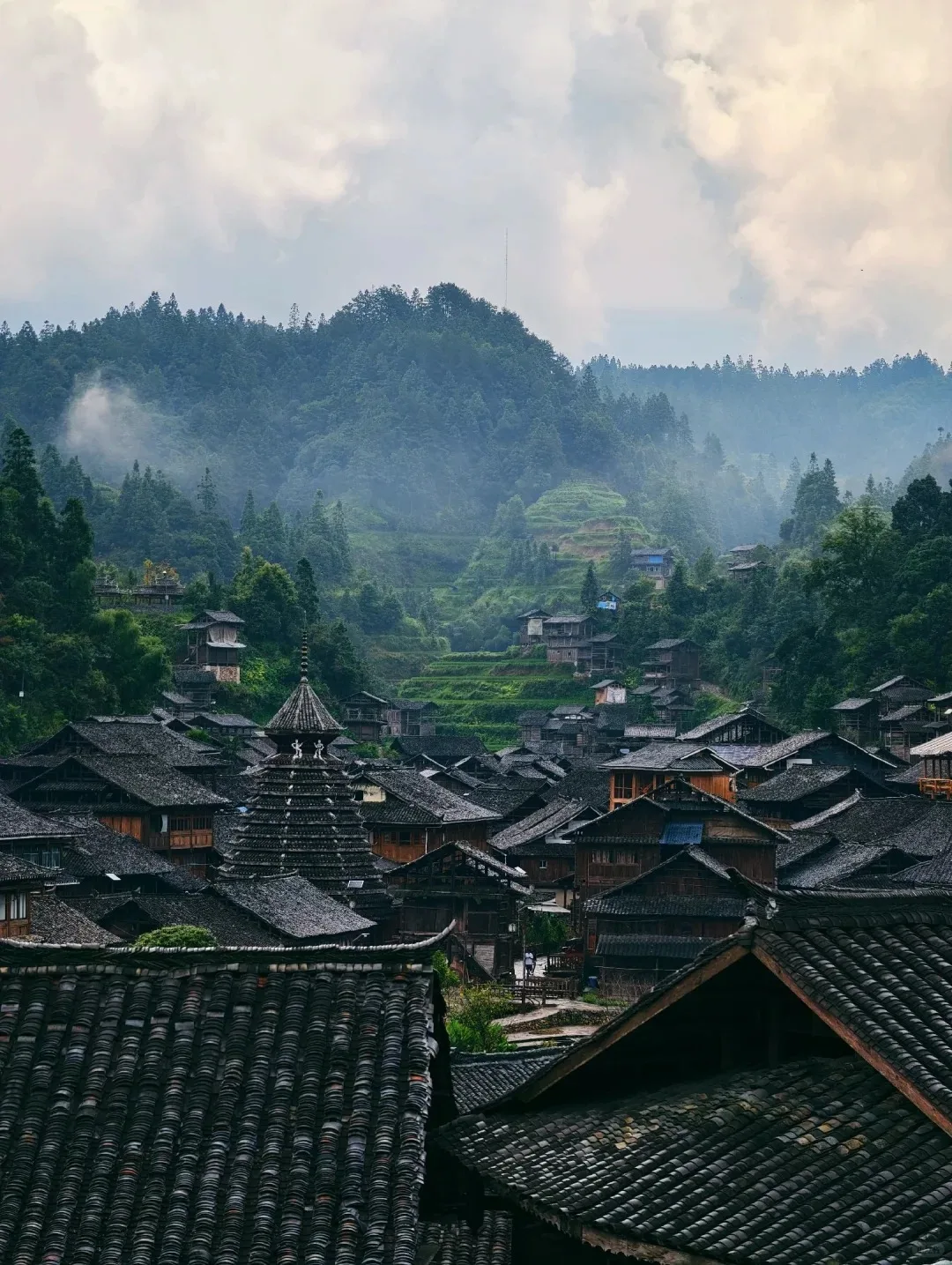
Dali Dong Village is known for its ancient wind and rain bridges and well-preserved wooden architecture. At the center of the village stands the drum tower, an important gathering place for the Dong community. Built entirely with traditional joinery techniques without a single nail, the structure has remained stable through centuries of weather.
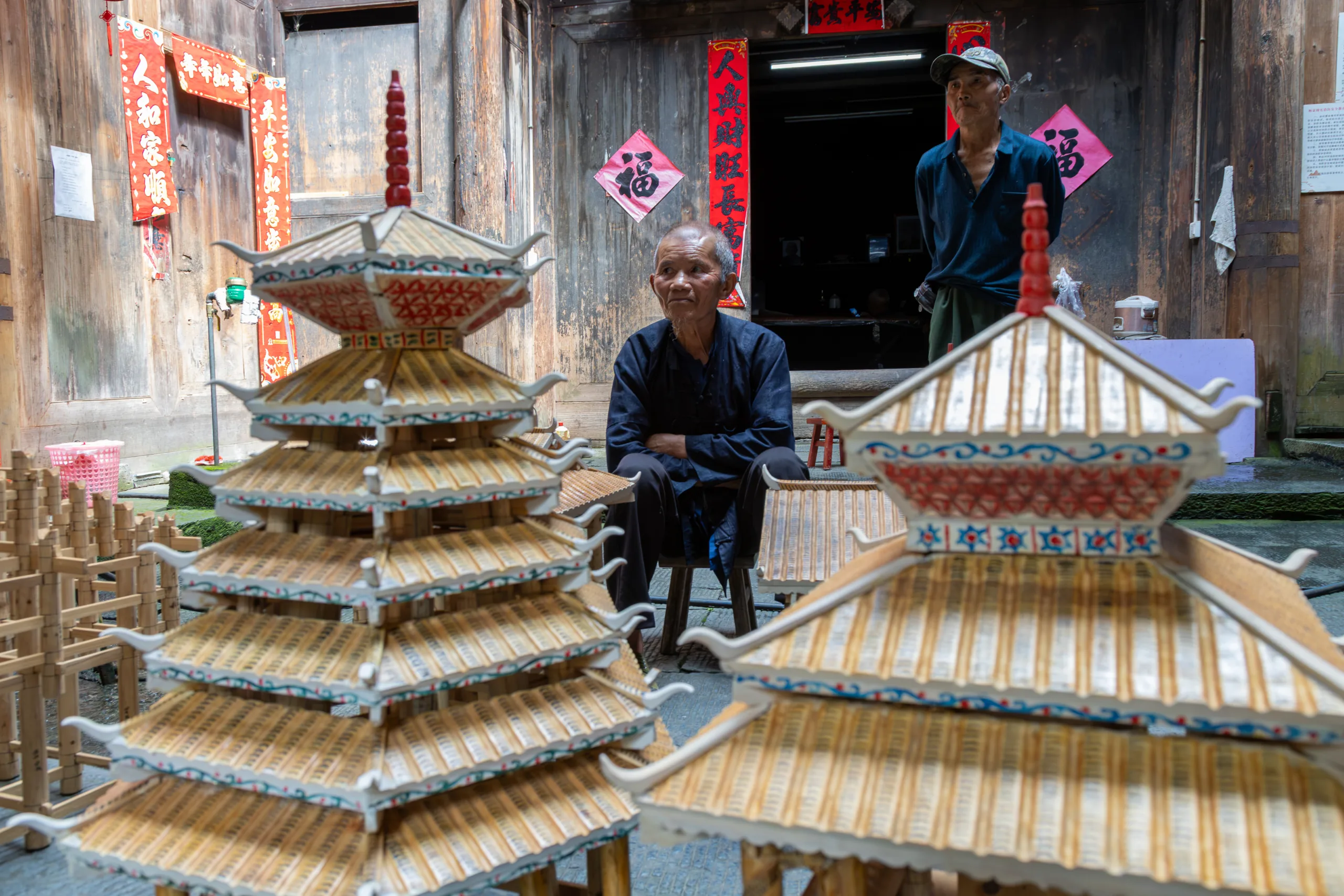
The village is still home to experienced craftsmen known locally as Zhangmoshi, who specialize in building drum towers and wind and rain bridges. Visitors can visit their homes and hear how these structures are created without formal drawings, relying on experience, traditional knowledge, and markings carved onto bamboo pieces.
Baibei Miao Village
Baibei Miao Village is built on a mountainside and is famous for the Miao people’s elaborate traditional costume, the “bird garment” (Baoniaoyi).
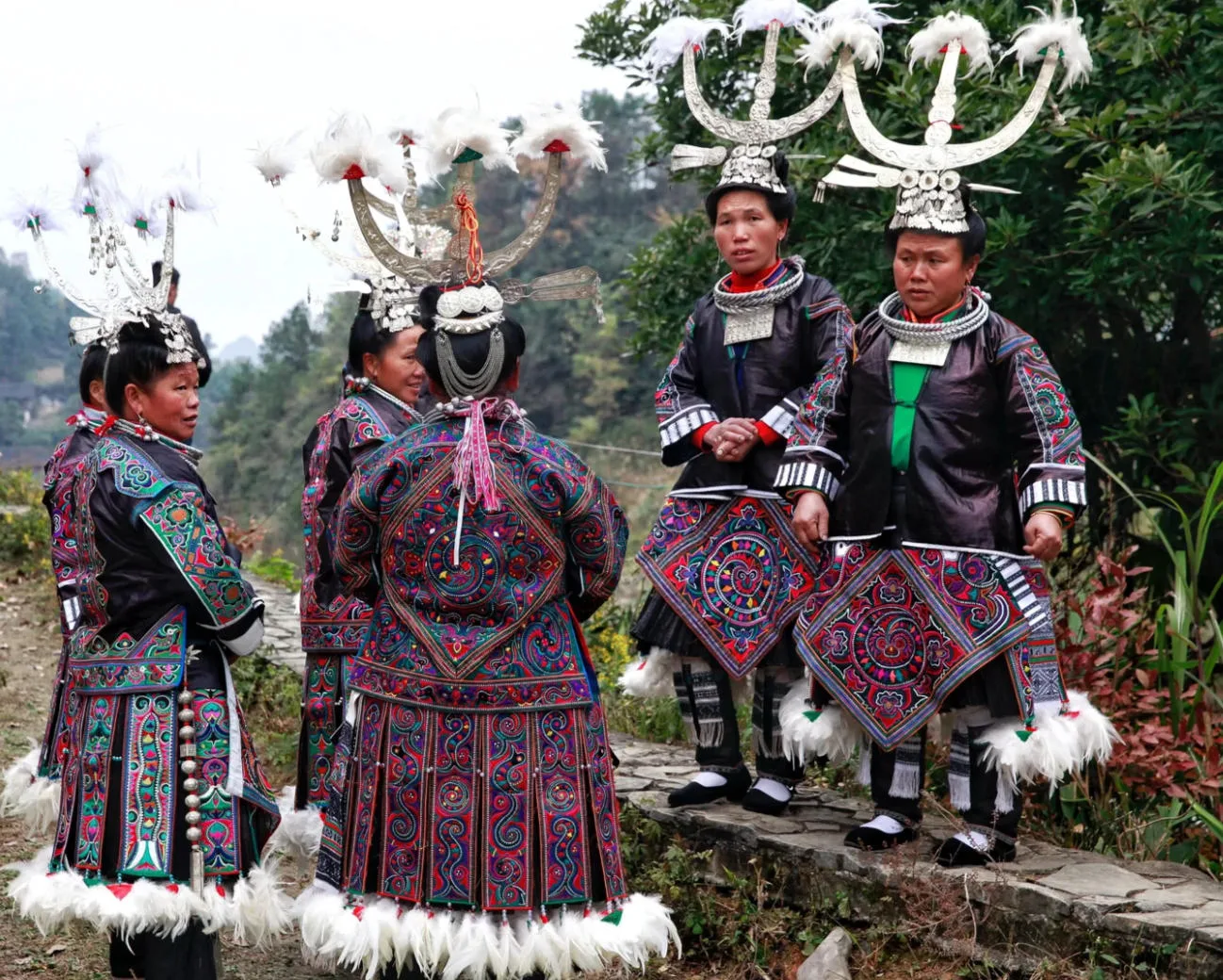
Worn by Miao women during major festivals, the costume is covered with detailed embroidery and decorated with real bird feathers. When the wearer spins, the feathers move like the wings of a bird. The craftsmanship is extremely complex, and creating one complete garment can take several years. It is considered one of the finest examples of Miao embroidery and feather craftsmanship.
Women in the village still wear traditional pleated skirts and embroidered clothing in daily life, and the community continues to maintain its traditional rhythm.
Congjiang County:
Jiabang Rice Terraces

Jiabang Rice Terraces are among the most beautiful terraced landscapes in Guizhou, especially during the spring irrigation season and before the autumn harvest. The surrounding Miao and Dong villages preserve distinctive differences in clothing, architecture, and language, making this area especially appealing for travelers interested in ethnic cultures.
Basha Miao Village
Basha Miao Village is known as China’s “last gunmen tribe.” Men in the village still preserve a traditional hairstyle, wearing their hair in a topknot and carrying long knives and traditional guns as part of their cultural identity. The village also maintains traditional practices such as the sickle haircut ceremony.
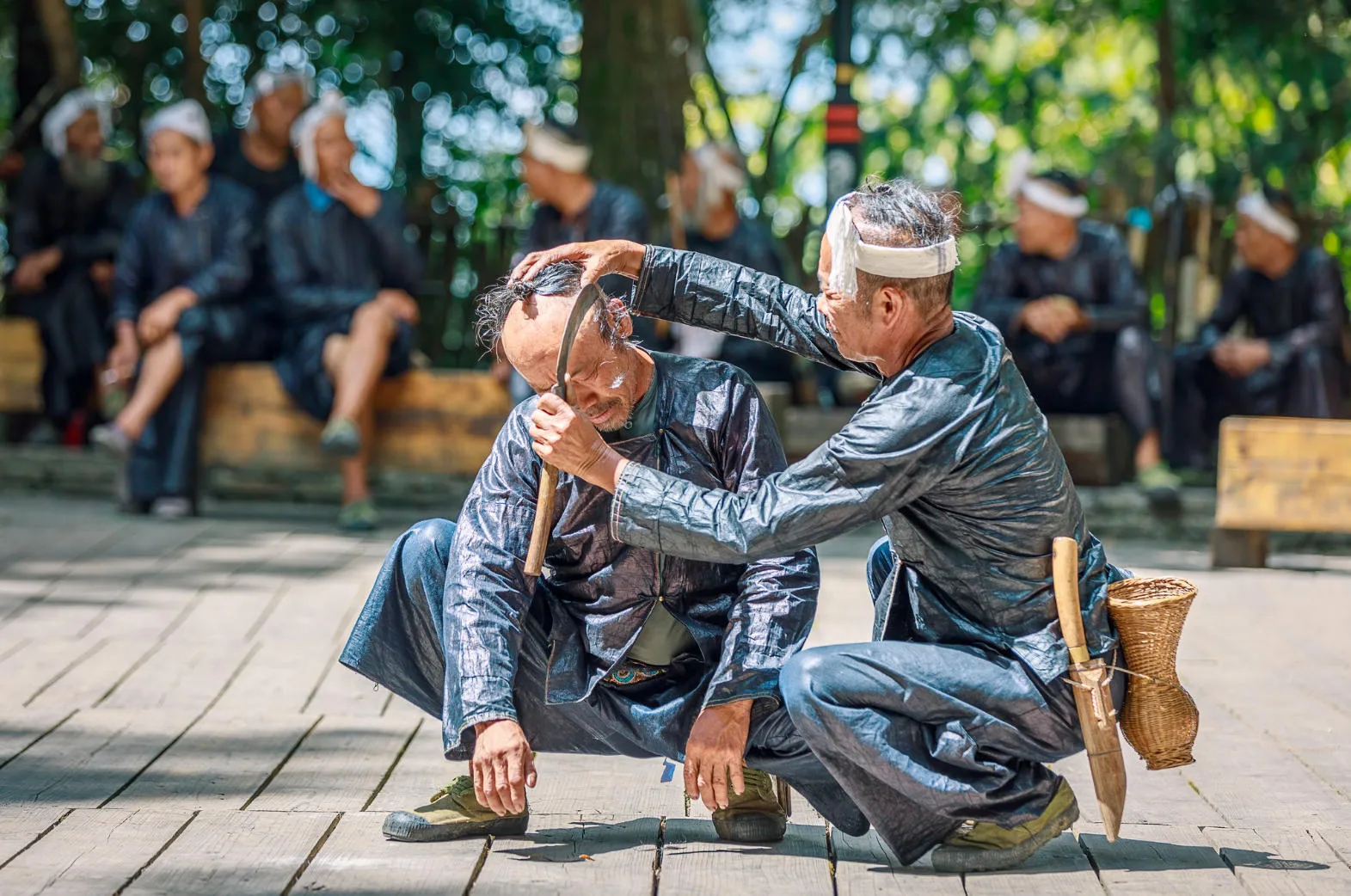
The Basha people consider themselves descendants of Chiyou and have a deep connection with trees. When a child is born, the family plants a tree for them. Traditionally, the tree is later used to make the coffin after the person passes away, and another tree is planted at the burial site.
This connection between human life and trees remains one of the most distinctive aspects of Basha culture.
Accommodation, Food, Weather And Maps
Accommodation in Kaili generally falls into two categories.
For travelers who prefer convenience, staying in Kaili city is the most practical option. Hotels near kaili downtown provide the most convenient base for exploring nearby villages and returning to a comfortable stay at night.
For those who want to experience village life, consider staying in boutique guesthouses in places such as Xijiang Miao Village, Zhaoxing Dong Village, or Dali Dong Village. Staying overnight allows you to experience the quieter side of village life, especially in the early morning and after sunset when most day visitors have left.
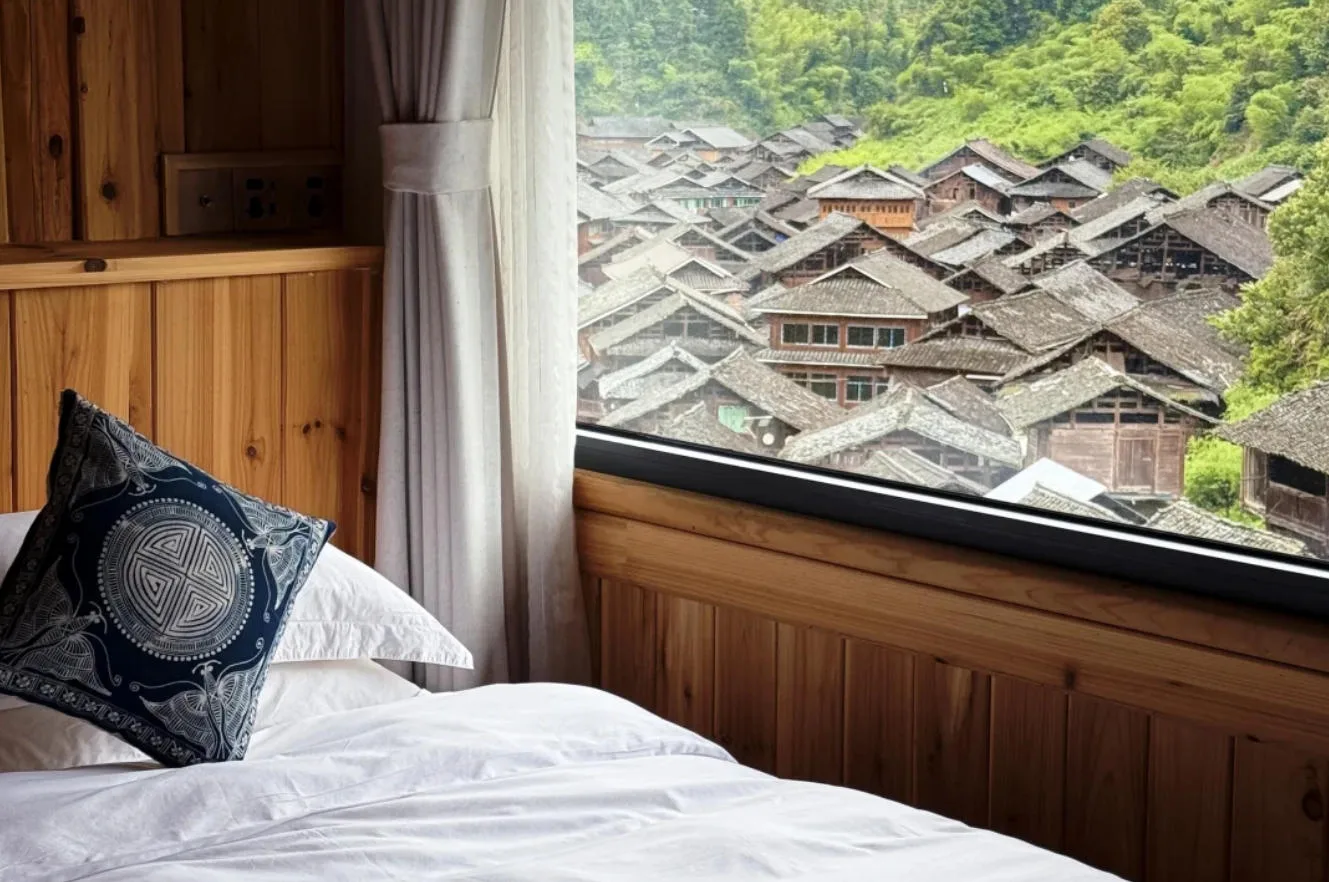
Accommodation in Langde Miao Village is relatively basic, while Matang Gejia Village currently has no established accommodation options. For both places, it is more convenient to visit during the day and stay overnight in Kaili.
When visiting Kaili, don’t miss some of Guizhou’s local specialties, as Kaili is famous for sour fish soup and its cuisine is known for sour, spicy, and fresh flavors, including:
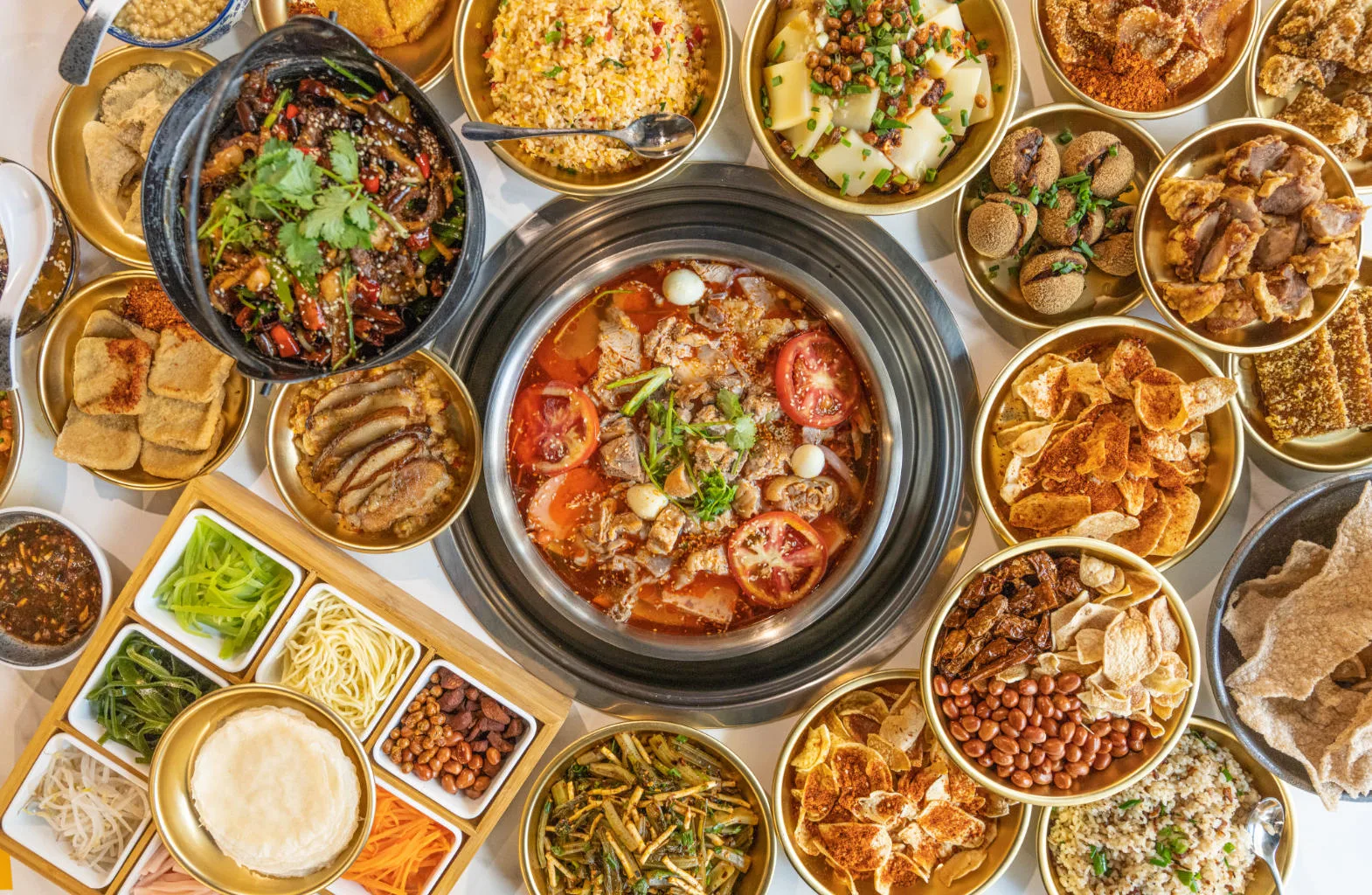
- Sour soup fish,
- sour beef soup;
- Miao-style cured pork;
- Glutinous rice dishes;
- Guizhou rice noodles.
Guizhou’s weather changes quickly, and mountain areas often have noticeable temperature differences between morning and evening. Kaili lies on the yunnan guizhou plateau, which contributes to changeable mountain conditions. It is recommended to bring:
- Comfortable waterproof hiking shoes;
- Lightweight rain gear;
- A light jacket.
Speak to An Expert
Starting Your Jounrney to Kaili
Start designing your China journey with our destination experts.
Make An InquiryBest Festivals to Experience Miao and Dong Culture
If you want to experience a deeper connection with local cultures, consider planning your trip around traditional festivals. Kaili is known for its famous festivals and is sometimes described as a place of a hundred festivals, with over 130 ethnic festivals held each year.
Major festival periods often fall in January, April, and November.
The climbing festival at Xianglushan is another lively local celebration, known for singing and bullfights, and the mountain also has a Ming Dynasty inscription that adds to its cultural significance.
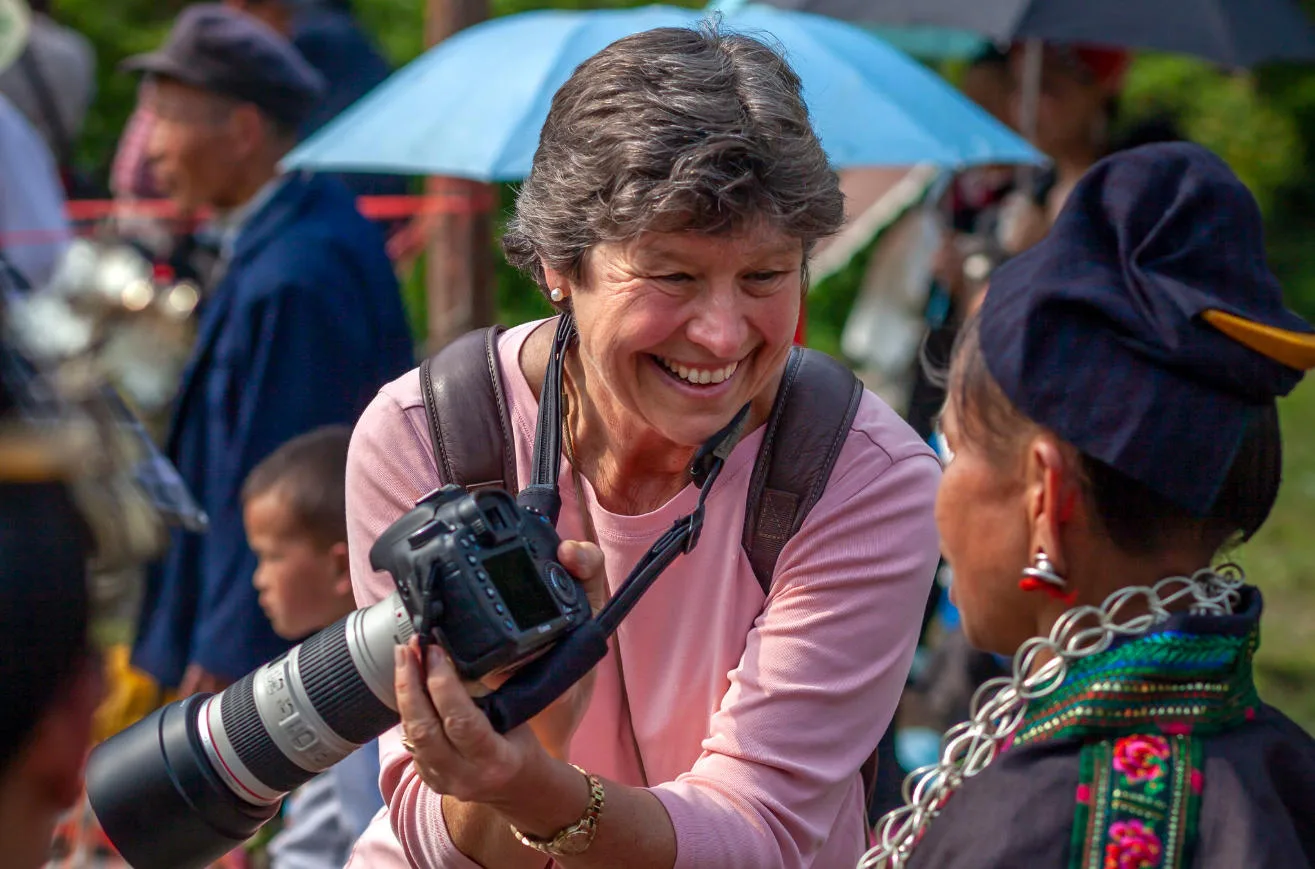
Recommended festivals include:
- Sisters’ Meal Festival (mid to late April): Traditionally associated with Shidong Town, this celebration features Miao dress, singing, dancing, and courtship customs.
- Lusheng Festival: This six-day celebration includes bonfire dances and performances with the traditional lusheng.
- Miao New Year (late October to mid-November): Join one of the most important traditional celebrations of the Miao people.
- Dong Grand Song Festival (September–October): Experience the traditional choral performances of the Dong people.
- Dong New Year (late November to mid-December): Observe one of the most important traditional festivals in Dong communities.
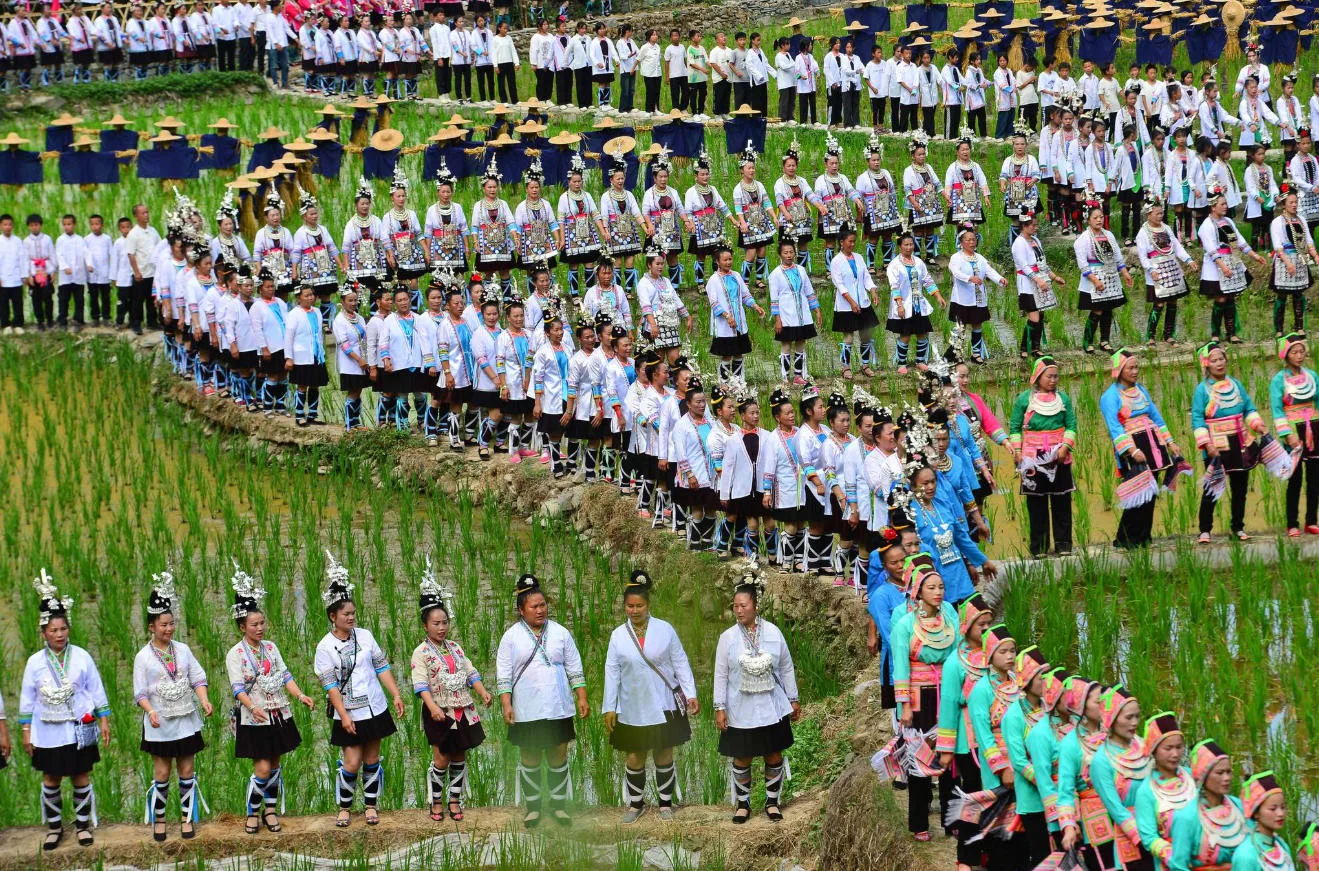
Festival dates may change each year, and different villages may celebrate on different dates. It is recommended to confirm the schedule in advance.
Getting There: High Speed Train, Airport, Bus
Kaili transportation is usually easiest by high-speed train. Kaili South Railway Station, the main train station for the area, is about 8 km from downtown Kaili and connects the city with major destinations such as Guiyang, Guangzhou, and Changsha; high-speed trains link Kaili with Guiyang in about 30 minutes.
Kaili Huangping Airport is about 70 km from downtown Kaili and currently has limited flight options, so most international travelers prefer to first arrive in Guiyang and then continue to Kaili; for those arranging village stays or onward local visits, Zhouxi Town can also be a useful reference point nearby. Travelers can also come from the provincial capital city, Guiyang, by bus in about 2.5 hours.
Getting Around Kaili To Ethnic Villages
Transportation between the villages around Kaili can be challenging. Buses link Kaili to many nearby Miao villages, but they remain limited in coverage and are not the most convenient option for travelers who want to explore multiple stops in the region. Many villages are scattered across the mountains, where roads are often winding and travel times can be longer than they appear on a map.
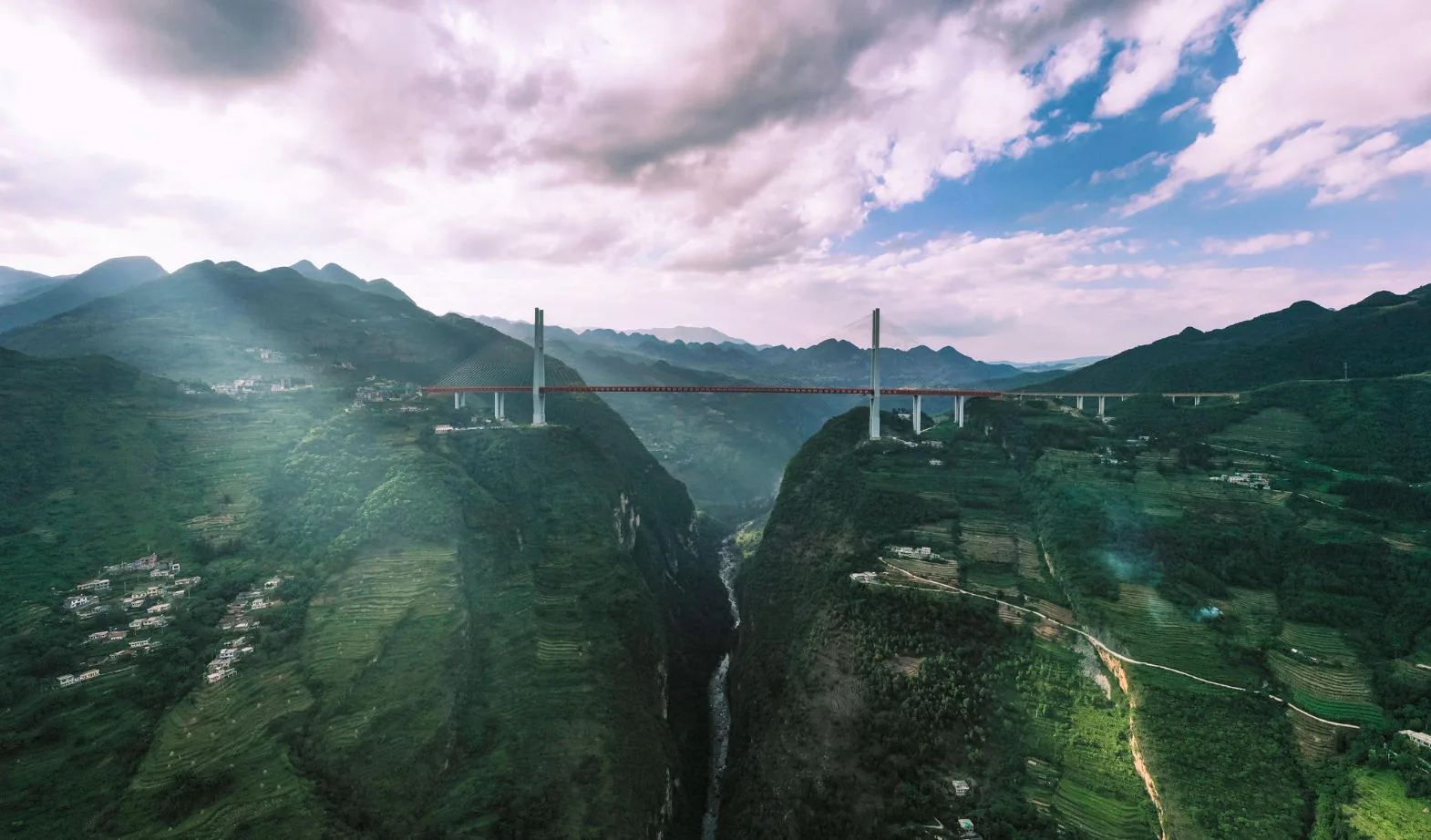
A private vehicle combined with a local guide is usually the most comfortable way to explore the area. Local guides not only know the roads well, but also understand village festivals, local activities, and how to communicate with the communities.
Speak to An Expert
Explore Kaili with Eastogo
Start designing your China journey with our destination experts.
Make An InquiryHow Many Days Do You Need in Kaili? Suggested Itineraries
If you are visiting Qiandongnan for the first time, we recommend this 3–4 day itinerary as part of a broader Guizhou tour for travellers planning around Kaili.
Recommended route:
Day 1: Arrive in Kaili → Xijiang Miao Village → Experience the village night view Stay overnight in Xijiang.
Day 2: Xijiang → Langde Miao Village → Matang Gejia Village → Kaili
Day 3: Kaili → Shiqiao Ancient Papermaking Village → Zhaoxing Dong Village
Day 4: Explore Zhaoxing Dong Village in depth → Continue to your next destination
If you have more time, you can also extend the journey to Rongjiang and Congjiang for a deeper exploration of Guizhou’s ethnic cultures and mountain communities, or continue to Zhenyuan Ancient Town, a historic ancient town on the Qingshui River, especially if your dates align with the Dragon Boat Festival, explore our 8-Day Guizhou Journey or 14-Day Guizhou & Yunnan Journey.
If you enjoy nature and hiking, discover more through Exploring Guizhou’s mountains, hiking trails and sacred peaks.
Practical Tips: Money, Language, Connectivity
Kaili city has ATMs and banks, and most hotels and restaurants accept mobile payments. However, some small vendors and local guesthouses in villages may only accept cash, so carrying some small bills is recommended.
In some villages, elderly Miao and Dong residents may not speak much Mandarin. Learning a few simple greetings can be helpful. Mobile signal can be unstable in mountain areas, so download offline maps and translation tools before visiting remote villages.
Explore Eastogo’s Kaili Cultural Journeys
Kaili’s charm lies not only in its famous villages, but also in the communities, traditions, and connections found along the mountain roads.
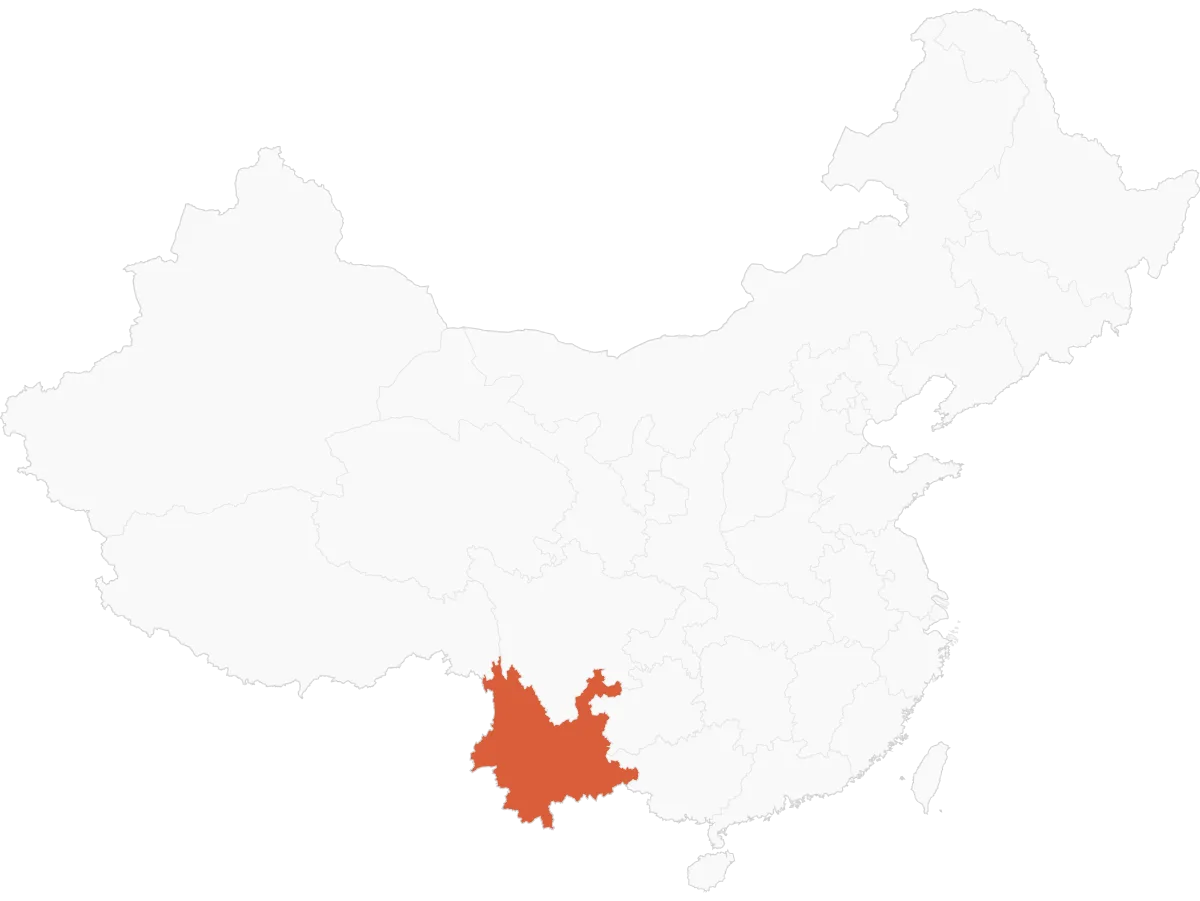
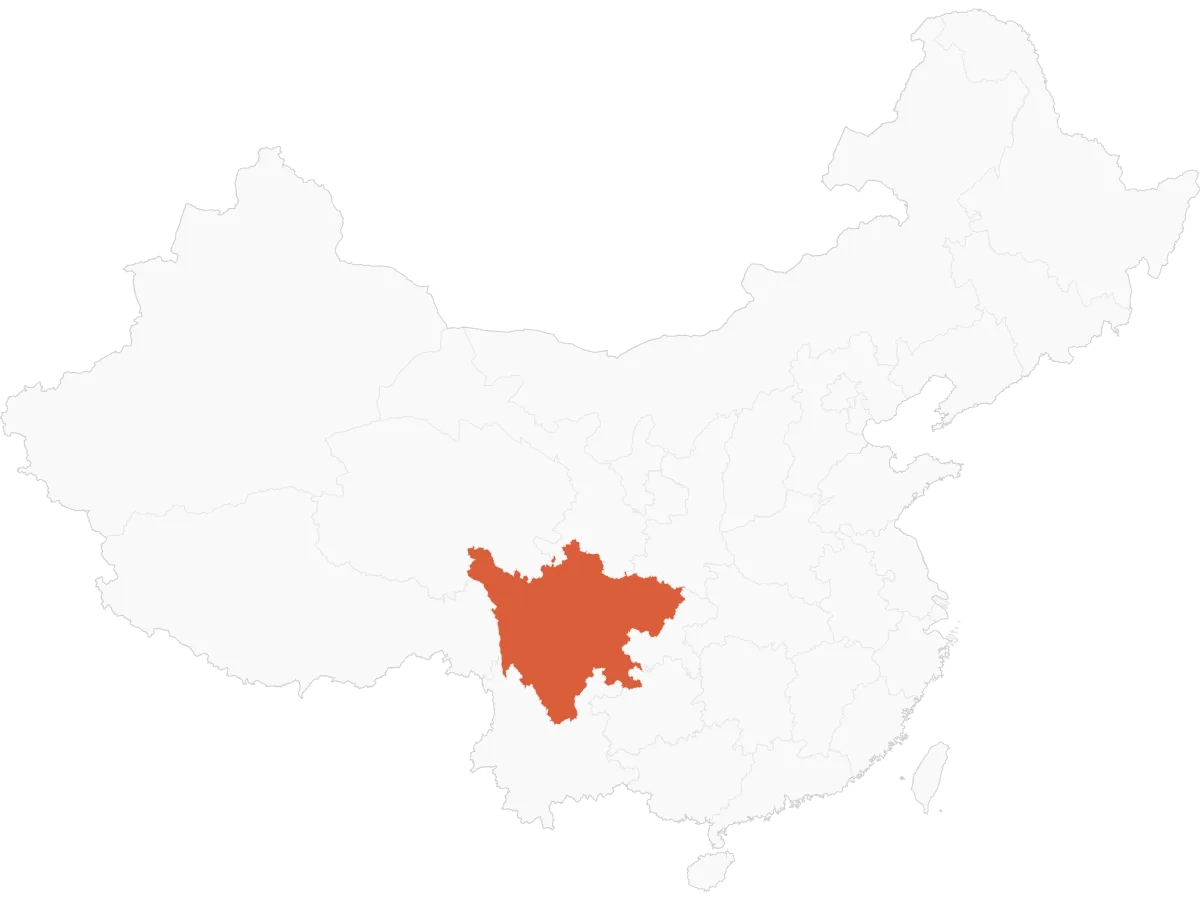
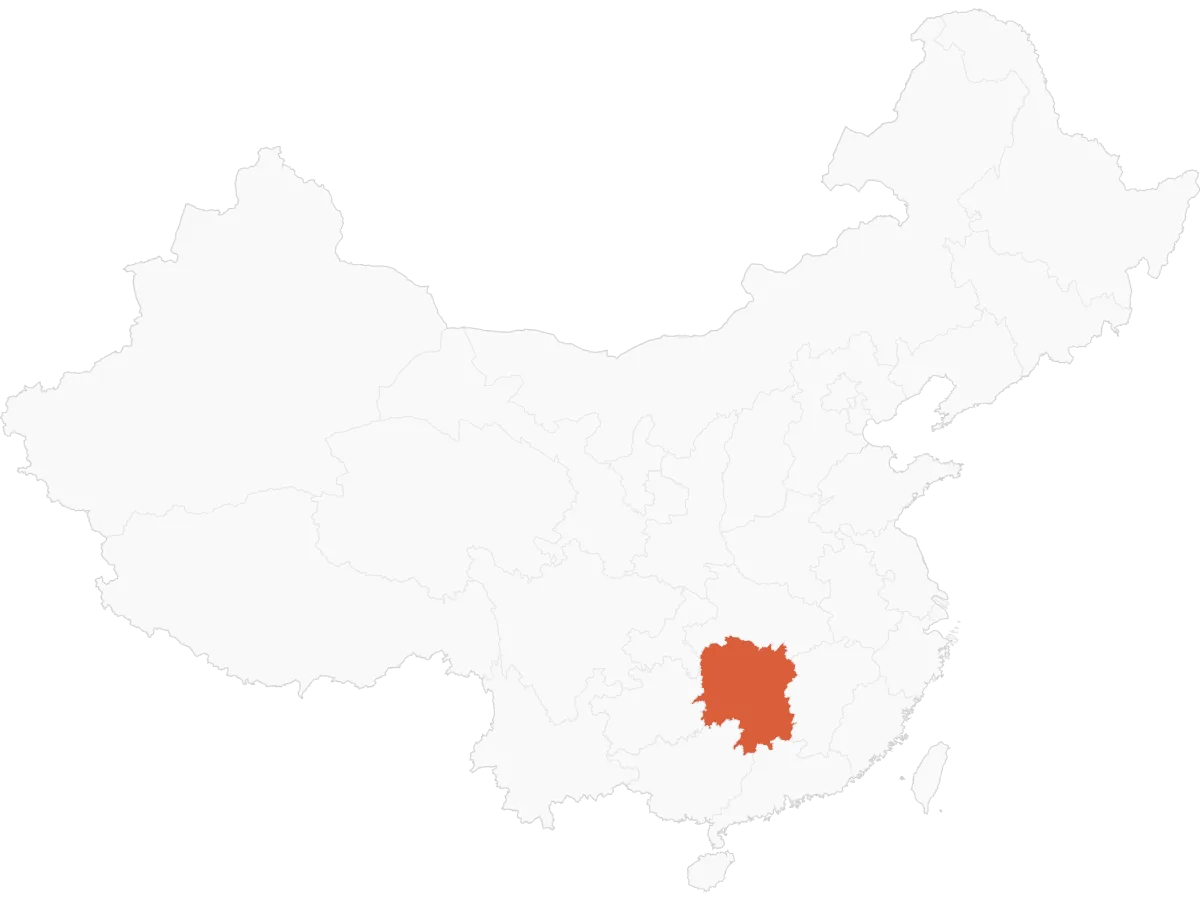
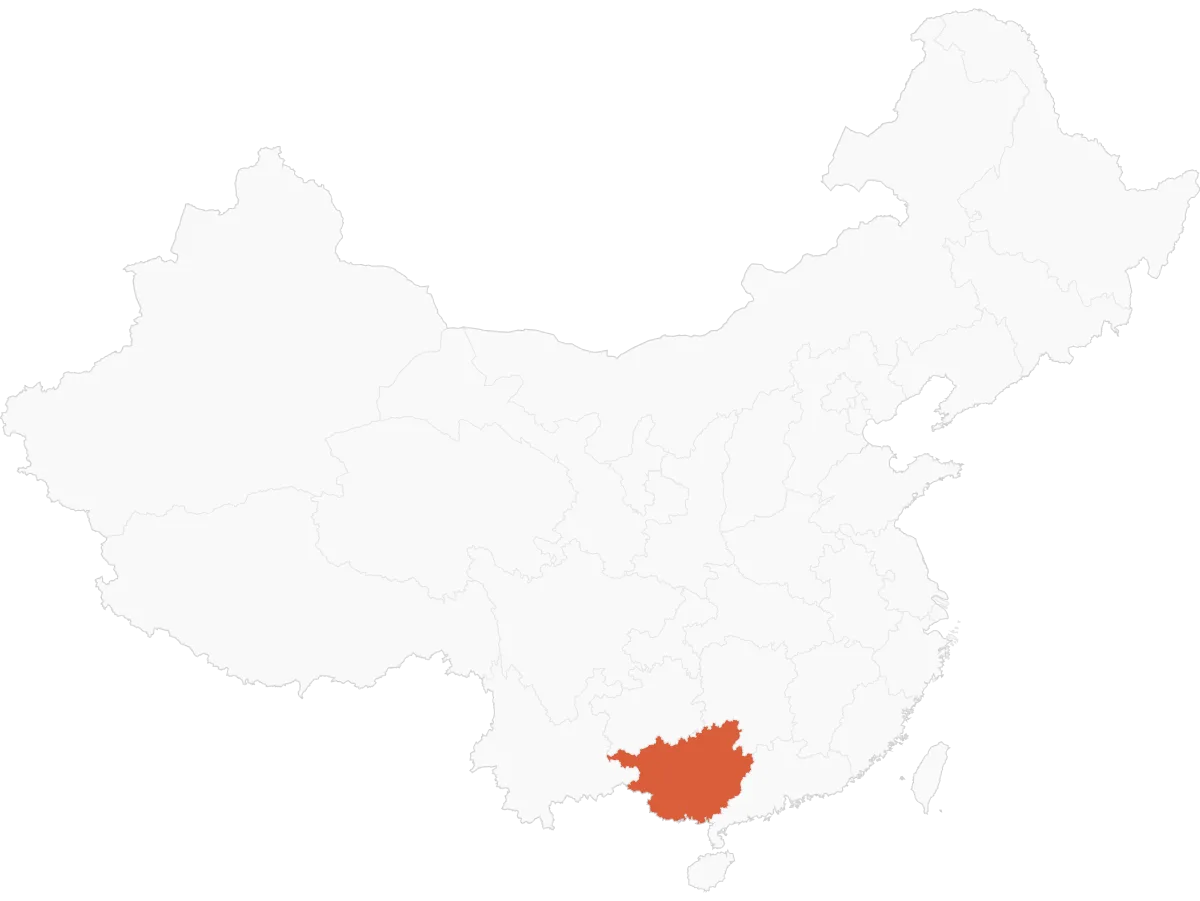
Eastogo specializes in creating in-depth private journeys across southwest China, including Guizhou、Yunnan、Guangxi、Hunan、and Western Sichuan. We help travelers go beyond the better-known sights to discover the cultures, landscapes, and communities that give each region its character. We can also design a Private Guizhou Tour around what sparks your curiosity.
Through long-term relationships with local drivers, guides, and communities, we can arrange village visits, cultural experiences, and more meaningful exchanges with local people. These connections open the door to parts of everyday life that most visitors would otherwise miss, allowing travel to become more than sightseeing — it becomes a way to better understand how people live.
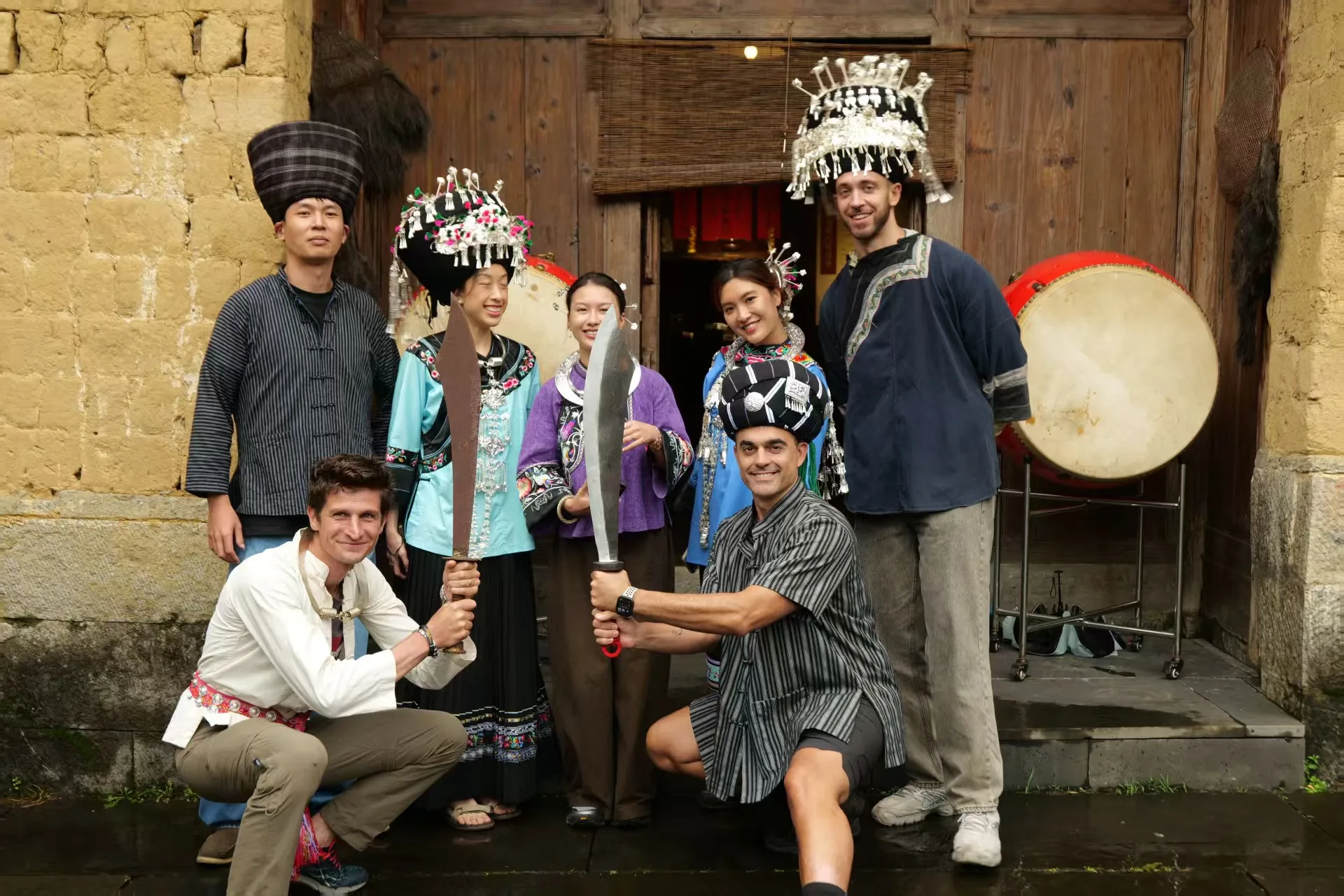
Each journey is designed around your interests, pace, and available time, while also considering transportation, weather, and the realities of traveling through mountainous regions. Whether you choose self-guided China tours or private & custom China tours, we help make your journey through Guizhou more comfortable, well planned, and rewarding.
For more information, read our Guizhou Travel Guide: A Complete Guide to Culture, Nature and Hidden Villages.
If you are curious to explore Guizhou beyond the familiar routes, we would be happy to help you create a journey shaped around your interests and the way you want to experience the region.