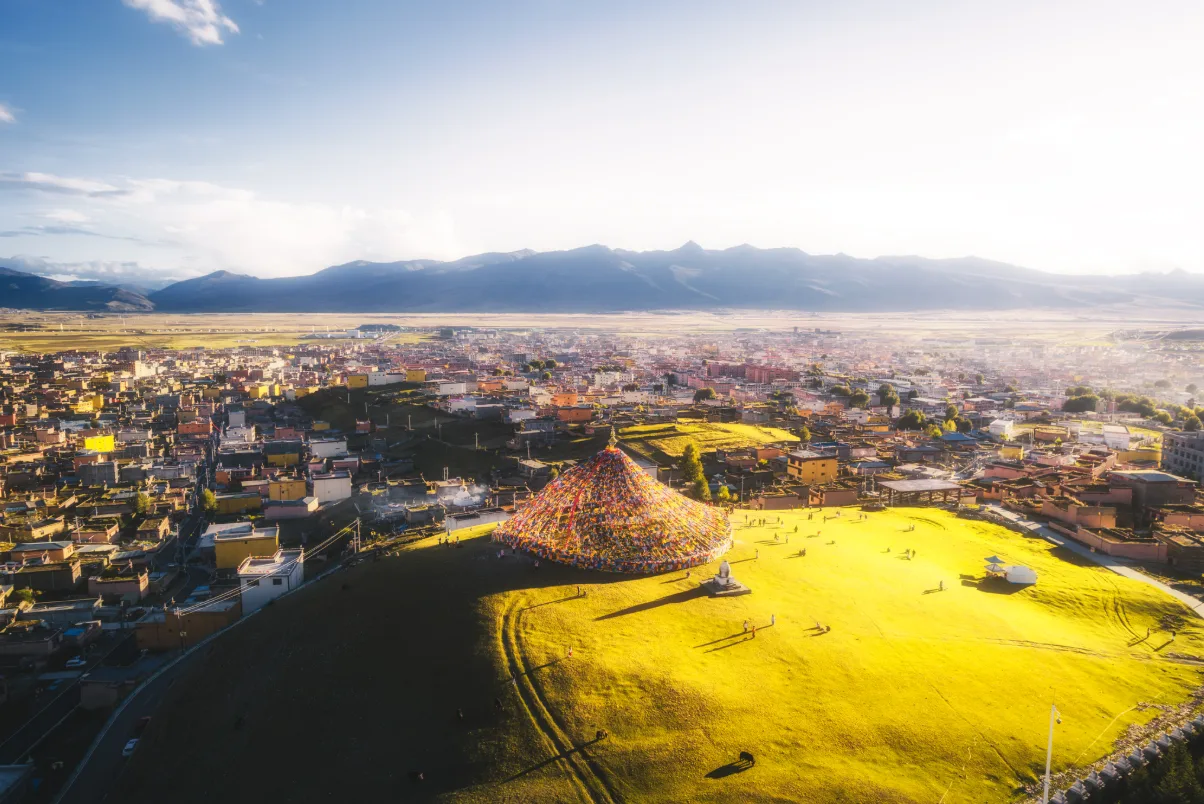
At around 4,000 metres above sea level, Litang is one of the highest towns in Western Sichuan. Known as the “World’s High City”, its Tibetan name refers to a grassland as flat as a bronze mirror, reflecting the vast plateau landscape around it.
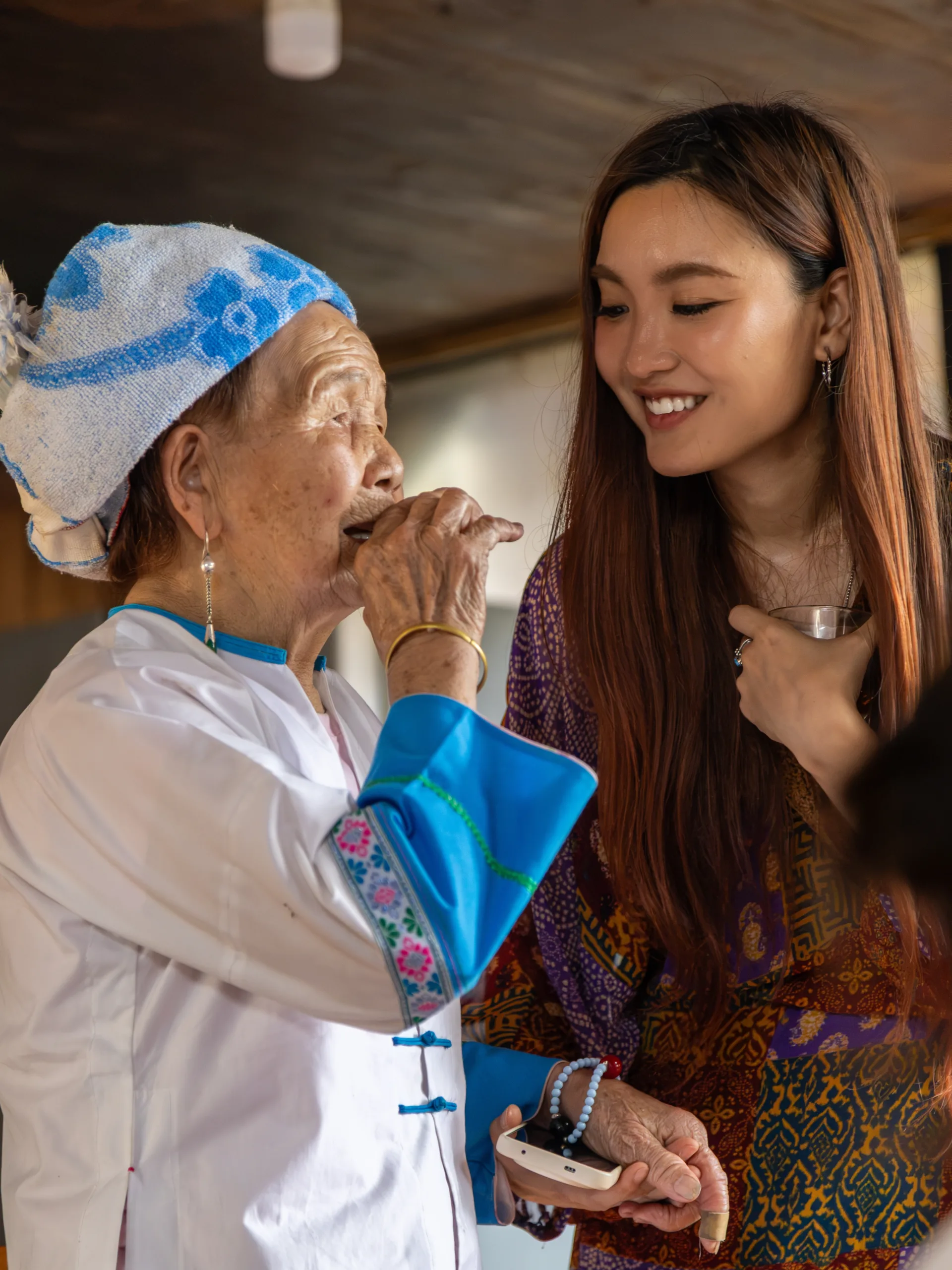
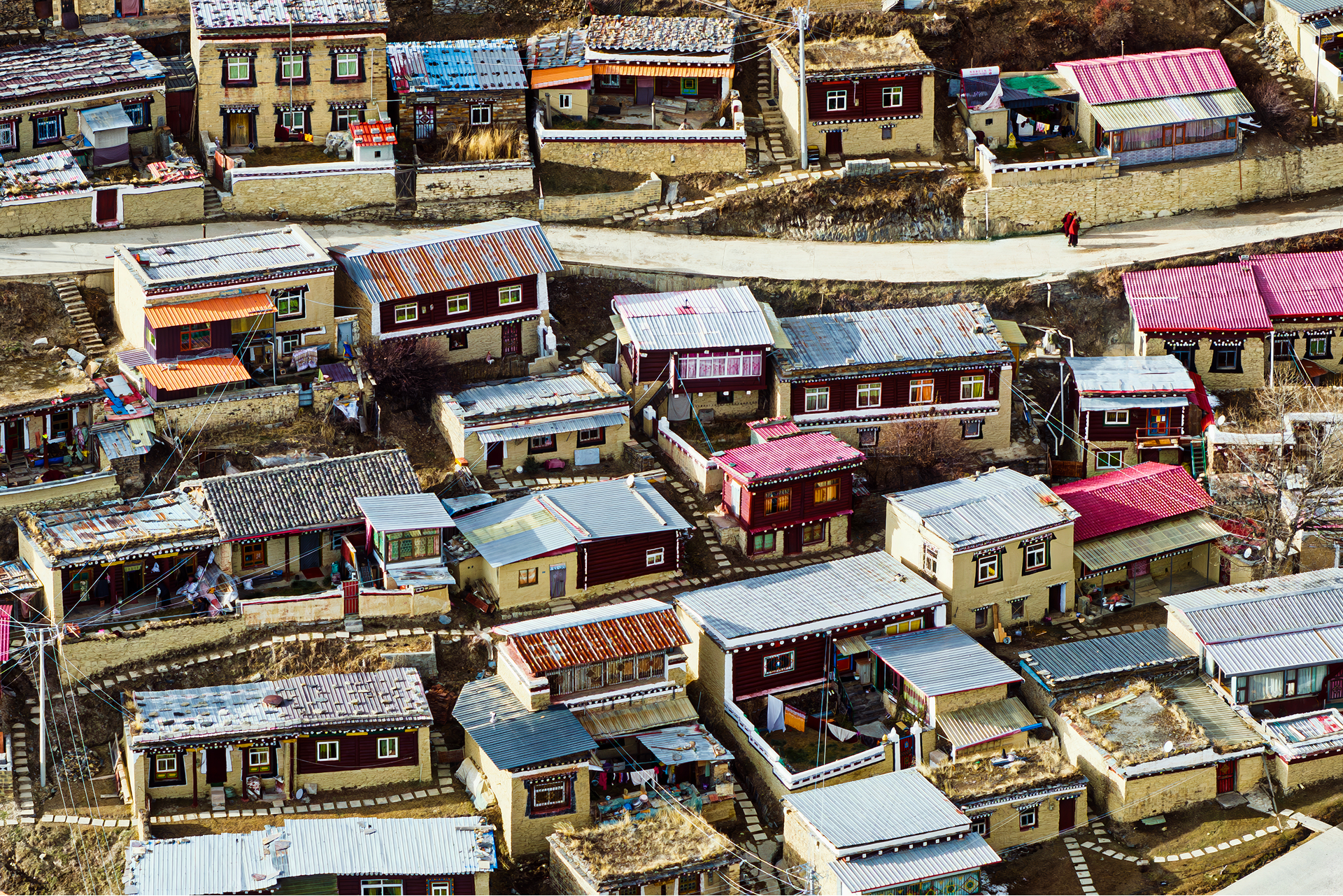
Beyond its expansive grasslands and historic monasteries, Litang offers a closer look at Khampa Tibetan culture and everyday life. Although tourism along the G318 route has brought more commercial development, the town retains a strong local character, with Tibetan traditions alongside comfortable guesthouses, local restaurants and shops selling traditional handicrafts.
For travellers looking to venture deeper into Western Sichuan and understand life on the Tibetan Plateau, Litang is worth more than a brief stop along the way. This guide covers what to see and do, when to visit, how to get there, altitude acclimatisation, accommodation and itinerary planning.
Why Visit Litang: Tibetan Culture, Grasslands And Mountain Landscapes
Litang’s appeal lies in the combination of three experiences: Tibetan culture, vast grasslands and high-altitude mountain scenery.
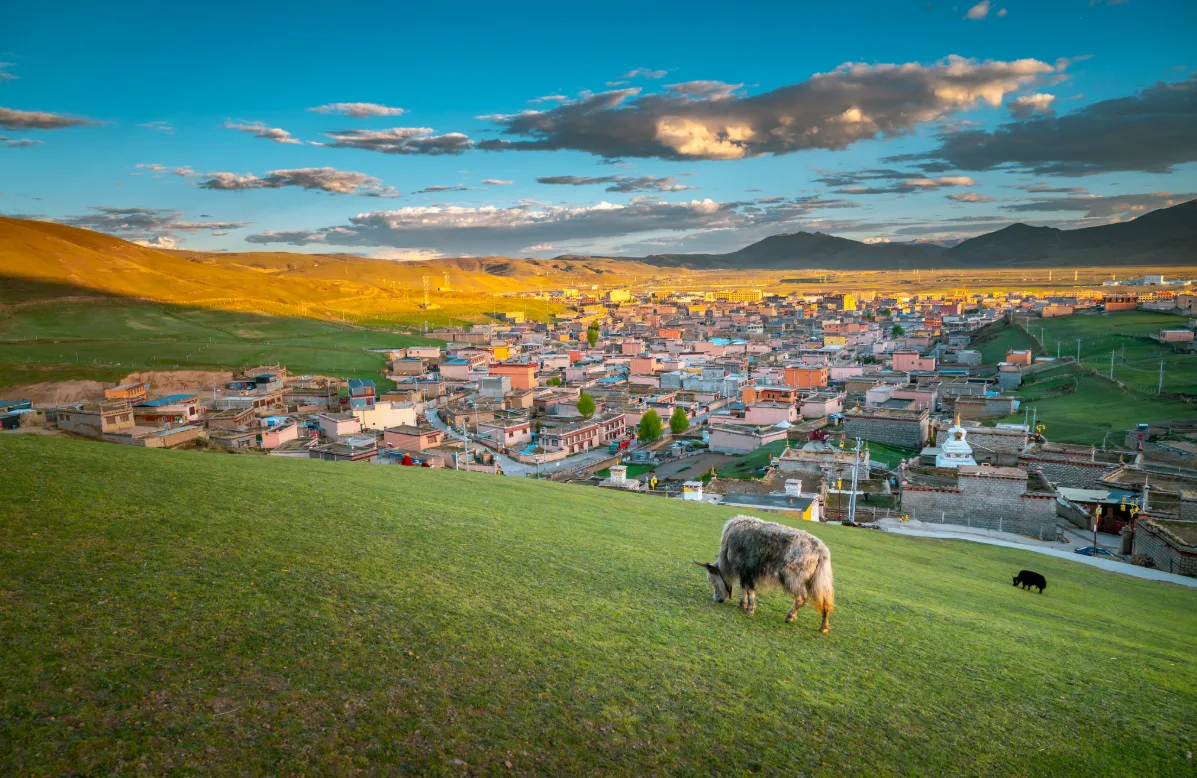
Compared with Daocheng Yading and Kangding, Litang feels more rugged and elemental. Daocheng Yading draws visitors for its snow-capped peaks and alpine lakes, while Kangding has developed into a modern city and transport hub for western Sichuan. Litang, by contrast, remains a highland town whose character is best understood through the town itself and the open grasslands around it. Life here feels spacious and unhurried, shaped by the wind and dust of the plateau.
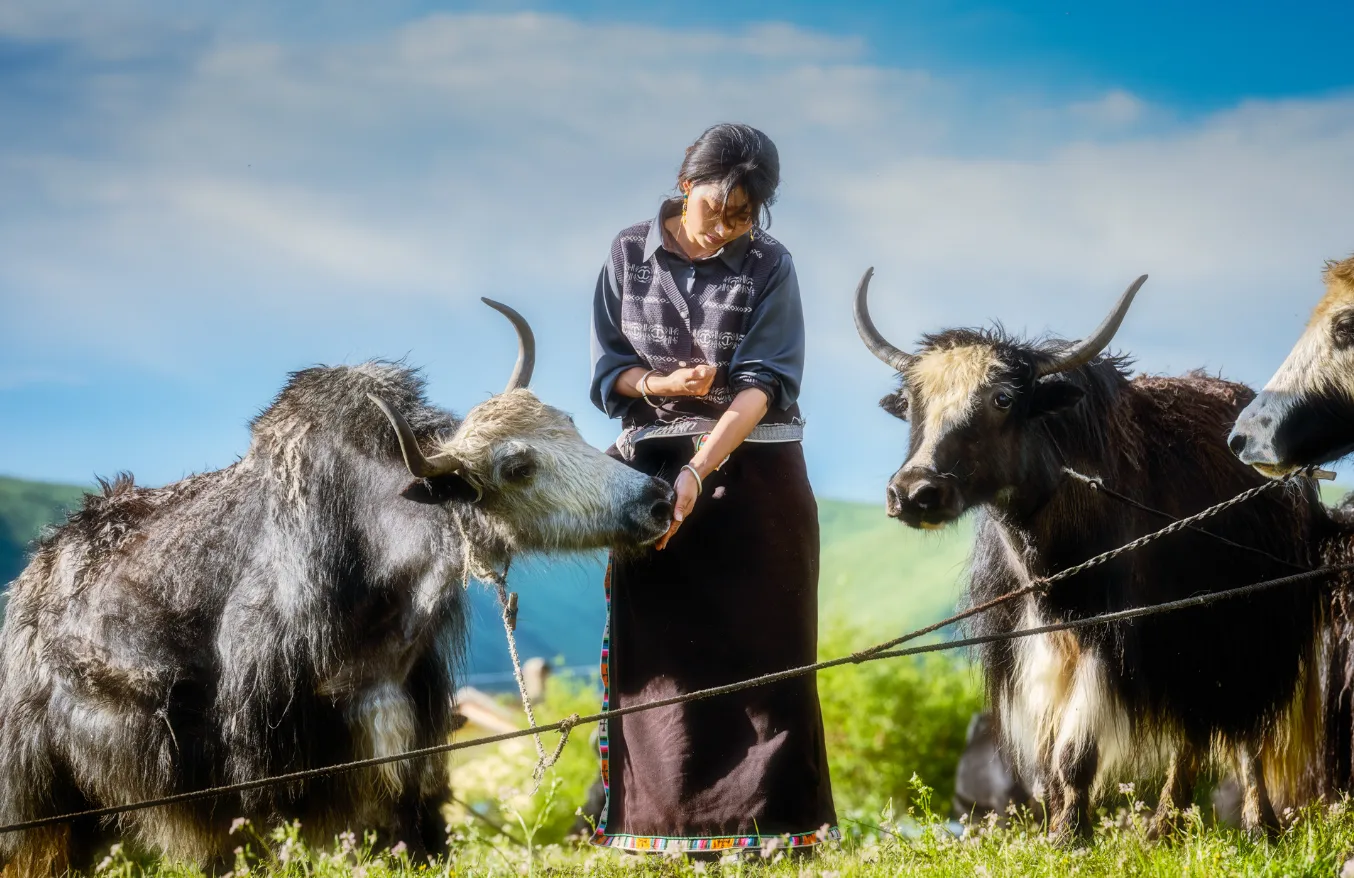
Travellers can follow grassland roads past yaks and grazing herds scattered across the vast landscape, or venture into nearby villages to learn more about Tibetan ways of life.
Litang Monastery (Changchun Ke’er Monastery) And Tibetan Buddhist Heritage
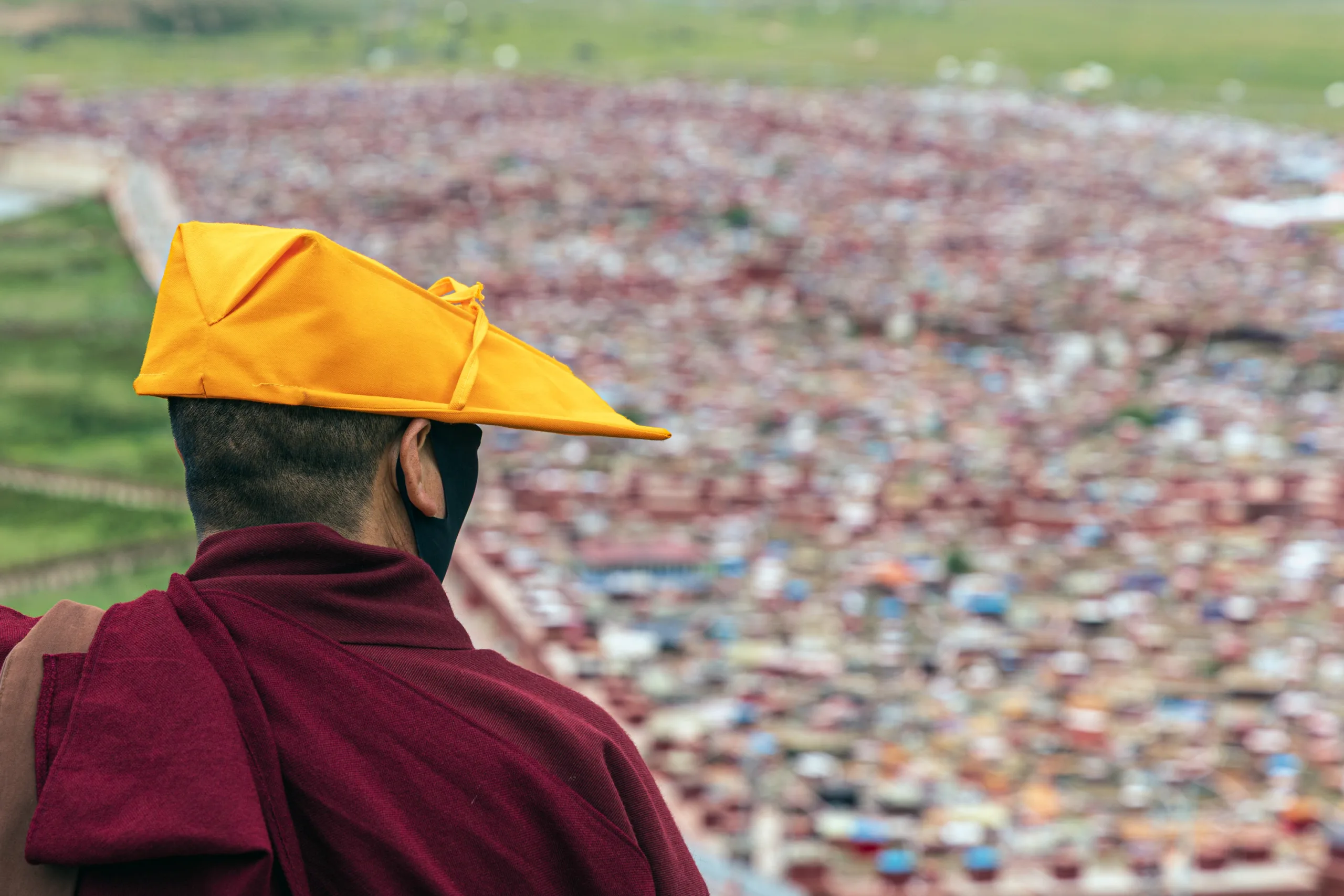
Litang Monastery is one of Litang’s most important cultural landmarks and a significant centre of Tibetan Buddhism in the Kham region.
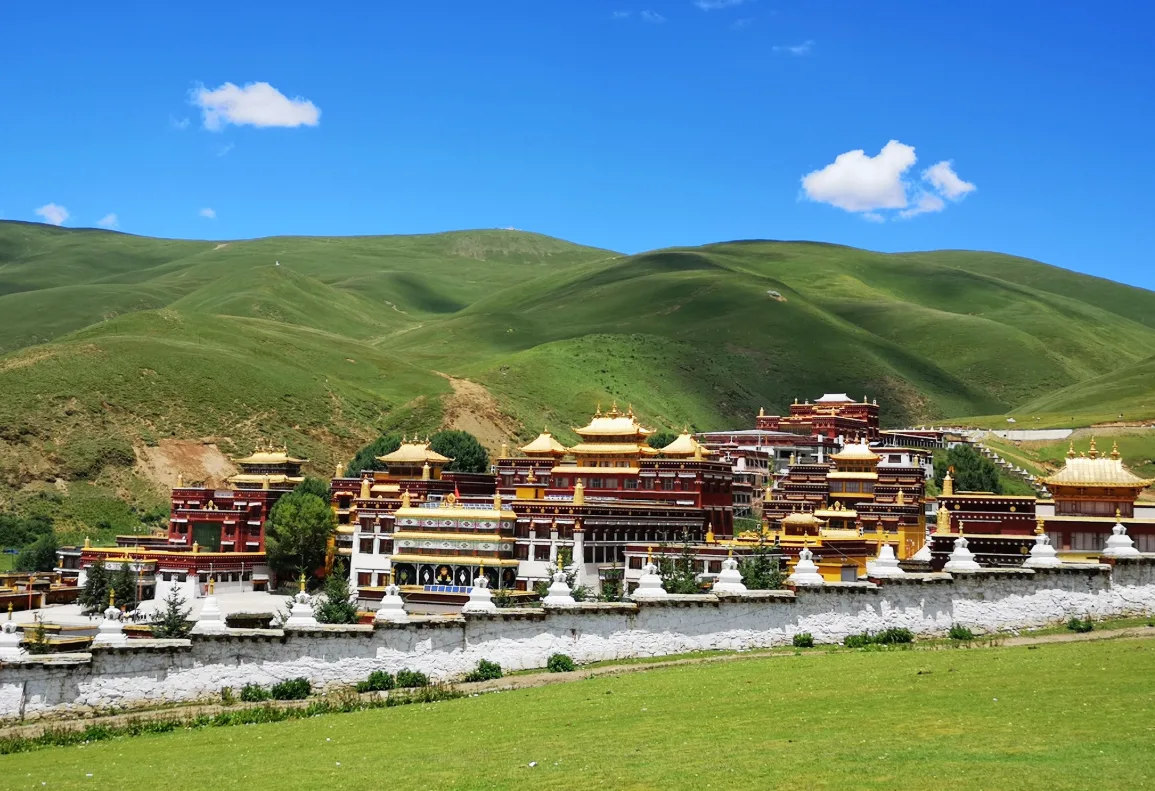
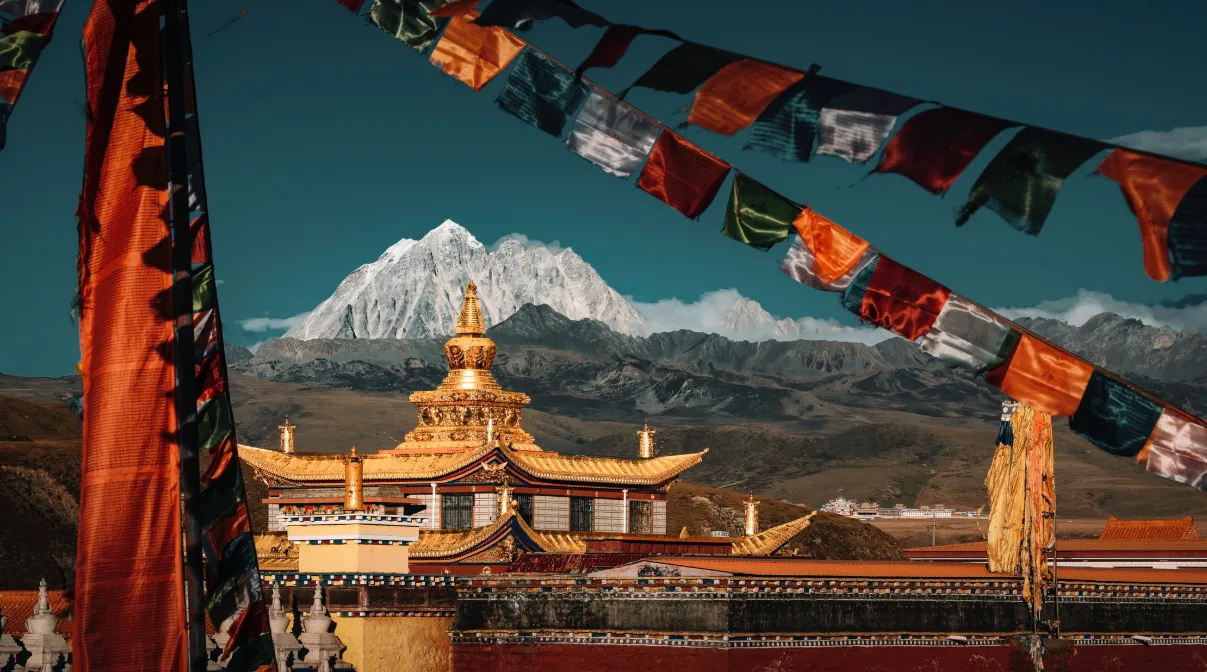
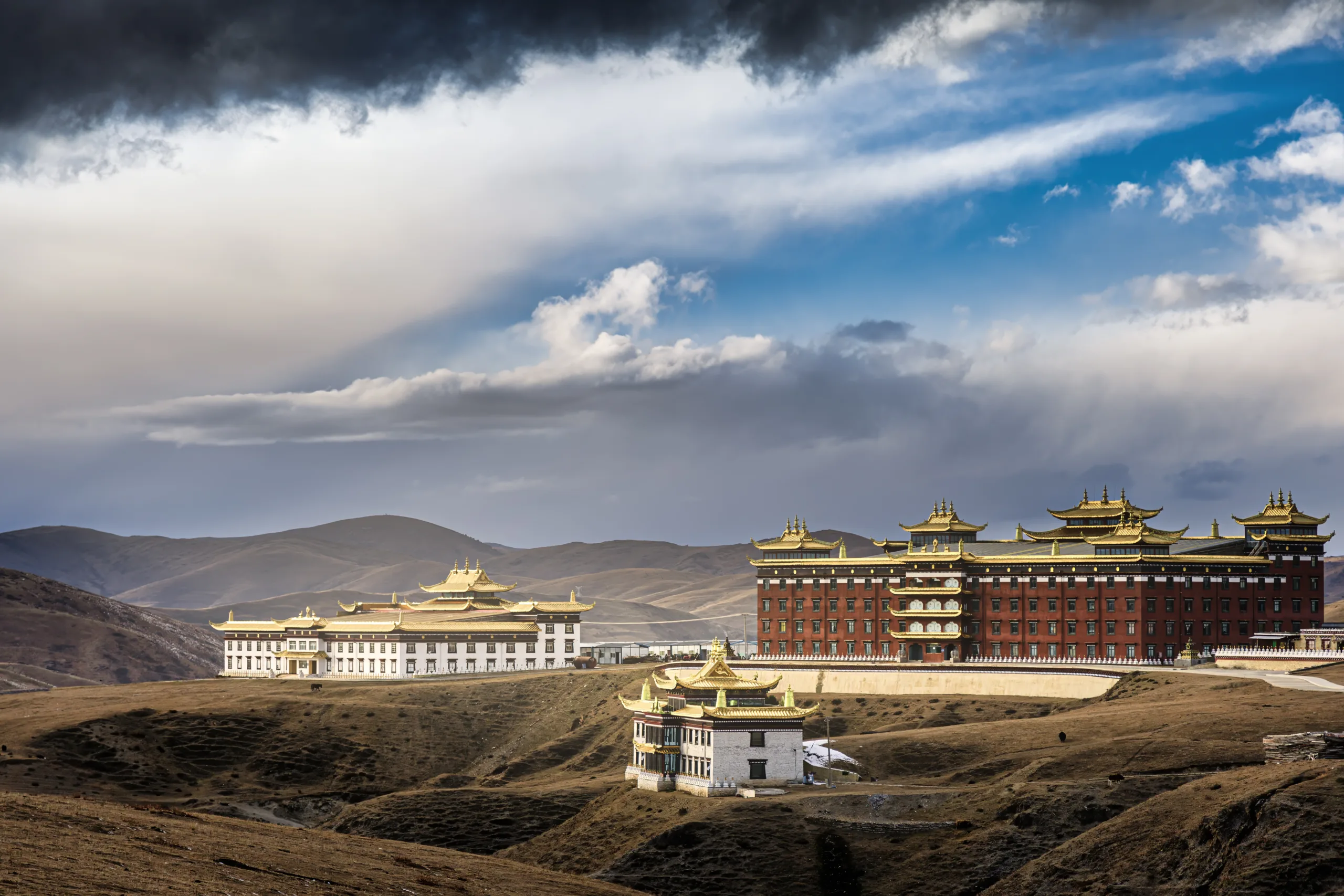
Built along the hillside, the monastery is recognisable by its golden roofs, prayer flags and circumambulation paths. A visit offers insight into Tibetan Buddhist beliefs, monastic life and the monastery’s place in the surrounding community.
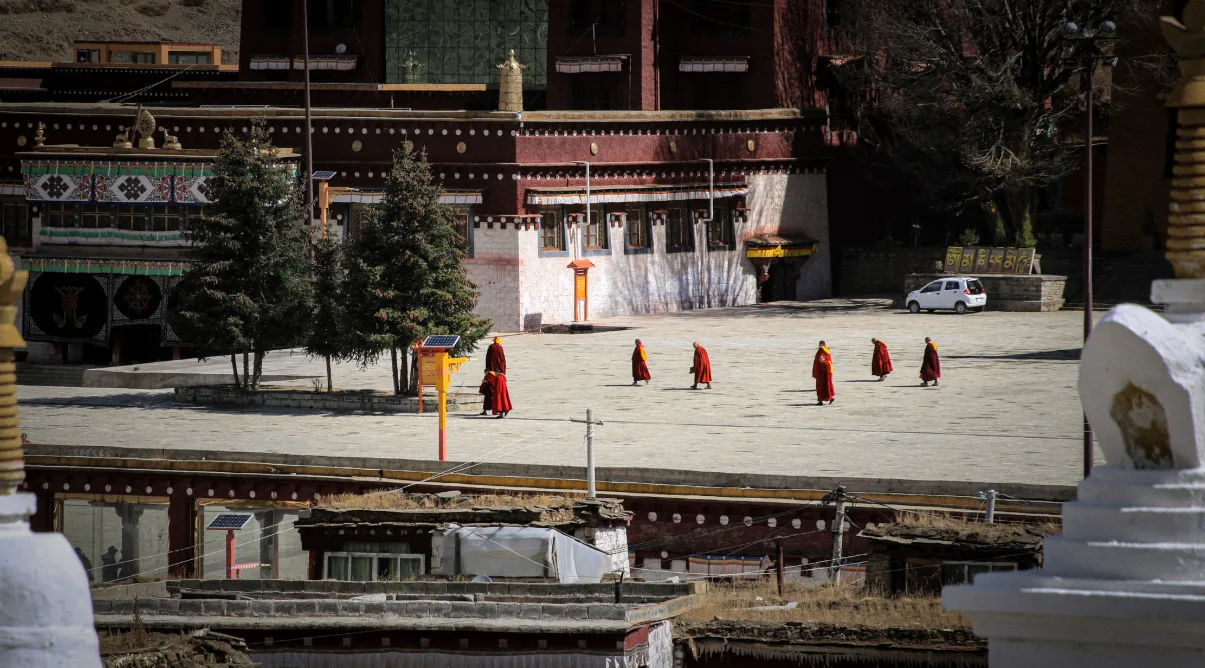
Beyond the main halls, visitors may be permitted to explore parts of the monks’ living quarters and observe their daily routines and religious practices, subject to the monastery’s rules.
If time allows, walk up the hillside behind the monastery to a viewpoint overlooking both the monastery and Litang town. Early morning and late afternoon are particularly rewarding, when golden sunlight falls across the rooftops. The viewpoint is within easy walking distance, so there is no need to arrange a horse ride.
Maoya Grassland And Highland Landscapes
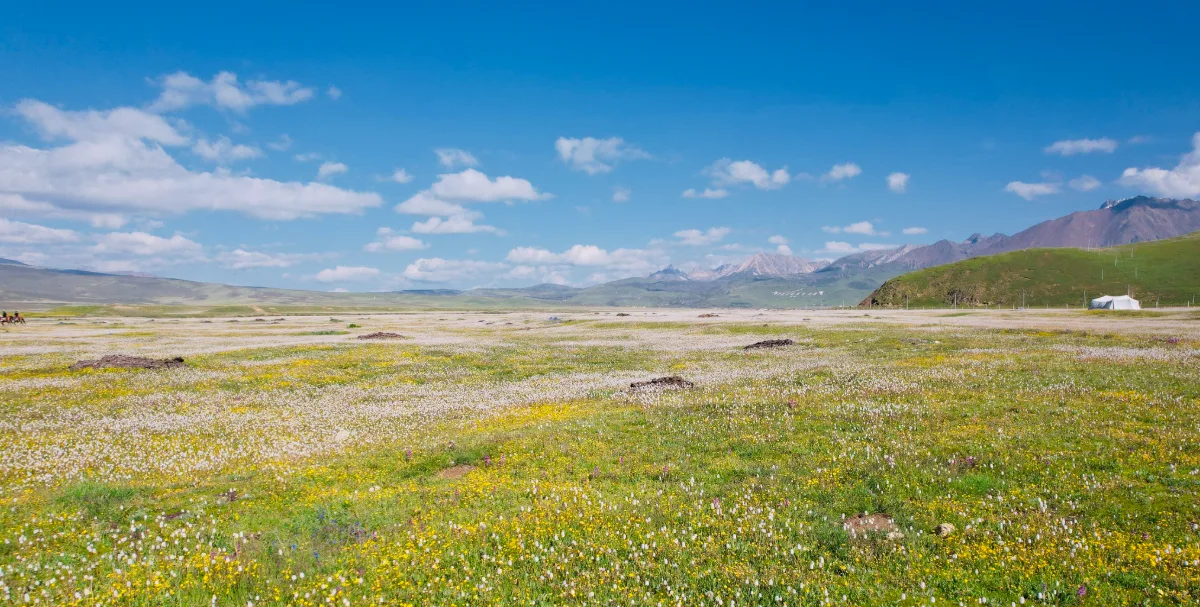
Just beyond Litang town lies Maoya Grassland. In summer, wildflowers cover the meadows, and yaks and horses graze across green hillsides beneath distant snow-capped peaks. On clear days, the sky seems close overhead, while drifting clouds cast broad shadows across the grassland. This vast, tranquil landscape is one of the experiences many travellers remember most vividly about Litang.
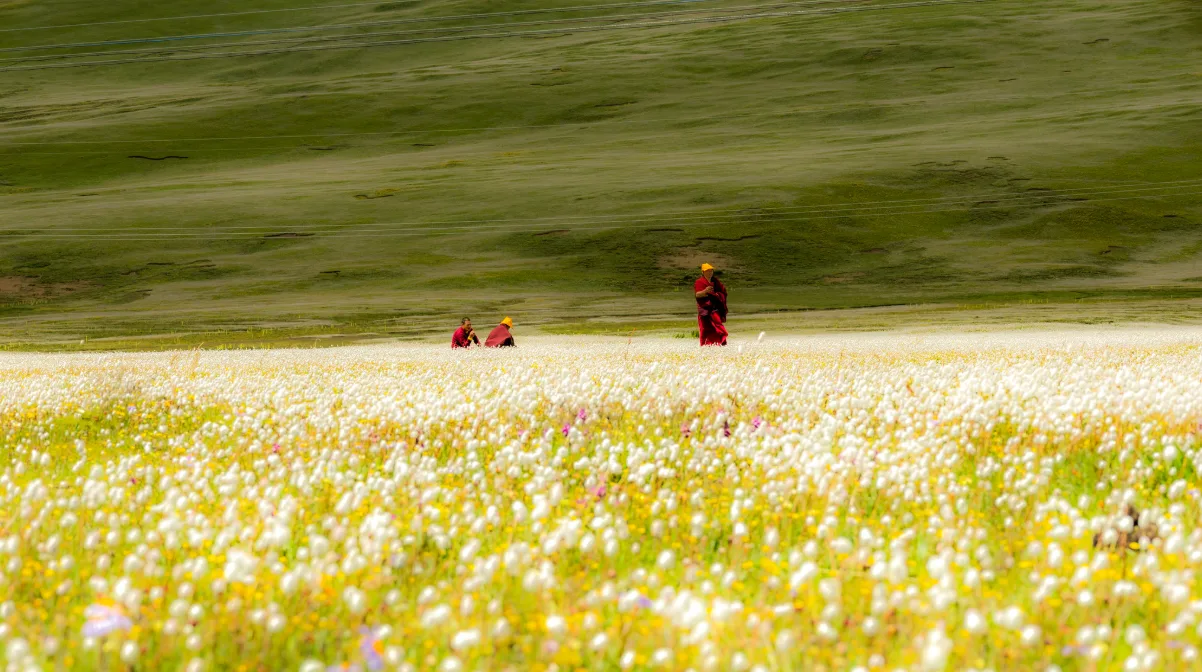
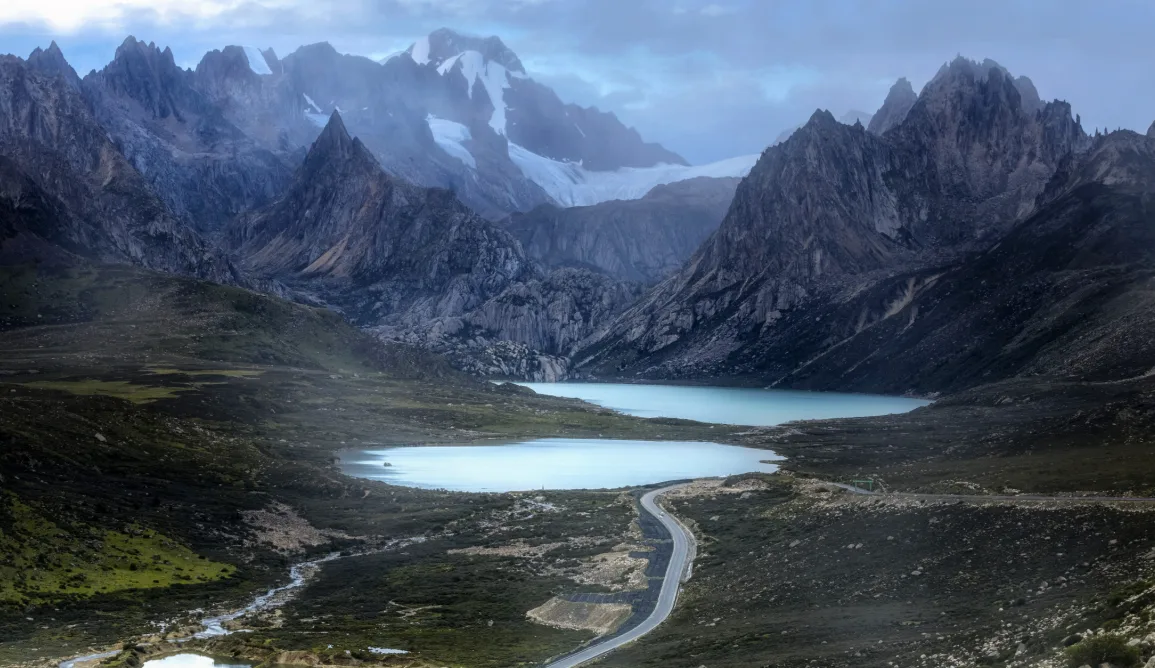
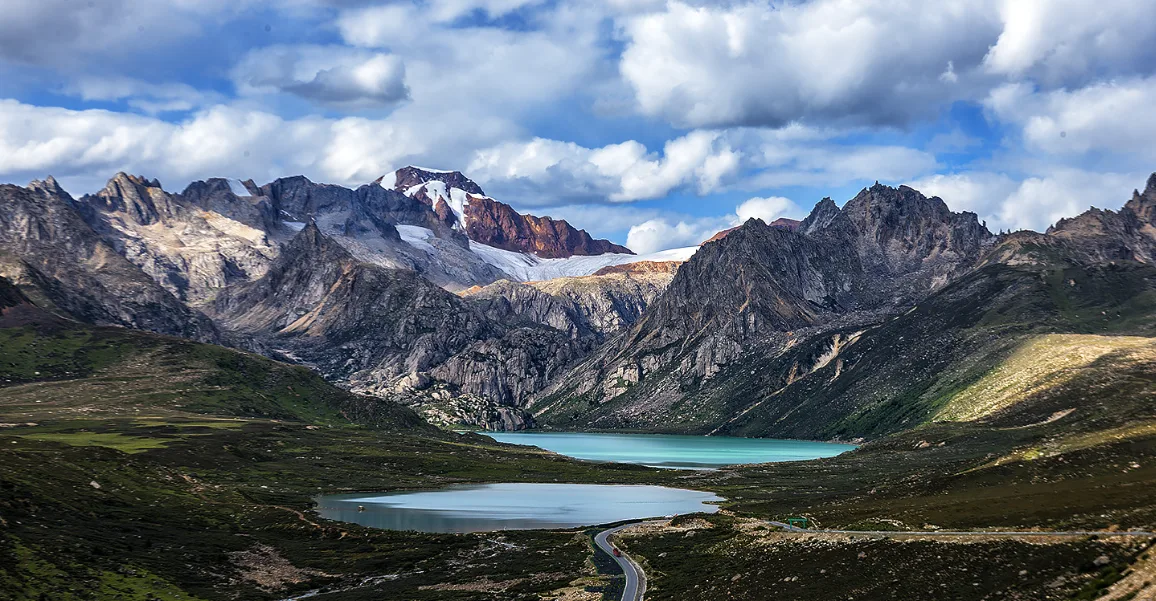
Heading west from Litang, Maoya Grassland stretches towards the foot of Haizi Mountain. Along the way, the Sister Lakes are a well-known viewpoint on the Sichuan–Tibet Highway. Seen from above, the two lakes sit amid snow-capped peaks and the stark terrain of the high plateau, creating a striking contrast of colour and texture.
The Sister Lakes are best appreciated from the roadside viewpoint. Barriers mark areas where access is prohibited for safety reasons, so there is no need to hike down to the water.
Further south lies the Genyen area, a rewarding destination for trekking. The area also includes hot springs, especially around Maoya, which can make a relaxing side trip. Compared with western Sichuan’s more popular routes, this mountain region is quieter and less developed, with snow-capped peaks, forests, grasslands and Tibetan villages spread across the landscape.
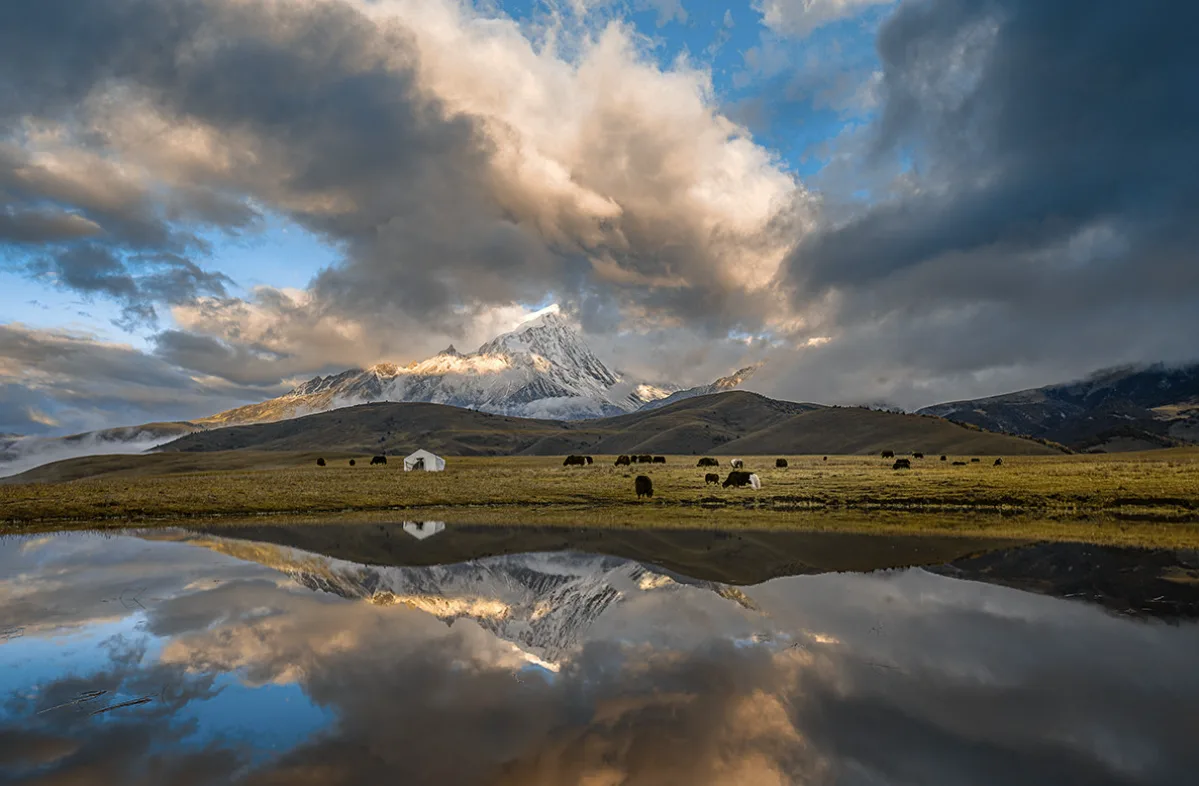
If time allows, Genyen is one of the most worthwhile extensions to a stay in Litang, particularly for travellers who want to venture further into the mountains and explore on foot, including short hikes on the surrounding hills with views across the outstretched valley.
Horse Racing Festival And Local Tibetan Culture
Litang is an important centre of Khampa Tibetan culture, and its annual horse racing festival is one of the town’s most significant traditional events for the Tibetan people living there. Held from August 1 to 7, this horse racing festival lasts about a week each year and brings Khampas from across Tibet and Southwest China together for several days of horse racing, dancing, singing, trading supplies and traditional competitions that showcase Kham Tibetans’ sportsmanship skills.
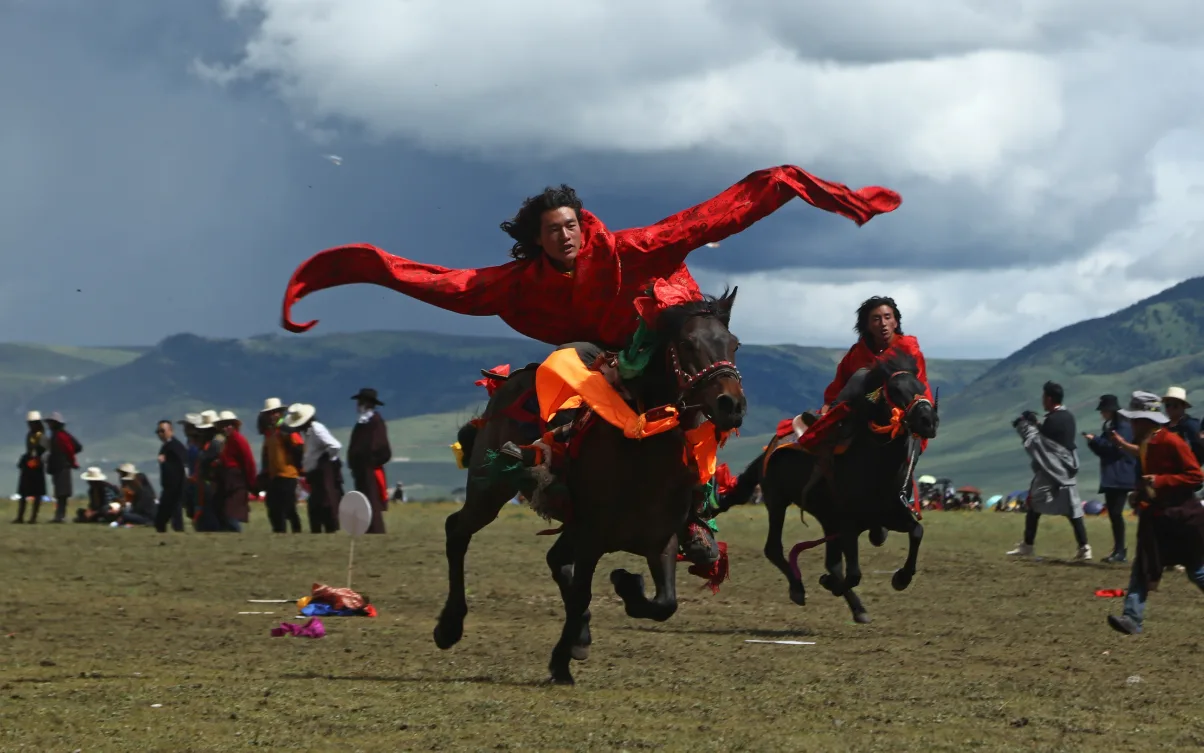
Herders arrive in traditional dress, and hundreds of horses race across the grassland. More than a sporting event, the festival is an important occasion for people from the surrounding pastoral communities to gather and celebrate. For visitors, it offers a chance to see Khampa Tibetan clothing, music and cultural traditions in a lively community setting.
The festival dates can vary from year to year, so check the local schedule in advance if you plan to time your visit around the celebrations.
Speak to An Expert
Starting Your Jounrney to Litang
Start designing your China journey with our destination experts.
Make An InquiryBest Time To Visit Litang: Seasons, Weather And Travel Conditions
Litang sits at around 4,014 metres above sea level, with an average annual temperature of approximately 3°C. Day and night temperatures vary considerably, so bring a fleece or lightweight down jacket even in summer. The best time to visit is generally June to early October, although each season has its own character.
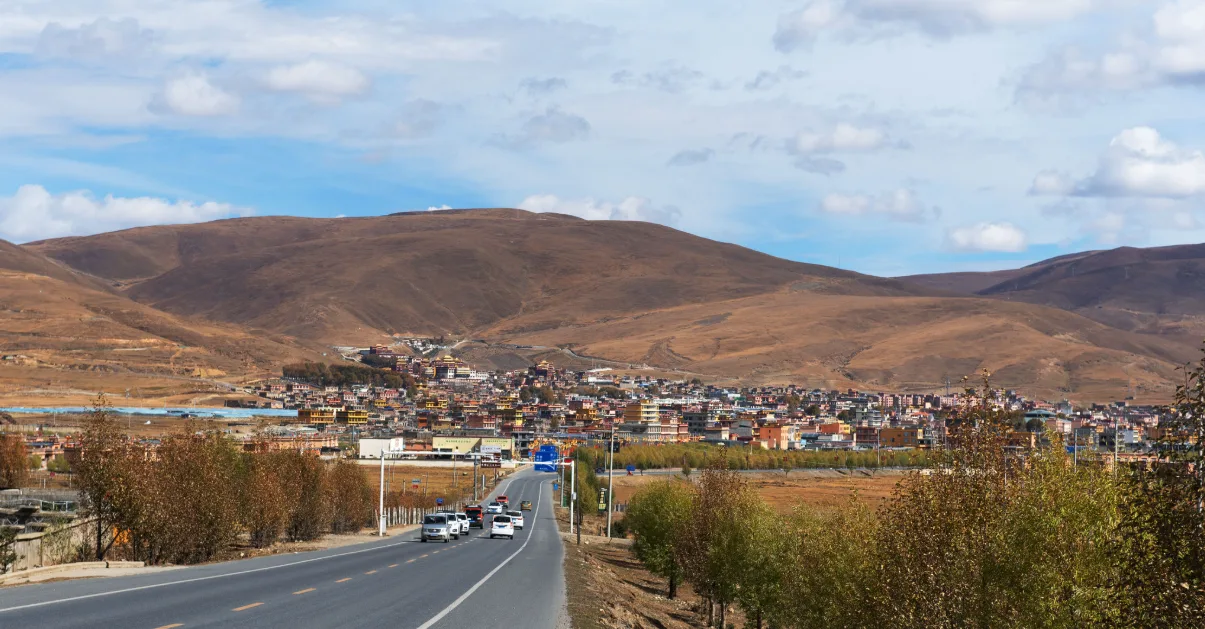
- June–August: The grasslands turn green, wildflowers bloom and local festivals bring the town to life. It is a lively time to visit, especially if you want to see the horse racing festival. Summer showers and cloud cover can, however, affect mountain views and road conditions.
- September–early October: Golden grasslands and clearer mountain views make this one of the best periods for photography and road trips. Rainfall generally eases, and travel conditions tend to be more settled.
- April–May: A quieter season, with snow still visible on the surrounding peaks and fewer visitors. The grasslands have yet to turn green, and the weather remains cold and windy.
- November–March: Winter brings snow to the plateau and a quieter side of Litang, with very few visitors around. It can be a rewarding time for travellers who enjoy winter landscapes and solitude, although temperatures are harsh and some roads may be icy. Many guesthouses close for the season, so a well-equipped hotel with reliable heating is the safer choice.
For a more detailed breakdown, see our Best Time to Visit Western Sichuan — Seasonal Guide and Practical Planning.
How To Get To Litang From Chengdu And Western Sichuan
There are no direct train or flight connections from Chengdu to Litang, so travelling by private car or joining an organised trip with an experienced team is the most practical option. Litang is about 530 km from Chengdu and usually takes around 9 hours by car.
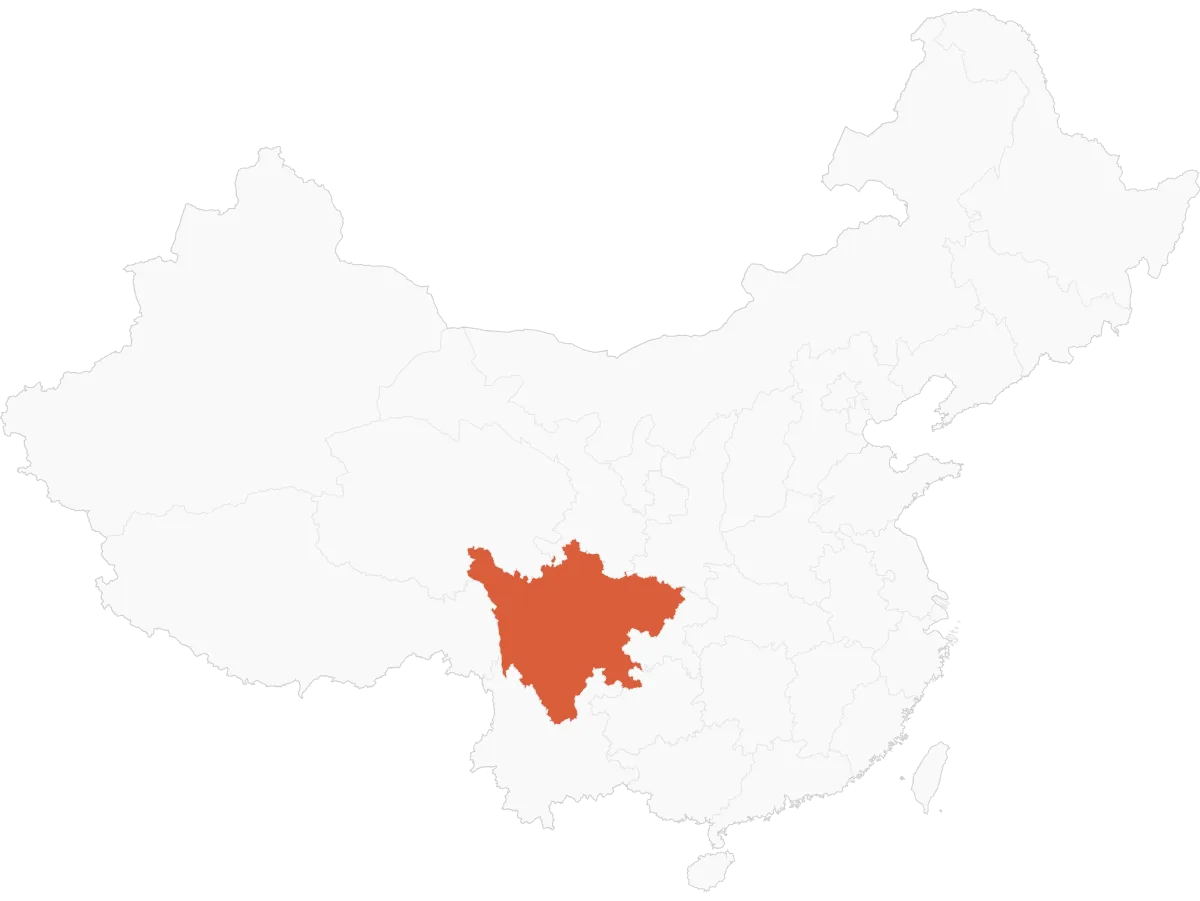
The drive follows the southern Sichuan–Tibet Highway (G318) west from Chengdu into western Sichuan Province, reaching Litang County in Garze Tibetan Autonomous Prefecture, also known as Ganzi Tibetan Autonomous Prefecture, on the southeastern edge of the Qinghai-Tibet Plateau. In this wider plateau region, the county lies between the Yalong River and Jinsha River, and Litang was historically a major stop on the ancient Tea-Horse Road. This high, open part of the Tibetan Autonomous Prefecture is also shaped by its position near the county seat of Gaocheng Town. Although the main route is generally in reasonable condition, it crosses several mountain passes above 4,000 metres, including Zheduo, Gaoersi, Jianziwan and Kazila. The rapid gain in altitude makes it unwise to rush the journey in a single day. Most travellers are better off spending a night in Xinduqiao or Yajiang along the way, giving their bodies time to begin acclimatising.
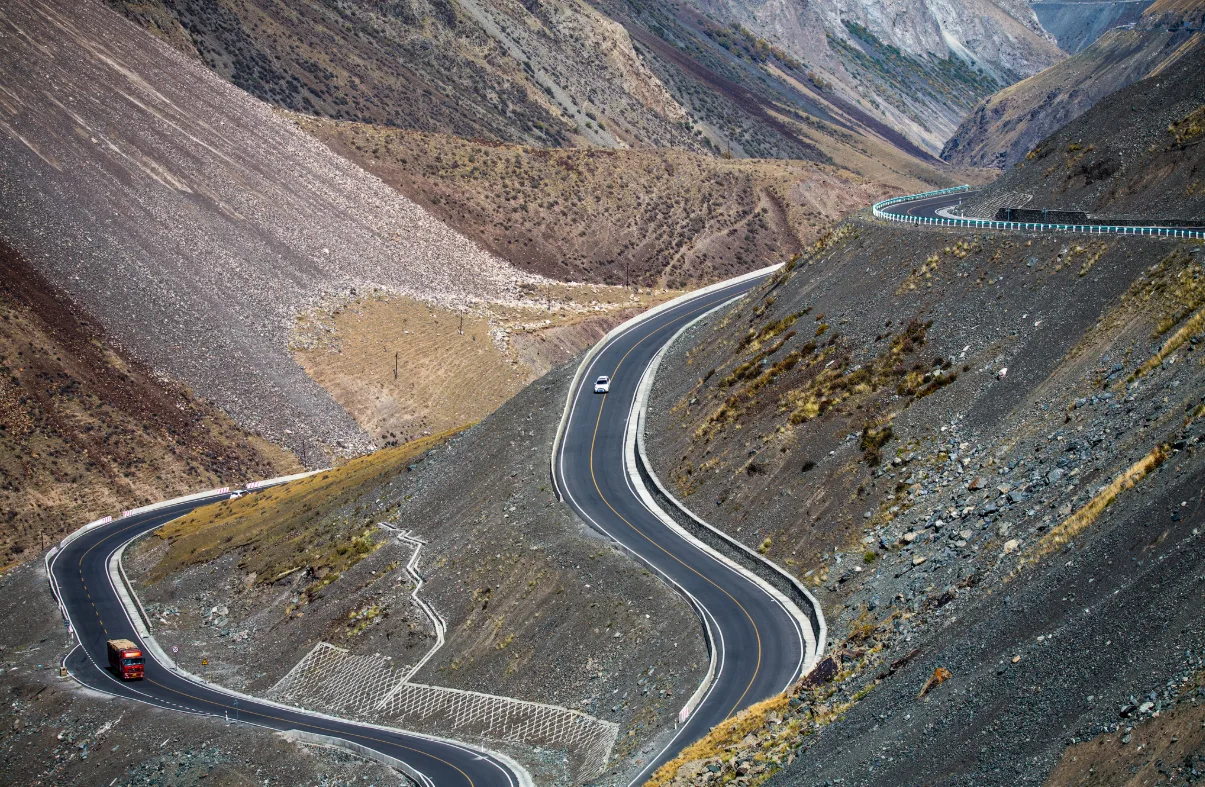
Litang is also a useful junction for exploring Western Sichuan. Continue west along G318 towards Batang and Mangkang in Tibet, or head south on G227 towards Daocheng Yading, around four hours away by road. The return journey east leads back towards Kangding.
Many travellers combine Chengdu, Kangding, Litang and Daocheng Yading into a loop. Rather than treating Litang as a stopover, however, we recommend allowing at least one night to explore the town and its surrounding landscapes. Litang County had an approximate population of 74,740 in 2021, which gives some sense of the town’s scale.
From Chengdu to Litang
The recommended route from Chengdu is:
Chengdu → Kangding → Xinduqiao → Yajiang → Litang
The journey covers around 600 km and is best spread over two days, with an overnight stop in Xinduqiao or Yajiang. Driving or hiring a private vehicle offers flexibility to stop for views of snow-capped mountains, alpine meadows and lakes along the way.
Flying to Kangding or Daocheng Yading and continuing by road is another option; there is one daily flight from Chengdu to Kangding, but high-altitude flights are weather-dependent, and Daocheng Yading Airport sits at around 4,411 metres. Independent travellers can also take a bus from Chengdu to Litang, with the journey typically taking 10–12 hours. Travelling overland allows a more gradual ascent and is generally better for acclimatisation.
From Kangding and Xinduqiao
Kangding is a practical stop on the way to Litang, with a lower altitude and a wider choice of accommodation, restaurants and transport options. It is a good place to spend a night before continuing into the high plateau.
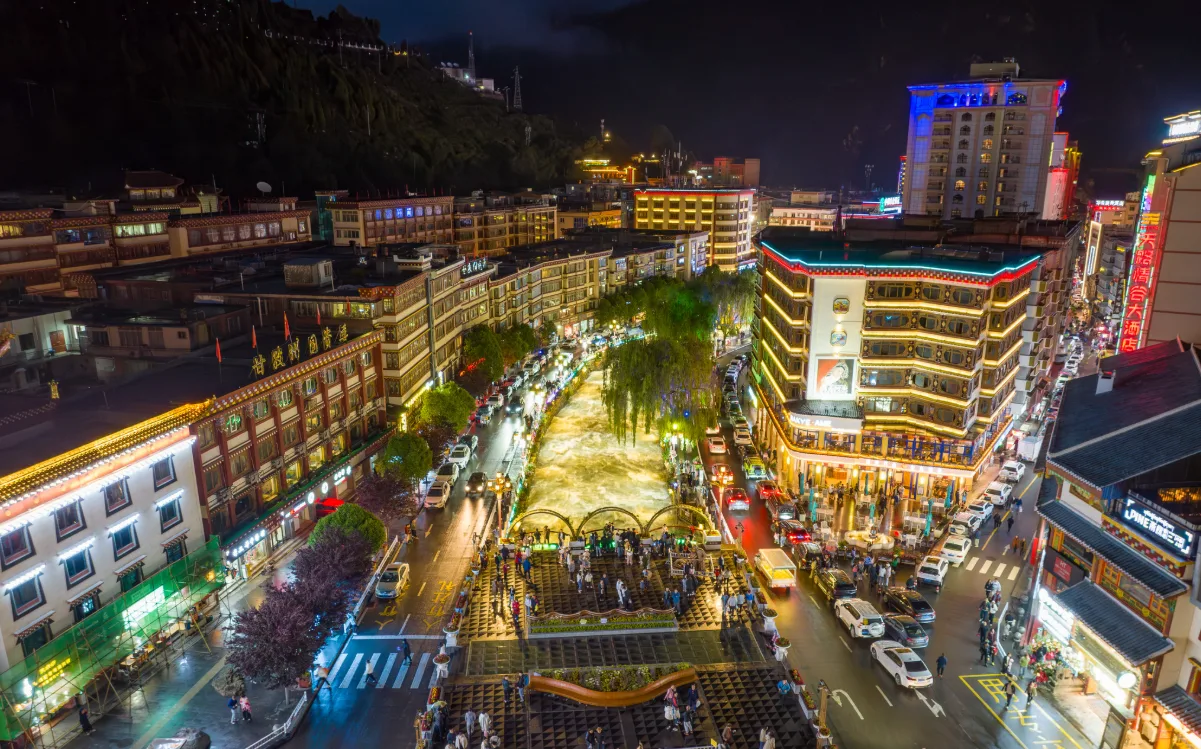
The drive from Kangding to Litang usually takes around 5.5–7 hours via Zheduo Mountain, Xinduqiao and Yajiang. From Xinduqiao, the drive takes approximately 4–5 hours, passing mountain passes, valleys and grasslands. Road conditions are generally reasonable, but bends, roadworks and changing weather can add to journey times.
From Daocheng Yading
From Daocheng Yading, travellers usually head to Daocheng County or Shangri-La Town before continuing north towards Litang via Haizi Mountain.
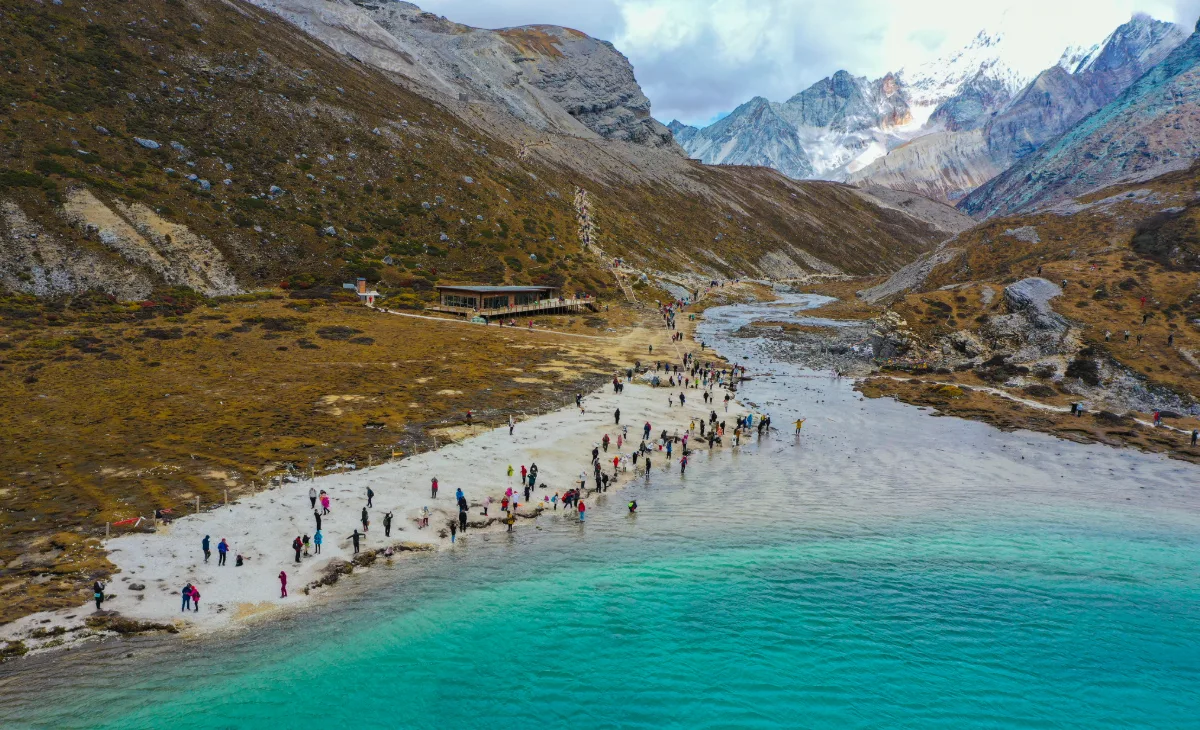
The drive takes around 3–4 hours from Daocheng County or 5–6 hours from Shangri-La Town. If you have completed the longer Yading hiking route that day, it is better to stay overnight in Shangri-La Town or Daocheng rather than continue to Litang.
From Batang
The drive from Batang to Litang is a classic stretch of the G318, passing the Sister Lakes, Haizi Mountain and Maoya Grassland.
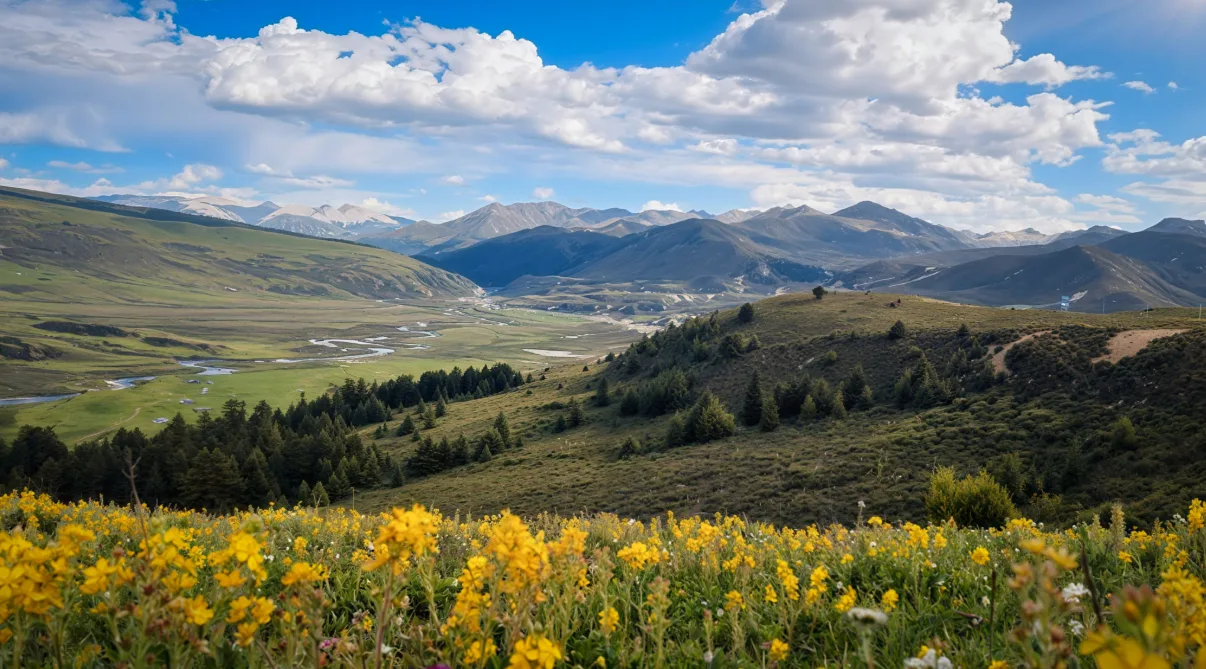
Driving takes around 3–4 hours, but allow at least half a day if you plan to stop for photographs. Batang sits considerably lower than Litang, so the rapid gain in altitude along the way can increase the risk of altitude sickness.
From Shangri-La
The drive from Shangri-La in Yunnan to Litang follows a scenic highland route linking Yunnan with western Sichuan. The road passes through deep valleys and high mountains, with wide-open views across the plateau. Along the way, you may encounter Tibetan monasteries still used by local communities, often with few visitors and little tourist development.
The journey usually takes around 7–8 hours, so an overnight stop in Xiangcheng or Daocheng is recommended rather than attempting the entire drive in one day. The route crosses several passes above 4,000 metres, so take your time and pay attention to how you feel at altitude.
Road Conditions and Travel Tips
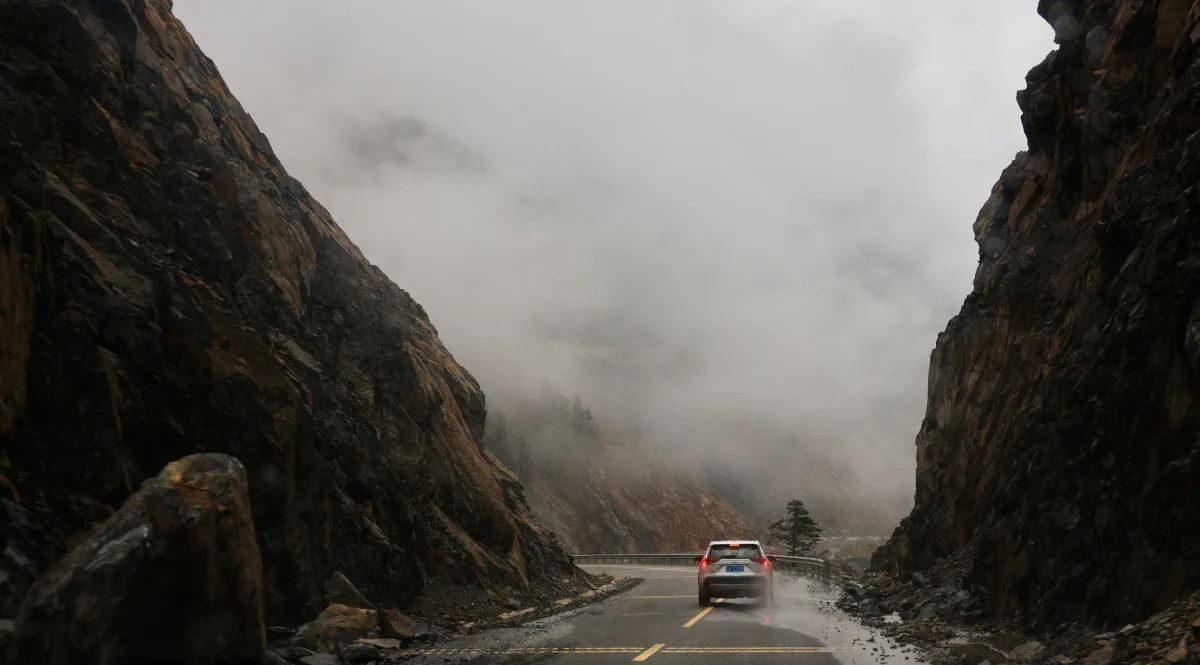
The G318 is mostly paved, but bad weather, roadworks and temporary closures can add significantly to journey times. In July and August, watch for heavy rain, rockfalls and mudslides; in autumn and winter, snow and icy roads can create additional hazards.
Avoid driving at night where possible, and allow an extra 20–30% of travel time for delays. Before heading into remote areas such as Genyen, refuel in Litang, download offline maps, and carry warm clothing, water and basic emergency supplies.
Altitude in Litang: Acclimatisation Tips for High-Altitude Travel
Litang sits at around 4,014 metres above sea level, making altitude sickness an important consideration. Common symptoms include headache, dizziness, fatigue, nausea and poor sleep.
Eastogo plans routes with gradual altitude changes, provides portable oxygen for emergencies and considers access to medical facilities when arranging accommodation in remote areas.
On your first day, keep activities light, avoid strenuous exercise and alcohol, and take time to adjust. If symptoms develop, rest and monitor how you feel. Severe or worsening symptoms, including intense headache, difficulty breathing or confusion, require urgent medical attention and descent to a lower altitude.
For more guidance, see the CDC’s High-Altitude Travel and Altitude Illness guide.
Speak to An Expert
Explore Litang with Eastogo
Start designing your China journey with our destination experts.
Make An InquiryWhere to Stay in Litang: Hotels, Guesthouses and Local Accommodation
Litang has seen an increase in boutique guesthouses in recent years, while several hotels in town offer oxygen facilities, humidifiers and underfloor heating, making them a practical choice for first-time visitors to the plateau.
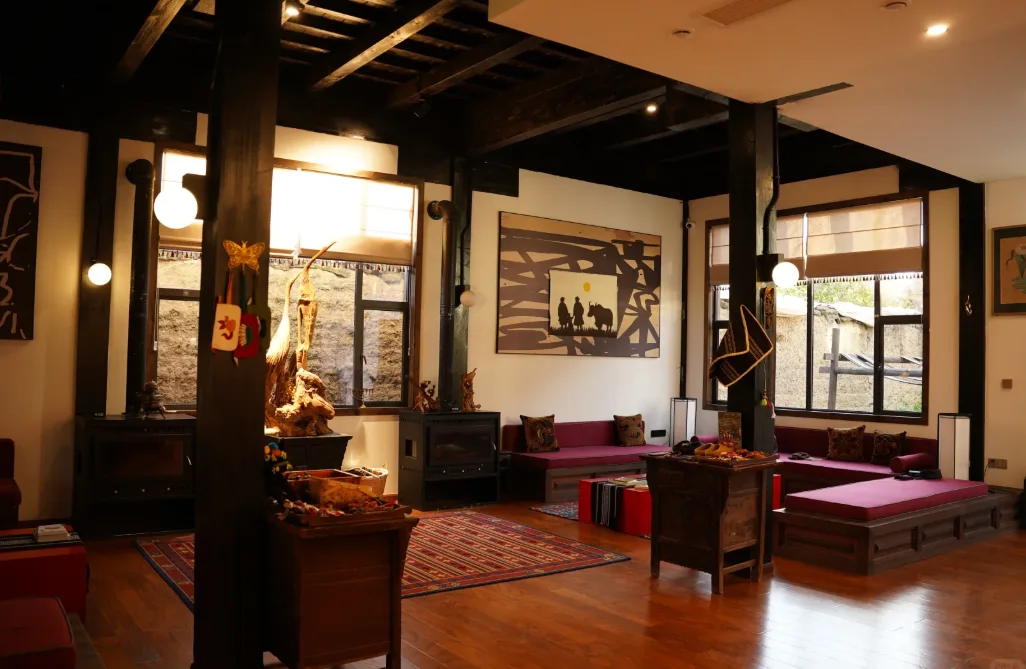
Accommodation prices rise during the summer peak season and the horse racing festival, so booking two weeks to a month ahead is advisable. Further into the Genyen South Route, village guesthouses are more basic and options become limited, so plan ahead and adjust your expectations accordingly.
Top Things to Do in Litang
Litang’s attractions are spread across the surrounding plateau, each offering a different perspective on the region.
Beyond the town, roads, grasslands, monasteries and pastoral communities come together to reveal the character of Kham. From monasteries in the morning mist to quiet alpine lakes and pastures beneath snow-capped peaks, Litang is best explored at an unhurried pace.
Explore Litang Monastery (Changchun Ke’er Monastery) and Letong Ancient Town
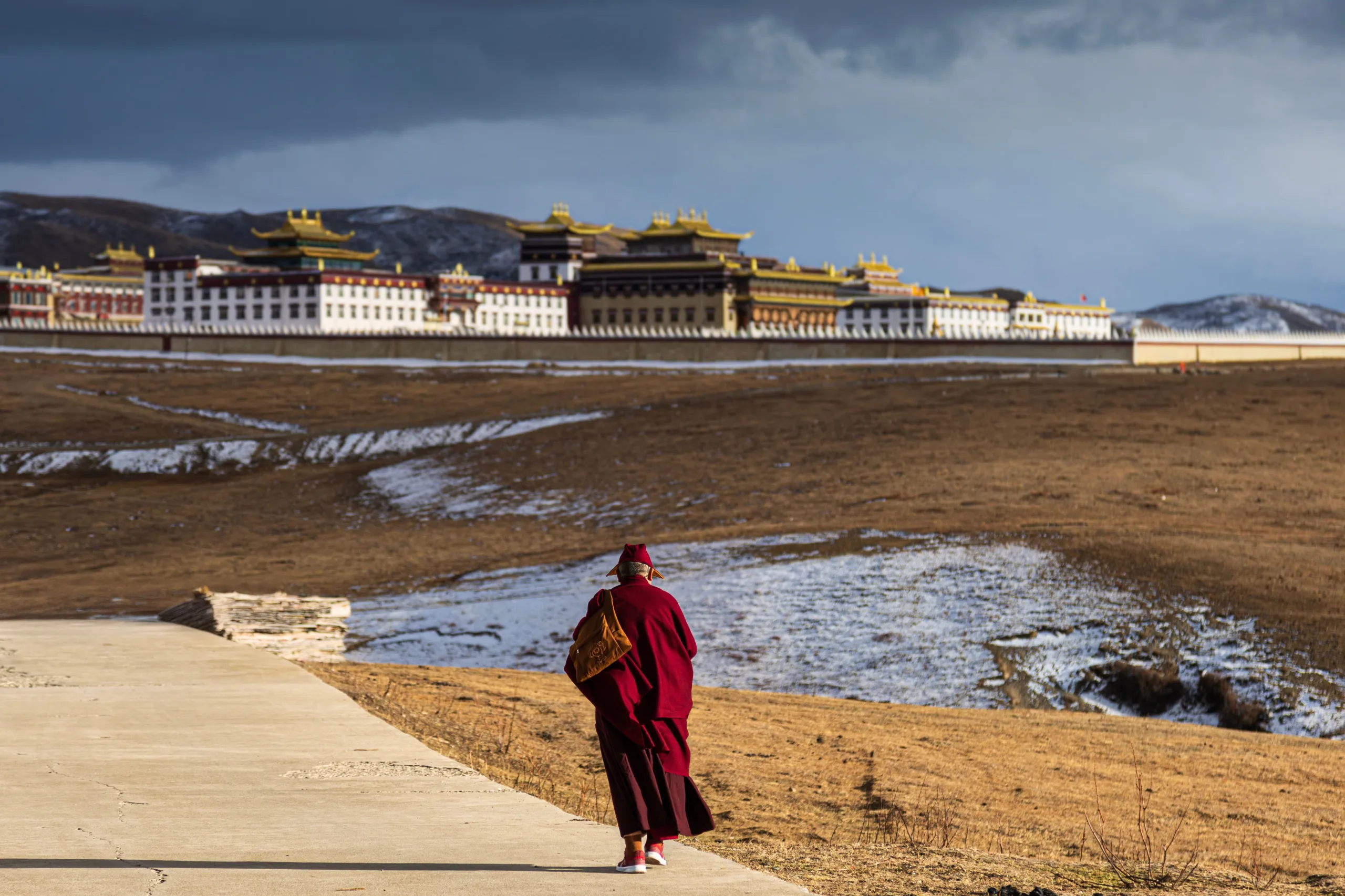
Litang Monastery, also known as Changchun Ke’er Monastery, is one of the town’s essential stops. Built along the hillside, it features red walls, golden roofs and prayer flags stretching down towards the road, creating a distinctive Kham Tibetan Buddhist landscape. Founded in 1580, it includes several important halls, among them the Tsong Kha Pa Temple.
Inside, richly coloured murals cover the walls, butter sculptures are placed before the Buddha, and a monumental gilded statue of Shakyamuni Buddha commands the main hall. Early in the morning, sunlight falls across the golden rooftops and red monastic buildings as monks begin their prayers and prayer flags flutter in the plateau breeze. In the evening, follow local residents along the circumambulation path, where elderly people in traditional Tibetan robes, young mothers with children and monks in red robes come to walk around the monastery. These everyday rituals reveal the monastery’s place in local life: it is not simply a place to visit, but an active part of the community.
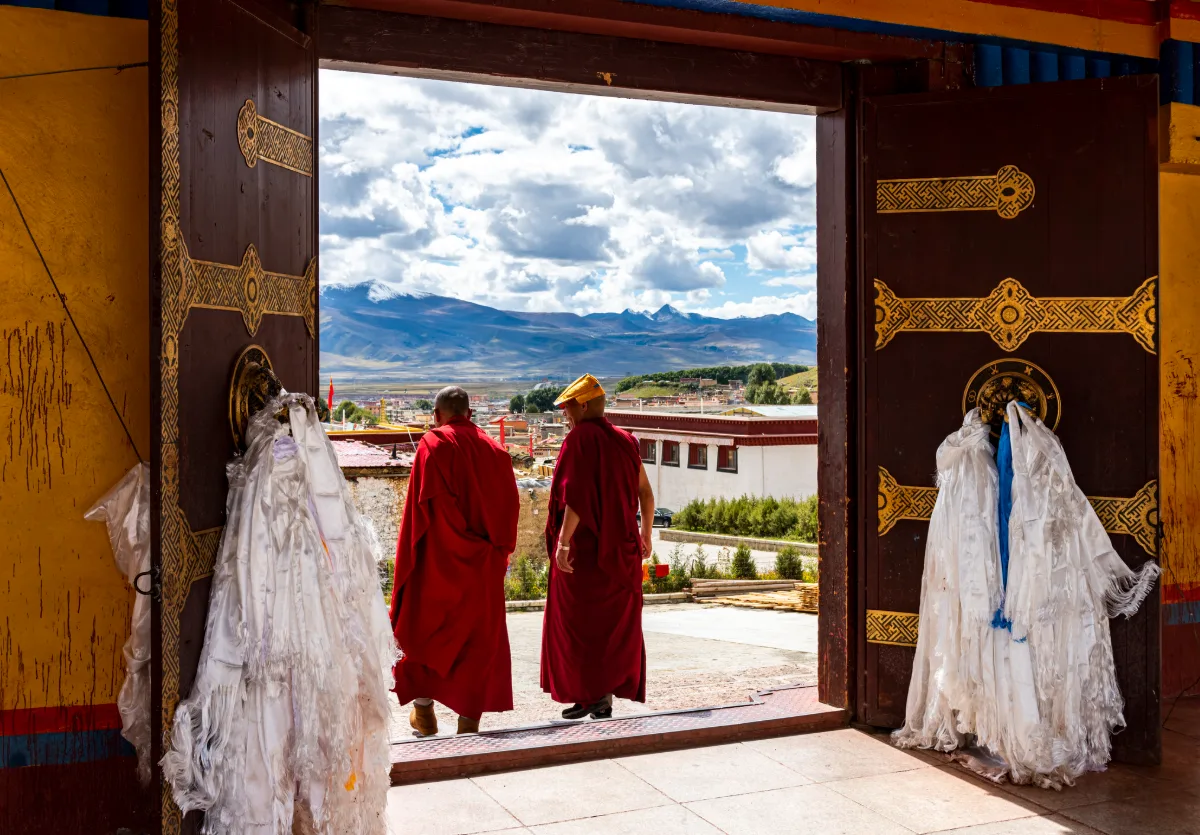
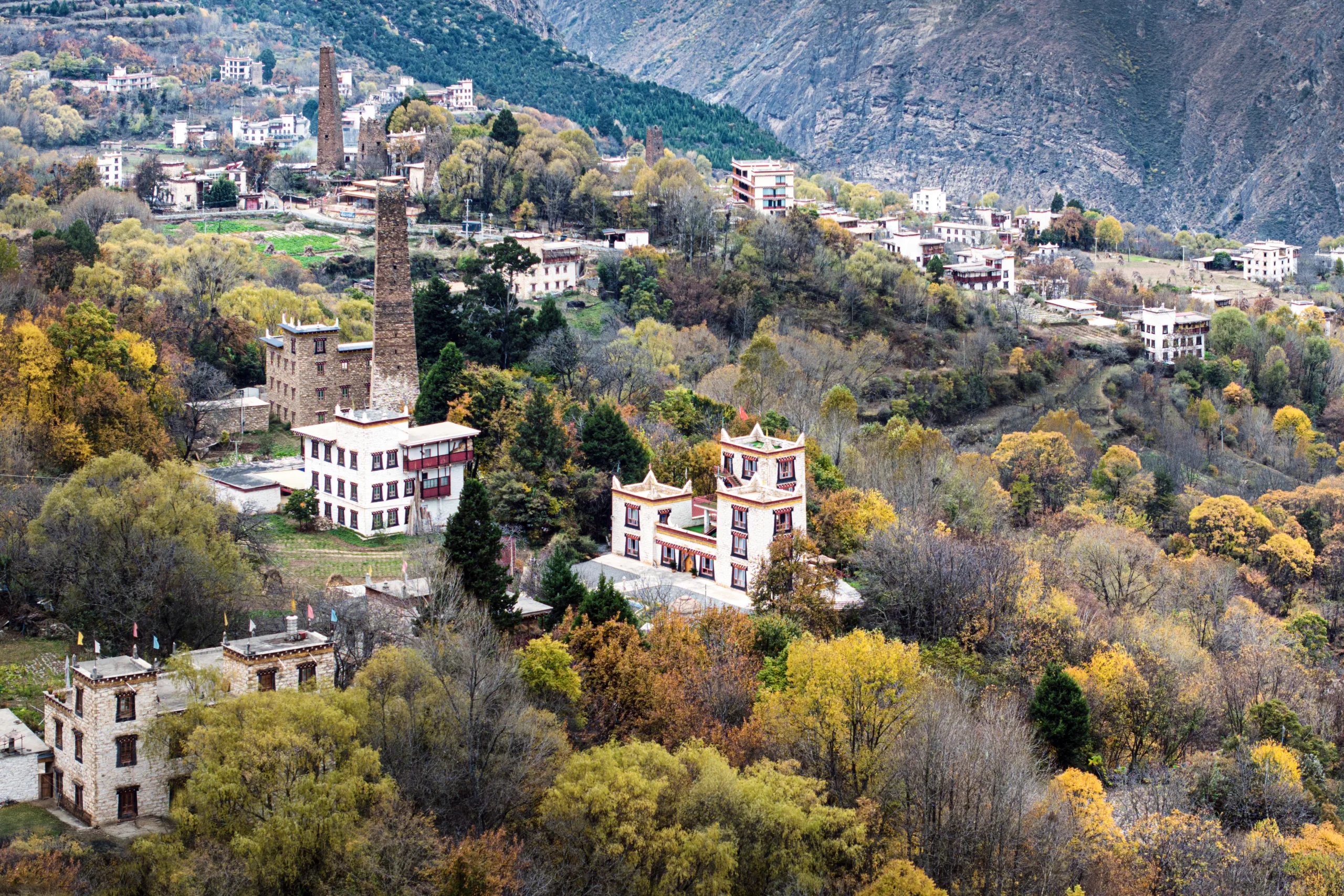
Nearby, Letong Ancient Town is well suited to a leisurely walk. This old town is known for its traditional houses and as the birthplace of the 7th Dalai Lama. Traditional Tibetan buildings line its streets, alongside small craft workshops and museums that offer glimpses of local life. The historic Ren-khang house is also associated with several important Rinpoches, or living Buddha figures in Tibetan Buddhism, and visitors can also see a private museum and a meditation retreat there. The house is also linked with auspicious signs, including lion milk traces still visible inside, and with a family that later ruled Tibet for a half century. Litang also has a strong cultural connection with Tsangyang Gyatso, the sixth Dalai Lama and a celebrated Tibetan poet. The town’s Tsangyang Gyatso Poetry Exhibition Hall displays many of his poems, several with English translations. It is a worthwhile place to pause and read his reflections on love, freedom and life.
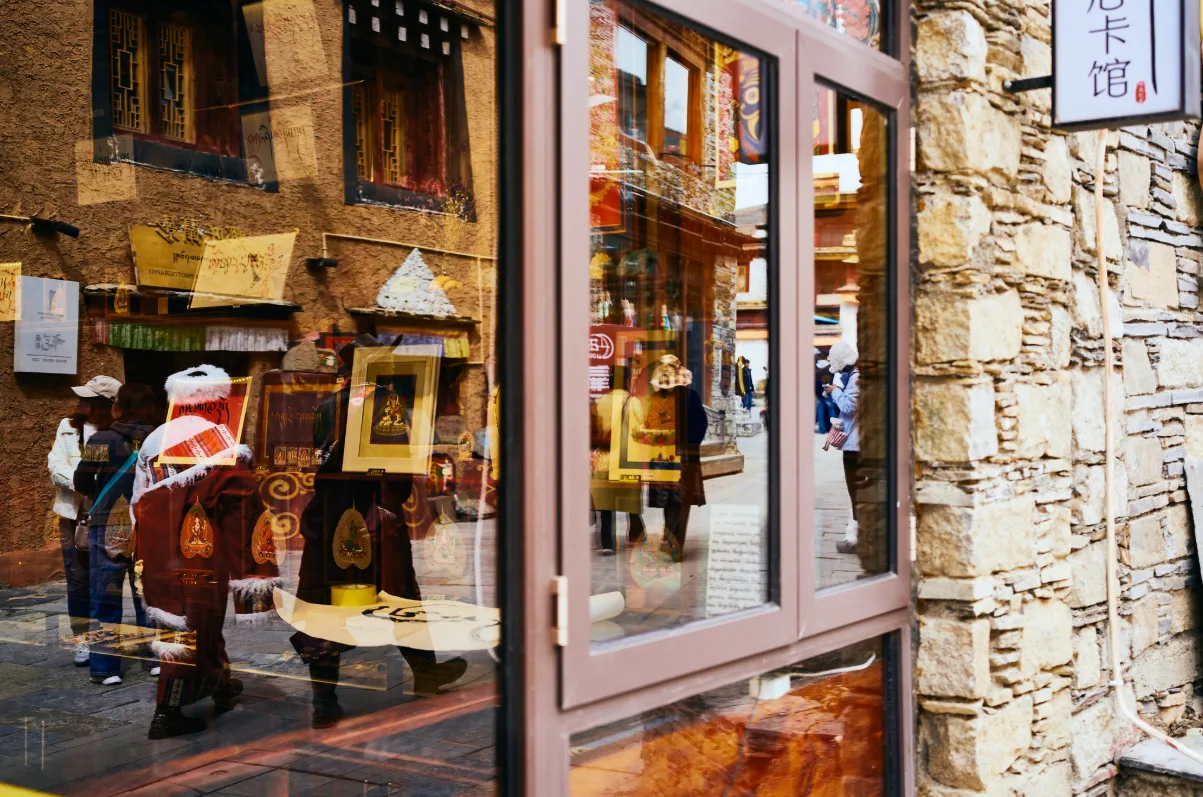
If time allows, follow the sloping lanes uphill towards the hillside behind the monastery. The viewpoint offers one of the best panoramas of Litang town and the surrounding mountain peaks, particularly in the early morning or late afternoon.
In the evening, you may also find local residents gathering in the ancient town for Guozhuang, a traditional Tibetan group dance. People form a circle and dance to music and song, turning a simple communal activity into a natural way to experience the social life of the Kham Tibetan community.
Visit Maoya Grassland and Zimei Lake
On the western edge of Litang, Maoya Grassland opens out almost at once. Framed by snow-capped mountains, the grassland is especially beautiful in summer, when wildflowers spread across the plateau. Yaks, horses and herders’ tents are scattered across the landscape, and many local people raise yaks and sheep and still follow a nomadic lifestyle. It is often in moments like this that the scale of the plateau becomes most apparent.
China National Geography has described this area as one of the country’s most beautiful and expansive steppes. The Wuliang River winds through the middle of the grassland, and you may also see nomads herding yaks in the distance.At times, Tibetan mastiffs can be seen near the camps, or even galloping across the open pasture. For photographers, Wulianghe Wetland Park is another scenic stop in the Maoya area. On the Maoya side, zha gar rock is another easy stop: a dramatic limestone formation beside the highway, with a small temple at its base and a local legend that an invisible gate into the mountain opens only to gurus. Everything feels wider, quieter and slower.
Following the G318 towards Haizi Mountain, you will also pass the Sister Lakes. The two blue lakes lie side by side beneath the snow mountains, reflecting the sky and the peaks above. Against the broad, austere landscape of the plateau, they stand out with a striking sense of clarity.
Visit Cuopu Valley
Cuopu Valley lies in the mountains west of Litang. As you enter the valley, the open grasslands gradually give way to forests, alpine lakes and snow-capped peaks. Deep in the valley, Cuopu Lake sits beneath the surrounding mountains, with prayer flags and mani stone cairns near its shores. On sunny days, the water takes on a distinctive peacock-blue hue, a striking sight in this remote highland setting. With relatively few visitors, the area is particularly well suited to nature photography and hiking, as well as to travellers looking for a quieter mountain experience.
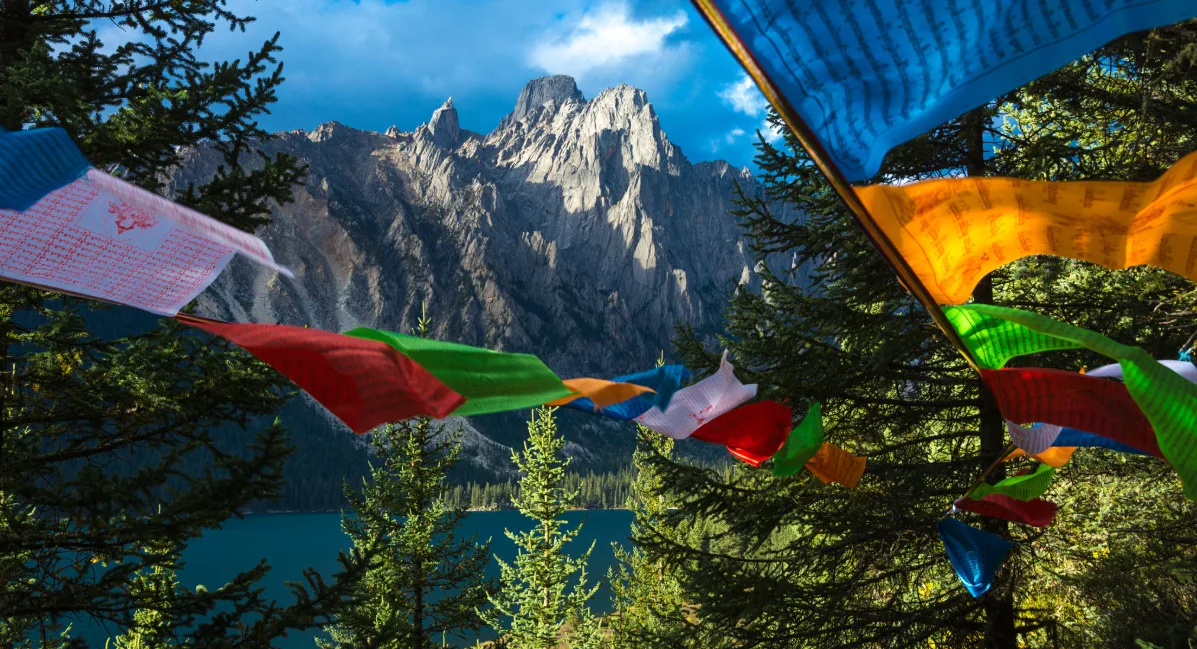
Cuopu Valley requires a combined entrance and sightseeing bus ticket. Private vehicles cannot enter the core scenic area, so visitors must transfer to the park shuttle at the entrance. The journey to Cuopu Lake takes around one hour each way, or roughly two hours for the return trip, passing several viewpoints along winding, high-altitude roads. Allow plenty of time for the visit.
Discover Mount Genyen and Remote Mountain Landscapes
At 6,204 metres, Mount Genyen dominates the southern part of Litang County and is one of the region’s defining mountain landscapes. Compared with the well-developed tourist infrastructure of Daocheng Yading, Genyen offers a more remote, wilderness-oriented experience, better suited to experienced trekkers.
The Genyen South Route is among western Sichuan’s most rewarding mountain journeys, bringing together snow-capped peaks, grasslands, forests and glaciers; wildlife observation here may include snow leopards and white-lipped deer. Some hikes also lead into the surrounding hills, where you can look out over the outstretched valley below. In southern Kham, this holy snow mountain is known for untouched forests and green grasslands, and only the bravest trekkers come for Legu Monastery and the splendid beauty of its valleys. It is suited not only to mountaineers, but also to travellers seeking a deeper experience of the natural landscape. Some routes may also pass sacred sky burial grounds, which can be an unusual experience.
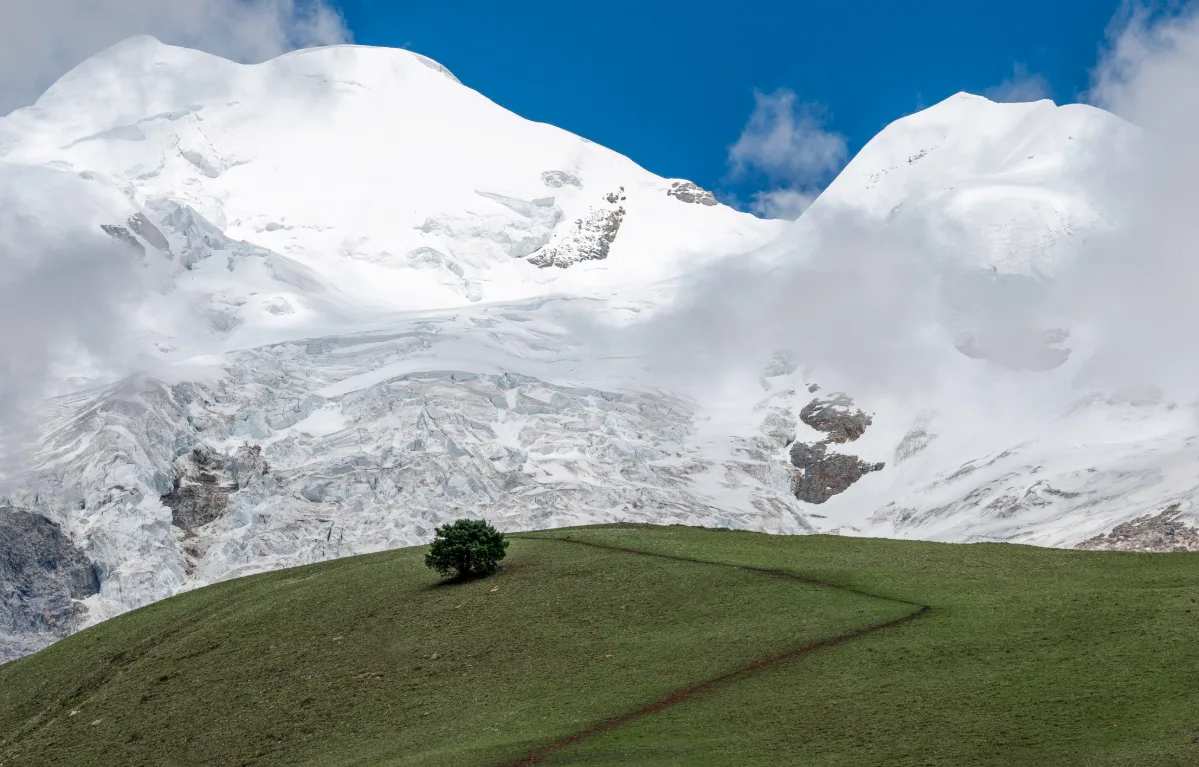
For those looking to venture beyond western Sichuan’s more popular routes, Genyen is one of the most worthwhile extensions to a stay in Litang. However, travel here requires more preparation than exploring the area around town. Some roads are unpaved and conditions can be challenging, so a suitable SUV and a driver familiar with the route are recommended.
Accommodation is also limited, with most options concentrated in a handful of larger villages. Facilities are generally basic, and prices vary considerably by season. Even better-equipped hotels can cost more than RMB 600 per night in the low season, with higher prices and limited availability during peak periods. Booking ahead is advisable.
Photography, Hiking and Cultural Experiences Around Litang
Litang is best explored at an unhurried pace, with time to experience the plateau beyond its main attractions.
For photographers, highlights include the early morning light over Maoya Grassland, mountain reflections in the Sister Lakes, shifting clouds around the Genyen range and the daily life of monks at local monasteries.
Hikers can explore routes around Cuopu Valley and Genyen, where forests, alpine lakes and high mountain landscapes offer a deeper experience of western Sichuan’s outdoors.
For travellers interested in local culture, Eastogo can arrange visits with herding families, meditation experiences and village explorations accompanied by local guides. These encounters offer a chance to go beyond the scenery and learn more about the people and traditions that shape life on the plateau.
Litang Compared with Daocheng Yading, Kangding and Tibet
Daocheng Yading is primarily about natural scenery. Its attractions are more developed for tourism and often crowded, but that does not diminish the scale and beauty of its mountains and alpine lakes. Facilities and accommodation are generally better established, and the main landscapes are concentrated within the scenic area. The trade-off is the number of visitors: popular viewpoints can be busy, and you may even need to queue for photographs.
Litang offers a different experience. It has a stronger connection to everyday Khampa Tibetan life, expressed through local clothing, architecture, monasteries, grasslands and the rhythm of a small highland town. Rather than focusing on a single scenic area, a visit here offers more opportunities to understand how local communities live and how their lives are connected to the surrounding land.
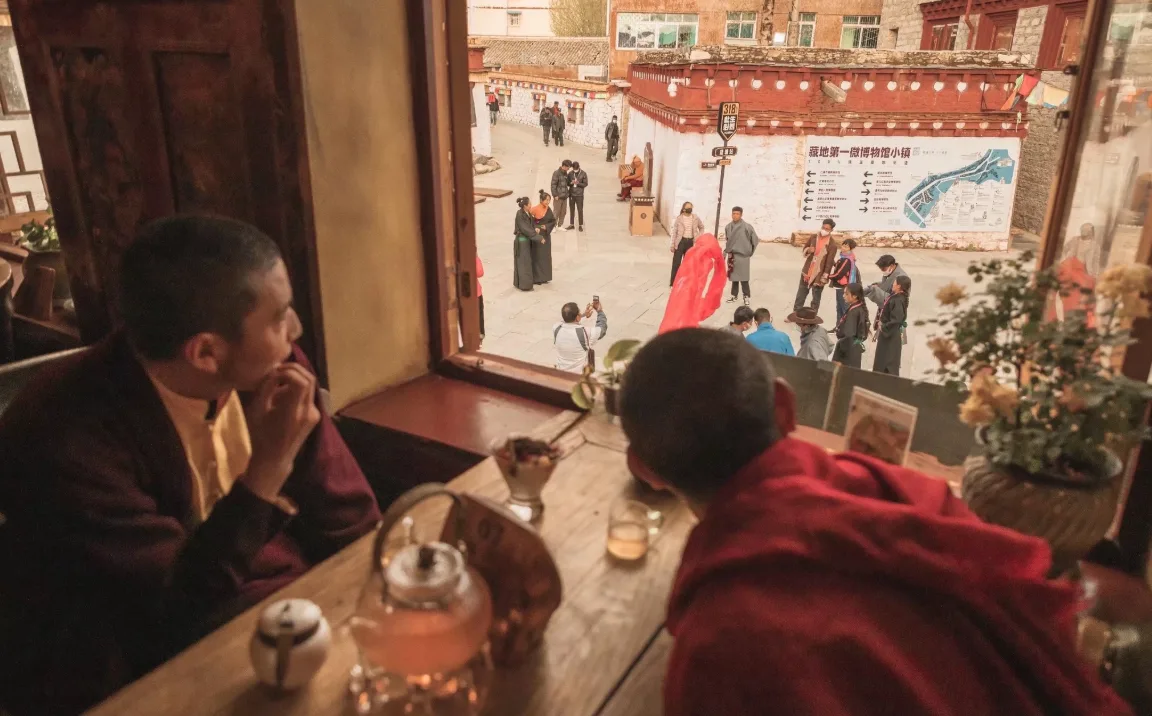
Litang is sometimes described as “Little Tibet”. Compared with travelling to the Tibet Autonomous Region, it is easier to reach from Chengdu and simpler to combine with other destinations on the western Sichuan plateau, without the additional travel arrangements required for entry into Tibet. This makes it a practical introduction to high-altitude landscapes and Tibetan culture for international travellers visiting the region for the first time.
However, Litang is not a substitute for Tibet. The density and variety of monasteries, villages and cultural experiences found across Tibet cannot be replicated in the area around Litang. If you have limited time and want to experience Tibetan culture, Litang is a good choice. If your goal is to explore Tibet itself, there is no real substitute for going there.
Kangding is often the first stop on a western Sichuan journey. As a gateway to the region, it sits at the meeting point of Han Chinese and Tibetan cultures and has developed into a modern city with convenient transport links. It is also much closer to Chengdu. But Kangding does not have the same sense of being deep in the high plateau as Litang. The altitude, expansive grasslands and distant mountains give Litang a more rugged and distinctly highland character.
Practical Tips For Visiting Litang
Altitude and Health
Litang sits at around 4,014 metres, so take time to acclimatise. Avoid strenuous activity and alcohol on your first day, and seek medical attention if symptoms become severe or worsen.
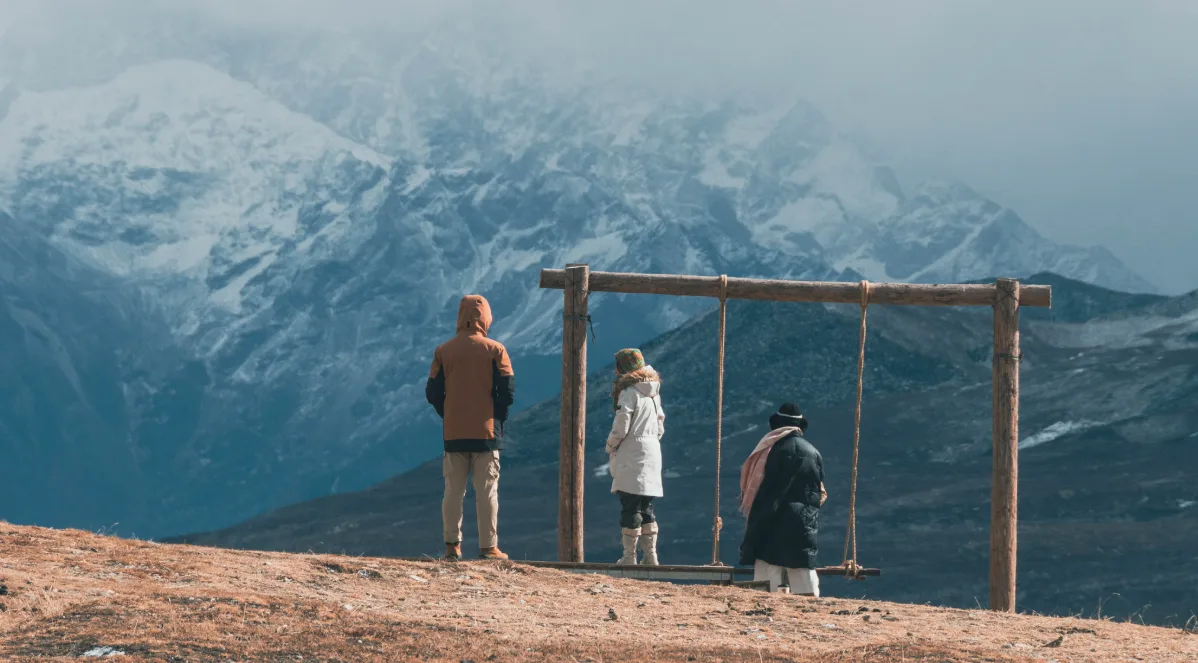
Temperatures can vary by up to 15°C between day and night, even in summer. Bring warm, windproof layers, sunscreen, a hat and sunglasses for protection against strong high-altitude UV exposure.
Payments and Photography
Mobile payments are widely accepted in town, but carry some cash for remote shops and tea houses. At monasteries, check photography rules before entering prayer halls and ask permission before photographing monks.
Road Conditions and Travel Pace
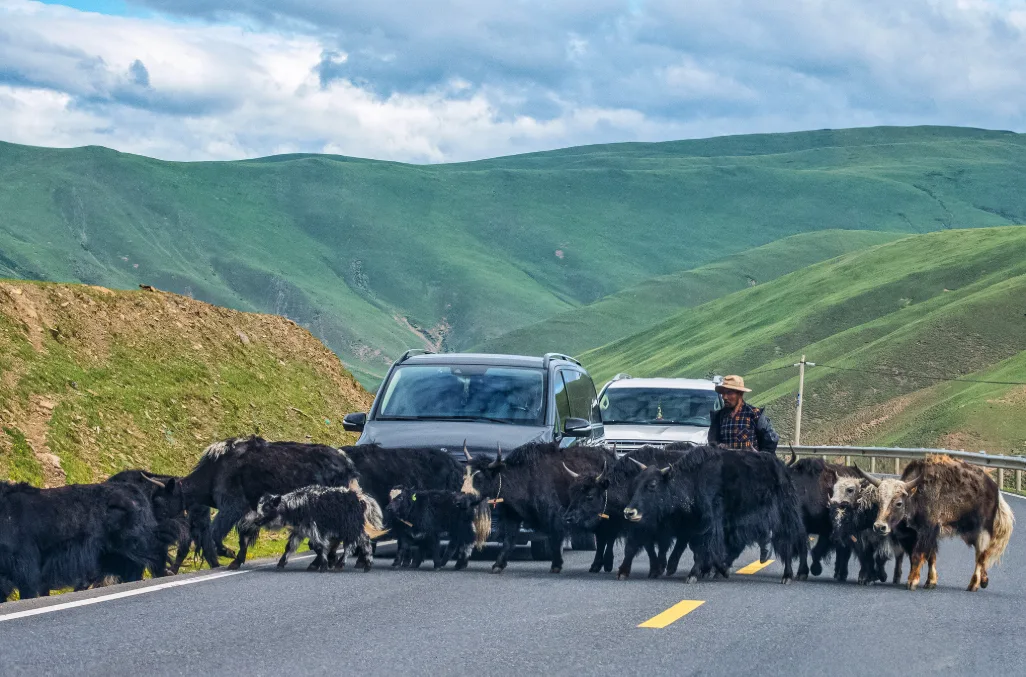
Mountain roads around Litang can be affected by bad weather, landslides and delays. Allow extra time, especially for trips to Genyen and Cuopu Valley. Leave room for unplanned stops along the way rather than rushing between attractions.
What to Pack
- Warm, windproof layers
- Waterproof hiking shoes
- Sunscreen, sunglasses and a hat
- Moisturiser
- Personal medication and basic first-aid supplies
What To Eat In Litang: Tibetan Food And Local Specialities
Food in Litang centres on Tibetan staples, particularly dairy products, yak meat and highland barley. Common options include beef noodles, beef buns and yak fried rice, while sweet tea and butter tea are popular drinks.
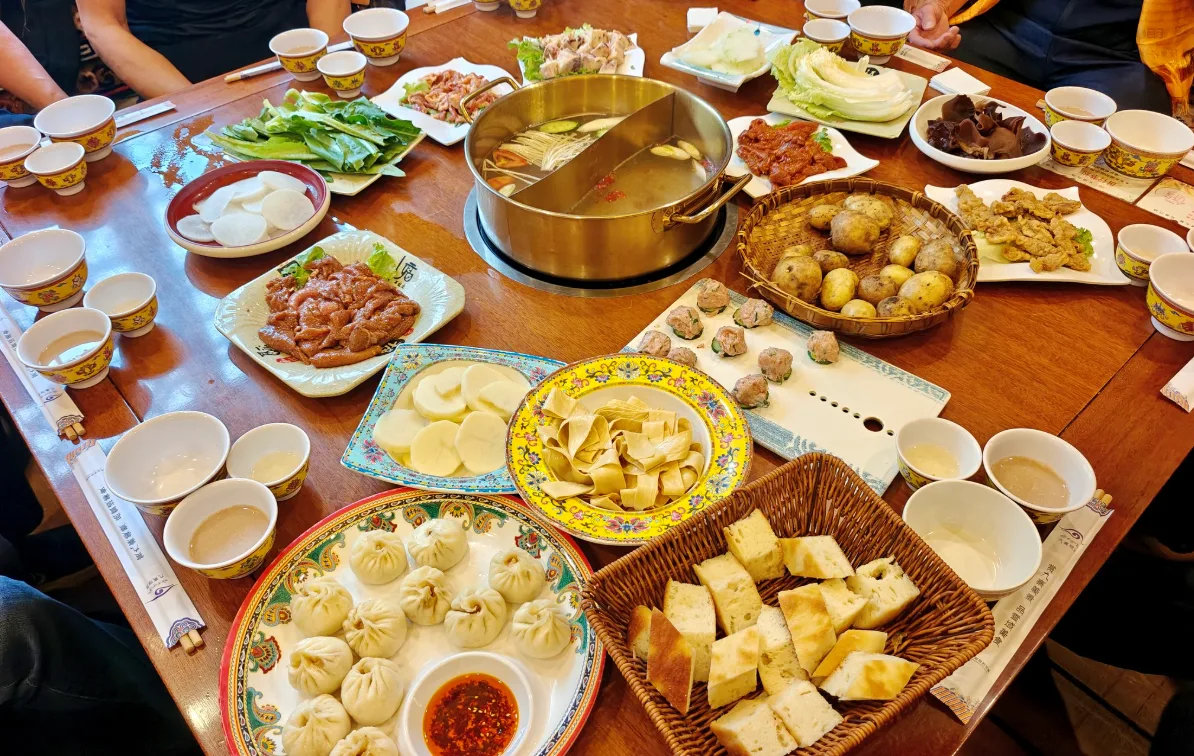
Yak meat here is firmer and richer in flavour than the beef typically found in Chengdu. Tibetan yoghurt is available in small local shops; it is distinctly sour, and locals often add plenty of sugar. Sichuan restaurants are also available in town, but Tibetan food is often a milder option for those who prefer to avoid spicy dishes.
Responsible Travel in Litang
Litang is a living home for the Khampa Tibetan community, not a cultural display created for visitors. Respect local customs, religious practices and everyday life.
- Do not fly drones over monasteries.
- Walk clockwise along prayer paths.
- Do not enter monks’ living quarters without permission.
- Avoid disturbing people who are praying or making offerings.
- Remove your hat and remain quiet inside monastery halls.
- When buying handicrafts, support local artisans so that more of your spending stays within the community.
How Many Days Do You Need in Litang?
1 Day: Litang Highlights
If you are short on time, a day is enough to get a feel for Litang. Visit Litang Monastery and Letong Ancient Town in the morning, explore part of Maoya Grassland in the afternoon, and finish with a Tibetan meal in town.
2–3 Days: Litang and the Surrounding Landscapes
We recommend allowing two to three days. Travel from Xinduqiao to Litang on day one and take it easy after arrival to adjust to the altitude. On day two, visit the monastery and ancient town, then explore Maoya Grassland and the Sister Lakes. On day three, continue towards Daocheng Yading via Haizi Mountain or head back towards Chengdu.
This itinerary combines Tibetan culture with the plateau’s grasslands, lakes and mountain scenery.
4–5 Days: Litang and Mount Genyen
With more time, add the Genyen South Route, allowing at least two days for this remote mountain drive. Road conditions are more challenging than on the G318, so travelling with a local driver familiar with the route is recommended. From Litang, the route passes Tijiang Mountain, Genyen’s Eye and Namucuo before continuing towards Batang or returning to Litang.
Eastogo can arrange private transport and local guiding across western Sichuan, including experienced local drivers, English-language support and cultural interpretation, as well as connected itineraries linking Litang with Daocheng Yading, Kangding and Xinduqiao.
Explore Litang And Western Sichuan with Eastogo
Litang offers a slower, more immersive way to explore western Sichuan, combining expansive plateau landscapes with a closer understanding of Khampa Tibetan culture.
From the enduring religious traditions of Changqingchunke’er Monastery to the open pastures of Maoya Grassland and the remote valleys of Mount Genyen, the journey reveals a side of the plateau beyond its famous viewpoints. Along the way, you may encounter herding families, prayer flags fluttering at mountain passes and quiet villages where local traditions remain part of everyday life.
If you are looking for a destination that combines dramatic highland scenery with Tibetan culture, Litang is worth exploring at an unhurried pace.
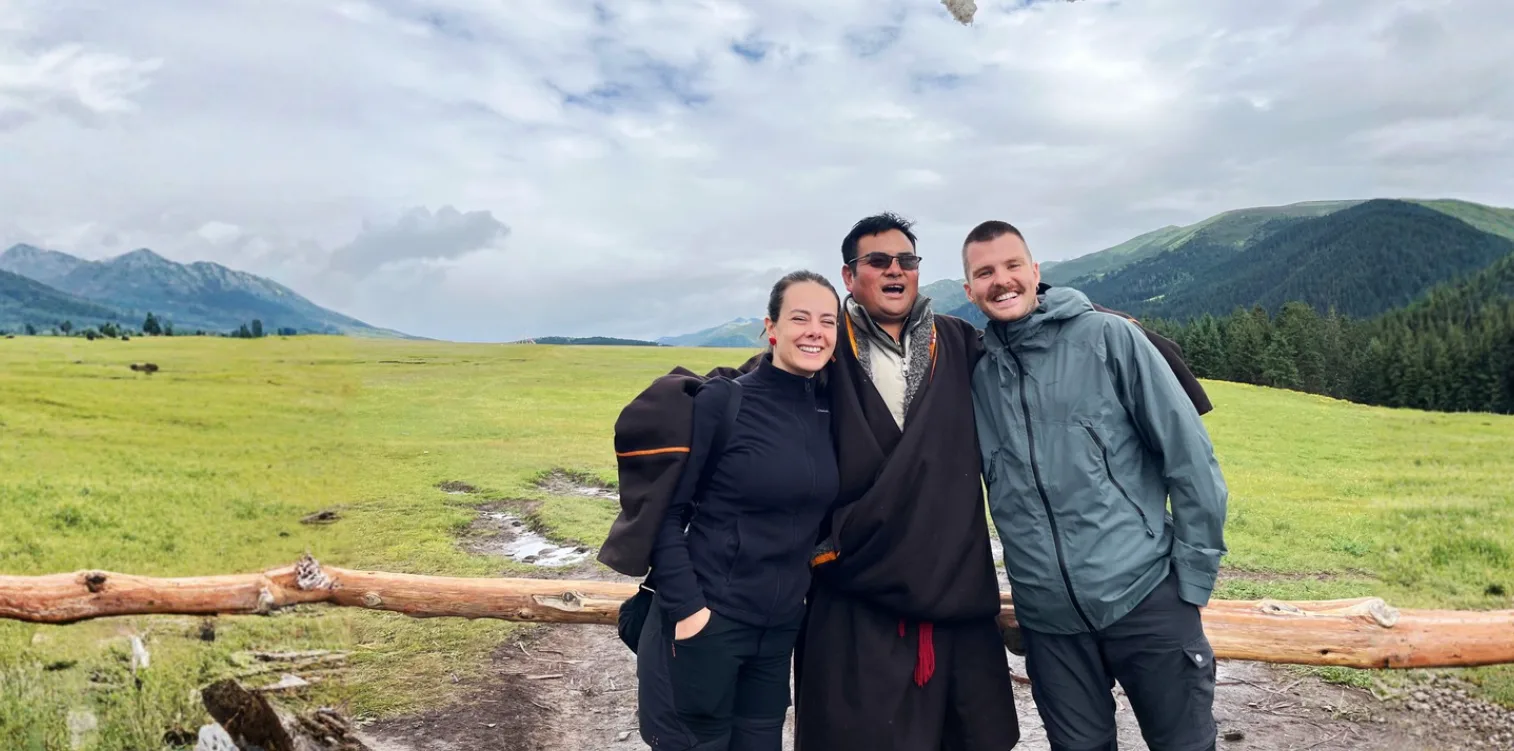
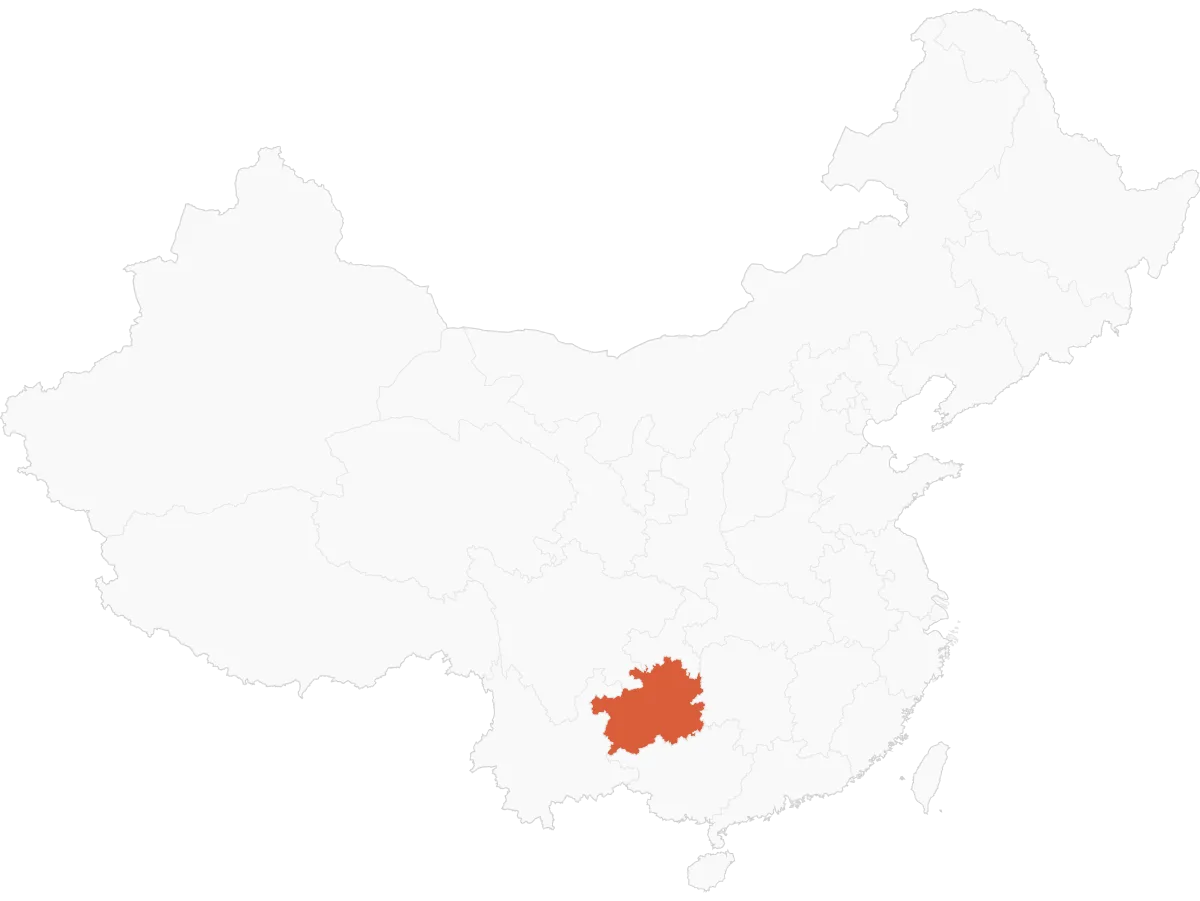
Eastogo specialises in thoughtfully designed journeys across southwest China, including Western Sichuan, Guizhou, Yunnan, Guangxi and Hunan. We work with local drivers, guides and communities to arrange village visits, cultural activities and opportunities to learn more about everyday life beyond the main tourist routes.
We tailor each itinerary to your interests, available time and preferred pace, while taking transport, weather and mountain safety into account. Whether you prefer self-guided tours or private and custom China tours, we can help you plan a more comfortable and considered journey through western Sichuan.You can also take a look at our 9-day Western Sichuan itinerary for reference.
For more inspiration, see our Complete Guide to Western Sichuan: Routes, Culture, Landscapes, Wildlife And Travel Planning. You can also take a look at our 9-day Western Sichuan itinerary for reference.
If this landscape speaks to you, we would be happy to help you create a journey that reflects your interests and the way you want to experience this remarkable region.