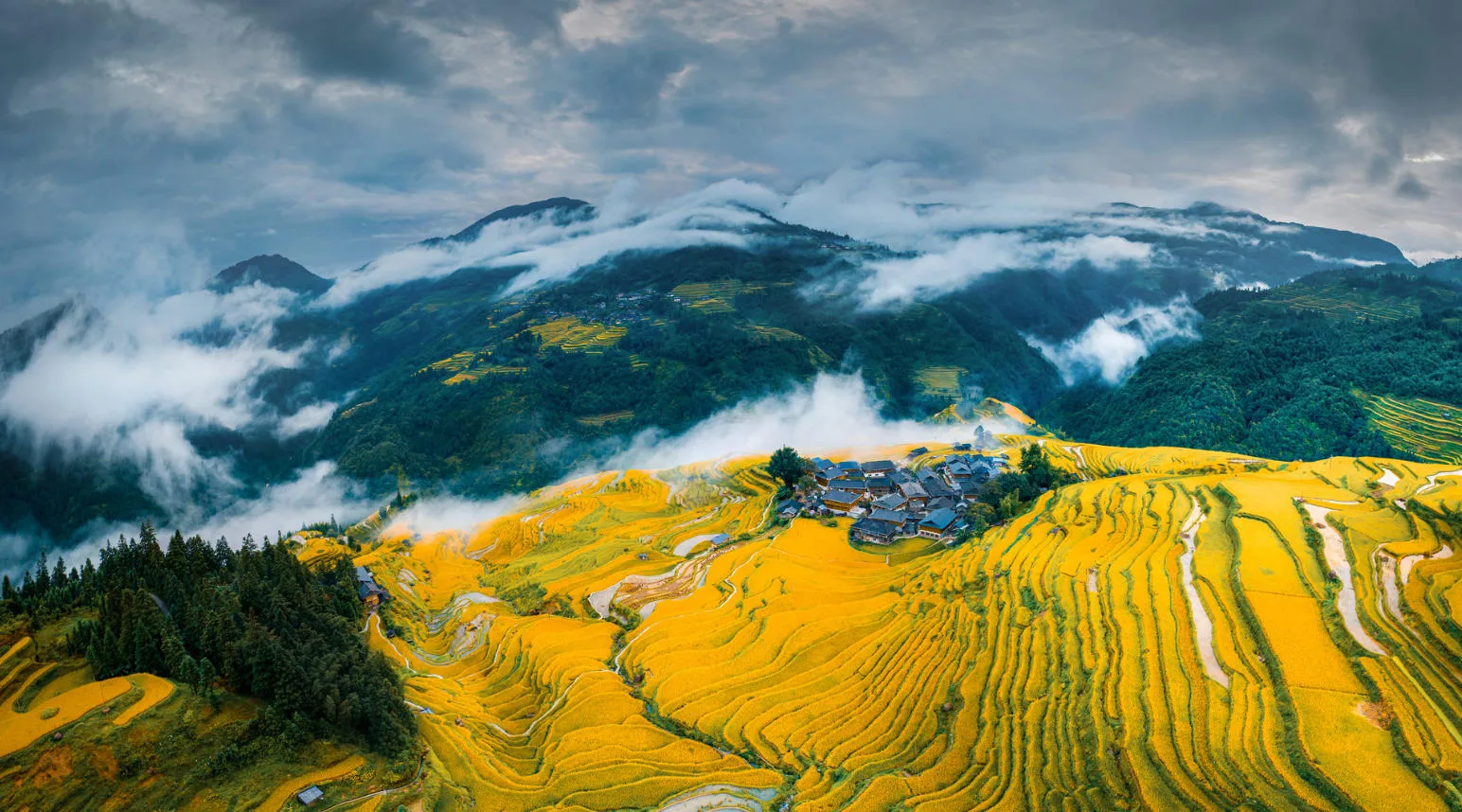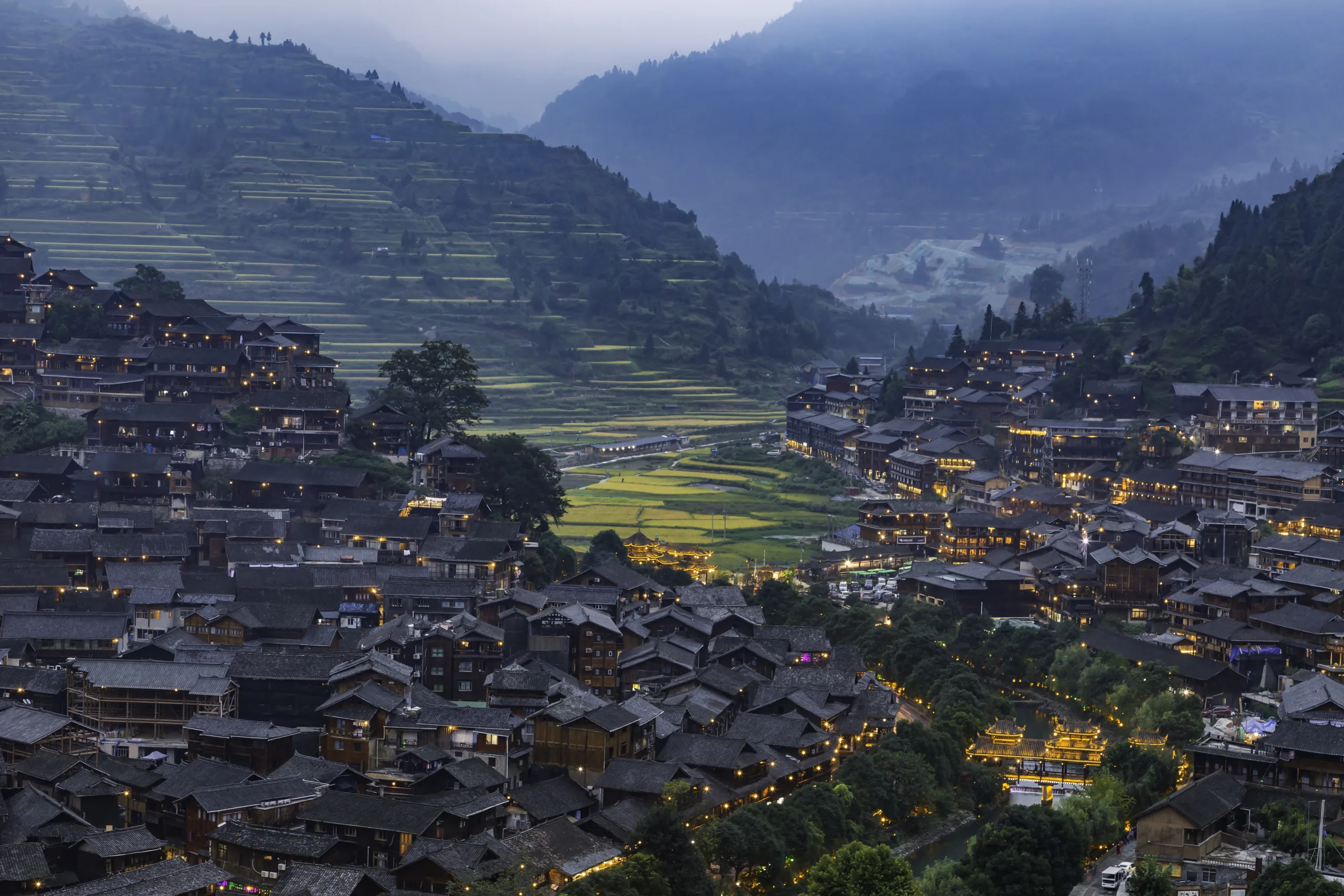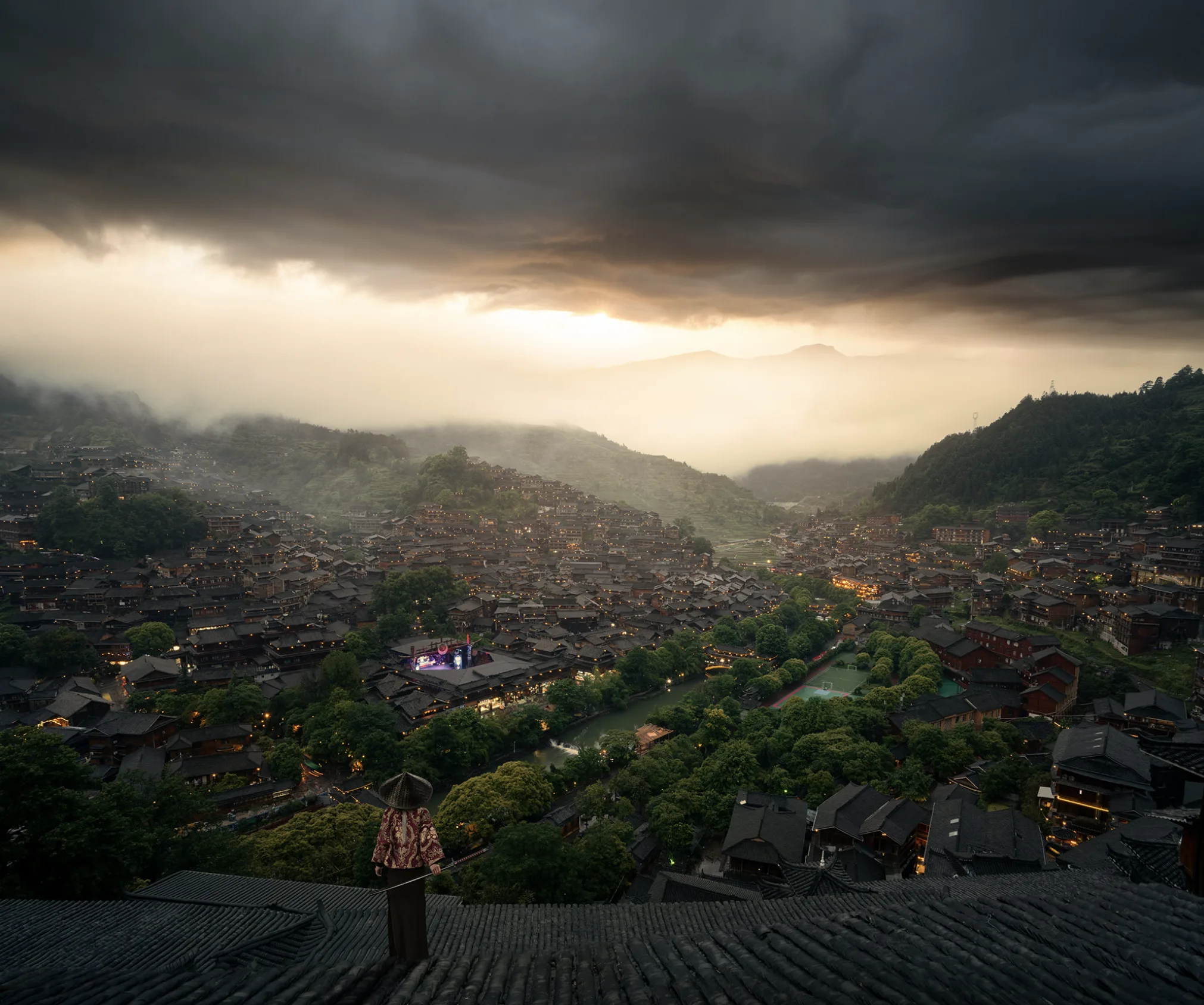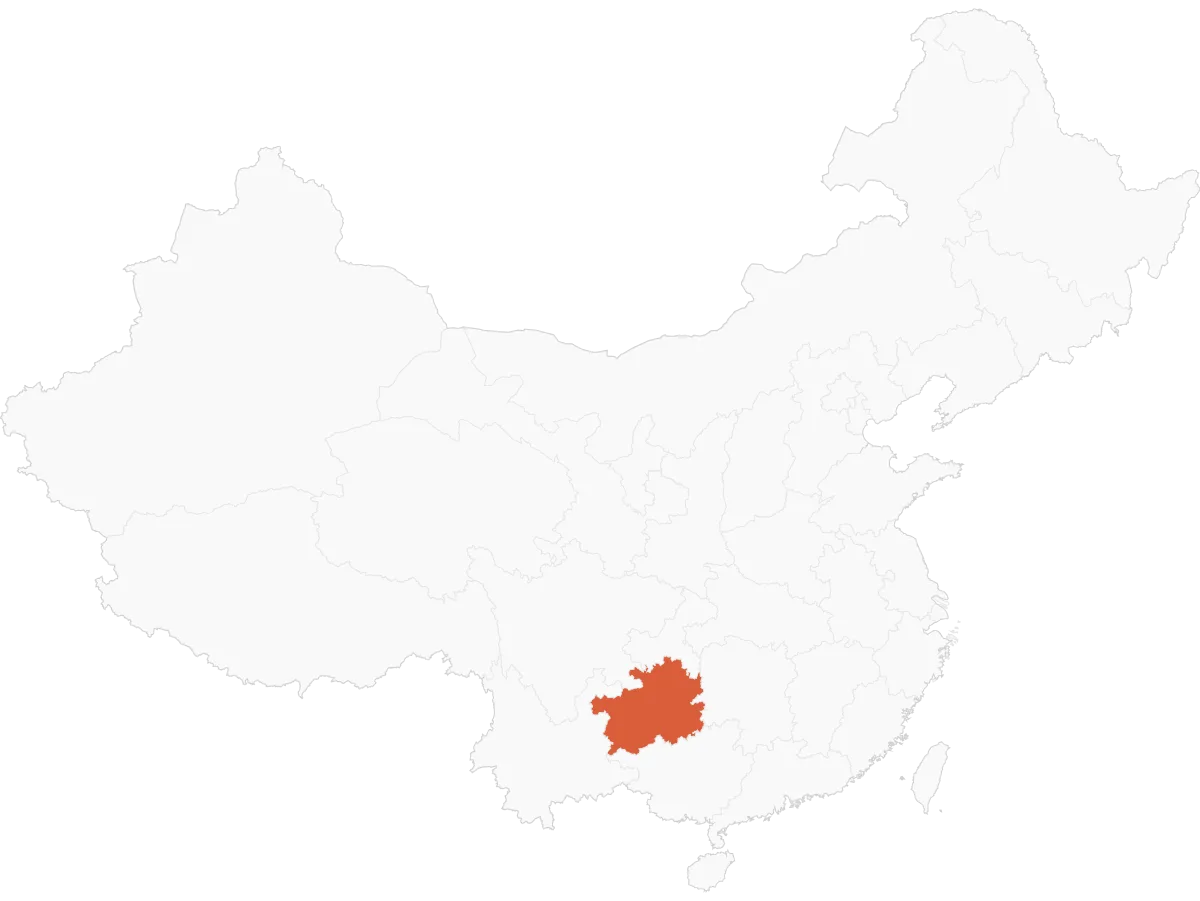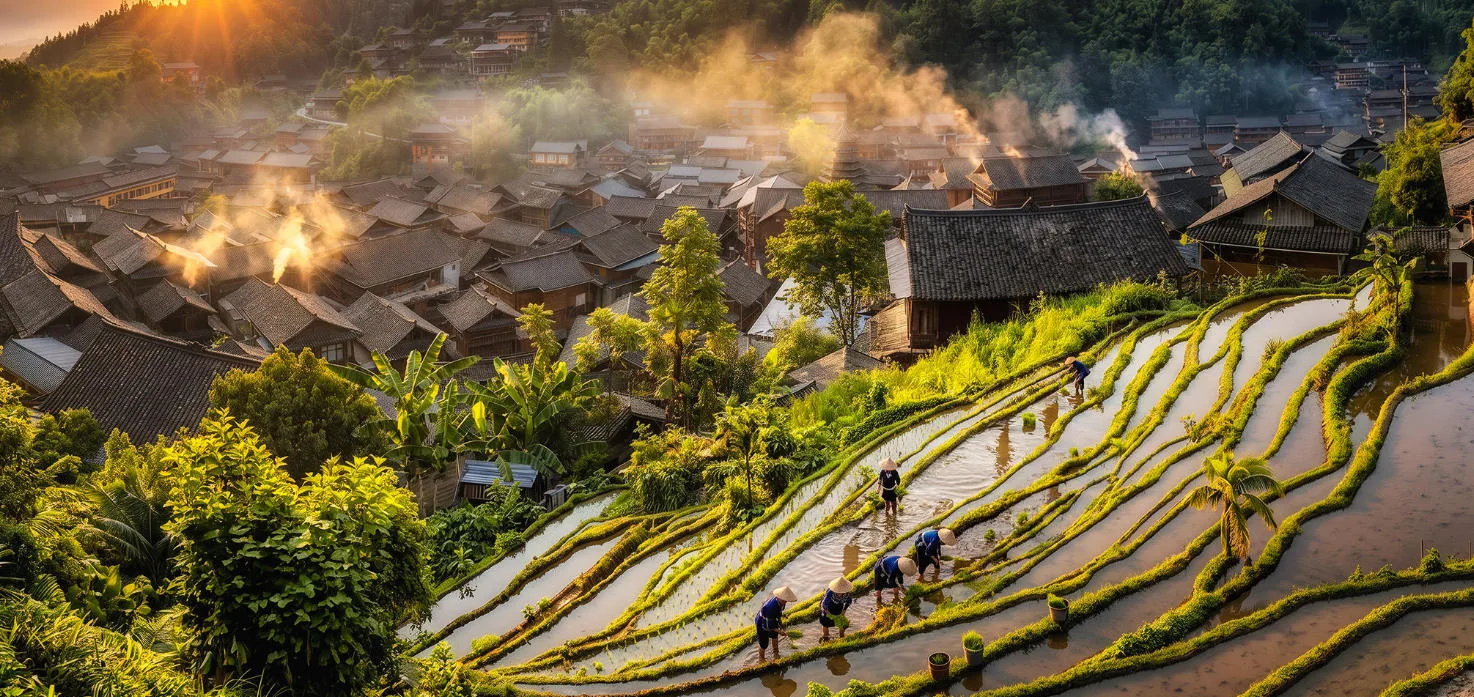
Rongjiang Guizhou is located in a river valley along the Duliu River in southeastern Guizhou. For many travelers, the name may still be unfamiliar — it does not have the same recognition as Xijiang Miao Village or the accessibility of Zhenyuan Ancient Town. Yet this is exactly why Rongjiang has preserved many villages that remain less affected by large-scale tourism, along with a more genuine rhythm of everyday life.
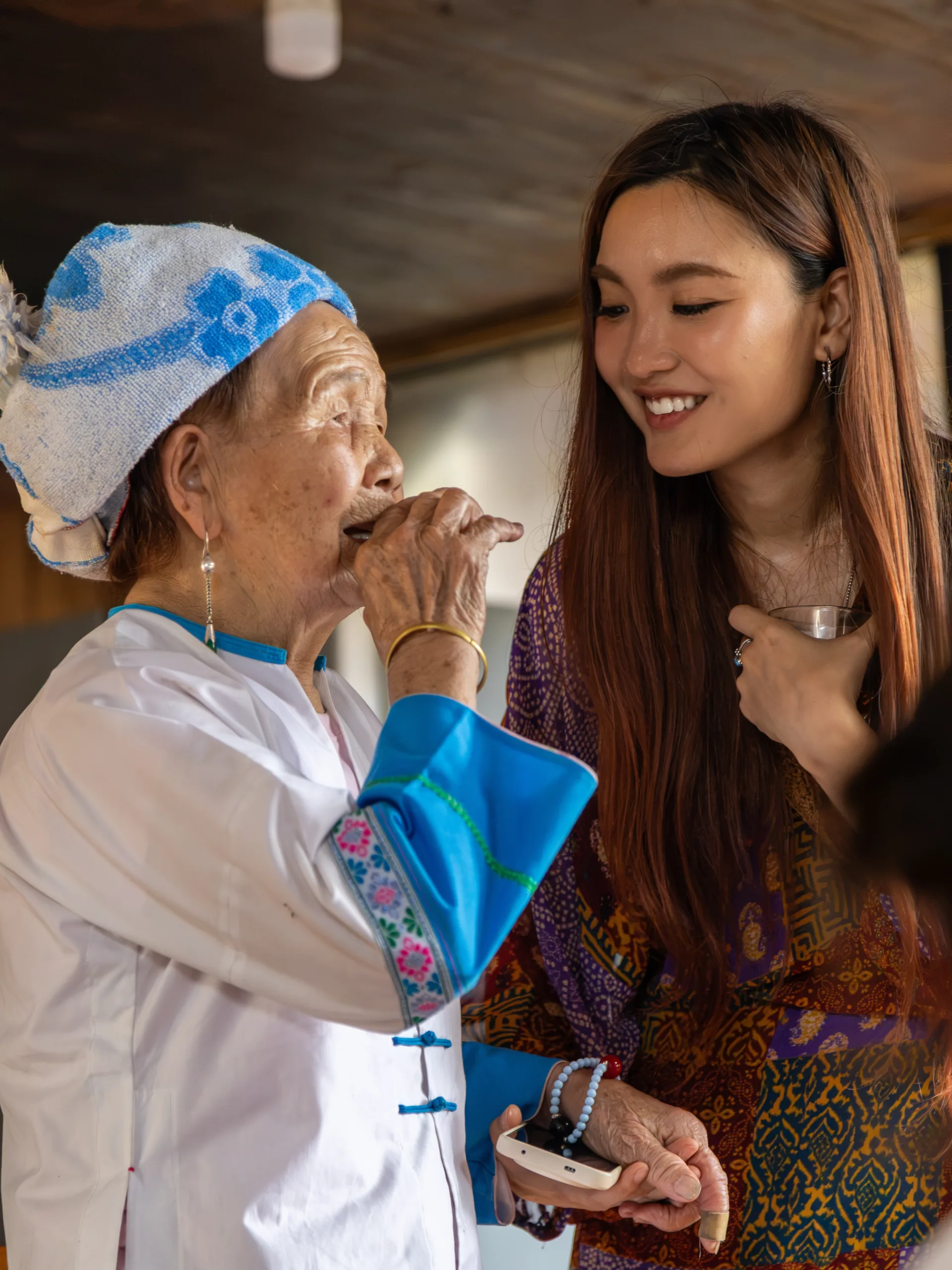
Here, the Miao, Dong, and Shui communities have lived together among the mountains for generations, creating a distinctive cultural landscape where different traditions meet. Each group has preserved its own language, clothing, festivals, and architectural styles.
This guide will introduce the most worthwhile villages to explore in Rongjiang, the best seasons to visit, recommended travel durations, and how to experience the region while respecting local communities and traditions.
Why Visit Rongjiang County? A Cultural Crossroads of Guizhou
Rongjiang’s most distinctive feature is that it is home to three major ethnic communities — the Miao, Dong, and Shui people — living across the same mountainous region. Their cultures remain distinct, yet centuries of shared life have created a unique cultural landscape where different traditions naturally meet and influence one another.
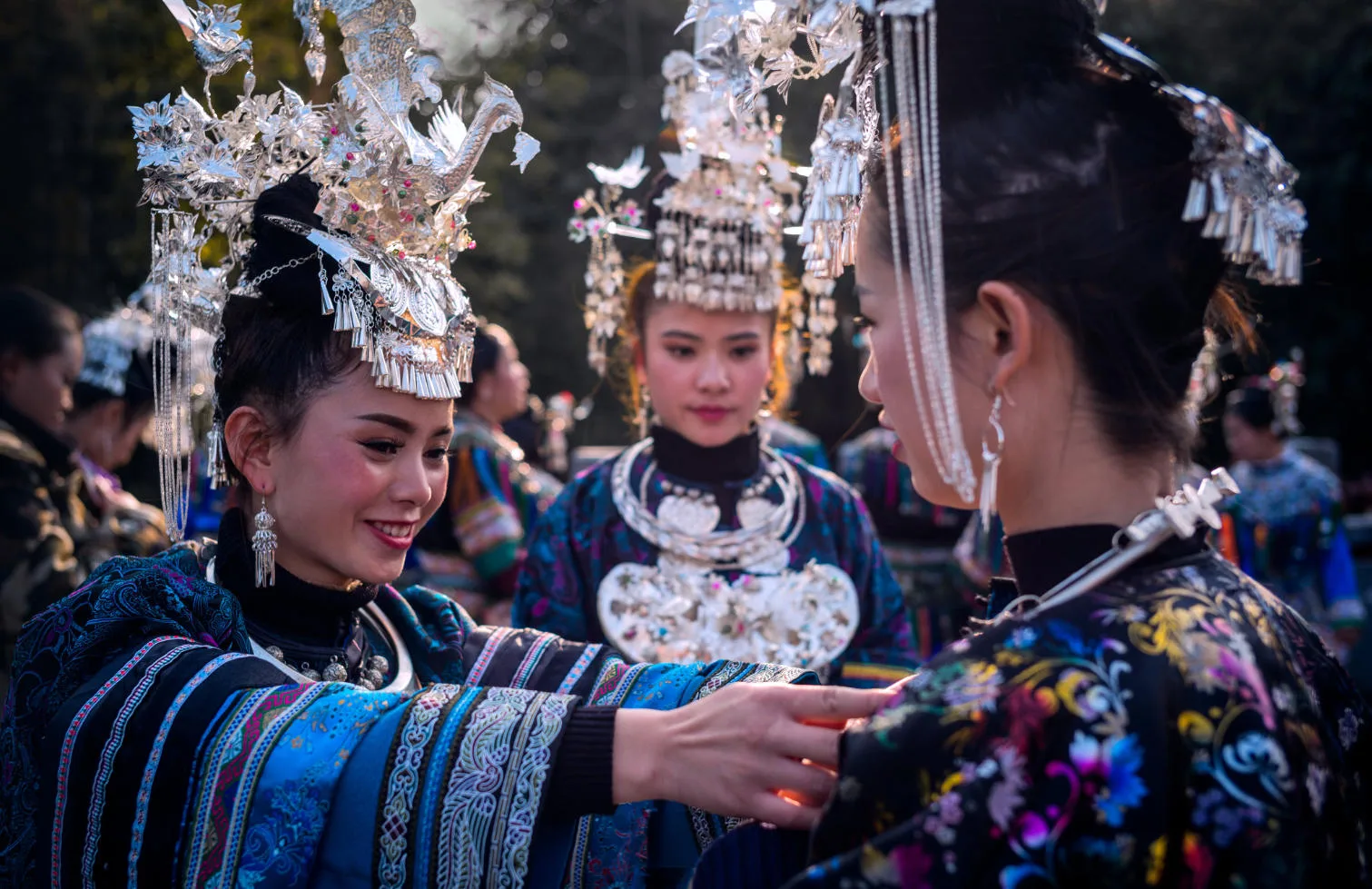
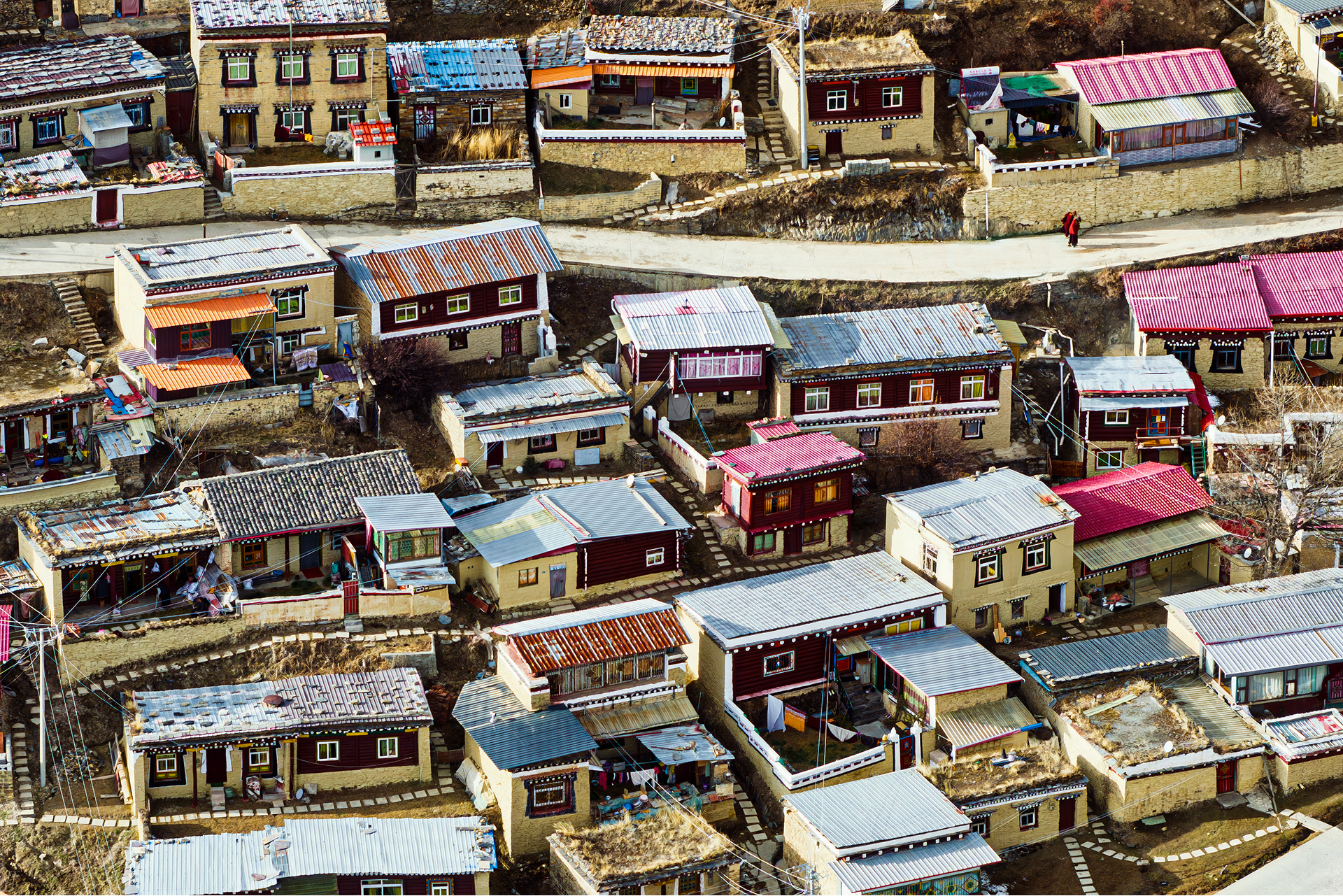
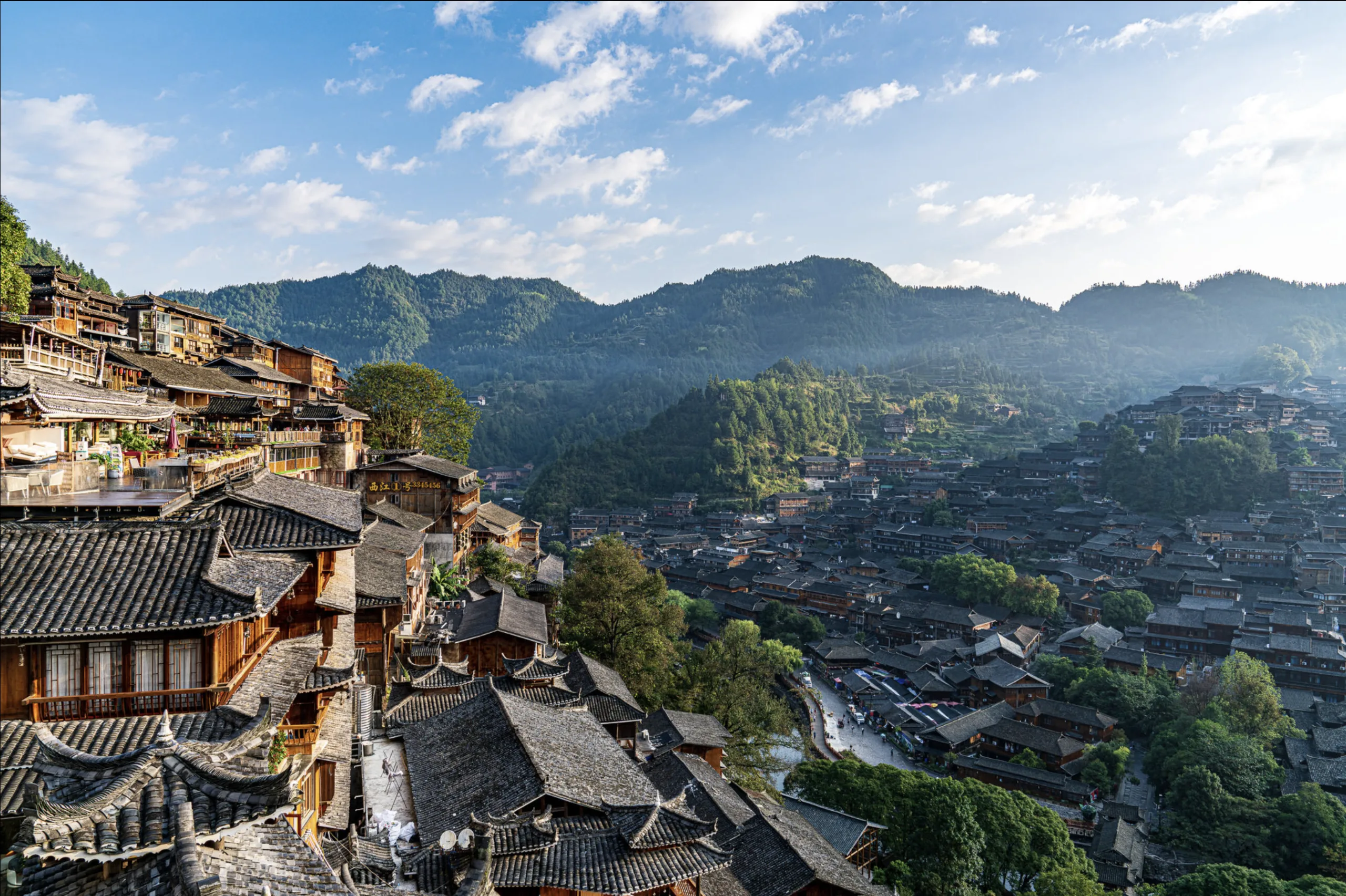
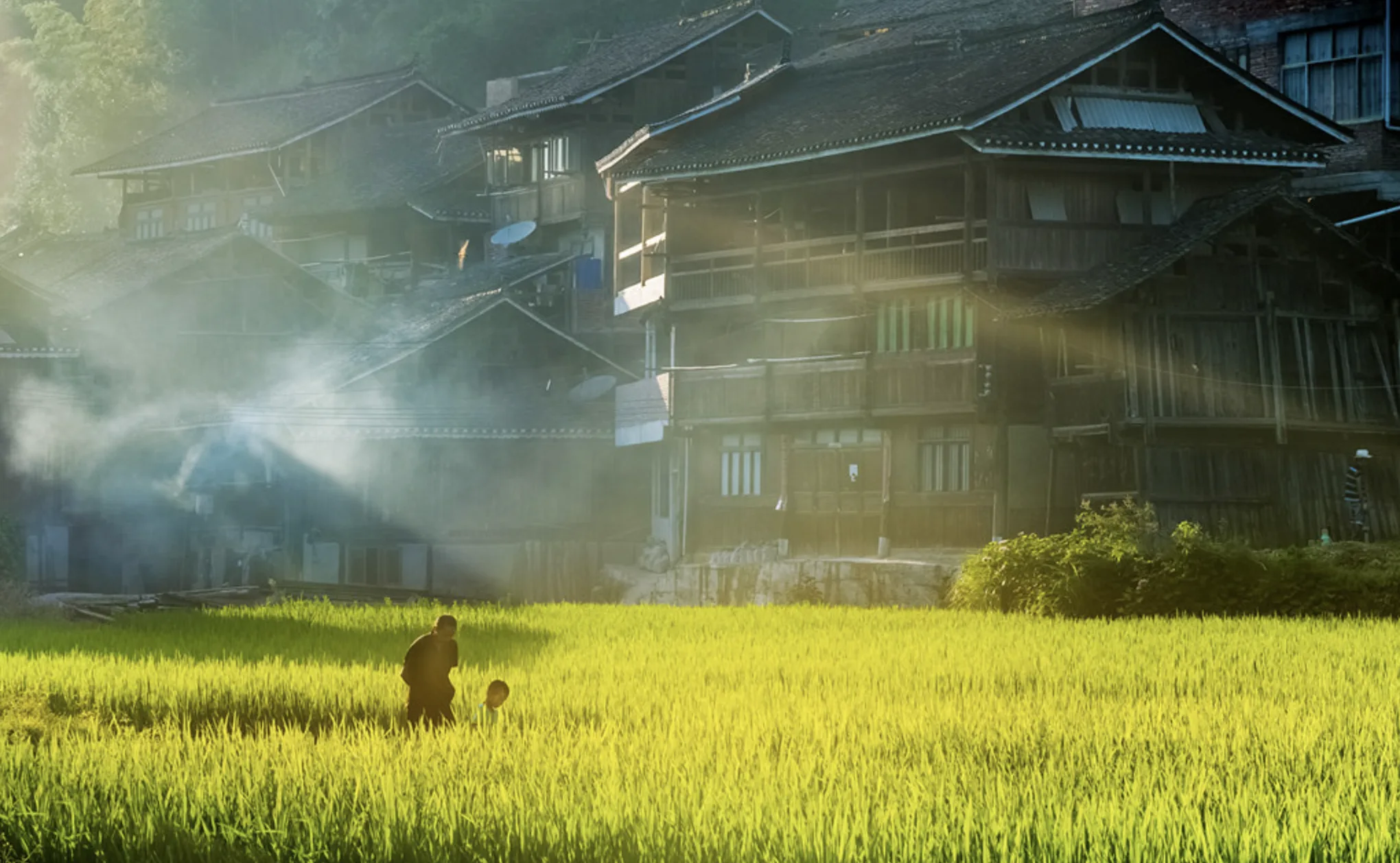
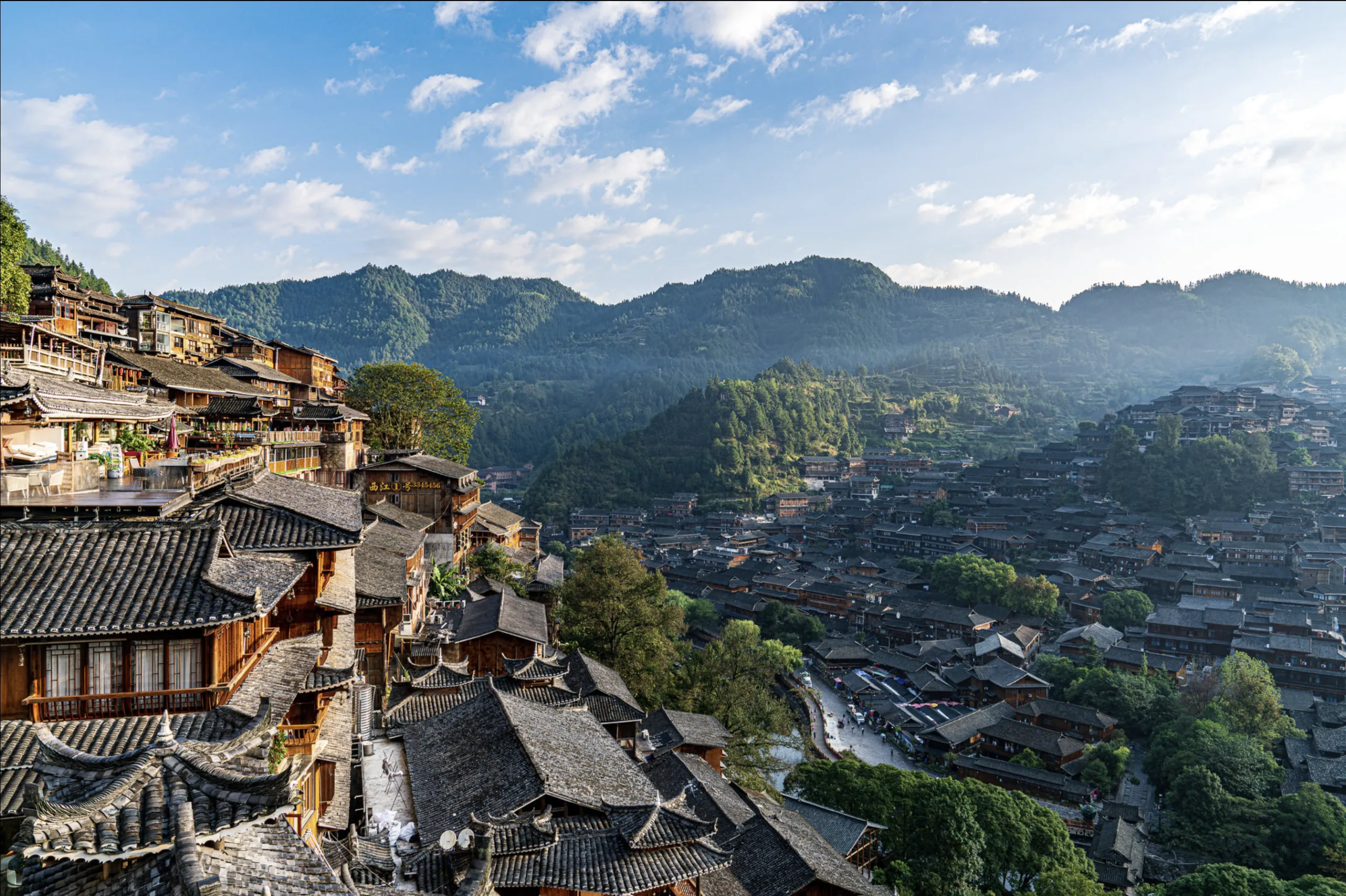
The natural environment has also shaped the way people live here. Villages are often tucked away in mountain valleys and connected by winding roads through the hills. Compared with some of Guizhou’s better-known destinations, Rongjiang’s charm lies in its lower level of commercialization. Many villages still follow traditional layouts, while residents continue to maintain their own architecture, clothing, music, and festival customs.
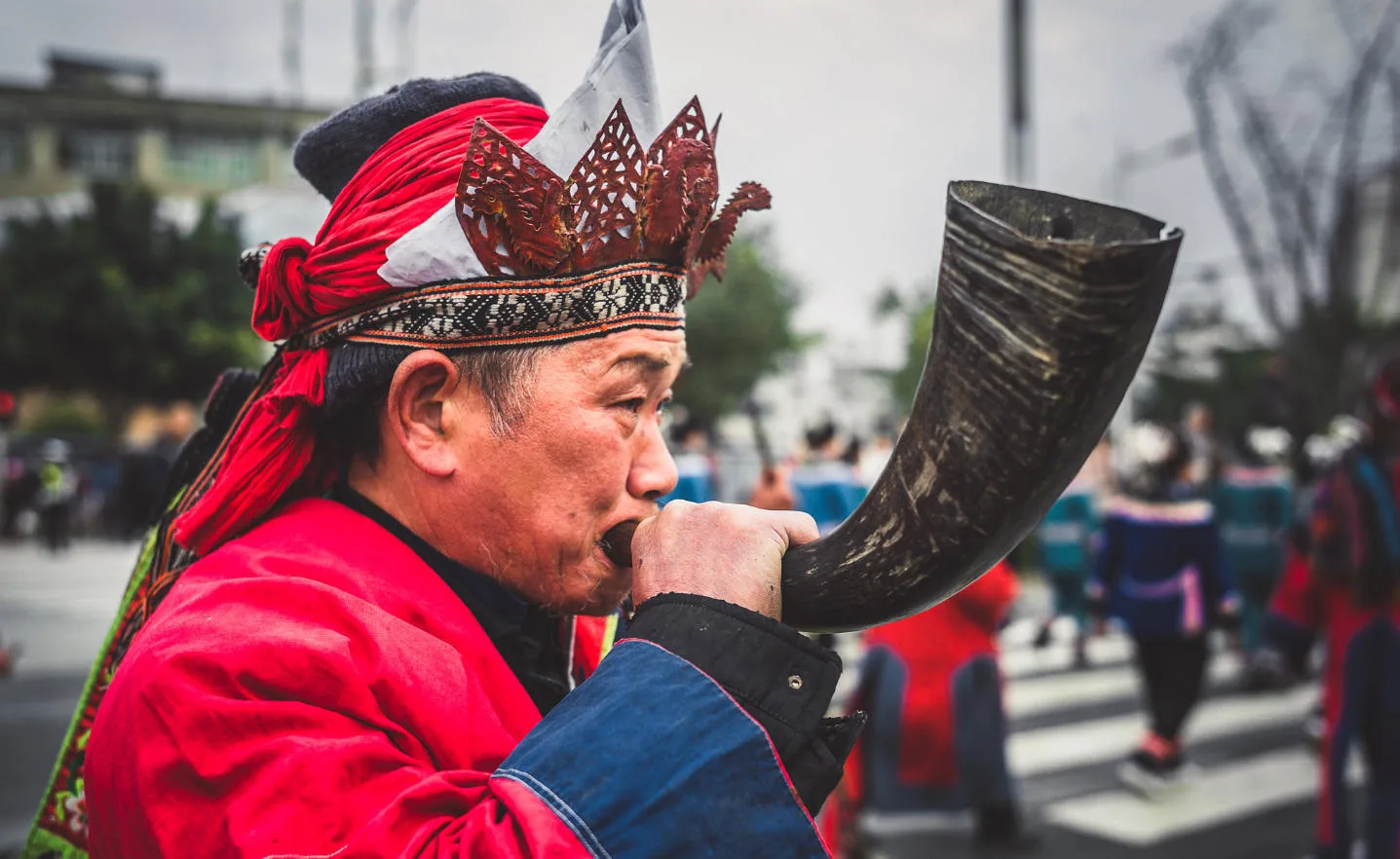
Where Is Rongjiang and How Does It Fit Into a Guizhou Province Trip?
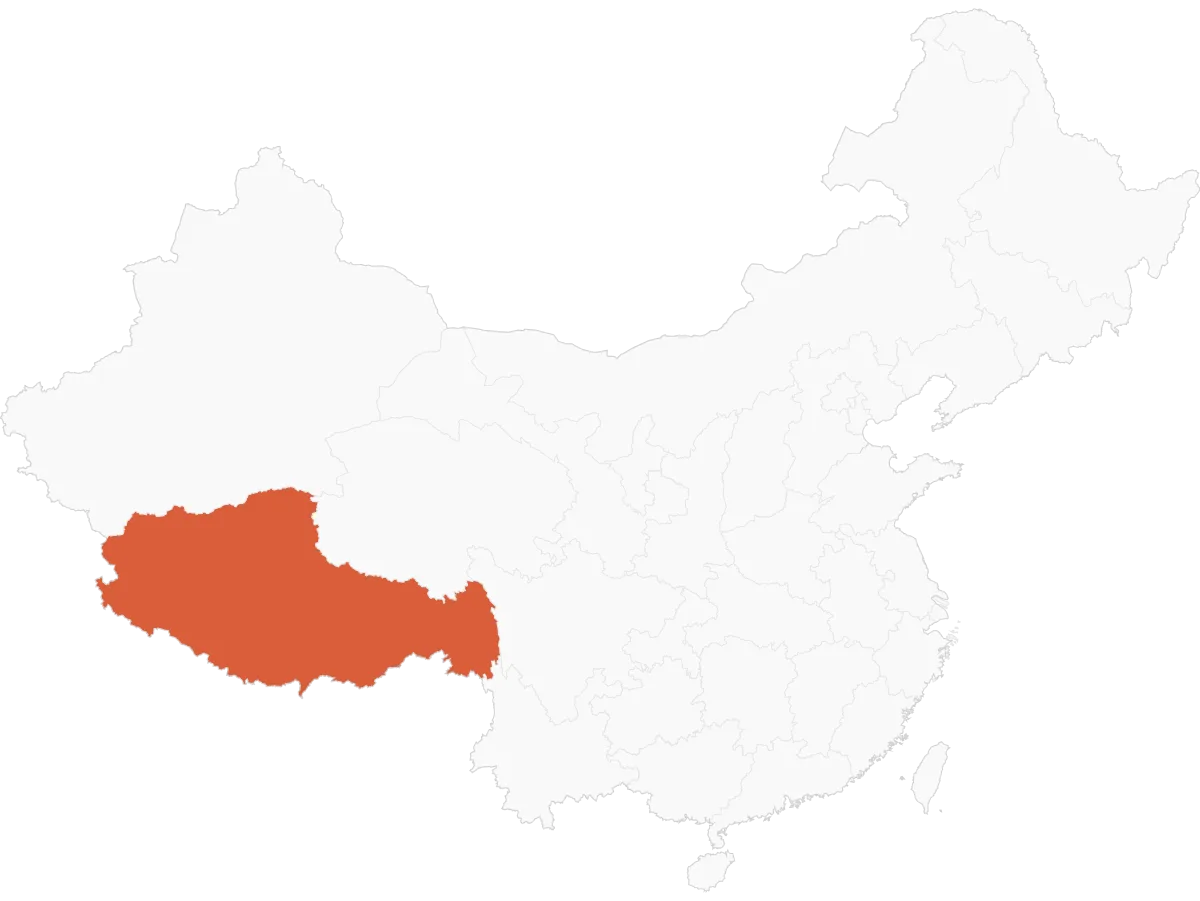
Rongjiang is located in southeastern Guizhou Province, within Qiandongnan Miao and Dong Autonomous Prefecture, and Rongjiang County provides important geographic context for travelers planning a visit. The county town is close to the high-speed railway station, making it relatively easy to access.
Rongjiang is worth exploring as a destination on its own, with two to three days recommended. It lies in the southeast of the province. It can also be combined with nearby destinations such as Zhaoxing Dong Village, Tang’an Dong Village, and Jiabang Rice Terraces to create a deeper four- to five-day journey through southeastern Guizhou.
By high-speed train, Rongjiang Station can be reached in around 1.5 hours from Guiyang and about 1 hour from Guilin. Rongjiang is about 230km from Guiyang and takes around 3.5 hours by car. The closest airport is Guiyang Longdongbao International Airport, and the Libo-Rongjiang expressway has improved road access by linking the area more efficiently with regional travel hubs. A private transfer from Kaili takes around 1.5 hours. Coaches are available, but they are not a good option compared with trains because they are less reliable.
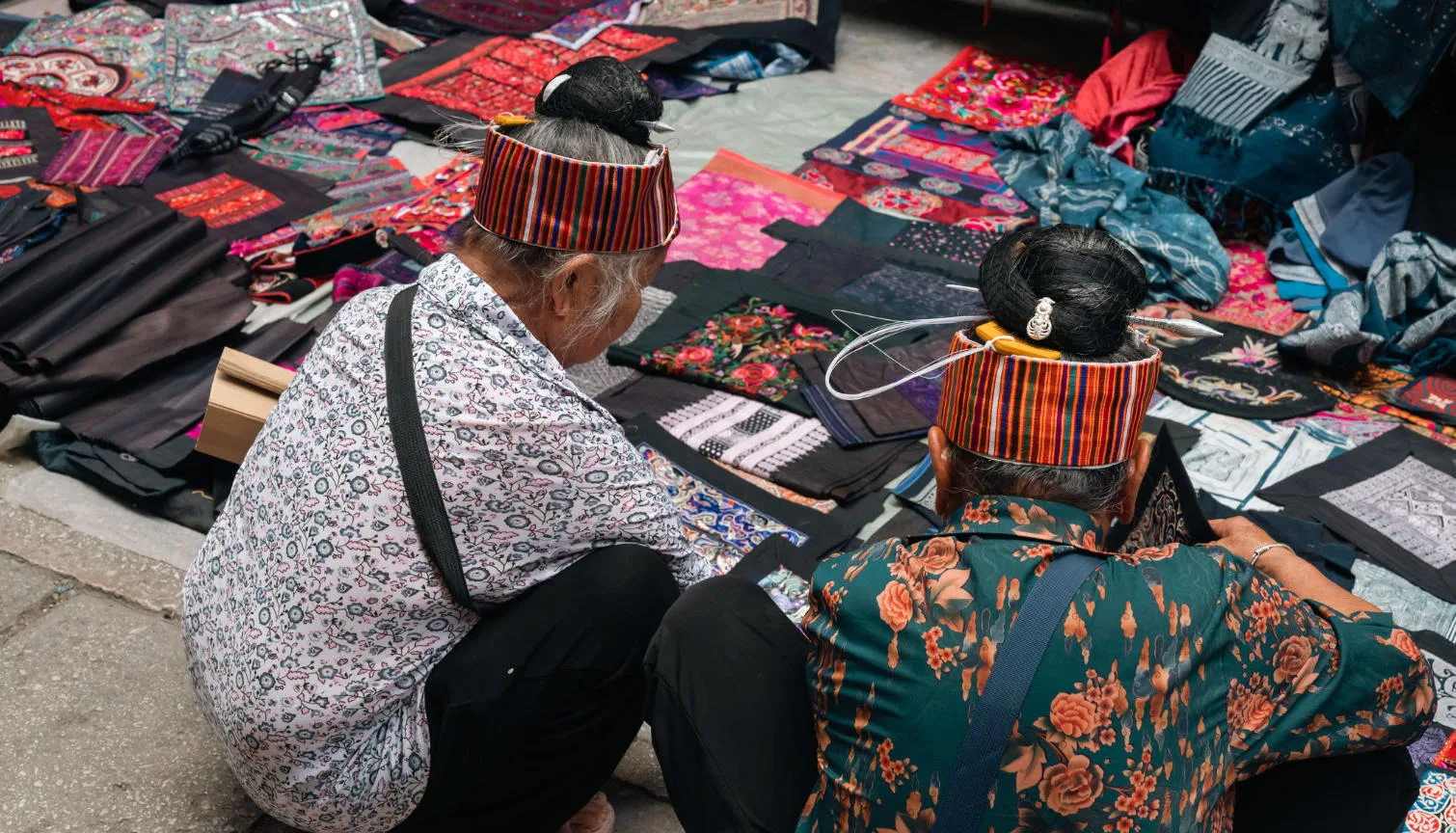
For travelers interested in ethnic cultures and photography, Kaili makes an excellent starting point for exploring Rongjiang. Along this route, visitors can experience the remarkable diversity of Miao and Dong communities through their clothing, craftsmanship, architecture, and daily traditions. More details can be found in our Kaili Guizhou Travel Guide: Gateway to Guizhou’s Miao and Dong Villages.
Best Time to Visit Rongjiang: Festivals, Seasons and Village Life
Rongjiang can be visited throughout the year. It has a humid subtropical monsoon climate, and temperatures generally range from 5℃ to 35℃, but for travelers who want to experience the atmosphere of village life at its fullest, planning around local festivals can make the journey more memorable.
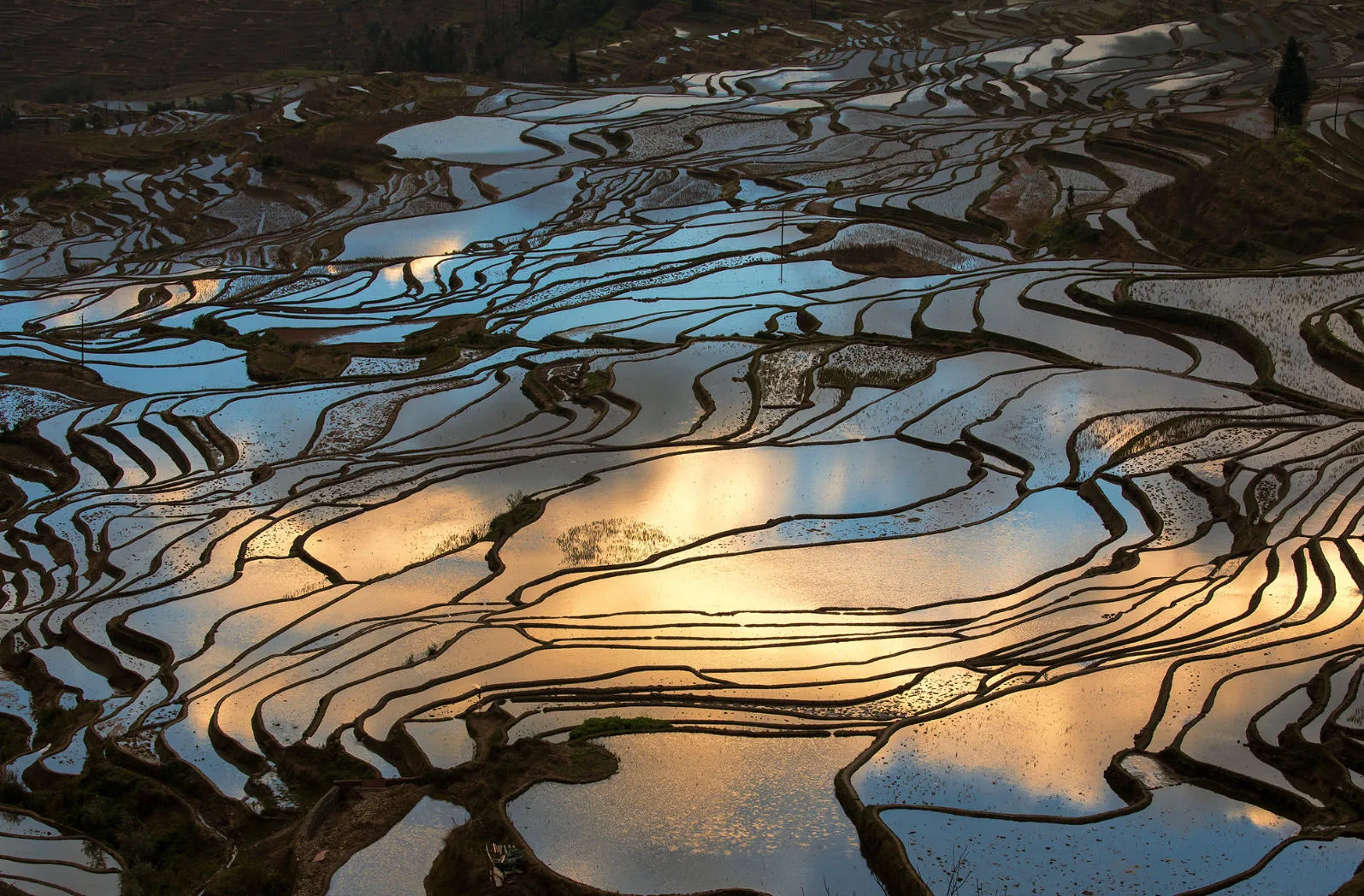
Spring and autumn are generally the most comfortable seasons to explore Rongjiang. The weather is mild, making them ideal for village walks and outdoor activities. Many Miao and Dong festivals also take place during these seasons, including traditional singing gatherings and harvest celebrations, when villages become especially lively. Festival dates are spread across the 1st, 2nd, 3rd, 7th, 9th, 10th, and 11th lunar months, with spring celebrations often beginning by March.
Summer brings the rainy season to Guizhou. The valleys become greener and rivers flow more fully, and the highest average temperature in July is 26.9℃, but short periods of heavy rain can affect mountain roads and outdoor activities.
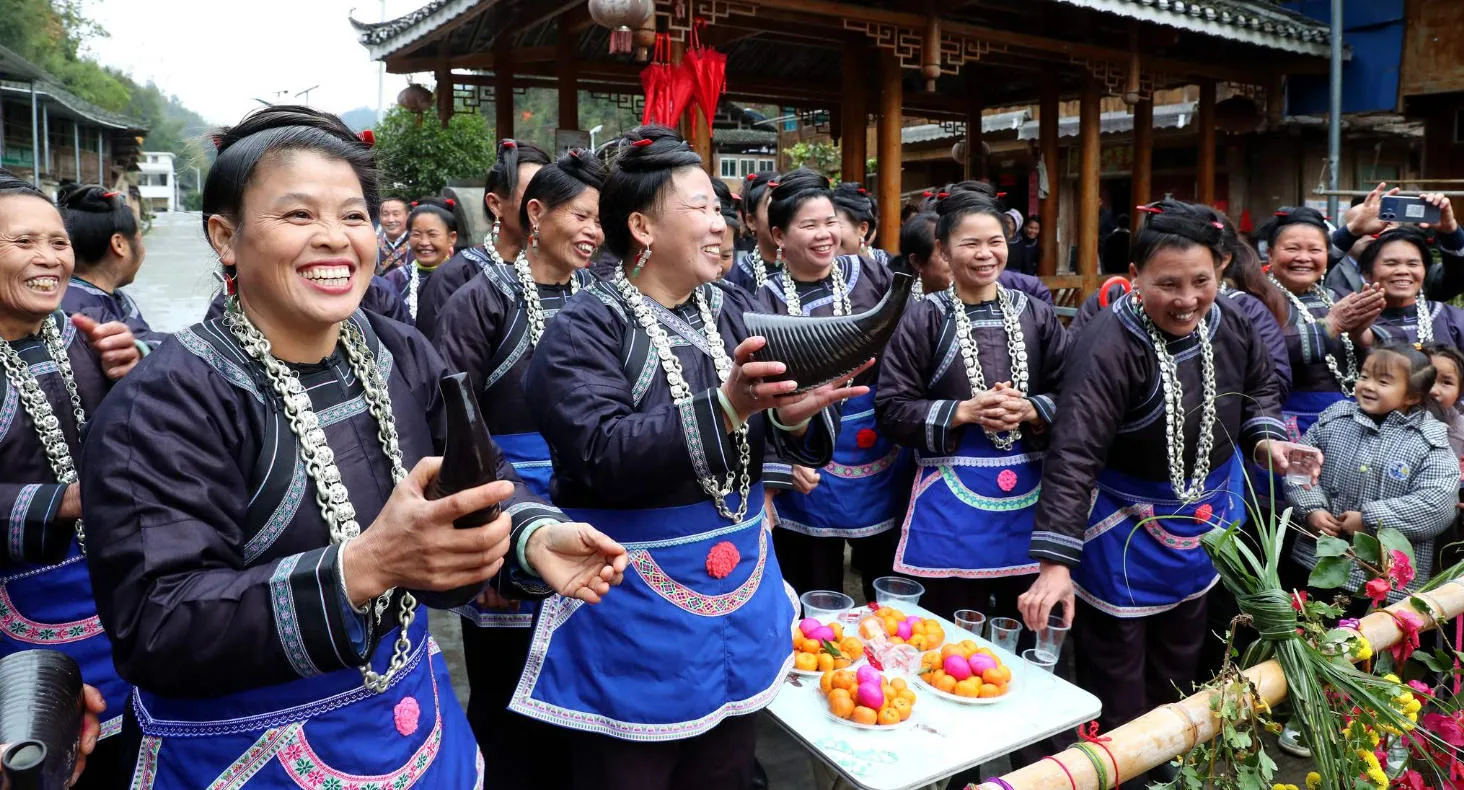
Winter sees fewer visitors, but early December brings the excitement of Dong New Year celebrations. January is the coldest month, with an average temperature of 7.6℃. Welcome wine ceremonies, long-table feasts, communal singing and dancing, and Dong opera fill the villages with celebration. With warm lights glowing through the winter mist and the whole community dressed for the occasion, it is one of the best times to experience Dong culture at its fullest.
Speak to An Expert
Starting Your Jounrney to Rongjiang
Start designing your China journey with our destination experts.
Make An InquiryBest Villages to Visit Around Rongjiang
Baibei Miao Village
Baibei Miao Village is one of the best-preserved Miao villages in Rongjiang, known for its clusters of wooden stilt houses and the Miao “Hundred Birds” embroidered garment,,a distinctive piece of traditional clothing decorated with intricate patterns.
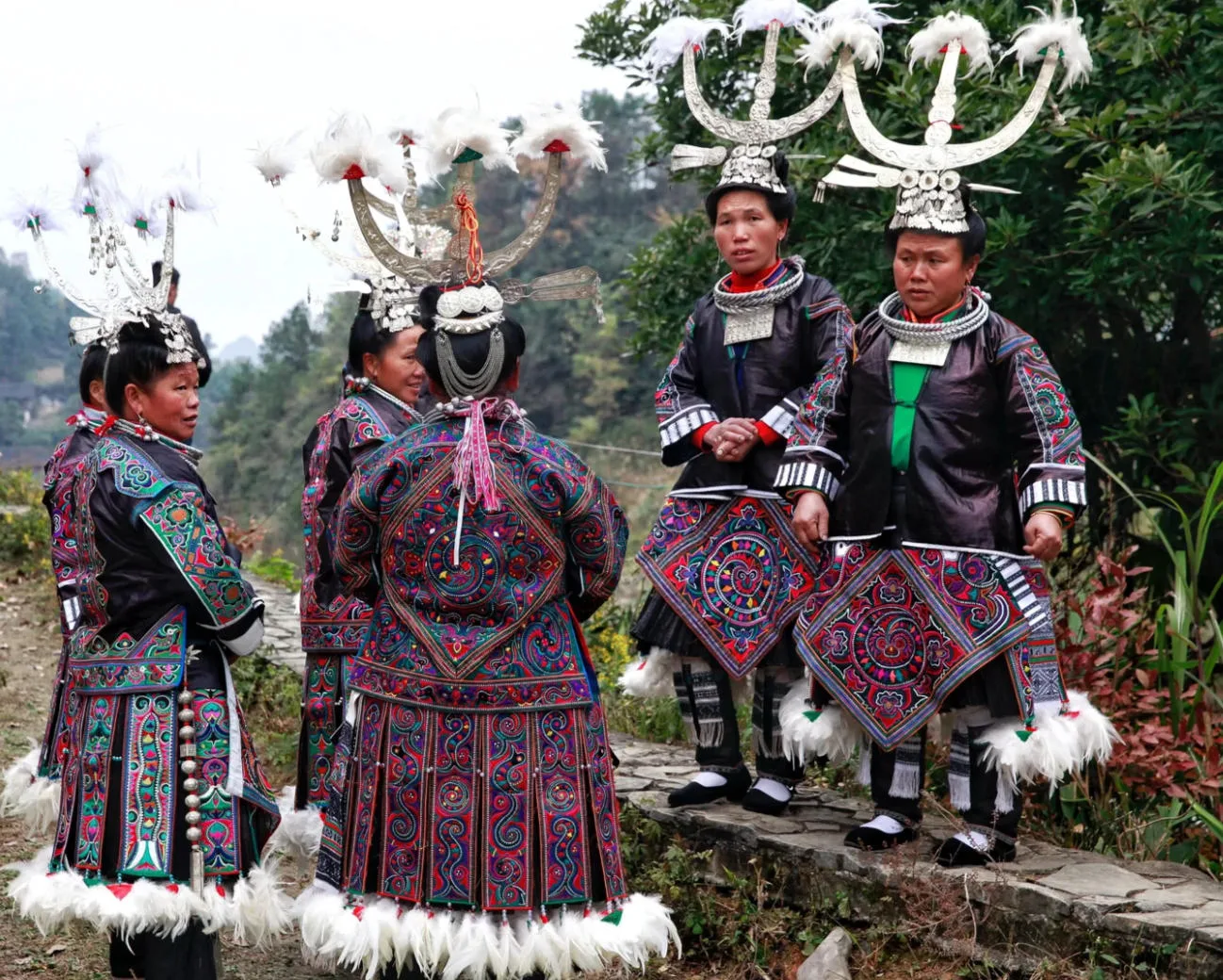
Built along a mountainside, the village features narrow stone paths and steep lanes. Women here still wear pleated skirts, embroidered tops, and other colorful costumes in their daily lives rather than for staged displays, and the village streets still retain a traditional atmosphere with very limited commercialization. With almost no commercial development, Baibei offers a quiet glimpse into a living Miao community.
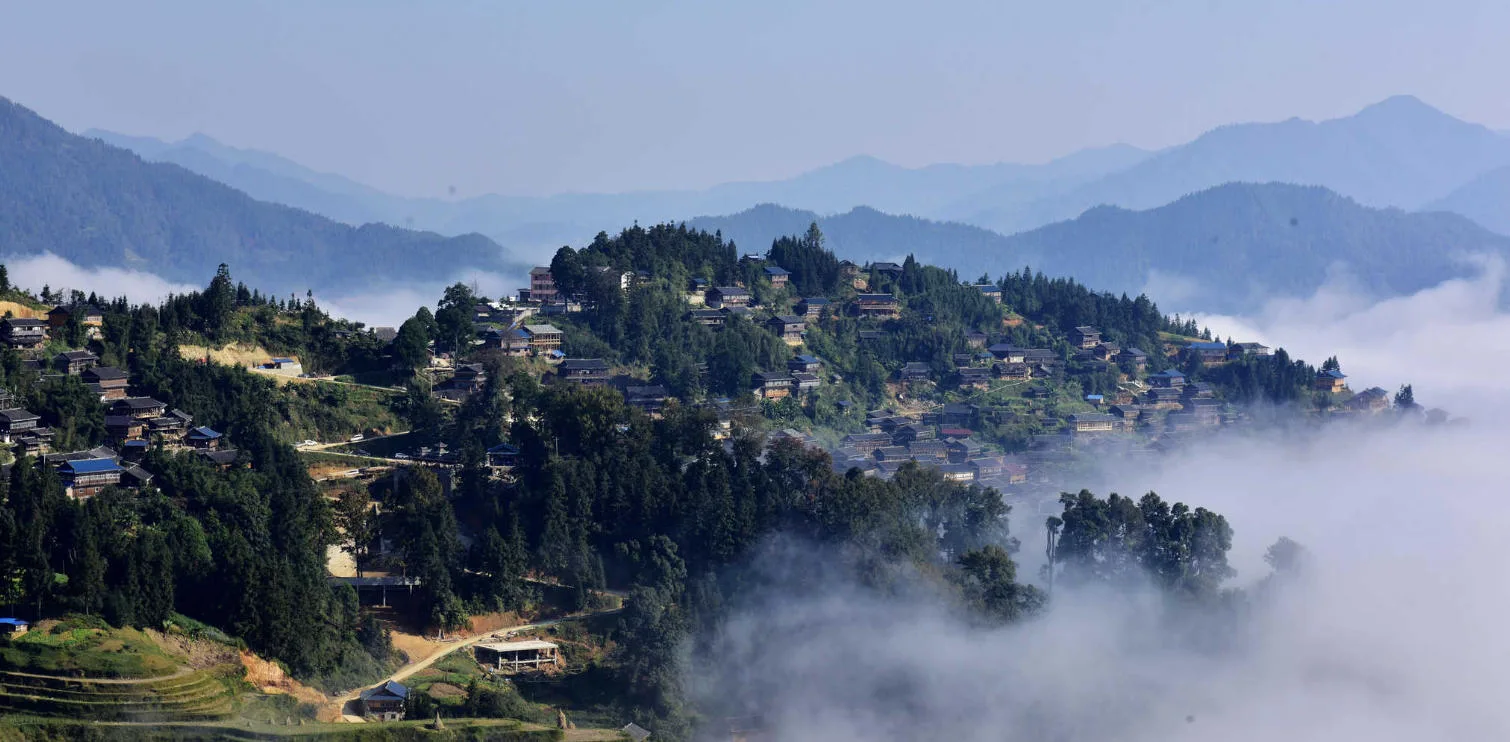
Walking among the old wooden houses, exchanging a simple smile or greeting with villagers, you can experience the slower rhythm of mountain life in this beautiful mountain village. If your visit coincides with a local festival, the village may come alive with buffalo fighting, Lusheng performances, and other celebrations that reveal the vibrant side of Miao culture.
Kongshen Miao Village
Kongshen Miao Village is built along a stream and is one of the main settlements of the Short Skirt Miao community in Rongjiang. The Miao women here are known for wearing layered pleated skirts that reach only to the middle of the thigh, a style rarely seen among other Miao branches in China, giving the village a local nickname linked to this distinctive attire.
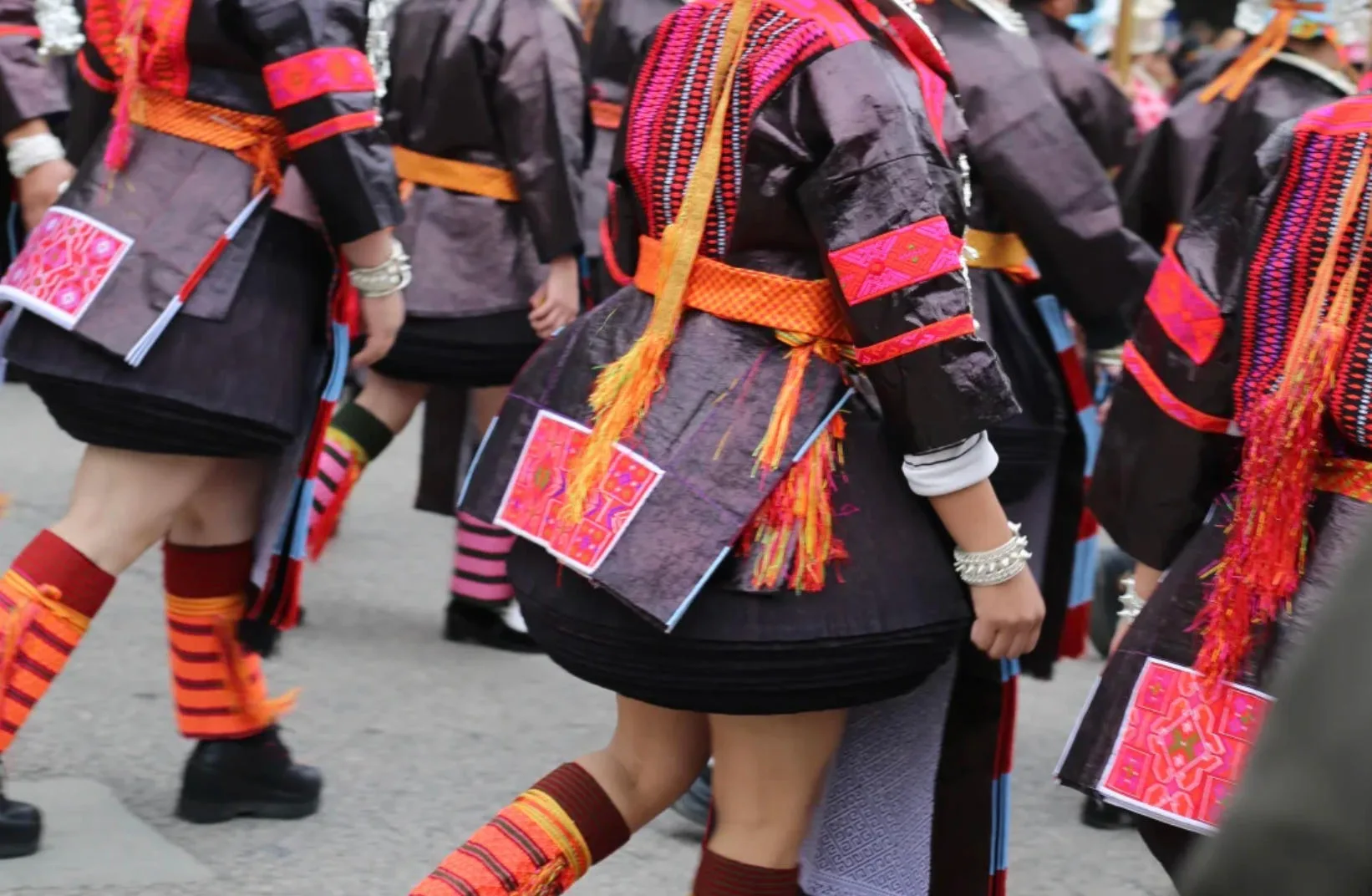
This distinctive clothing is not a costume created for visitors, but a practical tradition shaped by generations of life in the humid mountain valleys. The shorter skirts developed as local people adapted to the climate and the demands of farming in the surrounding landscape.
Afternoons are the liveliest time in the village. As villagers return from the fields, some wash vegetables by the stream while children run through the lanes. Compared with the quiet mornings, this is when Kongshen feels most like a living community.
Dali Dong Village
Dali Dong Village is hidden in a mountain valley of Rongjiang and is one of the best-preserved Dong villages in southeastern Guizhou. For travelers exploring Rongjiang, it is a village not to be missed. With limited commercialization, Dali still maintains a slower rhythm of life, where traditional customs remain part of the community’s everyday routine. Many travelers also combine Dali with the nearby Ancient Banyan Scenic Area, known for over 1,000-year-old banyan trees along the river.
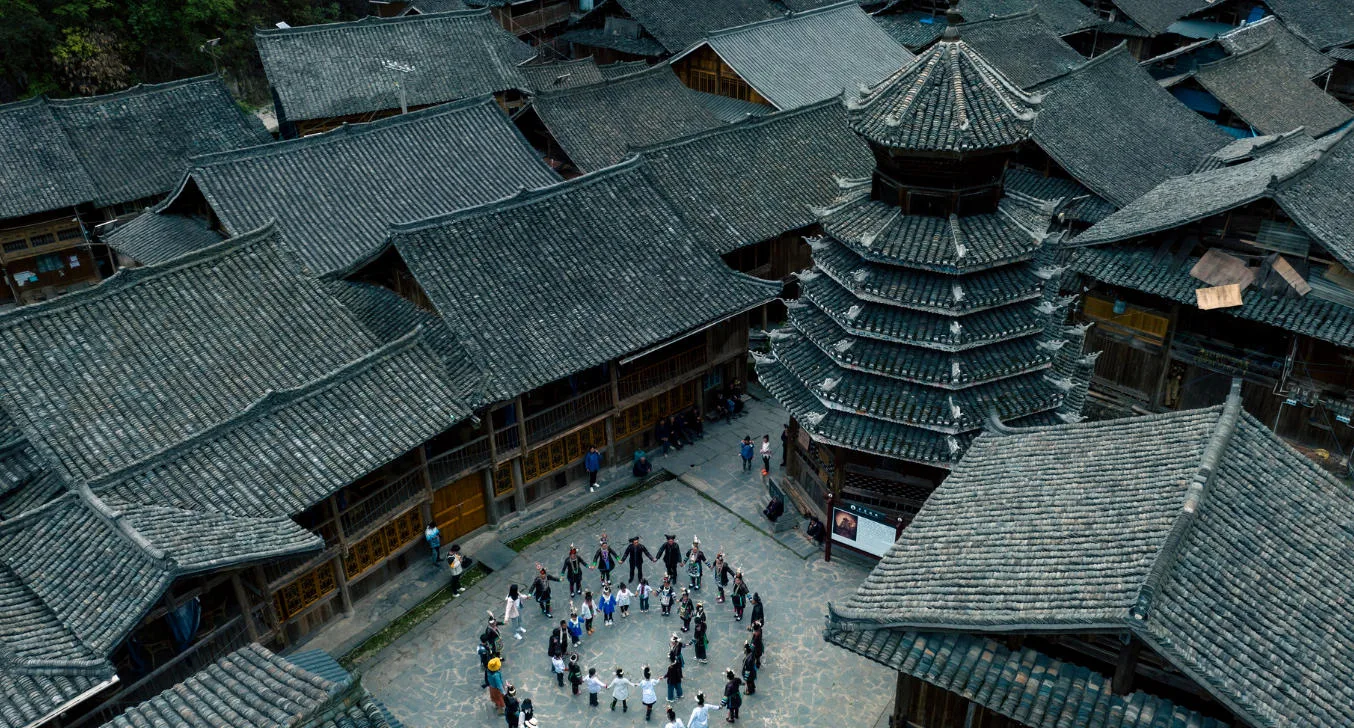
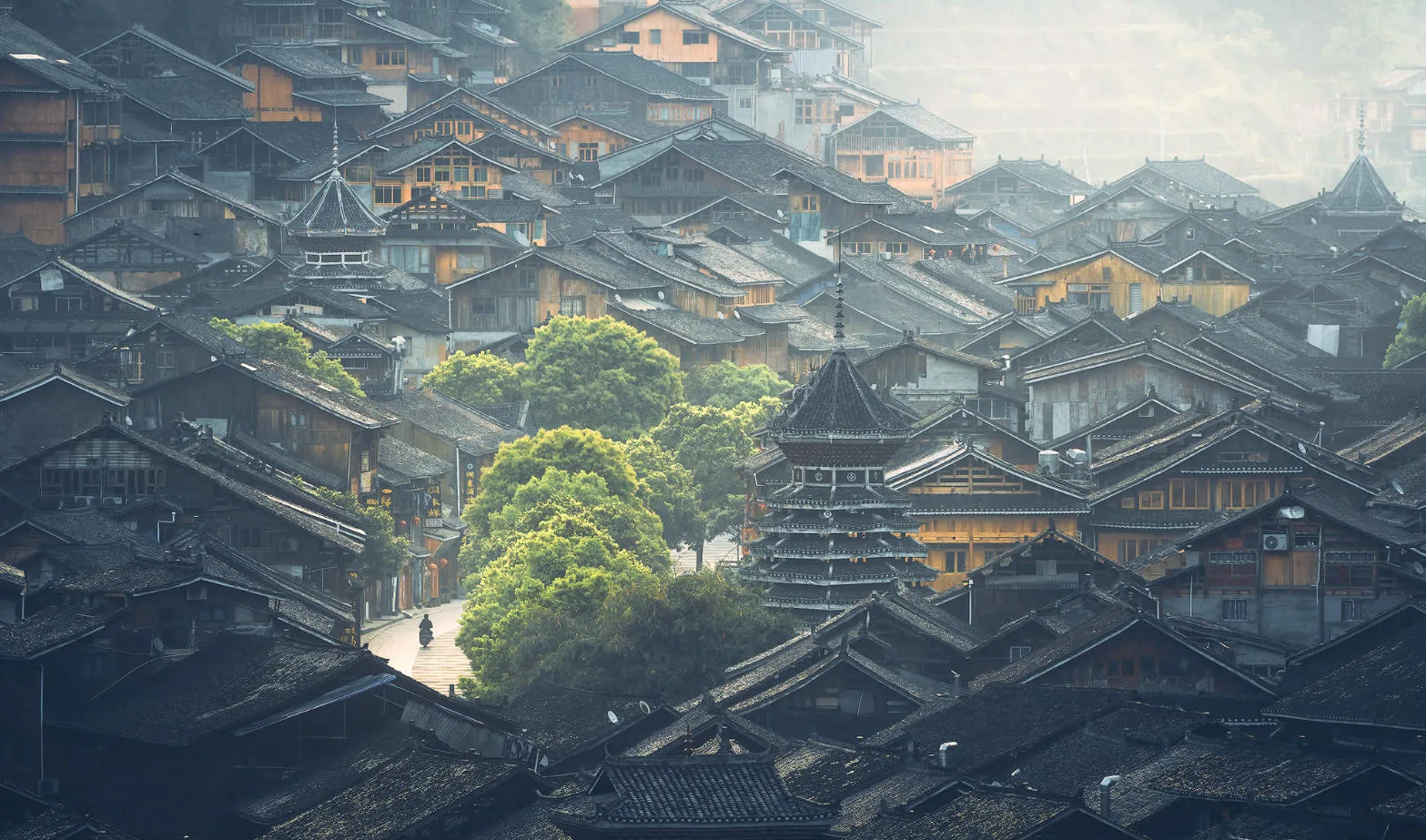
At the heart of the village stands the drum tower, the spiritual center of the Dong community. Built entirely with traditional mortise-and-tenon techniques, the structure uses no nails and has remained strong through centuries of weather.
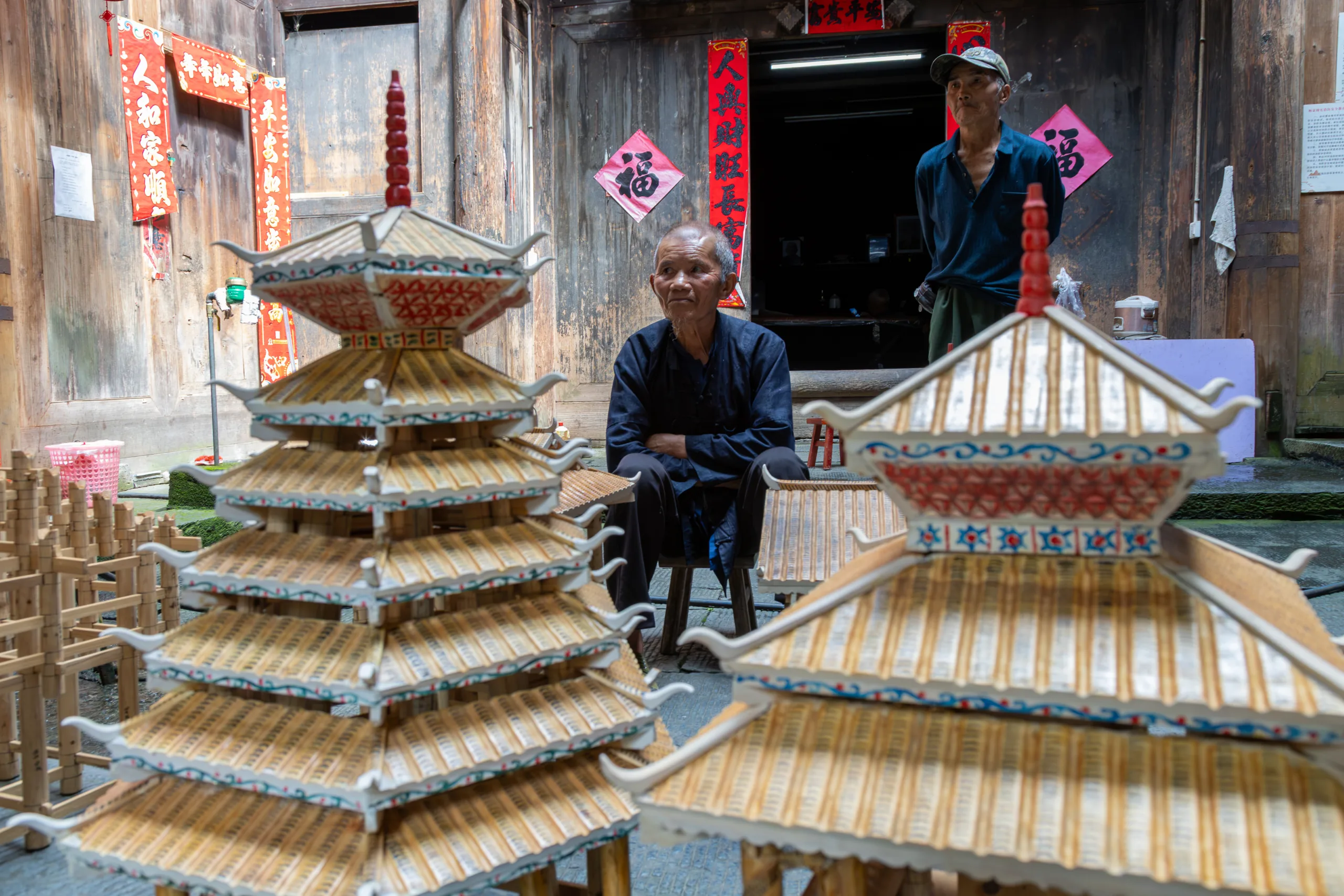
Dali is also home to skilled Dong master builders who continue to preserve traditional construction knowledge. Visitors can visit the home of an old craftsman and see how he creates drum towers and wind and rain bridges without formal blueprints, relying instead on small bamboo markers, experience, and generations of memory passed down through the craft, while they admire the craftsmanship of traditional Dong builders.
Zaidang Dong Village
Zaidang Dong Village is located not far from Dali Dong Village and offers an even quieter glimpse into Dong life. Although smaller in scale, the village is regarded as the hometown of Dong grand songs and is known for its warm hospitality and its importance in preserving and passing down this tradition.
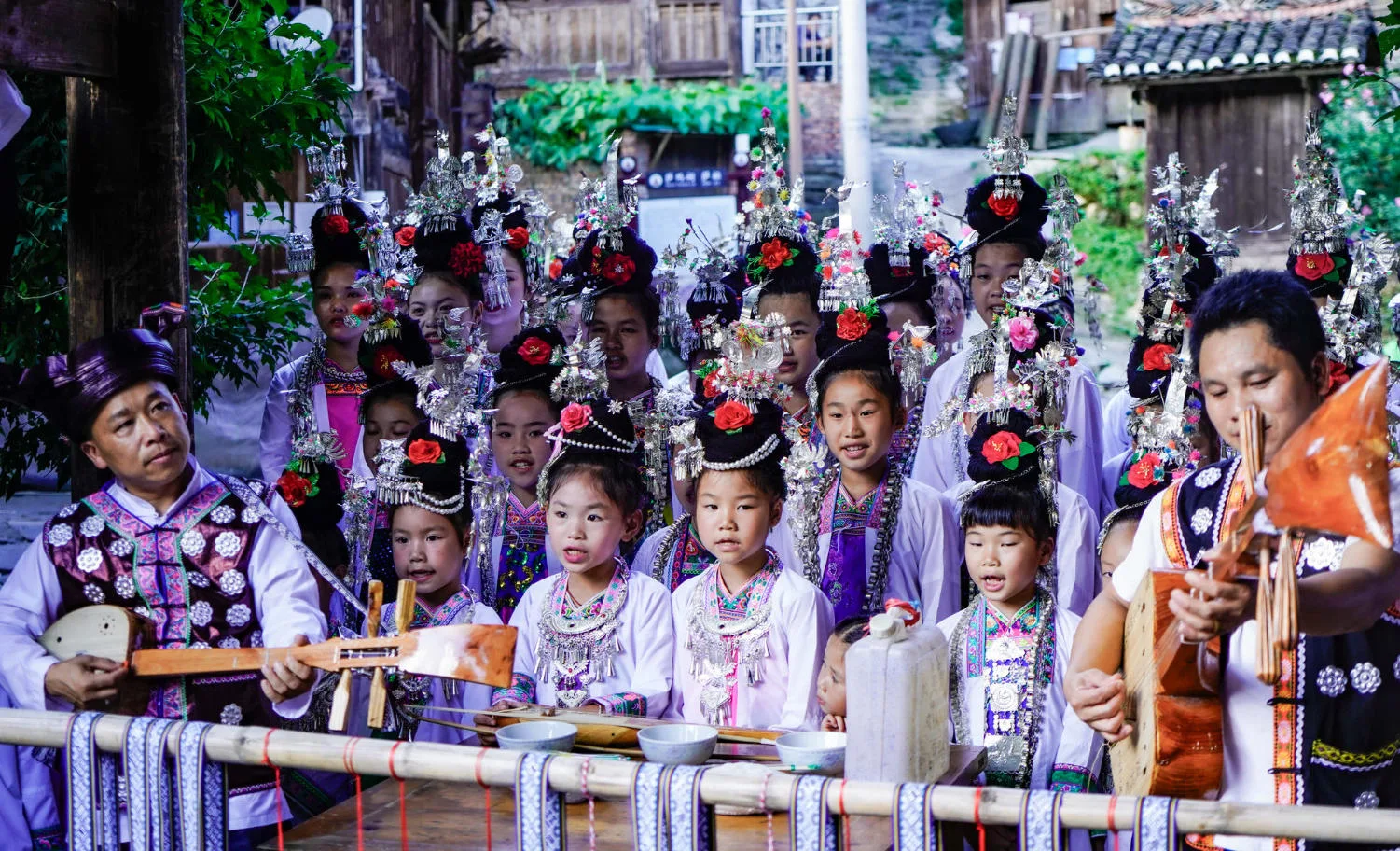
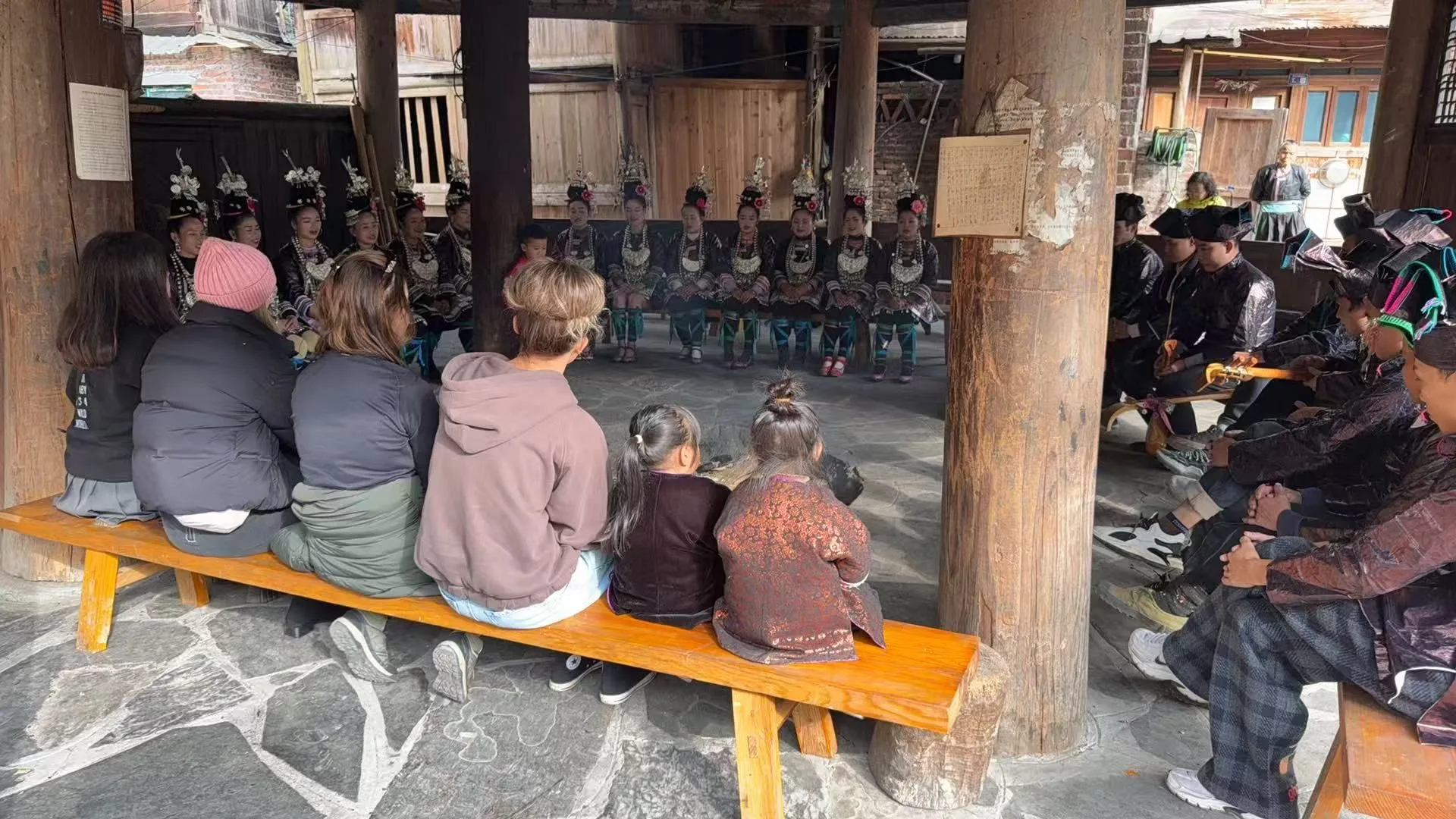
Here, the most traditional form of Dong grand song remains alive. There is no conductor and no written score — different vocal parts enter naturally, creating a complex yet harmonious sound. Elderly master singers still teach children in the drum tower, passing the songs from one generation to the next through memory and practice, allowing this ancient art form, recognized as UNESCO Intangible Cultural Heritage, to continue in an important heritage village for this tradition.
Speak to An Expert
Explore Rongjiang with Eastogo
Start designing your China journey with our destination experts.
Make An InquiryHow Many Days Do You Need in Rongjiang? Suggested Itineraries
If you are only passing through Rongjiang, one day is enough to visit a few villages. However, to truly experience the region’s ethnic cultures and village life, most travelers should spend two to three days here for a fuller experience.
Suggested Itinerary
Day 1: Arrive in Rongjiang → Baibei Miao Village → Kongshen Miao Village → Local Dinner
Start from Rongjiang town in the morning and head to Baibei Miao Village, located on the mountainside. Here, you can see the Miao “Hundred Birds” embroidered garments, wooden stilt houses, and the everyday rhythm of village life along the stone paths.
In the afternoon, continue to Kongshen Miao Village, a settlement of the Short Skirt Miao community built along a stream. Women in distinctive pleated skirts can still be seen in daily life, while scenes of washing clothes by the water and children playing in the lanes reveal the village’s lively atmosphere.
Return to Rongjiang town for the night.
Day 2: Rongjiang → Zhaidang Dong Village → Dali Dong Village → Overnight in Dali
In the morning, visit Zhaidang Dong Village, one of the most important places for preserving Dong grand songs. In the afternoon, continue to Dali Dong Village to explore its well-preserved wooden architecture and traditional craftsmanship.
Stay overnight in Dali. After day visitors leave, the village becomes especially peaceful, offering a chance to experience a quieter side of Dong life.
Day 3: Continue to Congjiang / Zhaoxing Dong Village
Take a morning walk through Dali while the valley is still covered in mist and the outlines of the drum towers slowly appear in the morning light.
Depending on your route, continue to Congjiang to visit Basha Miao Village or Jiabang Rice Terraces, or head to Zhaoxing Dong Village to continue exploring Dong culture.
Eastogo can help arrange private transportation and local guides, and adjust the itinerary according to festival schedules and local events. You can book our 8-Day Guizhou Journey here. If you have more time and would like to combine Guizhou with Yunnan, you can also explore our 14-Day Guizhou & Yunnan Journey.
If you enjoy nature and hiking, discover more through Exploring Guizhou’s mountains, hiking trails and sacred peaks.
Where to Stay in Rongjiang: Town Hotels and Village Homestays
Accommodation in Rongjiang can generally be divided into two options.
For travelers who prioritize convenience, staying in Rongjiang town is the easier choice. The town offers basic hotel facilities and suits tourists who want easier access before taking day trips to the surrounding villages.
For a deeper experience, staying near the villages is highly recommended. Spending the night in a local guesthouse allows you to see the village slowly wake up in the morning and creates more opportunities to interact with residents.
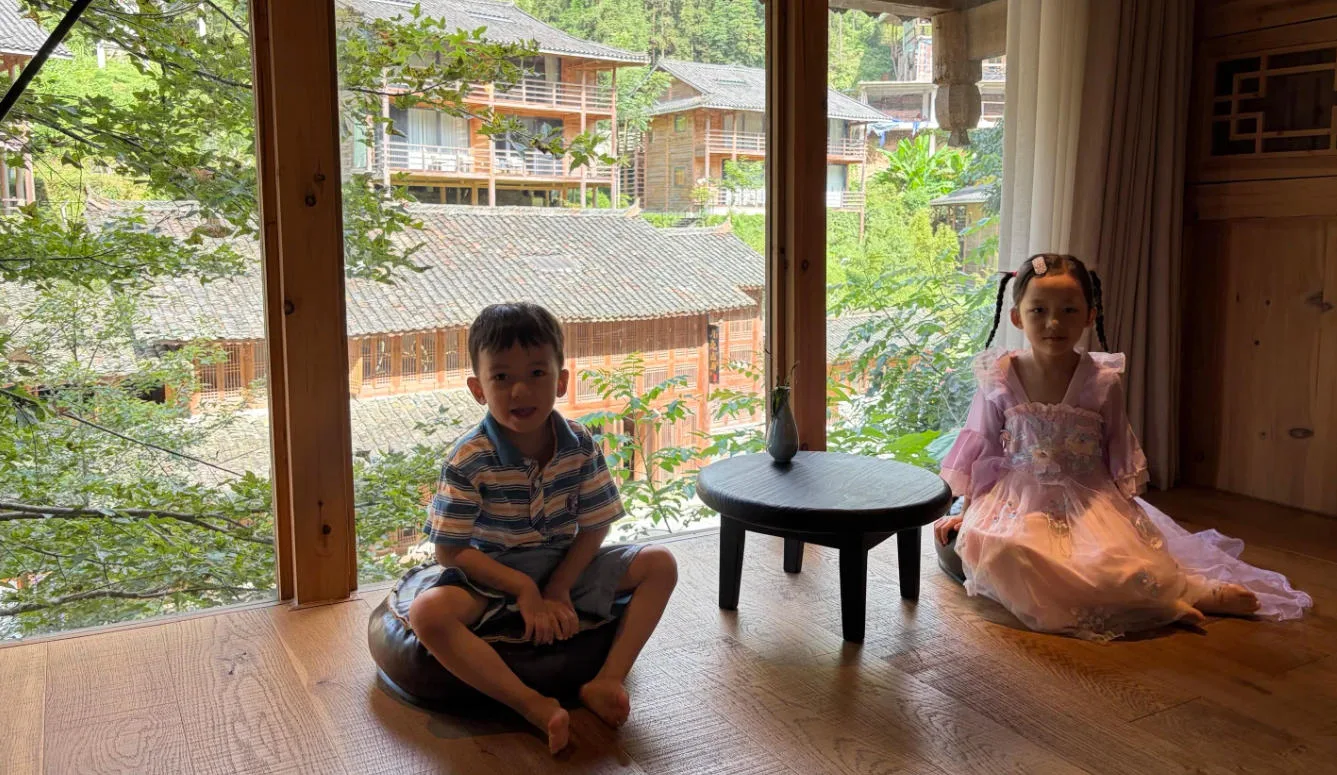
Staying in Guizhou’s mountain villages comes with simpler facilities than city hotels, but this is also part of experiencing the rhythms of local life. The most distinctive boutique guesthouses are currently concentrated in Dali Dong Village, where old stilt houses have been renovated while preserving their traditional wooden structures. Some rooms offer private bathrooms and viewing balconies, with views of the village’s drum tower and wind and rain bridge.
At present, Zhaidang Dong Village, Baibei Miao Village, and Kongshen Miao Village have little dedicated tourist accommodation. If these villages are your main focus, it is better to visit them as day trips from Rongjiang town or Dali Dong Village.
Responsible Travel in Rongjiang: Respecting Local Communities
The most valuable aspect of Rongjiang is that its cultures still belong to the communities themselves, rather than existing only as performances created for visitors.
Choosing local guides and experiences that work directly with communities helps ensure more tourism income stays with local residents. When joining cultural activities, watching performances, or purchasing handmade crafts, offering fair payment is an important way to support the continuation of these traditions.
When taking photographs, especially of elderly villagers, children, traditional clothing, or special ceremonies, always ask for permission and respect local wishes.
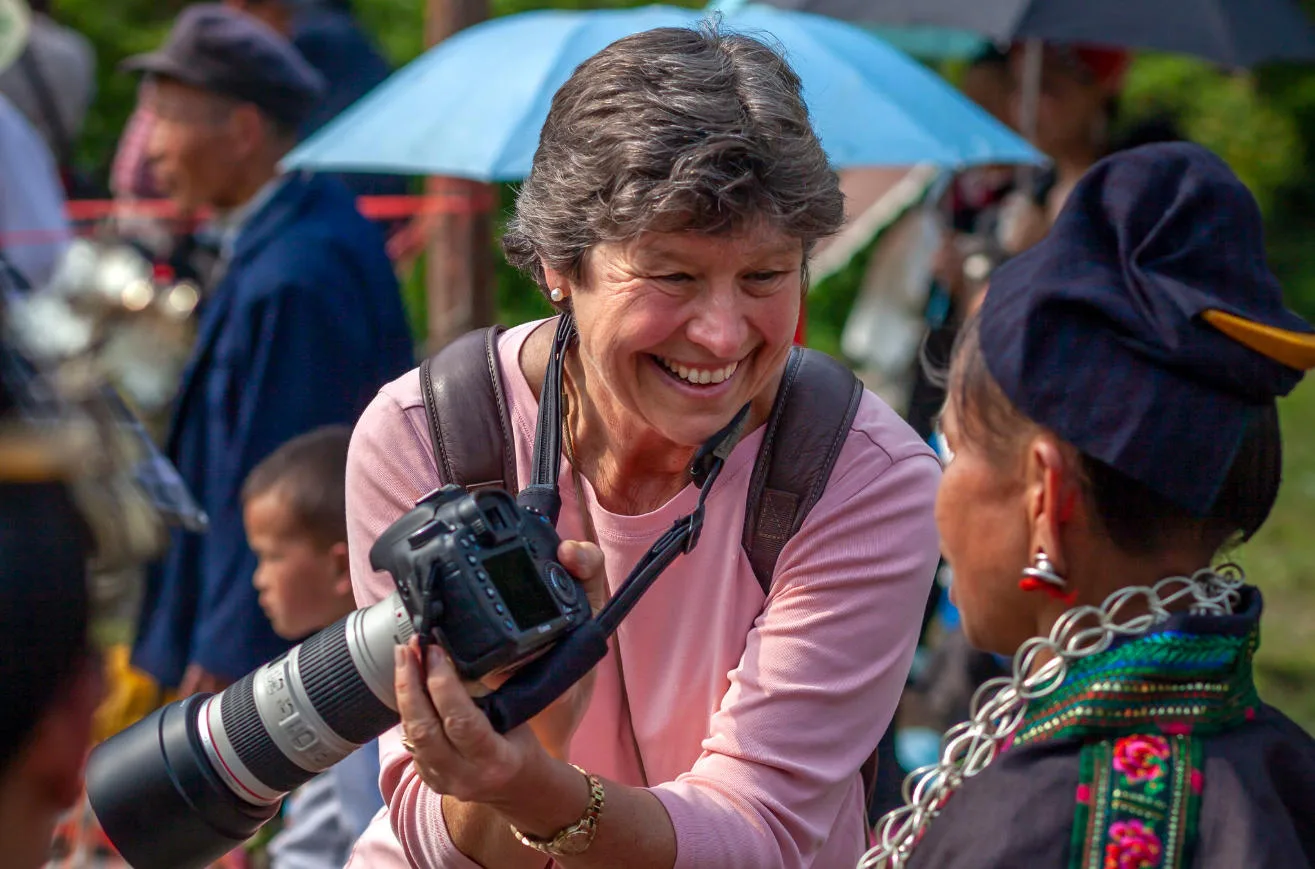
Practical Tips and Safety
Some villages in the mountainous areas of Rongjiang are quite remote, so a little preparation can make your journey smoother:
- Carry some cash, as small villages may have limited access to bank card payments or mobile payment services.
- Download offline maps in advance, as mobile signal can be limited in some mountain areas, and finding the correct site or village turnoff is not always easy.
- Learning a few simple Chinese phrases, such as “hello” and “thank you,” can make interactions feel more natural.
- Many older villagers in rural communities do not speak Mandarin. If you hope to go deeper by visiting villages in remote areas, a local guide can be very helpful for communication and route planning, while a local driver is often the more popular and practical choice because mountain road conditions vary.
Bringing small gifts such as candies or simple toys can also be a thoughtful gesture. Children in village communities are often curious about visitors from outside, and a small gift can sometimes express kindness more easily than words.
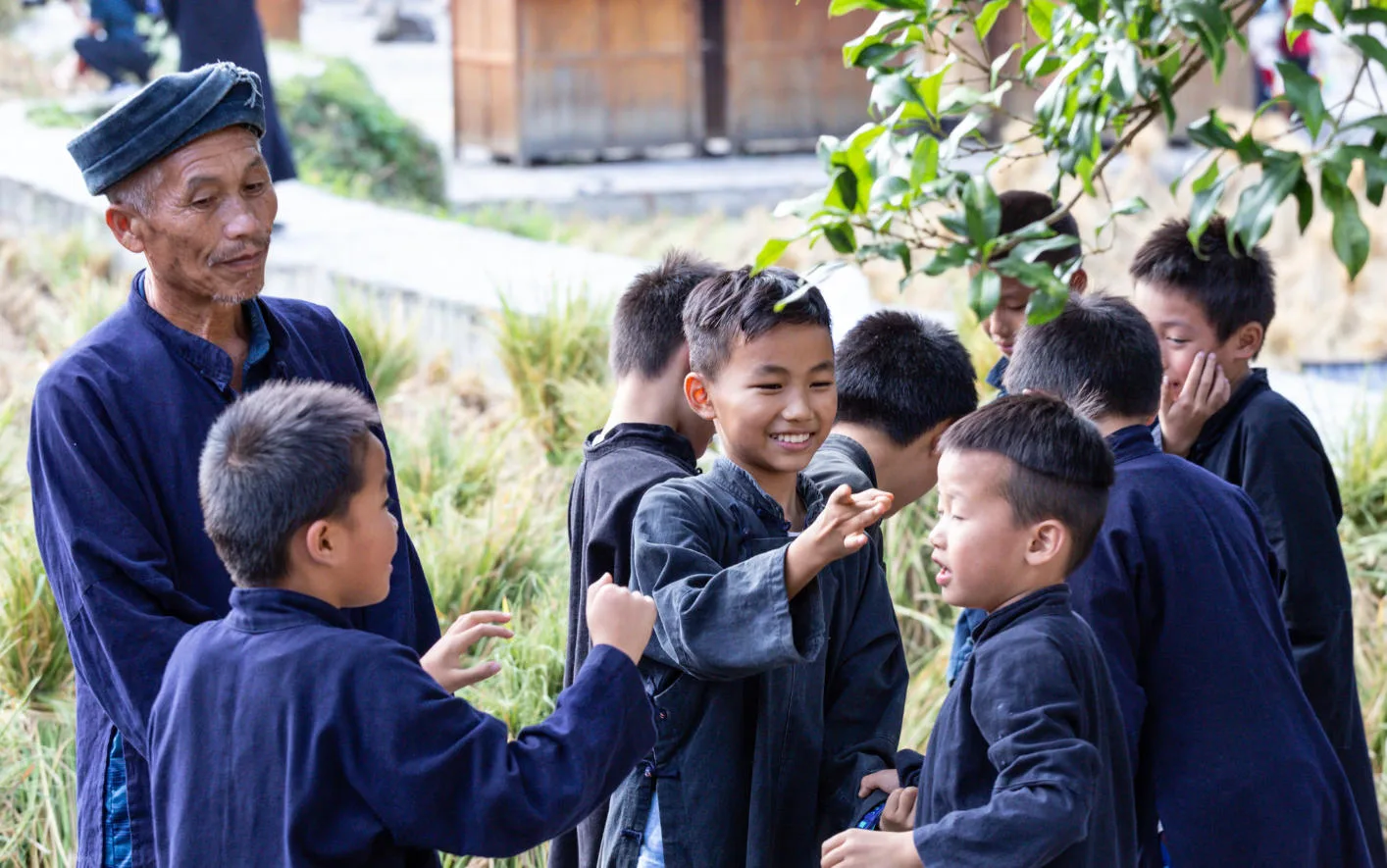
Explore Rongjiang with Eastogo
The beauty of Rongjiang lies in having someone help you connect with local communities, not simply take you from one attraction to another. It has also become especially famous and globally popular for its Village Super League, a grassroots football competition.
Eastogo specializes in creating in-depth private journeys across southwest and southern China, including Guizhou、Yunnan、Guangxi、Hunan、and Western Sichuan. We help travelers go beyond the better-known sights to discover the cultures, landscapes, and communities that give each region its character. We can also design a Private Guizhou Tour around what sparks your curiosity.
Through long-term relationships with local drivers, guides, and communities, we can arrange village visits, cultural experiences, and more meaningful exchanges with local people. These connections open the door to parts of everyday life that most visitors would otherwise miss, allowing travel to become more than sightseeing — it becomes a way to better understand how people live.
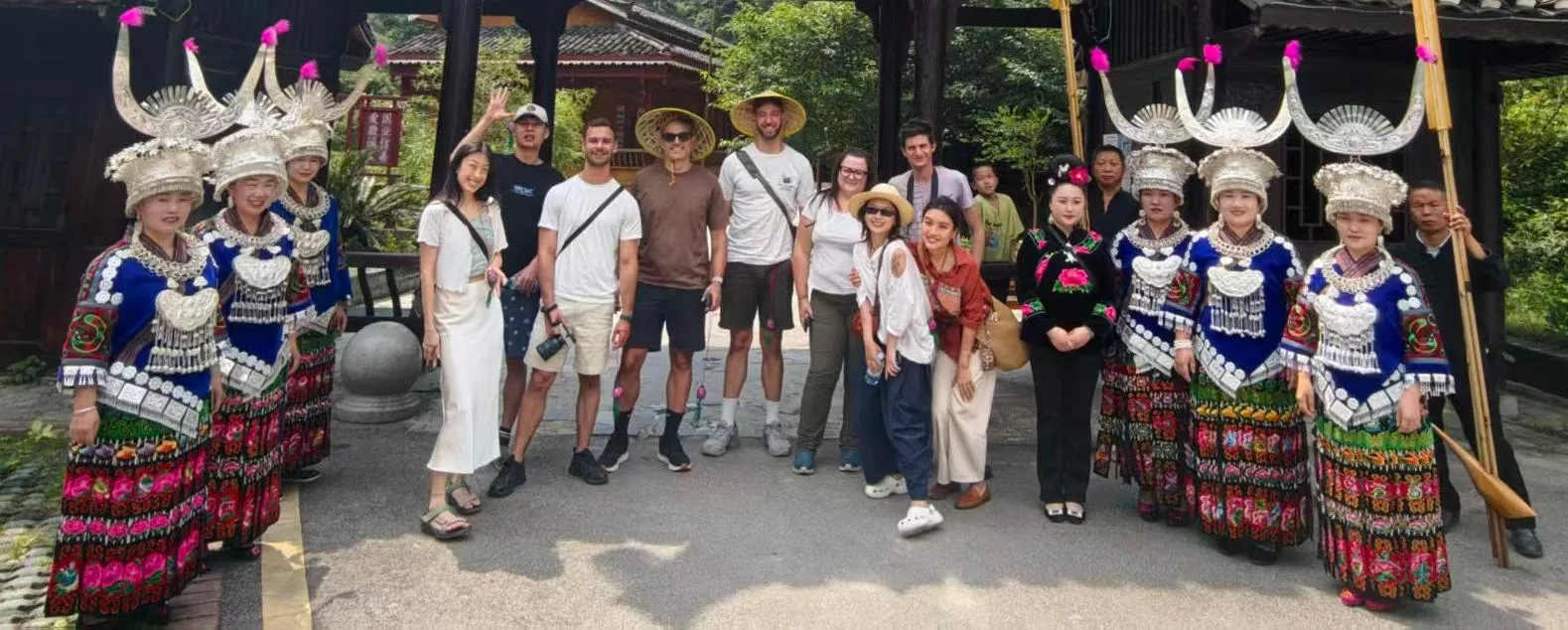
Each journey is designed around your interests, pace, and available time, while also considering transportation, weather, and the realities of traveling through mountainous regions. Whether you choose self-guided China tours or private & custom China tours, we help make your journey through Guizhou more comfortable, well planned, and rewarding.
For more information, read our Guizhou Travel Guide: A Complete Guide to Culture, Nature and Hidden Villages
If you are looking to explore a quieter side of Guizhou, away from the usual tourist routes, we would be happy to create a journey shaped around your interests and the way you want to experience this region in Guizhou Province, which is also home to Miao, Dong, Shui, and Yao communities.