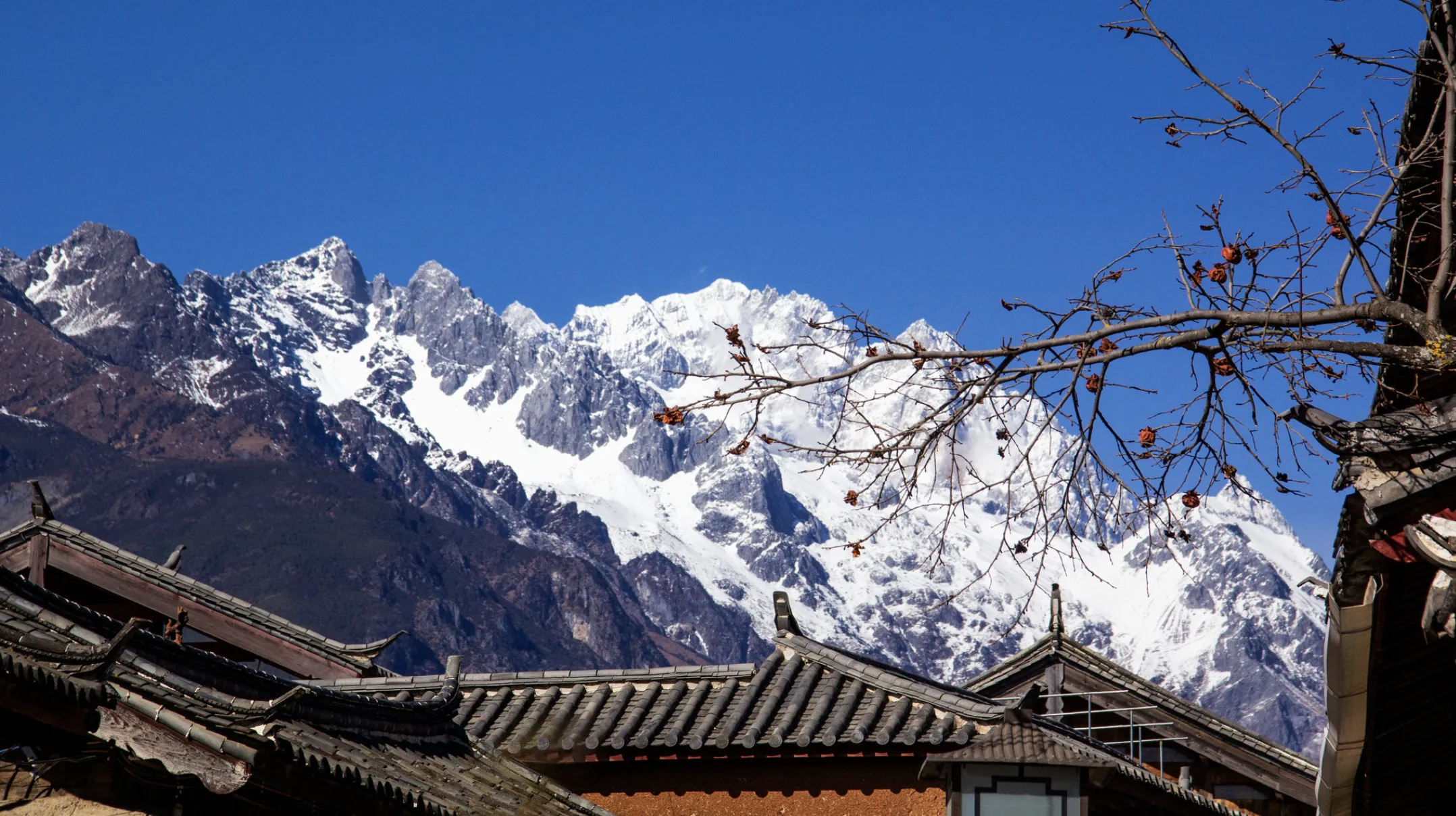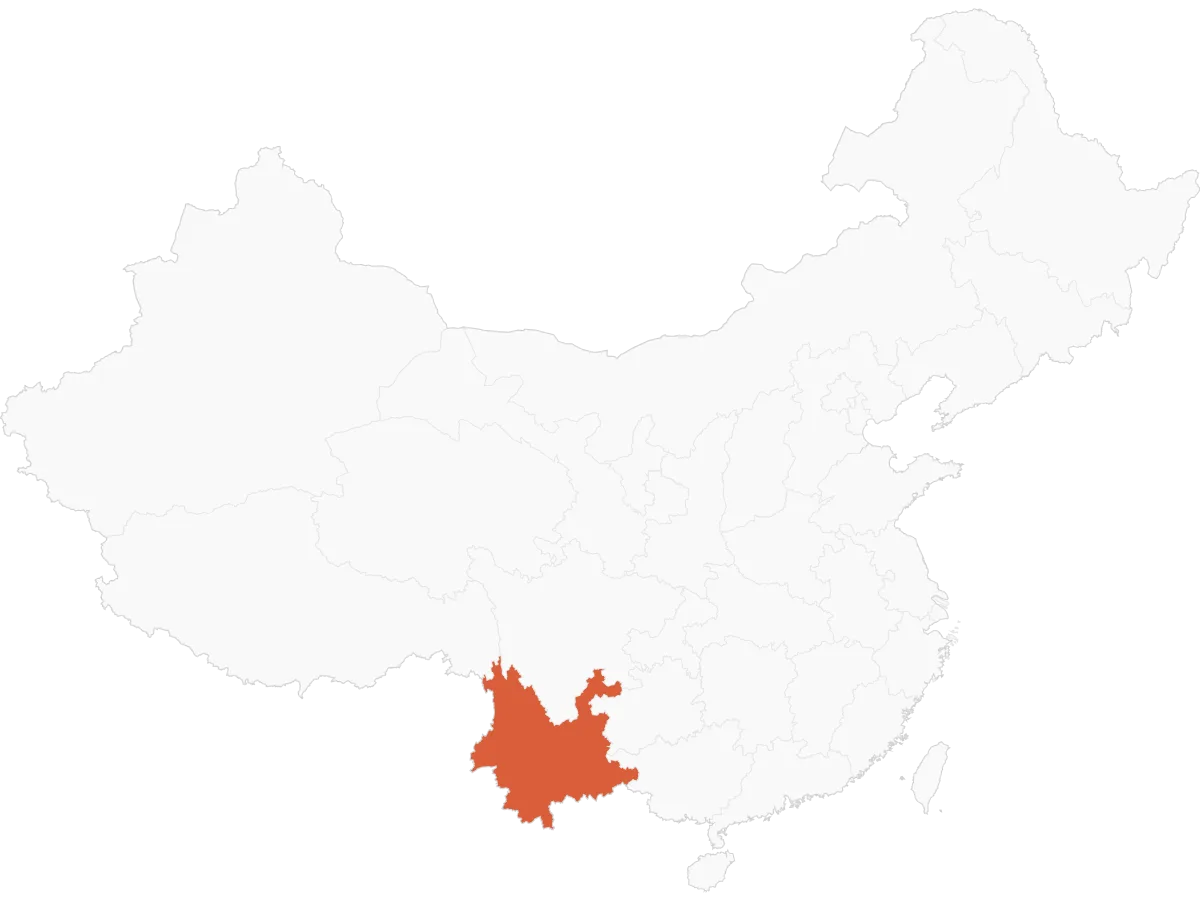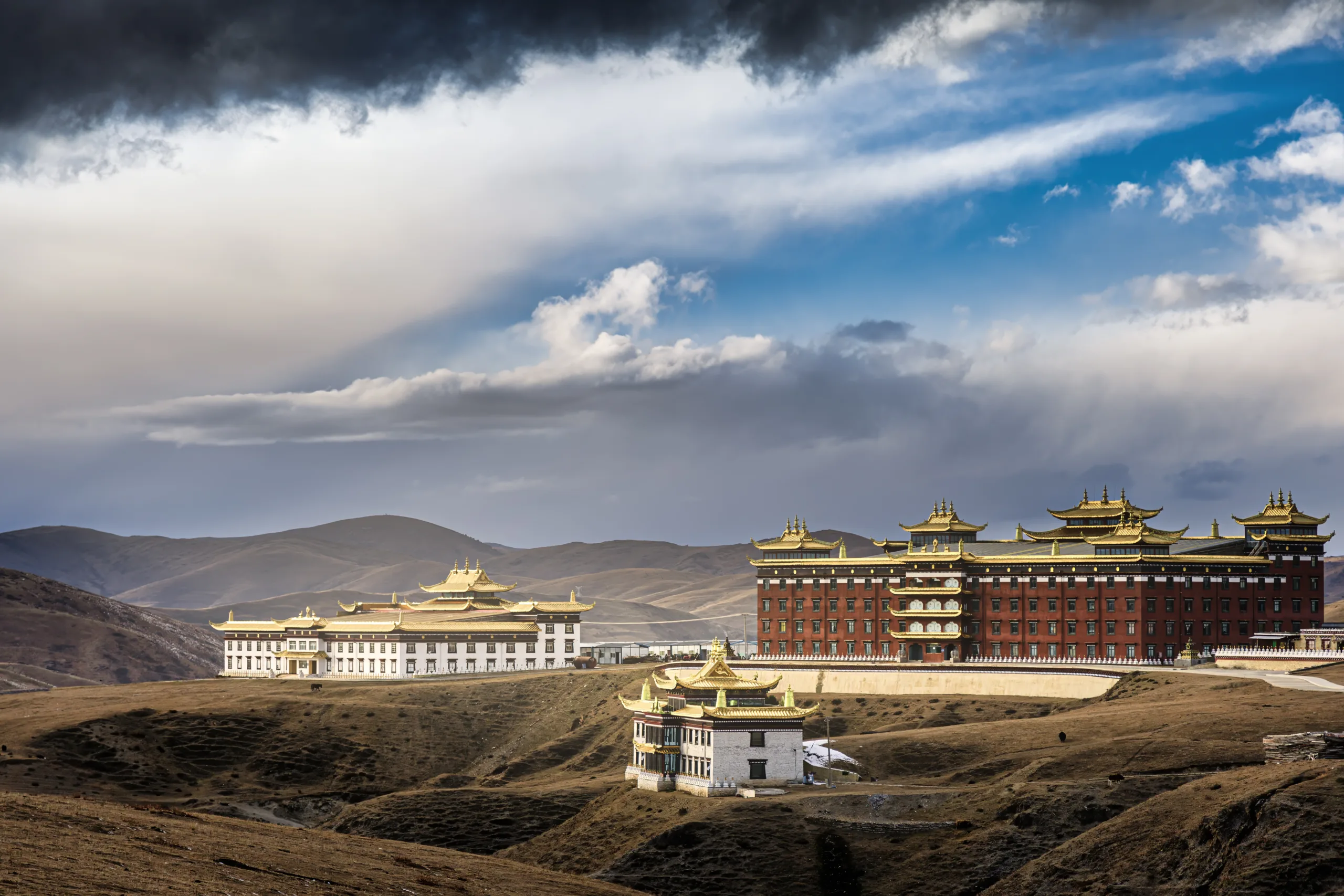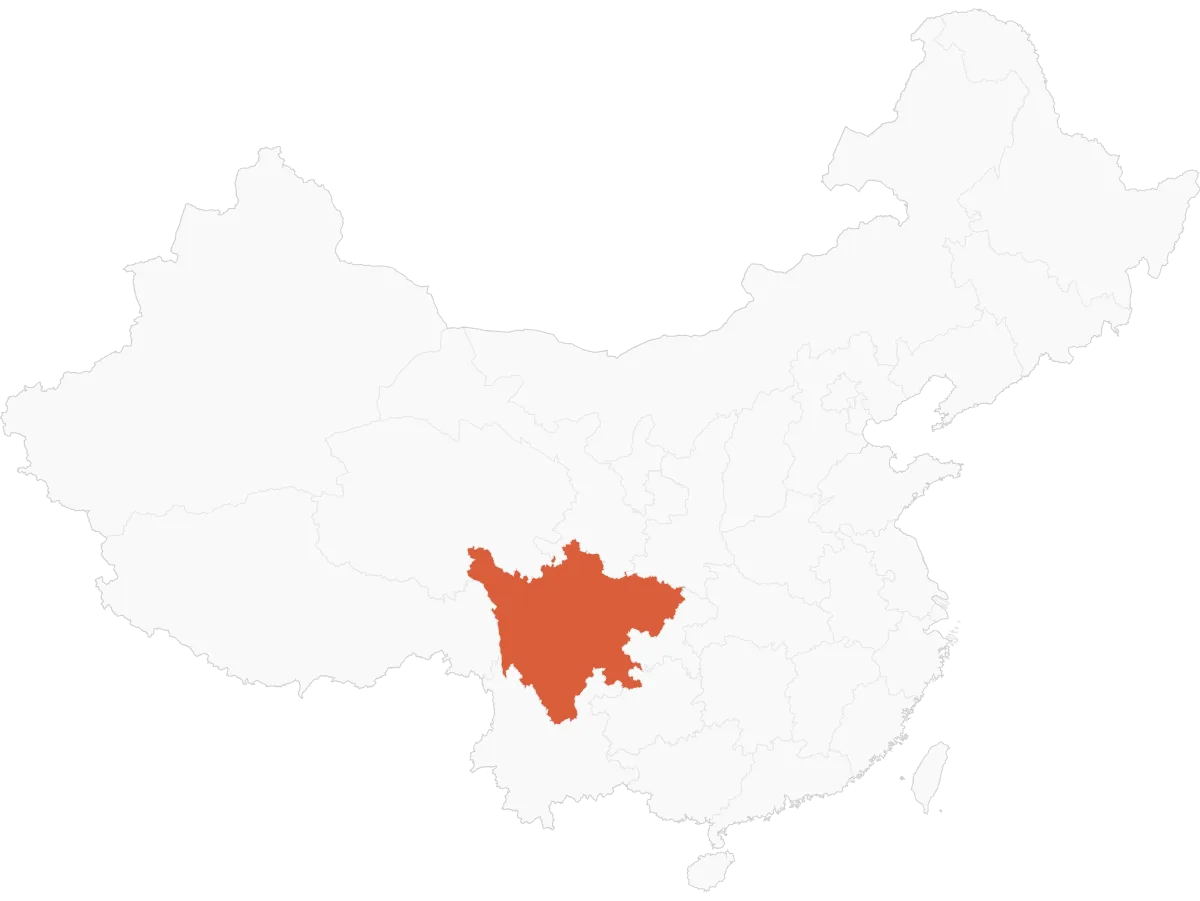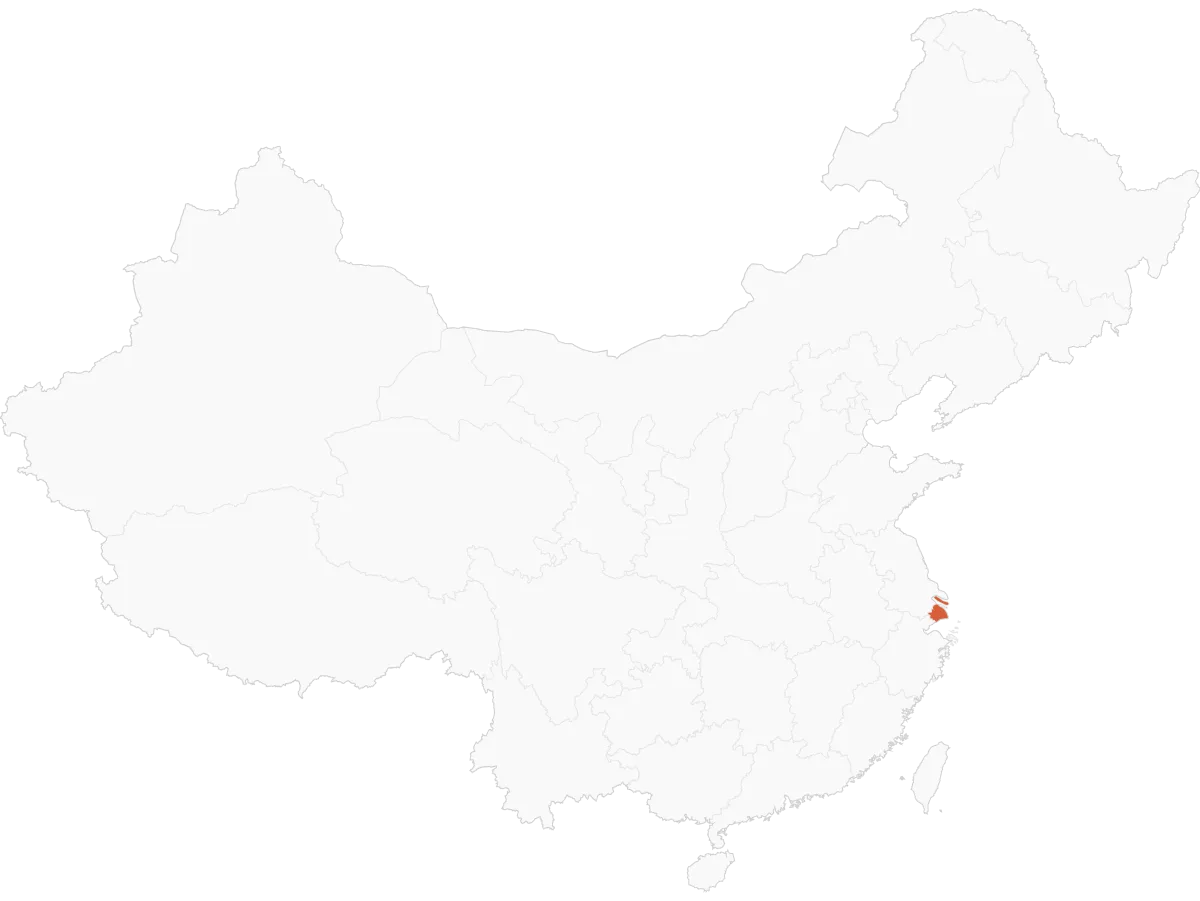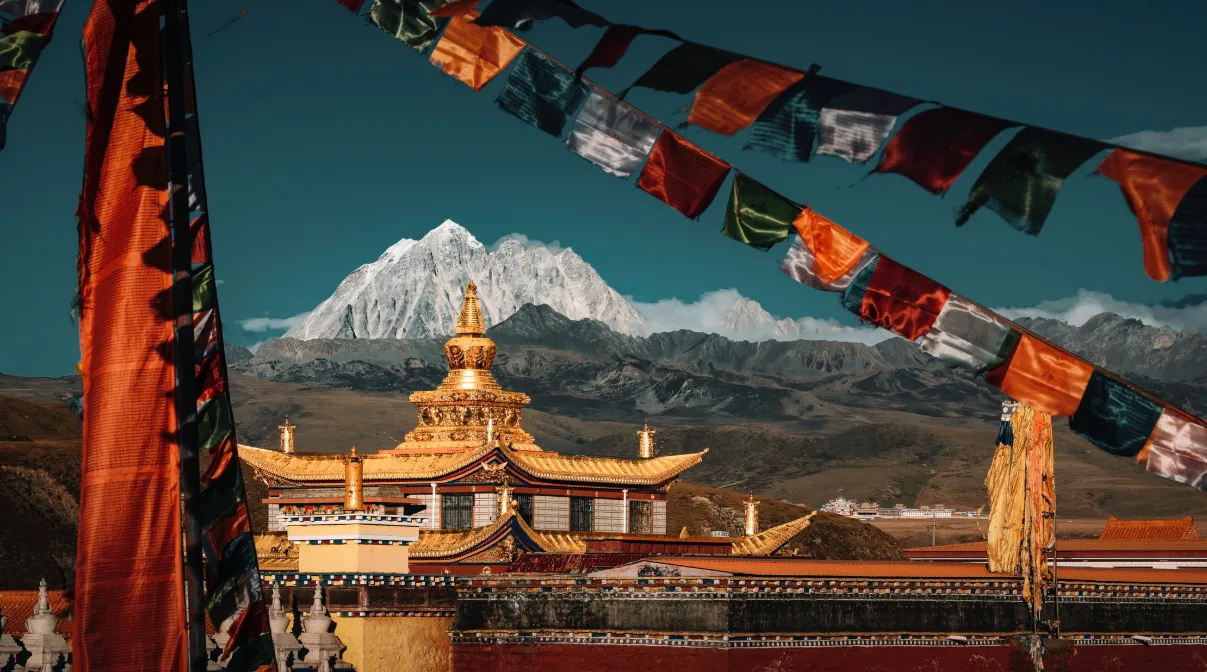
Western Sichuan is one of China’s most diverse highland regions, bringing together snow-capped mountains, alpine meadows, forests, lakes, Tibetan culture and a remarkable range of outdoor experiences. A few hours’ drive west from Chengdu takes travellers into a completely different landscape and cultural world.
The region appeals to a wide range of travellers, from first-time visitors to western China to photographers, hikers, cultural explorers and independent travellers. But there is no single route that suits everyone. The best places to visit depend on the season, time available, interests and ability to adapt to high altitude.
Why Visit Western Sichuan? A Different Side of China
Snow Mountains, Grasslands, Lakes and Plateau Landscapes
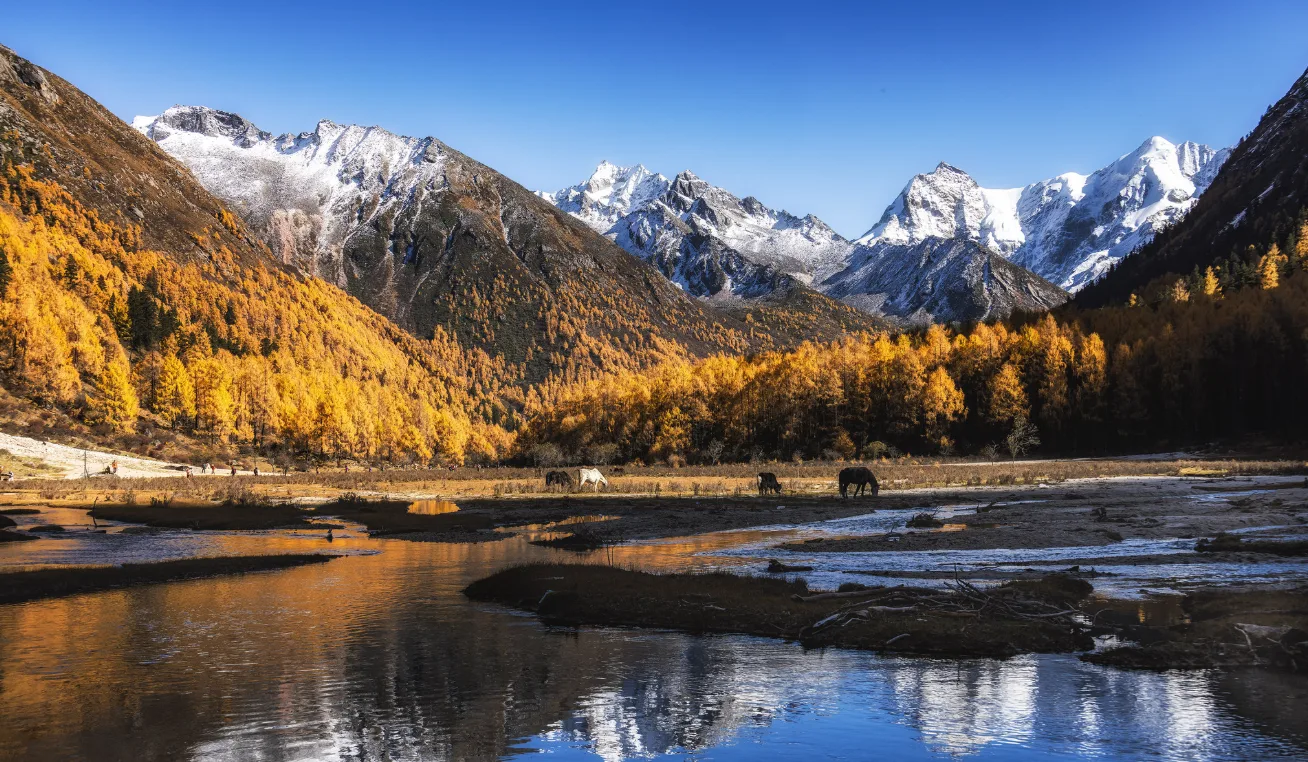
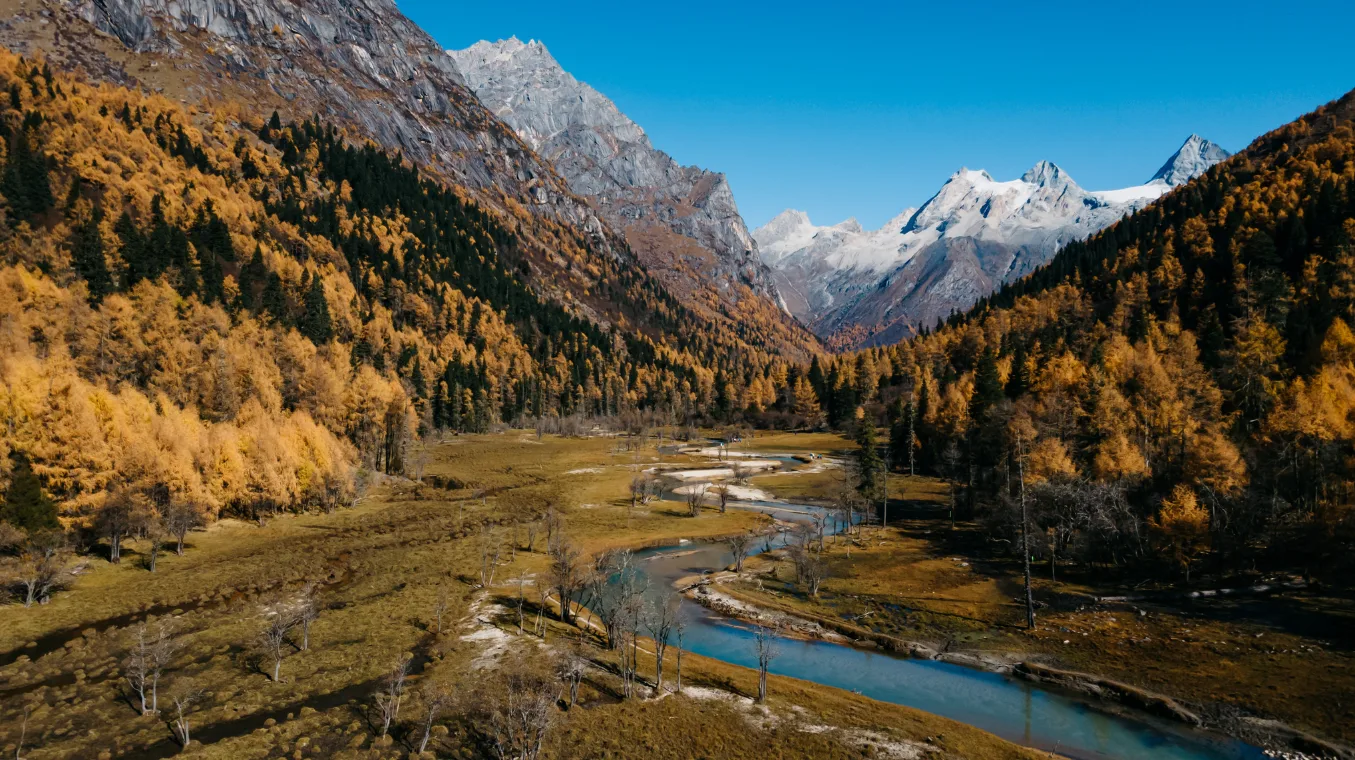
Western Sichuan is home to some of China’s most spectacular concentrations of snow-capped mountains. Siguniang Mountain, Mount Gongga and Genyen are among the region’s most iconic peaks. Between them lie vast alpine meadows, high-altitude lakes, deep river valleys and forests, creating an ever-changing landscape along the way.
Each season brings a different character to the plateau. In spring, wildflowers spread across the Maoya Grassland. Summer turns the pastures deep green, with yaks and horses scattered across the hillsides. In autumn, turquoise lakes reflect forests of gold and red, while winter reveals towering snow peaks against clear, crisp skies.
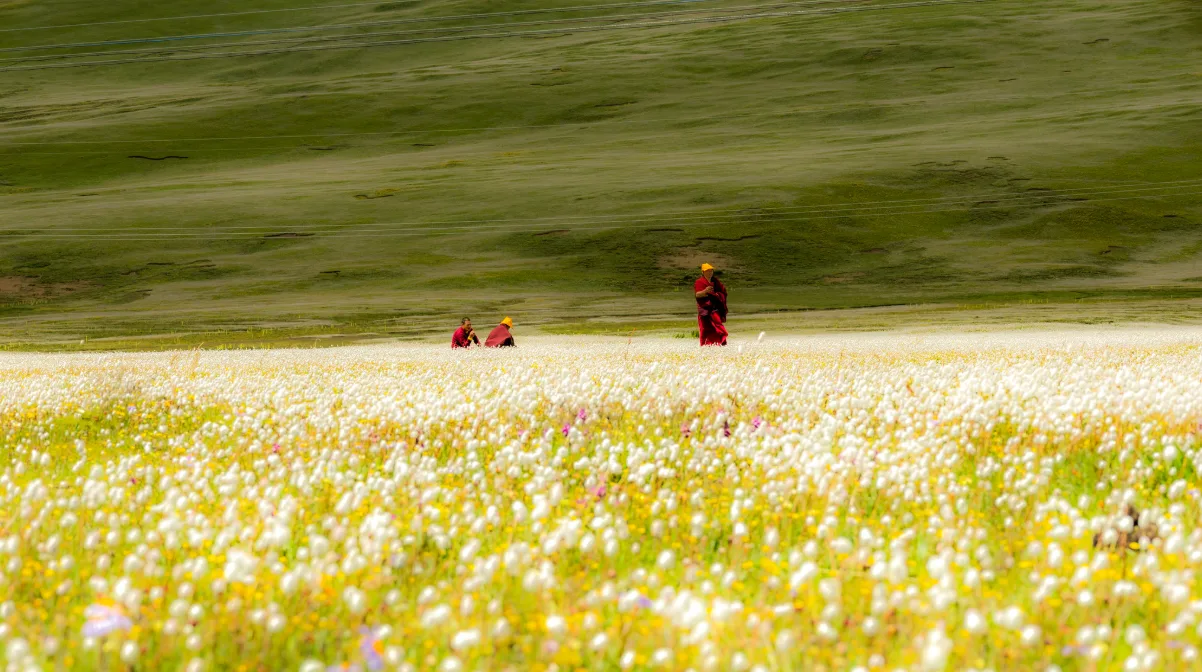
This diversity makes western Sichuan accessible to travellers with very different interests and levels of experience. Sightseeing buses reach deep into mountain valleys, while shorter two- to three-day treks and light hiking offer a closer experience on foot. Those with more extensive high-altitude experience can venture further into the mountains for technical climbing expeditions.
Tibetan Culture and Traditional Communities
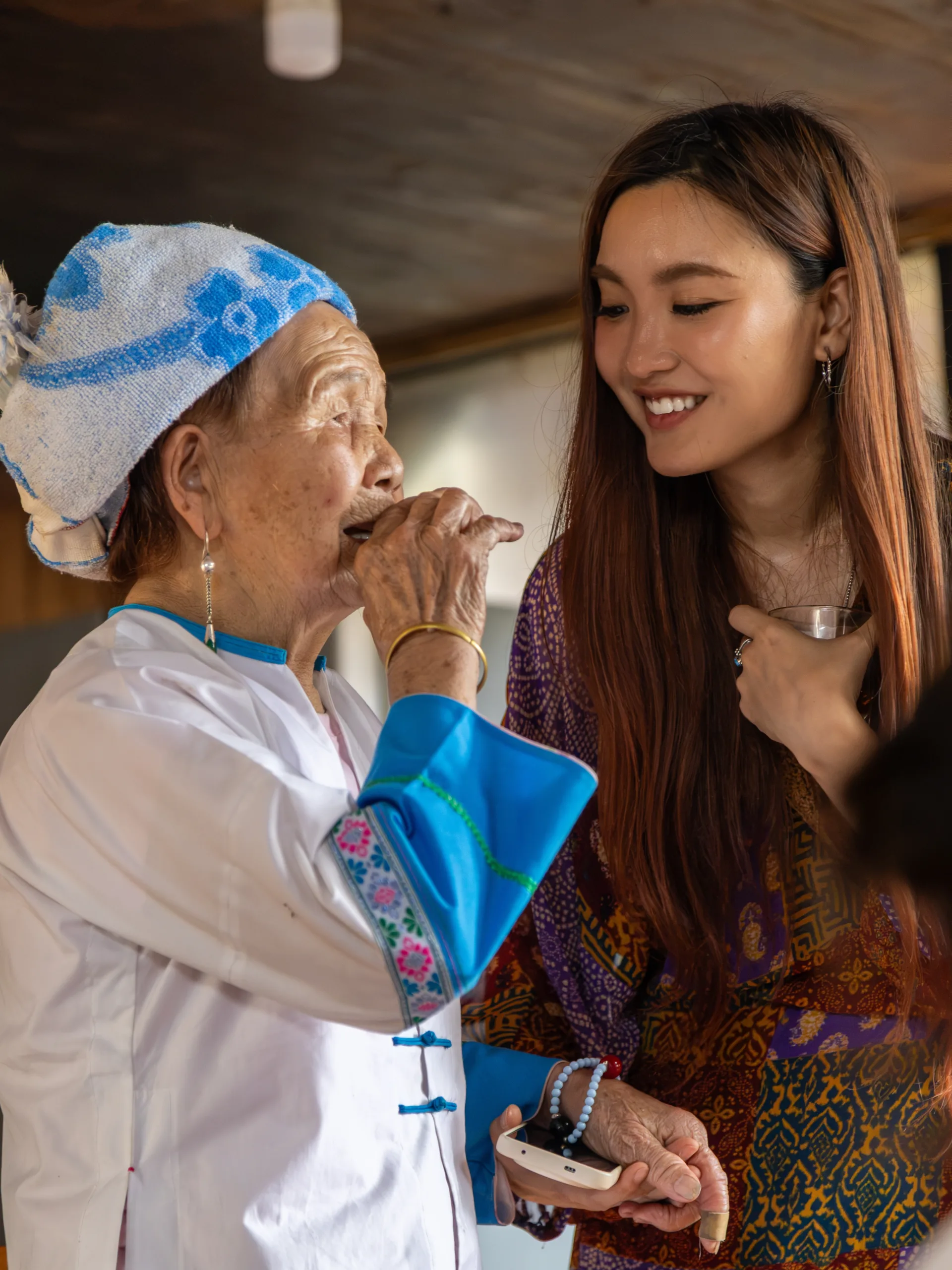
Western Sichuan is also one of the best regions in China to gain a deeper understanding of Kham Tibetan culture. Here, culture is not confined to monasteries or tourist attractions; it remains woven into everyday life. As the historic heartland of the Kham Tibetan and Qiang ethnic groups, the region still shows how these communities have shaped its villages, beliefs and daily rhythms. People walk prayer circuits and make pilgrimages, dress in beautifully detailed traditional clothing for festivals, and follow pastoral traditions in which nomadic herders herd yaks across the grasslands while maintaining long-established ways of life centred around their villages and monasteries. Architecture, clothing, religious traditions and daily customs vary from one area to another, revealing a rich cultural heritage that has evolved and been passed down in different ways across the region.

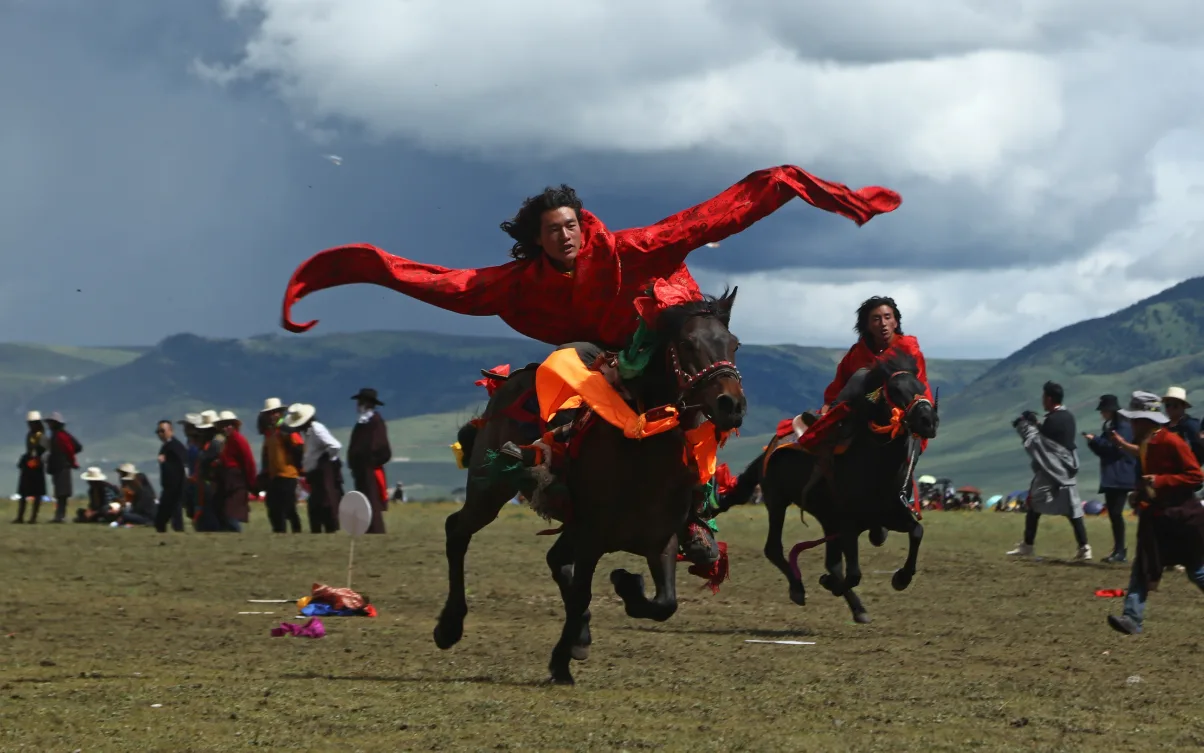
Farther into Ganzi, visitor numbers become much smaller, and the cultural life of local communities becomes more visible. Horse-racing festivals, religious celebrations, pilgrimages and daily monastery activities are part of community life, not performances arranged for tourists. Tibetan Buddhism places great importance on humility and compassion, values that are often reflected in the sincerity, warmth and kindness of the local people travellers encounter. For those interested in cultural travel, one of western Sichuan’s greatest attractions is the opportunity to spend time with local communities, understand how they view life and their relationship with the natural world, and see how these traditions and values continue across generations.
Wildlife and Nature Experiences
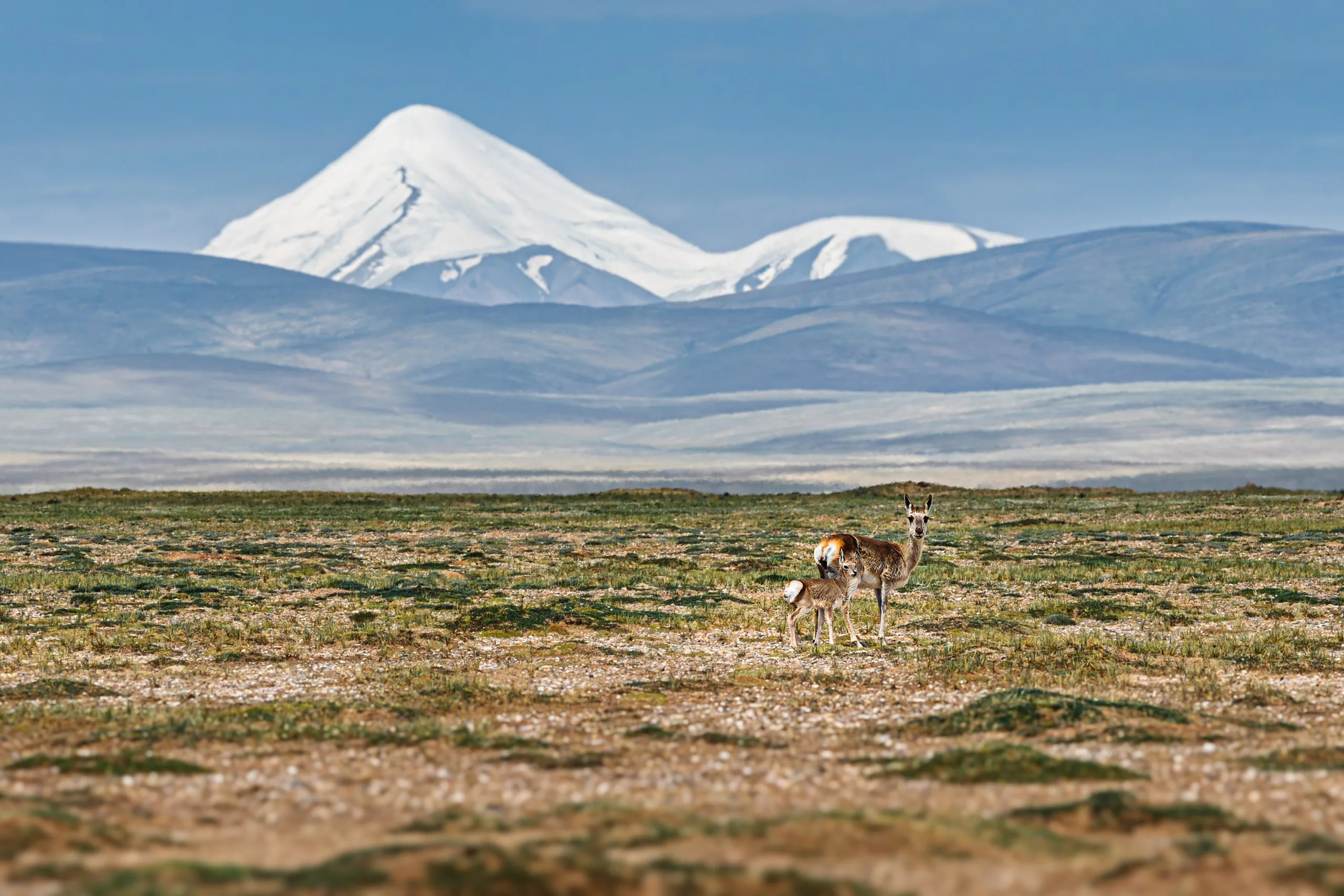
Western Sichuan is also an important region for biodiversity in China. Wolong and the surrounding mountains provide important habitat for giant pandas, while the region’s varied high-altitude environments support red pandas, takins, blue sheep, white-lipped deer, Himalayan marmots, Tibetan foxes and a rich variety of birds characteristic of southwestern China’s mountain ecosystems.

Eastogo also incorporates giant panda, birdwatching and high-altitude wildlife experiences into selected western Sichuan itineraries.For more wildlife experiences, explore our China Wildlife Tours.
Speak to An Expert
Starting Your Jounrney to Western Sichuan
Start designing your China journey with our destination experts.
Make An InquiryBest Time to Visit Western Sichuan
There is no single best time to visit western Sichuan. With such a wide range of elevations, different parts of the region can experience very different seasonal conditions, even on the same day. The best time to travel depends first on where you want to go and what you hope to experience.
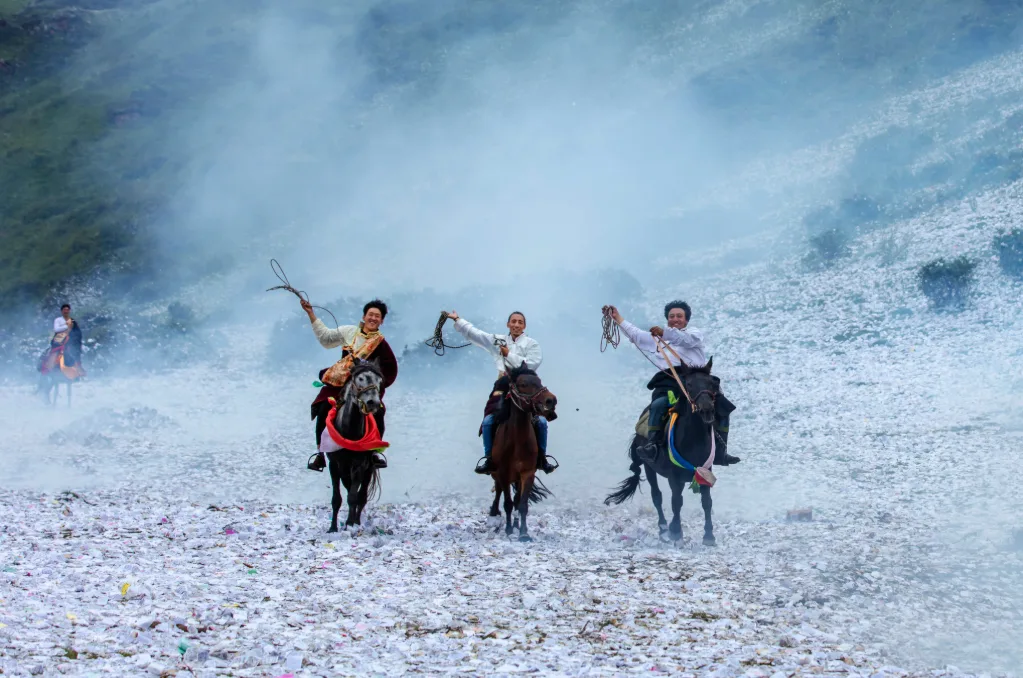
For alpine wildflowers and green grasslands, May to July is generally the best period. Summer is also when many traditional Tibetan horse-racing events and local festivals take place. September and October offer some of the most reliable all-round conditions, with less rain, clearer skies and better chances of seeing the snow peaks. Grasslands and forests gradually take on autumn colours, and by late October, some valleys are ablaze with golden and deep red foliage against the snow-covered mountains. From November onwards, visitor numbers fall and snowy landscapes become more prominent, making winter particularly appealing for photography. However, low temperatures, snow and changing mountain-road conditions require extra planning.
The rainy season begins around June, when prolonged rainfall can trigger rockfalls, landslides and mudslides. In winter, snow and ice can affect roads and access to some outdoor routes. Seasonal recommendations should therefore always be considered in relation to the specific destination. For a more detailed breakdown, see our Best Time to Visit Western Sichuan — Seasonal Guide and Practical Planning.
If you already have particular destinations or travel interests in mind, Eastogo can help identify the most suitable time to visit, taking local seasons, road conditions and differences in altitude into account.

How to get to Western Sichuan
Road travel is the main way to explore western Sichuan, and most western Sichuan trips start in Chengdu, the capital city of Sichuan Province. Driving west from Chengdu allows travellers to gain altitude gradually while experiencing the changing landscapes and local cultures along the way. It also gives the body more time to adjust than flying directly into a high-altitude destination.

The region has several plateau airports, including Kangding Airport, Daocheng Yading Airport and Ganzi Gesar Airport in Ganzi Prefecture, as well as Hongyuan Airport and Jiuzhai Huanglong Airport in Aba. Flying can save considerable travel time, but onward road transfers are still needed to reach most scenic areas and villages. Some airports are already at very high elevations. Daocheng Yading Airport, for example, sits above 4,400 metres, leaving little time for gradual acclimatisation.
Public transport connects main towns and some tourist destinations, but buses and other services usually do not reach remote areas. In Chengdu, Xinnanmen Bus Station is a common departure point for overland buses into the region. Reaching smaller villages, monasteries, photography locations and remote mountain areas can be much more difficult without private transport. Foreign visitors can also self-drive in China, but mountain roads, high altitude, Chinese-language navigation and seasonal road conditions make driving in western Sichuan considerably more challenging than in cities. For most international travellers, hiring an experienced local driver is the more practical choice.
Best Places to Visit in Western Sichuan
What makes western Sichuan special is that its appeal extends far beyond a handful of famous attractions. Snow mountains, forests, Tibetan villages, monasteries, wildlife and highland roads continually unfold along the journey, making even a simple road trip part of the experience. For many travellers, some of the most memorable moments are not found at the destinations themselves, but in the unexpected landscapes, breathtaking scenery and glimpses of everyday life along the way.
Siguniang Mountain and Bipenggou
Siguniang Mountain, also known as Four Sisters Mountain, is made up of four main peaks and three valleys: Shuangqiao, Changping and Haizi. Shuangqiao Valley has a well-developed sightseeing bus system and is ideal for easy exploration of the alpine scenery. Changping Valley is better suited to hiking through forests and mountain valleys, while Haizi Valley retains a wilder character and serves as the main approach to the climbing routes on Dafeng and Erfeng. For experienced hikers, the Changping–Bipenggou traverse is one of western Sichuan’s classic multi-day high-altitude treks. Siguniang Mountain also offers a range of climbing challenges, from introductory 5,000-metre peaks to demanding technical ascents. This combination of accessible sightseeing and serious mountaineering makes it an excellent starting point for a first trip to western Sichuan.

For more details on visiting and exploring the area, see our Siguniang Mountain Guide: Valleys, Hiking, Peaks and Practical Planning.
Gongga Mountain and Hailuogou
Mount Gongga is the highest peak in Sichuan and one of the most iconic mountains in southwest China. The surrounding region is known for its mountain viewpoints, trekking routes and glaciers, making it a major destination for snow-mountain photography and outdoor adventures.

For an easier introduction to the Gongga region, Hailuogou sits on the eastern edge of the Tibetan Plateau and provides access to its forests, snow-capped peaks, glacial landscapes and hot springs through a well-developed scenic-area transport system. Those looking to venture deeper into the mountains will find longer, higher and more remote trekking routes around Gongga. These require greater fitness and outdoor experience, with weather, road conditions and altitude all playing a significant role in route planning.
Danba Tibetan Villages
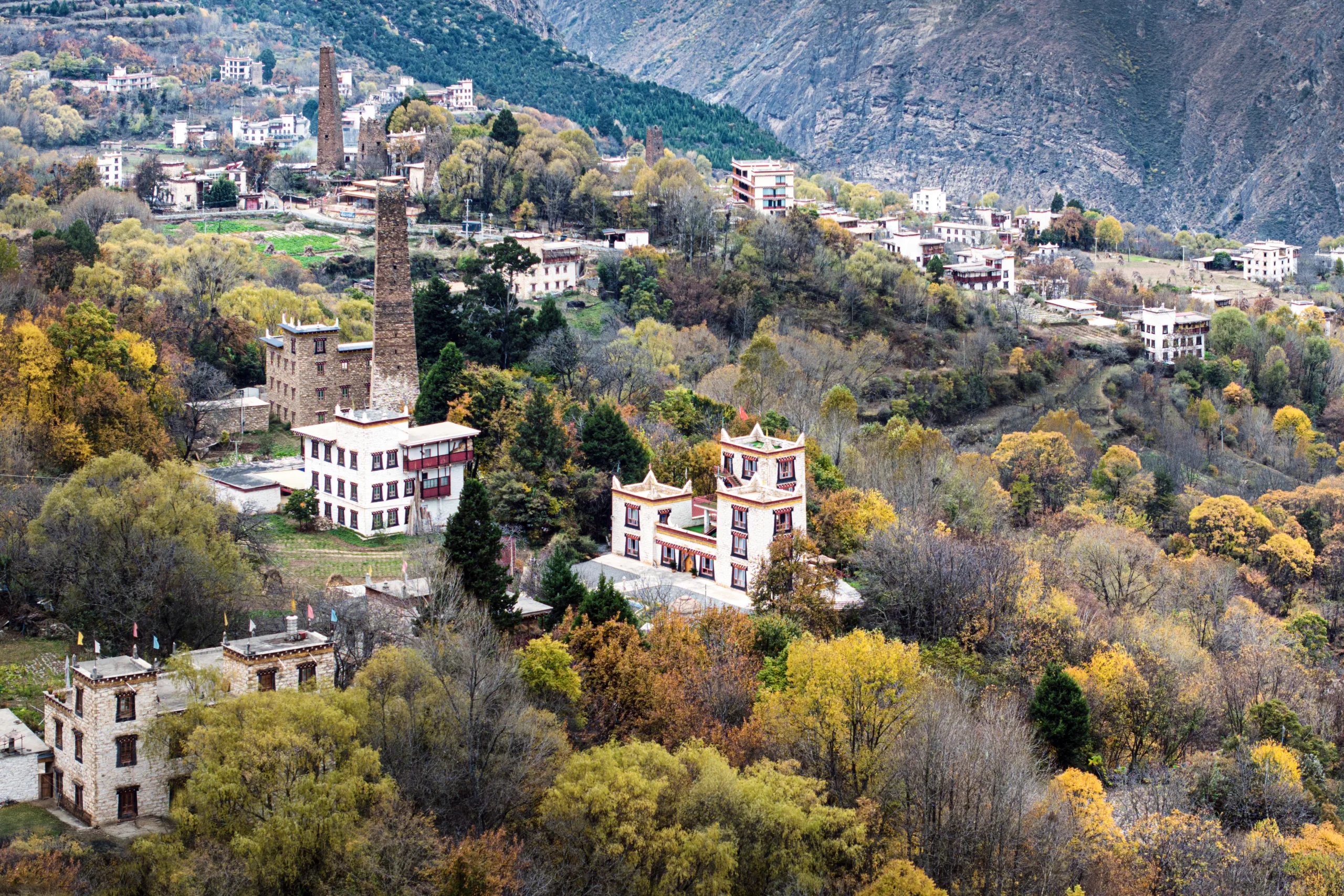
Set among steep mountains and deep valleys, Danba offers a very different landscape from the open plateaus further into Ganzi, with western Sichuan’s mountains giving the area a more enclosed and dramatic feel. Often described as the east gate of Ganzi Tibetan Autonomous Prefecture, its Tibetan villages spread across the hillsides, where traditional stone houses, farmland and ancient watchtowers create a beautiful landscape as well as a distinctive expression of Jiarong Tibetan culture.
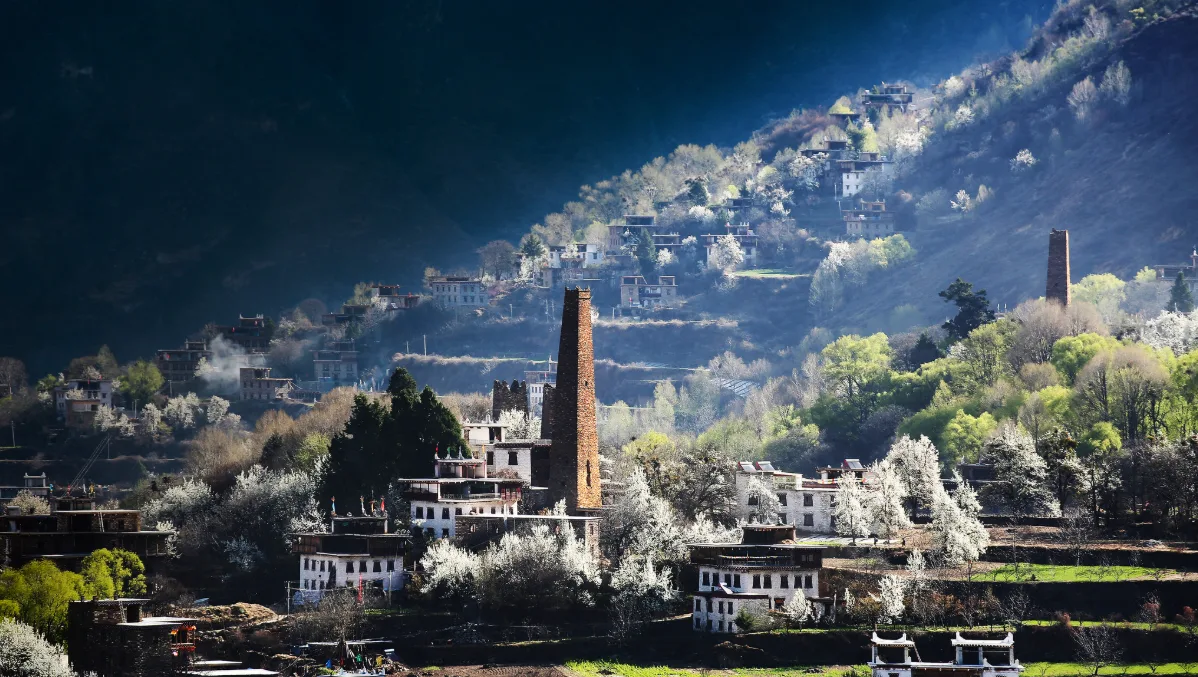
Jiaju Tibetan Village is the best known, particularly for its pear blossoms in spring. Zhonglu Tibetan Village is quieter, known for its 88 ancient watchtowers, and well suited to an overnight stay and leisurely walks through the settlement, with accommodation ranging from converted family guesthouses to more comfortable boutique-style stays. Suopo is famous for its remarkable concentration of ancient stone watchtowers. Rather than simply stopping for photographs, staying overnight, spending time with a local family or walking among the hillside villages offers a much closer understanding of everyday life in Danba, and quieter villages such as Zhonglu are especially rewarding for travellers seeking less-crowded cultural immersion.
Kangding, Tagong and Xinduqiao
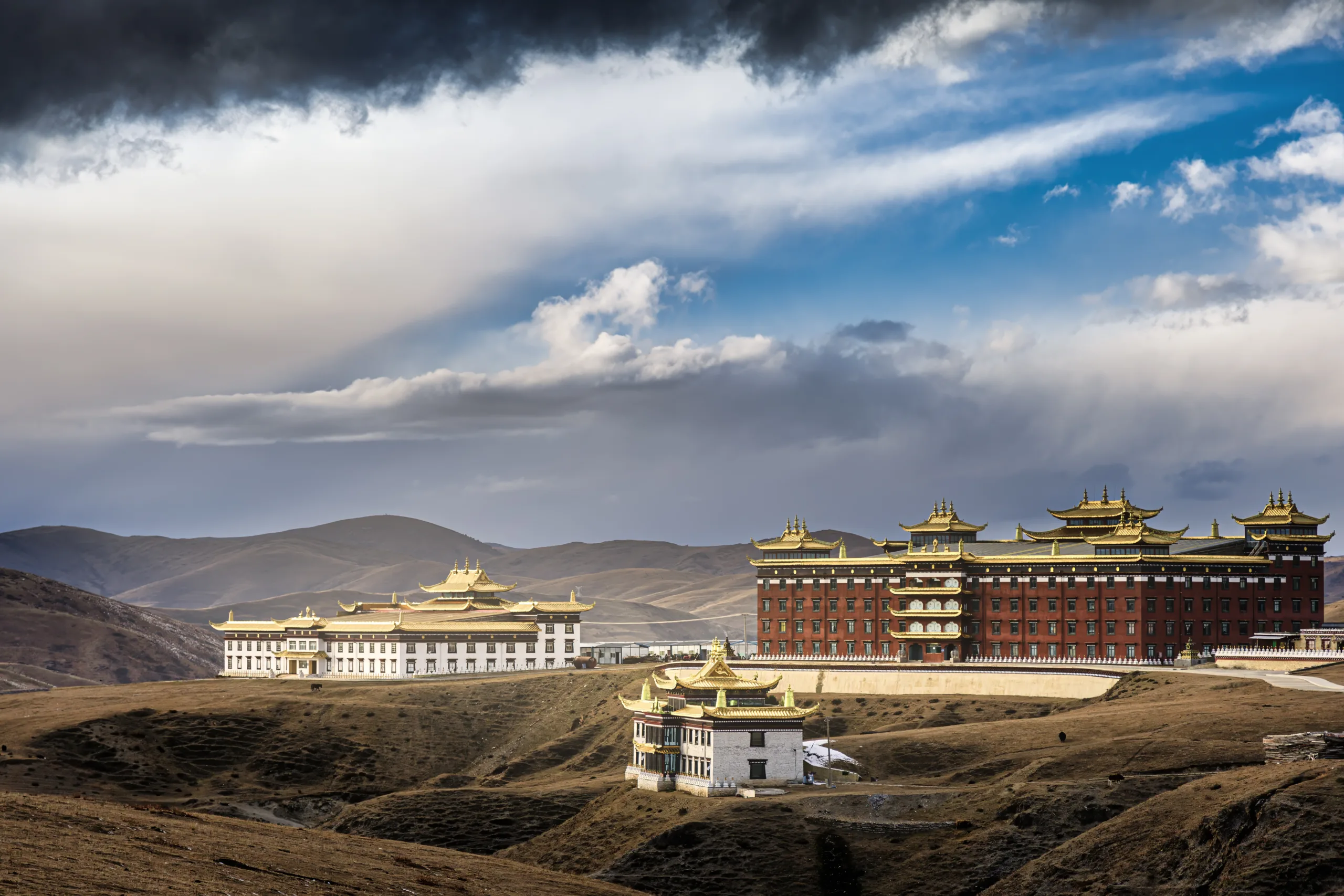
Kangding is an important gateway to the Ganzi plateau. Travelling further west, the landscape opens into vast grasslands, with Yala Snow Mountain and monasteries such as Tagong Monastery and Muya Monastery coming into view. Xinduqiao, meanwhile, is a favourite among photographers for its layered scenery of snow peaks, river valleys, pastures and traditional villages.
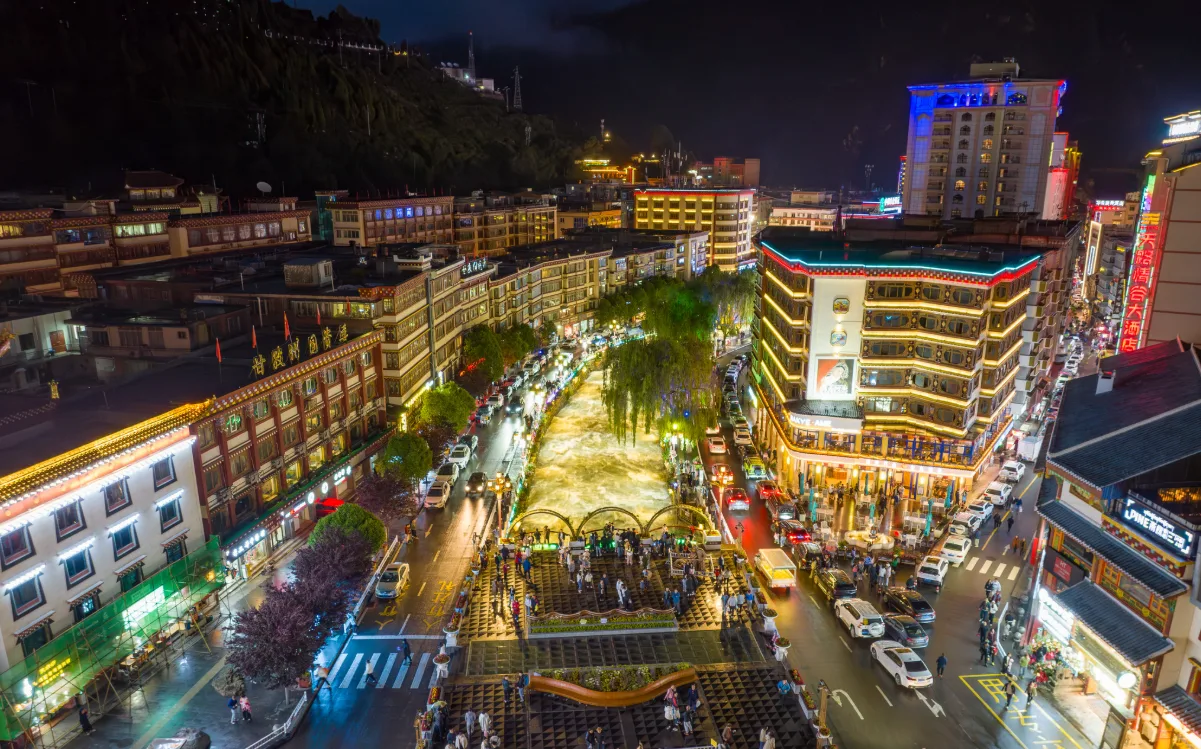
With relatively well-developed transport and accommodation, this area is a good introduction to western Sichuan. But simply stopping for photographs means missing much of what makes the region interesting. Horse riding across the grasslands, visiting herder families, learning to make tsampa, a staple roasted-barley food, or exploring monasteries with a local guide all add depth to the journey, and routes through this area often include meals in simple local eateries. Eastogo also arranges experiences around Tagong, including visits to herder families, meditation with monks at Tagong Monastery and visits to local monasteries.
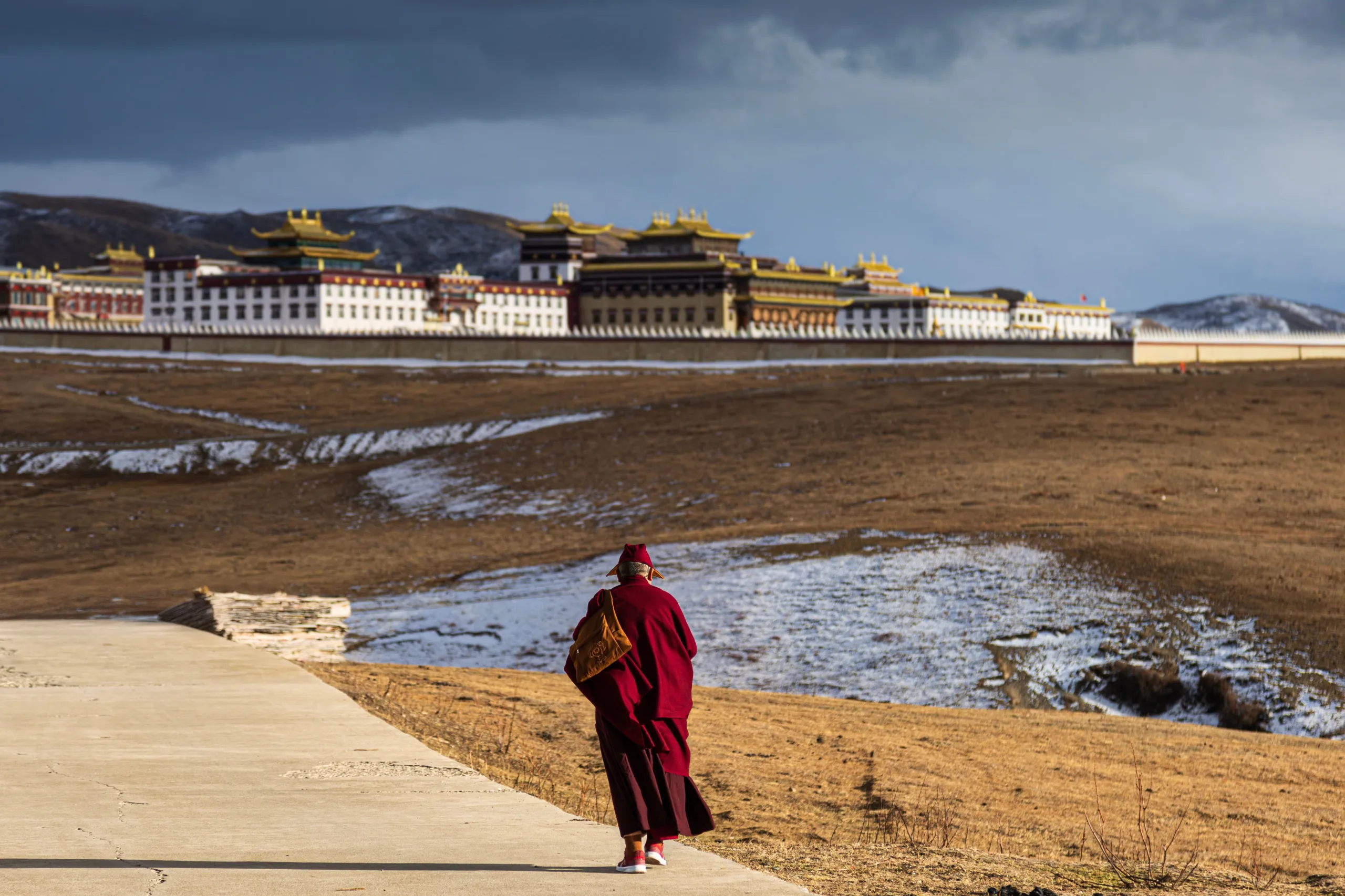
Litang and Genyen Mountain
At nearly 4,000 metres, Litang sits high on the Tibetan Plateau. The Maoya Grassland, Changchun Ke’er Monastery, local Tibetan communities and the summer horse-racing festival make it much more than a stopover on the way to Daocheng Yading.It is well worth spending time here to understand Kham Tibetan culture and experience local life.
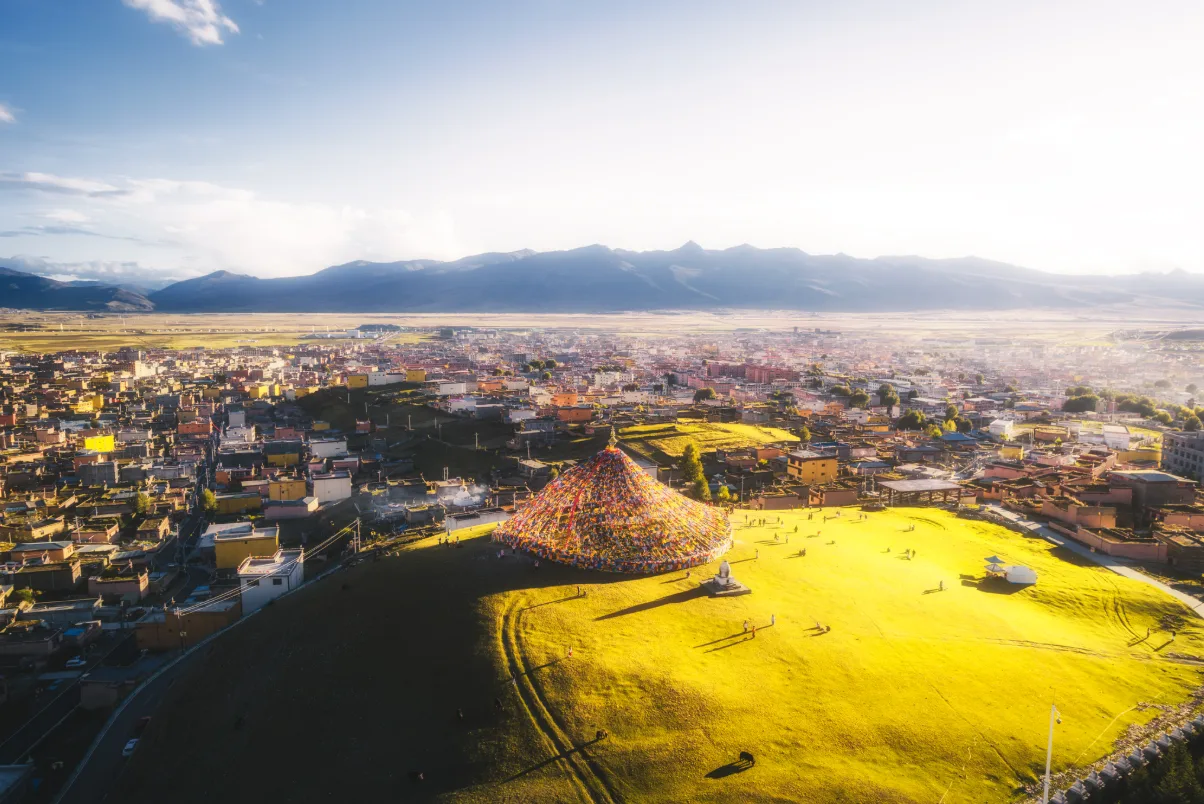
Further south, the journey from Litang into the Genyen region becomes considerably more remote. Snow peaks, grasslands, monasteries and high-altitude villages are spread across a vast mountain landscape that remains largely unspoilt. The trade-off is more limited accommodation, longer journeys and greater exposure to changing road and weather conditions. With relatively little tourism development, Genyen is particularly appealing to travellers who have already explored the classic western Sichuan routes and want to venture into quieter mountain country. However, exploring the region requires more preparation and local support.
For more details, see our Litang Travel Guide: Things to Do, Travel Tips and Itineraries.
Daocheng Yading
Daocheng Yading is known for its three sacred peaks, alpine lakes, forests and meadows, and is one of western Sichuan’s best-known high-altitude destinations.
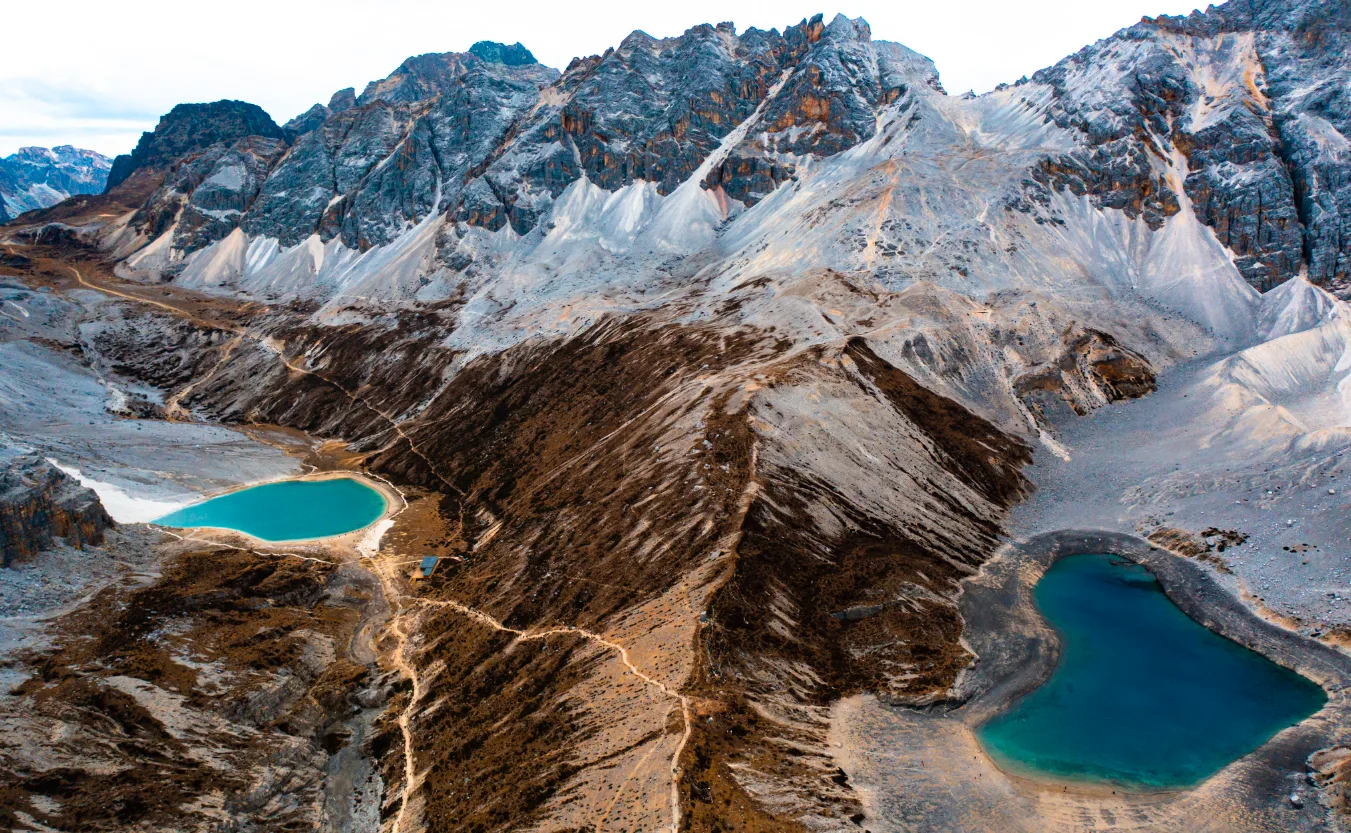
The main challenge here is not technical hiking, but altitude. Many of the key viewpoints and walking routes are already at considerable elevations, where even relatively short walks can feel much more demanding. Flying directly into the region saves considerable travel time, but Daocheng Yading Airport itself sits at an extremely high altitude, leaving almost no time for gradual acclimatisation. Travelling overland from Chengdu via Kangding, Xinduqiao and Litang takes longer, but allows for a more gradual ascent while revealing more of the landscapes and culture of the Kham region.
Whichever route you choose, allow sufficient time to acclimatise before attempting longer walks at high altitude.
Jiuzhaigou and Huanglong
Located in Aba, Jiuzhaigou and Huanglong (Yellow Dragon) are among the most developed nature destinations in northern Sichuan. Jiuzhaigou is known for its forests, alpine lakes and waterfalls, while Huanglong is distinguished by its colourful travertine pools, mountain forests and snow-capped surroundings.

The experience here is quite different from travelling through Ganzi. Ganzi is more about open plateau landscapes, Tibetan culture and journeys along mountain roads, while Jiuzhaigou and Huanglong are better suited to travellers who prefer spectacular natural scenery within well-developed scenic areas. With more time, Aba can also be combined with other parts of western Sichuan for a more extensive journey through the region.
Giant Pandas and Wildlife Watching
Beyond its snow mountains and Tibetan culture, western Sichuan is also one of China’s most important regions for wildlife watching. Its diverse mountain habitats are home to giant pandas, red pandas, takins, blue sheep, white-lipped deer and Tibetan foxes, as well as a rich variety of bird species characteristic of the mountains of southwestern China.
For those primarily interested in giant pandas, Wolong and Dujiangyan are home to conservation and breeding centres. Some facilities also offer special programmes, including volunteer opportunities. Places are limited, so availability and booking arrangements should be confirmed in advance.

Observing wildlife in its natural habitat is a very different experience. Wild animals cannot be expected to appear on a fixed schedule. We believe the best encounters come from understanding their habitats and seasonal movements, combined with the accumulated field knowledge of experienced local guides. Chasing, feeding or repeatedly using playback calls to attract animals for photographs should be avoided.
Eastogo works with experienced wildlife guides across southwest China and maintains partnerships with local organisations that operate observation sites, helping us keep track of recent wildlife activity. Explore our wildlife itinerary: Encounter China’s Endemic birds and Wild Red Pandas in Sichuan.
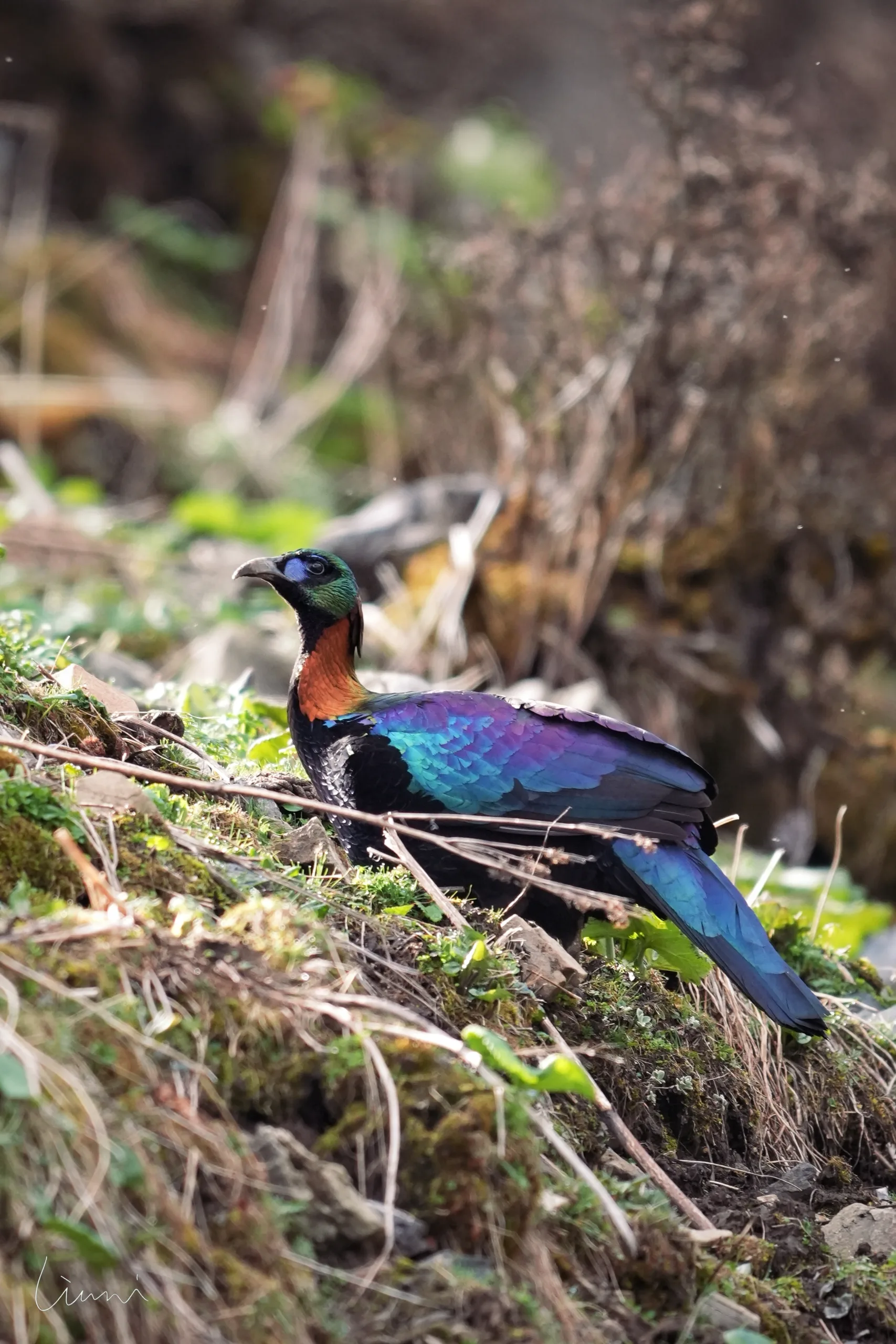
Encounter China’s Endemic birds and Wild Red Pandas in Sichuan (13 days)
view detailBeyond the Highlights: Off the Beaten Path in Western Sichuan
Ganzi County
Further along the G317, Ganzi County is a good place to step away from the usual sightseeing circuit and experience a quieter side of Tibetan life. There are few major tourist attractions, but Ganzi Monastery, highland river valleys, farmland and surrounding Tibetan villages together create a rich picture of everyday life in the region.
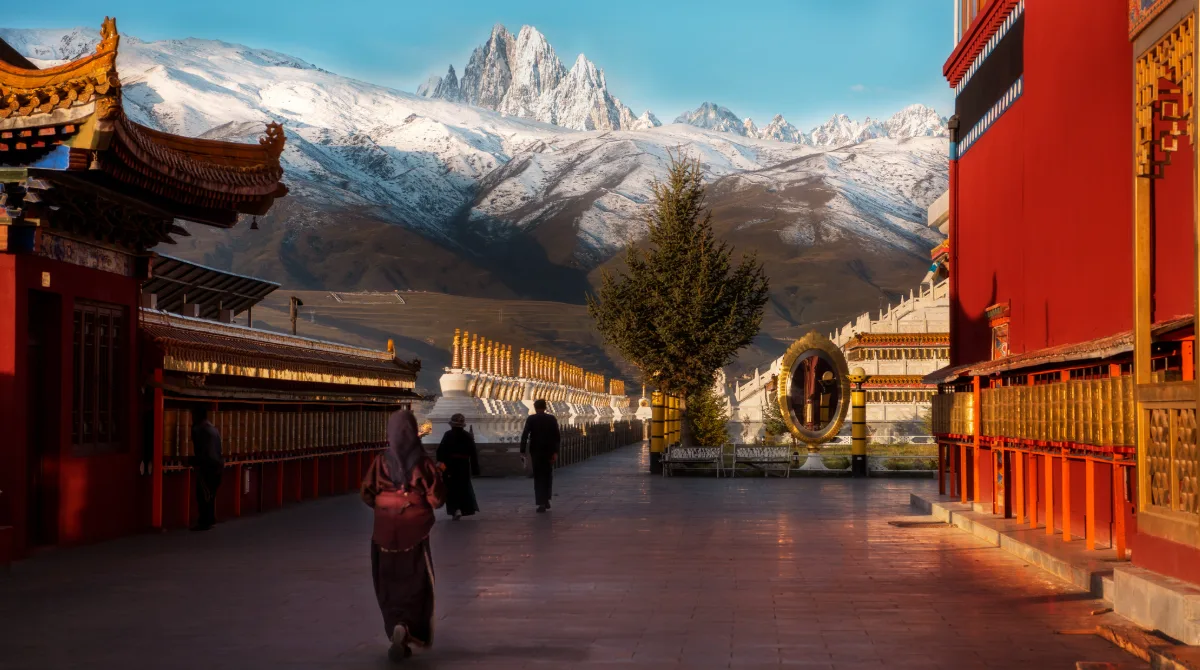
For cultural travellers, much of the appeal lies precisely in the lack of a packed sightseeing schedule. Time can instead be spent visiting monasteries, wandering through local streets and markets, and observing the rhythms of daily life in the community.
Dege and Dzogchen Monastery
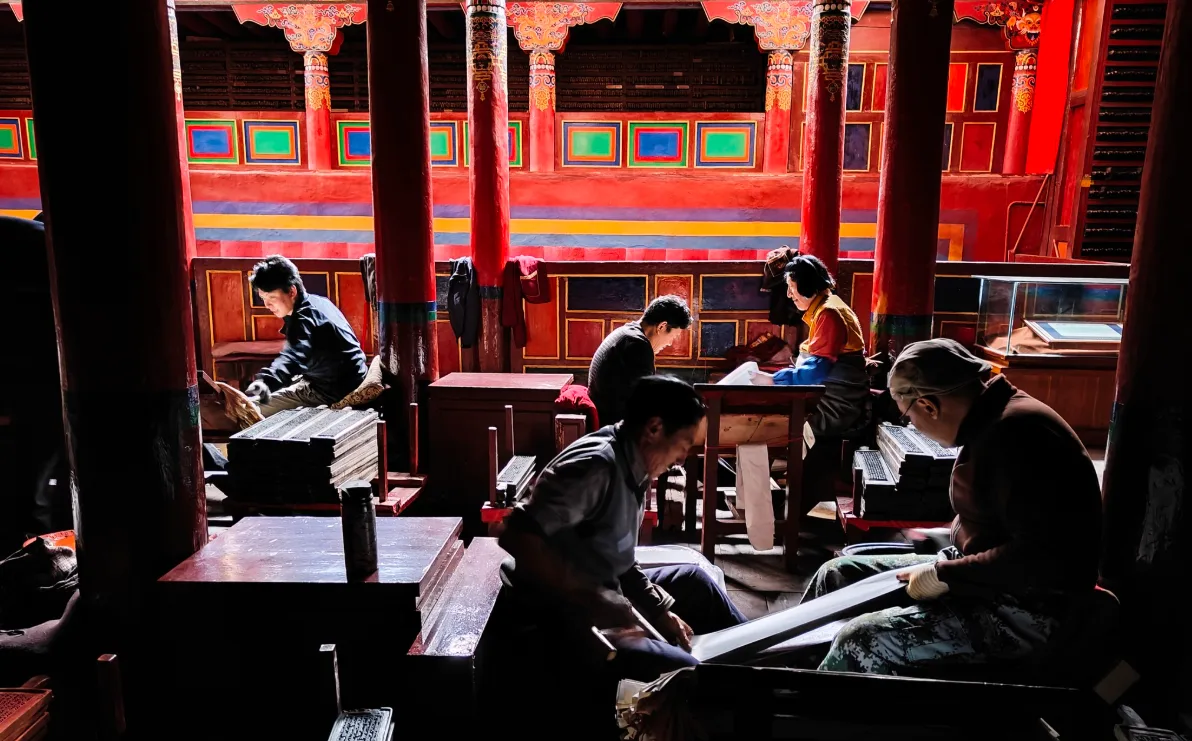
Dege, near the Tibetan border, is an important centre of Kham Tibetan culture. The Dege Printing House continues to preserve the traditional Tibetan woodblock printing tradition. Visitors can see the carved scripture blocks, Tibetan paper and the handmade printing process, which is still practised today.
Further into the remote mountains, where trekking routes reach roughly 3,000 to 5,000 metres, lies Dzogchen Monastery, another important centre of Tibetan Buddhist culture. Unlike more developed tourist attractions, the appeal of places like this lies in their religious atmosphere and the enduring connection between monastic life and the surrounding highland communities.
Baiyu and Katok Monastery
Baiyu is one of the more remote parts of western Ganzi, home to traditional villages and important Tibetan Buddhist monasteries. Katok Monastery has a long history, with well-preserved architecture and intricate murals, while Ta De Temple is another remote monastery destination in this part of western Ganzi, reached by a more demanding journey. Religious life remains deeply rooted here, and Katok Monastery retains a strong atmosphere of devotion.
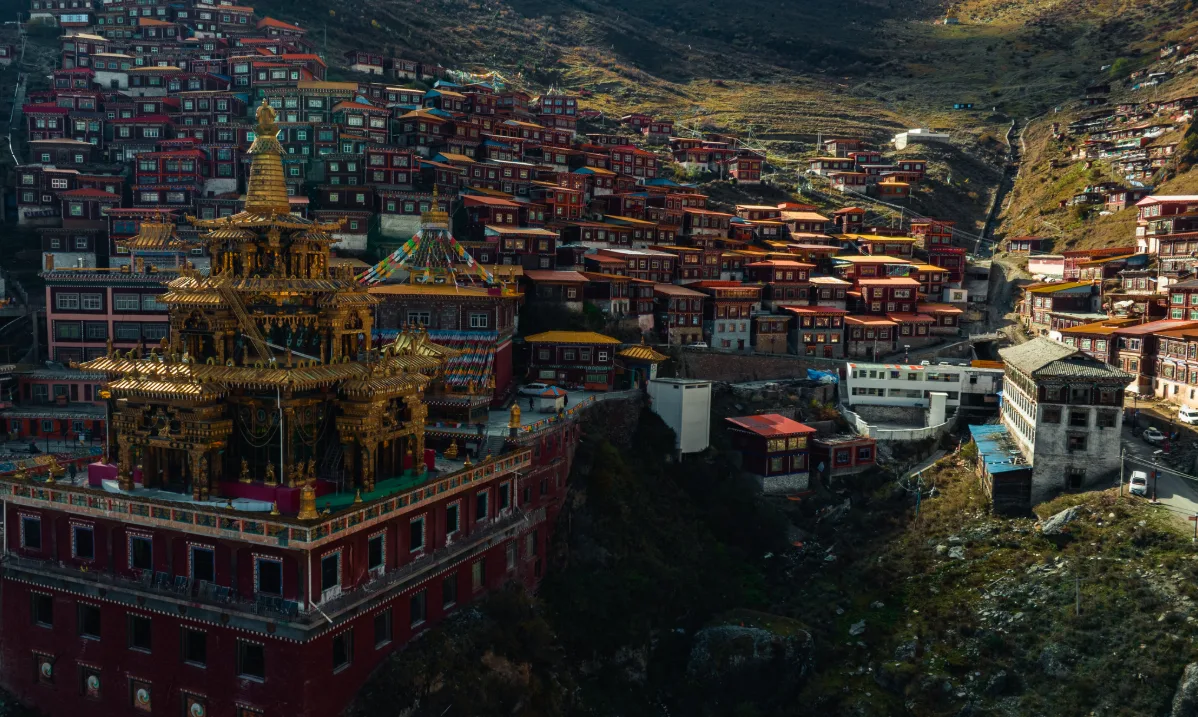
This is not an area suited to simply ticking off places on a map. Language barriers, monastery etiquette, accommodation and road conditions all become more challenging in remote areas. Having someone familiar with local culture and current conditions can make a considerable difference to the experience.
If you’re interested in exploring Tibetan culture and traditions beyond the usual tourist routes, take a look at our Kham Tibet Encompassed: Across Sichuan and Qinghai journey.

Getting Around Western Sichuan
Most of the places worth exploring in depth across western Sichuan are ultimately reached by road, and distances between destinations often take longer to cover than a map might suggest. Although overland travel can be time-consuming, it allows for a more gradual increase in altitude, and travelling with a private driver means you can make flexible stops for viewpoints, villages and photo opportunities throughout the entire trip, or adjust the route according to how everyone is feeling.
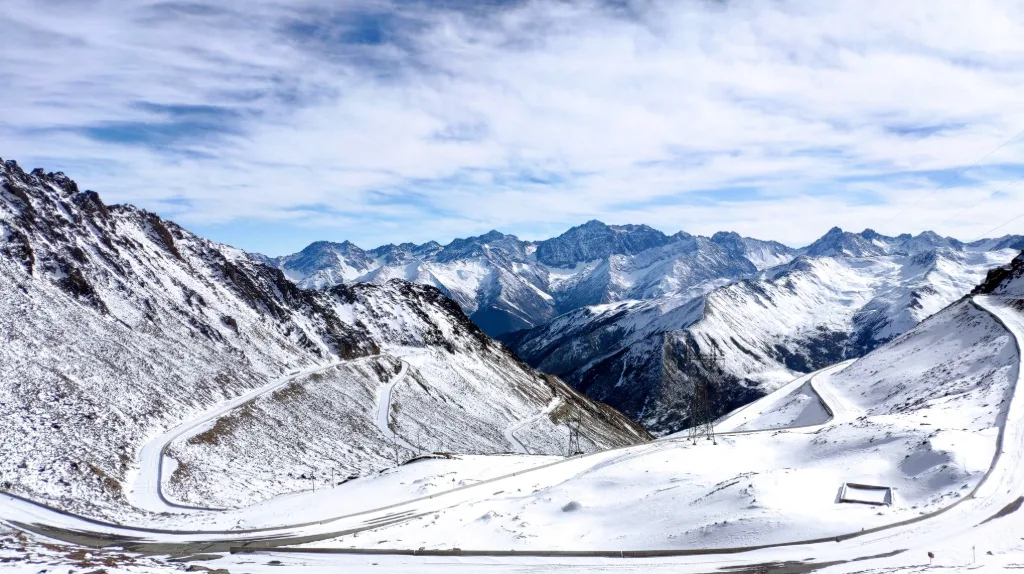
he main advantage of travelling by private vehicle is flexibility. Eastogo has strong connections with local communities, and our long-standing network of drivers, English-speaking guides and trusted local travel agencies knows far more than just the main roads. They understand which routes are more vulnerable to disruption during the rainy season, which villages are worth visiting, what local festivals and activities are happening, and even which restaurants serve the best yak hotpot. These seemingly small details can make a real difference to how smoothly a journey through western Sichuan unfolds.
Speak to An Expert
Starting Your Jounrney to Western Sichuan
Start designing your China journey with our destination experts.
Make An InquiryWestern Sichuan Route Ideas
A trip through western Sichuan can be as relaxed or adventurous as you want it to be, from a customisable private tour and scenic journeys to photography trips, multi-day treks and deeper explorations of Tibetan culture. Rather than following a supposedly classic route, it is better to start with your interests, fitness, experience at altitude and the season of travel.
Classic First-Time Route
For a first trip to western Sichuan, a route combining Siguniang Mountain, Danba, Tagong, Xinduqiao and Litang is a good introduction to the region. The landscape gradually changes from forested mountains and snow peaks to open plateau, with opportunities to experience grasslands, Tibetan villages, monasteries and high-altitude scenery along the way.
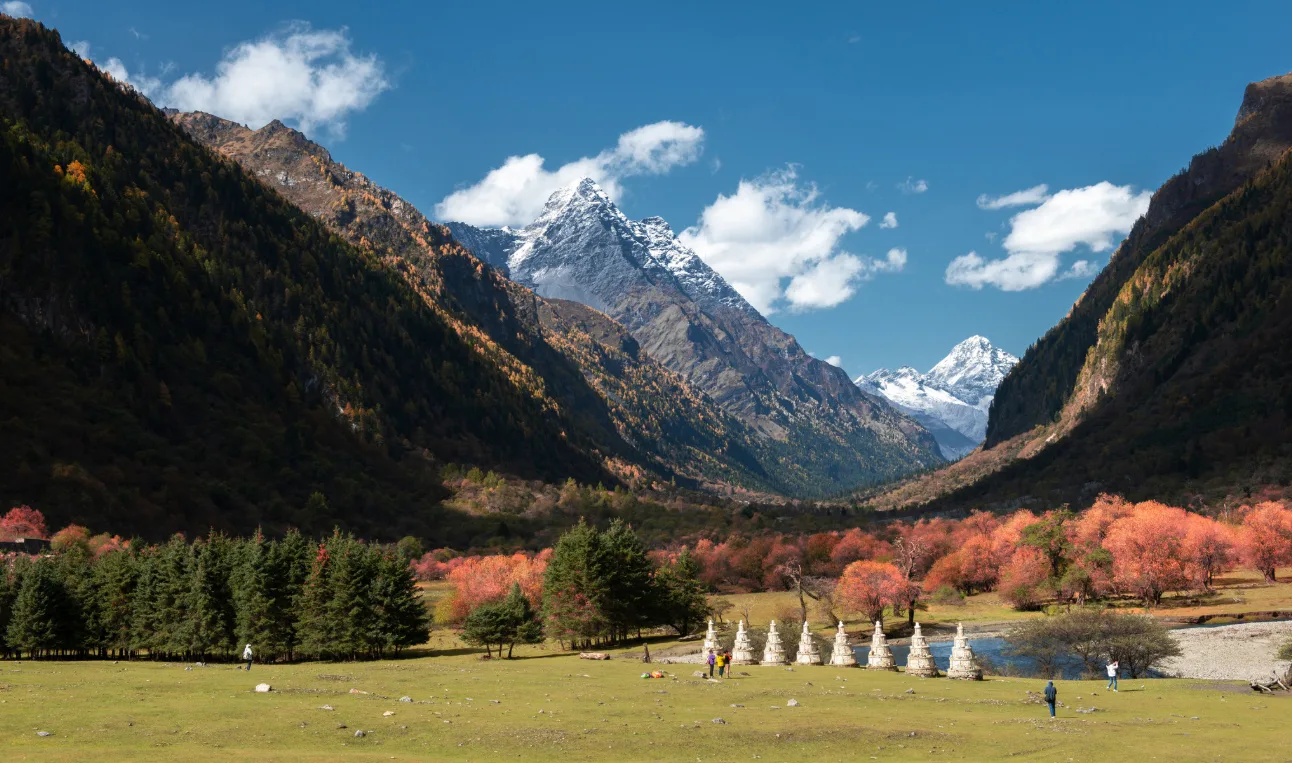
With enough time, the journey can continue to Daocheng Yading. If time is limited, however, it is better to focus on fewer destinations and spend longer in places such as Tagong, Danba or Siguniang Mountain rather than rushing between them each day.
Hiking and Outdoor Adventure Route
Beginners can start with the valley trails at Siguniang Mountain, while those with some high-altitude trekking experience can take on the classic Changping–Bipenggou traverse. For a more remote mountain experience, multi-day treks in the Genyen and Gongga regions are worth considering.
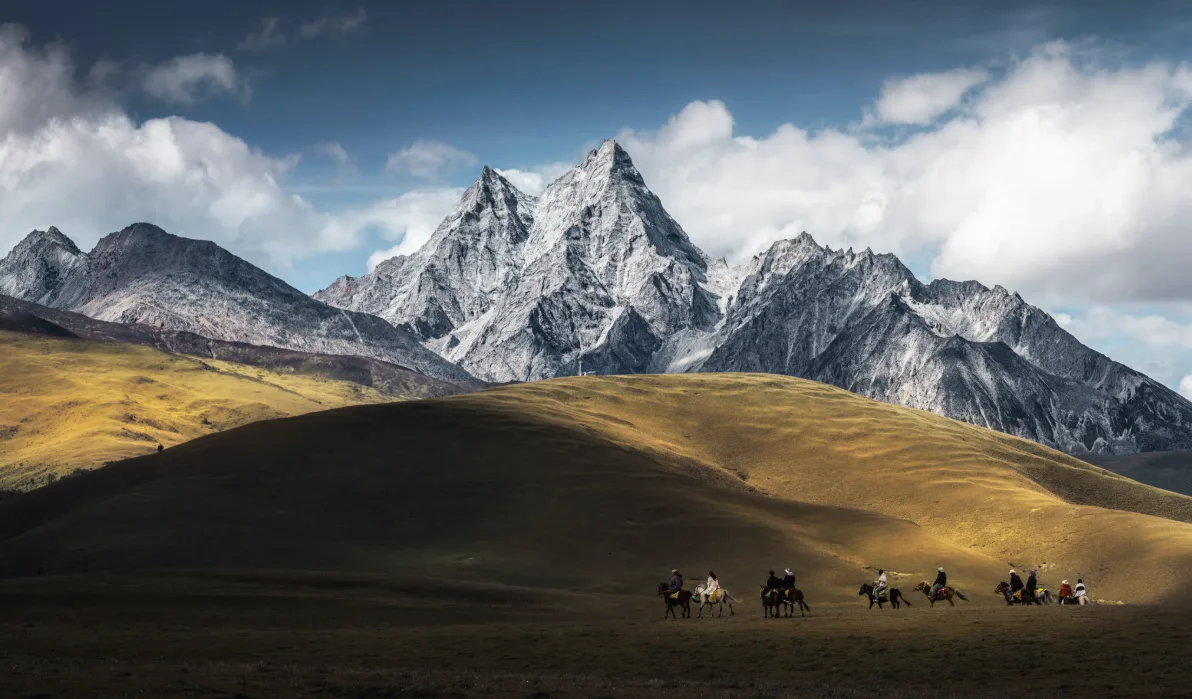
These routes vary considerably in distance, altitude, camping conditions and technical difficulty. Choosing one should depend on personal experience, the season, weather and physical condition, rather than simply which route looks the most beautiful. For more details, see our Siguniang Mountain Guide: Valleys, Hiking, Peaks and Practical Planning.
Photography Route
For photography-focused trips, Siguniang Mountain, Danba, Tagong and the Gongga region make a rewarding combination. Autumn brings the greatest variety of scenery, from colourful forests and golden grasslands to Tibetan villages framed by snow peaks. Summer is better for green pastures, wildflowers and scenes of pastoral life, while winter offers fewer visitors and more prominent snow-covered landscapes.

Early morning is particularly important for snow-mountain photography, often requiring an early start. Accommodation should therefore be chosen with the distance to key viewpoints in mind, rather than simply how many attractions can be fitted into each day.
Tibetan Culture and Pilgrimage Route
For a journey focused on Tibetan culture, travel from Tagong and Litang further west towards Ganzi, Dege and Baiyu; this route is especially valuable for travellers who want to understand the Kham region and the wider Tibetan cultural landscape of western Sichuan. As the route moves deeper into the region, the focus gradually shifts from famous attractions to monasteries, traditional villages, local crafts and everyday community life.
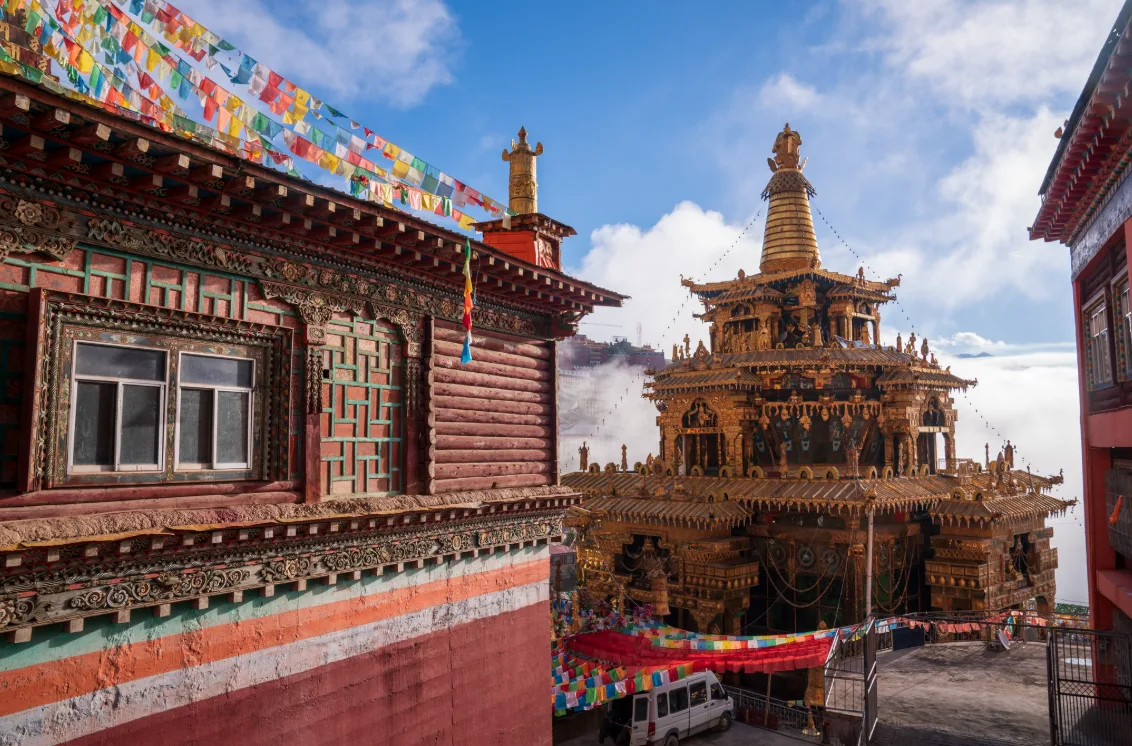
Tagong Monastery, Changchun Ke’er Monastery in Litang, the Dege Printing House, Dzogchen Monastery and Katok Monastery each offer a different perspective on Kham Tibetan culture. These journeys are best taken at a slower pace, ideally with someone familiar with local traditions who can help explain the cultural and religious significance of the places visited.
Western Sichuan Itineraries by Duration
Western Sichuan is vast, and the length of your trip determines not only how many places you can visit, but also the range of landscapes you can experience and how much time you have to adjust to the altitude.
5-Day Western Sichuan Classic Route
With just five days, it is better to keep the route relatively compact rather than travel too far. Focus on Kangding, Tagong, Xinduqiao and the surrounding mountain areas, combining grasslands, monasteries and highland scenery at a comfortable pace.
A shorter itinerary benefits most from less time on the road and more time in places worth exploring. If snow mountains and hiking are the main interests, the Siguniang Mountain and Danba area is another good option.
9-Day Western Sichuan In-Depth Route
With nine days, there is time for a more complete journey combining Siguniang Mountain, Danba, Tagong, Xinduqiao and Litang.
Compared with a five-day trip, the additional time allows for village visits, monastery experiences and easier hikes, while making it possible to gain altitude more gradually. There is also greater flexibility to adjust the route when mountain weather changes.
10–14 Days: Exploring Western Sichuan in Depth
With ten to fourteen days, it becomes possible to venture into the more remote parts of western Sichuan. Nature enthusiasts can extend their journey to Genyen and the Gongga region, while those more interested in Tibetan culture can follow the G317 further west towards Ganzi, Dege, Baiyu and more remote monasteries.
The value of a longer journey lies not simply in adding more destinations, but in having time to acclimatise gradually, spend time in remote communities and allow for changing weather and road conditions. Drawing on its experience and local connections across western Sichuan, Eastogo can design private itineraries around each traveller’s interests rather than fitting everyone into the same checklist-style circuit.
For more inspiration and practical advice when planning your trip, explore our Western Sichuan Itinerary Guide: Routes, Logistics And Highlights.
Travel Tips for Western Sichuan
Accommodation and Food
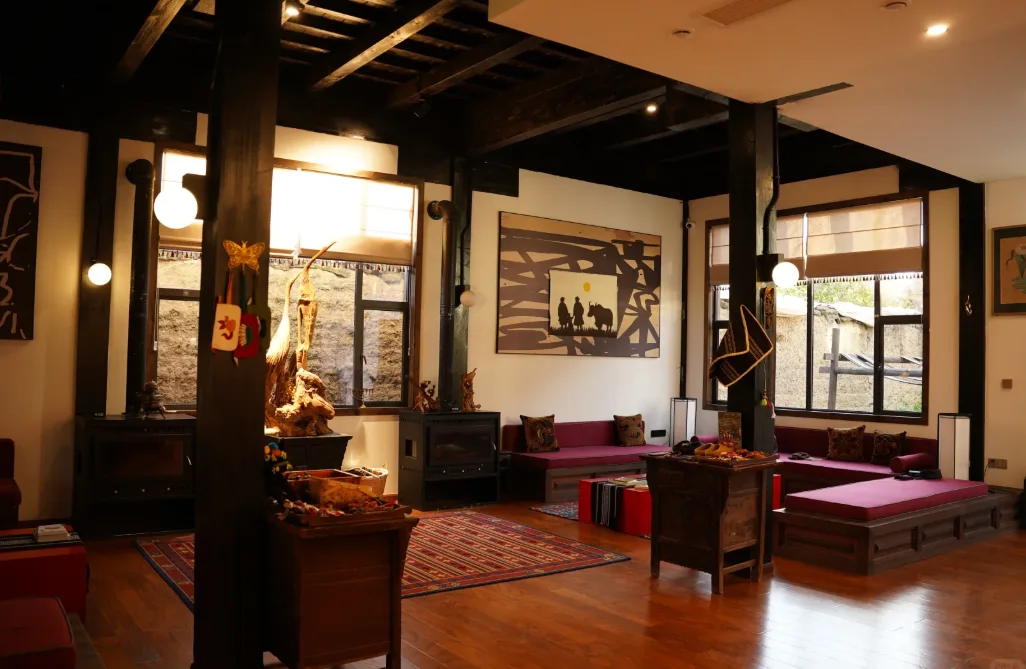
Accommodation is generally comfortable in the main towns of western Sichuan, but further into remote mountain areas, hotels give way to simpler guesthouses and village inns, and in smaller towns and villages you should expect more basic amenities. When booking, pay particular attention to heating, hot water, room insulation and oxygen facilities, rather than room type alone. Foreign visitors should also check that a hotel is approved to host them, which often means 3-star or above, and Ctrip is useful for checking and booking. This is especially important in winter, when extreme cold can affect even basic facilities such as water pipes in remote areas, and some guesthouses may have poor heating.
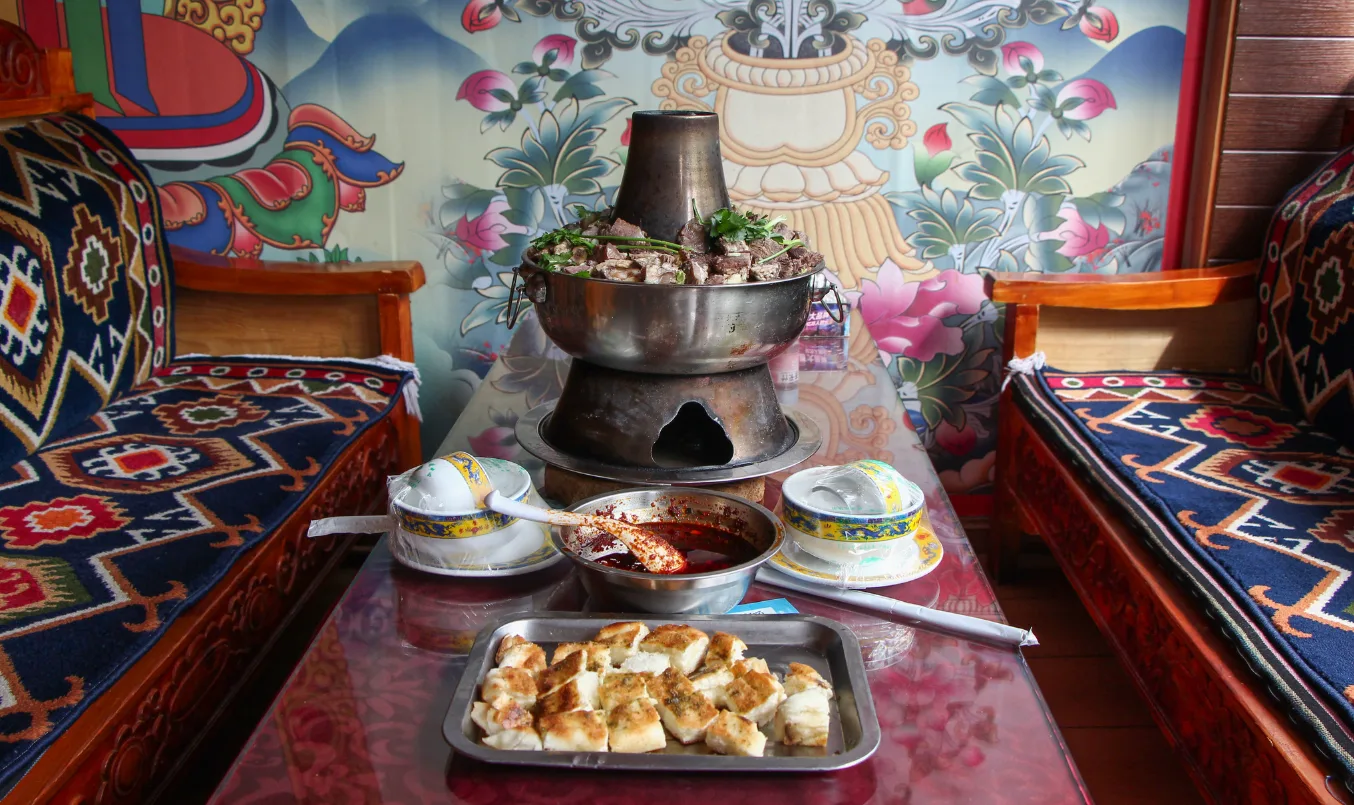
Local food includes Sichuan cuisine, yak meat and yak hotpot, hearty yak stews, Tibetan noodles, Tibetan dumplings, tsampa and butter tea, while Sichuan hotpot is known for its chilli-and-peppercorn flavour. Vegetarian and vegan travellers should communicate their dietary requirements clearly and well in advance. In remote Tibetan areas, English is not widely spoken, and even Mandarin may be limited in some communities, so the distinction between vegetarian and vegan diets may not always be understood. For long road journeys, it is also worth carrying drinking water and familiar snacks.
Altitude Sickness
Many popular destinations in western Sichuan lie above 3,000 metres, and altitude sickness can affect anyone, regardless of fitness level. Common symptoms include headache, fatigue, dizziness, nausea and disturbed sleep.
Rather than relying on supposed remedies to prevent altitude sickness, the most important precaution is to gain altitude gradually. Keep physical activity light on the first day at higher elevations and avoid raising overnight altitudes too quickly over consecutive days. Travellers with cardiovascular, respiratory or other underlying medical conditions should consult a doctor before departure to assess whether high-altitude travel is suitable.
If symptoms worsen, particularly with significant breathing difficulties, confusion or loss of coordination, seek medical attention promptly and descend to a lower altitude if necessary. Travel insurance covering high-altitude activities and a basic emergency plan should also be arranged in advance.
Packing Checklist
Even in summer, warm clothing is essential in western Sichuan. Mountain weather can shift from strong sunshine to rain, wind and sharp temperature drops within a single day. A practical packing list includes waterproof hiking shoes, warm layers and a windproof, waterproof outer jacket.
Sunglasses, sunscreen, a hat, personal medication, a power bank and water supplies are also important. Multi-day treks and camping require additional equipment, such as sleeping bags and specialist hiking gear, while winter trips call for more substantial cold-weather clothing and equipment for snowy and icy conditions.
Practical Tips for International Travellers
English is rarely spoken in remote parts of western Sichuan, and transport updates, scenic-area notices and road information are often published only on Chinese platforms. A SIM or eSIM that works in China and offline maps are therefore essential, especially as some remote roads have limited phone reception.
Alipay and WeChat Pay are widely accepted in major towns, but it is still worth carrying some cash when visiting remote villages or areas with unreliable mobile coverage.
Weather can also disrupt travel plans. Heavy summer rain may cause rockfalls, mudslides and temporary road closures, while winter brings snow and icy roads. Avoid scheduling mountain journeys too tightly and allow extra time for unexpected delays.
Travellers should also expect multiple passport checks during overland journeys in this part of China.
Most standard tourist destinations in western Sichuan do not require the special Tibet Travel Permit used for travel within the Tibet Autonomous Region. However, this does not mean that every location is always open to foreign visitors. Some monasteries and remote areas may have additional or temporary access restrictions. Yarchen Gar, for example, has had specific visitor restrictions. Always confirm the latest access arrangements before making a long detour to a remote destination.
Speak to An Expert
Starting Your Jounrney to Western Sichuan
Start designing your China journey with our destination experts.
Make An InquiryResponsible Travel in Western Sichuan
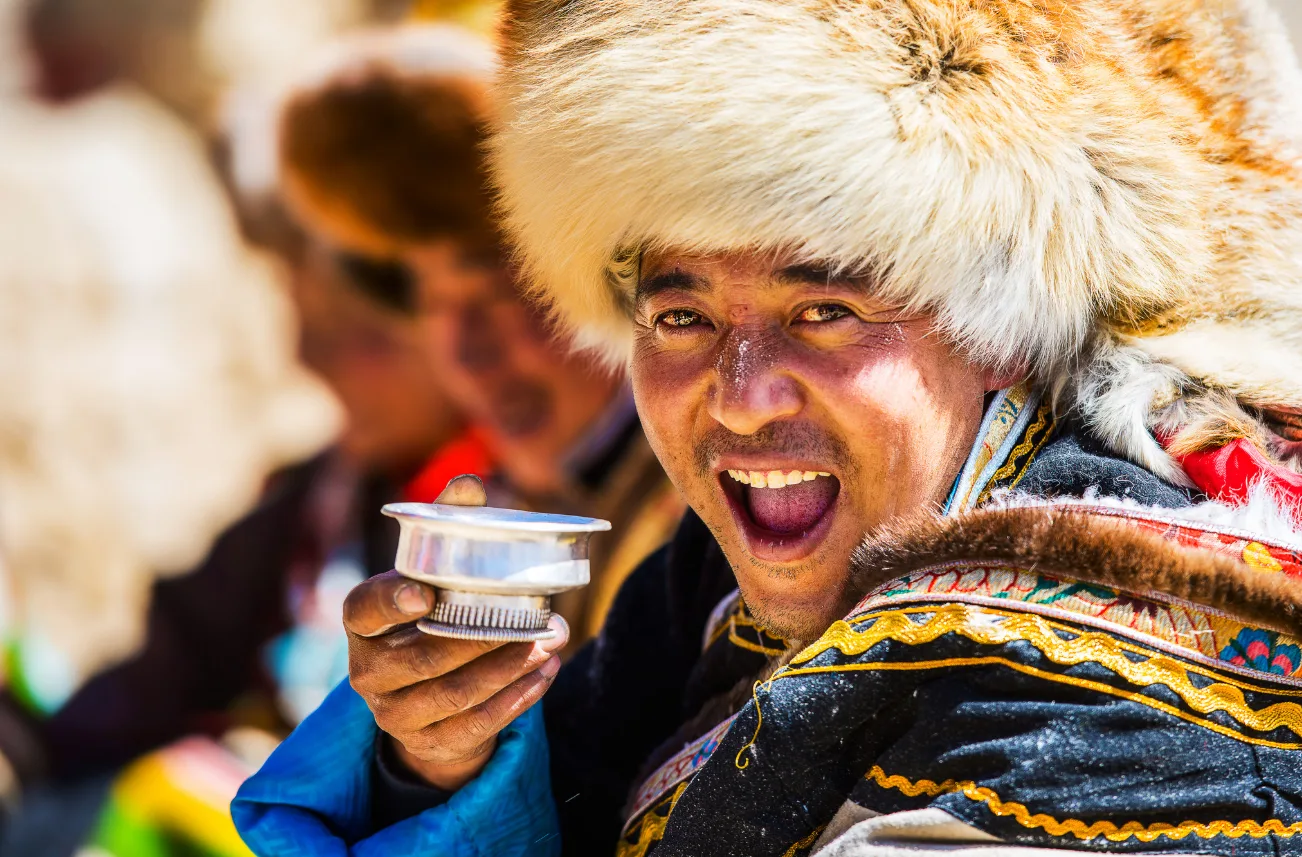
When visiting Tibetan Buddhist monasteries, dress respectfully and avoid disturbing people who are praying, chanting or meditating among shrines and prayer flags. Always check before photographing monks, worshippers, religious ceremonies, monastery interiors or red-robed monks.
Respect for the natural environment is equally important. Never chase or feed wildlife for photographs, and stay on established paths to avoid damaging fragile alpine vegetation. Choosing local drivers, guides, guesthouses and community-run experiences also helps ensure that more of the benefits of tourism remain within the communities you visit.
Why Choose Eastogo for Western Sichuan Travel
What makes western Sichuan truly compelling is not simply its snow peaks, grasslands and famous attractions, but the Tibetan culture, spiritual traditions and highland way of life that remain deeply rooted in the region. Experiencing western Sichuan in depth means going beyond visiting Siguniang Mountain, Tagong or Litang. It means gaining an understanding of everyday life in Tibetan villages, appreciating the connection between religious belief and local communities, and gradually discovering the distinctive rhythm of the plateau as the road winds over mountain passes and across open grasslands.
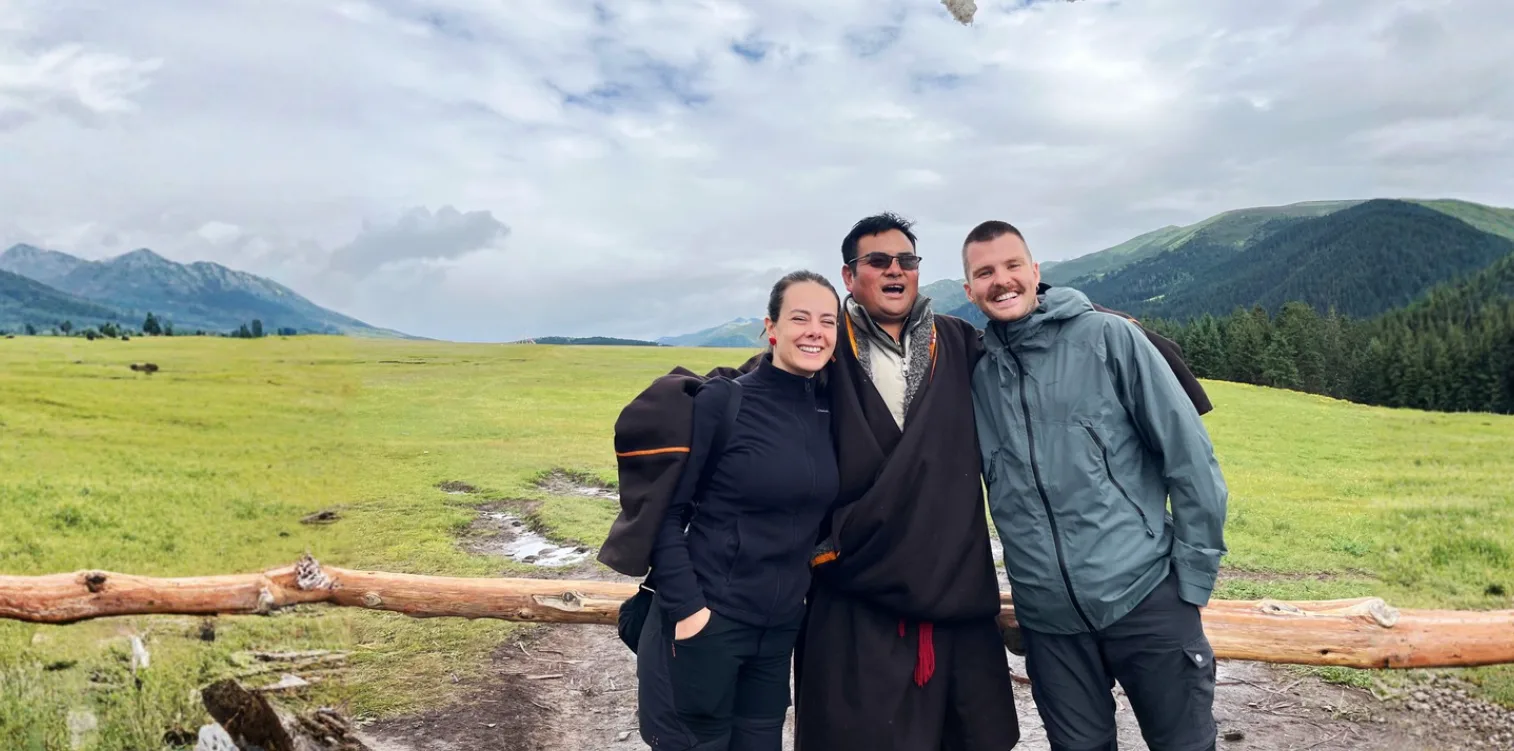
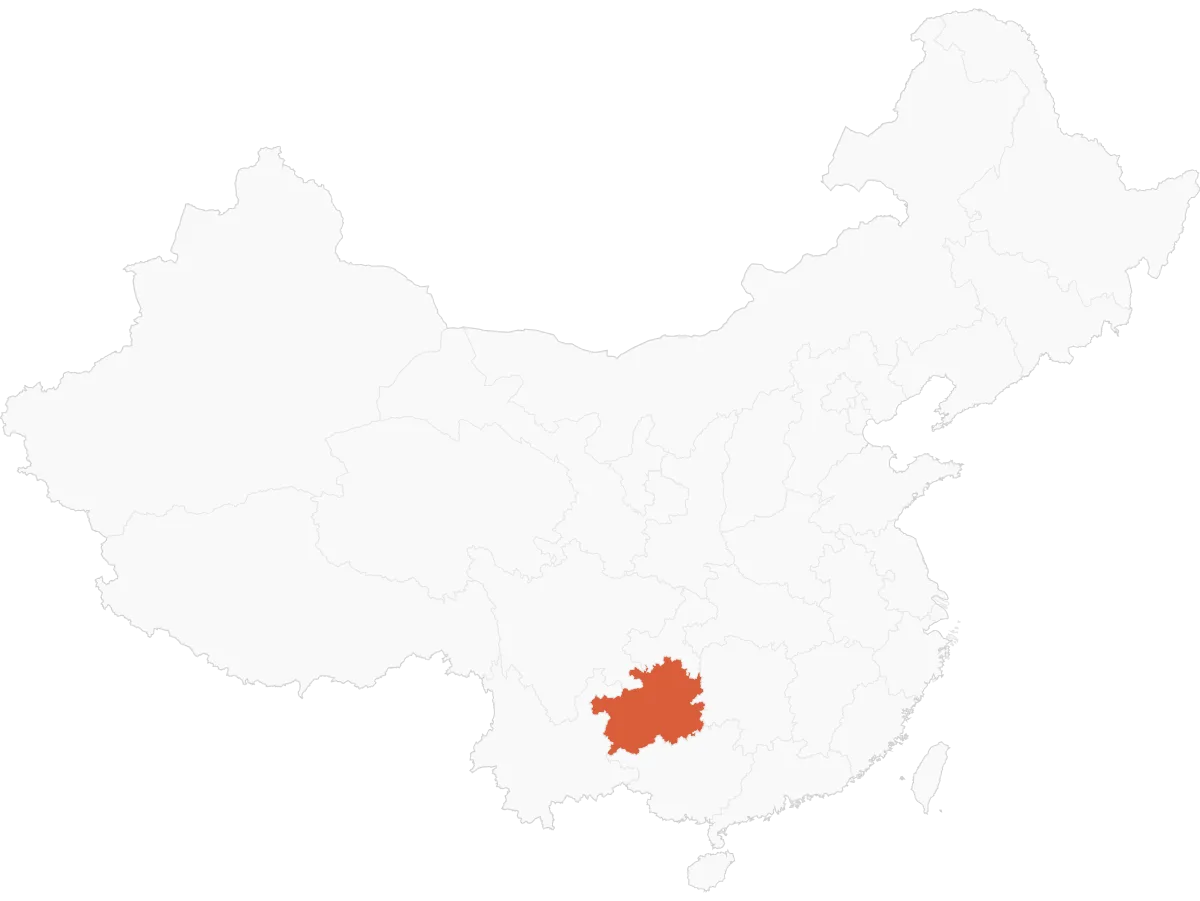
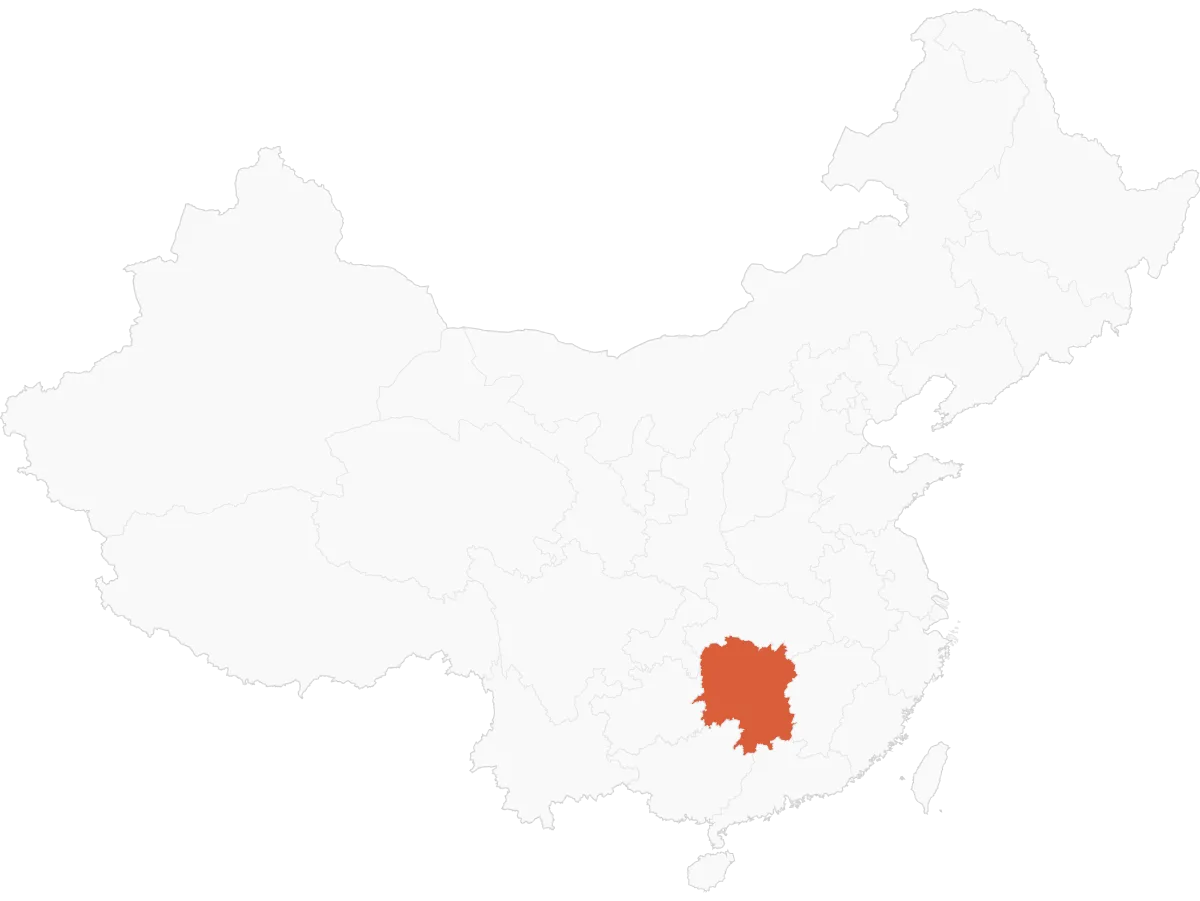
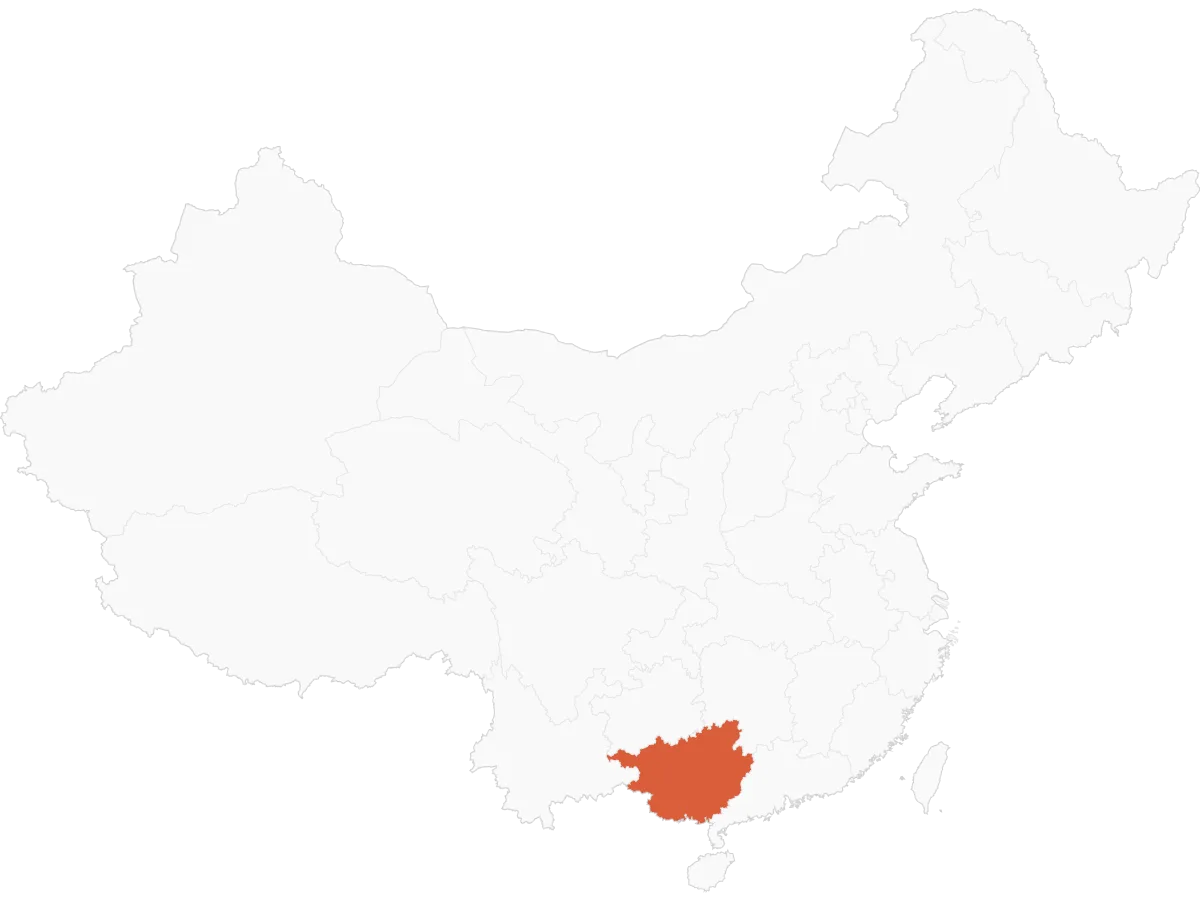
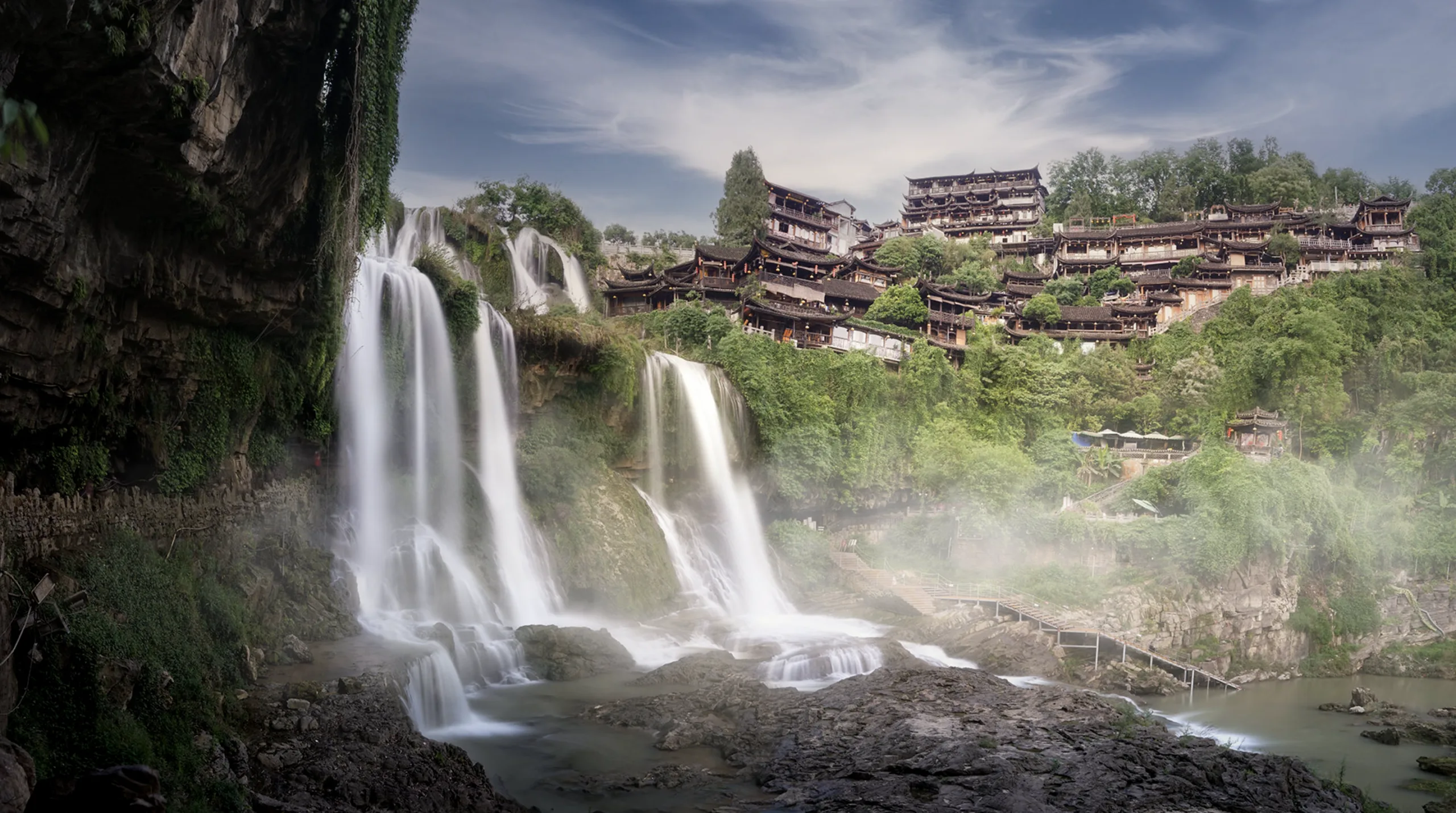
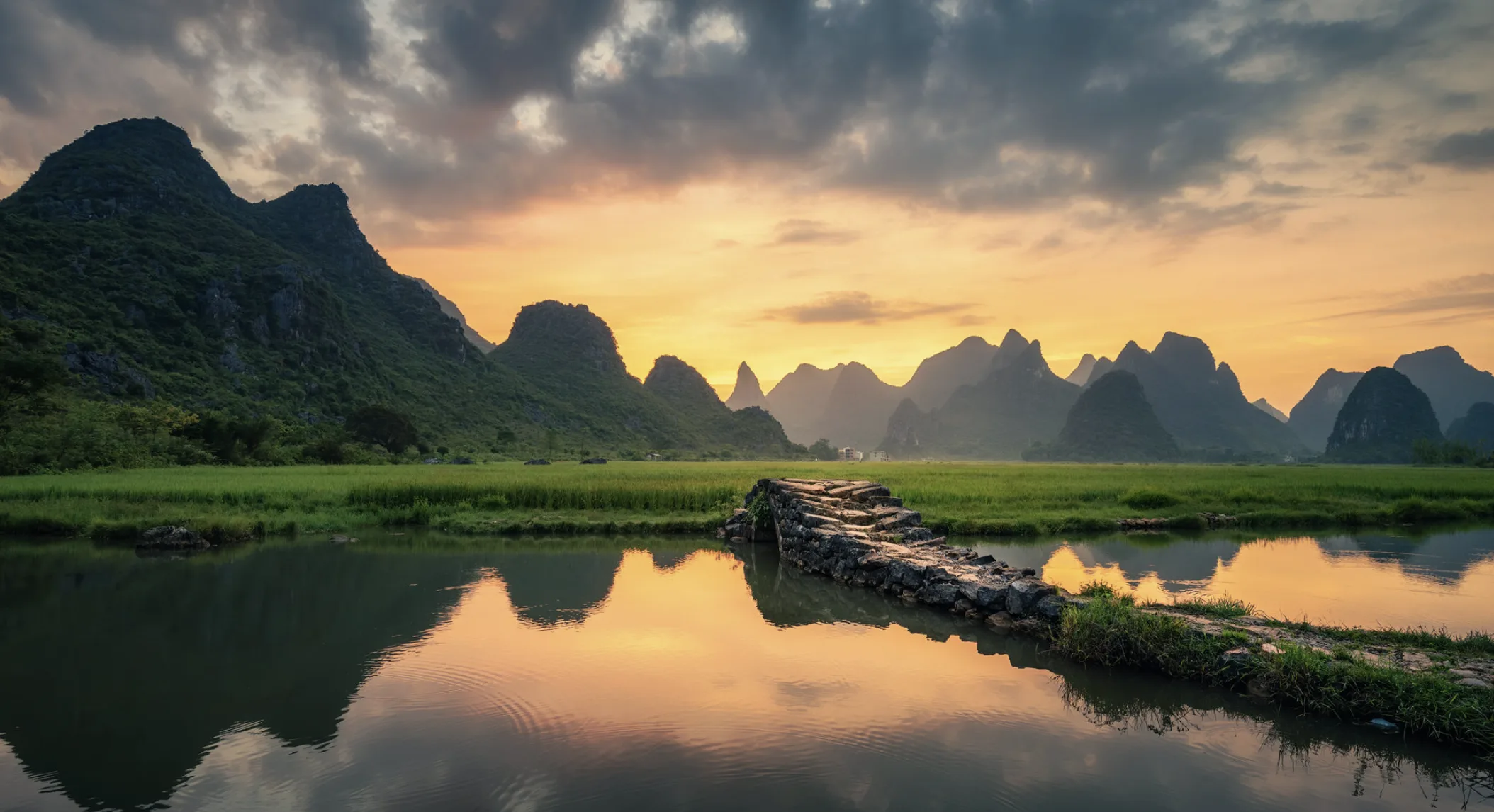
Eastogo specialises in private journeys across southwest China, including western Sichuan, Guizhou, Yunnan, Guangxi and Hunan. We help travellers discover the culture and natural landscapes beyond the main tourist routes. Through our long-standing relationships with local drivers, guides and communities, we arrange village visits, traditional cultural activities and opportunities for genuine local encounters. These experiences offer a closer look at everyday life: understanding local traditions in Tibetan villages, learning about the relationship between faith and community in monasteries, and discovering the quieter rhythms of life across the plateau.
Each itinerary is tailored to your interests, pace and available time, with careful attention to transport, weather and safety in mountain regions. Whether you prefer the flexibility of self-guided tours or the support of private & custom China tours,we help you explore the highlands in greater comfort and with confidence. You can also take a look at our 9-day Western Sichuan itinerary for reference.
If this landscape speaks to you, we would be happy to help you create a journey that reflects your interests and the way you want to experience this remarkable region.