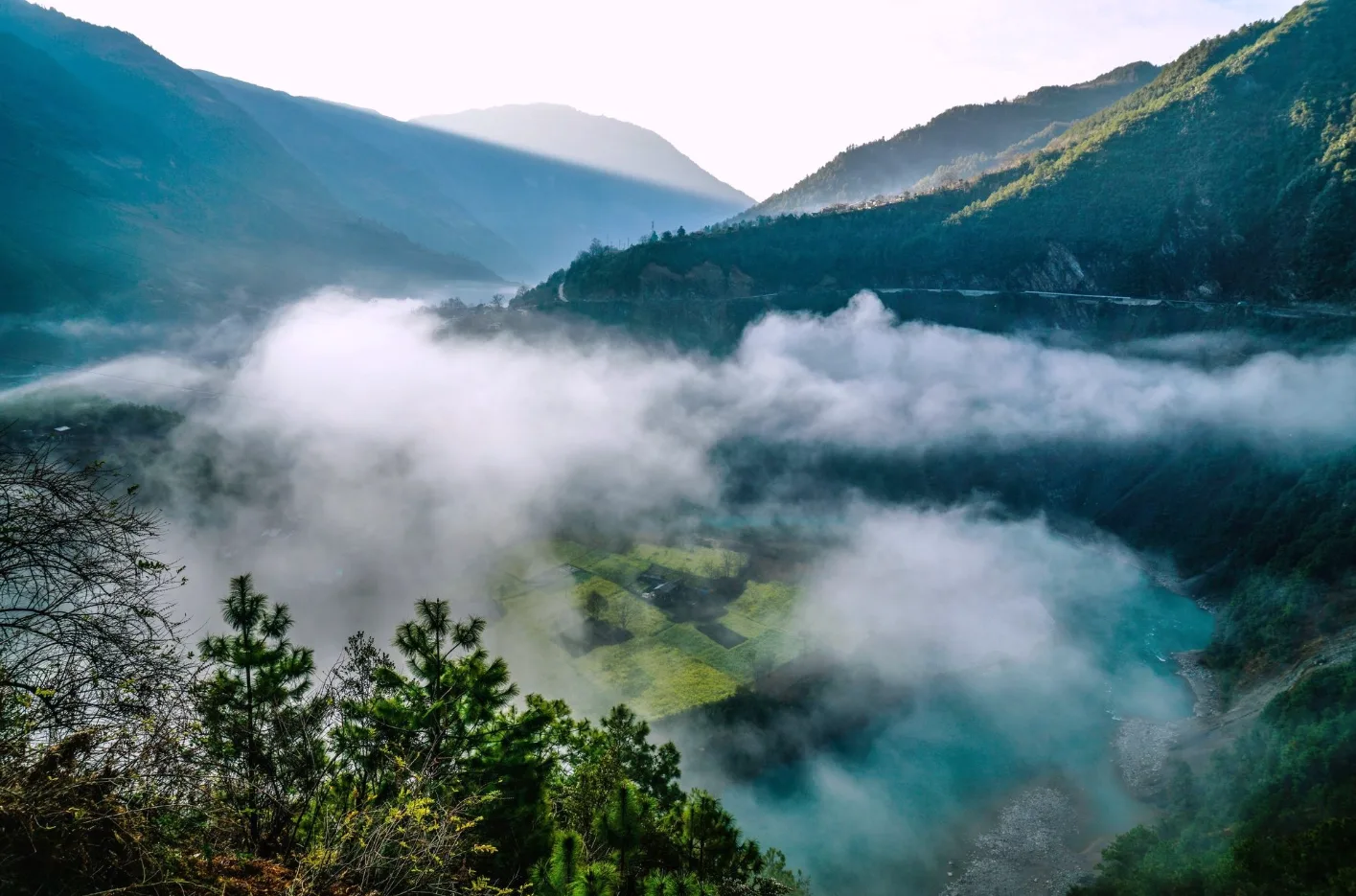
Dulongjiang lies in a secluded valley in the Gaoligong Mountains of northwestern Yunnan. From Gongshan County, the road winds through mist and forest along steep mountainsides before descending into a narrow valley ringed by peaks. Far below, the emerald waters of the Dulong River rush through the gorge. Villages dot its banks and the slopes above; a little farther west lies the border with Myanmar.
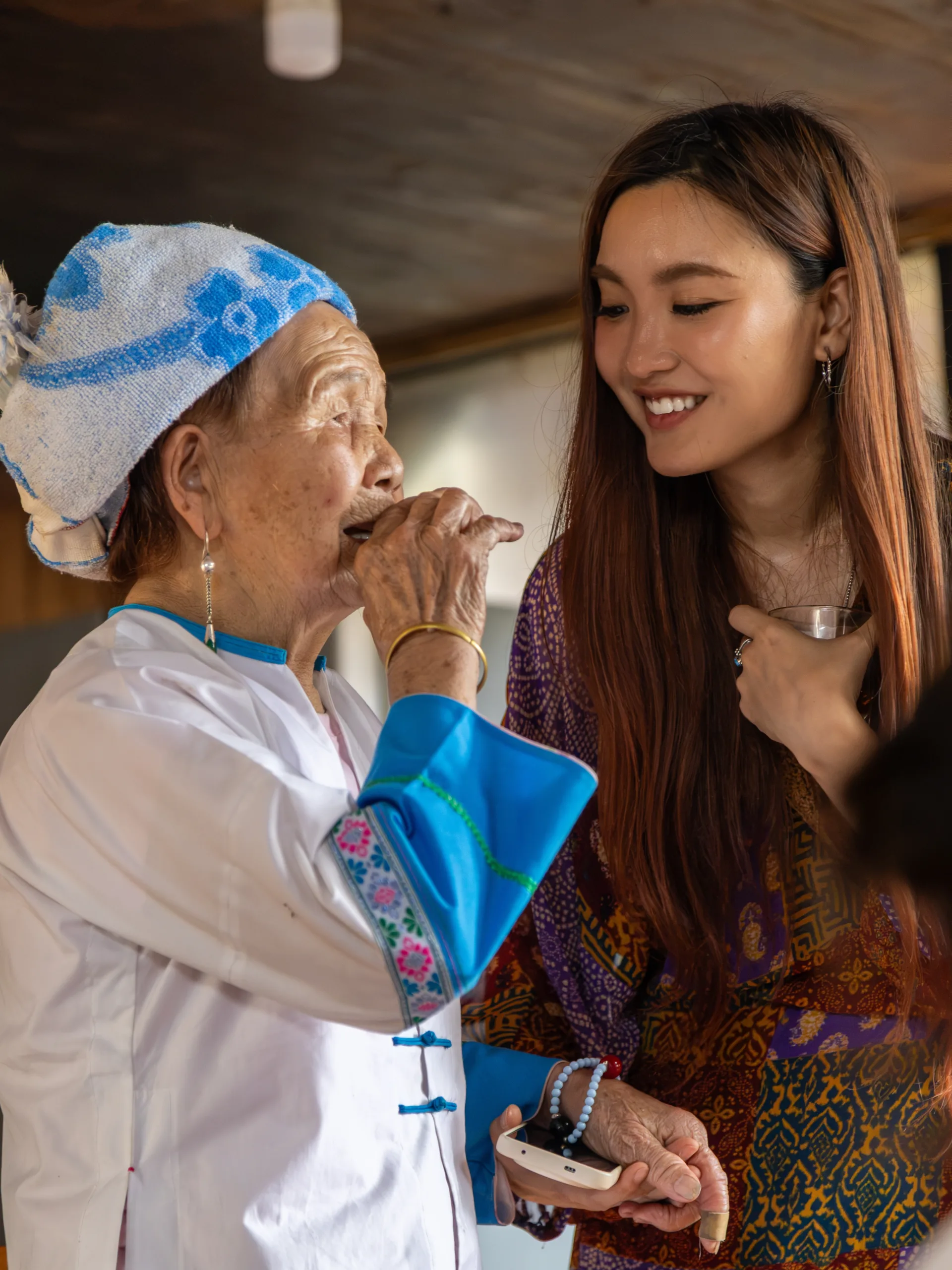
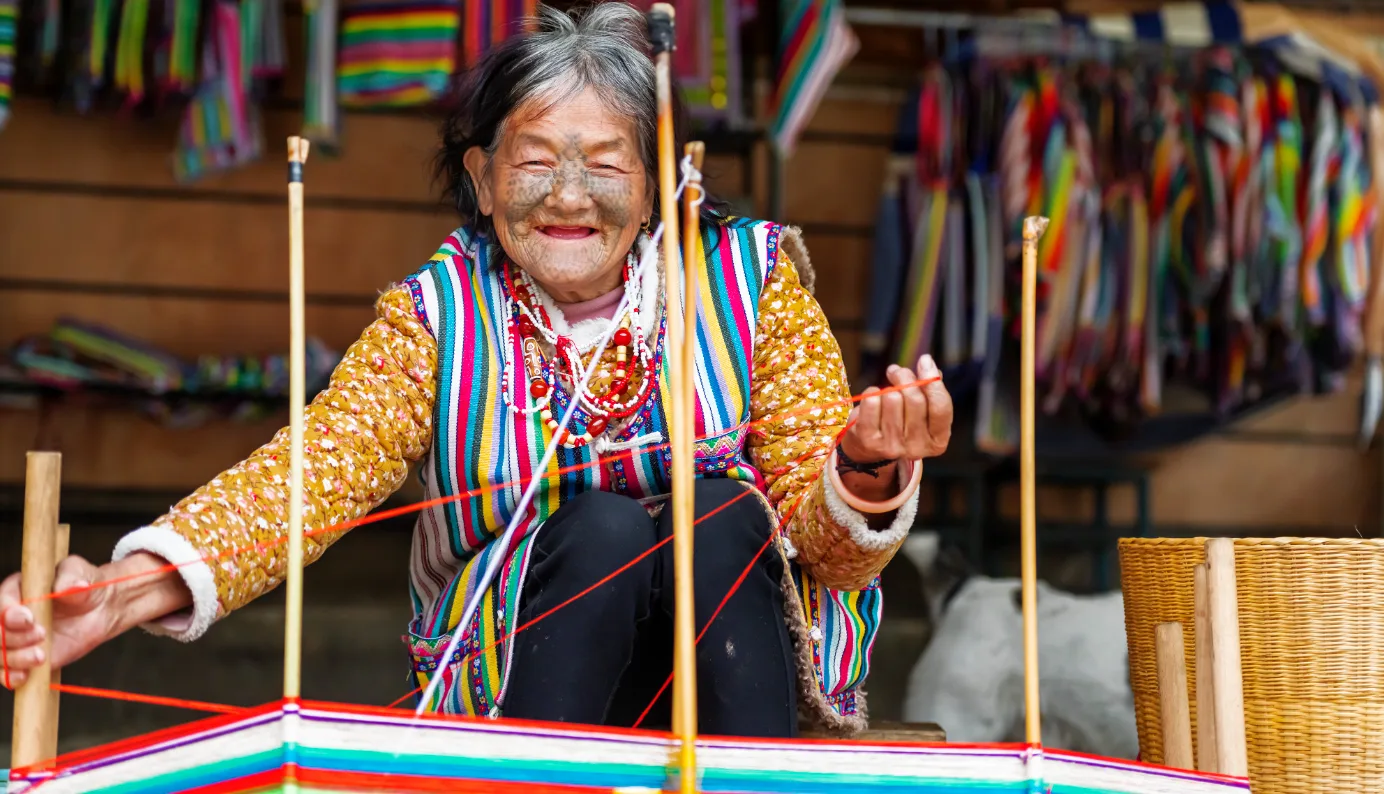
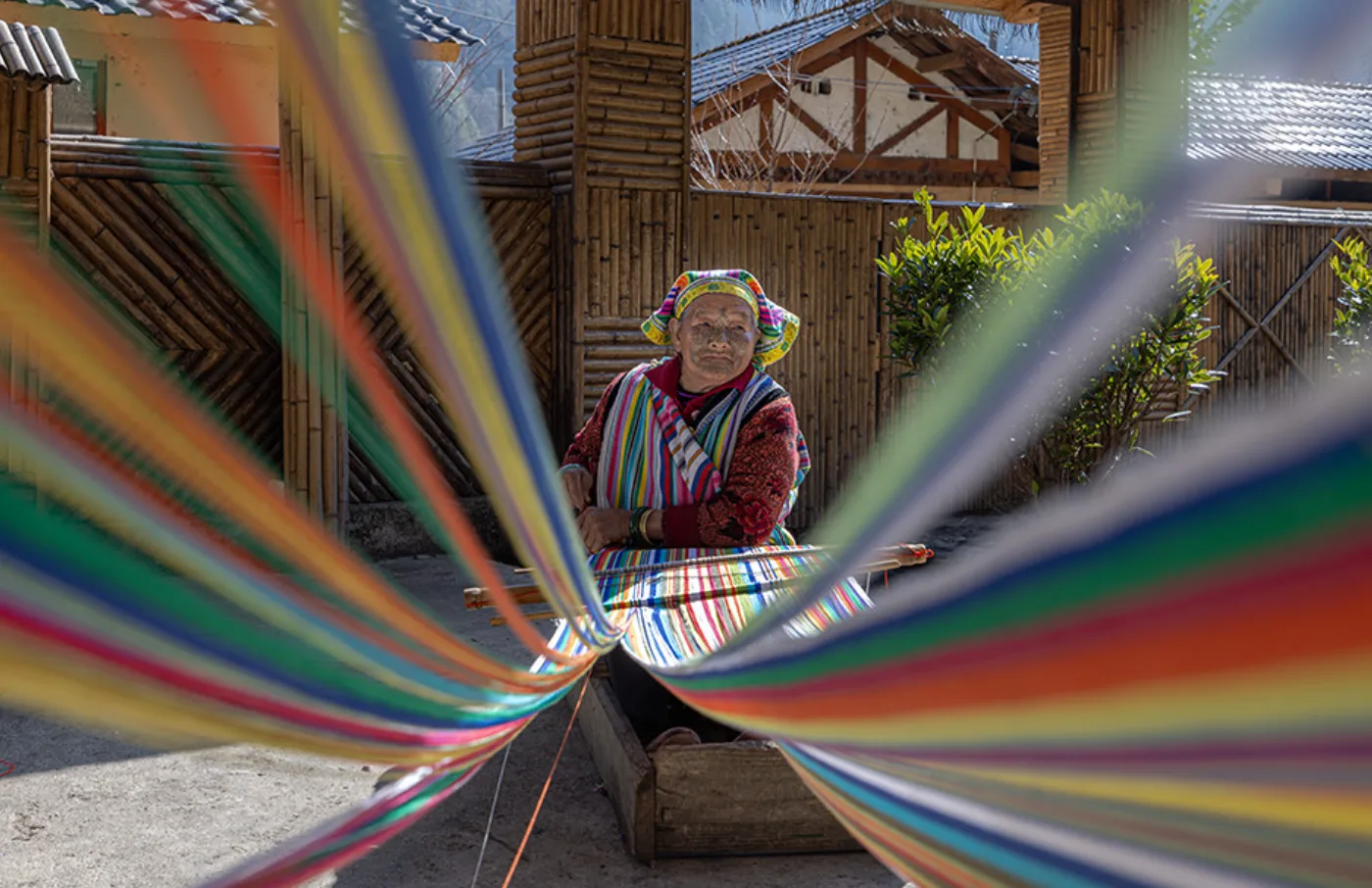
Dense old-growth forests and cascading waterfalls form the backdrop to the distinctive culture of the Dulong people. You might see women weaving brightly striped blankets in their courtyards or meet elderly women with deep-blue tattoos on their foreheads and cheeks. These women are the last generation to have undergone traditional Dulong facial tattooing, each with her own memories of the practice.
Roads, communications and accommodation have improved considerably, but Dulongjiang remains far less developed for tourism than Dali or Lijiang. Travellers willing to devote a few extra days to this remote valley can discover a part of Yunnan well beyond the usual tourist routes.
Why Visit Dulongjiang?
Dulongjiang’s appeal extends beyond its beautiful river to the forests of the Gaoligong Mountains and the communities that have lived here for generations.
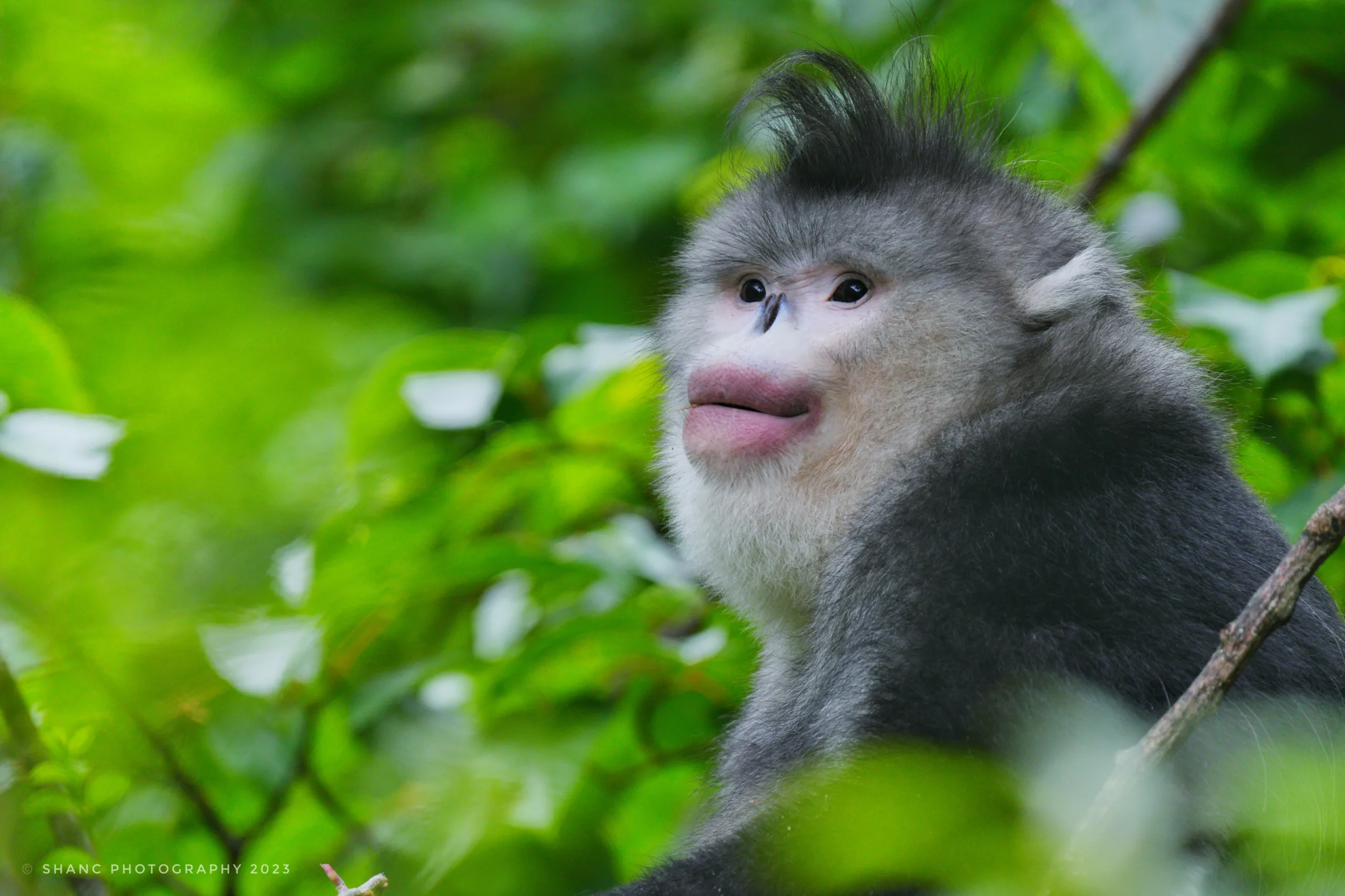
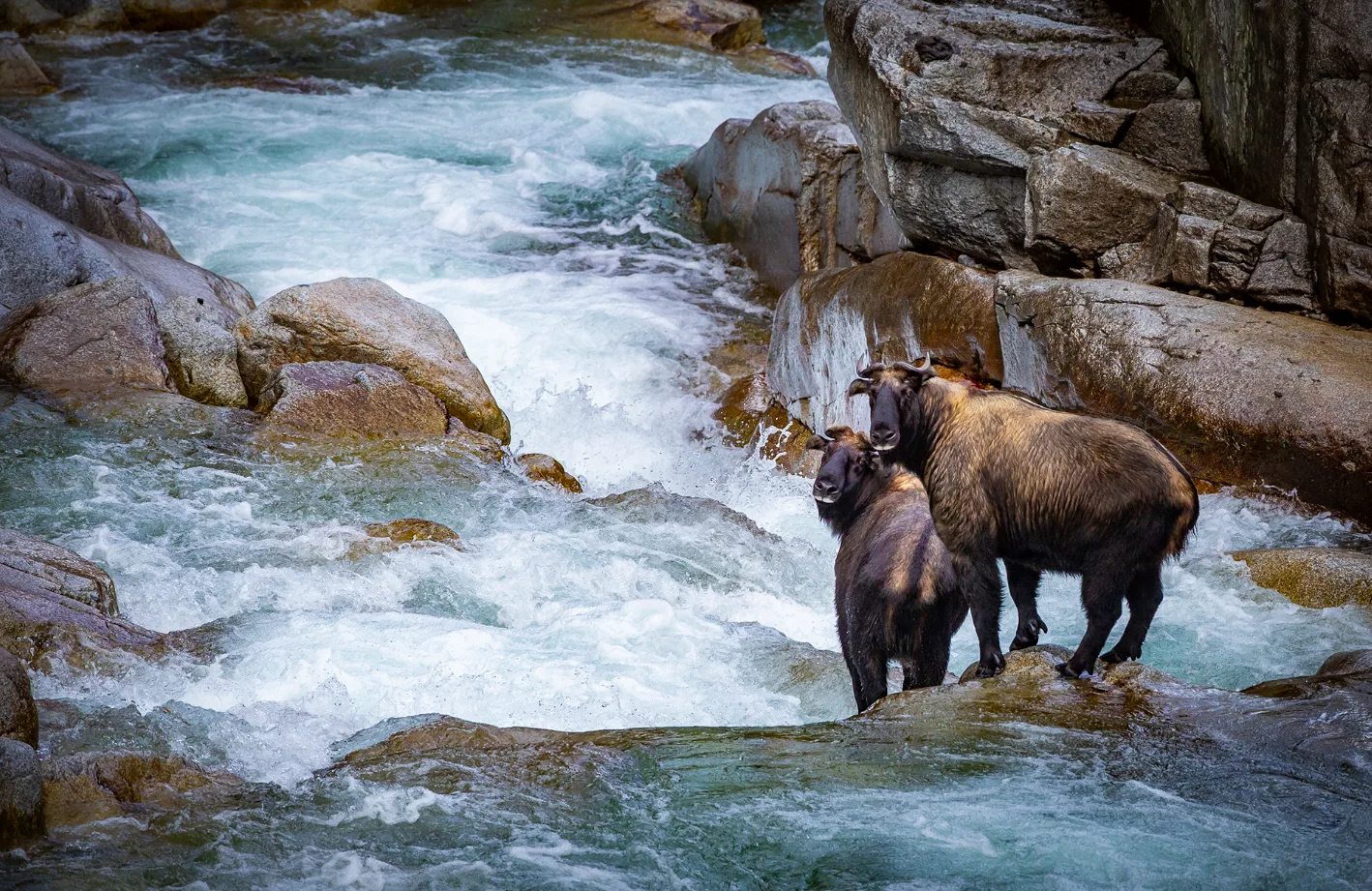
To reach the Dulong valley, you first cross the Gaoligong Mountains. The vegetation changes with the altitude and humidity: moss cloaks ancient trees, while rhododendrons, orchids and ferns flourish on the slopes. The forests shelter a wealth of birds, primates and other wildlife. For nature lovers, the drive into Dulongjiang is an attraction in its own right.
In the valley, villagers grow black cardamom beneath the forest canopy, and women weave colourful Dulong blankets in their courtyards. Some residents run guesthouses; others help preserve local history. At the Dulong Museum in Kongdang, exhibits explore traditional tools, weaving techniques and the custom of facial tattooing. Leaving the valley once meant walking for several days across snow-covered mountains. Today, a road runs through the Gaoligong Mountains to the outside world, while many local traditions continue to evolve.
Dulongjiang is especially rewarding for travellers interested in nature, photography and local culture. Transport options and interpreting services remain limited, and visits to village homes and workshops require advance arrangements. Eastogo can organise transport, local guides and visits with residents, helping you get to know the valley and its people.
Speak to An Expert
Starting Your Jounrney to China
Start designing your China journey with our destination experts.
Make An InquiryBest Places to Visit in Dulongjiang
Known as “Yunnan’s last secret land,” the Dulong River Canyon spans elevations of 1,000 to 4,936 metres. The river winds for 150 kilometres through the mountains from Yunnan into Myanmar, with an average width of about 40 metres.
Kongdang Village
Kongdang (孔当) is the most convenient base for exploring Dulongjiang, with most of the township’s public services, restaurants and accommodation concentrated here.
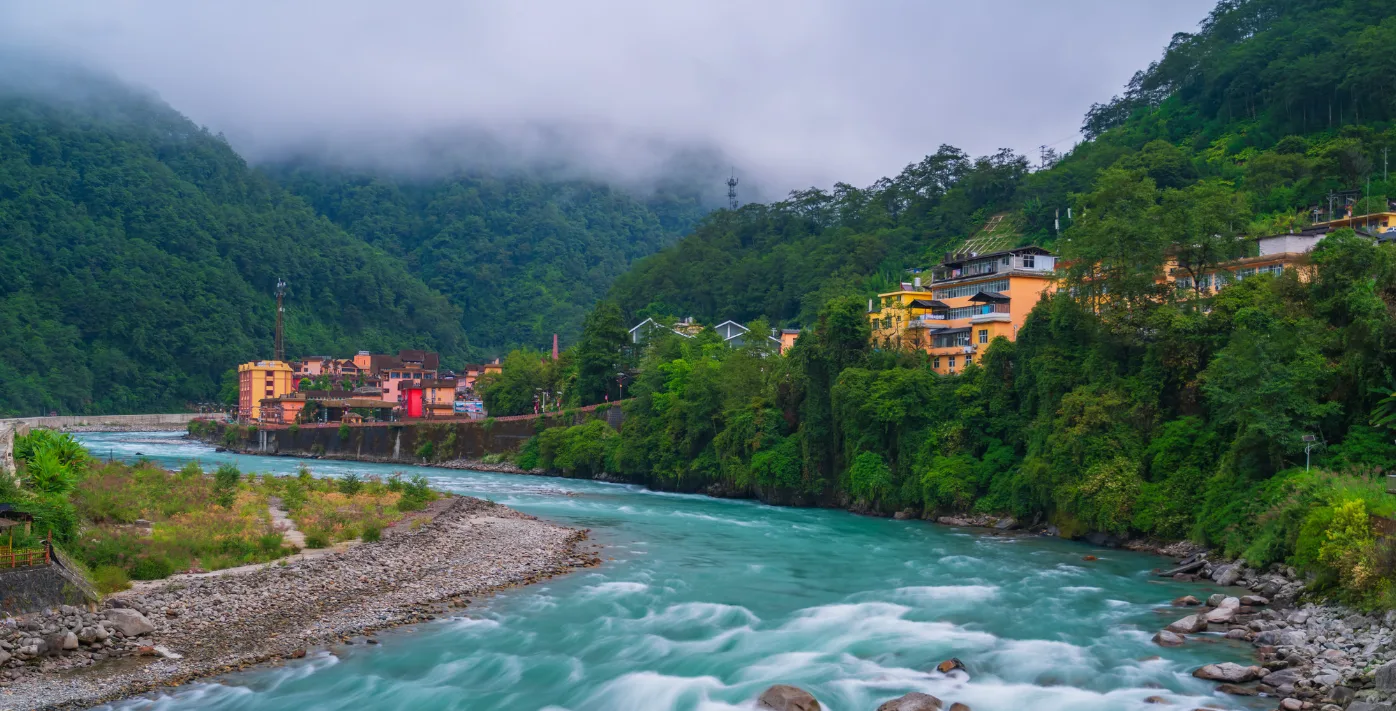
The village is small, and much of its charm lies in its unhurried pace. The Dulong River runs nearby, chickens and ducks forage around the houses, and dogs bask in the sun beside the road. Residents sort black cardamom and lay out local produce to dry. Visitors accustomed to the busy shopping streets of Dali Old Town will find a quieter, more residential setting here.
If time allows, spend at least one night in Dulongjiang. Better still, base yourself in or around Kongdang and take day trips south for the scenery and north to visit villages and weaving workshops. The nearby Dulong Museum provides a useful introduction to local history and traditions before you explore farther afield.
The Dulong River Valley, Waterfalls, and Forest Landscapes
The Dulong River is the valley’s most captivating sight. Where the mountains close in, the water surges between sheer rock walls; along wider stretches, it flows more gently, reflecting the deep green of the forest. After rain, mist drifts across the mountainsides, revealing and concealing distant ridges in a scene reminiscent of a Chinese ink painting.
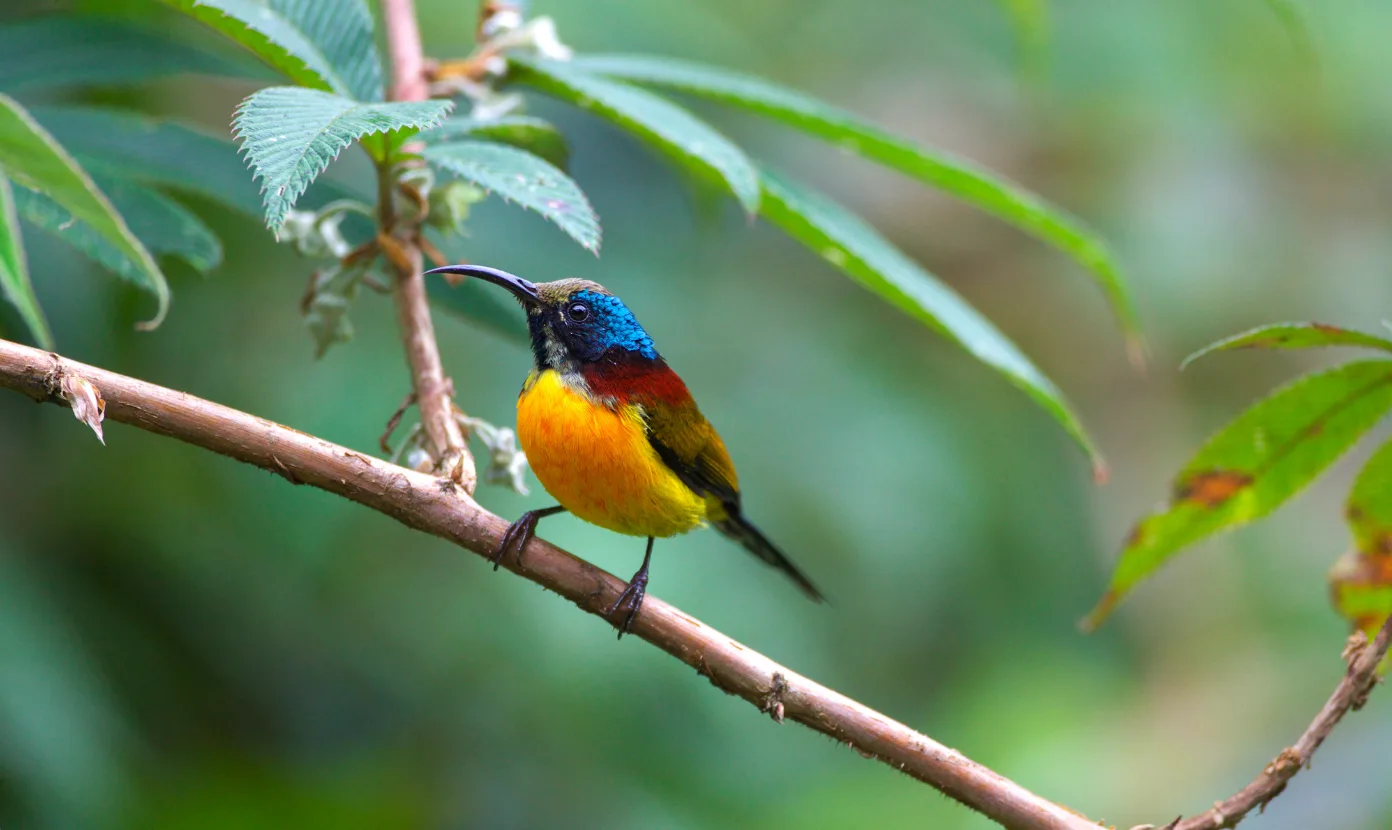
The surrounding forests are home to a wide variety of birds and other wildlife. Beneath the trees, birdsong mingles with the sound of the river and its tributaries. Farther south lies the spectacular Hapang Waterfall (哈滂瀑布), also known as Moon Waterfall.
Plunging some 200 metres down a cliff, the white cascade stands out against the dark green forest. During the rainy season, when the falls are in full flow, their roar carries far across the valley. A local story tells of moonlight melting into water and pouring from the heavens to earth—the origin of the name “Moon Waterfall,” and a touch of romance woven into the landscape.
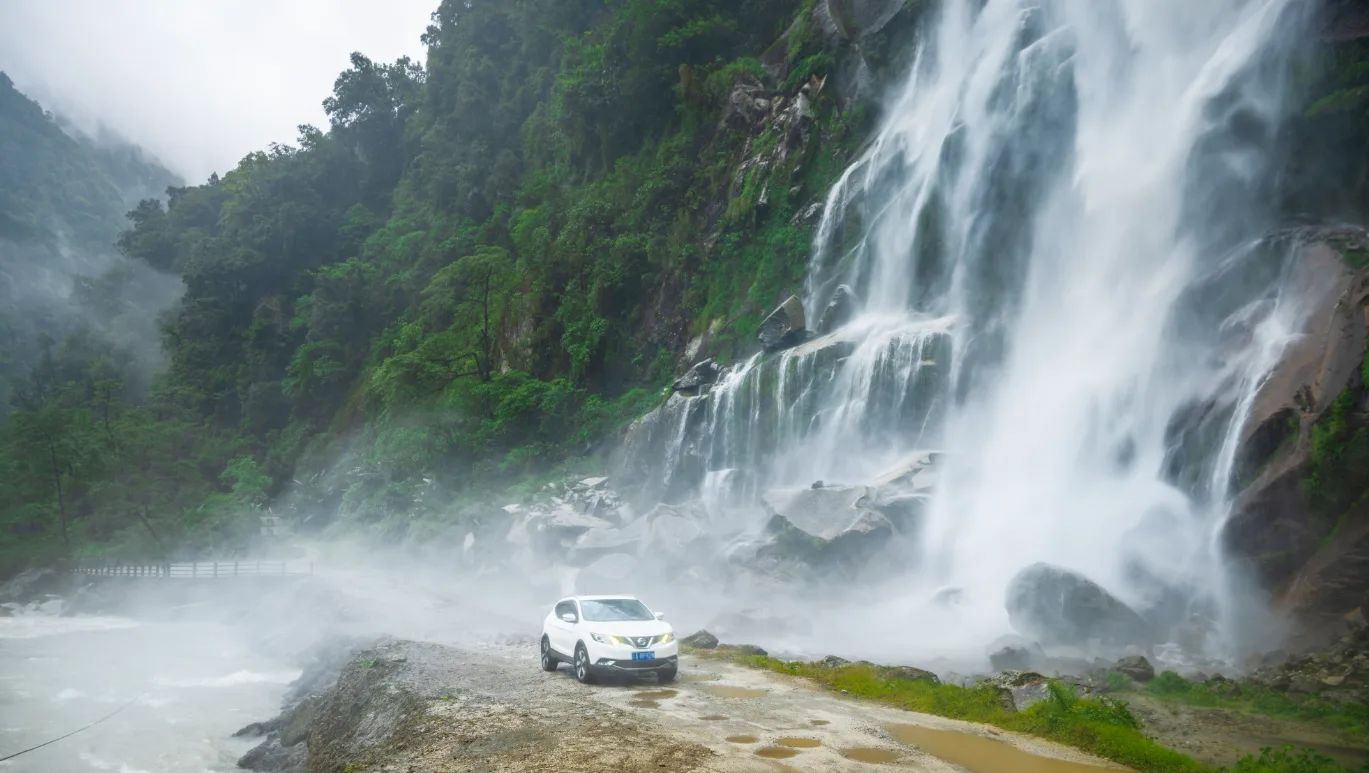
In suitable weather, photographers can capture distant views of the falls from around Qinlangdang, with steep cliffs and forested slopes framing the cascade.
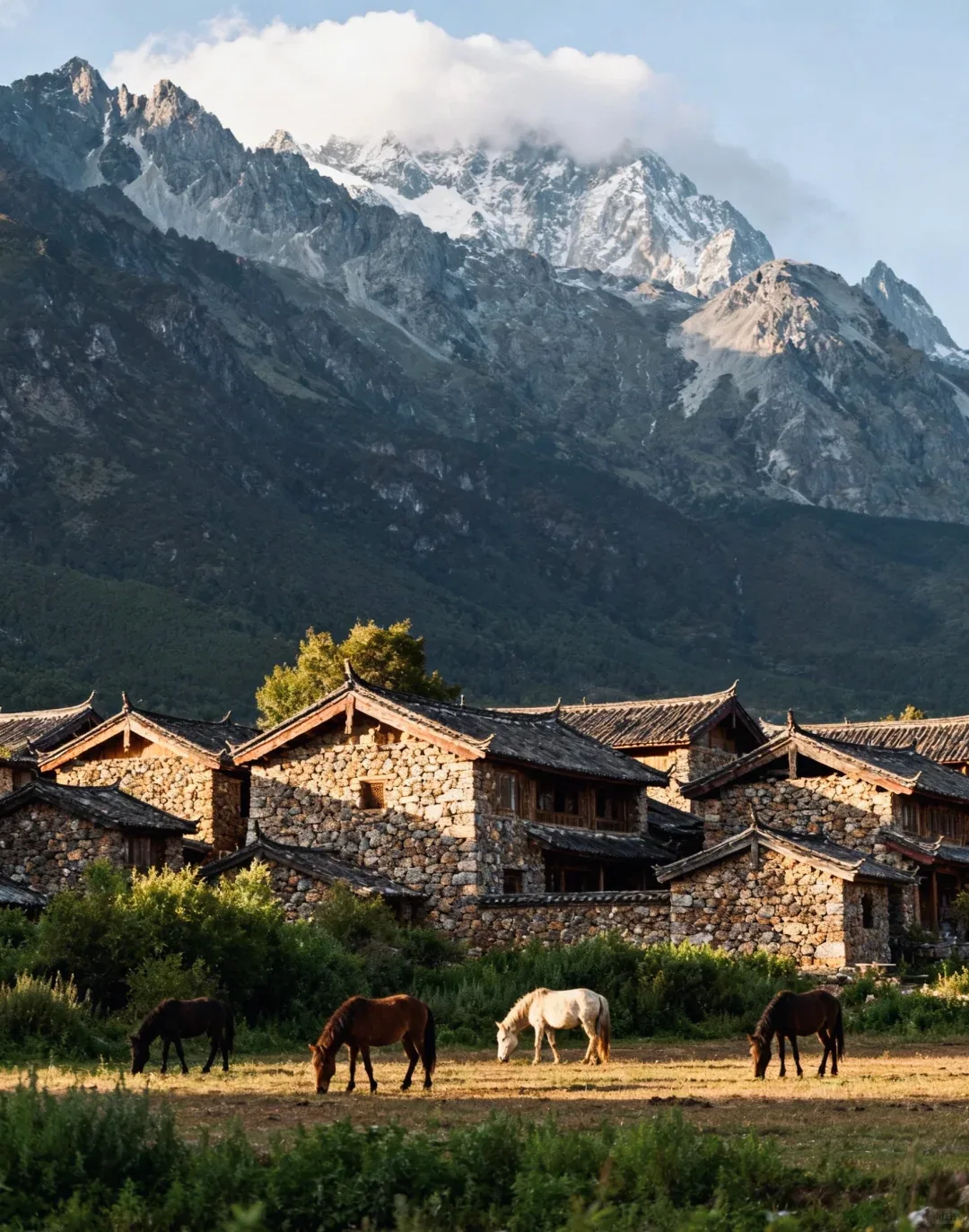
Bapo Village, Maku Village, and Pukawang Villages
Several villages in southern Dulongjiang are worth a stop. In Bapo (巴坡), the main draw is the cultivation of black cardamom(Tsaoko).
This aromatic spice thrives in warm, humid shade. Broad green leaves fan out above the ground, while clusters of red pods ripen at the base of the plants. Once dried, the pods are used in cooking throughout Yunnan and southwestern China, adding a warm, rich aroma to meat stews and other slow-cooked dishes.
Black cardamom plantations cover much of Bapo’s hillsides and provide an important source of income for local families. During the autumn and winter harvest, you may be able to visit a family farm to see how the pods are picked and dried, and how their aroma changes in the process.
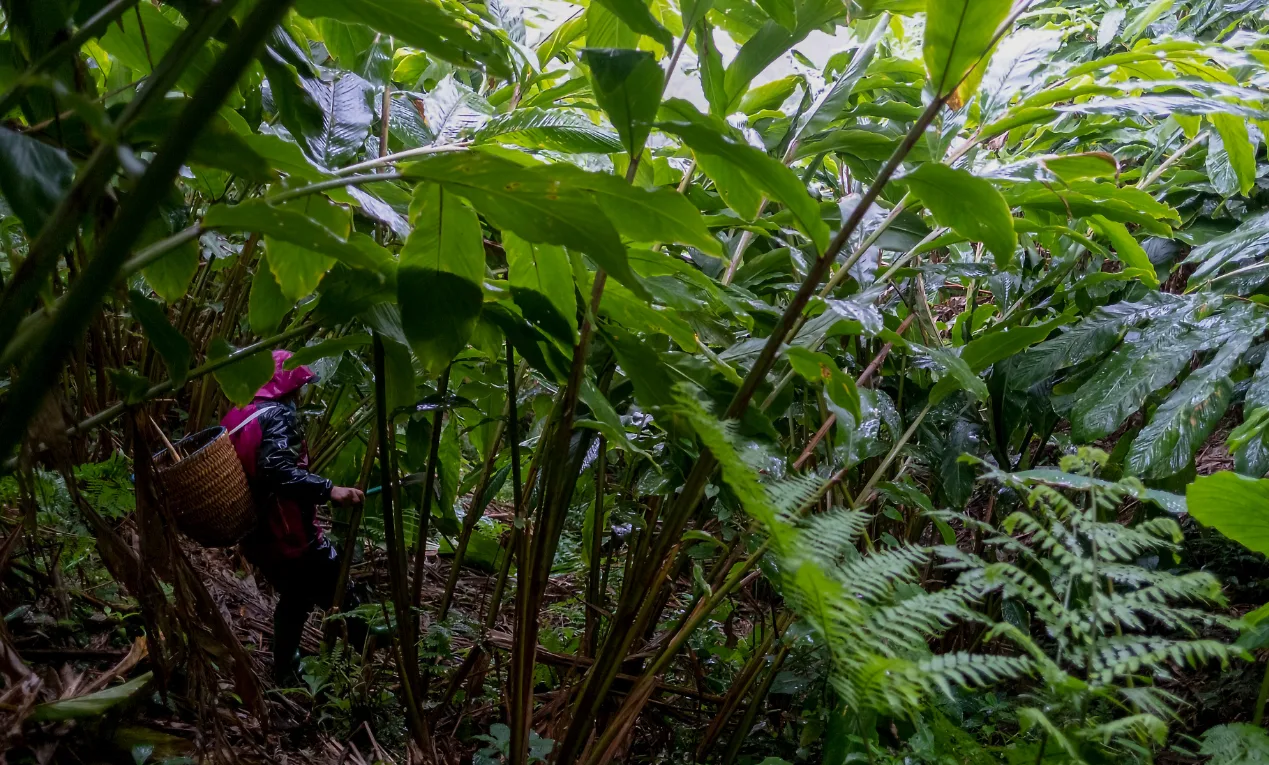
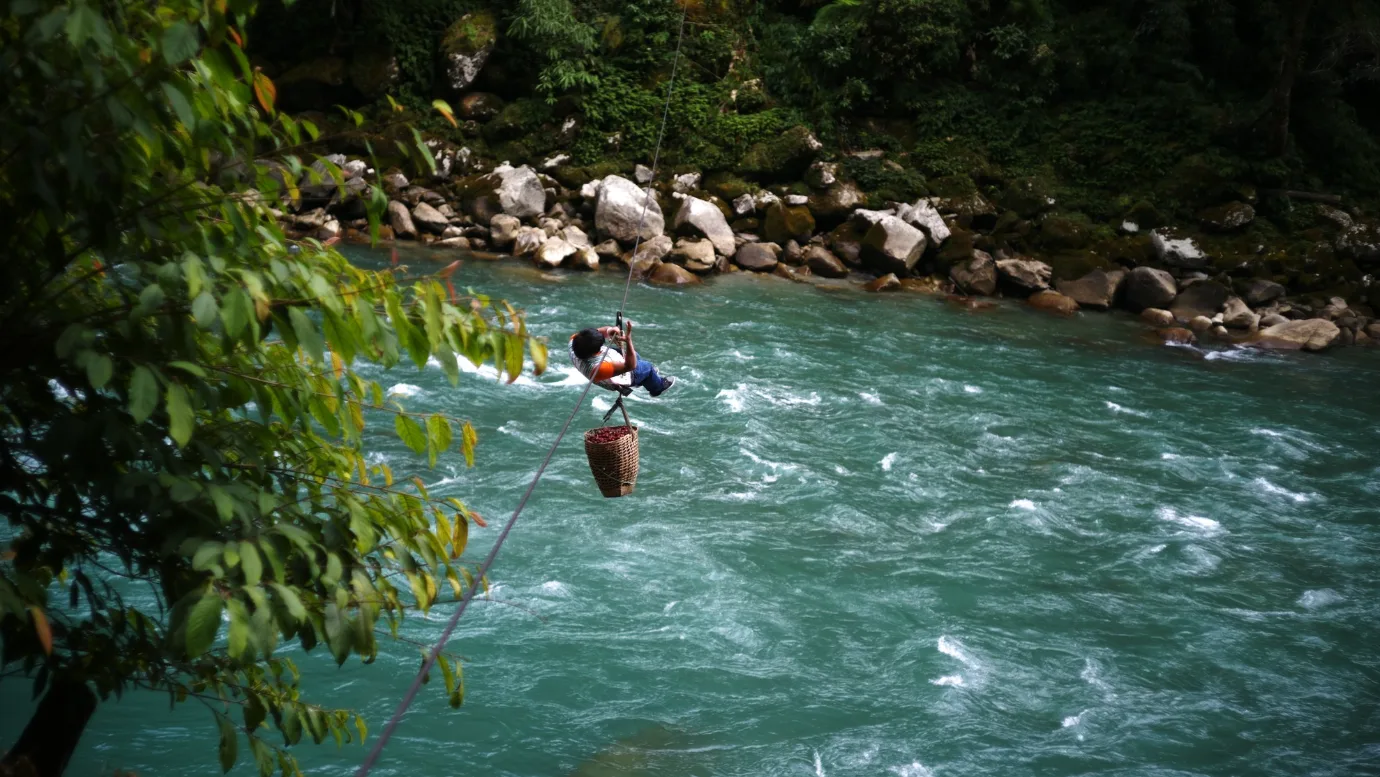
There is also an ingenious way of moving the harvest: cargo ziplines.
With cardamom plots scattered across steep slopes on both sides of the river, carrying out the harvest was once exhausting work. In some valleys, villagers have installed steel cables and pulleys to send sacks of freshly picked pods across ravines or down towards the road. If you come across a line in use, you can watch the heavy sacks glide over terrain that would be difficult to cross on foot.
Continue south to reach Maku (马库), near the border at the southern end of Dulongjiang. The route offers forest, river views, wild plants and rare animals, as well as Hapang Waterfall, but Maku itself has few visitor attractions. Those expecting historic buildings, distinctive shops or several hours of sightseeing may find little reason to linger.
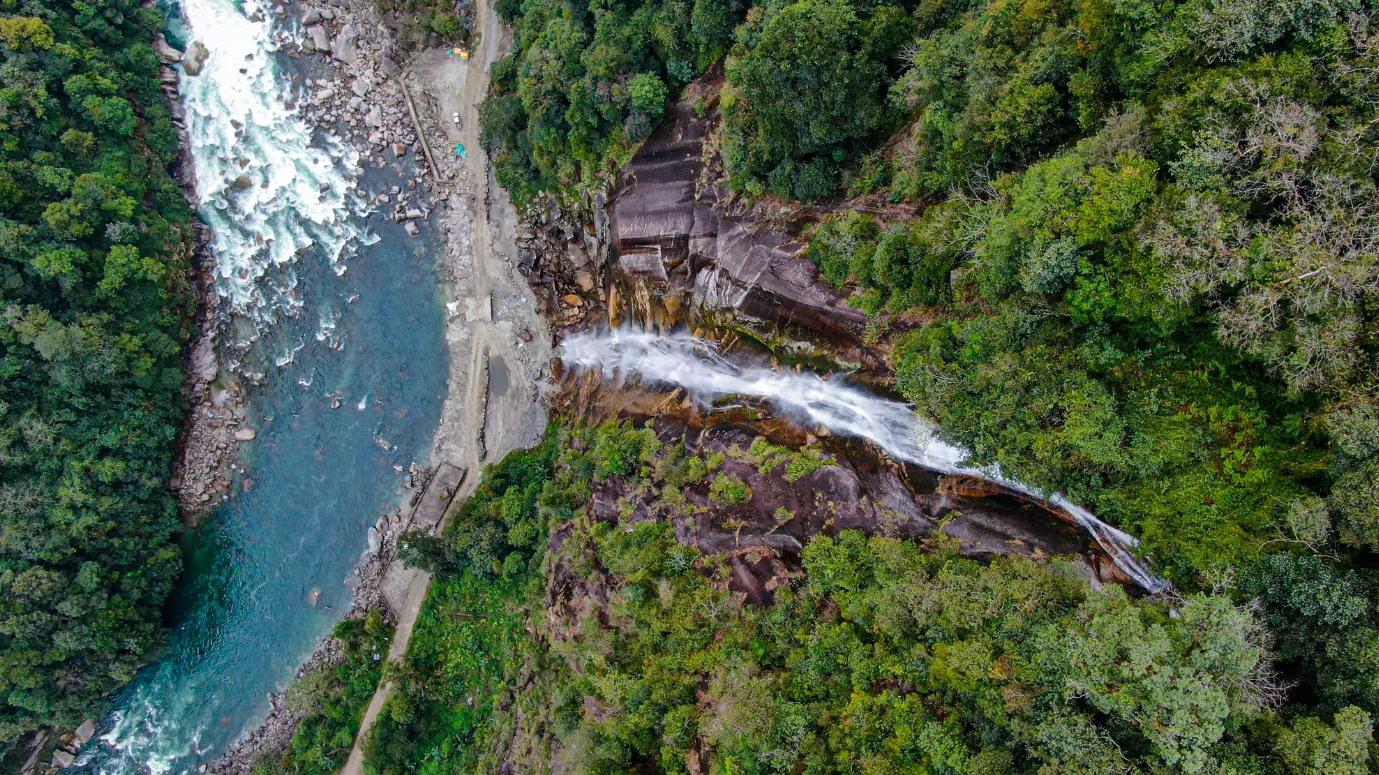
Treat Maku as a brief stop on a scenic drive through the southern valley, rather than setting aside half a day to explore the village.
Pukawang (普卡旺), by contrast, is worth exploring at leisure.
The village takes its name from the nearby Pukawang River. Fed by mountain streams, this tributary is astonishingly clear, glowing emerald in sunlight and turning a luminous blue in the shade. It flows past the village, where a traditional suspension bridge links its banks. Beyond rise the forested slopes of the Gaoligong Mountains, with snow visible on the peaks in clear weather.
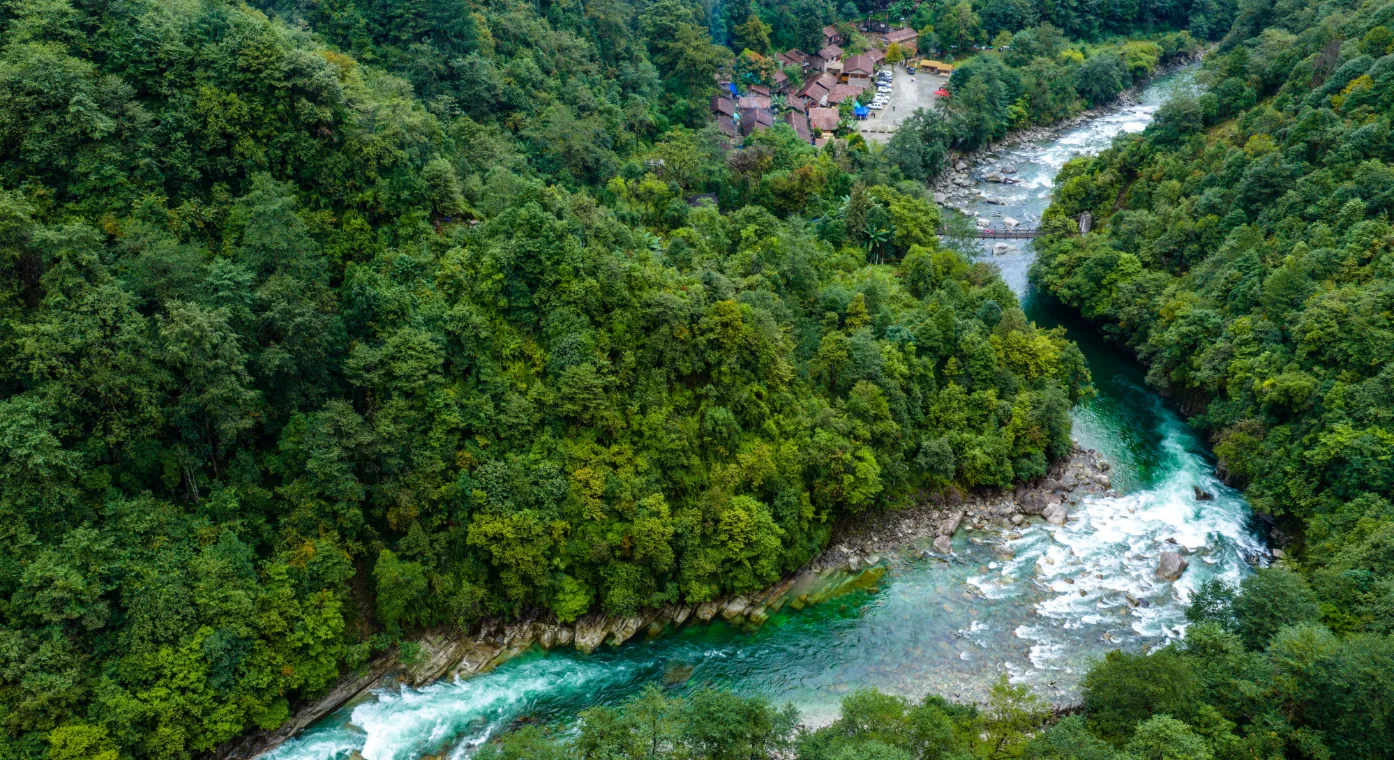
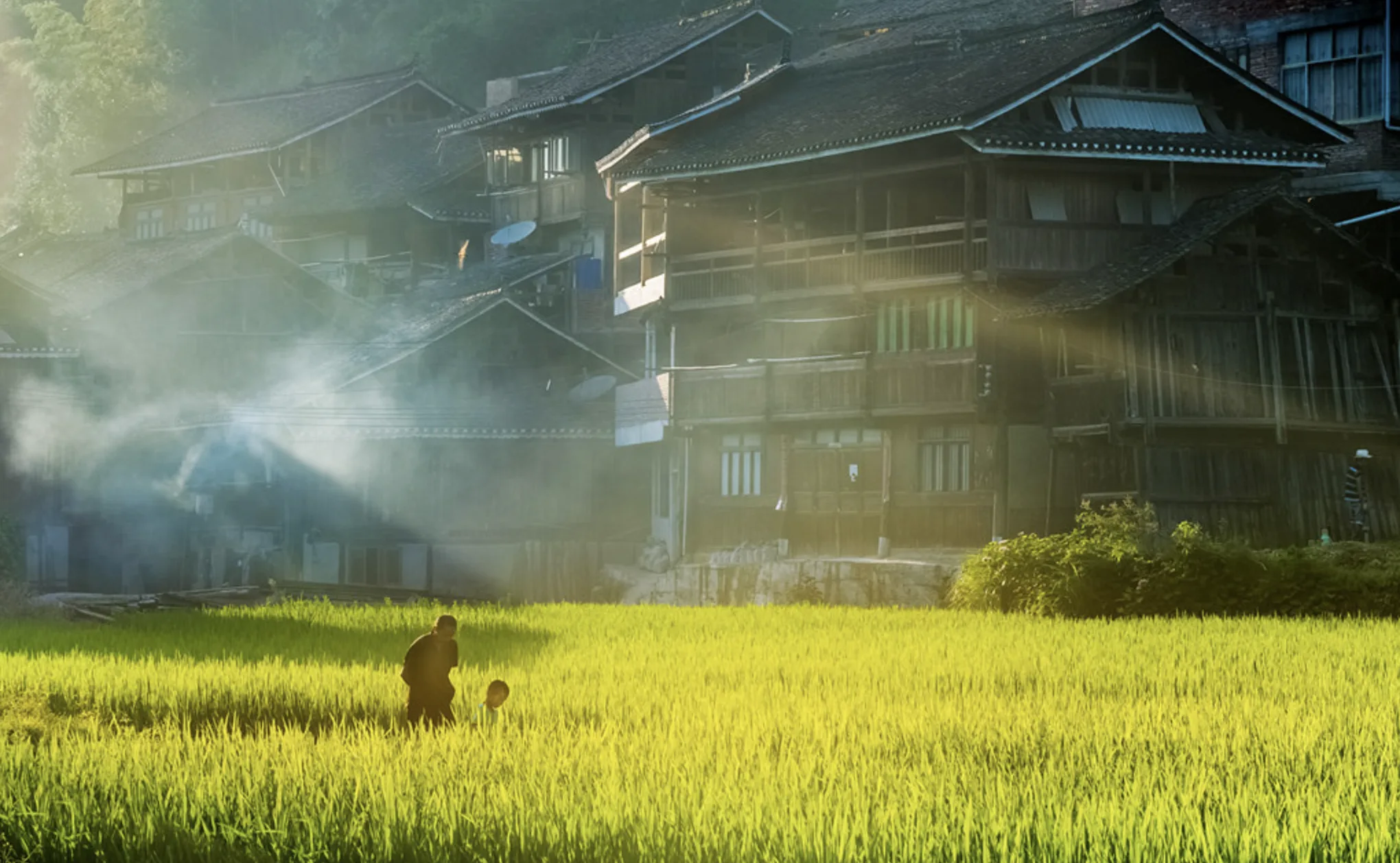
Here you can learn about traditional Dulong timber-and-bamboo architecture and explore walking paths and viewpoints. It is a lovely spot for a riverside stroll or photography, with opportunities to meet residents when visits can be arranged.
Northern Dulongjiang and Remote Communities
If you are interested in the history of Dulong facial tattooing or the craft behind the colourful blankets, allow more time for the northern villages.
Heading north from Kongdang, you pass through Xianjiudang and Longyuan before reaching Dizhengdang Village and more remote Dulong settlements. Traditionally, log houses lined the hillsides, with family life centred on the hearth. Modern homes have gradually replaced them, but the surviving buildings offer an insight into traditional mountain life.
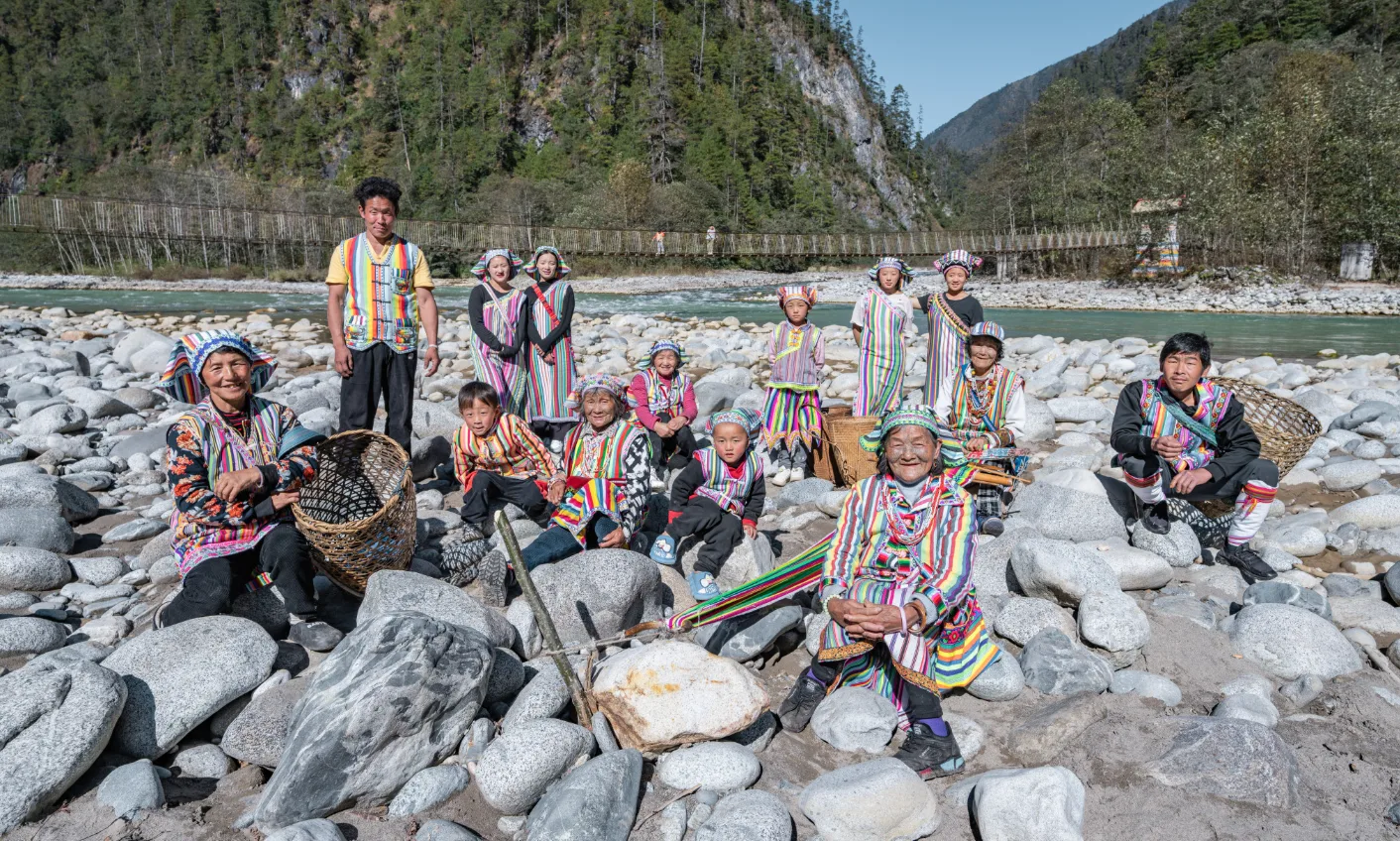
A highlight of the northern villages is learning about Dulong blanket weaving in Dizhengdang (迪政当).
The blankets are bright with rainbow-like stripes, yet their traditional production begins with the simplest of materials. Fibre plants are gathered from the mountains or cultivated, their fibres stripped and twisted into thread, then coloured with plant dyes. Seated at a traditional backstrap loom, a weaver fastens a strap around her waist and uses her body to keep the threads taut, building bands of colour, broad and narrow, row by row. These brilliant colours have earned the women the affectionate name “rainbow weavers.” The local workshop that brings weaving households together has an equally lovely name: Rainbow Courtyard. In the past, Dulong blankets were draped over the shoulders to keep out the wind and cold, then used as covers beside the hearth at night. Today, the fabric is also fashioned into scarves, backpacks and other handmade items.
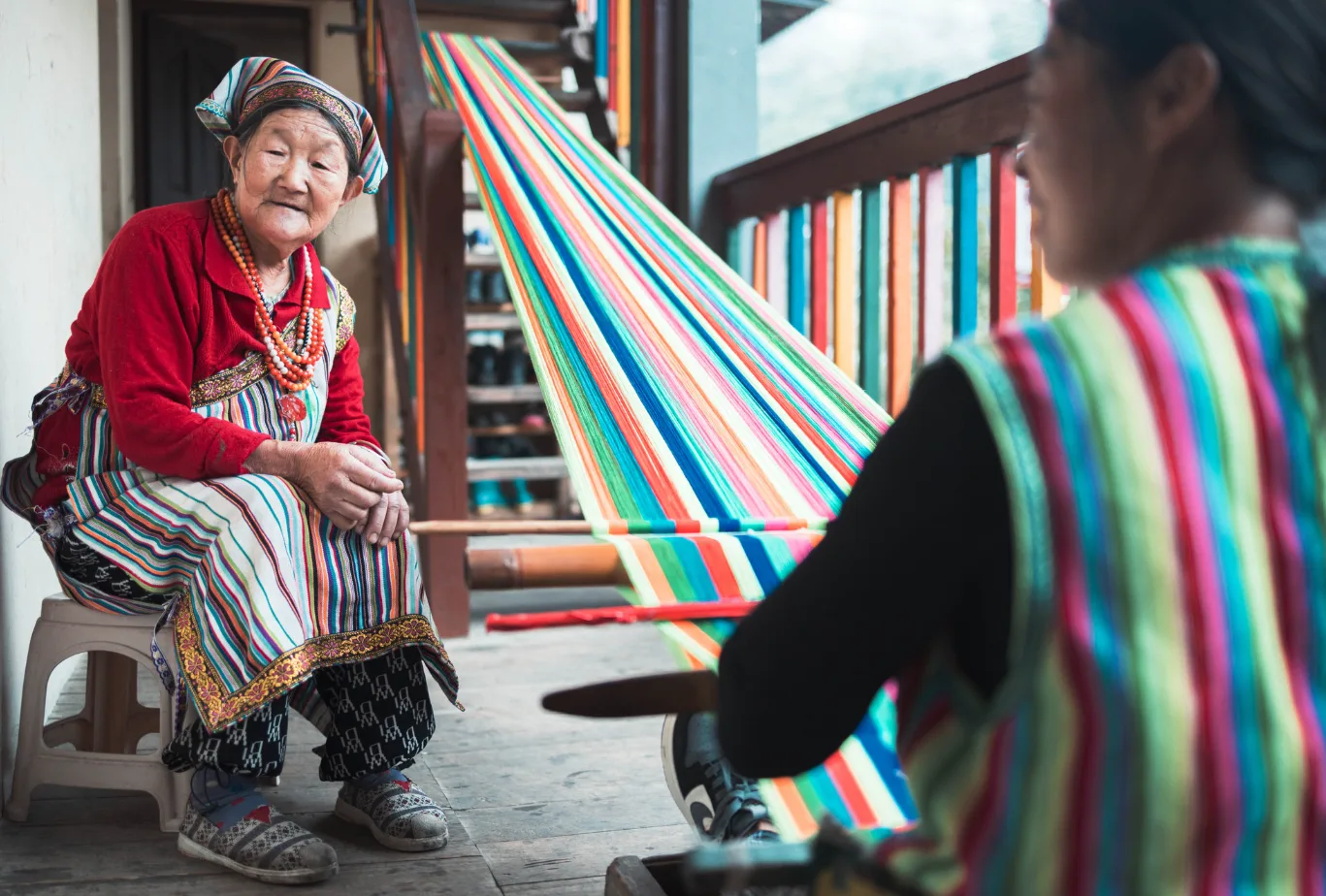
A guided workshop visit lets you watch the weavers at work and perhaps try a few rows yourself, gaining a better understanding of the skill involved.
Longyuan and other northern villages have also been home to Dulong women with facial tattoos, though the few surviving women are now very elderly. A visit should centre on conversation and their willingness to receive guests. Arrange any meeting through local community contacts.
Dulong People and Their Cultural Heritage
The Dulong are one of China’s smallest ancient ethnic groups. They have long lived between the Gaoligong Mountains and the Dulong River, where relative isolation has helped shape their language, beliefs and way of life.
The Last Generation of Dulong Women with Facial Tattoos
One of the Dulong people’s most distinctive customs was facial tattooing among women.
The last generation to undergo the practice still bear deep blue-black lines and patterns on their foreheads, cheeks and chins. Girls were usually tattooed at age 12-13. An elder would use a bamboo needle or another sharp implement to puncture the skin along a previously drawn pattern, then rub soot and plant juices into the wounds to colour them. The process was intensely painful, and the face would remain swollen for days. The resulting tattoos were permanent.
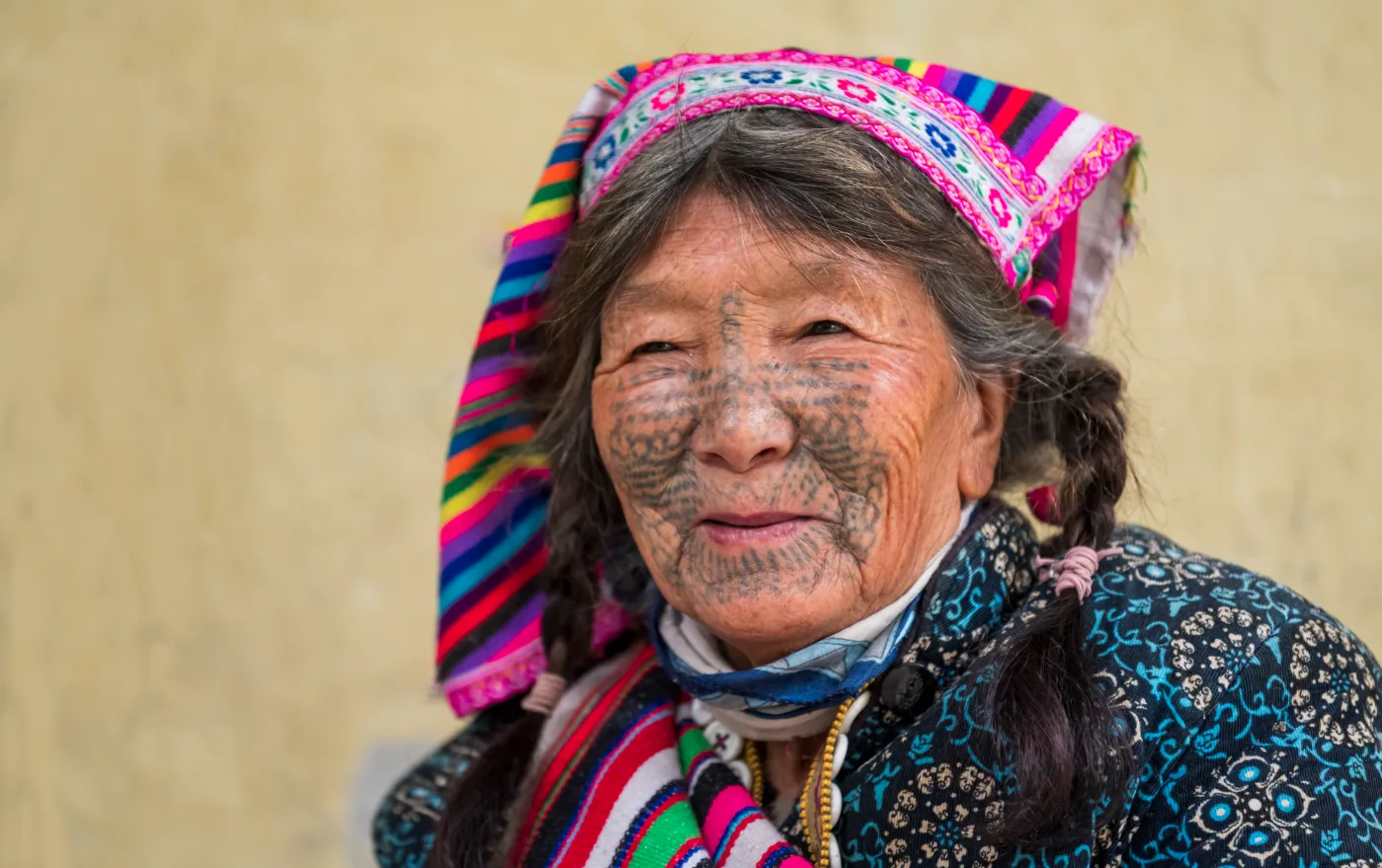
Why were only women tattooed? There is still no single, universally accepted answer. Some accounts describe the tattoos as symbols of maturity and beauty; others connect them with clan identity or totemic beliefs. Another widely told explanation holds that the practice was intended to protect young women from abduction by outsiders. These different accounts may reflect memories passed down through different periods and communities.
The custom ended long ago. The elderly women who still bear these tattoos are the last generation of Dulong women to have experienced it themselves.
If you have the chance to sit and talk with them, their stories may reach far beyond the tattooing process and its pain. They may speak of life in their youth, why they underwent tattooing, and how they have watched Dulongjiang change—from a valley that could only be left after days of walking over the mountains to a place now accessible by road.
Eastogo can arrange visits through local communities when the women wish to receive guests and their health allows, with an interpreter to assist with conversation. Always ask permission before entering their homes, starting a conversation or taking photographs. Any hosting fees should be agreed in advance.
Speak to An Expert
Explore Dulongjiang with Eastogo
Start designing your China journey with our destination experts.
Make An InquiryKaquewa Festival and Traditional Beliefs
Traditional Dulong beliefs are closely tied to the natural world. Mountains, rivers, forests and other features of the landscape were believed to have spirits. Shamans or priests played important roles in seeking blessings, healing the sick and leading communal ceremonies.
The Kaquewa Festival (卡雀哇节) is the Dulong people’s principal traditional New Year celebration, welcoming the coming year with wishes for good harvests and peace.
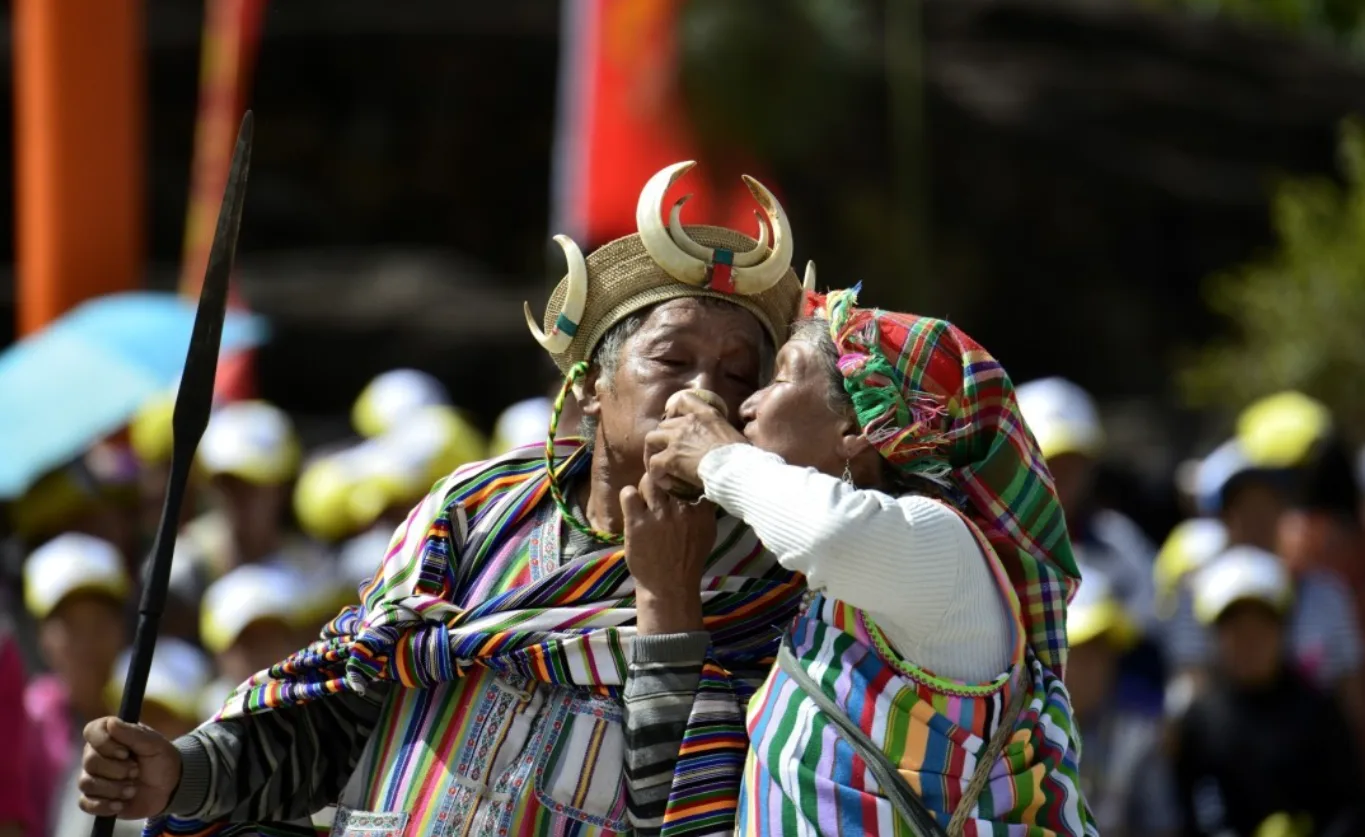
In the past, villages invited friends and relatives using messages carved into wood. During the festival, people burned pine branches to seek blessings, sang, danced and shared food in honour of nature and their ancestors. Today, festivities vary by village and year, and modern cultural events may differ from traditional ceremonies.
If your visit coincides with Kaquewa, the community may welcome you to join the singing, dancing and shared meals. Taking part offers an insight into the Dulong people’s relationship with the surrounding mountains and forests.
Things to Do in Dulongjiang
Some of the most rewarding ways to explore Dulongjiang involve spending time in its villages, family homes and forests.
- Visit a Dulong home: Accompany a local guide to learn about traditional timber-and-bamboo houses, the role of the hearth and daily family life.
- Try Dulong blanket weaving: Learn from weavers in Dizhengdang and try creating a section of striped fabric on a traditional backstrap loom.
- Harvest black cardamom: Join villagers in the cardamom groves during the harvest to pick pods and learn how they are dried and prepared for cooking.
- Meet Dulong women with facial tattoos: If a visit can be arranged and the women welcome guests, listen to their accounts of the tattooing tradition and their earlier lives.
- Explore and photograph the landscape: Follow the valley to see morning mist over Kongdang, Pukawang’s emerald waters and suspension bridge, and Hapang Waterfall.
- Walk through forests and villages: Depending on which routes are open, follow a short forest trail or explore village paths in the Gaoligong Mountains.
Eastogo can plan these activities around your interests, with local guides to interpret, explain traditions and arrange visits to family homes. These encounters offer a chance to get to know the people who live here.
Best Time to Visit Dulongjiang
Spring and autumn generally offer the best combination of scenery, opportunities for village visits and favourable road conditions.
In spring, the valley turns greener and temperatures are usually mild, making it a pleasant time to explore. Summer brings lush forests and waterfalls in full flow, but heavy rain in the Gaoligong Mountains can cause rockfalls, landslides and temporary road closures. If you travel during the rainy season, keep your itinerary flexible and avoid booking an important flight for the day you leave Dulongjiang.
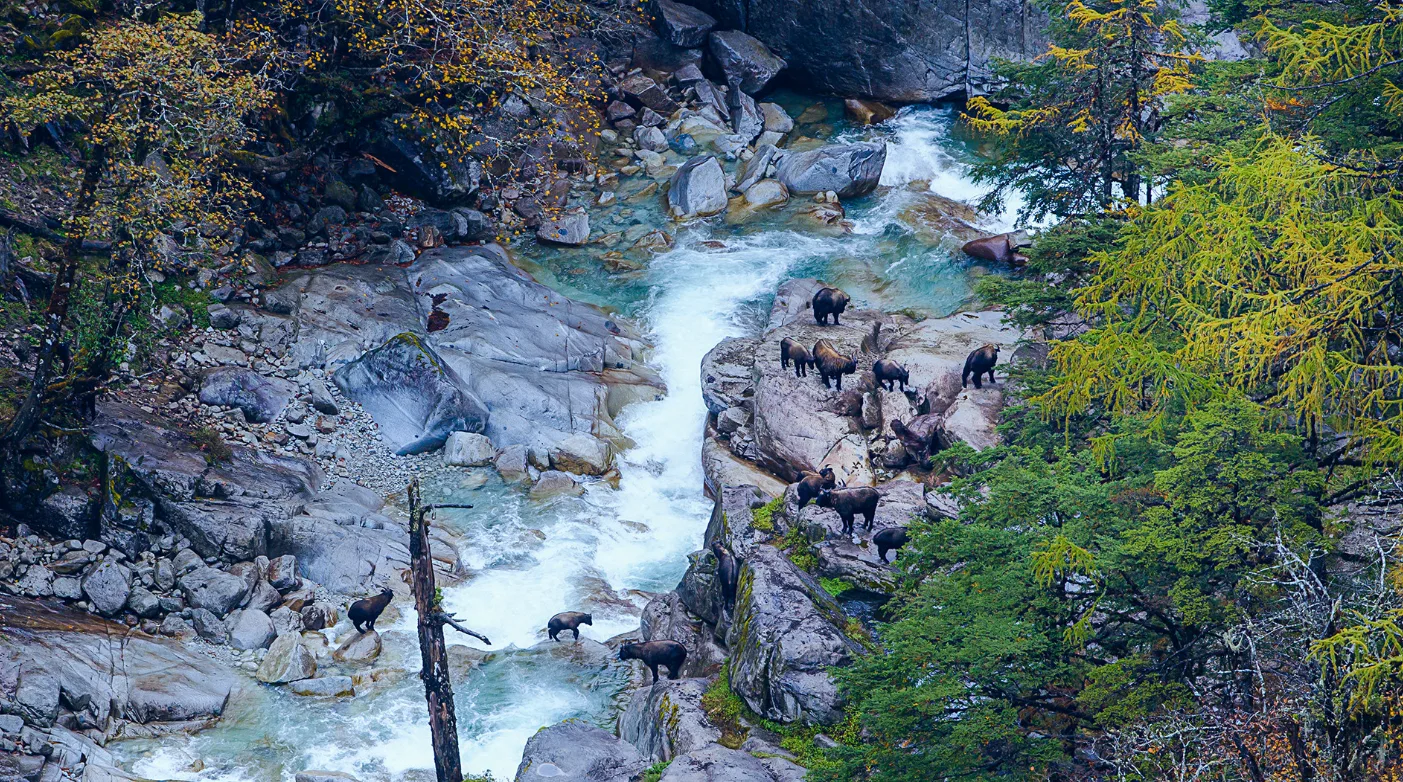
Autumn, especially September is generally the best season to visit Dulong Vally, with less rain and the start of the black cardamom harvest. Heavy snow once cut off the Dulong River Valley from roughly November to May. The road tunnel has ended this prolonged seasonal isolation, though snow and ice can still disrupt access. Winter brings stark mountain scenery, while traditional Kaquewa celebrations fall in December or January; check local schedules, as public festivities may take place at other times of year. In general, it’s best to visit here before October.
When planning a trip, Eastogo takes account of the season, road conditions and whether local residents are available to welcome visitors, adjusting the itinerary accordingly.
How to Get to Dulongjiang
Dulongjiang lies in the heart of the Three Parallel Rivers region, approximately 96 kilometres from Gongshan County Town. The 6–7-hour drive along the Kongdang–Gongshan Road takes you around 694 bends, making the journey an adventure in itself.
Dulongjiang has no airport or railway station. The final stretch of the journey follows a mountain road into the valley.
International travellers can first reach Kunming, Dali or Lijiang, then travel through the Nujiang region to Gongshan. From there, the road climbs into the mountains and passes through the Gaoligong Mountain Tunnel before descending into the valley.
If you are already in Shangri-La or the Meili Snow Mountain area, you may be able to reach Gongshan via Deqin and the Degong Highway, subject to road conditions. Weather and traffic restrictions can affect this mountain route. Check conditions before setting out rather than relying solely on navigation apps.
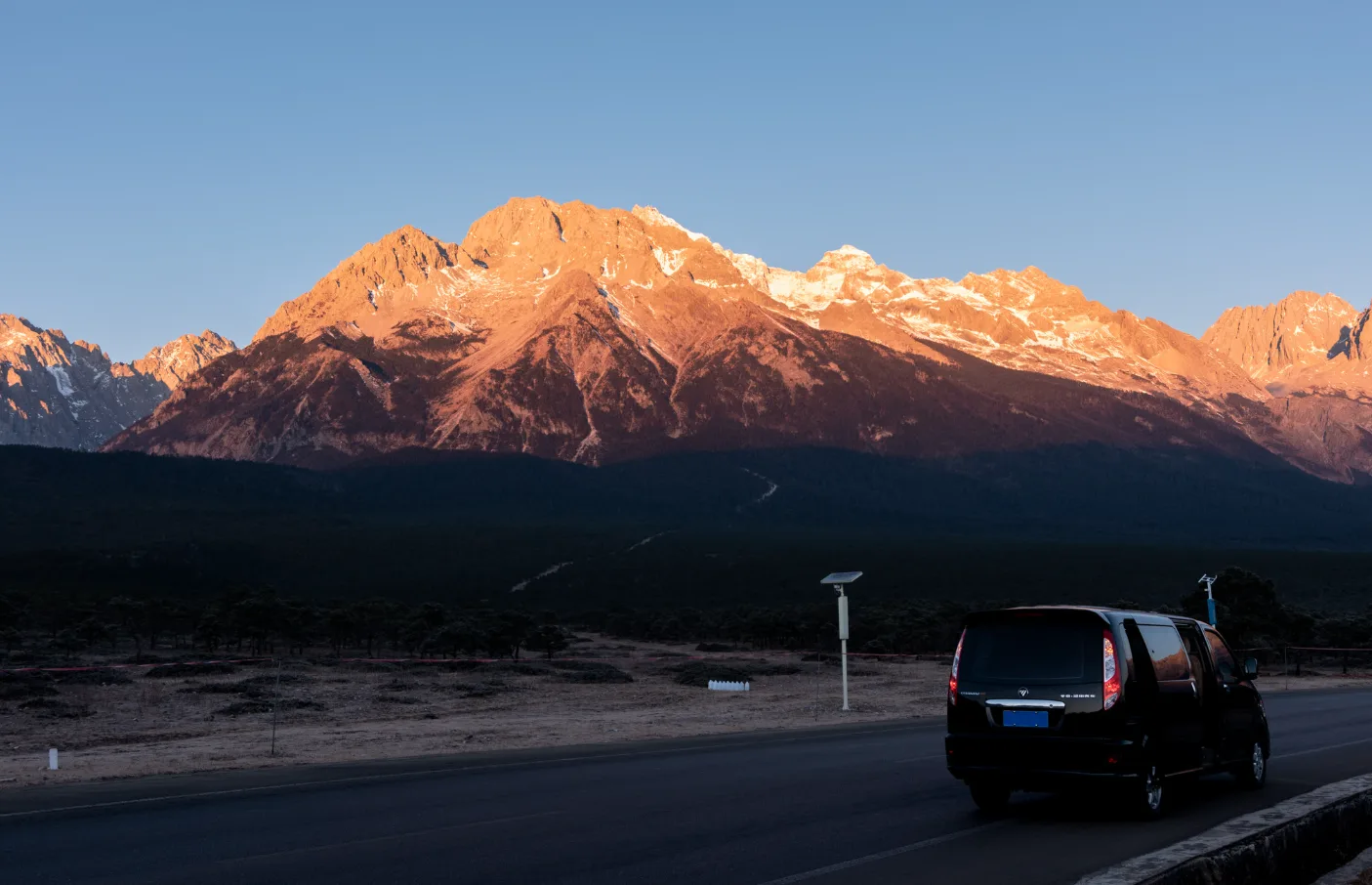
Foreign visitors should also check border entry requirements. Dulongjiang lies along China’s southwestern border, and access restrictions and permit requirements may vary between villages.
China introduced electronic border area permits on 15 April 2026. According to the National Immigration Administration’s service guide, foreign nationals must apply in person at a designated public security office. Additional documents or approvals may be required for border areas not open to foreign visitors. A standard border area permit does not automatically grant access to every location.
Eastogo can help check the applicable rules, explain the application process and arrange transport, accommodation and an appropriate route. Permit requirements, application decisions and access to individual locations remain subject to the latest rules of the relevant local authorities.
Speak to An Expert
Starting Your Jounrney to China
Start designing your China journey with our destination experts.
Make An InquiryHow Many Days Do You Need in Dulongjiang?
Allow 2–3 days in the valley to enjoy the scenery, explore villages and take part in a few cultural activities.
- Day 1: Travel from Gongshan to Dulongjiang through the forests and gorges of the Gaoligong Mountains. Settle into your accommodation in Kongdang, take a stroll and visit the Dulong Museum if it is open.
- Day 2: Explore the northern villages, including a blanket-weaving workshop in Dizhengdang. With advance arrangements, you may also be able to visit a local family or meet one of the elderly women with facial tattoos.
- Day 3: Head south to Pukawang for its emerald river and suspension bridge. Depending on your interests, visit Bapo’s black cardamom groves or continue to Hapang Waterfall. Allow road conditions to determine how far you go, leaving enough time to enjoy each stop.
If you enjoy hiking or photography, or would like more time with local families, add another day. With only two days available, choose either the northern or southern route according to your interests.
Accommodation and Practical Travel Tips
Accommodation
Most accommodation in Dulongjiang is in areas with relatively easy road access. One option is Dulongjiang Tianjing Hotel (独龙江天境酒店), near Lapei Village. Its rooms occupy several separate buildings, and facilities include Chinese and Western restaurants and other resort amenities. It offers more comfort and facilities than a typical village guesthouse.
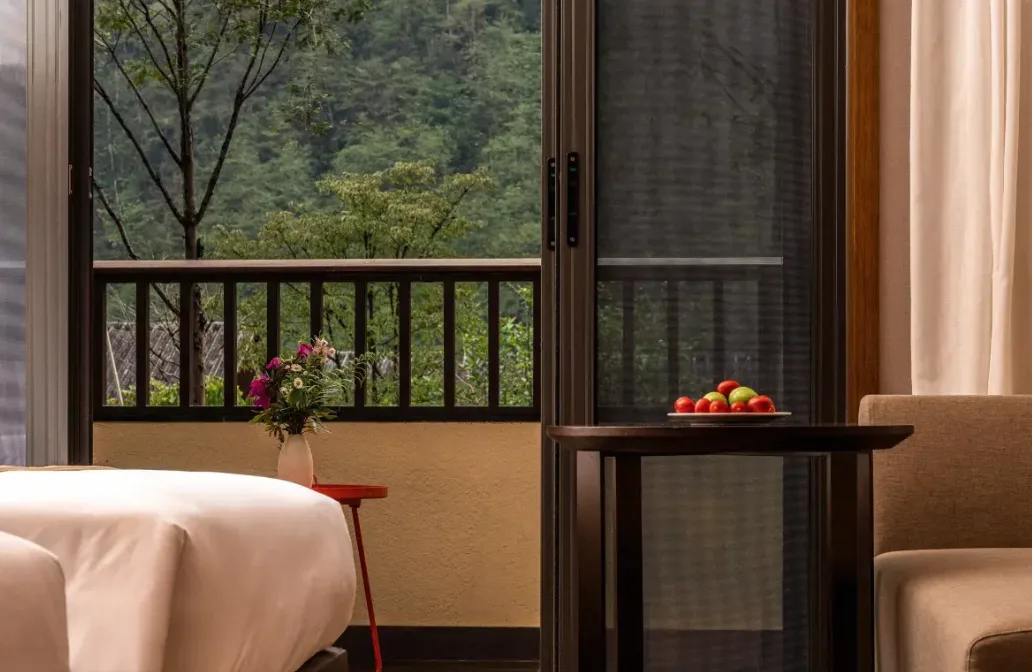
Kongdang also has smaller properties, including Xikelai Boutique Guesthouse (喜客来精品民宿) and Yunshang Dulong Guesthouse (云上独龙民宿). Choose according to availability, location and amenities such as a private bathroom, heating and breakfast.
Local Food
Dulongjiang’s cooking makes use of ingredients from the surrounding mountains and forests. Restaurants in Kongdang and nearby villages serve local dishes featuring seasonal produce.
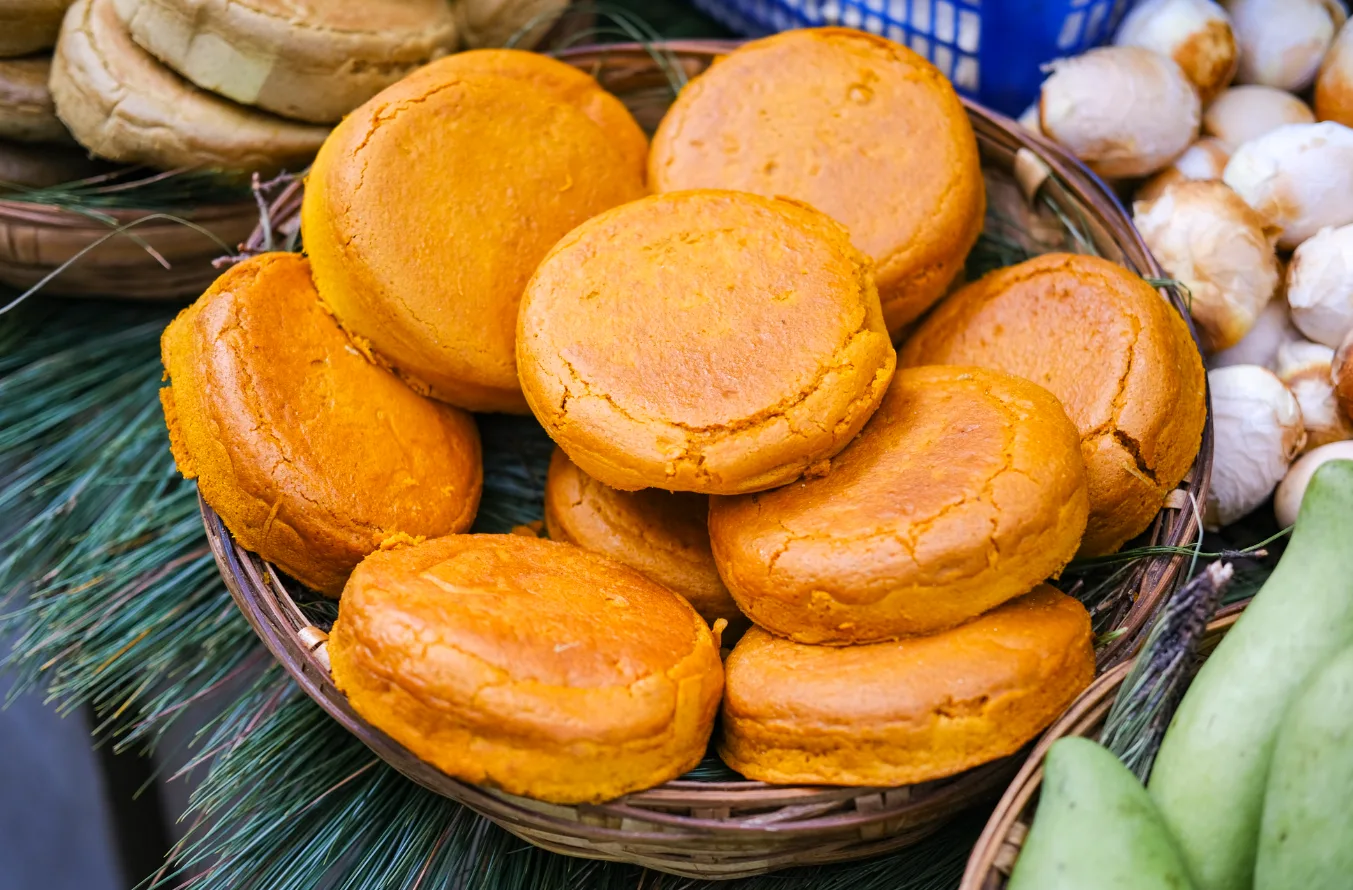
Traditional foods include a thick soup made with fishtail palm starch, bitter buckwheat cakes and locally raised Dulong chicken. Black cardamom flavours stews, while some dishes use other local ingredients, such as lacquer tree oil.
Connectivity, Payments, and Packing
Mobile coverage and electronic payments are available in the main villages, though reception can be unreliable on mountain roads and in remote areas. Carry some cash in renminbi and download offline maps before you arrive.
Pack a waterproof jacket, shoes with good grip and warm layers. Protect your belongings from rain, especially during the wet season. On forest walks, watch for slippery ground and leeches. Bring any regular medication and personal essentials before heading into the mountains.
Combining Dulongjiang with Other Nujiang Destinations
If you are already planning to visit Lijiang, Shangri-La or Meili Snow Mountain, you can extend your trip into Dulongjiang without making a separate return journey from Kunming.
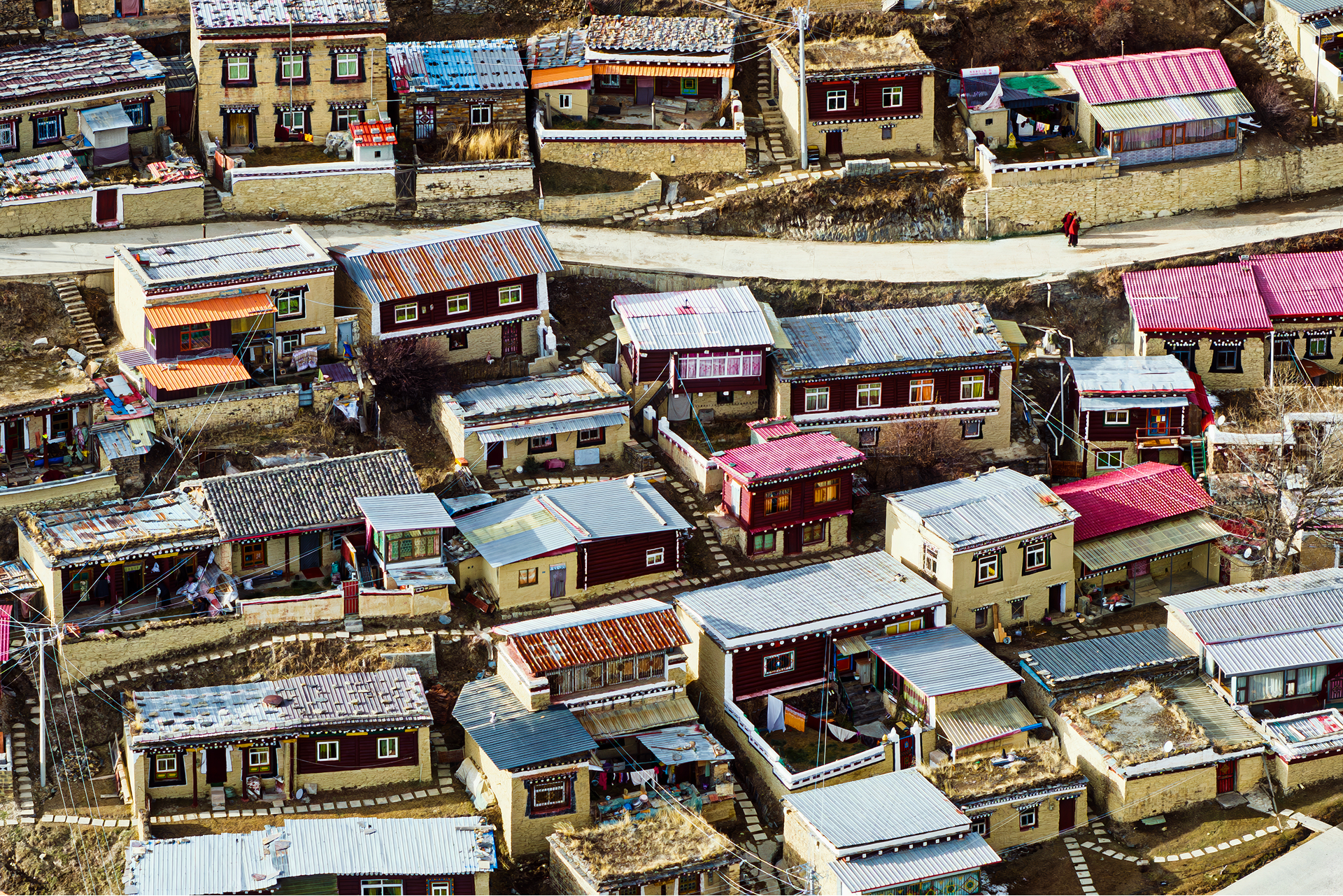
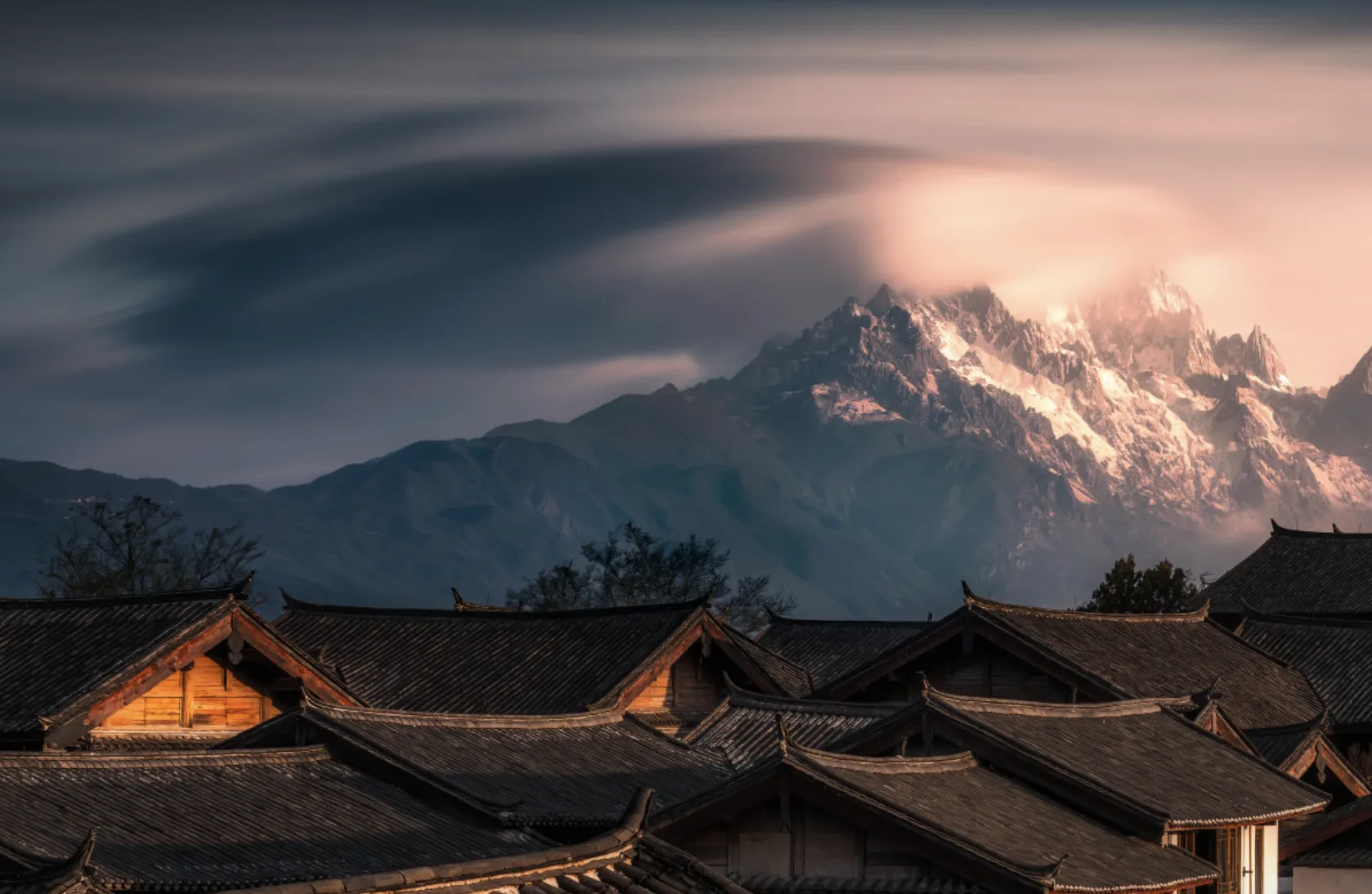
One possible route begins with Lijiang Old Town and Jade Dragon Snow Mountain, then continues to Shangri-La for Songzanlin Monastery, Napa Lake and Tibetan villages. From there, travel to Meili Snow Mountain before taking the Degong Highway into the Nujiang region and continuing to Dulongjiang, provided road conditions allow.
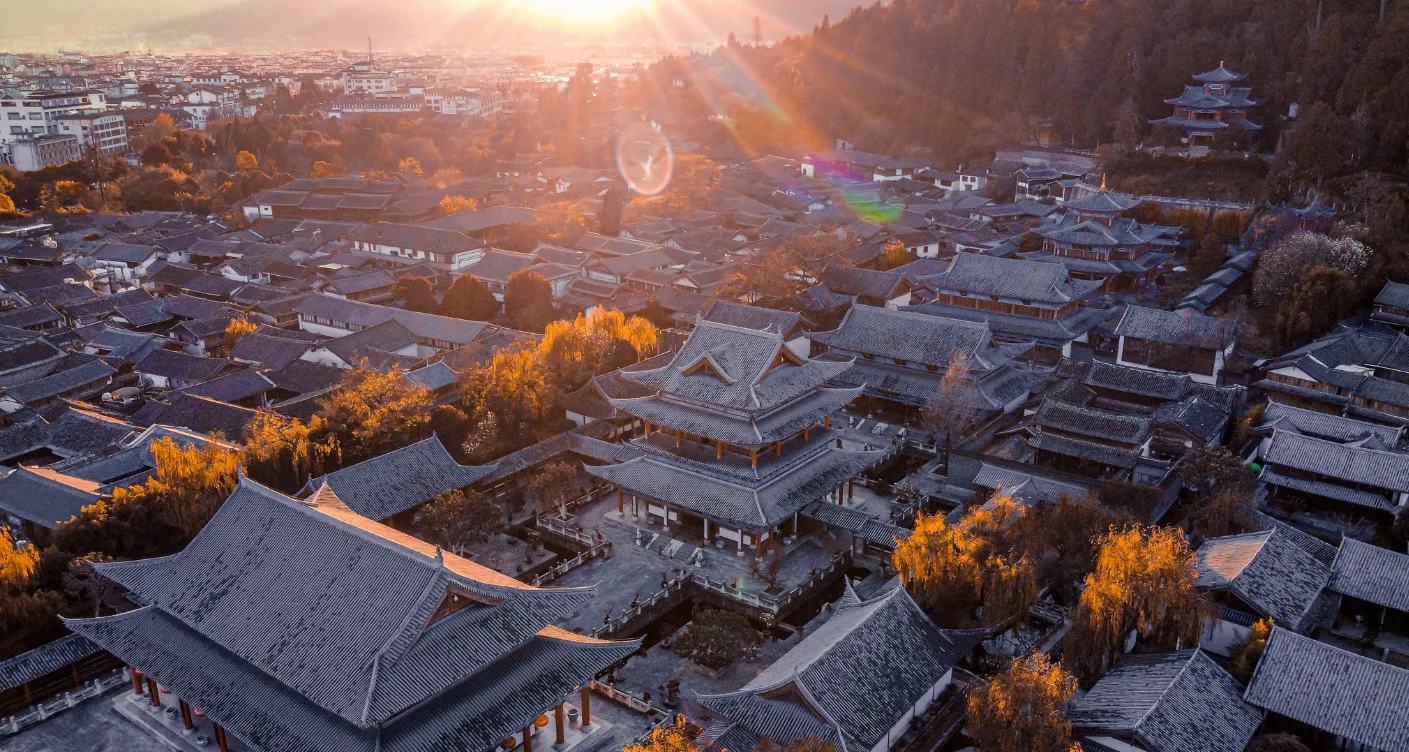
Allow plenty of time for this journey. The mountain roads between Meili Snow Mountain and Dulongjiang are demanding, and travel plans need to account for the season and current conditions.
Nearby Bingzhongluo (丙中洛) also combines well with Dulongjiang. In the upper Nujiang Gorge, mountains surround fields and villages, and the river sweeps around a dramatic bend. The First Bend of the Nujiang River, Shimen Pass and Peach Blossom Island offer gorge scenery quite different from that of Dulongjiang.
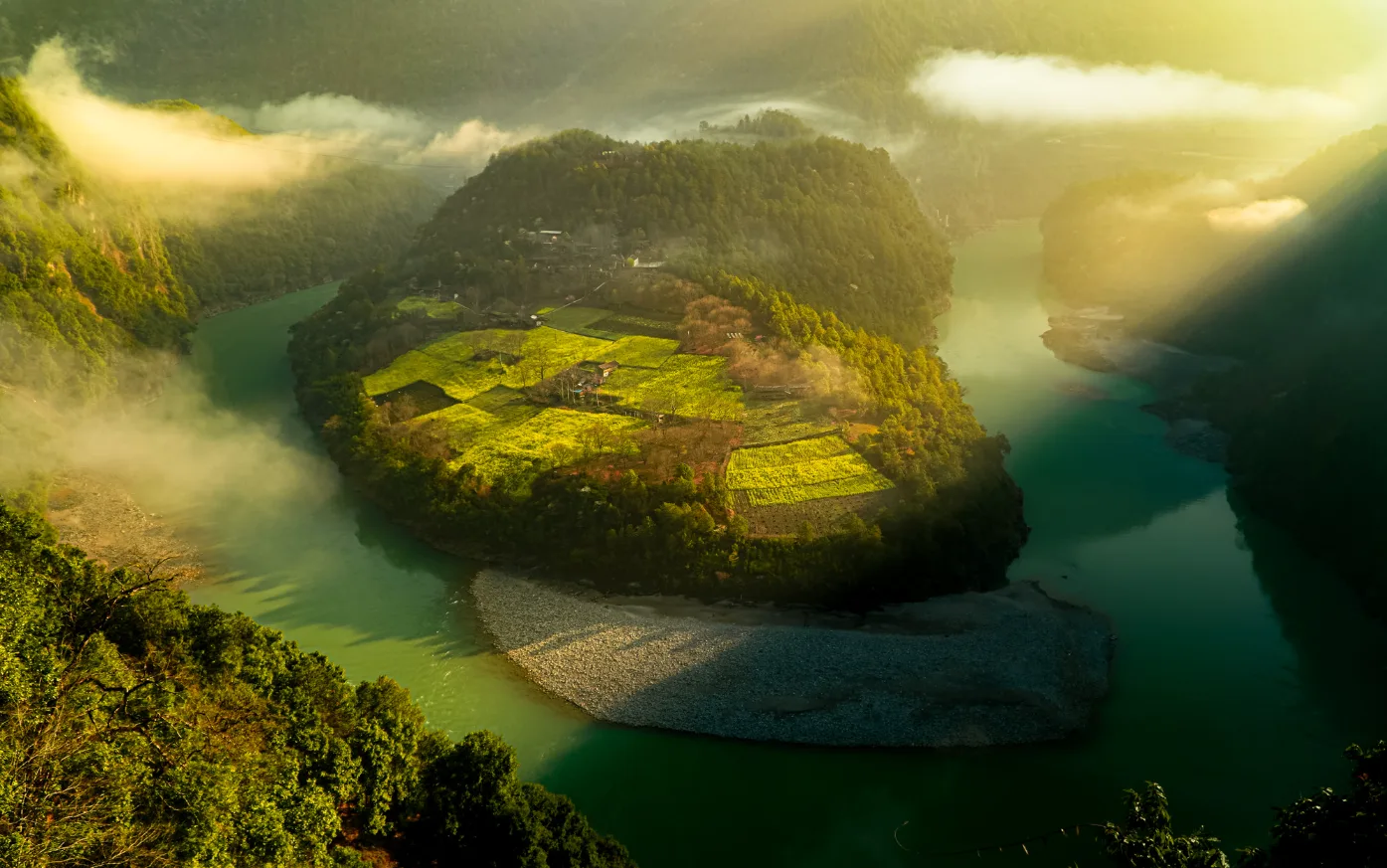
Farther south along the Nujiang, you can visit Laomudeng and Zhiziluo. Laomudeng is a hillside village with a church and expansive gorge views. Zhiziluo retains buildings from its time as a county seat, offering a glimpse into the region’s more recent history.
Eastogo can combine Lijiang, Shangri-La, Meili Snow Mountain, Bingzhongluo and Dulongjiang in a private itinerary that suits your available time, with opportunities to enjoy mountain scenery and learn about Tibetan and Dulong life.
Frequently Asked Questions About Dulongjiang
Q: Can Foreign Travellers Visit Dulongjiang?
A: Foreign travellers should check whether Dulongjiang is currently open to them, whether a border area permit is needed and what other entry requirements apply. Eastogo can help clarify the rules and coordinate your itinerary, but you must apply personally for any permit that requires an in-person application. Final approval rests with the relevant authorities.
Q: Can You Meet Dulong Women with Facial Tattoos?
A: A visit may be possible through local community contacts. Eastogo can help make arrangements and provide someone familiar with the language and culture to assist with conversation. Visits depend on the women’s wishes, health and availability, and should be arranged in advance.
Q: Is Dulongjiang Suitable for Independent Travel?
A: If your main interest is the scenery, you can arrange transport and accommodation yourself. Visits to family homes and opportunities to try traditional crafts generally require local contacts. English-language services are limited, and some elders are more comfortable speaking Dulong, so a guide and interpreter can make the trip easier and more rewarding.
Q: What is the elevation of the Dulong River region, and should I be concerned about altitude sickness?
A: Elevations range from 1,000 to 4,936 metres across the region. Your risk of altitude sickness depends on your itinerary, particularly how quickly you ascend and where you sleep. Check the elevations of your planned stops before travelling and allow time to acclimatise. Much of Yunnan Province lies at high elevations, so I’d recommend bringing medication for altitude sickness.
Q: How Many Days Should I Spend in Dulongjiang?
A: Allow 2–3 days for the valley itself. If you combine Dulongjiang with Bingzhongluo, the Nujiang Gorge, Shangri-La or Meili Snow Mountain, allow additional time for travel on mountain roads.
Planning Your Dulongjiang Journey with Eastogo
The river, mist-covered mountains and forest waterfalls may first draw you to Dulongjiang, but conversations with the people who live here can leave an equally lasting impression.
The deep-blue patterns on an elderly woman’s face bear witness to an era slipping into the past. In a courtyard, colourful threads come together, keeping alive a craft passed from mother to daughter. As roads bring Dulongjiang closer to the wider world, stories once told only within the valley are reaching people who have travelled far to hear them.
We believe that some of the most precious moments in travel come from the people we happen to meet and the glimpses of their lives they choose to share.
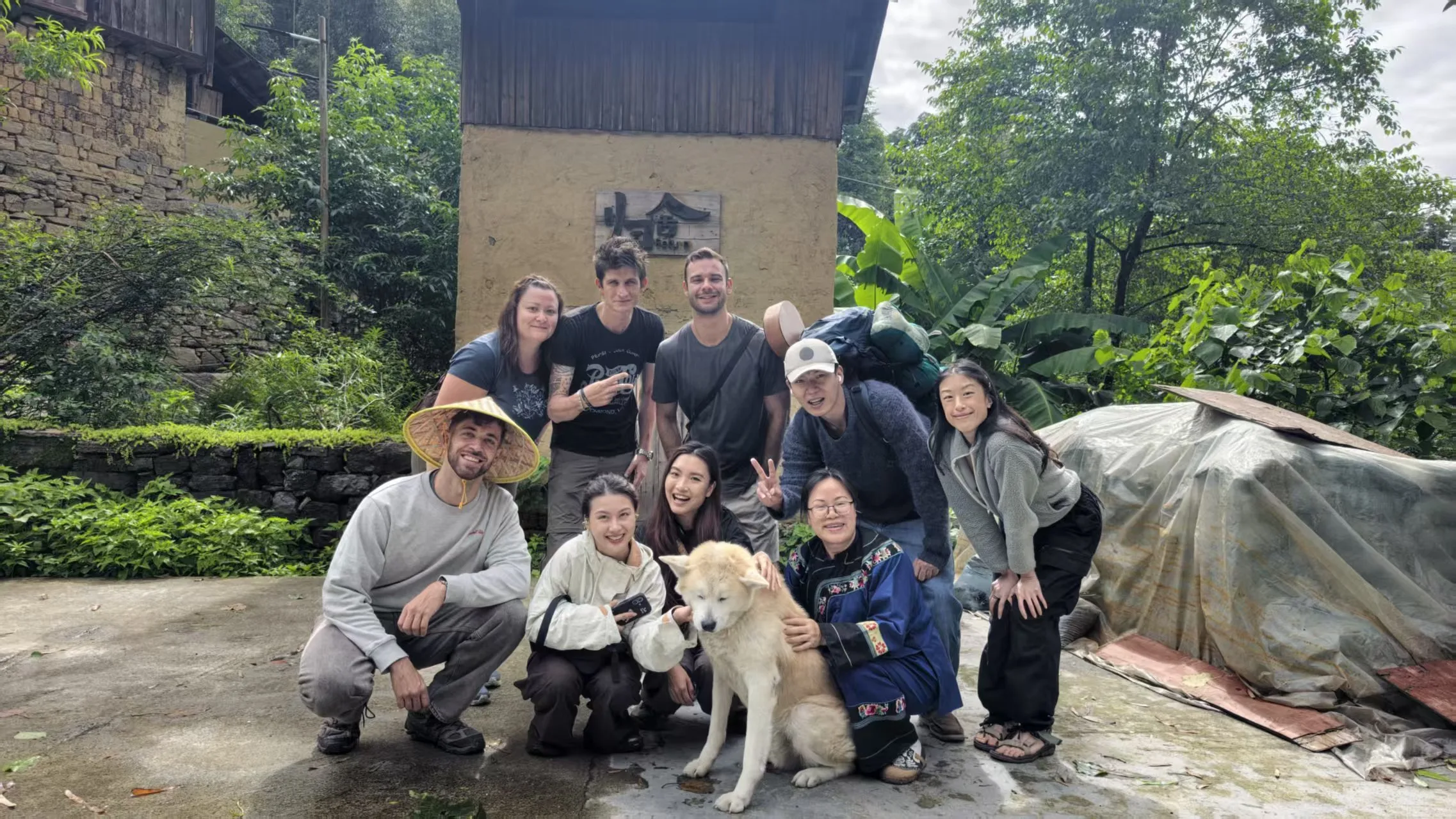
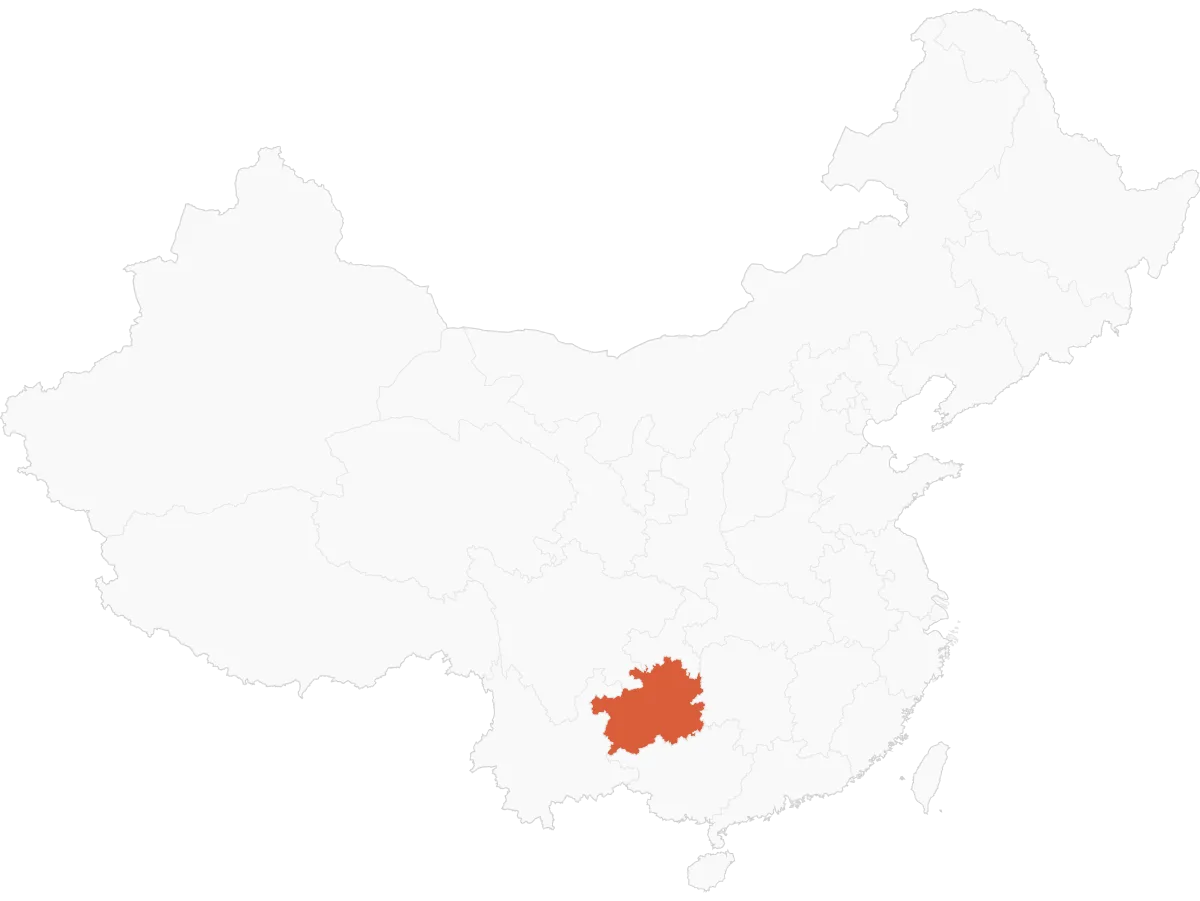
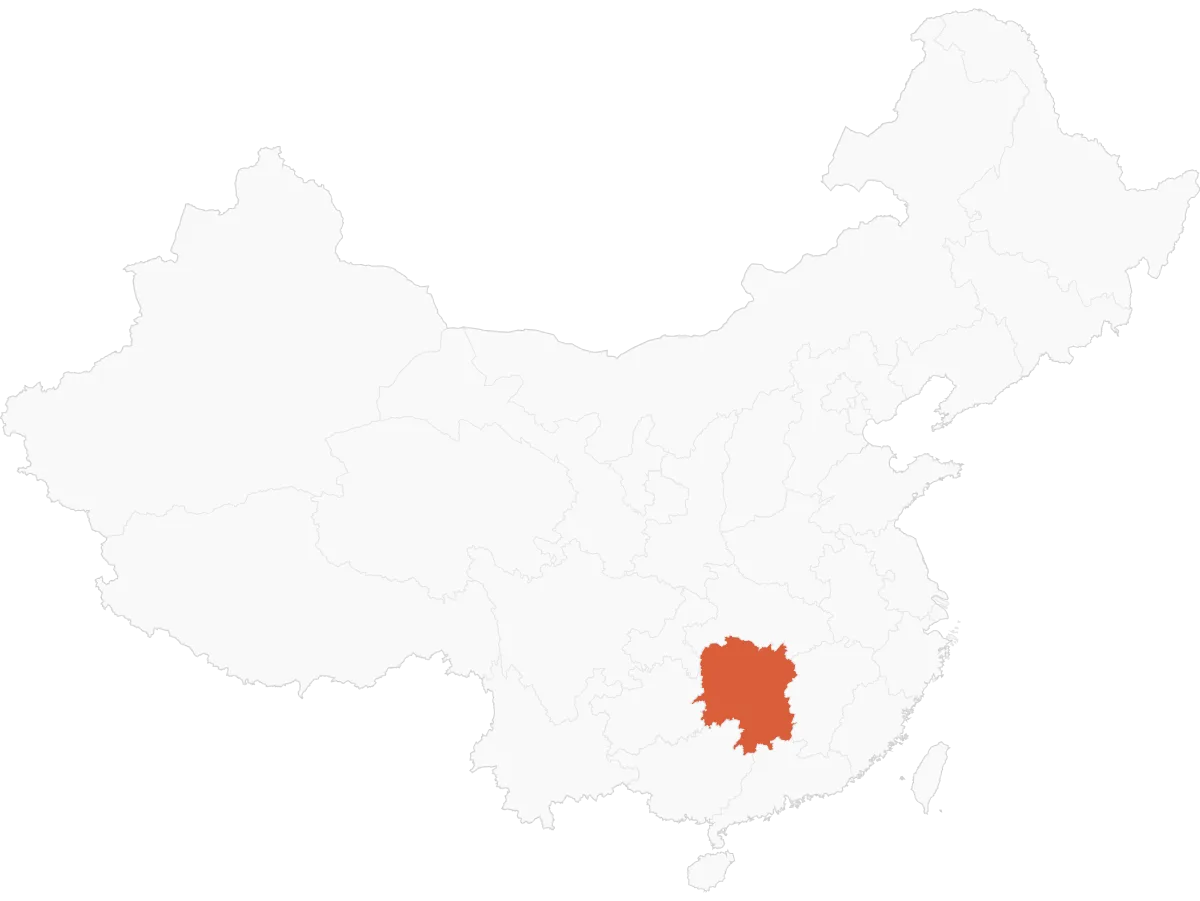
Eastogo specializes in in-depth private journeys across southwest China, including Western Sichuan, Guizhou, Yunnan, Guangxi, and Hunan. Through our long-standing relationships with local guides, drivers, and communities, we bring travelers closer to the landscapes, cultures, and everyday lives that make each destination unique.
Whether you prefer self-guided China tours or private & custom China tours, we design journeys around your interests, pace, and travel style, taking care of the practical details so you can explore with confidence.
For more travel inspiration, explore our Complete Yunnan Travel Guide. You can also take a look at our 7-Day Yunnan Tour: Ethnic Cultures & Snow Mountains or Yunnan Private Tour for itinerary ideas, trip durations, and pricing. If you would like to visit Dulongjiang, we would be delighted to help you plan a trip.