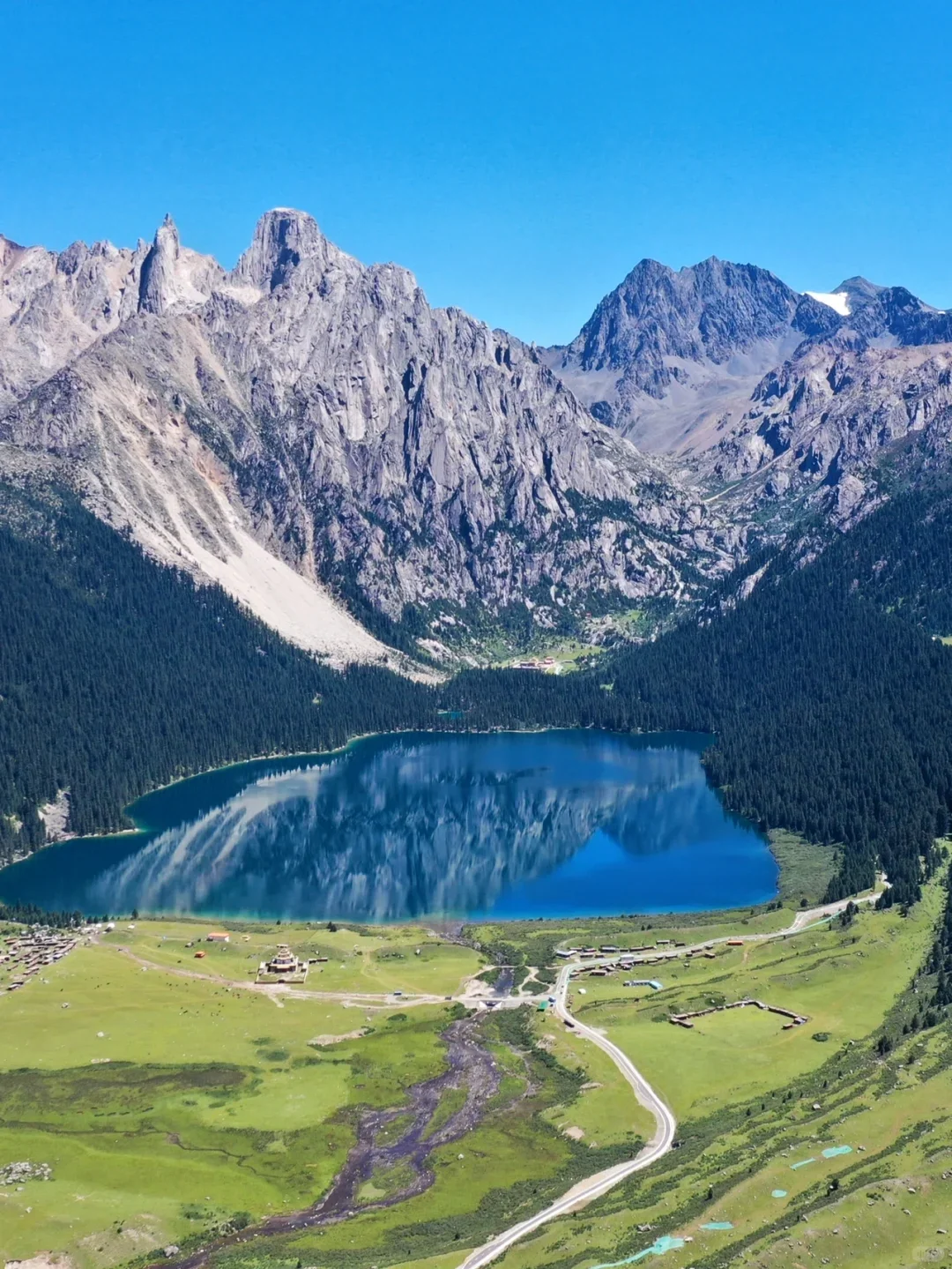
The Whispering Winds of the Tibetan Plateau(Self-guided)
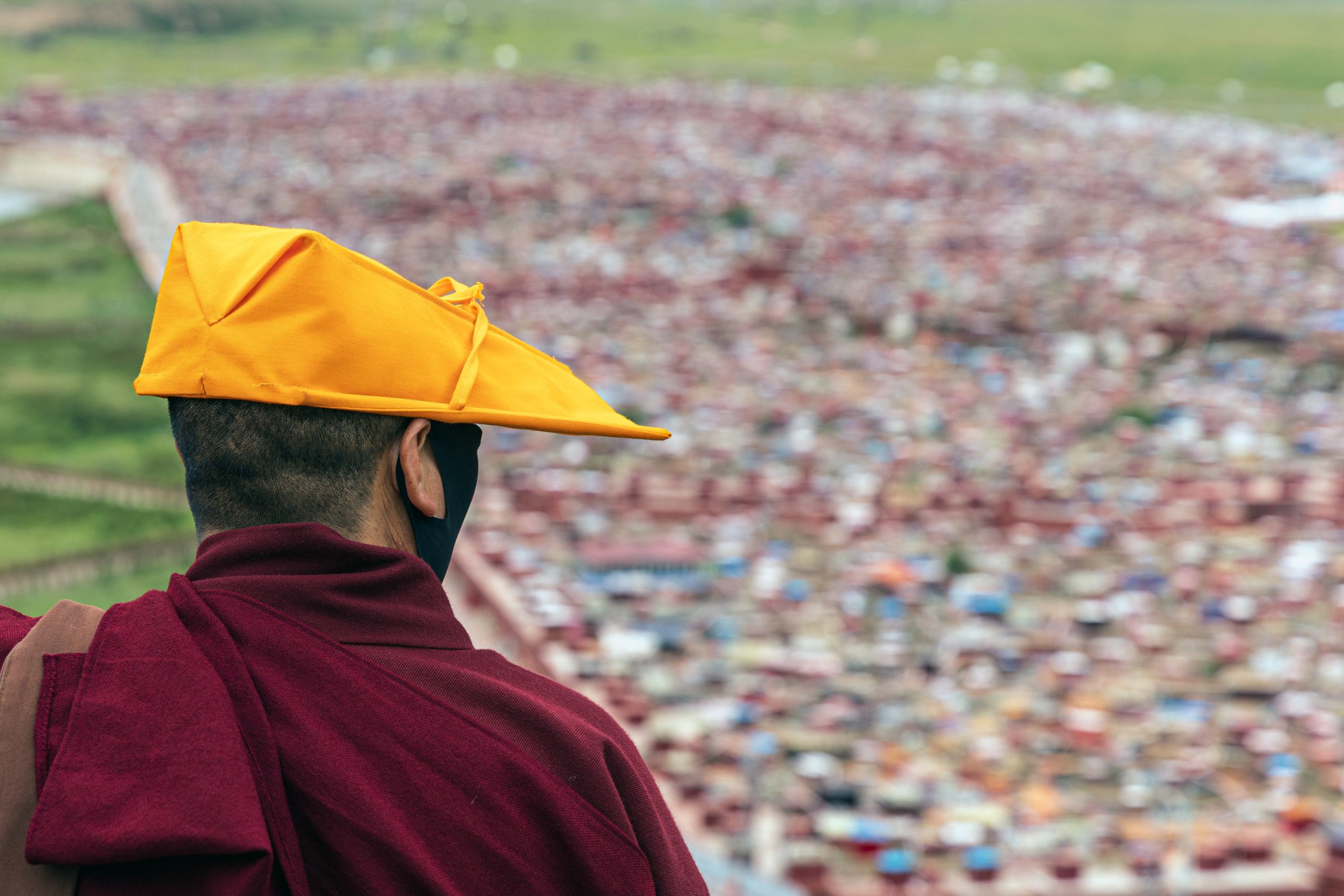
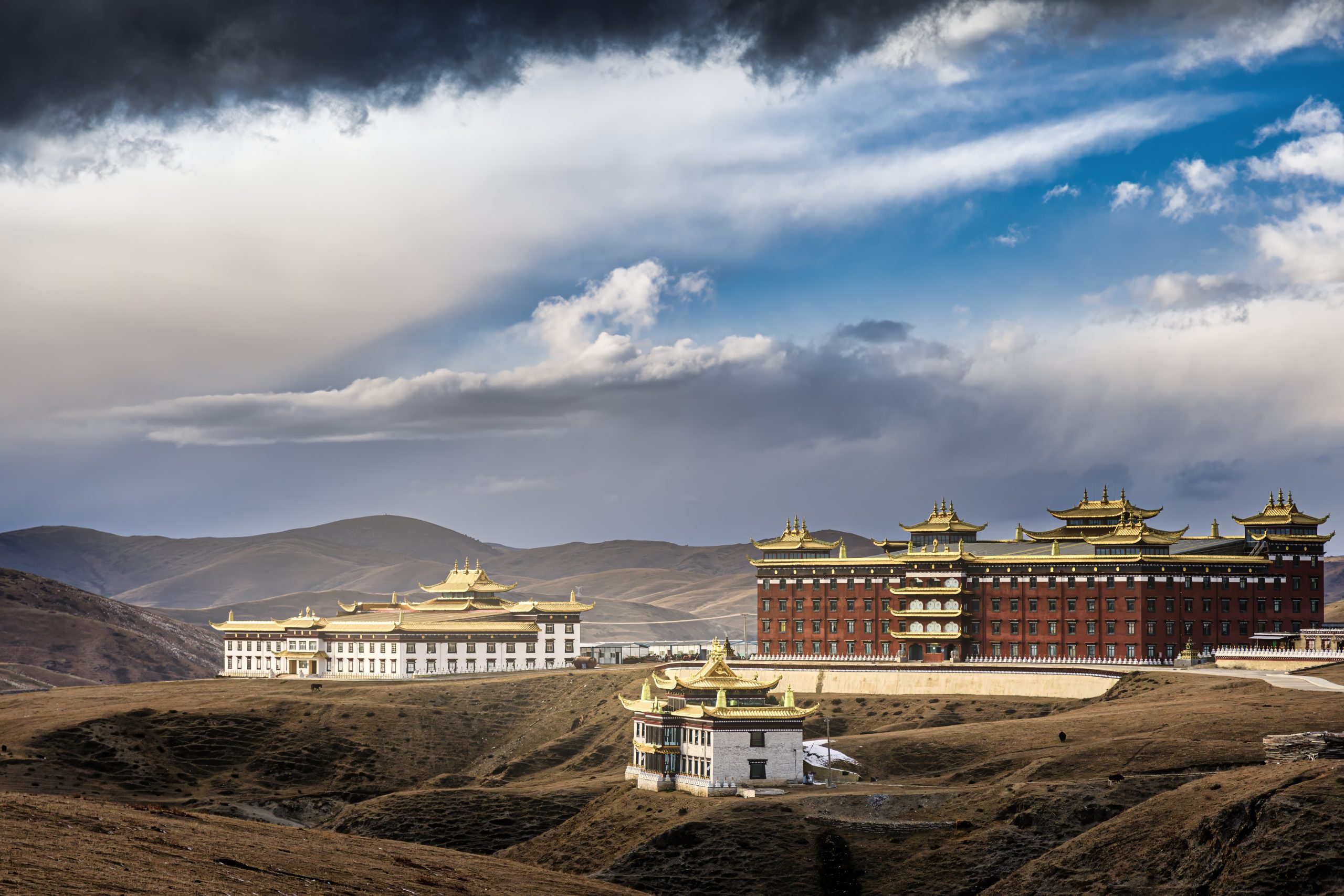
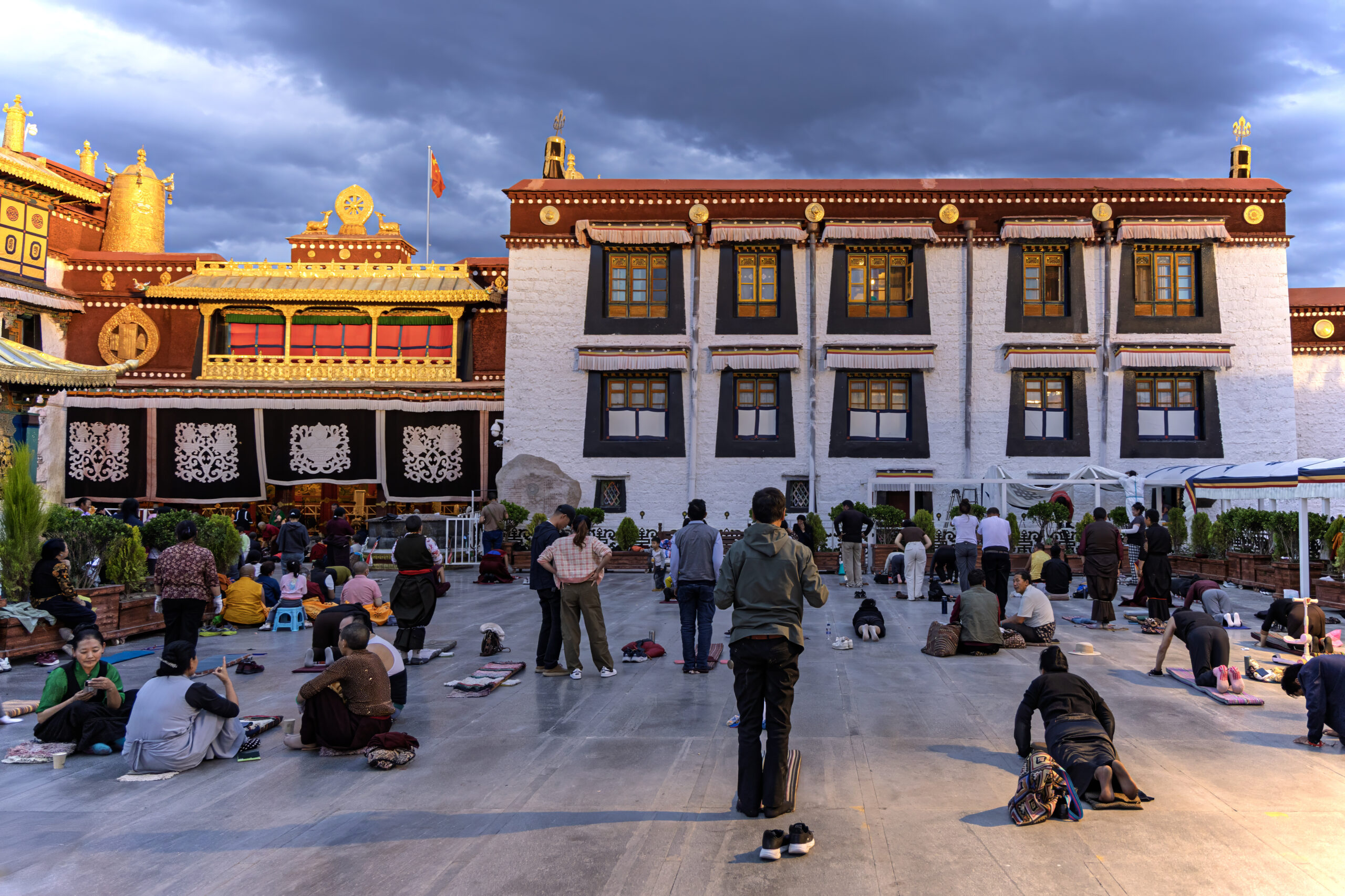
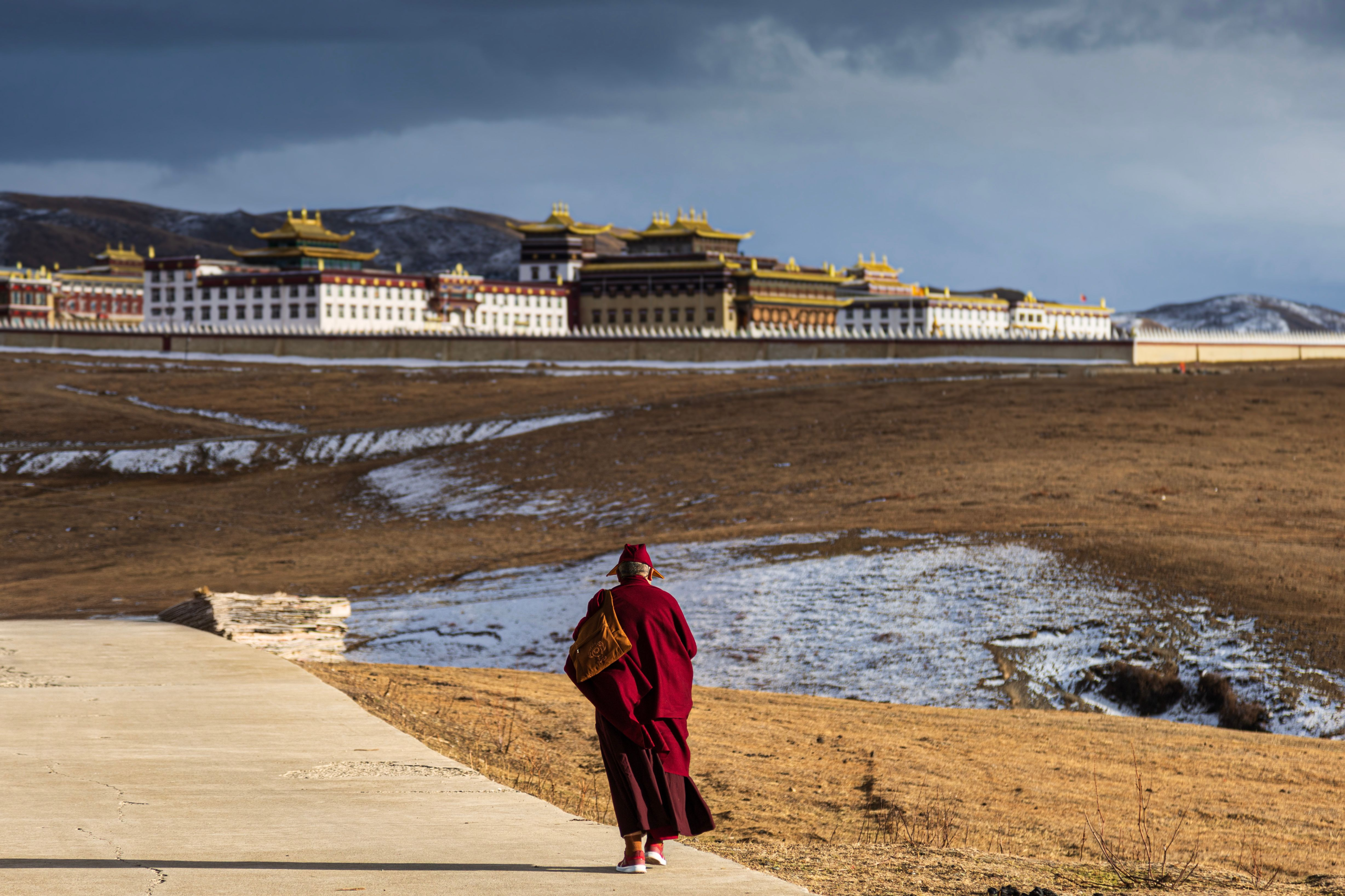
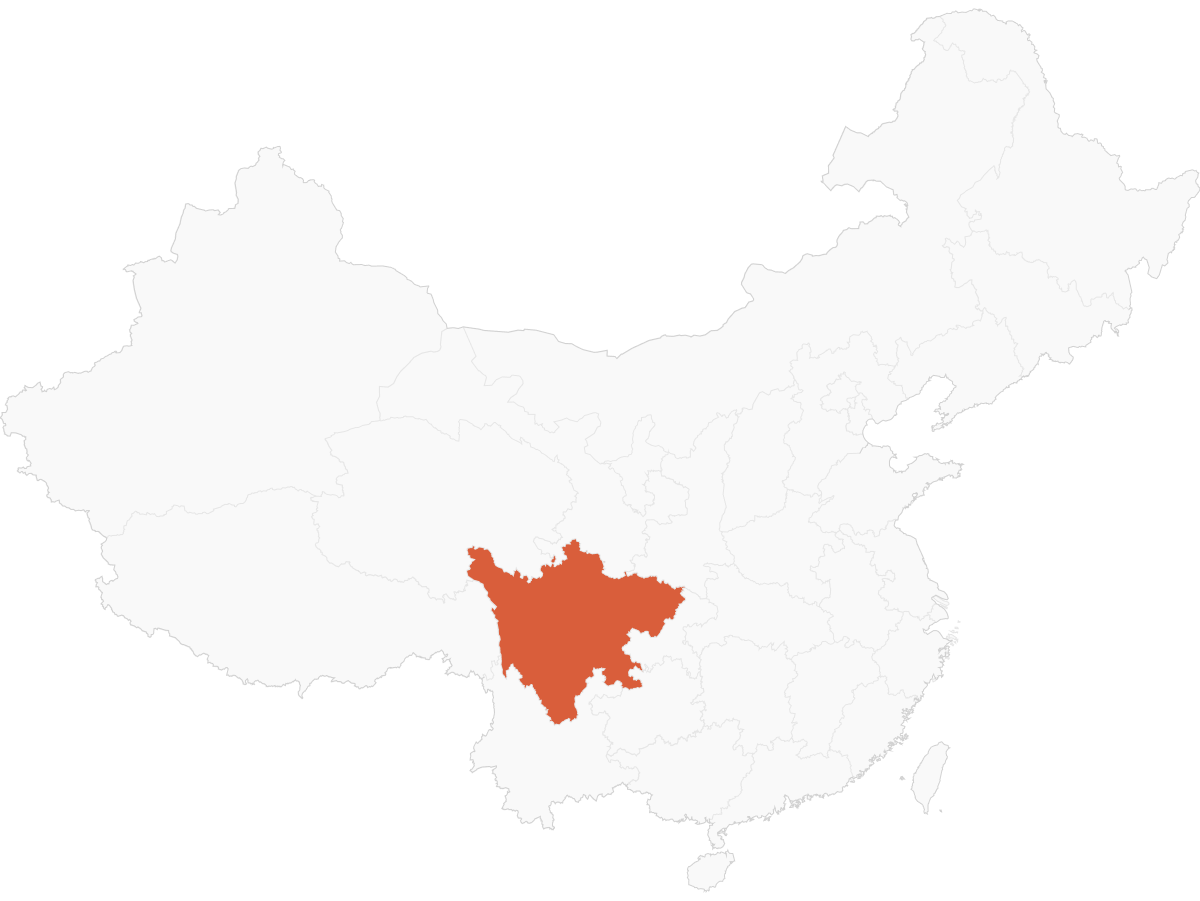
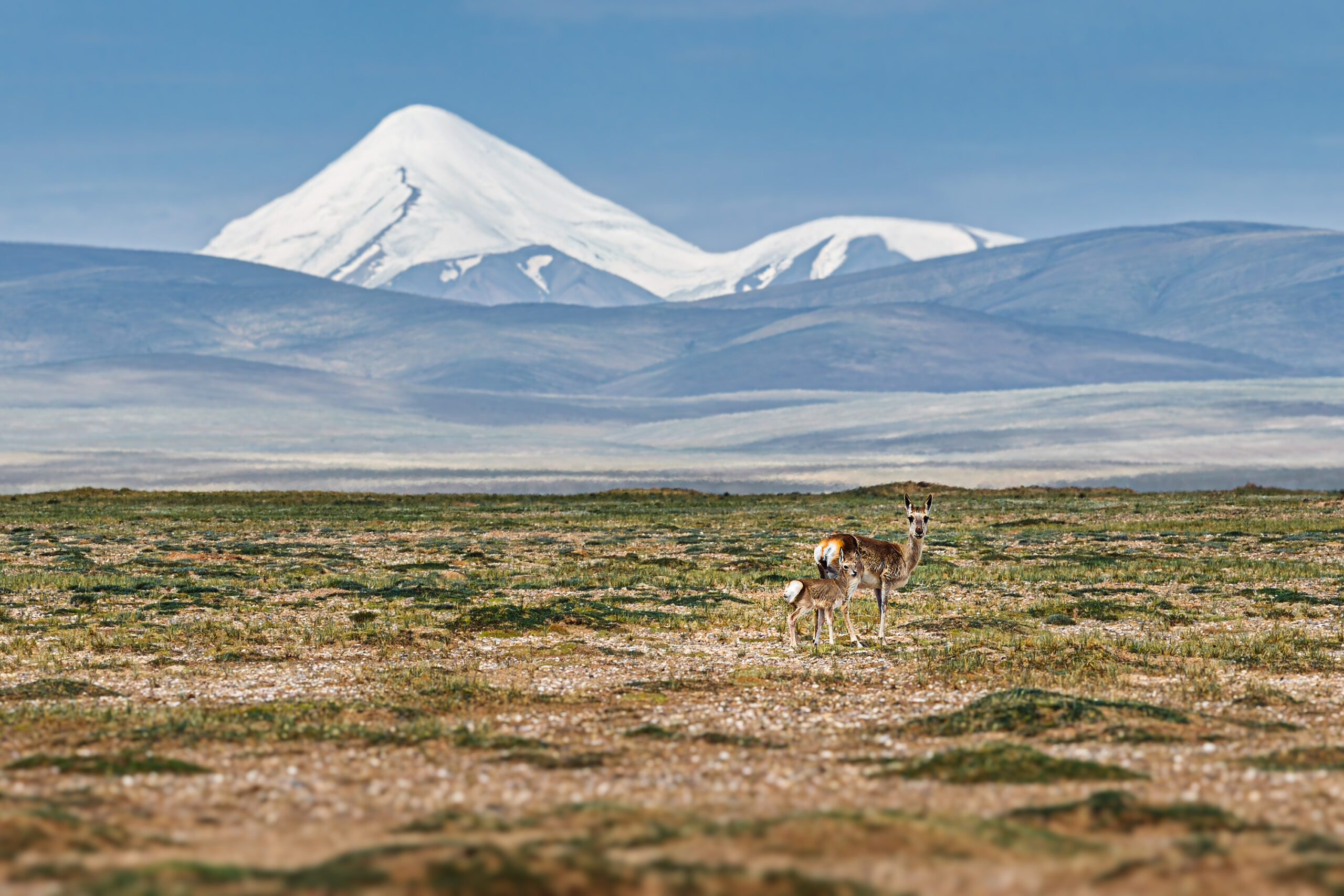
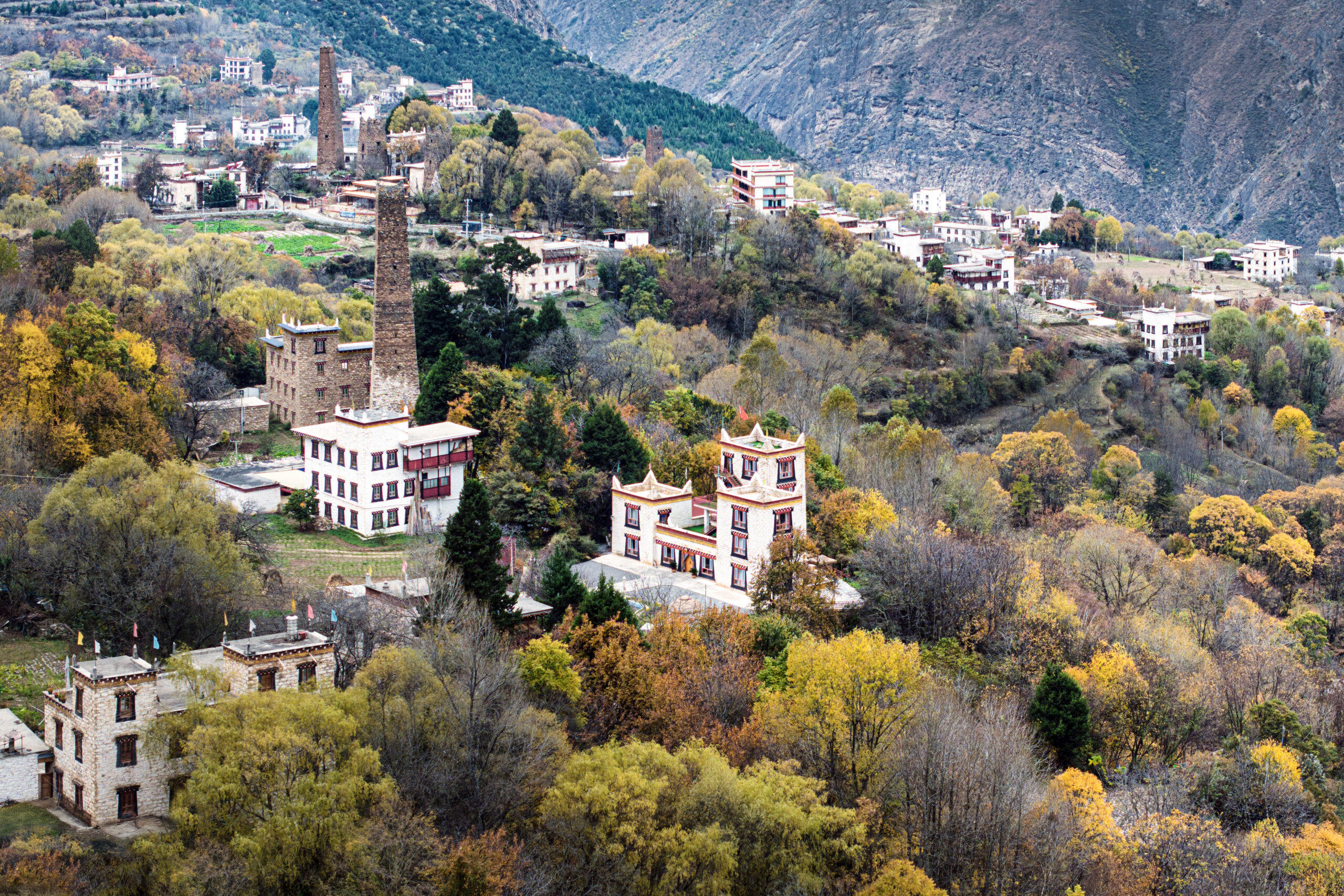
Western Sichuan is part of the Kham Tibetan region, a land of some of China’s most spectacular snow mountains. In certain areas, the sense of faith and tradition is even more deeply woven into daily life than in Central Tibet. Here, you’re not just observing Tibetan culture; you are truly stepping into the lives and beliefs of Tibetan people.
This journey brings you into the very heart of Western Sichuan. You’ll meditate in a centuries-old forest of white stupas alongside monks studying traditional Tibetan Buddhist practices, dance and sing with locals in Litang, wander through mountain Tibetan villages, and listen to nuns debating Buddhist philosophy during their daily lessons. You’ll hike beside snow-fed alpine lakes and spend a full day living the nomadic life with Tibetan herders high in the mountains.
Beyond Tibetan culture, the journey also reveals the diversity of Sichuan. You’ll stand before the world’s largest seated Buddha, soak in natural hot springs in Zhonggu Village, and visit a panda base to observe giant pandas up close in their mountain environment without the mirror.
Combining Sichuan’s cultural depth with its dramatic landscapes, this is an exceptionally varied journey, offering a rare and intimate insight into Western China, from profound spiritual encounters to breathtaking natural scenery.
This is a self-guided tour, which means there will not be a full-time guide accompanying you throughout the trip. Instead, local guides will join at selected destinations, while your driver will also assist with some guiding and support along the way.
Journey Highlights
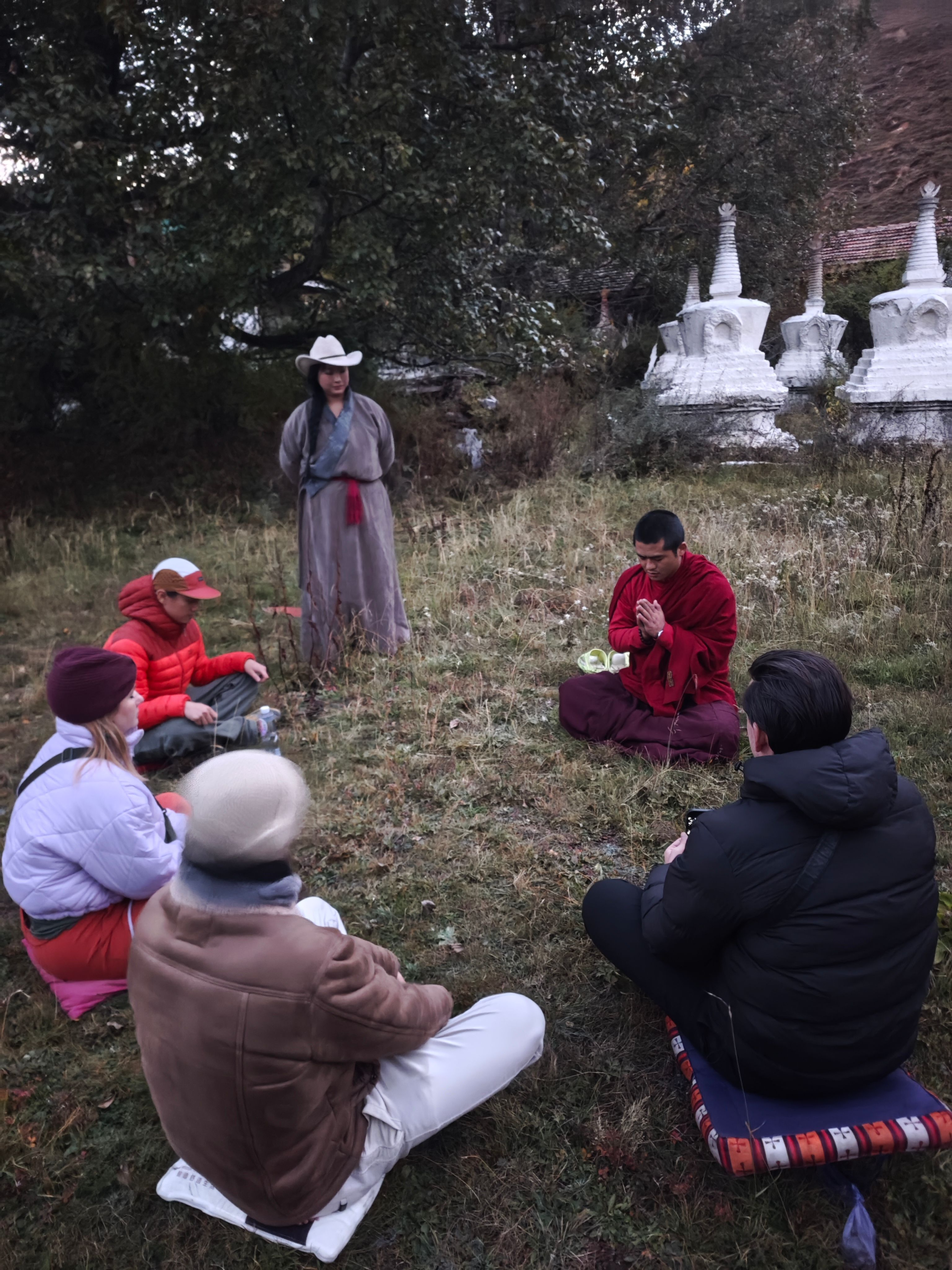
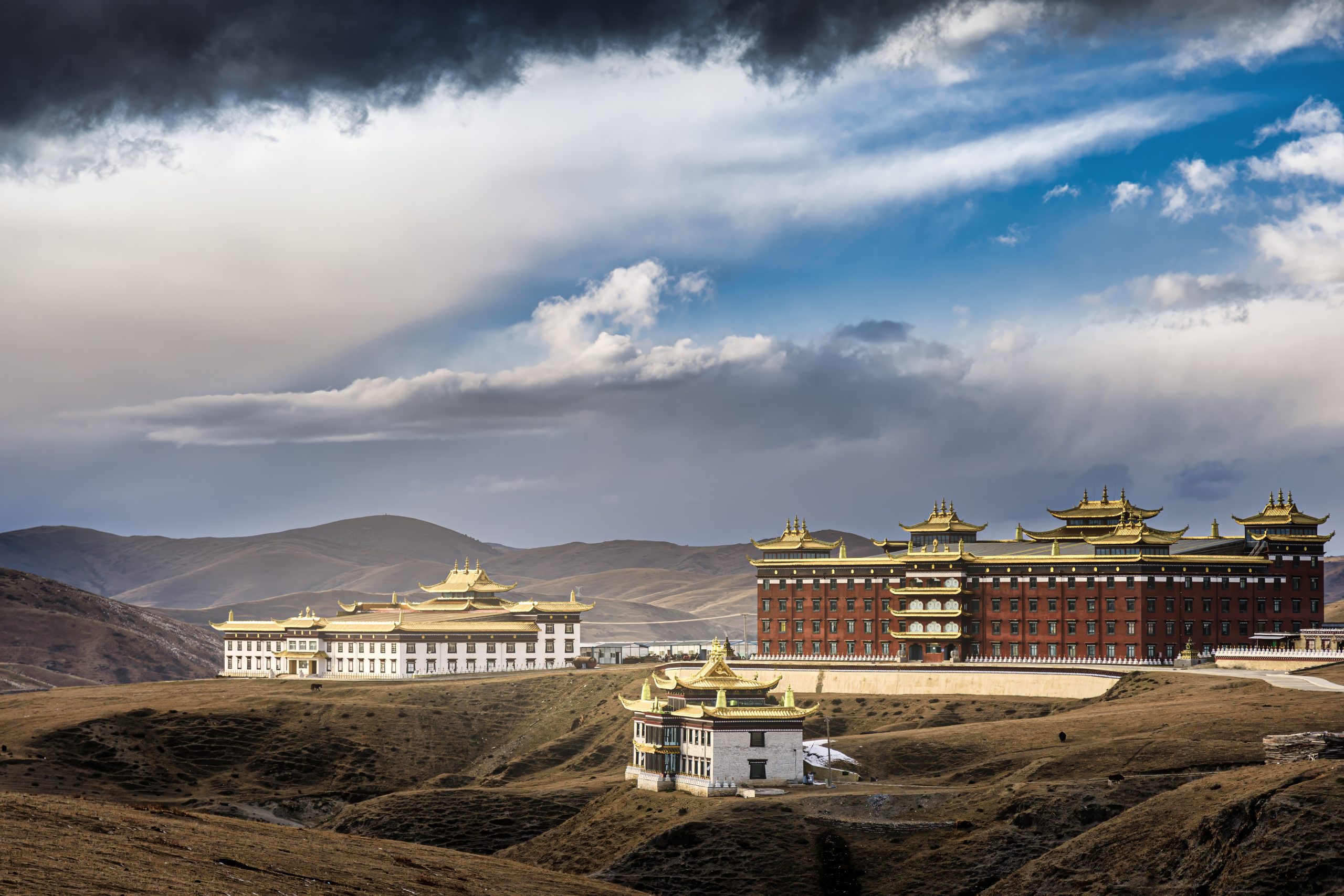
Practise Tibetan Buddhist meditation with a monk from Tagong Monastery, learning authentic techniques in the thousand-year-old stupa forest.
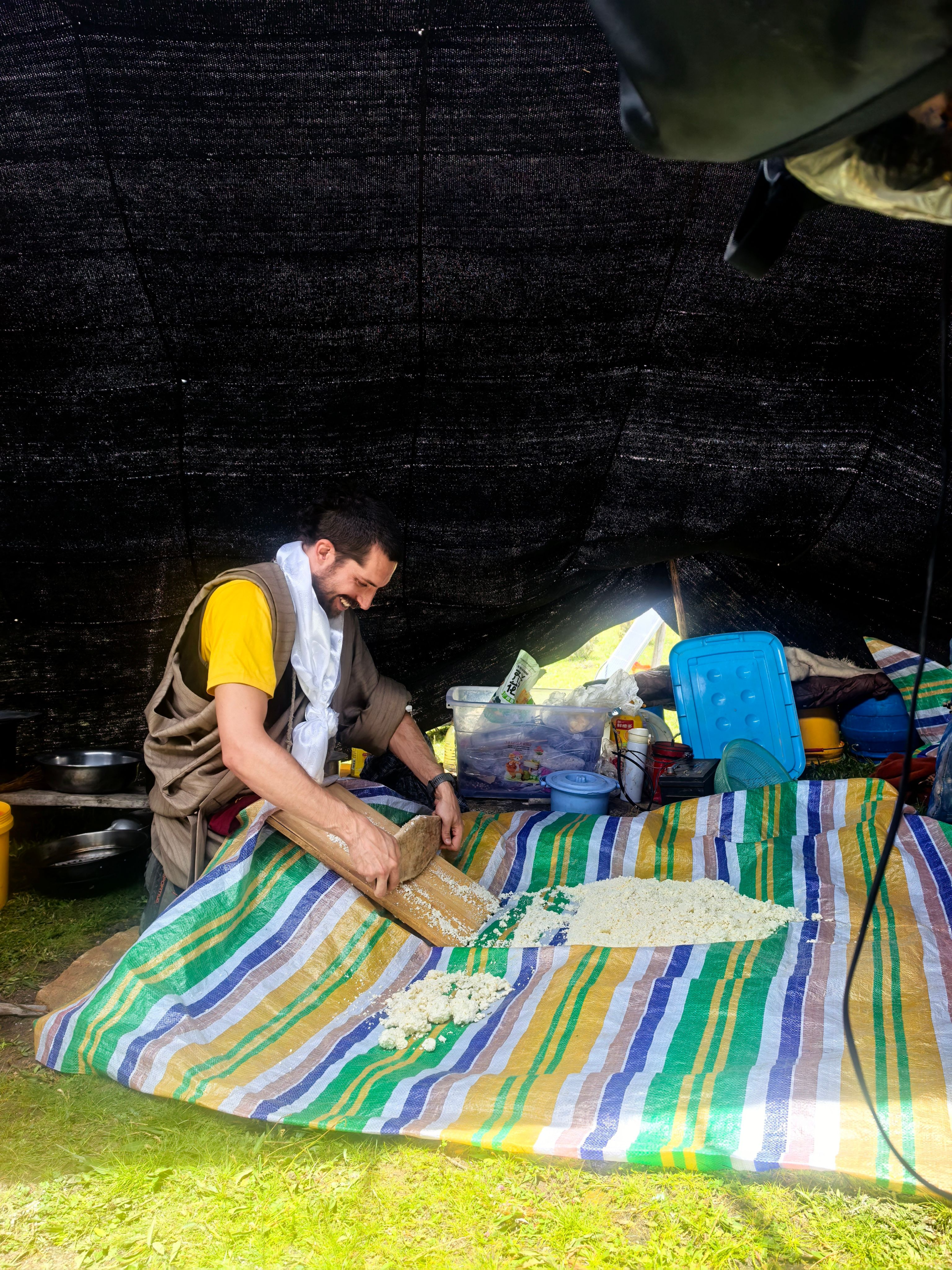
Spend a day with Tibetan nomads on the grasslands, joining local herders in their daily routines, learning to make tsampa, herding yaks, and sharing authentic Tibetan meals together.
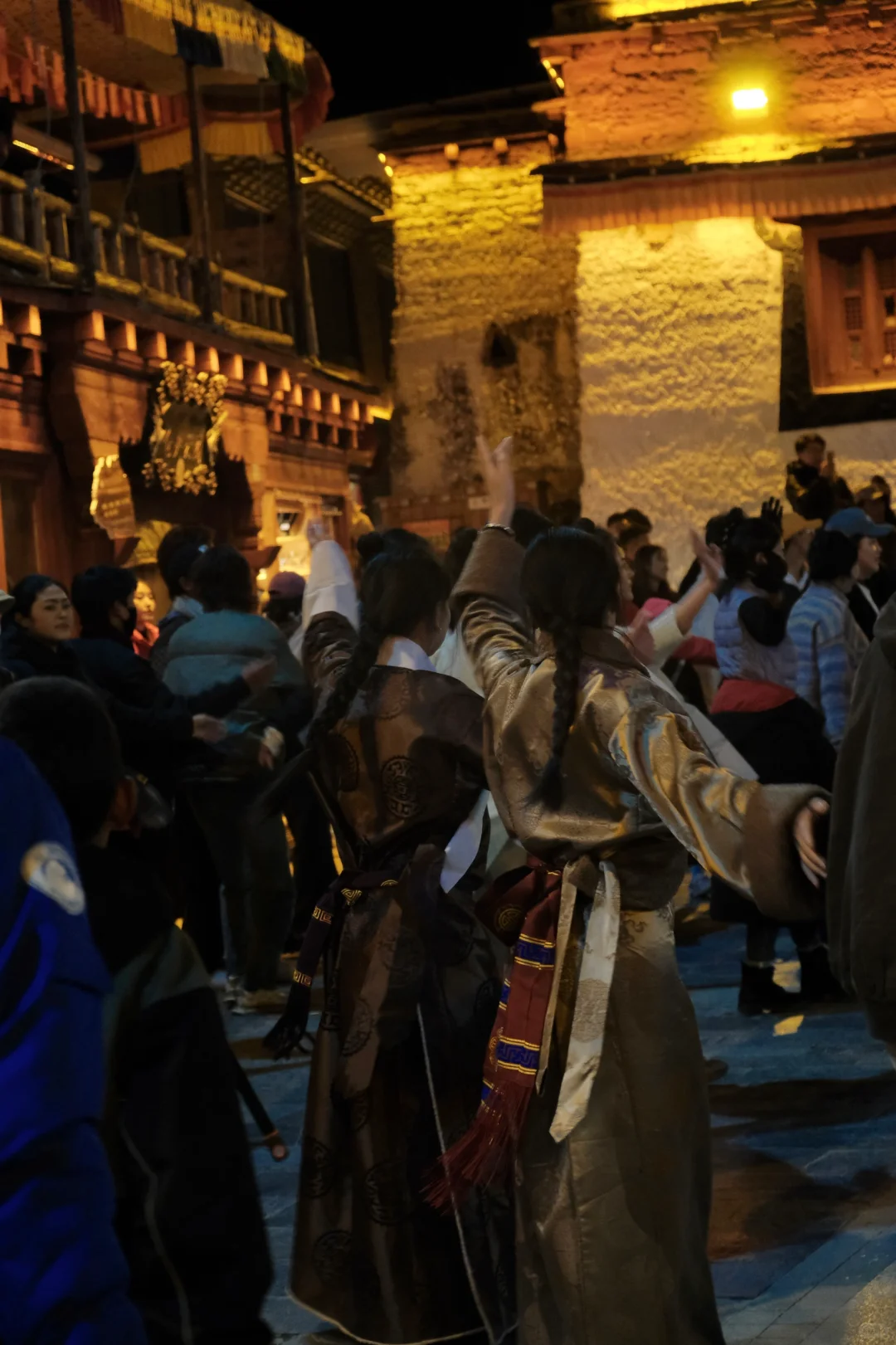
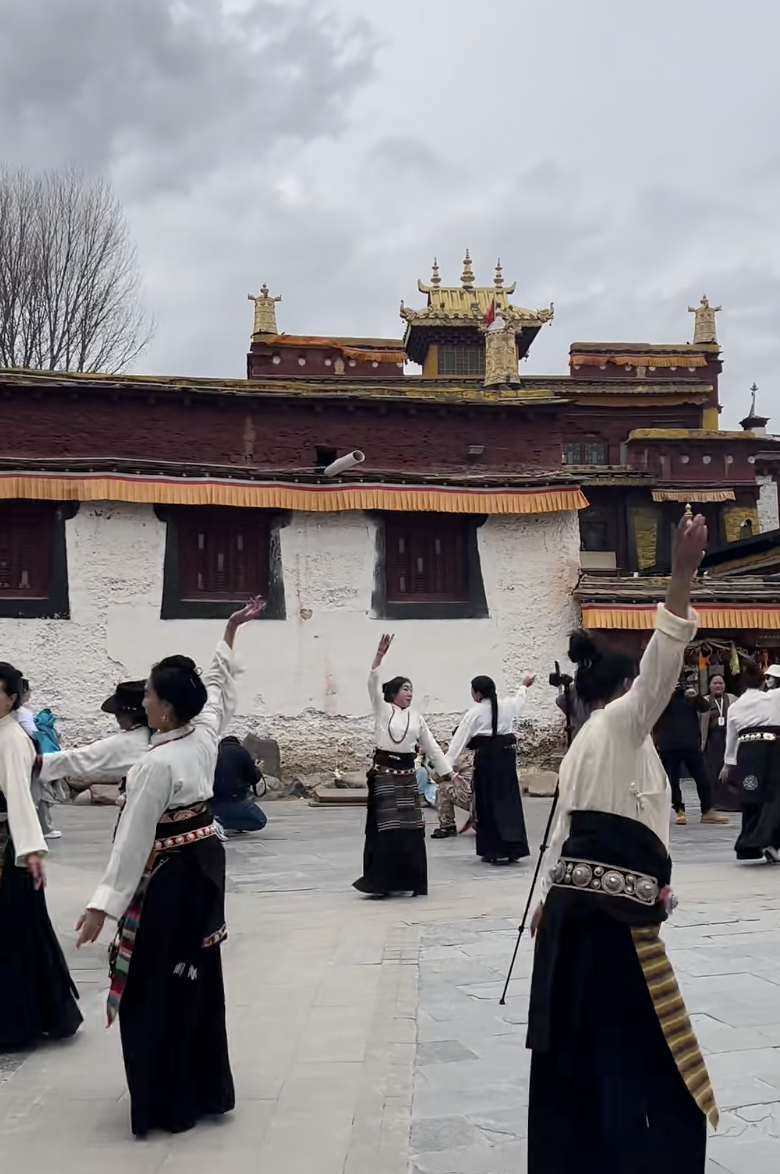
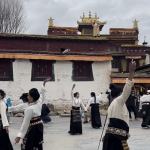
Dance Traditional Tibetan dance Guozhuang with locals in Litang, the highest Tibet city in the world, explore its thousand-house Tibetan village and monasteries.
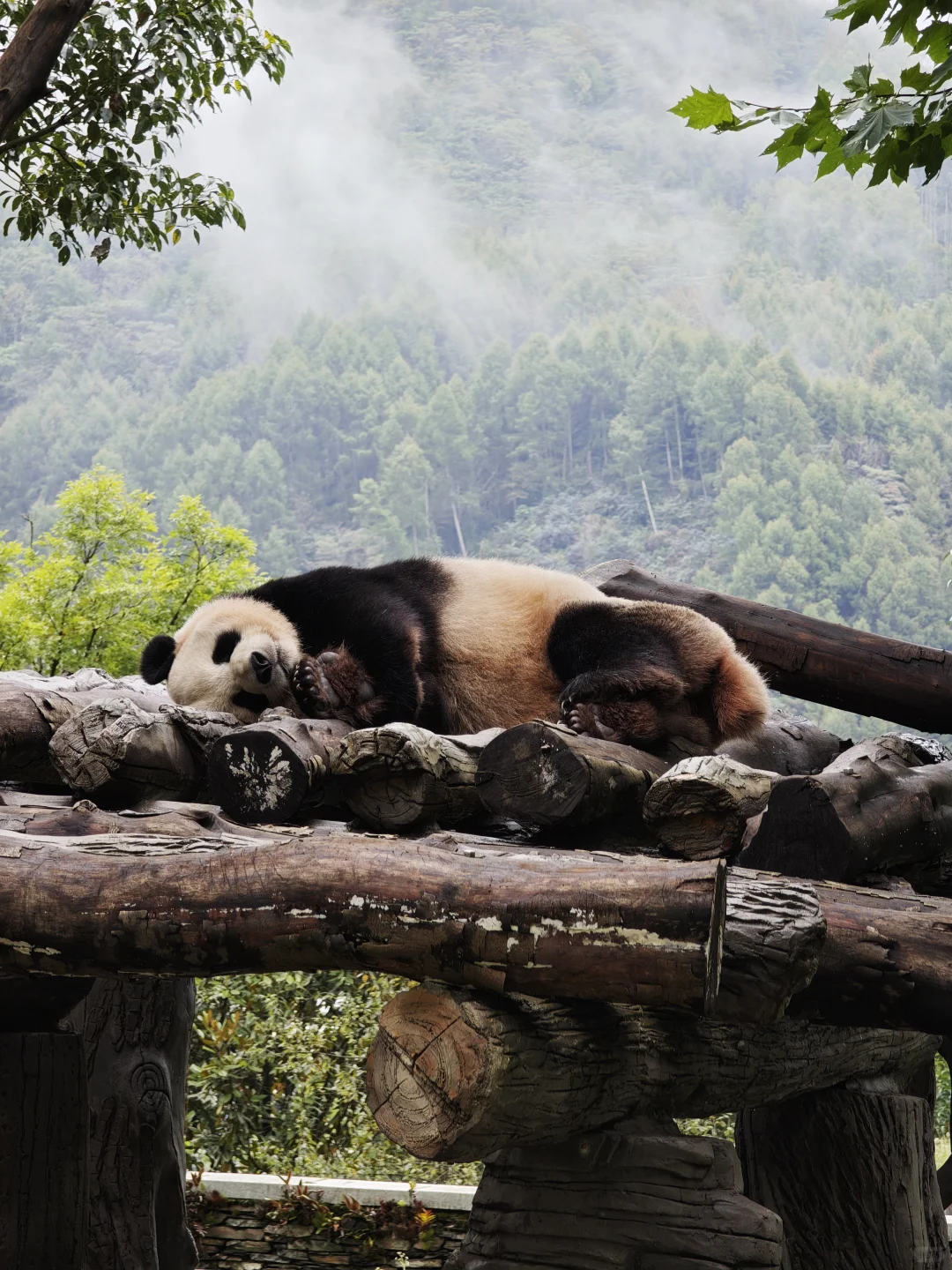
Observe giant pandas up close, with unobstructed views and no glass barriers, in a carefully designed panda base that reflects how pandas live in the wild. Panda will be as close as 5m.
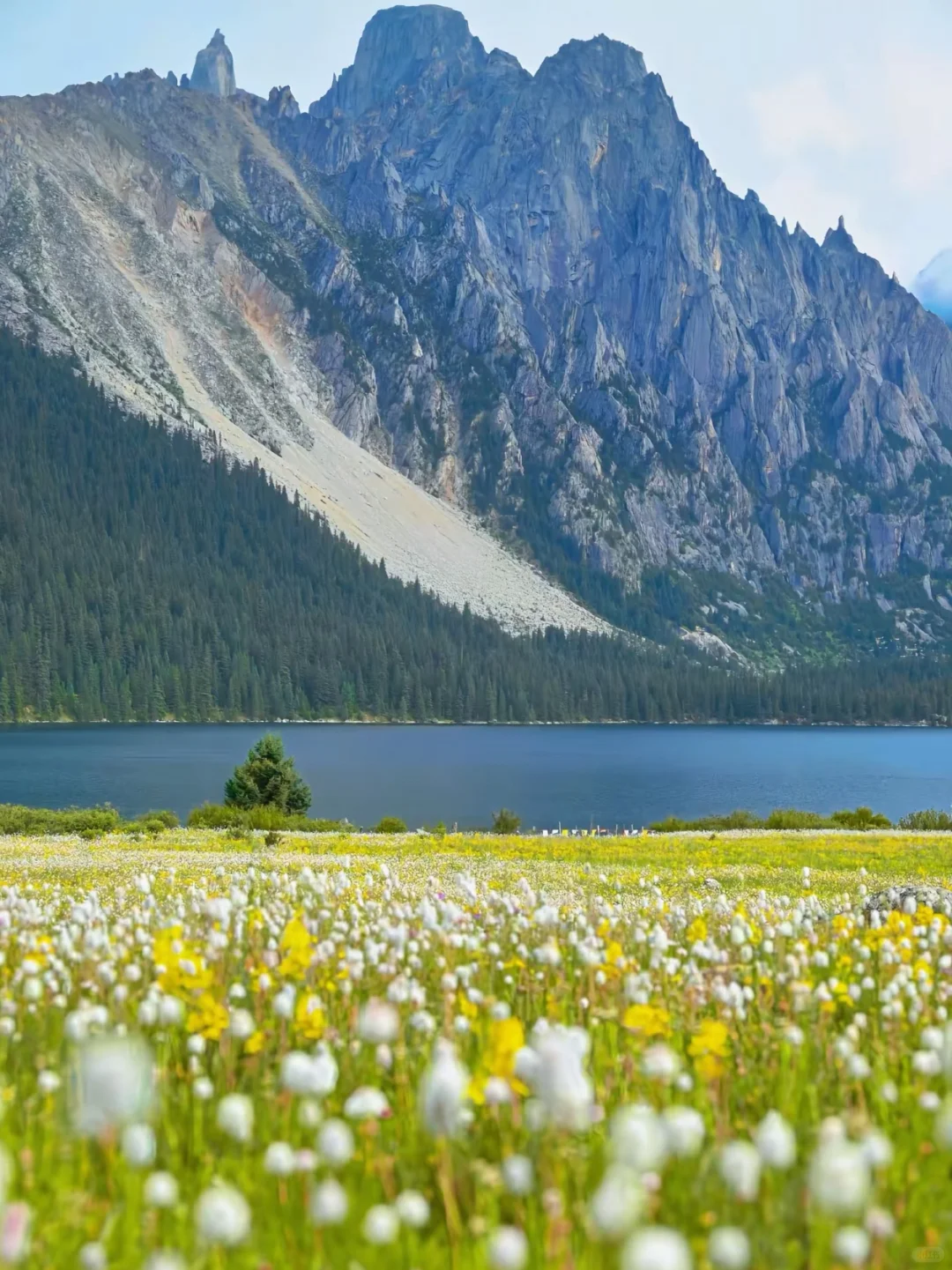
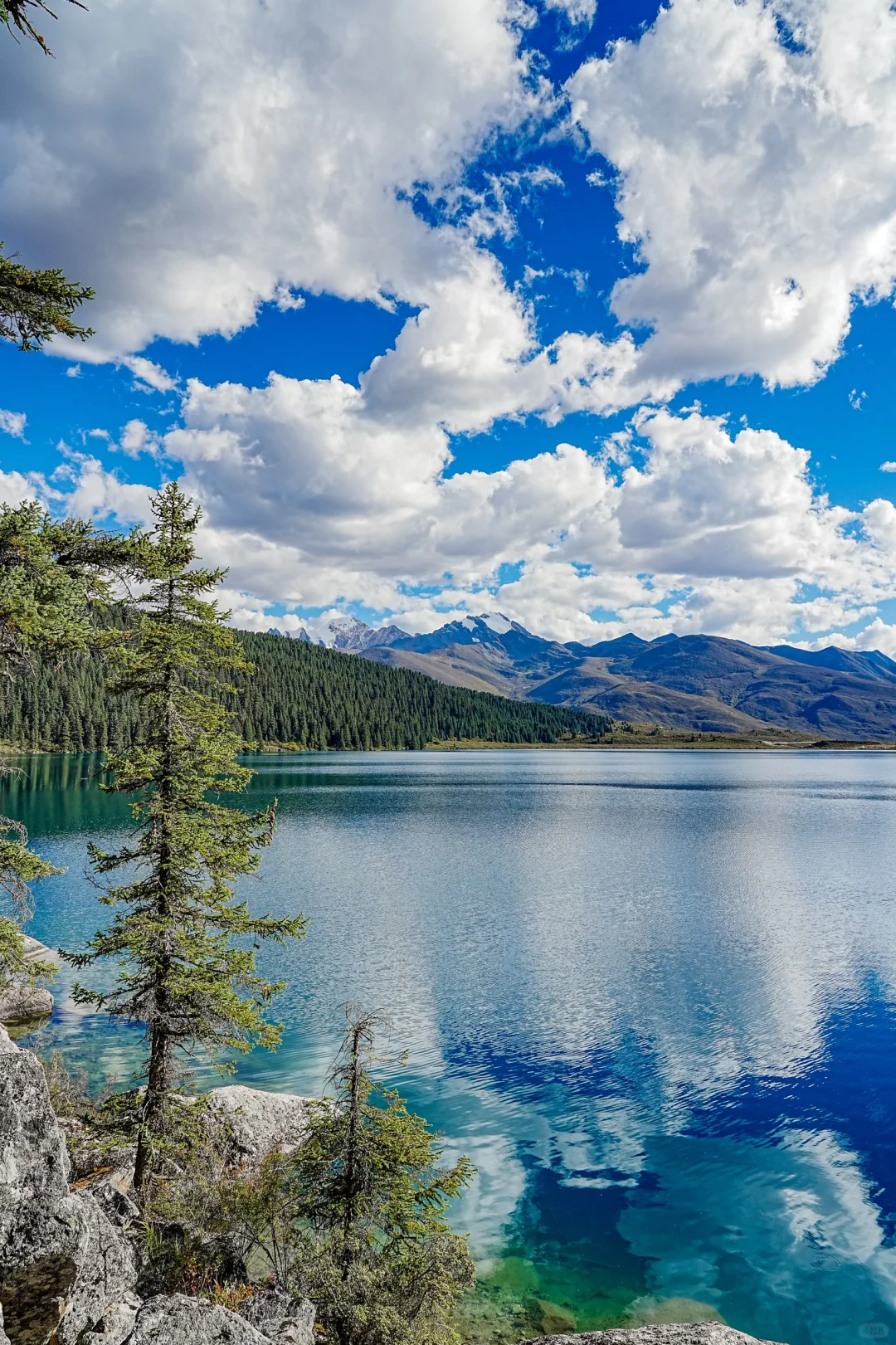
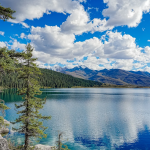
Stroll beside the lakeshore in Cuopu Valley, beneath snow-capped mountains, where crystal-clear waters reflect the peaks and surrounding forests.
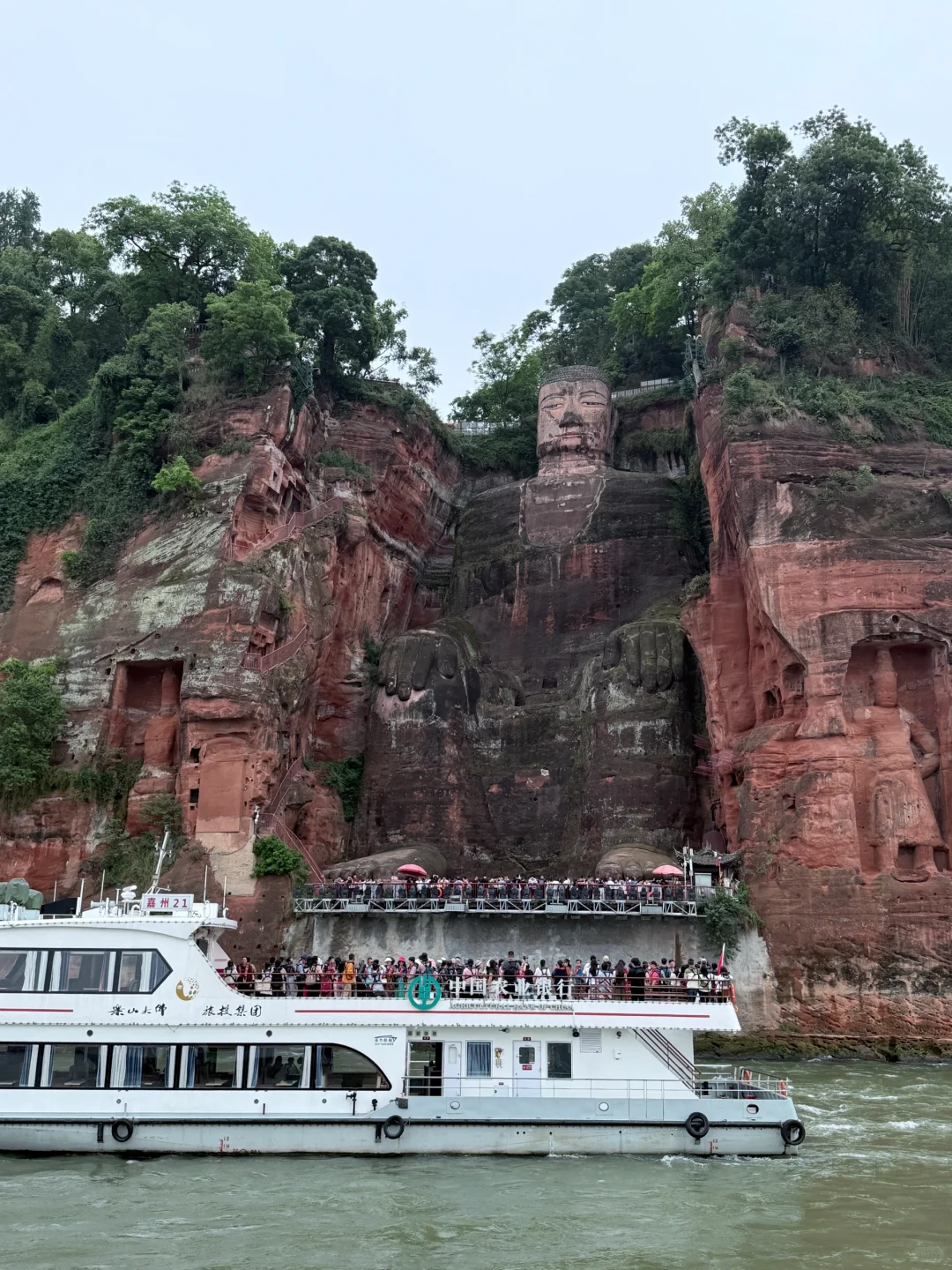
Enjoy a VIP boat experience at the Leshan Giant Buddha, viewing the world’s largest stone-carved seated Buddha from a unique perspective on the river.
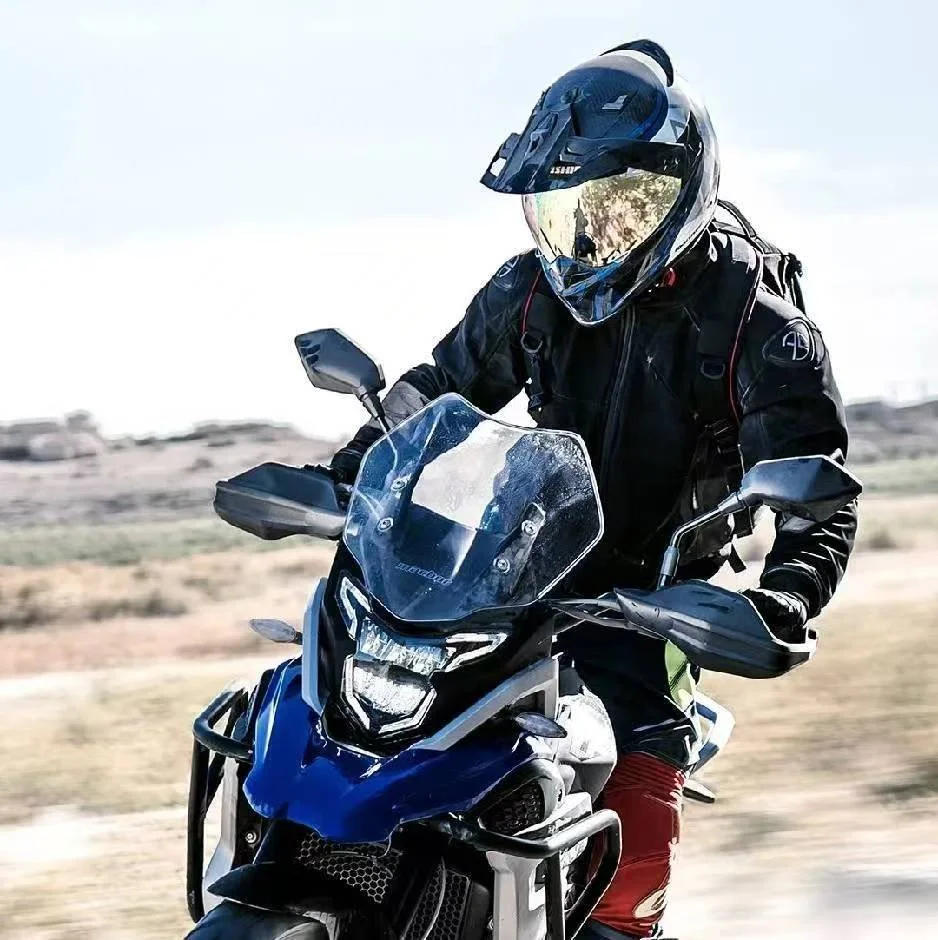
Day-by-day Itinerary
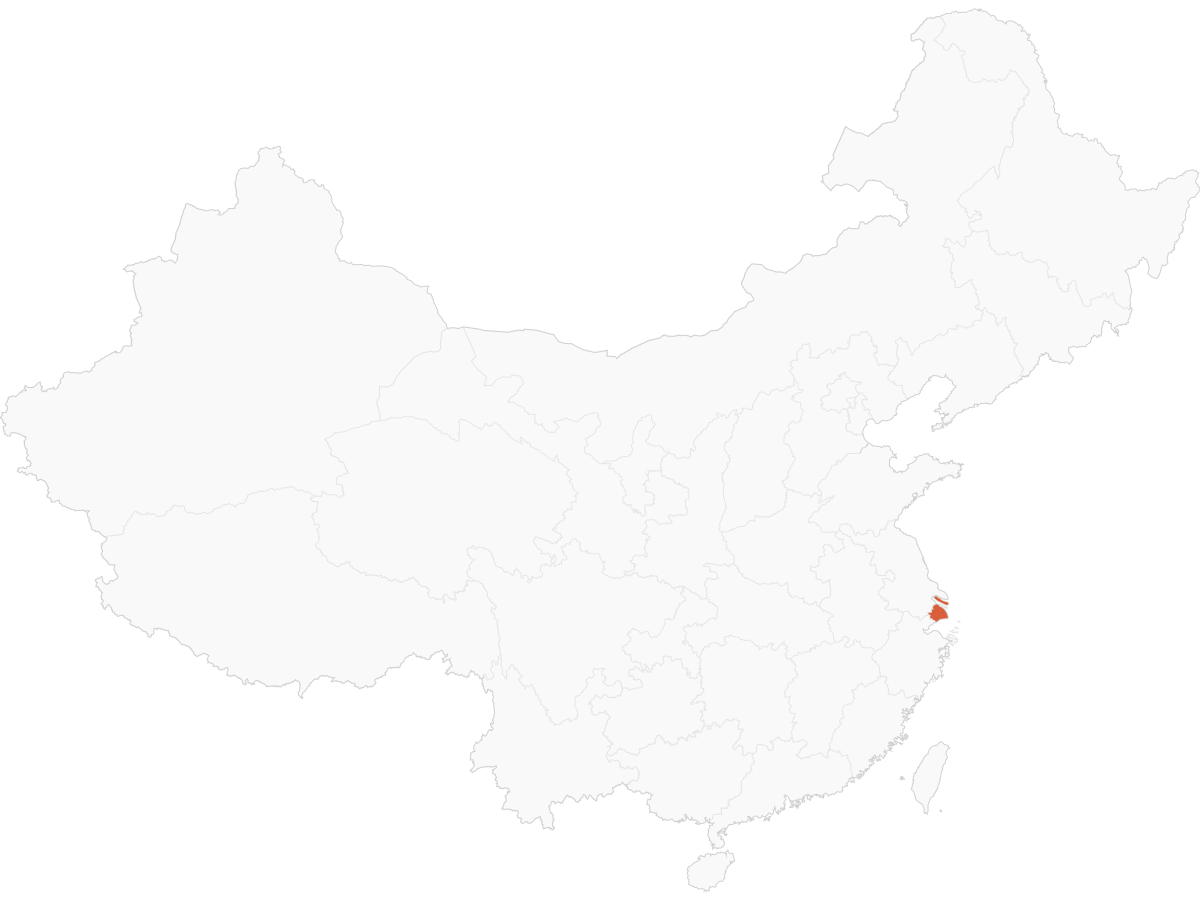
Chengdu – Wolong Panda Base – Maobiliang Viewing Platform – Zhonglu Tibetan Village
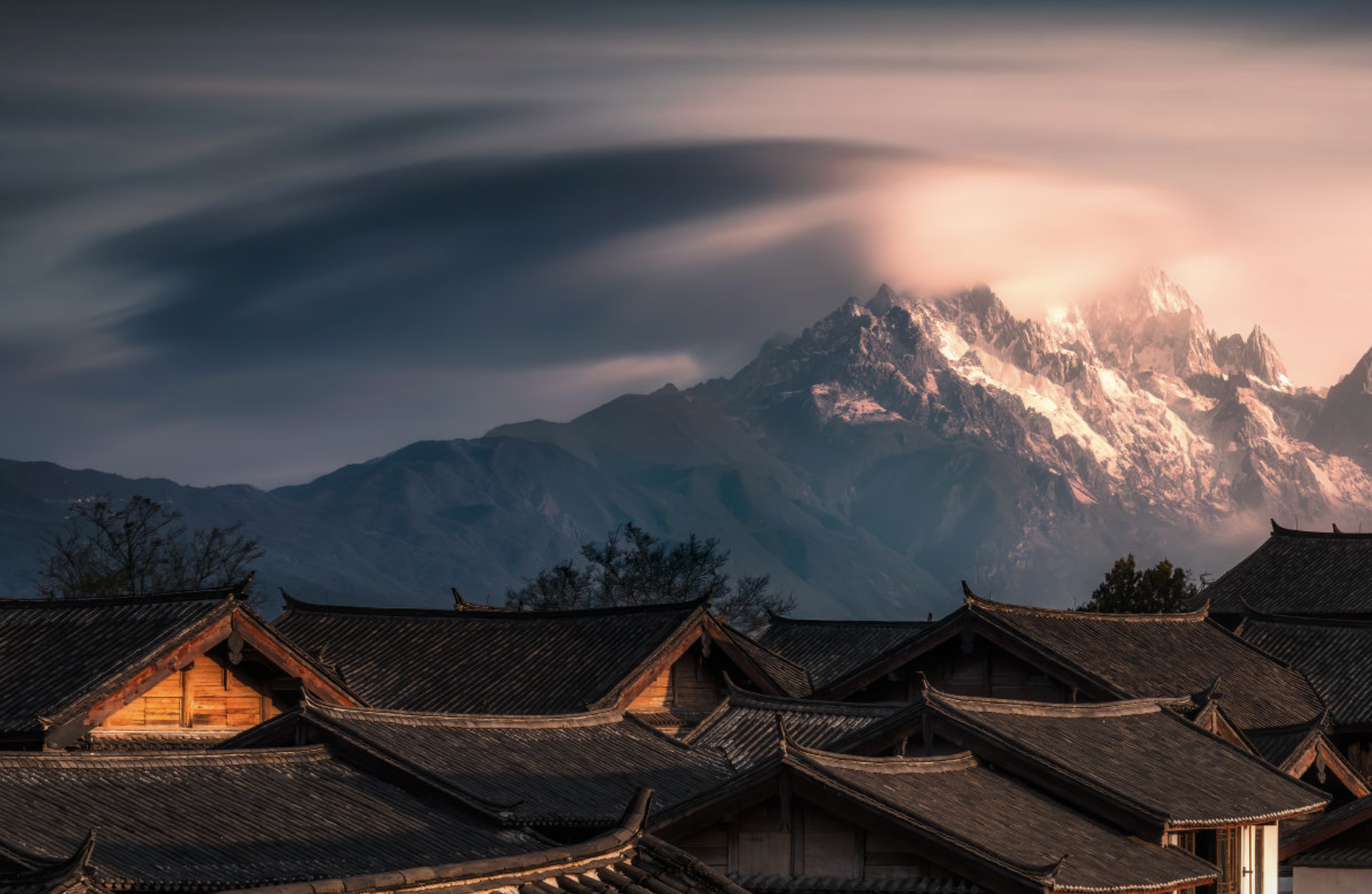
We begin at Wolong Panda Base, the world’s largest natural-habitat sanctuary, where you can quietly watch giant pandas and their adorable cubs roaming just steps away—no glass, no crowds. After that, Maobiliang Viewpoint offers your first enchanting look at the four sacred peaks of Siguniang, often glowing gold under the afternoon sun. Afterwards, you’ll arrive at Zhonglu Tibetan Village, called the most beautiful Tibetan villages in China. As the sun sets over the old village, warm light spills across the rooftops and fields, offering a peaceful and timeless moment.
Zhonglu Tibetan Village – Tagong Town -Tagong Monastery – Muya Monastery – Gerima Village
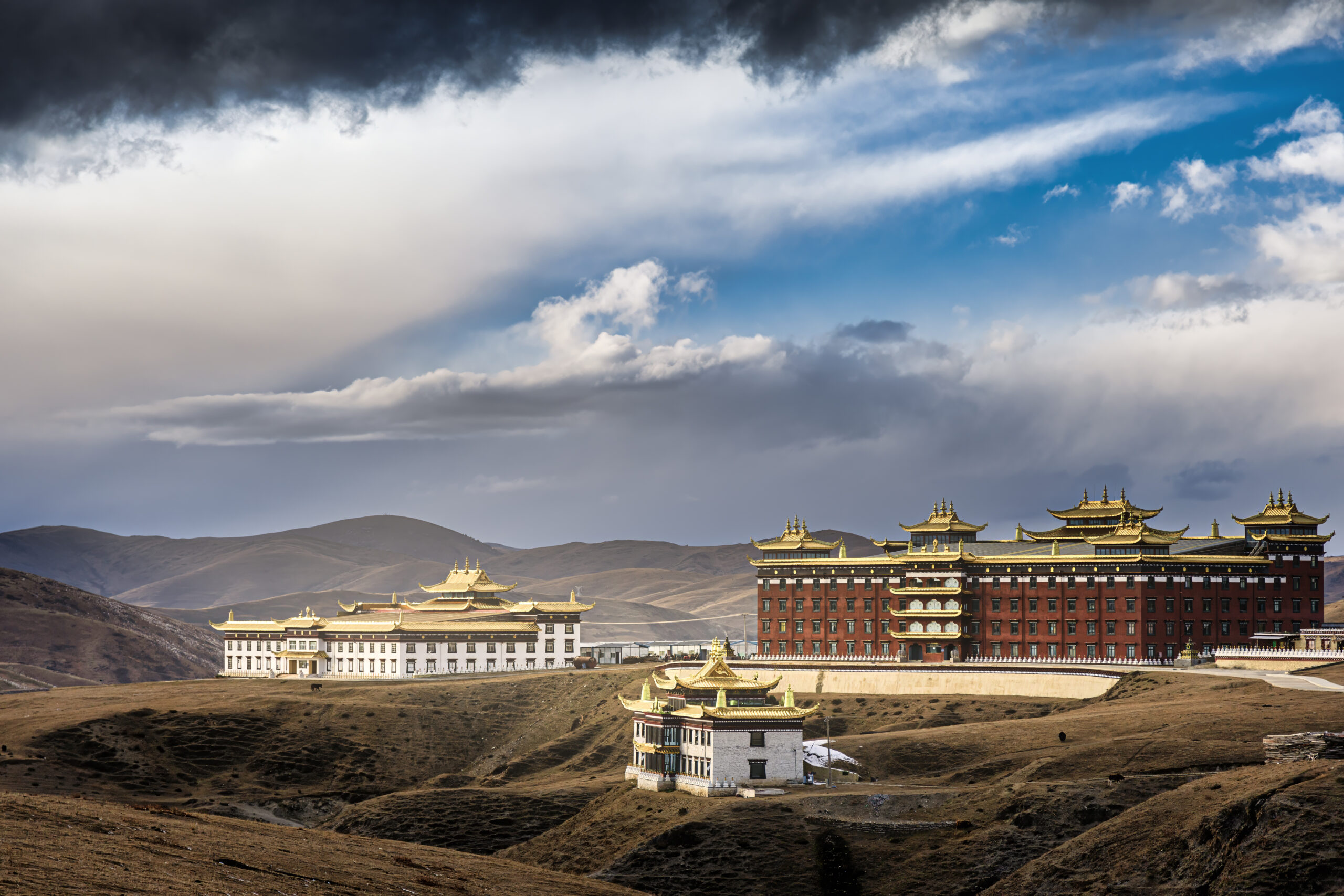
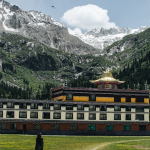
After the sunrise, continue your journey to the Tagong Grassland, a sacred place said to be beloved by Bodhisattvas. Guided by our local English-speaking guide, you’ll touch the rescued deer at Muya Monastery, which is under the snow mountains. At Tagong Monastery, listen to a teaching from the monks and offer a touch of light to a butter lamp. In a secluded nunnery, learn the art of Tibetan debate and feel the dynamic exchange of Buddhist philosophy. Then we will take you to Gerima Village, where devotees from across the plateau live and practice their faith.
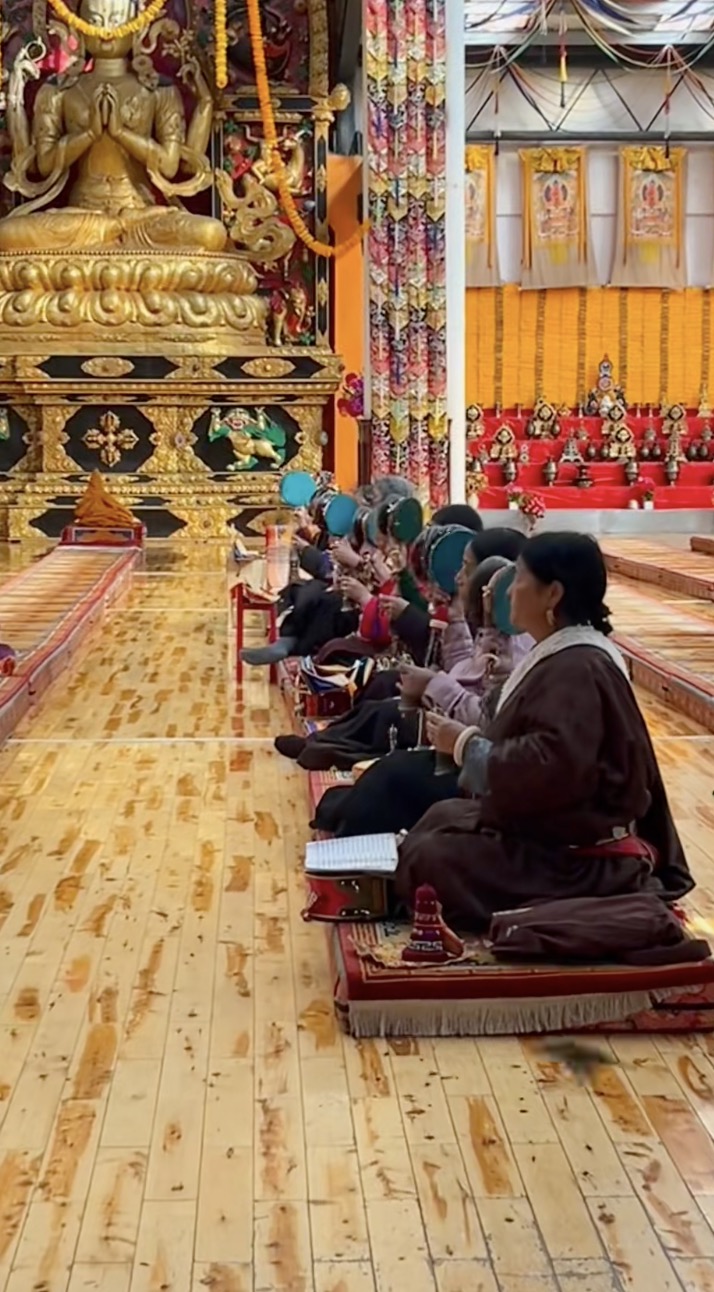
Meditation – Litang – Qianhu Tibetan Village – Letong Ancient Town – Evening Guozhuang dance
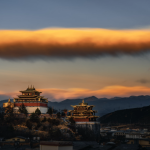
Guided by a monk from Tagong Monastery, you’ll learn one of the oldest meditation practices in Tibetan Buddhism. Travel to Litang, the Sky City hidden deep within the Tibetan region beneath towering snow mountains, a highland settlement said to be closest to the sun. Here, you’ll see thousands of traditional Tibetan homes, and in the evening, join the locals for a lively Guozhuang dance.
Litang – Zimei Lake – Cuopu Valley – Litang
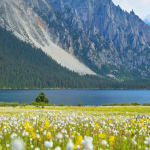
Passing the Sisters Lakes, two deep-blue lakes resting side by side beneath snow-covered peaks, the scenery feels almost unreal. Then enter Cuopu Valley, a place often described as a microcosm of Sichuan’s natural wonders. Here, snowy mountains, steep gorges, alpine forests, and crystal-clear lakes all converge within a single valley. A gentle hike along the wooden boardwalk leads you slowly through this ever-changing landscape, The walk ends at Cuopu Monastery. On clear days, blue sheep are often seen moving across the rocky slopes near the monastery.
Litang – Changqingchunkeer Monastery – Nomad experience – Xingduqiao
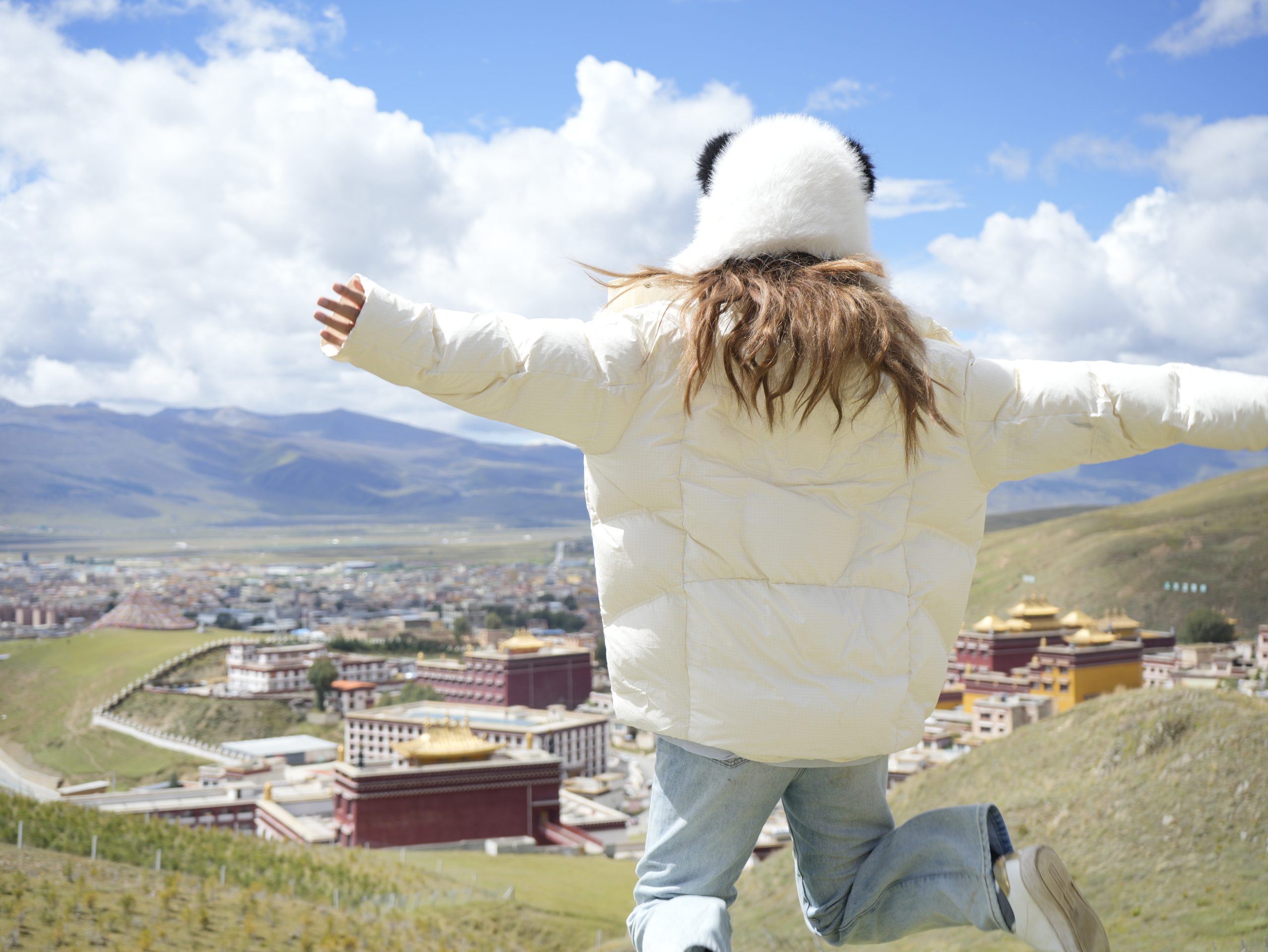
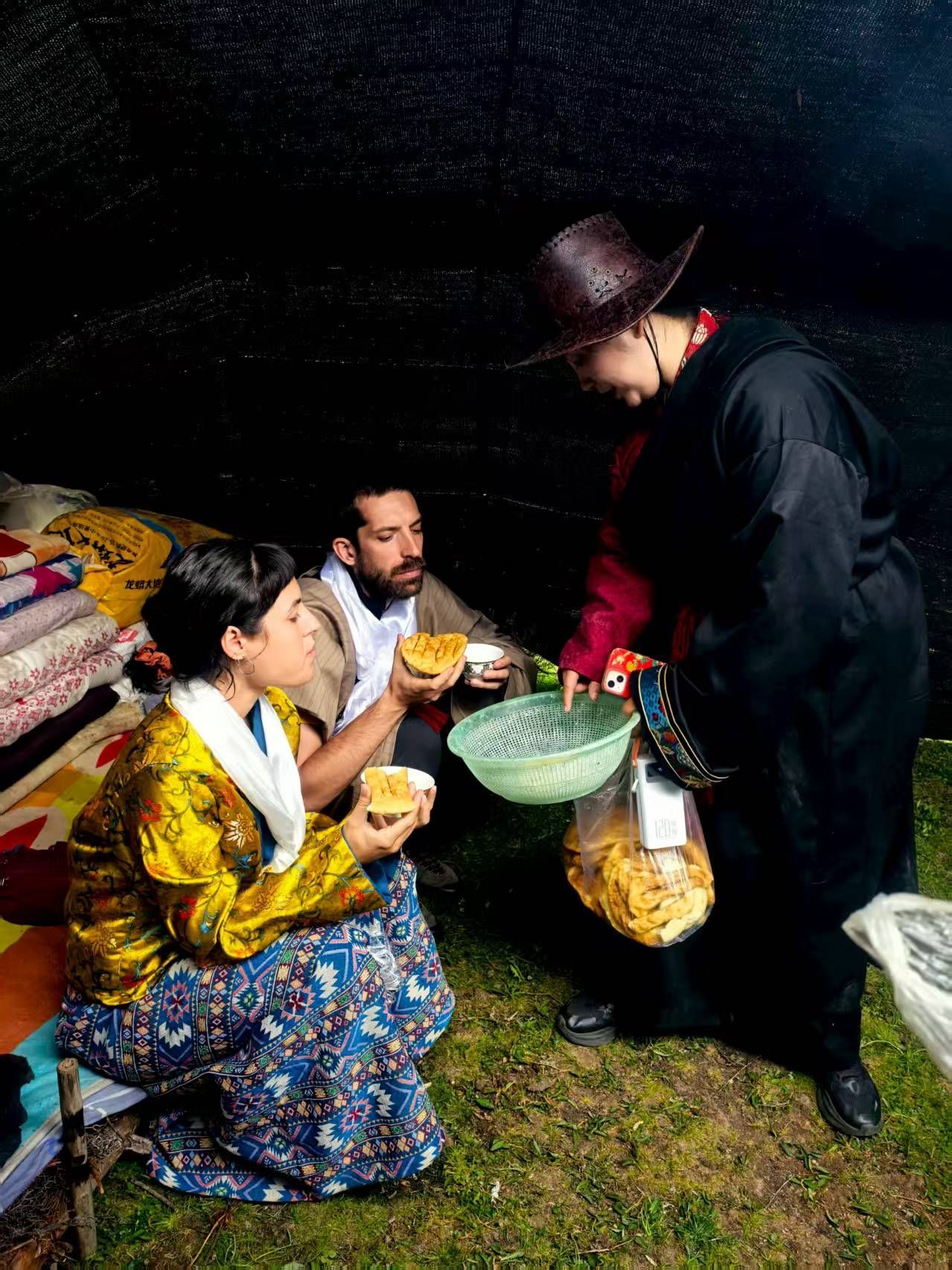
In the early morning, you will visit Changqingchunker Monastery, the oldest and largest Gelug monastery in the Kham region. From its hilltop location, you can also enjoy a panoramic view over Litang. In the afternoon, your local English-speaking guide will take you to a Tibetan herder’s home. Here, you will spend time herding yaks on the grasslands, learn to make tsampa and butter tea inside a traditional black tent, and experience a herder’s daily life firsthand. In the evening, you will enjoy a home-cooked Tibetan dinner with the family.
Xinduqiao – Zhonggu Village hot spring – Shangli Ancient Town
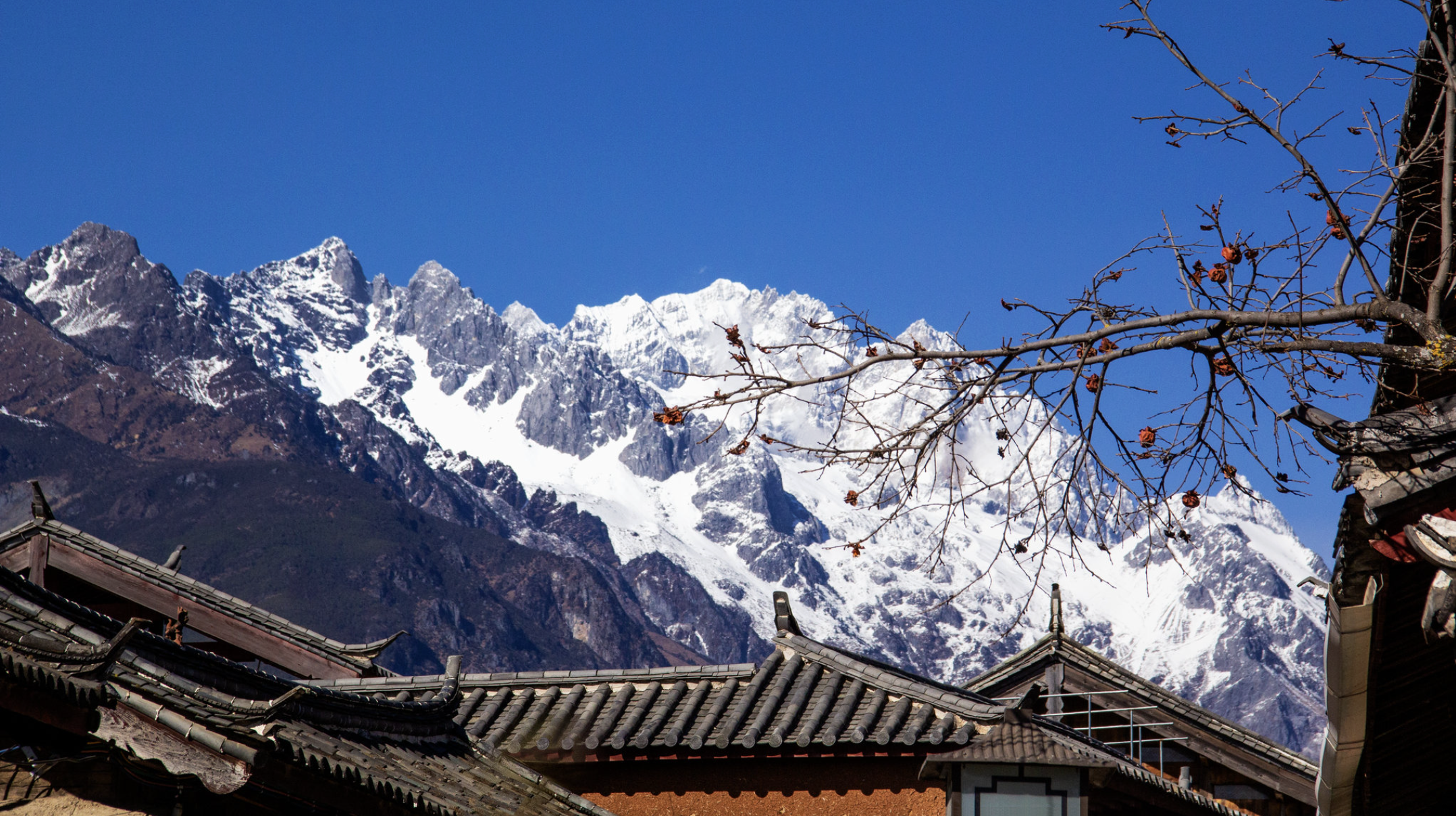
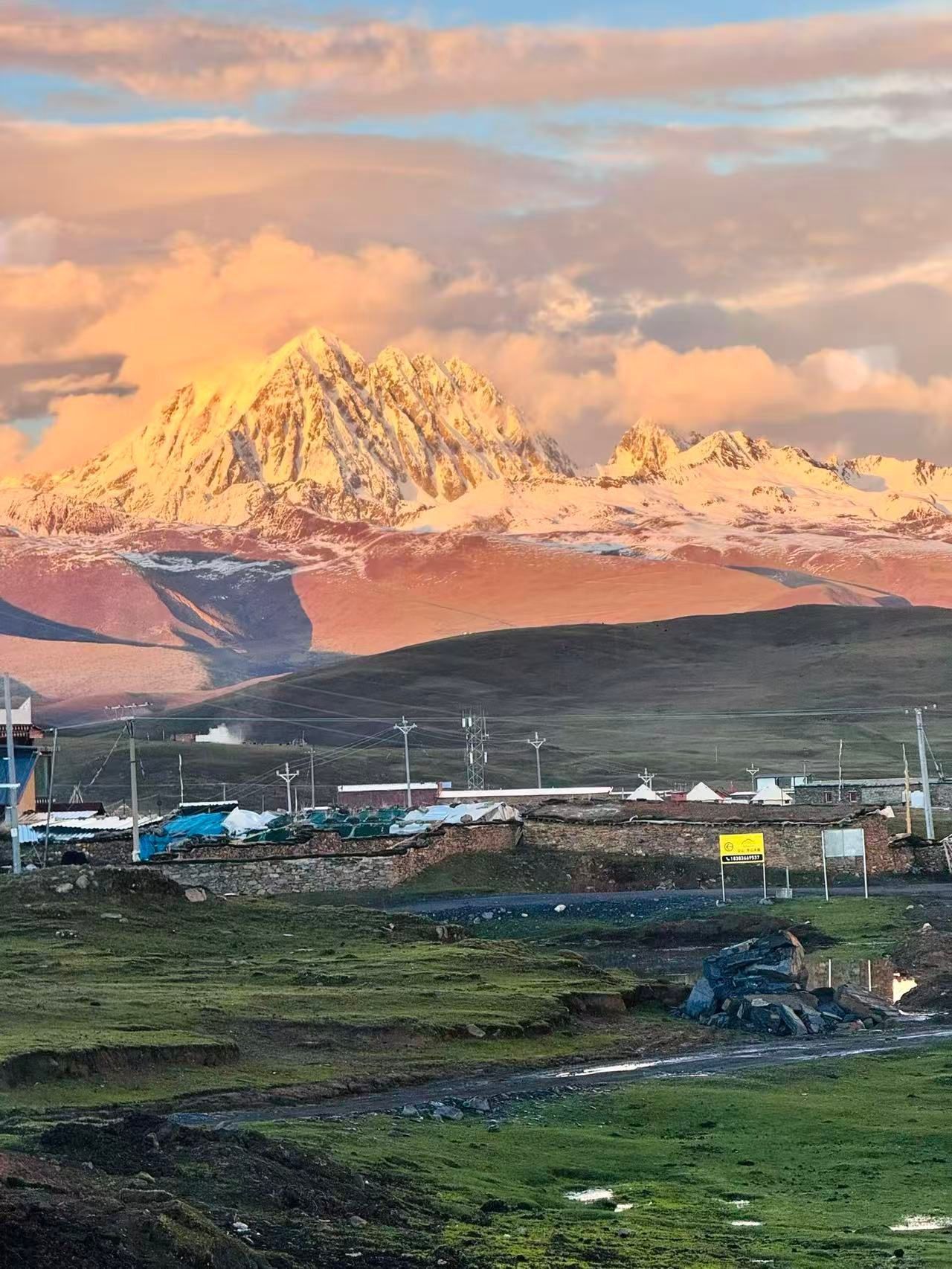
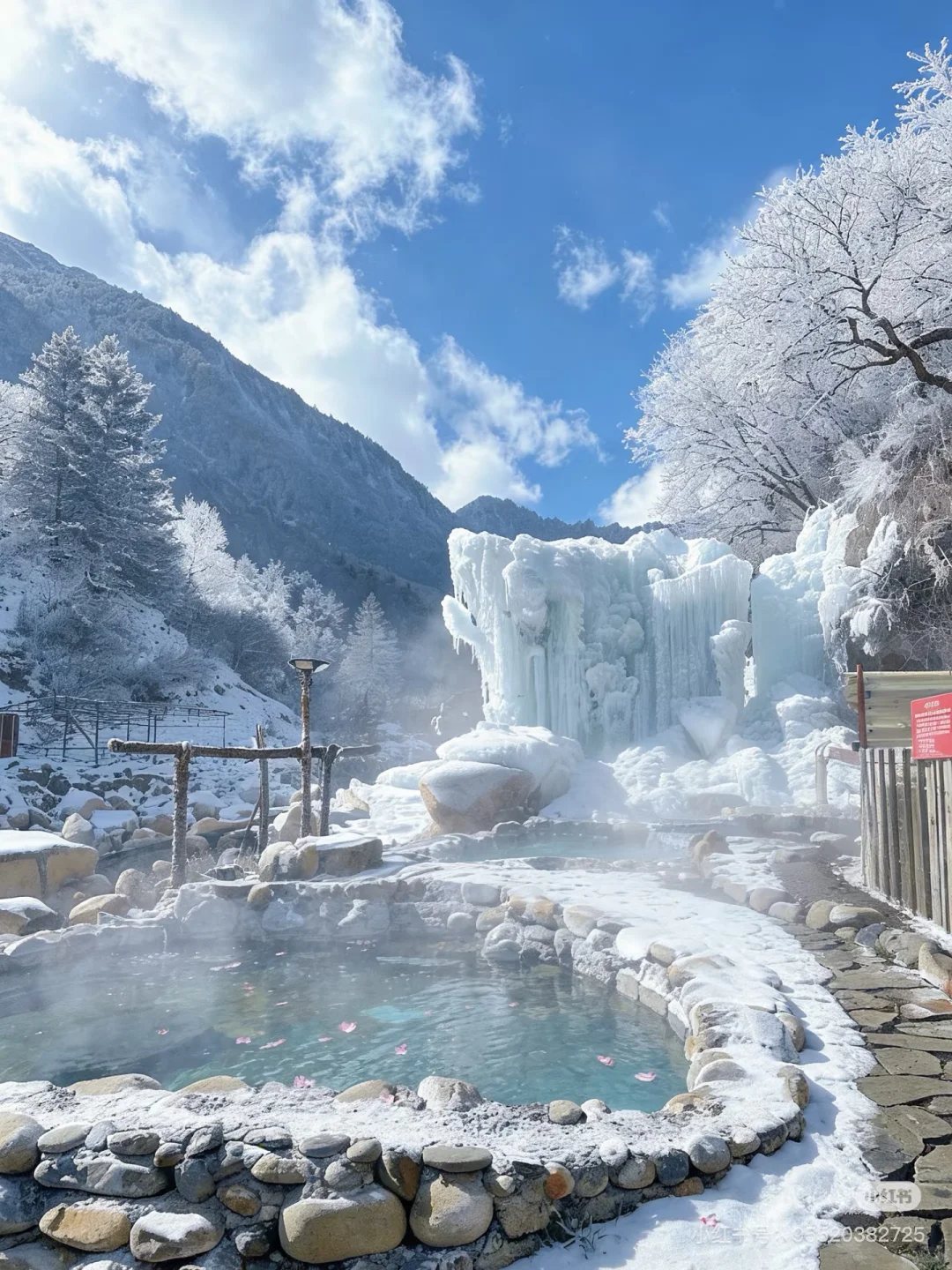
From Xinduqiao, enjoy distant views of Mount Gongga, continue to Zhonggu Village to unwind in a natural outdoor hot spring beneath snow-capped mountains, letting the warm mineral waters ease away the fatigue. Later, we will bid a warm farewell to the Tibetan highlands and make our way to Shangli Ancient Water Town, a tranquil thousand-year-old riverside settlement. Unlike other ancient towns , it has preserved its most authentic and untouched beauty.
Shangli Ancient Town – Leshan Giant Buddha – Chengdu
Starting your day with an early-morning stroll through the quiet, crowd-free streets of Shangli Ancient Town, where historic wooden houses stand peacefully in the dawn light.
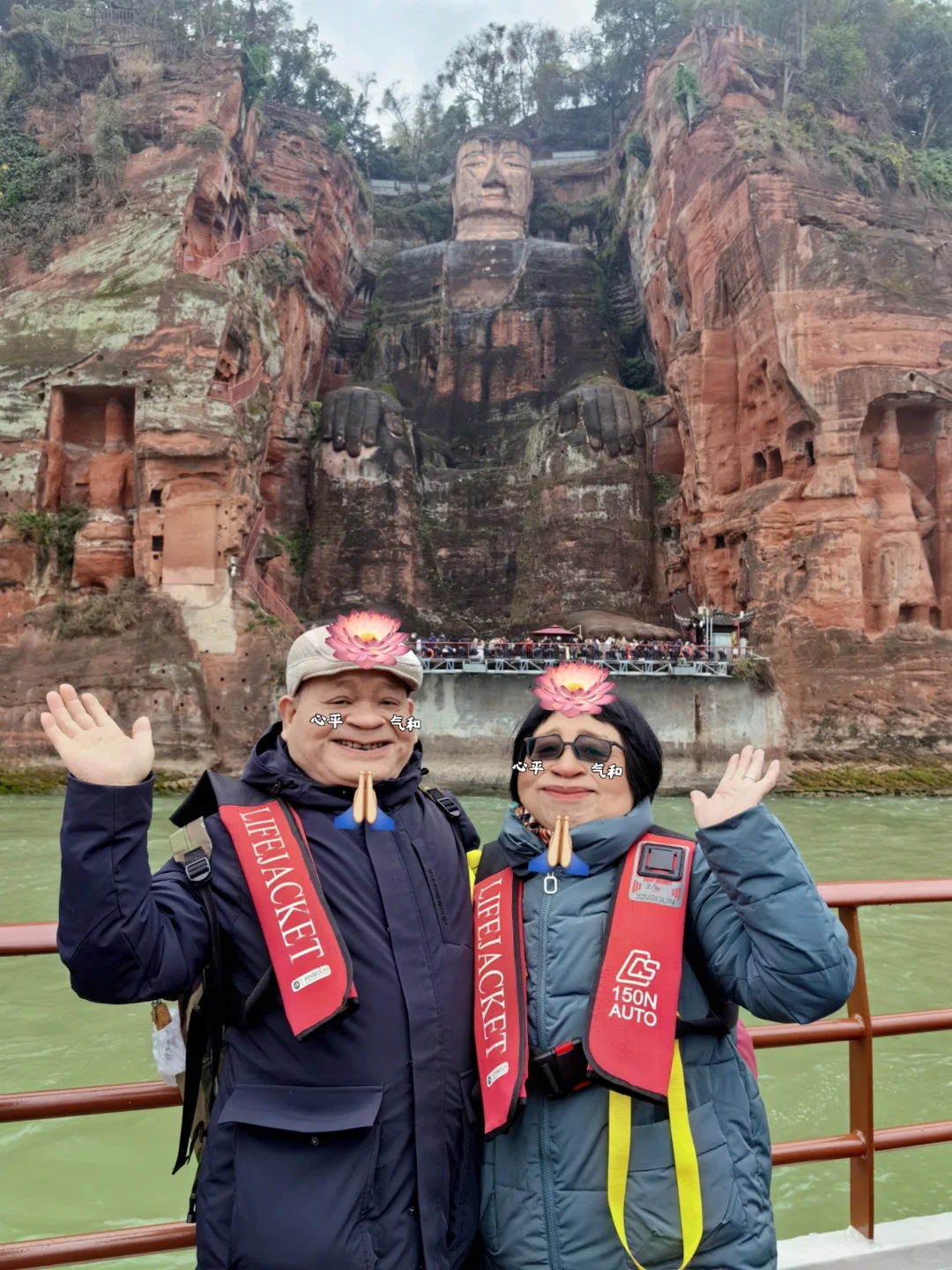
Afterward, we will drive to the Leshan Giant Buddha for a VIP boat experience, offering the best panoramic view of the world’s largest cliff-carved Buddha and allowing you to admire this remarkable UNESCO World Heritage Site up close.

Interested in a similar itinerary but want to Travel Privately?
Our Travel Experts are here to craft your perfect tailormade holiday.
Featured Stays
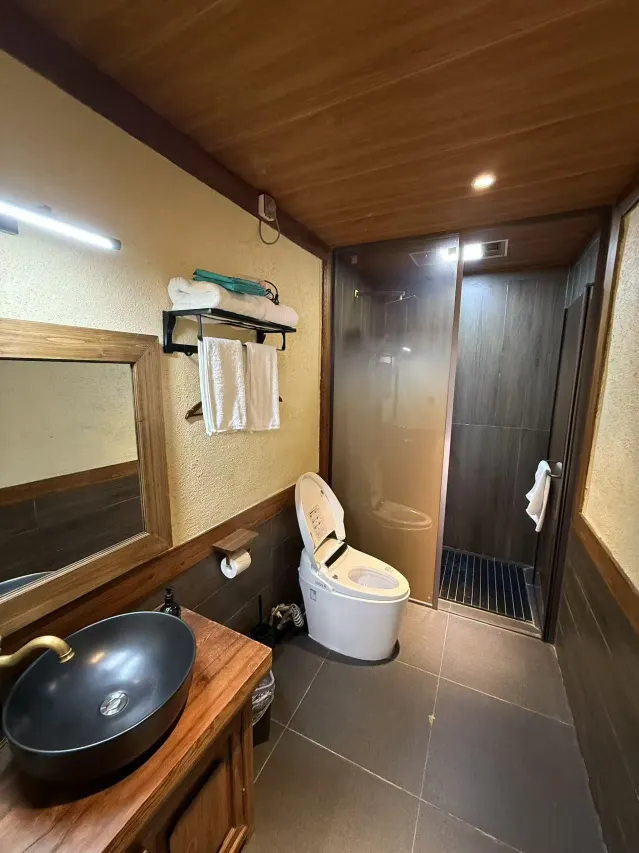
We’ve hand-selected a range of accommodations to suit different preferences, each offering a distinctive experience deeply connected to the local land and culture. We work with these or similar hotels to ensure a stylish and comfortable stay every time.
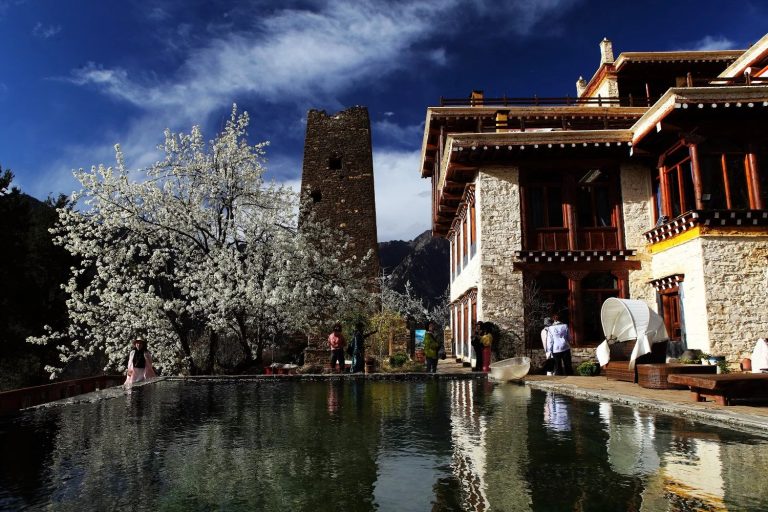
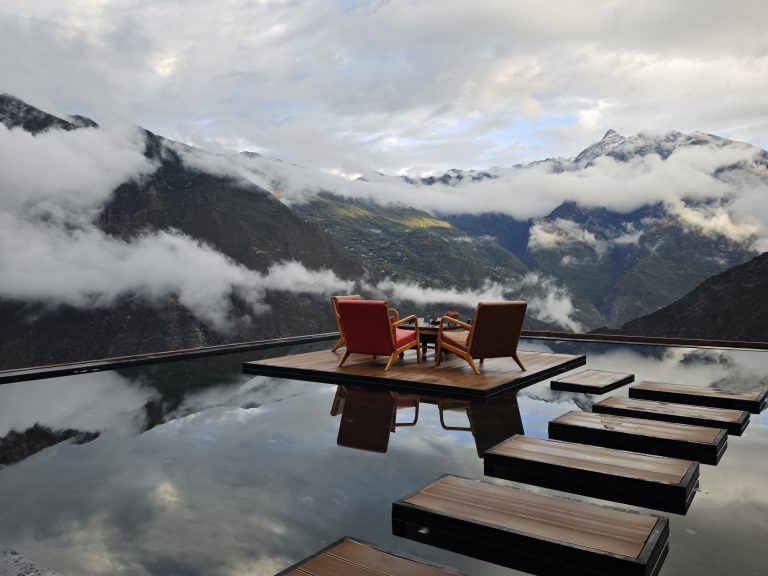
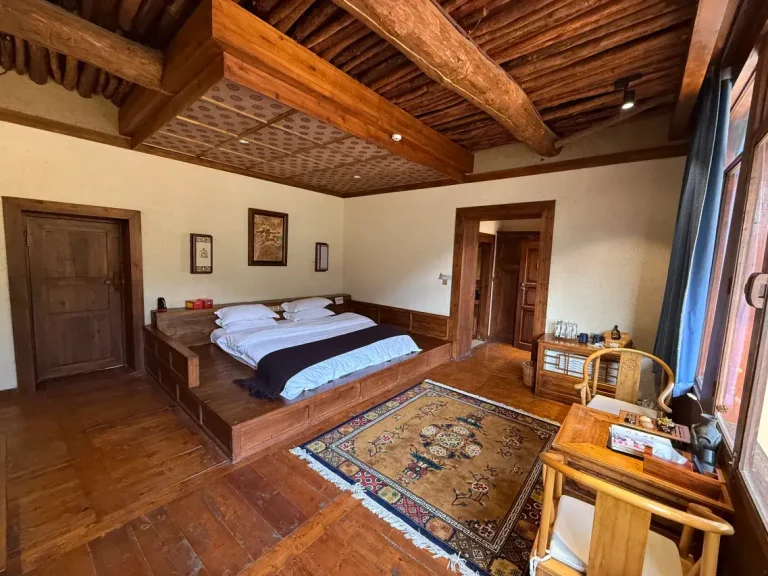
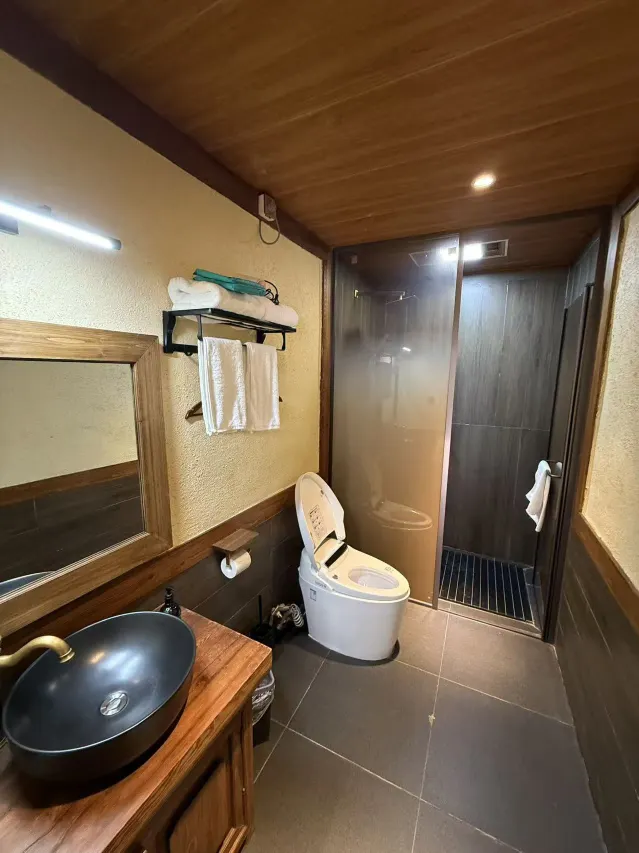
Hane Mansion
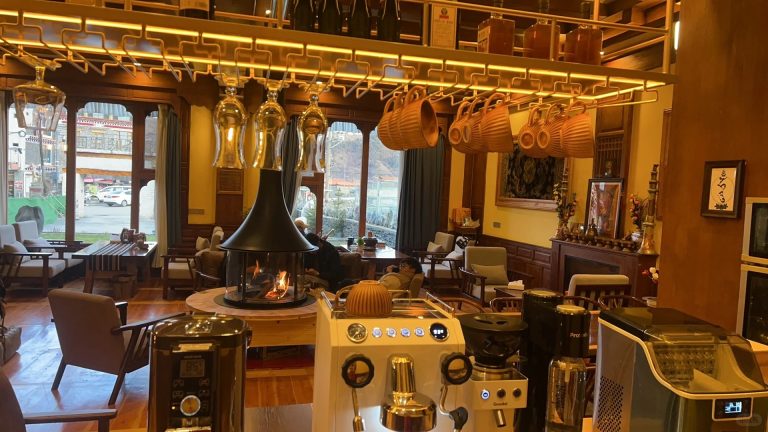
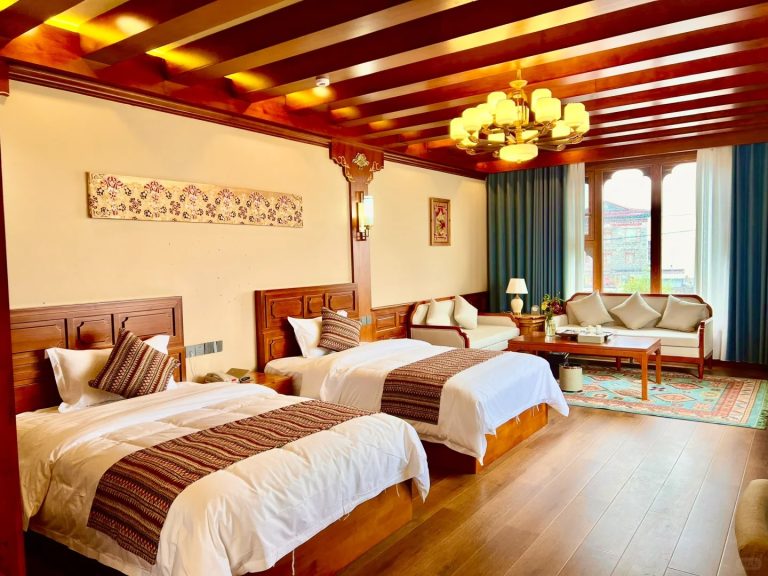
Dejieling Mansion
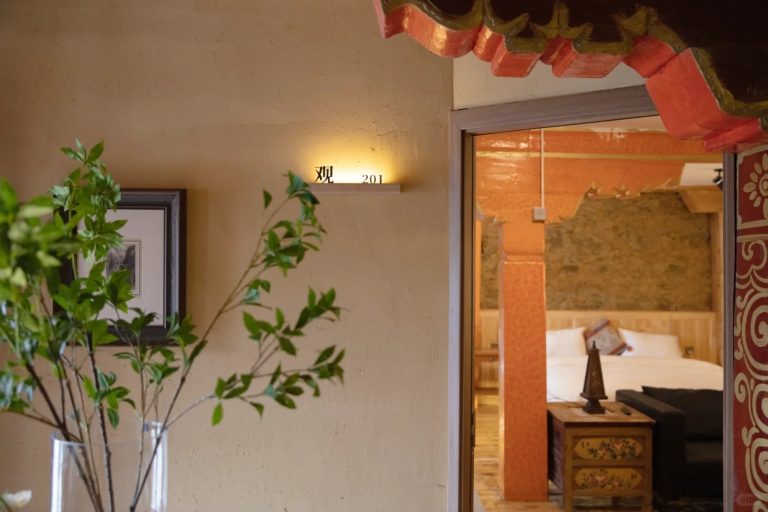
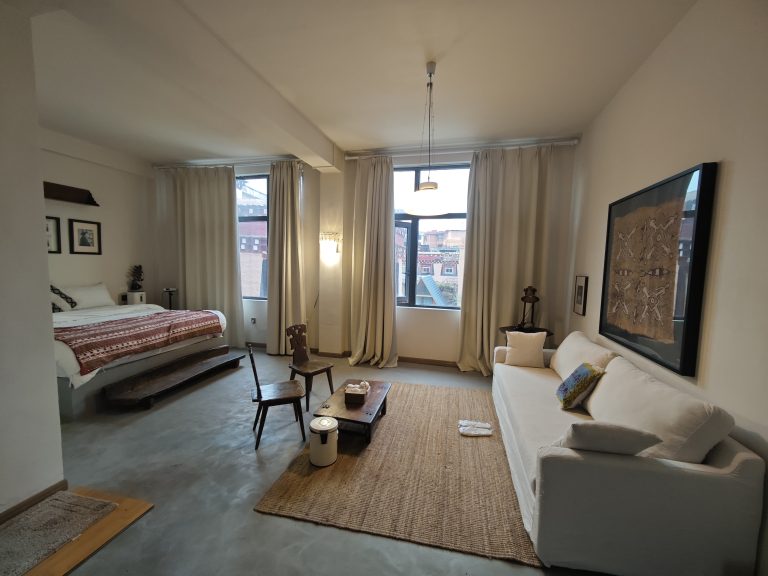
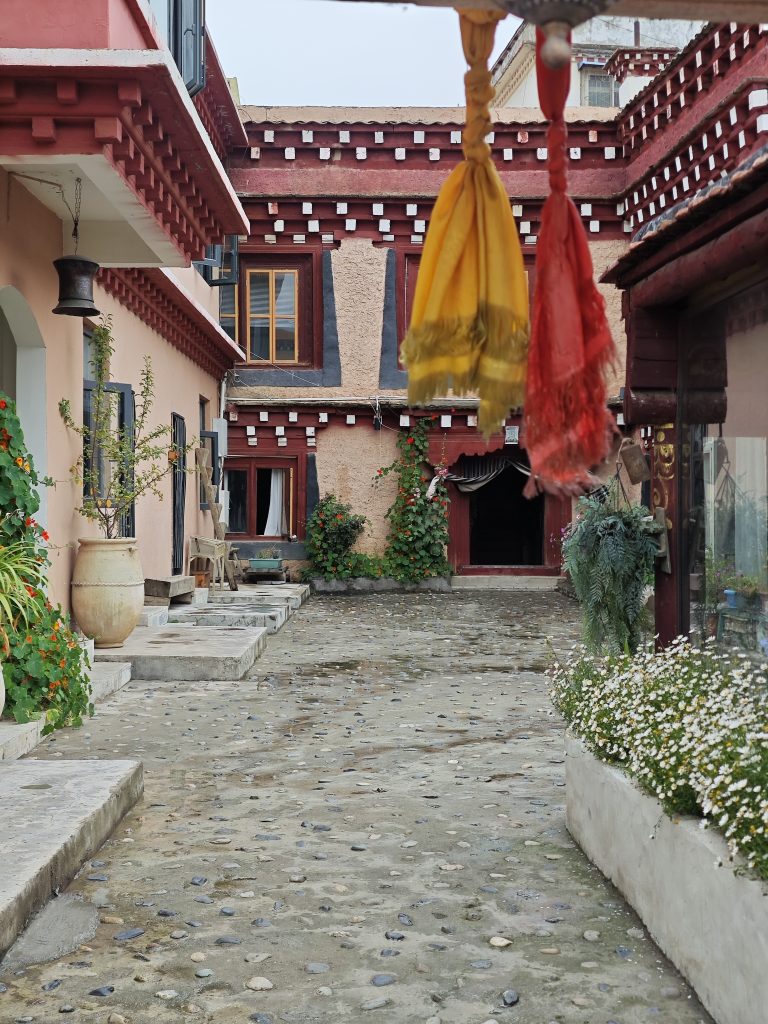
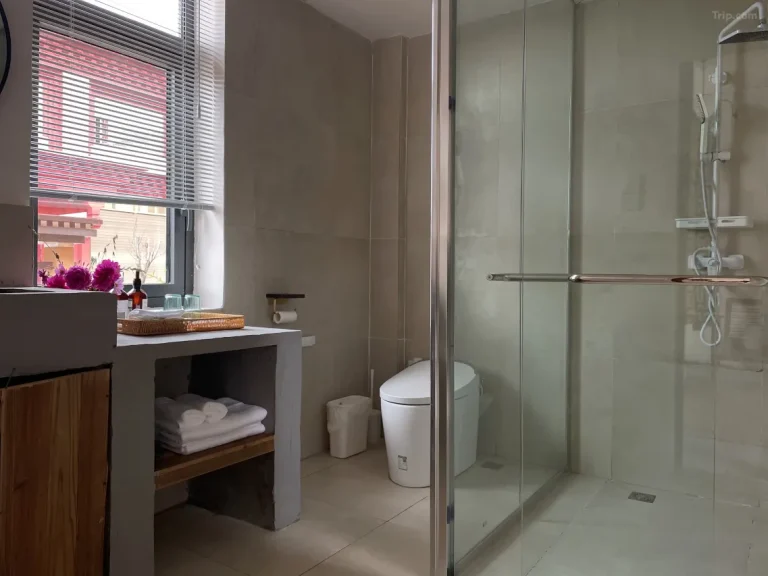
Muzhe Herder Litang
Inclusions & Offers
Designed Around Your Journey
Rather than fixed departures, this experience is arranged privately and shaped around your preferred dates, interests, and travel style.
Our specialists will design the journey based on your pace, accommodation preferences, and seasonal conditions.
Best time to visit
Traveler Reviews






FAQs
What makes this Western Sichuan journey unique?
This journey goes beyond scenery, combining sacred snow mountains, living Tibetan Buddhism, nomadic grasslands, ancient monasteries, and wildlife. You travel through both Kham and Amdo Tibetan regions, experiencing faith, nature, and daily life as they truly exist, not as staged attractions.
What is a self-guided tour, and how is it different from a private tour?
A self-guided tour offers a more flexible and independent way to travel. Unlike a private tour with a full-time guide accompanying you throughout the journey, a self-guided tour does not include a dedicated guide at every destination.
Instead, we arrange local guides and immersive experiences at selected locations, while your driver also assists with basic translation, coordination, and local support during the trip. In most cases, guides will not accompany guests inside every attraction or scenic area.
This style of travel allows for a more flexible pace, a deeper sense of exploration, and often a more authentic connection with local life, while also keeping the overall cost lower than a fully guided private tour.
What is the meeting destination, and what are the airport codes?
The meeting and ending point of the journey is Chengdu. Chengdu has two major airports:
Chengdu Shuangliu International Airport (CTU) – located closer to the city center and generally more convenient for domestic flights.
Chengdu Tianfu International Airport (TFU) – where most international flights arrive and depart, though it is located farther from downtown Chengdu.
Airport pick-up and drop-off can be arranged from both airports.
What is the difference between Kham and Amdo Tibetan regions?
Kham (Western Sichuan) is known for dramatic landscapes, strong personalities, warrior heritage, and expressive monastic life.
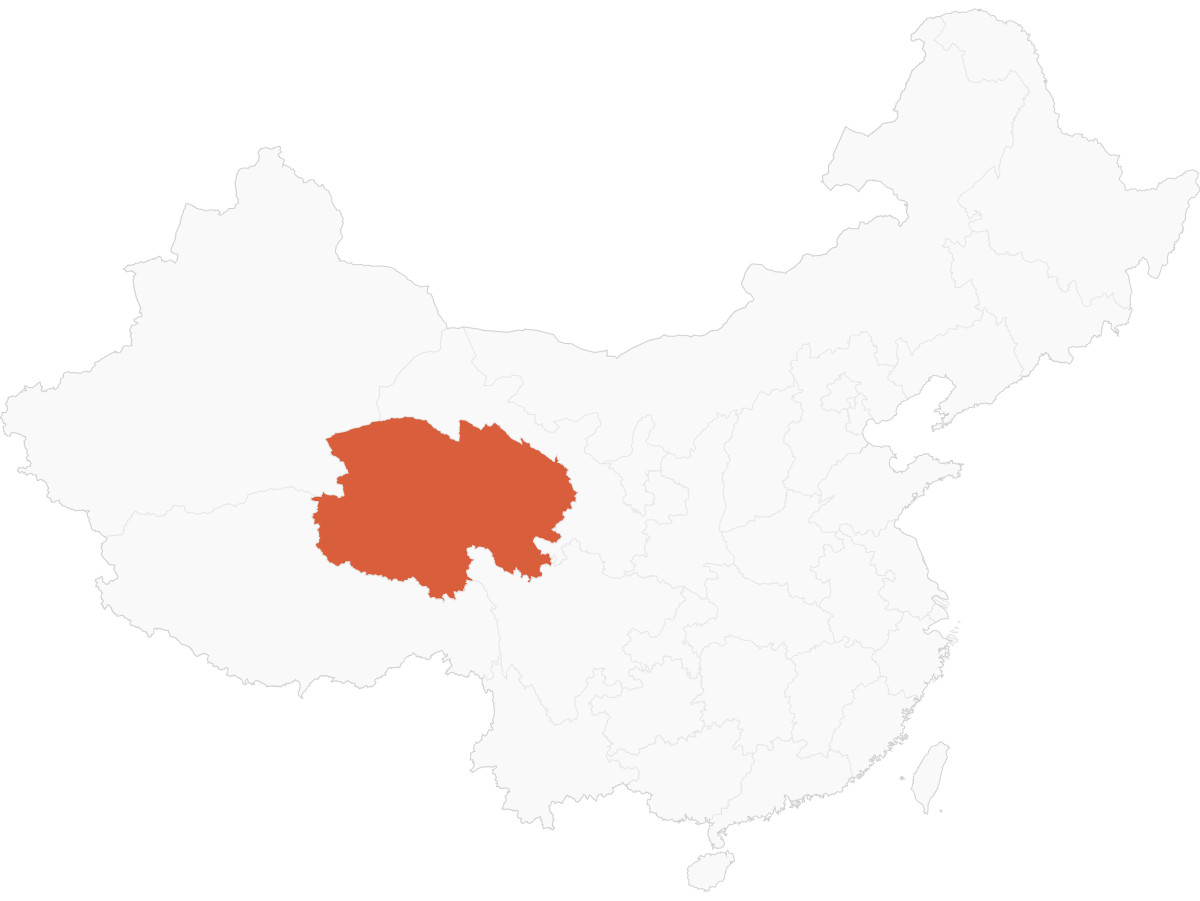
Amdo (Qinghai) is defined by vast grasslands, nomadic traditions, strong horses, and a quieter, deeply rooted spiritual atmosphere. Experiencing both offers a rare, complete view of the Tibetan world.
Is this trip suitable for first-time visitors to China?
Yes. With experienced local drivers, English-speaking guides, carefully paced routes, and quality accommodations, this journey is suitable for first-time visitors who want to experience China beyond major cities.
What altitudes will we reach, and how do you manage acclimatization?
Most of the journey ranges between 3,200-4,100 meters, with occasional higher viewpoints. The itinerary is designed with gradual altitude gain, rest days, and flexible pacing, and oxygen support is available when needed.
Will I need trekking experience or strong fitness?
No trekking experience is required. Anyone in normal good health who is comfortable with walking at a relaxed pace can enjoy this journey.
What kind of food will be available during the trip?
You’ll enjoy a mix of Tibetan cuisine, Chinese dishes, and monastery vegetarian meals. In larger towns like Chengdu, Xining, and Yushu, dining options are more varied; in remote areas, meals are simple and locally prepared.
Will we have mobile signal and internet access?
Mobile signal is generally available in towns and cities. In remote valleys, grasslands, and mountain areas, signal may be limited or unavailable. This is a chance to disconnect and fully immerse yourself in the landscape.
When is the best time to take this journey?
The best seasons are May-June and September-October, offering clear skies, vivid landscapes, and stable weather. Summer brings lush grasslands, while autumn offers golden light and excellent visibility of snow mountains.