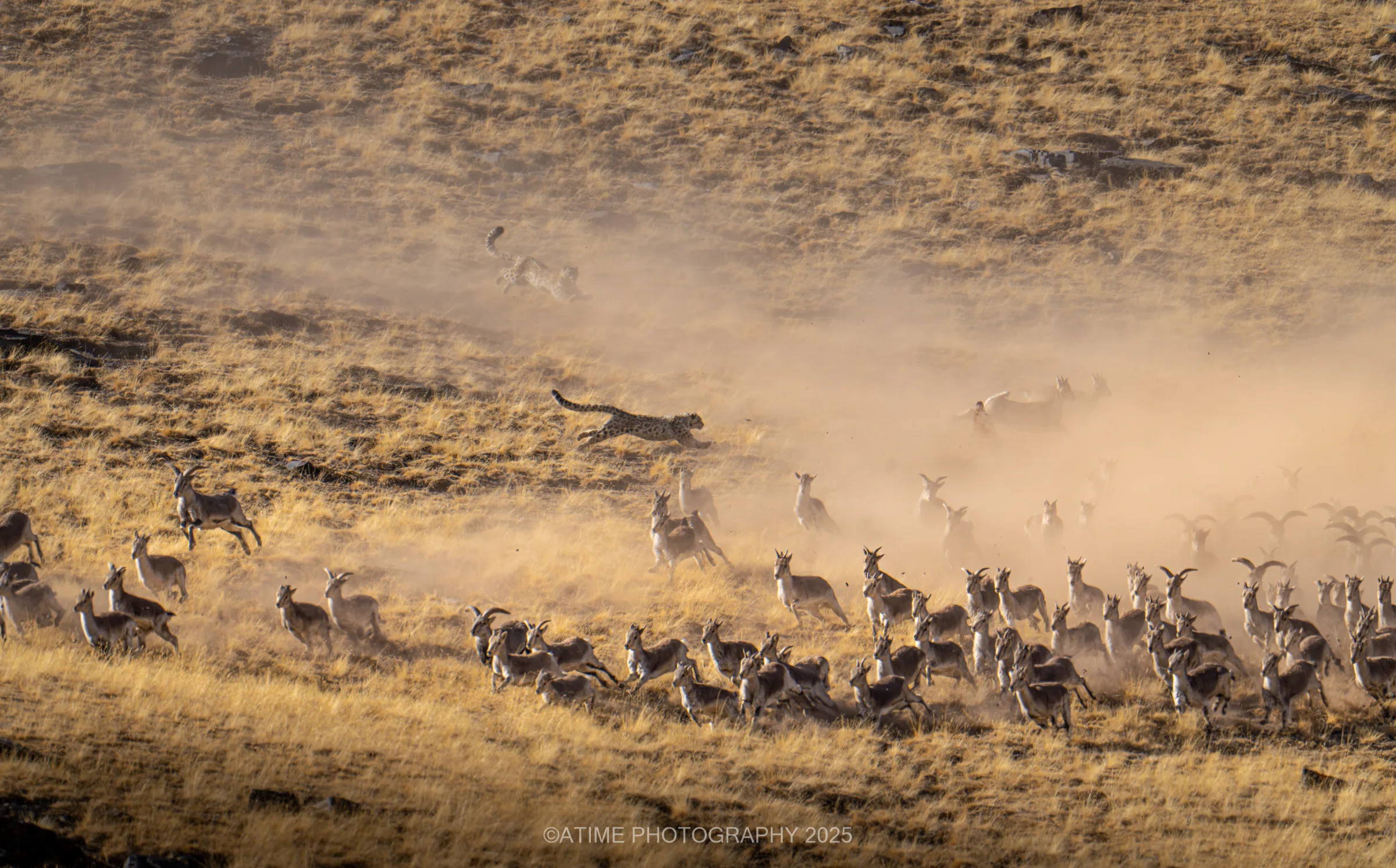
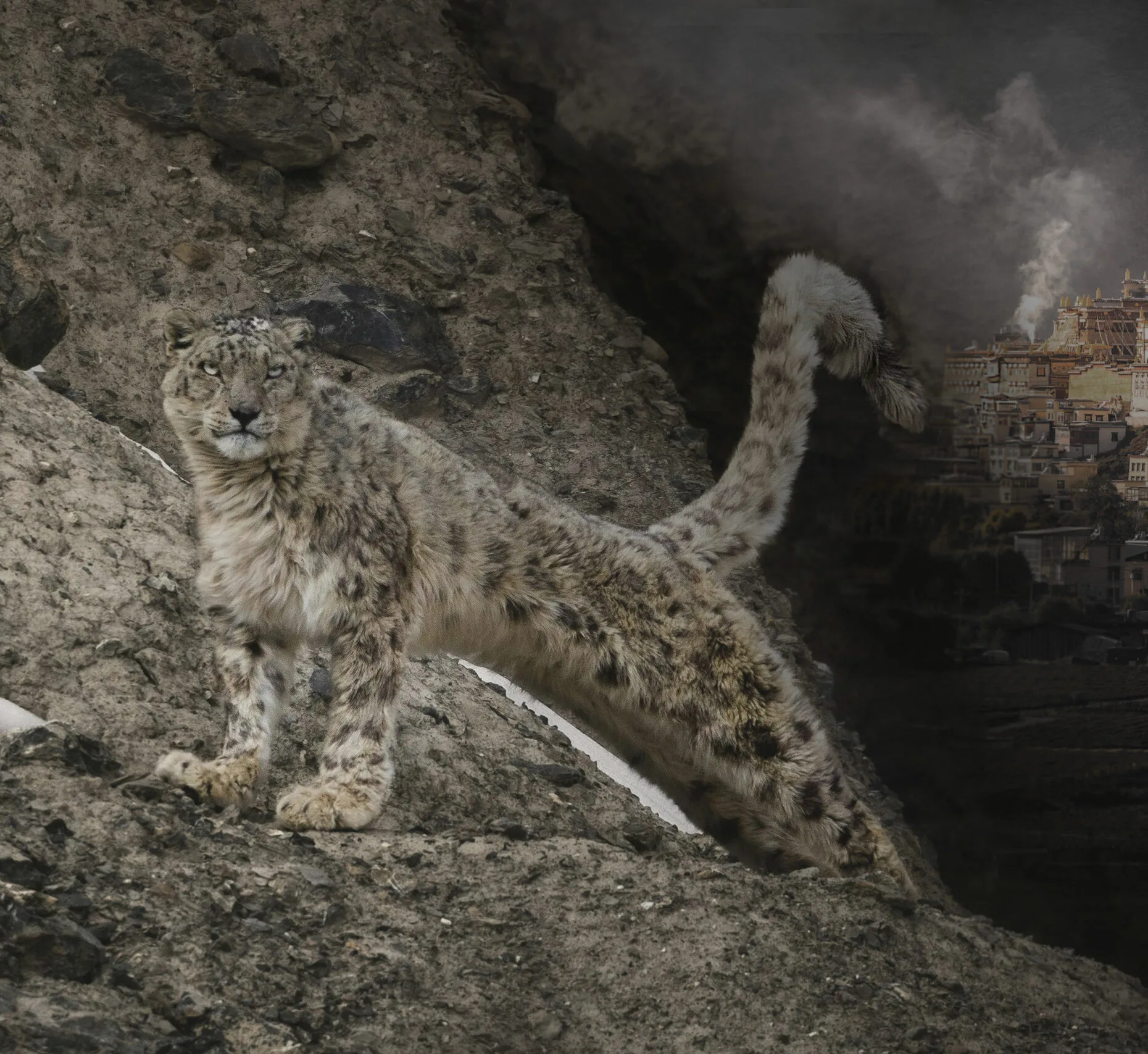
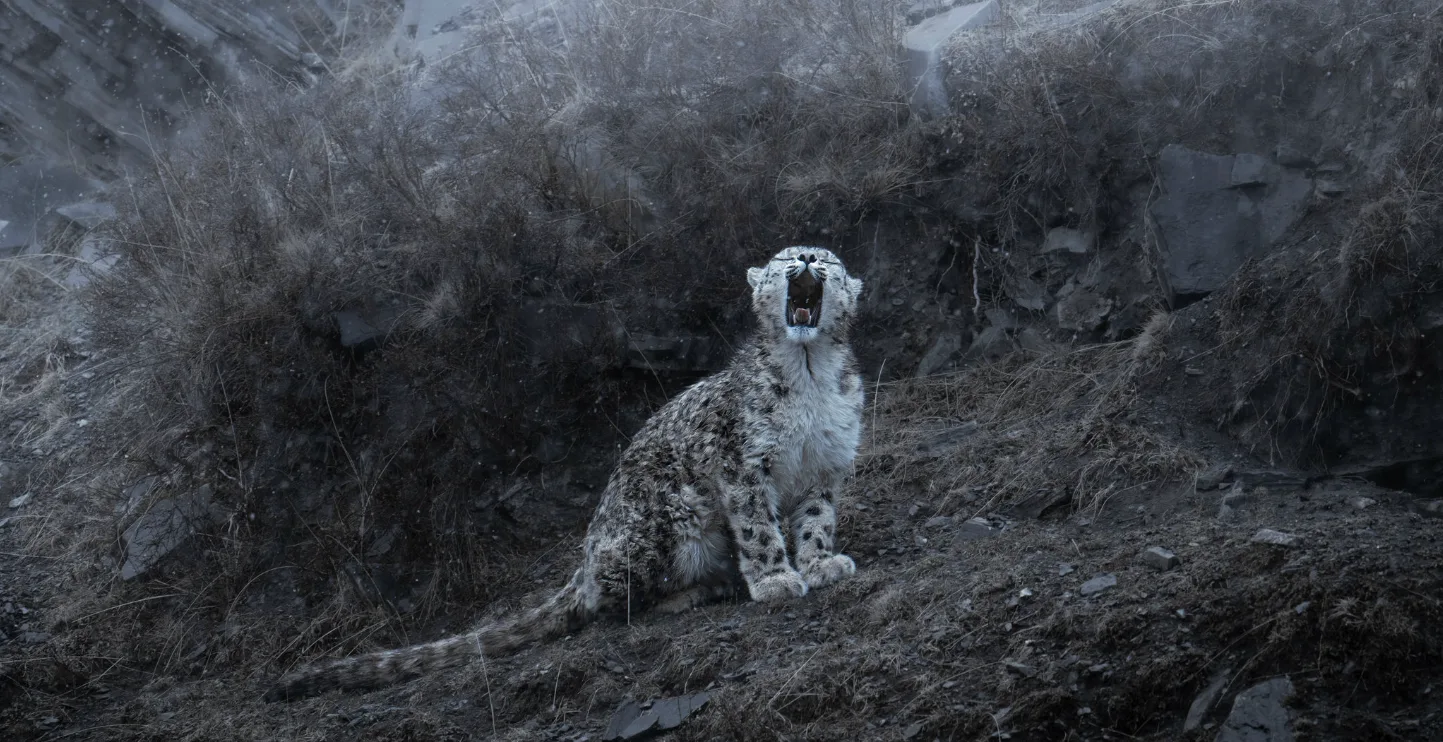
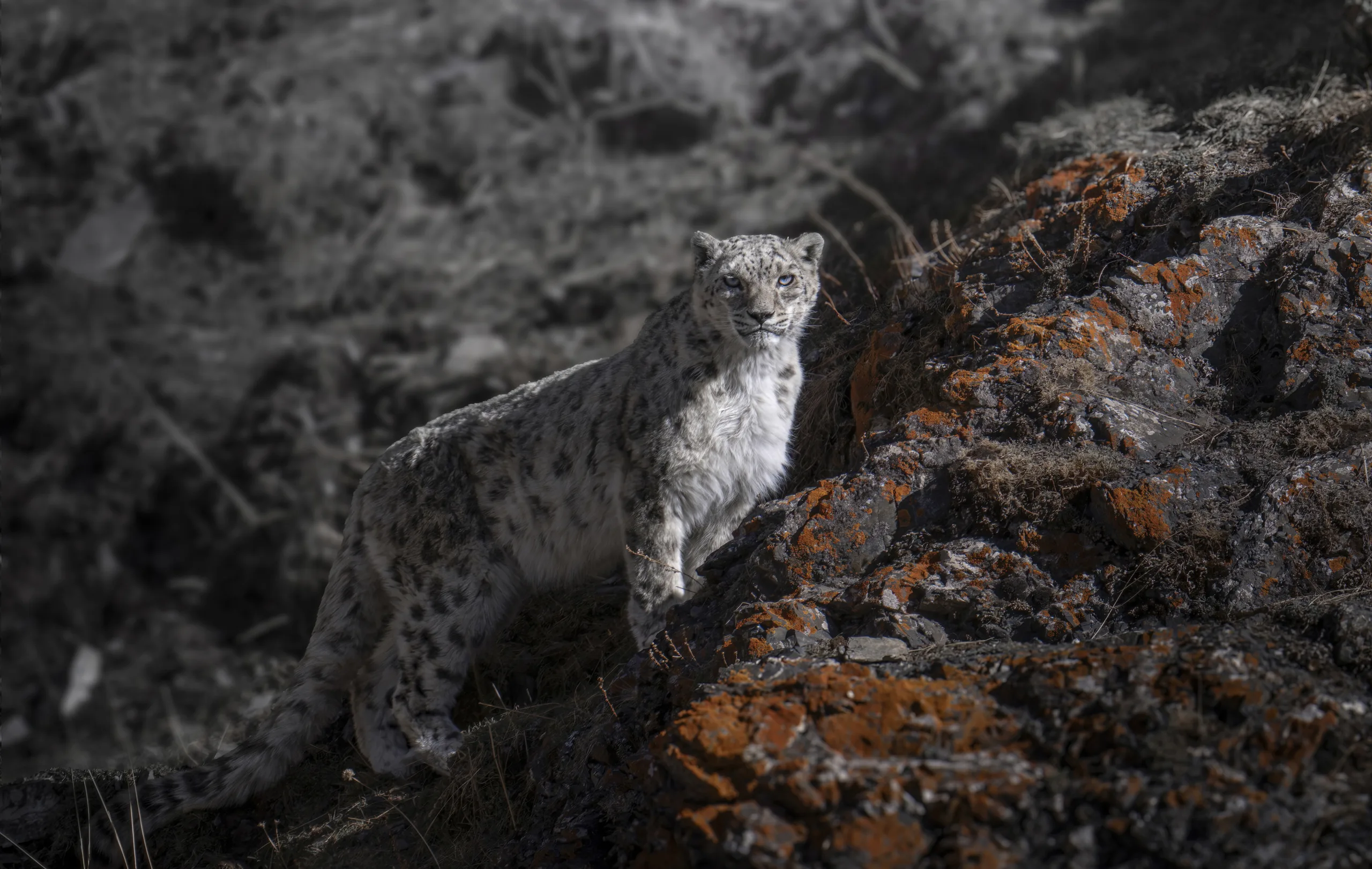
In Xialaxiu, Yushu, Qinghai, snow leopards — often called the “spirit of the mountains” — do not live only above the remote snowline. Their habitat overlaps extensively with the alpine grasslands that local Tibetan herders have depended on for generations. In many ways, snow leopards and herders are long-time neighbors who know each other well.
Based on nearly six months of continuous wildlife observations by three local herders, this report summarizes several locations around Xialaxiu where snow leopards, Eurasian lynxes, and other wildlife are regularly recorded. It also introduces how wildlife observation, community participation, and snow leopard conservation are carried out locally.
We hope these field records will help you better understand Xialaxiu — and perhaps one day, lead you to an encounter with a snow leopard there.
Xialaxiu Snow Leopard Tour at a Glance
This report summarizes recent snow leopard sightings and monitoring records near Xialaxiu Town in the Sanjiangyuan region on the Qinghai-Tibet Plateau. China hosts the world’s largest snow leopard population, with Qinghai as a key habitat. Xialaxiu lies within this important conservation zone.
For travelers interested in wildlife and Tibetan culture, this tour offers a chance to explore snow leopard habitats with local experts who track wildlife using field signs. The area also supports species like Eurasian lynxes, blue sheep, Tibetan foxes, and bearded vultures.
Beyond wildlife, the journey connects travelers with Tibetan communities, monasteries, and traditional life. Income from tourism supports local conservation and reduces human–wildlife conflict.
The standard itinerary lasts 8 days, with groups capped at 8 travelers, available as scheduled departures or private trips. This combination of wildlife observation, cultural immersion, and community-based management makes Qinghai a responsible and rewarding destination for snow leopard tours.
Wildlife and Snow Leopard of Qinghai Province, Sangjiangyuan and the Tibetan Plateau
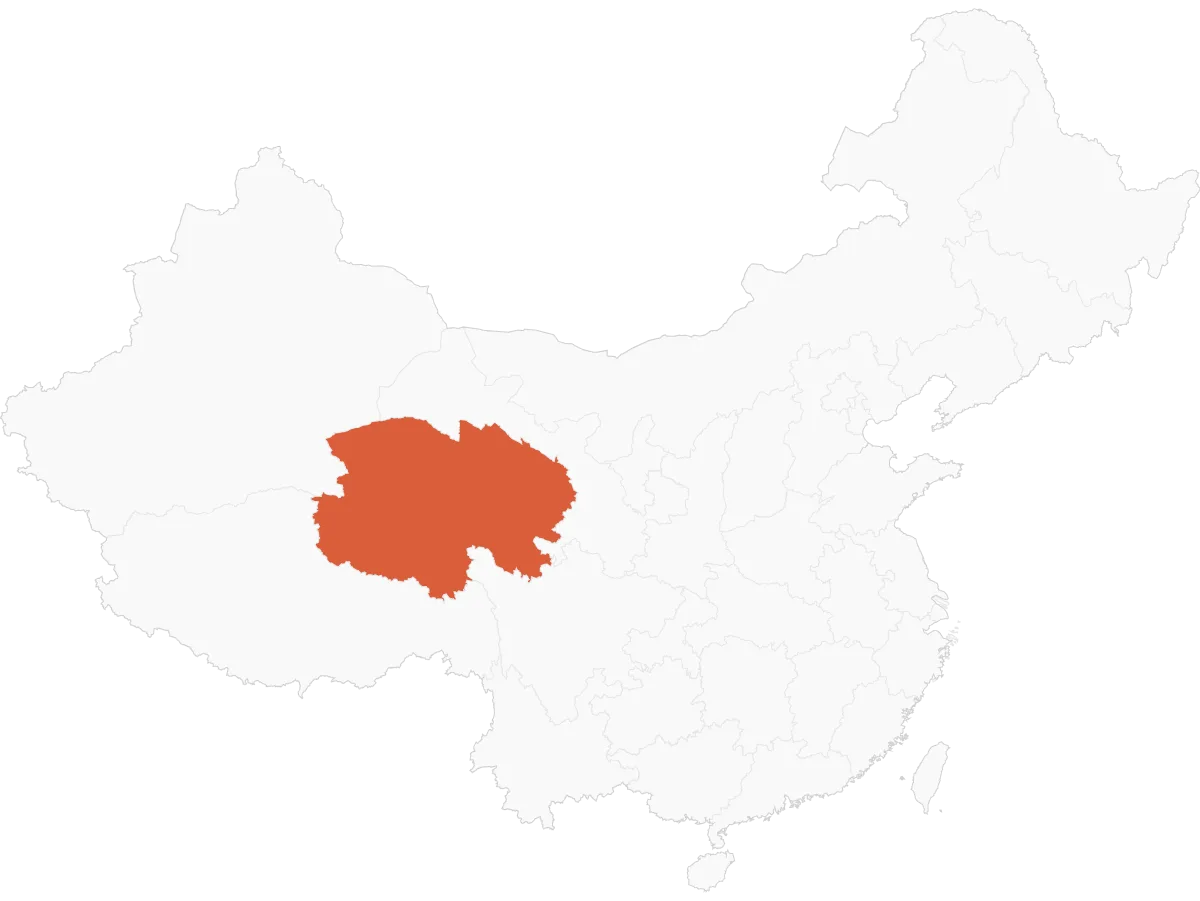
Ecological Qinghai: Located in NW China and northeastern Tibetan Plateau, Qinghai is a land of alpine meadows, grasslands, glaciers, and mountain ridges, with an average elevation of over 4,000 meters. It is the source of the Yangtze, Yellow, and Lancang rivers, supplying more than 60 billion cubic meters of clean freshwater downstream each year and earning the name “Water Tower of China.”
The province is home to 674 recorded terrestrial wildlife species, including 541 bird species and 111 mammal species. Snow leopards, black-necked cranes, Tibetan antelopes, and wild yaks all live here. In China, Qinghai’s development places ecological protection and plateau ecology at the forefront, allowing much of the province to retain a strong sense of natural and cultural authenticity. Here, travelers can experience the vastness and wild spirit of the Tibetan Plateau.
Sanjiangyuan Region: Sanjiangyuan is the source region of the Yellow River, Yangtze River, and Lancang–Mekong River, and one of the world’s biodiversity hotspots. It supports apex predators including snow leopards, leopards, Eurasian lynxes, wolves, and brown bears, as well as ungulates such as blue sheep, white-lipped deer, Tibetan gazelles, and Tibetan wild asses, together with more than 200 bird species.
Its high-altitude ecosystem is both fragile and resilient, shaped by extreme temperature fluctuations and a dry climate. Sanjiangyuan National Park was established here, and Qinghai supports the world’s largest continuous wild snow leopard population, with an estimated 1,200 individuals.
Here, pastoral lands overlap extensively with wildlife habitat. Working together with local communities to reduce human–wildlife conflict is therefore an important part of wildlife conservation in the region.
Xialaxiu Town: Landscape, Habitat, and Local Community
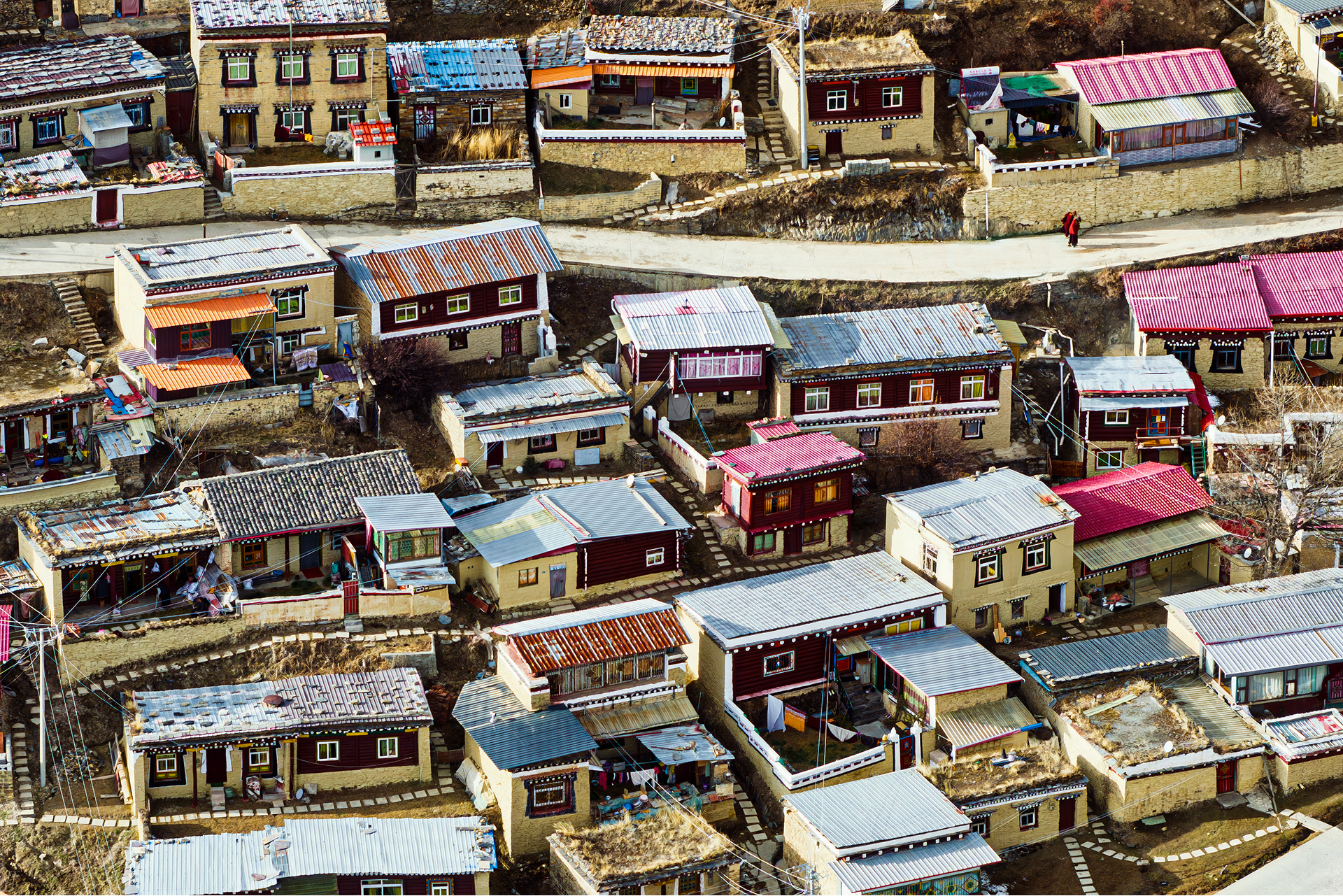
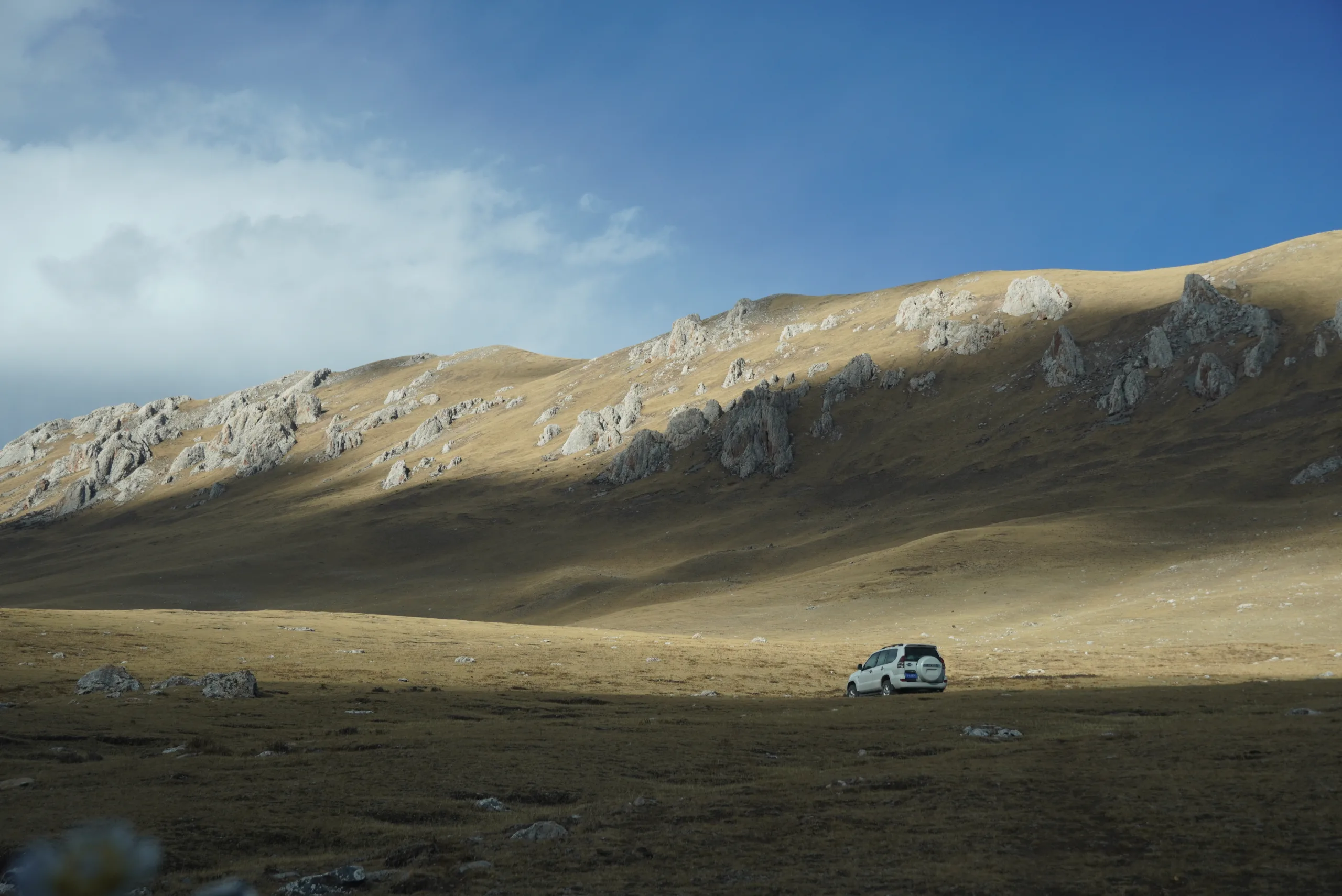
Location and Access: Xialaxiu Town is located in Yushu City, Qinghai Province, near the edge of Sanjiangyuan National Park. It lies among the mountains and valleys northeast of the Ziqu River, a tributary of the upper Lancang River. Mountain ranges and deep valleys shape the landscape, while the Ziqu River and its tributaries flow through the area and nourish the land along their banks.
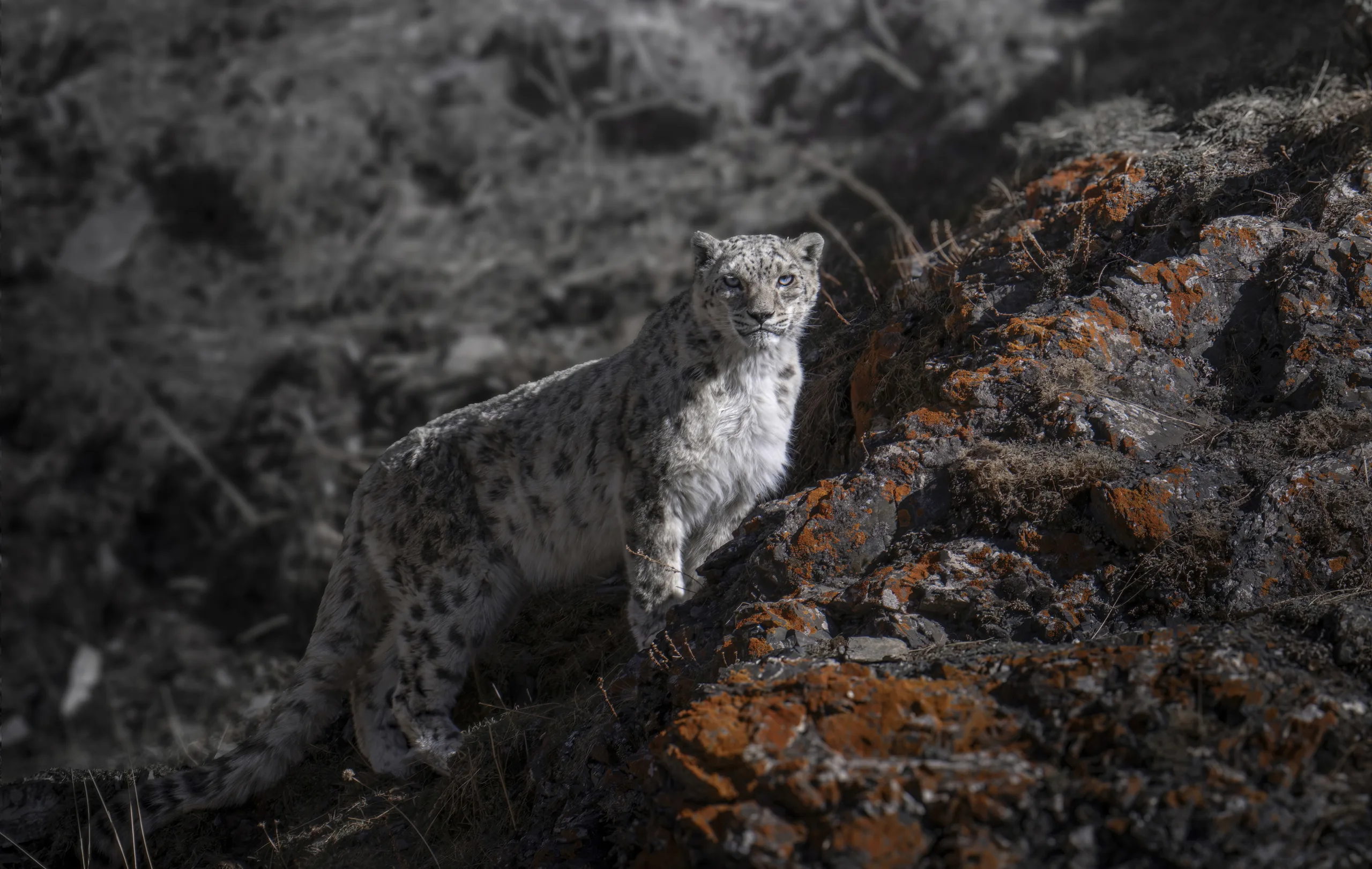
Landscape and Wildlife Habitat: The area contains three main habitat types: juniper forests and shrublands, alpine meadows, and high-altitude rocky terrain. Juniper and shrub habitats support species such as Chinese serow, alpine musk deer, and white-lipped deer. Alpine meadows provide important space for blue sheep, wolves, and brown bears, while rocky slopes and cliffs form the most important habitat for snow leopards. The Ziqu River also nourishes the surrounding grasslands and provides important habitat for waterbirds such as black-necked cranes and ruddy shelducks.
Local Beliefs and Wildlife Observation: This is a Tibetan region where traditional beliefs have been passed down for generations, and coexistence between people, wildlife, and nature remains an important part of local life. Herder communities are part of the local people whose long experience of coexistence helps shape wildlife observation and understanding of animal movements. Information shared by local herders can greatly improve wildlife observation opportunities, while stable income from tourism can provide a sustainable source of livelihood for local communities and support long-term coexistence between people and wildlife. It is a good destination for those who take part in a snow leopard tour at the first time.
Local Accommodation and Food: Most of the area is pastoral land with limited commercial accommodation. Travelers will share meals with local herder families and stay in clean local guesthouses. Private rooms cannot be guaranteed, and toilet facilities are simple pit toilets.
Snow Leopard Sightings and Monitoring Records
Snow leopards are the primary target species of our wildlife trips. Over the past six months, three local herders — referred to here as SA, GC, and DZ — have continuously recorded sightings and signs of snow leopards and other wildlife. These results help us understand which routes and locations snow leopards use most frequently.
Monthly Records
| Month | Number of Records | Notes |
| December | 6 | Dec 14, Dec 19, Dec 26, Dec 28 (chasing blue sheep), Dec 30 (feeding on a yak/blue sheep carcass) |
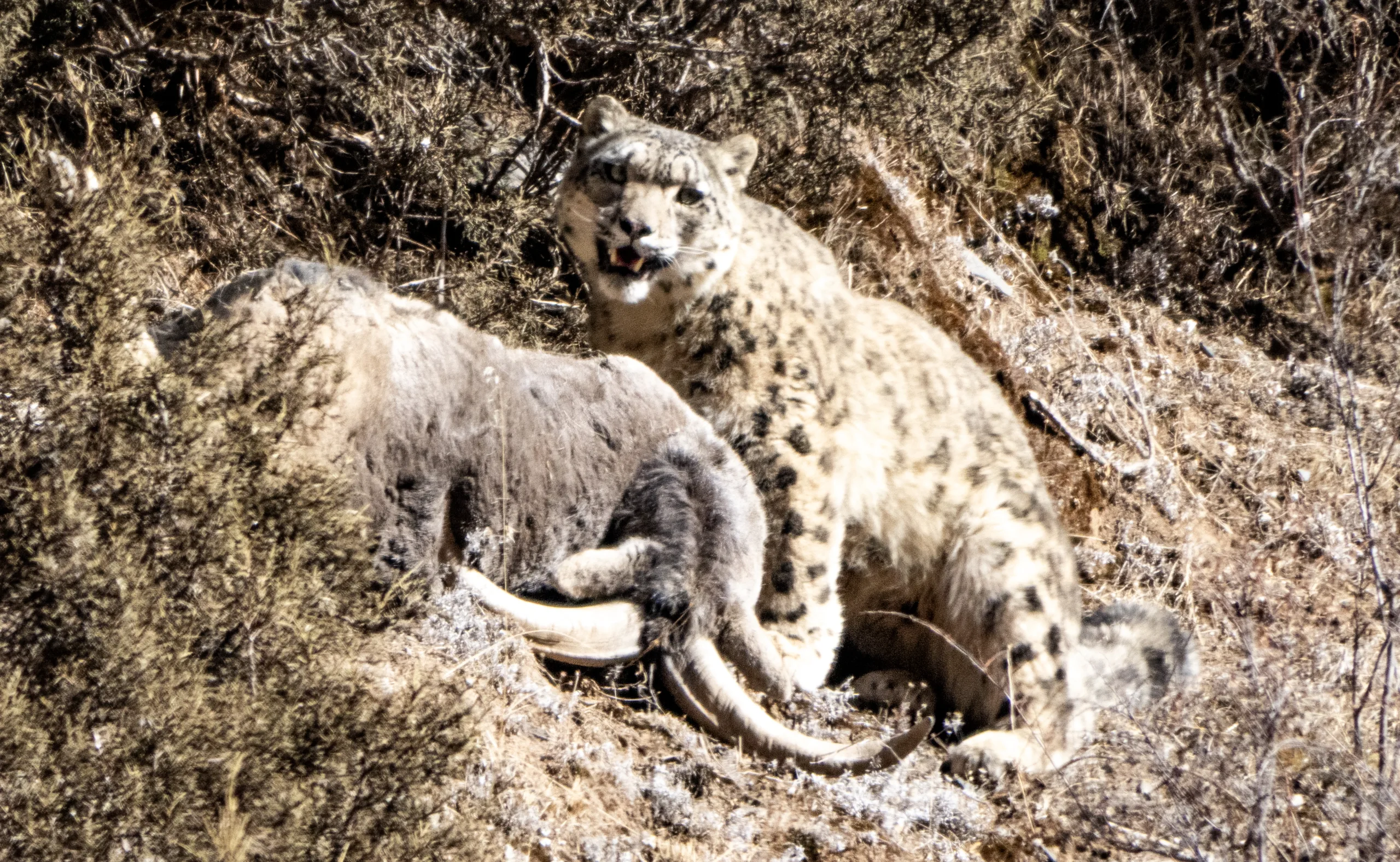
| January | 6 | Jan 2, Jan 3, Jan 5, Jan 15, Jan 24, Jan 30 (feeding on yaks) |
| February | 2 | Feb 22 (2 snow leopards), Feb 26 |
| March | 5 | Mar 4 (drinking by the river), Mar 5, Mar 14 (2 snow leopards running), Mar 27, Mar 28 |
| April | 4 | Apr 17 (2 snow leopards), Apr 22 (cub vocalizations), Apr 24 (feeding on blue sheep), Apr 28 (feeding on blue sheep) |
| May (caterpillar fungus season) | 3 | May 2, May 11 (photographed by a relative; 2 snow leopards sleeping), May 12 |
| June (caterpillar fungus season) | 2 | Jun 7 (1 female with 2 cubs), Jun 8 |
| Total | 28 | |
*The number of records in the table refers to separate observation events. We cannot confirm whether snow leopards recorded on different dates were the same individuals.
Frequently Used Locations
The observation team has named and marked several locations where snow leopards have been recorded repeatedly:
| Location No. | Location / Description | Months Recorded | Frequency |
| ① | Mountain behind SA’s home | Dec, Mar, May | 3+ times |
| ② | Near the square-shaped cliff, GC’s winter pasture | Jan, Mar, Apr, May | Multiple times |
| ③ | Mountain opposite SA’s home, around 200–300 m away | Dec, Jan, Mar | 3+ times |
| ④ | Grassy slope beside the main road near DZ’s home | Jan, Mar, May | Multiple times |
| ⑤ | Dangqing Valley | Feb, Mar | 2+ times |
| ⑥ | Near GC’s home: 1 female with 2 cubs recorded at night | Jun | 1 time (important breeding record) |
*Snow leopards range across large territories and do not necessarily remain in the same location for long periods. This is why year-round monitoring is important: it helps us follow their latest movements. With information shared by local herders, we can improve our chances of locating snow leopards during wildlife trips.
Notable Snow Leopard Behavior Records
2025
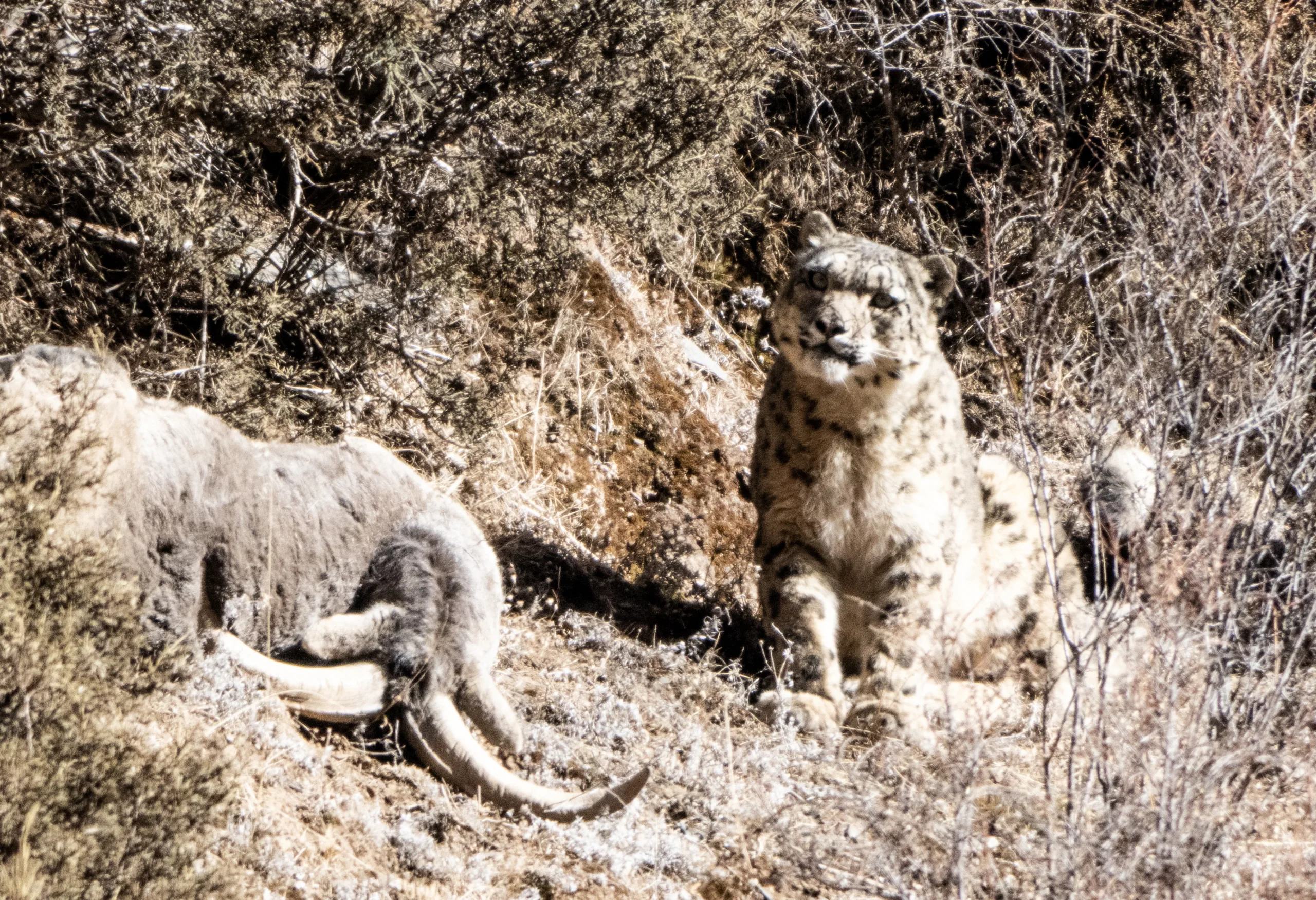
- December 19: GC photographed a snow leopard feeding on a yak beside the road near Location ②.
- December 26: DZ observed two snow leopards near Location ④. After an unsuccessful hunt, they crossed over the mountain ridge.
2026
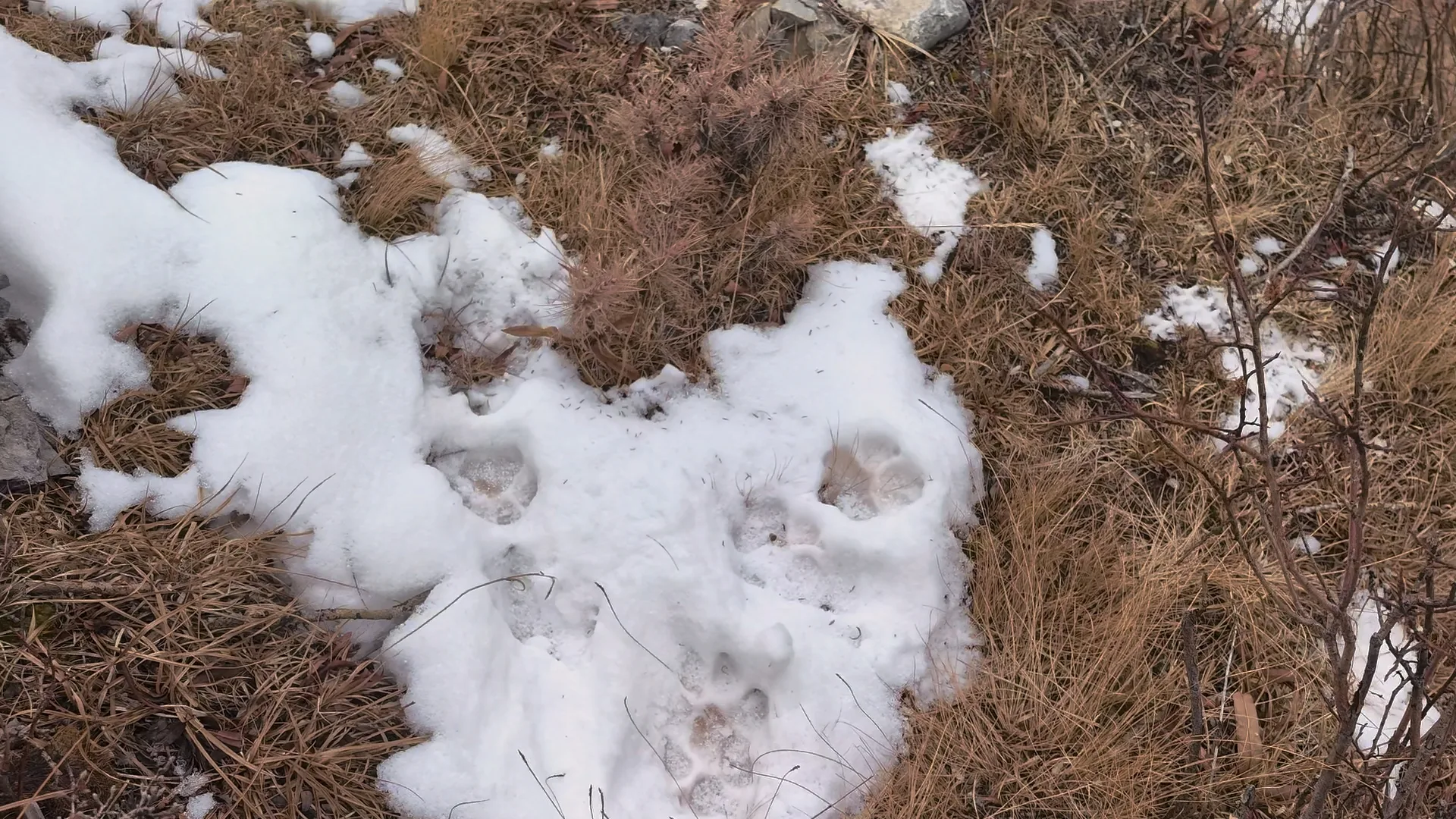
- January 3: SA saw a snow leopard from his home on the mountain opposite, around 200–300 meters away. A snow leopard had also appeared at the same location earlier in the year, before the caterpillar fungus season, when it killed a blue sheep lamb, although no photographs were taken.
- January 24: SA’s uncle photographed a confrontation between a domestic dog and a snow leopard while herding livestock. The snow leopard had come down the mountain to hunt blue sheep.
- January 30: GC saw a snow leopard feeding on cattle around 200–300 meters from his home. At the same location, herds of blue sheep and domestic yaks were grazing together.
- February 22: SA photographed two snow leopards walking together in Dangqing Valley, possibly associated with the mating season. Snow leopards were seen near the roadside repeatedly over the following three to four days.
- March 14: DZ photographed two snow leopards running across a grassy slope near Location ④.
- April 22: GC heard the calls of a snow leopard cub at close range near Location ③, but was unable to photograph it.
- May 11: A relative of GC photographed two snow leopards sleeping at Location ①.
- June 7: At night, three snow leopards — one female with two cubs — entered the pasture in front of GC’s home and attacked the cattle herd.
Other High-Altitude Mammal Sightings
| Species | Main Locations | Observation Notes |
|---|---|---|
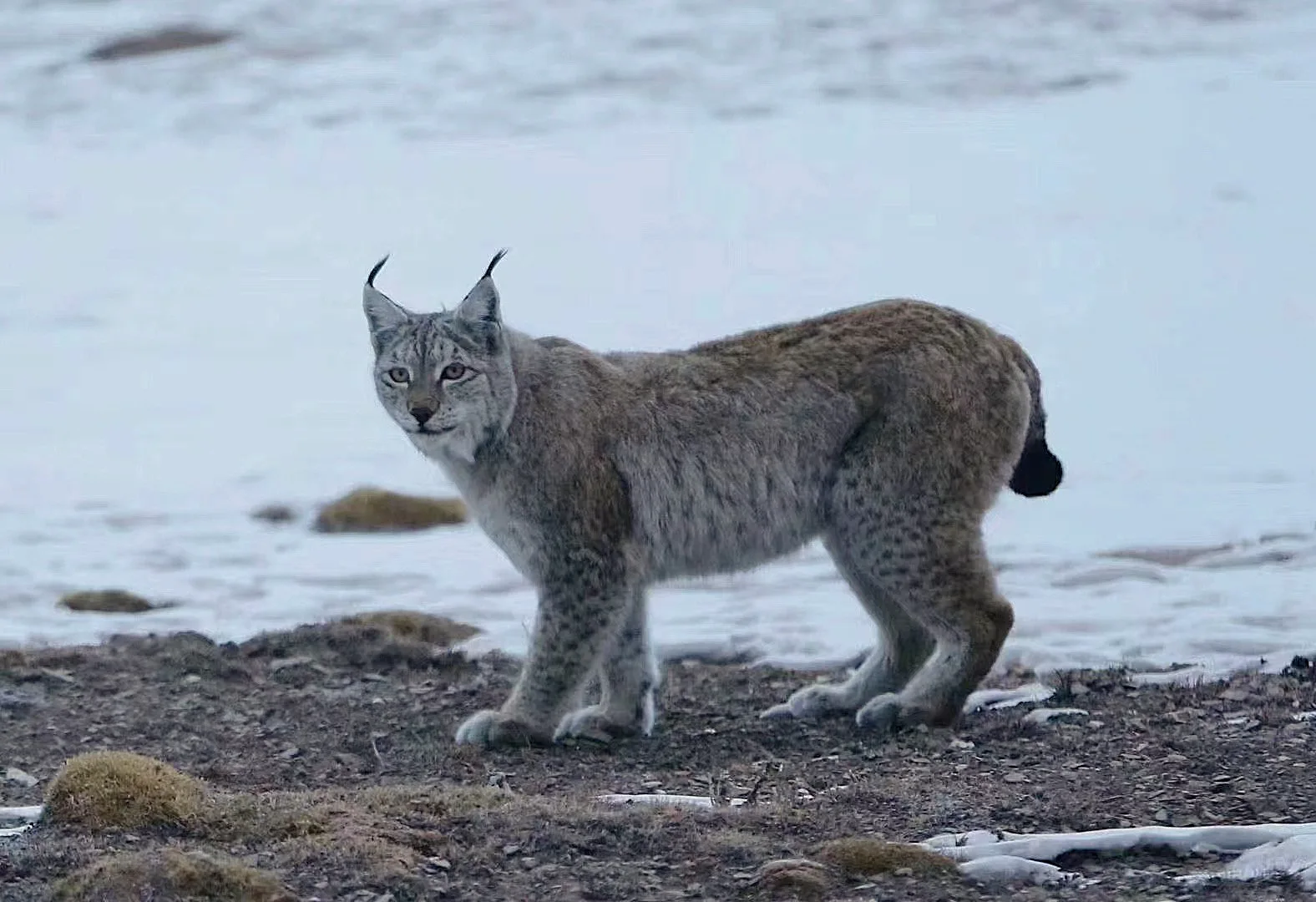
| Eurasian Lynx | Locations ② and ③ near SA’s home, accessible by vehicle; Location ⑤ beyond the mountain from GC’s home, also vehicle-accessible | Recorded every month from December to June, with some locations showing regular activity. Two individuals were recorded on Jan 10, one adult and one juvenile on Feb 26, and a lynx carcass was found on Apr 16. Mainly seen in shrublands, among rocks, and on grassy slopes; occasionally observed resting beside the road without showing obvious fear of people. |
| Wolf | Mountain behind DZ’s home; GC and SA observation sites; other nearby slopes and roadsides | Active from winter through spring, mostly around dawn, dusk, and at night. Occasionally seen close to roads. |
| Red Fox | Opposite GC’s home; GC observation site | Occasional winter and spring records, including an encounter with a golden eagle and another individual feeding on bones. |
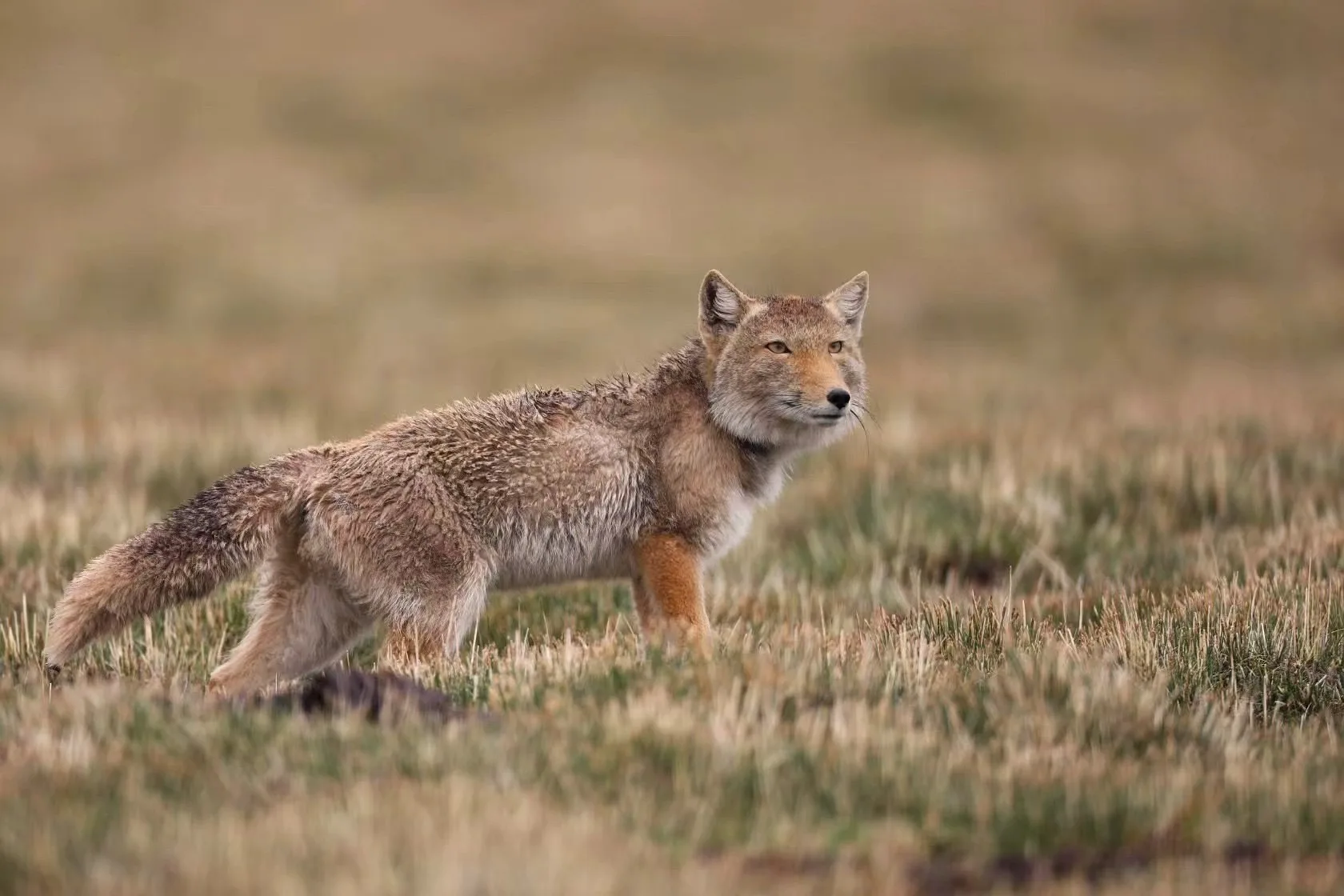
| Tibetan Fox | DZ observation site | Recorded in summer, including two individuals fighting. |
| Asian Badger | Mountain ridge near GC’s home | Rarely recorded. |
| Tibetan Brown Bear | Recorded by a friend of DZ, including two cubs | Recorded after emerging in spring. |
| Blue Sheep | Throughout the observation area | Seen year-round and the most abundant large mammal. They form large groups in winter and separate into different groups during the spring and summer breeding period. One of the snow leopard’s main prey species and frequently recorded near snow leopard feeding sites. |
| White-lipped Deer | Roadsides near DZ; repeatedly recorded by GC, SA, and DZ; sometimes grazing with domestic yaks | Seen year-round. Mixed groups are common in winter, while males and females separate during the spring and summer calving season. Often active in shrublands and on grassy slopes, especially in the morning and evening. |
| Alpine Musk Deer | Around Locations ①–③; behind SA’s home, sometimes within 100 m; roadside in Yourong Valley | Regularly seen year-round. At some established locations, they can be encountered almost daily. Both males and females have been recorded, usually moving through shrublands and along cliff edges. |
| Chinese Serow | Around Locations ② and ③ | Several individuals appear to remain in the area long-term, including a female with a young. They may be encountered during both the day and night. |
| Red Deer | Multiple records by GC and SA | Records increase in spring and summer and are less frequent in winter. Females often form groups, while males may occur alone or in small groups. |
| Wild Boar | Recorded by SA while passing through woodland | Rarely recorded. |
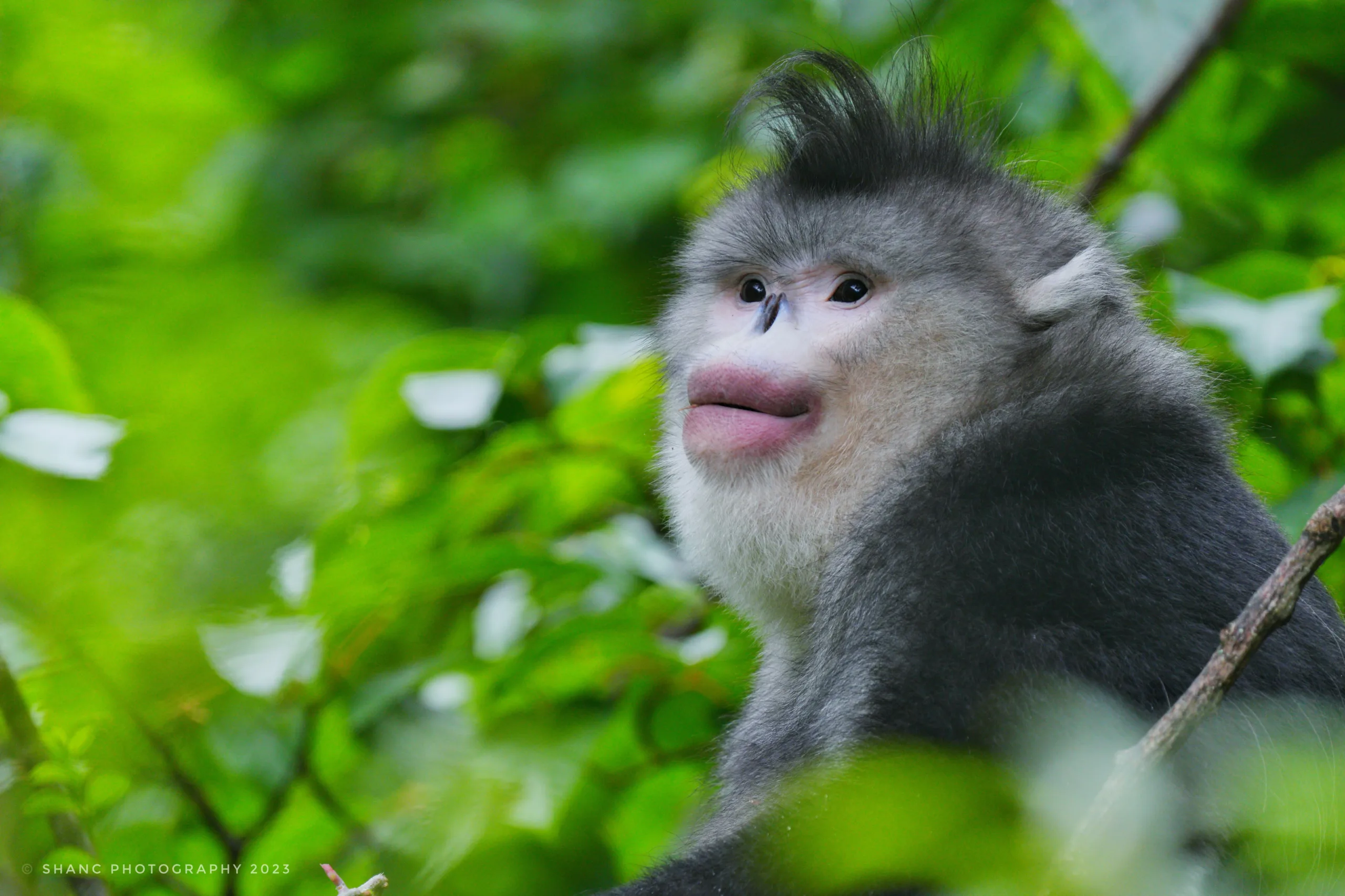
| Tibetan Macaque | Recorded by DZ sitting on a rock near the road | Not a typical species around Xialaxiu, but occasionally recorded. |
The records above are compiled from individual wildlife observations. As wild animals naturally move across large areas, previous records do not represent or guarantee the probability of seeing a particular species during a trip.
Bird Sightings and Species List
Birds are not the main focus of the local observers’ daily monitoring. The records below are incidental observations and should not be used as a reference for sighting probability.
| Species | Months Recorded | Observation Notes |
| Tibetan Snowcock | Jan, Feb, Mar, Apr, May, Jun | Seen year-round in high-altitude rocky cliffs. In winter, occasionally chased to lower elevations by golden eagles. Four eggs were recorded in a nest in June, and chicks were recorded on Jun 10. |
| White Eared Pheasant | Jan, Mar, Apr, Jun | Recorded from winter through summer, usually moving in groups through shrubland. |
| Tibetan Partridge | Feb, Mar, Apr | Often seen around herders’ homes or along roadsides. |
| Bearded Vulture | Jan, Mar, Apr | Seen year-round, often near roadsides and animal carcasses. |
| Himalayan Vulture | Mar, Apr | Often gathers around carcasses and can sometimes indicate the presence of large predators nearby. |
| Golden Eagle | Feb | Recorded confronting a red fox and chasing a Tibetan snowcock toward a herder’s home. |
| Ruddy Shelduck | Mar, May, Jun | Returns during spring migration. Recorded swimming and flying along the river in March, gathering on the water in late May, and with young in June. |
| Eurasian Sparrowhawk | Apr | One record near a resident’s home. |
| Common Cuckoo | Jun | One record. |
| Hill Pigeon | May | One record beside the road. |
| Ground Tit / White-rumped Snowfinch | May | Nest-building behavior recorded. |
| Tibetan Bunting | Jun | One record. |
| Eurasian Eagle-Owl | Jul | One record. |
Season, Weather, and Terrain Conditions
Across much of the snow leopard’s range, seasonal changes in elevation are an important part of its movement pattern.
Built for extreme cold, snow leopards are protected by dense fur and are most comfortable in alpine environments. As one of the plateau’s big cats, they are especially sensitive to environmental pressure, and changing movement patterns may also reflect threats such as habitat fragmentation. During the warmer months, they tend to move higher into the mountains and may become less active. In winter, prey species descend to lower elevations where food is easier to find, and snow leopards often follow them. This seasonal movement can bring them into areas that are easier for people to access and scan, a pattern supported by observation fact rather than assumption. Wild dogs are a new threat in some areas and may compete with snow leopards for prey, alongside pressure from stray dogs.
In Xialaxiu, current observations from local herders suggest that snow leopards are generally easier to locate in winter than in summer. Their other wildlife neighbors also show distinctive seasonal changes in behavior.
Autumn (September–December)
As temperatures fall across the Tibetan Plateau, blue sheep begin moving toward lower elevations, with snow leopards following their movements and becoming more active. White-lipped deer enter the rut, and the calls of males can be heard across the mountains.
Winter (January–March)
Winter is dry and intensely cold, with daytime temperatures typically between -5°C and 5°C and nighttime temperatures sometimes falling to -25°C. Snow leopards enter their mating season and move more frequently. Observers may hear their mating calls across the valleys or, with luck, see adult males and females traveling together.
Snow cover also pushes ungulates toward sunnier slopes where forage is more accessible.
Spring (April–May)
Temperatures begin to rise. Male white-lipped deer start shedding their antlers, while male and female blue sheep gradually separate into different groups. By late May, Himalayan marmots and brown bears emerge from hibernation and become active again.
Snow leopards also begin shedding their dense winter coats as the weather warms.
Summer (June–August)
Summer is the most comfortable season on the plateau. Grasslands turn green, allowing blue sheep to feed at higher elevations, and snow leopards may follow them further into the mountains.
According to recent observations shared by local herders in Xialaxiu, snow leopards also appear to be more active at night during summer.
* May and June are the local caterpillar fungus harvesting season. More people spend extended periods in the mountains during this time, which may cause snow leopards to move into quieter, less accessible valleys and make them more difficult to observe.
Wildlife Observation Methods and Field Equipment
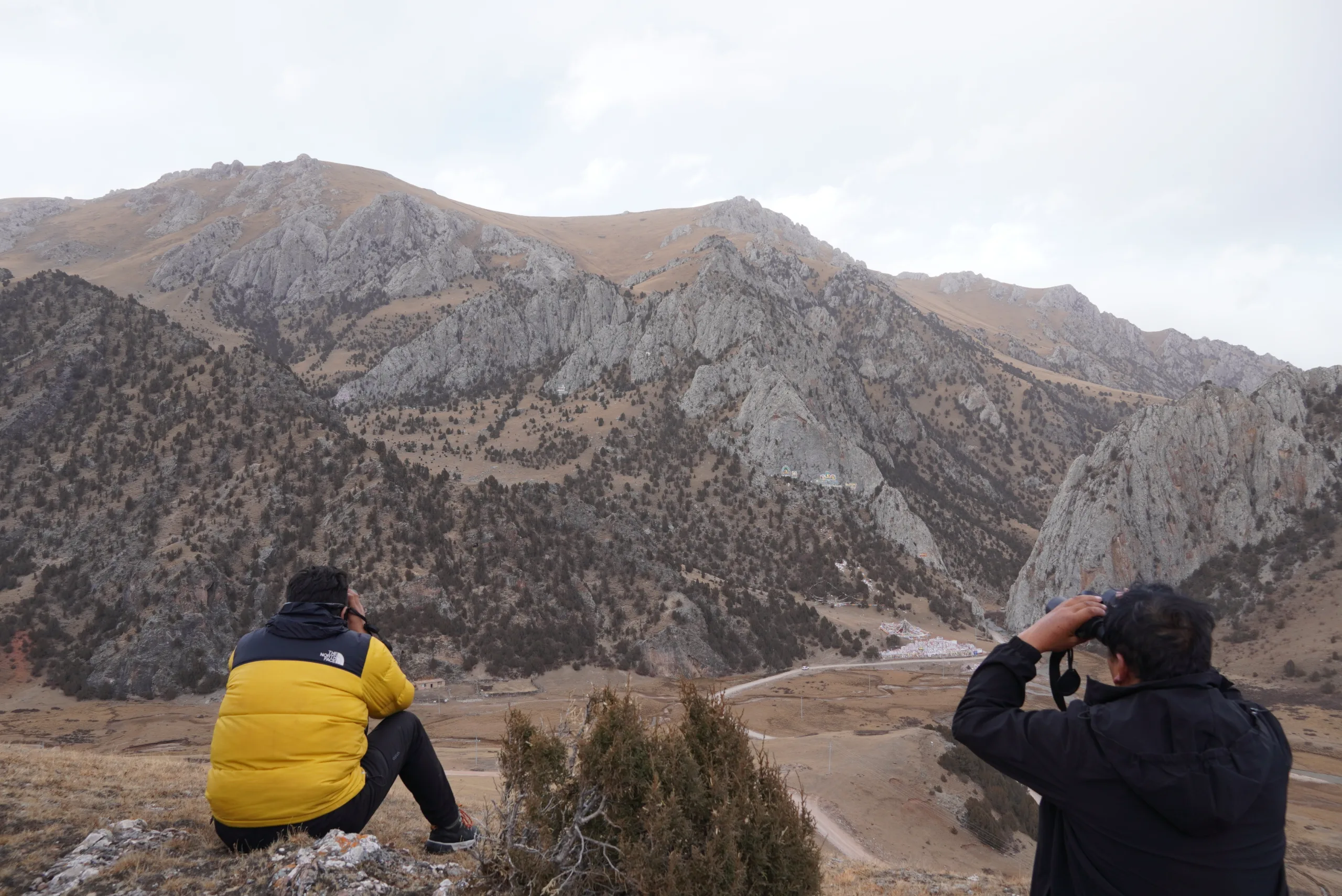
we focus on monitoring the recent activity trajectories of wild animals, and have prepared observation equipment and materials such as monoculars, walkie-talkies, and wildlife manuals (please prepare your own camera).
Each departure is led by an experienced wildlife guide and supported by a local network of herder observers. Because snow leopards are often more active around dawn and dusk, the team usually sets out before sunrise. Local observers head out early each morning to check for fresh tracks and other sign of wildlife activity, then guide the group by four-wheel-drive vehicle to the most promising observation area. These local observation practices are also broadly consistent with field monitoring and conservation work associated with Peking University in western China.
Observation sites vary depending on where animals have recently been moving. Sometimes the team can scan directly from grassy slopes beside an unpaved road. In other cases, reaching a better viewpoint may require a short 5–10 minute motorcycle ride. These motorcycle routes have been inspected in advance by our product team and selected for their relatively safe access.
Once at the observation site, the group remains in a fixed position, sets up the equipment, and scans the opposite ridgelines, rocky slopes, and exposed cliffs while waiting for wildlife to appear.
Our fieldwork focuses on following the most recent wildlife movements and activity patterns. The team provides spotting scopes, walkie-talkies, and wildlife field guides for observation. Please bring your own camera and personal photography equipment.
Wildlife Pictures from the Field
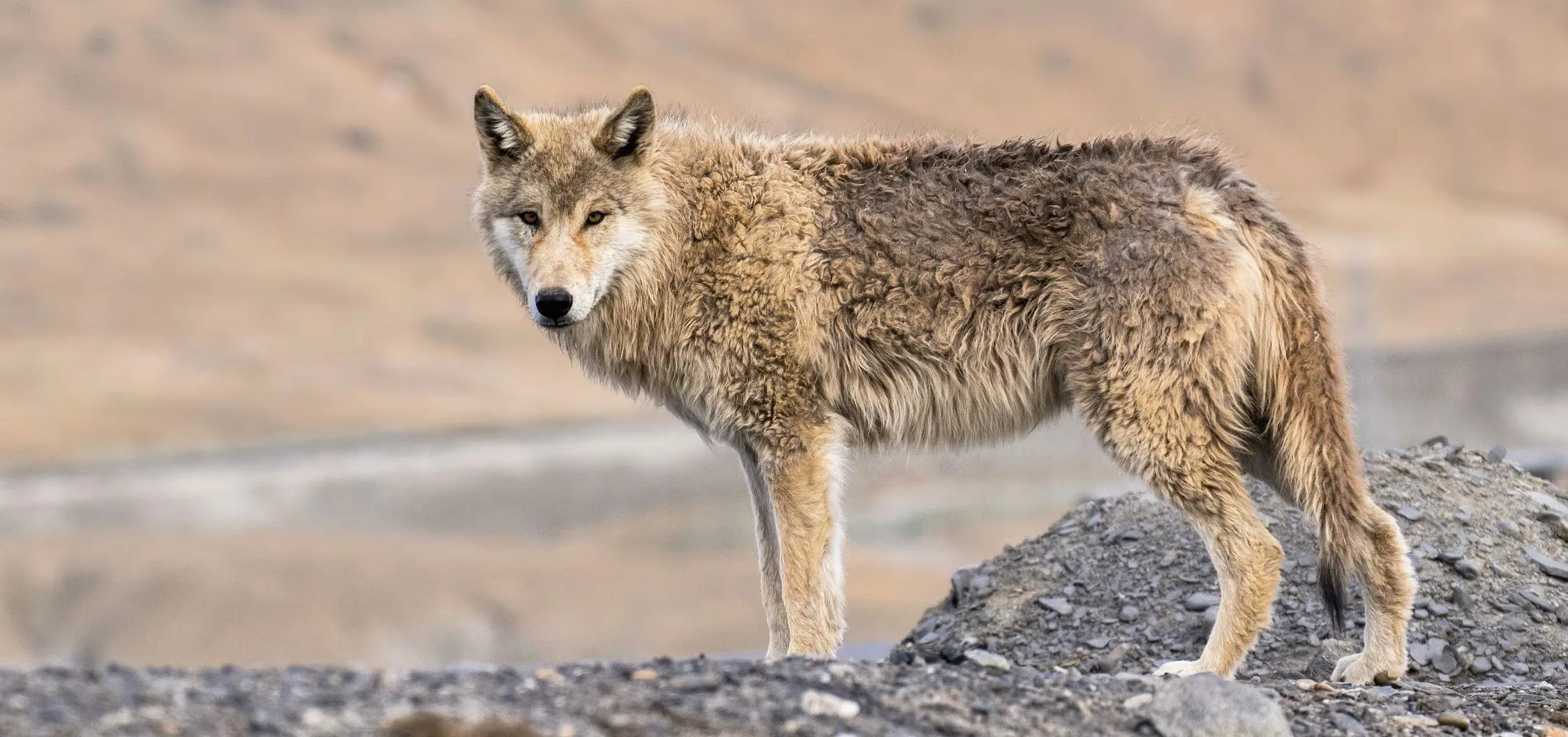
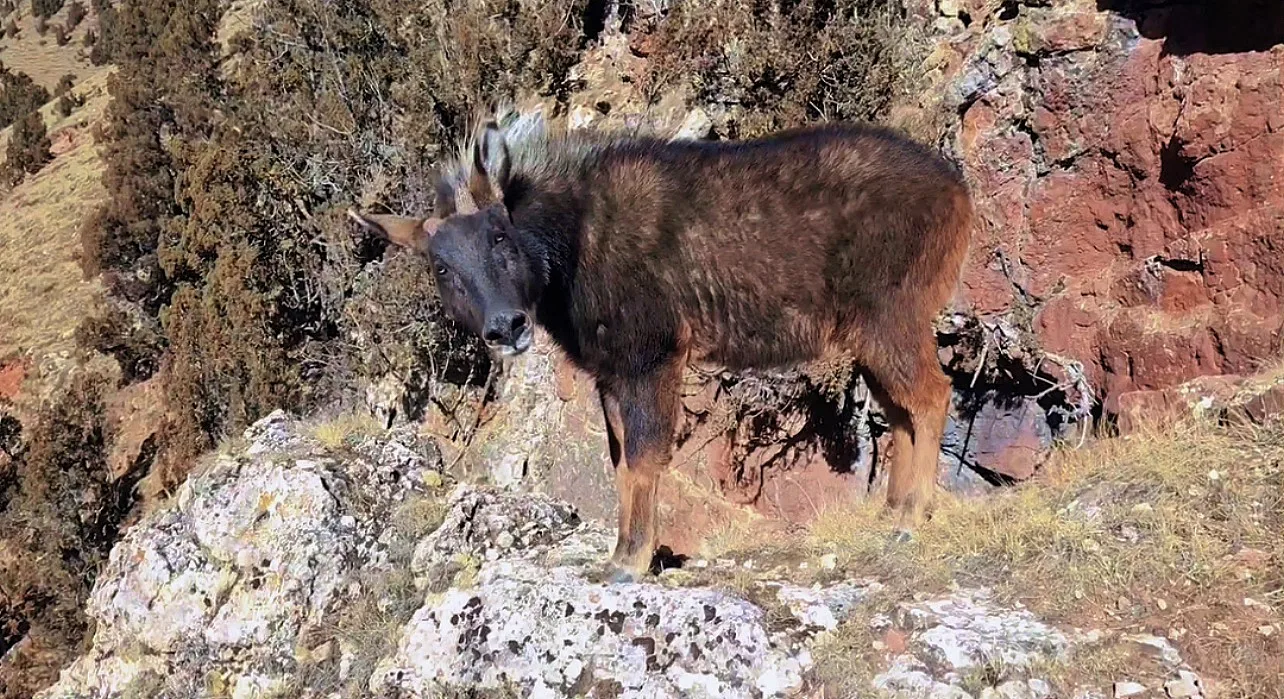
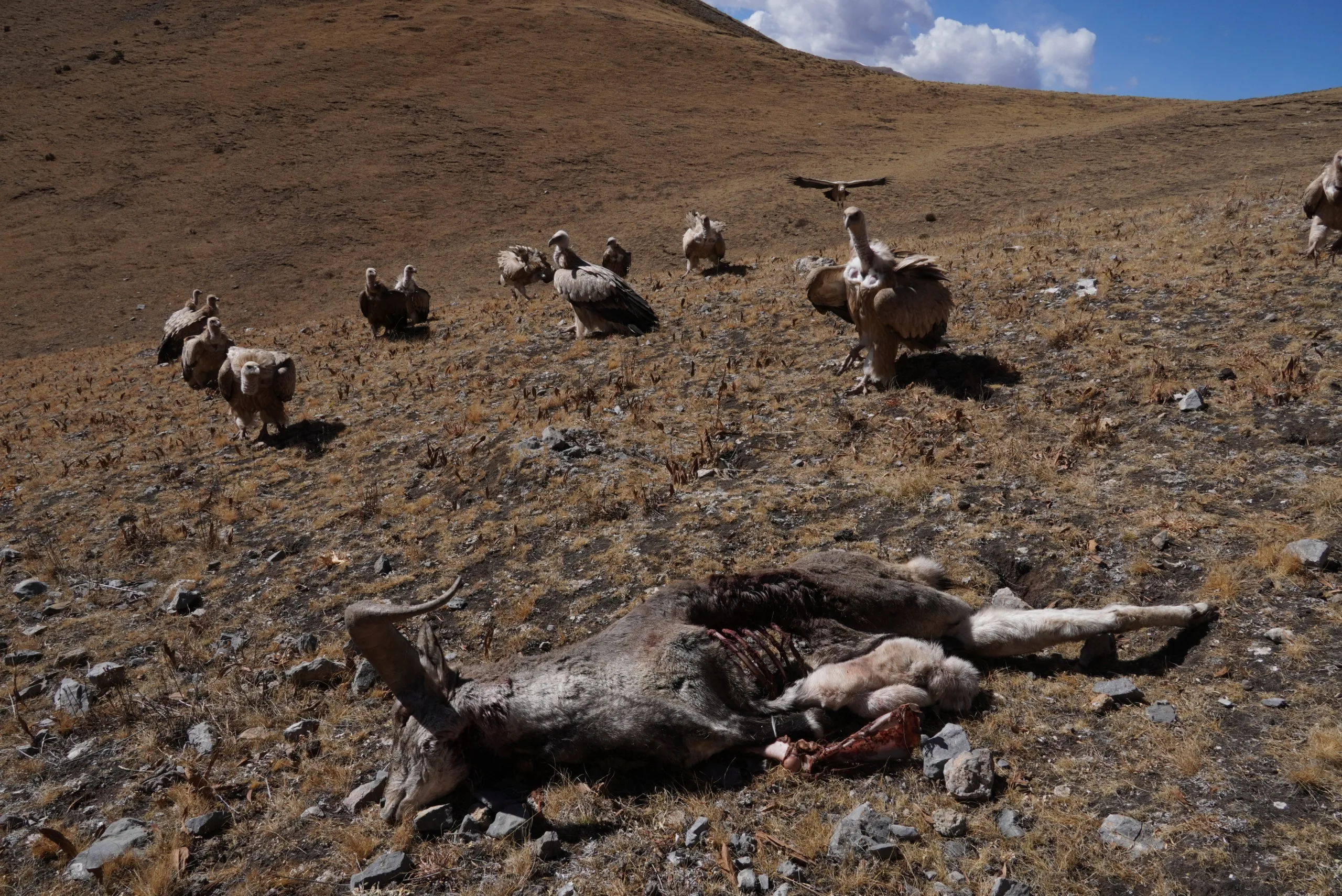
Preparing for a Wildlife Tour in Qinghai Province
Wildlife observation journeys are different from regular cultural or sightseeing trips. There is no completely fixed daily schedule. The itinerary may be adjusted based on the latest updates from local wildlife monitors and recent animal activity signs.
How a Typical Day Works
Wildlife observation usually follows the natural activity patterns of animals, which are often more active around dawn and dusk. Each day begins before sunrise. Based on tracks and activity signs identified by local monitors in advance, the team selects suitable observation locations and spends time waiting and observing.
During midday, when wildlife activity is usually lower, the team may have a packed lunch in the field or return to a local herder’s home for lunch. In the afternoon, as the sun begins to descend, observation continues until sunset.
How Long Do We Wait?
Waiting is one of the most important parts of wildlife observation. In many ways, searching and waiting make up most of the experience.
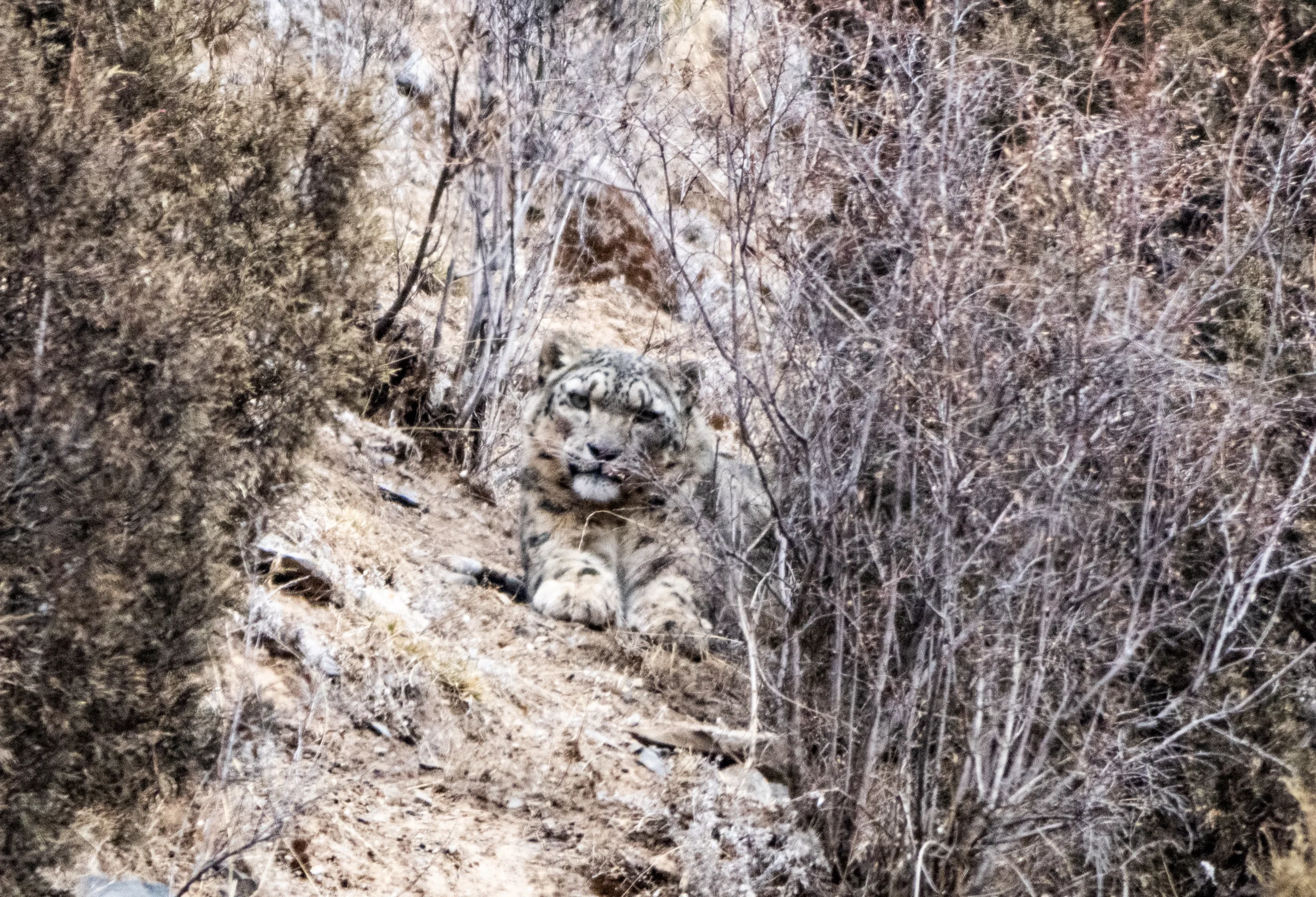
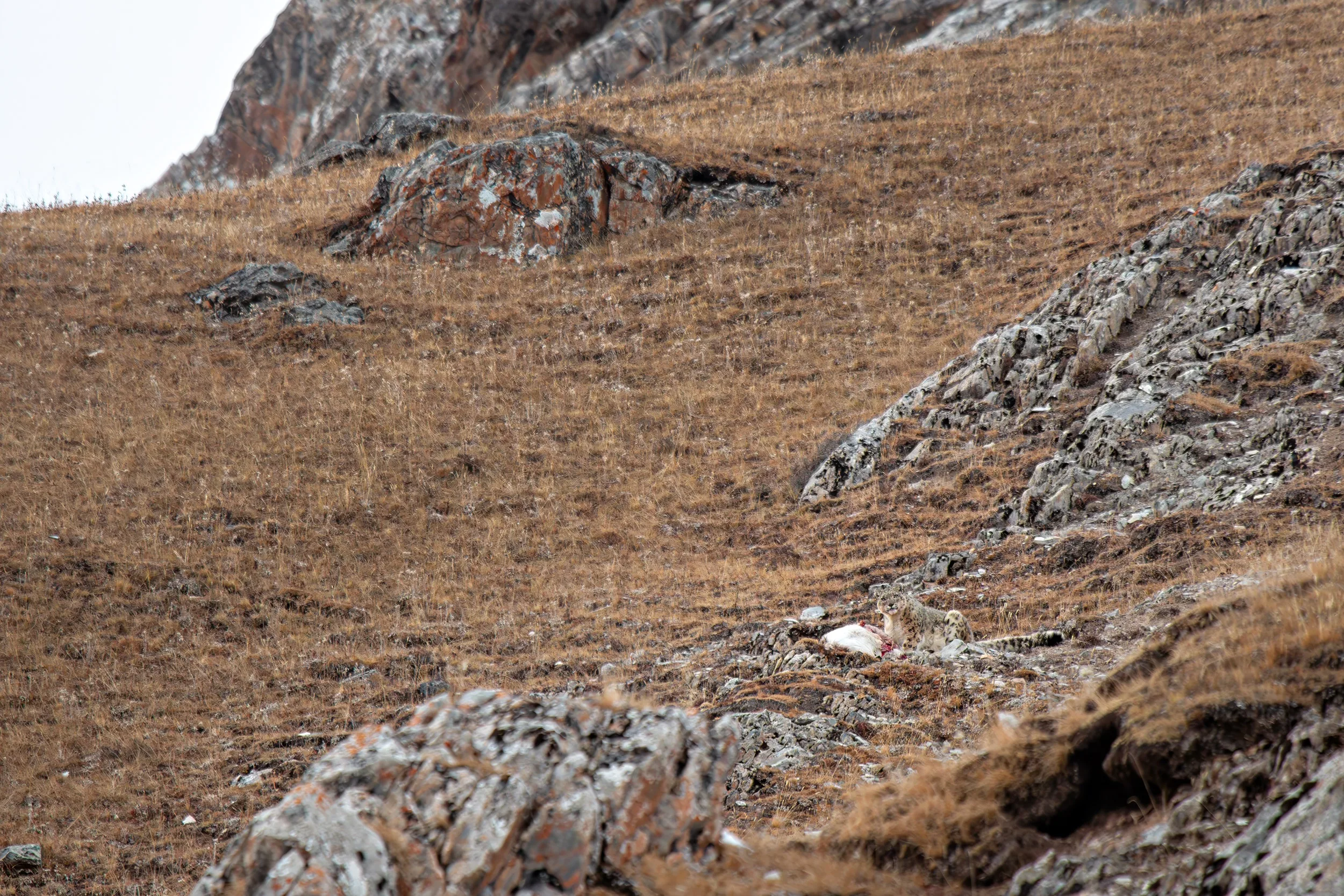
Snow leopards are masters of camouflage, blending into rocky slopes, ridgelines, and shadows. Even when recent activity has been confirmed in an area, it may still take hours of careful scanning to locate an individual resting or moving slowly across the landscape.
Once a snow leopard is found, the team may remain at the same observation point for several hours, documenting its behavior, including resting, moving, or feeding.
Is Long-Distance Hiking Required?
Most daily activities take place using four-wheel-drive vehicles. Walking is usually limited to short distances, with daily hiking generally less than 1 kilometer.
Typical Observation Distance
There is no fixed viewing distance for snow leopards. Encounters may range from several hundred meters to several kilometers away.
In open mountain landscapes, many snow leopards are first located through high-powered spotting scopes. At times, they may appear only as a small grey-white shape on a rocky slope, requiring experienced local guides to confirm their identity through body shape, tail movement, and behavior.
Accommodation
Snow leopard habitats are located in remote areas of the Tibetan Plateau, where accommodation conditions cannot be compared with those in major cities.
When staying in towns such as Yushu, travelers can usually expect local hotels with heating, hot water, and private bathrooms. In more remote observation areas, accommodation is generally provided through local guesthouses, family-run lodges, or basic hotels. Private rooms cannot always be guaranteed, and toilet facilities may be simple pit toilets.
During winter, heating, water pressure, internet access, and electricity can sometimes be unstable due to the conditions of remote high-altitude areas. Travelers should have realistic expectations of the environment.
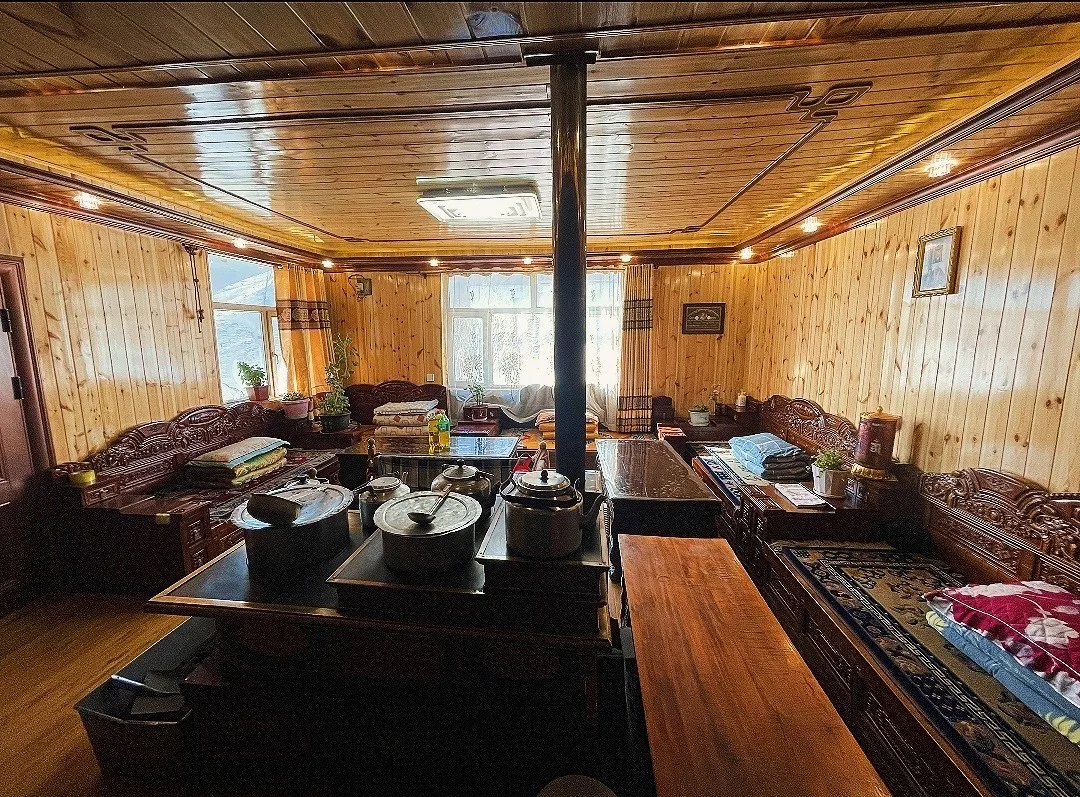

Meals
Breakfast is usually prepared early to match the wildlife observation schedule. On field observation days, lunch is generally a simple packed meal that is easy to carry and eat quickly, often enjoyed inside the vehicle or at a sheltered location.
Dinner is served after returning to the accommodation and usually includes local Chinese dishes, Tibetan-style meals, noodles, rice, meat, and vegetables.
If you have vegetarian requirements, food allergies, or other dietary needs, please inform us before departure. Due to the limited availability of ingredients and dining options in remote areas, the team will do its best to accommodate requests but cannot guarantee the same variety available in cities.
How Does High Altitude Affect the Journey?
The journey takes place at elevations ranging from 3,700 to 4,500 meters above sea level. We arrange two days of acclimatization in Yushu (3,700m) before entering higher-altitude areas. If time allows, travelers may also consider spending 1–2 days acclimatizing at around 2,500 meters, such as in Xining, before arrival.
When first arriving on the plateau, some travelers may experience symptoms of altitude adaptation, including headaches, fatigue, poor sleep, reduced appetite, or mild shortness of breath. Individual responses to altitude are not always related to age or physical fitness — even people who exercise regularly may still need time to adjust.
During the first one or two days at altitude, we recommend slowing down, avoiding strenuous activity, resting sufficiently, and staying well hydrated. If symptoms continue to worsen, travelers should not continue ascending to higher elevations. Symptoms such as difficulty breathing while resting, confusion, difficulty walking, or extreme drowsiness require immediate medical attention and descent to a lower altitude.
Our team has experience managing altitude-related challenges. Please inform your guide of any discomfort during the journey — safety is always our top priority. In cases of serious symptoms, we may adjust the itinerary or shorten the trip if necessary.
Travelers with heart conditions, severe hypertension, respiratory diseases, asthma, or other medical conditions that may be affected by high altitude should consult a doctor before booking and inform our travel advisors of any relevant health conditions.
Can We Guarantee Snow Leopard Sightings?
There is never a 100% guarantee when observing wildlife. Snow leopards are wild animals that move freely through their high-altitude environment and cannot be controlled or predicted.
However, we have selected multiple high-probability observation areas, scheduled multiple opportunities for searching, and work closely with local wildlife monitors who track animal activity in advance to maximize the chances of encountering a snow leopard; some frequent recent activity may be the result of changing local ecological conditions, although the exact reason for increased sightings near more accessible areas remains uncertain.
Who Is This Wildlife Tour Suitable For?
Snow leopard expeditions are best suited for travelers who genuinely enjoy the process of wildlife observation. You should be comfortable waking up early, waiting patiently in cold high-altitude environments, and accepting that animals may appear several kilometers away — or that the main target species may not be found on a particular day.
No professional mountaineering or trekking experience is required. Most wildlife searches are conducted by four-wheel-drive vehicle and from fixed observation points. Daily walking is usually less than one hour and generally no more than 3 kilometers.
However, as the observation areas are located above 3,500 meters on average, participants should have a good basic level of health and be comfortable with short walks at high altitude.
This journey is especially suitable for:
- Wildlife enthusiasts with a deep interest in snow leopards and the Tibetan Plateau ecosystem;
- Photographers who respect animal behavior and natural processes, rather than focusing only on close-up images;
- Travelers who enjoy small groups, slower-paced journeys, and extended time in the field;
- Guests who respect observation distances and never chase, feed, or disturb wildlife.
Essential High-Altitude Gear List
Clothing
- Moisture-wicking thermal base layers;
- Fleece or lightweight down mid-layer;
- Thick down jacket or warm outer layer suitable for low temperatures;
- Windproof and waterproof outer shell;
- Warm trousers and windproof outer pants;
- Warm hat that covers the ears;
- Scarf or neck warmer;
- Inner gloves and thick insulated gloves;
- Sufficient warm socks.
Footwear
- Waterproof, non-slip hiking boots or winter outdoor shoes with good support;
- Footwear suitable for rocky terrain, frozen ground, and light snow conditions;
- Break in your shoes before departure. Avoid bringing brand-new footwear directly to the plateau;
- Snow gaiters or insulated insoles may be useful in winter depending on conditions.
High-Altitude and Daily Essentials
- High SPF sunscreen;
- UV-protection sunglasses;
- Lip balm and moisturizing products;
- Insulated water bottle;
- Personal medication;
- Small personal first-aid supplies;
- Hand warmers or reusable heating devices;
- Headlamp;
- Power bank;
- Wet wipes and basic personal hygiene supplies.
Wildlife Observation and Photography Equipment
- Binoculars (8–10x magnification, 42mm objective lens recommended, preferably waterproof and fog-resistant);
- Camera and telephoto lens;
- Stable tripod or gimbal head;
- Spare batteries and memory cards;
- Camera protection against dust and snow;
- Lens cleaning tools;
- Waterproof camera bag.
Cold temperatures can significantly reduce the battery life of cameras and phones. Spare batteries should be kept close to your body in a warmer location.
The team usually provides spotting scopes and basic wildlife observation equipment for locating animals. Personal photography equipment should be brought by each traveler.
Seasonal Clothing and Footwear Advice
November to February: The Coldest Period
November to February is usually the coldest period on the Tibetan Plateau. During the day, temperatures under direct sunlight can feel relatively comfortable, but temperatures can drop quickly in the early morning, evening, and shaded areas. Nighttime temperatures may fall to around -25°C.
During this season, a complete layering system is essential. Travelers should prepare a thick down jacket, windproof outer layers, insulated gloves, and warm winter footwear and socks.
March to April: Warmer but Still Unpredictable
From March to April, temperatures gradually rise, but plateau weather remains highly changeable. Sunlight can be intense during the day, while mornings and evenings remain cold, and strong winds can significantly lower the perceived temperature.
Even during spring departures, we do not recommend leaving behind essential cold-weather gear such as a down jacket, windproof outer layer, warm hat, and gloves.
The Importance of Layering
The key to dressing for the plateau is not simply bringing one extremely warm jacket, but using multiple layers that can be adjusted according to conditions.
The feeling of temperature can vary greatly between activities. A short uphill walk may cause you to sweat, while sitting still at an observation point for half an hour can quickly become cold. Layered clothing allows you to adapt comfortably and take better care of yourself in different situations during the journey.
Speak to An Expert
Starting Your Wildlife Adventure to China
Start designing your China wildlife adventure with our destination experts.
Make An InquirySafety, Ethics, Permits, and Field Conduct
- Maintain a respectful distance: Never approach wildlife. A distance of 200 meters is the minimum observation boundary. Snow leopards are wild predators, and keeping distance protects both the animal and the safety of observers.
- Do not attract or disturb wildlife: We never use food, sounds, or any other methods to attract snow leopards, and animals should never be driven into any enclosure or confined space for viewing. Artificially influencing animal behavior can harm the species and negatively affect future wildlife observation.
- Never approach dens or cubs: If signs of snow leopard cubs, calling sounds, or possible den sites are discovered, the team will immediately leave the area; any injured juvenile found weak should be handled through proper rescue procedures and later released, if appropriate.
- Leave no trace: All items brought into the mountains must be taken away. We do not leave behind waste, human scent, or any other signs of our presence.
- Follow your guide’s decisions: Local herder guides have lived alongside snow leopards for generations. Their Tibetan cultural understanding of coexistence between humans and wildlife supports the careful balance between the two. In the field, guides decide when to move, when to wait, and when to leave — their judgment always comes first.
Observing snow leopards is not about moments being captured at any cost, but about allowing them to be seen responsibly through patience and distance. The relationship between humans and these elusive animals is built over time through patience and respect. Without mutual trust, a snow leopard will simply choose another path and disappear into the mountains.
Explore Eastogo’s Snow Leopard Expeditions
China has the world’s largest area of snow leopard habitat and is home to the largest snow leopard population, making it an essential destination for anyone hoping to see snow leopards in the wild. You can check out our complete guide for snow leopard’s in China.
Eastogo’s wildlife experts bring different strengths to the field. Some have worked on snow leopard observation for documentary projects including Disney, National Geographic, and Frozen Planet. Some live within snow leopard habitat and know their wild neighbours intimately. Others have turned their passion for wildlife into careers as award-winning professional wildlife photographers.
Based on these different areas of expertise, we have 8-day China snow leopard tour designed for adventure travelers and a destination lives snow leopard, palla’s cat and Eurasian lynx that suitable for wildlife photographers
Snow leopards roam remote mountains rarely visited by people, and those who live there year-round often know their movements best. By working with local communities, and drawing on insights from local interviews and observation networks, we have built a wildlife information network that helps us follow recent snow leopard activity and better understand the land they inhabit. So, together with local herders, we designed an 8-day snow leopard journey: Snow Leopards and Their Neighbors.
We hope these journeys allow you to experience both this landscape and its remarkable wildlife. We also hope that long-term snow leopard tourism can create sustainable income for local communities that depend heavily on pastoralism, supporting a future in which people, wildlife, and the land can continue to coexist.
Explore More Wildlife Experiences in China
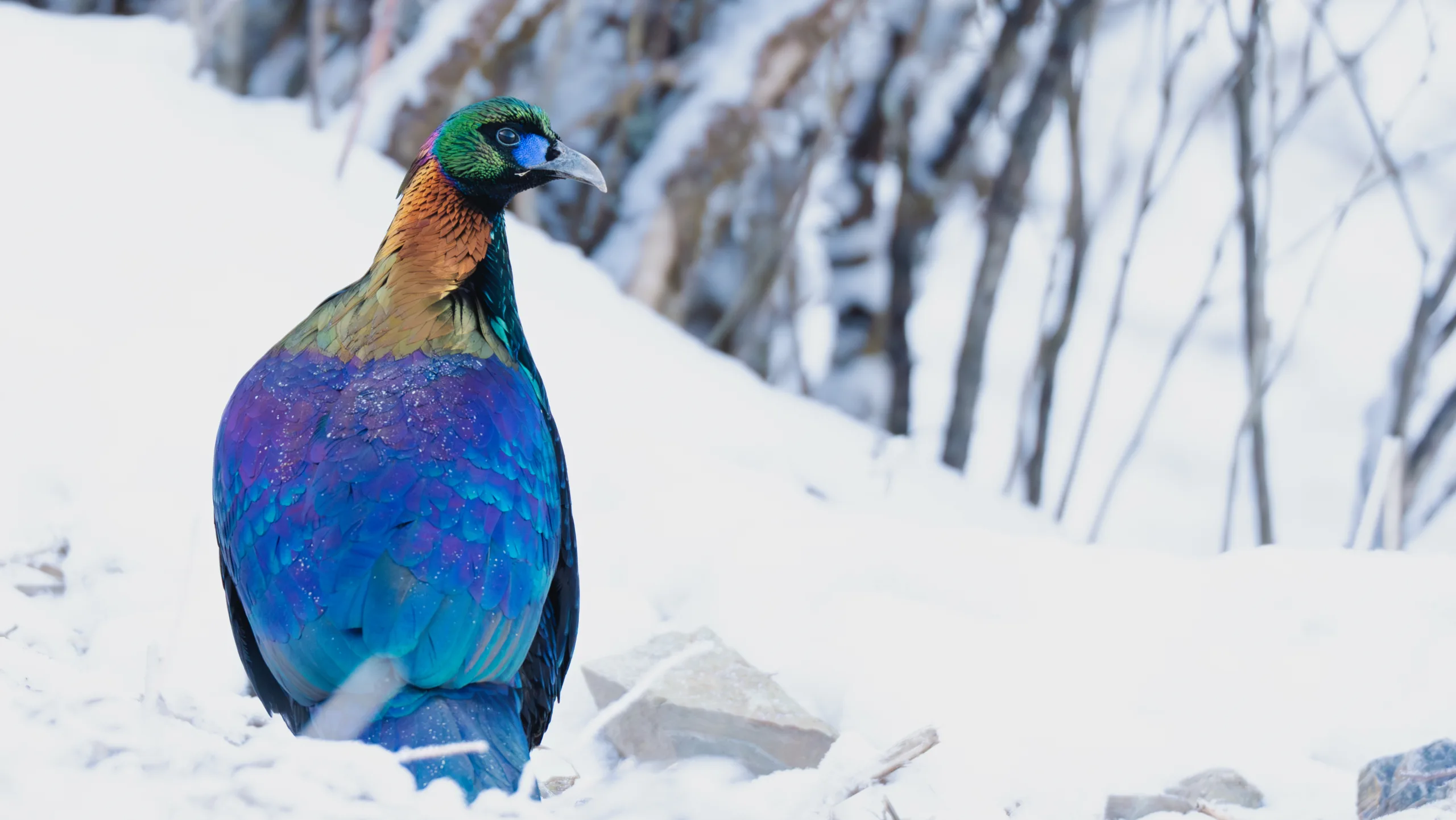
China is one of the world’s most biodiverse countries, spanning ecosystems that range from tropical rainforests and coastal wetlands to alpine grasslands on the Tibetan Plateau. Home to the world’s largest Snow Leopard population, the largest Red Panda population, and the richest pheasant diversity on Earth, China wildlife tours offer some of Asia’s most rewarding wildlife experiences for photographers, birders, and nature enthusiasts alike. Here are more options of them.
- China Endemic Pheasants Tracking &Photography
- China holds the richest pheasant diversity in the world, includingmore than twenty species found nowhere else, such as thelegendary Himalayan monal, with only around 6,000-10,000individuals left in the wild. Guided by Eastogo’s birding experts,you’ll venture into their mountain habitats to seek out these rare anddazzling alpine birds.
- Rare Primates Tracking & Photography
- China is home to 28 primate species, around 80% of which are in decline. The White-headed Langur has only about 1,300 individuals left in the wild, while the Western Black Crested Gibbon numbers roughly 1,500 globally, with more than 1,400 living in China. Guided by Eastogo’s local trackers and wildlife experts, we venture into remote mountain forests in search of these elusive primates—some of China’s rarest mammals, and voices that may one day disappear from the wild forever.
- Spoon-billed Sandpiper Tracking &Photography
- China is one of the key wintering grounds for the Spoon-billedSandpiper, giving you an exceptional chance to observe one of therarest shorebirds on Earth-only about 443 adults remainworldwide. Together with Eastogo’s birding experts, we travelthrough coastal wetlands in Guangdong to track and photographthis critically endangered species.
- Indo-Pacific humpback dolphin Tracking &Photography
- Indo-Pacific humpback dolphin gradually turns a soft pink as itsbody temperature rises during movement-an almost fairy-talemarine species. Around 6,000 individuals remain worldwide, withroughly 5,000 living along China’s coast. Guided by Eastogo’smarine wildlife experts, we explore the coastal waters ofGuangdong to encounter and photograph this rare and beautiful dolphin.
- Birdwatching at Asia’s Largest Wintering Ground for Migratory Birds
- Each winter, 600,000-800,000 migratory birds gather at PoyangLake, where spectacular mass take-offs unfold daily. Iconic speciessuch as the Siberian Crane and Oriental Stork, symbols of Easternelegance, are present here in remarkable numbers.