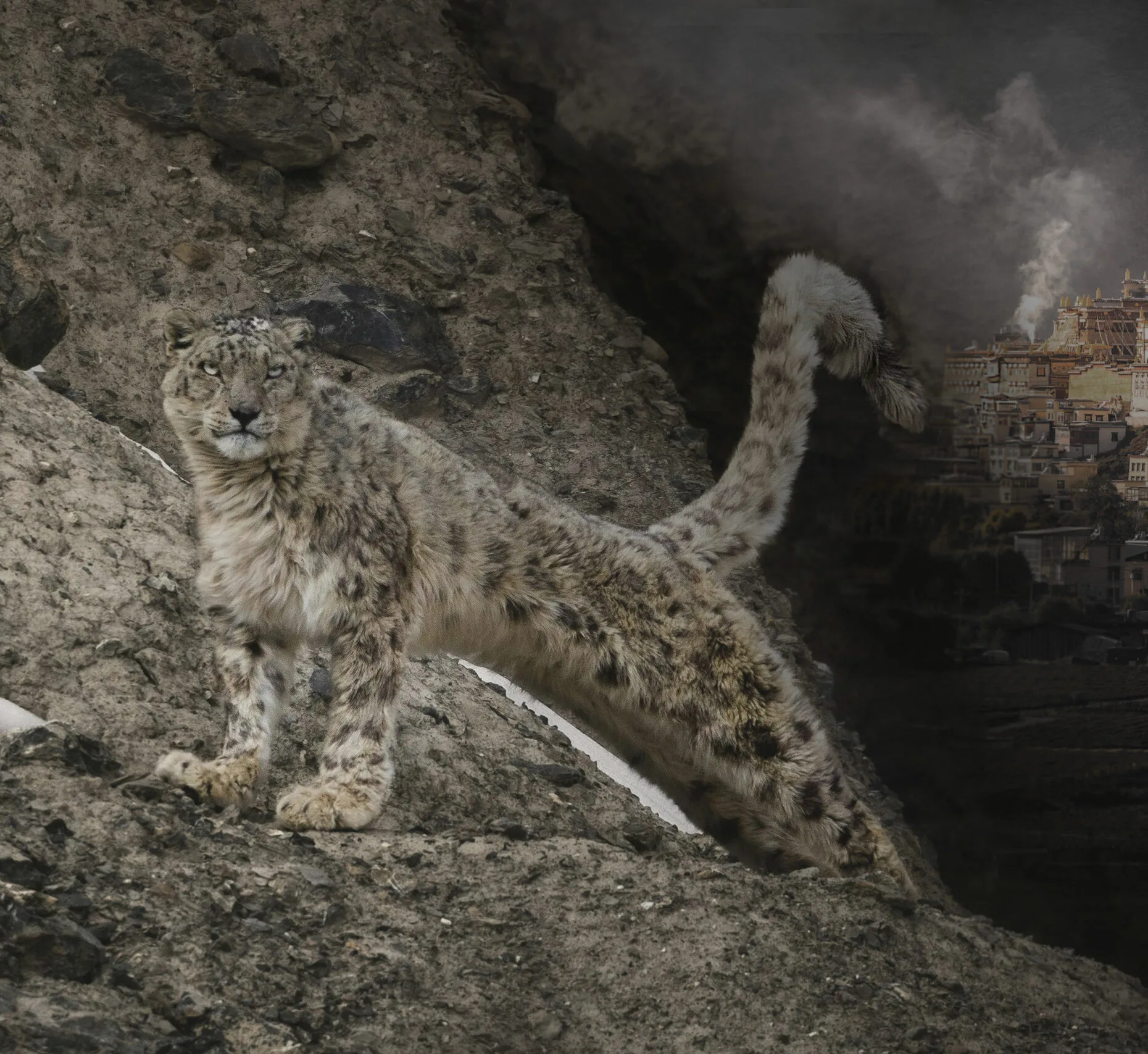
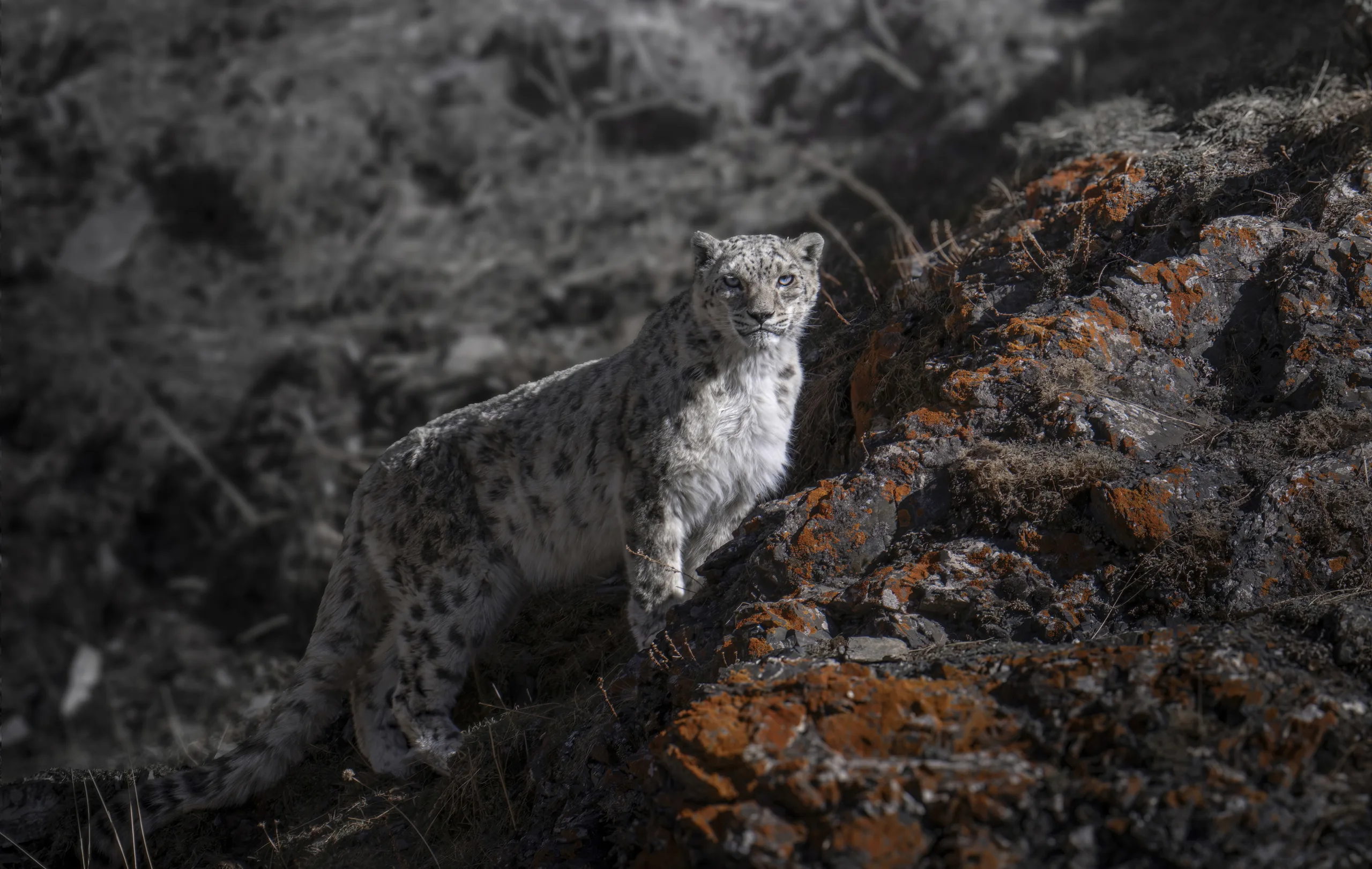
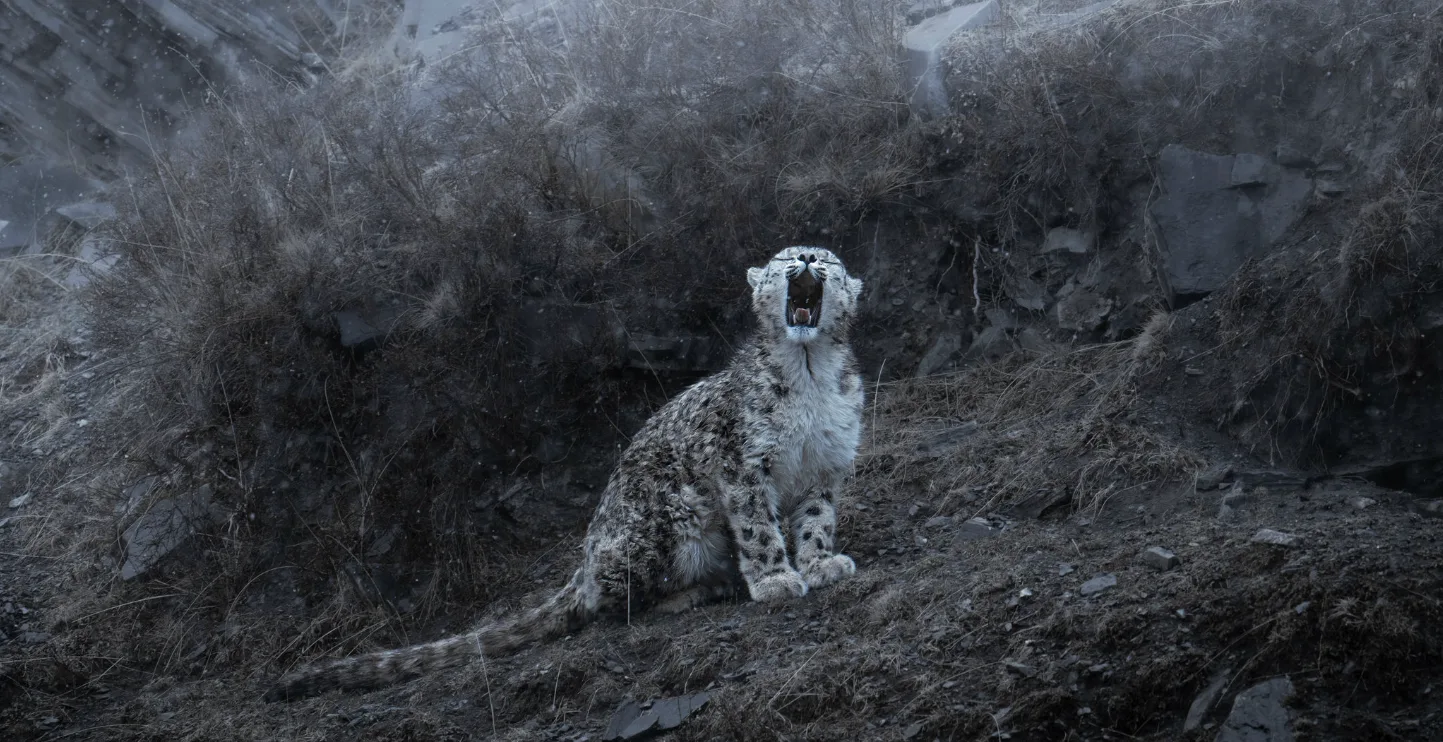
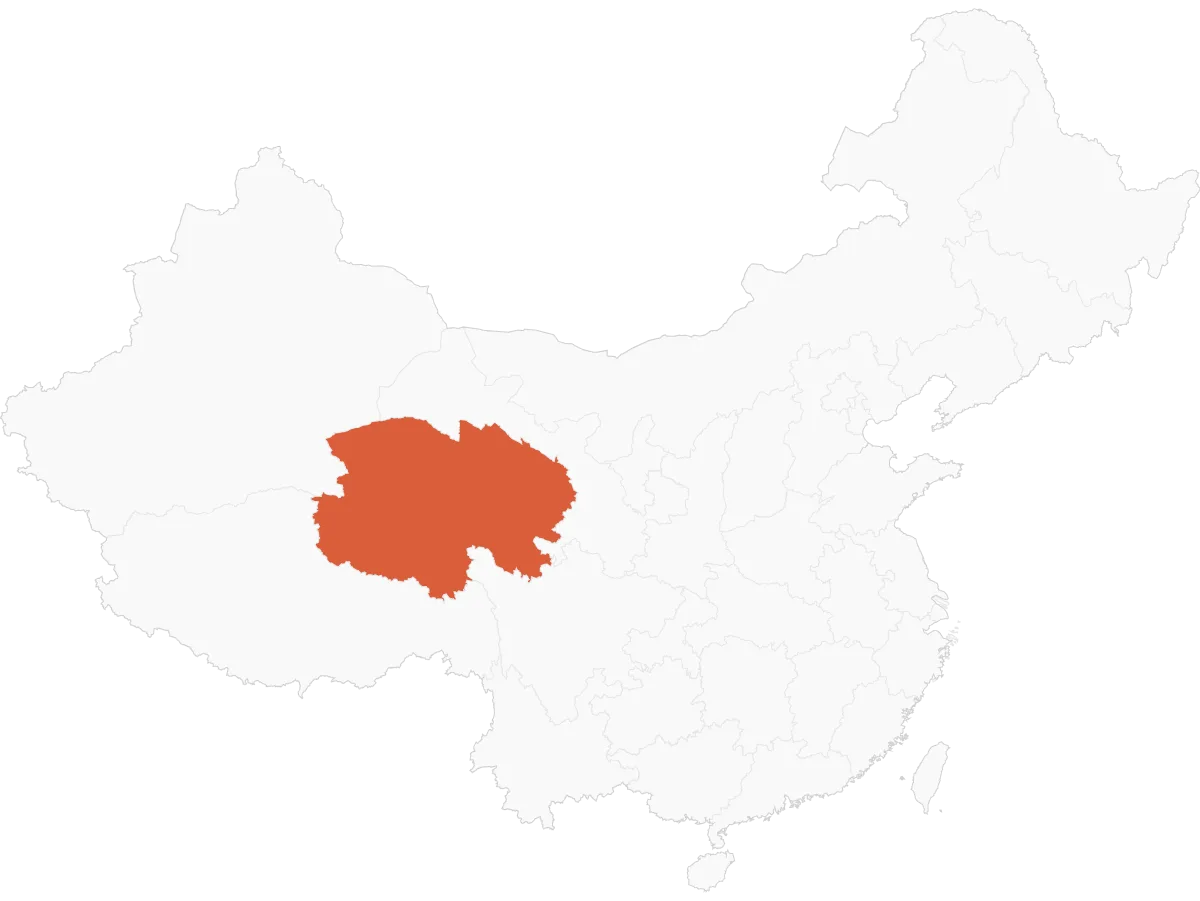
Qinghai Province of China, also part of the Tibetan Plateau, is estimated to support around 1,765 snow leopards.[1] Compared with Tibet, Qinghai offers more established conditions for snow leopard expeditions, with better accessibility and more developed opportunities for wildlife observation, which is why many wildlife enthusiasts, mammal watchers, photographers, and culturally curious travelers look there for a more practical and responsible tracking experience.
This guide looks across the wider Tibetan Plateau at snow leopard populations, the main regions for observation, and the challenges of tracking this species in Tibet itself. It also covers field methods, conservation and community coexistence, ethical wildlife-watching and practical trip planning such as logistics and gear.
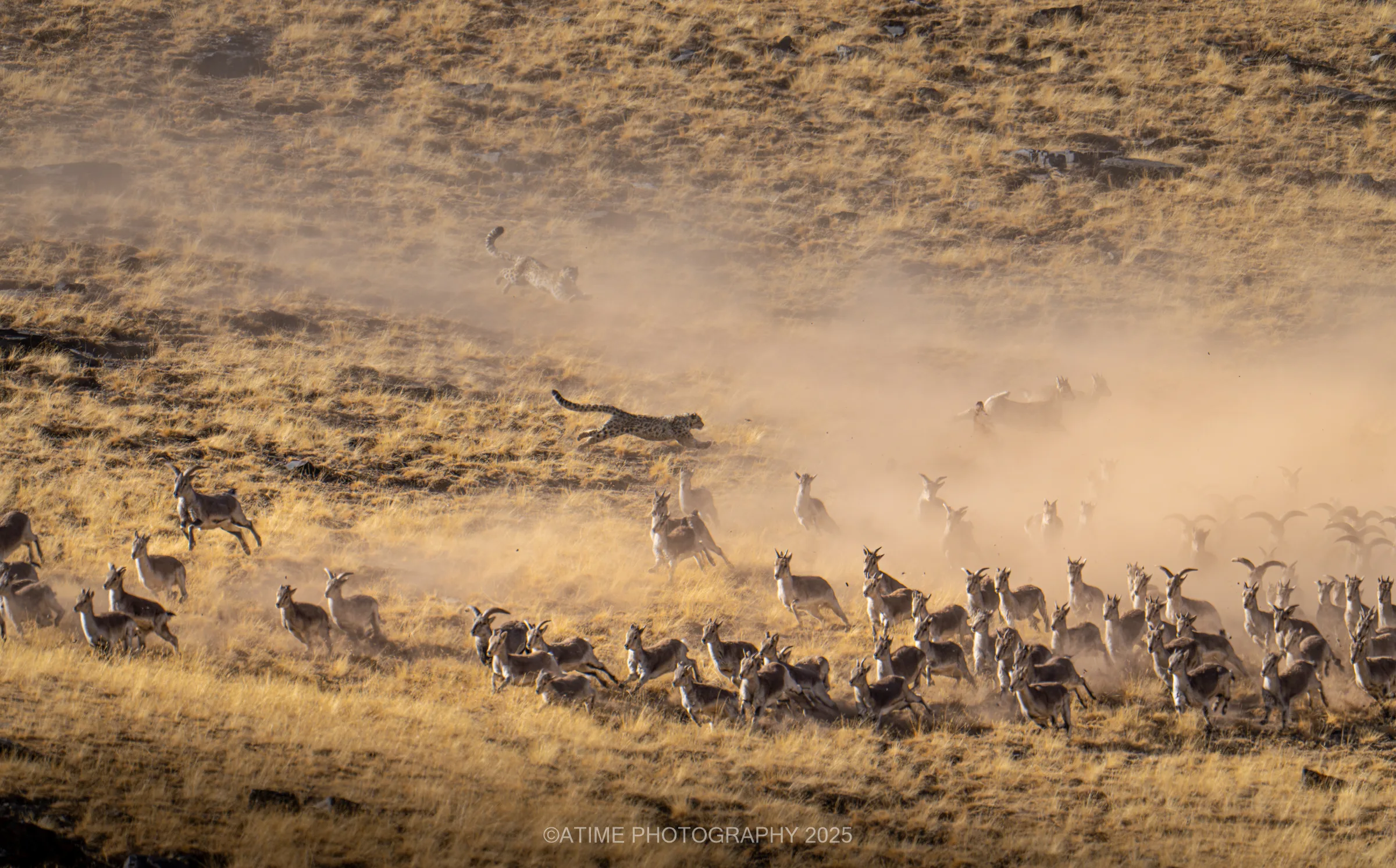
Understanding Tibet Snow Leopards
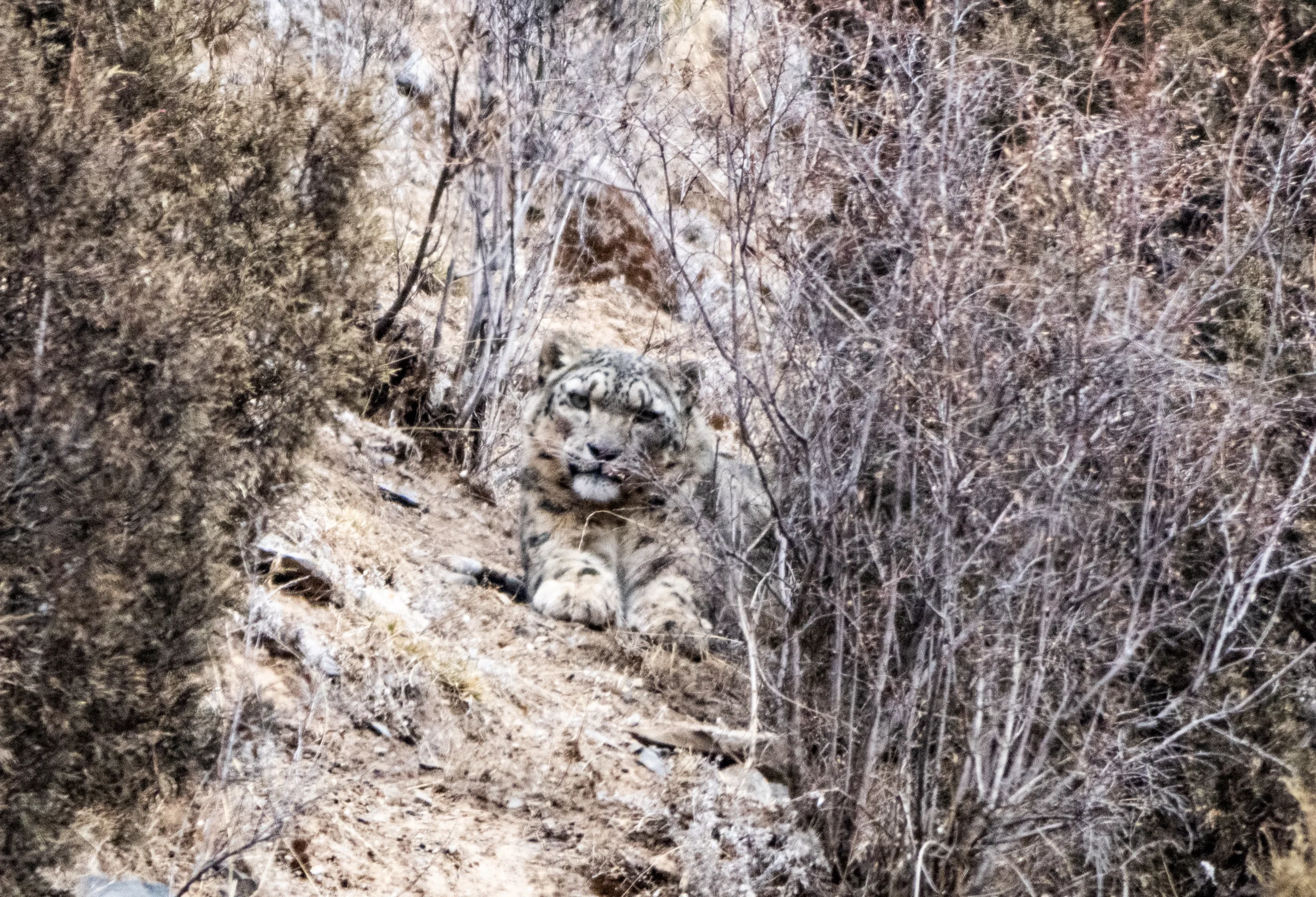
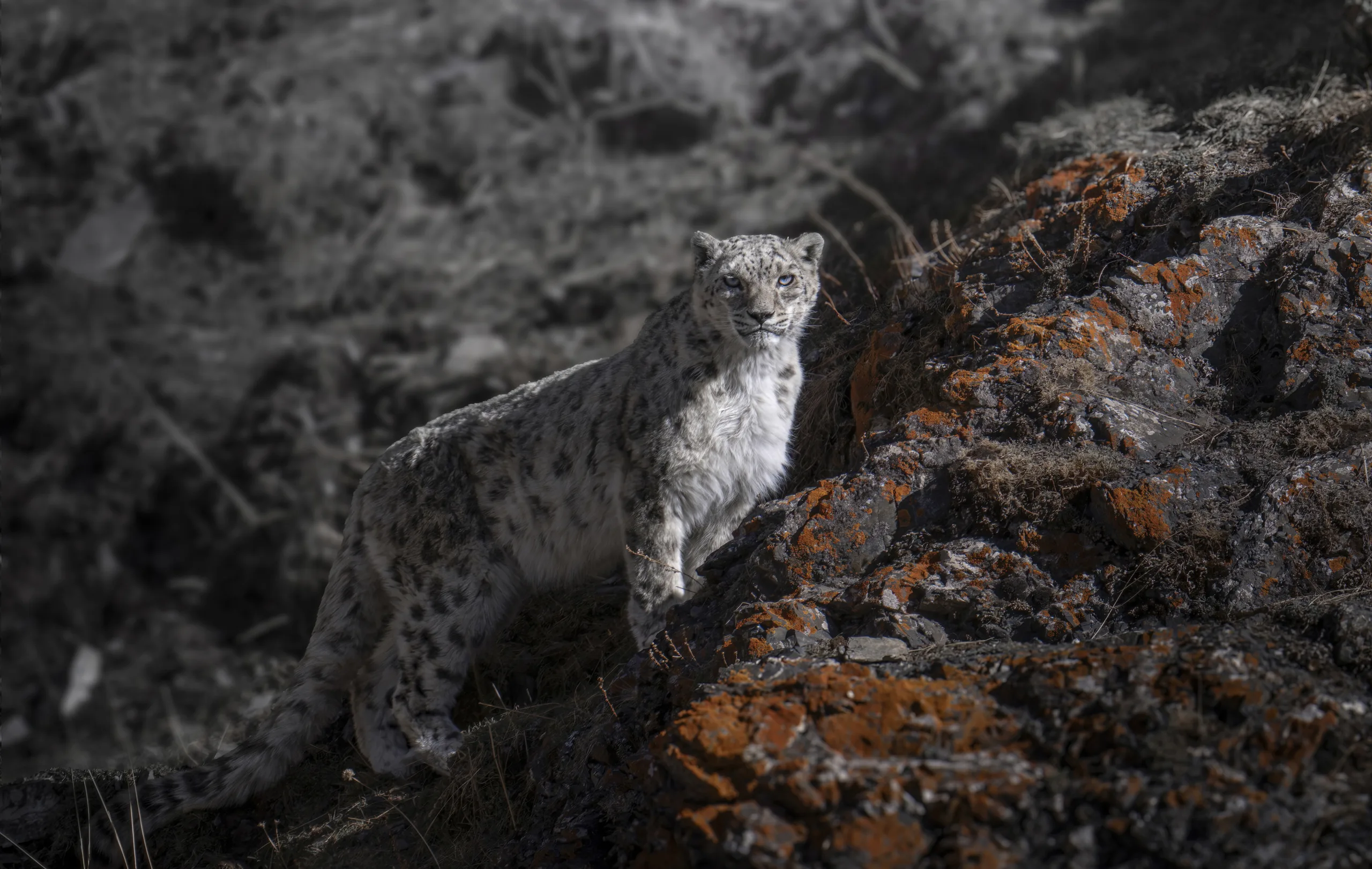
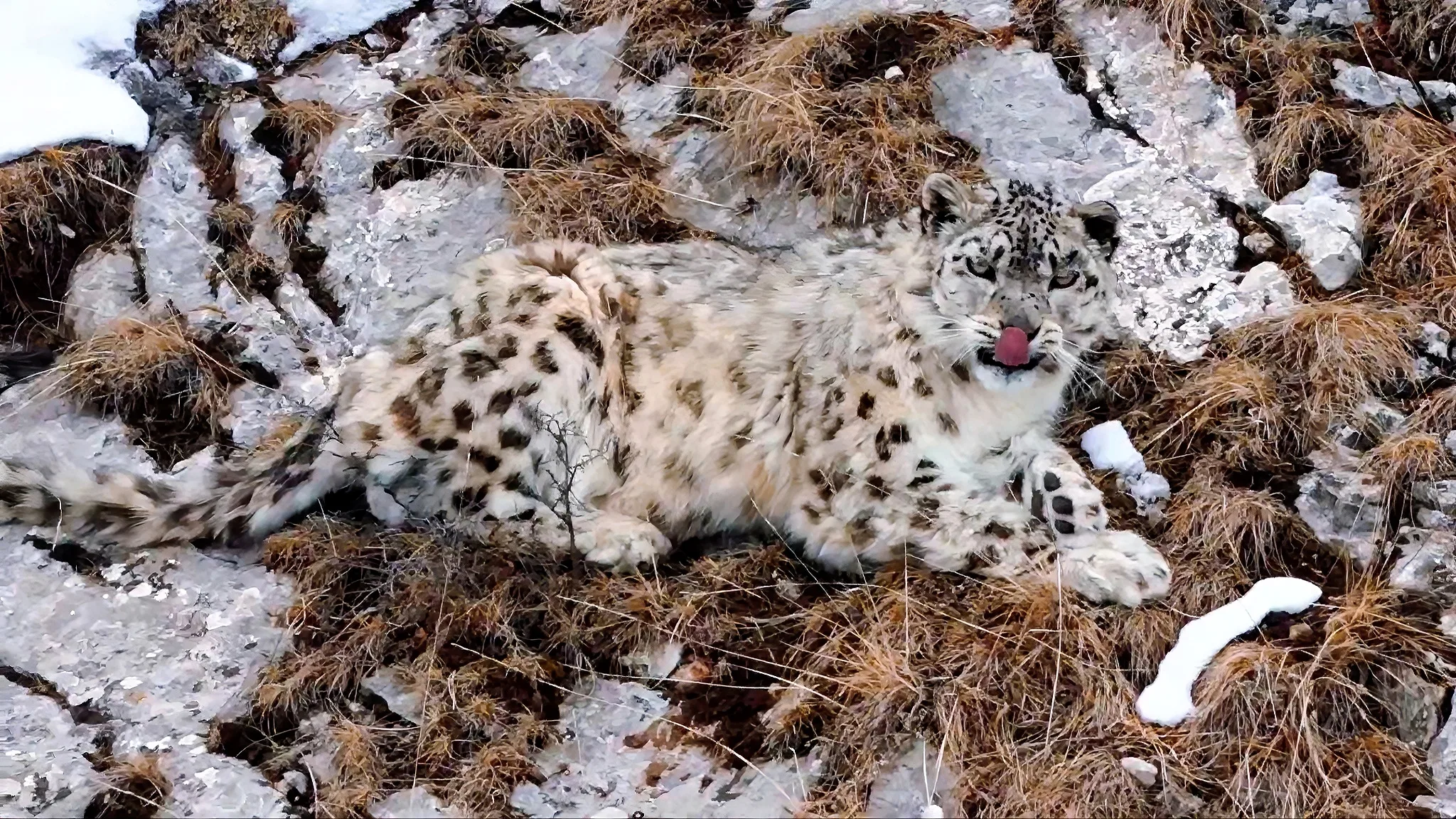
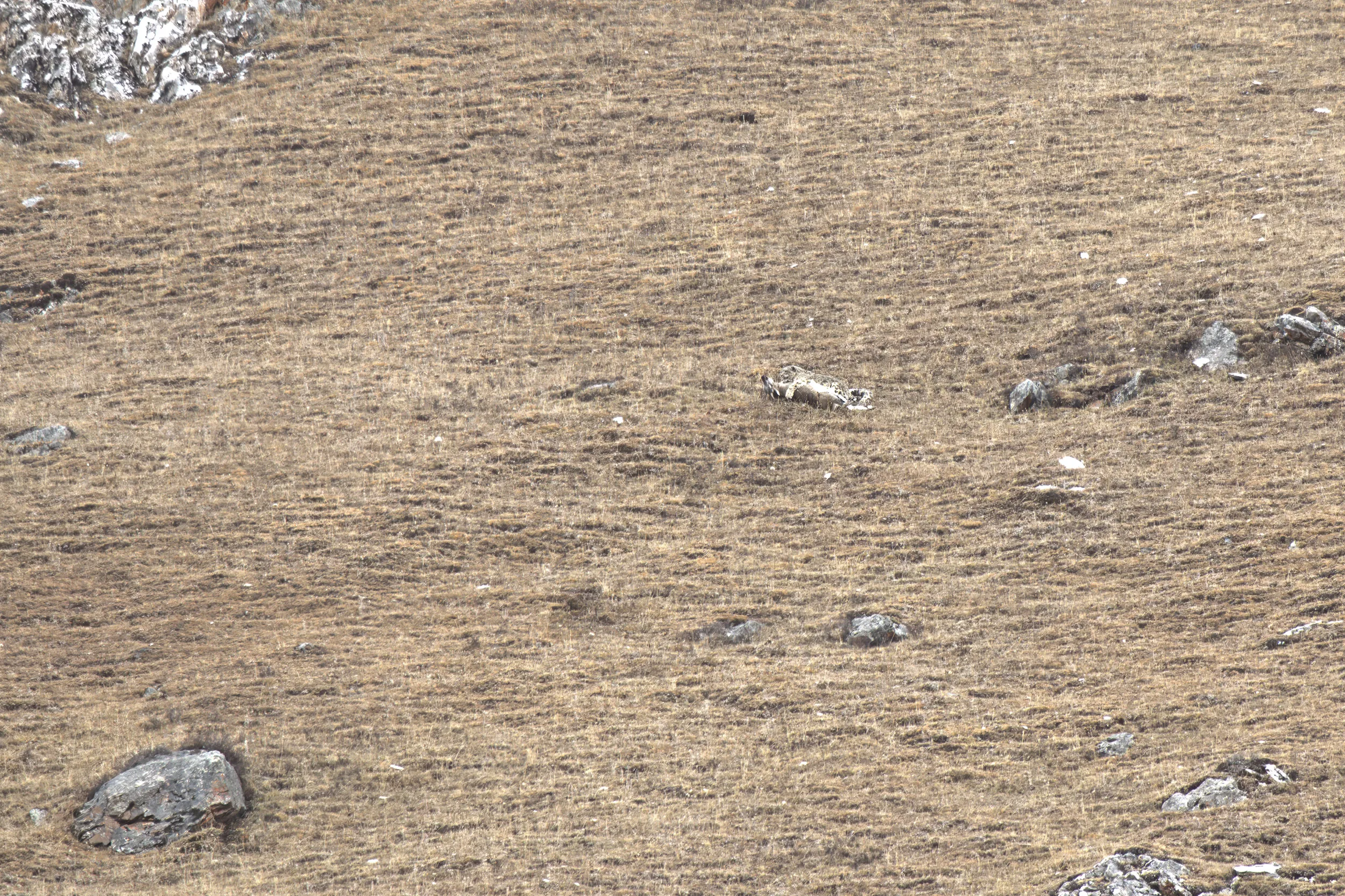
On a cold winter day, beside a stretch of grey-brown alpine rocks, a snow leopard may have been sitting quietly for hours. It is not hiding inside a cave, nor is it moving — simply observing everything around it. Yet even when it is right there, it can be almost impossible to detect with the naked eye. Only with a high-powered spotting scope can observers distinguish its tail, face, or the rosette patterns on its coat blending into the surrounding cliffs.
Snow leopards are a flagship and umbrella species of the Tibetan Plateau. Classified as Vulnerable on the IUCN Red List, they are also one of the world’s most iconic big cats. Their survival reflects the overall health of one of the world’s most unique high-altitude ecosystems. Climate change and habitat fragmentation make wildlife corridors increasingly important for long-term conservation.
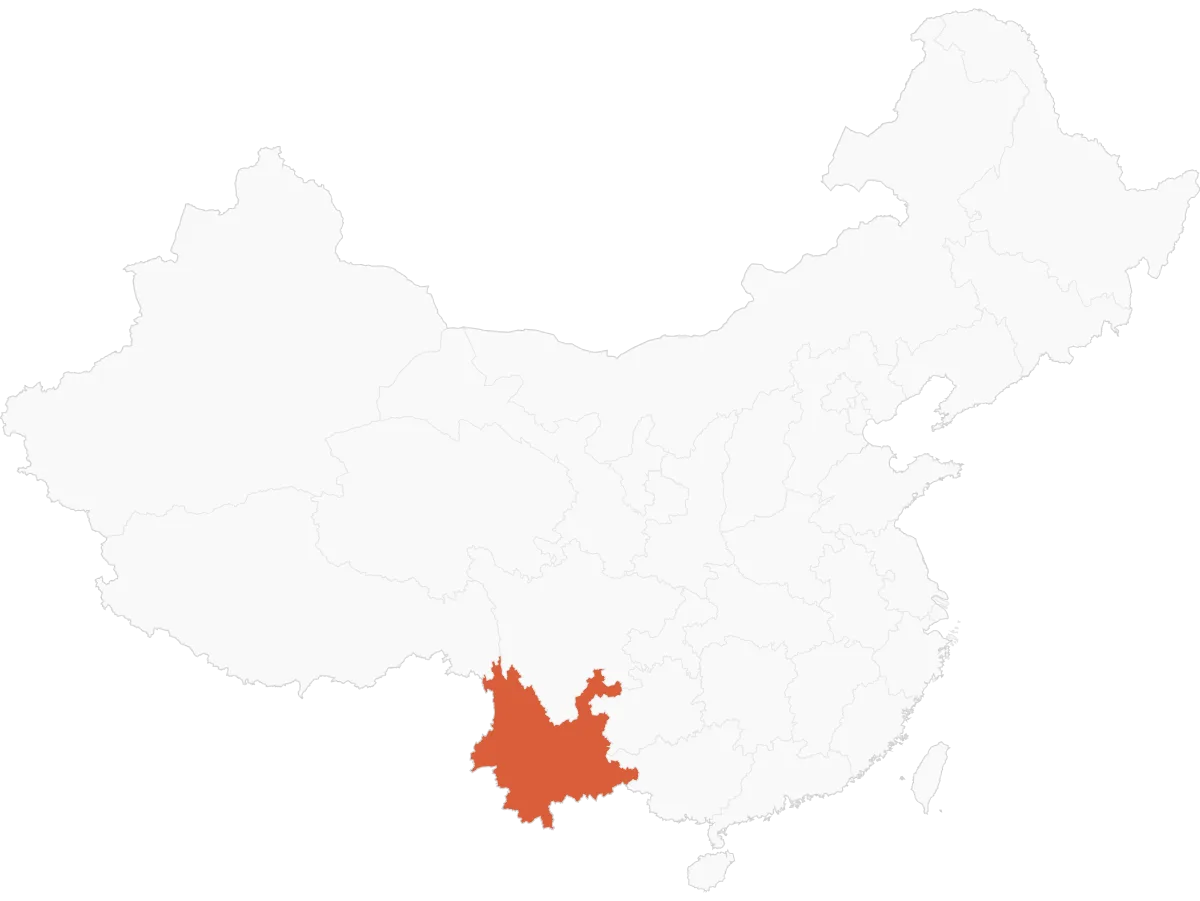
Snow leopards mainly inhabit four types of environments: high-altitude rocky terrain, alpine meadows, alpine shrublands, and the edges of mountain coniferous forests, and they are highly adapted to mountainous environments across the Himalayan range and the Changtang Plateau. The Tibetan Plateau contains some of their most important habitats. However, it is important to clarify that the Tibetan Plateau is far larger than Tibet alone. It includes the Tibet Autonomous Region, much of Qinghai, western Sichuan, southern Gansu, northern Yunnan, as well as parts or all of Bhutan, Nepal, India, Pakistan, Afghanistan, Tajikistan, and Kyrgyzstan. The more accurate geographic term is therefore “the Tibetan Plateau” (Qinghai–Tibet Plateau) rather than simply Tibet. The modern snow leopard is also part of a broader high-altitude range extending into Central Asia.
Due to differences in survey coverage and research methods, there is currently no precise total population estimate for snow leopards across the entire Tibetan Plateau. However, the following published estimates provide important references:
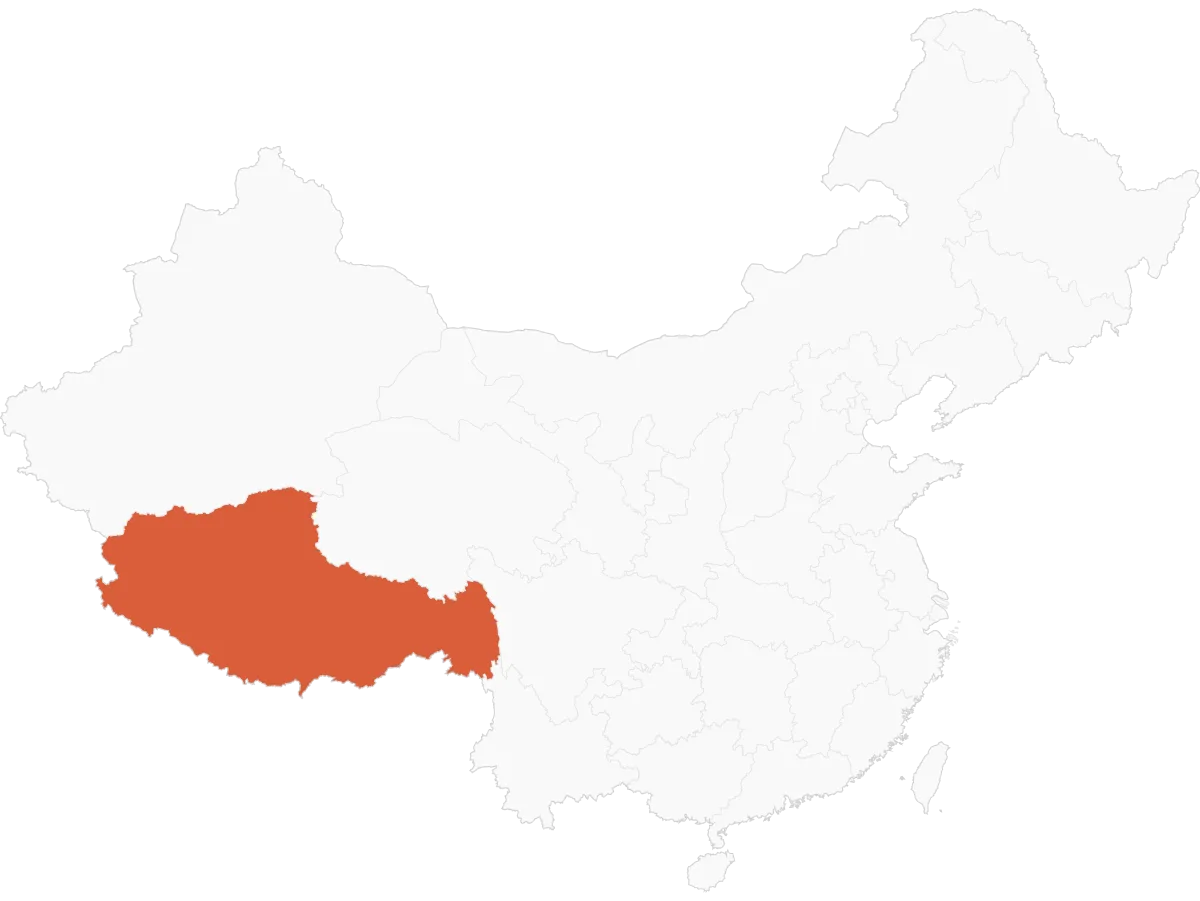
- Tibet: approximately 1,401 snow leopards. Within Tibet, 106 individuals have been recorded in Qomolangma (Mount Everest) National Nature Reserve, while 126 individuals have been identified in Nagqu. Large areas in eastern and western Tibet still require further surveys.[1]
- Qinghai Province: approximately 1,765 snow leopards.[1] More than 1,000 are estimated to live in the Sanjiangyuan region, with an average regional density of around 0.9 individuals per 100 km².[1]
- India: approximately 718 individuals, including 477 in Ladakh and 124 in Uttarakhand.[2]
- Nepal: approximately 397 individuals (CI: 331–476).[3]
- Bhutan: approximately 134 individuals (CI: 121–148).[4]
- Kyrgyzstan: approximately 285 individuals (CI: 234–349).[5]
*CI: confidence interval
Overall, China is estimated to hold around 5,323 snow leopards, with approximately 60% of the world’s snow leopard habitat located within the country.[1] This makes China the country with the largest snow leopard population worldwide. The Sanjiangyuan region on the Tibetan Plateau alone may support around half of China’s snow leopard population.
However, despite these remarkable numbers, encountering a snow leopard in the Tibetan Plateau remains an extraordinary challenge.
Speak to An Expert
Starting Your Snow Leopard Jounrney to Tibet
Start designing your Wildlife journey with our wildlife experts.
Make An InquiryWhy Snow Leopard Tracking in Tibet Is So Challenging
Vast Landscapes but Low Population Density
Tibet is only one part of the Tibetan Plateau, yet it is the second-largest provincial-level region in China, covering more than 1.2 million square kilometers. This vast territory contains extensive areas of suitable snow leopard habitat.
However, successful snow leopard observation depends on more than just the total number of snow leopards. It requires areas with relatively high local density, stable individuals regularly using the same habitat, and terrain that allows long-distance visibility with fewer obstacles.
Although some regions of Tibet have already been surveyed by professional teams for snow leopard population monitoring, many areas remain insufficiently studied, with limited long-term observation and population data available.
Rugged Terrain and Extreme Weather Challenges
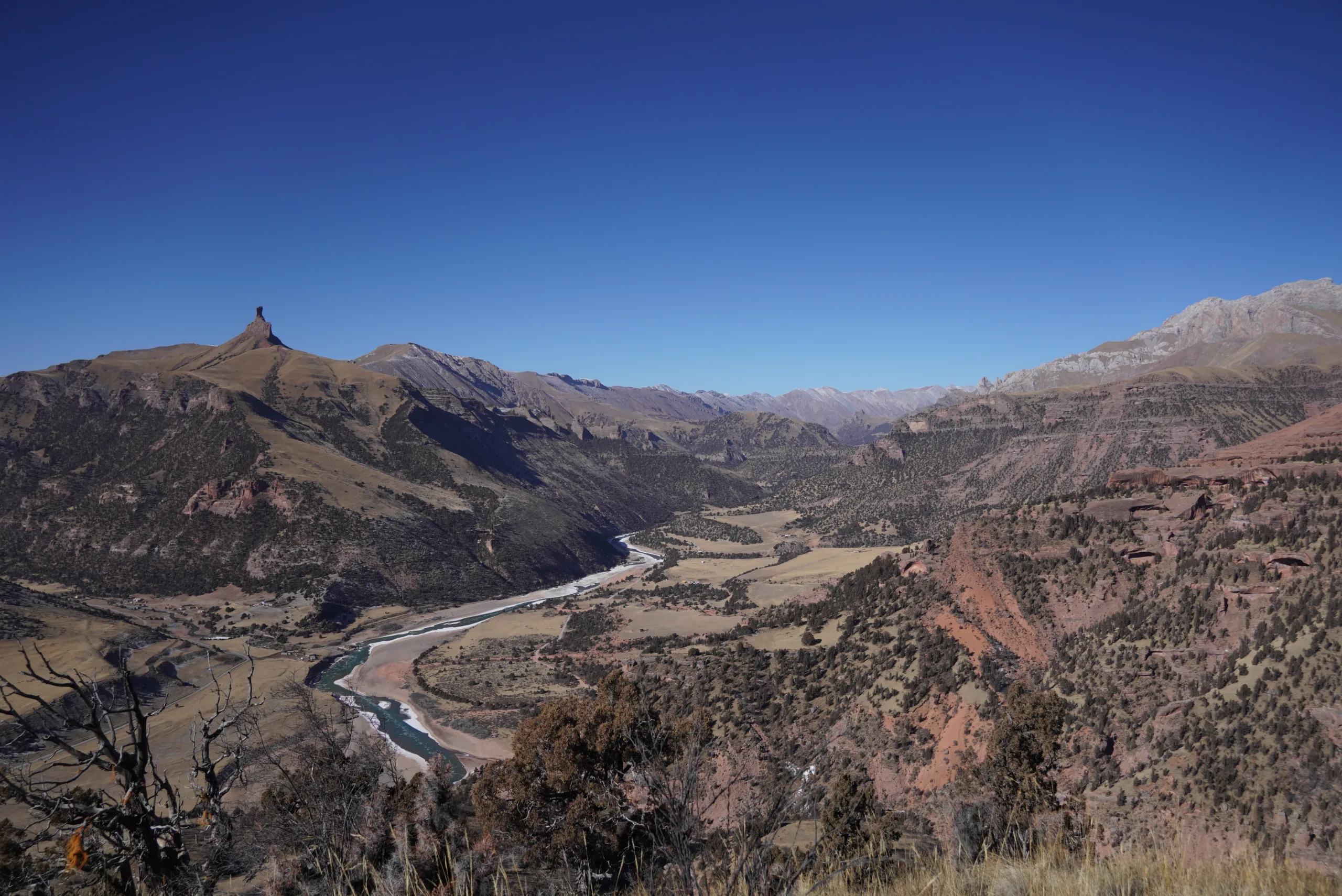
The complex high-altitude landscape makes snow leopard observation extremely challenging. Snow leopards inhabit mountains ranging from around 3,000 to 5,400 meters above sea level, where the air is thin, winters are severe, and the terrain consists of bare rock, scree slopes, deep valleys, and cliffs.
This landscape can easily block visibility. A snow leopard only needs to move behind a rocky ridge or across the opposite side of a slope to disappear completely from view. At the same time, high altitude reduces human movement speed and search efficiency. Heavy snowfall, strong winds, freezing temperatures, and difficult road conditions can all affect access and test the endurance of observers.
Snow Leopard Behavior and Ecology
To understand how to find snow leopards, it is equally important to understand how they live.
Outside the breeding season, snow leopards are generally solitary. Individual animals may have home ranges spanning tens to hundreds of square kilometers. A snow leopard may wait for prey on a slope near a herder’s home one day, then move up to 7 km in a night while patrolling its territory the next. They are also most active around dawn and dusk, while during the day they often rest quietly in caves or sheltered rocky areas, leaving very few visible signs of their presence.
Snow leopards also adjust their movements according to prey availability, breeding cycles, snow conditions, and human activity, and they often favor prey weighing roughly 36 to 76 kg. In summer, they often move higher into the mountains following prey, while in winter they may descend to areas with less snow. However, these patterns are not universal across all regions.
After a successful hunt, a large kill can sustain an individual for several days, and sometimes close to two weeks, depending on conditions such as whether a female snow leopard is raising cubs.
Finding an animal so perfectly adapted to disappearing into the wilderness is never easy.
Access Restrictions and Wildlife Protection Considerations
Strict access regulations across the Tibetan Plateau are another important factor to consider.
In the Tibet Autonomous Region, international travelers must apply for a Tibet Travel Permit (TTP) before entering, and destinations must be clearly listed on the permit. However, many snow leopard habitats are located in remote, non-commercial areas, making access to these locations particularly difficult.
Outside Tibet, areas such as the Sanjiangyuan region of Qinghai — which supports one of China’s largest snow leopard populations — are also subject to strict conservation regulations. Many core areas within Sanjiangyuan National Park are completely closed to visitors, while access to some buffer zones requires additional applications and approval.
Finding snow leopards is therefore about far more than simply searching for the animal itself. A combination of habitat, animal behavior, terrain, weather, access regulations, and conservation requirements determines the difficulty of each expedition.
This is why support from an experienced and professional snow leopard observation team is essential.
Where To Find Snow Leopards On The Tibetan Plateau
The Tibetan Plateau includes several well-known snow leopard destinations, such as Ladakh and Spiti in India, and the Altai Mountains in Mongolia. However, when many people refer to the Tibetan Plateau, they are often thinking primarily of the vast region within China.
When people hear about the Tibetan Plateau, they may immediately think of Hoh Xil (Kekexili). However, Hoh Xil is not an ideal snow leopard habitat. It is better known as a paradise for Tibetan antelopes, wild yaks, and Tibetan wild asses. The most important snow leopard habitats are concentrated in other parts of Qinghai Province.
Qinghai has two outstanding regions for snow leopard expeditions.
One is the area around Dulan County. Most international snow leopard expeditions in China currently take place here. It is also one of the rare places in China where travelers may have the opportunity to encounter three iconic high-altitude wild cats in one region: snow leopards, Pallas’s cats, and Eurasian lynxes. Some itineraries also extend to Przewalski’s gazelle conservation areas to search for this unique species native to China.
The other major region is Sanjiangyuan National Park in Yushu.
Namsei Valley (Valley of the Cats) may be the first place many wildlife enthusiasts think of. Famous for its high density of snow leopards, it became one of China’s earliest destinations for international snow leopard expeditions. However, it is currently temporarily closed.
Another emerging destination in Yushu is Yunta. With a well-established local herder information network and experienced wildlife guides, Yunta offers efficient opportunities for snow leopard searching and observation. Expeditions here can also be combined with nearby Batang Grassland and Jiatang Grassland to search for Tibetan wild asses, Tibetan foxes, and other plateau wildlife. Extended routes may include birding opportunities around Kangda Mountain in Nangqian County and surrounding areas.
Qinghai Province is considered one of the best regions for snow leopard observation in the world. International travelers visiting these areas for snow leopard expeditions generally need to complete advance registration at least one month before departure and obtain the necessary permissions before entering the observation areas.
How Experts Track Snow Leopards On The Tibetan Plateau
Professional snow leopard tracking on the Tibetan Plateau relies on two stages: long-term preparation and field tracking during the expedition.
Before an expedition, wildlife guides repeatedly visit the same snow leopard habitats. Working with local guides and herder observers together, they learn snow leopard movement patterns and identify areas where individuals appear regularly. In permitted areas, some guides also use camera traps to monitor wildlife activity.
During the expedition, guides work closely with local herder observers, who know the landscape and wildlife movements through generations of living alongside these animals. Before sunrise, observers check areas where target species are frequently recorded. Once signs of wildlife activity are found, they inform the guide, and experienced teams can improve the chances of encountering snow leopards by reading recent movement patterns before leading guests to the location for observation.
Wildlife is usually more active around dawn and dusk, so most observation takes place during these periods. At midday, the team usually returns to a herder’s home for lunch or has a simple meal near the observation site.
The landscape itself also provides clues. Fresh animal droppings and snow leopard footprints revealed after snowfall can help guide the search, but they never guarantee a sighting.
Because of the challenging environment and the fact that snow leopards are elusive big cats, a successful expedition usually requires at least four days of searching to improve the chance of an encounter — although sightings are never guaranteed.
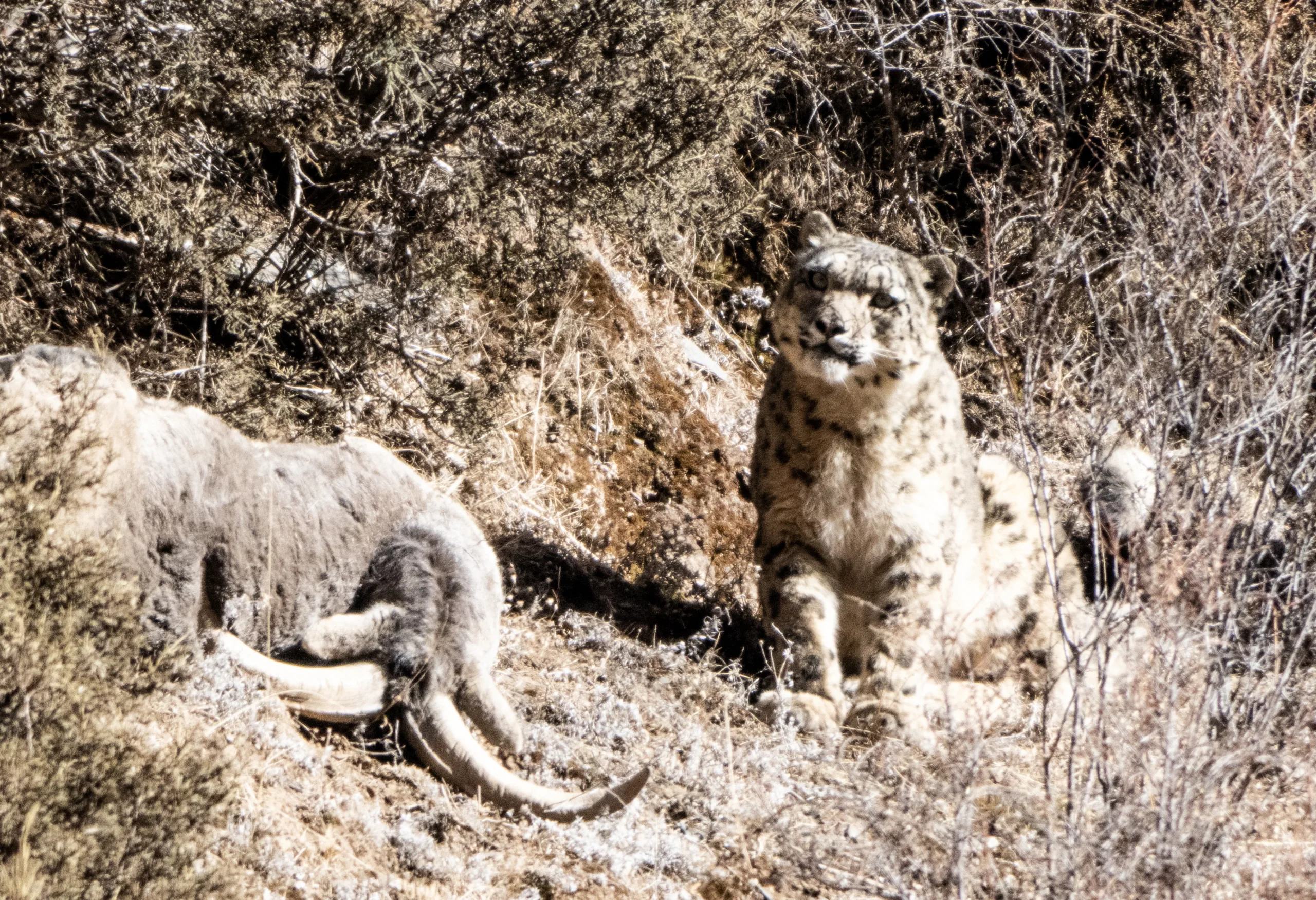
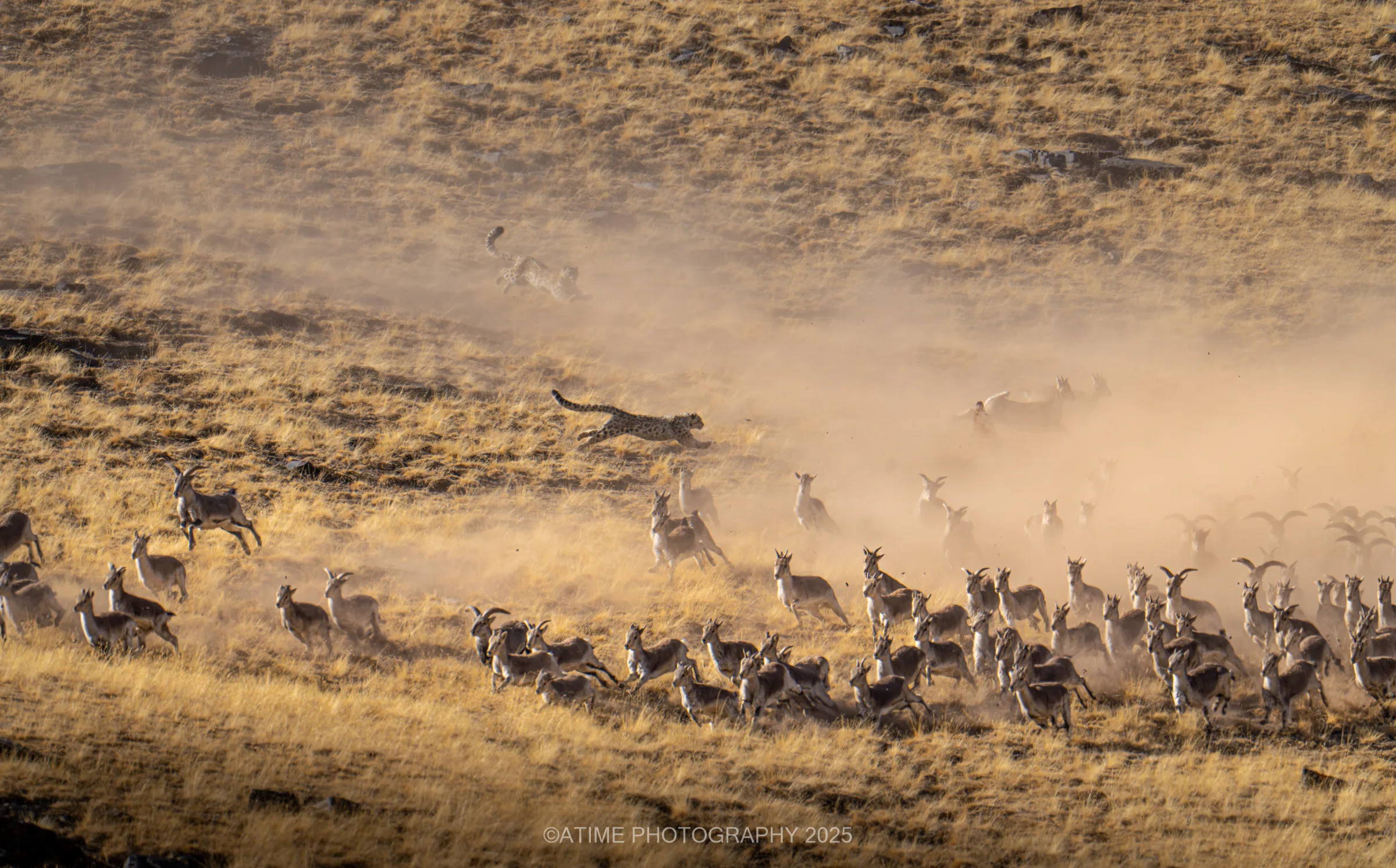
The snow leopard may appear only a few hundred meters away, feeding on a blue sheep kill, or it may simply cross a distant mountainside a kilometer away, becoming a small silhouette on the horizon.
Tibet Snow Leopard Conservation and Communities
On the Tibetan Plateau, snow leopard conservation cannot exist separately from human communities. Snow leopards, other wildlife, and local people all share the same landscape. Religious beliefs, pastoral traditions, and national conservation policies all influence the protection of this apex predator.
Cultural Significance and Local Attitudes
Most herders living in snow leopard habitats are Tibetan, and their lives are deeply shaped by Tibetan Buddhist beliefs. Tibetan Buddhism places importance on karma and future lives, encouraging compassion and minimizing harm to living beings. As a result, many Tibetan communities develop a sense of compassion toward the wildlife that shares their land.
When a snow leopard kills a newborn calf, some herders may respond: “Perhaps it also has cubs to feed.”
The conservation attitudes of local monasteries, spiritual leaders, and community representatives can also influence how residents understand and respond to wildlife protection.
Human–Wildlife Coexistence on the Plateau
Compassion, however, does not mean that every person can easily accept repeated livestock losses. For pastoral families, every lost yak can represent a significant part of their livelihood.
Snow leopards, wolves, brown bears, and other large predators may prey on domestic yaks and sheep, especially vulnerable young animals. For families who rely primarily on livestock herding, losing an adult female yak can mean a loss of more than 740 USD, while the local GDP per capita is around 3,900 USD.
If predators repeatedly attack livestock belonging to the same household, frustration may grow. This can lead to retaliatory actions or attempts to drive animals away, causing snow leopards to lose important habitat and forcing them to move elsewhere.
To address these challenges, China’s national parks have introduced a range of conservation measures. For example, within Sanjiangyuan National Park, the “one household, one position” program allows one member from each household to work as a conservation ranger. These rangers participate in national park patrols, wildlife research activities such as installing and maintaining camera traps, and anti-poaching efforts, while receiving an annual salary of 3,210 USD.
For livestock losses, some insurance programs have also been introduced. Herders can insure larger livestock, and if an animal is killed by wildlife and the remains are sufficiently intact, they may receive compensation.
Together, these measures help reduce anxiety and resentment toward wildlife predation, creating more sustainable possibilities for coexistence between people and animals.
Community Knowledge and Local Conservation
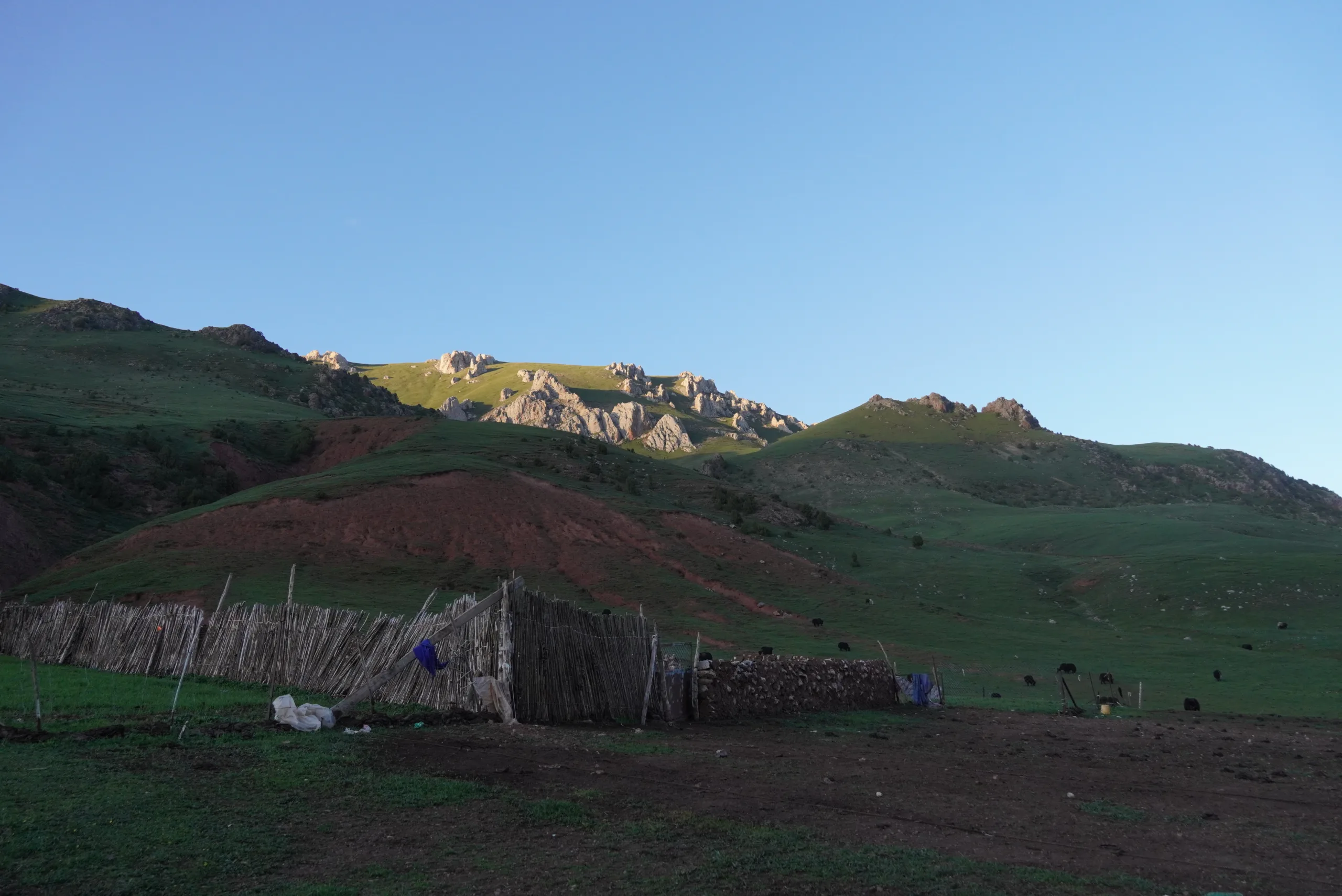
Local herders and snow leopards are long-term neighbors. After generations of living alongside wildlife, herders understand the landscape in ways few others can. They know where blue sheep appear, where snow leopards drink, whether a female has cubs, and what signs may indicate a recent kill.
Some herders who work as national park rangers also collect wildlife information through camera traps and monitoring activities. When these local observers are connected together, they form a powerful wildlife information network, making it possible to track and understand animals that naturally move across vast territories.
Snow leopard expeditions on the Tibetan Plateau are built upon this local knowledge network. By working with local herders as wildlife observers, providing timely information to guides and expedition teams, and bringing visitor spending back into communities, wildlife tourism and related conservation efforts create a connection between conservation and local livelihoods.
Local accommodation and food services also provide opportunities for community participation, including roles for local women who traditionally carry significant responsibilities within their households. This can create additional income opportunities and strengthen their position within the family.
The resources for observing wildlife come from this landscape, and the benefits of observation return to the same communities. Through continuous exchange and mutual benefit, long-term conservation and coexistence become possible.
Planning Your Trip: Logistics, Safety and Timing
Choosing a Responsible Local Guide
All snow leopard expeditions should be conducted with respect for wildlife behavior, natural ecosystems, and local communities. When choosing a guide, consider the following:
- Their experience in the specific snow leopard observation area
- Their relationships and cooperation with local herders and wildlife monitors
- Their ability to access reliable and timely wildlife information
- Whether they promote responsible observation or encourage baiting, chasing, or approaching wildlife too closely
- Whether they guarantee sightings (responsible guides should never guarantee wildlife encounters)
- Whether tourism income benefits local communities
Responsible Watching, Ethics and Community Relations
- Keep a safe distance: Do not approach snow leopards. A minimum observation distance of 200 meters should be maintained. Snow leopards are wild predators, and keeping a safe distance protects both the animal and the observer.
- Do not bait or disturb: Never use food, sounds, or any other method to attract snow leopards. Baiting can alter natural wildlife behavior and harm both the animals and future observation opportunities.
- Do not approach dens: If you hear snow leopard cub calls or discover signs of a den, leave the area immediately.
- Leave no trace: Take everything you bring into the mountains back with you. Do not leave rubbish, strong scents, or any signs of human activity.
- Follow your guide: Local herder guides have lived alongside snow leopards for generations. Their Tibetan cultural traditions emphasize coexistence between people, wildlife, and nature. They decide when to move forward, when to wait, and when to retreat. In the field, the guide’s decisions always take priority.
- Stay with the group: Do not leave the team independently or enter private pastoral land without permission. The wilderness can present unexpected risks, including encounters with wild animals. Staying together is always safer.
Observing snow leopards is about more than capturing a single moment. Trust between humans and wildlife takes time to build. Without mutual respect, snow leopards may simply choose another route and avoid the area.
Speak to An Expert
Starting Your Wildlife Adventure to China
Start designing your China wildlife adventure with our destination experts.
Make An InquiryBest Time to Search for Snow Leopards
Across many regions, snow leopards show clear patterns of seasonal altitudinal movement.
Snow leopards are highly adapted to cold environments, with thick fur evolved for extreme alpine conditions. During summer, they often move to higher elevations and may become less active. In winter, as temperatures drop, prey species move to lower elevations in search of limited food resources, and snow leopards follow them. This brings them closer to areas accessible to humans and increases observation opportunities.
For this reason, October to April is generally the preferred window for snow leopard expeditions in most regions.
- Autumn (September–December)
Temperatures begin to fall across the Tibetan Plateau. Snow leopards follow their main prey, blue sheep, toward lower elevations and become more active. As vegetation turns yellow and visibility improves, opportunities to detect snow leopards may increase.
- Winter (January–March)
Conditions are dry and extremely cold, with daytime temperatures typically ranging from -5°C to 5°C and nighttime temperatures dropping as low as -25°C. Snow leopards enter their mating season and become more active. Observers may hear their calls as they search for mates or, with luck, see adult males and females moving together.
- Spring (April–May)
Temperatures gradually rise, and snow leopards begin replacing their thick winter coats with lighter seasonal fur.
- Summer (June–August)
Summer brings the most comfortable weather on the plateau. In some areas, snow leopards prey on Himalayan marmots during this season, which may occasionally provide closer observation opportunities than winter. Blue sheep also give birth during this period and their young can become important prey.
However, summer is generally more suitable for experienced wildlife observers. Hunting behavior is not observed in every snow leopard habitat, and summer is not usually considered the primary season for snow leopard expeditions.
Packing for a Snow Leopard Expedition
Clothing
A layered clothing system is essential for high-altitude winter conditions.
- Thermal base layers
- Fleece or lightweight down mid-layer
- Heavy down jacket or insulated outer layer
- Windproof and waterproof shell
- Insulated trousers and windproof pants
- Warm hat covering the ears
- Neck gaiter or scarf
- Inner gloves and insulated gloves
- Warm socks
Footwear
- Waterproof, slip-resistant hiking or winter outdoor boots with good support
- Soles suitable for rocky terrain, frozen ground, and light snow
- Break in boots before departure; avoid bringing brand-new footwear
- Consider gaiters or insulated insoles in winter
High-Altitude Essentials
- High-SPF sunscreen
- UV-protection sunglasses
- Lip balm and moisturizer
- Insulated water bottle
- Personal medication and basic first-aid supplies
- Hand warmers
- Headlamp
- Power bank
- Wet wipes and personal hygiene items
Seasonal Clothing Advice
November to February is usually the coldest period. While daytime temperatures can feel comfortable under direct sunlight, mornings, evenings, and shaded areas become much colder, with nighttime temperatures potentially dropping to around −25°C. A complete layering system, heavy down jacket, windproof outer layer, insulated gloves, and cold-weather footwear are essential.
March to April brings gradually warmer temperatures, but plateau weather remains unpredictable. Strong sunlight during the day can contrast with cold mornings and evenings, while wind can significantly lower the perceived temperature. A down jacket, windproof shell, hat, and gloves are still recommended.
The key to dressing on the plateau is not simply carrying one extremely warm jacket, but using adjustable layers. Conditions change significantly between driving, walking, and sitting at an observation point. You may sweat during a short uphill walk, then become cold quickly after sitting still for extended observation. Layering allows you to adapt to different activity levels.
Equipment for Snow Leopard Observation and Photography
Observation and Photography Gear
- Binoculars (8×–10× magnification, 42 mm objective lens recommended; waterproof and fog-proof)
- Camera and telephoto lens
- Stable tripod or gimbal head
- Spare batteries and memory cards
- Camera protection from dust and snow
- Lens cleaning tools
- Waterproof equipment bag
Cold temperatures can significantly reduce battery life for cameras and phones. Keep spare batteries close to your body in a warm place.
The expedition team usually provides spotting scopes and basic wildlife observation equipment for locating animals, but guests should bring their own photography equipment.
Photographing Snow Leopards, Pallas’s Cats, and Eurasian Lynx in China (12days)
view detailTibetan Plateau Snow Leopard Expedition Options
China has the world’s largest area of snow leopard habitat and the largest snow leopard population, making it one of the most important destinations for a snow leopard expedition. You can check out our complete guide for snow leopard’s in China.
China also holds different kinds of endemic species over the land, making it possible to explore magnificent wildlife. Eastogo’s wildlife experts bring different strengths to the field. Some have participated in snow leopard observation projects for documentaries including Disney, National Geographic, and Frozen Planet. Some live within snow leopard habitats and have spent years understanding the movements and behaviors of their wild neighbors. Others are award-winning wildlife photographers who have dedicated their careers to documenting nature.
Based on these different areas of expertise, we have 8-day China snow leopard tour designed for adventure travelers and a destination lives snow leopard, palla’s cat and Eurasian lynx that is suitable for wildlife photographers.
Snow leopards move through remote mountain landscapes rarely visited by people, and the individuals who live there year-round are often the ones who understand their movements best. By working with local communities, we have built wildlife information networks that help us better understand animal activity and search more effectively.
Through long-term snow leopard expeditions, we hope to bring travelers closer to this extraordinary landscape and its remarkable wildlife, while also creating sustainable income opportunities for local communities that depend on pastoralism. For us, conservation is built on coexistence — people, wildlife, and the land sharing the same future.
References
[1] Wei, C., Liu, Y., Liang, M., Chang, M., Yu, Y., Gao, Y., Jikmed, A., Li, X., Li, J., Bian, X., Yu, C., Li, Y., Xue, Y., Xing, R., Xiong, X., Liang, B., Li, S., Wang, H., Zhao, X., . . . Xiao, L. (2026). Snow leopard (Panthera uncia) status in China. Snow Leopard Reports, 5(1), 81–95. https://doi.org/10.56510/slr.v5.65095
[2] Sharma, M., Pal, R., & Bhatnagar, Y. (2026). Snow leopard (Panthera uncia) status in India. Snow Leopard Reports, 5(1), 12–16. https://doi.org/10.56510/slr.v4.63866
[3] Lama, R. P., Khanal, G., Acharya, H. B., Chetri, M., Koju, N., Thapa, K., Singh, P. B., Subba, S. A., Shrestha, S., Ghale, T. R., Kusi, N., Subedi, A., & Shrestha, B. (2026). Snow leopard (Panthera uncia) status in Nepal. Snow Leopard Reports, 5(1), 41–47. https://doi.org/10.56510/slr.v5.63869
[4] Dhendup, T. (2026). Snow leopard (Panthera uncia) status in Bhutan. Snow Leopard Reports, 5(1), 7–11. https://doi.org/10.56510/slr.v5.63864
[5] Kubanychbekov, Z., Sharma, K., Zhumabai uulu, K., Wearn, O., Durbach, I., Raulerson, M., Kochorov, C., Asykulov, T., Koshkin, M., Zhumabay kyzy, G., & Eldiiar, K. (2026). Snow leopard (Panthera uncia) status in Kyrgyzstan. Snow Leopard Reports, 5(1), 26–33. https://doi.org/10.56510/slr.v5.63883