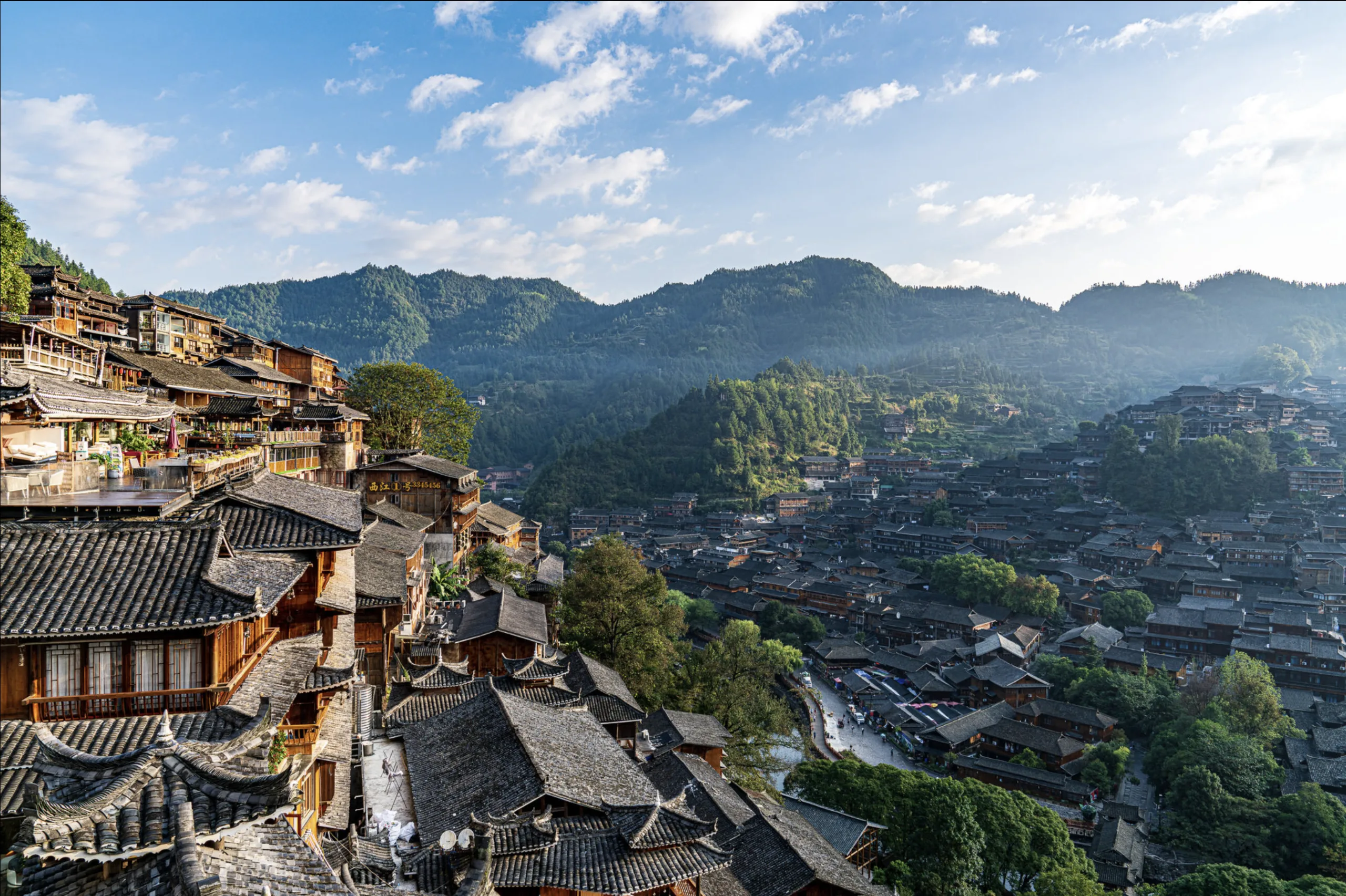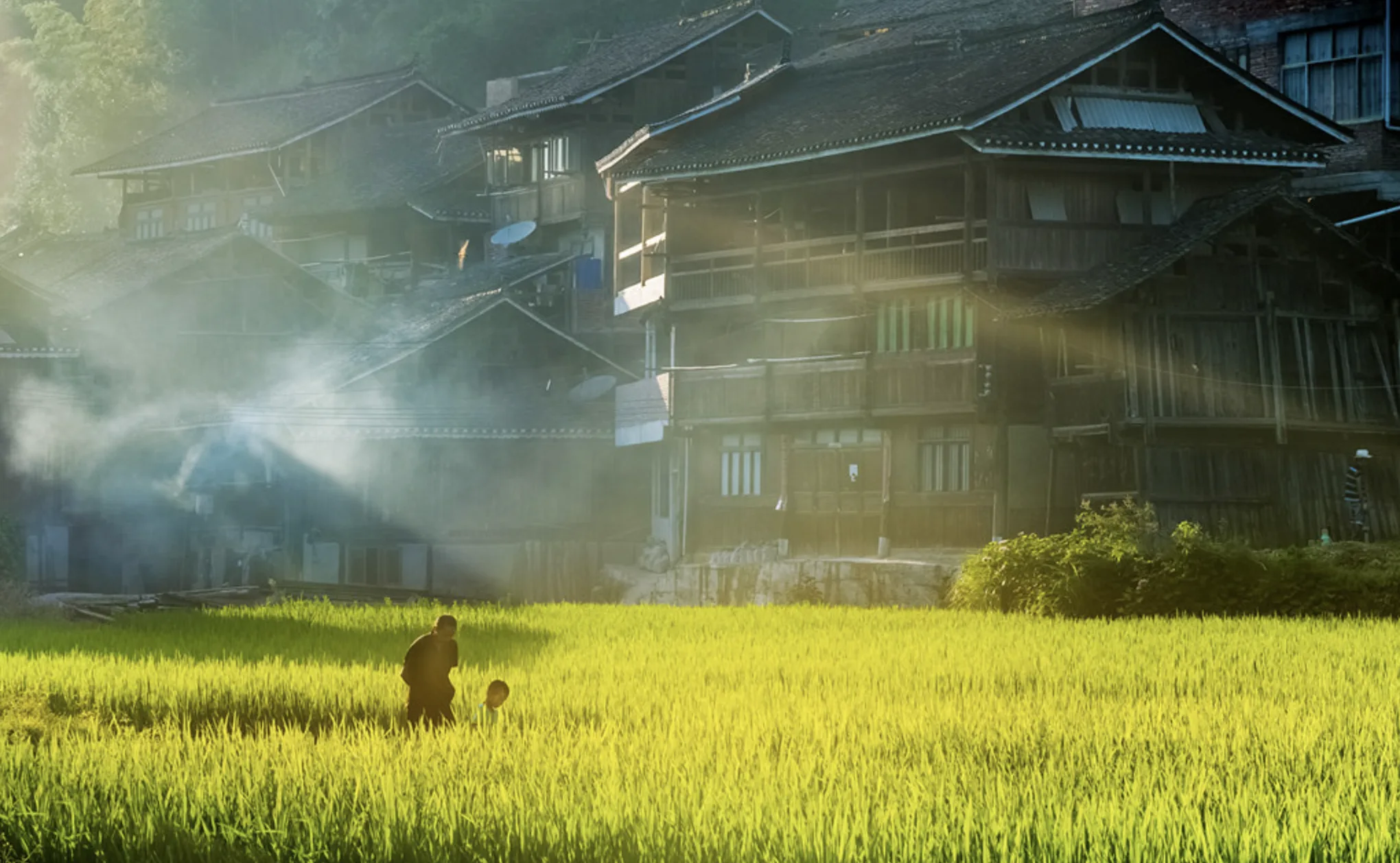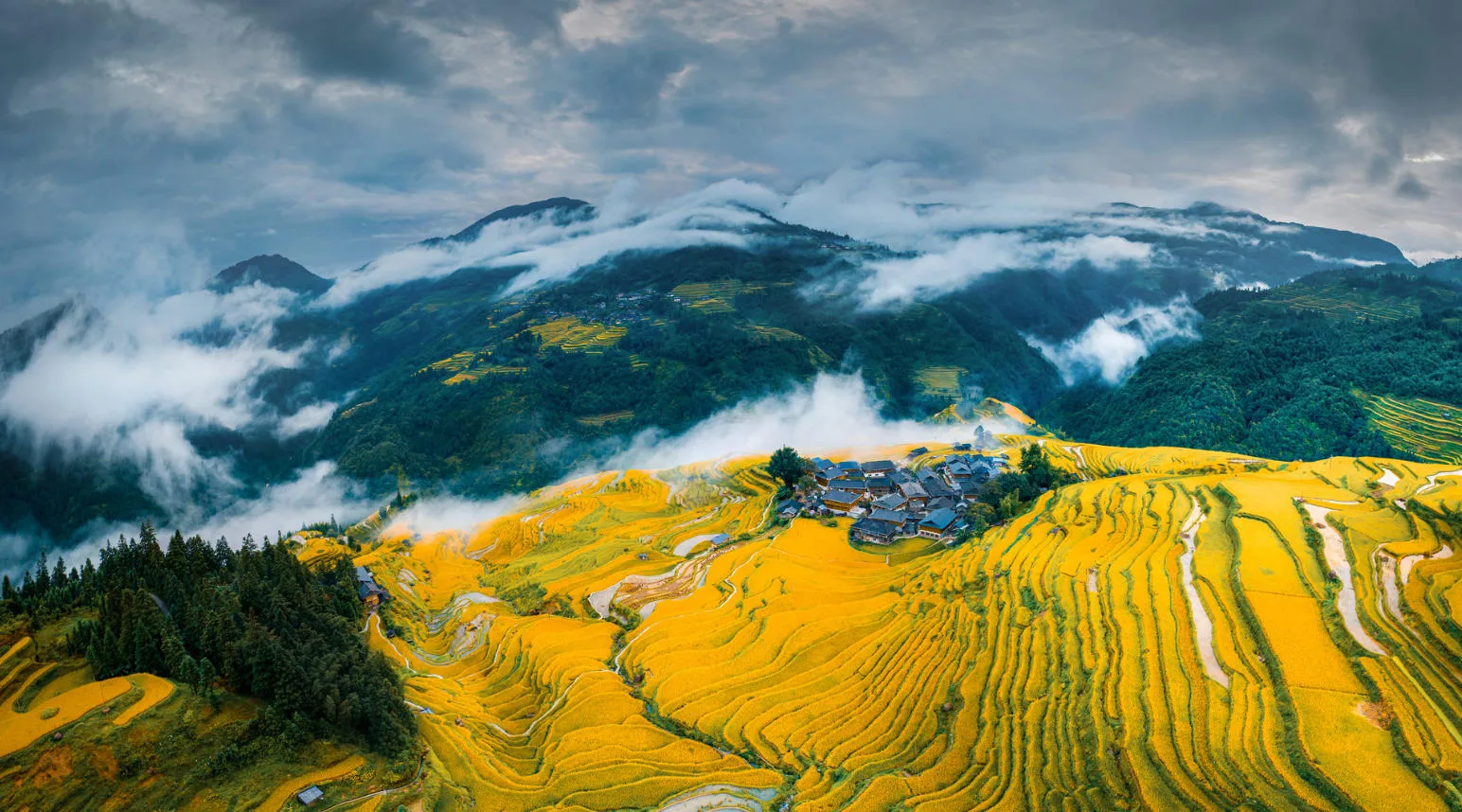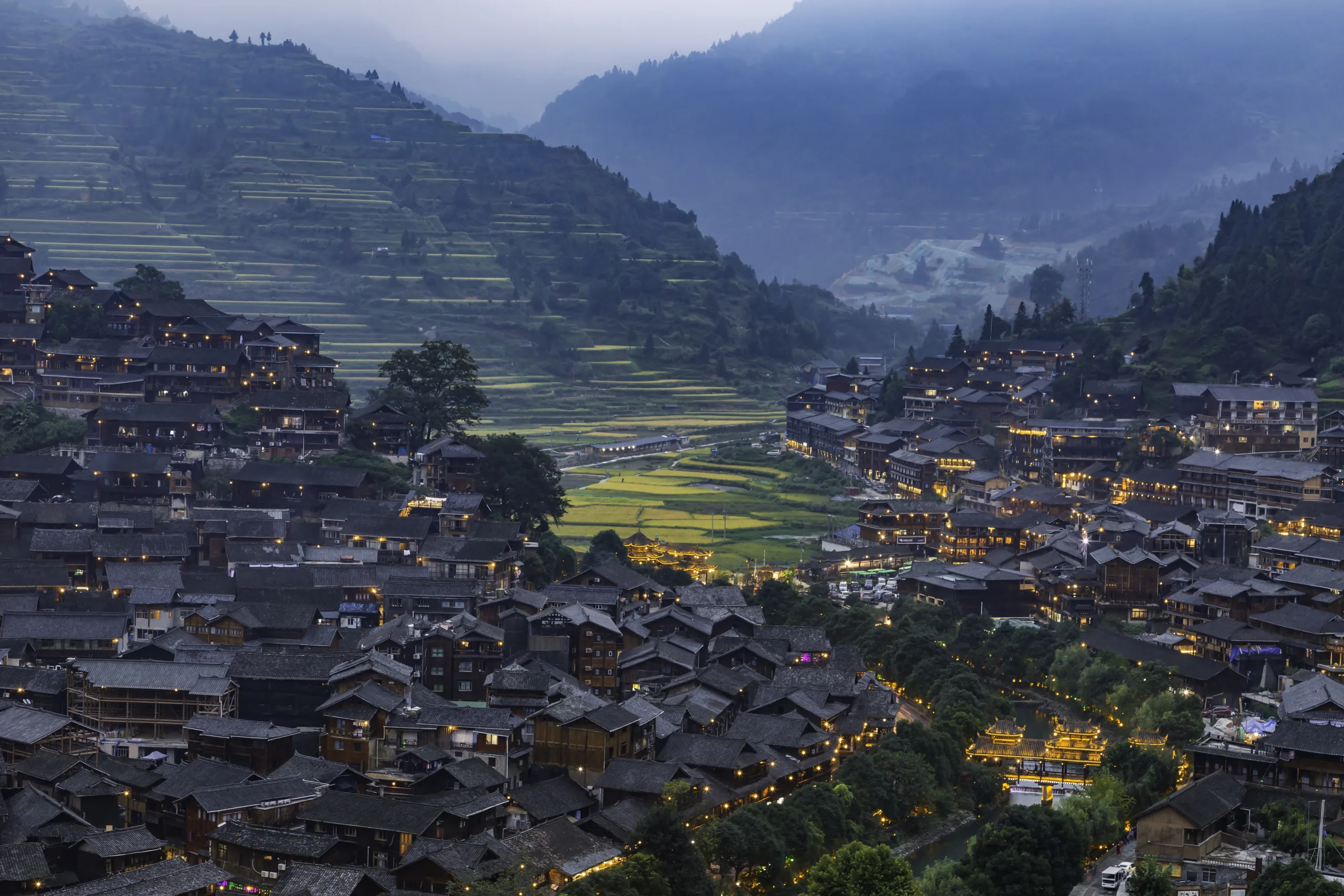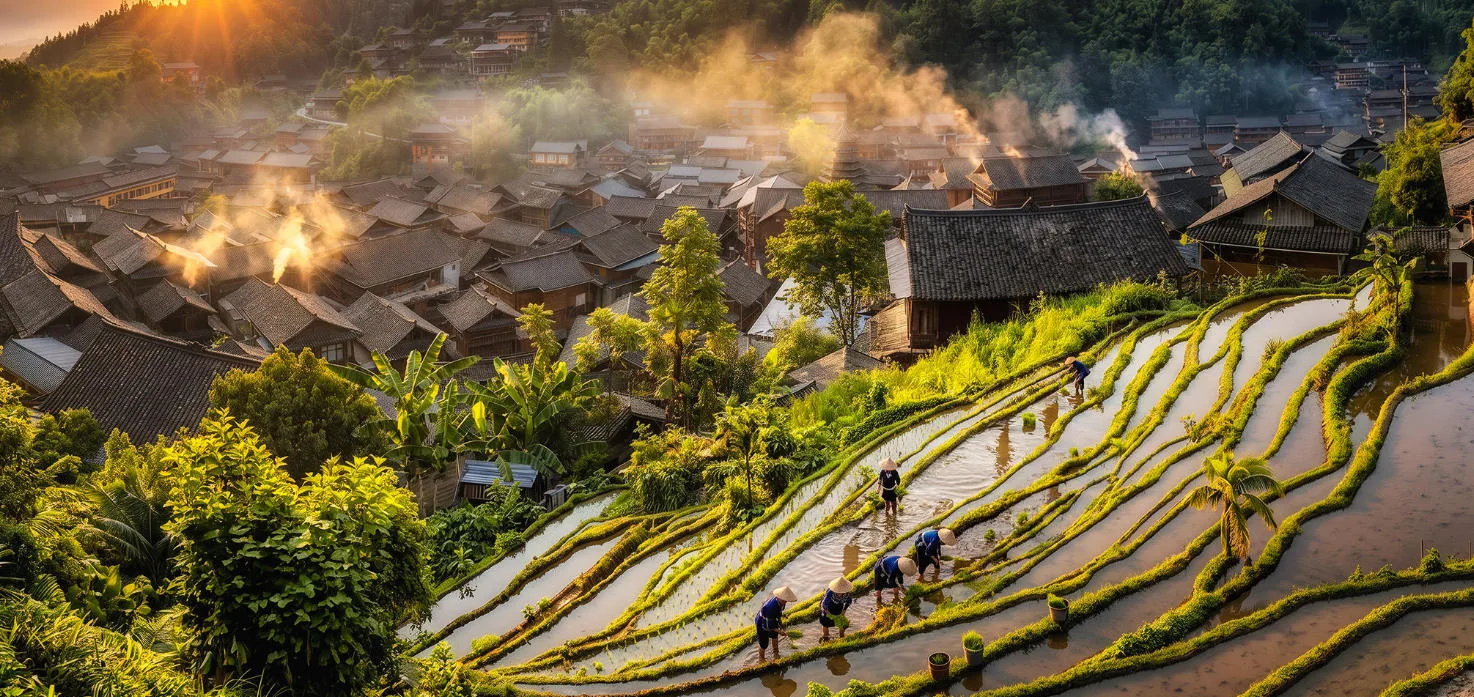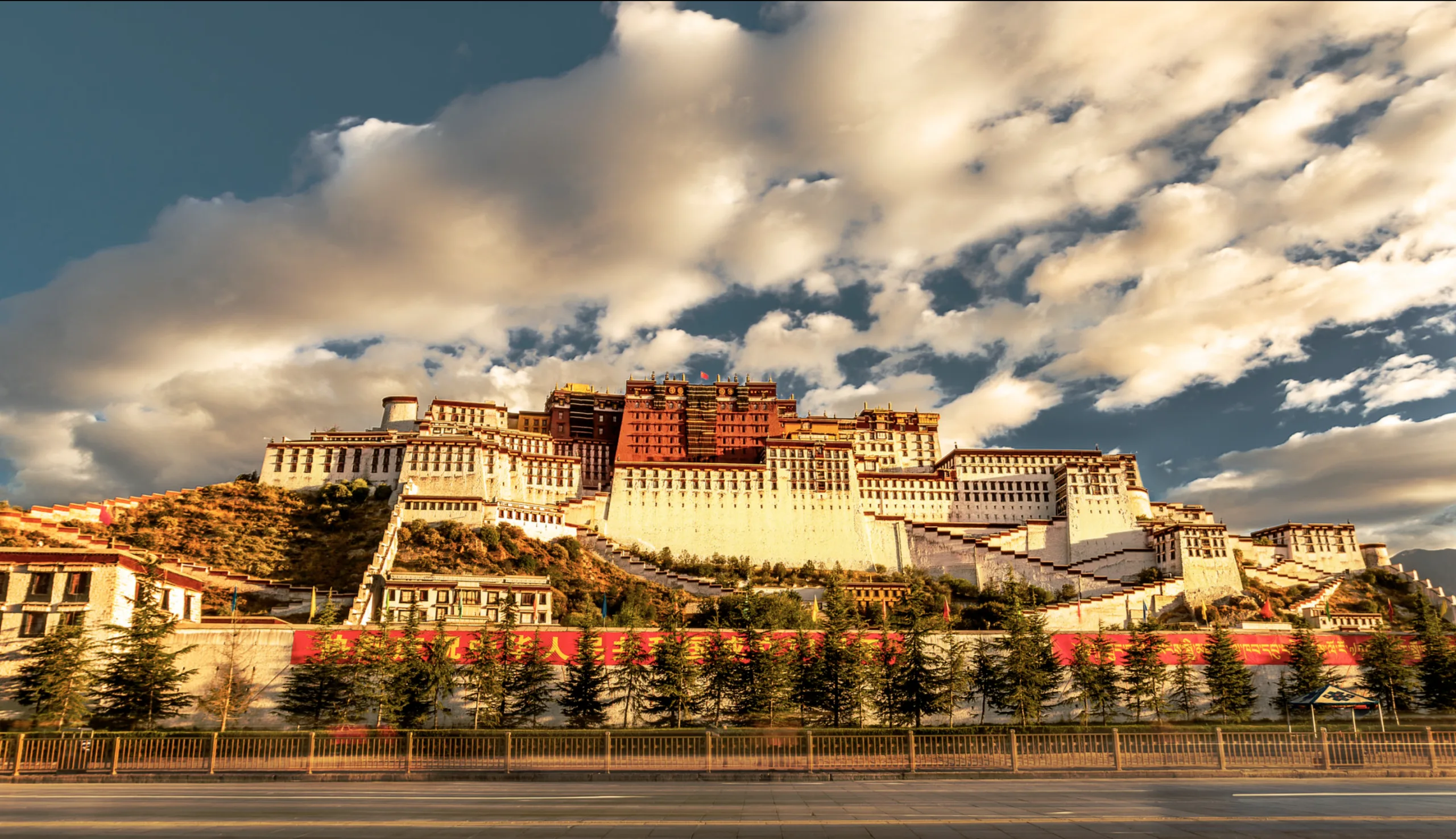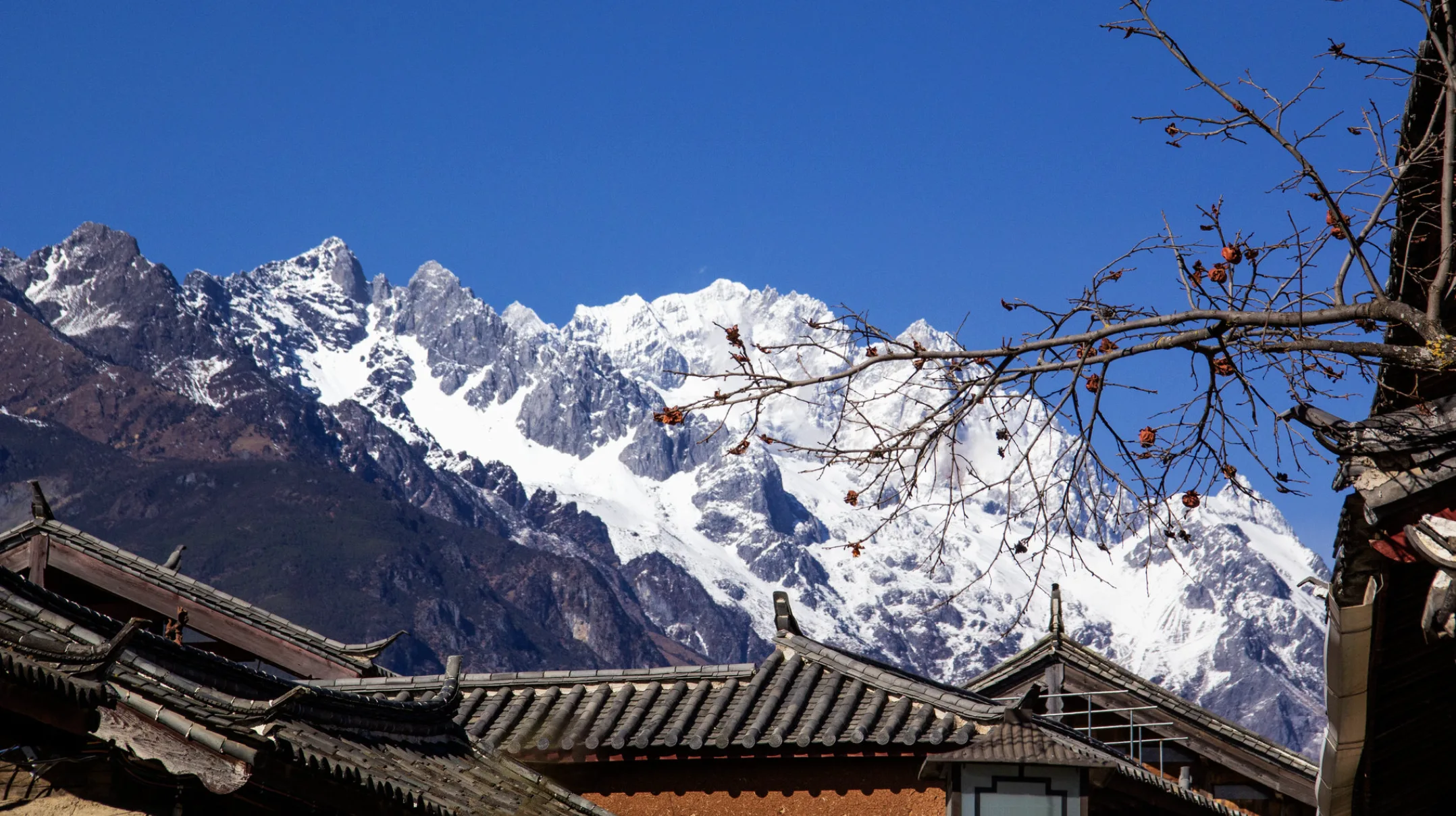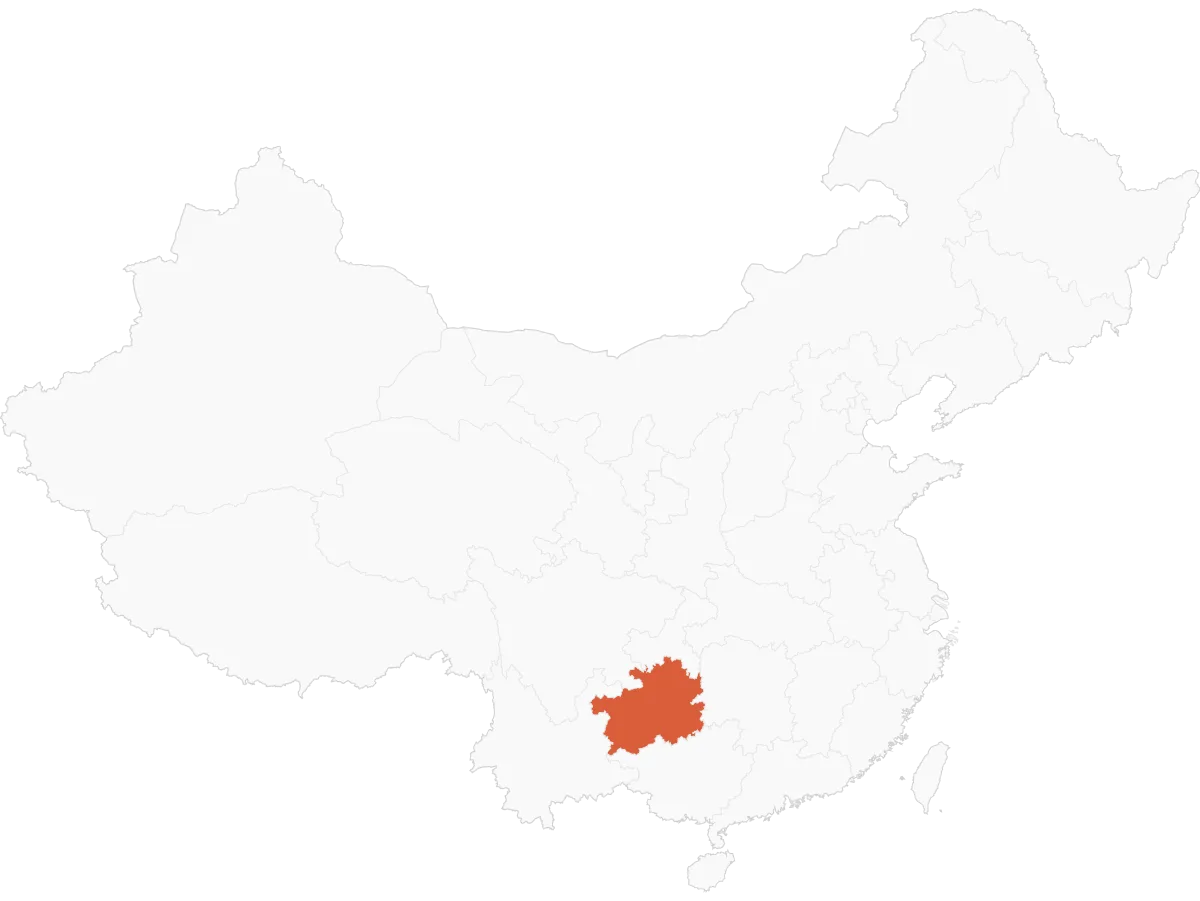
Tongren, located in northeastern Guizhou, is an important gateway for exploring Fanjingshan and the natural and cultural landscapes of northeastern Guizhou. Compared with more well-known destinations such as Huangguoshu Waterfall and the Miao villages of southeastern Guizhou, Tongren remains a relatively quiet and less-visited destination.
This Tongren travel guide covers how to get there, the best time to visit, accommodation options, and how to plan routes around Fanjingshan and nearby attractions, helping travelers explore Guizhou in greater depth.
Why Visit Tongren Guizhou China? The Gateway to Mount Fanjingshan
Located in northeastern Guizhou Province, China, Tongren lies in the Wuling Mountains at a vital junction between the mountainous southwest and the central plains, bordering regions such as Hunan and Chongqing and serving as an important gateway to Fanjingshan National Nature Reserve. For culturally curious international travelers looking beyond China’s standard routes, it offers a slower, more immersive base for mountain scenery, wildlife, hiking, photography, and encounters with local culture in eastern Guizhou.
The main attraction of Tongren is undoubtedly Fanjingshan. Unlike the karst landscapes commonly found across Guizhou Province, Mount Fanjing — a UNESCO World Heritage Site since 2018 — presents a different type of mountain scenery: dramatic rock formations, cliffside temples and ancient temple sites, mist-covered peaks, and well-preserved subtropical forest ecosystems.
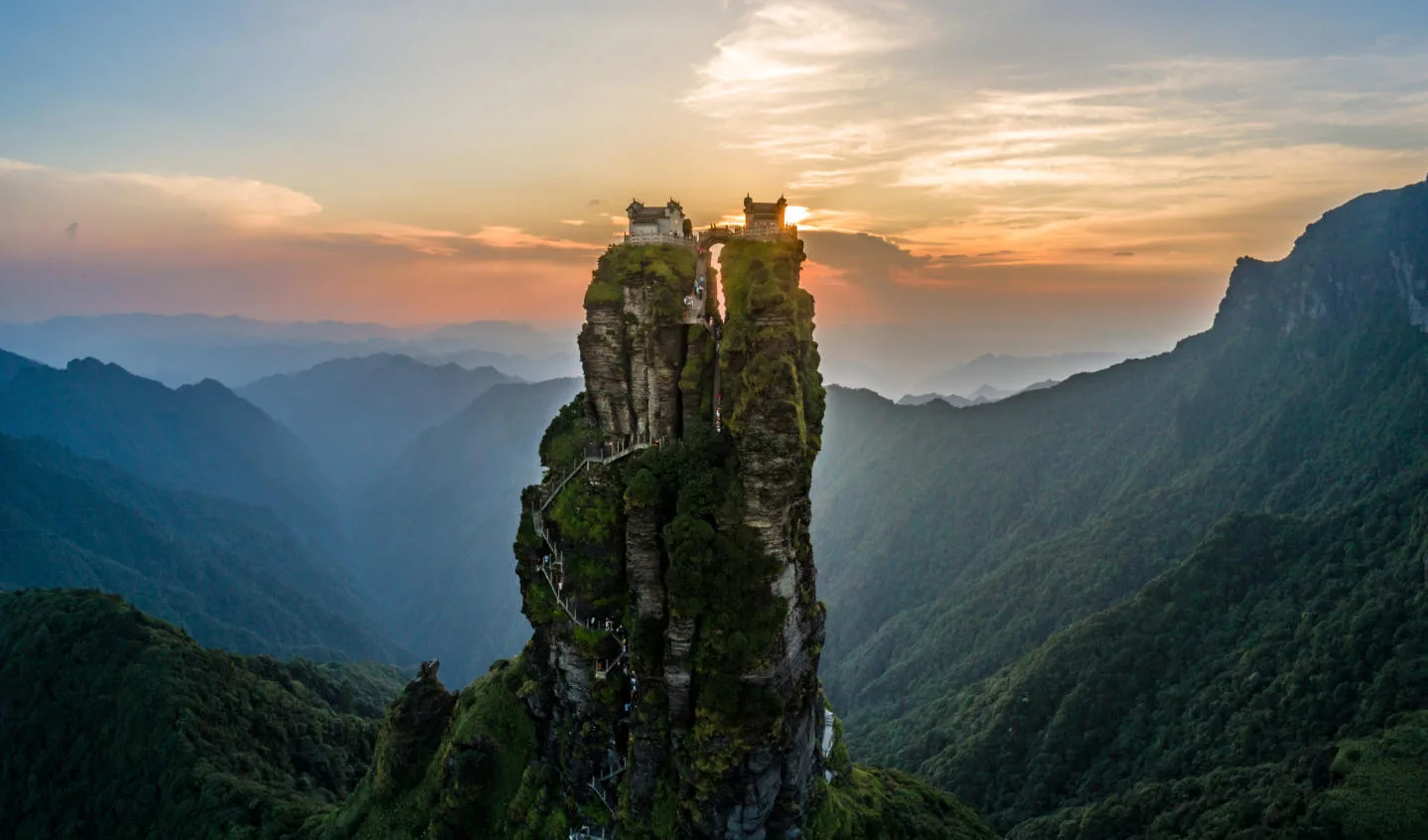
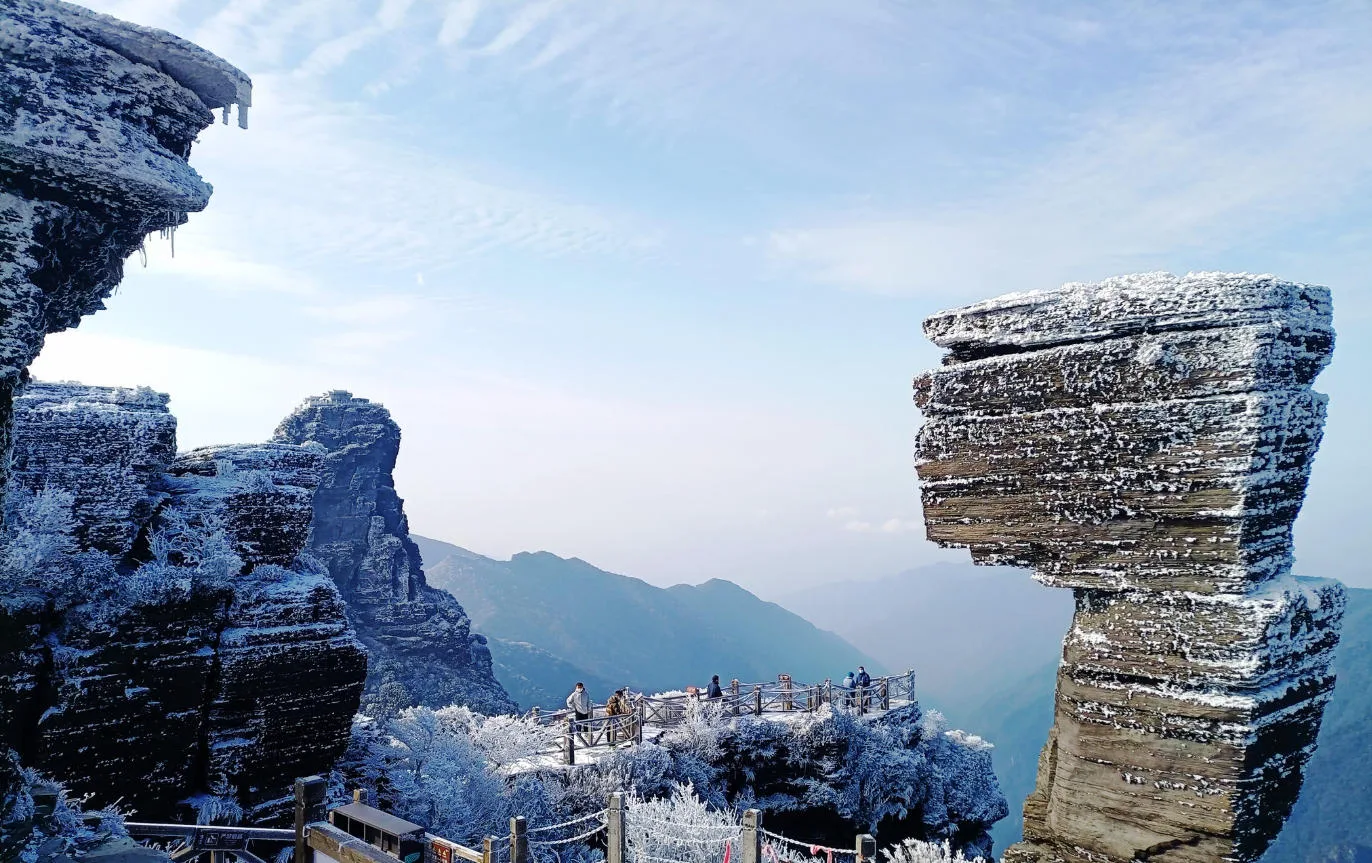
Its most iconic landmark is the Red Clouds Golden Summit (Hongyun Jinding), a massive rock formation rising vertically from the mountain. A natural split divides the upper section into two peaks, each topped with a small temple and connected by a stone bridge. Viewed from a distance, the summit appears like a mountain city suspended above the clouds, creating one of the most distinctive landscapes among China’s famous mountains.
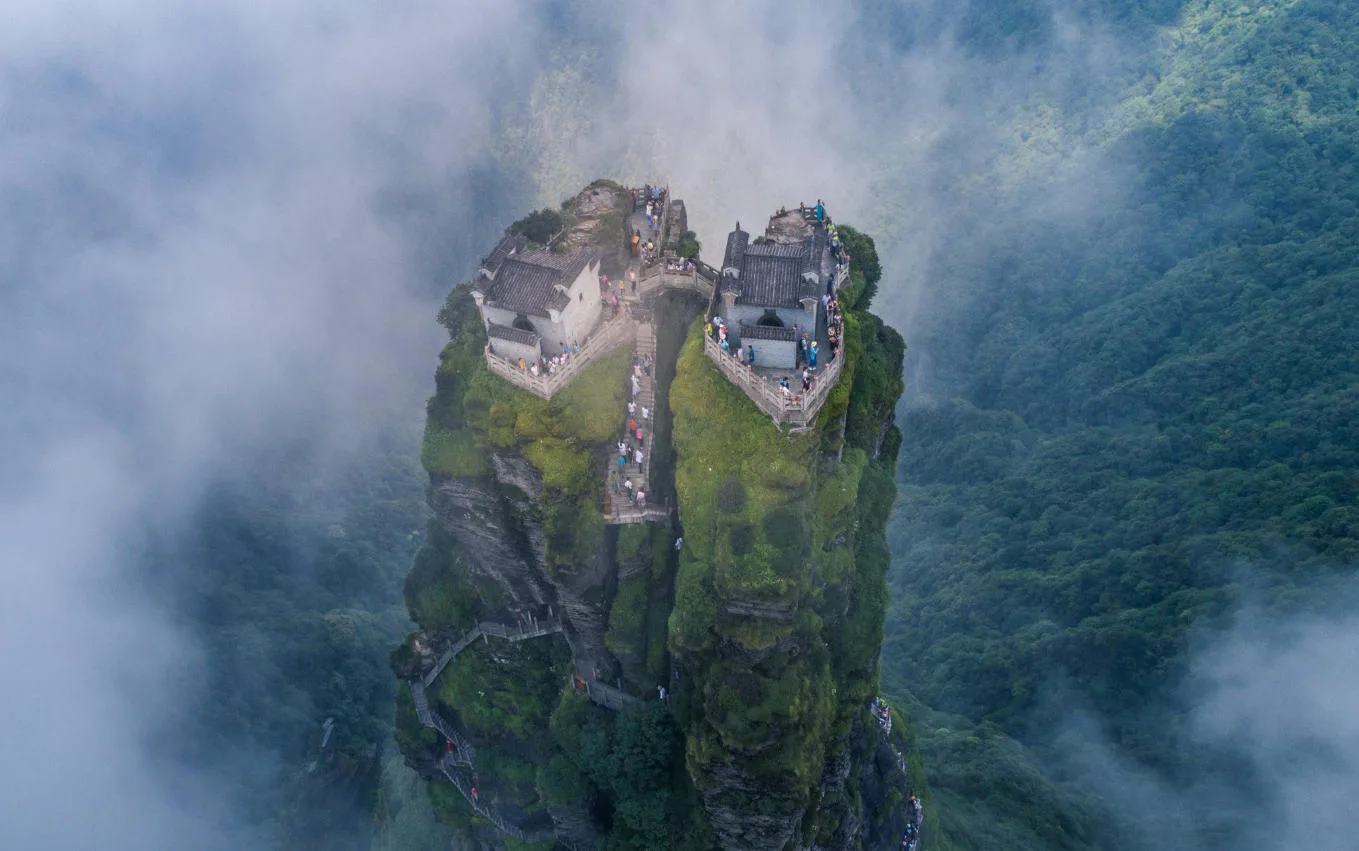
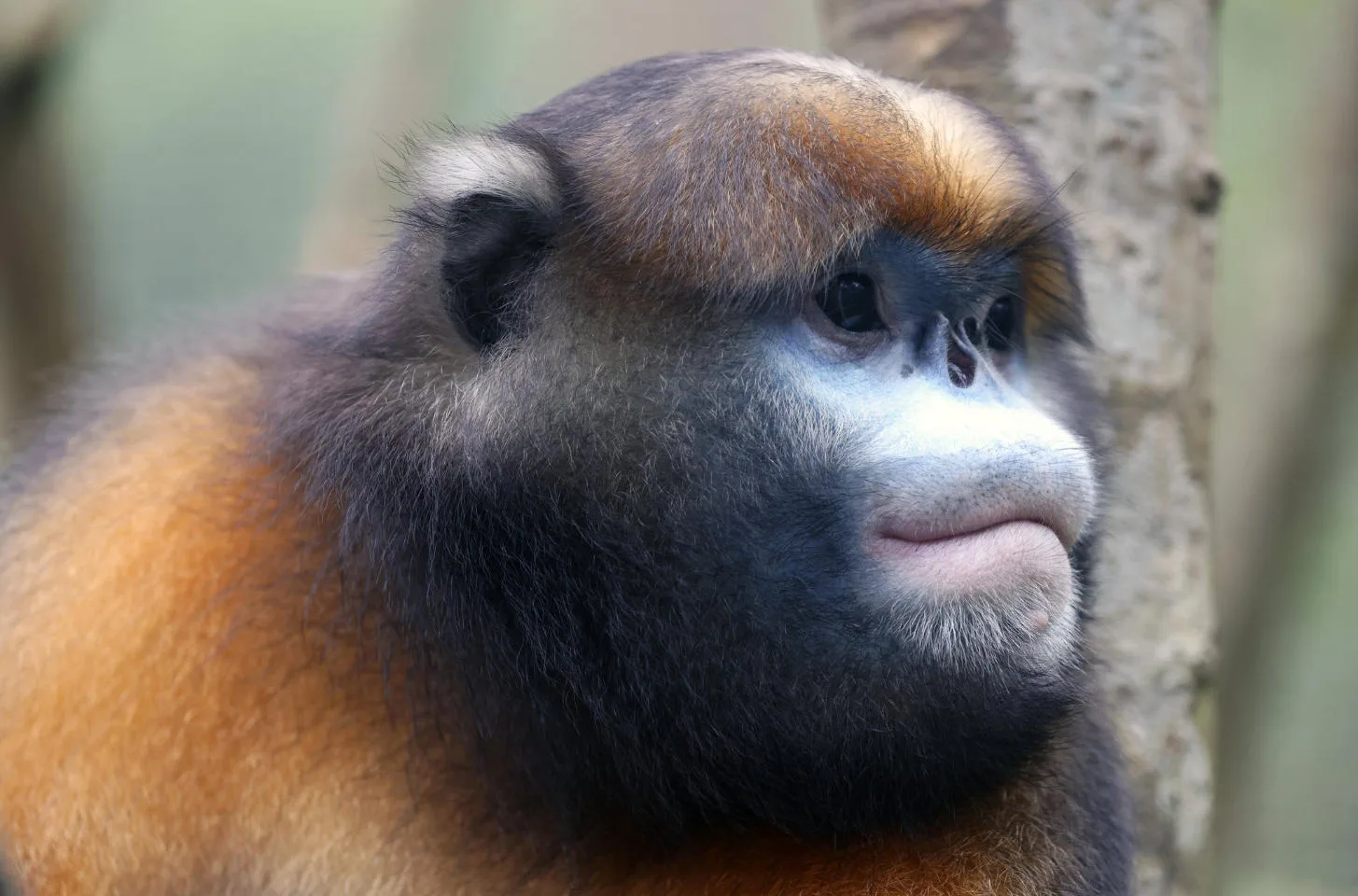
Fanjingshan is not only a natural landmark but also an important Buddhist sacred mountain in China, with wider regional links to Tibetan Buddhism. It is also the only habitat of the Guizhou snub-nosed monkey, a rare primate with an estimated global population of around 800 individuals, making it even rarer than the giant panda.
Beyond Fanjingshan, Tongren offers ancient towns, river valleys, ethnic villages, and traditional cultural landscapes. This guide looks at Tongren’s main natural and cultural highlights, how to get there and travel around, where to stay, when to visit, and how to plan an itinerary.
How to Get to Tongren: High-Speed Rail, Flights and Road Transfers
Tongren’s transportation has improved significantly in recent years. Located near Chongqing and Hunan, the city benefits from convenient regional connections, making cross-provincial travel relatively easy.
However, because Fanjingshan is located in a mountainous area, travelers usually need to combine high-speed rail, flights, and local transportation to complete the final part of the journey.
From Chongqing to Tongren
Chongqing is one of the most convenient gateways to Tongren and is also a popular entry point for international travelers exploring Guizhou. High-speed trains connect Chongqing West Railway Station with Tongren, with the journey taking around three hours.
From Zhangjiajie to Tongren
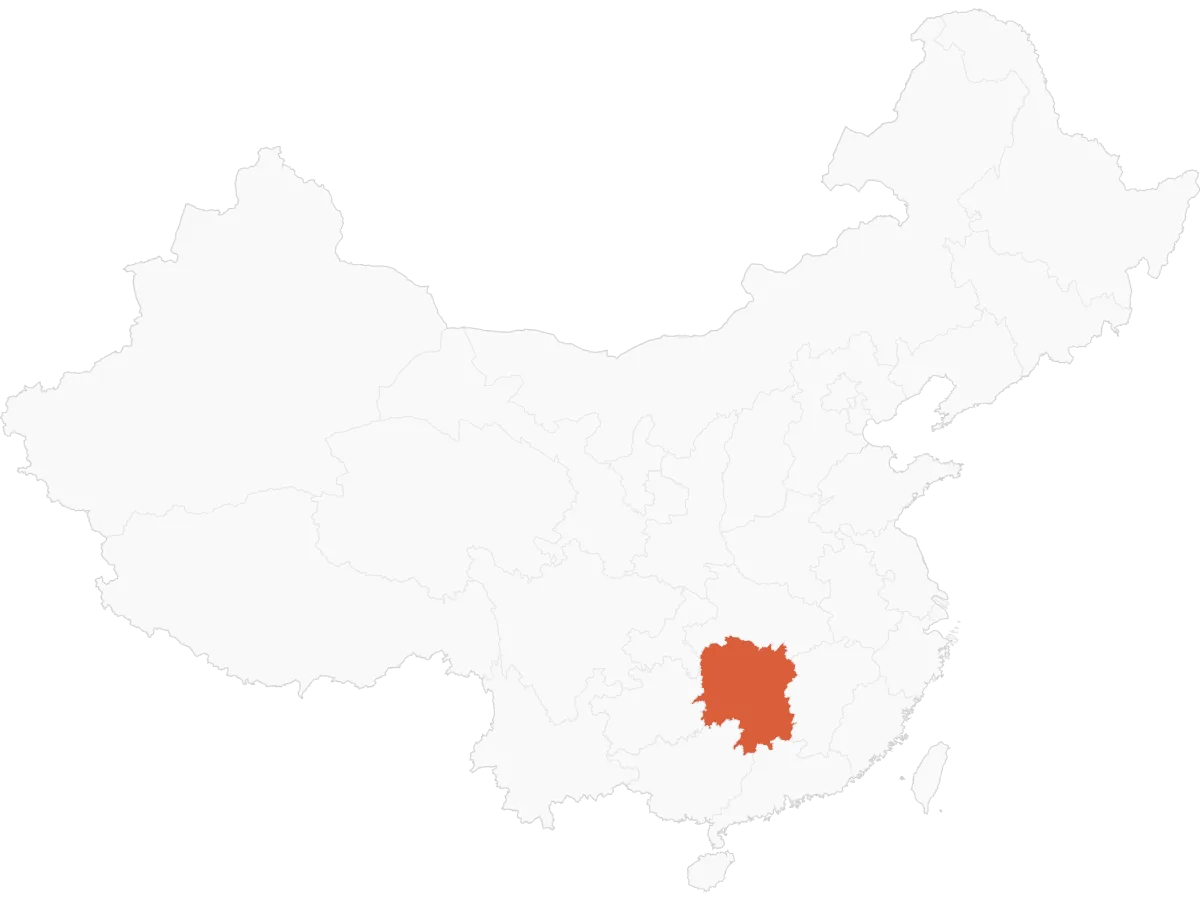
Because of their relatively close location, many travelers combine Zhangjiajie and Fanjingshan in one journey. Traveling from Zhangjiajie to Tongren is possible by high-speed rail or road transportation. Depending on the schedule and route, the journey usually takes several hours.
From Major Cities such as Shanghai and Beijing to Tongren
Most international travelers do not fly directly to Tongren. Instead, they usually arrive through major transportation hubs such as Beijing, Shanghai, Guiyang, Chongqing, or Changsha, then continue to Tongren by high-speed train, though some can also connect by air via Tongren Fenghuang Airport. The airport is about 21 kilometers from the city center.
Booking train tickets in advance is recommended, especially during Chinese public holidays and peak travel seasons.
Local Transportation in Tongren
After arriving in Tongren, travelers will still need local transportation to reach Fanjingshan and nearby attractions. For tongren transportation after arrival, Tongren South Station and Tongren Bus Station are the main local hubs, while taxis, ride-hailing services, and local buses are the main options within the city.
Public transportation can reach some areas around Fanjingshan, but services are limited and may require adjustments based on scenic area opening conditions. Tongren South Station is about 60 kilometers from the city center, and direct buses to Fanjing Mountain run four times daily.
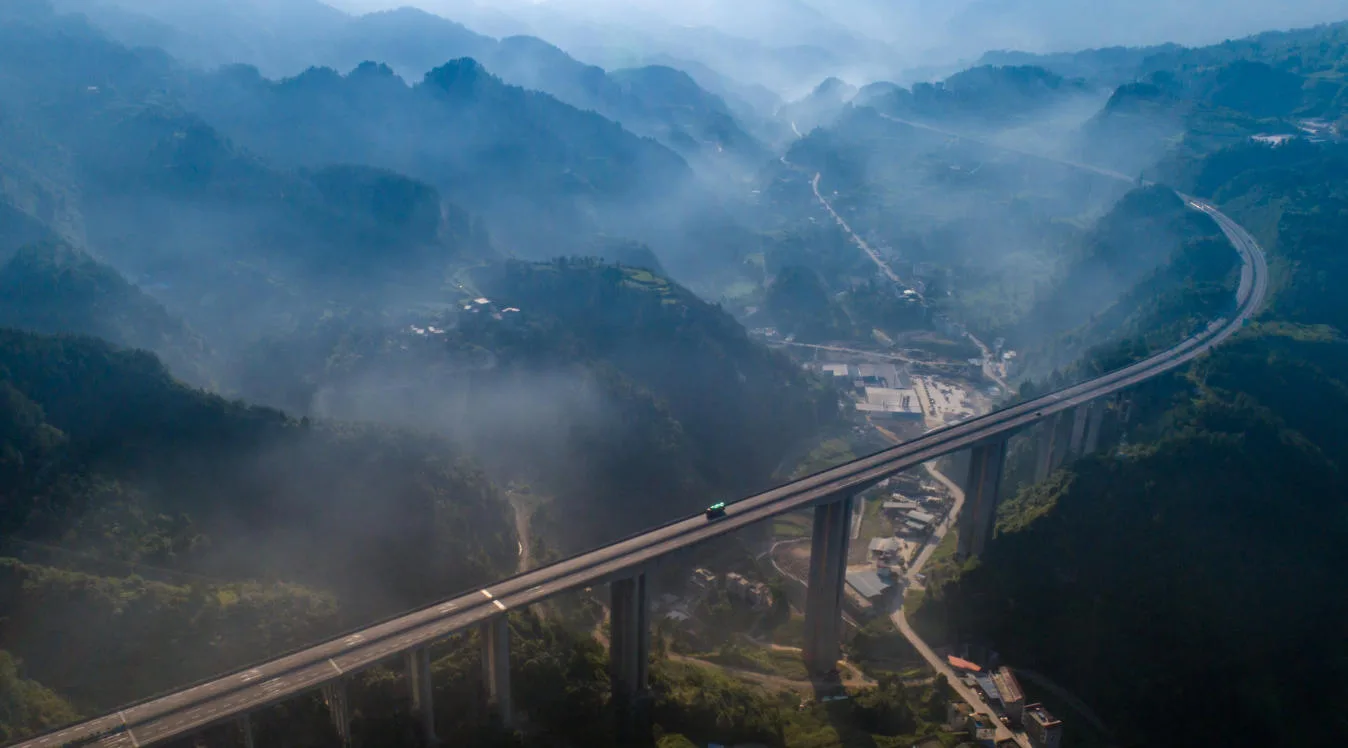
For international travelers, especially those who want to enter Fanjingshan early to avoid crowds or combine multiple destinations in the region, private transportation is often the most convenient option for reaching the region’s main attractions more efficiently.
Eastogo provides private transportation services in the Tongren region, including:
- Airport and railway station transfers;
- Private transfers between Tongren and Fanjingshan;
- Connecting Fanjingshan with other destinations across Guizhou.
Speak to An Expert
Explore Tongren with Eastogo
Start designing your China journey with our destination experts.
Make An InquiryWhere To Stay In Tongren
If your main purpose is to visit Fanjingshan, there are two main accommodation options.
For travelers who want to enter the mountain early the next morning, staying near the base of Fanjingshan is the most convenient choice. Zhaisha Dong Village and Yunshe Village offer local guesthouses within around 15 minutes’ walk of the scenic area entrance, saving more than an hour of travel time compared with staying in Tongren city.
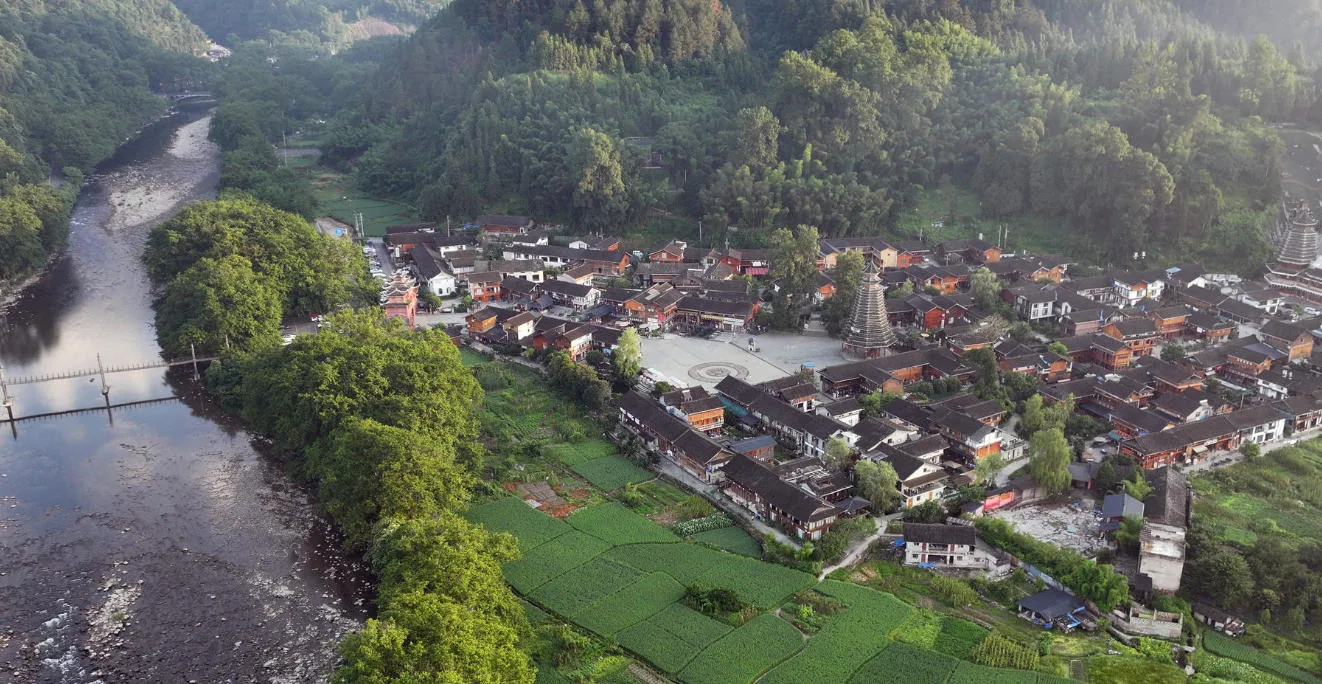
Some guesthouses in Zhaisha Dong Village have been converted from traditional wooden stilt houses. Facilities are relatively simple but generally clean, offering a closer experience of the local village environment.
If you prefer more comfortable accommodation, Tongren city offers many hotels, easier access to food areas such as Bijiang District Old Street, and broader daily convenience across its urban districts. Bijiang District Old Street is also a popular place for local snacks and street eats, and nearby food stalls are a good place to sample local flavors. Staying in the city is also more flexible if your itinerary includes Fanjingshan, Tongren Ancient City, and other cultural attractions in the surrounding area.
During peak seasons, especially summer holidays and China’s National Day holiday, accommodation around Fanjingshan can become limited. Booking at least one month in advance is recommended.
Best Time to Visit Tongren and Mount Fanjingshan
Tongren has a mid-subtropical monsoon humid climate with generally mild temperatures throughout the year, but the weather in Fanjingshan can be very different from conditions in the city due to its higher elevation. Even in summer, the mountain summit can experience low temperatures, strong winds, and rapidly changing mist and cloud conditions.
The annual average temperature in Tongren is around 18°C.
No matter the season, visitors should bring a windproof jacket, hiking shoes with good grip, and rain protection. Weather conditions on the mountain can change quickly.
Spring is a great time to explore Tongren and Fanjingshan. Forests begin to recover with fresh greenery, rhododendrons bloom across the mountain, and temperatures are comfortable for hiking and enjoying the surrounding landscapes. Spring is also a season when some local ethnic festivals take place in nearby communities.
Summer is when Guizhou is at its greenest. Waterfalls, forests, and valleys are at their most vibrant, making it a good season for escaping the heat and enjoying nature. Most rainfall falls from April to August, accounting for roughly 60–65% of annual precipitation, and July is the hottest month, at about 24–28°C. However, it is also the rainy season, and areas of Fanjingshan or other natural attractions may temporarily close due to heavy rain, strong winds, or dense fog. Travelers planning outdoor activities should keep their itinerary flexible.
Autumn is often considered one of the best seasons to visit Tongren. Weather conditions are generally more stable, visibility is better, and the mountain forests become richer in color, making it an ideal time for photography and hiking.
Winter brings the fewest visitors. When snow covers Fanjingshan’s summit, the contrast between the red rock formations and white snow creates a striking landscape. Visitors may also encounter frost-covered trees and winter scenery. However, some icy sections may temporarily close, and January is the coldest month, at about 2–6°C, while temperatures in the mountains can be very low, so proper warm clothing is essential.
Best Places to Visit Around Tongren
Although Fanjingshan is the main attraction in Tongren, the wider region includes urban districts as well as surrounding counties, with landscapes that combine river valleys and majestic mountains. Compared with some of Guizhou’s more popular destinations, Tongren receives fewer visitors and is better suited for travelers looking to explore at a slower pace and go beyond the main highlights.
Mount Fanjing (Mount Fanjingshan): Visitor Guide
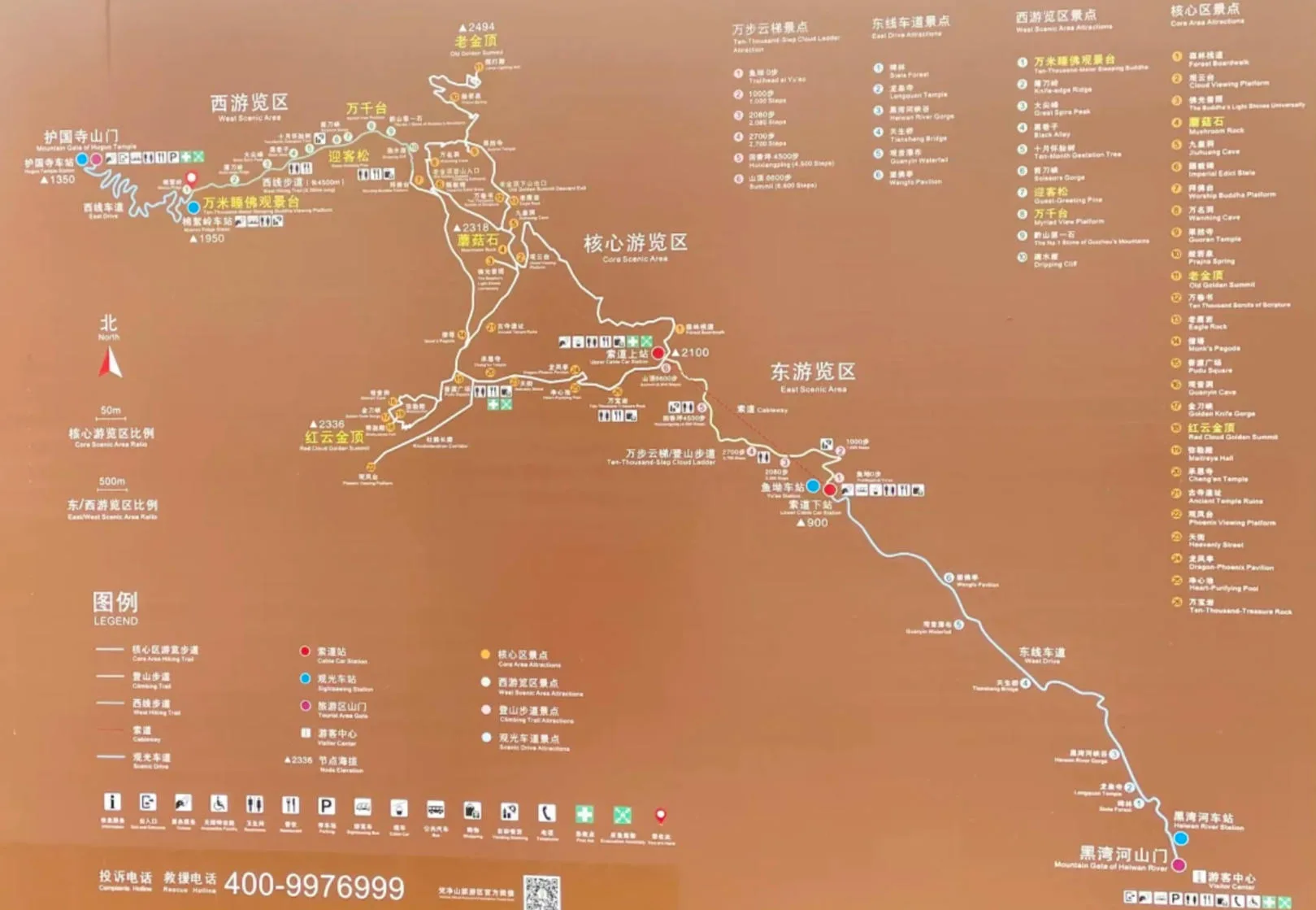
There are two main approaches for visitors entering Fanjingshan, a UNESCO World Heritage Site since 2018. Mount Fanjing rises to 2,474 meters above sea level.
Eastern Entrance (Jiangkou Direction)
This is the most popular and convenient route for most travelers. The eastern entrance, also known as the East Gate, has a cable car that takes around 20 minutes from the mountain base. After getting off the cable car, visitors still need to hike for approximately 40 minutes to reach the Golden Summit.
Western Entrance (Yinjiang Direction)
The western entrance offers a more hiking-focused experience. Compared with the eastern route, it receives fewer visitors and requires more walking time, making it a better choice for travelers who enjoy nature hiking and want to experience the mountain forest environment more deeply.
Getting To Mount Fanjing
From Tongren city, a private car transfer to the eastern entrance of Fanjingshan takes around 1.5 hours. If staying in Zhaisha Dong Village, the scenic area entrance can be reached on foot in around 15 minutes.
For the best experience, we recommend arriving at the entrance before 6:30 am to catch the first shuttle bus and cable car. Early morning usually offers fewer visitors and softer light, making it the best time for photography.
Eastogo provides private transfers from Tongren city and Tongren South Railway Station. Our driver can pick you up from your hotel in the morning and wait at the mountain area for your return later in the day.
Speak to An Expert
Starting Your Tongren Jounrney with Eastogo
Start designing your China journey with our destination experts.
Make An InquiryFanjing Practical Tips
Fanjingshan limits daily visitor numbers and requires advance reservations with a designated entry time through official channels. The scenic area usually opens between 7:00 and 8:00 am and stops admitting visitors in the afternoon. During peak seasons, waiting times can be long, so staying near the mountain entrance and taking the first cable car is highly recommended.
Temperatures at the summit can be more than 10°C lower than at the base, with strong winds and frequent sudden showers. The cable car may stop operating during thunderstorms, so always check the weather conditions and cable car status before visiting. Prepare suitable outdoor clothing for rapidly changing mountain weather.
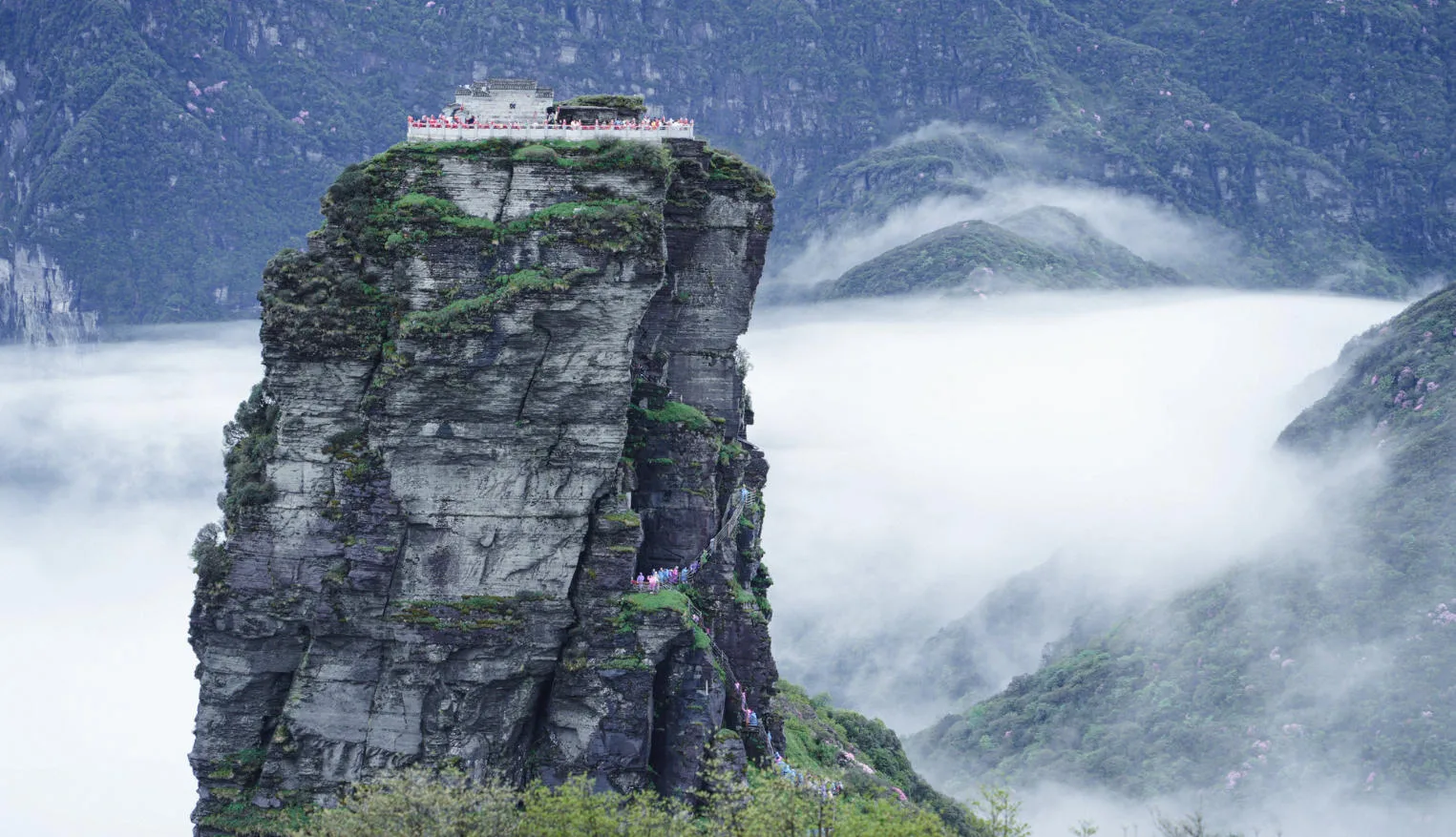
The final climb to Red Clouds Golden Summit (Hongyun Jinding) is steep and physically demanding. Some sections have narrow steps that only allow one person to pass, and parts of the route require using both hands to climb near-vertical rock sections. The mountain’s temples and sacred peaks also reflect the long presence of Buddhism in this landscape. It is not recommended for young children or travelers with limited mobility.
Tongren Grand Canyon: Hiking & Logistics
Beyond Fanjingshan, Tongren Grand Canyon, which extends for roughly 10 kilometers, is one of the best places around Tongren for travelers who enjoy nature and outdoor experiences.
The canyon’s greatest appeal lies in the way it allows visitors to experience water and landscapes up close. Wooden walkways follow the cliff edges beneath steep canyon walls, leading travelers through the gorge while clear streams flow below. Along the route, visitors can pass several small waterfalls, and some sections even allow you to walk beneath the falling water, surrounded by cool mist and the refreshing atmosphere of the valley.
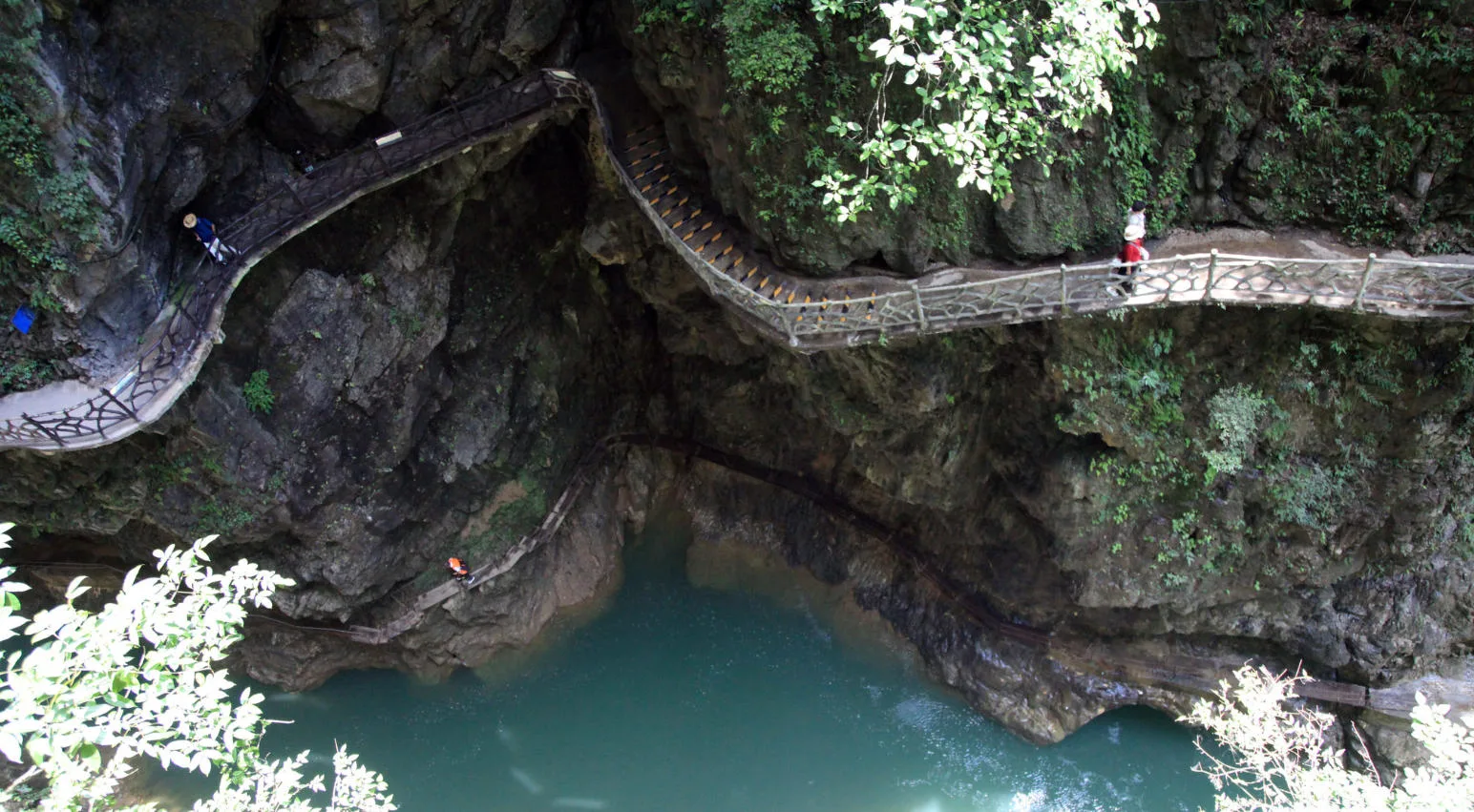
Compared with Fanjingshan, which focuses on mountain views and elevation, Tongren Grand Canyon offers a more relaxed outdoor experience. Besides hiking, visitors can also enjoy activities such as kayaking, slowly moving through the clear canyon waters while surrounded by cliffs and forests. It is especially suitable as a stunning summer nature stop.
The hiking route is moderate and usually takes around 2–4 hours to complete. Comfortable hiking shoes with good grip are recommended, especially during the rainy season when wooden walkways and stone paths can become slippery. Bring drinking water, sun protection, and basic snacks. To preserve the natural environment, commercial facilities inside the canyon are limited.
Because the canyon is located some distance from Tongren city and public transportation options are limited, private transportation is recommended. It can easily be combined with Fanjingshan or Tongren Ancient City as part of a one-day nature itinerary.
Yamugou Valley: A Hidden Water Retreat in Guizhou’s Mountains
For travelers who enjoy water-based outdoor experiences, Yamugou Valley is one of the lesser-known natural attractions around Tongren worth adding to an itinerary.
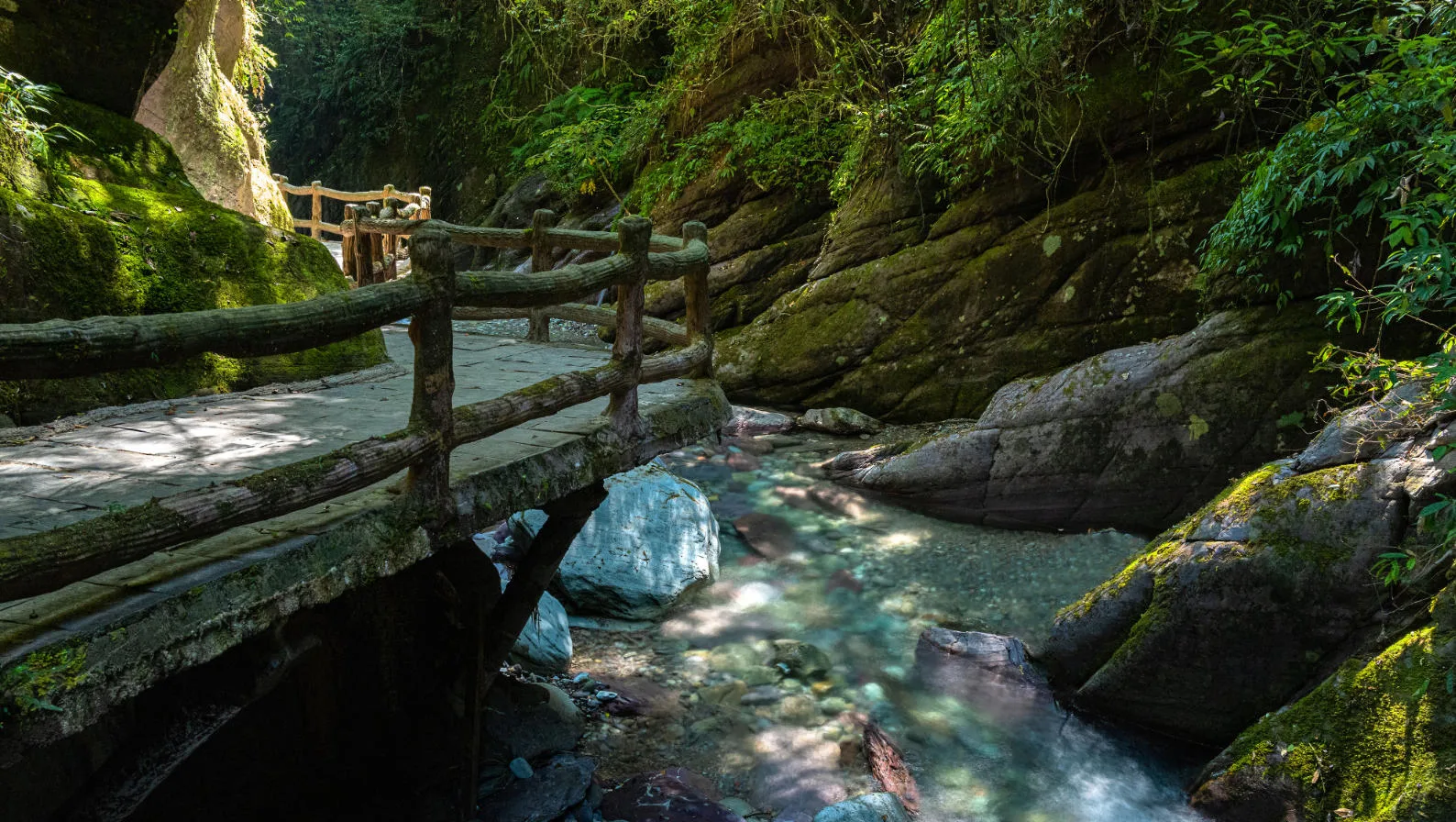
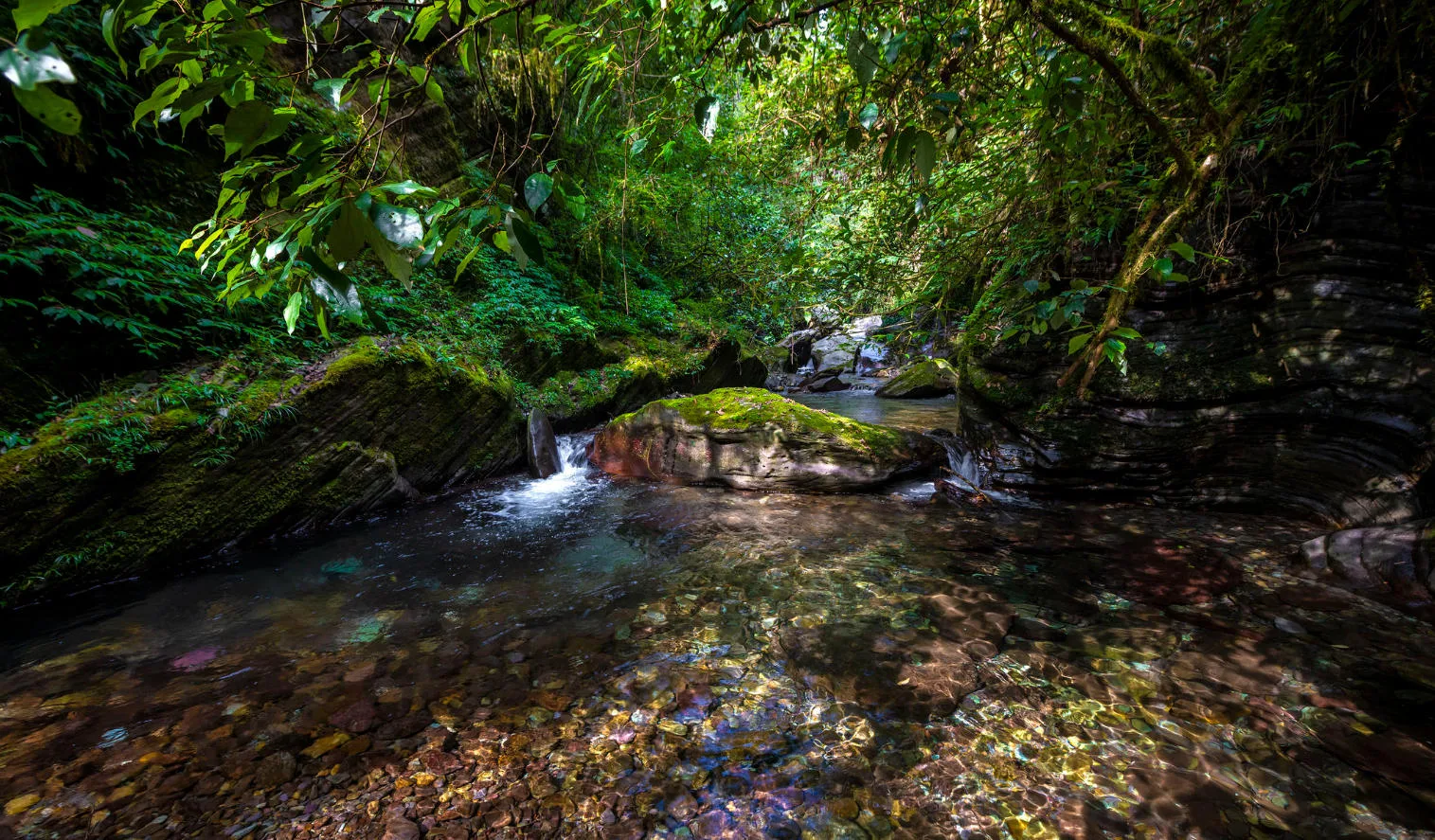
The valley is known for its clear streams and waterfalls, with cool, transparent water flowing through the mountains throughout the year. Visitors can hike along the stream valley, exploring natural pools and waterfalls along the way. Rather than simply viewing the scenery, Yamugou is best experienced through activities such as stream trekking, playing in the water, waterfall climbing, and paddleboarding.
In summer, Yamugou offers a refreshing escape from the heat, with forests and mountain streams creating a more immersive way to experience Guizhou’s nature. It is especially suitable for families, groups of friends, and travelers looking for a relaxed outdoor experience beyond sightseeing.
Jiulong Cave: A Journey into Guizhou’s Underground Karst World
If you want to explore the underground side of Guizhou’s karst landscape, Jiulong Cave near Tongren is worth visiting. As one of the earlier developed natural caves in Guizhou, it features impressive karst formations formed over millions of years, including stalactites, stone pillars, and rock curtains.
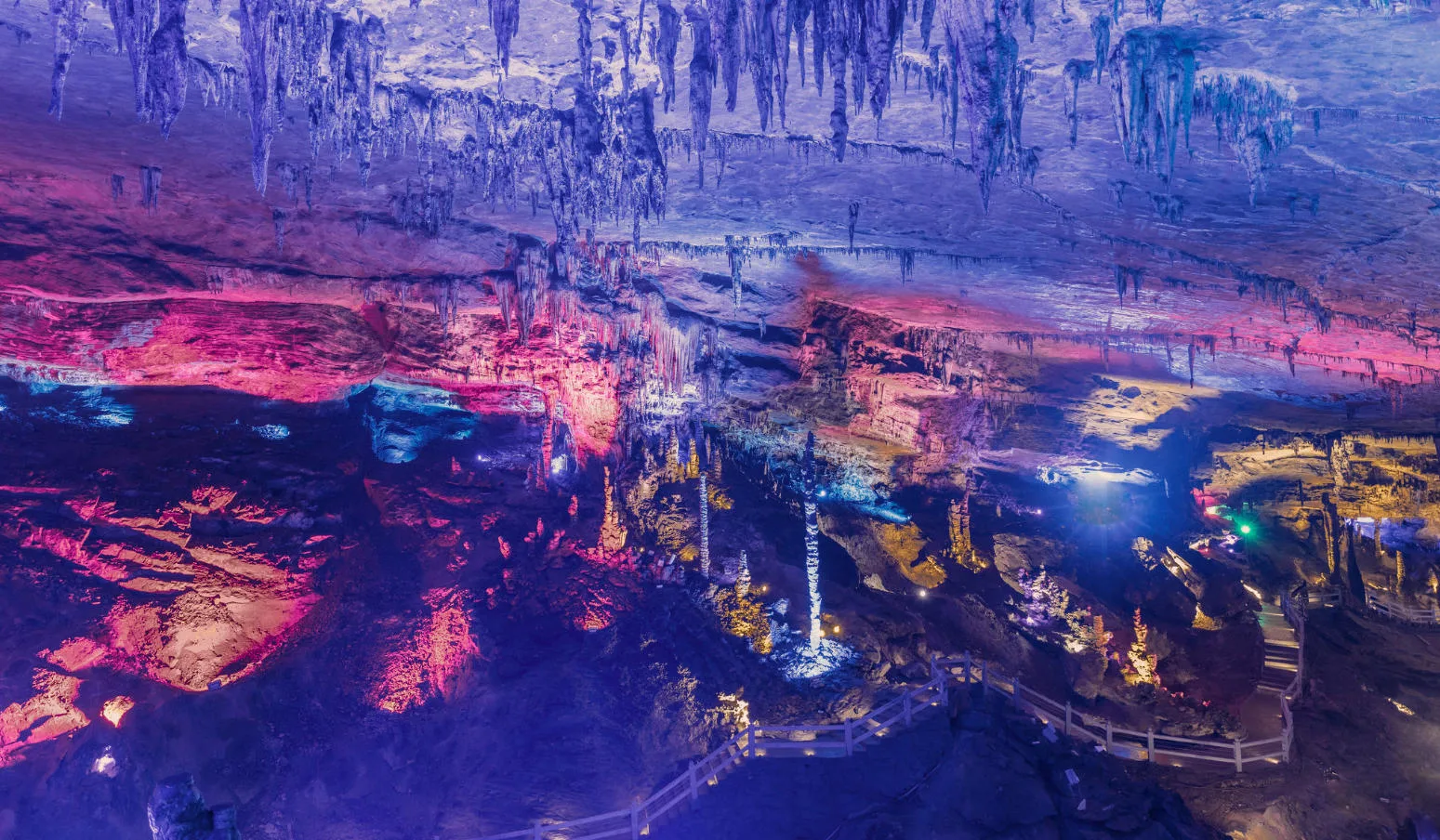
Compared with the forests and peaks of Mount Fanjing, Jiulong Cave offers a different perspective on Guizhou’s natural wonders — a journey beneath the mountains.
Visiting Jiulong Cave requires a shuttle bus followed by a considerable walk along mountain paths to reach the cave entrance. so it may be challenging for visitors with limited mobility. The cave is cool year-round; bring a light jacket and wear comfortable shoes with good grip.
Tongren’s Cultural Heritage: Ancient Towns and Local Traditions
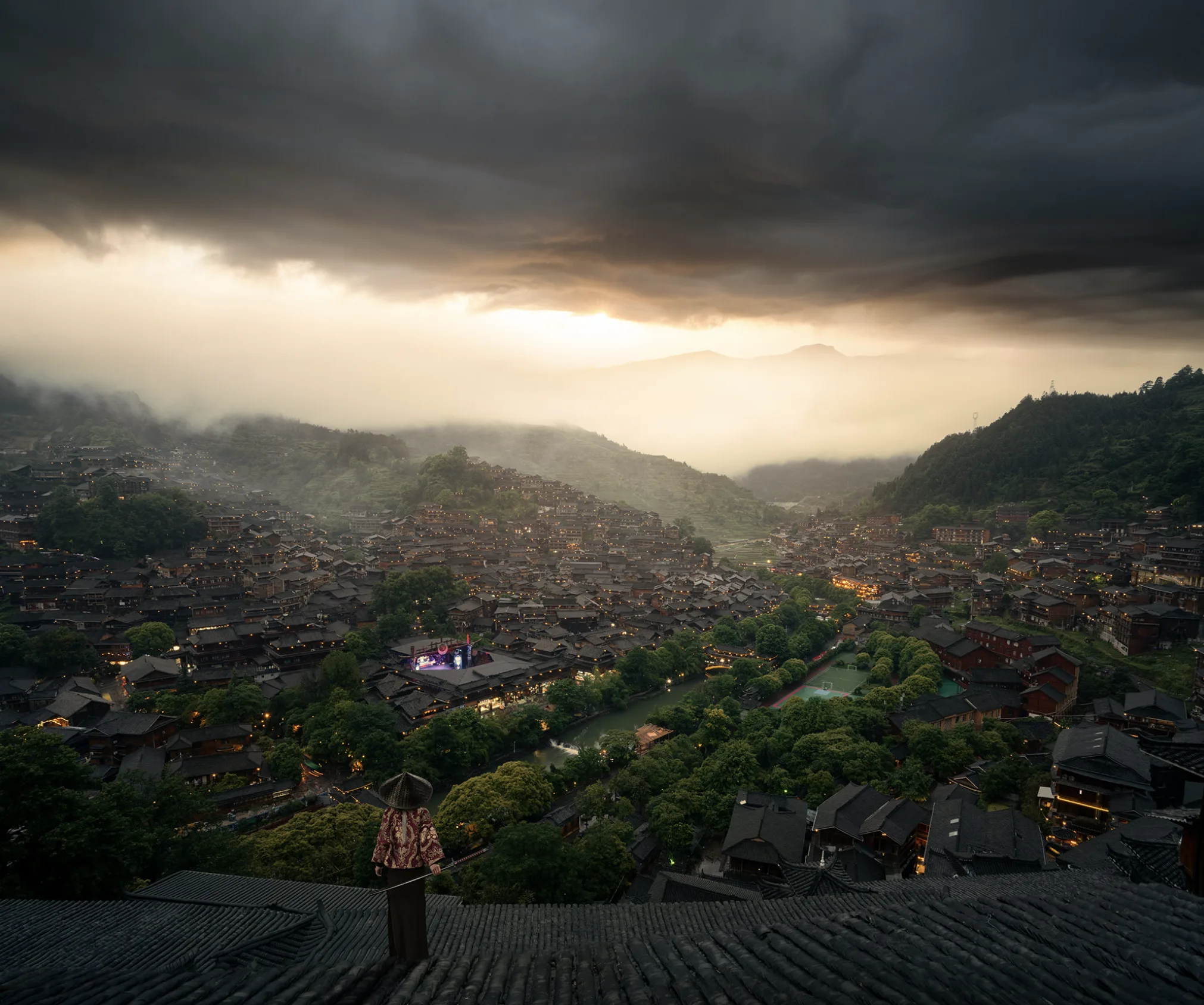
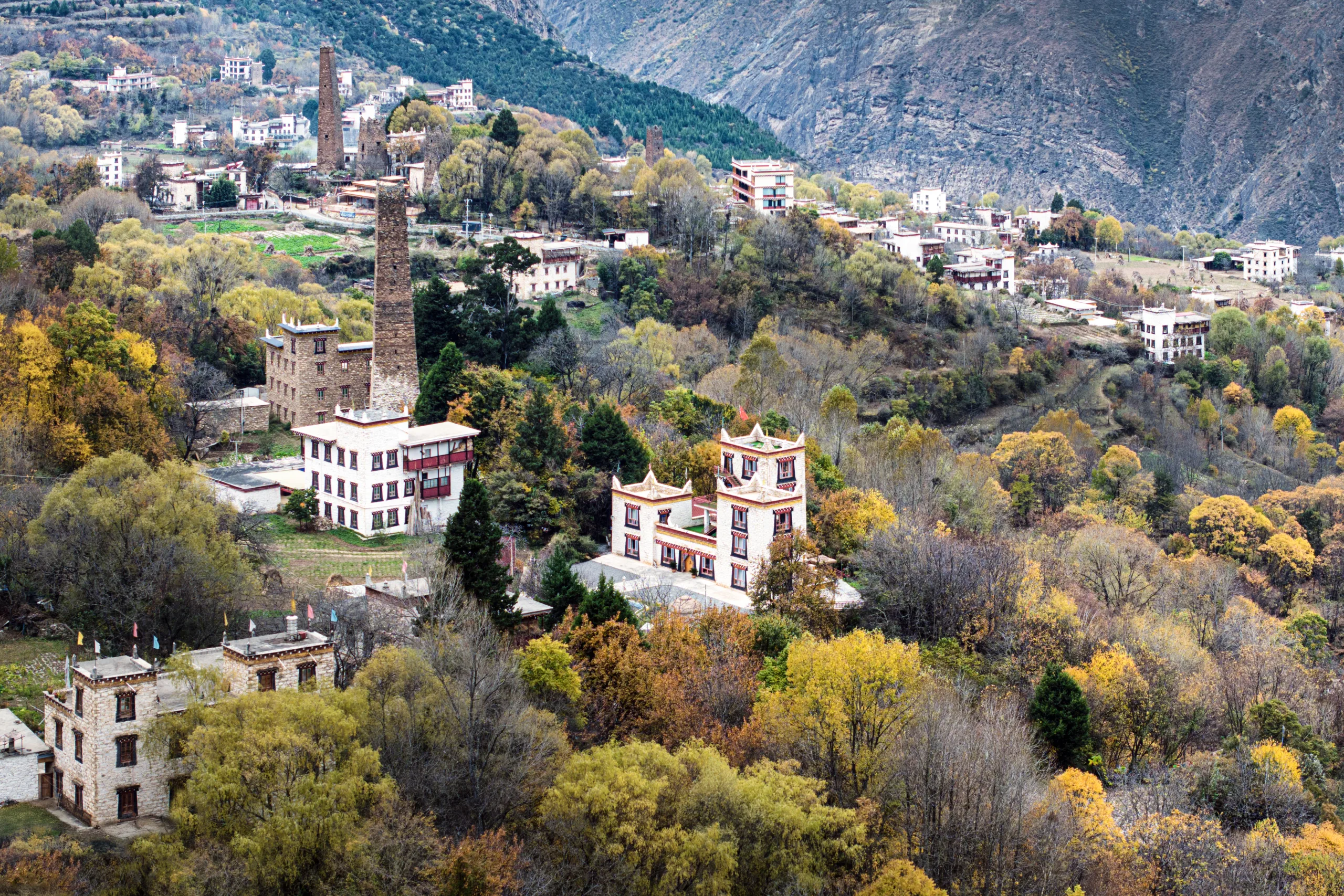
Tongren is not only home to natural landmarks such as Fanjingshan, but also a region where multiple ethnic cultures meet. In addition to Miao and Dong communities, the areas around Tongren are also home to Tujia and other ethnic groups, creating a distinctive cultural landscape in northeastern Guizhou. This layered ethnic history also survives in local settlement patterns and in the region’s well-preserved ancient Miao frontier city tradition.
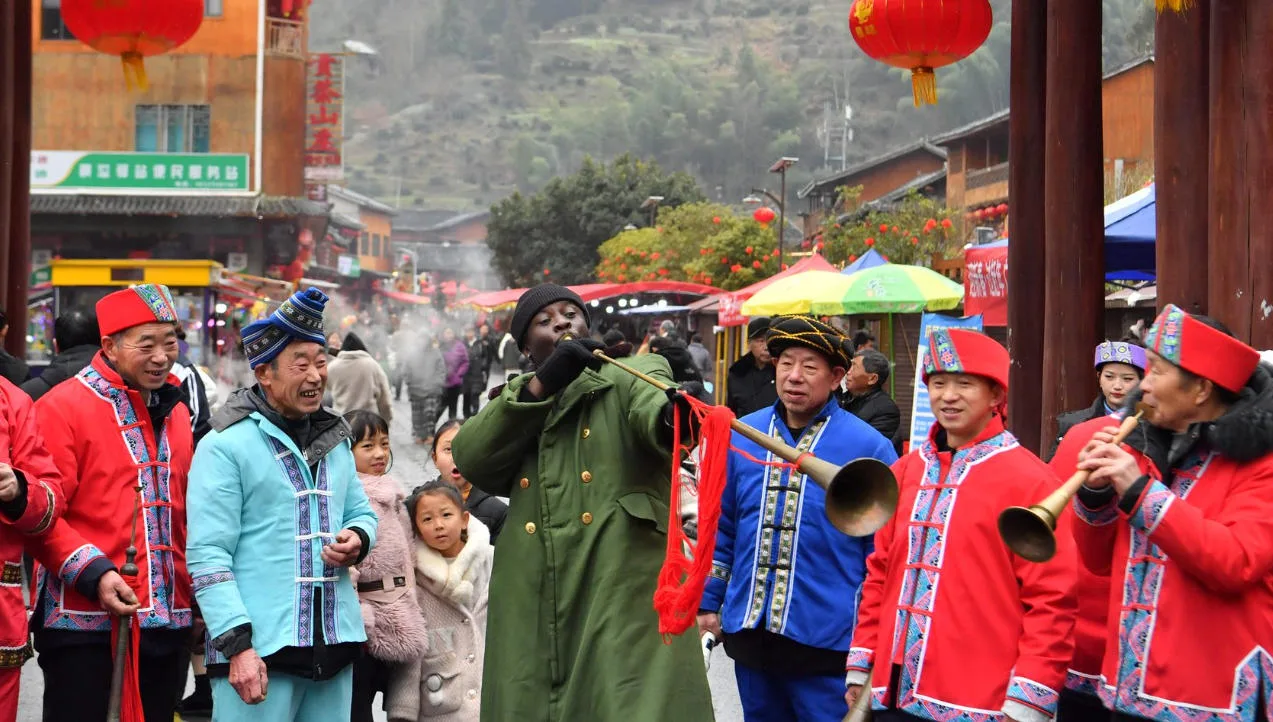
Compared with Qiandongnan (southeastern Guizhou), Tongren’s ethnic tourism is less developed and receives fewer visitors. This makes it a better choice for travelers who want to explore local communities, everyday life, and traditional cultures at a slower pace.
Cultural events in Tongren also include the Miao New Year festival, while local Nuo Opera is often described as a “living fossil” of Chinese drama.
Tongren Ancient City: Things To Do
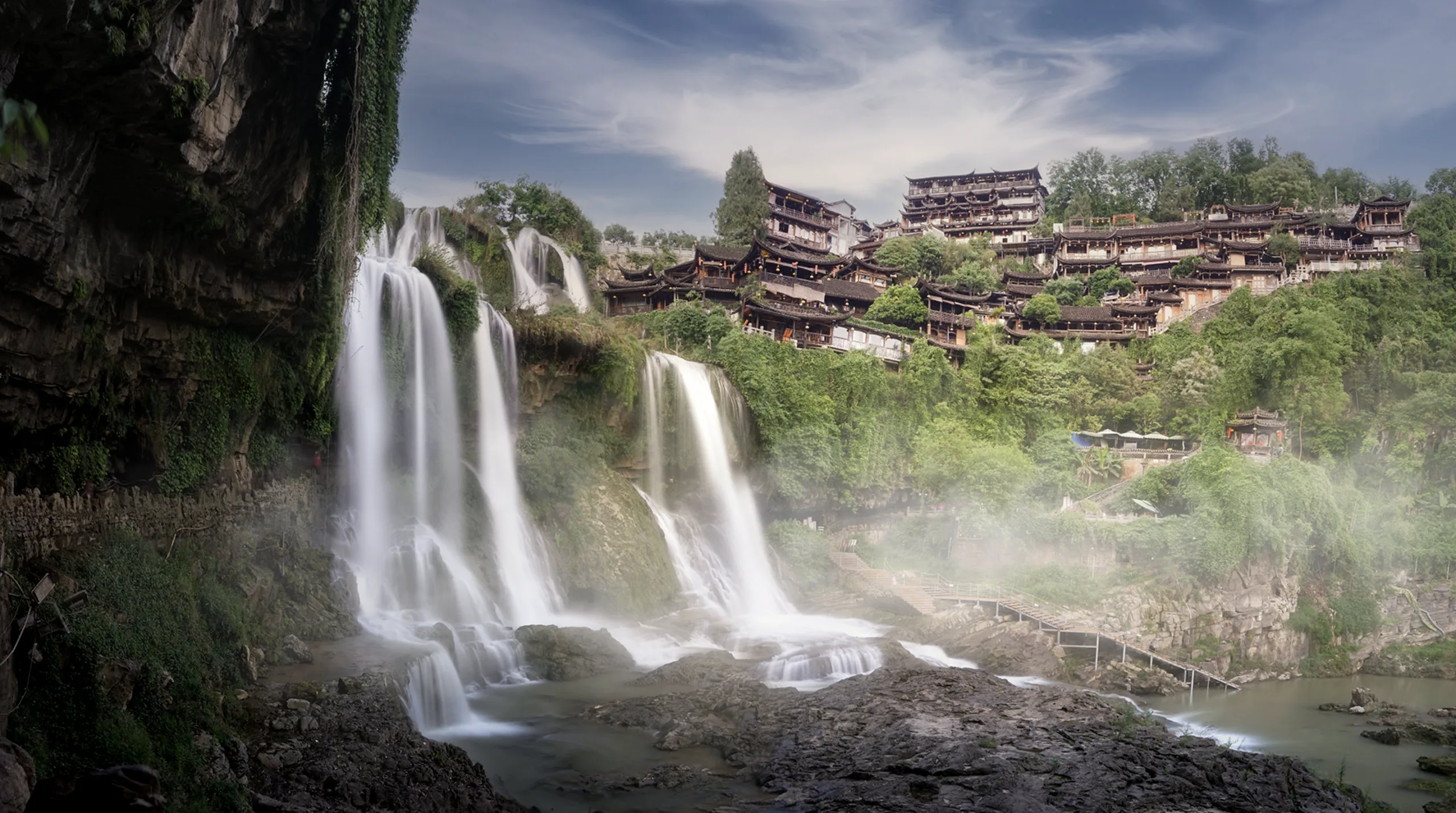
Located along the Jinjiang River in central Tongren, within the central town area, Tongren Ancient City has over 3,000 years of history and retains built heritage from the Ming Dynasty and Qing periods, including historic guild halls, former river docks, and main halls where visitors can view historic architecture, while local architecture, ritual spaces, and decorative art also reflect the city’s historical heritage. However, unlike some of Guizhou’s more famous ancient towns, it is not a fully restored historical attraction, and commercialization is relatively noticeable. It is better experienced as a relaxed stop during a journey — a place to enjoy riverside walks, local food, and the slower rhythm of everyday life.
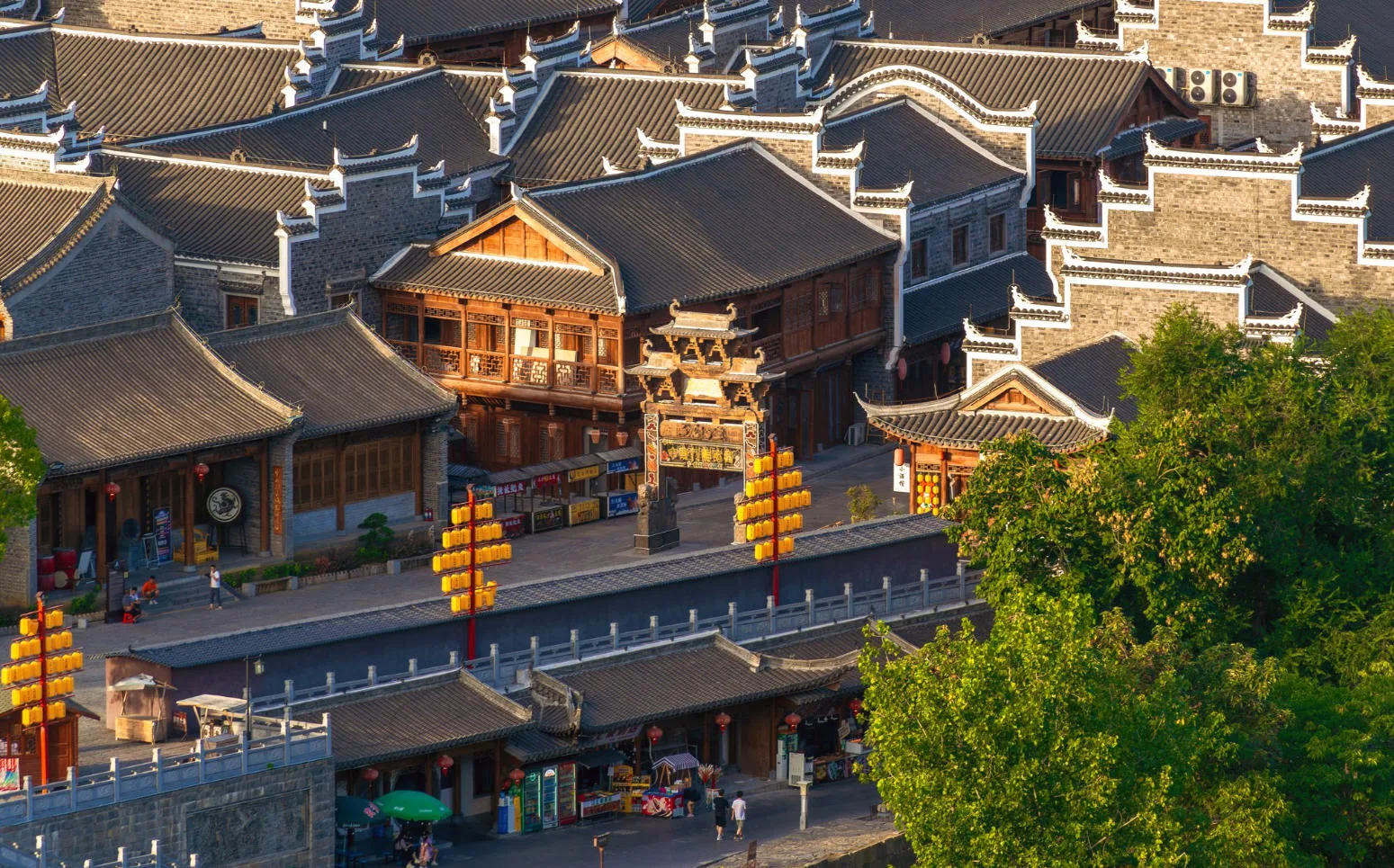
During the day, travelers can take a leisurely walk along Zhongshan Road, the main north-south street through the old town, discovering old buildings, traditional streets, and riverside views. In the evening, lights illuminate both sides of the Jinjiang River, reflecting the outline of the old city and surrounding mountains, which form a memorable background to the night scene. Local residents gather along the river to walk, chat, or fish, offering a more everyday view of life in Tongren. Local artists also continue to preserve and present regional visual and craft traditions.

If seasonal conditions and operations allow, the “Dragon Boat Night Tour on Jinjiang River” is a unique evening experience worth considering. After sunset, a line of bamboo rafts arranged in the shape of a dragon slowly moves along the river. The dragon head lights on the leading raft illuminate the water, creating the impression of a glowing dragon traveling through the night river.
While exploring Tongren Ancient City, travelers can also try some local specialties:

- Sour soup dishes: One of Guizhou’s most representative flavors, especially sour soup fish.
- Guizhou rice noodles: A common local breakfast enjoyed by residents.
- Sticky rice dishes and local snacks: Traditional foods that reflect the culinary culture of northeastern Guizhou.
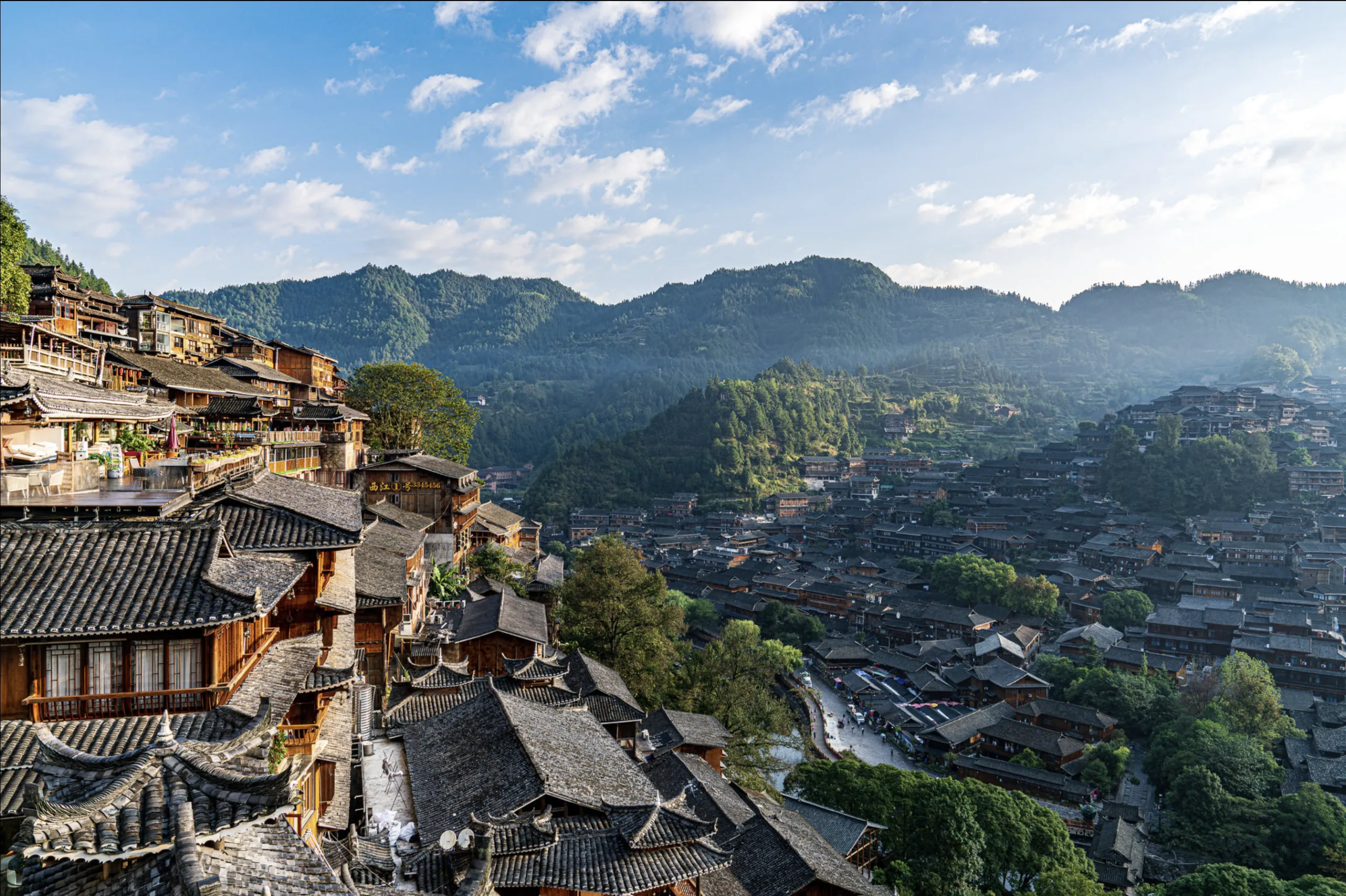
Yun She Village: A Tujia Mountain Village at the Foot of Fanjingshan
Located at the foot of Fanjingshan, Yun She Village is a traditional Tujia village surrounded by mountains and water. A clear stream flows in front of the village, and the deep pool at the entrance — known locally as Shenlong Pool — is famous for its emerald-green water and remarkable clarity.
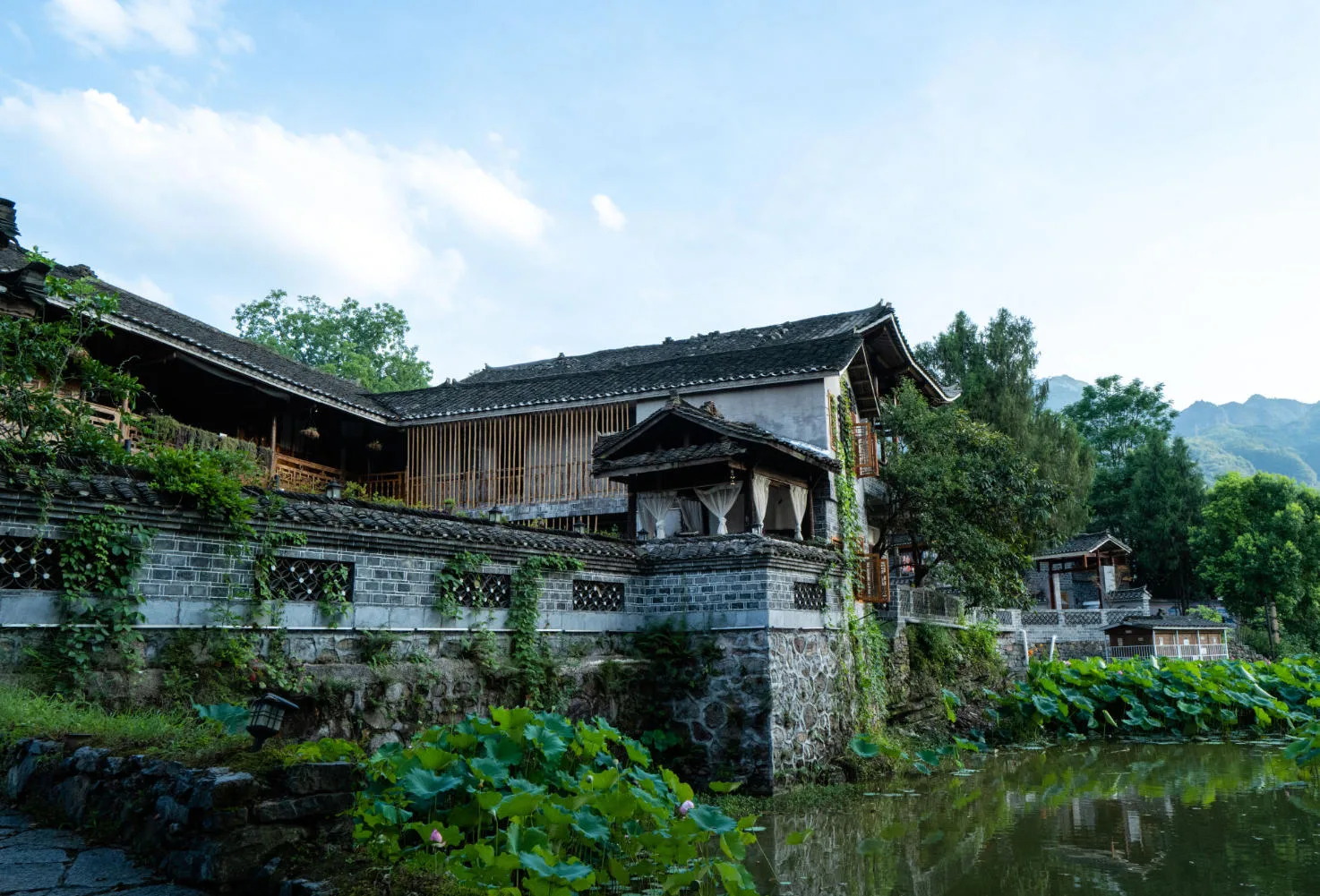
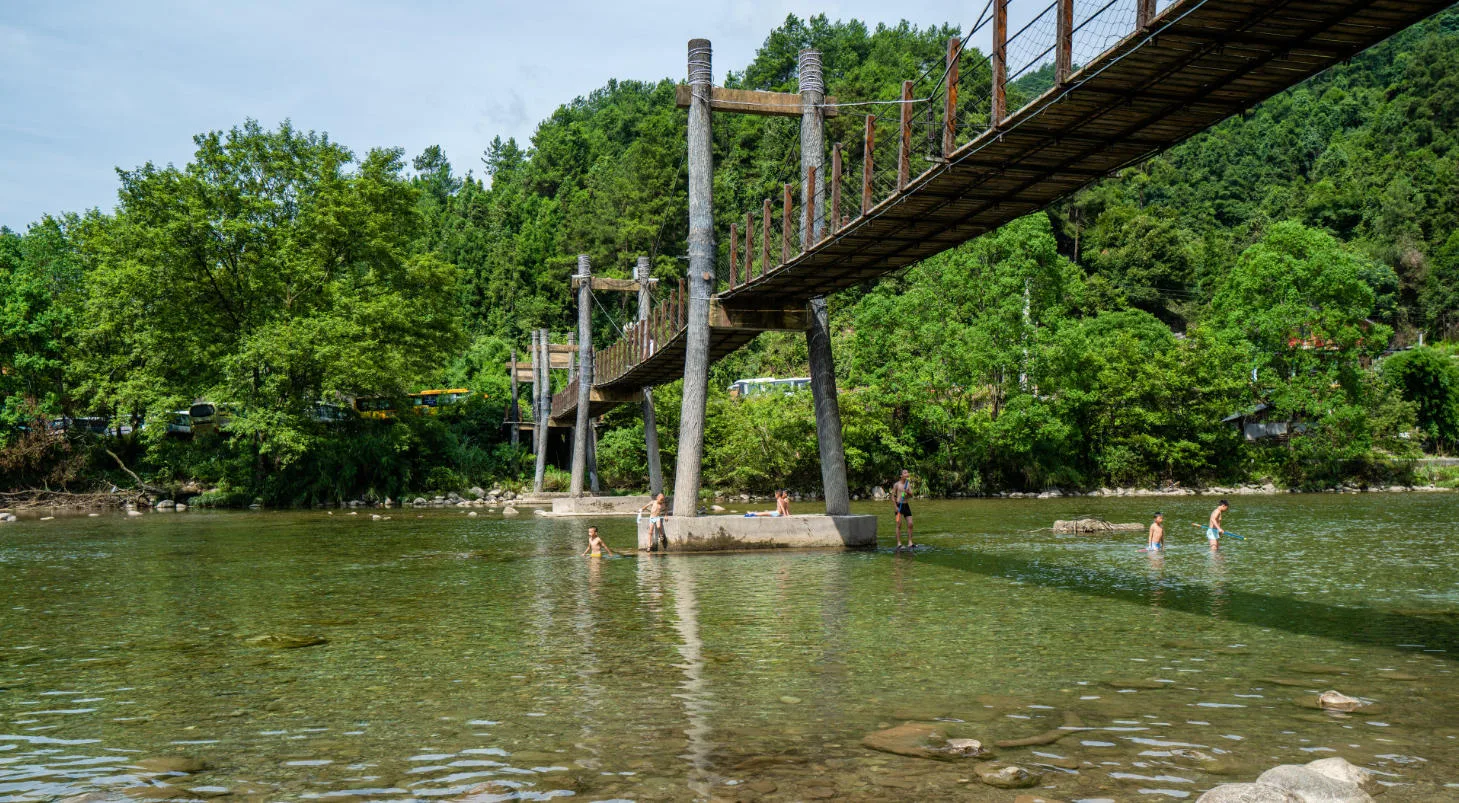
In summer, local residents often bring their children to the stream to play and explore the water. Children swim alongside ducks, while birds move along the riverbanks, creating a lively scene filled with the sounds of flowing water and everyday village life.
Compared with the mountain hiking experience of Fanjingshan, Yun She offers a slower and more relaxed way to enjoy the region. With its gentle environment and family-friendly atmosphere, the village is especially suitable for travelers looking for a peaceful nature experience or a more leisurely holiday.
Zhaisha Dong Village: A Dong Cultural Experience Near Fanjingshan
Located just outside the entrance of Fanjingshan Scenic Area, Zhaisha Dong Village is a convenient place to stay for travelers planning to enter the mountain early the next morning. Accommodation here is more practical than staying in Tongren city, although the village itself does not require a long visit.
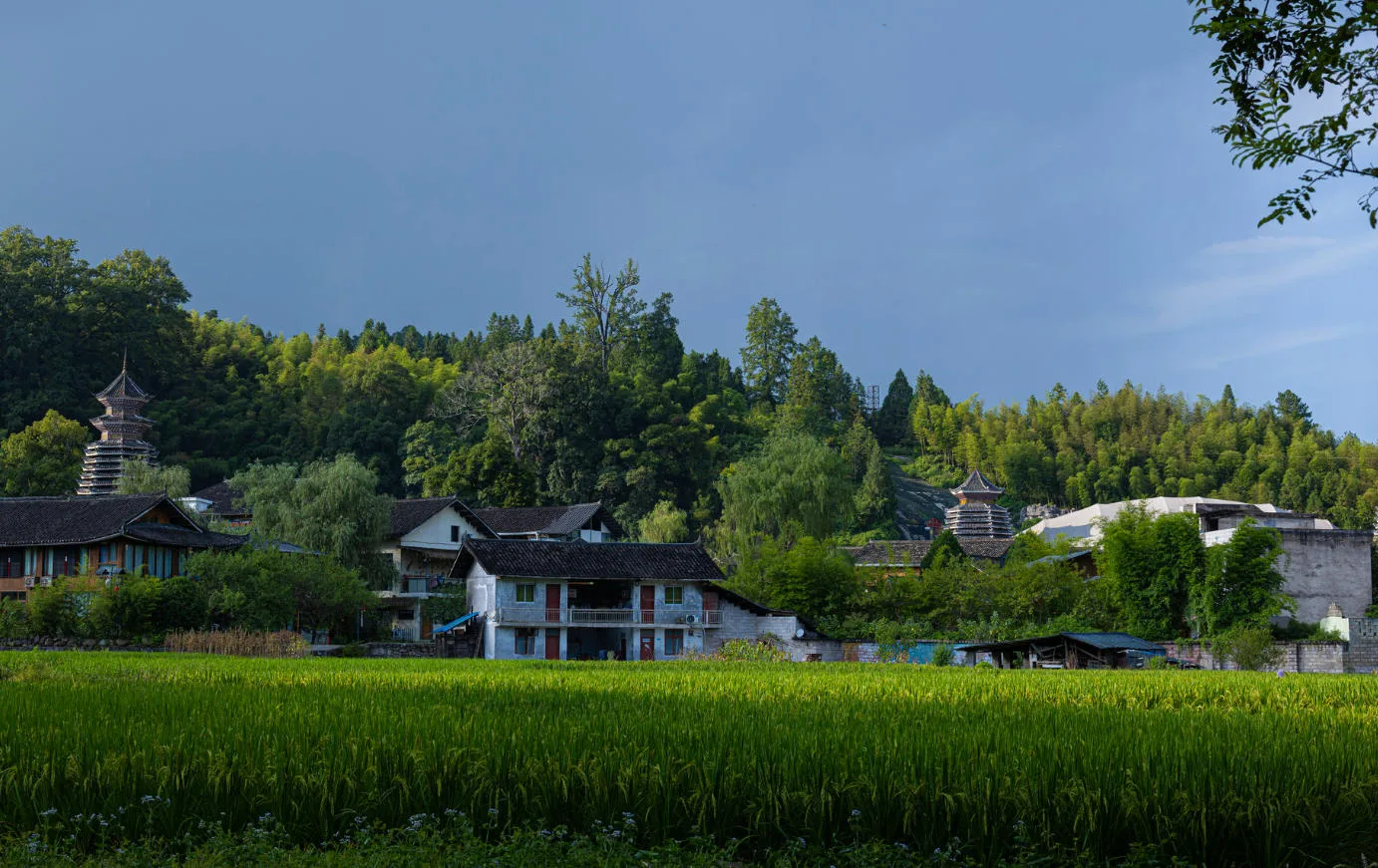
The village features traditional elements such as wooden bridges crossing clear streams. The water is shallow and clean, allowing visitors to walk along the stream or cool their feet in the water. In the evening, if conditions allow, visitors may experience a bonfire gathering in front of the drum tower, where local residents and travelers come together with music and dance.
Compared with the larger and more culturally diverse Dong villages deeper in Qiandongnan, Zhaisha Dong Village is smaller in scale. It is best viewed as a relaxed cultural stop near Fanjingshan rather than a destination requiring a dedicated visit.
Other Popular Destinations
Tongren works well as part of a multi-destination Guizhou journey. Depending on your available time and interests, it can be combined with different regions to create a more complete experience of Guizhou.
Tongren + Qiandongnan Miao and Dong Culture Route
Ideal for travelers who want to explore Guizhou’s ethnic cultures in depth:
Guiyang → Kaili → Xijiang Miao Village → Zhaoxing Dong Village → Tongren → Fanjingshan
This route combines some of Guizhou’s most representative Miao and Dong villages with Fanjingshan, a UNESCO World Natural Heritage Site.
Tongren + Zhangjiajie Route
Because of their relatively close location, Tongren and Zhangjiajie can be combined into one journey:
Zhangjiajie → Tongren → Fanjingshan → Guiyang
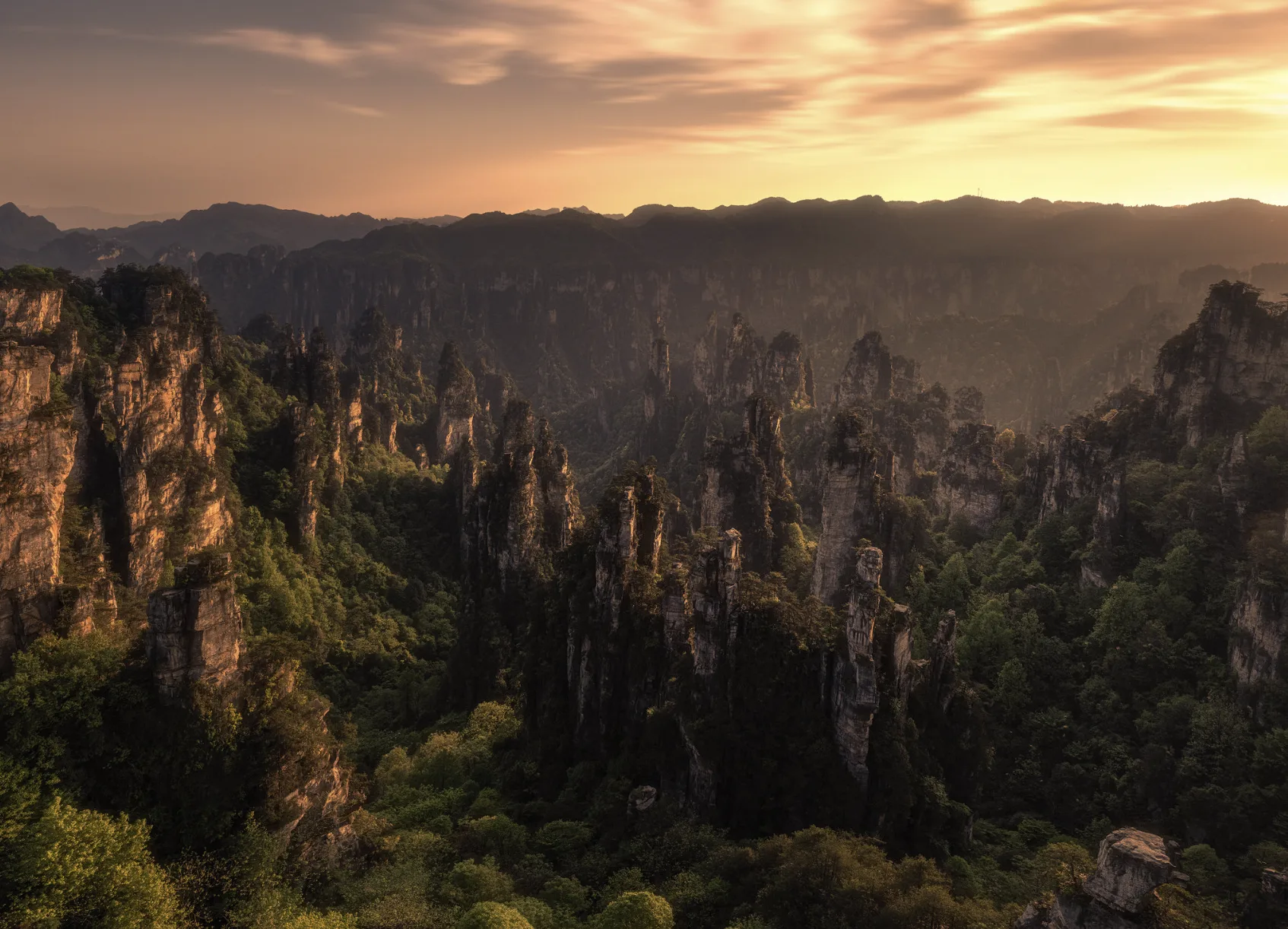
Travelers can experience both Zhangjiajie’s dramatic sandstone peak forests and Fanjingshan’s unique mountain ecosystems in a single trip.
Tongren + Guizhou Nature Route
For travelers with more time, additional natural landscapes can be included:
- Huangguoshu Waterfall
- Libo Xiaoqikong
- Xingyi Wanfenglin
This allows travelers to experience the diversity of Guizhou’s landscapes, from waterfalls and forests to mountains and canyons. Eastogo can design private multi-destination journeys in Guizhou based on your interests and travel pace, combining transportation, accommodation, local experiences, and expert guides into a seamless itinerary.
Speak to An Expert
Explore Guizhou with Eastogo
Start designing your China journey with our destination experts.
Make An InquiryPractical Travel Tips: Safety and Preparation
Tongren is generally a safe destination, but as Fanjingshan and many surrounding attractions are located in mountainous areas, some preparation will help ensure a smoother journey.
- Consider purchasing travel insurance that includes emergency medical evacuation, especially for hiking activities.
- Check weather conditions and scenic area updates before departure, and prepare suitable hiking gear for cold temperatures or rainfall.
- Mobile phone signals can be unstable in mountain areas, so download offline maps in advance.
- For less-developed hiking routes, hiring a local guide is recommended for safety and a better understanding of the landscape.
How Many Days Do You Need in Tongren? Suggested Tongren Itineraries
For first-time visitors to Tongren, we recommend spending at least 3 days to combine Fanjingshan with the surrounding natural and cultural experiences.
Day 1: Arrive in Tongren → Tongren Ancient City → Local Food ExperienceStay overnight in Tongren city.
Explore the riverside streets of Tongren Ancient City, enjoy the evening atmosphere along the Jinjiang River, and try local specialties from Tongren cuisine, known for its sour and spicy flavors, including rice tofu with chili oil and sour fish soup; you may also come across Shefan, a traditional Miao sticky rice dish.
Day 2: Fanjingshan → Full-Day Mountain Exploration and Nearby VillagesVisit Fanjingshan and surrounding villages.
The hiking route can be adjusted according to weather conditions. Stay near Fanjingshan or return to Tongren city depending on your itinerary.
Day 3: Tongren Grand Canyon → DepartureExplore Tongren Grand Canyon in the morning before continuing to your next destination.
You can book our 8-Day Guizhou Journey here. If you have more time and would like to combine Guizhou with Yunnan, you can also explore our 14-Day Guizhou & Yunnan Journey.
If you enjoy nature and hiking, discover more through Exploring Guizhou’s mountains, hiking trails and sacred peaks.
Explore Eastogo’s Guizhou Journeys
The appeal of Fanjingshan lies not only in the views from the summit, but also in exploring the nature, culture, and local communities that surround this mountain.
Eastogo specializes in creating in-depth private journeys across southwest China, including Guizhou, Yunnan, Guangxi, Hunan, and Western Sichuan. We help travelers discover the cultures and landscapes that are often missed on standard routes. We can also design a Private Guizhou Tour around what sparks your curiosity.
Through long-term relationships with local drivers, guides, and communities, we create opportunities for village visits, cultural experiences, and genuine connections with local people. For us, travel is not only about seeing beautiful places, but about understanding the stories, traditions, and ways of life that make each destination meaningful.
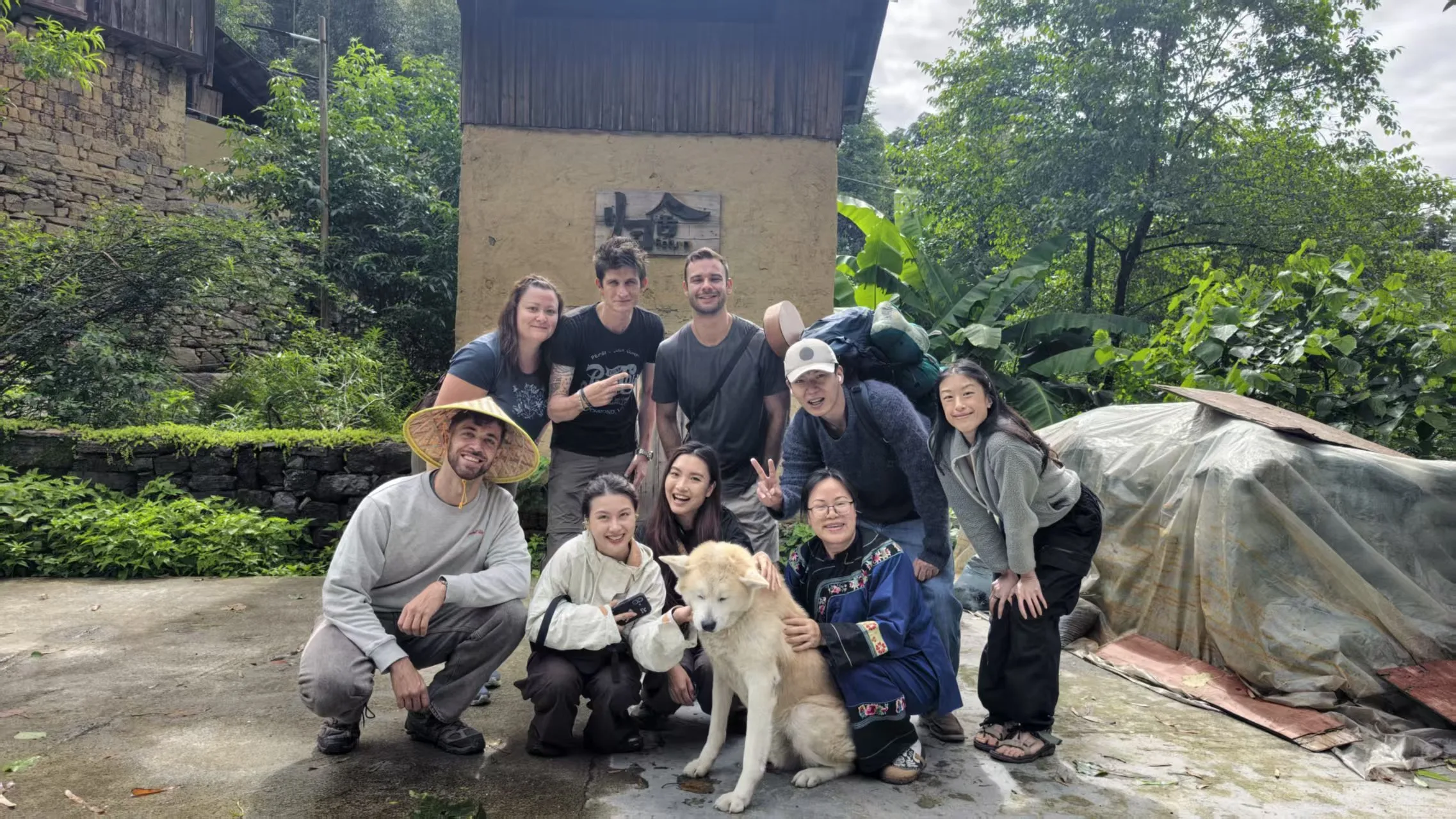
Each journey is thoughtfully designed according to your interests, pace, and travel style, while considering transportation, weather, and the realities of traveling through mountainous regions. Whether you choose self-guided China tours or private & custom China tours, we help you explore China with greater comfort, confidence, and depth.
For more information, read our Guizhou Travel Guide: A Complete Guide to Culture, Nature and Hidden Villages.
If Guizhou speaks to your curiosity, we would be happy to help you create a journey that reflects your interests and the way you want to experience this remarkable region.