Tibet Encompassed: Mount Kailash Kora & the Guge Kingdom (14 days)
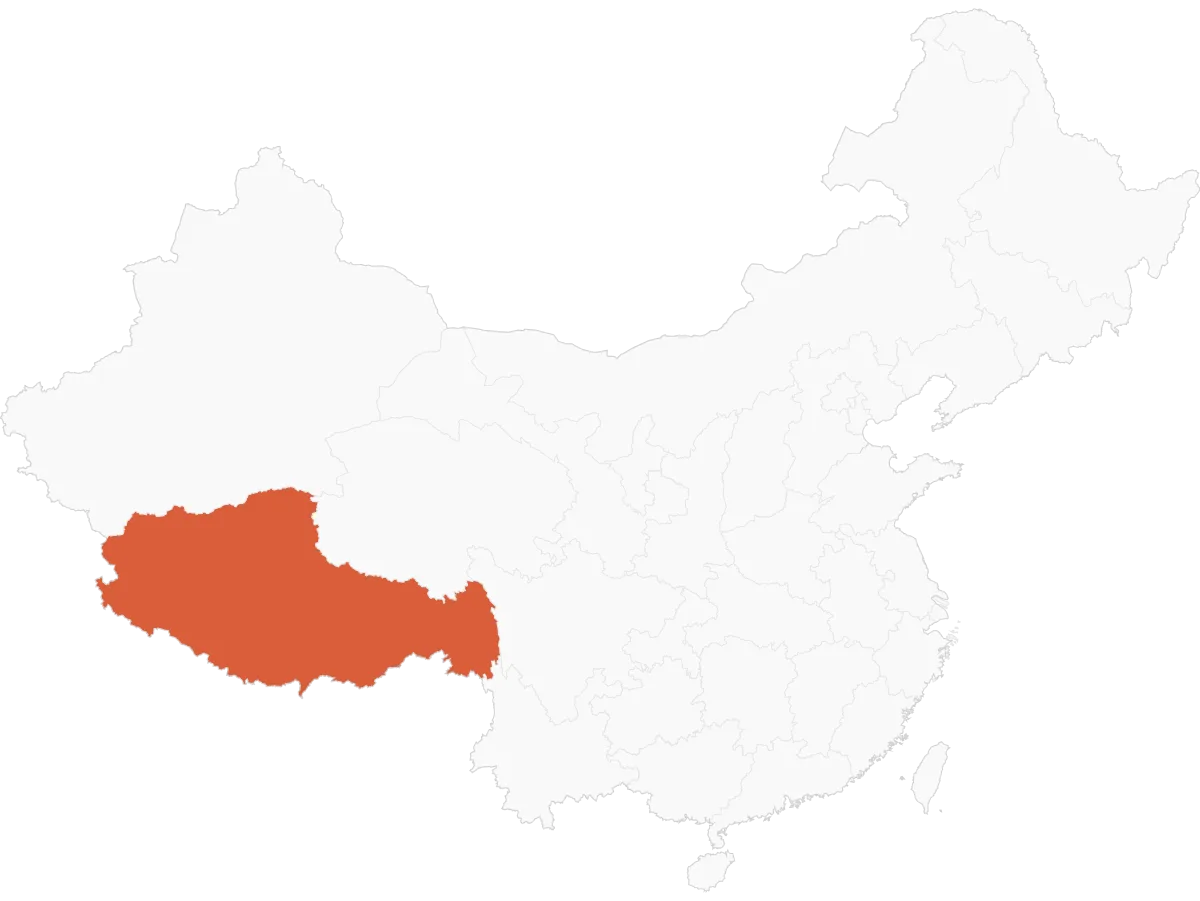
Tibet, one of the most spiritual places on Earth, is where faith shapes daily life and landscapes are inseparable from belief itself. Far beyond the sacred city of Lhasa lies Ngari, often called “Heavenly Ngari”, a remote world of sacred mountains, holy lakes, endless stars, and the oldest origins of Tibetan civilization.
On this 14-day journey, travel deep into western Tibet, far beyond the routes reached by most travellers. Complete the three-day Mount Kailash kora alongside devoted pilgrims, witness some of the most sacred mountains and lakes on the Tibetan Plateau, and experience the immense stillness and scale of nature in its rawest form. Along the way, encounter wild yaks, Tibetan antelope, blue sheep, and other wildlife roaming freely across the high plateau. Journey into the ancient worlds of the Zhang Zhung civilization and the Tibetan Empire, where landscapes feel timeless, remote, and almost unreal.
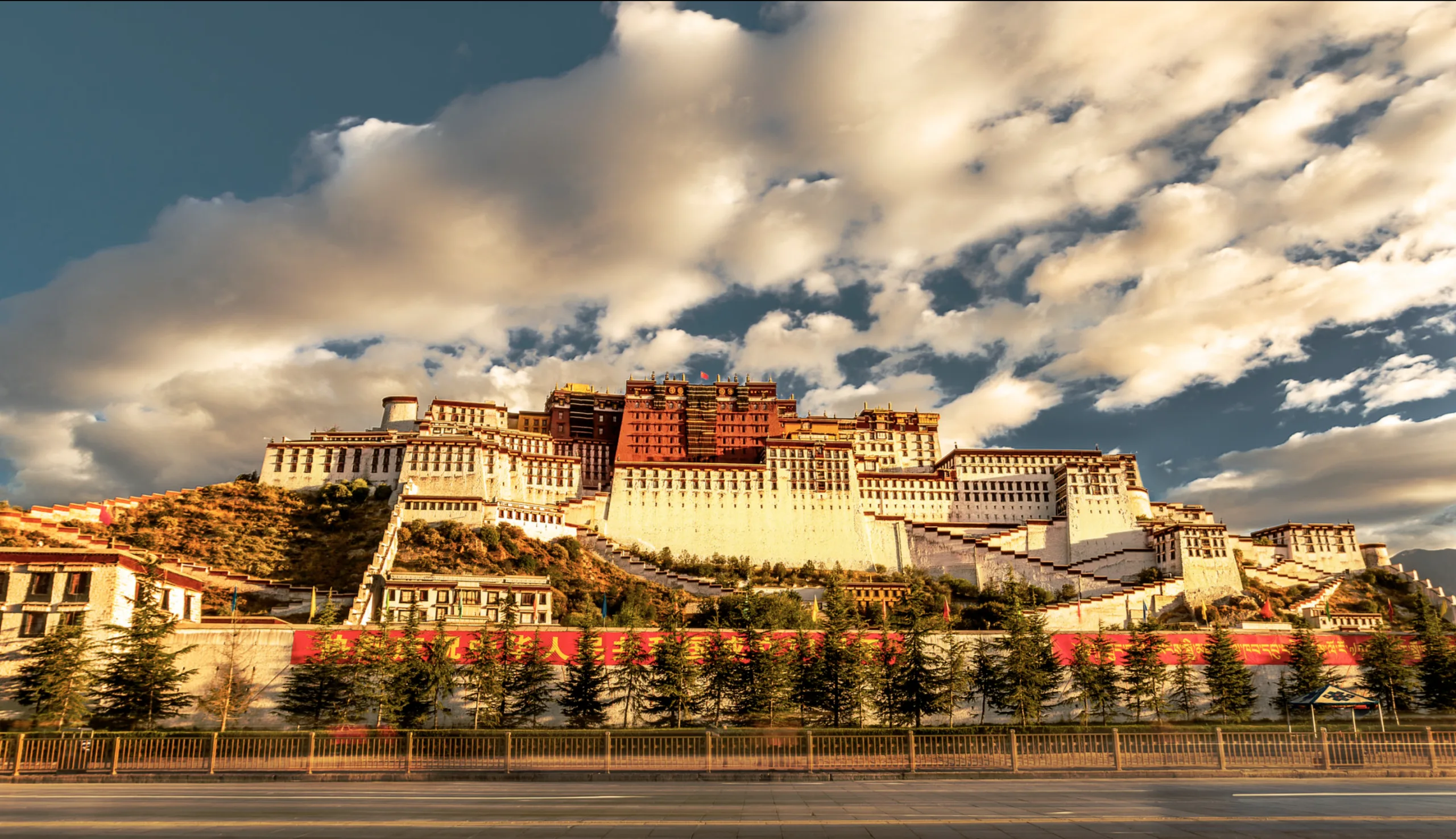
In Lhasa, visit a traditional Tibetan family to make handmade momos together, explore the Potala Palace, Jokhang Temple, and Barkhor Street, and experience the living spiritual heart of Tibet.
This is not simply a journey through Tibet, but one of the deepest ways to experience the Tibetan Plateau, a journey through faith, wilderness, ancient civilisation, and the quiet tenderness of nature itself. Far beyond the modern world, beneath endless stars and beside sacred lakes, the noise of ordinary life gradually fades into silence.
Journey Highlights
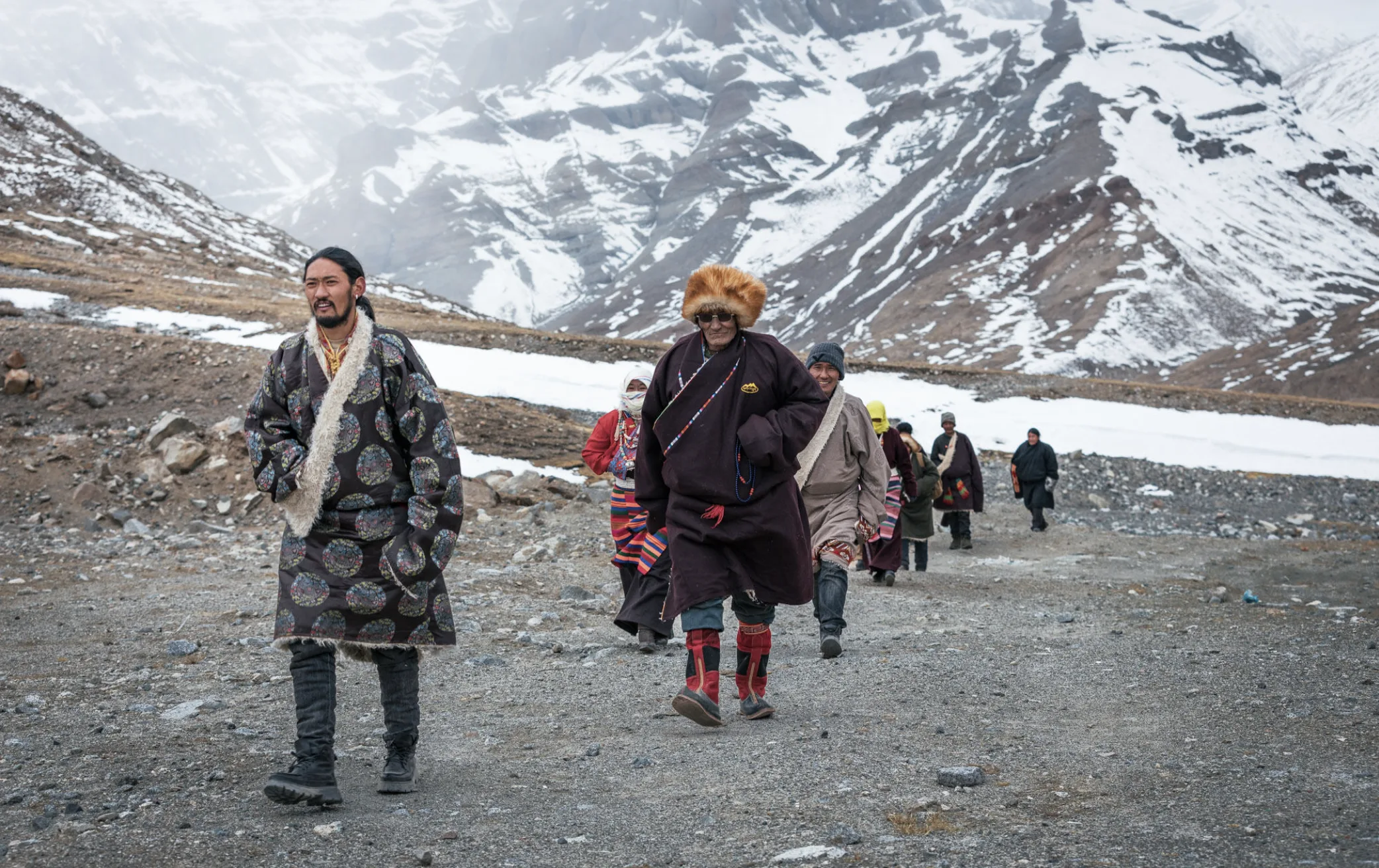
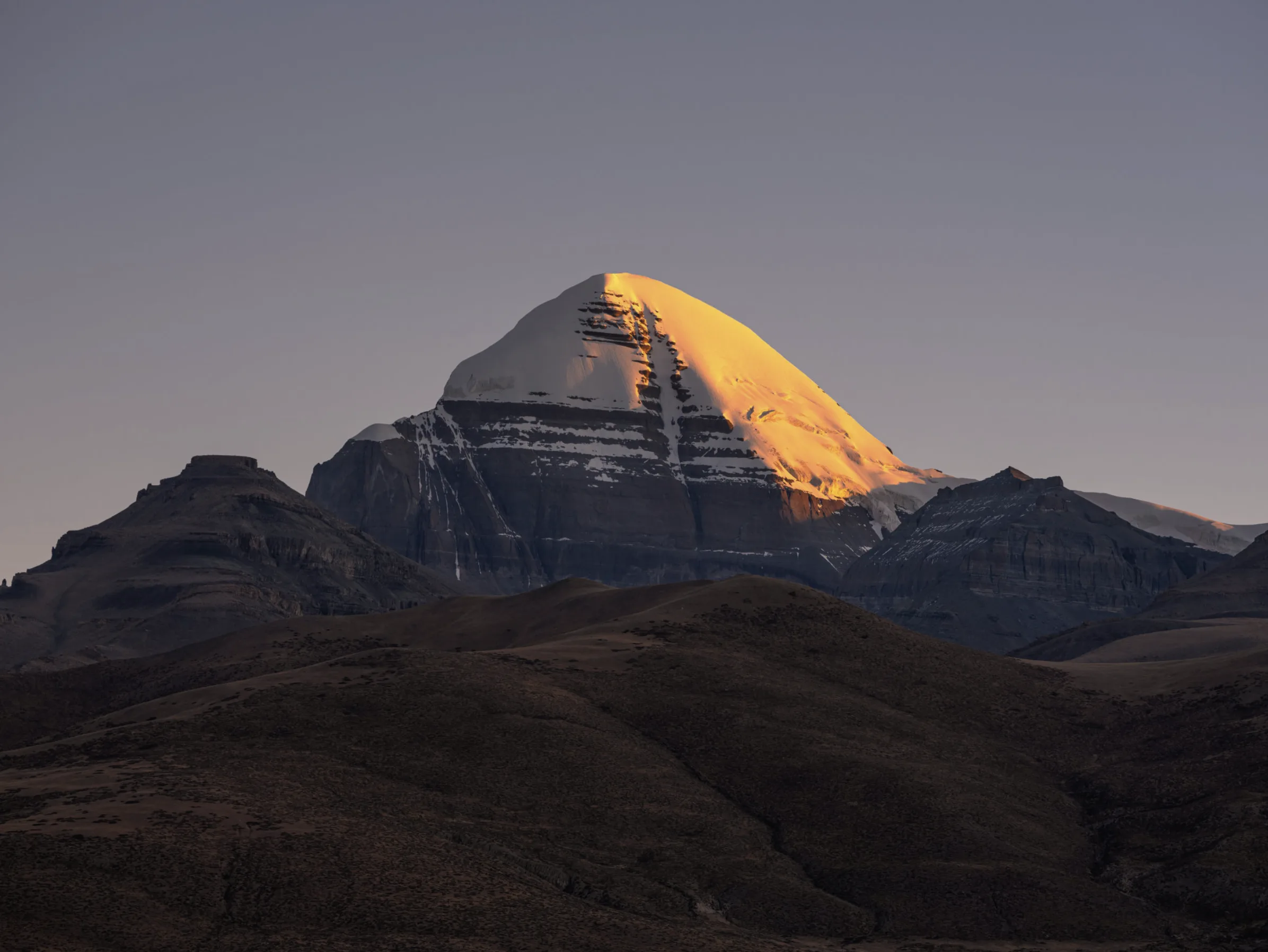
Complete the sacred Mount Kailash kora beside devoted pilgrims, witnessing the quiet power of faith beneath Mount Kailash and endless stars above the plateau.
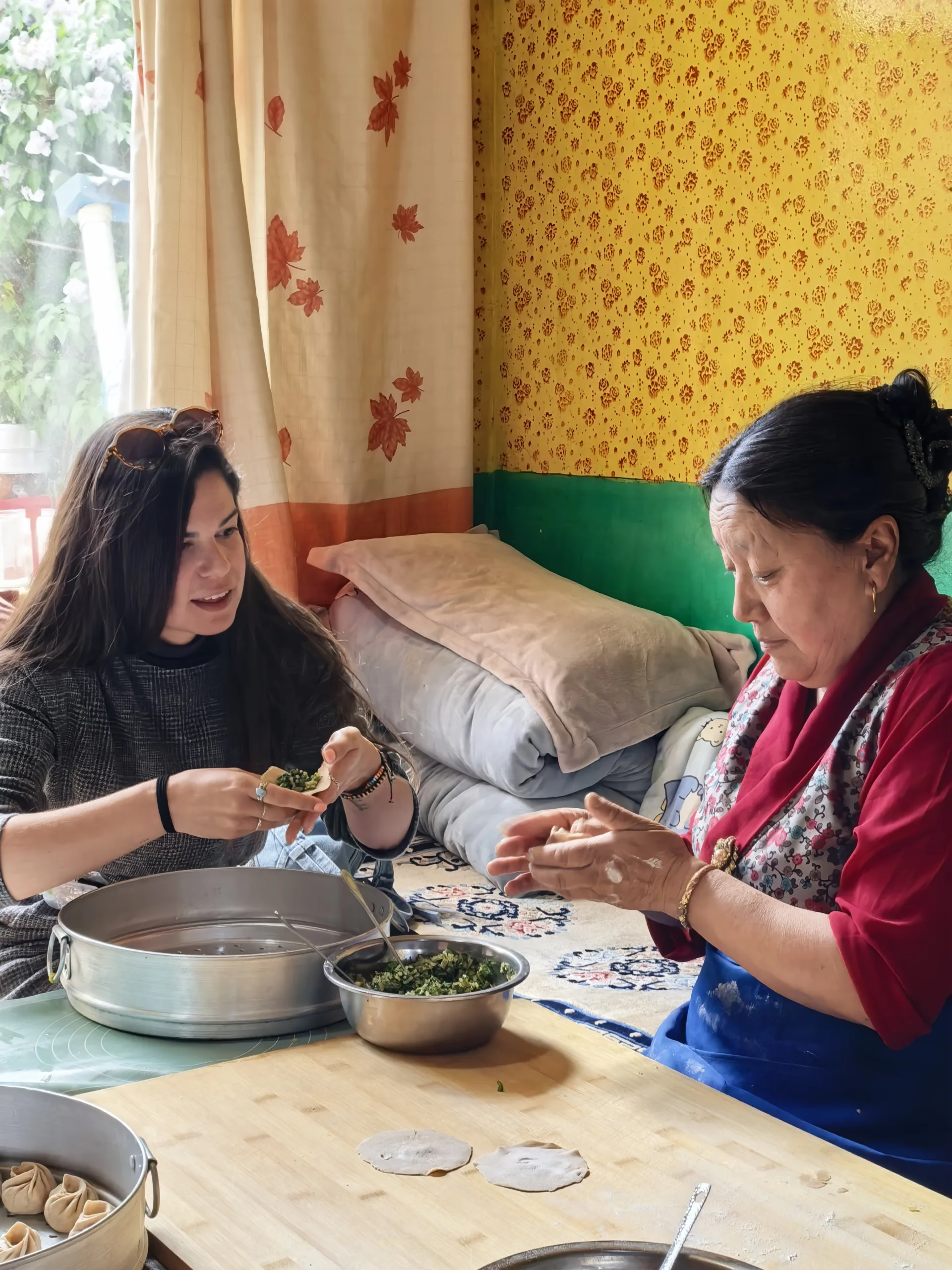
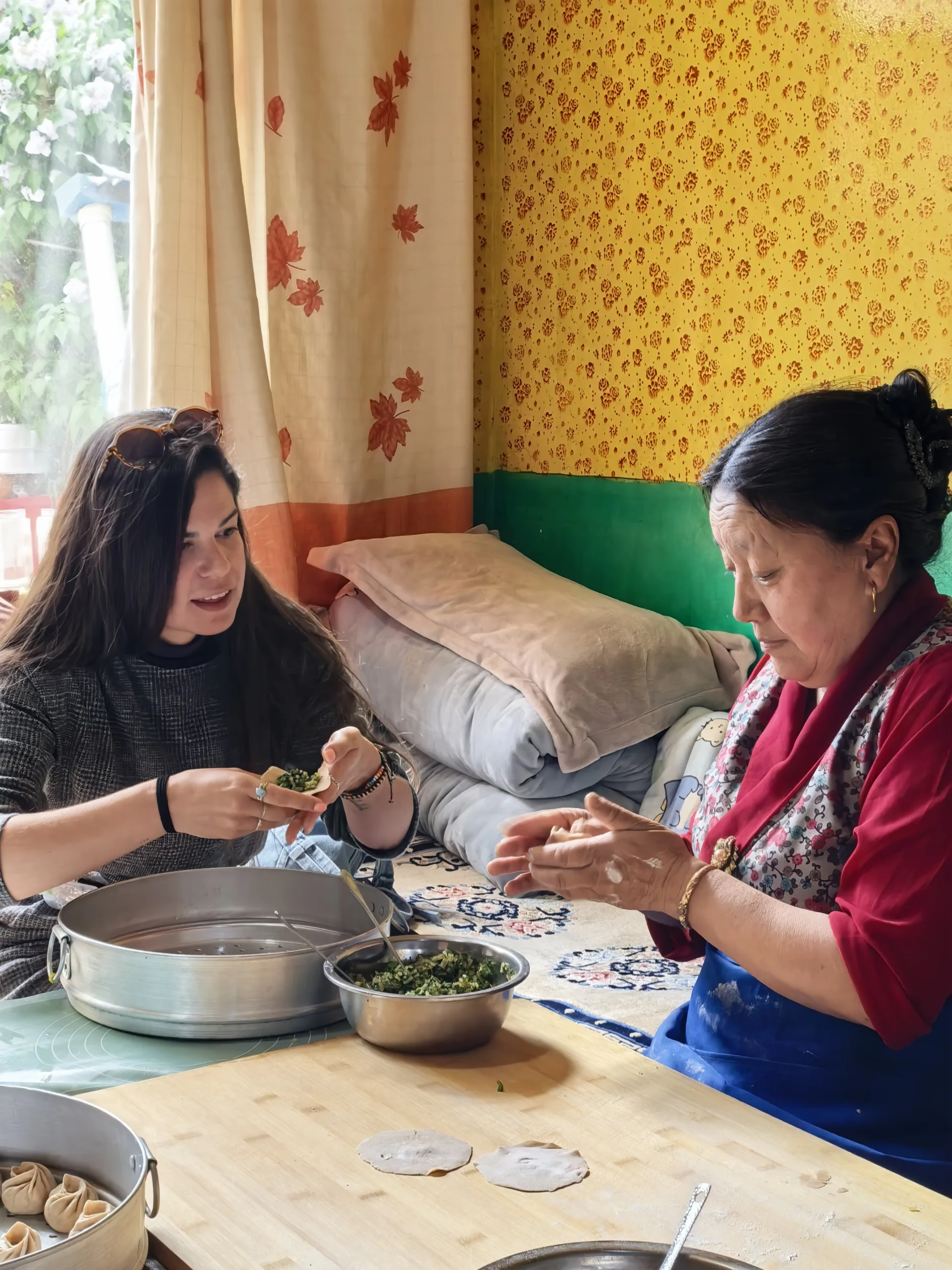
Visit a Tibetan family, taste homemade snacks, share butter tea and sweet tea, make Tibetan steamed buns by hand, and enjoy a warm home-style meal together.
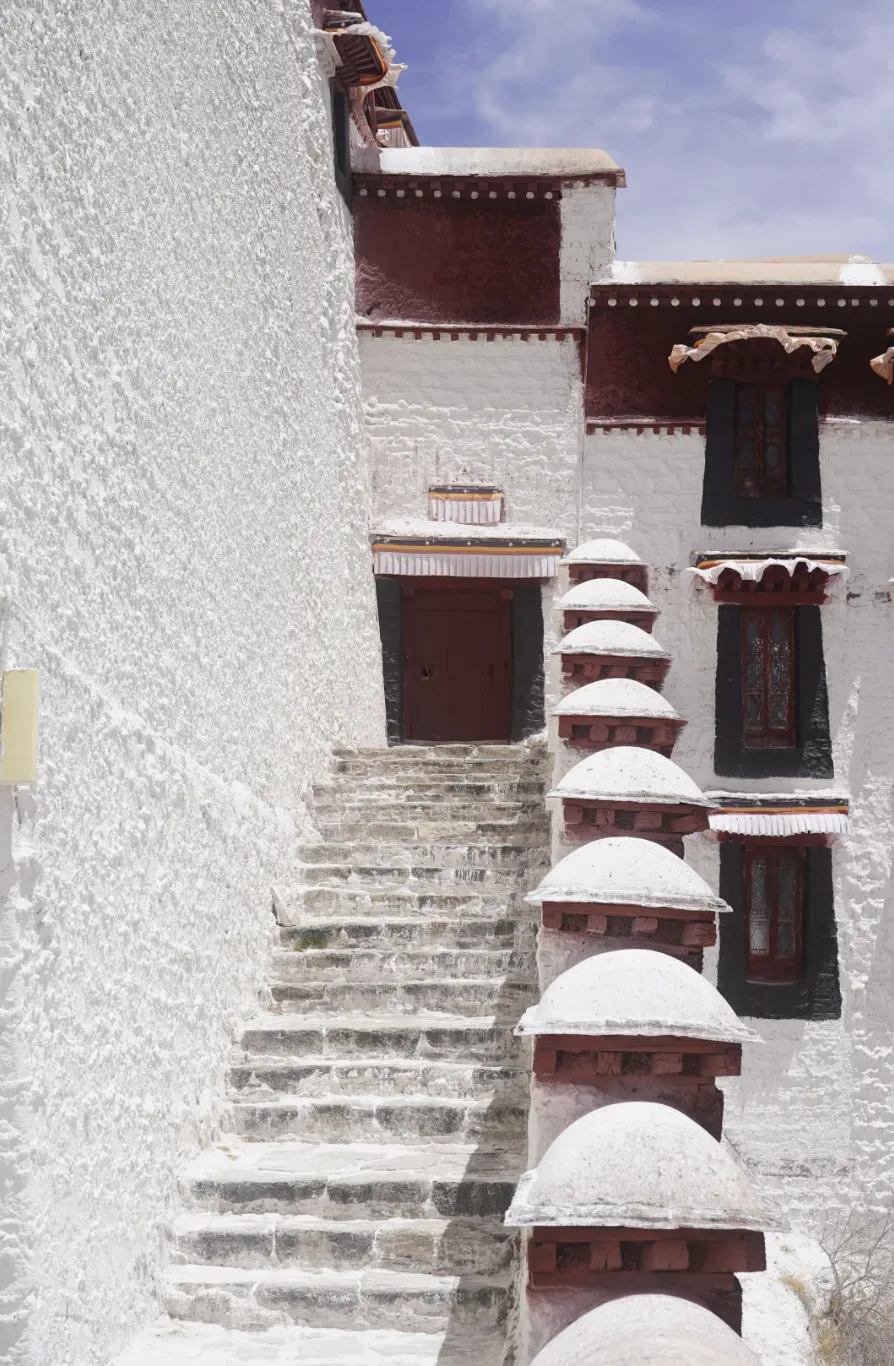
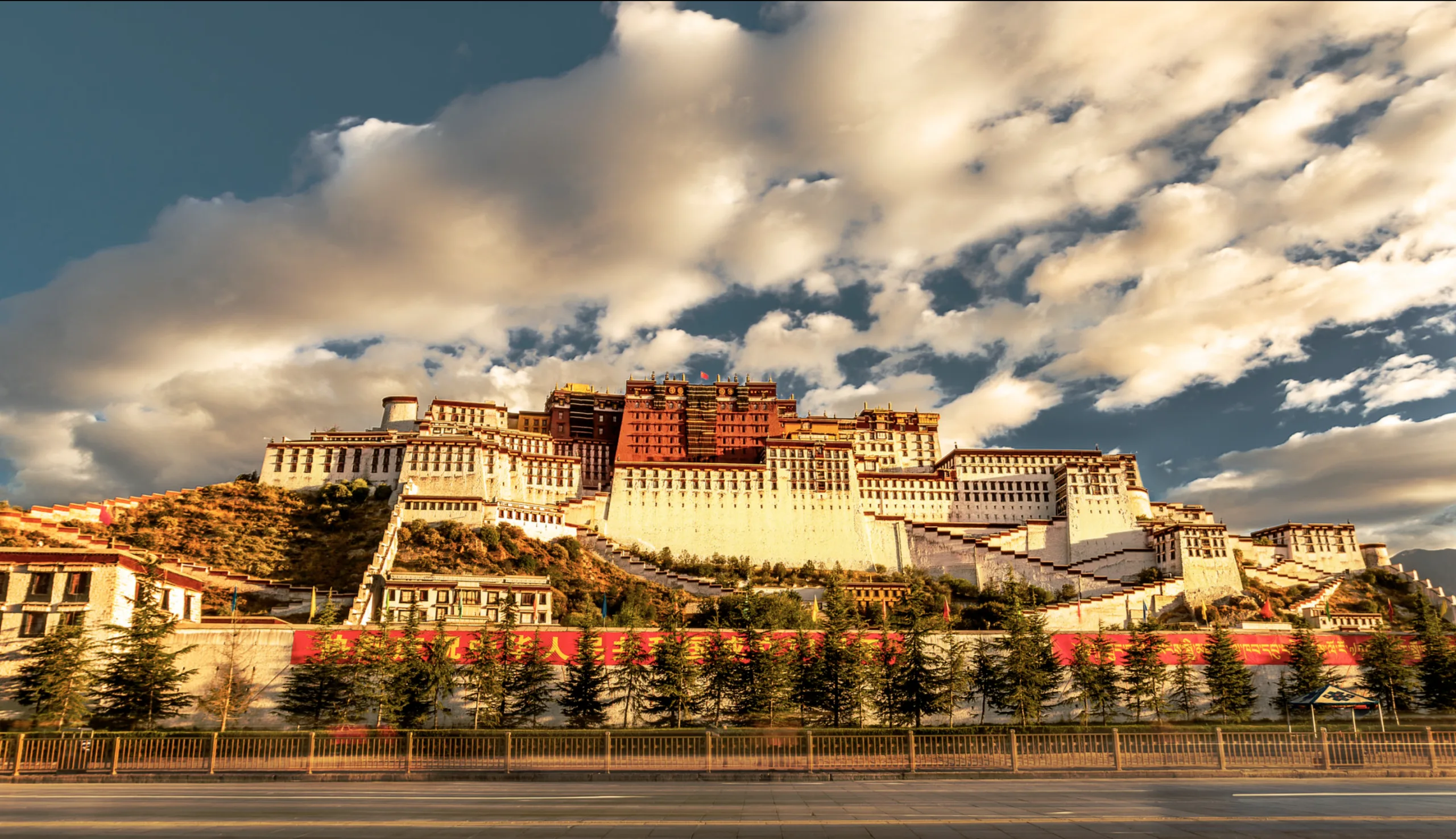
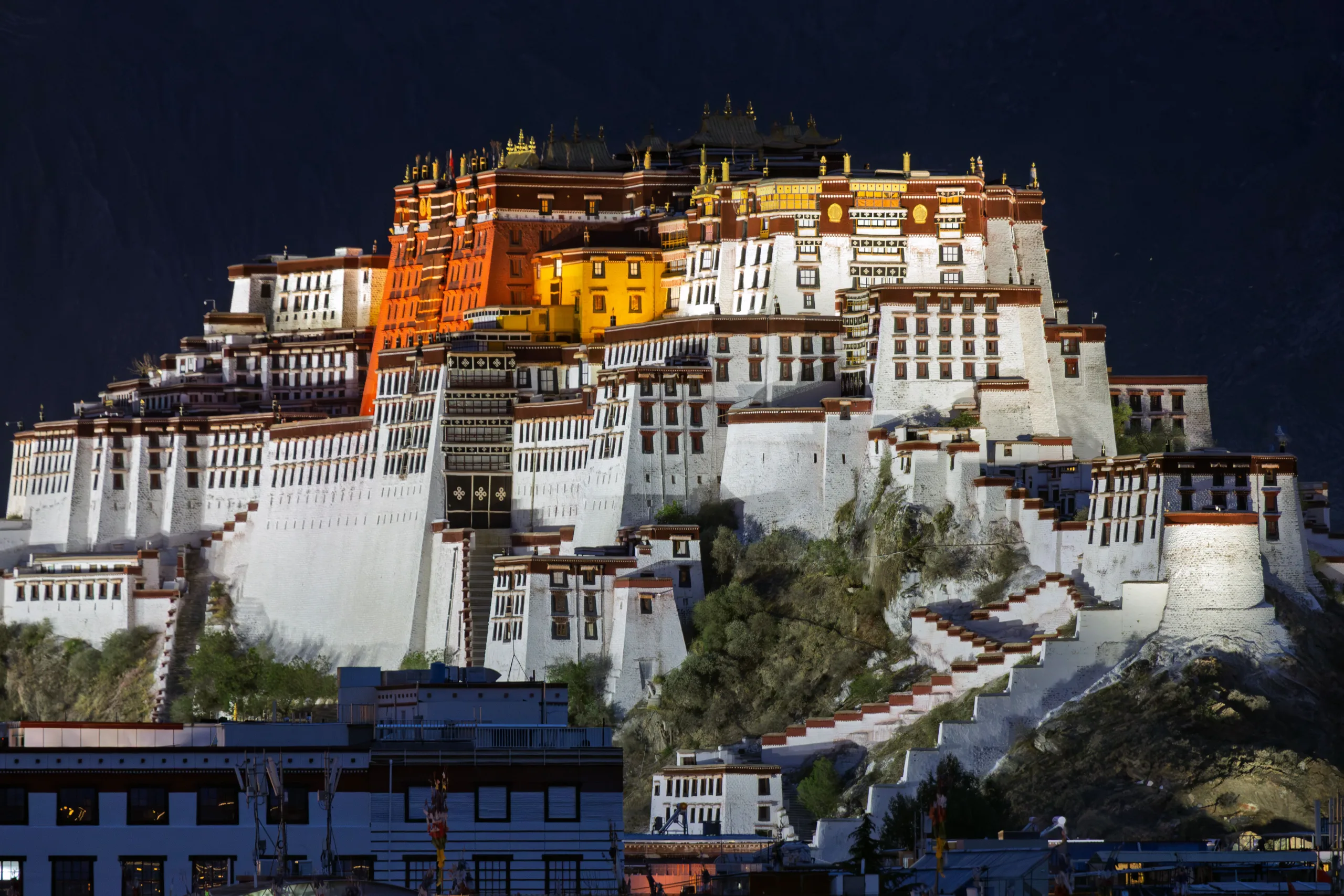
Climb the 1,080-step Pilgrim Stairway into the main halls of the Potala Palace and explore a living spiritual center for Tibetans.
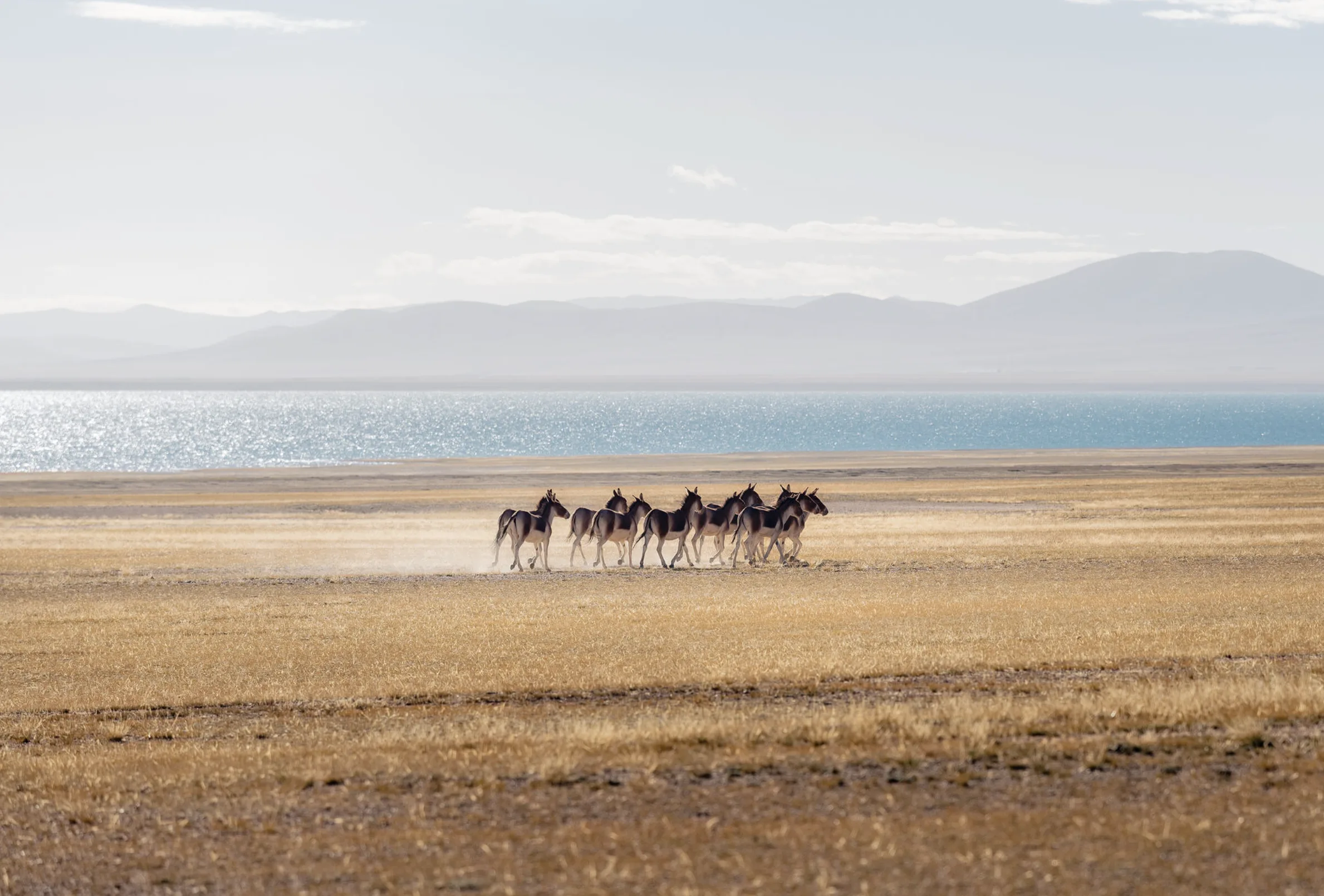
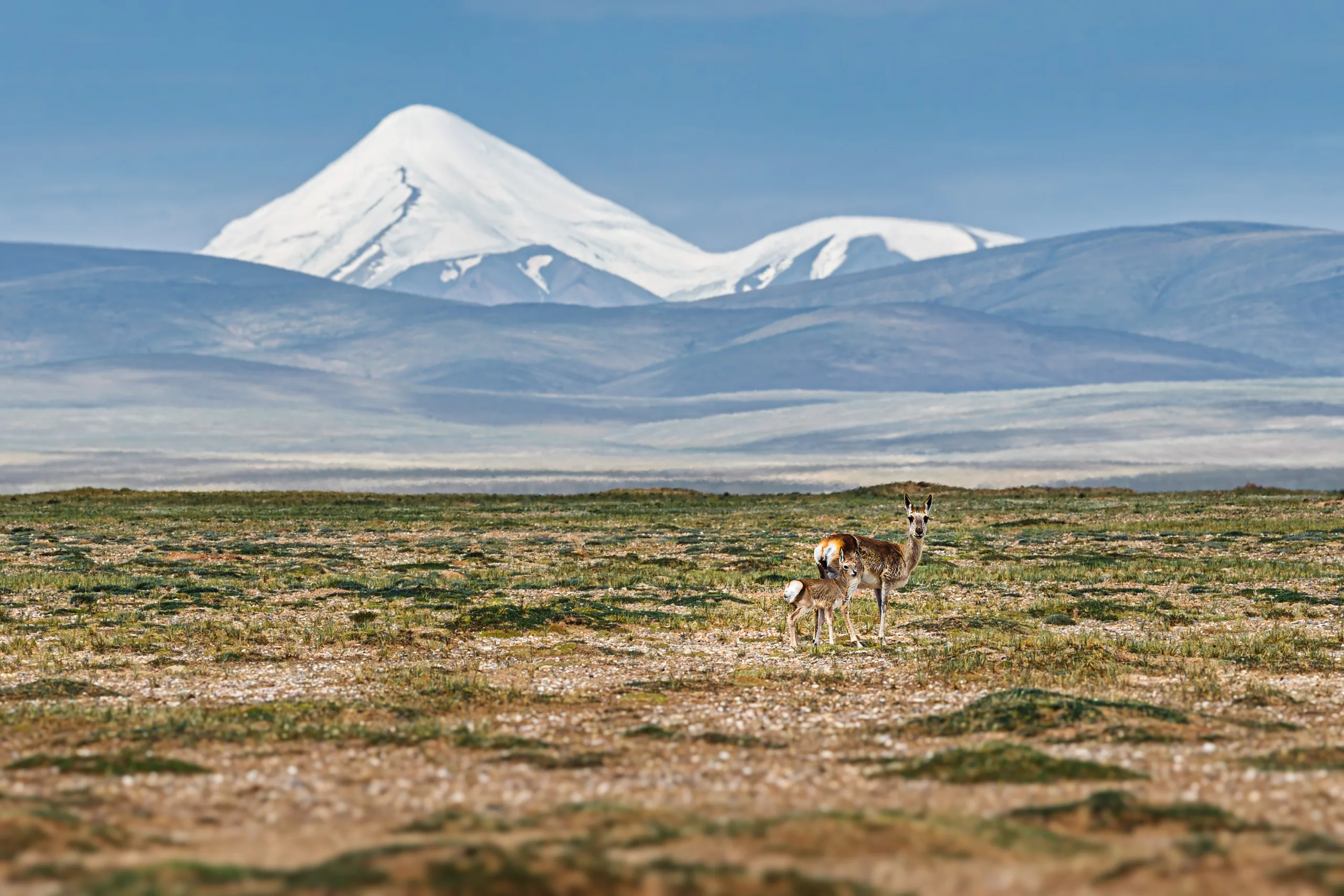
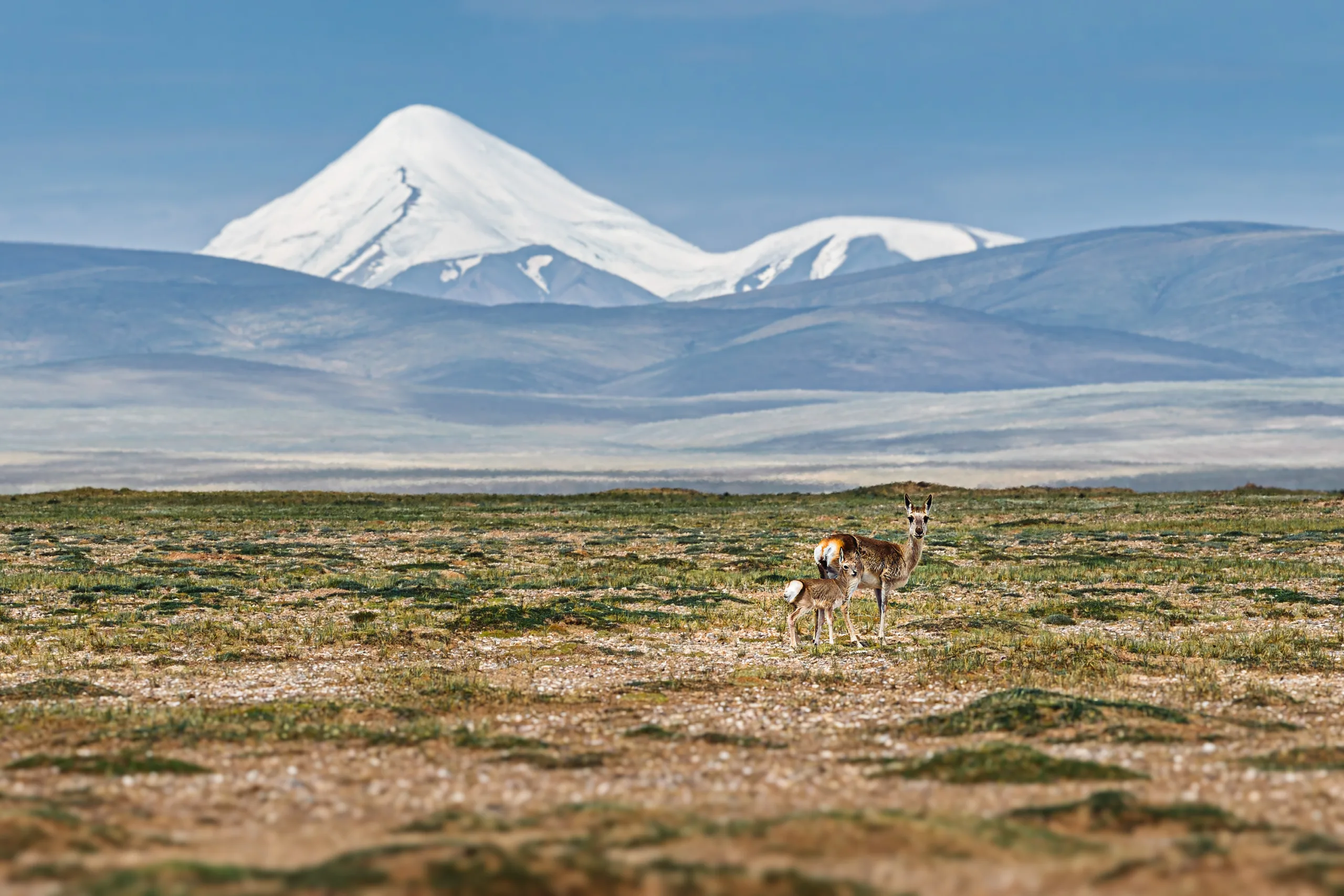
Encounter rare wildlife unique to the Tibetan Plateau, including wild yaks, Tibetan antelope, Tibetan gazelles, black-necked cranes, Tibetan wild asses, and, with luck, wolves roaming across the remote highlands.
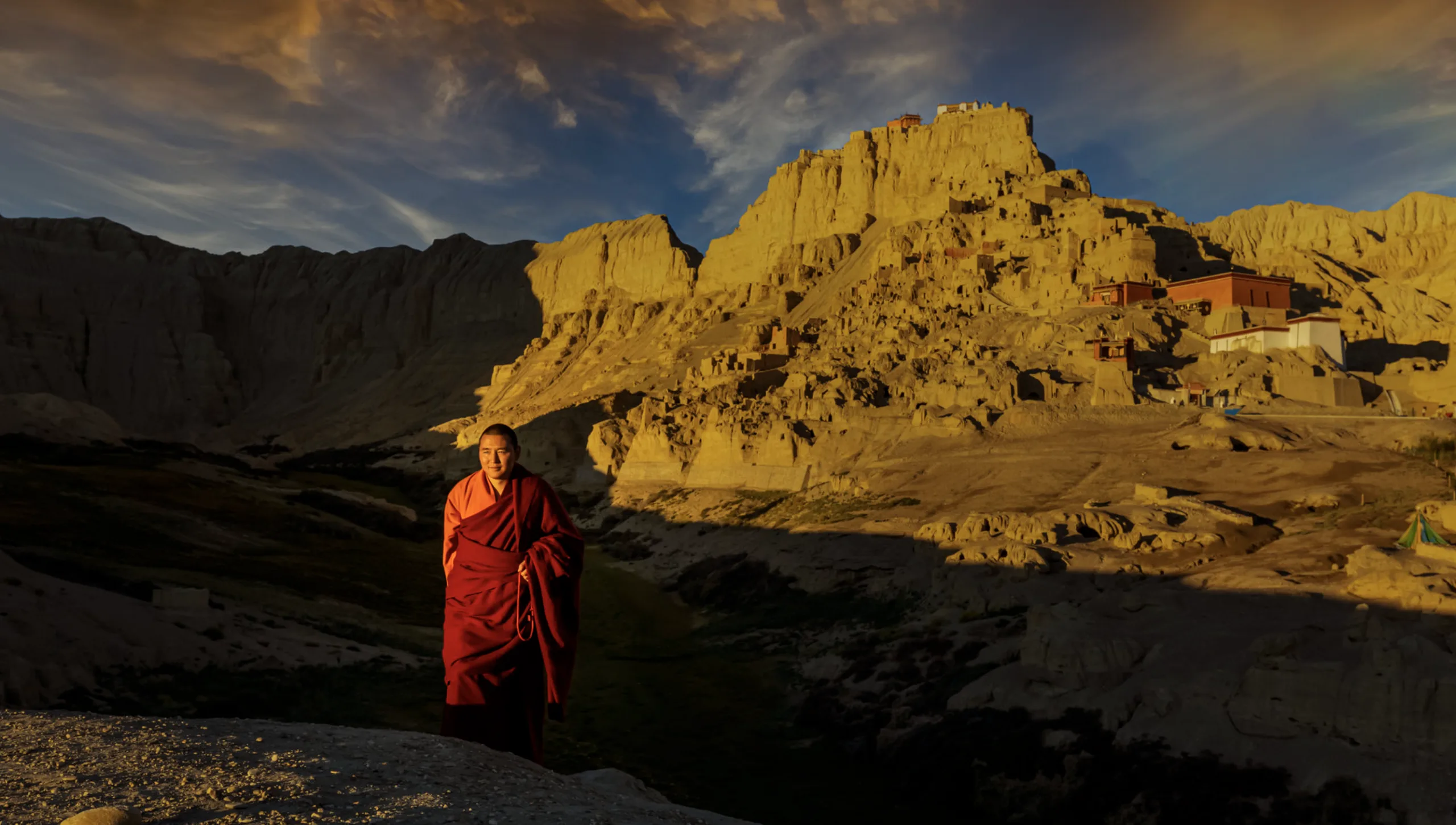
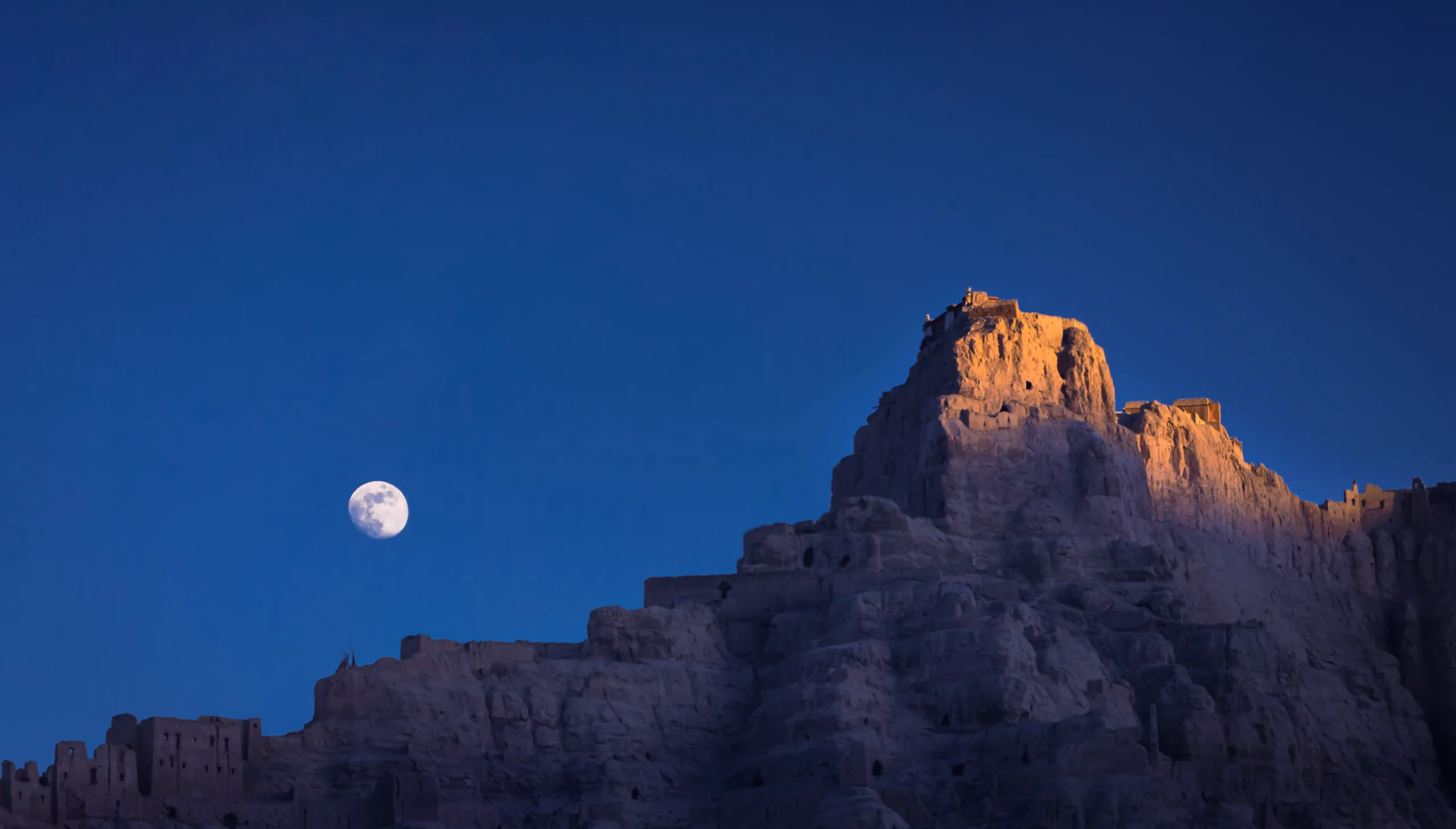
Explore the ruins of the ancient Guge Kingdom, where centuries-old murals and traces of a lost Tibetan civilization still remain hidden among the cliffs of western Tibet.
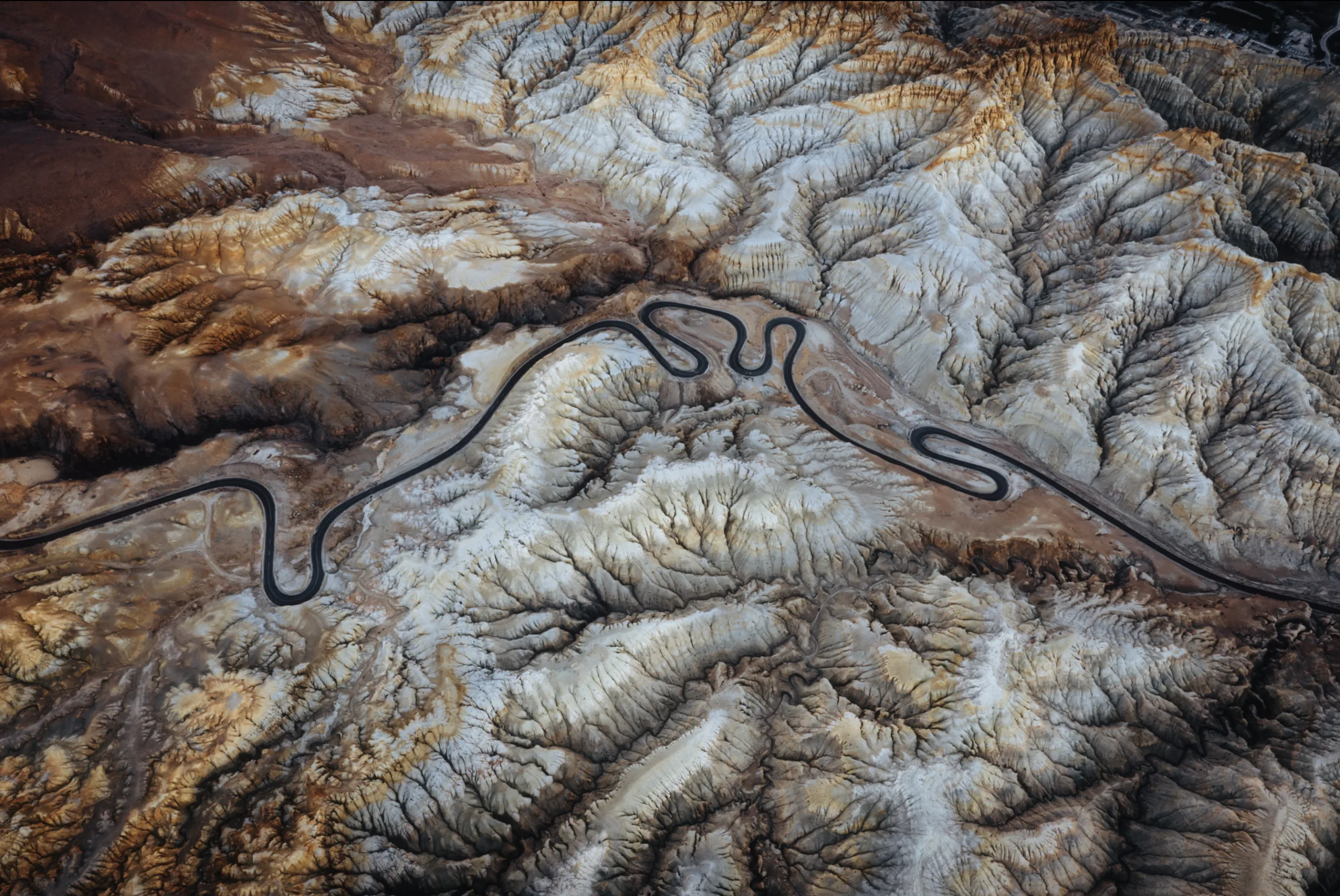
Journey through the surreal landscapes of the Zanda Earth Forest and Xiayi Gou, where towering canyons and colorful cliffs stretch across the remote plateau.
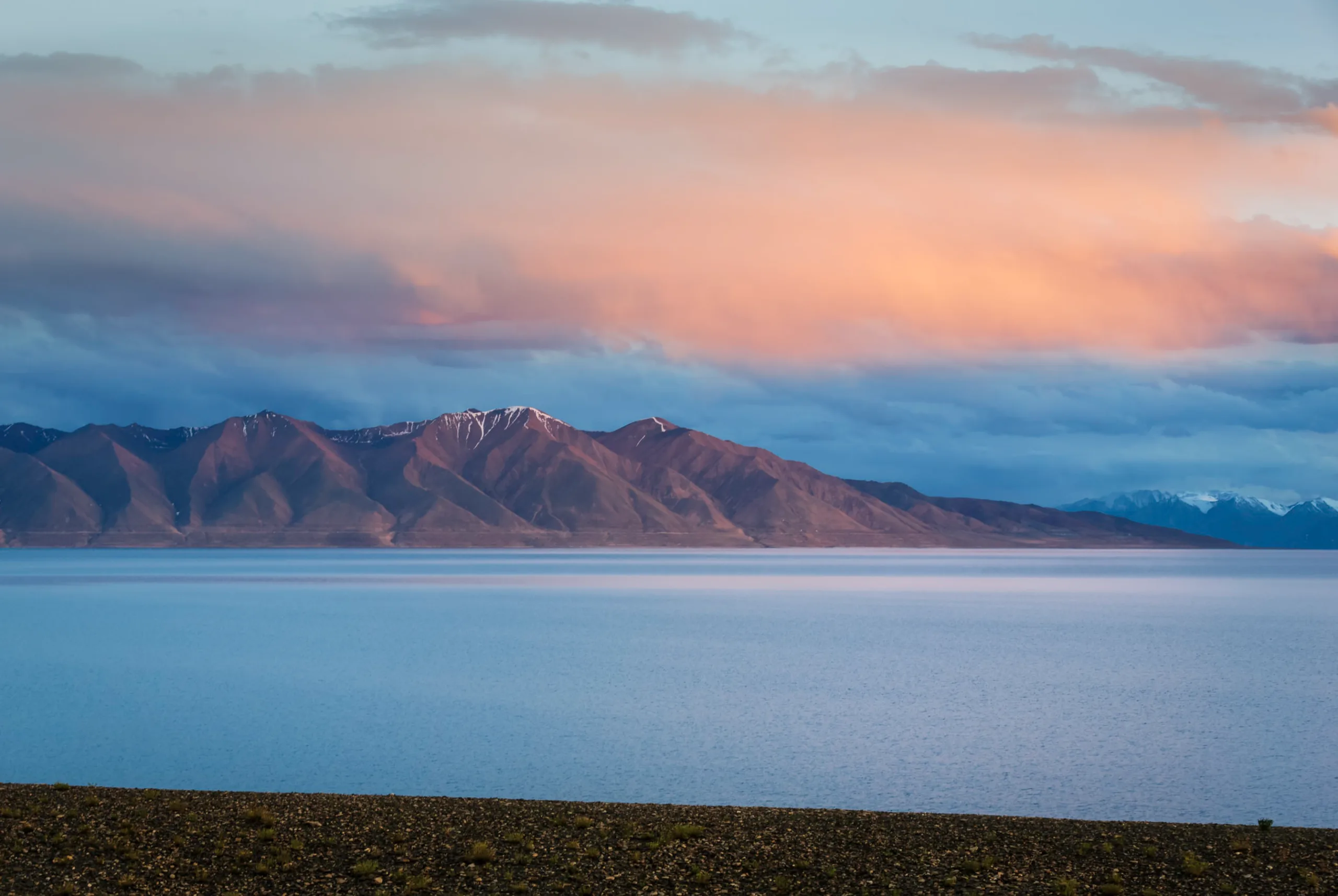
Journey into the ancient world of Zhang Zhung, the civilization that existed before Tibetan Buddhism. Visit the sacred Bon lake Tangra Yum Tso, Wenbu South Village, and ancient Bon monasteries in the village.
Day-by-day Itinerary
Arrival in Lhasa
Upon Arriving in Lhasa, our staff will greet you with the brightest, warmest smiles of the plateau. At a high altitude, your body deserves a gentle start, slow down, breathe deeply, and let the excitement settle in. We’ll escort you to your hotel for a comforting rest, helping you ease beautifully into the rhythm of Tibet. Tashi Delek!
Potala Palace – Tibetan Family Visit – Barkhor Street
Step inside the Potala Palace, where gilded chapels, sacred stupas, and centuries of Tibetan history reveal the spiritual heart of Lhasa. Later, visit a local Tibetan family to share butter tea and sweet tea, make traditional Tibetan steamed buns by hand, and enjoy a simple home-style meal together.
As evening falls, head toward Jokhang Temple and Barkhor Street, where pilgrims continue their kora beneath the fading light of the plateau, prayer wheels turning slowly into the night.
Lhasa – Yamdrok Lake – Karola Glacier – Shigatse
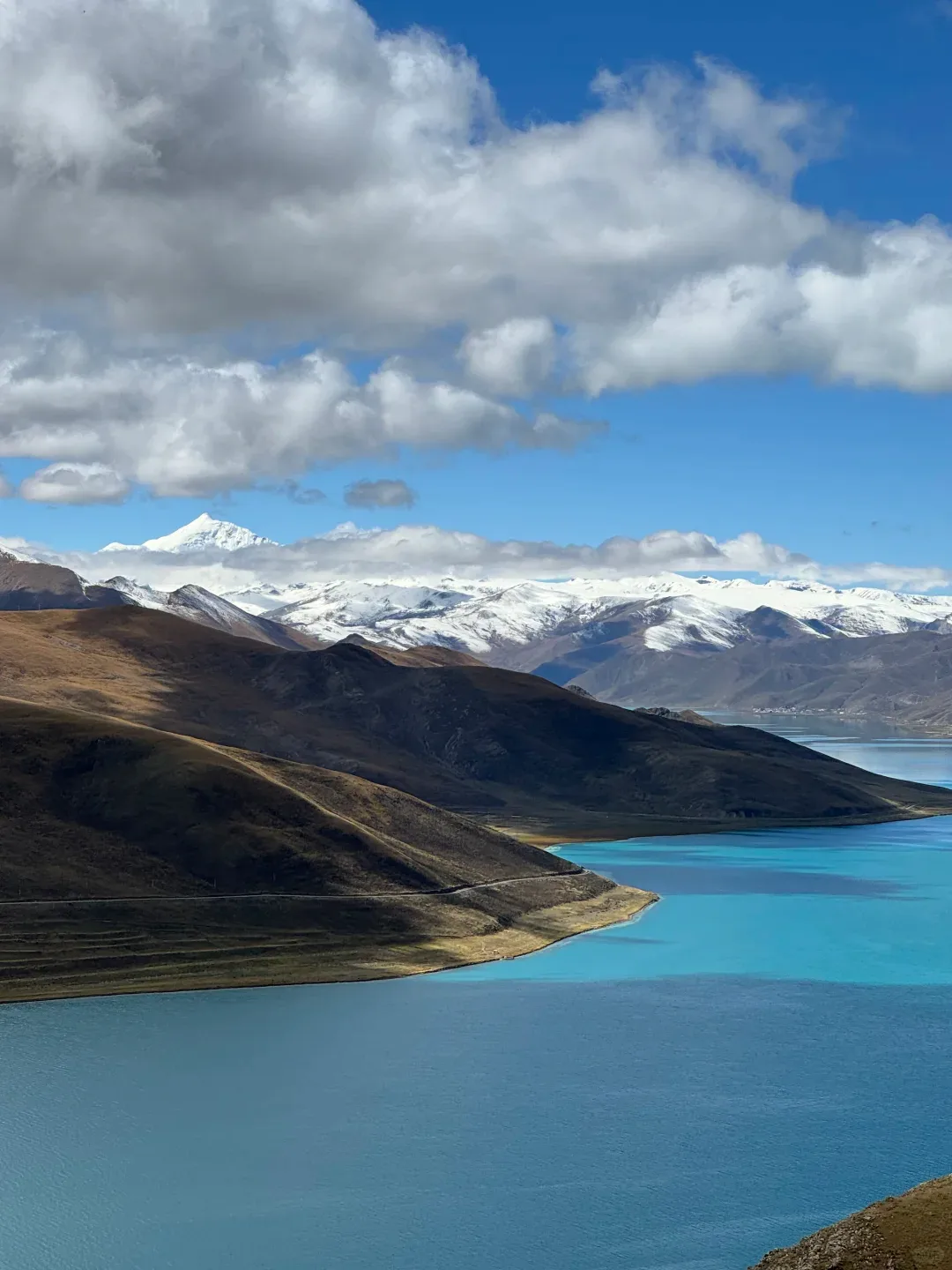
Travel along the Yarlung Tsangpo River to reach Yamdrok Lake, one of Tibet’s three sacred lakes. Legend says its turquoise waters are the tears of a goddess. Continue to the Karola Glacier, the closest “blue ice” to the road, making it one of the country’s most accessible and breathtaking glaciers.
In the evening, arrive in Shigatse, the second-largest city in Tibet. Here, you’ll experience a more traditional and authentic side of Tibetan culture.
Shigatse – Sangsang Grassland – Saga
Today, we begin our journey into the remote western reaches of Tibet — a vast and little-visited world of endless plateaus, ancient and mysterious origins of Tibetan civilization, sacred lakes, and snow mountains that still feel untouched by time.
Drive west into the wide-open world of Sangsang Grassland, where summer meadows ripple with wildflowers and herds of yaks graze beneath endless sky. Watch eagles circle above nomads’ black tents and breathe in the scent of alpine grass. Continue toward Saga as the landscape shifts from green pasture to rugged high plateau, snow peaks tracing the horizon and desert tones glowing gold in the fading light.
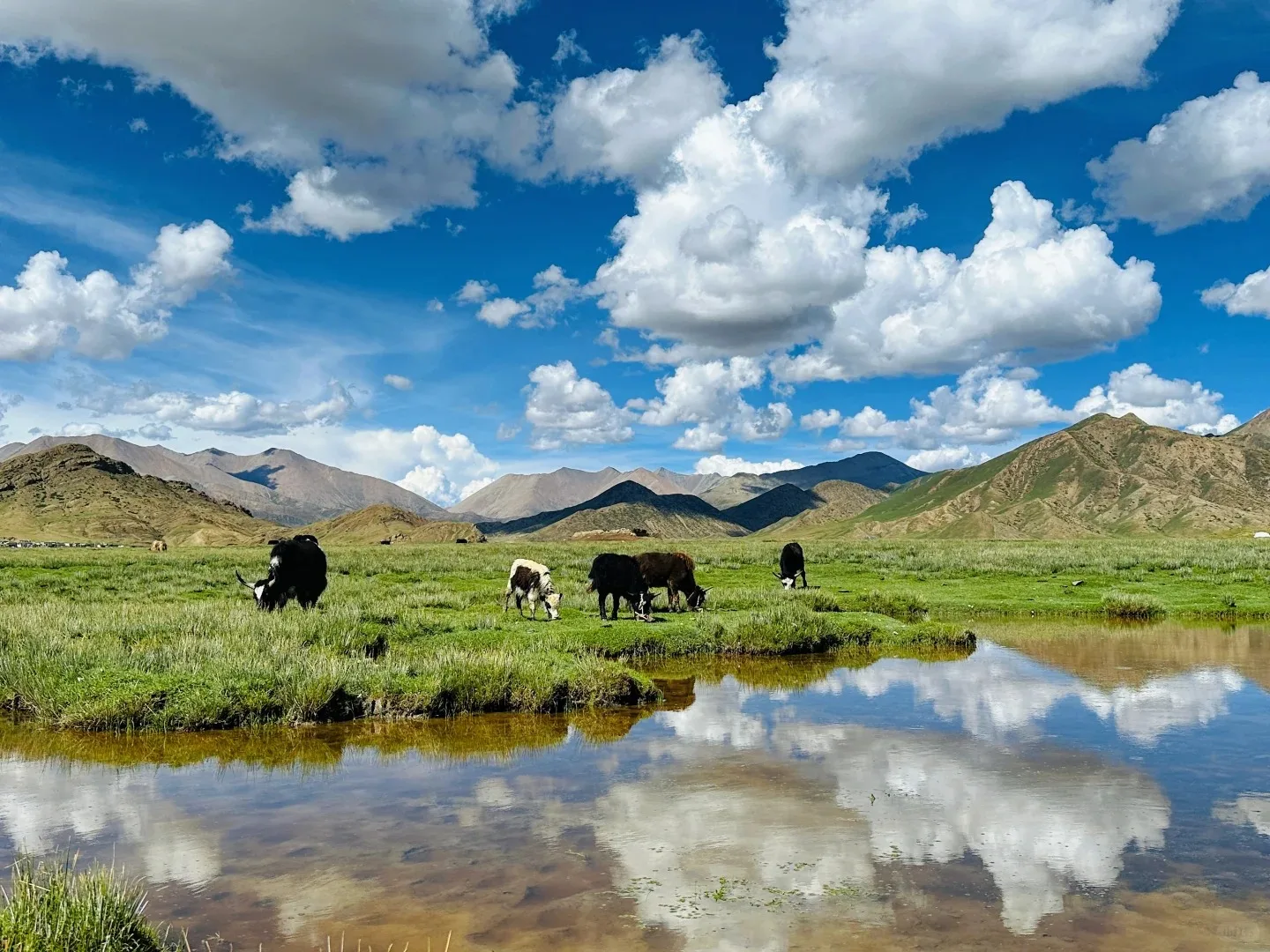
Saga – Zhongba – Gongzhucuo – Lake Manasarovar – Darchen(Tibet Autonomous Region)
Today, the journey gradually unfolds into the vast landscapes of western Tibet, where snow mountains, sacred lakes, and endless grasslands stretch across the horizon in near-total silence. Along the way, the high plateau reveals glimpses of wildlife rarely seen elsewhere — wild asses, Tibetan gazelles, and, with luck, Tibetan antelope or wild yaks moving across the distant plains.
Pause at Gongzhucuo before continuing toward the sacred shores of Lake Manasarovar, revered by Buddhism, Bon, and Hinduism alike as one of the holiest lakes in the Himalayas. Beyond the shimmering waters, the first distant views of Mount Kailash begin to emerge across the plateau.
By evening, arrive in Darchen, a small frontier town resting beneath the sacred mountain, where pilgrims gather before beginning the kora around Mount Kailash.
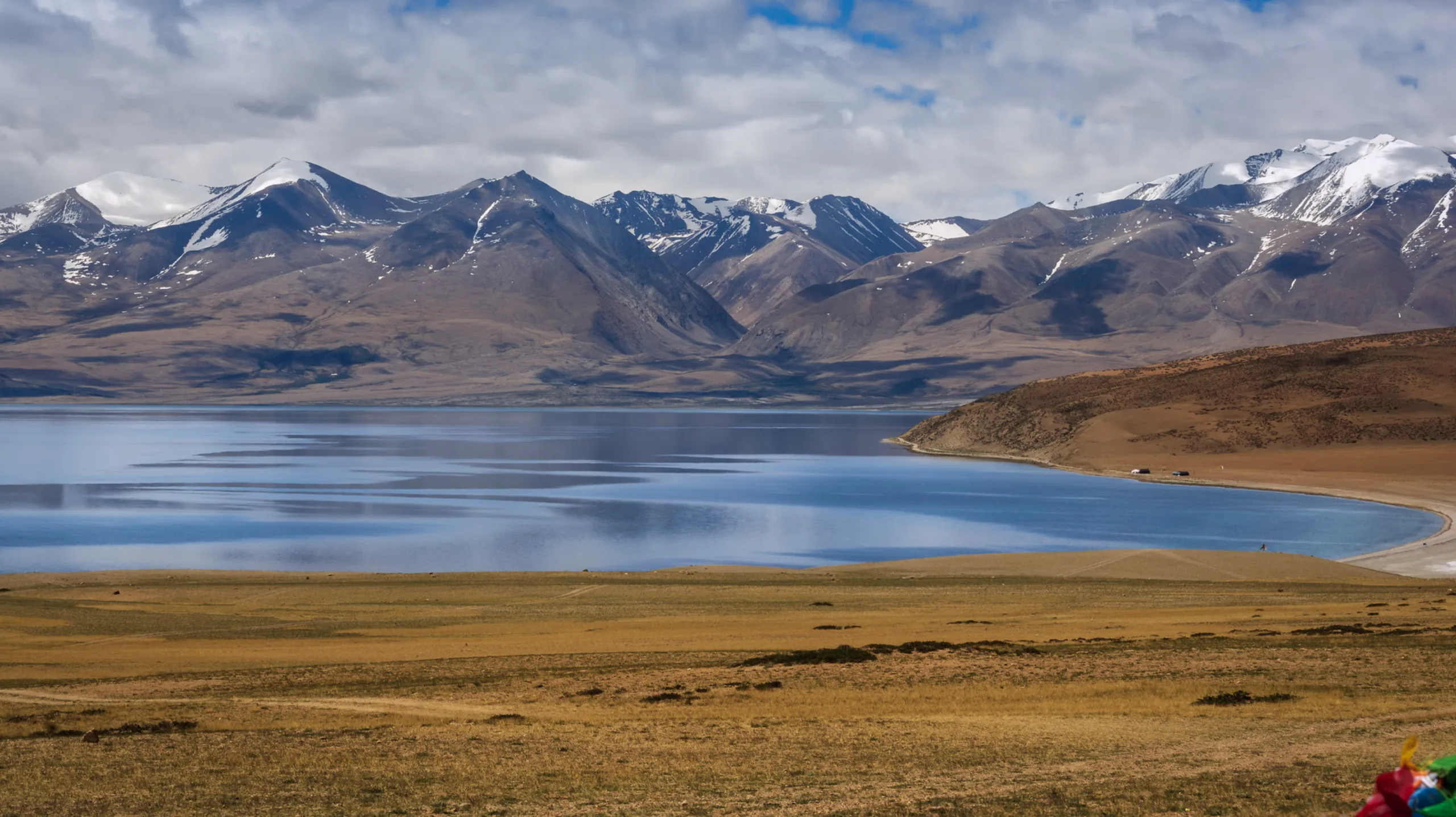
Darchen – Dirapuk Monastery(Mount Kailash Kora Day 1)
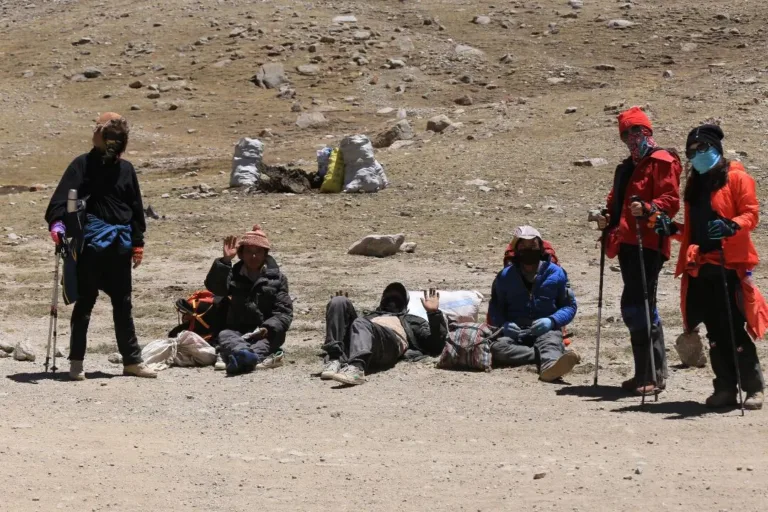
Today, the kora begins beneath Mount Kailash. Walk deep into the sacred valleys below the mountain, passing pilgrims making full-body prostrations across the rocky trail as the immense north face of Kailash gradually reveals itself step by step. Rivers weave through the valley floor while prayer flags flutter in the cold mountain wind, the landscape growing quieter and more remote the deeper the journey continues.
The route follows a broad valley with gentle elevation gain, making the first day a steady and meditative introduction to the pilgrimage route rather than a technical climb.
By late afternoon, arrive at Dirapuk Monastery (5,080m), one of the highest monasteries in the world. Here, the dark pyramid-like north face of Mount Kailash rises impossibly close above the monastery itself. As sunset turns the mountain gold and silence settles across the valley, the journey begins to feel less like a trek, and more like a pilgrimage.
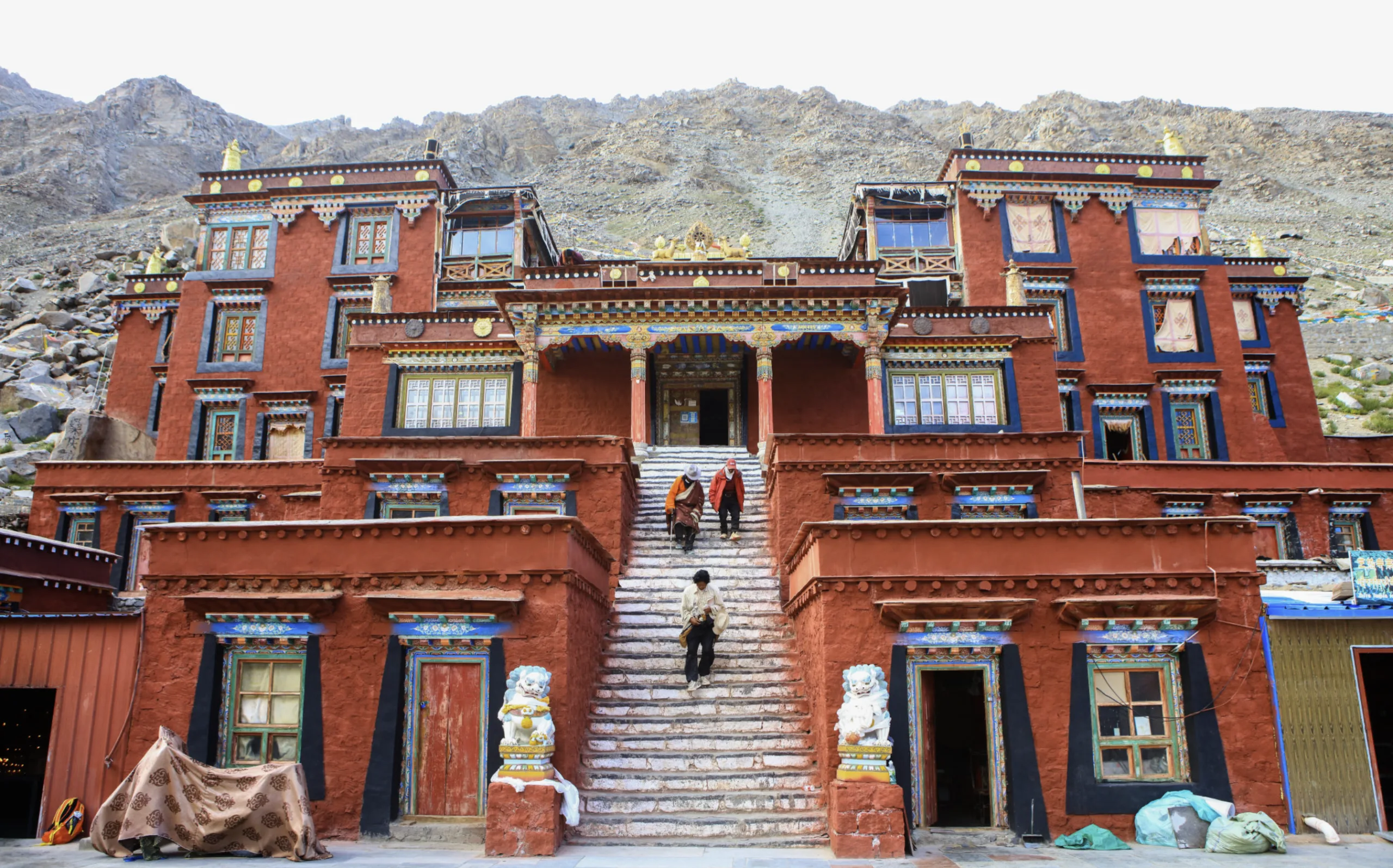
Dirapuk – Drolma-la Pass – Zutulpuk Monastery (Mount Kailash Kora Day 2)
Continue deeper into the sacred silence of Mount Kailash and begin the most demanding day of the kora. If the first day was about approaching the mountain, today becomes a journey into your own limits, a long ascent toward the 5,650m Drolma-la Pass, the spiritual and physical high point of the pilgrimage route.
The climb is steep and relentless. At this altitude, even a few steps can leave you breathless as prayer flags grow denser near the summit and prostrating pilgrims continue forward in quiet devotion. In Tibetan Buddhism, crossing Drolma-la symbolizes the shedding of one’s past life and the beginning of a new one.
Beyond the pass, descend toward the jade-green Lake of Compassion resting silently beneath the cliffs before continuing to Zutulpuk Monastery by evening, exhausted and transformed by the mountain.
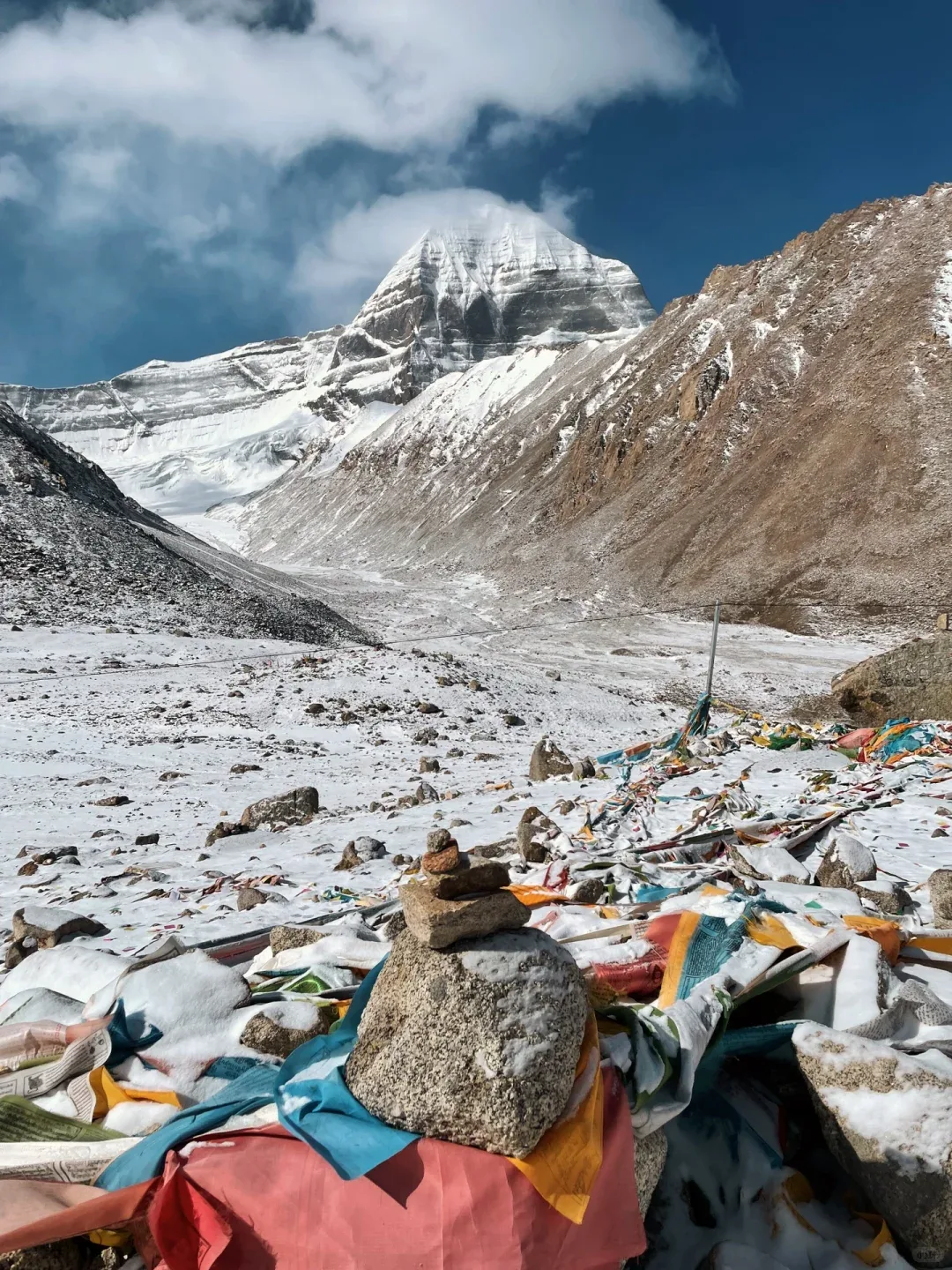
Zultripuk Monastery – Darchen – Zanda(Mount Kailash Kora Day 3)
The final day of the kora follows a gentle valley path back toward Darchen, the landscape gradually softening after the intensity of the previous days. With fewer climbs and an easier pace, the journey offers time to reflect on the people, landscapes, exhaustion, and quiet moments that have shaped the pilgrimage around Mount Kailash.
Before leaving, visit Zultripuk Monastery, a centuries-old monastery built around the meditation cave of the revered Tibetan yogi Milarepa. According to legend, traces of his footprints and handprints still remain within the cave, where he is said to have meditated and attained enlightenment within a single lifetime.
For many pilgrims, completing the kora feels less like finishing a trek and more like completing a cycle of life itself. After days spent walking beneath the sacred mountain, faith here no longer feels distant or symbolic, but something deeply real and lived.
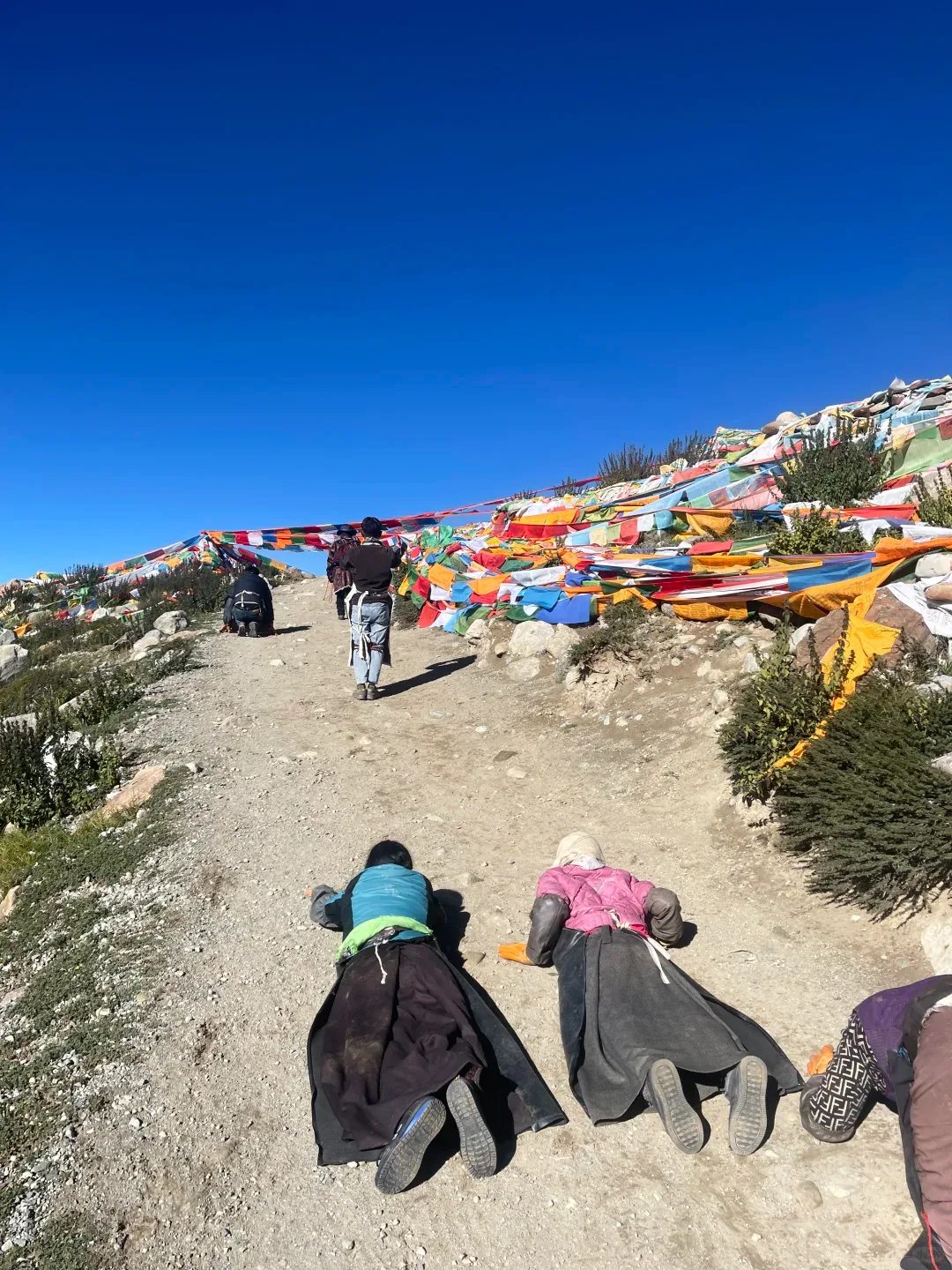
Zanda – The Site of Ancient Guge Kingdom – Zanda Earth Forest – Xiayi Gou – Shiquanhe Town
Today, the journey moves deeper into the vast wilderness of Ngari, where the ruins of the ancient Guge Kingdom still rise from the cliffs above the valley floor. Hidden within the weathered fortress are centuries-old murals and traces of a lost Tibetan civilization that once flourished here in complete isolation.
Continue through the surreal landscapes of the Zanda Earth Forest and Xiayi Gou, where wind and time have sculpted vast canyons, towering cliffs, and natural formations glowing in shades of red, gold, ochre, and ash beneath the changing plateau light. Under the immense skies of western Tibet, the colorful earth forests feel both raw and dreamlike — a landscape shaped over millions of years by the quiet power of nature.
By evening, arrive in Shiquanhe Town.
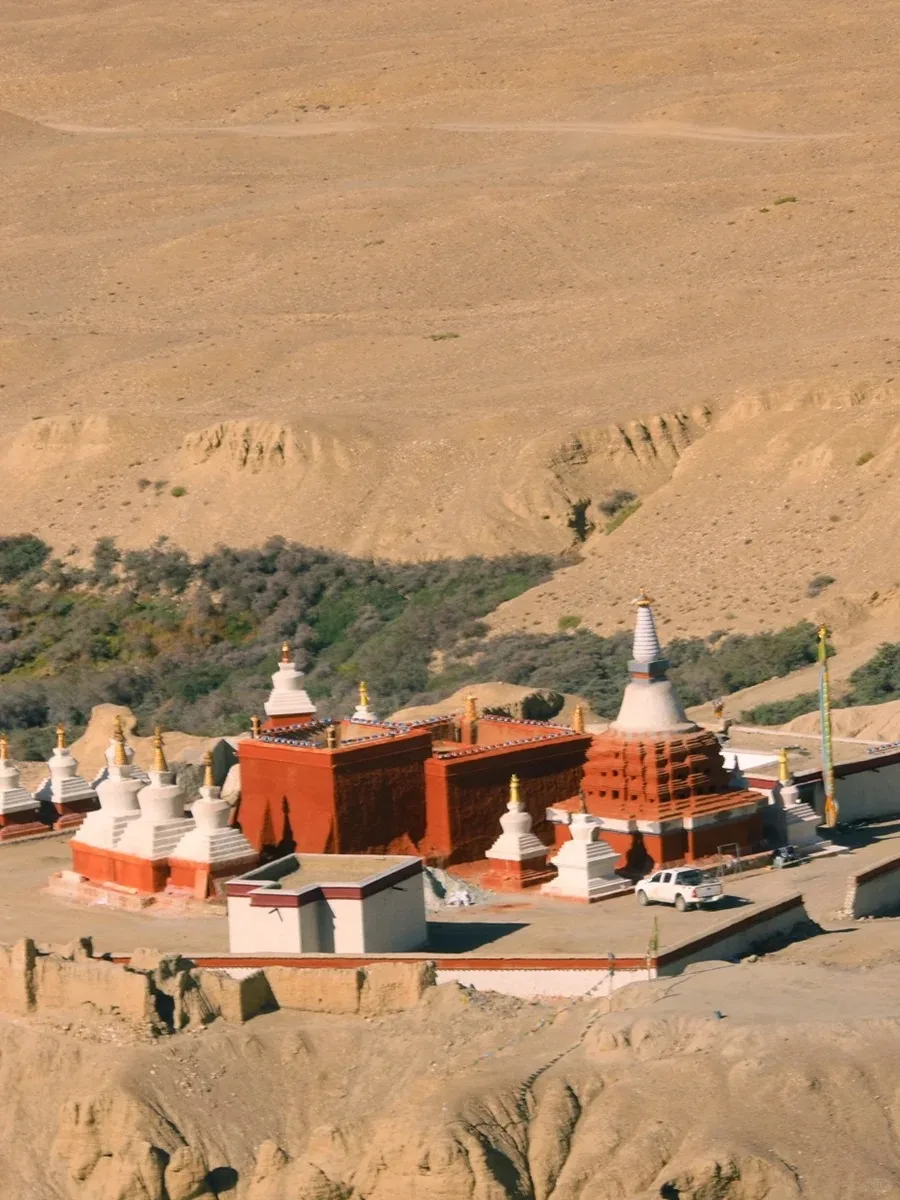
Shiquanhe Town – Geji County – Nieertso – Yanhu Village – Pero Tsétso Viewing Platform – Wumatso – Gaize
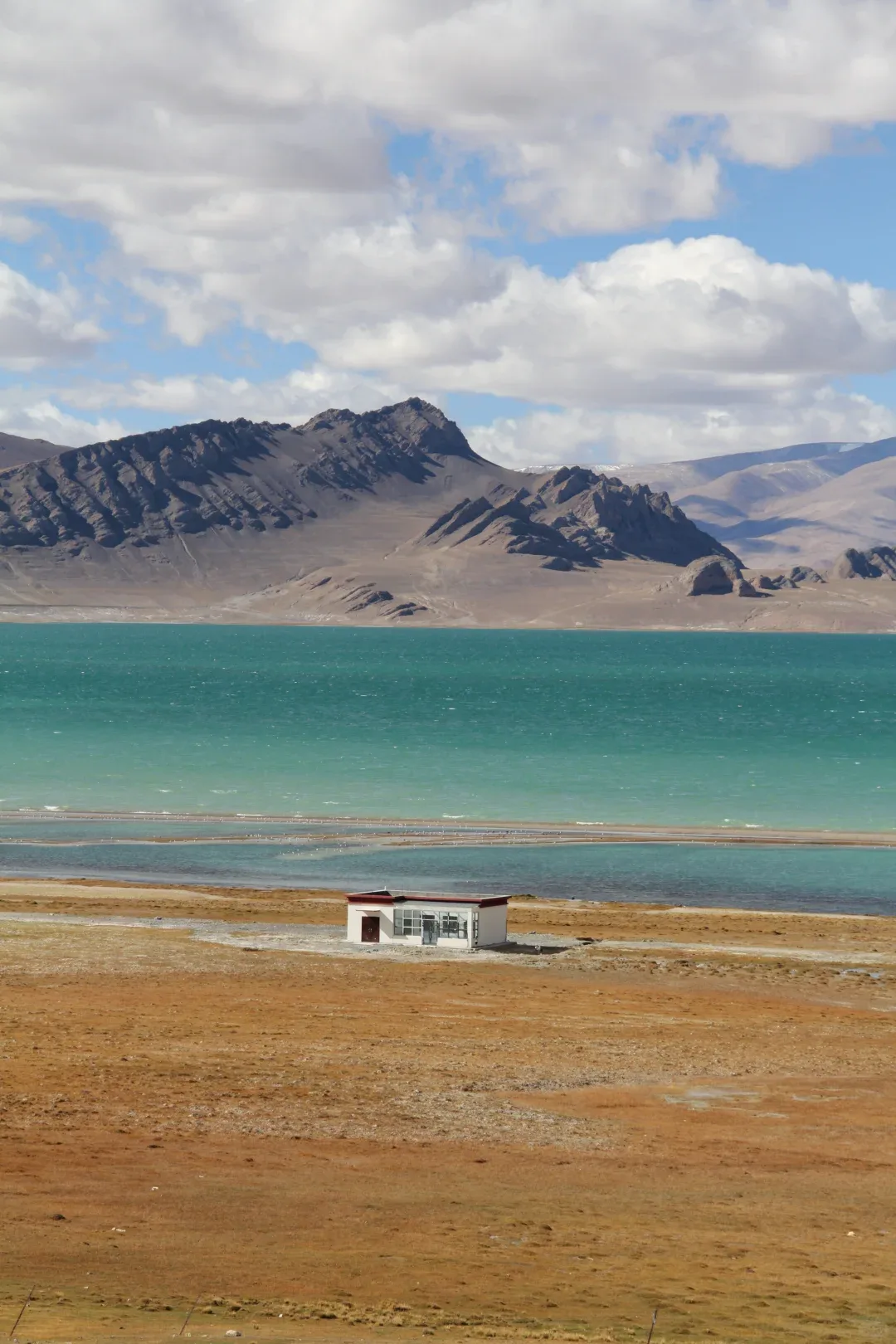
Today, the journey enters the vast lake country of western Tibet, where sacred high-altitude lakes begin appearing one after another across the plateau. Pass through remote salt lake regions once connected by the ancient “Salt and Sheep Road,” with endless skies and empty landscapes stretching in every direction. Pause at Pero Tsétso, known locally as the “Lake of Love,” before continuing toward Wumatso, where mineral-rich waters shift between deep blue, green, and jade beneath the changing plateau light.
By evening, arrive in Gaize.
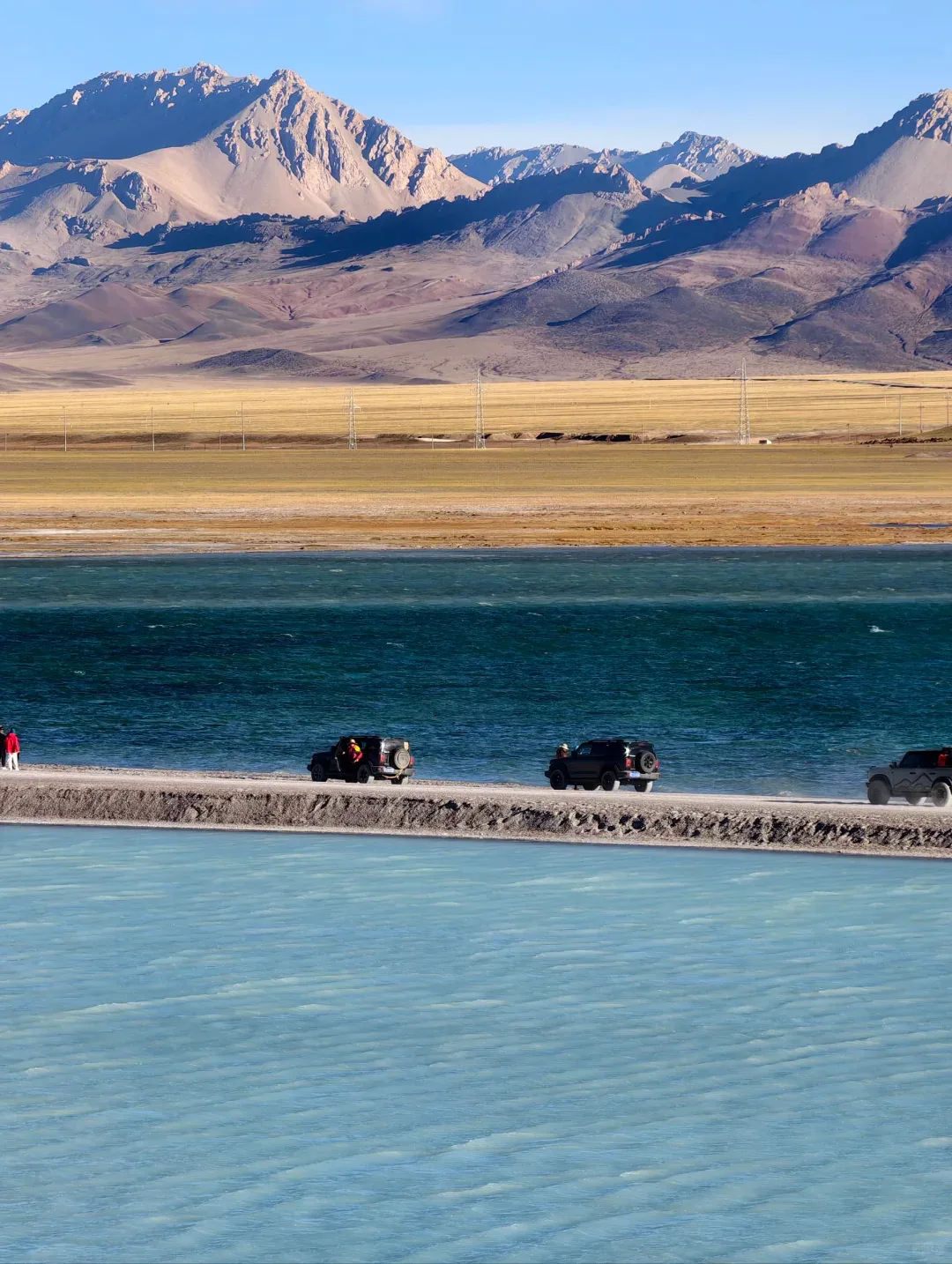
Gaize – Dongtso – Tangra Yum Tso – Wenbu South Village
Today, the journey moves beyond the landscapes of Buddhist Tibet and into something far older — the ancient world of Zhang Zhung, the civilisation that existed on the Tibetan Plateau long before the rise of Tibetan Buddhism.
If Lake Manasarovar belongs to the spiritual world of Buddhist Tibet, then Tangra Yum Tso belongs to an older and more mysterious Tibet shaped by the Bon tradition. Along the way, pass Dongtso, a turquoise lake resting beneath the immense plateau sky, before arriving at the sacred shores of Tangra Yum Tso, where dark snow-covered peaks rise above waters so intensely blue they seem to merge with the horizon itself.
Remote, raw, and deeply still, this is one of the last places where the ancient spiritual traditions of western Tibet continue to shape daily life. By evening, arrive in Wenbu South Village beside the sacred lake.
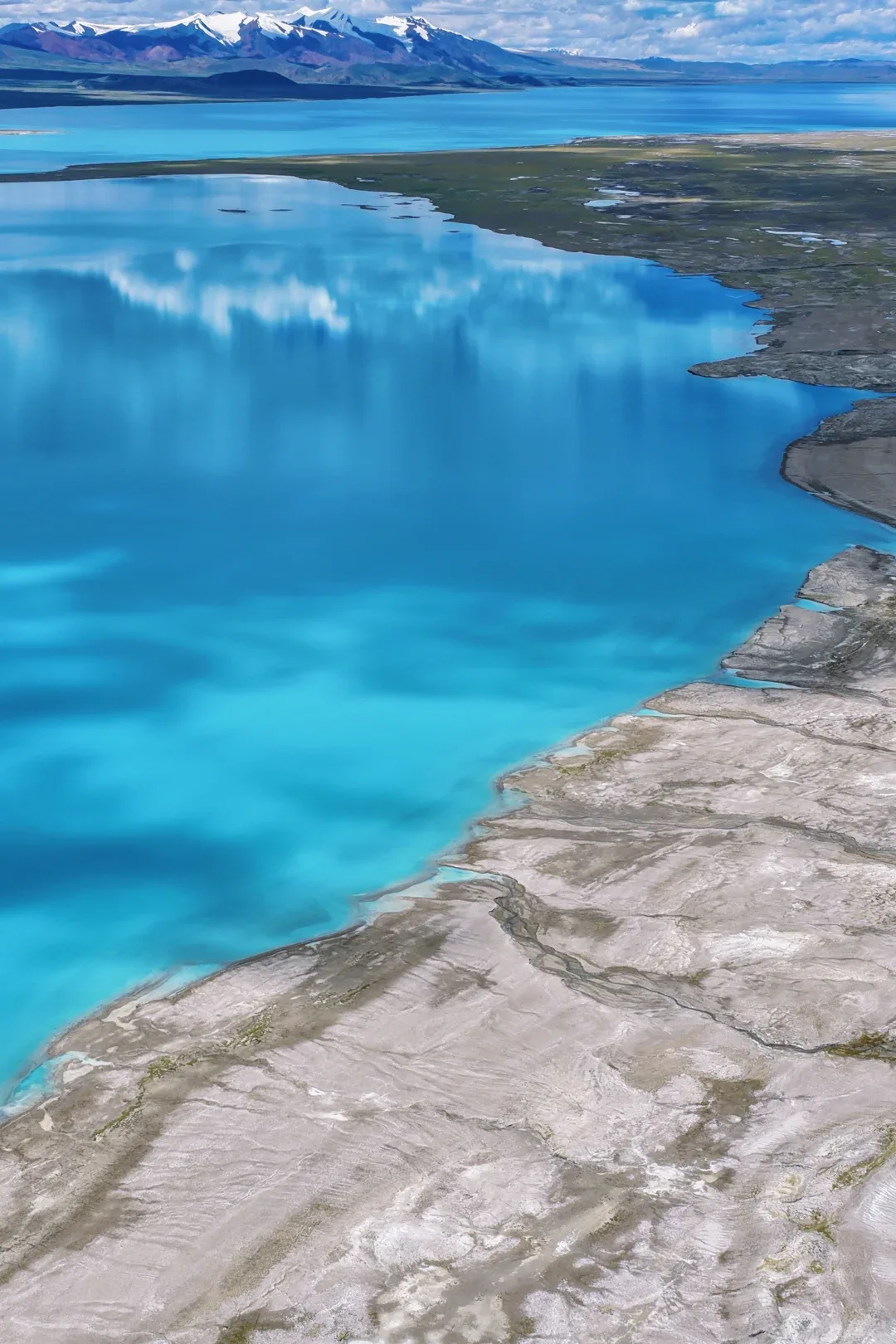
Wenbu South Village – Dangqiong Tso – Tree of the Sky – Silingtso – Bangetso – Bange
Today continues through the sacred lake landscapes of northern Tibet, where vast waters and empty skies stretch endlessly across the plateau. Along the way, visit Dangqiong Tso before arriving at the “Tree of the Sky,” a surreal natural formation shaped by flowing water over time.
Continue toward Silingtso, known in Tibetan legends as the “Devil Lake.” Vast and otherworldly, the lake is surrounded by open grasslands where Tibetan antelope, wild asses, and migratory birds roam freely across the high plateau.
Pass Bangetso before arriving in Bange by evening.
Bange – Namtso National Scenic Area (Tashi Peninsula) – Nagenla Pass – Lhasa
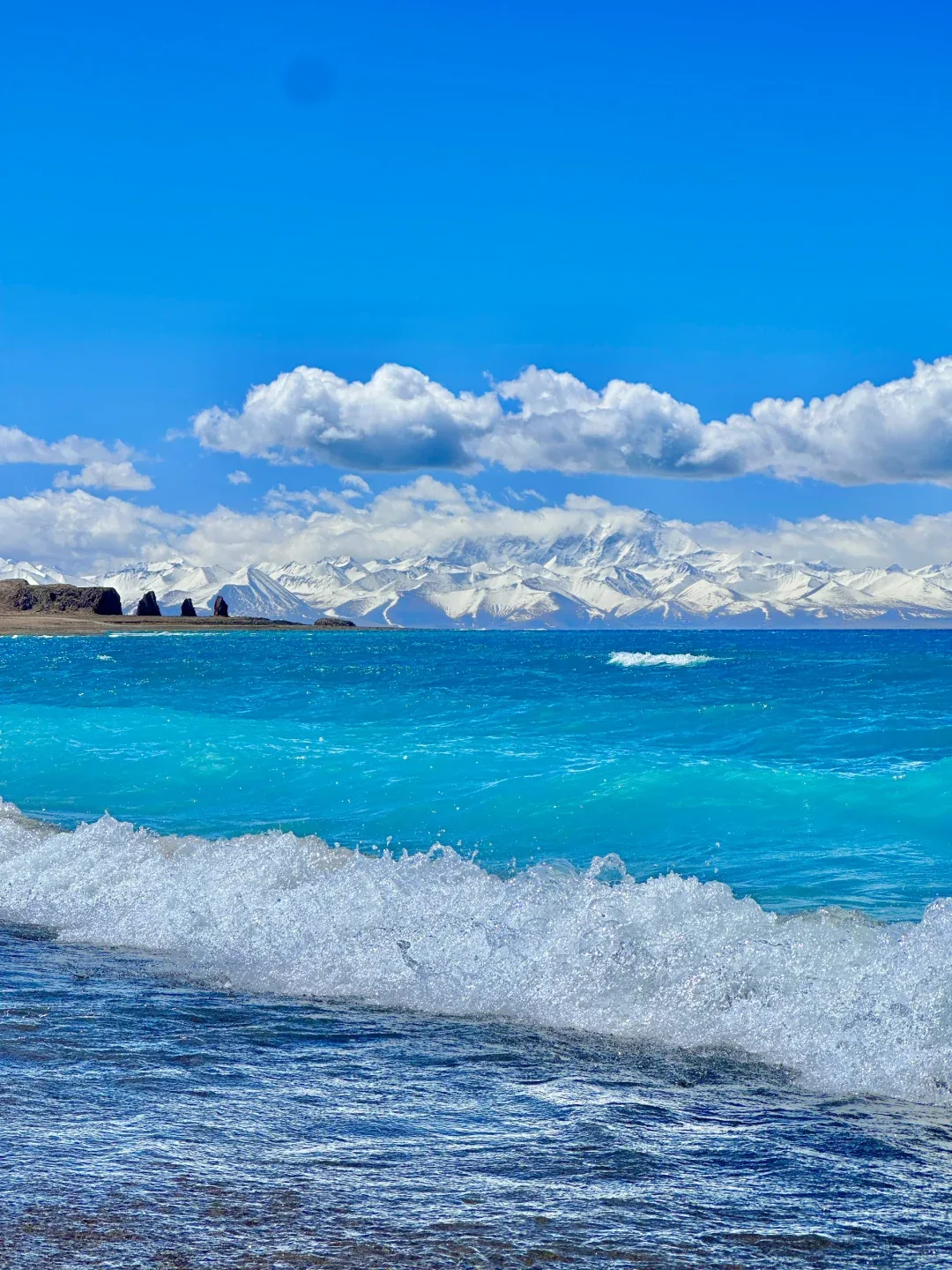
Today, the sacred lake journey comes full circle at Namtso, one of Tibet’s three great holy lakes. Beneath the snow-covered peaks of the Nyenchen Tanglha Mountains, witness the deep blue waters of the lake stretching across the vast northern plateau, a final moment of stillness before returning to Lhasa.
Cross the Nagenla Pass and continue back toward the sacred city, where the journey through western Tibet gradually comes to an end.
Departure Lhasa
Start your morning with one last cup of coffee bathed in sunshine beside the Potala Palace, a perfect farewell moment to Lhasa. As you sip and take in the golden glow over this sacred landmark, let the memory of Tibet’s warmth and beauty travel home with you.
Interested in a similar itinerary but want to Travel Privately?
Our Travel Experts are here to craft your perfect tailormade holiday.
Featured Stays
We’ve hand-selected a range of accommodations to suit different preferences, each offering a distinctive experience deeply connected to the local land and culture. Please note that accommodation conditions in the Ngari region are relatively basic. During the Mount Kailash kora, accommodation will be in shared dormitory-style guesthouses with public bathrooms, with one bed provided per person.
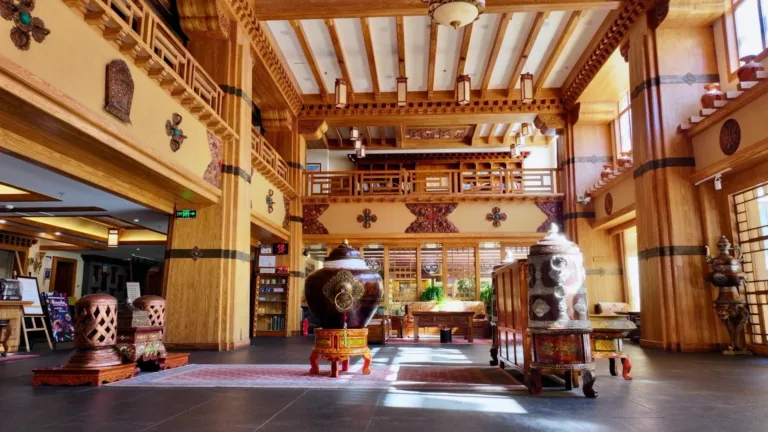
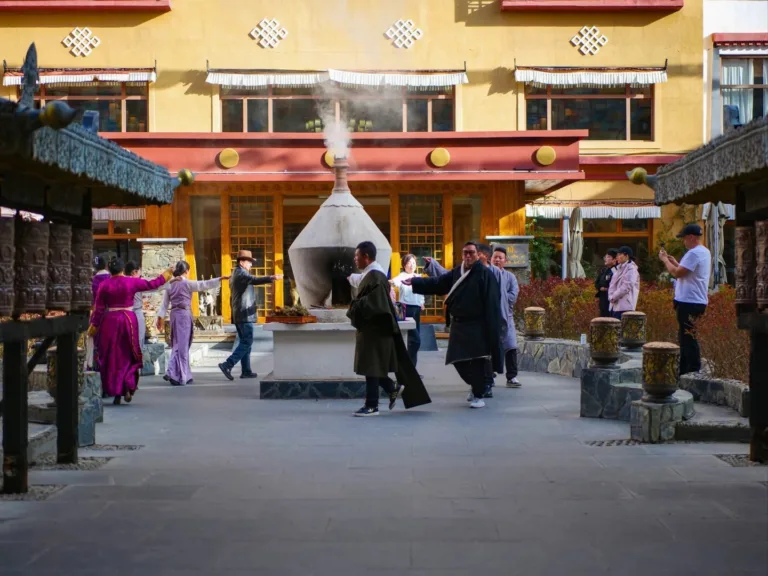
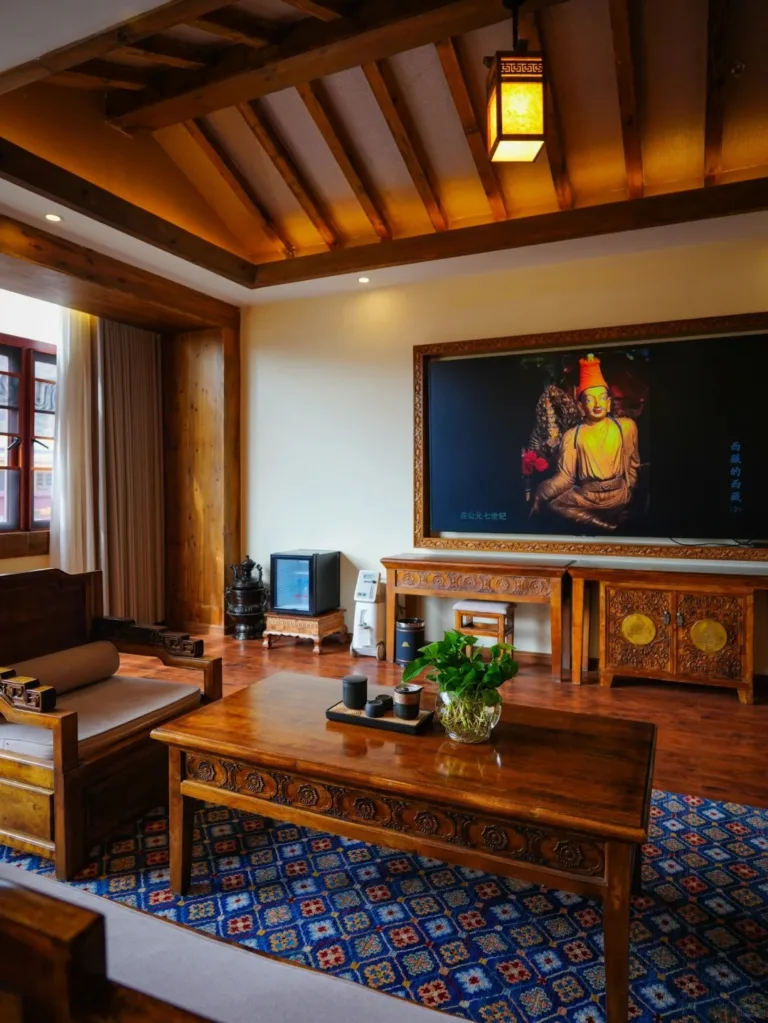
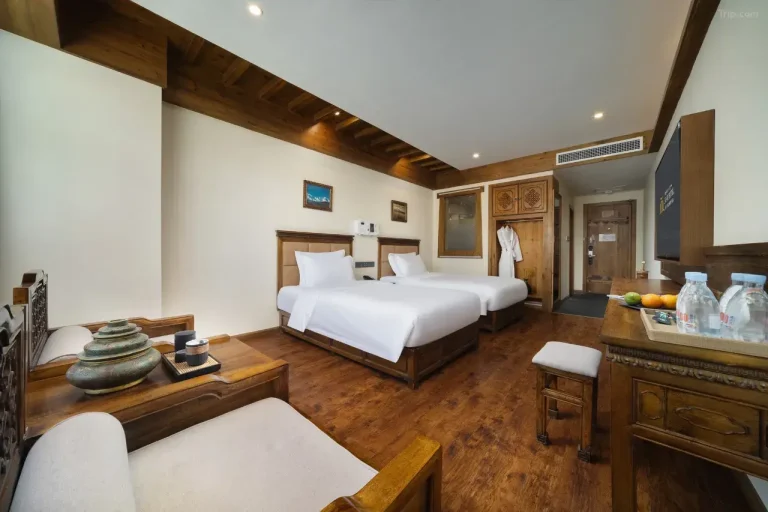
Lagri Xuelong Estate Lhasa
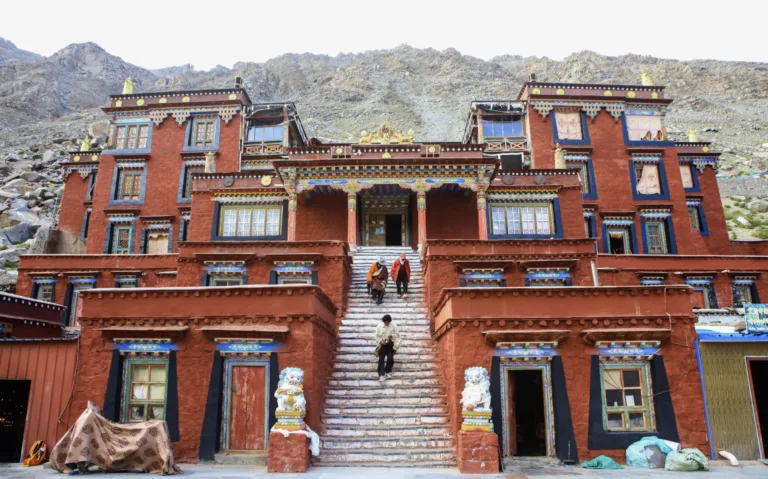
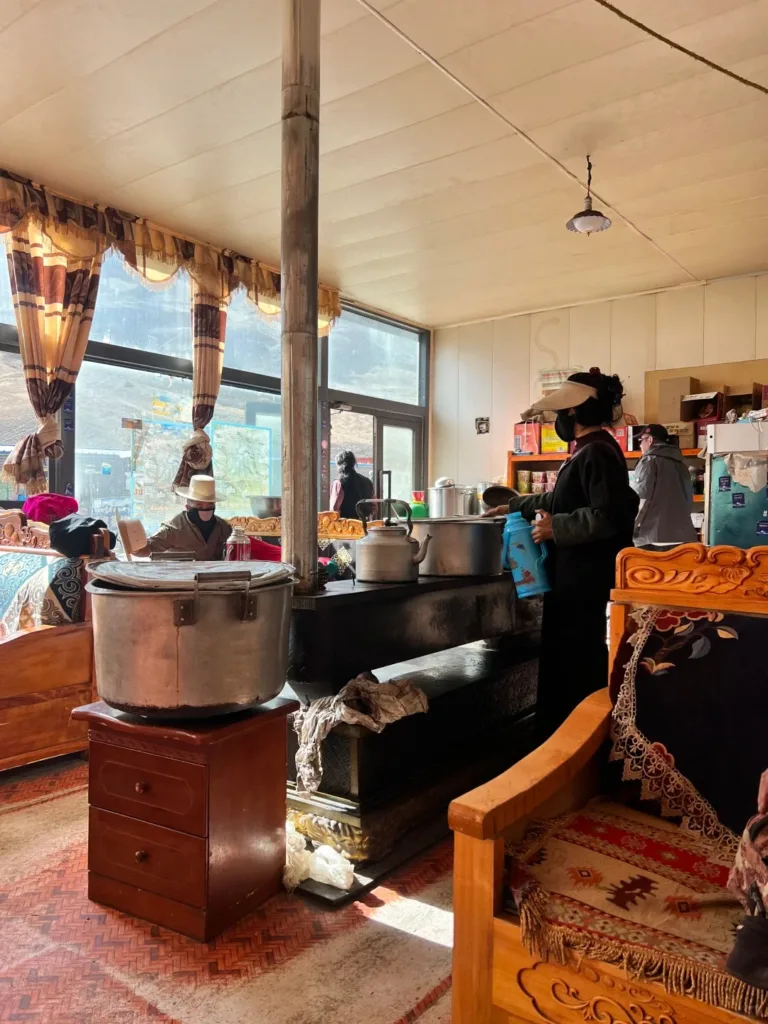
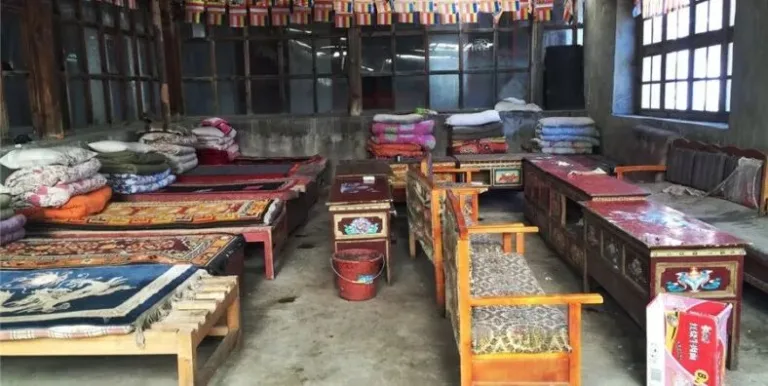
Dirapuk Monastery Guesthouse
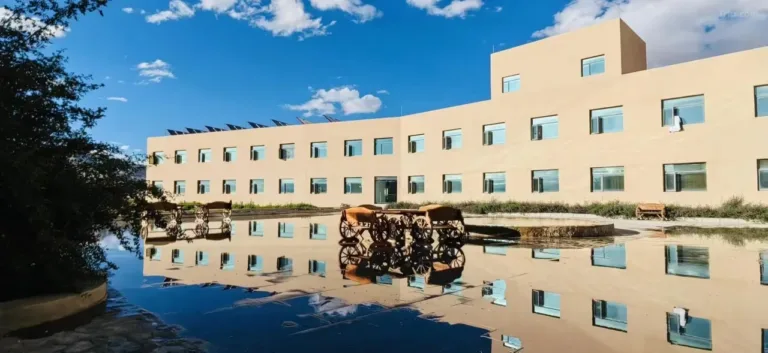
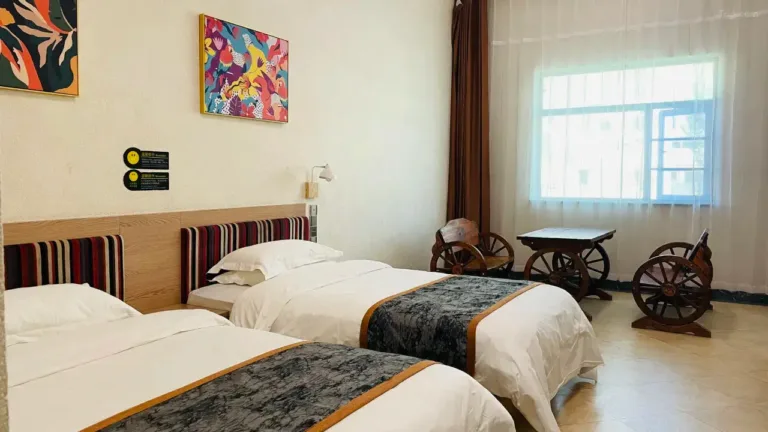
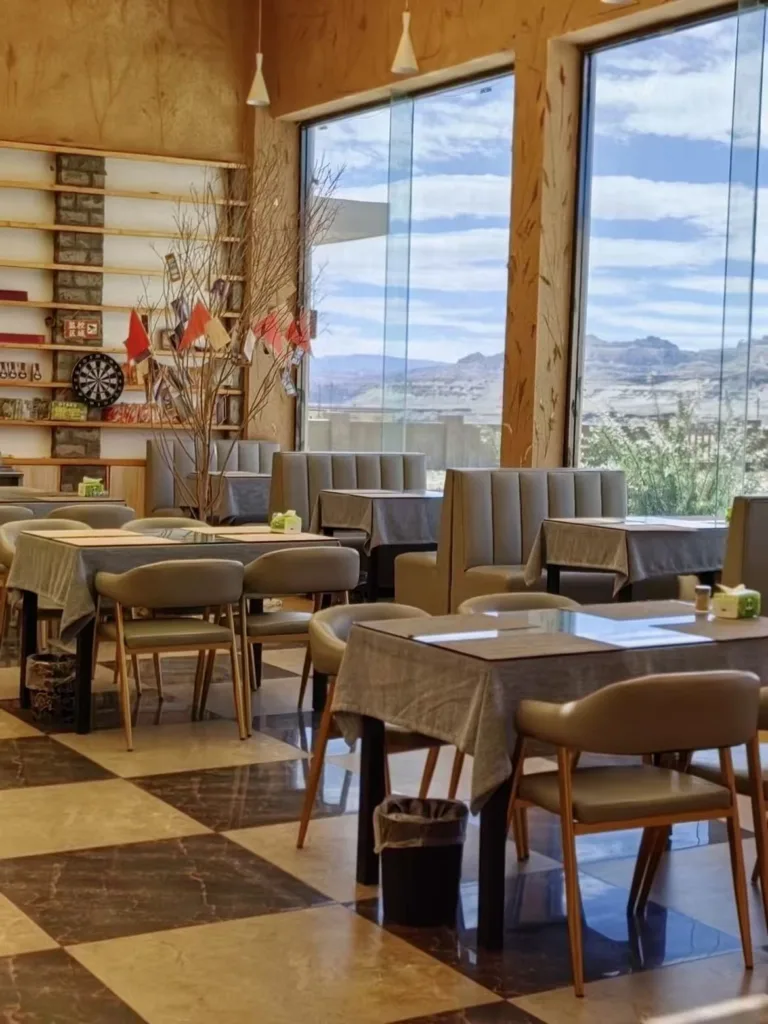
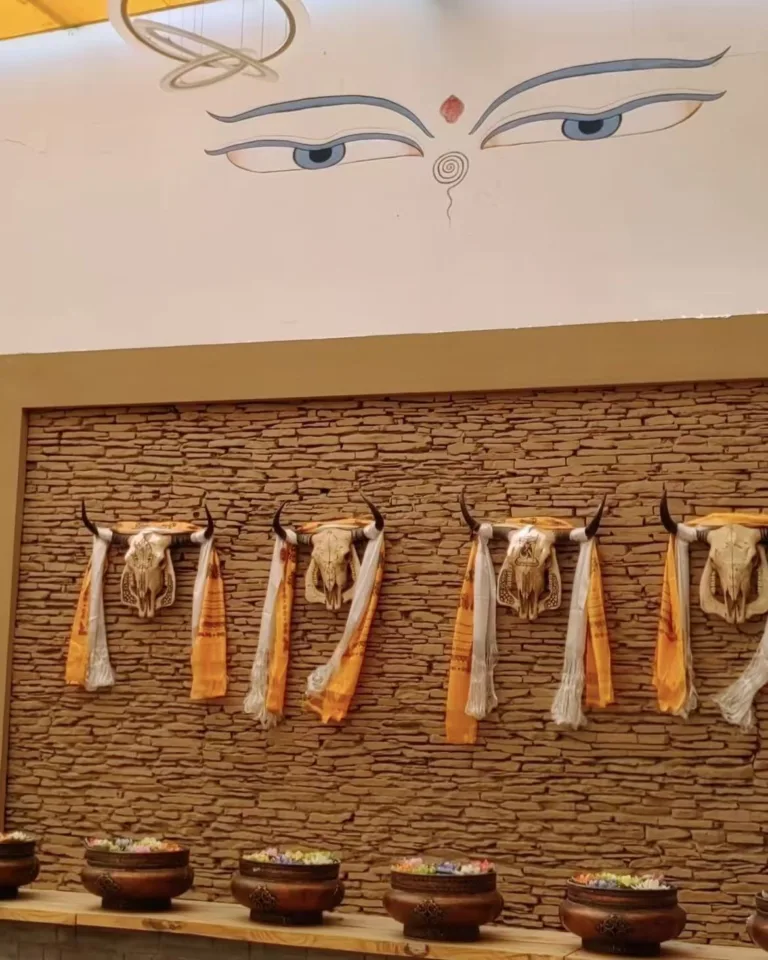
Zanda Earth Forest Castle Hotel
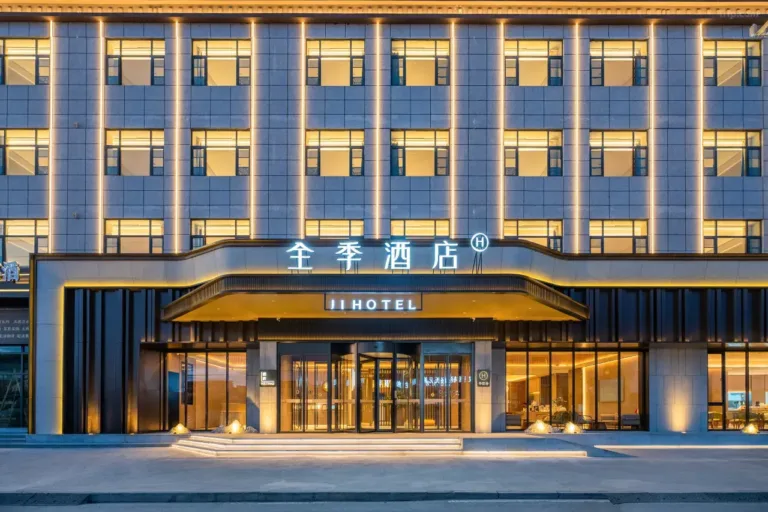
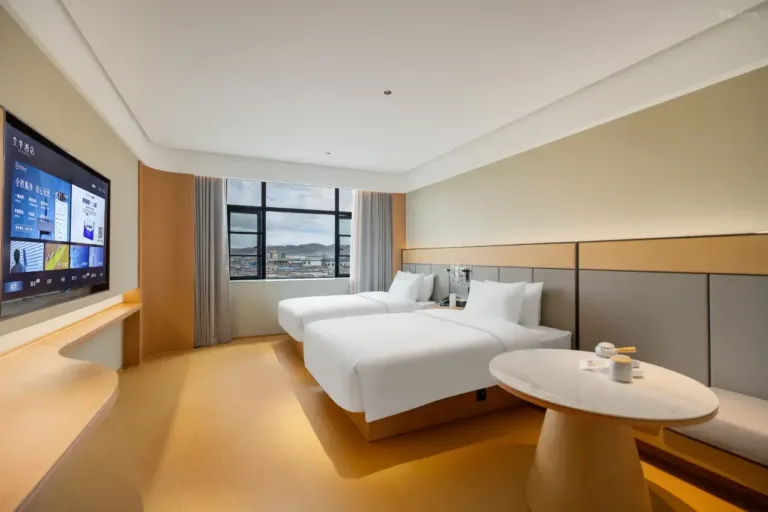
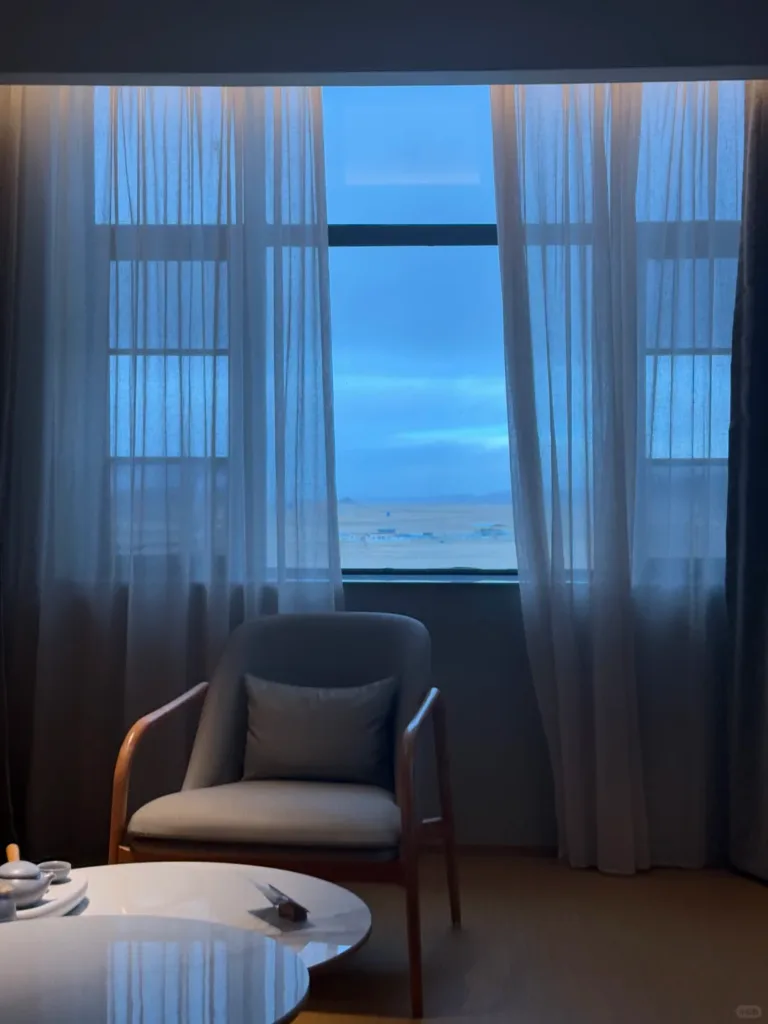
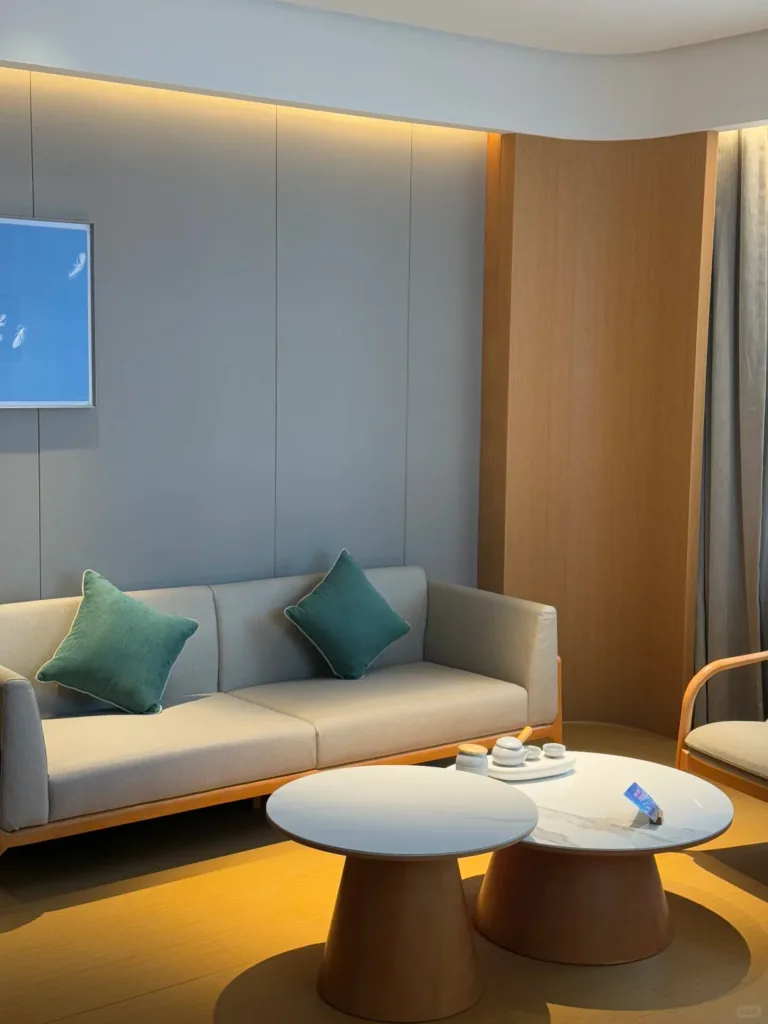
Ji Hotel
Inclusions & Offers
Designed Around Your Journey
Rather than fixed departures, this experience is arranged privately and shaped around your preferred dates, interests, and travel style.
Our specialists will design the journey based on your pace, accommodation preferences, and seasonal conditions.
Best time to visit
Traveler Reviews



FAQs
What documents do I need to travel to Tibet?
To travel to Tibet, you will need a valid Chinese visa and a Tibet Travel Permit. If you plan to visit border regions such as Everest Base Camp, an additional Border Permit is also required.
Please book your trip at least 20 days in advance so we have enough time to arrange the necessary permits for you. Please note that you must hold a valid Chinese visa before applying for the Tibet Travel Permit (except for travelers from visa-free countries).
Which airport should I fly to? What is the airport code?
Lhasa has only one international airport: Lhasa Konggar International Airport (IATA: LXA).
Will I get altitude sickness in Tibet?
Tibet is a high-altitude region, and mild symptoms such as headache or dizziness are common. Most travelers adapt within 1–2 days. Rest, hydration, and a relaxed pace are key, and we design itineraries with acclimatization in mind.
What is the best time to visit Tibet?
The best seasons are April to October. Summer offers greener landscapes, while winter is quieter with fewer travelers, though temperatures are colder.In winter, you have a higher chance of witnessing the golden sunrise over Mount Everest, as well as enjoying clearer, more pristine lake waters.
Is Tibet suitable for first-time travellers to China?
Yes. With proper permits, experienced guides, and a well-planned itinerary, Tibet is suitable for first-time visitors seeking culture, spirituality, and dramatic landscapes.
In addition, Tibet is well connected by direct flights with most major cities in China, making it easy to link with your other China itineraries.
What should I pack for a Tibet trip?
Layered clothing, warm jackets, comfortable walking shoes, sunscreen, sunglasses, lip balm, and personal medications are essential. Temperatures can vary greatly between day and night.
Can I use mobile payment and the internet in Tibet?
Mobile payments such as Alipay and WeChat Pay are widely used in cities and towns. Internet and mobile signal may be limited or unavailable in remote areas. Please prepare some cash in case online payment methods are unavailable in remote areas.
Is it safe to travel in Tibet?
Yes. Tibet is very safe for travelers. Roads are well maintained, and you will be accompanied by experienced drivers and licensed guides throughout the journey.
Are there cultural rules I should respect?
Yes. Please walk clockwise around temples, do not take photos inside monasteries, dress modestly, and respect local customs and religious practices. Your guide will explain etiquette during the trip.