Guizhou & Yunnan: Into China’s Living South (14 Days)
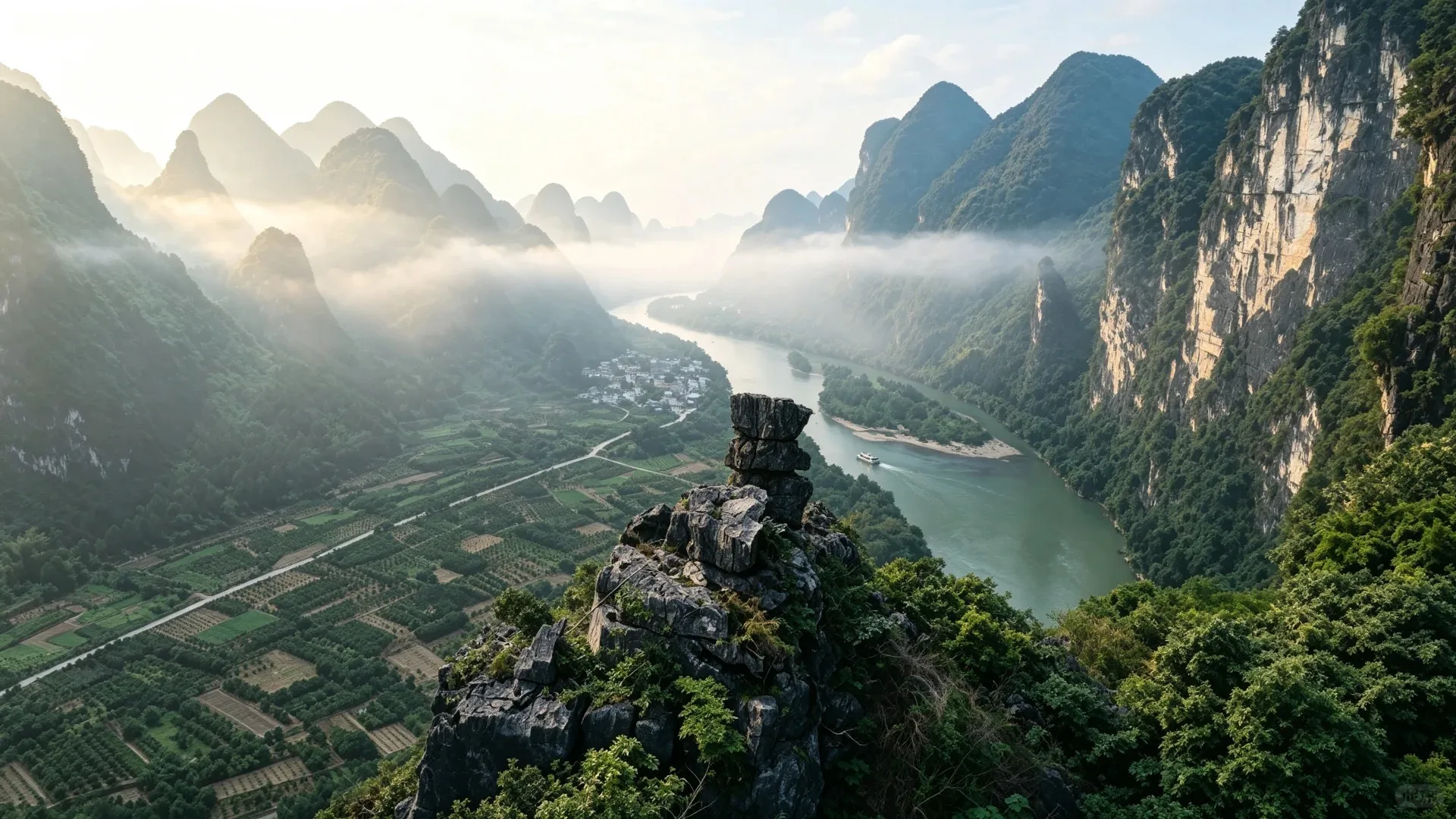
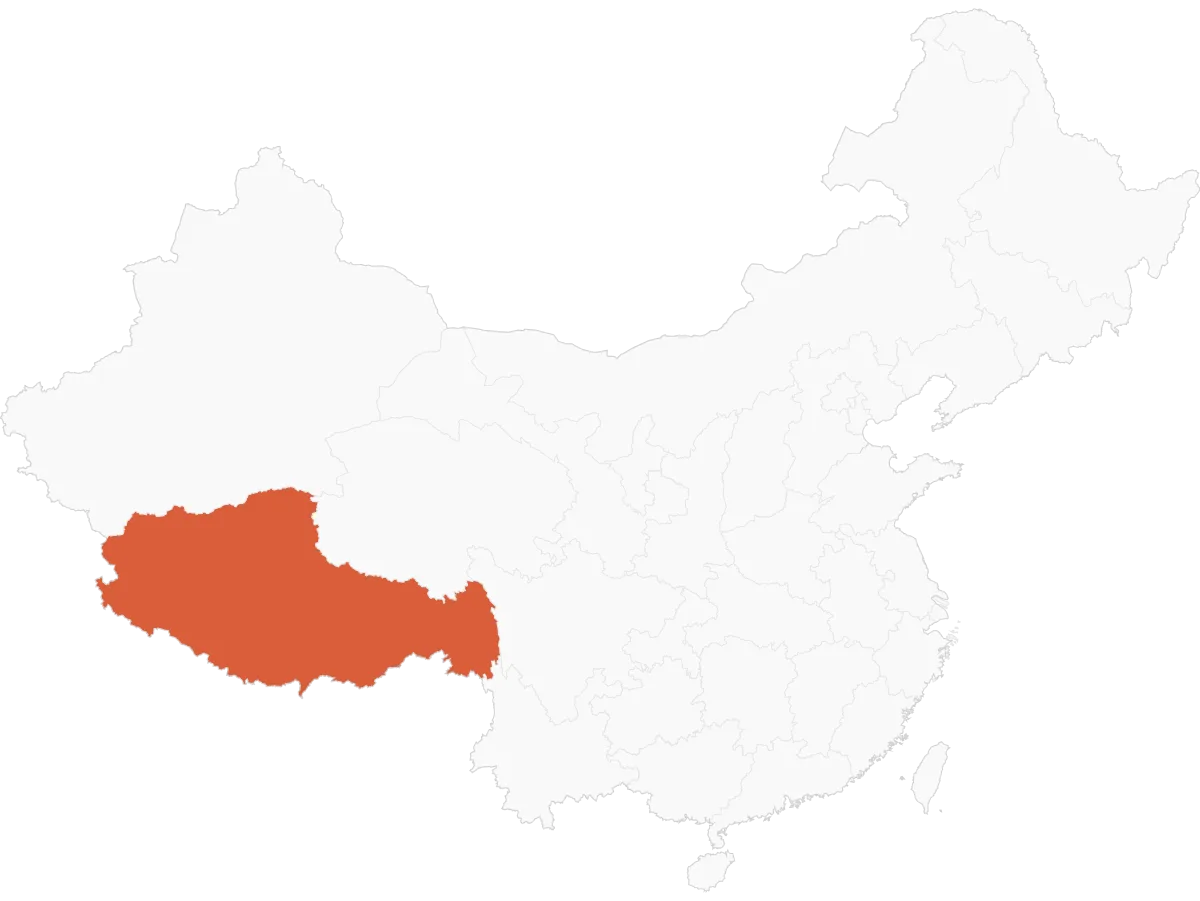
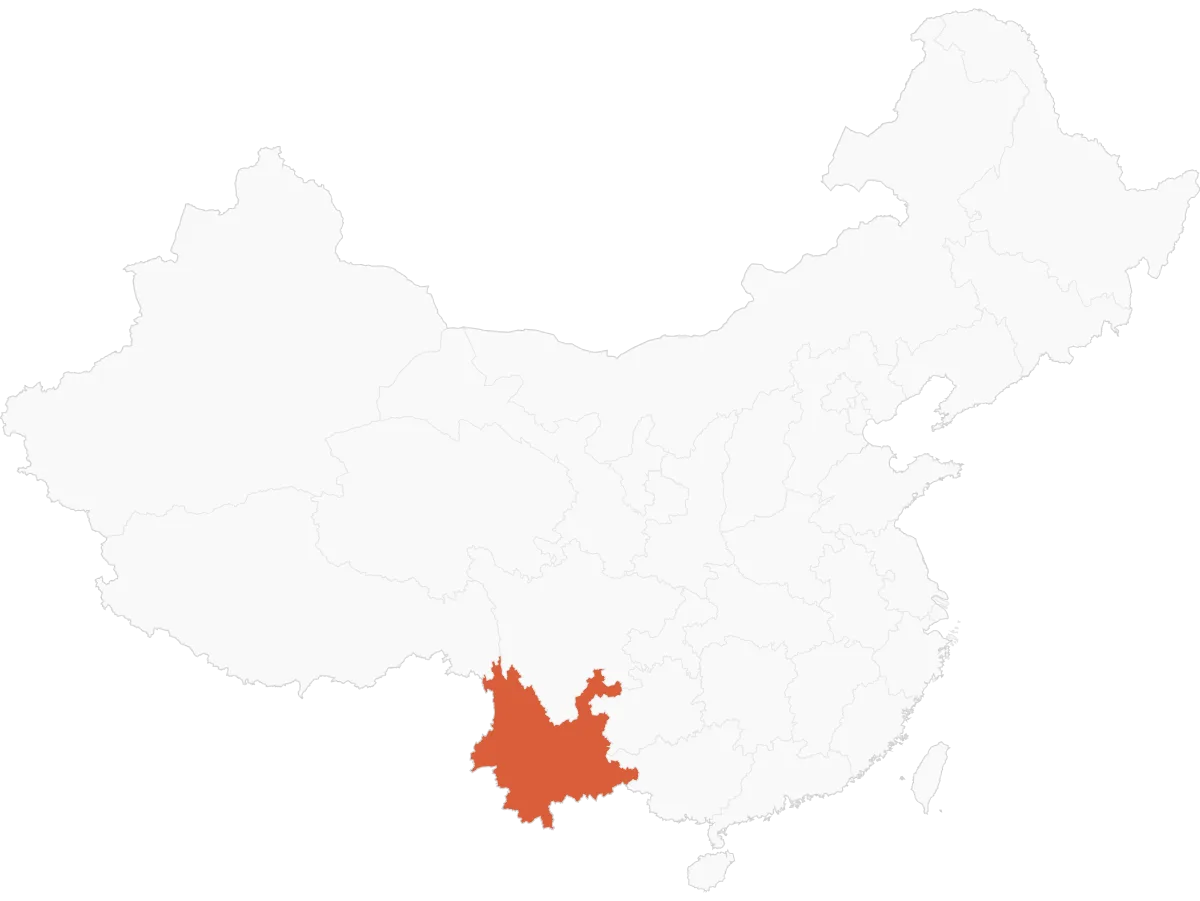
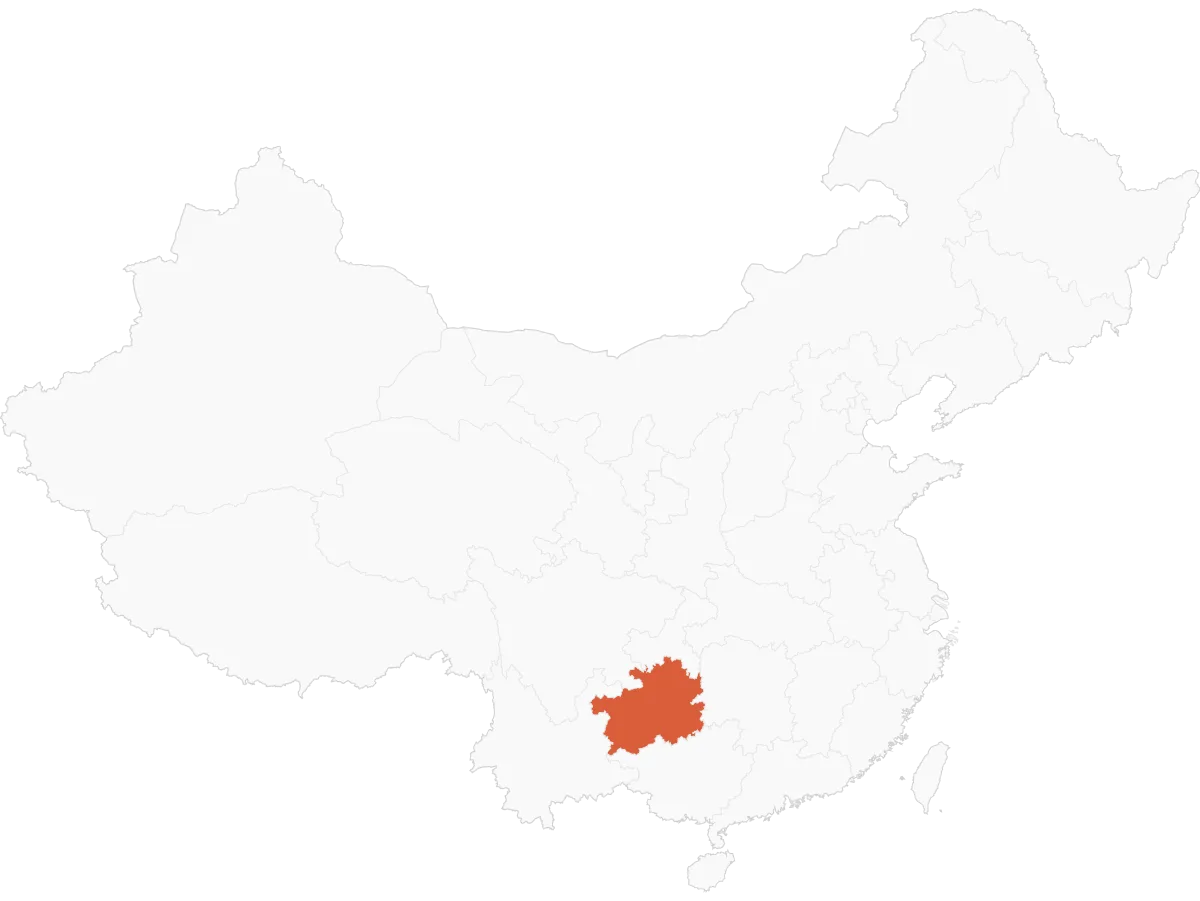
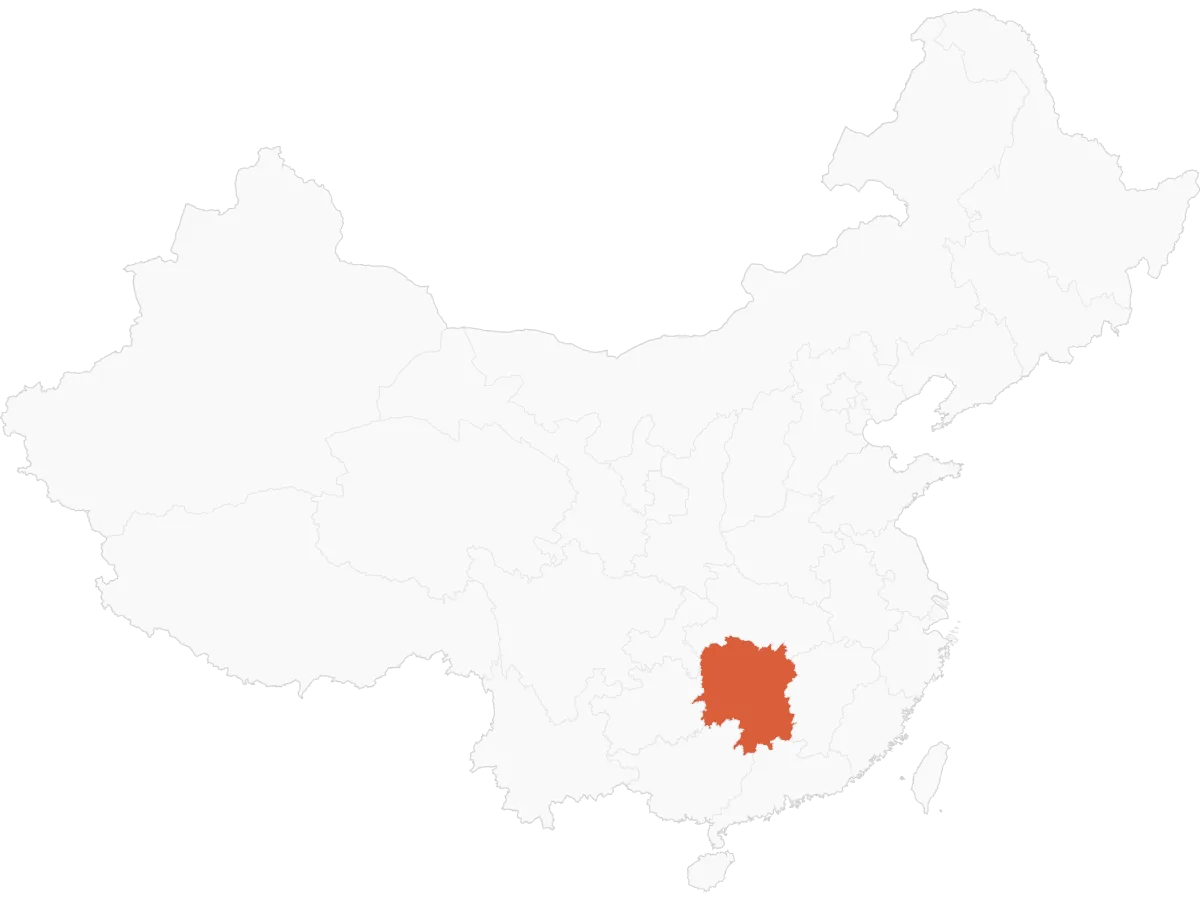
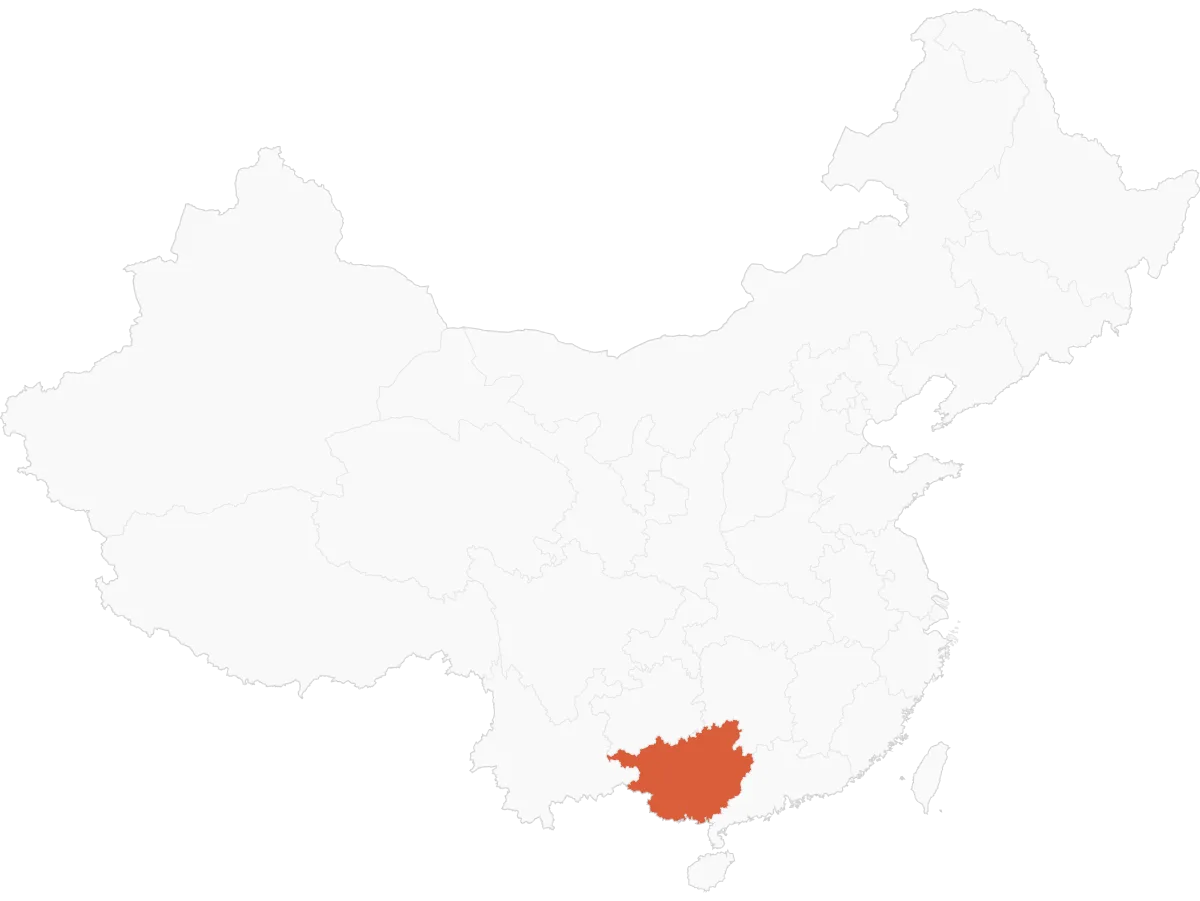
On this journey into the hidden gems of southern China, you will explore Guizhou and Yunnan, two of the region’s most distinctive provinces, home to much of China’s ethnic diversity and its most unique natural landscapes.
For Guizhou, descending into underground caves, watching secret rivers flow beneath the earth, and enjoying coffee on dramatic cliffside viewpoints. Travel to a secret Villages, China’s last matriarchal communities, and experience living traditions such as Miao batik and traditional festival face painting. At the Longji Rice Terraces, catch a rice-field fish by hand as your dinner. Listen to a world-class private performance of Dong Grand Song, before ascending the sacred peaks of Mount Fanjing. Then arrive the largest Miao settlement in the world.
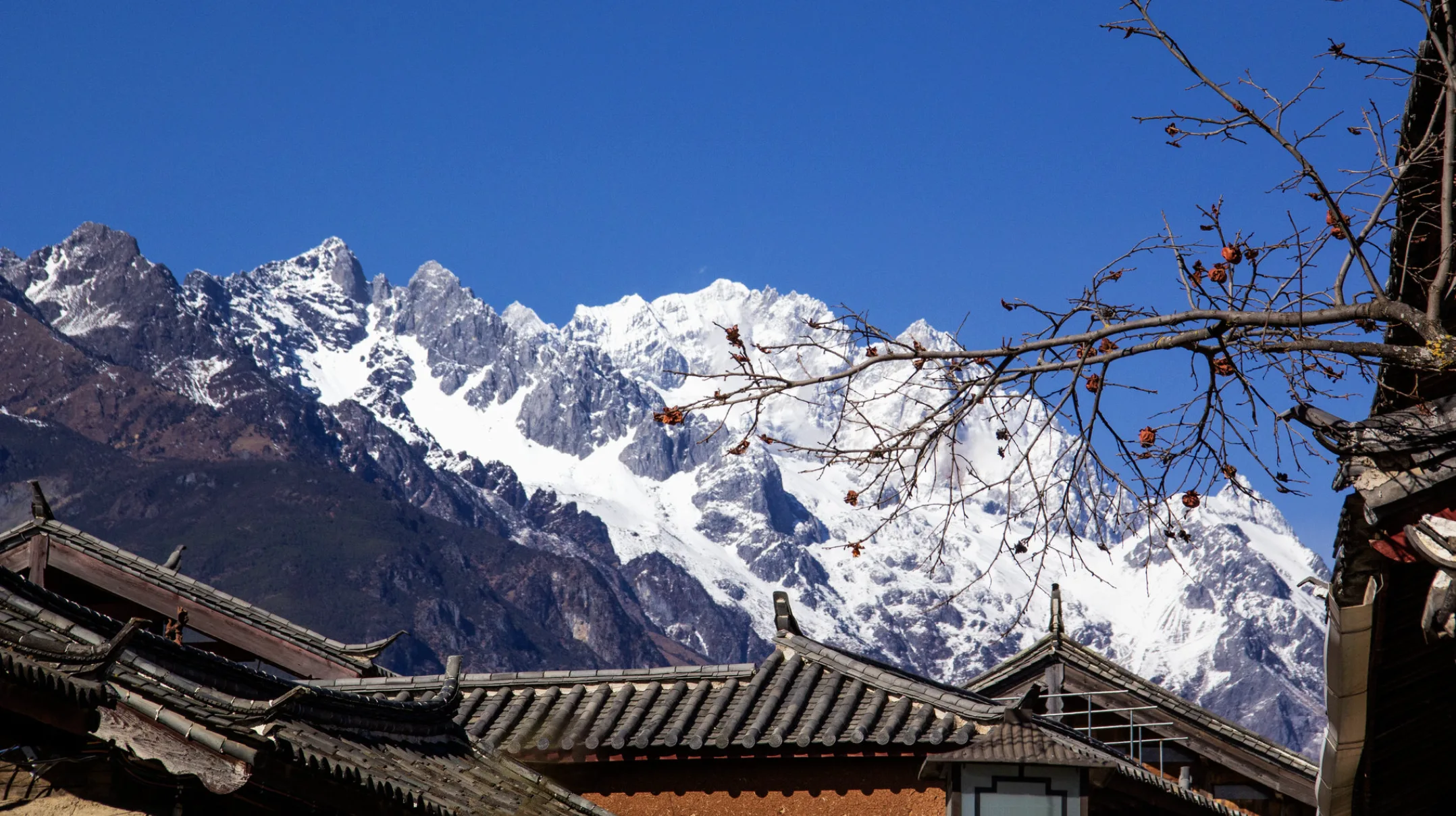
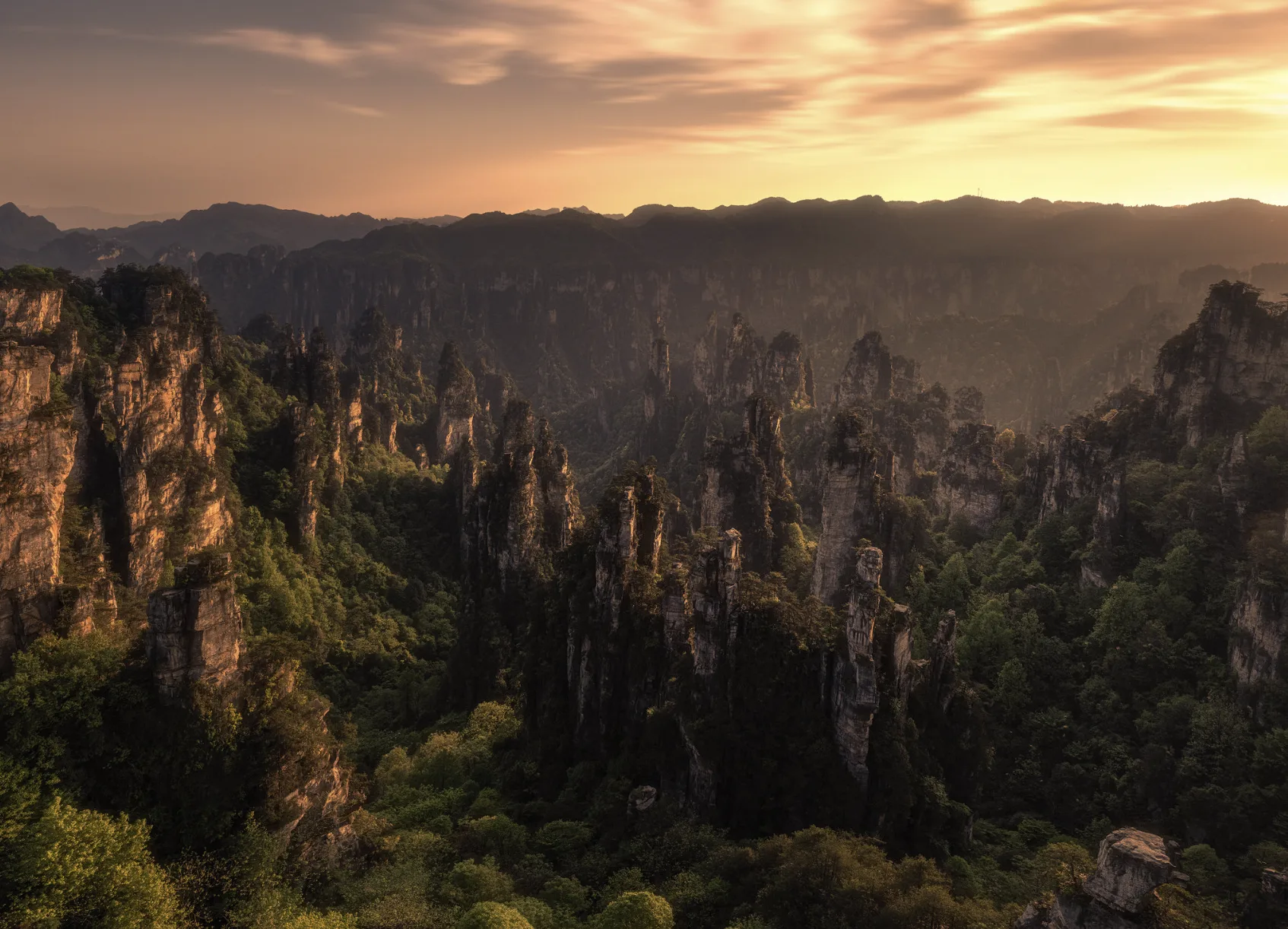
The route continues into Yunnan, from Dali to Shangri-La and Lijiang, blending iconic landscapes with intimate cultural moments, cycling beside Erhai Lake, wandering Shaxi Ancient Town, standing before Tiger Leaping Gorge, the world’s fourth-largest canyon and sharing everyday life with Bai, Naxi, and Tibetan communities beneath the snow mountains. Create your own one-of-a-kind tie-dyed handkerchief and visit a traditional Naxi family.
You leave with stories, sensations, and a deeper understanding of a China few ever see.
Journey Highlights
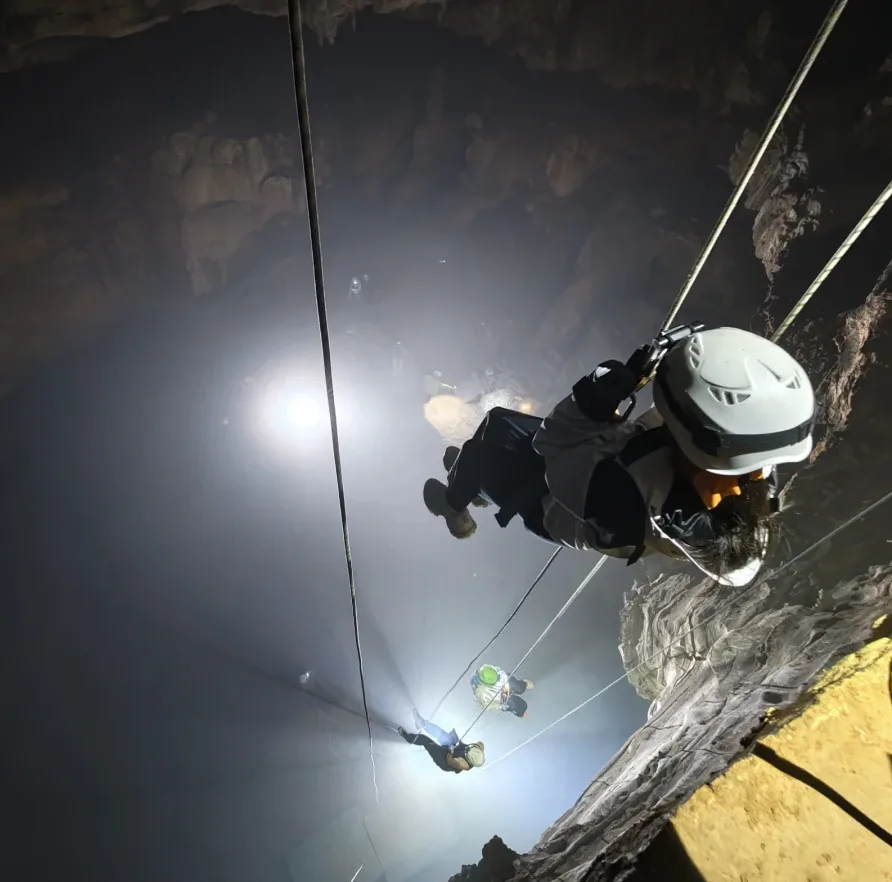
Zipline into a vast underground cave, cross bridges over hidden rivers, descend into the darkness for a one-of-a-kind underground hot pot, and enjoy coffee at dramatic cliffside viewpoints.
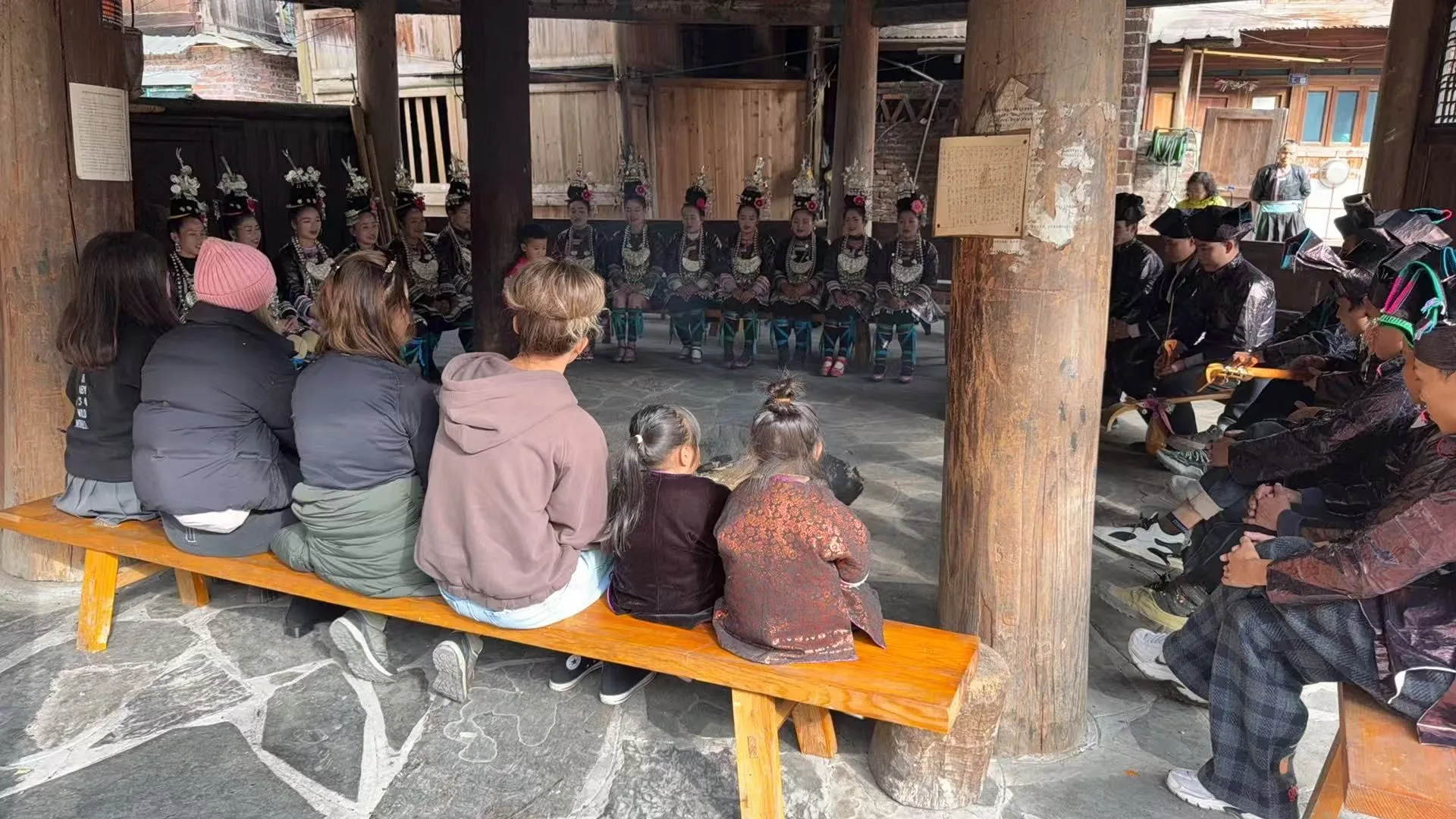
Enjoy a private, exclusive performance of Dong Grand Song, a world-class vocal tradition recognised as a UNESCO Intangible Cultural Heritage, performed specially for our group.

Experience Miao batik in the world’s largest Miao village and traditional tie-dye with local Bai women in Xizhou.
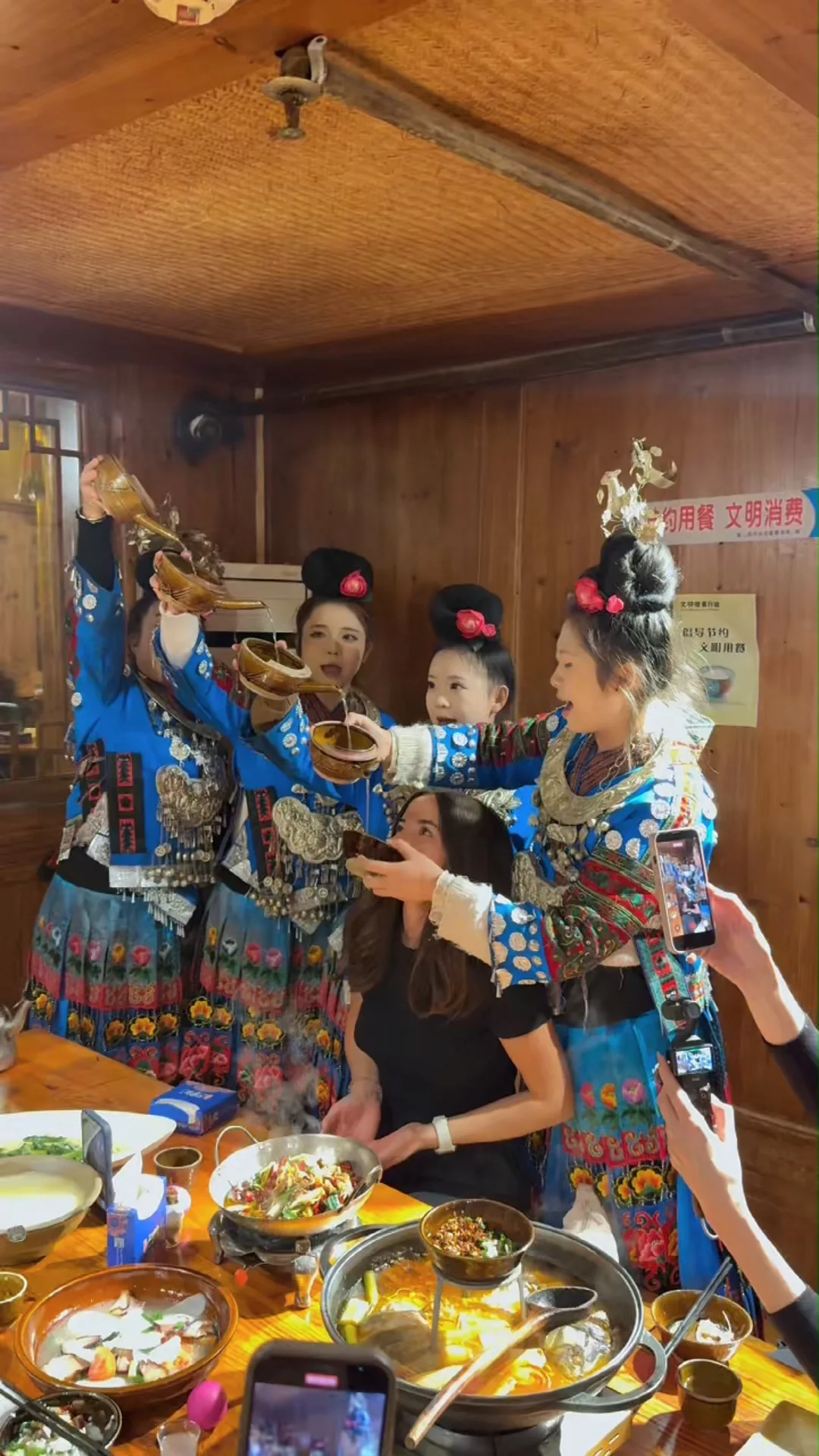
Enjoy three distinctive ethnic minority dinners, a fire-pit feast, a bamboo-tray meal, and a long-table banquet, discovering minority cultures through their food and shared traditions.
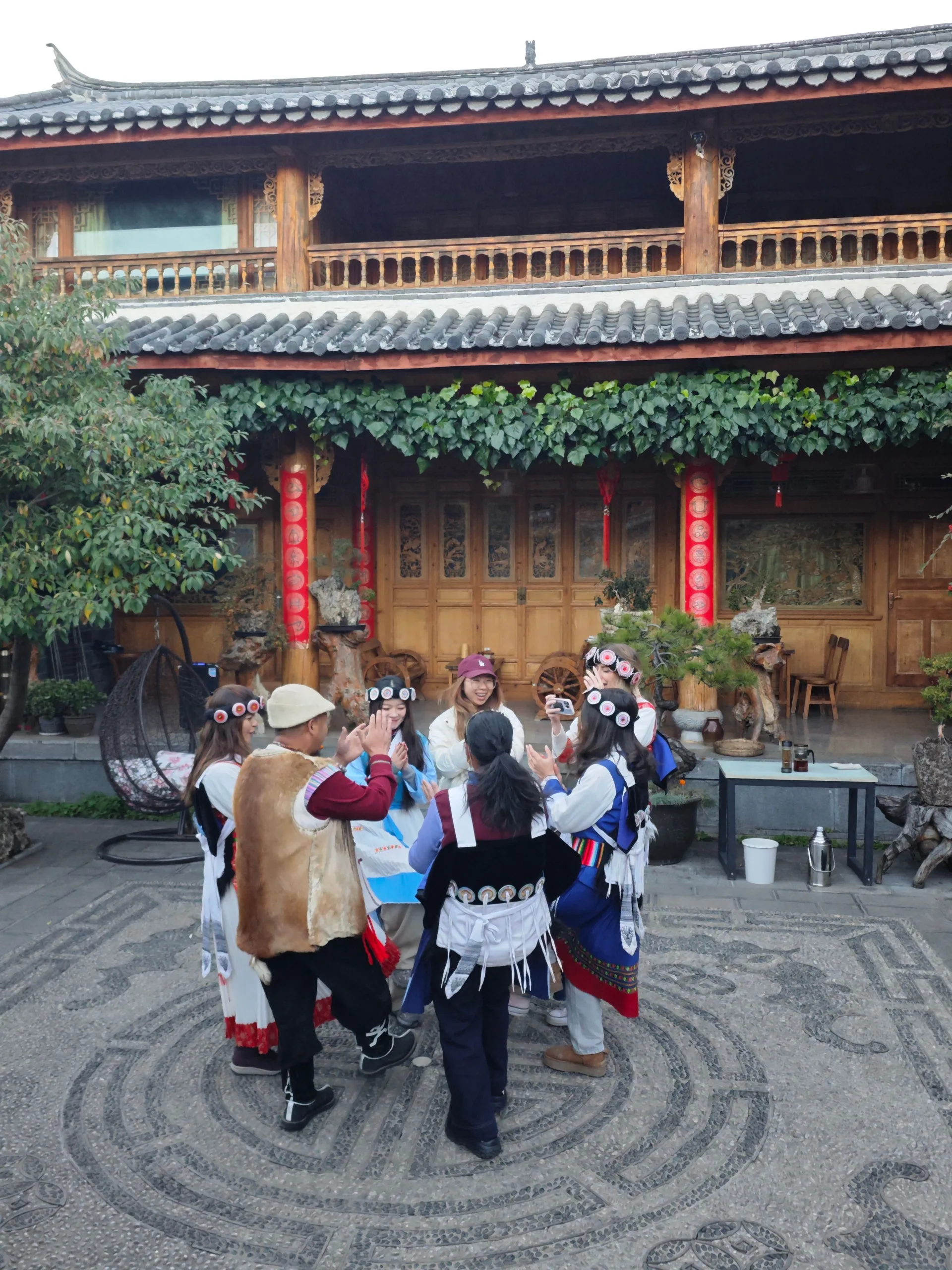
Visit a local Naxi family, make tofu, fire-pit gatherings, handmade papermaking, local language and dress, and dancing together in a mountain courtyard.
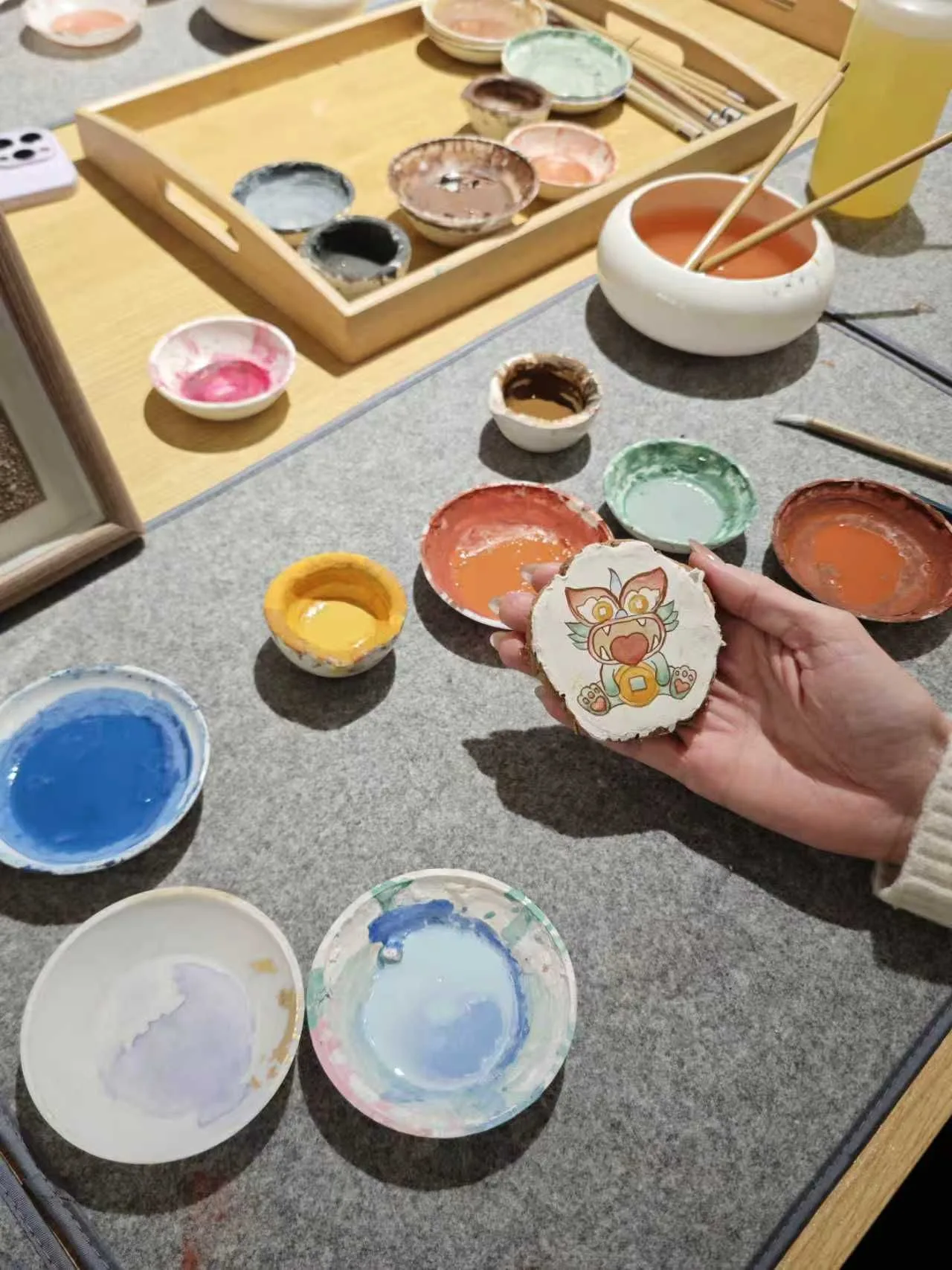
Create your own Baisha mural in an ancient town beneath the snow mountains, and learn about the history of Naxi murals, a tradition regarded as equally significant as the Dunhuang frescoes.
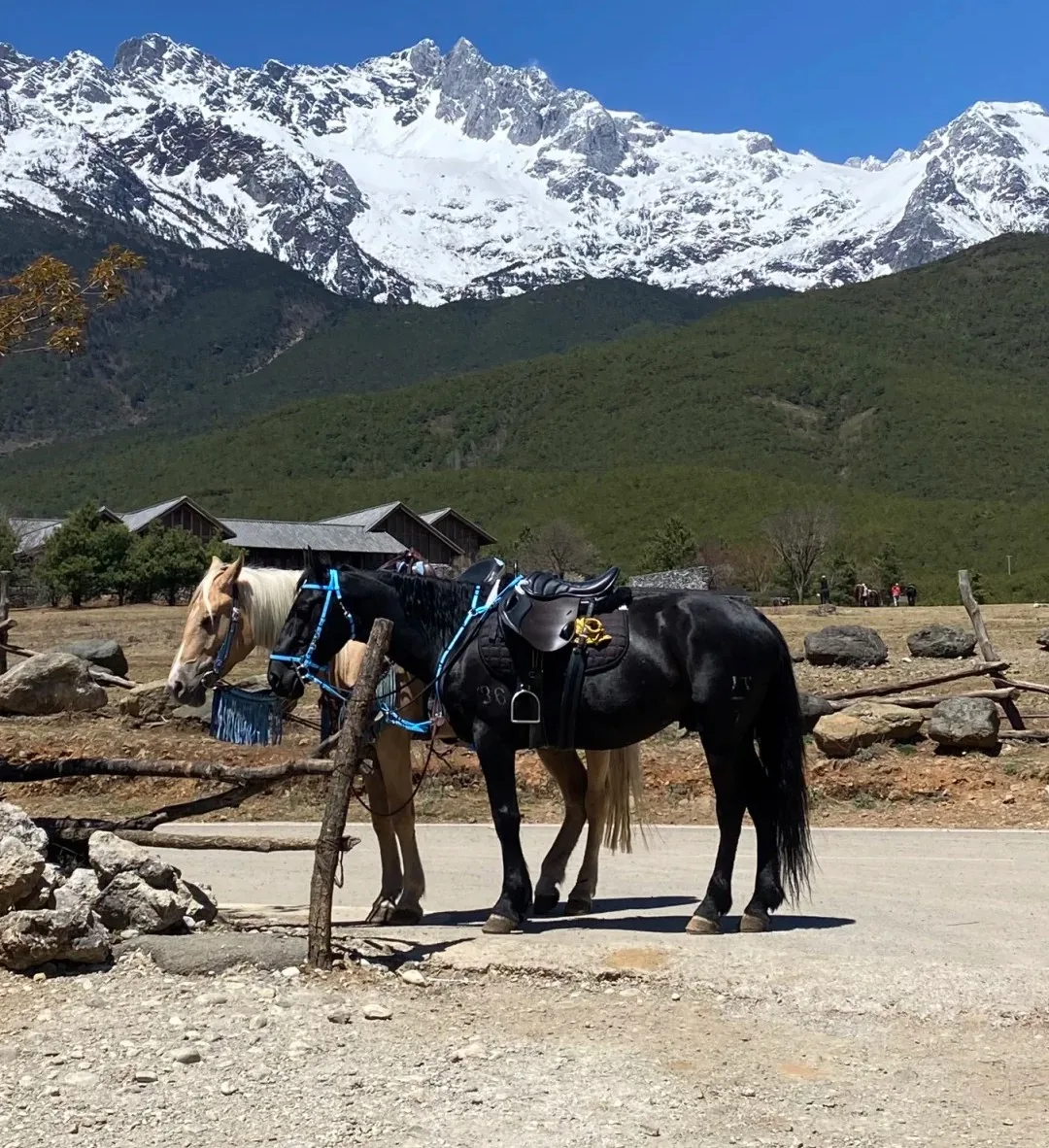
Ride a horse to the Jade Dragon Snow Mountain, take in the scenery along the way and experiencing the traditional life of the Tea Horse caravan.

Day-by-day Itinerary
Arrival in Guiyang
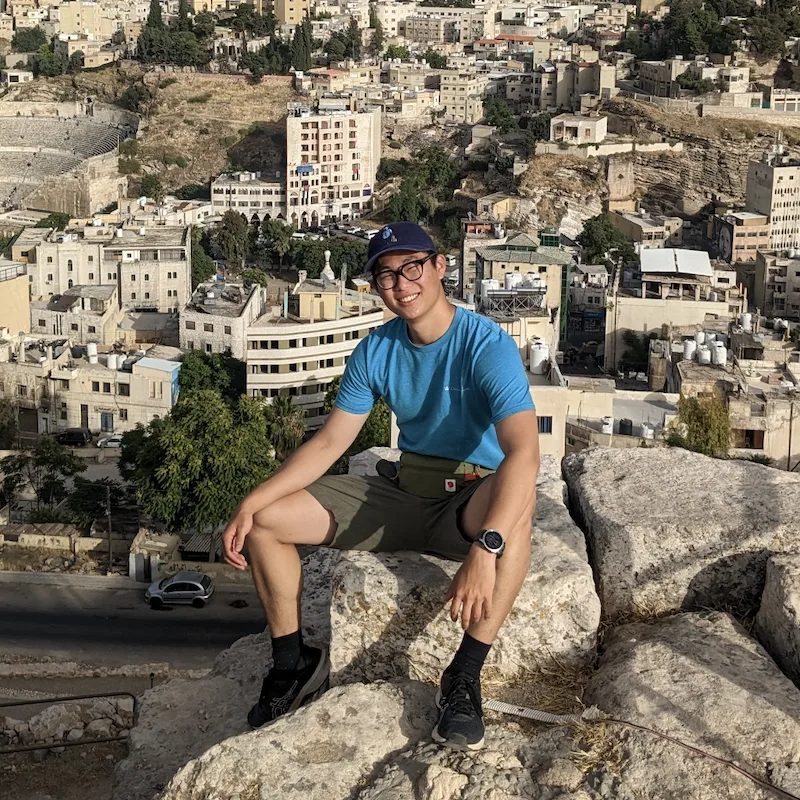
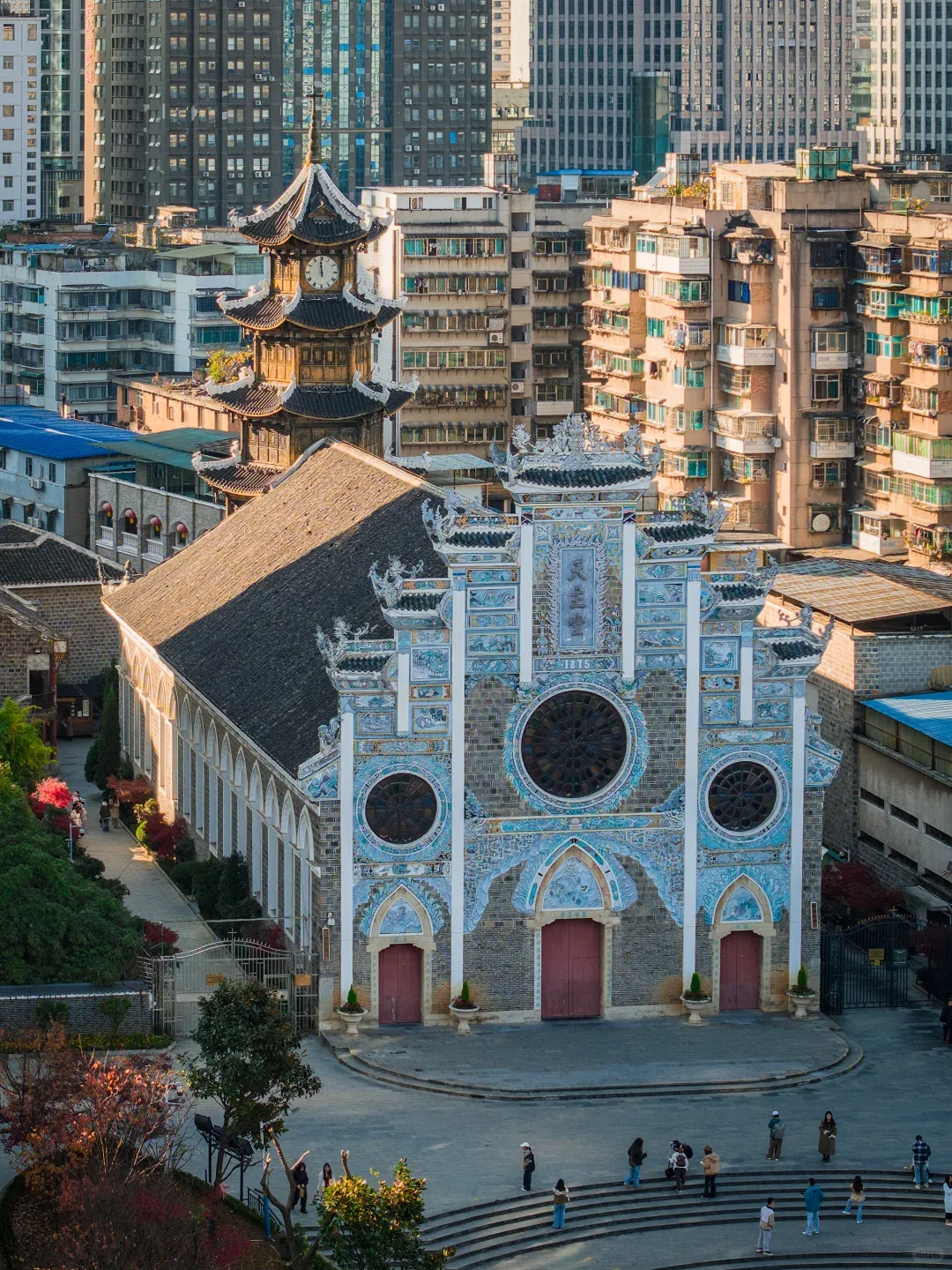
Arrive in Guiyang and enjoy a smooth airport transfer to your hotel, where our guide will be waiting to welcome you. In the evening, gather for a relaxed welcome dinner and meet your travel companions. If you arrive early, explore the city’s highlights, from the Gothic beauty of Guiyang North Catholic Church to sunset views at Xianrendong, then admire Jiaxiu Pavilion by night and sample local flavours along Minsheng Road Snack Street.
Guiyang – Forest Cave – Cliffside Coffee – Yaoshan Ancient Village
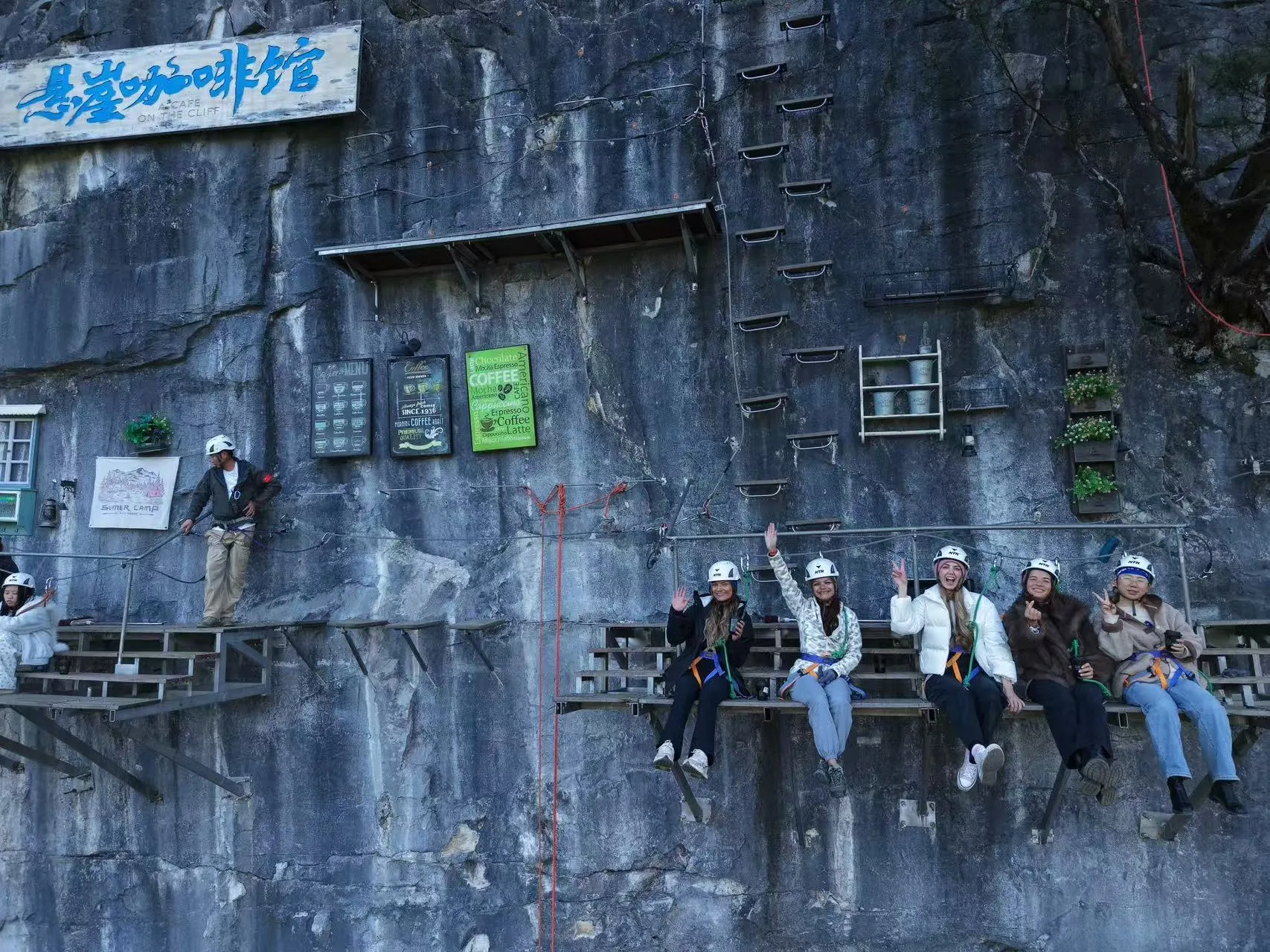
Day will start with a beginner-friendly cave adventure, led by experienced professional guides. Zipline into a vast underground world, crossing stone floors and rivers deep inside a living cave before sharing a hot pot lunch beneath ancient rock formations. Climb a sheer cliff with expert guidance and pause for coffee high above the valley. Continue to the mysterious Yao Shan village deep in the mountains, China’s only matriarchal community, where herbal baths steam, rituals shape daily life, and stars glow quietly over the mountains.
Maolan National Nature Reserve – Zhaoxing Dong Village
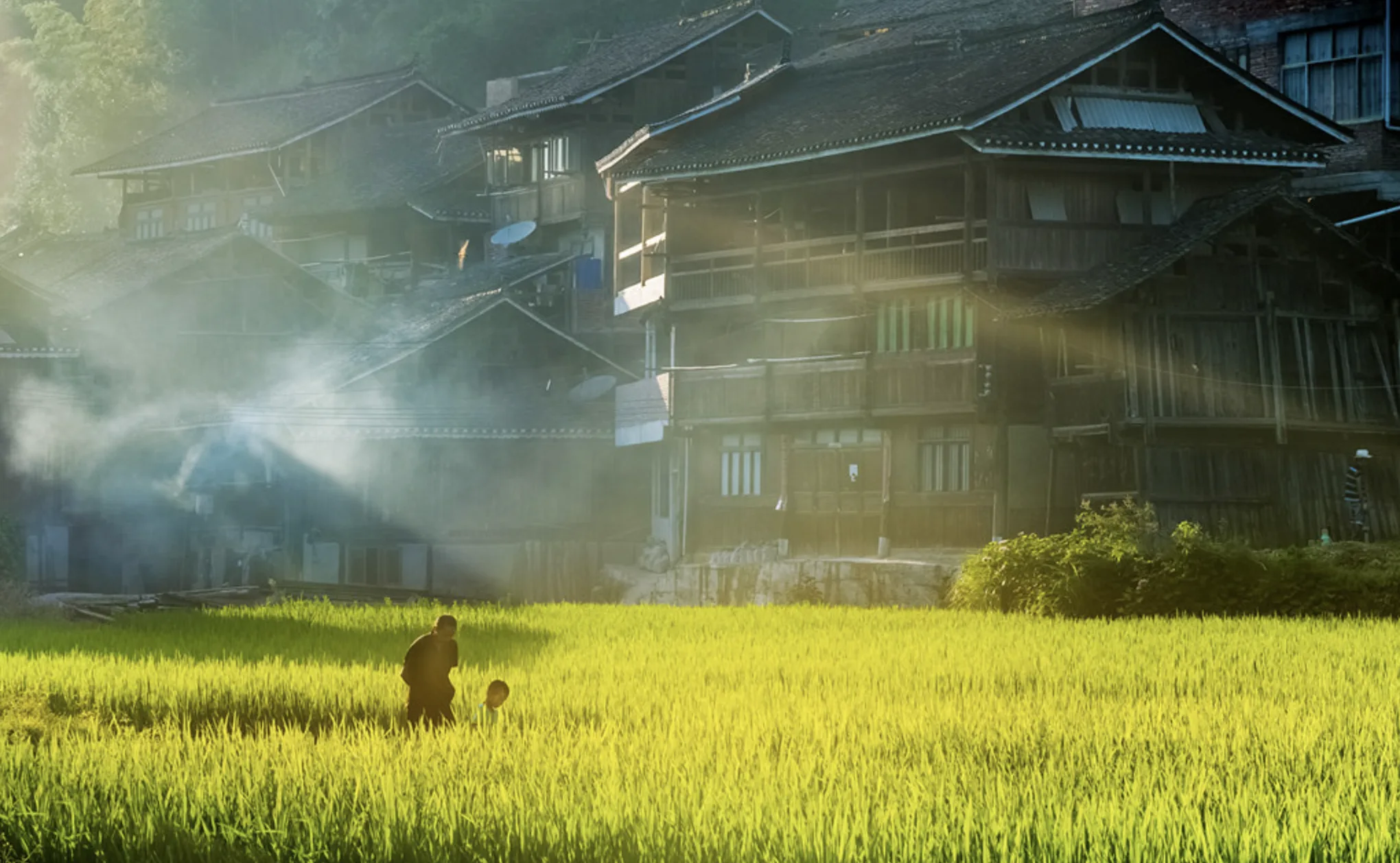
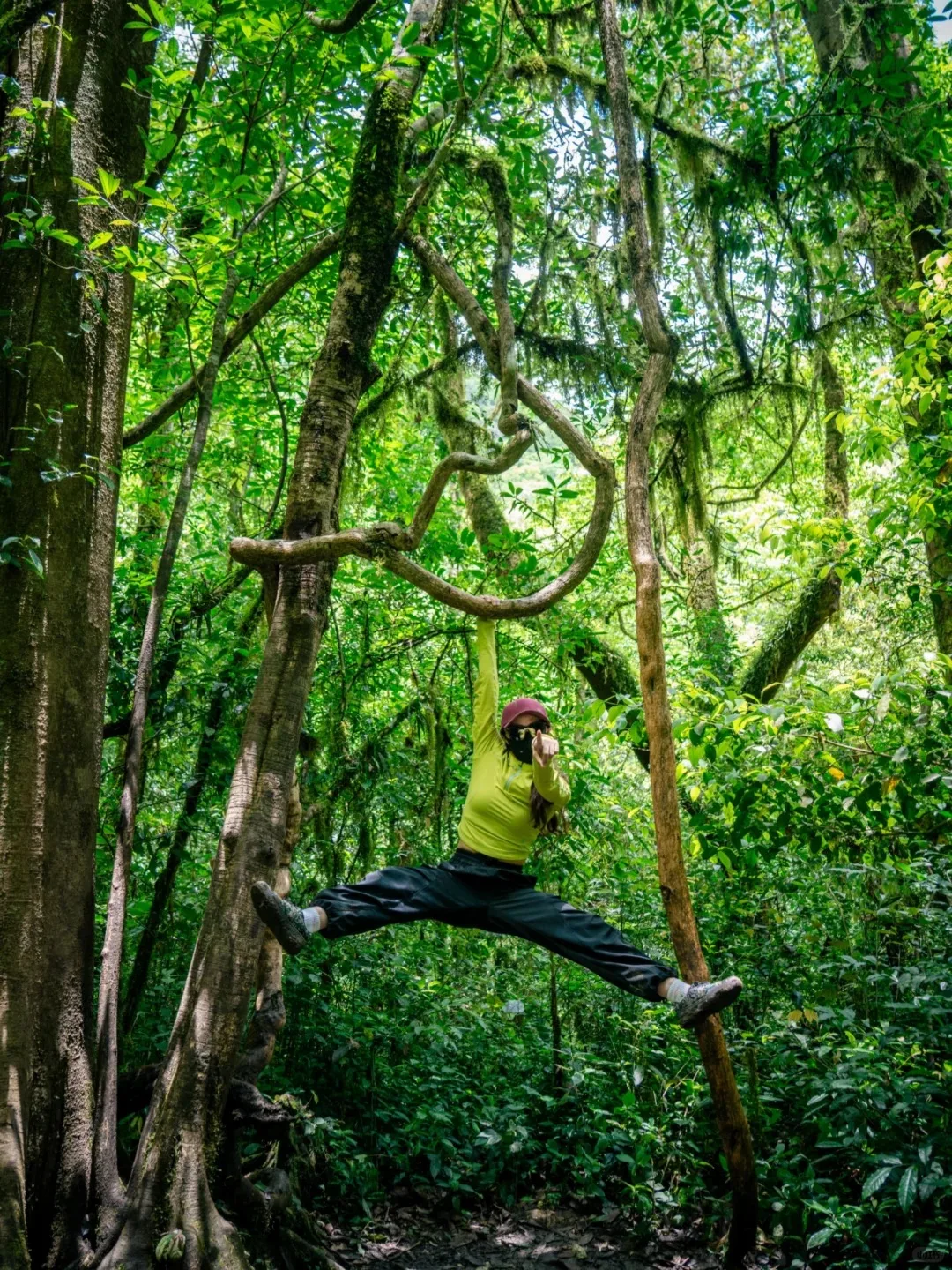
Hike through the wild cave systems of Maolan National Nature Reserve, passing untouched caverns where shafts of sunlight cut through darkness and limestone formations shape a hidden world beneath the forest.rnrnContinue to Zhaoxing Dong Village, wandering lantern-lit lanes, tasting local snacks, and sharing a traditional Dong fire-pit dinner. As night falls, stroll beneath drum towers while folk songs drift softly through the village.
Zhaoxing Dong Village – Longji Rice Terraces
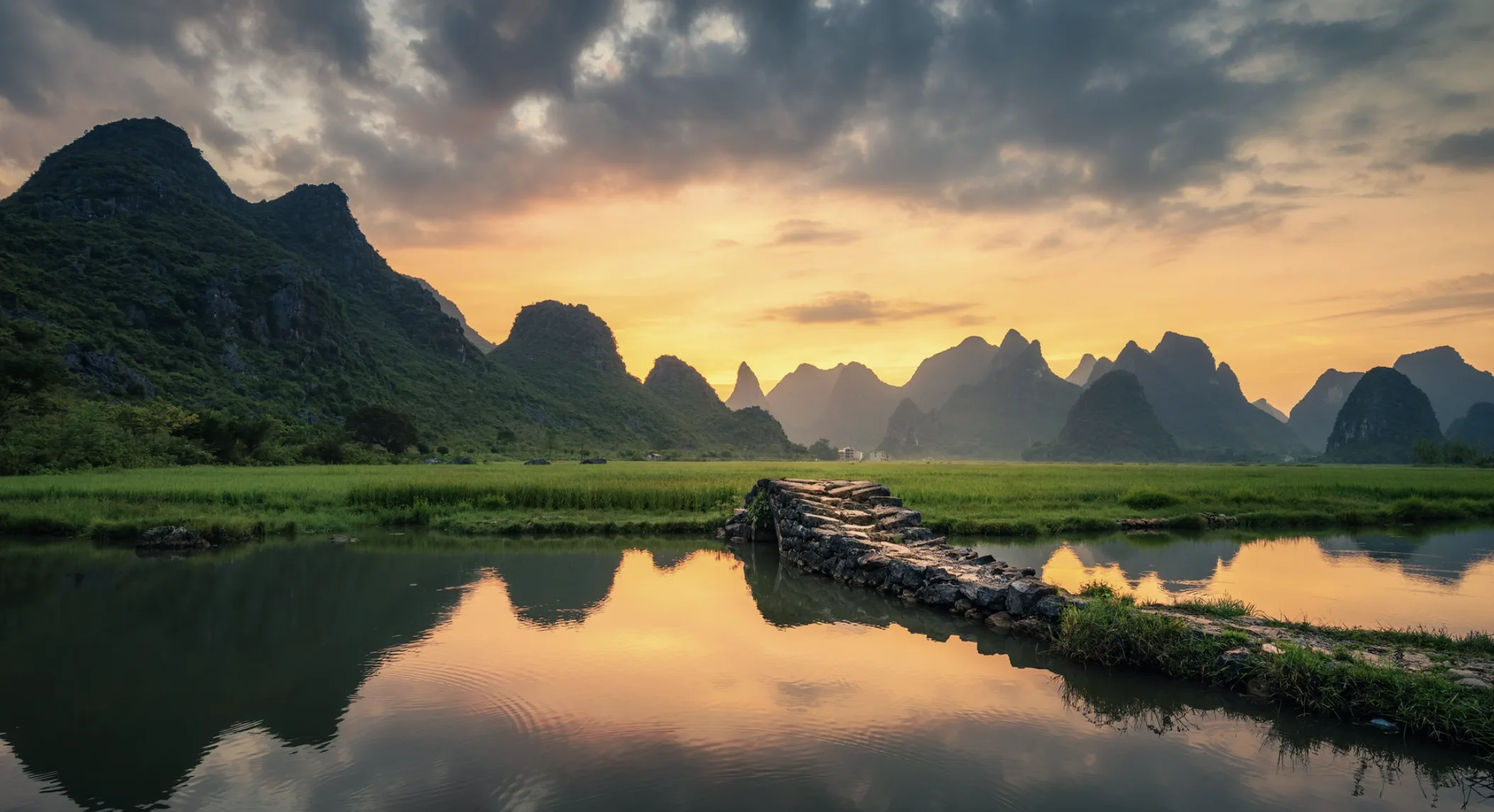
Travel from Zhaoxing Dong Village to the sculpted hills of Longji Rice Terraces, staying overnight among the fields where opening your window reveals sweeping terrace views. Walk narrow embankments tracing the mountain contours, then step barefoot into the paddies to catch a rice-field fish with local farmers.
End the day with a bamboo-tray farmhouse feast and home-brewed rice wine, fresh from field to plate.
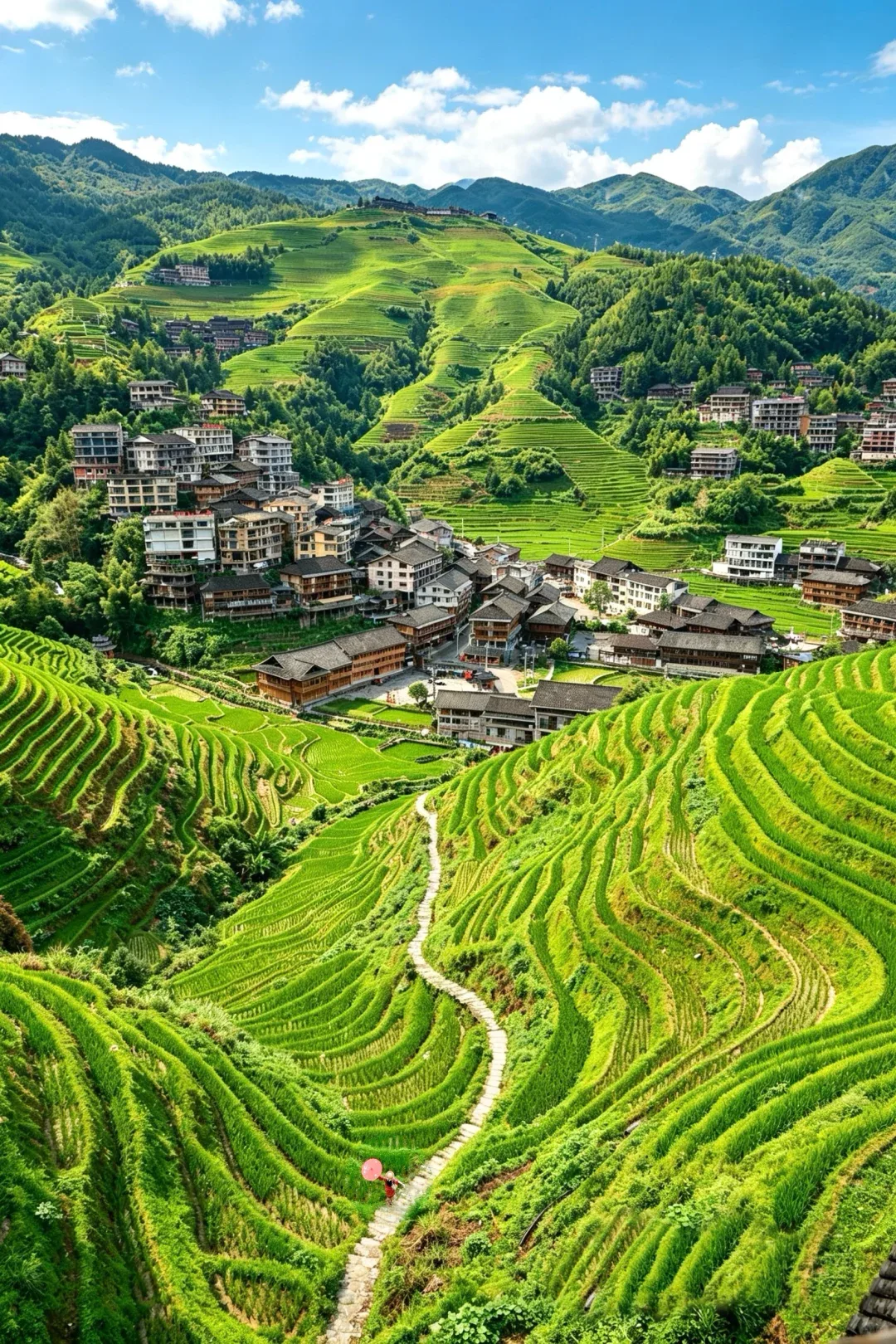
Longji Rice Terraces – Huanggang Dong Village – Longli Ancient Town – Zhenyuan Ancient Town
Greet the day with sunrise over the layered fields of the Longji Rice Terraces. Travel on to Huanggang Dong Village for a private Dong Grand Song performance beneath the drum tower. Continue to Longli Ancient Town to paint a traditional opera face motif, then arrive in Zhenyuan Ancient Town, where lanterns shimmer along the river and the old town glows softly at night.
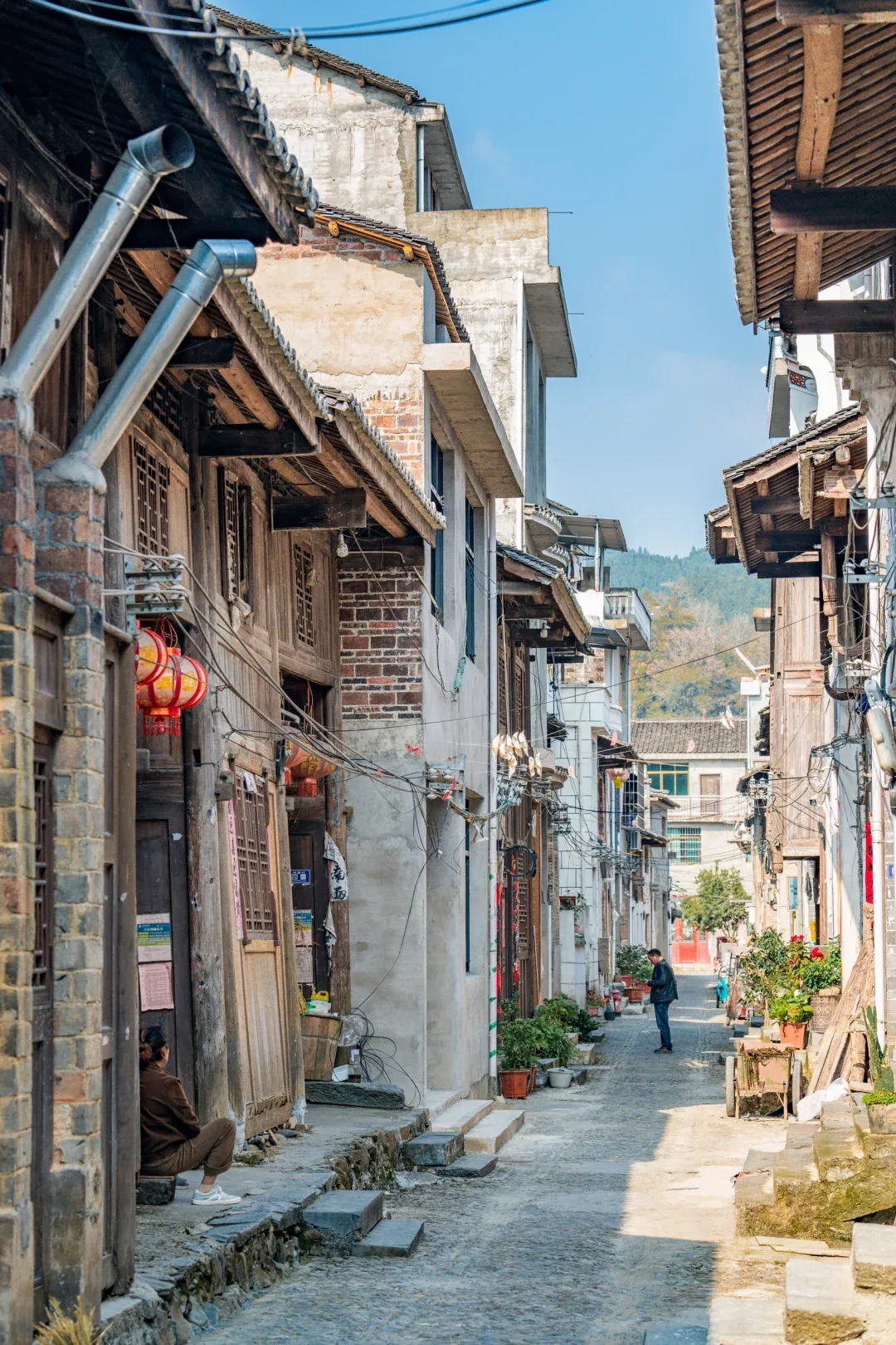
Zhenyuan Ancient Town – Yunshe Village
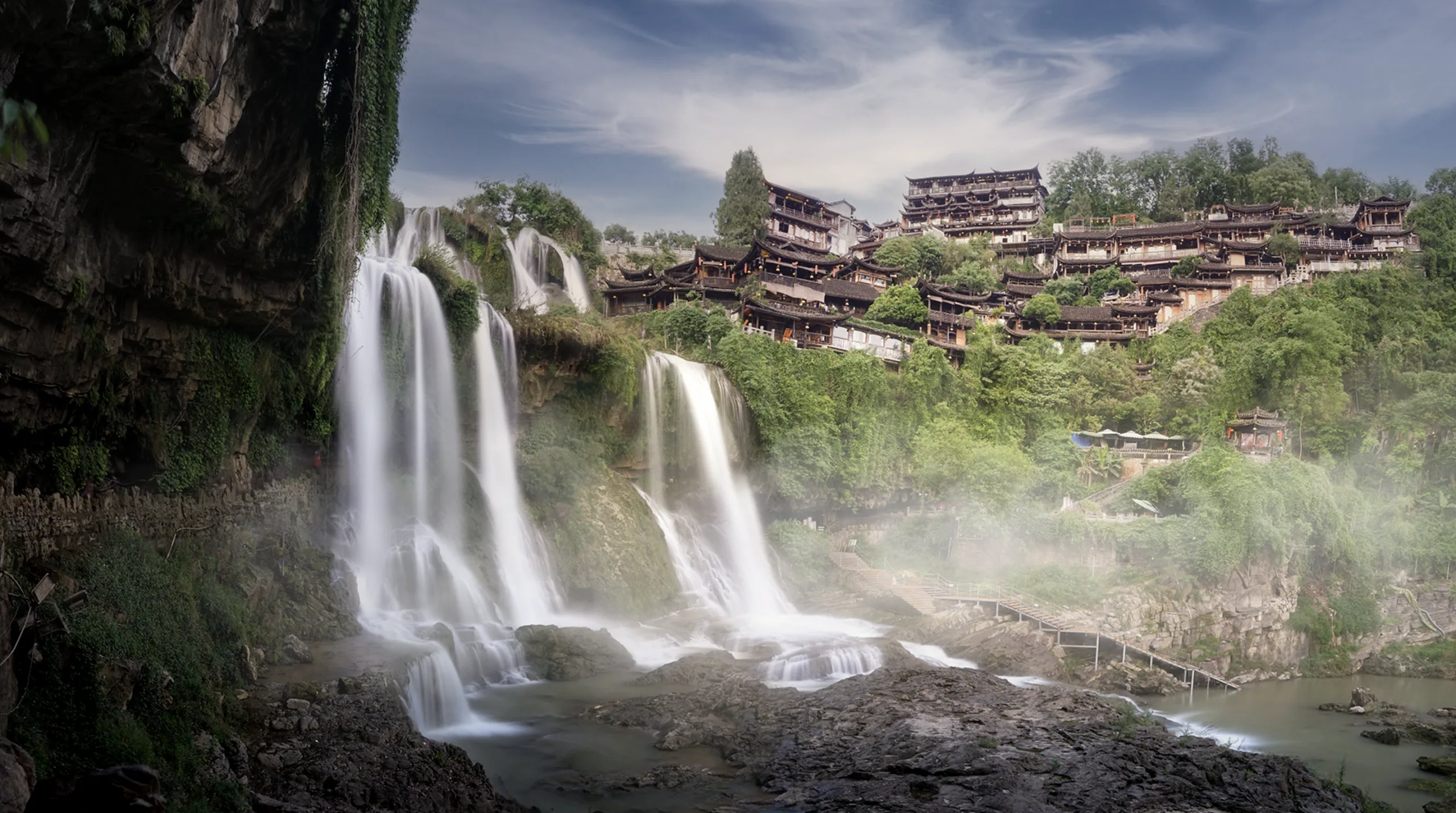
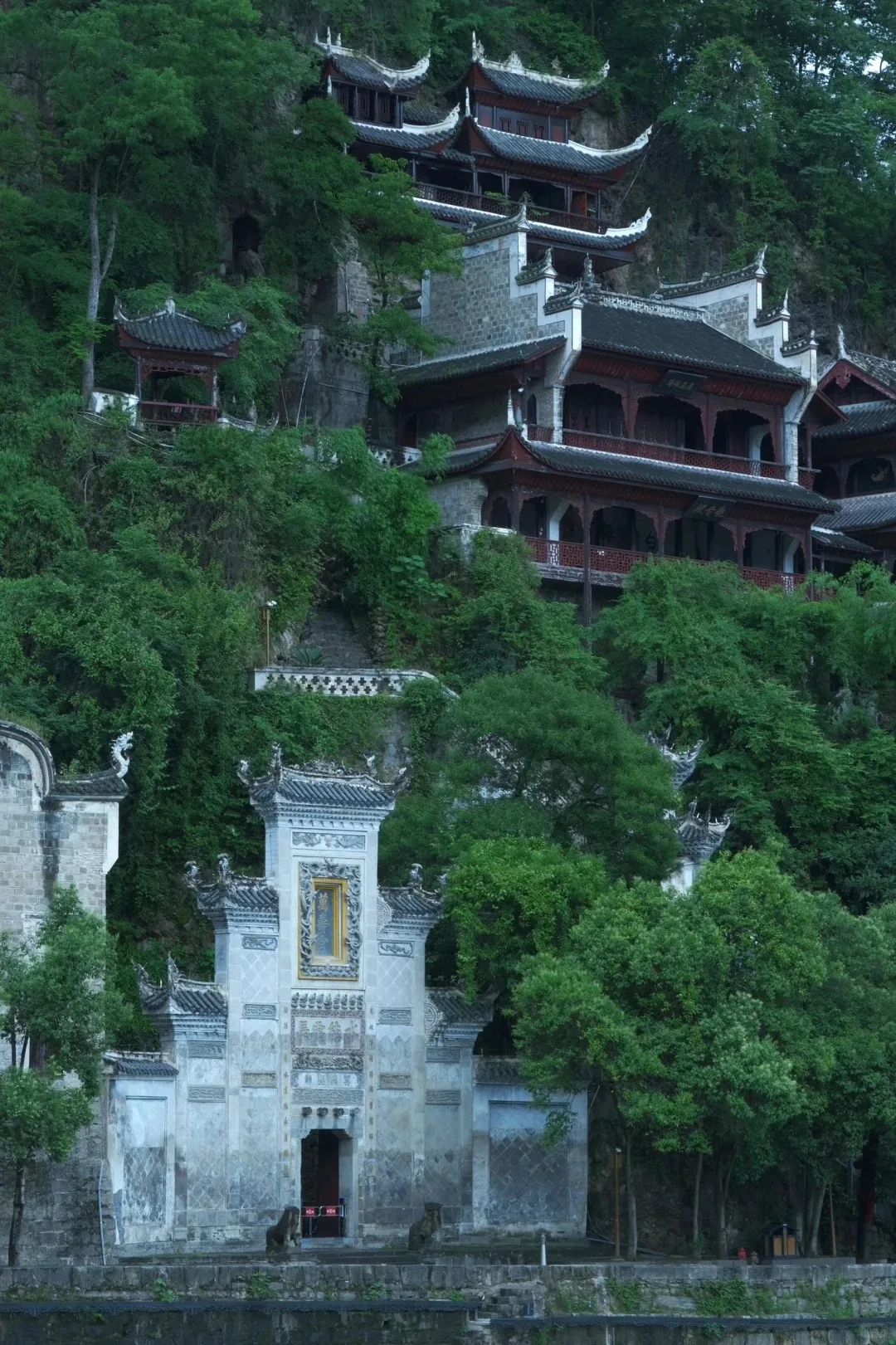
Begin with a slow riverside breakfast in Zhenyuan Ancient Town, then step into the Fu Family Courtyard to glimpse Qing-dynasty merchant life and exquisite nanmu craftsmanship. Explore Qinglong Cave, where Confucianism, Taoism, and Buddhism cling to the cliff in harmony. Continue to Yunshe Village, unwind by the Longtang River, and share the quiet lanes with curious free-roaming geese.
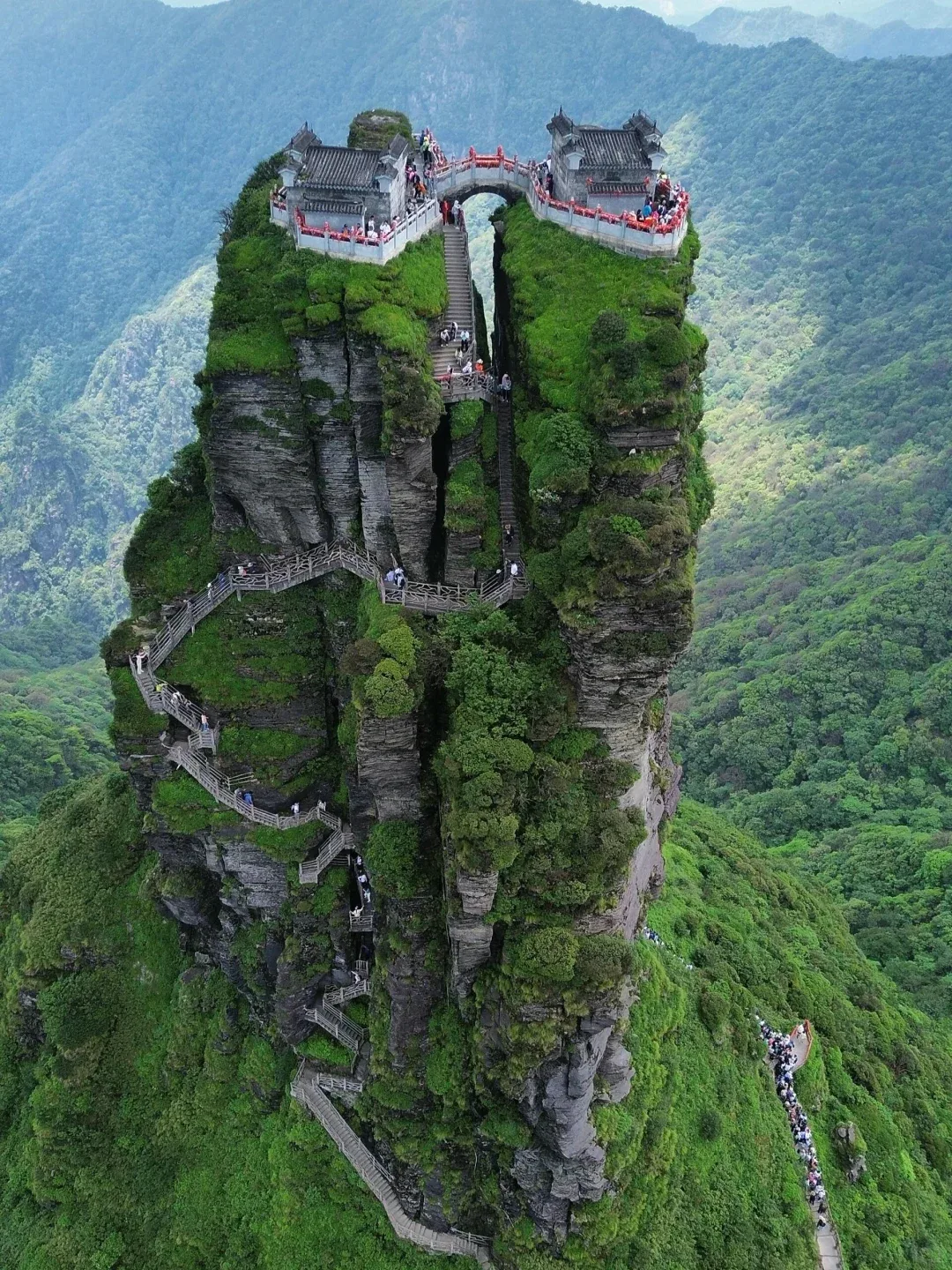
Mount Fanjing – Xijiang Qianhu Miao Village
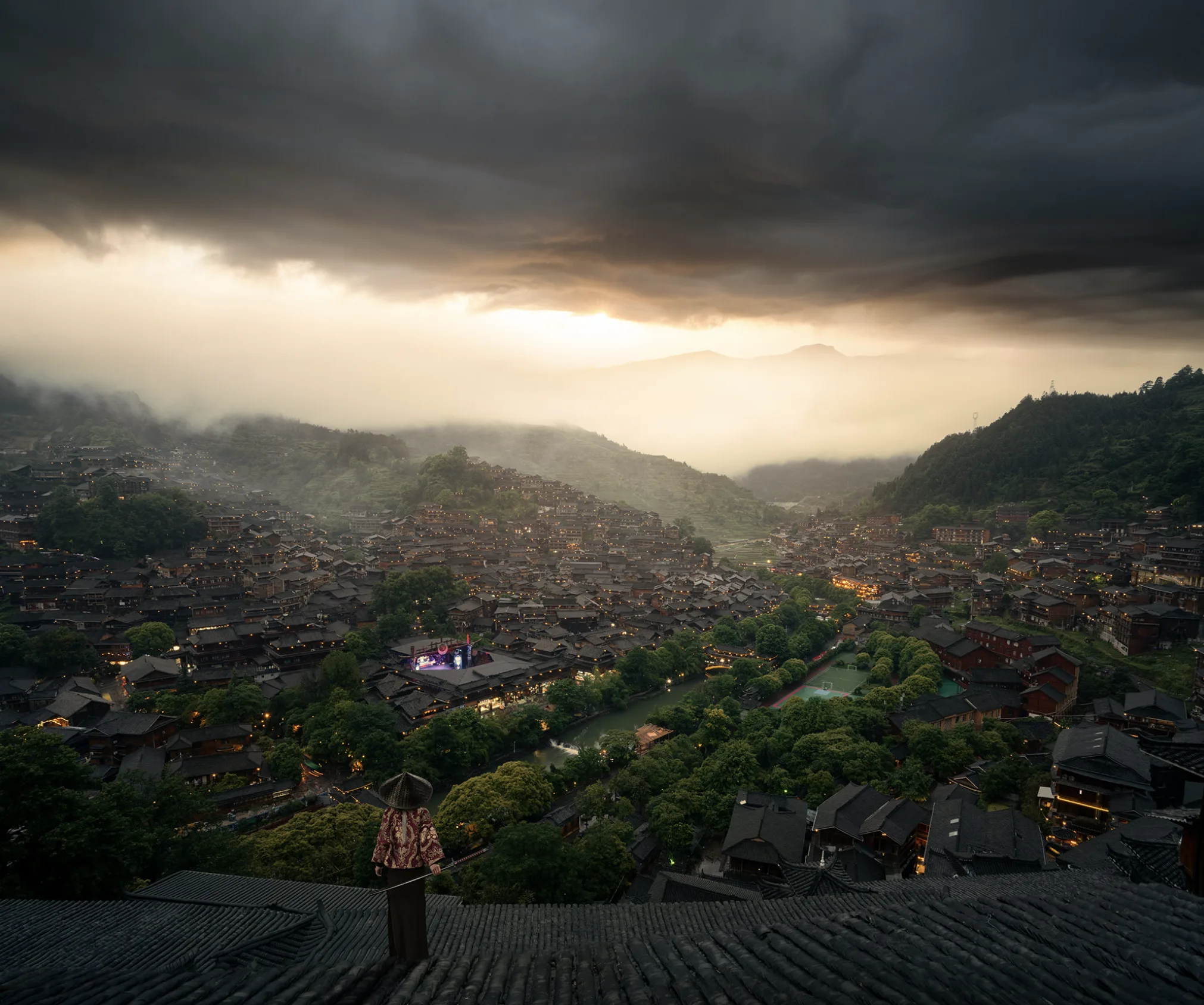
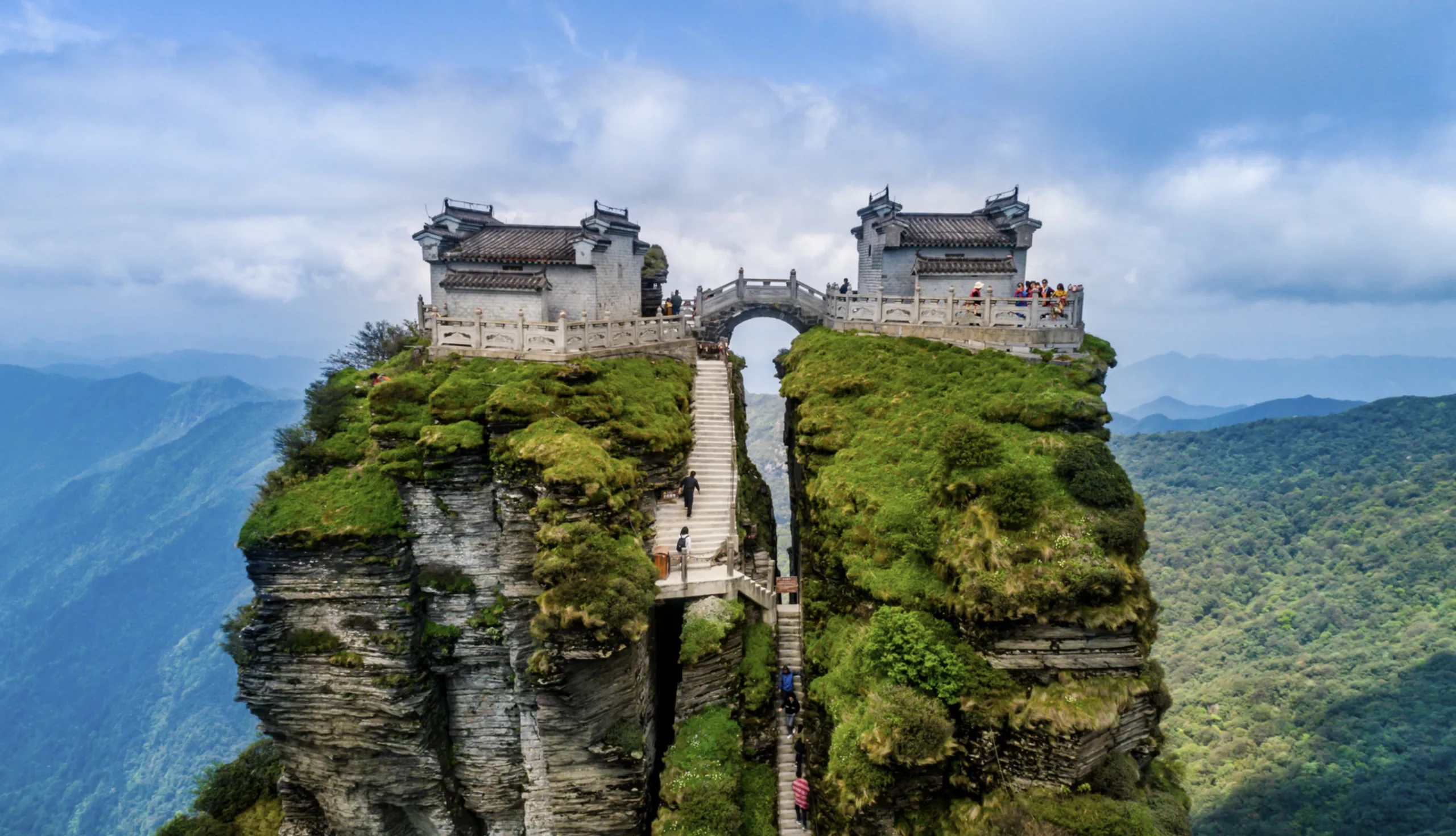
Ascend the sacred peaks of Mount Fanjing, home to rare endemic species, travelling by cable car before walking among cloud-wrapped rock formations and dramatic summits. After descending, continue to Xijiang Qianhu Miao Village, where thousands of hillside homes glow at dusk. Share a lively long-table banquet and join the flowing-wine toasting ceremony, celebrating Miao hospitality beneath a sky of lantern-lit mountains.
Xijiang Qianhu Miao Village – Guiyang train station – Dali
Wake early to wander the quiet lanes of Xijiang Qianhu Miao Village before the village comes alive. Visit a local Miao home and create your own batik artwork using hot wax and indigo dye, transforming tradition into a personal keepsake. In the afternoon, transfer to Guiyang train station, take a five-hour high-speed train to Dali.
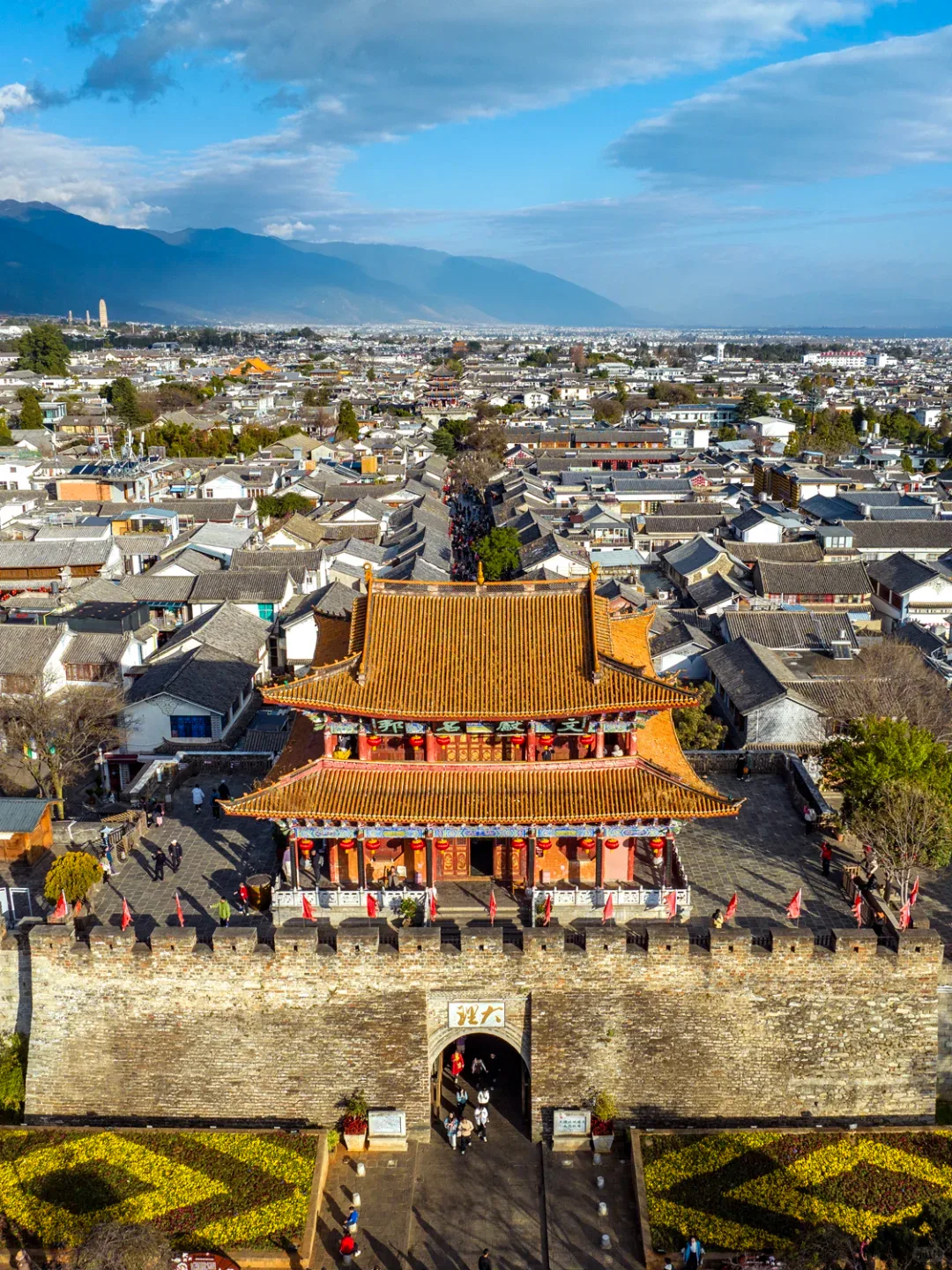
Dali – Erhai Lake – Xizhou – Shaxi Ancient Town
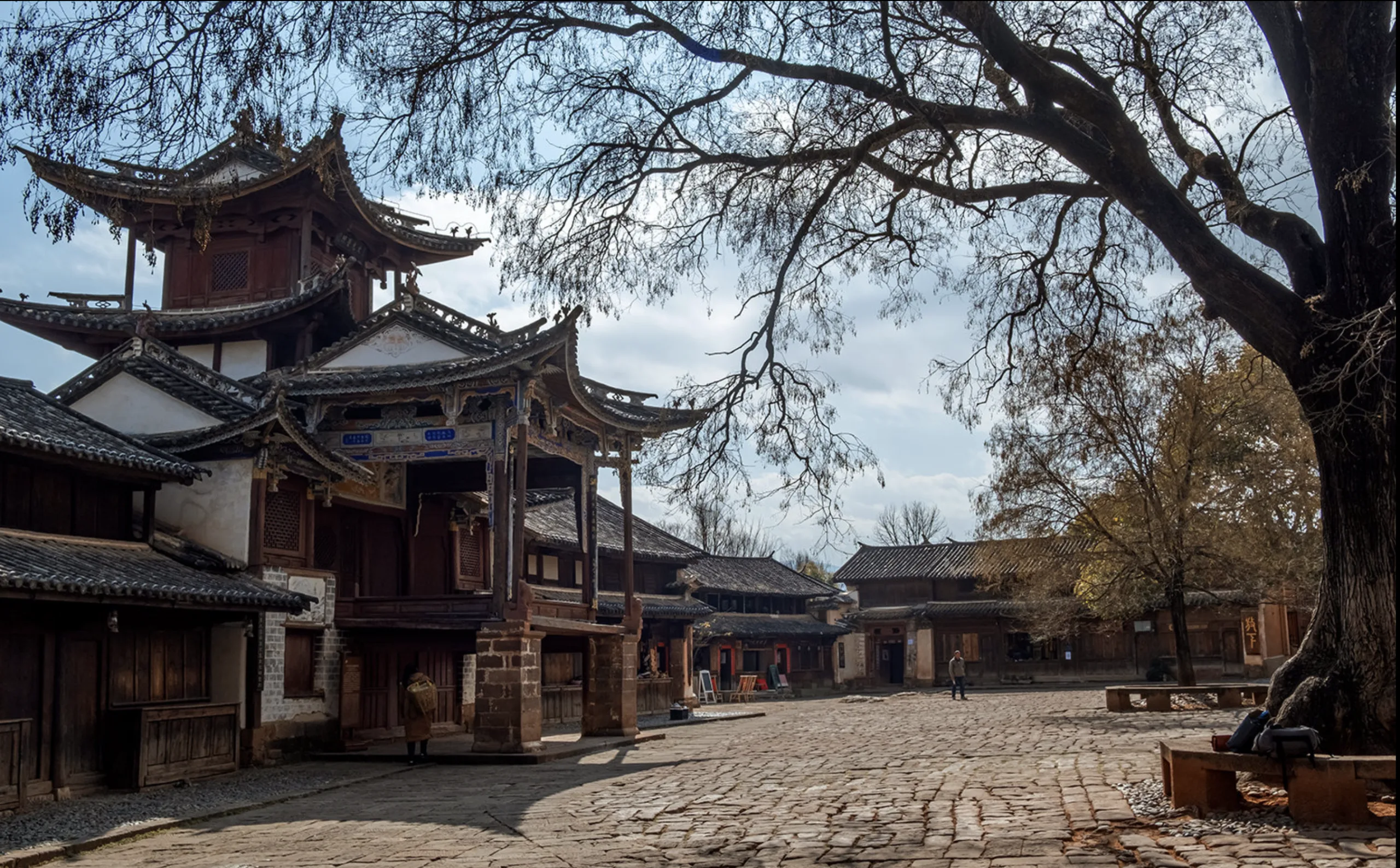
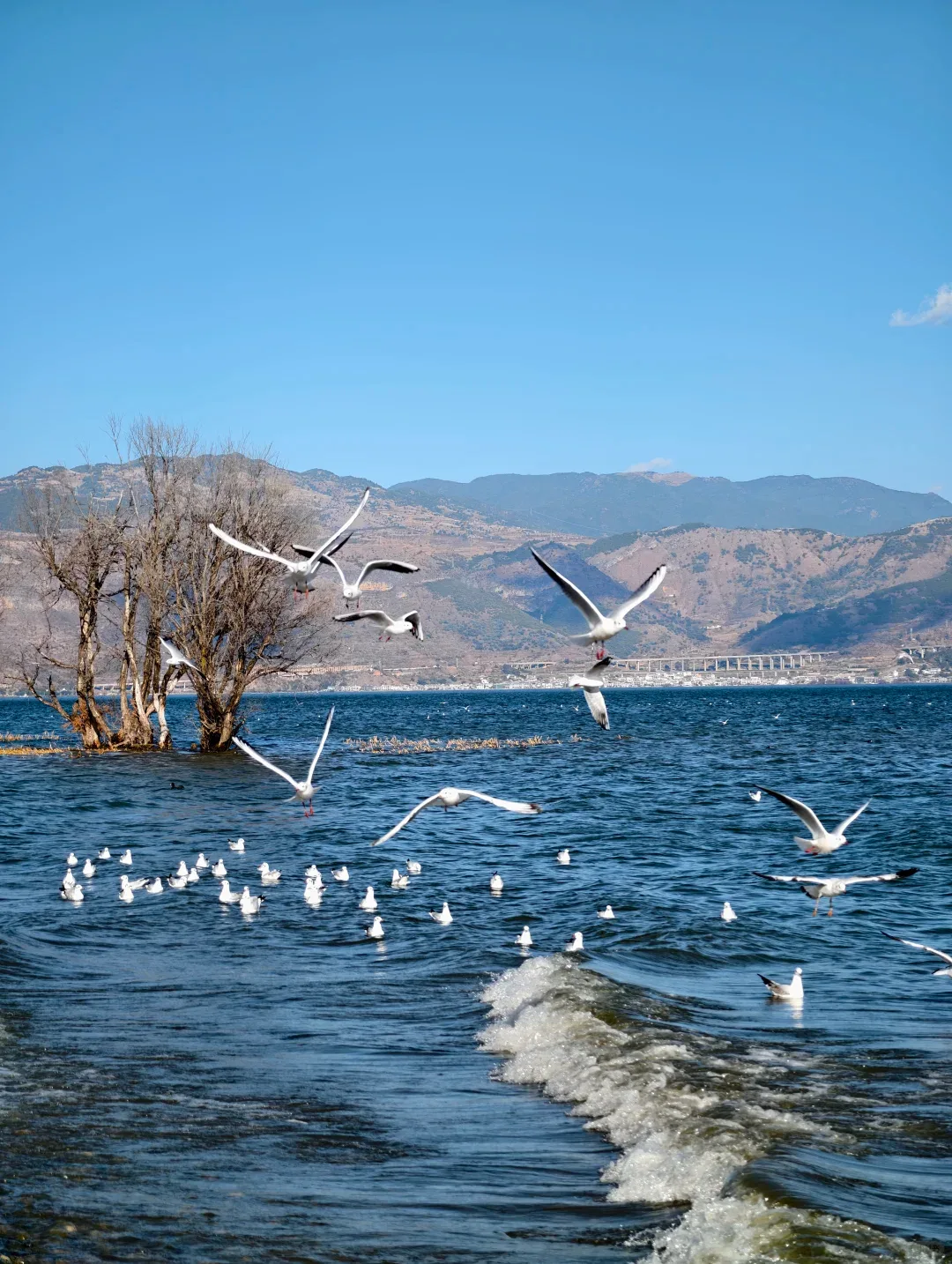
Today, we’ll dive deeper into Bai culture. Step into a women-run tie-dye studio to craft your own hand-dyed keepsake using natural pigments. Cycle along the shores of Erhai Lake, feeling the breeze and sunlight as the water stretches beside you. Explore Xizhou Ancient Town, admire classic Bai architecture, and enjoy a local Bai lunch. By evening, wander through the quiet lanes of Shaxi Ancient Town, once a Tea Horse Road hub, now steeped in calm history.
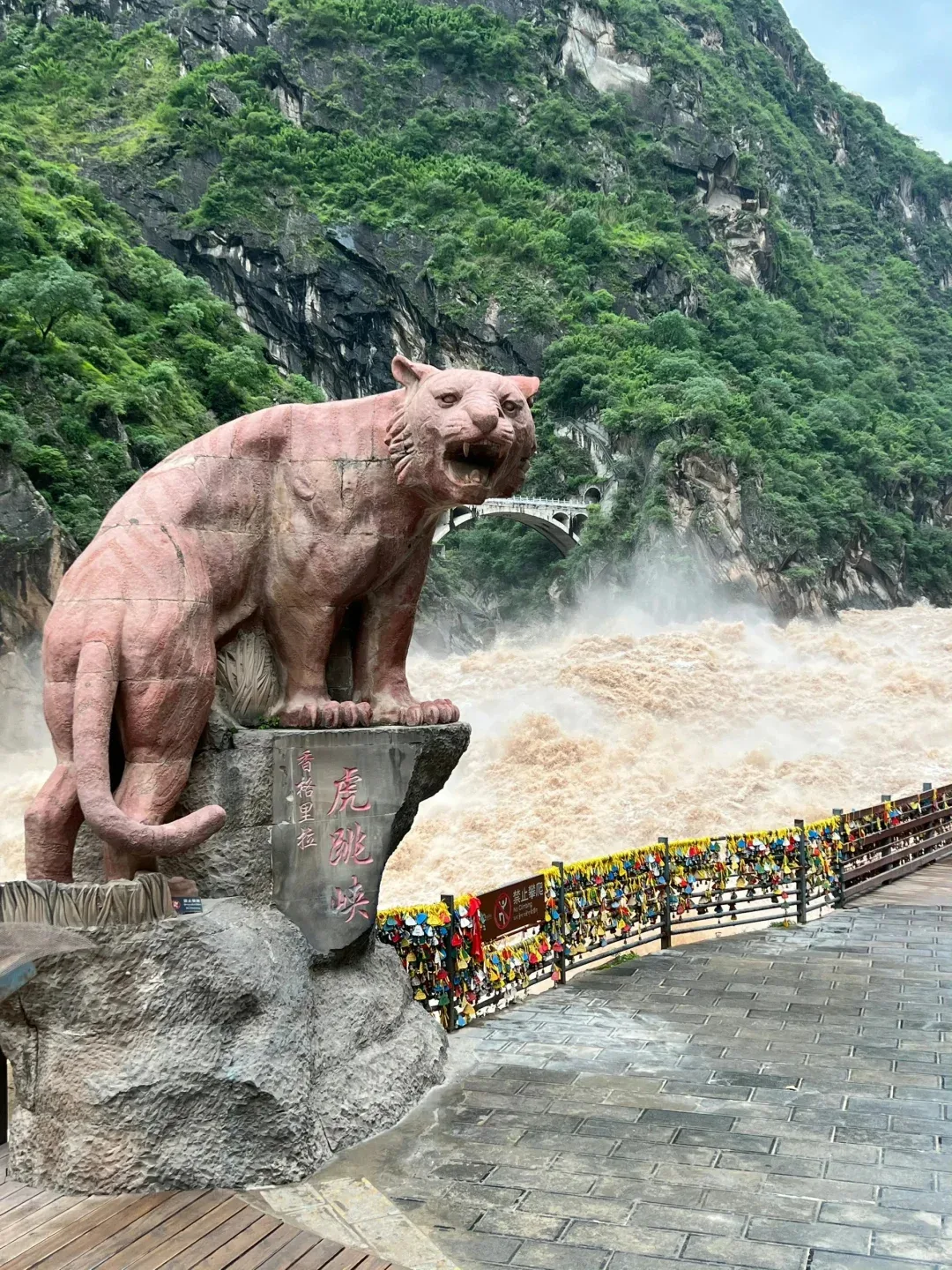
Shaxi Ancient Town – Tiger Leaping Gorge – Shangri-La – Dukezong Ancient Town
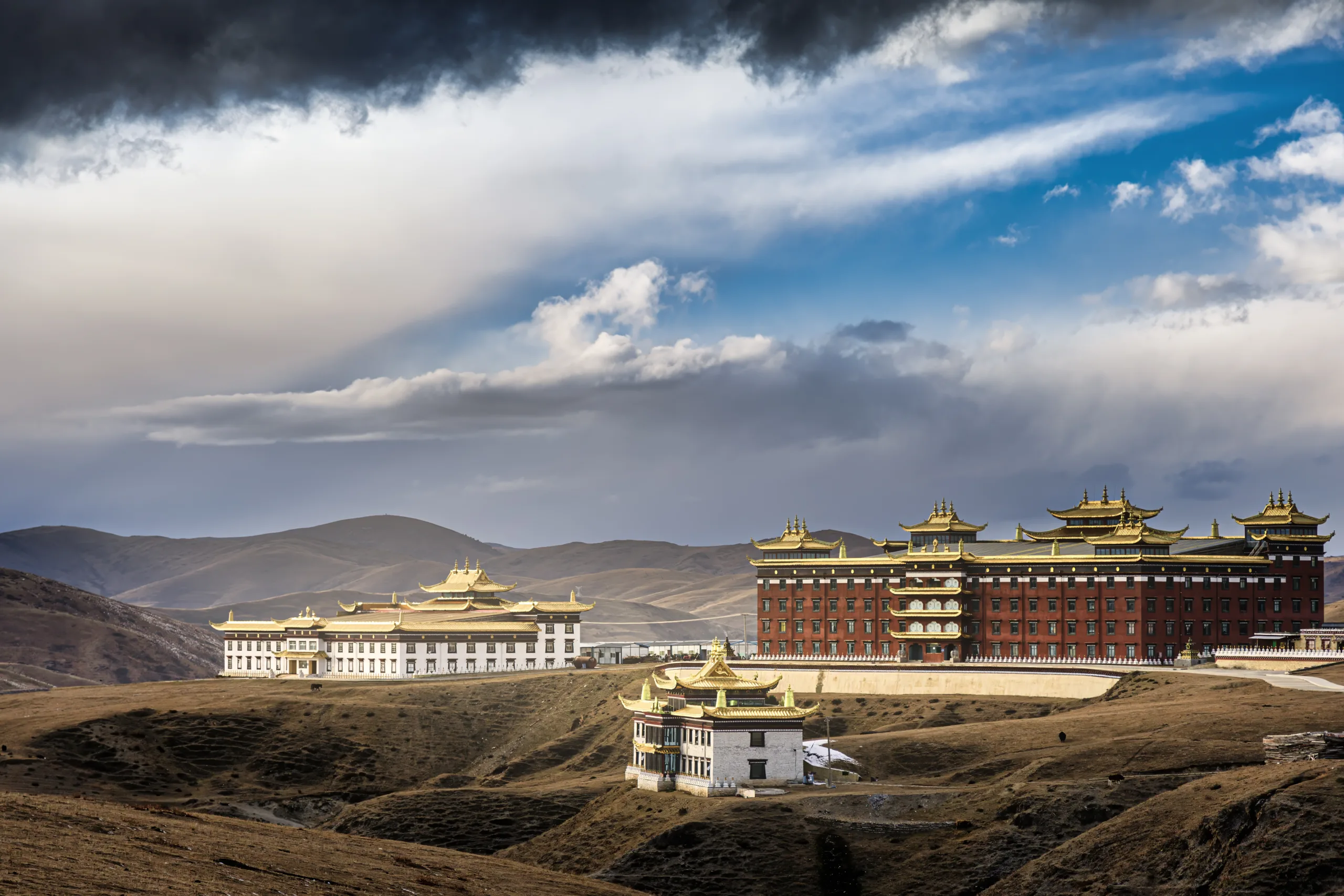
Today, the journey takes a dramatic shift as we head deep into the Himalayas and step into the heart of Tibetan culture. Wake early to watch mist drift across Shaxi Ancient Town, then wander its silent lanes before the crowds arrive. Stand beside the thunderous Jinsha River at Tiger Leaping Gorge, where sheer cliffs and roaring water reveal nature at its most raw. Continue to Shangri-La to encounter towering prayer wheels, and end the day in Dukezong Ancient Town, joining locals in evening Guozhuang dance beneath the highland sky.
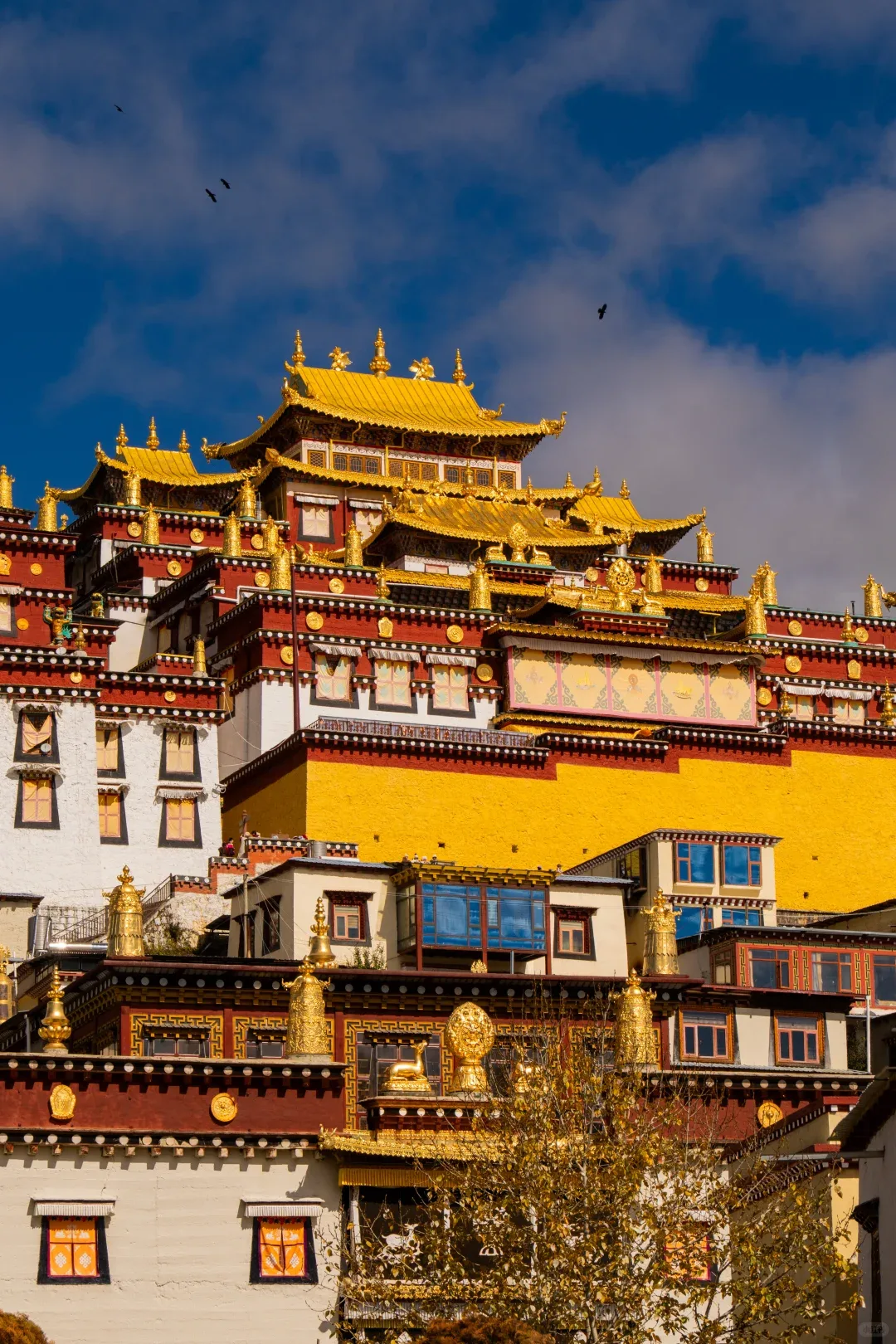
Songzanlin Monastery – Dukezong Ancient Town – Yuhu Village
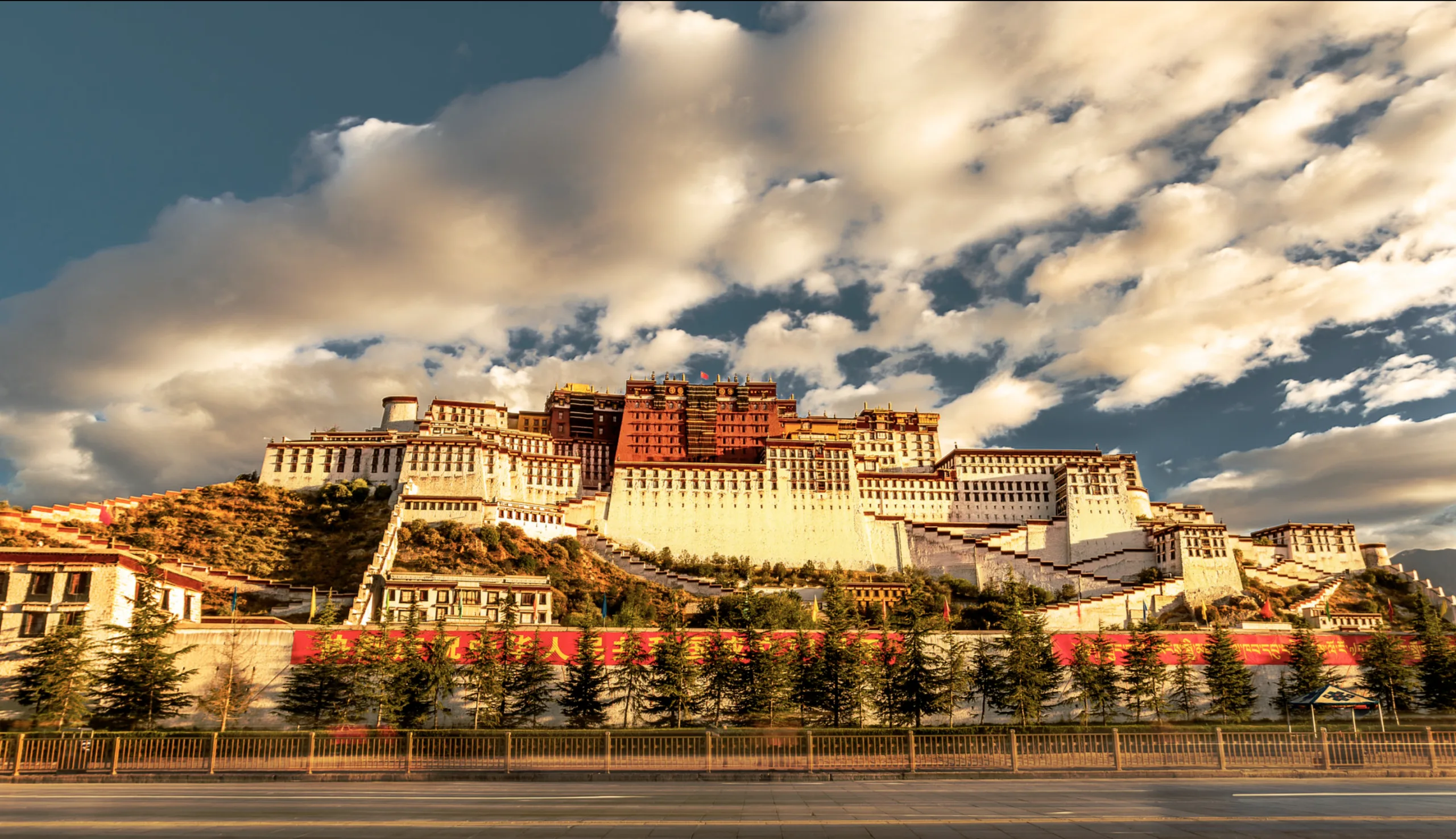
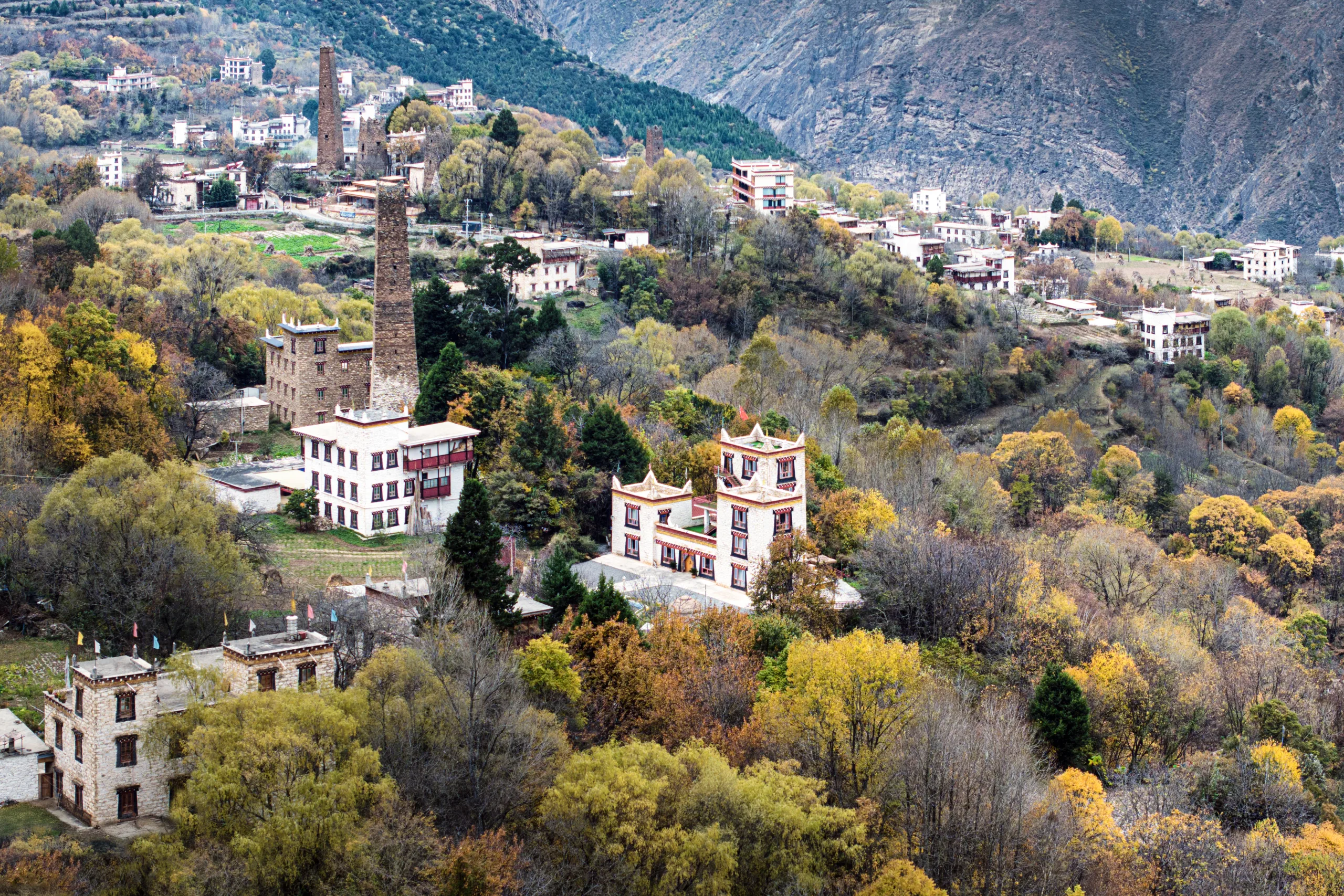
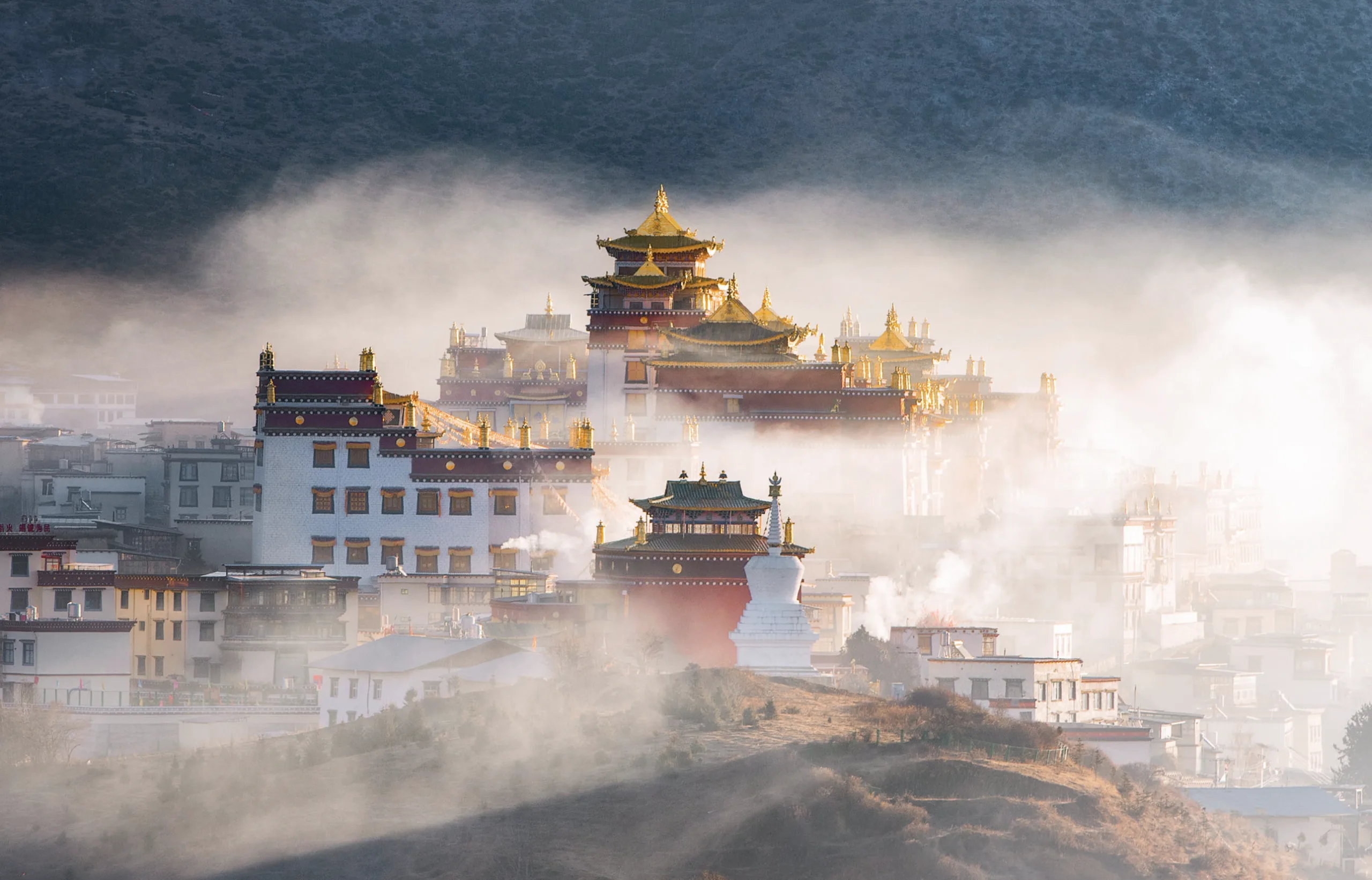
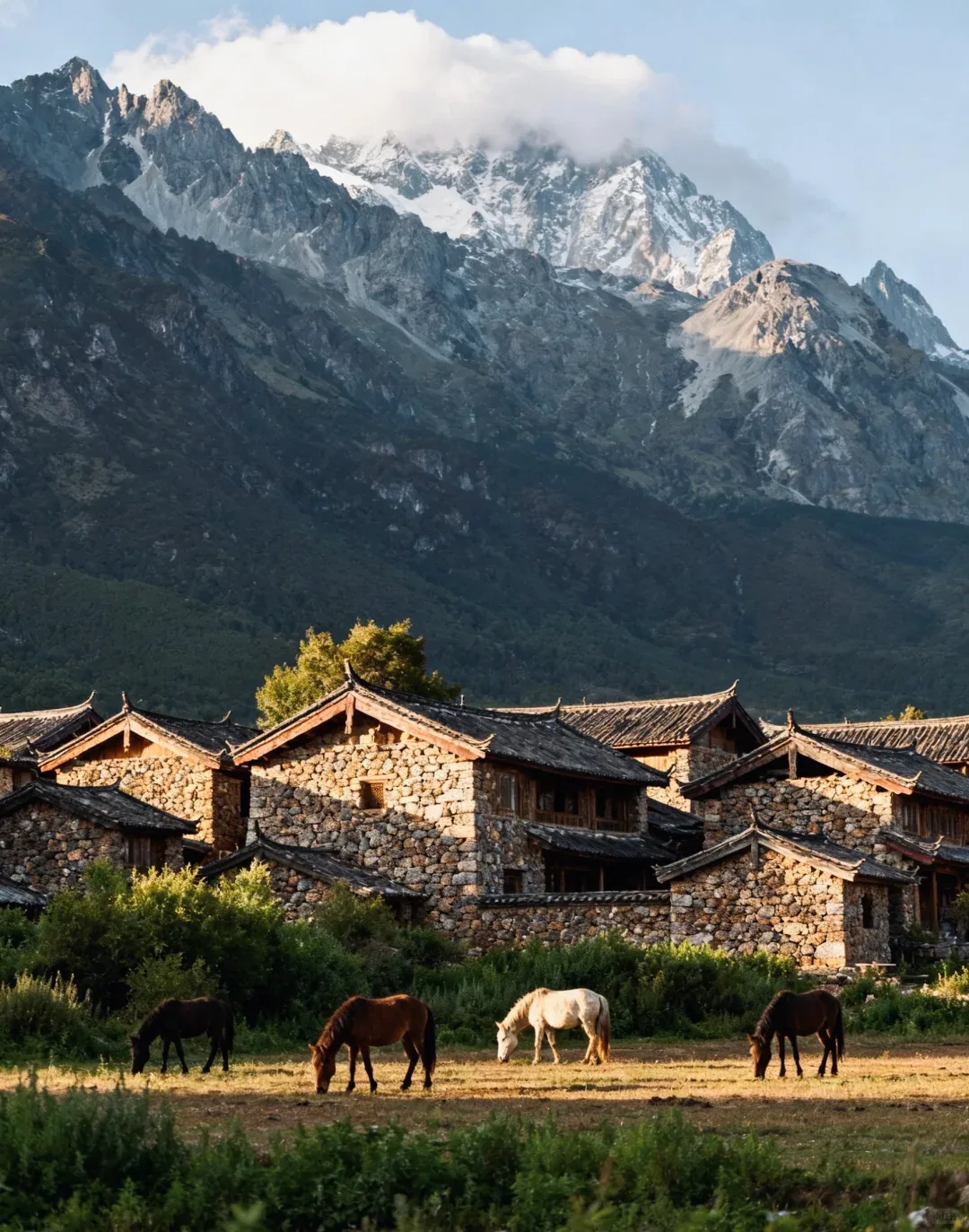
Gaze across drifting morning mist toward Songzanlin Monastery, then climb its stone steps to explore the grand halls of Yunnan’s largest Tibetan Buddhist monastery. Travel to Yuhu Village, a hidden stone village nestled beneath Jade Dragon Snow Mountain, known for its timeless beauty and close connection to the surrounding peaks.Visit a Naxi family, hand-make stone-ground tofu, try papermaking, learn Dongba pictographs, and share songs and dances before watching sunset glow on the snow peaks and stars fill the alpine night sky.
Jade Dragon Snow Mountain – Yuhu Village
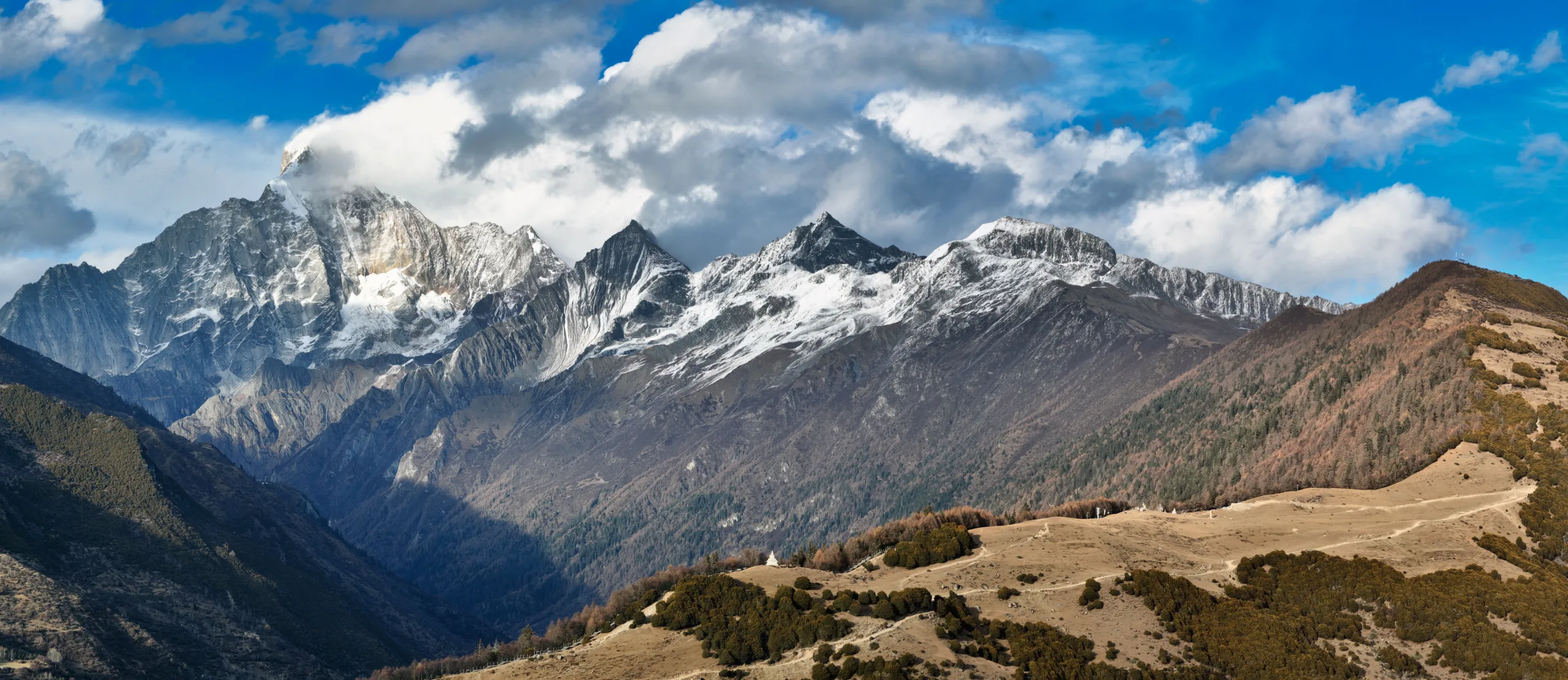
Ride on horseback across the remote backside of Jade Dragon Snow Mountain, setting out after sunrise turns Longnv Lake gold. Following little-used caravan routes, you’ll experience the mountain from an exclusive perspective, far from tourist trails and crowds, moving through quiet alpine meadows and hidden valleys rarely seen by visitors.
Baisha Ancient Town – Black Dragon Pool Park – Lijiang Ancient Town
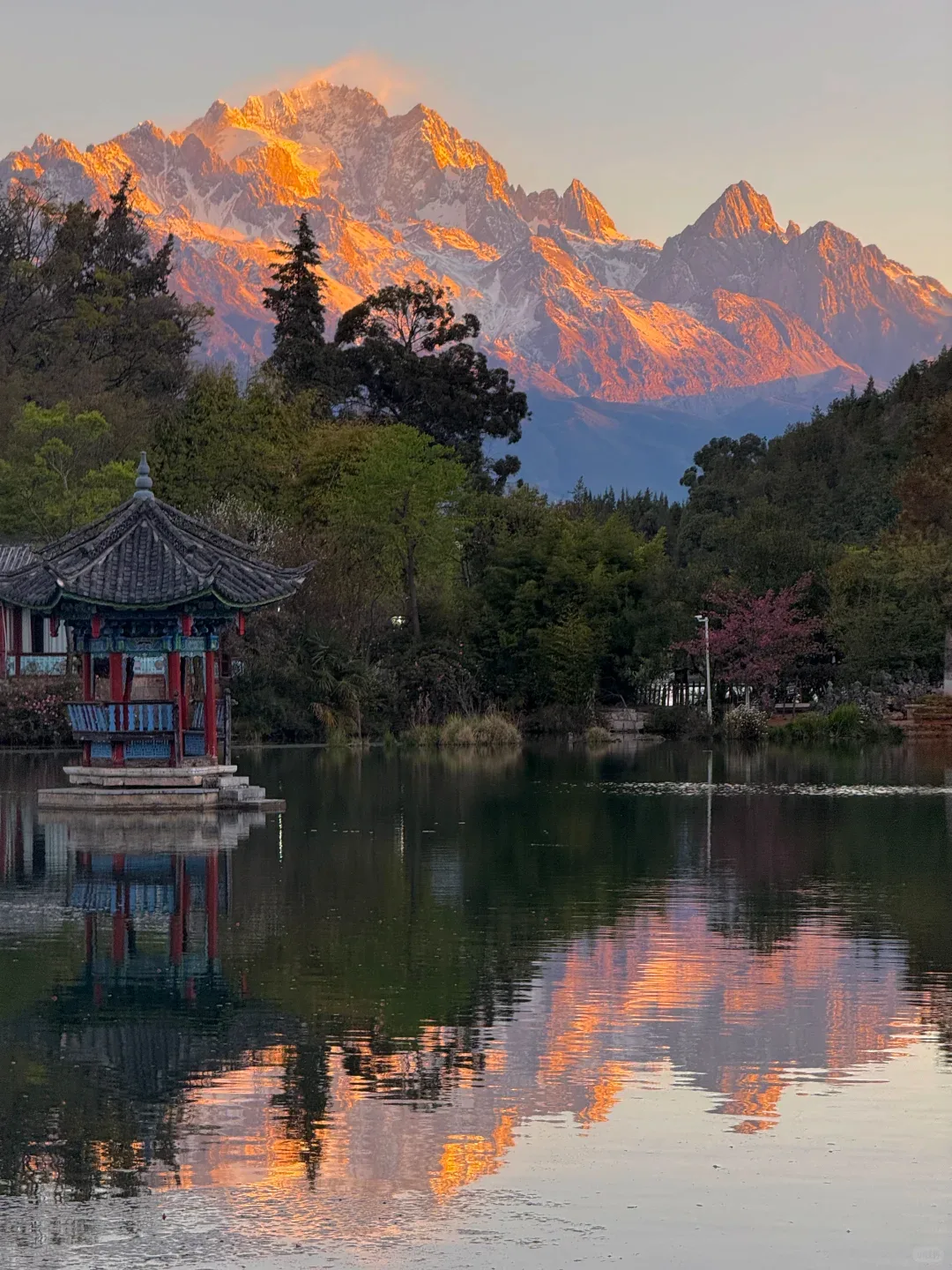
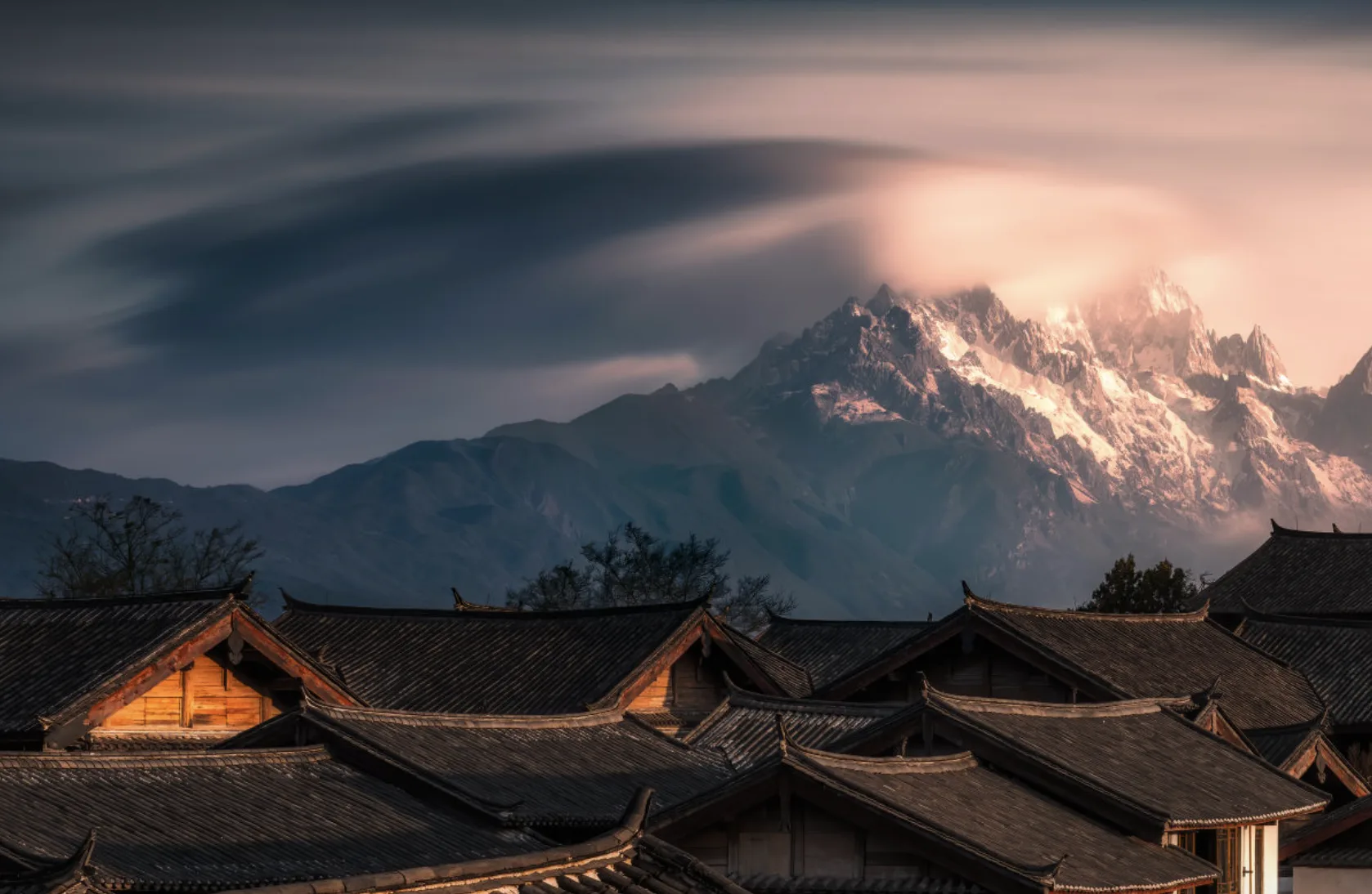
At the foot of the snow mountains, Baisha Ancient Town preserves its history in a uniquely quiet way, with murals that tell silent stories of the past. Here, you’ll paint your own mural by hand, turning your memories into something vivid and lasting.rnrnLater, visit a park beneath the snow peaks to watch Yunnan sunset, then end the journey in Lijiang Old Town, listening to one last folk song and carrying home a heart full of unforgettable memories.
Lijiang Departure
Enjoy a final cup of tea in the soft Lijiang sunshine as the town slowly wakes. Watch locals practise morning exercises, chat beneath old trees, and begin their day at an unhurried pace, a quiet glimpse into everyday life. At the appropriate time, transfer to the airport for your onward flight, concluding the journey with calm memories and a gentle farewell to Yunnan.

Interested in a similar itinerary but want to Travel Privately?
Our Travel Experts are here to craft your perfect tailormade holiday.
Featured Stays
We’ve hand-selected a range of accommodations to suit different preferences, each offering a distinctive experience deeply connected to the local land and culture. We work with these or similar hotels to ensure a stylish and comfortable stay every time.
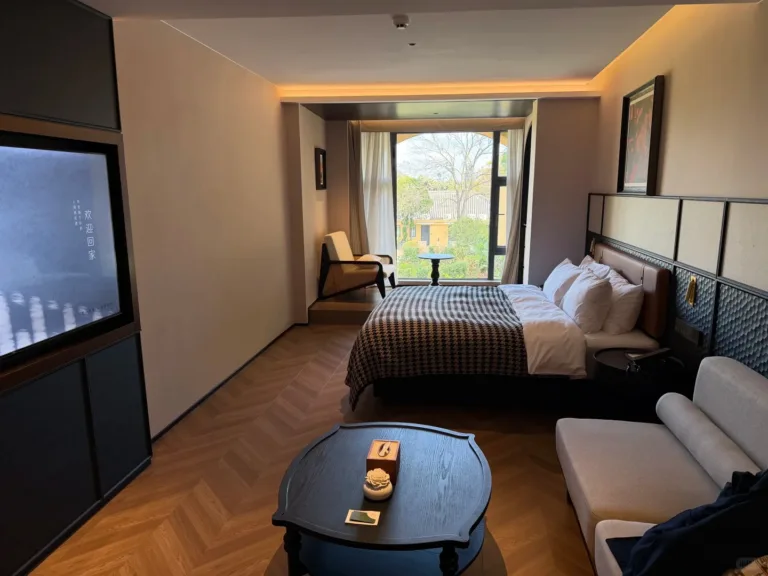
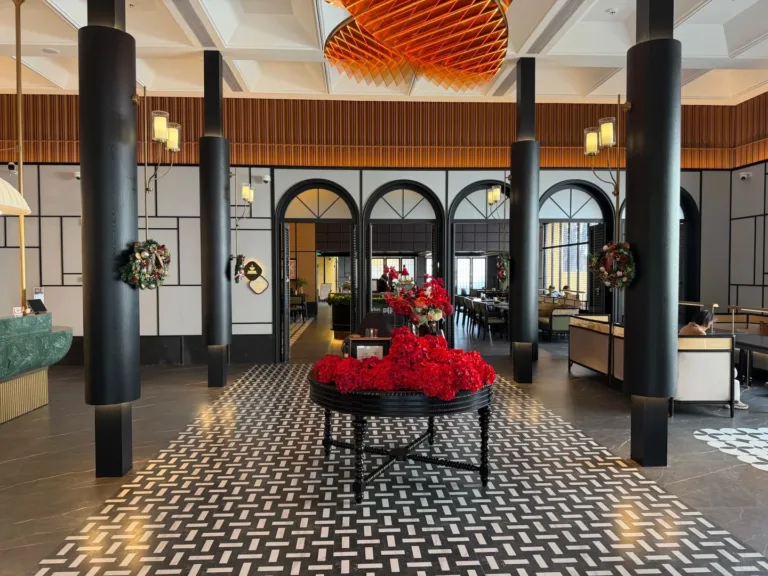
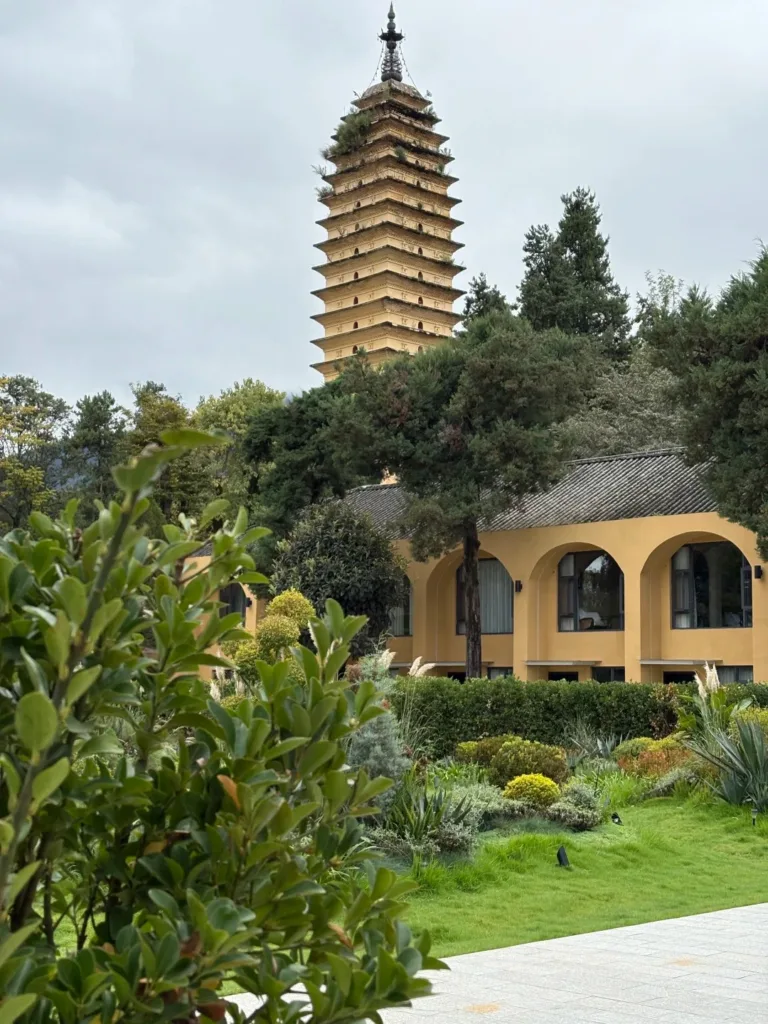
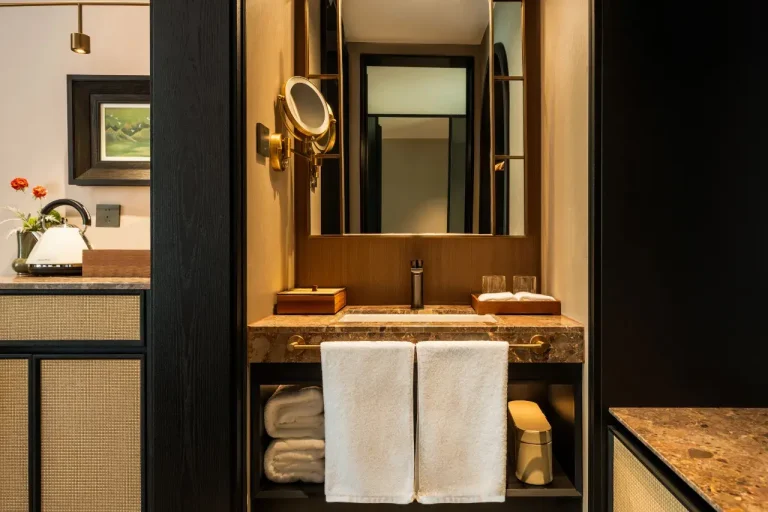
Dali Huajian Mansion
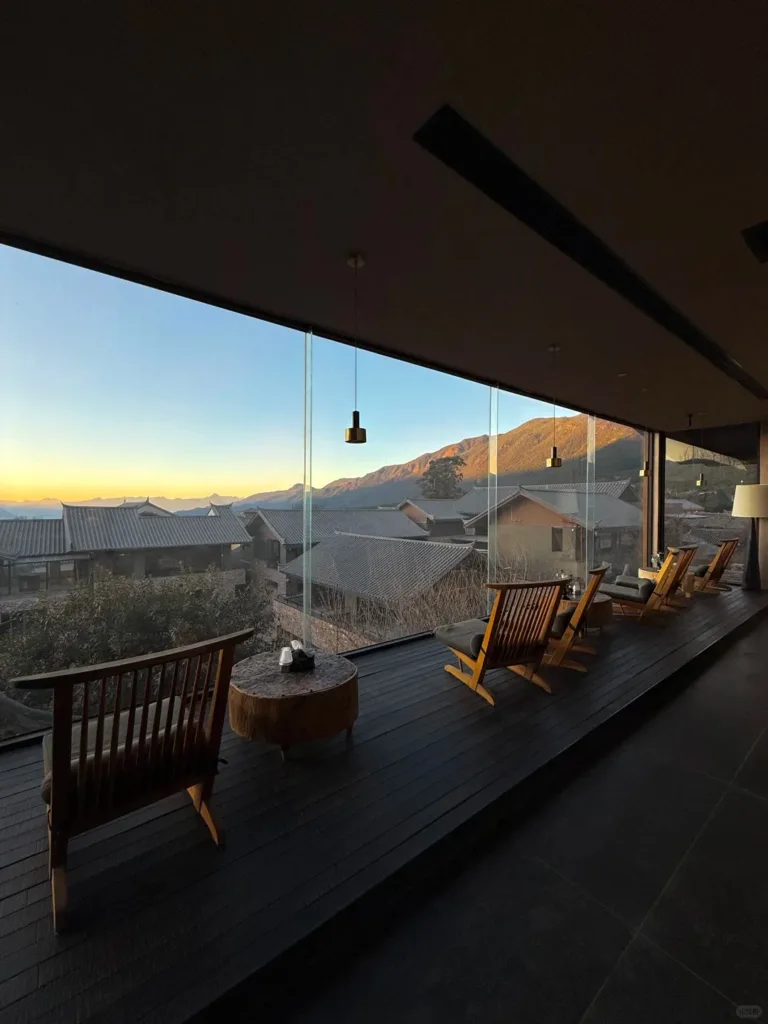
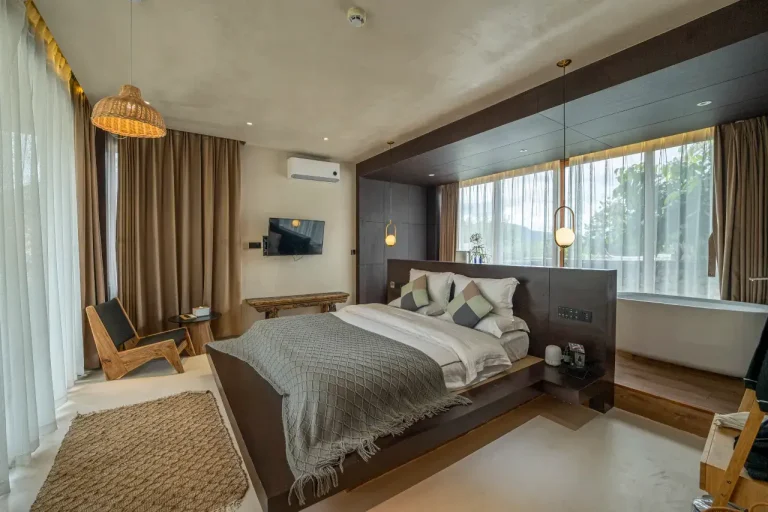
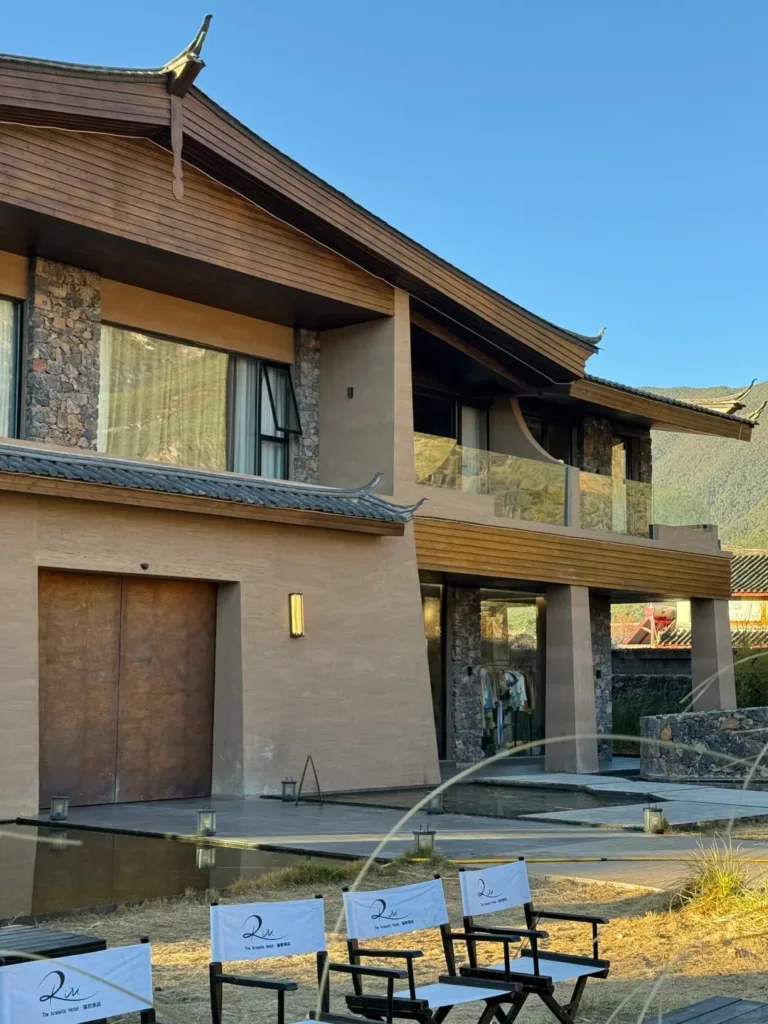
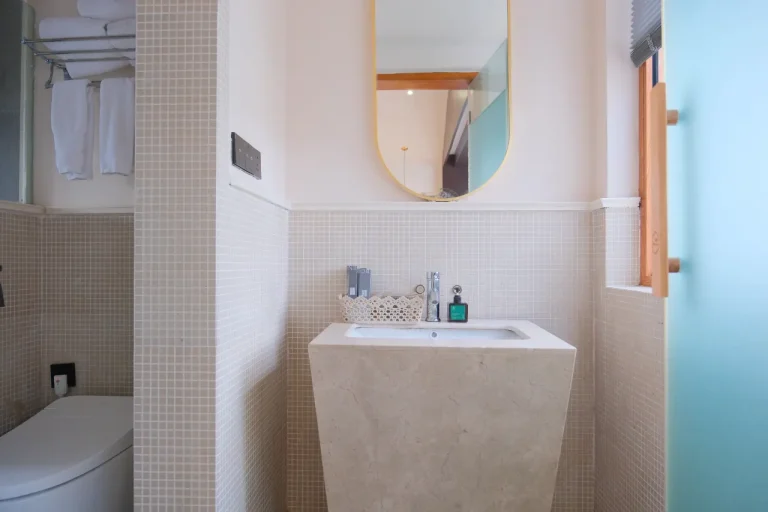
Yulong Village Ruixi Hotel
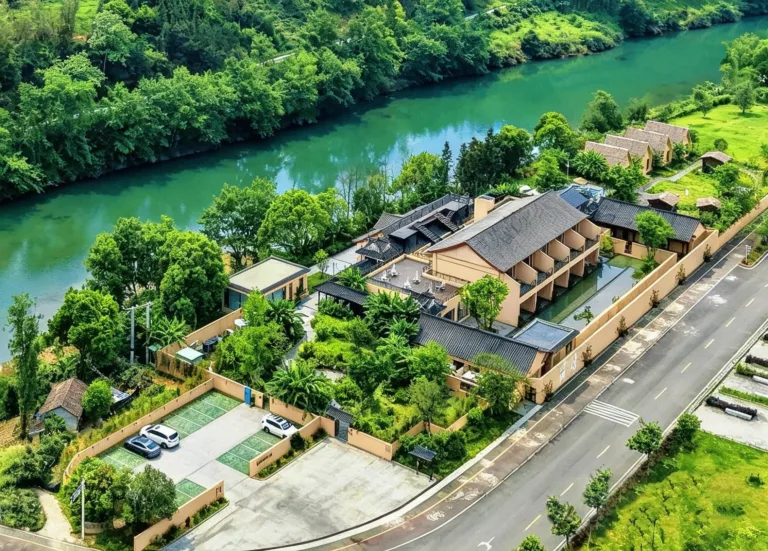
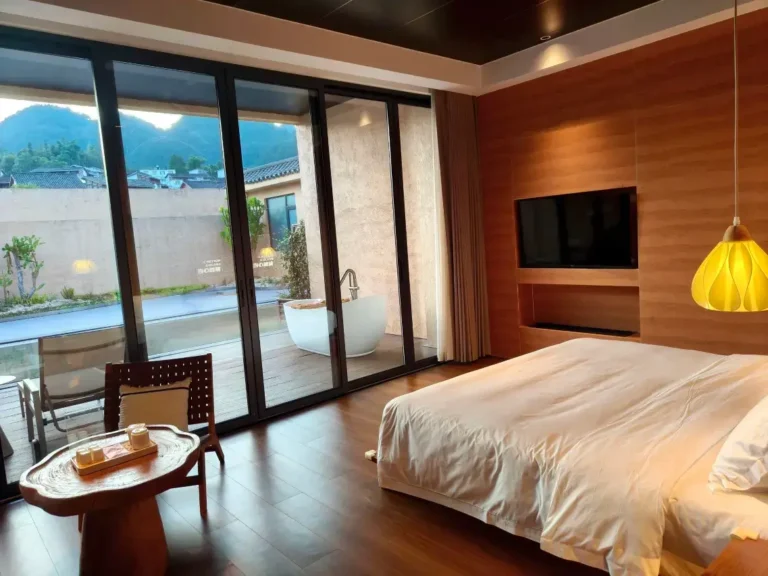
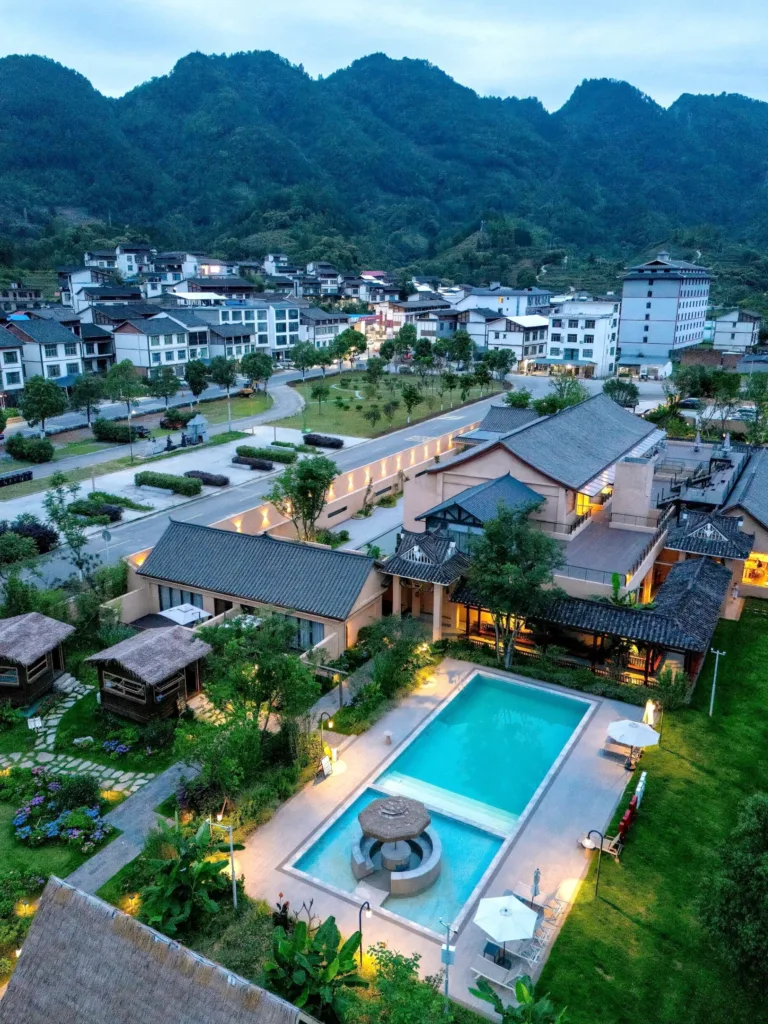
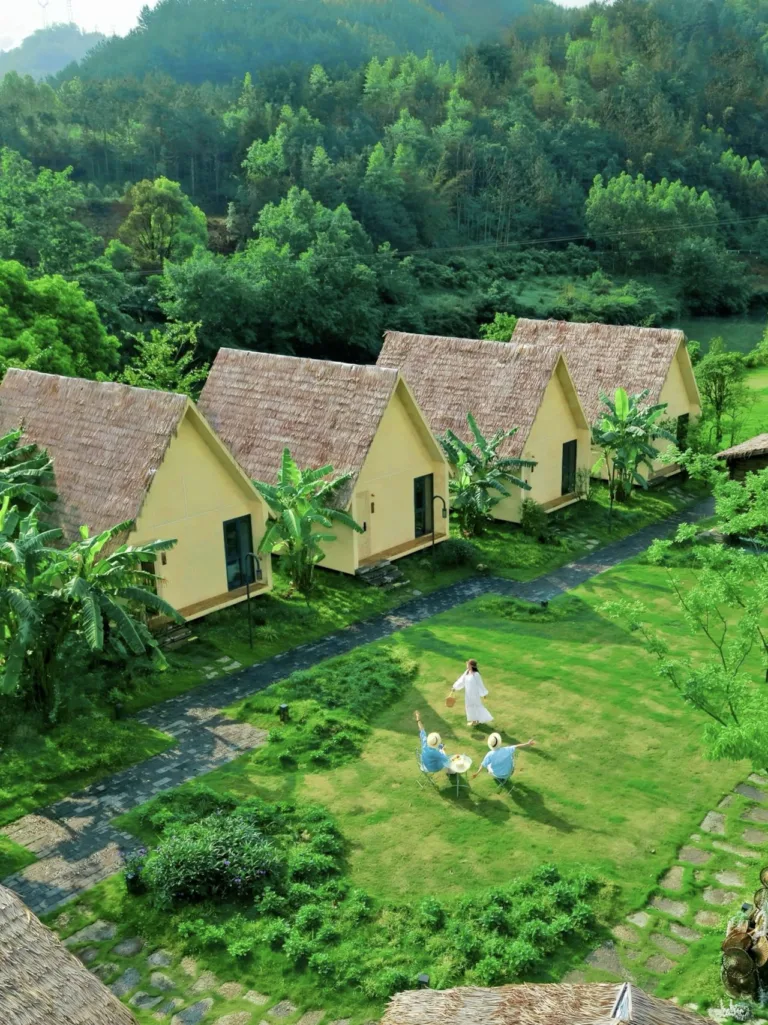
Qisu Lajia
Inclusions & Offers
Designed Around Your Journey
Rather than fixed departures, this experience is arranged privately and shaped around your preferred dates, interests, and travel style.
Our specialists will design the journey based on your pace, accommodation preferences, and seasonal conditions.
Best time to visit
Traveler Reviews




FAQs
What makes Guizhou and Yunnan special compared to other regions in China?
Together, Guizhou and Yunnan represent the most culturally and geographically diverse part of southern China.
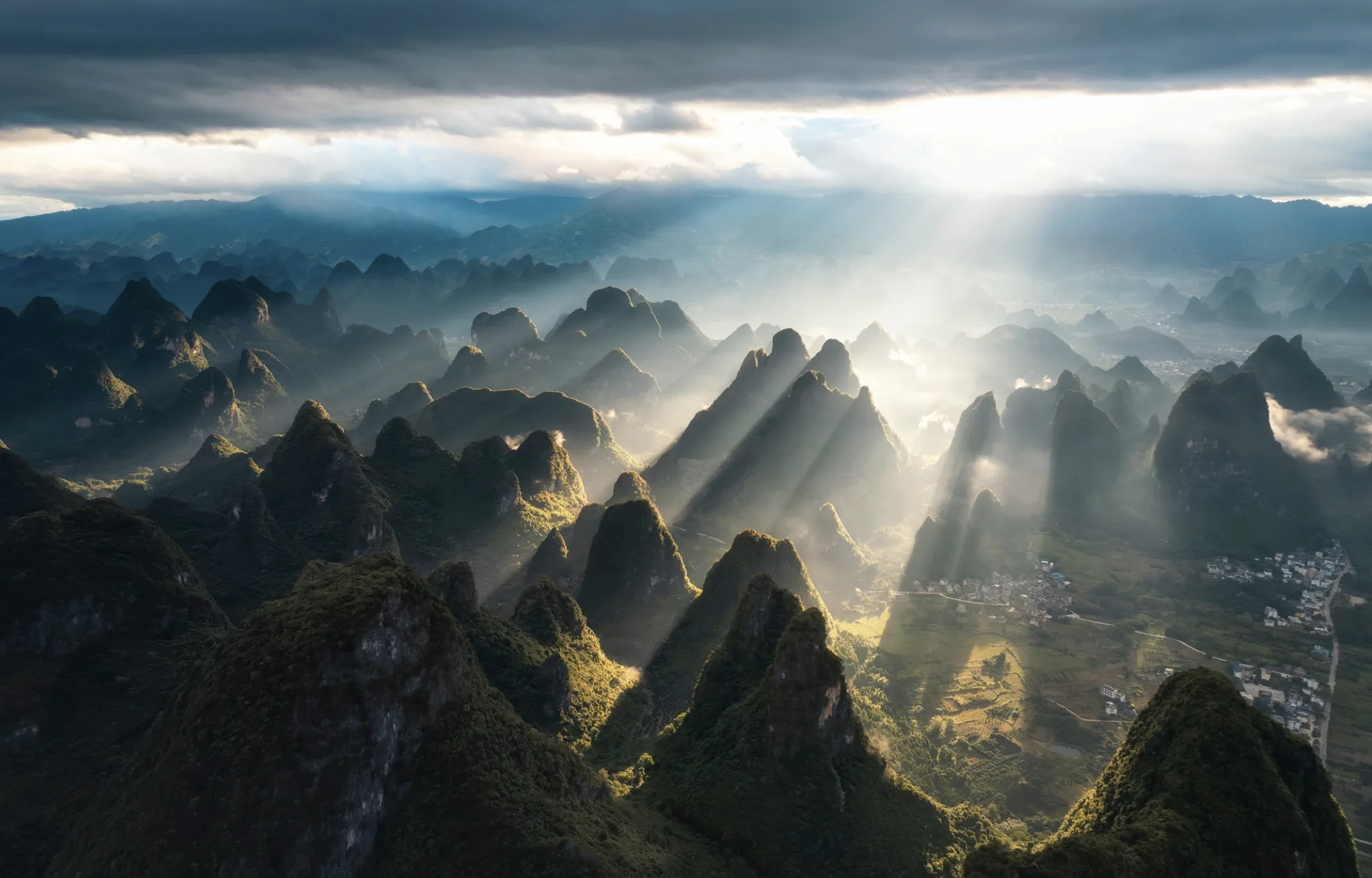
Guizhou is defined by dramatic karst landscapes, vast cave systems, terraced fields, and deeply rooted minority cultures, while Yunnan offers a striking contrast of snow mountains, lakes, ancient caravan towns, and relaxed daily life.
Combined, they allow you to experience China’s richest ethnic diversity and most varied natural scenery in one single journey.
Which airport should I fly to? What is the airport code?
The journey begins in Guiyang at Guiyang Longdongbao International Airport (IATA: KWE) and concludes in Lijiang at Lijiang Sanyi International Airport (IATA: LJG).
What kind of landscapes will I experience on this trip?
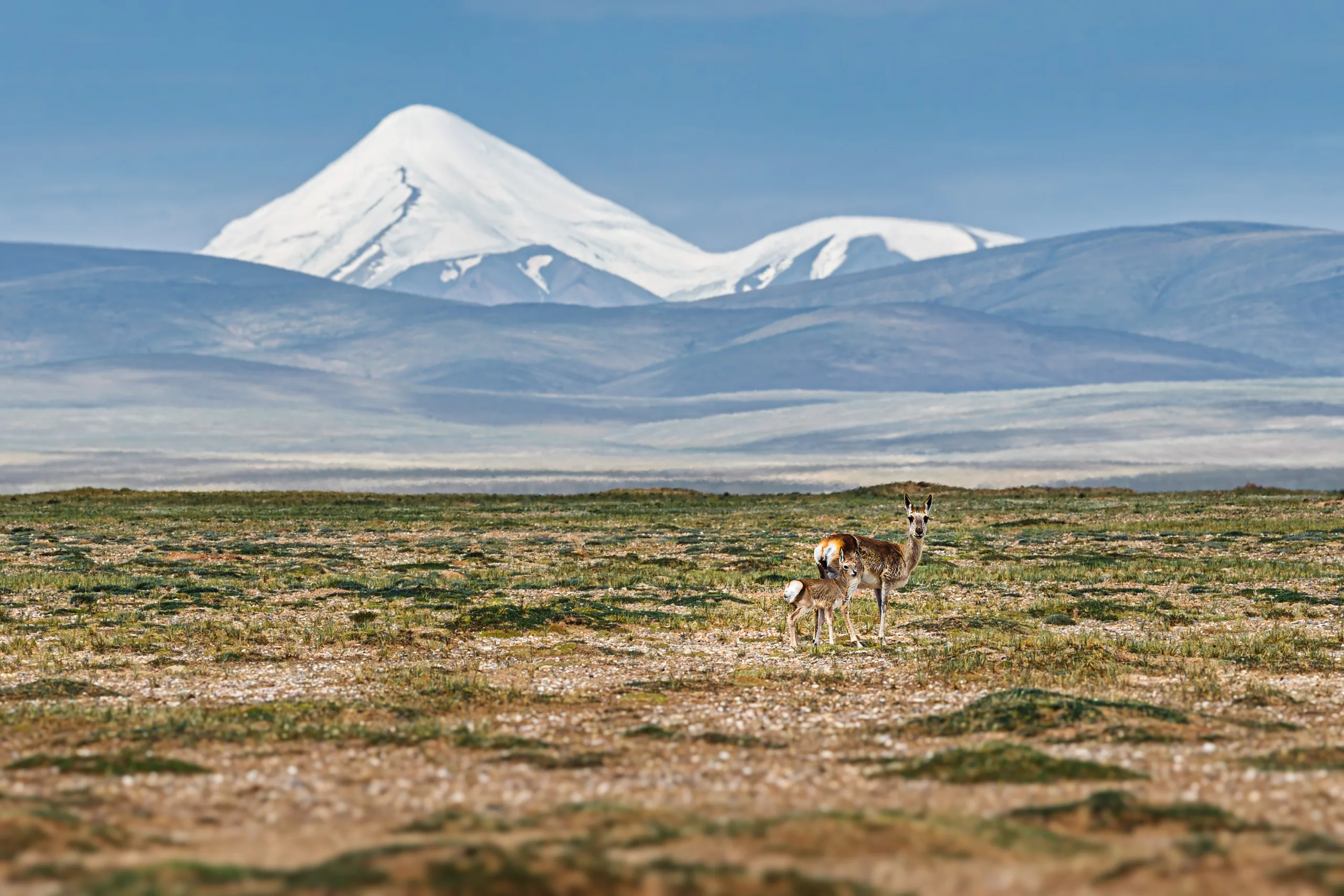
Expect an extraordinary range of environments, including underground caves, subterranean rivers, forests, waterfalls, rice terraces, mountain villages, alpine valleys, lakes, and snow-capped peaks.
In Guizhou, above-ground and underground worlds are equally important; in Yunnan, landscapes open up into wide plateaus, sacred mountains, and softer, slower scenery.
What cultures and communities will I encounter?
This journey introduces you to a wide range of ethnic groups, including the Miao, Dong, Yao, and Tujia peoples in Guizhou, and the Bai, Naxi, and Tibetan communities in Yunnan.
You’ll encounter wooden villages, drum towers, fire-pit feasts, long-table banquets, batik, traditional music, ancient rituals, and everyday village life that remains part of living culture rather than staged tourism.
Is this trip suitable for first-time visitors to China?
Yes. With experienced guides, thoughtful pacing, and carefully selected accommodations, this journey is well suited for first-time visitors seeking authentic China beyond major cities, without sacrificing comfort or safety.
How adventurous is the trip? Do I need special skills?
The journey blends light adventure with cultural immersion. Activities may include cave exploration, forest walks, village strolls, rice terrace paths, and scenic viewpoints.
All experiences are accessible, professionally guided, and adjustable. No prior experience or technical skills are required.
When is the best time to visit Guizhou and Yunnan?
It is a great destination year-round, summers are never overly hot, while winters offer clear skies, a slower pace, and rich ethnic festival traditions, making it an especially rewarding time for cultural exploration.
How physically demanding is the journey?
The itinerary focuses on leisurely walks and light hikes. Activities are well paced with regular breaks and can be adjusted for different fitness levels.
This is a journey designed for immersion, not endurance.
What kind of accommodation can I expect?
You’ll stay in a mix of boutique hotels, courtyard guesthouses, terrace-view lodges, and characterful mountain accommodations.
In rural areas, comfort and cleanliness are prioritised while preserving local character and atmosphere rather than large chain-hotel luxury.
What kind of food will we eat?
Food is a major highlight of this journey.
Expect local farmhouse cuisine and ethnic minority dishes, including bamboo-tray meals, fire-pit feasts, long-table banquets, rice-field fish, home-brewed rice wine, as well as Yunnan’s lighter flavours featuring wild mushrooms, rice noodles, herbs, and flowers.
Meals are fresh, seasonal, and closely connected to the land.
Is this trip good for culture lovers rather than “checklist sightseeing”?
Absolutely. This journey is designed for travellers who value atmosphere, daily life, and meaningful encounters.
Instead of rushing between landmarks, you’ll experience morning markets, village rhythms, music, crafts, shared meals, and quiet moments that reveal how people truly live.
What is the overall atmosphere of the journey?
The combined Guizhou–Yunnan route offers a balanced rhythm: Guizhou feels raw, mysterious, and grounded; Yunnan feels open, gentle, and deeply human.
Days unfold naturally — mixty mornings, slow afternoons, warm evenings — allowing travellers to slow down, breathe deeper, and connect with both nature and culture.
Can I use mobile payments and internet during the trip?
Mobile payments such as Alipay and WeChat Pay are widely accepted in towns and tourist areas.
Mobile signal is generally good, though it may be limited in remote villages, caves, and mountainous regions.
Inspirations
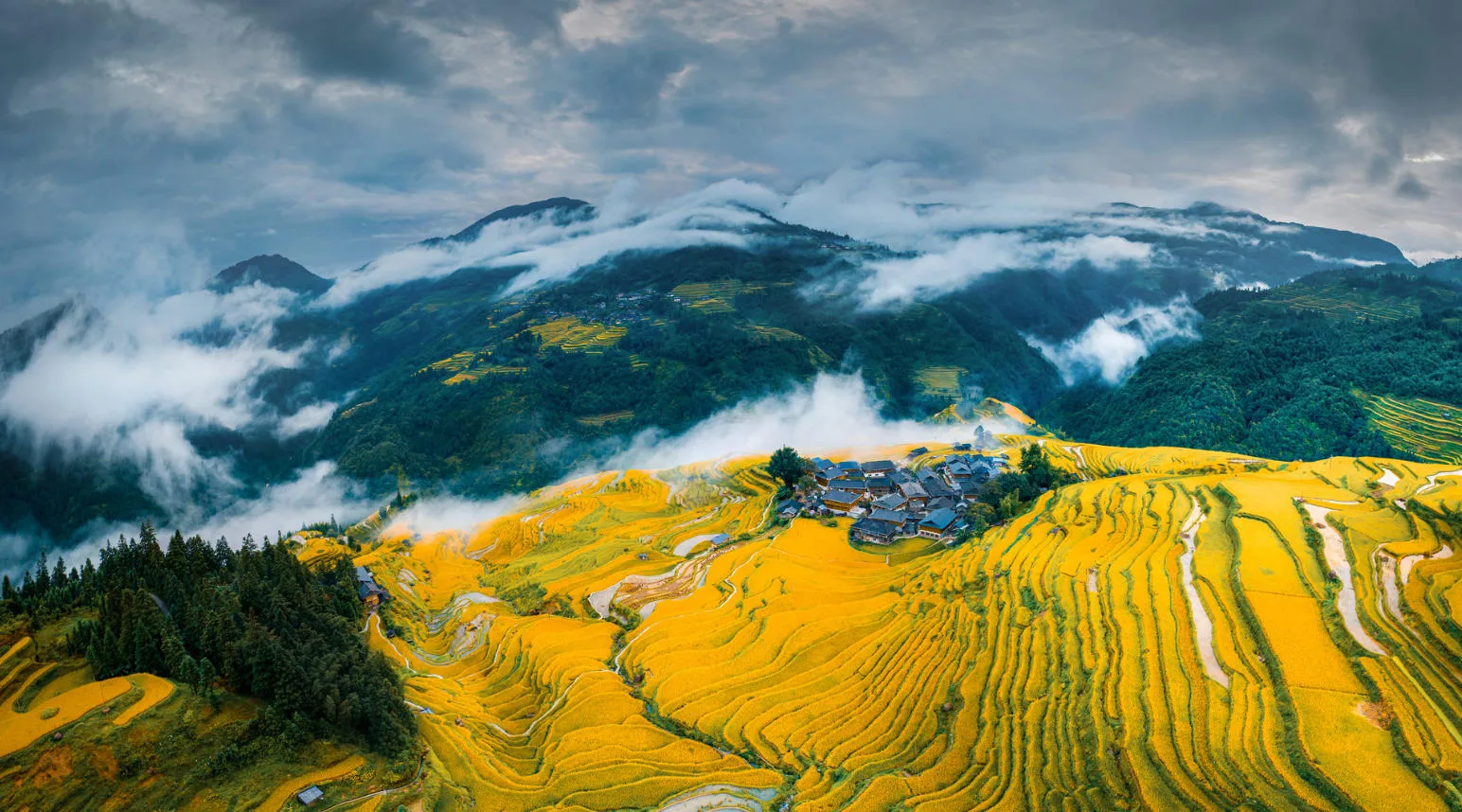
Guizhou Travel Guide: A Complete Guide to Culture, Nature and Hidden Villages
This Guizhou travel guide covers the best time to visit and the most rewarding destinations to explore. We will also share practical travel tips, local food experiences, cultural traditions, and responsible travel advice. Whether you are visiting China for the first time or looking for experiences beyond the usual tourist routes, Guizhou offers a different way to experience southwest China.
View Detail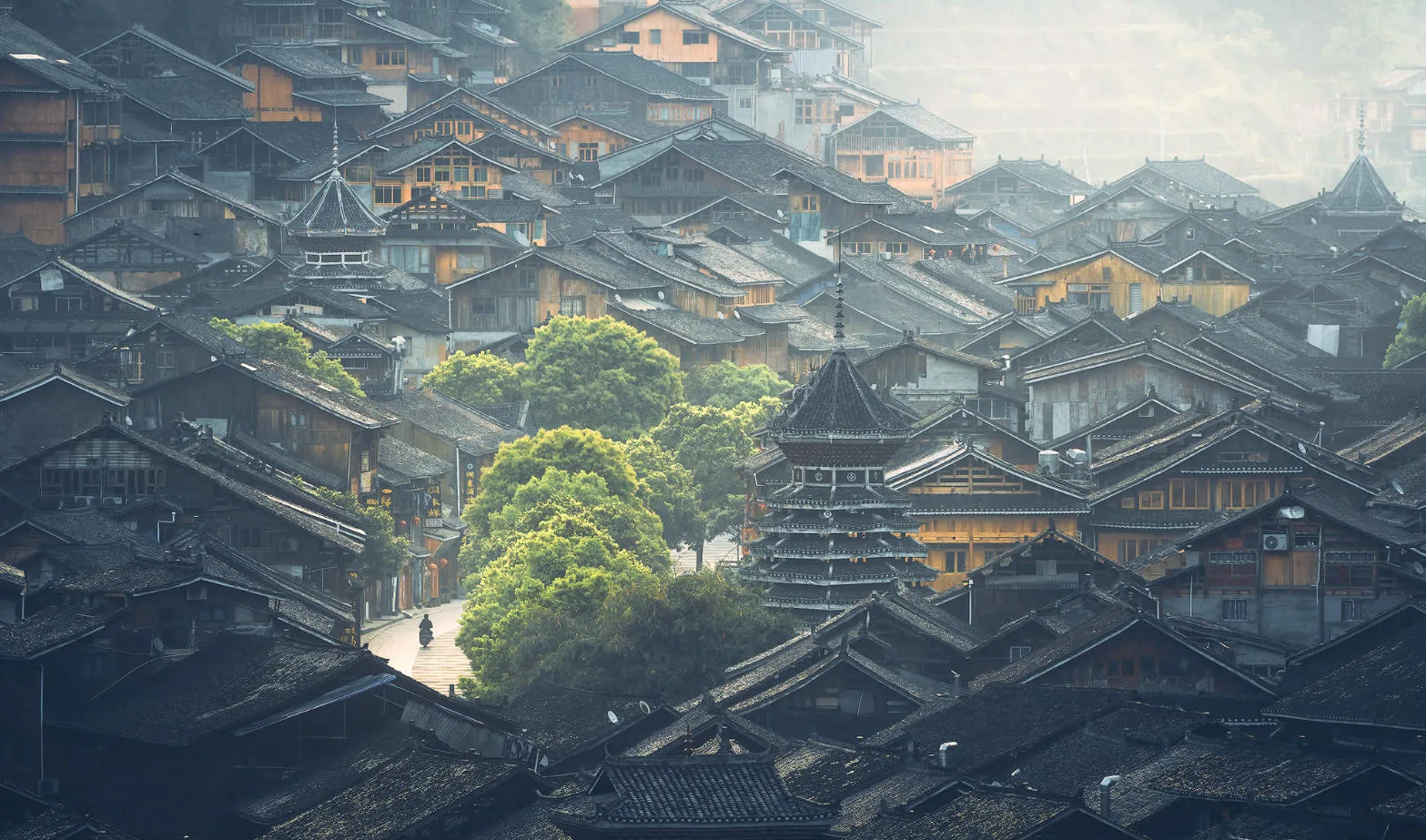
Zhaoxing Dong Village, Guizhou: Travel Guide, Things to Do and Cultural Experiences
Discover Zhaoxing Dong Village in Guizhou, one of China’s most beautiful Dong communities, known for its five drum towers, wind and rain bridges, traditional wooden houses, and unforgettable Dong grand songs. This travel guide covers the best things to do in Zhaoxing, including village walks, cultural experiences, batik workshops, nearby rice terraces, photography spots, festivals, food, and practical travel tips. Learn how to experience Zhaoxing beyond sightseeing and explore the living traditions, landscapes, and local communities of southeast Guizhou with Eastogo.
View Detail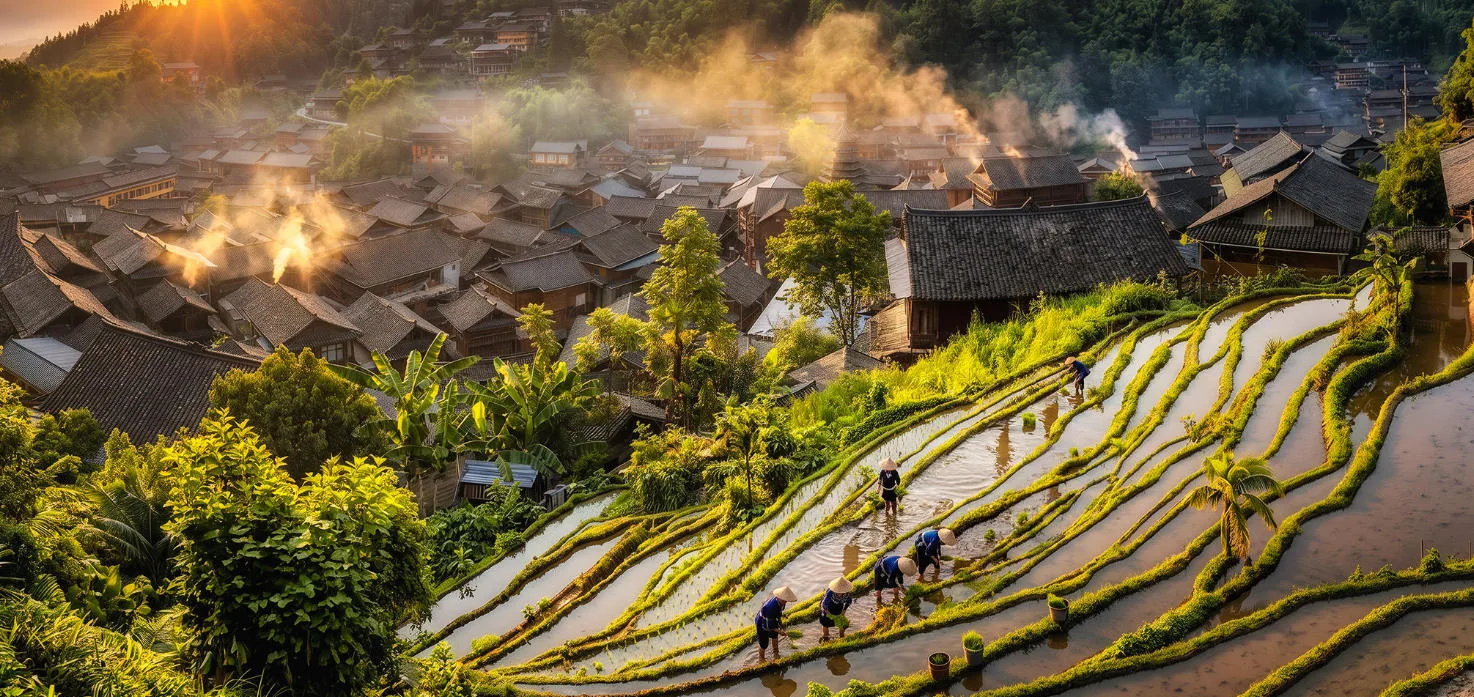
Rongjiang Guizhou Travel Guide: Miao, Dong Villages and Authentic Cultural Experiences
Explore Rongjiang, a lesser-known corner of Guizhou where Miao, Dong, and Shui cultures meet. Discover traditional villages, ancient crafts, grand songs, festivals, and meaningful ways to experience local life.
View Detail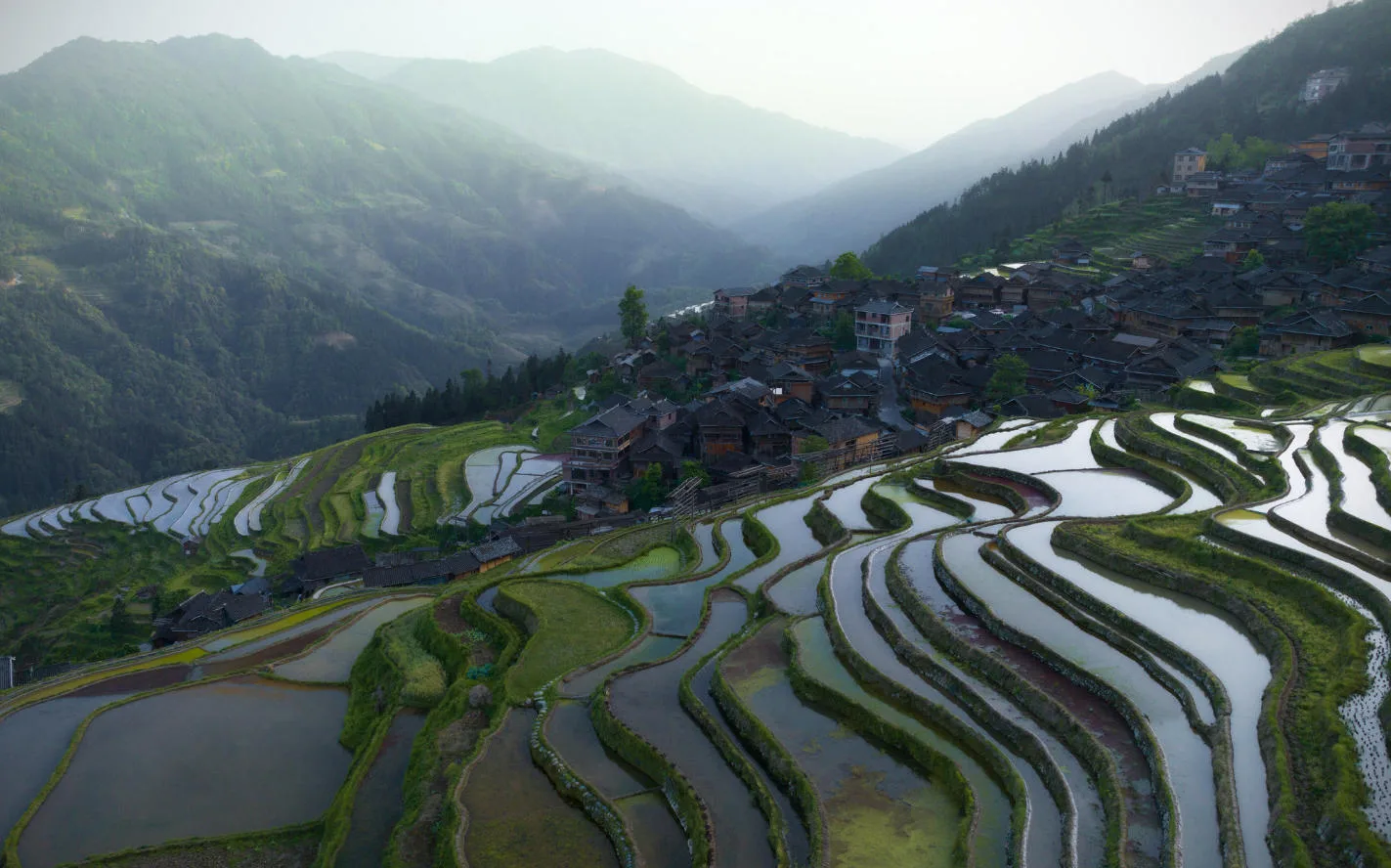
Exploring Guizhou Mountains: Hiking Trails and Sacred Peaks
A complete guide to Guizhou mountains, covering the best places to visit, hiking trails, seasons, transportation, and cultural villages across southwest China.
View Detail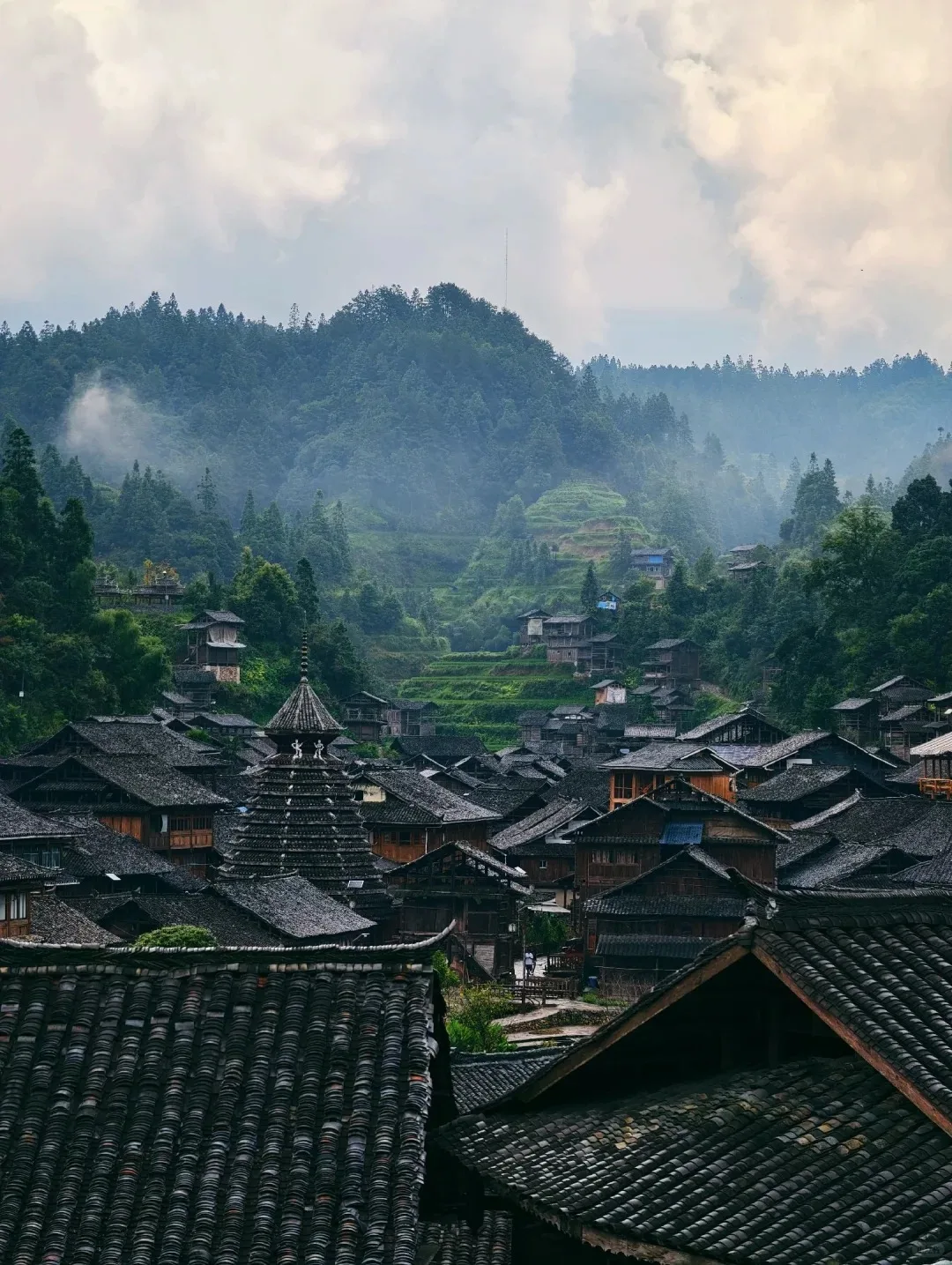
Huanggang Dong Village: One of the Best Dong Villages to Visit in Guizhou
Discover Huanggang Dong Village, a hidden mountain community in Guizhou where drum towers, Dong grand songs, traditional crafts, and everyday village life continue through generations. This guide covers how to visit, where to stay, cultural experiences, festivals, and practical tips for a meaningful journey.
View Detail