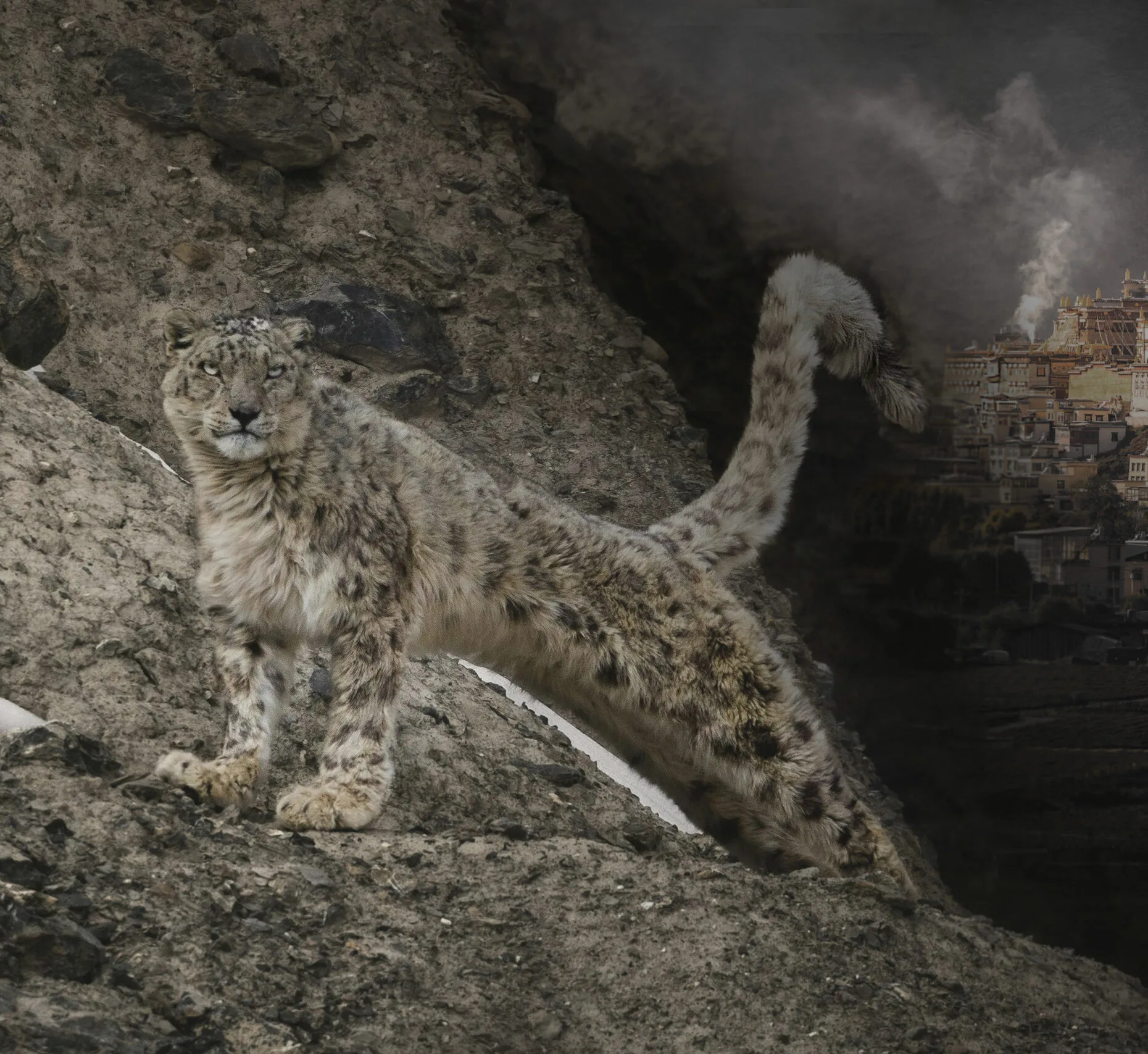
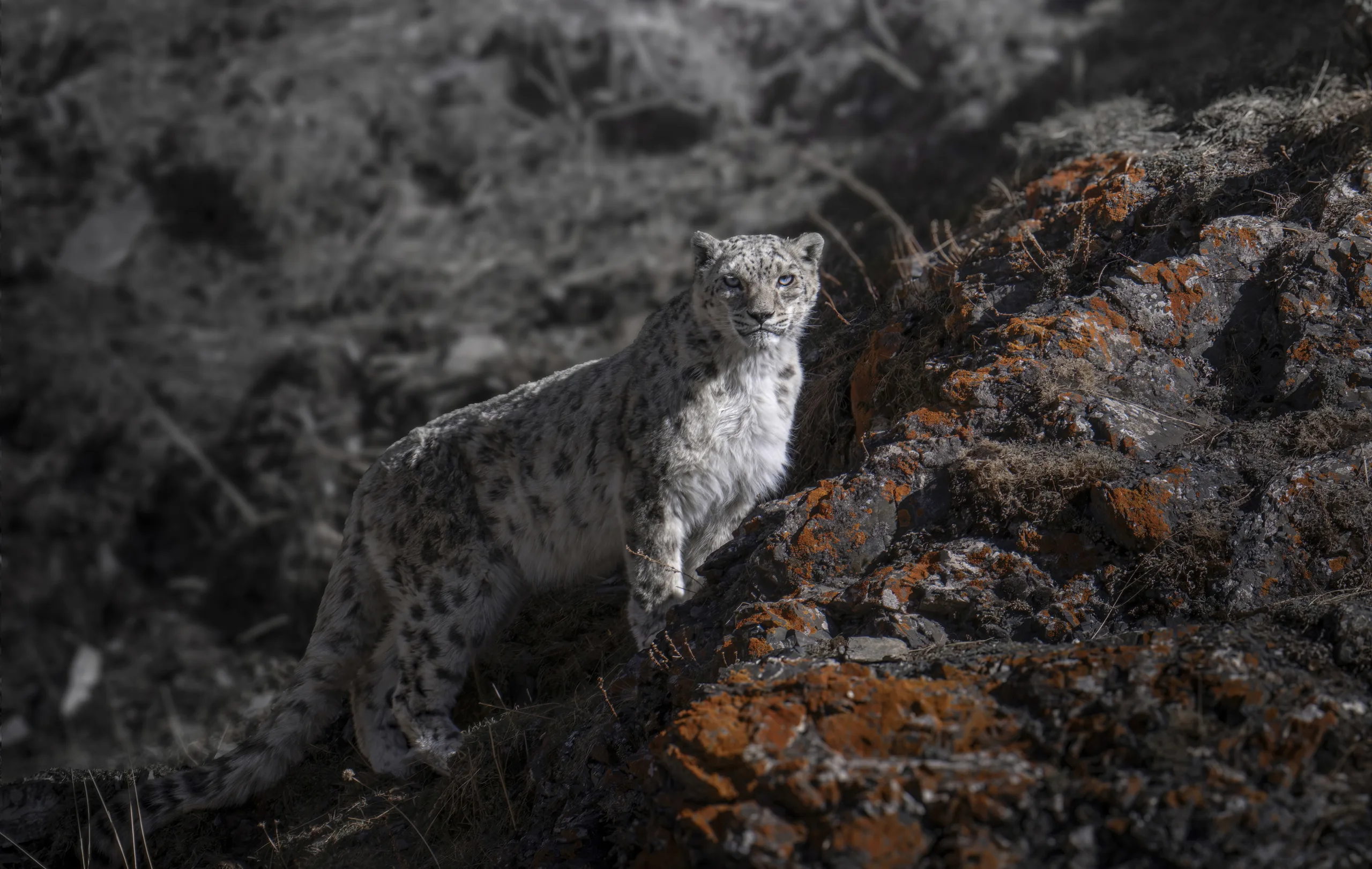
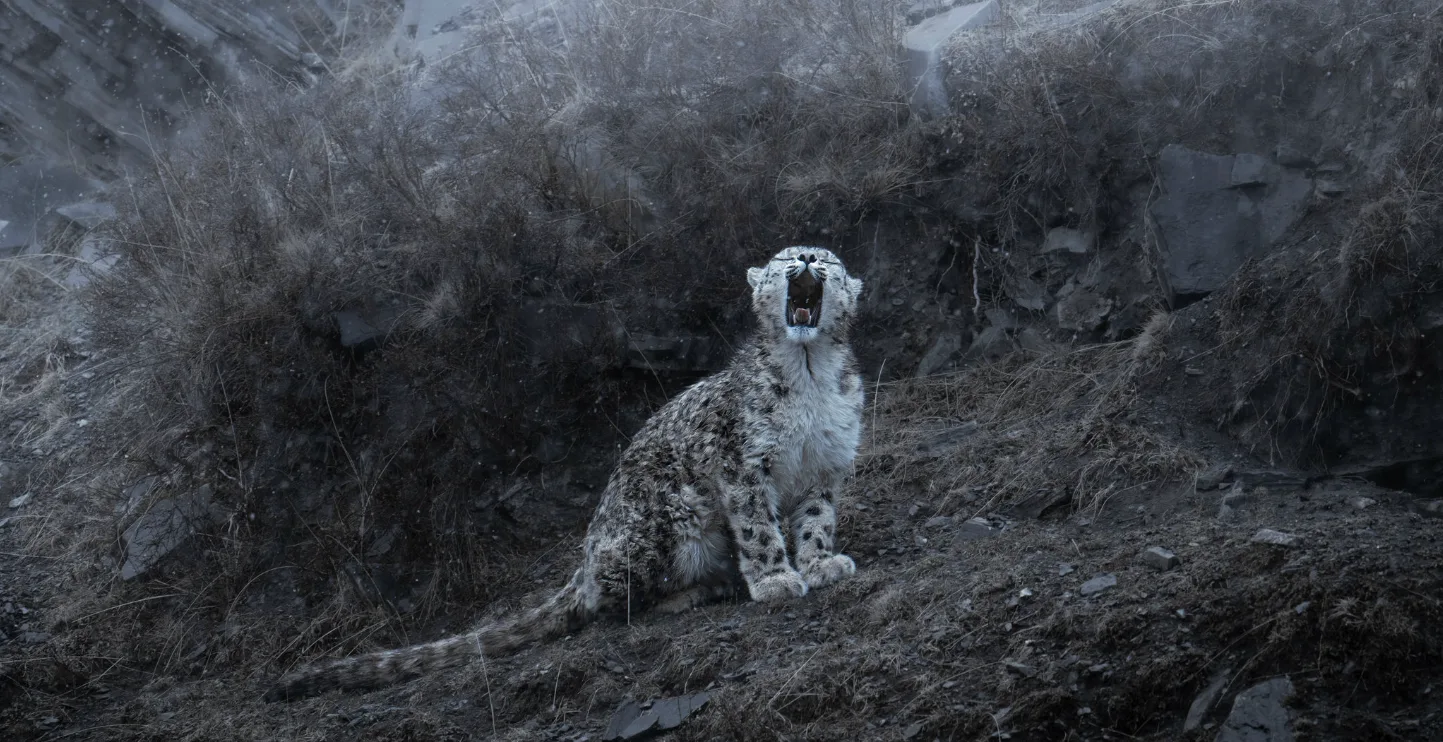
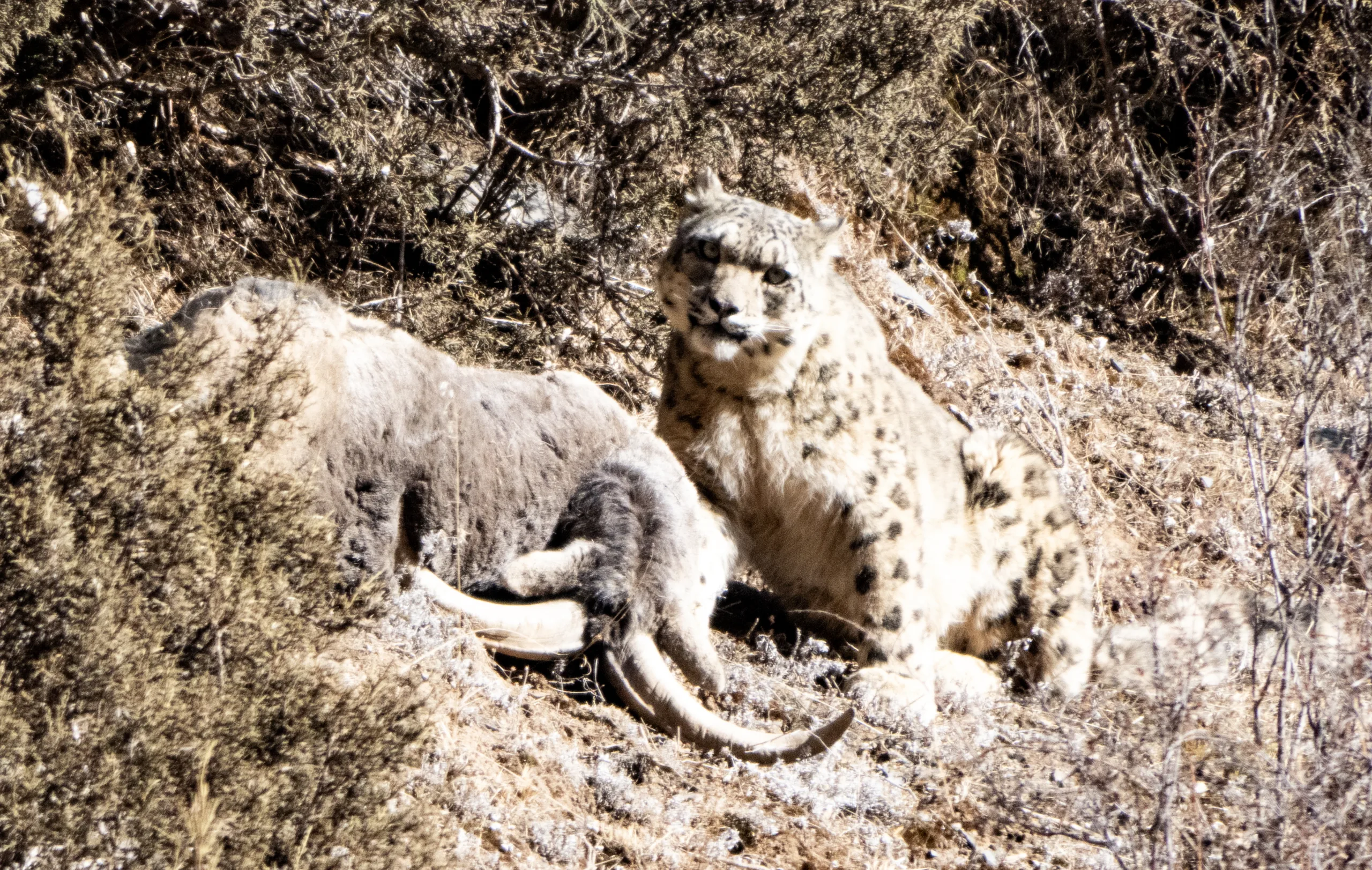
China is home to around 4,114–6,351 snow leopards and roughly 60% of the species’ global range, making it one of the best places in the world to search for this elusive high-altitude big cat. Known as the “Spirit of the Mountains”, the snow leopard lives mainly between 3,300 and 5,000 meters above sea level, making it the highest-dwelling cat species on Earth and a defining predator of Asia’s alpine ecosystems.
An estimated 7,446–7,996 snow leopards remain in the wild worldwide, and some of the strongest observation possibilities are in China’s Tibetan Plateau and surrounding mountain regions. Compared with destinations such as Ladakh in India and Mongolia, China offers especially compelling opportunities for travellers who want to combine serious wildlife watching with remote landscapes, Tibetan culture and a more thoughtful expedition into snow leopard country.
For international travellers, wildlife enthusiasts, mammal watchers and photographers considering a responsible snow leopard journey in China, this guide explains where snow leopards live, the key areas for observation in places such as Qinghai and Tibet, the best seasons for sightings, what logistics and equipment to expect, how permits and access work, and how to choose an operator that approaches wildlife watching ethically.
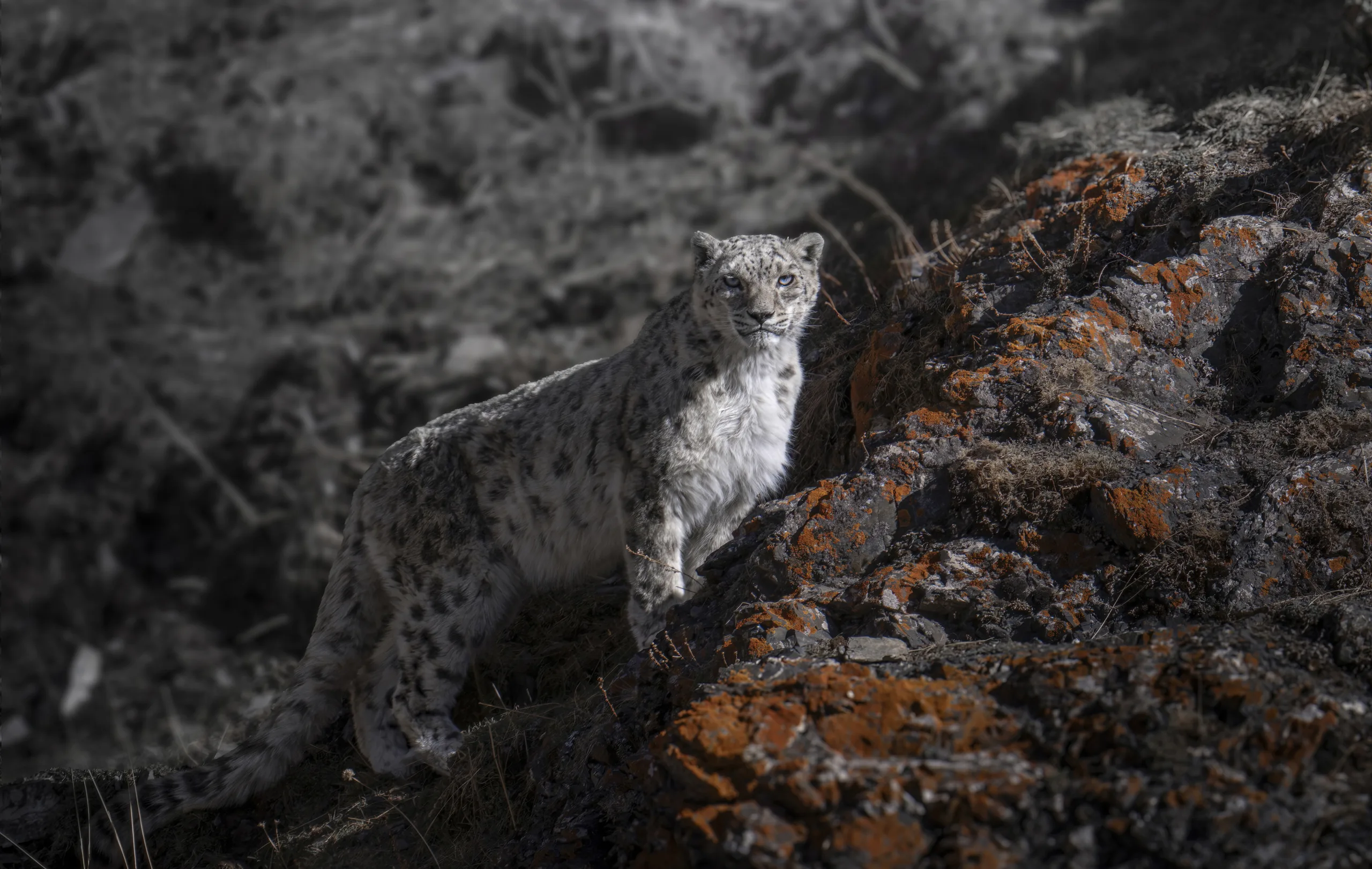
Where to See Snow Leopards in China
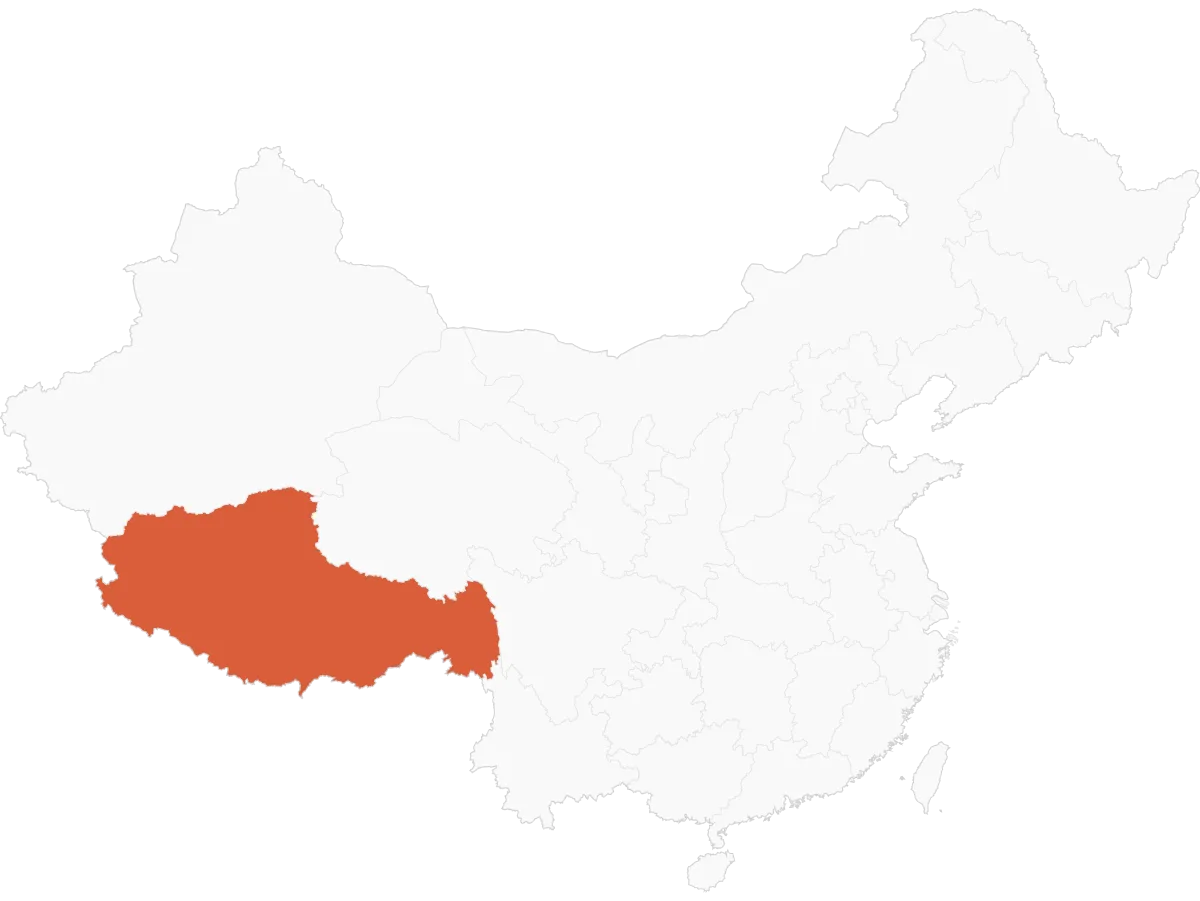
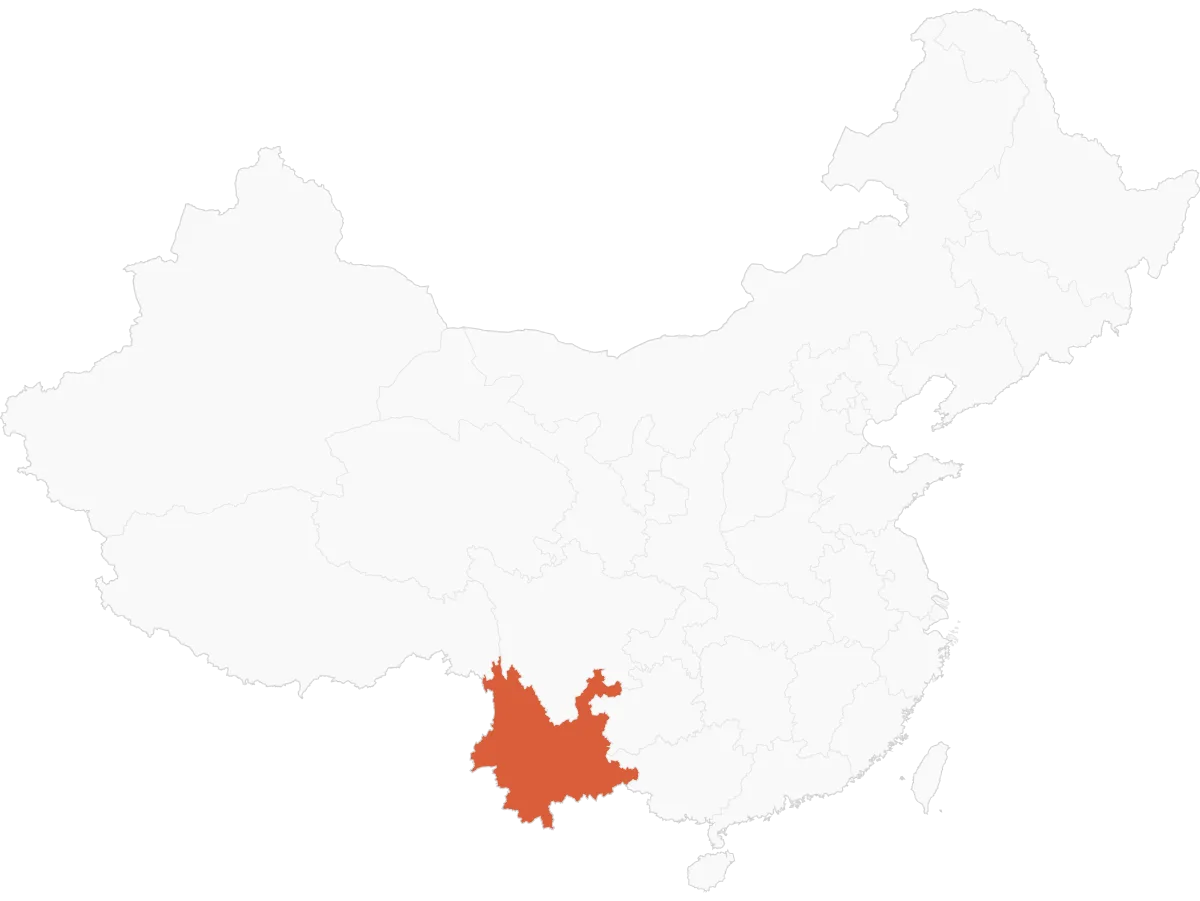
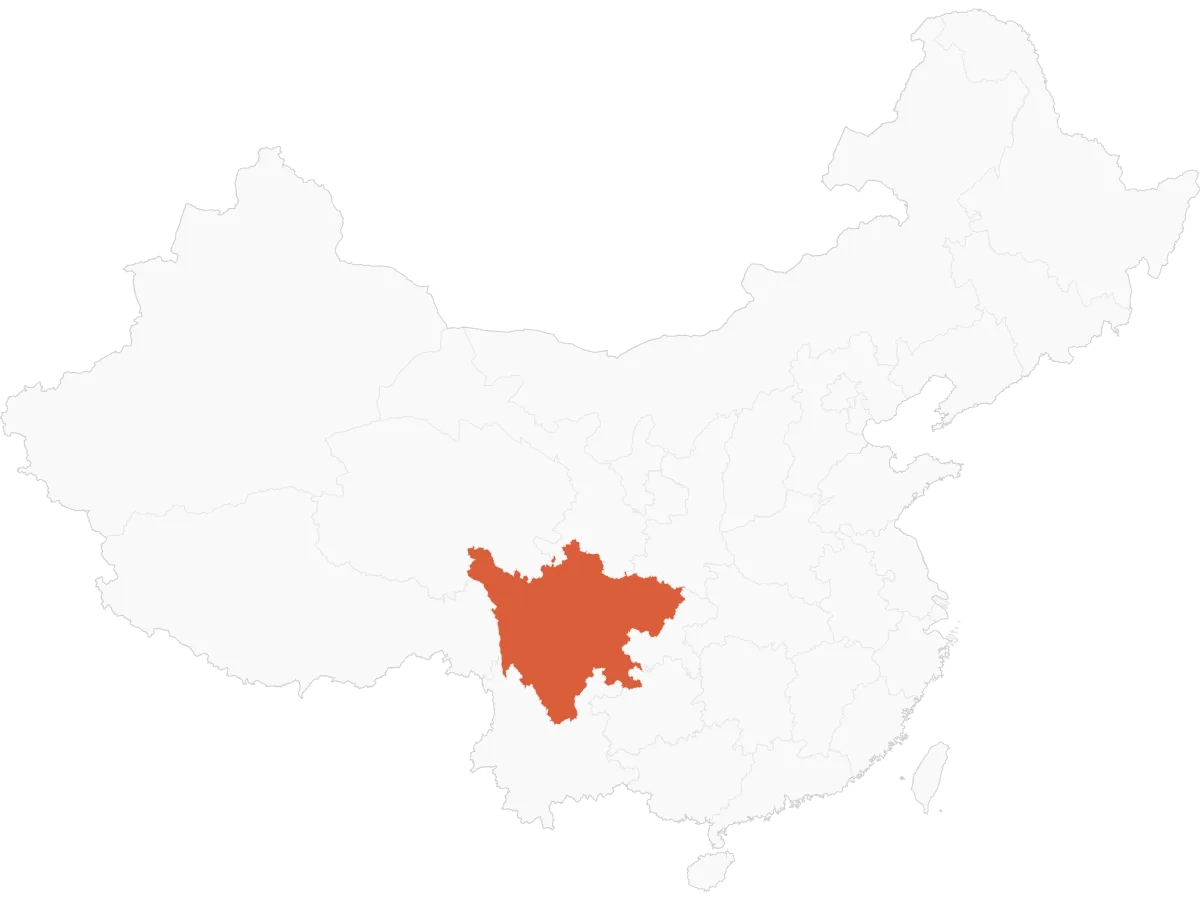
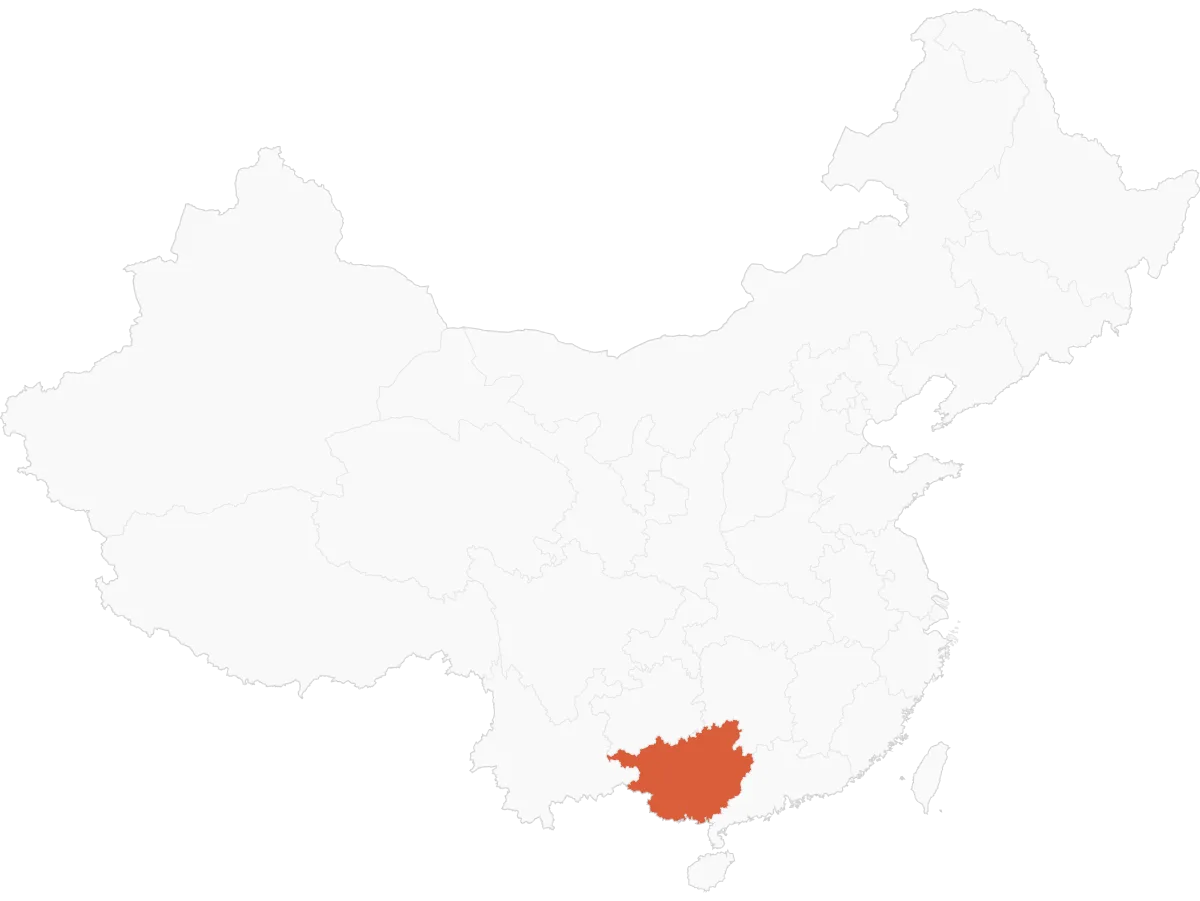
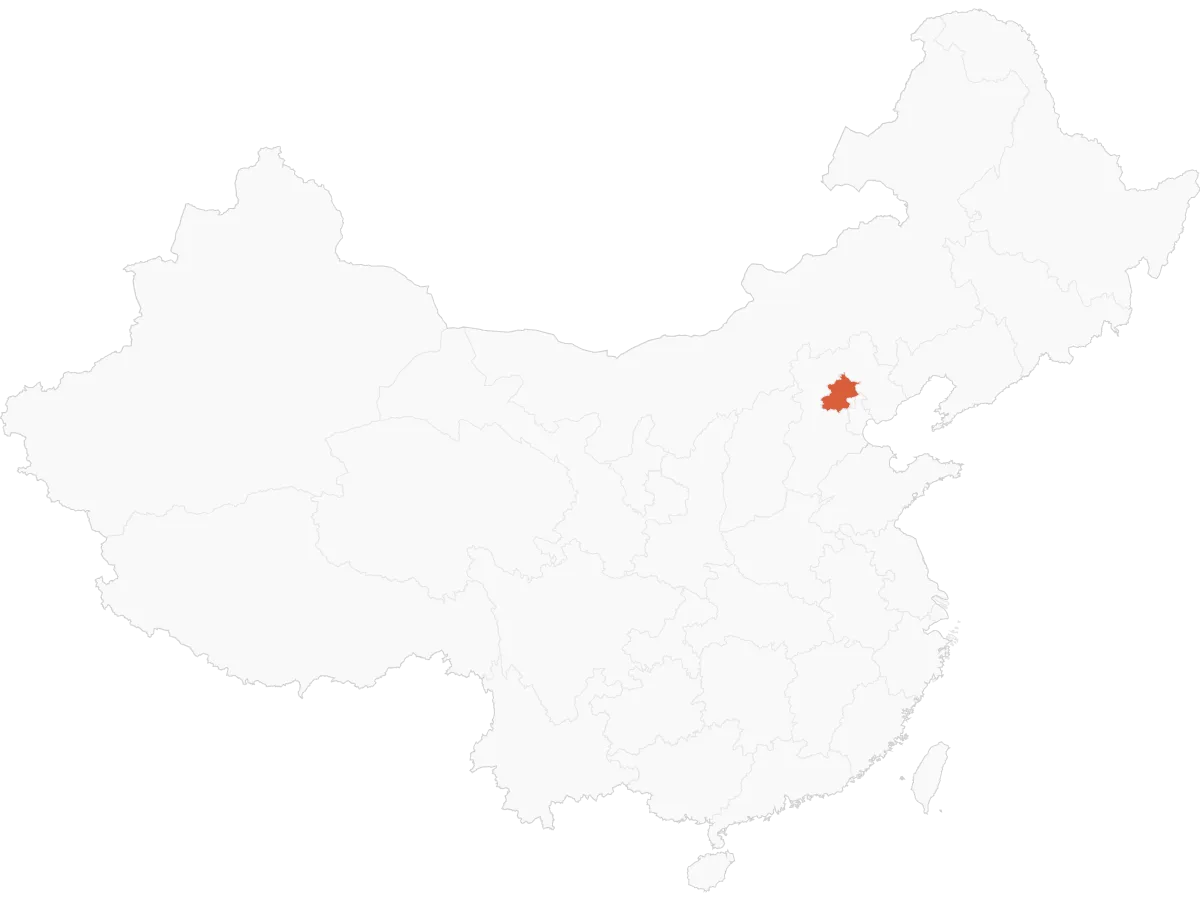
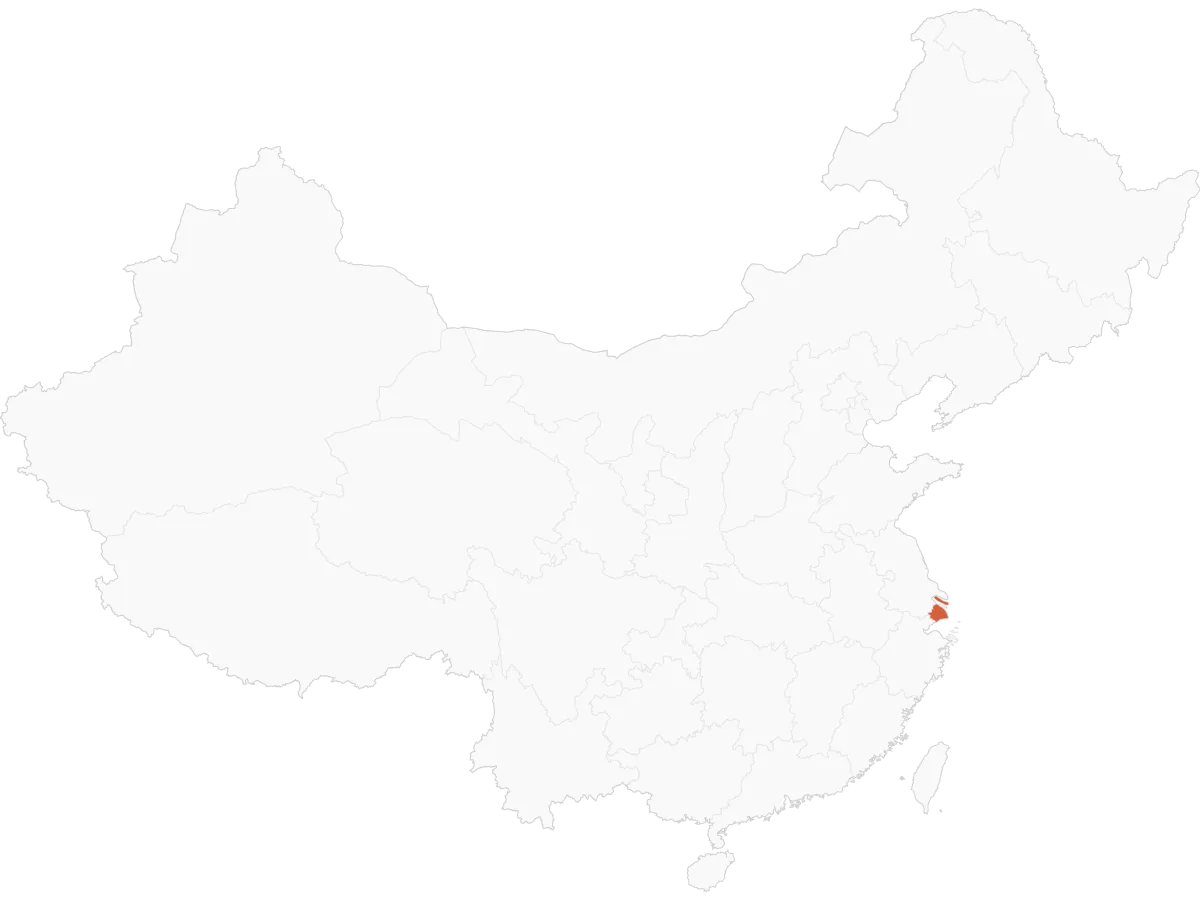
Snow leopards in China are mainly distributed across Tibet, Xinjiang, Qinghai, Sichuan, Gansu, Ningxia, Inner Mongolia, and Yunnan. However, the most important areas for snow leopard observation are concentrated on the Tibetan Plateau, where some of China’s largest remaining snow leopard populations and habitats are found.
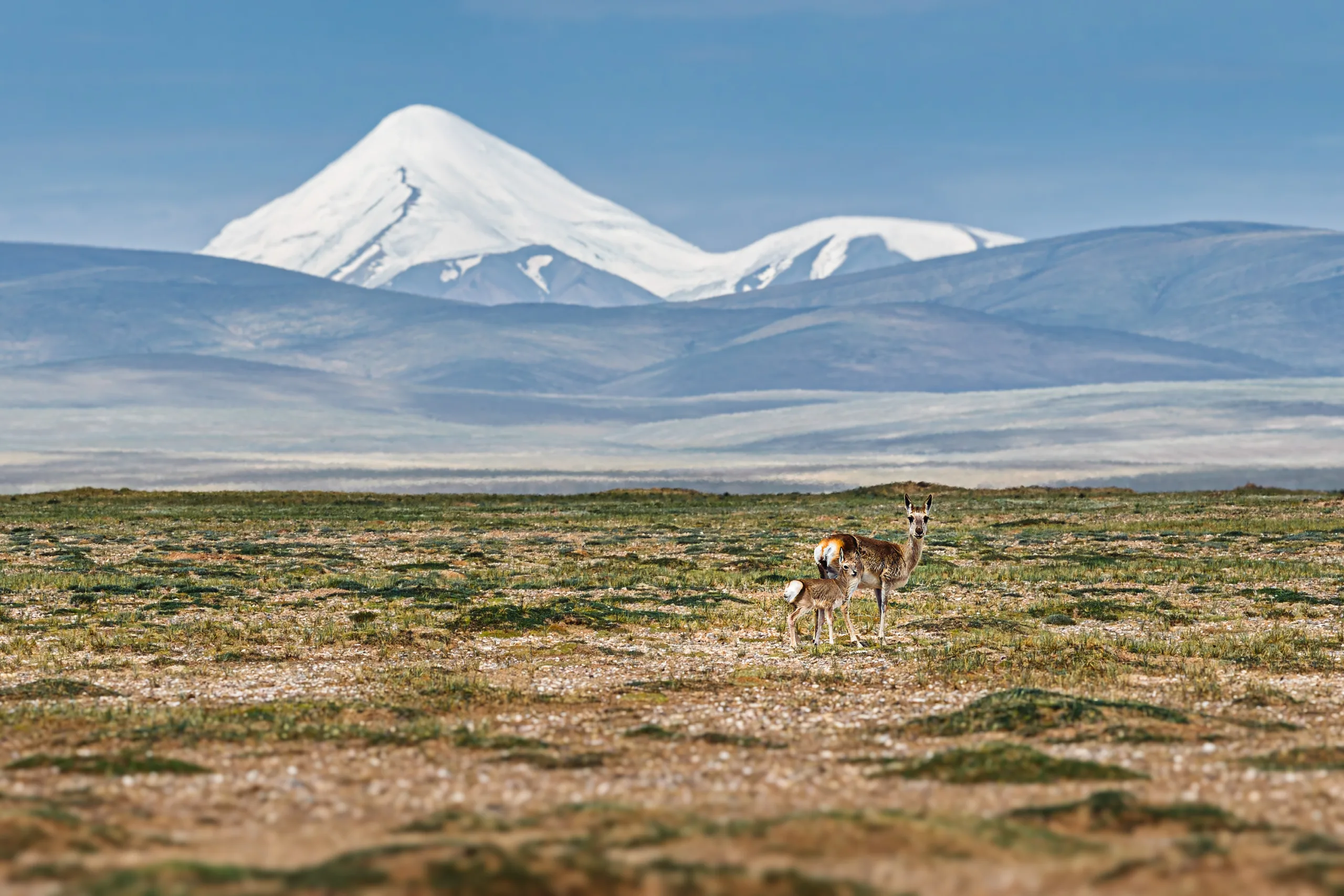
In their habitats, you might also encounter Tibetan foxes, Tibetan wolves, brown bears, white lipped deer, Tibetan gazelles and other plateau wildlife.
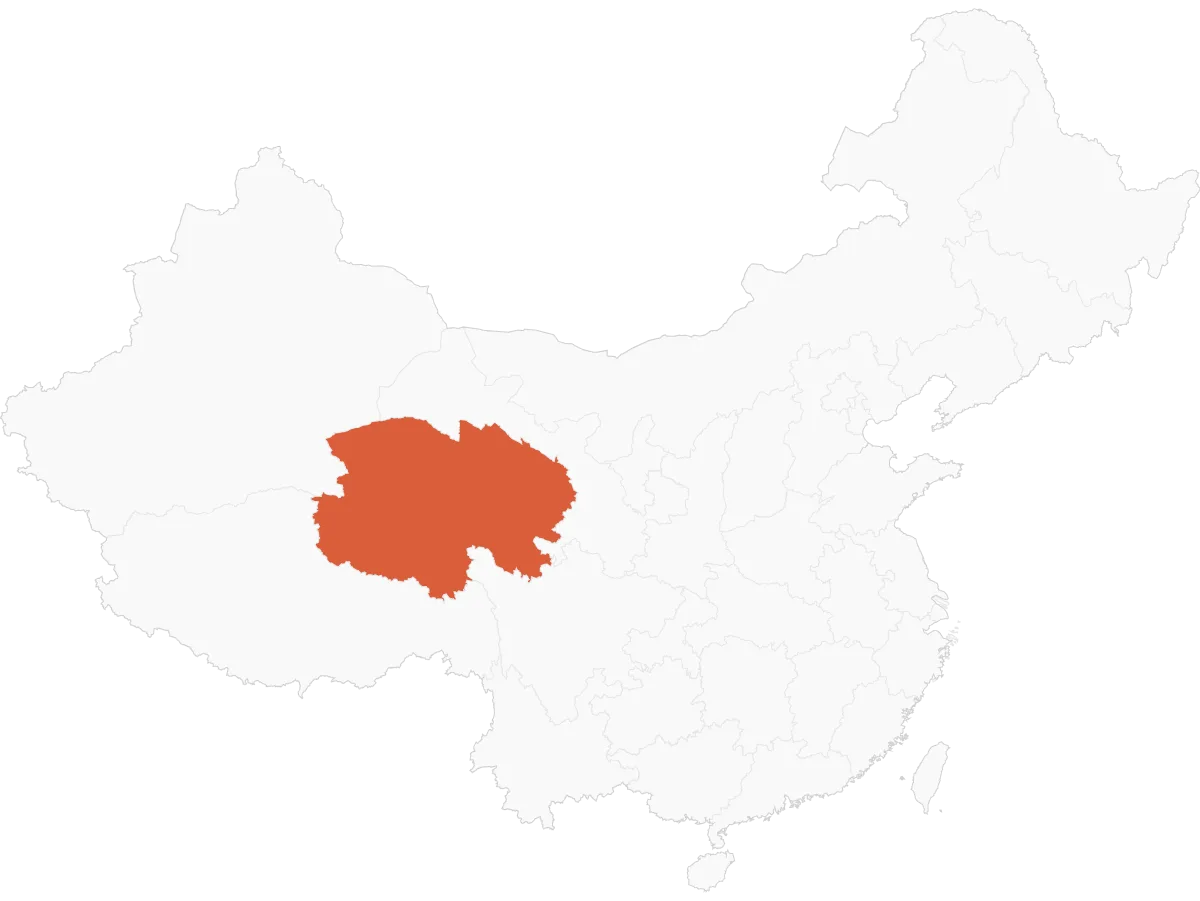
Qinghai Province
Qinghai: With an estimated population of around 1,765 snow leopards, Qinghai is home to one of the largest snow leopard populations in the world. More than 1,000 individuals are believed to live in the Sanjiangyuan region, where the average snow leopard density reaches around 0.9 individuals per 100 km². This makes Qinghai one of the most important areas globally for snow leopard conservation and observation. Combined with a relatively well-established network of local wildlife guides and community trackers, Qinghai has become one of the top destinations for snow leopard expeditions in China.
There are two main snow leopard observation areas in Qinghai.
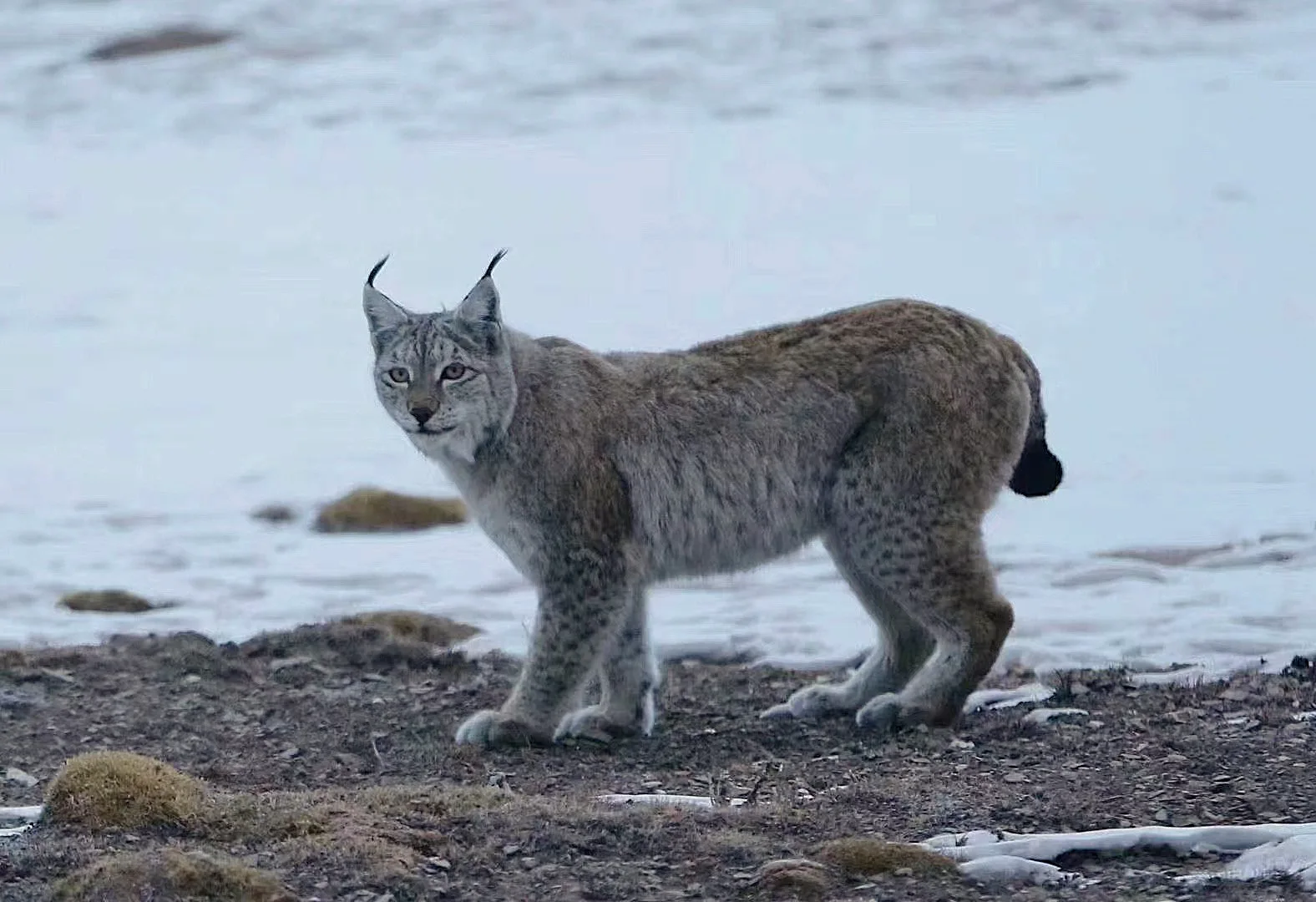
Dulan County, located more than 500 km from the provincial capital Xining, is one of China’s rare places where travelers may have the opportunity to encounter three high-altitude cat species: snow leopards, Eurasian lynx, and Pallas’s cats. Here, local herders have restored parts of their grazing land back to nature, creating a landscape where these elusive predators and other wildlife continue to thrive.
Yushu, located in the Sanjiangyuan region, holding a large space of snow leopard core area, is another important snow leopard observation area. Large areas around Yushu lie along the edge of Sanjiangyuan National Park, sharing its valuable alpine ecosystem. Local Tibetan herders have lived alongside snow leopards for generations and have developed a deep understanding of their movements. Community-based wildlife monitoring networks help travelers locate recent animal activity and improve the chances of observing snow leopards in their natural habitat.
Tibet and The Tibetan Plateau
Tibet: Tibet is one of the largest snow leopard range areas in China, with 1,401 snow leopards estimated. In Nagqu Prefecture, researchers have identified 126 individual snow leopards through ongoing surveys. Across Tibet, monitoring efforts are continuing to improve the coverage and accuracy of population assessments.
However, Tibet has relatively strict access requirements for international travelers, including additional permits such as the Tibet Travel Permit (TTP) and border area permits for certain regions. Due to the complexity of travel arrangements, Tibet is currently not the most practical destination for dedicated snow leopard observation expeditions.
Northern China and Xinjiang Ranges
Xinjiang: Xinjiang is one of China’s largest snow leopard range areas, with an estimated population of around 1,500 snow leopards. They are distributed across major mountain systems including the Altai Mountains, Tianshan Mountains, and Kunlun Mountains.
Located in the Tianshan Mountains, Tomur Peak National Nature Reserve is one of the key snow leopard habitats in the region, with an estimated population of around 130 individuals.
However, due to Xinjiang’s vast territory, snow leopard population density remains difficult to assess, and long-term, stable wildlife observation data is still limited. As a result, Xinjiang is currently not considered one of the most practical destinations for dedicated snow leopard observation trips.
Sichuan, Western Kham and Smaller Sites
Western Sichuan: Located on the eastern edge of the Tibetan Plateau, western Sichuan contains extensive snow leopard habitat across its high-altitude landscapes. The total snow leopard population in Sichuan is currently still being assessed, and there is no confirmed province-wide population estimate available yet.
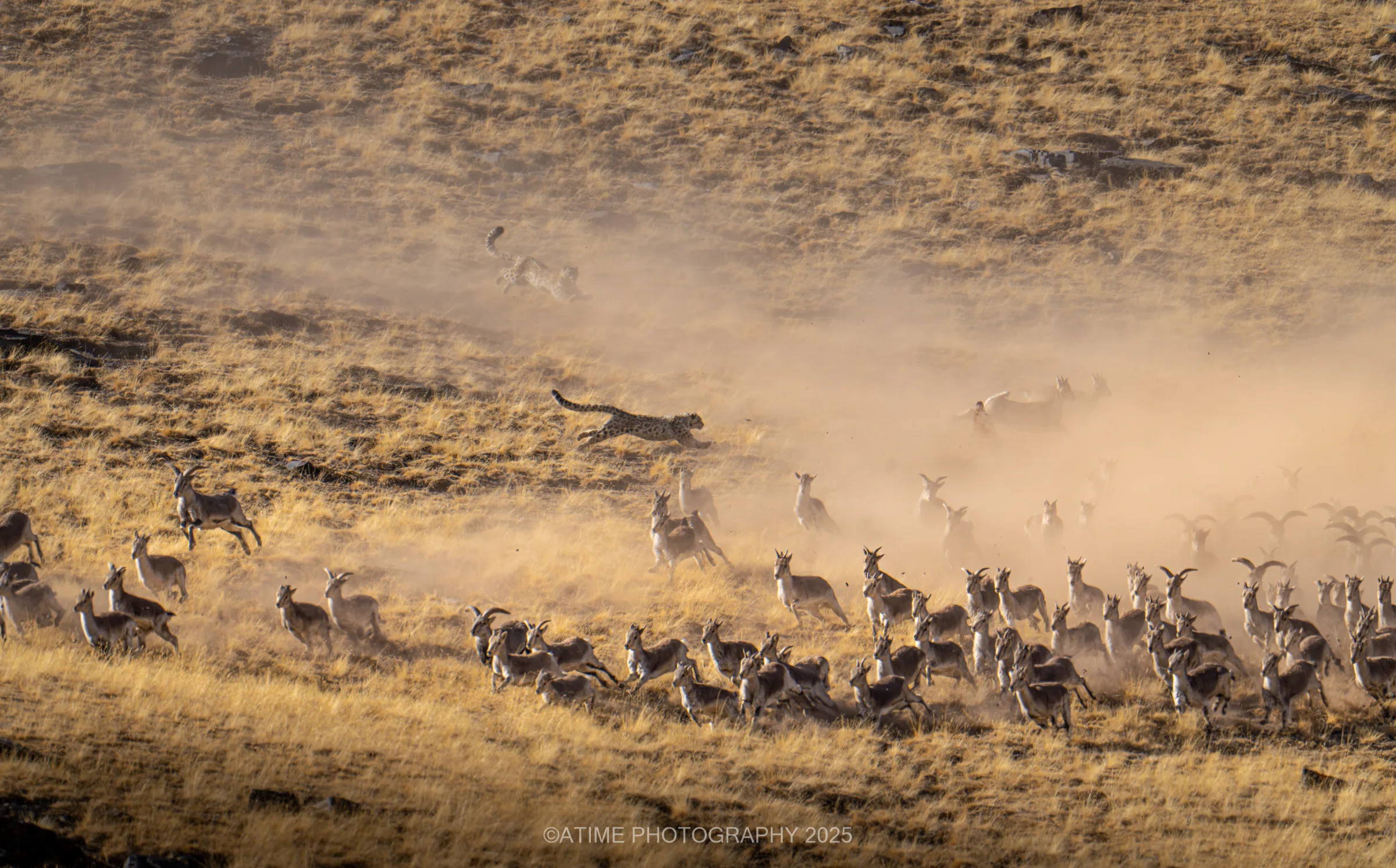
However, Shiqu County’s Luoxu Nature Reserve in the Kham Tibetan region is widely recognized among Chinese wildlife enthusiasts as one of the most promising snow leopard observation areas. A stable snow leopard family lives in this area, and sightings have historically been relatively frequent. The open terrain also makes it an excellent location for wildlife photography, with photographers occasionally capturing dramatic scenes of snow leopards hunting.
Due to conservation priorities, access to this area is currently strictly controlled, and international visitors are not yet permitted to visit.
Snow leopard observation depends not only on population numbers, but also on long-term scientific surveys and local knowledge accumulated by communities living alongside wildlife. Areas with more snow leopards are not always easier for observation, while areas with smaller populations may still offer good opportunities.
Most snow leopard habitats are located in remote mountain regions with limited infrastructure and difficult access. Some areas are also within protected areas with strict visitor regulations. Travelers planning a snow leopard expedition should work with experienced local partners or specialized tour operators to arrange permits, transportation, accommodation, and field logistics before entering these remote landscapes.
Speak to An Expert
Starting Your Snow Leopard Jounrney to China
Start designing your Snow Leopard journey with our wildlife experts.
Make An InquirySnow Leopard Habitat: Tibetan Plateau And Surrounding Ranges
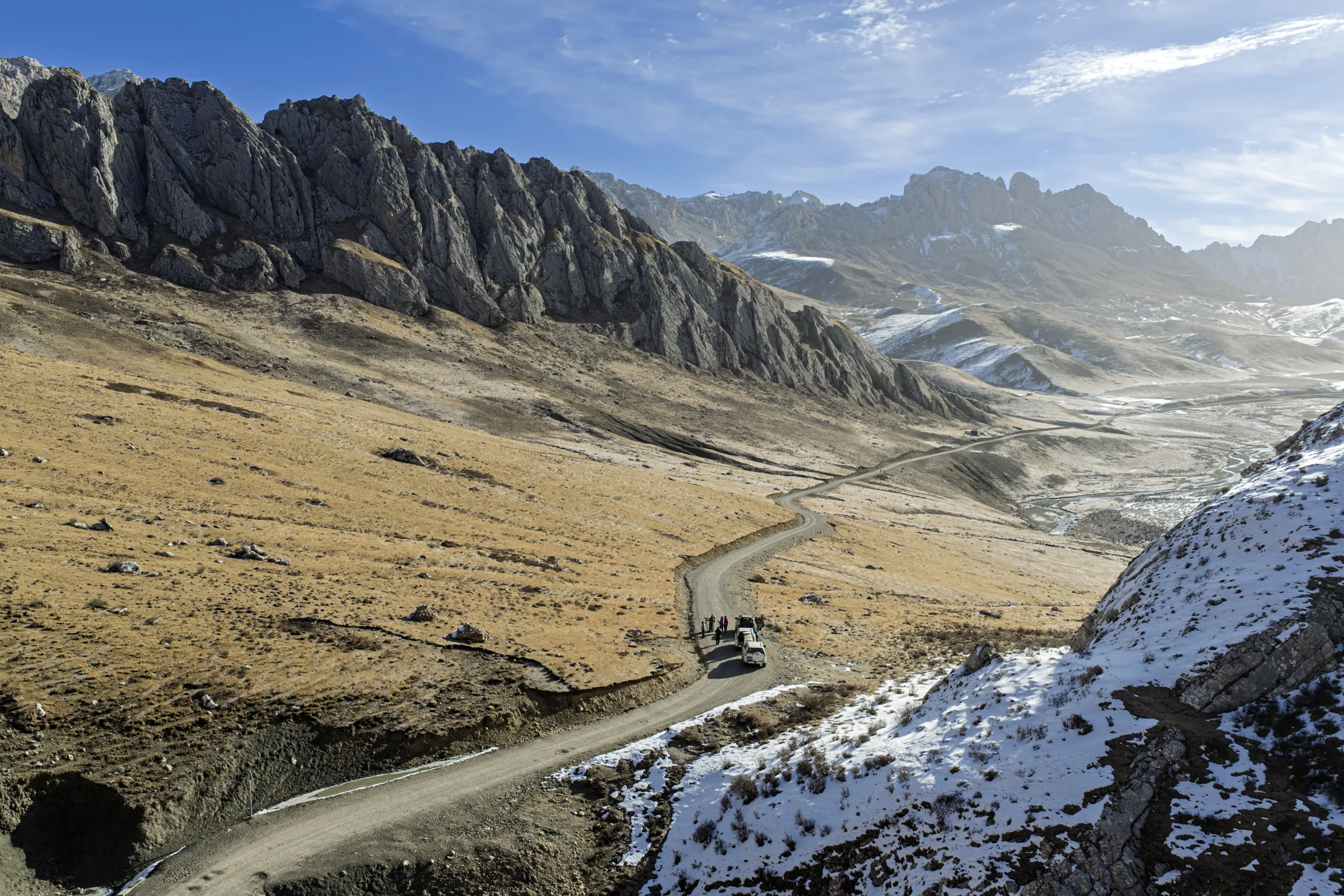
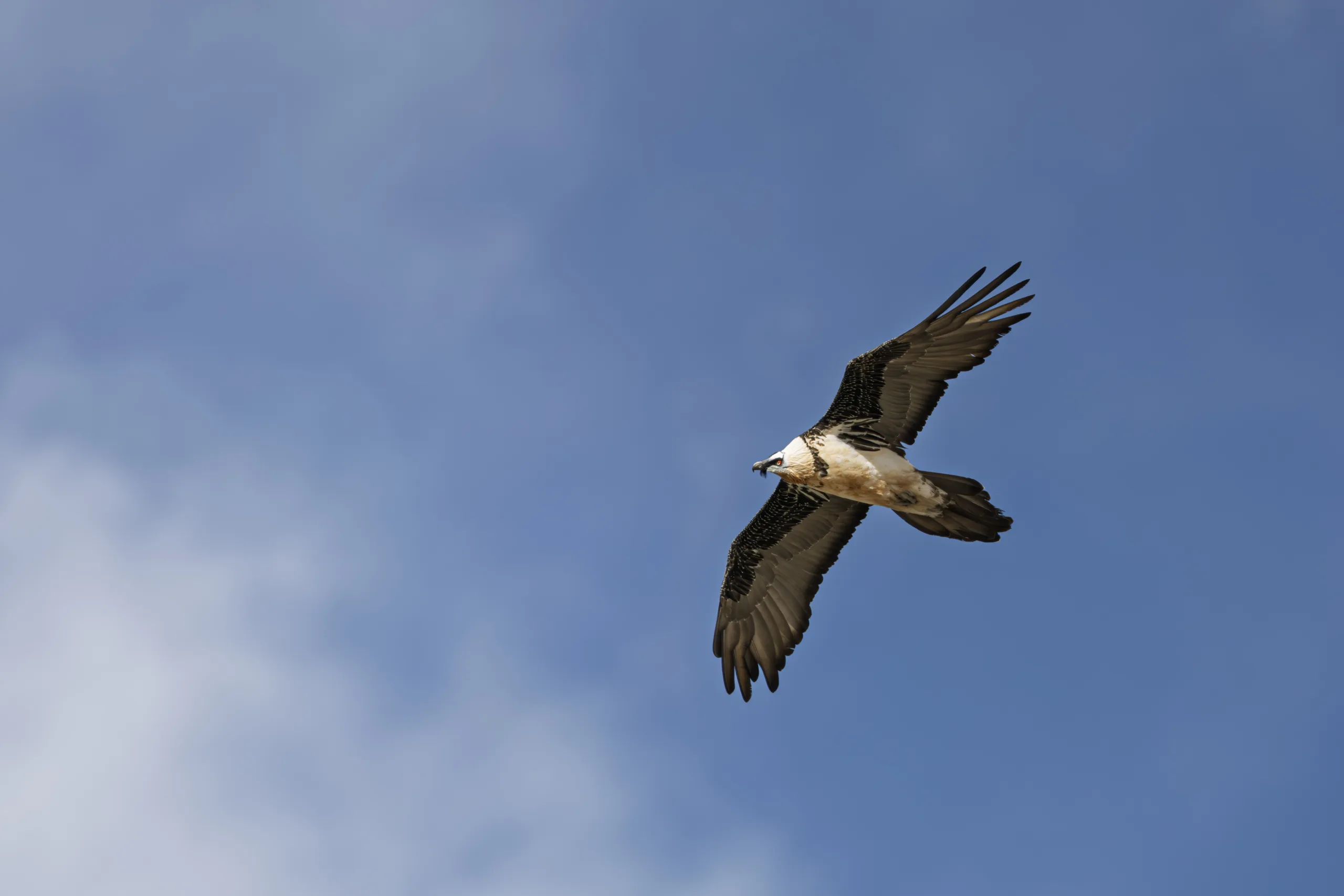
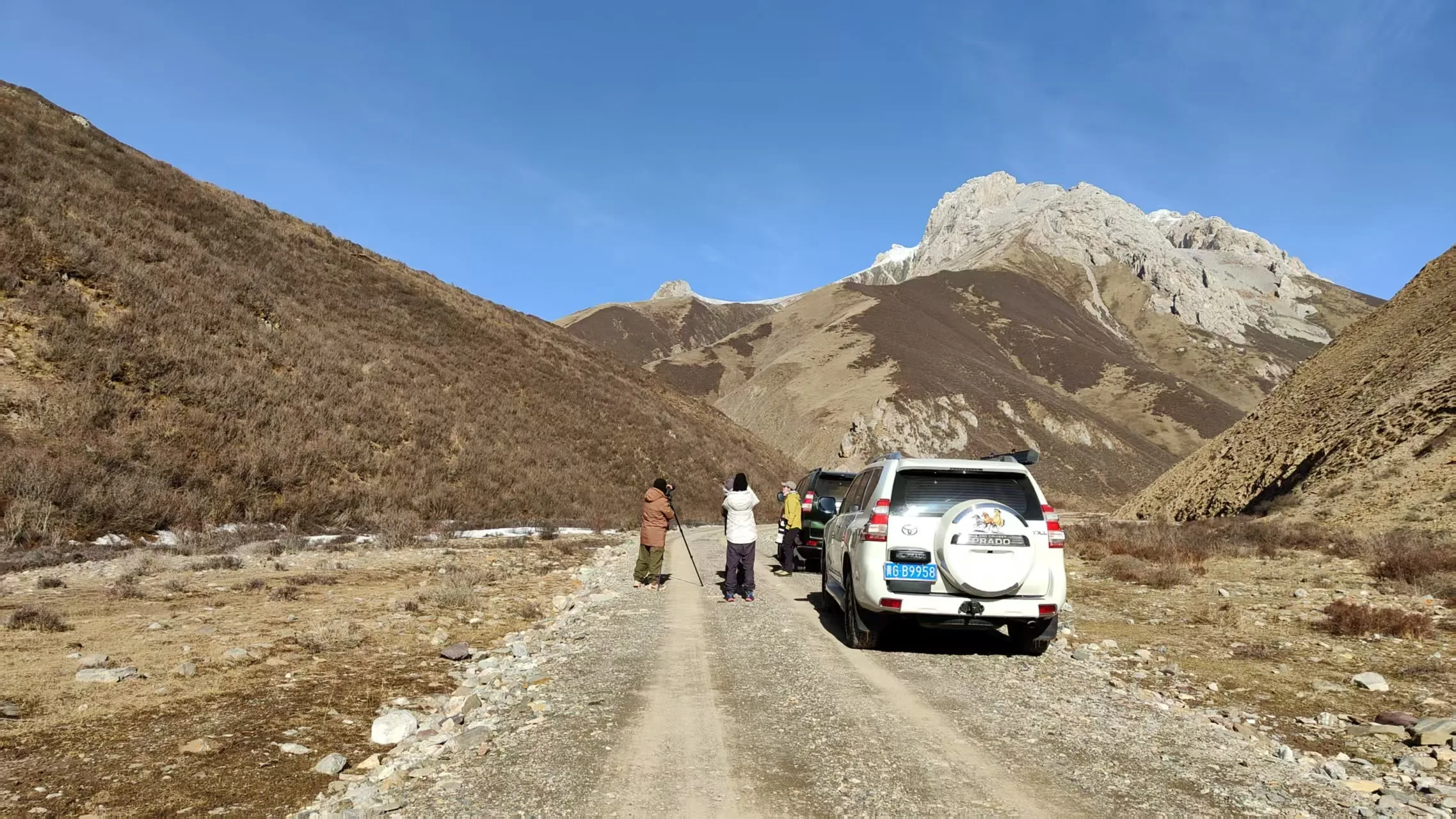
In many regions, snow leopards show clear patterns of seasonal vertical movement. As a species adapted to extreme cold, their thick fur allows them to survive harsh alpine environments. During summer, snow leopards often move to higher elevations and become less active. In winter, as temperatures drop, their prey species move to lower areas with less snow in search of limited food resources. Snow leopards follow these movements, bringing them closer to lower valleys and human settlements, which can make them easier to observe.
For this reason, October to April is generally considered the best window for snow leopard observation in most regions.
Autumn (September–December): Increased Activity and Better Visibility
As temperatures begin to drop across the Tibetan Plateau, snow leopards follow their main prey — blue sheep (bharal) — toward lower elevations and become more active. Vegetation becomes less dense and landscapes become more open, creating better visibility for wildlife observation.
Winter (January–March): The Best Season for Snow Leopard Tracking
Winter is dry and extremely cold, with daytime temperatures typically ranging from −5°C to 5°C, and nighttime temperatures potentially dropping to around −25°C.
Snow leopards are most active during their mating season in February and March. During this period, experienced observers may have the opportunity to hear snow leopards calling for mates or observe adult males and females moving together.
Spring (April–May): Seasonal Transition
As temperatures gradually rise, snow leopards begin adapting to changing conditions and gradually replace their thick winter coats with lighter summer fur.
Summer (June–August): A Different Type of Observation Experience
Summer is the most comfortable season in the highlands, and some snow leopards may hunt Himalayan marmots, potentially allowing for closer observations than in winter. The birth of blue sheep lambs also provides an important seasonal food source for predators.
However, summer observation requires more experience and local knowledge. Hunting behavior involving marmots or young blue sheep is not consistent across all snow leopard habitats, making summer a less reliable season for dedicated snow leopard expeditions compared with autumn and winter.
Photographing Snow Leopards, Pallas’s Cats, and Eurasian Lynx in China (12days)
view detailHow Hard Is It To See Snow Leopards
Observing snow leopards is more like a test of patience than a typical sightseeing experience. It requires time, preparation, and an understanding of how wildlife behaves in vast mountain landscapes.
Reaching snow leopard habitats:
Most snow leopard observation areas are located in remote pastoral regions, far from major cities and modern infrastructure. Reaching these areas often involves long journeys through high-altitude landscapes. For example, traveling from Xining to Dulan requires more than 500 kilometers by road, while reaching snow leopard observation sites around Yushu usually requires an additional 2–3 hours of driving from the city.
Because these regions are remote, experienced local guides are essential. In many villages, English is not commonly spoken, and local knowledge of roads, terrain, wildlife activity, and communities plays an important role in creating a successful expedition.
Physical requirements at high altitude:
Snow leopard observation areas are usually located between 3,700 and 4,500 meters above sea level. Travelers should be prepared for the effects of altitude and allow time for acclimatization.
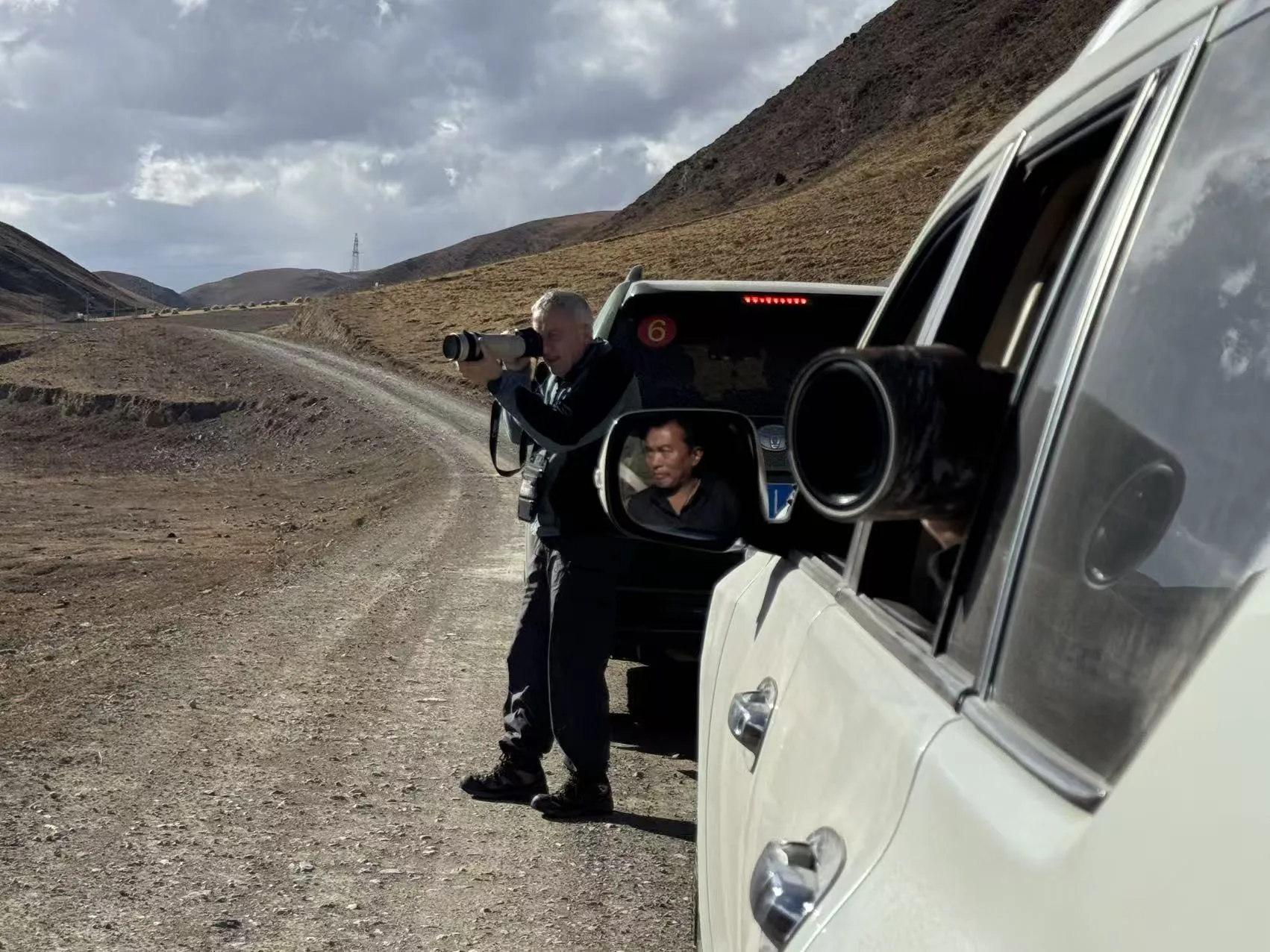
However, snow leopard expeditions are not traditional trekking journeys. Most of the time is spent traveling by 4WD vehicle, scanning mountain slopes, and waiting at observation points. Hiking is usually limited, with daily walking distances generally under 1 kilometer.
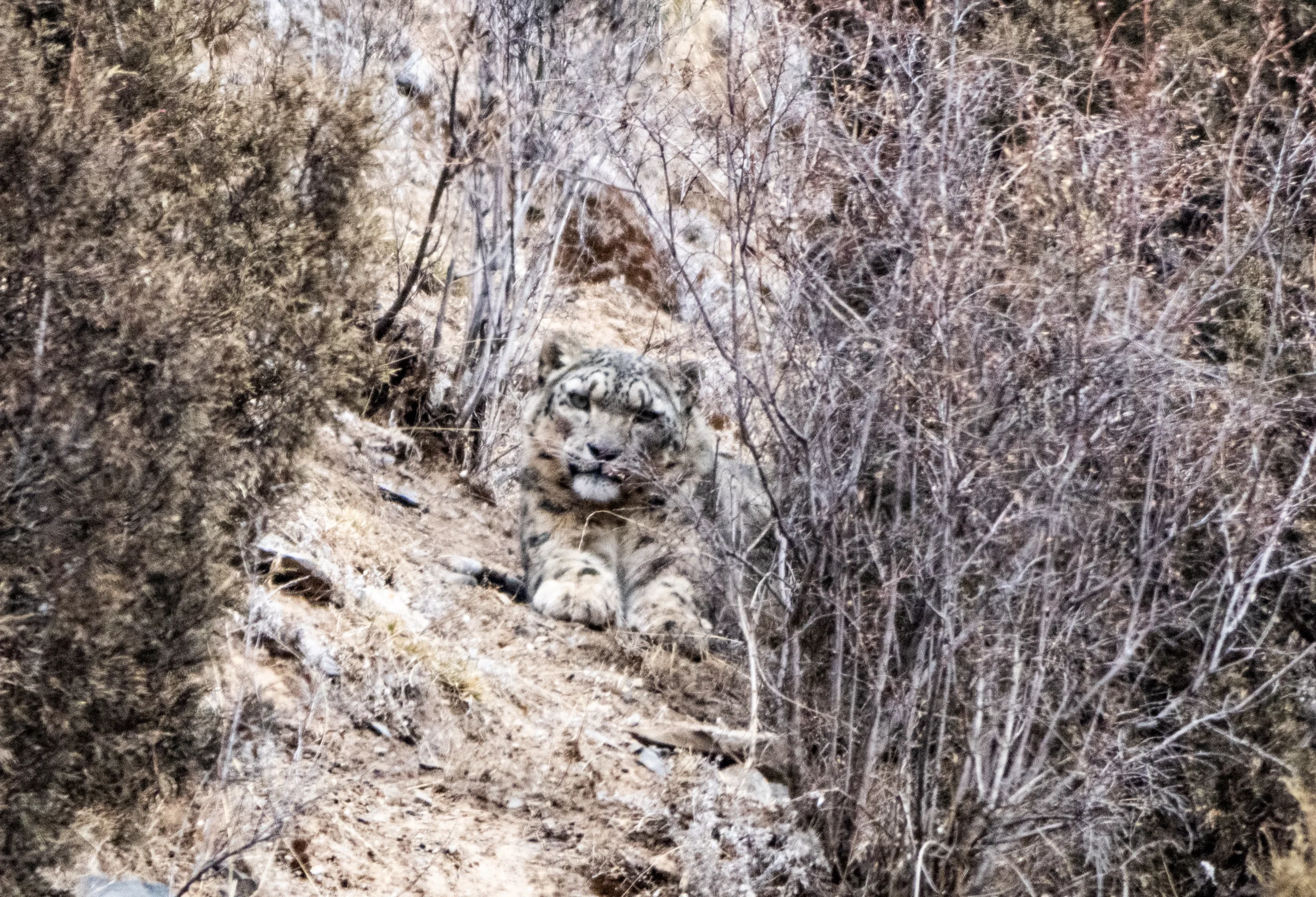
Sometimes snow leopards appear on slopes near main roads, making observation relatively accessible. In other cases, a snow leopard may hunt or rest on grass-covered slopes behind rocky terrain. Depending on road conditions and safety considerations, the team may use motorcycles for a short section to reach a better observation point.
The challenge of finding snow leopards:
Snow leopards have extremely large home ranges. Some individuals may travel more than 10 kilometers in a single day while searching for prey or patrolling their territory.
Finding them requires not only patience and luck, but also the latest information from local communities. Successful snow leopard expeditions often rely on experienced wildlife guides and local herder networks. When signs of snow leopard activity appear, moving quickly to the area can greatly improve the chances of observation.
Any expedition that guarantees a snow leopard sighting is making an unrealistic promise. Snow leopards are wild animals living across vast mountain landscapes, and their movements cannot be controlled without disturbing their natural behavior.
The best way to encounter a snow leopard is through patience, respect, and acceptance that every sighting is a rare moment created by nature.
Preparing For A Snow Leopard Expedition
Snow leopard observation mainly involves traveling by 4WD vehicle and observing from fixed viewpoints. Hiking distances are usually short, and no mountaineering experience is required. However, high altitude can significantly increase physical exertion, so we recommend beginning basic fitness training about one month before departure, such as jogging, brisk walking, or uphill walking, to improve overall endurance.
Around two weeks before the journey, it is better to gradually reduce or pause intensive training. This helps avoid arriving at high altitude with the body still adapting to the increased oxygen demand caused by strenuous exercise.
Altitude acclimatization and health considerations:
Most snow leopard observation areas are located between 3,700 and 4,500 meters above sea level. Before entering higher-altitude areas, it is recommended to spend 1–3 days acclimatizing at a lower or moderate elevation, such as Xining (2,261m) or Yushu city (3,710m).
After arriving on the plateau, keep a slower pace, avoid strenuous activities, and limit alcohol and excessive caffeine consumption. If you experience symptoms such as headaches, fever, or diarrhea, inform your guide immediately. If symptoms continue to worsen, seek medical assistance promptly.
Travelers with heart conditions, respiratory diseases, or other health concerns affected by high altitude should consult a doctor before joining a high-altitude expedition.
Essential Equipment For Snow Leopard Watching
Clothing and personal gear:
- Moisture-wicking thermal base layers;
- Fleece jacket or lightweight down jacket as a mid-layer;
- Thick down jacket or a warm outer layer suitable for low temperatures;
- Windproof and waterproof outer shell;
- Warm trousers and windproof outer pants;
- Warm hat or one that fully covers the ears;
- Scarf or neck warmer;
- Inner gloves and thick insulated gloves;
- Sufficient warm socks.
Footwear:
- Waterproof, slip-resistant hiking boots or winter outdoor shoes with good ankle support;
- Soles should be suitable for rocky terrain, frozen ground, and light snow conditions;
- Break in your shoes before departure. Do not bring brand-new footwear directly onto the plateau;
- In winter, consider preparing gaiters or insulated insoles depending on temperatures.
High-altitude and daily essentials:
- High-SPF sunscreen;
- UV-protection sunglasses;
- Lip balm and moisturizing products;
- Insulated water bottle;
- Personal medications;
- Small personal first-aid supplies;
- Hand warmers or reusable warming devices;
- Headlamp;
- Power bank;
- Wet wipes and basic personal hygiene items.
Wildlife observation and photography equipment:
- Binoculars (recommended: 8–10x magnification, 42mm objective lens, waterproof and fog-resistant);
- Camera and telephoto lens;
- Stable tripod or gimbal head;
- Spare batteries and memory cards;
- Dust and snow protection for camera equipment;
- Lens cleaning tools;
- Waterproof camera bag.
Cold temperatures can significantly reduce the battery life of cameras and phones. Keep spare batteries close to your body in a warm place whenever possible.
The team will usually provide spotting equipment such as monocular telescopes and basic wildlife observation tools for locating animals. However, personal photography equipment needs to be prepared and brought by each traveler.
If you plan to purchase equipment online and have it delivered to your snow leopard expedition destination, please allow enough time for delivery. In remote areas of China, express deliveries may take around 5–7 days to arrive.
Speak to An Expert
Starting Your Wildlife Adventure to China
Start designing your China wildlife adventure with our wildlife experts.
Make An InquiryPermits, Documents And Access Requirements
Visa requirements:
International travelers planning to visit China for a snow leopard expedition should confirm their passport validity and check whether they need a Chinese visa or qualify for visa-free entry.
If you are from a visa-exempt country, you may be eligible for a 30-day visa-free stay in China. Snow leopard expeditions usually last between 5–15 days, but if you plan to stay in China for more than 30 days, you should apply for the appropriate visa in advance.
Registration and permits:
Some snow leopard observation areas are located near national parks or within protected areas. Before entering these regions, visitor information may need to be submitted to relevant authorities in advance, sometimes at least one week or even one month before arrival.
Access regulations may change depending on local policies. Before booking flights, trains, or accommodation, confirm entry requirements with your tour operator or local guide. Do not enter restricted areas without the necessary permissions.
If your itinerary includes the Tibet Autonomous Region, a Tibet Travel Permit (TTP) must be arranged in advance through a qualified travel agency.
During your journey, it is recommended to carry:
- Passport and visa or visa-free entry documentation;
- Required permits and itinerary confirmation documents;
- Hotel information and local emergency contact details;
- Travel insurance documents covering high-altitude activities, medical assistance, and emergency evacuation;
- Digital copies of your passport, insurance documents, and permits.
Logistics: Transport, Accommodation And Field Life
Most snow leopard observation areas in China are located in remote high-altitude pastoral regions. Reaching these areas often requires several hours of driving or even a full day on the road. Much of each day’s activity is spent traveling through the landscape, searching for wildlife, and moving between observation sites.
Access to observation areas usually requires 4WD vehicles or high-clearance SUVs capable of handling gravel roads, frozen ground, snow, and muddy conditions. Mountain roads can be challenging, and experienced drivers familiar with local terrain are often essential.
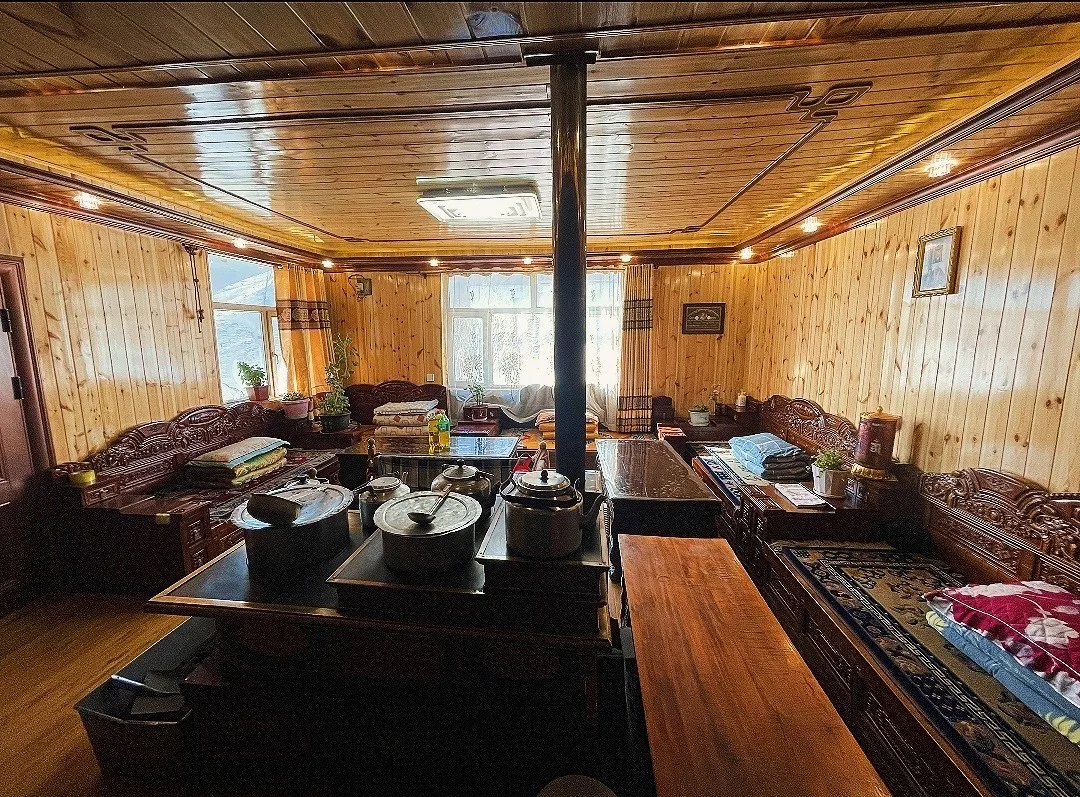
Accommodation is usually arranged in county hotels, simple guesthouses, or local herder homes. Facilities such as hot water, heating, internet access, and electricity may not always be stable in remote areas.
Food options are limited in these regions. Meals are typically based on local staples such as noodles, rice, beef, mutton, and simple vegetables. Travelers should inform the team in advance about dietary restrictions and consider bringing a small supply of high-energy snacks.
During full-day wildlife observation, shower facilities are generally unavailable, and toilets may be basic outdoor-style facilities. Travelers should be prepared for simple field conditions and understand that a snow leopard expedition is a remote wilderness experience rather than a conventional sightseeing trip.

Responsible Watching, Ethics And Community Relations
Responsible snow leopard observation is built on respect — for the animal, the landscape, and the local communities that have lived alongside these predators for generations.
- Keep a safe distance: Never approach a snow leopard. A minimum distance of 200 meters should be maintained whenever possible. Snow leopards are wild predators, and keeping distance protects both the animal and the observer.
- Do not attract or disturb wildlife: Never use food, sounds, or any other method to attract a snow leopard. Artificially changing animal behavior can harm the individual animal and negatively affect future wildlife observation.
- Do not approach dens or cubs: If signs of a den or snow leopard cubs are discovered, leave the area immediately to avoid disturbing the animal’s breeding behavior.
- Leave no trace: Take all belongings and waste with you. Do not leave garbage, human scent, or any signs of human activity in the mountains.
- Follow your local guide’s decisions: Local herder guides have lived alongside snow leopards for generations. Their knowledge is built on years of observing wildlife and understanding the relationship between people, livestock, and nature. They decide when to approach, when to wait, and when to leave. In the field, their judgment should always be respected.
- Stay with the group: Do not leave the team independently or enter local pastures without permission. Remote wilderness areas can present unexpected risks, and staying with the group is the safest approach.
Observing snow leopards is not only about capturing a single moment. The relationship between humans and these elusive cats is built over time through trust and respect. Without responsible behavior, a snow leopard may simply choose another path and disappear back into the mountains.
If A Snow Leopard Attacked: Emergency Protocols
Snow leopards rarely pose a threat to humans. In most cases, they will avoid people and move away when they detect human presence.
If you encounter a snow leopard, do not approach it voluntarily. Always follow your guide’s instructions and allow the animal to behave naturally without interference.
Respect wildlife behavior and never disturb:
Do not move closer out of curiosity or excitement, surround the animal, or attempt to feed it. In particular, avoid disturbing important behaviors such as hunting, feeding, or caring for cubs, as these activities are essential for the animal’s survival.
Report injured animals through proper channels:
If you encounter an injured snow leopard, first make sure you are in a safe position, then immediately inform your guide. The guide can contact local forestry, grassland management authorities, or relevant wildlife departments. Trained professionals with appropriate equipment and knowledge should assess the situation and decide on the correct response.
Reporting an injured animal is not only a responsible action for wildlife conservation, but also helps maintain safety and coexistence between local communities and wild animals.
Photography And Fieldcraft For Snow Leopards
The best times of day for snow leopard photography are early morning and late afternoon, and the light conditions on the Tibetan Plateau can change quickly, so photographers should be prepared to adjust settings throughout the day. Early morning light is often especially productive for both sightings and shooting conditions. Aperture priority or manual mode combined with auto ISO is recommended for greater control.
When a snow leopard is resting, a shutter speed of at least 1/500 second is generally suitable. For walking or running animals, increase the shutter speed to around 1/1000–1/2000 second. Continuous autofocus and high-speed burst shooting are recommended to capture movement. When photographing in snowy environments, check exposure regularly to avoid overexposing bright areas.
Camera equipment should be positioned carefully and never placed near snow leopard dens, prey remains, or narrow pathways where the animal may pass, as this could interfere with natural behavior.
A photograph should never come at the cost of disturbing wildlife. Never chase, surround, or force a snow leopard to move for a better image. Do not use vehicles, drones, sounds, or food to influence its behavior. No pictures is worth interrupting a snow leopard’s hunting, feeding, resting, or breeding activities.
How to Choose a Snow Leopard Tour Operator in China
For travelers hoping to search for snow leopards independently, Qinghai is one of the more accessible destinations in China. However, most snow leopard observation areas are located in extremely remote regions with very limited tourism infrastructure. These areas are mainly traditional pastoral landscapes, where arranging suitable vehicles and obtaining reliable information about recent wildlife activity can be challenging.
In addition, some regions have strict access regulations for international visitors. Travelers may need to complete registration procedures and obtain relevant permissions before entering certain areas. Entering restricted regions without approval may violate local regulations.
For this reason, joining an experienced and established wildlife tour operator is often the safer and more practical choice for snow leopard observation in China. A professional operator can arrange the necessary permits in advance, provide access to local wildlife monitoring networks, and work with experienced wildlife guides.
This not only makes the journey more convenient and reliable, but also increases the chances of observing snow leopards while ensuring that wildlife encounters are conducted responsibly and with respect for the animals’ natural behavior.
Photographing Snow Leopards, Pallas’s Cats, and Eurasian Lynx in China (12days)
view detail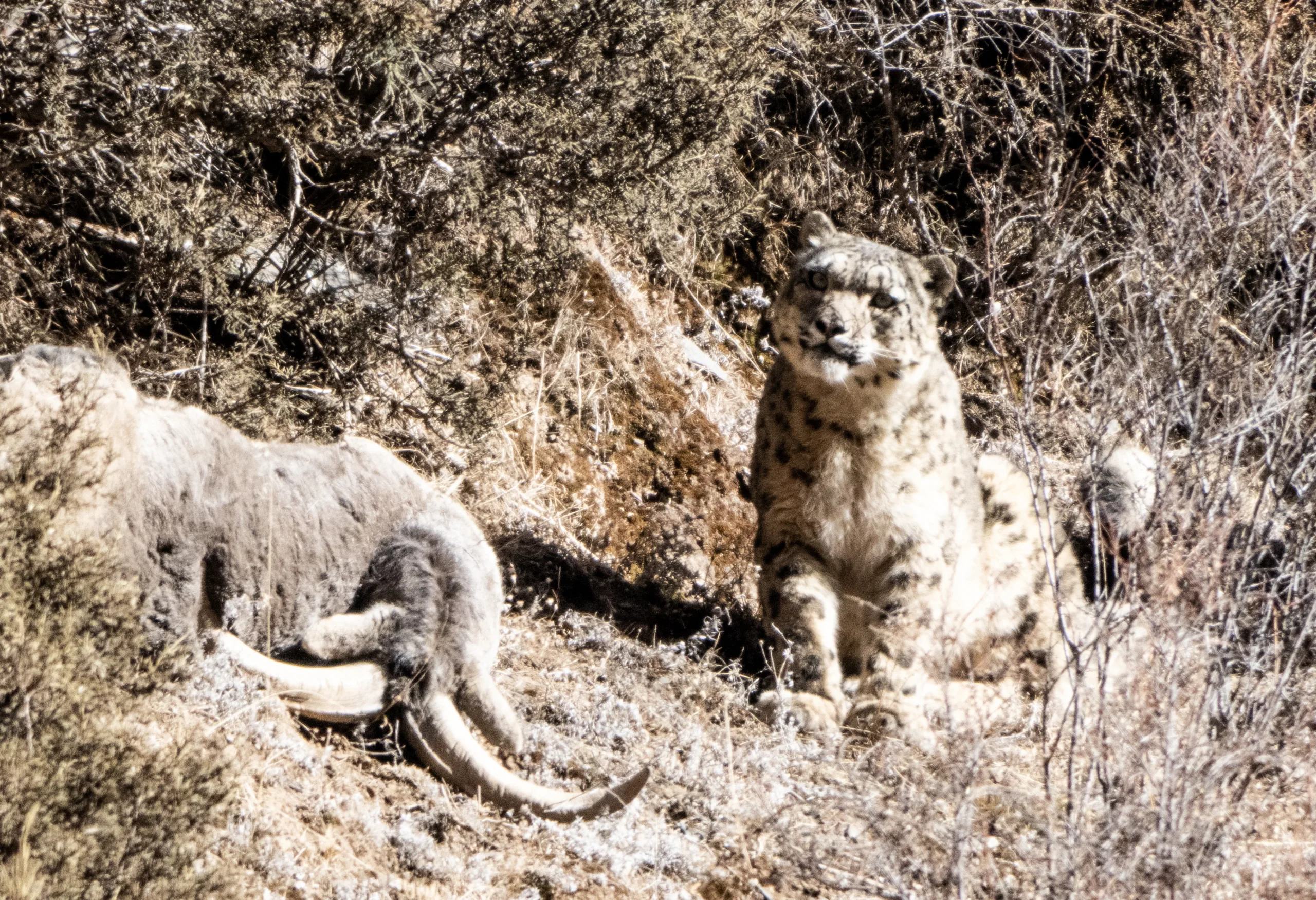
Final Thoughts
The snow leopard is one of the most elusive animals on Earth, but in China — the country with the largest remaining snow leopard population — encountering this high-altitude cat is far from impossible.
If you are interested in searching for snow leopards in China, explore our China Snow Leopard Tour. Our experienced wildlife guides have extensive knowledge of local habitats, field observation methods, and the communities that live alongside these elusive cats.
If you would like to discover more of China’s wildlife, explore our Wildlife Tours in China, designed for wildlife enthusiasts and photographers seeking unique encounters across the country’s diverse ecosystems.
For real field observations and previous expedition records, visit our wildlife reports:
- 2025–2026 Xialaxiu Snow Leopard Observation Report
- Dulan Snow Leopard Observation Report
- Yunta Village Snow Leopard Observation Report
Many snow leopard habitats are located close to the Tibetan Plateau and areas surrounding Tibet. If you are also interested in exploring Tibet, our Tibet Journeys offer opportunities to experience sacred landscapes, Tibetan culture, and high-altitude environments that can become an unforgettable part of your China adventure.
The close relationship between local herders and wildlife, the experience of professional wildlife guides, and the Tibetan cultural understanding of coexistence between humans and nature all contribute to the possibility of a rare encounter with this mountain ghost.
A snow leopard expedition is not only about seeing the animal itself. It may also bring sightings of a Tibetan fox, and in some areas guides may also watch for white-lipped deer. In parts of the plateau, an encounter with a brown bear is also possible.
In the mountains of China, the journey is not simply about finding a snow leopard. It is about understanding the wild world that allows this remarkable species to survive.
References
- Wei, C., Liu, Y., Liang, M., Chang, M., Yu, Y., Gao, Y., Jikmed, A., Li, X., Li, J., Bian, X., Yu, C., Li, Y., Xue, Y., Xing, R., Xiong, X., Liang, B., Li, S., Wang, H., Zhao, X., … Xiao, L. (2026). Snow leopard (Panthera uncia) status in China. Snow Leopard Reports, 5(1), 81–95. https://doi.org/10.56510/slr.v5.65095
- https://xj.cnr.cn/xjfw_1/zb/20260127/t20260127_527507755.shtml