Qinghai Private Tour
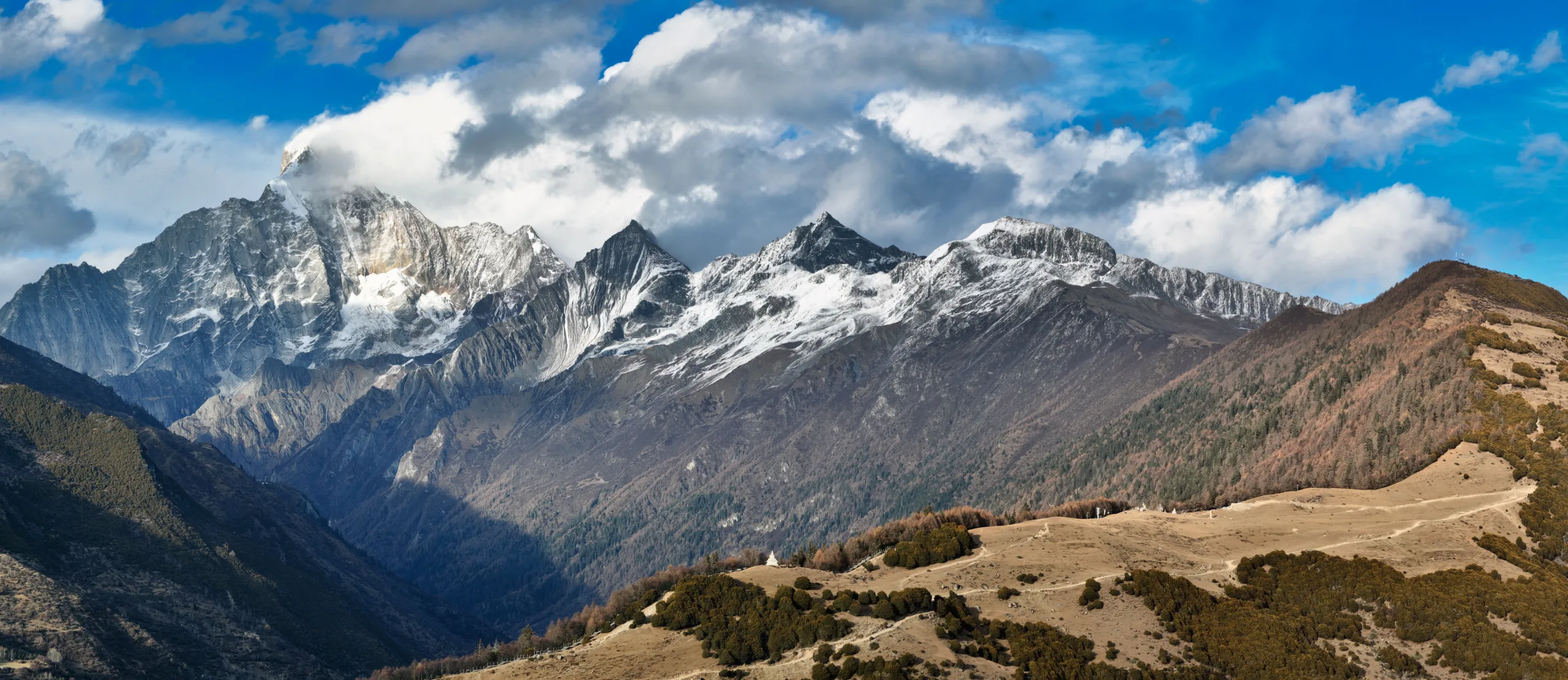
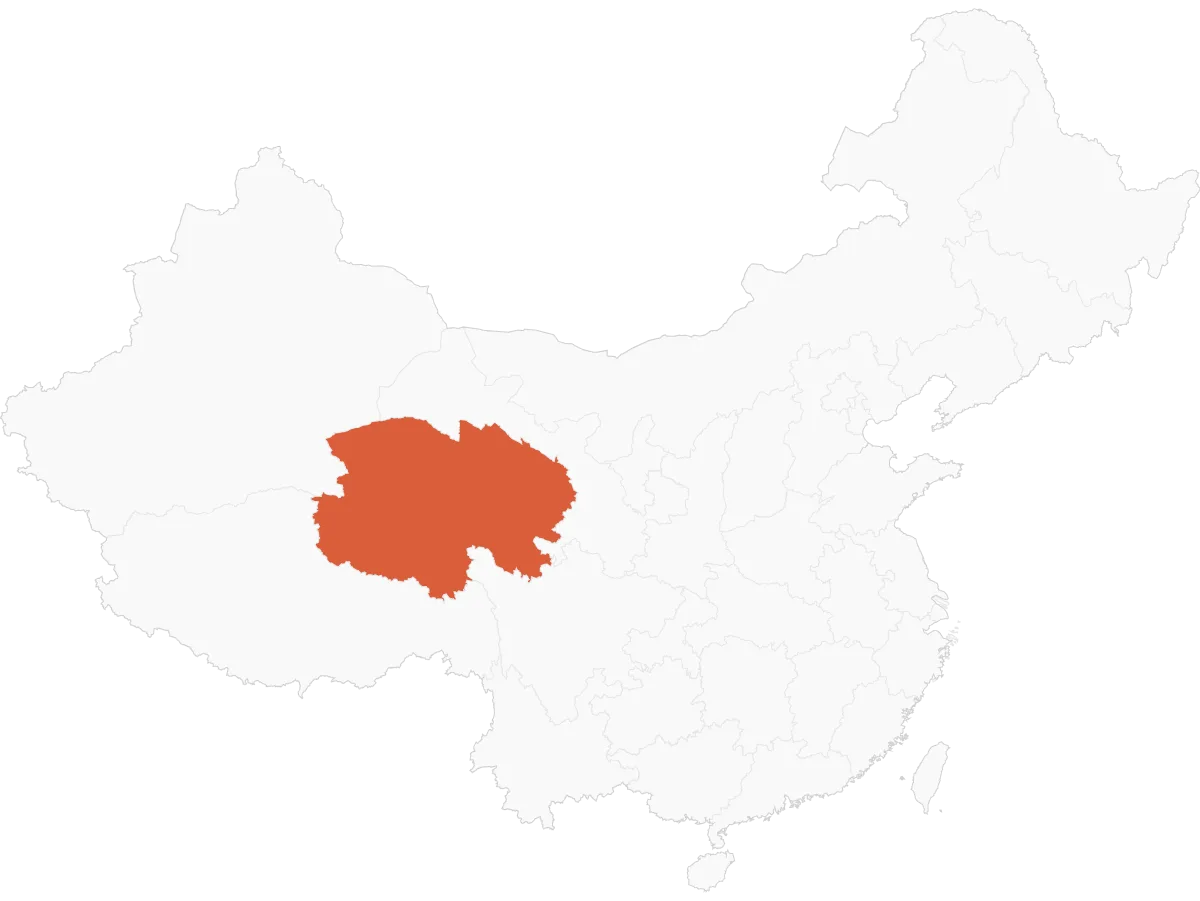
Qinghai is one of China’s last great wilderness destinations, a vast high-altitude world of open grasslands, turquoise salt lakes, snow-covered mountains, and horizons that seem to stretch without end. Across the Tibetan Plateau, roads lead through landscapes where settlements are few, wildlife still roams freely, and the traditions of Amdo and Kham Tibet remain deeply woven into everyday life. It is a place best explored slowly, with the freedom to follow the landscape rather than a fixed itinerary.
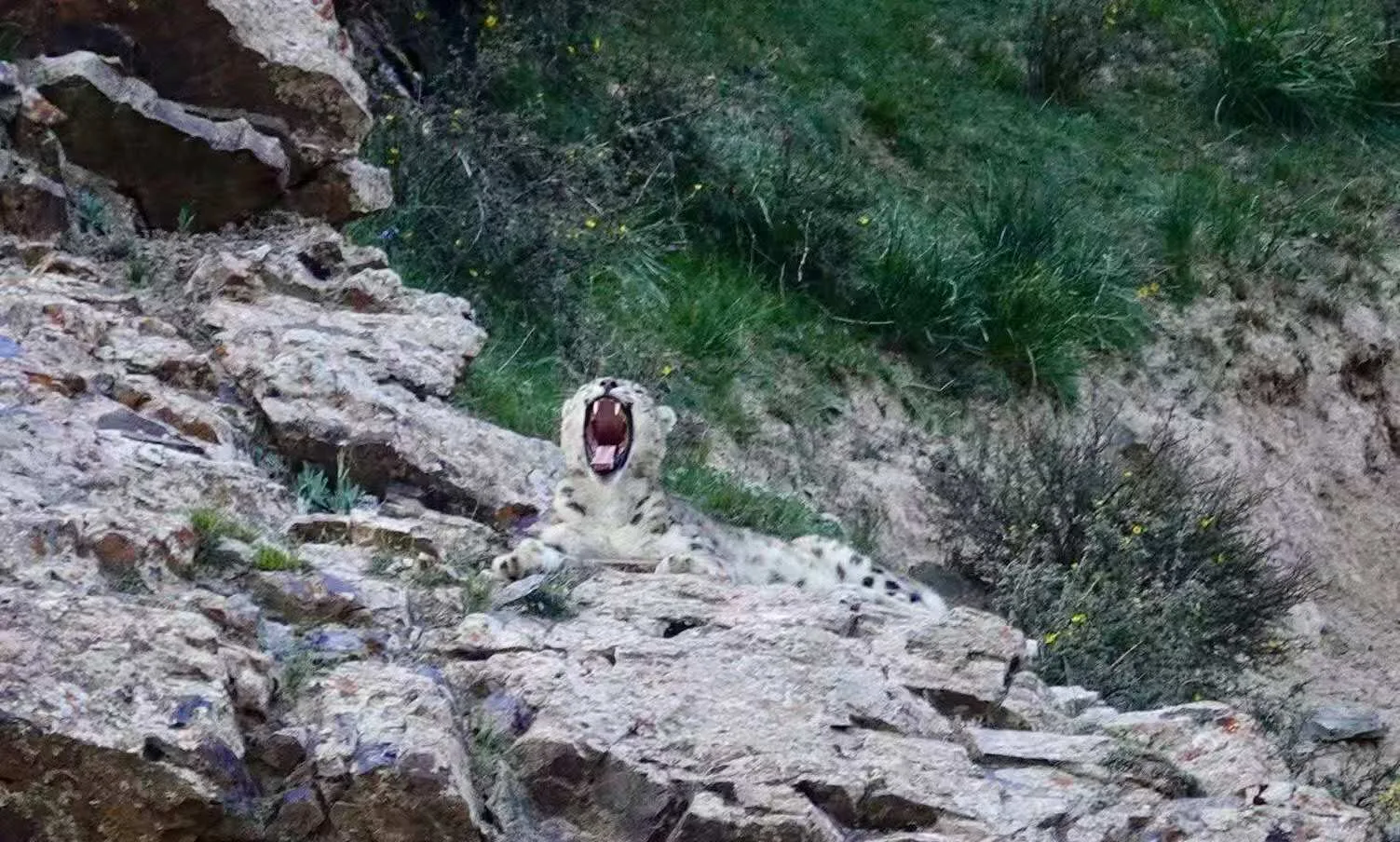
An Eastogo Qinghai Private Tour opens up a remarkable range of experiences. Venture into the remote highlands of Yushu and the landscapes surrounding Hoh Xil, where snow leopards, Pallas’s cats, Tibetan foxes, wild yaks, and other rare species inhabit some of Asia’s most extraordinary wildlife habitats. Working with experienced local trackers and wildlife specialists whose work has featured in National Geographic and Frozen Planet, we create opportunities to search for these elusive animals responsibly, guided by seasonal conditions and local knowledge.
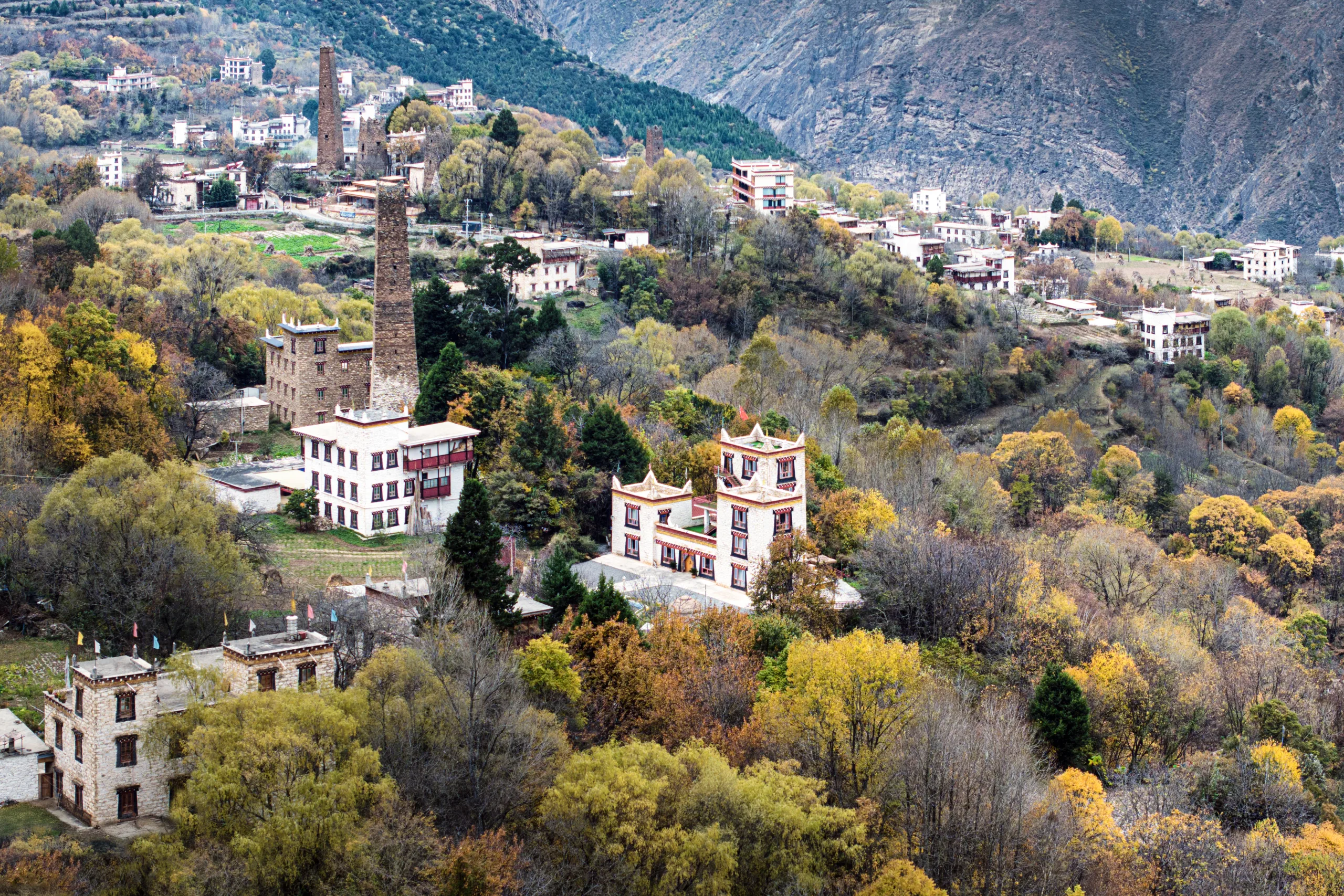
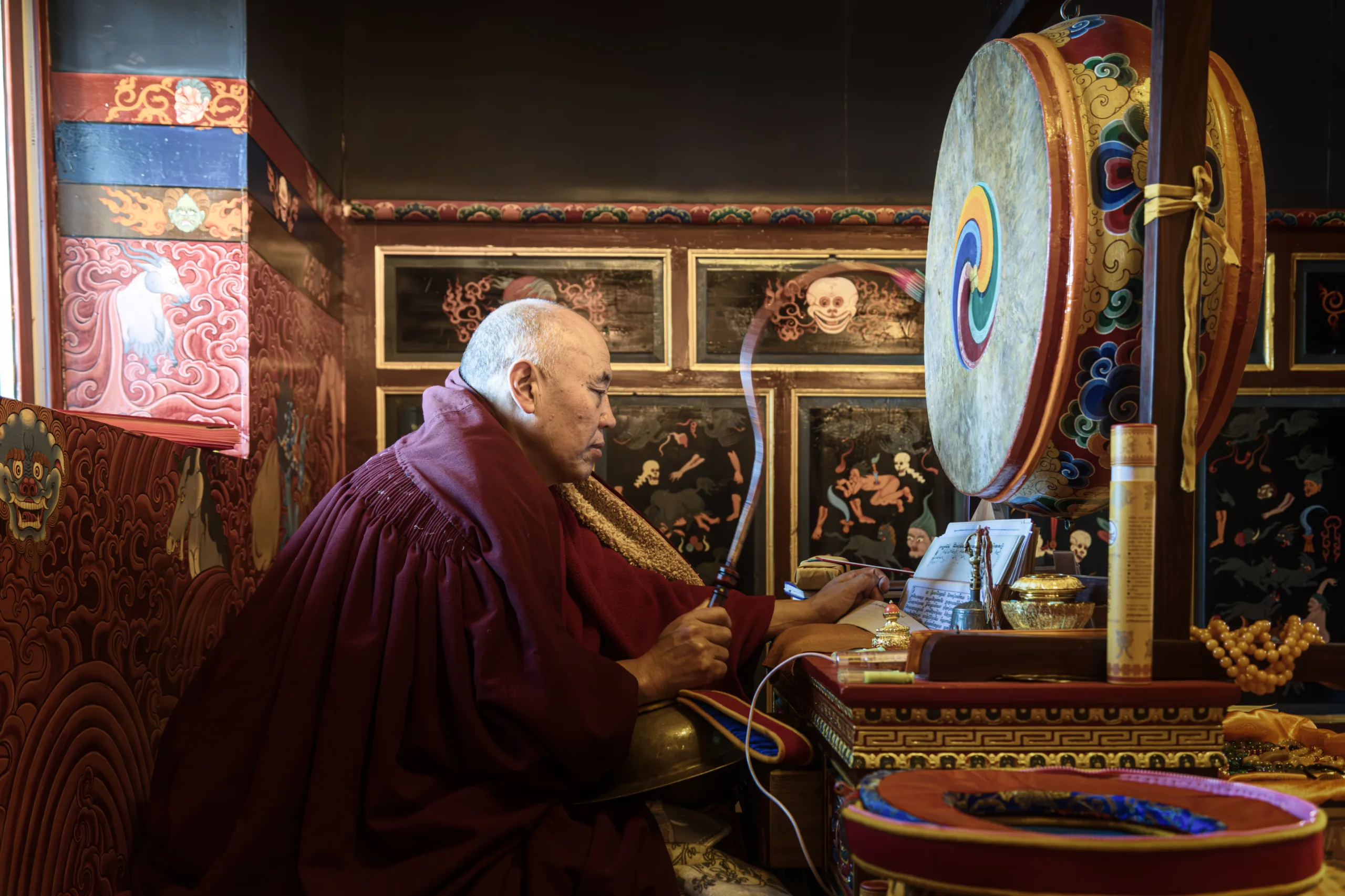
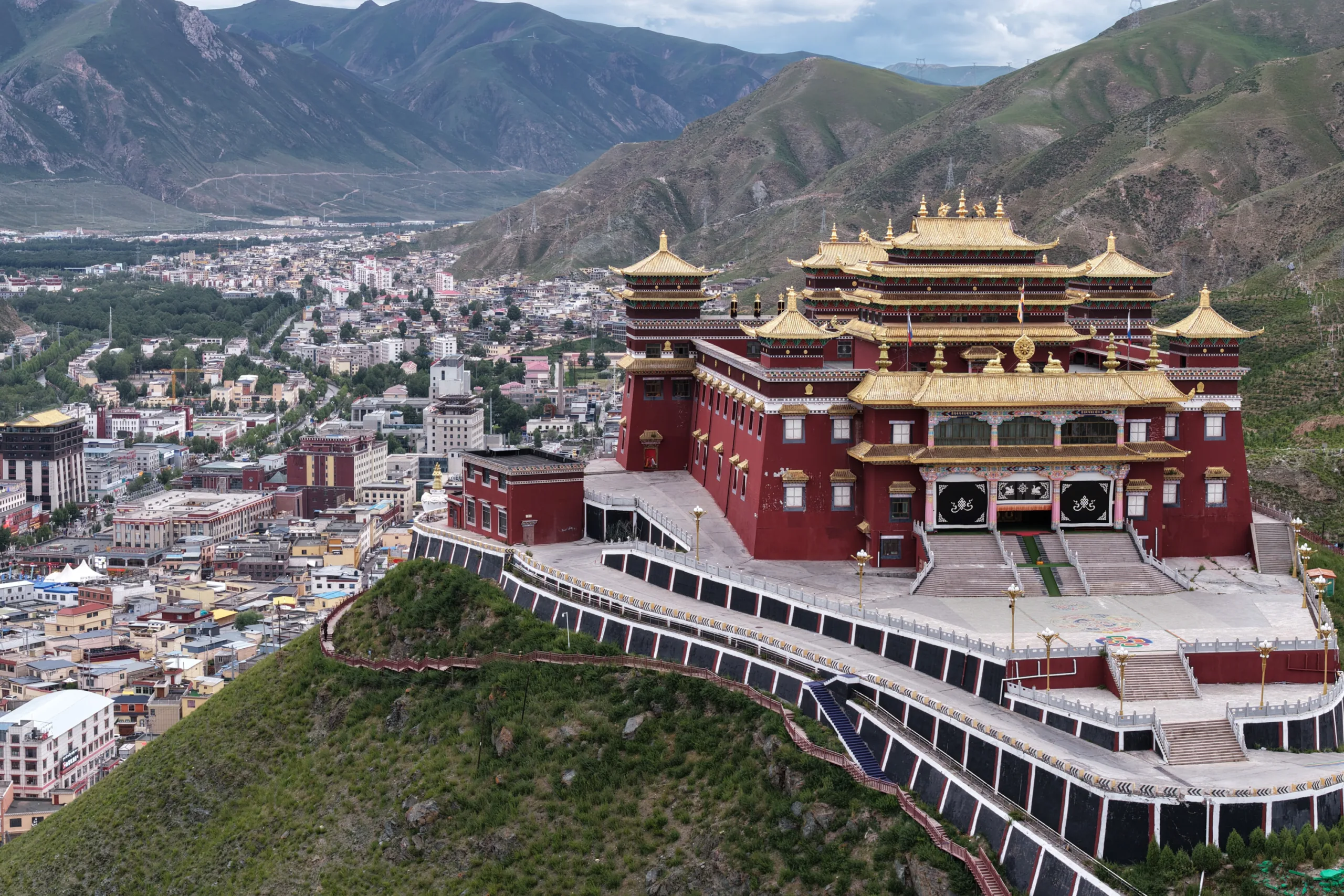
Beyond its wilderness, Qinghai offers a deeper encounter with Tibetan culture. Visit the immense Xinzhai Mani Stone Pile, where millions of carved stones carry generations of prayers, or spend time with nomadic herding families to learn about lives shaped by the rhythms of the plateau. Further west, vast salt lakes and desert landscapes reveal another side of Qinghai, with striking colours and an almost otherworldly sense of space.
With knowledgeable local guides, carefully planned high-altitude routes, private transport, and the flexibility to adapt around wildlife sightings, weather, and your interests, Eastogo creates private Qinghai journeys that bring you closer to the landscapes, wildlife, and people of the Tibetan Plateau.
Journey Highlights
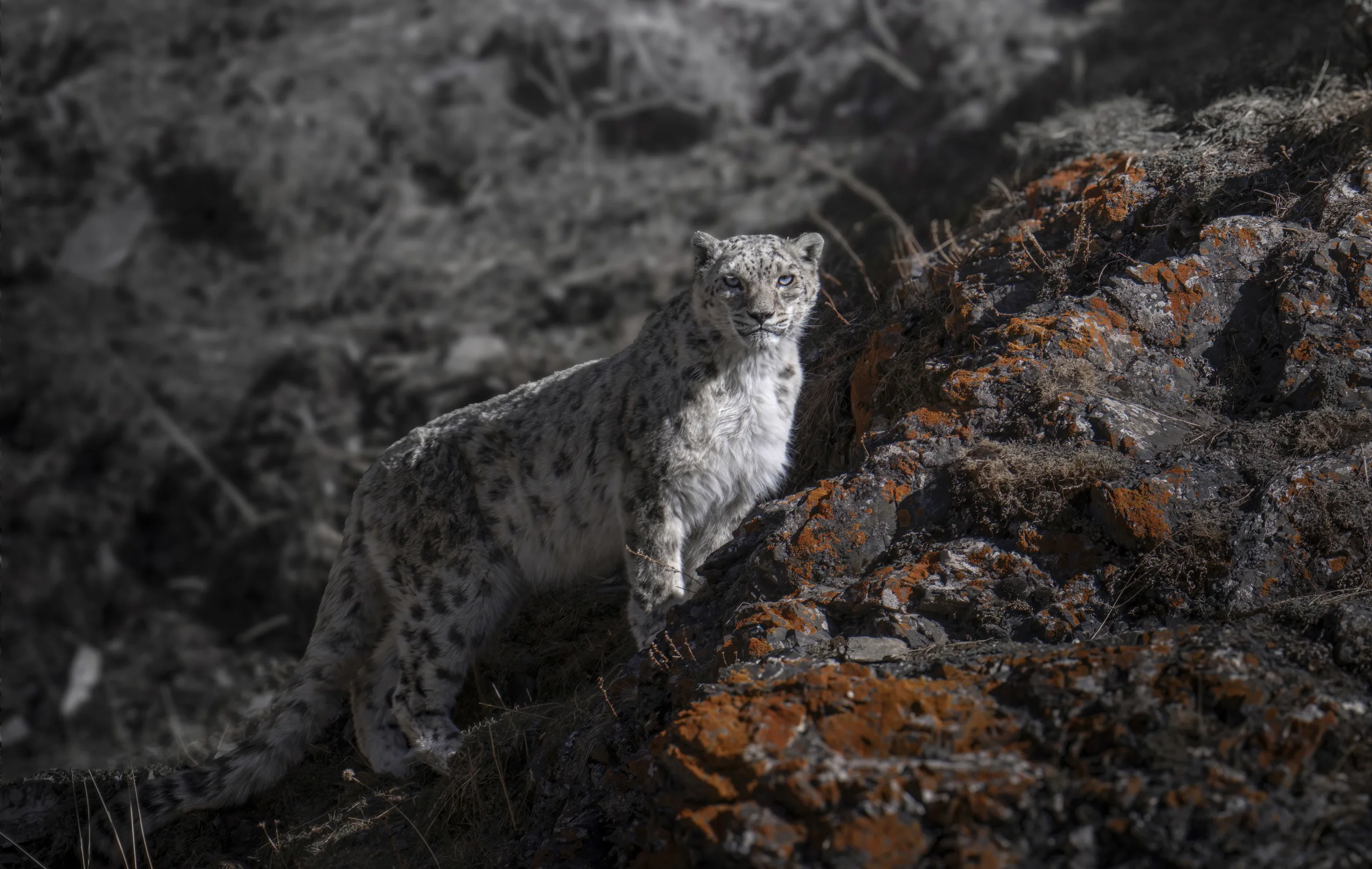
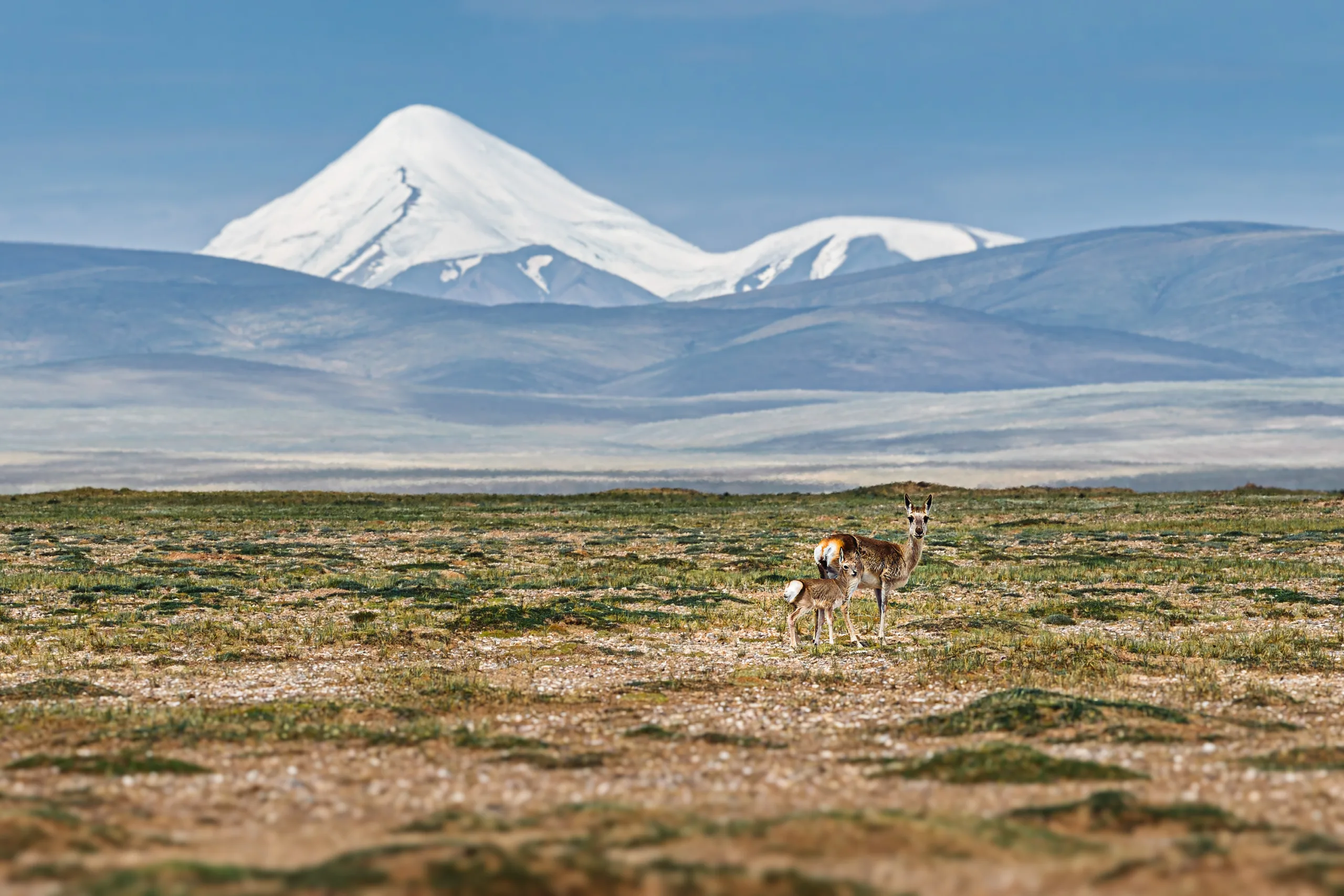
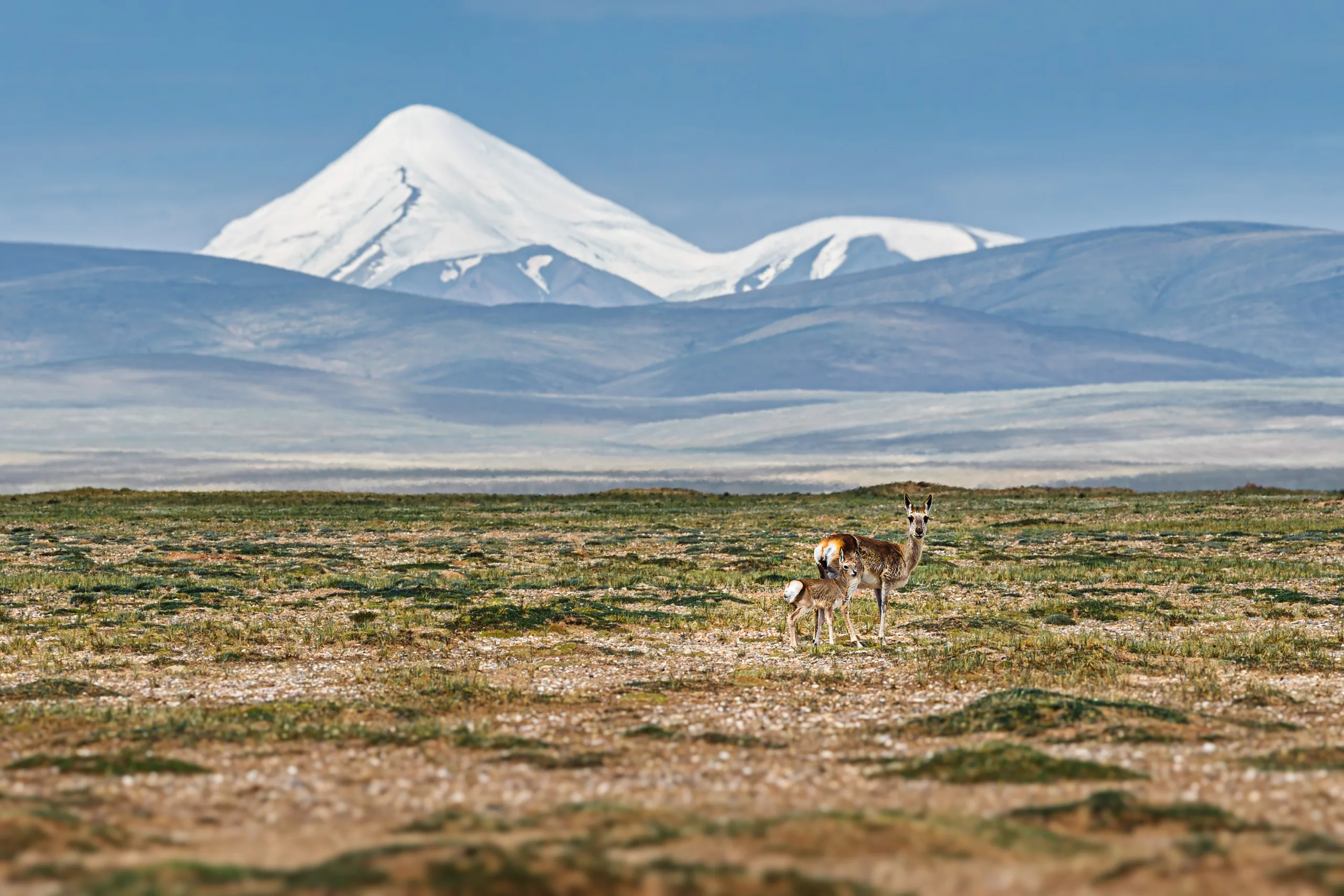
Guided by our wildlife experts, explore Qinghai’s high-altitude wilderness to track snow leopards, Pallas’s cats, Eurasian lynx, Tibetan foxes, blue sheep, wild yaks and more. Journey into Hoh Xil, the world’s third-largest uninhabited area, where the graceful Tibetan antelope roams across the open plateau.
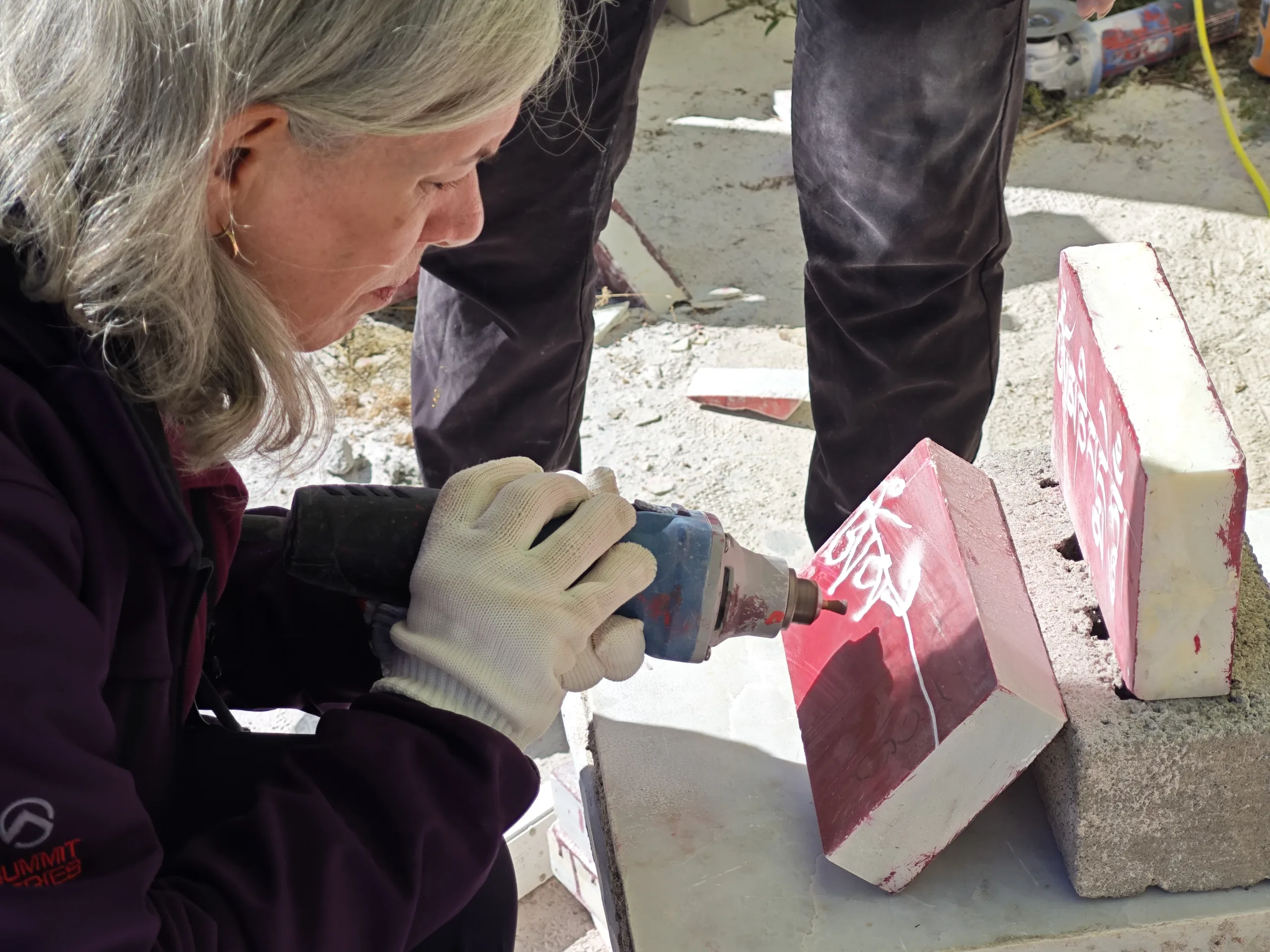
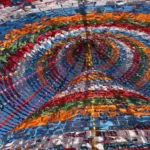
At Xinzhai Mani Stone Mound in Yushu, the largest in the world. Carve the sacred Six-Syllable Mantra onto your own mani stone and place it among millions of prayers.Experience the profound spiritual devotion that defines this land.
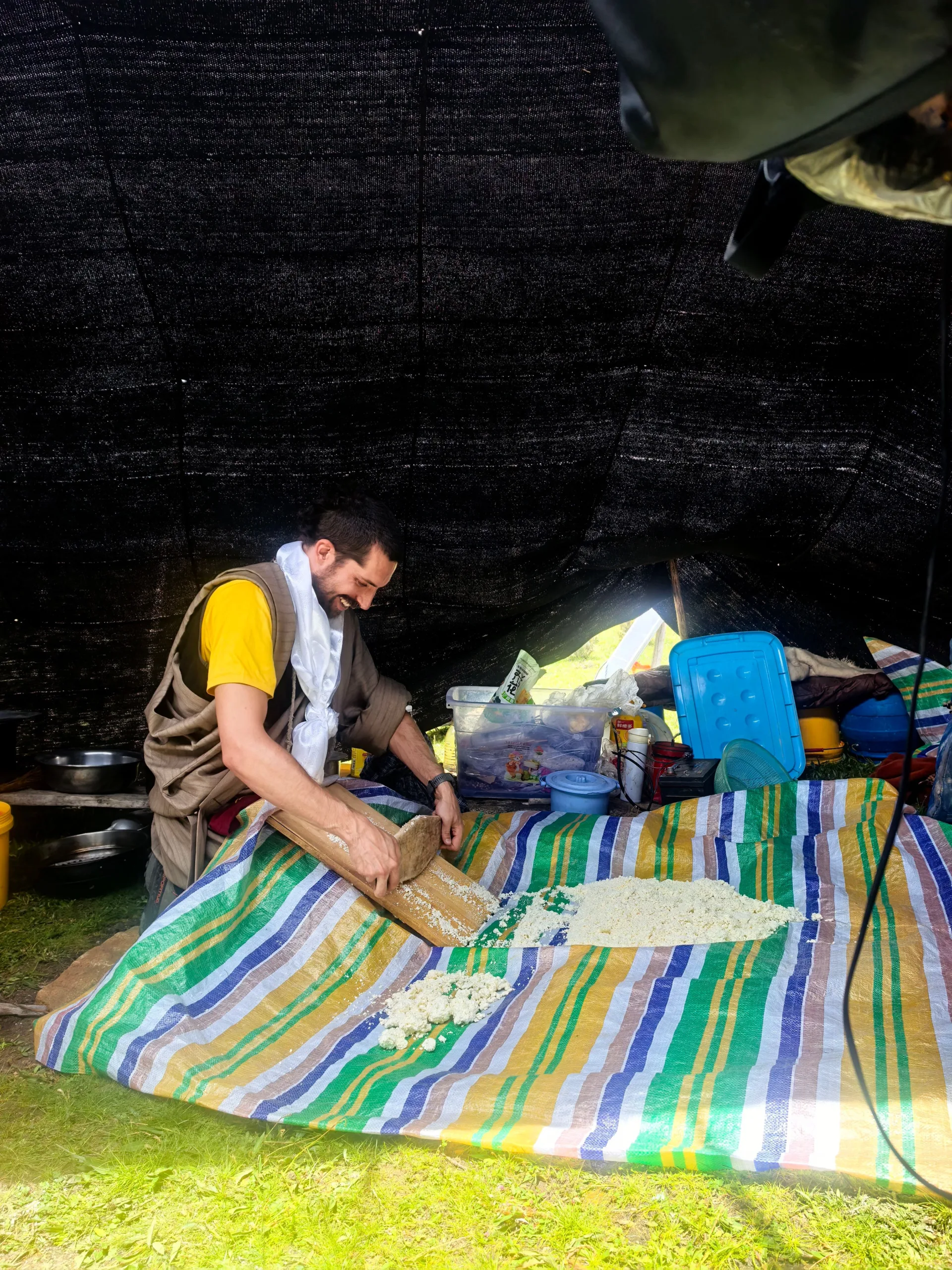
Experience a day with Tibetan nomads in Qinghai’s grasslands—ride horses, help herd yaks, and learn to make traditional foods like butter tea and tsampa. Try your hand at udo, the traditional slingshot used for herding, and discover the skills and rhythms that define nomadic life.
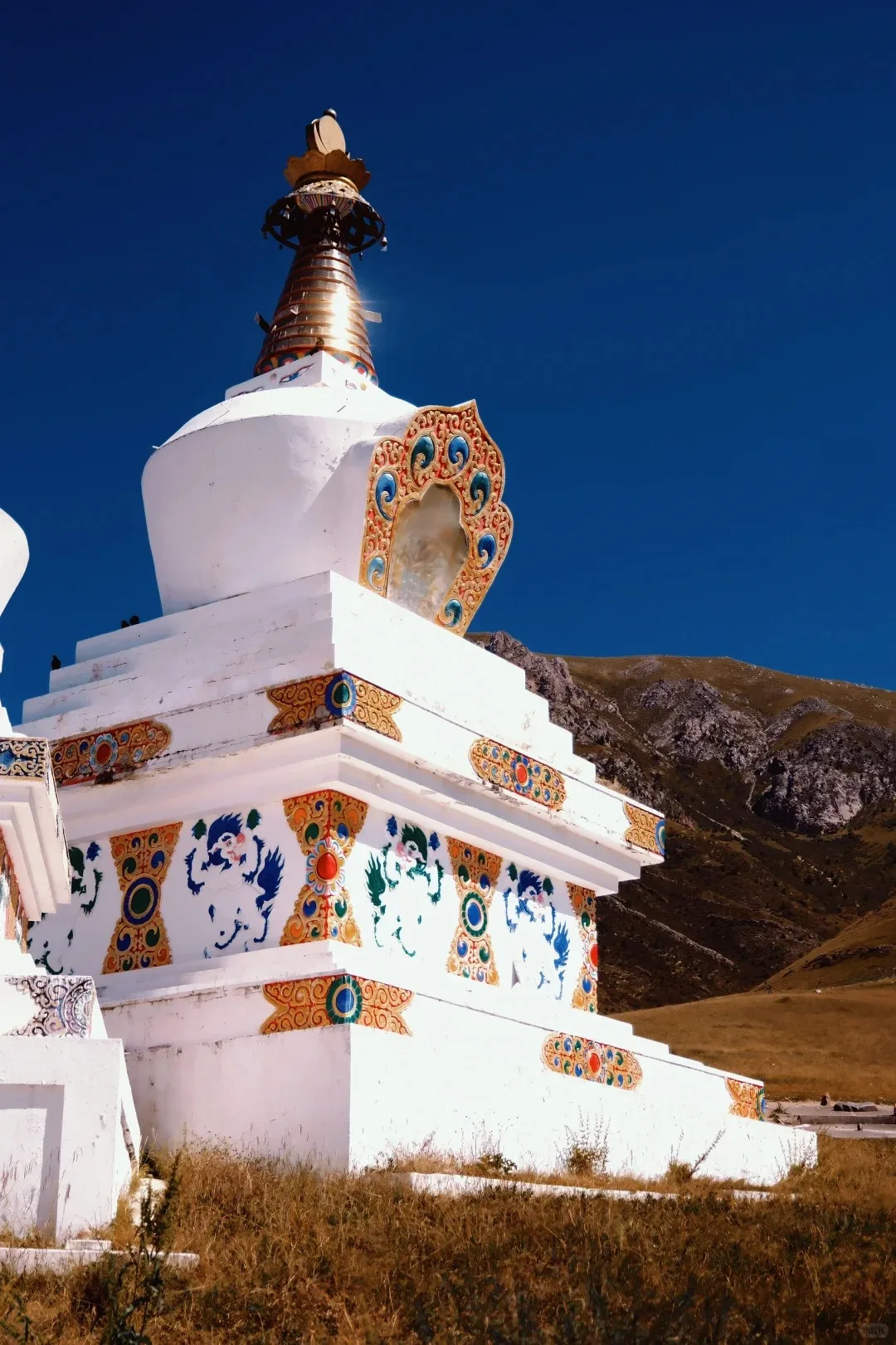
Led by our cultural guide, visit the largest sky burial site in Qinghai and gain insight into the Tibetan belief of life returning to nature, a profound perspective on the cycle of life and death.
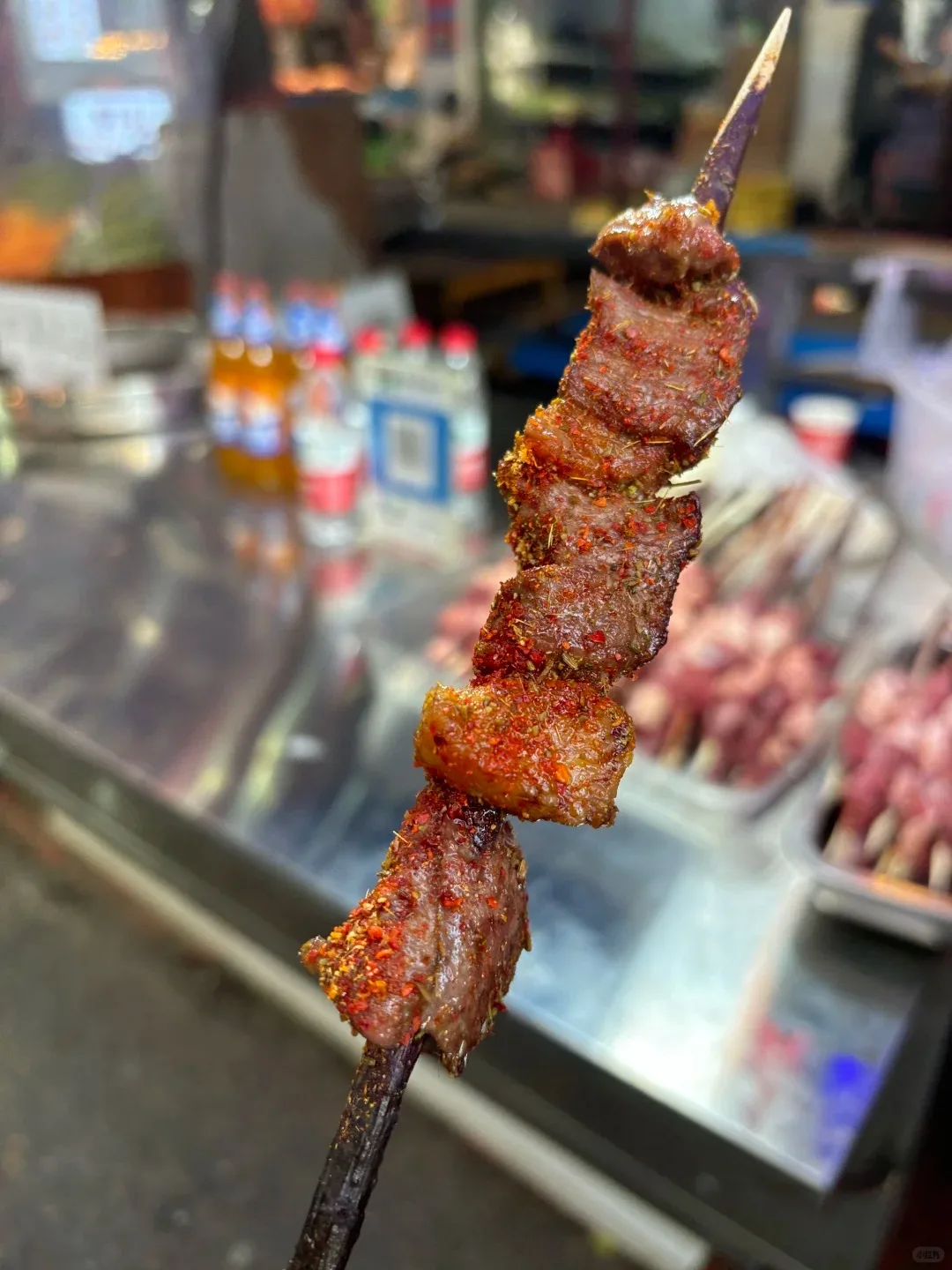
Join our local guide for a night-market food tour along Xining’s famous Muslim Snack Street. Try juicy lamb skewers, traditional fermented yoghurt, sweet rice wine, and more, flavours so good you’ll wish you had two stomachs.
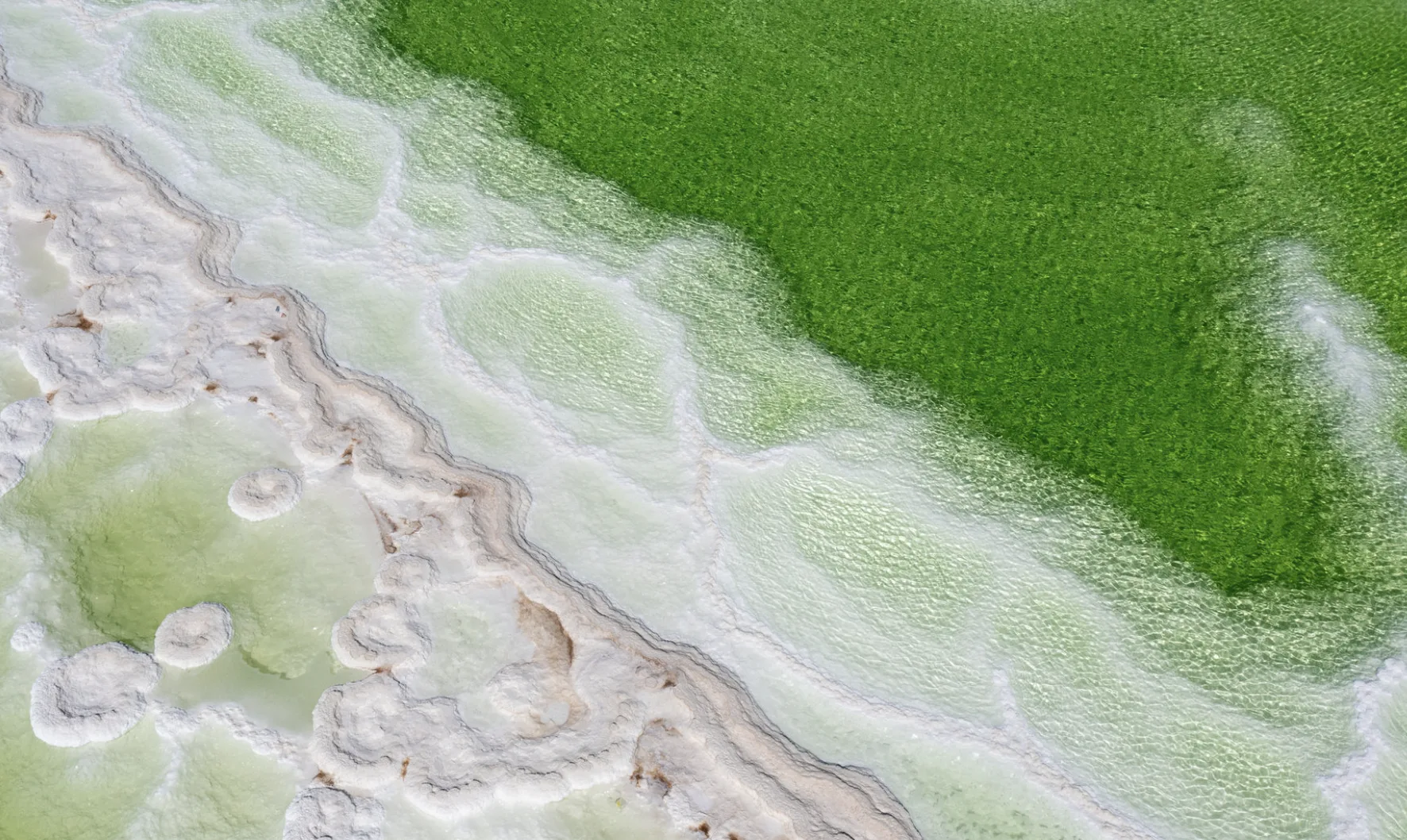
Explore one of the world’s most stunning and unique salt lake regions, the apple-green Qarhan Salt Lake and the mirror-like Chaka Salt Lake, where the colours and reflections feel almost otherworldly.
Inclusions & Offers
Designed Around Your Journey
Rather than fixed departures, this experience is arranged privately and shaped around your preferred dates, interests, and travel style.
Our specialists will design the journey based on your pace, accommodation preferences, and seasonal conditions.
Best time to visit
Qinghai is vast, and most places we visit have a typical high-plateau climate. During the snow leopard expedition season, temperatures are usually around -14°C to -2°C from October to December, and -16°C to 5°C from January to March. For summer scenery trips, temperatures can mainly refer to the Qarhan Salt Lake area, usually around 5°C to 25°C from May to September.
Traveler Reviews





FAQs
How is a private tour different from a group tour?
A Qinghai private tour offers far greater flexibility, privacy, and access to remote experiences than a standard group itinerary. Rather than following fixed routes and schedules, you can shape your journey around your interests — whether that means tracking snow leopards with experienced local wildlife specialists, exploring remote Tibetan communities, or spending more time photographing the vast landscapes of the plateau.
With Eastogo, private travel is particularly valuable for wildlife enthusiasts and photographers. Our local trackers can adapt daily plans around animal movements, weather, and field conditions, while travellers interested in Tibetan culture can spend more meaningful time with nomadic families, visit lesser-known monasteries, and explore places rarely included in conventional itineraries.
With dedicated private transport, carefully selected accommodation, and experienced local guides, we create journeys that balance adventure, comfort, and the freedom to explore Qinghai at your own pace.
How does the booking process work?
1. Submit Your Inquiry
Tell us where you’d like to go, when you’d like to travel, and what kind of experiences you’re looking for.
2. Meet Your Destination Specialist
Your regional expert will arrange a complimentary consultation to understand your interests, travel style, pace, and priorities. Together, we’ll begin shaping the journey around your curiosity.
3. Receive Your Personalized Proposal
Based on your preferences, we’ll create a personalized itinerary and quotation, including accommodations, transportation, experiences, and recommendations tailored specifically to you.
4. Refine & Confirm Your Journey
Review the itinerary with your destination specialist and make any adjustments you’d like. Once everything feels right, secure your booking with a deposit and we’ll begin preparing the trip.
5. Travel with Confidence
Before departure, you’ll receive your detailed travel documents, practical information, and pre-departure guidance. Then simply arrive and enjoy your journey while we take care of the rest.
What is Qinghai known for?
Qinghai is one of the best places in China to experience plateau culture. It is known for vast highland scenery, deeply rooted Tibetan traditions, and well-preserved wildlife habitats.
Travelers come for Qinghai Lake, Chaka Salt Lake, the Kunlun Mountains, Kokoxili, and Sanjiangyuan. The region brings together grasslands, snow mountains, salt lakes, desert landscapes, wetlands, and remote no-man’s-land. Roads are long, views are wide, and the travel pace is quiet and spacious.
Qinghai is also an important Tibetan cultural region, with many authentic places still little developed. Yushu, Rebkong, Golog, and nearby areas preserve living Tibetan communities, monastery traditions, pilgrimage routes, and nomadic culture.
Sanjiangyuan is the source region of the Yangtze, Yellow, and Lancang Rivers. Its healthy ecosystems support snow leopards, Pallas’s cats, Eurasian lynx, wild yaks, Tibetan antelopes, and other rare plateau wildlife.
Is Qinghai worth visiting?
Yes. Qinghai is worth visiting if you want a quieter and more remote side of the Tibetan Plateau.
Compared with Tibet, Qinghai offers local Tibetan culture with fewer commercial influences, and foreign travellers do not need a Tibet Travel Permit. Compared with Western Sichuan, it has wider landscapes and better-preserved high-plateau wildlife habitats.
Qinghai is best for travellers who enjoy open scenery, long roads, quiet places, wildlife, photography, and deeper local experiences. However, it is remote, driving distances are long, and facilities can be limited.
Most destinations sit at 2,500–4,500 meters. Travellers with serious heart, brain, respiratory, or blood-related conditions, pregnancy, severe anaemia, recent major surgery, or very young children should consult a doctor before visiting.
Is Qinghai suitable for first-time visitors to China?
Yes, especially if you already know what draws you to China.
If you are interested in road trips across the Tibetan Plateau, authentic Tibetan culture, or wildlife expeditions, Qinghai is one of the best places to begin. Long open roads, remote monasteries, nomadic communities, and habitats for snow leopards, Pallas’s cats, and other plateau wildlife offer a side of China that few first-time visitors experience.
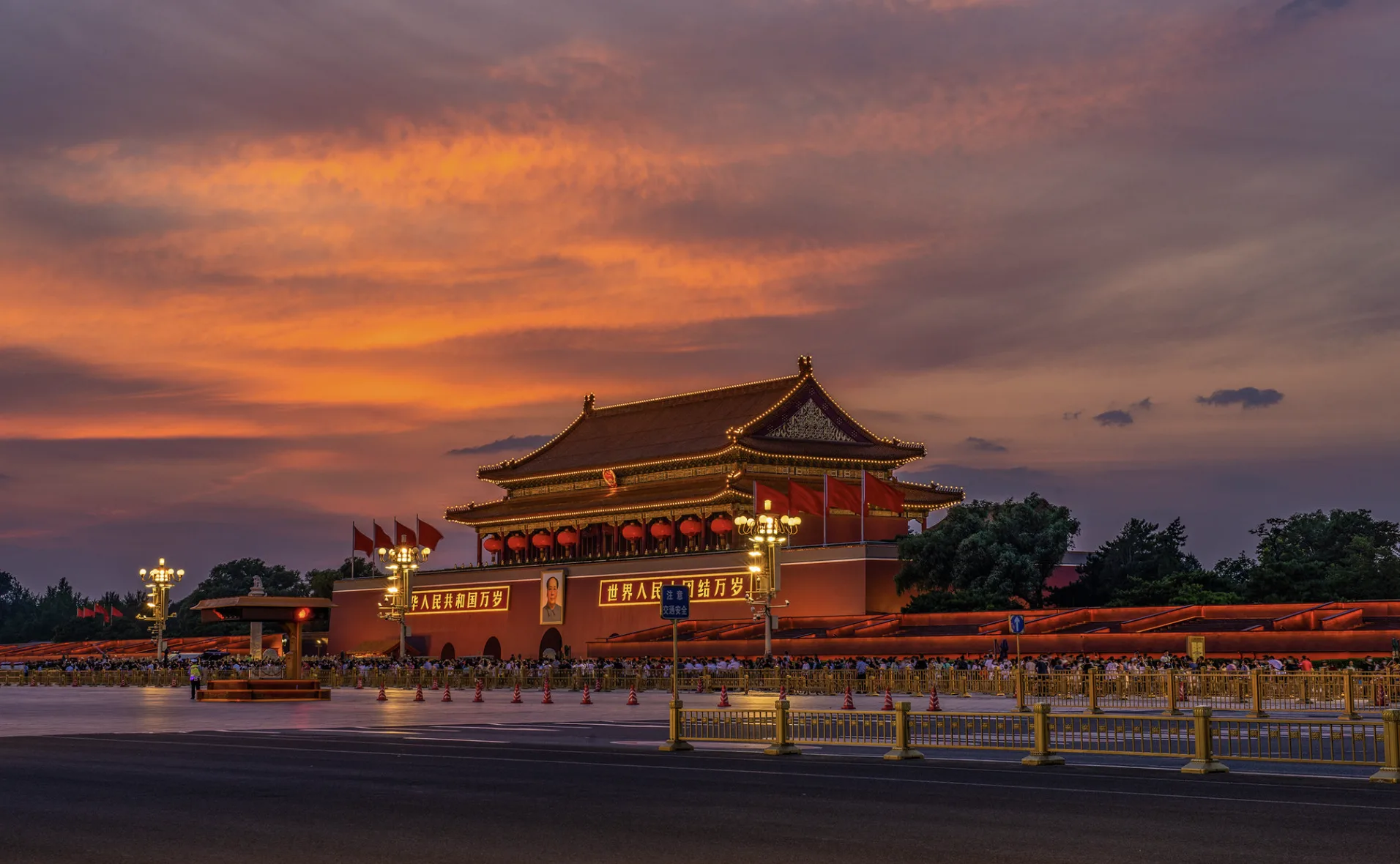
However, Qinghai is not the most typical introduction to China. If your priority is imperial history, major cities, or famous landmarks, destinations such as Beijing, Shanghai, Xi’an, or Sichuan may be better starting points. They can also be easily combined with Qinghai if you have more time.
For travellers seeking a quieter, wilder, and more immersive journey, Qinghai can be an unforgettable first experience of China.
What are the must-see attractions in Qinghai?
Qinghai does not have one single must-see attraction. It is better explored according to your interests.
If you love nature, Qinghai Lake, Chaka Salt Lake, Qarhan Salt Lake, the Kunlun Mountains, and Kokoxili offer some of China’s most spectacular high-altitude landscapes, from vast lakes and snow mountains to salt flats, grasslands, and remote wilderness.
If you are interested in Tibetan culture, Kumbum Monastery, Yushu, Rebkong, and Golog are among the best places to visit. Beyond famous monasteries, you can experience living Tibetan traditions through local communities, festivals, murals, thangka art, and nomadic life.
If wildlife is your priority, Yushu and Dulan are the main destinations. They are among the best places in China to look for snow leopards, Eurasian lynx, Pallas’s cats, white-lipped deer, Tibetan foxes, wild yaks, and Tibetan antelopes.
For many travellers, however, Qinghai’s greatest attraction is the journey itself. Driving across the plateau from Xining toward Yushu, Golog, or Kokoxili, the constantly changing landscapes become as memorable as any destination.
How many days should I spend in Qinghai?
For wildlife-focused trips, around 8 days gives you a chance to look for snow leopards, Eurasian lynx, white-lipped deer, Tibetan foxes, and other plateau wildlife. If wildlife observation is your main goal, 10 days or more is better, as sightings depend heavily on weather, animal movement, and time in the field.
For most travellers, 5–6 days is a good starting point for Qinghai. This allows you to visit Xining, Qinghai Lake, Chaka Salt Lake, and optionally Kumbum Monastery at a comfortable pace.
If you want a deeper journey into remote Tibetan areas, 9 days or more is recommended. With more time, you can continue to Yushu, Golog, or other less-visited regions where Tibetan culture feels stronger and more local.
What is the best time to visit Qinghai?
The best time to visit Qinghai depends on your travel focus.
For scenery
May to September is the best season. The weather is milder, roads are easier, and the grasslands, lakes, and mountains are at their most beautiful. July and August are the peak summer months, with the richest plateau colours, but also more visitors.
For wildlife
October to May is better, especially for snow leopard observation. In colder months, snow leopards usually stay at lower altitudes and become more active. From January to March, the mating season makes their movements more frequent, giving travellers a better chance to observe them in the wild.
How do I get to Qinghai?
Most travellers enter Qinghai through Xining, the provincial capital.
International flights
Qinghai’s main airport is Xining Caojiabao International Airport (XNN). There are limited direct international routes, so most overseas travellers first fly to major Chinese hubs such as Beijing, Shanghai, Chengdu, Xi’an, or Guangzhou, then take a domestic flight to Xining.
Domestic flights
Xining is well connected by air with many major Chinese cities. Convenient departure cities include Beijing, Shanghai, Xi’an, Guangzhou, Hangzhou, Chengdu, and others.
High-speed trains
Xining is the main railway hub on the northeastern Tibetan Plateau. Direct bullet trains connect Xining with cities such as Beijing, Lanzhou, Xi’an, and Chengdu. Travel time is about 1–2 hours from Lanzhou, around 4 hours from Xi’an, and around 5 hours from Chengdu. Trains to Tibet also pass through Xining, making it an important gateway to the plateau.
Will I get altitude sickness on my first trip to Qinghai? How can I prevent it?
Many first-time travellers visit Qinghai without serious altitude problems, but most areas are on the plateau, so mild symptoms are possible.
Common symptoms include headache, dizziness, tiredness, chest tightness, poor sleep, or loss of appetite. Most mild symptoms improve after 1–3 days of rest and acclimatisation.
To reduce the risk:
Spend 1–3 days in Xining before going higher.
Sleep well before the trip and avoid alcohol.
Move slowly on the first day.
Avoid intense exercise and long walks at the beginning.
Drink water regularly and eat light meals.
Keep warm and avoid catching a cold.
Prepare basic medicine for headache and energy support.
If you have severe headache, breathing difficulty, confusion, poor balance, or worsening symptoms, descend to a lower altitude and seek medical help immediately.
What documents do foreign travellers need to enter Qinghai?
Foreign travellers do not need a Tibet Travel Permit to visit Qinghai, even though many areas are Tibetan cultural regions.
You will need:
A valid passport
This is required for all foreign travellers.
A Chinese visa or visa-free entry eligibility
If your nationality is covered by China’s visa-free policy, you can enter with a valid passport. If not, you should apply for a Chinese tourist visa, usually an L visa, before arrival.
A checked itinerary for restricted areas
Some areas in Qinghai may have local restrictions for foreign travellers. For example, overnight stays in places such as Delingha may not be possible for foreign guests.
For remote routes, we recommend travelling with a registered travel agency to make sure the itinerary, hotels, and local arrangements are compliant and safe.
Is a snow leopard and wildlife expedition physically demanding, and does it require special equipment?
A snow leopard expedition in Qinghai does not require extreme fitness, but good general health is important.
Snow leopards usually live at altitudes of 3,300–5,000 meters, so travellers need to be prepared for high-altitude conditions. However, most expedition activities take place along main roads or near the vehicle, waiting and scanning the mountains with local trackers. Daily walking is usually light, often under 3 km.
For equipment, warm and practical clothing is more important than technical outdoor gear. We recommend a layered clothing system, including windproof and waterproof outerwear, warm fleece or down layers, gloves, a hat, sunglasses, and comfortable walking shoes.
For photography, a long lens is recommended. Binoculars are also useful for wildlife spotting.
Inspirations
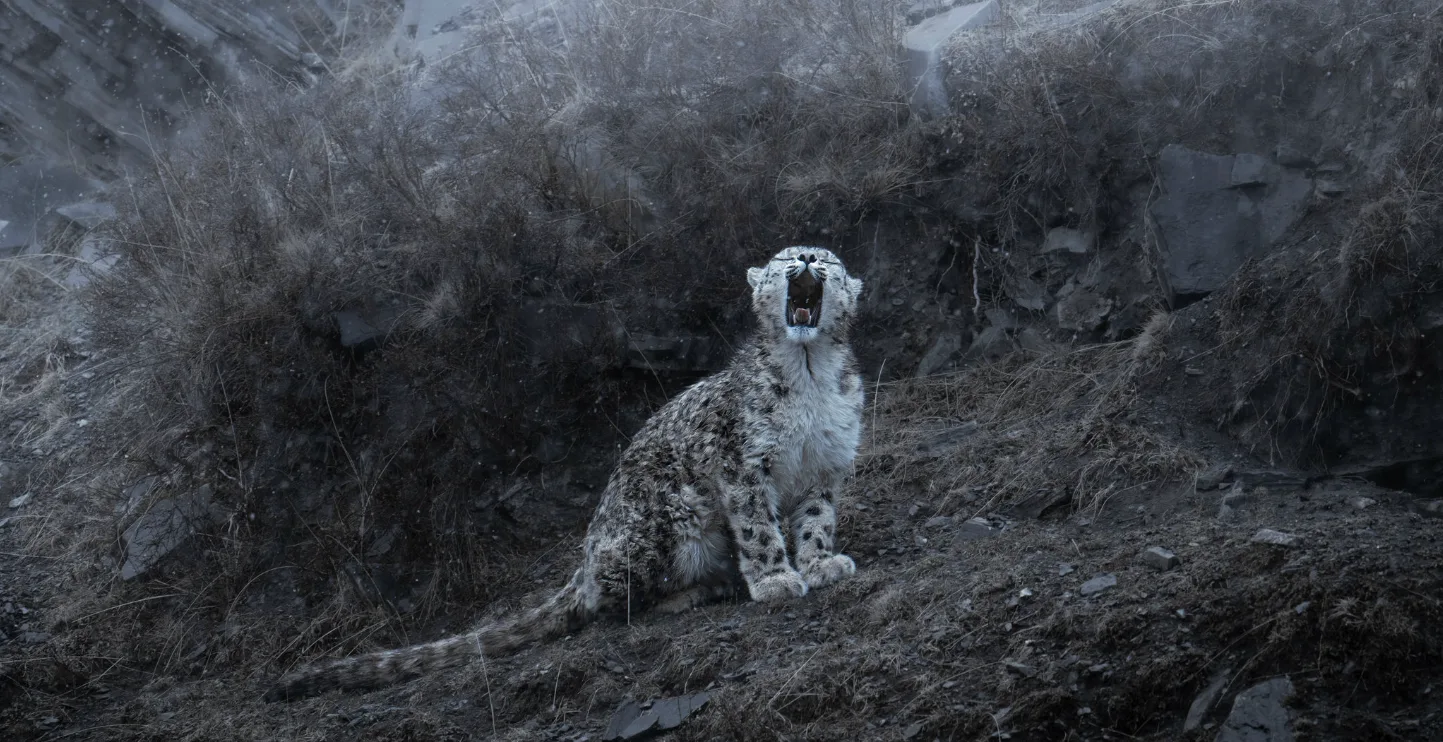
Snow Leopard Photography Field Guide: How To Photograph Snow Leopards In The Wild
Through this guide, we hope to help photographers who share a passion for snow leopards create meaningful images and inspire more people to appreciate this extraordinary species through photography.
View Detail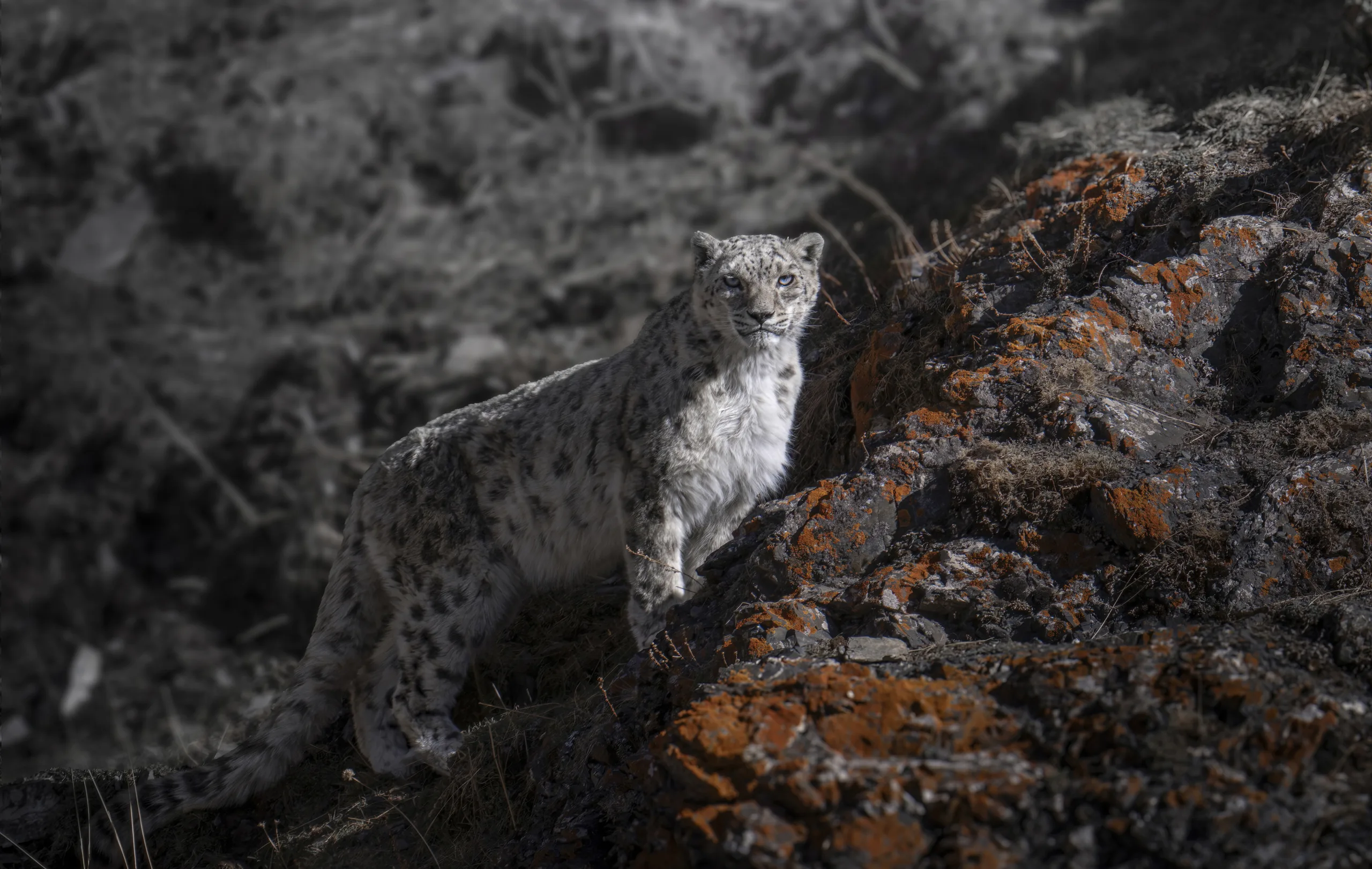
China Snow Leopard: A Complete Guide to Where, When and How to See Them
This guide explains where snow leopards live, the key areas for observation in places such as Qinghai and Tibet, the best seasons for sightings, what logistics and equipment to expect, how permits and access work, and how to choose an operator that approaches wildlife watching ethically.
View Detail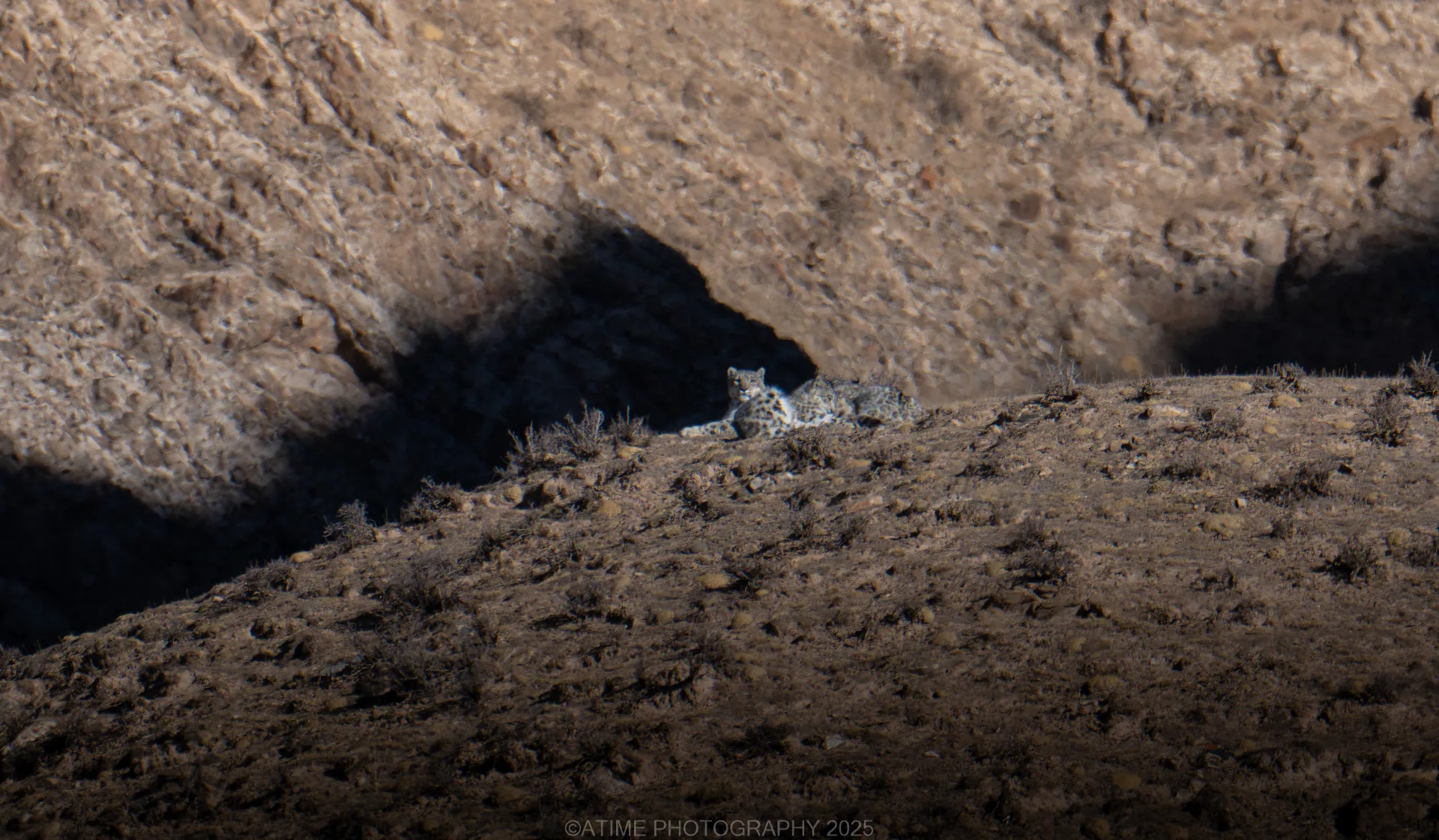
Where Does the Snow Leopard Live? A Practical Guide to Seeing Snow Leopards in the Wild
This guide explores the snow leopard’s global range, habitat, prey, conservation challenges, and the best destinations to experience this elusive mountain predator in the wild.
View Detail