Southwest China Endemic Birds and Endangered Primates (13 days)
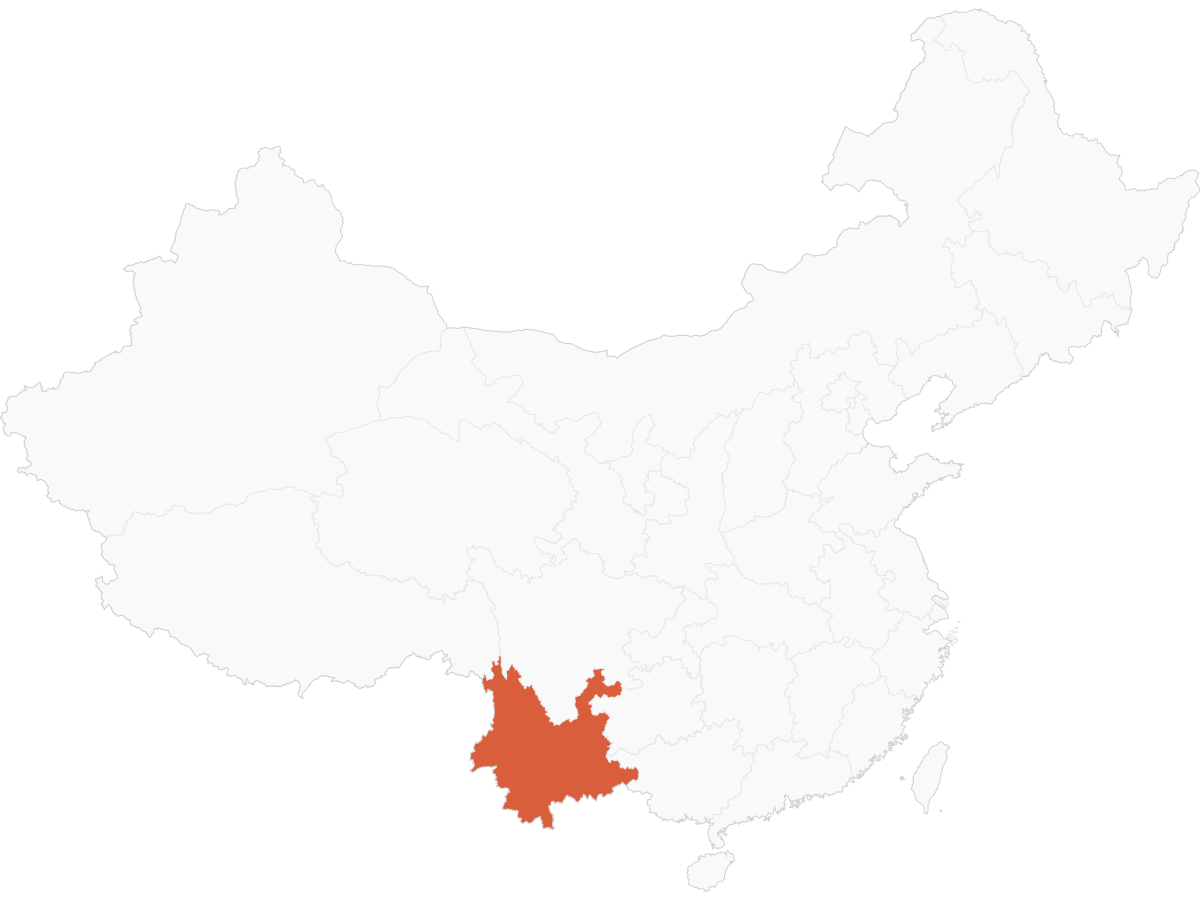
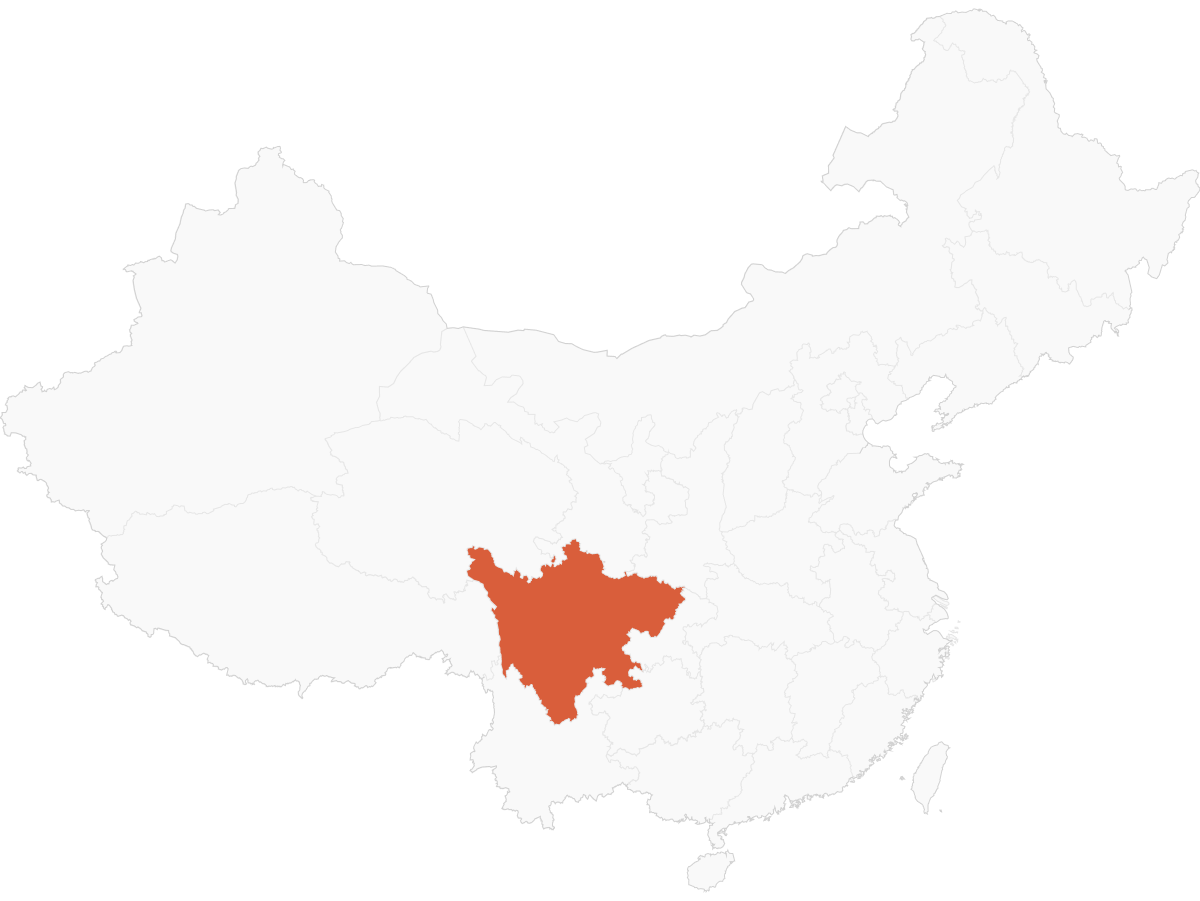
Discover Yunnan birding in one of the world’s 36 biodiversity hotspots, a megadiverse province in southwest China home to 25,426 recorded species. Although it accounts for only 4.1% of China’s land area, Yunnan contains more than 50% of the nation’s recorded species and is often referred to as the “Noah’s Ark of Wildlife.”
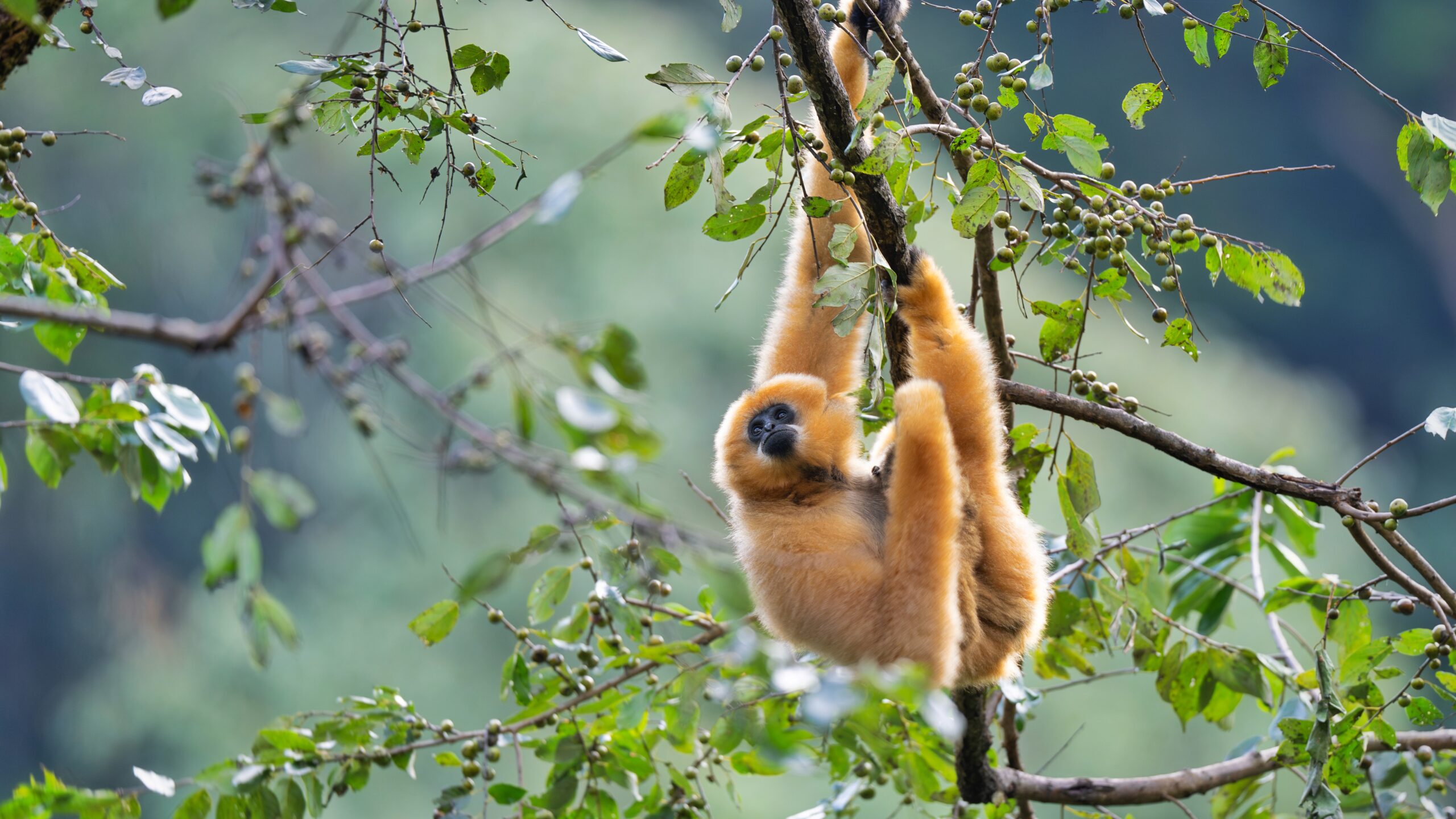
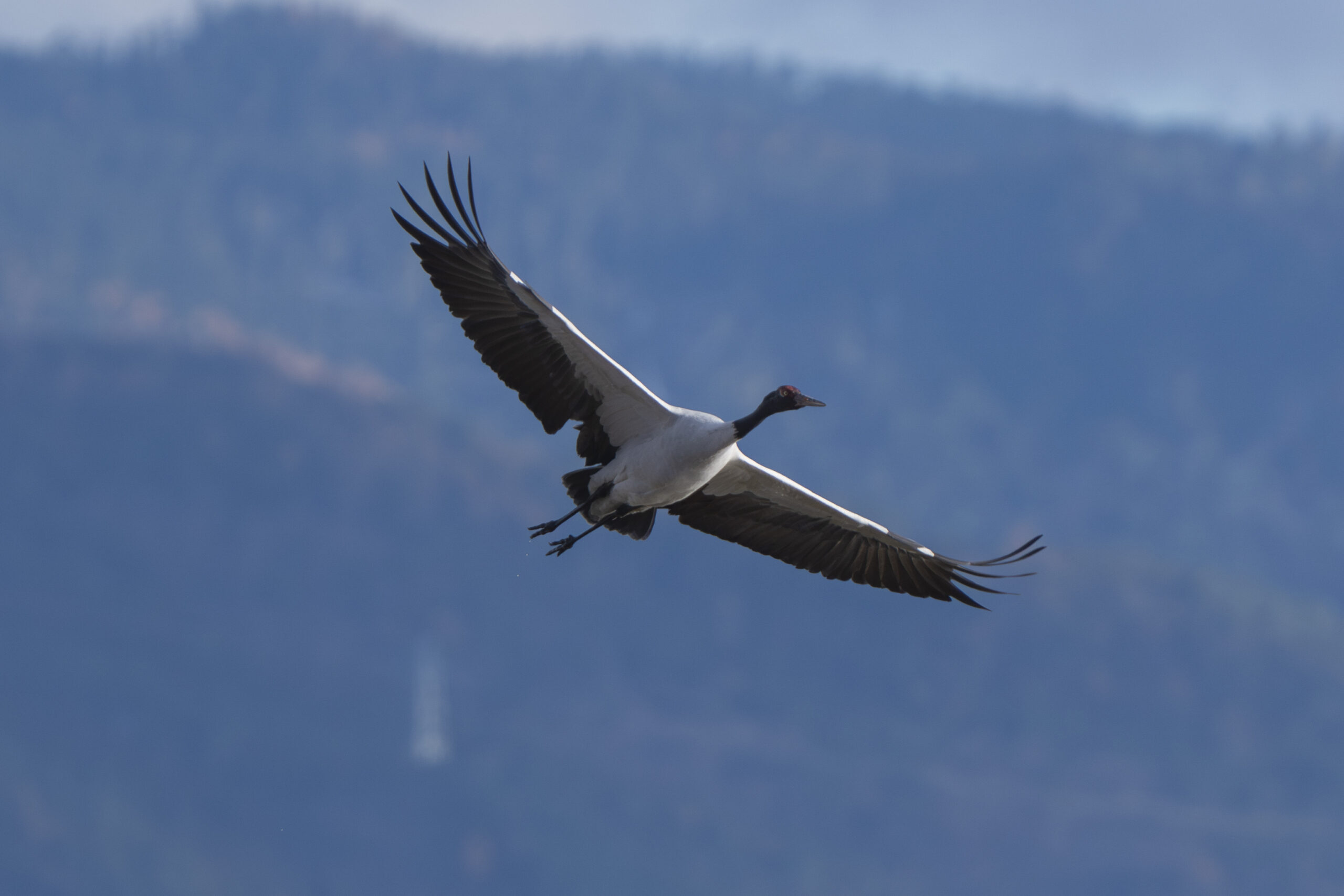
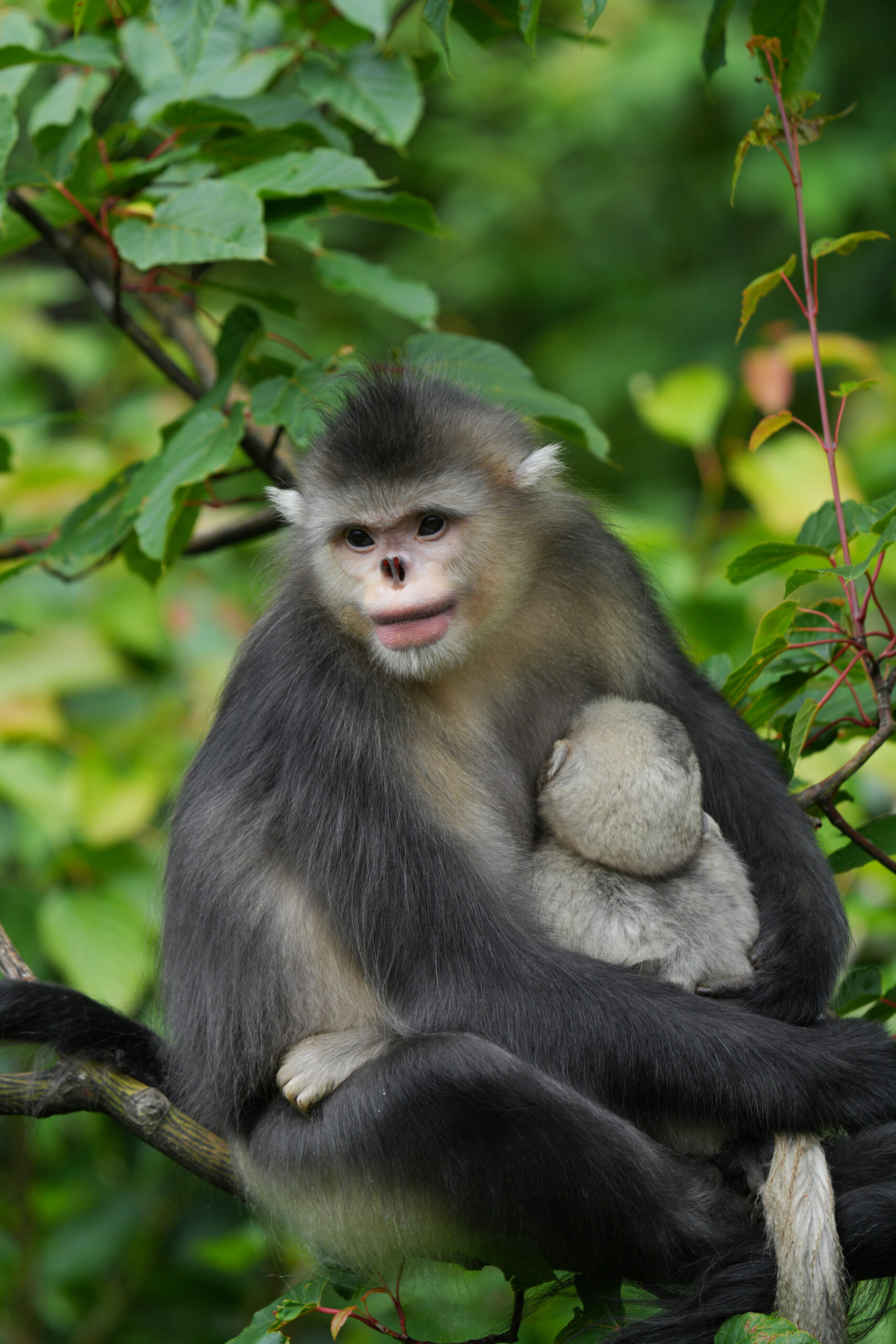
Led by our WWF-registered environmental educator and guide, we will explore this ecological sanctuary that is home to 351 endemic species, searching for the western black crested gibbon, Yunnan snub-nosed monkey, black-necked crane, lady Amherst’s pheasant, blood pheasant and white-speckled laughingthrush, among other rare species.
The dramatic altitudinal range of Yunnan creates remarkable landscape diversity and distinct regional cultures shaped by these environments. Over 13 days, this Yunnan birding expedition reveals a wild kingdom where endemic birds, rare mammals, landscapes, and local cultures intertwine.
Journey Highlights
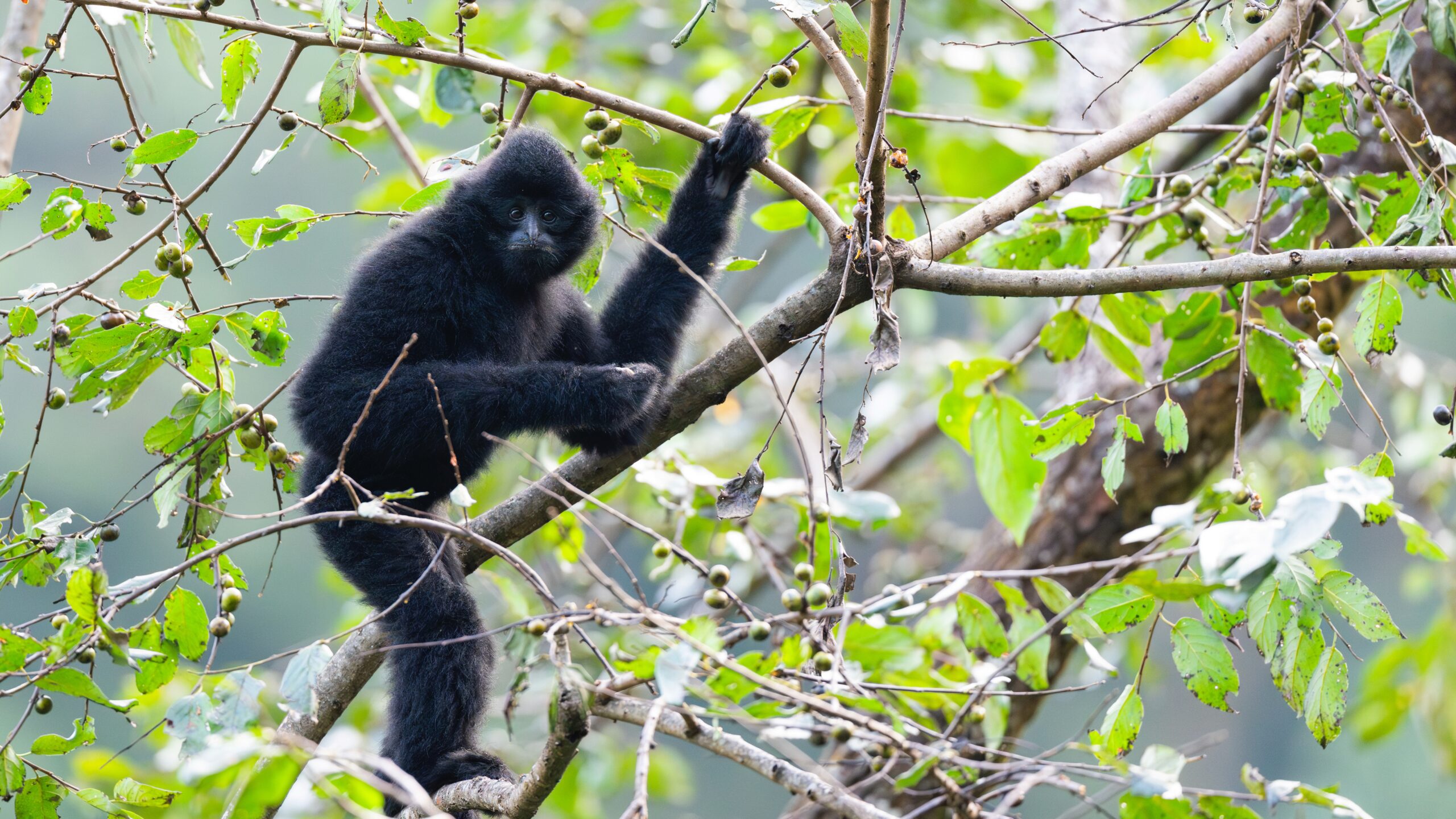
Venture into China’s most biodiverse province in search of rare primates, including the Western Black Crested Gibbon, Yunnan Snub-nosed Monkey, and Shan State Langur.
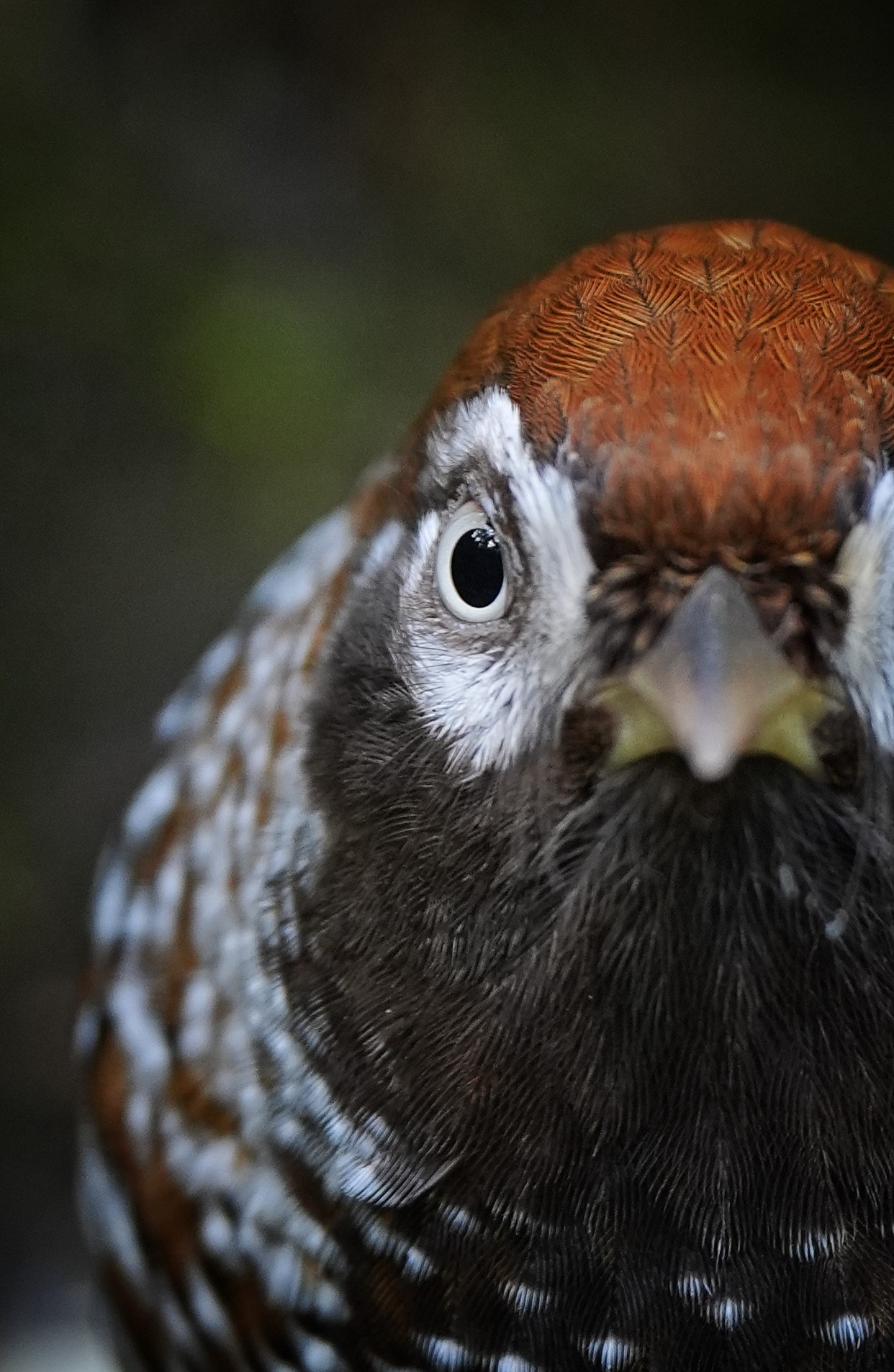
Expand your bird list with Chinese endemics such as the critically endangered White-speckled Laughingthrush, Giant Laughingthrush, and Rufous-tailed Babbler.
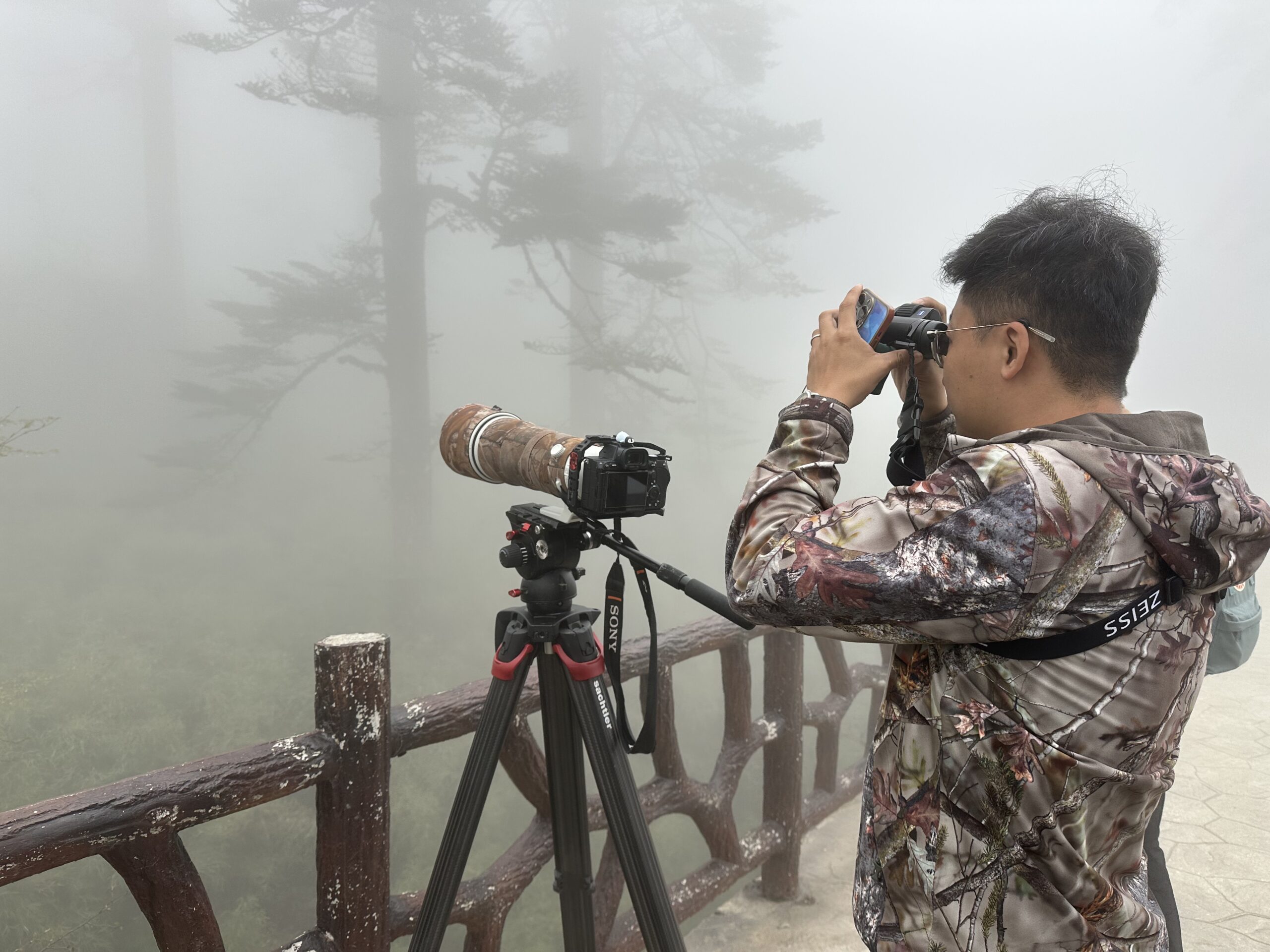
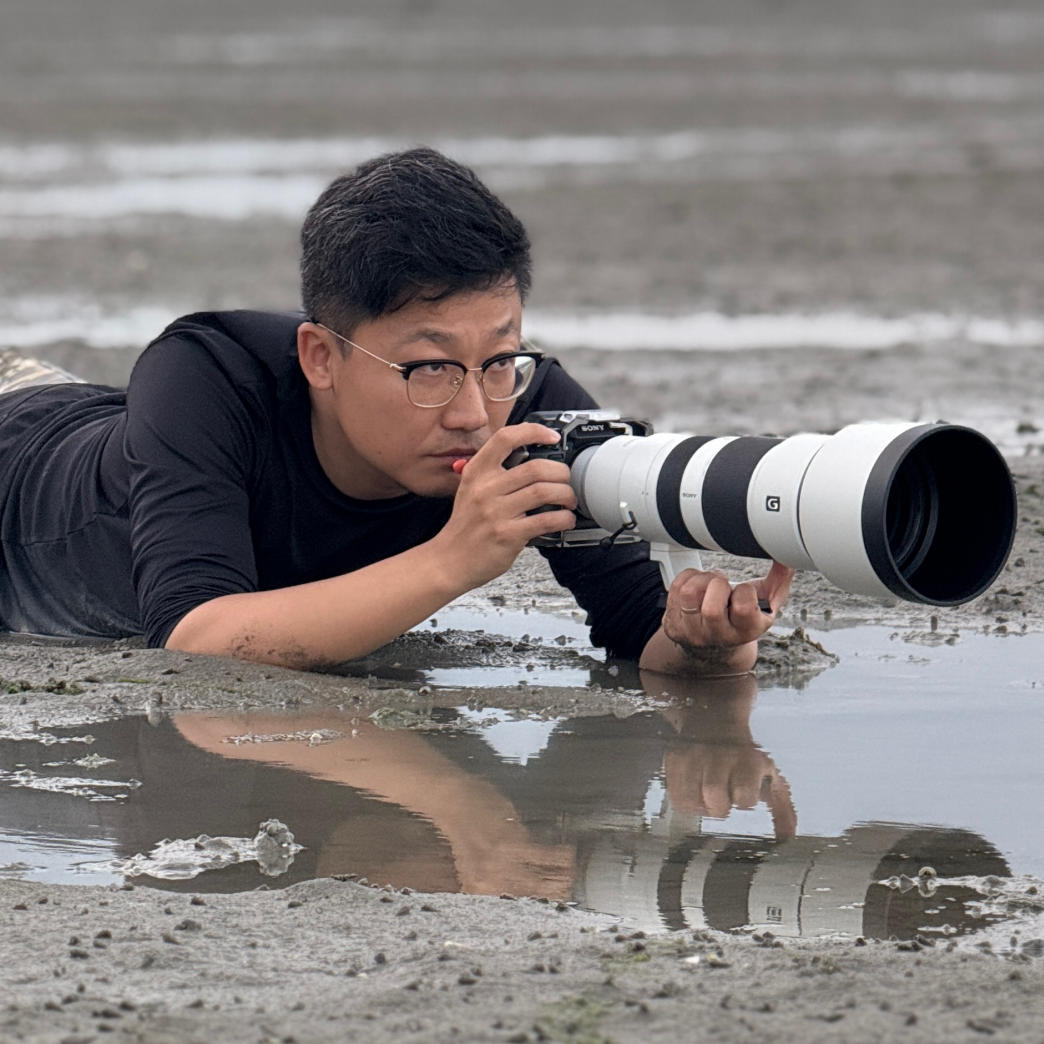
Follow our WWF and Sony-endorsed wildlife photographer and local experts to gain ecological knowledge and photography guidance for capturing striking images of rare wildlife.
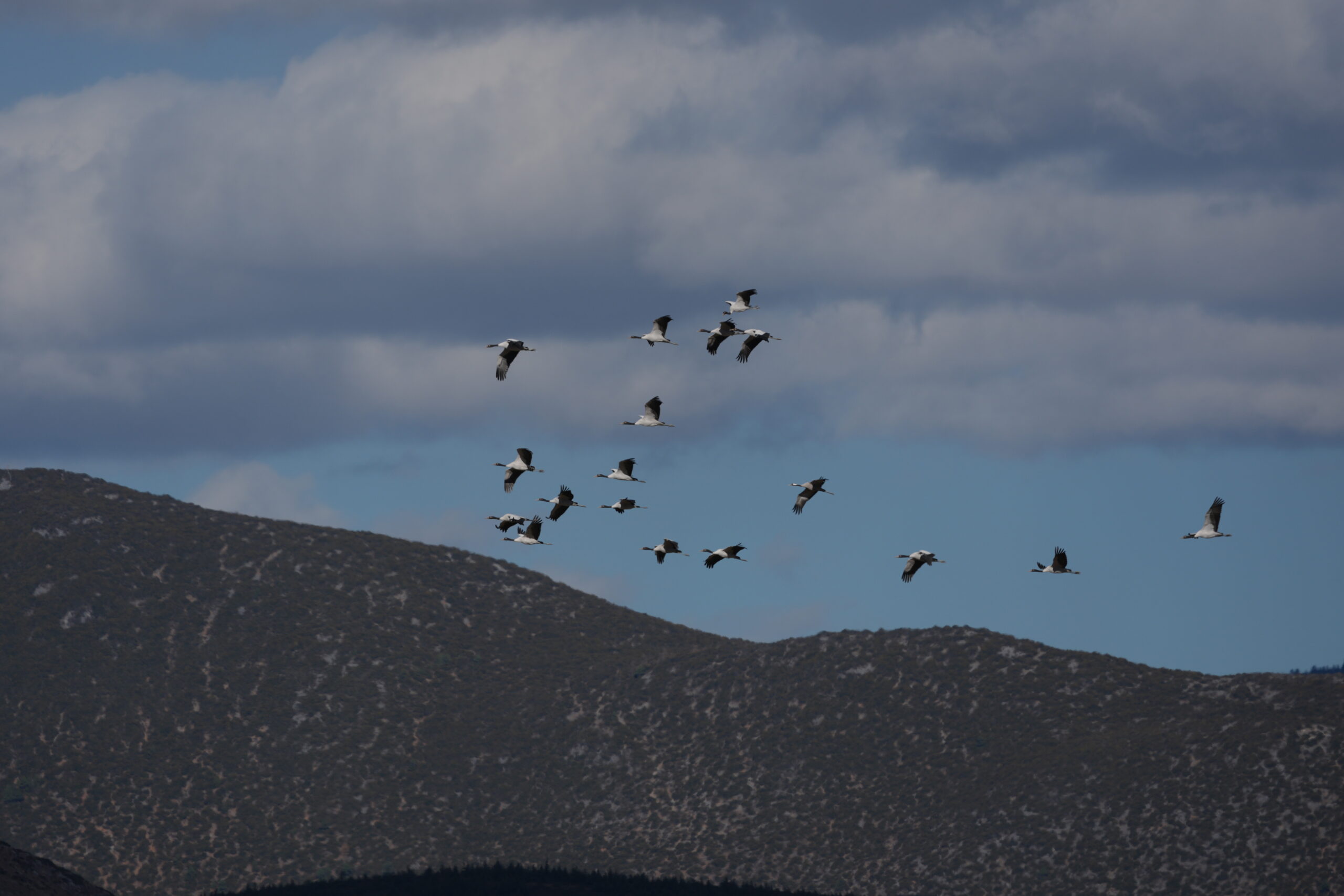
Encounter large flocks of wintering migratory birds at Erhai and Napa Lake, and listen to the calls of the Black-necked Crane, the only crane species native to the Tibetan Plateau.

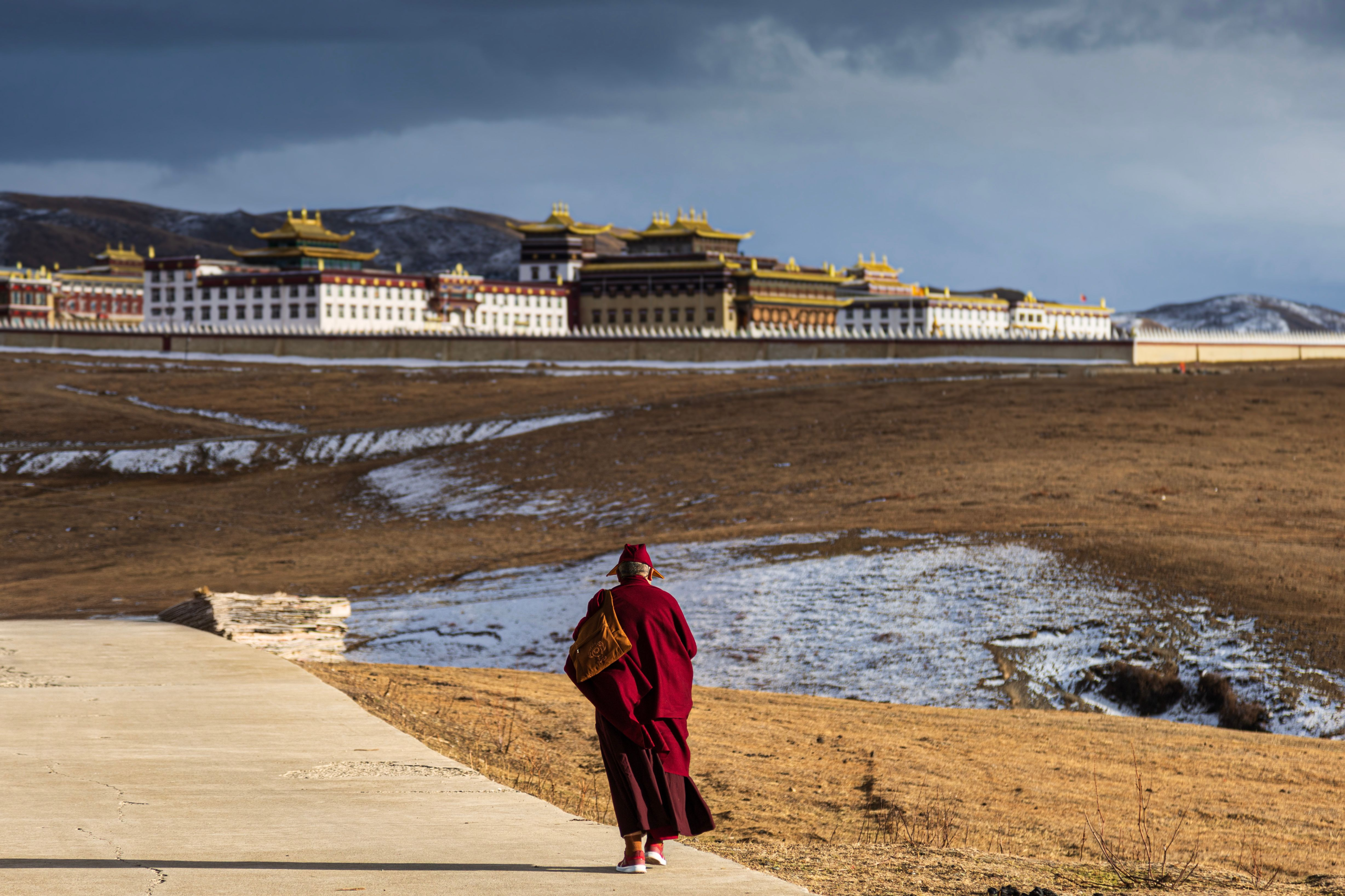
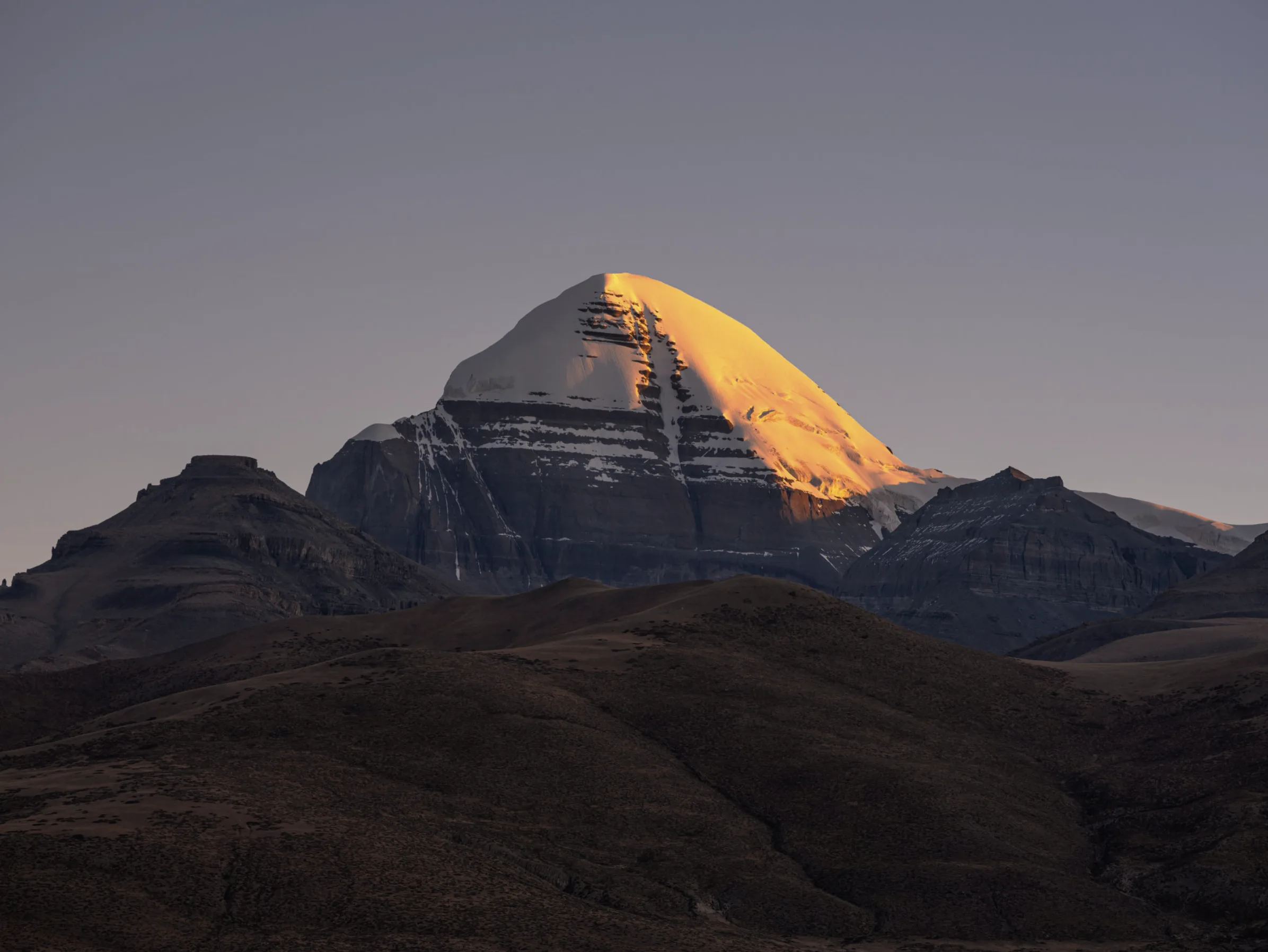
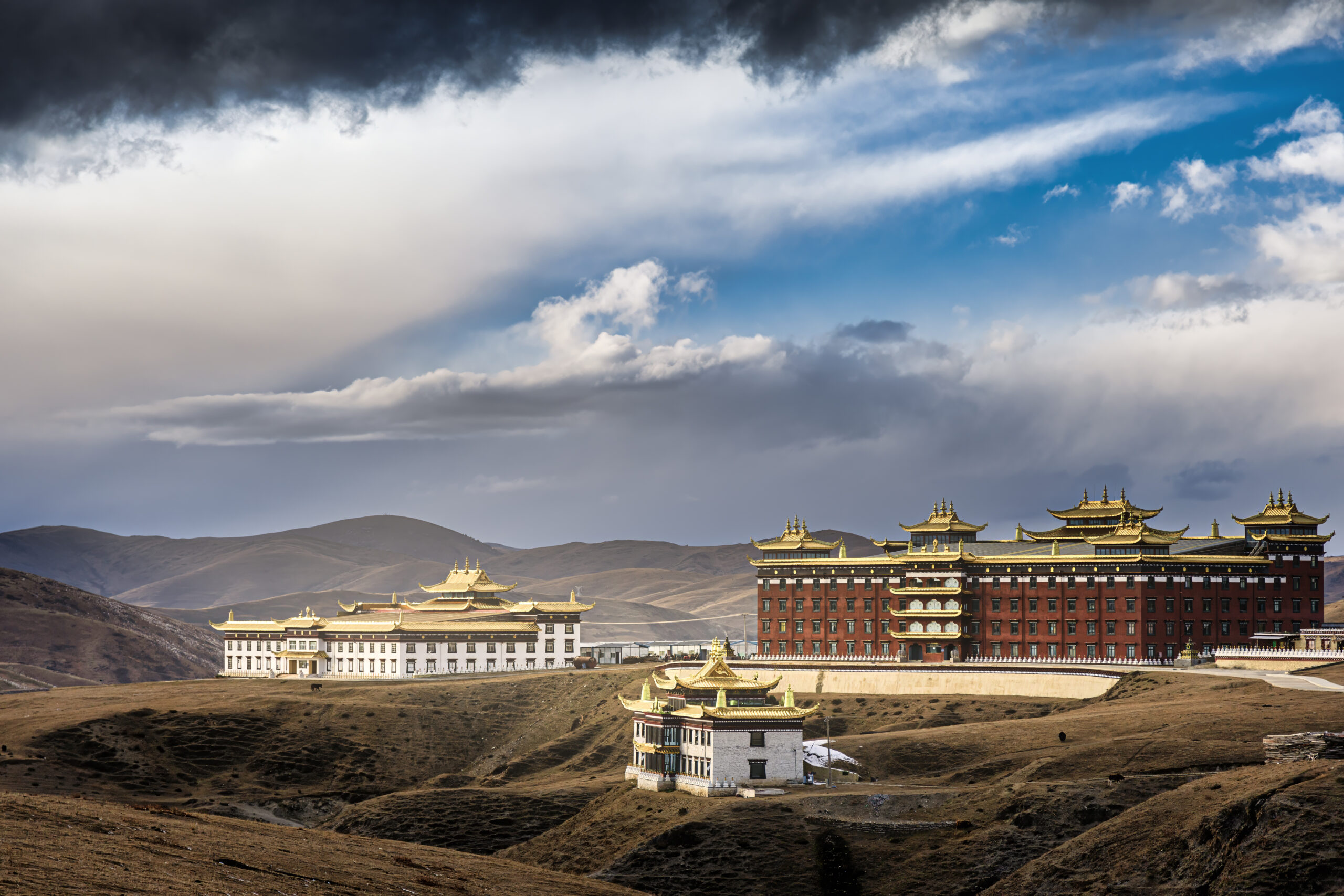
Reach Shangri-La and stand before the world’s largest prayer wheel. Pay tribute to Kawagarbo, one of the four sacred mountains of Tibetan regions.
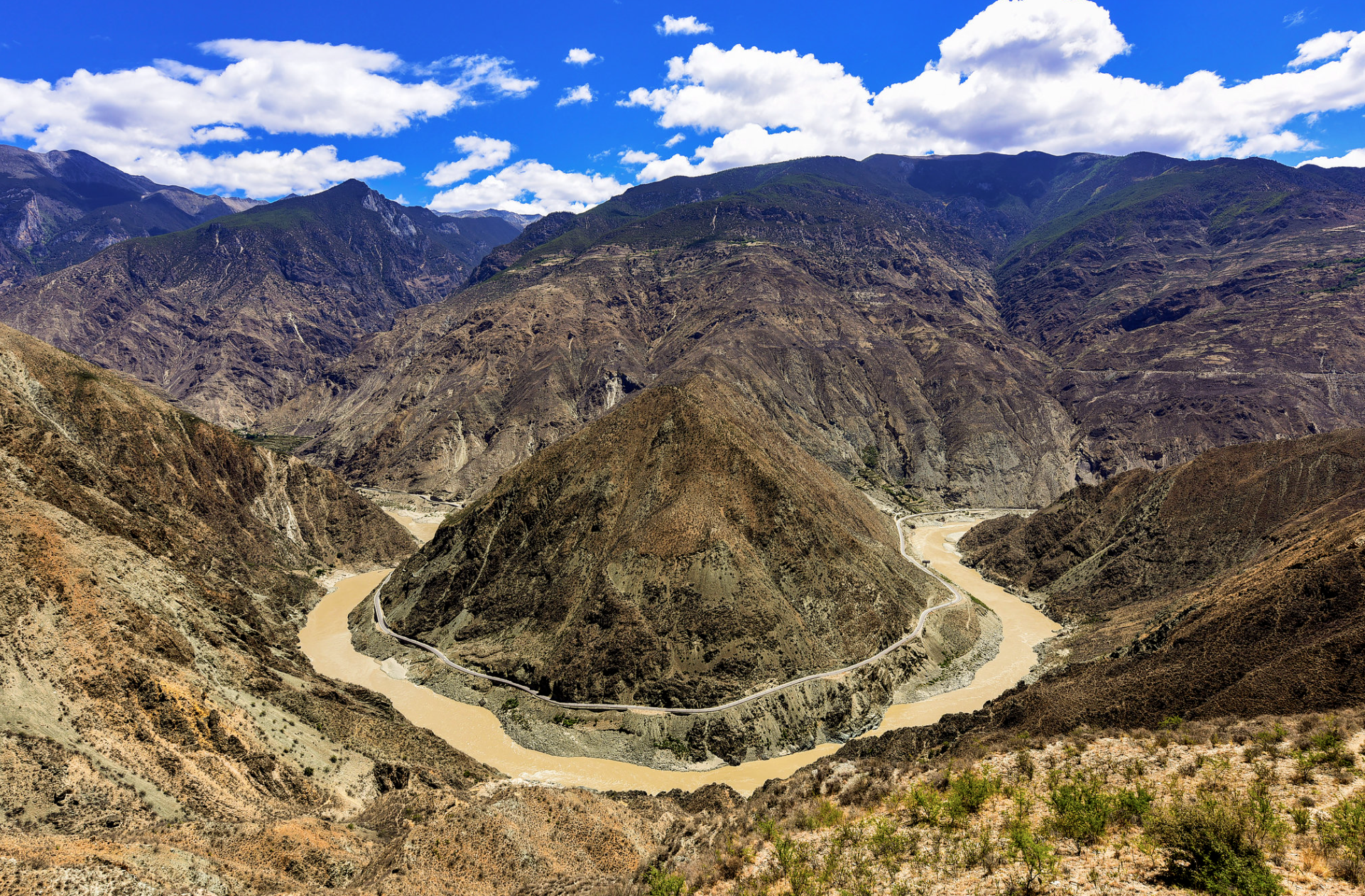
Travel through the Three Parallel Rivers region, where the Jinsha, Lancang (the upper Mekong), and Nu rivers carve dramatic landscapes across snow peaks, alpine lakes, wetlands, primeval forests, and dry-hot valleys.
Day-by-day Itinerary
Arrival in Dali
Arrive in Dali and acclimatize to the altitude. If time permits, stroll through Dali Ancient Town, set between Cangshan Mountain and Erhai Lake, renowned for the poetic scenery of “Wind, Flower, Snow, and Moon.” Located within the Hengduan Mountains biodiversity hotspot, the Cangshan–Erhai landscape forms an important ecological corridor supporting rich endemic flora and fauna, with nearby forests known habitat for species such as the Yunnan snub-nosed monkey. In the evening, gather for a welcome dinner, where your guide introduces the itinerary and prepares you for the wildlife journey ahead.
Dali – Cangshan Mountain – Erhai Lake
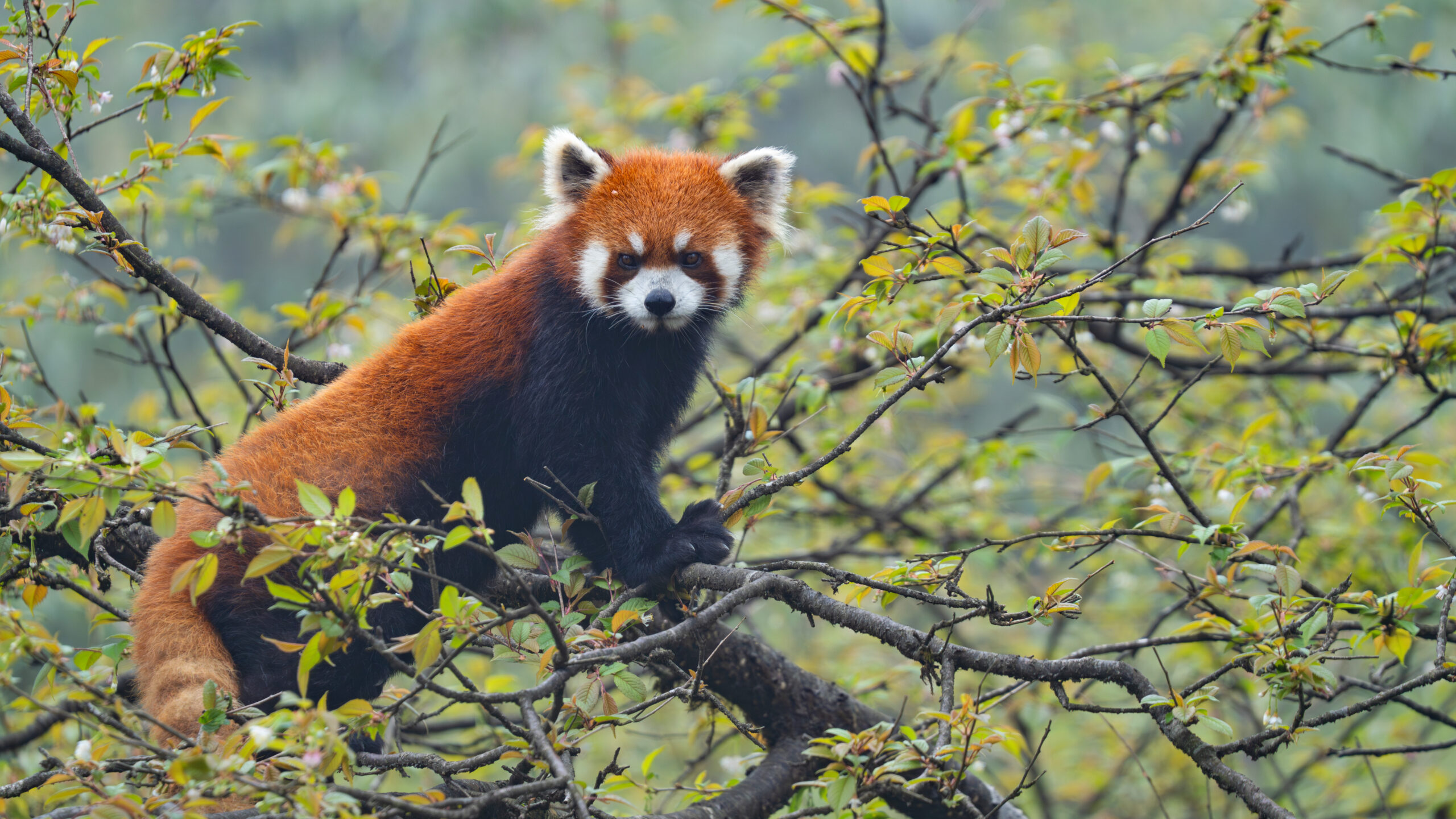
Travel to Cangshan Mountain, the iconic range above Dali and the southern end of the Yunling Mountains. Taking the Ximatan cableway into the alpine zone, we explore the forests and slopes in search of wildlife such as the Red Panda, along with other montane birds and mammals that inhabit this high-elevation ecosystem. With its nineteen peaks rising above Erhai Lake, Cangshan forms the classic Dali landscape known as “Wind, Flower, Snow, and Moon.”
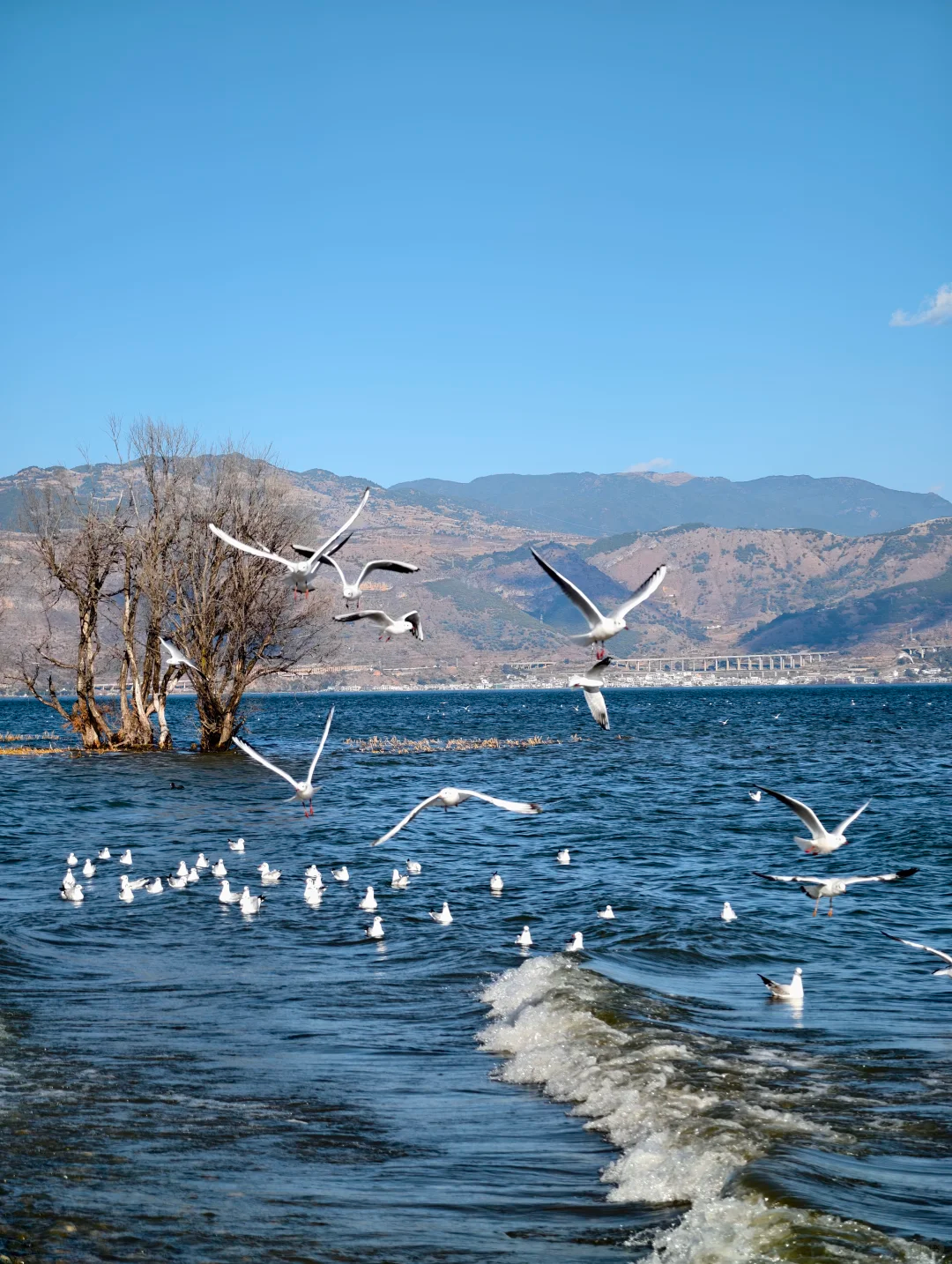
In the afternoon, descend to Erhai Lake, an important stopover for migratory birds. Here we observe waterbirds such as Purple Swamphens, Common Pochards, egrets, and coots.
Target Species:
China’s Endemic Species: White-speckled Laughing thrush, Rusty-capped Fulvetta
Other Species: Red Panda, Blood Pheasant, Lady Amherst’s Pheasant, Green Shrike-babbler, Black-browed Bushtit, Bar-tailed Treecreeper, Purple Swamphen, Clamorous Reed-Warbler, Eurasian Wigeon, Common Pochard, Glossy Ibis
Dali – Laojunshan – Tacheng
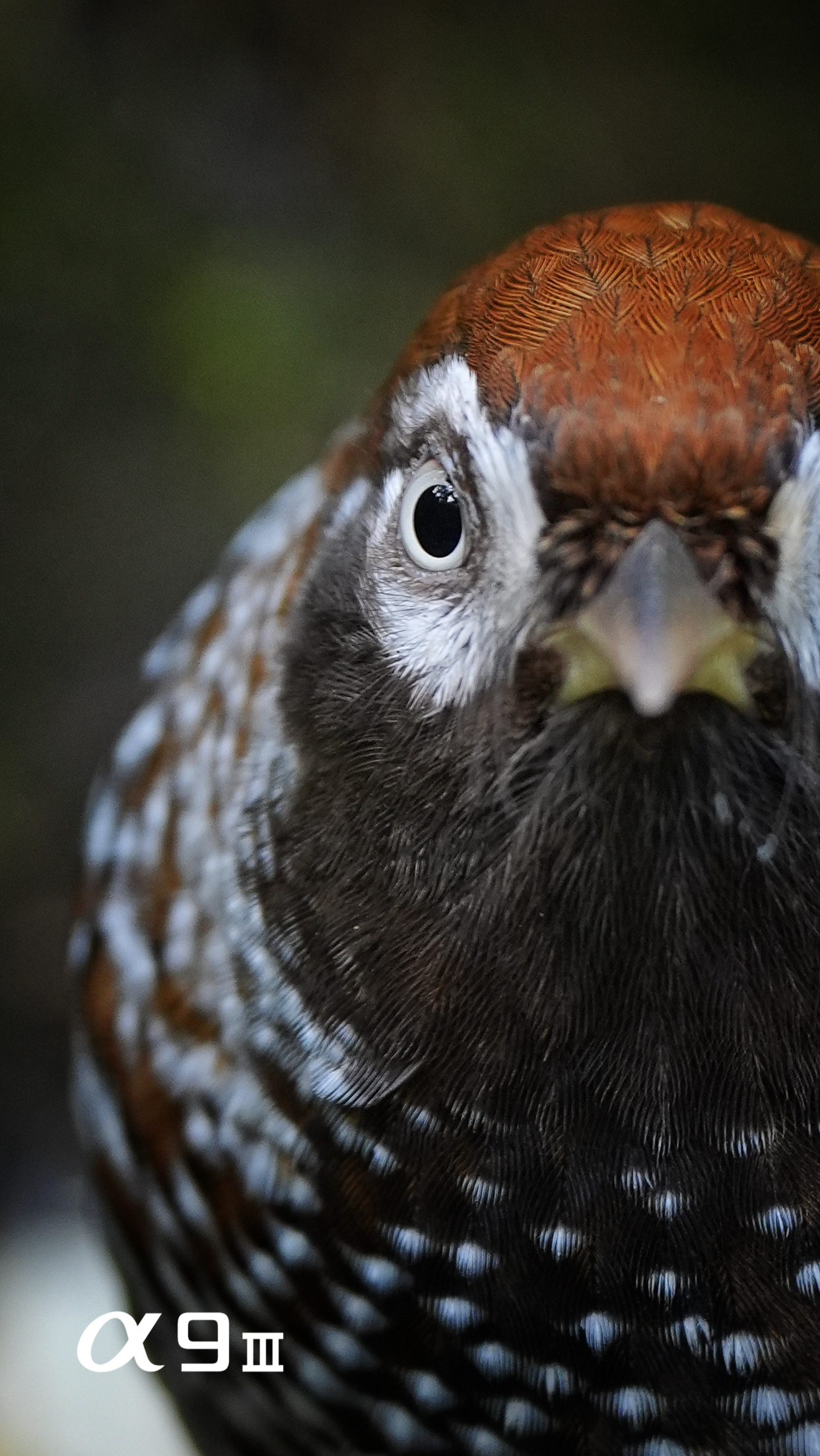
Travel to Laojun Mountain, part of the Three Parallel Rivers World Heritage Site, to search for wildlife in its primeval forests. Today’s main target is the White-speckled Laughingthrush, a critically endangered species endemic to China. While exploring the mountain forests, we also discuss local conservation efforts and the challenges faced by endangered wildlife.
In the afternoon, continue the journey toward Tacheng, stopping at the famous First Bend of the Jinsha River for a view of this dramatic landscape. Arrive in Tacheng in the evening, gateway to the forests inhabited by the Yunnan snub-nosed monkey.
Target Species:
China’s Endemic Species: White-speckled Laughingthrush, Giant Laughingthrush
Other Species: Mrs. Hume’s Pheasant, Moustached Laughingthrush, White-browed Bush Robin, Wallcreeper, Eye-ringed Parrotbill, Collared Grosbeak
Tacheng – Shangri-La City
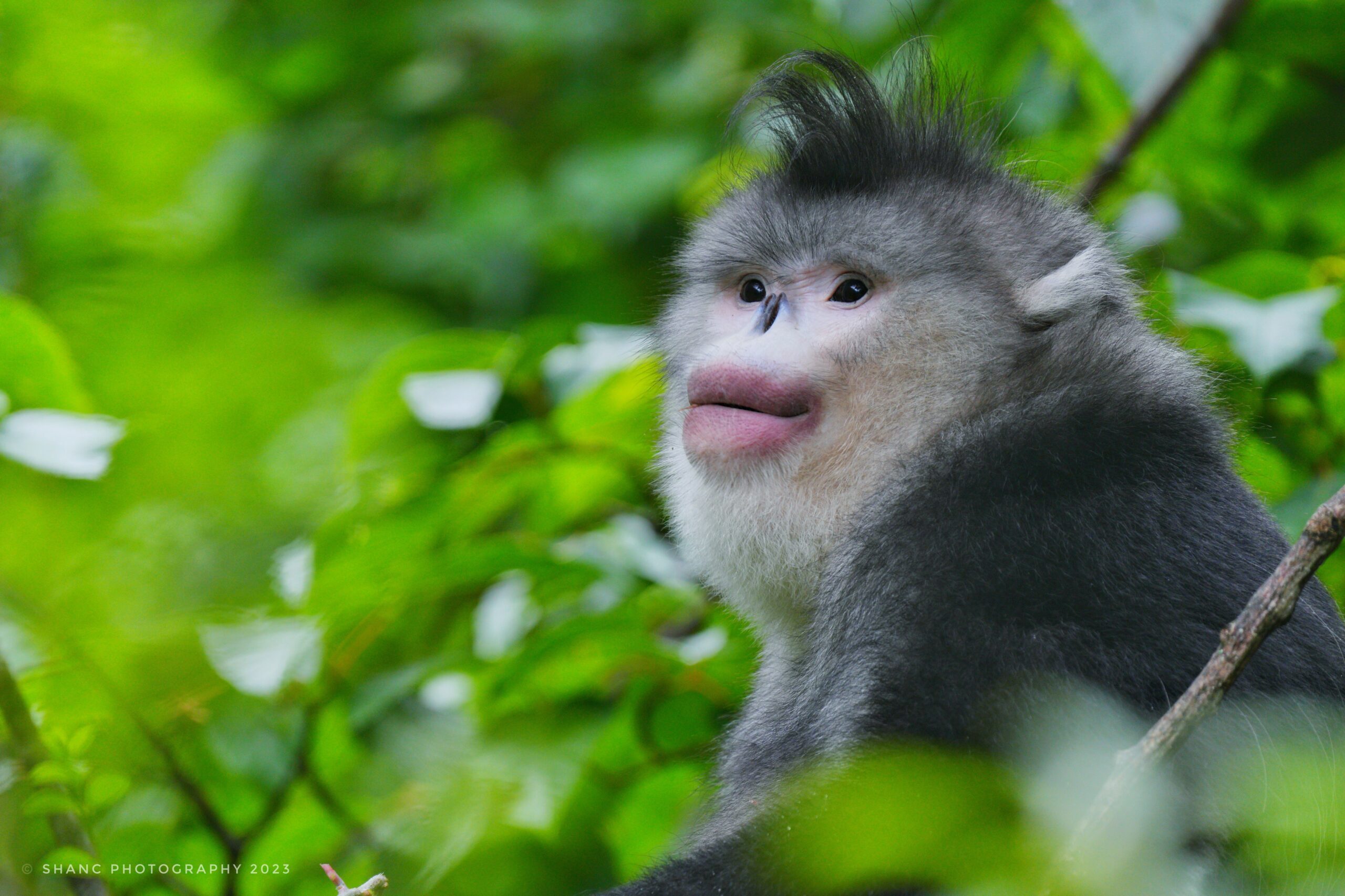
Travel to Yunnan Golden Monkey National Park to search for the Yunnan snub-nosed monkey, one of China’s most remarkable primates and a highlight of the journey. We may also encounter birds such as Mrs. Hume’s Pheasant and various laughingthrushes.
In the afternoon, continue to Shangri-La and visit Dukezong Ancient Town, an important stop on the historic Tea Horse Road. Here you will see the world’s largest prayer wheel.
In the evening, enjoy dinner and check in at the hotel in Shangri-La, gateway to the highlands of northwestern Yunnan.
Target Species:
China’s Endemic Species: Black-and-white Snub-nosed Monkey
Shangri-La Napa Lake – Benzilan
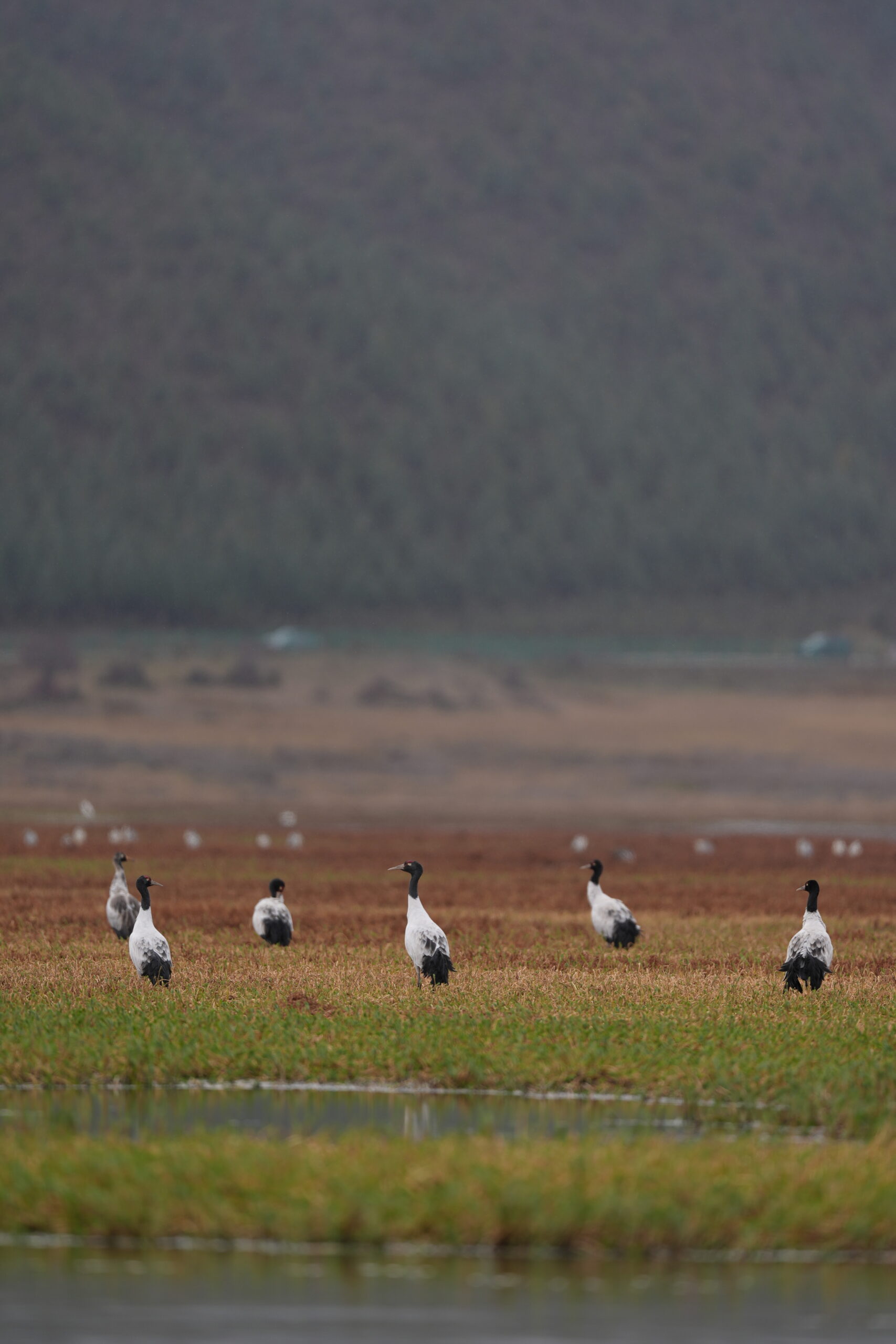
Travel to Napa Lake (Yila Grassland), a seasonal wetland in the Hengduan Mountains and an important wintering site for migratory birds. Birdwatching takes place around the lake and at the nearby Alpine Botanical Garden, overlooking the wetlands, where species such as the Black-necked Crane, White-tailed Eagle, and Bar-headed Goose can often be observed.
In the afternoon, continue to Benzilan, a small town along the Jinsha River and a historic stop on the Ancient Tea Horse Road.
Target Species:
China’s Endemic Species: Rufous-tailed Babbler
Other Species: Black-necked Crane, Bar-headed Goose, White-tailed Eagle, Tawny Eagle, Eastern Imperial Eagle, Ruddy Shelduck, Black Stork, Grey-headed Bullfinch, Pink-rumped Rosefinch, Rufous-vented Tit, White-browed Tit-warbler
Benzilan – Baima Snow Mountain – Deqin – Shangri-La City
Depart before sunrise and drive to Baima Snow Mountain for morning birdwatching.
Continue across the mountain toward Meili Snow Mountain, stopping at a viewpoint to see Kawagebo (6,740 m), the highest peak of the range and one of the most sacred mountains in Tibetan culture. The nearby Mingyong Glacier descends from the slopes of the mountain.
Return to Shangri-La in the evening for dinner and overnight.
Target Species:
China’s Endemic Species: Chinese Fulvetta
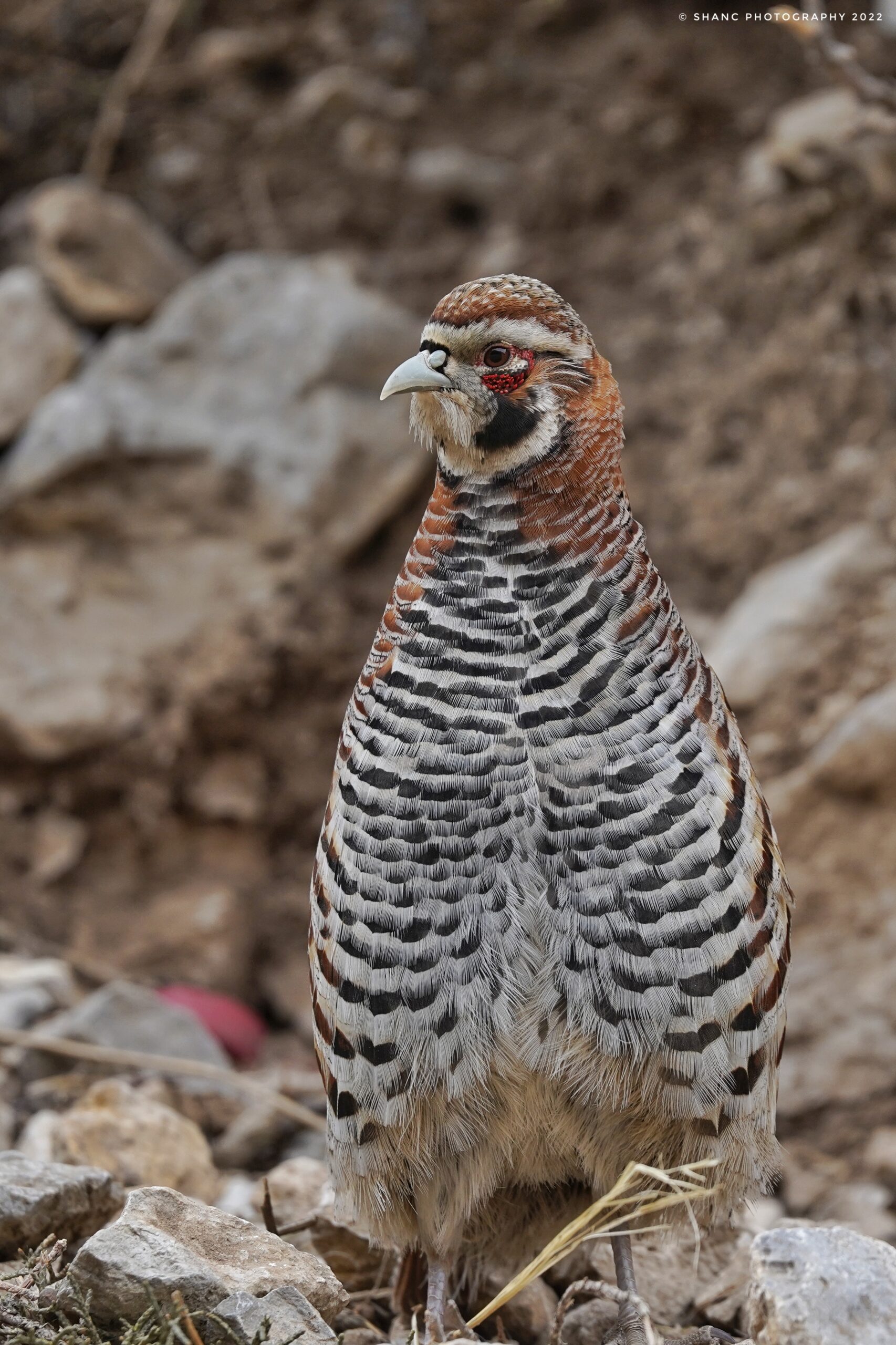
Other Species: Blood Pheasant, Tibetan Partridge, Snow Pigeon, Vinaceous Rosefinch, Yellow-bellied Flowerpecker, White-browed Tit-warbler

Shangri-La City – Baoshan Baihualing Ridge
Drive to Baihualing on the eastern slopes of the Gaoligong Mountains, one of China’s top birdwatching areas with more than 300 recorded bird species. The journey crosses the dramatic Nujiang (Salween) Gorge.
Arrive in the afternoon and begin birdwatching in the forests around Baihualing, searching for species such as the Blood Pheasant and other mountain birds. Overnight in Baihualing.
Target Species:
Blood Pheasant, Giant Squirrel, Scarlet Finch, Slender-billed Scimitar Babbler, Cachar Wedge-billed Babbler, Rufous-throated Partridge, Hill Partridge, Mountain Bamboo Partridge, Scaly-breasted Cupwing, Assam Laughingthrush, Scaly Laughingthrush, Red-tailed Laughingthrush, Long-tailed Sibia
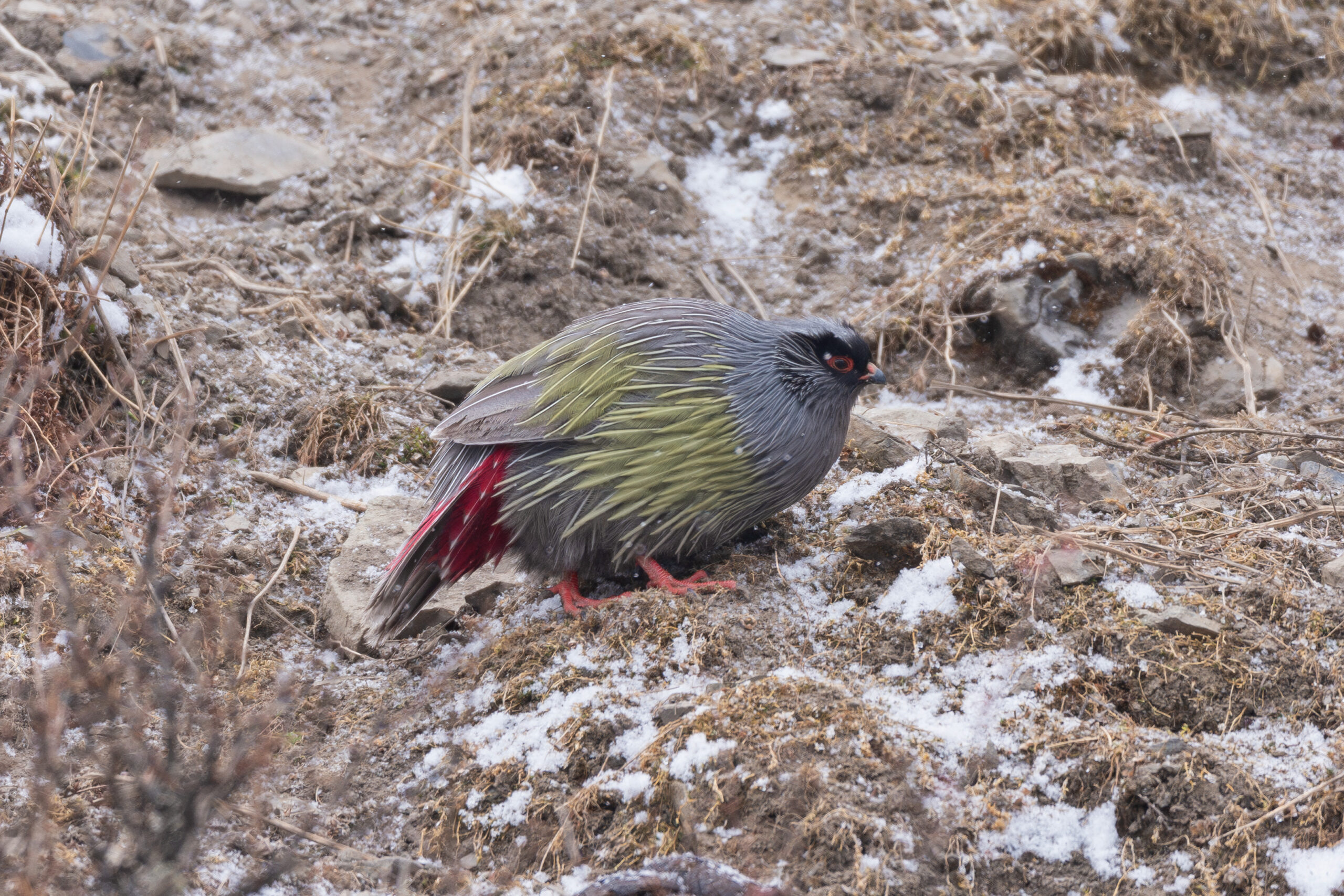
Baoshan Baihualing Ridge
Set out early for a full day of hiking and birdwatching in the forests of the Gaoligong Mountains, searching for target species along mountain trails. Species such as the Stripe-breasted Woodpecker may be encountered during the walk.
During the hike, there may also be an opportunity to visit a natural hot-spring waterfall hidden in the mountains.
Target Species:
Blood Pheasant, Giant Squirrel, Scarlet Finch, Slender-billed Scimitar Babbler, Cachar Wedge-billed Babbler, Rufous-throated Partridge, Hill Partridge, Mountain Bamboo Partridge, Scaly-breasted Cupwing, Assam Laughingthrush, Scaly Laughingthrush, Red-tailed Laughingthrush, Long-tailed Sibia
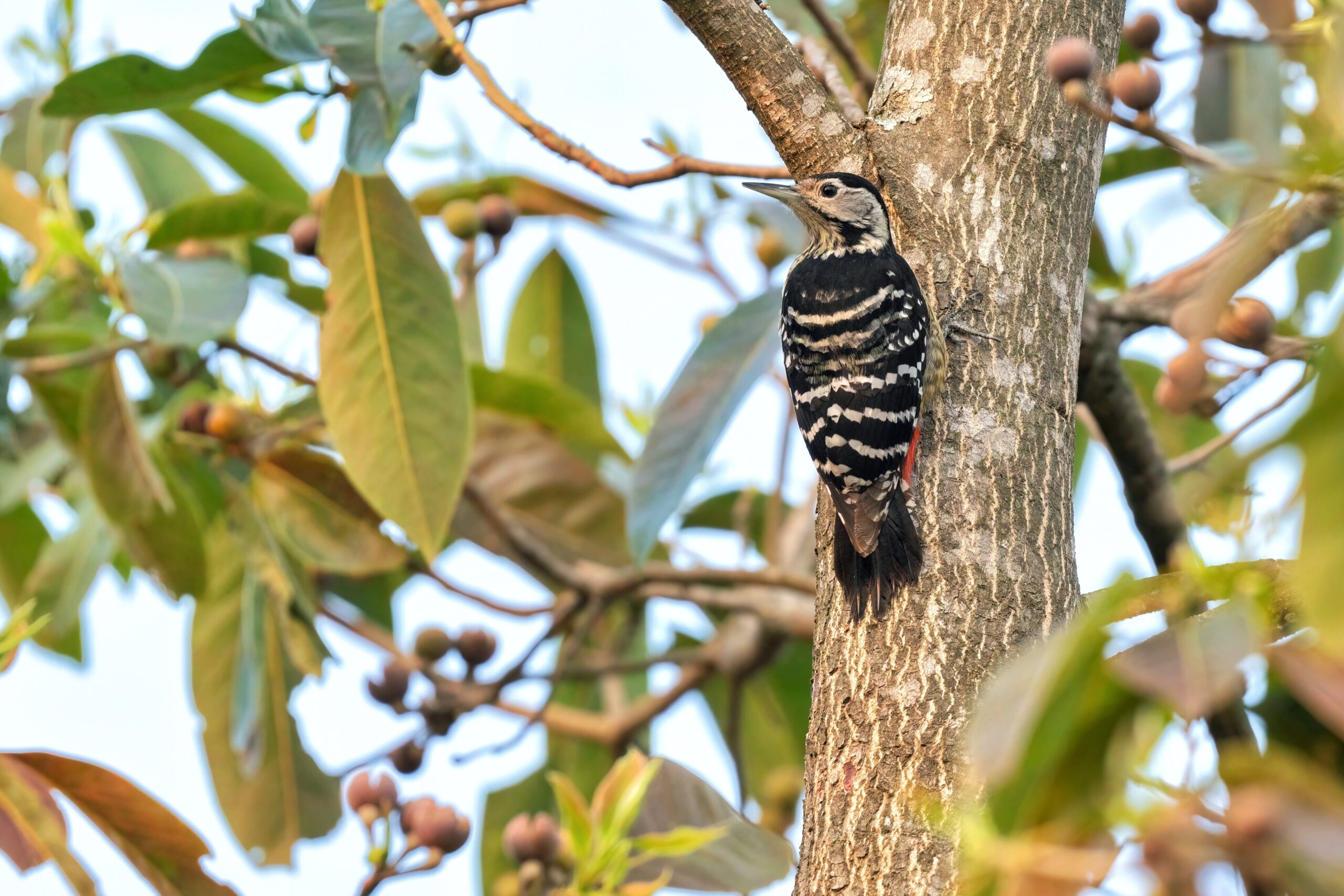
Baoshan Baihualing Ridge – Mangshi
Drive from Baihualing to Mangshi, descending from the Gaoligong Mountains into the tropical basin of western Yunnan. Along the way, observe the changing landscapes and watch for birds.
In the afternoon, search for the Shan State Langur, an Endangered primate that lives in family groups in the forests around Mangshi.
Target Species:Shan State Langur
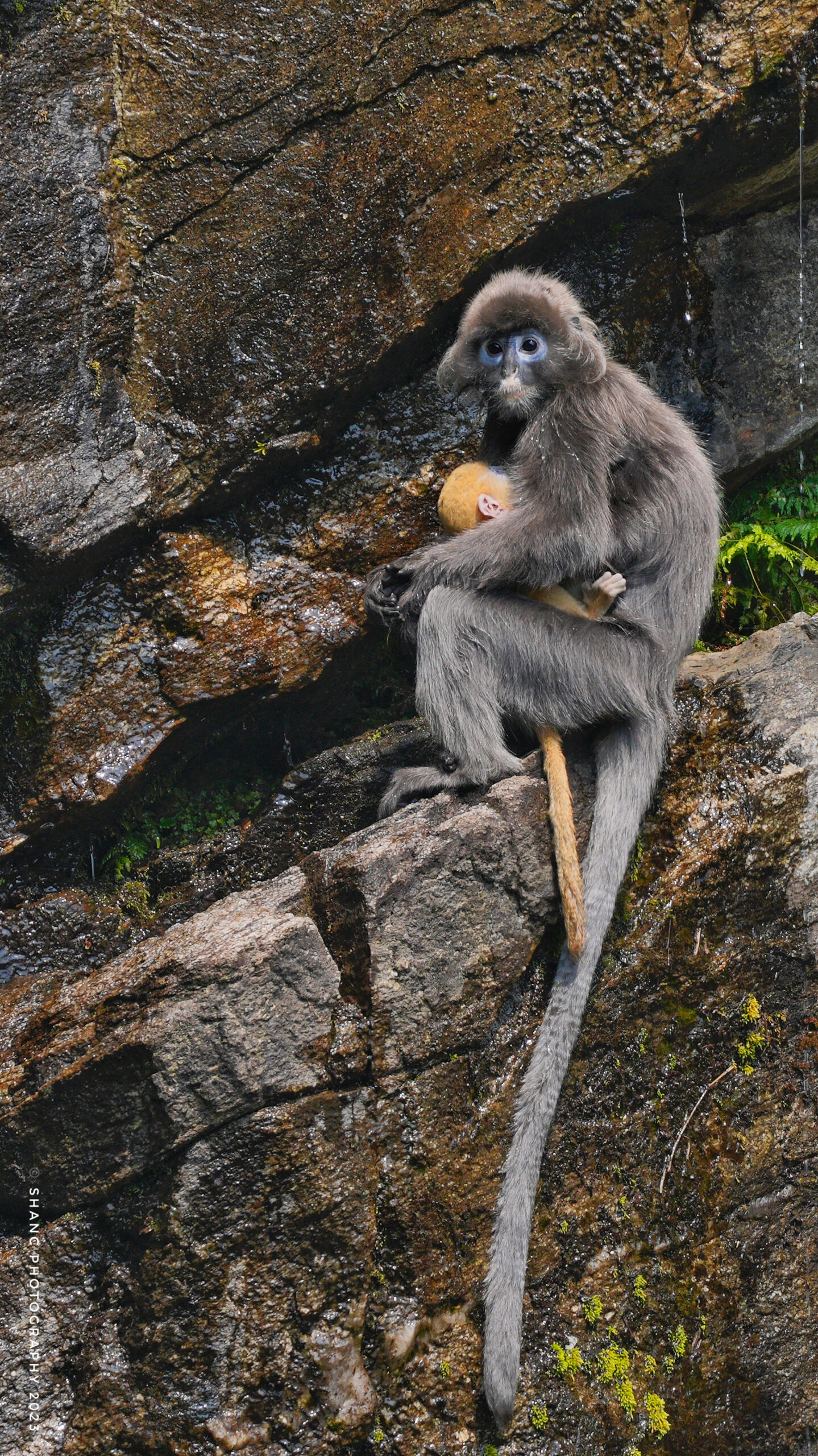
Mangshi – Wuliang Mountain
Travel to the Shan State Langur Reserve and track the Shan State Langur together with local rangers.
In the afternoon, drive to Wuliang Mountain, the key habitat of the Western Black Crested Gibbon.
Target Species: Shan State Langur

Wuliang Mountain
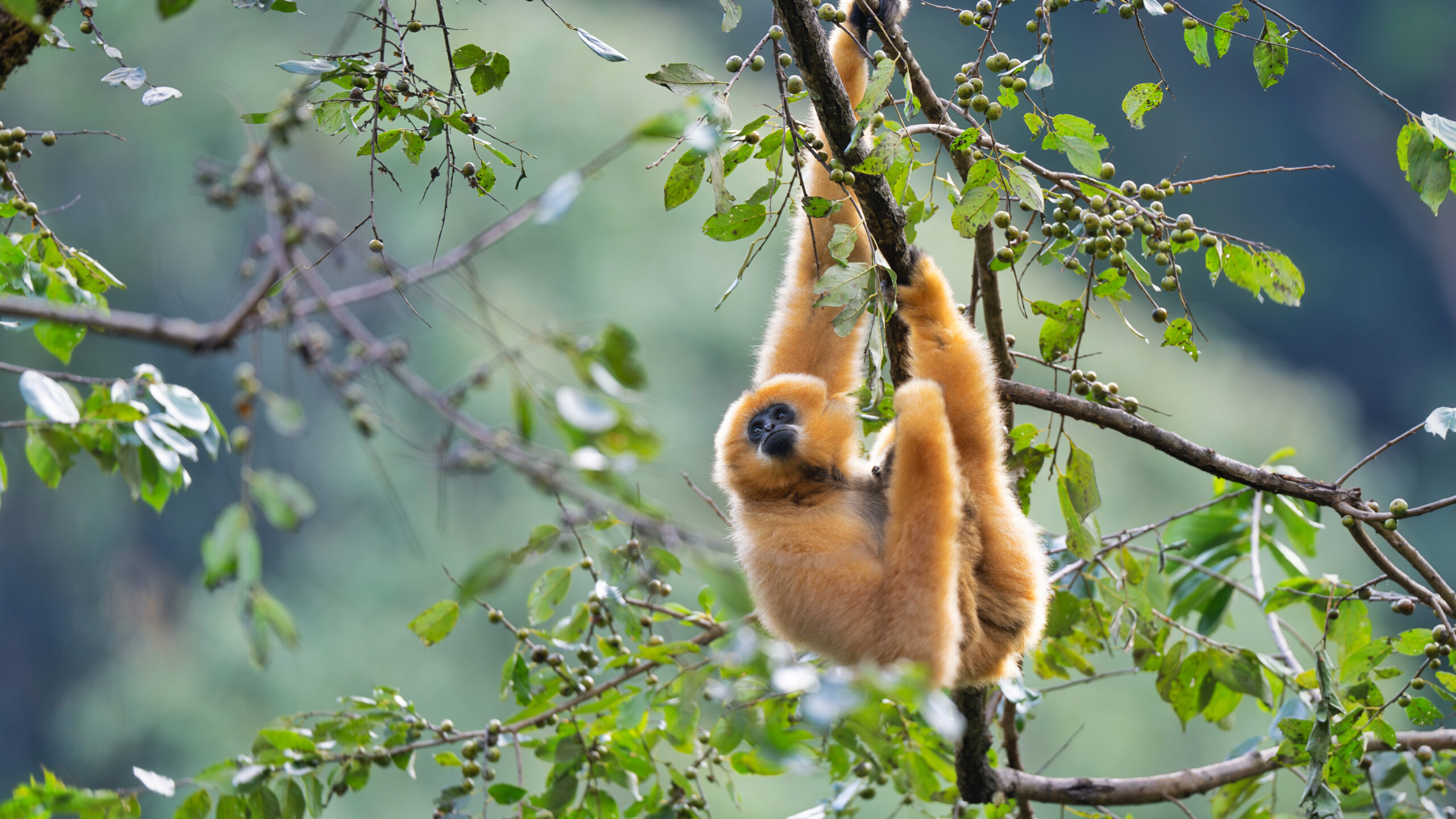
Spend the day searching for the Western Black Crested Gibbon in the forests of Wuliang National Nature Reserve, following ranger patrol routes into the species’ natural habitat.
The Western Black Crested Gibbon is a Critically Endangered primate found only in a small region of Yunnan and neighboring areas, and Wuliang Mountain is one of its most important remaining habitats. Families live high in the forest canopy and are often located by their distinctive morning duet calls that echo through the mountains.
Target Species: Western Black Crested Gibbon
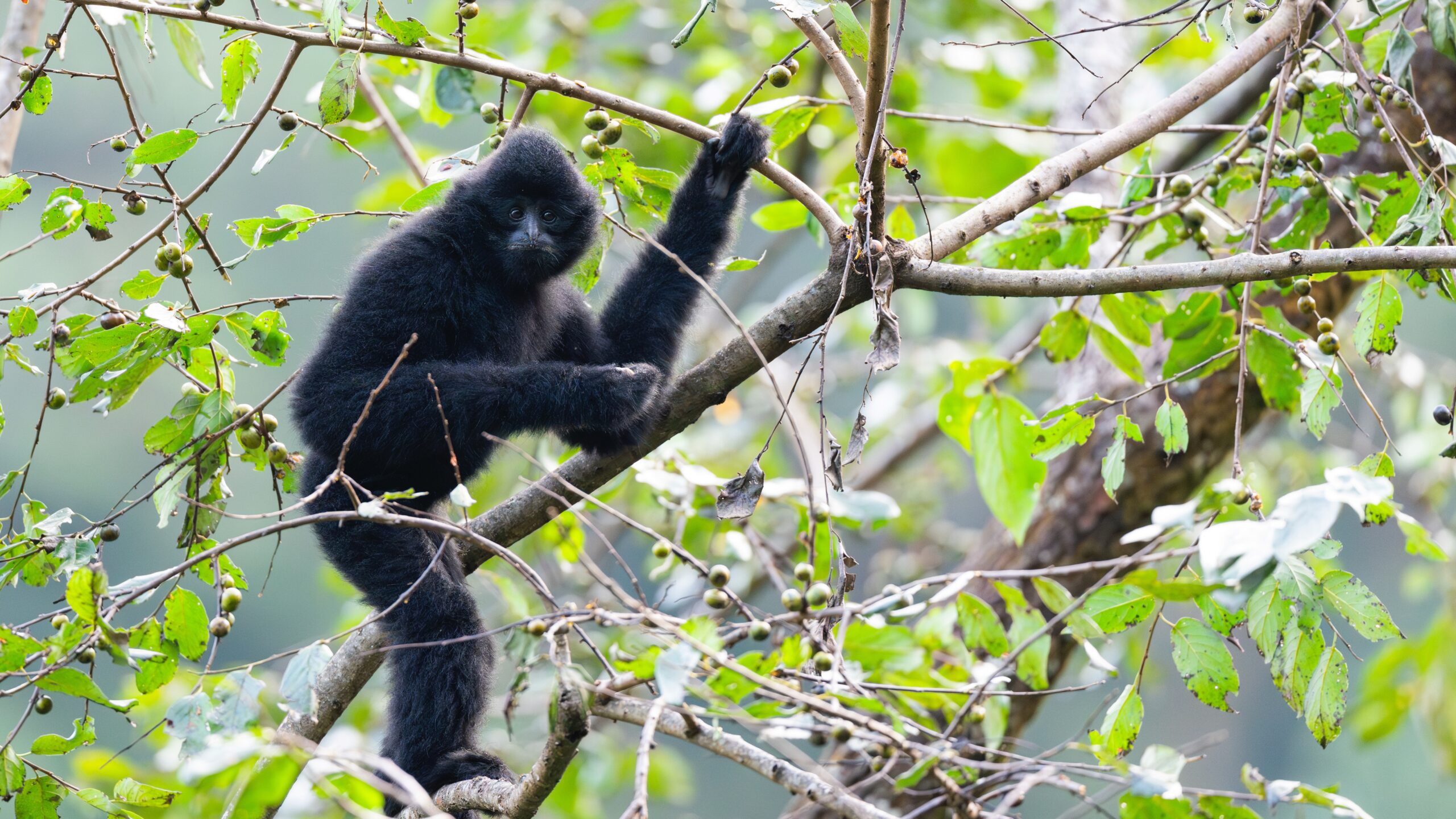
Wuliang Mountain – Dali
In the morning, we make the most of our final opportunity to look for the western black crested gibbon.
Depart for Dali City in the afternoon no later than 14:00. Enjoy dinner together upon arrival, marking the end of the journey.
Target Species: Western Black Crested Gibbon
Dali
The guide will bid you farewell at the hotel and see you off to your vehicle for the transfer to the airport, marking the end of our unforgettable wildlife journey.

Interested in a similar itinerary but want to Travel Privately?
Our Travel Experts are here to craft your perfect tailormade holiday.
Featured Stays
We carefully select a range of accommodations to suit different preferences, from comfortable city hotels to limited but convenient guesthouses in mountain birding areas, all chosen for their close connection to the local landscape and culture while ensuring a consistently comfortable stay.
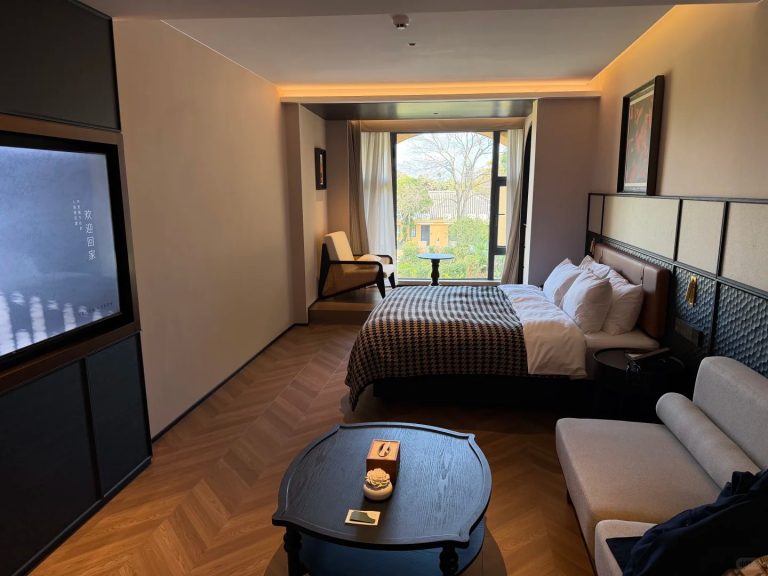

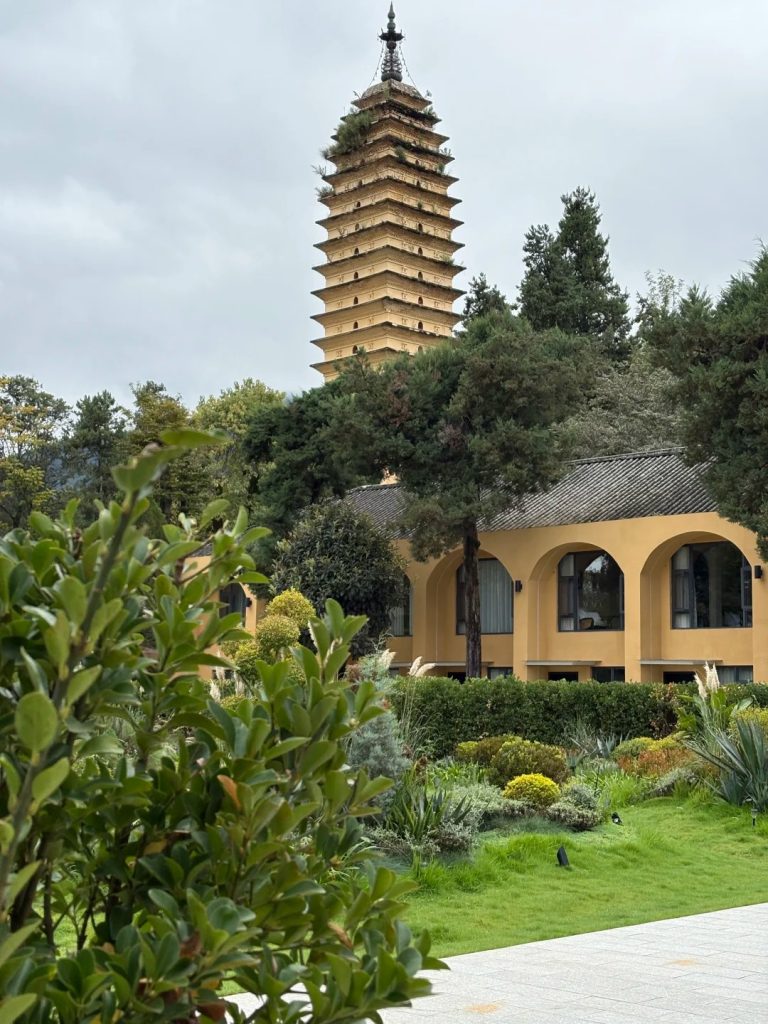

Dali Huajian Mansion




Boxi Hotel




Sony ecological photography service station
Inclusions & Offers
Designed Around Your Journey
Rather than fixed departures, this experience is arranged privately and shaped around your preferred dates, interests, and travel style.
Our specialists will design the journey based on your pace, accommodation preferences, and seasonal conditions.
Best time to visit
Traveler Reviews








FAQs
Can we definitely see the target animals?
There’s never a 100% guarantee when observing wildlife. Animals live freely in vast natural habitats and follow their own movement patterns. To increase the chances of sightings, we adjust our route based on real-time information from our local network and head to areas where target species are more likely to appear. For particularly elusive bird species, we also make use of birding hides that offer quiet observation points to improve the likelihood of encounters.
What is the meeting destination, and what are the airport codes?
The meeting and ending point of the journey is Dali. Dali is served by one main airport:
Dali Fengyi Airport (DLU) — the primary airport for Dali, located relatively close to Dali Ancient Town and the city center.
Airport pick-up and drop-off can be arranged from Dali Fengyi Airport.
How far are we from the wildlife we photograph?
Mammals: Around 50 meters
Birds: Varies by species — as close as 3 meters, and generally within 100 meters.
Recommended Equipment for Photographing Target Animals
Use a camera model you are comfortable with. Bring extra batteries. A 500mm lens or longer is recommended, as it works well for most mammal and bird photography situations.
Binoculars (8x to 10x) are also very useful for your birding.
When is the best season to observe in this area?
The best time is from November to March each year.
In other seasons, Napa Lake has no wintering migratory birds, and many high-altitude species in the Gaoligong Mountains return to higher elevations.
How far will we need to hike?
The difficulty level for our itinerary is largely Level 1 in U.S. National Park Service (NPS) Extended Trail Rating System(Easiest), with most days requiring less than 3 hours of walking. At Baihualing and Wuliang Mountain, full-day birdwatching may involve up to 5 hours of walking on paved/stone paths. However, the walking duration is flexible and dependent on your stamina; you are free to stop and rest in designated areas at any time.
What altitudes should I expect?
The lowest point is Mangshi (around 900 m), and the highest is the Baima Snow Mountain Pass (4,292 m).
Most of our activities take place at relatively lower elevations. If you are concerned about altitude sickness, you may choose to acclimatize at around 2,000 m (for example, in Dali) for 1–2 days before joining the trip.
Our team is experienced in handling altitude sickness. Please inform your guide of any discomfort during the journey—safety is our top priority. In case of serious symptoms, we may adjust the route or cut short the trip.
Can drones be used?
Drones are not allowed inside the reserves. Please follow your guide’s instructions.
What kit do I need?
Please bring shoes that are comfortable for walking outdoors and also waterproof. We’re always happy to provide further advice and recommendations.
What is the age limit for joining the wildlife tour?
For safety and comfort considerations at high altitude and long distance drving, the recommended age range is 10 to 70 years old. Participants outside this range may still join, but a doctor’s certificate of good health and prior approval from the organizer are required.
What are the visa requirements?
Please check your country’s visa requirements for travelling to China. If you are from a visa-exempt country, you will have a 30-day visa-free stay. Our trip lasts for 13 days, leaving plenty of time for departure. If you wish to stay longer than 30 days, please apply for a visa in advance.
Inspirations

Rongjiang Guizhou Travel Guide: Miao, Dong Villages and Authentic Cultural Experiences
Explore Rongjiang, a lesser-known corner of Guizhou where Miao, Dong, and Shui cultures meet. Discover traditional villages, ancient crafts, grand songs, festivals, and meaningful ways to experience local life.
View Detail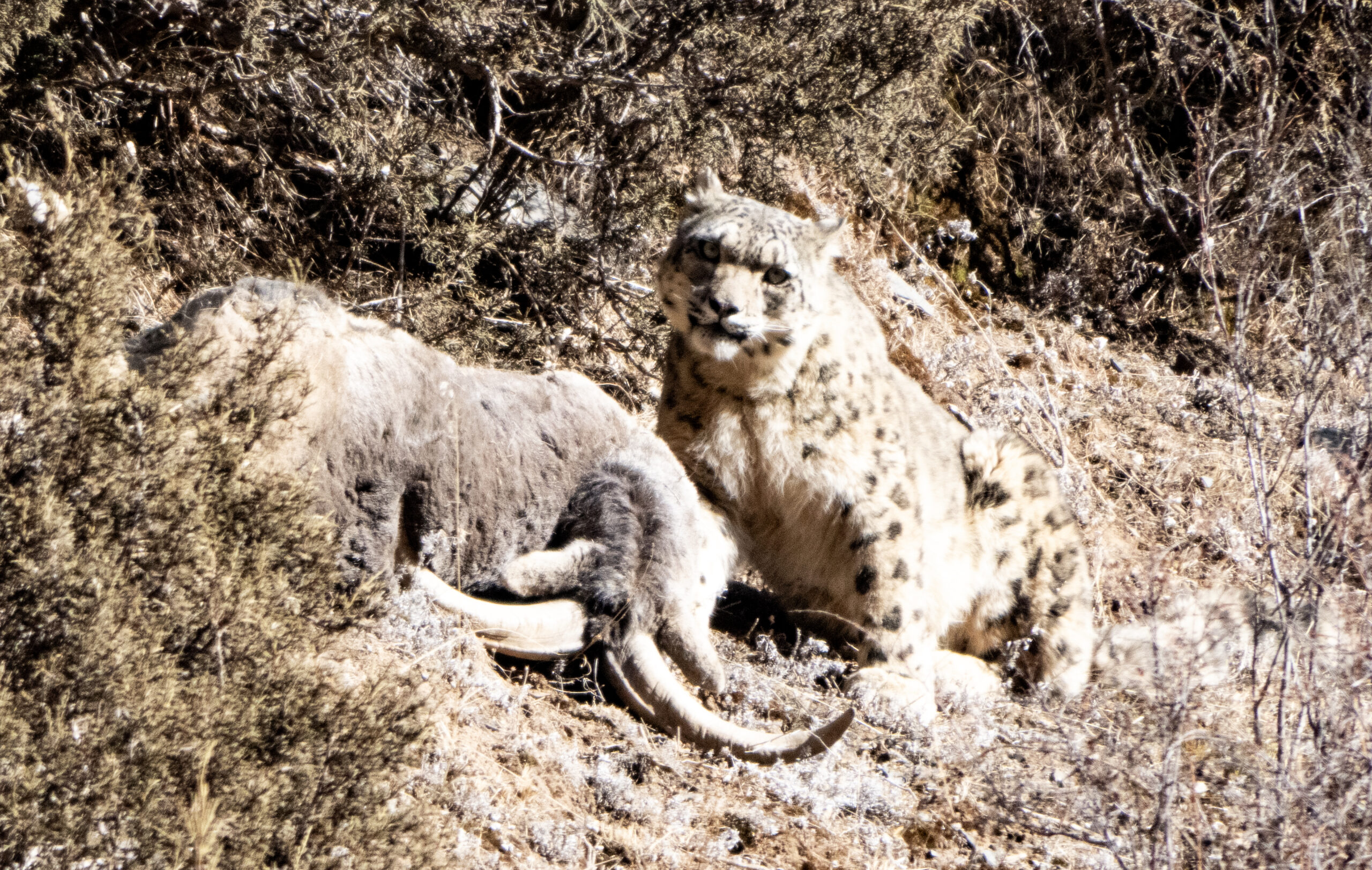
Tibet Snow Leopard: A Guide To Tracking Snow Leopards On The Tibetan Plateau
A guide to Tibet and Qinghai snow leopard expeditions, covering populations, tracking challenges, conservation, ethics, and practical trip planning.
View Detail
Zhaoxing Dong Village, Guizhou: Travel Guide, Things to Do and Cultural Experiences
Discover Zhaoxing Dong Village in Guizhou, one of China’s most beautiful Dong communities, known for its five drum towers, wind and rain bridges, traditional wooden houses, and unforgettable Dong grand songs. This travel guide covers the best things to do in Zhaoxing, including village walks, cultural experiences, batik workshops, nearby rice terraces, photography spots, festivals, food, and practical travel tips. Learn how to experience Zhaoxing beyond sightseeing and explore the living traditions, landscapes, and local communities of southeast Guizhou with Eastogo.
View Detail
Xijiang Qianhu Miao Village Guide: Exploring China’s Largest Miao Village in Guizhou
A complete guide to Xijiang Miao Village, exploring its mountain landscapes, Miao culture, local experiences, practical tips, and nearby hidden villages.
View Detail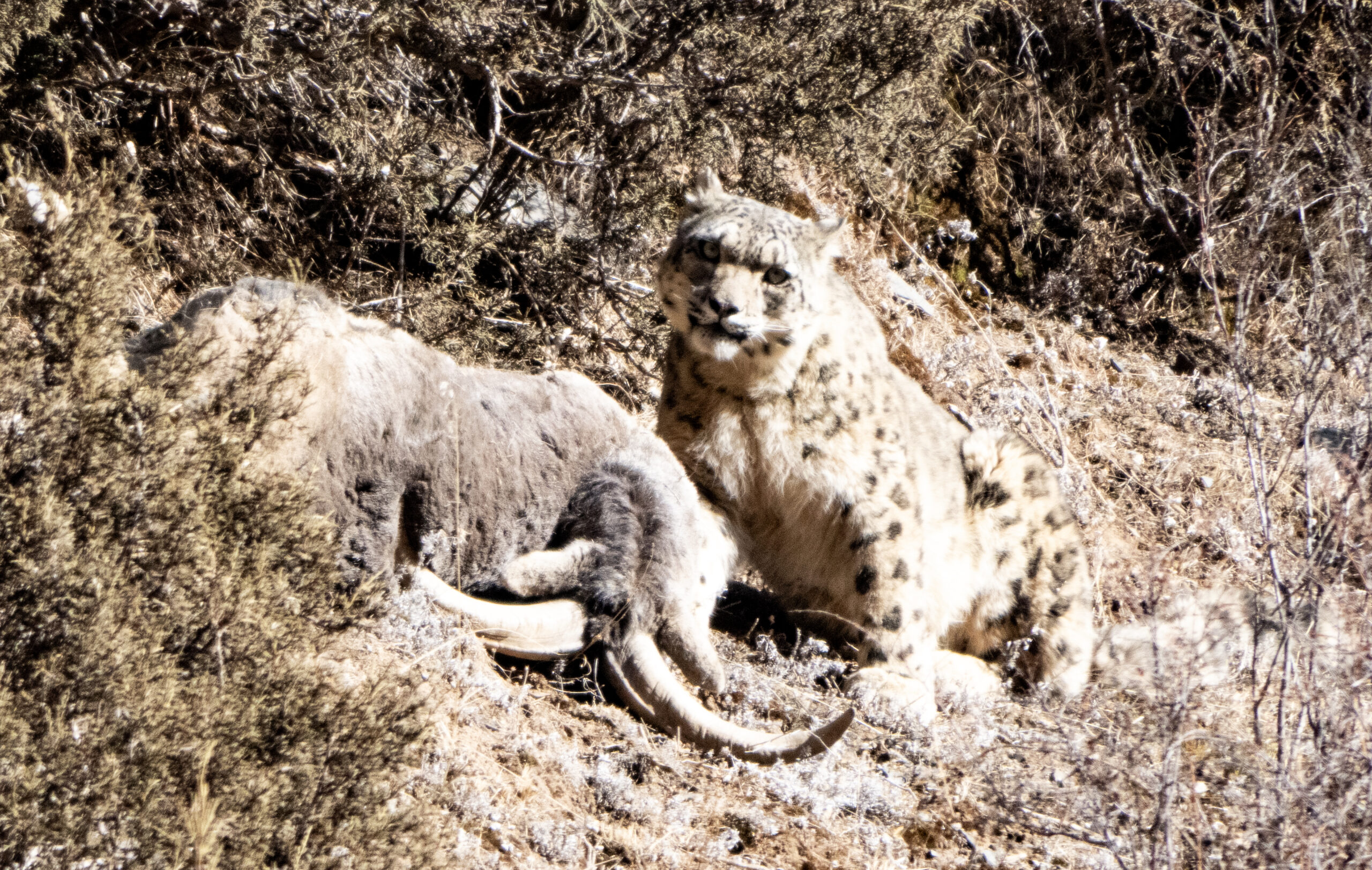
China Qinghai Yunta Village Wildlife Tour Report: Snow Leopards and Plateau Species
This Qinghai Yunta Village wildlife tour report brings together four observation reports from seven expeditions conducted between September 2025 and April 2026, with detailed notes on snow leopard sightings, other plateau wildlife, field conditions, and the practical realities of wildlife watching in this remote part of Qinghai.
View Detail