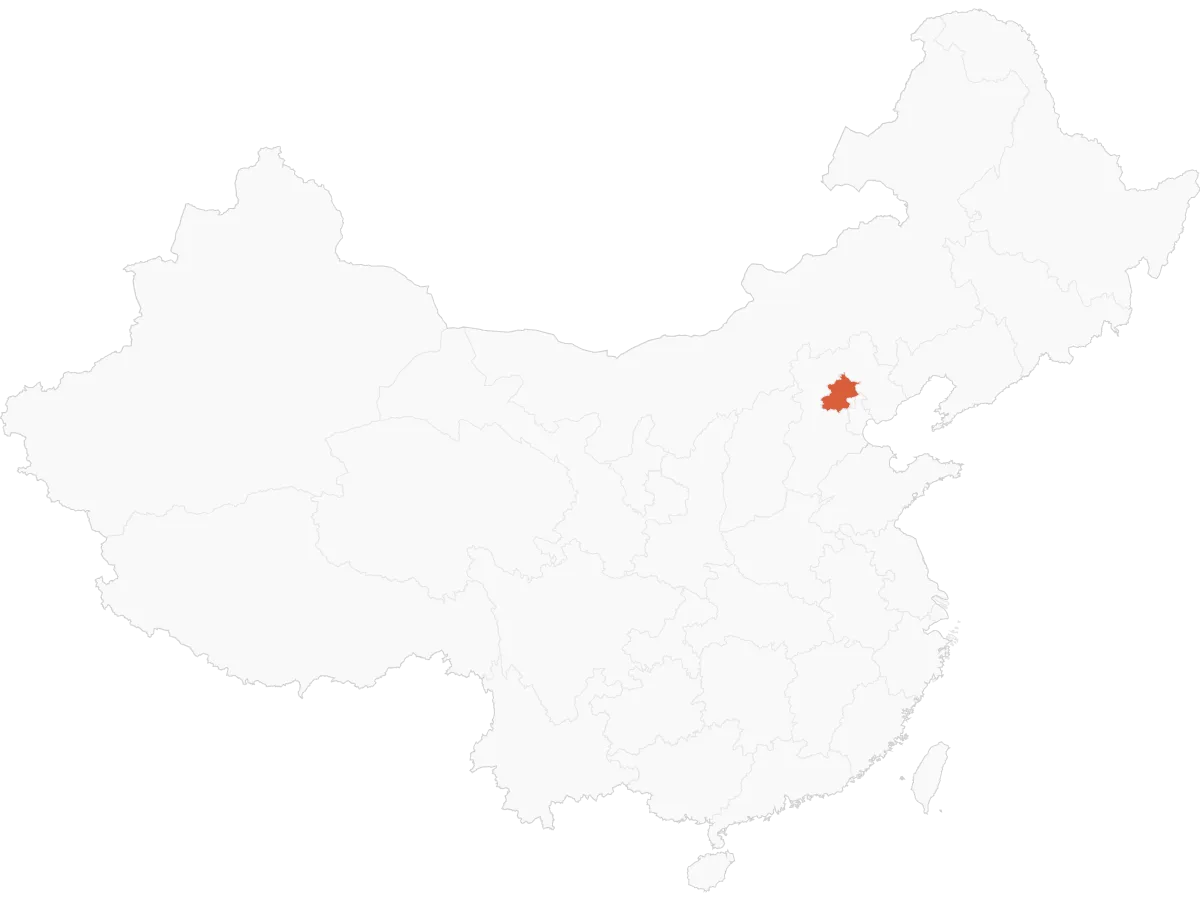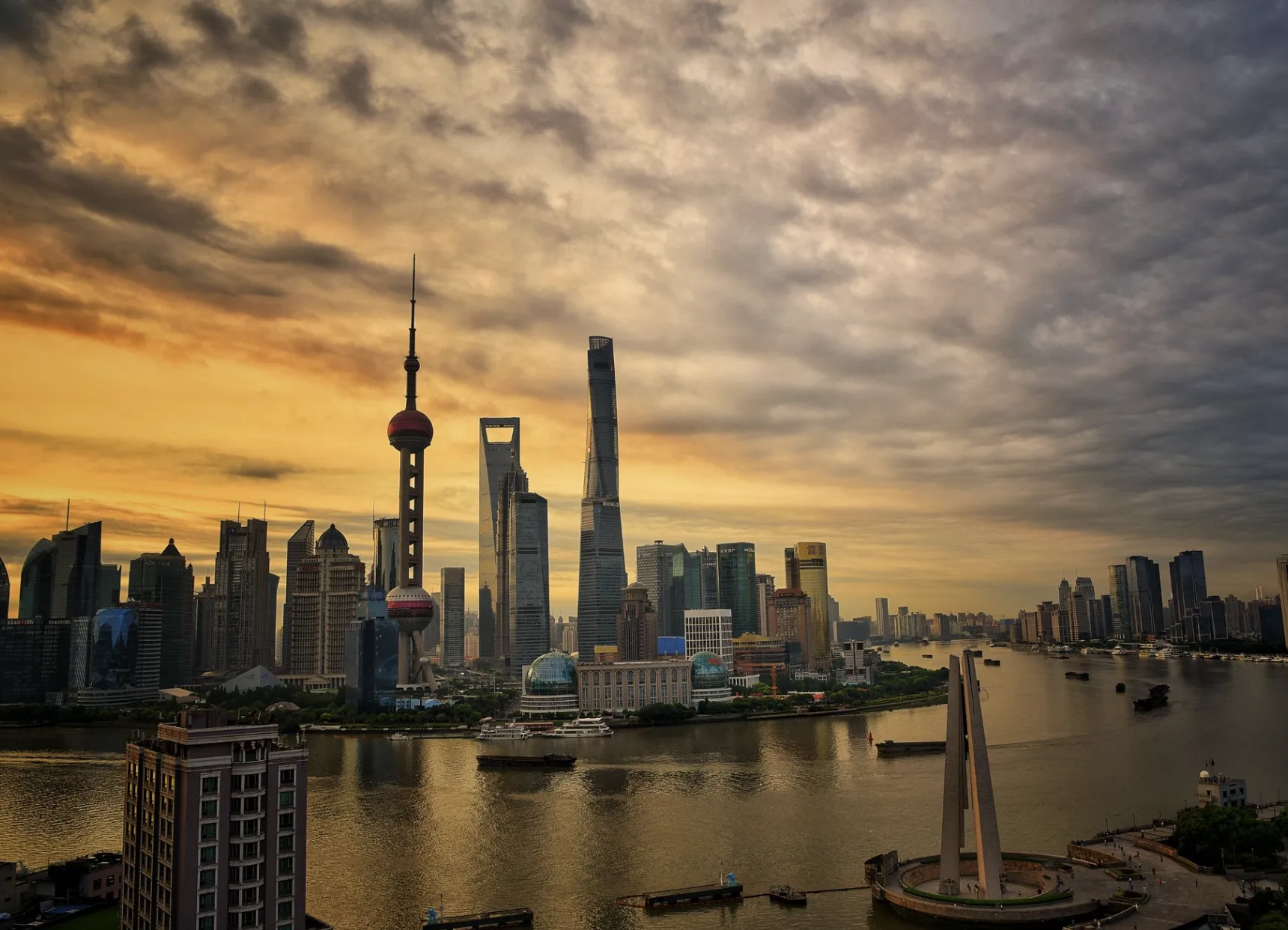
Beijing Private Tour
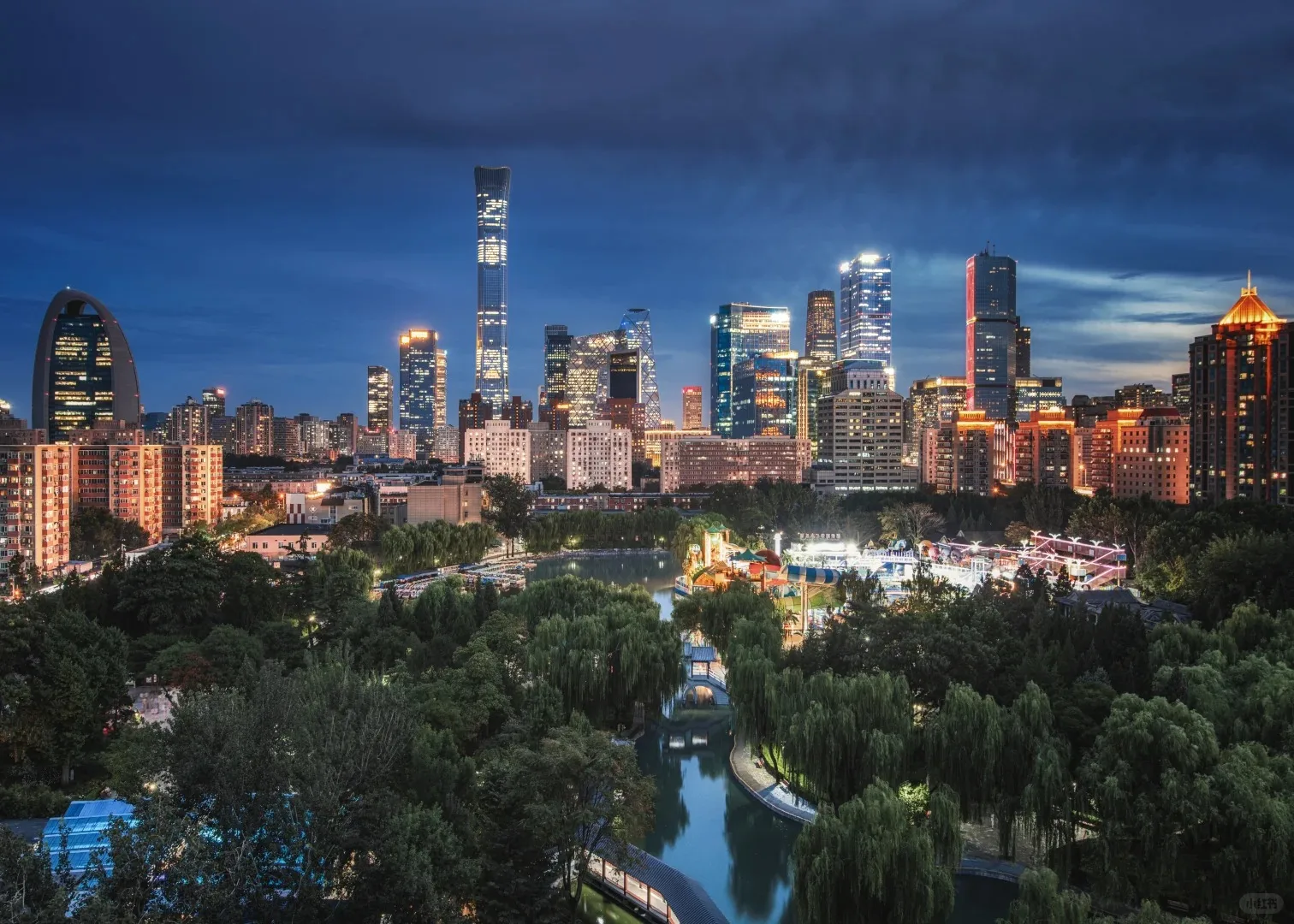
Beijing is a city where centuries of imperial history meet the rhythms of everyday Chinese life. From the grand ceremonial halls of the Forbidden City to the narrow hutongs hidden behind bustling streets, the capital reveals its character through extraordinary contrasts — monumental architecture, quiet courtyard homes, ancient traditions, and the remarkable Great Wall winding across the mountains beyond.
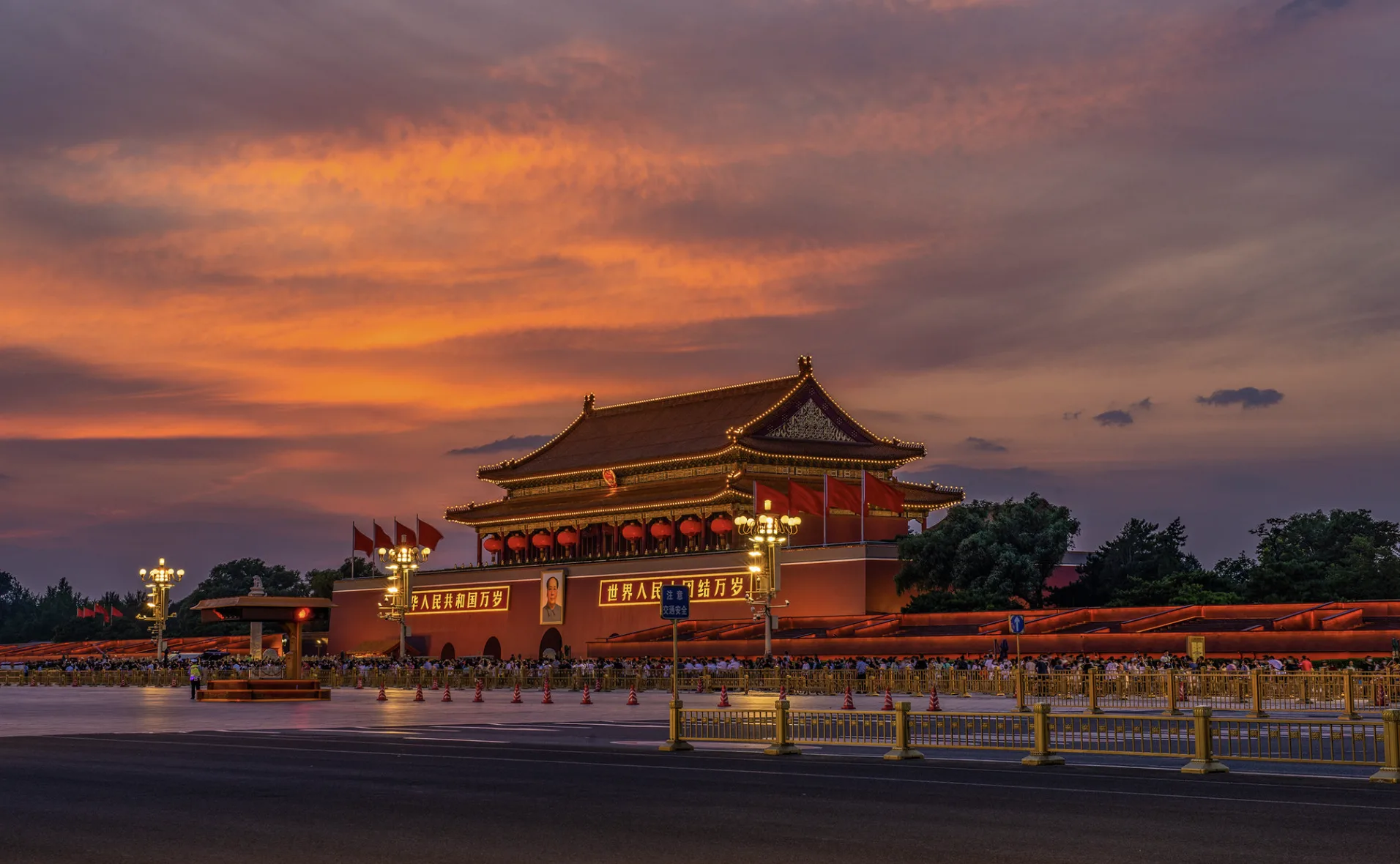
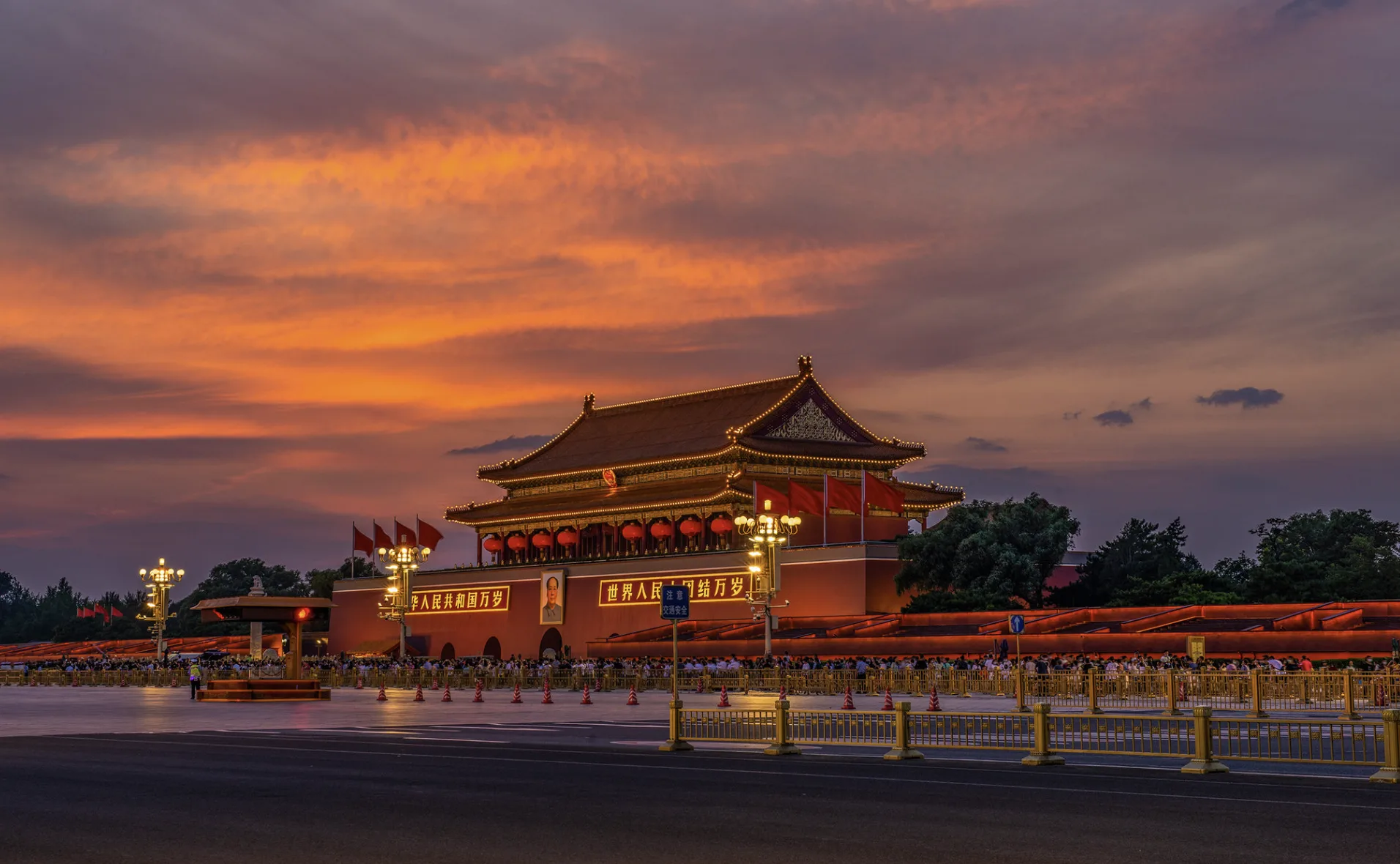
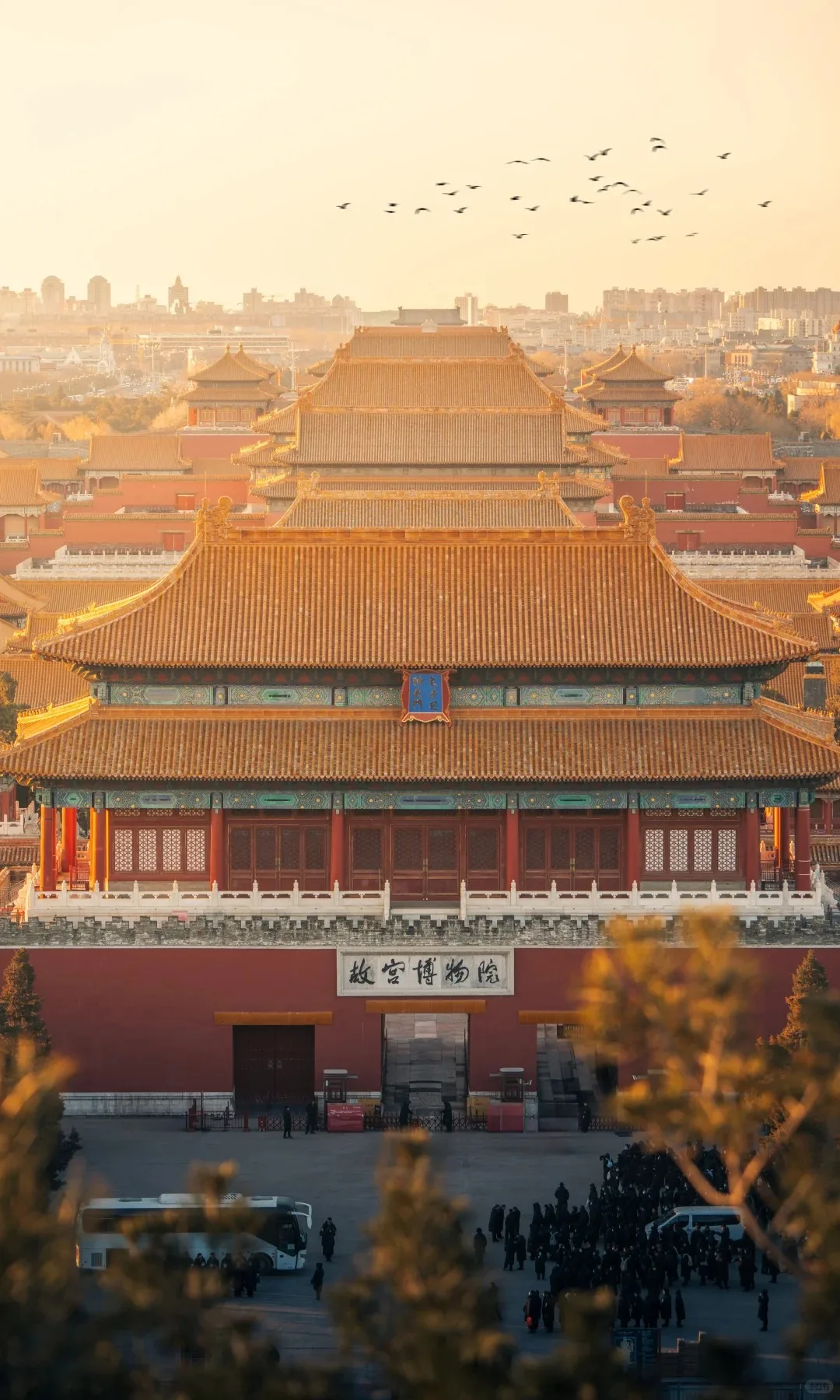
An Eastogo Beijing Private Tour is designed to explore these contrasts with greater freedom and depth. Walk through the Forbidden City with an expert guide who brings the Ming and Qing dynasties to life, discover the vast scale of Tiananmen Square, or wander through the atmospheric ruins of the Old Summer Palace, where the remains of imperial gardens tell a more complicated story of China’s past.
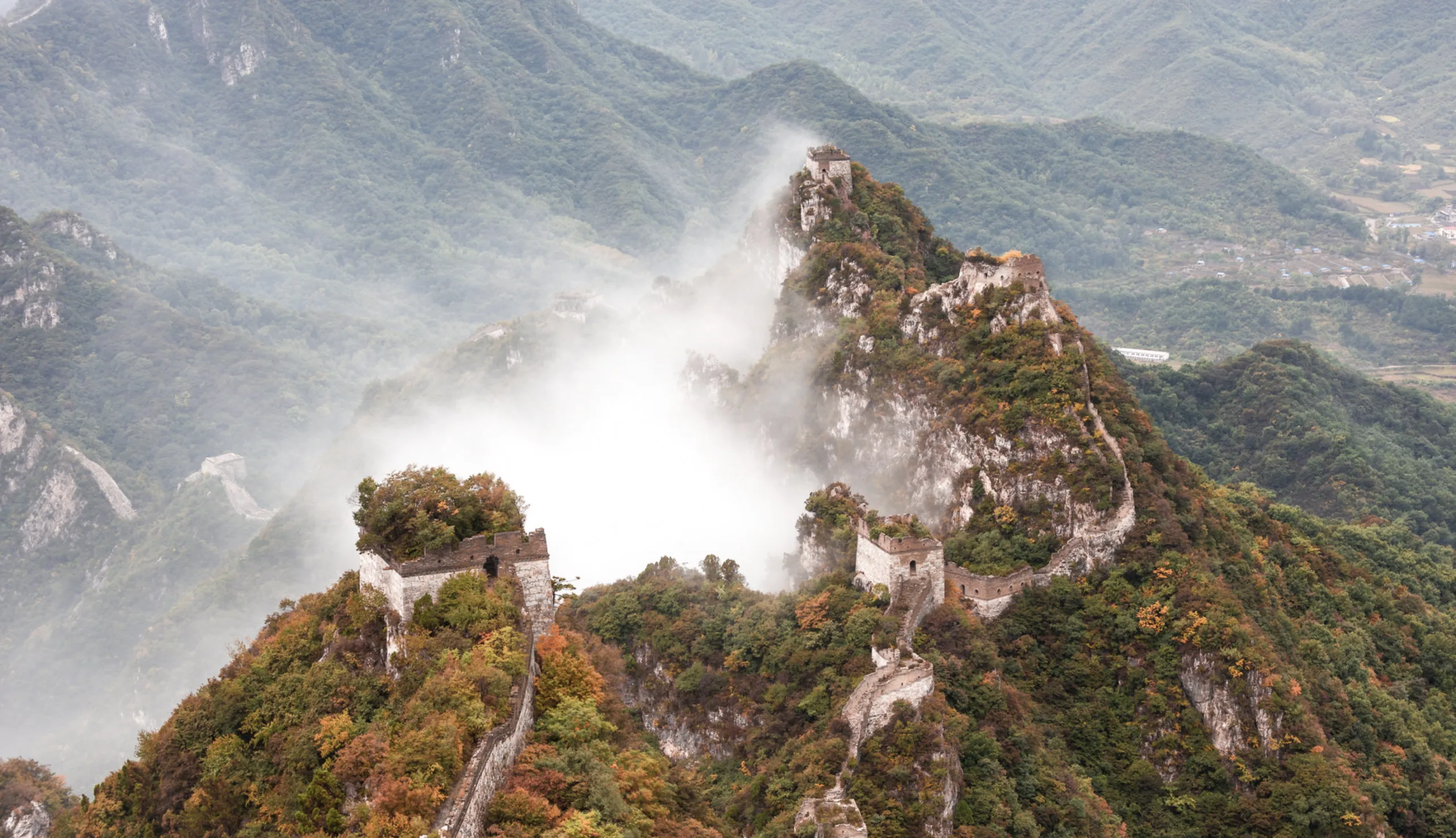
Beyond the city, venture into the mountains to experience the Great Wall away from its busiest sections. Hike along quieter, largely unrestored stretches with a knowledgeable local leader, following ancient watchtowers and weathered stone paths across dramatic ridgelines — a very different encounter from the familiar tourist viewpoints.
Yet some of Beijing’s most memorable experiences unfold in its neighbourhoods. Explore the hutongs by electric scooter, stop at local markets and traditional teahouses, or discover the city’s culinary traditions over Peking duck and copper-pot hotpot. These quieter encounters offer a glimpse of the Beijing that exists beyond its imperial monuments.
With expert local guides, carefully selected stays, private transport, and flexible daily planning, Eastogo creates private Beijing journeys shaped around your interests. Whether you’re drawn to Chinese history, architecture, food, photography, or hiking the Great Wall, we bring together the capital’s remarkable heritage and living culture in a journey that feels personal, considered, and unhurried.
Journey Highlights
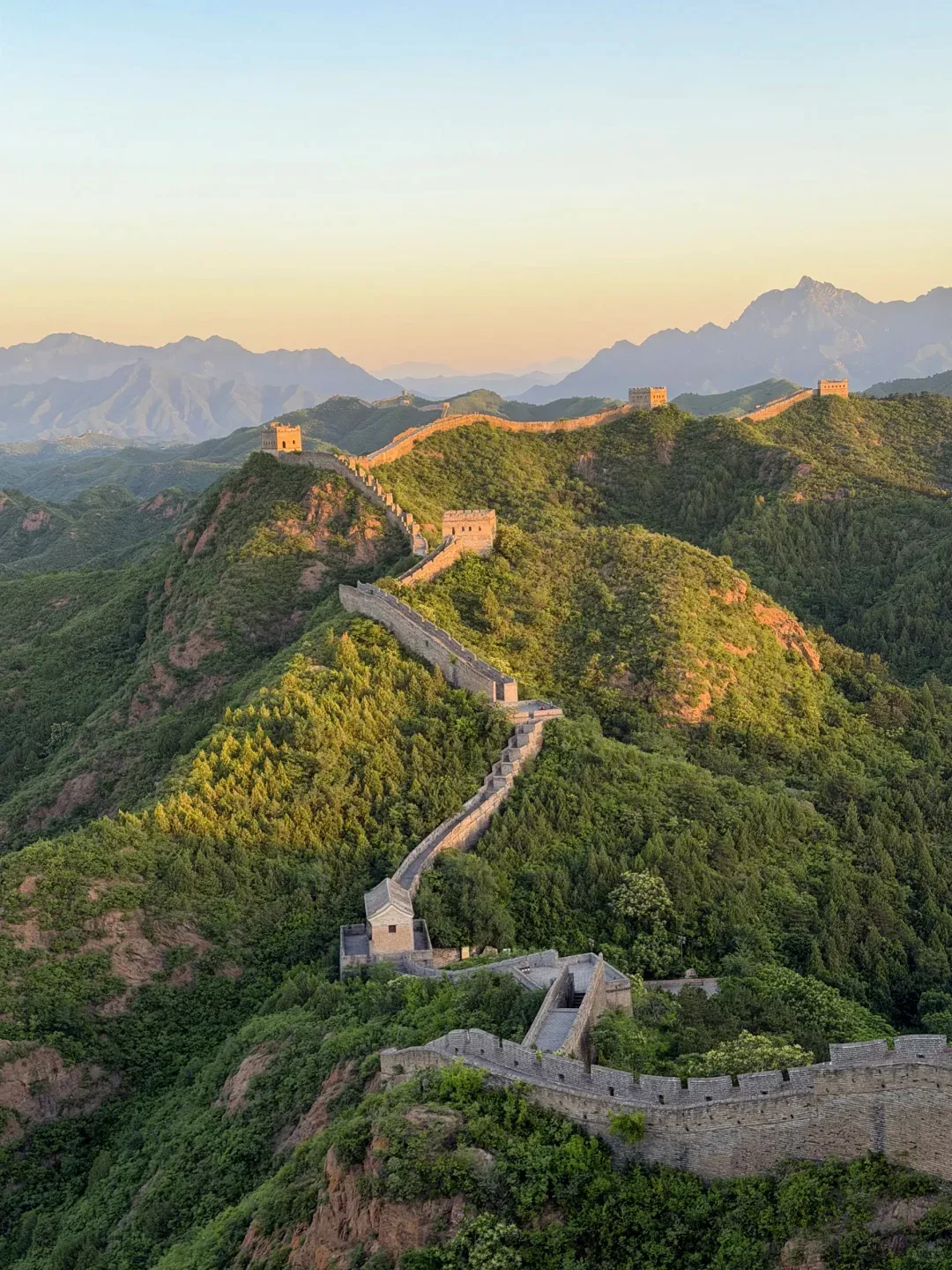
Hike along the mountain ridges of Jinshanling, passing watchtowers and stretches of the Great Wall in different states of preservation. With sweeping views unfolding at every turn, experience the Wall as a journey through both history and landscape.
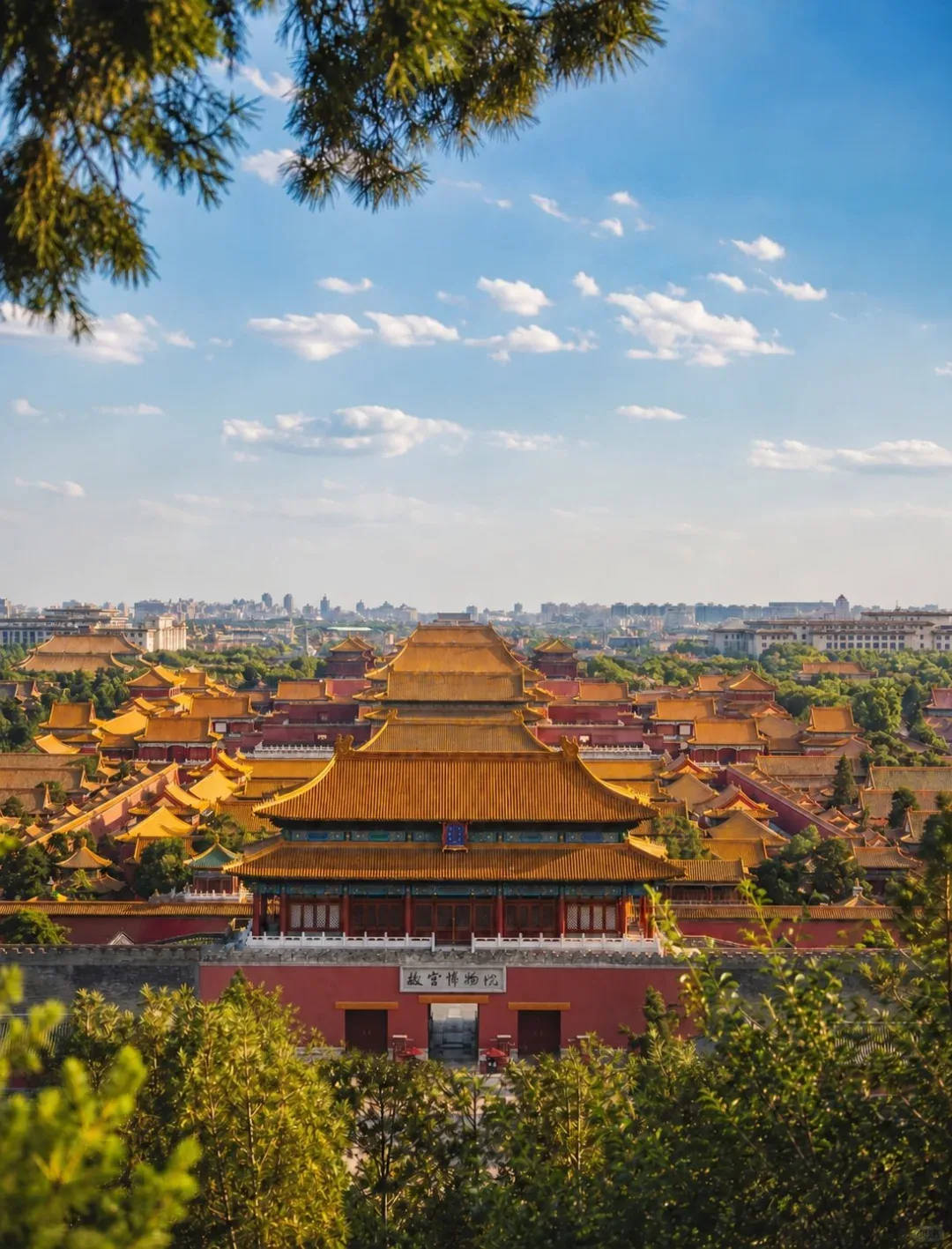
Step inside the Forbidden City with a knowledgeable guide and uncover the world of China’s imperial court. Walk through grand halls and layered courtyards while discovering how architecture, ceremony, and power shaped life at the heart of the empire.
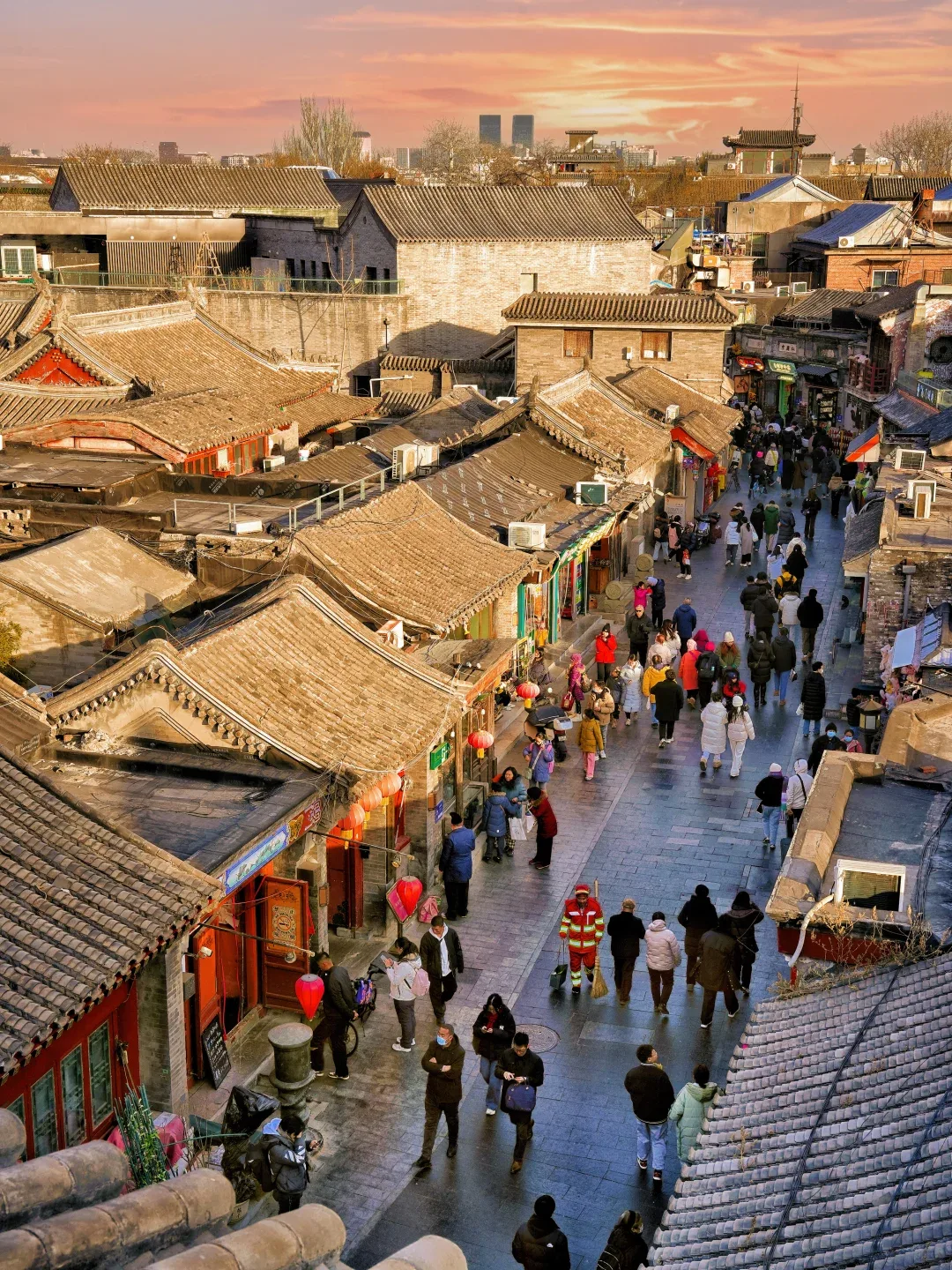
Taste your way through Beijing’s hutongs, stepping into local eateries for northern favourites such as dumplings, noodles, and sesame-rich snacks. Between bites, discover the flavours, stories, and daily rhythms of the old neighbourhoods.
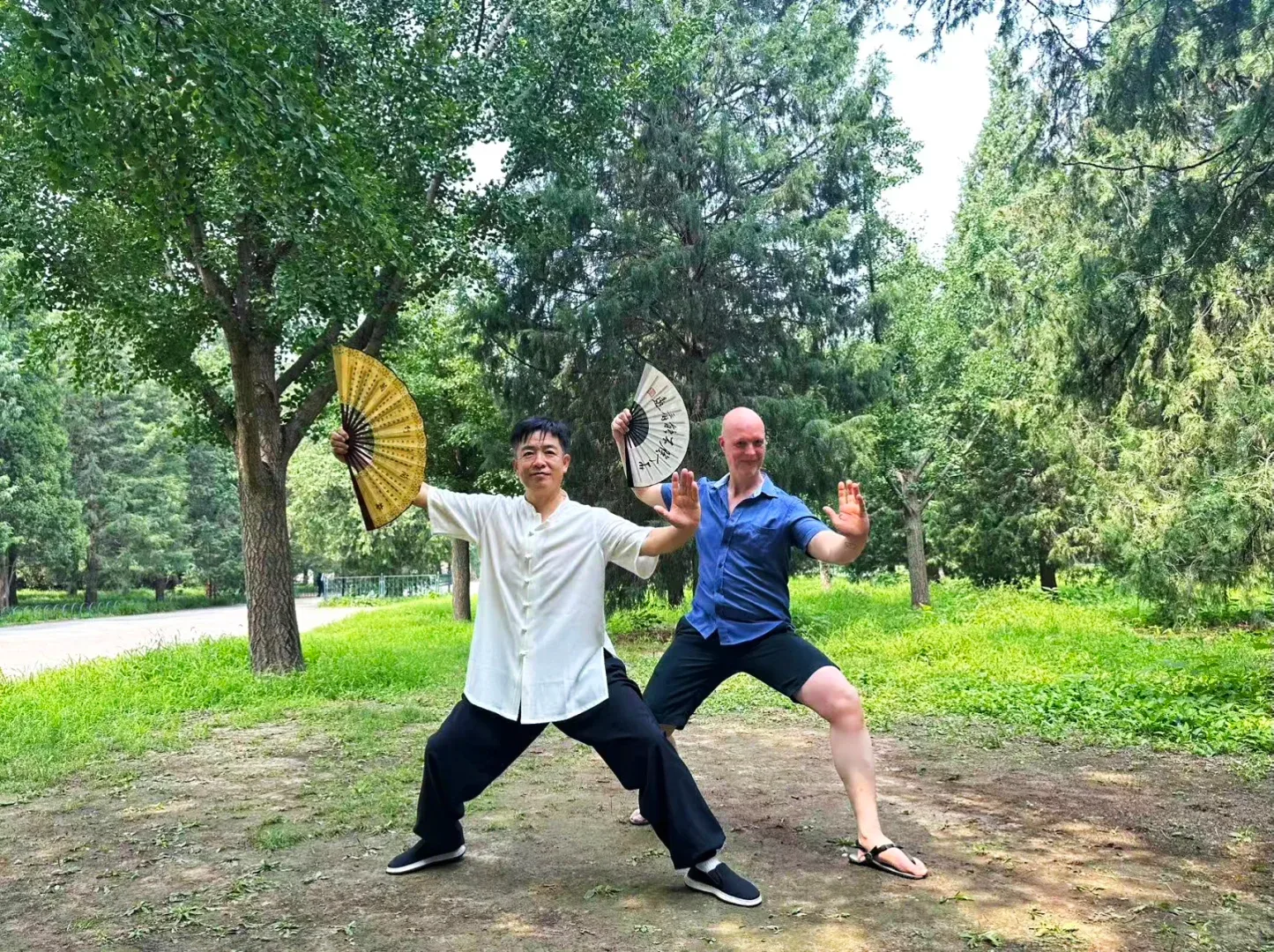
Begin the day among the ancient trees of the Temple of Heaven with an introductory Tai Chi session. Follow your instructor through gentle movements, breathing, and balance while local life unfolds around you in one of Beijing’s most historic parks.
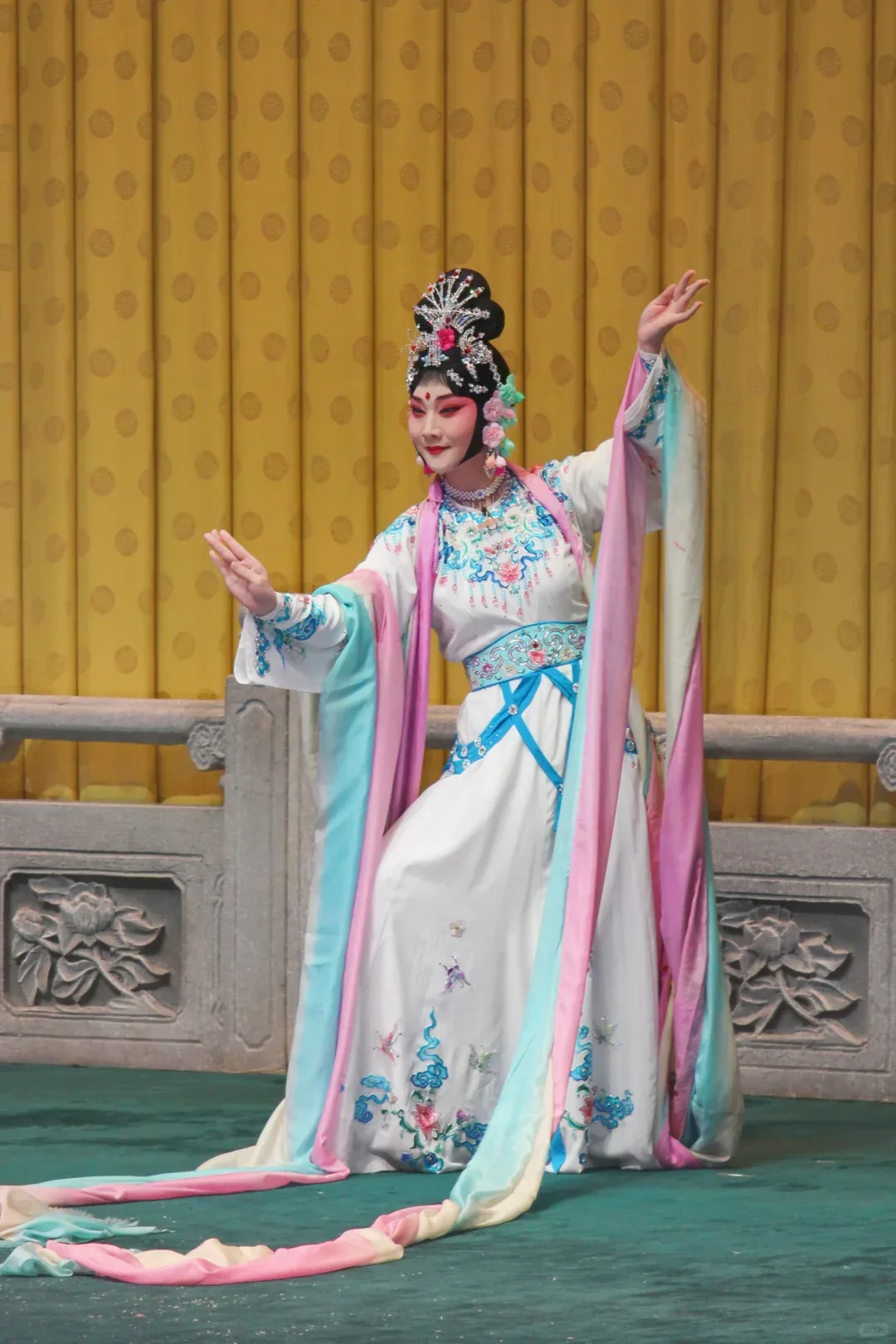
Experience the vivid world of Peking Opera through expressive singing, live music, stylised movement, and richly detailed costumes. Settle into the traditional atmosphere of Liyuan Theatre and discover a performing art shaped in Beijing over centuries.
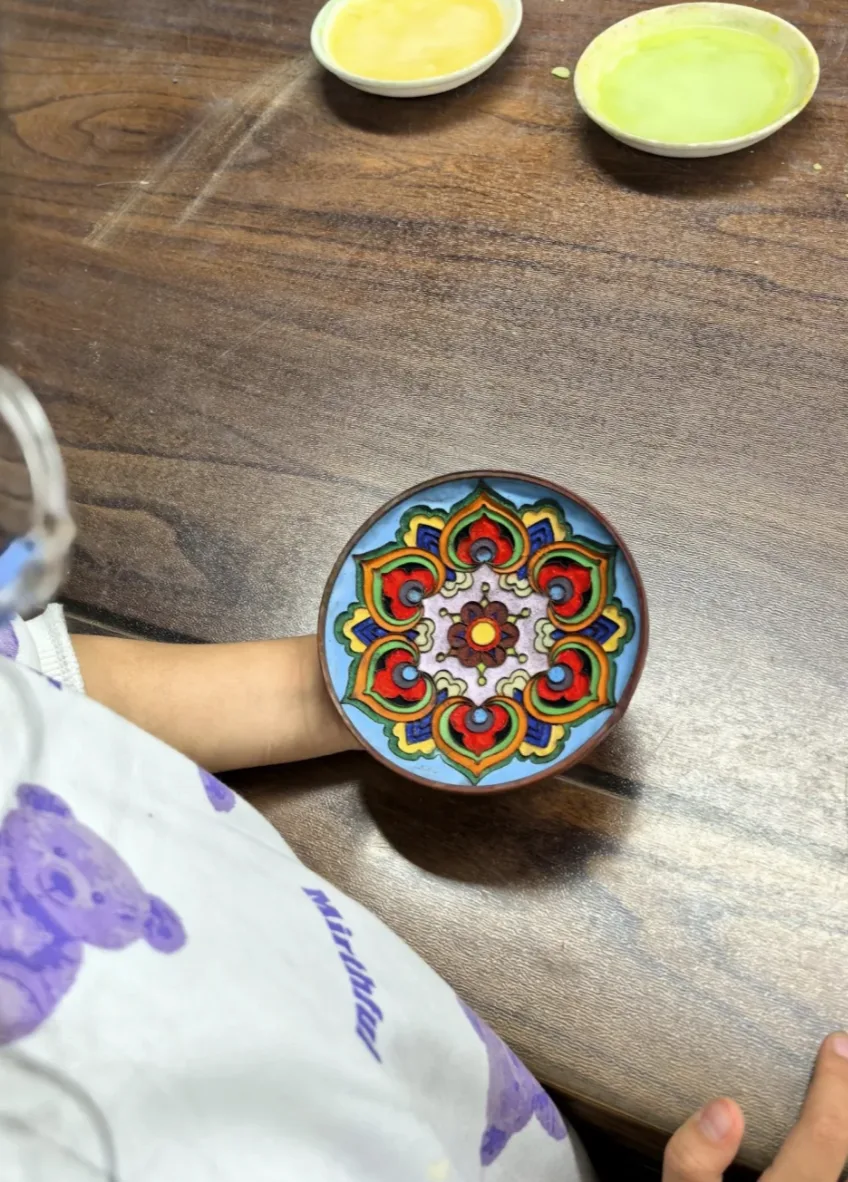
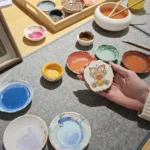
Discover the intricate art of Beijing cloisonné in a hands-on workshop. Shape fine metal wires into patterns, add coloured enamel under expert guidance, and create a small piece of your own to take home.
Inclusions & Offers
Designed Around Your Journey
Rather than fixed departures, this experience is arranged privately and shaped around your preferred dates, interests, and travel style.
Our specialists will design the journey based on your pace, accommodation preferences, and seasonal conditions.
Best time to visit
Beijing has four distinct seasons. Spring is dry and windy at times, with poplar and willow catkins common from April to May; masks, sunglasses, and eye drops are useful for sensitive travelers. Summer can be hot, with strong sun and occasional heavy rain. Winter is cold and dry, but often clear. Autumn is usually comfortable, but avoid China’s National Day holiday from Oct 1–7 if possible due to heavy crowds.
Traveler Reviews






FAQs
How is a private tour different from a group tour?
A Beijing private tour offers greater flexibility, privacy, and access to local experiences than a standard group itinerary. Rather than following fixed schedules and crowded sightseeing routes, you can explore the capital at your own pace — whether that means spending longer in the Forbidden City with an expert historian, visiting famous landmarks at quieter hours, or hiking a remote, unrestored section of the Great Wall away from the crowds.
With Eastogo, private travel also opens the door to more personal cultural encounters. Explore traditional hutong neighbourhoods by electric scooter, discover local food markets with a knowledgeable guide, or enjoy authentic Beijing cuisine in carefully selected restaurants. Your journey can be tailored around your interests, from imperial history and architecture to photography, hiking, and contemporary Chinese culture.
With dedicated private transport, thoughtfully selected accommodation, and expert local guides, we create a more personal and rewarding way to experience Beijing — combining its celebrated landmarks with the quieter neighbourhoods, local traditions, and lesser-known places that larger group tours often overlook.
How does the booking process work?
1. Submit Your Inquiry
Tell us where you’d like to go, when you’d like to travel, and what kind of experiences you’re looking for.
2. Meet Your Destination Specialist
Your regional expert will arrange a complimentary consultation to understand your interests, travel style, pace, and priorities. Together, we’ll begin shaping the journey around your curiosity.
3. Receive Your Personalized Proposal
Based on your preferences, we’ll create a personalized itinerary and quotation, including accommodations, transportation, experiences, and recommendations tailored specifically to you.
4. Refine & Confirm Your Journey
Review the itinerary with your destination specialist and make any adjustments you’d like. Once everything feels right, secure your booking with a deposit and we’ll begin preparing the trip.
5. Travel with Confidence
Before departure, you’ll receive your detailed travel documents, practical information, and pre-departure guidance. Then simply arrive and enjoy your journey while we take care of the rest.
What is Beijing known for?
Beijing is known for the Forbidden City, Tiananmen Square, the Great Wall, hutongs, imperial parks, temples, and its role as China’s political and cultural capital. It is the city where many travelers first understand the scale of Chinese history: palace roofs, ceremonial axes, courtyard neighborhoods, ritual spaces, and mountain walls all sit within one capital.
Is Beijing worth visiting?
Yes. Beijing is worth visiting if you want to understand China beyond modern skylines and quick impressions. The city gives you imperial architecture, political history, living neighborhoods, temple rituals, local food, and access to the Great Wall in one trip. It also works well as a first stop because it has international flights, high-speed rail, and strong connections to the rest of China.
Is Beijing suitable for first-time visitors to China?
Yes, especially for travelers who care about history, culture, and classic landmarks. Beijing is large, formal, and sometimes tiring, so planning matters more than in easier gateway cities. With the right route, a first visit can include the Forbidden City, a hutong meal, morning parks, temples, and the Great Wall without becoming a checklist of crowded sites.
What are the must-see attractions in Beijing?
For a first visit, start with the historical center: Tiananmen Square, the Forbidden City, Jingshan Park, and the central axis. Add one ritual or imperial retreat site such as the Temple of Heaven, Summer Palace, or Yuanmingyuan. Then leave time for hutong neighborhoods and a Great Wall section that matches your time, fitness, and crowd tolerance.
How many days should I spend in Beijing?
For a first visit, we usually recommend three full days in Beijing. This gives enough time for the imperial center, one Great Wall experience, and a slower day for hutongs, temples, parks, museums, or local food. Four or five days is more comfortable if you want more time for walking, photography, local neighborhoods, or deeper historical visits.
What is the best time to visit Beijing?
The best time to visit Beijing is in autumn (mid-September to early November) and spring (April to May). During these months, you will experience mild, comfortable temperatures and clear skies, which are perfect for exploring historic sites like the Forbidden City and hiking the Great Wall.
How do I get to Beijing?
For international flights, Beijing mainly uses Beijing Capital International Airport (PEK) and Beijing Daxing International Airport (PKX). Both connect to the city by airport rail, taxi, or private transfer.
Capital Airport is usually more convenient for central and northeast Beijing, while Daxing is newer but much farther south, so transfer time can be longer depending on your hotel location.
Beijing is also one of China’s major high-speed rail hubs, with convenient train connections to Shanghai, Xi’an, Tianjin, Zhengzhou, and many other cities.
Which Great Wall section should I choose from Beijing?
It depends on what you prefer. Mutianyu is the easiest choice for many first-time visitors: scenic, restored, and manageable. Badaling is famous and convenient, but often crowded. Jinshanling is better if you want a longer walk, mountain views, and fewer people. Less-restored sections can feel more raw and atmospheric, but they require better planning, suitable shoes, and realistic expectations.
How should I plan the Forbidden City and Tiananmen area?
Treat this area as a half-day or full-day historical walk, not a quick photo stop. Book ahead, start early, and allow time for security checks. A good route usually connects Tiananmen Square, the Forbidden City, and Jingshan Park, where you can look back over the palace roofs and understand the central axis from above.
Are Beijing hutongs worth visiting?
Yes, if you enter them with patience and respect for local life. Hutongs show a very different Beijing from the palace sites: courtyard homes, small shops, local meals, neighborhood gossip, old trees, and slow daily routines.
A good hutong experience might include walking or riding through lanes, visiting a siheyuan courtyard, eating old Beijing hotpot, or hearing local stories around Shichahai and the Drum Tower area.