Zhangjiajie Private Tour
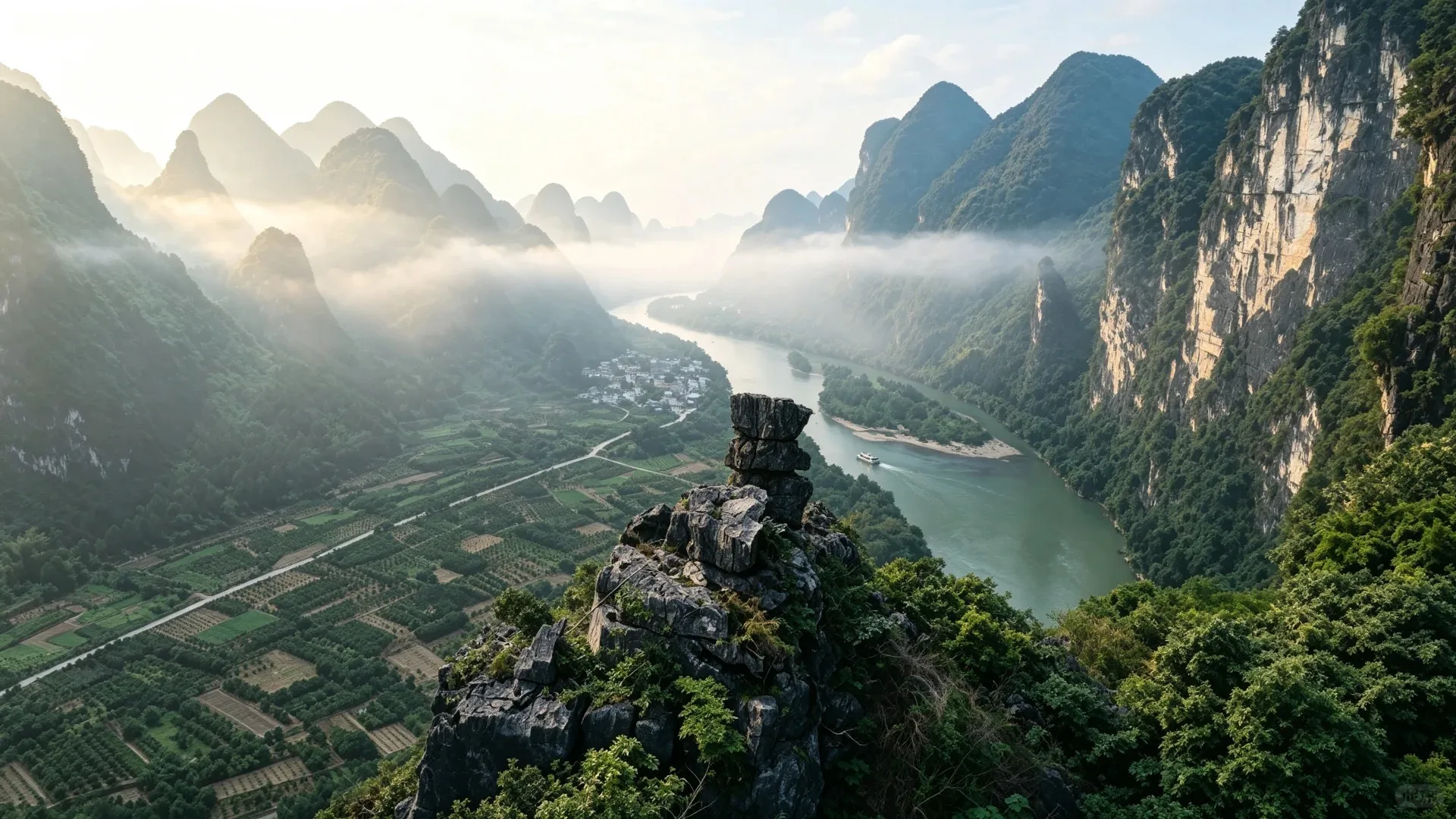
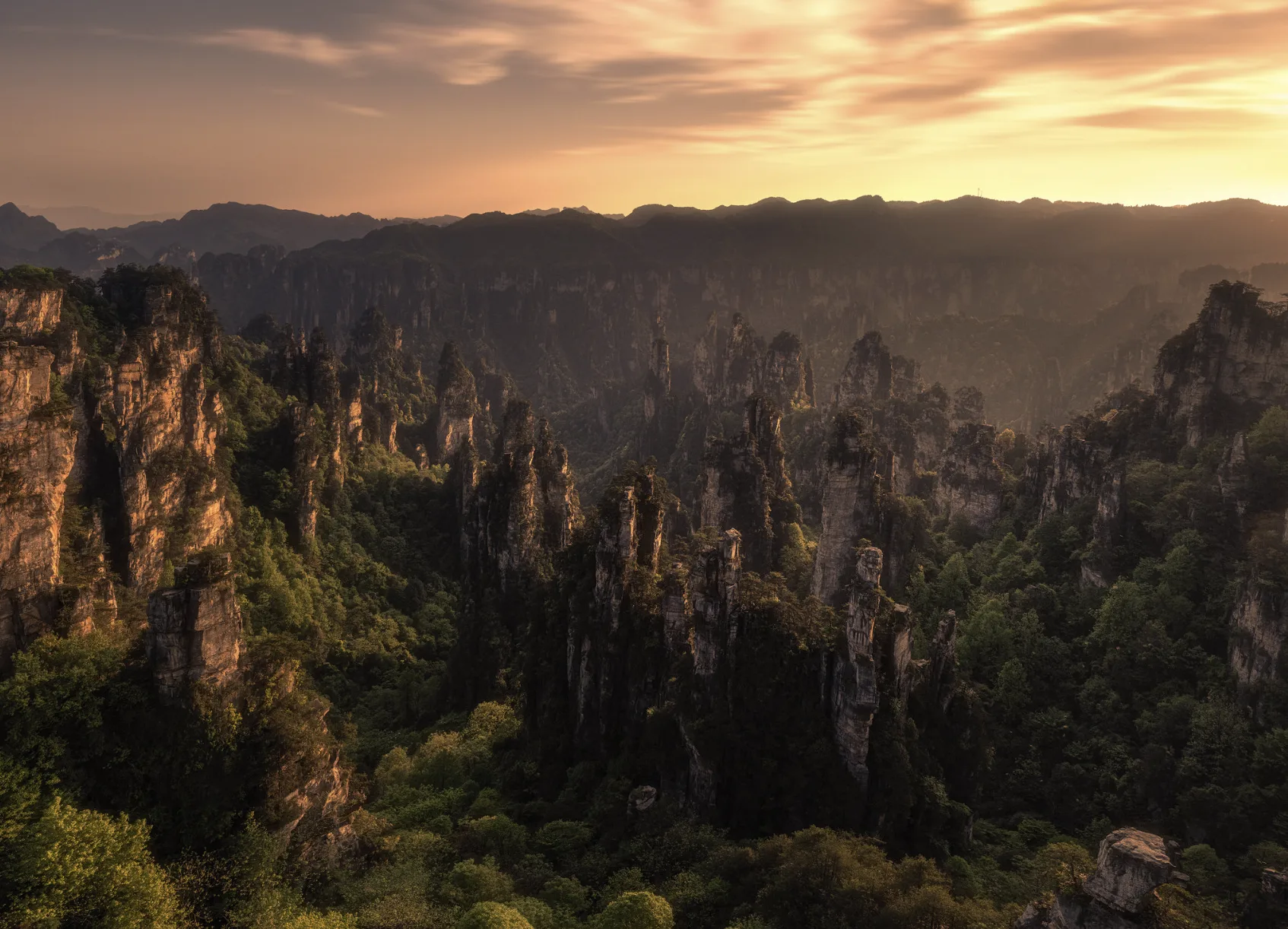
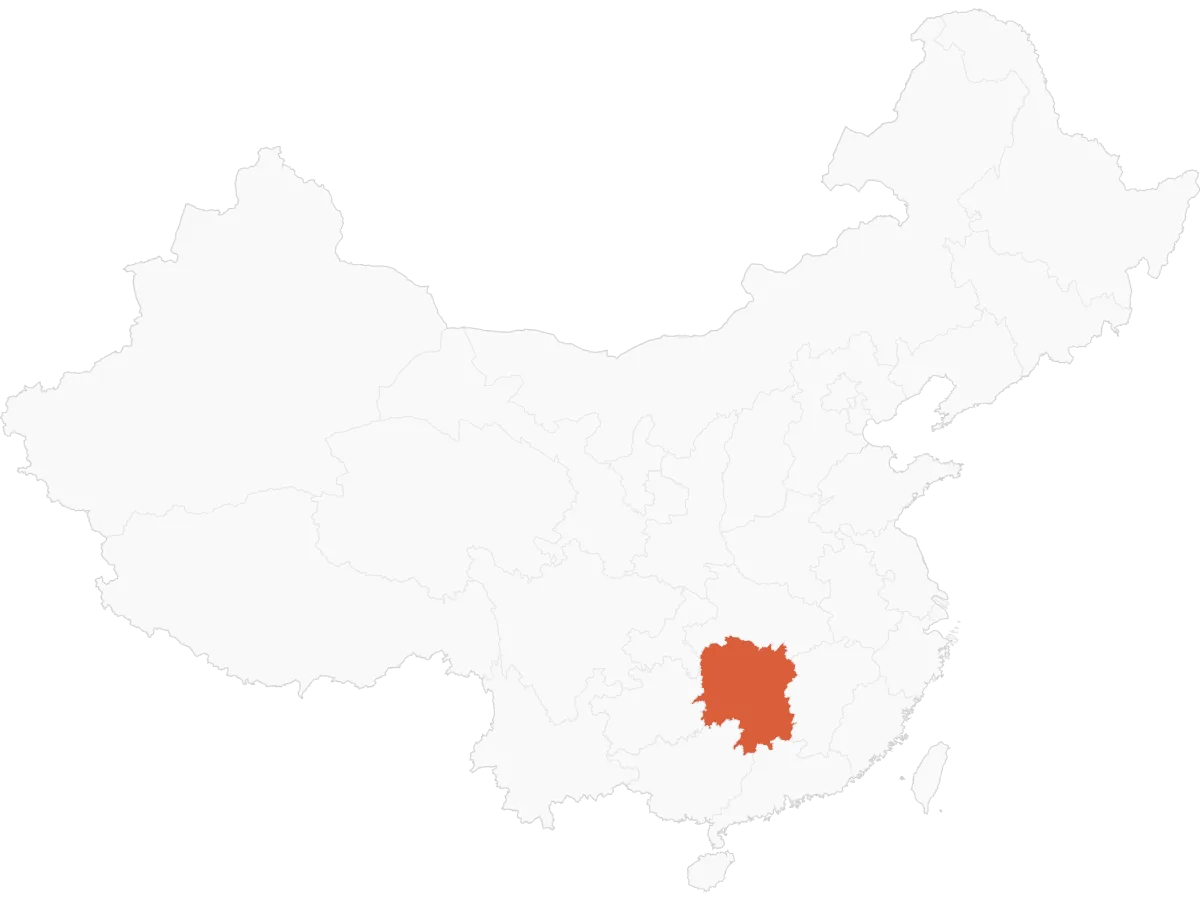
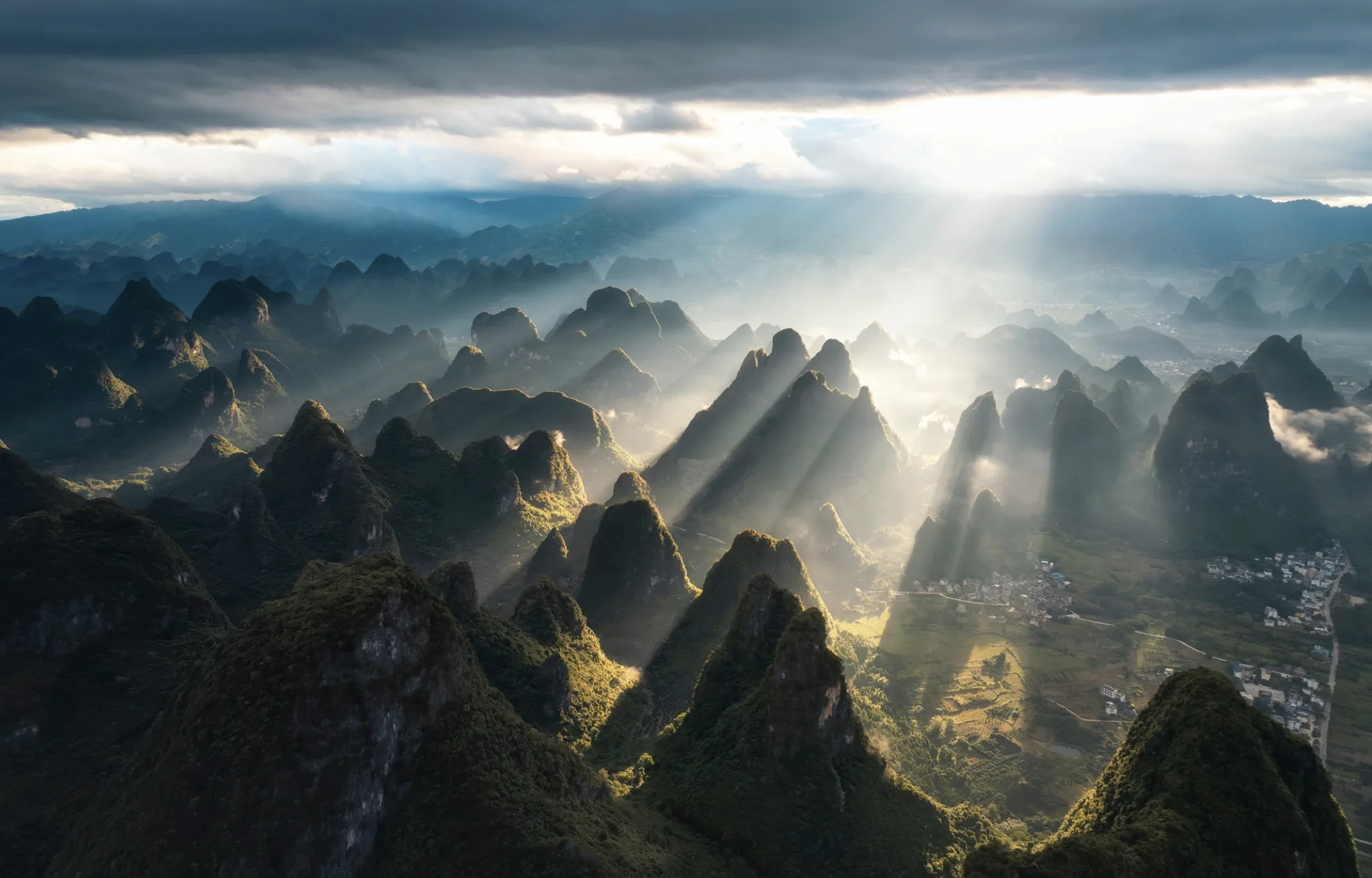
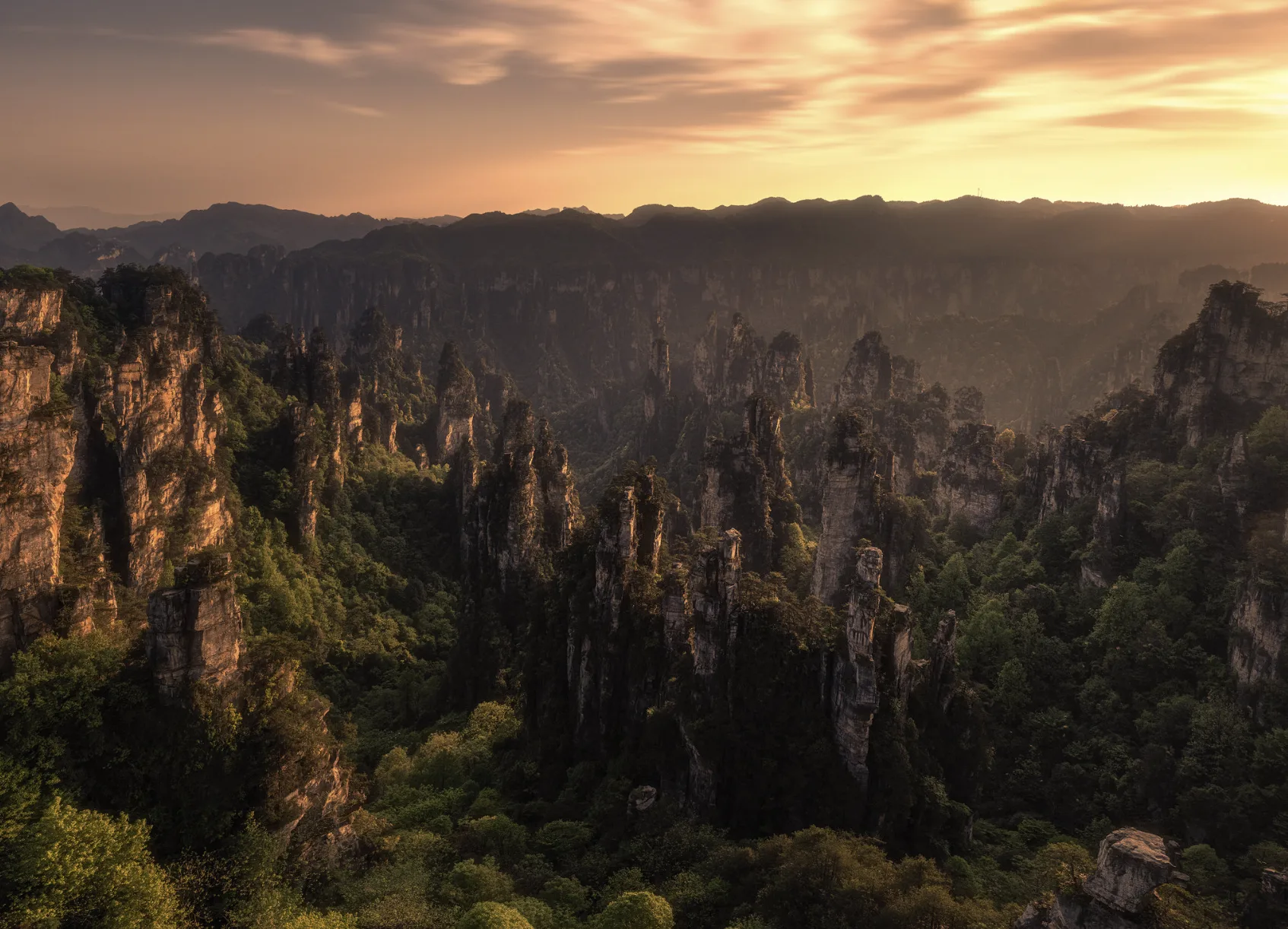
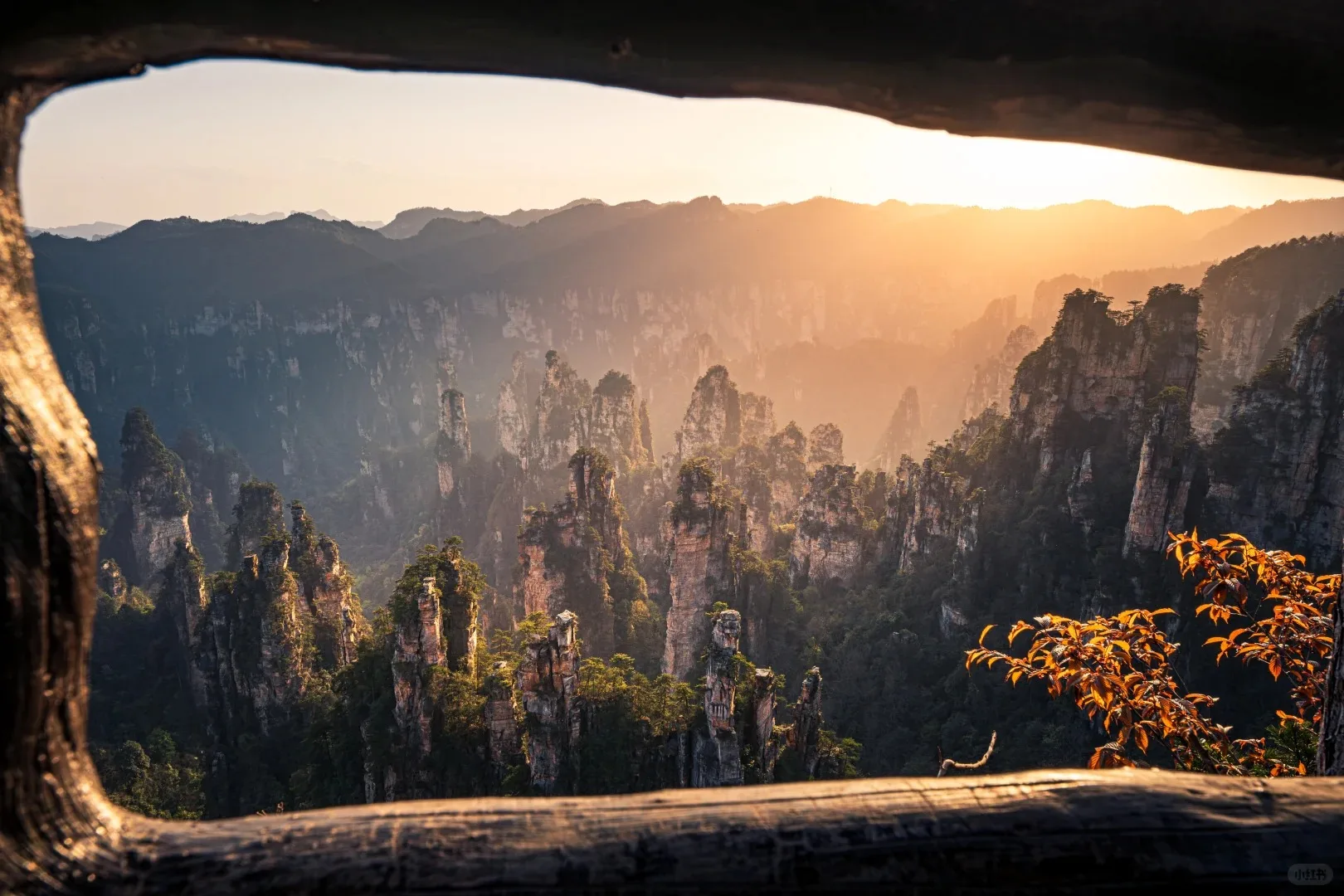
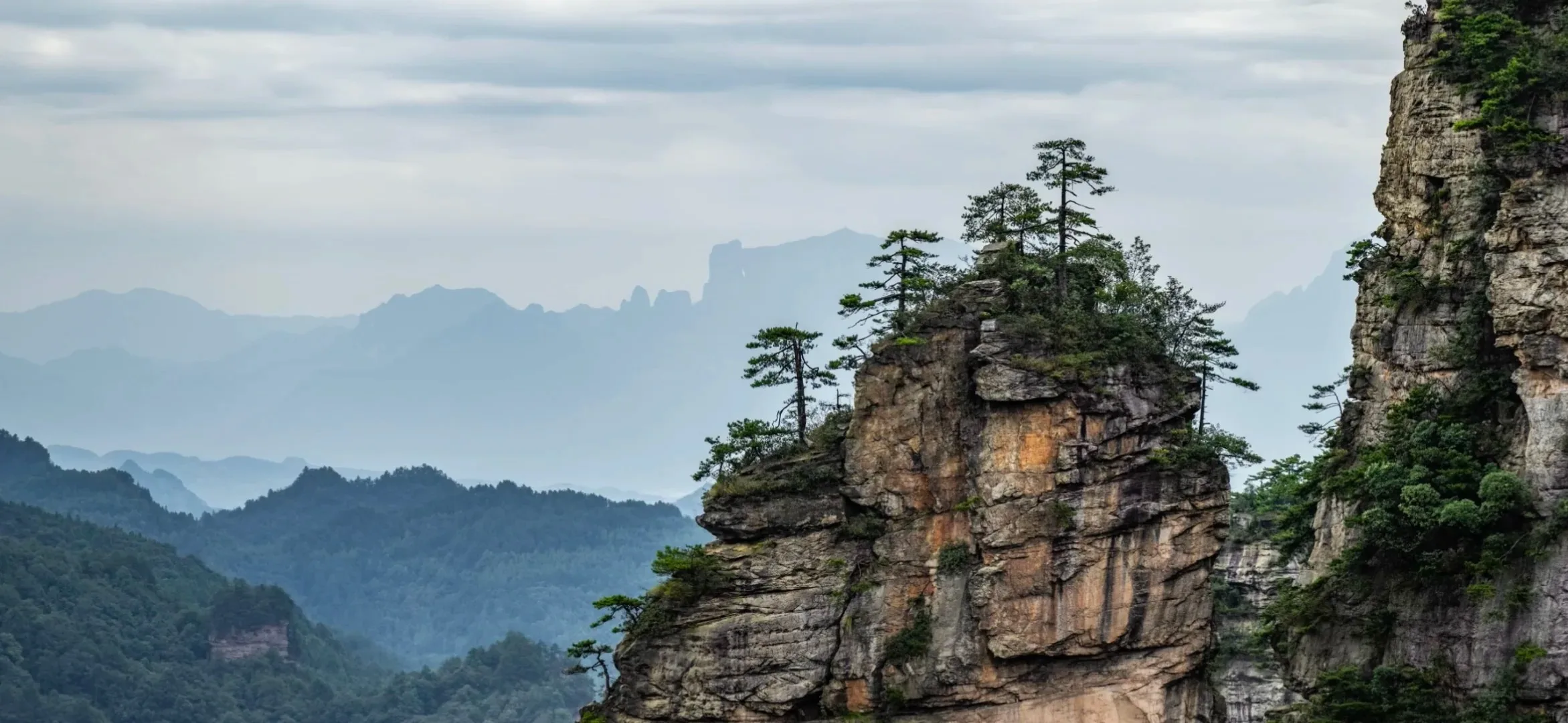
Zhangjiajie is home to one of China’s most surreal landscapes, where more than 3,000 quartz sandstone pillars rise through ancient forests, drifting mist, and deep valleys. Shaped over millions of years, these extraordinary formations create a landscape that seems almost to defy gravity. The famous viewpoints reveal its immense scale, but some of the most memorable experiences unfold away from the crowds, where narrow trails wind beneath towering cliffs and mountains emerge slowly from the clouds.
An Eastogo Zhangjiajie Private Tour is designed to explore this remarkable landscape with greater freedom and depth. Walk along the 5.7-kilometre Golden Whip Stream, where forest paths follow a clear mountain stream beneath immense sandstone pillars. Explore Tianmen Mountain and its remarkable natural arch, or venture onto quieter trails and lesser-visited viewpoints with a knowledgeable local guide.
For those seeking adventure, Qixing Mountain offers a spectacular Via Ferrata experience, traversing sheer cliffs high above the surrounding valleys. It is a completely different way to appreciate the scale and character of Zhangjiajie’s mountains.
With private transport, carefully selected accommodation, and flexible daily planning, we shape each journey around the weather, the best light, and your interests. Whether you come for hiking, photography, or simply to experience this remarkable landscape at your own pace, Eastogo creates private journeys that go well beyond the usual sightseeing circuit.
Journey Highlights
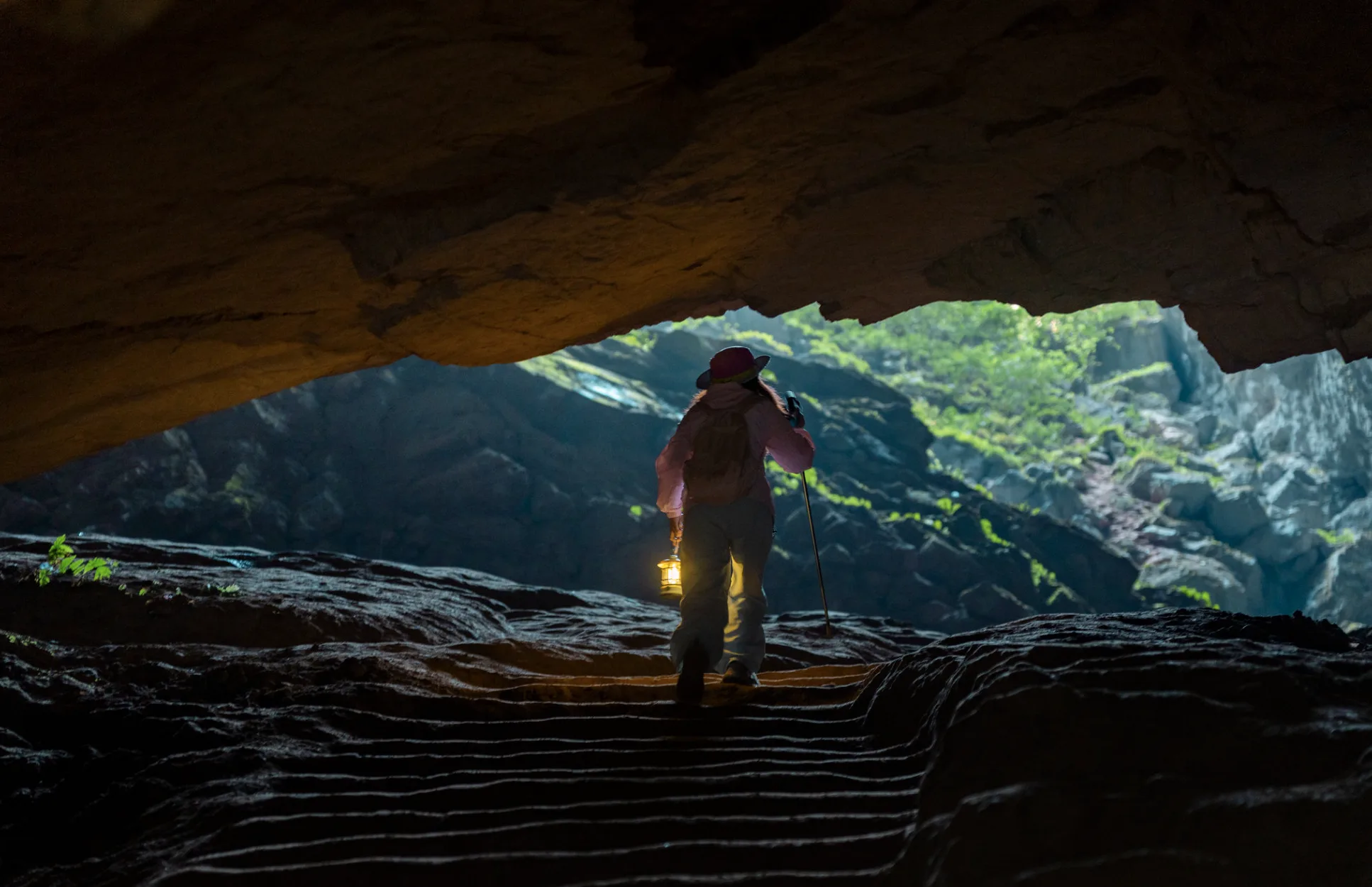
A hidden treasure for outdoor lovers, this route leads you through pristine forests, karst caves, and dramatic geological fissures, far from the crowds and deep within Zhangjiajie’s raw beauty. Choose a 3-hour hike or a 6-hour full traverse, guided by our expert team for a safe and unforgettable adventure.
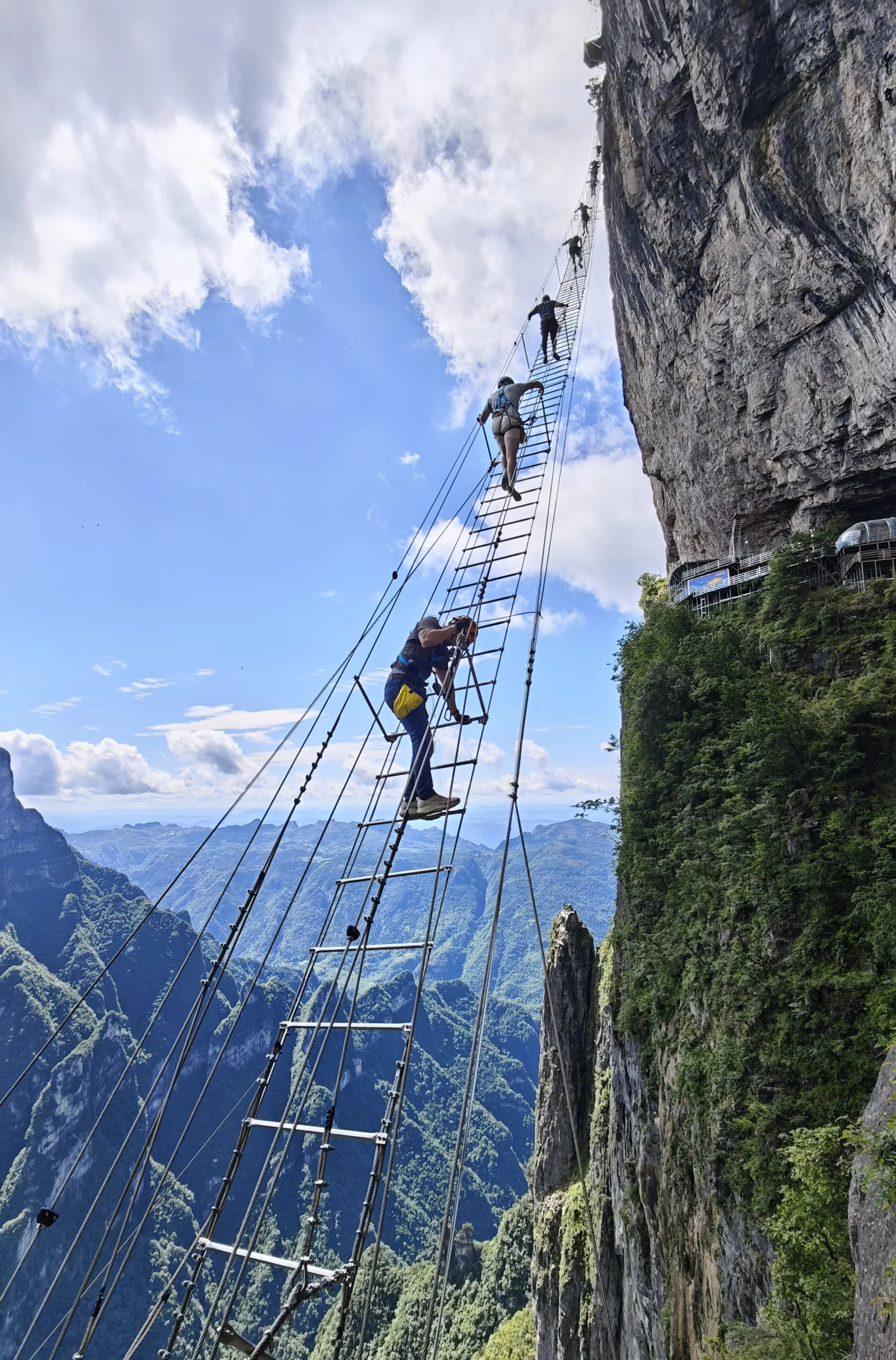
With a main route stretching 1,200 meters and a vertical drop of over 1,000 meters, this is the longest via ferrata in Asia. A must-try adventure for outdoor enthusiasts and one of the most thrilling ways to experience Zhangjiajie’s towering cliffs.
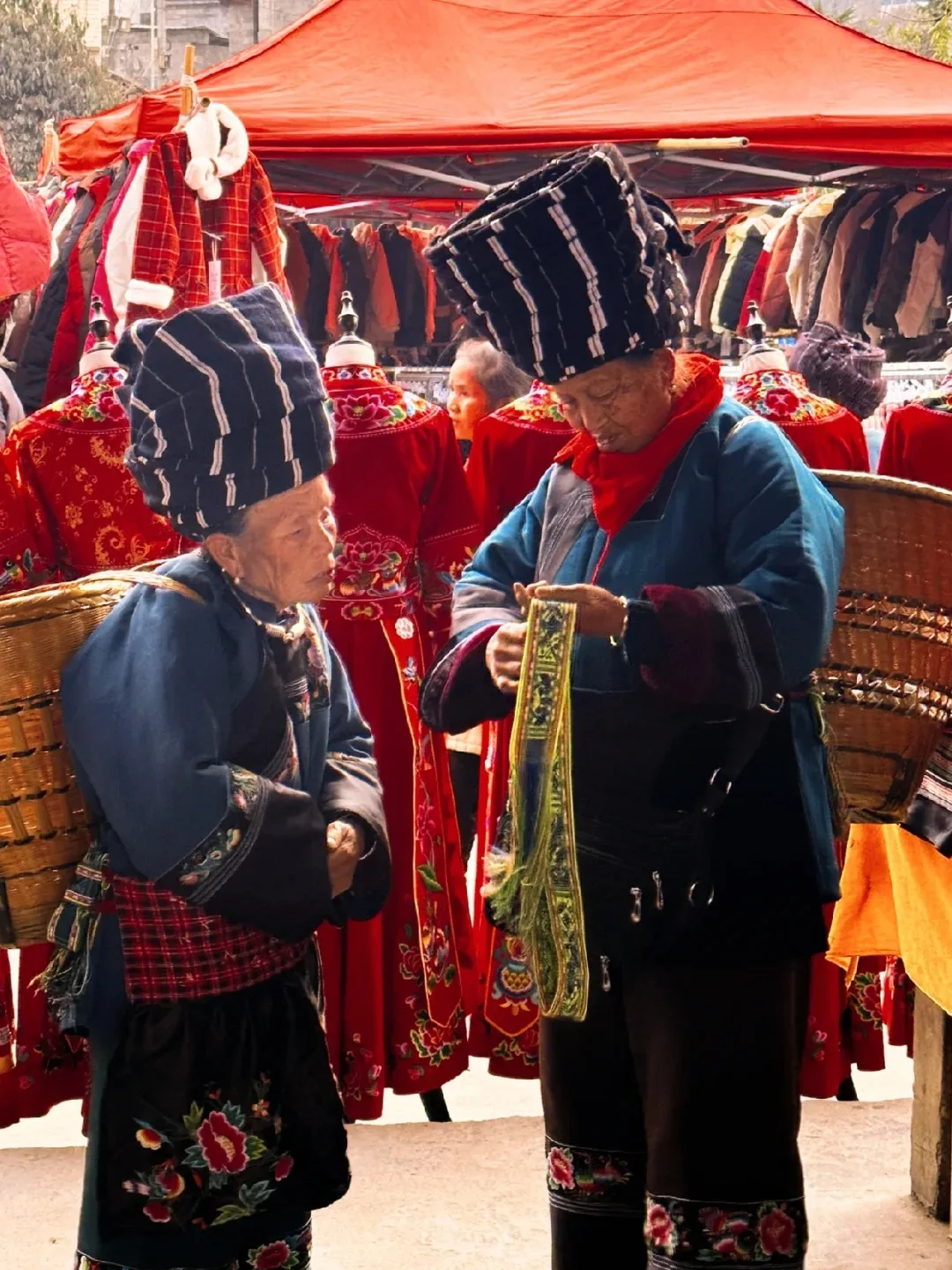
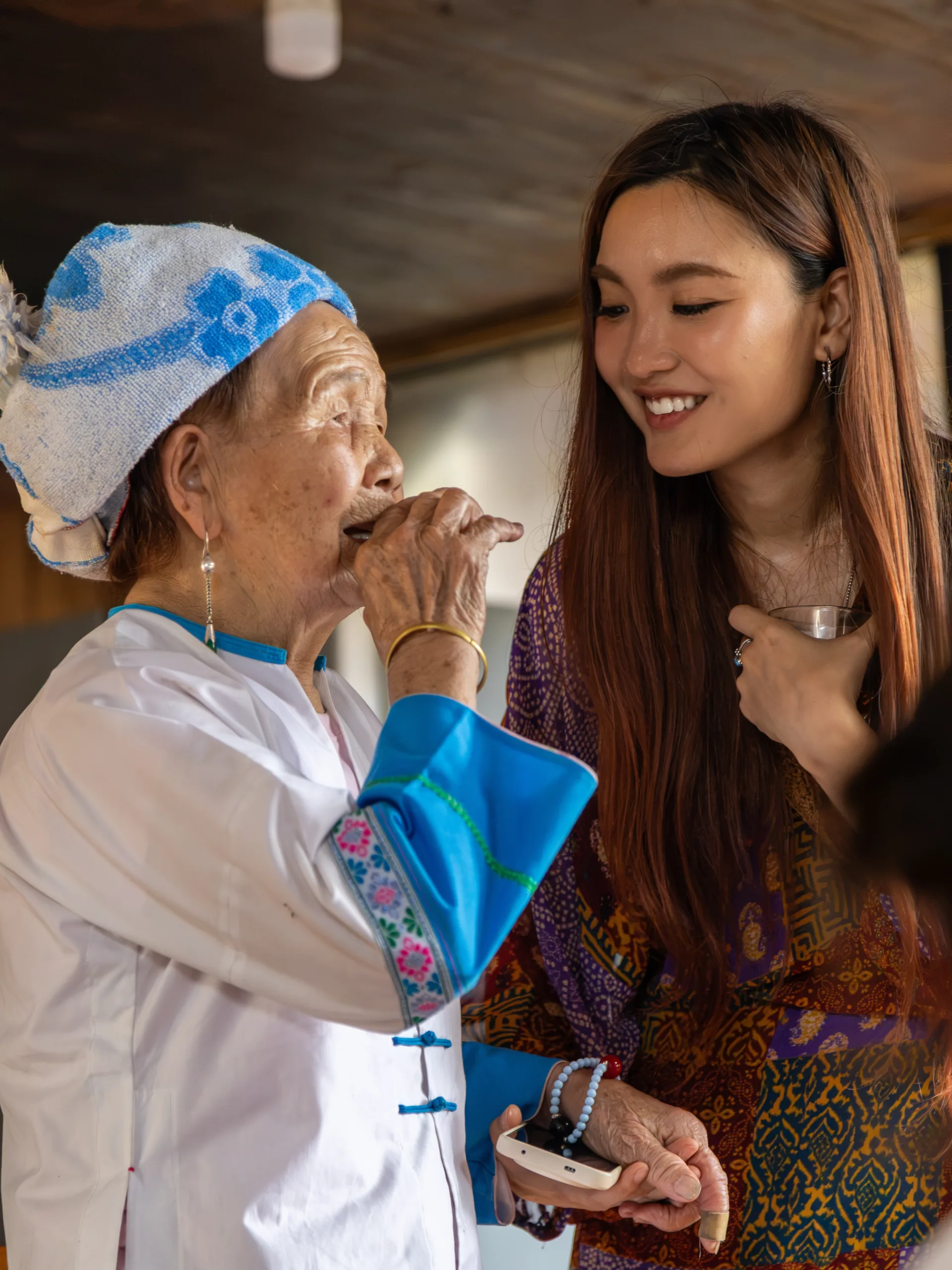
Phoenix Ancient Town is a must-visit, but it has become heavily commercial and lost much of its ethnic character. With Eastogo, you’ll venture to nearby Hekou, where you can join the local Miao community on their traditional market day. Walk among food stalls, discover handmade silver jewelry, observe distinctive ethnic clothing, and step directly into everyday life.
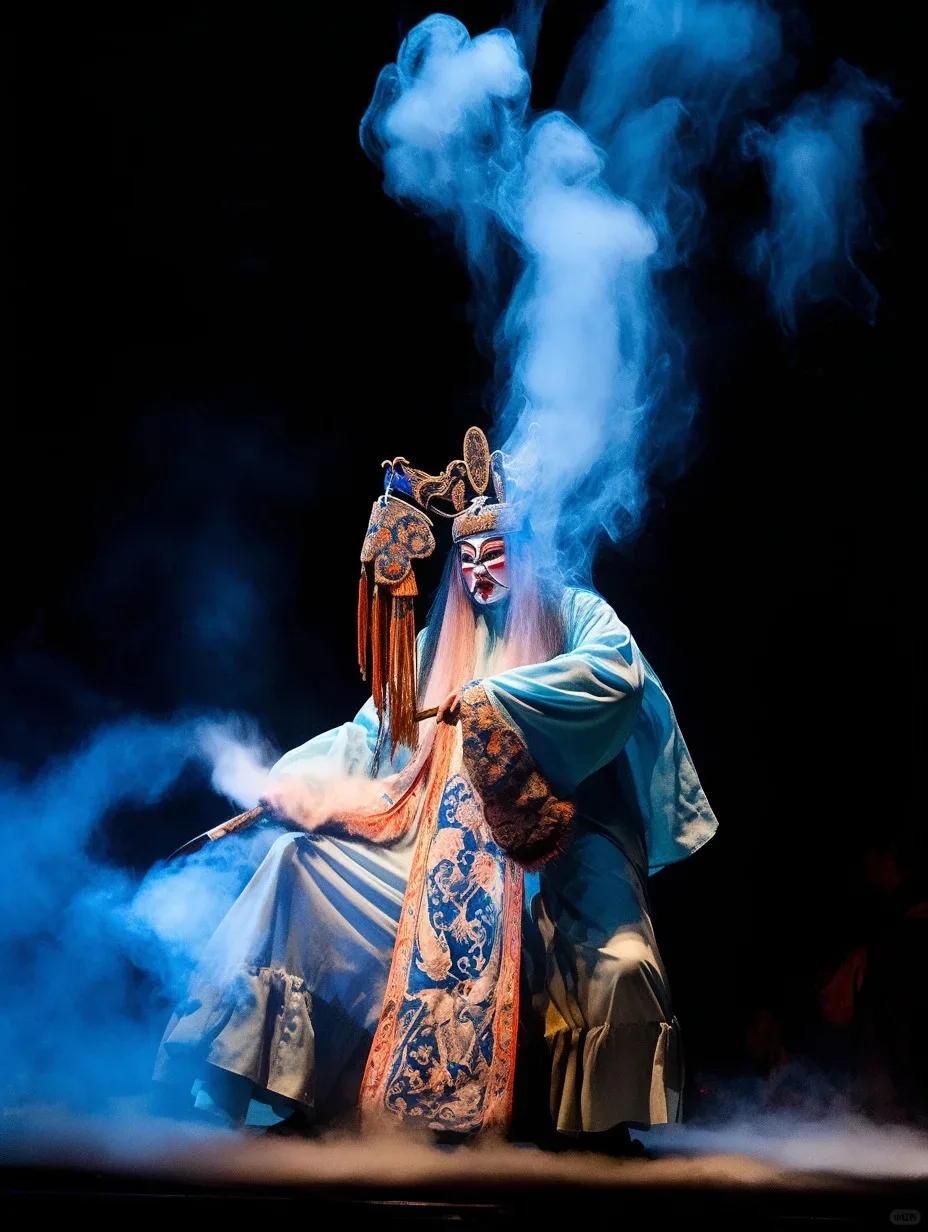
Witness a soul-stirring performance of Nuo opera and step inside a traditional studio to explore one of China’s oldest theatrical forms. Originating in the Shang and Zhou dynasties, Nuo rituals use dance, masks, and music to dispel evil and invite blessings—offering a rare glimpse into an ancient spiritual tradition that still lives on today.
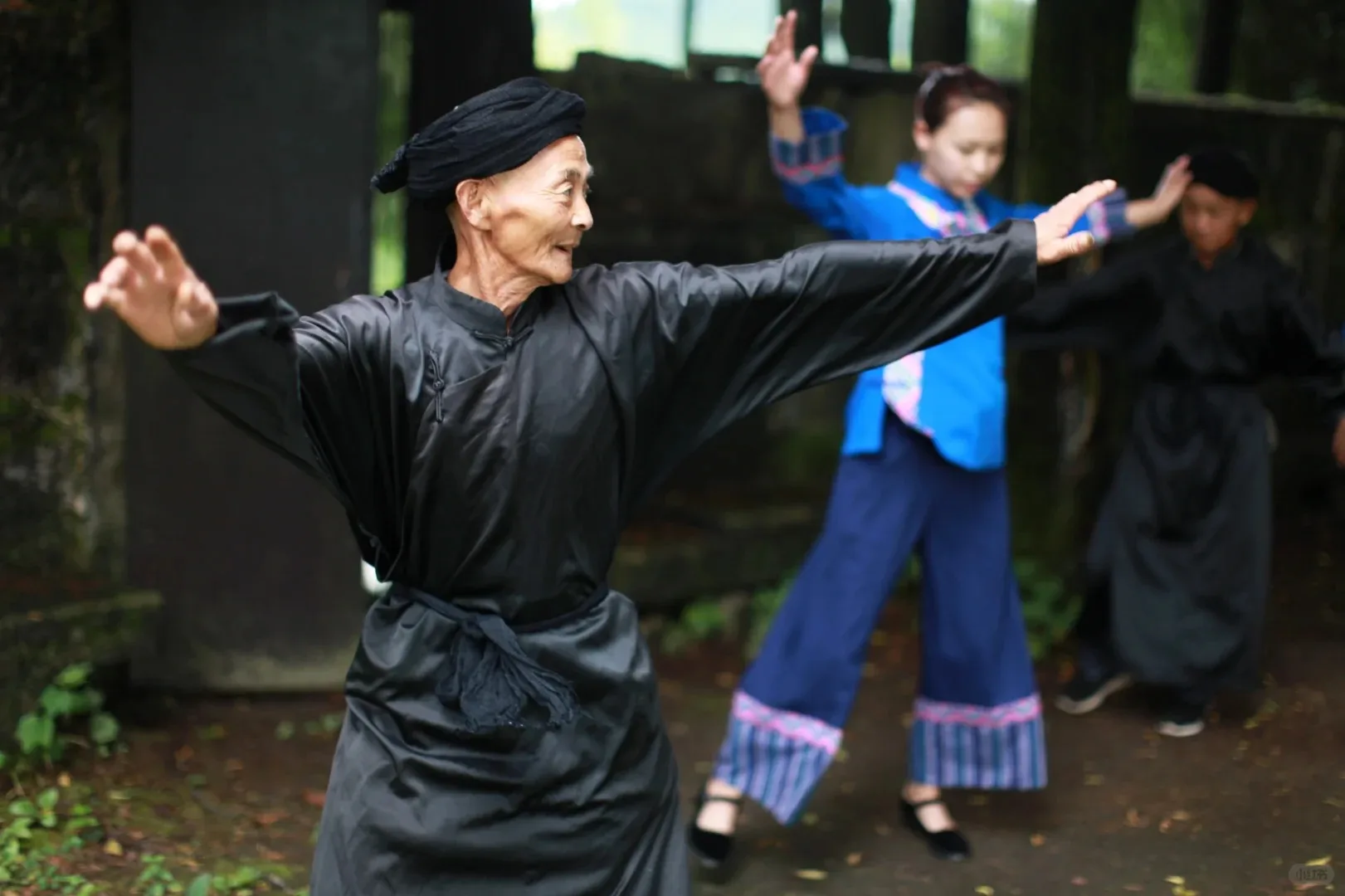
Experience the Baishou Dance, the most iconic large-scale dance of the Tujia people. Rich in ritual symbolism, it originated from ancient ceremonies in which Tujia ancestors expressed hunting, farming, and the movements of birds and animals through powerful, rhythmic gestures.
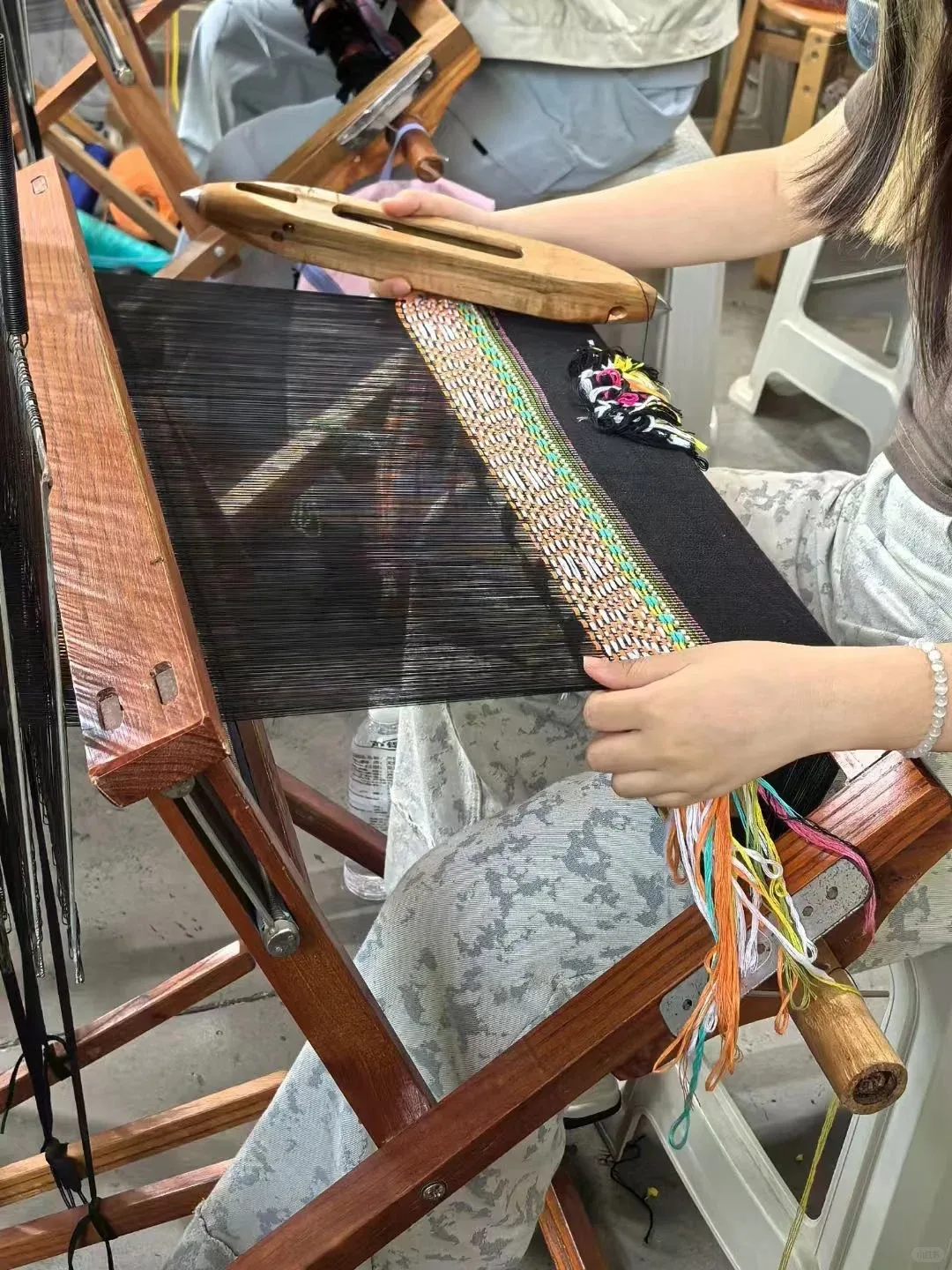
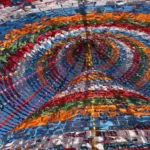
Try your hand at crafting Tujia brocade, an exquisite textile tradition preserved deep in the mountains. With over 3,000 years of history and more than 400 unique patterns, Tujia brocade reflects the community’s hopes, blessings, and pursuit of a beautiful life. Experience the artistry behind one of China’s most stunning folk crafts.
Inclusions & Offers
Designed Around Your Journey
Rather than fixed departures, this experience is arranged privately and shaped around your preferred dates, interests, and travel style.
Our specialists will design the journey based on your pace, accommodation preferences, and seasonal conditions.
Best time to visit
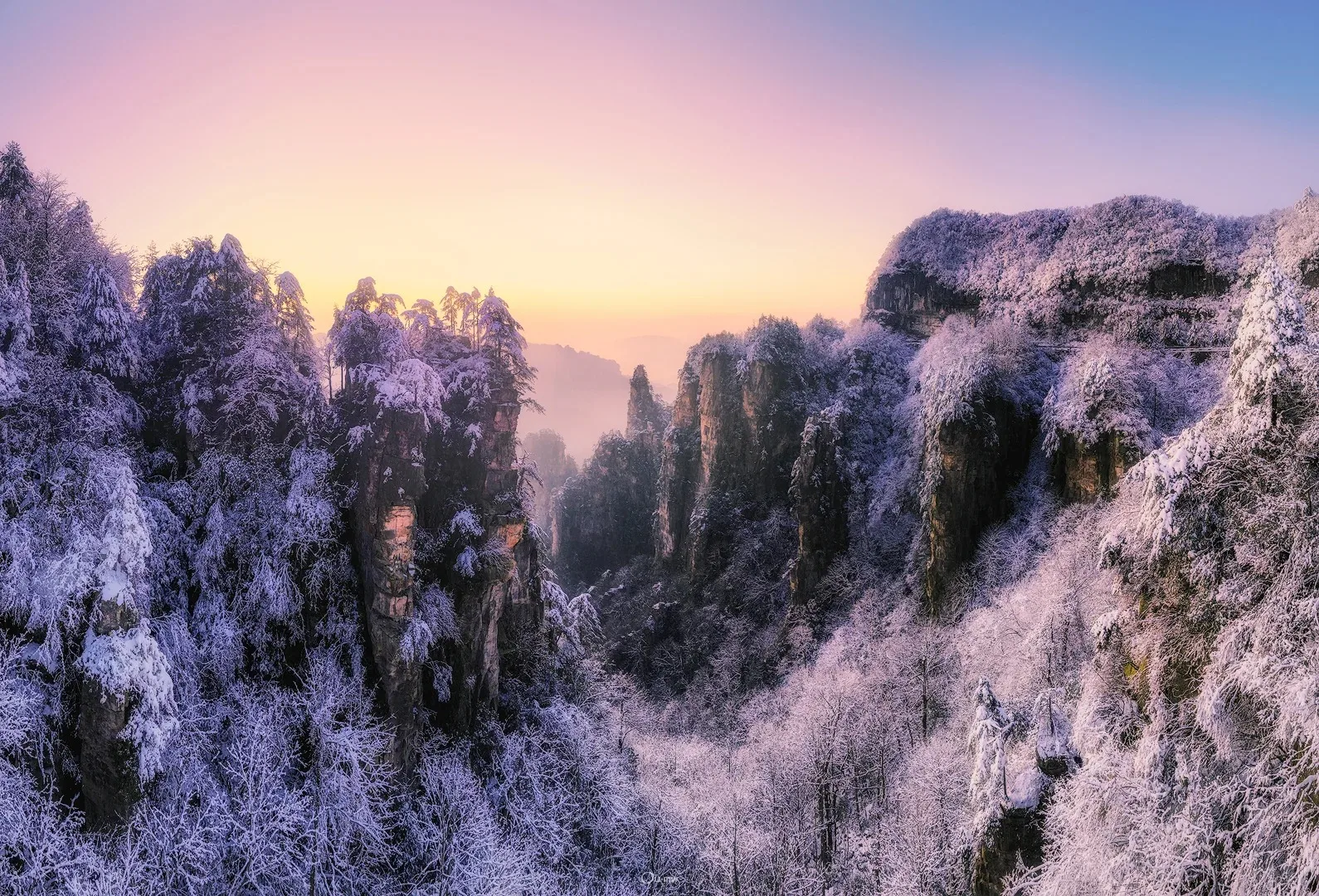
Zhangjiajie offers striking scenery throughout the year. Spring (March–May) is mild at 15–25°C, with blooming rhododendrons and the best cloud-sea views on Tianmen Mountain from mid-April to late May. Summer stays comfortable at 25–30°C, making it an ideal escape from the heat. This is when the Grand Canyon is at its greenest and most refreshing. Autumn (September–November) brings clear skies, excellent visibility, and vibrant colours across the forested peaks—one of the best seasons to explore without heavy crowds. Winter transforms Zhangjiajie into a quiet, snowy landscape. Temperatures drop, and some mountain paths may close due to ice, but the serene snow-covered scenery offers a unique charm for those seeking a winter experience.
Traveler Reviews




FAQs
How is a private tour different from a group tour?
A Zhangjiajie private tour offers greater flexibility, privacy, and access than a standard group itinerary. Rather than following fixed schedules and crowded sightseeing routes, you can explore at your own pace, adjust plans around mountain weather and visibility, and spend more time at the places that interest you most.
With Eastogo, this might mean visiting popular viewpoints at quieter hours, walking lesser-known trails through the sandstone peaks, arranging photography stops when the light is best, or adding experiences such as the Via Ferrata on Qixing Mountain. Your knowledgeable local guide can also adapt the journey to your interests, whether you’re travelling as a family, an avid hiker, or a photographer.
Combined with private transport and carefully selected accommodation, the result is a more personal and rewarding way to experience Zhangjiajie, with fewer compromises and more freedom to explore.
How does the booking process work?
1. Submit Your Inquiry
Tell us where you’d like to go, when you’d like to travel, and what kind of experiences you’re looking for.
2. Meet Your Destination Specialist
Your regional expert will arrange a complimentary consultation to understand your interests, travel style, pace, and priorities. Together, we’ll begin shaping the journey around your curiosity.
3. Receive Your Personalized Proposal
Based on your preferences, we’ll create a personalized itinerary and quotation, including accommodations, transportation, experiences, and recommendations tailored specifically to you.
4. Refine & Confirm Your Journey
Review the itinerary with your destination specialist and make any adjustments you’d like. Once everything feels right, secure your booking with a deposit and we’ll begin preparing the trip.
5. Travel with Confidence
Before departure, you’ll receive your detailed travel documents, practical information, and pre-departure guidance. Then simply arrive and enjoy your journey while we take care of the rest.
What is Zhangjiajie known for?
Zhangjiajie is best known for its one-of-a-kind natural landscape.
Unlike snow-capped mountains, forests, or lakes that can be found in many parts of the world, Zhangjiajie is home to the largest and most spectacular quartz sandstone pillar landscape on Earth. Shaped by hundreds of millions of years of geological activity, more than 3,000 towering stone pillars rise dramatically from the ground, creating a landscape that feels almost otherworldly.
Beyond its iconic peak forests, Zhangjiajie is also home to Tianmen Cave, the world’s highest natural mountain arch, carved directly through the mountain and regarded as one of China’s most remarkable geological wonders.
For outdoor enthusiasts, Zhangjiajie offers far more than sightseeing. The region is home to adventurous experiences such as the Binlang Valley Trek, the Qixing Mountain Via Ferrata, and China’s highest canyon bungee jump, making it an excellent destination for travelers seeking both spectacular scenery and outdoor adventure.
Is Zhangjiajie worth visiting?
When people talk about Zhangjiajie, they are usually referring to Zhangjiajie National Forest Park (the Wulingyuan Scenic Area). As the region’s most famous attraction, it can be quite busy, especially during peak seasons. If your ideal trip involves quiet hiking and spending time alone in nature, the main scenic area may not always be the best fit.
What many travelers don’t realize is that Zhangjiajie offers far more than its famous viewpoints. Beyond the well-known routes, there are numerous lesser-visited hiking trails where you can experience the same dramatic sandstone peak landscapes with far fewer people. The hiking routes around Yangjiajie are a great example, offering stunning views of Zhangjiajie’s iconic scenery while providing a much quieter and more immersive experience.
For travelers willing to step away from the main tourist trail, it is still possible to find a more peaceful side of Zhangjiajie without missing the landscapes that make the region famous.
Is Zhangjiajie suitable for first-time visitors to China?
Yes. Zhangjiajie is an excellent destination for first-time visitors to China. It offers truly unique natural scenery found nowhere else in the world, while its major attractions are supported by well-developed tourism infrastructure, making them accessible even for travelers without extensive hiking or outdoor experience.
The main drawback is that Zhangjiajie is relatively remote. Reaching it from China’s major cities often requires a longer high-speed rail journey or a domestic flight. For this reason, I usually recommend combining Zhangjiajie with nearby destinations such as Chengdu or Chongqing, both of which are well connected by high-speed rail and make for a more efficient itinerary.
Most travelers find that the extra travel time is well worth it. The landscapes of Zhangjiajie are unlike anything else in China and often become one of the highlights of their trip.
What are the must-see attractions in Zhangjiajie?
If it is your first time visiting Zhangjiajie, I would consider Zhangjiajie National Forest Park and Tianmen Mountain essential. These two attractions showcase the region’s most iconic and unique landscapes and are the main reason most travelers come here in the first place.
If you have extra time, Zhangjiajie Grand Canyon and its famous Glass Bridge are worth considering. The Glass Bridge is an impressive feat of engineering, but it is ultimately a man-made attraction and is best suited to travelers looking for a unique experience rather than natural scenery.
If you prefer quieter places away from the crowds, I would recommend Golden Whip Stream, the hiking trails around Yangjiajie, and the Binlang Valley Trek. These routes offer the same dramatic sandstone peak landscapes that make Zhangjiajie famous, but with far fewer visitors. They are ideal for travelers who enjoy hiking and spending time in nature.
For outdoor enthusiasts, Zhangjiajie also offers some of China’s most exciting adventure activities, including the Qixing Mountain Via Ferrata and China’s highest canyon bungee jump.
How many days should I spend in Zhangjiajie?
I generally recommend spending 3 days and 2 nights in Zhangjiajie. This gives you enough time to visit the region’s two main highlights—Zhangjiajie National Forest Park and Tianmen Mountain—without feeling rushed.
If you are short on time, 2 days is the minimum I would suggest. In that case, you can dedicate one day to Zhangjiajie National Forest Park and one day to Tianmen Mountain.
For travelers who enjoy hiking, outdoor activities, or exploring beyond the main tourist attractions, I would recommend 4 days or more. This allows time for experiences such as the Qixing Mountain Via Ferrata, the Yangjiajie hiking trails, the Binlang Valley Trek, and other lesser-known routes that offer a quieter side of Zhangjiajie.
What is the best time to visit Zhangjiajie?
For most travelers, spring (April–May) and autumn (September–November) offer the most comfortable weather and the best overall scenery. That said, Zhangjiajie is a year-round destination, and each season has its own appeal depending on what you want to experience.
Spring brings frequent rainfall, but the mist and clouds that form after rain often create spectacular sea-of-cloud views around the sandstone peaks. It is also the season when alpine rhododendrons are in bloom.
Summer is an excellent time to escape the heat, with temperatures in the mountains typically ranging from 22–28°C (72–82°F). However, July and August are peak travel months for domestic tourists, and queues at attractions such as the Bailong Elevator can exceed two hours.
Autumn is a favorite season for many photographers and hikers. From late September onwards, the maple trees and ginkgo forests around Tianzi Mountain and Yangjiajie turn vibrant shades of red and gold, creating a striking contrast against the grey sandstone pillars.
Winter offers a completely different side of Zhangjiajie. Higher elevations such as Tianmen Mountain and Tianzi Mountain are often covered in snow and rime ice, with temperatures occasionally dropping to -5°C (23°F). Visitor numbers are also significantly lower.
One important tip: avoid major Chinese holidays whenever possible, especially Labour Day (May), National Day (October), and the summer school holidays in July and August, when visitor numbers can be extremely high.
How do I get to Zhangjiajie?
Getting to Zhangjiajie is relatively straightforward. The city is served by Zhangjiajie Hehua International Airport (DYG), the second-largest international airport in Hunan Province. It operates direct international flights from several countries, including South Korea, Vietnam, Thailand, Malaysia, and Singapore, making it possible to reach Zhangjiajie directly from parts of Asia.
One of the biggest advantages of Zhangjiajie is how close the airport is to the main attractions. Tianmen Mountain and downtown Zhangjiajie are only a 15–20 minute taxi ride from the airport.
Zhangjiajie is also well connected by China’s high-speed rail network. Direct high-speed trains link the city with major destinations such as Changsha, Chongqing, Chengdu, Guangzhou, and many other cities across China.
For most travelers, flying into Zhangjiajie or arriving by high-speed rail are both convenient options, making the city an easy addition to a broader China itinerary.
Is Zhangjiajie a good destination for cultural experiences?
Zhangjiajie is home to the Tujia people, as tourism has grown rapidly over the past two decades, many cultural experiences in the main tourist areas have become increasingly commercialized.
If your primary interest is cultural exploration rather than natural scenery, I would strongly recommend extending your trip to Xiangxi(Western Hunan), located about four hours by road from Zhangjiajie. Xiangxi is home to some of the best-preserved Tujia and Miao communities in China and remains one of the most culturally rich regions in the country.
The region is also known for its Nuo traditions, an ancient ritual culture that combines folk beliefs, ceremonies, music, and masked performances. Compared with Zhangjiajie, Xiangxi offers far more opportunities for meaningful cultural encounters and a deeper understanding of local life and traditions.
What are the best hiking routes in Zhangjiajie?
Hiking routes in Zhangjiajie generally fall into two categories.
The first are valley trails, which follow streams, rivers, and canyon systems through the mountains. These routes are typically less demanding and allow hikers to experience Zhangjiajie’s landscapes at a slower pace. Golden Whip Stream is the most beginner-friendly option, offering an easy walk through one of the park’s most scenic valleys. For more experienced hikers, the Binlang Valley Trek provides a more challenging adventure through remote canyons, caves, and rugged terrain, making it better suited to well-equipped outdoor enthusiasts.
The second category consists of summit routes that climb to the tops of Zhangjiajie’s sandstone peaks. Some of the most rewarding hikes include Luancuanpo, Wolong Ridge, and the trails around Yangjiajie. These routes involve steeper ascents but reward hikers with panoramic views of the peak forests, cloud seas, and dramatic mountain landscapes that make Zhangjiajie famous.
What should I pack for a trip to Zhangjiajie?
A good pair of non-slip hiking shoes is essential. Many of Zhangjiajie’s trails and stone pathways can become extremely slippery after rain, especially in the mountains.
I would also recommend bringing a lightweight rain jacket or poncho. Weather conditions can change quickly, and on some narrow cliffside walkways, an umbrella can be inconvenient or impractical.
Don’t forget insect repellent, particularly during the warmer months. Mosquitoes can be quite aggressive in the forests and valleys.
If you plan to hike routes such as Golden Whip Stream or explore some of the more demanding trails outside the main tourist areas, it is worth bringing proper hiking gear, including comfortable outdoor clothing, a daypack, and sufficient water.