Guilin Private Tour
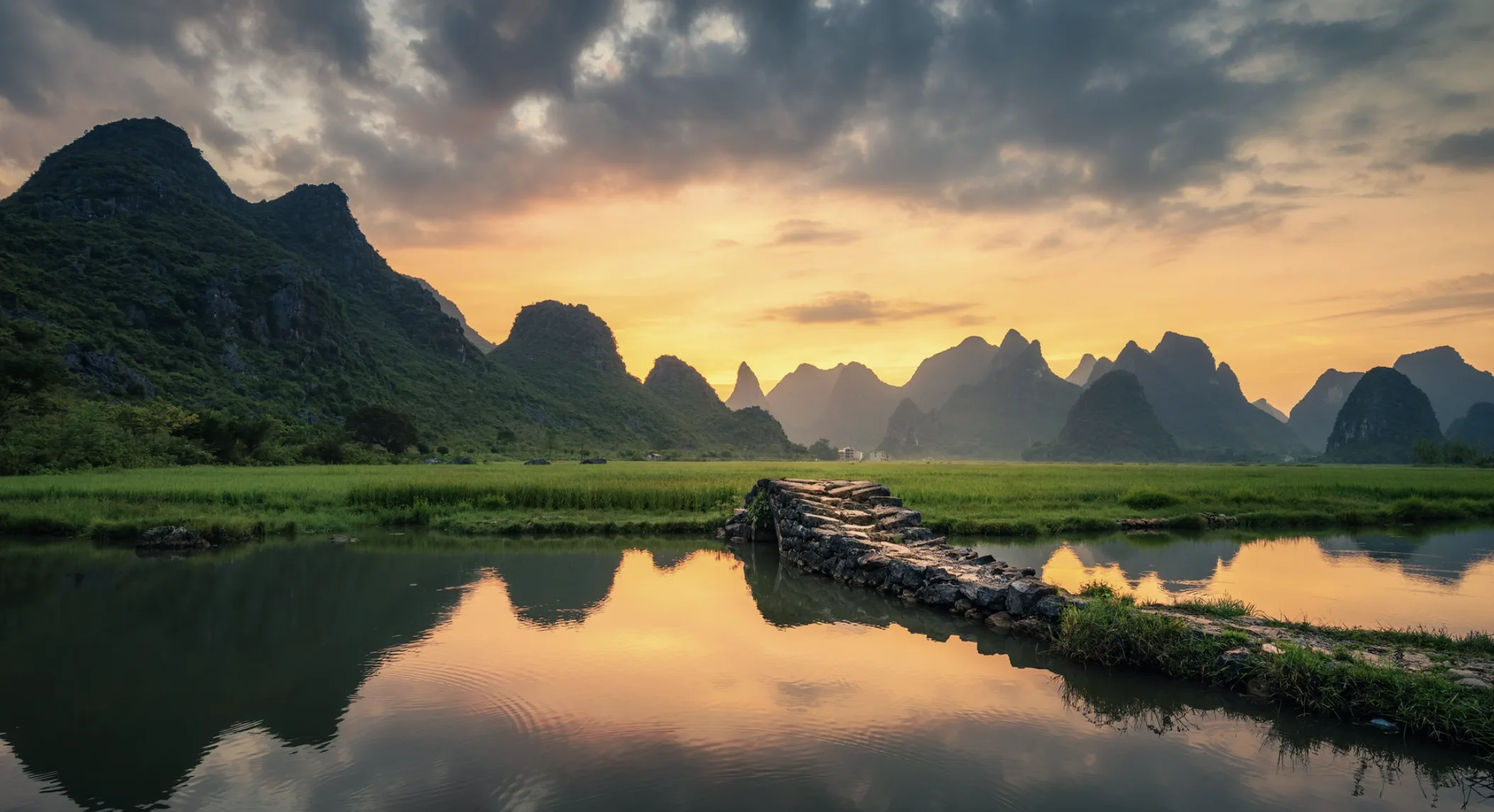
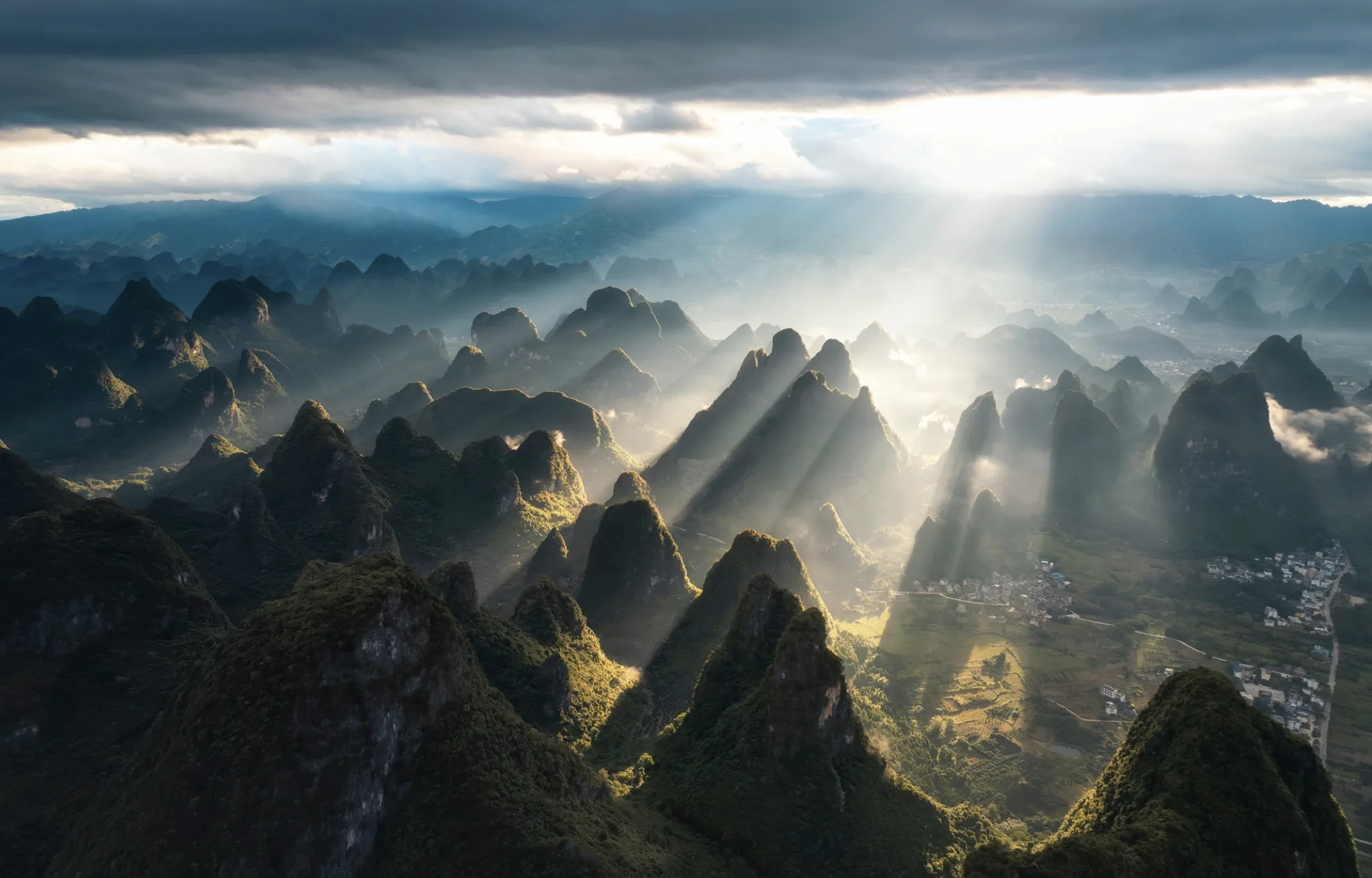
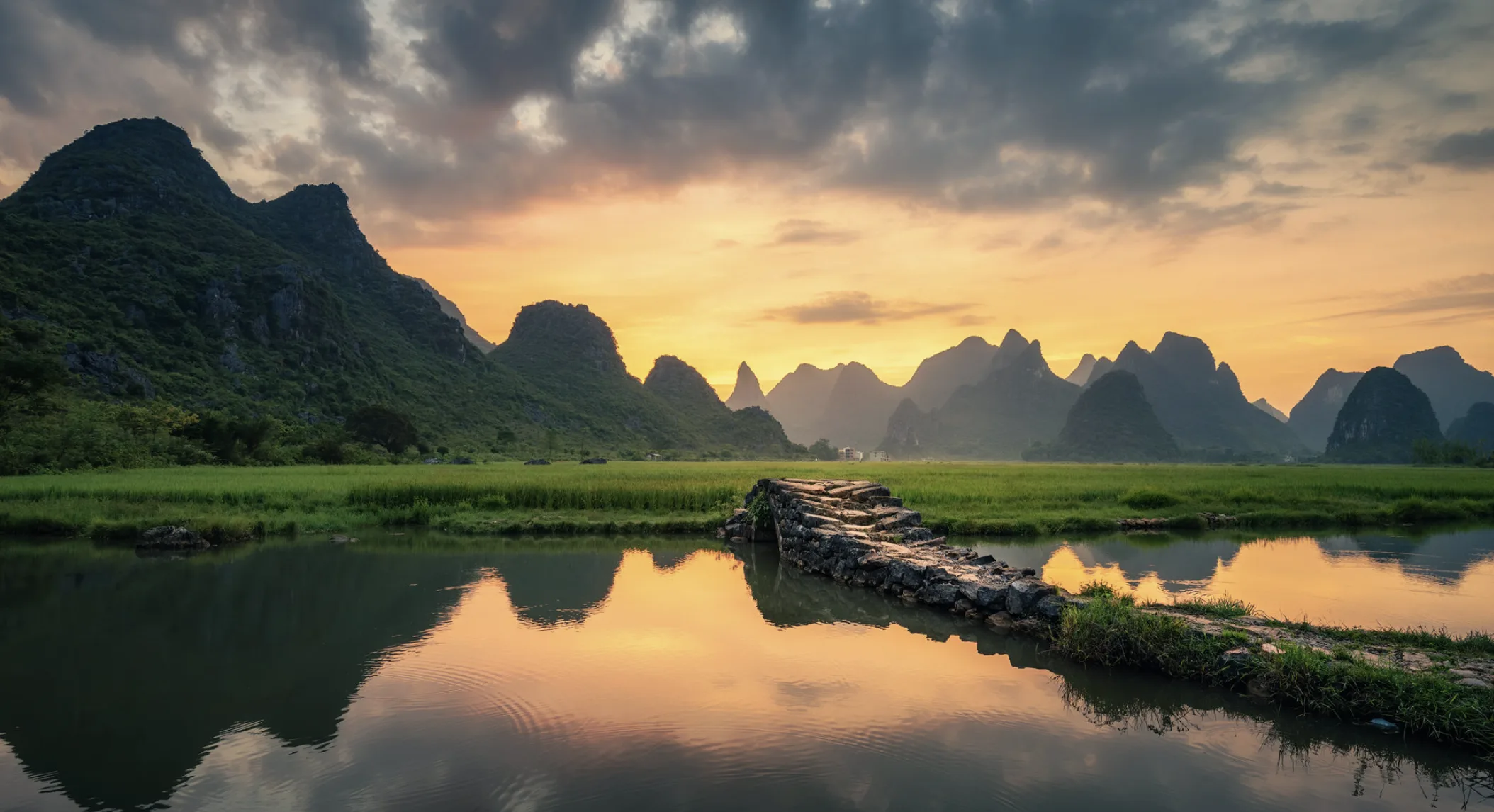
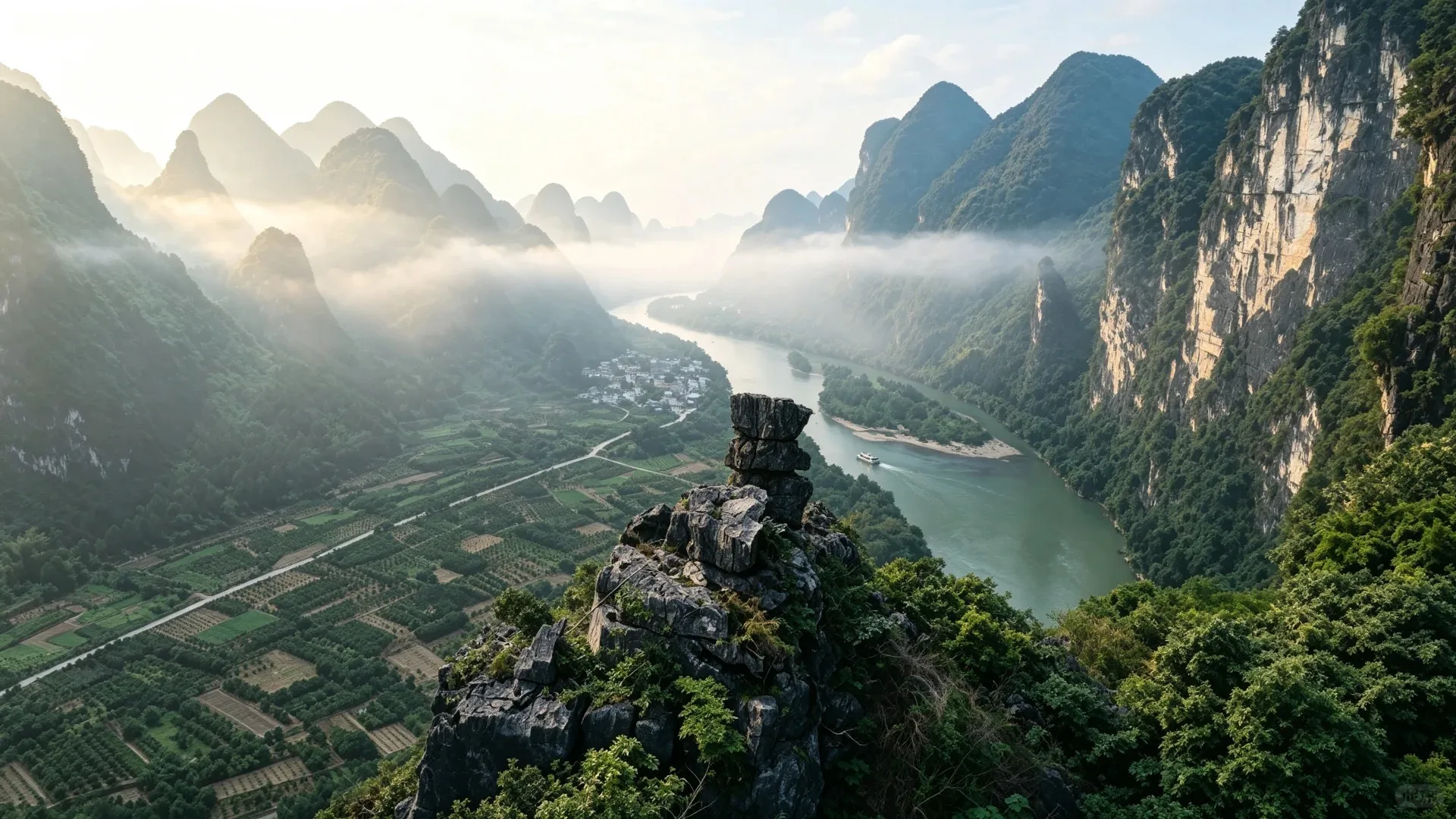
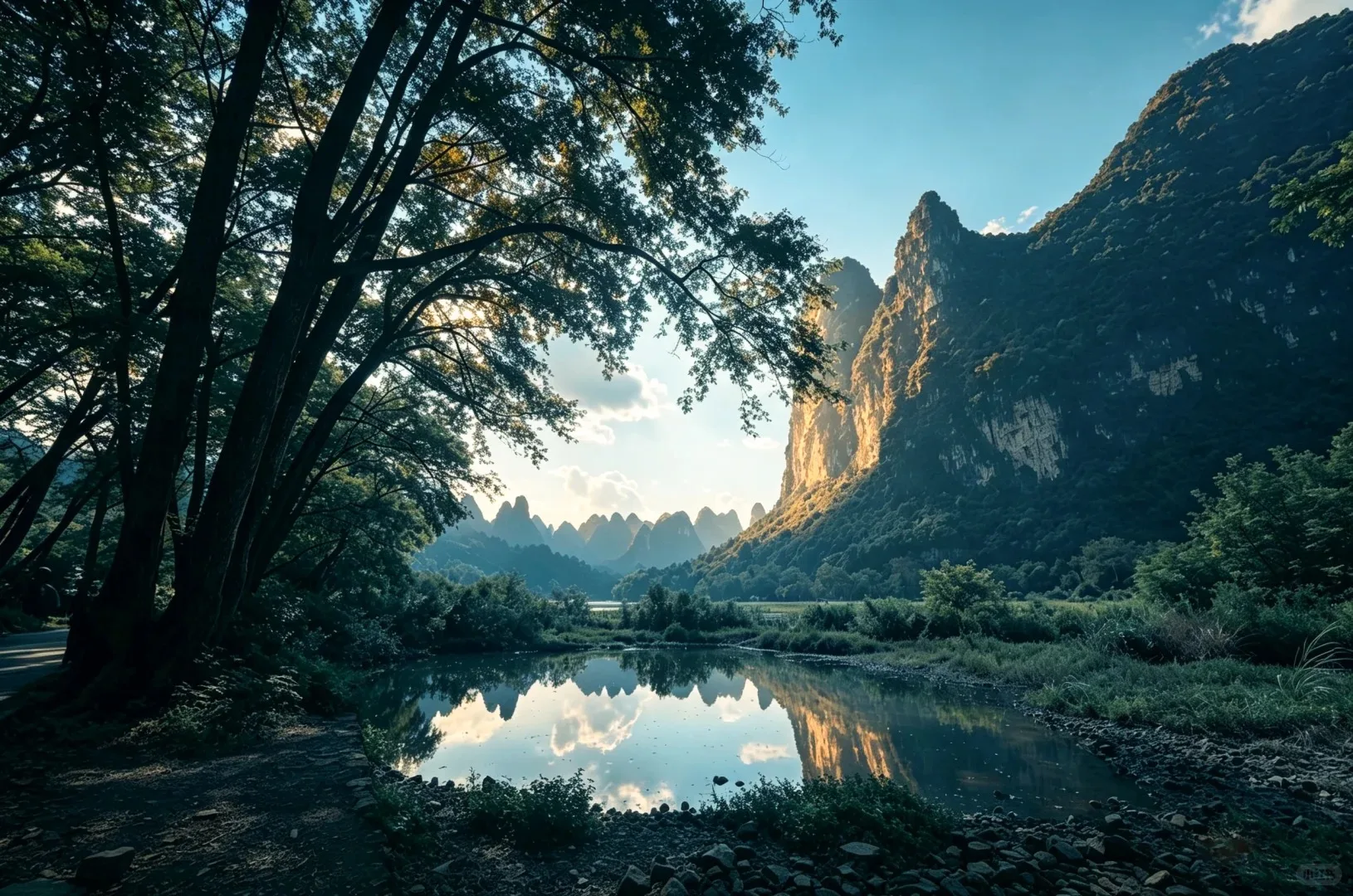
Guilin is one of China’s most poetic landscapes, where limestone peaks rise from winding rivers, mist drifts between mountains, and rice terraces follow the contours of ancient hillsides. For centuries, these scenes have inspired Chinese landscape paintings, yet there is something entirely different about experiencing them in person — watching the morning light settle over the Li River, cycling through quiet villages, or drifting between karst peaks on a bamboo raft.
An Eastogo Guilin Private Tour is designed to reveal the region beyond its famous scenery. Journey along the Li River towards Yangshuo, where dramatic limestone formations give way to a gentler countryside of bamboo groves, rice paddies, and traditional villages. Explore the peaceful Yulong River by bamboo raft, cycle along rural paths, or take a more adventurous perspective on the landscape with hiking and Via Ferrata experiences among the karst cliffs.
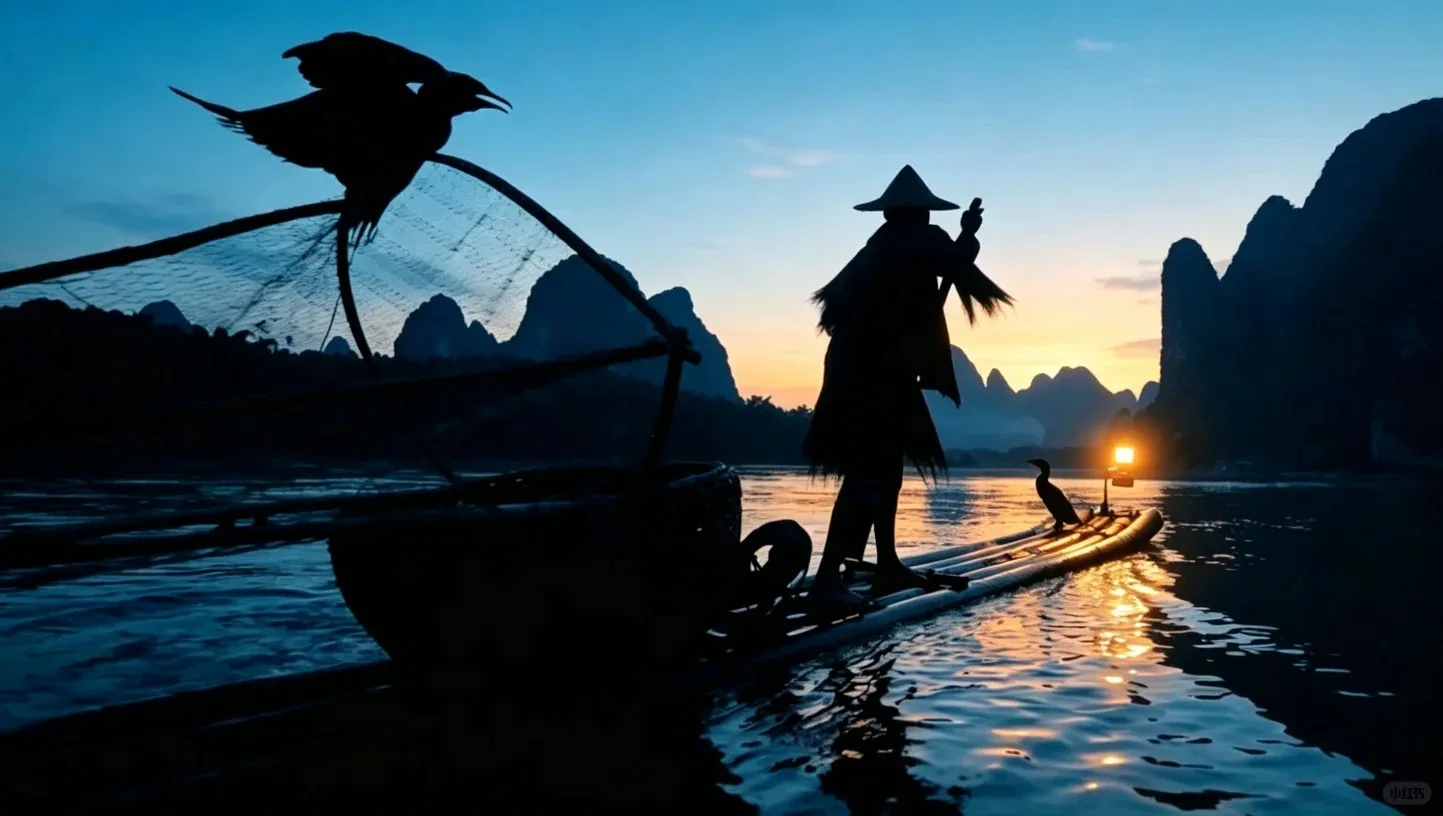
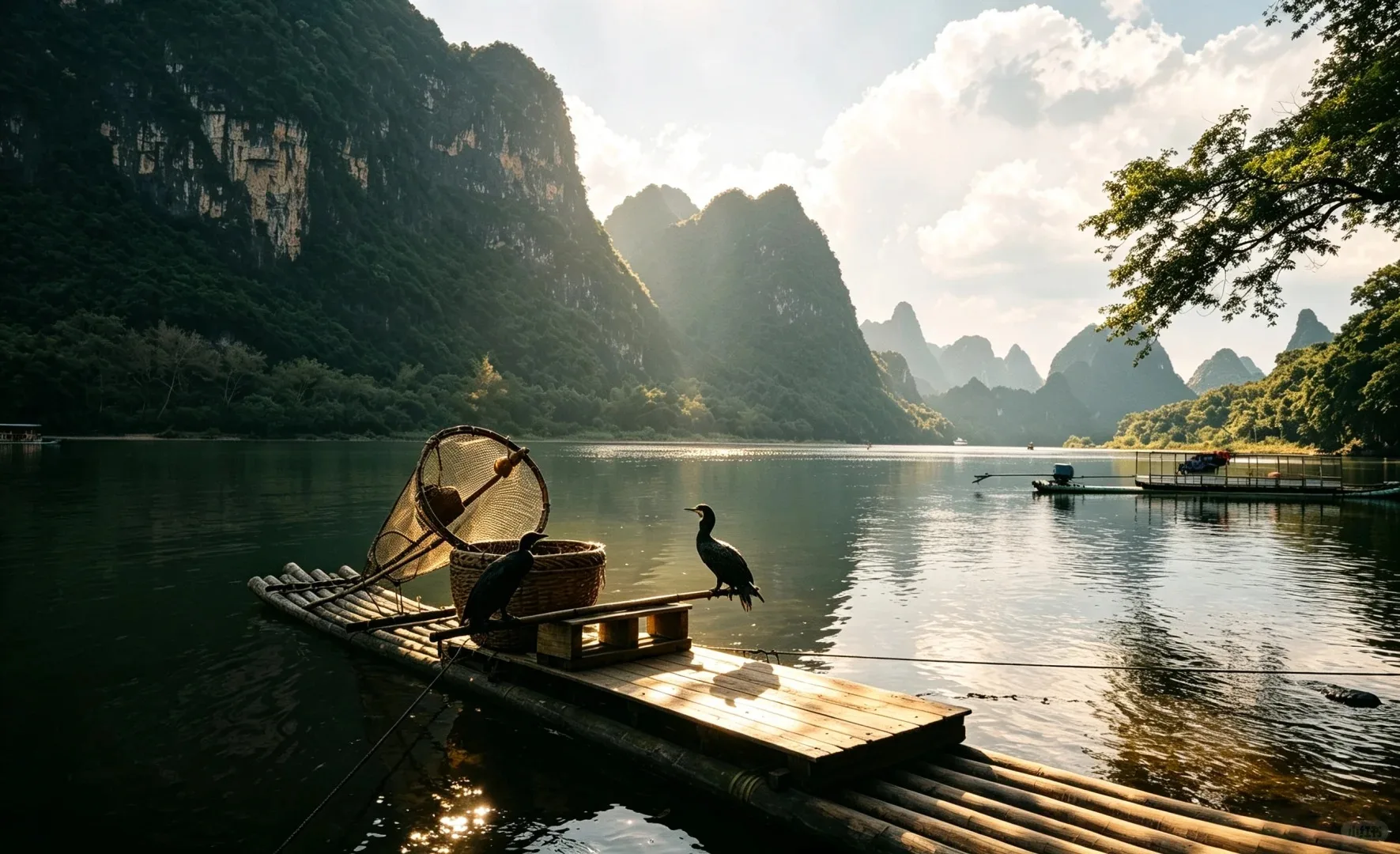
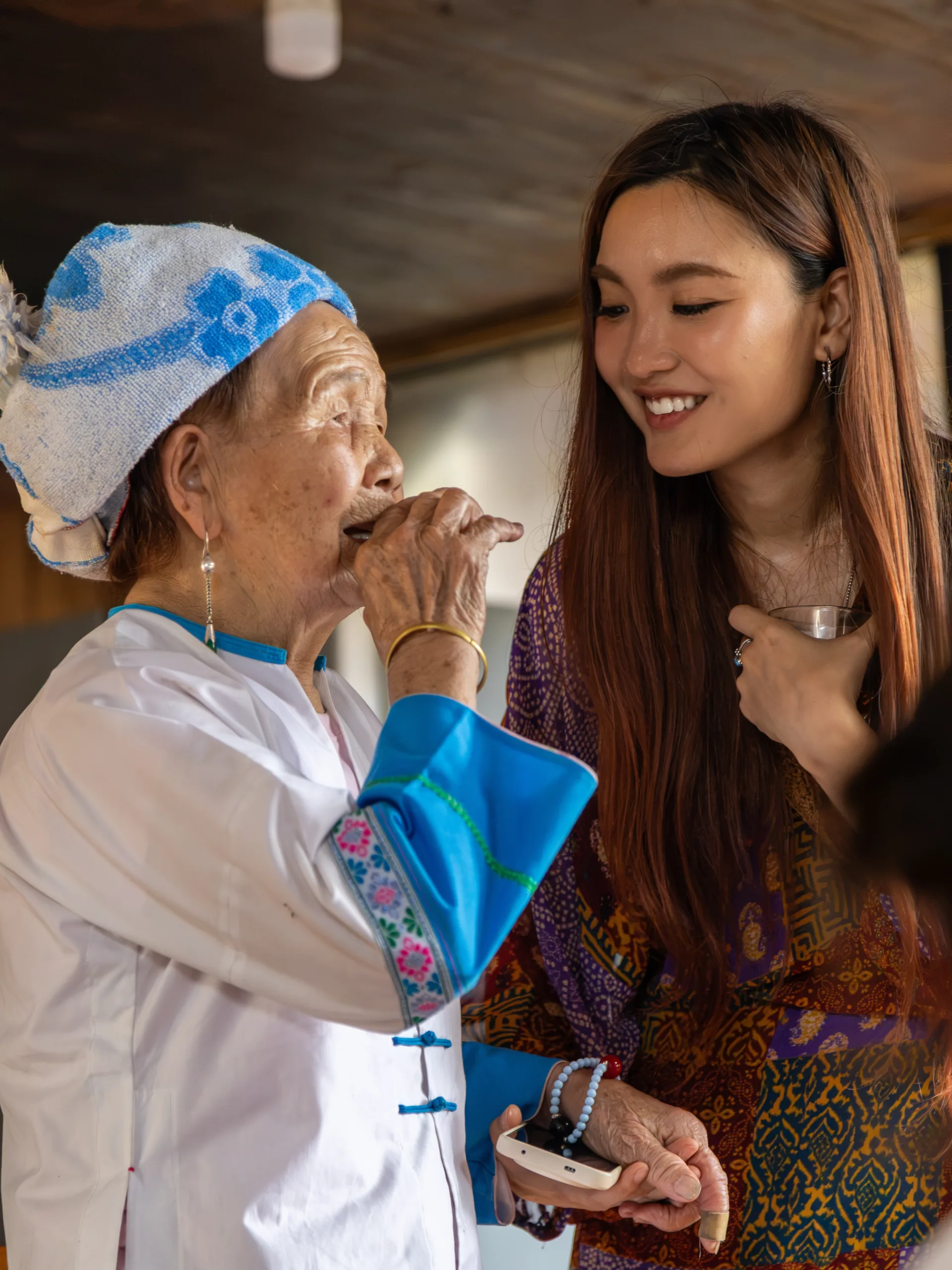
Beyond the scenery, Guilin is a place of living traditions. Spend time with local families learning to prepare Guangxi oil tea, discover regional dishes such as bamboo rice and ciba, or meet local fishermen to understand the centuries-old practice of cormorant fishing and how life along the river has changed.
Further north, the Longji Rice Terraces reveal another side of Guangxi. Walk between the layered fields and hillside villages of the Zhuang and Yao communities, where traditional wooden houses, local customs, and agricultural life remain closely connected to the surrounding mountains.
With knowledgeable local guides, carefully selected riverside retreats, private transport, and the freedom to explore at your own pace, Eastogo creates private Guilin journeys that balance beautiful landscapes with meaningful cultural encounters. Whether your interests lie in photography, outdoor adventures, or simply slowing down in the countryside, we shape each journey around the places and experiences that matter most to you.
Journey Highlights
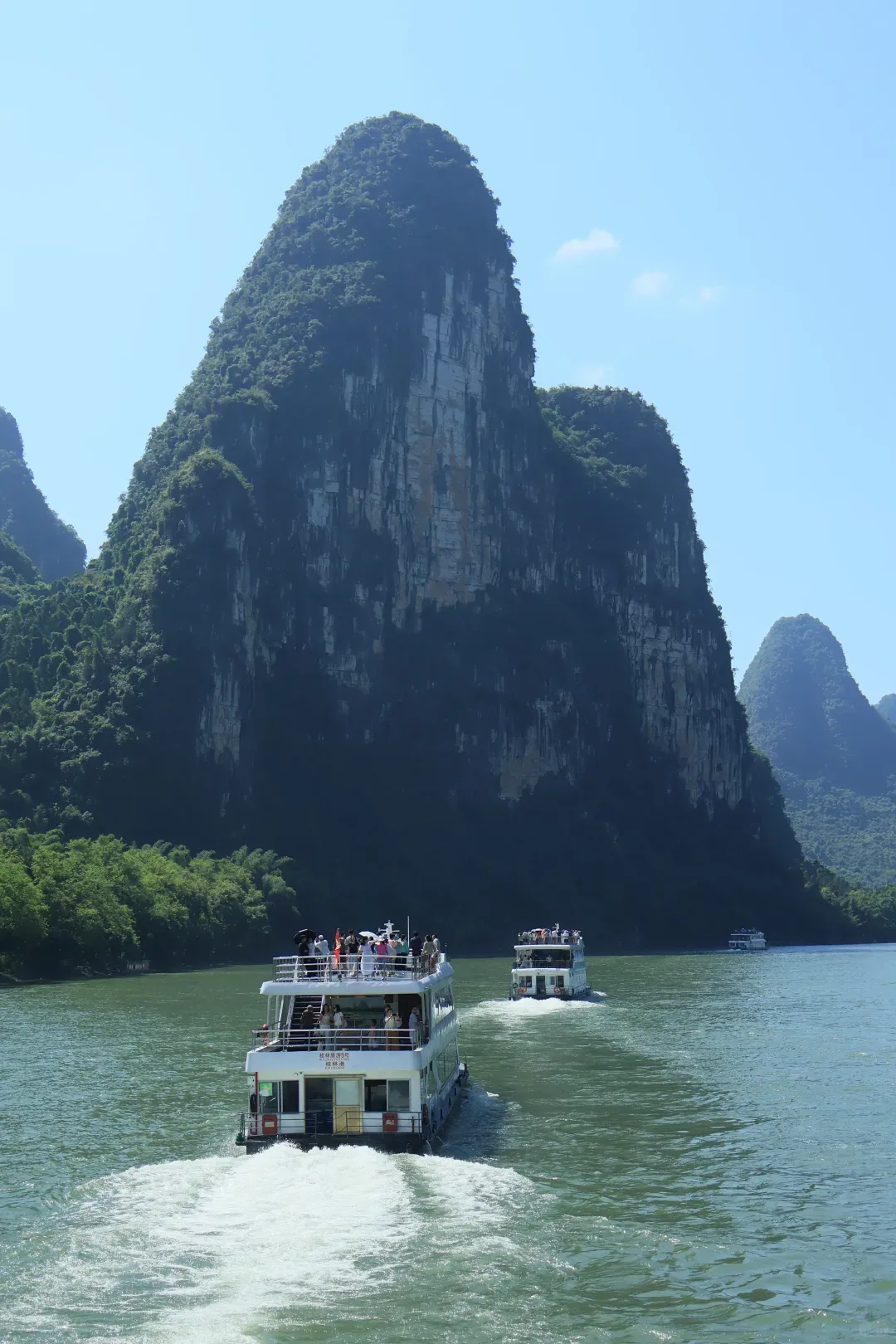
Cruise from Guilin towards Yangshuo as the Li River winds between soaring limestone peaks. Step onto the open-air deck and watch riverside villages, fields, and layers of karst scenery unfold along the water.
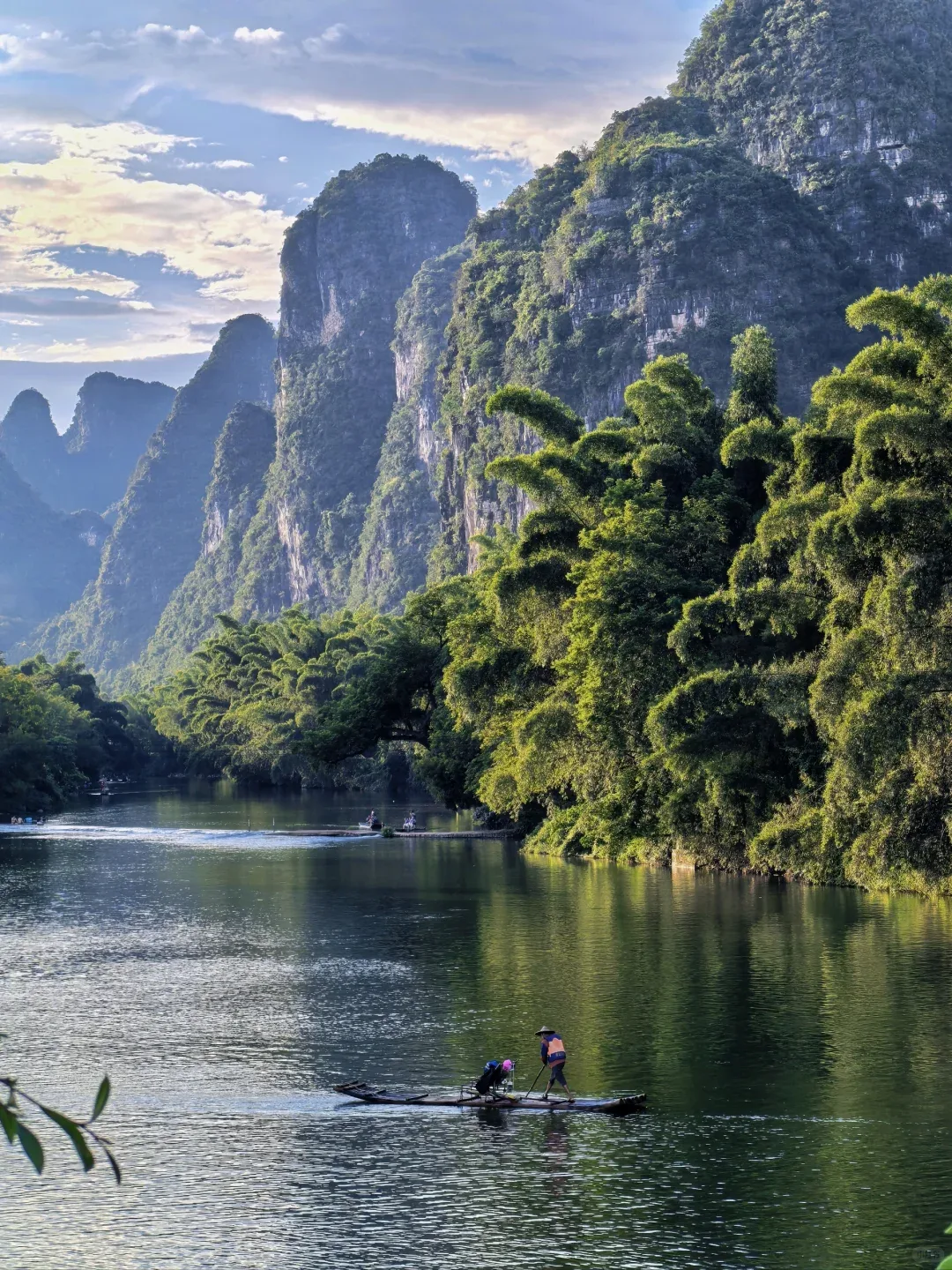
Drift along the Yulong River on a bamboo raft, close to the water and surrounded by karst peaks. Pass fields, bamboo groves, and villages while the landscape unfolds at a gentler pace.
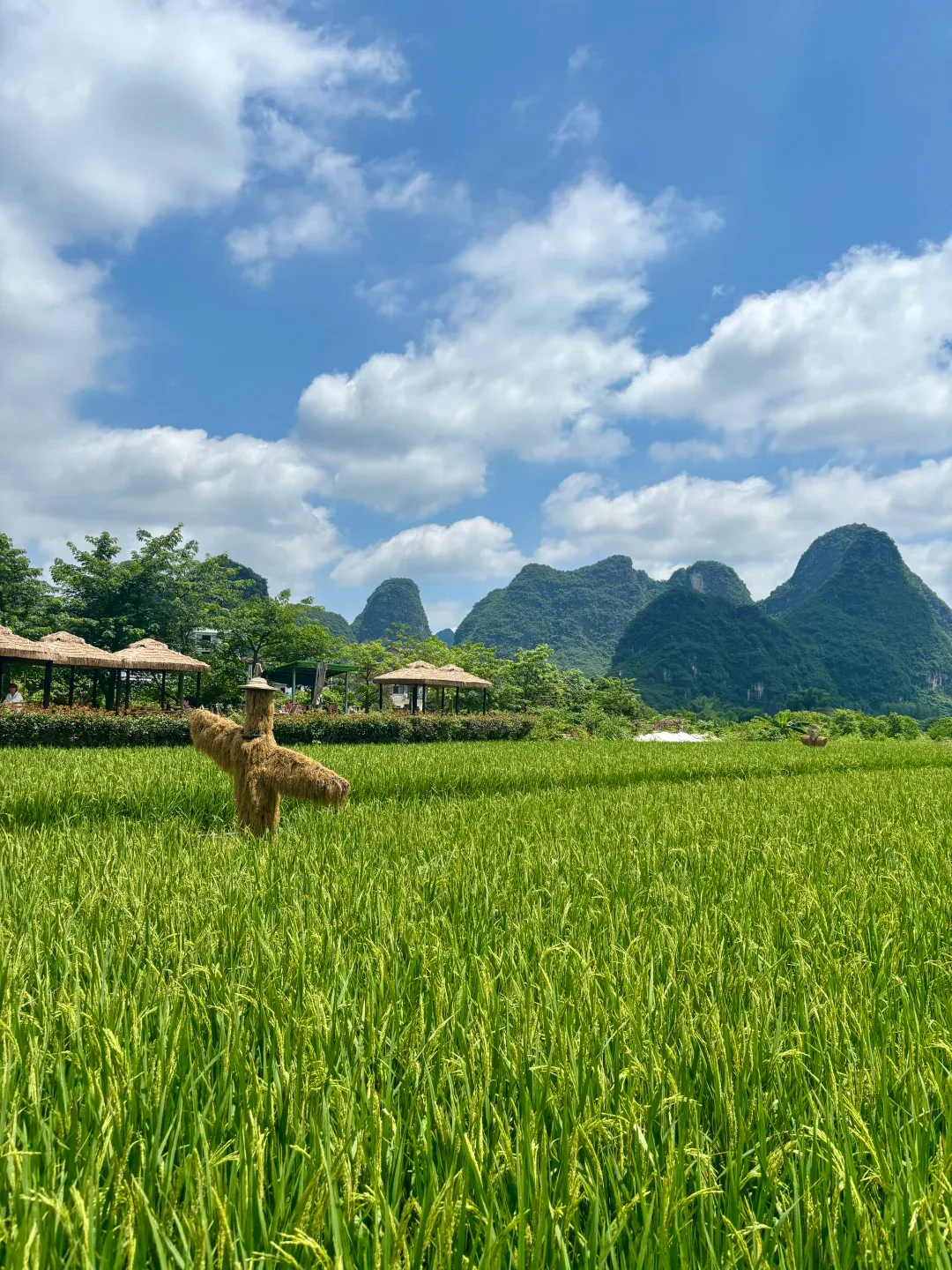
Cycle along country roads framed by rice fields, villages, and limestone peaks. Watch the landscape shift around you as you explore the countryside beyond Yangshuo.
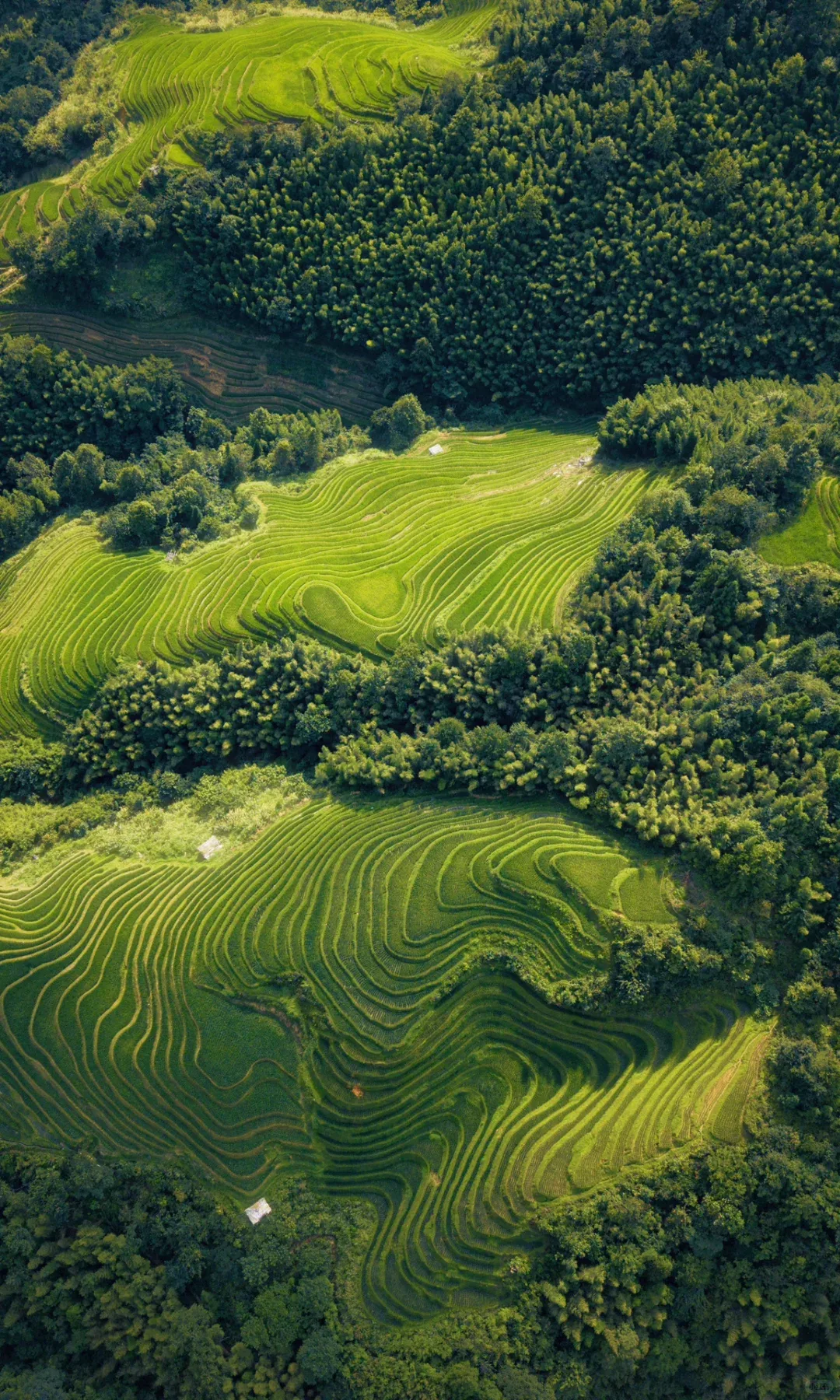
Walk through mountain villages and along the winding paths of the Longji Rice Terraces. Climb towards panoramic viewpoints as layers of cultivated hillsides unfold across the mountains, changing colour and character with the seasons.
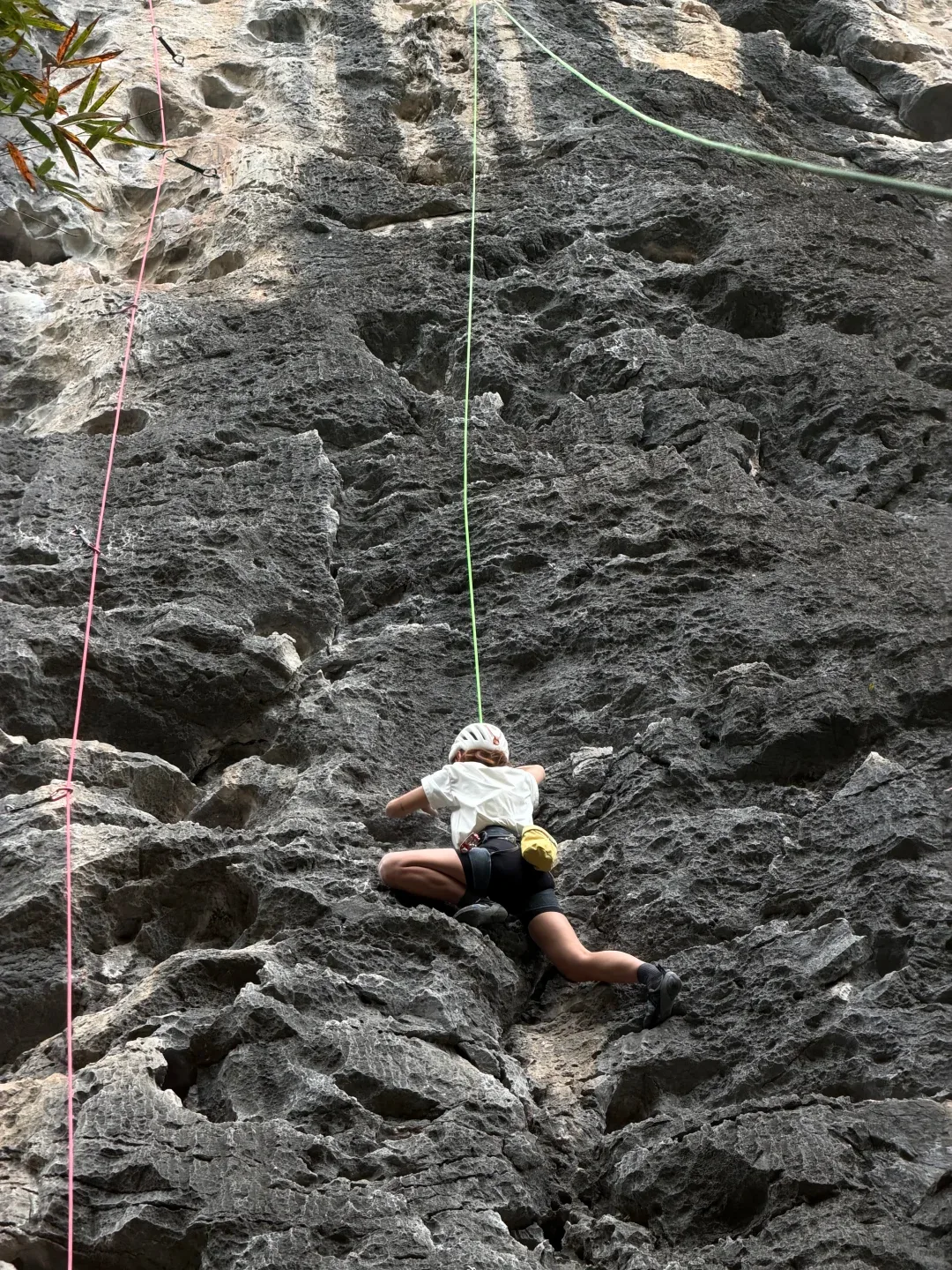
Climb Yangshuo’s limestone cliffs under the guidance of an instructor. Learn the basic techniques before trying beginner-friendly climbs surrounded by the region’s dramatic karst landscape.
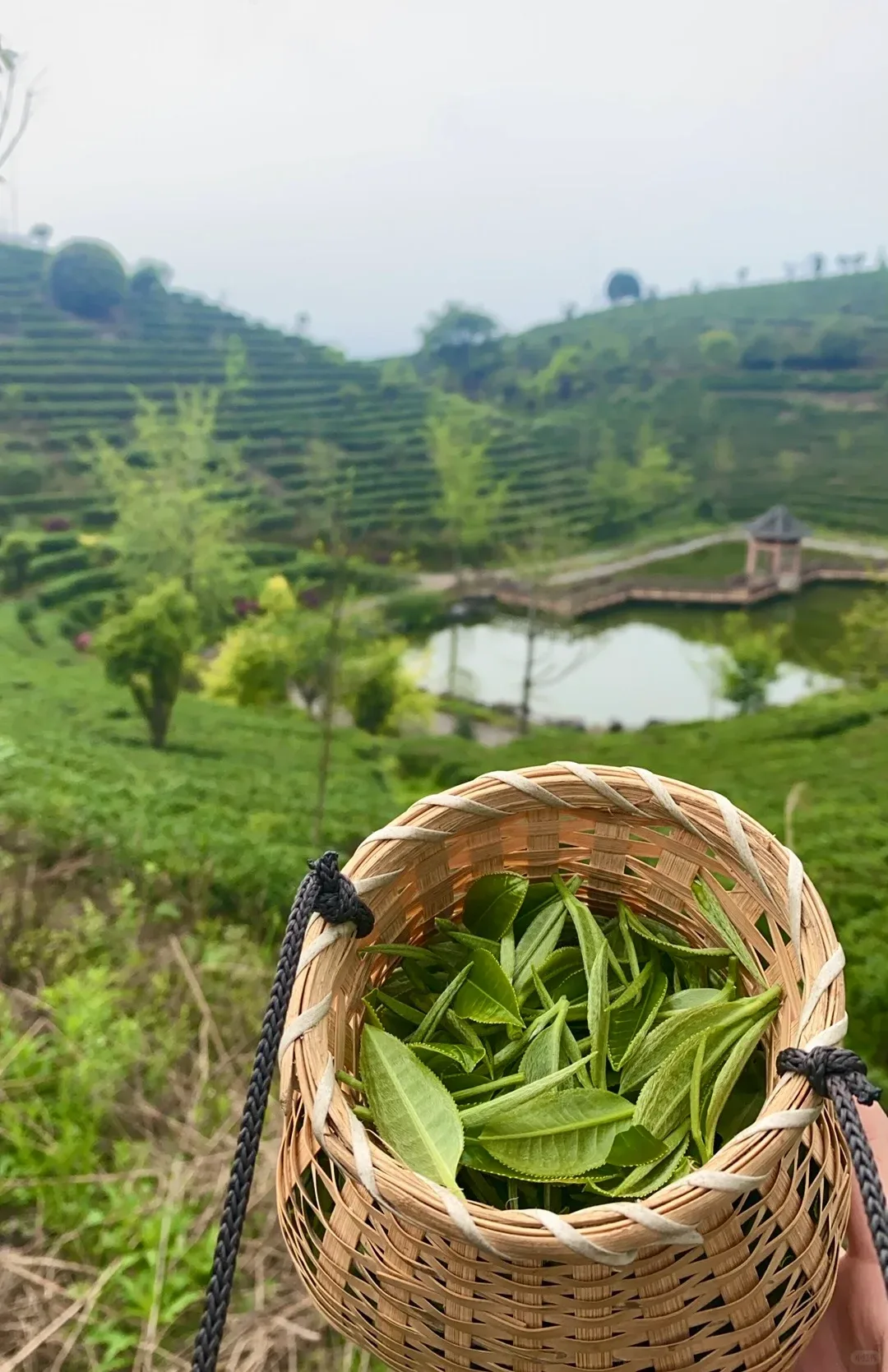
Walk into the tea fields of Qixian Peak to pick fresh leaves and learn how they are transformed into tea. Take part in steps such as heating, rolling, and drying, then taste the finished tea among Yangshuo’s misty karst hills.
Inclusions & Offers
Designed Around Your Journey
Rather than fixed departures, this experience is arranged privately and shaped around your preferred dates, interests, and travel style.
Our specialists will design the journey based on your pace, accommodation preferences, and seasonal conditions.
Best time to visit
Guilin is warm, humid, and rainy, especially from spring to early summer. Avoid June and July if possible, as heavy rainfall often makes the Li River muddy and may affect cruises, bamboo rafting, and outdoor activities. Sun protection is important year-round, particularly on river and terrace routes.
Traveler Reviews



FAQs
How is a private tour different from a group tour?
A Guilin private tour offers greater flexibility, privacy, and access to local experiences than a standard group itinerary. Rather than following fixed schedules and crowded sightseeing routes, you can explore at your own pace — whether that means enjoying a quieter stretch of the Li River, cycling through the countryside around Yangshuo, or spending longer photographing the Longji Rice Terraces in the best light.
With Eastogo, private travel also opens the door to more personal cultural encounters. Visit local families to learn traditional Guangxi cooking, meet fishermen to discover the history of cormorant fishing, or explore lesser-visited Zhuang and Yao villages with a knowledgeable local guide. For more adventurous travellers, we can incorporate hiking, rock climbing, or Via Ferrata experiences among Guilin’s limestone peaks.
With private transport, carefully selected countryside retreats, and flexible daily planning, we create a more personal and unhurried way to experience Guilin, combining its famous landscapes with the quieter places and local traditions that larger group tours often miss.
How does the booking process work?
1. Submit Your Inquiry
Tell us where you’d like to go, when you’d like to travel, and what kind of experiences you’re looking for.
2. Meet Your Destination Specialist
Your regional expert will arrange a complimentary consultation to understand your interests, travel style, pace, and priorities. Together, we’ll begin shaping the journey around your curiosity.
3. Receive Your Personalized Proposal
Based on your preferences, we’ll create a personalized itinerary and quotation, including accommodations, transportation, experiences, and recommendations tailored specifically to you.
4. Refine & Confirm Your Journey
Review the itinerary with your destination specialist and make any adjustments you’d like. Once everything feels right, secure your booking with a deposit and we’ll begin preparing the trip.
5. Travel with Confidence
Before departure, you’ll receive your detailed travel documents, practical information, and pre-departure guidance. Then simply arrive and enjoy your journey while we take care of the rest.
What is Guilin known for?
Guilin is known for its limestone karst peaks, winding rivers, bamboo groves, countryside scenery, and nearby Yangshuo. For many travelers, it represents the classic image of southern Chinese landscape: narrow rivers flowing between steep green mountains, villages set beneath karst towers, and misty views that feel close to traditional Chinese painting.
Is Guilin worth visiting?
Yes. For many international travelers, Guilin feels close to the China they have imagined through paintings, rivers, and mountain scenery.
What makes Guilin special is not only the landscape itself, but the way mountains, water, villages, and fields sit naturally together. Along the Li River or on a bike ride through the Yangshuo countryside, you pass karst peaks rising from flat land, quiet rivers, bamboo groves, and farmland. For travelers who enjoy nature, photography, soft adventure, or rural life, Guilin is usually very rewarding.
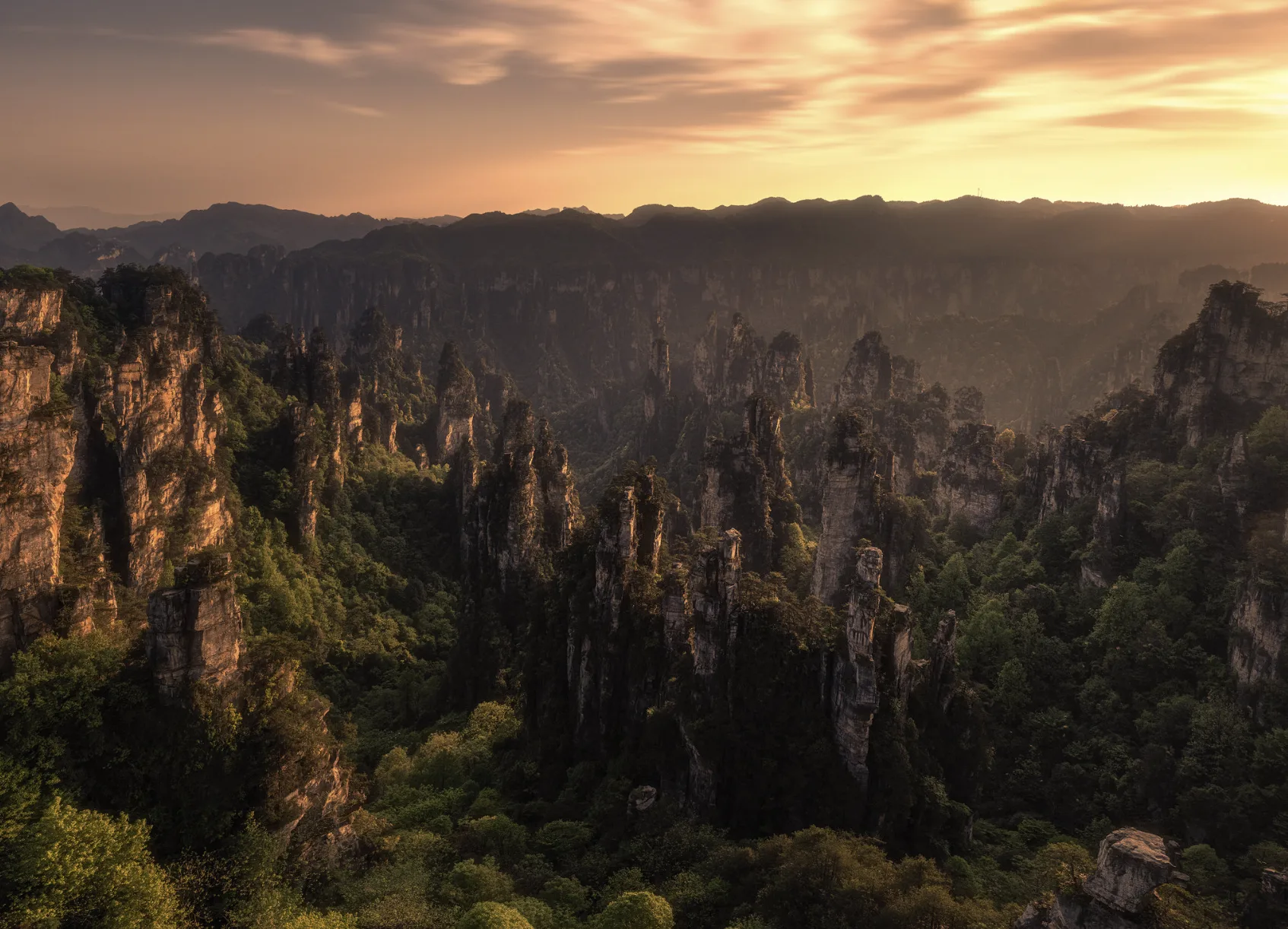
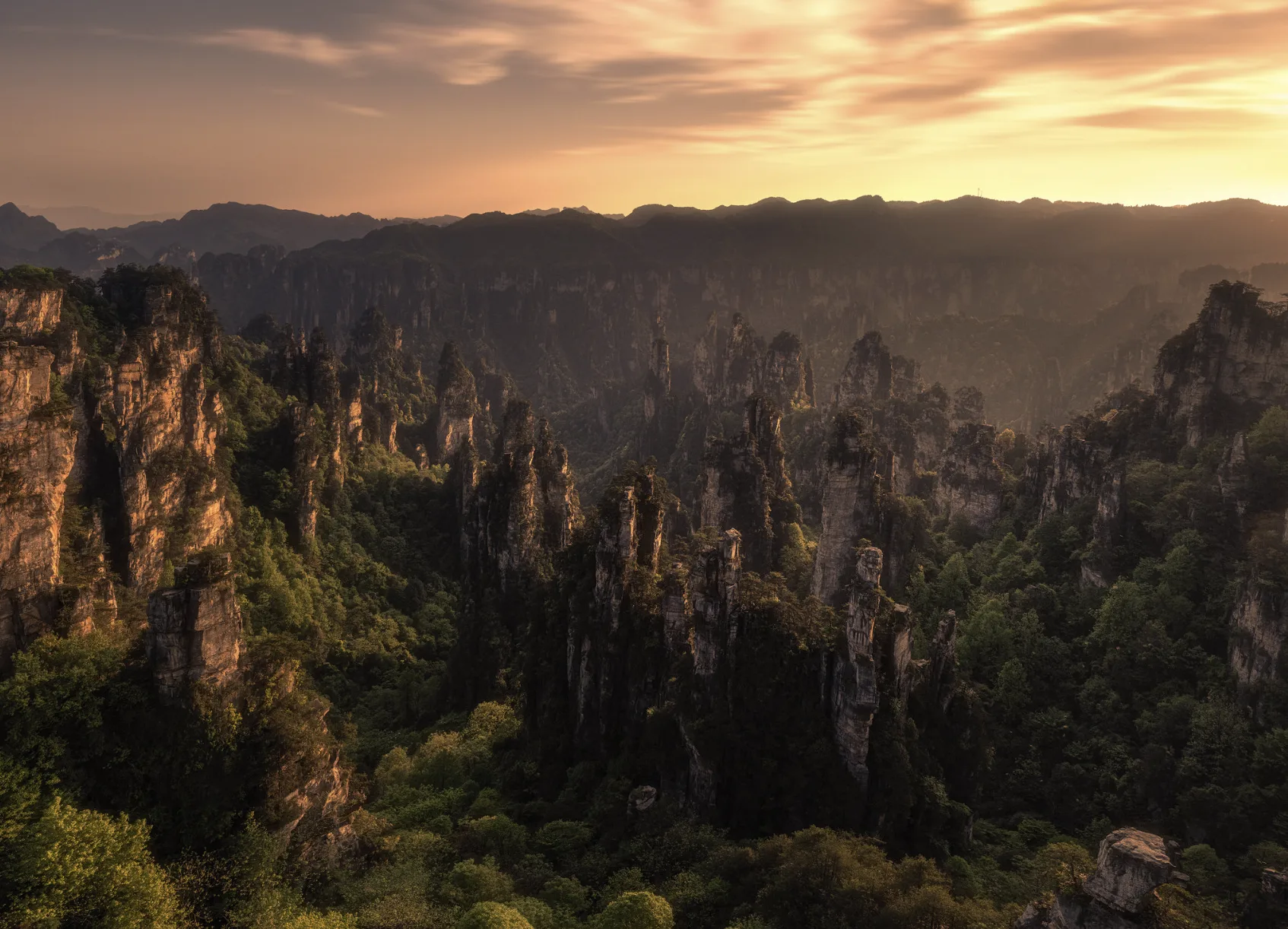
Compared with Zhangjiajie, Guilin feels gentler and slower. Zhangjiajie is more dramatic and vertical, while Guilin is better for river travel, bamboo rafting, cycling, walking through villages, and spending time in the landscape.
Compared with Yunnan, Guilin is easier to arrange in a shorter trip. The main areas are relatively close together, and 3 to 5 days is usually enough to experience the Li River, Yangshuo, the Yulong River, and Longji Rice Terraces.
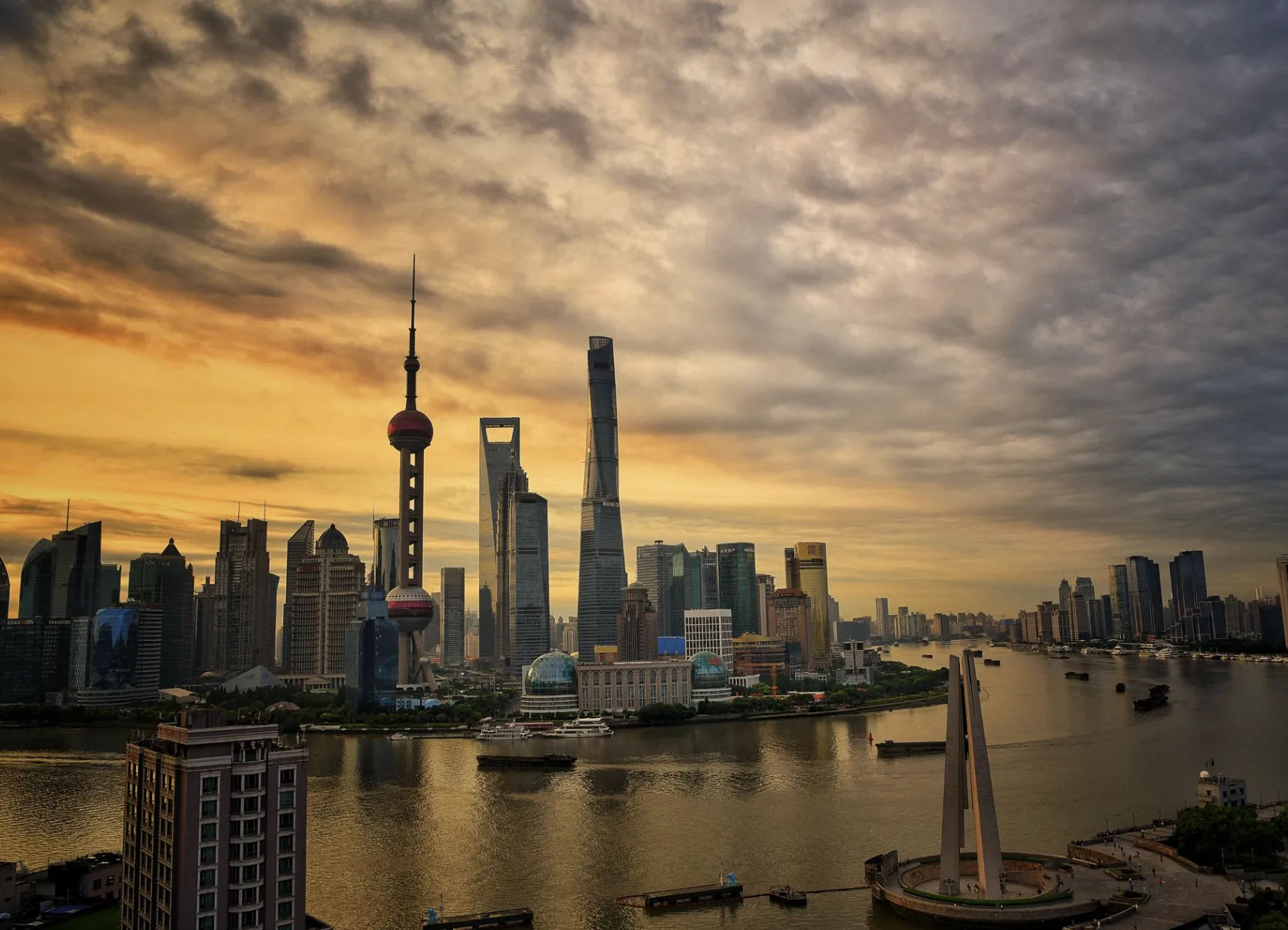
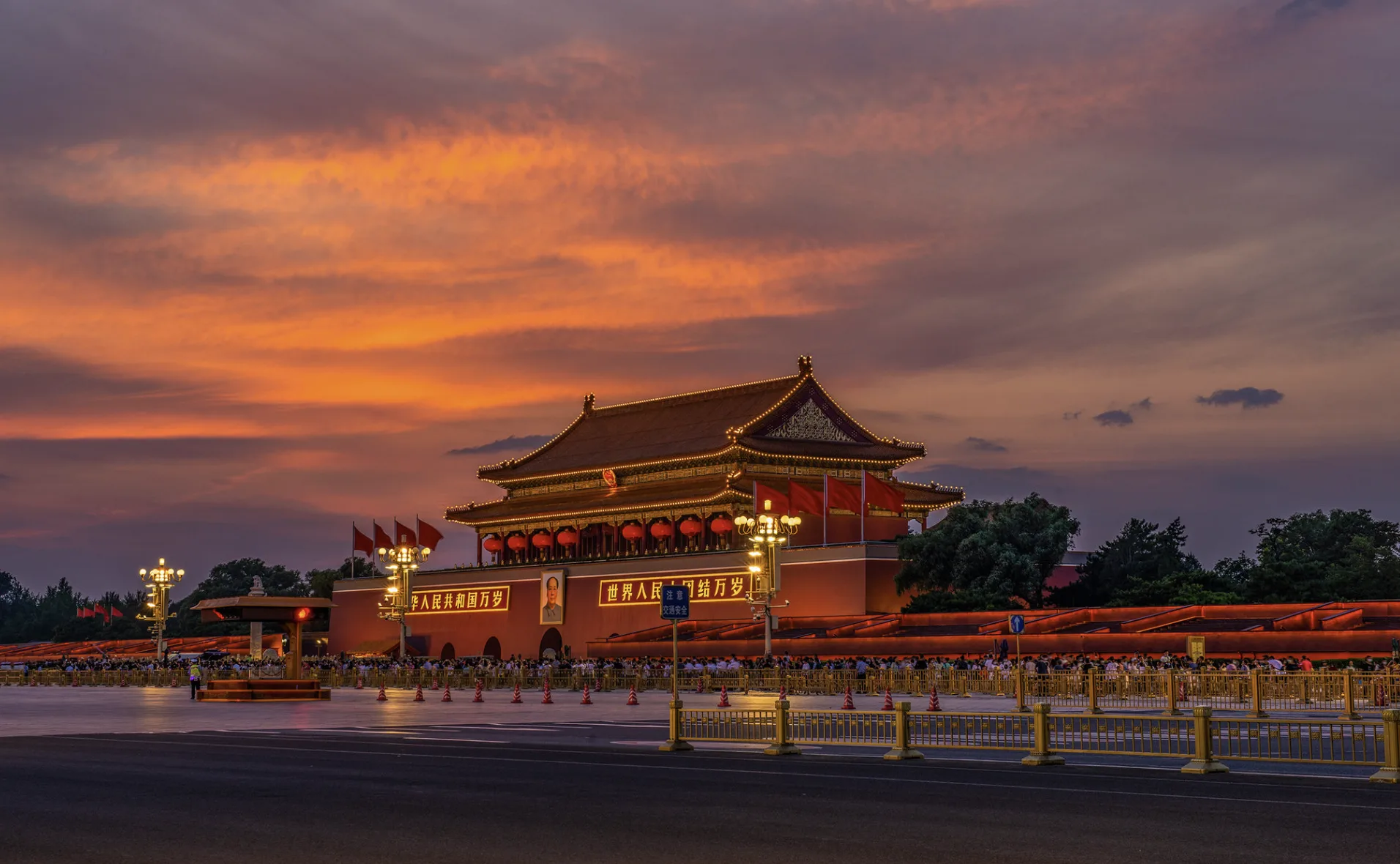
If you prefer large cities, museums, historic ruins, or nightlife, Beijing, Xi’an, or Shanghai may suit you better. But if you want to see one of China’s most classic natural landscapes and slow down for a few days, Guilin is well worth considering.
Is Guilin suitable for first-time visitors to China?
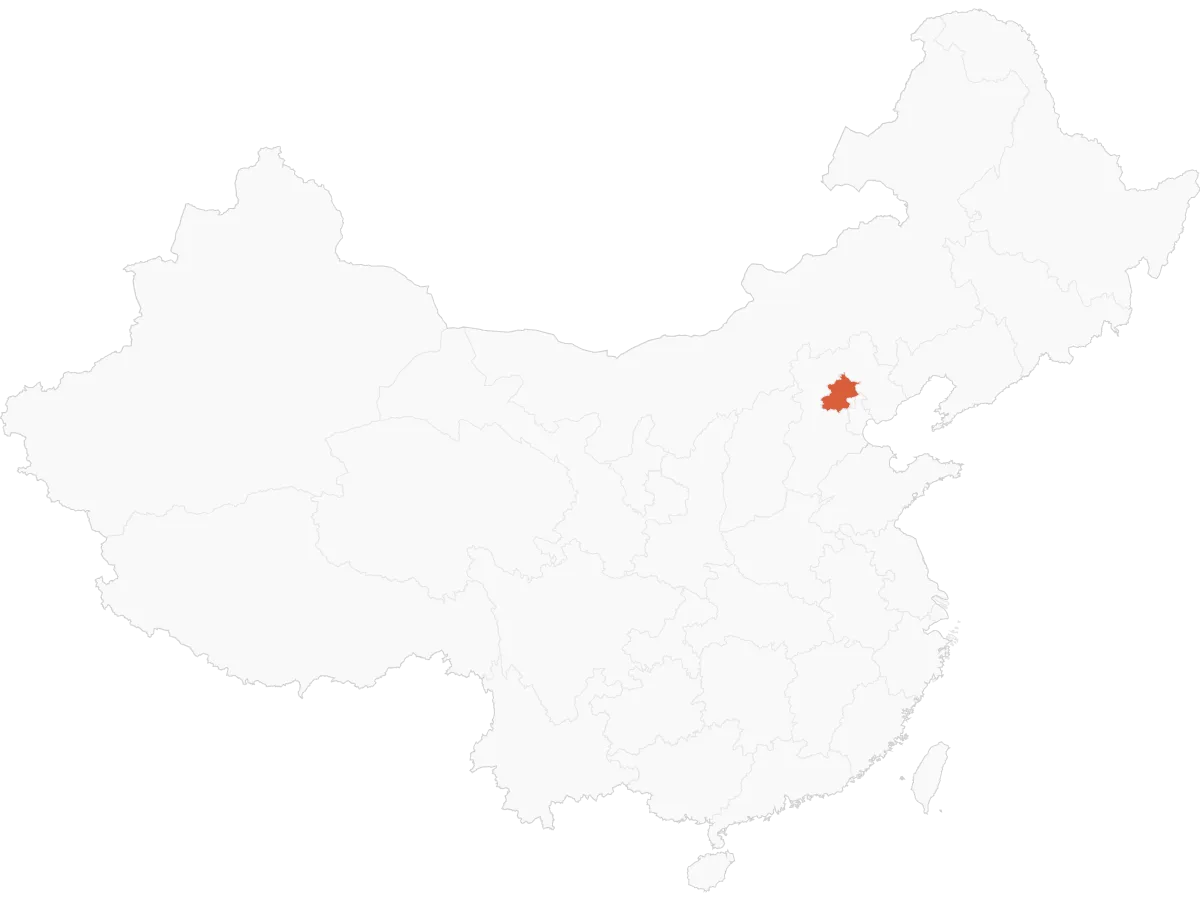
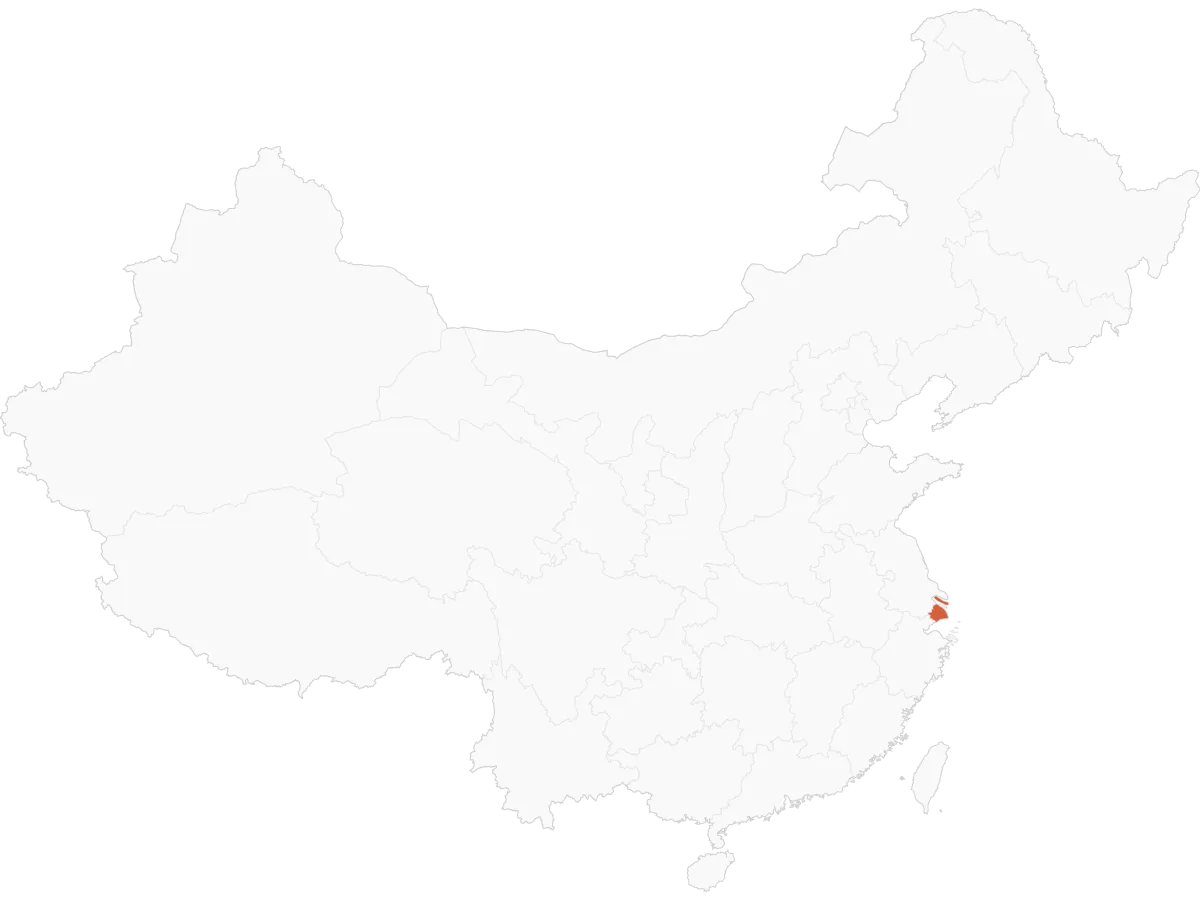
Yes, especially if you want nature, soft adventure, and a slower contrast to large cities. Guilin pairs well with Shanghai or Beijing because it shows a very different side of China: rivers, villages, karst peaks, rice terraces, and local minority cultures. It is easy enough for first-time travelers with planning, but countryside transport, weather, and activity timing are smoother with a guide or arranged route.
What are the must-see attractions in Guilin?
The classic places are the Li River, Yangshuo, the Yulong River, and the Longji Rice Terraces. The Li River gives you Guilin’s most iconic mountain-and-river scenery. Yangshuo and the Yulong River are better for cycling, bamboo rafting, village walks, and soft outdoor activities. Longji shows a different side of the region, with mountain farming, Zhuang and Yao villages, and rice terraces that change with the seasons.
With more time, you can also include Moon Hill, Xingping Ancient Town, or safe guided outdoor experiences such as climbing or via ferrata routes.
How many days should I spend in Guilin?
For the classic scenery, 3 days is enough to visit Guilin, the Li River, and Yangshuo.
For a richer and more relaxed journey, 4 to 5 days is better. This allows time for the Yulong River, countryside cycling, local food, and Longji Rice Terraces.
If you enjoy photography, light hiking, village walks, or a slower pace, 5 to 6 days will feel more comfortable.
What is the best time to visit Guilin?
Spring and autumn are usually the best seasons to visit Guilin. Spring brings mist, rain, fresh greenery, and a stronger ink-painting atmosphere, though rainy days are possible. Autumn is usually clearer and more comfortable for photography, cycling, and outdoor activities.
Summer is very green, but it can be hot, humid, and rainy. Winter has fewer visitors and a quieter atmosphere, though the scenery can feel cooler and less lush.
For Longji Rice Terraces, spring flooding and autumn harvest are especially popular. Exact timing can vary each year depending on weather and local farming schedules.
How do I get to Guilin?
Guilin Liangjiang International Airport (KWL) is the main airport for the region. Domestic flights connect Guilin with major Chinese cities such as Beijing, Shanghai, Guangzhou, Shenzhen, Chengdu, Hangzhou, and Xi’an.
High-speed rail is also a convenient option. Guilin is well connected by train with cities in southern and southwestern China, including Guangzhou, Shenzhen, Guiyang, Chengdu, Chongqing, and Changsha. It can also be combined with Hong Kong via the high-speed rail network.
Should I stay in Guilin or Yangshuo?
Most travelers should treat Guilin city as the arrival point and Yangshuo as the main base for landscape experiences. Guilin is convenient for the airport, high-speed rail, hotels, and starting a Li River journey. Yangshuo gives you slower travel, cycling, bamboo rafting, village walks, cafes, outdoor routes, and countryside views. If you have limited time, one night in Guilin and two nights in Yangshuo usually feels more rewarding than staying only in the city.
What is the best way to experience the Li River?
The classic way is to travel from Guilin toward Yangshuo by boat, watching the karst peaks unfold along the river. For a quieter experience, combine the main river route with smaller countryside sections around Yangshuo or the Yulong River. The Li River is best enjoyed slowly, with time to stop, walk, or continue into nearby villages, so the route feels like part of the journey instead of a transfer.
Are the Longji Rice Terraces worth adding?
Yes, if you have at least one extra day. Longji adds mountain scenery, Zhuang and Yao village culture, and a completely different rhythm from the river landscapes around Guilin and Yangshuo. The terraces are especially beautiful in spring when fields hold water, in summer when they turn green, and in autumn when rice becomes golden. The drive takes time, so staying overnight is even better if your schedule allows.