Hunan Private Tour
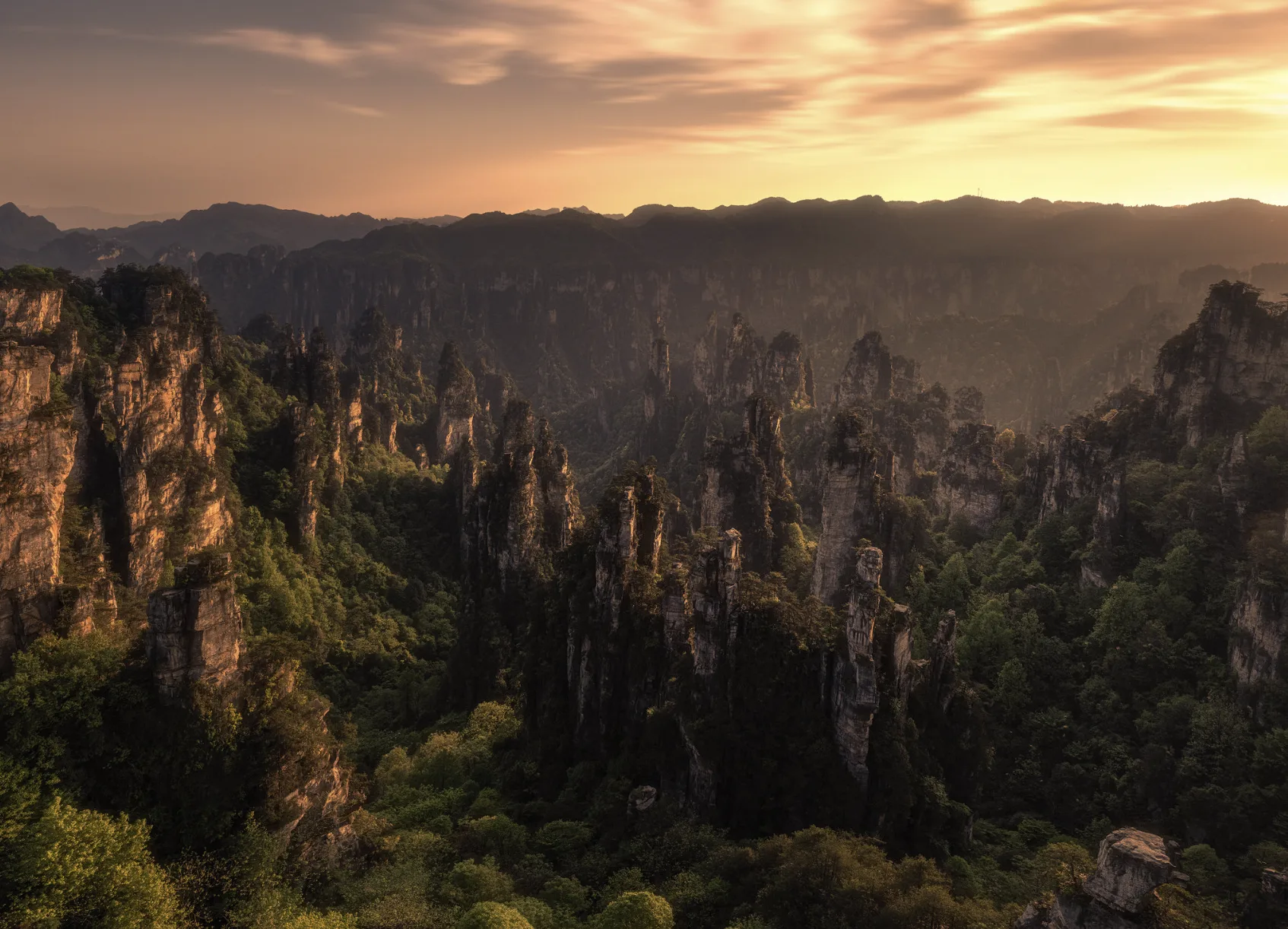
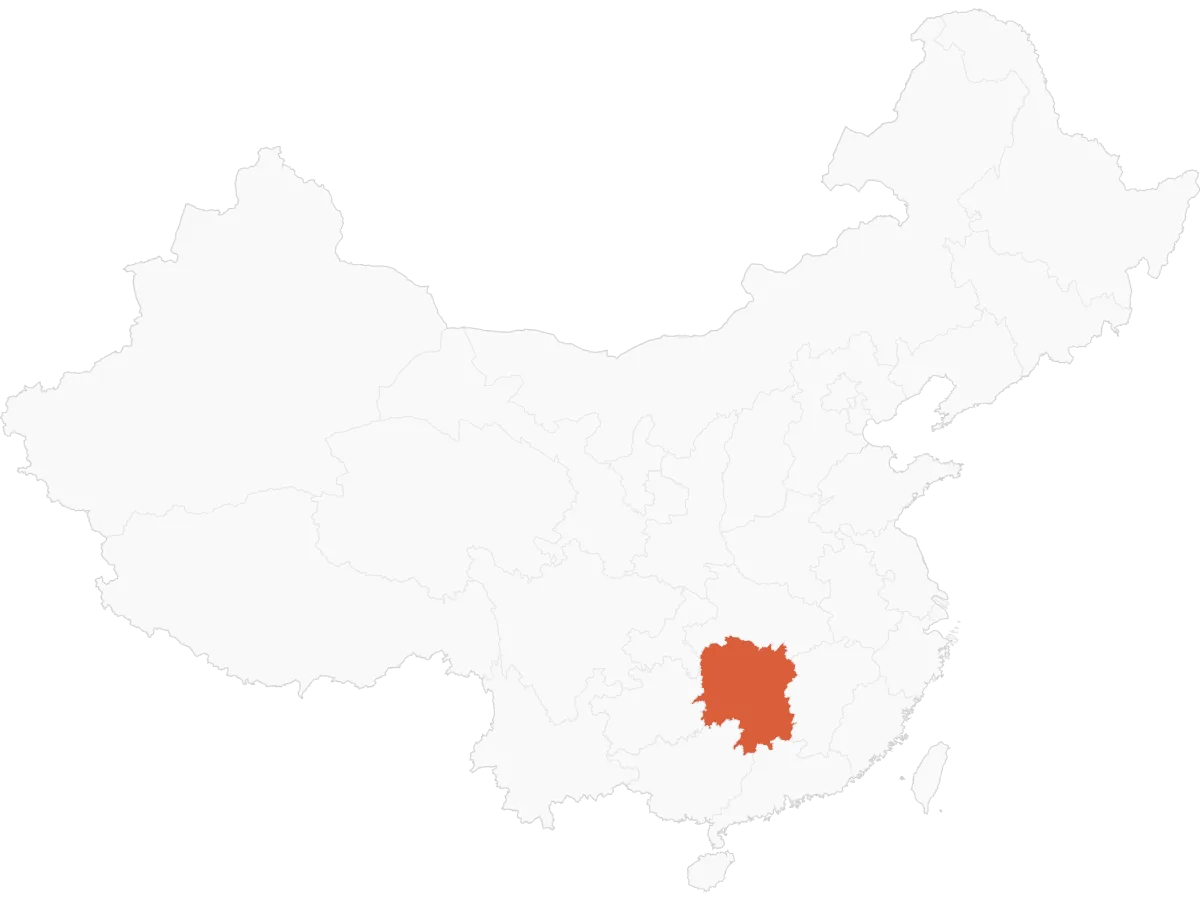
Hunan is one of China’s most overlooked destinations, a province of surreal mountain landscapes, ancient traditions, and a cultural heritage that runs far deeper than its famous scenery. Beyond the towering sandstone pillars of Zhangjiajie lies Western Hunan, or Xiangxi, where Miao and Tujia communities preserve centuries-old beliefs, rituals, and crafts that remain part of everyday life.
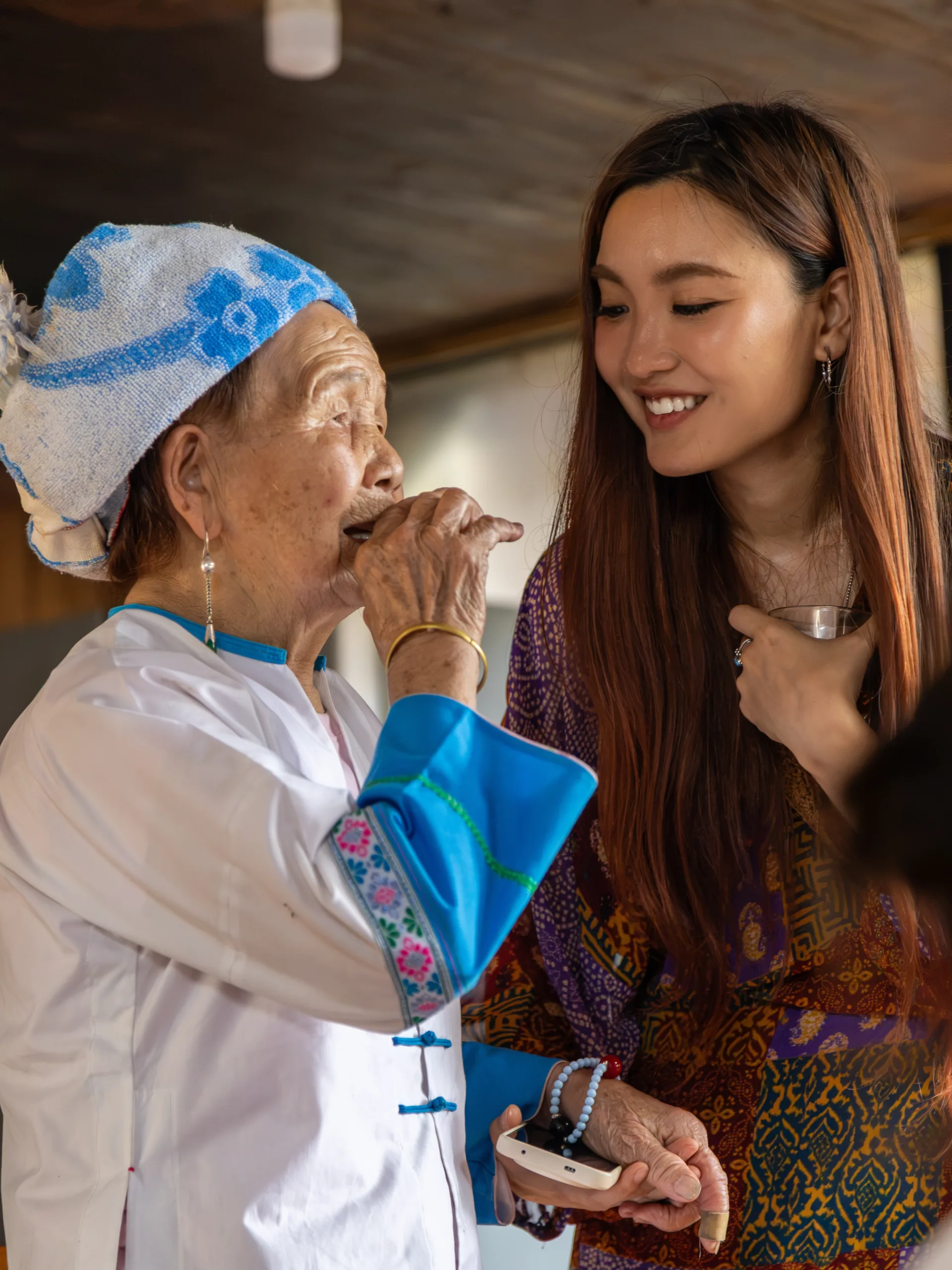
An Eastogo Hunan Private Tour takes you beyond the familiar routes to discover this lesser-known side of China. Wander through village morning markets, prepare traditional dishes with Miao families, or venture into the mountains with a local healer to learn about medicinal plants. Around Lüdong Mountain, encounter the spiritual traditions of the Miao people, from sacred mountain ceremonies to the mysterious rituals of Nuo culture, guided by local practitioners who have inherited this knowledge across generations.
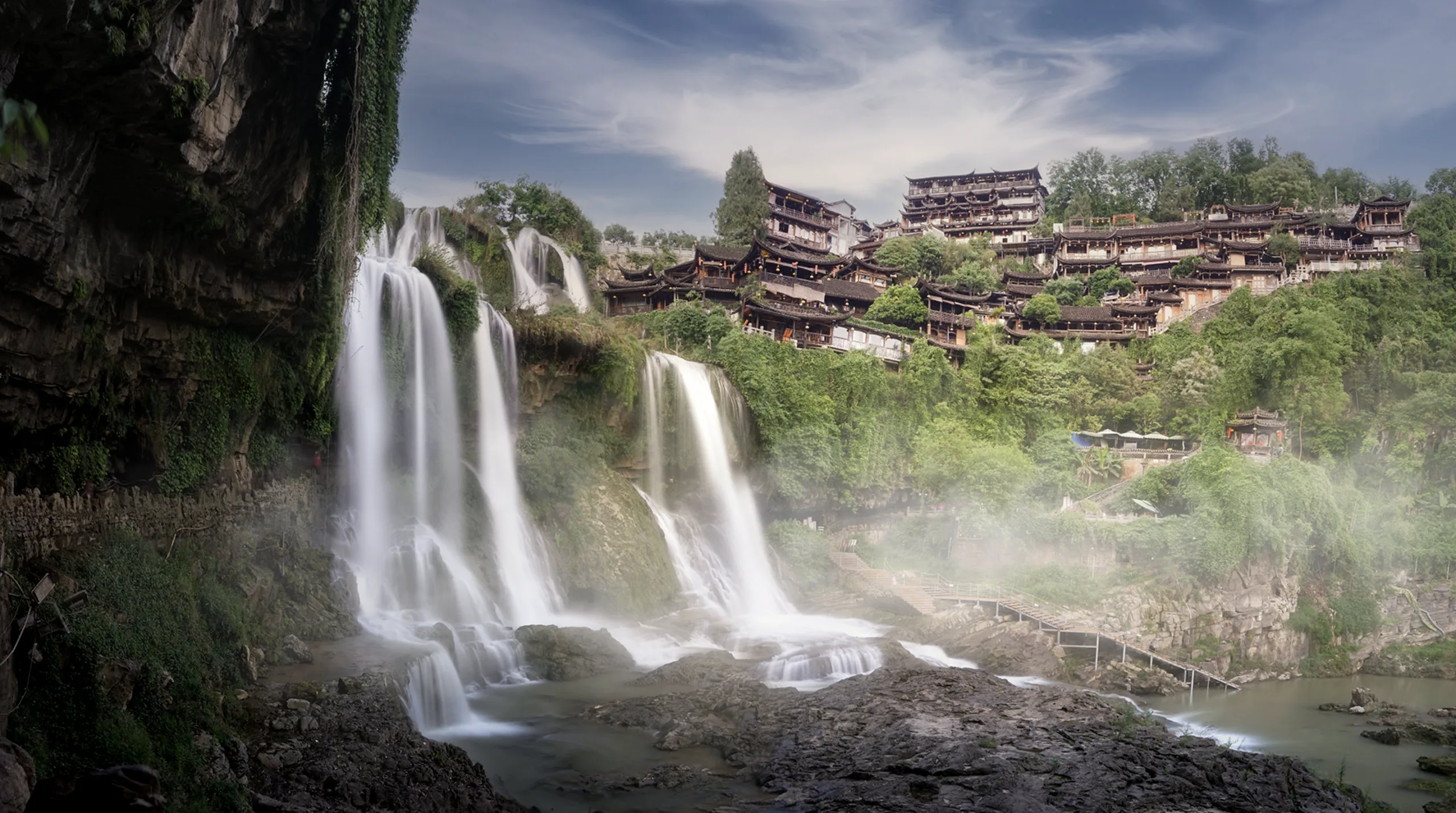
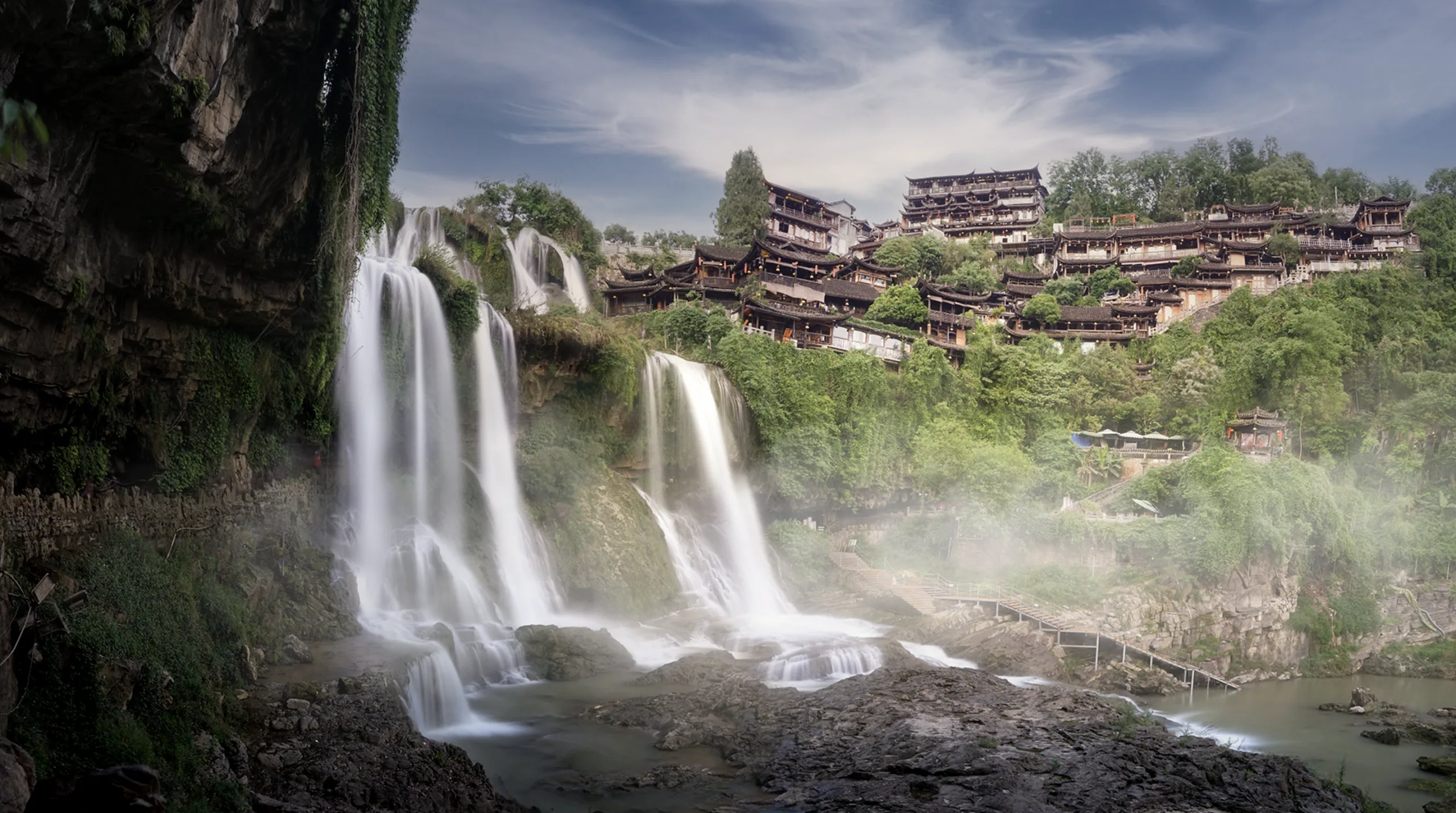
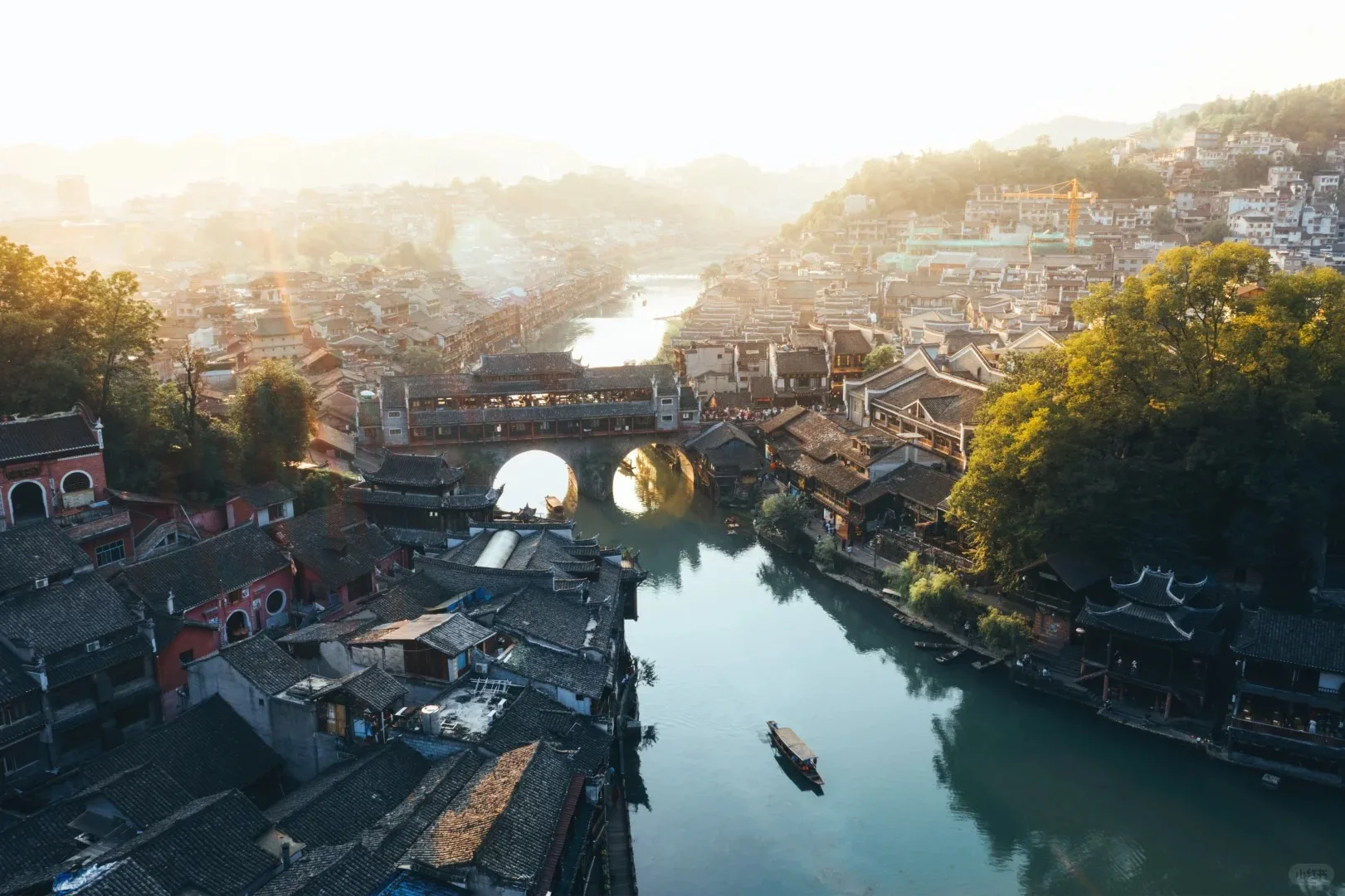
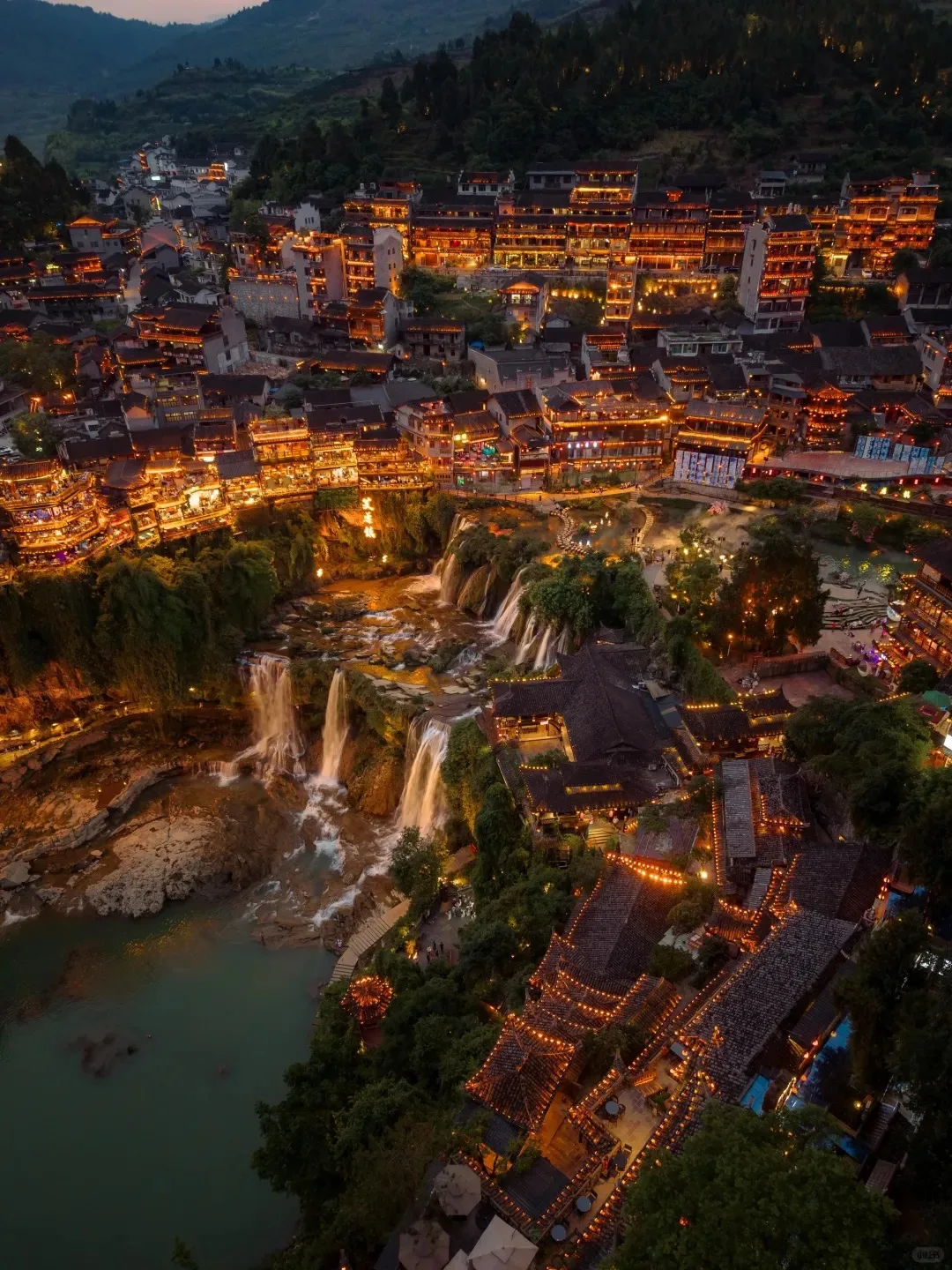
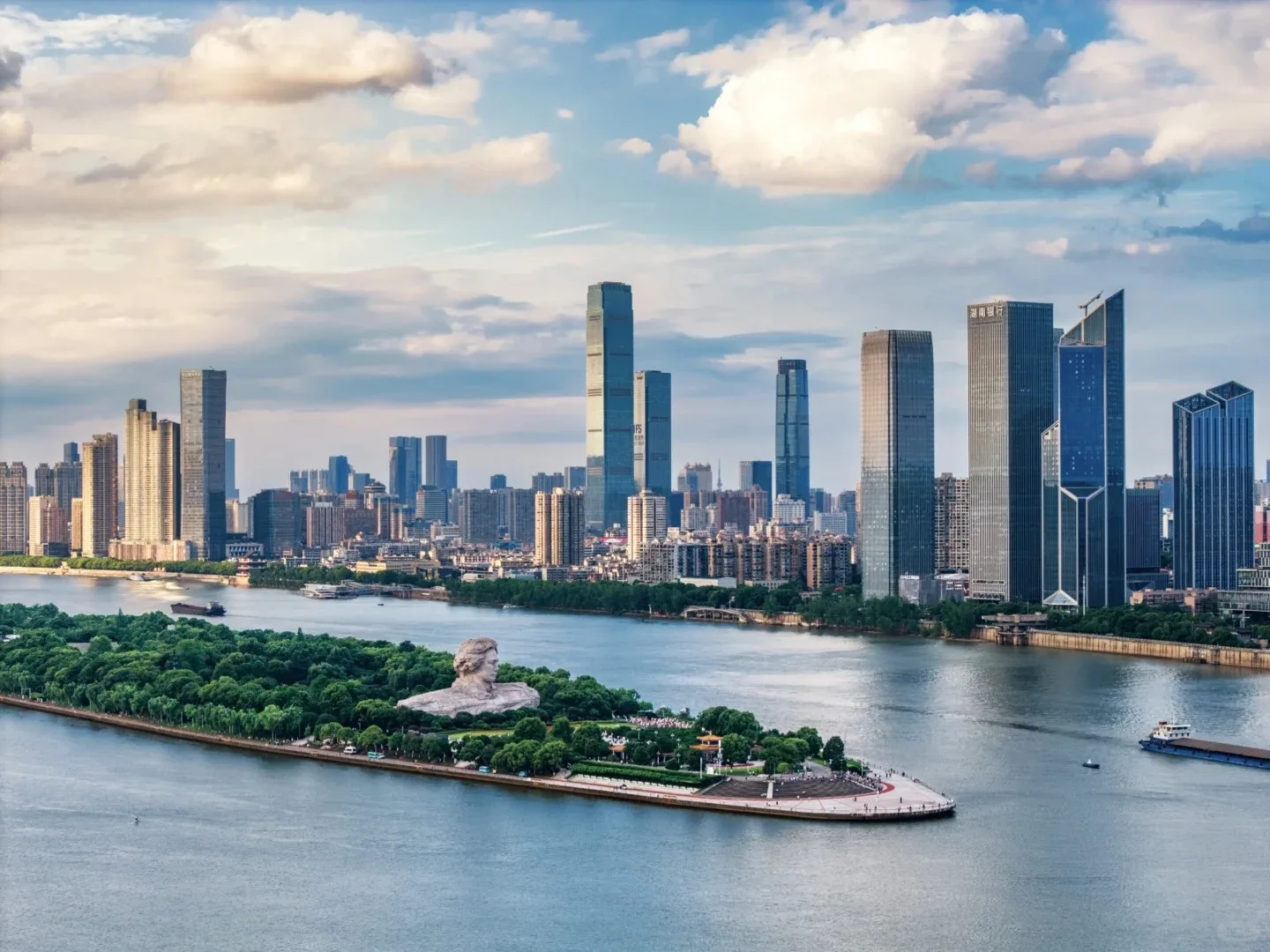
The landscapes are equally compelling. Explore Zhangjiajie’s extraordinary sandstone pillars, wander through the riverside streets of Fenghuang Ancient Town, or discover Furong Town, where traditional houses cling to cliffs beside a cascading waterfall. In Changsha, experience another side of Hunan through its bold cuisine, lively markets, and energetic nightlife.
With knowledgeable local guides, long-standing community connections, carefully selected stays, and private transport, Eastogo creates journeys that bring you closer to Hunan’s people and traditions. Whether your interests lie in cultural encounters, photography, hiking, or exploring places rarely visited by international travellers, we shape each journey around your curiosity and pace.
Journey Highlights
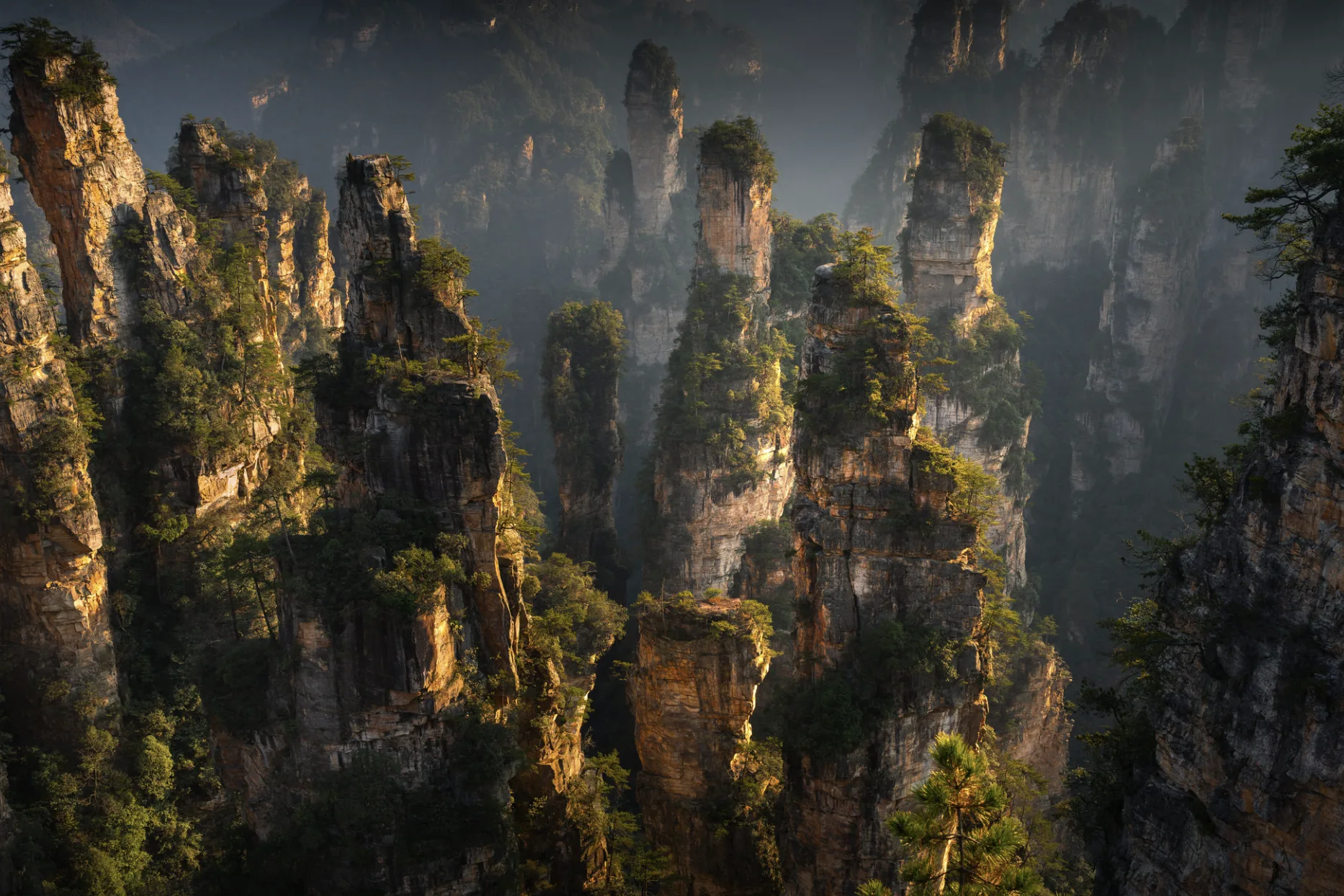
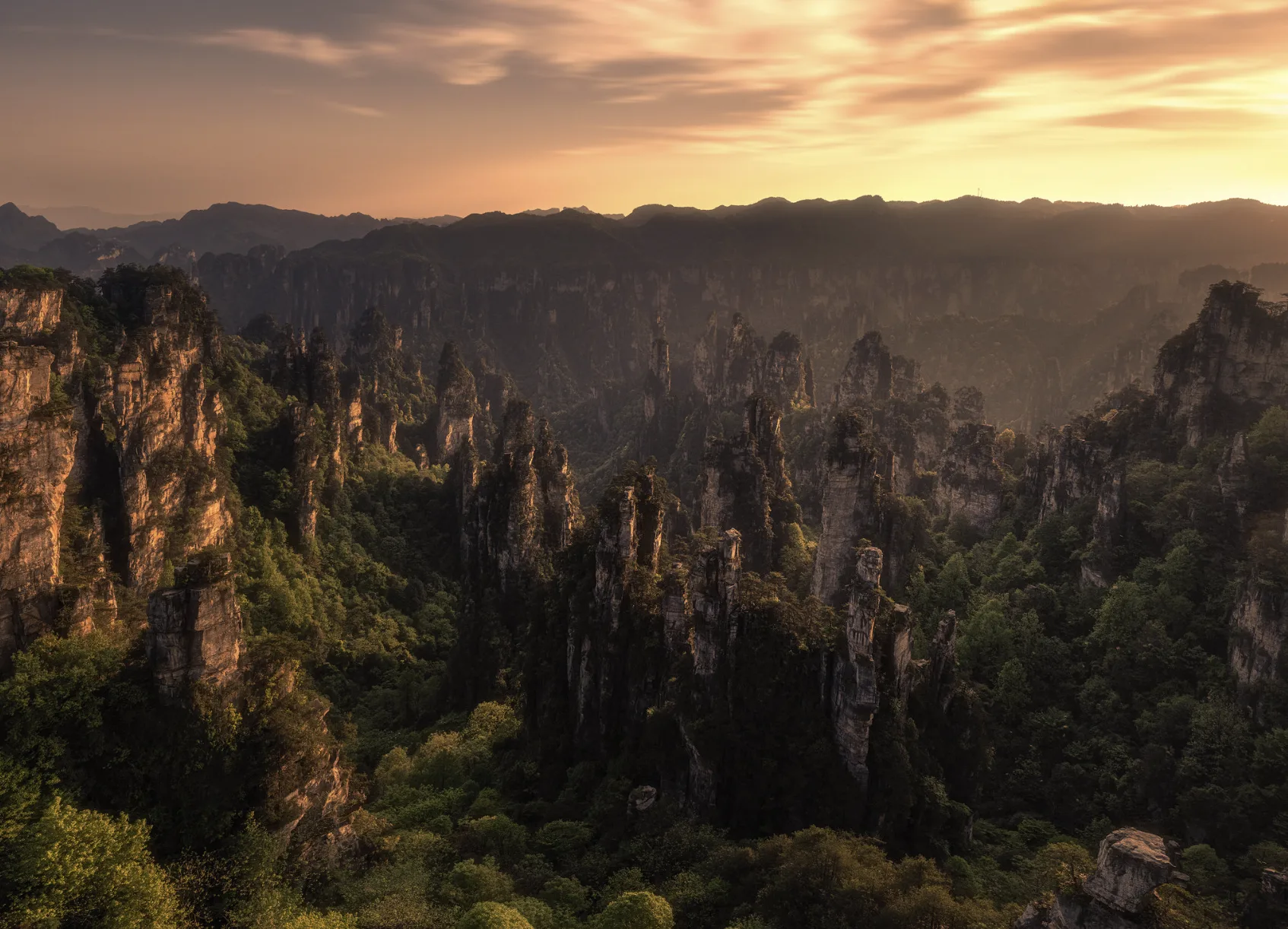
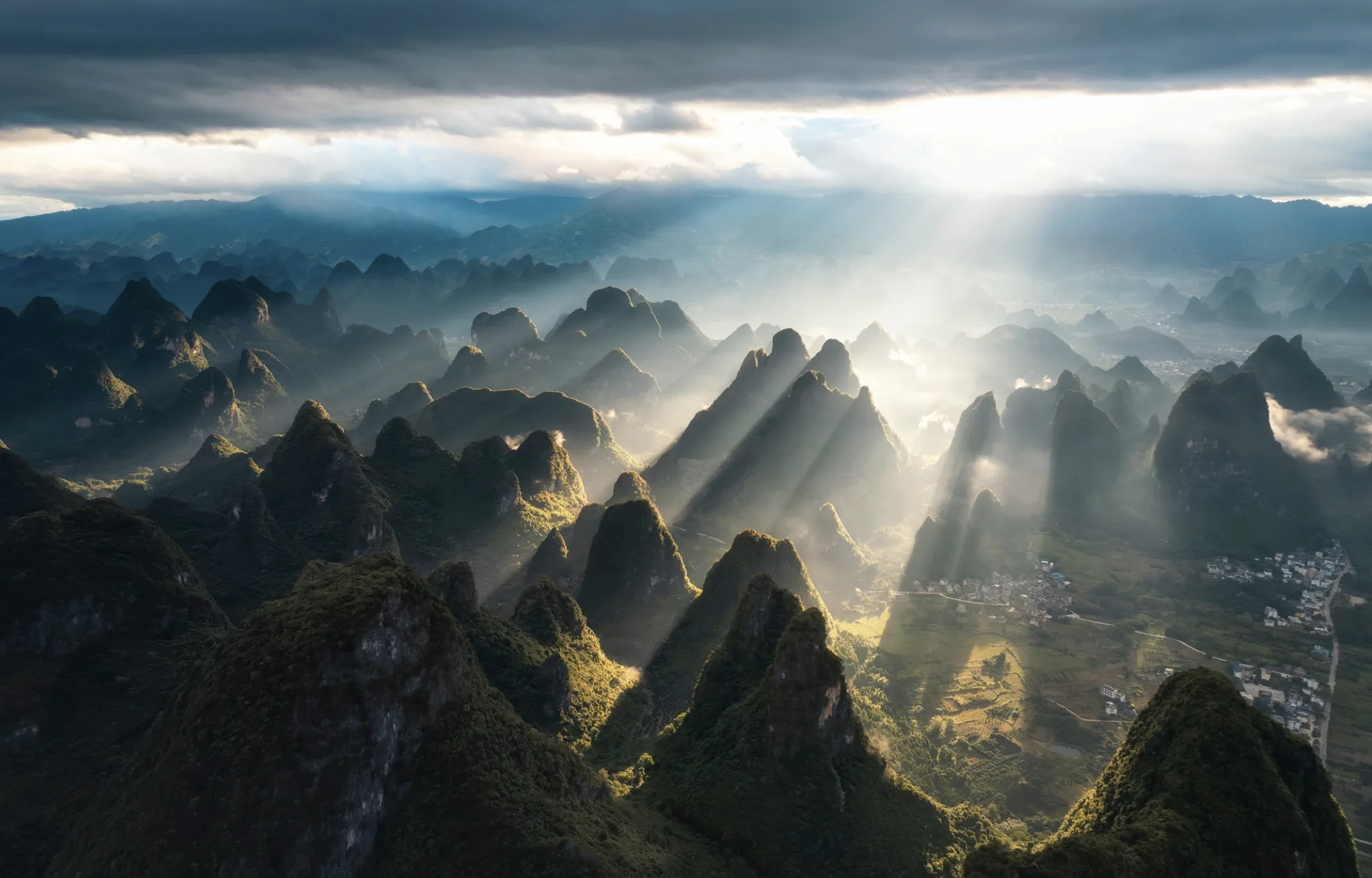
Look out over thousands of quartz sandstone pillars rising from the valley floor, standing above the real landscape that inspired Avatar’s floating mountains. Unset
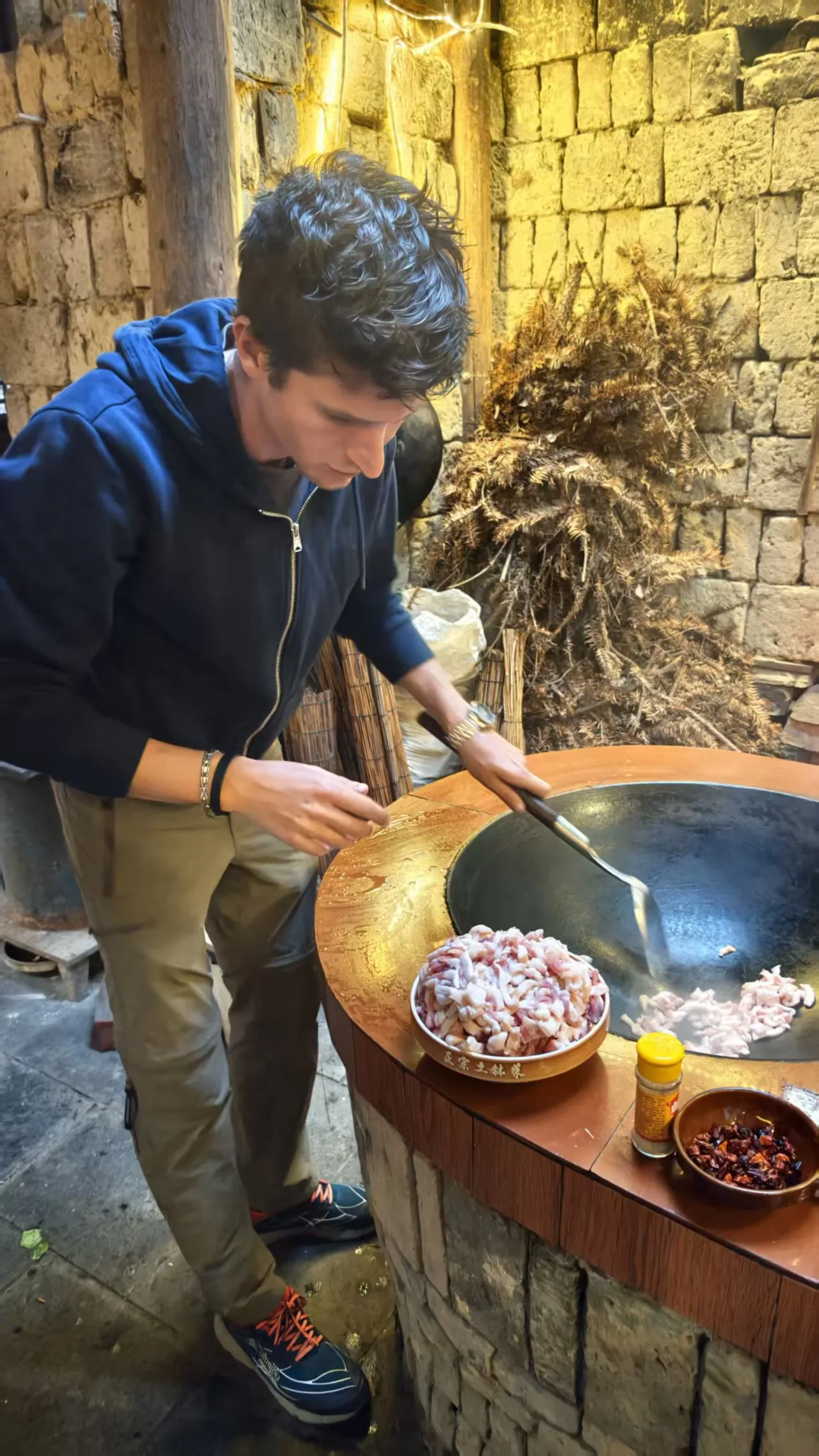
Start the morning at Shanjiang Market, one of the most authentic gathering places in the region, where local Miao families trade produce, livestock, and daily necessities. Shop for ingredients alongside local residents, return to your guesthouse to prepare a traditional Miao dinner, then spend the evening listening to folk songs and dancing with the community.
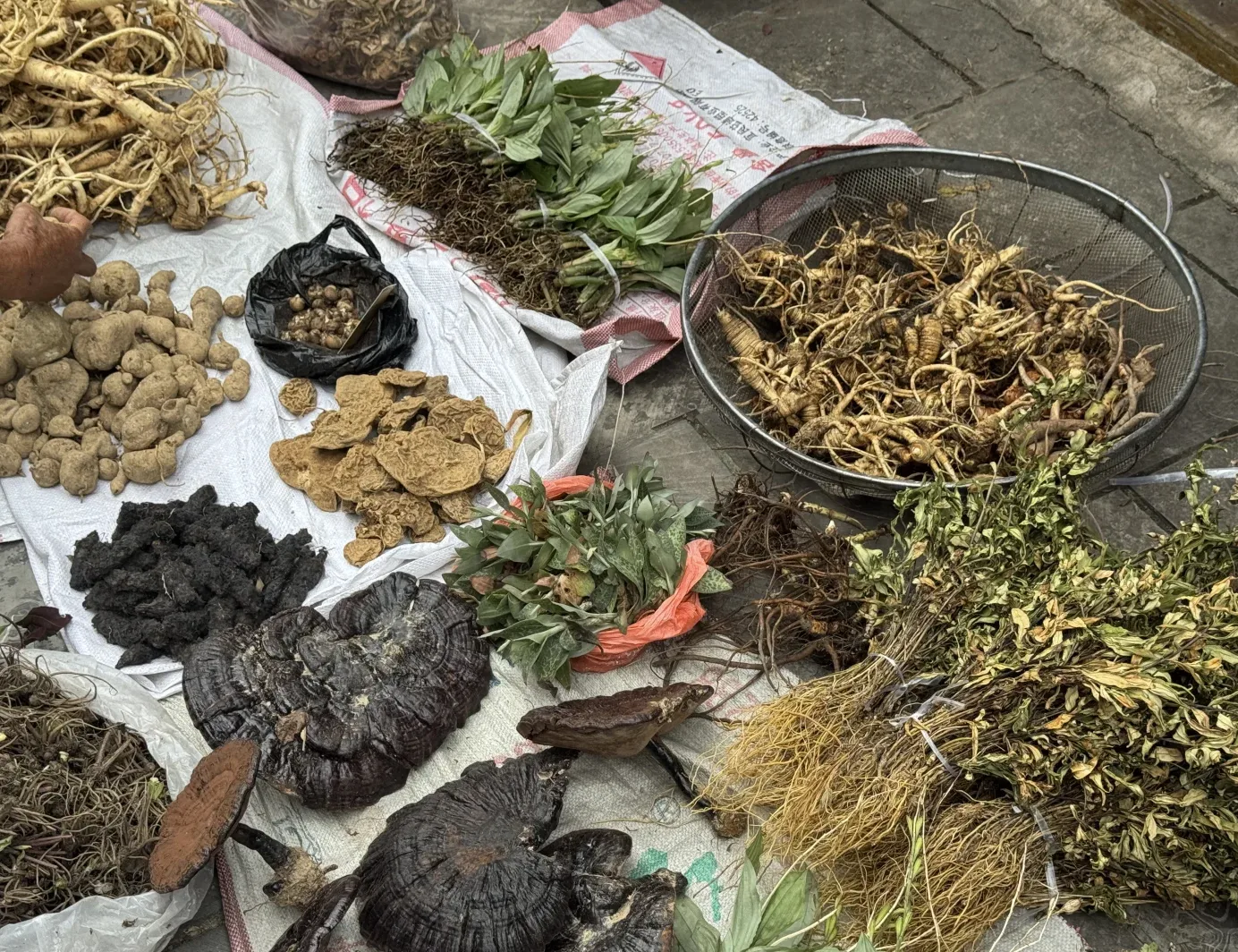
Follow a Miao medicine master into the mountains to identify and gather wild herbs — a living lesson in centuries of healing wisdom drawn from the forest.
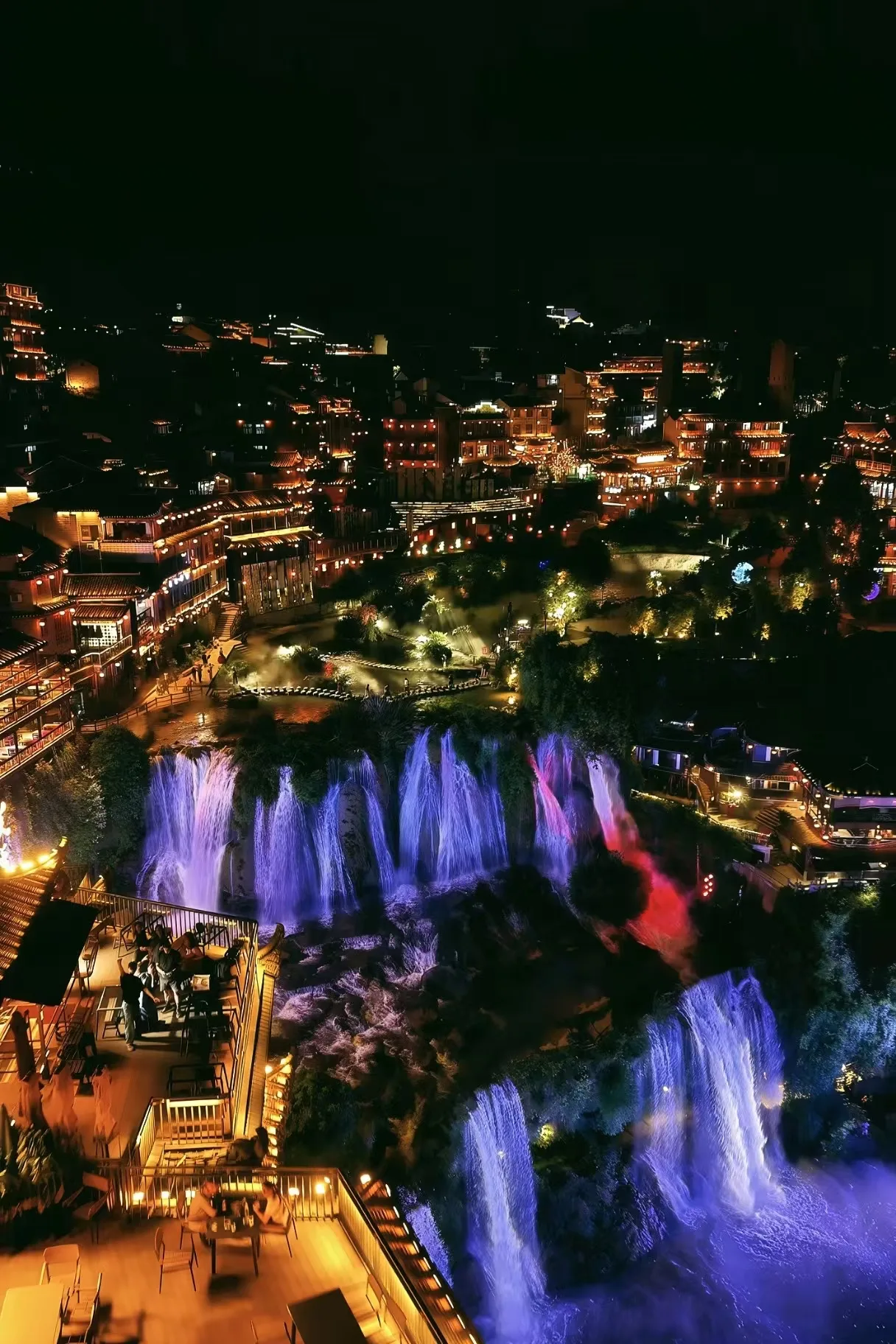
Witness a waterfall town lit up at night. Golden lanterns spill over the cascade, stilted houses cling to the cliffside, and the whole ancient town shimmers in the mist. A scene exists nowhere else on earth.
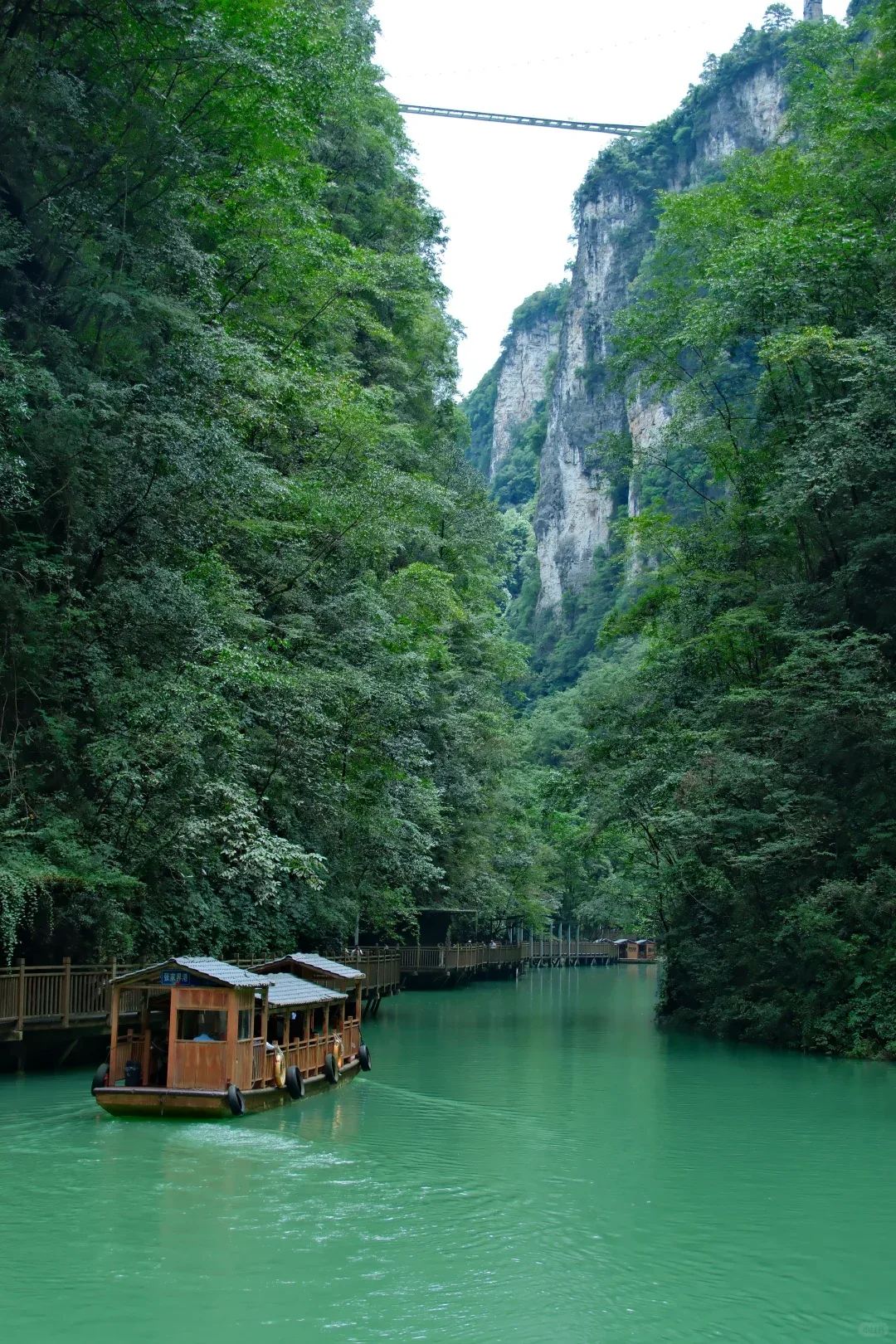
See Zhangjiajie from every angle. Fly across the canyon on a zipline, climb cliffside via ferrata routes, cruise through narrow gorges by boat, and follow streams on foot. Each section reveals a different side of this dramatic landscape.
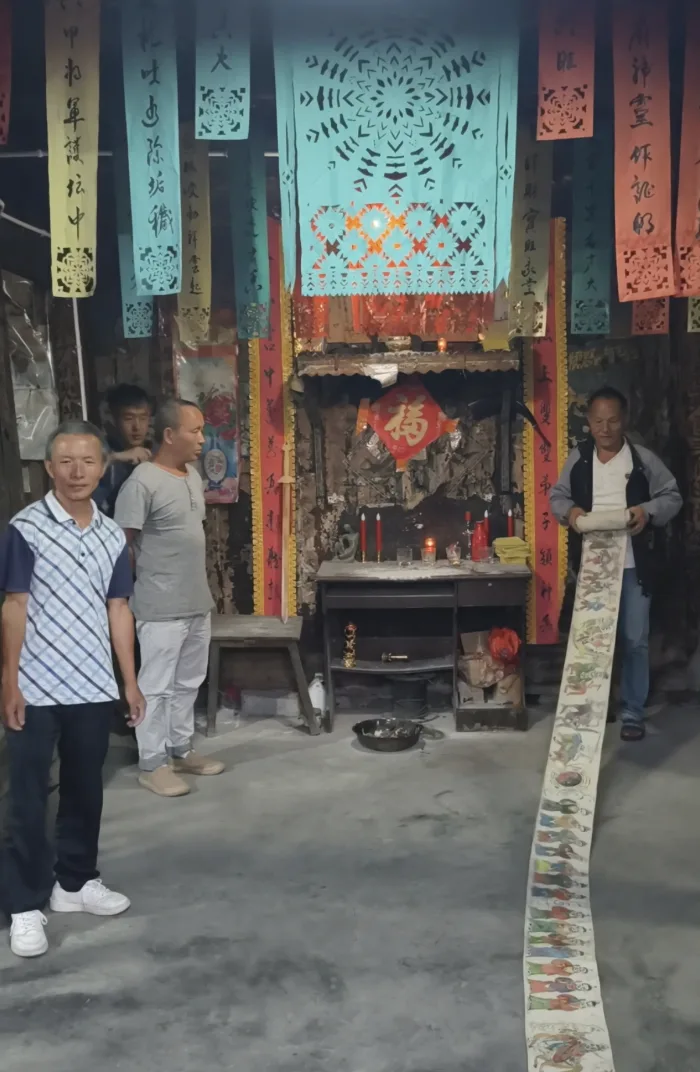
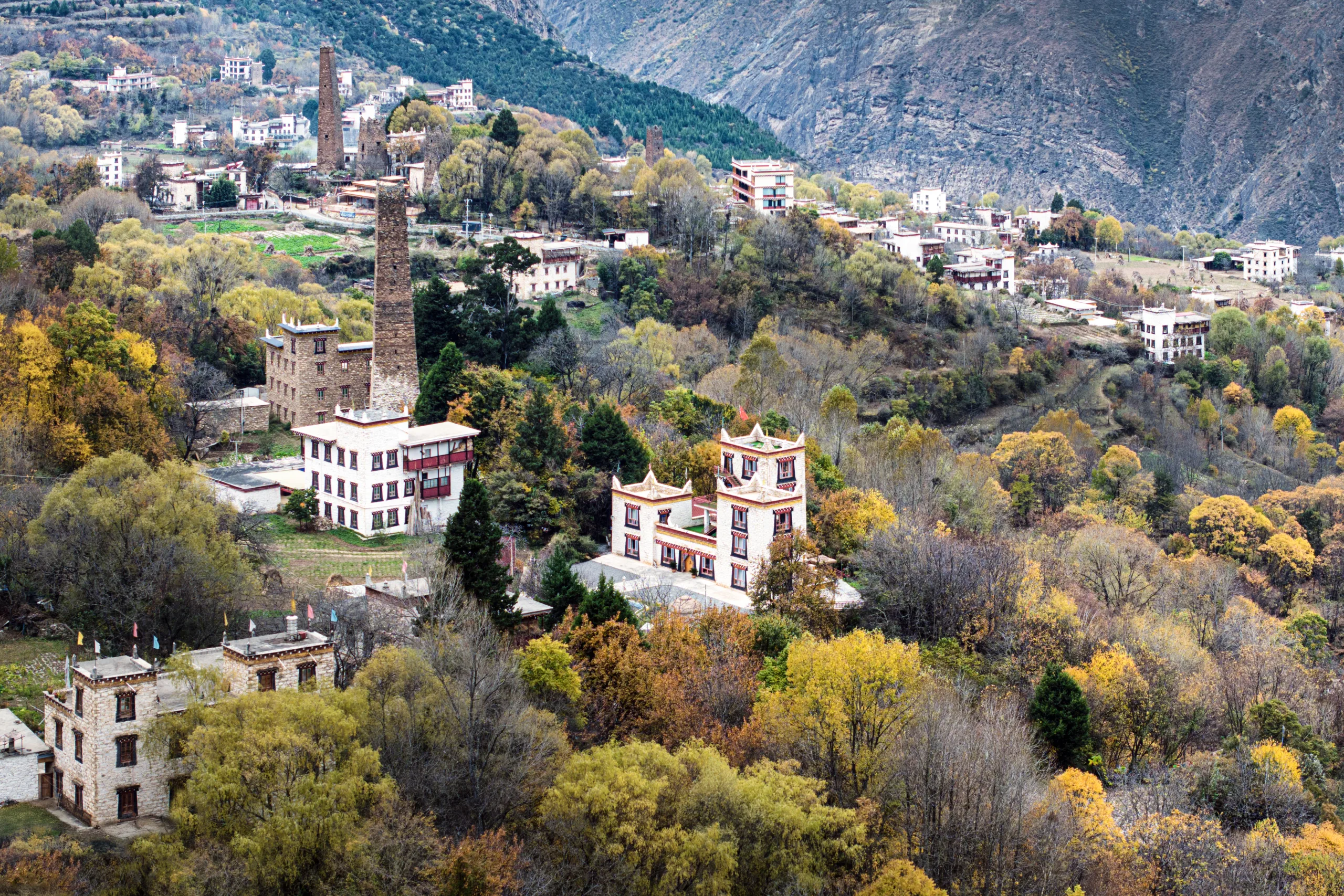
Meet a Badai cultural practitioner and spend an evening exploring Miao mythology, mountain legends, and local beliefs rarely shared with outsiders. Watch traditional Badai rituals and performances while gaining a deeper understanding of the cultural traditions that continue to shape life in Xiangxi.
Inclusions & Offers
Designed Around Your Journey
Rather than fixed departures, this experience is arranged privately and shaped around your preferred dates, interests, and travel style.
Our specialists will design the journey based on your pace, accommodation preferences, and seasonal conditions.
Best time to visit
May to July is the rainy season in Hunan. Periods of heavy rainfall can occasionally cause flooding, landslides, or other disruptions that may affect travel plans. Our team closely monitors weather and road conditions and will do our best to keep the itinerary running smoothly while prioritizing safety.
Traveler Reviews


FAQs
How is a private tour different from a group tour?
A Hunan private tour offers greater flexibility, privacy, and access to local experiences than a standard group itinerary. Rather than following fixed schedules and popular sightseeing routes, you can explore at your own pace — whether that means discovering quieter trails in Zhangjiajie, spending more time in the ancient towns of Fenghuang and Furong, or venturing into remote Miao and Tujia villages in Western Hunan.
With Eastogo, private travel also opens the door to cultural encounters rarely included in conventional tours. Visit local families to learn traditional cooking, explore mountain trails with a Miao herbalist, or discover sacred ceremonies, Nuo rituals, and traditional crafts through our long-standing community connections. These experiences offer a more personal understanding of Hunan’s living traditions.
With knowledgeable local guides, private transport, carefully selected stays, and flexible daily planning, we create journeys that balance Hunan’s remarkable landscapes with meaningful cultural encounters — shaped entirely around your interests and pace.
How does the booking process work?
1. Submit Your Inquiry
Tell us where you’d like to go, when you’d like to travel, and what kind of experiences you’re looking for.
2. Meet Your Destination Specialist
Your regional expert will arrange a complimentary consultation to understand your interests, travel style, pace, and priorities. Together, we’ll begin shaping the journey around your curiosity.
3. Receive Your Personalized Proposal
Based on your preferences, we’ll create a personalized itinerary and quotation, including accommodations, transportation, experiences, and recommendations tailored specifically to you.
4. Refine & Confirm Your Journey
Review the itinerary with your destination specialist and make any adjustments you’d like. Once everything feels right, secure your booking with a deposit and we’ll begin preparing the trip.
5. Travel with Confidence
Before departure, you’ll receive your detailed travel documents, practical information, and pre-departure guidance. Then simply arrive and enjoy your journey while we take care of the rest.
What is Hunan known for?
Hunan is best known for Zhangjiajie, one of China’s most extraordinary natural landscapes. Its quartz sandstone pillars are unlike anywhere else in the world and famously inspired the floating “Hallelujah Mountains” in Avatar.
Beyond Zhangjiajie, western Hunan is home to memorable old towns such as Fenghuang Ancient Town and Furong Town. Wooden stilt houses stand beside the water, waterfalls run through town, and stone-paved streets still carry a strong sense of local life.
Hunan is also an important region for Miao culture. Miao villages, silver ornaments, ancient songs, and traditional sacrificial rituals remain part of community life today.
The province is also known as the birthplace of Mao Zedong. In Shaoshan, his former residence preserves traces of modern Chinese history.
Together, Hunan brings dramatic nature, ethnic minority culture, old-town life, and historical memory into one journey.
Is Hunan worth visiting?
Yes. Hunan is worth visiting, especially for travellers who enjoy dramatic scenery, old towns, and regional culture.
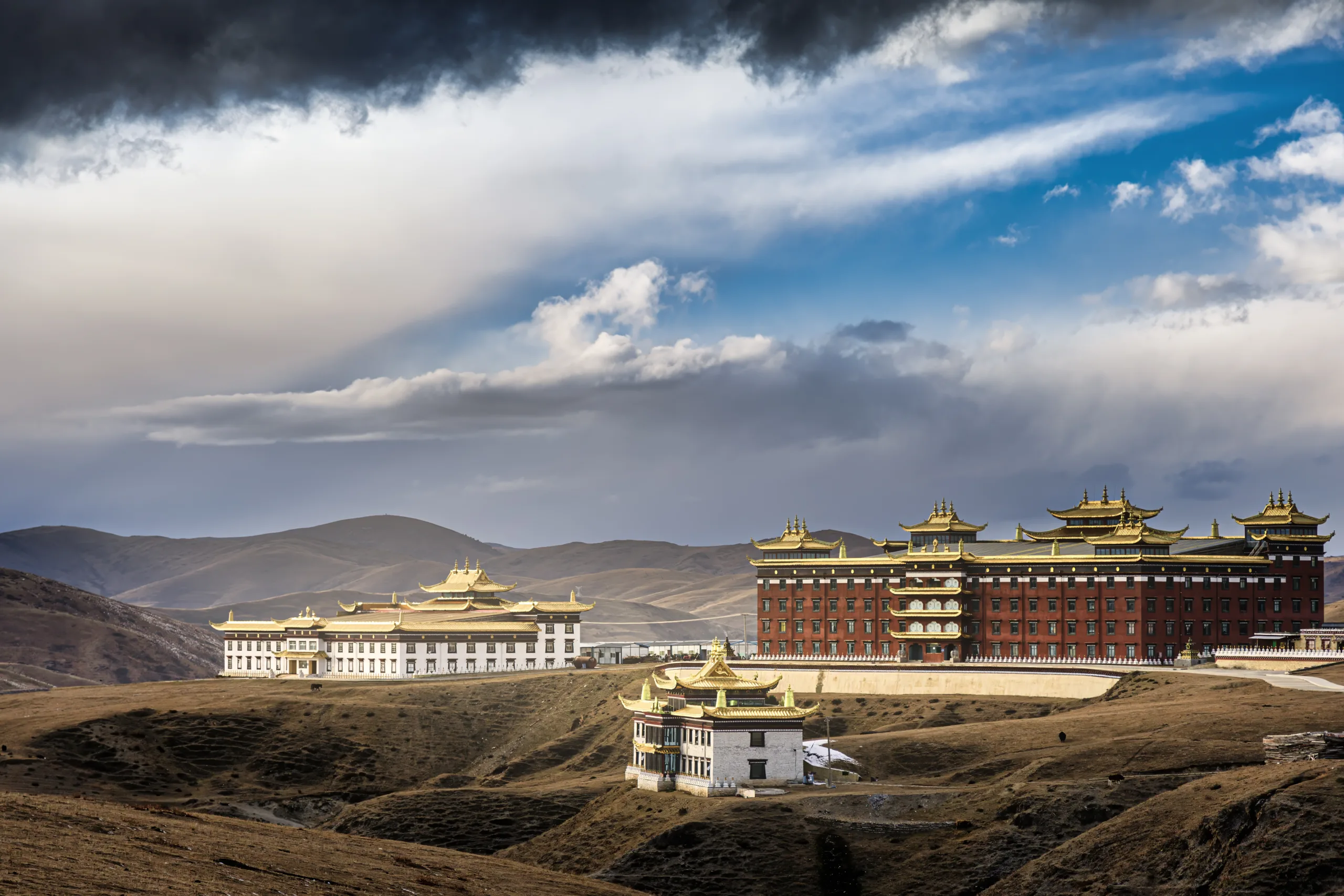
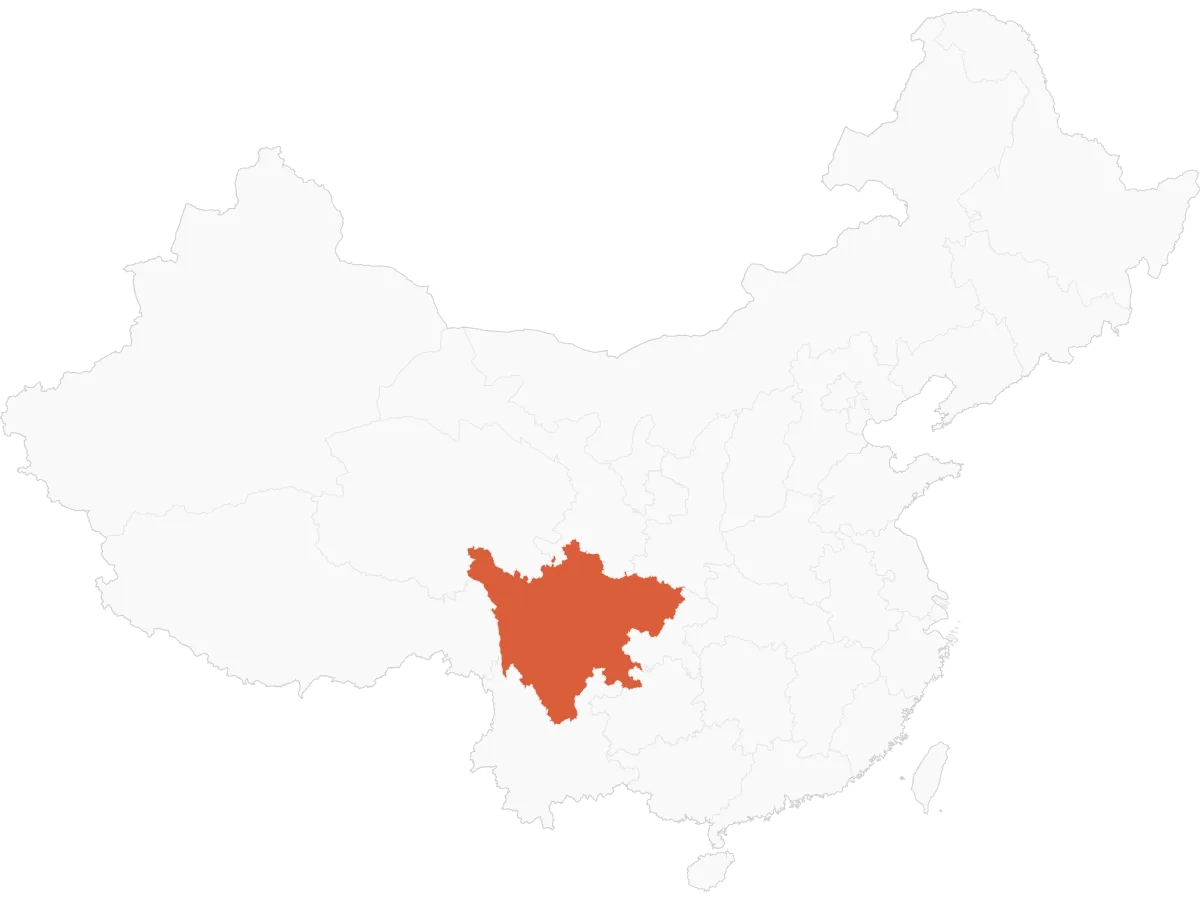
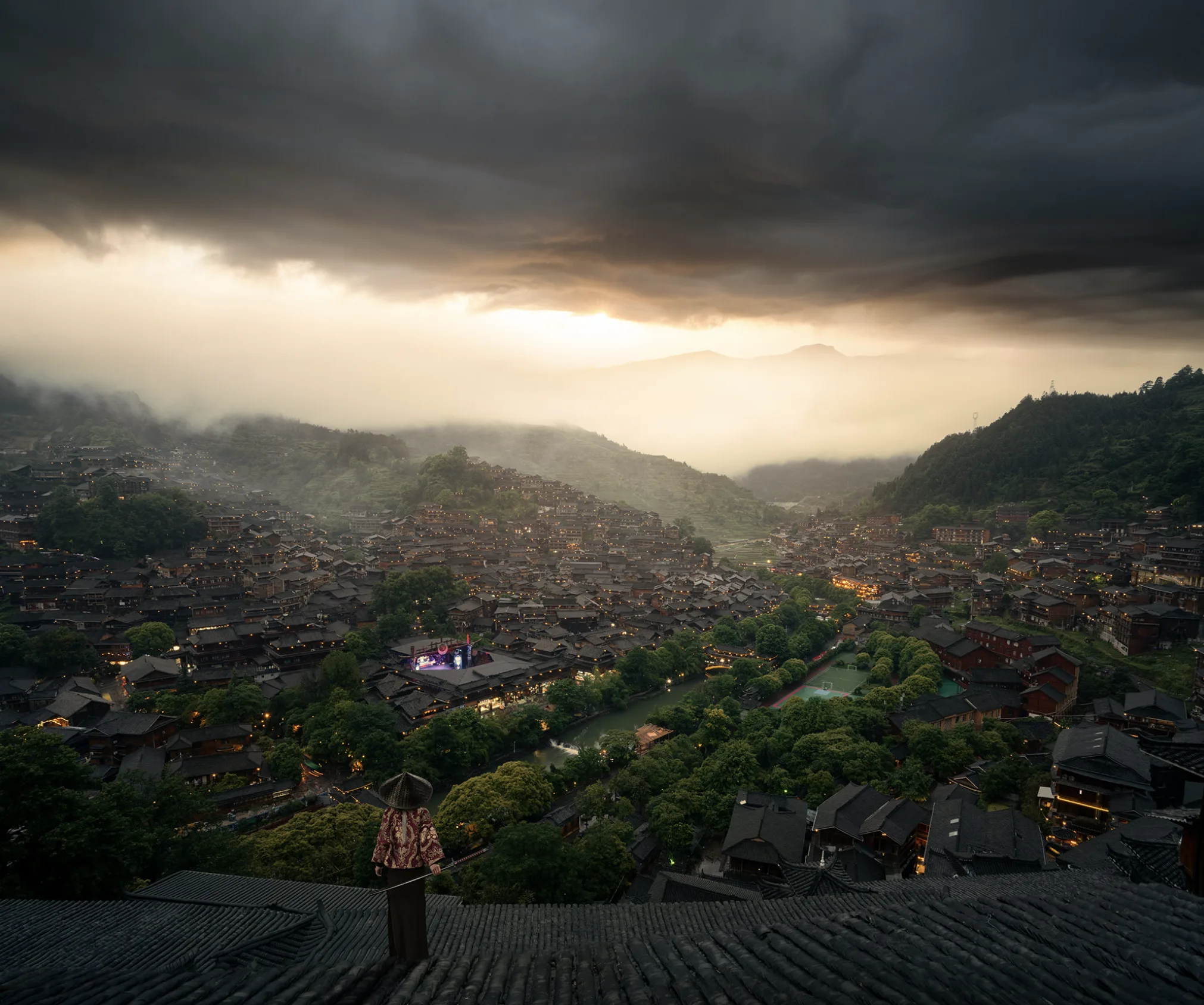
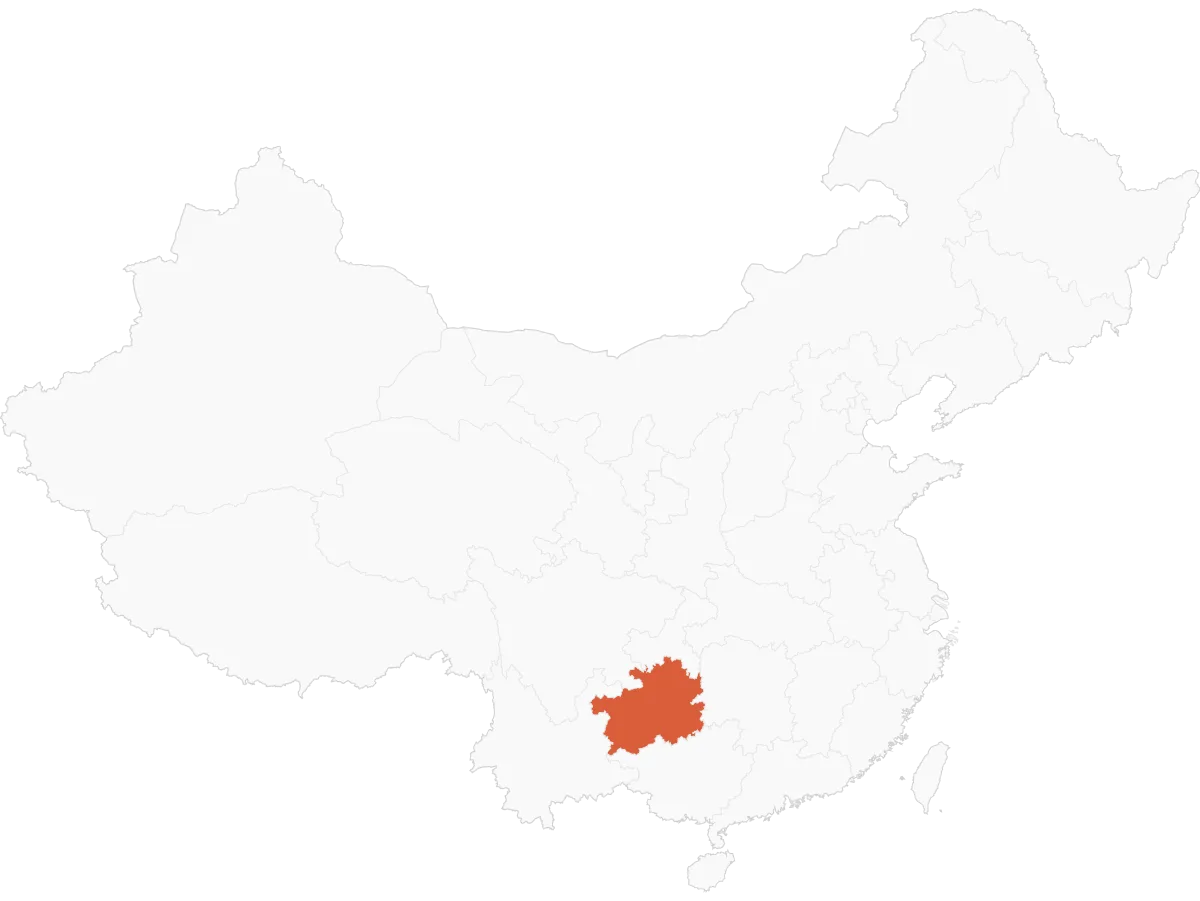
Compared with Guangxi, Hunan offers more striking landscapes, with Zhangjiajie’s sandstone pillars standing out as one of China’s most unique natural sights. Compared with Guizhou, it has fewer ethnic villages but better transport and easier access to destinations such as Zhangjiajie, Fenghuang, and Furong Town. Compared with Sichuan, Hunan has no high-altitude travel and is easier to explore.
If you are looking for natural wonders, photography, Miao culture, and historic towns, Hunan is an excellent choice. For snow mountains, Tibetan culture, or deeper ethnic village experiences, Sichuan, Tibet, or Guizhou may be a better fit.
Is Hunan suitable for first-time visitors to China?
Yes. Hunan is more suitable for first-time visitors than many people expect.
If you want to see famous landmarks such as the Great Wall, the Forbidden City, or the Terracotta Warriors, Beijing or Xi’an may be better first stops. But if you prefer nature, photography, old towns, and regional culture, Hunan is an excellent choice.
Zhangjiajie offers some of the world’s most unique sandstone pillar landscapes. Fenghuang Ancient Town and Furong Town showcase the charm of southern China’s mountain towns, while Dehang, Liusha Waterfall, the Grand Canyon, and Huanglong Cave add more natural highlights.
Compared with Sichuan, Qinghai, or Tibet, Hunan has no altitude concerns and is easier to travel around, with good transport and accommodation.
It can also be combined with cities such as Beijing, Shanghai, or Chengdu, giving travellers a mix of history, city life, and spectacular scenery.
How many days should I spend in Hunan?
We recommend spending 4–6 days in Hunan.
If you have 3 days, we suggest focusing on Zhangjiajie. You can spend your time exploring highlights such as Zhangjiajie National Forest Park, Tianmen Mountain, and the Zhangjiajie Grand Canyon.
If you have 4–5 days, you can add Furong Town or Fenghuang Ancient Town to your itinerary. This gives you a nice mix of Hunan’s spectacular mountain scenery and the relaxed atmosphere of its historic towns.
If you have 6–8 days, you can combine Zhangjiajie, Furong Town, Fenghuang Ancient Town, and nearby Miao villages for a more complete experience of western Hunan’s landscapes, culture, and local traditions.
In general, 3 days is enough for the main sights of Zhangjiajie, around 5 days works well for the classic western Hunan route, and 7 days or more allows for a deeper and more relaxed journey.
What is the best time to visit Hunan?
For most travellers, the best time to visit Hunan is spring (March–May) and autumn (September–November).
Whenever you travel, we recommend avoiding Chinese public holidays, especially the May Day holiday, summer school holidays in July and August, and the National Day holiday around October 1. Popular places such as Zhangjiajie and Fenghuang can become very crowded, with higher pressure on hotels and transport.
Spring (March–May): Comfortable temperatures, fresh green forests, and misty mountain scenery make this a good season for Zhangjiajie and western Hunan’s old towns.
Summer (June–August): The landscape is at its greenest, and waterfalls are fuller. However, the weather is hot and humid. May to July is also the rainy season, and heavy rainfall may occasionally cause flooding, landslides, or travel disruptions.
Autumn (September–November): Stable weather, clearer visibility, and rich autumn colours make this one of the best seasons for photography, hiking, and mountain views.
Winter (December–February): There are fewer visitors, and higher mountain areas may have rime, snow, or winter cloud seas. It is colder, but also much quieter.
In short, spring and autumn are the most comfortable, summer is the greenest, and winter is the quietest.
How do I get to Hunan?
Most travellers enter Hunan through Changsha or Zhangjiajie. Changsha is best for central and northern Hunan, while Zhangjiajie is the main gateway to western Hunan and its famous scenic areas.
International flights
Hunan’s main international airports are Changsha Huanghua International Airport (CSX) and Zhangjiajie Hehua International Airport (DYG). International routes are mainly within Asia and nearby regions. Travellers from Europe, North America, or other long-haul destinations usually fly first to major hubs such as Beijing, Shanghai, Guangzhou, Shenzhen, Chengdu, or Hong Kong, then connect to Changsha or Zhangjiajie.
Domestic flights
Both Changsha and Zhangjiajie have domestic flights. Changsha offers more routes and direct flights from major cities such as Beijing, Shanghai, Guangzhou, Shenzhen, Chengdu, Chongqing, Hangzhou, Xi’an, and Kunming. Zhangjiajie has fewer flight options, but it is much closer to Wulingyuan and the main Zhangjiajie scenic areas.
High-speed trains
Hunan has a strong high-speed rail network. Changsha is one of central China’s main railway hubs, with direct trains from Beijing, Shanghai, Guangzhou, Shenzhen, Wuhan, Guilin, Guiyang, Chengdu, Chongqing, and other cities. Zhangjiajie, Fenghuang Ancient Town, and Furong Town also have high-speed rail stations, making it easy to connect western Hunan without returning to Changsha.
If your trip focuses on Zhangjiajie, Fenghuang Ancient Town, and Furong Town, flying directly to Zhangjiajie or taking a high-speed train to Zhangjiajie West Railway Station is usually the most convenient option.
What ethnic groups live in Hunan?
Hunan is a multi-ethnic province. Besides the Han majority, the main long-established ethnic minority groups include Tujia, Miao, Dong, Yao, and Bai communities.
Tujia
Mainly found in western Hunan and Zhangjiajie. Tujia culture includes Tima songs, Hands-waving dance, and traditional stilted wooden houses.
Miao
Mainly found in western Hunan, Chengbu, Mayang, and nearby areas. Miao communities are known for silver ornament craftsmanship, festive dress, drum dances, and the April 8th Girls’ Festival, a traditional celebration featuring singing, dancing, courtship activities, and cultural performances.
Dong
Mainly found in Tongdao, Xinhuang, Zhijiang, and nearby counties. Dong culture is known for drum towers and wind-and-rain bridges, which serve as important public spaces in village life.
Yao
Mainly found in Jianghua Yao Autonomous County. The Panwang Festival, held on the 16th day of the tenth lunar month, is one of the most important Yao festivals, with rituals, singing, and dancing to honour their ancestor Panhu.
What is the difference between the spiciness of Hunan cuisine and that of Sichuan and Guizhou cuisines?
Hunan food is known for fresh chilli heat. It highlights the direct aroma and flavour of chilli itself. The taste is sharp, clean, and bold, with chilli as the main character.
Sichuan food is known for mala, the combination of chilli and Sichuan peppercorn. It creates both heat and a tingling, numbing sensation, with more layers of flavour.
Guizhou food is known for sour-spicy flavours. Chilli is often combined with fermented sour ingredients, such as sour soup or pickled vegetables, creating a rich, appetising taste.
In simple terms, Hunan is about the fragrance of chilli, Sichuan is about chilli plus numbing peppercorn, and Guizhou is about chilli with fermented sourness. Together, they represent three very different styles of Chinese spicy food.