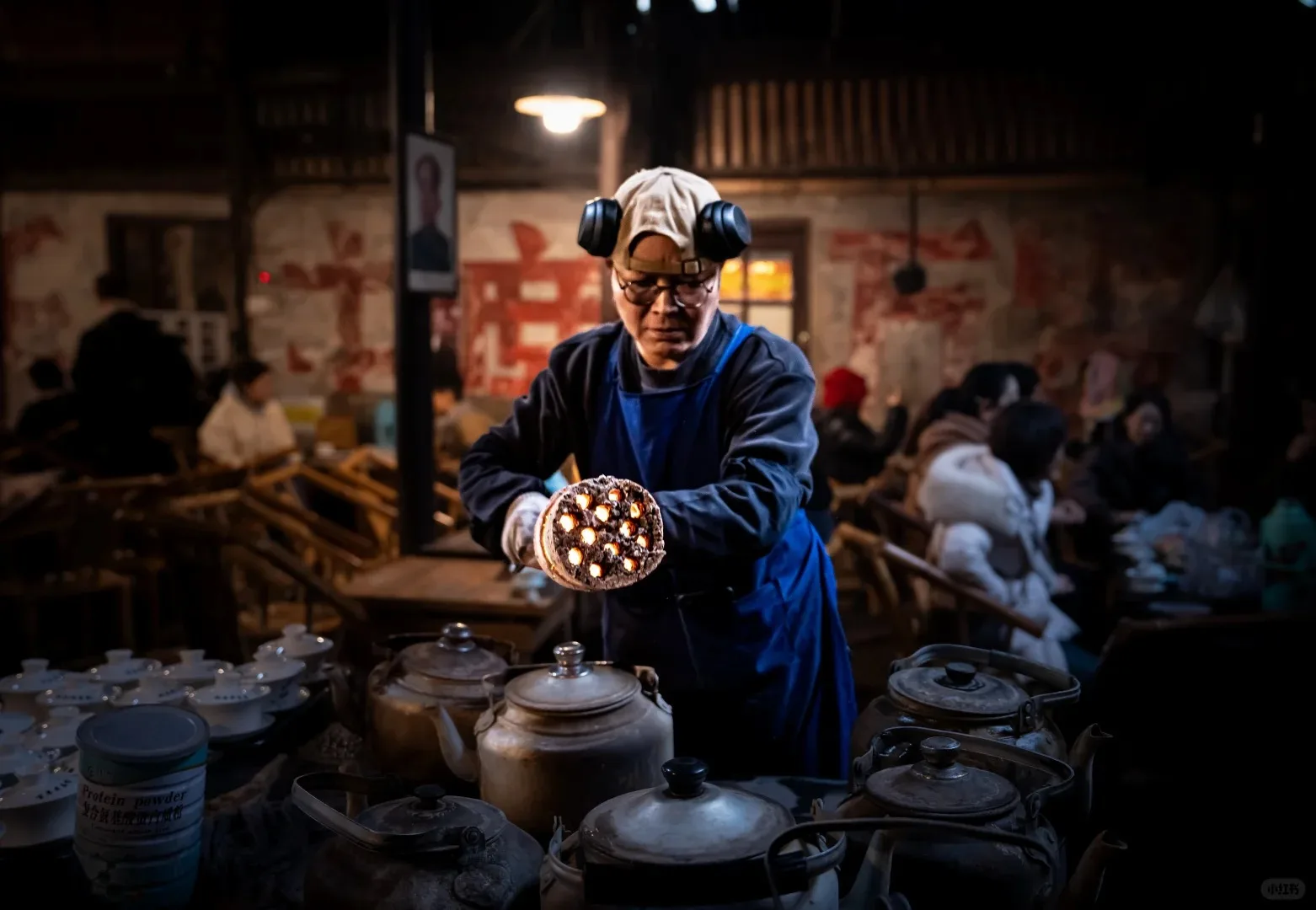
Chengdu Private Tour
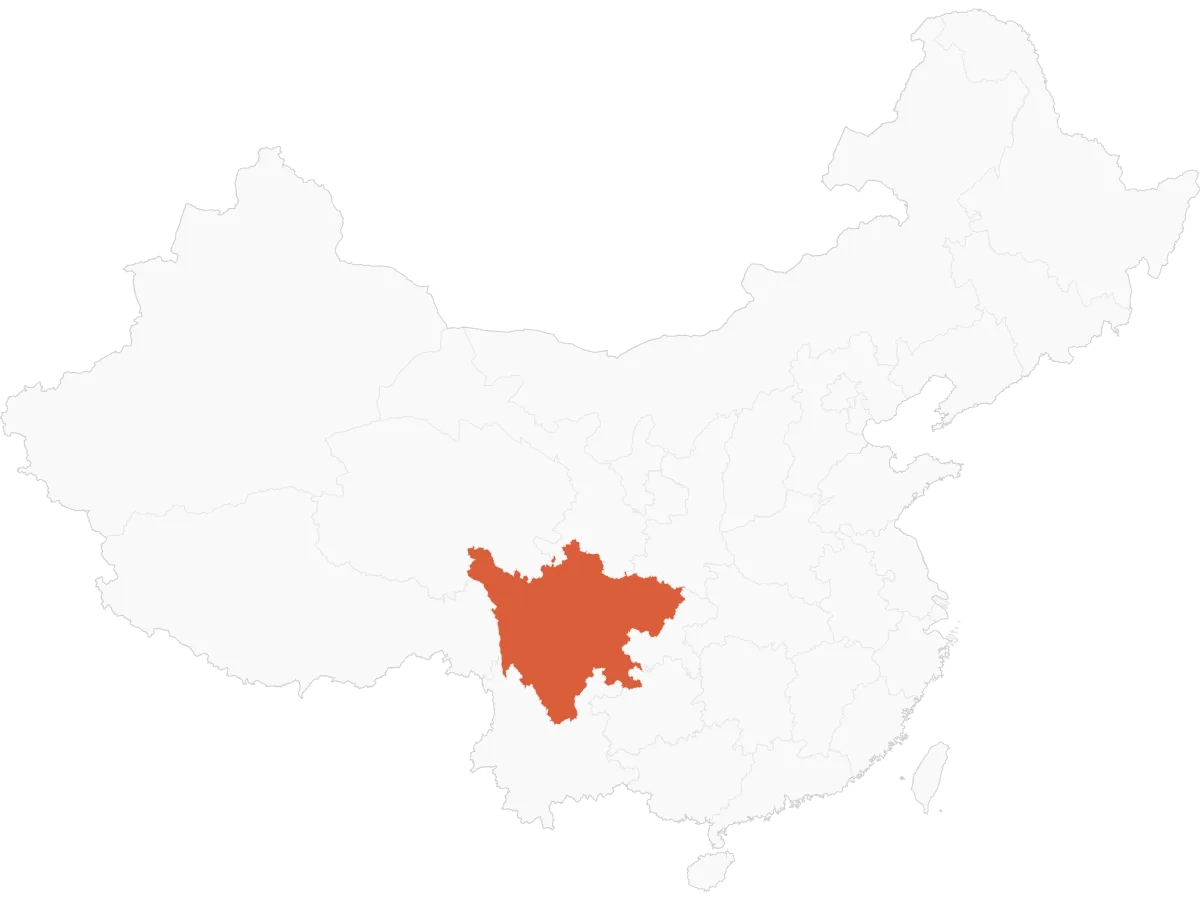
Chengdu is a city that knows how to enjoy life. Beneath its modern skyline lies a world of bustling food markets, traditional teahouses, ancient temples, and neighbourhoods where the rhythm of everyday life remains wonderfully unhurried. Known for its giant pandas, bold Sichuan cuisine, and distinctive creative spirit, Chengdu offers a side of China that feels both deeply traditional and unmistakably contemporary.
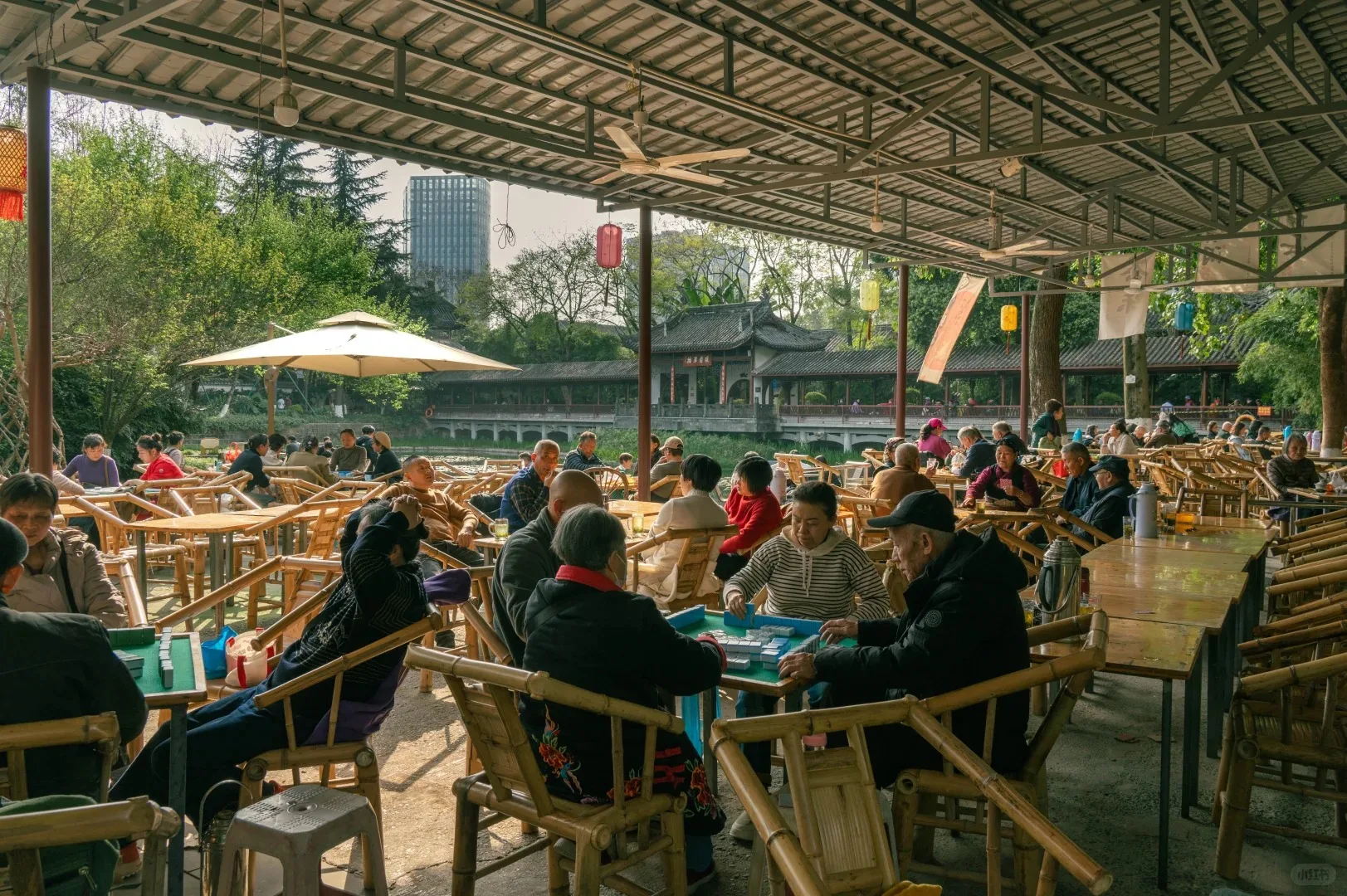
An Eastogo Chengdu Private Tour is designed to take you beyond the city’s familiar landmarks and into its local life. Begin your morning among the giant pandas, explore the remarkable treasures of the ancient Shu civilisation at Jinsha, or wander through People’s Park, where locals gather over tea, mahjong, and conversation. Discover the flavours of Sichuan with a local food specialist, from lively street markets and neighbourhood eateries to the rich traditions behind its celebrated cuisine.
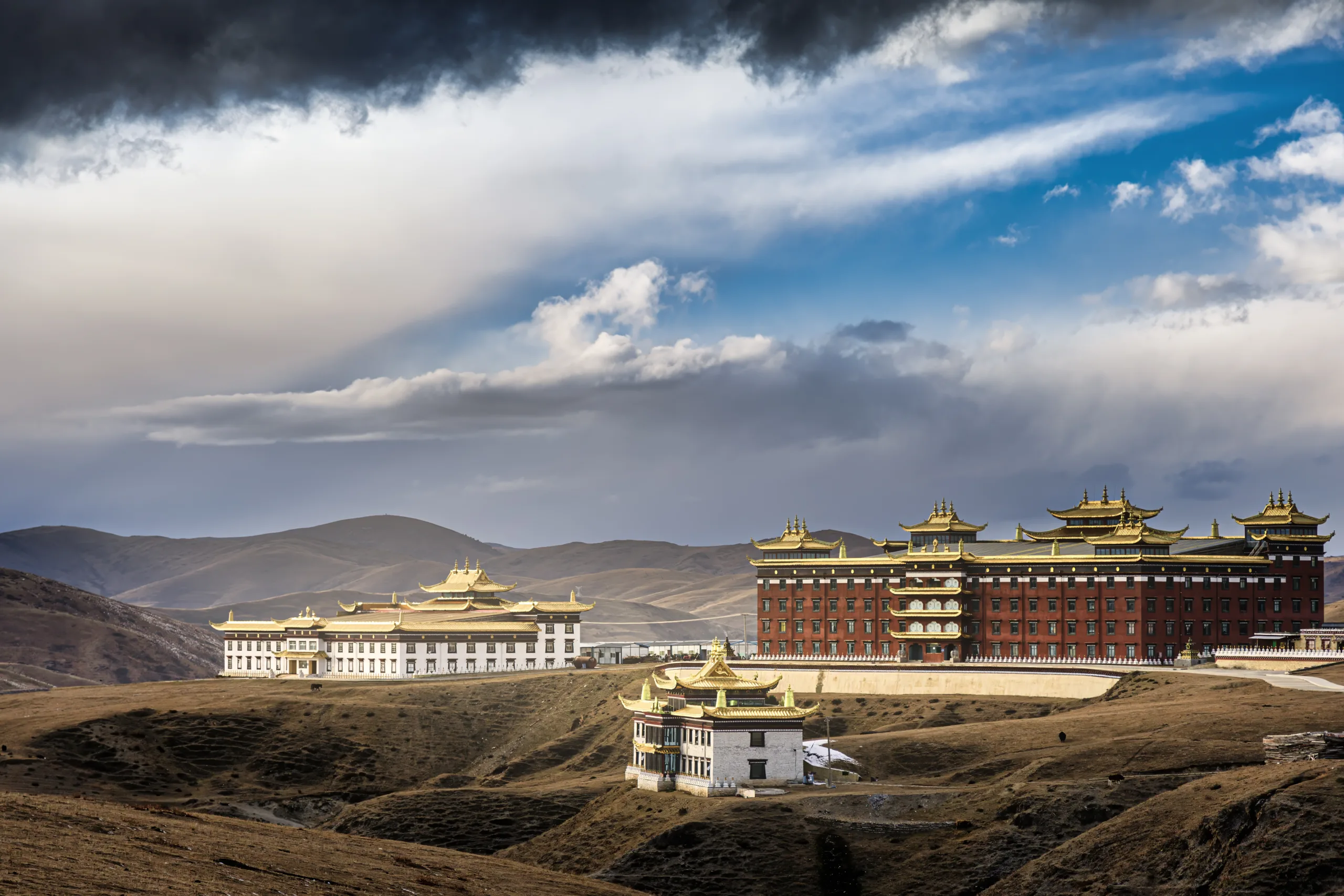
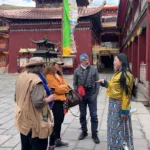
Chengdu also offers a fascinating meeting of cultures. Explore its Tibetan quarter, where the influence of the nearby plateau is woven into everyday street life, or discover the city’s contemporary character through its independent boutiques, creative neighbourhoods, and vibrant nightlife.
Beyond the city, visit the ancient irrigation system of Dujiangyan and the Taoist temples of Mount Qingcheng, or venture south to the monumental Leshan Giant Buddha and sacred Mount Emei.
With knowledgeable local guides, carefully selected stays, private transport, and experiences shaped around your interests, Eastogo creates private Chengdu journeys that reveal the city’s many layers — from its ancient history and culinary traditions to the everyday moments that make Chengdu one of China’s most enjoyable cities to explore.
Journey Highlights

Join a hands-on programme at a panda base to see what goes into caring for these animals each day. Prepare fresh bamboo, watch the keepers at feeding time, see how droppings are analysed, and make panda cakes by hand. Visit the panda museum and end the day with a documentary, certificate, and souvenir.
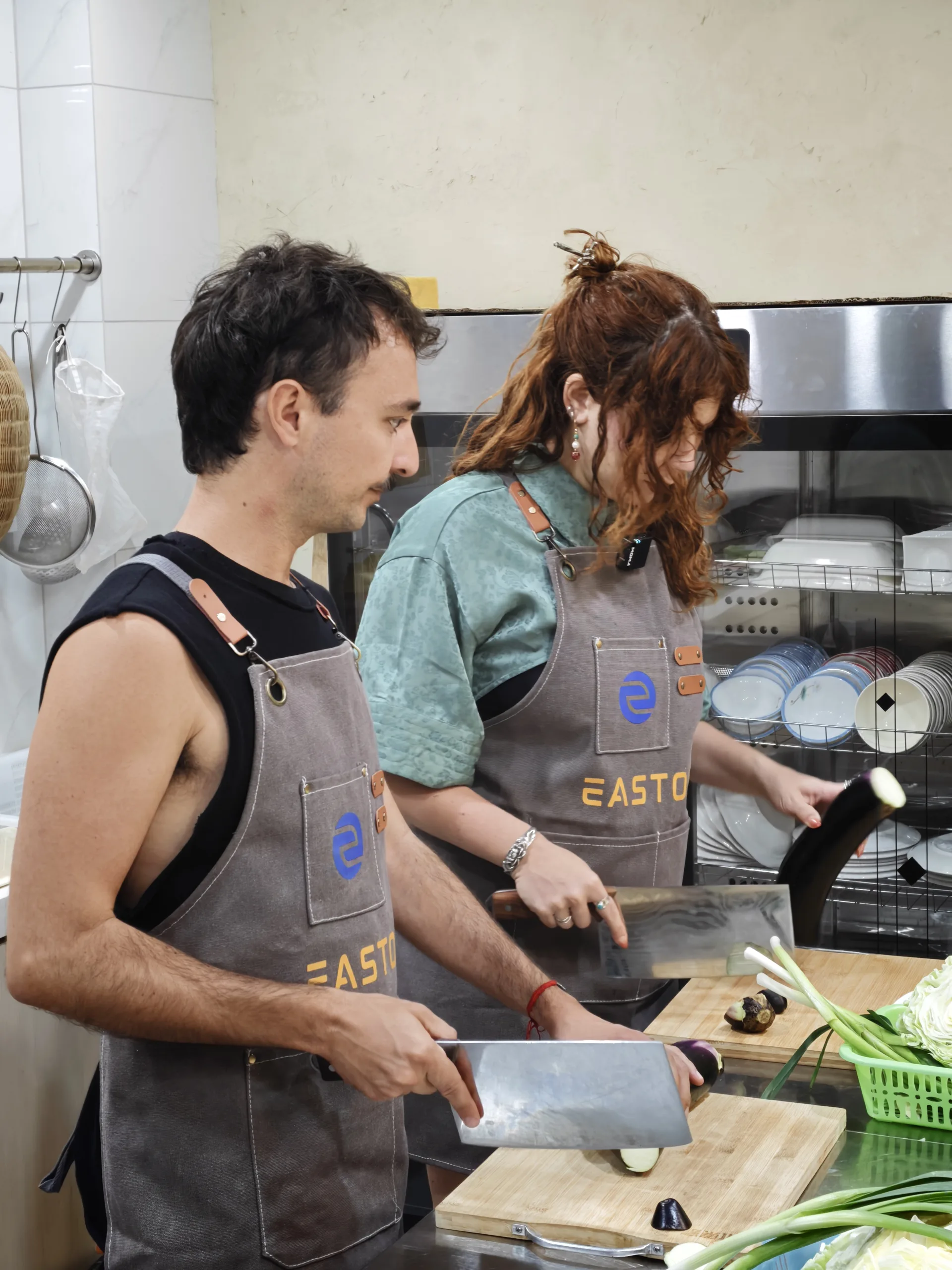
Follow a local food guide through a neighbourhood market, discovering the spices, sauces, and fresh ingredients that shape Sichuan cuisine. Then step into the kitchen to chop, season, and stir-fry several dishes with guidance from a local chef. When the cooking is done, sit down together and enjoy everything you have made.
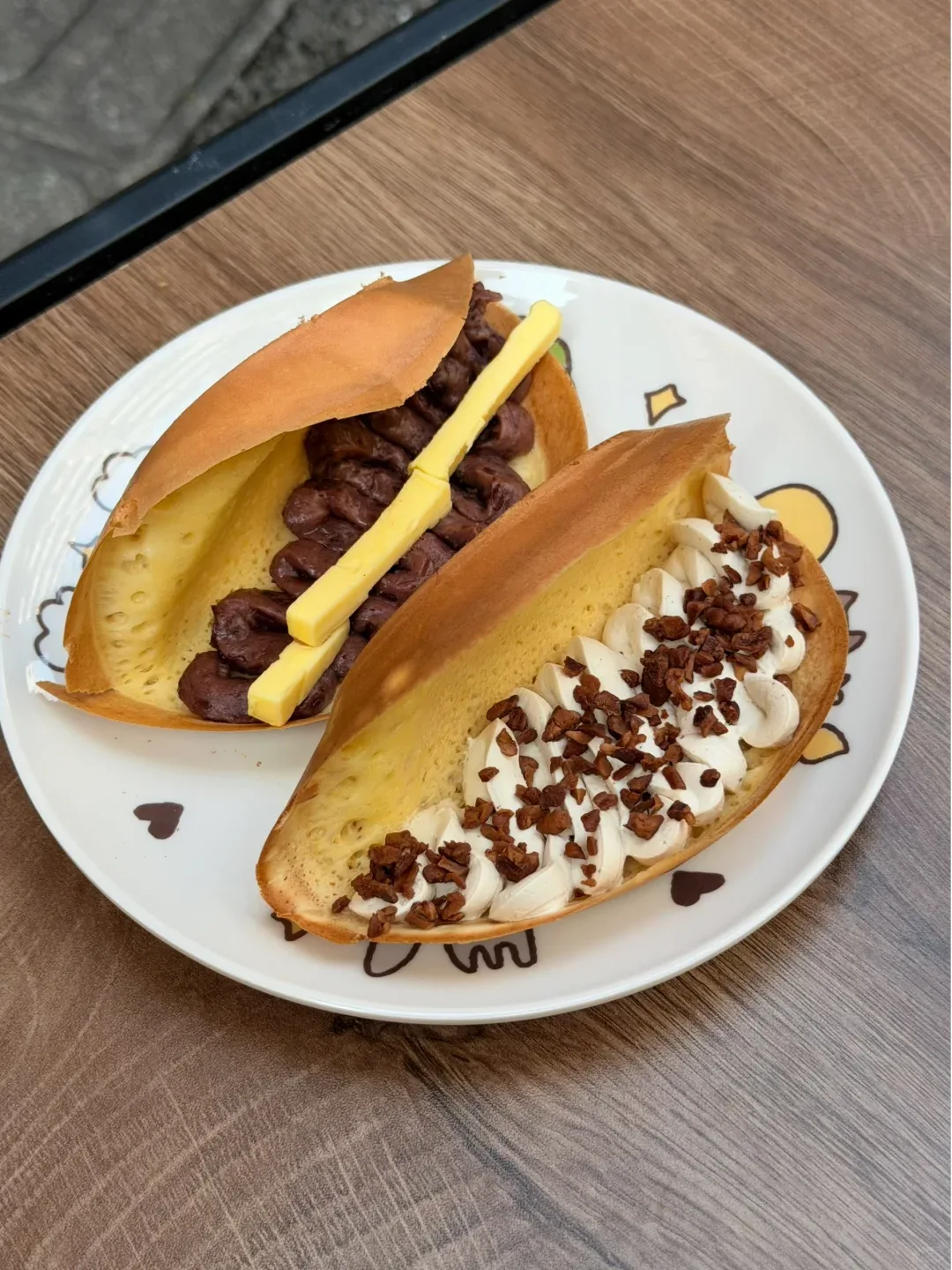
Ride a tuk-tuk through Chengdu after dark, moving between neighbourhood restaurants and street stalls that are easy to miss on your own. Taste local dishes, learn what goes into them and how to order them, then finish the evening over craft beer or Chinese wine at a neighbourhood bar.
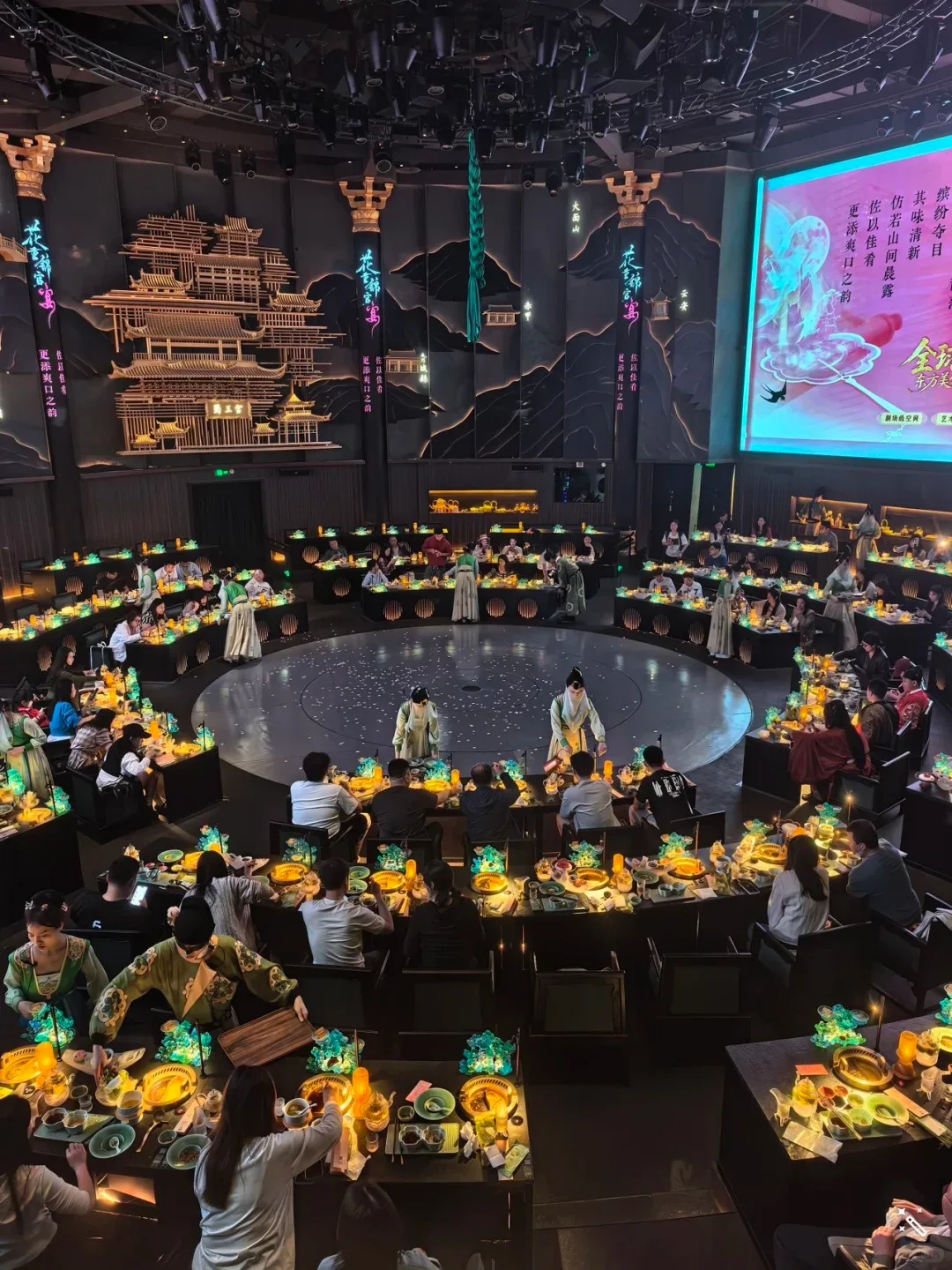
Gather around a bubbling hotpot at Hongdingyan and cook meat, vegetables, and Sichuan favourites in a broth matched to your preferred spice level. As dinner unfolds, watch face-changing, traditional music, and other live performances. You can also dress in Hanfu for the evening with optional styling.
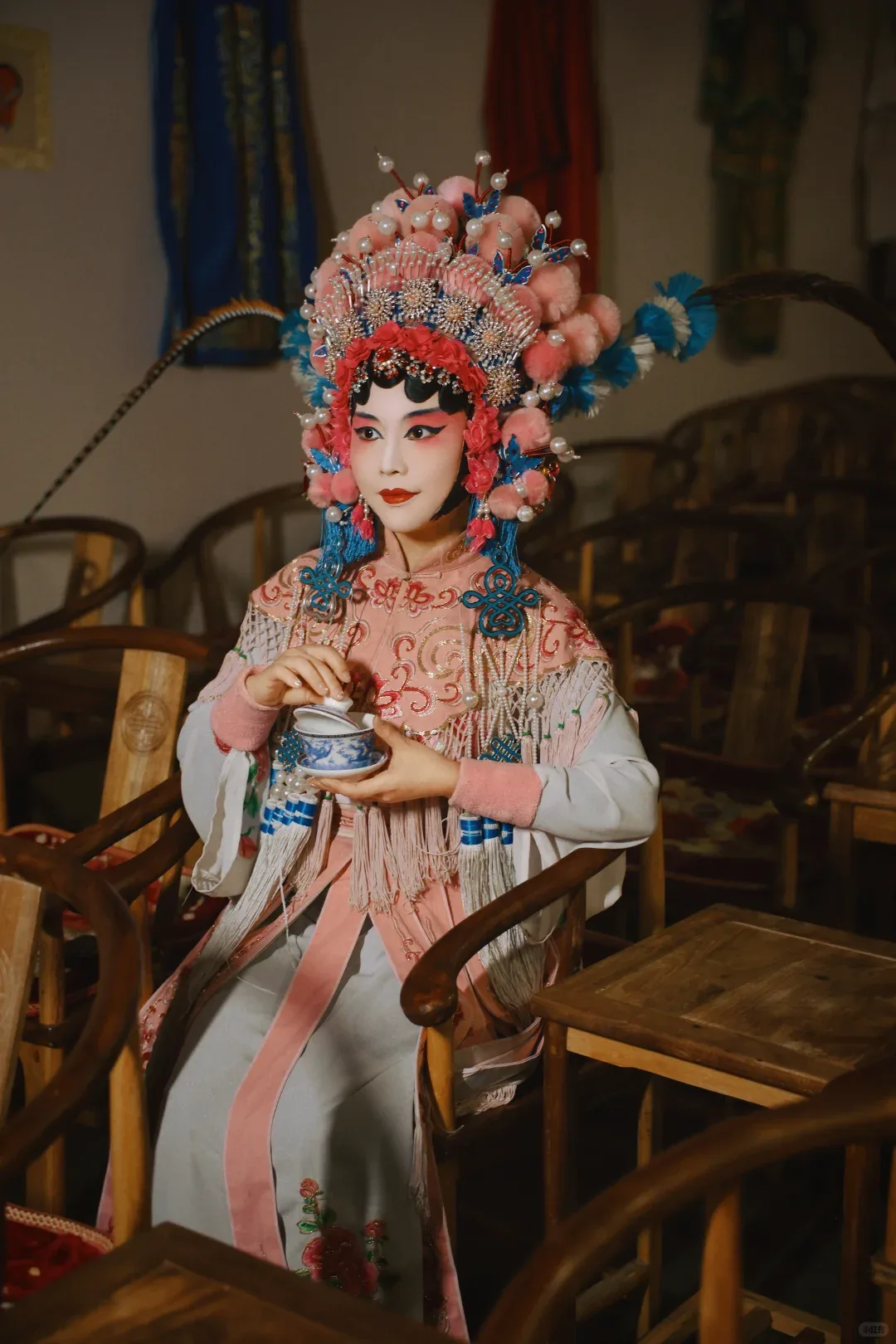
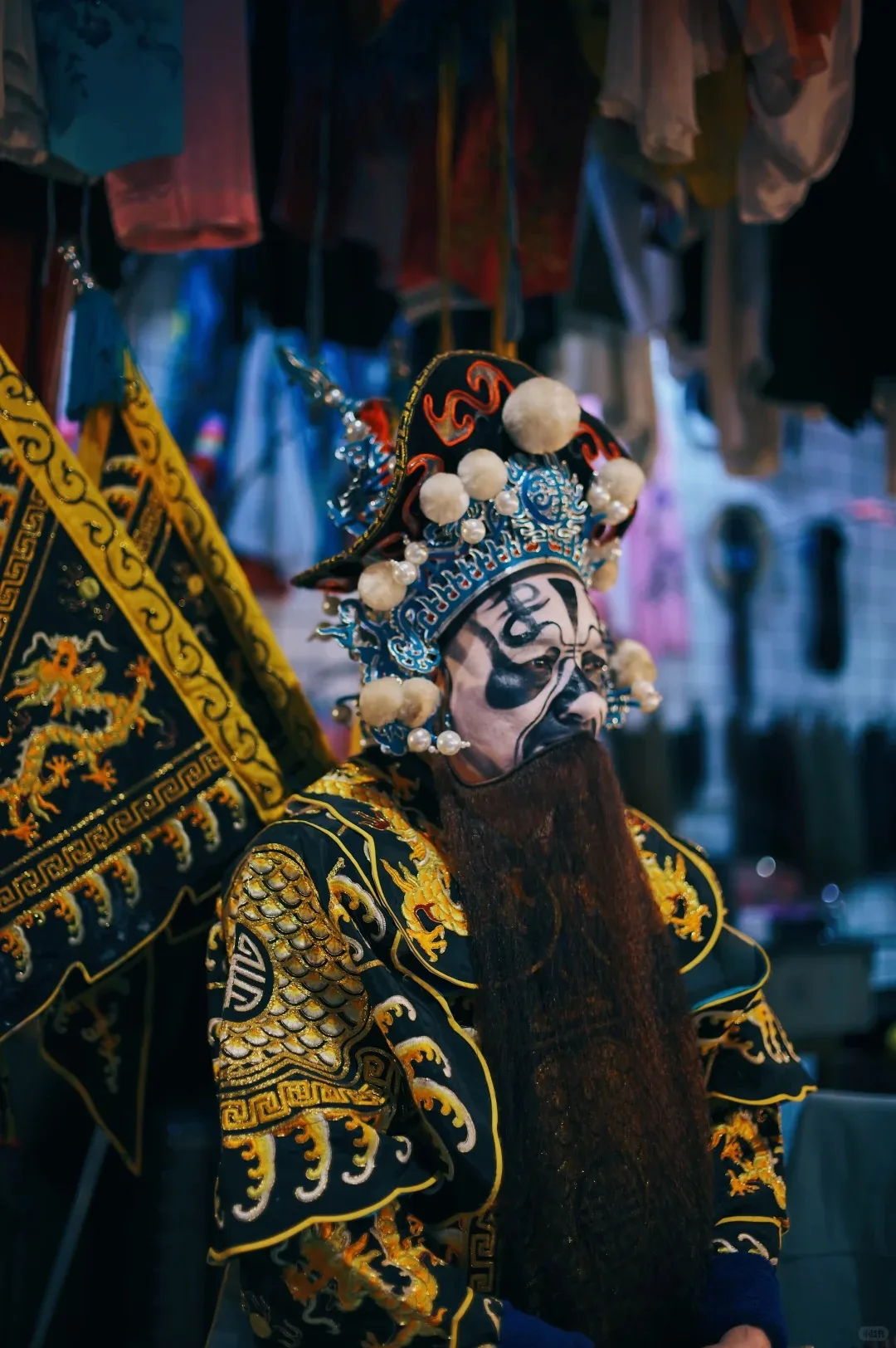
Take your seat for a live Sichuan Opera performance filled with humour, percussion, expressive movement, and rapid face-changing. For a closer look at the people behind the stage, an optional backstage visit can be arranged to meet the performers and see how they prepare before the curtain rises.
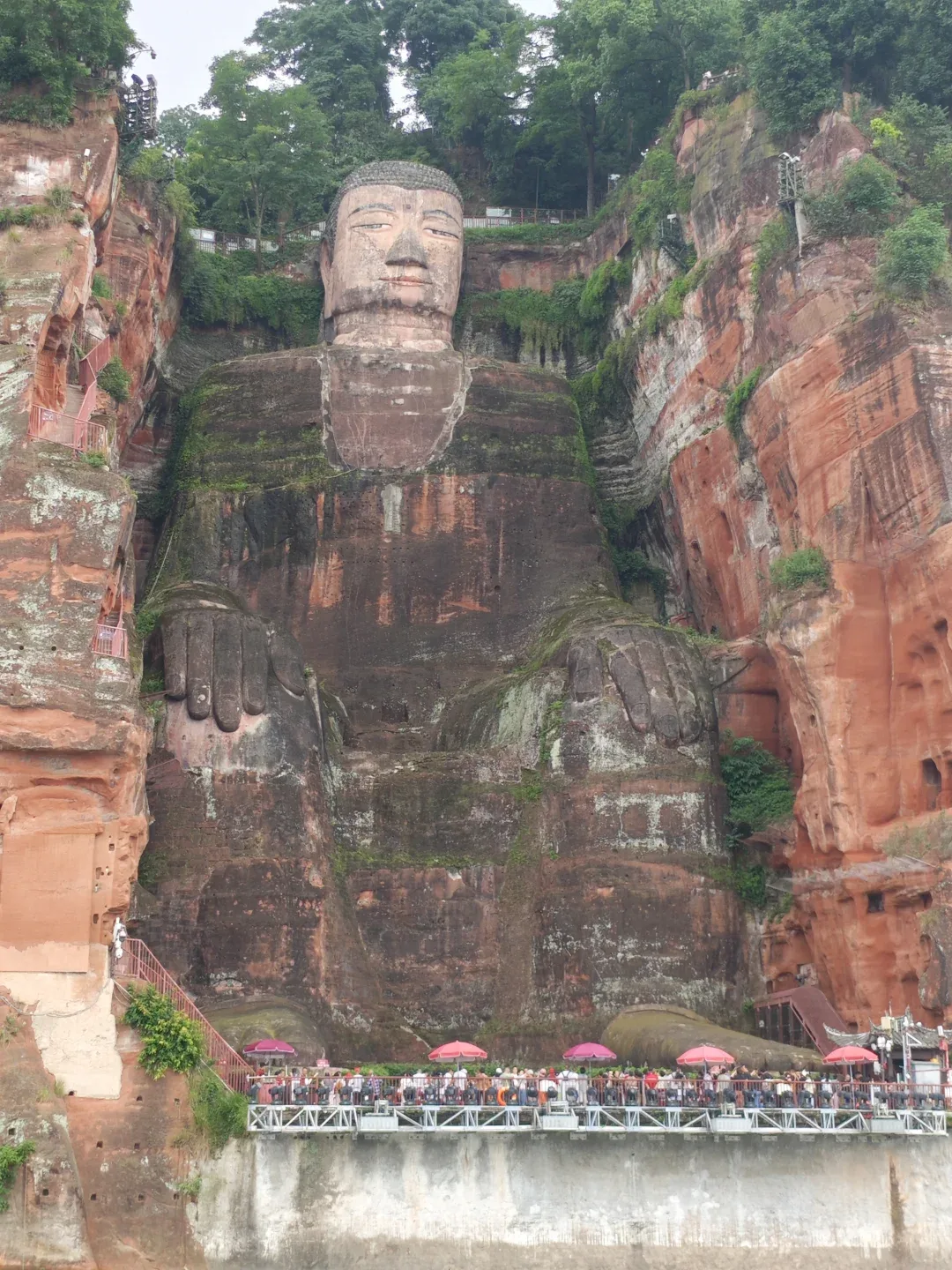
Cruise towards the Leshan Giant Buddha and watch its full form emerge from the riverside cliffs. From the water, take in the scale of the 71-metre Buddha, carved directly into the hillside more than 1,200 years ago and facing the meeting point of the Minjiang, Dadu, and Qingyi rivers.
Inclusions & Offers
Designed Around Your Journey
Rather than fixed departures, this experience is arranged privately and shaped around your preferred dates, interests, and travel style.
Our specialists will design the journey based on your pace, accommodation preferences, and seasonal conditions.
Best time to visit
Chengdu is humid, cloudy, and generally mild compared with many Chinese cities. Summer is hot and rainy, especially in July and August. Winter is not extremely cold, but the damp air and limited sunshine can make it feel colder than the temperature suggests. For Qingcheng Mountain, Mount Emei, Leshan, or western Sichuan extensions, pack layers and rain gear.
Traveler Reviews



FAQs
How is a private tour different from a group tour?
A Chengdu private tour offers greater flexibility, privacy, and access to local experiences than a standard group itinerary. Rather than following fixed schedules and crowded sightseeing routes, you can explore the city at your own pace — whether that means visiting the giant pandas early in the morning, spending more time discovering Sichuan cuisine, or exploring Chengdu’s traditional neighbourhoods and contemporary cultural scene.
With Eastogo, private travel also opens the door to more personal experiences. Explore local food markets with a culinary specialist, learn Sichuan cooking from a local chef, spend an afternoon in a traditional teahouse, or discover the city’s Tibetan quarter with a knowledgeable guide. Beyond Chengdu, your journey can be tailored to include Dujiangyan, Mount Qingcheng, the Leshan Giant Buddha, or Mount Emei.
With private transport, carefully selected stays, and experienced local guides, we create a more personal and unhurried way to experience Chengdu — combining its famous attractions with the food, culture, and everyday life that give the city its distinctive character.
How does the booking process work?
1. Submit Your Inquiry
Tell us where you’d like to go, when you’d like to travel, and what kind of experiences you’re looking for.
2. Meet Your Destination Specialist
Your regional expert will arrange a complimentary consultation to understand your interests, travel style, pace, and priorities. Together, we’ll begin shaping the journey around your curiosity.
3. Receive Your Personalized Proposal
Based on your preferences, we’ll create a personalized itinerary and quotation, including accommodations, transportation, experiences, and recommendations tailored specifically to you.
4. Refine & Confirm Your Journey
Review the itinerary with your destination specialist and make any adjustments you’d like. Once everything feels right, secure your booking with a deposit and we’ll begin preparing the trip.
5. Travel with Confidence
Before departure, you’ll receive your detailed travel documents, practical information, and pre-departure guidance. Then simply arrive and enjoy your journey while we take care of the rest.
What is Chengdu known for?
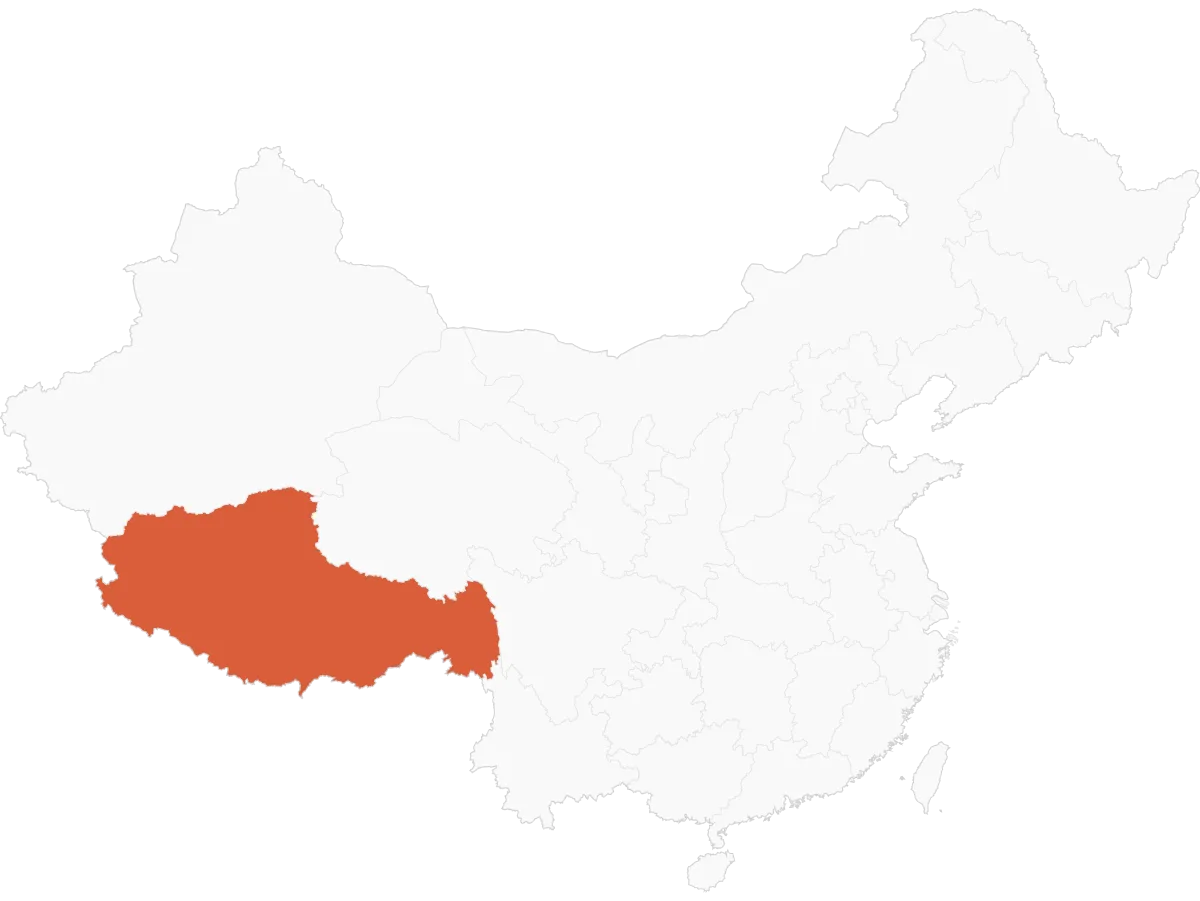
Chengdu is known for giant pandas, Sichuan cuisine, hotpot, teahouse culture, mahjong, ancient Shu history, Three Kingdoms heritage, and its relaxed urban rhythm. It is also one of the most practical gateways to western Sichuan and Tibetan regions, making it both a city destination and a starting point for deeper journeys into southwest China.
Is Chengdu worth visiting?
Yes. Chengdu is worth visiting for the way it combines famous symbols with a very relaxed local rhythm. Pandas and Sichuan food bring many travelers here first, but the city becomes more interesting when you spend time in teahouses, parks, hotpot restaurants, museums, and older neighborhoods. It is also a practical starting point for western Sichuan, Leshan, Mount Emei, Jiuzhaigou, and Tibetan regions.
Is Chengdu suitable for first-time visitors to China?
Yes. Chengdu is a very good first stop for travelers who want China to feel less formal than Beijing and less fast-paced than Shanghai. Beijing is stronger for imperial history and national landmarks, while Shanghai is better for modern skyline, design, and international city life. Chengdu offers a different first impression: teahouses, parks, hotpot, pandas, street food, mahjong, and neighborhoods where daily life is easy to observe. It has major airports, high-speed rail, metro lines, good hotels, and many simple day trips. English can still be limited in local restaurants and smaller neighborhoods, so food ordering, transport, and day trips are smoother with planning or a guide.
What are the must-see attractions in Chengdu?
For a first visit, start with the Chengdu Research Base of Giant Panda Breeding, ideally in the morning. Add People’s Park or a teahouse to understand the city’s slow rhythm, then choose one cultural site such as Jinsha Site Museum or Wuhou Shrine. If you have more time, Dujiangyan and Mount Qingcheng make the strongest day trip for ancient engineering, landscape, and Taoist culture.
How many days should I spend in Chengdu?
Two full days is enough for a first Chengdu visit if you want pandas, a teahouse, one or two cultural sites, and a good food experience. Three or four days is more comfortable and gives you time for Dujiangyan, Mount Qingcheng, Leshan, or a slower neighborhood day. If Chengdu is your gateway to western Sichuan or Tibet, keep at least one relaxed day here for arrival, rest, and orientation.
What is the best time to visit Chengdu?
The best time to visit Chengdu is usually March-May and September-November. Spring and autumn are comfortable for city walks, pandas, teahouses, parks, and nearby day trips. Summer is warm, humid, and rainy. Winter is not extremely cold, but it can feel damp and cloudy. For Qingcheng, Emei, or western Sichuan extensions, pack layers and rain gear.
How do I get to Chengdu?
Chengdu has two main airports: Chengdu Tianfu International Airport (TFU) and Chengdu Shuangliu International Airport (CTU). TFU handles many international and regional flights, while CTU is closer to the city center and serves many domestic routes. Chengdu East Railway Station is the main high-speed rail hub, with convenient links to Chongqing, Xi’an, Guiyang, Kunming, and other major cities.
What makes Chengdu different from other big Chinese cities?
Chengdu feels slower, warmer, and more everyday than many large Chinese cities. People often come for pandas and hotpot, then remember the tea, parks, small streets, late meals, and casual social life. The city has strong transport links and modern districts, but its personality comes from leisure, food culture, and its position between the Sichuan Basin and the highlands beyond.
When is the best time to see pandas in Chengdu?
Go in the morning, ideally close to opening time. Pandas are usually more active in cooler hours, and you have a better chance of seeing them eating, climbing, or moving around. By midday, especially in warm weather, they often rest or move indoors. Weekends and Chinese public holidays can be very crowded, so early arrival and advance planning matter.
Is Chengdu good for food travel if I cannot eat spicy food?
Yes, but you need to order carefully. Chengdu food is famous for chili and Sichuan pepper, yet the cuisine also has layered flavors from garlic, vinegar, sesame paste, fermented beans, broth, herbs, and slow cooking. Travelers who cannot eat spicy food can still enjoy clear-broth hotpot, wontons, steamed dishes, noodles, tofu dishes, teahouse snacks, and home-style Sichuan food. A guide helps a lot with ordering.