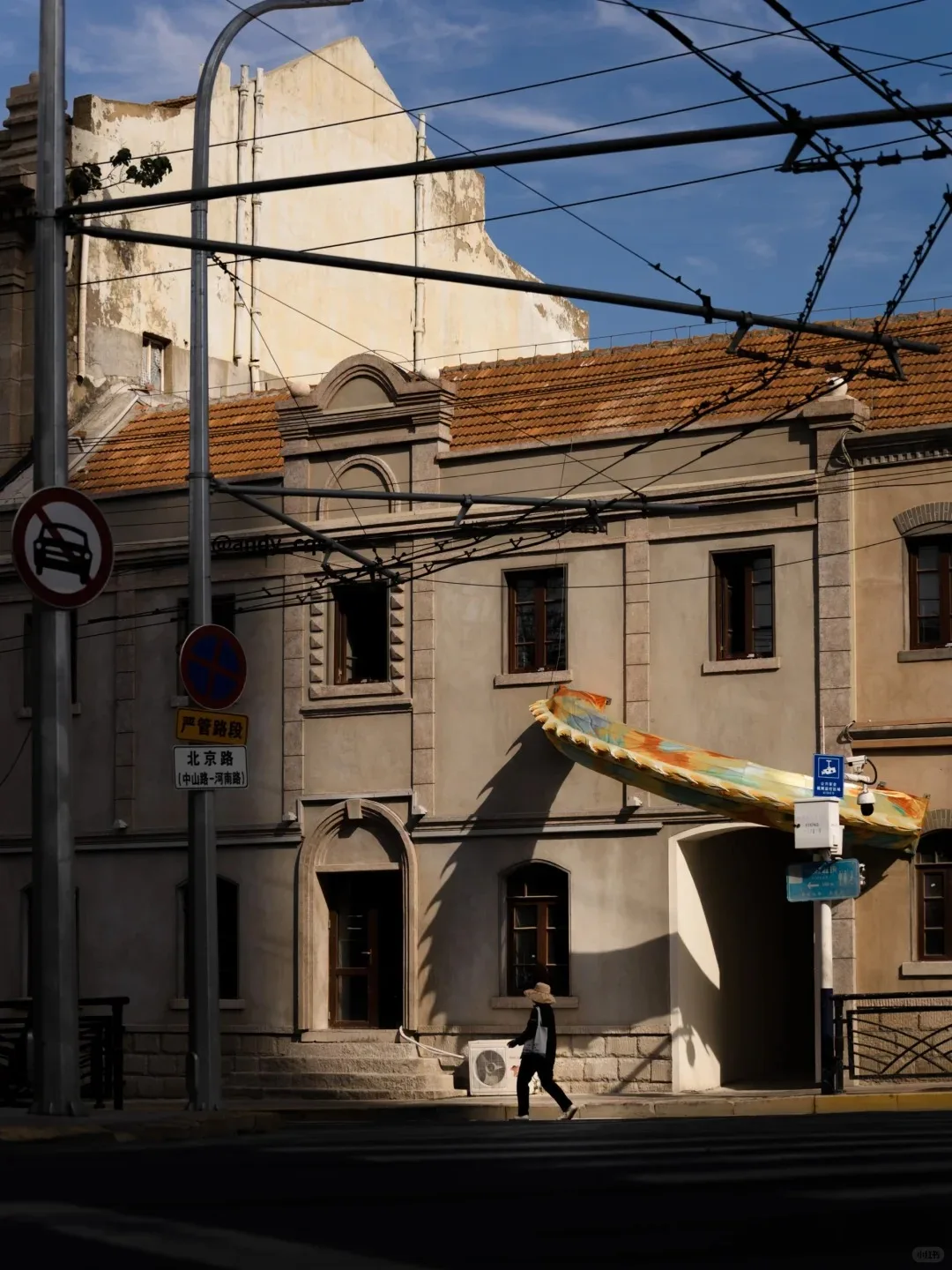
Shanghai Private Tour
Shanghai is a city of remarkable contrasts, where Art Deco landmarks and historic European architecture stand alongside futuristic skyscrapers, while quiet, tree-lined neighbourhoods preserve a more intimate side of the city. Once a great trading port and now one of Asia’s most cosmopolitan cities, Shanghai offers a fascinating perspective on China’s past, present, and future.
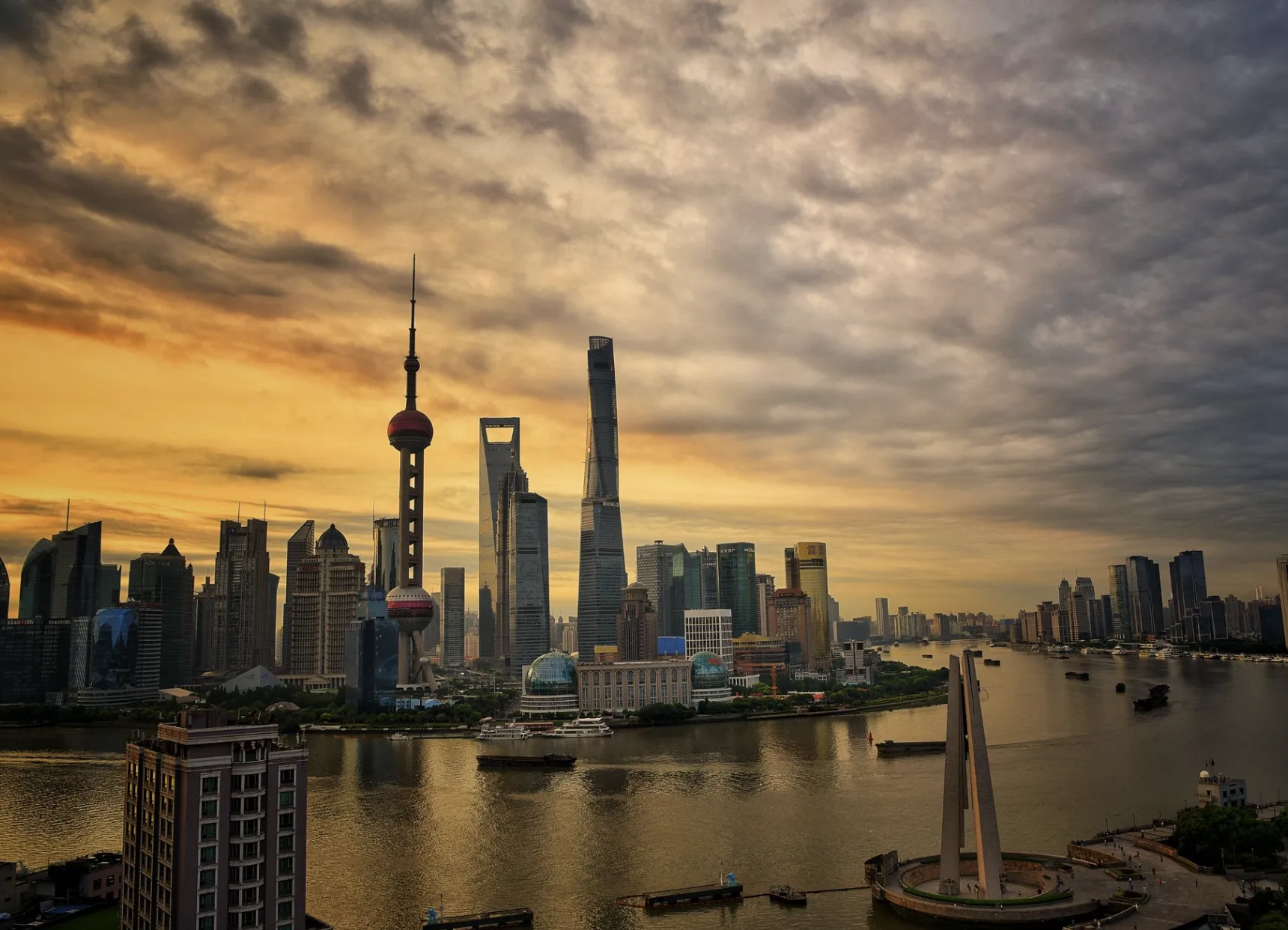
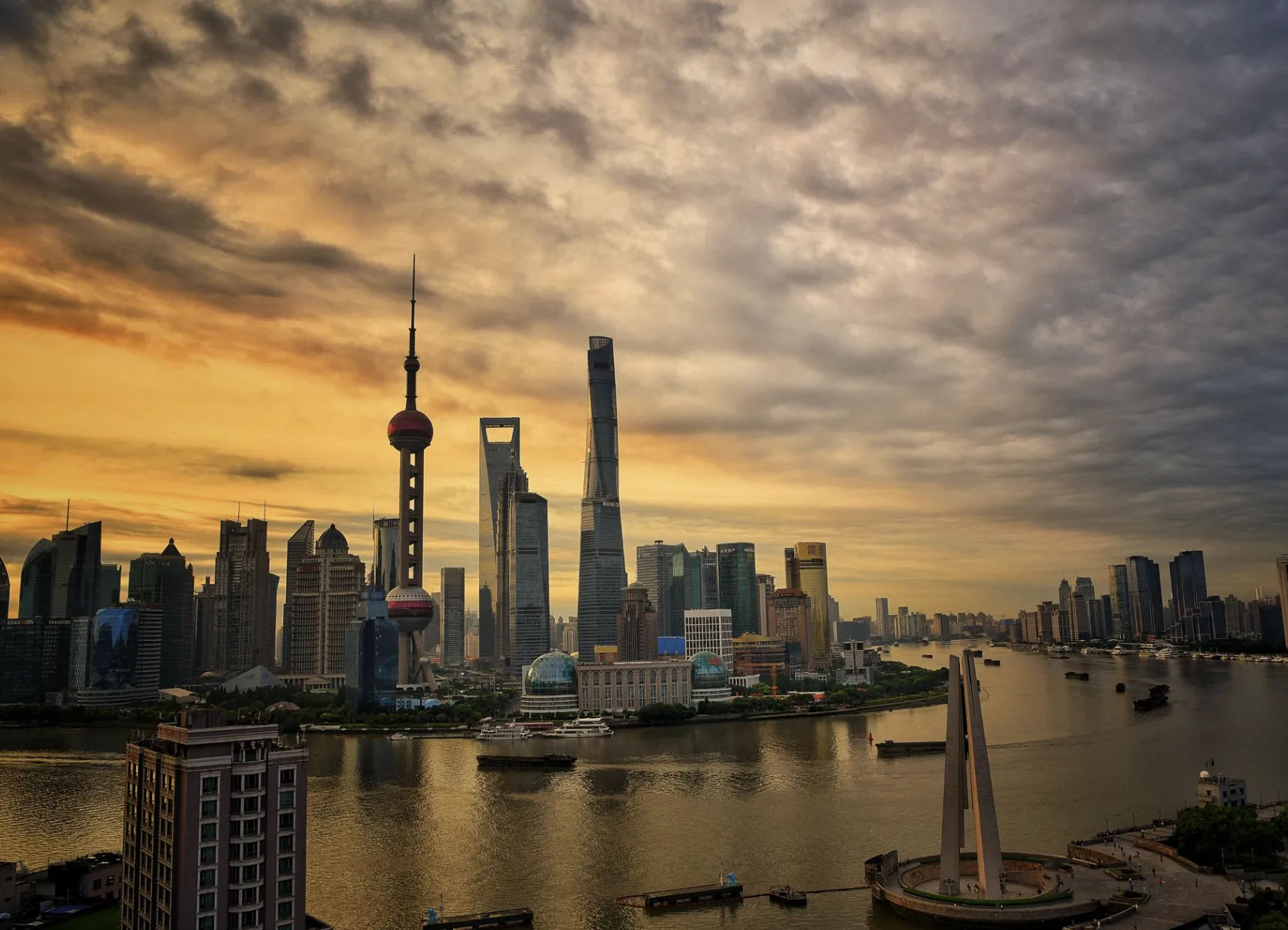
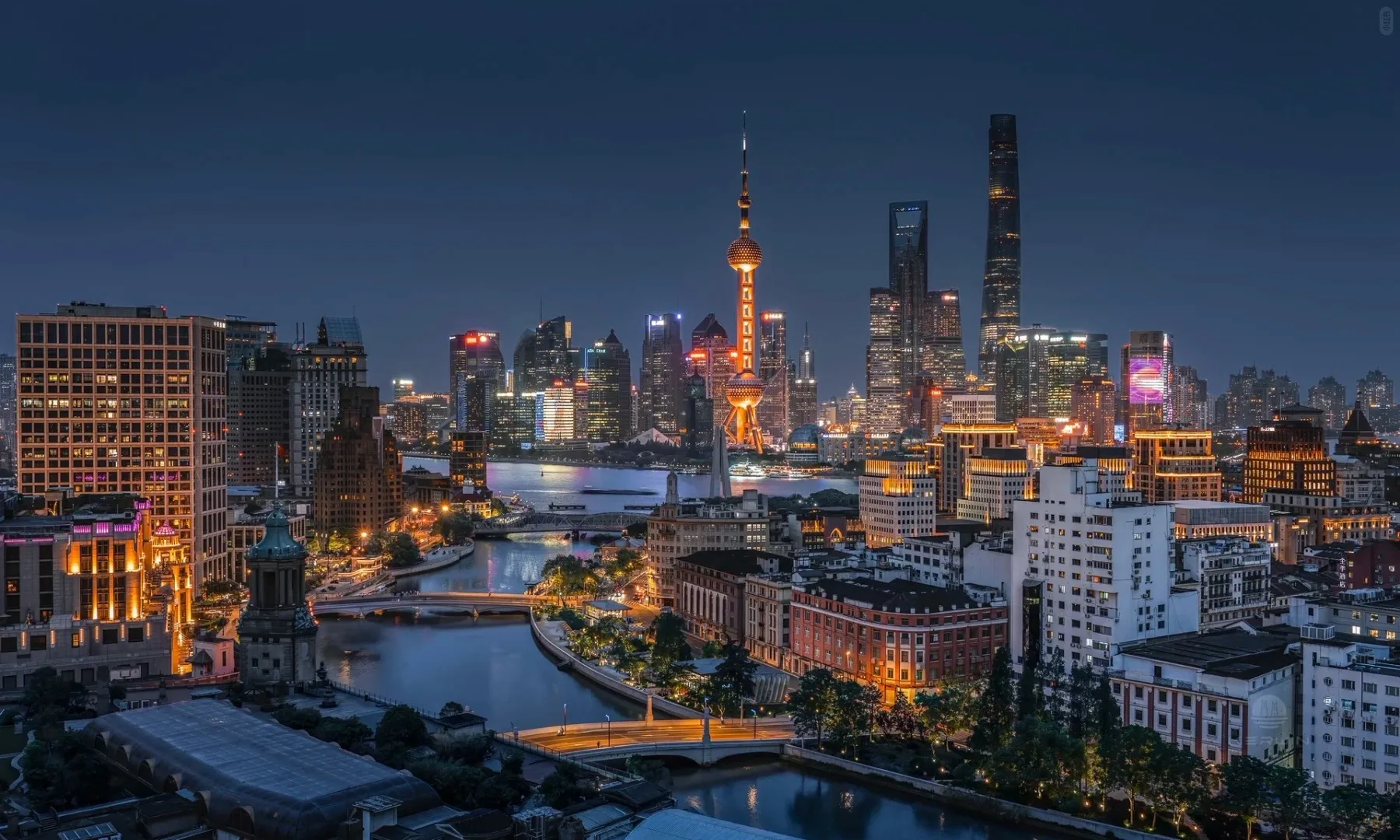
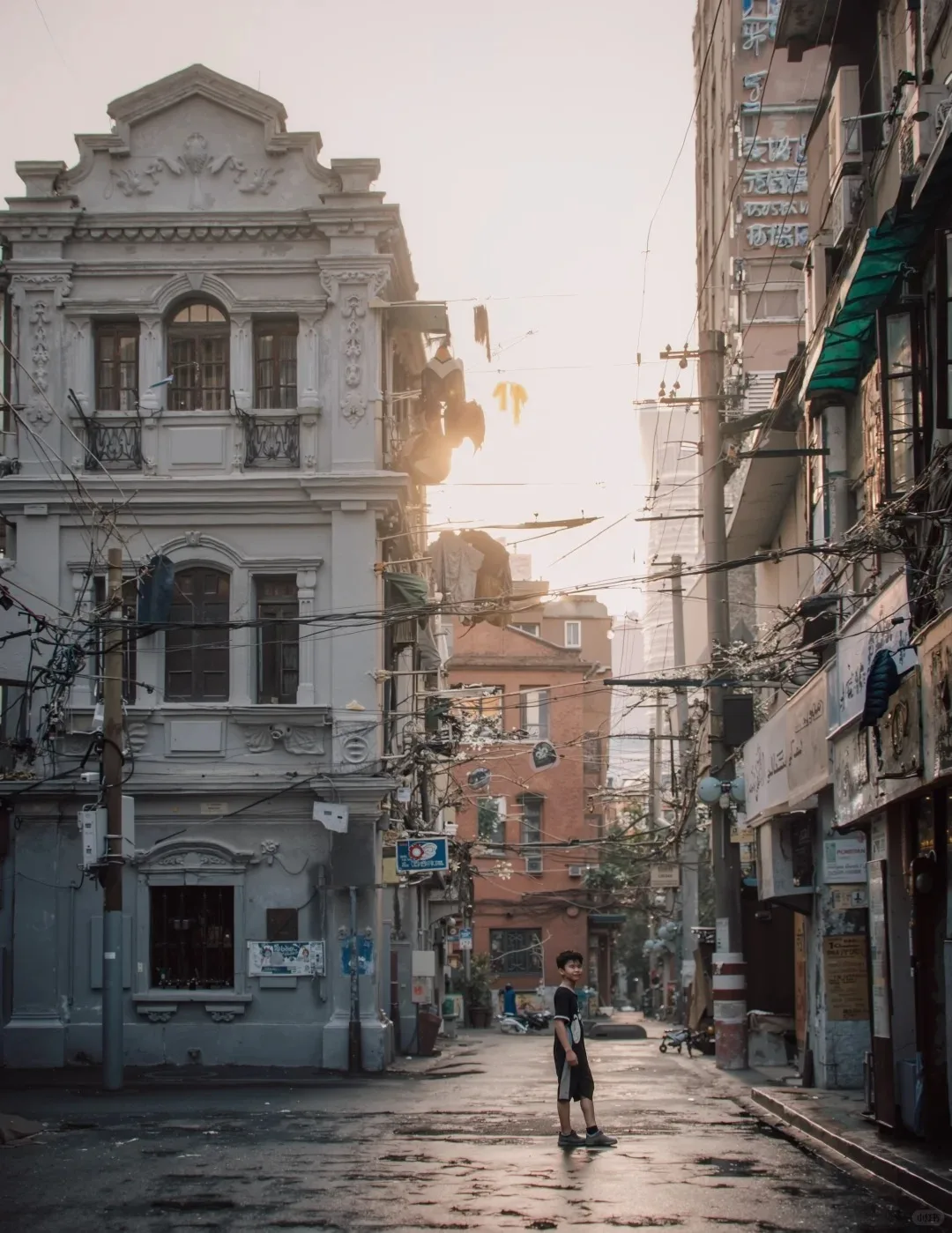
An Eastogo Shanghai Private Tour is designed to explore the city beyond its celebrated skyline. Walk along the Bund, where grand early 20th-century buildings face the soaring towers of Pudong across the Huangpu River. Venture into the leafy streets of the Former French Concession, discovering historic villas, independent boutiques, and traditional shikumen neighbourhoods where everyday life continues behind the city’s modern facade.
Shanghai’s character is equally revealed through its food, art, and local traditions. Explore neighbourhood markets with a local specialist, learn to prepare Shanghainese dishes, or discover the city’s contemporary creative scene through its galleries and design districts. From the classical architecture of Yu Garden to the evolving waterfront of the West Bund, each neighbourhood tells a different story of the city.
Beyond Shanghai, the landscapes of Jiangnan offer a gentler change of pace. Wander through the classical gardens of Suzhou, explore traditional water towns where canals wind between old houses, or travel to Hangzhou to discover its celebrated tea culture and the shores of West Lake.
With knowledgeable local guides, carefully selected stays, private transport, and the freedom to explore at your own pace, Eastogo creates private Shanghai journeys shaped around your interests — whether you’re drawn to architecture, history, art, food, or the quieter rhythms of local life.
Journey Highlights
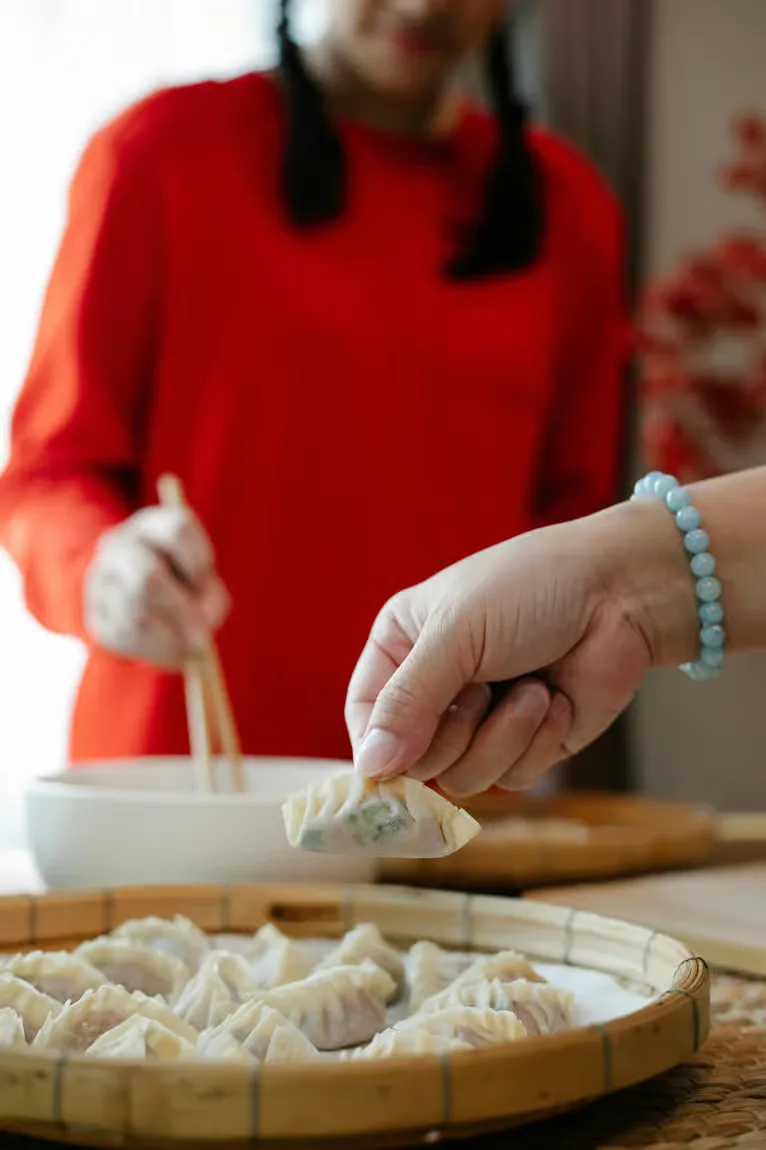
Explore a local wet market and discover the ingredients and seasonings behind Chinese cooking. Then wrap dumplings, master the heat of the wok, and share the dishes you have made.
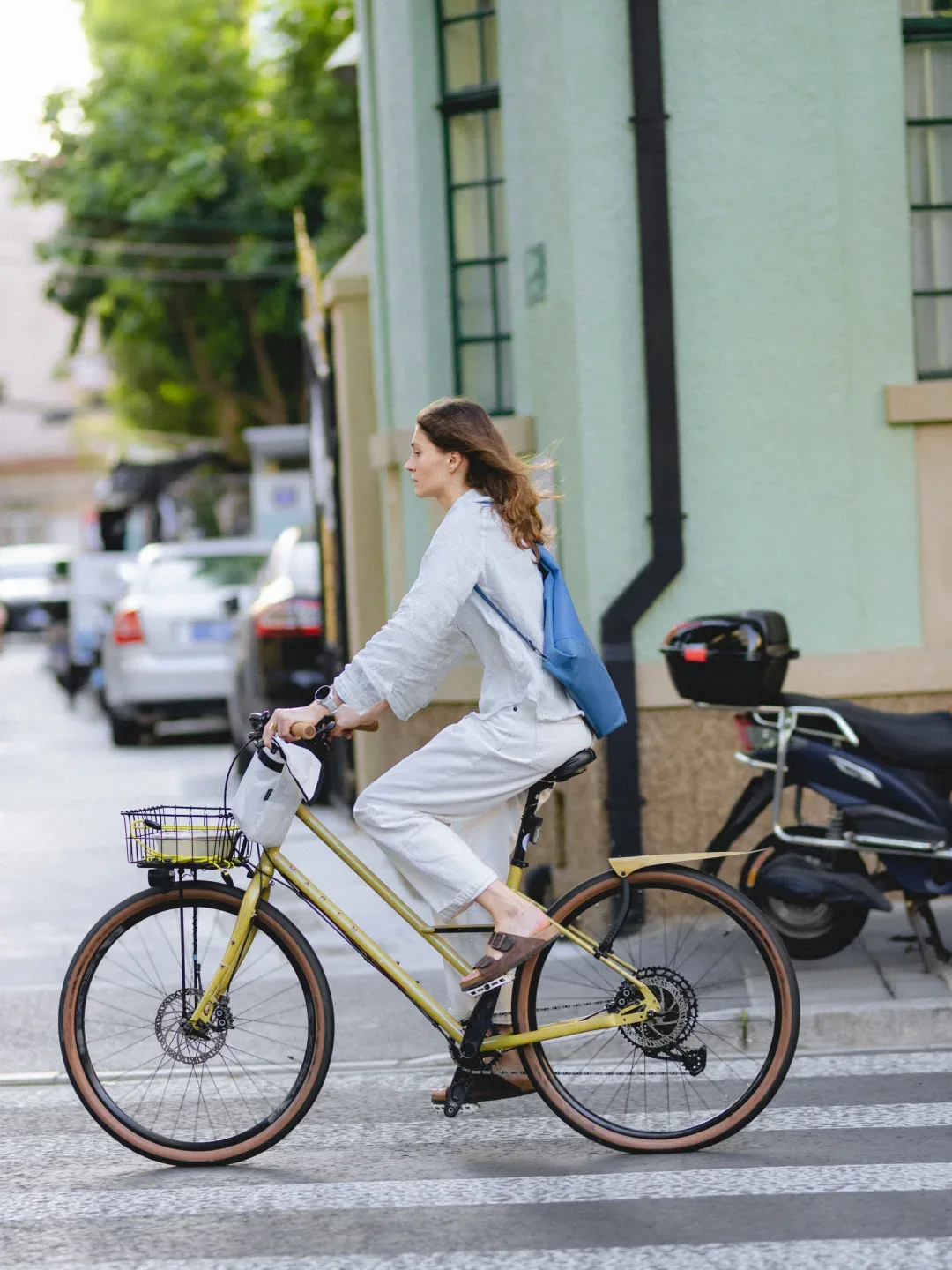
Cycle beneath leafy plane trees and into neighbourhood lanes lined with historic residences, parks, and scenes of everyday life. Pause for local stories and flavours while discovering a side of Shanghai easily missed by car.

Meet the future in one of China’s most dynamic cities. Interact with humanoid robots and wearable exoskeletons, explore intelligent electric vehicles, and watch drone technology in action.
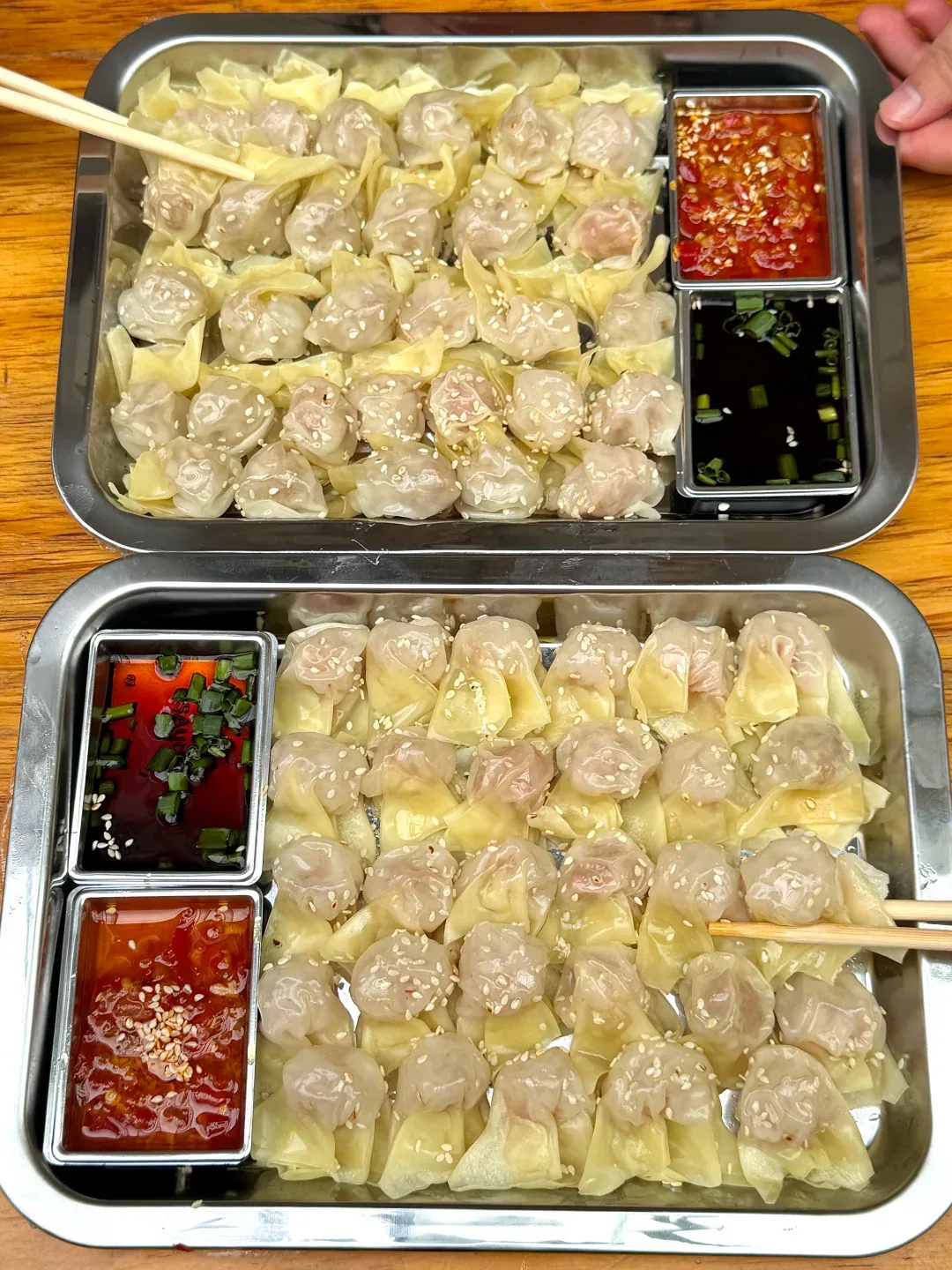
Taste your way through Shanghai’s neighbourhood streets, stopping for local favourites such as soup dumplings, pan-fried buns, and scallion oil noodles. Between bites, discover the stories and daily rituals behind the city’s food.
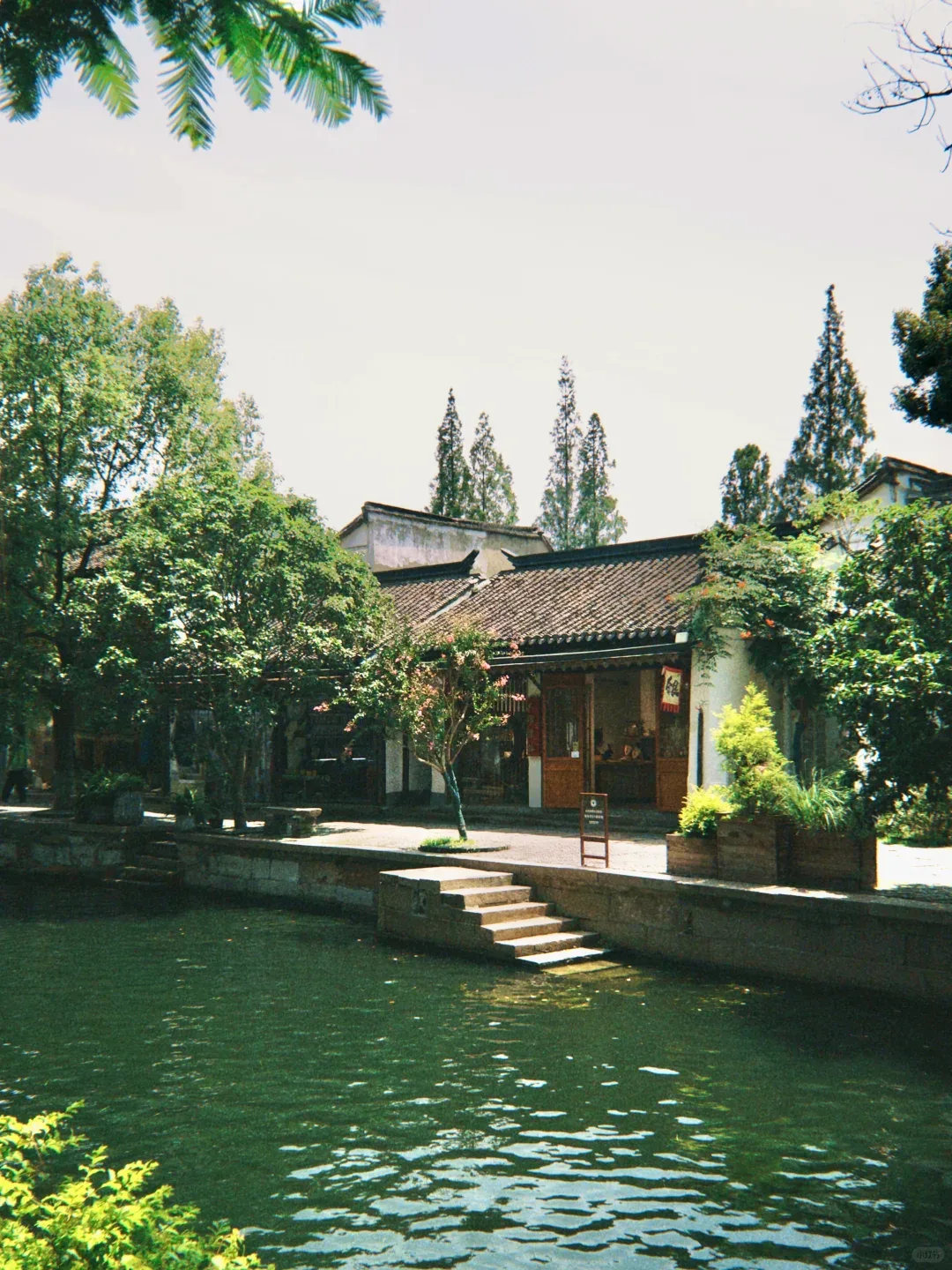
Cross old stone bridges and wander the narrow lanes of Zhujiajiao before boarding a traditional boat. Glide past riverside houses and garden landscapes, experiencing the quieter rhythm of Shanghai’s historic water town.
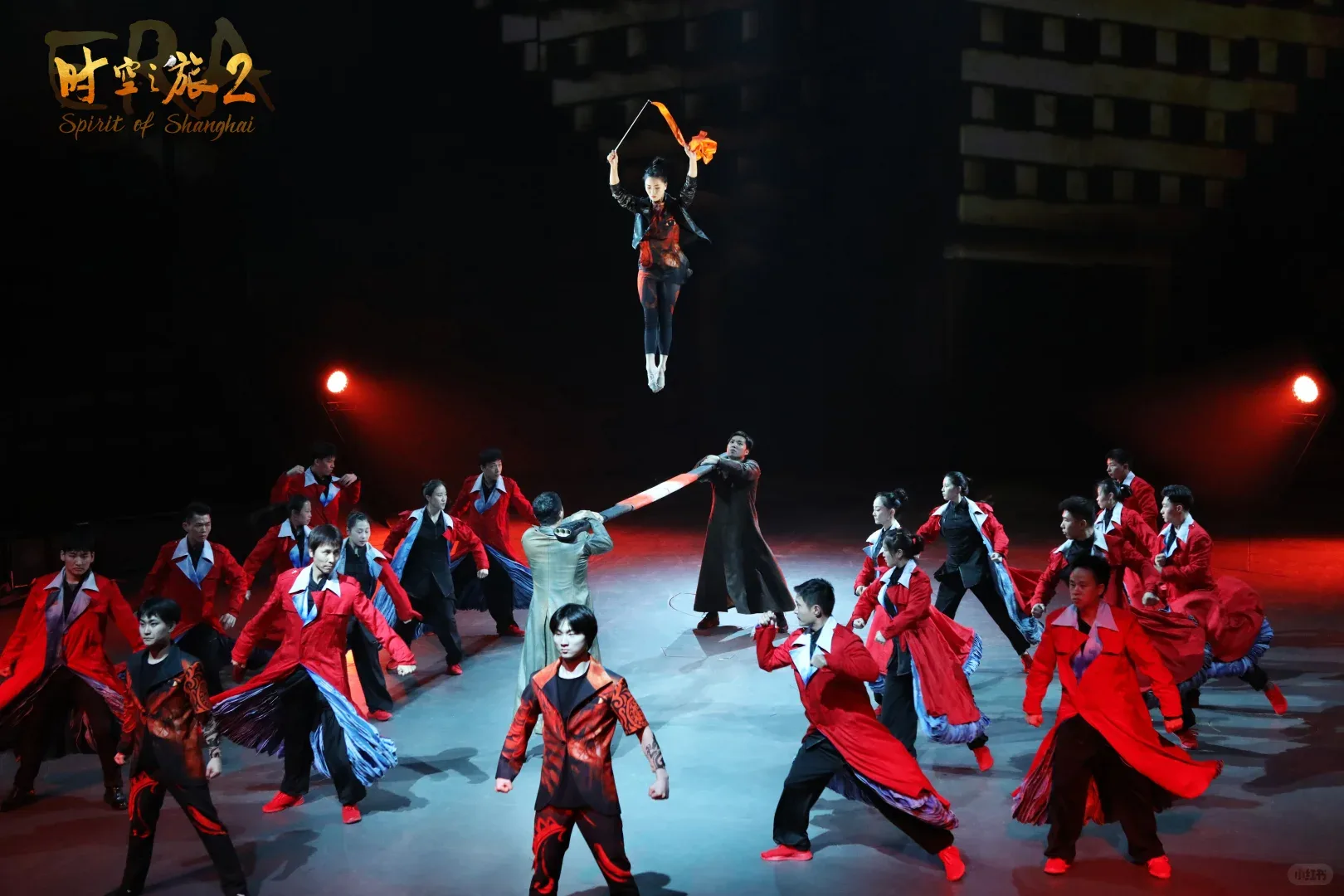
Watch remarkable acrobats turn balance, strength, and precision into a breathtaking evening performance. Traditional Chinese acrobatics meet contemporary staging in a show that captivates every generation.

Inclusions & Offers
Designed Around Your Journey
Rather than fixed departures, this experience is arranged privately and shaped around your preferred dates, interests, and travel style.
Our specialists will design the journey based on your pace, accommodation preferences, and seasonal conditions.
Best time to visit
Shanghai is humid with four distinct seasons. Spring and autumn are best for walking, cycling, riverfront views, and nearby day trips. Summer is hot, rainy, and sometimes affected by typhoons; winter is cold and damp but usually snow-free. Pack layers and an umbrella.
Traveler Reviews







FAQs
How is a private tour different from a group tour?
A Shanghai private tour offers greater flexibility, privacy, and access to local experiences than a standard group itinerary. Rather than following fixed schedules and crowded sightseeing routes, you can explore the city at your own pace — whether that means discovering the historic architecture of the Bund, wandering through the tree-lined streets of the Former French Concession, or spending more time exploring Shanghai’s contemporary art and design scene.
With Eastogo, private travel also opens the door to more personal cultural encounters. Explore traditional shikumen neighbourhoods with a local specialist, visit neighbourhood food markets, learn to prepare Shanghainese dishes with a local chef, or discover the city’s architectural heritage through a privately guided walk. Beyond Shanghai, your journey can extend to the classical gardens of Suzhou, the tea-growing hills of Hangzhou, or quieter Jiangnan water towns.
With knowledgeable local guides, private transport, carefully selected stays, and flexible daily planning, we create a more personal and rewarding way to experience Shanghai — connecting its celebrated landmarks with the neighbourhoods, people, and everyday traditions that reveal the city’s distinctive character.
How does the booking process work?
1. Submit Your Inquiry
Tell us where you’d like to go, when you’d like to travel, and what kind of experiences you’re looking for.
2. Meet Your Destination Specialist
Your regional expert will arrange a complimentary consultation to understand your interests, travel style, pace, and priorities. Together, we’ll begin shaping the journey around your curiosity.
3. Receive Your Personalized Proposal
Based on your preferences, we’ll create a personalized itinerary and quotation, including accommodations, transportation, experiences, and recommendations tailored specifically to you.
4. Refine & Confirm Your Journey
Review the itinerary with your destination specialist and make any adjustments you’d like. Once everything feels right, secure your booking with a deposit and we’ll begin preparing the trip.
5. Travel with Confidence
Before departure, you’ll receive your detailed travel documents, practical information, and pre-departure guidance. Then simply arrive and enjoy your journey while we take care of the rest.
What is Shanghai known for?
Shanghai is known for its riverfront skyline, early modern architecture, shikumen lane houses, contemporary art, food, and role as one of China’s main international gateway cities. It is one of the best places to understand China’s modern history, urban development, and contemporary lifestyle.
Is Shanghai worth visiting?
Yes. Shanghai is worth visiting if you want to understand China’s modern side through architecture, food, art, riverfront views, and everyday neighborhood life. It is also a very practical gateway city: international flights, domestic flights, and high-speed rail make it easy to start or end a wider China trip here. For travelers continuing to other destinations, Shanghai works well as a smooth first stop, a short city break, or a comfortable transit point before moving deeper into China.
Is Shanghai suitable for first-time visitors to China?
Yes. Shanghai is one of the easiest Chinese cities for international travelers. It has strong flight connections, high-speed rail, metro lines, hotels, restaurants, museums, and clear first-visit areas. Many core areas are relatively foreign-visitor friendly, including the Bund, Lujiazui, the Former French Concession, Shanghai Museum, Yu Garden, and major commercial districts.
What are the must-see attractions in Shanghai?
For a first visit, focus on three layers of the city. Start with the riverfront view around the Bund and Pudong. Add one older cultural area such as Yu Garden, the Old City, or Jing’an Temple. Then spend time at street level in the Former French Concession, where historic villas, cafes, residential lanes, and small shops give Shanghai a more lived-in feeling. If you enjoy art and design, add Suzhou Creek, M50, or the West Bund.
How many days should I spend in Shanghai?
For a quick first visit, two full days can cover the main city highlights and give you a basic feel for Shanghai. Three days is more comfortable, especially if you want time for a neighborhood walk, a museum or art district, a cooking class, or a cycling route. If you also want to visit a water town, Suzhou, or Hangzhou, plan 4-5 days so the trip does not feel rushed.
What is the best time to visit Shanghai?
The best time to visit Shanghai is usually April-May and September-November. Spring is good for city walks, cafes, parks, museums, and neighborhood exploration. Autumn is often more comfortable for Bund night views, cycling, water towns, and nearby day trips. Summer is hot, humid, rainy, and sometimes affected by typhoons. Winter is not extremely cold, but it can feel damp and chilly. Avoid major Chinese public holidays if possible.
How do I get to Shanghai?
For international flights, Shanghai mainly uses Shanghai Pudong International Airport (PVG), which handles many long-haul and regional routes. Shanghai Hongqiao International Airport (SHA) is closer to the city center and is mainly used for domestic and regional flights. For high-speed rail, Shanghai Hongqiao Railway Station is the main hub, with convenient connections to Beijing, Nanjing, Suzhou, Hangzhou, and many other Chinese cities.
Should I visit Shanghai or Beijing for my first trip to China?
If you are choosing between the two, think about what kind of first impression you want. Shanghai gives you modern city life, architecture, food, design, museums, and an easier soft landing into China. Beijing gives you imperial history, hutongs, political history, and the Great Wall. Many first-time travelers visit both because the two cities show very different sides of the country.
Where should I stay in Shanghai for a first trip?
For a first trip, stay near the Former French Concession, Jing’an, People’s Square, or the Bund area. The Former French Concession is good for cafes, leafy streets, restaurants, and slower neighborhood walks. Jing’an is central and practical, with metro access, hotels, malls, and food nearby. The Bund is best for classic views and first-time sightseeing, but it can feel busier and more tourist-oriented.
What are the best day trips from Shanghai?
The easiest short trip is Zhujiajiao, a water town within the Shanghai area that can work as a half-day or easy day trip. Suzhou is a good choice for classical gardens, canals, and a fuller Jiangnan city experience. Hangzhou is better if you want West Lake, tea culture, and a slower atmosphere. If you only have 2-3 days, stay focused on Shanghai; with 4-5 days, add one nearby destination.