Tibet Private Tour
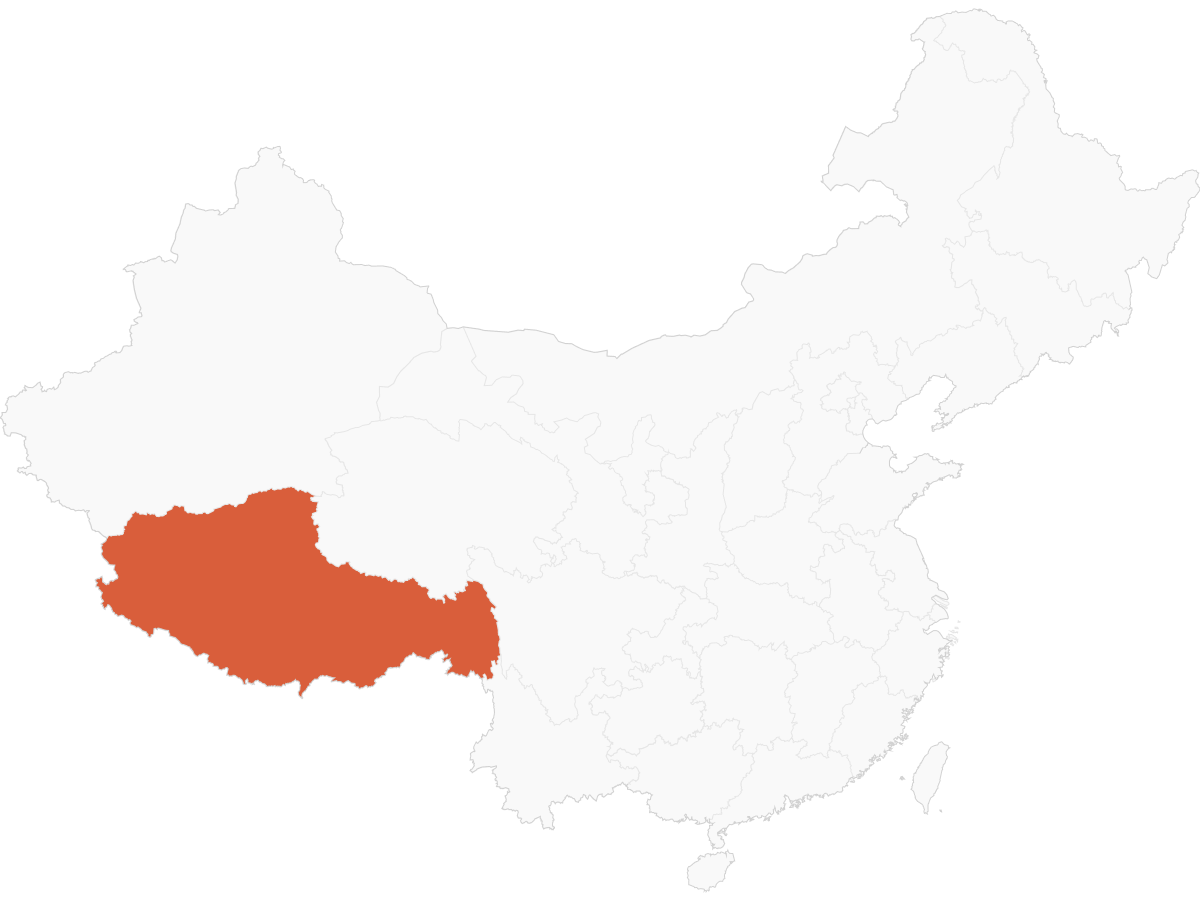
Tibet is a place of immense scale and quiet intensity, where snow-covered mountains, sacred lakes, ancient monasteries, and vast high-altitude landscapes have shaped a way of life rooted in faith, resilience, and a profound connection to the land.
For Eastogo, a journey through Tibet is not simply about reaching its most famous landmarks. It is about creating the time, access, and context to experience the region with greater depth — moving beyond the surface to understand the rhythms of pilgrimage, pastoral life, spirituality, and the extraordinary landscapes that define the Tibetan Plateau.
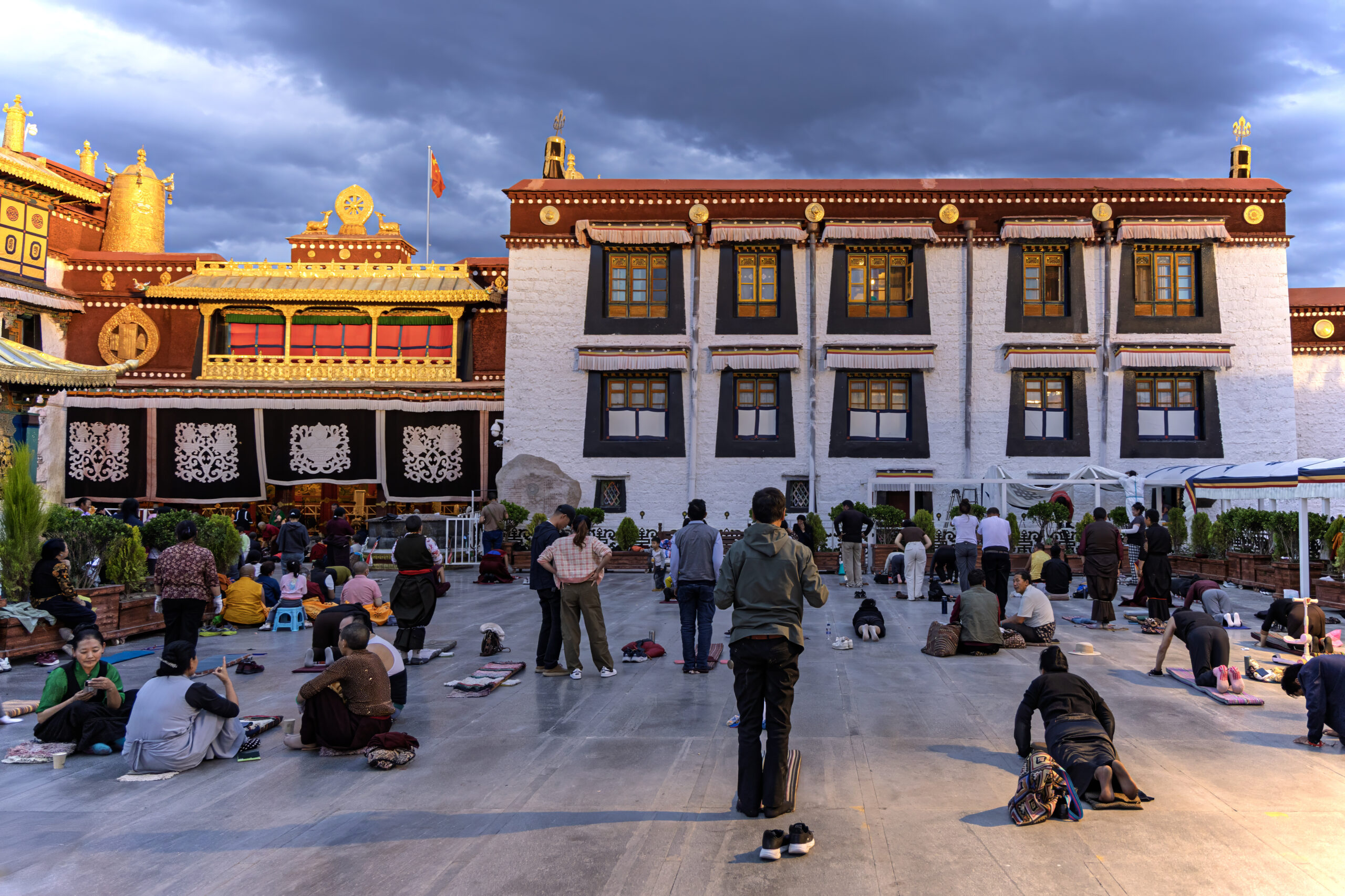
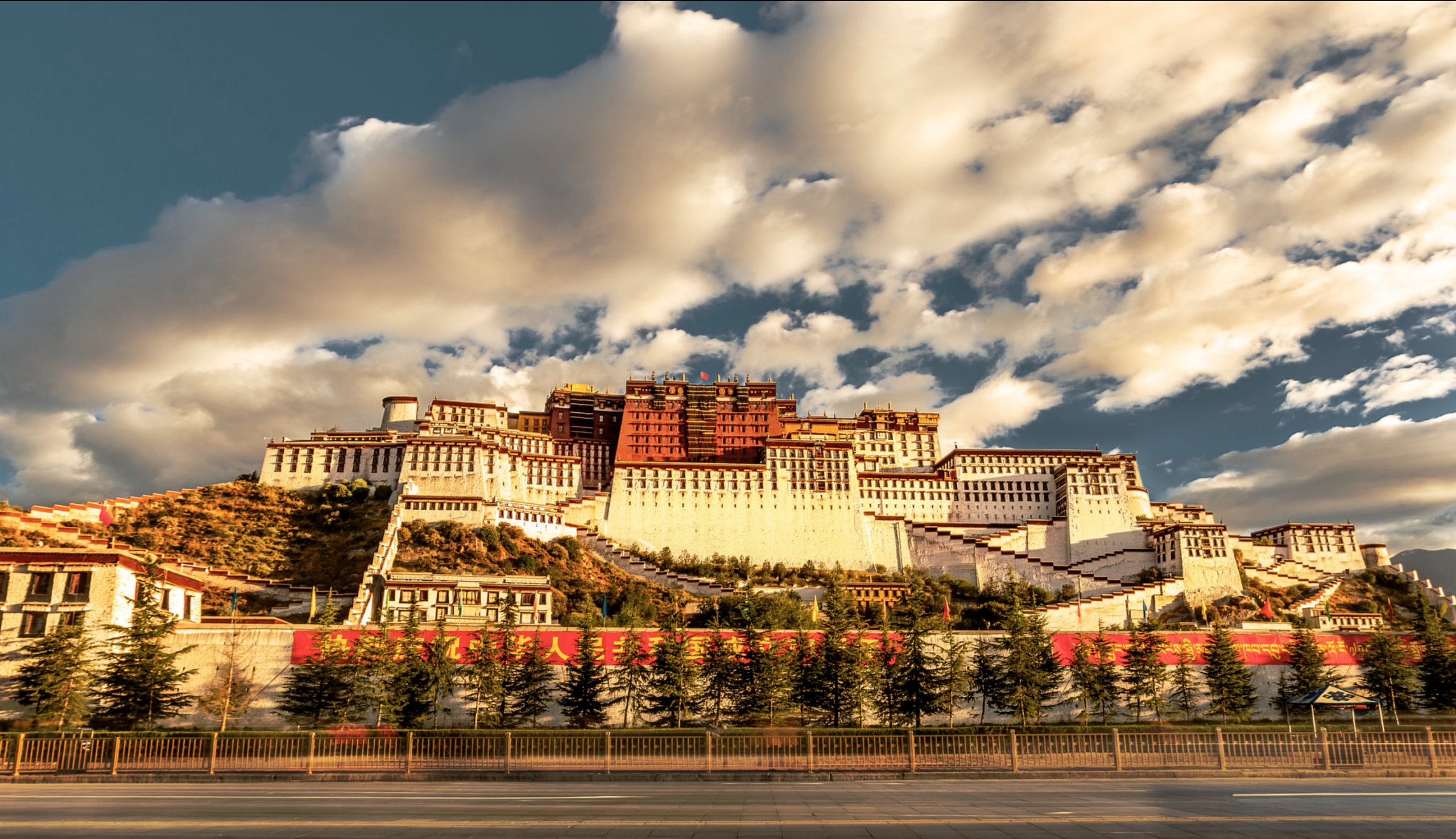
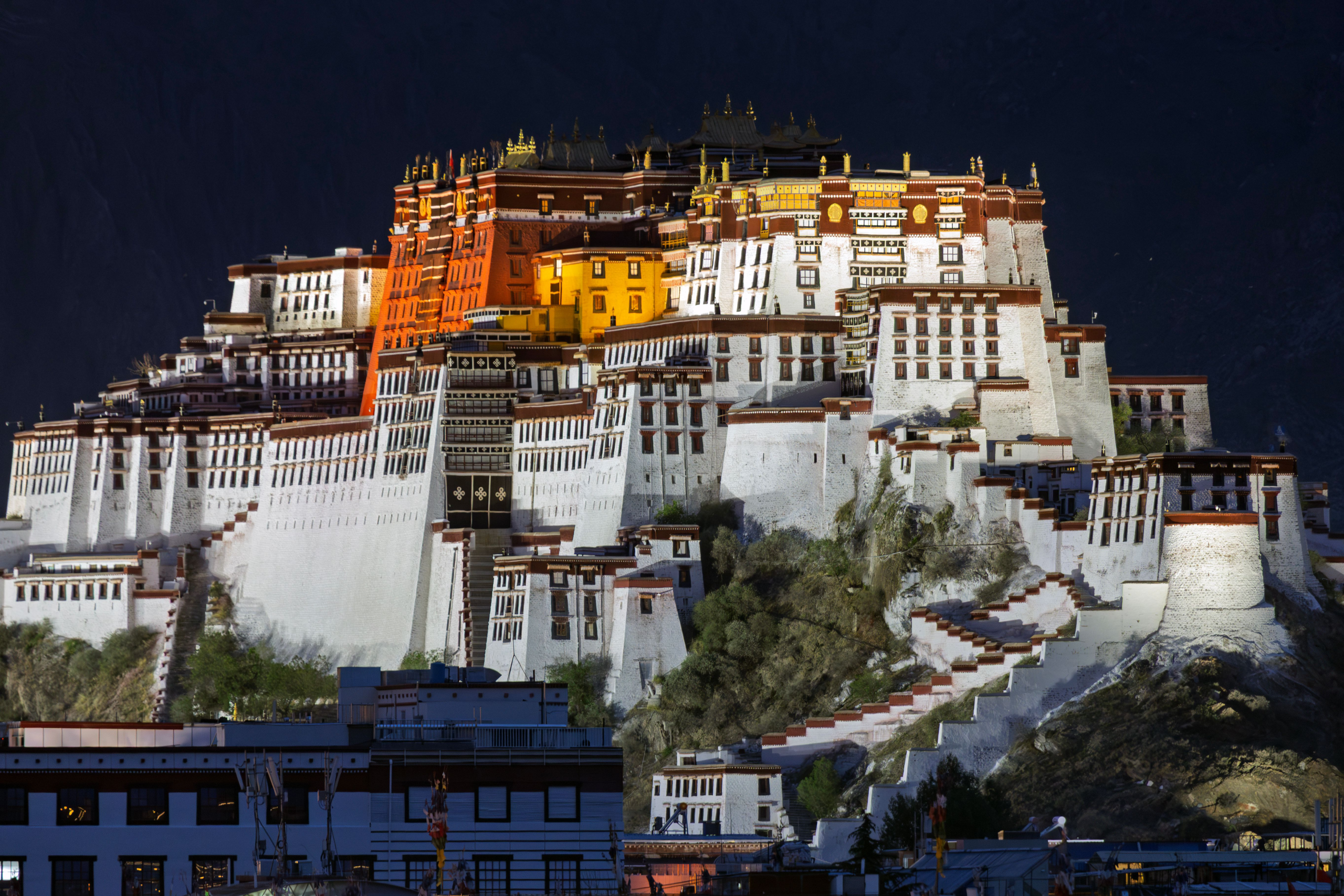
Lhasa is the natural beginning. The Potala Palace rises above the city, while pilgrims circle Jokhang Temple and move through the lanes of Barkhor in a ritual repeated across generations. From here, Tibet opens in every direction.
Travel south into Shannan, the cradle of Tibetan civilization, to discover its earliest palace and Buddhist monastery before continuing toward the luminous waters of Yamdrok Lake. Journey west through Shigatse and Tashilhunpo Monastery to the base of Mount Everest, where the scale of the Himalayas becomes almost difficult to comprehend. In Nyingchi, spring transforms the valleys with peach blossoms, green meadows, and distant snow peaks.
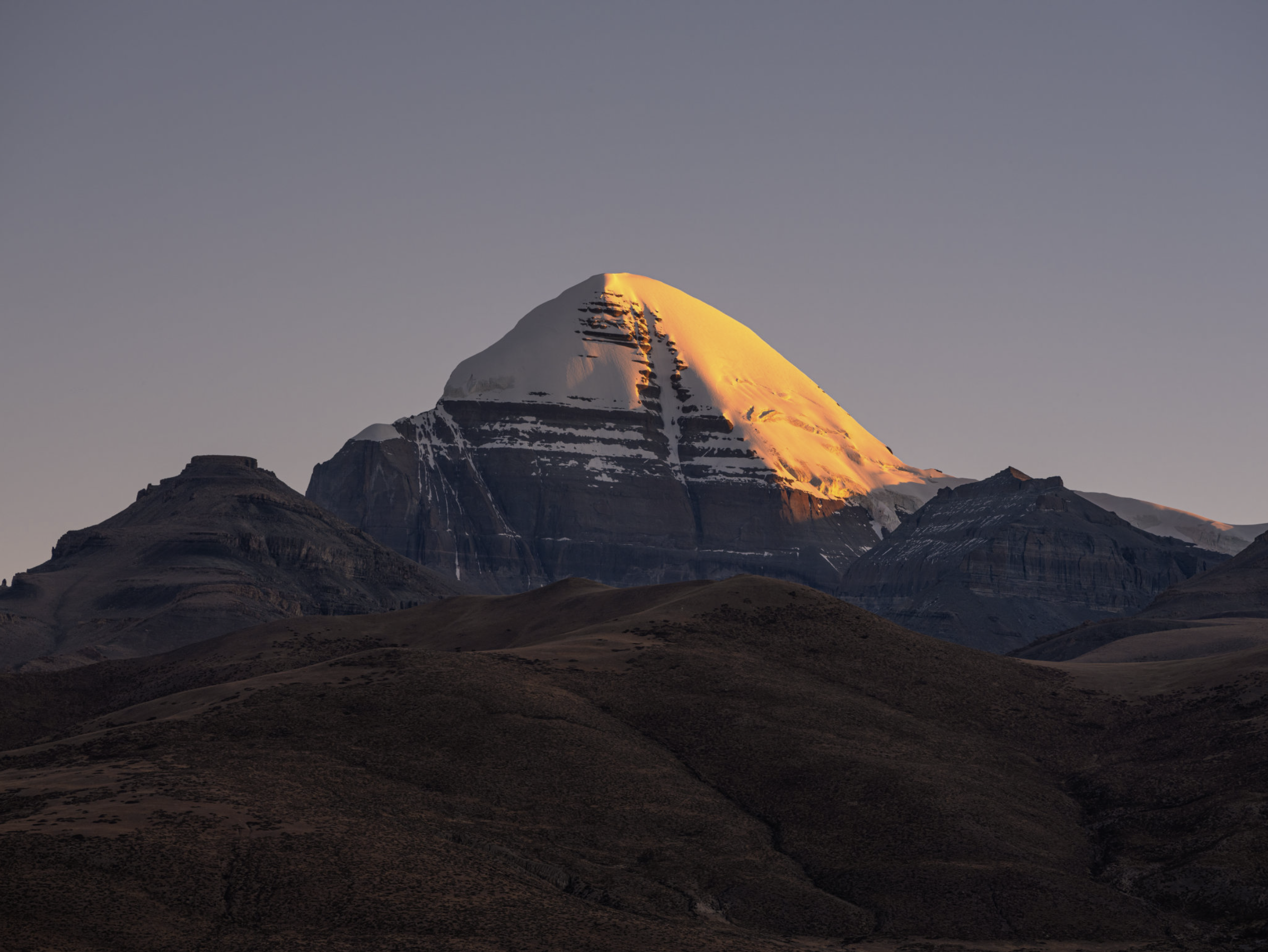
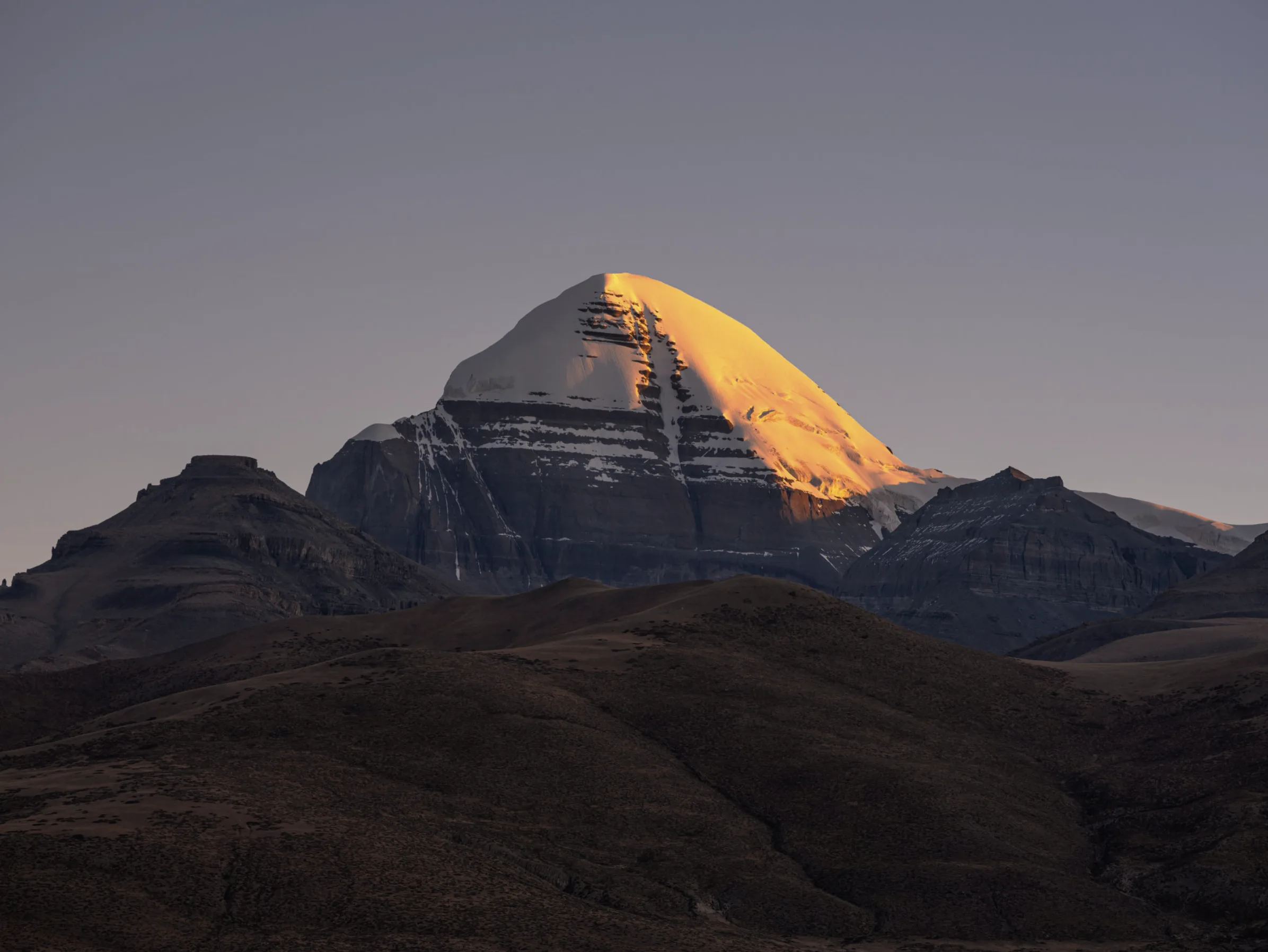
Further west lies Ngari, a more elemental Tibet of immense horizons, sparse settlements, wildlife, and silence. Here, Mount Kailash rises from the plateau as one of Asia’s most sacred mountains, drawing pilgrims who still complete the kora on foot in an act of devotion that has endured for centuries.
What often remains longest in memory, however, is not a single monument or mountain. It may be sharing butter tea in a Tibetan home, hearing a pastoral song carried across the grasslands, watching pilgrims turn prayer wheels at dawn, or simply standing beneath a sky that seems impossibly wide.
Eastogo designs Tibet Private Tour around these moments. With carefully planned routes, trusted local guides, thoughtfully selected stays, private transport, and the flexibility to move at your own pace, we create journeys that connect Tibet’s great landscapes with the people, beliefs, and traditions that give them meaning.
This is Tibet — vast, sacred, and deeply human. A place where you reach for the sky, and bow to faith.
Journey Highlights
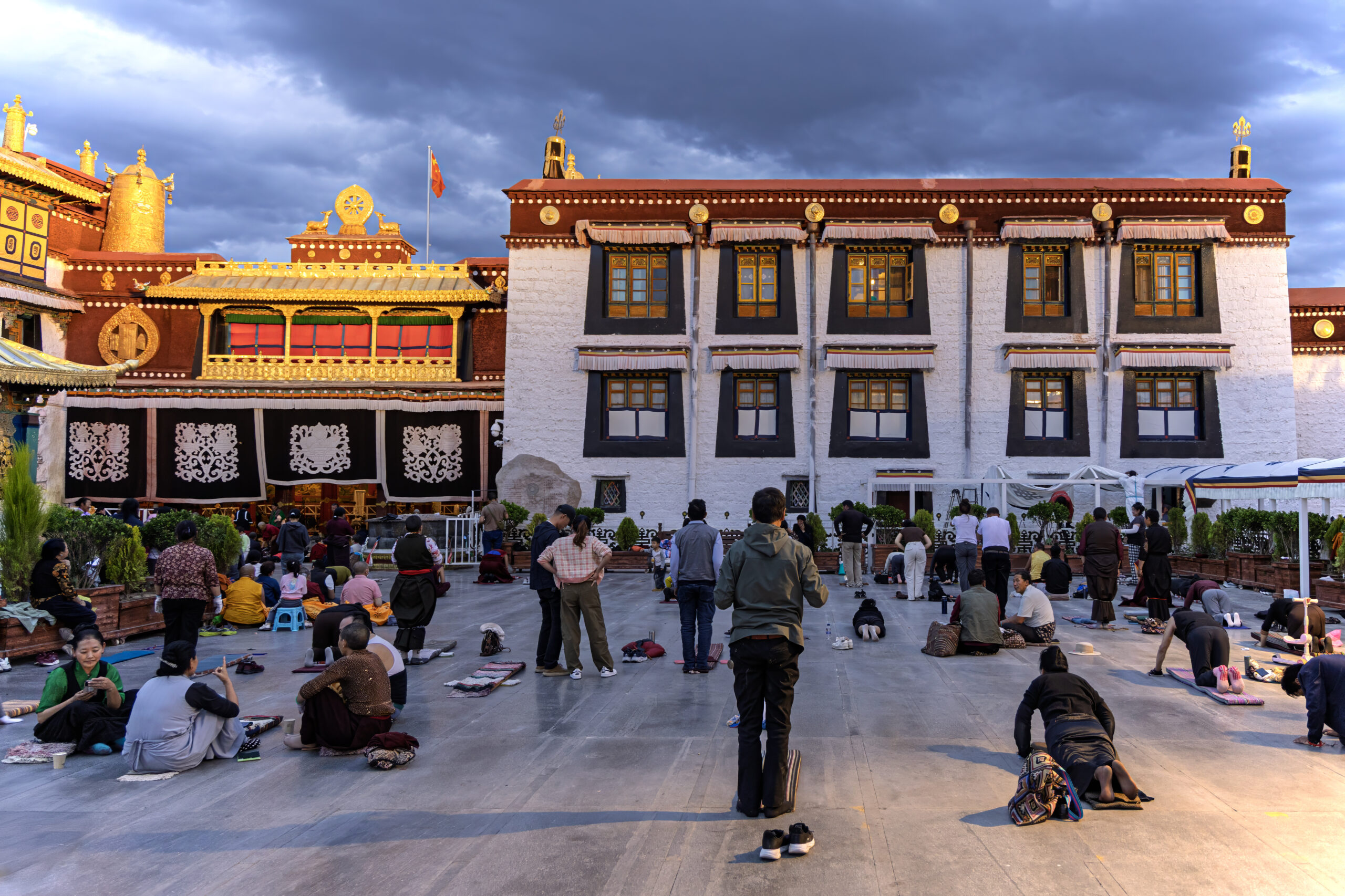
Discover the Potala Palace, Jokhang Temple, and Barkhor Street, where centuries of devotion are etched into every stone. Follow local pilgrims as they walk the kora, listen to whispered prayers, and experience a journey that connects Tibet’s sacred city with the world’s highest mountain.
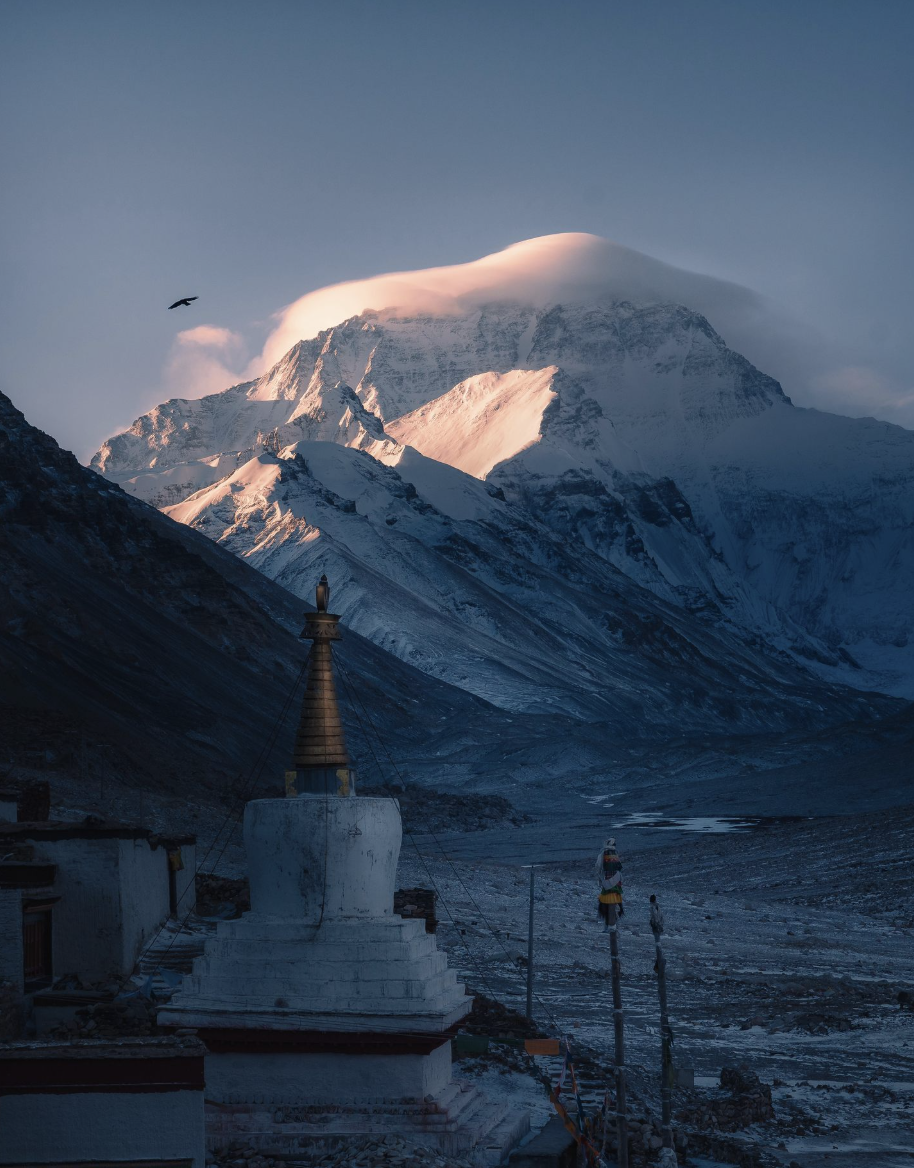
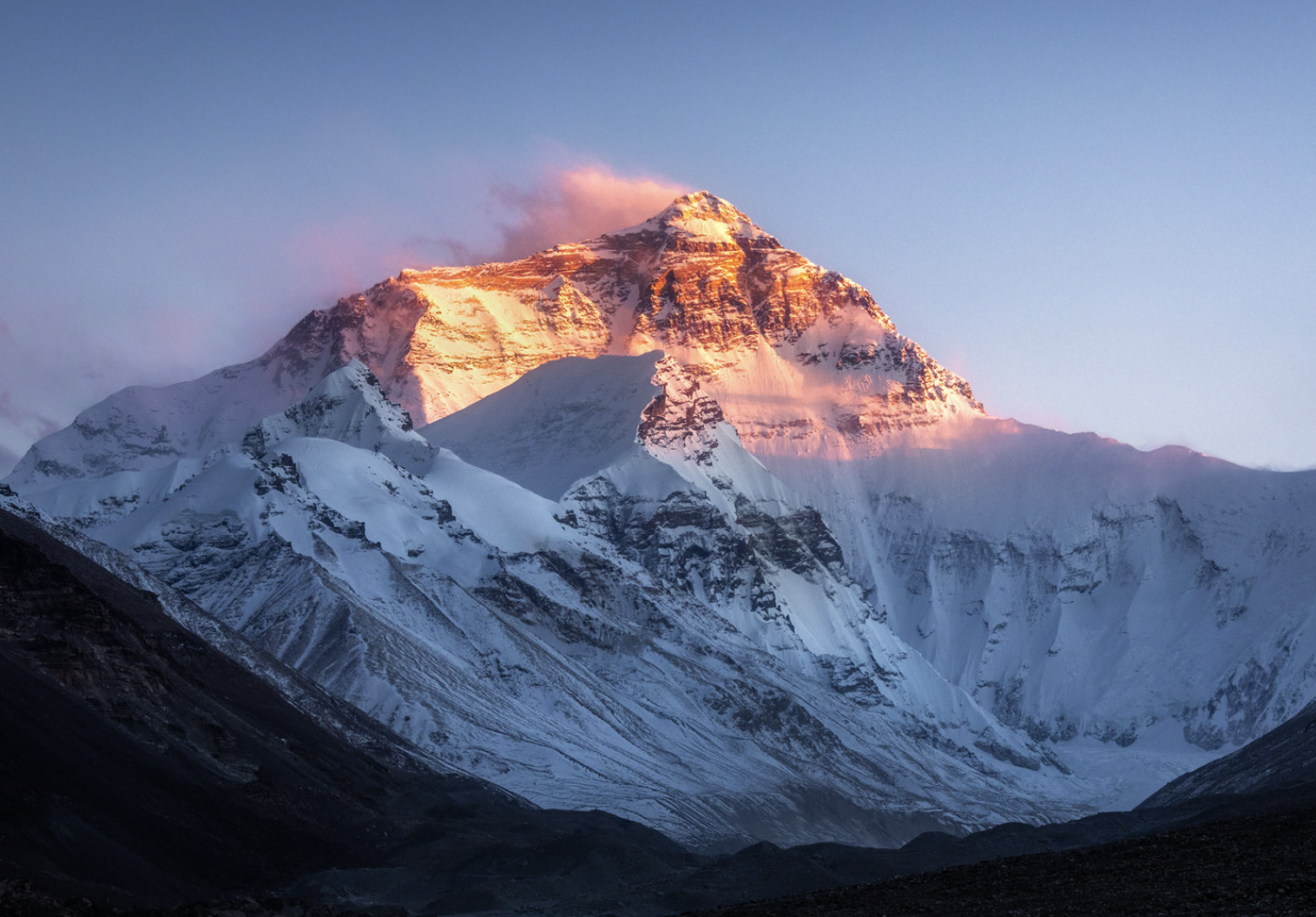
Witness sunrise over Mount Everest and walk around Everest Base Camp—easily accessible by vehicle, with no trekking required. Visit Rongbuk Monastery, the highest monastery in the world, where prayer flags flutter beneath the north face of Everest and the vast plateau feels closer to the sky than anywhere else on Earth.
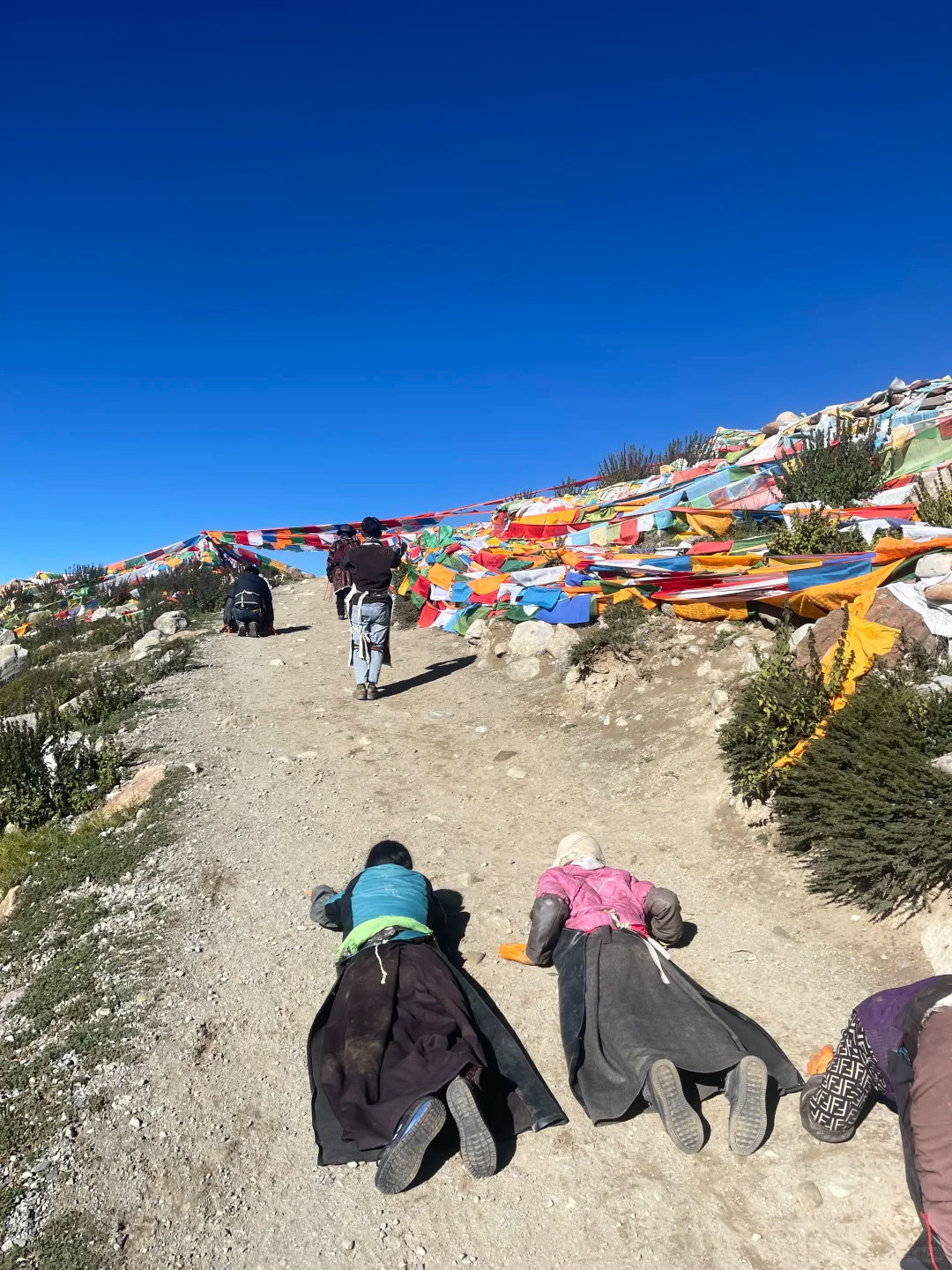
Experience the sacred presence of Mount Kailash, revered by four religions and famed for its near-perfect pyramid shape rising above the Tibetan plateau. Join the footsteps of pilgrims, climb along rugged mountain paths, and begin a journey of faith, endurance, and self-discovery.
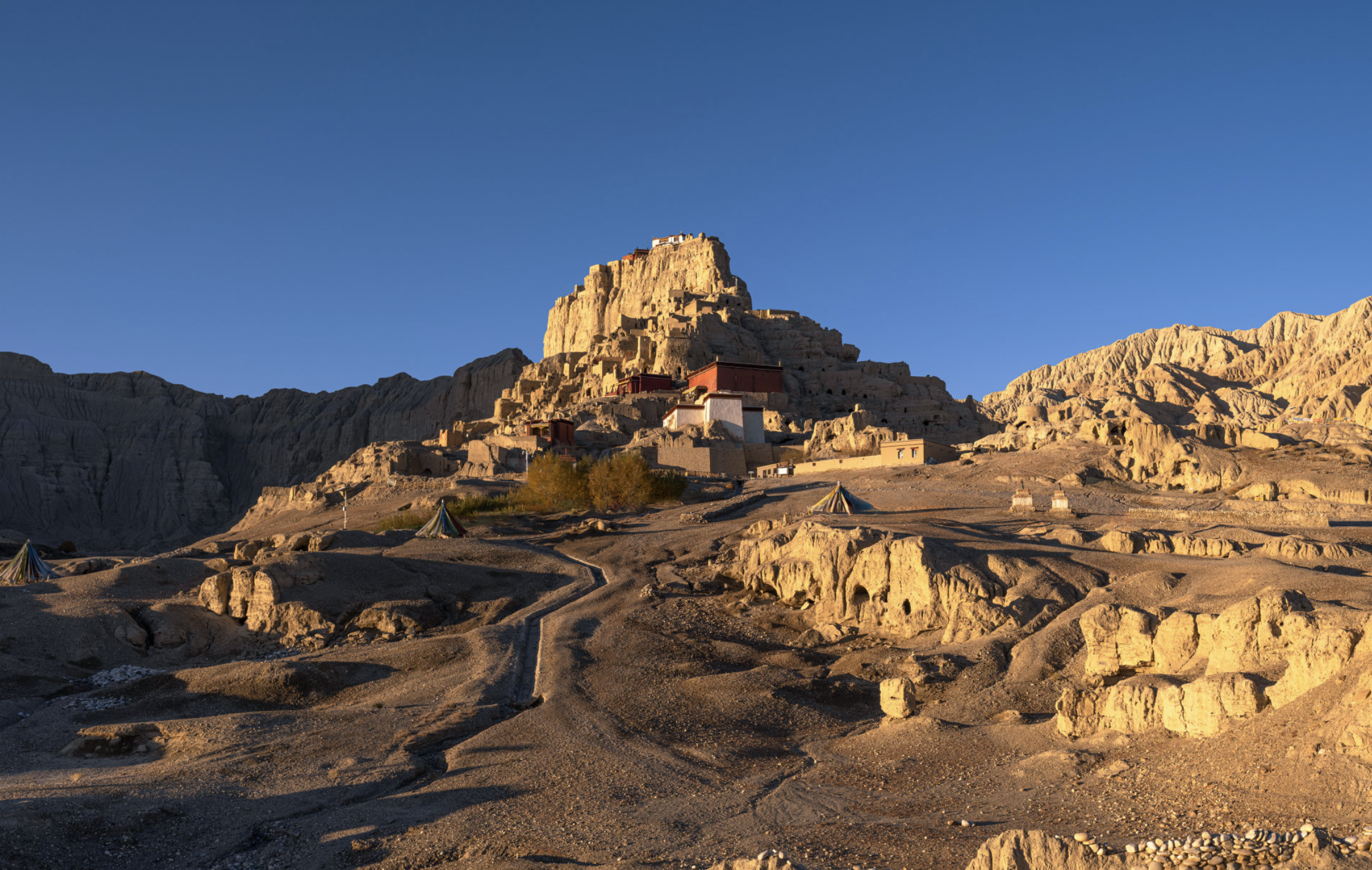
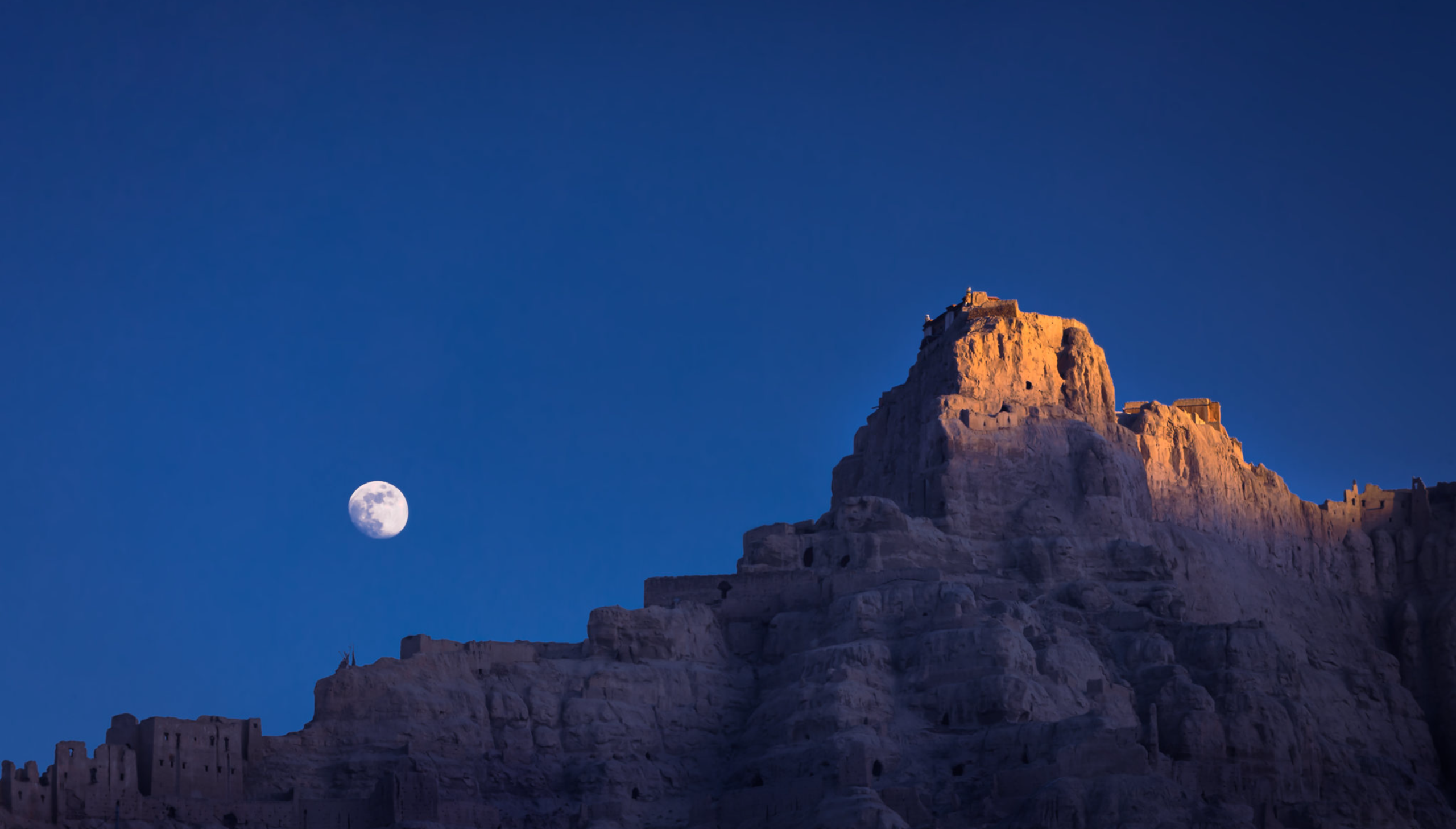
Travel to the remote ruins of the Guge Kingdom, once a flourishing civilization of western Tibet. Today, its silent remains stand as a powerful testimony to time, history, and the mystery of a vanished kingdom.
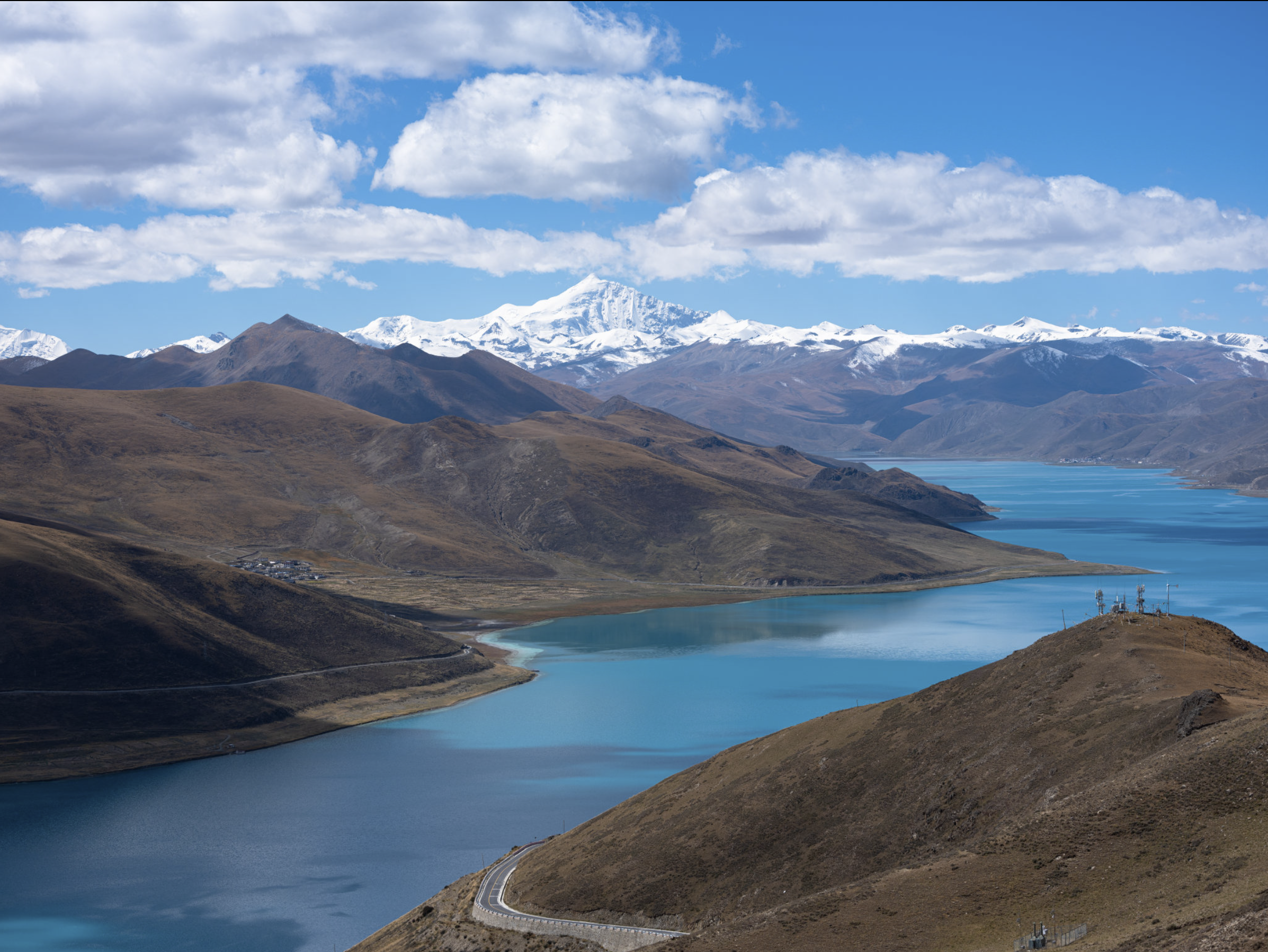
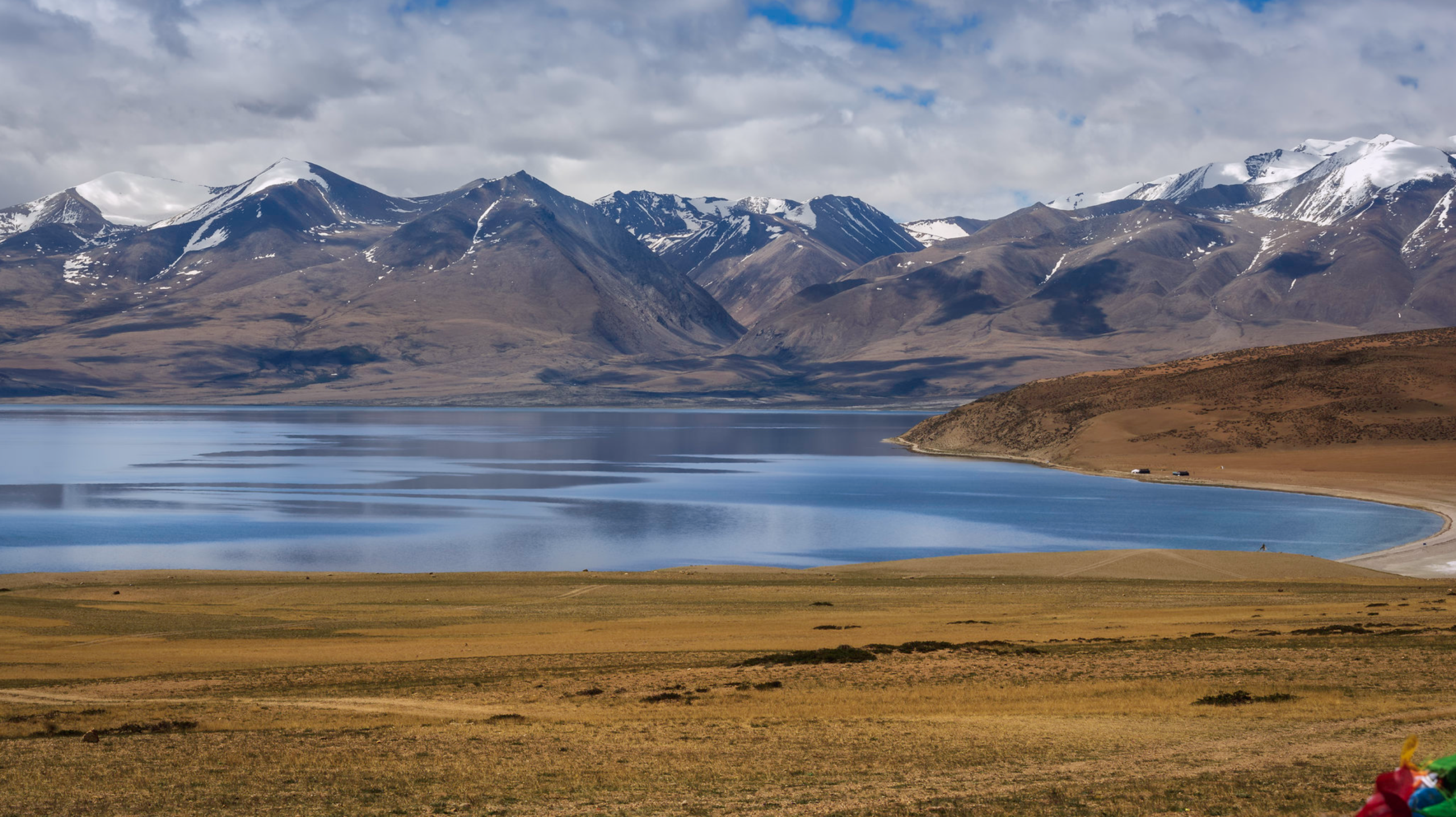
Admire the turquoise waters of Yamdrok Lake and Namtso, two of Tibet’s three sacred lakes, framed by snow-capped mountains. Walk along the lakeshore with grazing yaks, watch gulls flying above the water, and listen to waves echo across the plateau air.
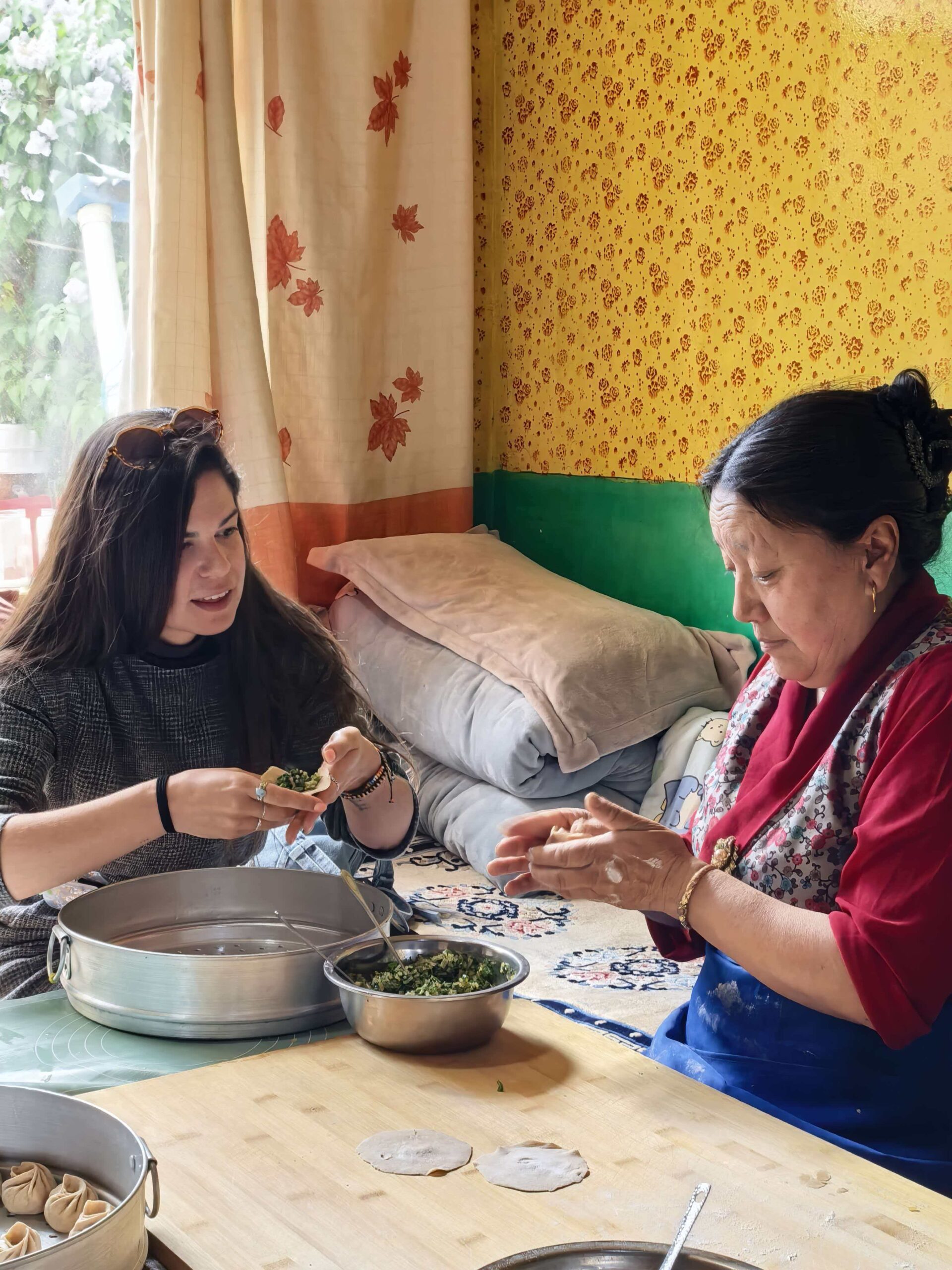
Visit a Tibetan Family HomeStep into the traditional home of a local Tibetan family, where you’ll be warmly welcomed with butter tea, homemade dishes, and heartfelt hospitality. Share a glimpse of everyday Tibetan life and experience the warmth, simplicity, and rhythm of a home shaped by the plateau.
Featured Stays
Stay in thoughtfully selected hotels that combine comfort, character, and a genuine sense of place, from distinctive local boutique stays to leading international brands. Through our long-standing hotel partnerships, guests may also enjoy preferred benefits such as complimentary room upgrades and special privileges.
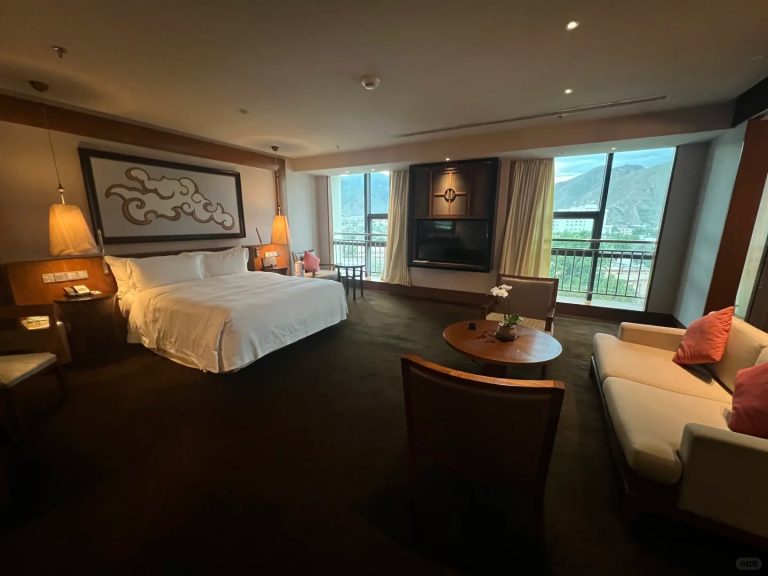
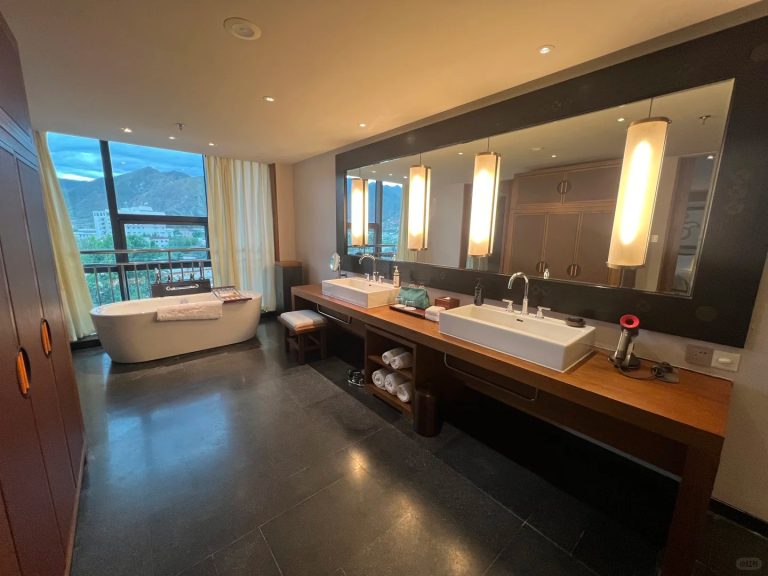
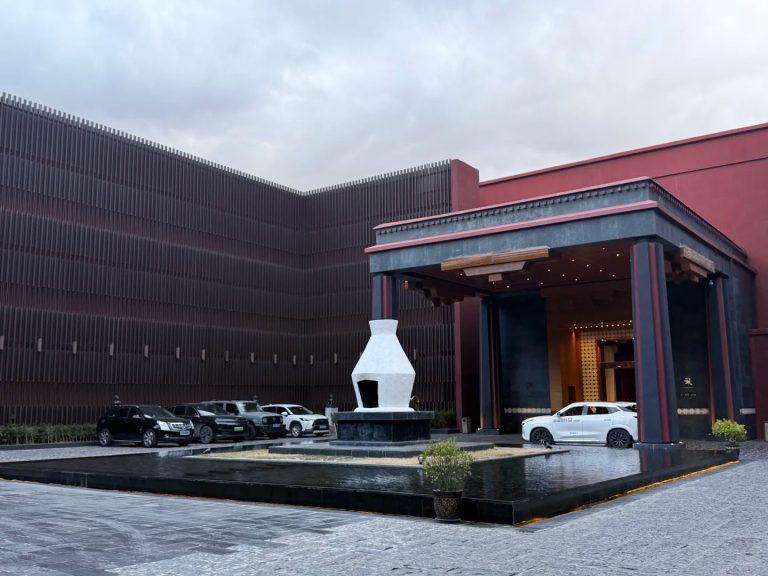
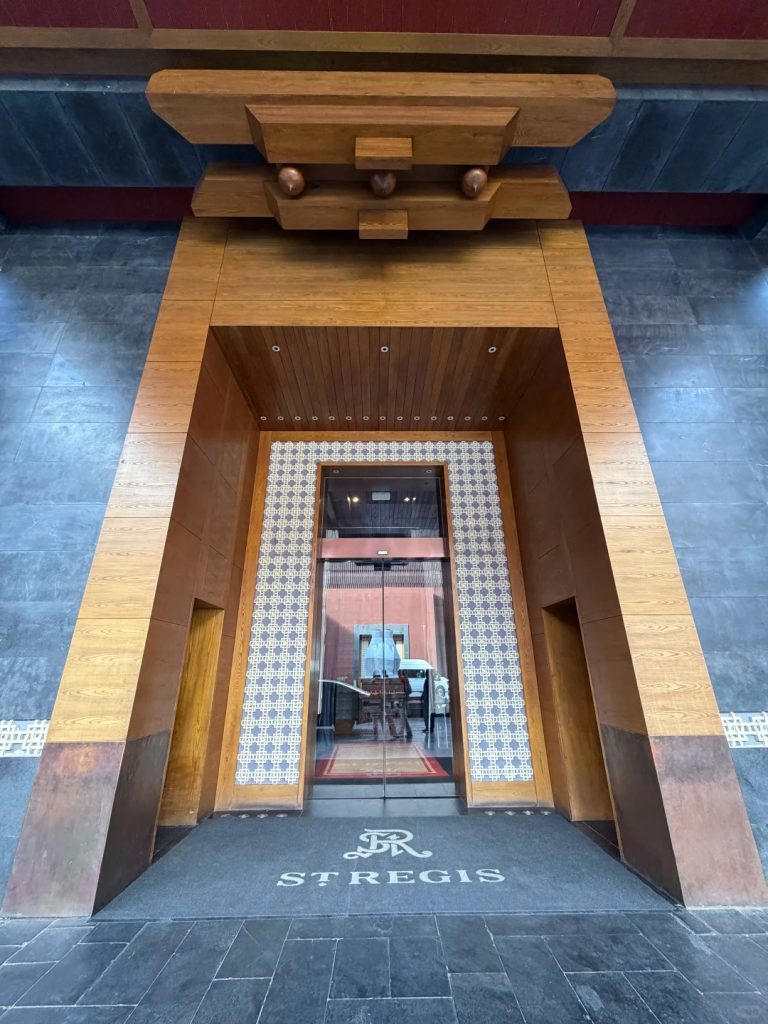
St.Regis Lhasa
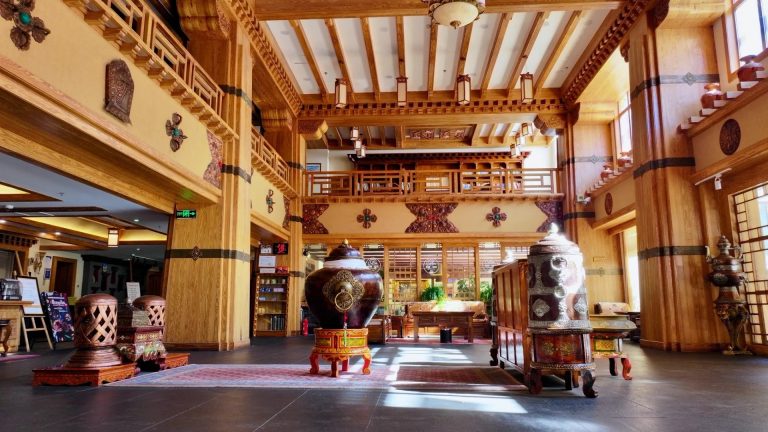
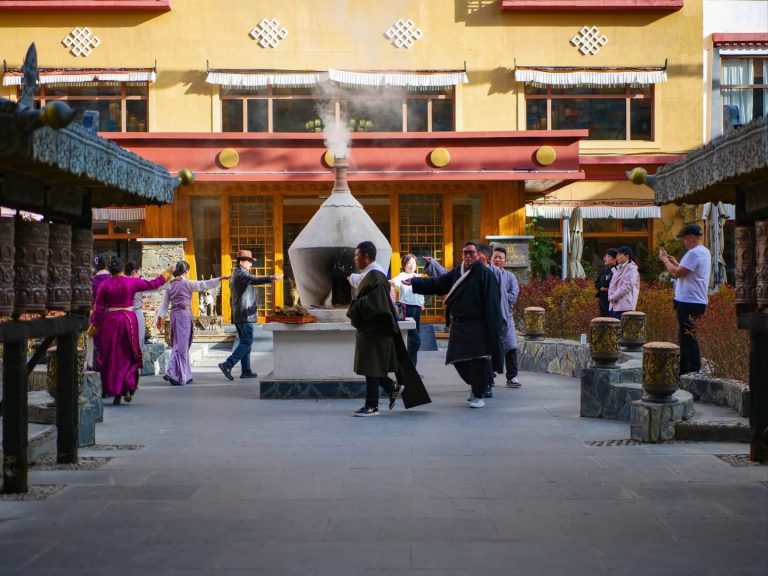
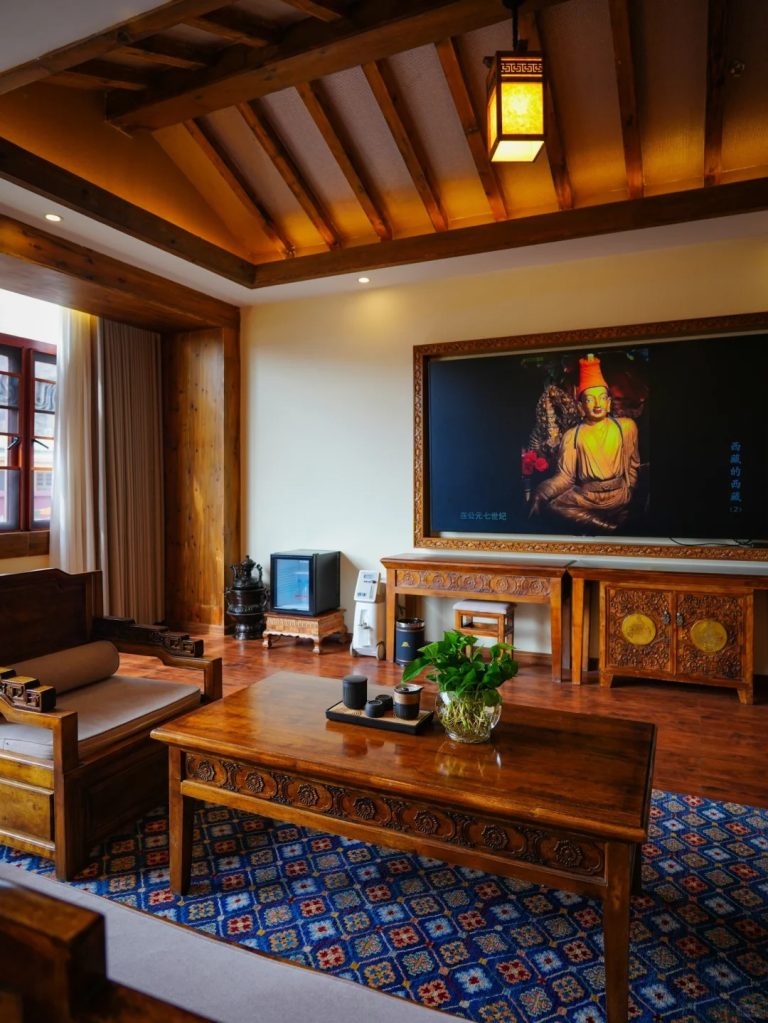
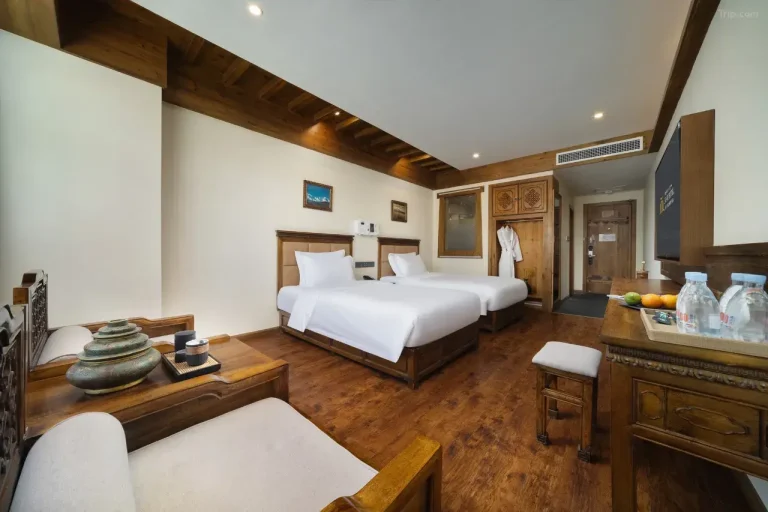
Lagri Xuelong Estate Lhasa
Inclusions & Offers
Designed Around Your Journey
Rather than fixed departures, this experience is arranged privately and shaped around your preferred dates, interests, and travel style.
Our specialists will design the journey based on your pace, accommodation preferences, and seasonal conditions.
Best time to visit
Tibet has a high-altitude plateau climate, with thin air, strong sunshine, changeable weather, and large day-night temperature differences. Temperatures vary by region, altitude, and season. Main travel season: 5–24°C; summer averages about 20°C; winter ranges from -20°C to 10°C.
Traveler Reviews



FAQs
How is a Tibet private tour different from a group tour?
A Tibet private tour is designed entirely around you. Unlike a group tour with fixed departure dates, shared transport, and a set daily schedule, a private journey gives you greater flexibility over the pace, route, accommodation, and experiences included.
With Eastogo, private travel also means more personal access: spending longer with a trusted local guide, adapting plans around weather or your interests, arranging more distinctive stays, and creating space for quieter cultural encounters that are difficult to build into a larger group itinerary. The result is a more seamless, private, and deeply personal way to experience Tibet.
How does the booking process work?
1. Submit Your Inquiry
Tell us where you’d like to go, when you’d like to travel, and what kind of experiences you’re looking for.
2. Meet Your Destination Specialist
Your regional expert will arrange a complimentary consultation to understand your interests, travel style, pace, and priorities. Together, we’ll begin shaping the journey around your curiosity.
3. Receive Your Personalized Proposal
Based on your preferences, we’ll create a personalized itinerary and quotation, including accommodations, transportation, experiences, and recommendations tailored specifically to you.
4. Refine & Confirm Your Journey
Review the itinerary with your destination specialist and make any adjustments you’d like. Once everything feels right, secure your booking with a deposit and we’ll begin preparing the trip.
5. Travel with Confidence
Before departure, you’ll receive your detailed travel documents, practical information, and pre-departure guidance. Then simply arrive and enjoy your journey while we take care of the rest.
What is Tibet known for?
Tibet is known for its deep Buddhist faith, vast high-altitude landscapes, and some of the world’s most sacred mountains and lakes.
Mount Everest and Mount Kailash stand among its most powerful natural and spiritual landmarks, while Yamdrok Lake and Namtso show the clear colours and open scale of the Tibetan Plateau.
Tibetan Buddhism shapes daily life here. The Potala Palace, Jokhang Temple, and many ancient monasteries are not only historic sites, but living places of prayer, pilgrimage, and community memory.
Tibet also has rich cultural traditions, including the Epic of King Gesar, Tibetan opera, thangka painting, and local festivals. From Lhasa and Shannan to Shigatse and Ngari, each region has its own character, shaped by altitude, belief, landscape, and history.
For many travellers, Tibet is not just a destination. It is a place where mountains, sky, faith, and human devotion feel inseparable.
Is Tibet worth visiting?
Yes. Tibet is worth visiting if you want to experience deep Buddhist faith, extreme highland landscapes, and a culture with a very distinct character.
For travellers drawn to sacred mountains, pilgrimage routes, and the vastness of the plateau, Tibet can be one of the most powerful journeys in China. You can stand before Mount Everest, visit ancient monasteries, travel across open highlands, or even join pilgrims on the journey around Mount Kailash.
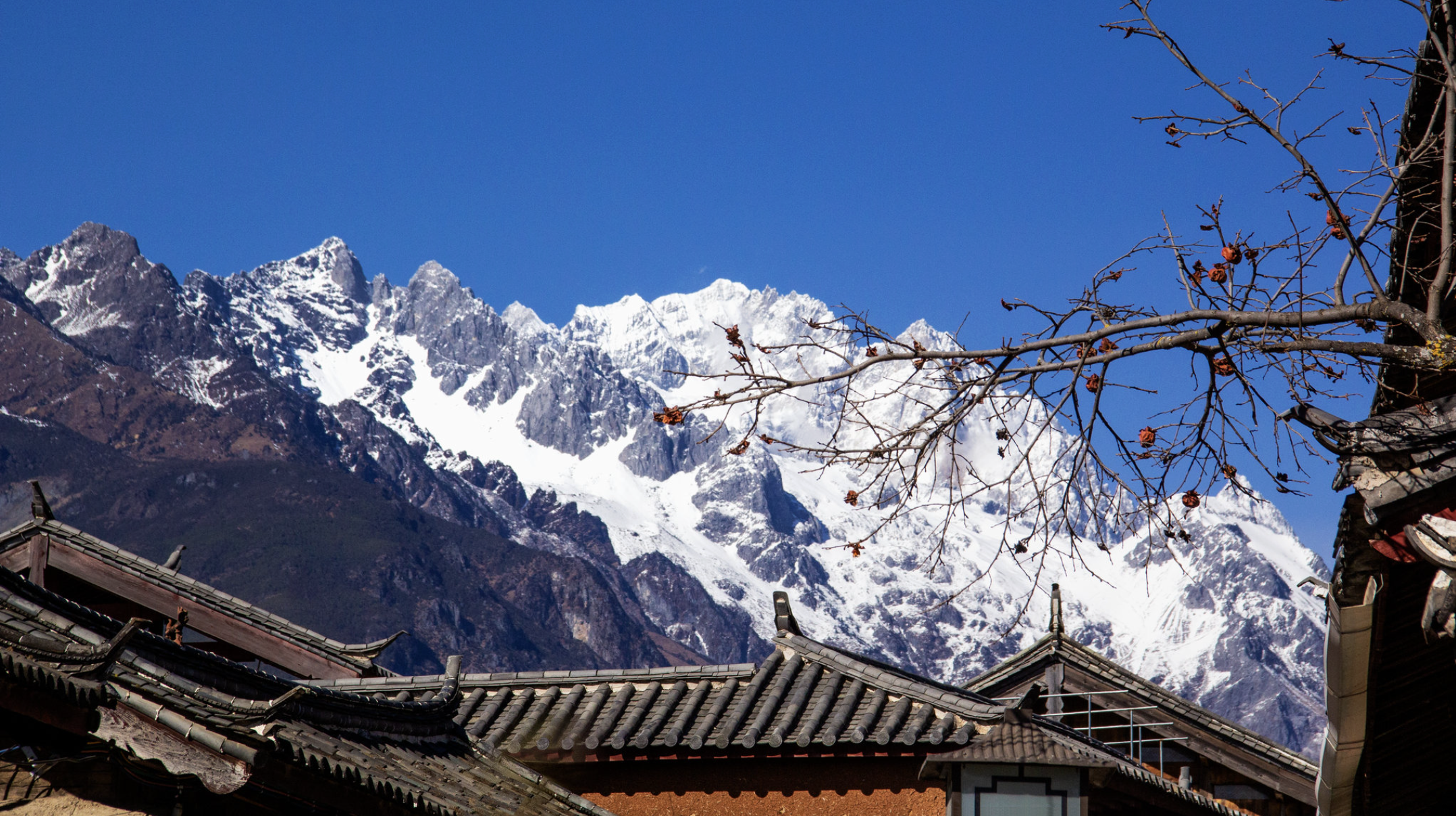
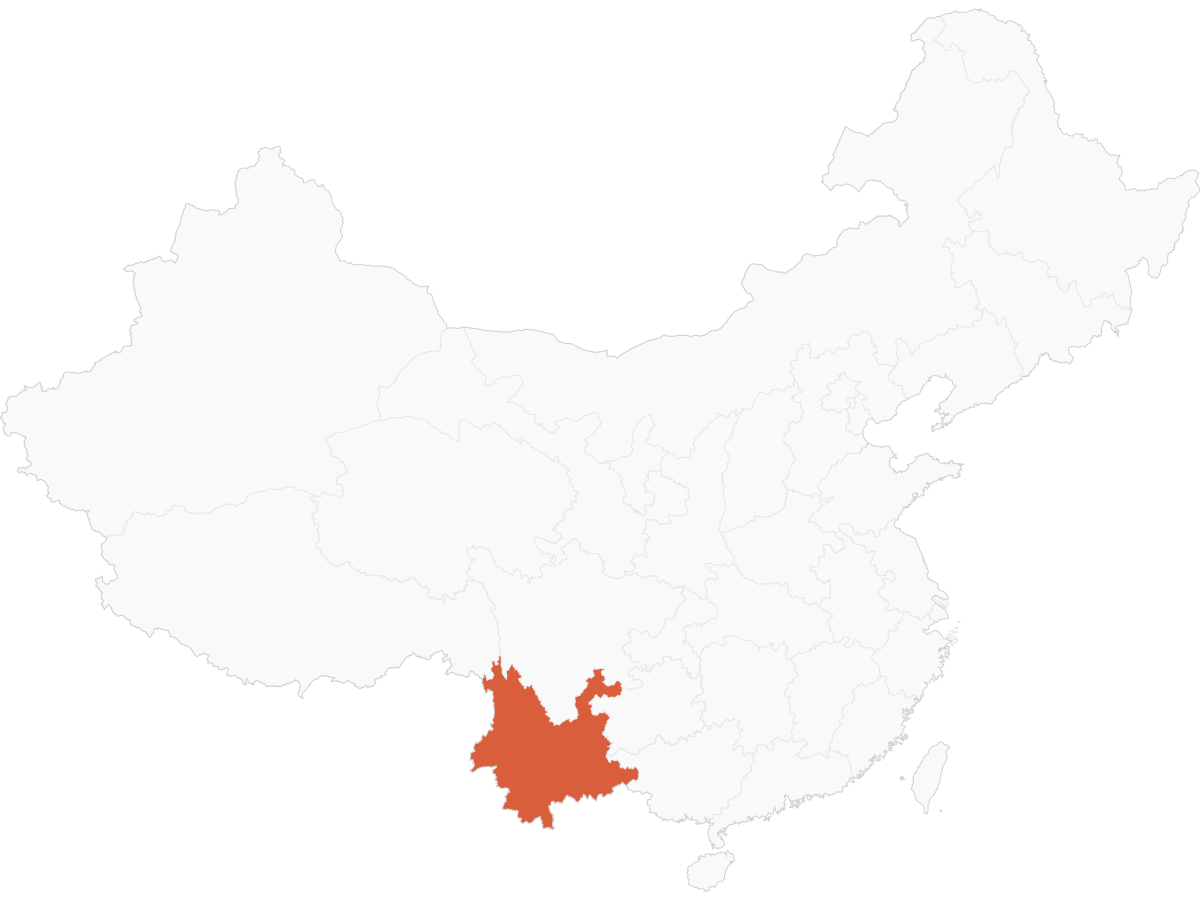
Compared with Western Sichuan, Tibet has a higher average altitude and a stronger sense of plateau scale, with the Himalayas forming its southern edge. Compared with Yunnan, Tibet offers a deeper and more concentrated experience of Tibetan Buddhist culture and history.
Tibet is best for travellers seeking dramatic landscapes, spiritual atmosphere, remote journeys, and a world that feels far removed from ordinary travel. Around 9 days is enough for a meaningful first journey, while longer trips allow you to reach Everest, Mount Kailash, or western Tibet.
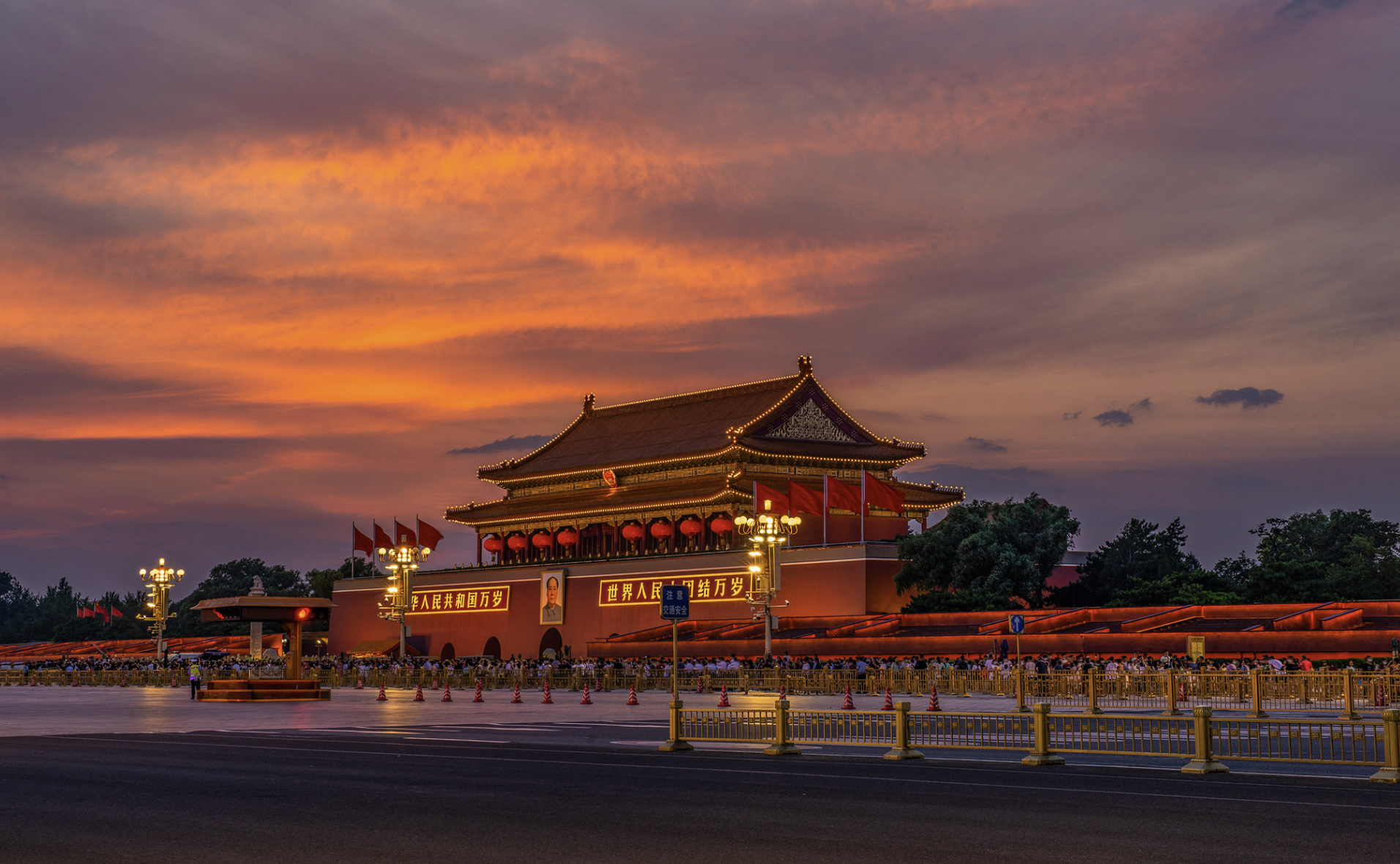
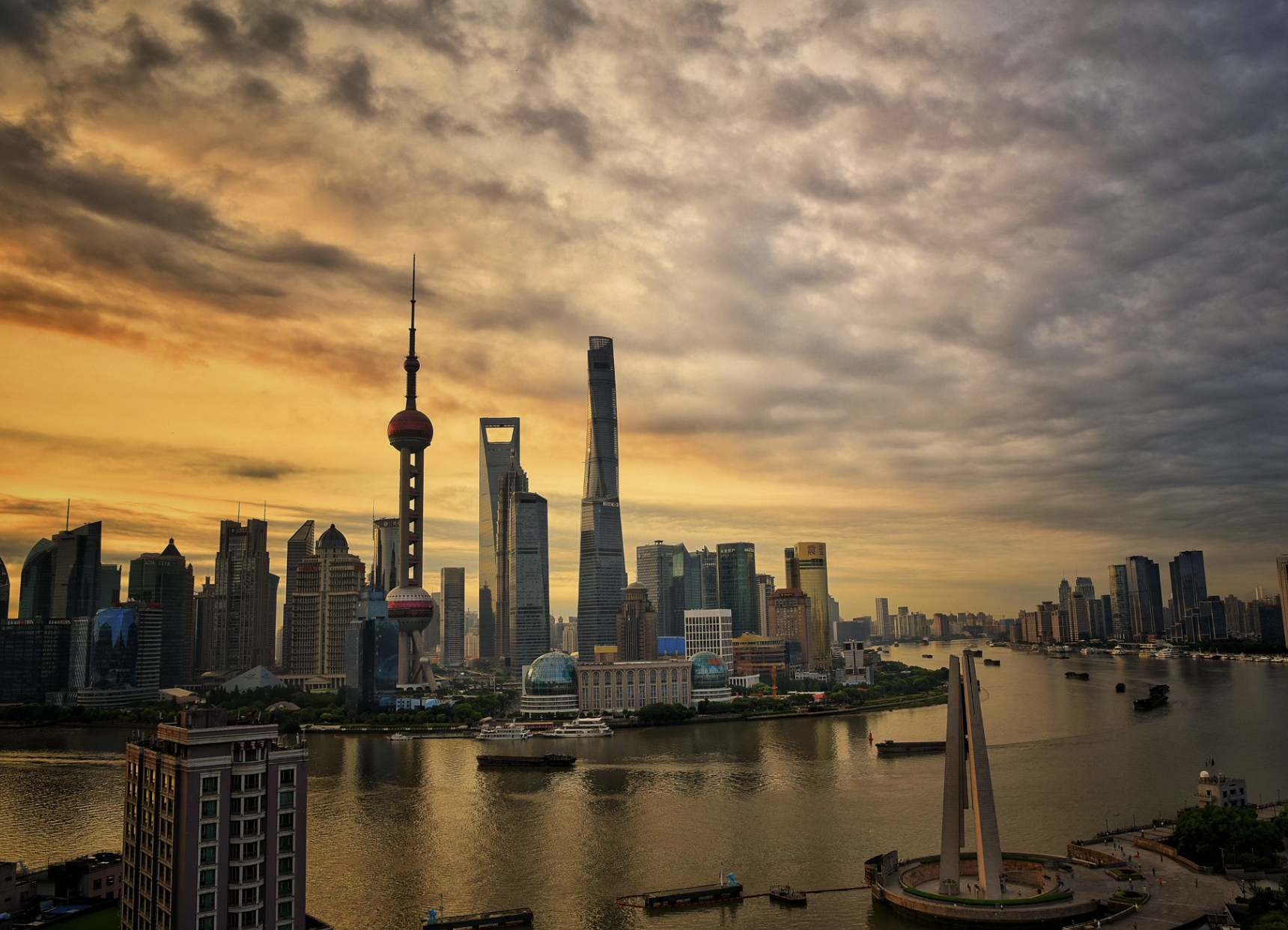
However, Tibet is not the best choice if you mainly want classic Chinese city life, imperial history, or easy urban travel. For that, Beijing, Shanghai, Sichuan, or other lower-altitude regions may be more suitable.
For many travellers, Tibet is not simply another destination. It can become a once-in-a-lifetime journey.
Is Tibet suitable for first-time visitors to China?
Yes. Tibet can be suitable for first-time visitors to China, especially if you are deeply curious about culture, faith, and nature.
Tibet shows a very different side of China. Here, Buddhist belief is part of daily life, ancient monasteries still welcome pilgrims, and landscapes such as Mount Everest, Mount Kailash, Yamdrok Lake, and Namtso feel unlike anywhere else in the country.
It can also be combined easily with major gateway cities such as Beijing, Shanghai, Chengdu, or Xi’an. This allows travellers to experience China’s classic city culture first, then continue into the high plateau for a completely different journey.
However, Tibet is not the easiest first destination. The altitude is high, travel requires a Tibet Travel Permit, and the pace should be slower. If you prefer urban comfort, flexible independent travel, or classic Chinese landmarks, Beijing, Shanghai, Sichuan, or Yunnan may be easier starting points.
For travellers with enough curiosity and preparation, Tibet can be one of the most unforgettable first journeys in China.
What are the must-see attractions in Tibet?
Tibet’s must-see places depend on whether it is your first visit, how much time you have, and how deep you want to go.
For most travellers, Lhasa is the essential starting point. The Potala Palace is Tibet’s most iconic landmark and usually requires advance booking. Jokhang Temple is one of the most sacred places in Tibetan Buddhism, while Barkhor Street allows you to walk with pilgrims, observe daily prayer life, and taste local Tibetan food. Sera Monastery is also worth visiting, especially for its afternoon monk debates from Monday to Saturday.
For sacred lakes and open plateau scenery, Yamdrok Lake is one of Tibet’s three great holy lakes, known for its turquoise colour. Namtso is one of the world’s highest saltwater lakes, and Tashi Peninsula is a good place for stargazing. Basum Lake, in eastern Tibet, offers a softer landscape of forests, mountains, and clear water.
For snow mountains and glaciers, Everest Base Camp is the most powerful highlight. At around 5,200 meters, it offers one of the best views of Mount Everest’s north face, especially at sunrise when the peak turns gold.
For deeper cultural history, Tashilhunpo Monastery in Shigatse, Samye Monastery in Shannan, and the Guge Kingdom ruins in Zanda are all worth considering. Together, they show different layers of Tibet’s religious, historical, and regional identity.
How many days should I spend in Tibet?
The shortest recommended trip to Tibet is around 5 days. This is suitable for travellers who only want to visit Lhasa and nearby highlights, including the Potala Palace, Jokhang Temple, Barkhor Street, Sera Monastery, and a day trip to Yamdrok Lake. It can also work as a short introduction to Tibet or as an acclimatisation-focused itinerary.
For most first-time visitors, 7 to 10 days is the ideal length. This allows enough time to follow the classic Lhasa – Yamdrok Lake – Shigatse – Everest Base Camp route, while also giving your body time to adjust to the altitude.
For a deeper Tibet journey, 10 to 14 days is recommended. With more time, you can include Nyingchi, Namtso, Shannan, or other less-visited areas, combining forests, canyons, glaciers, sacred lakes, monasteries, and historic sites.
What is the best time to visit Tibet?
The best time to visit Tibet is generally from May to October, with September and October often considered the golden season. During this period, the weather is usually more stable, visibility is high, and the landscapes are especially clear and varied.
By season:
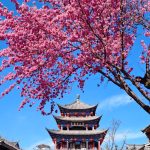
Spring (March–May): Spring is famous for the peach blossom season in Nyingchi. From late March to April, pink blossoms bloom across valleys and villages, creating a striking contrast with the surrounding snow-capped mountains.
Summer (June–August): Summer offers warmer temperatures and relatively higher oxygen levels, making it a comfortable time for many travellers. July and August are part of the rainy season, but rainfall is usually concentrated at night. This is also one of the busiest travel periods in Tibet.
Autumn (September–November): Often regarded as the best season to visit Tibet, autumn brings clear skies, dry weather, excellent mountain views, and colourful landscapes. September and October are particularly popular for visiting Everest Base Camp and other high-altitude destinations.
Winter (December–February): Winter is the quietest travel season, with fewer visitors and lower travel costs. It is an excellent time to see snow-covered mountains, glaciers, and blue ice landscapes. However, temperatures can be very low, and some remote routes may be affected by snow or temporary road closures.
By region:
Lhasa and Shannan: Suitable for travel throughout most of the year.
Nyingchi: Best visited from March to May for the peach blossom season.
Ngari and Nagqu: Generally most suitable from May to September due to weather and road conditions.
Shigatse and Everest Base Camp: Often offer the clearest mountain views from September to the following May.
Namtso Lake: Usually accessible from May to October, depending on weather and road conditions.
How do I get to Tibet?
Via Major Chinese Cities
Most international travellers first arrive in major Chinese cities such as Beijing, Shanghai, Guangzhou, Chengdu, or Chongqing.
From these cities, they continue to Tibet by domestic flight or train.
International flights directly to Lhasa are limited. One of the main options is the Kathmandu–Lhasa route from Nepal.
By Flight
The main domestic gateway cities to Tibet include:Chengdu, Chongqing, Xi’an, Xining, Shangri-La
Approximate flight times:Chengdu to Lhasa: about 2 hours 15 minutes, Chongqing to Lhasa: about 2 hours 30 minutes
Flight fares are generally higher during peak travel seasons and lower during the off-season.
Morning flights are often recommended because weather and wind conditions tend to be more stable.
A left-side window seat may provide views of the Himalayan mountains, depending on weather and flight route.
By Train
There is currently no high-speed railway to Lhasa.
Travellers can take Tibet-bound trains from several major Chinese cities.
All trains switch to oxygen-supplied plateau carriages after reaching Xining.
Major train routes include:Beijing West – Lhasa, Shanghai – Lhasa, Guangzhou – Lhasa, Chengdu West – Lhasa, Chongqing West – Lhasa.Travel times typically range from 34 to 53 hours, depending on the departure city.
Train Travel Tips
Soft sleeper berths are the most comfortable option for long journeys.
Lower hard sleeper berths are generally more convenient than upper berths.
Hard seats are not recommended due to the long travel time.
Travellers who are sensitive to cigarette smoke may wish to choose their train route and carriage carefully.
Will I get altitude sickness on my first trip to Tibet? How can I prevent it?
Not everyone gets altitude sickness on their first trip to Tibet. It depends on personal health, fitness, acclimatisation speed, and altitude changes. Common symptoms include headache, dizziness, chest tightness, fatigue, poor sleep, and loss of appetite. Many travellers gradually adapt within 1 to 3 days.
The key to preventing altitude sickness is to ascend gradually and avoid rushing. When possible, daily altitude gain should be limited, especially at the beginning of the trip. Before departure, sleep well, avoid alcohol, and try not to catch a cold. After arriving in Tibet, move slowly, avoid strenuous activity, drink plenty of water, eat light meals, keep warm, and avoid showering on the first day if you feel uncomfortable.
Some travellers take Rhodiola before arrival, although its effect varies from person to person. It is useful to carry basic medicine for headaches and energy support, such as ibuprofen and glucose, after checking that they are suitable for you. Sleeping pills should be avoided at high altitude unless approved by a doctor. Oxygen is not addictive, and travellers should use it when they feel unwell. If severe headache, breathing difficulty, confusion, or other serious symptoms occur, descend and seek medical help immediately.
What documents do foreign travellers need to enter Tibet?
Foreign travellers need a valid Chinese visa, unless they are from a visa-free country or region eligible for visa-free entry to China. For most travellers, an L tourist visa is commonly used.
In addition, all foreign travellers need a Tibet Travel Permit, also known as a TTP. This permit must be arranged through a licensed Tibet travel agency and cannot be applied for individually. We recommend starting the process at least 20 to 30 days before travel.
Foreign travellers cannot travel independently in the Tibet Autonomous Region. They must travel with an approved itinerary arranged by a travel agency and be accompanied by a licensed guide. The itinerary cannot usually be changed freely once permits have been issued.
For border areas such as Everest Base Camp and Ngari, additional border permits are required. These are also arranged by the travel agency as part of the itinerary preparation. The information on your Tibet Travel Permit must match your passport and visa details, and documents may be checked when entering Tibet or travelling between certain areas.
Travellers entering Tibet from Kathmandu, Nepal, also need to arrange the required documents in advance through a travel agency.
What are the most representative local festivals in Tibet? Can foreign travellers attend them?
Yes, foreign travellers can attend many Tibetan festivals, as long as their travel dates, permits, and itinerary allow it. Some religious ceremonies or monastery areas may have restrictions, and visitors should always follow local guidance and respect photography rules.
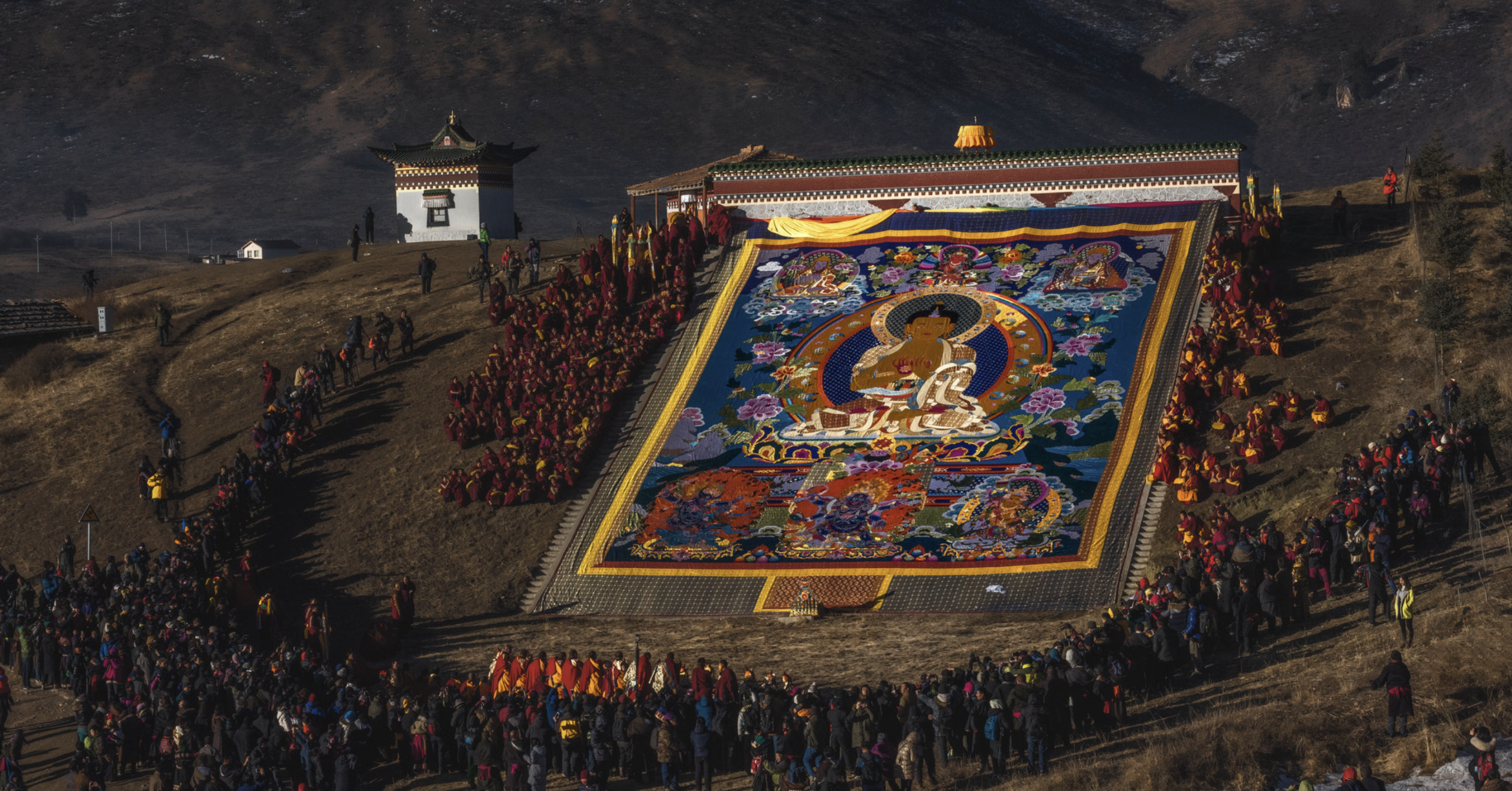
The Shoton Festival, usually held around August, is one of Tibet’s most important traditional festivals. Its name is often translated as the “Yogurt Festival.” Major activities include the giant Thangka unveiling ceremony at Drepung Monastery, Tibetan opera performances at Norbulingka, family picnics, temple visits, and local celebrations.
Tibetan New Year, or Losar, usually falls in February or March according to the Tibetan calendar. It is the most important festival for Tibetan people and can last for around 15 days. During this period, locals prepare special food, visit temples, make offerings, join family gatherings, and take part in traditional celebrations. In Lhasa, important prayers and ceremonies may take place around the Potala Palace and Jokhang Temple.
The Butter Lamp Festival, held on the 25th day of the 10th month in the Tibetan calendar, usually falls in December. It commemorates Tsongkhapa, the founder of the Gelug school of Tibetan Buddhism. Monasteries and homes light butter lamps, with especially important celebrations around Jokhang Temple and Ganden Monastery. For travellers, it can be a moving time to witness the spiritual atmosphere of Tibet in winter.
Inspirations
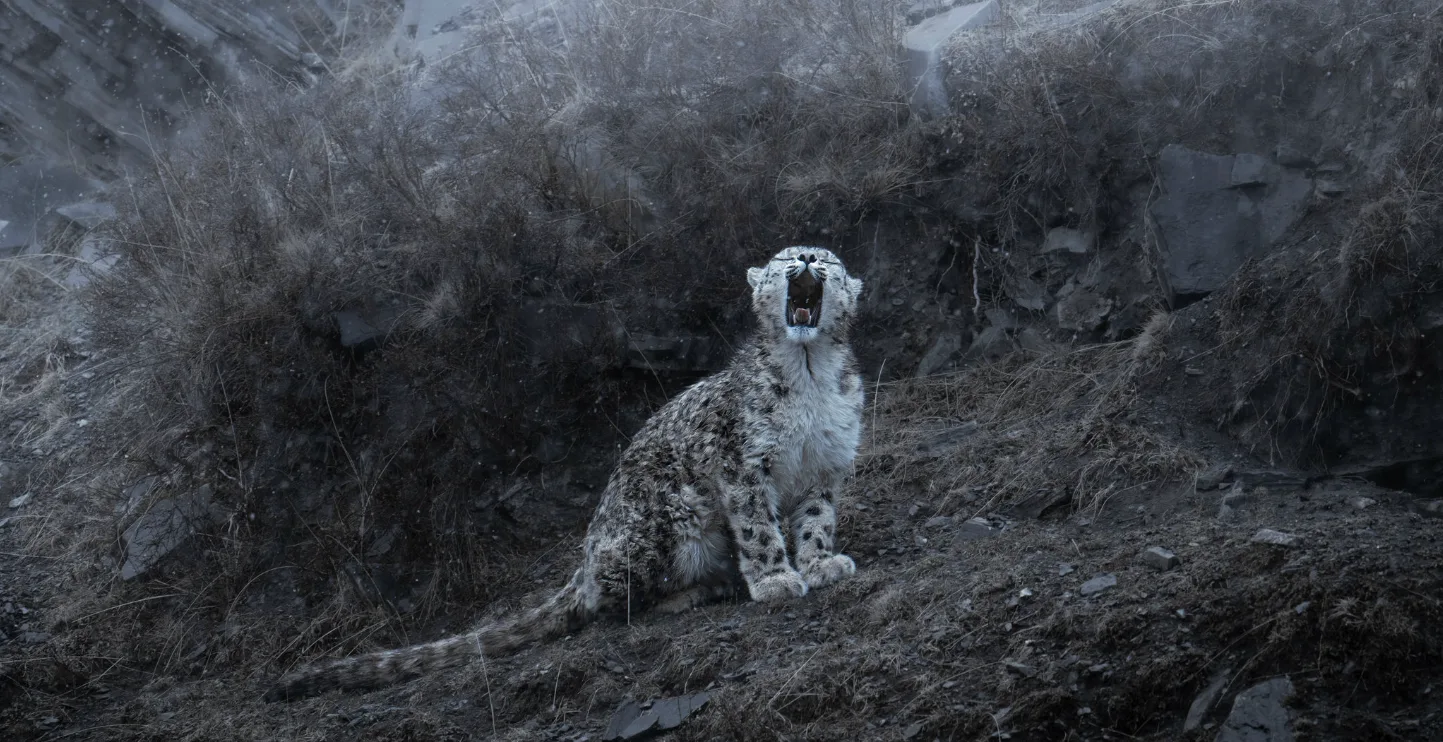
Snow Leopard Photography Field Guide: How To Photograph Snow Leopards In The Wild
Through this guide, we hope to help photographers who share a passion for snow leopards create meaningful images and inspire more people to appreciate this extraordinary species through photography.
View Detail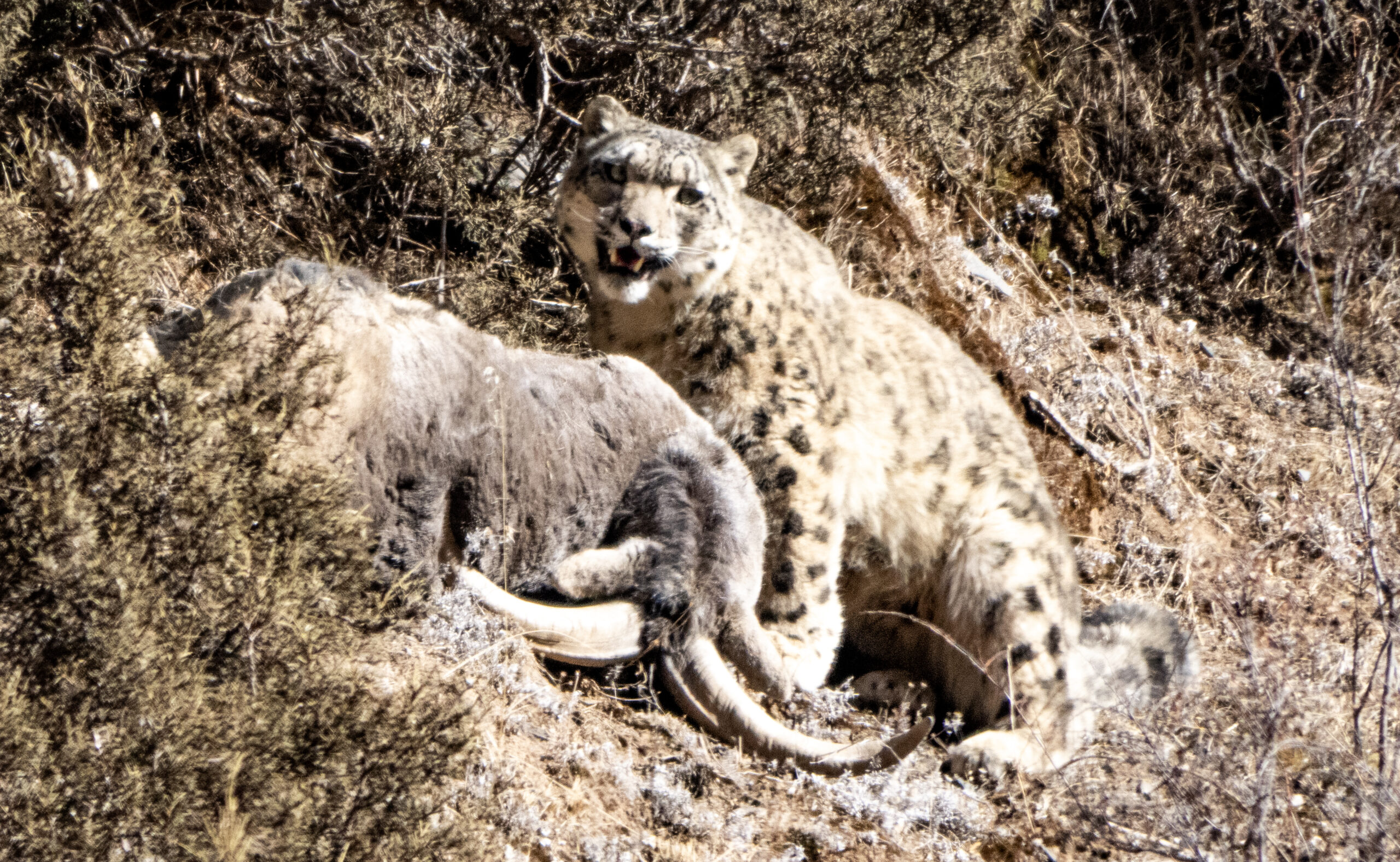
What Do Snow Leopards Eat? An Educational Guide
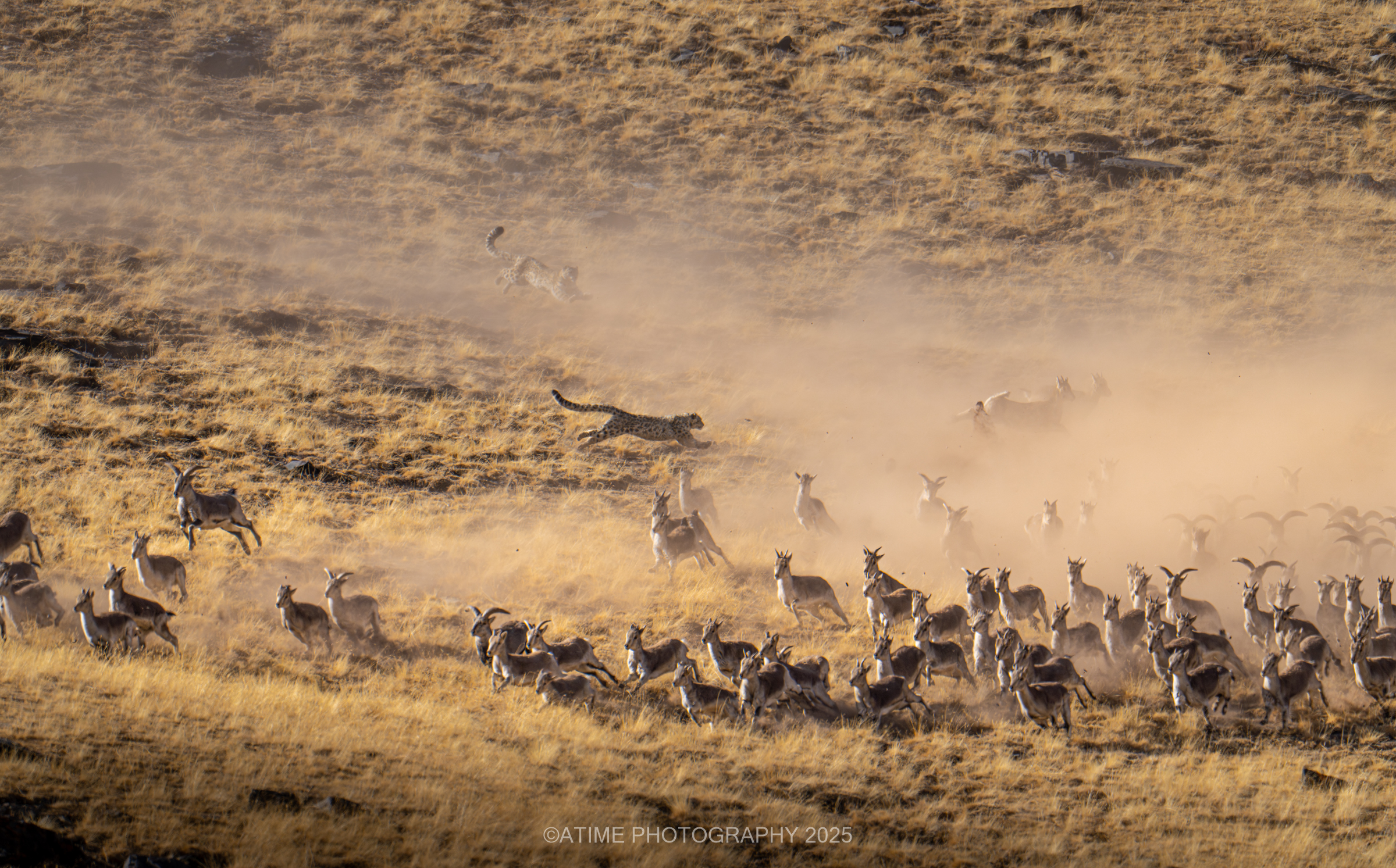
This guide explores the snow leopard’s diet, hunting strategies, and the food web linking this elusive big cat to the landscapes and communities around it.
View Detail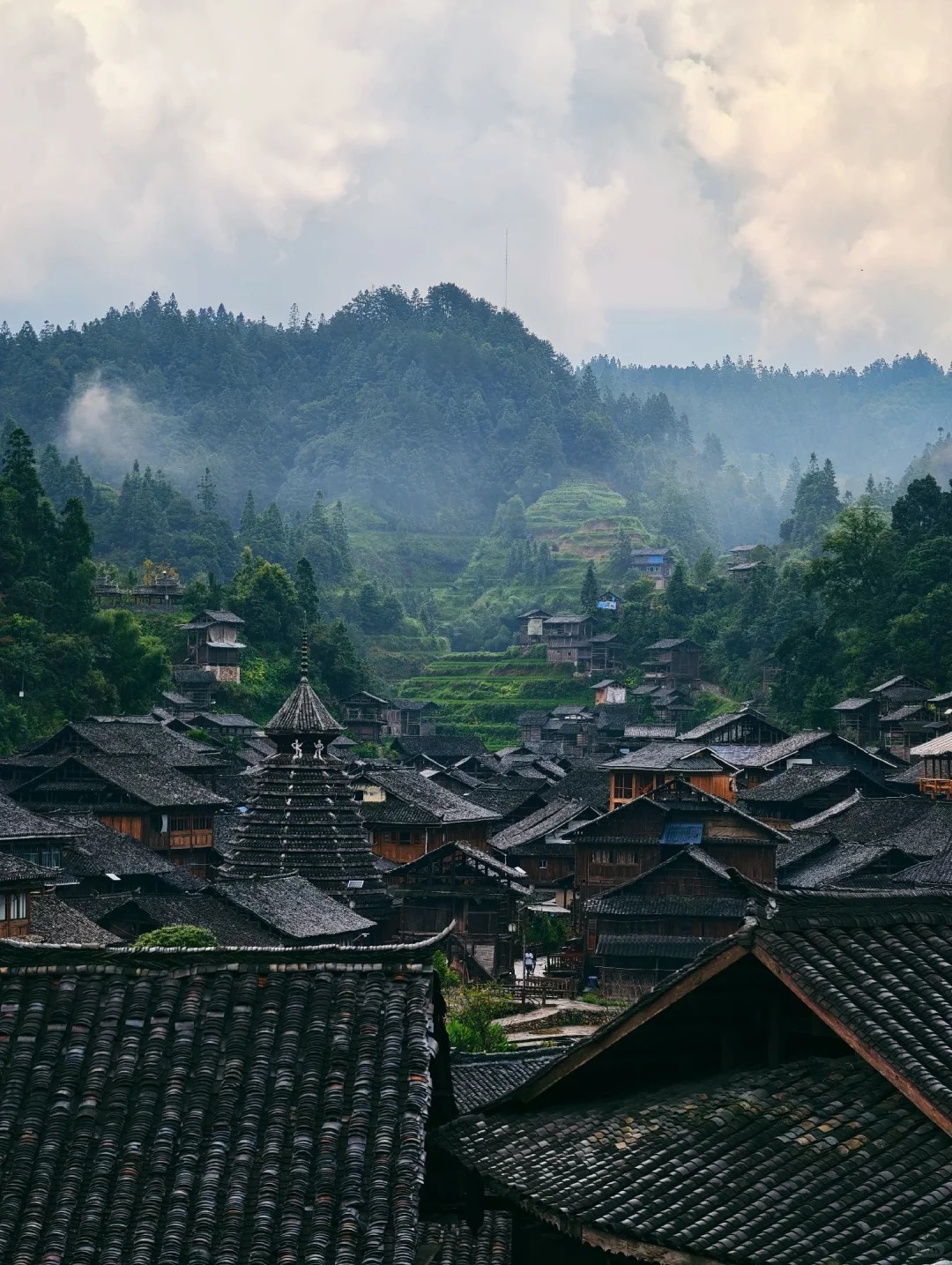
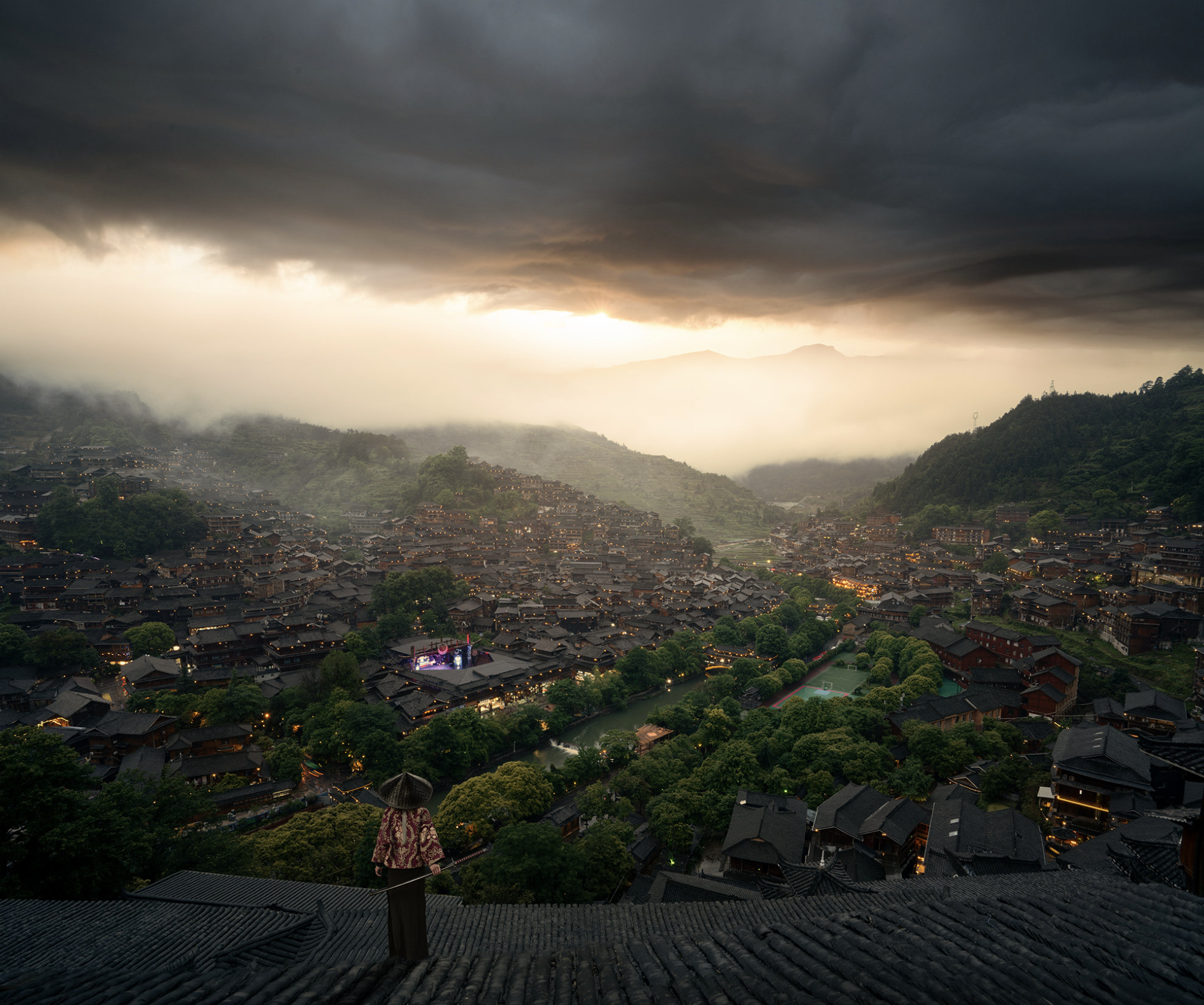
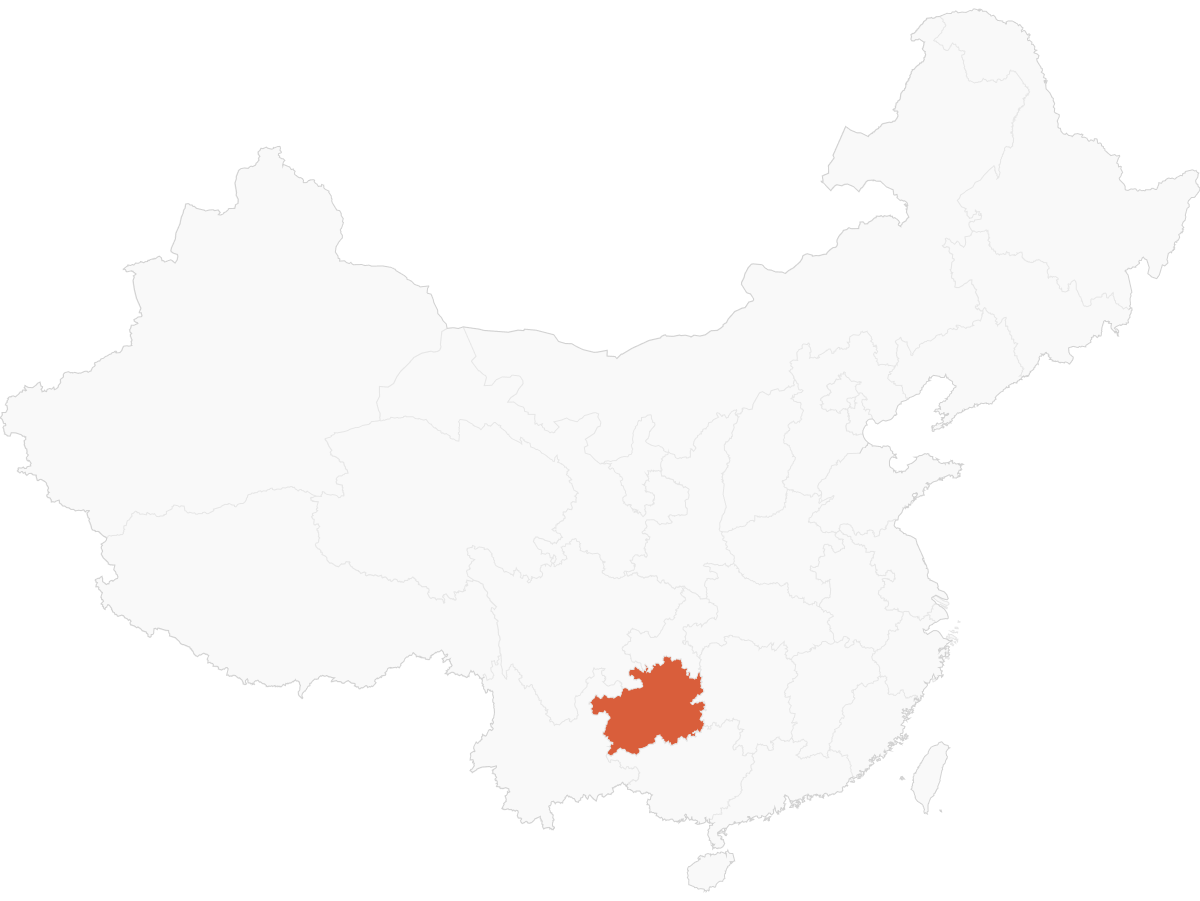
Huanggang Dong Village: One of the Best Dong Villages to Visit in Guizhou
Discover Huanggang Dong Village, a hidden mountain community in Guizhou where drum towers, Dong grand songs, traditional crafts, and everyday village life continue through generations. This guide covers how to visit, where to stay, cultural experiences, festivals, and practical tips for a meaningful journey.
View Detail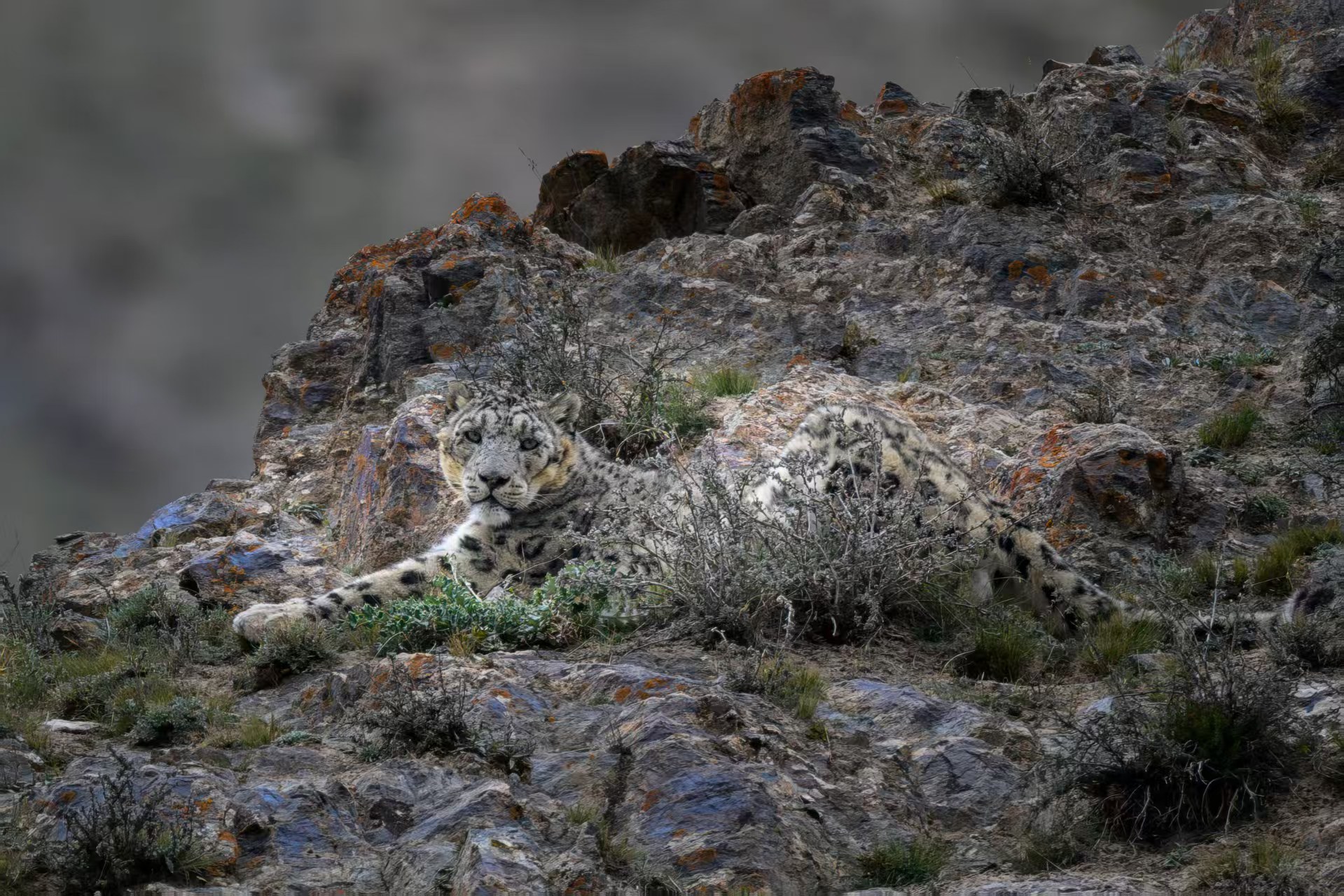
Dulan Wildlife Tour Report: Pallas’s Cats, Eurasian Lynx and Snow Leopards in Qinghai, China
A field report from Dulan, Qinghai, exploring snow leopards, Pallas’s cats, Eurasian lynxes, wildlife tracking, expeditions, and photography.
View Detail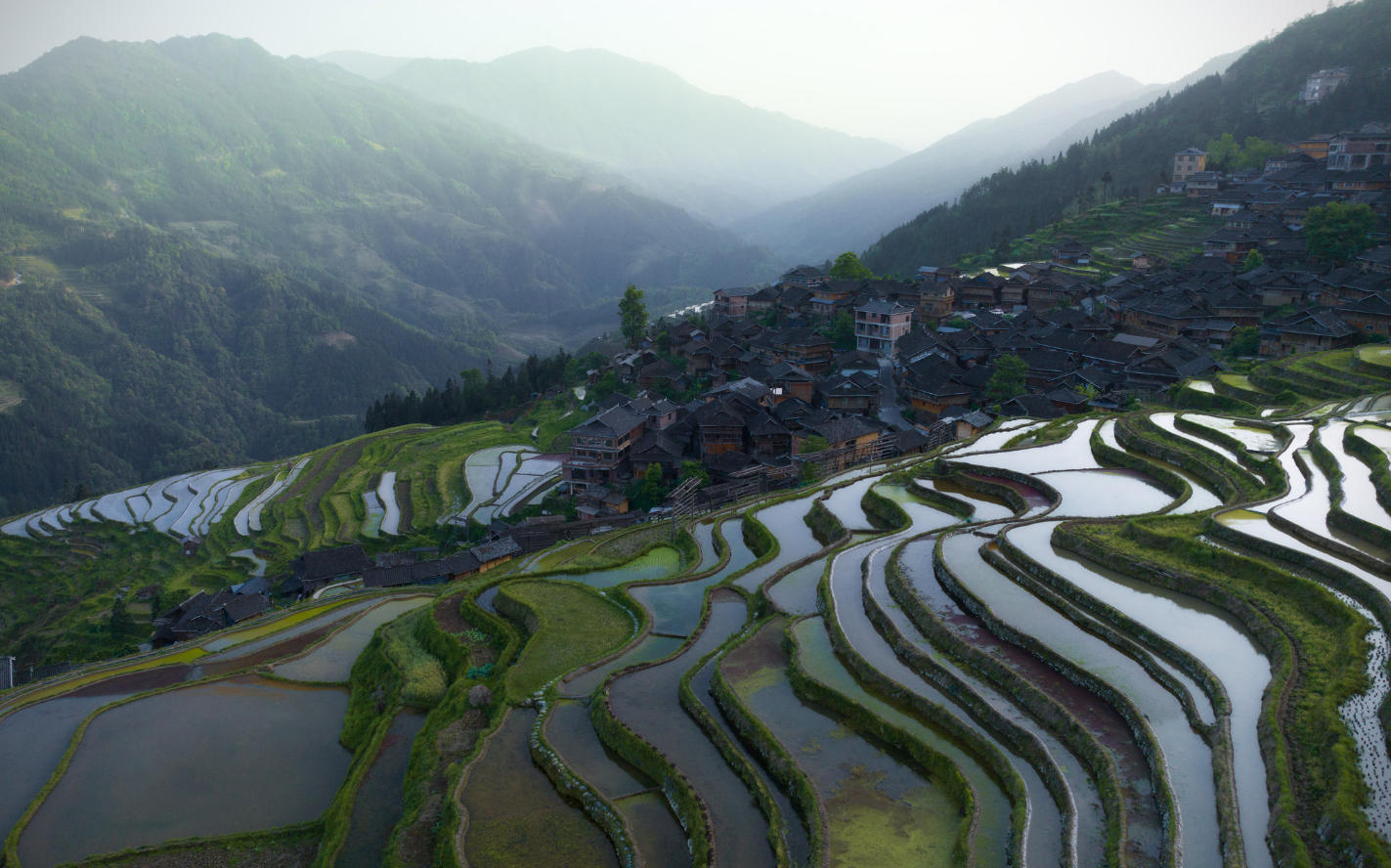
Exploring Guizhou Mountains: Hiking Trails and Sacred Peaks
A complete guide to Guizhou mountains, covering the best places to visit, hiking trails, seasons, transportation, and cultural villages across southwest China.
View Detail