Sichuan Private Tour
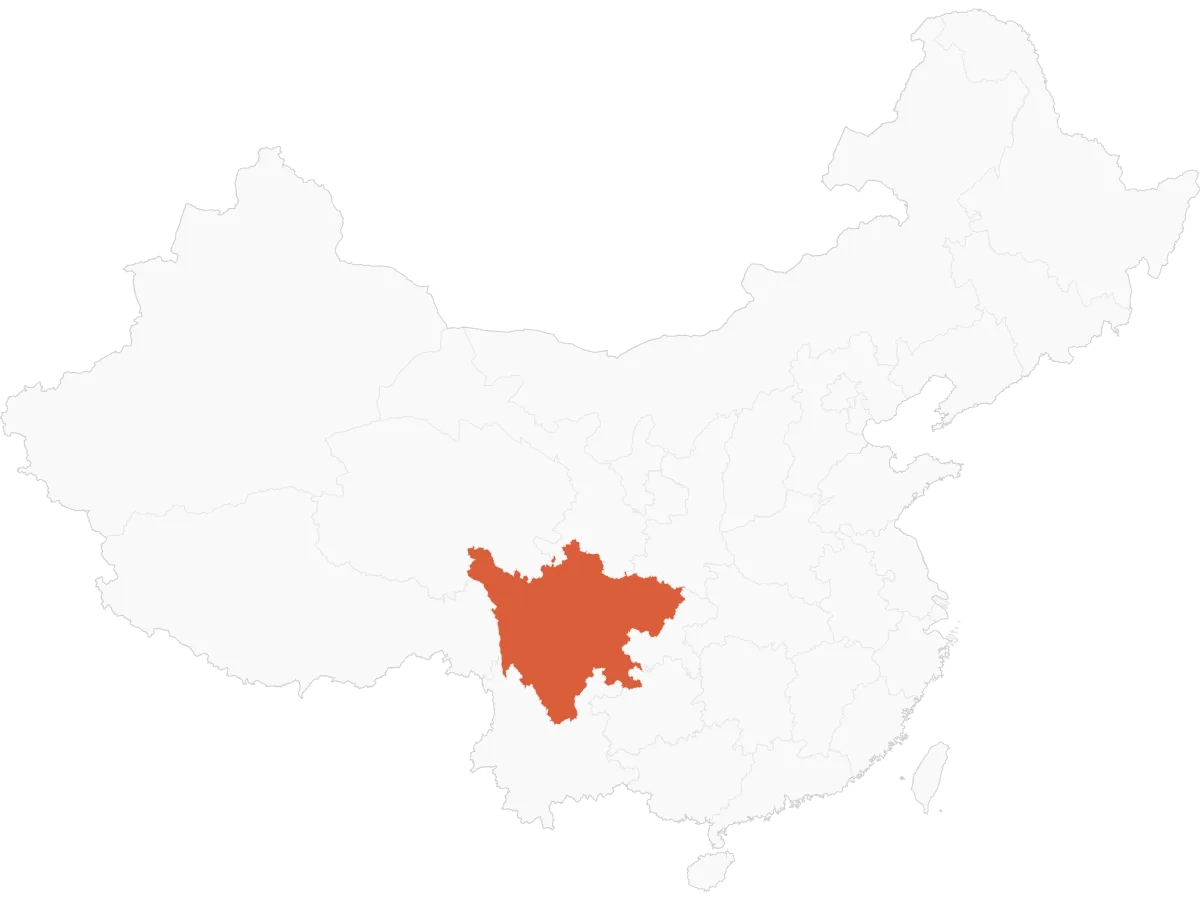
Sichuan is one of China’s most diverse regions, where ancient civilisations, sacred mountains, extraordinary wildlife, and vibrant local traditions come together. From the bustling teahouses of Chengdu to the remote Tibetan grasslands of the west, the province offers a remarkable range of experiences, each revealing a different side of China.
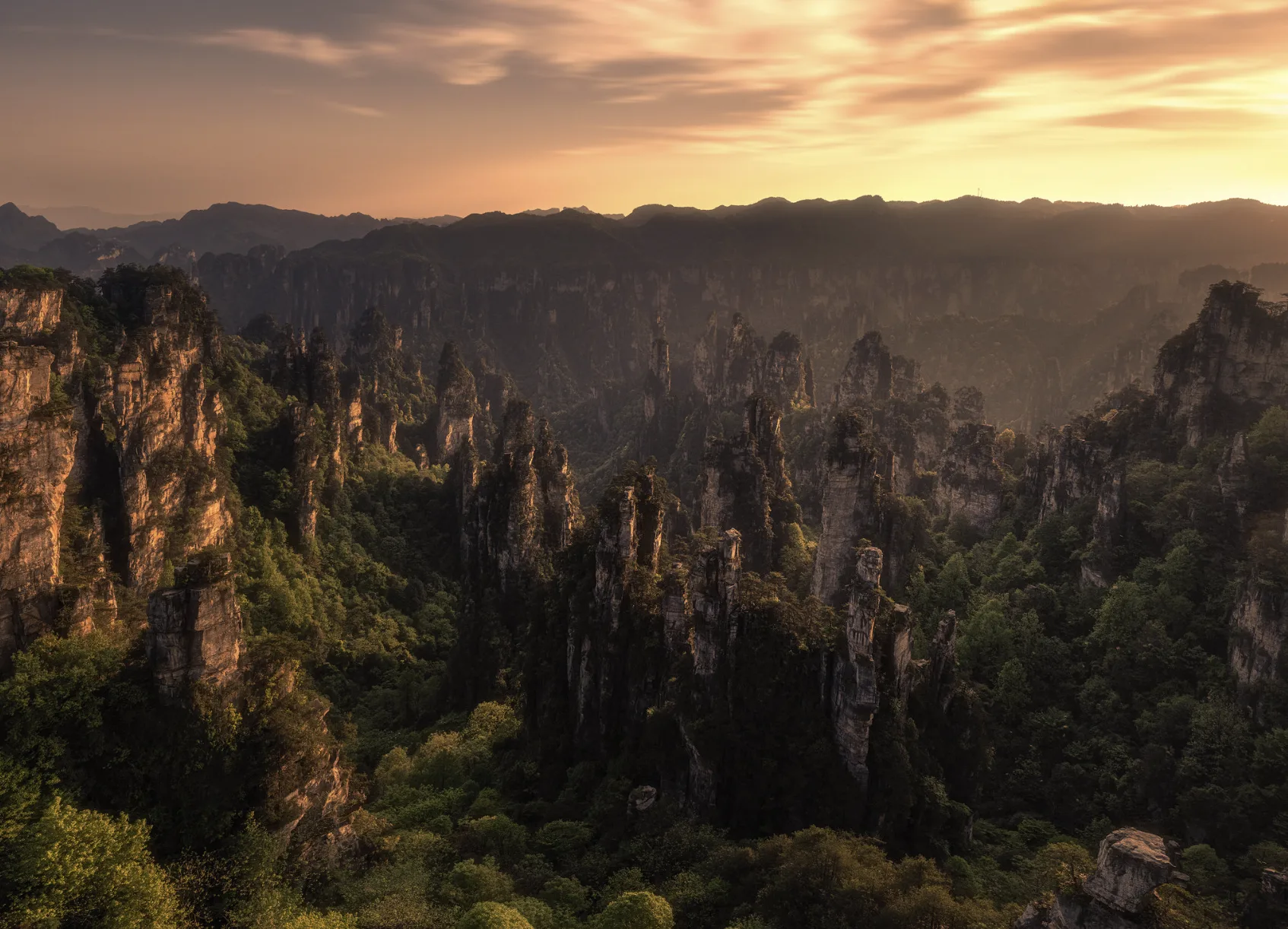
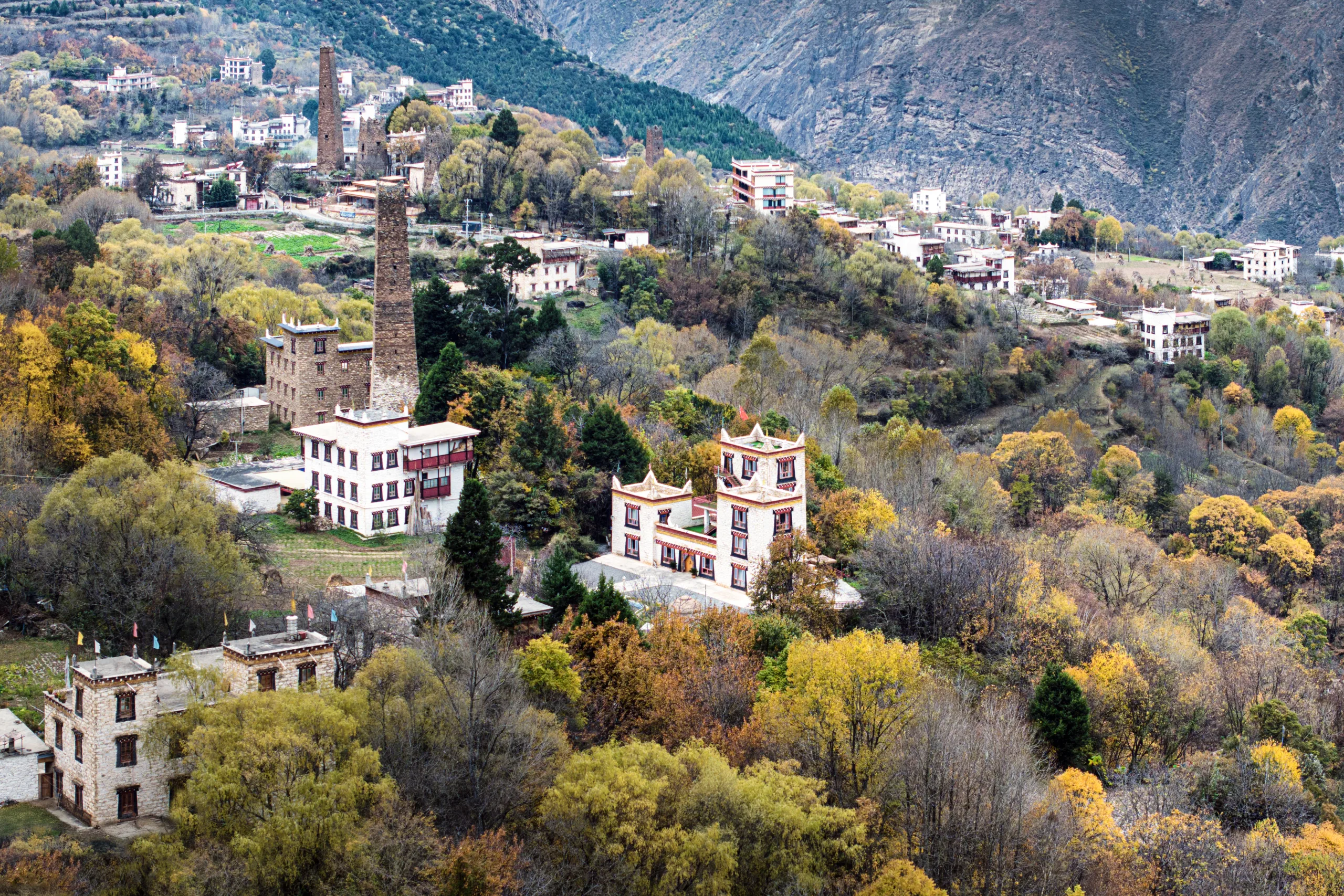
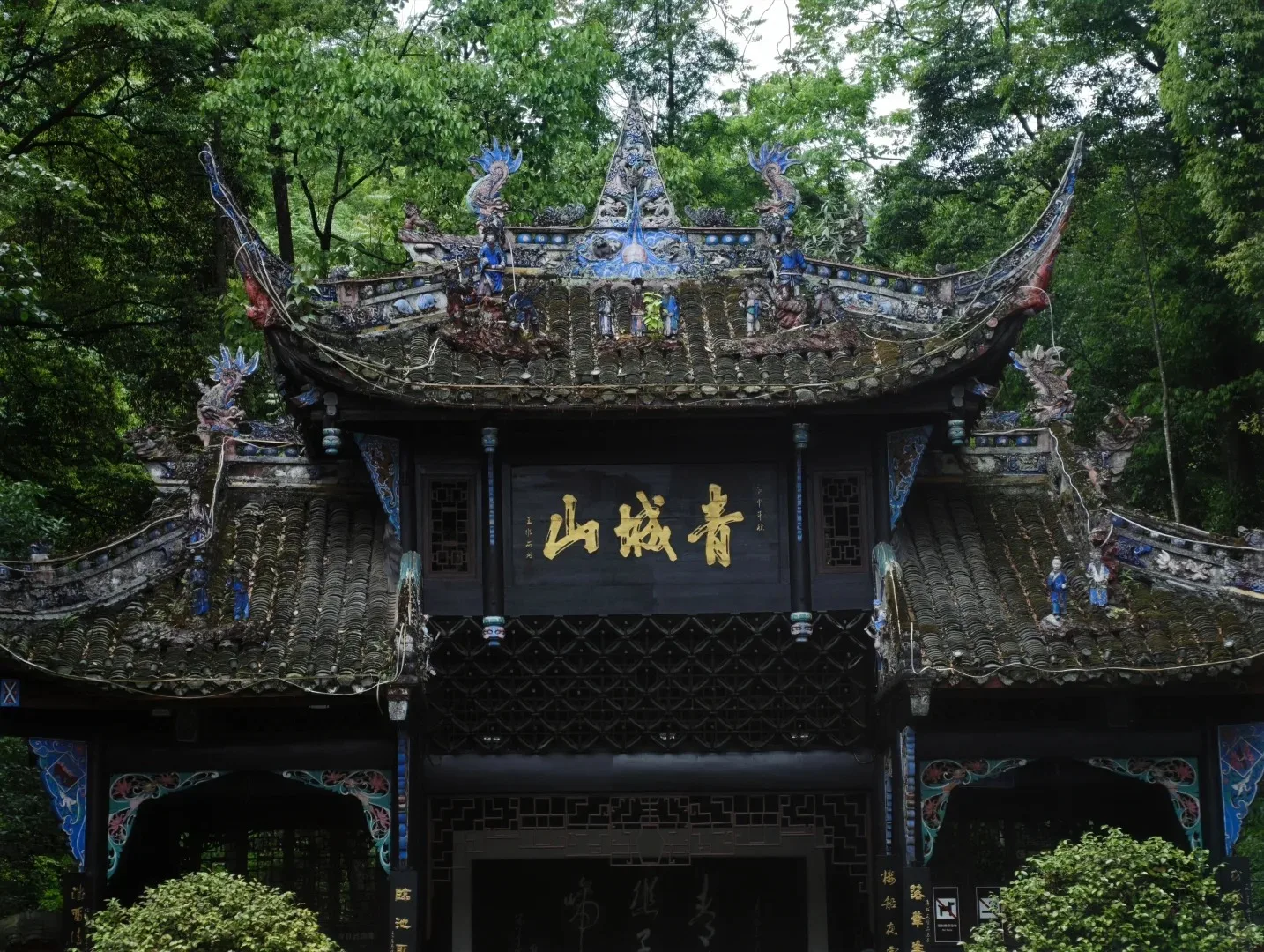
An Eastogo Sichuan Private Tour is designed to explore this diversity with greater freedom and depth. Discover the ancient Shu civilisation at Sanxingdui, walk through the Taoist temples of Mount Qingcheng, or explore Chengdu’s lively food markets with a local specialist. Further west, journey beneath the towering peaks of Mount Siguniang, visit the turquoise lakes of Jiuzhaigou, and experience Kham Tibetan culture through personal encounters with local communities.
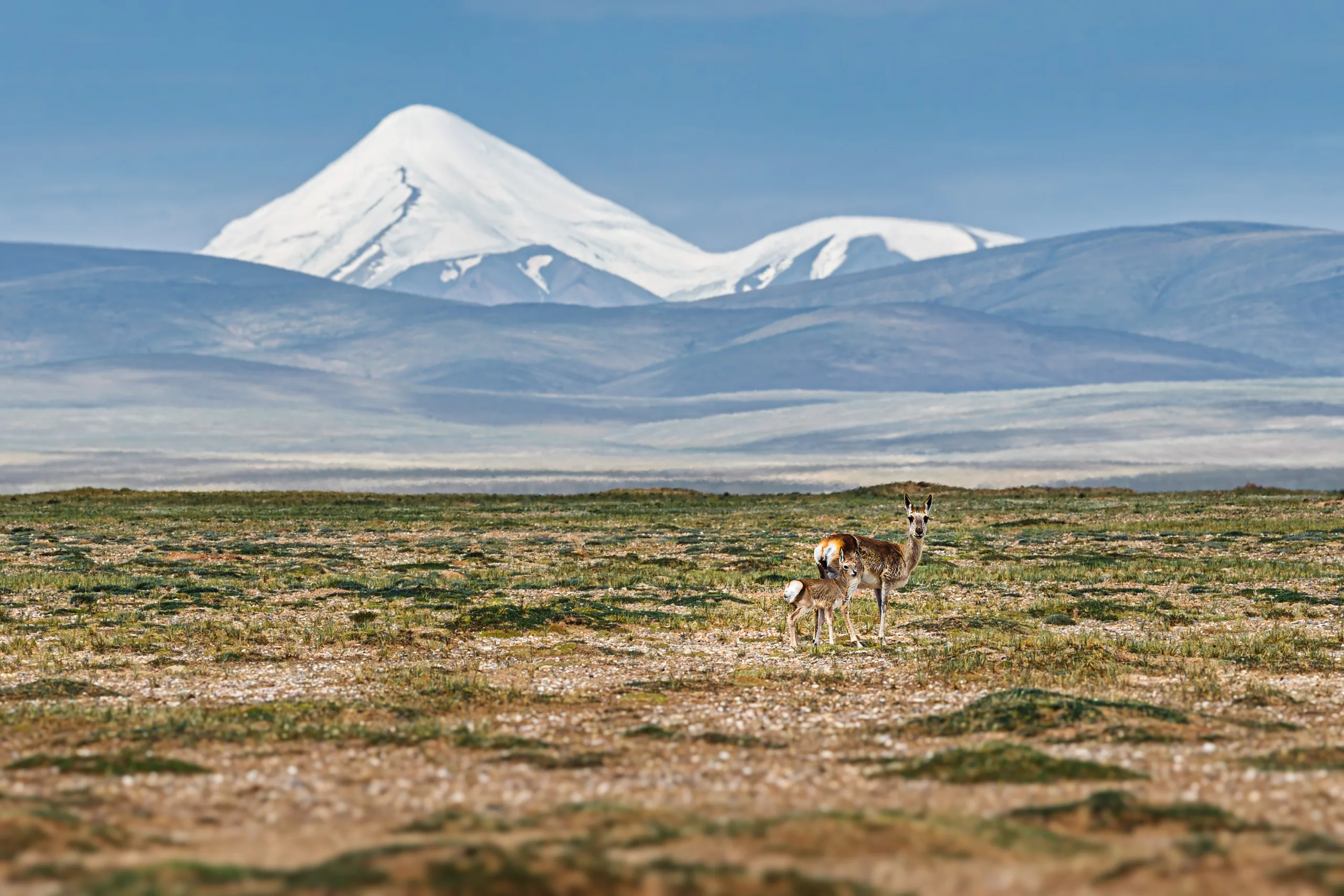
Sichuan is also one of China’s great wildlife destinations. Search for giant pandas and red pandas in their natural habitats, explore remote highlands where snow leopards roam, or join expert-led birding excursions in one of the world’s richest biodiversity regions.
With knowledgeable local guides, carefully selected stays, private transport, and the flexibility to travel at your own pace, Eastogo creates journeys shaped around your interests — whether that means exploring ancient history, discovering Tibetan traditions, trekking through mountain landscapes, or searching for rare wildlife.
Journey Highlights
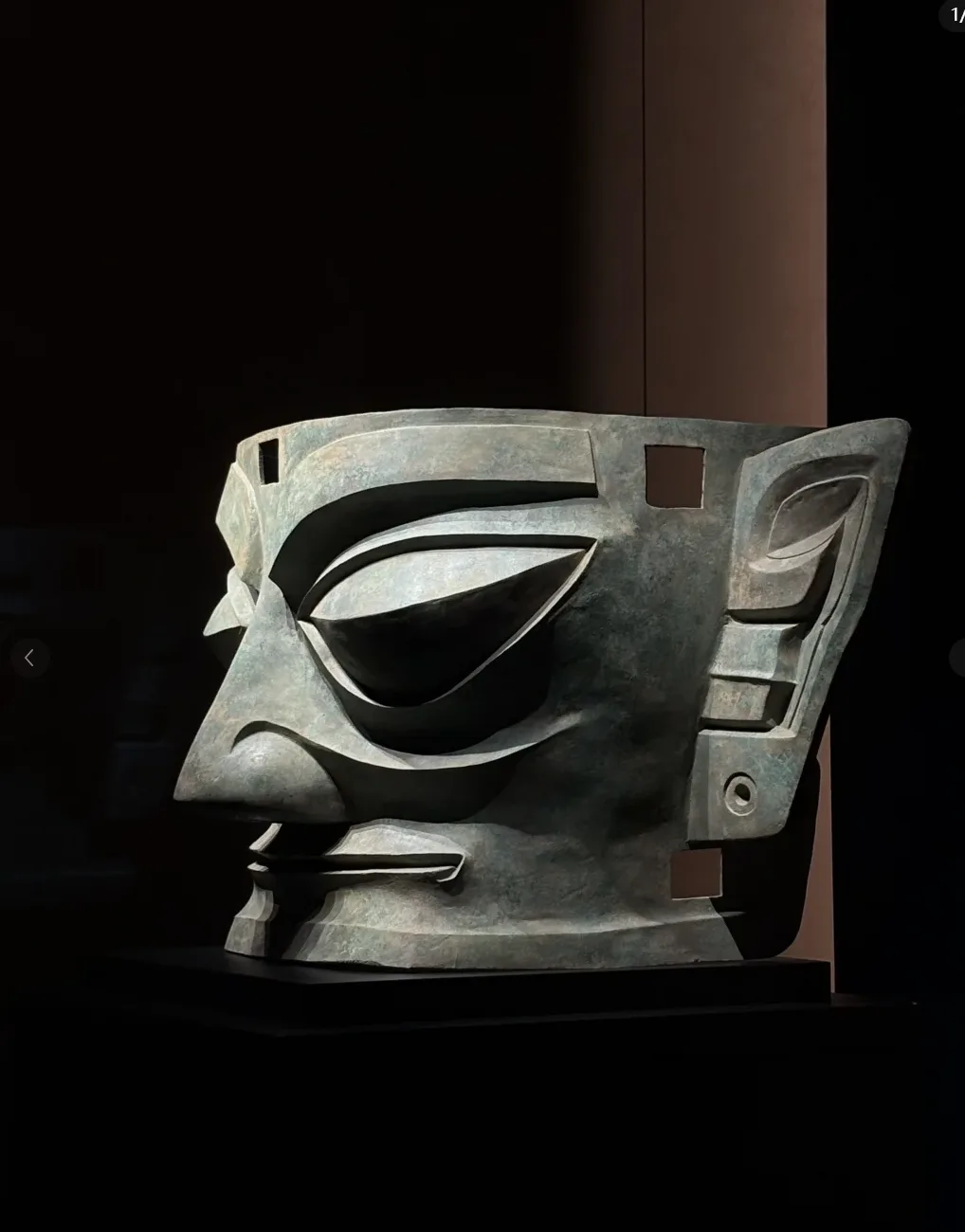
Step into the world of the ancient Shu Kingdom, a civilization that flourished 3,000–5,000 years ago. Encounter mysterious bronze masks, sacred trees, and extraordinary artifacts that reveal a chapter of Chinese history unlike anything found elsewhere.
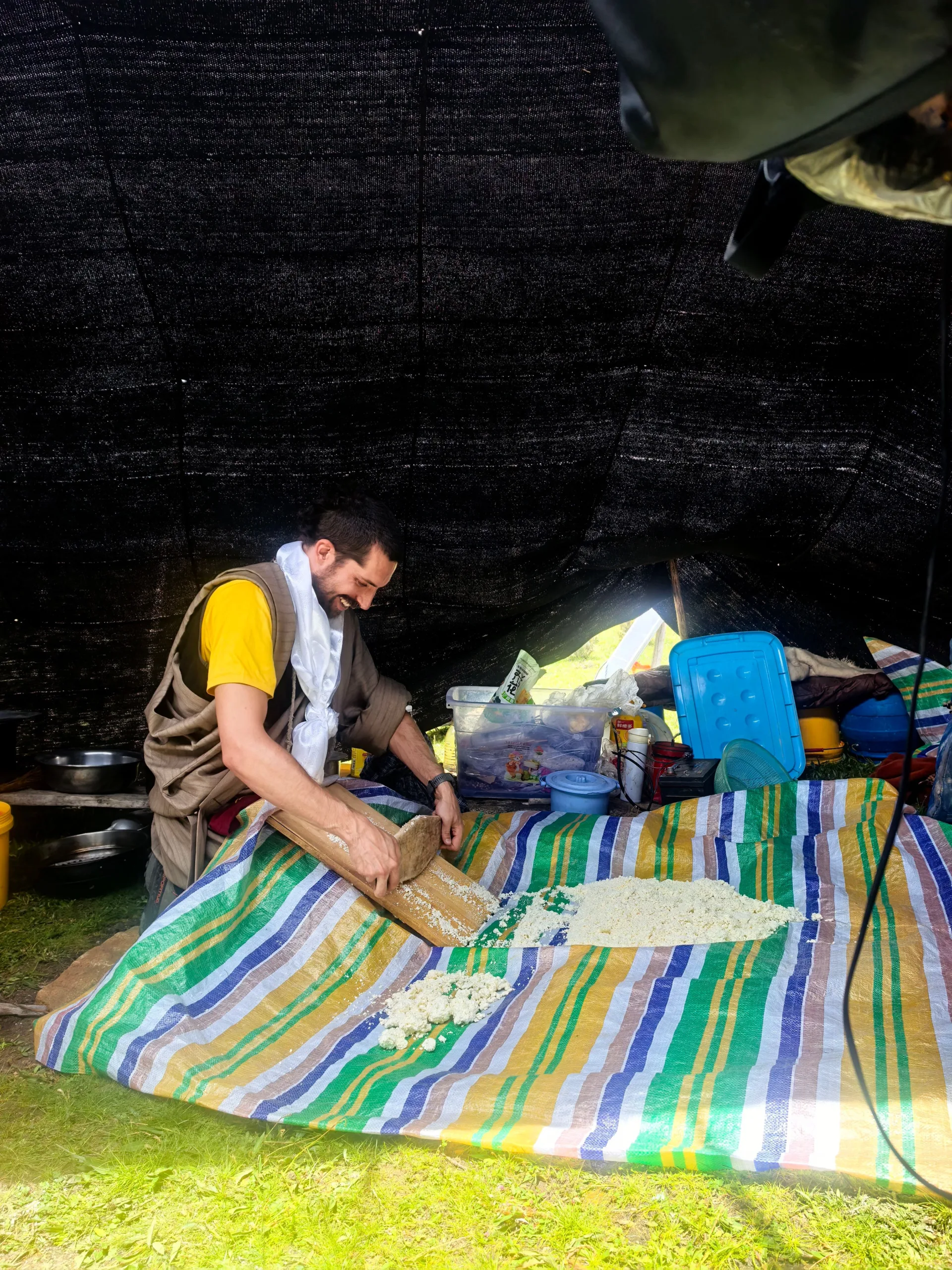
Spend a day with Tibetan nomads on the grasslands, joining local herders in their daily routines, learning to make tsampa, herding yaks, and sharing authentic Tibetan meals together.
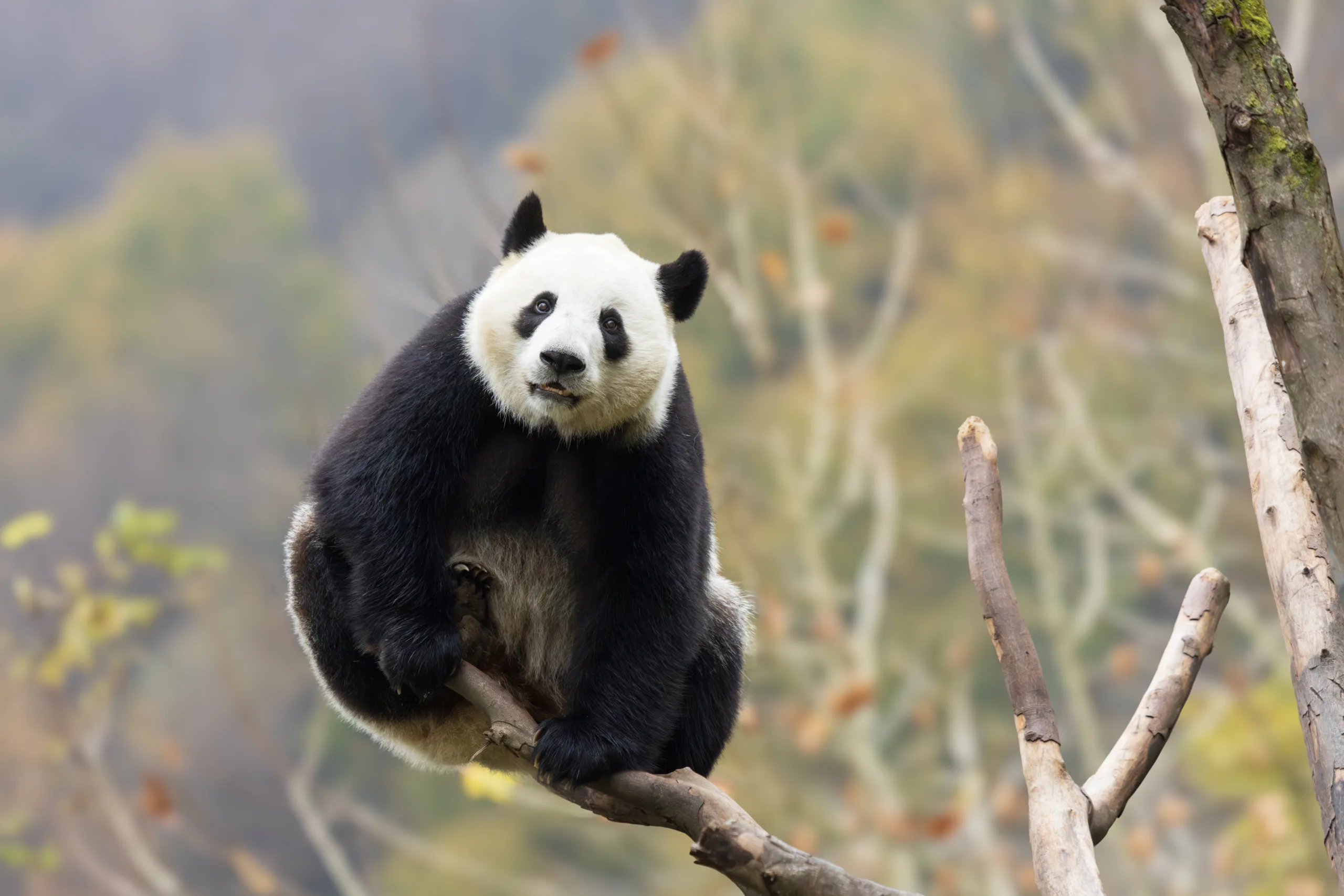
Observe giant pandas up close, with unobstructed views and no glass barriers, in a carefully designed panda base that reflects how pandas live in the wild. Panda will be as close as 5m.
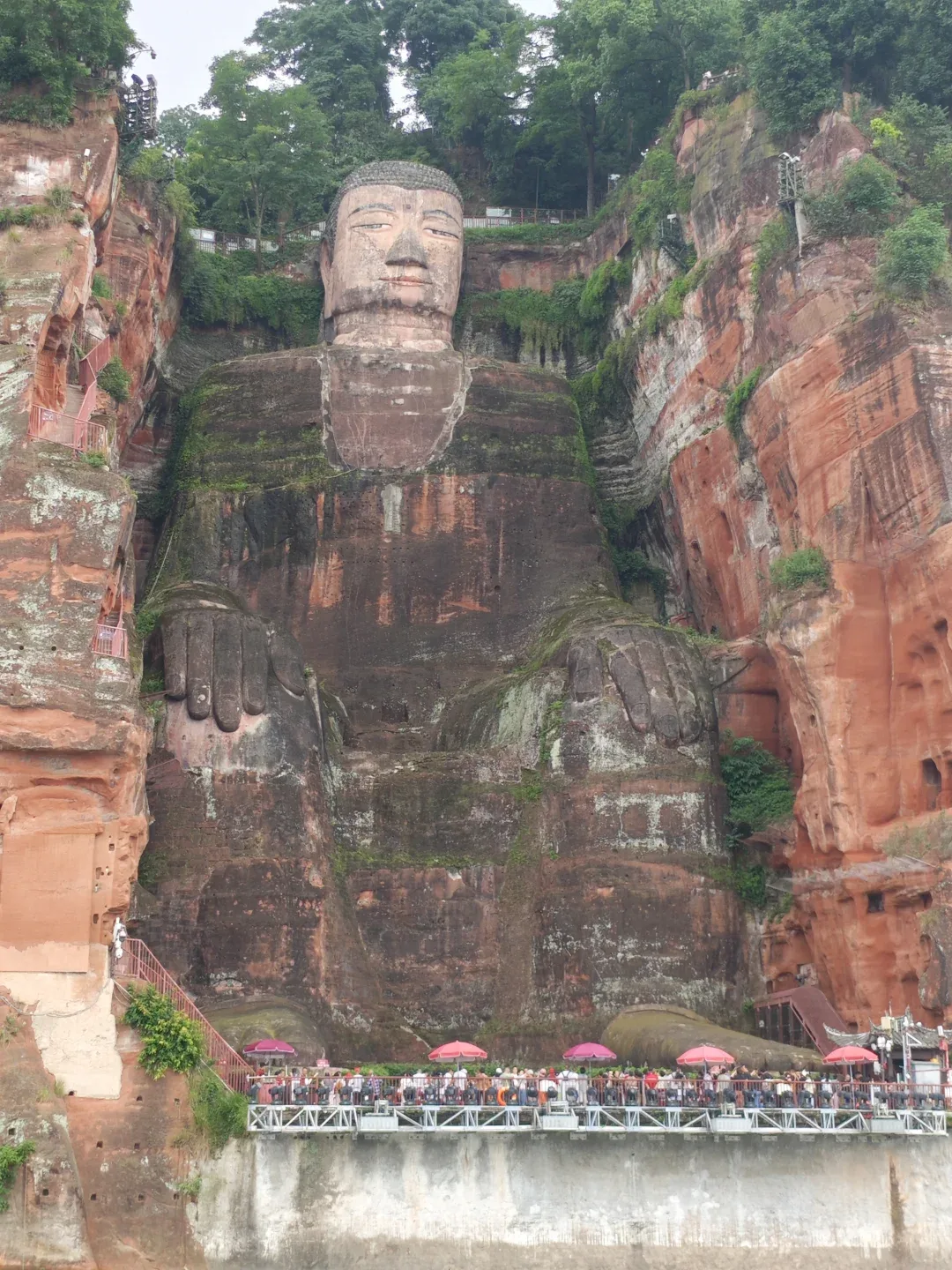
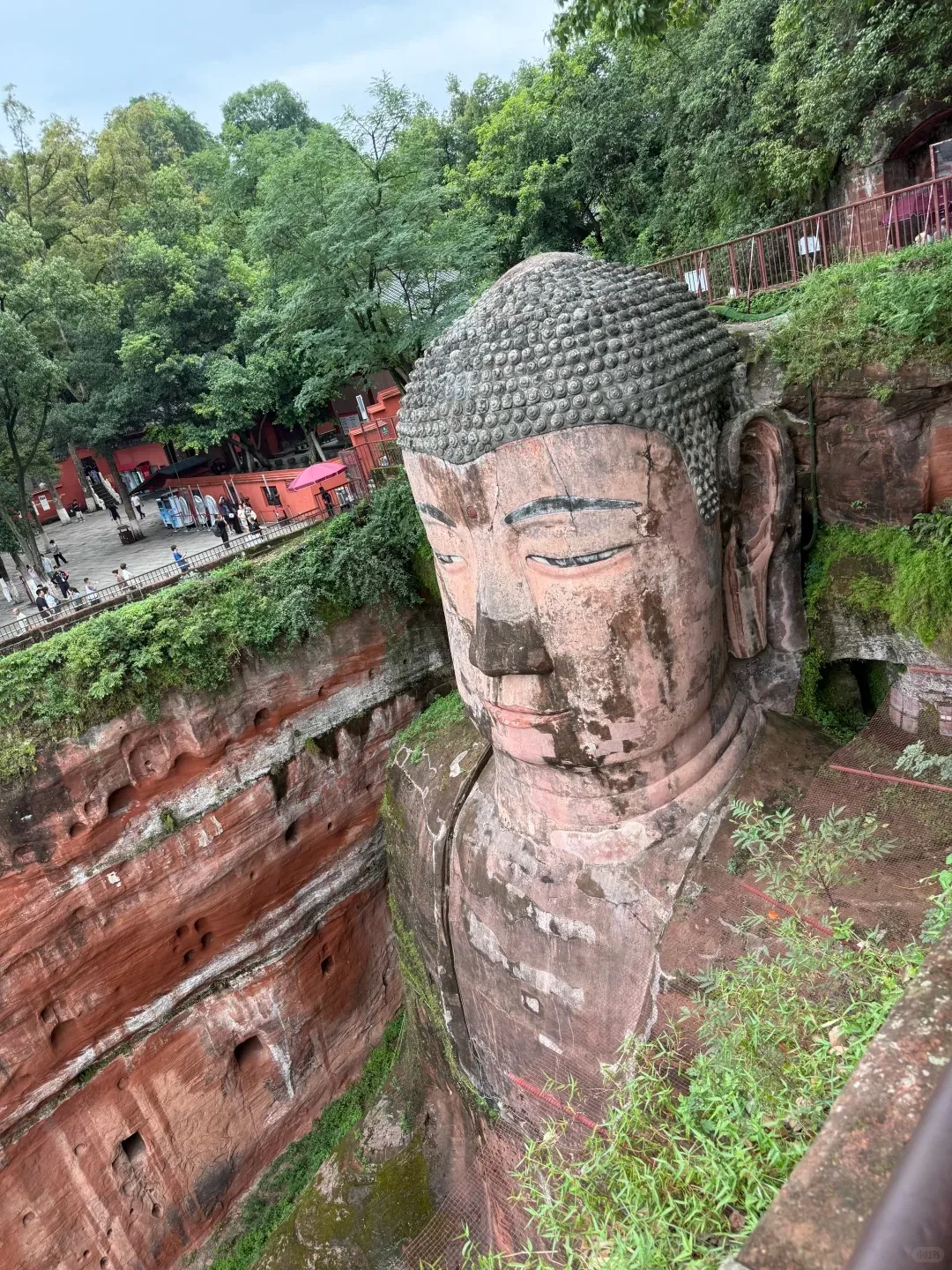
Enjoy a VIP boat experience at the Leshan Giant Buddha, viewing the world’s largest stone-carved seated Buddha from a unique perspective on the river.
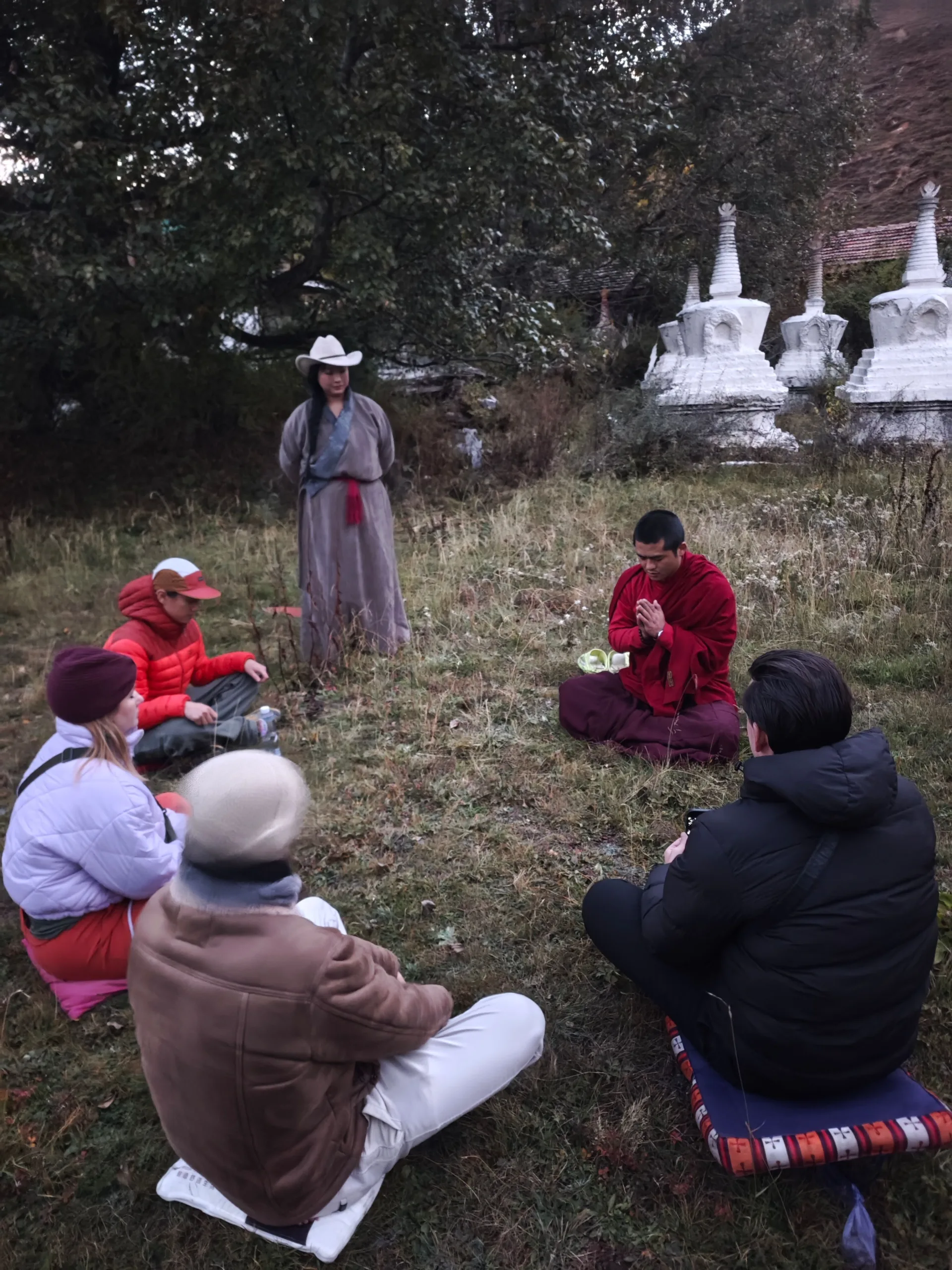
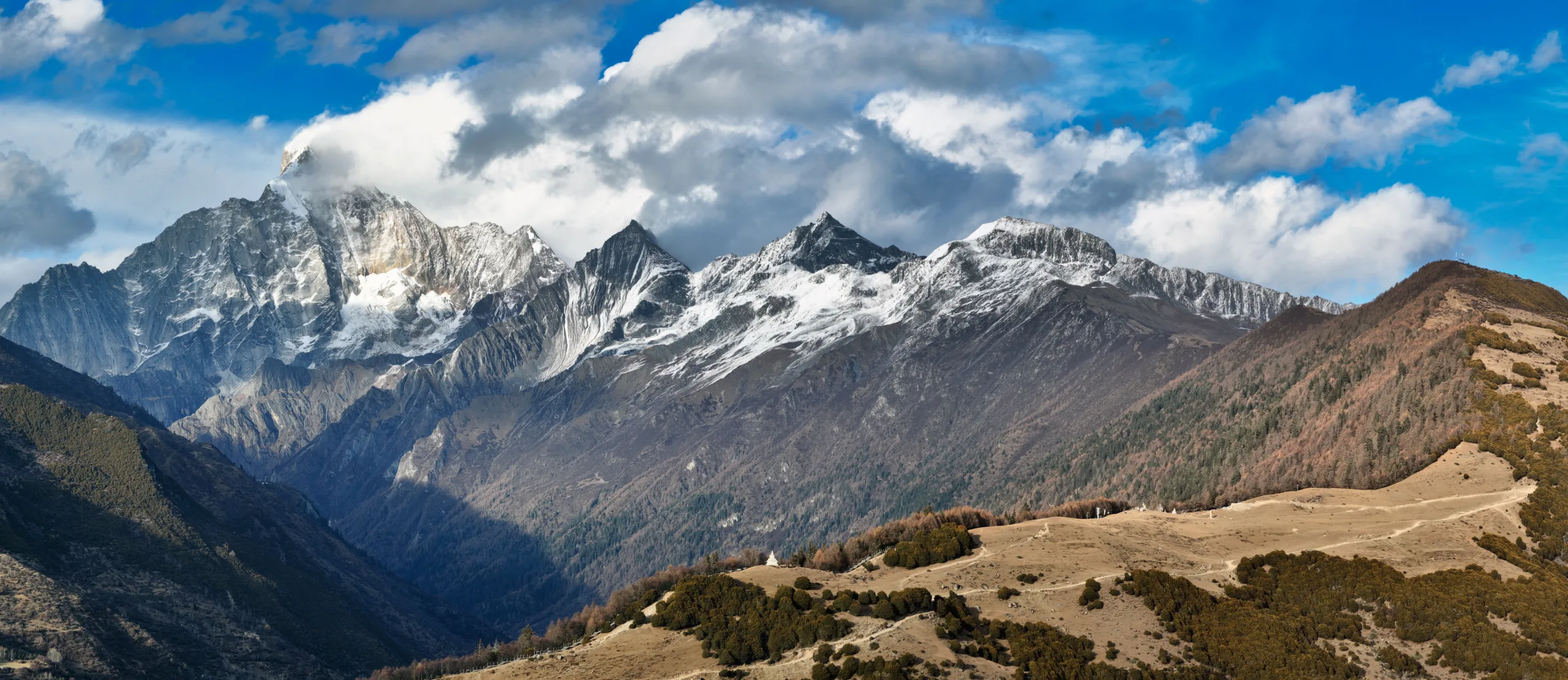
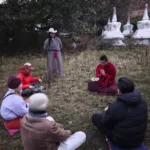
Join a local Tibetan monk for a meditation session on the open grasslands of Tagong. Beyond learning traditional meditation techniques, you'll gain a deeper understanding of Tibetan Buddhism and experience the quiet rhythm of life beneath the sacred Yala Snow Mountain.
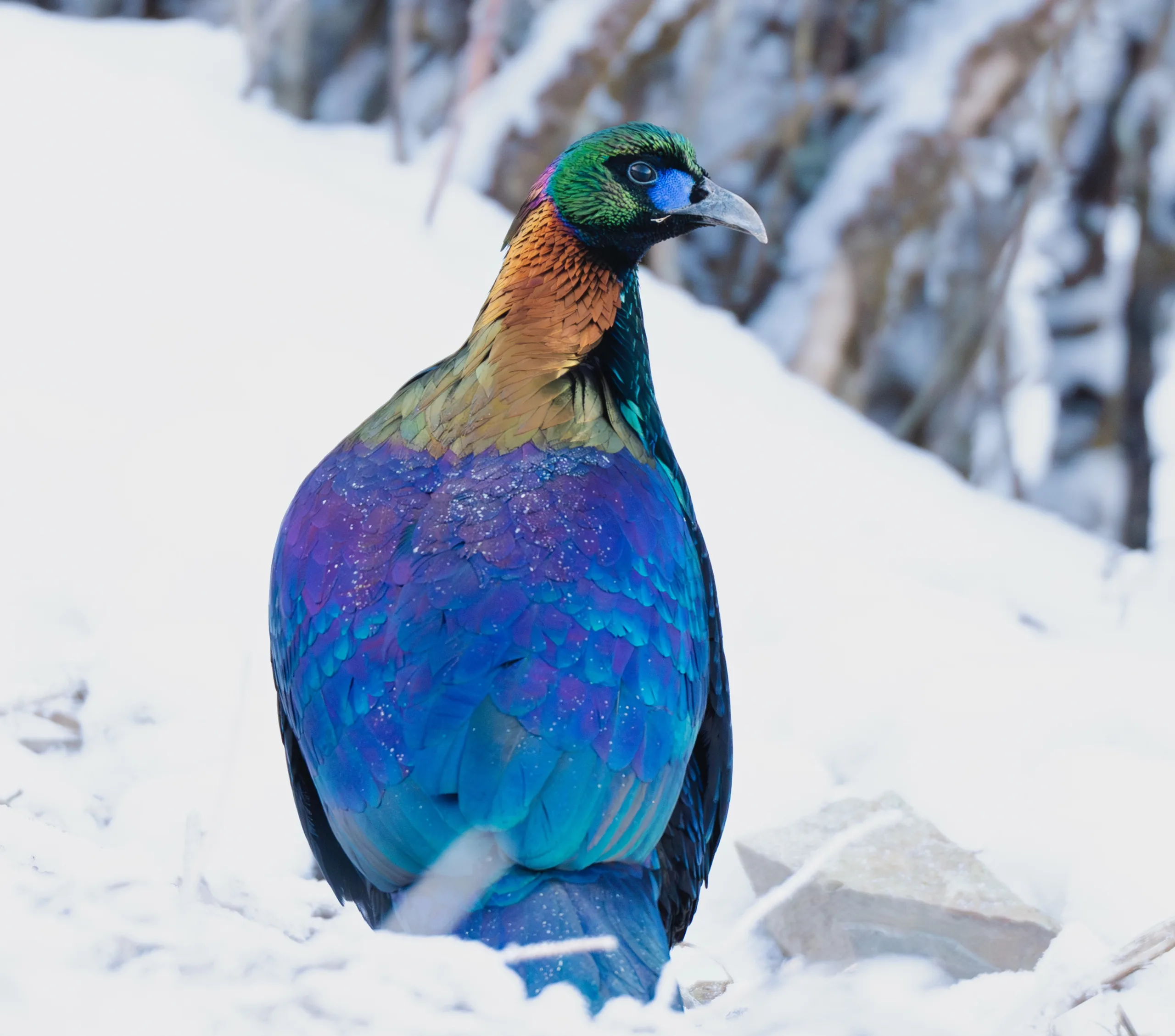
Explore one of the best places in China to encounter wild red pandas. Accompanied by wildlife expert guides, search forest habitats for some of the country's most remarkable endemic birds, including the Chinese Monal, Grey-hooded Parrotbill, Emei Shan Liocichla, and Three-toed Parrotbill.
Inclusions & Offers
Designed Around Your Journey
Rather than fixed departures, this experience is arranged privately and shaped around your preferred dates, interests, and travel style.
Our specialists will design the journey based on your pace, accommodation preferences, and seasonal conditions.
Best time to visit
Sichuan is a large province with diverse landscapes, so climate can vary greatly by region, even in a day. The Western Sichuan Plateau is generally cooler than other areas, with a large day-night temperature difference.
Traveler Reviews











FAQs
How is a private tour different from a group tour?
A Sichuan private tour offers greater flexibility, privacy, and access to local experiences than a standard group itinerary. Rather than following fixed schedules and popular sightseeing routes, you can shape your journey around your interests — whether that means exploring Chengdu’s food culture, spending more time in the mountains of Western Sichuan, or discovering remote Tibetan communities.
With Eastogo, private travel also opens the door to more distinctive experiences. Visit Tibetan herding families, explore lesser-known monasteries with local guides, or join specialist-led wildlife excursions in search of red pandas, rare birds, and other mountain species. For photographers and outdoor enthusiasts, routes can be adapted around weather, wildlife activity, and the best mountain light.
With dedicated private transport, carefully selected accommodation, and knowledgeable local guides, we create a more personal and unhurried way to experience Sichuan — bringing together its remarkable cultural diversity, mountain landscapes, and wildlife in a journey designed entirely around you.
How does the booking process work?
1. Submit Your Inquiry
Tell us where you’d like to go, when you’d like to travel, and what kind of experiences you’re looking for.
2. Meet Your Destination Specialist
Your regional expert will arrange a complimentary consultation to understand your interests, travel style, pace, and priorities. Together, we’ll begin shaping the journey around your curiosity.
3. Receive Your Personalized Proposal
Based on your preferences, we’ll create a personalized itinerary and quotation, including accommodations, transportation, experiences, and recommendations tailored specifically to you.
4. Refine & Confirm Your Journey
Review the itinerary with your destination specialist and make any adjustments you’d like. Once everything feels right, secure your booking with a deposit and we’ll begin preparing the trip.
5. Travel with Confidence
Before departure, you’ll receive your detailed travel documents, practical information, and pre-departure guidance. Then simply arrive and enjoy your journey while we take care of the rest.
What is Sichuan known for?
Sichuan is known for giant pandas, ancient Shu civilization, Jiuzhaigou’s clear blue waters, and some of China’s most diverse landscapes. In the east, forests and mountains create rich wildlife habitats. In the west, snow mountains, grasslands, lakes, and Tibetan villages open into the highlands.
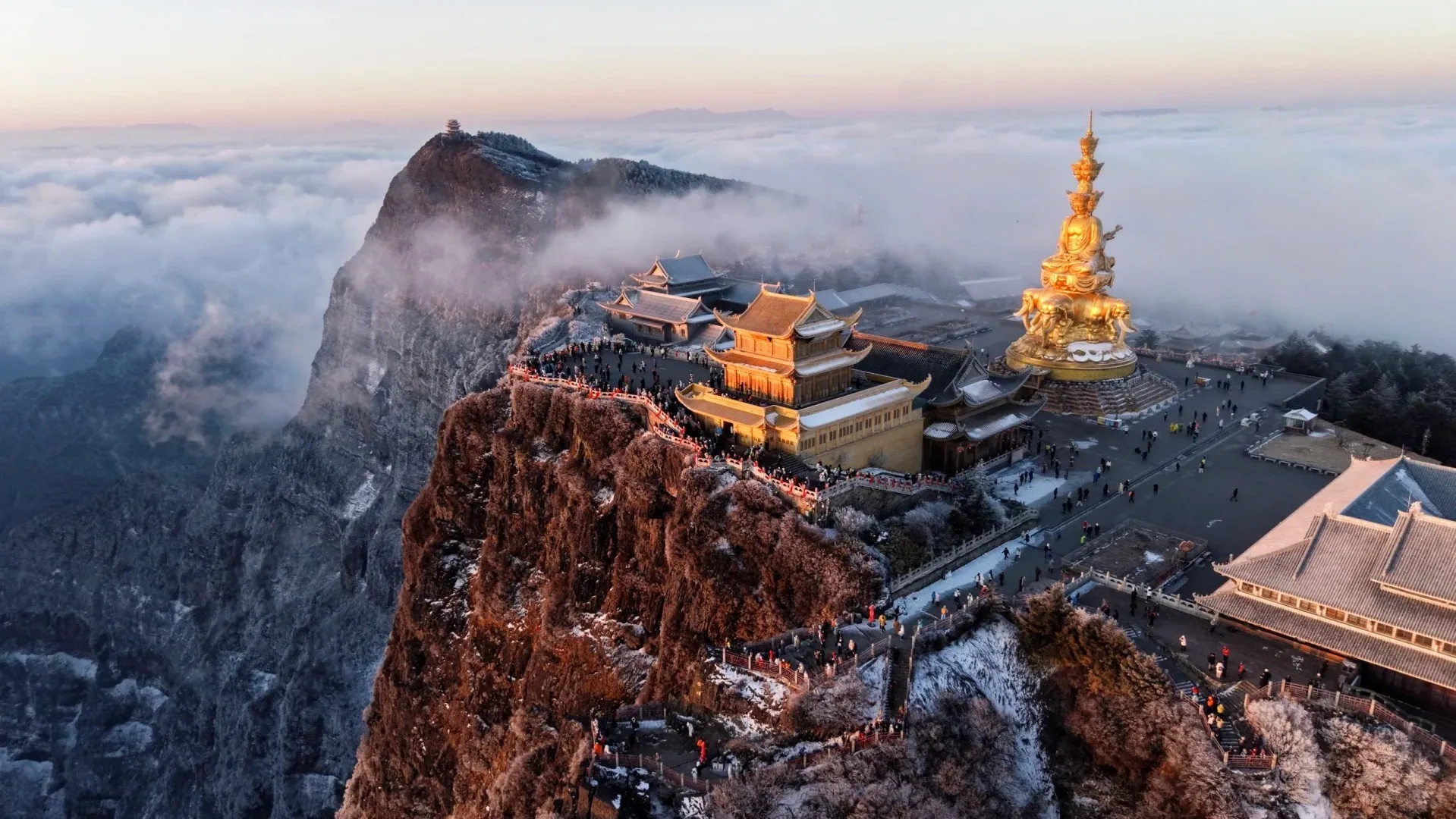
Sichuan is also a place where many cultures and beliefs meet. Kham Tibetan culture has been rooted in Western Sichuan for centuries. Leshan Giant Buddha, Mount Emei, Qingcheng Mountain, and Tibetan monasteries show how Chinese Buddhism, Tibetan Buddhism, and Taoism coexist across the province.
What makes Sichuan special is not only its scenery, but its way of life. An old Chinese saying goes, “When young, do not go to Sichuan; once there, you may never wish to leave.” While difficult to translate perfectly, it reflects the province’s reputation as a place of comfort, pleasure, and easy living. Teahouses, hotpot, local markets, quiet monasteries, and remote Tibetan villages together create a region that feels lively, generous, and deeply human.
Is Sichuan worth visiting?
Yes. Sichuan is worth visiting for travellers who want a wide view of China in one province.
Sichuan combines an easy gateway city, rich wildlife, ancient culture, and diverse landscapes, from forests and river valleys to snow mountains, grasslands, lakes, and Tibetan villages.
If you love giant pandas, Sichuan is the best place in the world to see them. You can visit panda bases near Chengdu, and in some places, join volunteer-style programmes to learn more about their daily care and conservation.
If you want both classic China and places far from ordinary sightseeing, Sichuan works especially well. You can begin in Chengdu, with teahouses, hotpot, ancient Shu heritage, and city life, then travel west into Tibetan areas for snow mountains, monasteries, grasslands, and local villages.
Compared with Tibet, Western Sichuan is easier to reach and does not require a Tibet Travel Permit. It is the heart of Kham Tibetan culture, and some remote villages preserve Tibetan traditions in a very local and complete way.
For wildlife lovers, Sichuan is also underrated. It sits within the mountains of Southwest China, one of the world’s 36 recognized biodiversity hotspots, and is one of the best places to see China’s endemic species.
Sichuan may not be ideal if you only want a short city trip, very easy logistics, or fully predictable comfort. But for travellers interested in culture, nature, wildlife, food, and local life, it is one of China’s richest destinations.
Is Sichuan suitable for first-time visitors to China?
Yes. Sichuan can be a very good choice for first-time visitors, especially if you want both classic China and something less ordinary.
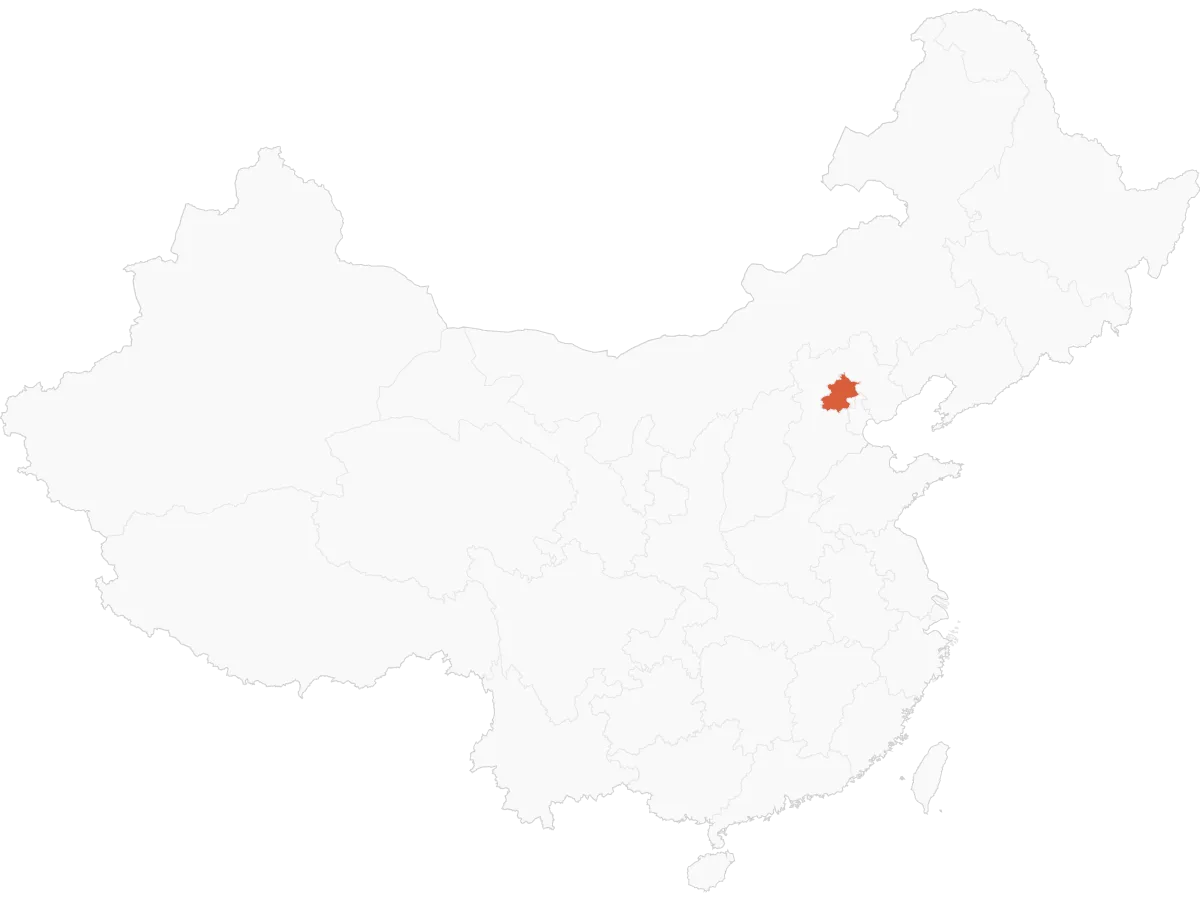
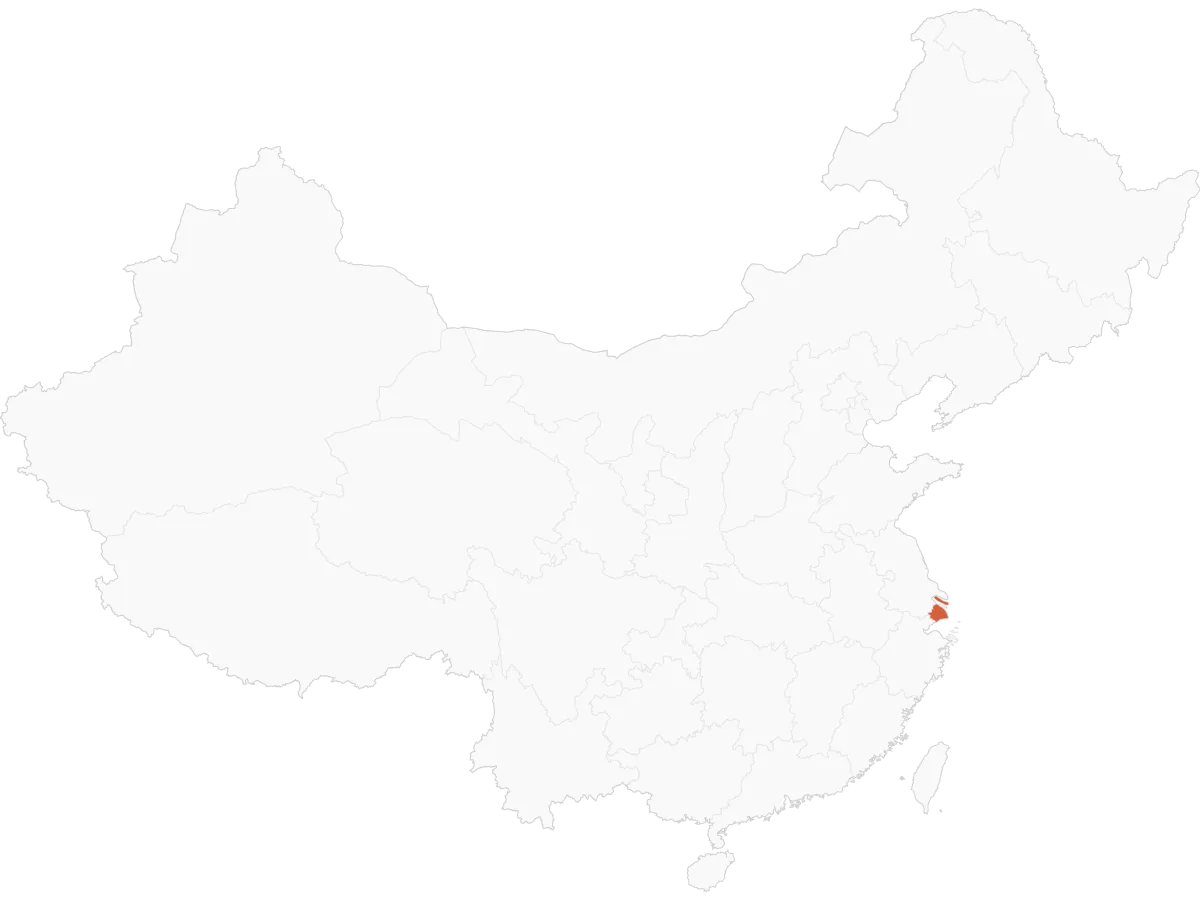
If you only have about one week, you can combine Chengdu with Beijing or Shanghai for a fast but well-balanced first trip. This gives you major Chinese landmarks, city life, food culture, and a first taste of Sichuan.
If you have more than one week, Chengdu can be the starting point for a deeper journey through the province. Spend two days in Chengdu to see giant pandas and experience the city’s teahouses, markets, and local rhythm. From there, you can visit Leshan Giant Buddha, then continue into Western Sichuan for Tibetan monasteries, snow mountains, lakes, grasslands, golden sunrise over high peaks, and real nomadic life.
For wildlife lovers, Sichuan is also a strong first destination. Wawu Mountain, Laba River, Wolong, Tangjiahe, and Zoigê all offer chances to see China’s native mammals and birds, including red pandas in the right habitats.
For a first trip to China, Sichuan can feel classic, but never ordinary.
What are the must-see attractions in Sichuan?
What you should see in Sichuan really depends on how much time you have. If it’s your first visit, Chengdu is the obvious starting point. You can spend a couple of days visiting the giant pandas, wandering through local markets, relaxing in traditional teahouses, and of course trying Sichuan food. Many travelers also take a day trip to the Leshan Giant Buddha, one of the most famous Buddhist sites in China.
If you have more time, Jiuzhaigou is worth considering for its colorful lakes, waterfalls, and beautiful mountain scenery. Mount Siguniang is another popular choice, especially if you enjoy hiking and alpine landscapes. For travelers interested in Tibetan culture, places like Zhonglu Tibetan Village, Tagong Grassland, and the area around Mount Yala offer a chance to experience authentic Tibetan faith amid vast highland landscapes, with monasteries, traditional villages, grasslands, and snow-capped peaks shaping everyday life.
With a week or more, we usually recommend heading deeper into Western Sichuan. Places such as Litang, Dege, Baiyu, Dzogchen, and Katok offer a much richer experience of Kham Tibetan culture, with remote monasteries, dramatic mountain scenery, and a slower pace of life that feels very different from China’s big cities.
In general, we suggest spending 2–3 days in Chengdu and nearby highlights, then using the rest of your time to explore Western Sichuan, where dramatic landscapes and Tibetan culture offer a very different side of China.
How many days should I spend in Sichuan?
We recommend at least 3 days in Sichuan.
With 3 days, you can explore Chengdu and nearby classic sites such as the panda base, Mount Emei, Mount Qingcheng, Dujiangyan and Leshan Giant Buddha.
With 5 days, you can get a first taste of Western Sichuan, visiting places such as Zhonglu Tibetan Village, Mount Siguniang, Tagong Grassland, or nearby mountain areas.
With 7 days or more, the journey becomes much richer. You can travel deeper into Litang, Genie Mountain, Dege Printing House, Dzogchen Monastery, Katok Monastery, and other quieter parts of the Kham Tibetan region. From western Sichuan, it is also possible to continue into Qinghai Province and explore another side of the Tibetan Plateau, extending your journey across different Tibetan cultural regions and landscapes.
For wildlife lovers, 7–15 days is a better range. With enough time in nature reserves, forests, wetlands, and highland habitats, Sichuan can offer excellent chances to observe China’s endemic mammals and birds.
What is the best time to visit Sichuan?
The first thing I tell travelers is what to avoid: Chinese public holidays. If possible, stay away from the May Day holiday (around May 1st), National Day holiday (around October 1st), and Mid-Autumn Festival. July and August, when Chinese schools are on summer break, can also be very crowded.
For most travelers, Sichuan can be visited year-round if you only plan to stay in Chengdu and nearby cities such as Leshan, Mount Emei, Dujiangyan.
For Western Sichuan, April and May bring warmer weather, and flowers begin to bloom in the mountains. July and August are among the most beautiful months, with green grasslands and summer festivals, including traditional horse racing festivals in different areas, but they are also the busiest months.
September to November is one of the best seasons, with autumn colours, comfortable weather, and a higher chance of seeing snow mountains. December to February is cold, but it offers the clearest snow mountain views, quiet routes, and some of the best winter scenery.
How do I get to Sichuan?
Most travellers enter Sichuan through Chengdu, the provincial capital and the main gateway to the region.
International flights
Chengdu has two airports: Chengdu Tianfu International Airport (TFU) and Chengdu Shuangliu International Airport (CTU). Tianfu Airport has more international and long-distance flight options, while Shuangliu Airport is closer to the city centre and easier for downtown access.
Domestic flights
Chengdu is well connected with major Chinese cities such as Beijing, Shanghai, Guangzhou, Shenzhen, Xi’an, Hangzhou, Kunming, and Chongqing. For specific routes, travellers may also fly to regional airports such as Jiuzhai Huanglong Airport, Daocheng Yading Airport, Kangding Airport, or Xichang Airport. Some of these airports are at high altitude, so flights may be affected by weather.
High-speed trains
Chengdu is one of Southwest China’s main railway hubs. High-speed trains connect Chengdu with Chongqing, Xi’an, Kunming, Guiyang, Lanzhou, and many other cities. Within Sichuan, trains can also take travellers to places such as Dujiangyan, Ya’an, Leshan, Emeishan, Songpan, and Jiuzhaigou gateway areas.
What areas does Western Sichuan cover? And what is the Kham Tibetan region?
Western Sichuan mainly refers to the highland western part of Sichuan Province, especially Garzê Tibetan Autonomous Prefecture and Aba Tibetan and Qiang Autonomous Prefecture. It is known for some of Sichuan’s most dramatic landscapes, including Jiuzhaigou, Mount Siguniang, snow mountains, grasslands, Tibetan villages, and deep river valleys.
Kham is one of the three main traditional Tibetan regions, together with Ü-Tsang and Amdo. It stretches across parts of Sichuan, Tibet, Yunnan, and Qinghai, and Garzê in Western Sichuan is one of its core areas. When you travel through Western Sichuan, you are entering the heart of Kham Tibetan culture.
This region has a deep cultural tradition. The Epic of King Gesar is widely passed down here, and Gesar culture can still be found in local stories, murals, festivals, and daily memory. Summer horse racing festivals remain a major local event. Nomadic life, black tents, yak herds, monasteries, and pilgrimage routes all form part of the living landscape.
For foreign travellers, Western Sichuan is easier to reach than Tibet and does not require a Tibet Travel Permit. It offers more flexibility for private tours, self-guided routes, and overland journeys, while still giving travellers a strong experience of Tibetan culture and highland scenery.
What are the best hiking routes in Sichuan?
Sichuan is one of China’s best provinces for hiking, especially in Western Sichuan, where snow mountains, forests, grasslands, alpine lakes, and Tibetan villages sit close together.
For accessible hikes, Mount Siguniang is a good starting point. Changping Valley and Haizi Valley offer flexible day hikes with mountain views, forests, meadows, and highland lakes. Daocheng Yading also has well-marked scenic routes, from the easier Chonggu Temple–Pearl Lake walk to the higher trail toward Milk Lake and Five-Color Lake.
For hikers who want something deeper, Danling Three Lakes is a beautiful moderate route near Danba, linking alpine lakes in a quiet valley setting. More challenging routes include the Gongga Circuit, Yading Kora, Genie Mountain routes, and the classic Changping Valley to Bipeng Valley crossing.
These longer treks require strong fitness, altitude experience, proper gear, and local support. They are best for travellers who want to experience Sichuan’s mountains slowly, beyond normal sightseeing.
What should I pack for a trip to Sichuan?
What you should pack depends on where you travel in Sichuan. Chengdu and eastern Sichuan are generally mild and humid, while the Western Sichuan Plateau is much cooler, with strong sunlight and large day-night temperature differences.
For Chengdu and nearby cities, bring comfortable walking shoes, light layers, rain protection, and casual clothes.
For Western Sichuan, pack warmer clothing even in summer. A layered system works best: thermal base layers, fleece or down jacket, windproof and waterproof outerwear, warm socks, gloves, hat, and sunglasses. Sun protection is also important, including sunscreen, lip balm, and a hat.
For hiking or highland travel, bring comfortable hiking shoes or boots, a small daypack, a refillable water bottle or hydration system, personal medication, and any altitude-related medicine recommended by your doctor. It is also helpful to pack trekking poles, moisture-wicking clothing, extra warm layers, a waterproof jacket, a headlamp or flashlight, energy snacks, a basic first-aid kit, sunscreen, sunglasses, and a portable power bank. If you plan to visit high-altitude areas such as Daocheng Yading, Litang, or Tagong, these items can make your journey more comfortable and safer, as temperatures can change quickly and facilities may be limited in remote regions.
If your trip includes monasteries or local family visits, simple and respectful clothing is recommended.