Western Sichuan Private Tour
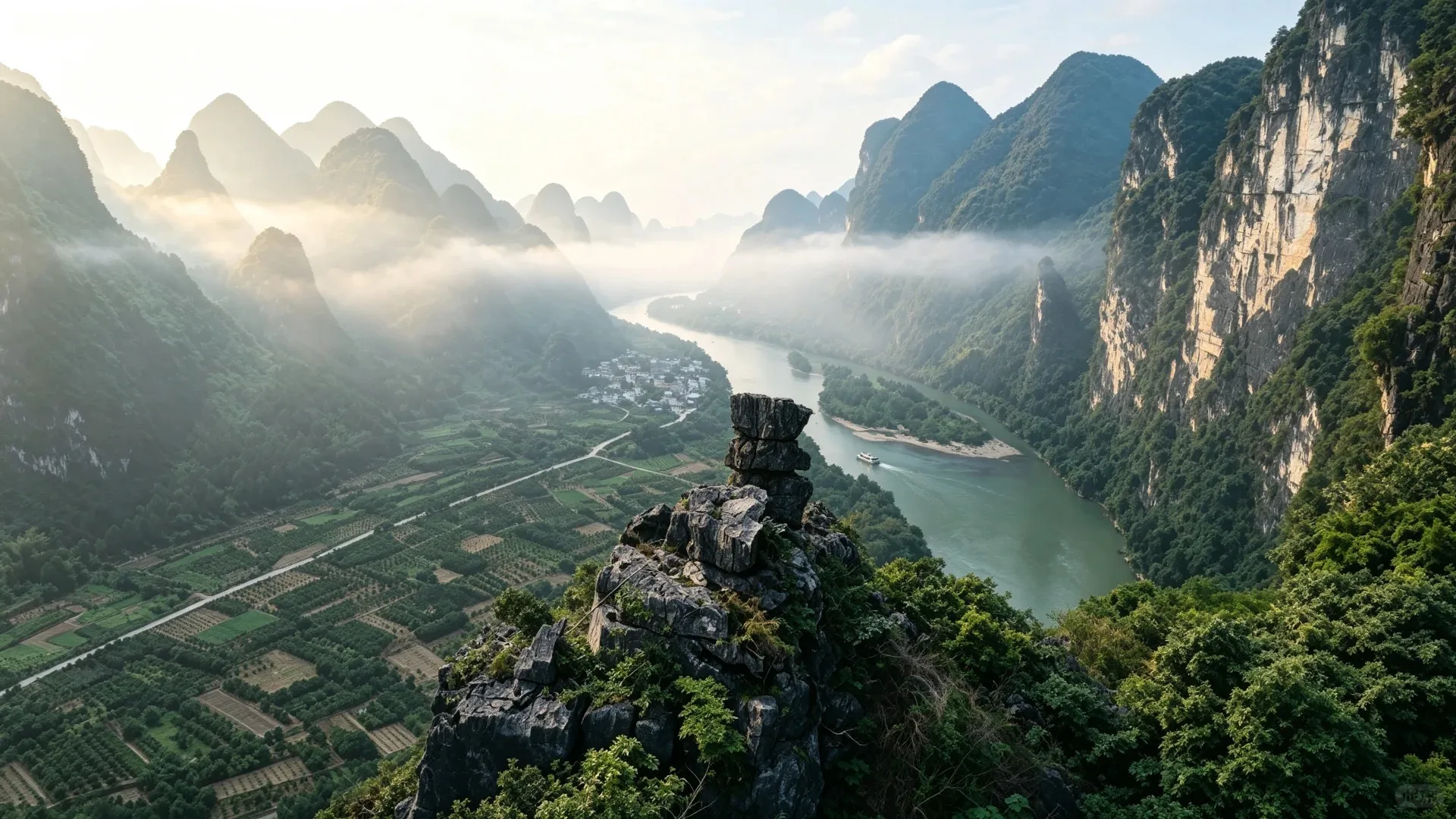
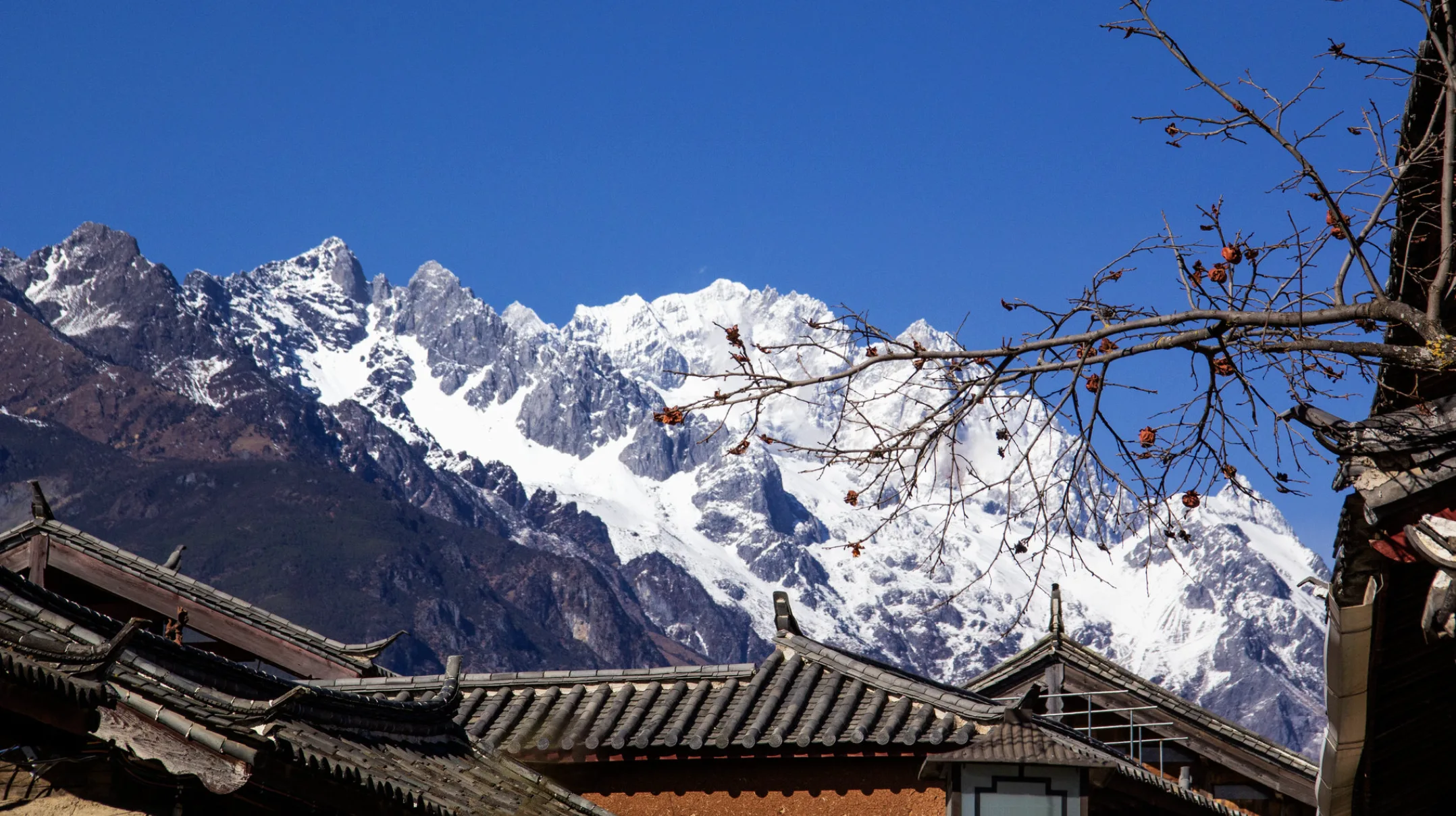
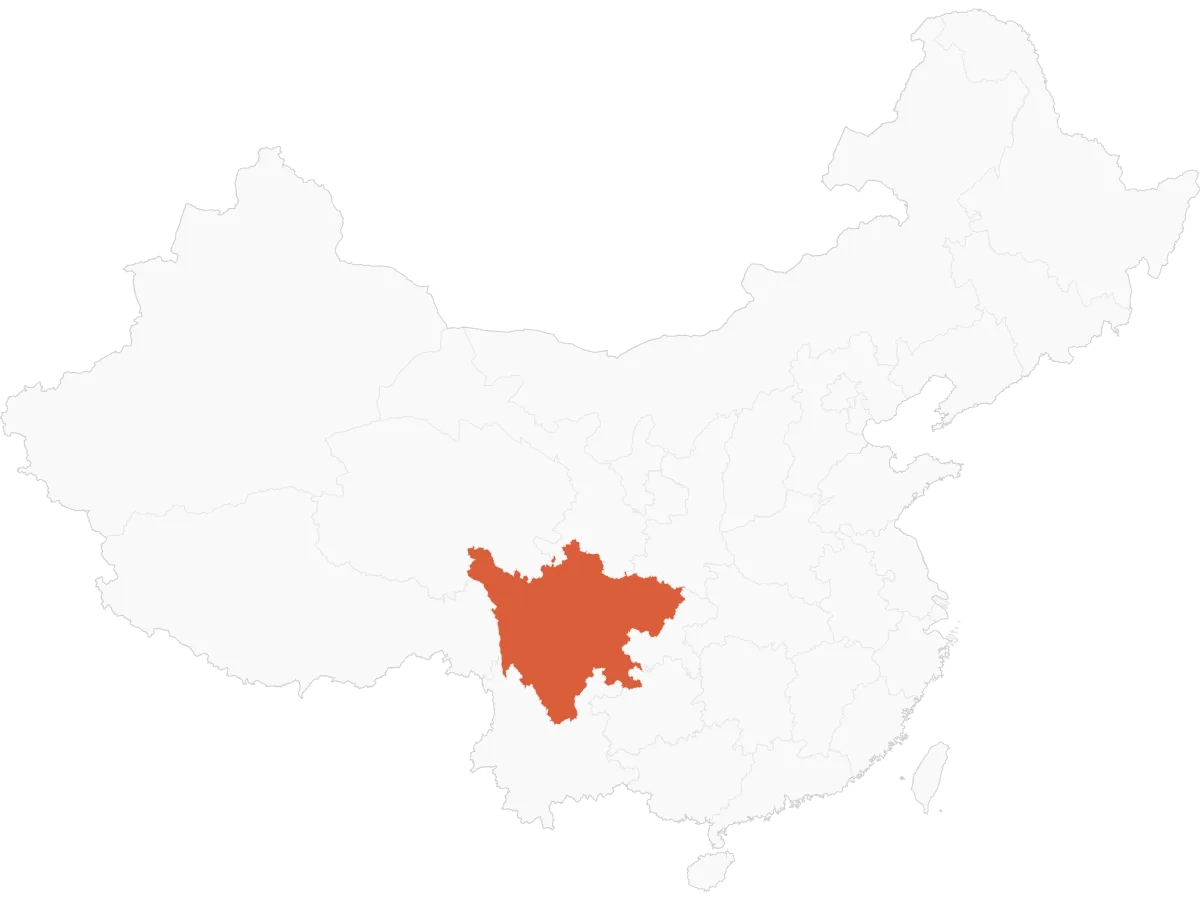
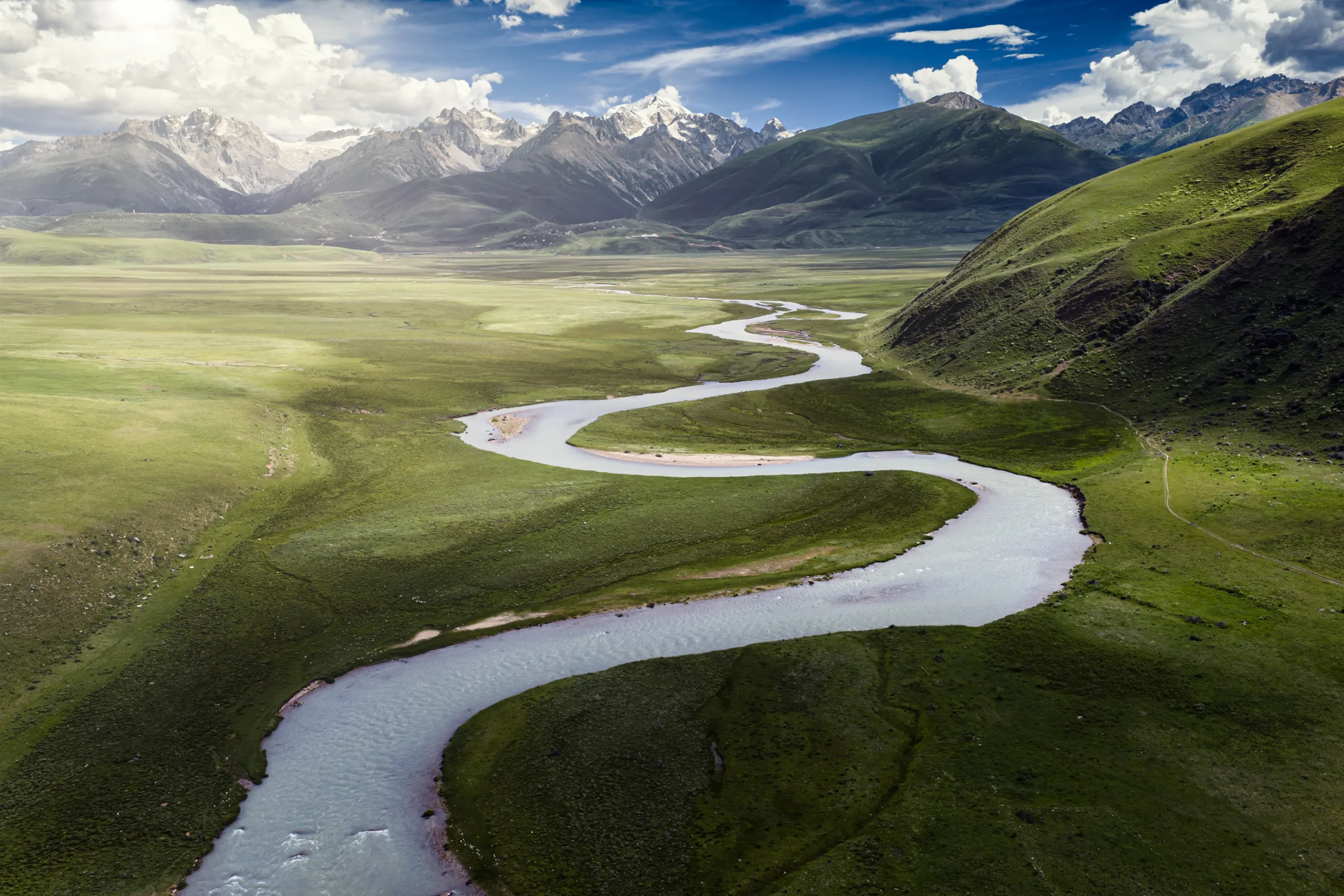
Western Sichuan is one of China’s most extraordinary regions — a place where snow mountains, alpine lakes, grasslands, forests, and Tibetan villages unfold within a relatively compact landscape. It feels remote, yet remains far more accessible than Tibet, making it ideal for private journeys that combine culture, wilderness, and wildlife without sacrificing flexibility or comfort.
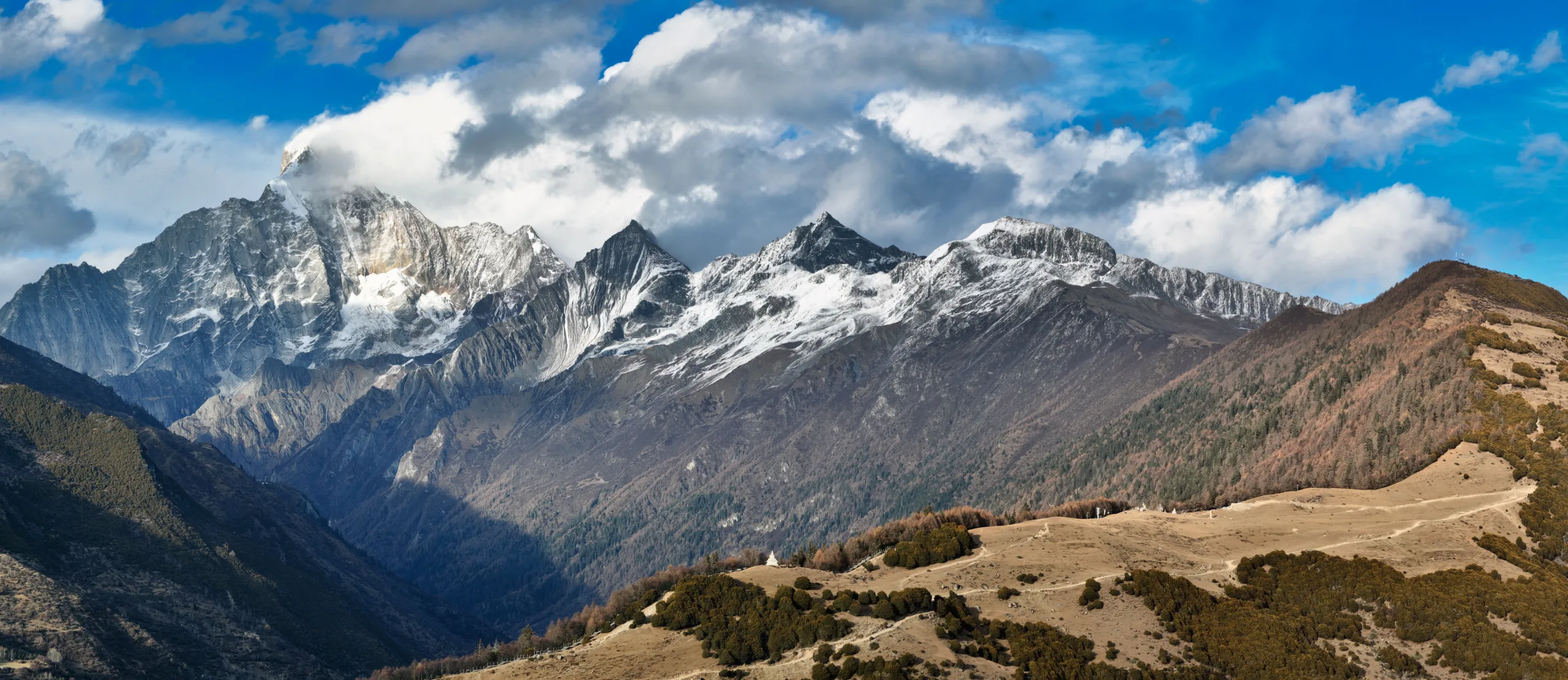
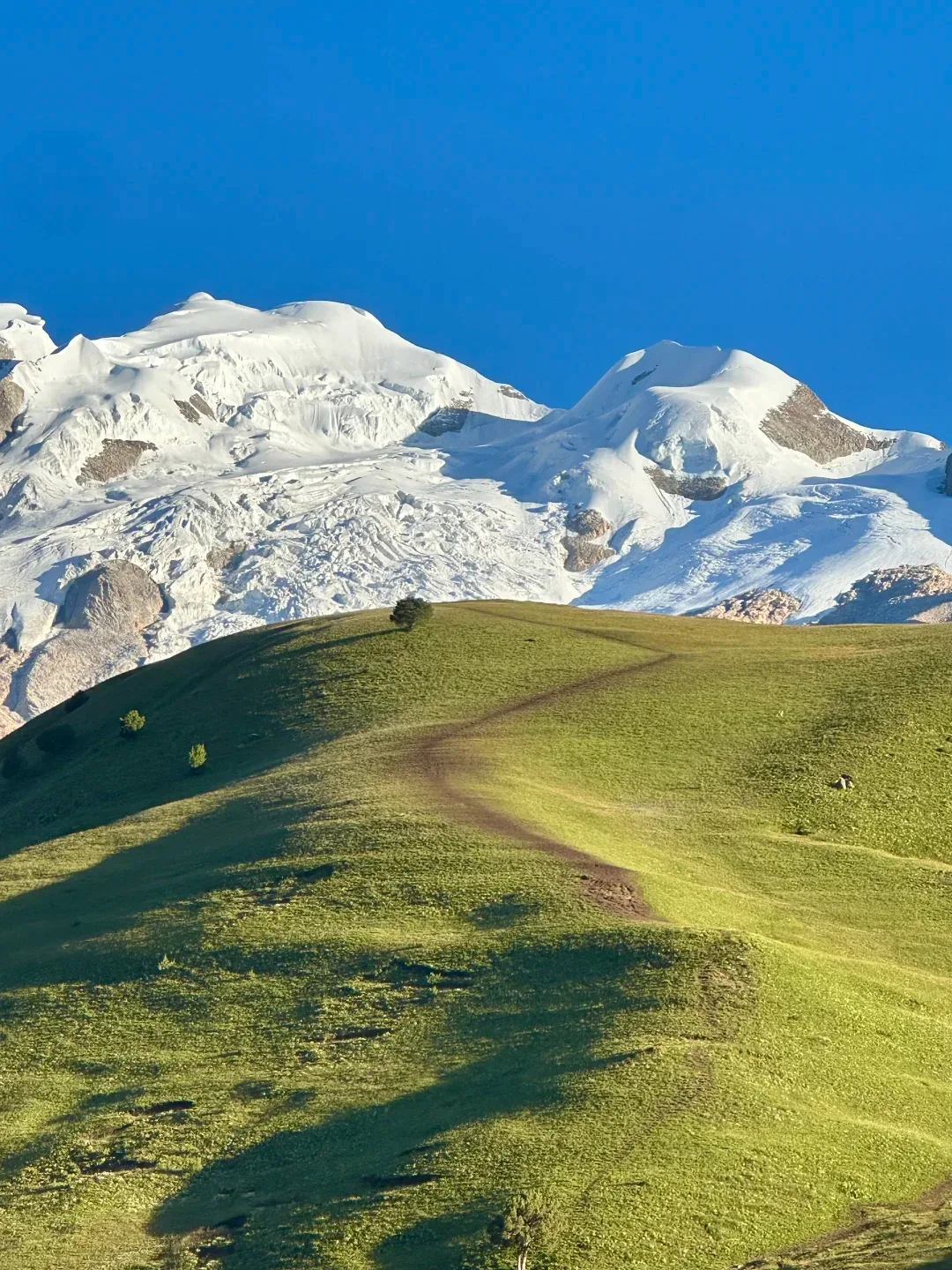
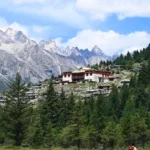
For Eastogo, exploring Western Sichuan privately means shaping the route around what matters most to you. Travel beneath Mount Siguniang, Mount Gongga, and Mount Yala; pause at Tsopu Valley, Daocheng Yading, and Yulong Lhatso; or leave the main roads behind for quieter valleys, monasteries, and highland communities rarely included in standard itineraries.
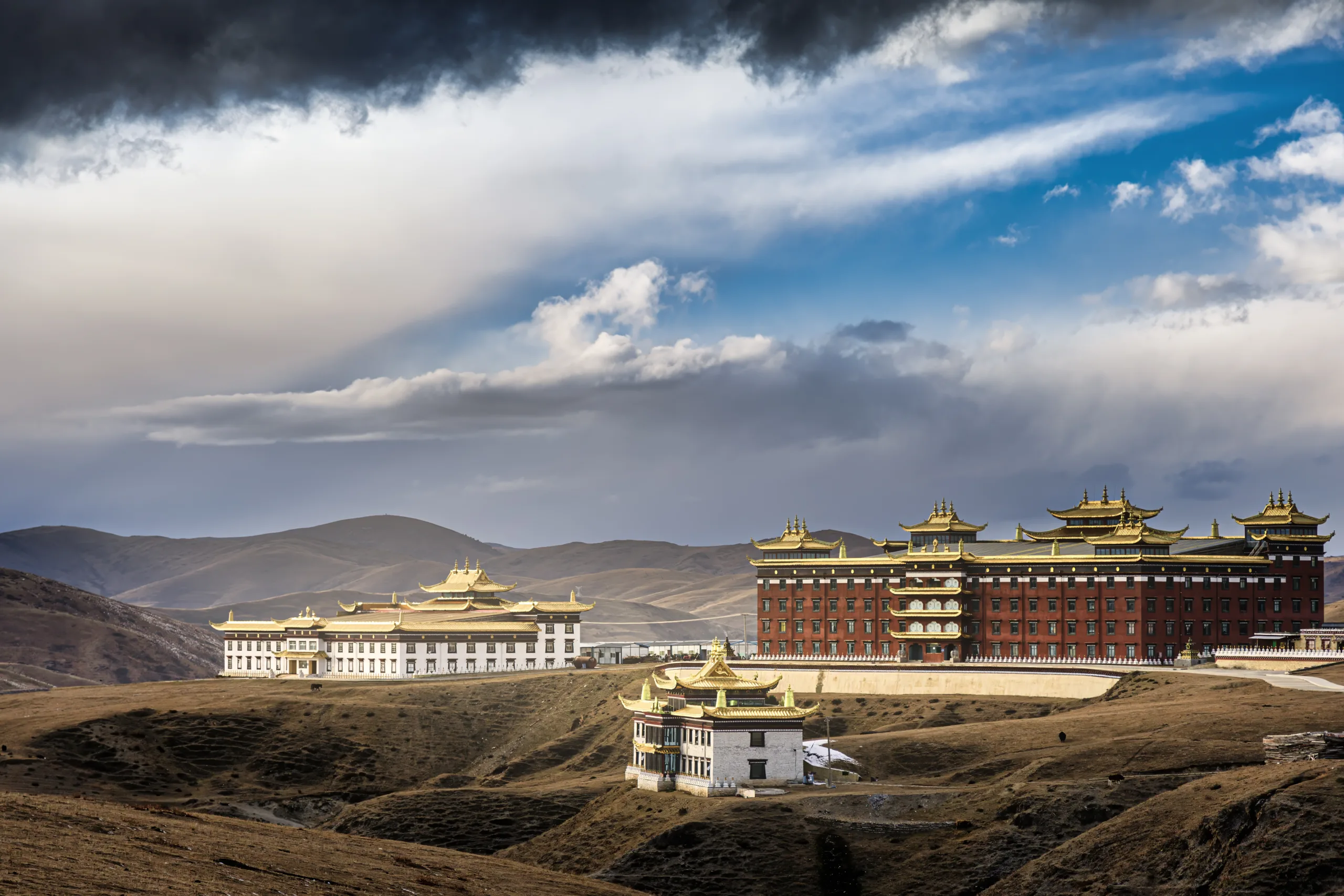
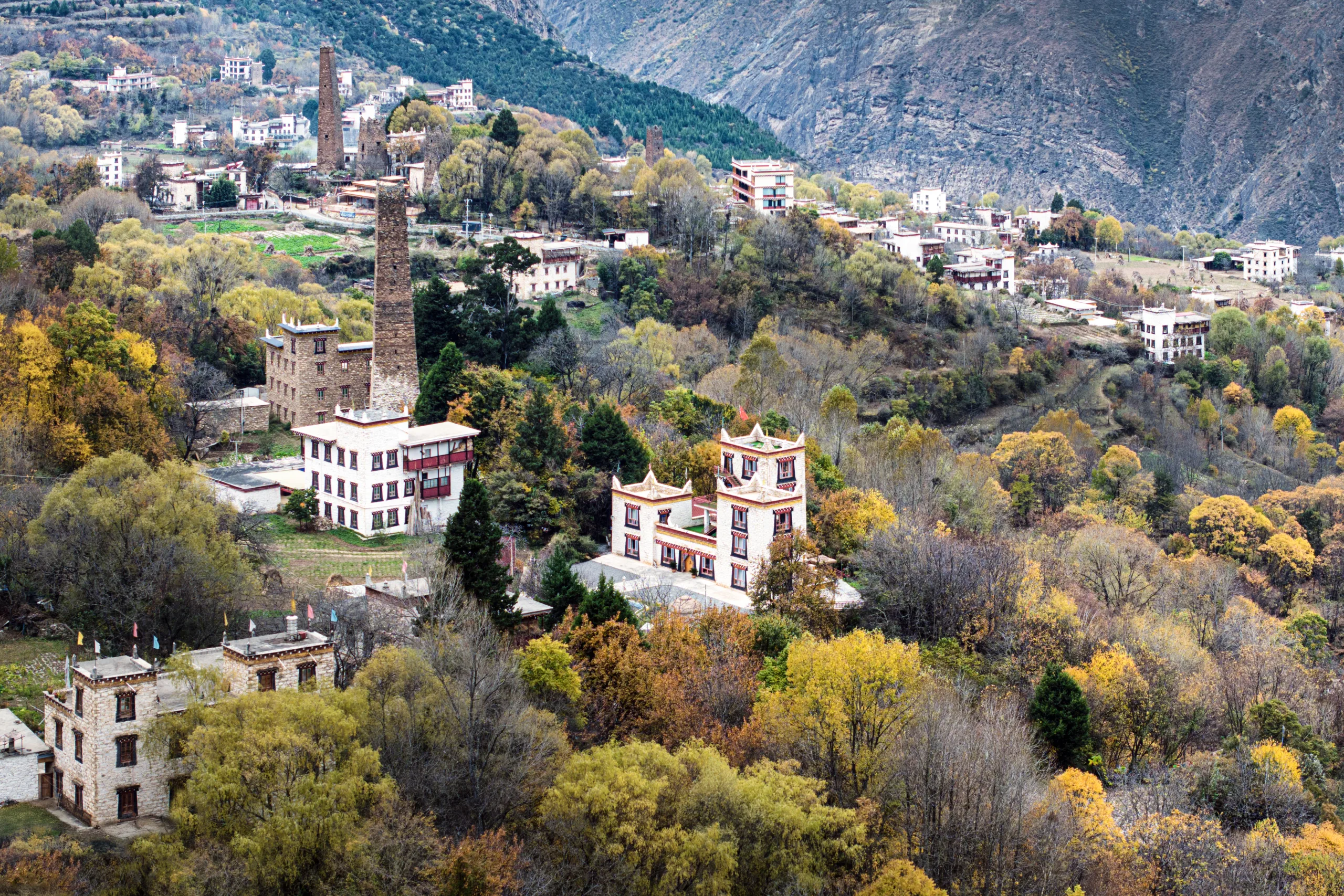
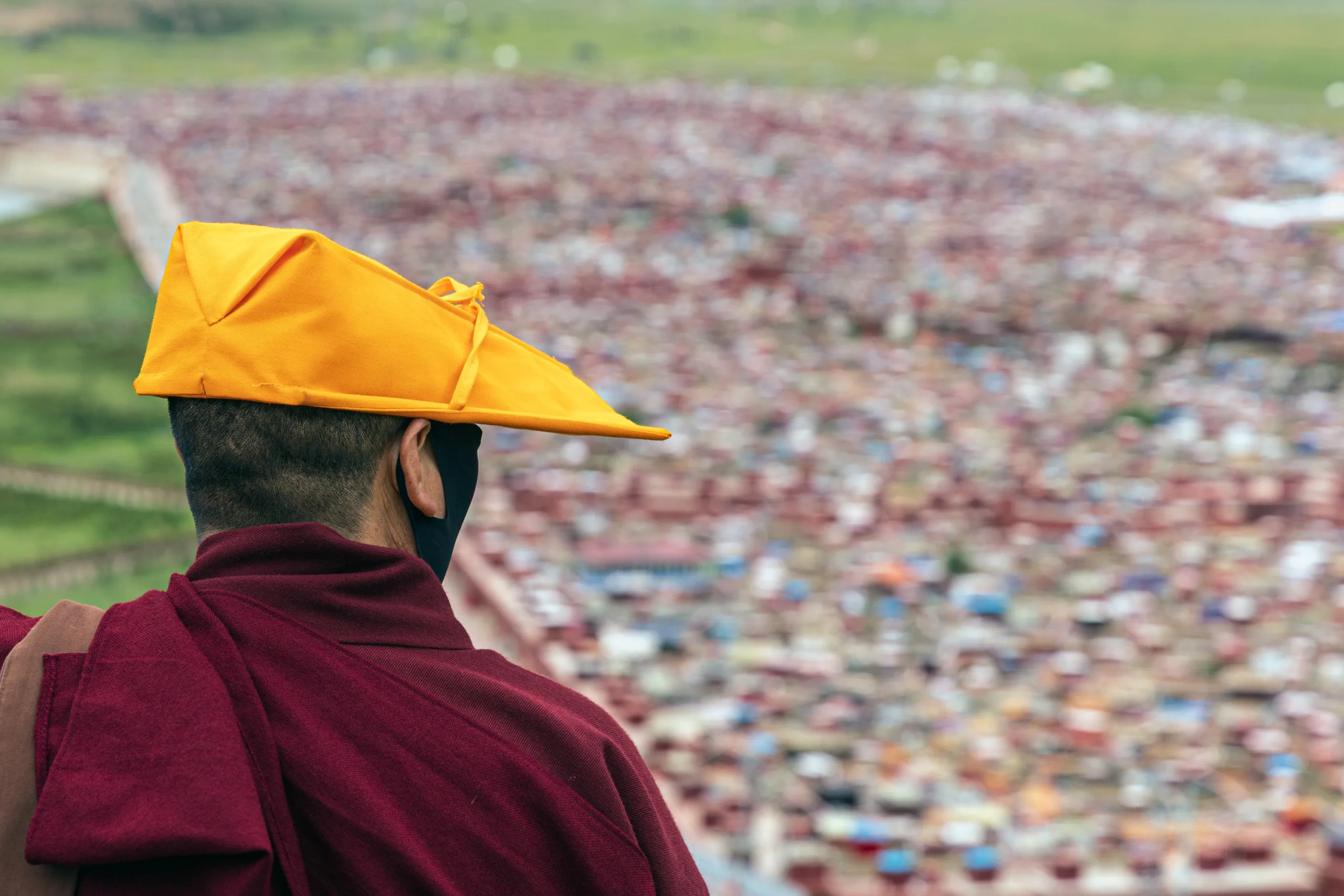
This is also the heartland of Kham Tibetan culture. With the right local connections, a journey might include meditation with monks, spending time with herding families, learning to make tsampa and butter tea, painting thangka, or visiting Dege Printing House to see centuries-old woodblock printing traditions still alive today.
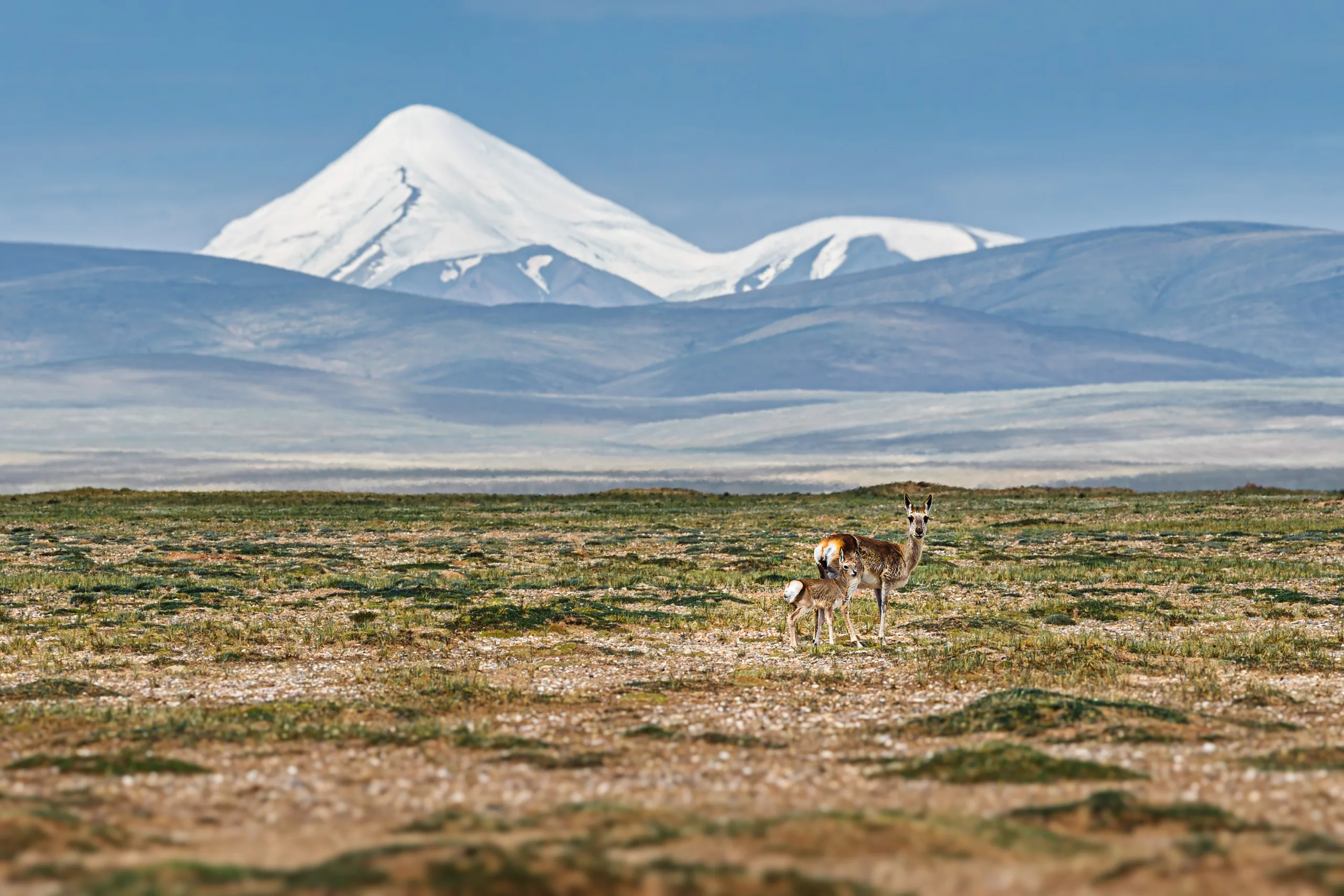
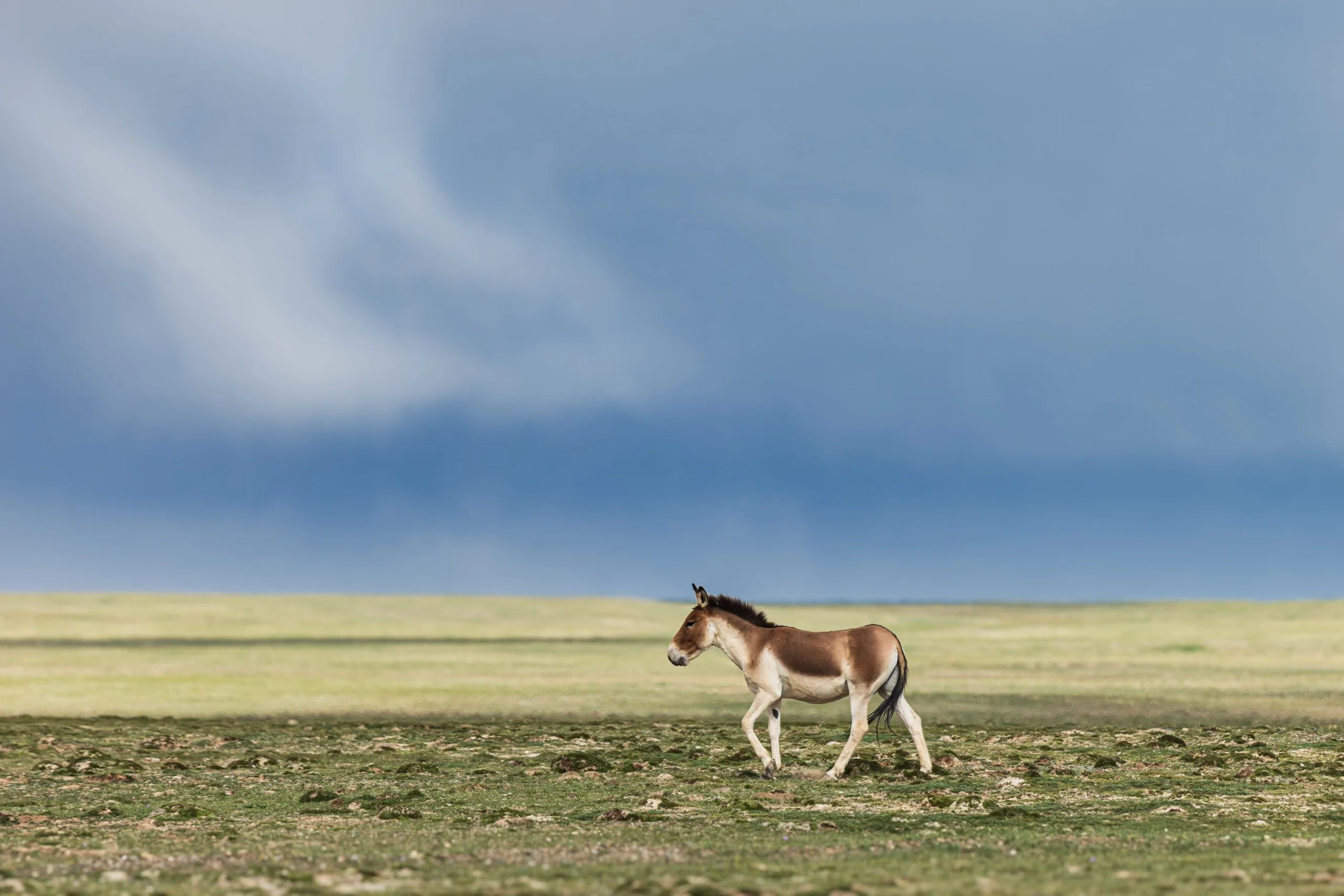
Western Sichuan is equally remarkable for wildlife. The mountains of Southwest China form one of the world’s great biodiversity hotspots, home to giant pandas, red pandas, snow leopards, black-necked cranes, white-lipped deer, Chinese monals, and many other rare species. Private travel allows us to adapt routes around seasonal wildlife activity, weather, road conditions, and your own interests.
Eastogo designs Western Sichuan private tour with carefully chosen routes, trusted local guides, private transport, distinctive stays, and the freedom to move at your own pace. Whether you want to hike beneath 6,000-meter peaks, spend time in Tibetan villages, search for wildlife, or simply follow a mountain road into somewhere quieter, we create journeys that reveal a deeper side of China — personal, immersive, and difficult to experience on a standard tour.
Journey Highlights
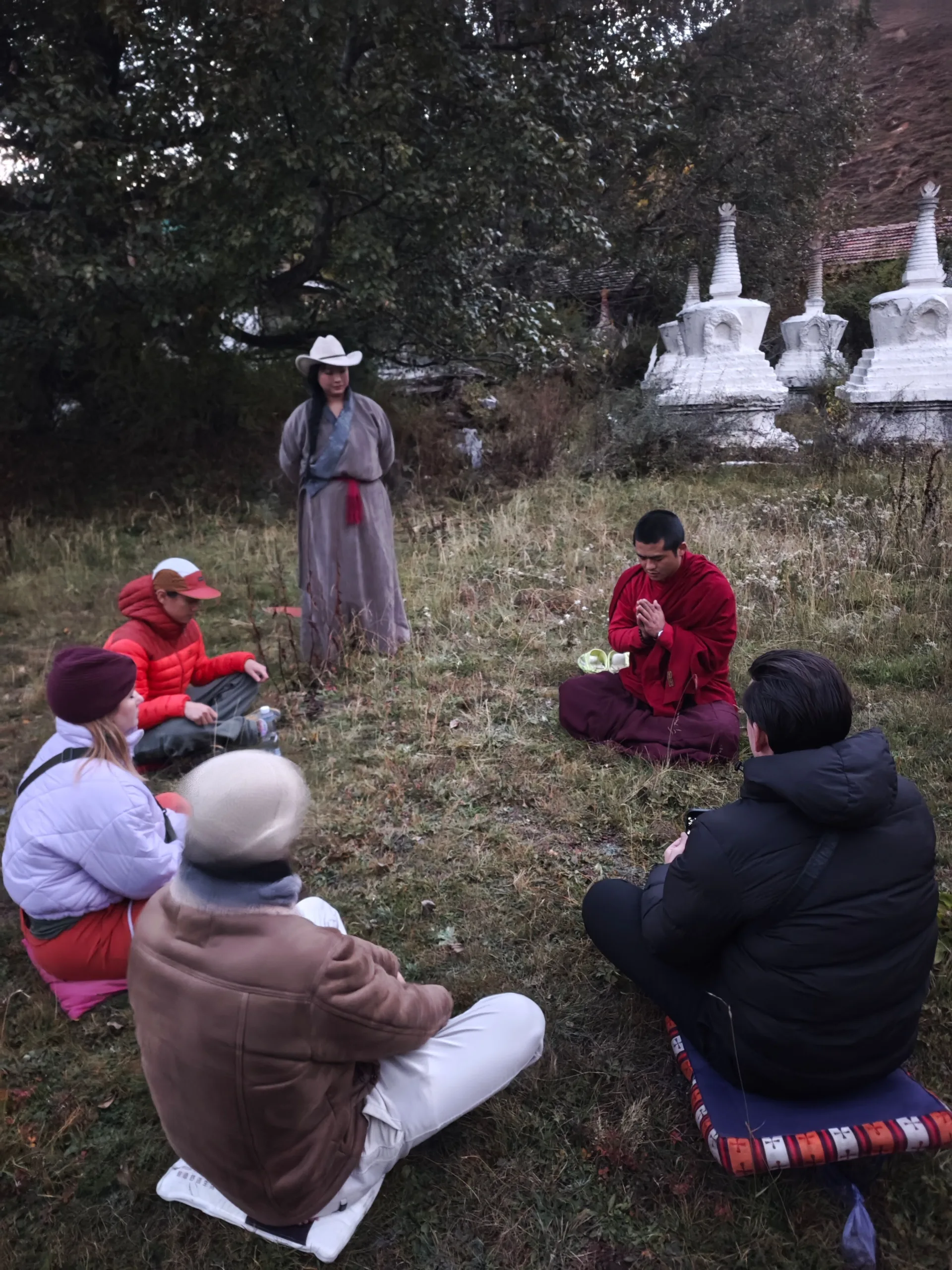
Meditate with a monk from Tagong Monastery, learning authentic techniques in the thousand-year-old stupa forest.
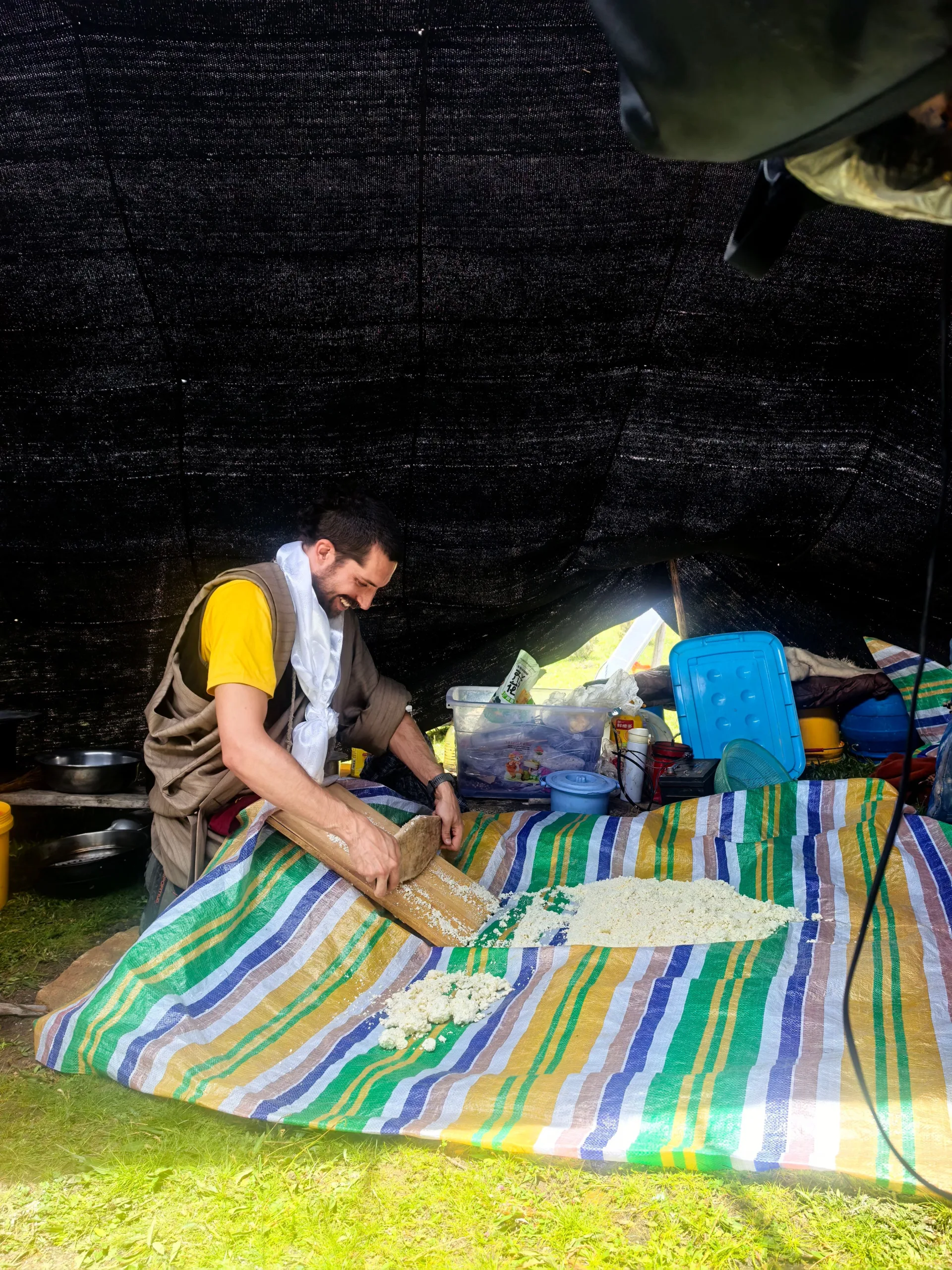
Spend a day with Tibetan nomads on the grasslands, joining local herders in their daily routines, learning to make tsampa, herding yaks, and sharing authentic Tibetan meals together.
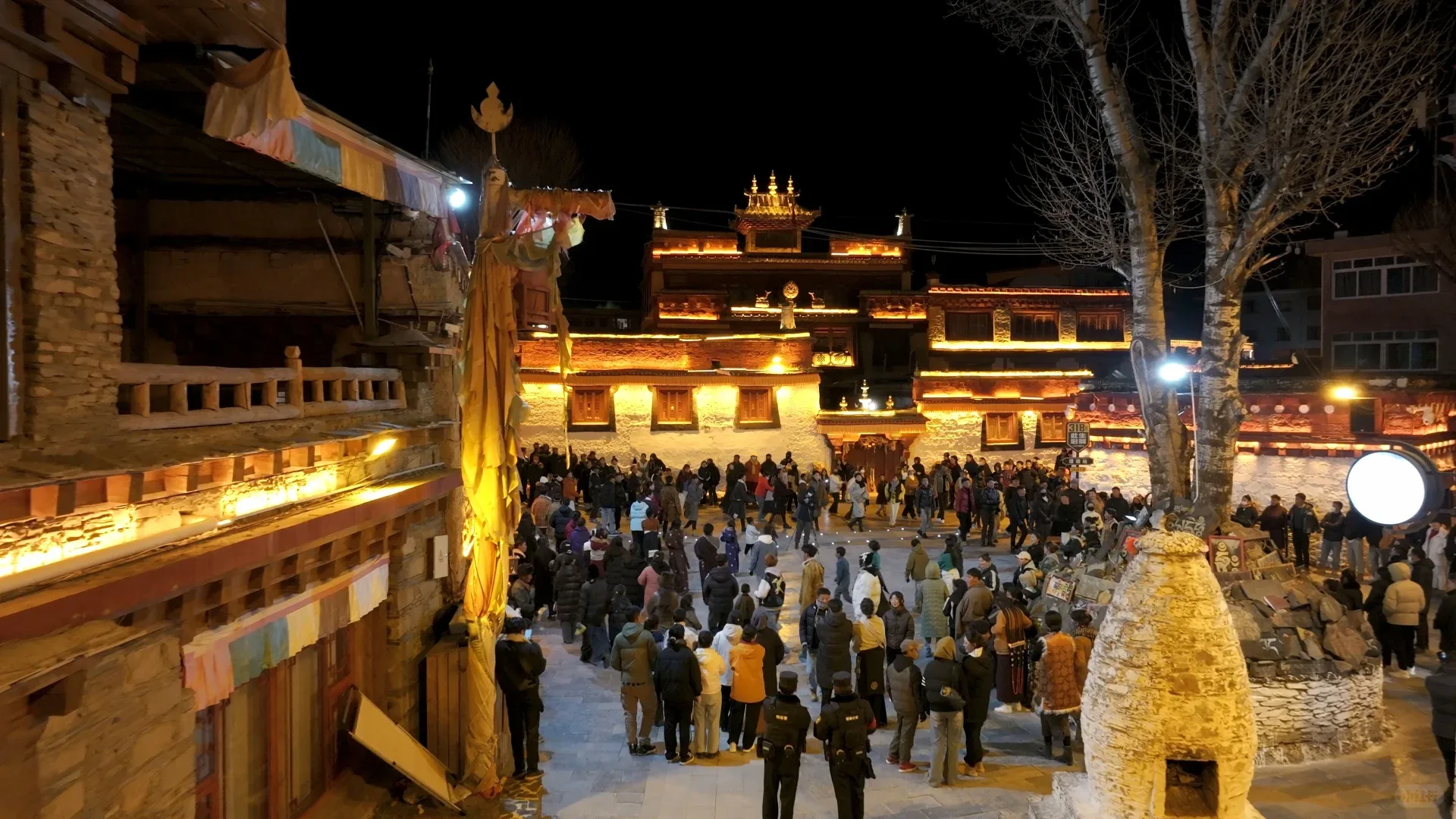
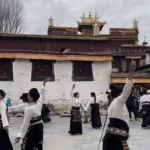
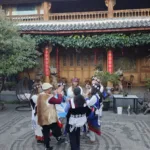
Dance Traditional Tibetan dance Guozhuang with locals in Litang, the highest Tibet city in the world, explore its thousand-house Tibetan village and monasteries.
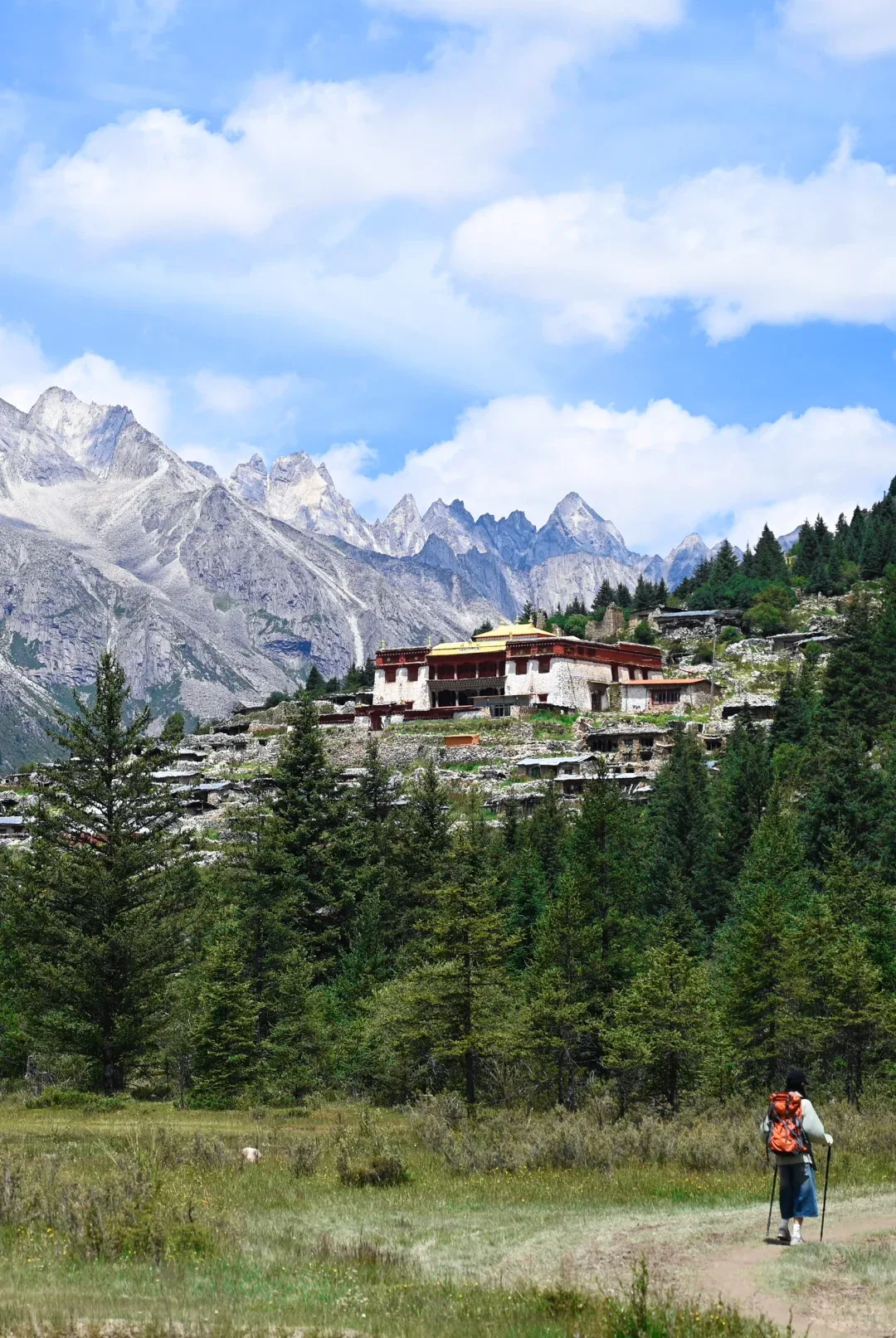
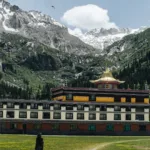
Hike beneath Mount Genyen to reach Old Lenggu Monastery, a secluded hermitage beneath the snow mountains.
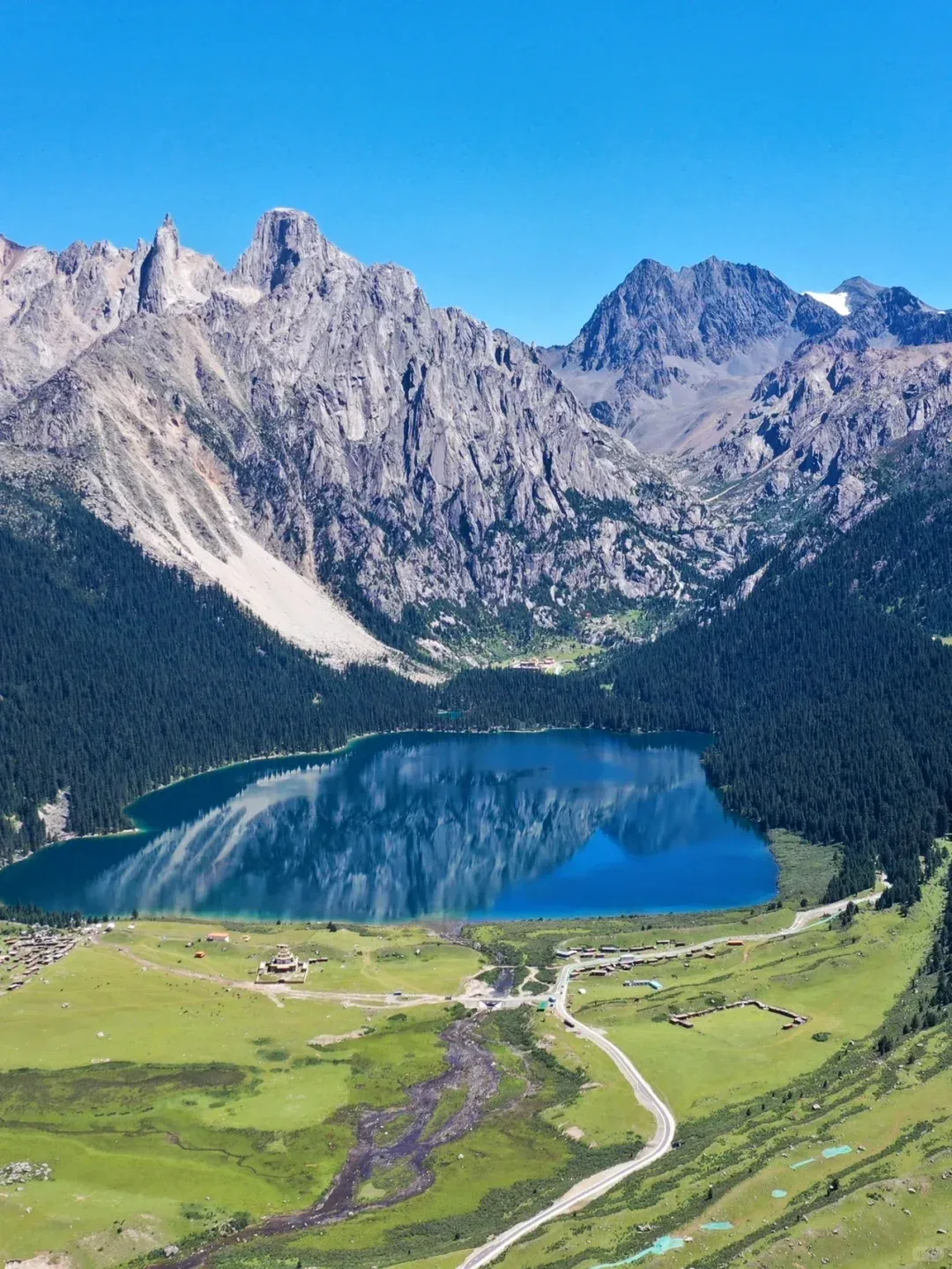
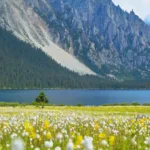
Stroll beside the lakeshore in Cuopu Valley, beneath snow-capped mountains, where crystal-clear waters reflect the peaks and surrounding forests.
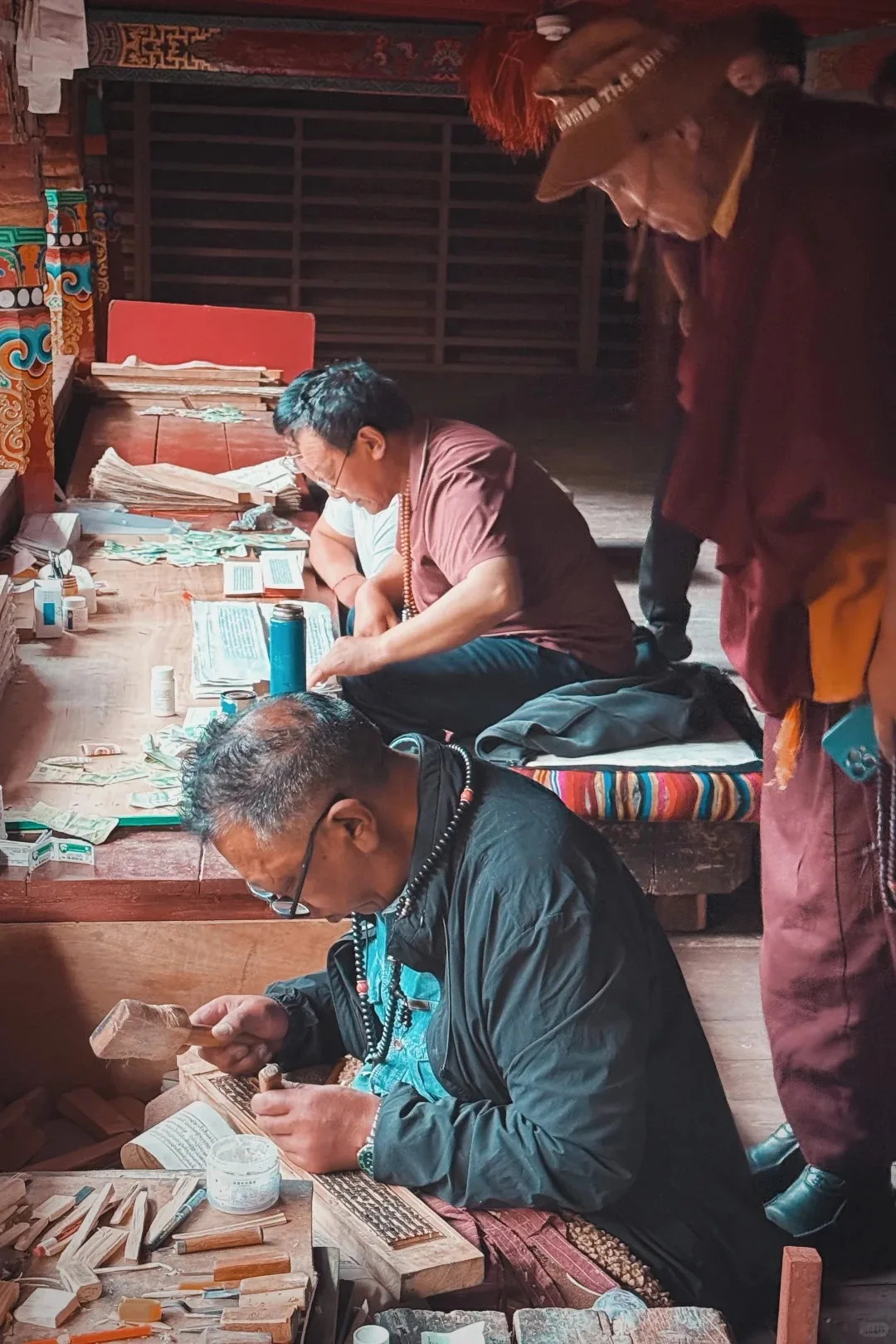
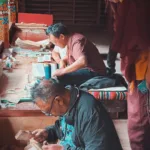
At Dege Printing House, watch artisans pass Tibetan paper by hand and repeat the careful rhythm of woodblock printing, preserving one of Tibet’s oldest printing traditions.
Featured Stays
Stay in thoughtfully selected hotels that combine comfort, character, and a genuine sense of place, from distinctive local boutique stays to leading international brands. Through our long-standing hotel partnerships, guests may also enjoy preferred benefits such as complimentary room upgrades and special privileges.
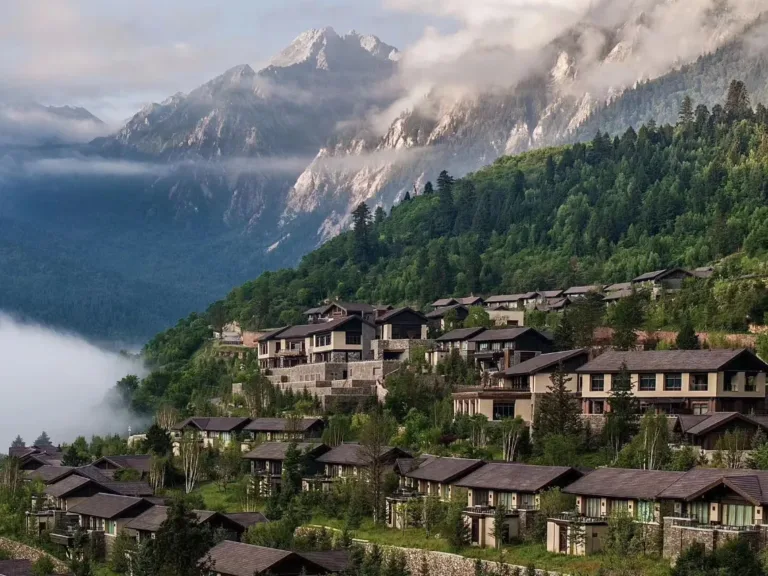
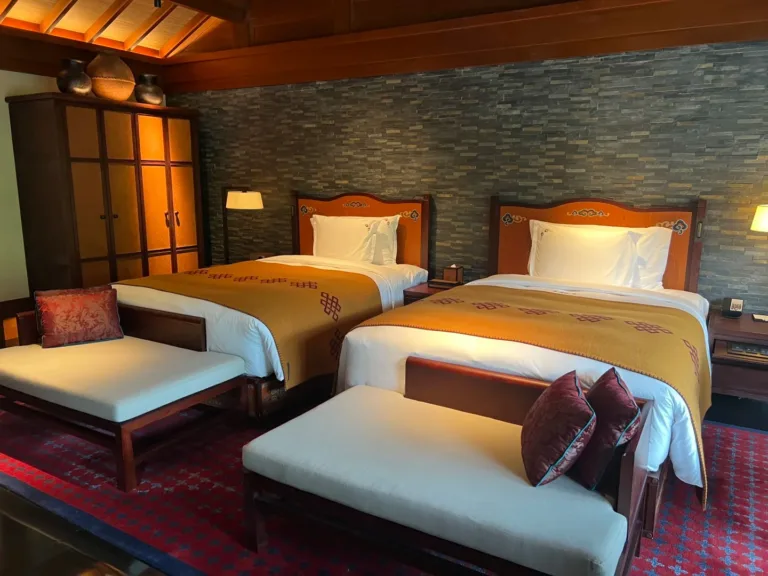
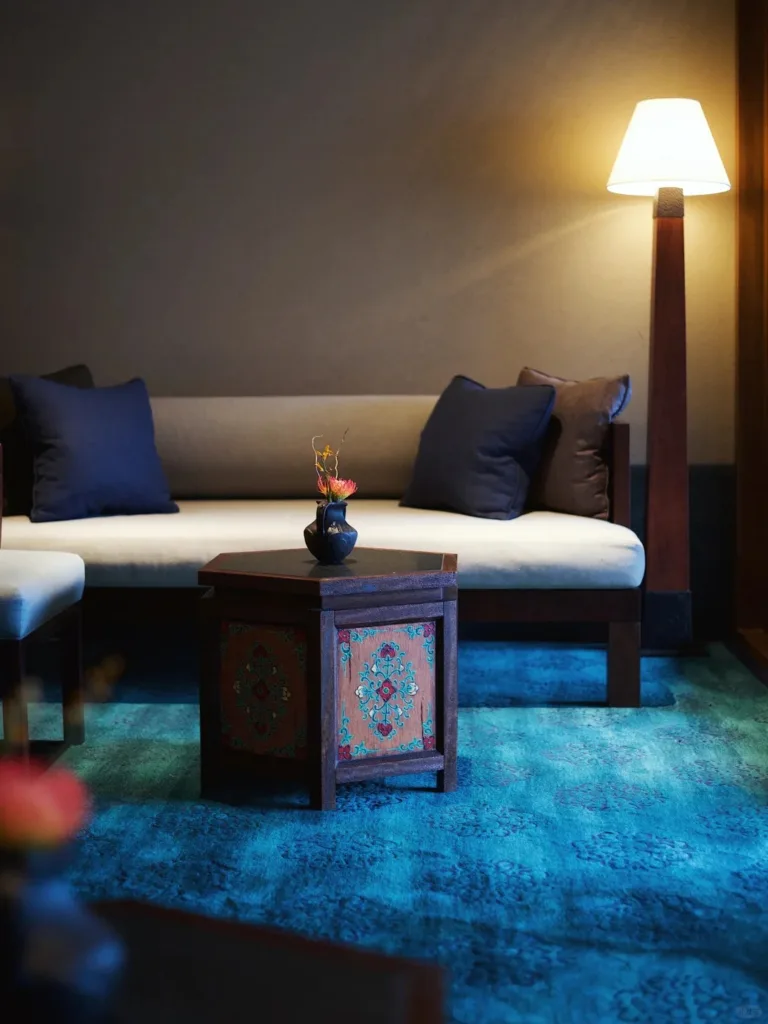

Rissai Valley, a Ritz-Carlton Reserve

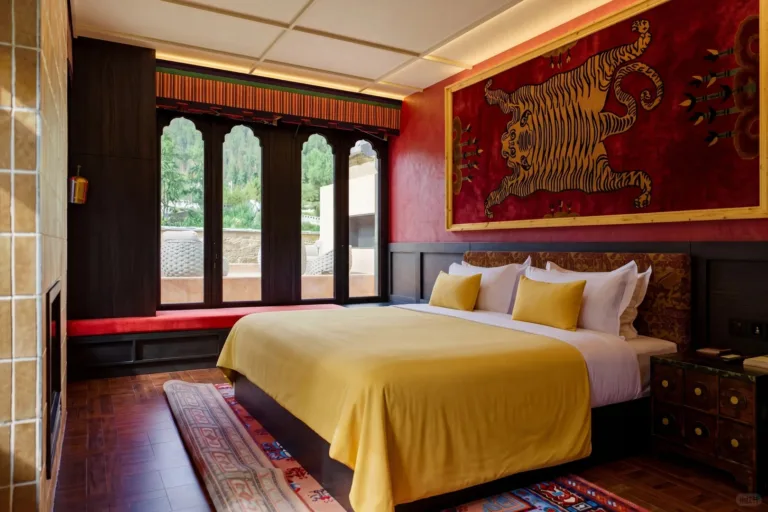
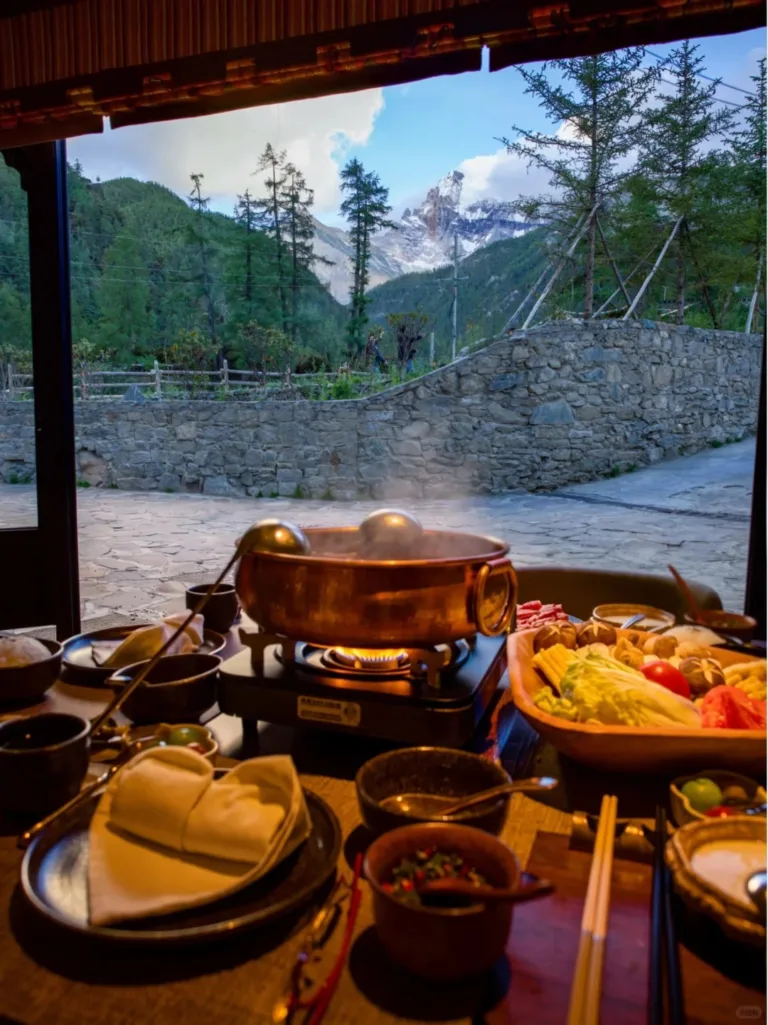
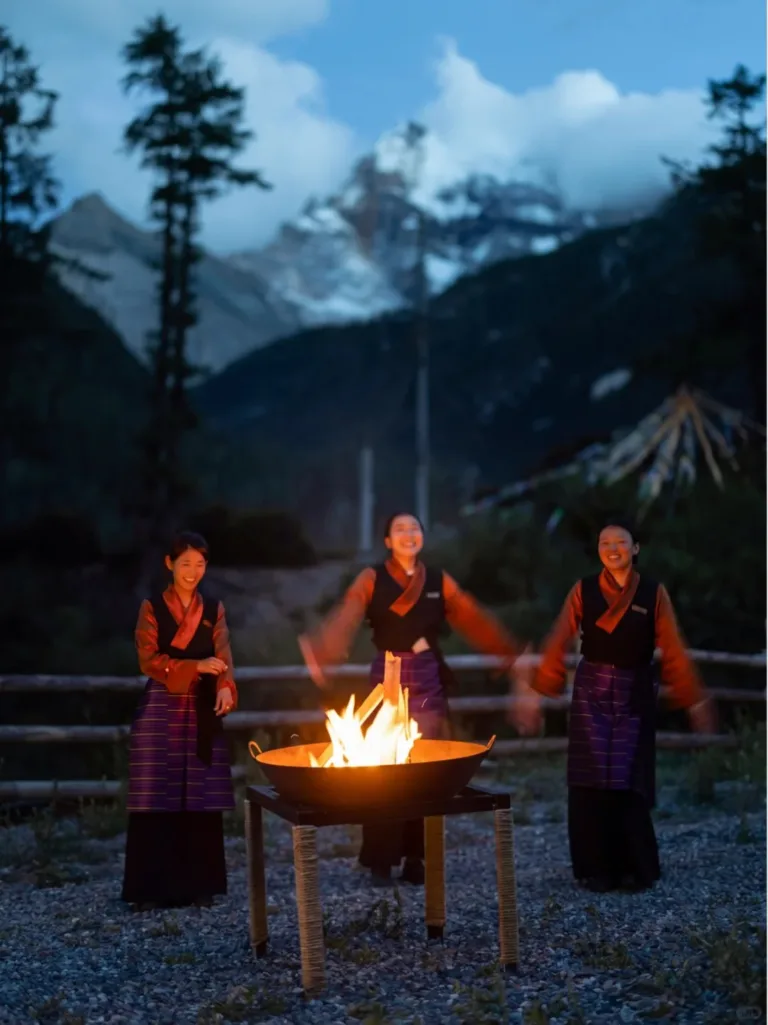
Yading BORE Secret Realm Hotel, Daocheng County
Inclusions & Offers
Designed Around Your Journey
Rather than fixed departures, this experience is arranged privately and shaped around your preferred dates, interests, and travel style.
Our specialists will design the journey based on your pace, accommodation preferences, and seasonal conditions.
Best time to visit
Western Sichuan has a typical high-altitude plateau climate, with thin air, strong sunlight, rapidly changing weather, and large temperature differences between day and night. Due to its vast territory and varied terrain, weather conditions can differ greatly from one area to another, even on the same day.
Traveler Reviews








FAQs
How is a Western Sichuan private tour different from a group tour?
A Western Sichuan private tour gives you far more flexibility, privacy, and access than a standard group itinerary. Instead of following fixed stops and departure times, the journey can be shaped around your interests — whether that means spending longer in a Tibetan village, adjusting the route for better mountain weather, adding a private cultural experience, or venturing into quieter valleys and wildlife areas that larger groups rarely reach.
With Eastogo, private travel also means carefully selected local guides, dedicated transport, distinctive stays, and the freedom to adapt as conditions change. The result is a more personal, seamless, and immersive way to experience Western Sichuan.
How does the booking process work?
1. Submit Your Inquiry
Tell us where you’d like to go, when you’d like to travel, and what kind of experiences you’re looking for.
2. Meet Your Destination Specialist
Your regional expert will arrange a complimentary consultation to understand your interests, travel style, pace, and priorities. Together, we’ll begin shaping the journey around your curiosity.
3. Receive Your Personalized Proposal
Based on your preferences, we’ll create a personalized itinerary and quotation, including accommodations, transportation, experiences, and recommendations tailored specifically to you.
4. Refine & Confirm Your Journey
Review the itinerary with your destination specialist and make any adjustments you’d like. Once everything feels right, secure your booking with a deposit and we’ll begin preparing the trip.
5. Travel with Confidence
Before departure, you’ll receive your detailed travel documents, practical information, and pre-departure guidance. Then simply arrive and enjoy your journey while we take care of the rest.
What is Western Sichuan known for?
Western Sichuan is known for its rare combination of snow-capped mountains, vast grasslands, alpine lakes, Tibetan monasteries, nomadic life, and deep spiritual traditions.
In some villages, Tibetan culture is preserved in a more local and pure way than in parts of Tibet itself. The region feels open, remote, and deeply rooted in daily belief, where nature and faith are closely connected.
Is Western Sichuan worth visiting?
Yes. Western Sichuan is one of the best places to experience China’s Tibetan regions with easier access from Chengdu.
Unlike Tibet, Western Sichuan can be visited without a Tibet Travel Permit, making travel planning much simpler for international visitors. It is home to different Tibetan communities, including Kham, Jiarong, Danba, and Baima Tibetans, with many living traditions still strongly preserved.
Compared with Qinghai, Western Sichuan has better road access, more developed travel infrastructure, greener landscapes, and generally lower altitude risk. In just a few hours, you can travel through snow mountains, grasslands, lakes, forests, and Tibetan villages.
Is Western Sichuan suitable for first-time visitors to China?
Yes. Western Sichuan can be a wonderful choice for first-time visitors to China, especially if you are drawn to Tibetan culture, mountain landscapes, hiking, and a freer way of exploring beyond the classic tourist route. It is closer and more flexible than Tibet, does not require a Tibet Travel Permit, and allows you to experience snow mountains, grasslands, monasteries, Tibetan villages, and Kham culture within a relatively accessible journey from Chengdu.
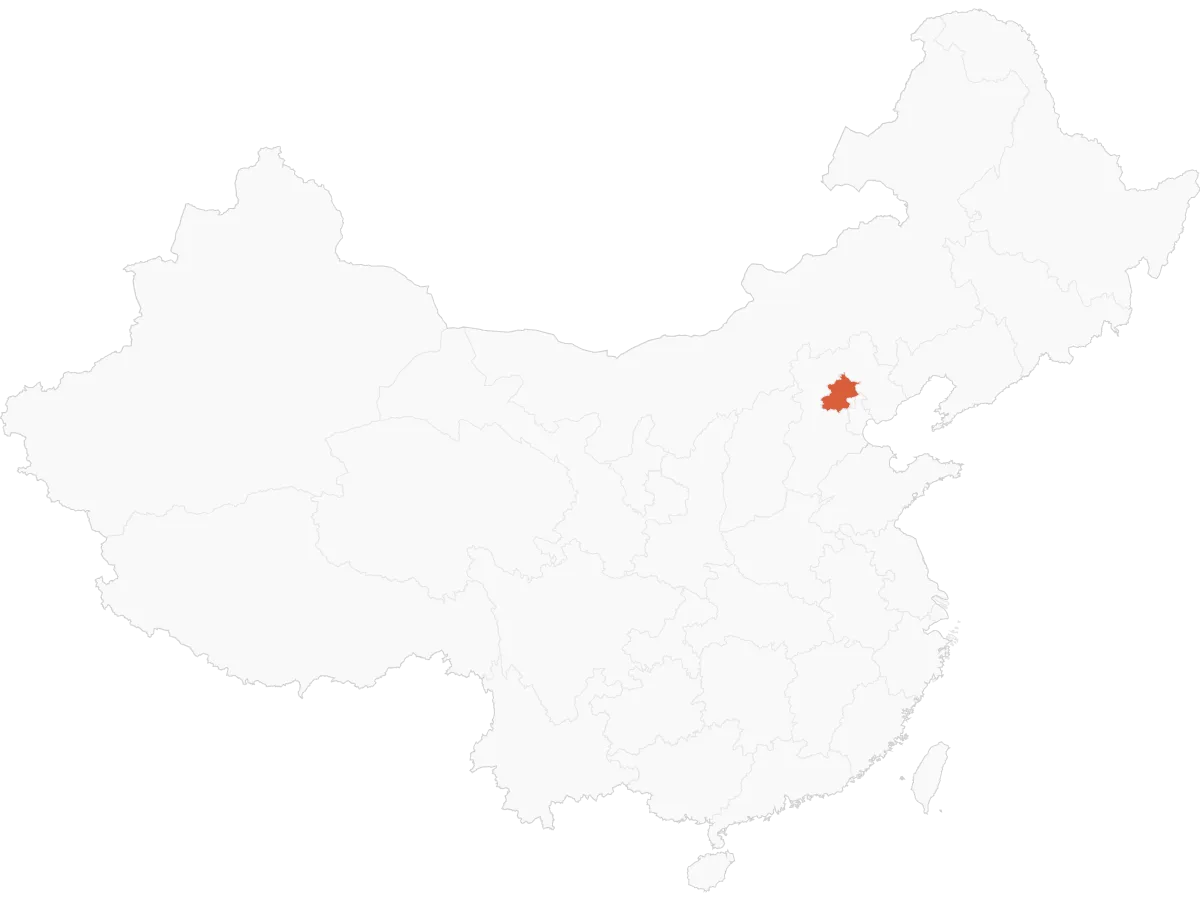
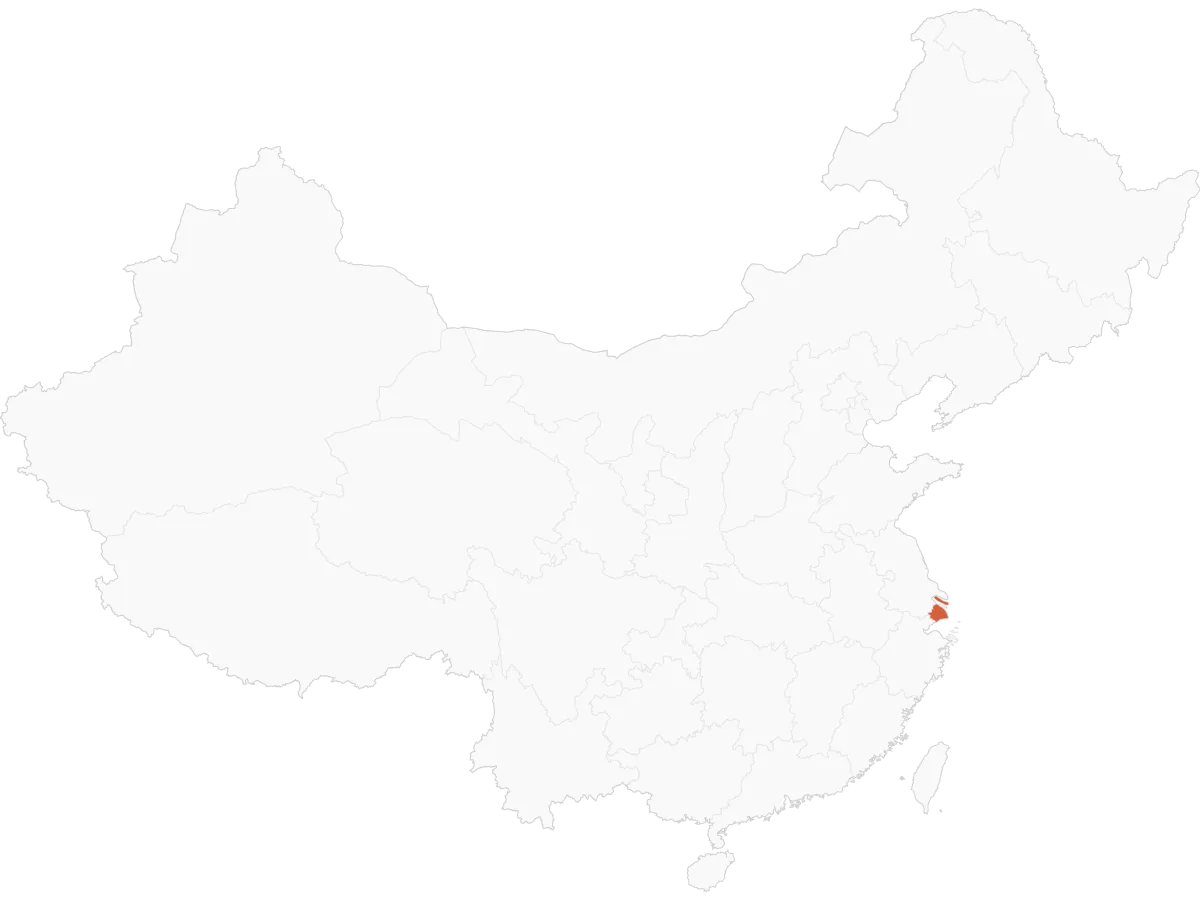
However, Western Sichuan is not the easiest first introduction to China for everyone. The region involves long driving hours, higher altitudes, changing weather, and simpler conditions in some mountain towns or villages. If your first trip to China is mainly about classic history, major cities, convenient transport, and iconic landmarks, Beijing, Shanghai, and Xi’an may be a better starting point.
Western Sichuan is best for travellers who are curious, flexible, and open to slower road journeys, natural landscapes, and cultural depth.
What are the must-see attractions in Western Sichuan?
Western Sichuan’s highlights depend on your travel style.
For highland landscapes
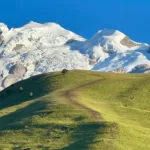
Mount Siguniang, Mount Yala, Mount Gongga, Tsopu Valley, Sister Lakes, Yulong Lhatso, Tagong Grassland, and Litang Grassland offer some of the region’s most powerful mountain and plateau scenery.
For Tibetan culture
Visit Tagong Monastery, Dzogchen Monastery, Changqingchunkeer Monastery, and Katok Monastery, where religious life is still closely connected with local communities.
For local experiences
Learn meditation with monks, spend time with herders, watch traditional Buddhist scripture printing at Dege Printing House, or walk through Tibetan villages and mountain valleys.
For outdoor travel
Mount Siguniang is one of the best places for light hiking, alpine scenery, and a gentle introduction to Western Sichuan’s mountains.
How many days should I spend in Western Sichuan?
Western Sichuan is not a place to measure by how many sights you can check off. It is better planned around how deeply you want to travel.
With 3 days, you can make a short journey from Chengdu into Western Sichuan, visiting places such as Mount Siguniang, Zhonglu Tibetan Village, or Danba. This gives you a first glimpse of snow mountains, valleys, and Tibetan village life.
With 5–7 days, the journey becomes more relaxed. You can complete a small loop through places such as Tagong, Xinduqiao, and Kangding, with time for tea, walks, monasteries, and local encounters instead of rushing from place to place.
With 7–10 days or more, Western Sichuan becomes more complete. You can travel deeper into Litang, Genie, Dege, Baiyu, and other Kham Tibetan areas, with more time for grasslands, monasteries, light hiking, and local experiences.
3 days lets you see Western Sichuan. 5–7 days lets you feel it. More than 7 days lets you enter it.
What is the best time to visit Western Sichuan?
The best seasons are April–June and September–October for clear skies and layered scenery.
Winter (November–March) is quieter and ideal for snow mountain views, but comes with colder weather and simpler living conditions.
How do I get to Western Sichuan?
Most Western Sichuan trips start from Chengdu, the easiest gateway city for international and domestic travellers.
International flights
Travellers can fly into Chengdu through two airports:
Chengdu Tianfu International Airport (TFU) — more flight options, but farther from the city centre.
Chengdu Shuangliu International Airport (CTU) — closer to the city, with easy metro access, but usually fewer flights.
Domestic flights
Western Sichuan has several high-altitude regional airports, including:
Daocheng Yading Airport (DCY) — useful for Litang and Daocheng Yading.
Jiuzhai Huanglong Airport (JZH) — useful for Jiuzhaigou and Huanglong.
Kangding Airport (KGT) — useful for Kangding and Xinduqiao.
Please note that high-altitude flights are more easily affected by weather. We recommend keeping 1–2 buffer days if you plan to use these airports.
High-speed trains
Chengdu is also the main railway hub for Western Sichuan. From Chengdu East or Chengdu West Railway Station, travellers can reach gateway cities and towns such as Dujiangyan, Ya’an, Huanglongjiuzhai, and Songpan.
During peak season, especially from July to October, train tickets can sell out quickly. We recommend booking as early as possible.
Is Western Sichuan part of the Tibetan region? What is Kham?
Yes. Much of Western Sichuan lies within the Kham Tibetan region, one of the three main traditional Tibetan areas (along with Ü-Tsang and Amdo).
Kham is known for its open landscapes, independent spirit, warrior heritage, and rich monastic culture. Tibetan life here feels especially vibrant and deeply rooted in daily practice rather than tourism.
Will I get altitude sickness on my first trip to Western Sichuan? How can I prevent it?
Many first-time travellers visit Western Sichuan without serious altitude problems, but most areas are on the plateau, so mild symptoms are possible.
Common symptoms include headache, dizziness, tiredness, chest tightness, poor sleep, or loss of appetite. Most mild symptoms improve after 1–3 days of rest and acclimatisation.
To reduce the risk:
Sleep well before the trip and avoid alcohol.
Move slowly on the first day.
Stay at lower place at night.
Avoid intense exercise and long walks at the beginning.
Drink water regularly and eat light meals.
Keep warm and avoid catching a cold.
Prepare basic medicine for headache and energy support.
If you have severe headache, breathing difficulty, confusion, poor balance, or worsening symptoms, descend to a lower altitude and seek medical help immediately.
What documents do foreign travellers need to enter Western Sichuan?
Foreign travellers do not need a Tibet Travel Permit to visit Western Sichuan, even though many areas are Tibetan cultural regions.
You will need:
A valid passport. This is required for all foreign travellers.
A Chinese visa or visa-free entry eligibility. If your nationality is covered by China’s visa-free policy, you can enter with a valid passport. If not, you should apply for a Chinese tourist visa, usually an L visa, before arrival.